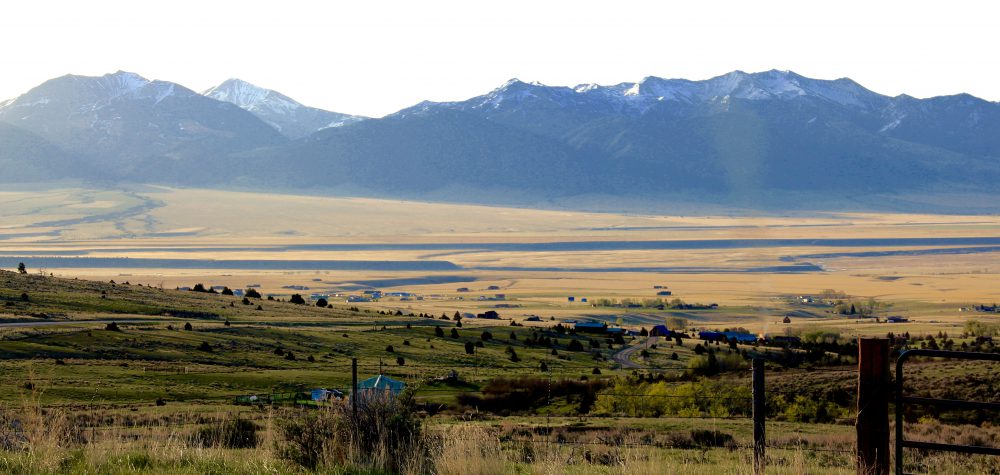
After my comprehensive work in Montana from 1984-85 I returned in 1988 to revisit and add new places to my visual understanding of the state. Here are most of the color slides I took in Sheridan County on my second trip to Plentywood and environs.
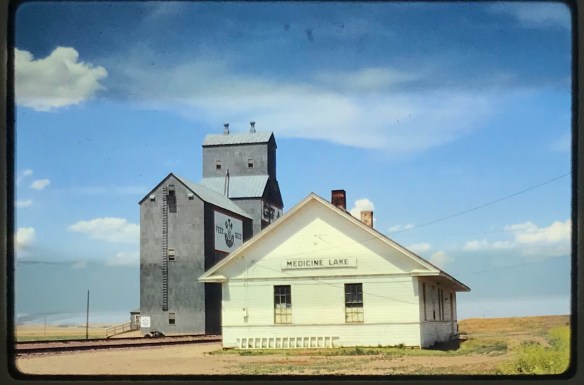
I particularly looked at the railroad corridors–big surprise I know. Above is the Great Northern depot at Medicine Lake and below is a similar combination of Great Northern depot and elevators at Antelope.

The other railroad corridor I wanted to look at was the Soo Line, which operated a short spur line into the county in the early 20th century. I’m glad I did since hardly any buildings exist along this route today. Below is the T-town plan of Outlook.
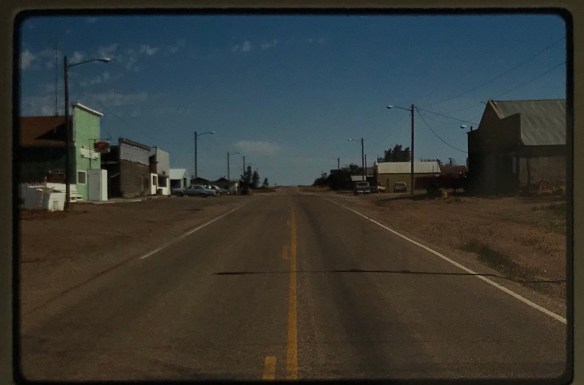 

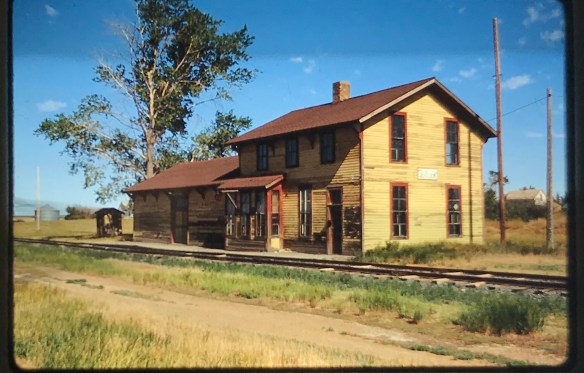
Outlook in 1988 still had its classic Soo Line combination depot, with both passenger services, baggage warehouse and station office wrapped in one building. Below is the Outlook railroad corridor.

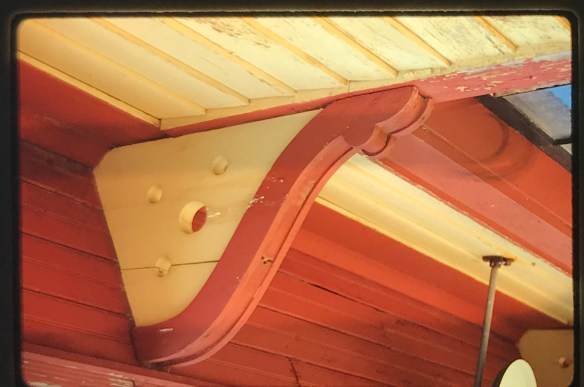
The station was in fair condition then (it is gone now) and I took a couple of images along with a close-up of the two-seat privy.
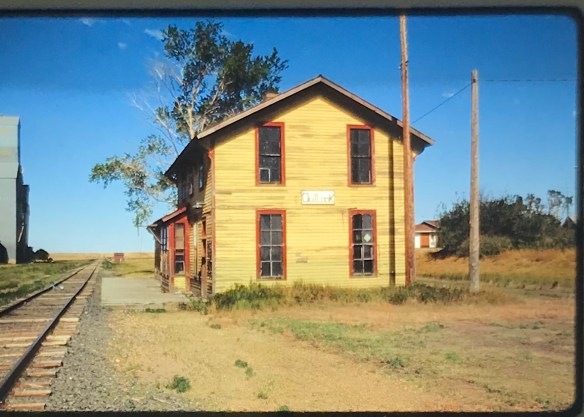

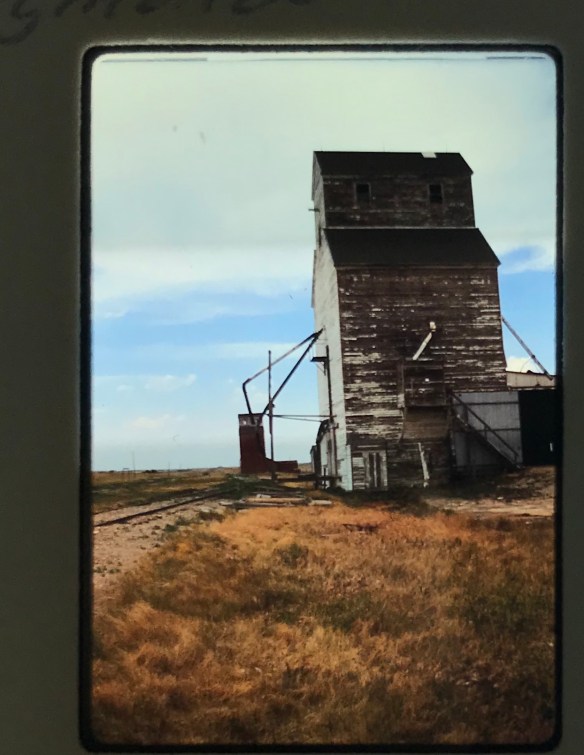
Other “towns” on the Soo Line had nothing left but deteriorating elevators. Here in 1988 was what was left in Raymond.

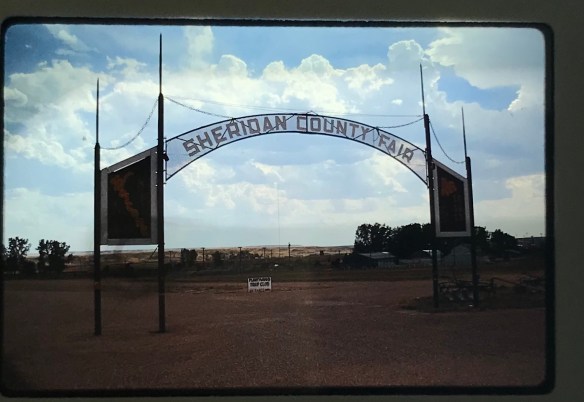
In Plentywood, the county seat, I took images of the great fairgrounds sign and the New Deal-era Sheridan County Courthouse.

I also was so happy to see the Orpheum movie theater still in operation.

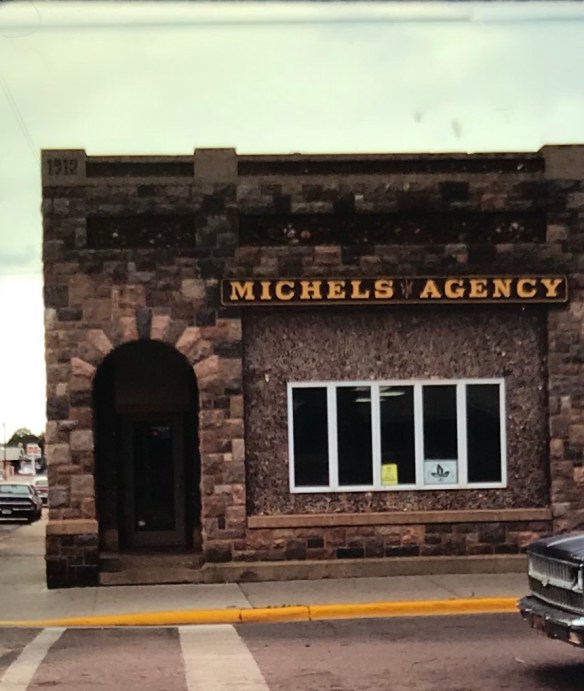
Finally I always have found it fascinating that at Plentywood’s main intersection stood 3 bank buildings at the three corners–and at Montana’s best known socialist county in the early 20th century.


And in 1988 I also took care to document the town’s Northern Pacific depot. Railroads and banks dominated the county at its founding.

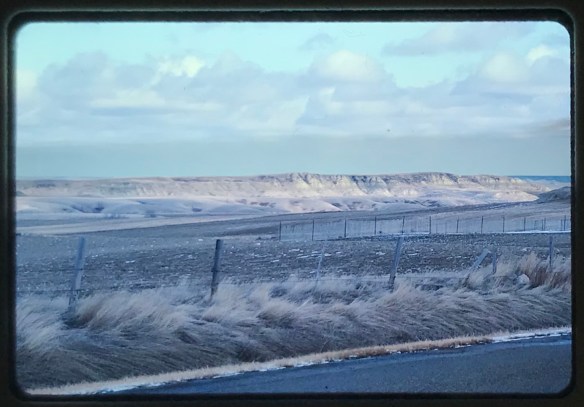
Last scenes: the Flandrem community monument on Highway 16 and a bit of badlands scenery along Highway 5 (the image is from my original trip in 1985, this the bit of snow, taken February 1985).




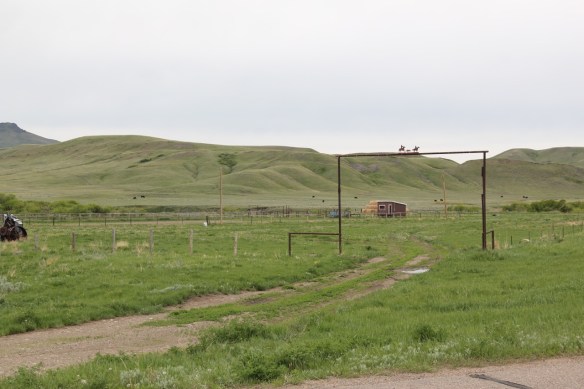
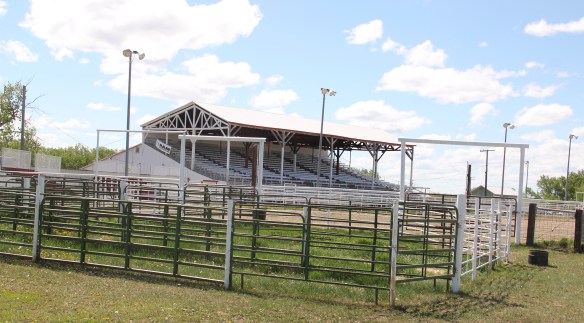
 Another traveler has posted a wonderful montage of the July 4, 2011 rodeo at Cleveland–truly a community affair. I wish that one day soon I can return when the chutes and corral are teeming with livestock and ranch families from miles around gather for an annual event, whose origins stretches back to the early settlement of Blaine County.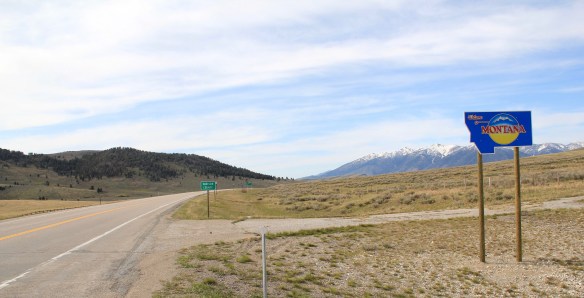


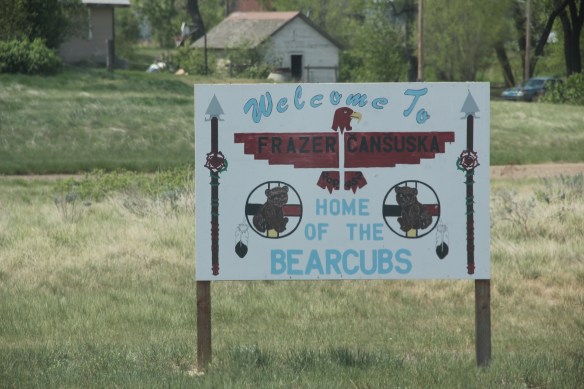
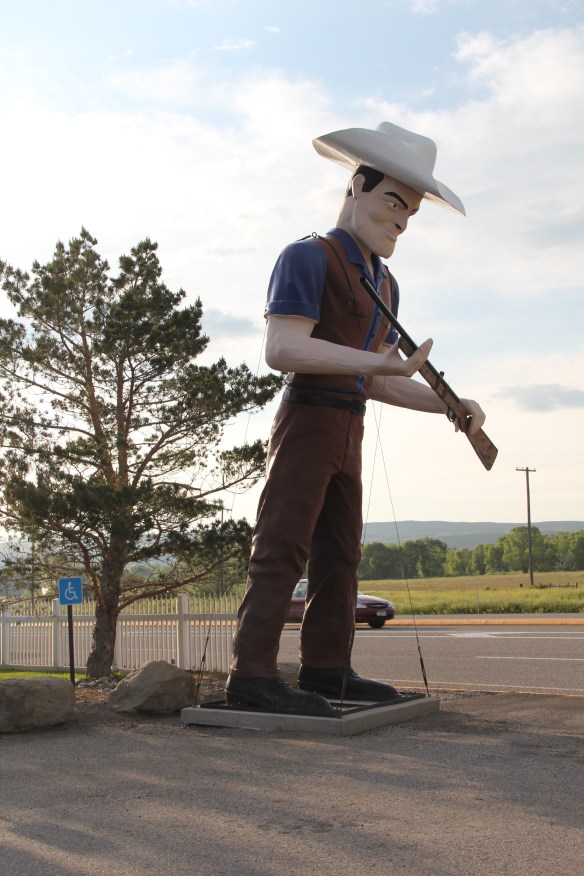 metal like Thunder jack in the Shields Valley on U.S. 89 north of Livingston. There’s always a wave and friendly greeting!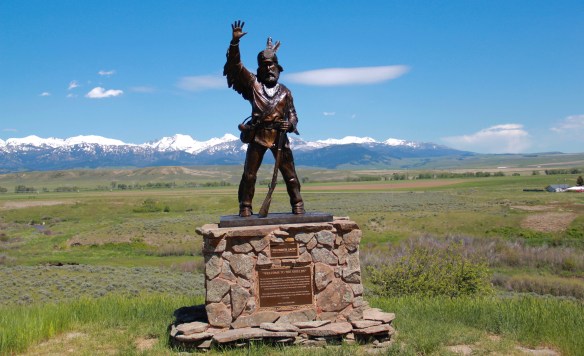
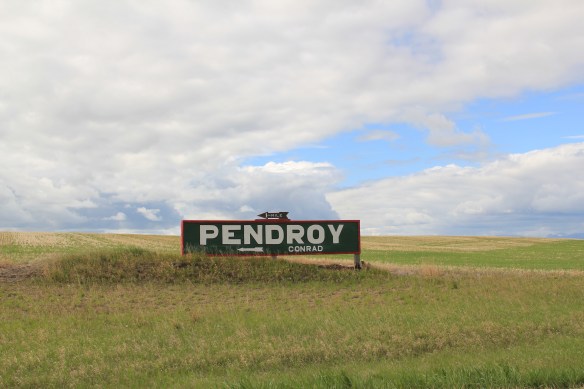


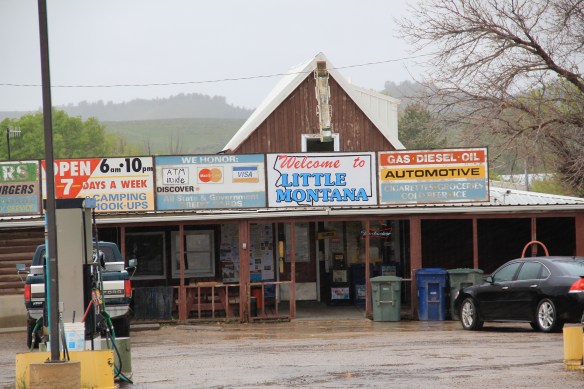 and consider those who have passed before with the many historical markers.
 The vastness and diversity of the Big Sky Country is amazing, with so many bridges to


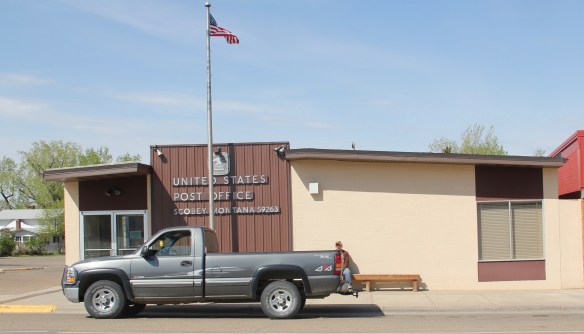
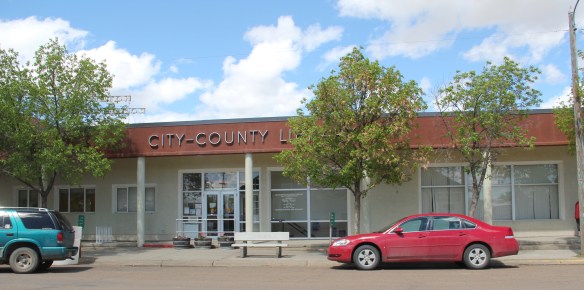
 The county library, above, is small but busy, a reminder of how important these public buildings can be. About 5 years ago, the time of my last visit, Scobey still had its own medical center, below, as well as a distinctive post office, different from many in the region due to its modernist style.






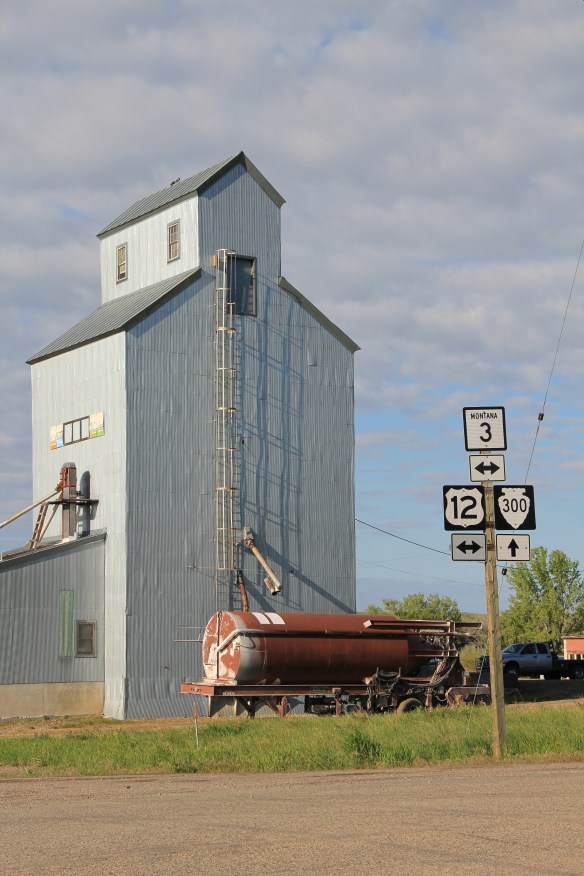 But like most travelers I roar down the highway, perhaps noting the tall grain elevators facing the town proper, and pay little attention to anything else. In a post of four years ago, I spoke of Golden Valley County and its historic landmarks, highlighting the grain elevators, the Golden Valley Courthouse, the Sims-Garfield historic ranch, and the historic town bar in Ryegate. But like the other eastern Montana county seats, Ryegate deserves a closer look.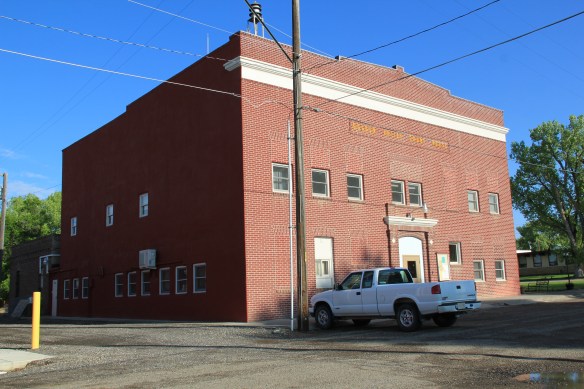
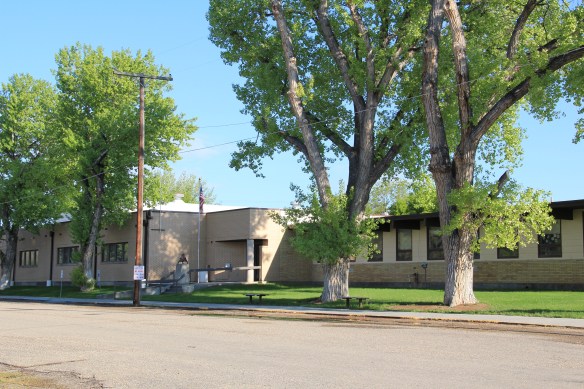
 Ryegate received one of the standardized “modern” post office designs from the federal government in the 1970s–the town’s fortunes have remained basically frozen after the Milwaukee Road declared bankruptcy and shut down the tracks in 1980.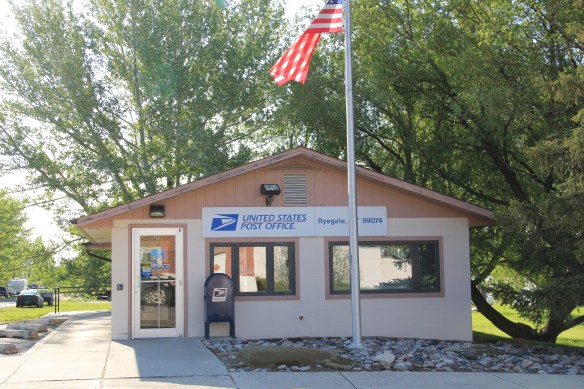




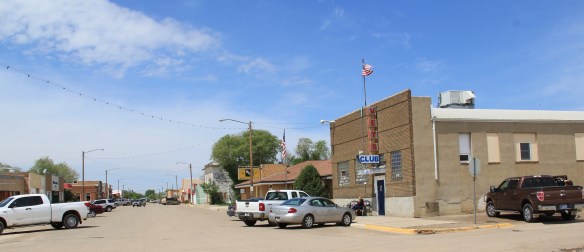


 Another new financial services building since my 1980s visit to Circle is the McCone County Credit Union building, shown below to the left of the landmark McCone County Memorial building.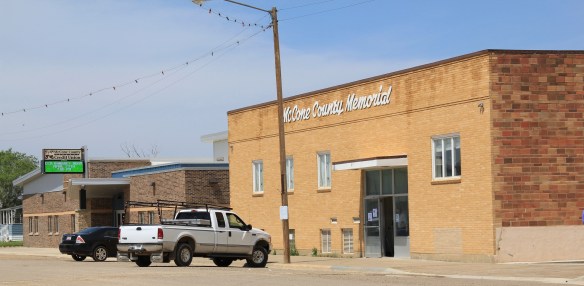
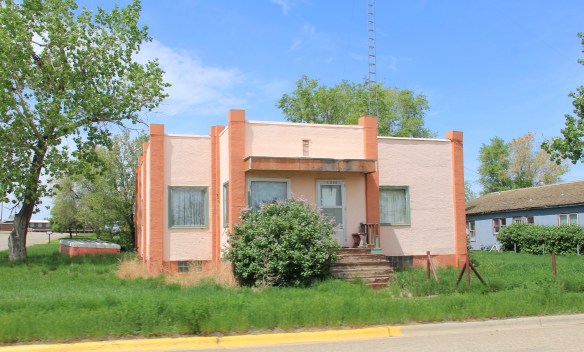


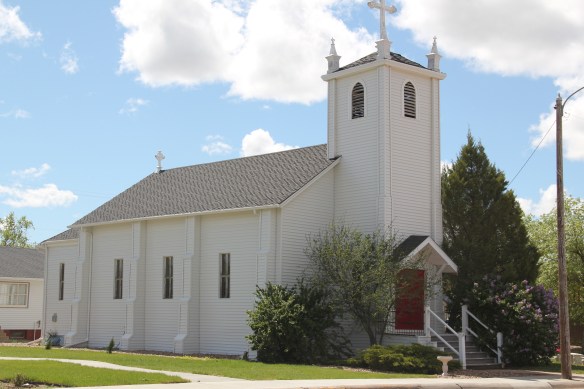





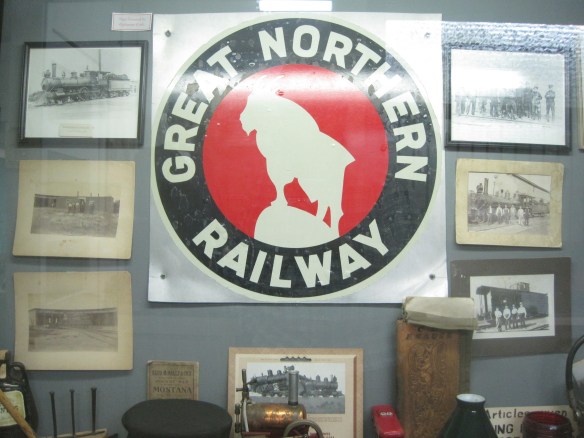

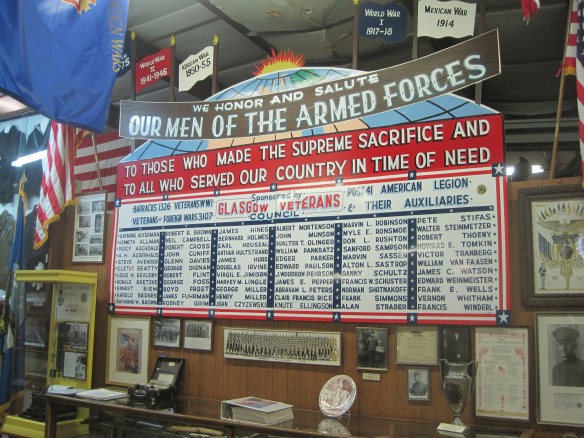
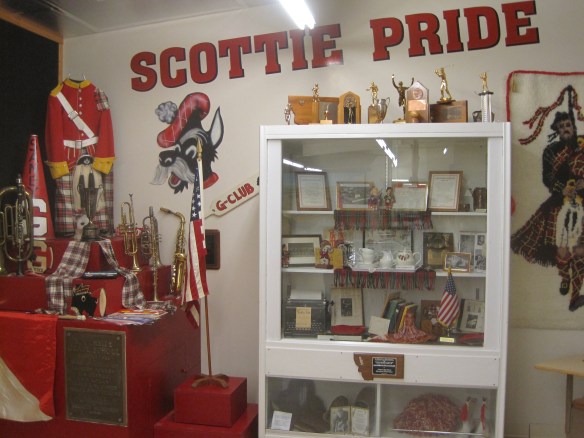


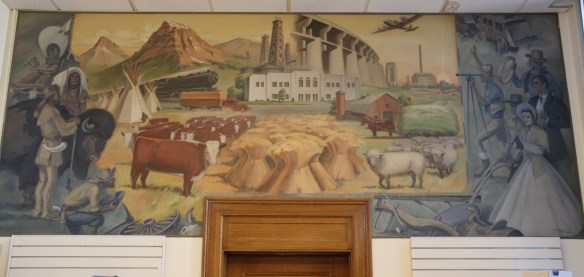


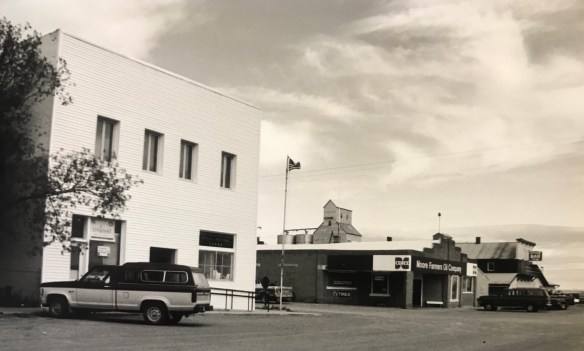
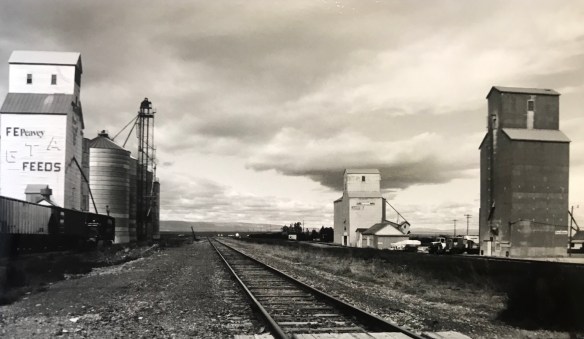
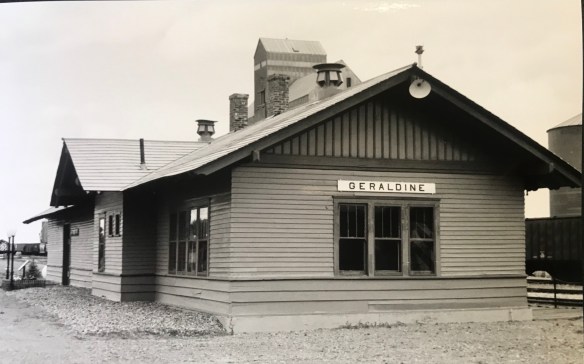


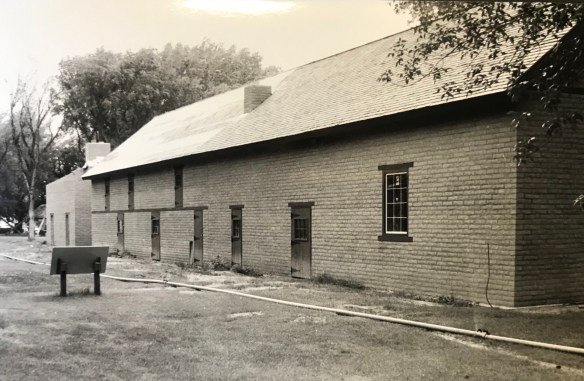
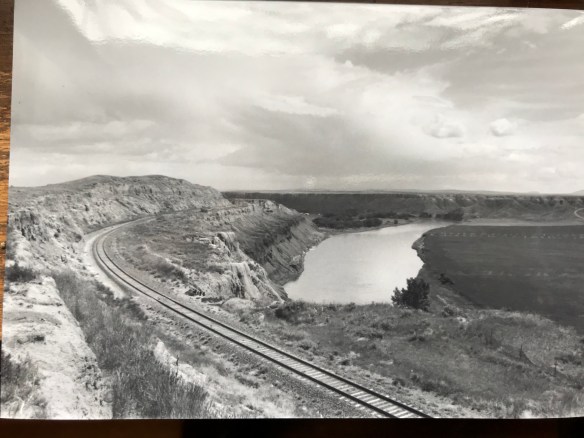

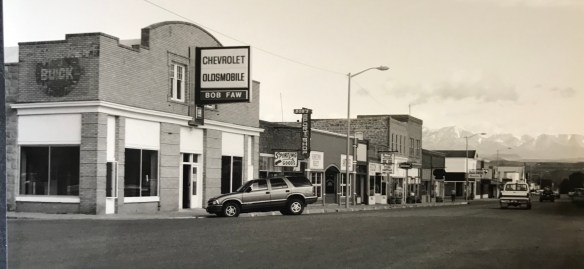


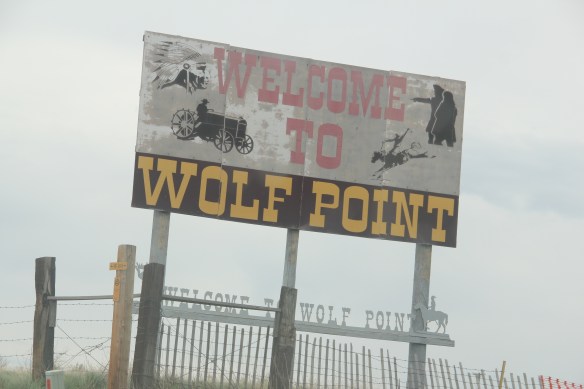


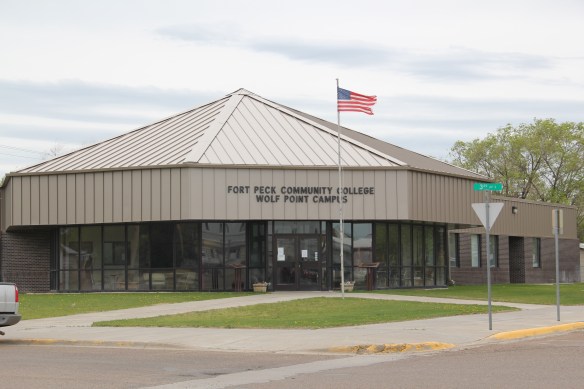


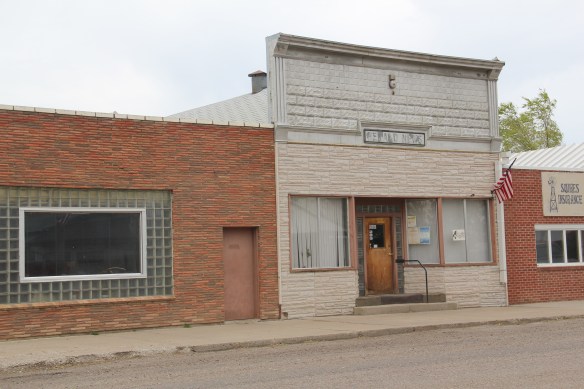

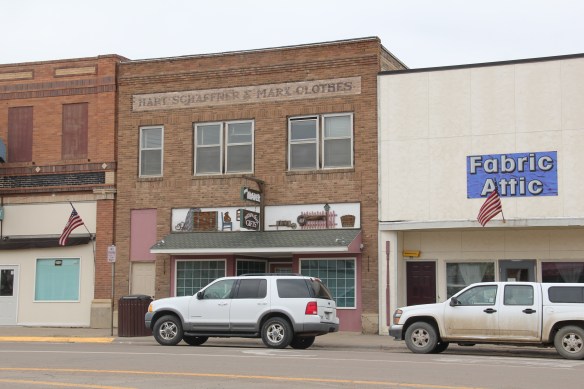

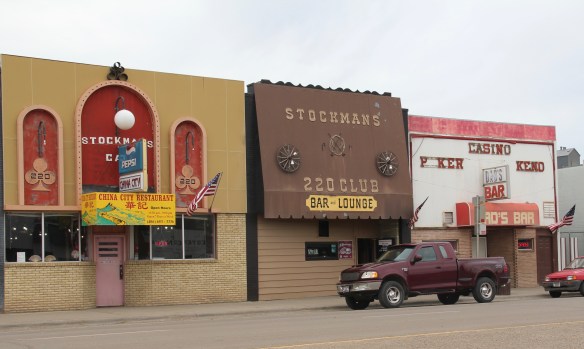


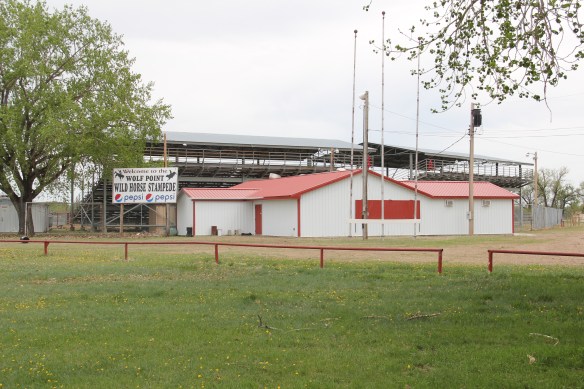
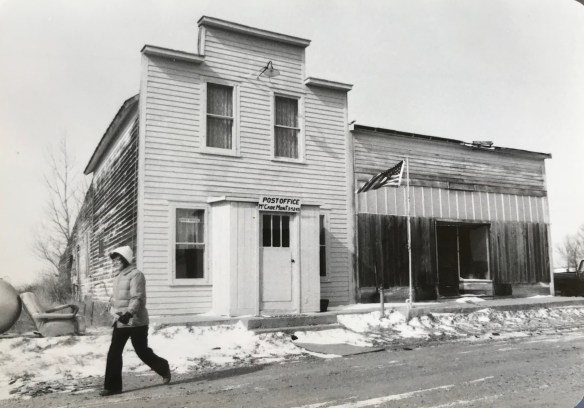 The new year will mark 35 years since I began my systematic exploration of Montana for the state historic preservation office. I am using that loose anniversary (actually I started in Toole County in February) as an excuse to share some of my favorite images from a time that seems like yesterday but certainly belongs to another era. The image of a winter morning in McCabe in the northeast corner of Montana is still perhaps my favorite of all. The idea of a town being merely a handful of unadorned buildings fascinated me, and the primacy of the post office also struck me.
 The imprint of the metropolitan corridor of great railroad corporations crossing the northern plains with their trains speeding between Seattle and St Paul never left my memory— as four decades of my graduate students will sadly attest. The image of Hoagland in northern Blaine County recorded what happened to the spur lines of the main corridors by the end of the century. The image below of Joplin along US Highway 2 is what I always think of when someone mentions the Hi-Line.
 Small-town Montana is also defined by its local bars and taverns, as I have repeatedly emphasized in this blog. Swede’s Place in Drummond just said a lot to me in 1984. But I wasn’t sure which door to use— the one between the glass block windows did the trick.
 Some places I considered small town landmarks have disappeared in the last third of a century. The Antler Hotel and bar in Melstone on US Highway 12 is one I still miss.
 Rural schools were everywhere even though some had been abandoned for a generation. The Boston Coulee School still had its New Deal privy. The New Deal also built the modernist styled Shawmut School. I haven’t been that way in awhile—I wonder if it still serves that tiny town.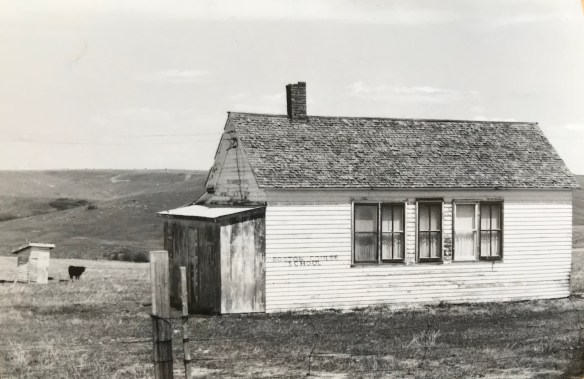
 The towns defined only by their community centers also fascinated me. Loring was bigger than Eden for what that’s worth but these comparatively substantial and obviously valued buildings told me that community meant something perhaps more profound in the Montana plains.
 I will always remember Saco fondly for the town tour that residents gave me—it ranged from an old homesteader hotel (no longer there) to a Sears Roebuck kit bungalow, which is still a family home in Saco although Sears Roebuck has largely closed up shop.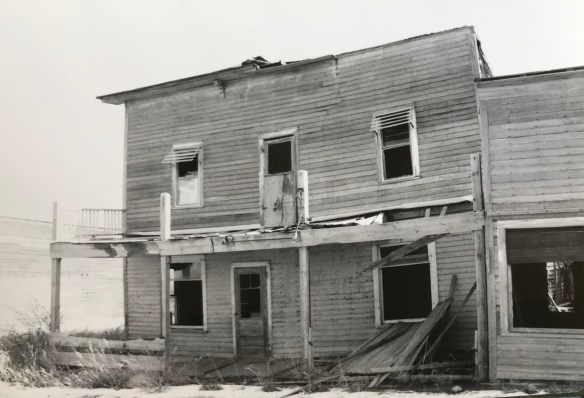
 These images are merely a beginning of my reconsideration of what I saw, heard and experienced 35 years ago but I know they represent places that still bring meaning to me today.
 Montana's Historic Landscapes