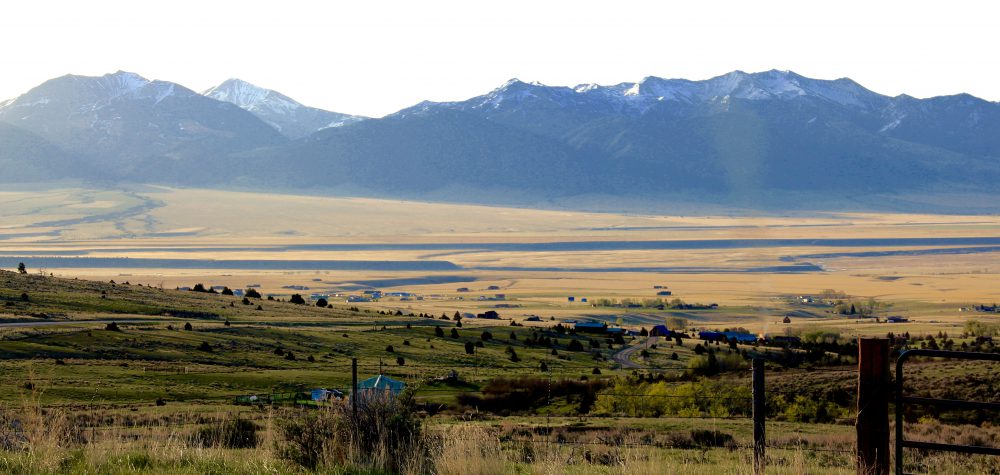
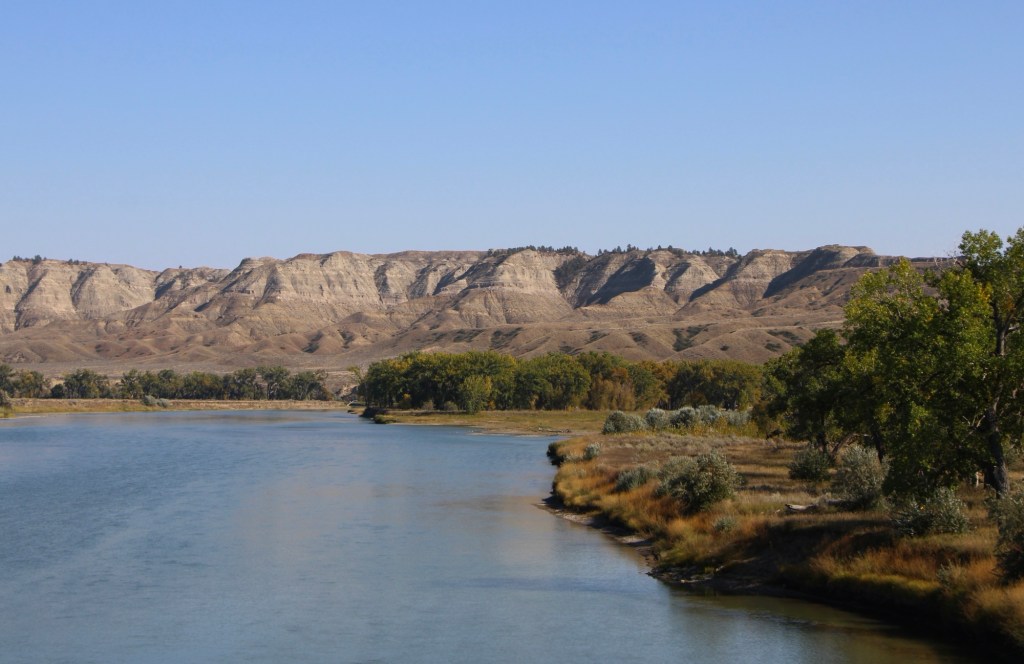
There are few places in the nation more important than the broad river valley at the confluence of the Judith and Missouri rivers in central Montana, a place only accessible by historic gravel roads. When I first visited in 1984, I came from the Fergus County side through Winifred.
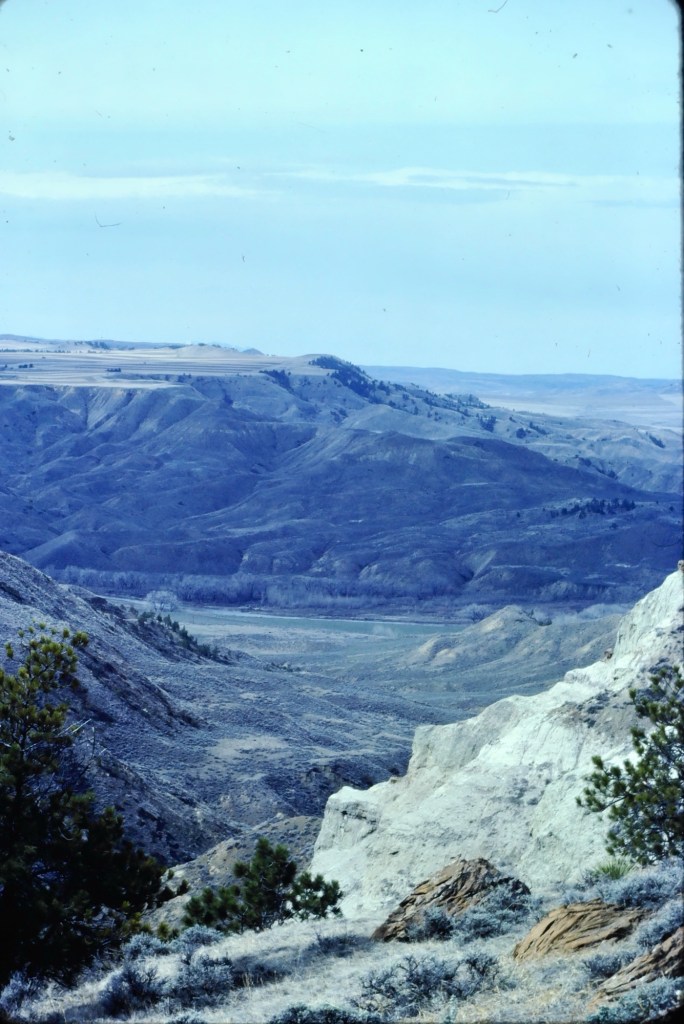
Why is Judith Landing so important? It was a vital and frequently used crossroads for Northern Plains tribes for centuries. Then in 1805 as Lewis and Clark traveled on the Missouri, they camped at the confluence (private property today). In 1844, The American Fur Company established Fort Chardon, a short-lived trading post.
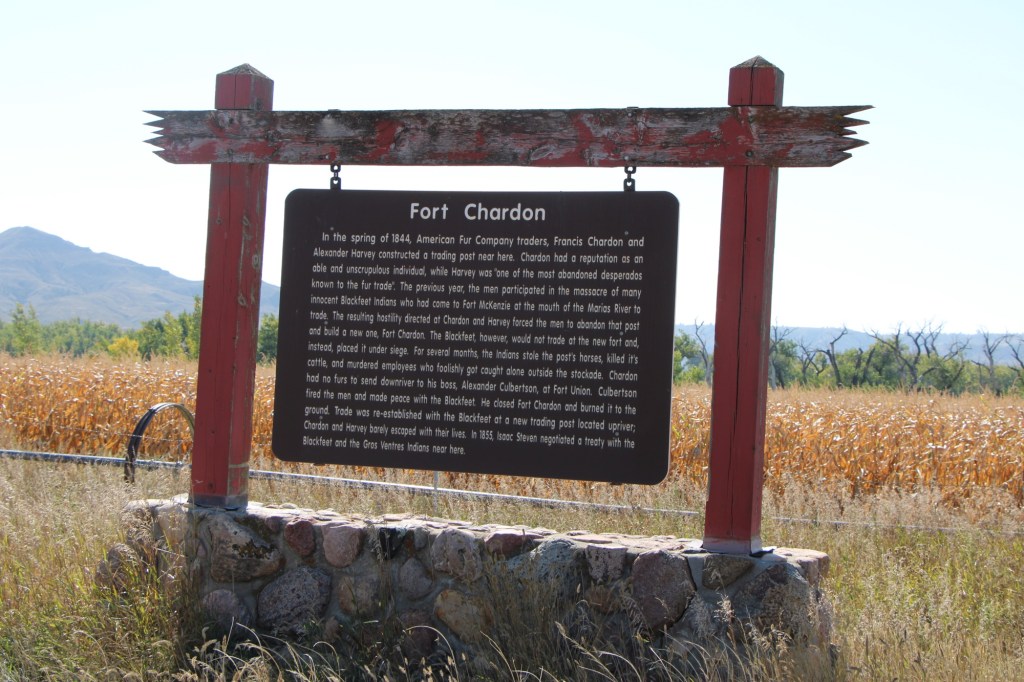
In 1846 Indigenous leaders of several tribes met at Council Island to discuss relations between the Blackfeet and other northwest tribes. In 1855 leaders from the Blackfeet, Salish, Pend d’Oreille, and Nez Perce returned to Council Island to negotiate the Lame Bull treaty, which established communal hunting areas and paved the way for white settlement in the late 1860s and early 1870s.
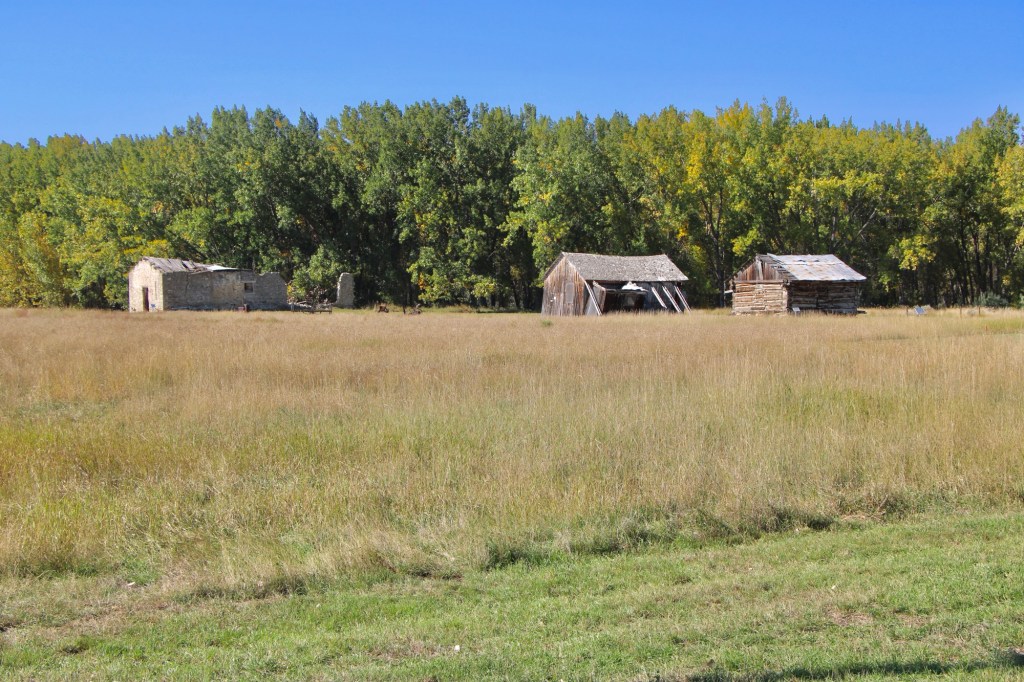
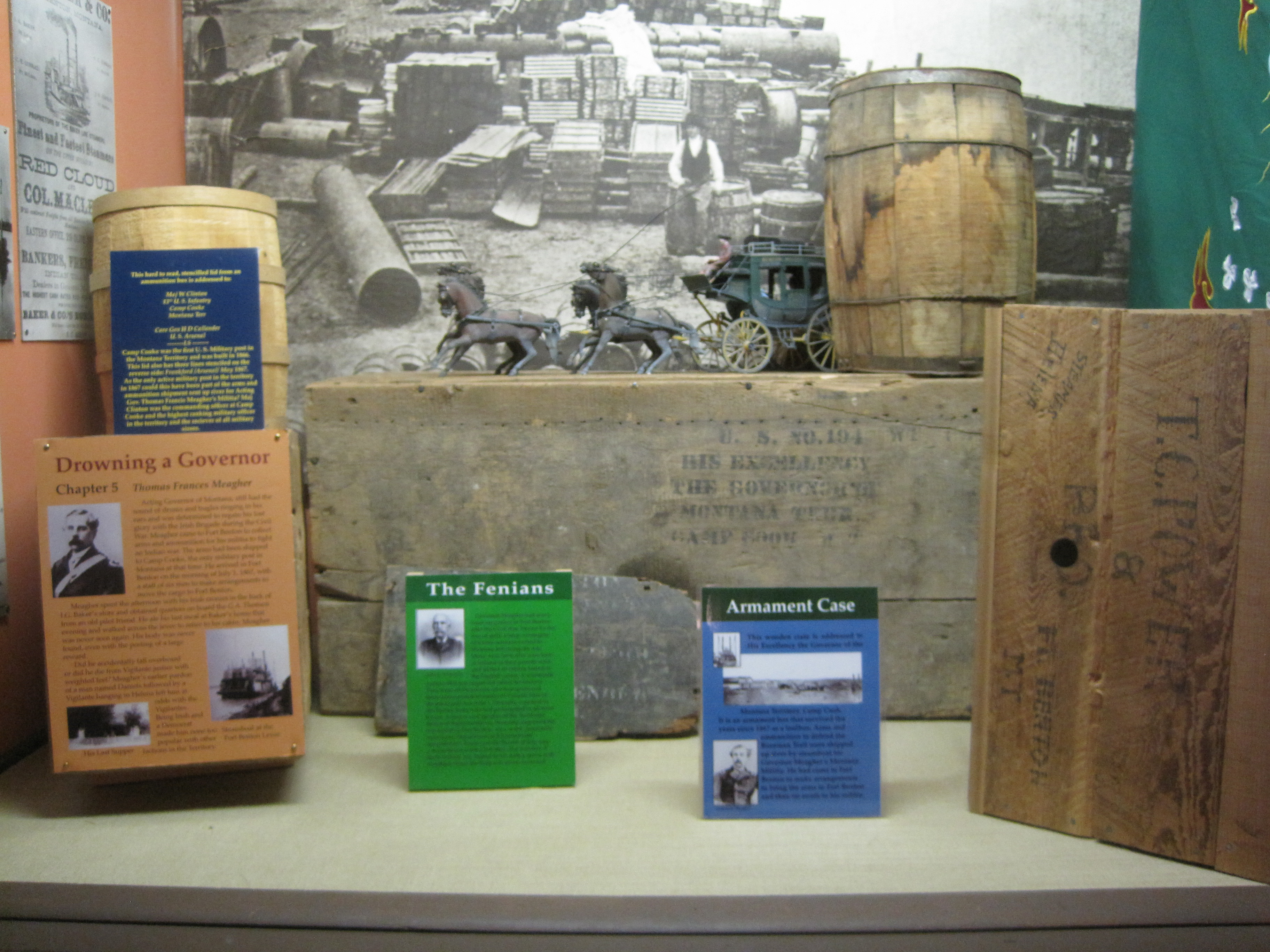
Settlement first came with trading posts, serving a nearby army base, Camp Cooke (1866-1870) and connecting steamboat traffic on the Missouri to nearly mining camps (like Maiden). When the U.S. government moved the base, Fort Benton merchant T.C. Power developed his own businesses and post at Judith Landing and established “Fort Clagett” to the immediate west. In the 1880s he partnered with Gilman Norris to create the famous PN Ranch from the remnants of these early settlement efforts.
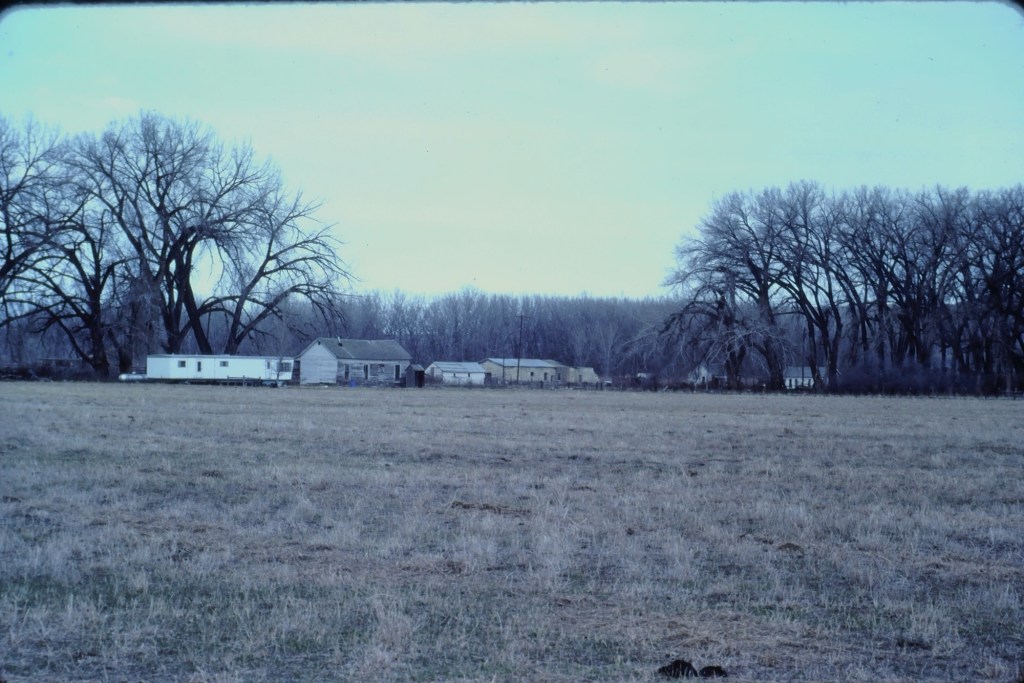
Visiting this place was a major goal of the 1984 historic preservation plan survey. At that time the ranch was still operating as a ranch and the one slide that I took shows several of the historic and new ranch buildings, yes from a distance because in the work I always respected private property boundaries.
Over the next 40 years I worked in Montana many times but never made a return to Judith Landing. I knew that the historic buildings of the PN ranch were there and that a National Register district existed affording some protection. Then in late 2024 came the news that Montana State Parks was acquiring 109 acres of the historic property and would create the Judith Landing State Park. I couldn’t wait to return and visited in late September 2025.
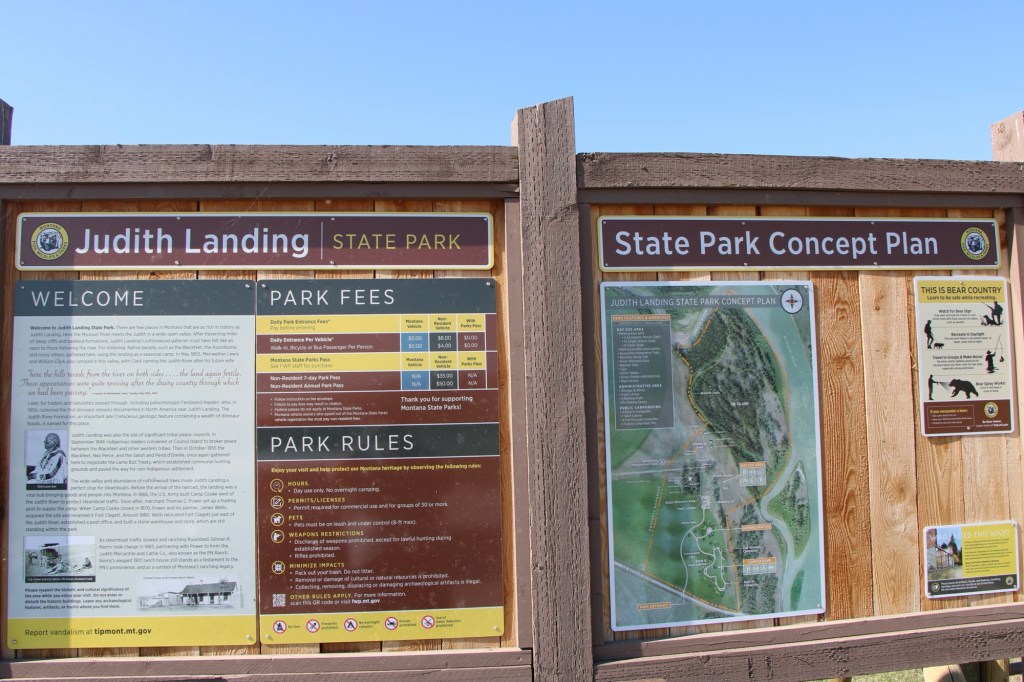
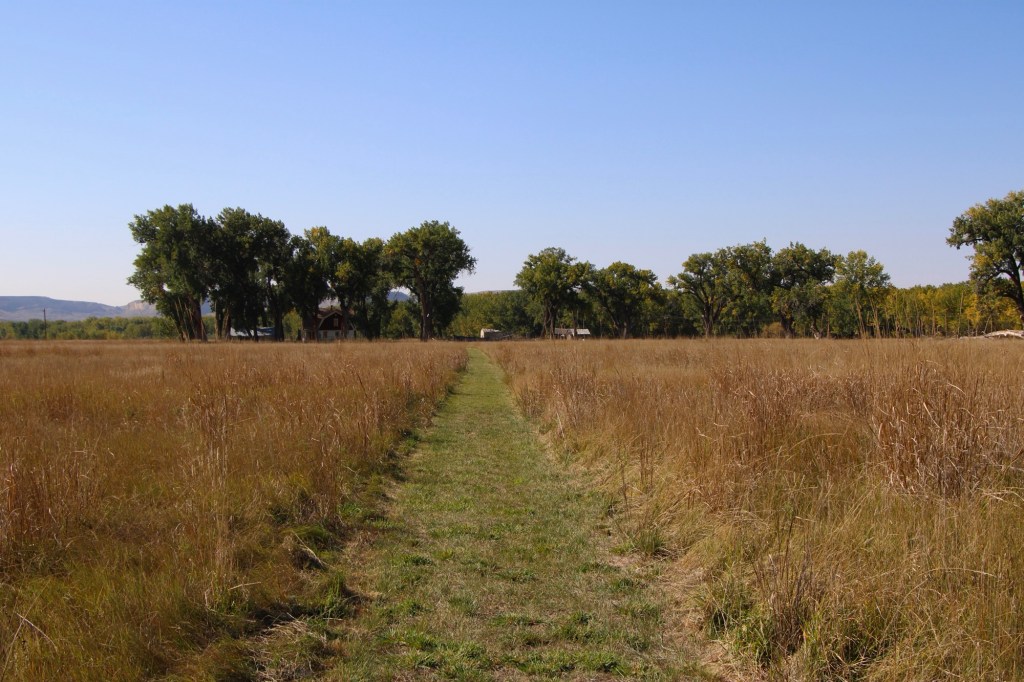
At that time there had been little in the way of “park development.” I hope it largely stays that way because the sense of time and place conveyed by the rustic, rugged surroundings is overwhelming. You can be lost in history.
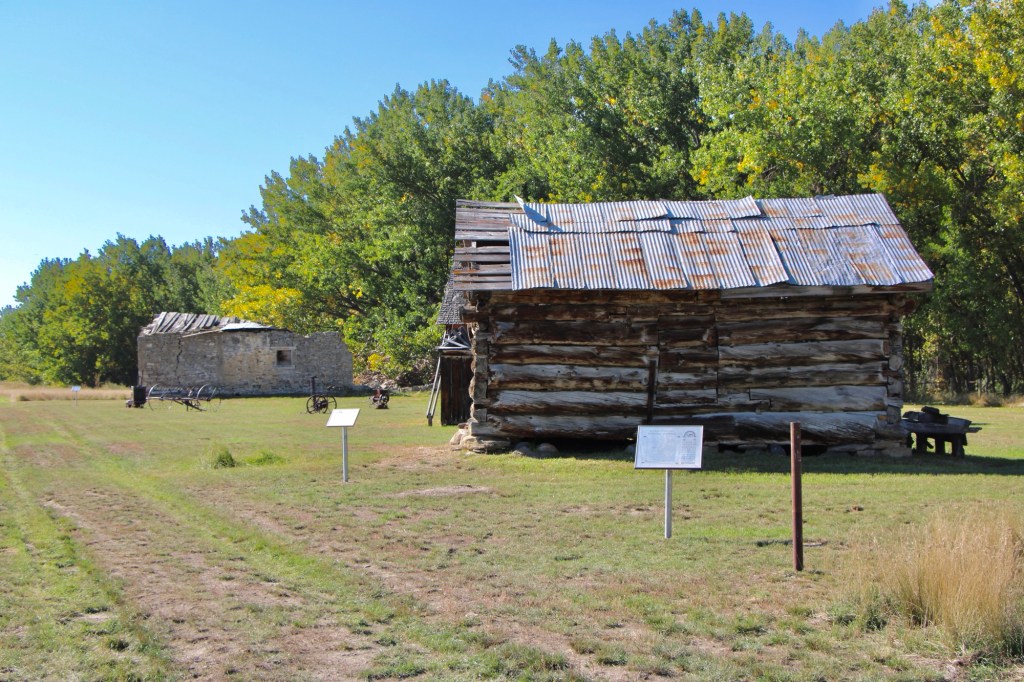
The half-dovetail “mail barn” was moved to its location on the ranch about 1890. It continued to serve as a post office until 1919.
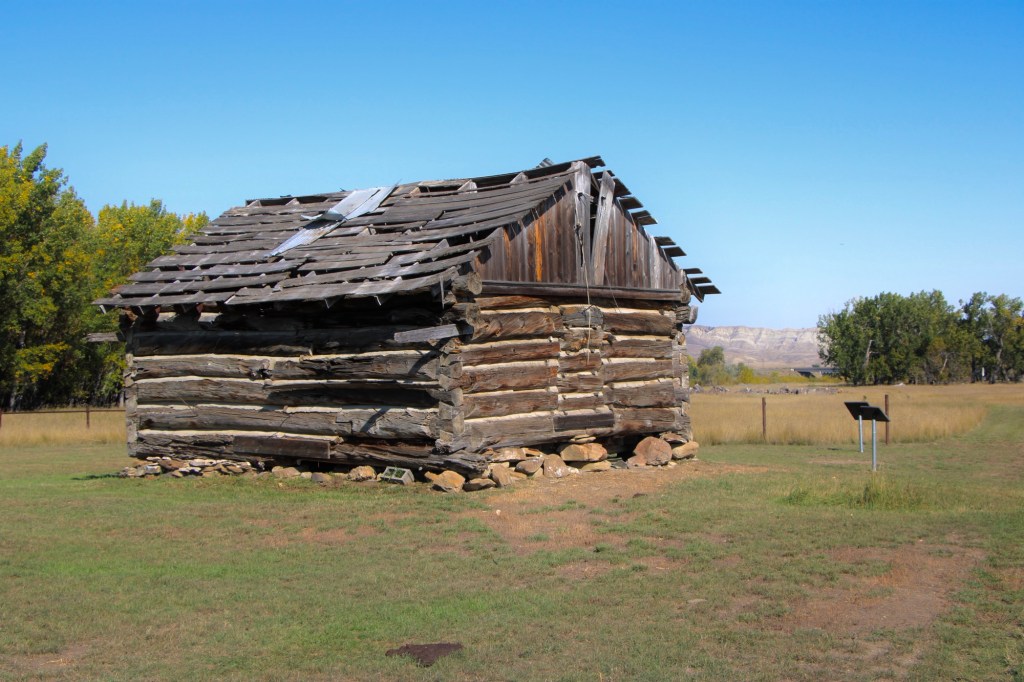
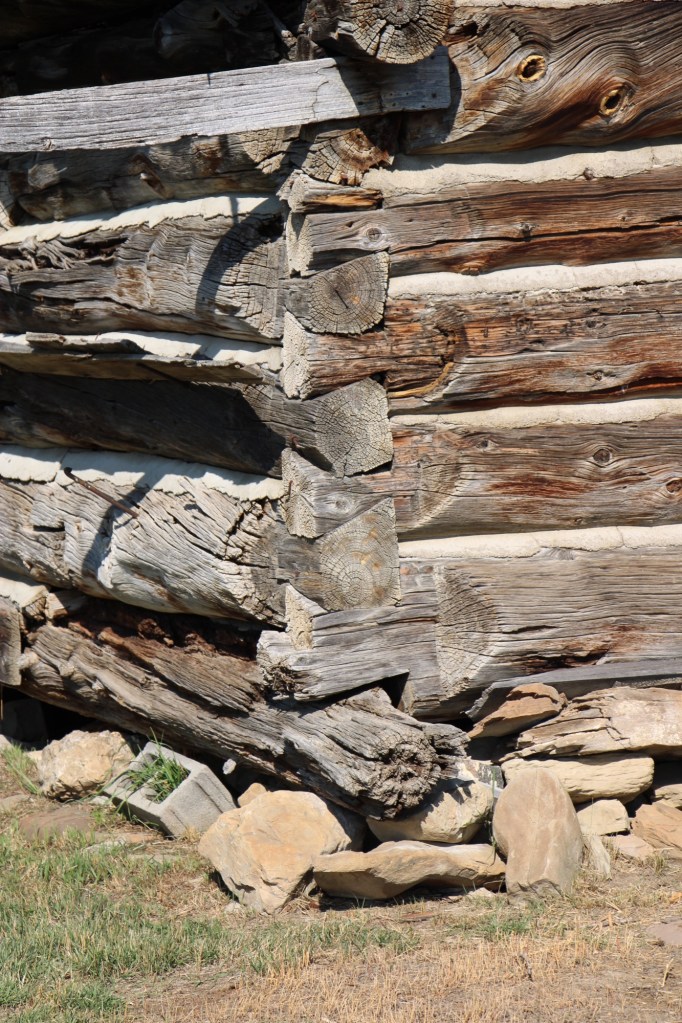
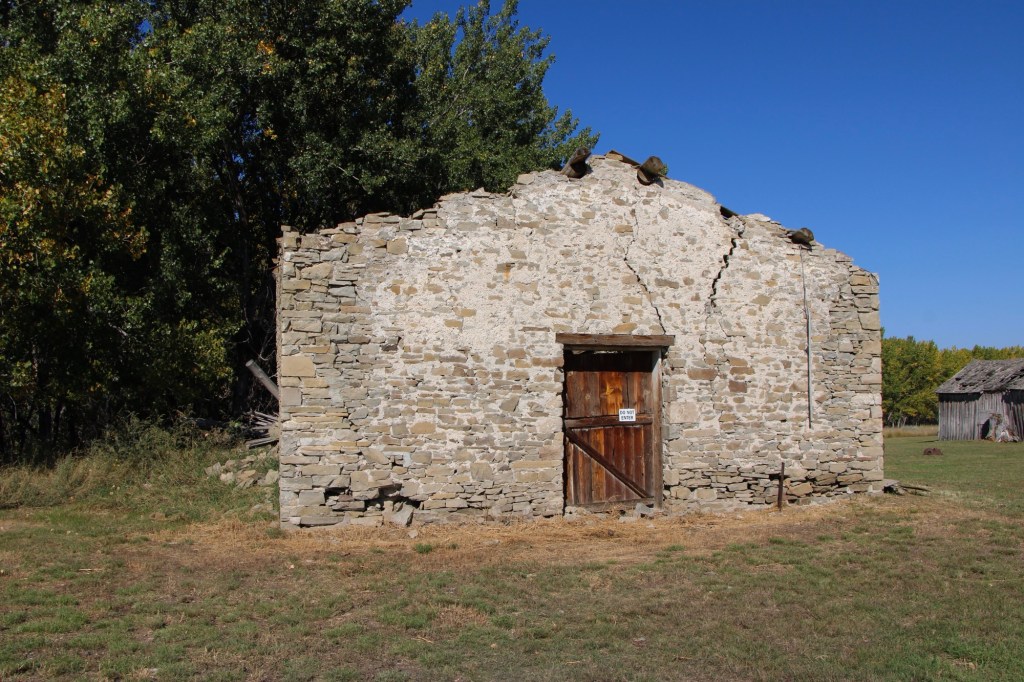
The stone warehouse was severely damaged in a flood 50 years ago—but it is hanging on, and indicates how important trade and commodities were here 150 years ago. It operated as a store until 1934 and then became a barn for the next 40 years until the flood of 1975.
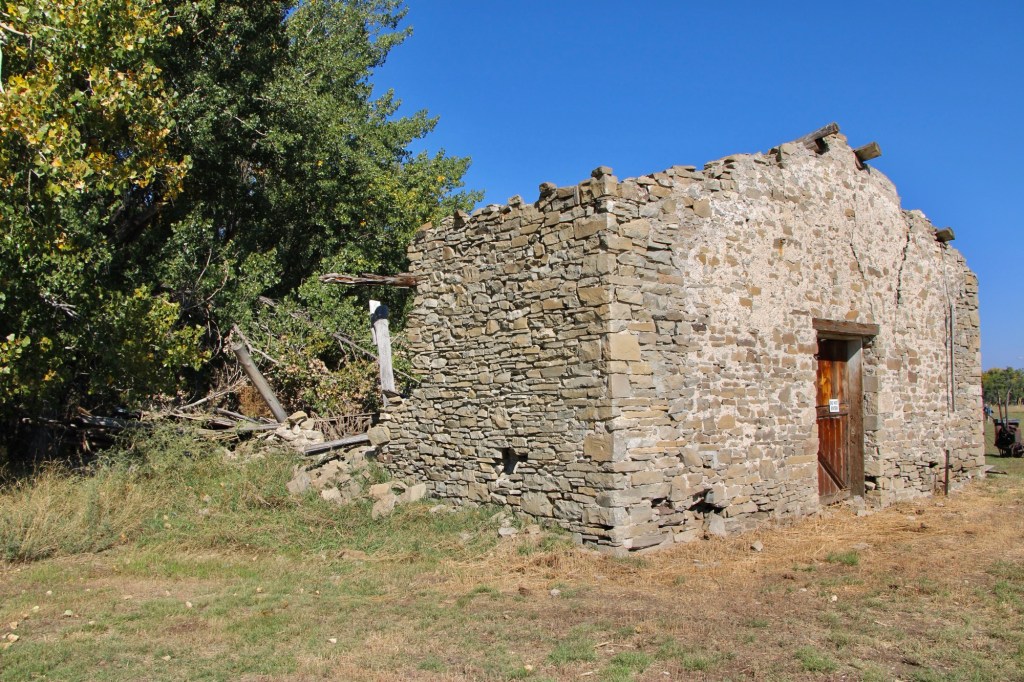
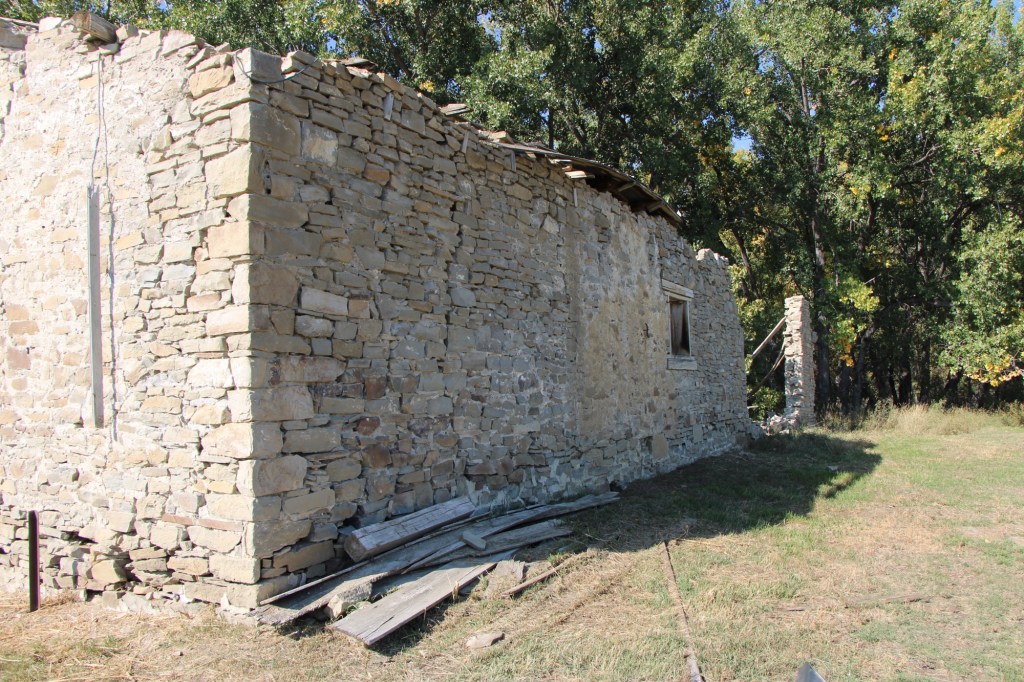
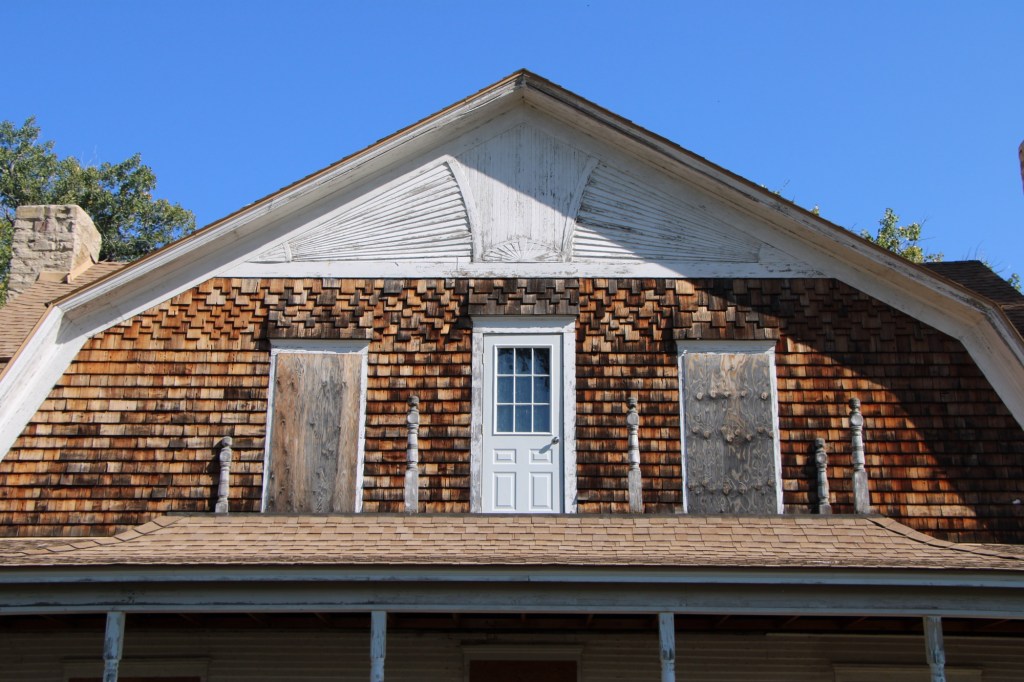
Gilman and Pauline Norris’s own ranch house, a turn of the twentieth century Shingle-style beauty, speaks to the ranch’s success. perhaps it can be restored as a future park interpretive center, open in the summer.
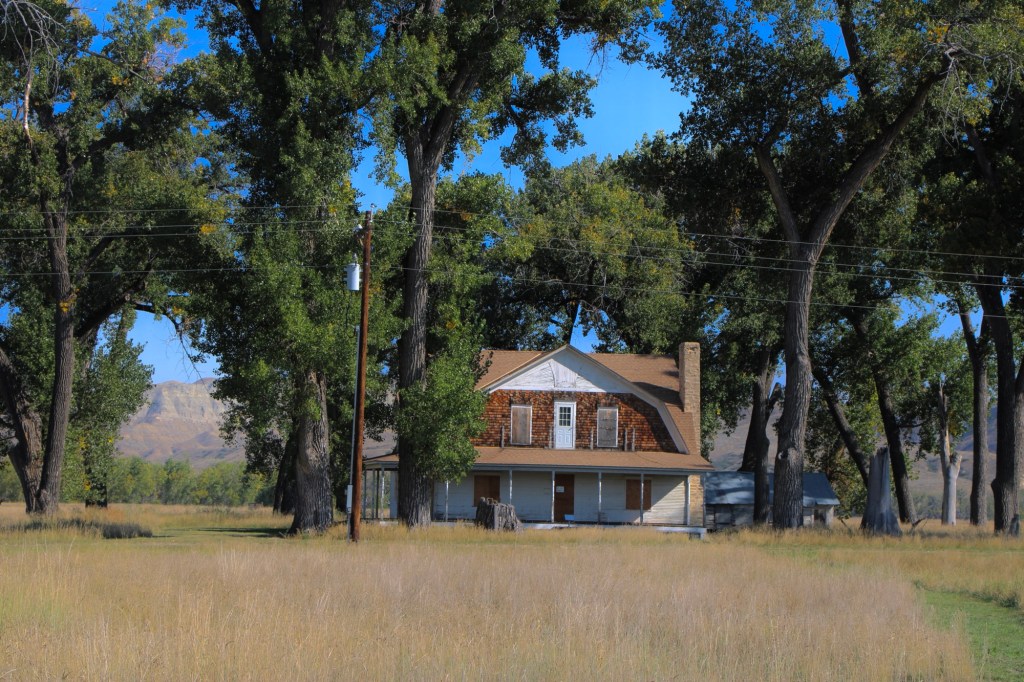
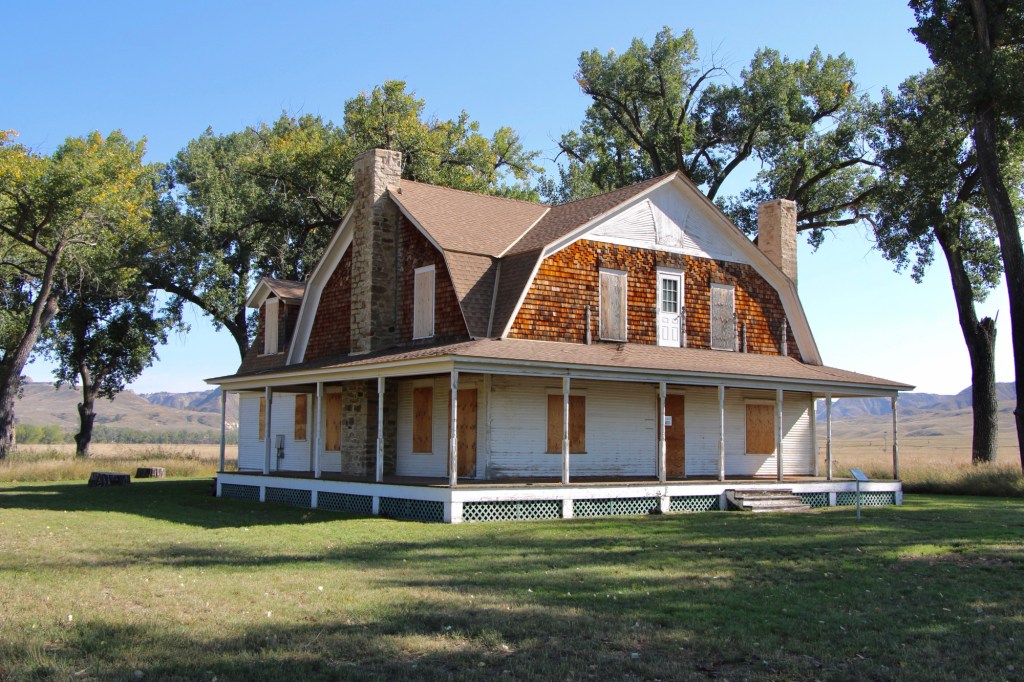
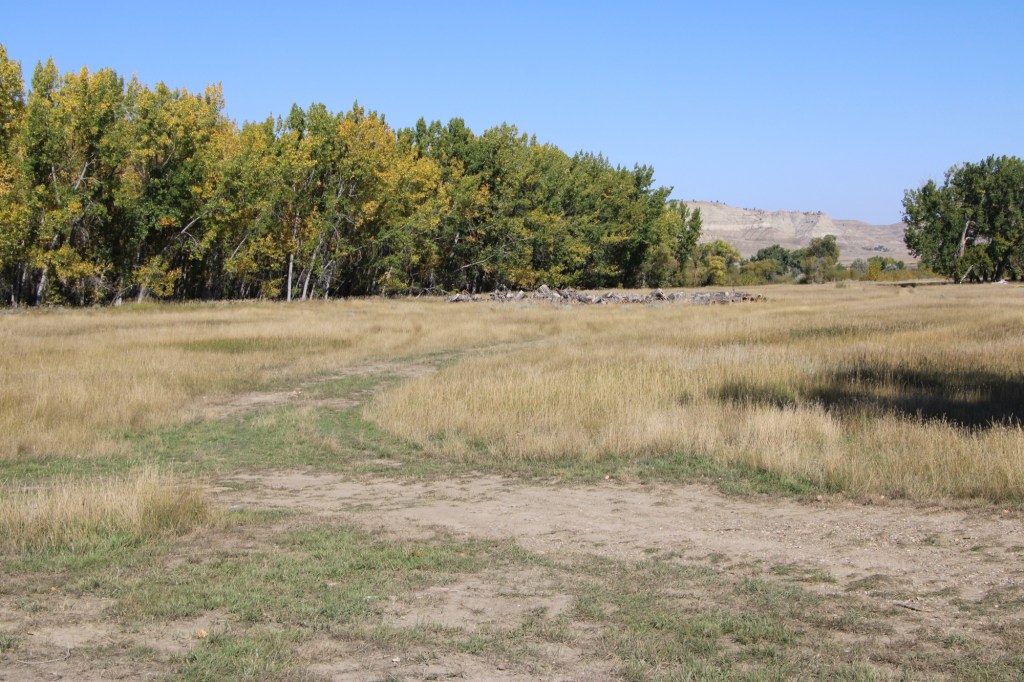
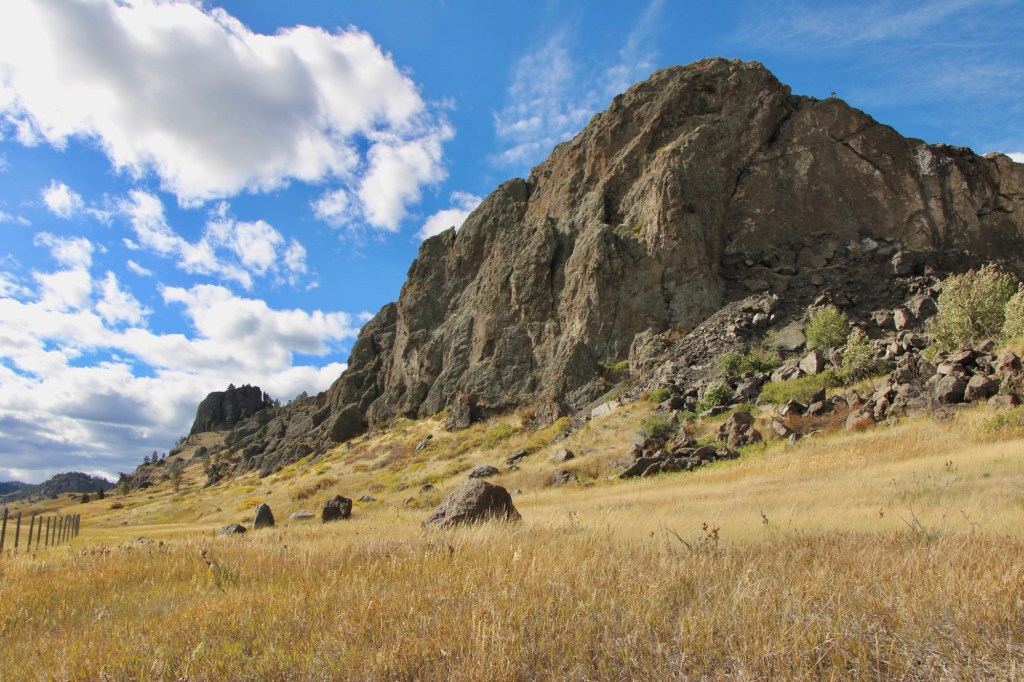
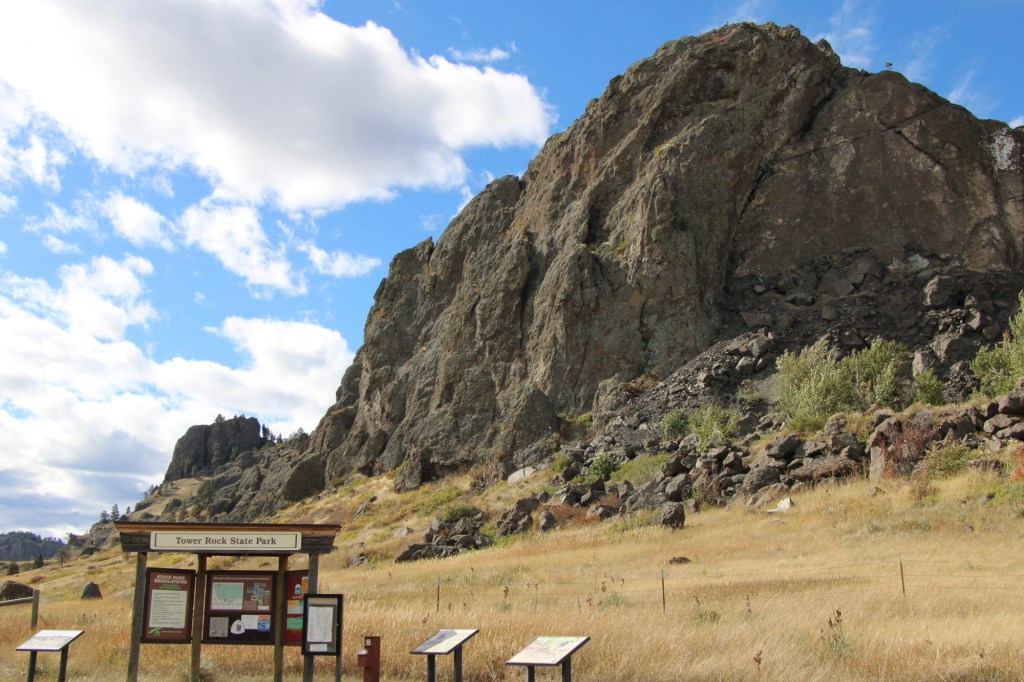
The important point is that, now, finally, Judith Landing is a state park, conserving one of the most remarkable places of the northern plains.





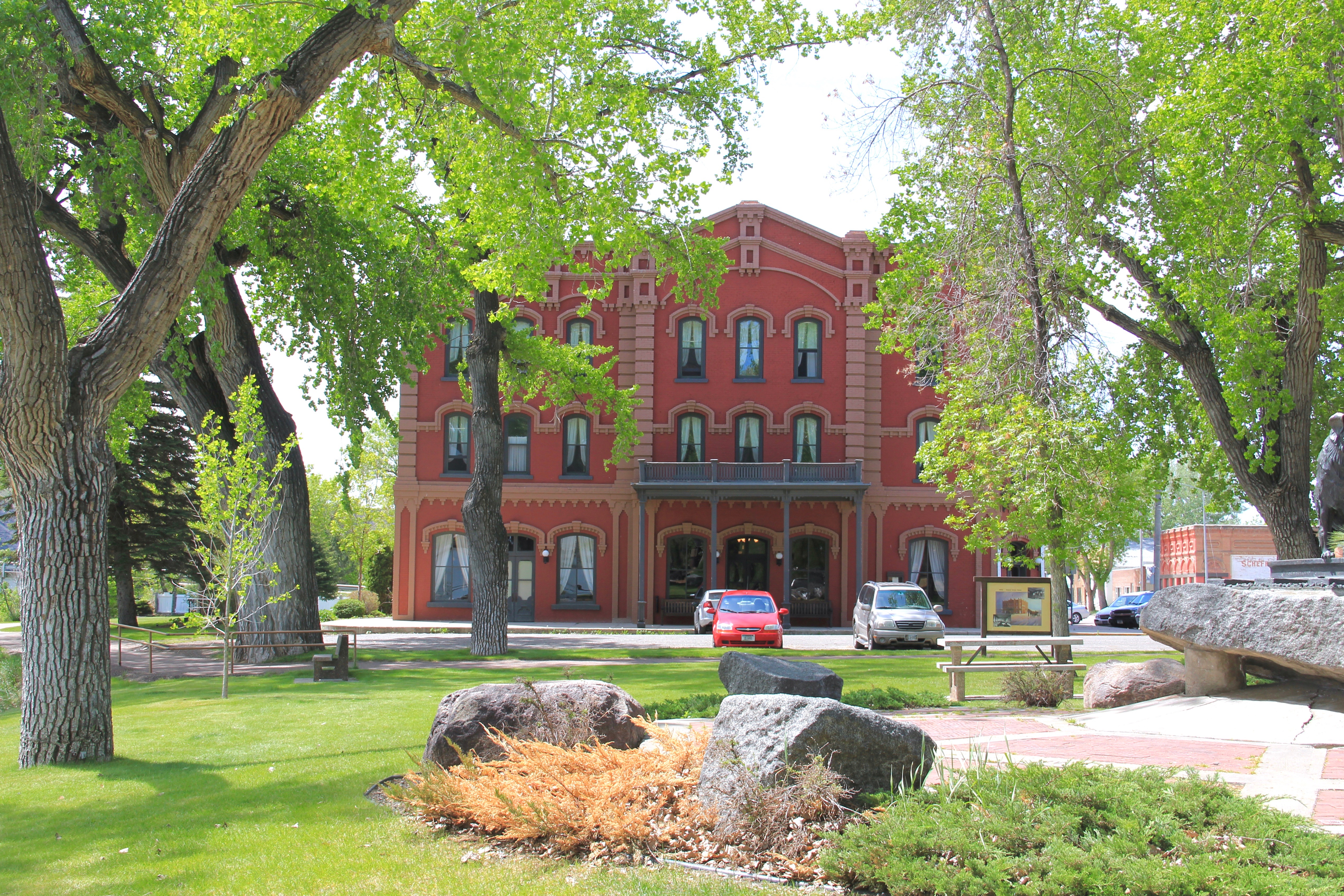 The work was still underway then, but the result after 30 years of local investment and engagement, assisted mightily by the state historic preservation office and other state groups, is impressive. The Grand Union is a riverfront anchor on one of the nation’s most important river towns in all of U.S. history.
 The success of the Grand Union is mirrored in another property I visited in my 1984 day and a half in Fort Benton: the reconstructed Fort Benton. There were bits of the adobe blockhouse and walls still standing in 1984, as they had for decades as shown in the old postcard below.
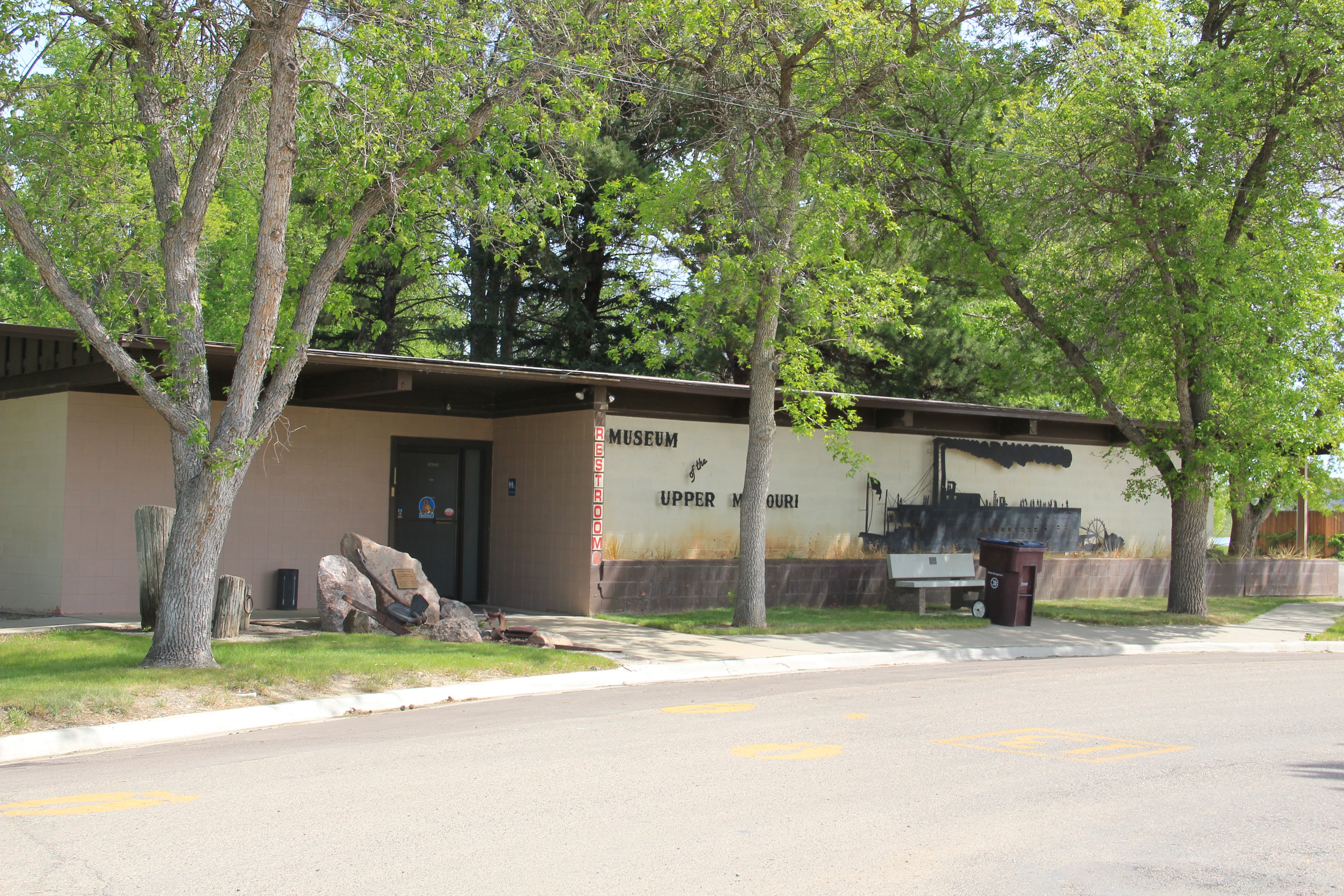
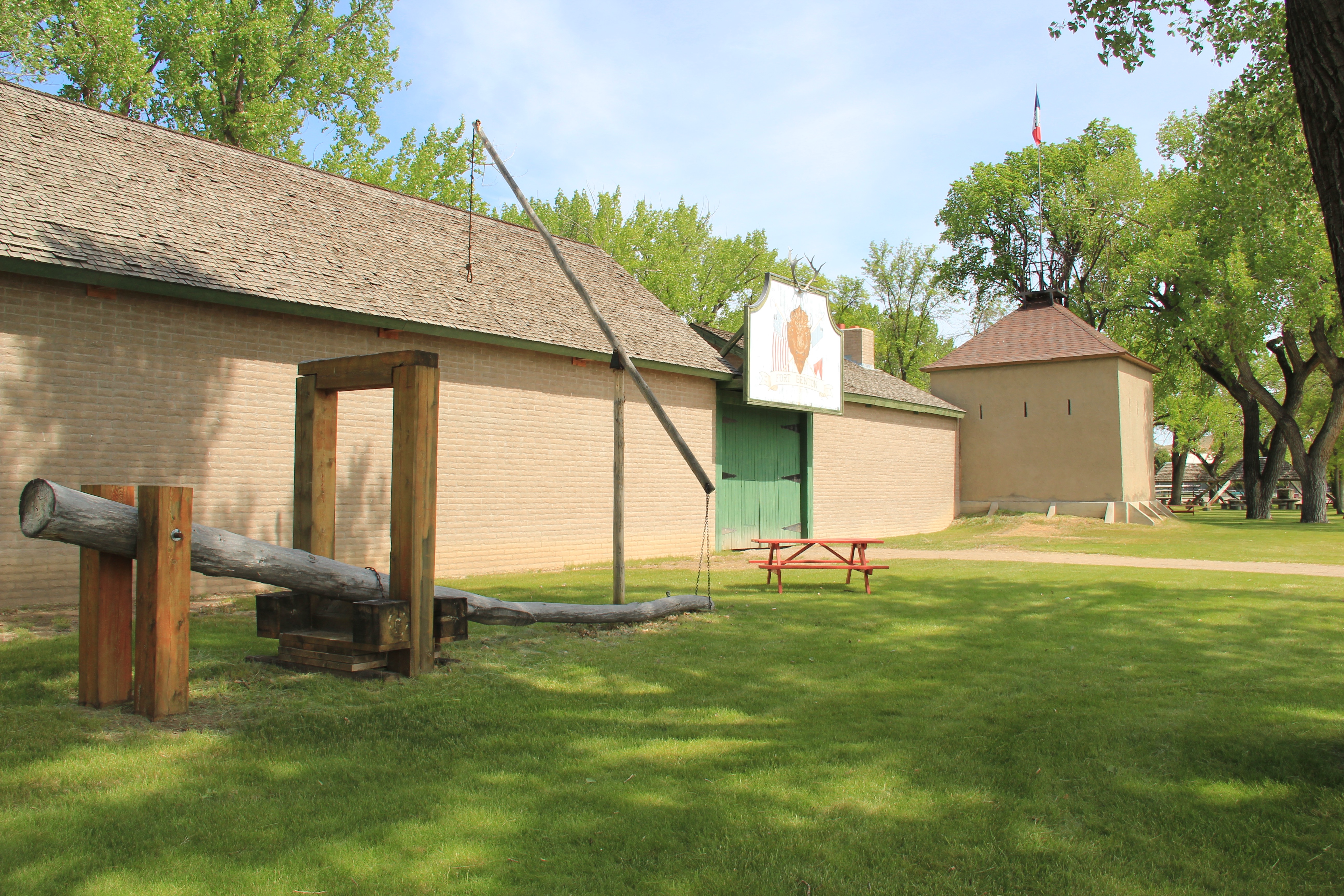
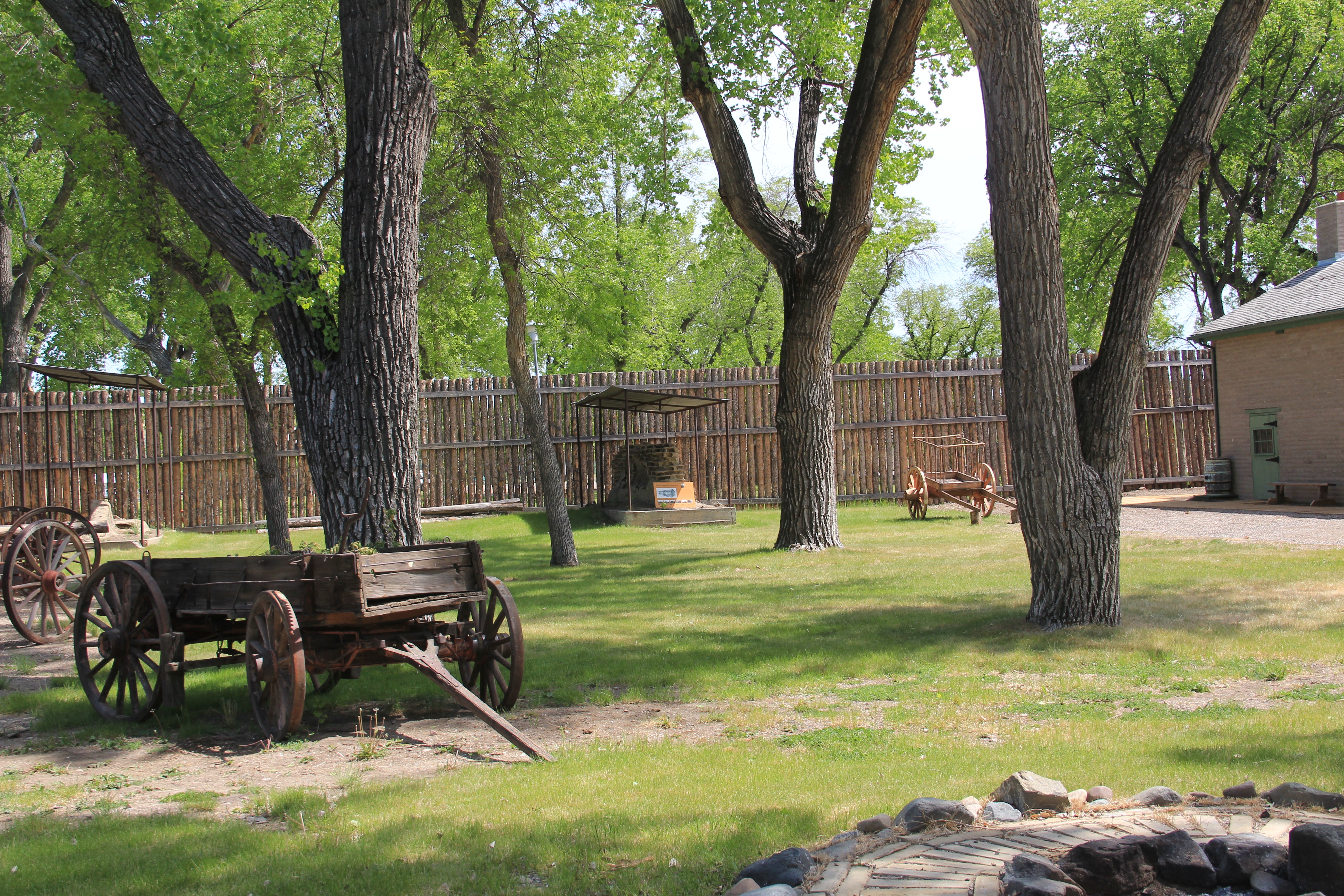


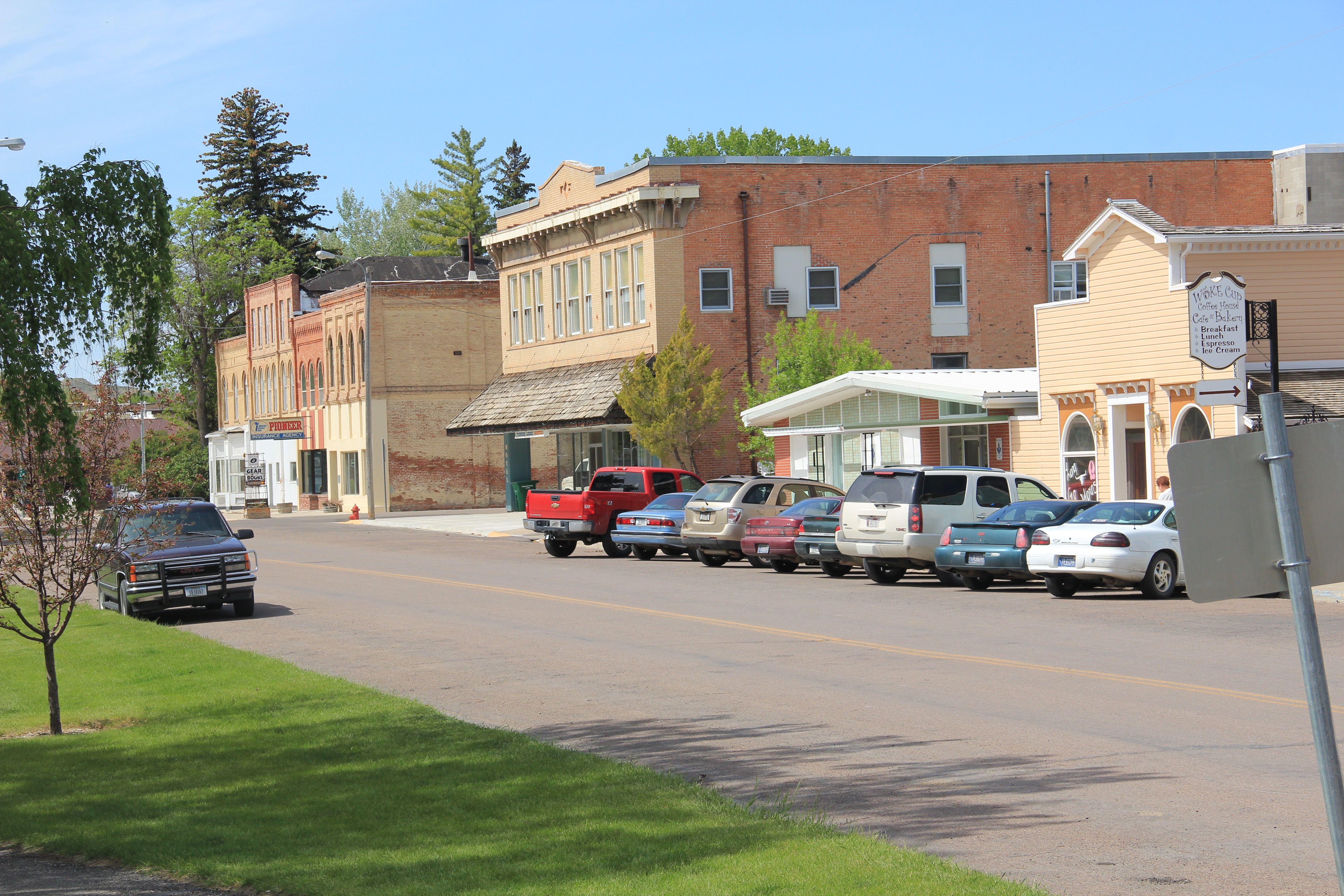


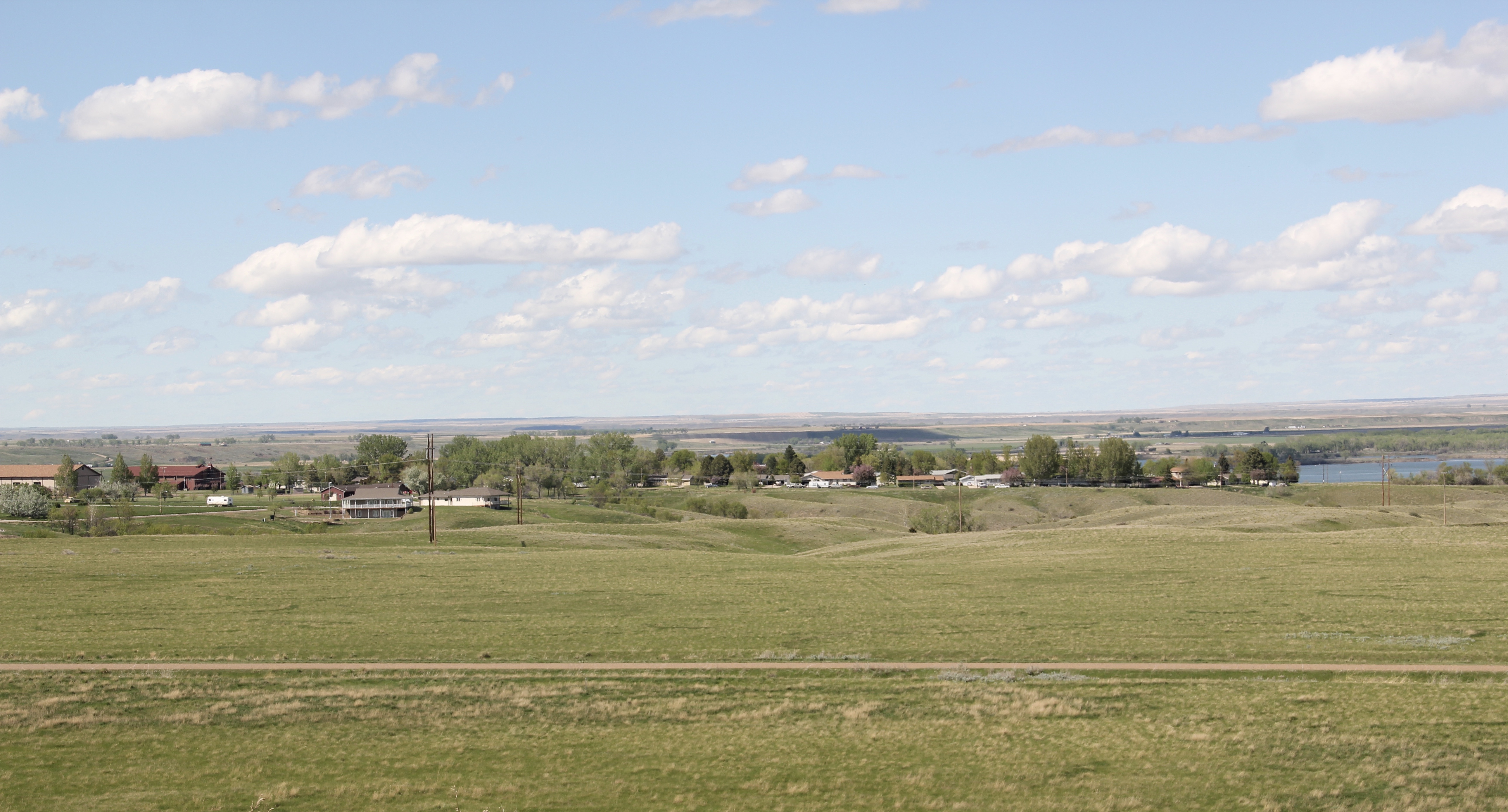
 First came efforts to better interpret the Corps of Discovery and their travels through this section of the Missouri River 15-20 years ago. The theme was Lewis & Clark in the Missouri River Country, but by the 2010s the region’s demanding weather had taken its toll on the installation.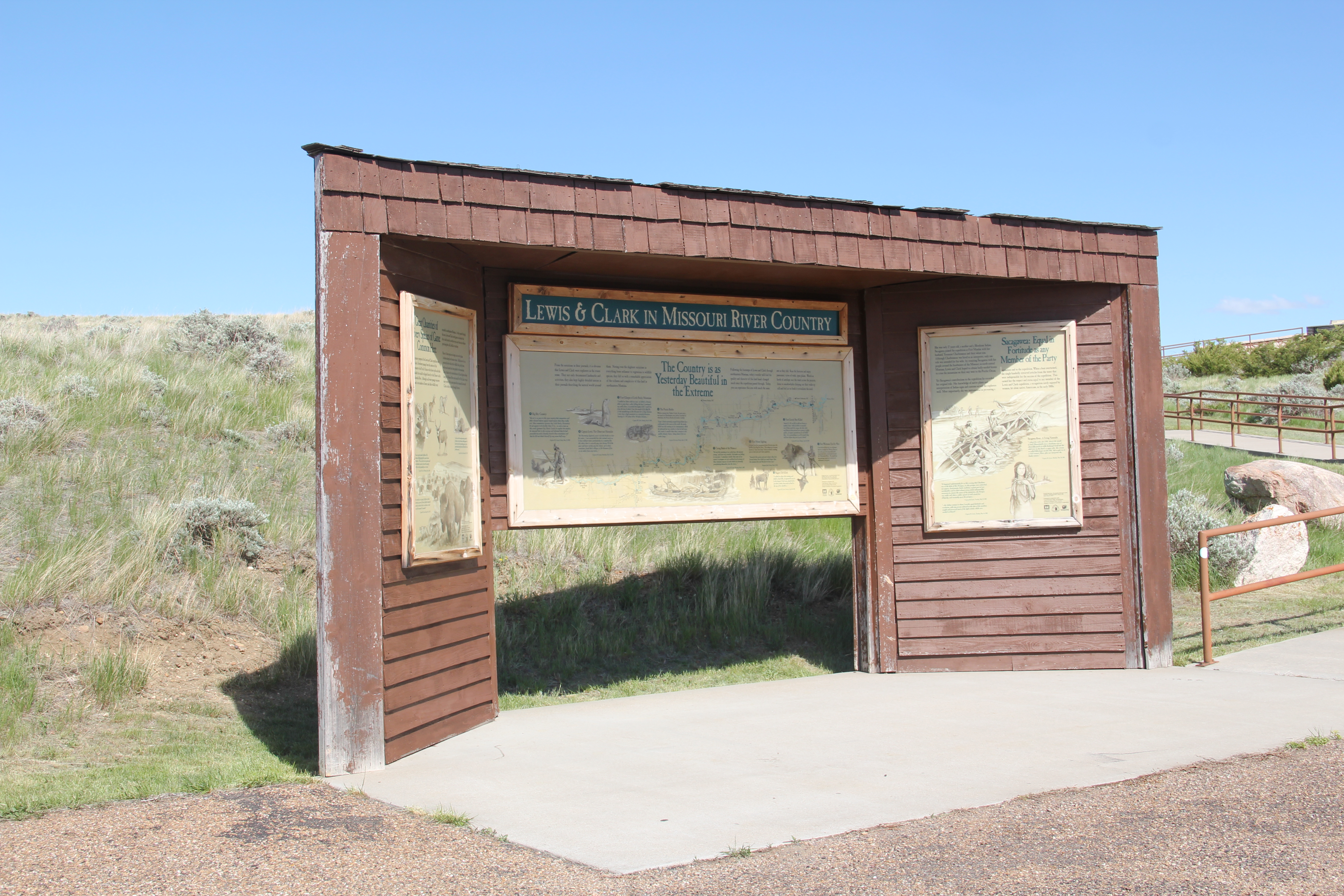


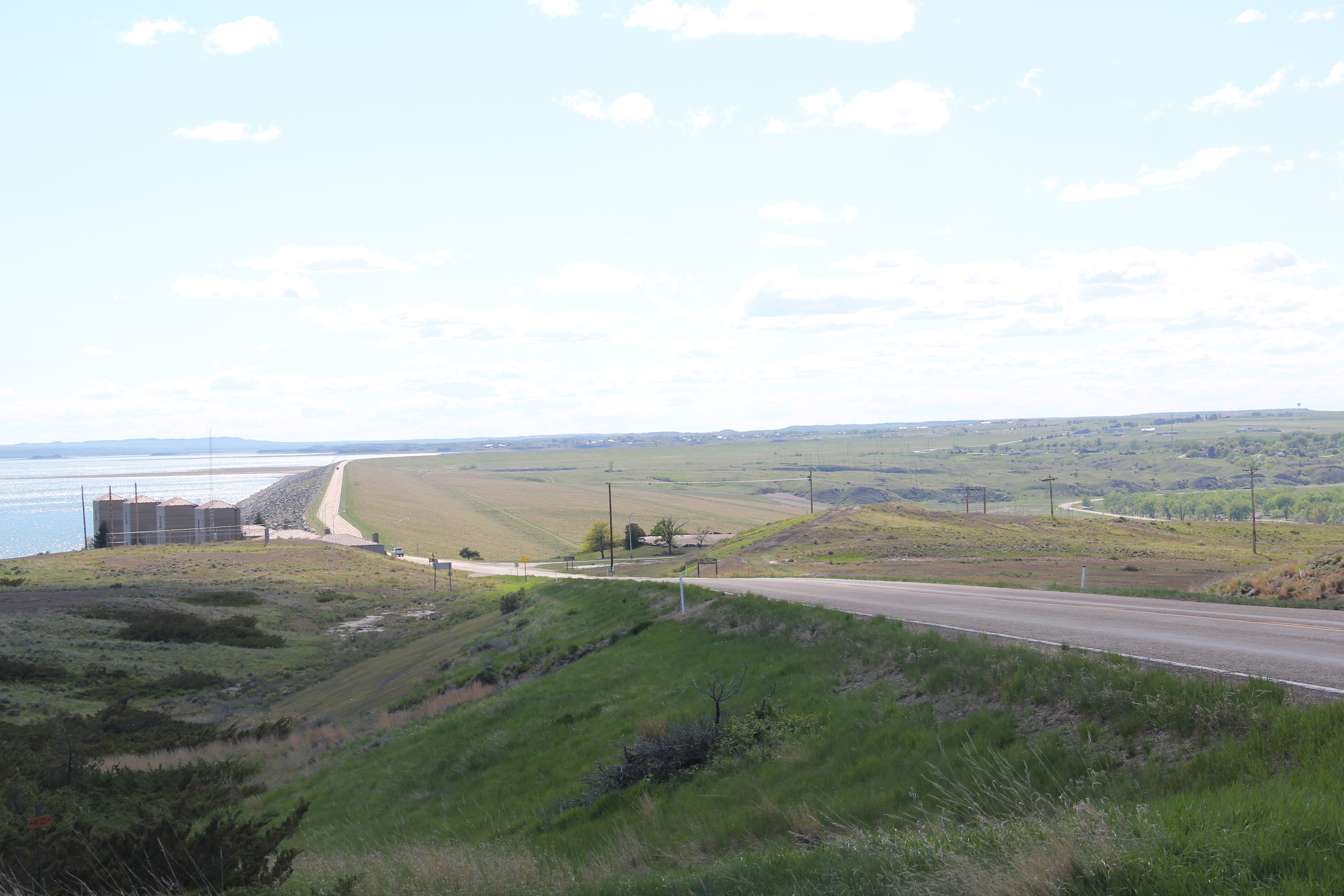
 At the lake’s edge are additional markers encouraging visitors to imagine the time before the lake when the Big Dry River often meant exactly what it said–the reservoir keeps it full now.
 New interpretive markers combine with a well-defined pull-off to encourage travelers to stop and think about the loss of life that occurred in building the dam. Many of the massive infrastructure projects of the New Deal have similarly sad stories to tell–but few of them do.
 You can explore the landscape with the assistance of the highway markers to a far greater degree than in the past. Even if today it is difficult to “see” the transformation brought about by the massive earthen dam, there are informative markers to help you.


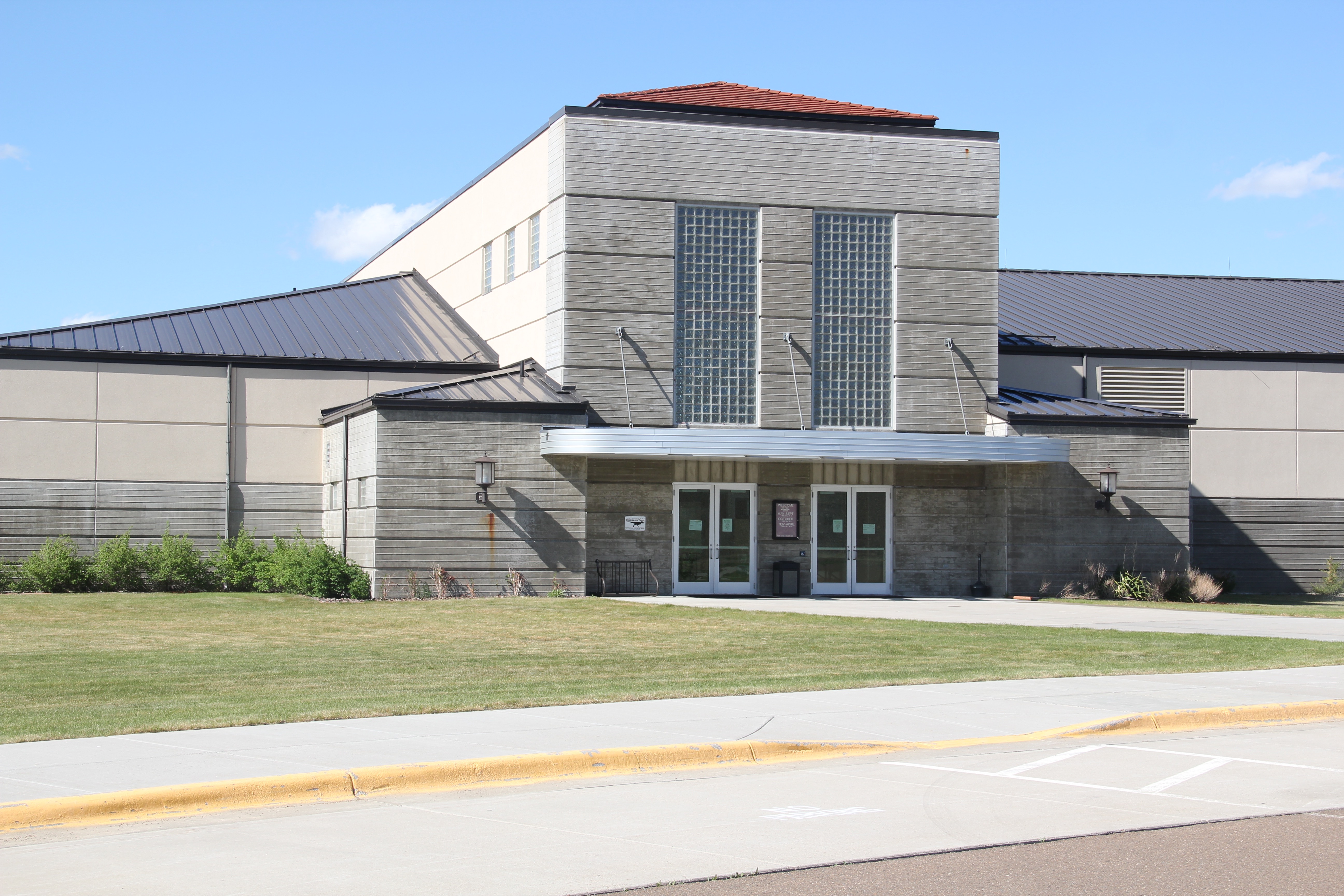
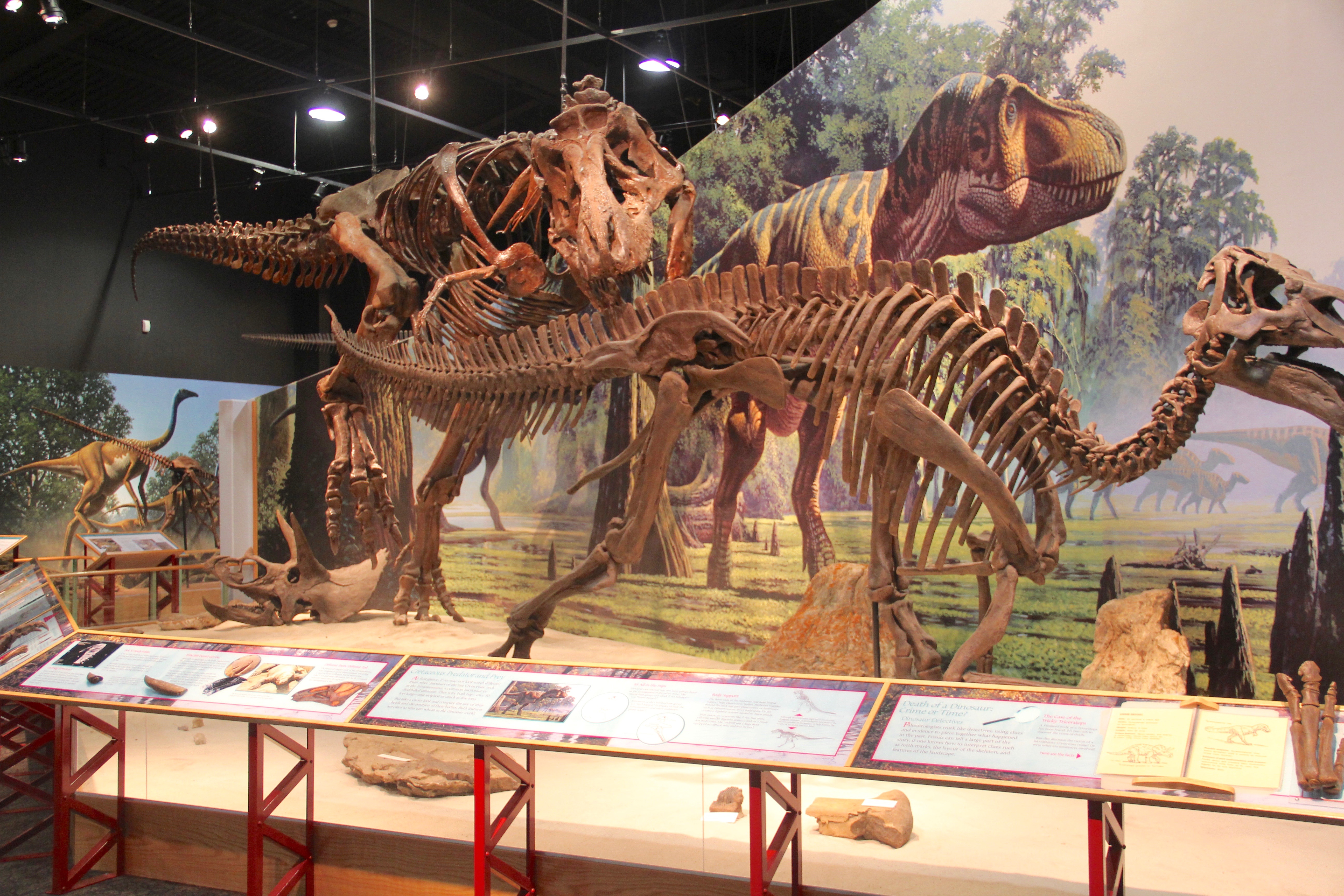


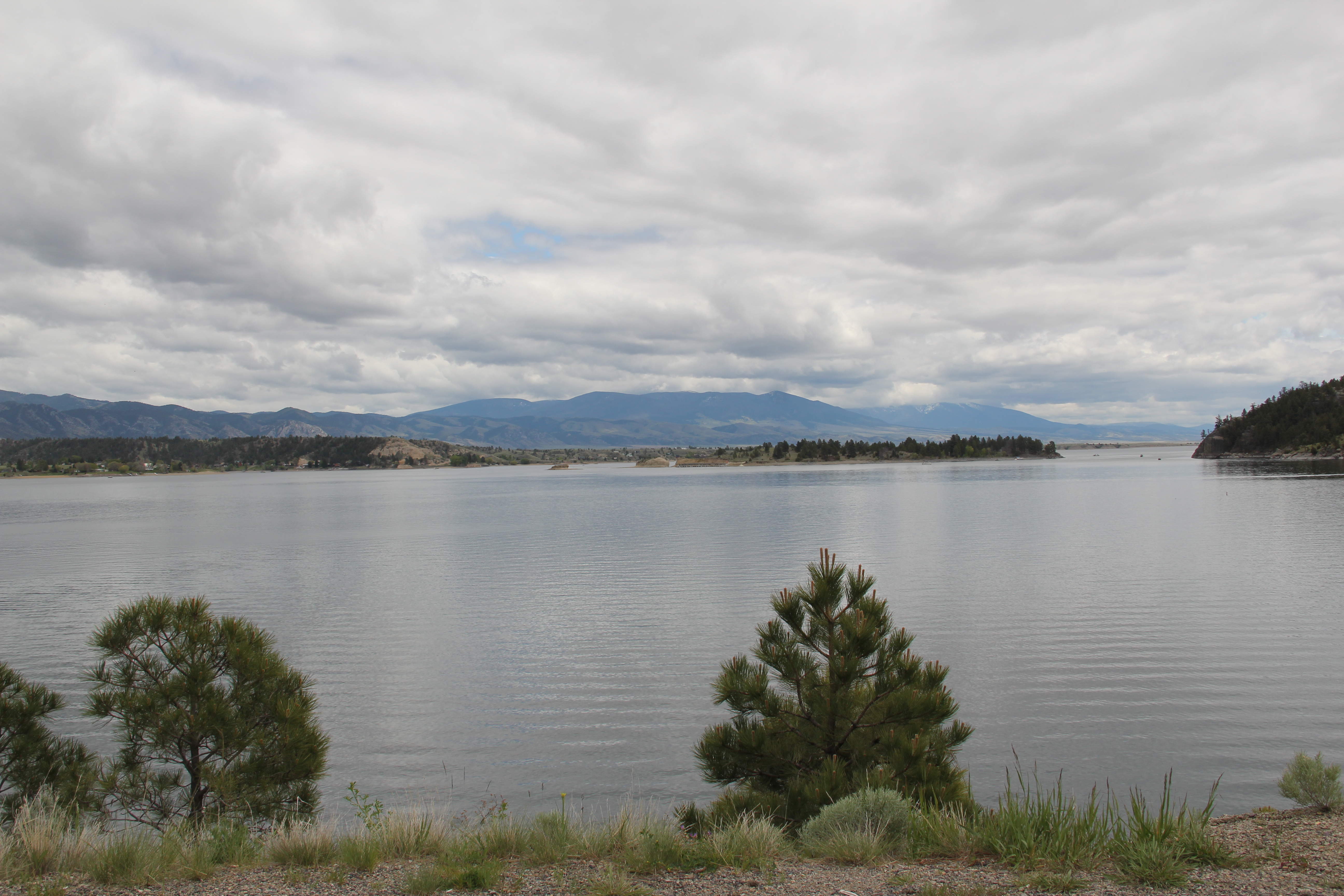
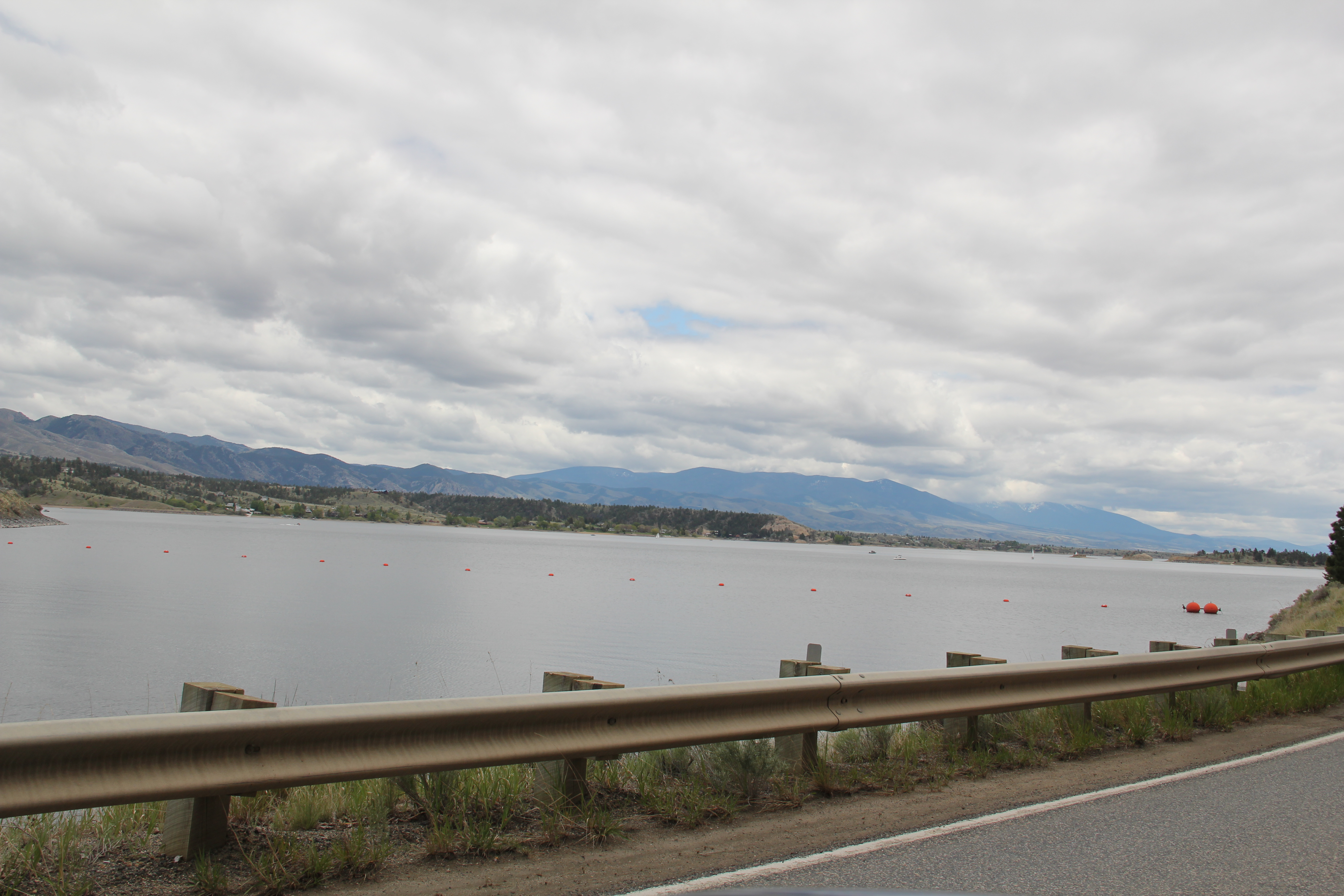

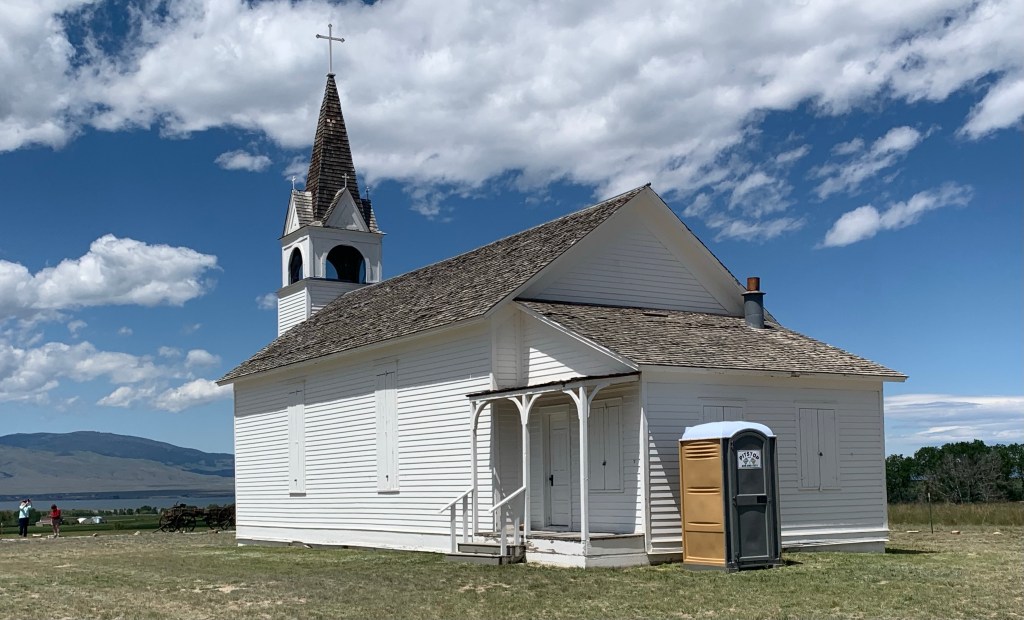
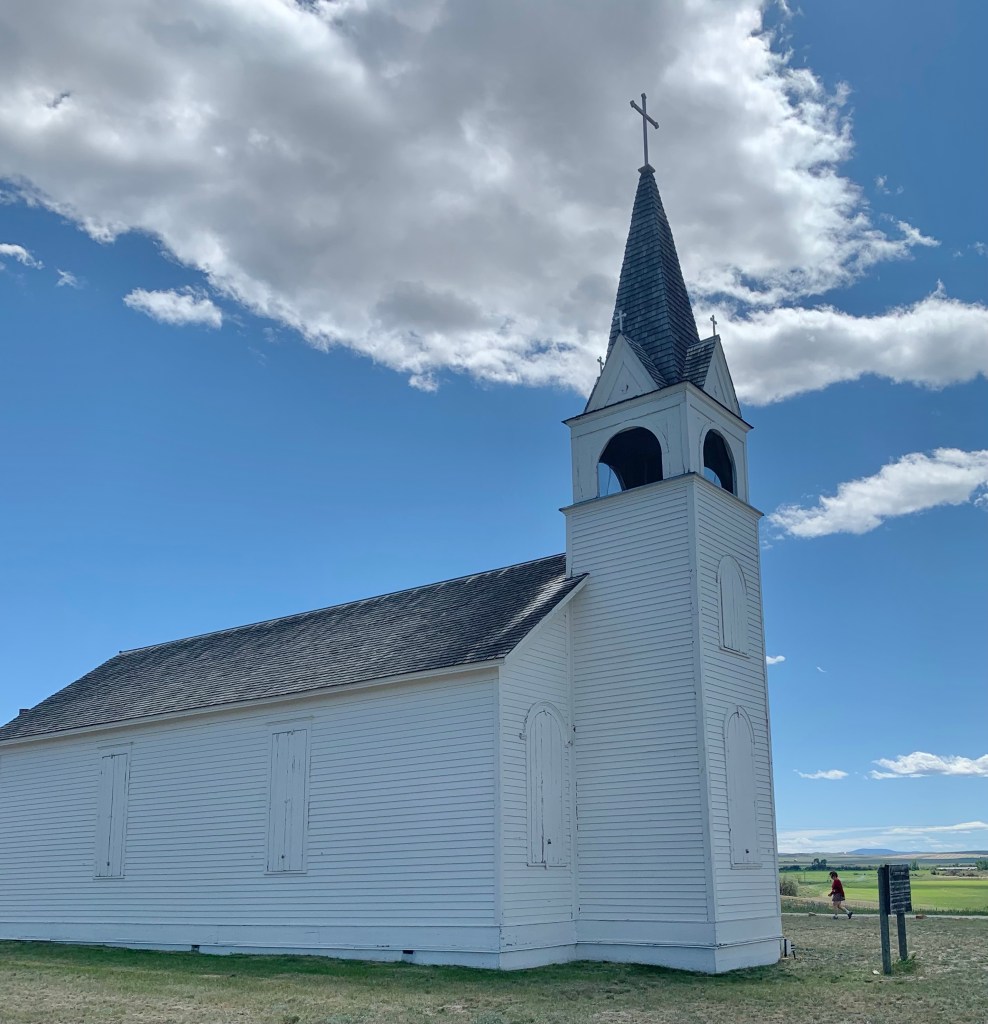
 St. Joseph Catholic Church, perched now on a barren bluff facing the lake, was moved about 2.5 miles east to its present location in 1954. Originally near the river in what was then known as the Canton Valley settlement, the church building is one of the state’s oldest, dating to 1874-1875 and is listed in the National Register of Historic Places. The proud Gothic styled church is the remnant of one of the valley’s earliest settlements.


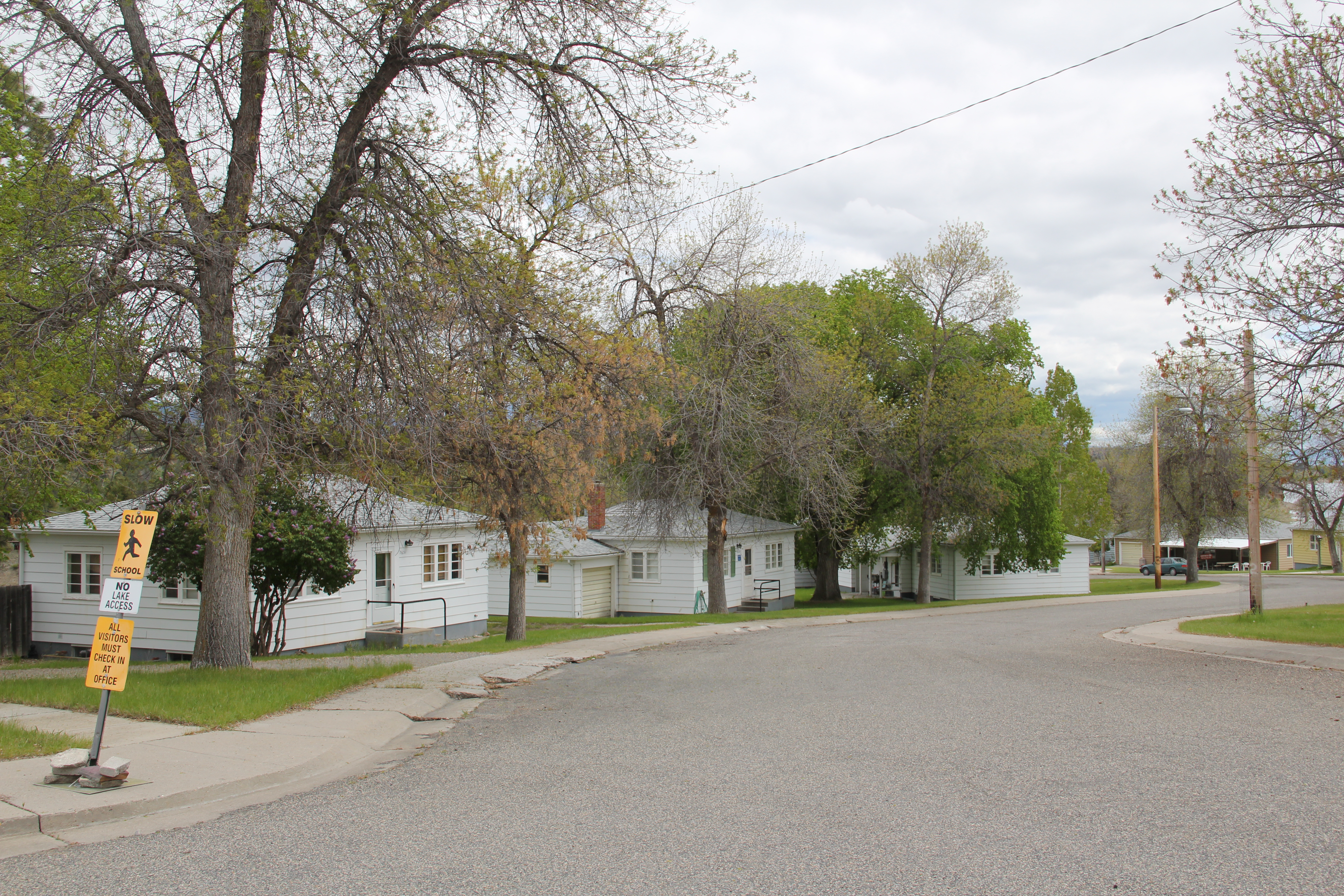

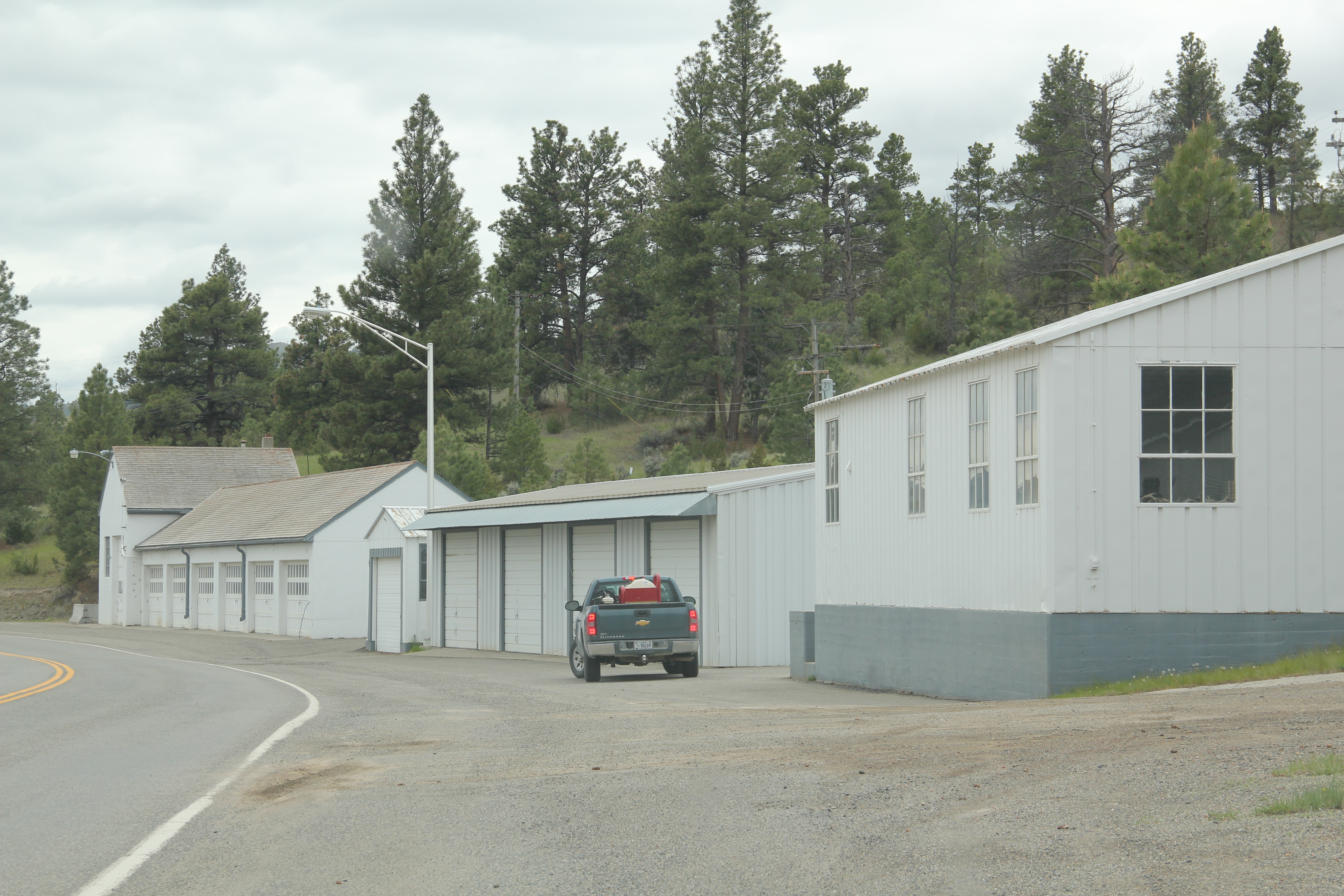


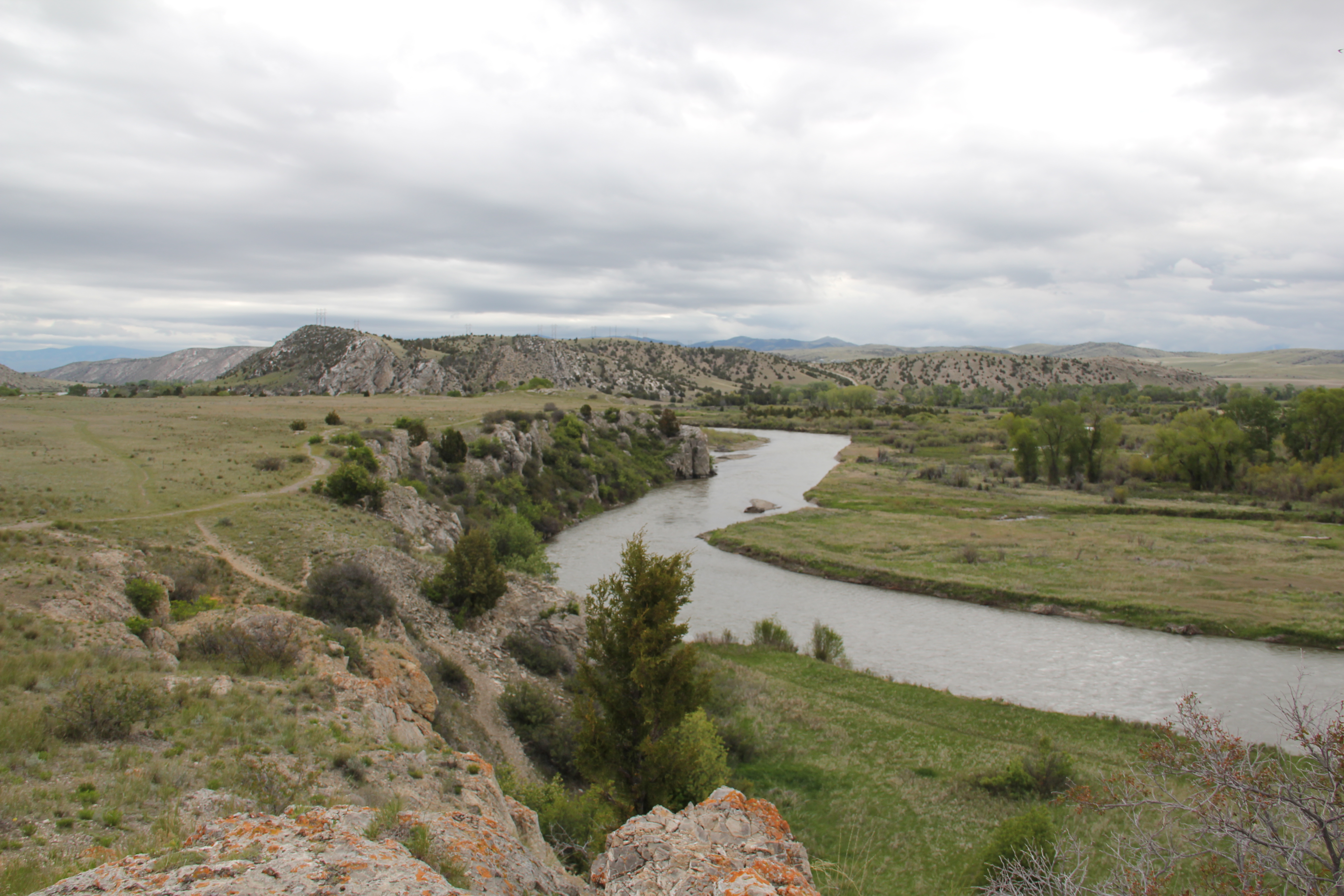


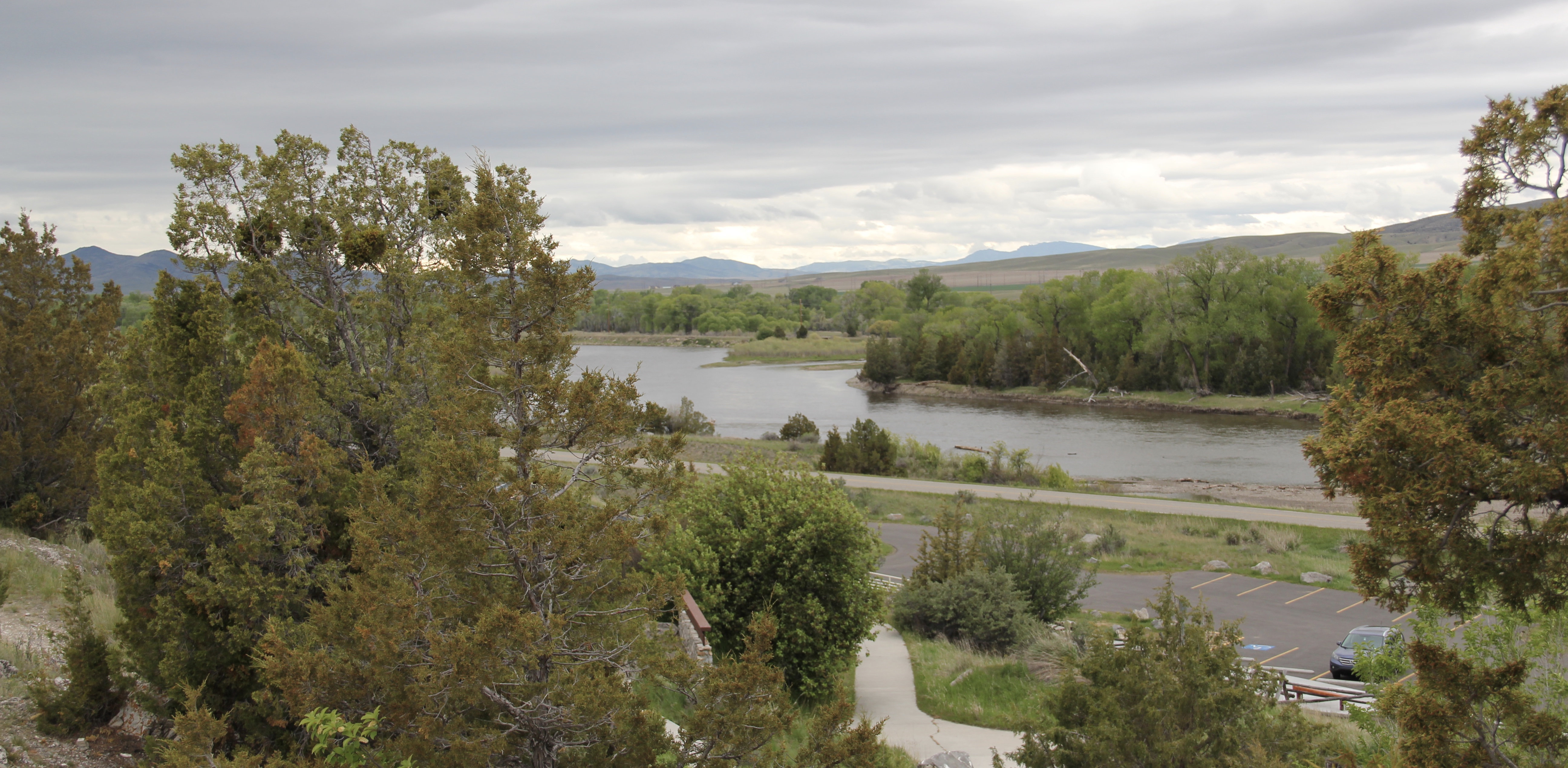


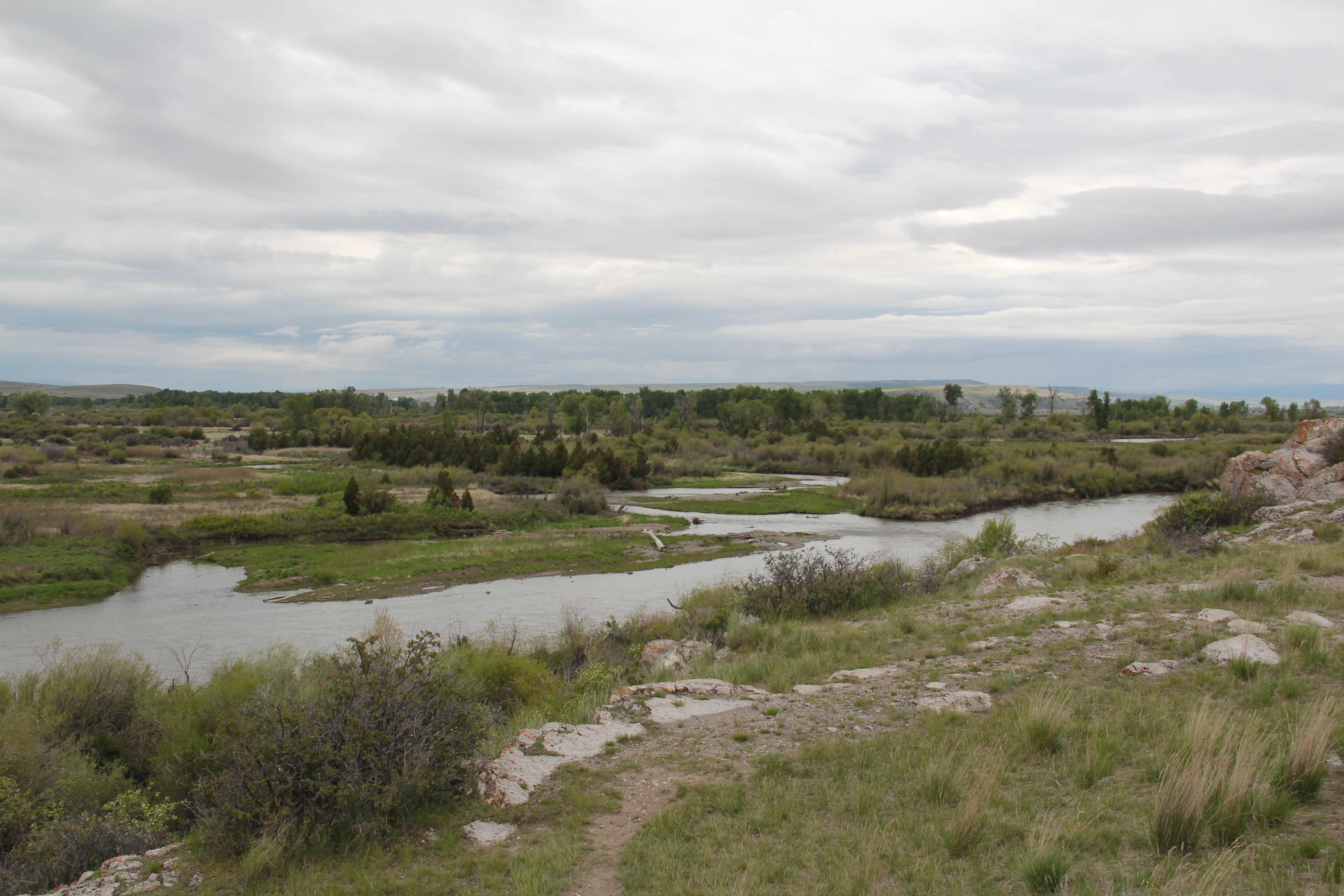 As you leave the Missouri Headwaters State Park access road (Montana 286) and return south to old U.S. Highway 10, you encounter a plaintive sign hoping to attract the thousands of heritage tourists who come to the state park–go a bit farther south and west and find the town of Three Forks.
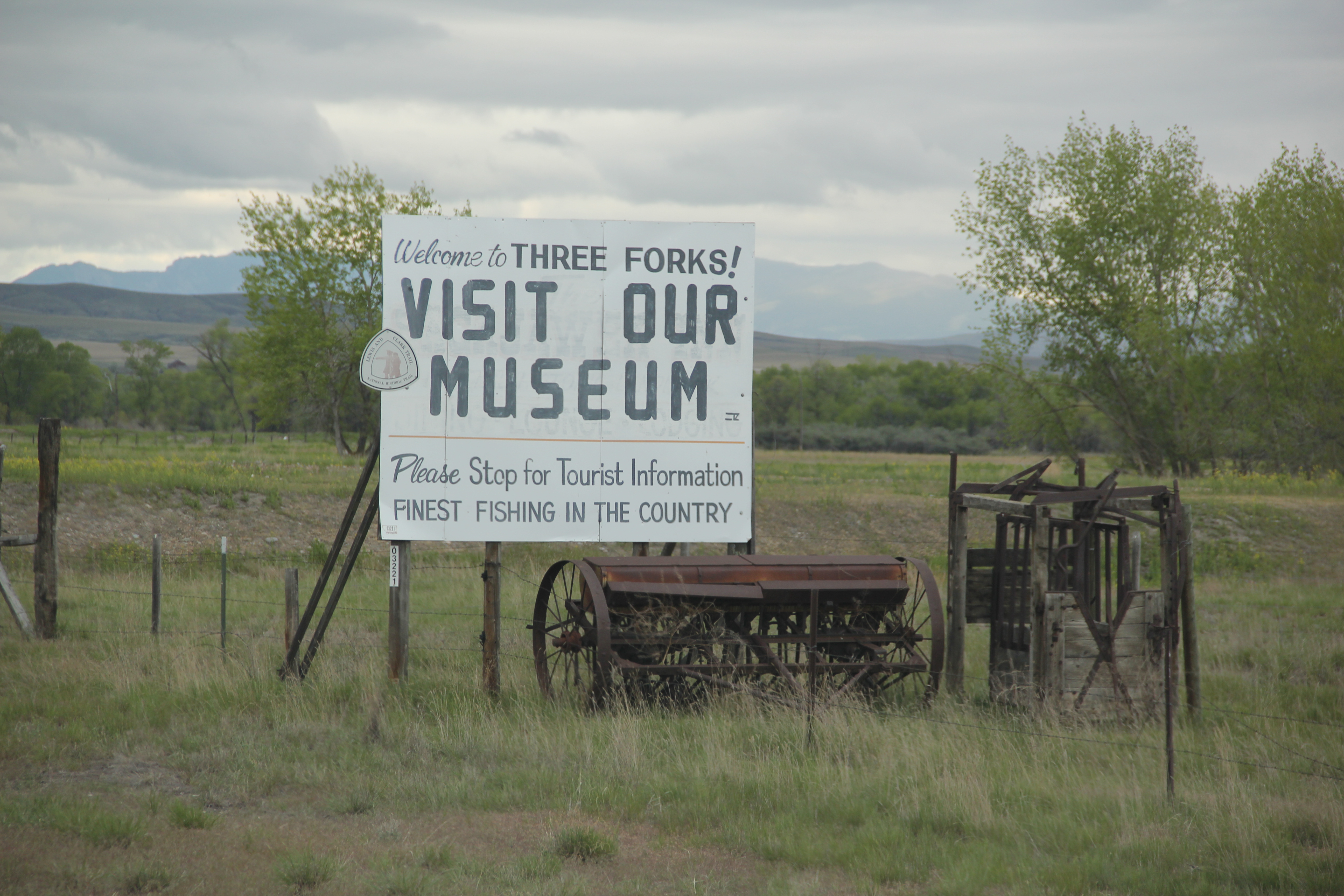 The story of Three Forks, on the western edge of Gallatin County, is not of rivers but of railroads, of how both the Northern Pacific and the Milwaukee Road corridors shaped this part of the state at the end of the first decade of the 20th century.


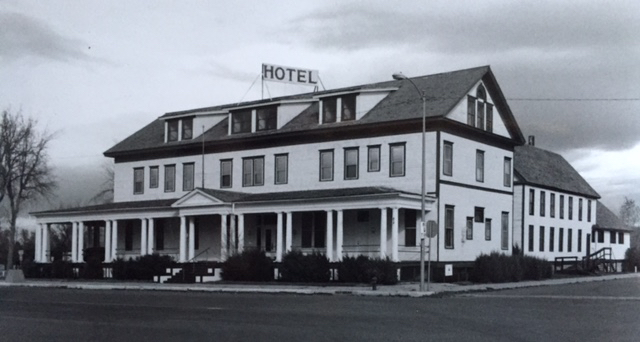


 Many heritage areas in the eastern United States emphasize the relationship between rivers, railroads, and industrial development and how those resources contributed to national economic growth and wartime mobilization. Great Falls can do that too. Situated on the Missouri River and designed by its founders to be a northwest industrial center, entrepreneurs counted on the falls to be a source of power and then on the railroads coming from Minnesota, especially the promising Manitoba Road headed by James J. Hill, to provide the transportation.
 Paris Gibson, the promoter of the Electric City, allied his interests to two of most powerful capitalists of the region: Marcus Daly, the baron of the Anaconda Copper Company interests and James J. Hill, the future rail king of the northwest. Their alliance is embodied in several different properties in the city but the most significant place was where the Anaconda Copper Company smelter operated at Black Eagle until the last decades of the 20th century. When I surveyed Great Falls for the state

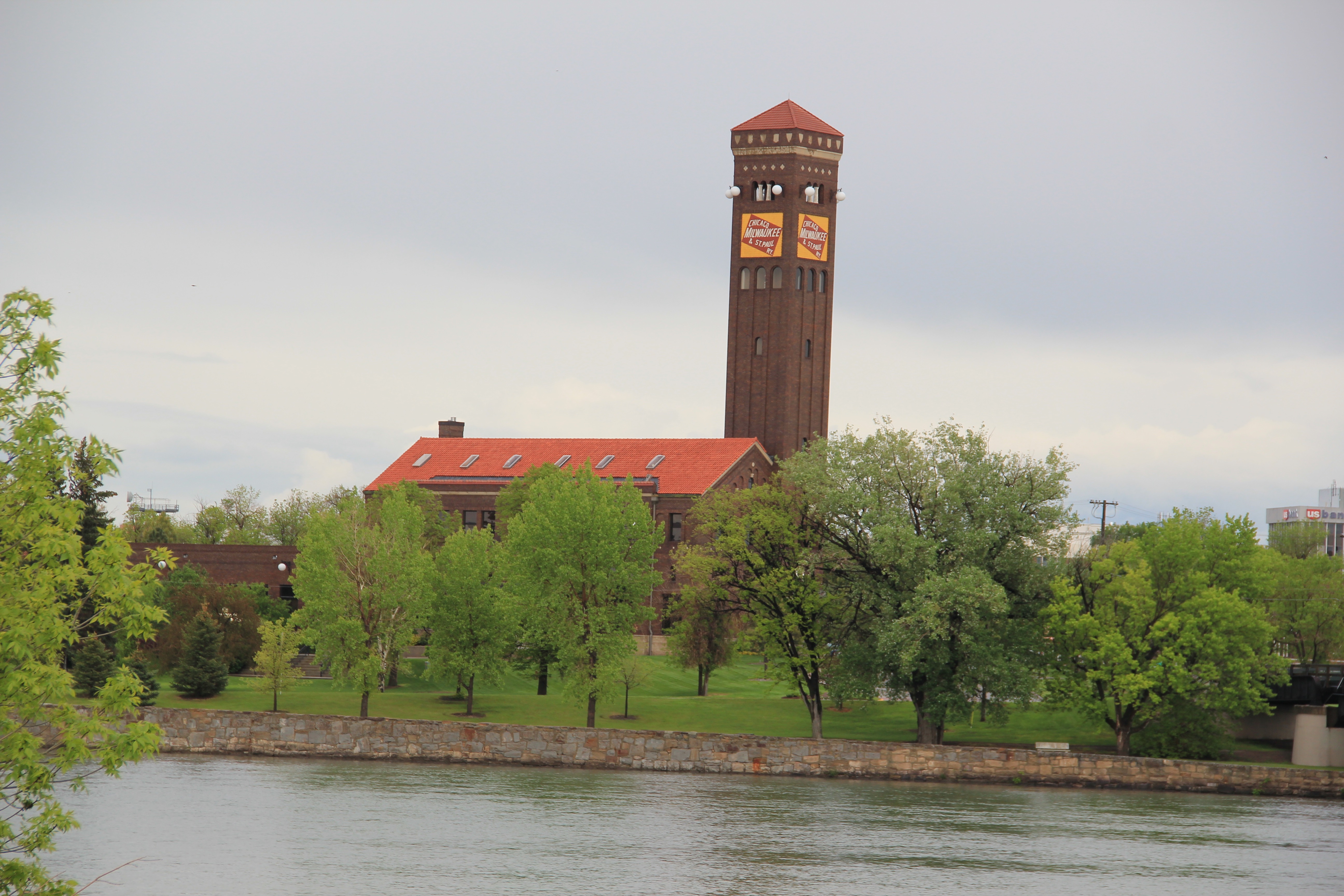 decade of the 20th century and soon erected its tall tower depot right on the Missouri River. But wherever you go along the river you find significant buildings associated with the Great Northern and its allied branch the Montana Central Railroad, especially the downtown warehouses. Some are still fulfilling their original function but others


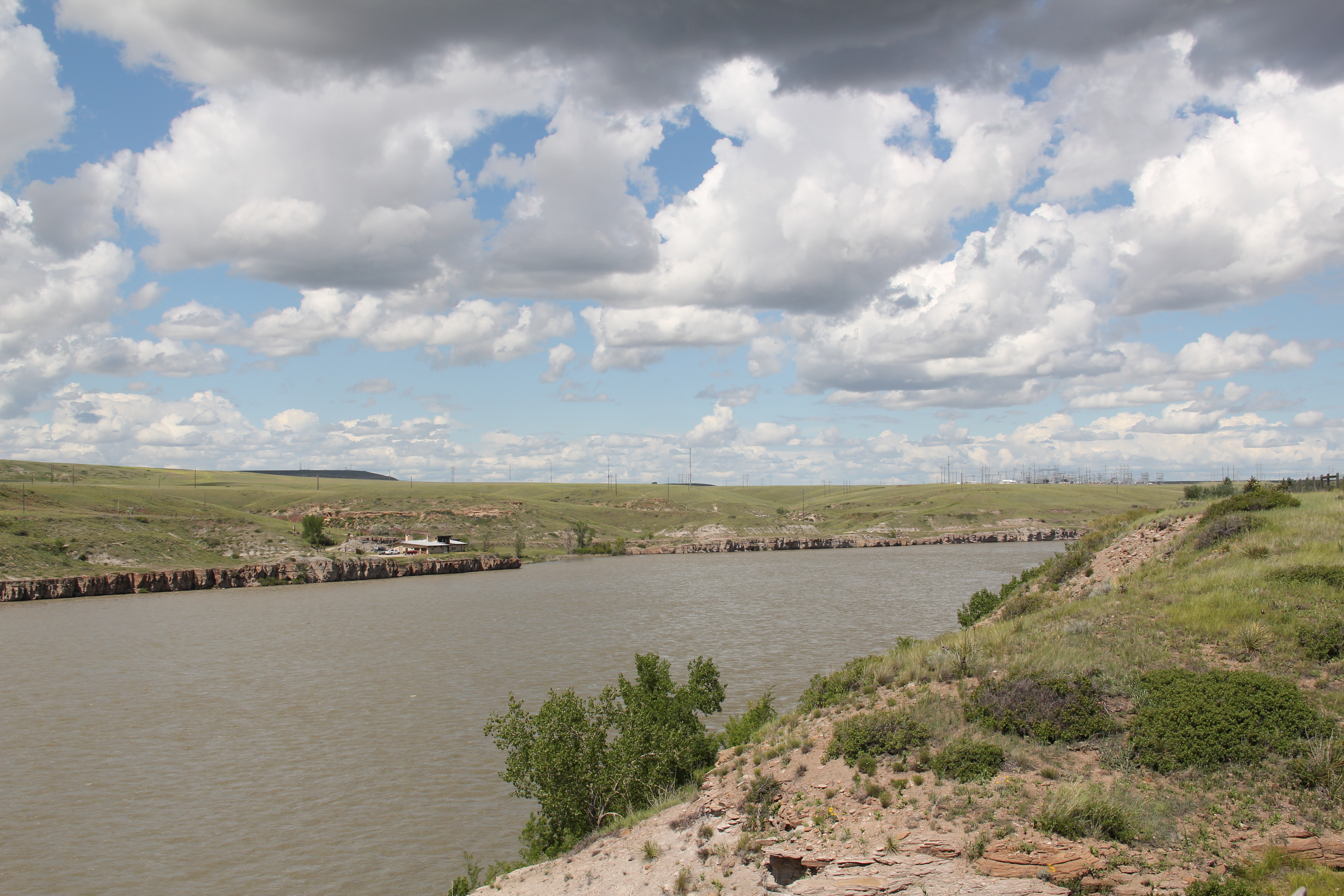 The Missouri River runs through Cascade County and is at the heart of any future Great Falls Heritage Area. This section of the river, and the portage around its falls that fueled its later nationally significant industrial development, is of course central to the story of the Lewis and Clark Expedition of 1803-1806. The Lewis and Clark story was recognized when I surveyed Cascade County 30 years ago–the Giant Springs State Park was the primary public interpretation available then. But today the Lewis and Clark story has taken a larger part of the public history narrative in Cascade County. In 2003 the nation, state, and city kicked off the bicentennial of the expedition and that key anniversary date spurred the
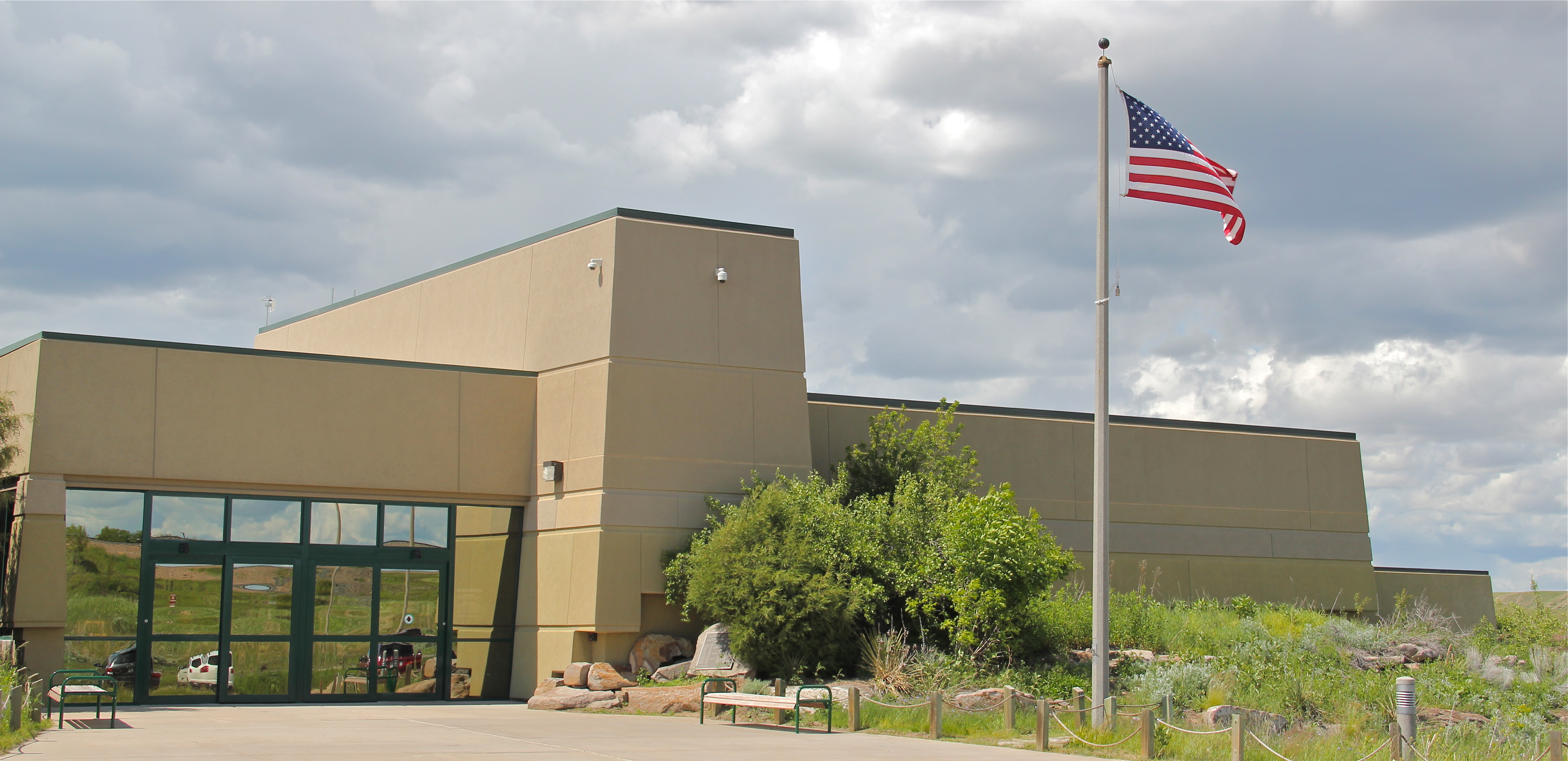 Despite federal budget challenges, the new interpretive center was exactly what the state needed to move forward the story of the Lewis and Clark expedition, and its many levels of impact of the peoples and landscape of the region. The center emphasized the harrowing, challenging story of the portage around the natural falls of what became Great Falls but its
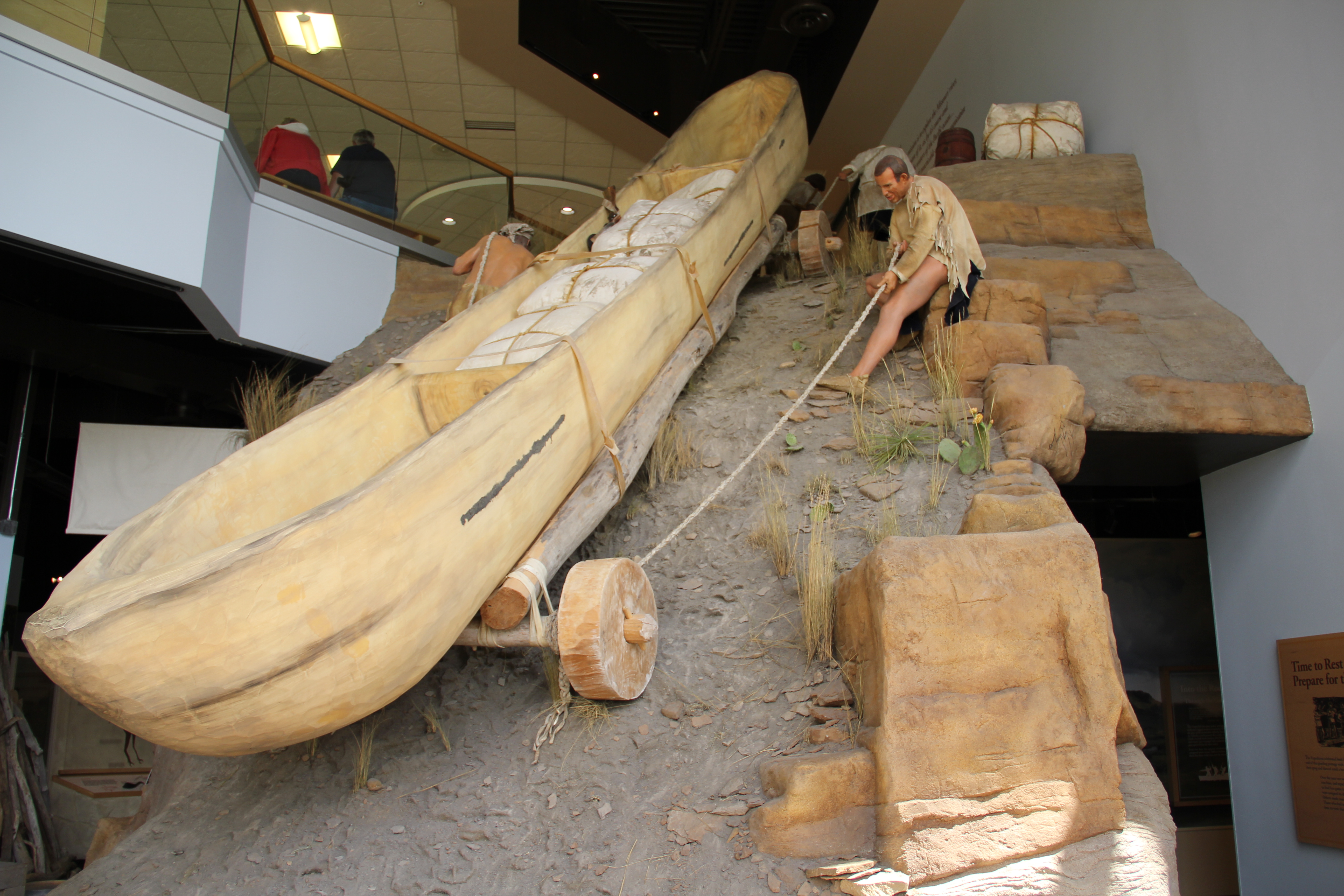 exhibits and programs have significantly broadened our historical understanding of the expedition, especially its relationship with and impact on various Native American tribes from Missouri to Washington.
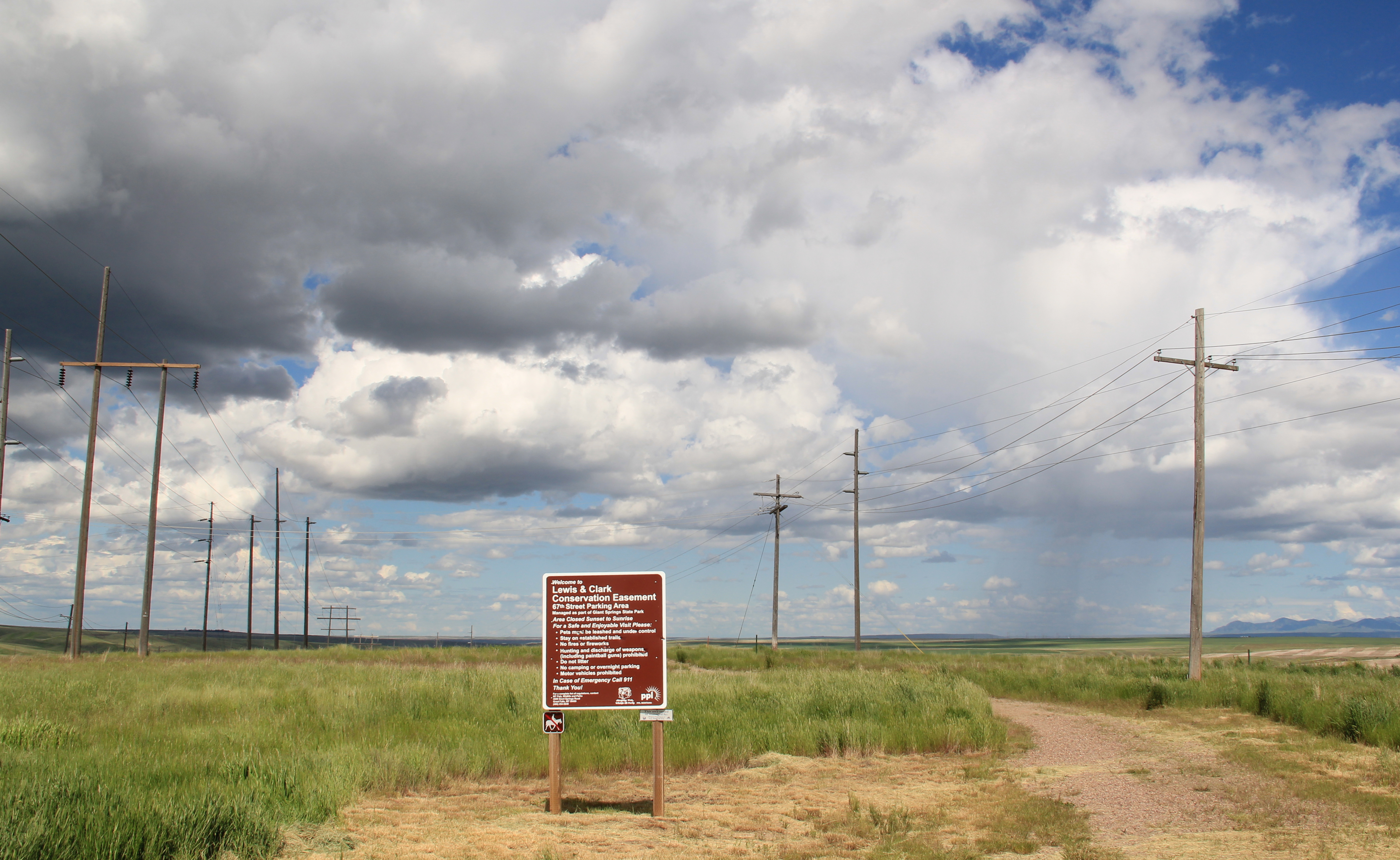 The contribution of the interpretive center to a greater local and in-state appreciation of the portage route cannot be underplayed. In the preservation survey of 1984, no one emphasized it nor pushed it as an important resource. When threats of development came about in last decade, though, determined voices from preservationists and residents helped to keep the portage route, a National Historic Landmark itself, from insensitive impacts.

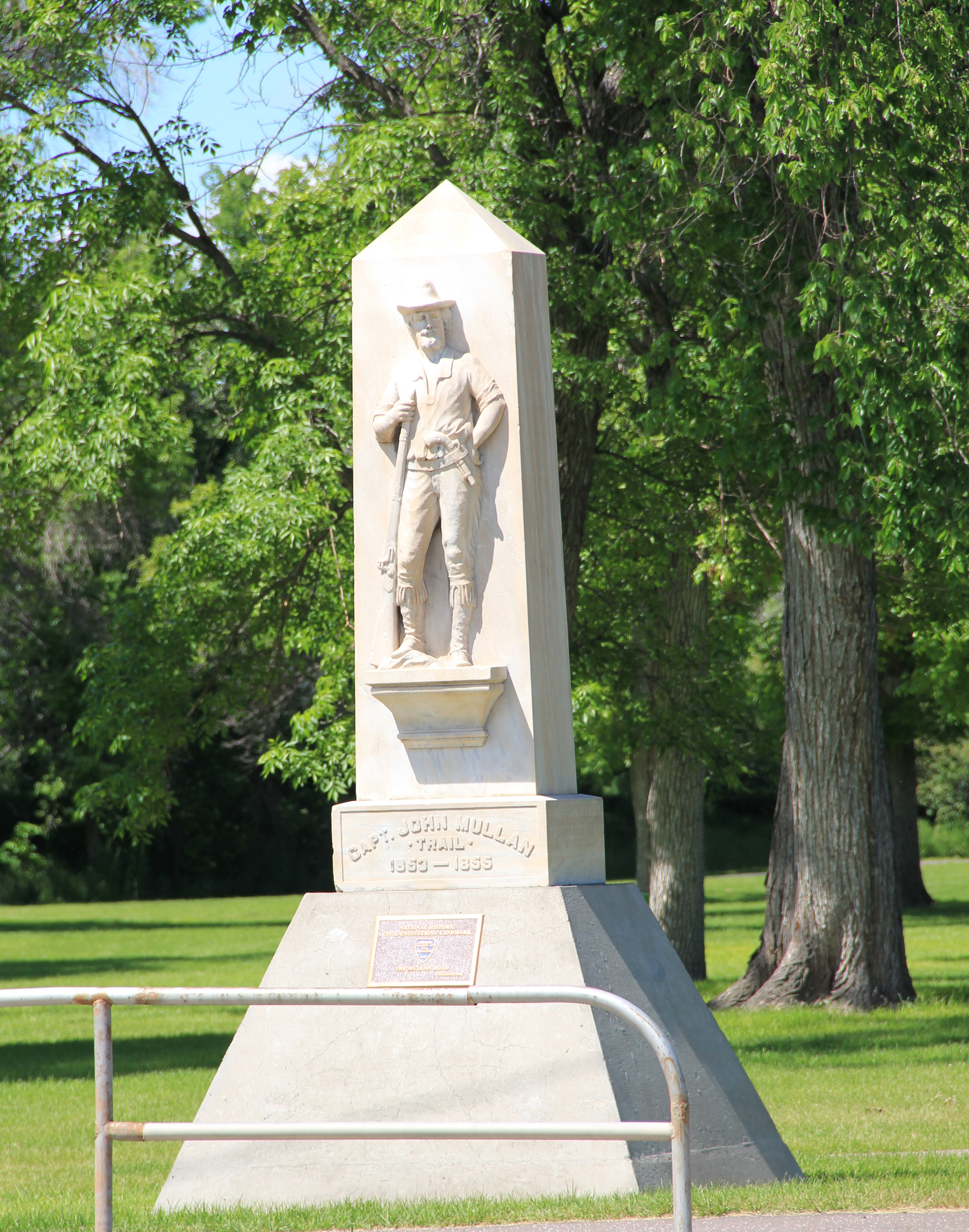 late 1850s. Hundreds pass by the monument near the civic center in the heart of Great Falls but this story is another national one that needs more attention, and soon than later.





 Montana's Historic Landscapes