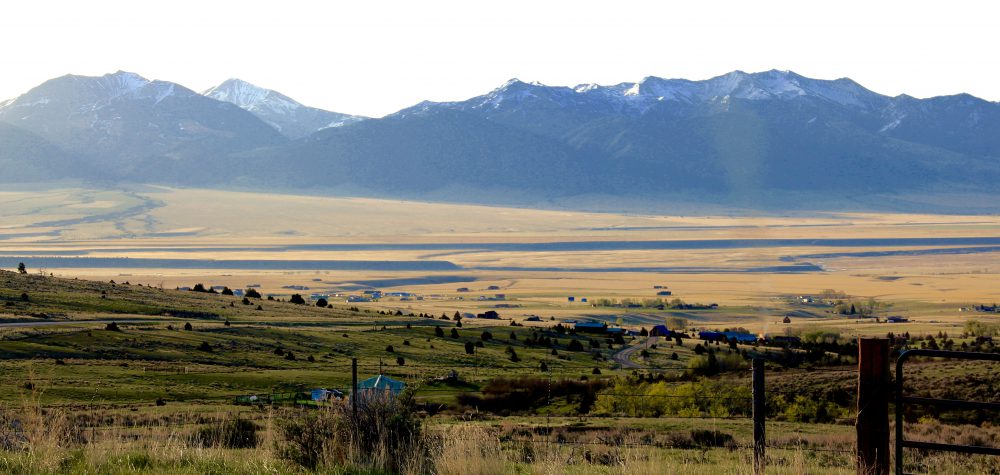
Railroad Towns of the Clark’s Fork Valley

IMG_5595

The name Carbon County seemingly says it all–here is a Montana place that is mining country, and coal mining at all.  As earlier posts have discussed, coal mining is vitally important to the county’s history.  The county seat of Red Lodge was a major coal mining town. But even Red Lodge’s historic built environment speaks of another side of Carbon County’s history. Its tall shiny grain elevator along the railroad tracks remind us that Carbon County was also agricultural country, especially in the Clark’s Fork River Valley.Carbon Co Red Lodge elevator - Version 2

The next couple of posts will explore this part of Carbon County–the towns and places many tourists roar by as they seek out Red Lodge and the mountains beyond.  Some places were, and are, tiny but still changes over 30 years are apparent. Boyd, for instance.  In 1984 I caught this iconic view of past and present at the historic Boyd store. The building is still there but the facade is changed, to a rustic western style, one more to the liking of fast-moving tourists.

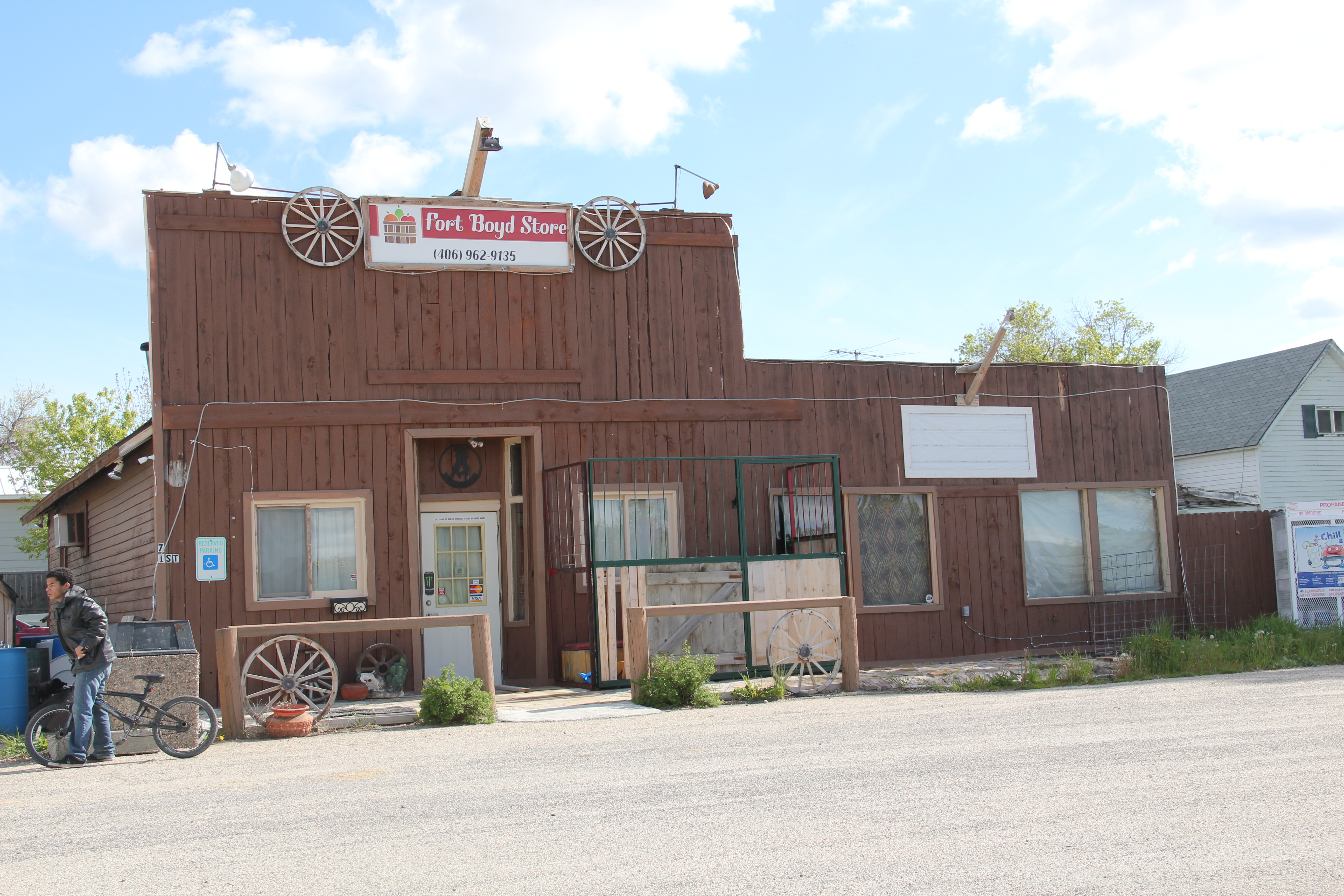
General Store- PO. Boyd Caron Co. MT  IMG_5919

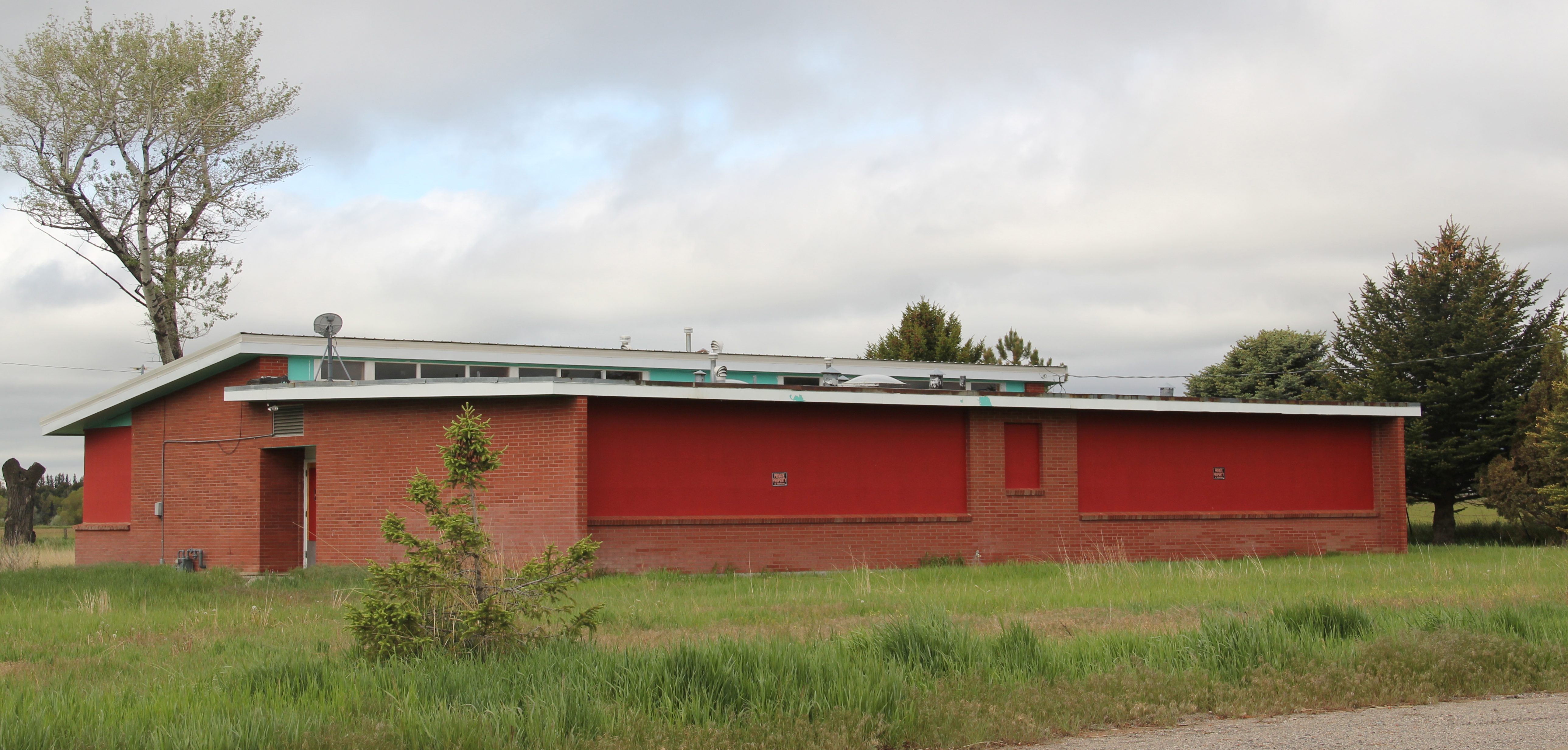
Edgar is a place that admittedly I gave little attention to in 1984.  That was a mistake.  I missed a very interesting modernist-styled school, probably part of the county-wide WPA projects for schools in the late 1930s, along with another 1960s styled addition.  The school closed in 2009.

Carbon Co Edgar New Deal school 3 - Version 2

IMG_5594

Edgar still has its bar, located in a fine one-story brick building–but not much else from the decades when it mattered in the 20th century.

IMG_5589Fromberg is a different story.  Unlike so many country railroad towns in Montana, Fromberg has a strong sense of itself, both in the present and in the past.  Part of that has to be a reflection of its comparative stability.  Its population height came in 1940, with mover 500 residents.  Today the population remains over 400, just about a 100 person decrease over 70 years.  For Montana rural towns that is exceptional.  Indeed, from my first visit in 1984 to my last in 2015, the town had only lost a few families.
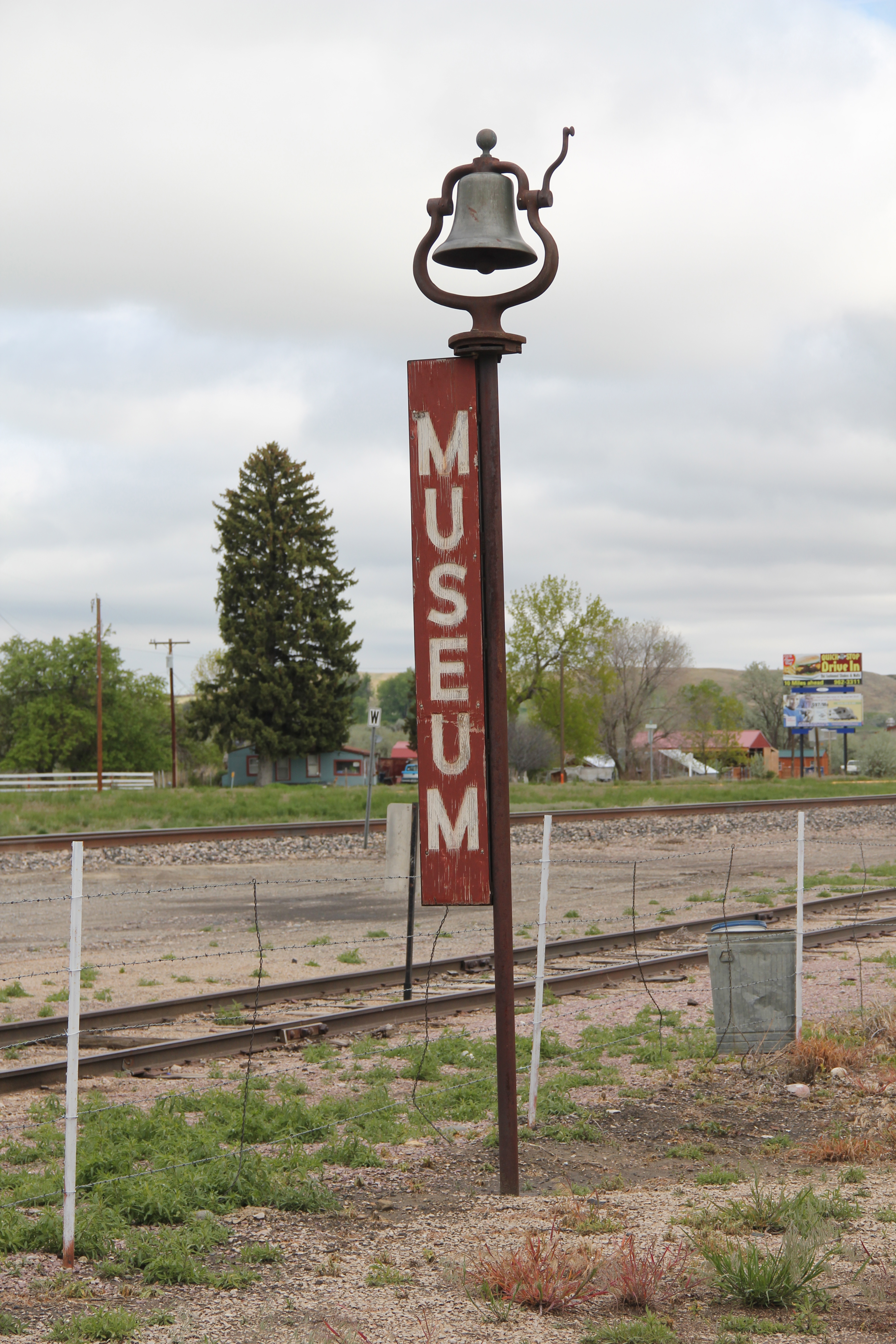
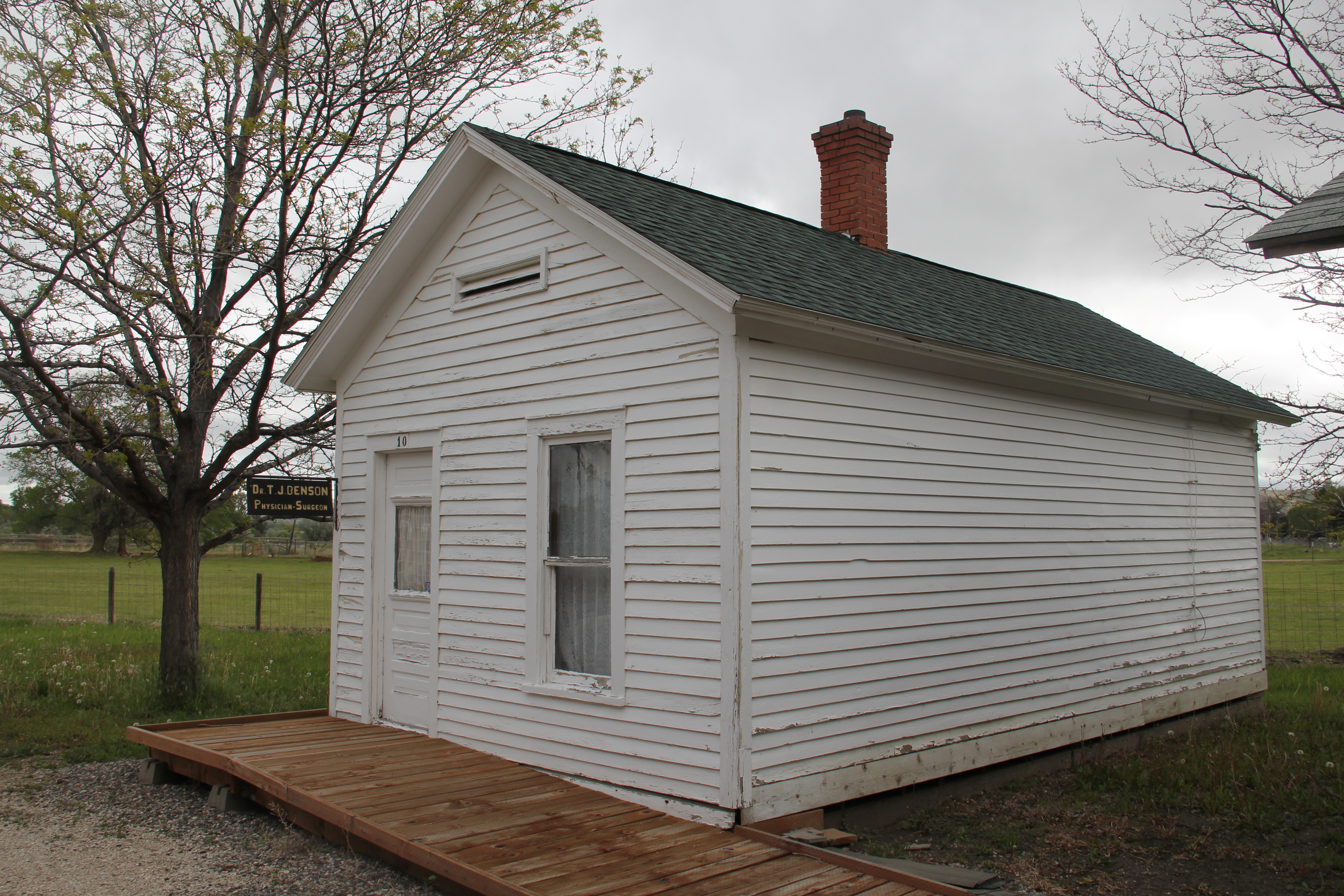
IMG_5598 IMG_5597Fromberg has its own museum; the centerpiece of which is its restored railroad depot, part of the old Northern Pacific spur line.  In true northern plains fashion, other historic buildings have been moved onto the museum grounds.  It’s not quite a building zoo but the buildings give the place enough presence to attract visitors speeding along the highway.
IMG_5600 IMG_5599

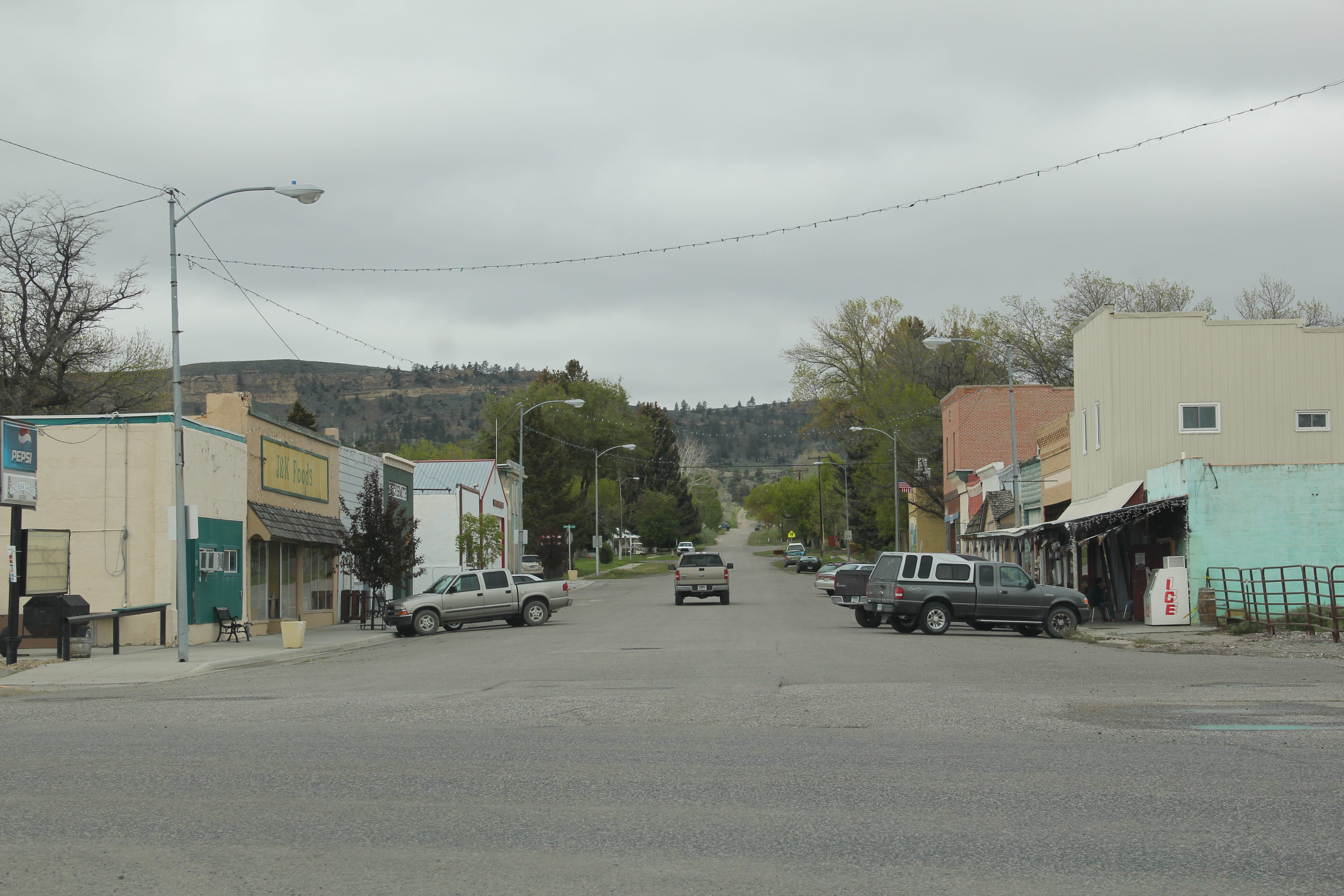
Fromberg is a t-plan town, and all of the patterns of that type of town planning are apparent.  From the depot, running west, is the primary commercial street, with brick and fame buildings on either side.
IMG_5601

IMG_5622

The historic Odd Fellows hall dominates the commercial district–its conversion into the town’s post office, rather than a historic building being lost so a modern standardized design post office could be put in its place, is an excellent example of historic preservation done right.  Indeed, Fromberg residents have embraced the possibilities of preservation and multiple buildings are listed in the National Register of Historic Places.
IMG_5623

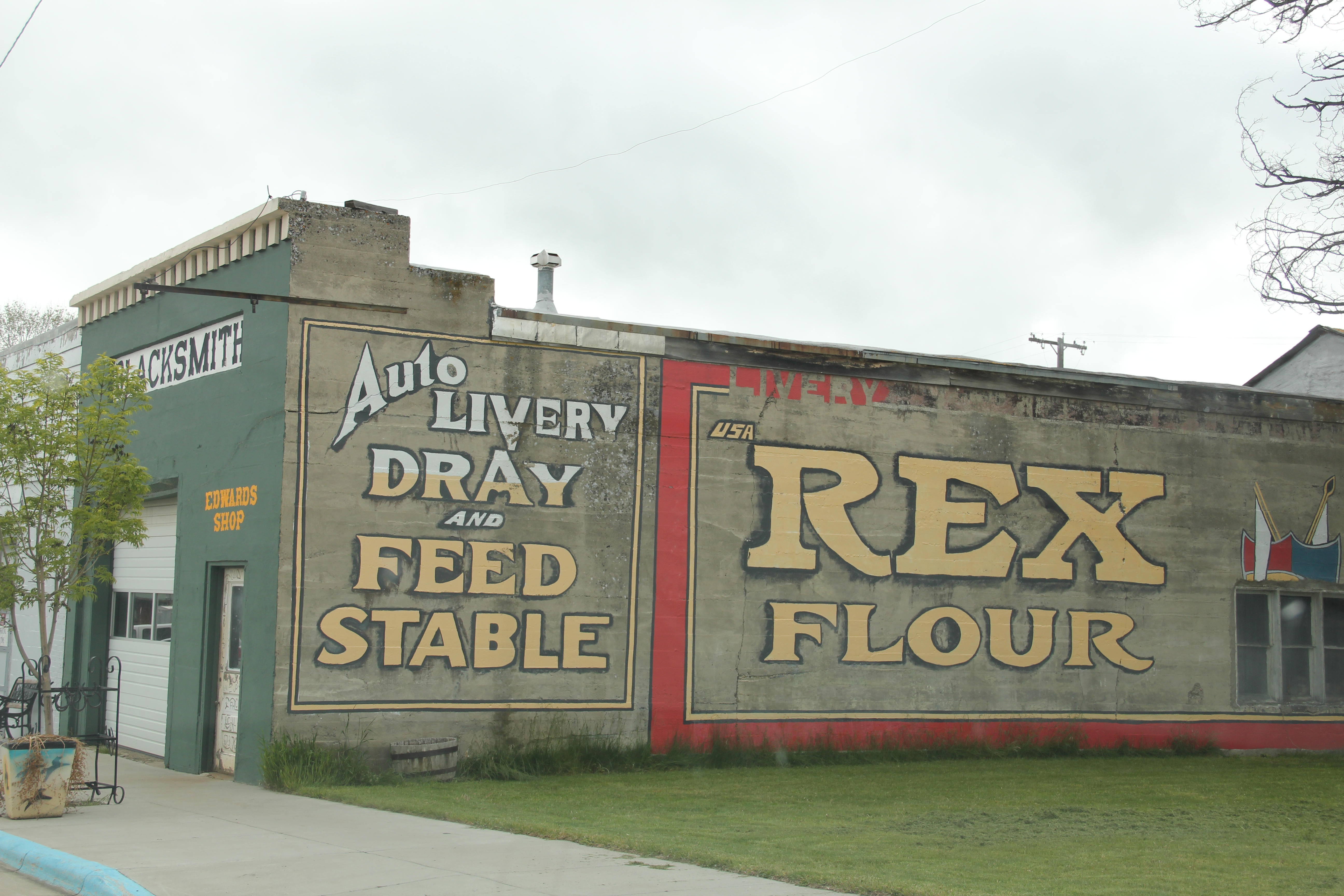
IMG_5618The mural about overland travel on the front of the Clark’s Fork Bank adds a touch of public interpretation.  If you want first-person stories, a stop at the Little Cowboy Bar (and “museum”, located at where the commercial district intersects with the highway, will be worth it.  It is one of the region’s classic watering holes.

IMG_5626

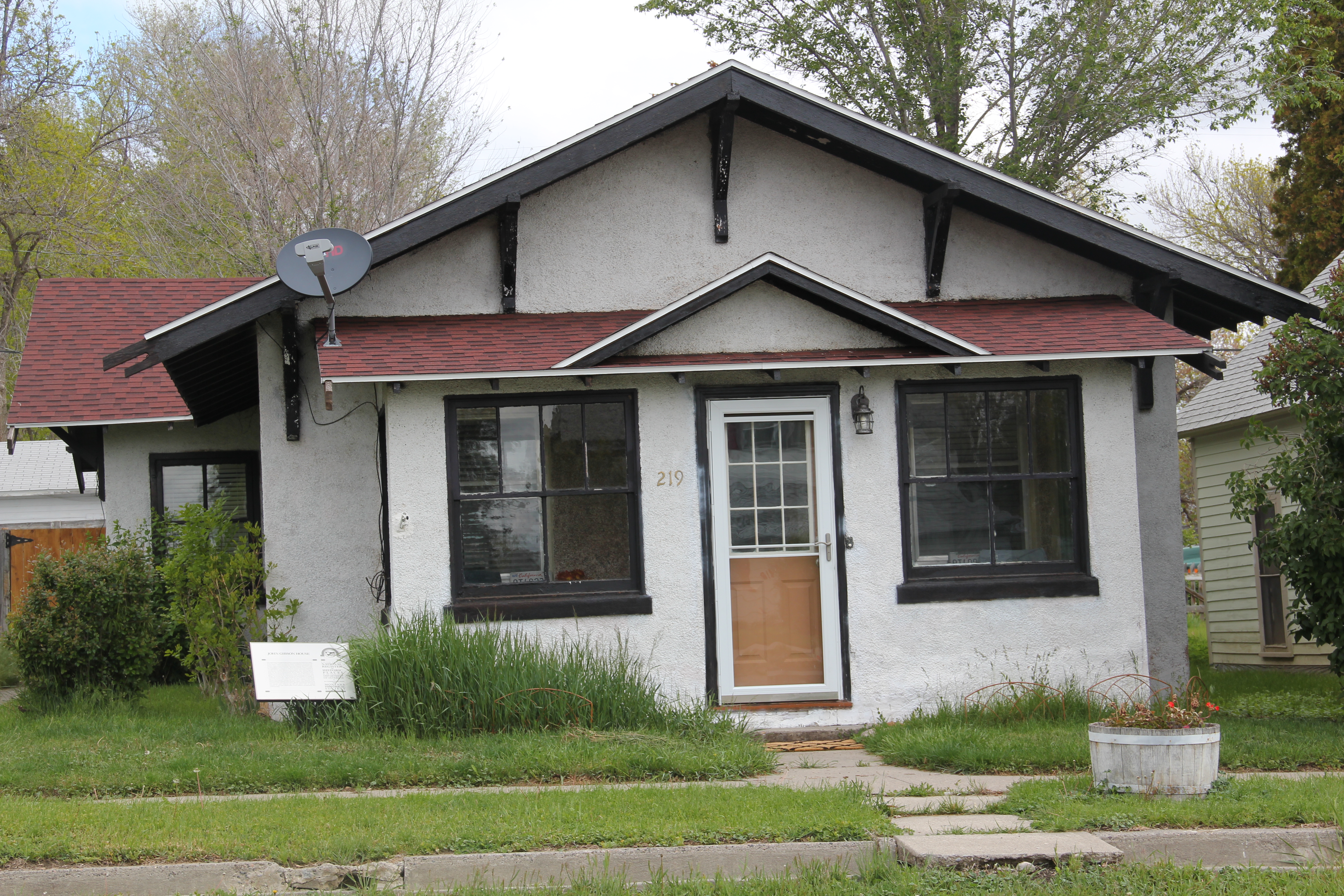
Fromberg also has documented its historic domestic architecture, raining from vernacular styled early 20th century homes to more stylish bungalows and even a couple of good examples of Dutch Colonial Revival style.
IMG_5617

IMG_5614

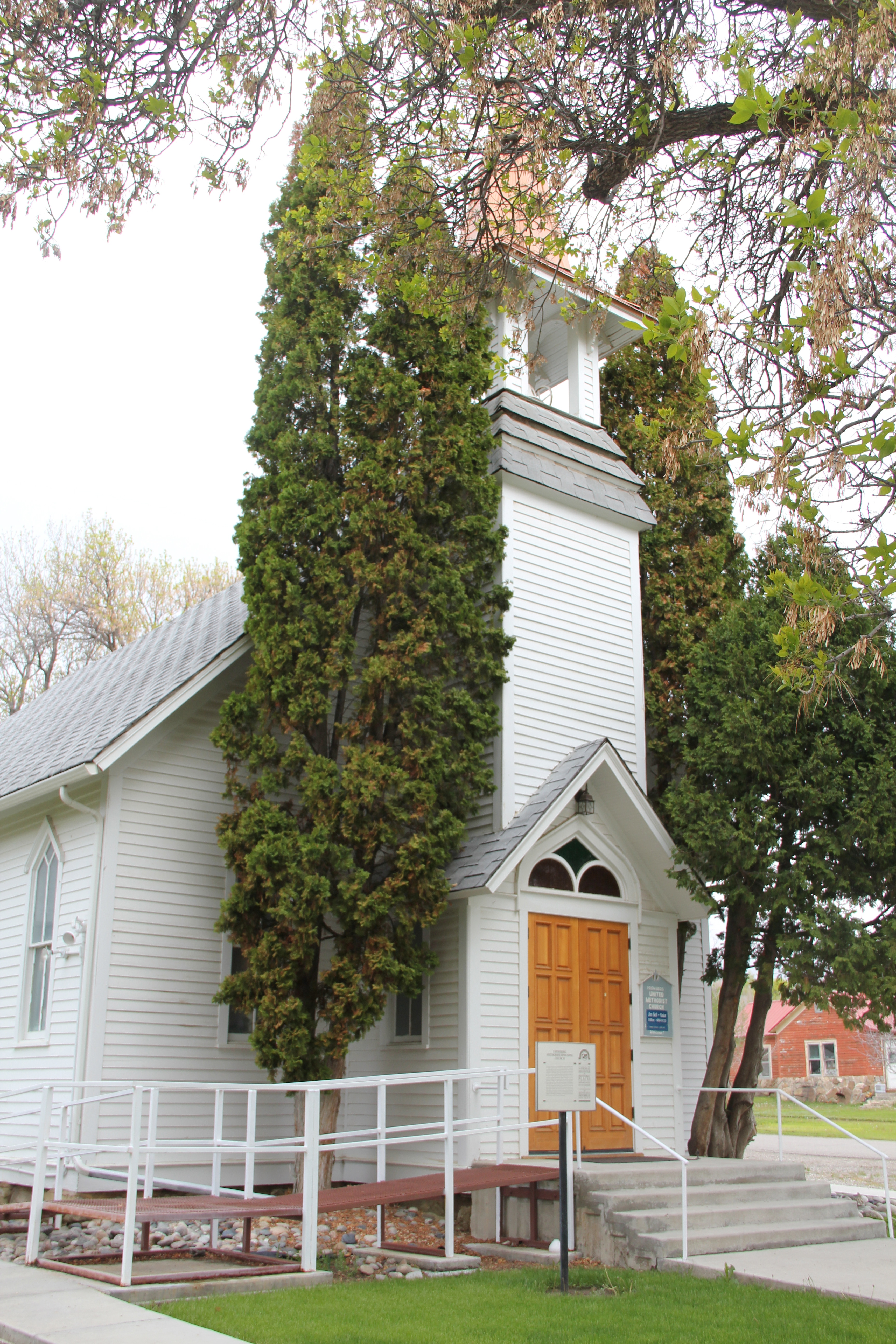
The homes are clustered around two historic churches, the brick St. Joseph Catholic church and the frame Gothic-styled and National Register-listed Methodist Church, built in 1907-1908 by contractor Charles Darnell and the community.

Carbon Co Fromberg St. Joseph Catholic - Version 2   IMG_5615T

The historic Fromberg school, like its counterpart in Edgar, was part of the countywide program of building modern schools by the WPA during the New Deal.  Its still impressive facade conveys well the WPA’s sense of modernism, and it remains the town’s primary community center today.

IMG_5607

Red Lodge: Coal Town of the Clark’s Fork Valley

Clark's Fork River, off U.S. 212, Carbon County, MT Clark’s Fork River, off U.S. 212, Carbon County, MT

When the Northern Pacific Railroad entered the Yellowstone Valley in the 1880s, officials and investors immediately began the search to find and acquire locally available deposits of coal.  First there came the Klein mines north of Billings and then by the end of the decade, the first move toward mines to the south, in the Clark’s Fork Valley, at what would become Carbon County with its major town of Red Lodge on Rock Creek. Development began slowly, with the Depression of 1893 intervening, but as the era’s financial and railroad magnates combined the Great Northern, the Burlington Route, and the Northern Pacific into one huge co-operative venture, they selected a new place in the Yellowstone Valley, a town called Laurel at the confluence of the Clark’s Fork and Yellowstone rivers, to connect the three railroads. In short order, a Northern Pacific Railroad spur line was built down the Clark’s Fork Valley to the place called Red Lodge–U.S. Highway 212 follows this route–and the boom was on.

IMG_5759Entering Red Lodge from the north via U.S. 212 you encounter immediately the town’s roots as a railroad town, as the historic Northern Pacific depot remains rooted at the head of the town.  Here is where my long-interest with the Red Lodge story began in 1984 when

IMG_5760I met with a small group of local historians, preservationists, and civic leaders determined to keep Red Lodge and its still intact historic environment together. The group’s vision for the depot was for it to be a visitor center, an arts center, but more than anything a community center, a visible sign of the turnaround that could happen.  Already, at the head of town artist Peter Toth had begun the new tradition with his mammoth wood sculpture, “In Honor of a Proud and Noble People,” installed in 1979, a theme of the region’s

IMG_5764Native American history and proximity to the Crow Indian Reservation that also was captured in a much more commercial way by the neon sign of the Red Lodge Cafe then, and still to my mind, the best place in town.  The neon, like Toth’s sculpture, was designed

IMG_5723

to attention of the one course of heritage tourism income that locals recognized:  that summer traffic coming out of Billings and off the interstate heading to Yellowstone National Park via U.S. 212 and the Beartooth Pass, one of the true highway wonders of the United States.  How to get people to stop, and how to restore pride and hope for the town itself: those motivated the group I met in 1984 moreso than any well meaning goal of merely preserving history and pretty buildings.

IMG_5758To say that the initial depot project was successful would be an understatement.  Thirty years later the depot is a public space that includes a gazebo, outdoor art, and a setting of history and culture rarely rivaled in the region.  As you move south from the depot, you also immediately encounter several of the dreams the groups discussed in 1984:  a National Register of Historic Places historic district (there are now more than one); restored and treasured public buildings such as the Carnegie Library and Carbon County Courthouse;

IMG_5746

IMG_5734

and their biggest goal of all in 1984, the acquisition, preservation, and transformation of iconic Labor Temple into a history museum and heritage center for the Carbon County Historical Society.

IMG_5740

The group understood the power of the Labor Temple:  they could tell a story not just of railroad magnates and economic development but could look at this history from those who came and labored in the mines, and built the town.  The building dated to the decade of Red Lodge’s height, 1910-1920, when the town’s population reached 5,000 but especially once the Northern Pacfic opened new mines at Colstrip to the east in the 1920s,  the town had been in a decades long period of population decline, where less than 2,000 people lived in 1980.  Many had given up, obviously, but those who stayed saw the bones of a possible community renaissance–and preservation was a big part of that.  That more recent story comes next.

Sandstone Masonry and Historic Landmarks in Columbus, Montana

IMG_5866Columbus, the seat of Stillwater County, has long served as an architectural and settlement landmark in the Yellowstone Valley.  Today when you drive down old U.S. highway 10 (Pike Street) next to the very active tracks of the Northern Pacific Railroad, two patterns stand out.  First, the town retains its historic depot and a well-defined railroad corridor–reminding everyone that here is one of the valley’s original railroad towns, from 1882-1883.  In a state where so many small town depots have been lost in the last 30 years, I always stop in Columbus just to see if its depot remains.

IMG_5910

This historic NP caboose is part of the displays at the Stillwater County Museum, which sits in a new building near the schools in the north end of town.

This historic NP caboose is part of the displays at the Stillwater County Museum, which sits in a new building near the schools in the north end of town.

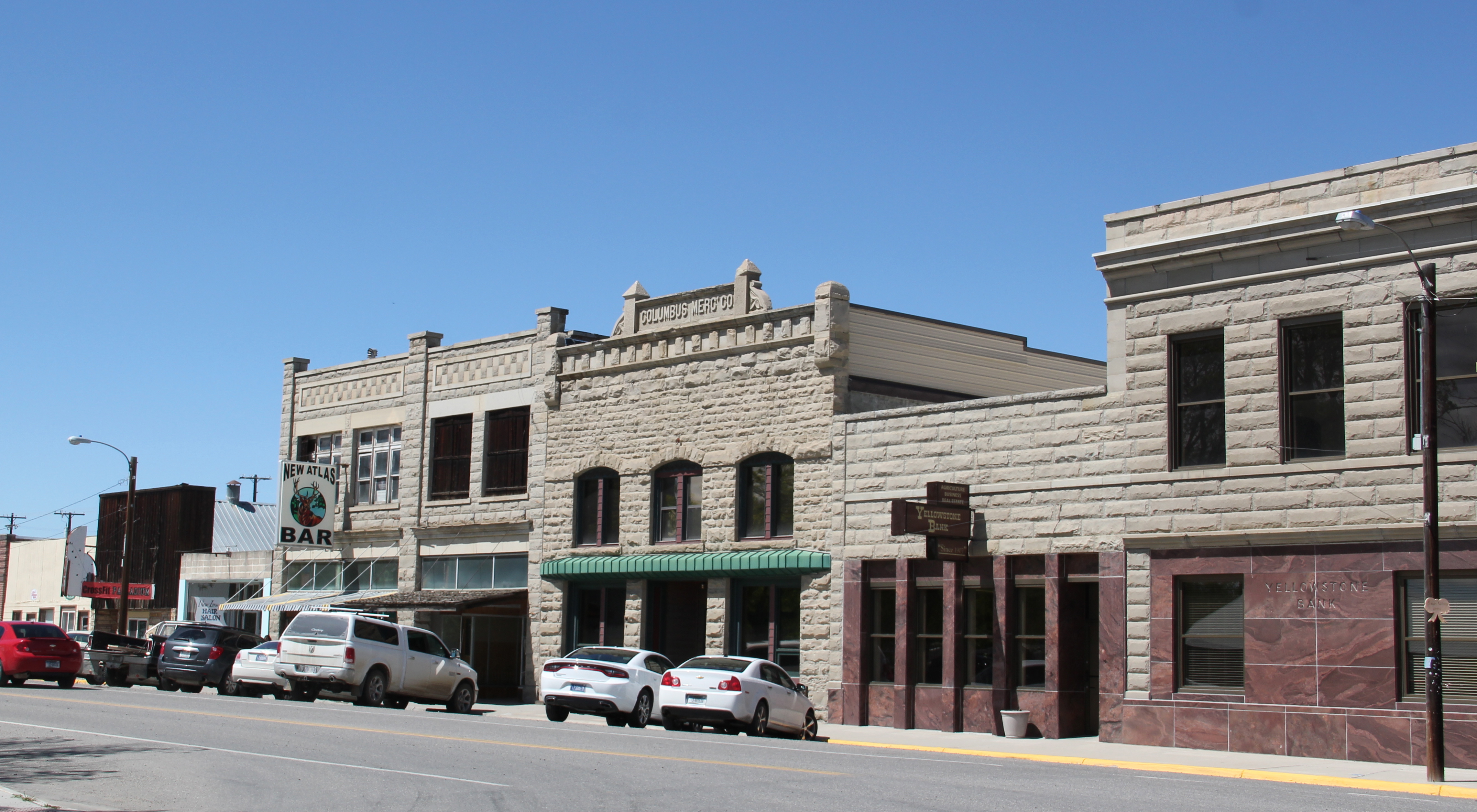
The second feature is the striking stone masonry, found not only along the primary commercial blocks of the town but also throughout the residential neighborhood.  This beautiful turn-of-the-20th-century work is largely attributed to Michael Jacobs, a native of Italy who anglicized her name from the original Jacobucci.  Jacobs was a principal in the Montana Sandstone Company, a firm that not only built Columbus’s historic buildings but also took on commissions in Billings and Butte and its most famous project, the Montana State Capitol in Helena.  Jacobs’ imprint on the town was part of its recovery from the

IMG_5912Depression of 1893, which had rocked towns all along the Northern Pacific line.  But Colubmus recovered and rebuilt frame buildings in stone from c. 1900 to 1920 as the homesteading boom spread through the region.  in Italy, the Montana Sandstone Company provided facing stone to numerous buildings in Butte, but it was the contract for the Montana State Capitol that put the company on the map and established Jacobs’ fame and fortune.

New Atlas Bar Columbus

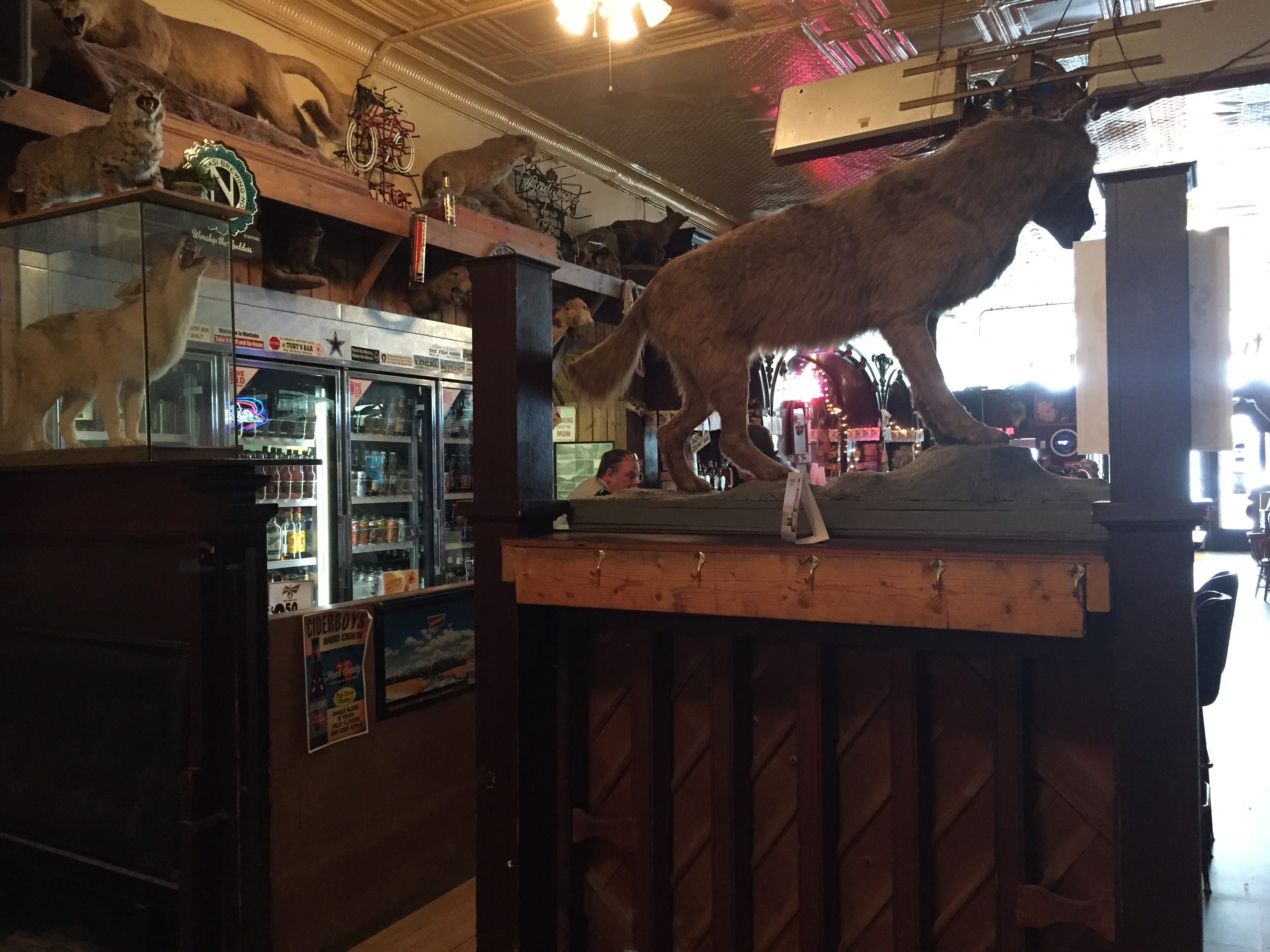
My favorite Jacobs building is the New Atlas Bar, which I first visited in 1982 and then made it tradition to introduce this special place to anyone traveling through the valley with me on fieldwork.  Listed in the National Register of Historic Places, the bar dates to 1915-1916, and was designed by Curtis Oehme.  For almost all of the 20th century it was operated by the same family who opened it, the Mulvihill family.  Known in the 1980s as the “See ‘Em Dead Zoo,” the historic interior features dozens of stuffed trophies, of all sorts of animals from the region.

IMG_0858

IMG_0855

IMG_0854 IMG_0860

But its historic interior of back bars and ladies lounge is intact, and although the place doesn’t quite have the vibe of 20 years ago, it is still a community gathering spot along historic Pike Street.

IMG_5876Michael Jacobs’ stately Victorian residence is another example of the firm’s craftsmanship as are a series of remarkable tombstones in the town’s Mountain View Cemetery.  The carvers of these monuments are either Jacobs or another firm employee Pasqual Petosa.

IMG_5887 IMG_5889

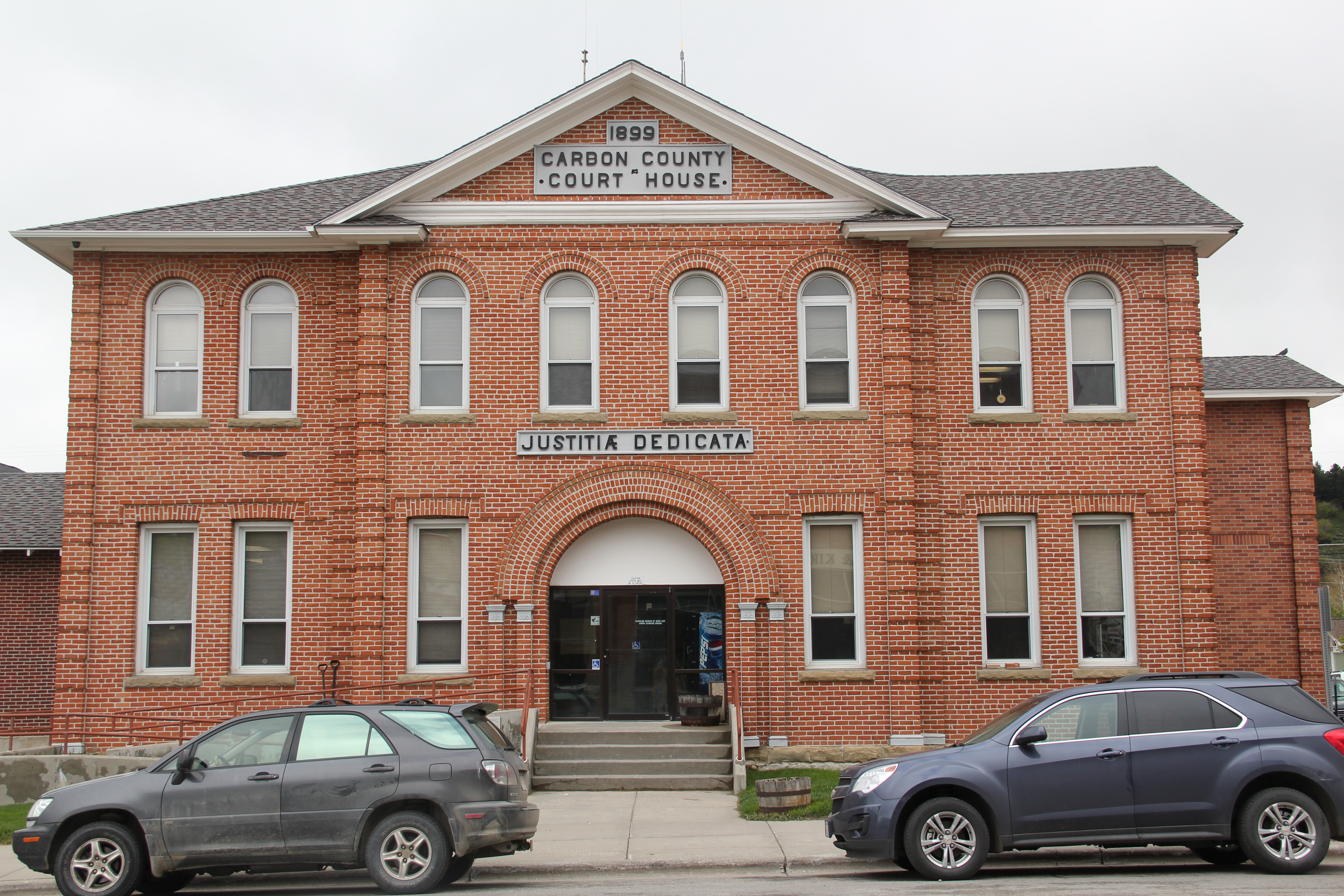
The county courthouse, however, is not of sandstone, but still it is an impressive Classical Revival statement in its porticoed Ionic entrance and symmetrical facade.  Located in the north end of town, the courthouse, designed by Warren Dedrick, remains an anchor for the county’s history during the homesteading boom.  It first opened its doors in 1921.

IMG_1236

Unfortunately the courthouse faces an uncertain future.  This year proposals have come forth to replace the building, or to modify it significantly with additions, due largely to the county’s population growth and need for greater public space in the last 15 years.  The local preservation commission called for discussions and full consideration before the town, and county, loses such a heritage asset as this striking historic landmark.

The Sweet Grass of the Yellowstone Valley

IMG_6258

Sweet Grass County has one of the most spectacular landscapes of the entire state of Montana.  Located in the middle of the Yellowstone Valley, the county has long been a significant crossroads, from the prehistoric era to today.  At the county seat of Big Timber, Interstate Highway 90 (along with the historic route of old U.S. Highway 10) parallels the Yellowstone River.  The town is also the southern point of origin for U.S. Highway 191,

2011 MT Sweetgrass county 014

The Lazy J, near the intersection of U.S. 191 and old U.S. 10, is a classic bit of mid-20th century roadside architecture.

which strikes northward cutting across Central Montana and continuing until the highway ends at the Canadian border, north of Malta.

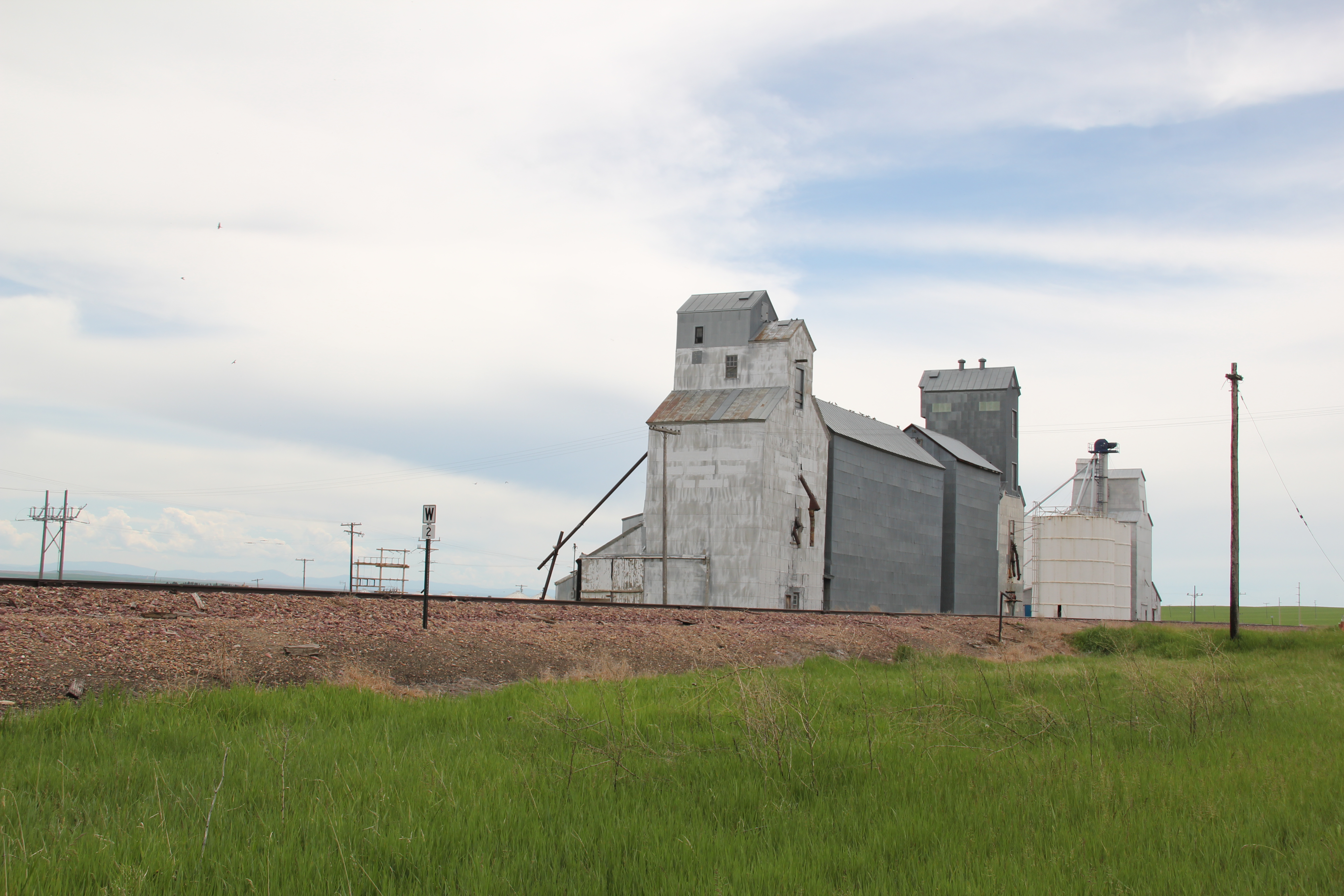
IMG_6331Established by the Northern Pacific Railroad in 1882-1883, Big Timber has the classic T-Plan town plat found on so many Northern Pacific towns.  But one reason I have long liked this place is the quirkiness of its town plan.  The depot and the elevators are where they

IMG_6329should be, forming the top of the “T,” but the beautiful early 20th century stone masonry Sweet Grass County Courthouse is neither on McLeod Street (the stem of the T) nor at the end of the T, dividing the town’s commercial area from its residential neighborhood.  No, it IMG_6333is a block west of the intersection of McLeod Street and old U.S. Highway 10–an uncommon arrangement of public space in northern plains railroad towns.  A public park

IMG_6314

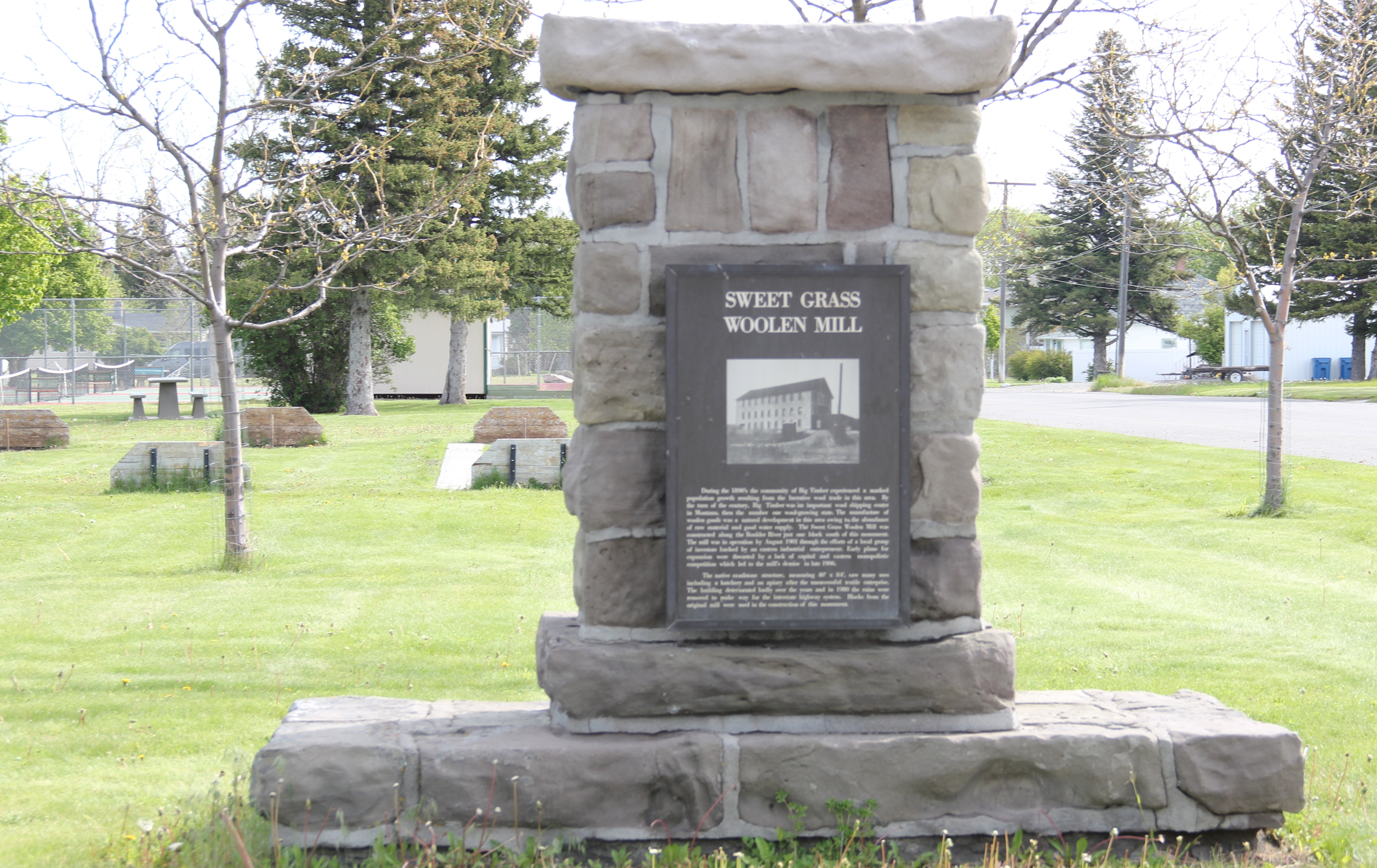
effectively marks the end of the historic town.  When I first surveyed the town in 1984, I found that an old 1946 highway marker for the Lewis and Clark Expedition had been moved to the park a year prior to my visit, and the interpretive sign told me that the town had a sense of its place in history.  In the decades since, residents have added a monument to the town’s early wool industry along with a bronze sculpture, titled “Free Spirit” by Dave Hodges, linking the place to the open spaces and cowboy culture of the valley.  Coming soon will be the new headquarters for the Montana Cowboy Hall of Fame, an institution that searched high and long for a home until finding Big Timber.

IMG_6316

IMG_6313

IMG_6271Public interpretation through art is another change I encountered in Big Timber.  The most striking dates to the Lewis and Clark Bicentennial at the start of this century.  On the walls of the local grocery store are three panels telling the story of the expedition in Sweet Grass County as the men encountered the confluence of the Boulder and Yellowstone rivers.  IMG_6296On another commercial building near the intersection of U.S. 191 and old U.S. 10 was an unexpected surprise:  a mural recreating–or is it reinterpreting–the famed Milwaukee Road promotional poster from the turn of the 20th century that encouraged homesteaders

IMG_6267to head to Montana. Oddly the reproduction mural gives the Northern Pacific corporate emblem but the route shown is the Milwaukee’s route, admittedly also showing where the two lines ran side by side in parts of the Yellowstone Valley.

IMG_6290

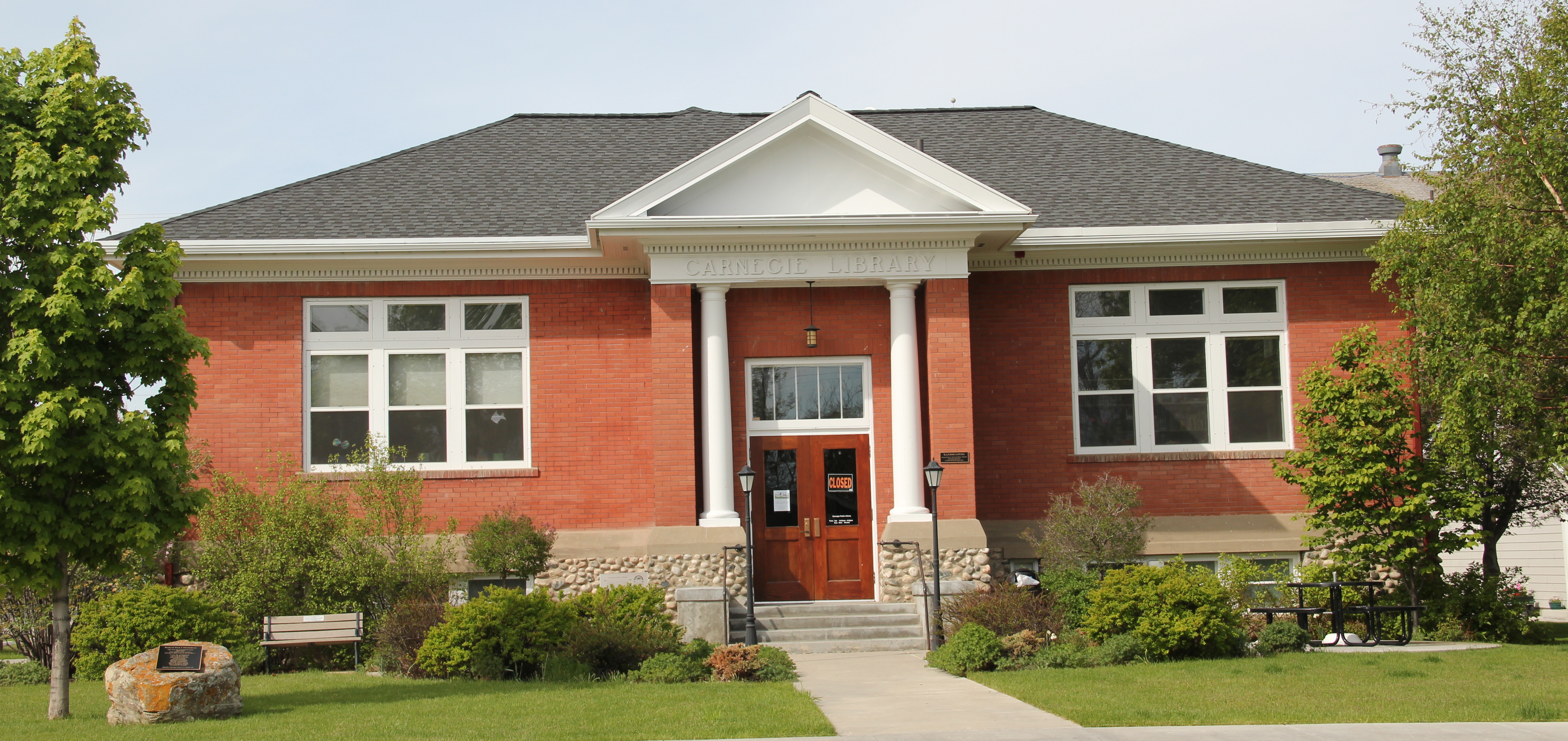
Public interpretation has not extended into an intensive involvement with the National Register of Historic Places.  In 1984, only one property–a segment of the Bozeman Trail where it crossed the Yellowstone–in the county was listed, and that stood on Sweet Grass’s far western border to Park County.  Then, right after I had finished the project, the iconic western hotel, The Grand, was listed in the National Register.  In the 30 years, a handful of Big Timber landmarks also have been designated on the National Register:  the Classical Revival-styled Carnegie Library, St. Mark’s Episcopal Church, and the Big

IMG_6324

Sweetgrass Co Big Timber 6 - Version 2 IMG_6306Timber City Hall.  Little doubt these landmarks are cherished–when more library space was necessary this century the expansion of the historic building was done appropriately, keeping this landmark in service for decades.

IMG_6308But when you consider just how intact the town’s historic environment from the 1880s to the 1950s is today, you think a National Register historic district nomination in order, or at least one for the historic commercial district, which has a wonderful array of building types, designs, and, luckily for Big Timber, open businesses, including one of my favorite bars in all of the state–at least favorite bar signs–the Timber Bar.

IMG_6273

IMG_6274

IMG_6275IMG_6284The next post will look deeper in the historic buildings of Big Timber, and then stretch north to a real jewel, the Melville Lutheran Church.

Chouteau County’s Plains Country Towns

IMG_9327

Thirty years ago geographer John Hudson wrote a series of articles and a book on the topic of “plains country towns,” addressing the landscape patterns he found among the railroad-established towns of the northern plains.  Ever since Hudson’s concept of plains country towns has influenced how I look at the Montana’s small towns.  Even in such river counties as Chouteau County where the Missouri River trade base of Fort Benton has dominated the county’s economy and population since the mid-19th century, you can still find the unmistakeable imprint of the railroad and the grain elevators that mark the presence of a town.

IMG_8832

Earlier in this blog I have discussed Square Butte (above) and Geraldine.  Today I want to review two other small towns, Highwood and Carter.  Highwood is the largest, counting

IMG_8873

just about 175 people in the last census.  Like most plains country towns, it has steadily lost population in the last 50 years.  In fact this weekend’s Great Falls Tribune discussed how the Highwood High School was going to forge a co-op for sports with Geraldine so both schools could continue to have basketball, volley ball and 7-man football, played at this tiny field in Highwood.

IMG_8875

IMG_8877

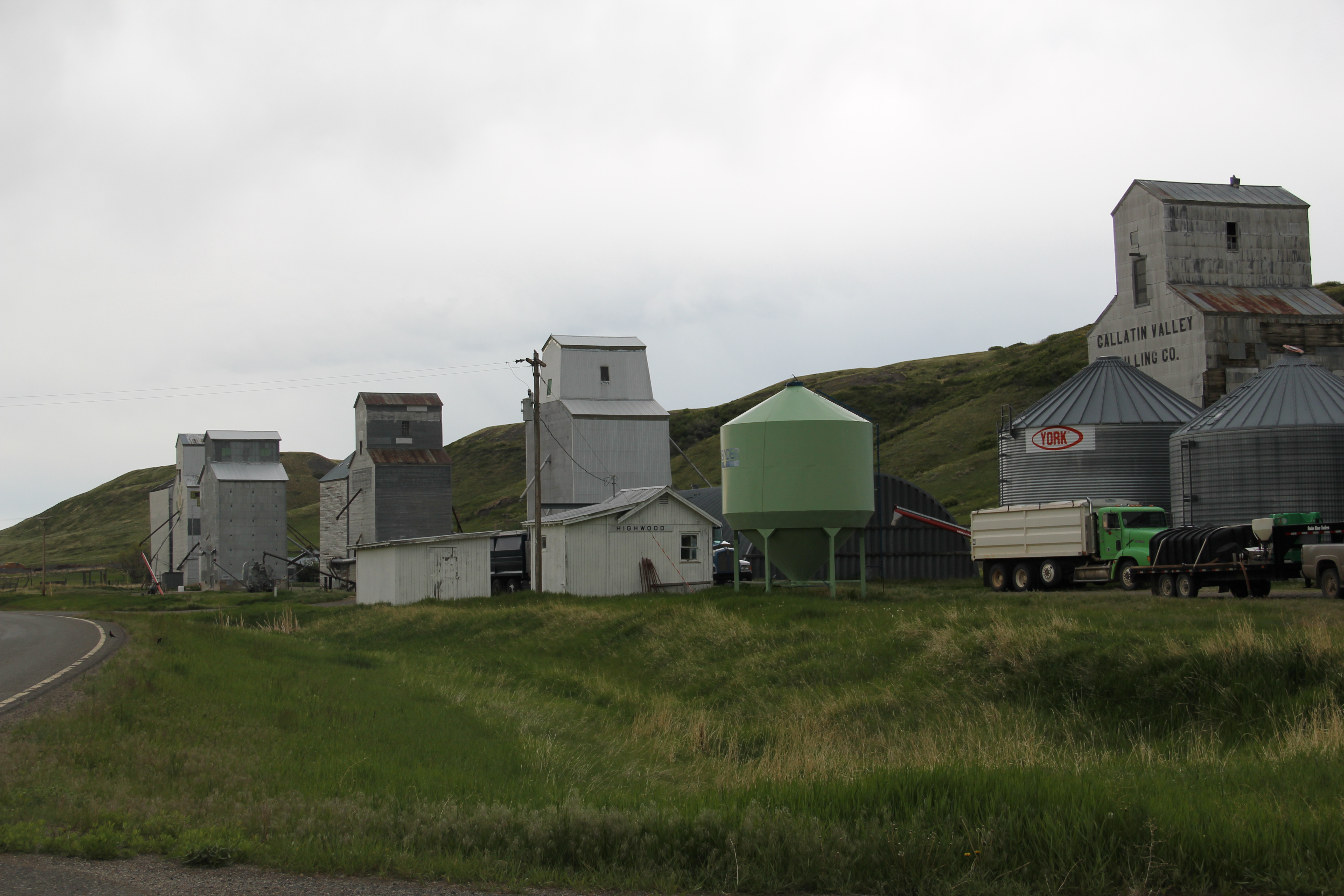
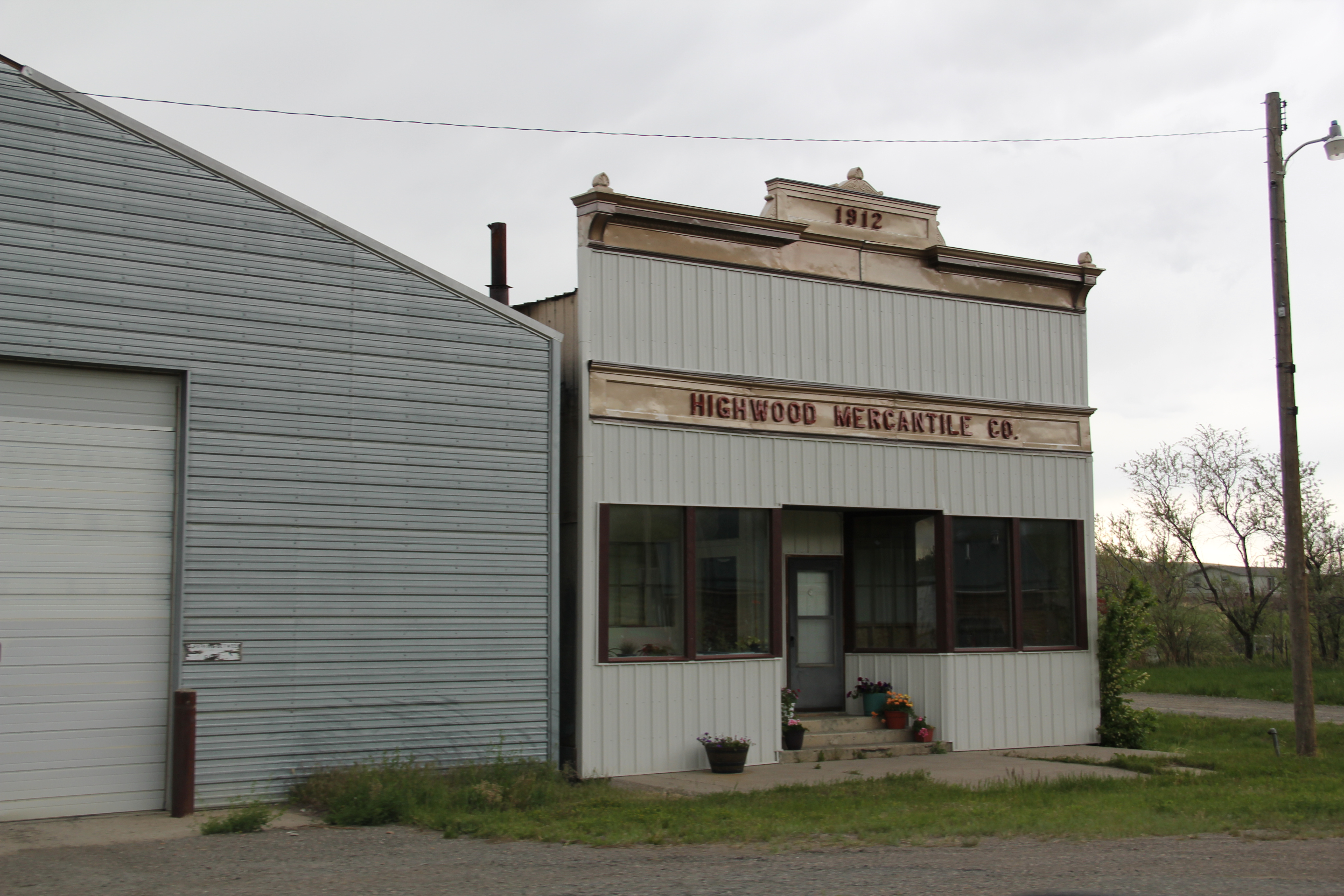
The Highwood School is no doubt the pride and center of this community, a place not often found by travelers nestled as it is in a gulch formed by Highwood Creek along Montana Highway 228.  It began in the 1880s as cattle country but with the coming of the railroad in the 1910s t became an outlet for grains, as its set of tall elevators makes apparent.  A small one-story false front building for the 1912 Highwood Mercantile Company also remains to mark the town’s railroad years.

IMG_8881

IMG_8880

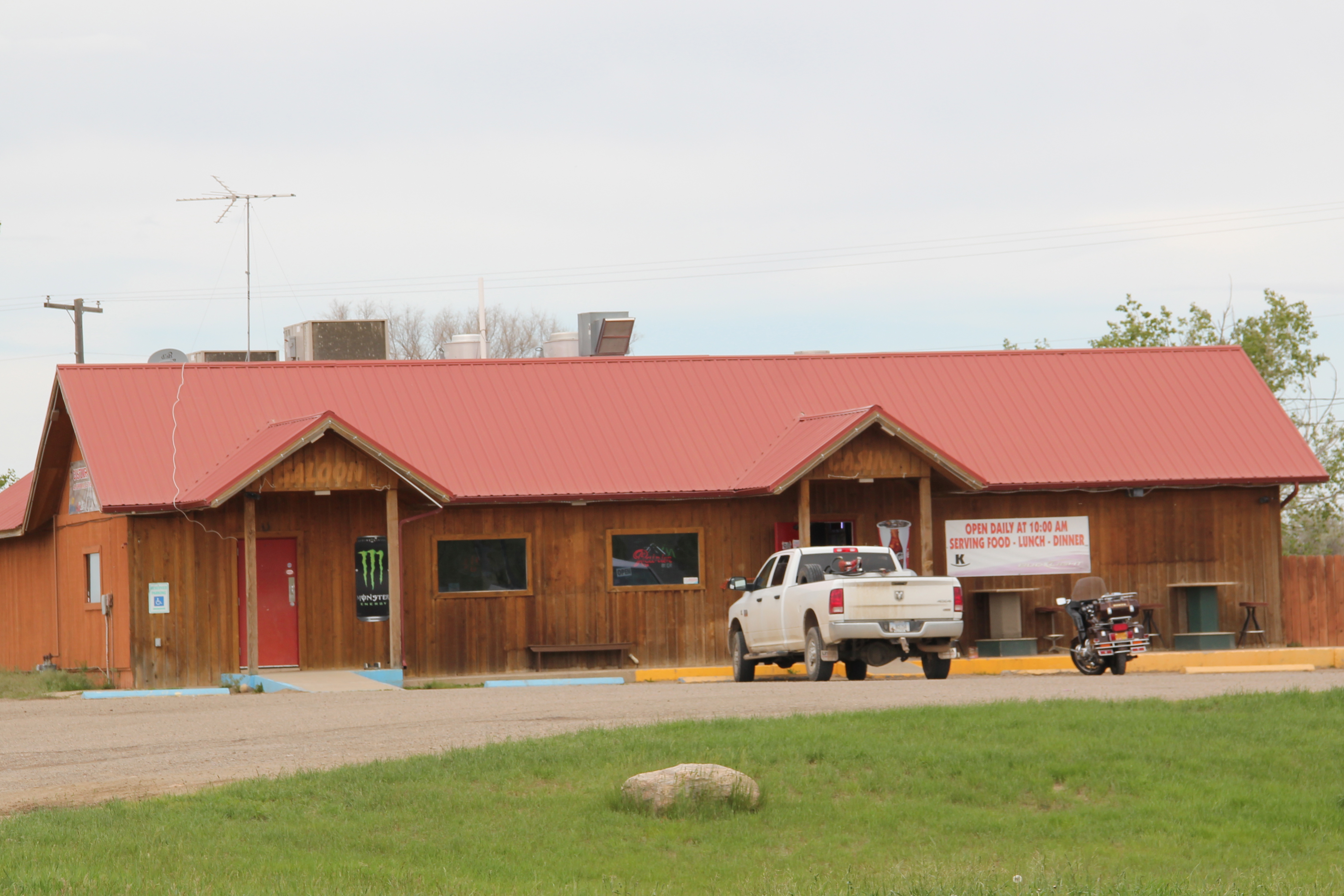
Carter has one-third the population of Highwood–only about 50 people in the 2010 census–but is better known to travelers due to its location along U.S. Highway 87 between Great Falls and Fort Benton.  The Rocking K Bar is the roadside landmark but travelers

IMG_9334should turn south and drive down into Carter proper since the town, despite its tiny number of residents, still has many of the community institutions that defined a proper plains country town of 100 years ago.

IMG_9318

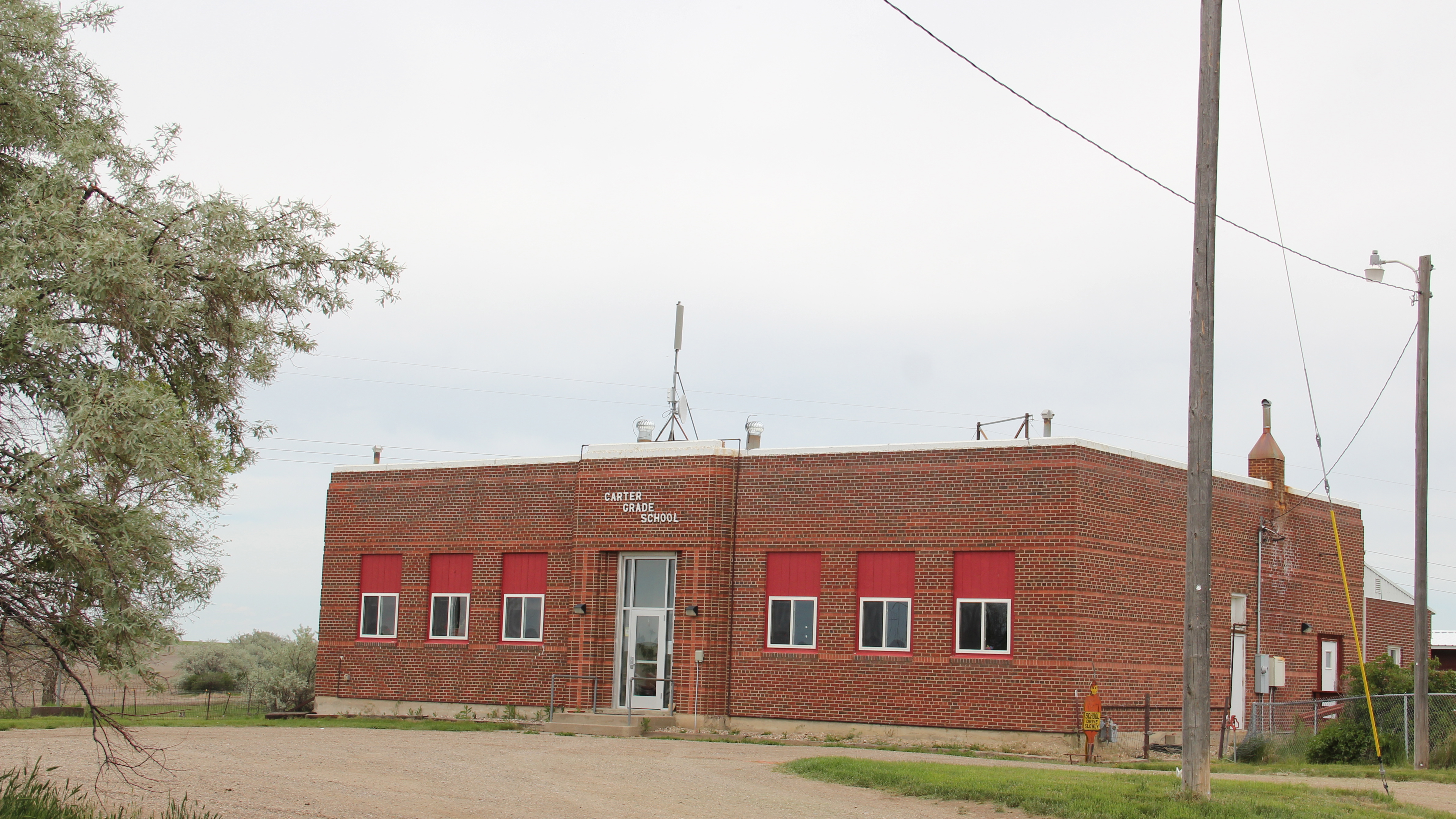
First, there is the still operating Carter Elementary School, probably the one institution that keeps the town alive–when country towns lose their school soon everything else goes too.

IMG_9319

Next comes the tracks, railroad depot, and the grain elevators–while not public institutions they do give the community commercial lifeblood, and as long as the trains roll by there remains an economic reason for Carter to exist.

IMG_9326

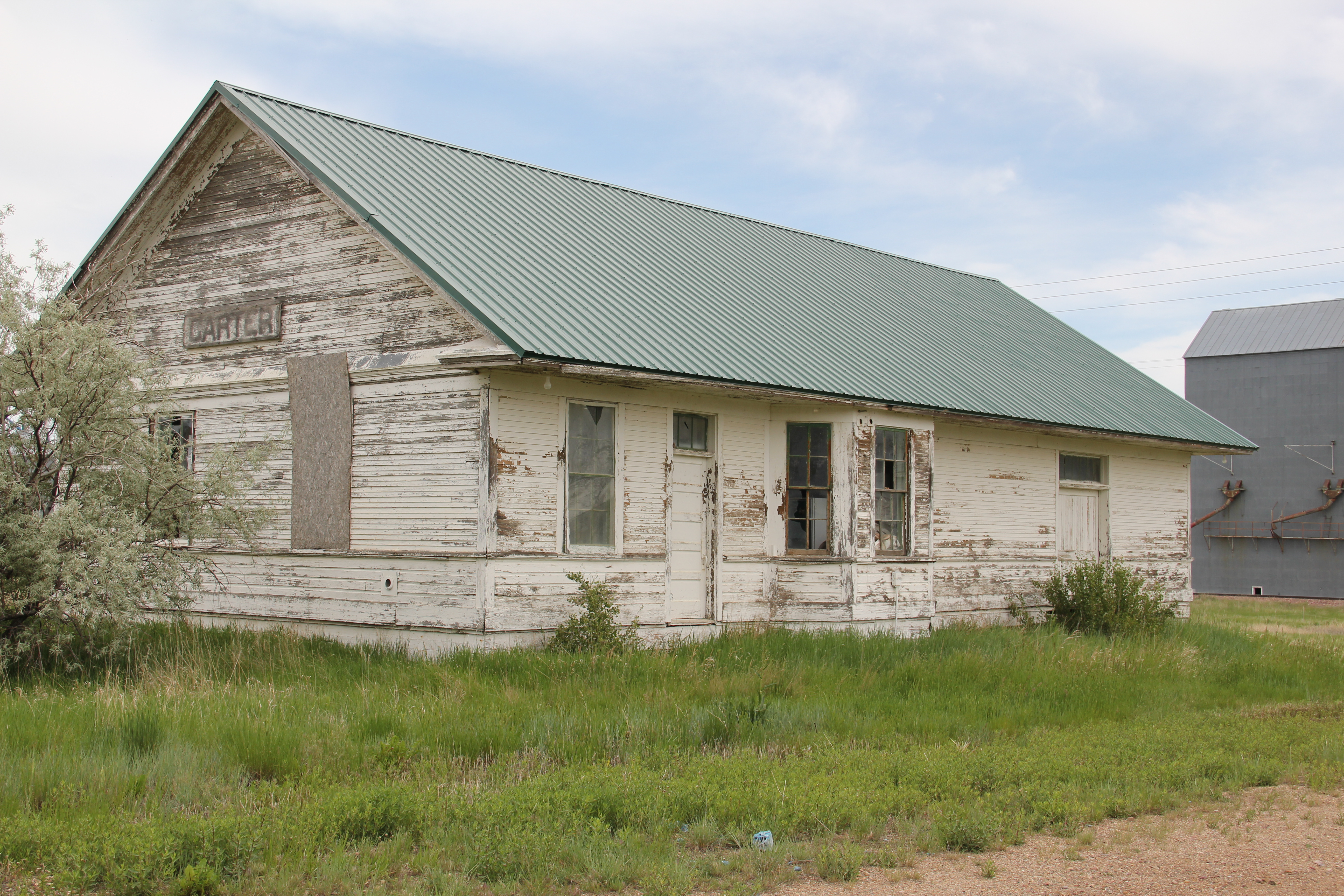
The depot has been moved from its original location paralleling the tracks, but this early 20th century standardized designed combination depot for the Great Northern Railway still stands–there were hundreds across the state in my survey of 1984-1985 and one of the more disturbing trends of the new survey of 2013-2015 is how many Great Northern depots are gone, eliminating from the landscape they once dominated.

IMG_9325

Faith too has remained in Carter, with the persistence of the town’s small vernacular styled gable-front little white Methodist church, although in its first generation several congregations had been established here.

IMG_9329

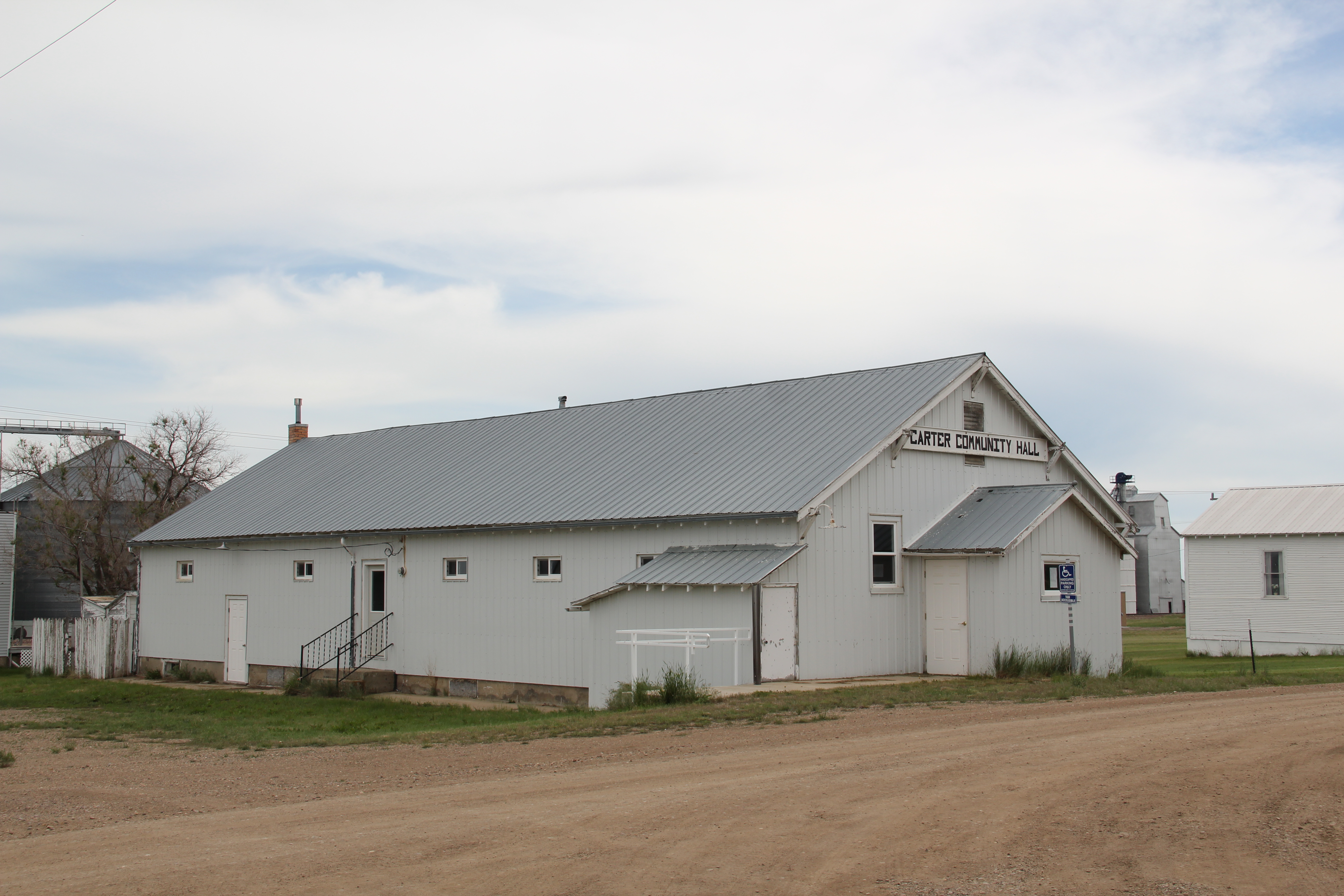
Carter also still has its Community Hall–an institution across the northern plains that defined hope and persistence in the years following the homesteading bust of the 1920s.
IMG_9331
Community halls too were more numerous in 1984-1985 than today–the building in Carter is a significant community link between past and present.

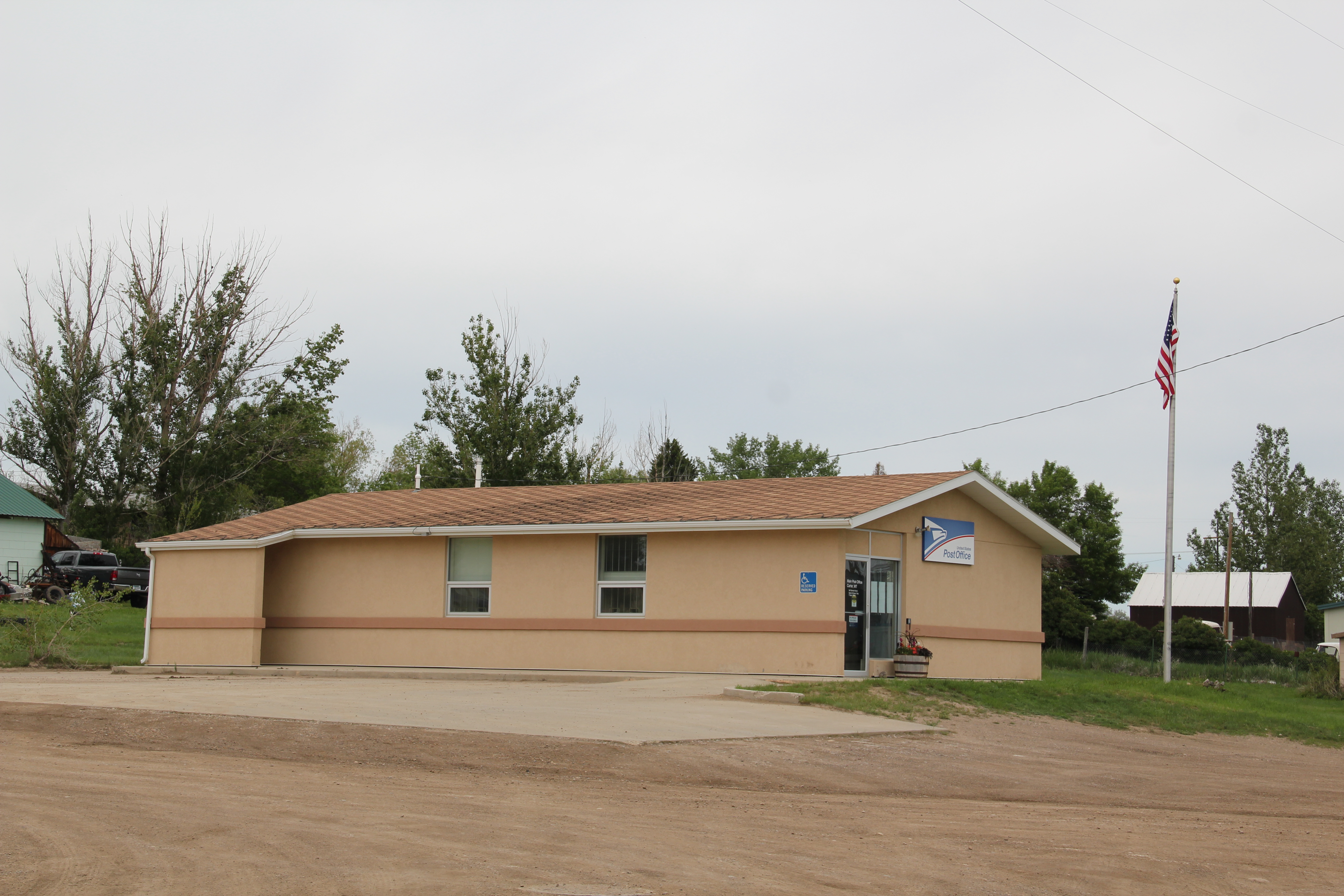
IMG_9330Finally there is the federal presence–marked by a concrete block post office from the last decades of the 20th century.  The threat a few years ago to close hundreds of rural post offices across the region brought new, and necessary, addition to role of post offices as modern community landmarks for plains country towns.

Admittedly, Carter is a place that hundreds roar pass daily as they drive U.S. Highway 87. But with its extant school, depot, brace of elevators, church, community hall, and post office, Carter is a valuable physical document of the plains country towns that once populated eastern Montana, serving as important way stations along the metropolitan corridors of rails and sidings that crisscrossed the west.

A second look at Ringling

IMG_9499

Ringling, a stop along the Milwaukee Road in northern Meagher County just off U.S. Highway 89, served as the eastern gateway for the railroad’s move west into the Rocky Mountains along its electric line.  From Ringling the Milwaukee passed through the famous Sixteenmile Canyon then crossed the Missouri at Toston and began its ascent in the copper kingdom of Butte.

IMG_9512

I had last passed quickly through the village in 2011 and its iconic Milwaukee Road combination depot was weathered but appeared as if it would yet survive for sometime.  Within four years, however, its fate was much more uncertain.  Roof decking is missing–will this now rare survival of the railroad’s corporate stamp on the northern plains survive till the end of the decade?

IMG_9509

IMG_9508

Brumfield’s Garage is more an example of roadside architecture from the first half of the twentieth century than a building that dates back to the Milwaukee’s heyday.  Its vernacular interpretation of Art Deco styling by means of the four brick pilasters catches the eye–this adaptable property has been many things, and in my past visits has served as a store and as a bar.

IMG_9504

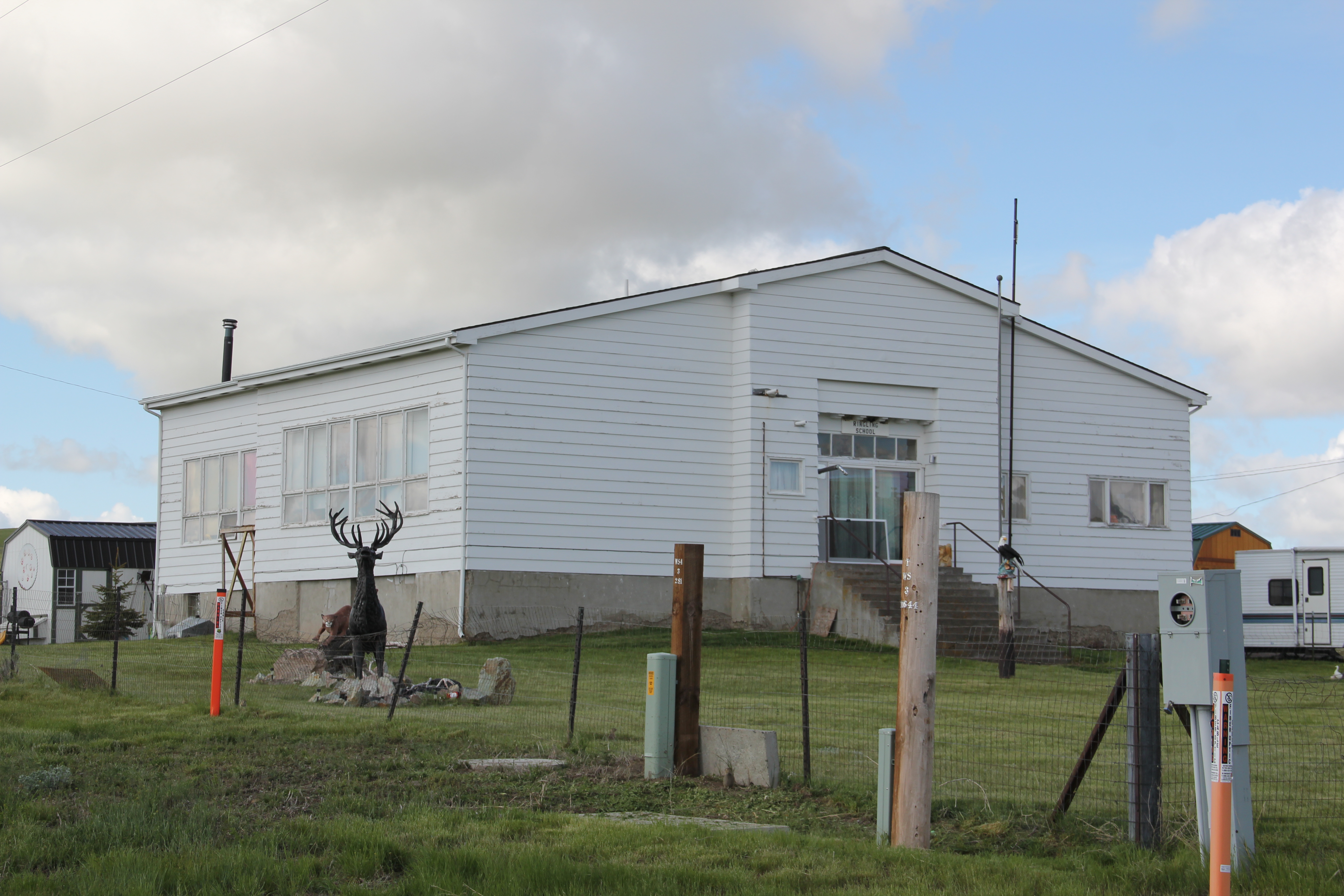
Ringling also retains its school–now a residence–another of the remarkable rural frame standardized designed schoolhouses found throughout central Montana. It sits south of the depot, as if the corporate and the public defined the north-south boundaries of the village.

IMG_9501

Still overlooking the town, and serving as an important landmark on U.S. Highway 89, is the historic Arts and Crafts-styled St. John’s Catholic Church, to which I have already devoted one post in this blog.  What I was pleased to find in 2015 is that some preservation work was underway–with weatherboards being repaired and replaced.  With a decent roof and a recent paint job, the church is in much better shape than many of its brethren across the region. The continued use of this Montana plains church as a “community church” is the best way to keep it alive in the 21st century even as the rest of Ringling shrinks and disappears from the Meagher County landscape.

IMG_9495

Geraldine: A Milwaukee Road Town that made it

IMG_8825

My last post looked at the disappearing towns of the Milwaukee Road in central Montana’s Meagher County.  Those themes of a railroad, town creation, and abandonment were constant in several posts as I traced the imprint  of the Milwaukee on Montana’s landscape in the 20th century.  However, not all central Montana plains towns tied to the Milwaukee Road have disappeared–Geraldine in Chouteau County is one of those exceptions.

Geraldine MR Depot Choteau Co

Milwaukee Road depot at Geraldine, c. 1998

Geraldine was established c. 1913 along a major spur line of the Milwaukee Road that connected its division point at Harlowtown to the much larger railroad transportation center of Great Falls to the north.  Due to the richness of the high plains agriculture of southern Chouteau County–the land south of the Missouri River–and the commitment of its citizens, Geraldine has remained generally solid through the decades.  According to census records, the town has never topped 400 residents, 375 being the largest number of residents, and now, according to the 2010 count, there are only about 100 less, a little over 260 residents.  Losing what amounts to 25-30% of the population over the 100 years sounds like a disappearing town, true, but in an eastern Montana perspective, it is not.  As this blog has documented at many places, too many plains country towns have lost 50% or more of their population in just the last 30 years.

IMG_8822

In the 1984-85 historic preservation survey, Geraldine impressed me for several reasons.  First was the dominating presence of the grain elevators, as seen above and with the first photo in this blog.  I had grown accustomed to Milwaukee Road towns where the corporate standardized design for the combination depot–a building that joined both freight and passenger operations–dominated the railroad corridor.  Here the elevators punctuate the skyline and loom over the town itself–the railroad created the need for them, certainly, but by the end of the 20th century the elevators were still viable businesses while the depot had become a local museum and community center.

IMG_8808

Then there was the town plan.  Milwaukee Road country towns were “T-plan” towns where the tracks, depot, and elevators defined the top of the T while the town’s business district formed the stem of the T.  Geraldine was a bit different, a tilted T-plan town, where the top

IMG_8818of the T, due to the railroad’s approach was slanted, giving Geraldine, compared to other Milwaukee towns, an off-kilter look.  Geraldine also still had business, although the number of independent places had diminished since 1984-1985.  Two key institutions today are

IMG_8817

the local state bank, a Classical Revival-styled two-story building from c. 1914 that is listed in the National Register of Historic Places as the First National Bank of Geraldine.  Unlike scores of other local institutions in the 1920s and 1930s, the Geraldine bank did not close its doors and continues to serve ranchers and town residents today.  It is a rock from Geraldine’s past that surely helps to define its future.  The same can be said for the

IMG_8823

Geraldine school–home of the Tigers.  This local school has several different building periods, as this image of its facade indicates, but maintaining a school district is vital to the town–plains country towns that lose their schools soon become abandoned places.

IMG_8815

Geraldine touches upon many key theme of eastern Montana history–in subtle yet significant ways.  It even lightly touches on another theme of this blog–Montana Modernism.  No one was much looking at the contemporary styled buildings of the late 1950s and 1960s in 1984-1985.  I was no exception.  But in the 21st century, we want to document those buildings and appreciate how the new architecture expressed the hopes of the post World War II generation.  Geraldine’s contribution is its United Methodist

IMG_8816

Church, with its particularly notable tall concrete bell tower, mixing a bit of tradition with the new look of the postwar generation.

IMG_8820

Geraldine of course has a classic western watering hole–Rusty’s Bar and Grill, completed with its front glass block windows.  It is highly recommended–not much on the outside admittedly but a full community experience on the inside.  Historic depot and bank, modern-styled church, unique town plan, and great bar:  more than enough reasons to come to Geraldine, not once but whenever travels take you between Great Falls and the Musselshell River Valley.

The Disappearing Act of the Milwaukee Road

2011 MT Meagher County 052

Montana State 294 is one of my favorite highways.  For Montana it is a short route, just around 30 miles between Martinsdale and where the road junctions with US 89 and meets up with Ringling.  But these 30 miles are packed–well in a Montana sense–with resources of the original mainline of the Chicago, Milwaukee, St. Paul, and Pacific Railroad (the Milwaukee Road) as an electric line, such as the roadbed that parallels the state highway above at Lennep–it now serves as a secondary dirt road for residents.

MR station

The Milwaukee maintained transformer stations about every 30 miles of its electrified tracks so AC power could be converted into DC current for its trains.  I apologize for the poor quality of my 1984 image of the station along Montana 294 but then it was still generating power for local use.  Thirty years later that had ended–the power lines were gone, taking away context from the building itself and leaving those who don’t know any better wondering why a big two story brick building was out here by itself.

2011 MT Meagher County 054

The station is about five miles west of Lennep, which I described in 1986 as “a tiny village where residents have preserved an old store and where the schoolhouse is still in use.”

2011 MT Meagher County 046

The school is now a residence and the store is still there, though not in business.

2011 MT Meagher County 045

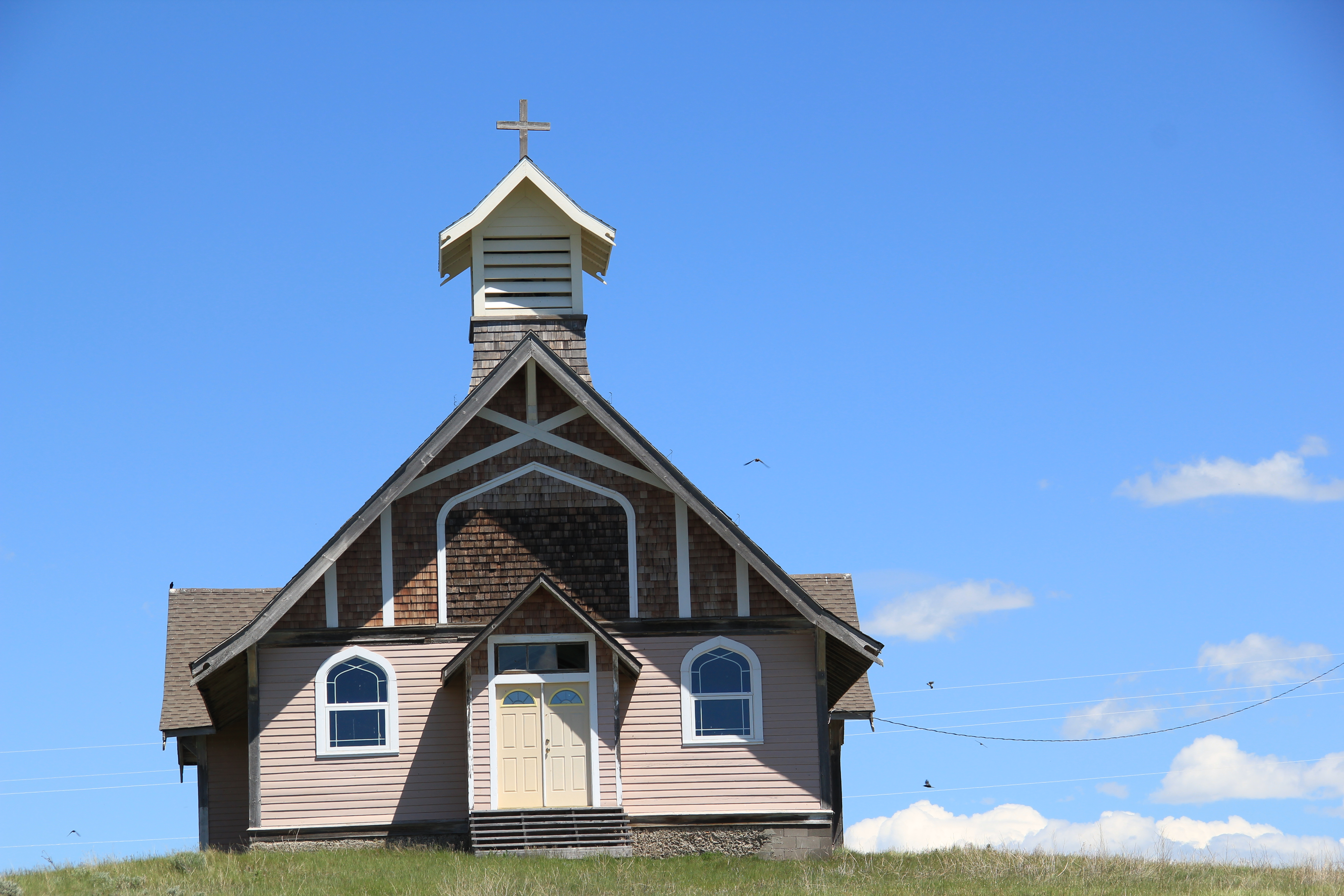
The true landmark of the entire road is the Trinity Lutheran Church, built in 1910.  Its soaring Gothic bell tower, gleaming bright in the sun, is a beacon for anyone traveling along the road. It is one of my absolute favorite rural Montana churches and clearly eligible for listing in the National Register–as would be the entire remaining hamlet of Lennep.

2011 MT Meagher County 049

To the east of Lennep is Martinsdale, a tiny place that somehow has already managed two different blog posts about it.  Maybe that tells you that it too is a favorite place.  In 1984, its intact combination depot, what the Milwaukee called a “Standard Class A Passenger Station.”  This standardized design building, standing at the head of the town, spoke

IMG_9678

volumes of how the Milwaukee reshaped this landscape in the first decade of the twentieth century. But since this image from 2013 I have learned that the depot is gone–part of the roof decking was missing then so I am not surprised at the lost.  Just disappointed in the lack of vision of keeping this heritage asset together for the future.

IMG_1618

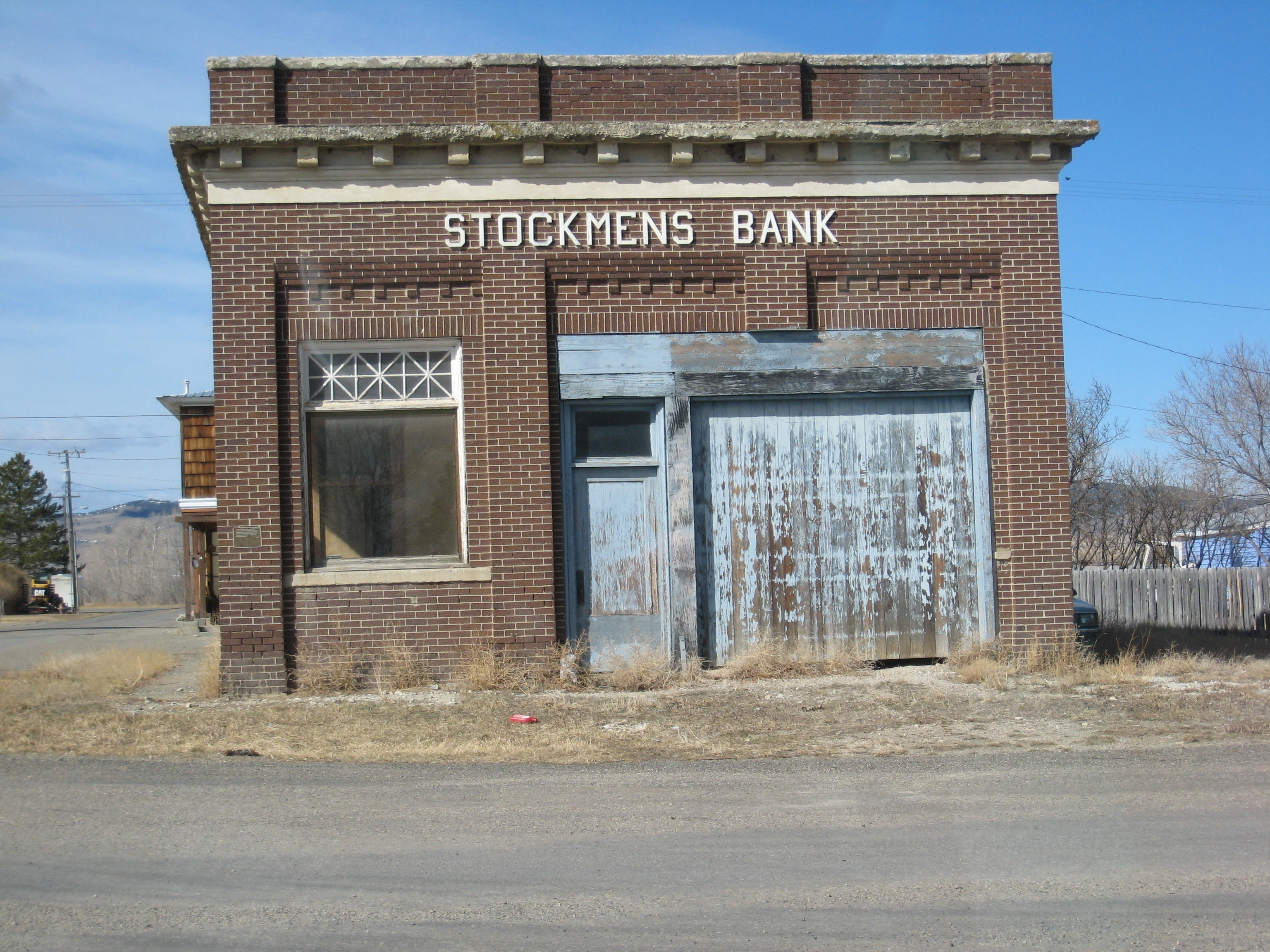
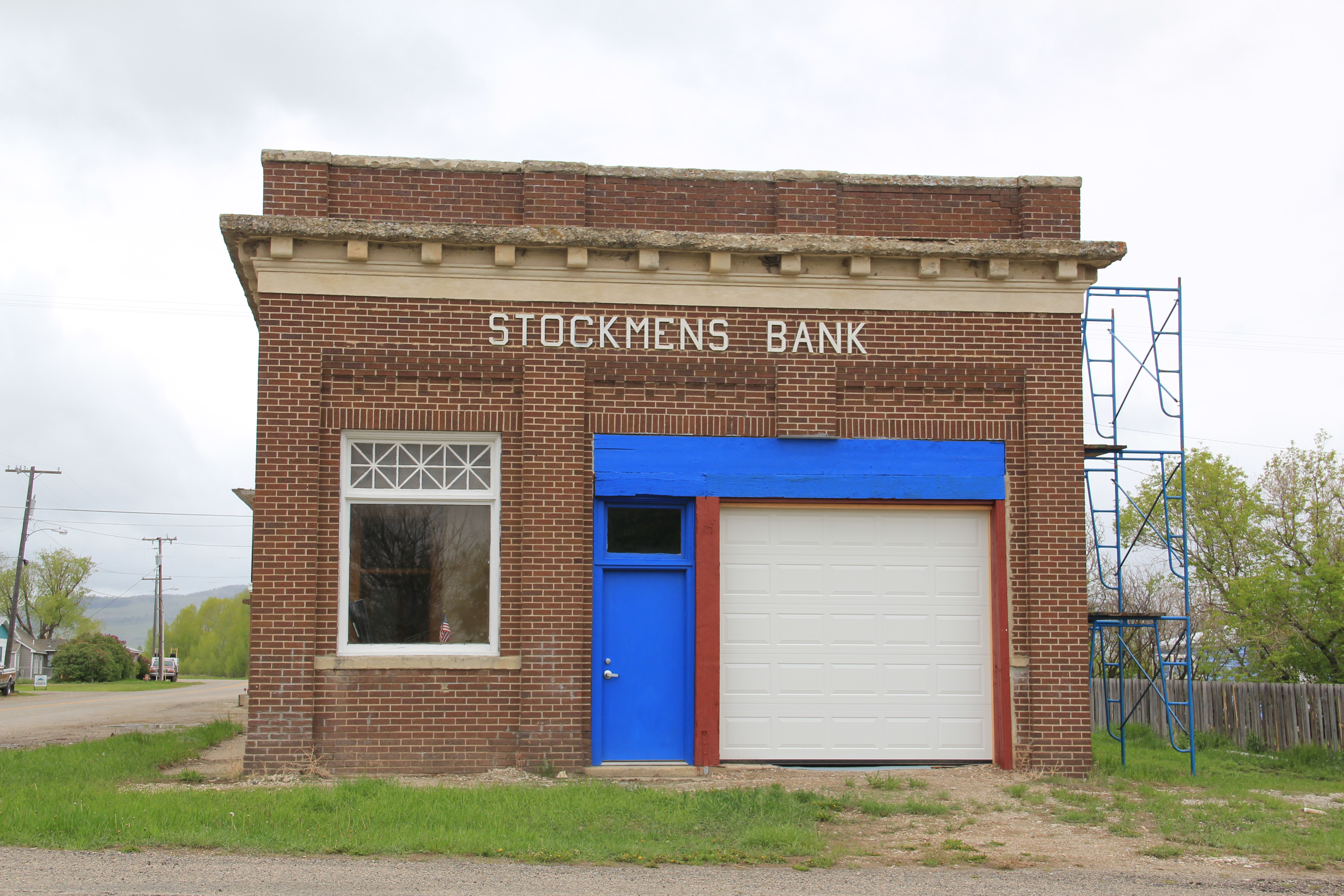
The news is not all bad from Martinsdale.  In 2013 the Stockmen’s Bank was listed in the National Register of Historic Places, only the sixth such place in Meagher County.  Yeah I know the photo above from 2007 shows it missing one entire bay from when it was converted from a bank into a garage.  But its brick construction and classical style made it

Renovations at the Stockman's Bank, 2013

Renovations at the Stockman’s Bank, 2013

a landmark in Martinsdale.  Can’t way to see its condition in 2015 because the town has several key buildings, and I just don’t mean the Mint Bar.

IMG_9679

I really mean the Martinsdale Community Center.  Rural reformers in the early 20th century pushed western communities to establish centers–where people could gather in a secular public space, vital for not only individual sanity but community togetherness in the dispersed population of the northern plains.  The center at Martinsdale has always been well maintained, and now that the depot is gone, it is the community landmark.

IMG_9675

Business, however, is not booming in Martinsdale.  The Crazy Mountain Inn serves as the local restaurant and lodging option, the older classic false-front Martinsdale Hotel is now shuttered.

IMG_9681

IMG_9676

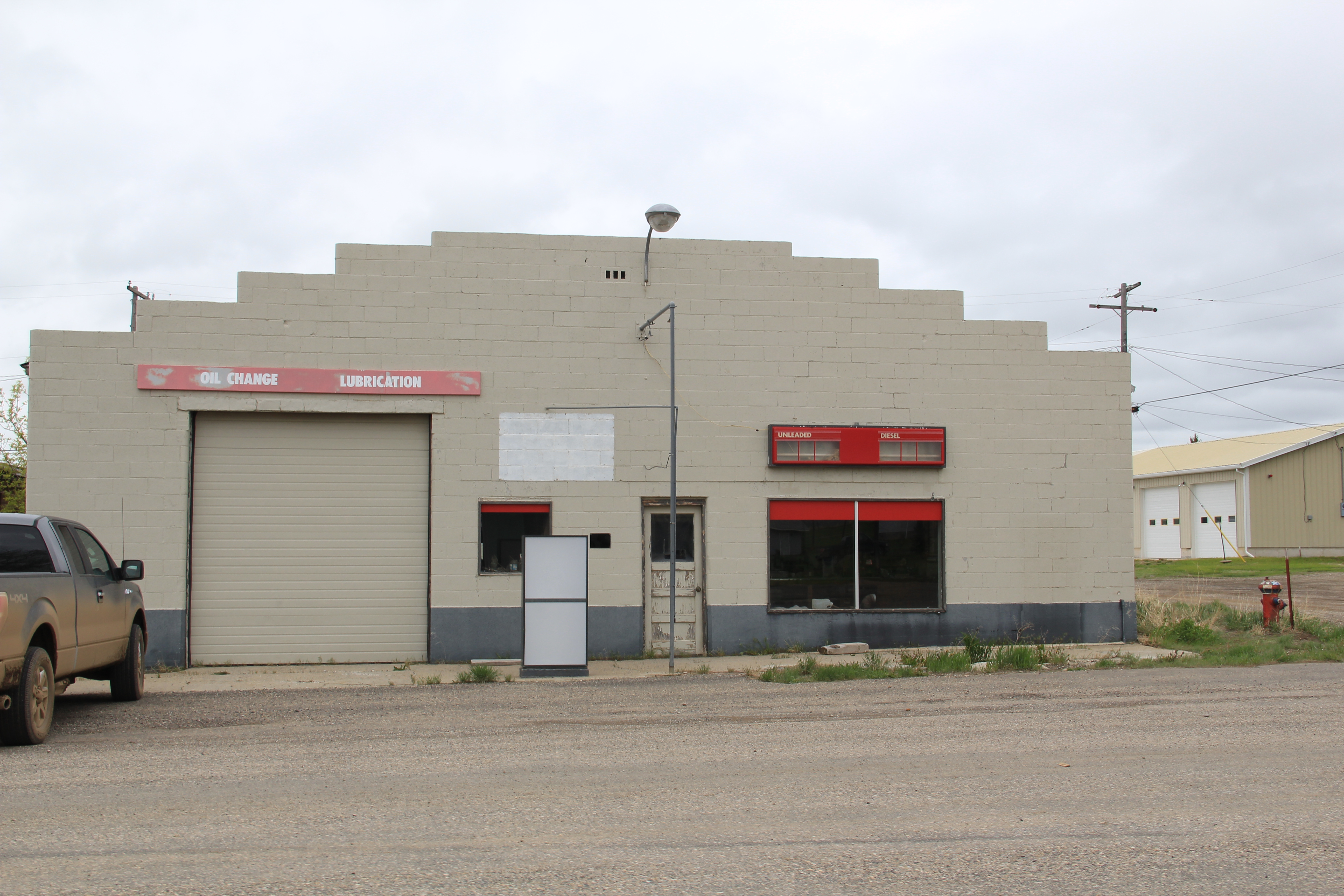
Even classic roadside institutions like the town’s two historic service stations/garages have closed–their mid-20th century designs are reminders of the days when automobiles came this way in numbers.

IMG_9683

IMG_9680

Now let’s shift attention to the “eastern end” of this route, the town of Ringling, a place once of high hopes founded by the circus master John Ringling.  Like Lennep, the Ringling townscape is dominated by two elements:  the Milwaukee Road standardized depot–in

2011 MT Meagher County 056

better shape in 2011 than the Martinsdale station–and the sacred landmark that dominates the view from U.S. Highway 89 for miles:  St. John’s Catholic Church.  The church dates c. 1910 and is a wonderful example of Arts and Crafts style in an otherwise basic gable-front rural church building.  Although used much more sparingly today, it has been restored and maintained well.  It too is eligible I would think for the National Register.

2011 MT Meagher County 057

Montana 294, like the Milwaukee Road itself, is no longer a major artery–it wasn’t really in 1984 and it is even moreso in 2015.  But what remains is a reminder of how the Milwaukee Road shaped the state’s landscape for 100 years, leaving in its wake landmarks of transportation, engineering, architecture, settlement, and faith.

Reedpoint, Stillwater County, Montana

IMG_1213

Reedpoint, a tiny Yellowstone Valley town located between Columbus to the east and Big Timber to the west, typically never makes the news, except when a forest fire sweeps near the town boundary, as was the case a few years ago, or when it is Labor Day Weekend and the state’s big newspapers arrive, along with thousands of others, for the tongue-in-cheek “Great Sheep Drive” through the town’s main street.

IMG_1208

But the Great Sheep Drive, which has now been around for a generation, is more than what keeps Reedpoint on the map, and surviving.  The Reedpoint Community Club, established in 1979, keeps the community together and looks for opportunity.  Historic buildings such as the ones above and below have been remodeled or renovated for new uses, reflecting the railroad’s town greatest prosperity in the early 20th century.

IMG_1207

The local dive bar comes alive on weekend, when anglers come in greater numbers to fish along the Yellowstone.  Its ramshackle appearance is new “Old West” at its best.

IMG_1215

The Reedpoint School–a photo of the older historic building is featured here–remains a key to the town’s survival and its future.  With somewhere south of 200 residents, good schools are a must or the sinews of the place come apart.

IMG_1217So too are community institutions important.  The local library is small but still there, a place of valued interaction between young and old.

IMG_1209

I worry about the historic Occidental grain elevator.  For 30 plus years I have roared past this place going to and from Billings, but the elevator was a landmark.  Not only did it link

IMG_1210

the homesteaders of 100 years ago to the railroad, it also linked whatever grains from this part of the valley to that worldwide market accessed by the tracks of the Northern Pacific Railway.  Some years ago the old depot was moved off

IMG_1216

the tracks and found a new life in town.  That conversion is not so easy with an elevator.  When this tall landmark goes so too does a key part of Reedpoint’s history, and yet another link to its origins as a Northern Pacific railroad town.

Harlowton: Lost Landmarks in a Milwaukee Road Town he

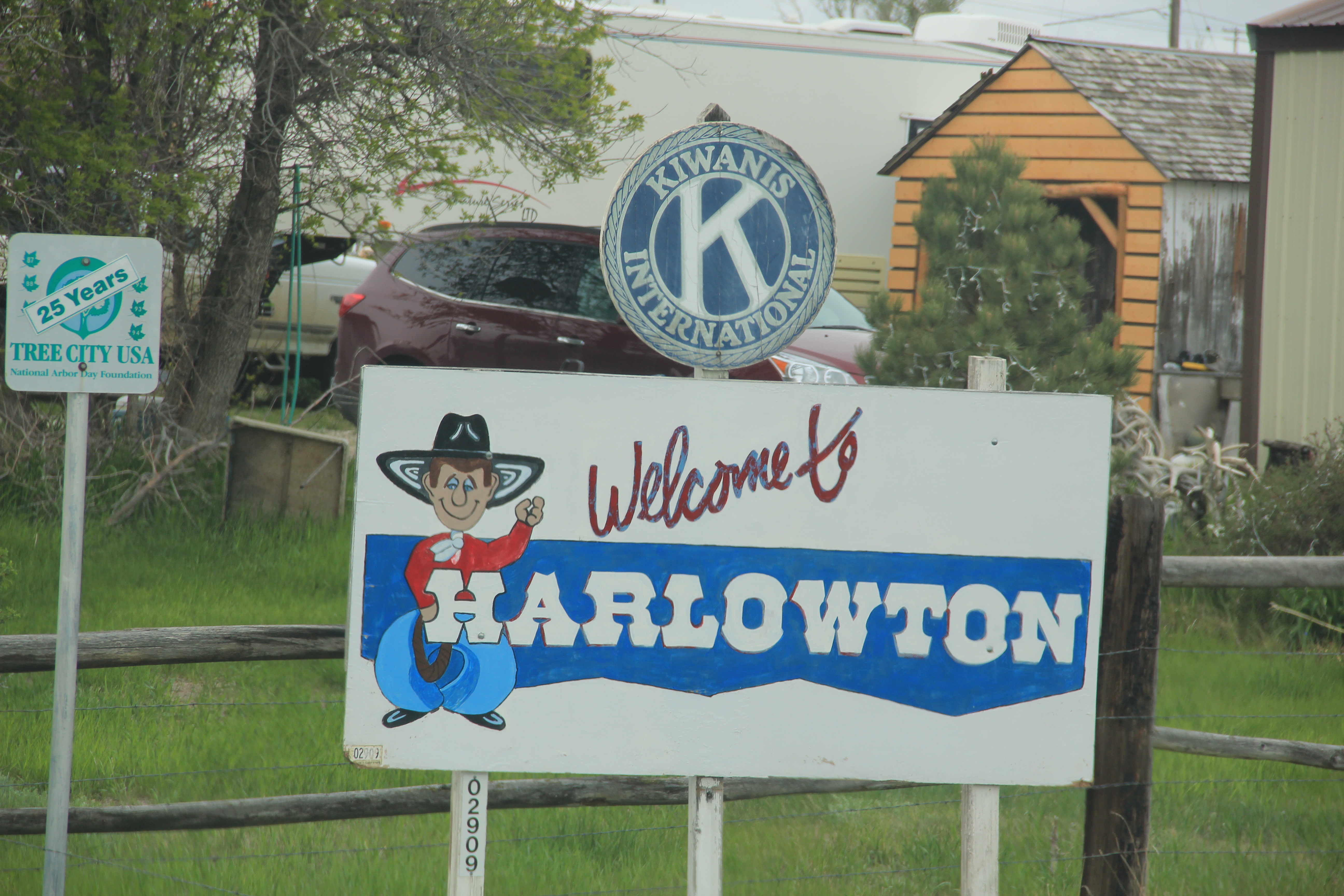
IMG_9748Harlowton is my favorite of Montana’s Milwaukee Road towns.  Its roots lay with the vision of Richard Harlow to build an independent central Montana railroad.  When the Milwaukee Road assumed control of Harlow’s mini-empire, it turned Harlowton into one of the line’s key division points, the place where steam engines switched to electric power for the journey up and over the Rocky Mountains.

IMG_1591 copy

Fischer Park with Milwaukee Road electric engine, Harlowton, 2006

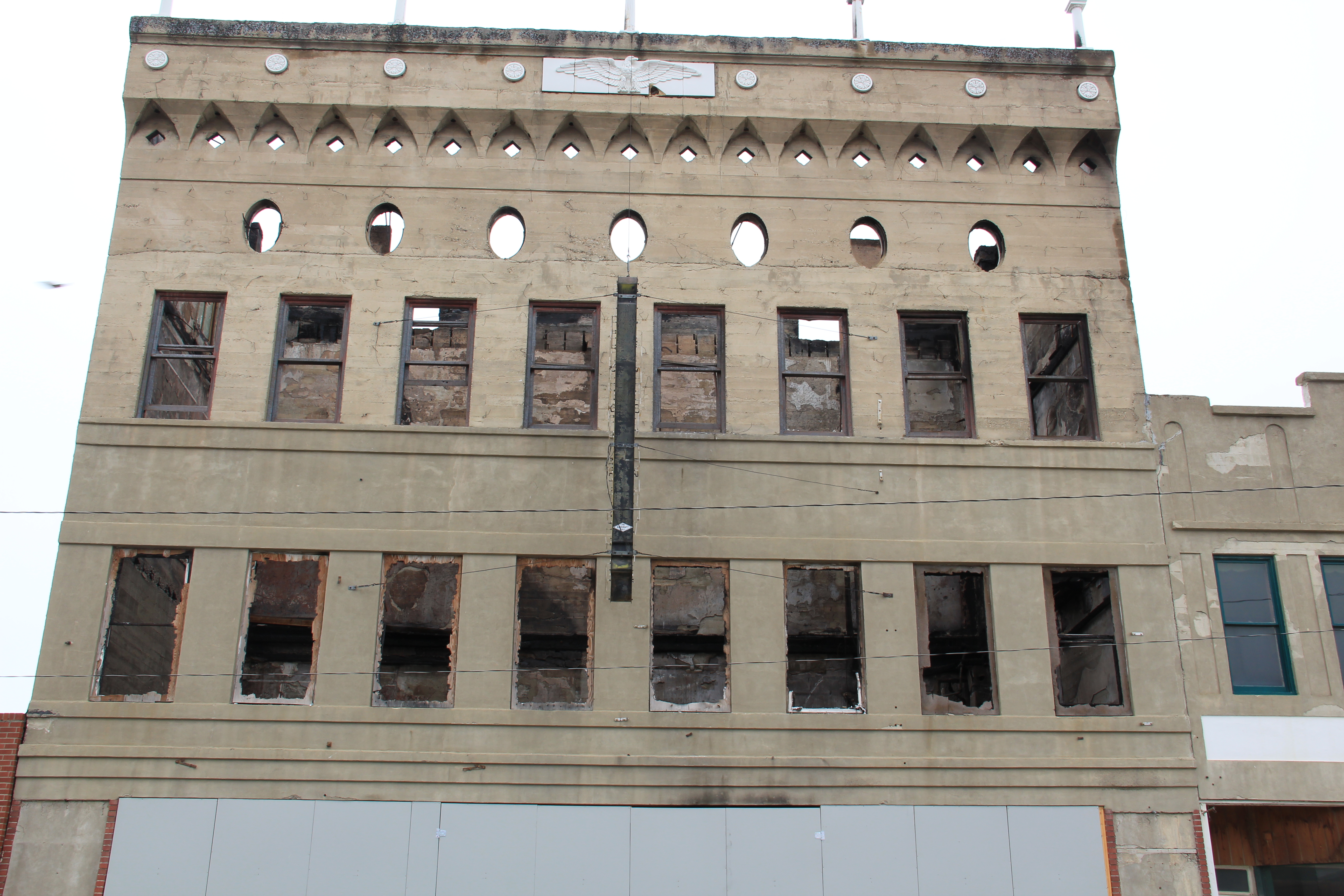
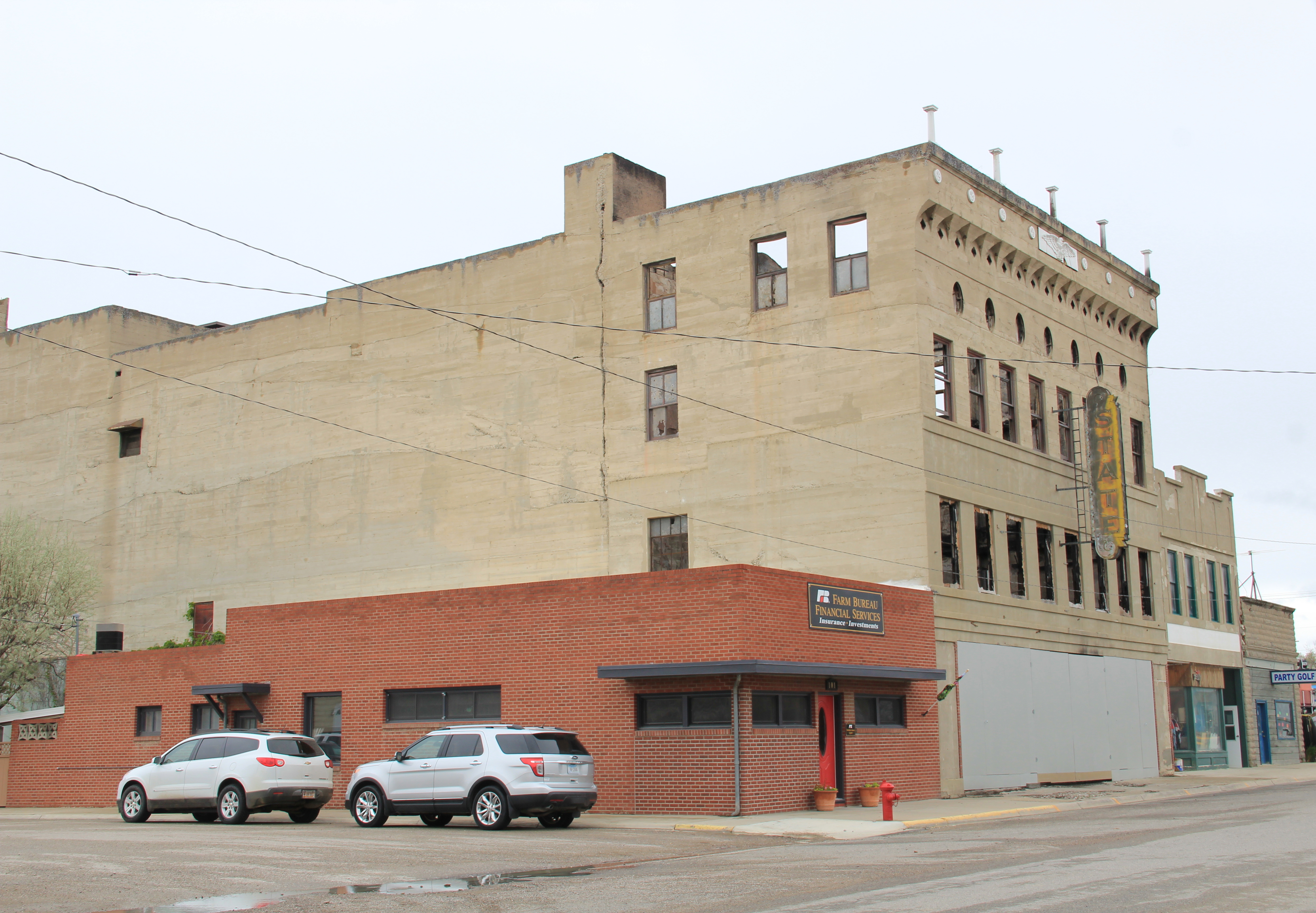
When I surveyed the town in 1984, I did so with the blessing and insight of Lon Johnson, then the historic architect of the Montana State Historic Preservation Office.  Harlowton was a special case for Lon, especially the dream of restoring and reopening the magnificent State Theatre (1917), a hallmark of its days when Milwaukee passenger traffic promised so much for this small plains town.

IMG_9739

IMG_9738

Before the restoration could take place, however, the theatre caught fire in 1997 and plans were set aside until 2011 when a new effort to restore the building occurred, but a second fire in 2012 again stopped progress.  The photos above from 2013 show that the hulk of the 1917 theatre remain but with the declining local population, renewal of the theatre will be difficult.

Milwaukee Road depot and offices, Harlowton, 2006

Milwaukee Road depot and offices, Harlowton, 2006

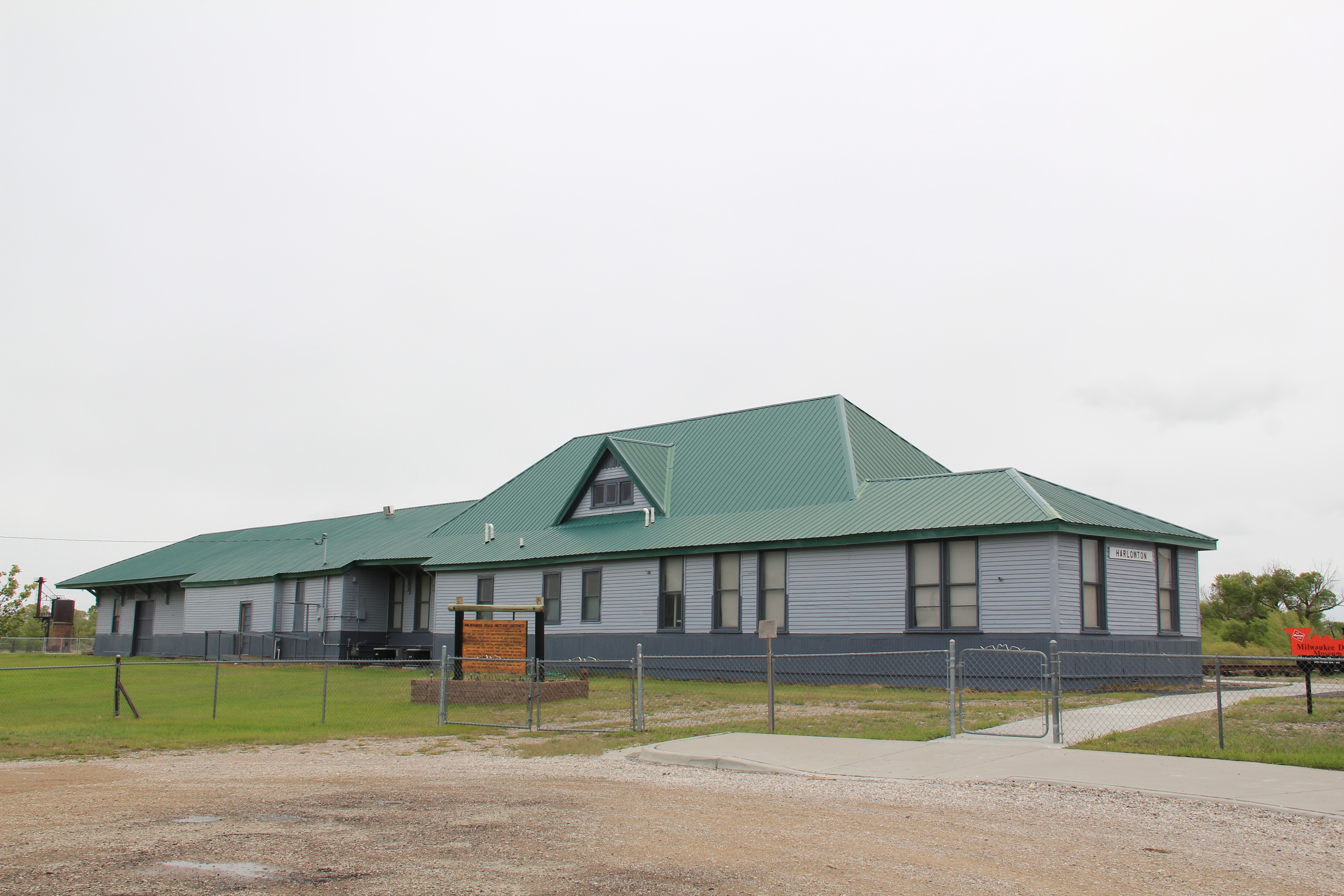
My great interest in Harlowton centered on the Milwaukee Road and its works.  In 1984, the company’s bankruptcy was only a few years old.  Down at the tracks, there was still the railroad line, the depot, the roundhouse, and other buildings.  I considered these remnants, especially in the local context, as extremely significant.  Afterwards, locals and the SHPO agreed and the Milwaukee Road depot historic district was created.  Over the next 25 years, I would stop by Harlowton periodically to monitor the district, and noted with approval how the depot had been repaired.  The roundhouse, unfortunately, was lost.

Harlowton depot and offices in 2013

Harlowton depot and offices in 2013

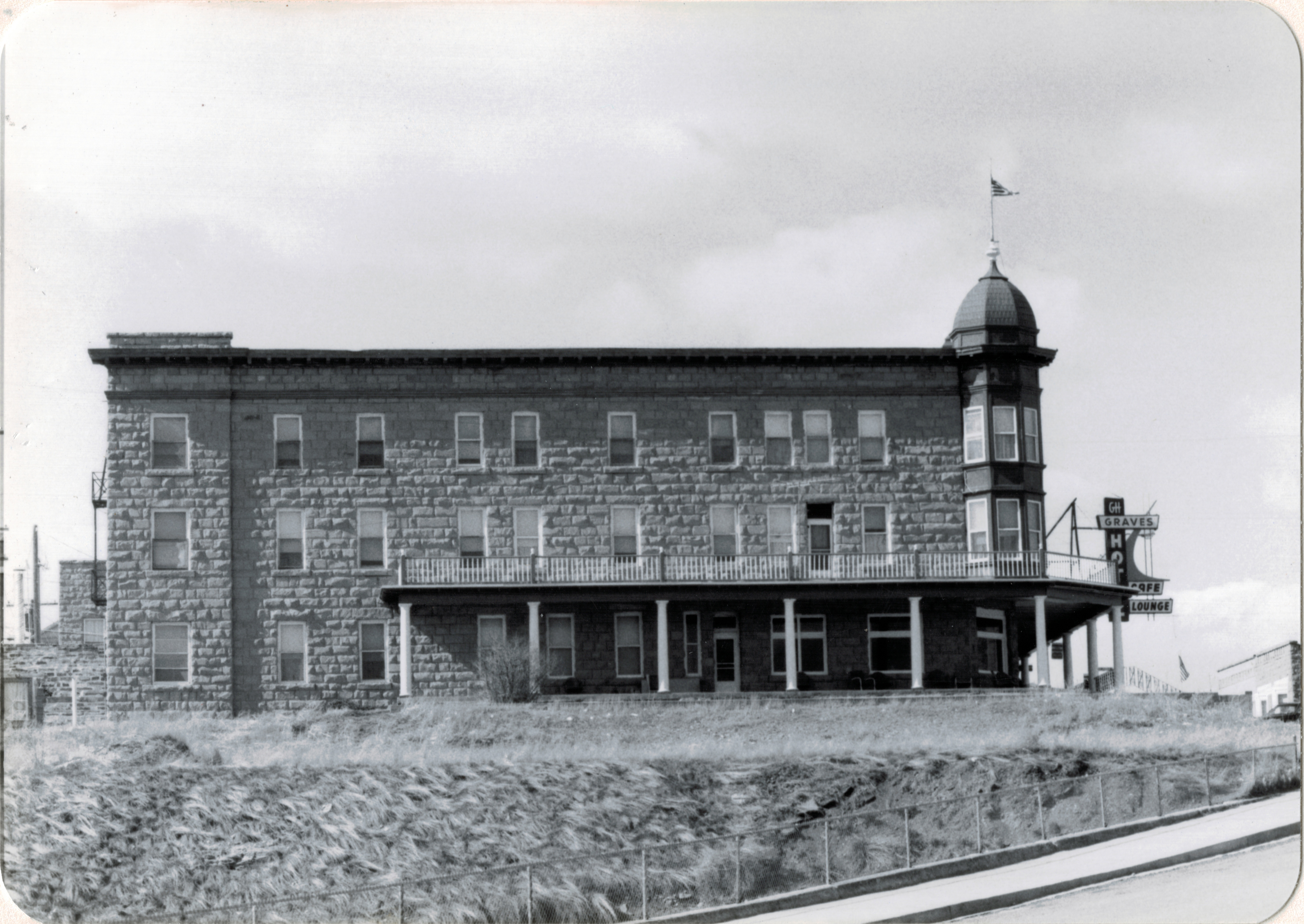
Looking north from the depot, on the bluffs of the Musselshell River overlooking the railroad tracks, stood a third key landmark, the Graves Hotel.  My colleague Lon Johnson also had

IMG_1594

Harlowton, from the railroad depot, 2006

been a big fan of this Queen Anne-styled stone railroad hotel, with the stone carved from the nearby bluffs.  I too fell in love with the Graves, staying here periodically in the 1980s.

Graves Hotel, Harlowton, MT, 1984

Graves Hotel, Harlowton, MT, 1984

When I visited in 2006, however, the Graves looked good–from a recent repainting of its late Victorian detailing–but it was closed, and so it has remained ever since.  I do not

Graves Hotel harlowton

pretend to have the answers on how do you maintain a large three-story National Register hotel that is miles from an interstate and located instead on a little-used-by-tourists route

Graves Hotel in 2013

Graves Hotel in 2013

(U.S. Highway 12), but even if the hotel can come partially back to life, it would be a real tourism boost to Harlowton.

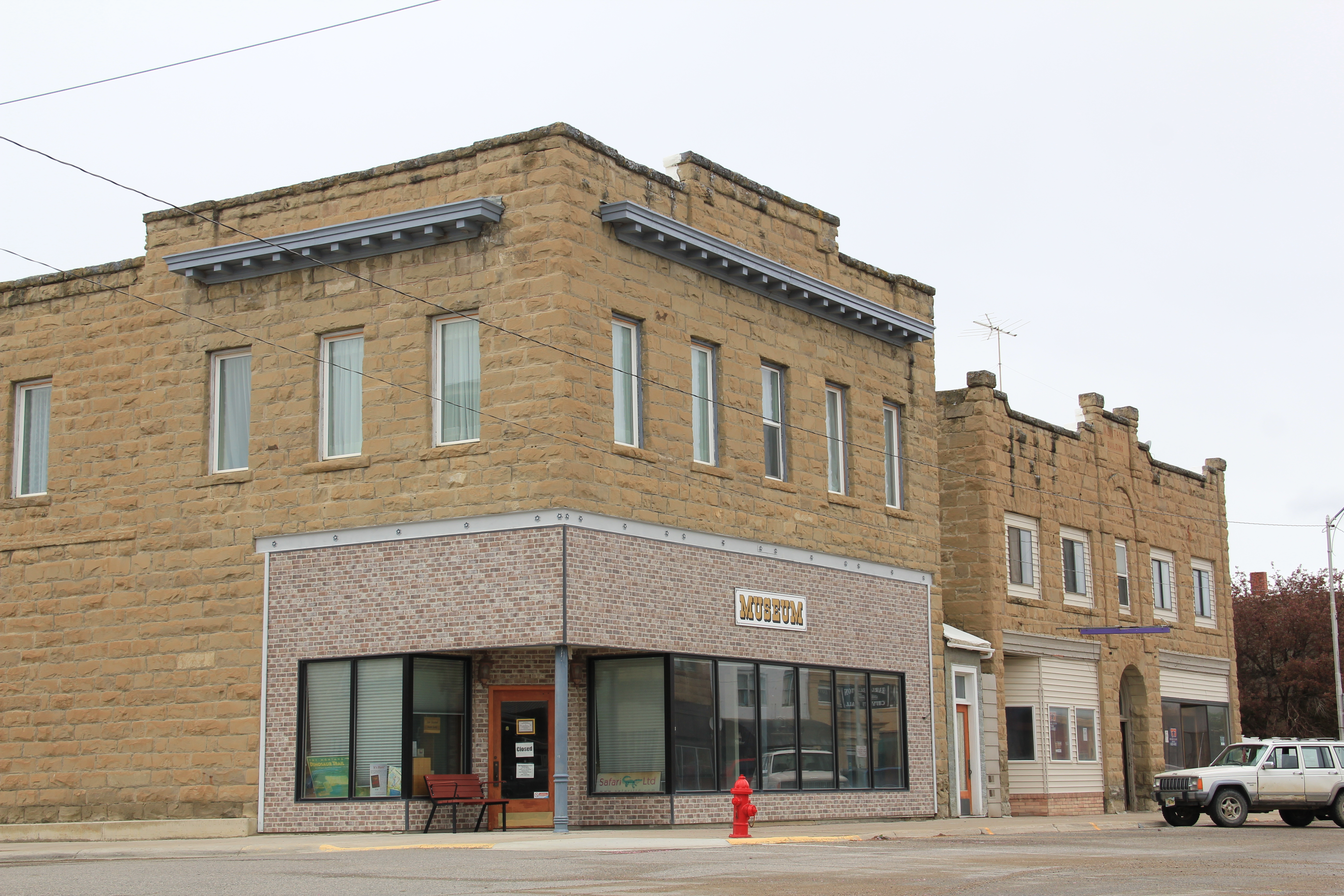
It’s not like the local residents aren’t in the game and trying.  The county museum, the Upper Musselshell Valley Museum, continues to grow its profile along Central Avenue.  The buildings made of locally quarried stone, with late Victorian cornices, harken to the turn of the 20th century when Harlowton held such promise with the Milwaukee Road’s arrival.

IMG_9719

IMG_9731

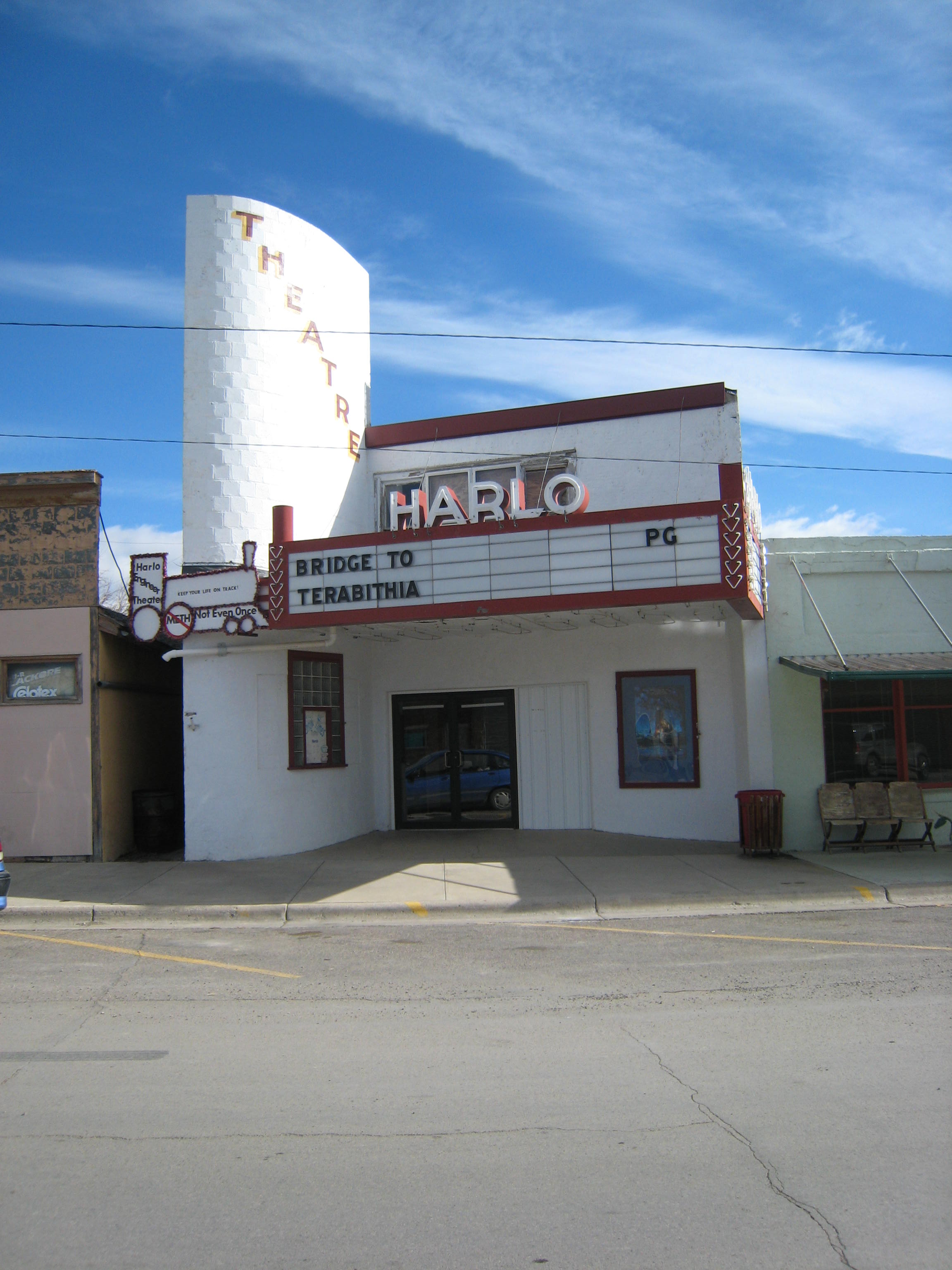
The Harlo Theatre remains in business too, and is a throwback to small town theaters, and a rare survivor in today’s home entertainment world.  Plus it is a cool building.

IMG_1592 copyDespite missing out on the interstate, losing a railroad, and dropping a lot of population, there is still something to Harlowton that makes me return, trip after trip.  More on that something in the next blog.