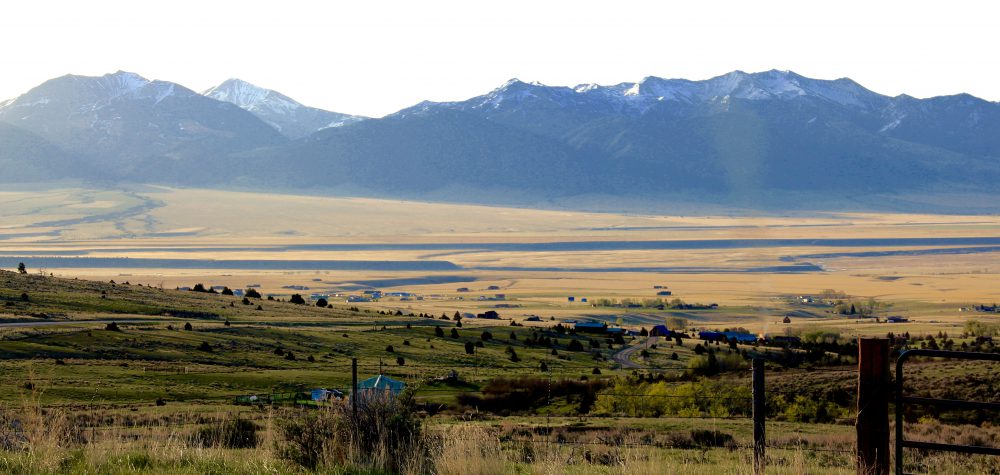
Over eight years ago I wrote about Phillipsburg as a Victorian mining town that had the “bones” to become a heritage tourism magnet along the Pintlar Scenic Route.

I was astounded at the number of people there in early June 2021 Thursday—not the weekend. Certainly the reputation of the Sweet Shop has grown, and grown. it was a busy place.
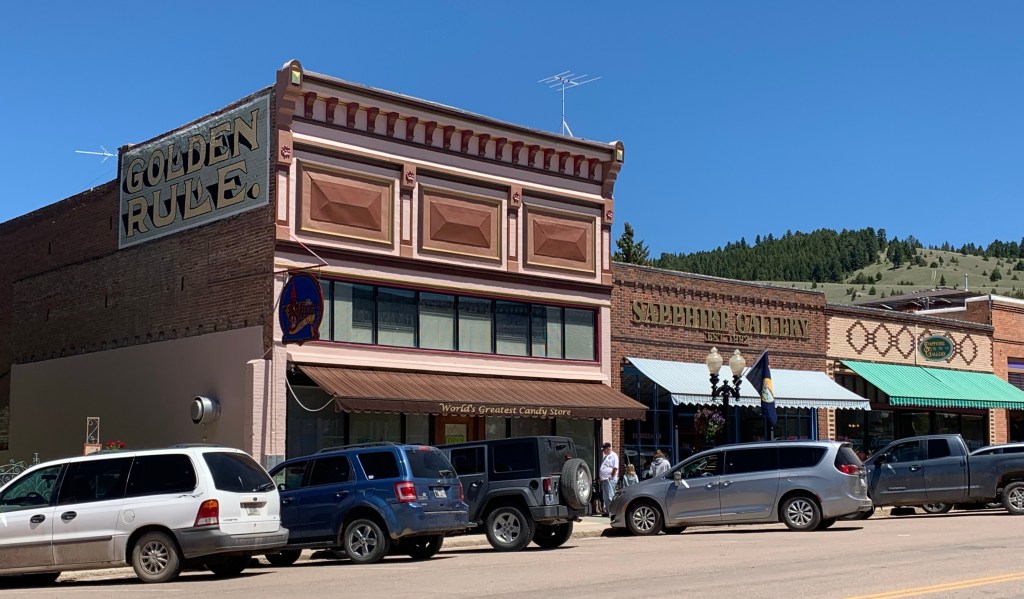
The other attraction was just under construction when I visited in 2012. The Phillipsburg Brewery, located in the late 1880s Sayres Building, is a great local micro brewery but you can taste its wares at restaurants statewide.

It’s an impressive adaptive reuse project for even the interior still retains a late 19th century. Not over built or over restored. Just re-energized to serve the town again.


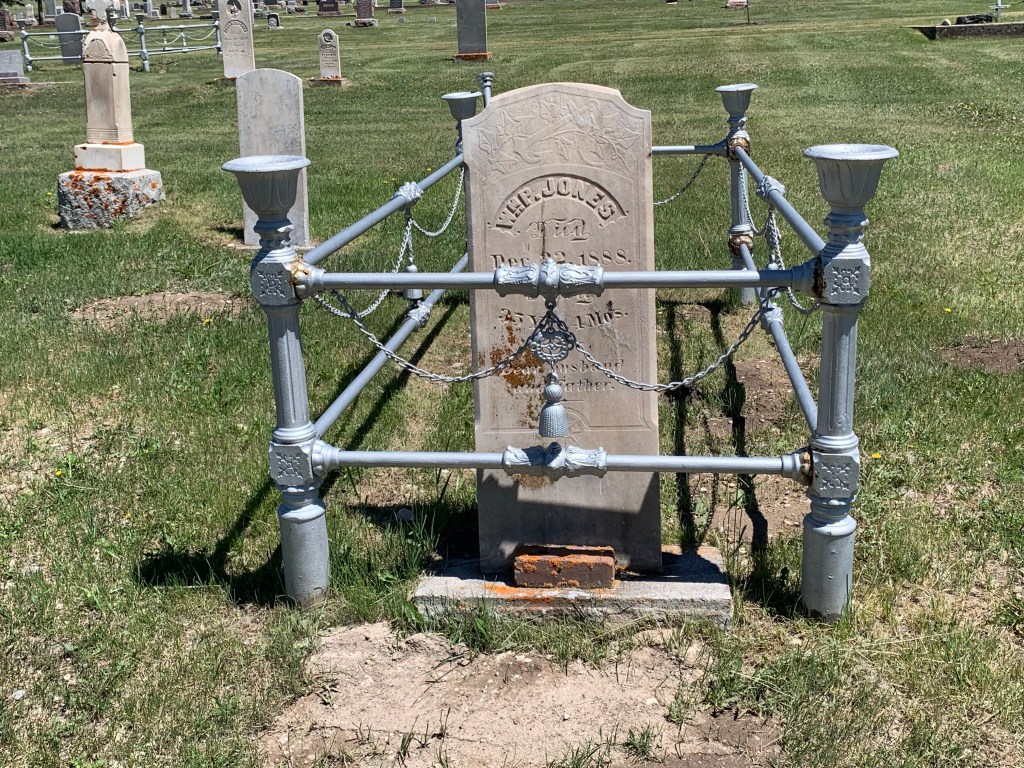
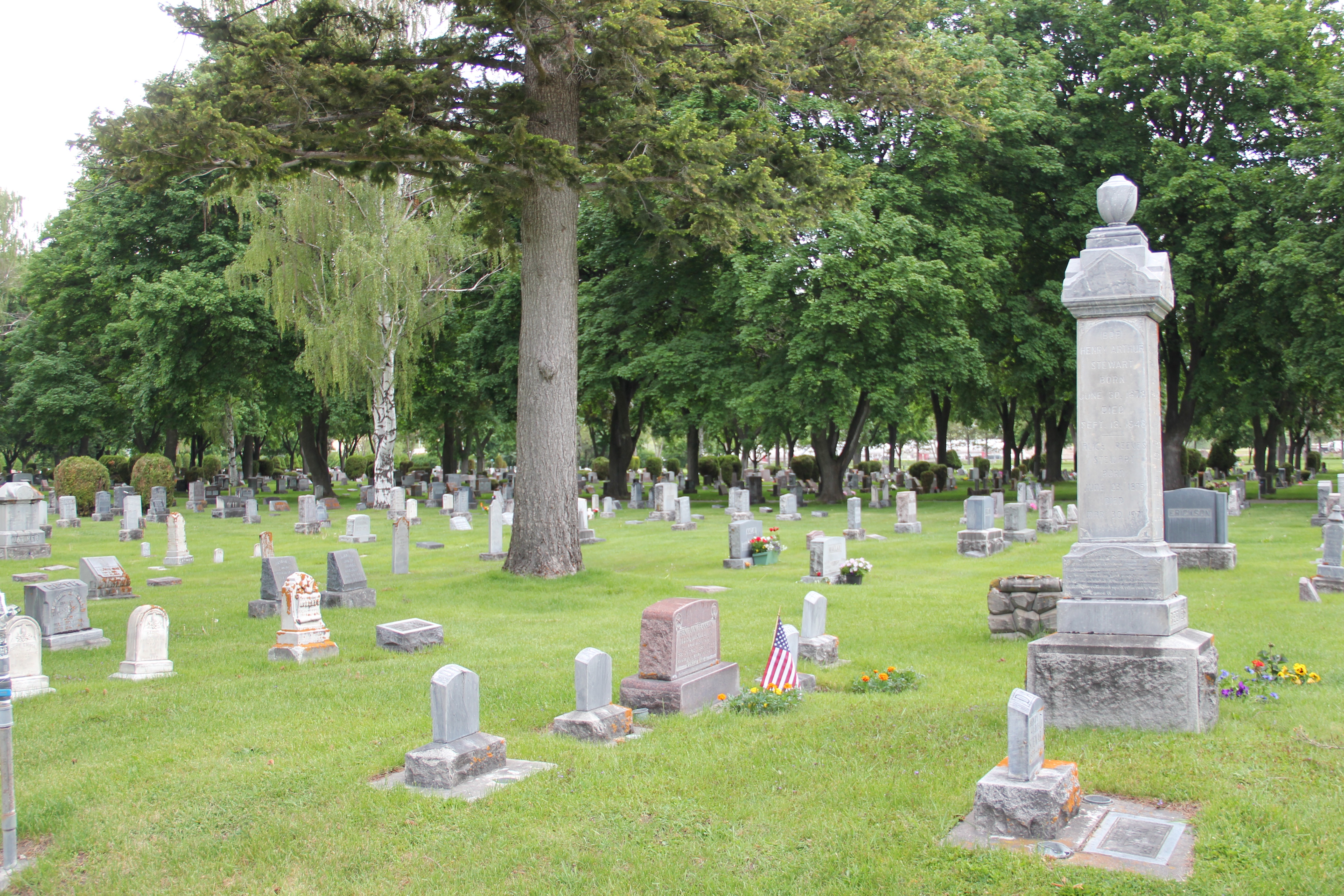
There was a historic change from 2012 at the most unlikely place—the city cemetery. In 2012 I commented on the Victorian theme of several of the burial plots. It remains a remarkable place for that artwork in cast iron.
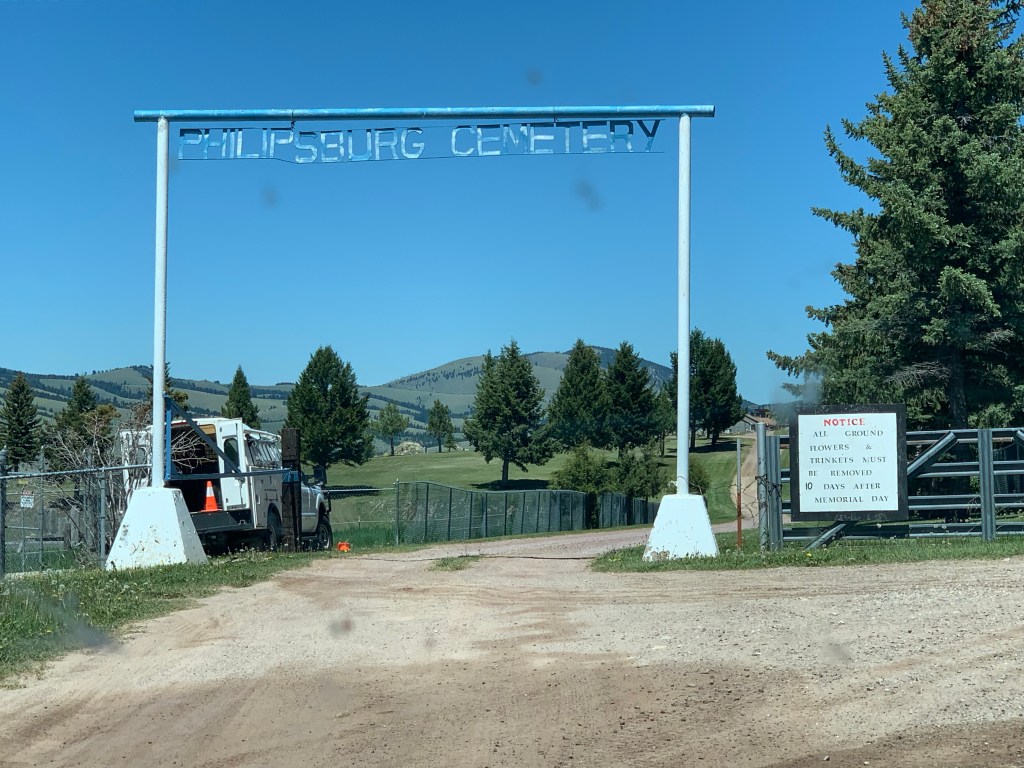
What was new? A commendable effort to address the silences of the past, in the case of Phillipsburg the large Chinese community who once lived there, worked there, and many prospered there during the mining boom of 1890-1920s.

The Granite County Historical Society in 2014 placed an interpretive marker in the cemetery to tell the story of the Chinese burial ground—located in a corner far from the Victorian center of the cemetery. We are now challenged to learn more about the names on the plaque and understand better their contributions.
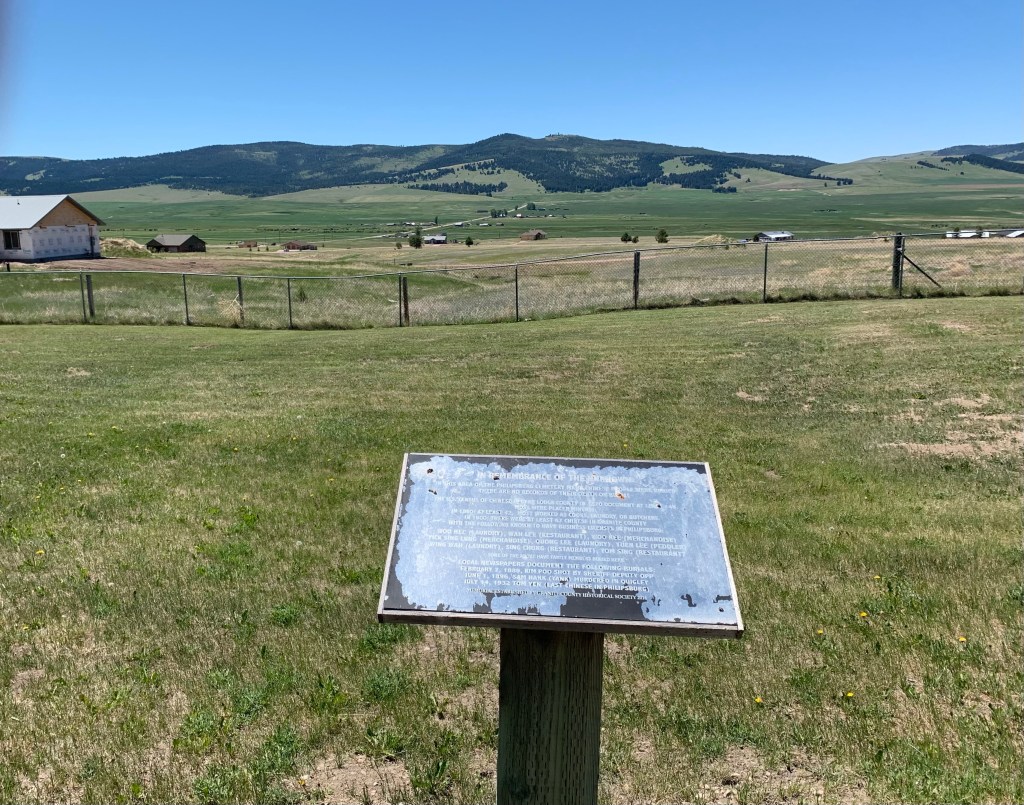
The marker stands alone, as did the Chinese community in the era of racial segregation. The burials in this section range from the late 1880s to 1932. When were the headstones removed? I don’t know yet. But here is the place, several names are listed in primary sources. The next steps to end this silence await.


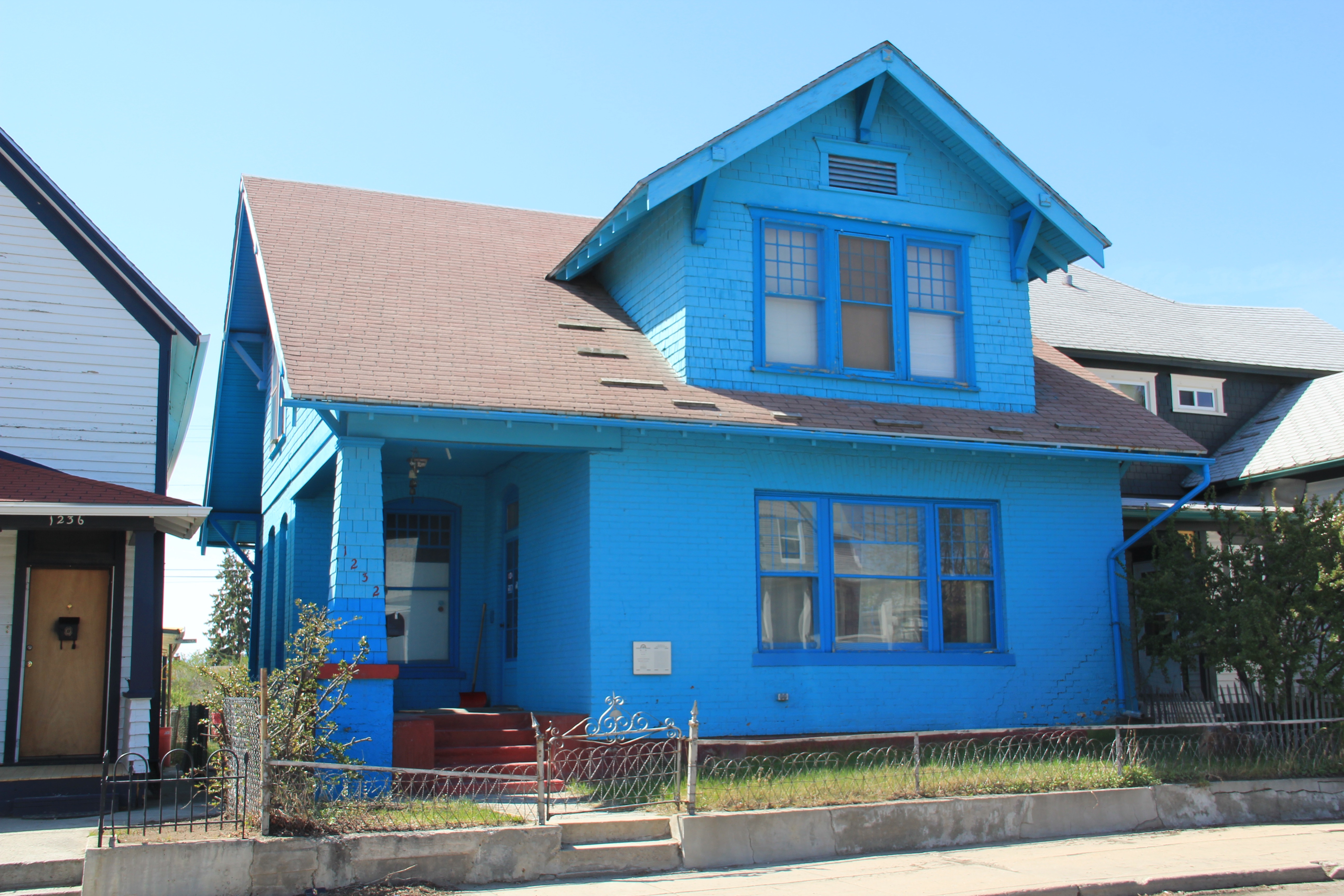

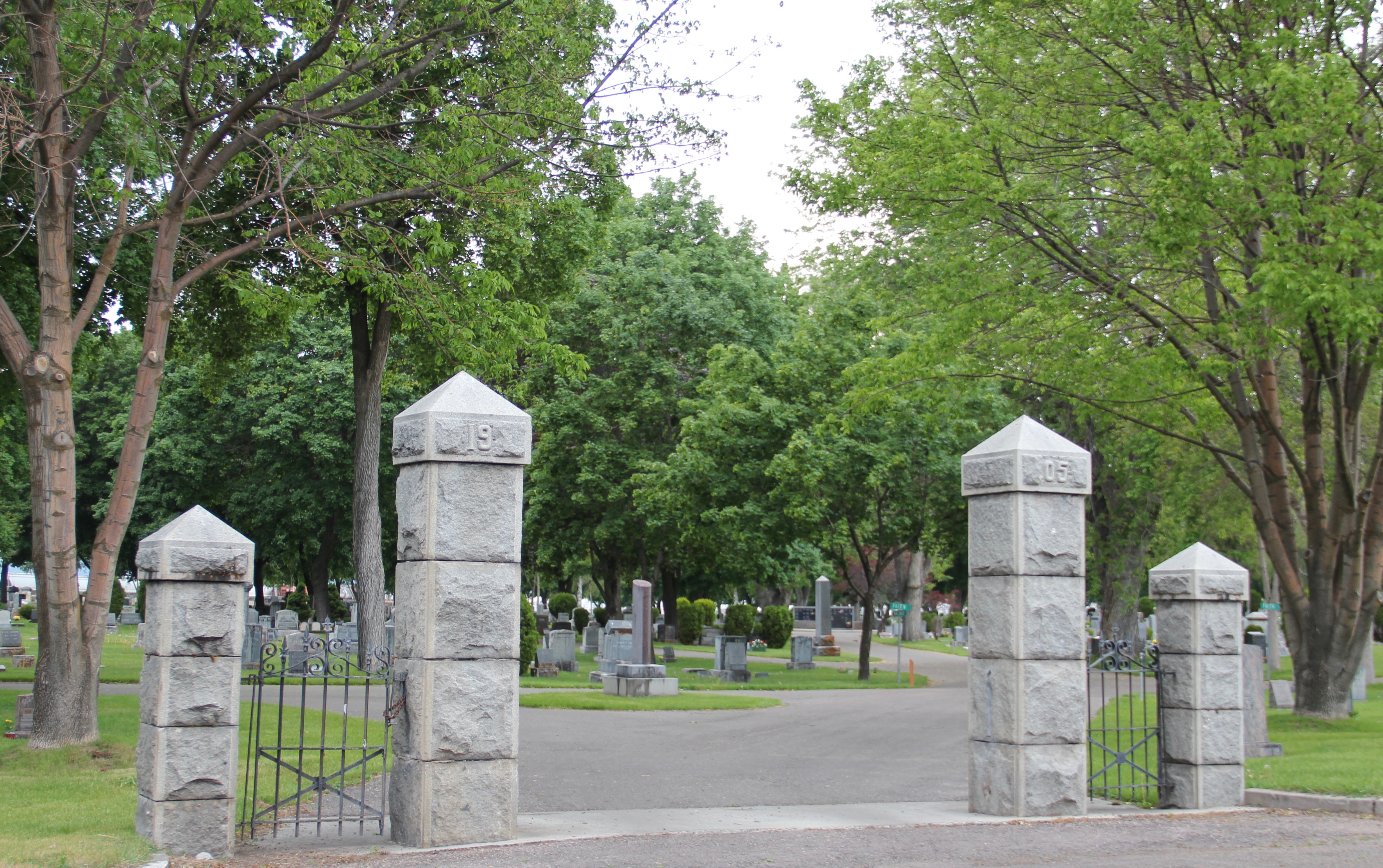


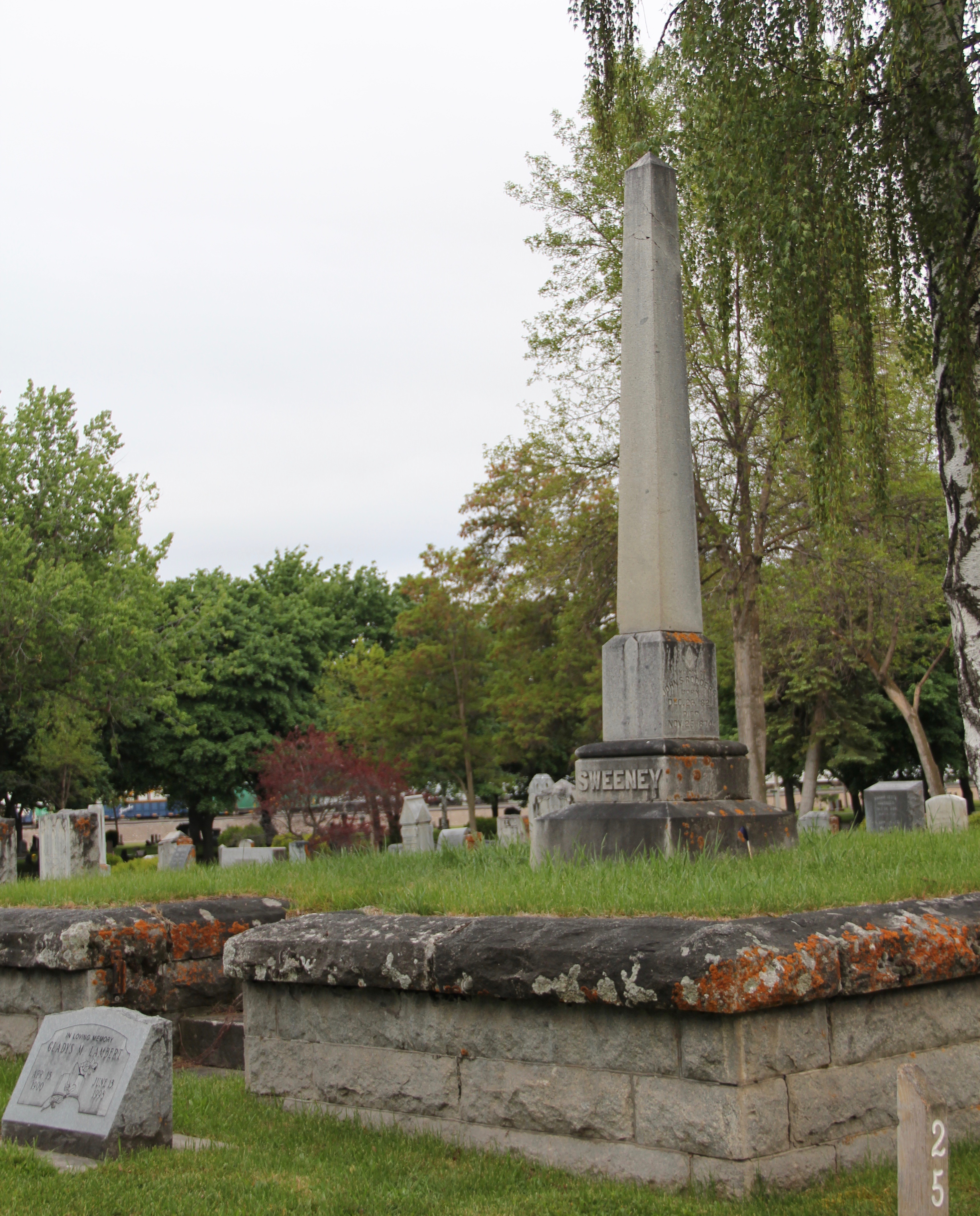
 These images speak to the cemetery’s architectural significance, another point of emphasis for a National Register nomination. The cemetery has several elaborate grave markers, a virtual sculpture garden that also speaks to the city’s artistic expressions.


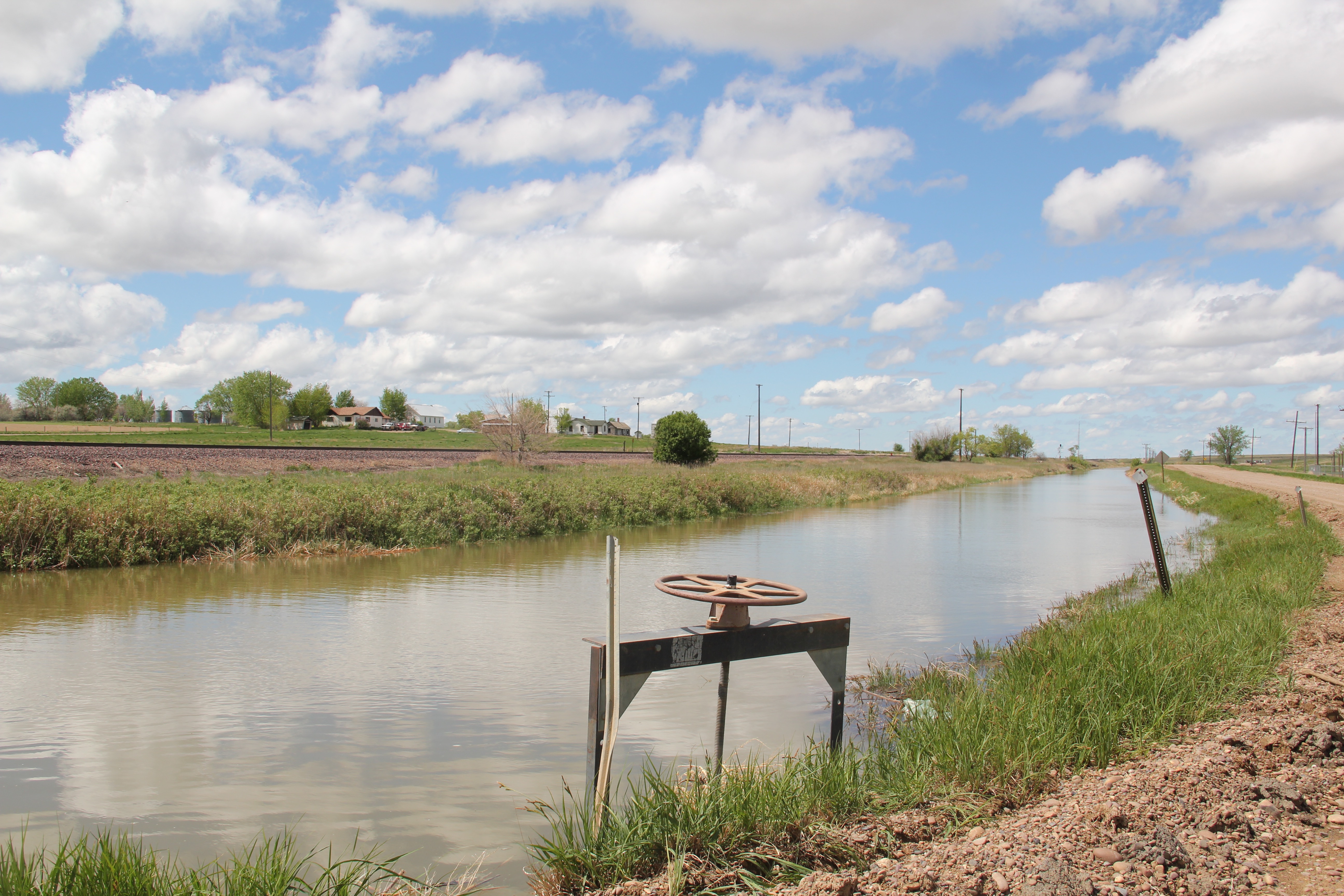

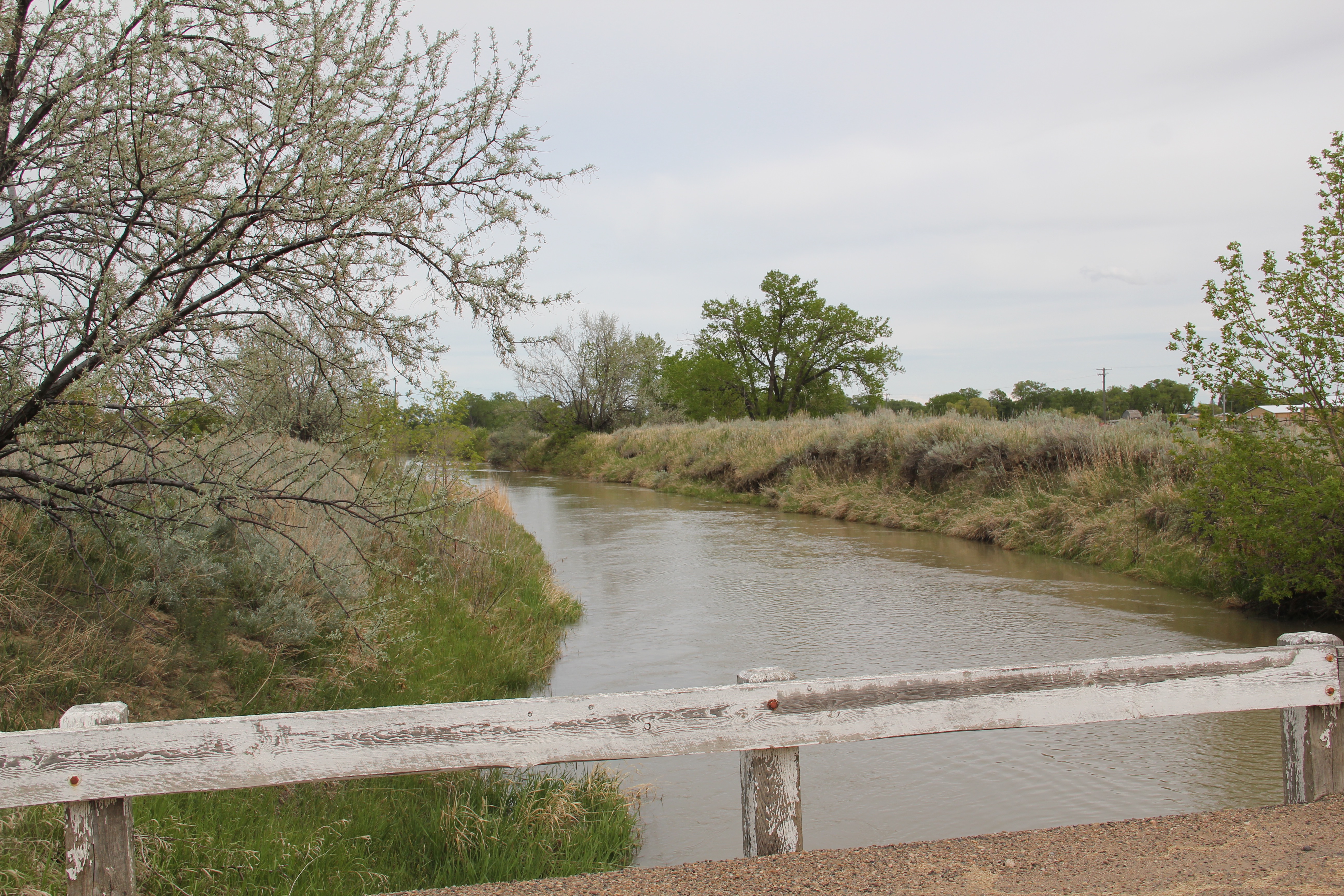
 One of the very few historical markers in Montana that touches on the state’s irrigation history focuses about a historic bridge that once stood nearby at Tampico.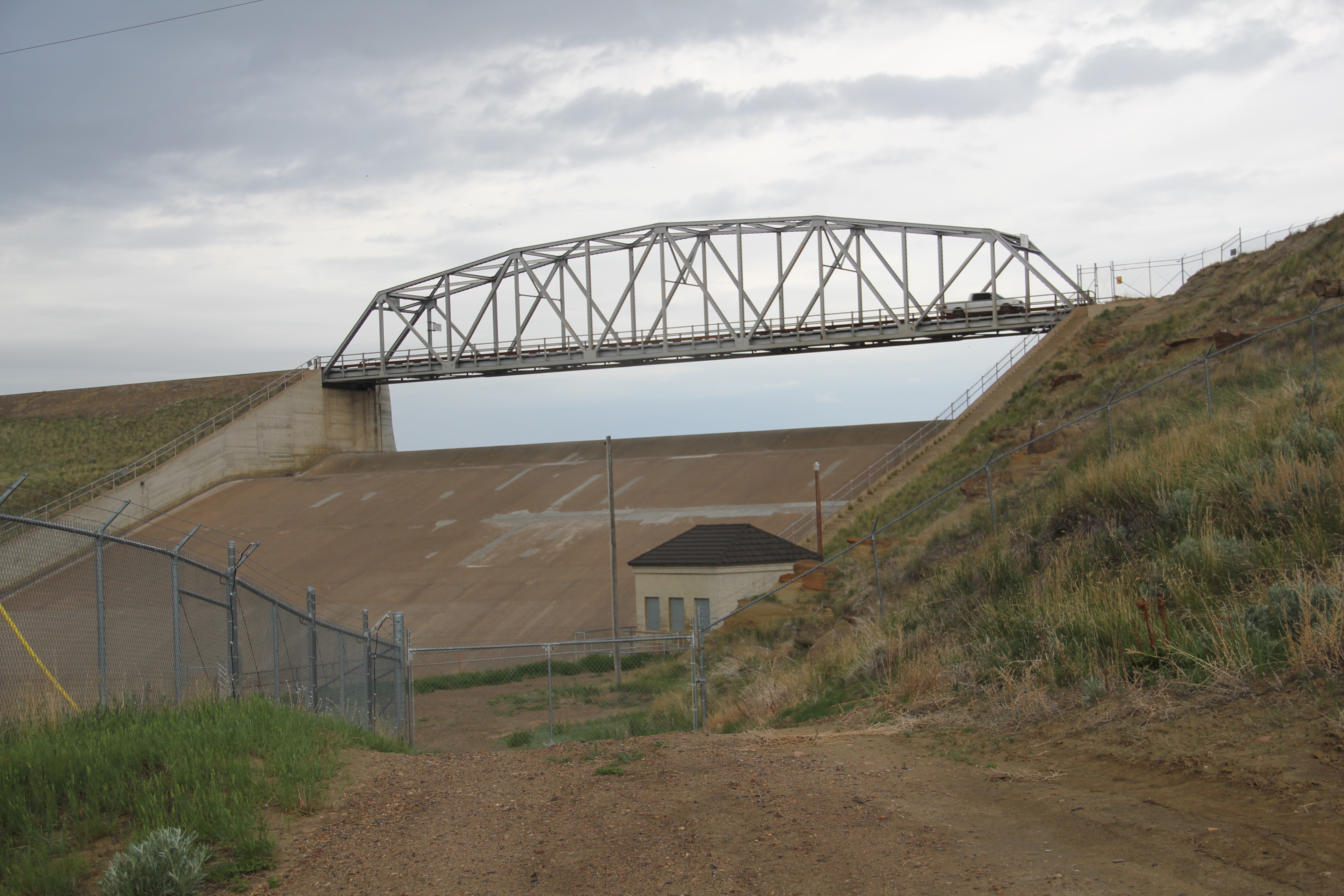
 Large man-made lakes capture water to reserve it for use throughout the growing season. The images above are of Fresno Reservoir, on a rainy morning, in Hill County. While the two images below are of Nelson Reservoir, on a typically bright sunny day, many miles downstream in Phillips County.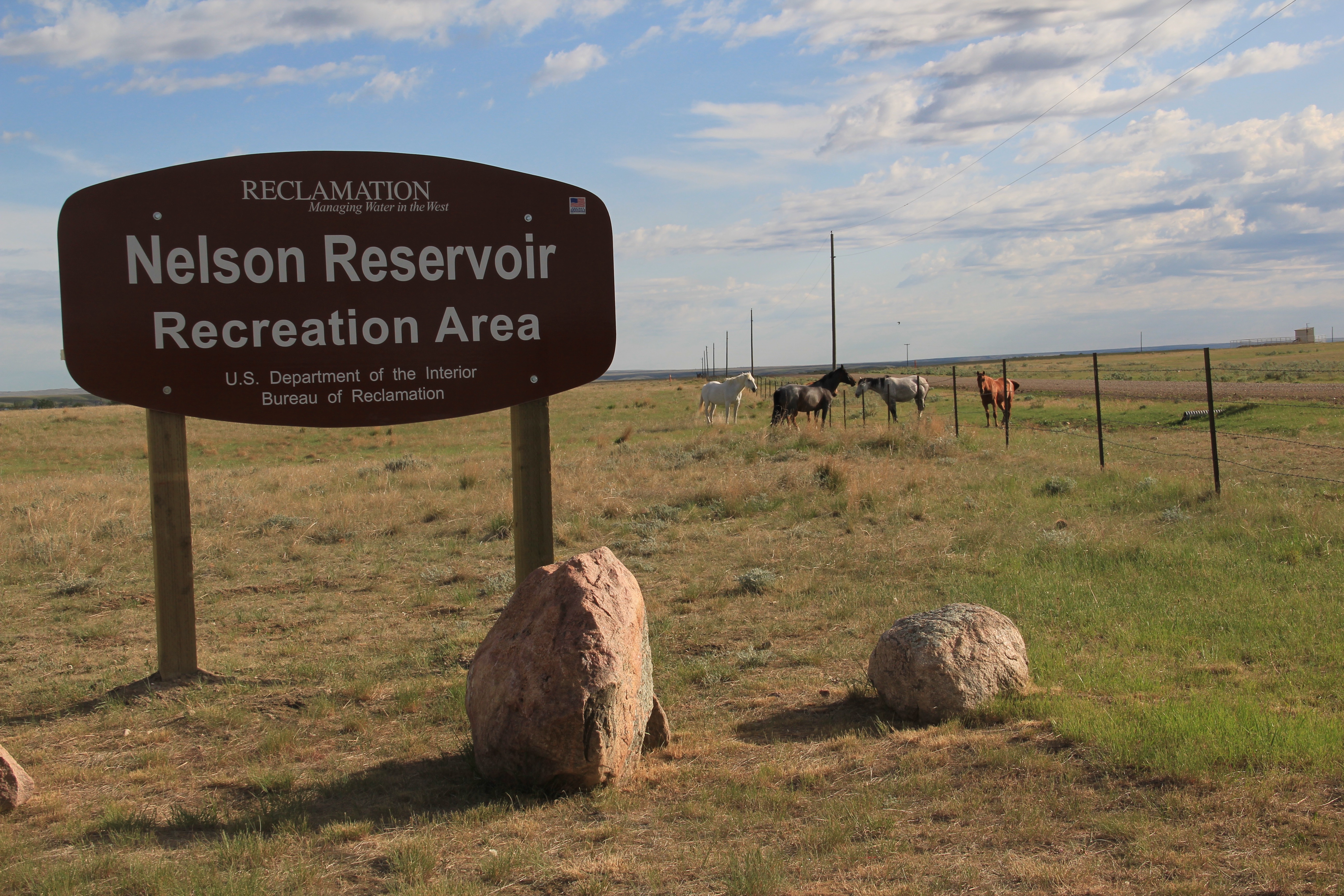
 The Milk River Project shapes so much of the Hi-Line, it has become just part of the scenery. I wonder how many travelers along U.S. Highway 2 in Phillips County even notice or consider the constant presence of the ditch along their route.

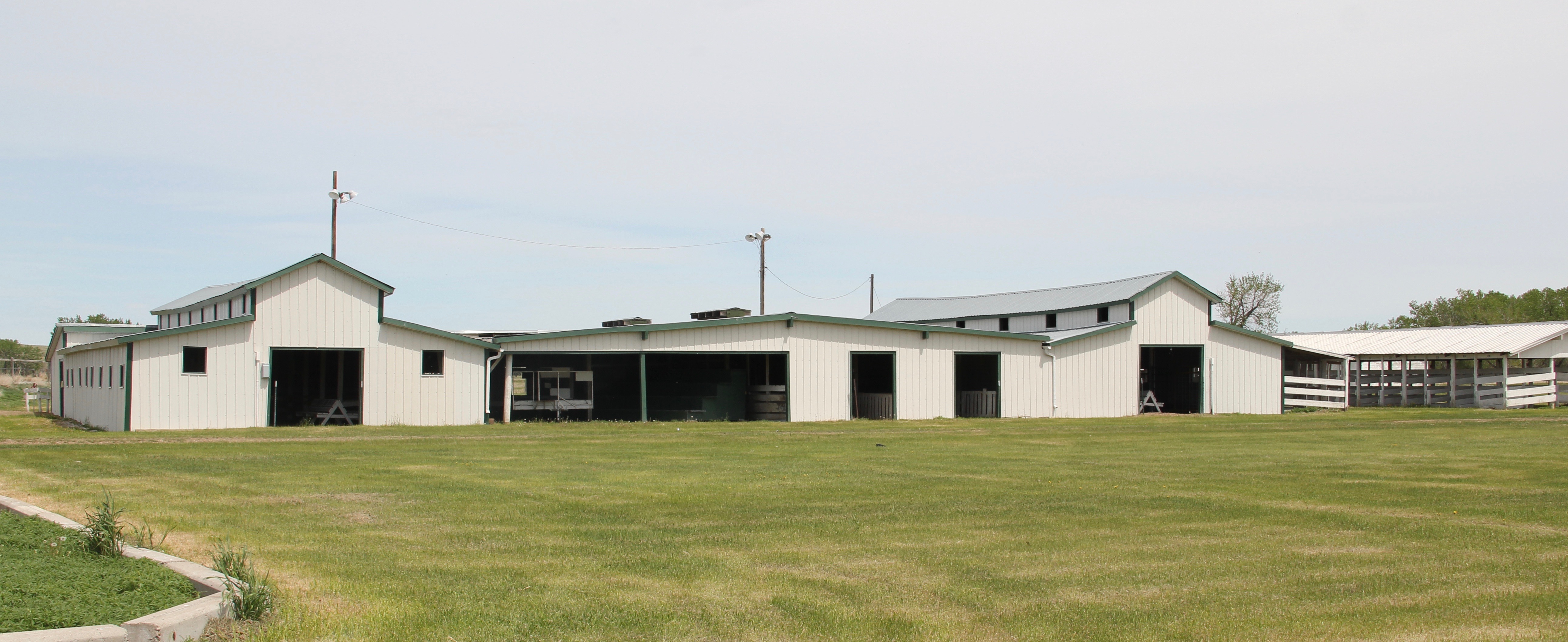 is a tiny place, almost 20 miles from the county seat of Malta. But at the time of the Milk River Project, Dodson was vital; the ditch neatly divided the town into two halves, and a major diversion dam was just west of town. Here was a perfect place, at the turn of the century, for a fairgrounds. And it is a gorgeous historic fairgrounds.




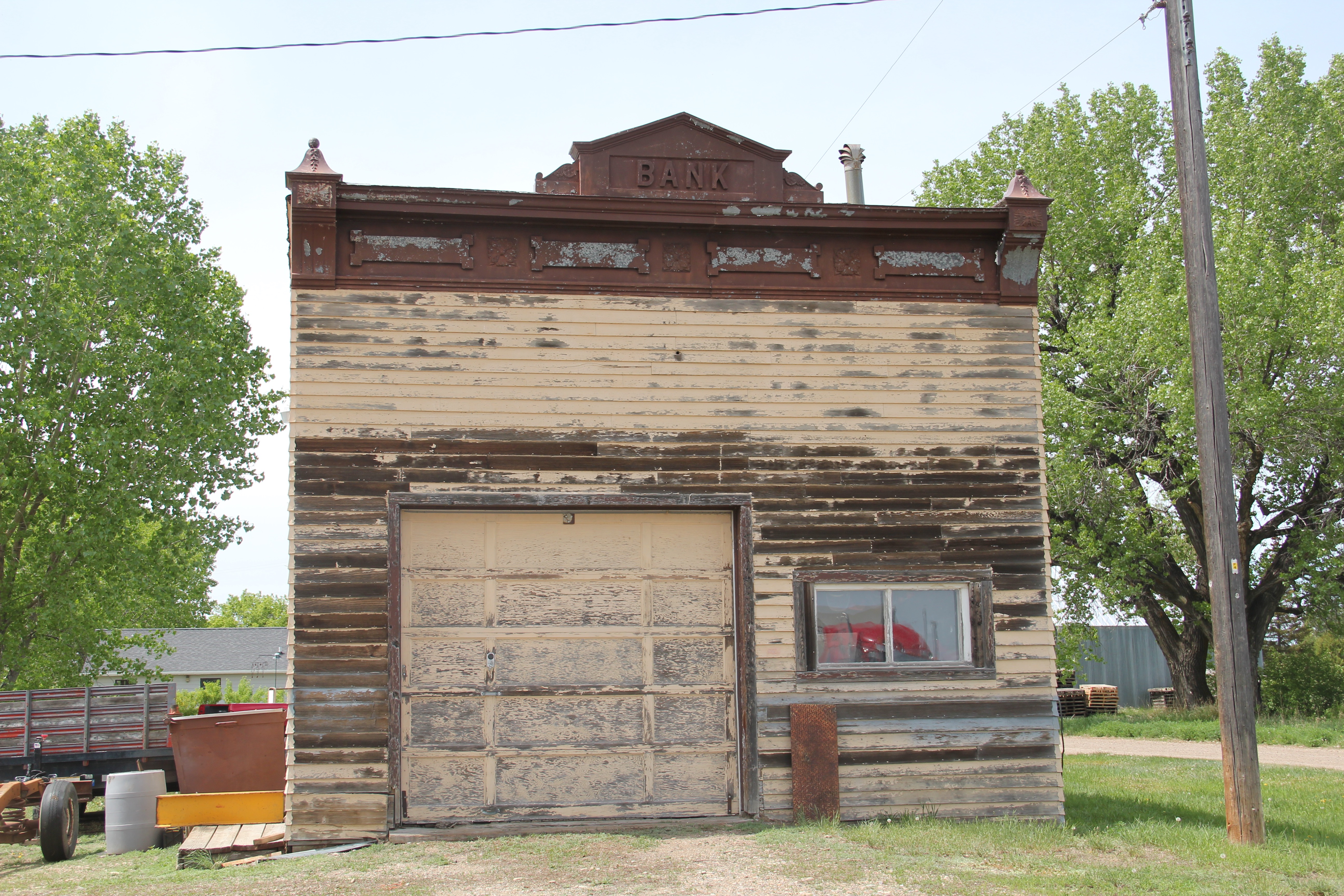
 Lehman, west of Chinook adjacent to both the Milk River and U.S. Highway 2, has almost totally disappeared as a place along the tracks. What is left of the town–this deteriorating commercial building in 2013–might even be gone today.

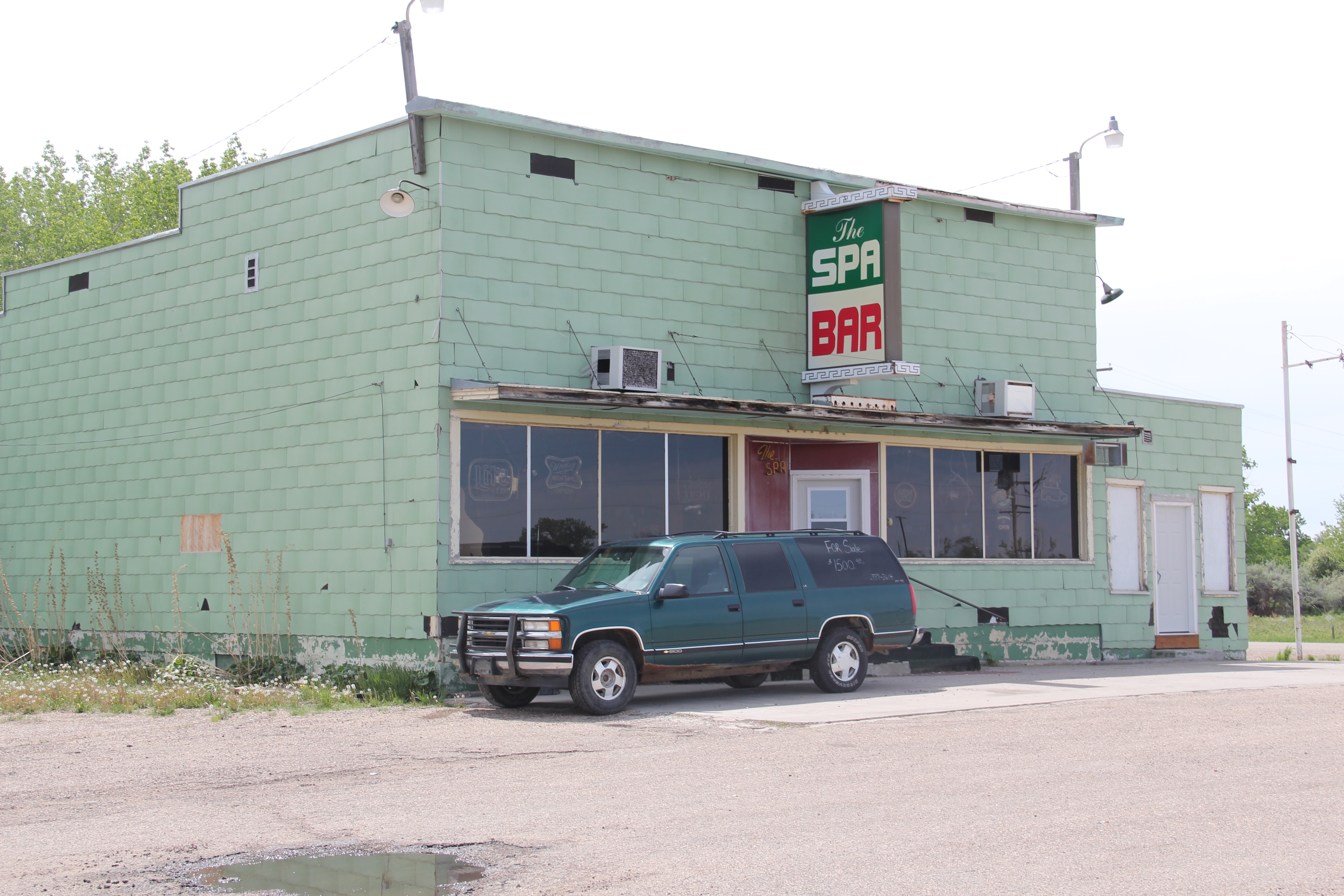


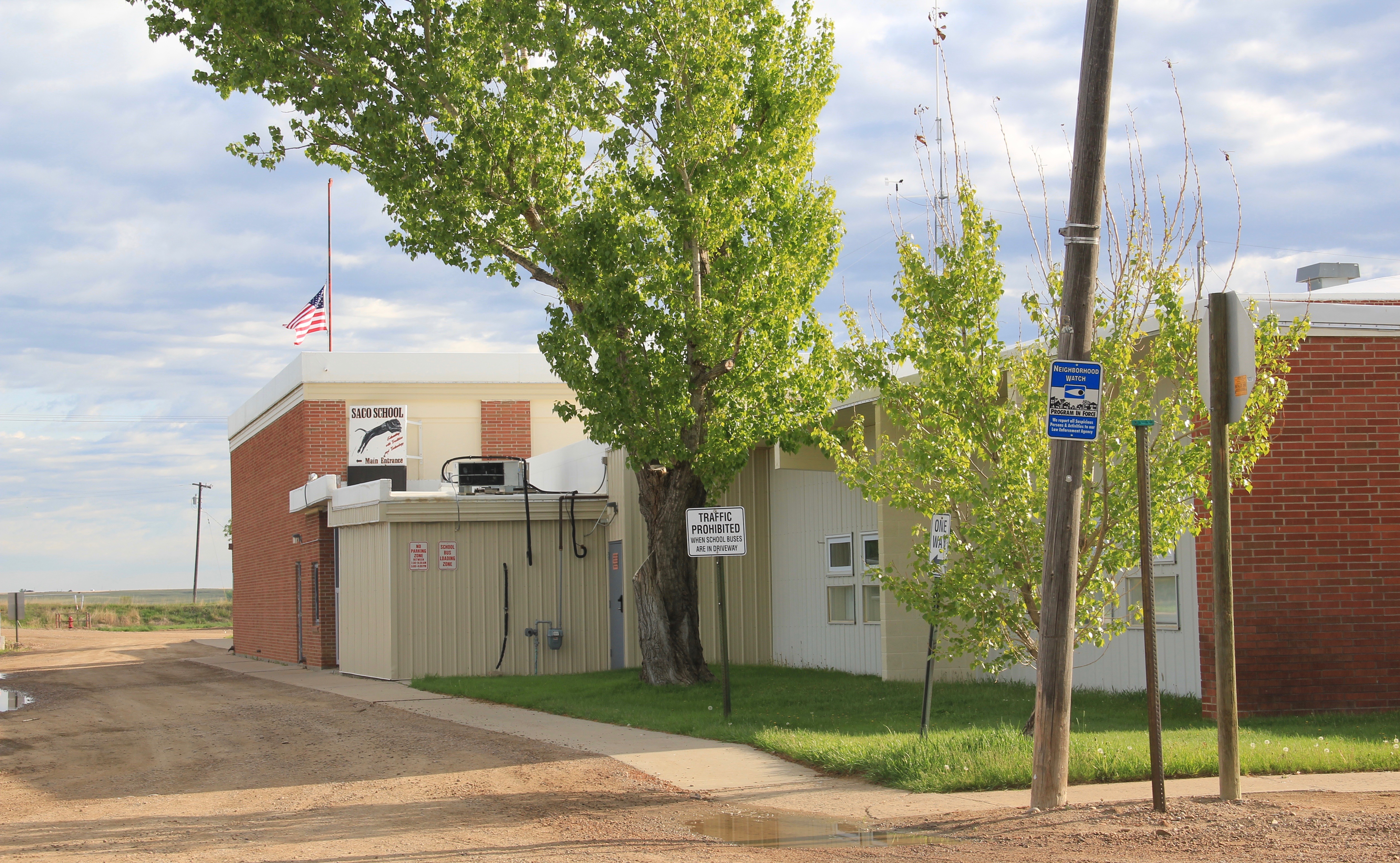
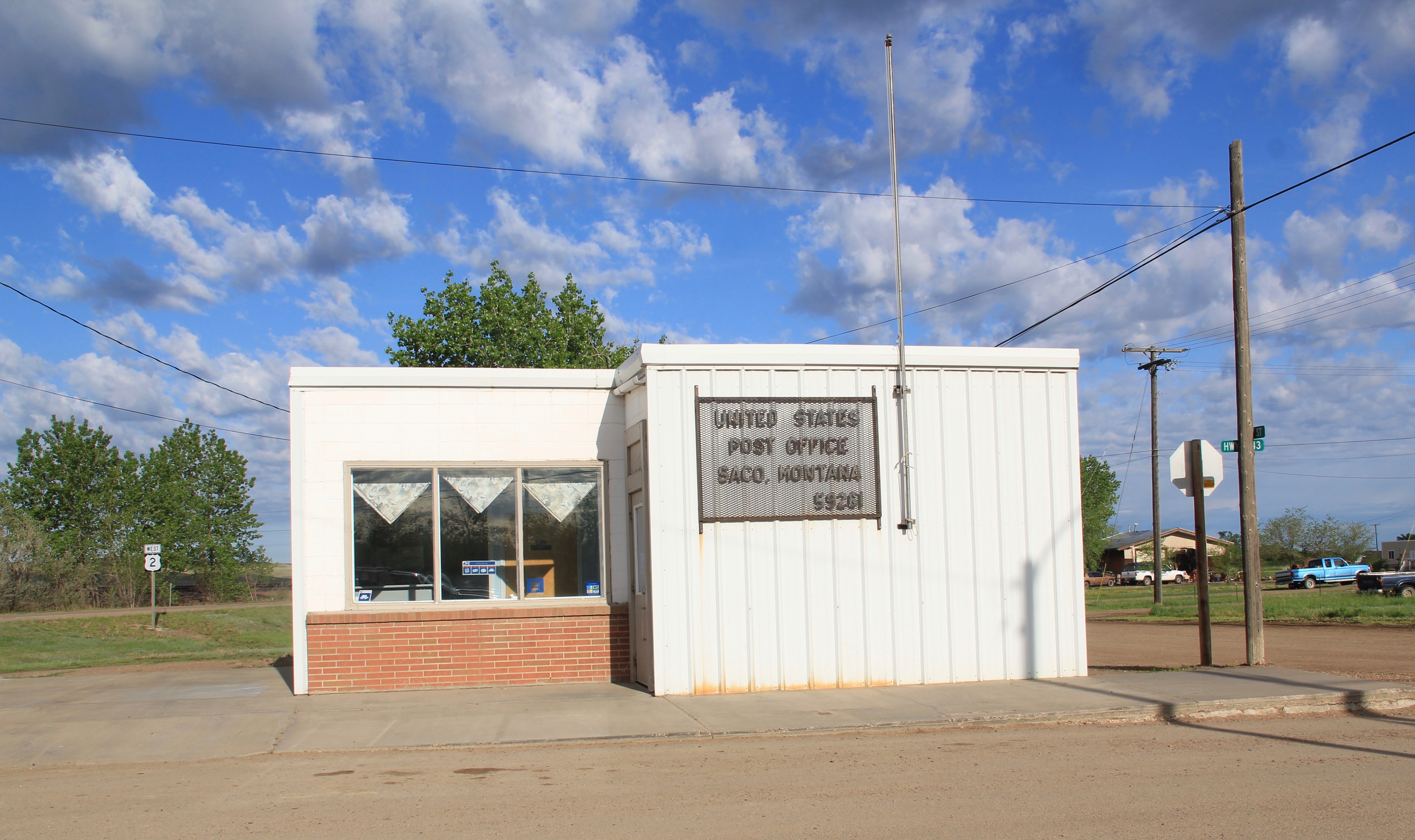 buildings, the rather different design of the post office from the 1960s and the vernacular Gothic beauty of the historic Methodist Church, especially the Victorian brackets of its bell tower.


