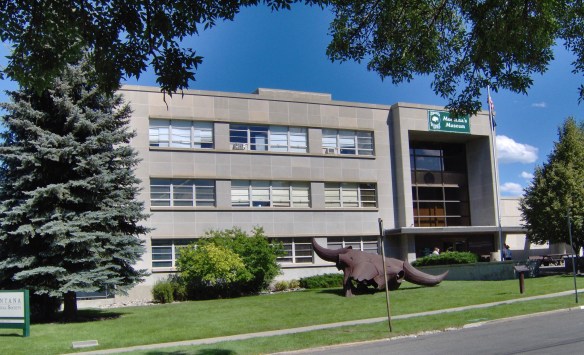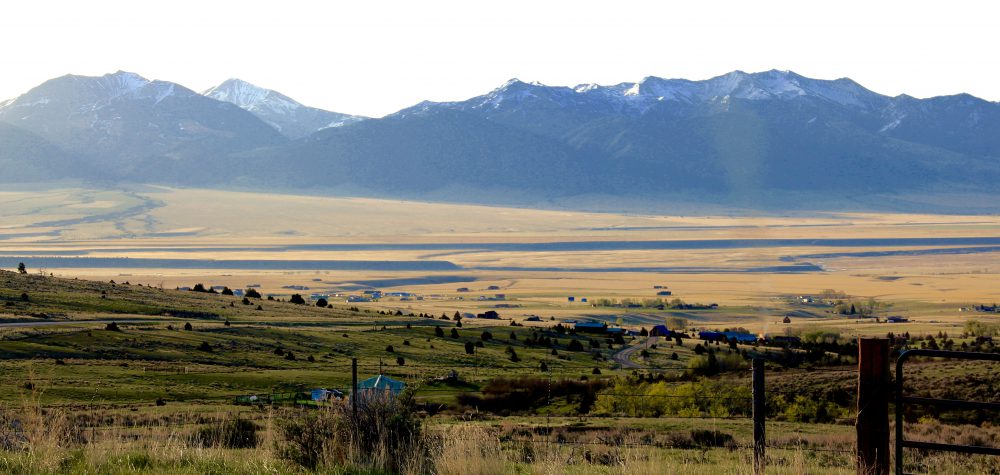

There’s been a bit of winter in Tennessee in early January 2018 and my university has been closed for two days due to three inches of snow (that’s no misprint). Days like this one lead me to reflection of my jaunt across Big Sky Country in the cold of February to the warmth of mid-May 1984. I had spent 2 months at my cubbyhole in the basement of the Montana Historical Society, shown below, and I was ready I
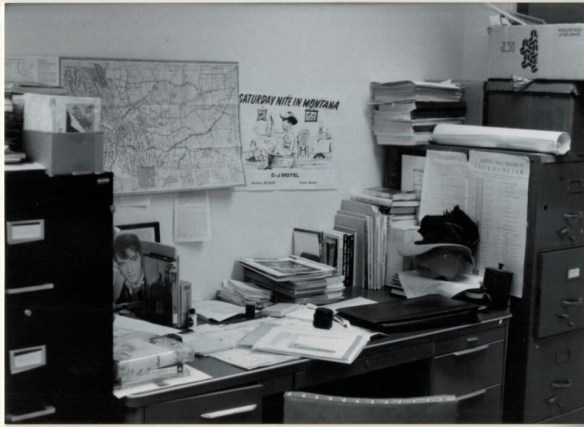
thought to hit the road. Wonders of all sorts I would find and here are just a few of the special (admittedly perhaps not spectacular to outsiders) places I encountered.
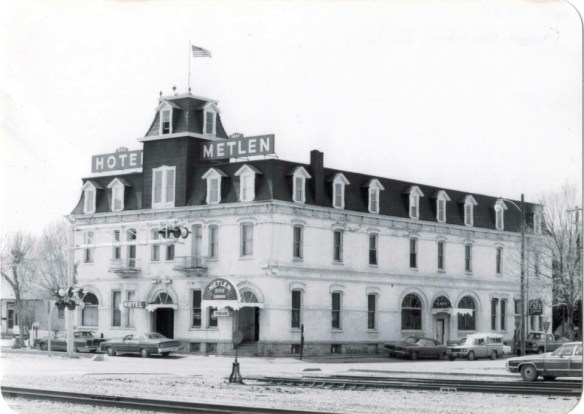
Just up the tracks from the opening image at the southern tip of Beaverhead County was the Hotel Metlen in Dillon. A grad student recently asked me about it, having come across it while trolling the internet. It sounds like a fleabag the student remarked–I probably didn’t help when I recalled staying there for 10 bucks in 1984. But what a great Second Empire-styled railroad hotel!
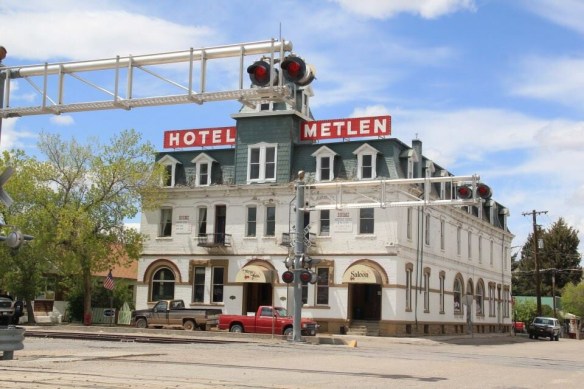
It had upgraded during my last visit in 2012–still classy in a dumpy way, if that makes any sense.
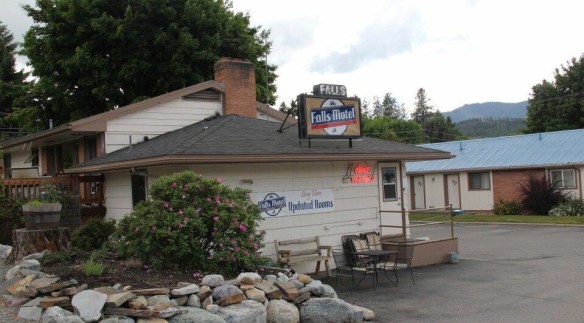
On the opposite end of the state, at Thompson Falls, was another favorite lodging spot, a classic 1950s motor lodge, the Falls Motel. Spiffy now but still Mom and Pop and so far away from the chain experience of today.
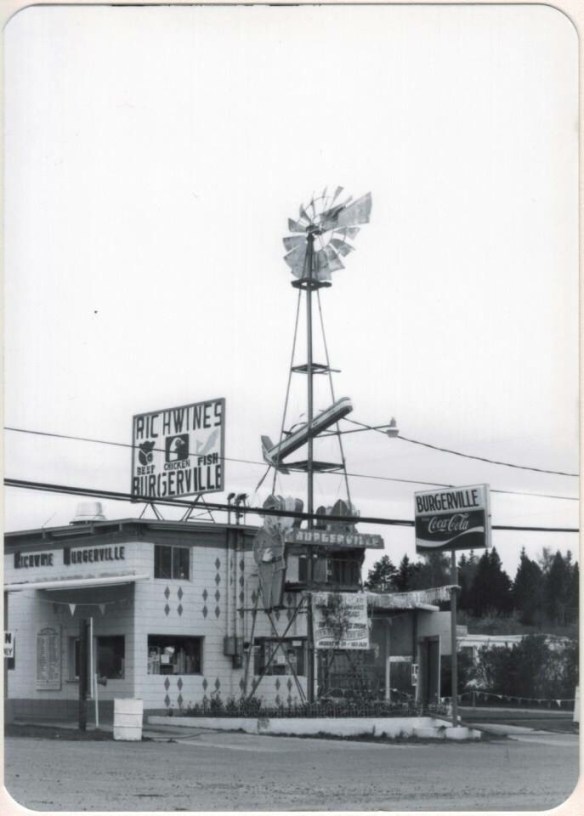

But as regulars of this blog know, I didn’t care where I stayed as long as beef, booze, and pie were nearby. Real rules for the road. The beef could range from the juicy roadside burgers from Polson (the b/w image) to the great huge steaks at Willow Creek (the yellow tinted roadhouse).
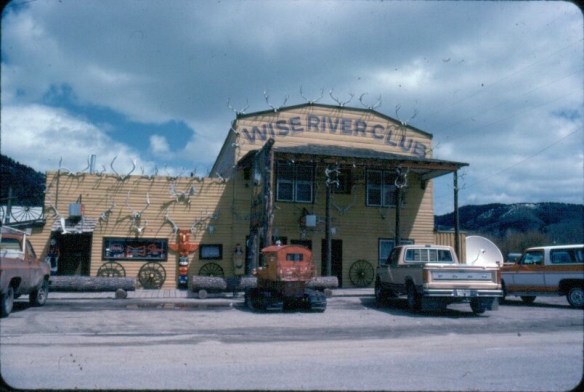
And speaking of roadhouses Wise River Club from 1984 above is still going strong and as friendly as ever. While the owners keep changing at Big Timber–the sign still
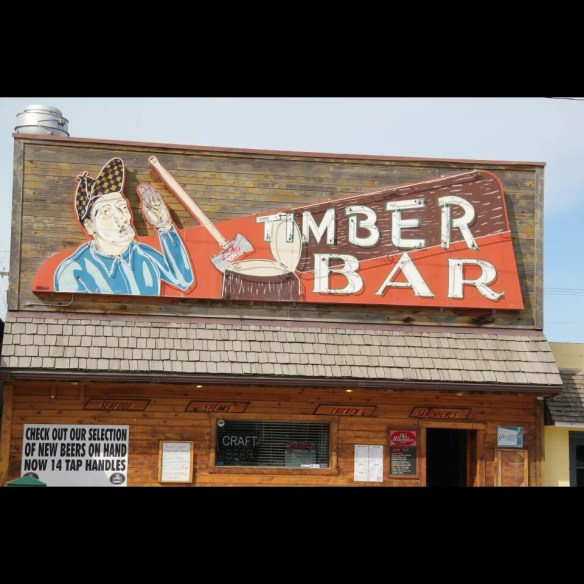 chops away and the beer is still cold. That is what you need on the road.
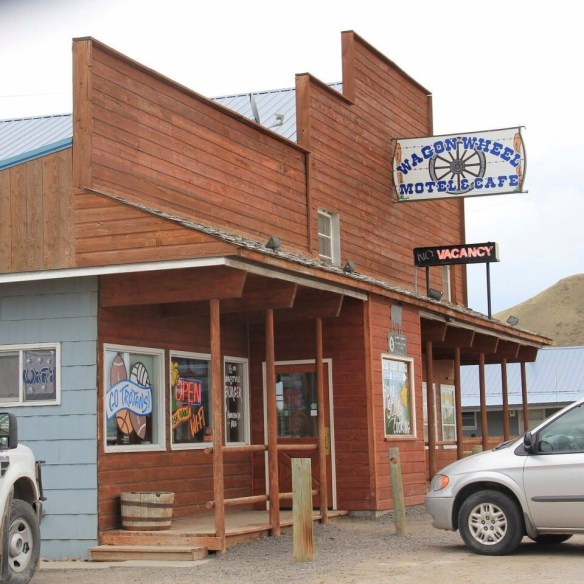
Wait! Pie matters too, represented by the Wagon Wheel in Drummond, above. Southerners do brag about pie, and I believed in that regional myth, until I traveled Montana. I swear that there are most great pie places in a single Montana County (say, Cascade) than all of Tennessee. On cold days I still think of a Montana cup of coffee (always strong) and a piece of grit pie. In 1984 I just needed that one afternoon stop to push on for a few more hours of driving and documenting the captivating landscape of the Big Sky Country.
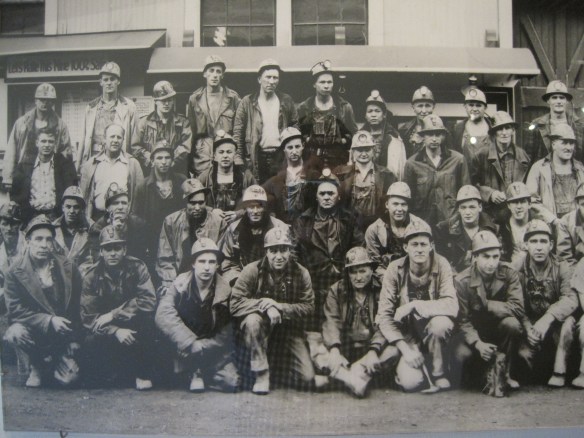
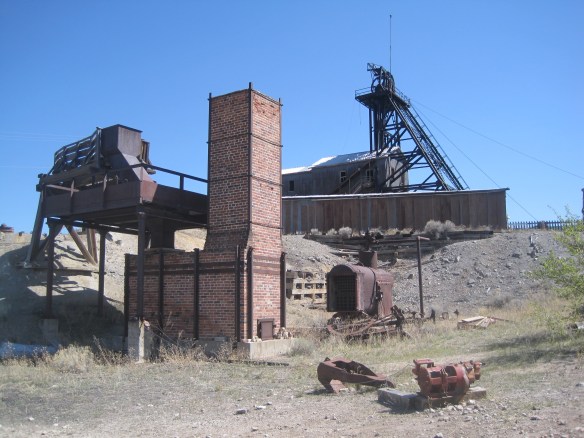


 The Hell Roaring’ Gulch part of the museum is in stark contrast to the mid-20th century engineered, technological landscape of the Orphan Girl Mine. It interprets the mining camp days of Butte from the late 1860s into the 1880s before the corporations stepped in and reshaped the totality of the copper mining industry and built environment of Butte.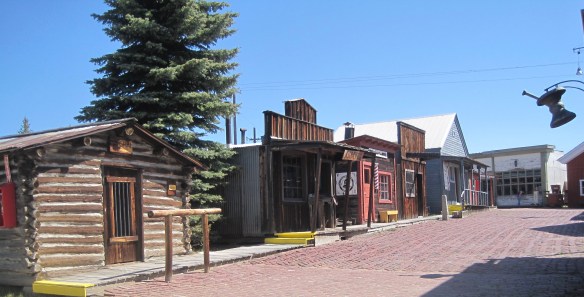


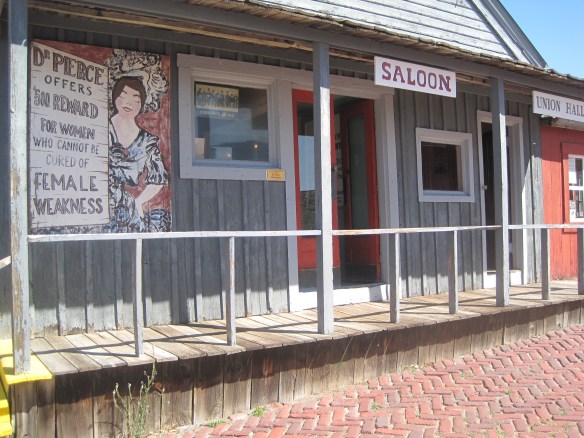
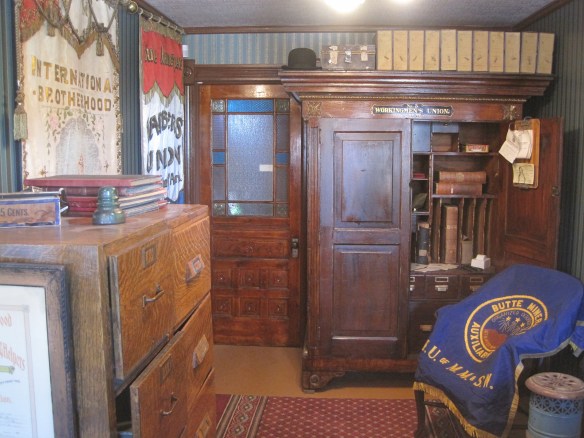 artifacts and banners shown in this photo); the store, which displays common items sought by the miners and their families; and various offices that show the business of
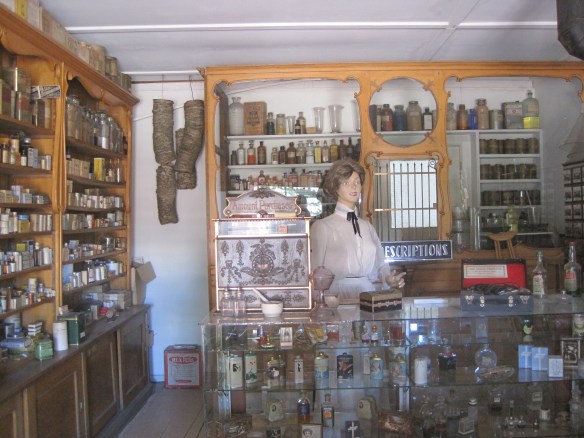 mapping the mines, registering claims, and assaying the metals .
 In my first post about the World Museum of Mining, I addressed this valuable collection of a historic mine, several historic buildings, and thousands of historic artifacts briefly. Properties like the impressive log construction of St. Patrick’s Catholic Church, shown below, are invaluable. The World Museum of Mining deserved more attention, and it deserves the attention of any serious heritage tourist to Montana.


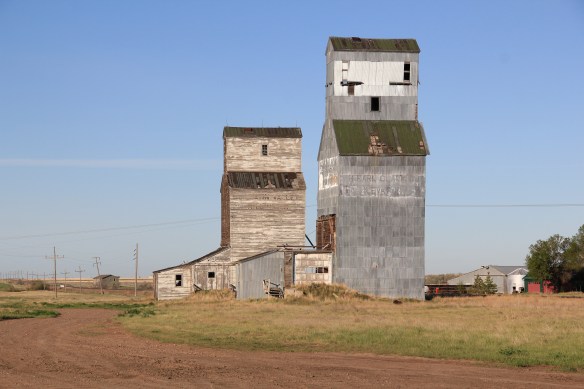


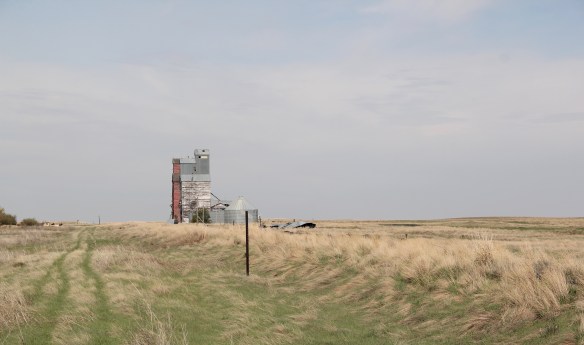

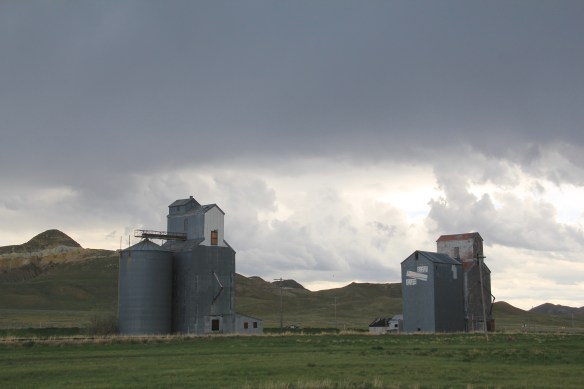


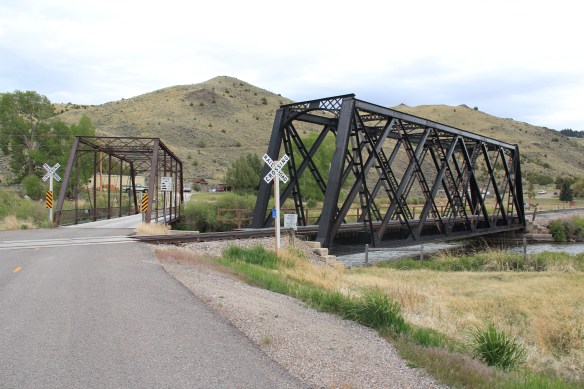 Beaverhead County Montana is huge–in its area it is bigger than the states of Rhode Island and Delaware combined, and is roughly the size of Connecticut. Within these vast boundaries in the southwest corner of Montana, less than 10,000 people live, as counted in the 2010 census. As this blog has previously documented, in a land of such vastness, transportation means a lot–and federal highways and the railroad are crucial corridors to understand the settlement history of Beaverhead County.
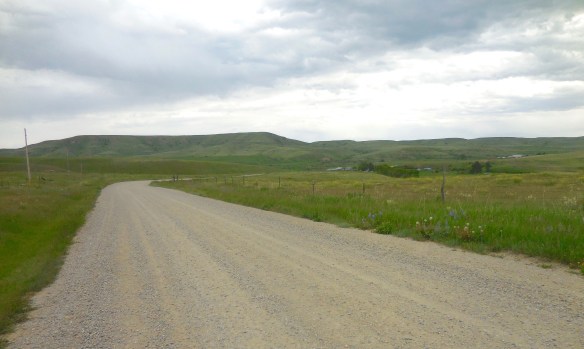
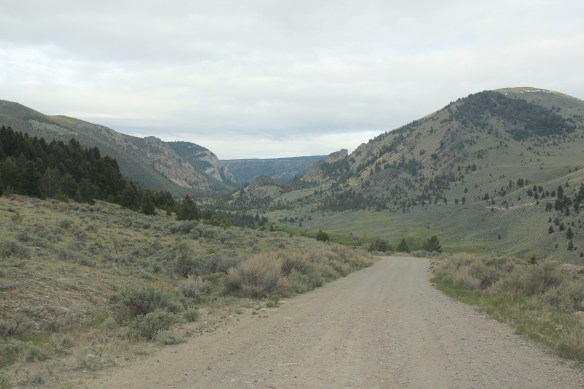
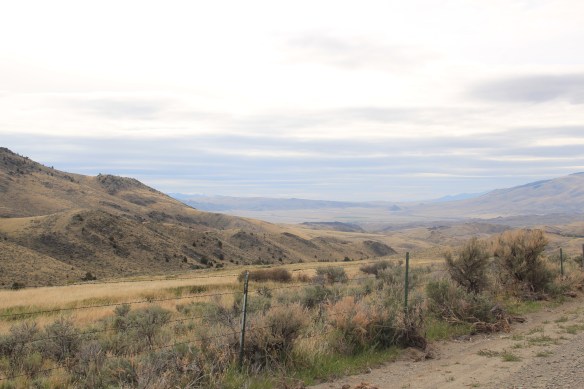
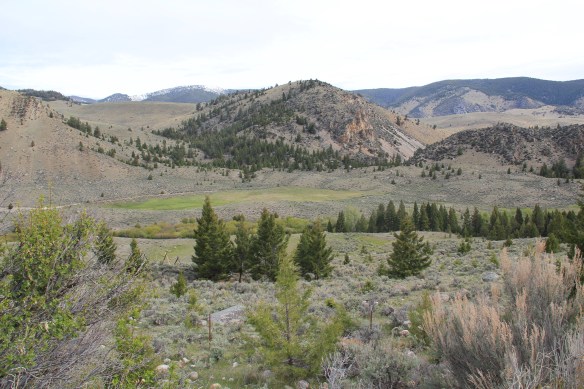
 This post takes another look at the roads less traveled in Beaverhead County, such as Blacktail Creek Road in the county’s southern end. The road leads back into lakes and spectacular scenery framed by the Rocky Mountains.
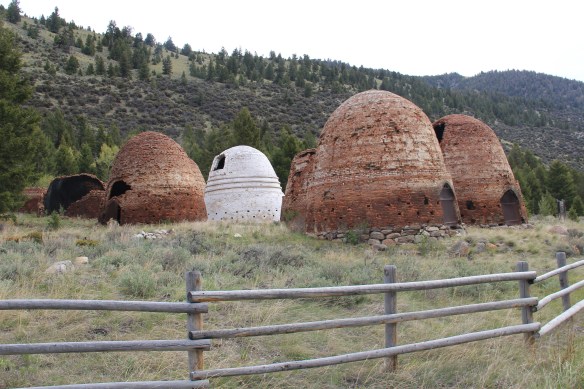
 But along the road you find historic buildings left behind as remnants of ranches now lost, or combined into even larger spreads in the hopes of making it all pay some day.

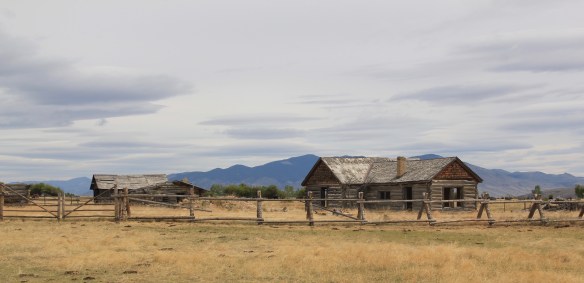
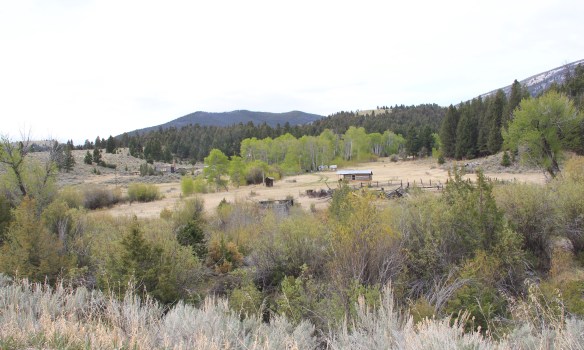 Birch Creek Road was shaped by the efforts of the Civilian Conservation Corps in the 1930s as the Corps carried out multiple projects in the national forest. This road has a logical destination–the historic Birch Creek C.C.C. Camp, which has been listed in the National Register of Historic Places. The University of Montana Western uses the property for outdoor education and as a conference center that is certainly away from everything.




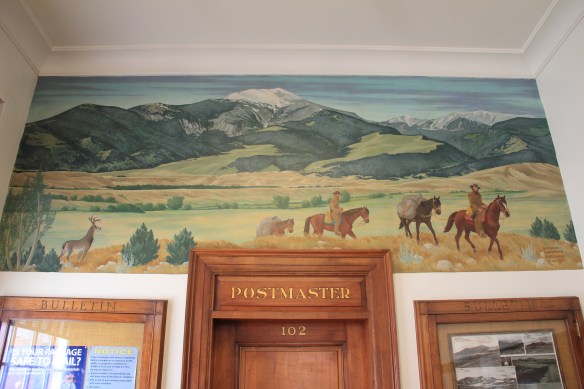
 which once hung in the Richland County Courthouse in Sidney (and now displayed at the Mondak Heritage Center in Sidney) and the numerous murals that graced new post offices and federal buildings across Montana, the one below from Dillon demonstrates
 that the arts program of the 1930s stretched across Montana, from Sidney to Dillon.
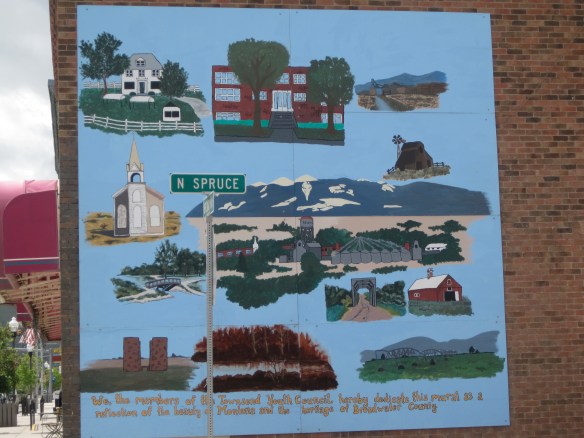
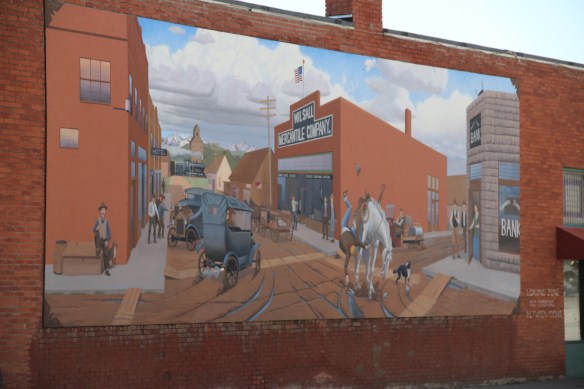
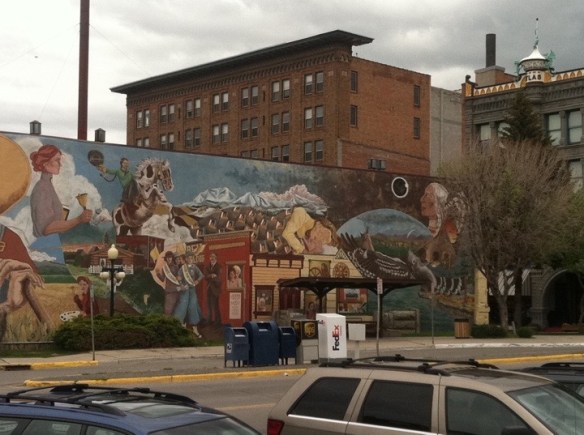 When I lived in Helena in the first half of the 1980s, of course I noticed murals, such as one above on the state’s important women’s history on Last Chance Gulch, which itself had various installations of interpretive sculpture to tell the story of a place that had been so “renewed” as to lose all meaning.
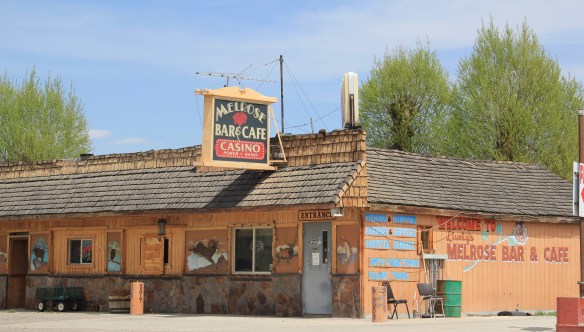


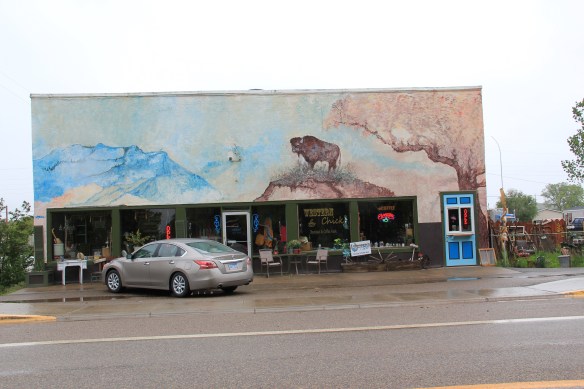
 Another northwestern Montana town–the gateway town of Eureka on U.S. Highway 89. uses a mural to set the scene of a quiet, peaceful place no matter the season: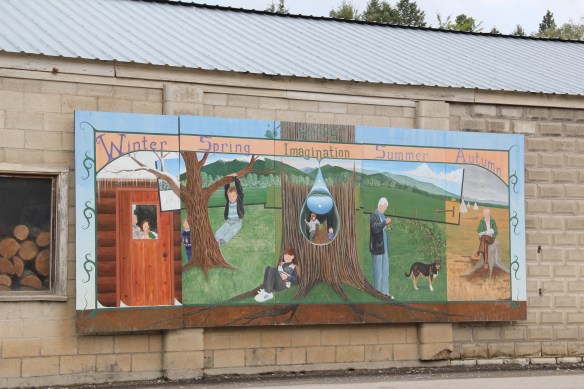





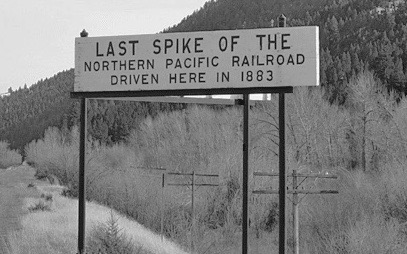

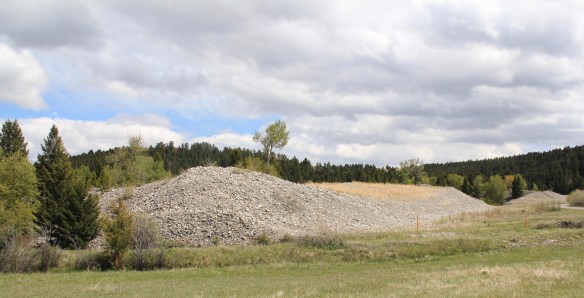
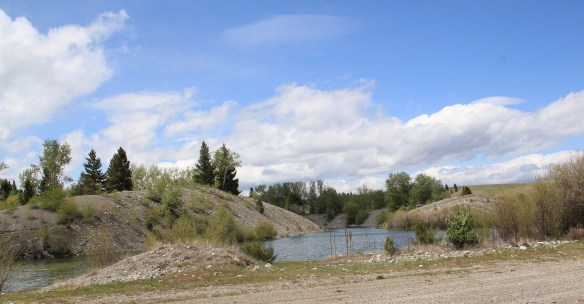 Ranchers had taken bits of older buildings from Pioneer and incorporated them into later structures between the mining district and Gold Creek. Pioneer as a ghost town barely existed then and little marks its past except for the scars of mining.
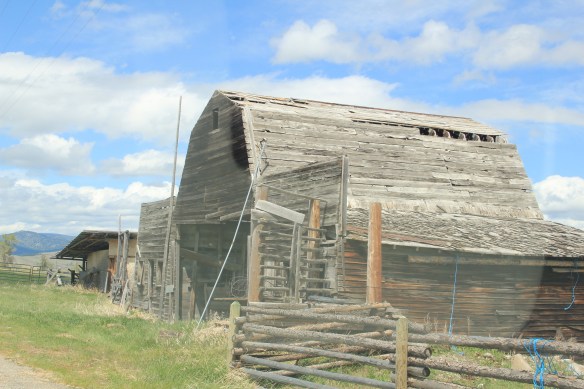

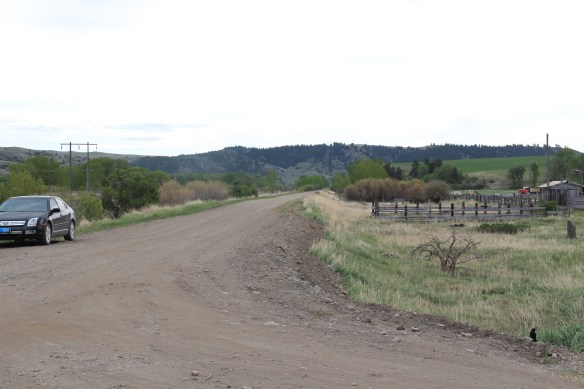

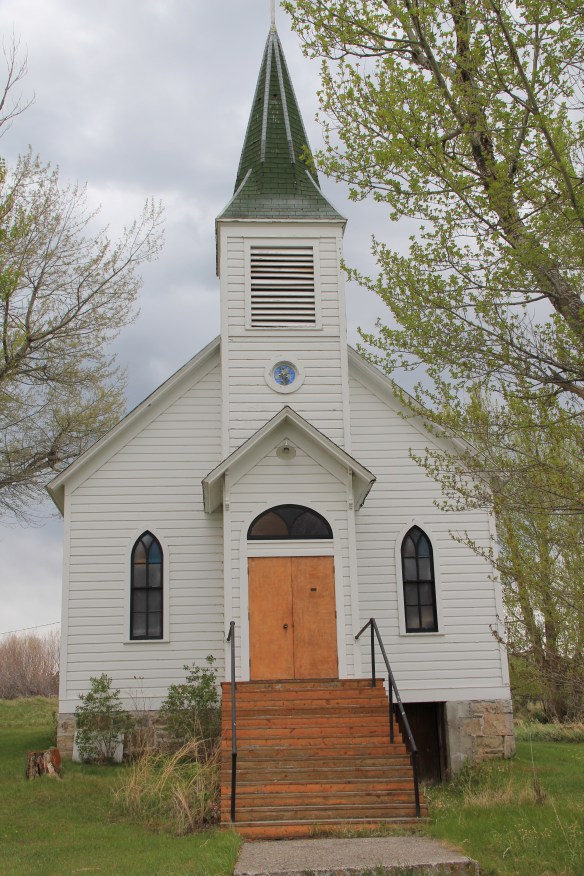 But the most important community institution (yes, the Dinner Bell Restaurant out on the interstate exit is important but it is a new business) is the Gold Creek School, a rather remarkable building in that residents took two standard homestead era one-room schools and connected them by way of a low roof “hyphen” between the front doors.
 Adaptation and survival–the story of many buildings at Gold Creek and Pioneer. Historical markers are scarce there but the history in the landscape can still be read and explored.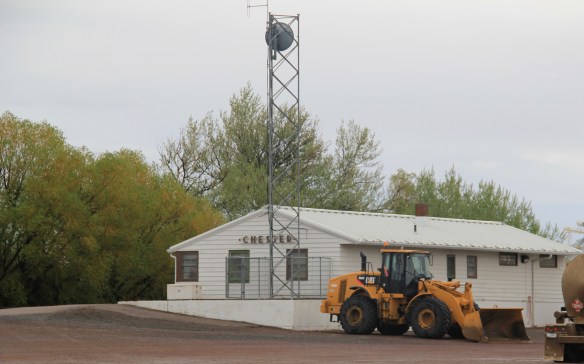


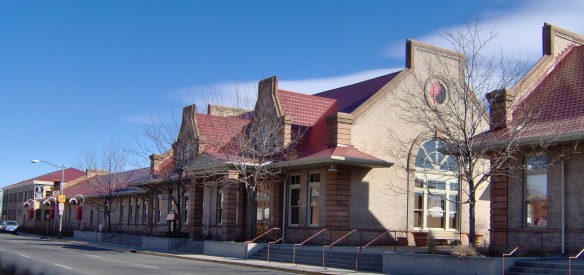 deteriorating in the mid-1980s but a determined effort to save the building and use it as an anchor for the Montana Avenue historic district has proven to be a great success in the 21st century.
 Milwaukee Road depot there, since Harlowtown was such an important place in the railroad’s history as an electric line.
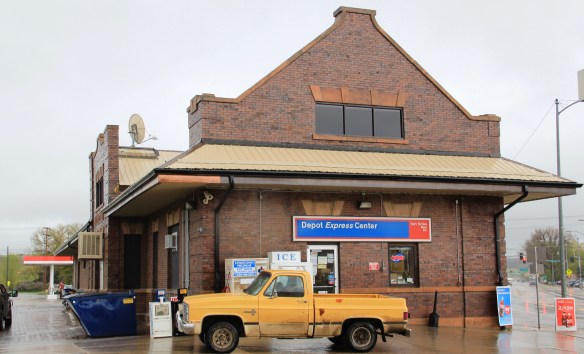






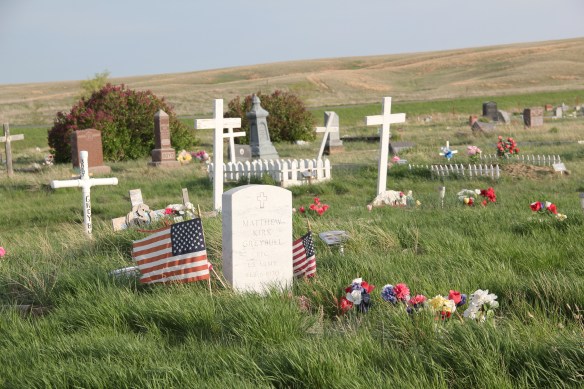 Fort Kipp Cemetery, above, is one of those place, nestled on the river bluffs overlooking the Missouri River. On a larger scale but still intimate, personal, and compelling is the city cemetery of Red Lodge, hundreds of miles away. Here surrounded by the mountains