In the 1984-1985 fieldwork for the state historic preservation plan, the impact of lodging chains in Montana was pretty limited to the larger towns, and gateways to the national parks. Many what I called “mom and pop” motels, largely from the pre-interstate highway era of the 1940s and 1950s, still operated. I was working with the state employee lodging rate of $24 a night (remember it was 1984!) and I found that the per diem eliminated the chains and I was left with the local establishments. During those months of intense travel I came to respect and really like the Moms and Pops. Several of the places I stayed in 1984-1985 are long gone–but ones like the Lazy J Motel in Big Timber remain. In this post I am merely sharing a range of historic motels from across Big Sky Country.
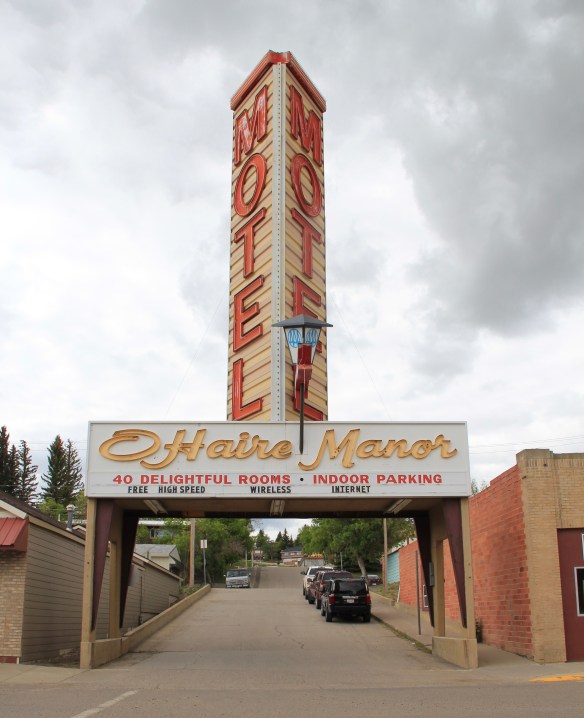 I began the fieldwork in February 1984 and the first stop was a public meeting at the Toole County Courthouse in Shelby. My first overnight was just as memorable–for good reasons–at the O’Haire Manor Motel. Its huge neon sign on the town’s main street, which was U.S. Highway 2, could not be missed, and actually the sign replaced a building that once stood along the commercial district, knocking it down so travelers would have a clear shot to the motel itself.

Motels along U.S. Highway 2 often had the grand statement to catch attention of those traveling at 80 miles a hour down the highway. Galata, which billed itself as a gateway to the Whitlash port of entry on the Canadian border to the north, had the tallest cowboy in the region to greet visitors.
 Cut Bank’s Glacier Gateway, on the other hand, reminded visitors that it was that “coldest place” in the United States that they had heard about in weather forecasts.
The Circle Inn Motel outside of Havre on U.S. Highway 2 reflected the classic design of separate duplexes–cabins–for guests while the gleaming white horse statue reminded them, if they needed the prod, that they were in the wild west.

Similar mid-20th century motels are found along Montana’s historic federal highways. Some, like the La Hood Motel, are now forgotten as the highway, once known as the Yellowstone Trail and then U.S. Highway 10, has been relegated to secondary use.
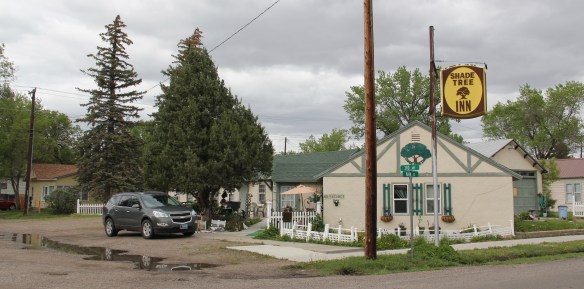
 Another example from the old Yellowstone Trail and U.S. Highway 10 is the Shade Tree Inn Motel in Forsyth–although coal and railroad workers help somewhat to keep it going in the 21st century.
 Just a block west of another historic section of U.S. Highway 10 in Deer Lodge is the Downtowner Motel, with its sloping roof and extended rafters representing the best in “contemporary” style from the 1960s. This place too was clean, cheap, and well located for a day of walking the town back in 1984.

Other motels have carried on, in a diminished role, dependent more on workers needing temporary quarters than on travelers. In Malta, on U.S. Highway 2, I expected easy to acquire and cheap lodging at the Maltana Motel–a favorite of mine from the 1980s–but even though the town was over 200 miles from Williston, North Dakota, demands for its rooms had risen with the oil boom of the early 2010s.

The Country Side Inn Motel in Harlowton once buzzed with travelers along either U.S. Highway 12 or U.S. Highway 191 but as interstate routes have become so dominant, these motels have struggled to attract customers.
 Not only have the changes in traffic patterns been important, the present generation’s preference for chain motels–and the proliferation of chains across the state–have shaped the future of the mid-20th century motel. A good example is the challenges facing the continuation of the Cherry Hill Motel in Polson, located along U.S. Highway 93. Here was a favorite spot in 1984–near a killer drive-in–a bit out of the noise of the town, and sorta fun surroundings with a great view of Flathead Lake.

 The place was up for sale in 2015–and the internet today tells me that it is “permanently closed.” I hope it can find a new owner and is still there when I next return to Polson but with the general boom in the Flathead Lake region, one assumes its days are numbered.
 The bear might be hugging the tree but does anyone else care enough–or want this type of lodging, complete with the “picture window” of the 1950s and 1960s, in the comfort obsessed 21st century?
I began this brief overview with the first place I stayed during the 1984-1985 fieldwork, and I will close with the last place I stayed as I finished the new statewide survey in May 2016: the Yodeler Inn in Red Lodge. Built in 1964 this wonder chalet-style property is listed in the National Register–of course in 1984 I never gave a thought about the motel as National Register worthy, I just loved the location, and thought it was cool.
It is still that–good rooms, great lobby, and a self-proclaimed “groovy” place. To the north of the historic downtown are all of the chains you might want–stay there if you must, and leave the Yodeler Motel to me!
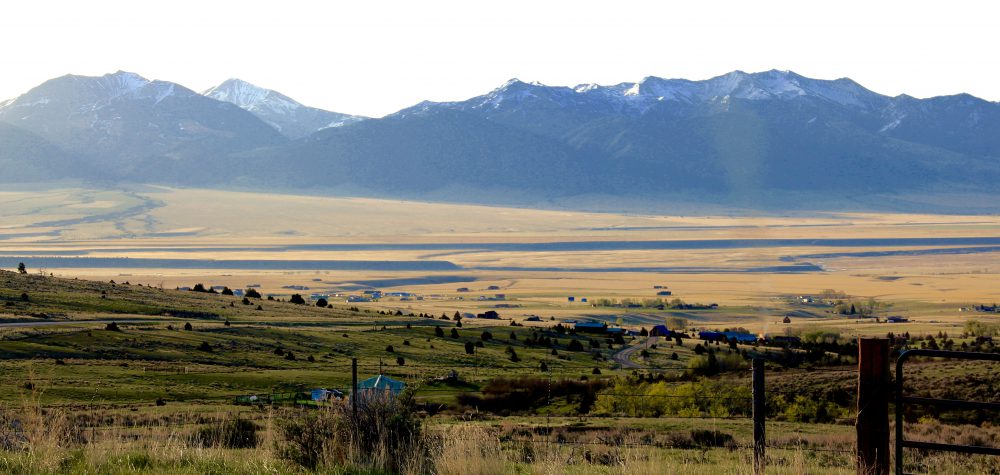


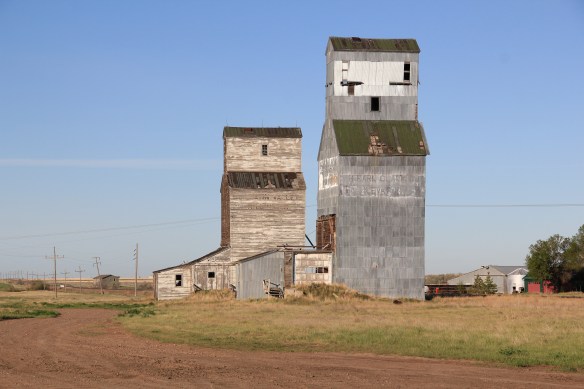


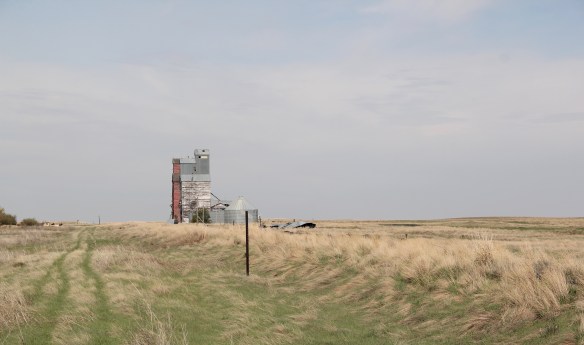

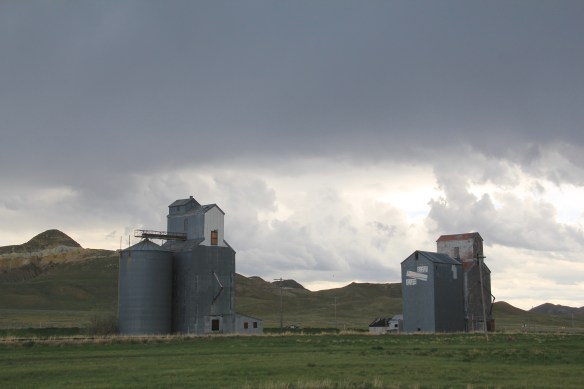


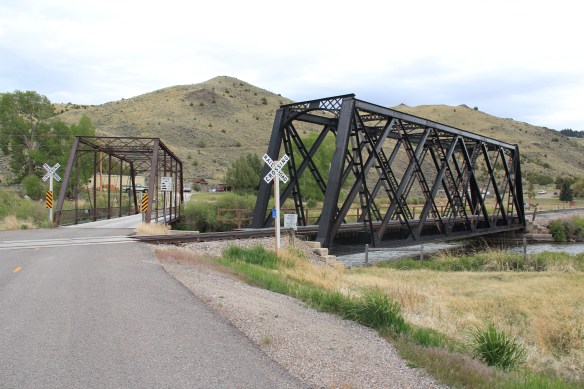 Beaverhead County Montana is huge–in its area it is bigger than the states of Rhode Island and Delaware combined, and is roughly the size of Connecticut. Within these vast boundaries in the southwest corner of Montana, less than 10,000 people live, as counted in the 2010 census. As this blog has previously documented, in a land of such vastness, transportation means a lot–and federal highways and the railroad are crucial corridors to understand the settlement history of Beaverhead County.
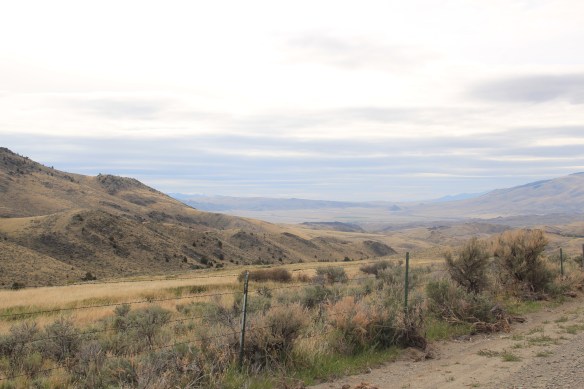
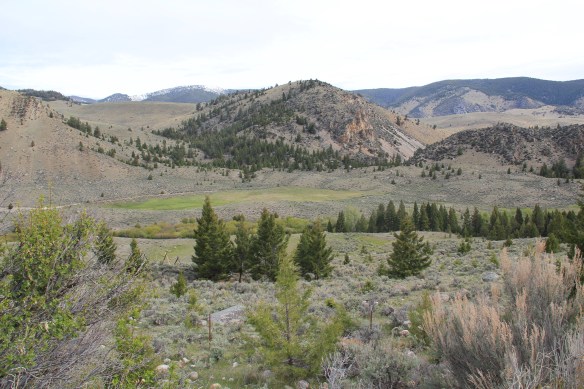
 This post takes another look at the roads less traveled in Beaverhead County, such as Blacktail Creek Road in the county’s southern end. The road leads back into lakes and spectacular scenery framed by the Rocky Mountains.
 But along the road you find historic buildings left behind as remnants of ranches now lost, or combined into even larger spreads in the hopes of making it all pay some day.

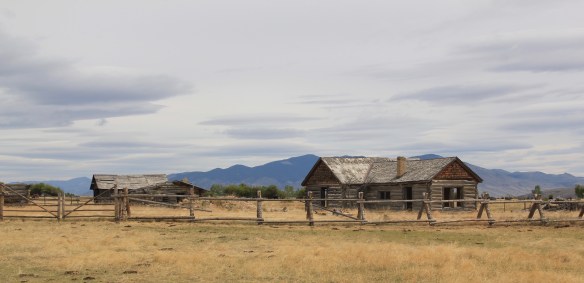
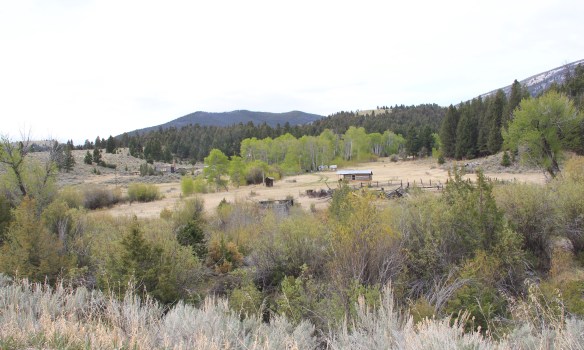 Birch Creek Road was shaped by the efforts of the Civilian Conservation Corps in the 1930s as the Corps carried out multiple projects in the national forest. This road has a logical destination–the historic Birch Creek C.C.C. Camp, which has been listed in the National Register of Historic Places. The University of Montana Western uses the property for outdoor education and as a conference center that is certainly away from everything.




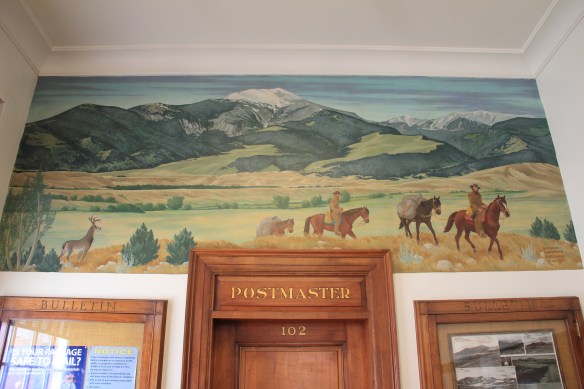
 which once hung in the Richland County Courthouse in Sidney (and now displayed at the Mondak Heritage Center in Sidney) and the numerous murals that graced new post offices and federal buildings across Montana, the one below from Dillon demonstrates
 that the arts program of the 1930s stretched across Montana, from Sidney to Dillon.
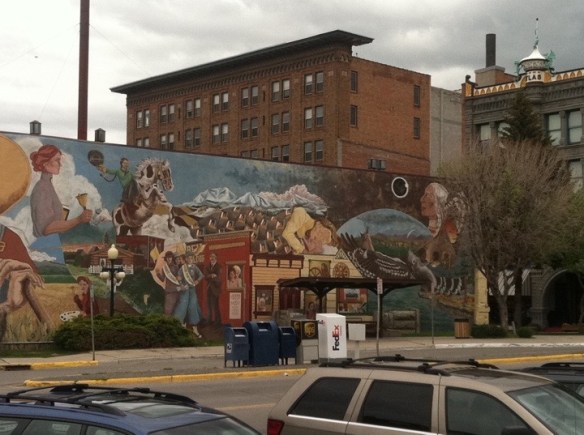 When I lived in Helena in the first half of the 1980s, of course I noticed murals, such as one above on the state’s important women’s history on Last Chance Gulch, which itself had various installations of interpretive sculpture to tell the story of a place that had been so “renewed” as to lose all meaning.
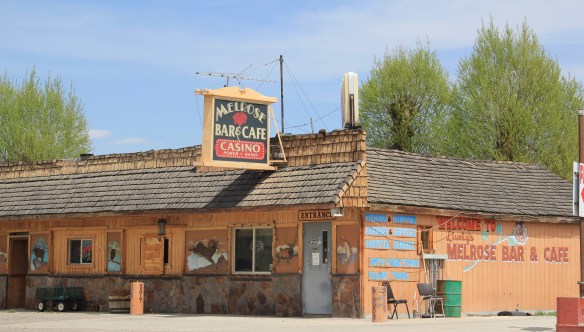


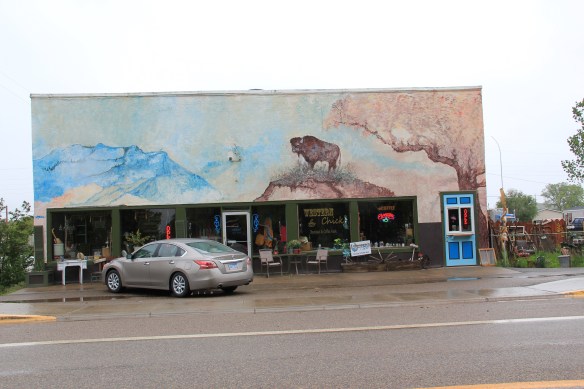
 Another northwestern Montana town–the gateway town of Eureka on U.S. Highway 89. uses a mural to set the scene of a quiet, peaceful place no matter the season: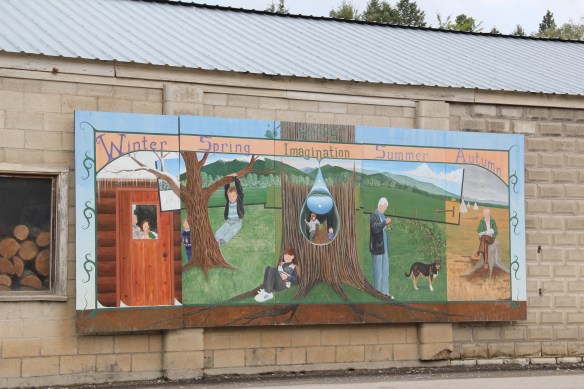

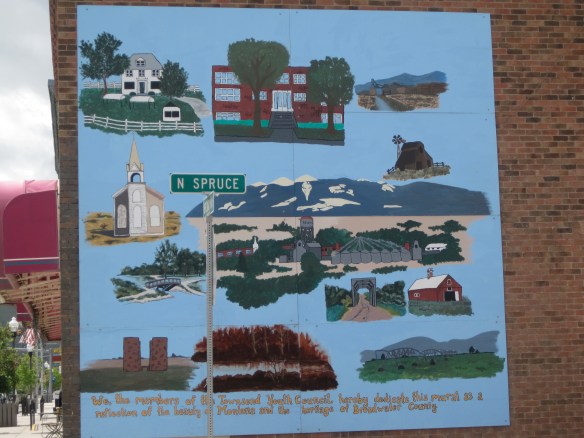

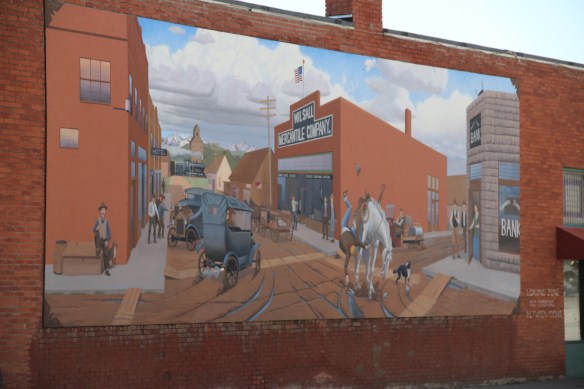




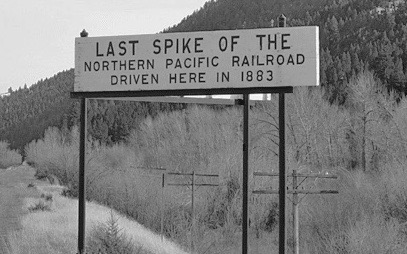

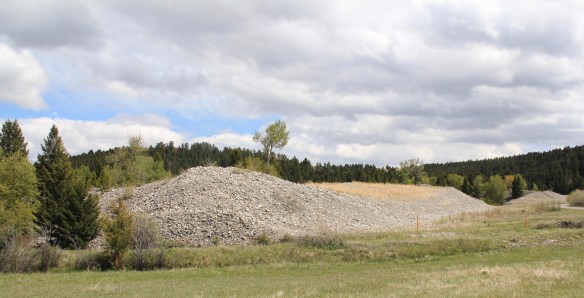
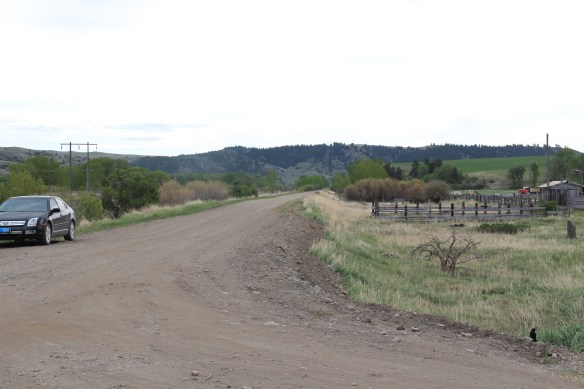
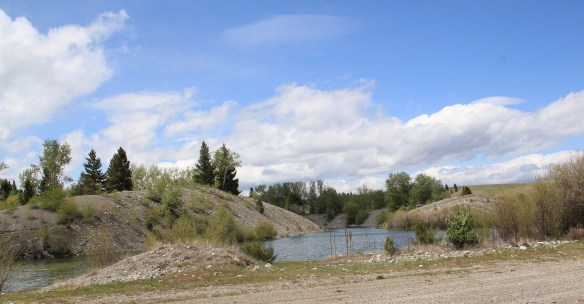 Ranchers had taken bits of older buildings from Pioneer and incorporated them into later structures between the mining district and Gold Creek. Pioneer as a ghost town barely existed then and little marks its past except for the scars of mining.
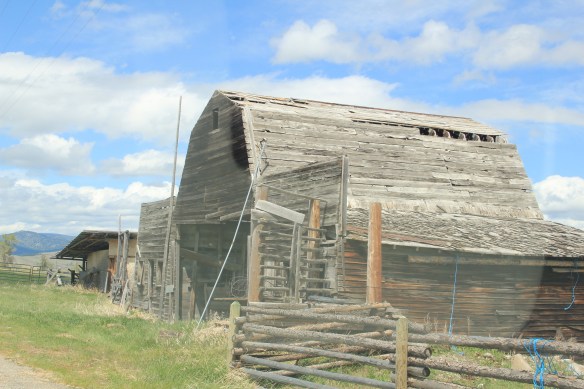


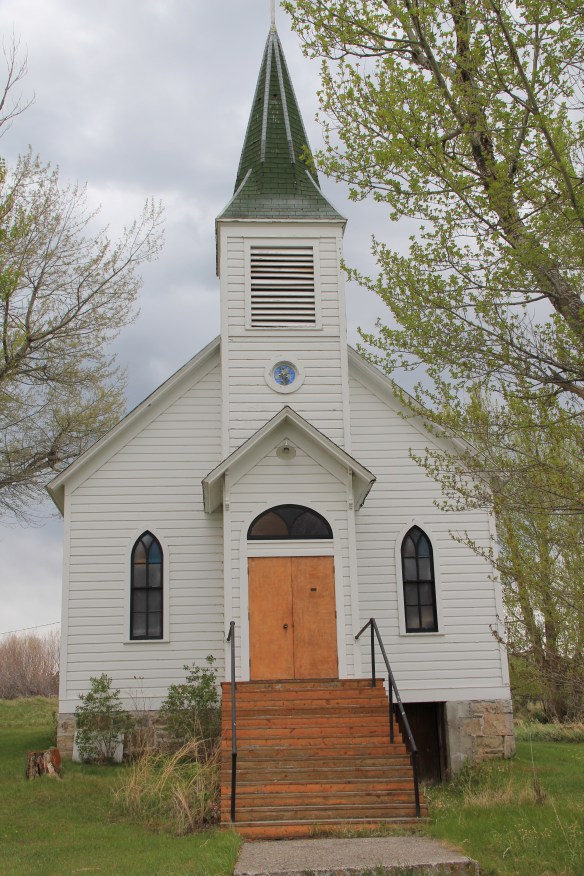 But the most important community institution (yes, the Dinner Bell Restaurant out on the interstate exit is important but it is a new business) is the Gold Creek School, a rather remarkable building in that residents took two standard homestead era one-room schools and connected them by way of a low roof “hyphen” between the front doors.
 Adaptation and survival–the story of many buildings at Gold Creek and Pioneer. Historical markers are scarce there but the history in the landscape can still be read and explored.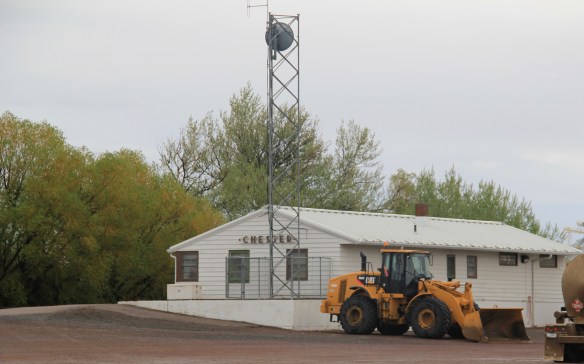


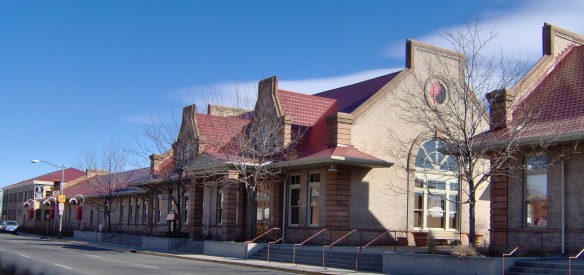 deteriorating in the mid-1980s but a determined effort to save the building and use it as an anchor for the Montana Avenue historic district has proven to be a great success in the 21st century.
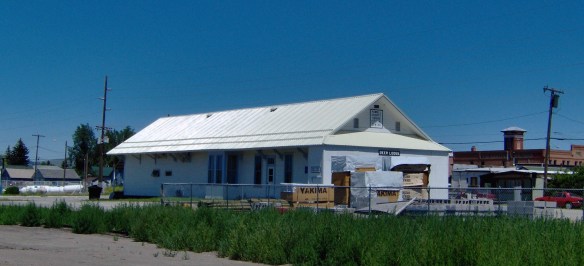
 Milwaukee Road depot there, since Harlowtown was such an important place in the railroad’s history as an electric line.
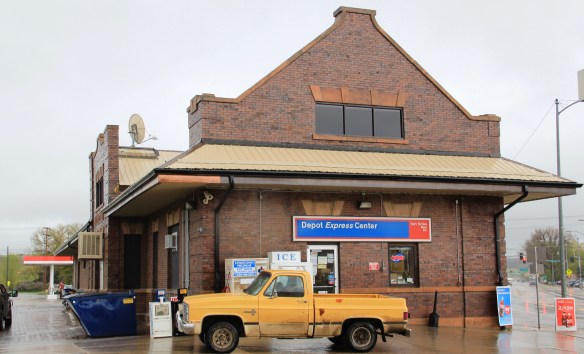






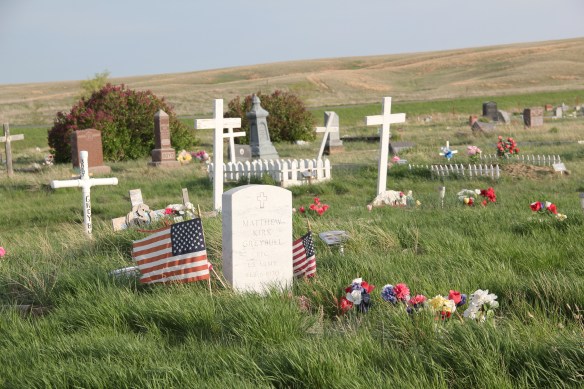 Fort Kipp Cemetery, above, is one of those place, nestled on the river bluffs overlooking the Missouri River. On a larger scale but still intimate, personal, and compelling is the city cemetery of Red Lodge, hundreds of miles away. Here surrounded by the mountains







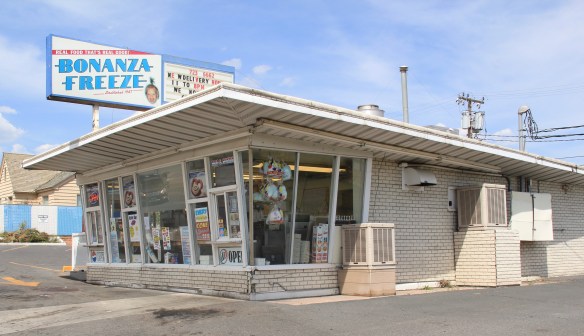


 The Main Drive-In in Conrad is located on the historic federal hi way (U.S. 91) and still draws in customers despite competition from chains and the diversion of most traffic to Interstate Highway I-15.
 At Scobey, Shu Mei’s Kitchen converted an earlier drive-in into a family restaurant on Montana Highway 13 in northeast Montana.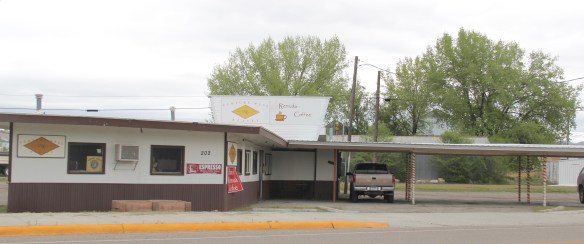
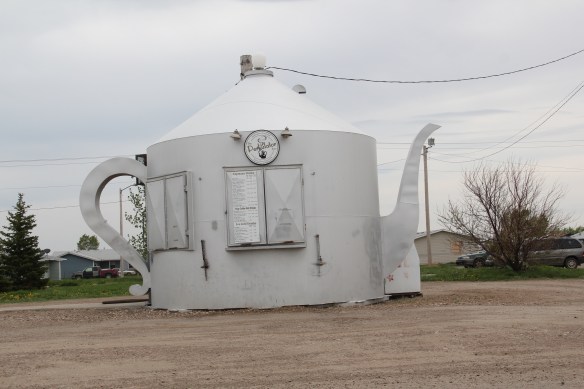

 It’s not surprising that Lewistown, in the middle of the state faraway from the interstate system, has several still operating roadside establishments from the mid-20th century, such as the Wagon Wheel Drive-In (above–and being a southerner I loved the sign that bragged “we have MT Dew”) and the Dash Inn (below), which opened in 1952.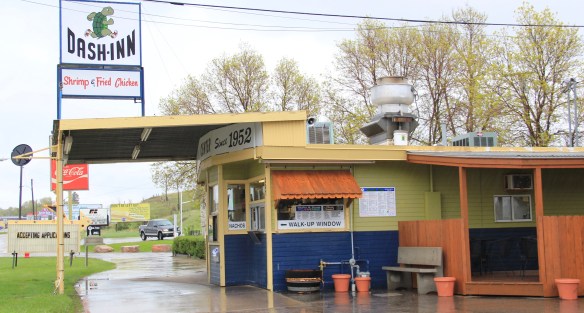


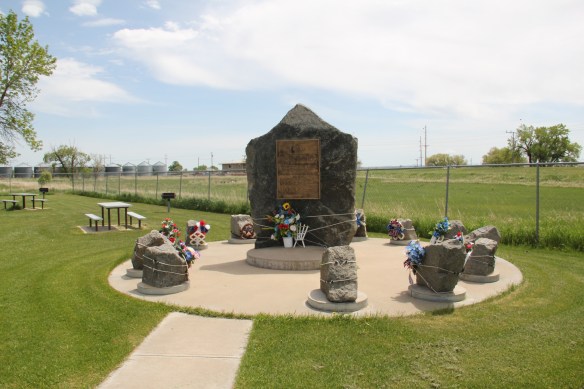
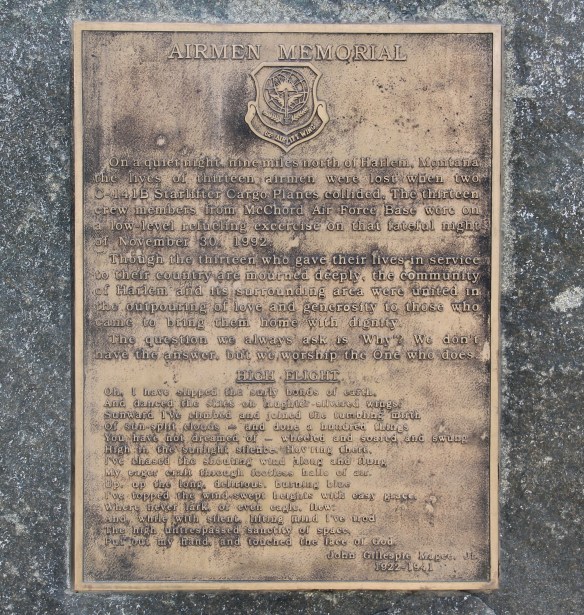
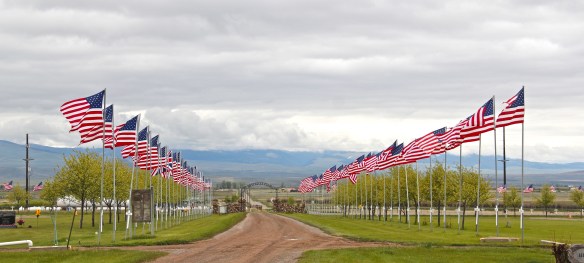 On this Memorial Day 2017 it is appropriate to celebrate the many memorials created by Montanans to recognize and commemorate the citizen soldiers who have served the armed forces of the United States. I am not adding much commentary because the memorials, both large and small, speak powerfully for themselves, and reflect the best of our values as a nation.
 Another compelling new memorial, at least it was installed after my historic preservation plan survey of 1984-1985, are these granite slabs, framed by the mountains, at Arlee.


 Dillon had significantly expanded its earlier veterans memorial (on the left) along the federal highway into an impressive new city park, the Southwest Montana Veterans Memorial.
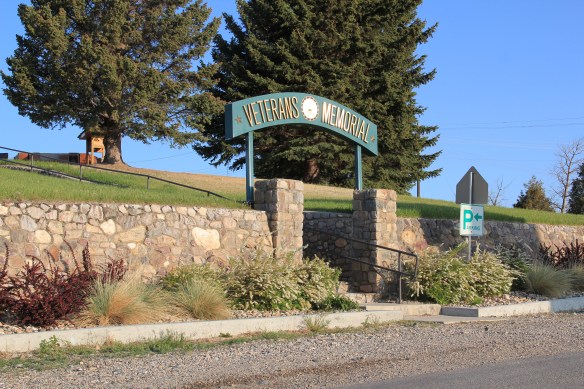 Even with the many changes in Ennis, the town has maintained its Veterans Memorial Park as a beautiful public park.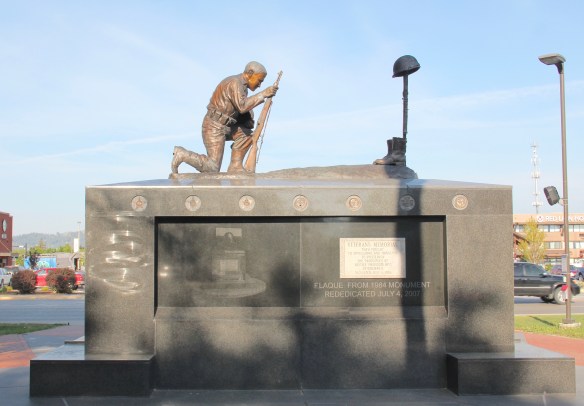


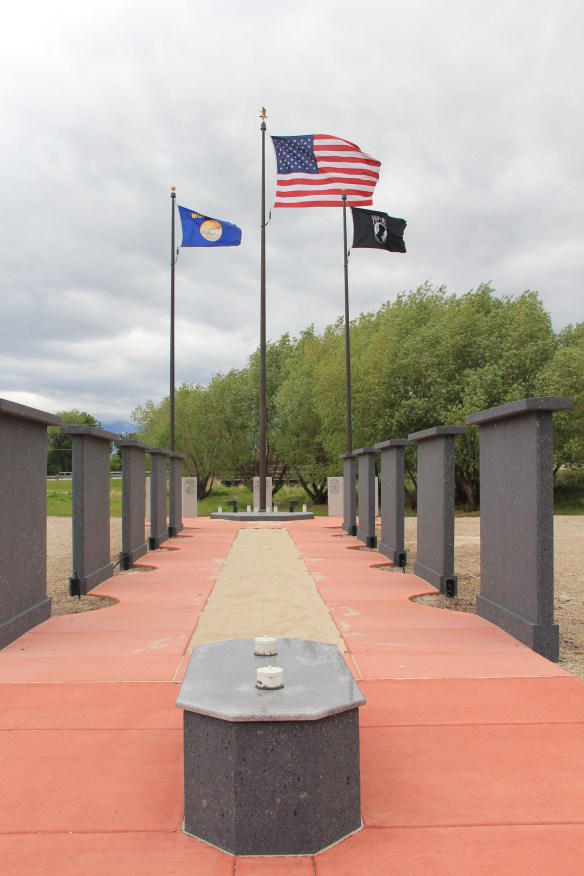 Hamilton’s veterans memorial along U.S. Highway 93 will be a landmark for generations.