In February 1984 one of my first assignments on the grand field study of Montana known as the state historic preservation plan survey was to check on the progress of the restoration and reopening of the Grand Union Hotel in Fort Benton.

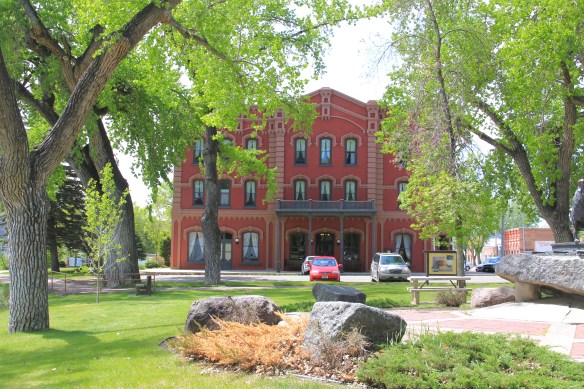 The work was still underway then, but the result after 30 years of local investment and engagement, assisted mightily by the state historic preservation office and other state groups, is impressive. The Grand Union is a riverfront anchor on one of the nation’s most important river towns in all of U.S. history.
 The success of the Grand Union is mirrored in another property I visited in my 1984 day and a half in Fort Benton: the reconstructed Fort Benton. There were bits of the adobe blockhouse and walls still standing in 1984, as they had for decades as shown in the old postcard below.
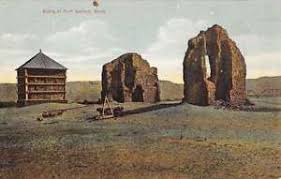
What the locally administered Museum of the Upper Missouri managed to do was to protect a vitally important site of national significance, and then through its own museum exhibits, try to convey the significance of the place to those who happened to discover it.

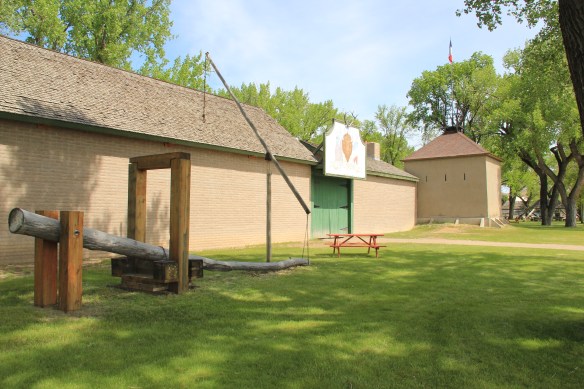
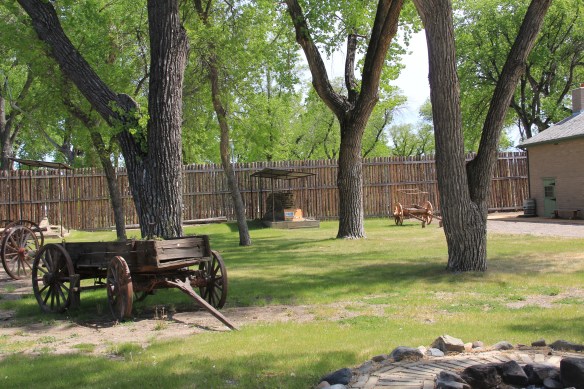
In the past 30 years, the museum and its supporters managed to continue protecting the archaeological remnants of the fort but also to rebuild the fort to its mid-19th century appearance. This reconstruction is no small feat, and naturally requires staffing, commitment, and monies to keep the buildings and exhibits in good condition.
A few steps away is another preserved historic building, the I. G. Baker House, built for one of the town’s leading merchants and traders, in weatherboard-disguised abode, in the traditional central hall plan of the mid-19th century. For decades, it has been a passive historic site, opened to the public, with rooms and collections protected by plexiglass. You already have to know much to appreciate the jewel this early bit of domestic architecture represents in understanding the building traditions of the territorial era.

These successful heritage development of the hotel, the fort, and the preservation of the I.G. Baker House, however, has not spurred a greater recognition of the significance of Fort Benton to either national audiences or even residents of the Big Sky Country. When I mention Fort Benton here in the east I typically get blank stares or a quick change of topic. But the town was the westernmost port on the Missouri River, the first interstate exit if you will into the northern plains and northwest. From Fort Benton ran trails and roads into western Canada, Washington State, and into the mines of the Rocky Mountains. The building of the Manitoba Road in the late 1980s eventually meant the town’s importance as a river port was bypassed, but from the mid-19th century into the 1880s, Fort Benton was THE place for commercial expansion, riverboat travel, economic exchange, and the deeper cultural exchanges of the fur trade, with all of those events shaping the national economy and culture. How can such a legacy become diminished? Why? Is it the central Montana location? The lack of national folklore heroes?


Fort Benton is doubly valuable because it is a town with layers, as I have discussed in earlier postings. The town, unlike many of Montana’s early settlements, was no ghost town, instead it was a town with its frontier river port layer, its territorial layer, and its homestead boom layer all competing for attention. The past lives side to side with the present in Fort Benton and thus, it has the potential to shape the future of the town, and this region, in ways that cannot be replicated elsewhere.

Now it is time to stress to our national representatives that it is time for America to cast its eyes, and its support, for the preservation and heritage enhancement of a place that tells so much of the nation’s story. Here at Fort Benton is a living historic town, a place where you can stay a bit and learn how the country has grown, changed, and together can better face our uncertain futures. The residents have made a lasting commitment–it is now time for Fort Benton to reach the national stage.
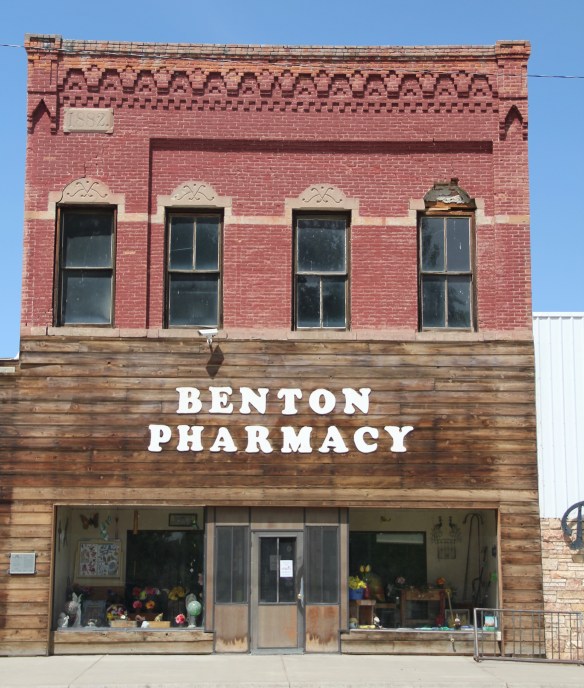
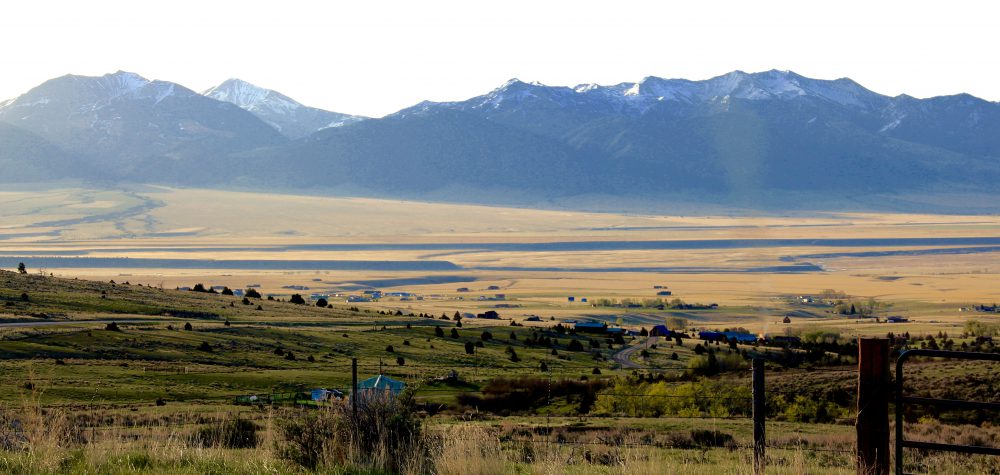
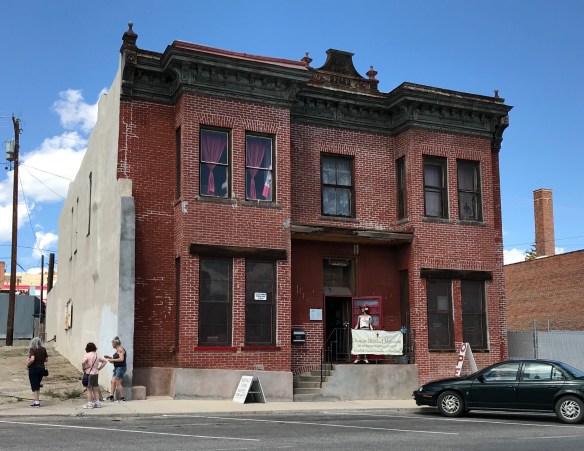

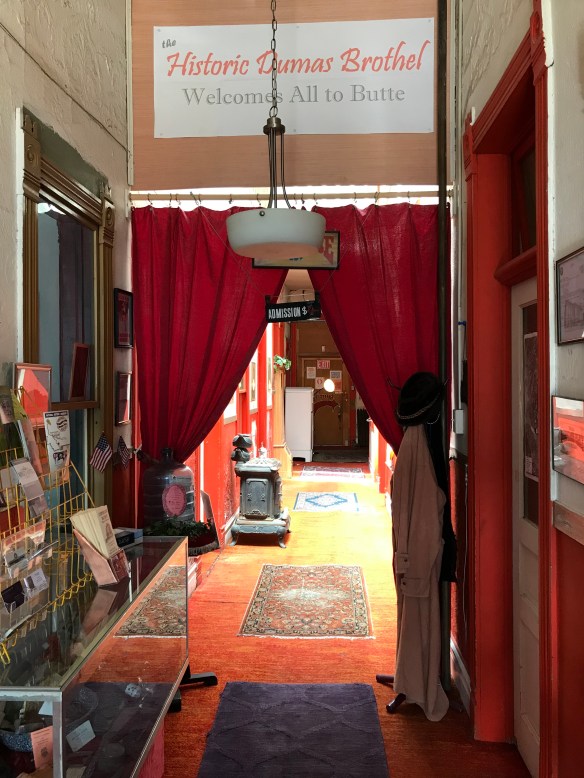









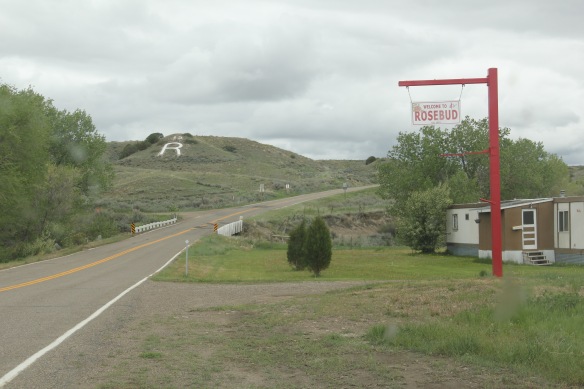 In late may I return to the Big Sky Country, my first visit in two years, when I will once again be looking for changes in the historic built environment as I speed along the state’s
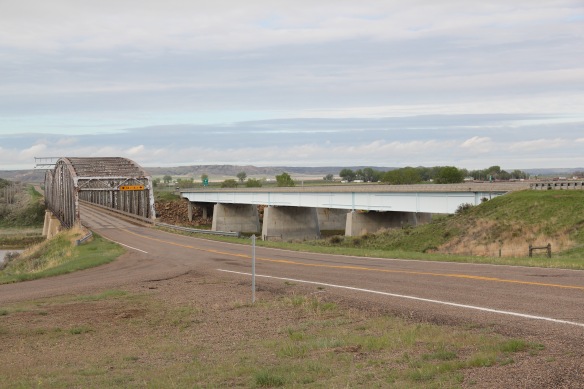 highways and backroads, crossing the bridges over the Yellowstone River, and trying my best to catch as many Burlington Northern and Santa Fe Railroad freight trains as possible, although I doubt that I will ever have such a fun moment than in 2013 when I
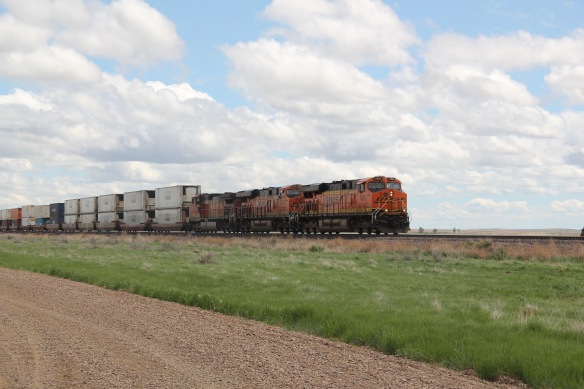 caught this freight along the original Great Northern route while I was driving on the original–still dirt and gravel–road of U.S. Highway 2 between Tampico and Vandalia.
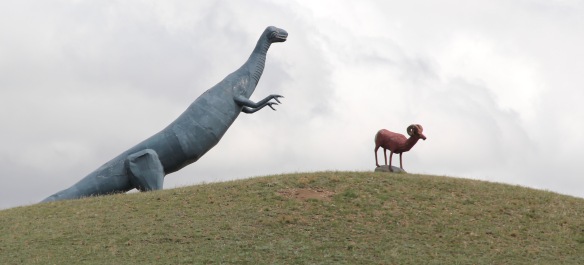 Certainly I will keep my eye out for Montana’s famed wildlife, although I don’t expect again to see a bighorn sheep outside of Glasgow, especially one being chased by a dinosaur. I will also stay on the lookout, as regular readers of this blog well know, for the beef–it is rarely a question of where’s the beef in Montana.
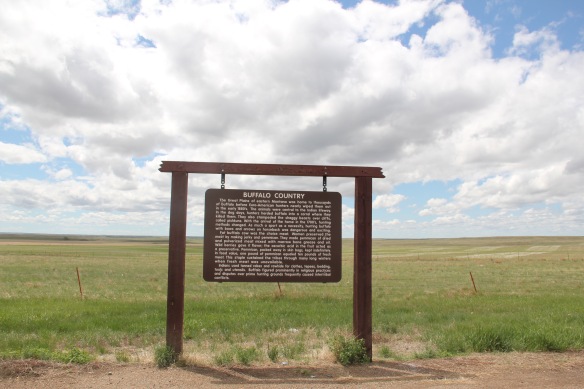
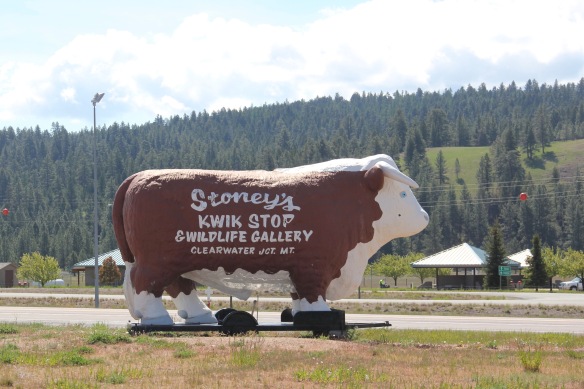 No doubt there will be both new and older historical markers to stop and read; the evolving interpretation of Montana’s roadside continues to be such a strong trend.
 And through all of the brief stay in the state–perhaps 10 days at the most–I will also stop and enjoy those local places, far removed from the chain-drives roadside culture of our
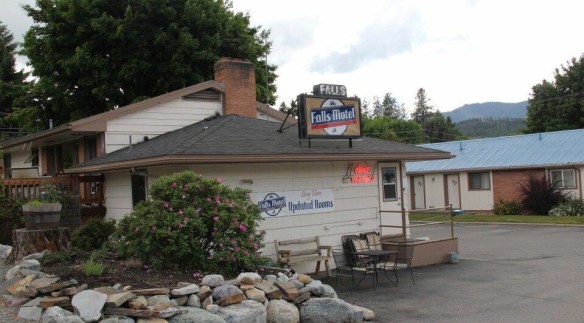
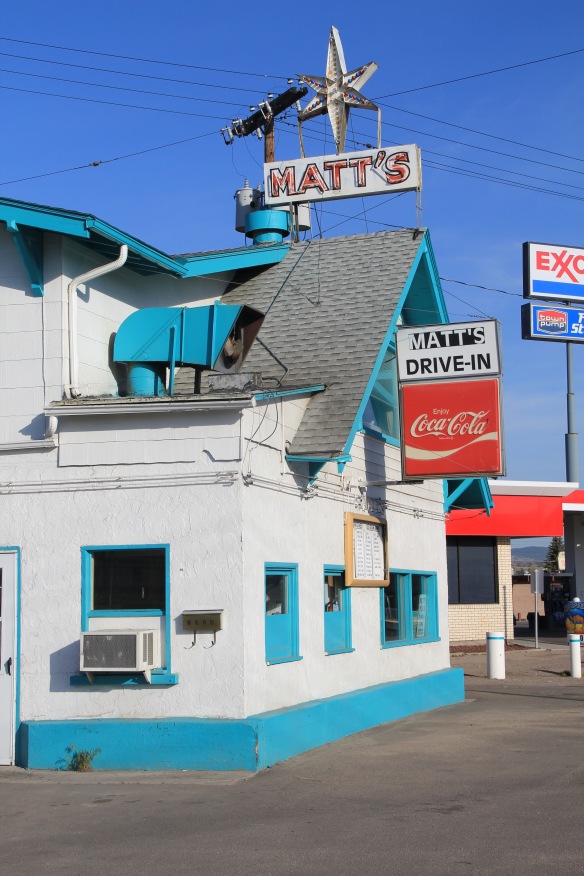 nation, where you can enjoy a great burger, rings, and shake, like Matt’s in Butte, or a good night sleep at any of the many “Mom and Pop’s” motels along the state’s highways, such as this one in Big Timber.

 Craftsman style popular in the early 20th century. It is a place where the pages of the famous Craftsman Magazine seem to come alive as you walk the tree-lined streets. But there is more to Havre’s historic districts than the homes–there are the churches, about which more needs to be said.
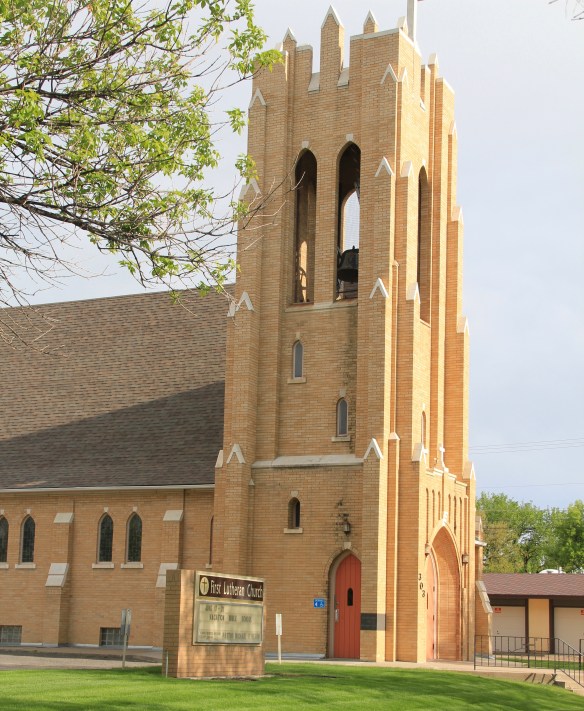 As my first two images of the First Lutheran Church show, Gothic Revival style is a major theme in the church architecture of Havre, even extending into the mid-20th century. First Lutheran Church is a congregation with roots in Havre’s boom during the homesteading era. As the congregation grew, members decided to build the present building in 1050-51, adding an educational wing by the end of the decade.
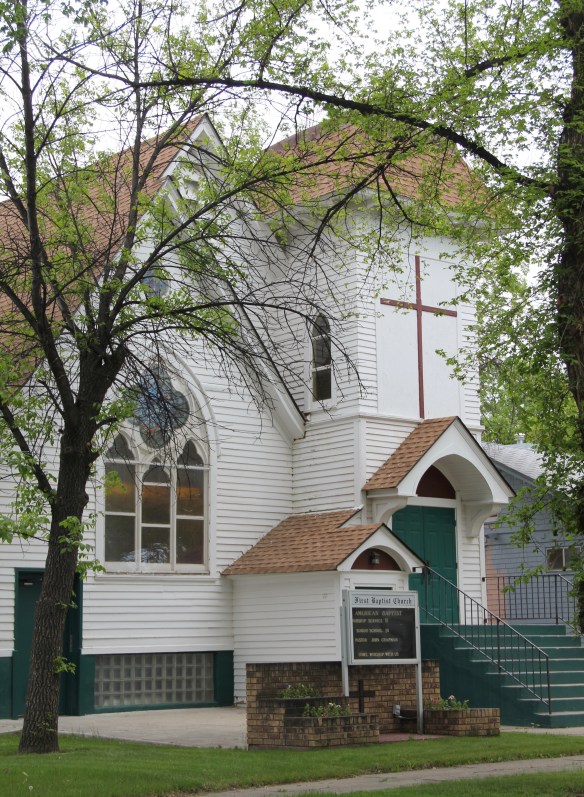 The earliest Gothic Revival styled church is First Baptist Church, constructed c. 1901, shown above. The unidentified architect combined Gothic windows into his or her own interpretation of Victorian Gothic, with its distinctive asymmetrical roof line.
 A more vernacular interpretation of Gothic style can be found in the town’s original AME Church, built c. 1916 to serve African American railroad workers and their families, and later converted and remodeled into the New Hope Apostolic Church.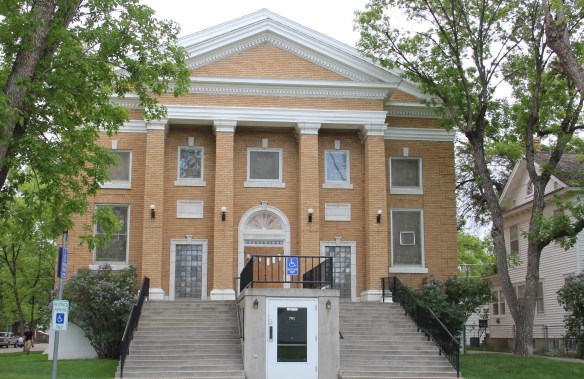
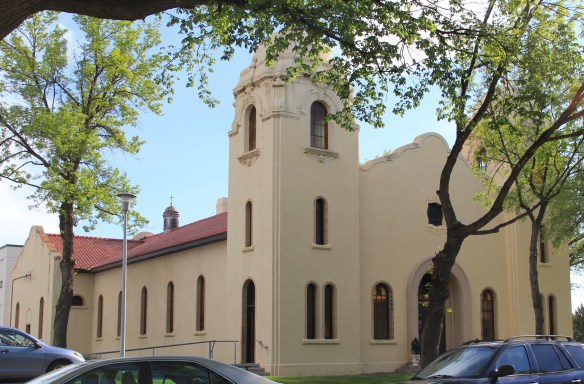
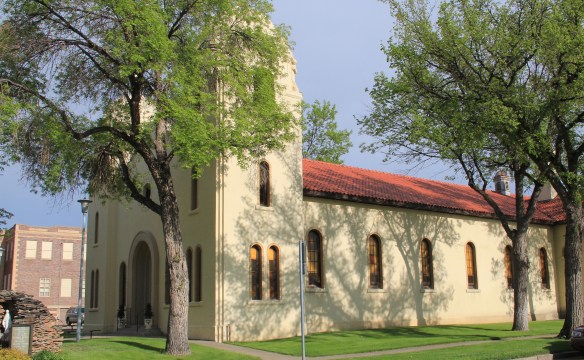 The Spanish Colonial Revival style of St. Jude’s Catholic Church, however, shows us that architect Frank F. Bossuot was more than a classicist. The church’s distinctive style sets it apart from other church buildings in Havre.
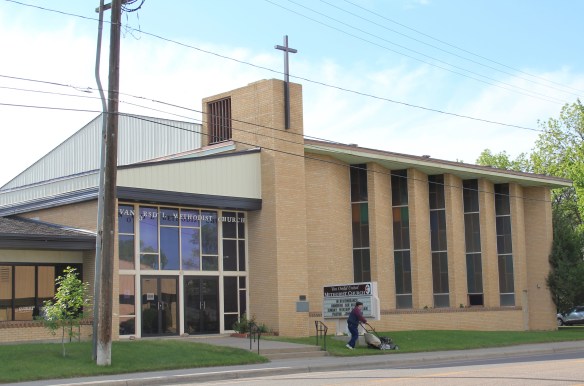 The same can be said for a church building that comes a generation later, the Van Orsdel United Methodist Church. When the Havre historic district was established, this mid-century modernist designed building was not yet 50 years old, thus it was not considered for the district. But certainly now, in 2018, the contemporary styling of the sanctuary has merit, and the church has a long history of service. It started just over one hundred years ago with a brick building named in honor of the Montana Methodist circuit rider W. W. Van Orsdel who introduced the faith to Havre in 1891. A fire in late 1957 destroyed that building, and the congregation immediately began construction on its replacement, dedicating it in 1958.


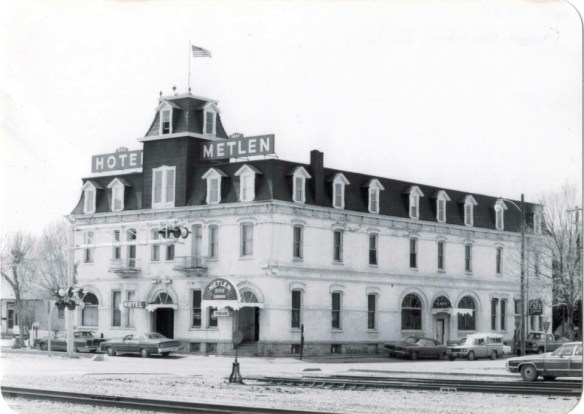
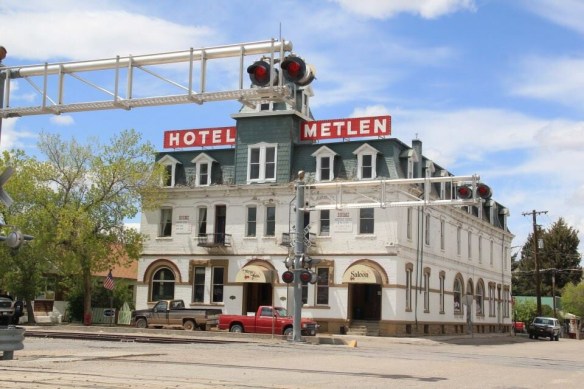
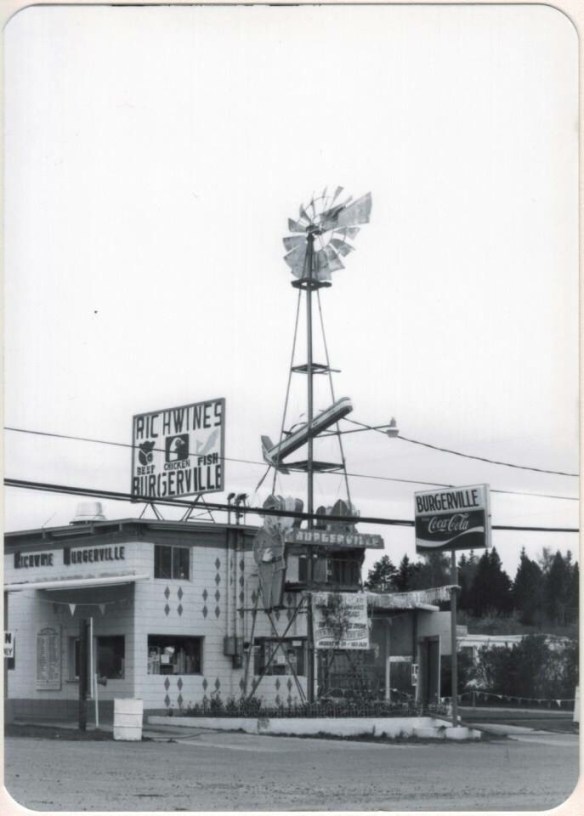

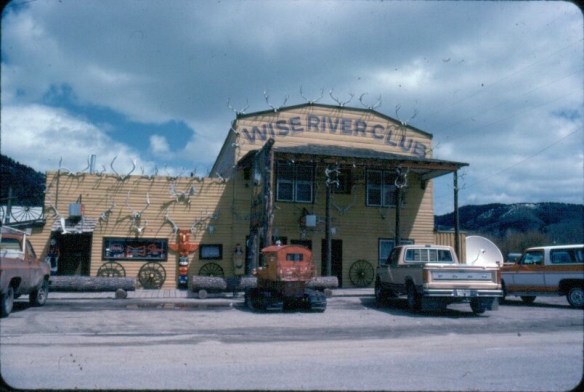
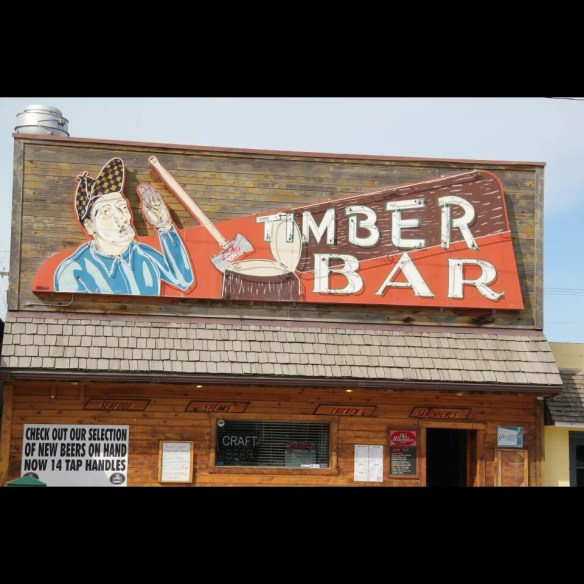 chops away and the beer is still cold. That is what you need on the road.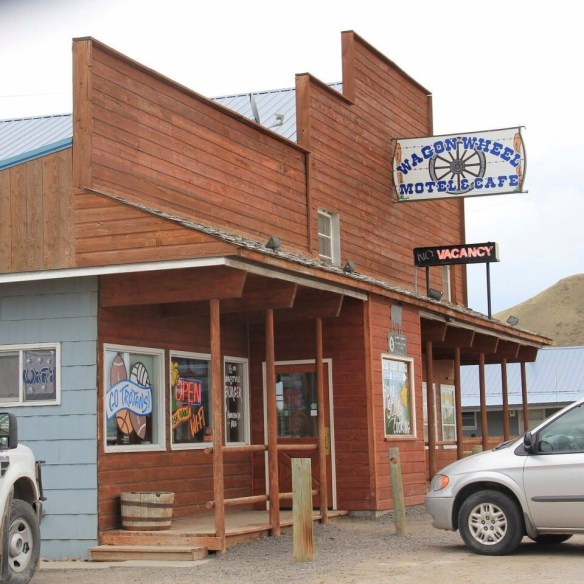
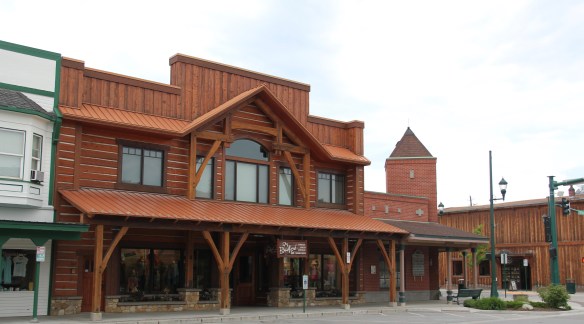
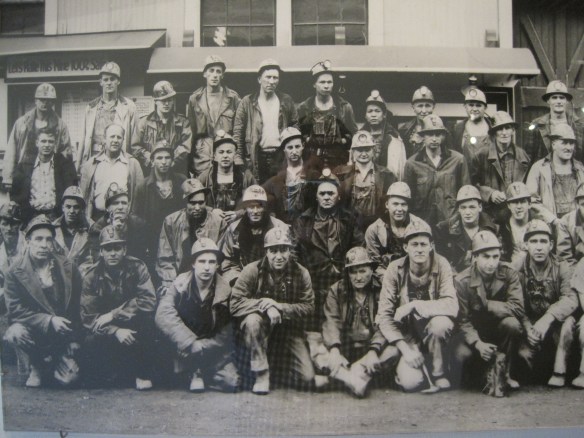
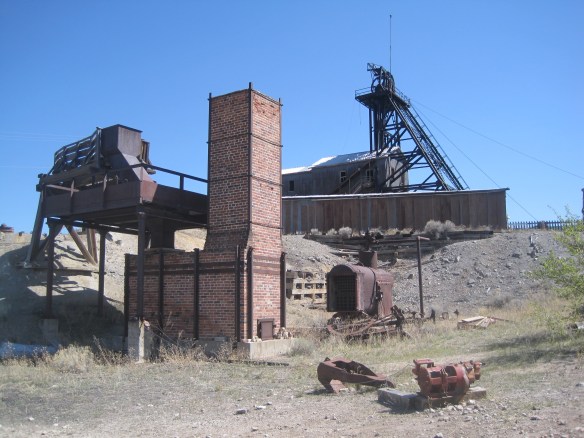


 The Hell Roaring’ Gulch part of the museum is in stark contrast to the mid-20th century engineered, technological landscape of the Orphan Girl Mine. It interprets the mining camp days of Butte from the late 1860s into the 1880s before the corporations stepped in and reshaped the totality of the copper mining industry and built environment of Butte.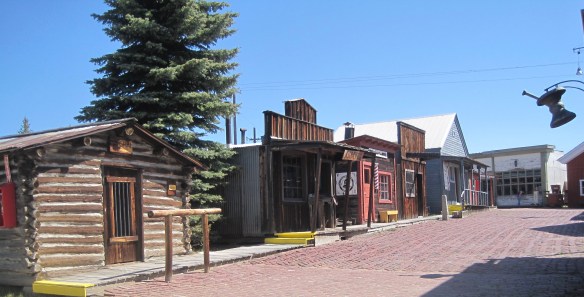


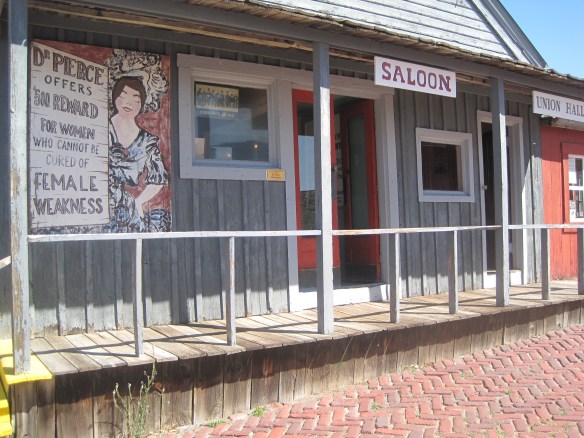
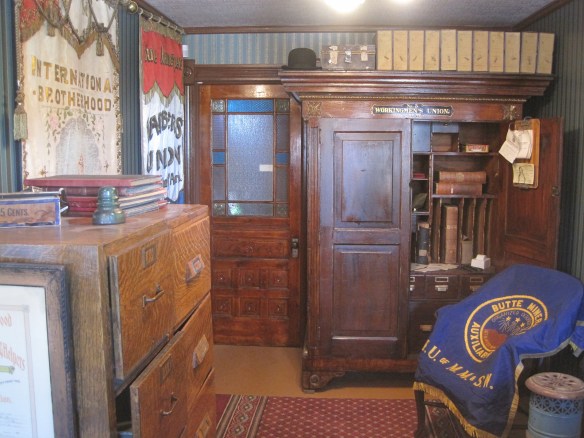 artifacts and banners shown in this photo); the store, which displays common items sought by the miners and their families; and various offices that show the business of
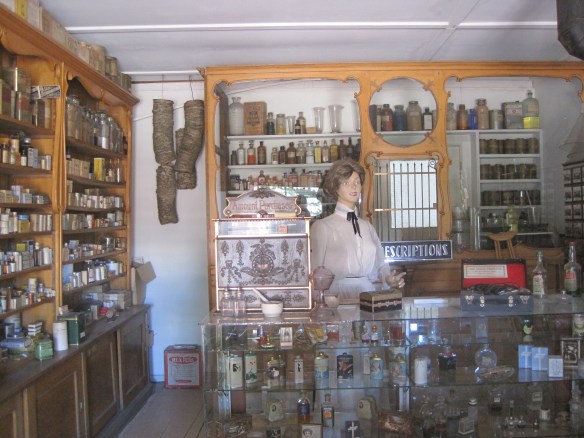 mapping the mines, registering claims, and assaying the metals .
 In my first post about the World Museum of Mining, I addressed this valuable collection of a historic mine, several historic buildings, and thousands of historic artifacts briefly. Properties like the impressive log construction of St. Patrick’s Catholic Church, shown below, are invaluable. The World Museum of Mining deserved more attention, and it deserves the attention of any serious heritage tourist to Montana.