
Billings c. 1882. All historic images courtesy of Western Heritage Center.
At the time of my field work for the Montana state historic preservation plan in 1984, I had already gotten myself deep into one Montana place–Billings, the seat of Yellowstone County, and its early history. I have to blame June Sampson, David Carroll, and Lynda Moss at the city’s Western Heritage Center for my initial immersion–they along with board members wanted a research report about both the town of Coulson, the short-lived precursor to Billings along the Yellowstone River, and the early history of Billings, the railroad town.

Billings birdseye view, detail, 1904.
Starting in 1982, I began to drive to Billings, explore the landscape, dig into archives and museums, and talk to people, which of course meant in 1982, when the city was a mere 100 years old, there were a few children of the founders still around for interviews.

At first the competition between Coulson and Billings captivated me, particularly the efforts of regional merchant Perry W. McAdow to transfer his business dominance from Coulson to the new city of Billings by placing his store on Minnesota Avenue, on the south side of the Northern Pacific Railroad, rather than on Montana Avenue, on the north side of the tracks, where development was controlled by one of the west’s leading capitalists, Frederick Billings.


Perhaps it is symbolic, or even appropriate, that McAdow’s first store on Minnesota Avenue still stands–but its best days long ago passed away, leaving it today as a junk store in 2011, or in 2015 the Big Sky Blue Gallery. While, on the other hand, a grand statue of Frederick Billings–who never lived here but did come to visit his son Parmly–stands on the north side of the tracks, and helps to mark Montana Avenue as the predominant commercial street in Billings.


No doubt, Montana Avenue, and the north side of the tracks became the public face of Billings. Not only did a range of two to three-story commercial blocks populate a long stretch of the street, here too was the grand Classical Revival styled passenger depot of the

Northern Pacific Railroad. And when U.S. Highway 10 was designated through the city in the 1920s–first known as the Yellowstone Trail–it used Montana Avenue to pass through Billings. The bright, shiny, and busy appearance of Montana Avenue in this second decade of the 21st century, however, is a fairly recent phenomenon. When I did the bulk of my research in Billings from 1982 to 1992, there was not much going on, outside of the Rex Hotel. The depot was boarded up, and falling apart.


Listing Montana Avenue as a historic district in the National Register of Historic Places in the 1990s began to change the street’s fortunes, along with the development in that same decade of the Western Heritage Center as a real cultural anchor and heritage tourism lure, and then the investments by new entrepreneurs who convinced city officials to revisit sidewalks, add plantings, and make the street more pedestrian friendly. It has been a bit amazing to see this transformation in the past decade as Montana Avenue became an “it” place–and shed its forgotten, tired past as a railroad corridor.
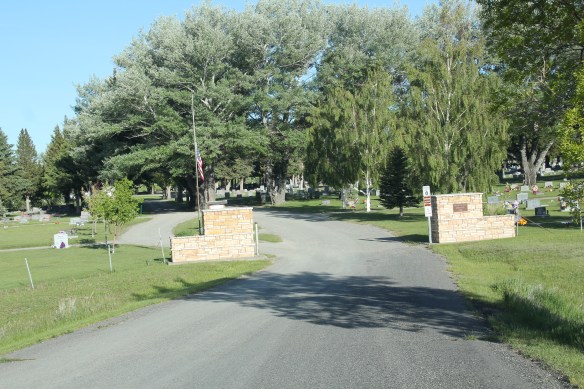 On the northwestern outskirts of Livingston is Mountain View Cemetery, another of the historic properties that certainly existed when I carried out the 1984-1985 fieldwork for the Montana state historic preservation plan, but since it was a cemetery, we as a field gave it, or any cemetery for that matter, little consideration thirty years ago.


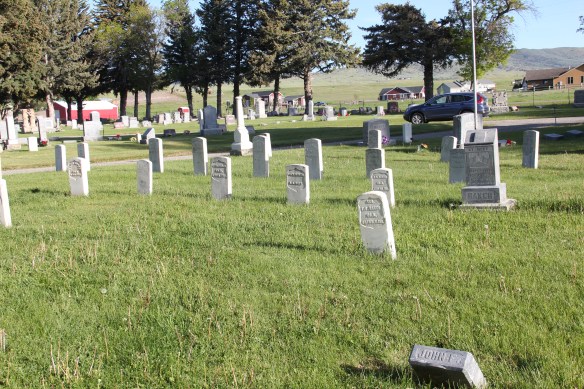


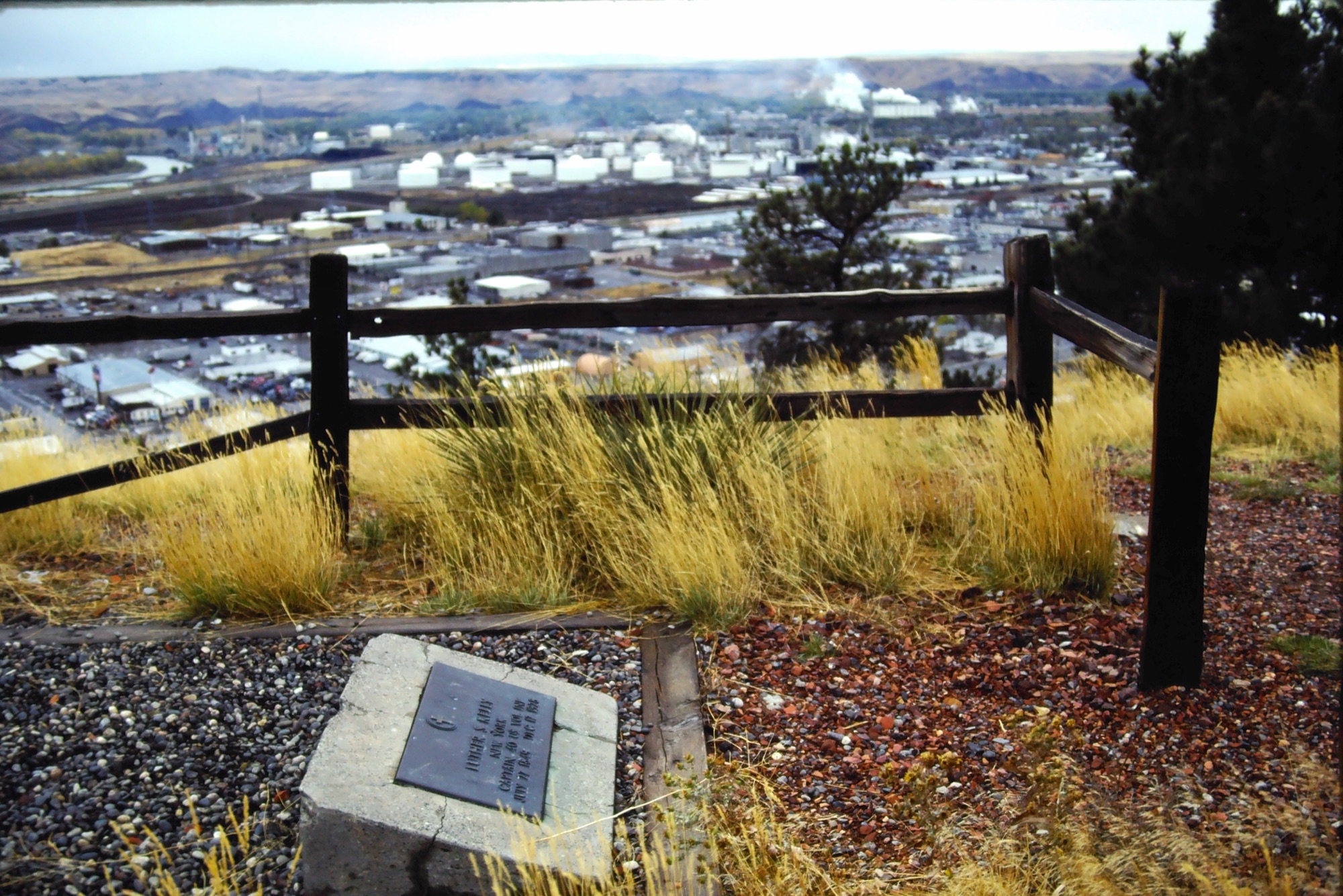


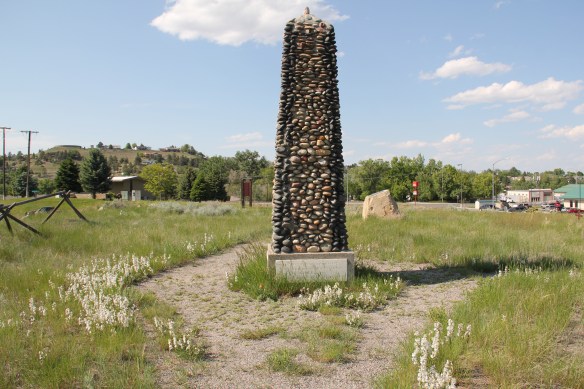
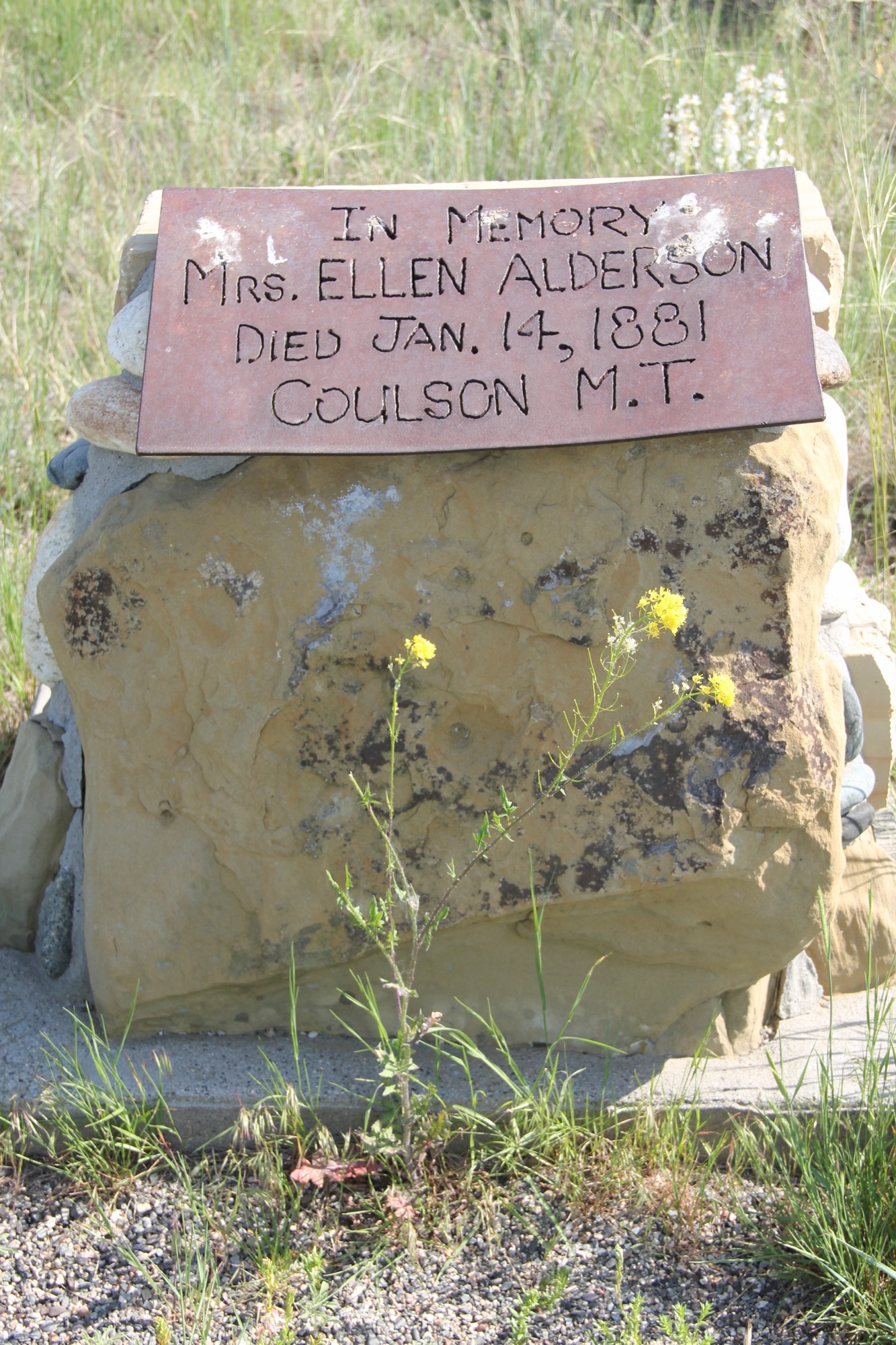
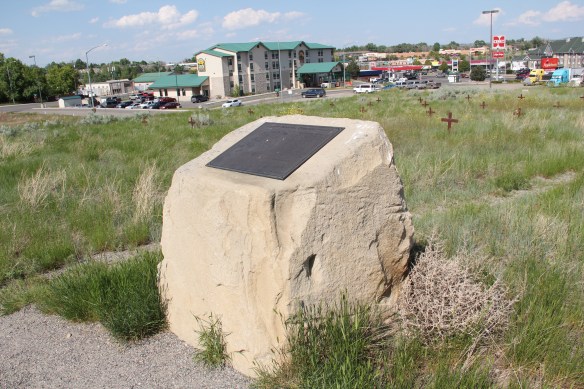
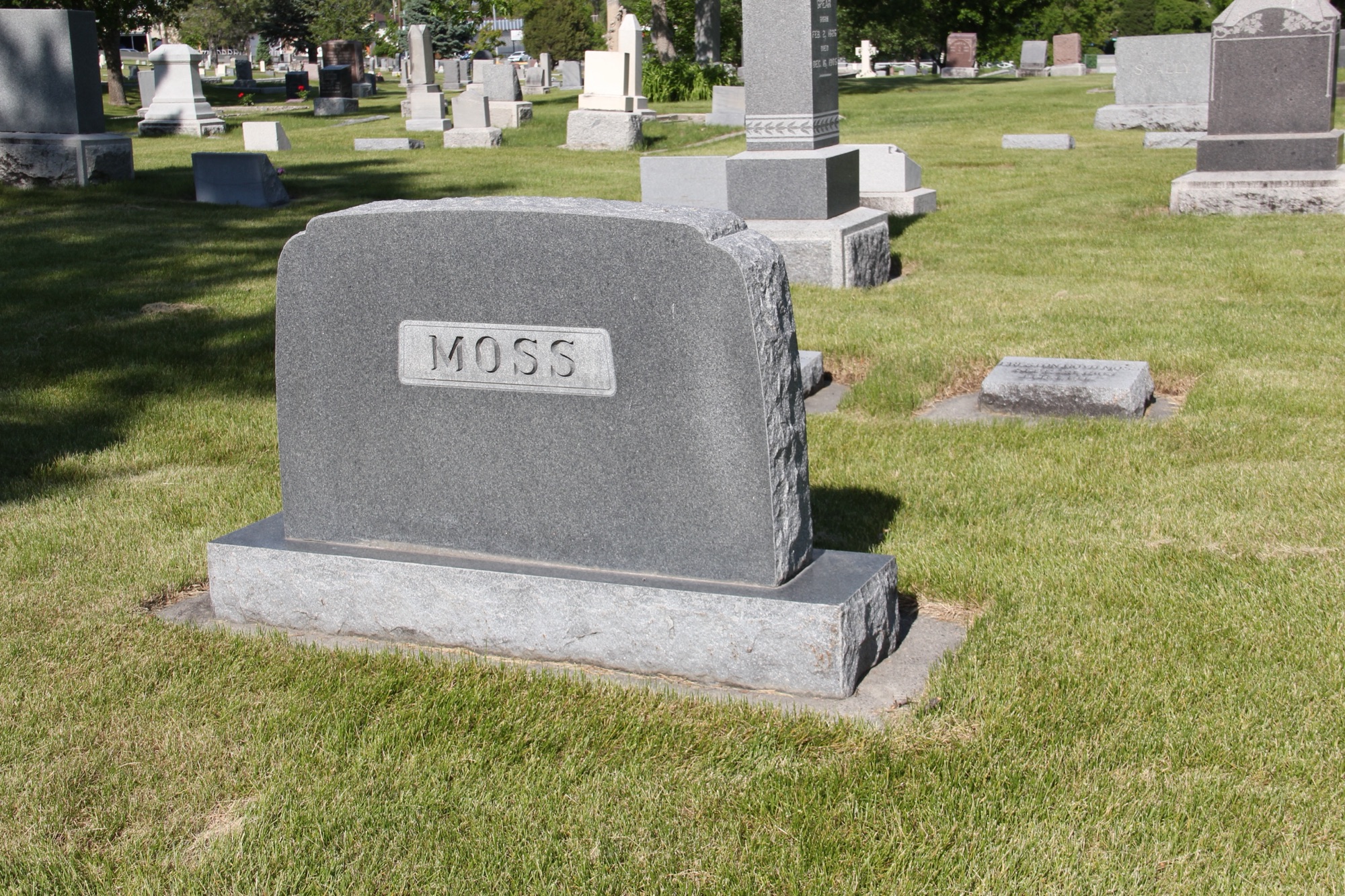
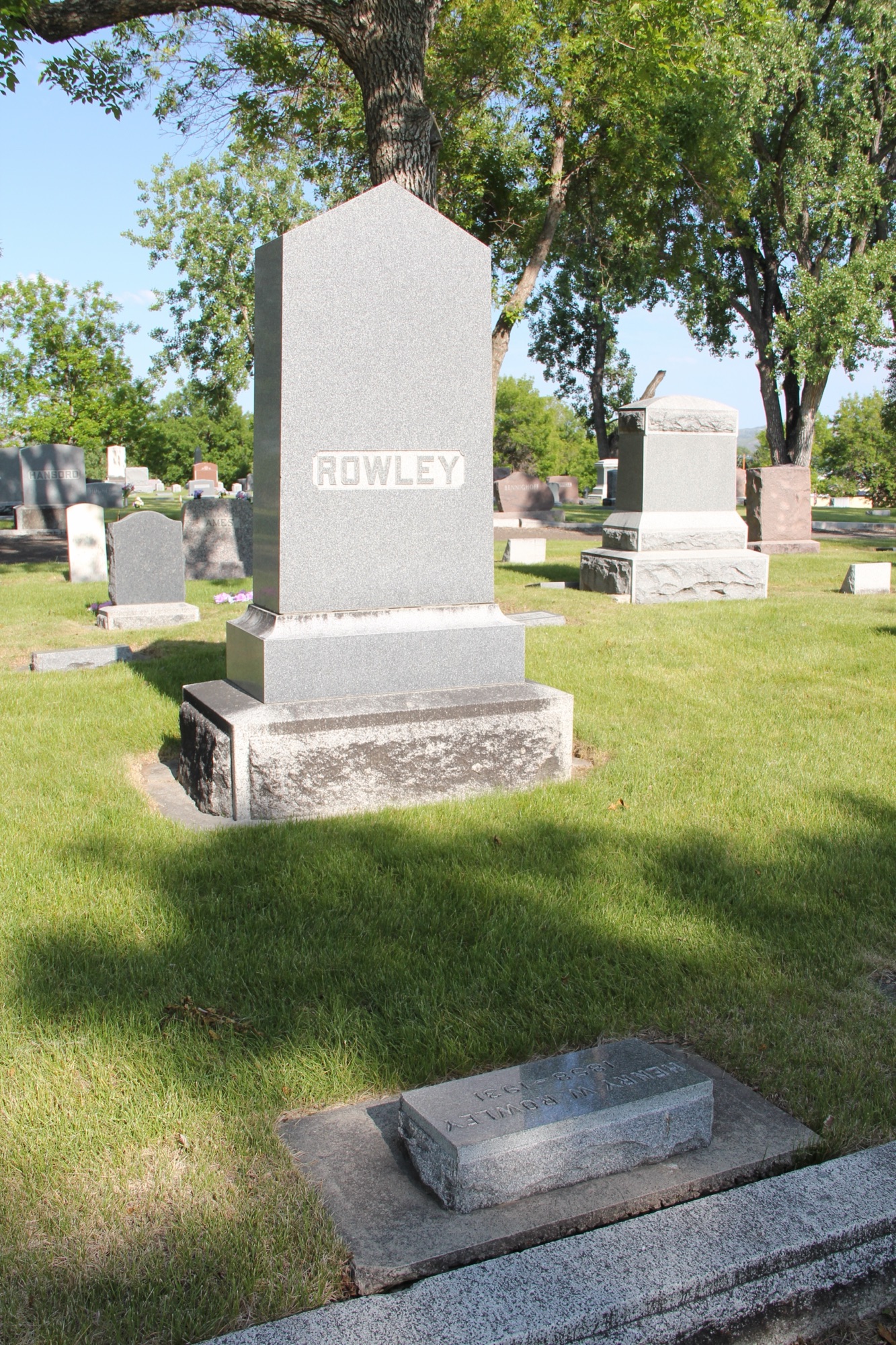

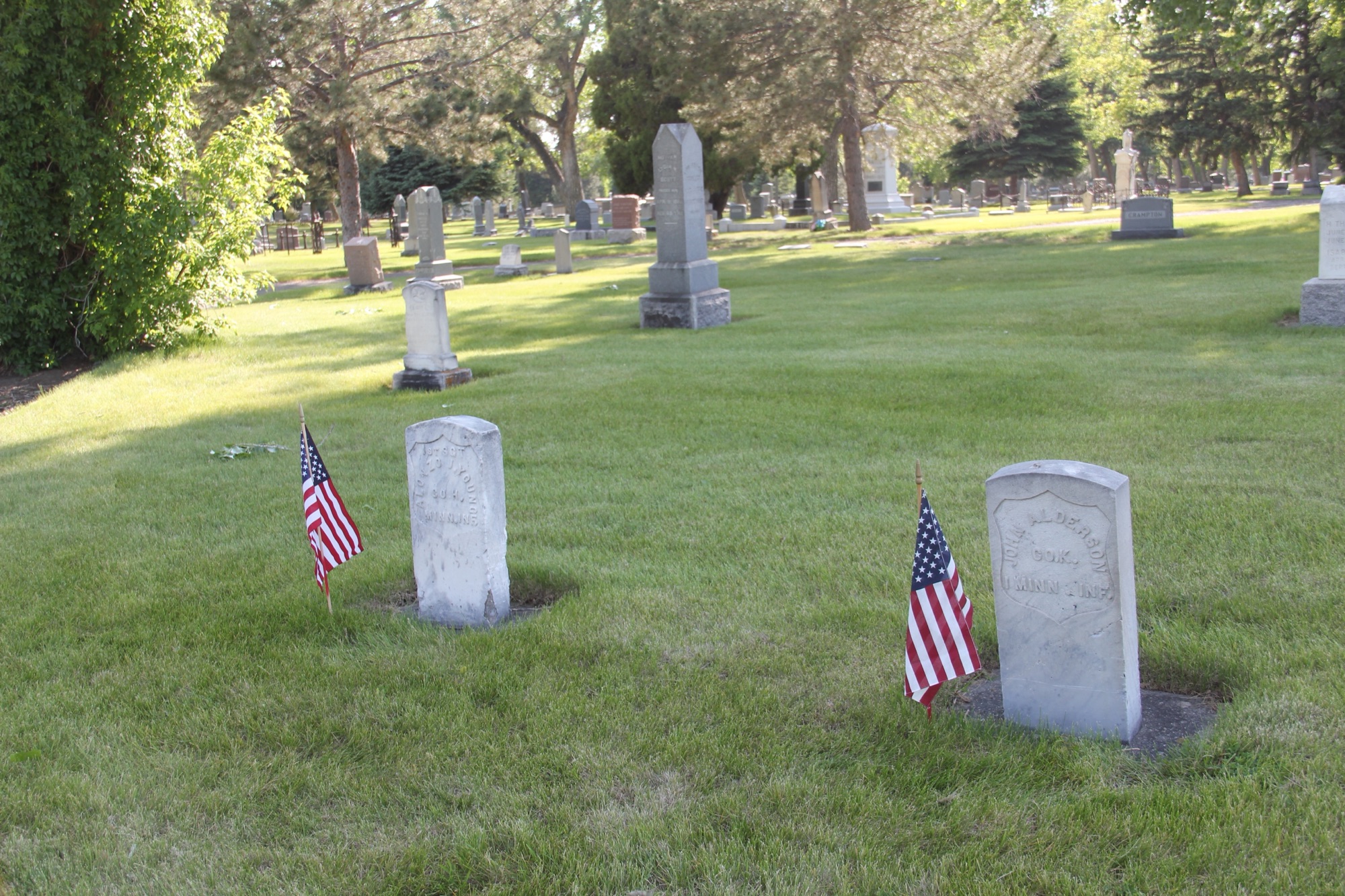
 This brief overview does not do justice to the city’s historic cemeteries. Certainly I gave Boothill consideration in the 1984-1985 and even wrote about it in both of my books on Billings history. But Mountview is a historic landscape that only now I recognize–and I hope to do more exploration in the future.
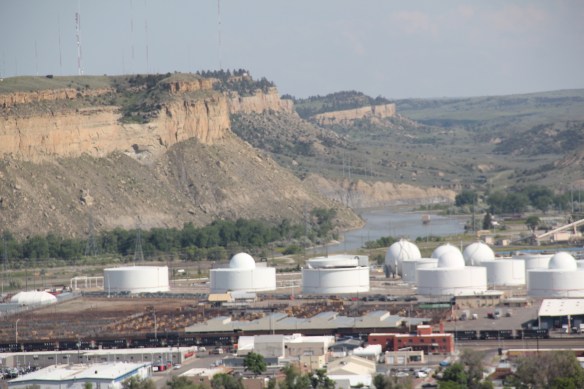
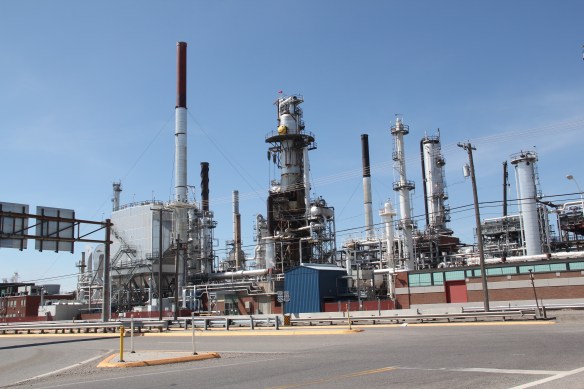
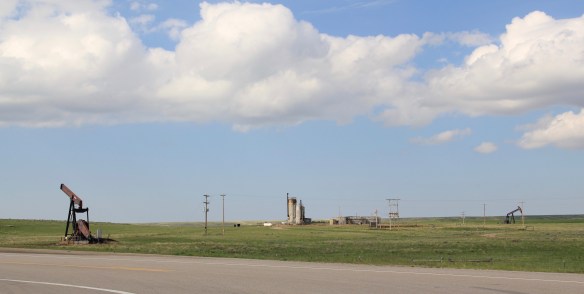
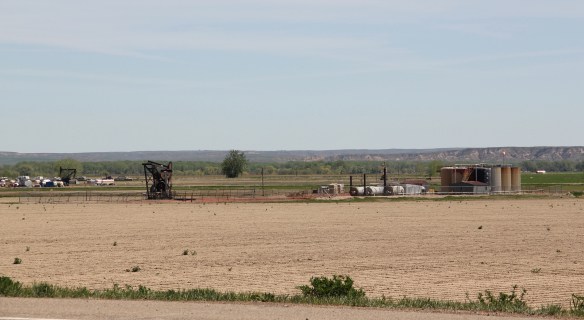
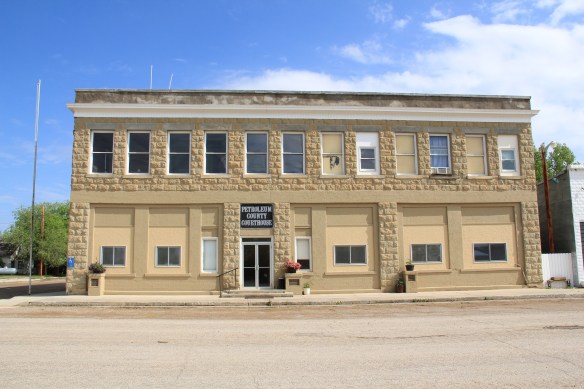
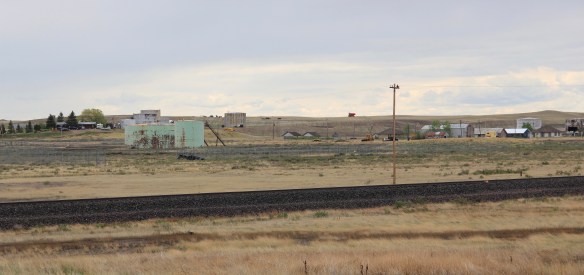
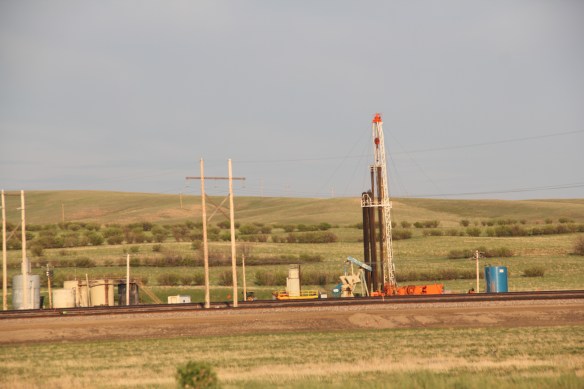
 The last post addressed Montana’s famous ranching landscape. Intermixed with the ranches, especially in the eastern third of the state, is a very different landscape of technology, one of pumps, storage facilities, pipelines, and refineries–the oil landscape of 20th and 21st century Montana.








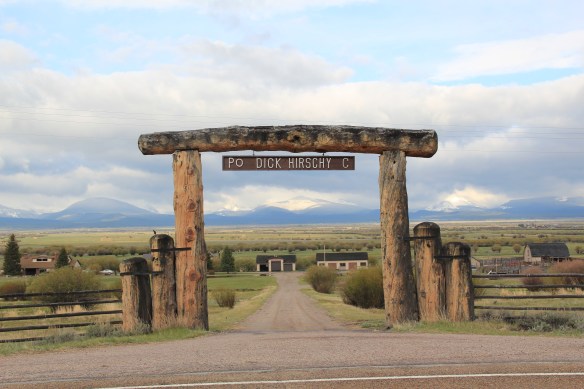 Here is a property category that could be, probably should be, a blog of its own–the ranching landscape of Big Sky Country. Historic family ranches are everywhere in the state, and being of rural roots myself, and a Tennessee Century Farm owner, the ways families have crafted their lives and livelihood out of the land and its resources is always of interest.
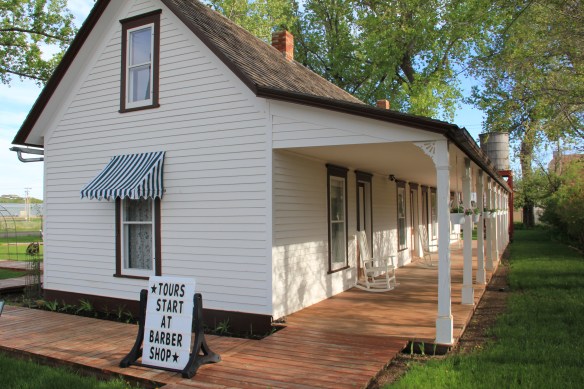 Preserving merely the ranch house, and adding other period buildings, is one thing. The massive preserved landscape of hundreds of acres of the Grant-Kohrs Ranch in the western end of Montana is a totally different experience. This National Park Service site


 The Bitter Root Stock Farm, established in 1886 by soon-to-be copper magnate Marcus Daly outside of Hamilton, came first. I can recall early site visits in 1985–that started the ball rolling but the deal wasn’t finalized for several years. All of the work was worth it.


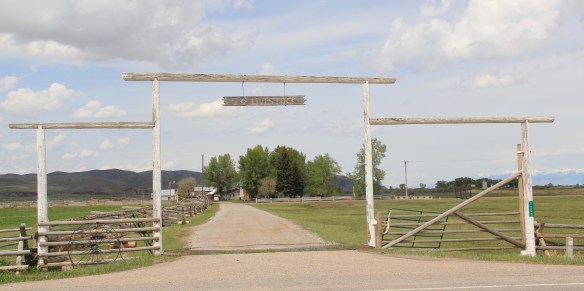


 first glance, architecturally magnificent as the properties above. But in its use of local materials–the timber, the rocks from the river bluffs–and its setting along a historic road, this ranch is far more typical of the Montana experience.


 Kremlin never grew to be much, perhaps 300 residents at its height (around 100 today), not because it never participated in the region’s agricultural boom–the decaying elevators speak to prosperity but a tornado and then drought doomed the town to being a minor player along the Great Northern main line.

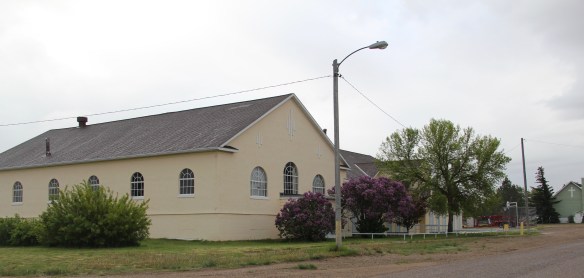

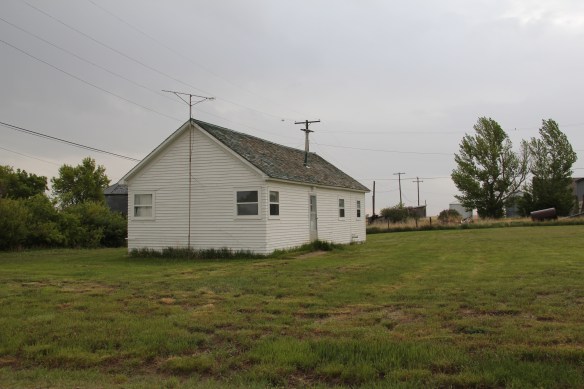


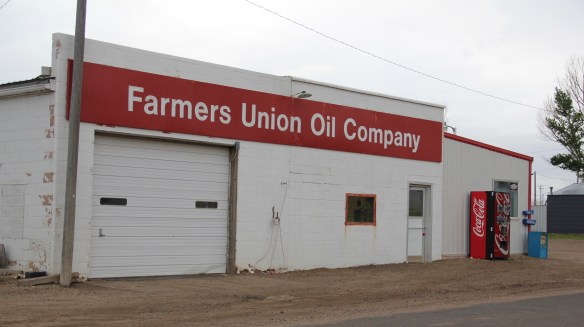
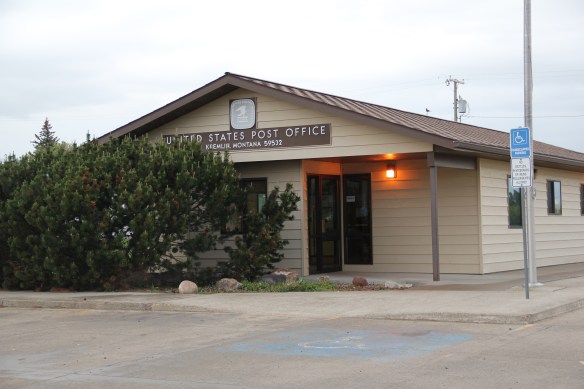
 One of my favorite weekend drives, when I lived in Helena over 30 years ago, was to head north, via the Flesher Pass (above) and Montana Highway 279, and hit the very different landscape of Montana Highway 200 (below) and eastern end of the Blackfoot Valley.
 The destination was breakfast, often at Lambkin’s, a family business that, to my delight, still operates when I visited in 2015. Lambkin’s is one of those classic small town Montana eateries, great for breakfast, and not bad for a burger and pie later in the day. The town is


 Bozeman has boomed with many new chef-driven restaurants but of the downtown establishments my favorite for good fresh, creative food remains the Co-Op Downtown nestled within the Gallatin Block, a historic building, tastefully renovated, in the downtown historic district.


 head to Miles City, which is the place to go if you wonder, still, “where’s the beef” and a city that is the proud home of the famous Montana Bar.


 within New Deal landscape that forever changed the look of this region in the 1930s. Locals and tourists mix together–because the hotel is the only place to go, unless you want to backtrack to Glasgow and check out Sam’s Supper Club on U.S. Highway 2, and its equally neat 1960s roadside look.
 The most popular Montana gateway into Yellowstone National Park is at Gardiner, in the southern tip of Park County. Here is where the Northern Pacific Railway stopped its trains, at a Rustic styled passenger station long ago demolished, and travelers passed through the gate above–designed by architect Robert Reamer–and started their journey into the park.
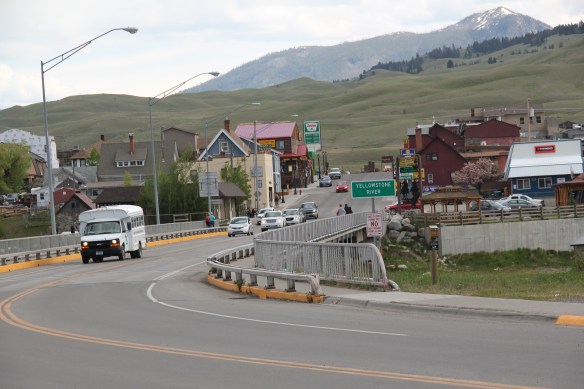 By the mid-20th century, Gardiner had become a highway town, the place in-between the beautiful drive through the Paradise Valley on U.S. Highway 89 (now a local paved road)

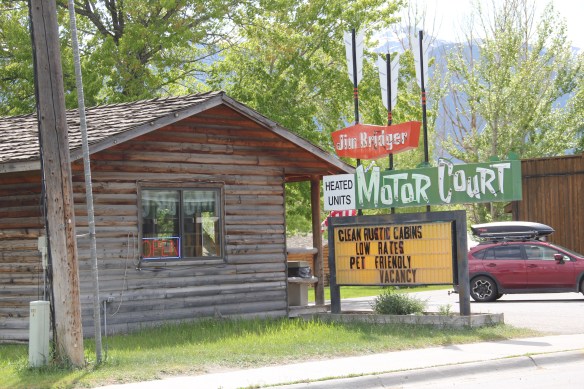
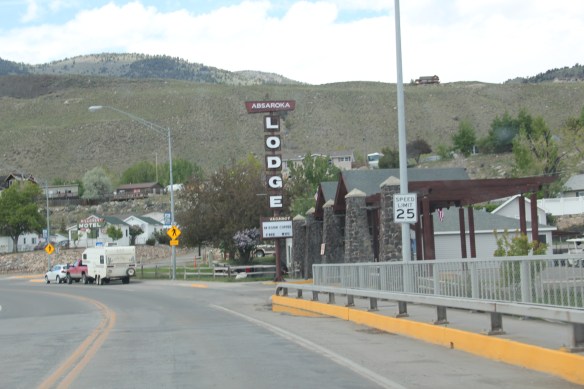
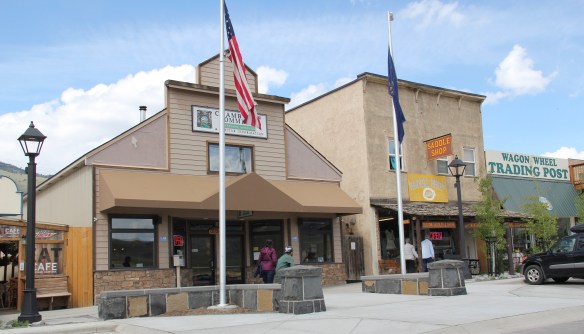


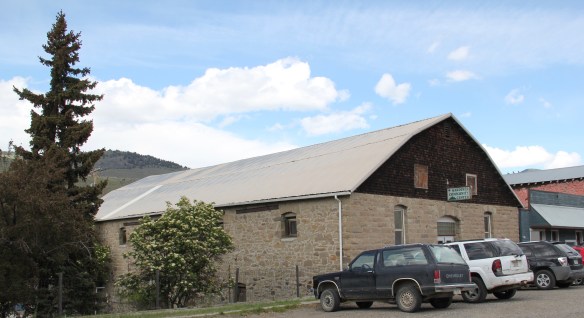


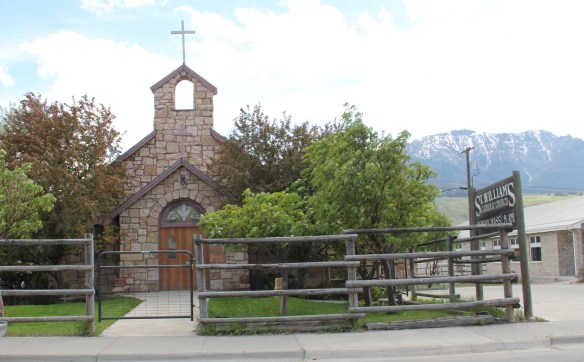


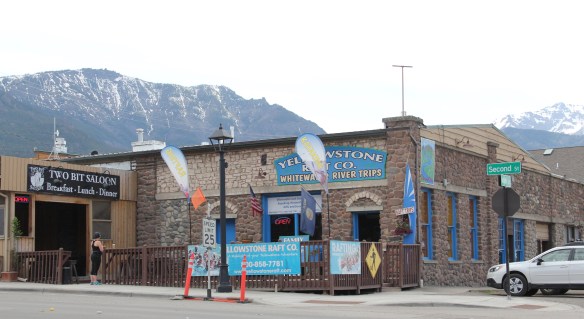 The plan to develop a new Gardiner library at the old Northern Pacific depot site at part of the Gardiner Gateway Project is particularly promising, giving the town a new community anchor but also reconnecting it to the railroad landscape it was once part of. Something indeed to look for when I next visit this Yellowstone Gateway.
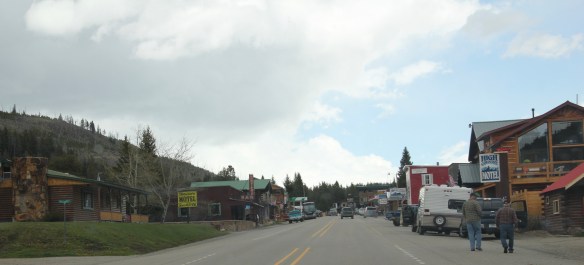 Montana’s gateways into Yellowstone National Park are known far and wide. The most popular are associated with the trains that delivered mostly easterners to the wonderland of the park–West Yellowstone for the Union Pacific line and Gardiner for the Northern Pacific Railway.
 Cooke City, located in the corner of Park County, was never a railroad town but an overland connection that did not become popular until the development of the Beartooth Highway out of Red Lodge in the 1920s.
 It is all about the Beartooth Highway (U.S. 212) here–when it opens, Cooke City booms as a tourism oasis. When the highway closes for its long winter, business doesn’t end since the road to Mammoth Hot Springs far to the west is kept open as best as it can be, but the number of visitors drops remarkably. Snow mobile traffic in the winter has meant a lot to local business in the last 30 years.

 Cooke City uses its mining past to define its identity today, from moving log mining shacks and cabins into town, as shown above, for potential new lures for tourism, to the recently established visitor center and museum, which includes some of the local mining


 Perhaps the best example is the rustic yet modern styling of the Mt Republic Chapel of Peace between Silver Gate and Cooke City on U.S. 212. It is no match for the soaring mountains that surround it but its quiet dignity reflects well the people and environment of this part of Montana.

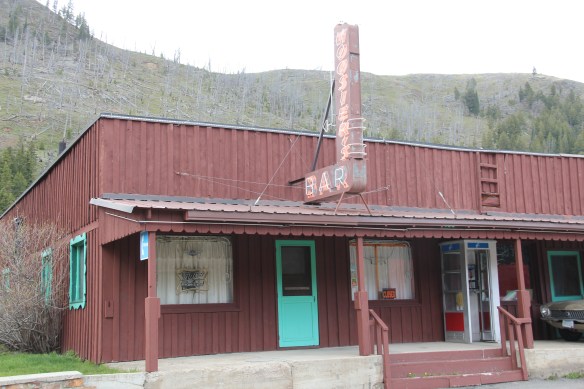 The same can be said for Hoosier’s Bar–a favorite haunt here in Cooke City for several decades, easy to find with its neon sign, and then there is the throwback telephone booth–a good idea since many cell phones search for coverage in this area. Cooke City and Silver Gate are the smallest Montana gateways into Yellowstone National Park but they tell and preserve their story well.
 Montana's Historic Landscapes