Crown Hill Cemetery in Cut Bank

Standard histories tell you that Cut Bank, the seat of Glacier County, dates to 1891. But significant numbers of permanent settlers did not arrive until the first years of the 20th century, following a major investment by the Great Northern Railroad to build a huge steel bridge and railroad offices, shops, and a roundhouse. The Fort Benton River Press on February 12, 1901, reported that “Cut Bank is rapidly assuming a metropolitan appearance.”

The initial railroad boom soon slowed until the homesteader movement brought new growth. In 1911 town officials agreed to discuss the creation of a permanent town cemetery with state officials. Between 1911 and 1914 citizens formed the Crown Hill Cemetery Association and the first documented burials in the local newspaper took place in 1914.
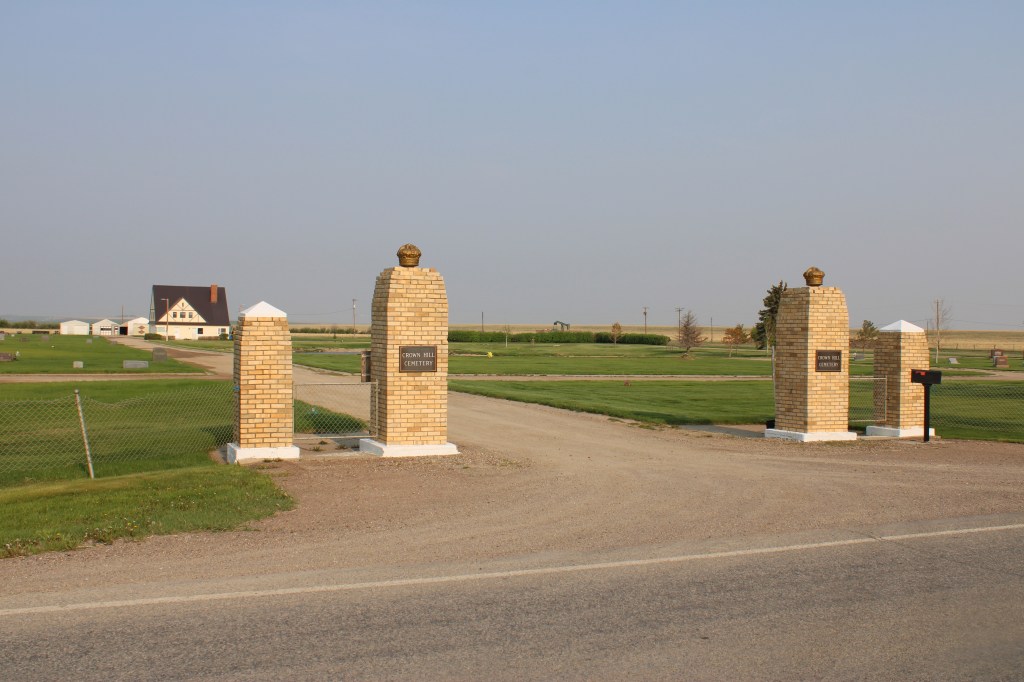
Entrance to Crown Hill Cemetery

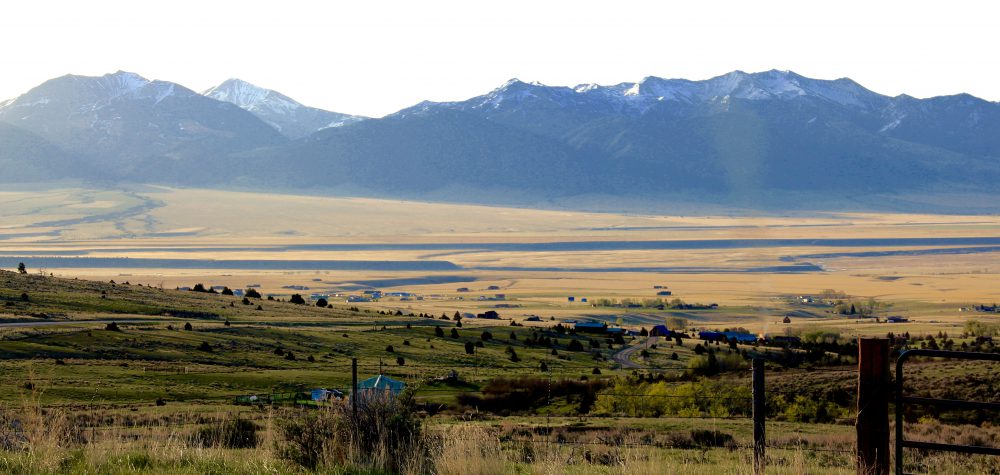
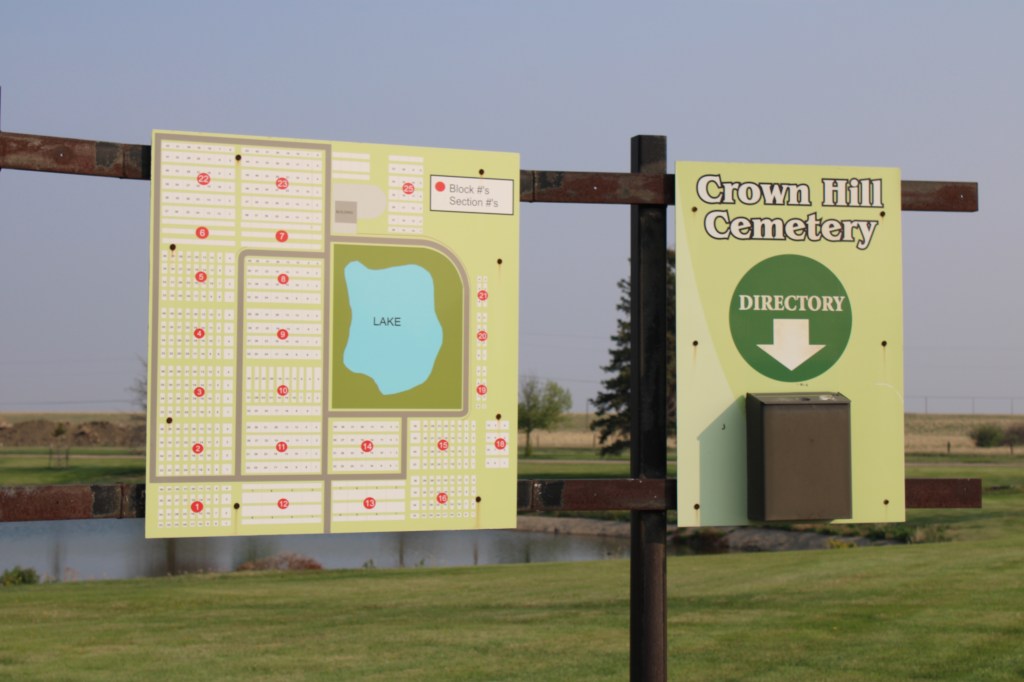
Located north of town the cemetery is on a slight rise and has an impressive view of Cut Bank to the South. A small lake is the focus of the cemetery plan.

See the grain elevators to the south.

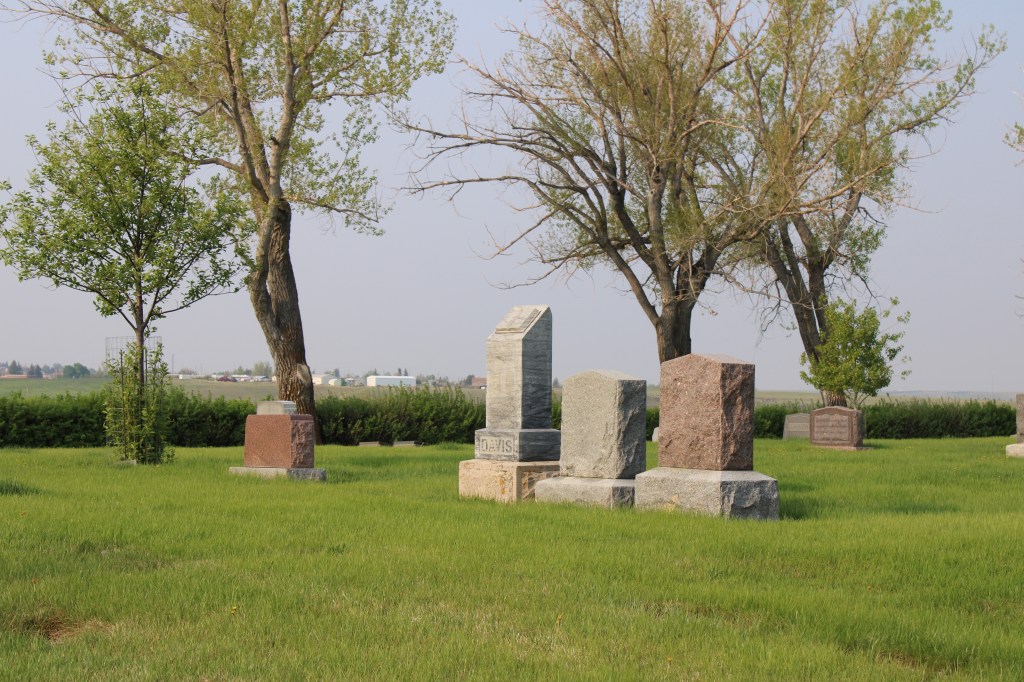
Otherwise the cemetery contains long rows in a rectangular manner and there are few huge grave markers, instead many dignified and subtly designed markers cover the grounds.
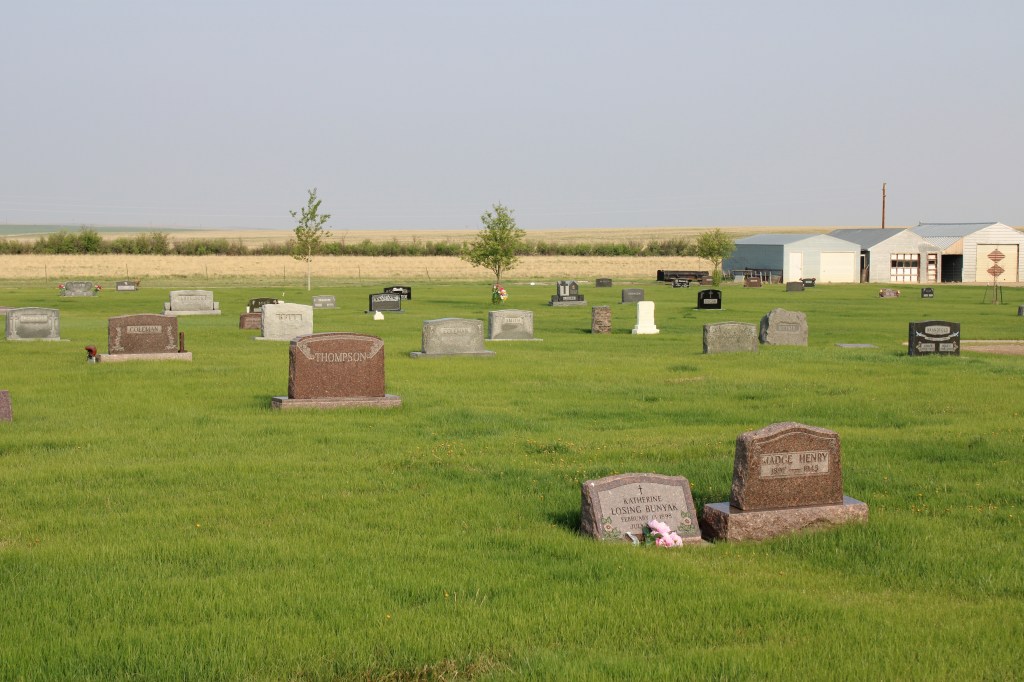
There are several interesting markers and many note a fraternal lodge association.

The Thomas marker is one of the oldest.
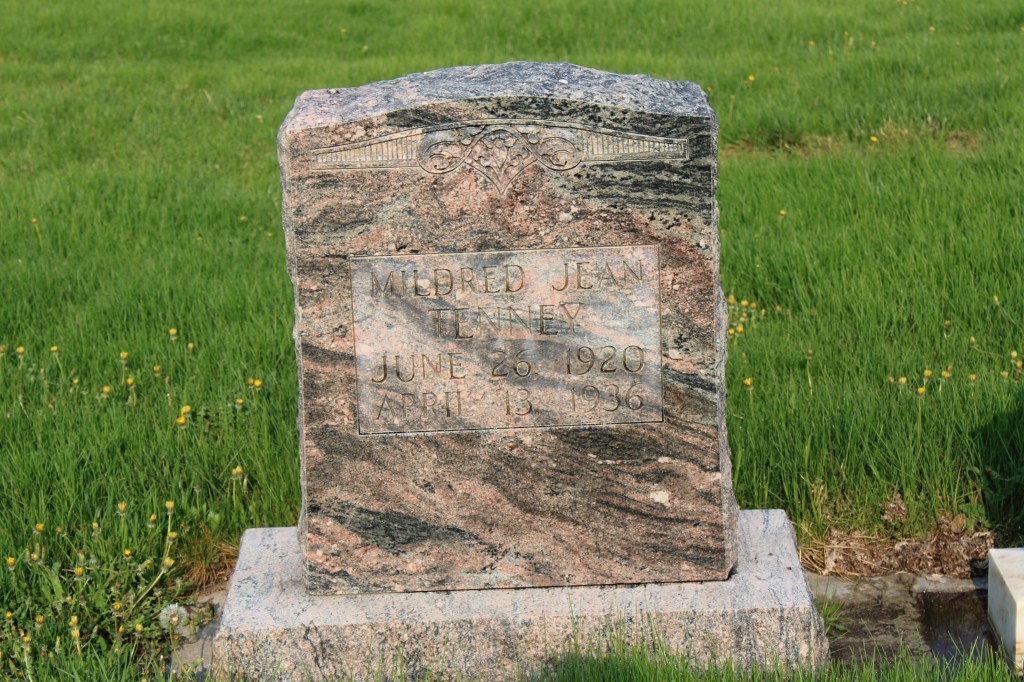
1936 marker with Art Deco styling

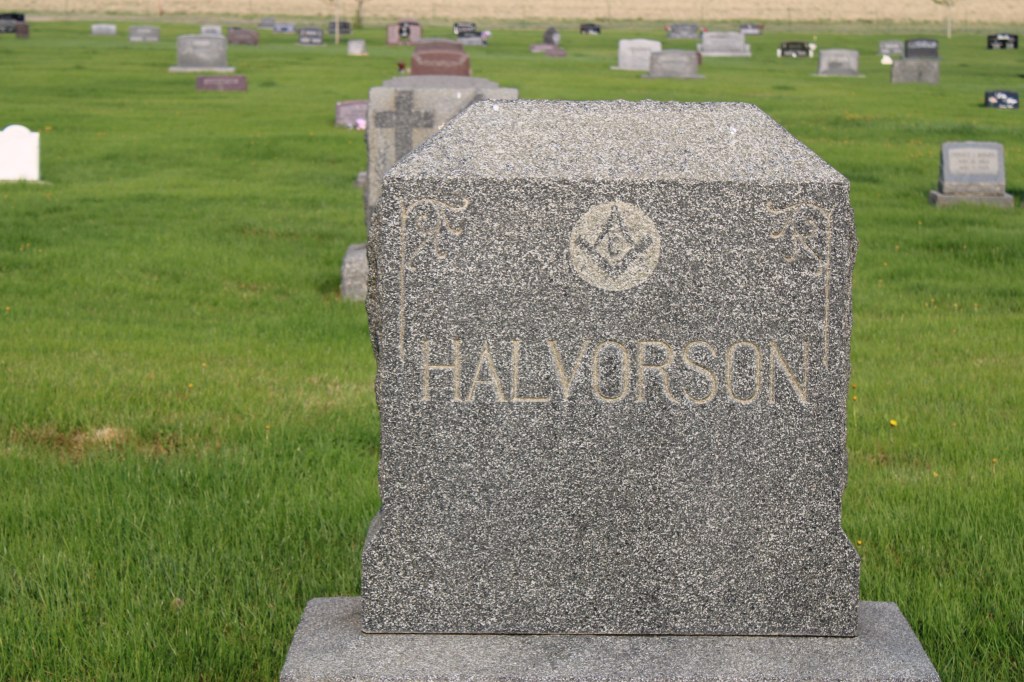
The Halvorson marker dates to be death of Mrs. Harry Halvorson who died in 1924. At that time her funeral was the largest ever held in Cut Bank. The Midland Empire of April 22, 1924 reported that 650 attended the funeral and that 77 cars went from the town Masonic Hall to the cemetery. A member of the Rebekah lodges in both Cut Bank and Shelby, Halvorson’s funeral attracted other lodge members from Shelby, Conrad, Valier and Browning. Her husband was the senior member of the Halvorson mercantile company, which started in 1901.

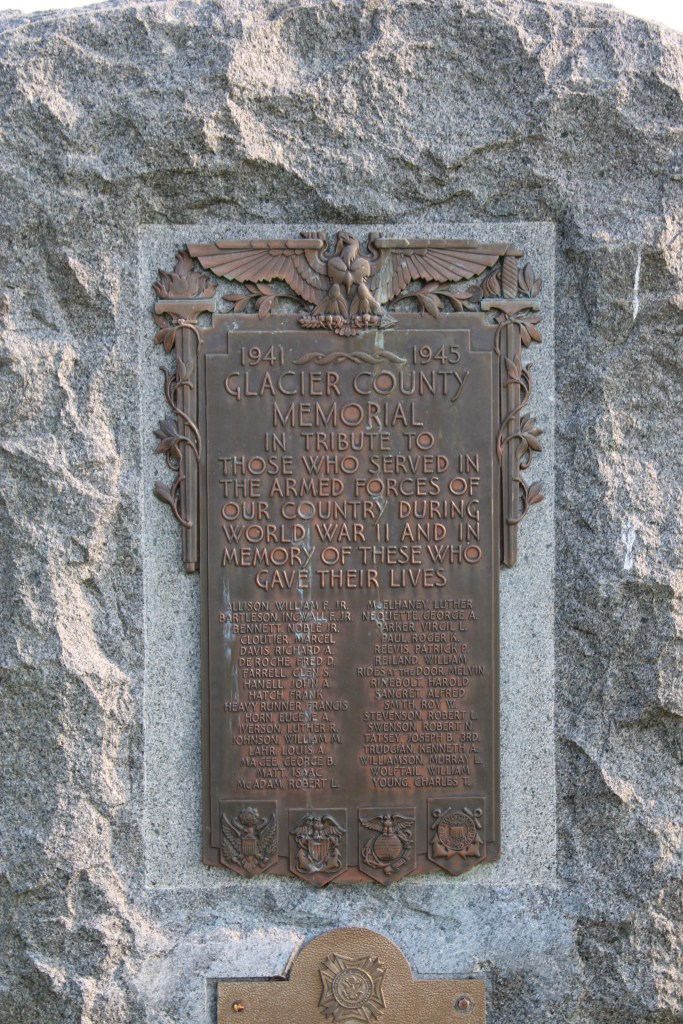
Another important marker is the veterans memorial from World War II. Cut Bank played a significant role as a satellite air field for the Great Falls Army Air Base. In 1942-43 pilots trained here in flying the B-17 Flying Fortresses. In 1948 the army conveyed the base to the town for civilian use.

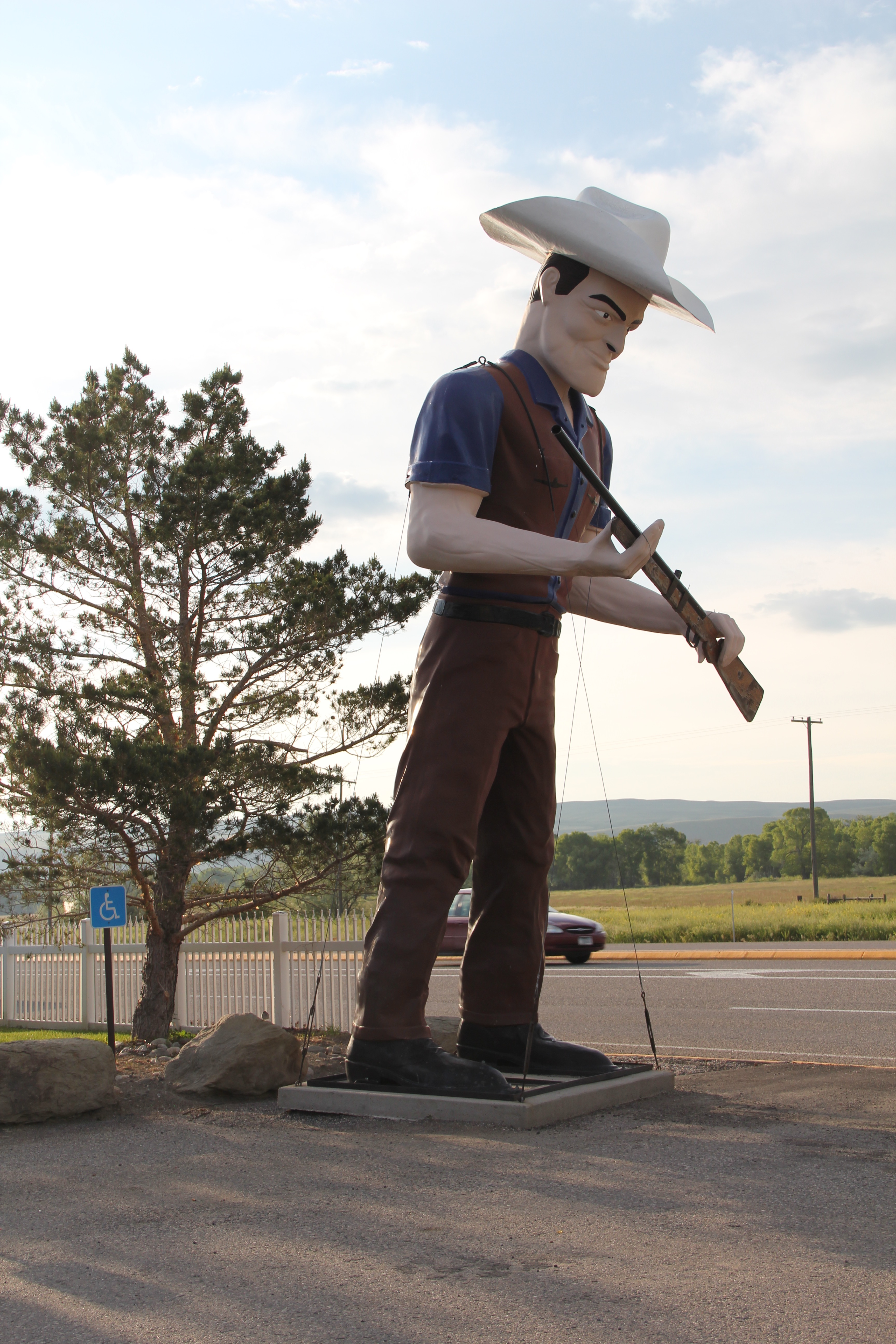
Perhaps an unattended consequence of the military air base is that winter temperatures at Cut Bank was regularly available to national media, which played up the mage of Cut Bank as the coldest place in the lower 48 states. Cut Bank embraced the image, as this bit of roadside sculpture below attests. It stands at the eastern entrance into town on US Highway 2.

Crown Hill Cemetery is one of the oldest properties in Cut Bank open to the public. The cemetery is well maintained, well manicured and a testament to the respect and dignity local residents give to their past.
A new visit to Augusta

I had not been in Augusta since 2016–two years before the foods of June 2018 rattled this northern Lewis and Clark County town.

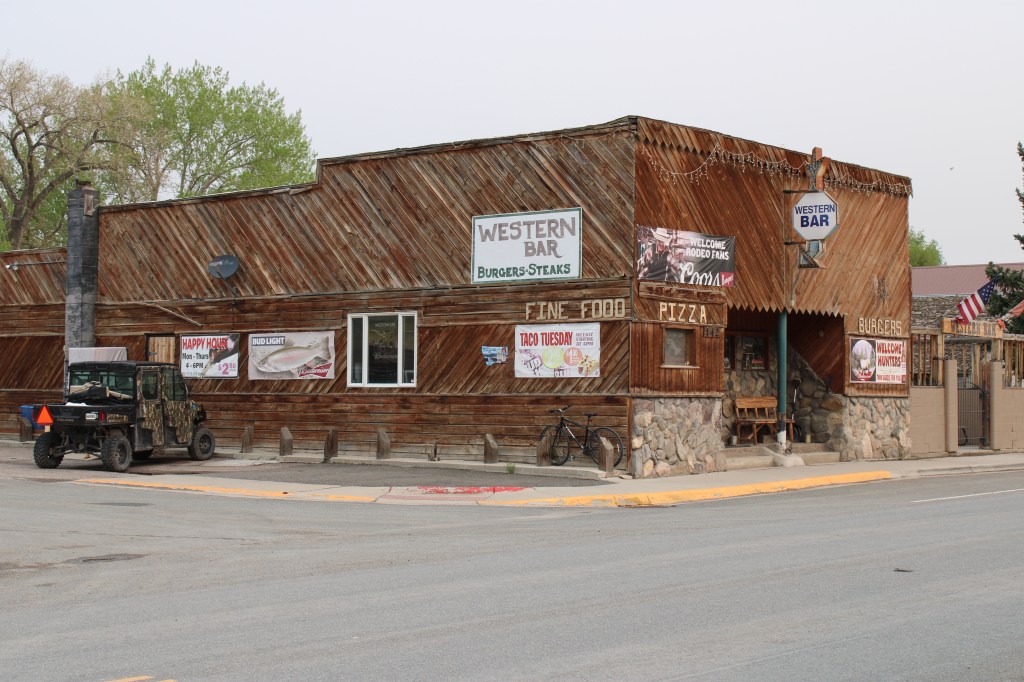
Old haunts like the Western Bar and the Lazy B Cafe were still operating, looking good.

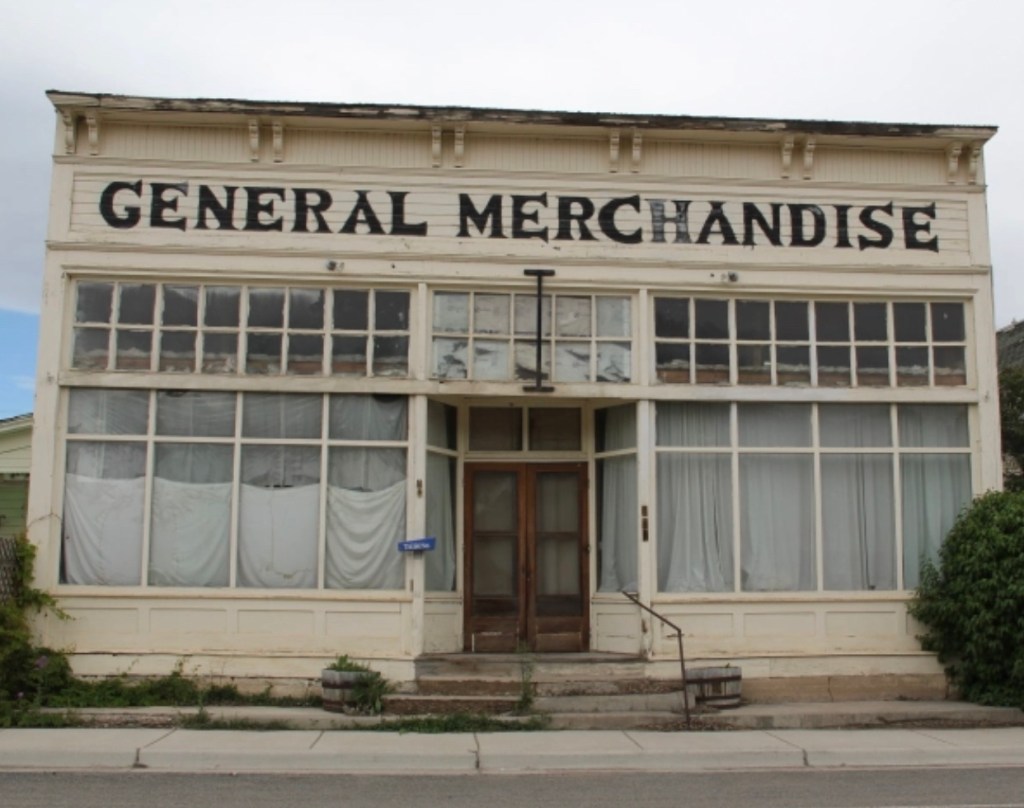
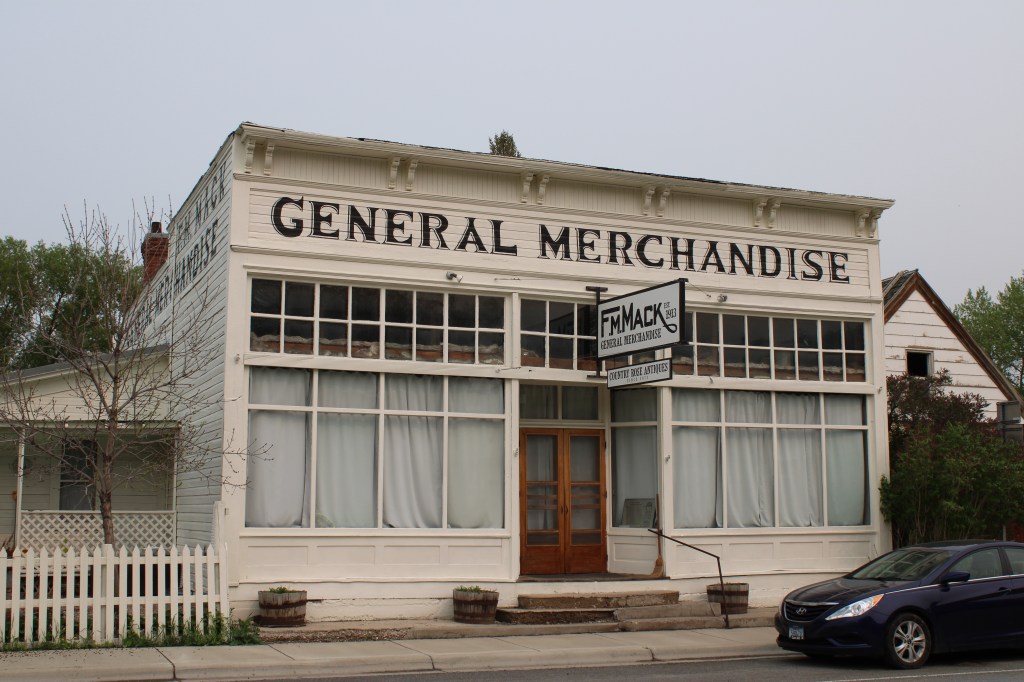
Recent historic preservation efforts had given a new life and a restored appearance to such as National Register-listed landmarks as the Mack general store and Quinn’s garage.

Mack’s general store, 2016
Mack general store, 2023
Quinn’s Garage, closed in 2016
Quinn’s Garage, 2023. Now listed in the National Register, the garage is restored and open for commercial use.

The Augusta Branch, first established almost 50 years ago, of the Lewis and Clark County Library also had recent renovations and a new ramp. A great place for more information about this very historic rural Montana town.

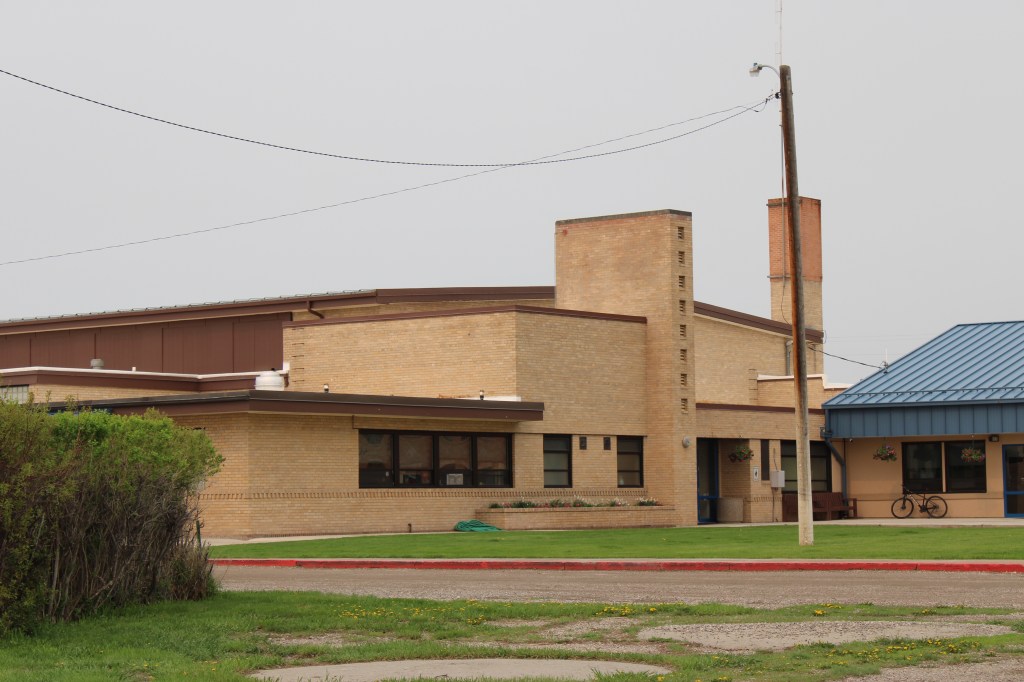
And I still love the historic school, both the classical building from the first decades of the 20th century and the more modern styled building from the mid-20th century.

Augusta is a place, as I discussed in this blog in 2016, that is long in history and short in pretense. You need more evidence—just trim around from the school and consider its neighbor, a Masonic Lodge with a concrete block facade fitting a Quonset hut-like structure behind. What a great place.

Bowman’s Corner: Disappearing Rural Crossroads Stores

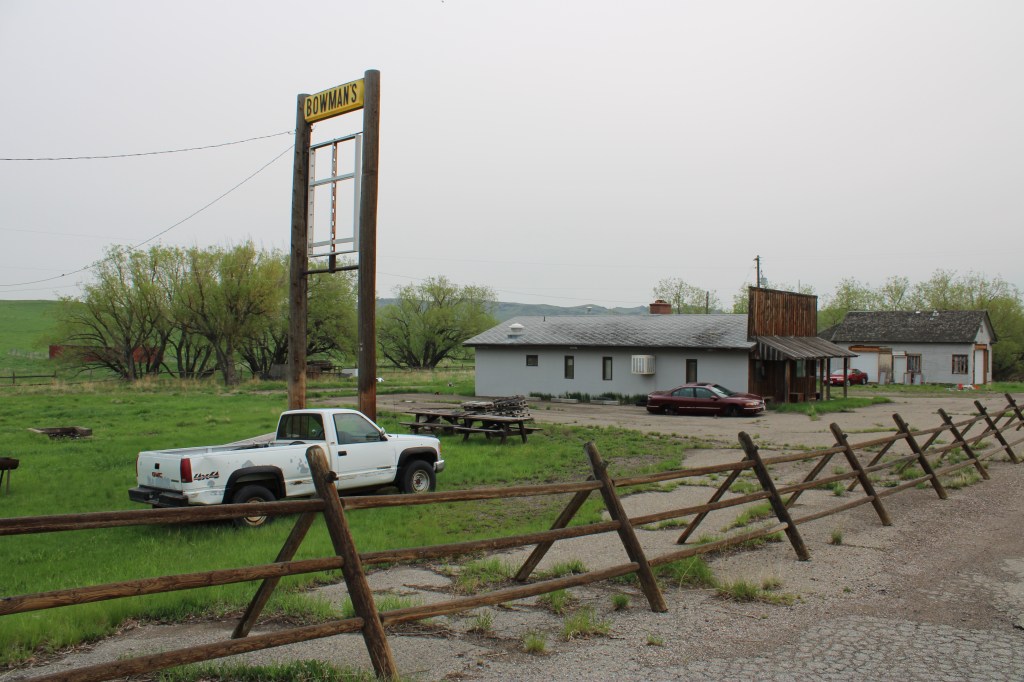
Forty years ago you expected to find crossroads places—typically a bar/cafe, often with a store and gas pumps—whenever you passed through major highway junctions. At the intersection of Montana Highway 200, which is still a major east-west route, and US Highway 287 stood Bowman’s Corner in northern Lewis and Clark County.

Bowman’s Corner 2023
Cafe, bar and store

Today the place is there—the building remains while the sign has almost all blown away. Old cars are parked around. A fence tells you not to enter.

Old corral site

Particularly sad to see is where the rodeo corral once stood. I can recall taking a break once and watching some guys practice roping.

Here was a laid back roadside oasis. Not totally gone in 2023–but you wonder if Bowman’s Crossroads is not another crossroads place to be forgotten as the 21st century moves onward.

Shelby Montana’s historic downtown

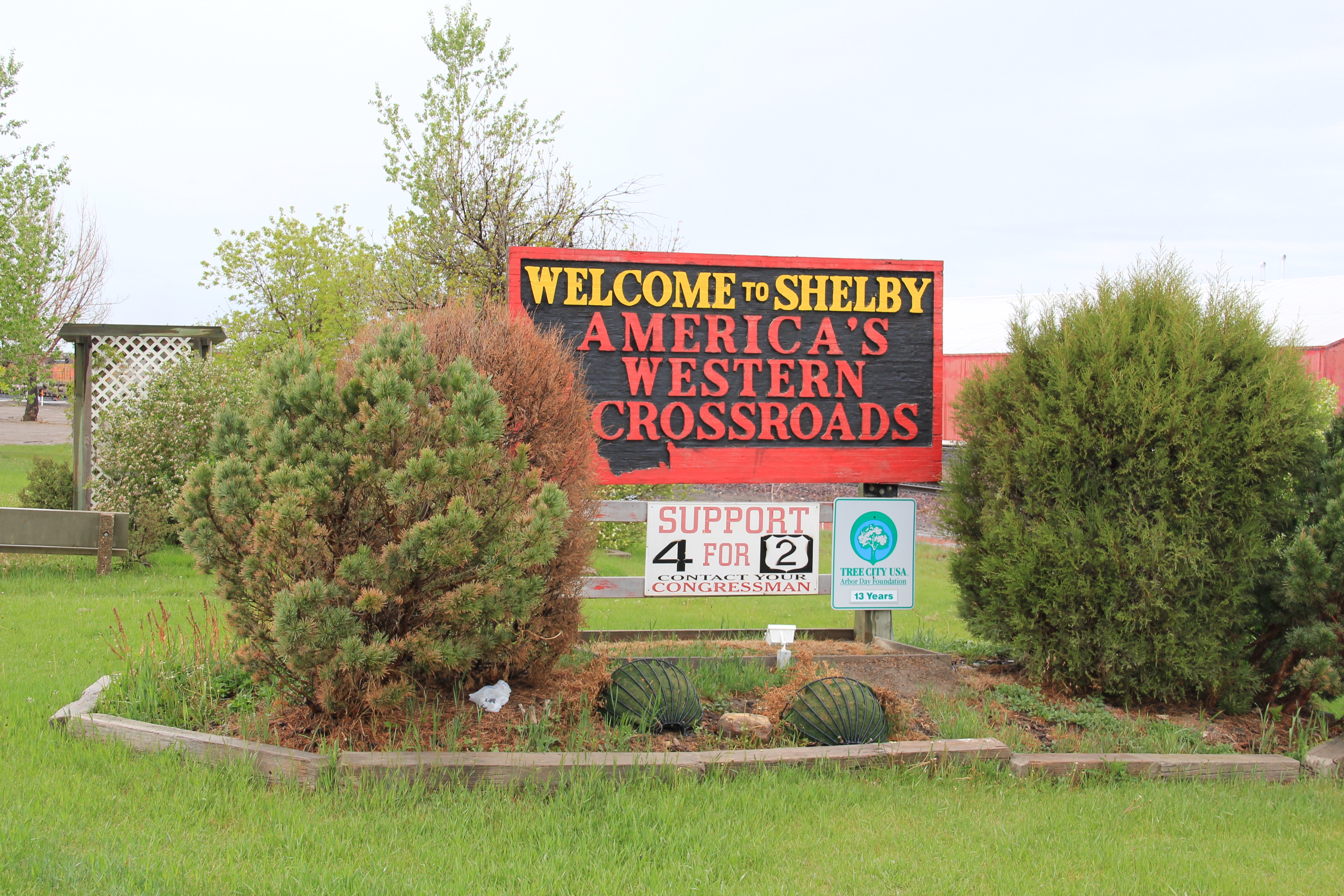
Toole Co Shelby sign and BNSF train

As we all have read the newspapers over the last six weeks, it has been doubly sad to learn of the devastation COVID-19 has brought to the people of Toole County, where the town of Shelby is the county seat.  The virus has ravaged most of the United States but the level of its impact on such rural places as Shelby and Toole County has been especially devastating since in places like these everyone does know everyone.  The impact is so direct and personal.

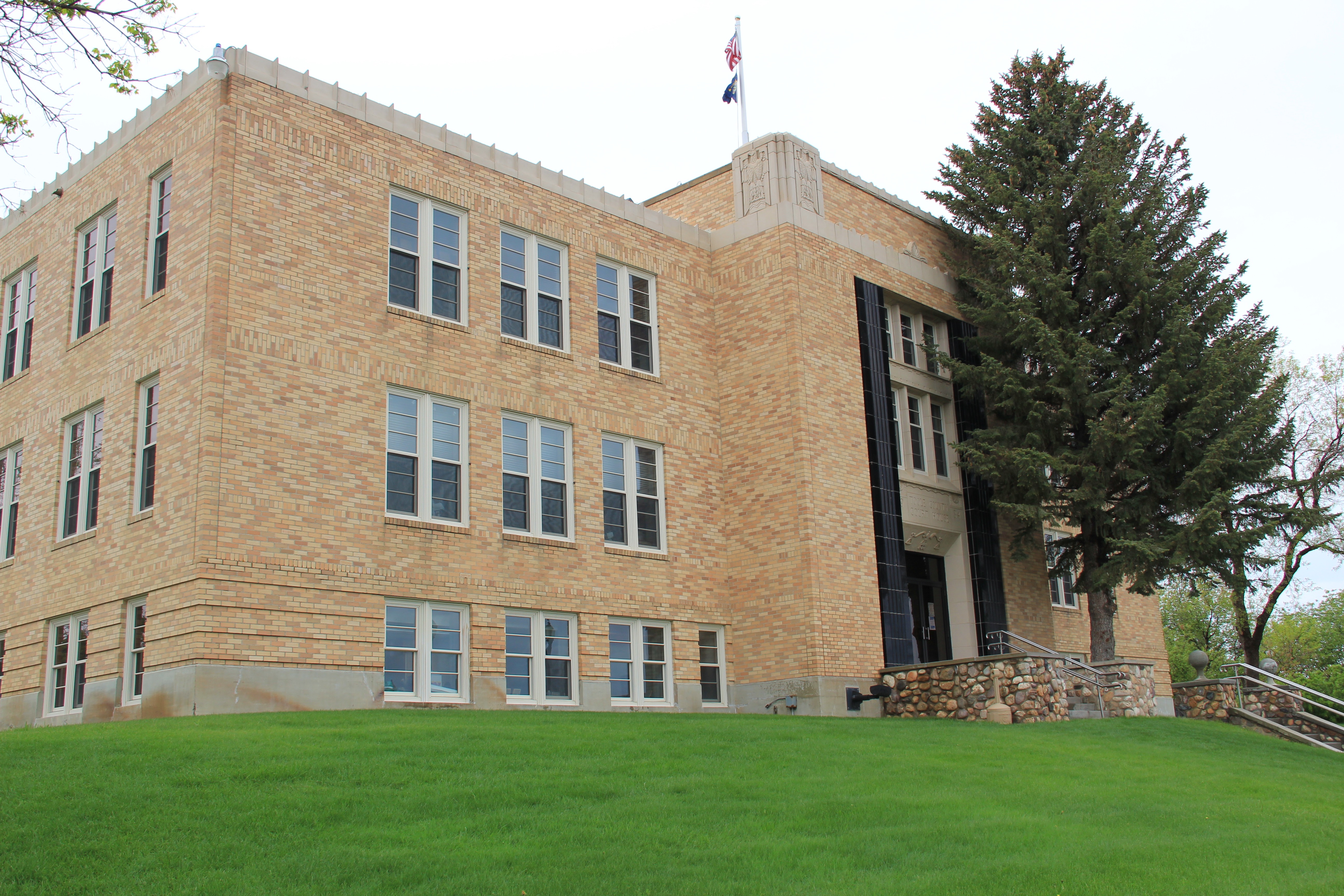
Toole Co Shelby courthouse 4

In this weekend’s papers, reporters stressed how residents are moving forward the best they could, despite the sadness, and fear.  I would expect no less.  I last visited Shelby seven years ago; indeed I made two stops between 2011 and 2013.  Of course people were friendly, helpful, just as they had been when I started my initial Montana survey in 1984 with an overnight program in Shelby at the courthouse.  Imagine my delight to learn in those same news stories that the town had met virtually of course to discuss a pending proposal to place the downtown in the National Register of Historic Places.  I fully agree: the range of buildings along Main Street (historic U.S. Highway 2) has always ranked among my favorite Main Streets in the state.

Toole Co Shelby Main St 2 roadside bars

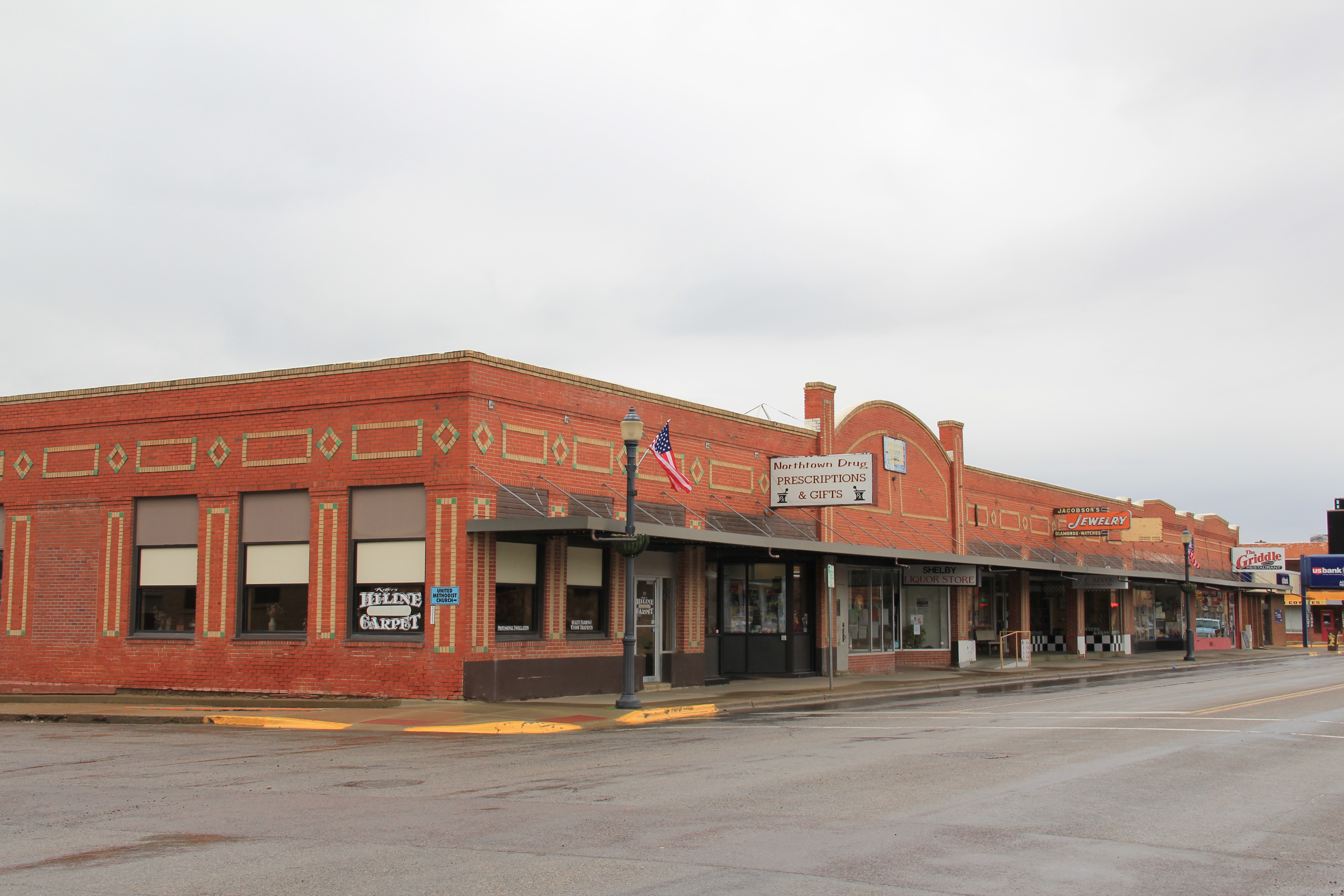
Let’s me share today views of the downtown commercial buildings that I took in 2011 and 2013.  They reflect the impact of the 1920s oil boom on the town and county–so many date to those decades–but as a group they also show how Shelby grew in the early to mid-twentieth century on both sides of the Great Northern Railway that passed through the heart of town, with its historic depot still serving passengers on the Empire Builder today.

Toole Co Shelby depot

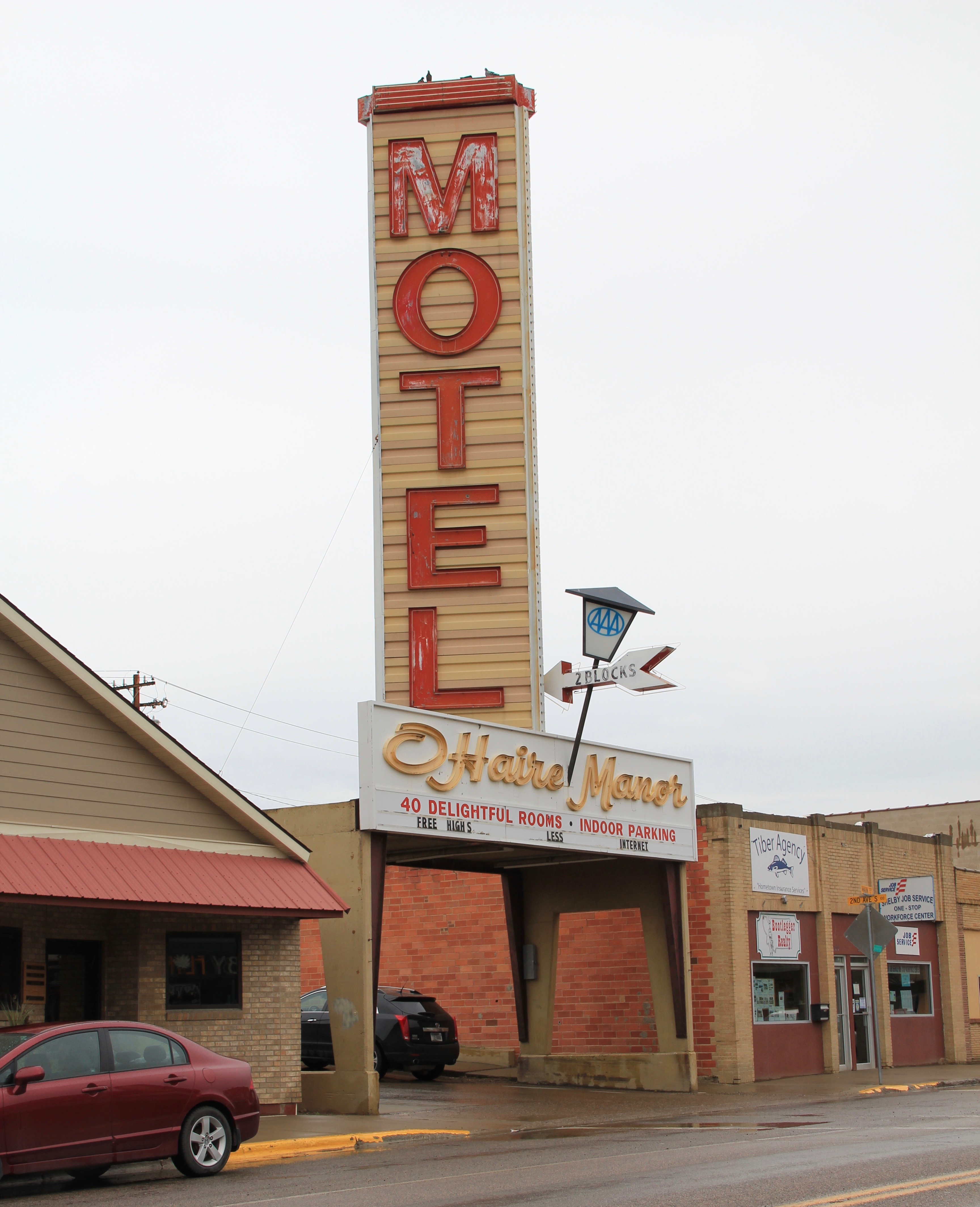
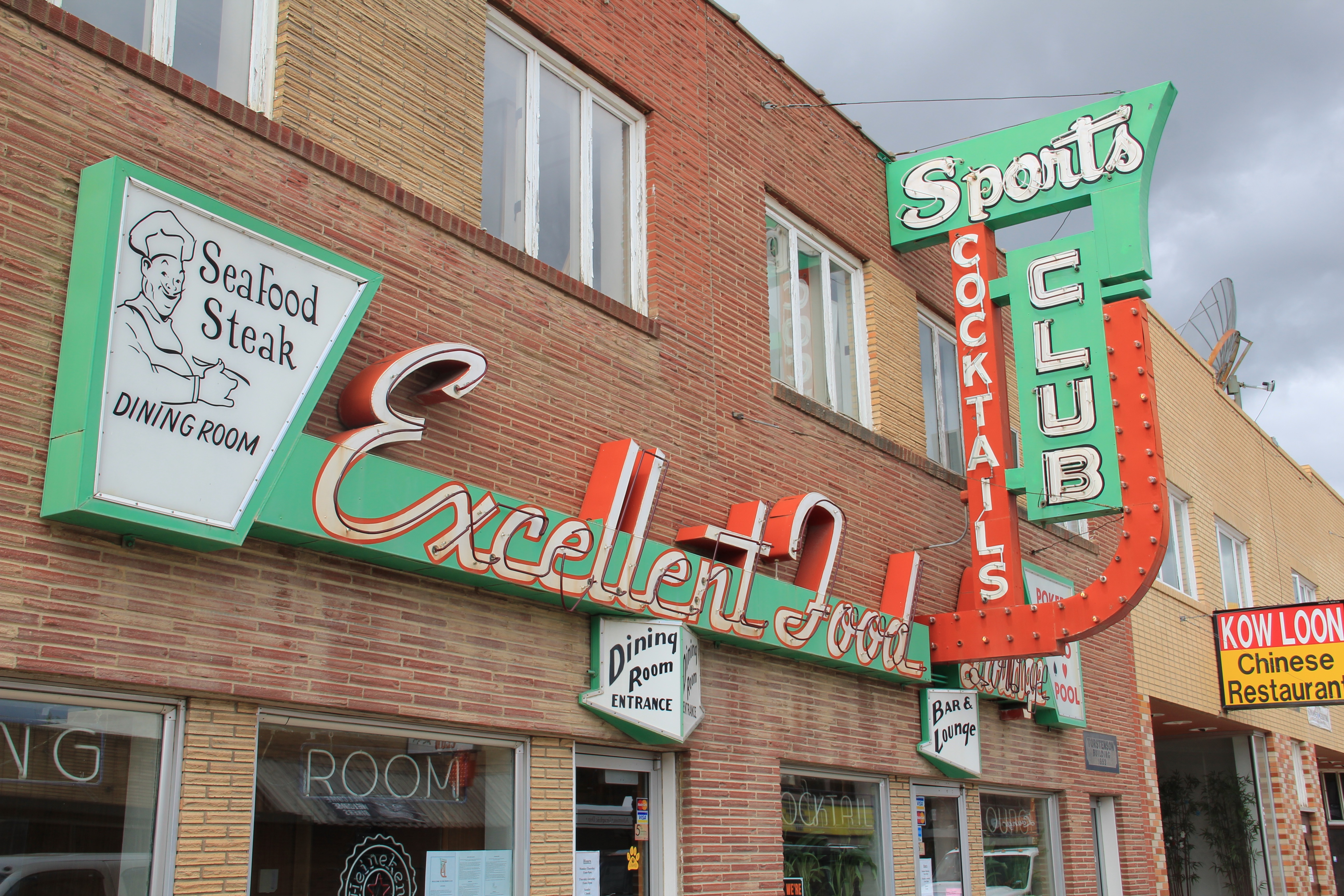
The range of roadside architecture in the tavern, restaurant, and motel signs is particularly significant–in so many other places these touchstones of mid-century commercial design have been lost.  But I also like the unpretentiousness of the buildings, and the commercial district they create.  The architecture in that way reflects the residents themselves:  flashy if you want it, but also solid, grounded, and ready to face what comes their way.

2011 MT Toole County Shelby bar 010

Toole Co Shelby Main St roadside

Toole Co Shelby Main St 3 Mint Club bar

2011 MT Toole County Shelby bar 013

2011 MT Toole County Shelby bar 009

Toole Co Shelby Main St 4 Deco

Toole Co Shelby bar n of depot

The downtown district would add much to the National Register of Historic Places.  Shelby was already represented by a historic garage and the original City Hall, recently a visitor center, that was built for the famous Fourth of July 1923 heavyweight

bout between Jack Dempsey-and Tommy Gibbons.  But these additions tell its full story of commercial growth in the age of the highway.  I hope the project moves smoothly forward–Shelby and Toole County deserves that break, along with many, many others as they fight back against the scourge of our time.


Pointing the Way

IMG_0084.JPG

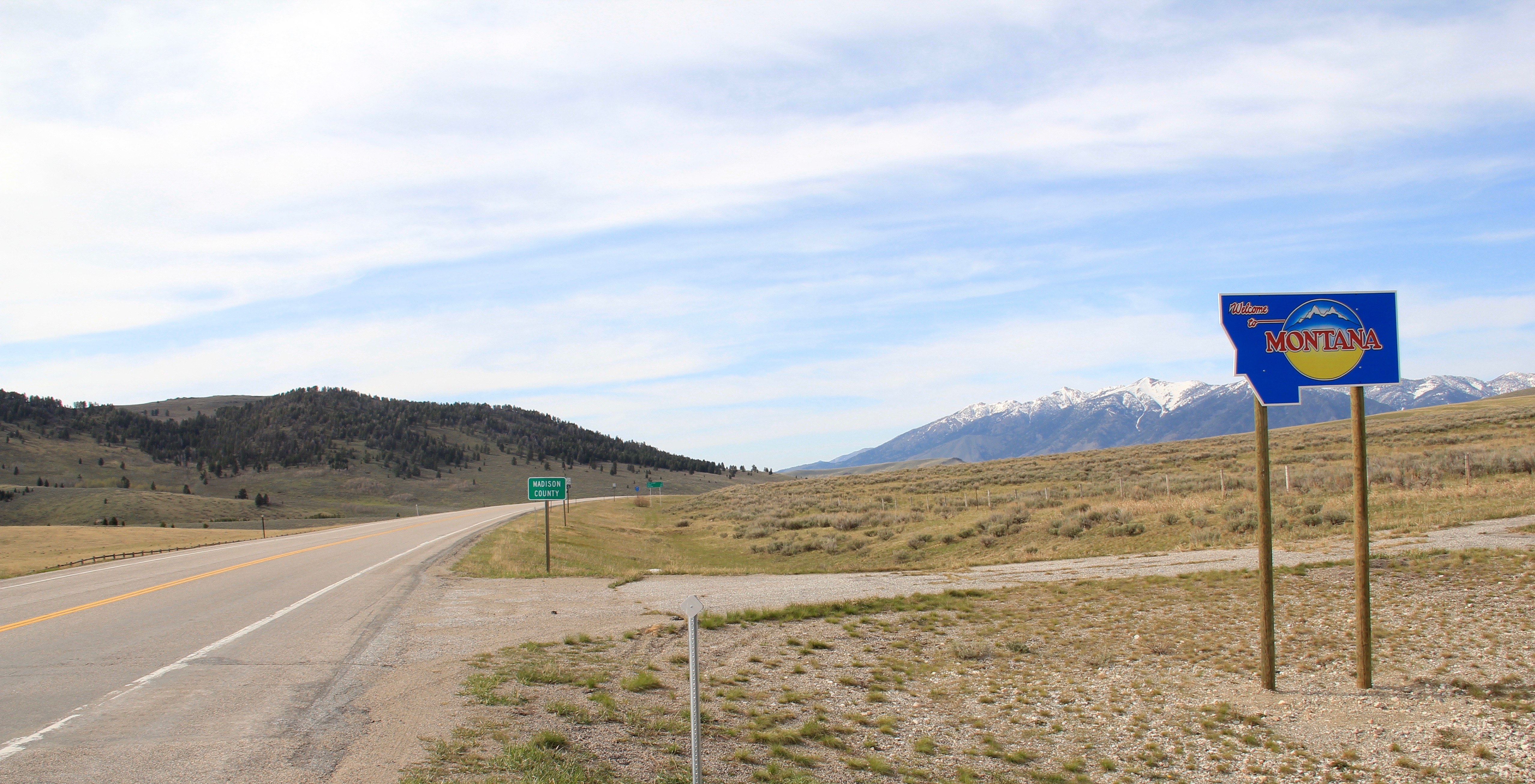
Montana Highway 87 at the state’s border with Idaho

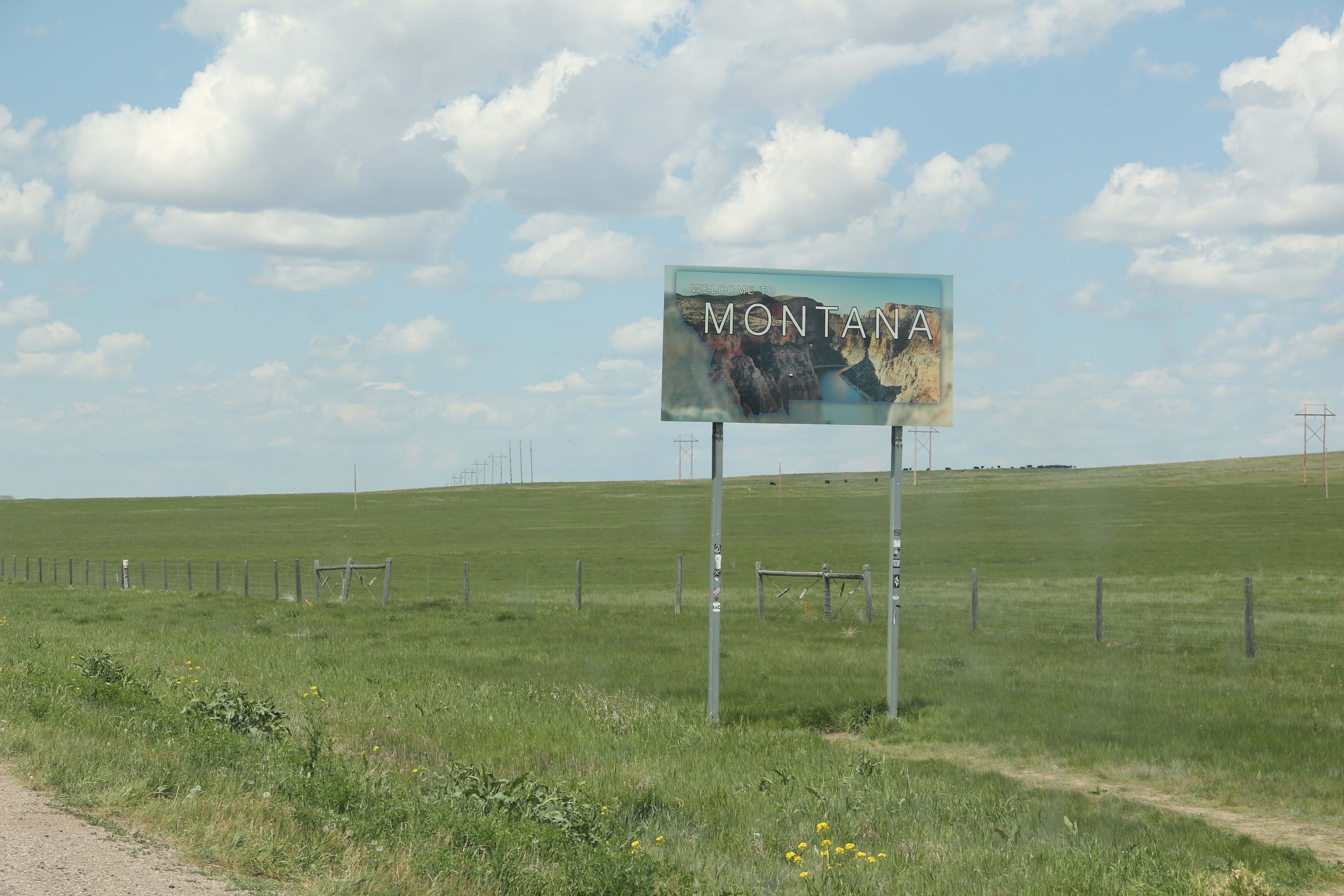
It’s time to find your way to the Big Sky Country, for whatever your route, you will find a warm welcome of signs, of all sorts, whether you are traveling by motorbike, automobile, truck, or taking the grand Amtrak route across the northern counties, Montanans will make sure you know where you are.

Phillips Co Malta GN depot sign

IMG_2668

U.S. Highway 212 coming at the border with South Dakota.

Valley Co Opheim sign

Entering Montana via Montana Highway 24 from Canada.

Valley Co Frazer 1 sign

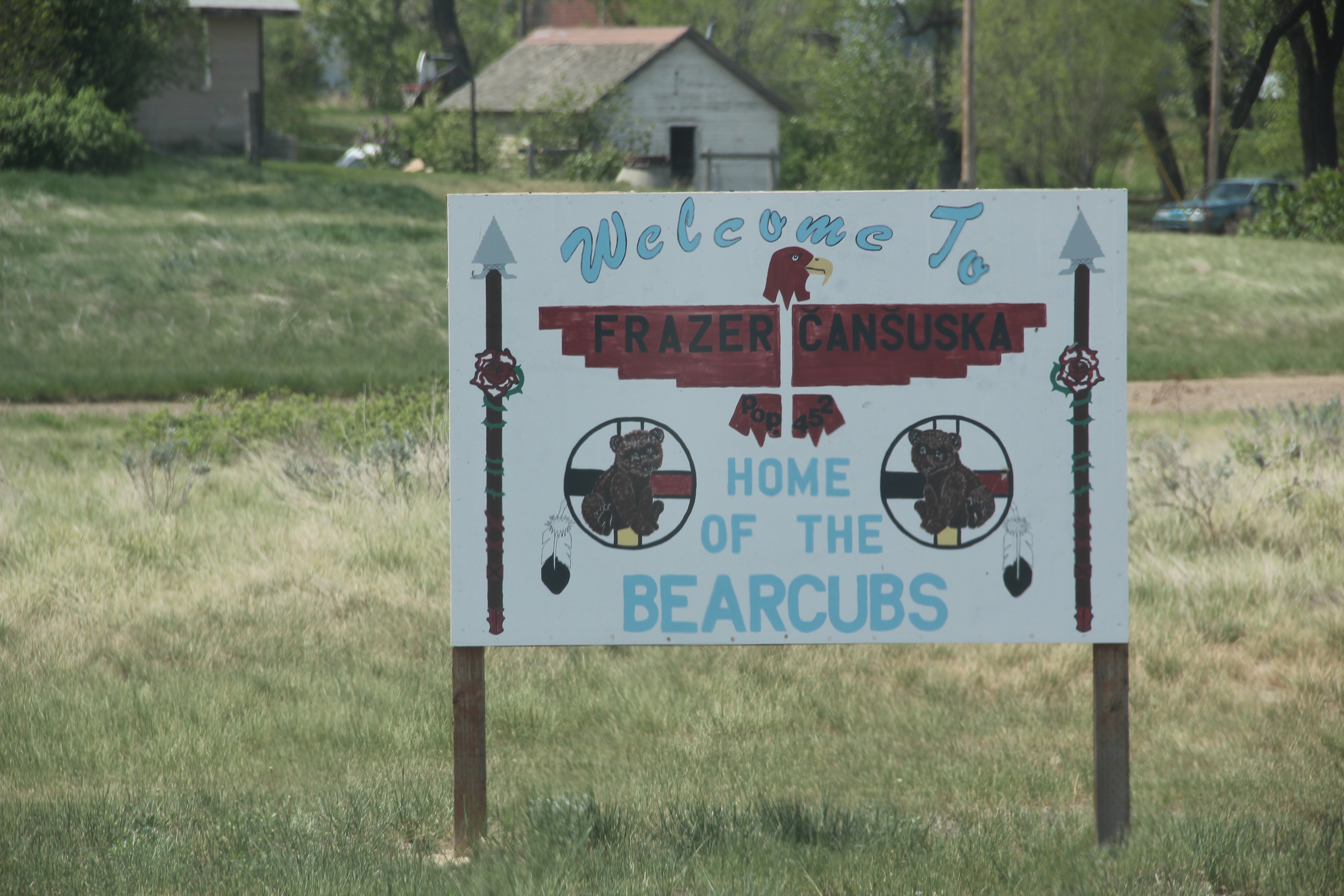
There’s certainly a cast of characters to encounter, from the Vikings at Opheim and the bear cubs at Frazer (above) to giants walking across the land at Rockvale (below) or even fur traders immortalized in

IMG_2799metal like Thunder jack in the Shields Valley on U.S. 89 north of Livingston.  There’s always a wave and friendly greeting!

IMG_1158.JPG

Leave your GPS at home.  There are so many signs, you really can’t get lost, whether you on on the vastness of the plains or traveling between the Blackfeet Reservation and the

Teton Co Pendroy sign US 87

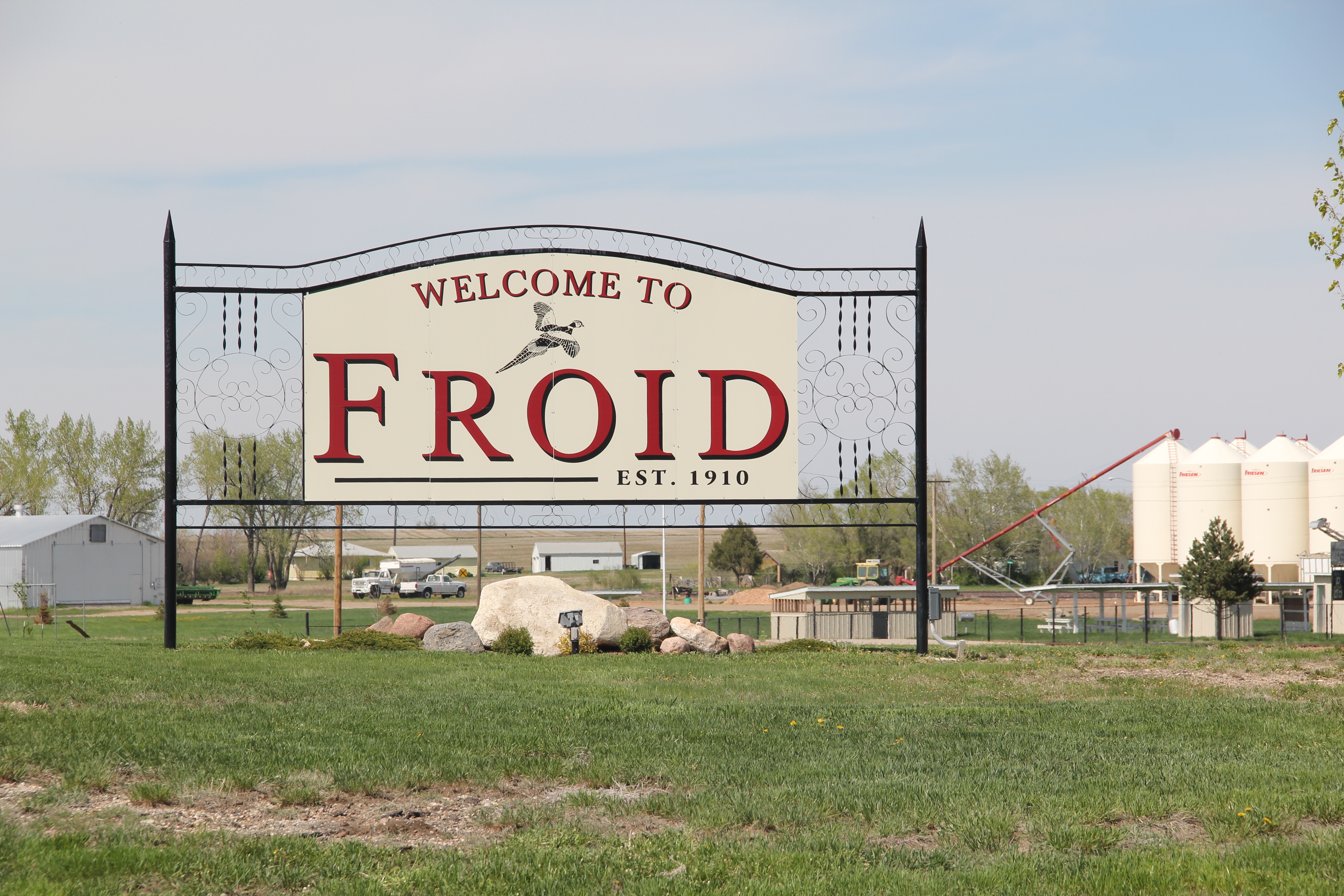
wonders of Glacier National Park, signs will point the way. So head out for Froid–or be willing to explore the curvy roads between prairie and mountains in southern Montana.

Roosevelt Co Froid 1 sign

IMG_2820

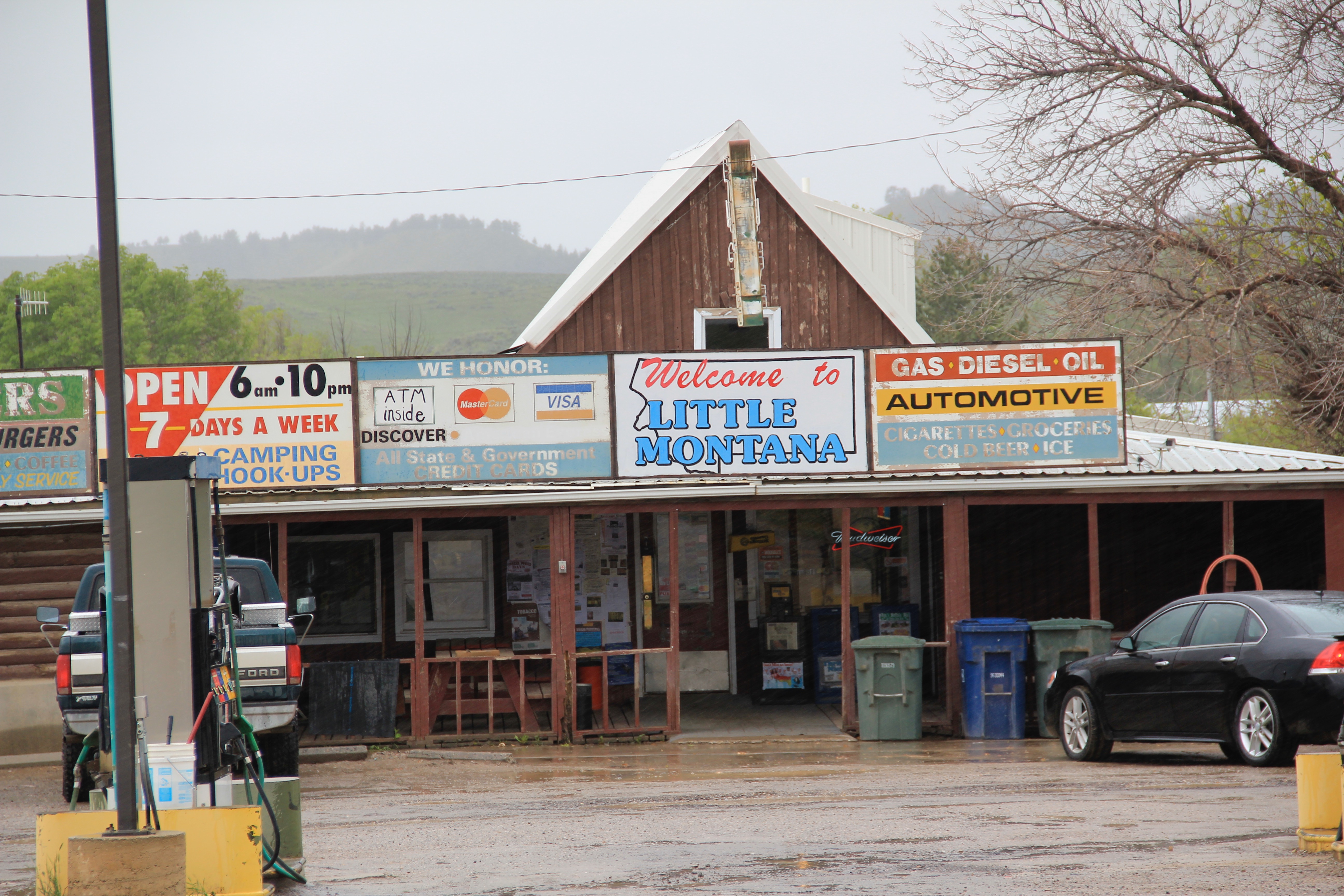
Where ever you end up your journey, someone or something will be there to provide essential roadside services, like Little Montana on Highway 200 and even get you to stop

IMG_0029.JPGand consider those who have passed before with the many historical markers.

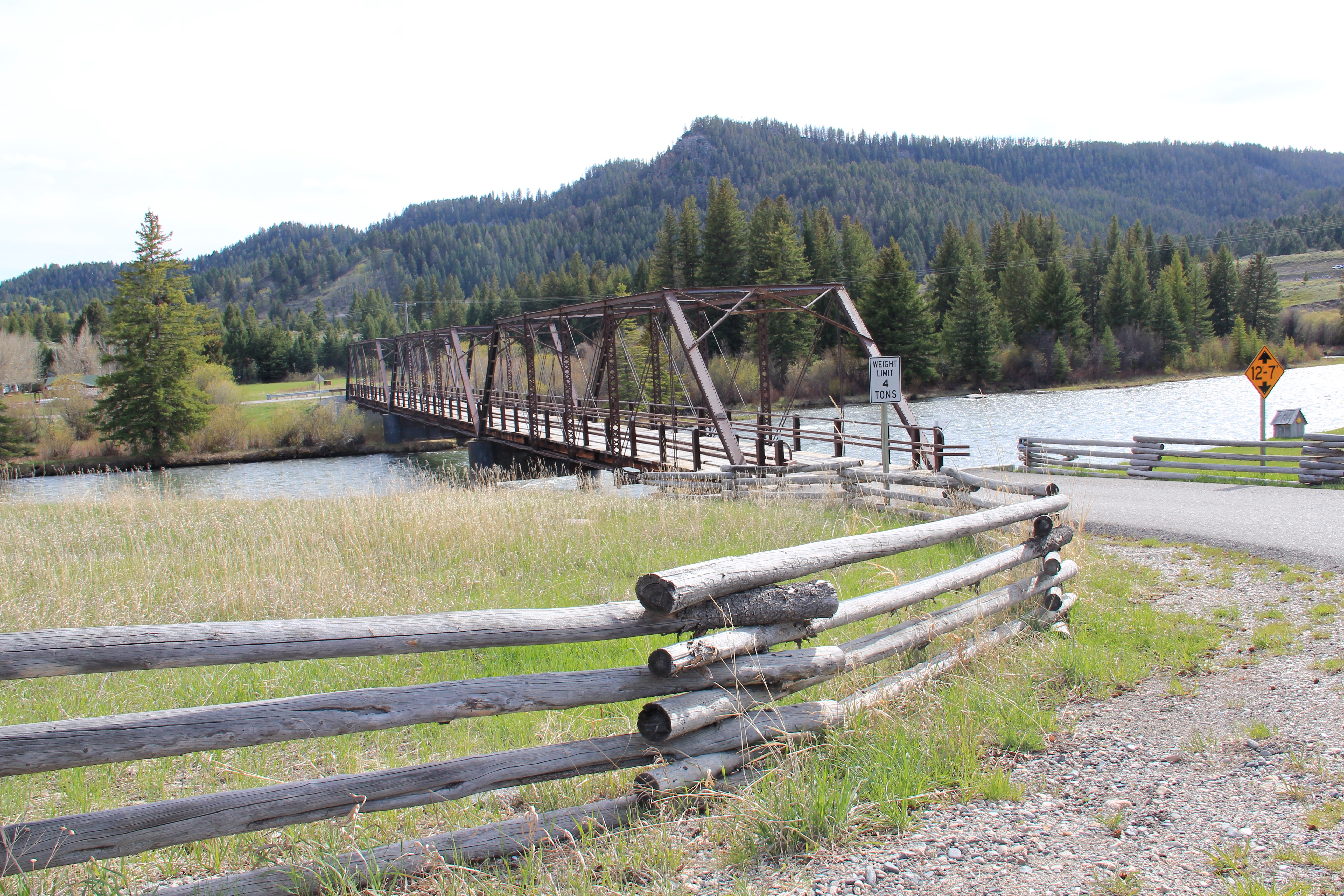
IMG_0051.JPGThe vastness and diversity of the Big Sky Country is amazing, with so many bridges to

IMG_0079.JPG

Madison County

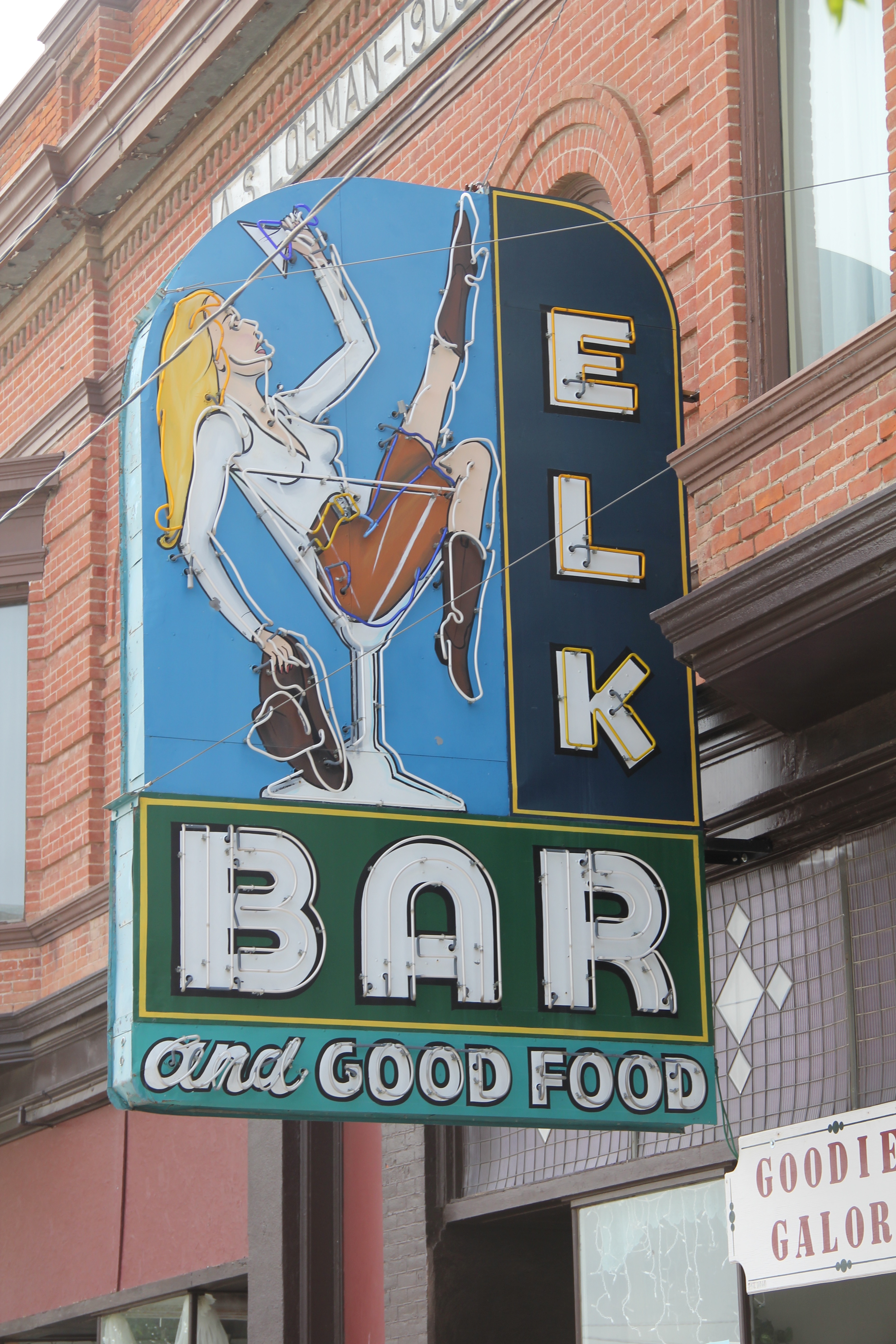
cross that you can’t go wrong.  Kick up your boots, have a drink, stay awhile, and enjoy!

Blaine Co Chinook Elk Bar sign NR

An end of the century trip to Central Montana

The vast majority of my effort to document and think about the historic landscapes of Montana lie with two time periods, 1984-85 and 2012-16. But in between those two focused periods, other projects at the Western Heritage Center in Billings brought me back to the Big Sky Country. Almost always I found a way to carve out a couple of additional days to get away from the museum and study the many layers of history, and change, in the landscape by taking black and white images as I had in 1984-85. One such trip came in 1999, at the end of the 20th century.

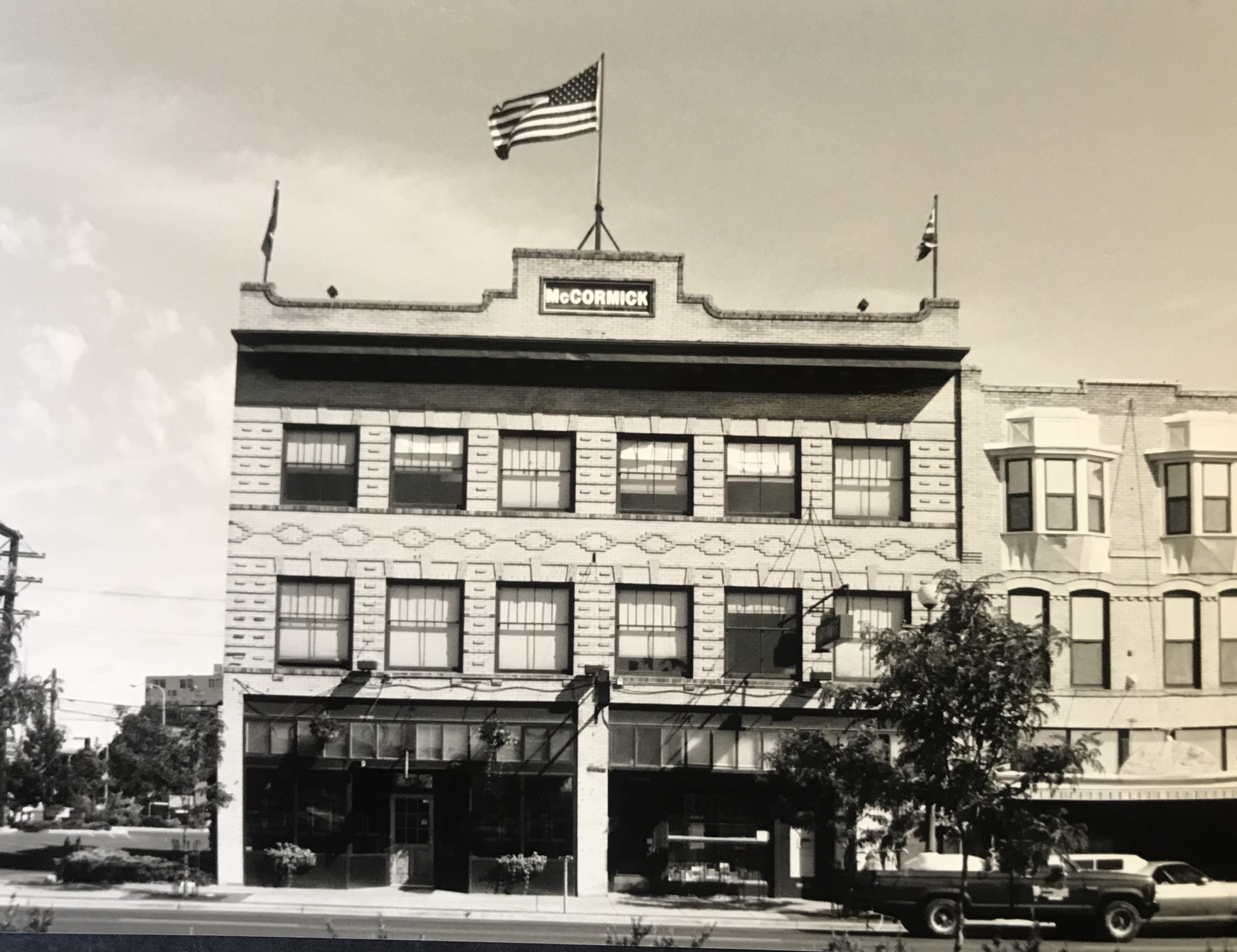
In Billings itself I marveled at the changes that historic preservation was bringing to the Minnesota Avenue district. The creation of an “Internet cafe” (remember those?) in the McCormick Block was a guaranteed stop.

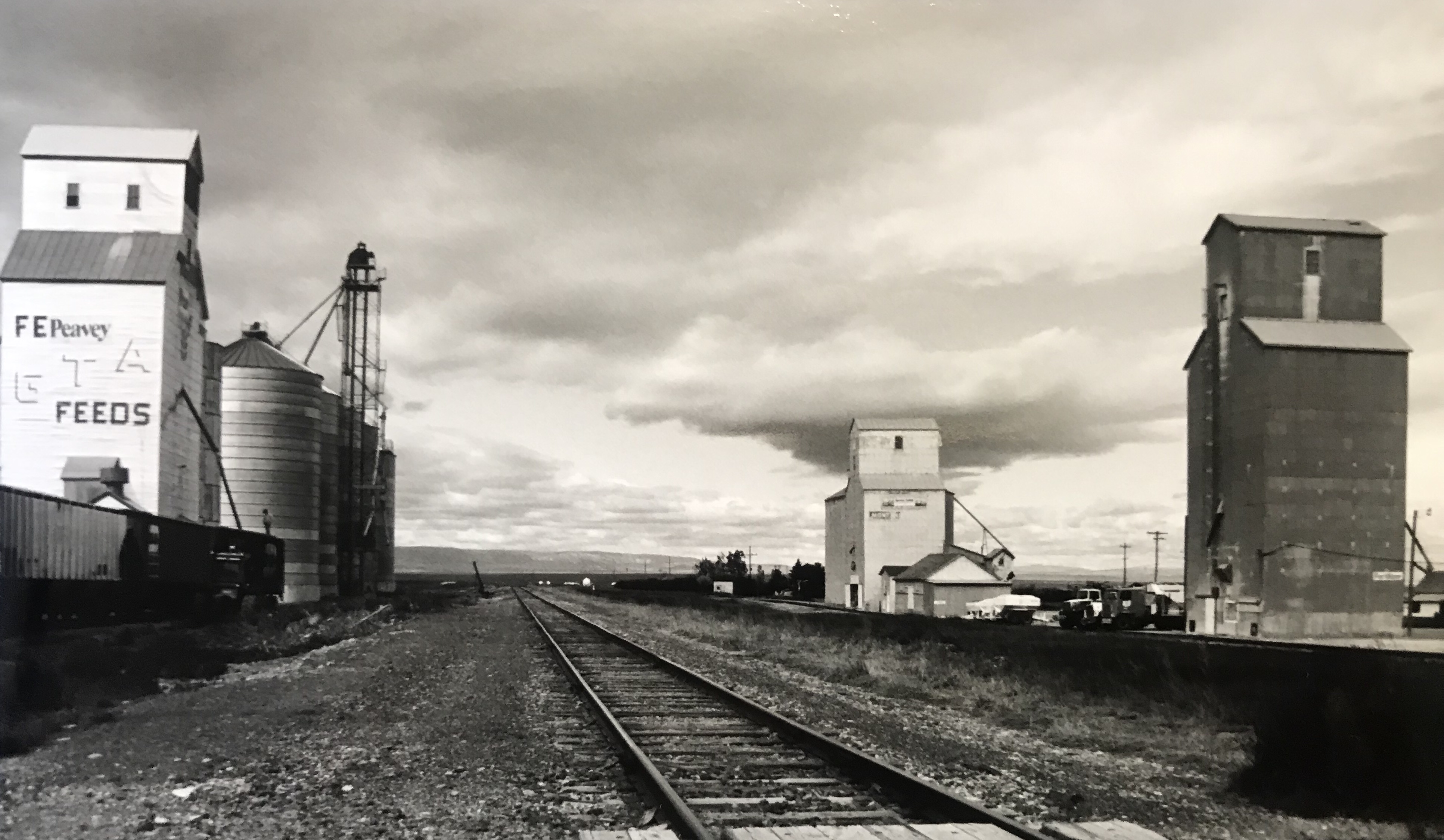
But my real goal was to jet up highways 191 and 80 to end up in Fort Benton. Along the way I had to stop at Moore, one of my favorite Central Montana railroad towns, and home to a evocative set of grain elevators.

Then a stop for lunch at the Geraldine bar and the recently restored Geraldine depot, along a historic spur of the Milwaukee Road. I have always loved a stop in this plains country town and this day was especially memorable as residents showed off what they had accomplished in the restoration. Another historic preservation plus!

Then it was Fort Benton, a National jewel seemingly only appreciated by locals, who faced an often overwhelming task for preserving and finding sustainable new uses for the riverfront buildings.

It was exciting to see the recent goal that the community eagerly discussed in 1984–rebuilding the historic fort.

A new era for public interpretation of the northern fur trade would soon open in the new century: what a change from 1984.

I beat a quick retreat back to the south, following the old Manitoba Road route along the Missouri and US Highway 87 and back via highway 89 to the Yellowstone Valley. I had to pay a quick tribute to Big Timber, and grab a brew at the Big Timber

Bar. The long Main Street in Big Timber was obviously changing–new residents and new businesses. Little did I know how much change would come in the new century.

One last detour came on the drive to see if the absolutely spectacular stone craftsmanship of the Absarokee school remained in place–it did, and still does.

My work in Tennessee had really focused in the late 1990s on historic schools: few matched the distinctive design of Absarokee. I had to see it again.

Like most trips in the 1990s to Billings I ended up in Laurel–I always felt this railroad town had a bigger part in the history of Yellowstone County than

generally accepted. The photos I took in 1999 are now striking– had any place in the valley changed more than Laurel in the 21st century?

Roundup Montana: A town with a plan and on the move

One of the most exciting results of my recent work on the historic landscape of Montana is how many residents contact me with developments–both good and bad but mostly good–as they use their past and historic built environments to build new futures for their families and community.  Such an update just arrived last week from Roundup, the seat of Musselshell County.

roundup schoolA resident reported on the towns decision to join the Main Street program and how a community partnership effort had been formed to guide the process, assuring me that the wonderful historic Roundup school would find a new future as a multi-purpose and use facility.  That update has spurred me to share more images from this distinctive Montana town that I have enjoyed visiting for over 30 years.

Roundup stem of TAs I discussed in my earlier large posting on Roundup, it is both a railroad town on the historic mainline of the Milwaukee Road and a highway town, with a four-lane Main Street defining the commercial district. It is less than a hour’s drive north of Billings, Montana’s largest urban area.  But nestled at the junction of U.S. 12 and U.S. 87, Roundup is a totally different world from booming Billings.

Roundup lodgeRoundup store  You see the difference if how false frame stores and lodge buildings from the first years of the town’s beginnings still stand, and how the commercial district is pockmarked with more stately early 20th century brick commercial blocks, whether two stories high or a mere one-story. Yet the architectural details tell you the community had ambitions.  It

roundup 119 Main

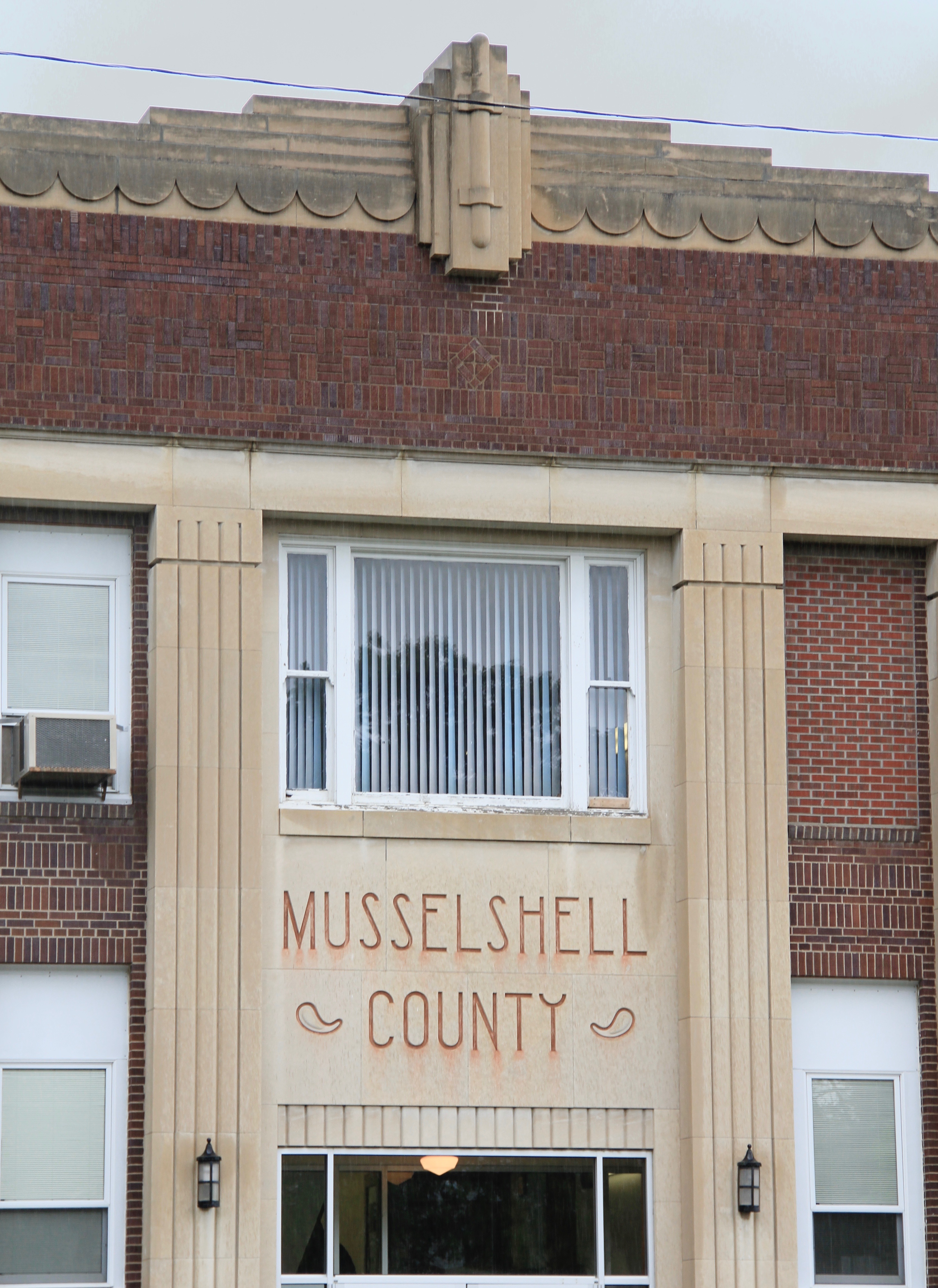
was just that hard times came in the 1920s and stayed awhile, despite the best efforts of New Deal reformers who helped to fund the county’s magnificent Art Deco-inspired Musselshell County Courthouse at the end of the depression decade,

roundup courthouse

The bankruptcy of the Milwaukee Road in the early 1980s did not help recovery, and it was soon after that I found myself in Roundup for the first time in 1984.

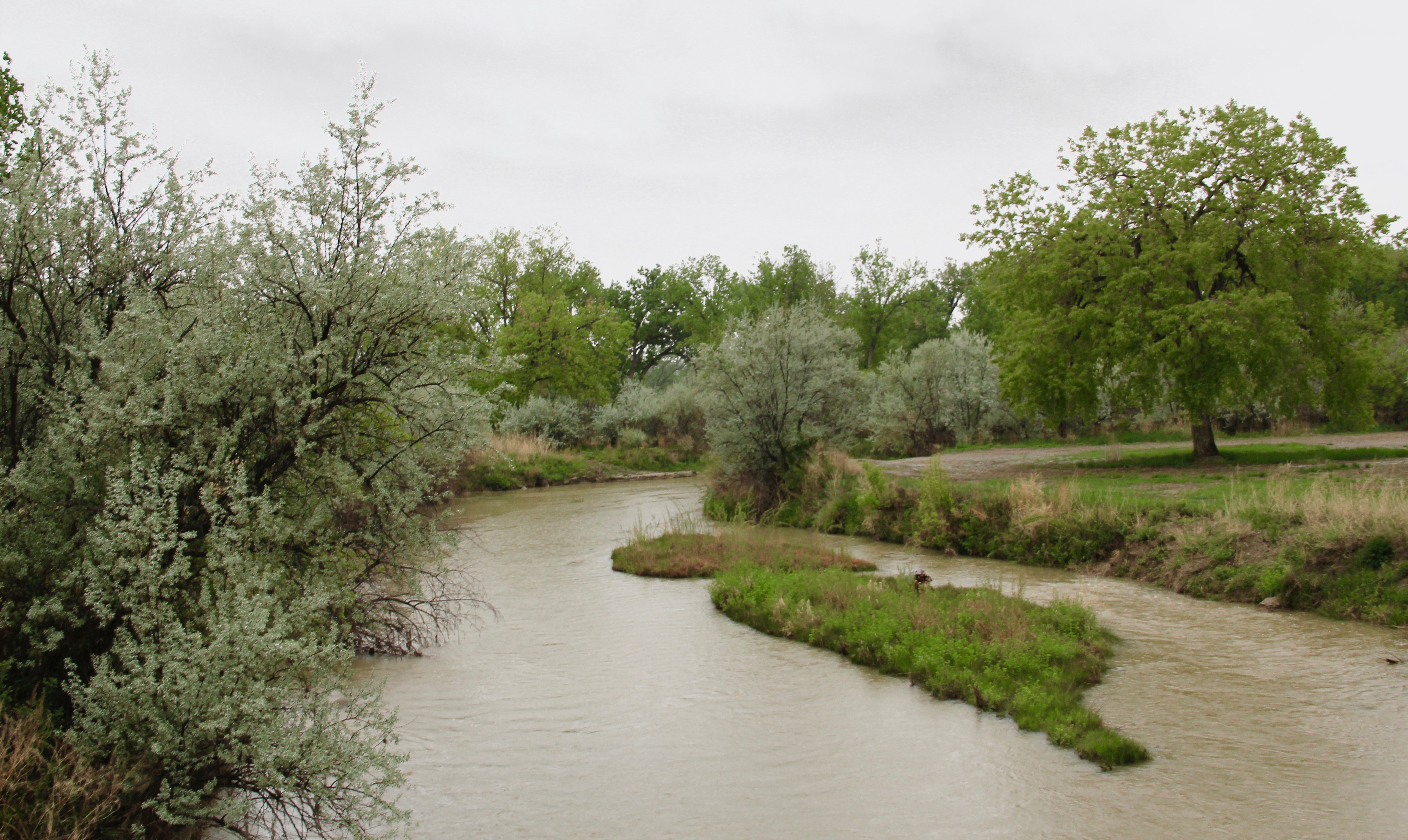
roundup elevatorI found a place then, and still today, that was proud of its past and of its community.  I visited and spoke at the county museum, which was housed in the old Catholic school and included one of county’s first homestead cabins moved to the school grounds. The nearby town park and fairgrounds (covered in an earlier post) helped to highlight just how beautiful the Musselshell River valley was at Roundup.

Roundup museum

Roundup river

Community pride was evident in the well-kept homes of the downtown neighborhood, and I have already posted on the architecturally important modernist Catholic church.

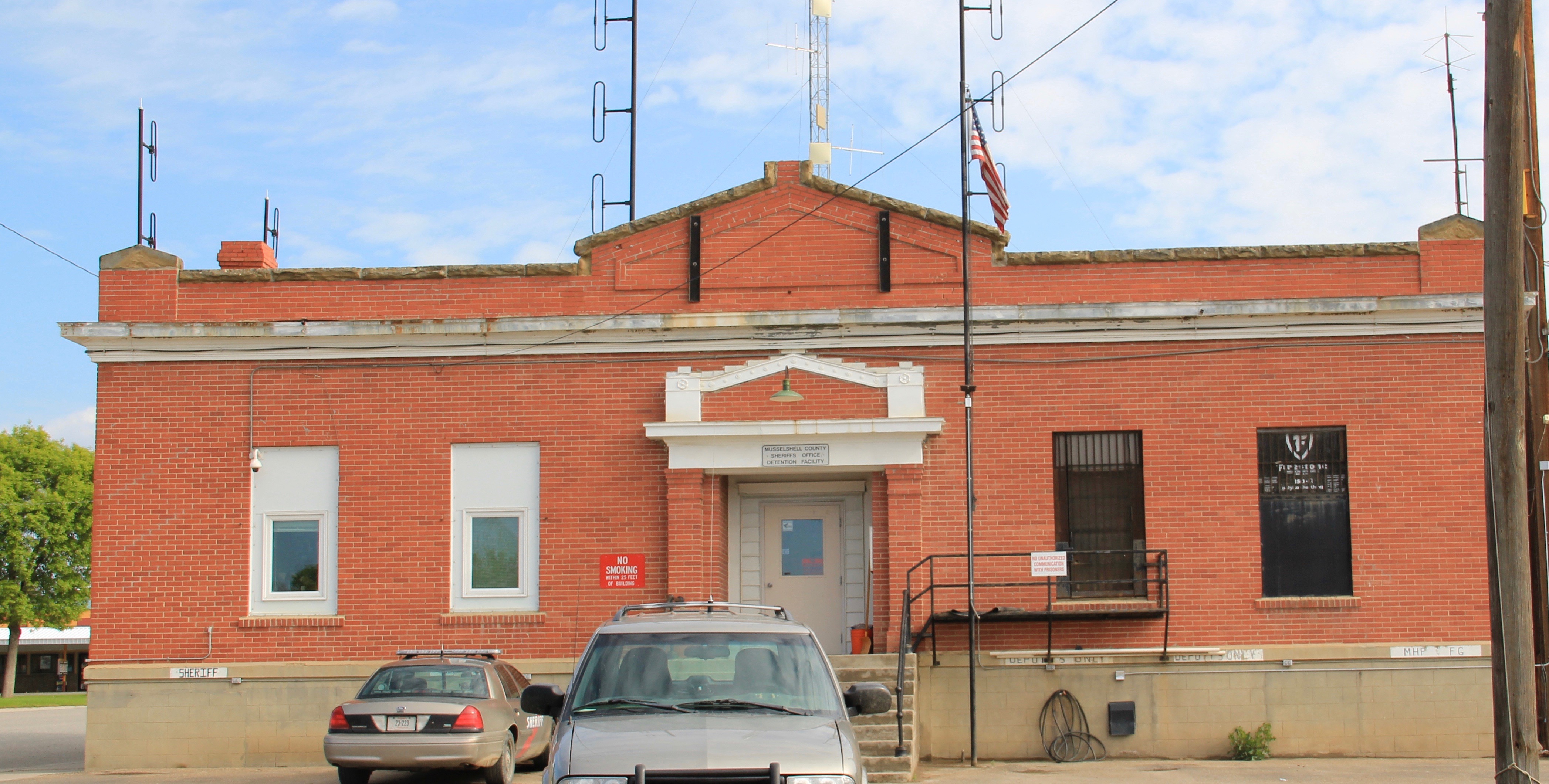
roundup jailThen the public buildings–the school, the courthouse, and even the classically tinged county jail shown above–added to the town’s impressive heritage assets. Of course some buildings I ignored in the 1980s but find compelling today–like in the riverstone lined posts of the modernist Wells Fargo Bank, and the effective and efficient look of city hall.

roundup bank


roundup City Hall

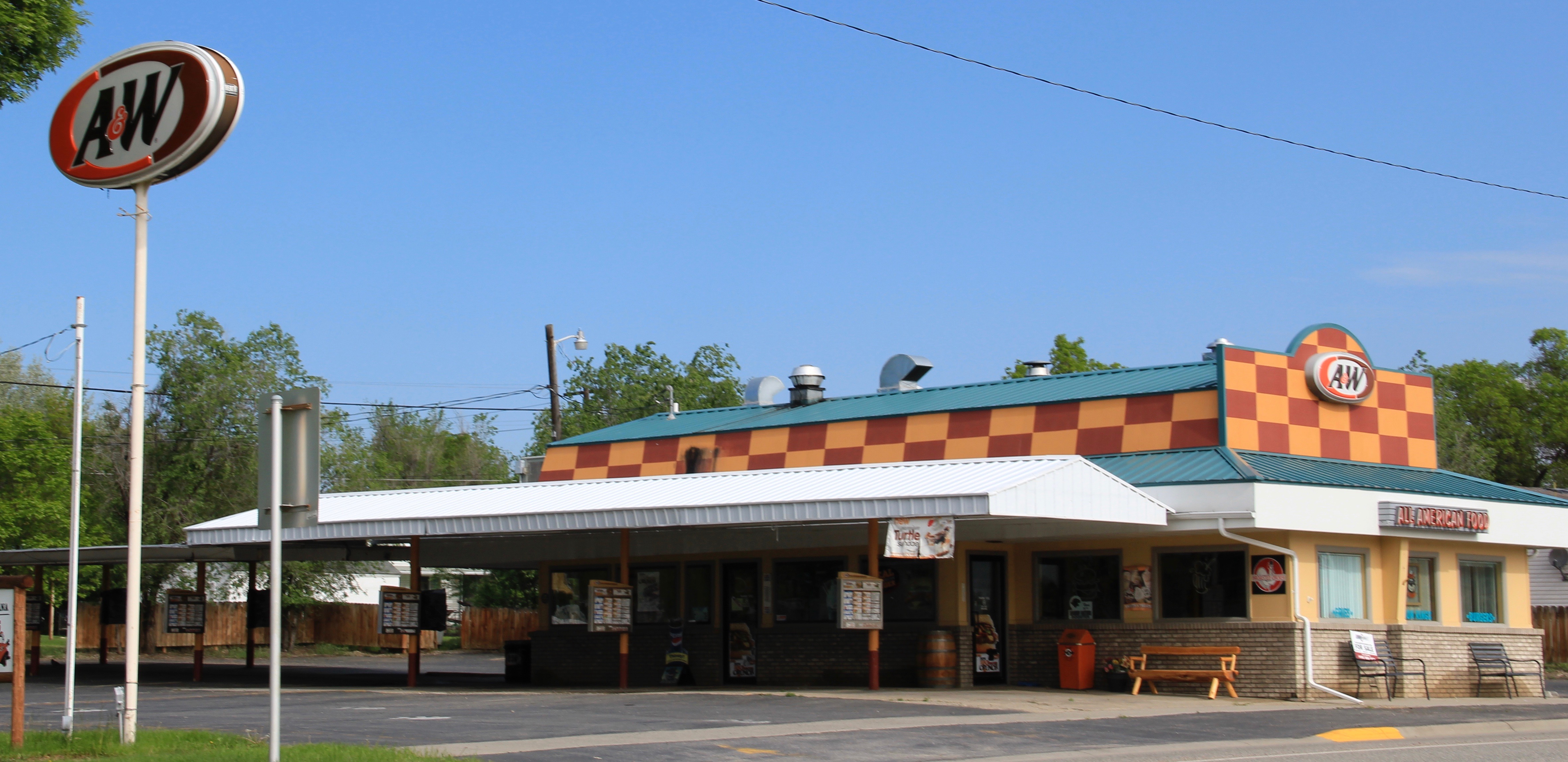
Yes when you take a close look at Roundup–the possibilities are there, as the new community partnership effort proves.  I can’t help but encourage this grassroots effort.  Good job Roundup, and I will be there soon enough to grab a float at the A&W and explore how a community moves forward with their impressive past as a foundation.

roundup A&W drive in

Finding new uses for old landmarks: lessons from Red Lodge

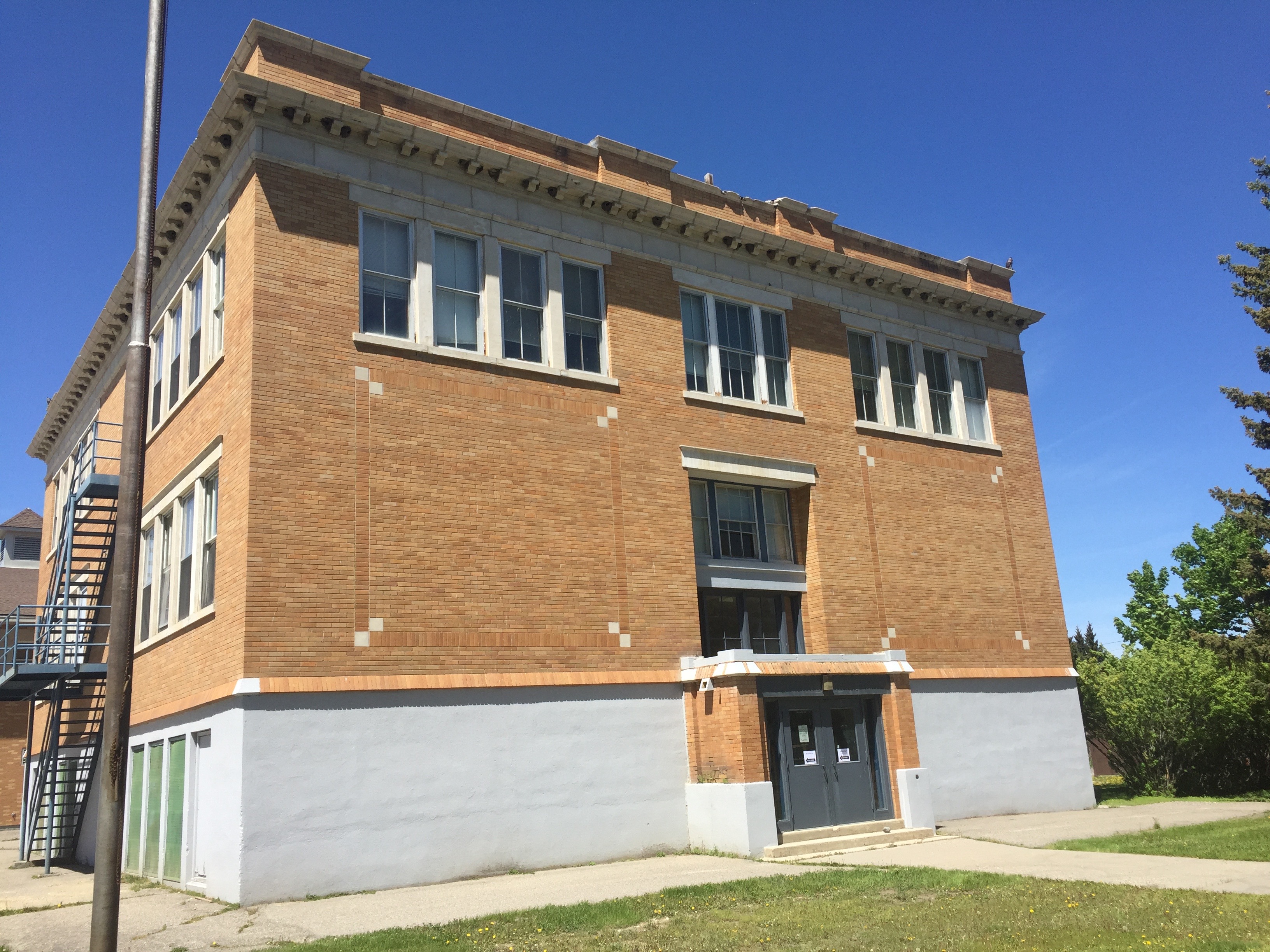
Roosevelt school, red lodge

In my Montana travels over the last two years, one of the most interesting, and potentially impactful, projects I encountered was in Red Lodge, where the Red Lodge Area Community Foundation is leading efforts to revitalize the historic Roosevelt School. When, earlier in the decade, the National Trust for Historic Preservation announced its interest in the one-room and rural schools of the Treasure State, I worried somewhat that the larger historic schools in small towns and county seats might be forgotten.  Red Lodge showed me that was not the case.

IMG_3516 (1)

I attended a historic preservation conference there in the summer of 2016, where the Montana Preservation Alliance used the school’s historic gymnasium as the conference hall–a simple yet very effective conversion.  Gyms had always been community gathering spots, for basketball obviously but also for all sorts of events.  There is always a comfortable feel to these spaces.

IMG_3505

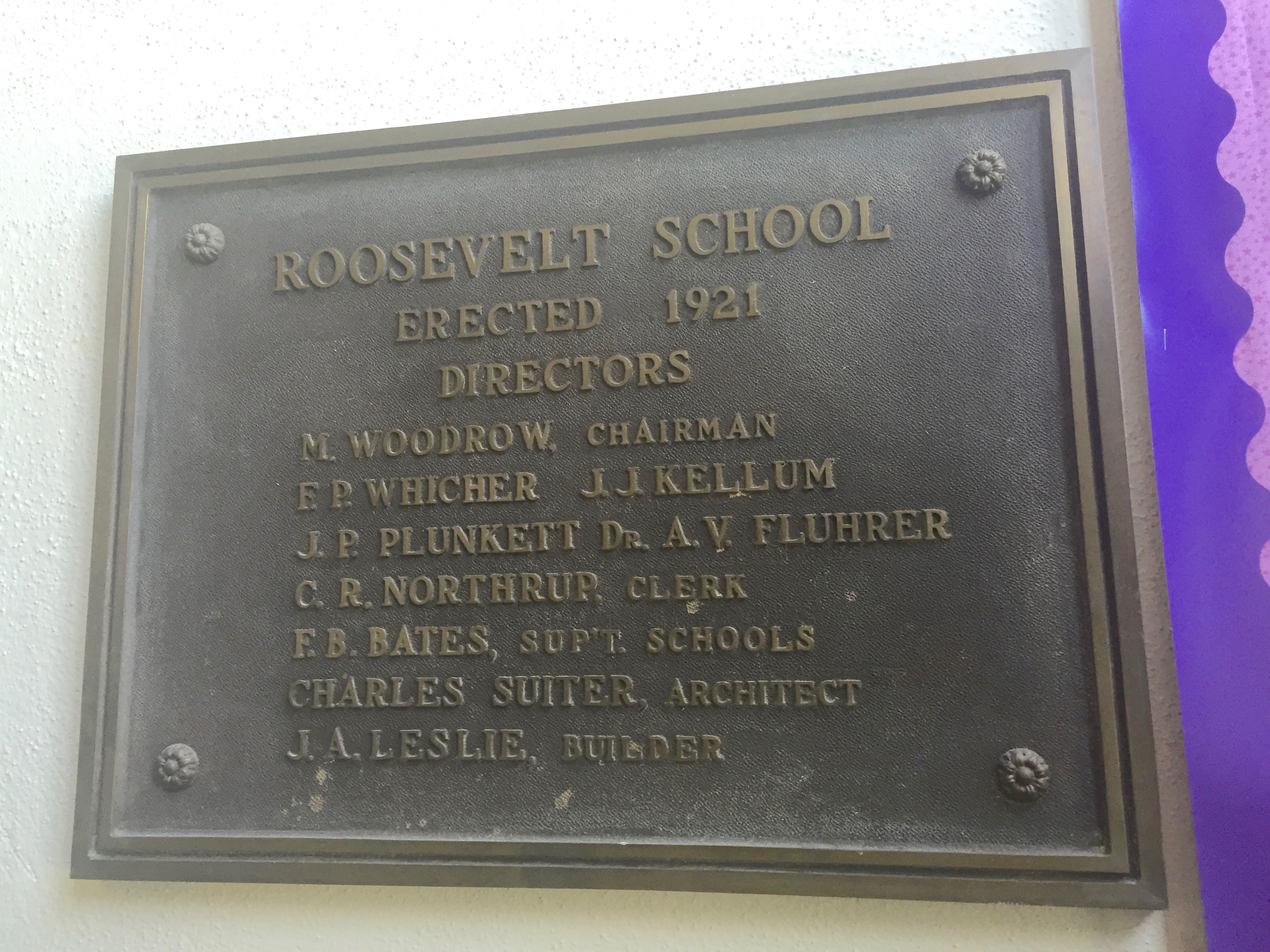
My surprise came when we toured the building.  I thought that due to the name Roosevelt, that the school had been yet another of the dozens of schools constructed in Montana during the “New Deal” of President Franklin D. Roosevelt during the depression decade of the 1930s.  Wrong–it was a 1921 building, named for former President Theodore Roosevelt, who was the champion of national parks and the open rugged west that Red Lodge was very much part of.  Charles Suiter was the architect.  He had twenty plus years earlier worked with the much more famous Montana architect John Paulsen as the contractor for the landmark Montana Hall at Montana State University in Bozeman.

So, the overall context for the school was different from what I had gathered in the past.  Here was an early 1920s community statement by Red Lodge leaders–the homestead boom had already busted, and tough times were just ahead for Montanans but the community then felt it was time for a modern building, with well-lit interiors and well-placed blackboards that did not glare in the sunlight.  And throughout the building there

roosevelt school red lodge 4

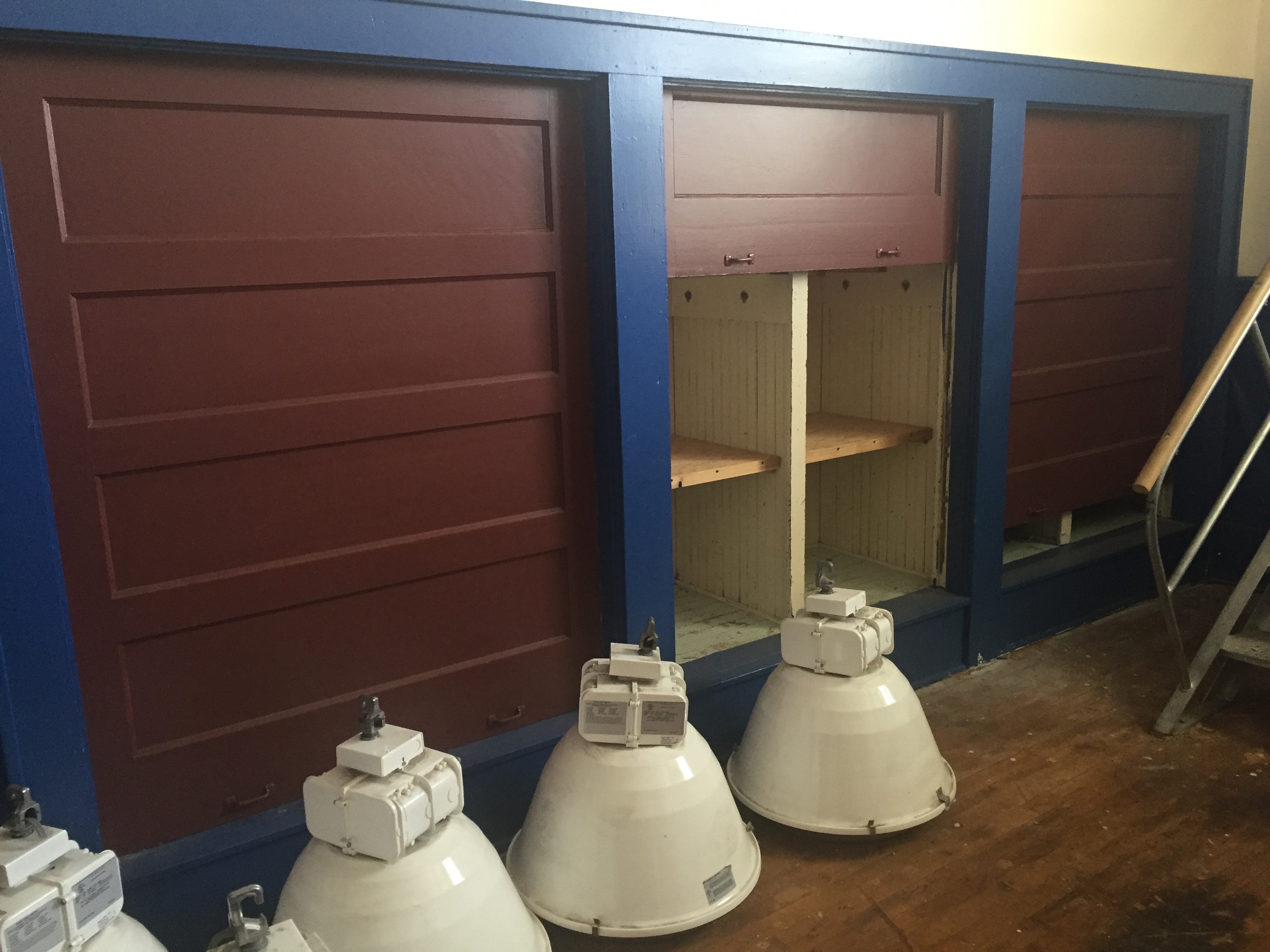
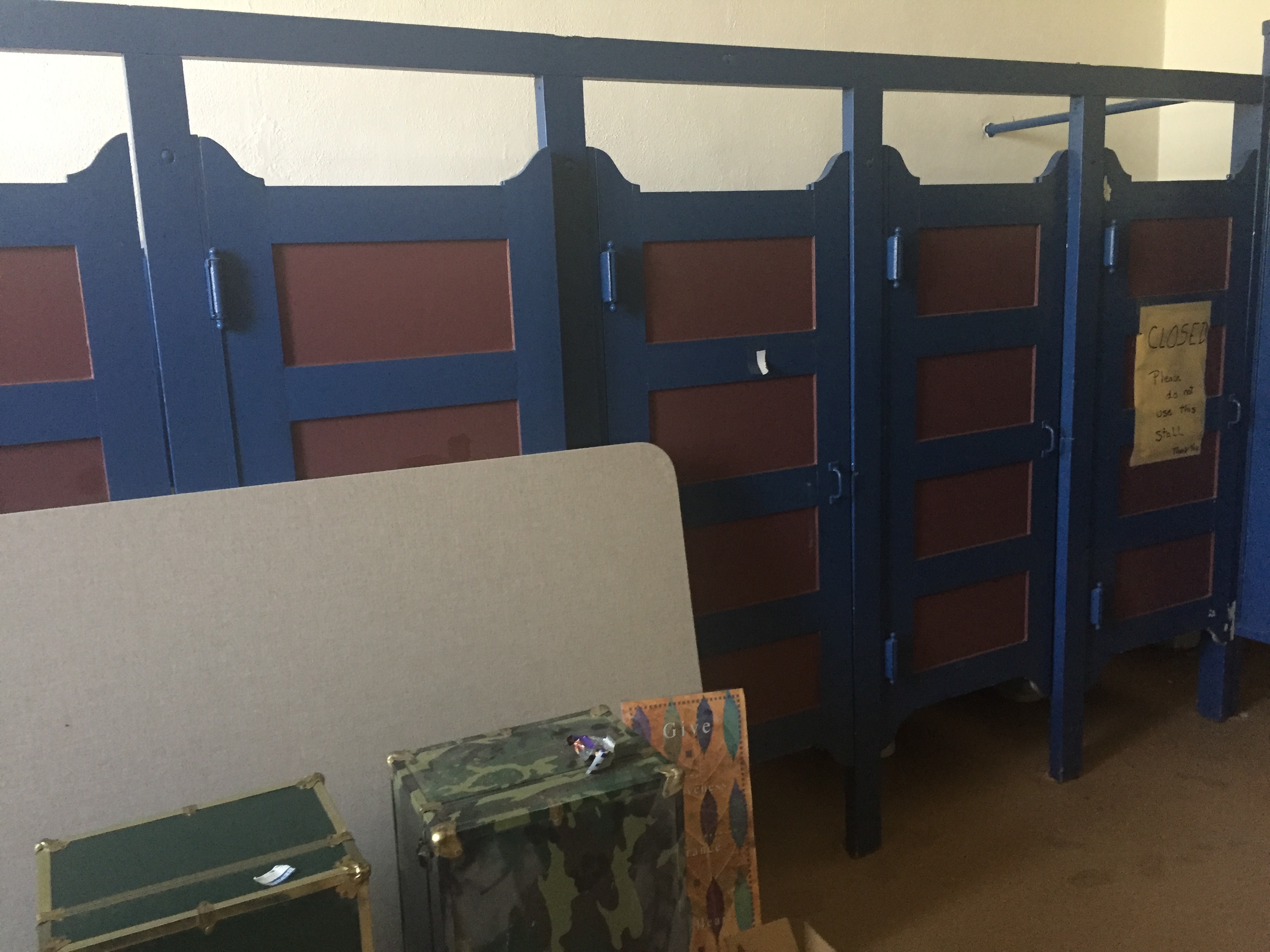
Roosevelt school red lodge 2were so many intact details from the time of construction–built-in storage spaces, private restroom stalls, when hallway clocks ticking down the minutes in a day–the place was like a time capsule.
IMG_3506 (1)

And then there was the third floor masterpiece, the combination library and performance hall.  Classical pilasters framed the stage and added touches of class and seriousness to the space.  Here was a public building that spoke to community ambitions but also community pride.

roosevelt school, red lodge 5Intimate spaces, classroom spaces, grand public spaces.  The Roosevelt School meant too much to be left to the wrecking ball, and the progress the community foundation is making there is reassuring:  once again smart, effective adaptive reuse can turn a building in a sustainable heritage asset for the town. It’s worth checking out, and supporting.  And it is next door to one of the state’s amazing throwback 1960s roadside
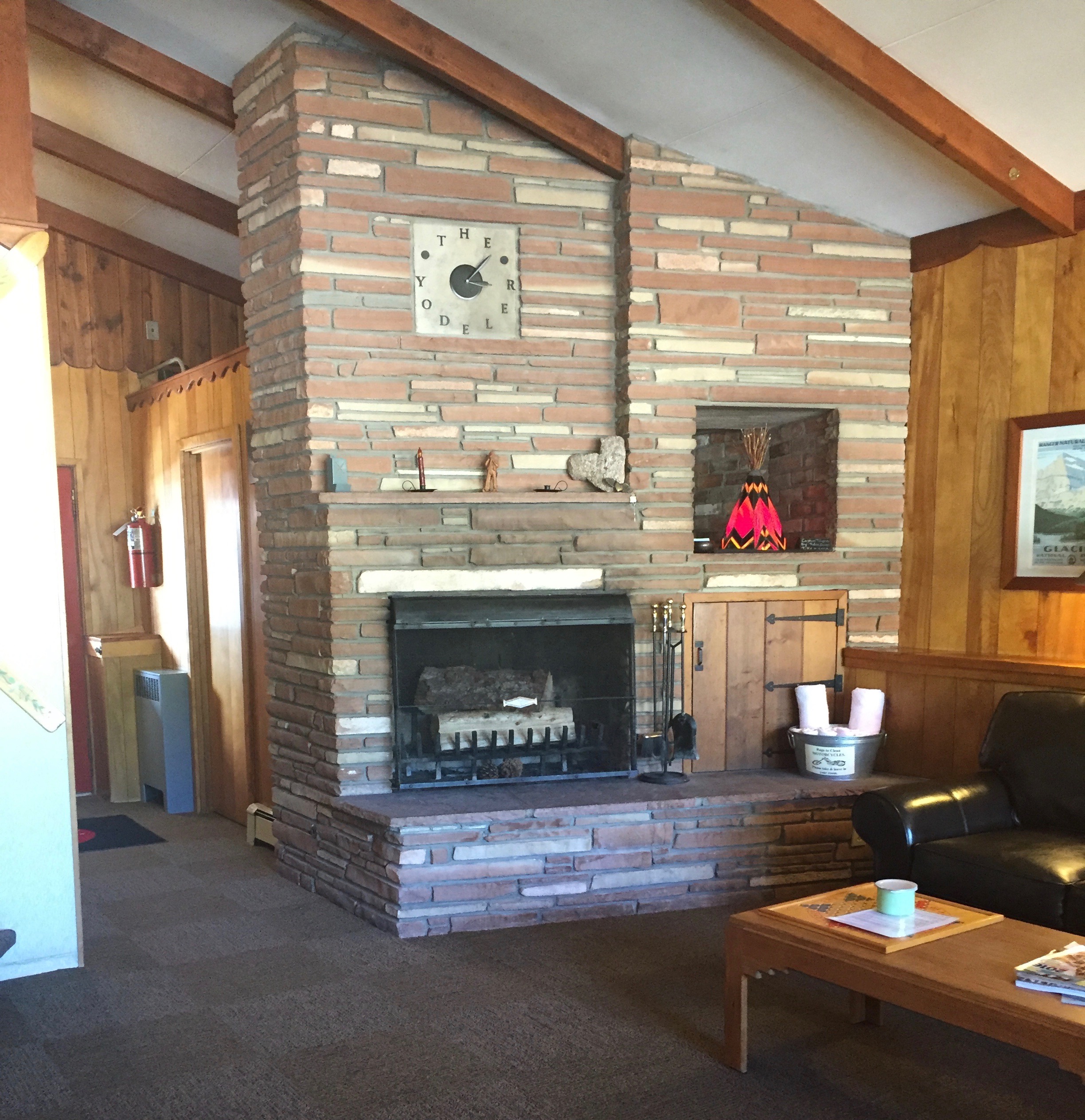
Yodeler Motel Red Lodge

experience, The Yodeler Motel, built in 1964.  Step back in time but also look at the heritage-infused future of Red Lodge:  a worthwhile stop indeed.

IMG_3513


Ready to hit the road in 2018

Rosebud town signs, roadside, Rosebud CoIn late may I return to the Big Sky Country, my first visit in two years, when I will once again be looking for changes in the historic built environment as I speed along the state’s

Prairie Co Fallon YS bridge NR and I-94 bridge roadsidehighways and backroads, crossing the bridges over the Yellowstone River, and trying my best to catch as many Burlington Northern and Santa Fe Railroad freight trains as possible, although I doubt that I will ever have such a fun moment than in 2013 when I

Valley Co Vandalia BNSF 3caught this freight along the original Great Northern route while I was driving on the original–still dirt and gravel–road of U.S. Highway 2 between Tampico and Vandalia.
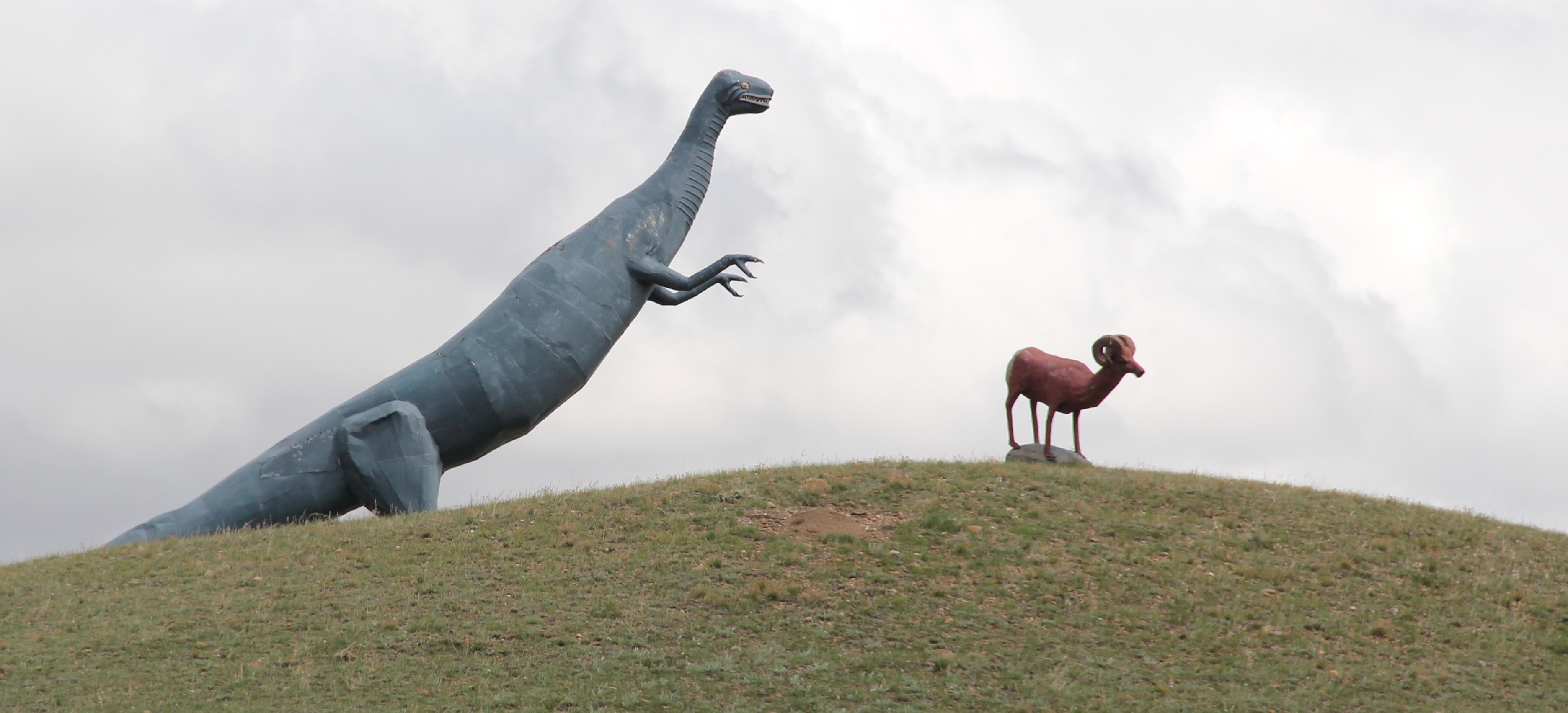
Valley Co Samuelson statues US 2 w of Glasgow 4 roadside - Version 2Certainly I will keep my eye out for Montana’s famed wildlife, although I don’t expect again to see a bighorn sheep outside of Glasgow, especially one being chased by a dinosaur.  I will also stay on the lookout, as regular readers of this blog well know, for the beef–it is rarely a question of where’s the beef in Montana.

Missoula Co MT 200/83 jct roadside  1No doubt there will be both new and older historical markers to stop and read; the evolving interpretation of Montana’s roadside continues to be such a strong trend.

Valley Co MT Hwy marker US 2 before Vandalia turn roadsideAnd through all of the brief stay in the state–perhaps 10 days at the most–I will also stop and enjoy those local places, far removed from the chain-drives roadside culture of our

Matt's Drive-in, detail, roadsidenation, where you can enjoy a great burger, rings, and shake, like Matt’s in Butte, or a good night sleep at any of the many “Mom and Pop’s” motels along the state’s highways, such as this one in Big Timber.
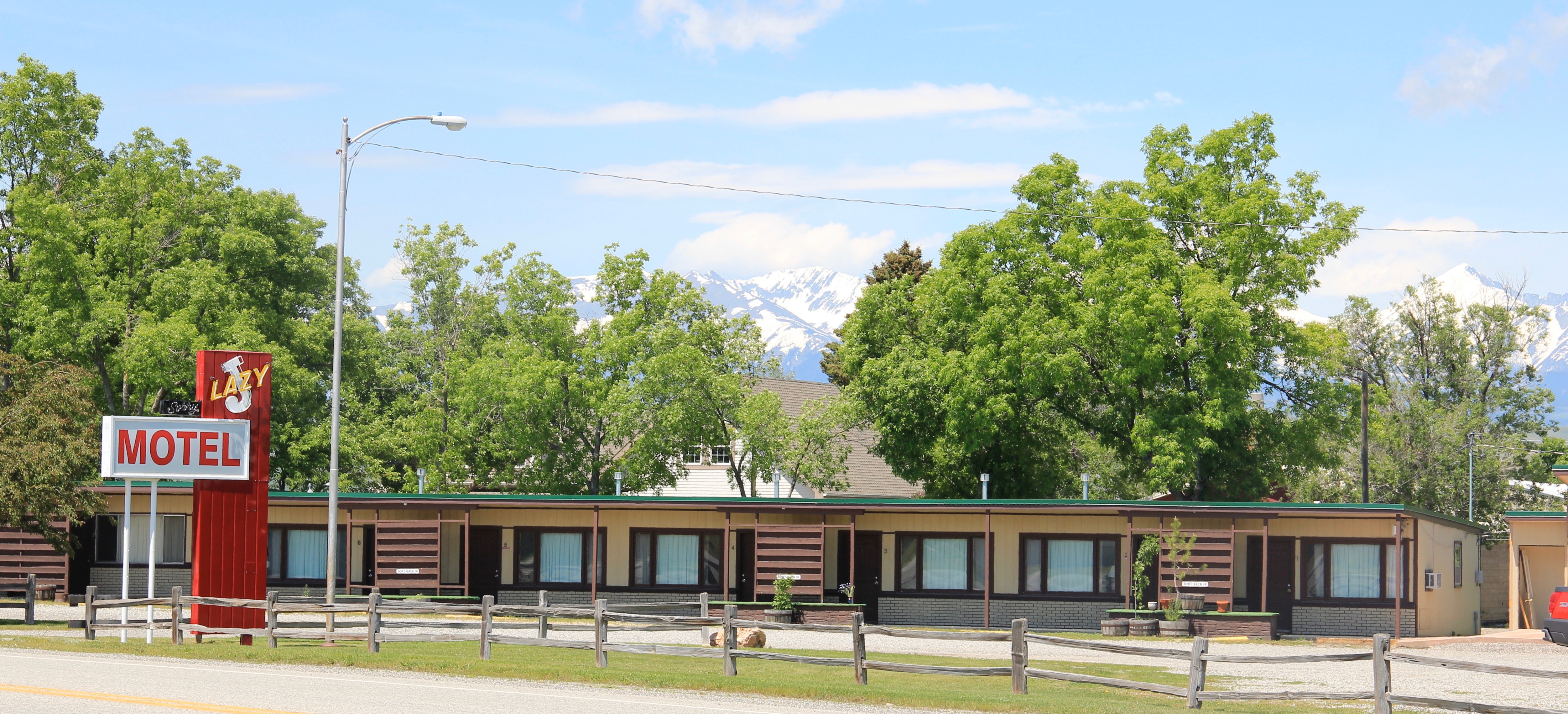
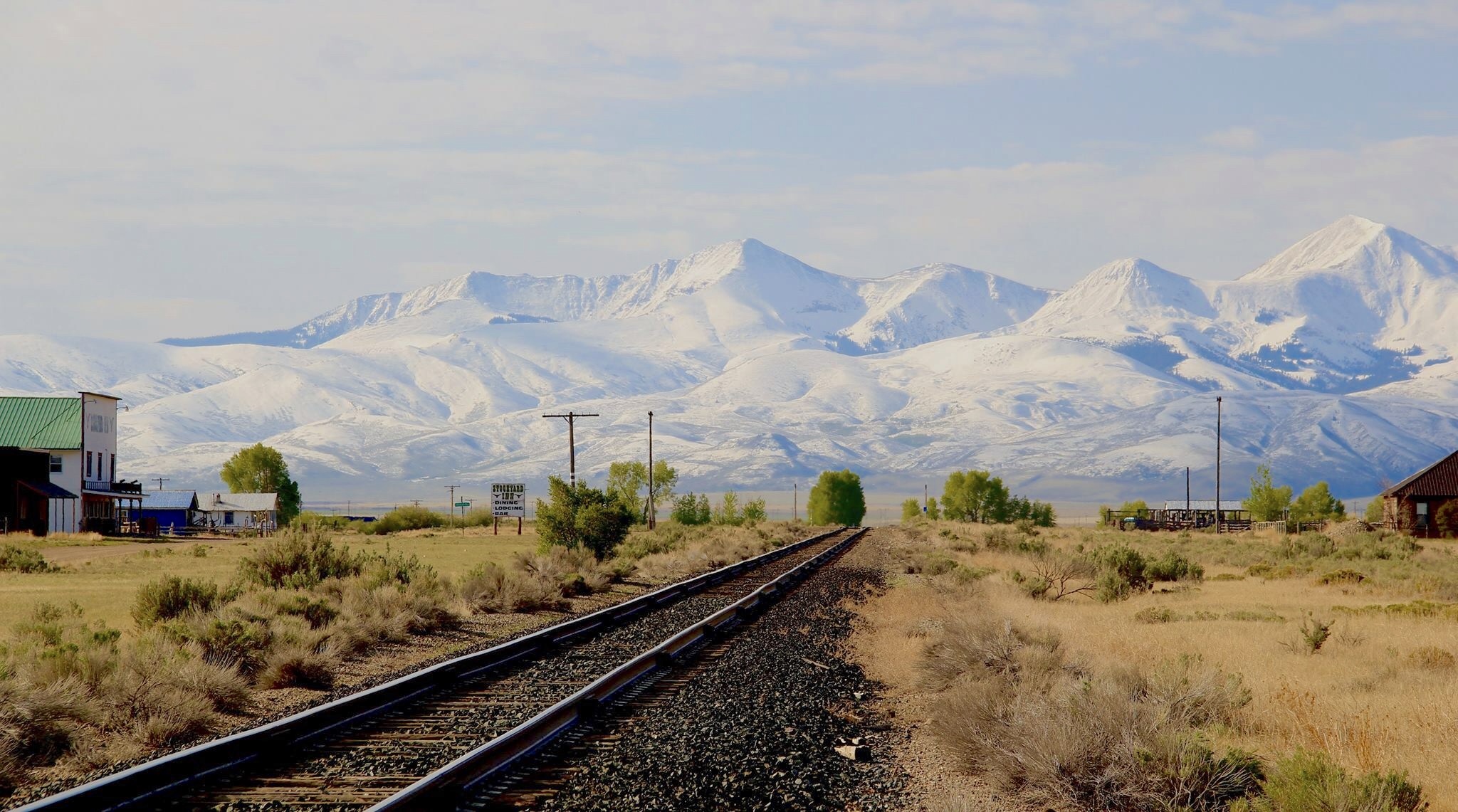
Big Timber roadside motel

See you on the road!

A winter day in Tennessee, fond thoughts of Montana

665FD124-6386-4018-AC4D-22477FE6D8D1

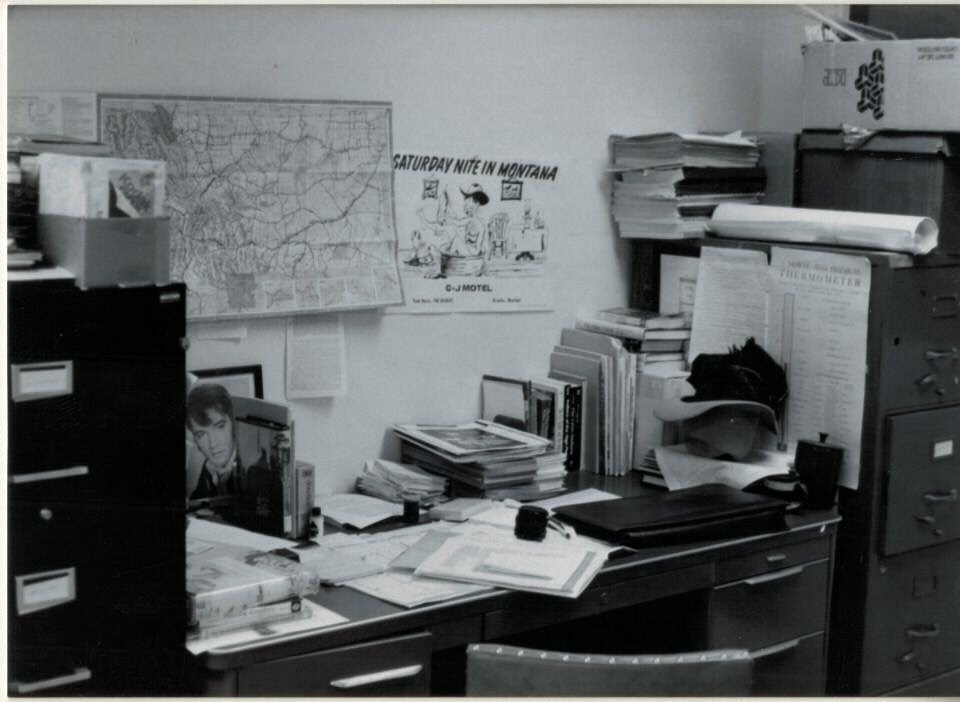
There’s been a bit of winter in Tennessee in early January 2018 and my university has been closed for two days due to three inches of snow (that’s no misprint). Days like this one lead me to reflection of my jaunt across Big Sky Country in the cold of February to the warmth of mid-May 1984. I had spent 2 months at my cubbyhole in the basement of the Montana Historical Society, shown below, and I was ready I

thought to hit the road. Wonders of all sorts I would find and here are just a few of the special (admittedly perhaps not spectacular to outsiders) places I encountered.

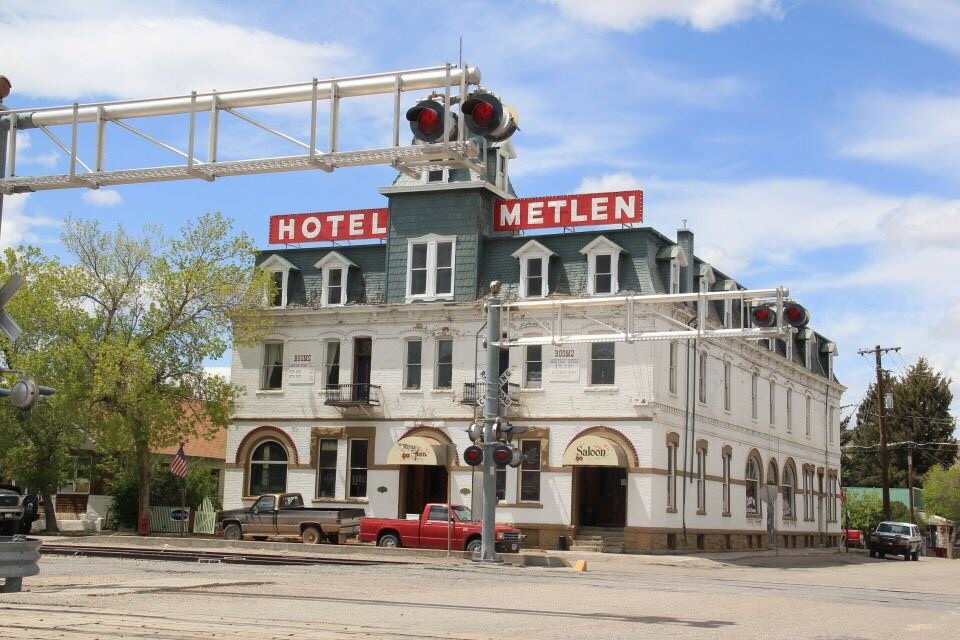
Just up the tracks from the opening image at the southern tip of Beaverhead County was the Hotel Metlen in Dillon. A grad student recently asked me about it, having come across it while trolling the internet. It sounds like a fleabag the student remarked–I probably didn’t help when I recalled staying there for 10 bucks in 1984. But what a great Second Empire-styled railroad hotel!

It had upgraded during my last visit in 2012–still classy in a dumpy way, if that makes any sense.

On the opposite end of the state, at Thompson Falls, was another favorite lodging spot, a classic 1950s motor lodge, the Falls Motel. Spiffy now but still Mom and Pop and so far away from the chain experience of today.

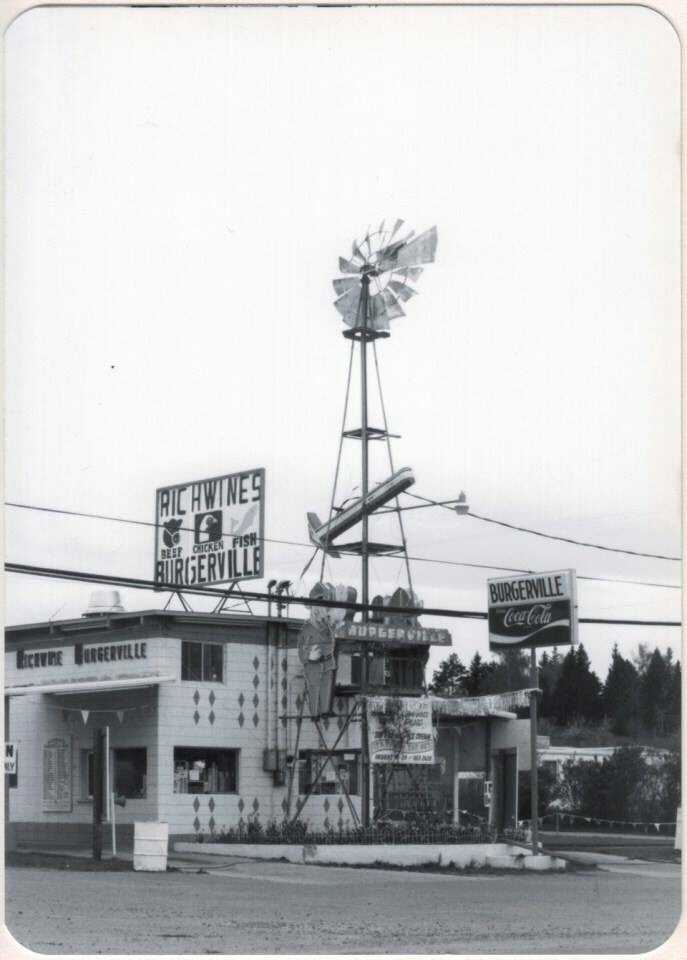
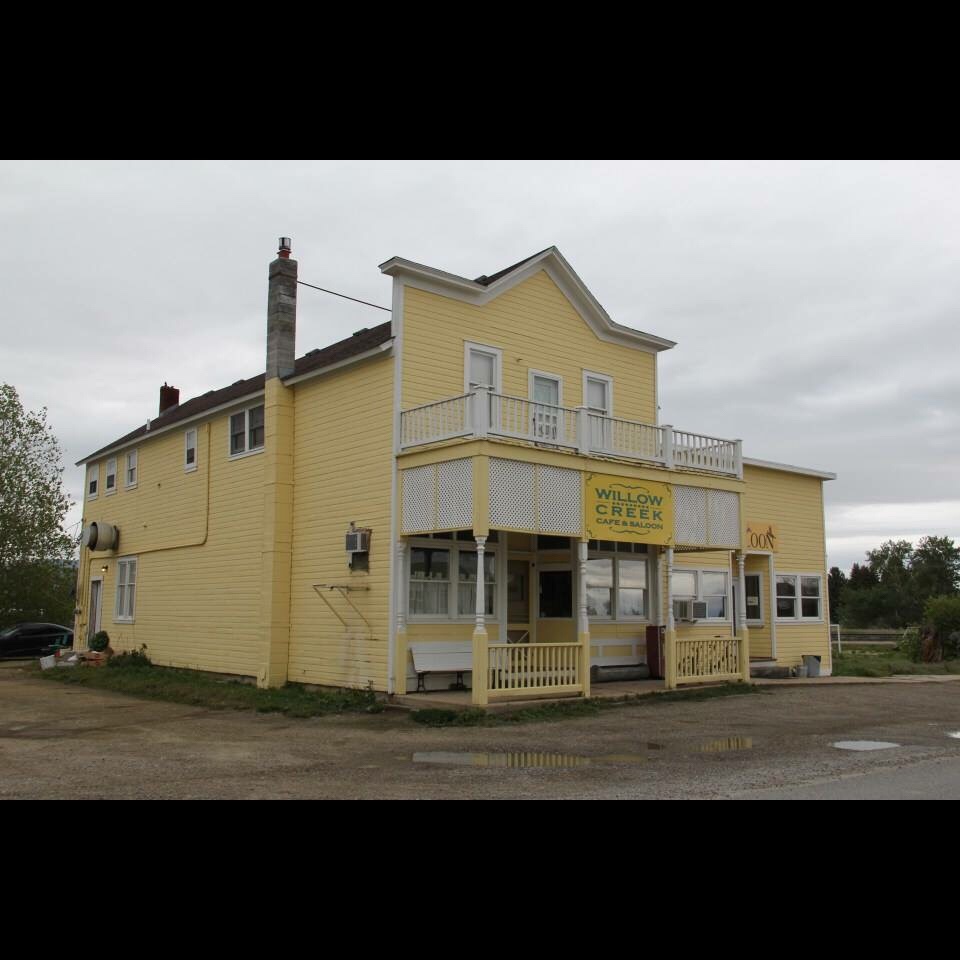
But as regulars of this blog know, I didn’t care where I stayed as long as beef, booze, and pie were nearby. Real rules for the road. The beef could range from the juicy roadside burgers from Polson (the b/w image) to the great huge steaks at Willow Creek (the yellow tinted roadhouse).

And speaking of roadhouses Wise River Club from 1984 above is still going strong and as friendly as ever. While the owners keep changing at Big Timber–the sign still

chops away and the beer is still cold. That is what you need on the road.

Wait! Pie matters too, represented by the Wagon Wheel in Drummond, above. Southerners do brag about pie, and I believed in that regional myth, until I traveled Montana. I swear that there are most great pie places in a single Montana County (say, Cascade) than all of Tennessee. On cold days I still think of a Montana cup of coffee (always strong) and a piece of grit pie. In 1984 I just needed that one afternoon stop to push on for a few more hours of driving and documenting the captivating landscape of the Big Sky Country.