Big Timber and suburban aesthetics

Readers of this blog on Montana’s historic places will see that, clearly, Big Timber is one of my favorite railroad towns of the Yellowstone Valley. Its classic T-plan is one reason why. The top of the “T” runs roughly along the river and railroad tracks, facing the Crazy Mountains, while the stem of the “T” becomes the town’s Main Street, as you can see above.

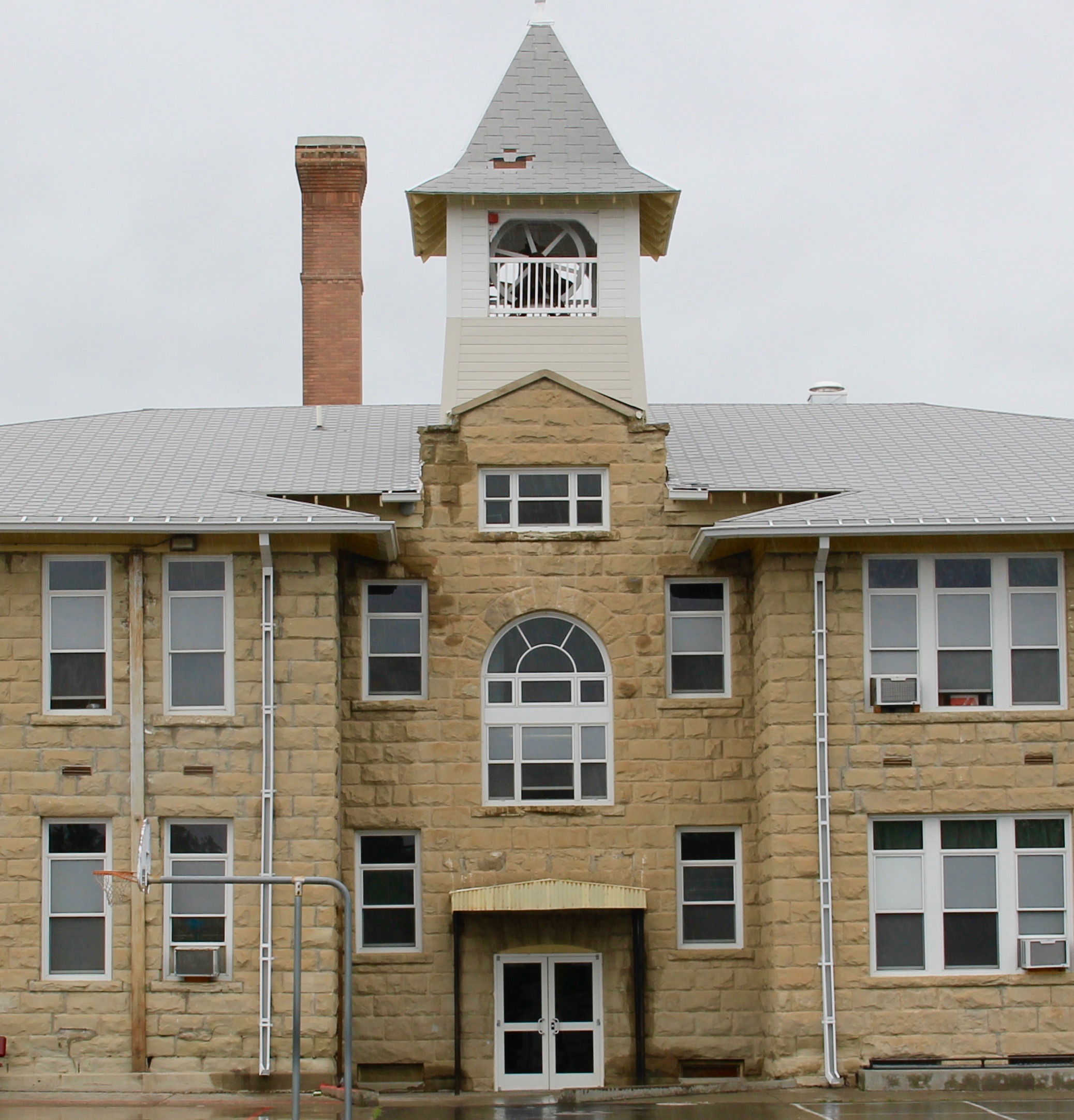
Big Timber school in 2014

Distinguished one and two-story historic buildings along Main Street and scattered throughout the town are among the other reasons I enjoy Big Timber. The fate of of one of those places is the theme of today’s post.

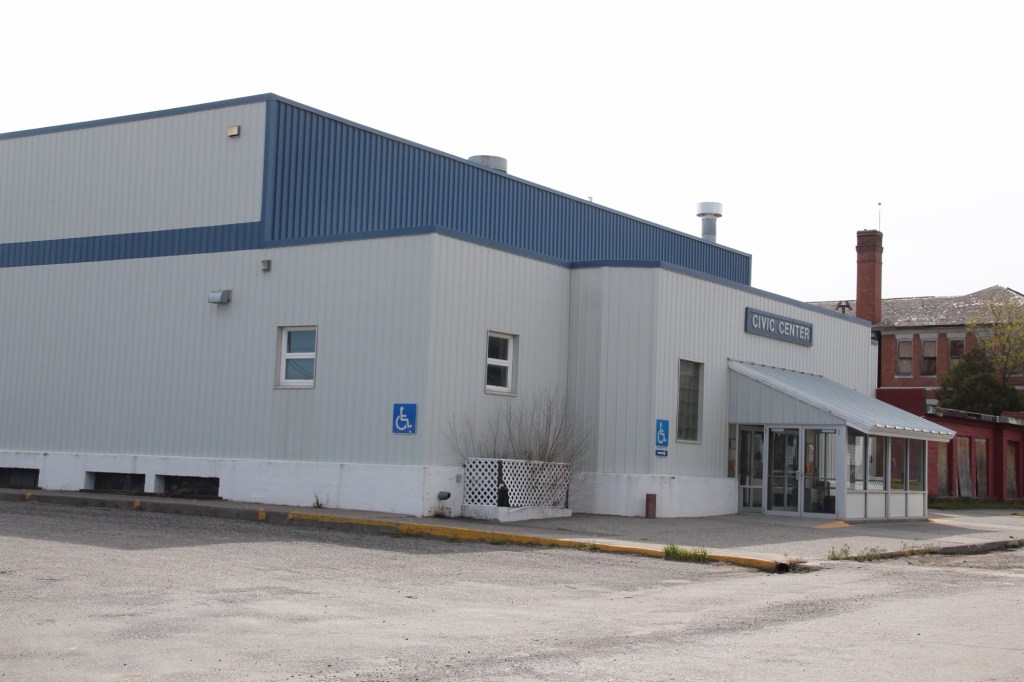
I have earlier talked about the town’s three primary public spaces (the courthouse, the school/library, and the Sweet Grass Mill park at the south end of Main Street.) The second oldest space is defined by its historic school and the adjacent Civic Center (which also served as the school’s gym) and the Carnegie Library, which was expanded last decade.

Civic Center in 2014. Note the rear of the school in the far right side of the image
Expanded Carnegie Library, 2021
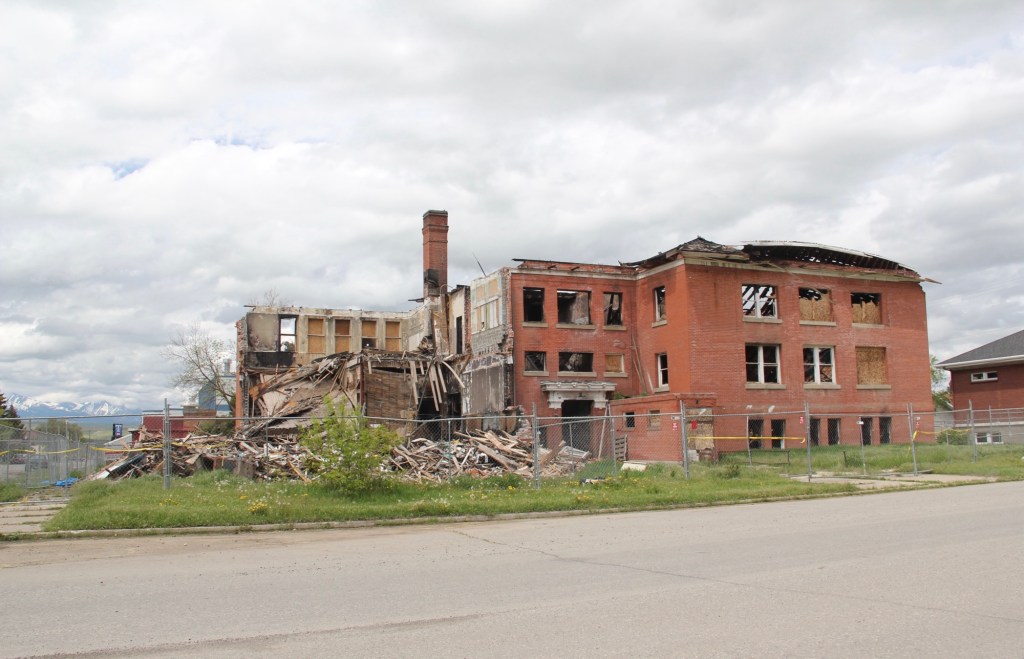
School after fire, taken in 2018

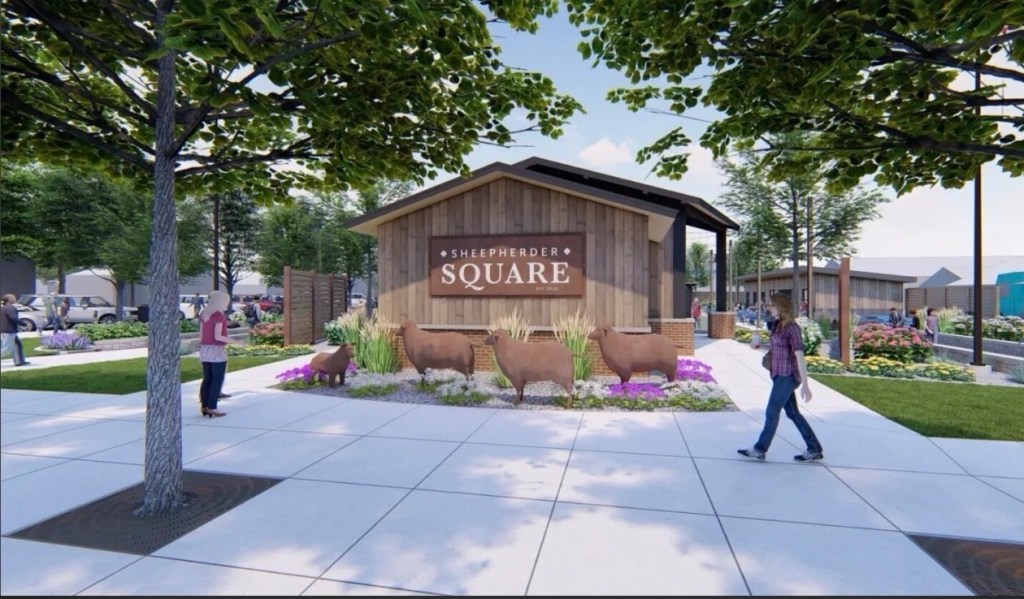
After the disastrous fire of 2017 that destroyed the school, the future of this public space was left in doubt. Here at the end of 2025 an answer has been presented—a new outdoor space called Sheepherder Square, designed by a Bozeman-based architectural firm. A foundation has been established to support the project and fundraising is underway.

The square will be an open space with an amphitheater and other amenities that link the library and civic center. The rendering above, from the Helena Independent Record website, shows a lot of concrete walkways, perhaps too much of a suburban aesthetic for a western railroad town. Will it compete with/ replace the Sweet Grass mill park? How will it blend with pedestrian traffic at the library and the Main Street business district?

This envisioned transformation of an empty lot will be interesting to monitor over the next year or two. Is the look and feel of Big Timber headed in the right direction?

The evolution of Billings’ Montana Avenue

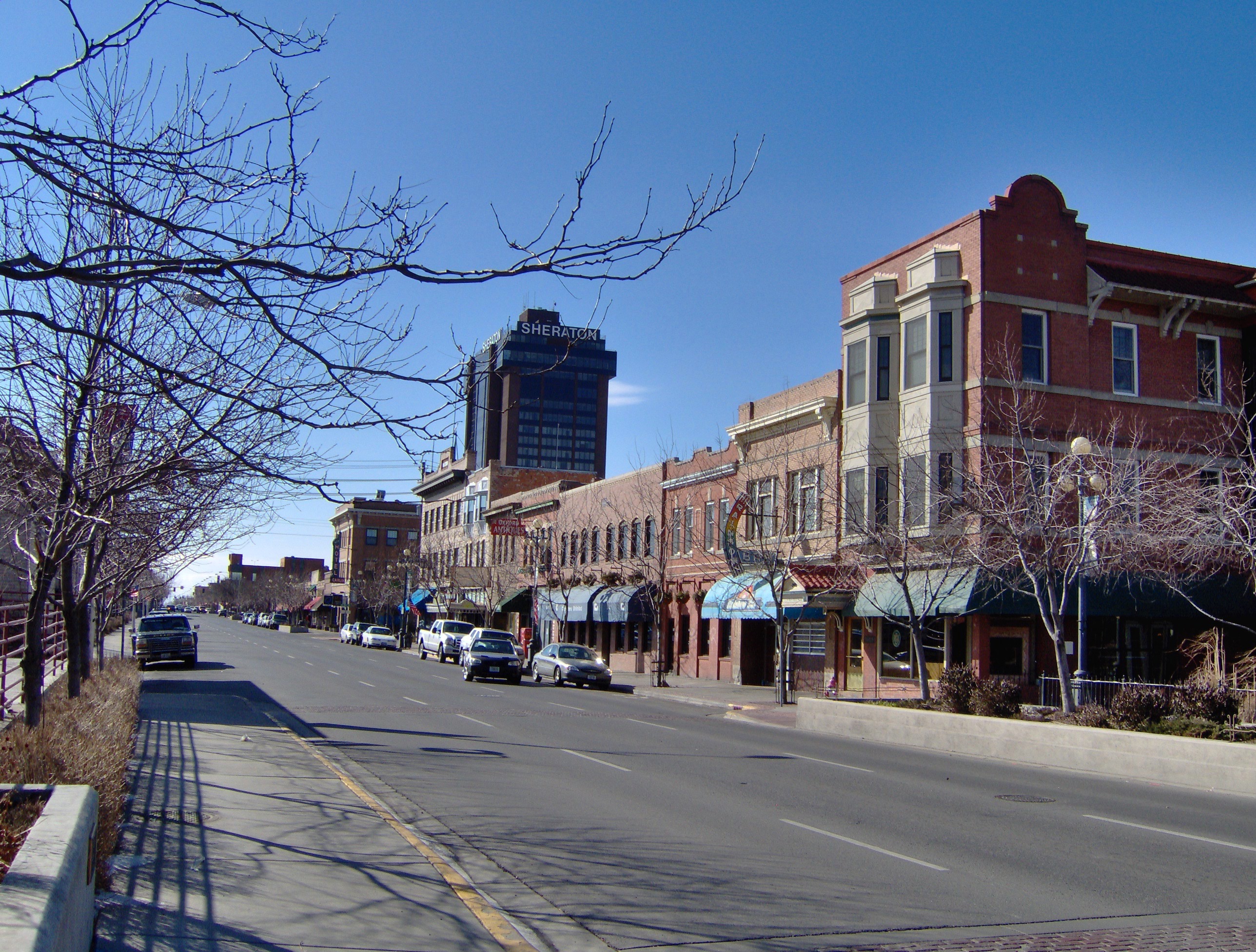
I was last in Billings in early July and, as usual, I immediately walked around Montana Avenue to see what was going on—doing that walk has been a tradition for me for over 40 years.

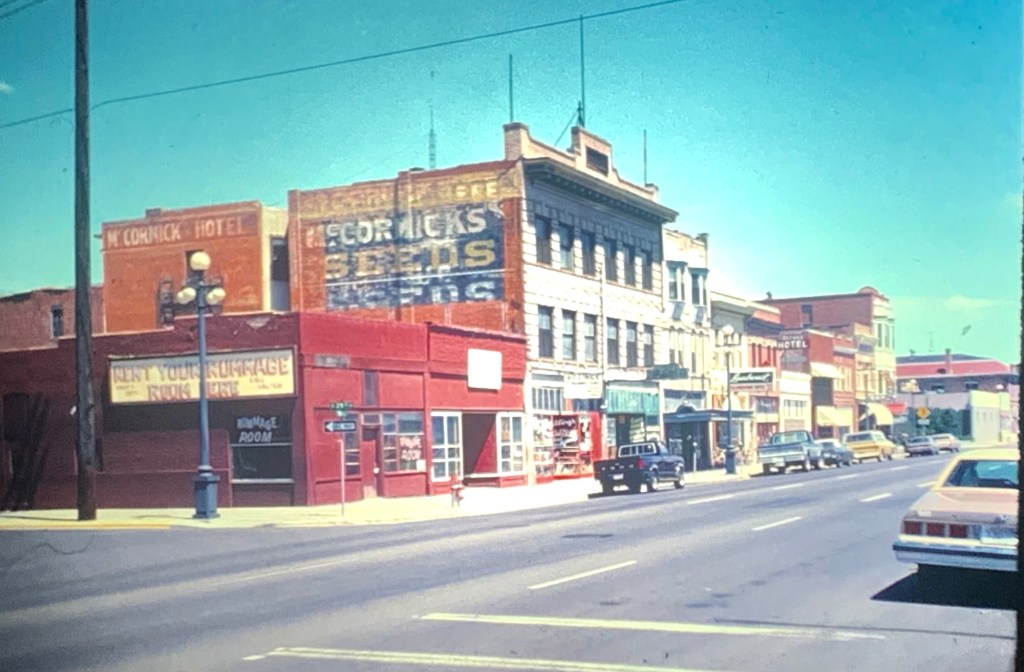
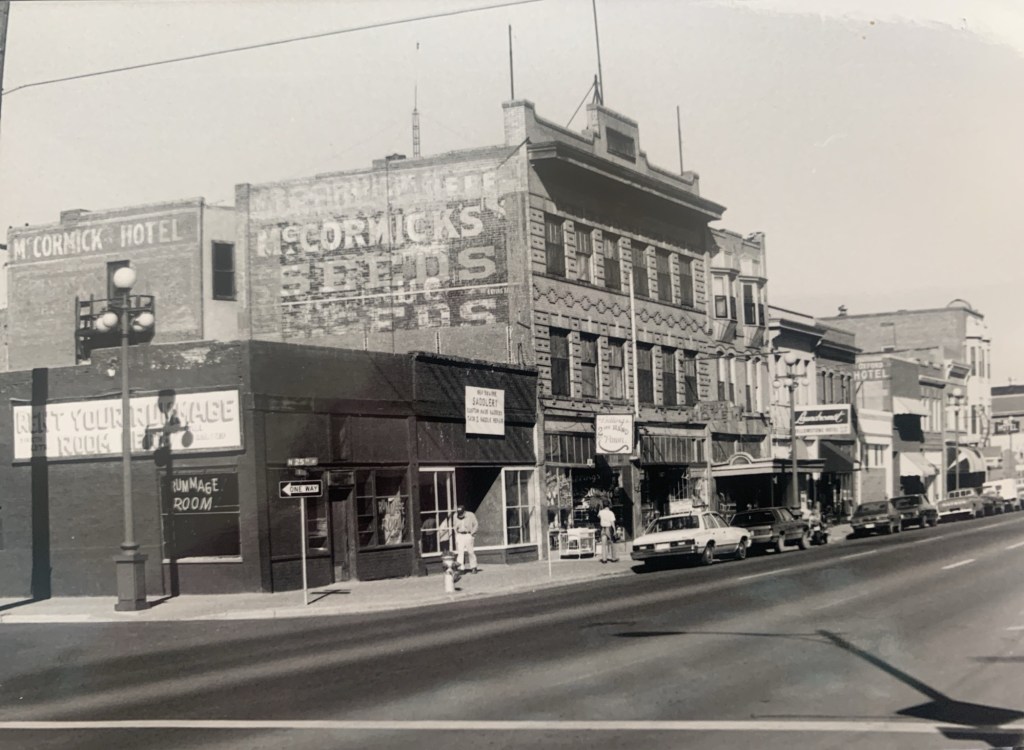
Do you remember what Montana Avenue was like in 1985–well here’s two views if you don’t recall, or were even around in 1985. It was a mix of second hand, rummage, stores, “antique” stores, flophouses, and an emerging galley scene, led by Toucan Gallery.

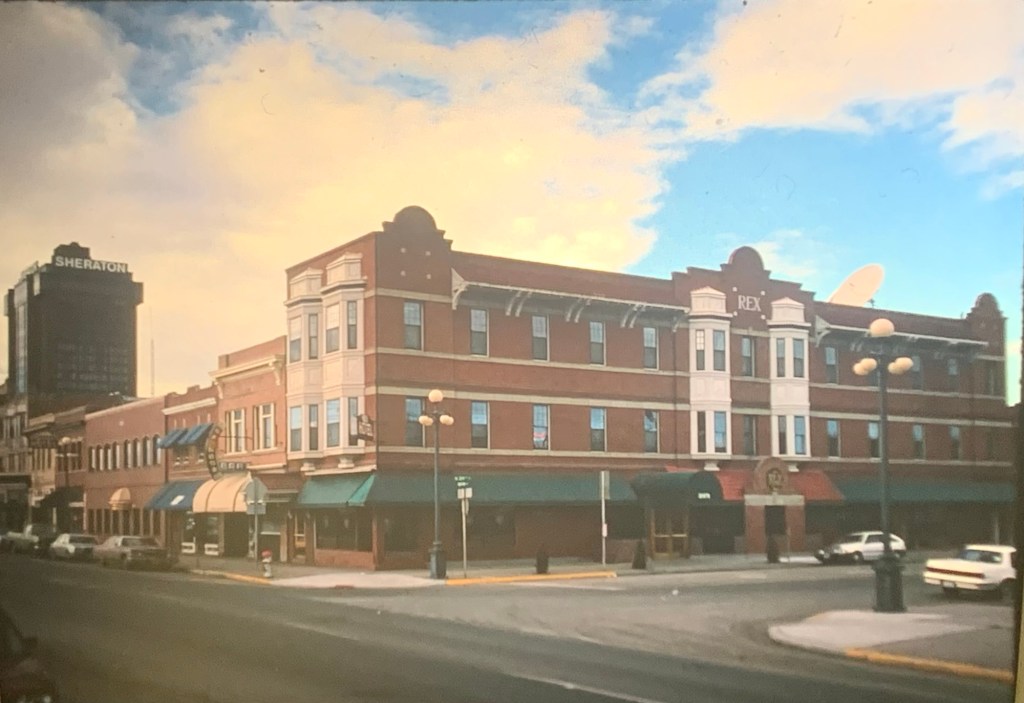
Rex Hotel 1985

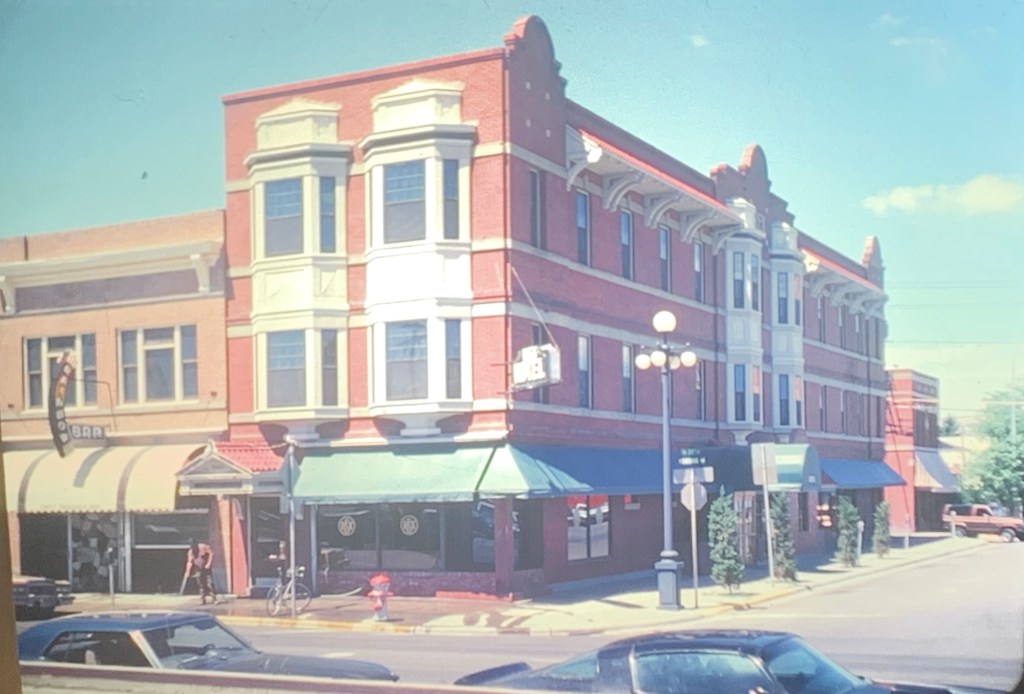
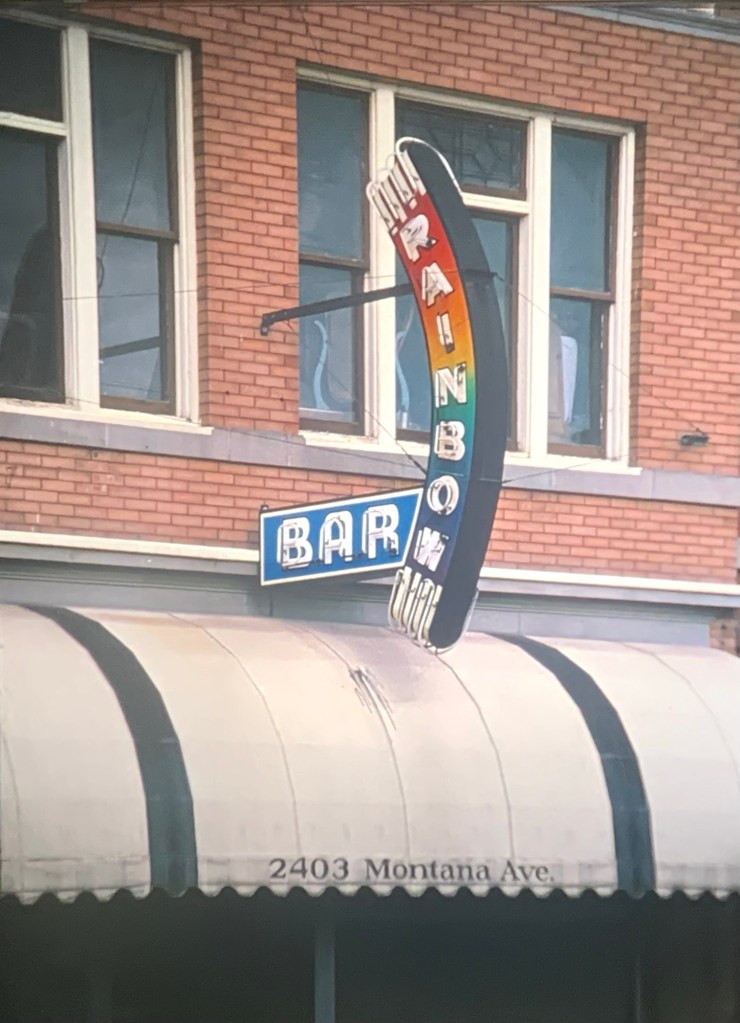
There was an oasis—the restored Rex Hotel, with one of the city’s best restaurants, and next door, the Rainbow Bar, an oasis of a far different type. Thankfully both businesses, with some changes, remain anchors to the district today.

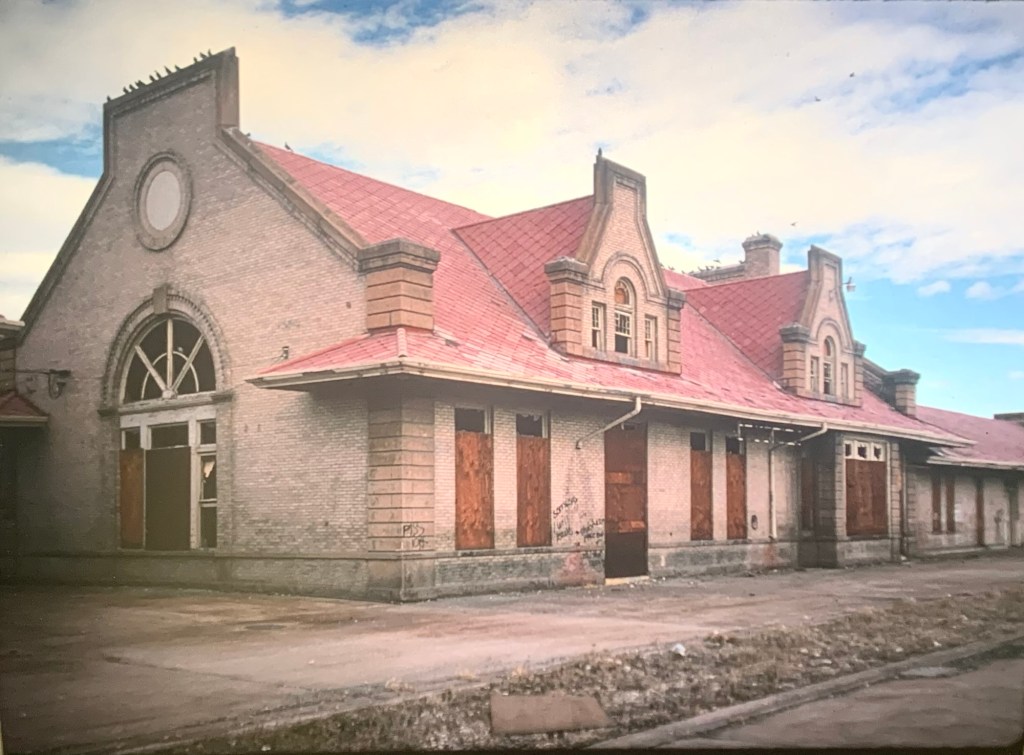
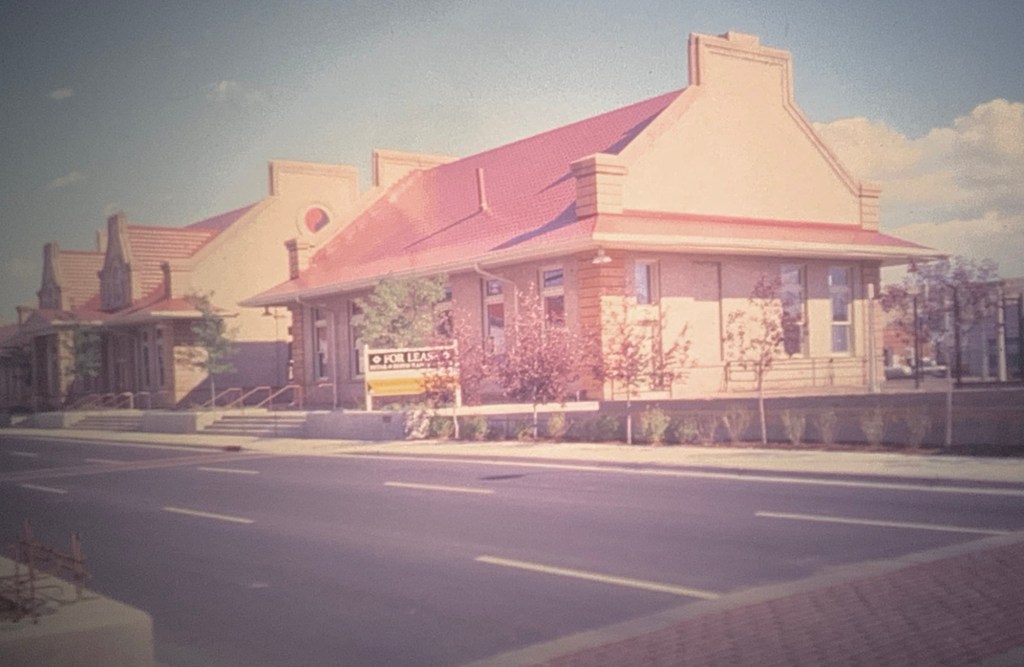
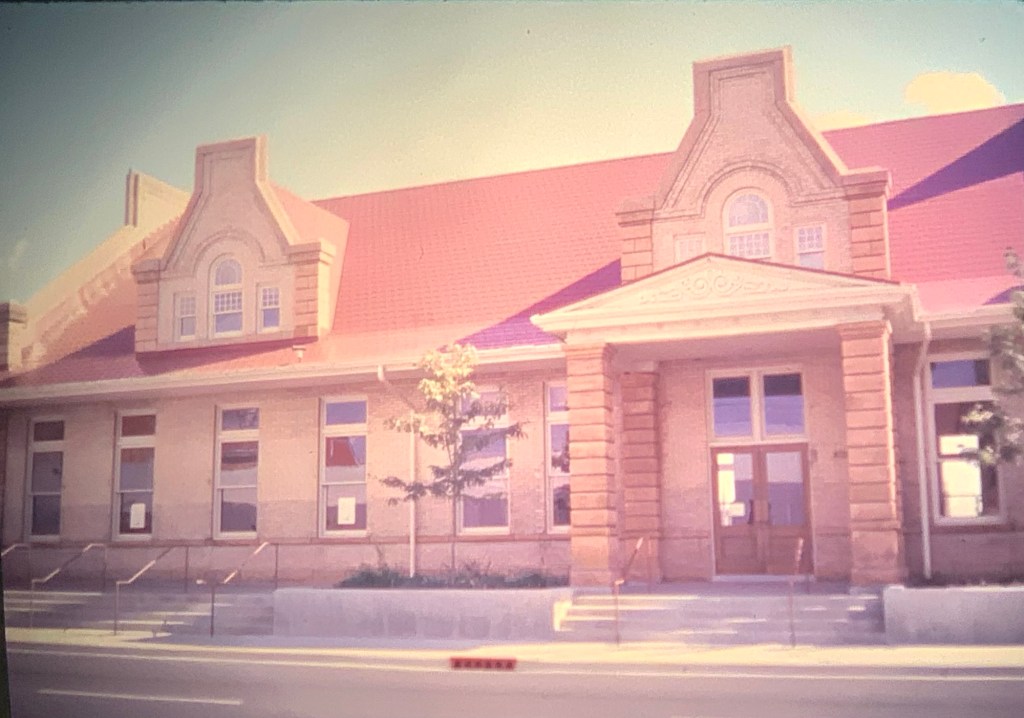
On the opposite side of the street—despair. The imposing 1907 Northern Pacific Railroad depot was boarded up, forgotten and deteriorating. The reality was a puzzle to me because already in Great Falls and Missoula investors had restored and reopened historic Milwaukee Road depots. Why not Billings?

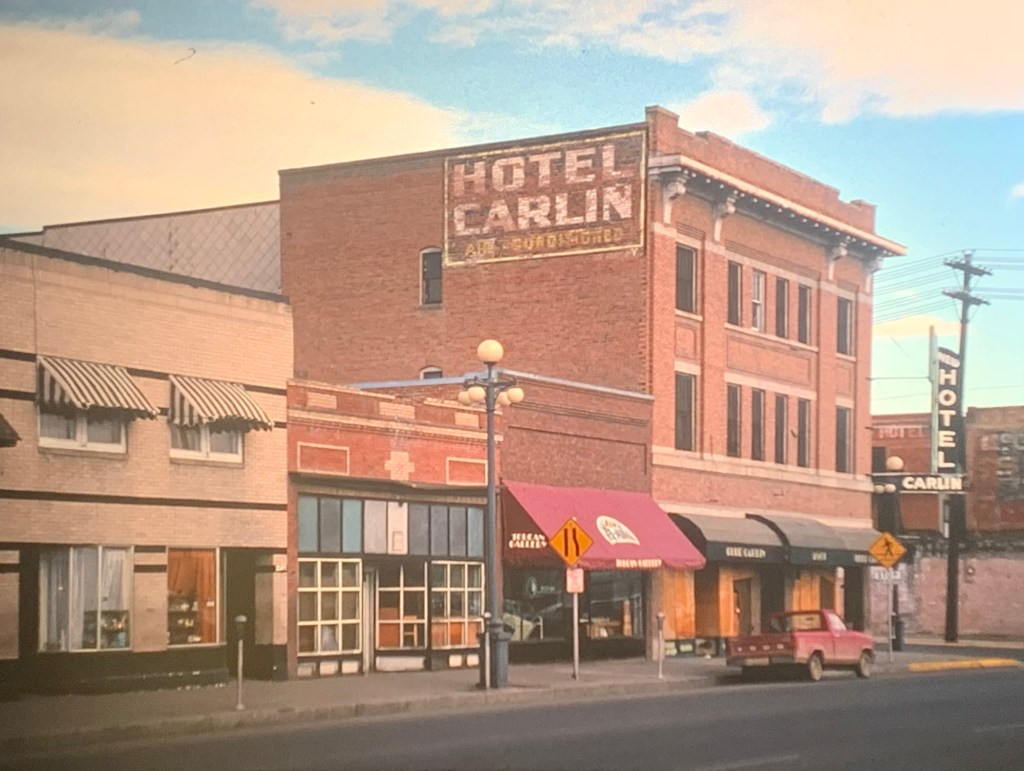
Five years later, 1990, it had gotten worse instead of better at the depot. When graffiti begins to mark a historic building the end is often near. On the other side of the street, however, new investment kept the historic buildings moving forward.

Rex Hotel and Montana Avenue 1990
Rainbow Bar 1990
Hotel Carlin block, 1990
McCormick Block, 1990

Changes were afoot at the McCormick Block where two adjacent one story 100 year old buildings had been torn away to create a parking lot.

And the district had a new east end, with the conversion of a 20th century building into the Coulson Bar. I loved the reference to the river town that was a precursor to Billings.

The 1990s was when the historic preservation movement transformed Montana Avenue. The Montana Avenue Historic District was listed in the National Register of Historic Places, thanks to the vision of property owners supported by the city and the State Historic Preservation Office and the work of Chere Jiusto.

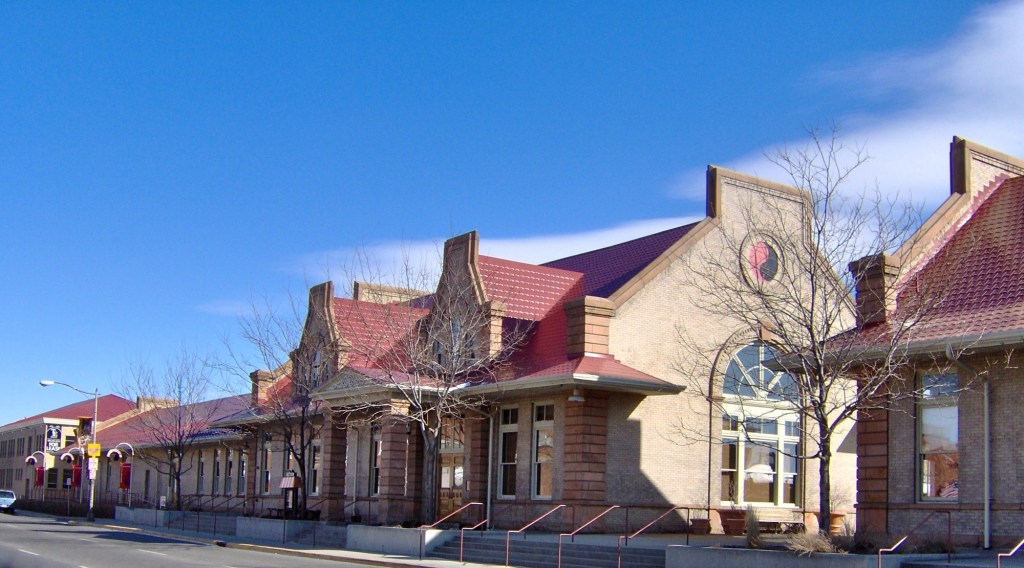
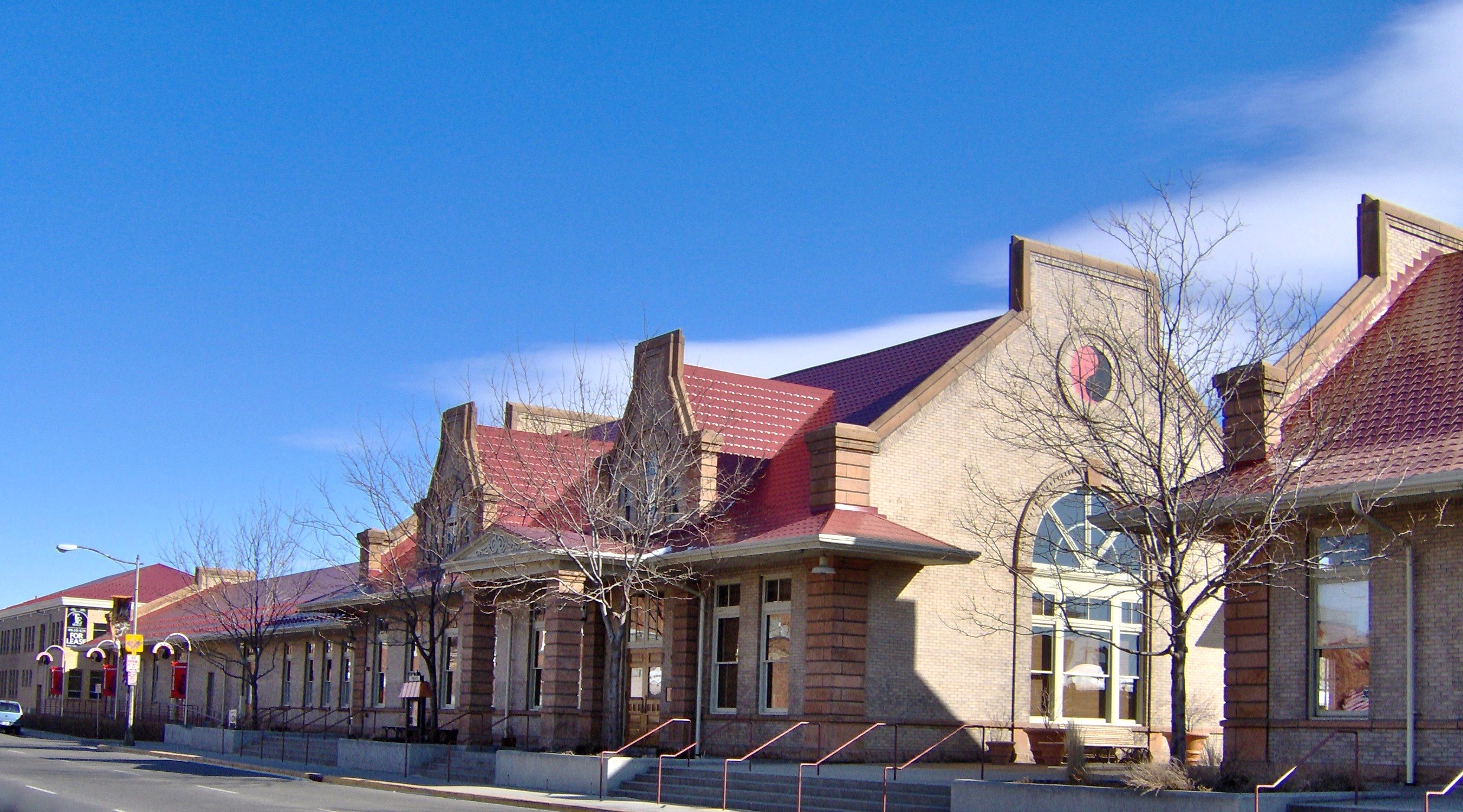
When I next visited in 1998, I found the depot, finally, restored and serving as a new anchor.

The new courtyard at the Rex was quite the place to be and be seen. I even saw Hollywood stars there in 1998. the 21st resurgence of Montana Avenue was ready to begin.

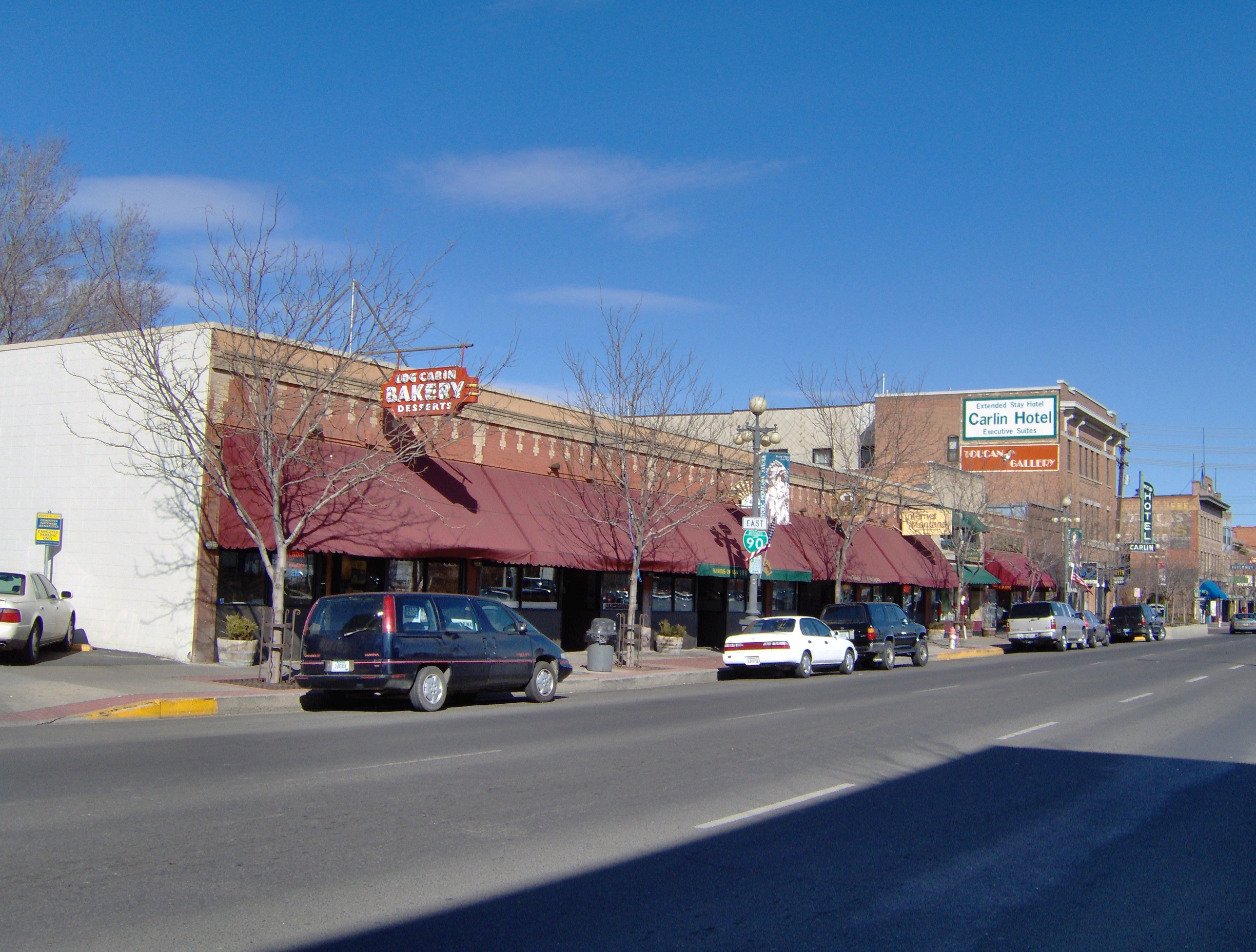
How many of you used the Internet cafe at the McCormick Block? I did in 2000 when I took the image above.

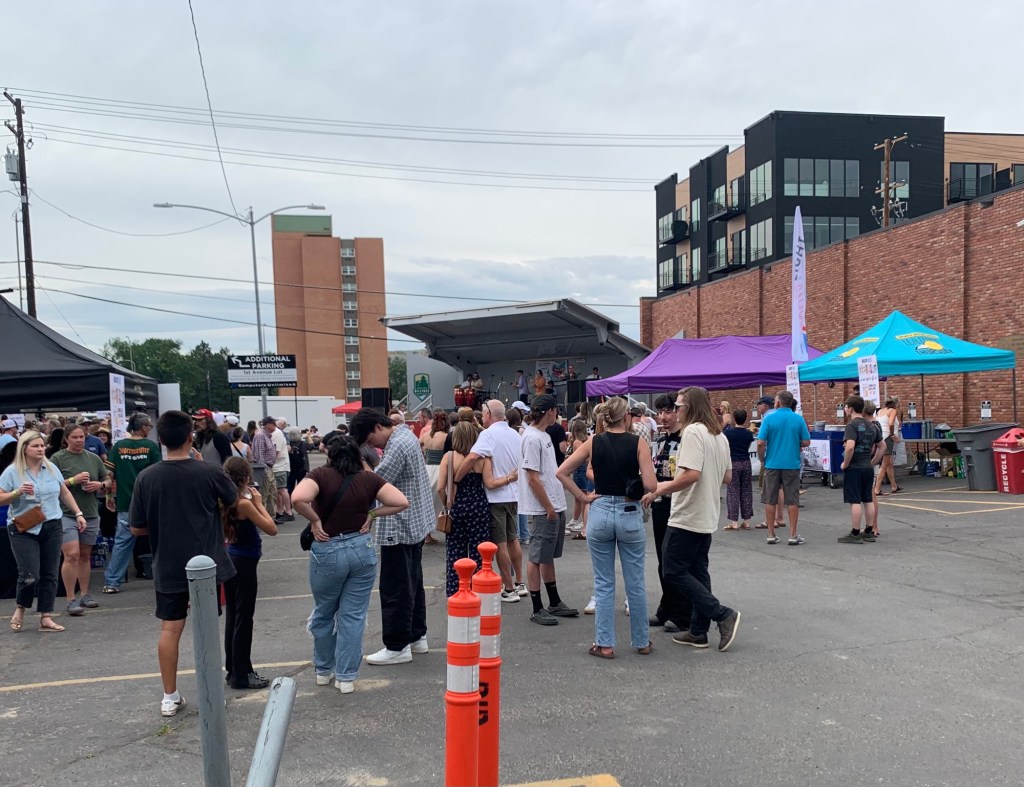
Fast forward to July 2025. The once neglected district is a city downtown hub, hosting a street event and businesses booming. What a change from 1985.

Changes in Big Timber

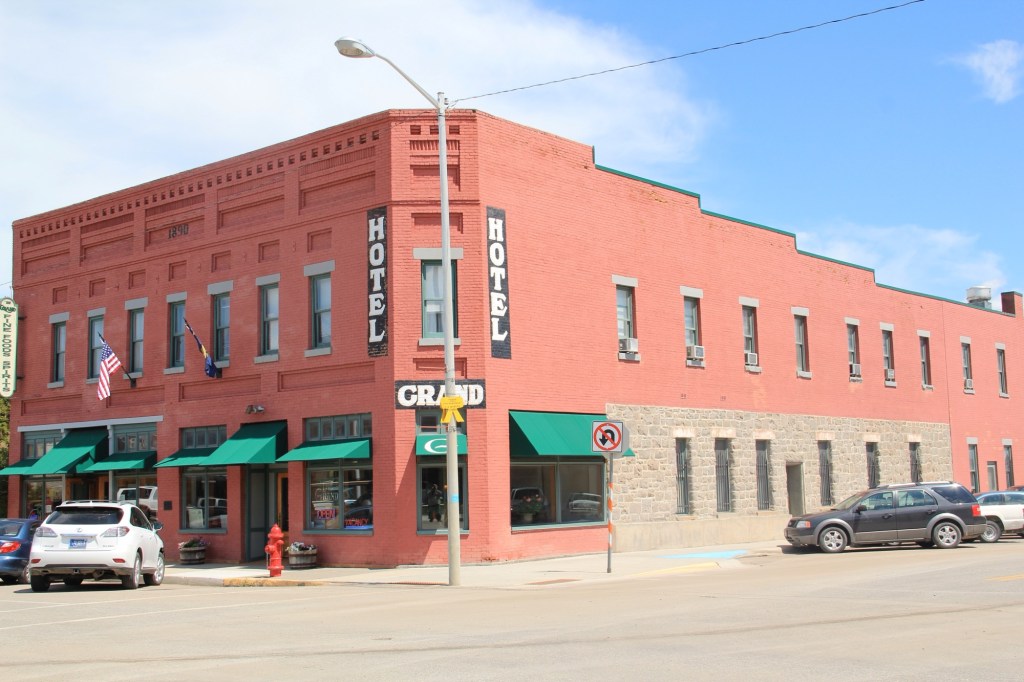
Grand Hotel 2013

Readers of this blog know that Big Timber is one of my favorite Yellowstone Valley towns. It still has that classic Northern Pacific Railroad town plan with a long commercial artery extending south from the railroad tracks that then turns into a quite captivating residential neighborhood.

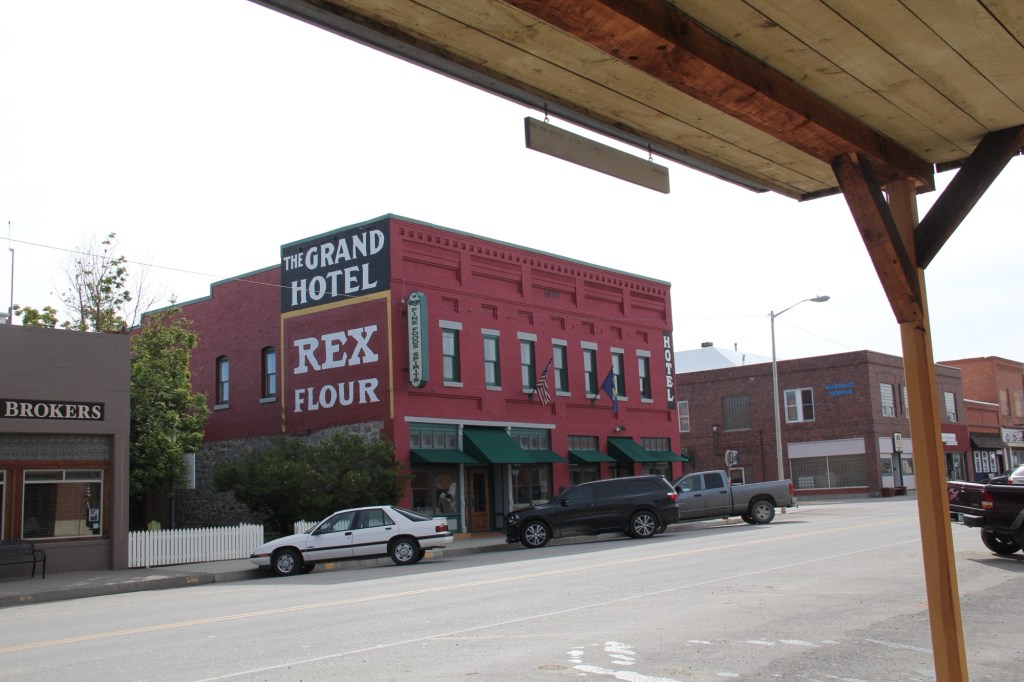
The restoration of the Grand Hotel in the 1990s really helped the commercial area turn a corner.

I have spent nights at the hotel and had a couple of meals there, always thought it would be a mainstay for years. The pandemic alas hurt a lot of small town businesses everywhere and Big Timber’s Grand Hotel struggled. When I was there in July 2025 it was closed but promised a reopening.

But there had been another quite jarring— the read brick was gone and everything was painted black, like the place was in mourning.

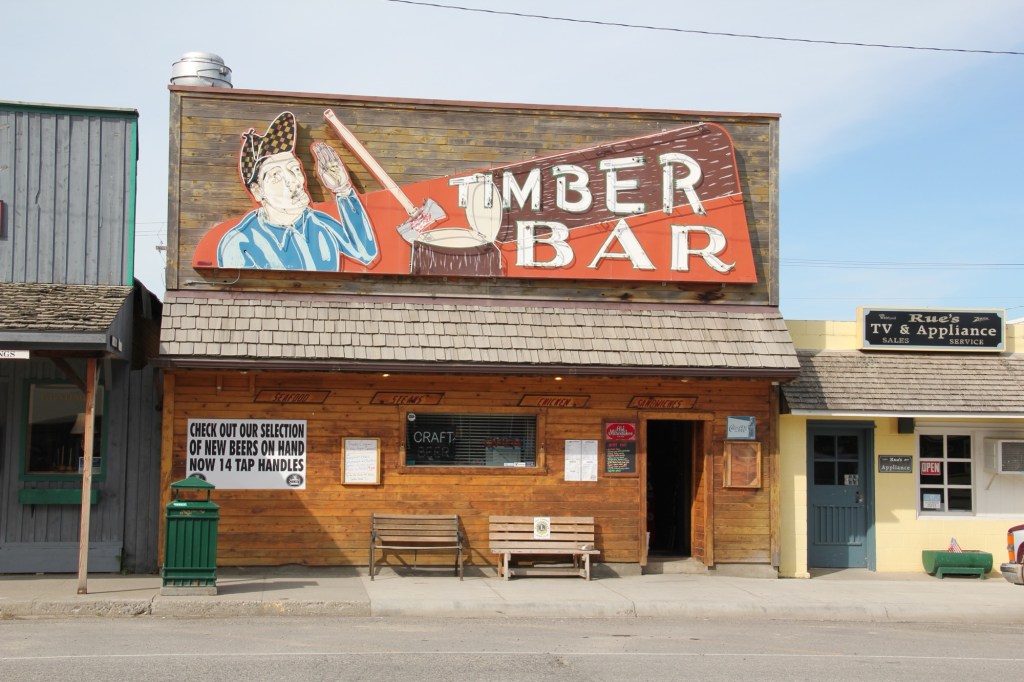
Then I noticed a second shock, the classic Rustic style Timber Bar (one of my favs for 40 years) also was covered in black.

I always tell folks—don’t sweat the paint colors on a historic building. It can always change. But black in Big Timber, it just didn’t seem right.

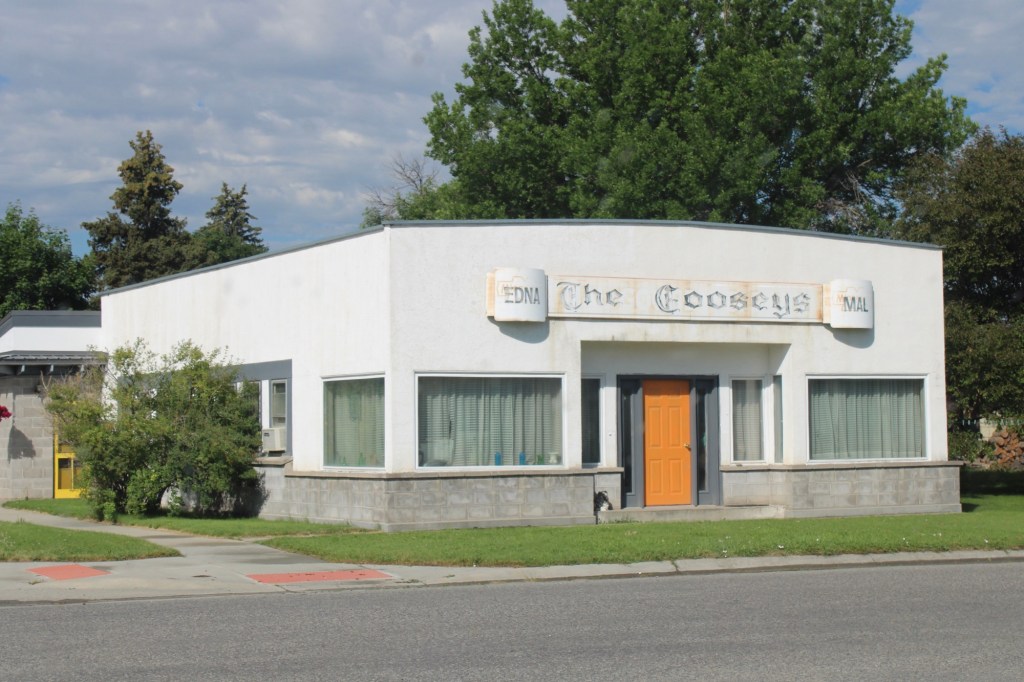
But please don’t paint over Edna and Mel’s Gooseys place. What a jewel!

And leave the town plain in place. Here is a western town always worth a stop. Change is ok but please respect the classic.

Transformations in Helena

St Mary’s Catholic Church became a 6th Ward landmark upon its opening in 1910 and a recent renovation will keep the building in community service for another generation.

The sixth ward in Helena in the late nineteenth century was a focal point for the new capital city of Montana. The arrival of the Northern Pacific Railroad and the location of its railroad yards some mile and a half southwest of Last Chance Gulch created a new part of the city with plenty of bars and cafes for rail workers and travelers but also a historic neighborhood that often gets forgotten.

The historic block o& commercial buildings facing the depot
Hap’s has served customers for decades along this commercial block.
Nationally recognized railroad architect Charles Reed of the St Paul firm Reed & Stem designed a new modern passenger station for the Northern Pacific in 1904.
Northern Pacific depot’s clock tower. The passenger station is the centerpiece of the neighborhood’s National Register-listed historic district

The architecturally expressive Northern Pacific passenger station of 1903-1904 led to new investment of brick buildings in the neighborhood but many small vernacular dwellings remained in use and today the neighborhood retains a railroad workers’ feel.

Hap’s Beer Parlor transformed from a rail workers’ hangout to a neighborhood institution. It was a popular place when I lived in Helena almost 40 years ago—it remains legendary.

In 2016 the city of Helena established the Railroad Urban Renewal District which encouraged new investments in the neighborhood and its immediate environs, such as the Vanilla Bean coffee shop and bakery. Another key addition was the Sixth Ward Garden Park, an impressive example of the community garden movement.

The changes in the neighborhood are promising but also challenging as new businesses such as Headwaters brewery move to the outskirts. Let’s hope the modern does not crowd out the historic in Helena’s Sixth Ward.

The new Headwaters brewery

Roundup Montana: A town with a plan and on the move

One of the most exciting results of my recent work on the historic landscape of Montana is how many residents contact me with developments–both good and bad but mostly good–as they use their past and historic built environments to build new futures for their families and community.  Such an update just arrived last week from Roundup, the seat of Musselshell County.

roundup schoolA resident reported on the towns decision to join the Main Street program and how a community partnership effort had been formed to guide the process, assuring me that the wonderful historic Roundup school would find a new future as a multi-purpose and use facility.  That update has spurred me to share more images from this distinctive Montana town that I have enjoyed visiting for over 30 years.

Roundup stem of TAs I discussed in my earlier large posting on Roundup, it is both a railroad town on the historic mainline of the Milwaukee Road and a highway town, with a four-lane Main Street defining the commercial district. It is less than a hour’s drive north of Billings, Montana’s largest urban area.  But nestled at the junction of U.S. 12 and U.S. 87, Roundup is a totally different world from booming Billings.

Roundup lodgeRoundup store  You see the difference if how false frame stores and lodge buildings from the first years of the town’s beginnings still stand, and how the commercial district is pockmarked with more stately early 20th century brick commercial blocks, whether two stories high or a mere one-story. Yet the architectural details tell you the community had ambitions.  It

roundup 119 Main

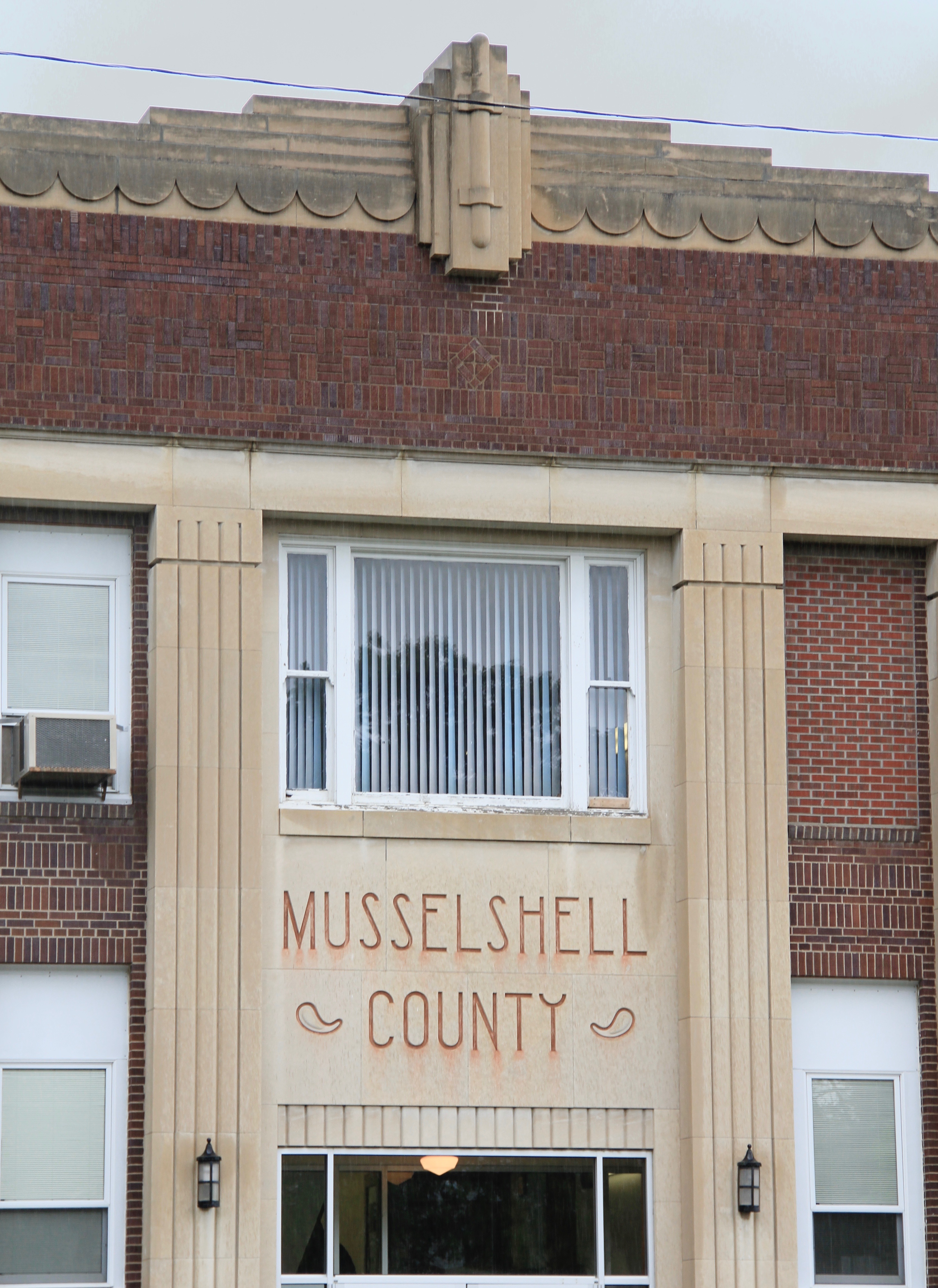
was just that hard times came in the 1920s and stayed awhile, despite the best efforts of New Deal reformers who helped to fund the county’s magnificent Art Deco-inspired Musselshell County Courthouse at the end of the depression decade,

roundup courthouse

The bankruptcy of the Milwaukee Road in the early 1980s did not help recovery, and it was soon after that I found myself in Roundup for the first time in 1984.

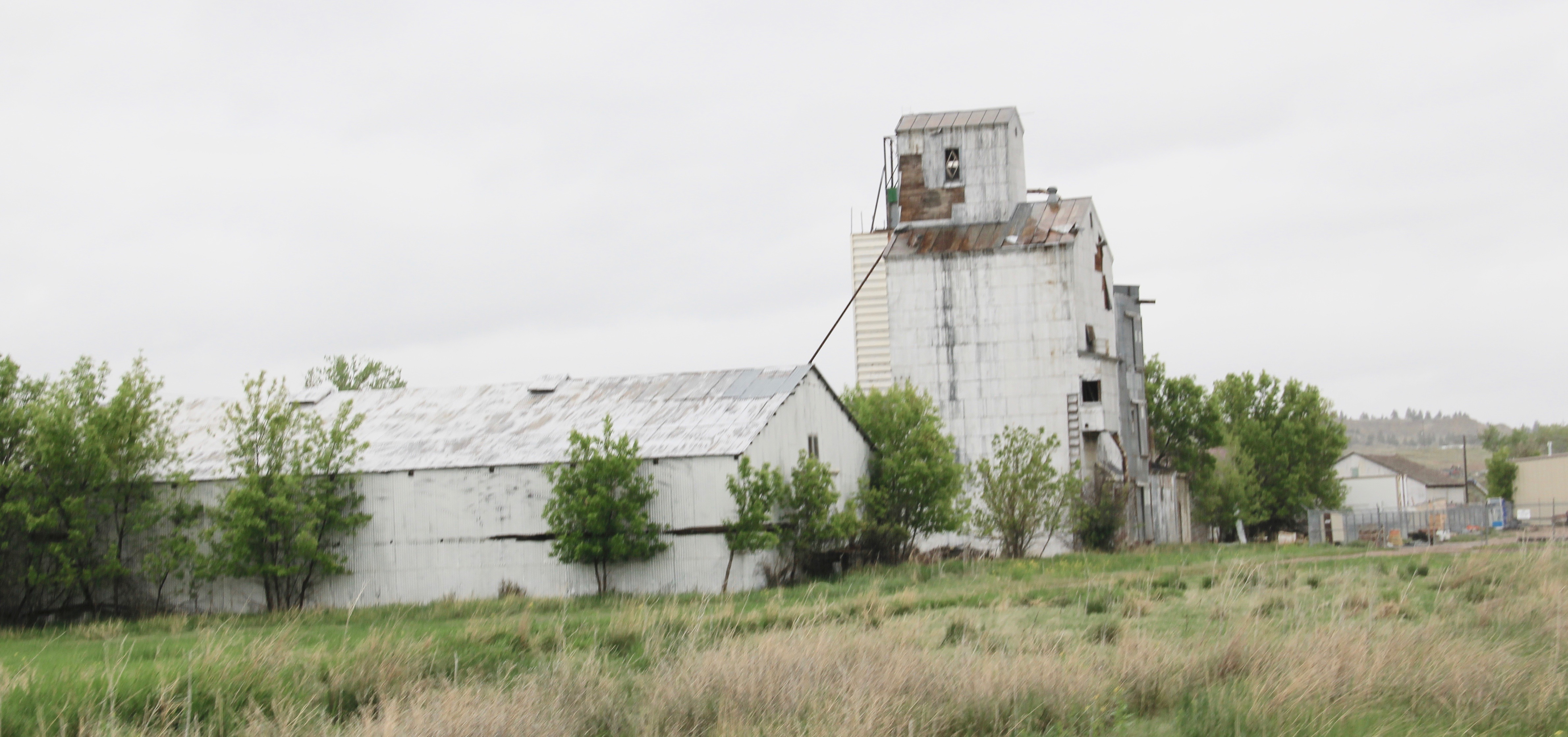
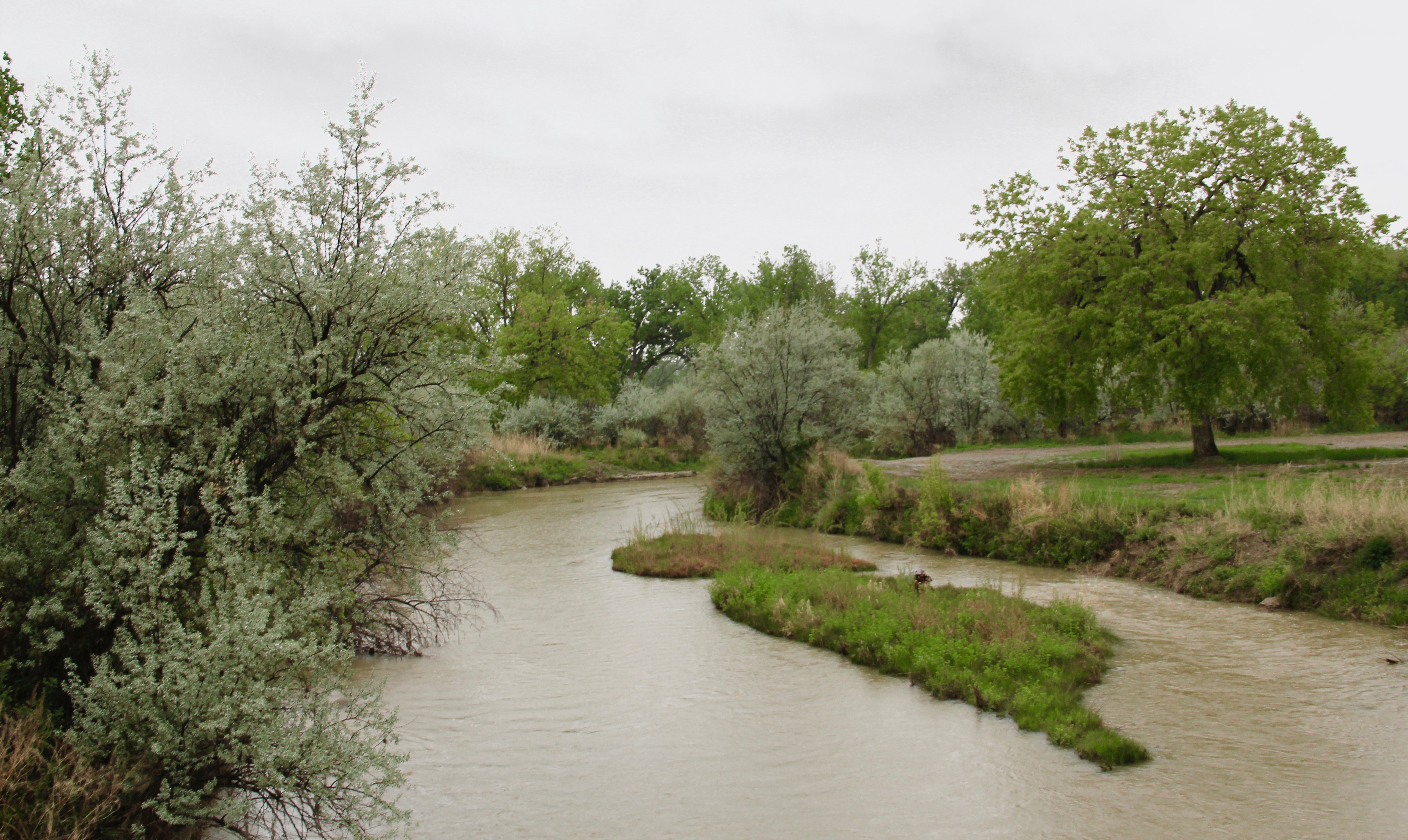
roundup elevatorI found a place then, and still today, that was proud of its past and of its community.  I visited and spoke at the county museum, which was housed in the old Catholic school and included one of county’s first homestead cabins moved to the school grounds. The nearby town park and fairgrounds (covered in an earlier post) helped to highlight just how beautiful the Musselshell River valley was at Roundup.

Roundup museum

Roundup river

Community pride was evident in the well-kept homes of the downtown neighborhood, and I have already posted on the architecturally important modernist Catholic church.

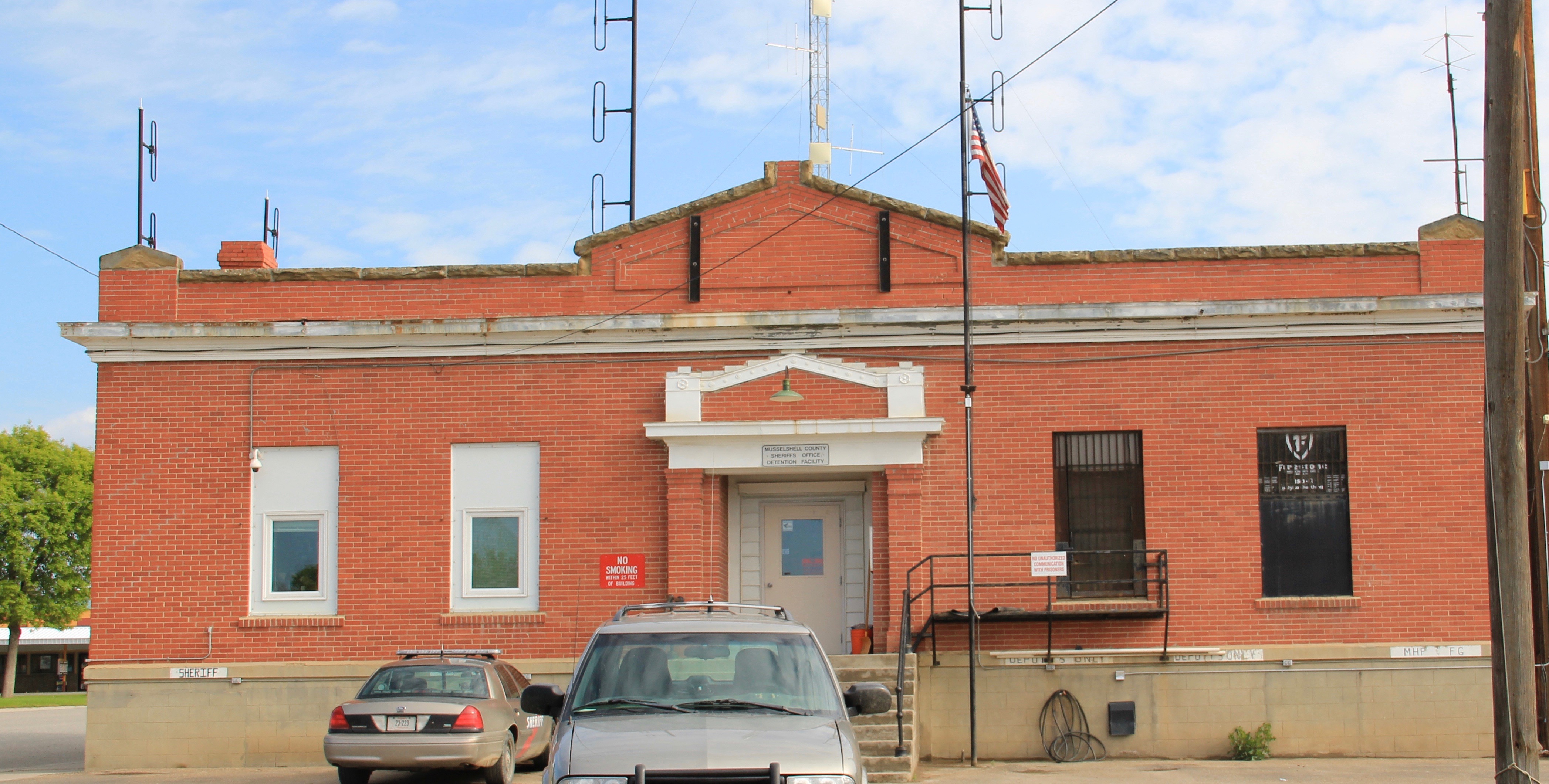
roundup jailThen the public buildings–the school, the courthouse, and even the classically tinged county jail shown above–added to the town’s impressive heritage assets. Of course some buildings I ignored in the 1980s but find compelling today–like in the riverstone lined posts of the modernist Wells Fargo Bank, and the effective and efficient look of city hall.

roundup bank


roundup City Hall

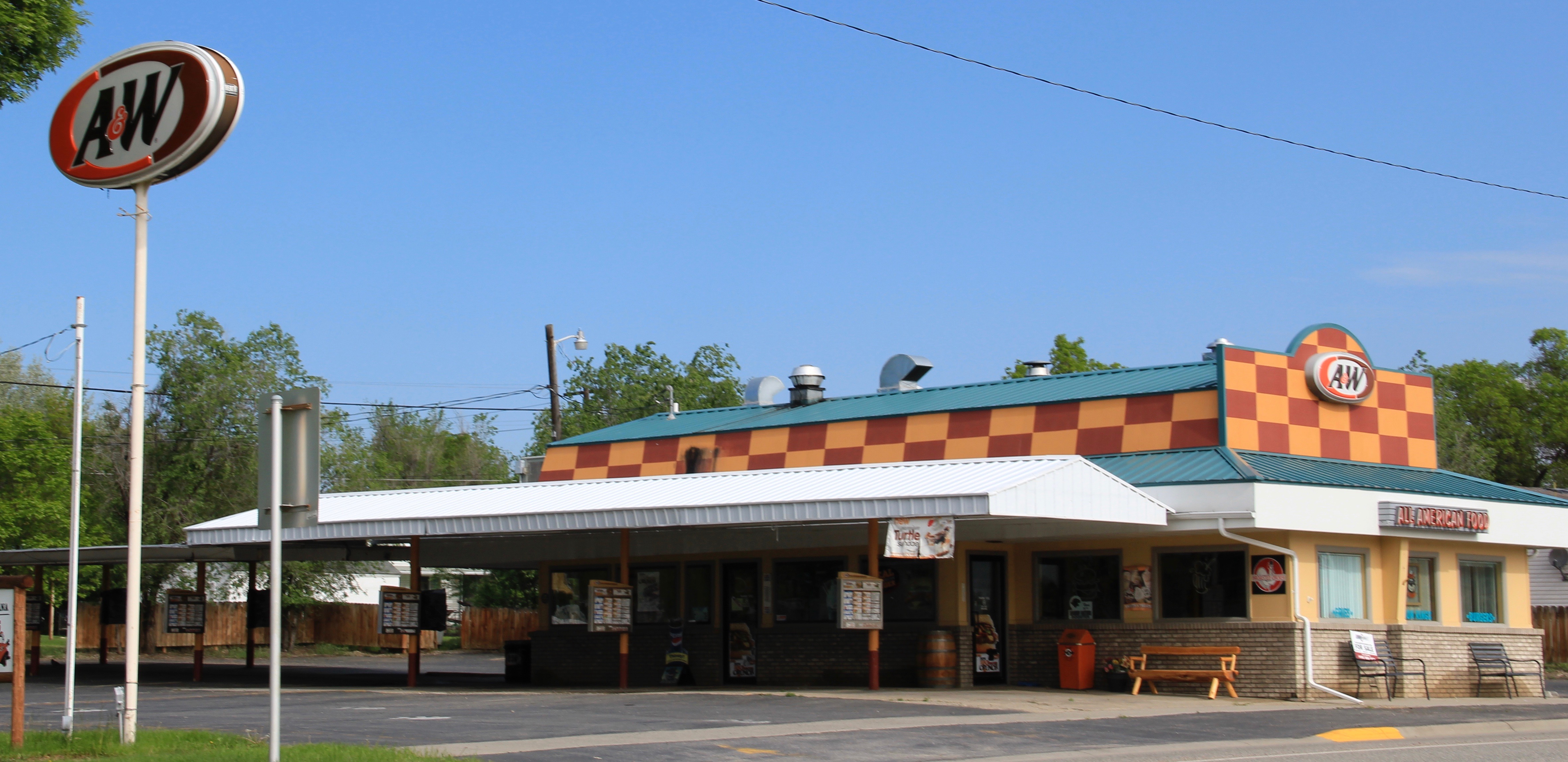
Yes when you take a close look at Roundup–the possibilities are there, as the new community partnership effort proves.  I can’t help but encourage this grassroots effort.  Good job Roundup, and I will be there soon enough to grab a float at the A&W and explore how a community moves forward with their impressive past as a foundation.

roundup A&W drive in

Finding new uses for old landmarks: lessons from Red Lodge

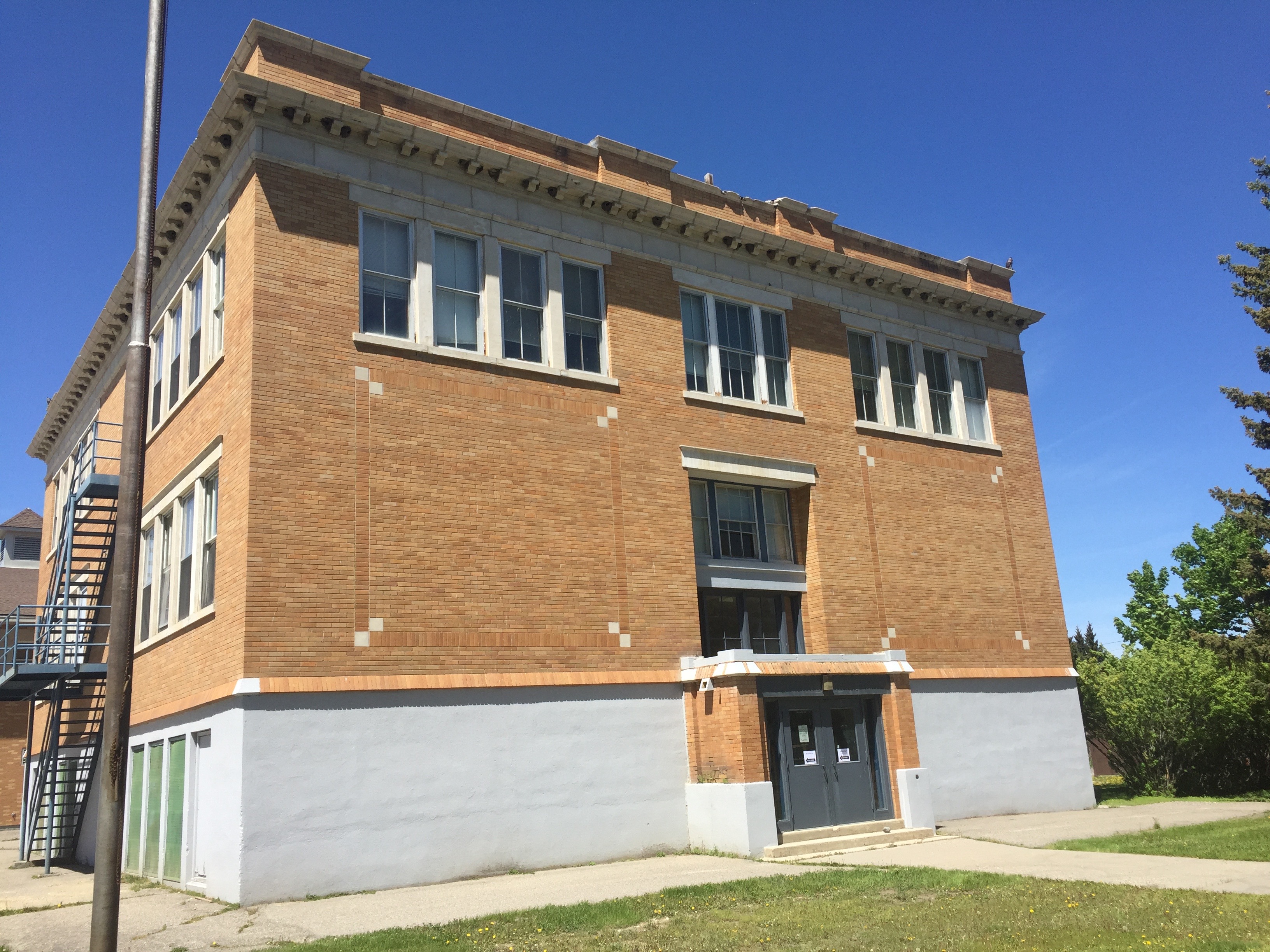
Roosevelt school, red lodge

In my Montana travels over the last two years, one of the most interesting, and potentially impactful, projects I encountered was in Red Lodge, where the Red Lodge Area Community Foundation is leading efforts to revitalize the historic Roosevelt School. When, earlier in the decade, the National Trust for Historic Preservation announced its interest in the one-room and rural schools of the Treasure State, I worried somewhat that the larger historic schools in small towns and county seats might be forgotten.  Red Lodge showed me that was not the case.

IMG_3516 (1)

I attended a historic preservation conference there in the summer of 2016, where the Montana Preservation Alliance used the school’s historic gymnasium as the conference hall–a simple yet very effective conversion.  Gyms had always been community gathering spots, for basketball obviously but also for all sorts of events.  There is always a comfortable feel to these spaces.

IMG_3505

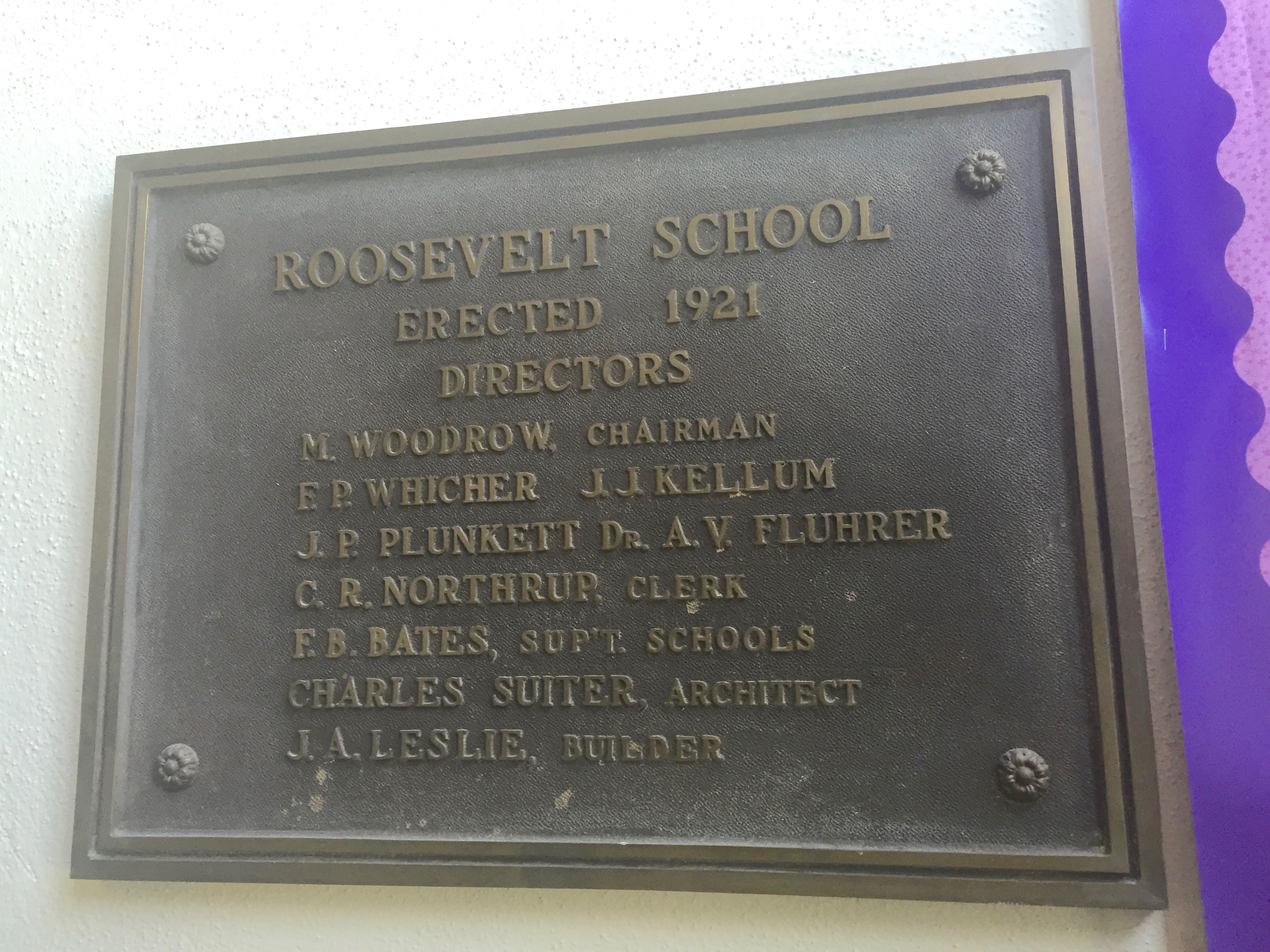
My surprise came when we toured the building.  I thought that due to the name Roosevelt, that the school had been yet another of the dozens of schools constructed in Montana during the “New Deal” of President Franklin D. Roosevelt during the depression decade of the 1930s.  Wrong–it was a 1921 building, named for former President Theodore Roosevelt, who was the champion of national parks and the open rugged west that Red Lodge was very much part of.  Charles Suiter was the architect.  He had twenty plus years earlier worked with the much more famous Montana architect John Paulsen as the contractor for the landmark Montana Hall at Montana State University in Bozeman.

So, the overall context for the school was different from what I had gathered in the past.  Here was an early 1920s community statement by Red Lodge leaders–the homestead boom had already busted, and tough times were just ahead for Montanans but the community then felt it was time for a modern building, with well-lit interiors and well-placed blackboards that did not glare in the sunlight.  And throughout the building there

roosevelt school red lodge 4

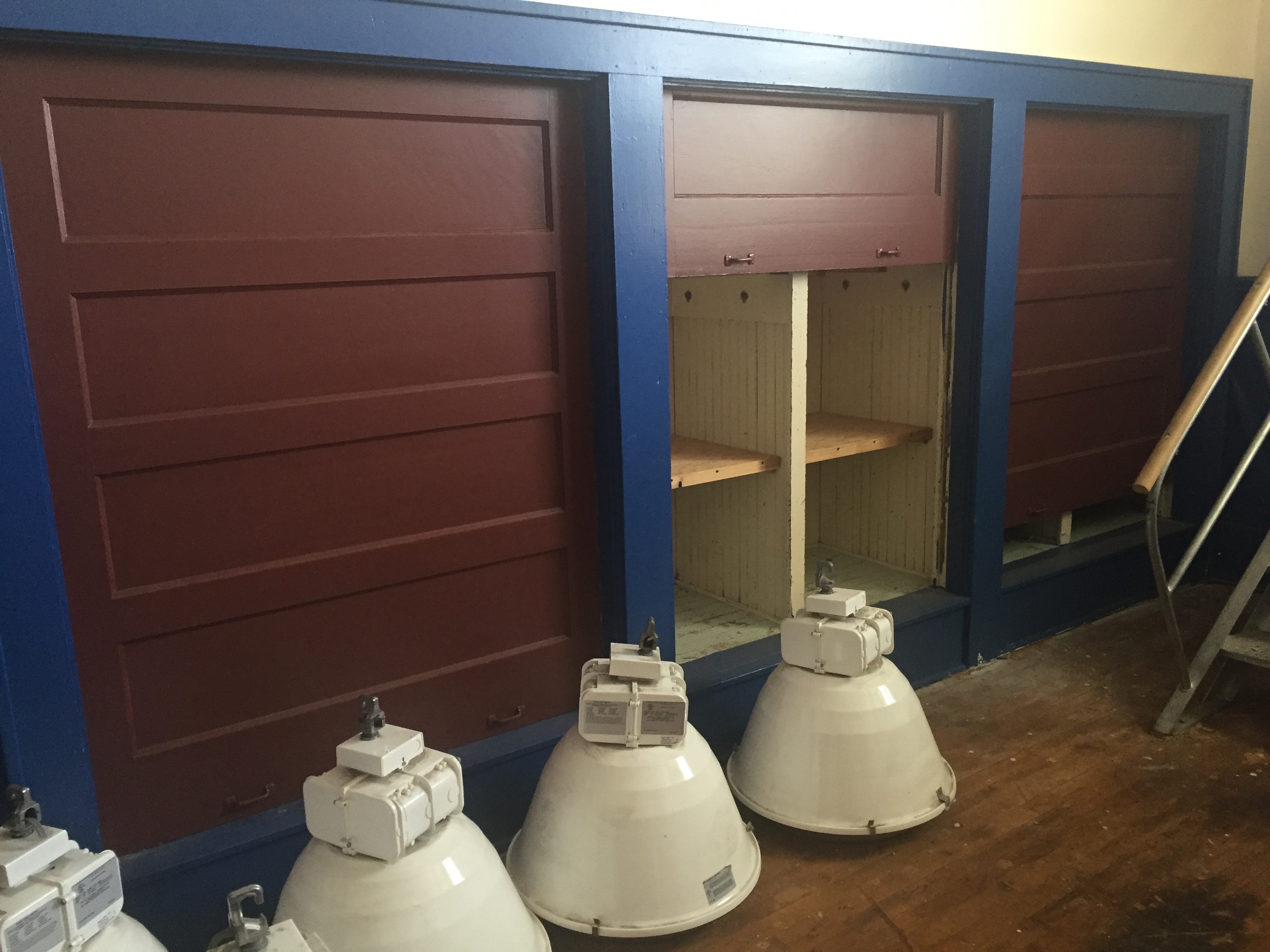
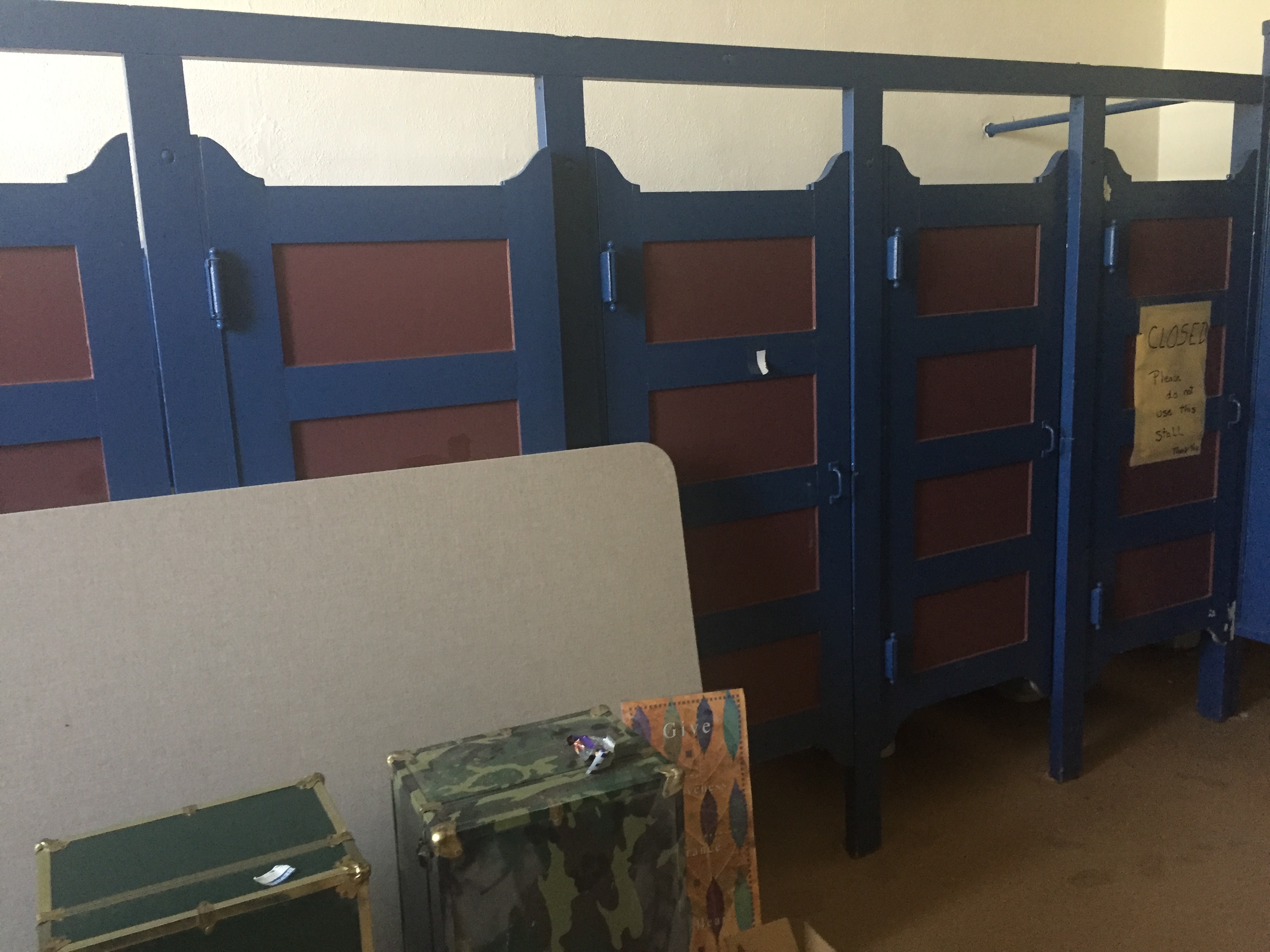
Roosevelt school red lodge 2were so many intact details from the time of construction–built-in storage spaces, private restroom stalls, when hallway clocks ticking down the minutes in a day–the place was like a time capsule.

IMG_3506 (1)

And then there was the third floor masterpiece, the combination library and performance hall.  Classical pilasters framed the stage and added touches of class and seriousness to the space.  Here was a public building that spoke to community ambitions but also community pride.

roosevelt school, red lodge 5Intimate spaces, classroom spaces, grand public spaces.  The Roosevelt School meant too much to be left to the wrecking ball, and the progress the community foundation is making there is reassuring:  once again smart, effective adaptive reuse can turn a building in a sustainable heritage asset for the town. It’s worth checking out, and supporting.  And it is next door to one of the state’s amazing throwback 1960s roadside

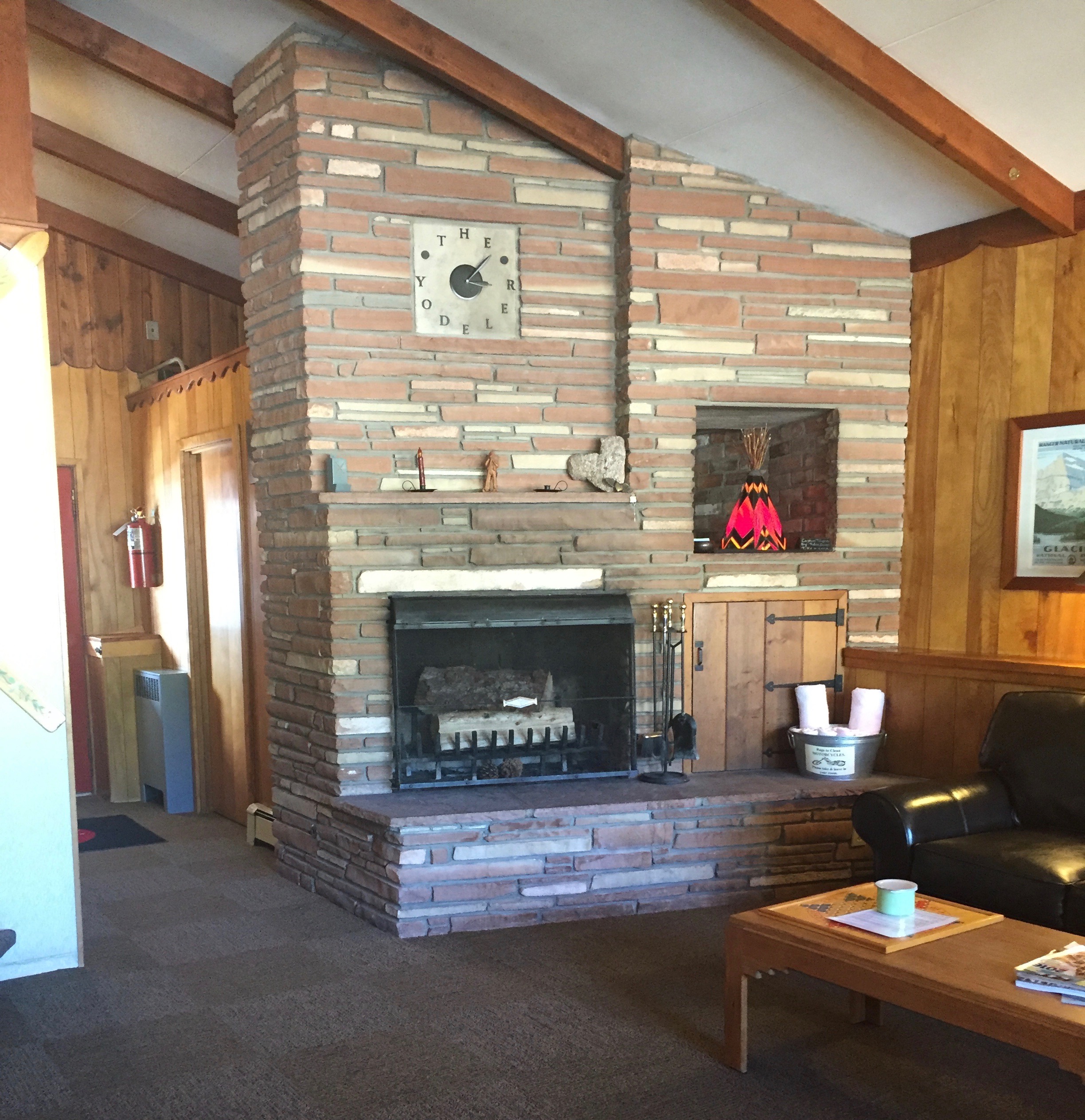
Yodeler Motel Red Lodge

experience, The Yodeler Motel, built in 1964.  Step back in time but also look at the heritage-infused future of Red Lodge:  a worthwhile stop indeed.

IMG_3513


Gold Creek and Pioneer: bypassed landmarks

Gold Creek overview from school

When I began my fieldwork for the state historic preservation plan in 1984, there was one spot I was particularly eager to visit:  Gold Creek and Pioneer on the west side of Powell County.  Granville Stuart and Conrad Kohrs both loomed large in the history of Montana; they were associated, respectively, with the two mines.  Stuart was been among the party who first struck gold there in 1858; Kohrs later owned the Pioneer mines.  Plus the two mining areas were counted among the state’s earliest.  Then one winter in 1982 traveling along Interstate Highway I-90 I had looked to the west and saw the faded wooden signs marking what they called the first gold strike in Montana–one of 1858 even before the Mullan Road had been blazed through the area.  Not far away was

NP last spike,jpg (2)

another nondescript sign–this one about the last spike of the Northern Pacific Railroad–it too was visible from the interstate. I had to know more.

Created with GIMP

Gold Creek store and post office, 1984.

What I found was not much, at least anything much that could become part of public interpretation.  The folks at the general store and post office, where exterior signs proudly noted that it began in 1866, told me that the granite marker for the Gold Creek strike was on private property–well maintained but something no one was interested in doing more with.  The last spike for the Northern Pacific Railroad was a similar story. Once that spot was all in the national news.  Now it was a place on the railroad right-of-way and Burlington Northern wasn’t interested in visitors being on such a heavily traveled section.

Tailings at Pioneer, Powell Co

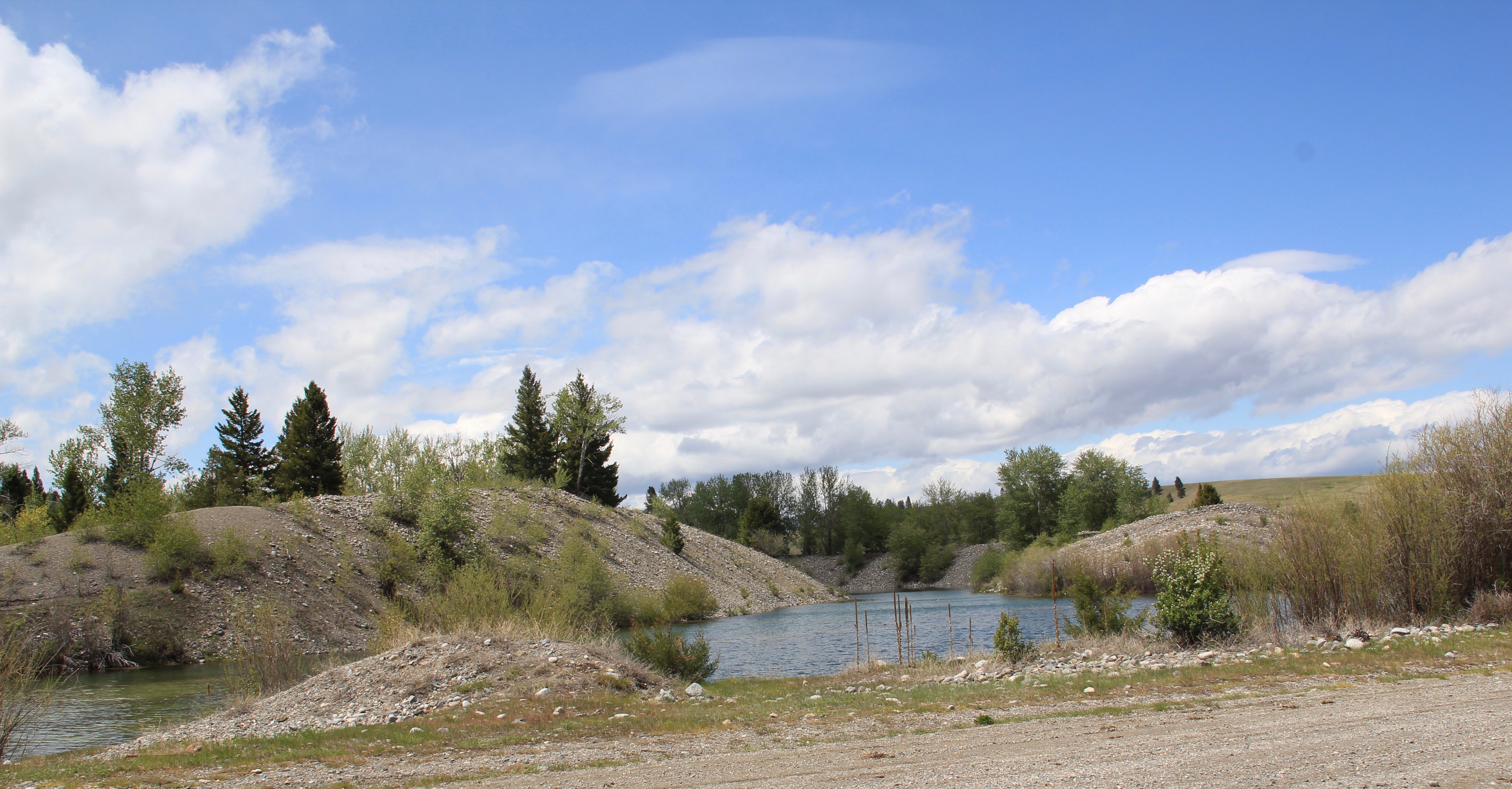
The road west of Gold Creek led into the later placer mining of the Pioneer Mining District (established 1866)–with the high mounds of tailings coming from much later efforts to dredge every bit of precious metal from the property.

Pioneer tailings, Powell CoRanchers had taken bits of older buildings from Pioneer and incorporated them into later structures between the mining district and Gold Creek.  Pioneer as a ghost town barely existed then and little marks its past except for the scars of mining.

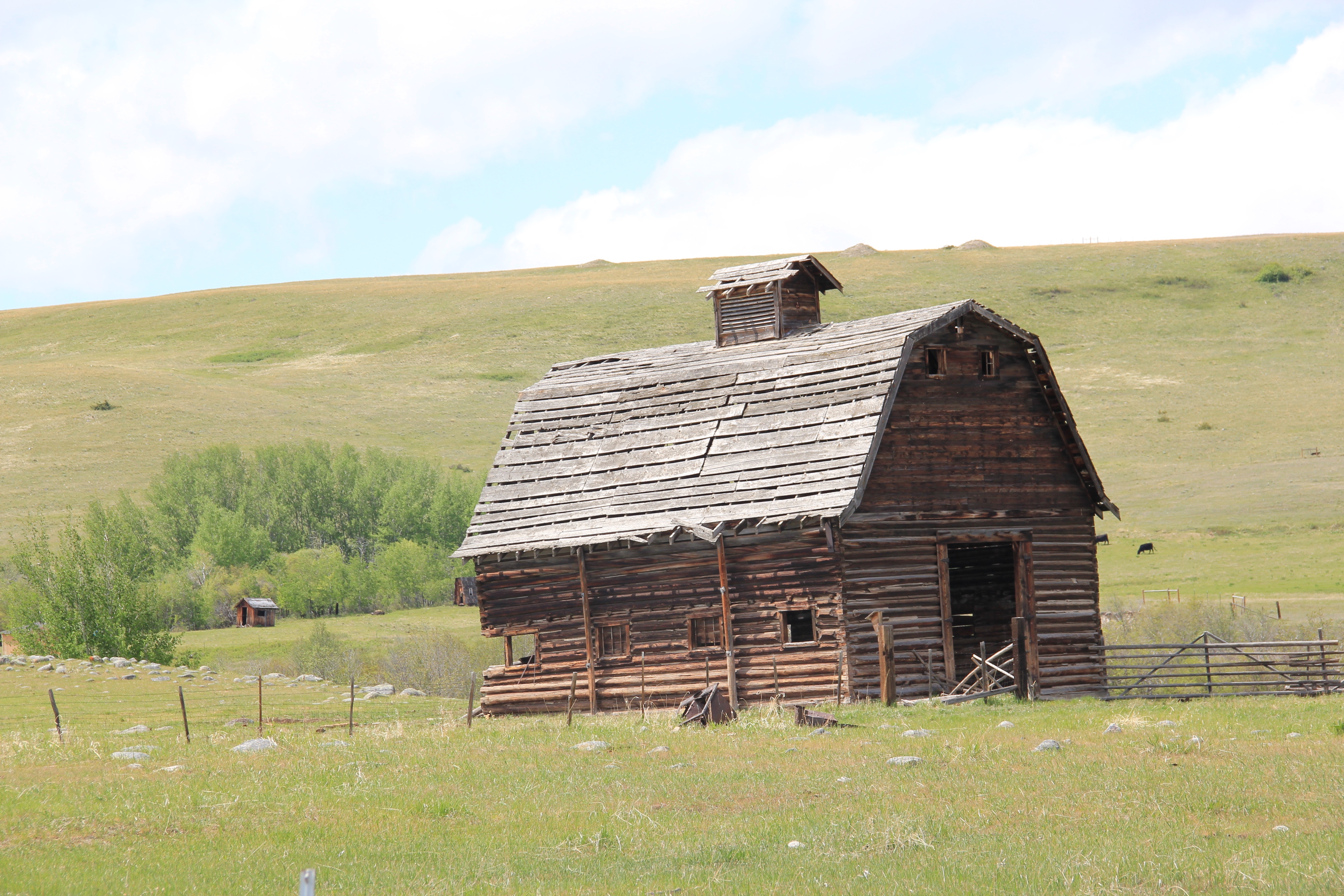
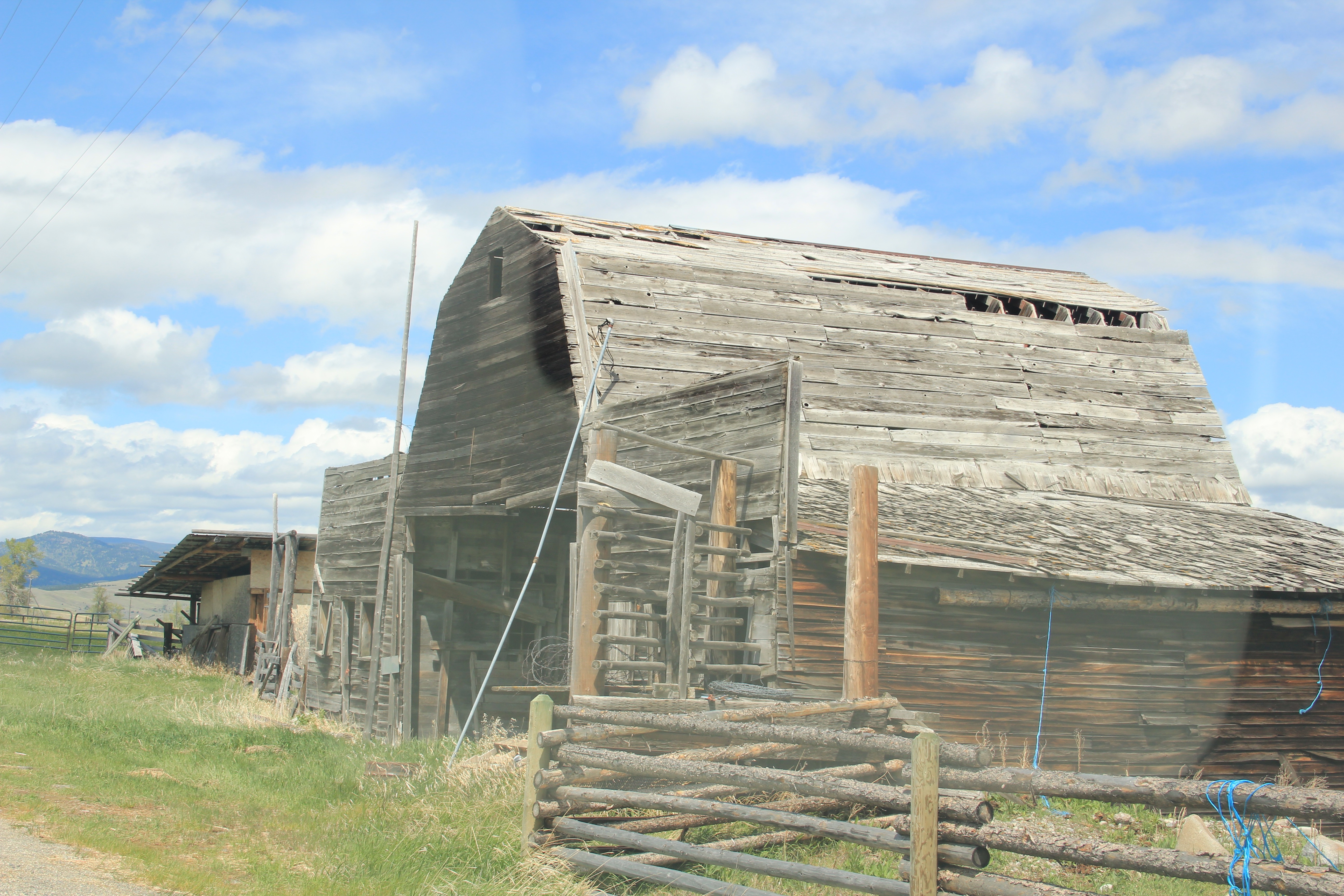
Log barn E of Pioneer, Powell Co 2

Old buildings grafted into barn, E of Pioneer, Powell Co

Gold Creek, Powell Co

Gold Creek has existed since the dawn of Montana Territory but it has rarely caught a break–its monument about mining is landlocked on private property.  The interpretive markers about the Northern Pacific’s last spike are on the interstate at the Gold Creek Rest Area.  Much of what is there today dates to its last “boom” when the Milwaukee Road built through here c. 1908, but as regular readers of this blog know, the success of the Milwaukee and short lived and by 1980 it was bankrupt. Today little is left except the roadbed, as is the case, almost, in Gold Creek.

MR corridor, Gold Creek, Powell Co

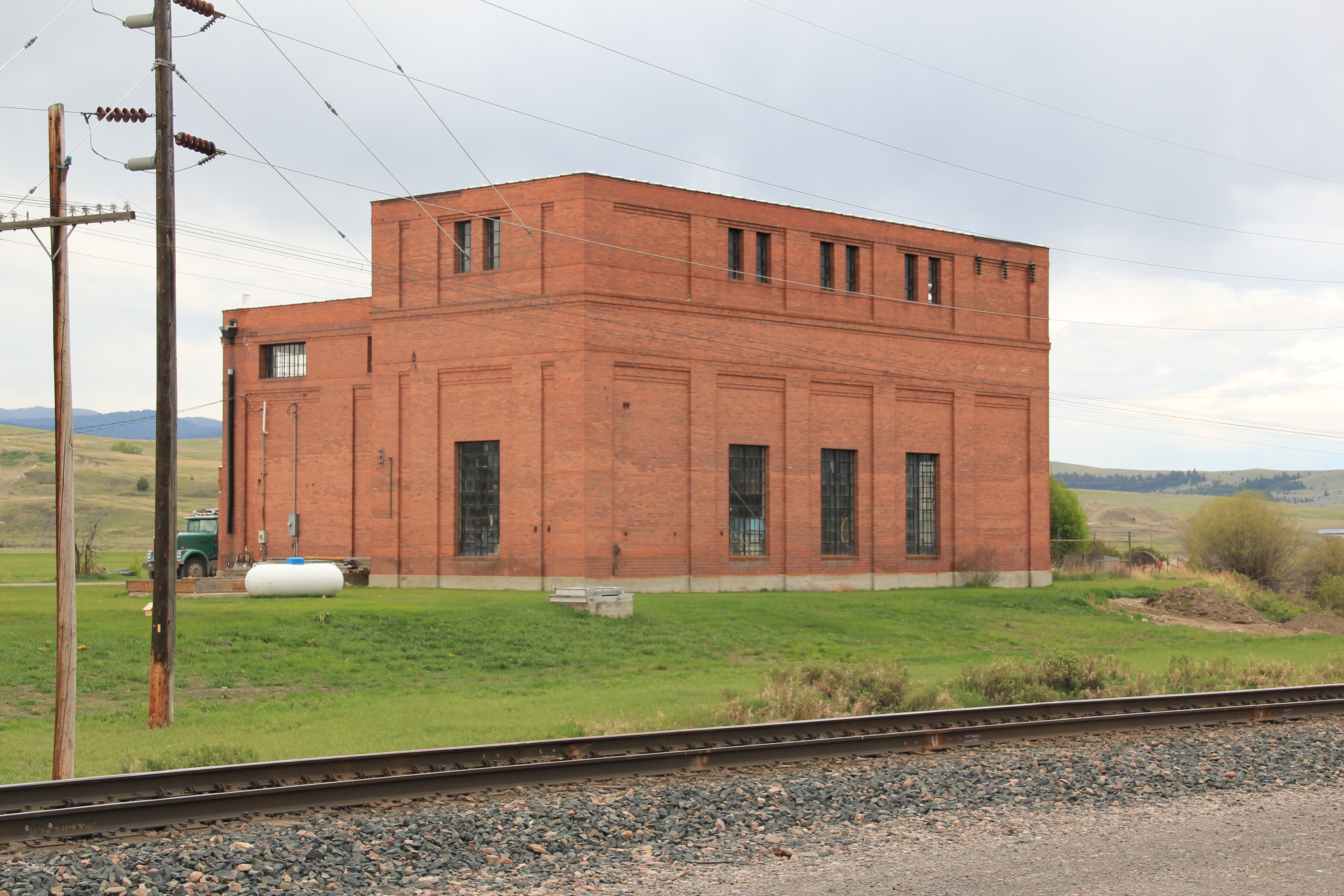
I say almost because the Milwaukee Road located one of its electric transmission buildings in the middle of Gold Creek, along the electrified line. Abandoned when I surveyed the town in 1984, the building has been restored and put back into business.

MR power plant, Gold Creek, Powell Co

Milwaukee Road Electric Station facing the Northern Pacific line.

Two community institutions still shape Gold Creek. On the “far” end of town is the St. Mary’s Mission Catholic Church, built c. 1910, with its original Gothic design still intact.

Catholic Church, Gold Creek, Powell Co 1But the most important community institution (yes, the Dinner Bell Restaurant out on the interstate exit is important but it is a new business) is the Gold Creek School, a rather remarkable building in that residents took two standard homestead era one-room schools and connected them by way of a low roof “hyphen” between the front doors.

Gold Creek school, Powell CoAdaptation and survival–the story of many buildings at Gold Creek and Pioneer.  Historical markers are scarce there but the history in the landscape can still be read and explored.


Adaptive Reuse and Montana’s Depots

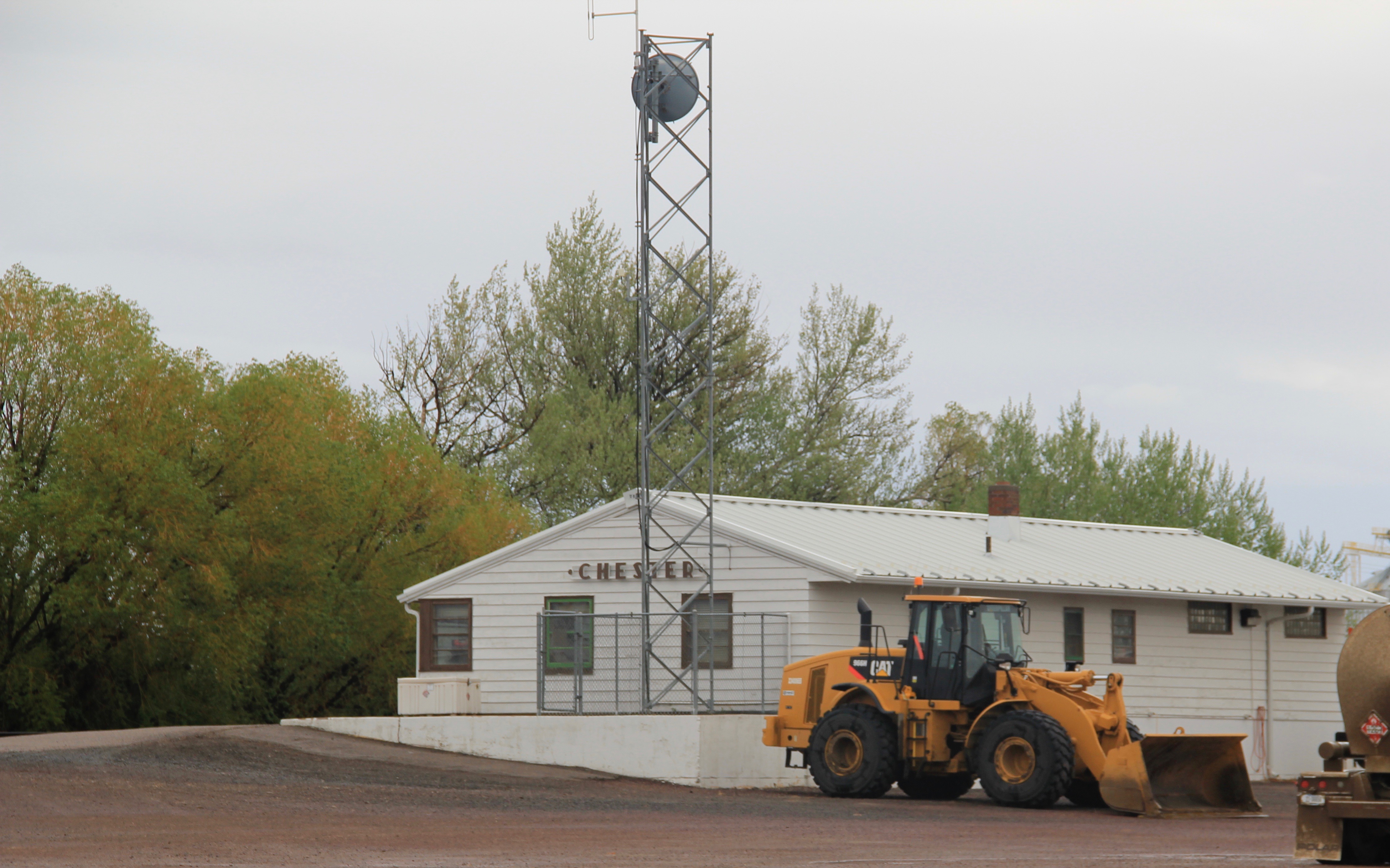
When I carried out the 1984-1985 survey of Montana as part of the state historic preservation planning process, one resource was at the forefront of my mind–railroad passenger stations.  Not only had recent scholarship by John Hudson and John Stilgoe brought new interest to the topic, there had been the recent bankruptcy of the Milwaukee Road, and the end of passenger service in large parts of the state, except along the Hi-Line of the old Great Northern Railway (where Amtrak still runs today.)
IMG_9052.JPG

The mid-20th century standardized design for Great Northern stations at Chester on US 2.

Some of the passenger stations in the major cities had already been converted into new uses, such as restaurants, offices, and various downtown commercial uses. The lovely turn of the twentieth century stations for the Great Northern (left) and the Milwaukee Road (right) in Great Falls showed how the location of the buildings, plus their

architectural quality and the amount of available space made them perfect candidates for adaptive reuse.  While the tenants have changed over the past 30 plus years, both buildings still serve as heritage anchors for the city. While success marked early adaptive reuse projects in Great Falls and Missoula, for instance, it was slow to come to Montana’s largest city–the neoclassical styled Northern Pacific depot was abandoned and

Billings 2006 002deteriorating in the mid-1980s but a determined effort to save the building and use it as an anchor for the Montana Avenue historic district has proven to be a great success in the 21st century.

In the 1984-1985 I documented hundreds of railroad depots across Big Sky Country.  From 2012-2015 I noted how many had disappeared–an opportunity to preserve heritage and put a well-located substantial building for the building back to work had been wasted.  But I also came away with a deep appreciation of just how many types of new lives train stations could have.

park County 2008 017

Turning iconic buildings into community museums is a time-honored tradition, as you can find at the magnificent Northern Pacific station at Livingston, shown above.  A handful of Montana communities have followed that tradition–I am especially glad that people in Harlowton and Wheatland County banded together to preserve the

IMG_9725.JPGMilwaukee Road depot there, since Harlowtown was such an important place in the railroad’s history as an electric line.
IMG_0003.JPG

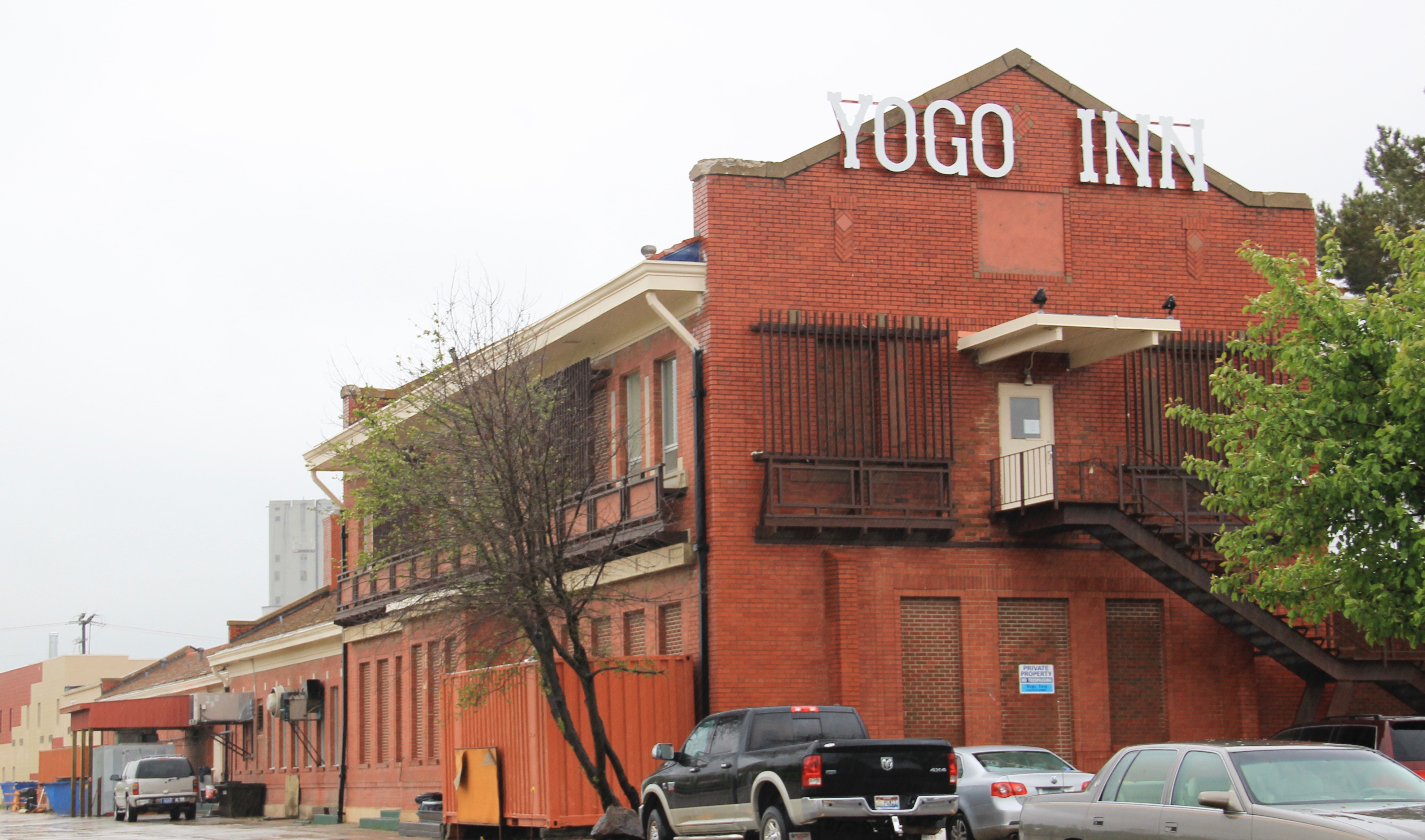
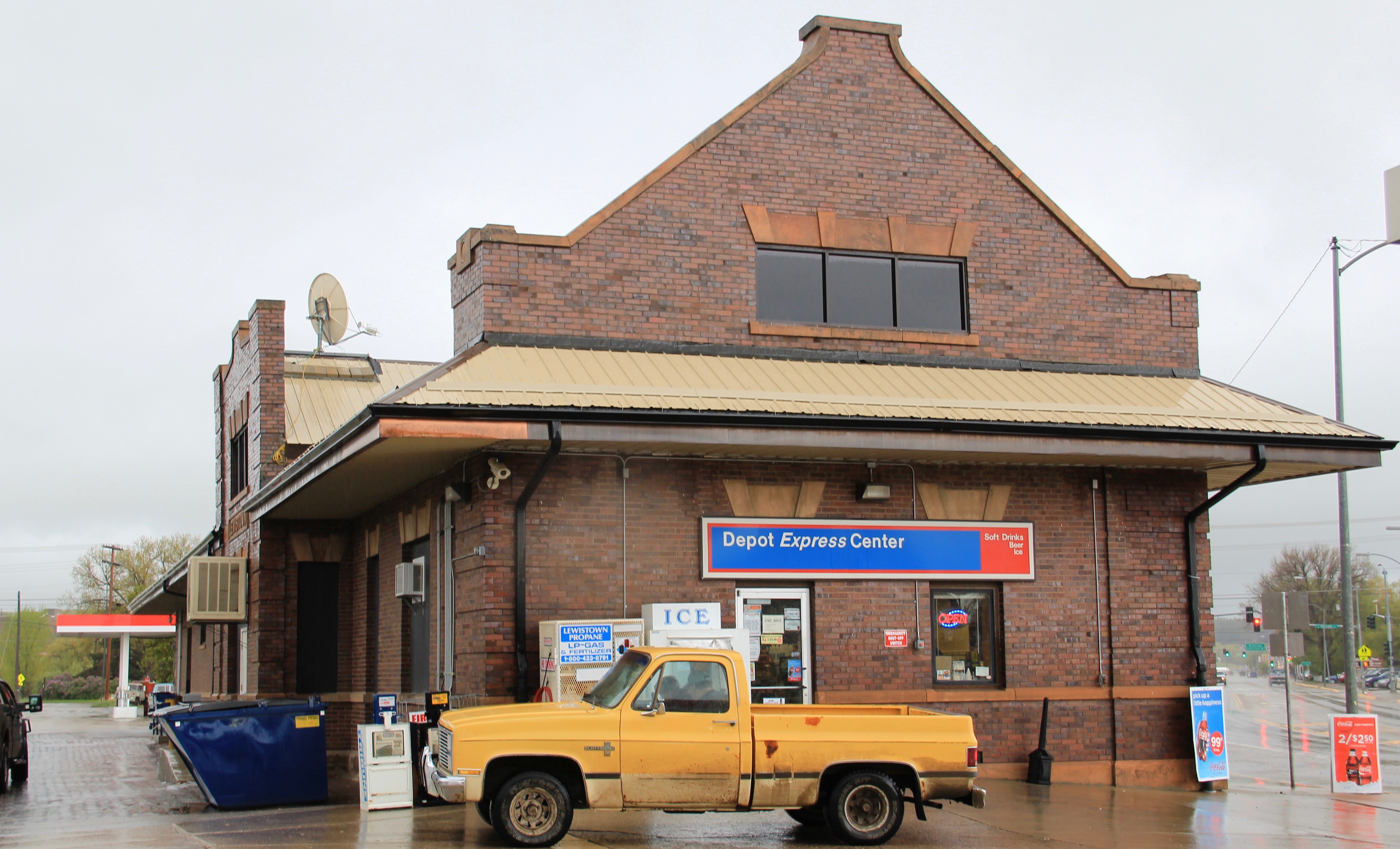
But there are so many other uses–as they know in Lewistown.  Already in the mid-1980s investors in Lewistown had turned the old Milwaukee Road station, shown above, into a hotel and conference center, the Yogo Inn.  When I visited Lewistown in 2013 the Yogo was undergoing a facelift after 30 years as a commercial business. The town’s other
IMG_9910.JPG

IMG_9916.JPG

historic depot, a substantial brick building (above) from the Great Northern Railway, was a gas station, convenience mart, office building, and store, all in one.
 

Deer Lodge MT 2006 001

Deer Lodge MT 2006 002

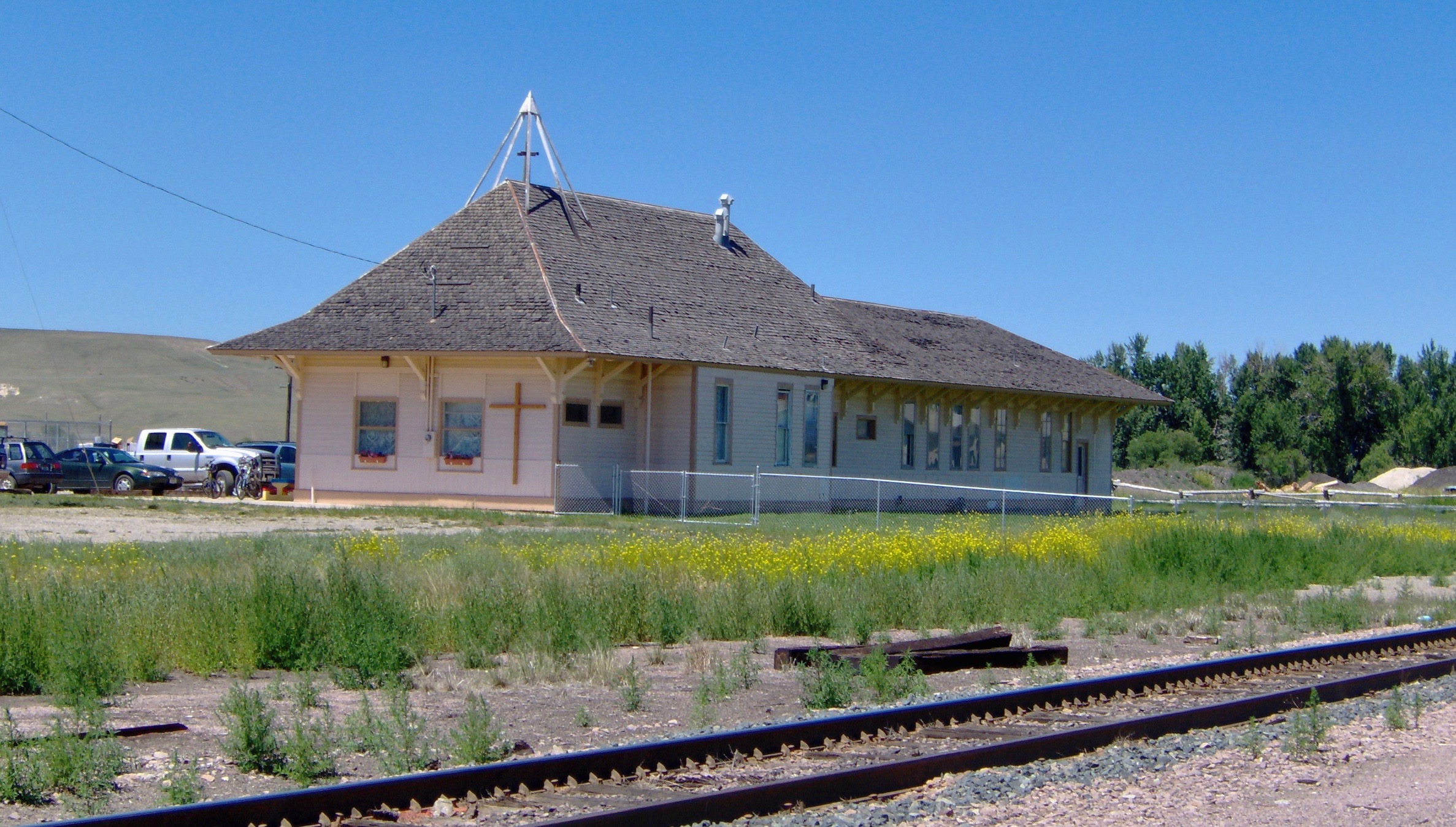
Deer Lodge is blessed with both of its historic depots.  The Milwaukee Road depot has become a church while the Northern Pacific depot became the Powell County Senior Citizens Center.  Indeed, converting such a community landmark into a community center is popular in other Montana towns, such as the National Register-listed passenger station shown below in Kevin, Toole County, near the border with Canada.

IMG_9152.JPG

One of the most encouraging trends of this century is how many families have turned depots into their homes–you can’t beat the location and the long, horizontal nature of the often-found combination depot (passenger station and luggage warehouse in same building) means that these dwellings have much in common with the later Ranch-style houses of the 1950s and 1960s.

IMG_9840.JPG

A former Great Northern depot in Windham.

IMG_0125.JPG

A Milwaukee Road depot turned into a home in Rosebud County.

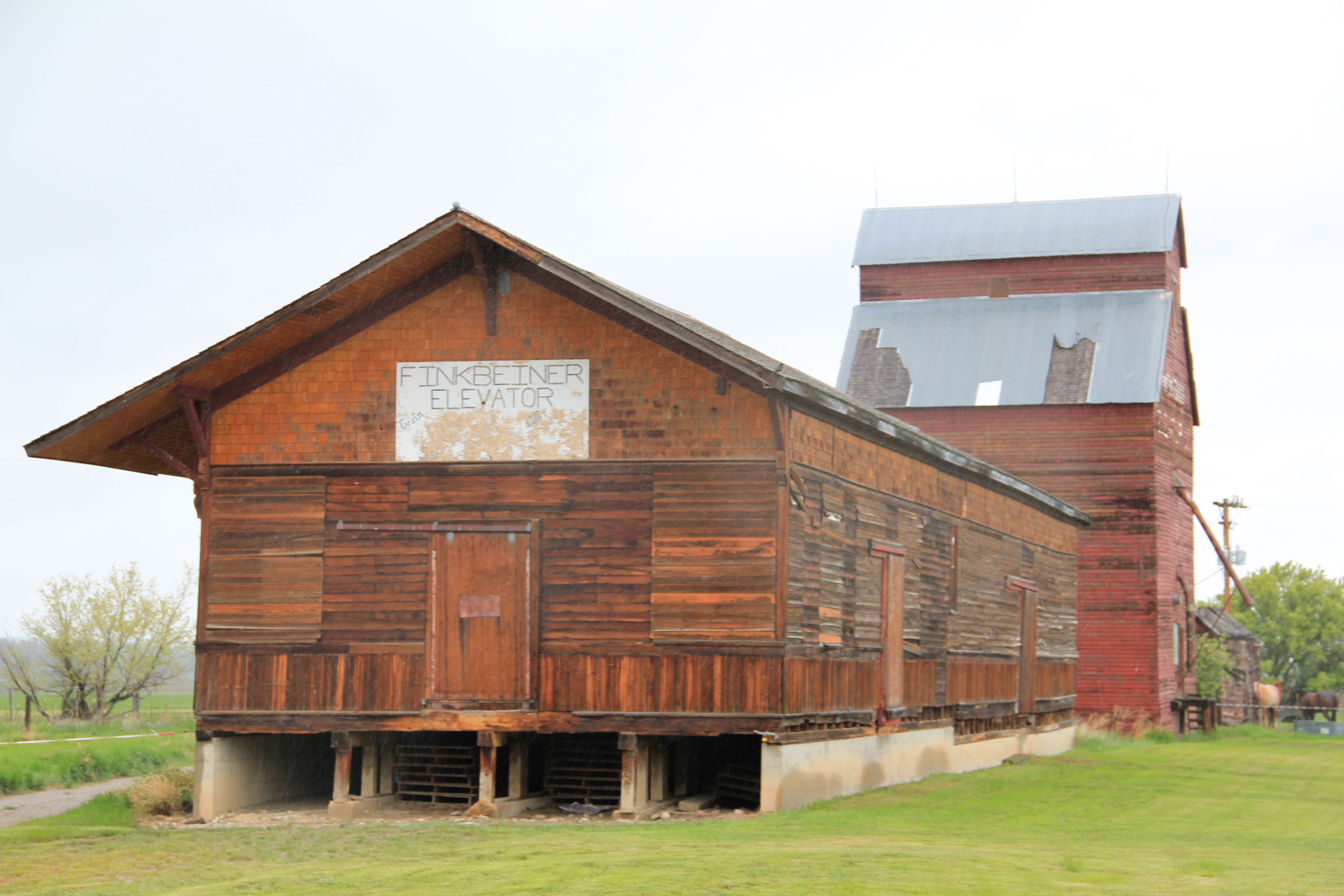
But in my work from 2012-15 I found more and more examples of how local entrepreneurs have turned these historic buildings into businesses–from a very simple, direct conversion from depot to warehouse in Grassrange to the use of the Milwaukee Road depot in Roundup as the local electric company office.
IMG_0020.JPG

IMG_0051.JPG

As these last examples attest–old buildings can still serve communities, economically and gracefully.  Not all historic preservation means the creation of a museum–that is the best course in only a few cases.  But well-built and maintained historic buildings can be almost anything else–the enduring lesson of adaptive reuse
Transformations of Montana Avenue

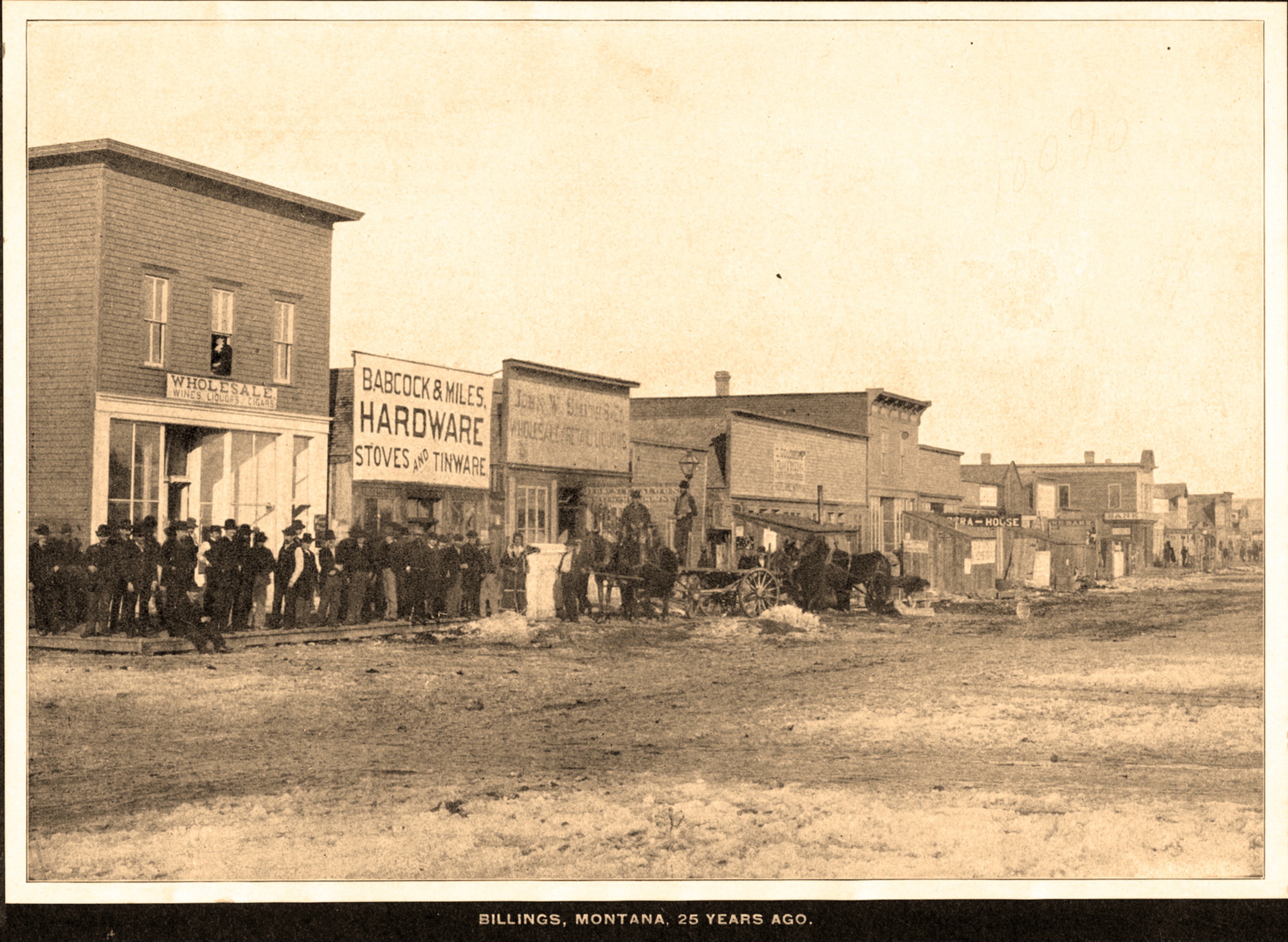
3-billings1883

Billings c. 1882.  All historic images courtesy of Western Heritage Center.

At the time of my field work for the Montana state historic preservation plan in 1984, I had already gotten myself deep into one Montana place–Billings, the seat of Yellowstone County, and its early history.  I have to blame June Sampson, David Carroll, and Lynda Moss at the city’s Western Heritage Center for my initial immersion–they along with board members wanted a research report about both the town of Coulson, the short-lived precursor to Billings along the Yellowstone River, and the early history of Billings, the railroad town.

billings-map-1904

Billings birdseye view, detail, 1904.

Starting in 1982, I began  to drive to Billings, explore the landscape, dig into archives and museums, and talk to people, which of course meant in 1982, when the city was a mere 100 years old, there were a few children of the founders still around for interviews.

McAdow store 2011

At first the competition between Coulson and Billings captivated me, particularly the efforts of regional merchant Perry W. McAdow to transfer his business dominance from Coulson to the new city of Billings by placing his store on Minnesota Avenue, on the south side of the Northern Pacific Railroad, rather than on Montana Avenue, on the north side of the tracks, where development was controlled by one of the west’s leading capitalists, Frederick Billings.

Perhaps it is symbolic, or even appropriate, that McAdow’s first store on Minnesota Avenue still stands–but its best days long ago passed away, leaving it today as a junk store in 2011, or in 2015 the Big Sky Blue Gallery.  While, on the other hand, a grand statue of Frederick Billings–who never lived here but did come to visit his son Parmly–stands on the north side of the tracks, and helps to mark Montana Avenue as the predominant commercial street in Billings.

HPIM0183.JPG

HPIM0178.JPG

No doubt, Montana Avenue, and the north side of the tracks became the public face of Billings.  Not only did a range of two to three-story commercial blocks populate a long stretch of the street, here too was the grand Classical Revival styled passenger depot of the

Billings 2006 002 NPRR depot

Northern Pacific Railroad.  And when U.S. Highway 10 was designated through the city in the 1920s–first known as the Yellowstone Trail–it used Montana Avenue to pass through Billings.  The bright, shiny, and busy appearance of Montana Avenue in this second decade of the 21st century, however, is a fairly recent phenomenon.  When I did the bulk of my research in Billings from 1982 to 1992, there was not much going on, outside of the Rex Hotel.  The depot was boarded up, and falling apart.

Listing Montana Avenue as a historic district in the National Register of Historic Places in the 1990s began to change the street’s fortunes, along with the development in that same decade of the Western Heritage Center as a real cultural anchor and heritage tourism lure, and then the investments by new entrepreneurs who convinced city officials to revisit sidewalks, add plantings, and make the street more pedestrian friendly.  It has been a bit amazing to see this transformation in the past decade as Montana Avenue became an “it” place–and shed its forgotten, tired past as a railroad corridor.


Sanders County’s Plains and the Noxon Dam

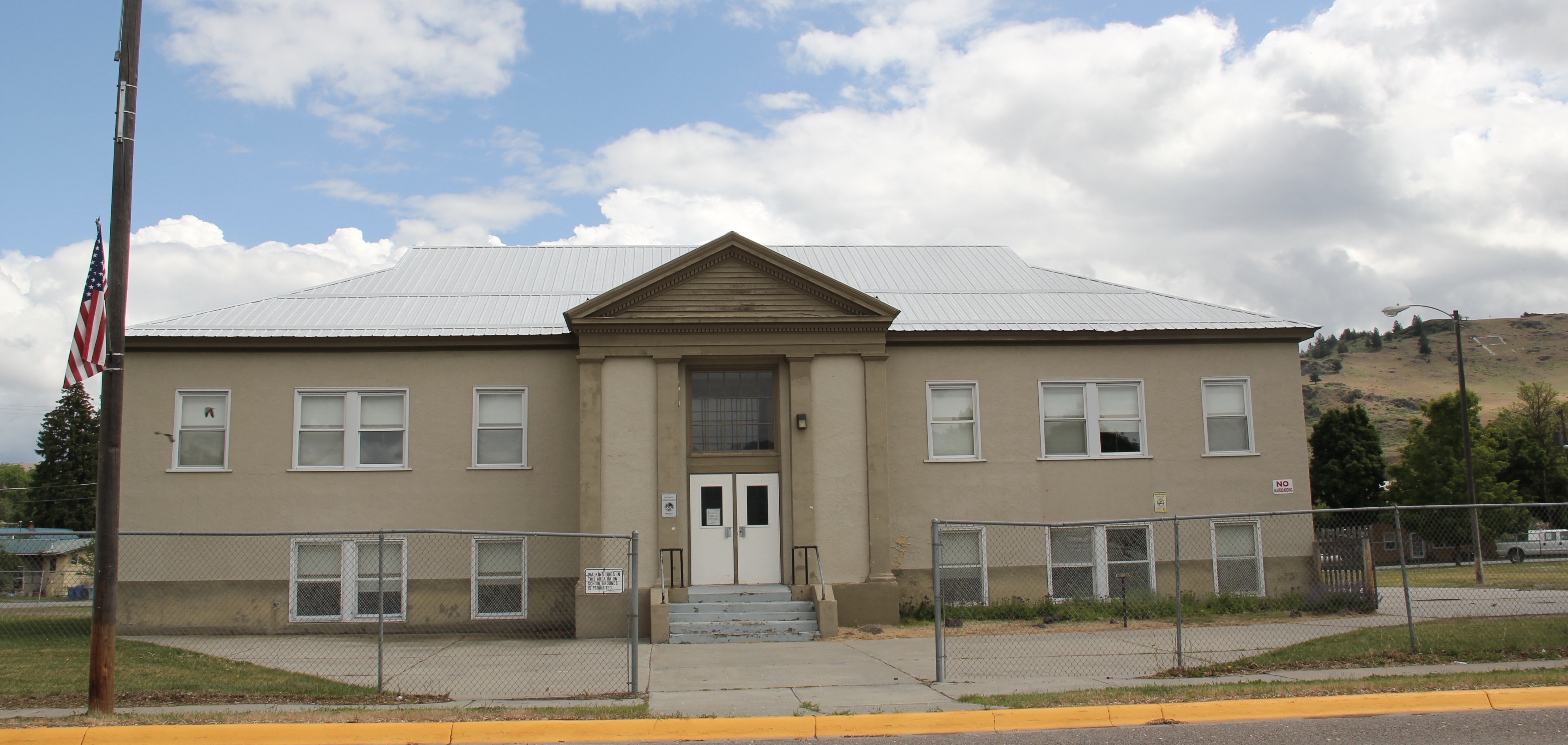
Sanders Co Plains schoolPlains is the second largest town in Sanders County, noted as the home of the county fairgrounds, the center of the local agricultural economy, and like Thompson Falls a significant place along the Clark’s Fork River and the Montana Highway 200 corridor.

Sanders Co Plains 3

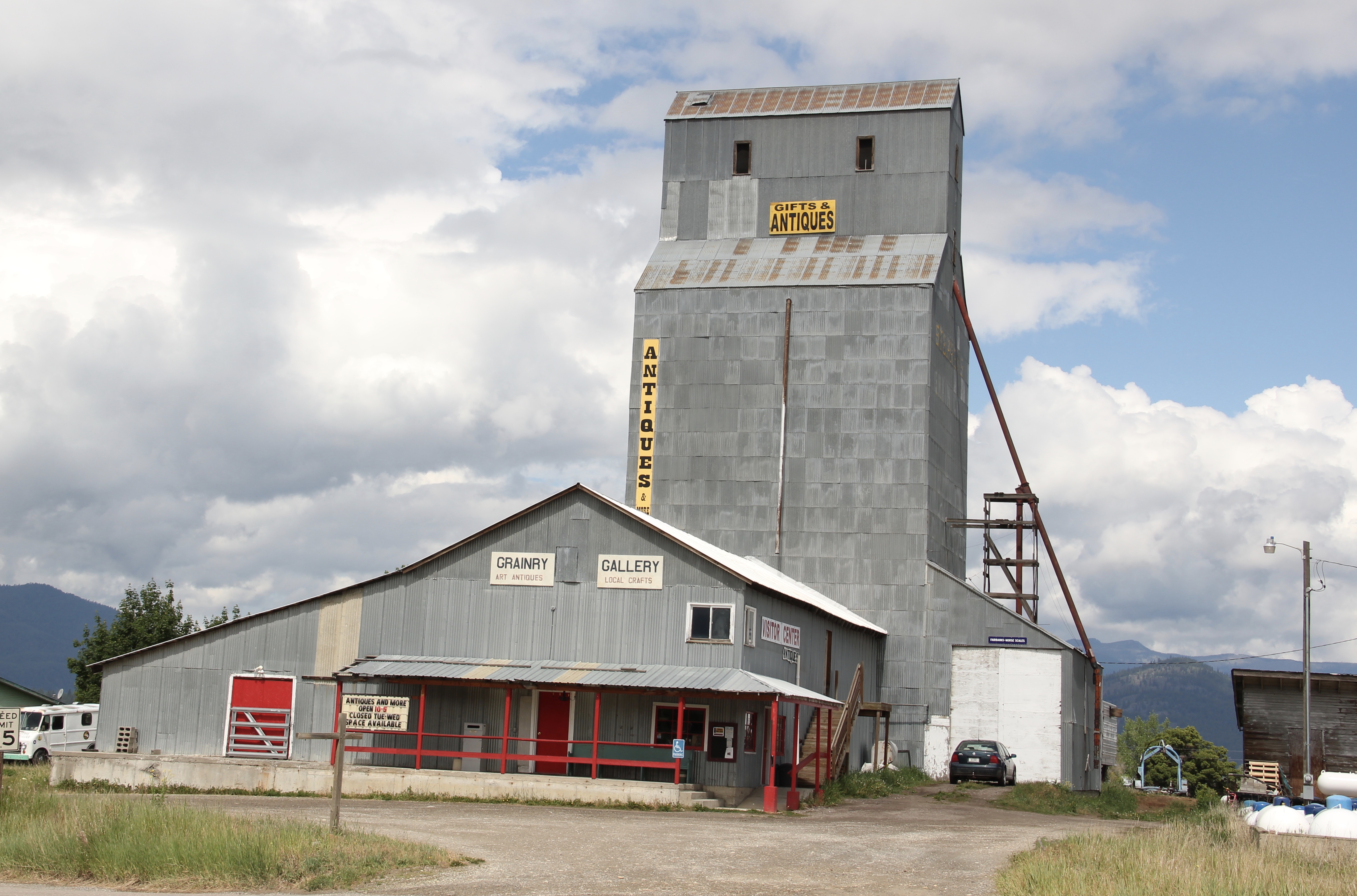
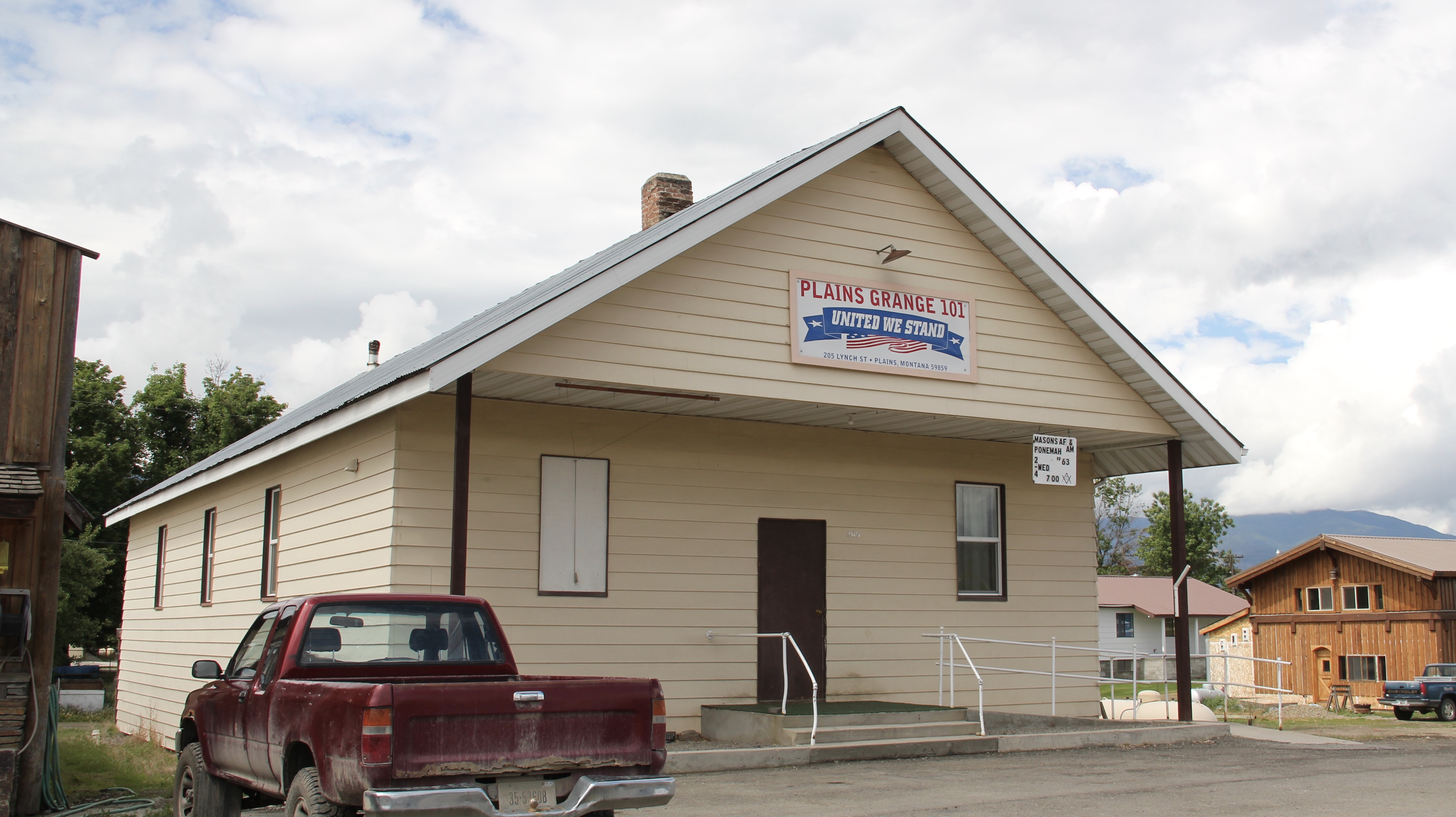
While the population was largely the same in 2015 compared to my last visit 30 years earlier, things had changed, such as the town’s elevator now served as the Grainry Gallery–an imaginative local adaptive reuse.  New churches, new homes, and new businesses had been established.  Yet Plains still retained its early 20th to mid-20th

Sanders Co Plains 2century feel, be it in institutions, such as the local Grange above, or the continuation of the local VFW hall and bowling alley, below.

Sanders Co Plains 1

Among the biggest changes to this historic preservationist is the lost of the town’s historic high school from the first decade of the 20th century.  In a small park along Montana Highway 200, the cornerstone arch from the school was saved and now is a

Sanders Co Plains 10


monument to that educational landmark.  Adjacent is the log “Wild Horse Plains” school, which has been moved to this spot and restored during the American Bicentennial.  According to local historians, the more appropriate name is “Horse Plains,” since the Salish Indians once wintered their horses here but the name “Wild Horse Plains” is the one that has stuck here in the 21st century.

The Wild Horse Plains Women’s Club uses the old school for their meetings and keeps up the property and its landscaping.  Indeed, one thing you like about Plains–a railroad town from the turn of the 20th century–is its sense of pride, conveyed by places like the school park or in the stewardship shown to local historic homes.

IMG_7743

This same pride in place is also conveyed in our last Sanders County stop, the very different history of Noxon, near the Idaho border on Montana Highway 200. The Noxon Bridge was among my favorite northwest Montana modern landmarks–but in 1984 I thought little more about it because few things in Noxon were built before 1959-60.

IMG_7772

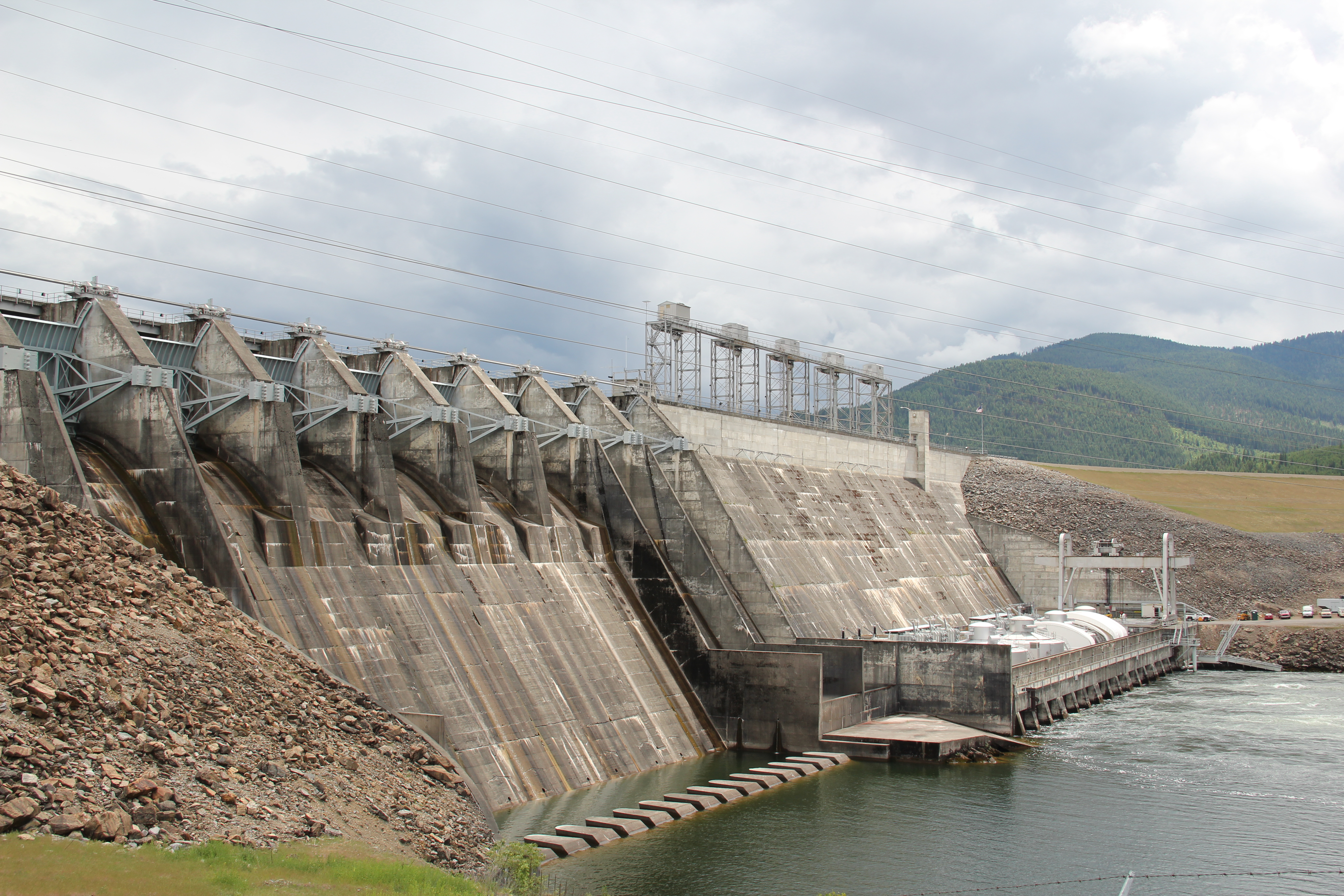
That was when the Noxon Hydroelectric Dam went in operation, transforming this part of the Clark’s Fork River into an engineered landscape shaped by the dam, power lines, and the reservoir.

IMG_7762The Noxon Dam was finished in 1959.  It is a mile in length, 260 feet in height and 700 feet wide at its base.  Its generators can power approximately 365,000 homes, making it the second-largest capacity hydroelectric facility in Montana.

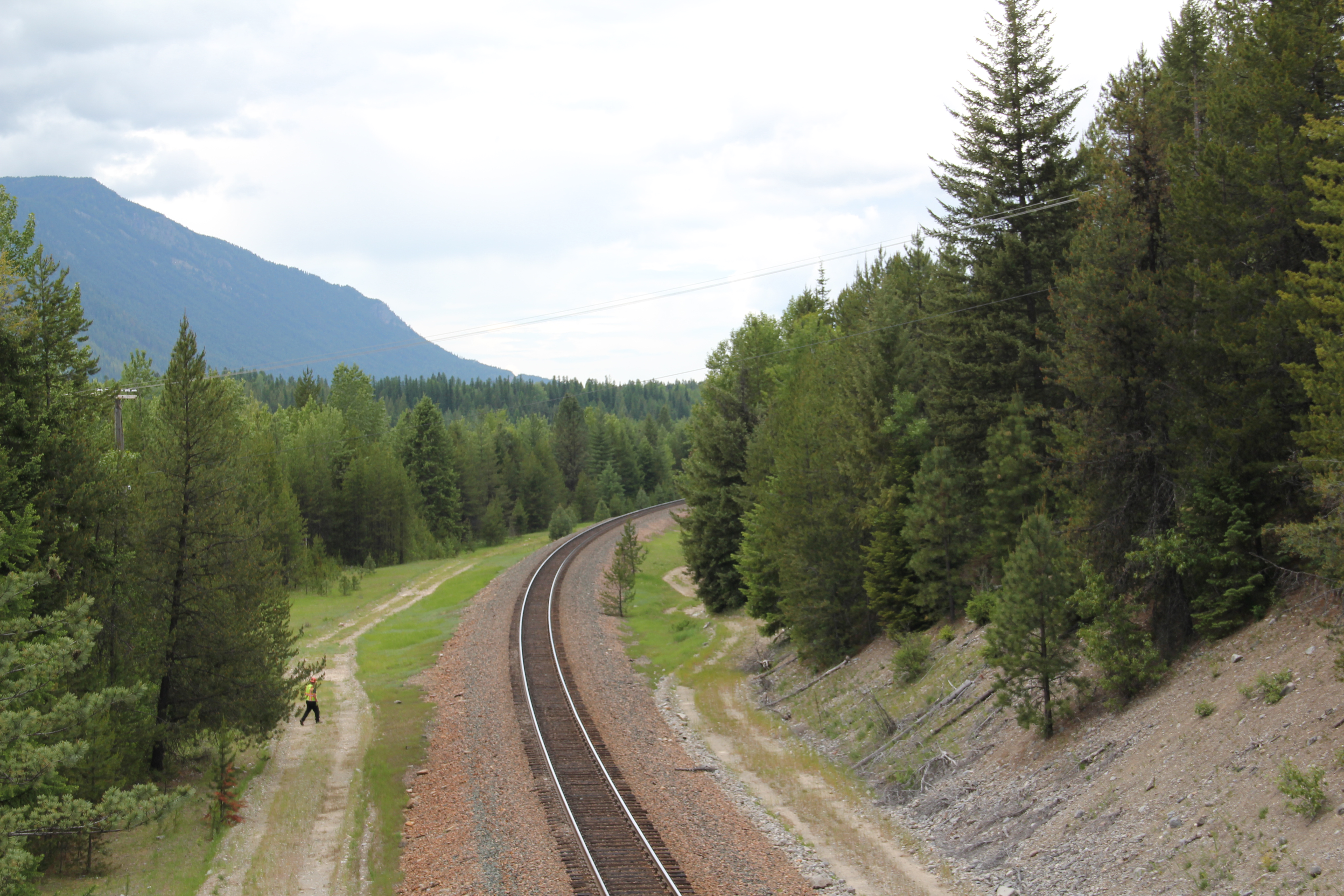
IMG_7758Today visitors can view the dam from various parking areas and short walking trails, one of which passes over the historic line of the Northern Pacific Railroad. The property has interpretive signs about the history of the project as well as about the engineering of hydroelectric power.

IMG_7768Along the banks of the river/reservoir, a much more recent public park has opened–with public sculpture reminding everyone of the Native Americans who once camped along the

IMG_7775river at this place.  By bringing the deep past of the region in view of the modern, this site is a new favorite place–wherever you are in Montana, and there are many modern engineering marvels–the Indians were always there first, using those same natural resources in far different ways.

IMG_7776