 Here is a property category that could be, probably should be, a blog of its own–the ranching landscape of Big Sky Country. Historic family ranches are everywhere in the state, and being of rural roots myself, and a Tennessee Century Farm owner, the ways families have crafted their lives and livelihood out of the land and its resources is always of interest.

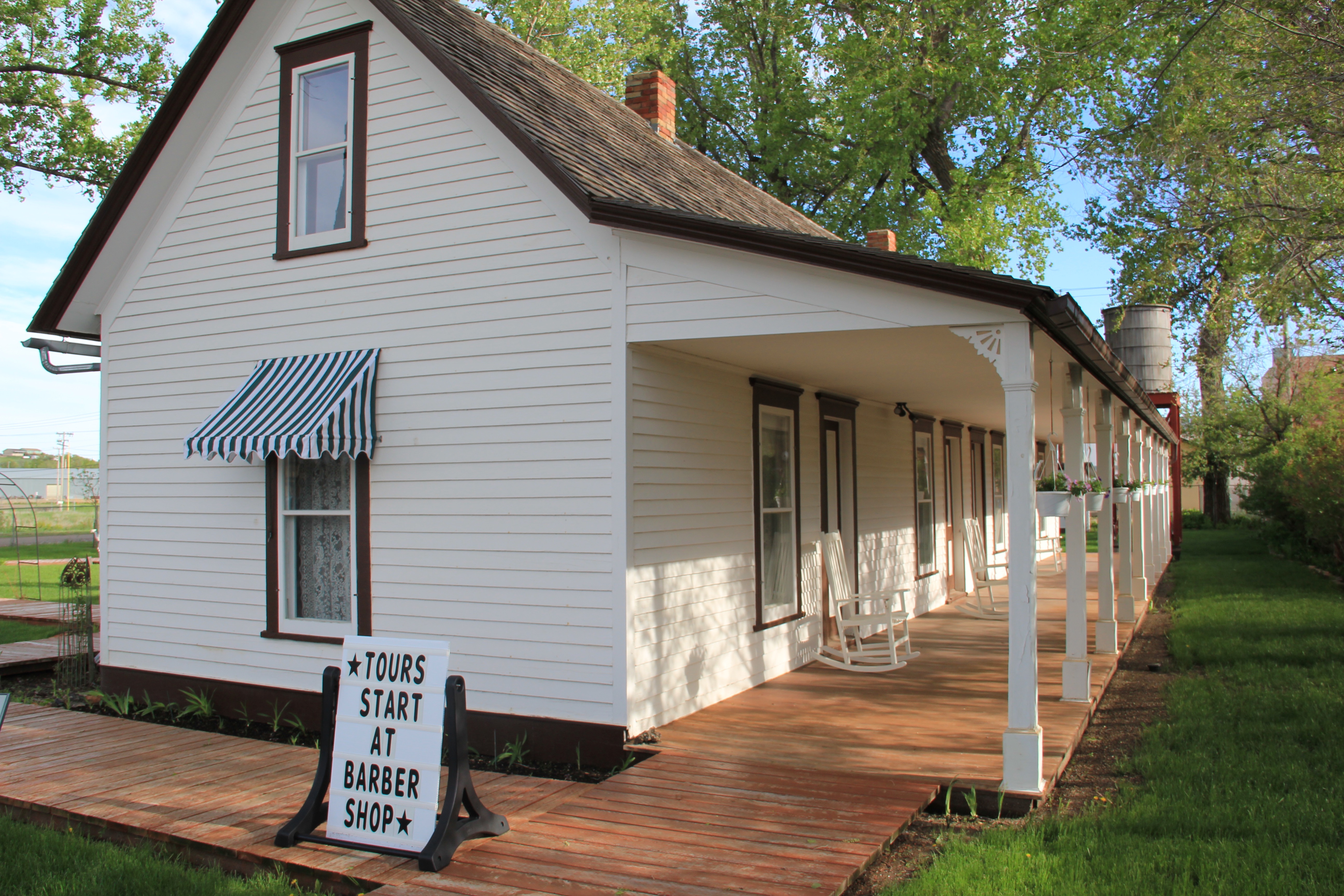
Wibaux ranch house, 1985.
When I carried out the 1984-1985 fieldwork for the Montana state historic preservation plan, a handful of ranches had been preserved as museums. On the eastern end of the state in Wibaux was the preserved ranch house of Pierre Wibaux, one of the 1880s cattle barons of eastern Montana and western North Dakota. The ranch house today remains as a historic site, and a state welcome center for interstate travelers–although you wish someone in charge would remove the rather silly awning from the gable end window.
 Preserving merely the ranch house, and adding other period buildings, is one thing. The massive preserved landscape of hundreds of acres of the Grant-Kohrs Ranch in the western end of Montana is a totally different experience. This National Park Service site
not only preserves one of the earliest settlement landscapes in the state it also shows how successful ranches change over time. John Grant began the place before the Civil War: he was as much an Indian trader than ranch man. Grant Kohrs however looked at the rich land, the railroad line that ran through the place, and saw the potential for becoming a cattle baron in the late 19th century. To reflect his prestige and for his family’s comfort, the old ranch house was even updated with a stylish Victorian brick addition. The layers of history within this landscape are everywhere–not surprisingly. There is a mix of 19th and 20th century buildings here that you often find at any historic ranch.
When I was working with the Montana Historical Society in 1984-1985 there were two additional grand ranches that we thought could be added to the earlier preservation achievements. Both are now landmarks, important achievements of the last 30 years.
 The Bitter Root Stock Farm, established in 1886 by soon-to-be copper magnate Marcus Daly outside of Hamilton, came first. I can recall early site visits in 1985–that started the ball rolling but the deal wasn’t finalized for several years. All of the work was worth it.
Here was one of the grand showplace ranches of the American West, with its own layers of a grand Queen Anne ranch house (still marked by the Shingle-style laundry house) of Daly’s time that was transformed into an even greater Classical Revival mansion by his Margaret Daly after her husband’s death. It is with us today largely due to the efforts of a determined local group, with support from local, state, and federal governments, a group of preservation non-profits, and the timely partnership of the University of Montana.
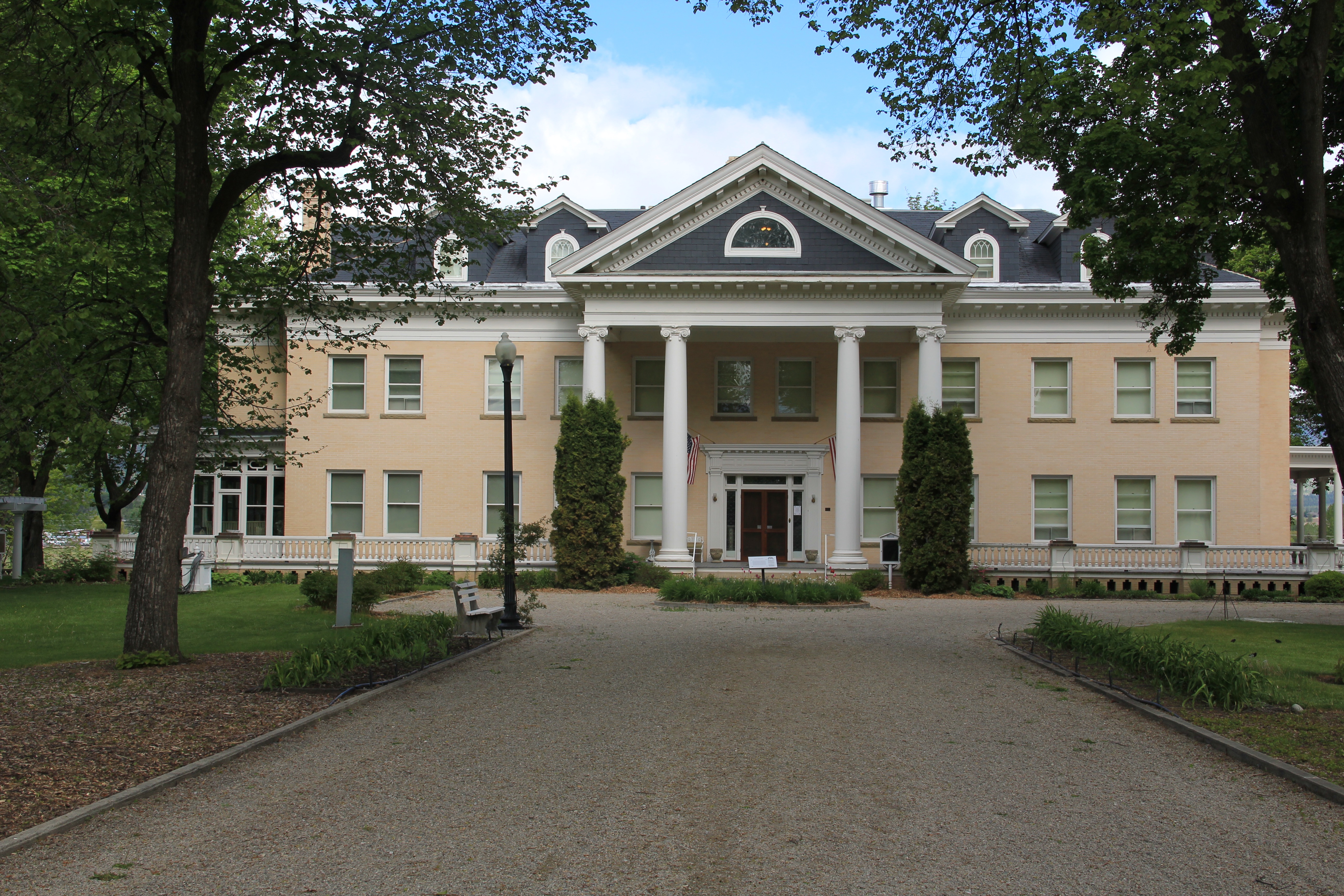
The second possibility was also of the grand scale but from more recent times–the Bair Ranch in Martinsdale, almost in the center of the state. Charles Bair had made his money in sheep and wise investments. His daughters traveled the world and brought treasures home to their Colonial Revival styled ranch house. To get a chance to visit with Alberta Bair here in the mid-1980s was a treat indeed.
Once again, local initiative preserved the ranch house and surrounding buildings and a local board operates both a house museum and a museum that highlights items from the family’s collections.
The success of the Bitter Root Stock Farm and the Bair Ranch was long in the making, and you hope that both can weather the many challenges faced by our public historic sites and museums today. We praise our past but far too often we don’t want to pay for it.
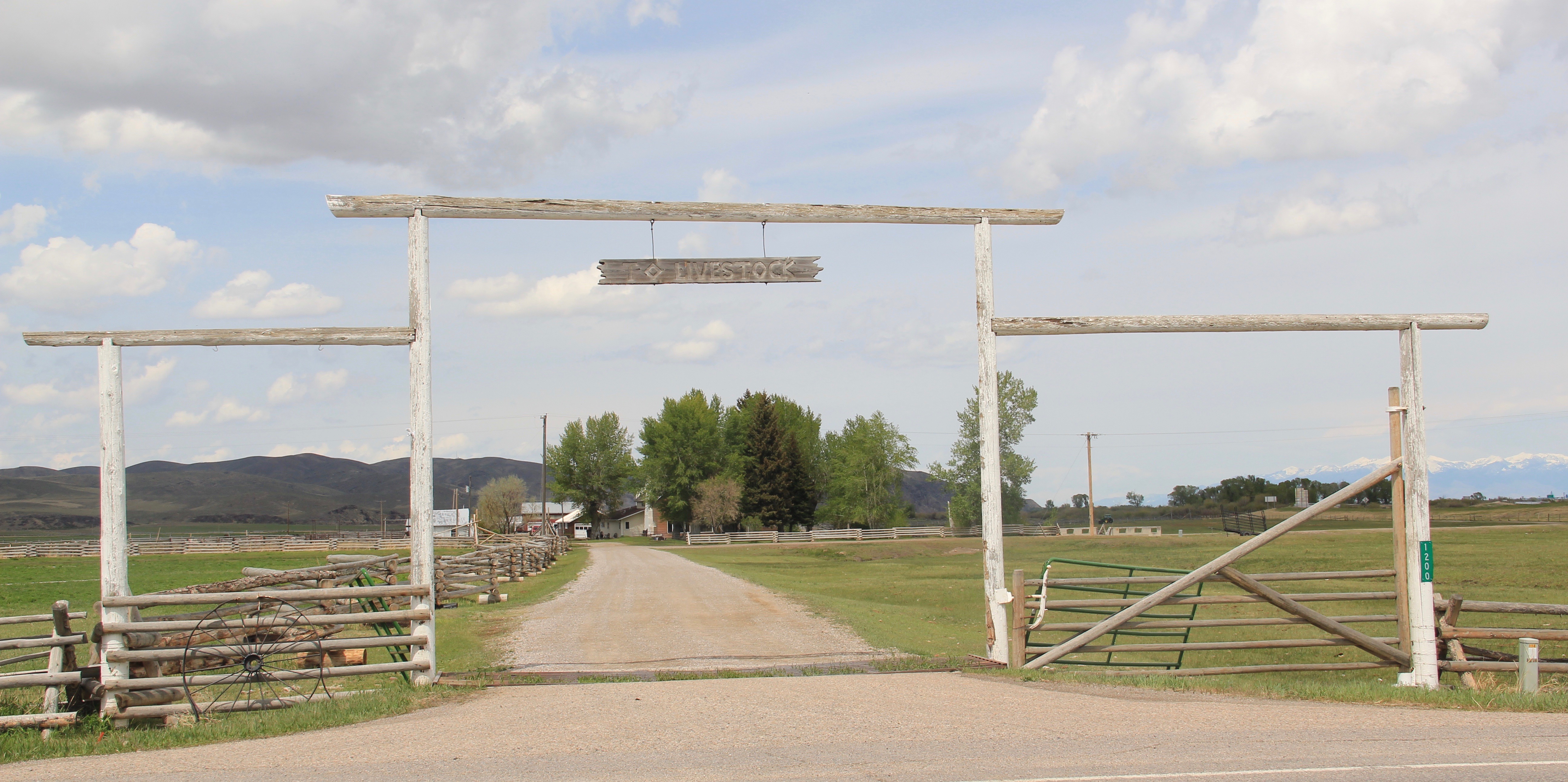
That is why family stewardship of the landscape is so important. Here are two examples from Beayerhead County. The Tash Ranch (above and below) is just outside of Dillon and is listed in the National Register of Historic Places. But is also still a thriving family ranch.
The same is true for the Bremmer Ranch, on the way to Lemhi Pass. Here is a family still using the past to forge their future and their own stories of how to use the land and its resources to maintain a life and a culture.

One family ranch that I highlighted in my book, A Traveler’s Companion to Montana History (1986), was the Simms-Garfield Ranch, located along the Musselshell River Valley in Golden Valley County, along U.S. Highway 12. This National Register-property was not, at
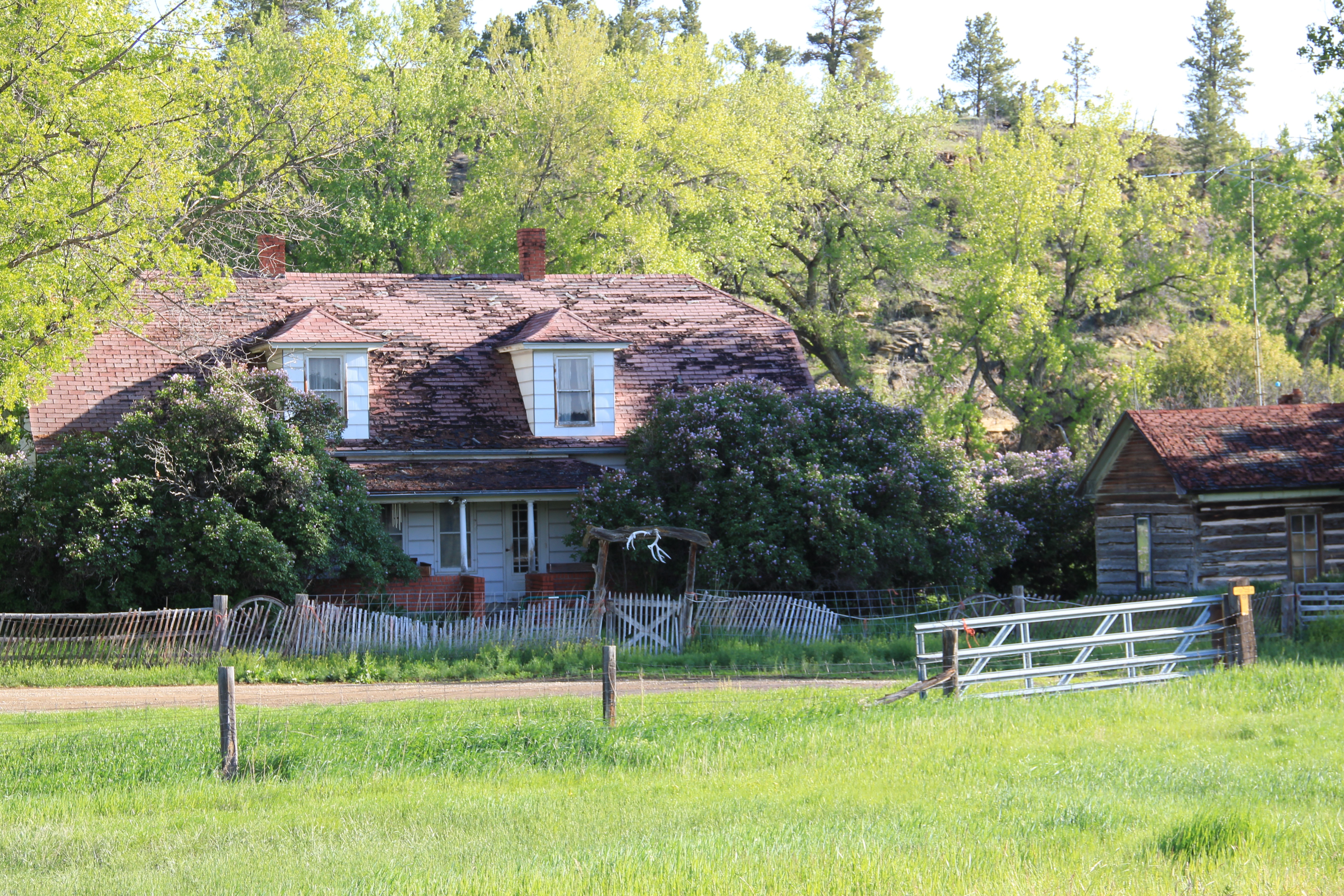 first glance, architecturally magnificent as the properties above. But in its use of local materials–the timber, the rocks from the river bluffs–and its setting along a historic road, this ranch is far more typical of the Montana experience.
Similar traditions are expressed in another way at a more recent National Register-listed ranch, the Vogt-Nunberg Ranch south of Wibaux on Montana Highway 7. Actively farmed from 1911 to 1995, the property documents the changes large and small that happened in Montana agriculture throughout the 20th century.
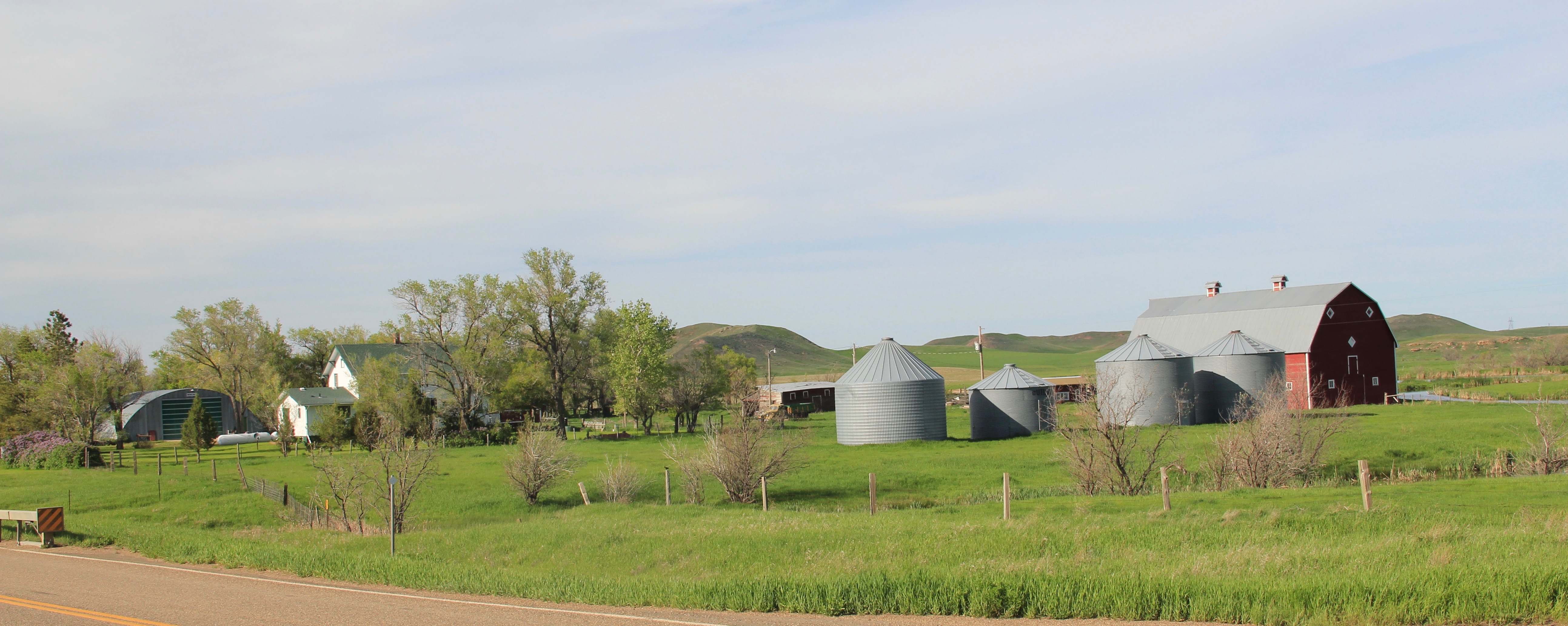
The stories of these ranches are only a beginning. The Montana Preservation Alliance has done an admirable job of documenting the state’s historic barns, and the state historic preservation office has listed many other ranches to the National Register. But still the rural landscape of the Big Sky Country awaits more exploration and understanding.
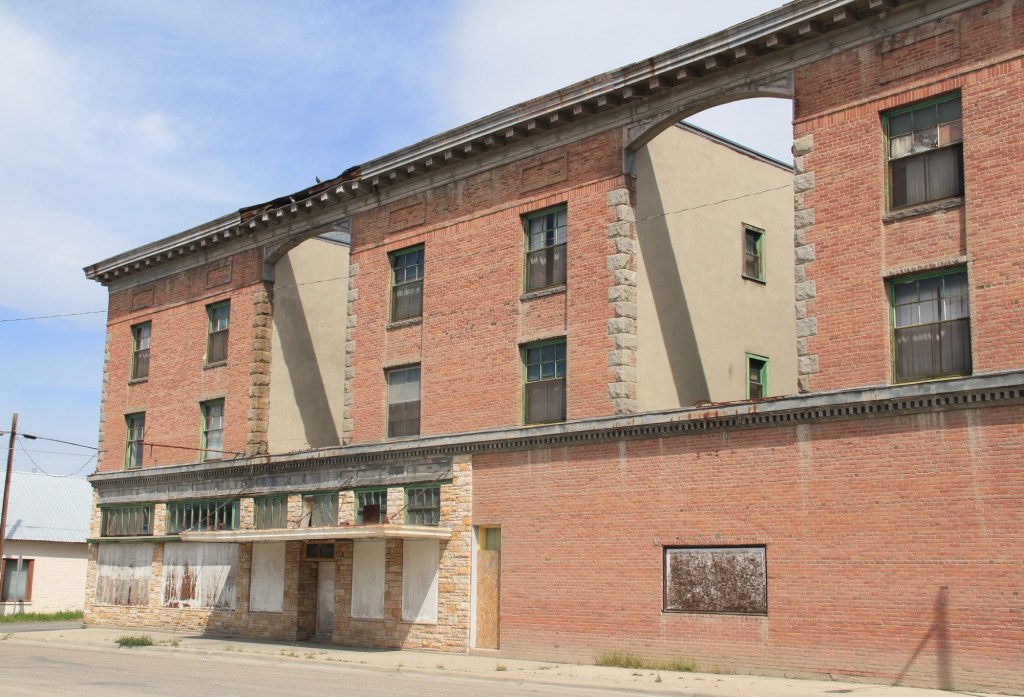
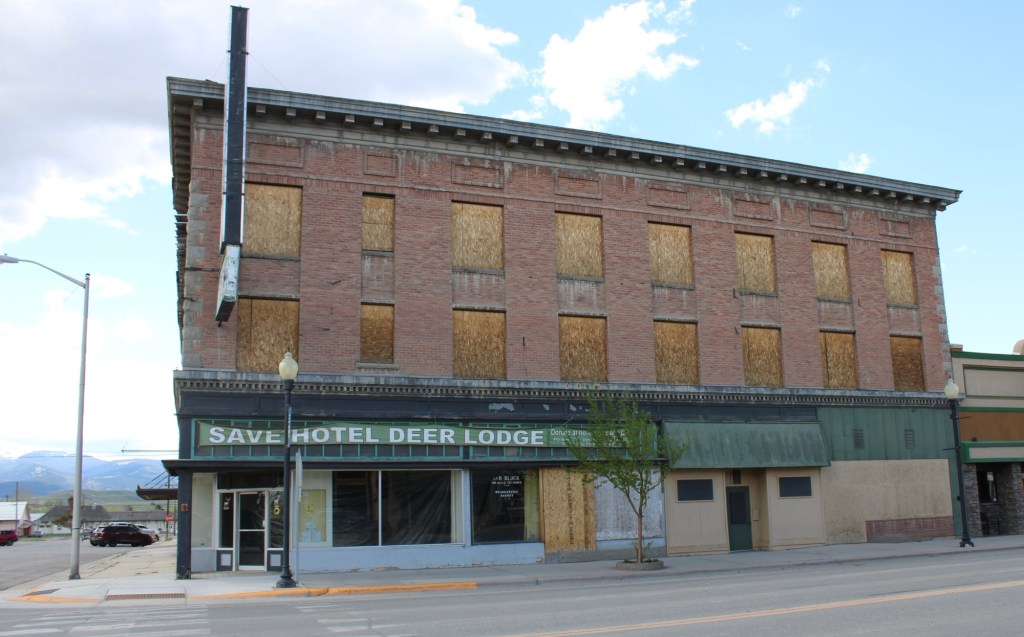
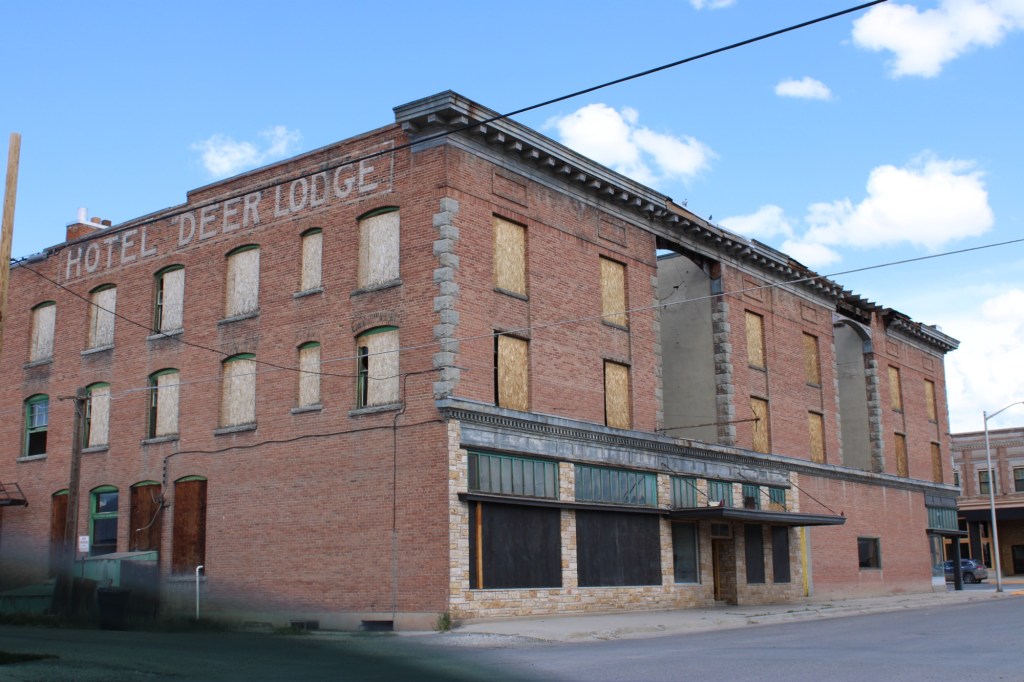






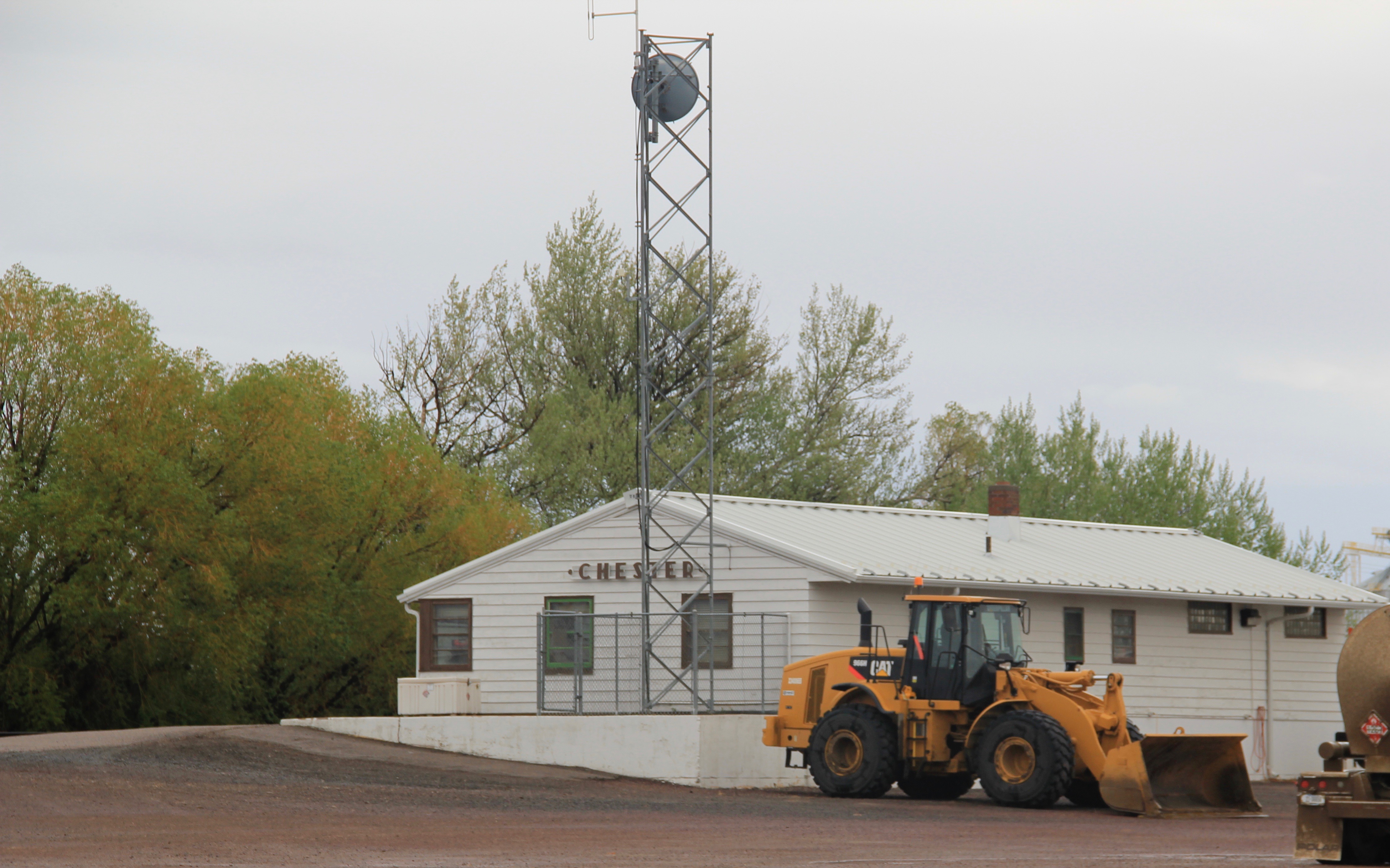


 deteriorating in the mid-1980s but a determined effort to save the building and use it as an anchor for the Montana Avenue historic district has proven to be a great success in the 21st century.
 Milwaukee Road depot there, since Harlowtown was such an important place in the railroad’s history as an electric line.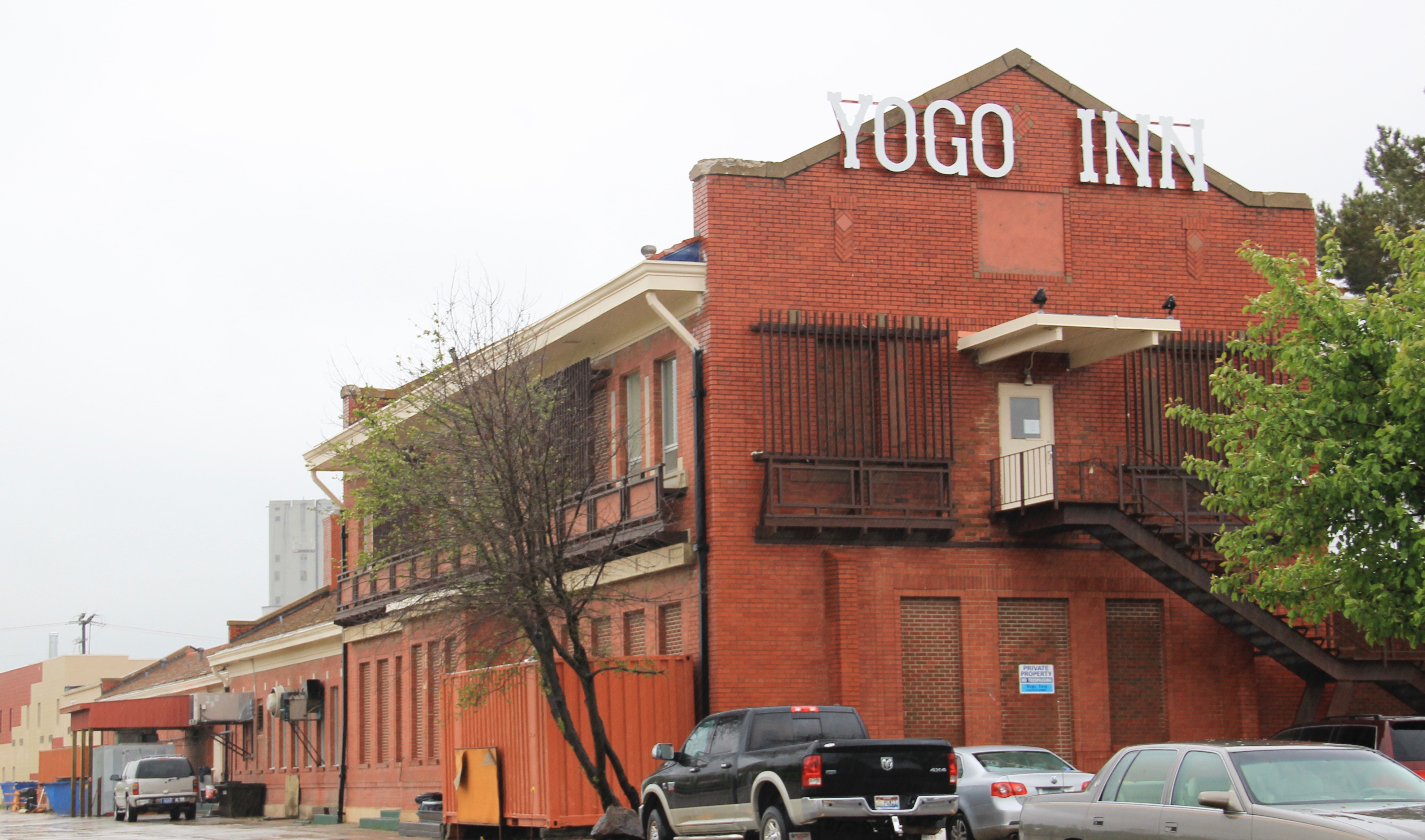

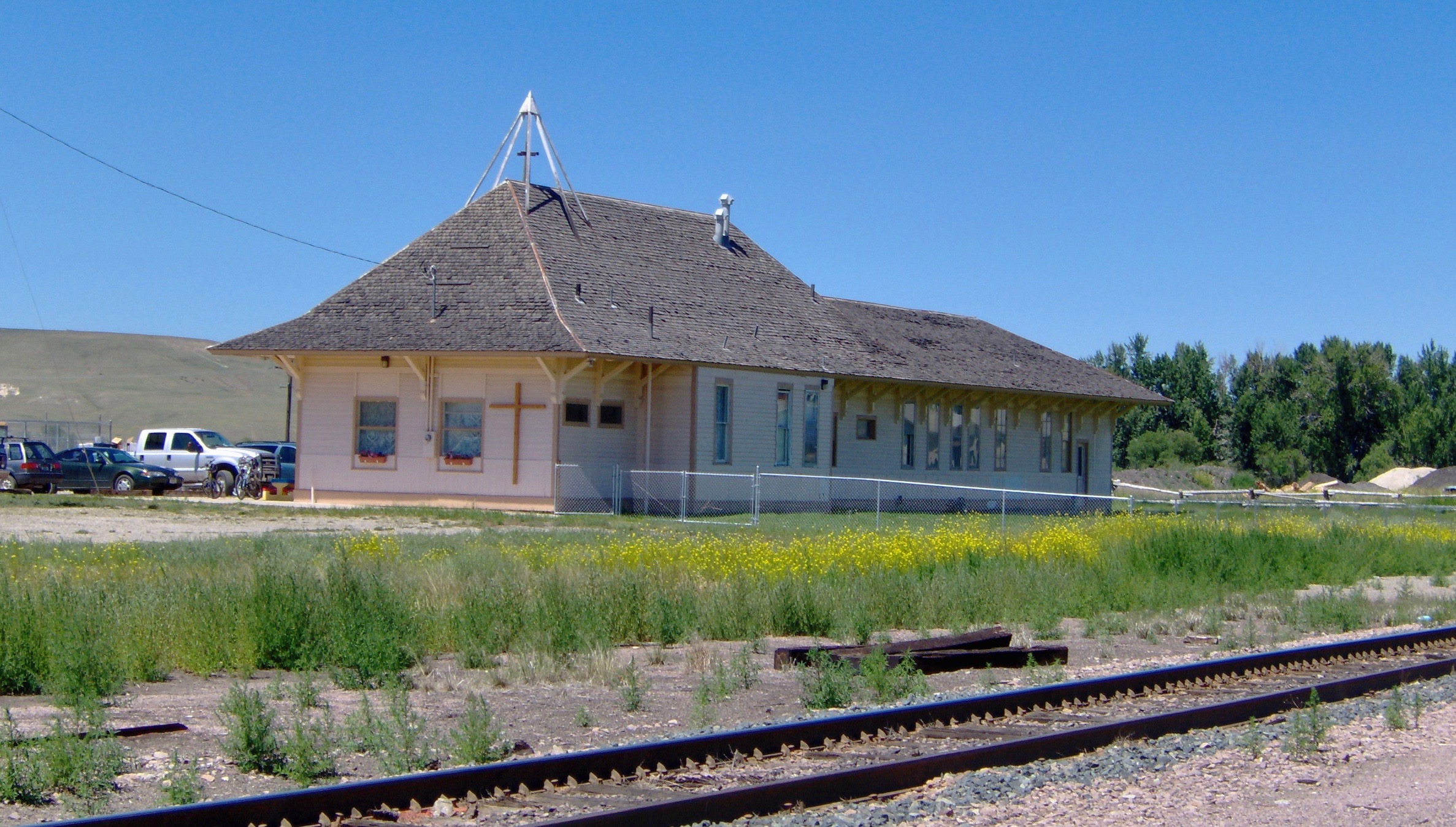


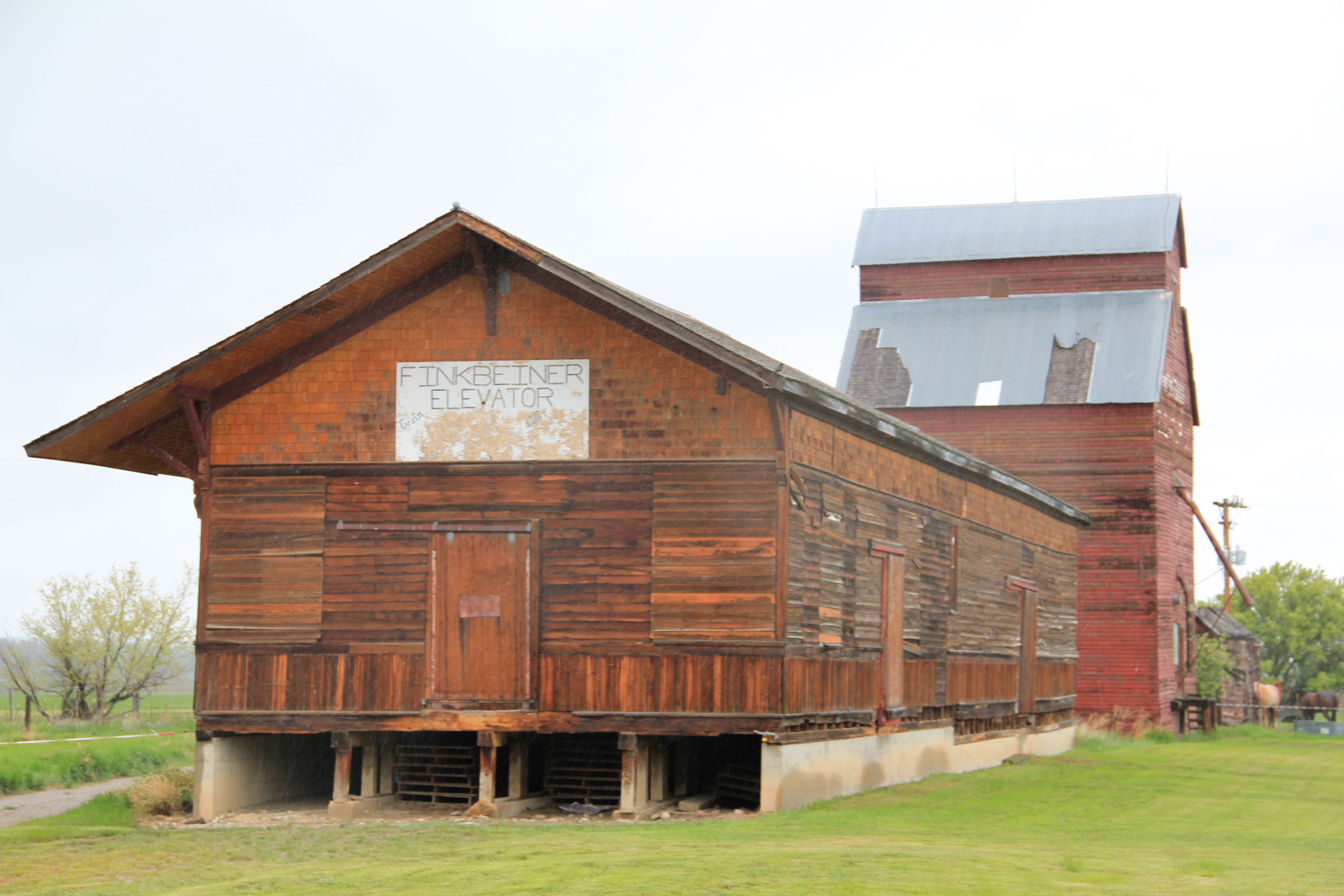

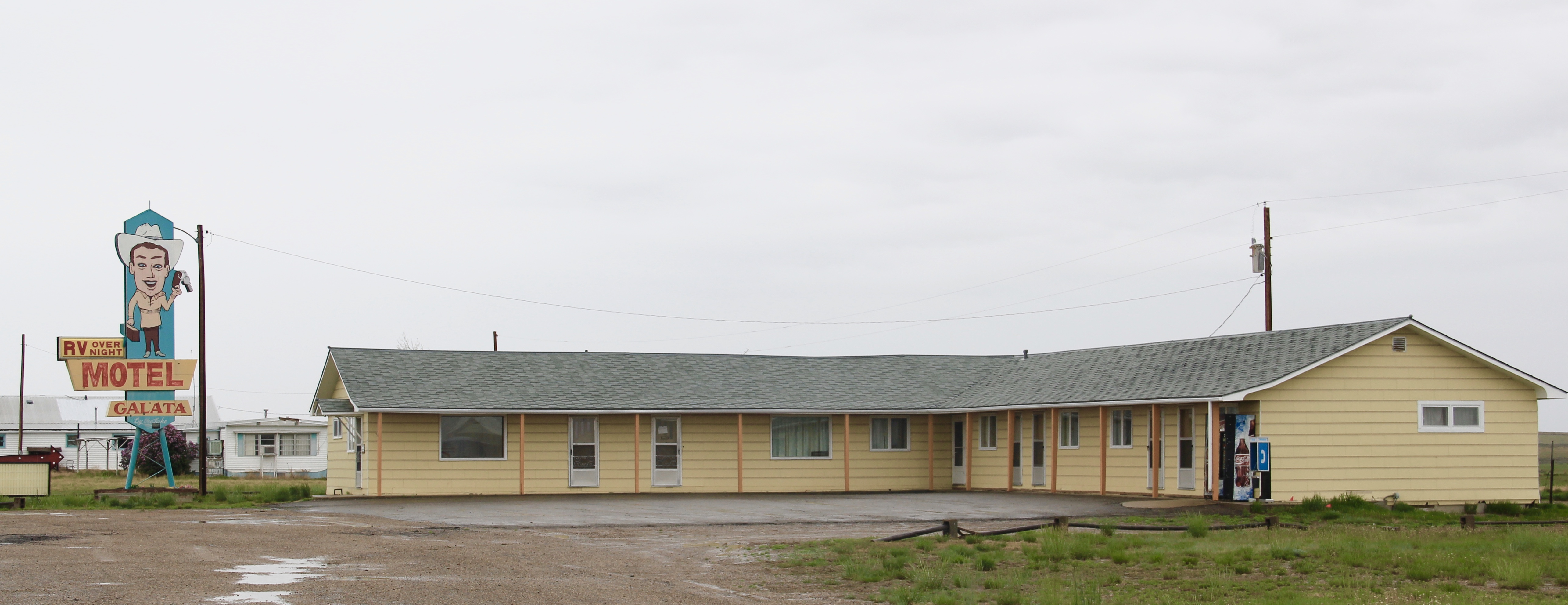
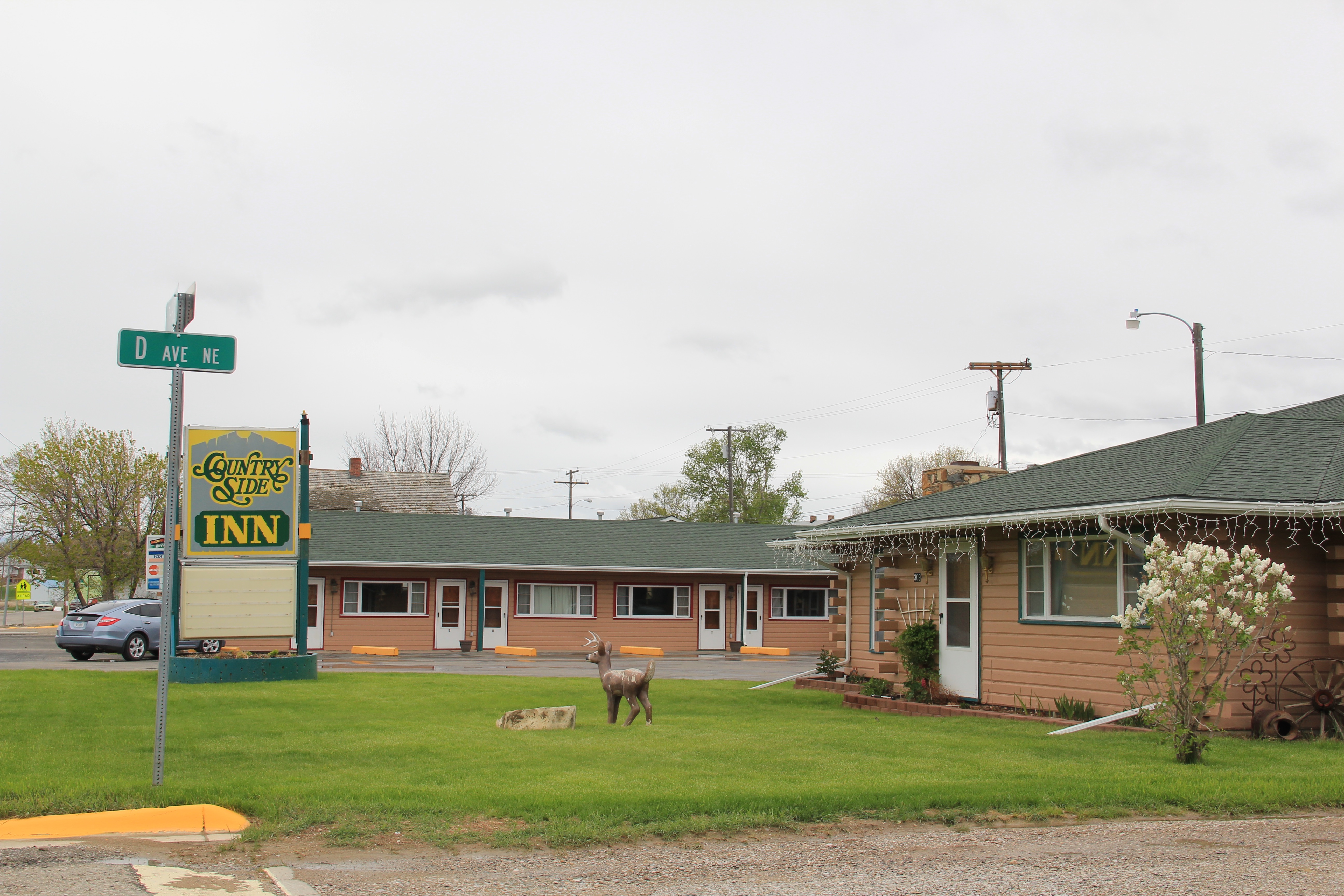
 In the 1984-1985 fieldwork for the state historic preservation plan, the impact of lodging chains in Montana was pretty limited to the larger towns, and gateways to the national parks. Many what I called “mom and pop” motels, largely from the pre-interstate highway era of the 1940s and 1950s, still operated. I was working with the state employee lodging rate of $24 a night (remember it was 1984!) and I found that the per diem eliminated the chains and I was left with the local establishments. During those months of intense travel I came to respect and really like the Moms and Pops. Several of the places I stayed in 1984-1985 are long gone–but ones like the Lazy J Motel in Big Timber remain. In this post I am merely sharing a range of historic motels from across Big Sky Country.
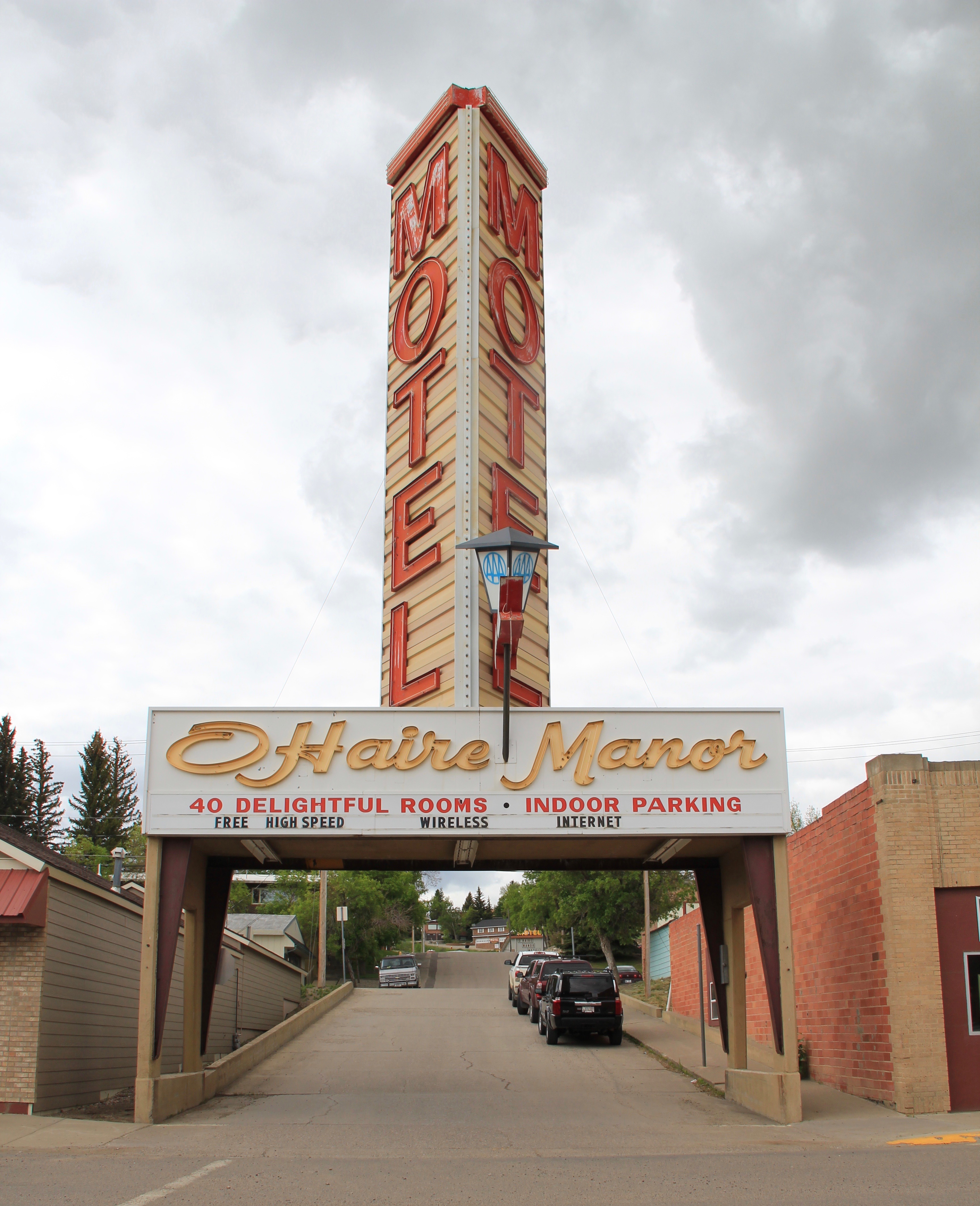 I began the fieldwork in February 1984 and the first stop was a public meeting at the Toole County Courthouse in Shelby. My first overnight was just as memorable–for good reasons–at the O’Haire Manor Motel. Its huge neon sign on the town’s main street, which was U.S. Highway 2, could not be missed, and actually the sign replaced a building that once stood along the commercial district, knocking it down so travelers would have a clear shot to the motel itself.
 Cut Bank’s Glacier Gateway, on the other hand, reminded visitors that it was that “coldest place” in the United States that they had heard about in weather forecasts.


 Another example from the old Yellowstone Trail and U.S. Highway 10 is the Shade Tree Inn Motel in Forsyth–although coal and railroad workers help somewhat to keep it going in the 21st century.
 Just a block west of another historic section of U.S. Highway 10 in Deer Lodge is the Downtowner Motel, with its sloping roof and extended rafters representing the best in “contemporary” style from the 1960s. This place too was clean, cheap, and well located for a day of walking the town back in 1984.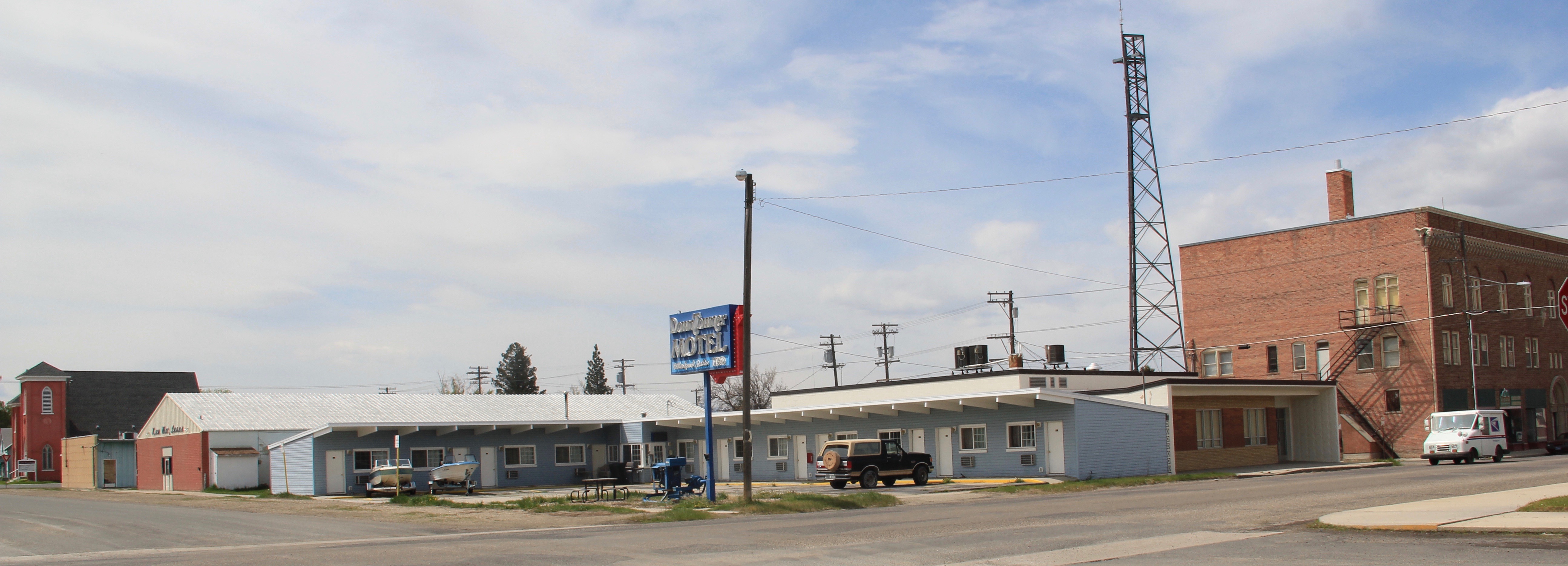

 Not only have the changes in traffic patterns been important, the present generation’s preference for chain motels–and the proliferation of chains across the state–have shaped the future of the mid-20th century motel. A good example is the challenges facing the continuation of the Cherry Hill Motel in Polson, located along U.S. Highway 93. Here was a favorite spot in 1984–near a killer drive-in–a bit out of the noise of the town, and sorta fun surroundings with a great view of Flathead Lake.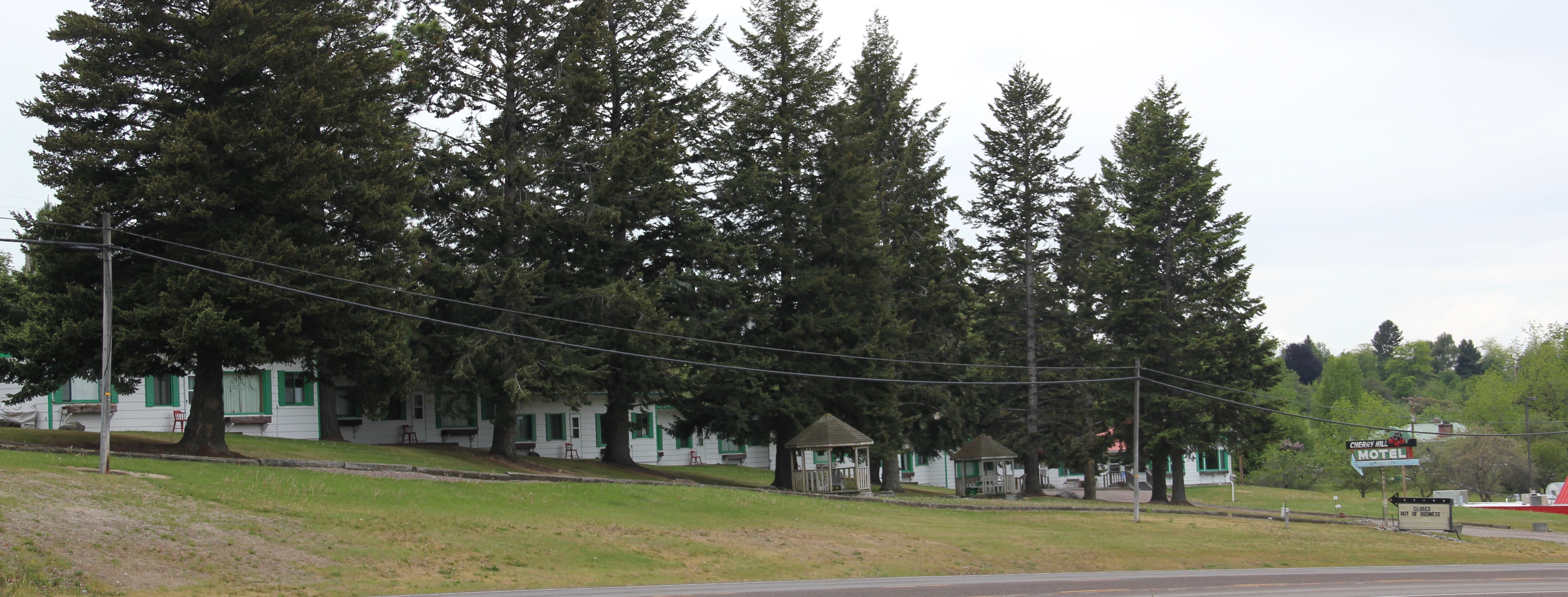
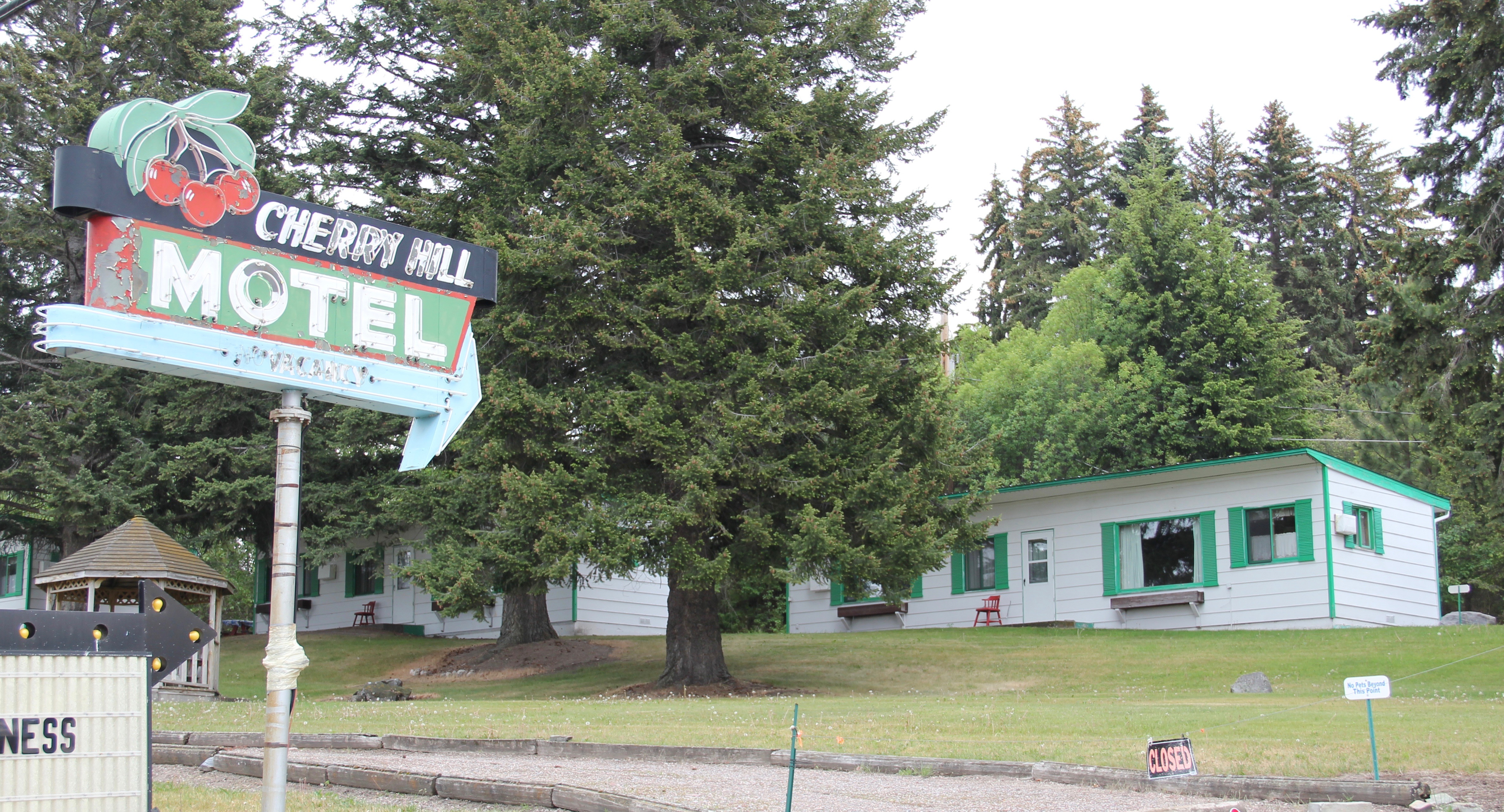 The place was up for sale in 2015–and the internet today tells me that it is “permanently closed.” I hope it can find a new owner and is still there when I next return to Polson but with the general boom in the Flathead Lake region, one assumes its days are numbered.
 The bear might be hugging the tree but does anyone else care enough–or want this type of lodging, complete with the “picture window” of the 1950s and 1960s, in the comfort obsessed 21st century?


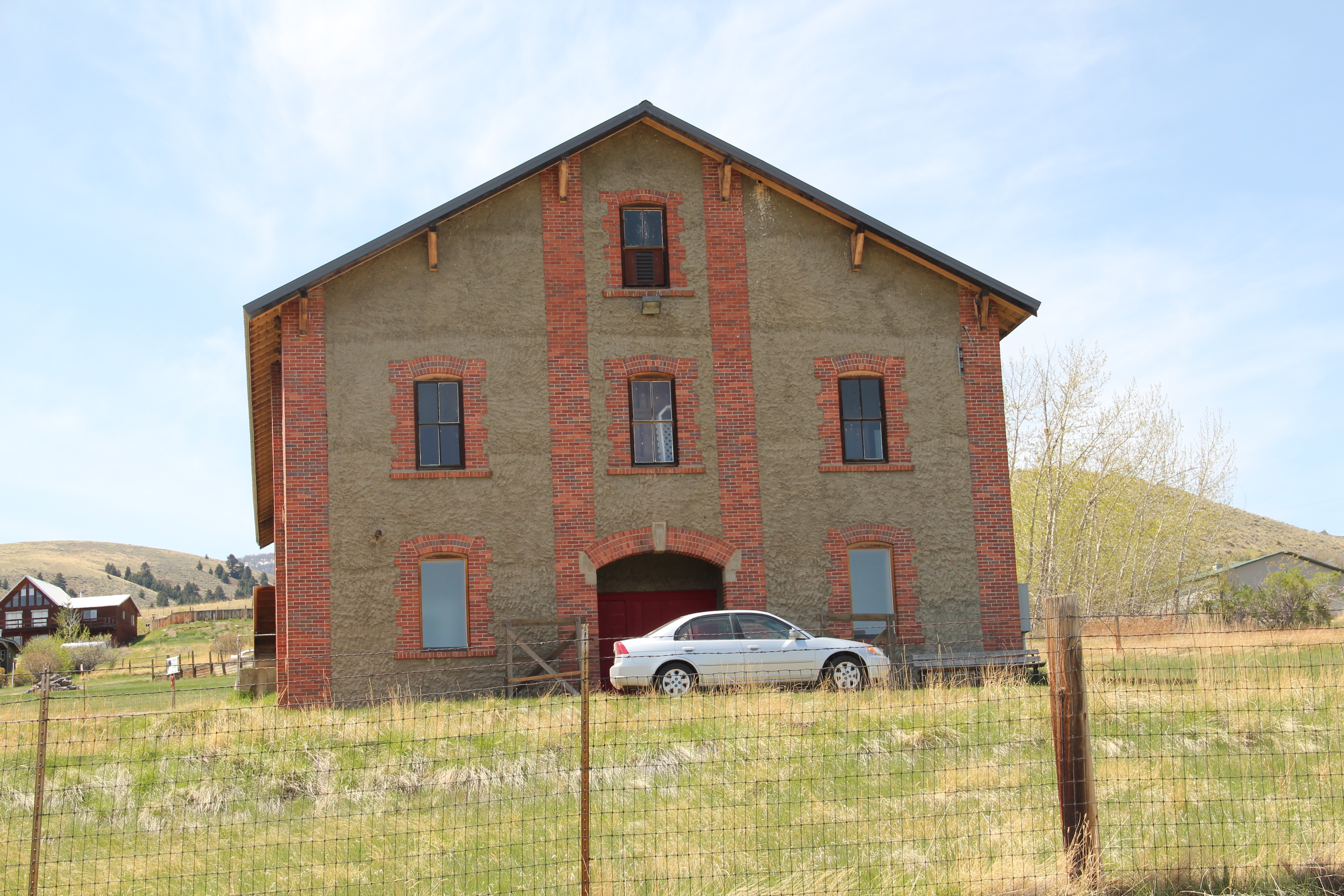


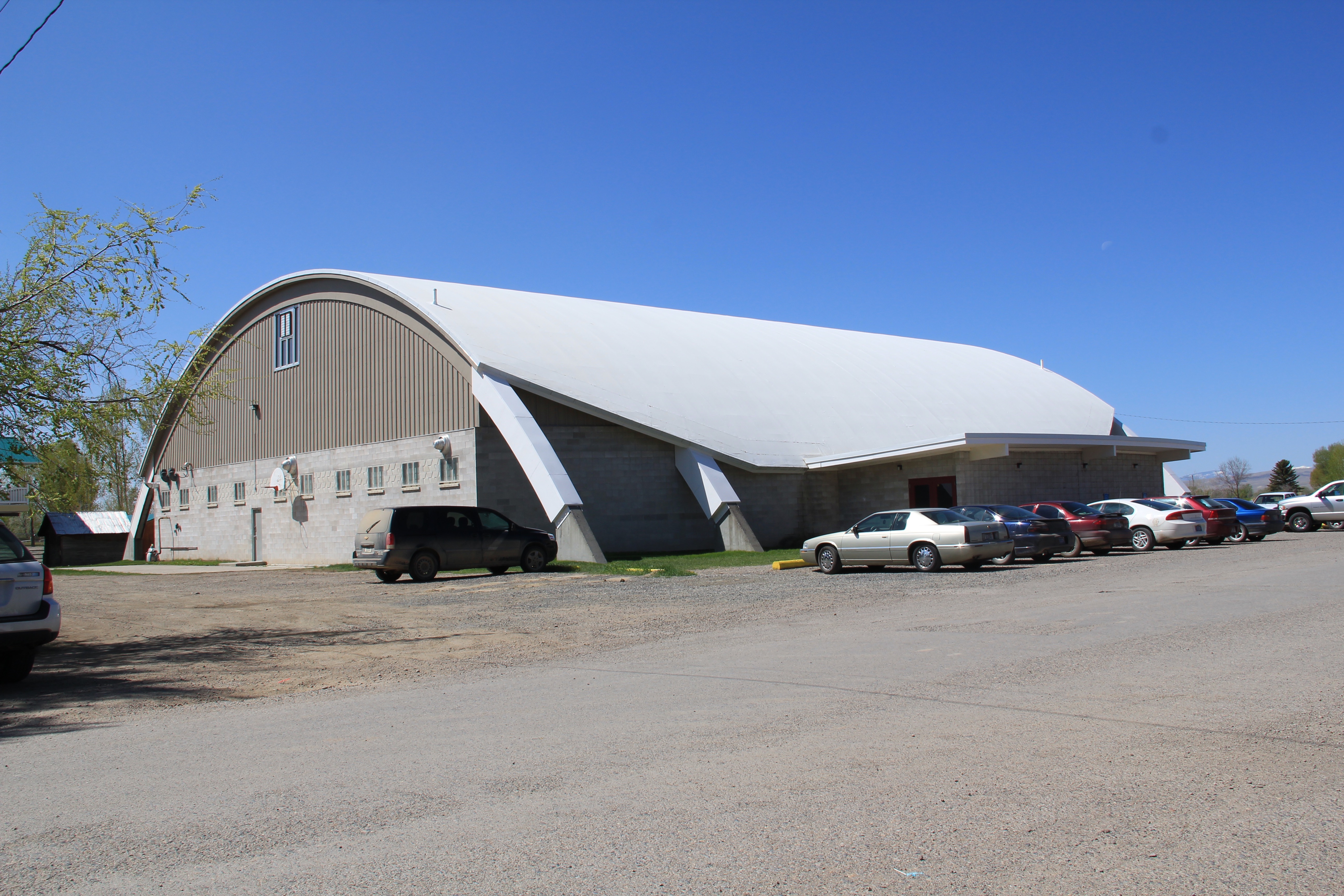
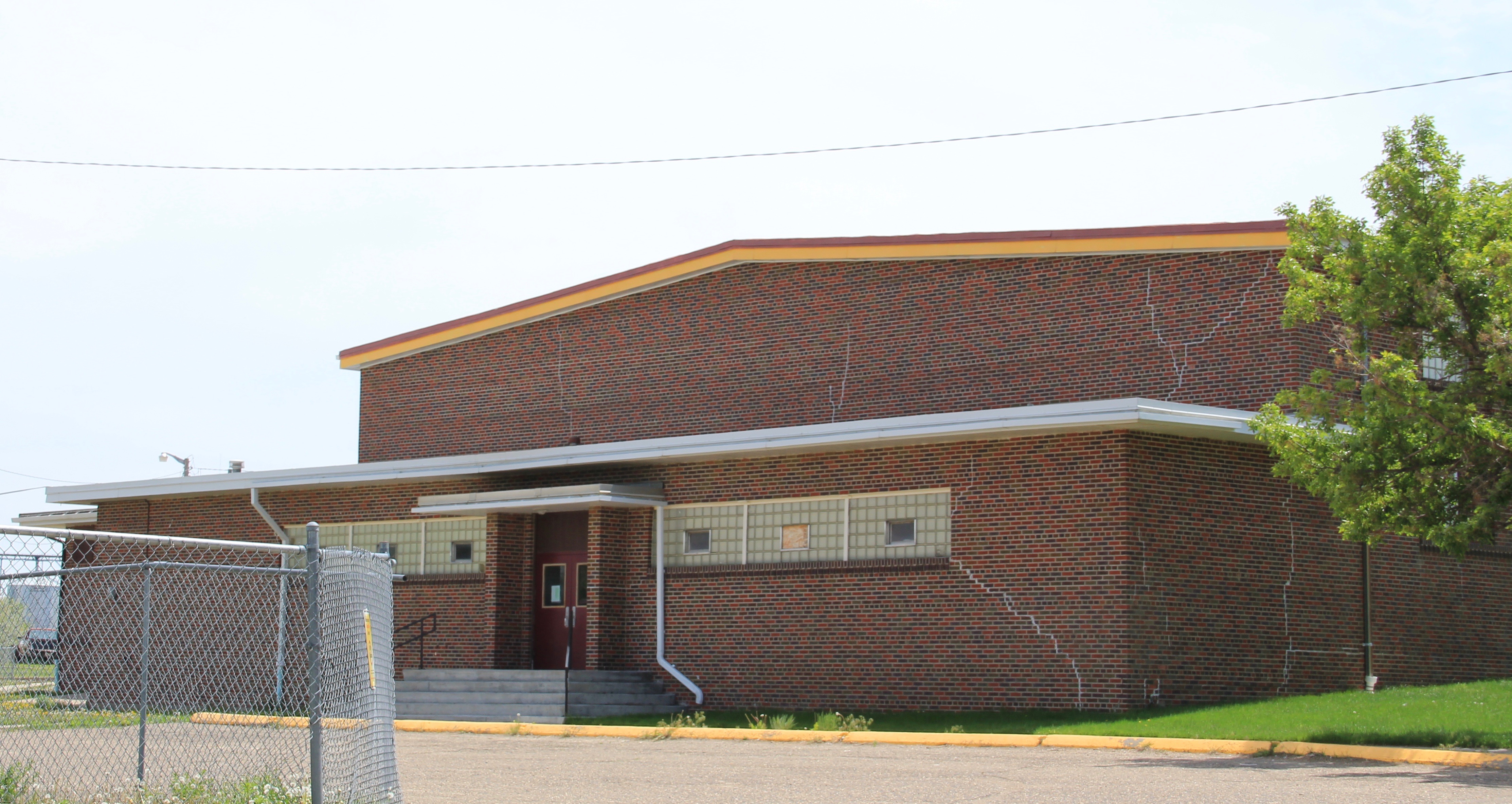

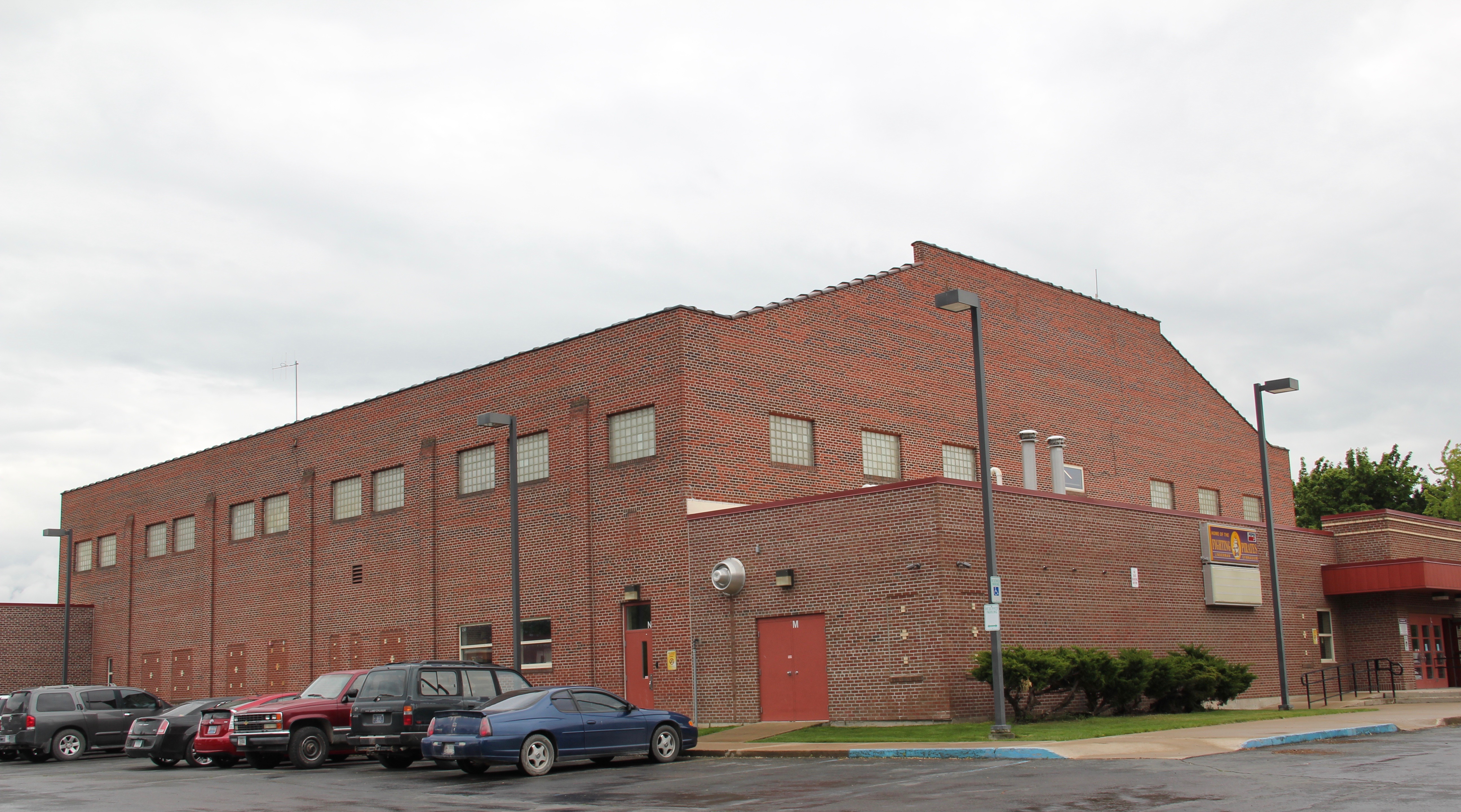

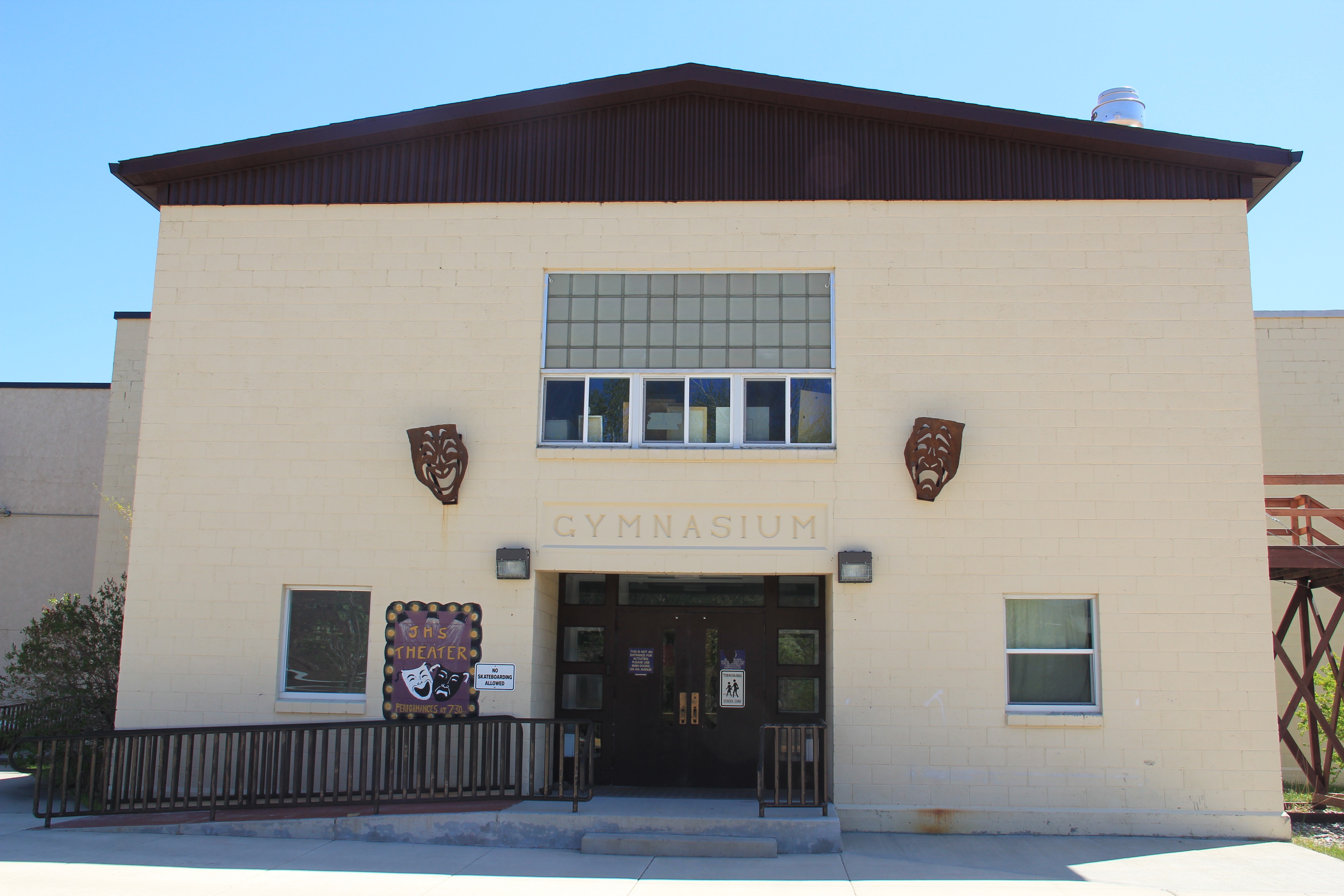
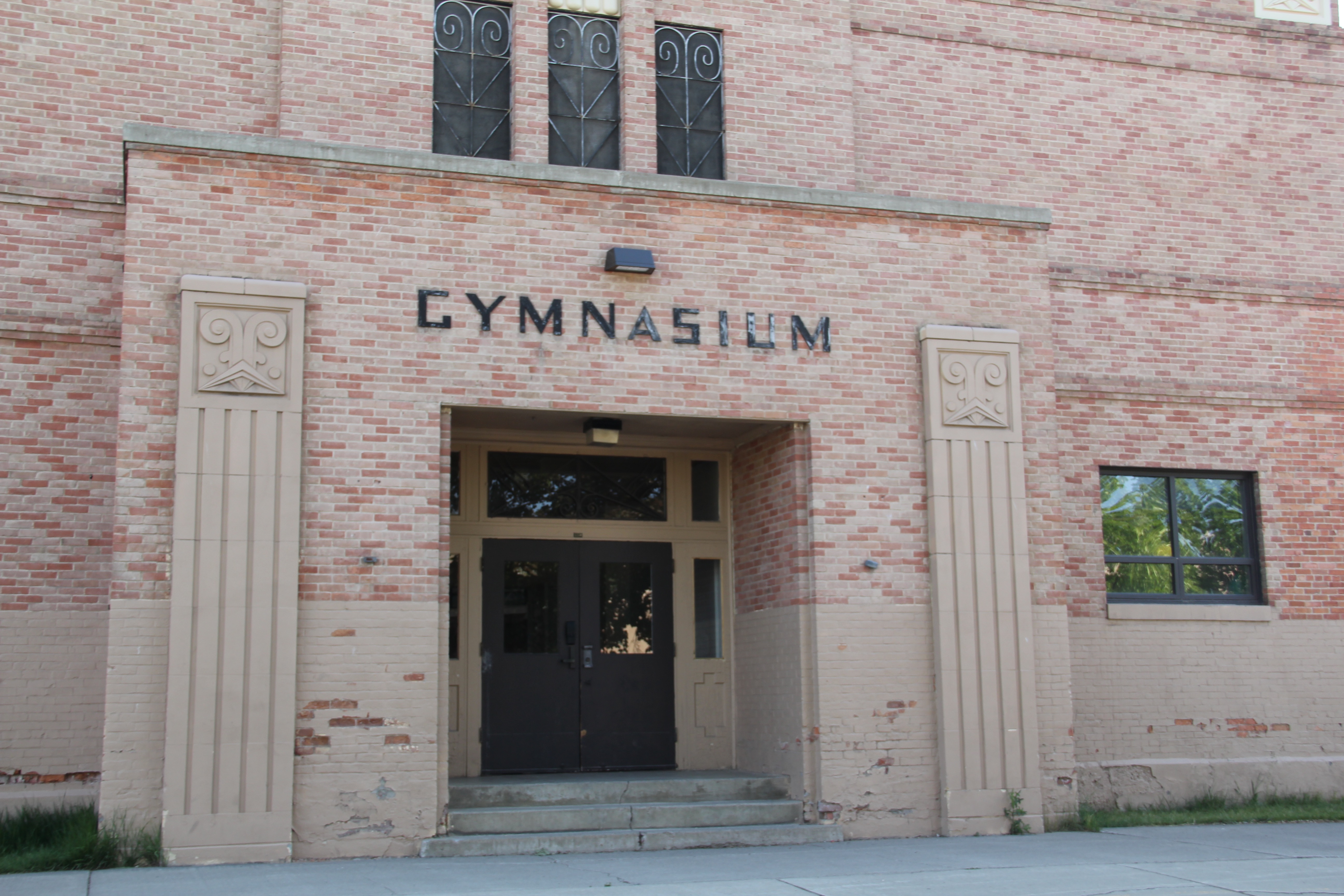


 Imagine my pleasure to be there for the theatre’s grand opening May 19, 2012. Not only had the community raised the funds to repair and reopen the business, they also took great pains to restore it to its earlier architectural glory. Such an achievement for a town of just over 3,000 residents–when you consider that the next city south on Interstate I-90 is Anaconda with its monument Washoe Theatre, I immediately began to think of future “movie palace” trips. What a treat, both for the experience and architecture.


 In that same trip to Deer Lodge, I noted how the community had recently enhanced the National Register-listed W. K. Kohrs Memorial Library (1902), one of the region’s great Classical Revival buildings by the Butte architectural firm of Link and Carter (J.G. Link would soon become one of the state’s most renowned classicists), by expanding the library
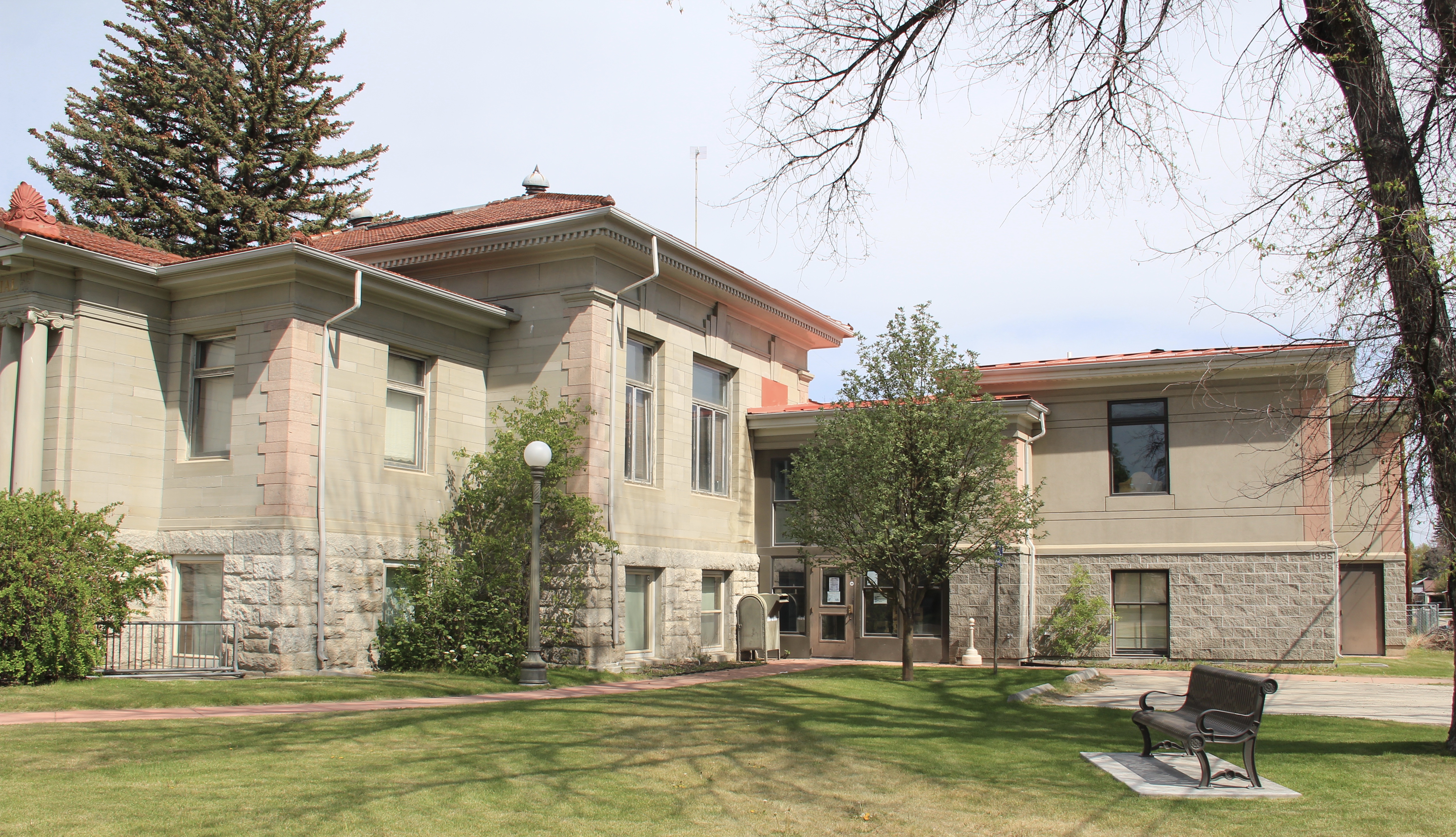 with an addition to the side and behind the commanding entrance portico. Although it has proven to be difficult for such a small town to keep the library professionally staffed, the care they have shown the exterior and interior indicate they understand the value of this monument from the past.

 Then add in the impressive examples of turn of the 20th century church architecture, represented by the Cotswold Gothic stone work of St. James Episcopal Church, the more former Tudor Revival of the 1st Presbyterian Church, and the more vernacular yet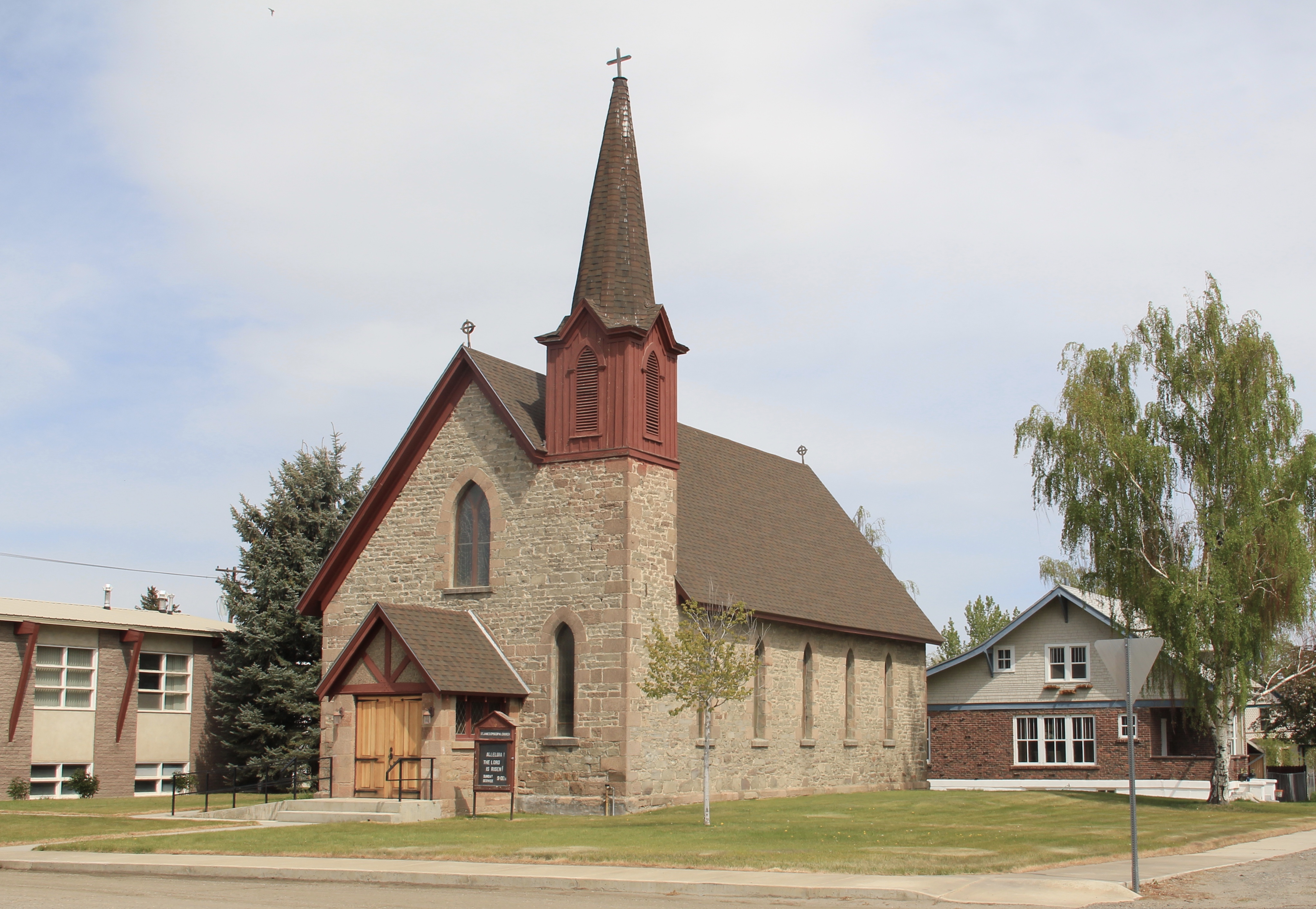


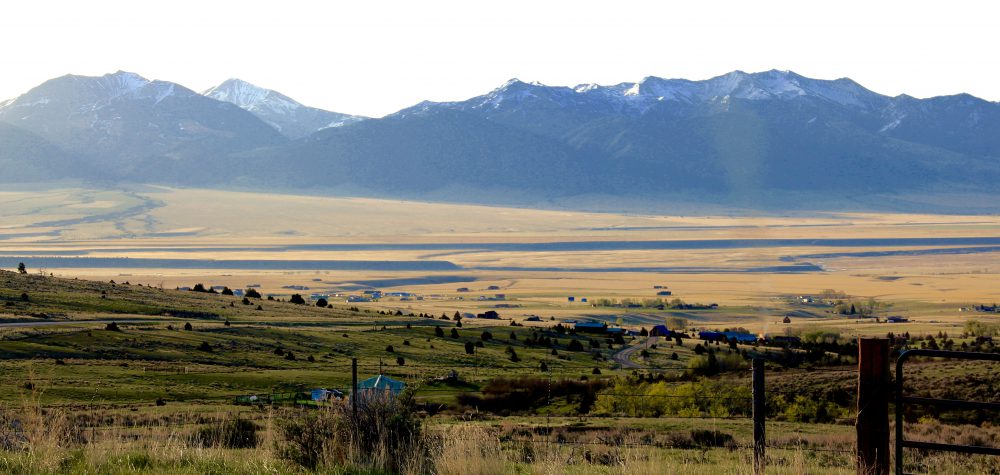
 Powell County’s Deer Lodge Valley is another favorite western Montana landscape. I visited there often during the 1980s, and in the years since I found myself often back in places like Deer Lodge, the county seat, if for nothing else to stop at the R&B Drive-In.
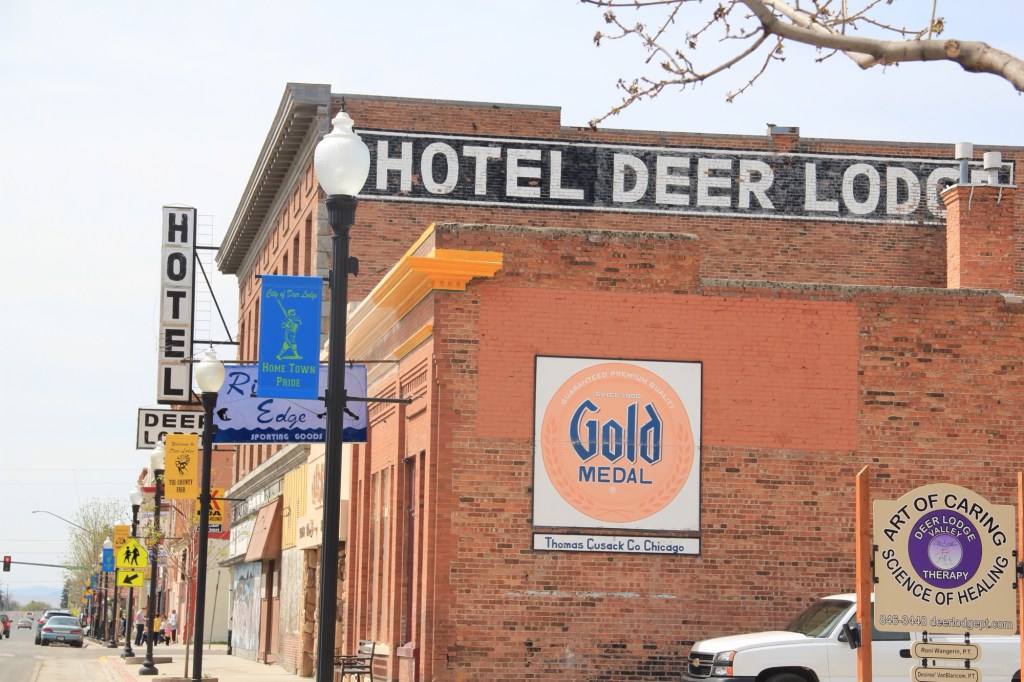
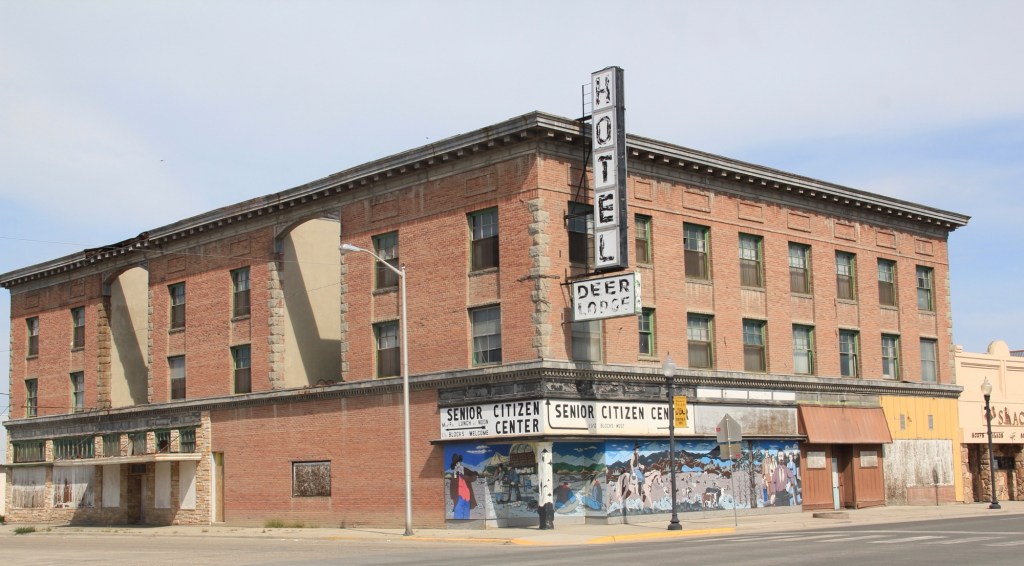
 Let’s start with the town of Deer Lodge, a place that has changed much in the last 30 years, a process that was underway in the early 1980s after the Milwaukee Road closed its division point and declared the entire line bankrupt. Besides Miles City, it is difficult to find a town more impacted by the Milwaukee’s failure than Deer Lodge.


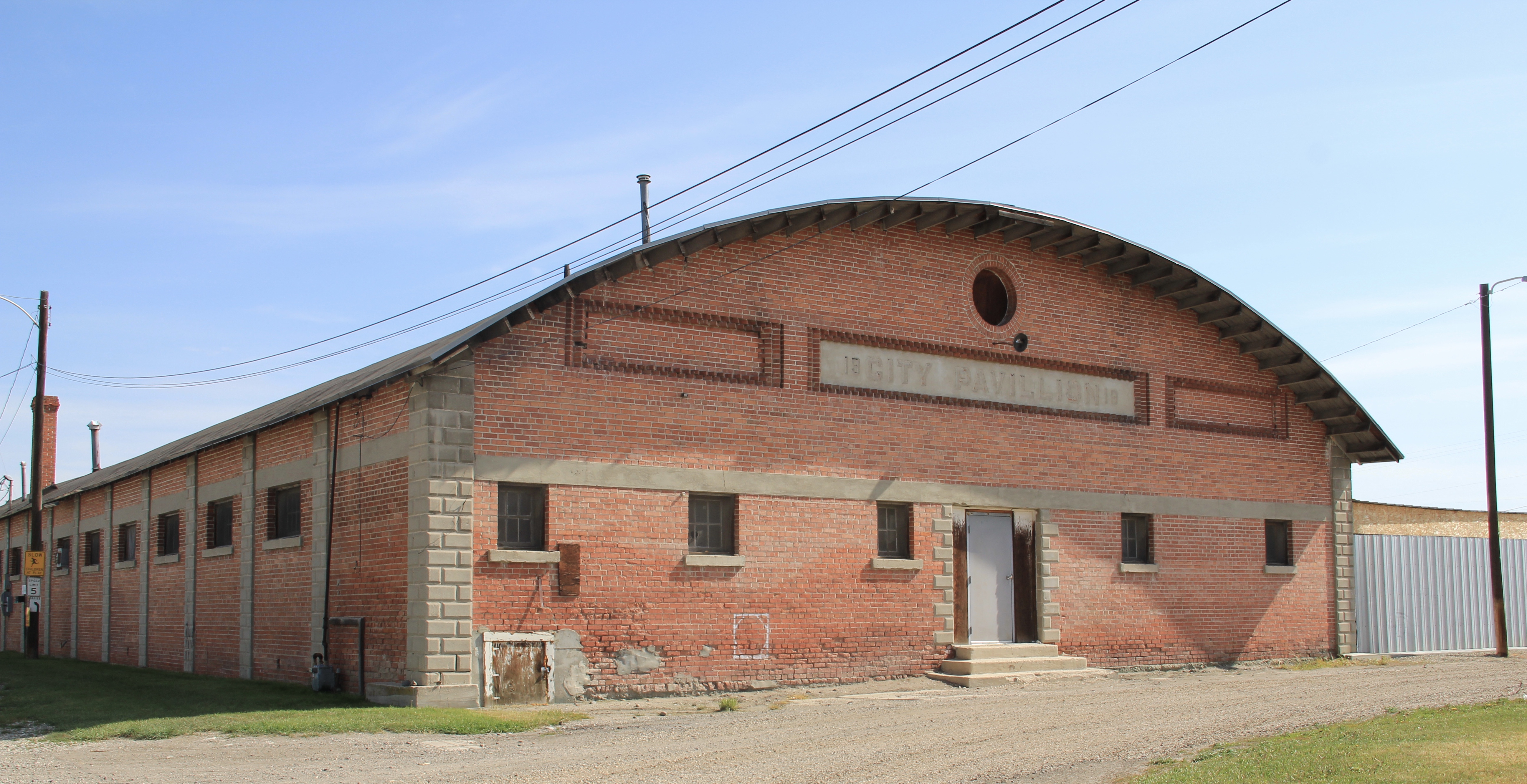 Yet, Deer Lodge was not a typical small town base for the Milwaukee Road; railroads typically wanted to create their own place. But Deer Lodge was one of the oldest places in the state, where ranchers in the 1850s first arrived–the early site is now interpreted at the Grant-Kohrs National Historic Site of the National Park Service–soon followed by Capt. John Mullan as he and his soldiers built the Mullan Road through this valley.

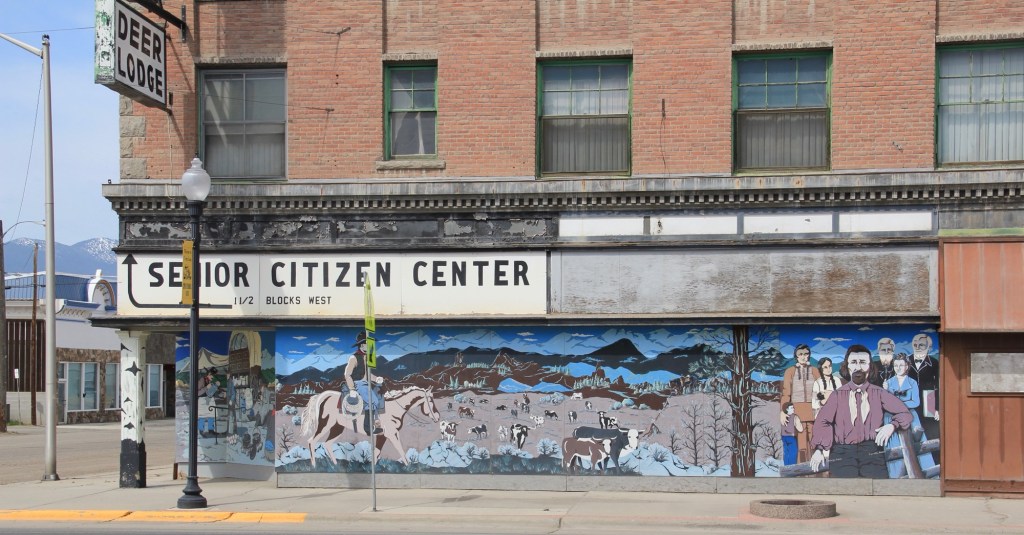
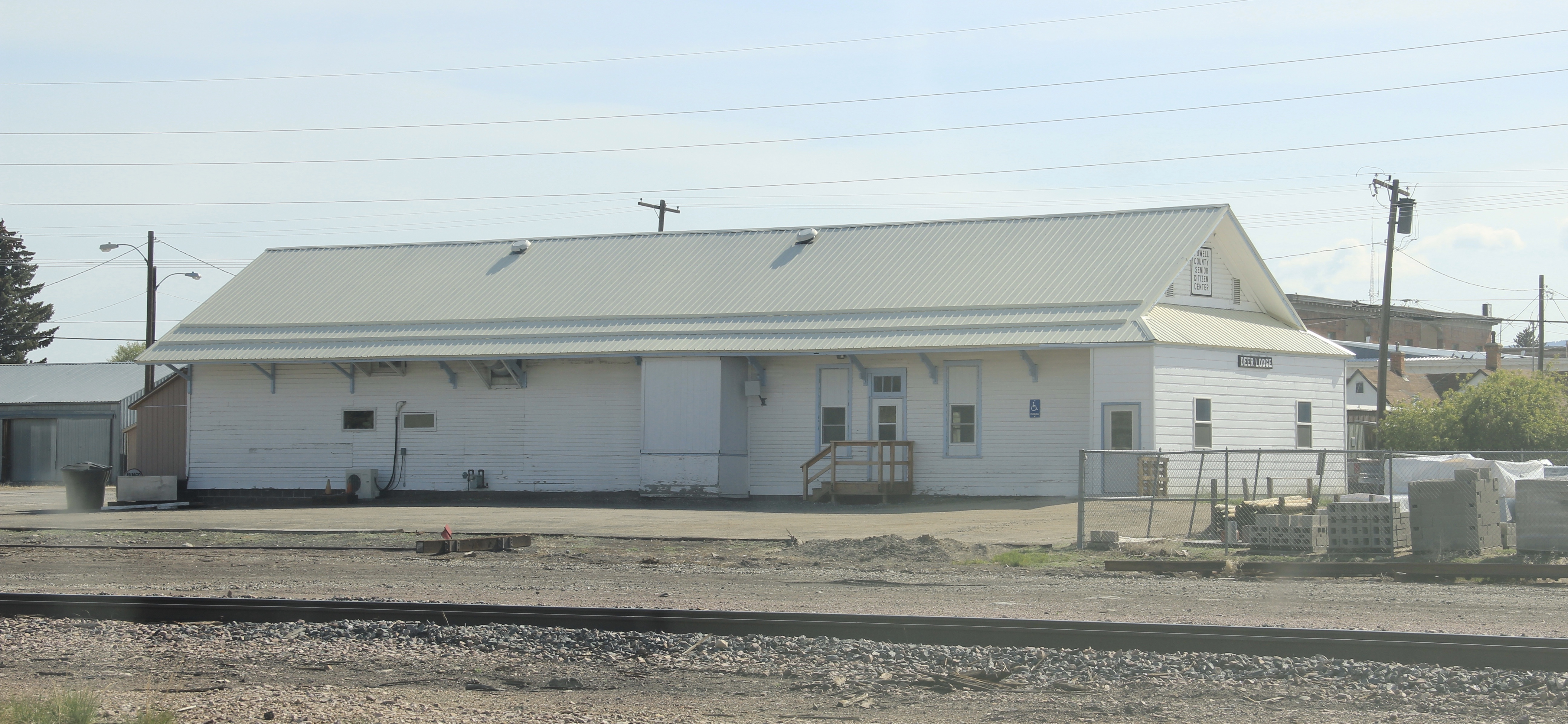 The Northern Pacific passenger depot exists across the tracks from the Milwaukee Road station. It too has a new use: the Northern Pacific depot is now the senior citizens center.

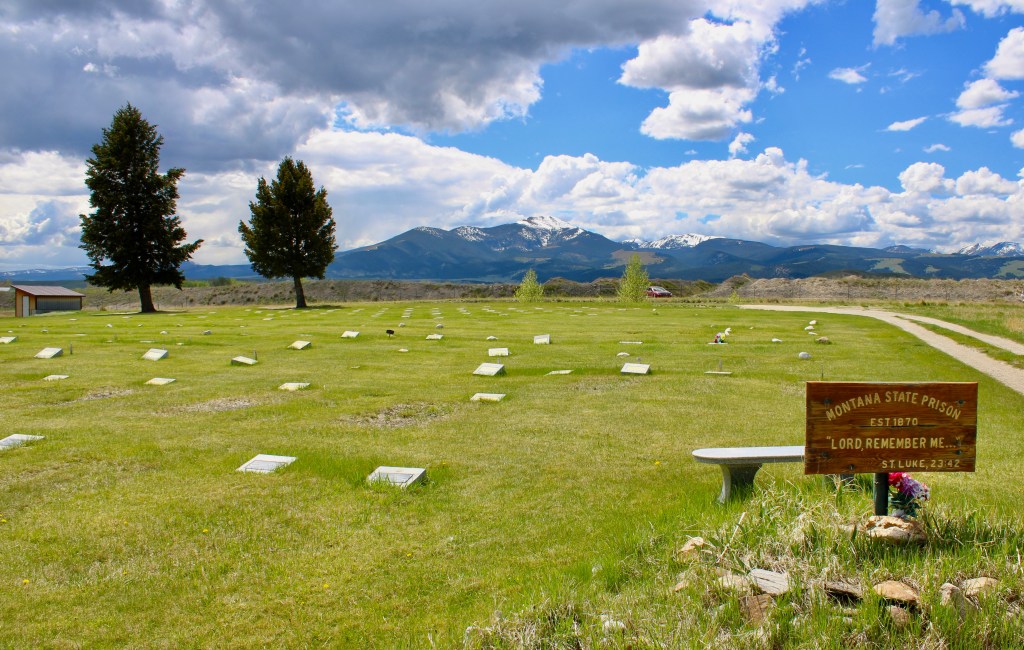
 Before Deer Lodge was a railroad town, it was a prison town, the location for the Territorial Prison, and later the state prison. Most of the buildings you can visit today are from the state prison era. It operated here until 1980 when it moved to a facility outside of town.

 Deer Lodge also was an early center for education, represented by Trask Hall (1870s), which, like the territorial prison, is listed in the National Register. So with the themes of settlement, ranching, railroads, education, prisons, and the beauty of the valley why has Deer Lodge struggled to be recognized as one of Montana’s premier heritage designations? As the next post will discuss, citizens are taking steps to remedy the situation.
 Montana's Historic Landscapes