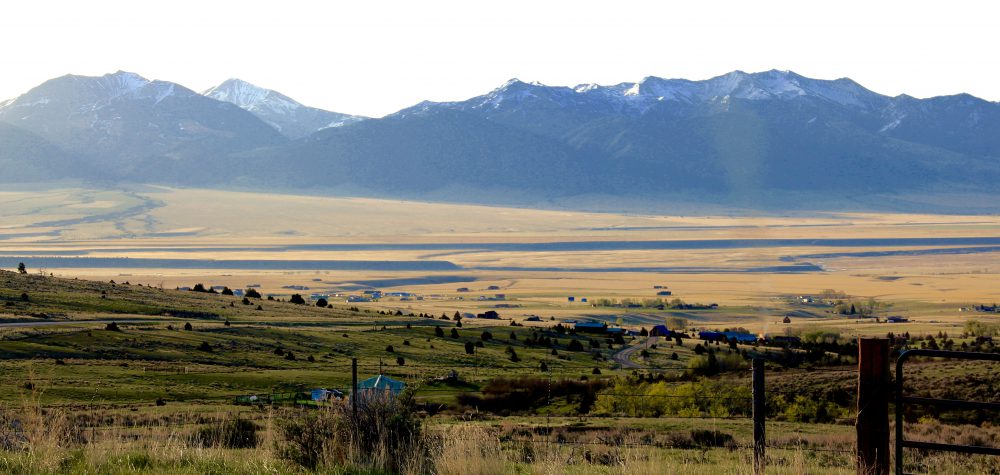
Changes at Sleeping Buffalo Hot Springs

In 2013 I last visited Sleeping Rock Hot Springs, just north of U.S. Highway 2 in Phillips County. The following year I posted about the obvious changes then underway to put this once vibrant mid-20th century recreational area back to greater prominence.

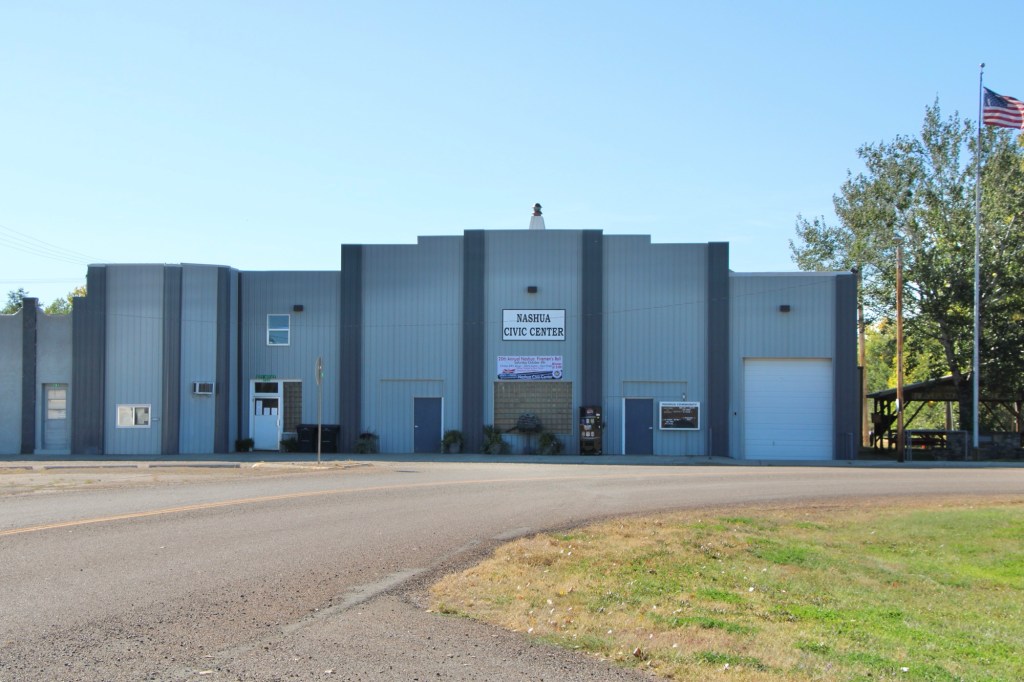
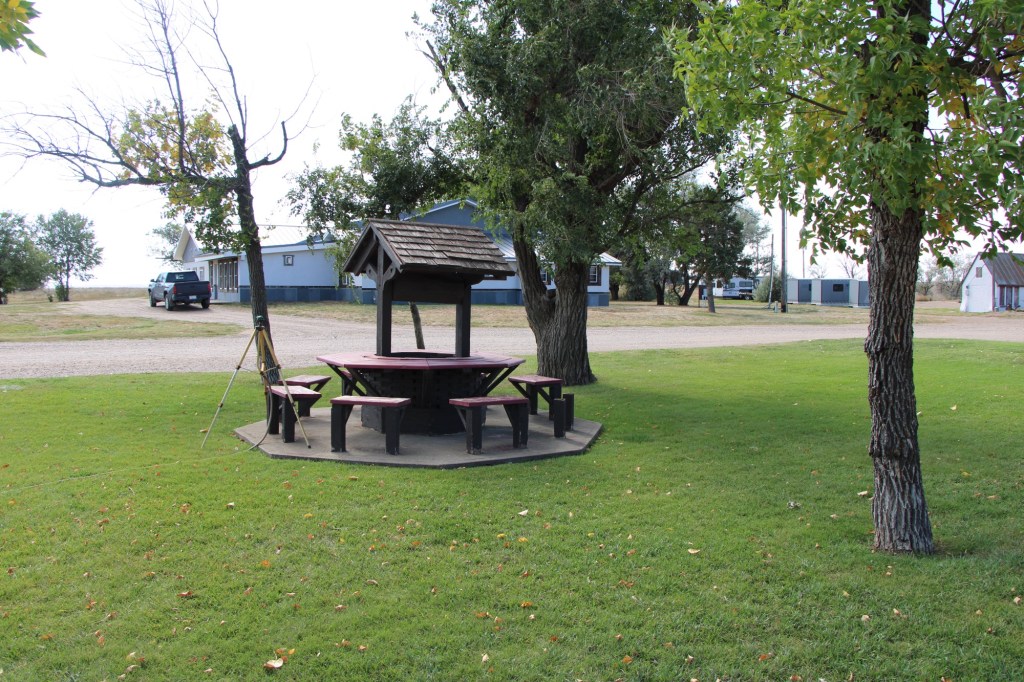
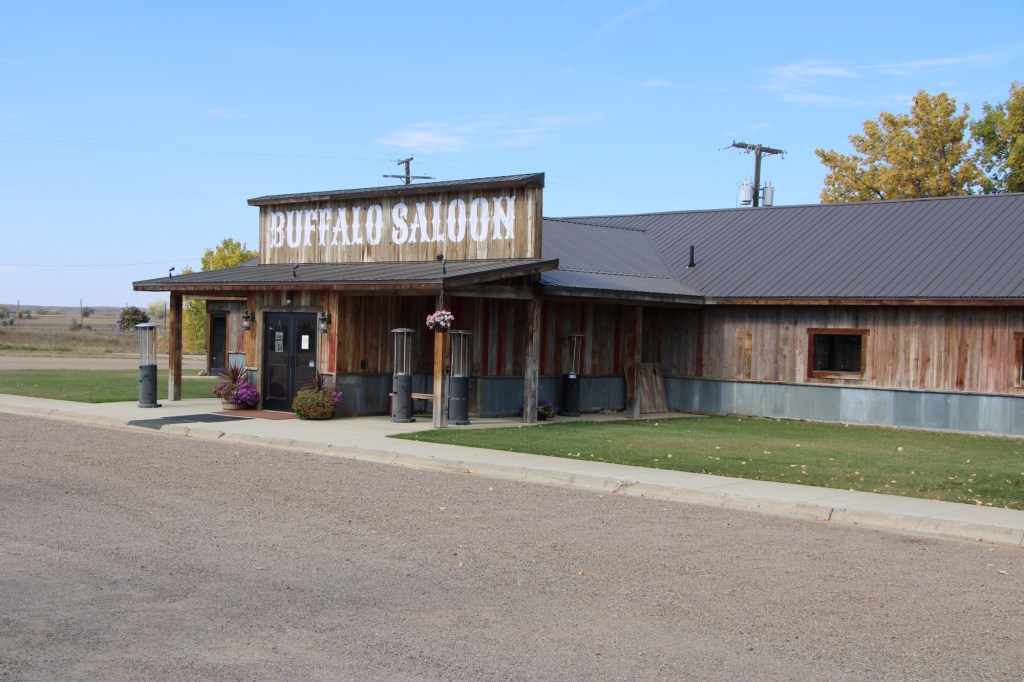
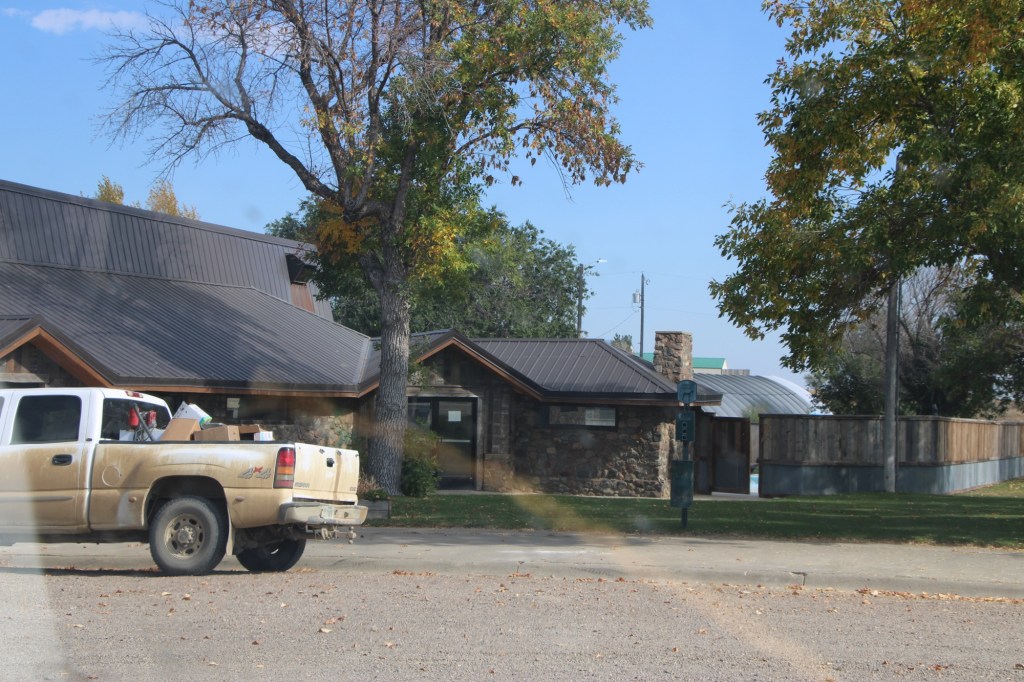
I returned in late September 2025 to find that, indeed, lots of improvements were made in the last ten years. A large bar/restaurant had been built, the grounds expanded and modernized, and the pool greatly enlarged.

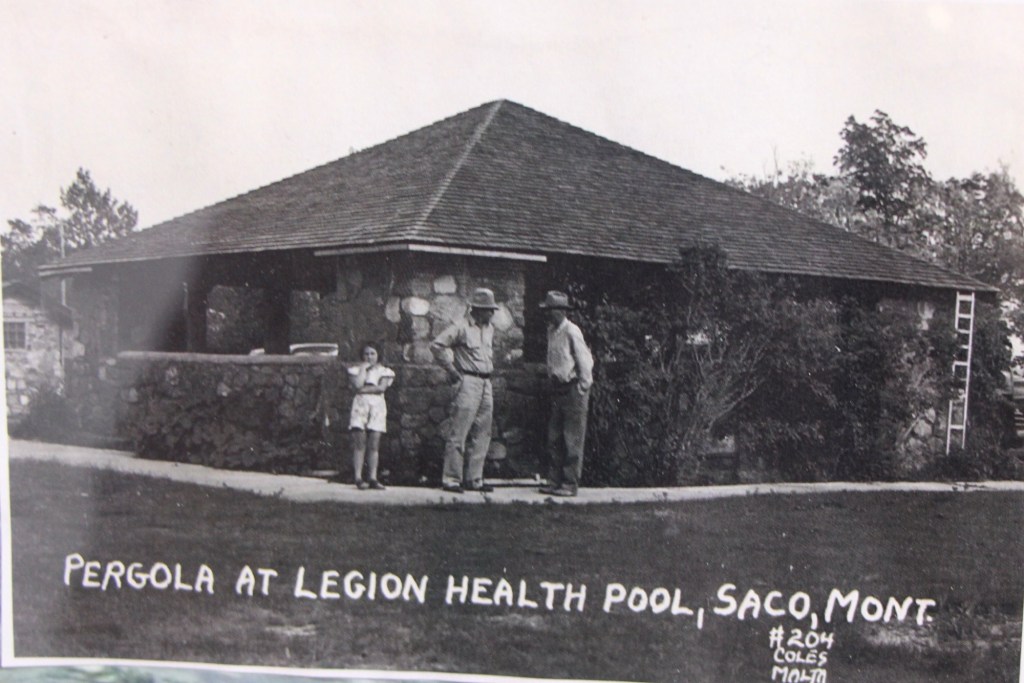
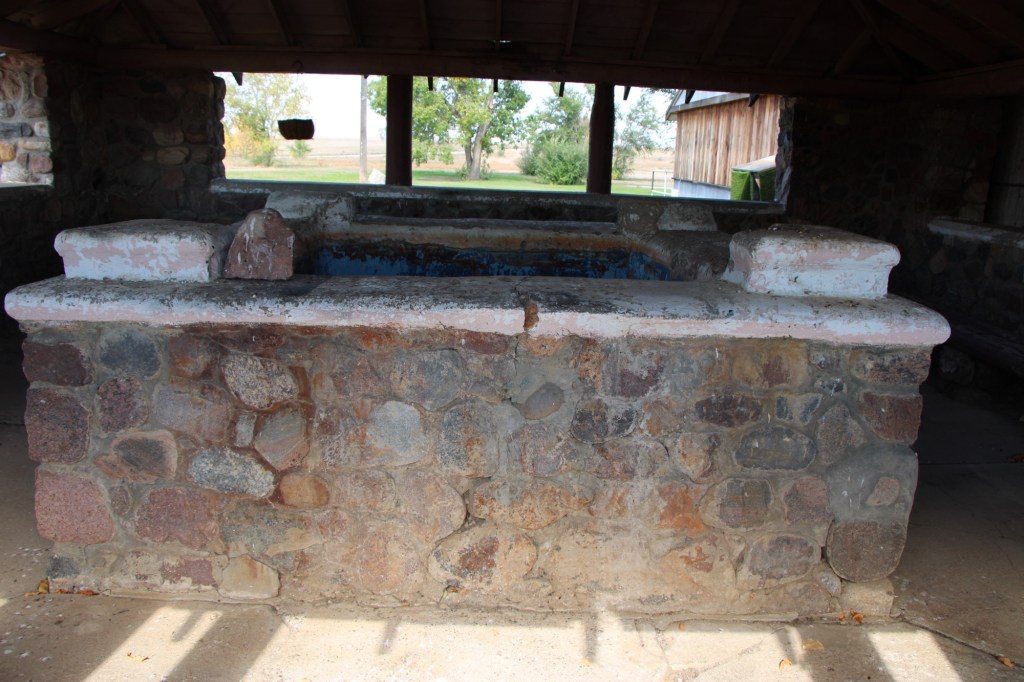
But the hot springs’ New Deal roots were still apparent because attached to the pool facility was the pergola of the early 1930s.

This hipped roof stone structure came about due to the joint efforts of local residents and government officials. An exhibit at the Phillips County Museum in Malta (more on that place later) points out that a rancher Elbert Davison first saw the mineral springs as having medicinal qualities. He built a small pool that brought relief to his son who had polio. That effort convinced the Saco American Legion to do more and soon a local effort to gain control of the spot for public use met its success in 1931. Later that year the American Legion Hot Springs was in operation, quite a feat in Depression-era northeast Montana.

That effort caught the attention of county agent H.L. Lantz to work with the New Deal’s Resettlement Administration, then active in the Milk River Project area, to get the Public Works Administration to fund the pergola. That story is told in the marker (above) still at the pergola today.

Bruno Partzsch was the stone mason for the buildings, and some of his work is still visible in the expanded and modernized pool building of today (2025). I wonder if Partzsch is also the crafter behind the stone building at Zurich Park in Blaine County since both places have ties with the Milk River Project.

Sleeping Buffalo Hot Springs is on the market in the fall of 2025. Business is tough—actually way beyond tough—in this part of Montana’s Hi-Line. I only hope that new owners who can keep the momentum going can be found and this jewel of a historic place—shaped by a partnership between locals and government—will survive well beyond its 100th anniversary in 2031.

Changes in Big Timber

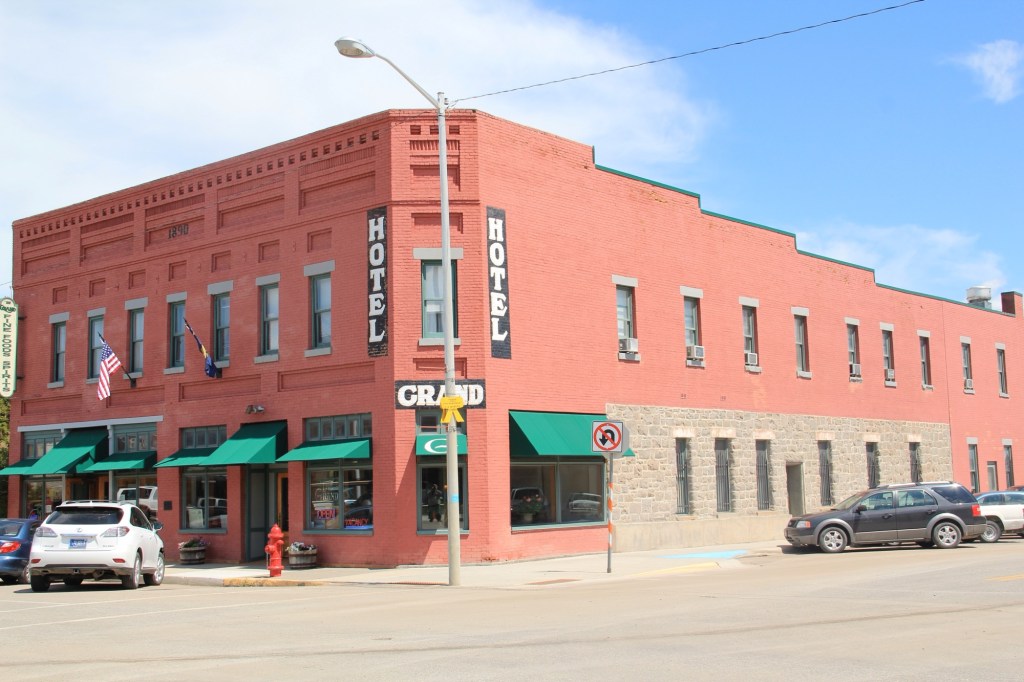
Grand Hotel 2013

Readers of this blog know that Big Timber is one of my favorite Yellowstone Valley towns. It still has that classic Northern Pacific Railroad town plan with a long commercial artery extending south from the railroad tracks that then turns into a quite captivating residential neighborhood.

The restoration of the Grand Hotel in the 1990s really helped the commercial area turn a corner.

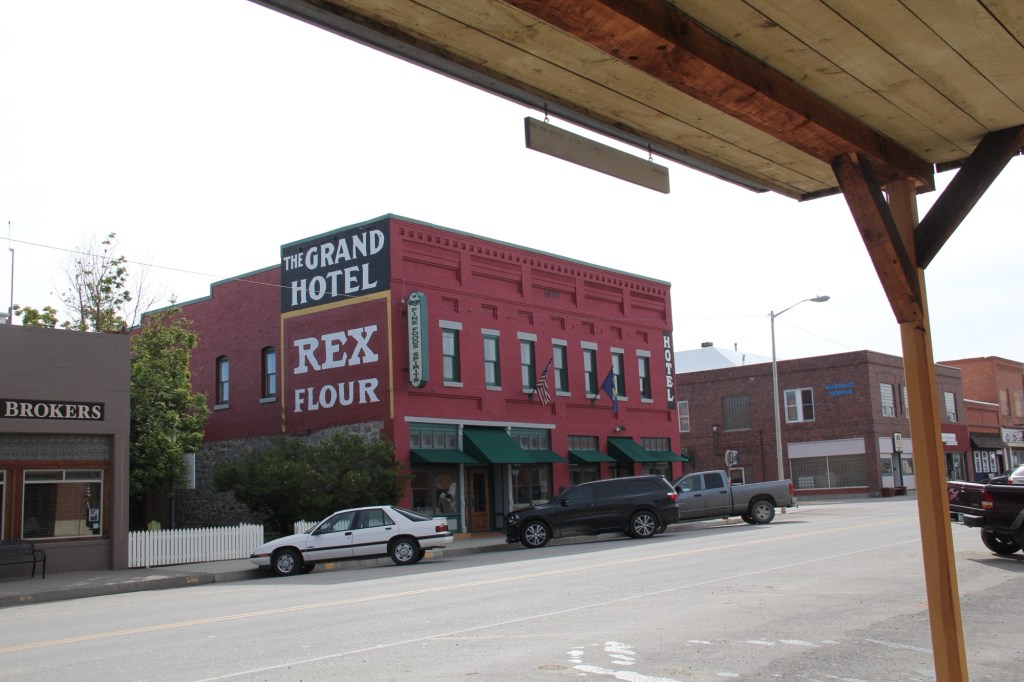
I have spent nights at the hotel and had a couple of meals there, always thought it would be a mainstay for years. The pandemic alas hurt a lot of small town businesses everywhere and Big Timber’s Grand Hotel struggled. When I was there in July 2025 it was closed but promised a reopening.

But there had been another quite jarring— the read brick was gone and everything was painted black, like the place was in mourning.

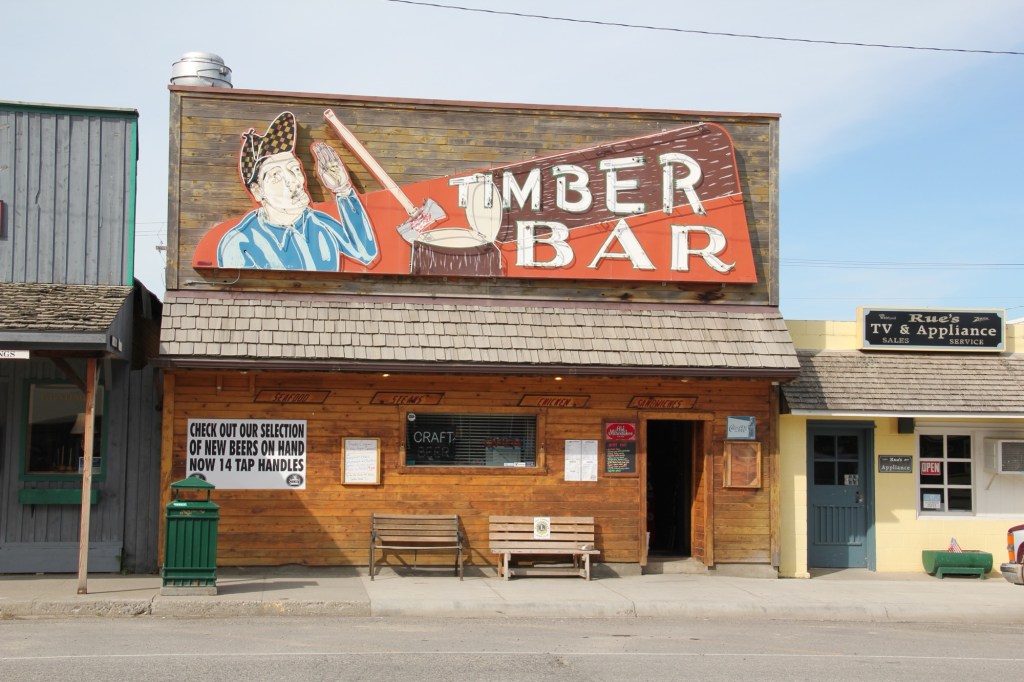
Then I noticed a second shock, the classic Rustic style Timber Bar (one of my favs for 40 years) also was covered in black.

I always tell folks—don’t sweat the paint colors on a historic building. It can always change. But black in Big Timber, it just didn’t seem right.

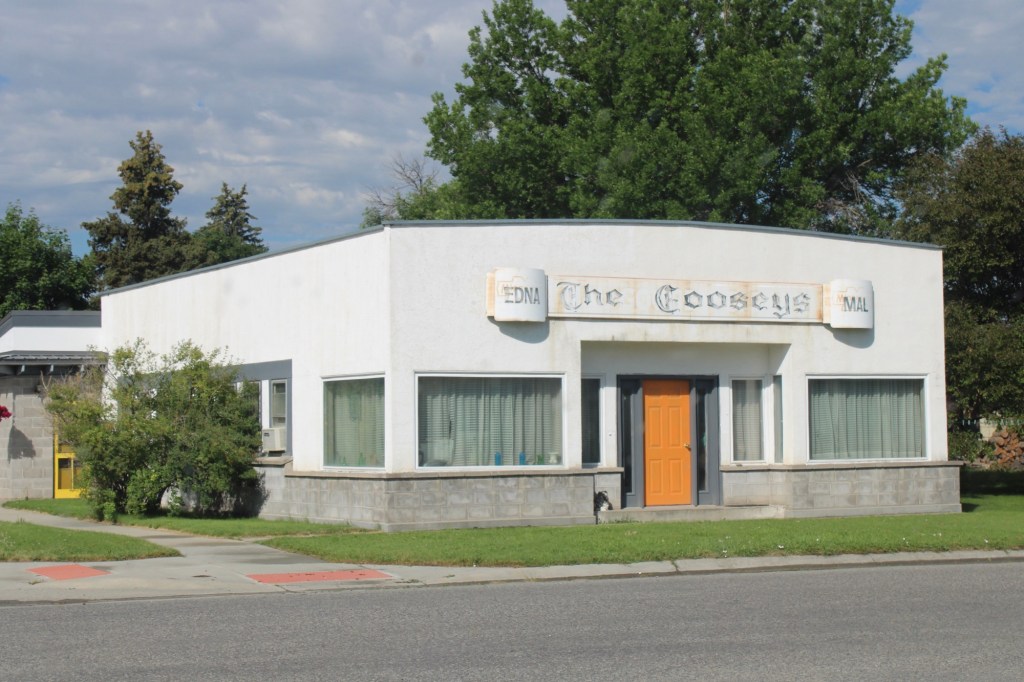
But please don’t paint over Edna and Mel’s Gooseys place. What a jewel!

And leave the town plain in place. Here is a western town always worth a stop. Change is ok but please respect the classic.

Manlove cabin goes into hiding

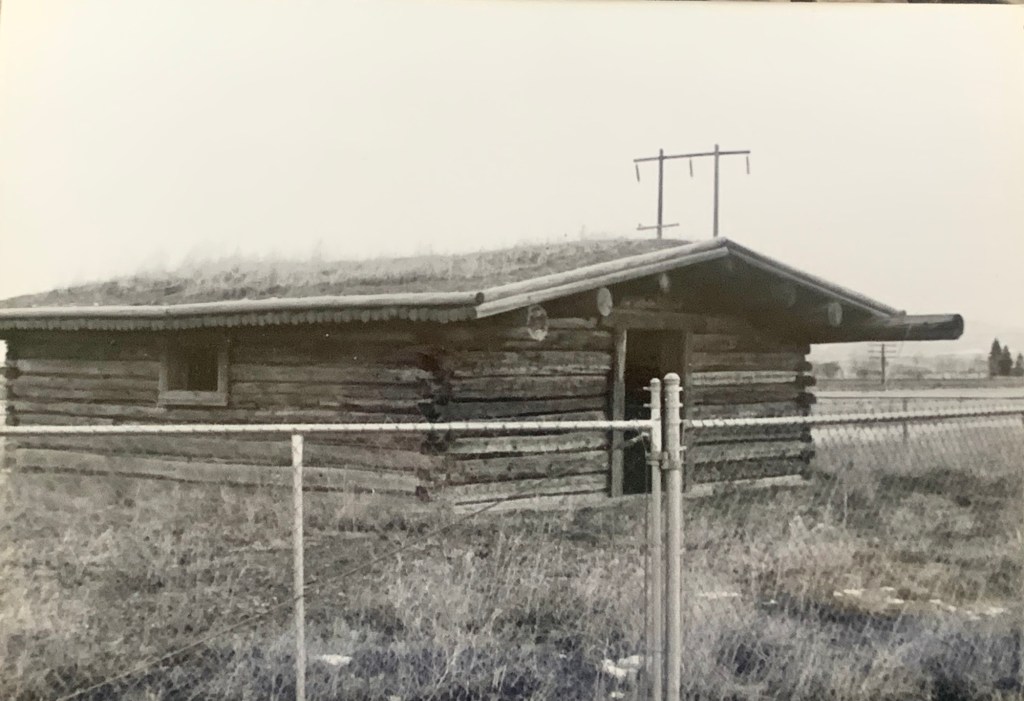
News out of Helena this week is that the historic Manlove homestead has been tagged and within days will be dismantled and placed into storage.

A landmark along U.S. Highway 287 for decades, the log building records the early homesteading era in the Prickley Pear Valley of Lewis and Clark County.

Manlove homestead in 1984

Its core dates c. 1864 but it has been moved to this roadside spot in the 20th century. It rarely has received the attention it had earned and now you wonder, due to the ever expanding sprawl of Helena and environs, if the cabin will ever see the light of day again. Once dismantled too many buildings stay that way.

Medicine Lake, the place and town in Sheridan County

Montana Highway 16 stretches north from U.S. Highway 2 following a spur line of the Great Northern Railway laid about 1910. Following that railroad corridor first brought me to Medicine Lake, the actual lake and town of that name in February 1984.

Great Northern depot in 1984

When I returned over thirty years later, the depot was gone, but the lake and town were doing ok.

Depot is gone today

Medicine Lake is a very important place in northeast Montana and the 8,000 + acre lake has been protected as a National Wildlife Refuge since 1935.

Medicine Lake NWR
Medicine Lake NWR

Native Americans for centuries visited and hunted here, as hundreds of tipi rings along the lake bluffs documented. The lake remains a touchstone for several tribes today.

Medicine Lake, MT

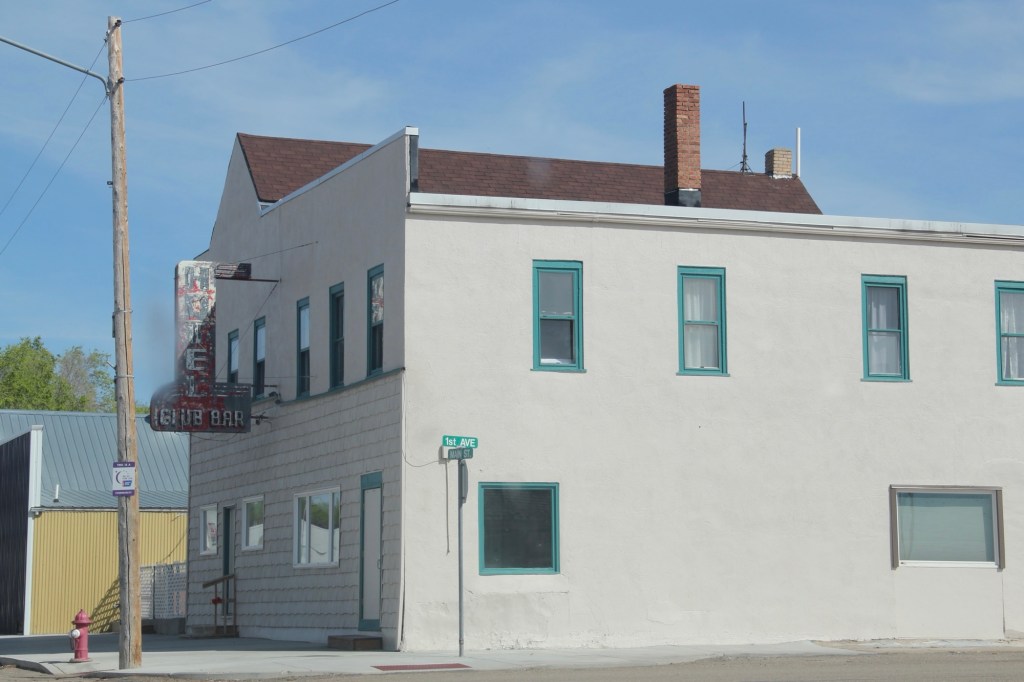
The town is much more recent, established by the railroad in 1910, with the iconic Club Hotel and Bar in business within a year.

I have stopped at the Club Bar where the old neon sign was a bit weathered but hospitality was everywhere. Don’t know about the hotel—maybe rooms was still used during the hunting season.

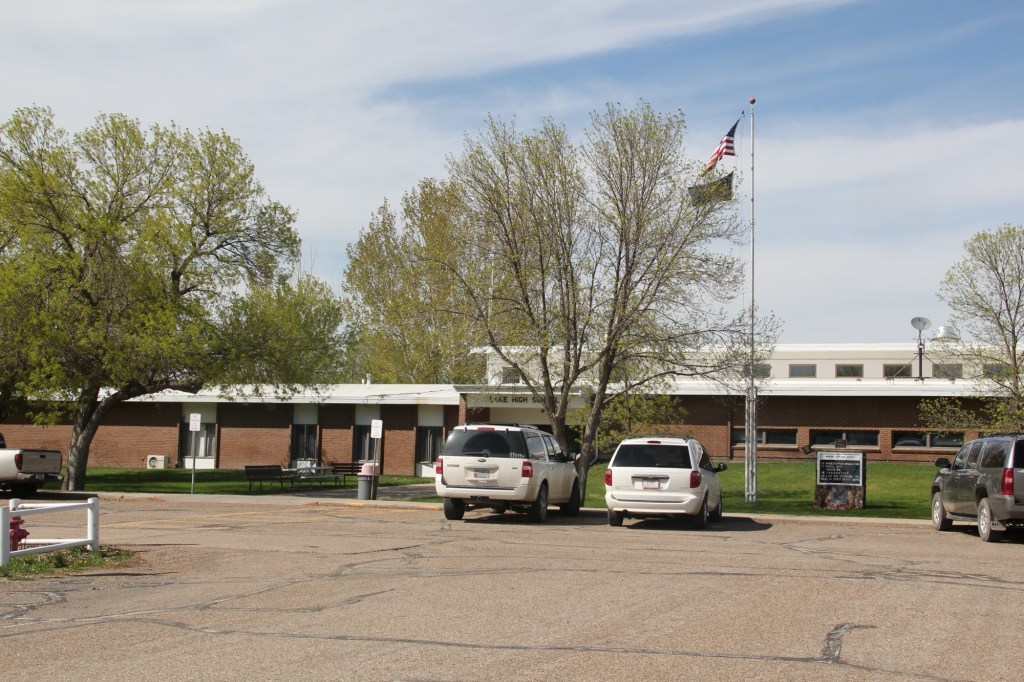
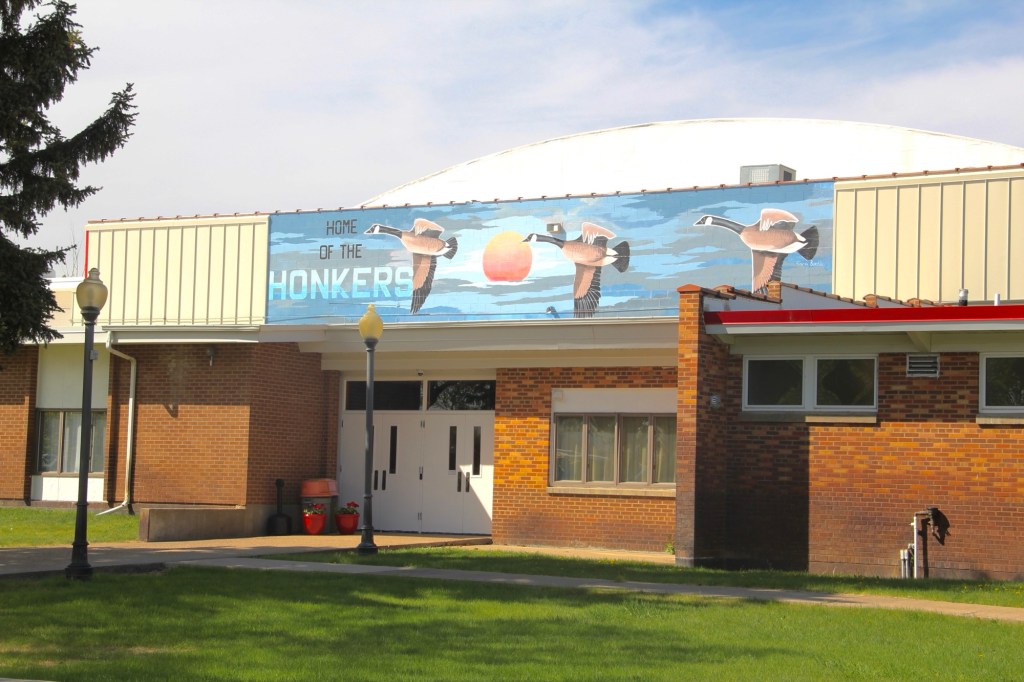
The Medicine Lake K-12 school keeps the town of about 250 people together but since my last visit the school lost its distinctive mascot name of The Honkers. For sports the school has merged with Froid and took us nickname of Red-Hawks. Did that mean that town gathering spot would change its name from the Honker Pit? Absolutely not. Great place!

Medicine Lake, the town, has several buildings from its first generation of settlement, including a corner gas station (adapted into a new business) and classic false-front one-story commercial buildings, including a lumber business and a hardware store.

Yet a dwindling population has hurt the business core. For 40 years between 1940 and 1980 the town’s population stayed around 400. The next 40 years witnessed a decline—and in a small town a loss of 150 people can really hurt.

But the town began a slight rebound in population in between 2010 and 2020, with some of it fueled by fracking man-camps

The bones of an early 20th century homestead town are still there. I hope to visit again and see new changes in 2025.

Whitetail: almost another Soo Line ghost town in northeast Montana

Town sign 2013

I last visited Whitetail ten years ago. Established along the Canadian-based Soo Railroad line a century earlier, the town was in a free fall, from a height of 500 c. 1920 to a handful of families in 2010. Then the Canadian, then the U.S. government closed the border crossing between 2011 and 2013. Now the town is down to a population of nine in 2020. God bless those still there, doing what they can.

The school building tells much of the story. Built when hopes for the town were high in the 1920s, it’s two-story height and bell cupola made it a landmark in the flat open terrain. I hope when I visit next, the school is there, a silent statement of the dreams with which our high plains were settled.

Secure in its concrete base, the old school bell, removed 50 years ago, is still there to ring, or so I can hope.

The community church, still a gathering place or has it gone the way of the Catholic Church, moved to the Daniels County Museum in Scobey?

Grain Company Building
Gas station and Garage, 2013
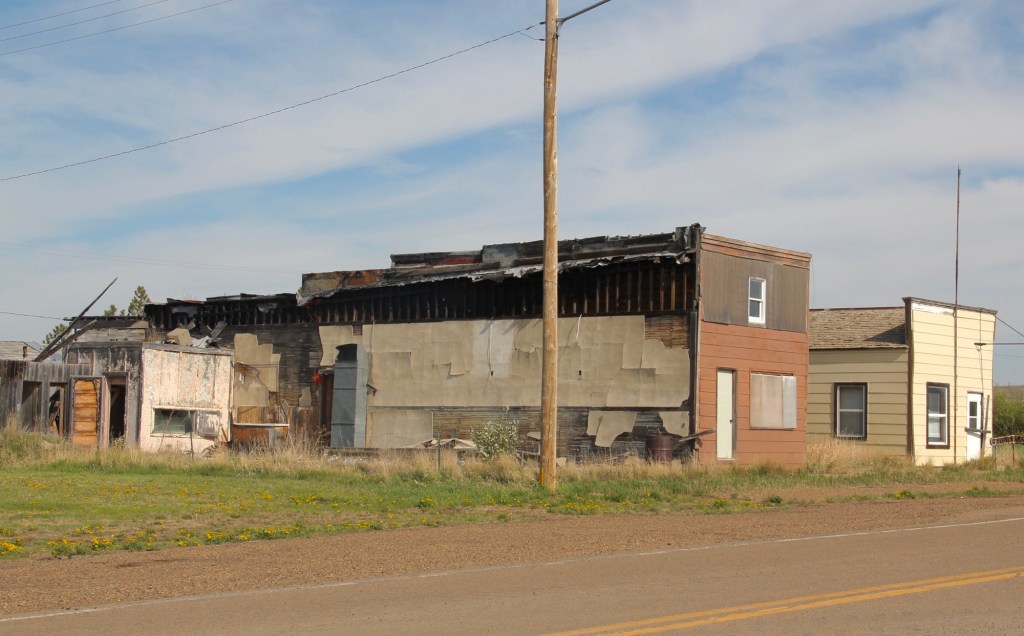
Abandoned businesses, 2013
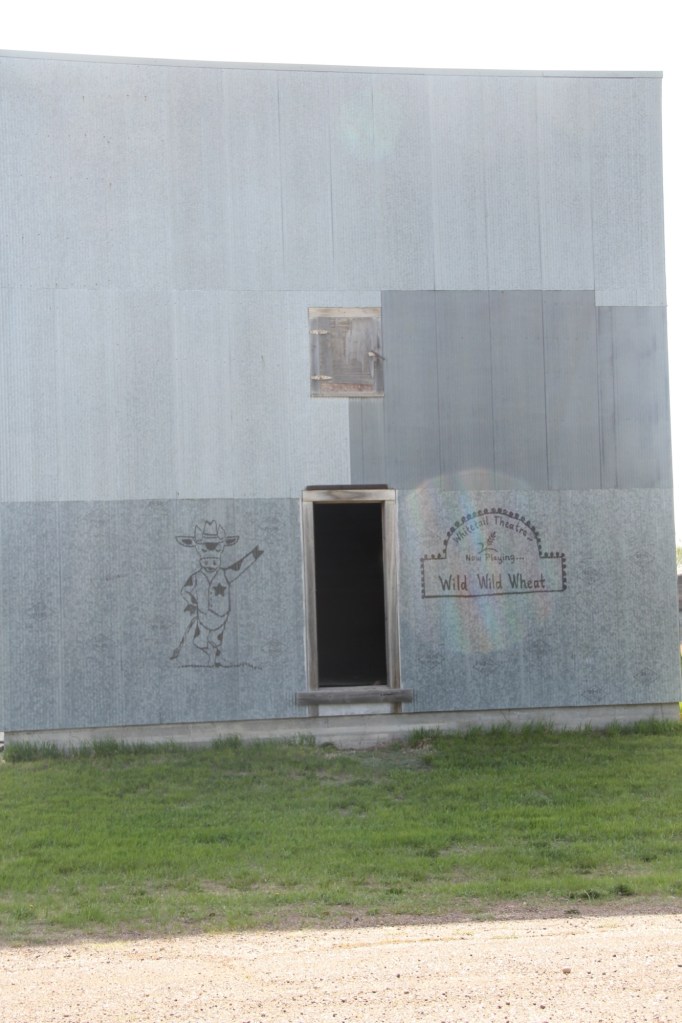
A metal facade and open door marked what was left of the Whitetail Theater.

Businesses were largely gone ten years ago. But the post office and grain elevators remained. I bet the elevators are still there serving ranch families but you wonder about the post office.

Whitetail in Montana’s northeast corner is as far removed from Whitefish in Montana’s northwest corner as two places could ever be. They both began as railroad towns. One didn’t make it; the other thrives.

Abandoned home at Whitetail

But what’s been lost at Whitetail tells as much about history as what has been gained in Whitefish. You cannot understand Montana history without both.

Soo Line corridor at Whitetail

A fall drive along U.S. 12

When I lived in Helena from 1981 to 1985 one of my favorite jaunts was along U.S. Highway 12 from Townsend to Roundup. It remains so today, 40 years later. My initial interest centered on railroad corridors. Helena to Townsend followed the Northern Pacific Railroad and a good bit of the Missouri River (now Canyon Ferry Lake).

Northern Pacific bridge over Missouri River near Townsend
Missouri River and Canyon Ferry valley near Townsend
Missouri River campground near Townsend

It was a brilliant day with fall colors just popping as we left US 287 and turned into the heart of Townsend.

As soon as you leave town to the east you encounter a lovely mix of ranches and irrigated fields until you thread your way through a national forest along Deep Creek.

Fall colors along Deep Creek

We decided to continue east by briefly jumping off US 12 and go to Montana 284 so we could follow the Milwaukee Road corridor from Lennep to Martinsdale where we would reconnect with US 12. Two of my travelers had never been to the Milwaukee Road “ghost town” of Lennep. It was a beautiful morning to be there.

Milwaukee Road powerhouse

You first realize that this abandoned railroad corridor is different when you encounter an electric powerhouse—the Milwaukee Road’s tracks were electrified from Harlowton Montana west to Idaho.

Lennep

At Lennep the landmarks remain—the Trinity Lutheran Church, the store, the school, a teacher’s cottage and an early notched log house—but all were a little worse for the wear compared to my last visit 10 years earlier.

As we traveled east that morning we quickly moved through the county seats of Harlowton and Ryegate to get to Roundup by lunch. The Musselshell Valley was brilliant even as signs of the old railroad almost disappeared.
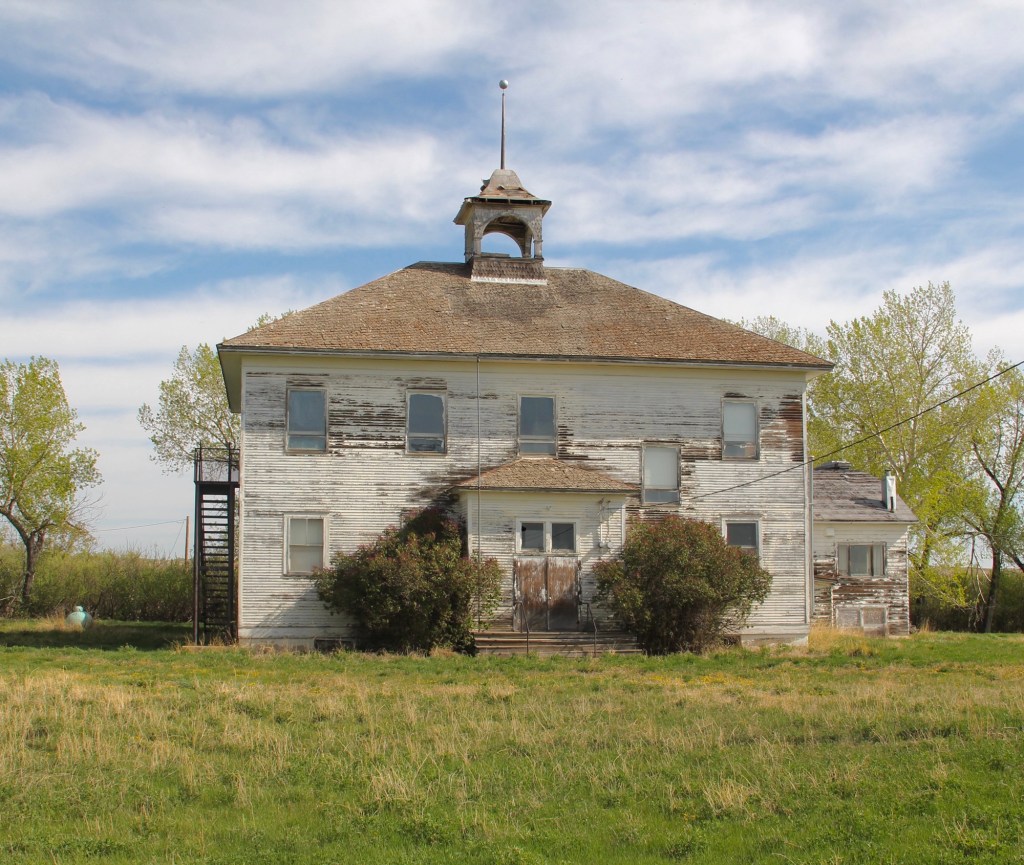
Near Ryegate
Near Lavina

Roundup continues its renaissance with new businesses and restored buildings. The town core, clustered around the intersection of US highways 12 and 87, was busy on a fall weekend.

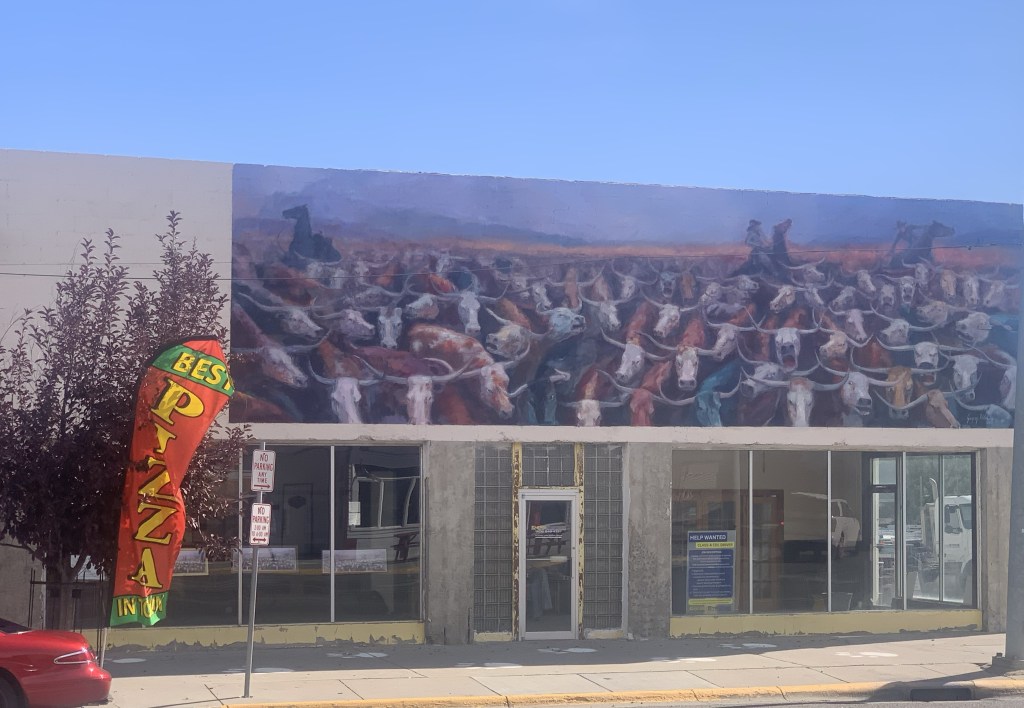
A mural on the great cattle drive of 1989
The Backporch—great bbq
New mural at the Keg
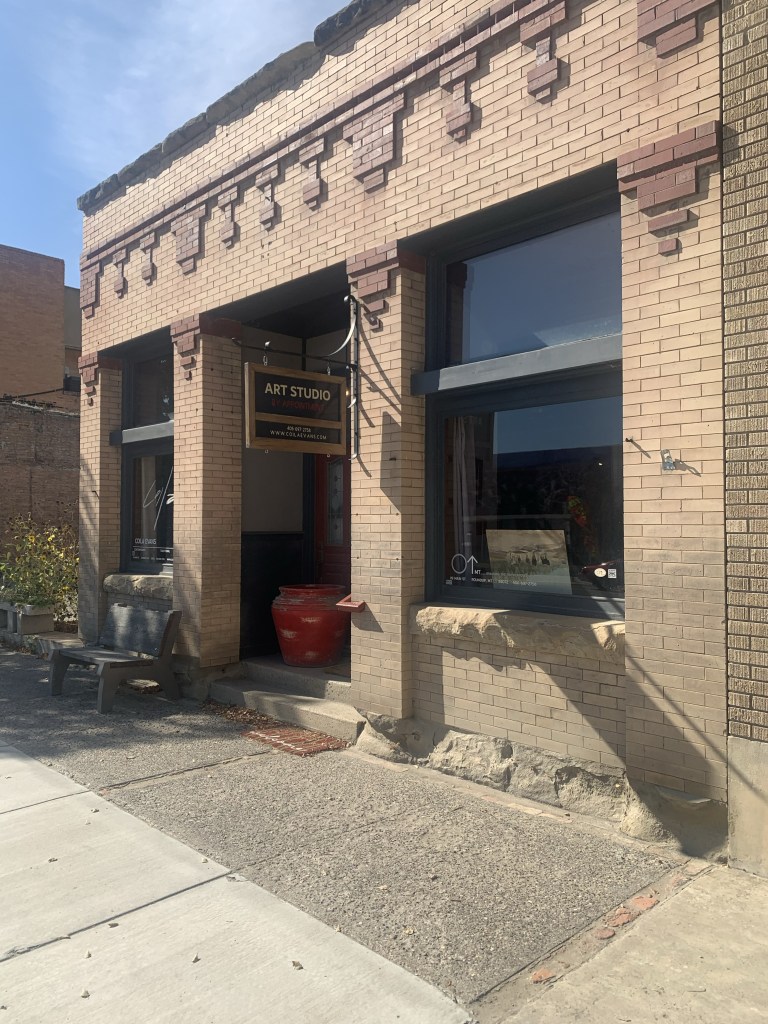
Art studio doing well
Awaiting its renovation
Community green spot

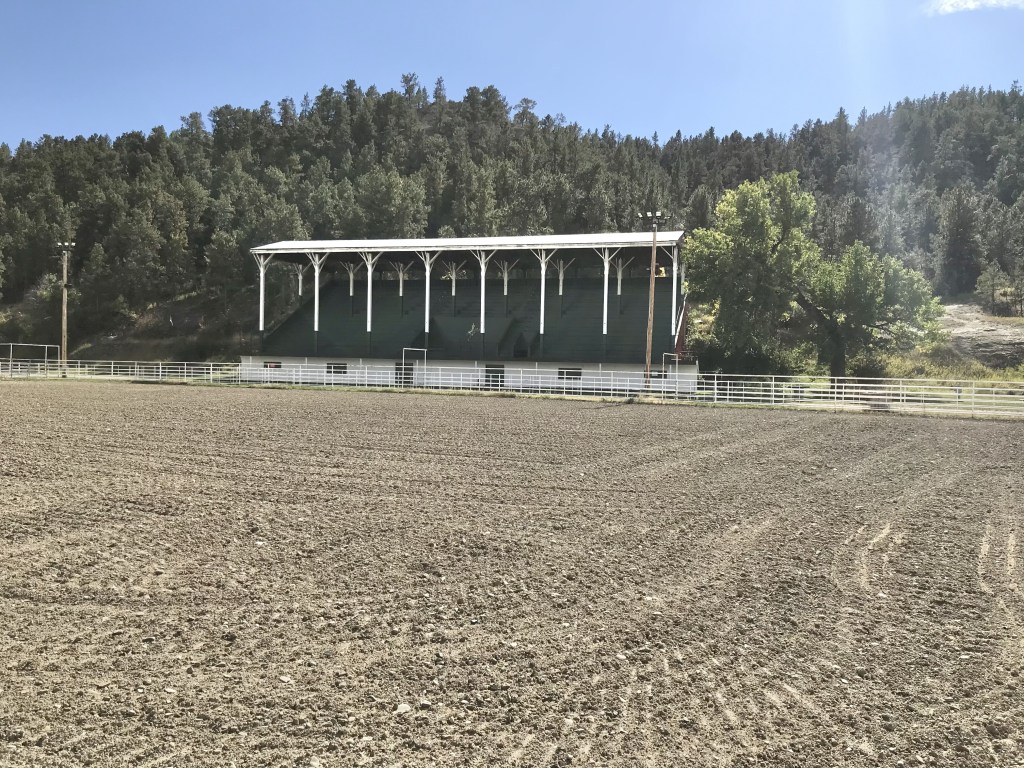
As I observed a few years ago Roundup residents worked together and created a plan—and the place continues to work the plan, from the adaptive reuse of its historic stone school to the careful stewardship of its historic fairgrounds. It’s impressive.

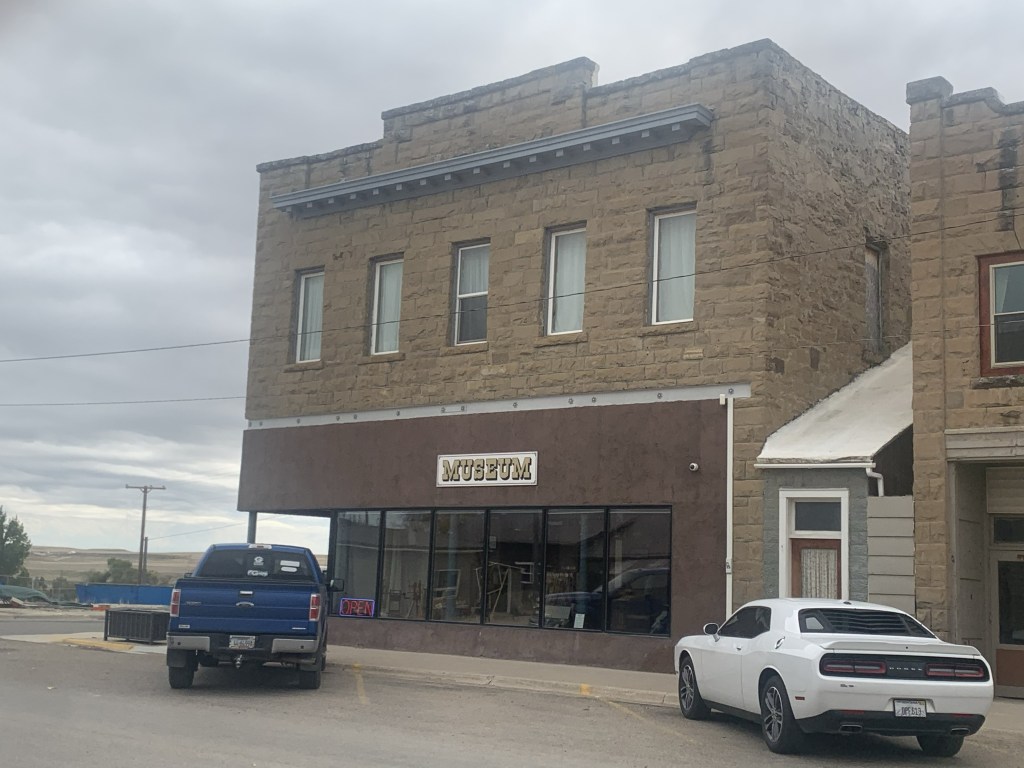
After Roundup we stopped at two county seats on the return to Helena. Harlowton was rocked by the closing of the Milwaukee Road over 40 years ago. It has struggled to reach the economic comeback achieved at Roundup. But the historic stone buildings have great potential. Three of them are now part of a large museum complex.

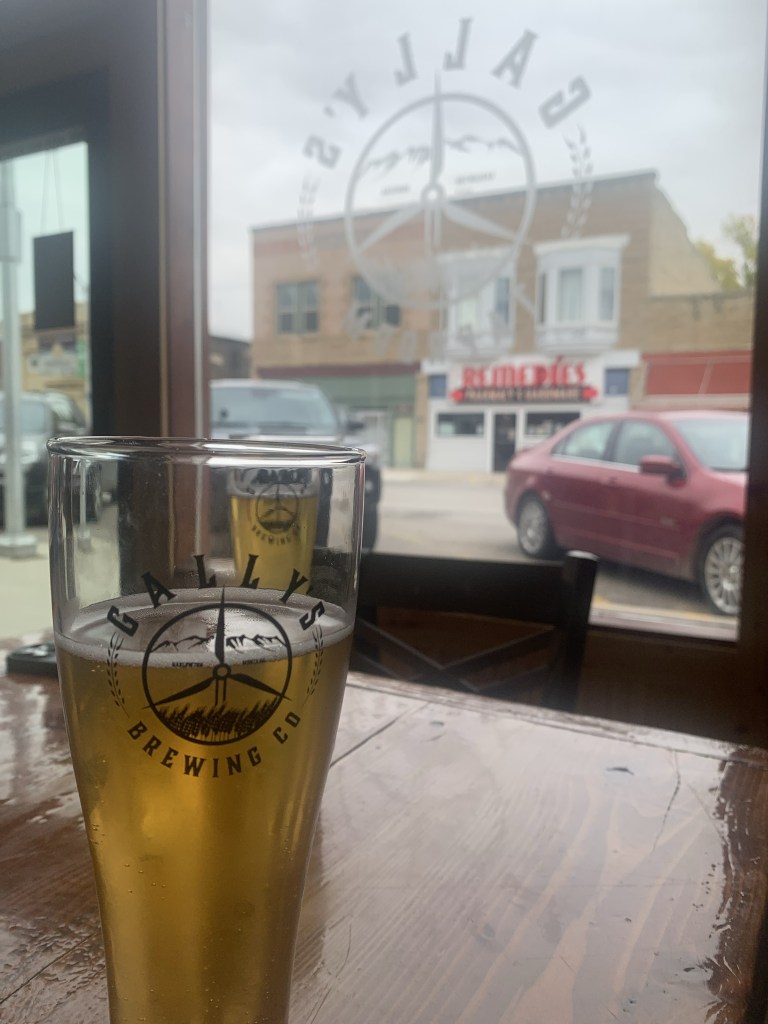
Then there’s the newcomer: the Gally’s microbrewery and pub, housed in the 1913 Montana Block.

It’s a great place for local beer and good conversation—and maybe the start of something good for the town.

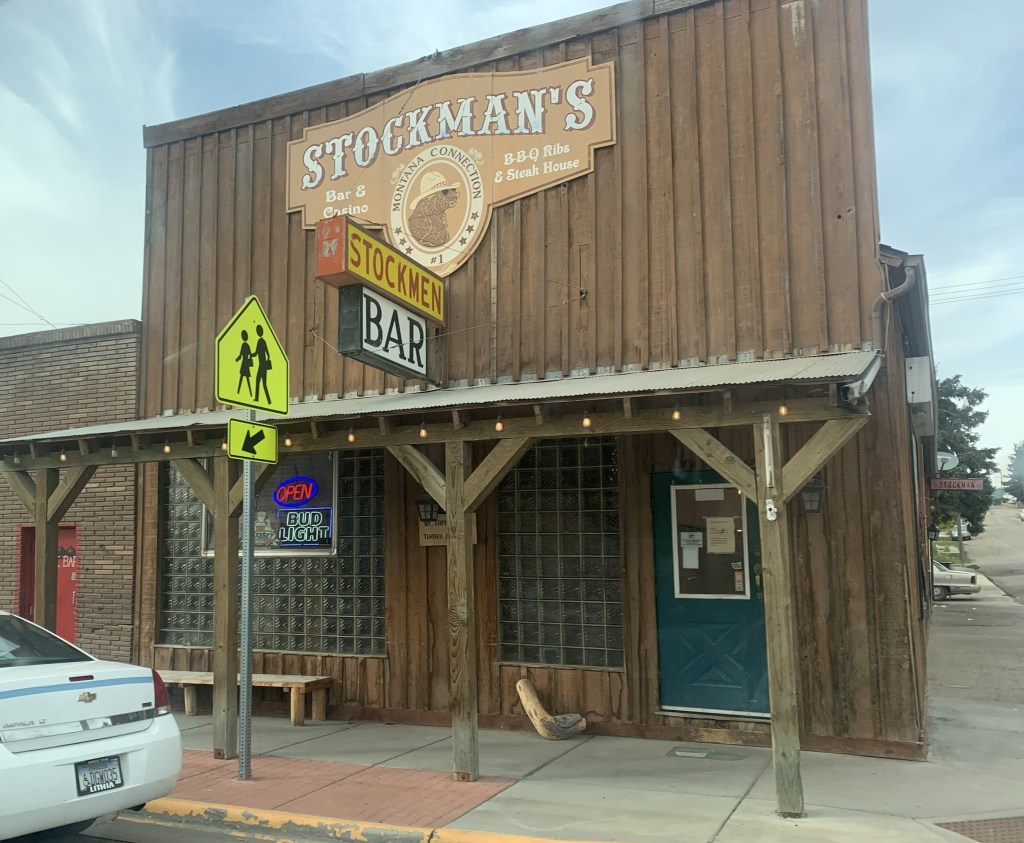
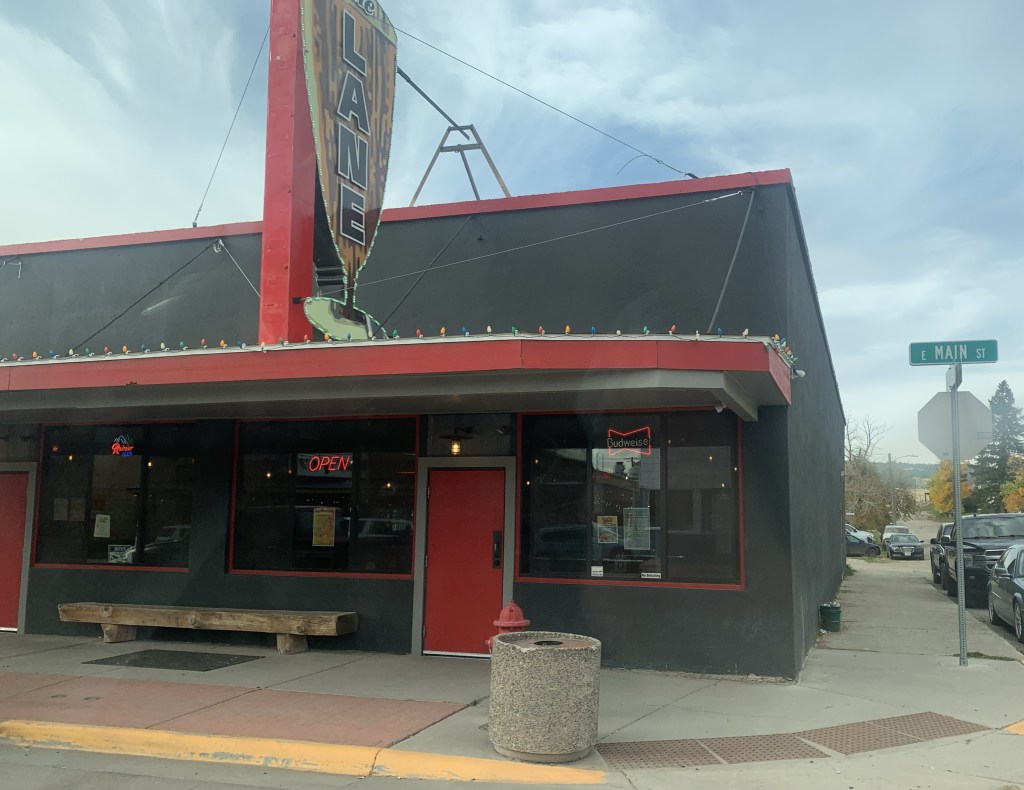
US Highway 12 was torn up for major repairs when I last visited White Sulphur Springs last decade. The improvement along its population growth and the ever expanding hot springs gives the place a new look, reflected in new catchy fronts to local bars along with new businesses such as a huge Town Pump.

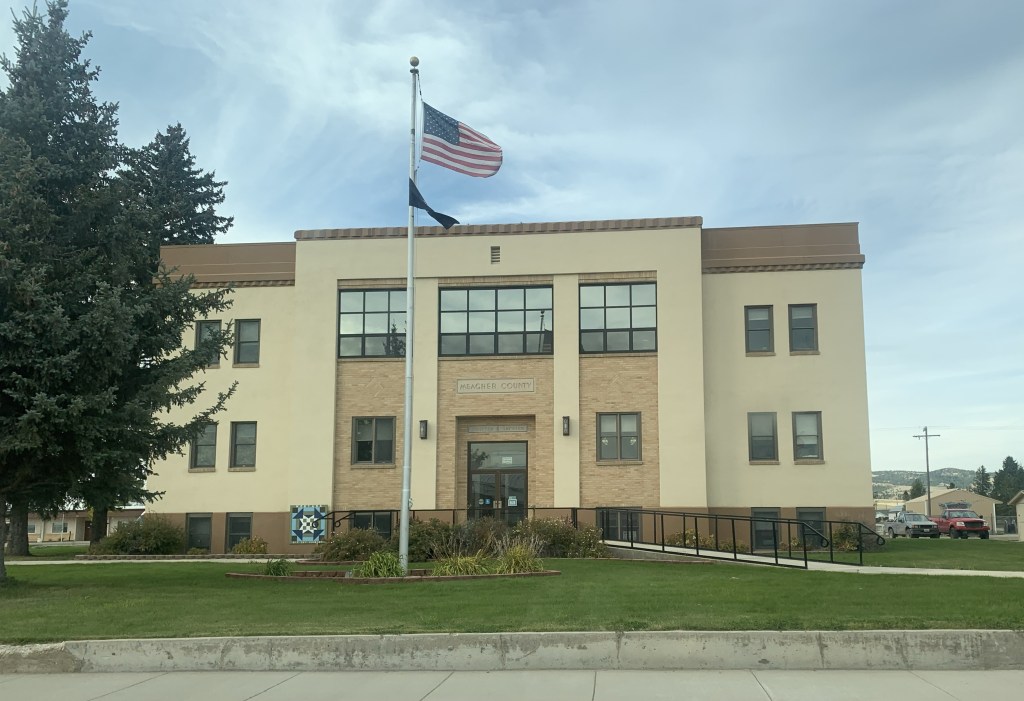
But historic White Sulphur Springs is doing ok too: the New Deal constructed Meagher County Courthouse is still a roadside landmark while the old railroad corridor, just west of the Hot Springs, remains, awaiting its rebirth.

These places are mere highlights along a historic route that’s worth a drive anytime in the fall.

“Old” Highland Cemetery in Great Falls

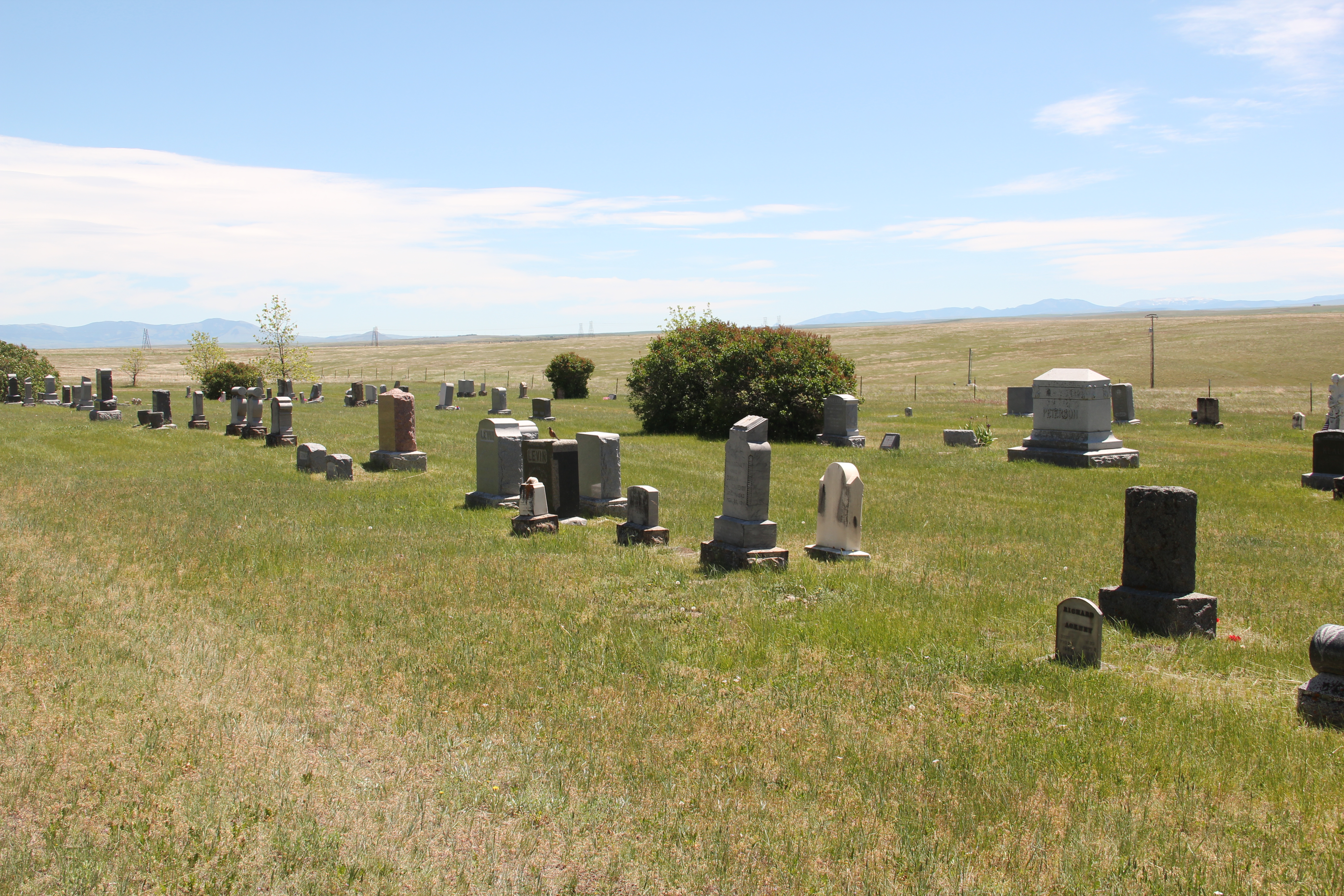
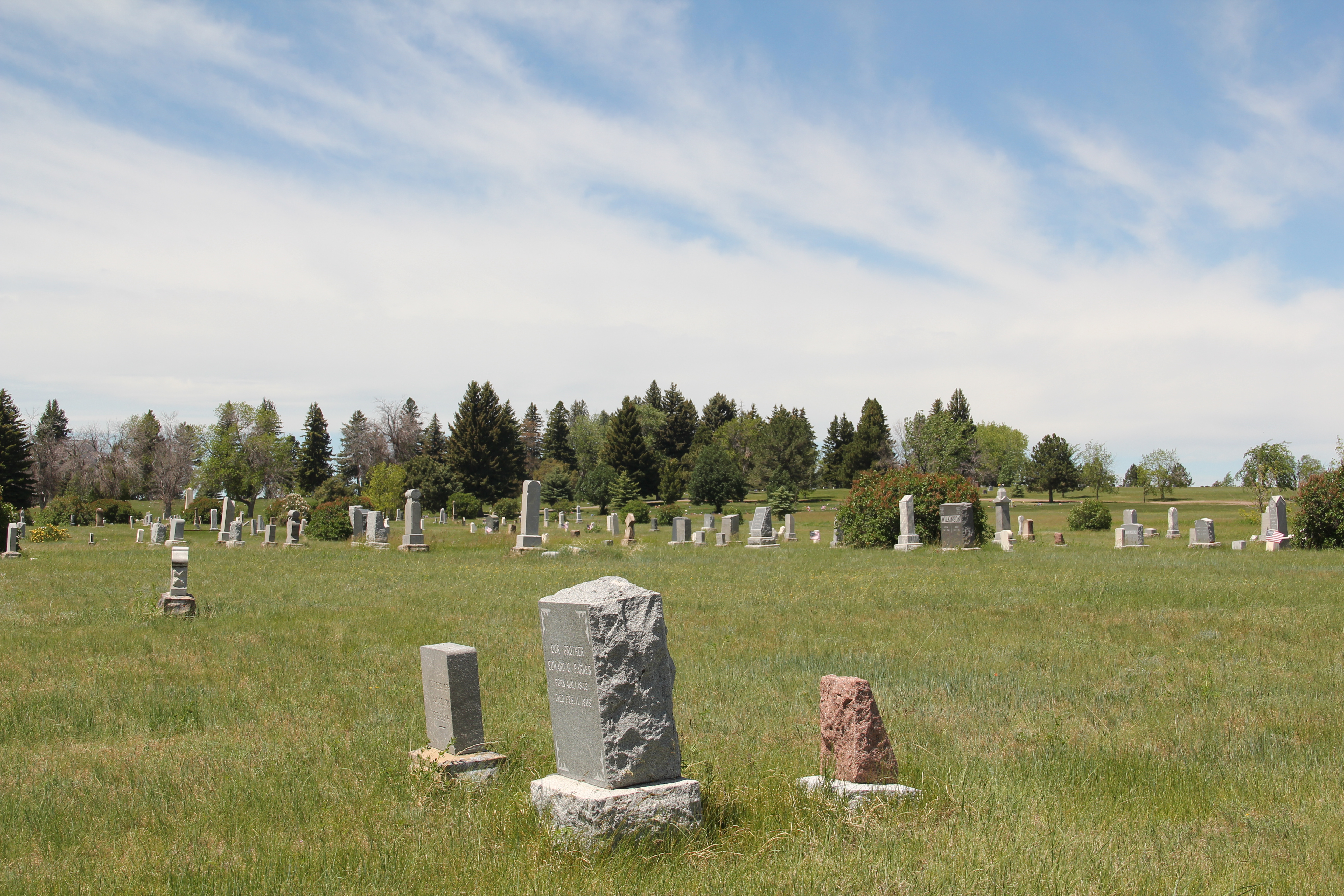
There are two Highland cemeteries in Great Falls, and for my money, the first Highland, now known as “old” Highland, is the more interesting and compelling funerary landscape. In fact, in its range of markers and the stories conveyed by the markers, Old Highland is one of the most interesting cemeteries in the state.

A paved drive divides the old from the new, but just exploring the grave markers themselves and their earlier dates separates the two cemeteries. The markers are so diverse in materials and form that it difficult to convey the place in a post of moderate length. But here goes.

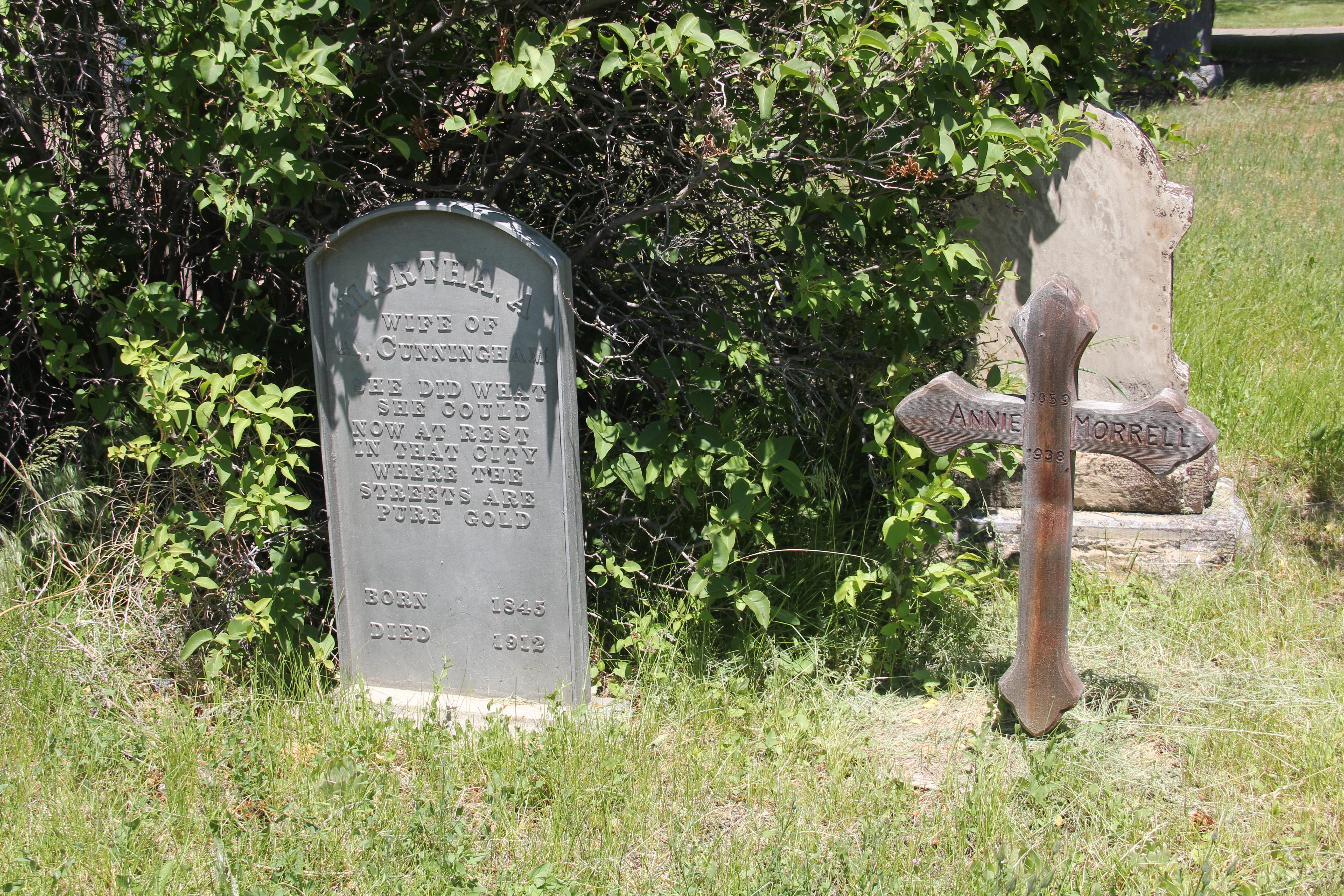
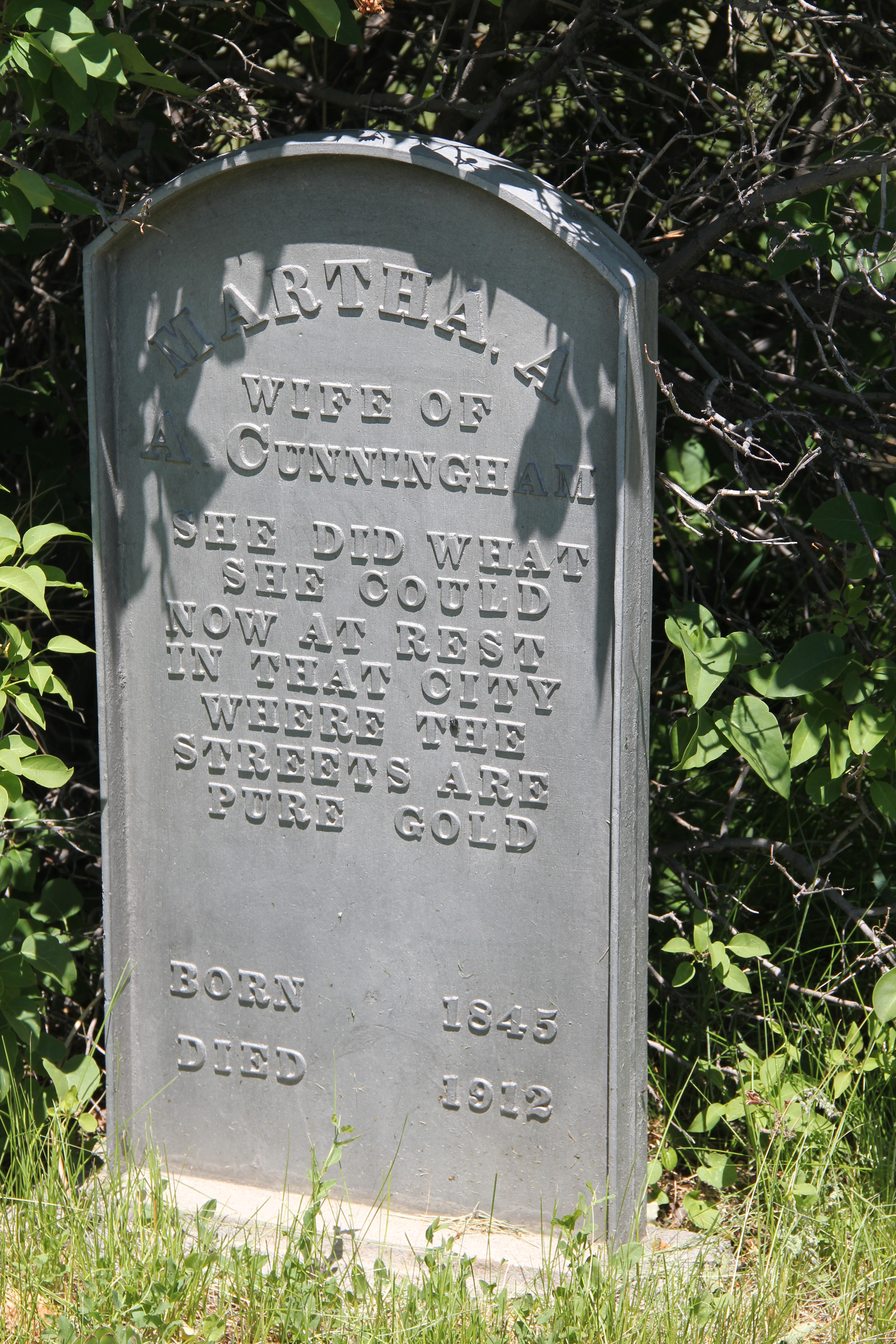
Martha Cunningham’s 1912 cast-iron marker was the first, of several, that I encountered. The marker reads: “She did what she could. Now at Rest in that city where the streets are pure gold.” Sarcasm in your marker–Martha I bet was an original.

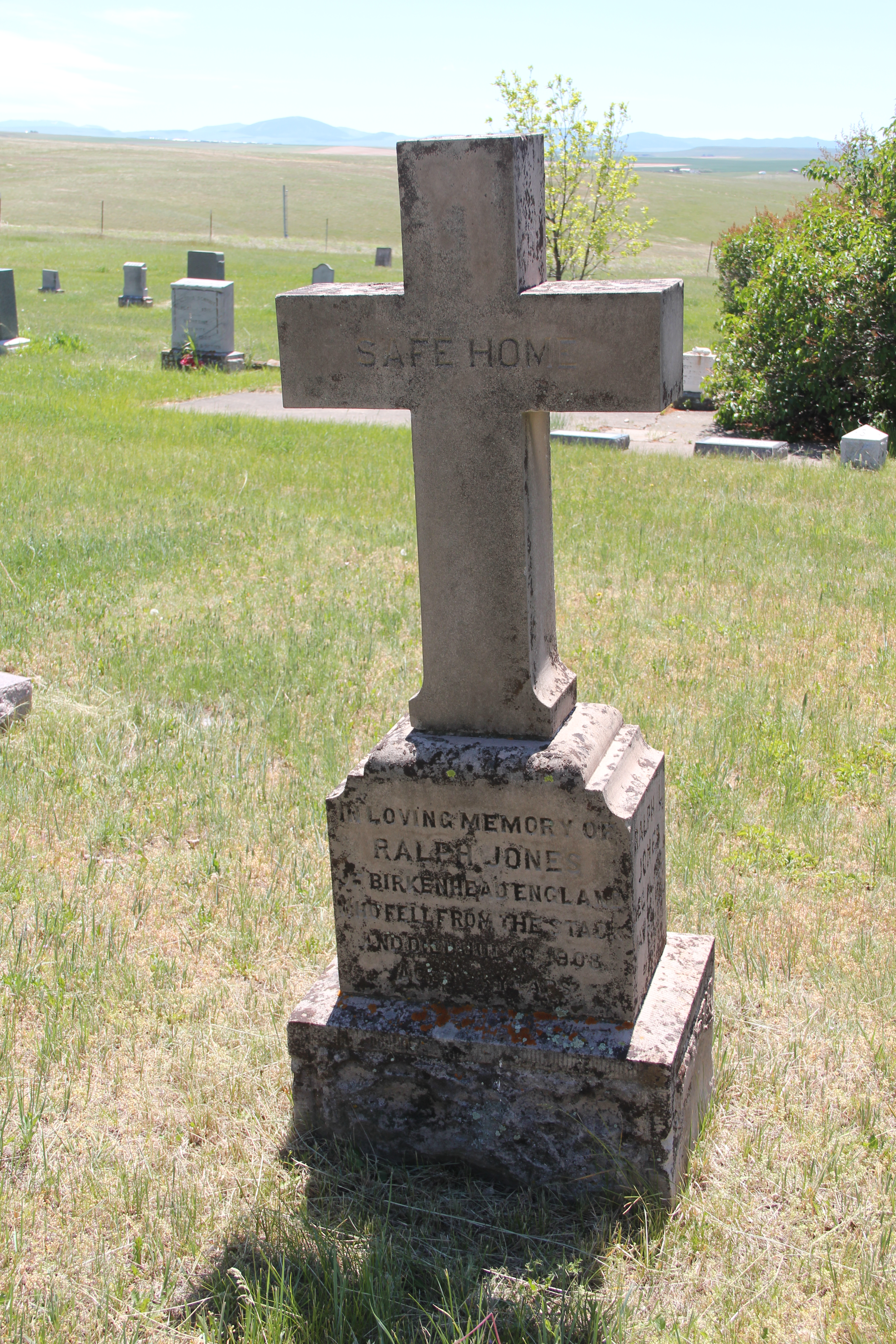
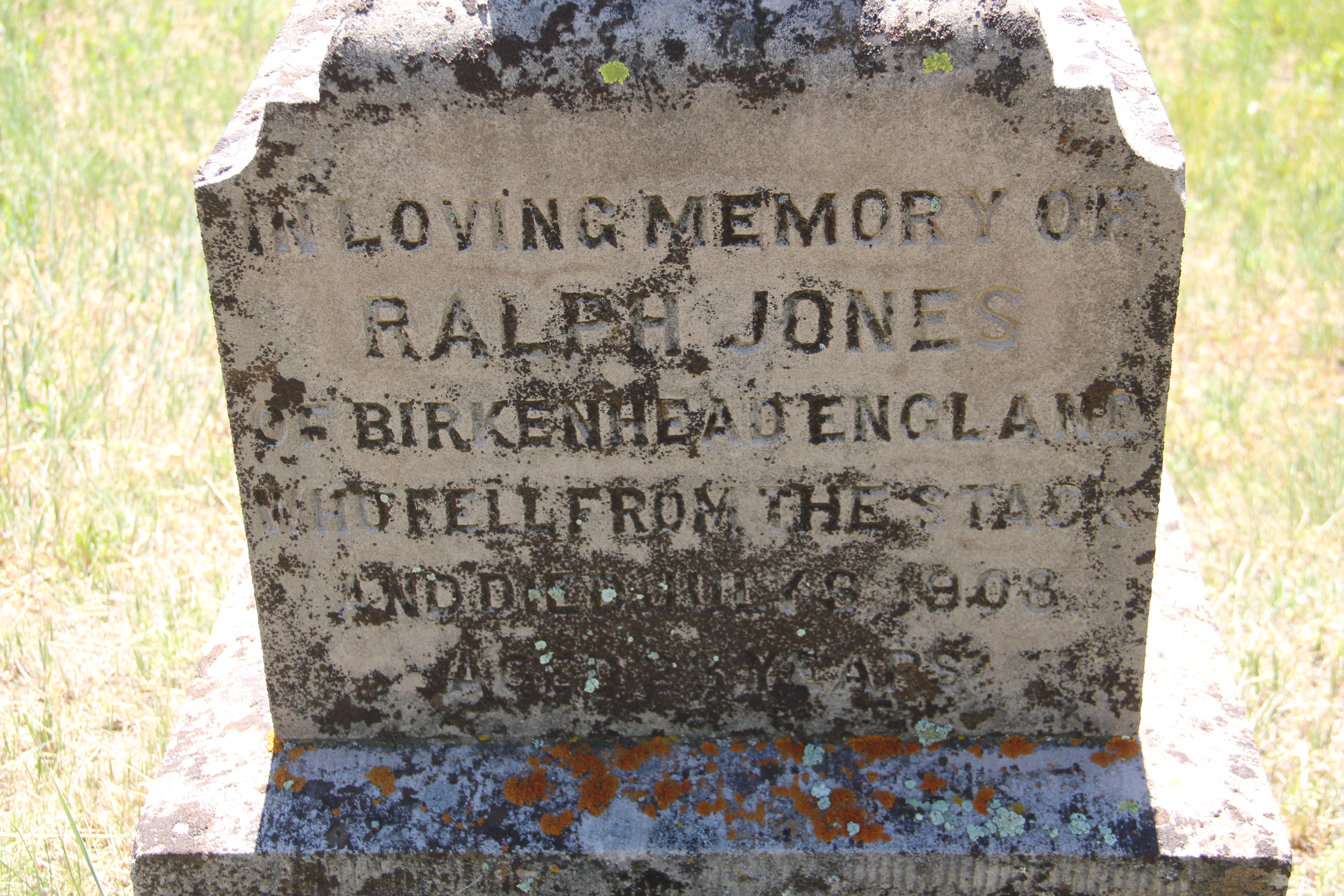
Ralph Jones, a mason from England, died while constructing the tower of the Anaconda Smelter in 1908. His friends erected the cross, with the words Safe Home, in his honor. Jones’ story is also told at annual cemetery tours.

Old Highland also has several Civil War veterans buried throughout the cemetery.

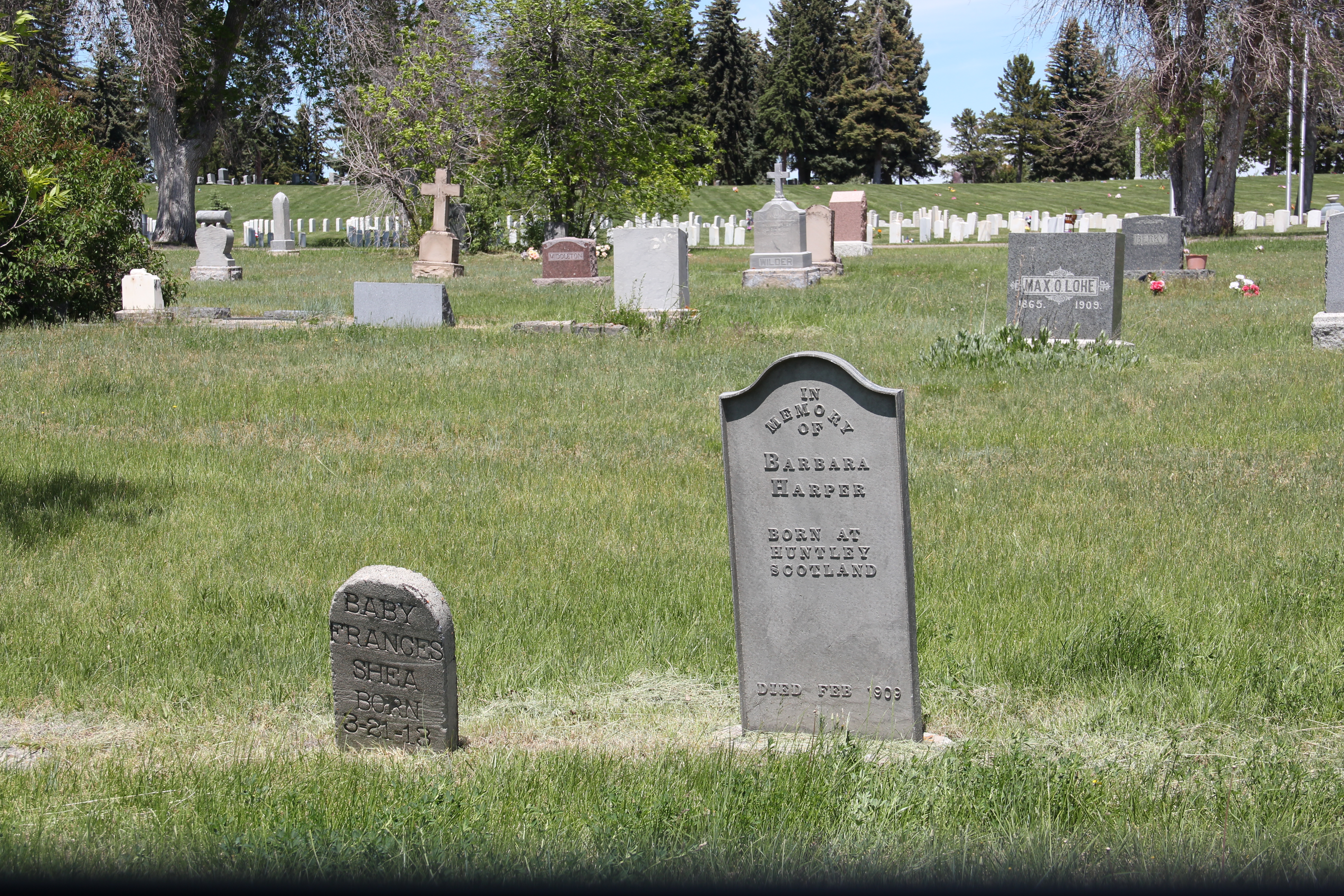
Barbara Harper’s metal marker is also noteworthy, but the most interesting metal marker by far is a small one in a corner of the cemetery. Alexander Leistiko died in 1906. His marker is pressed metal of two people at a cemetery, with the metal sculpture, complete with a skull motif, resting on a metal pedestal. I am a long ways from seeing every cemetery in Montana but this marker, thus far, is unique, and fascinating.

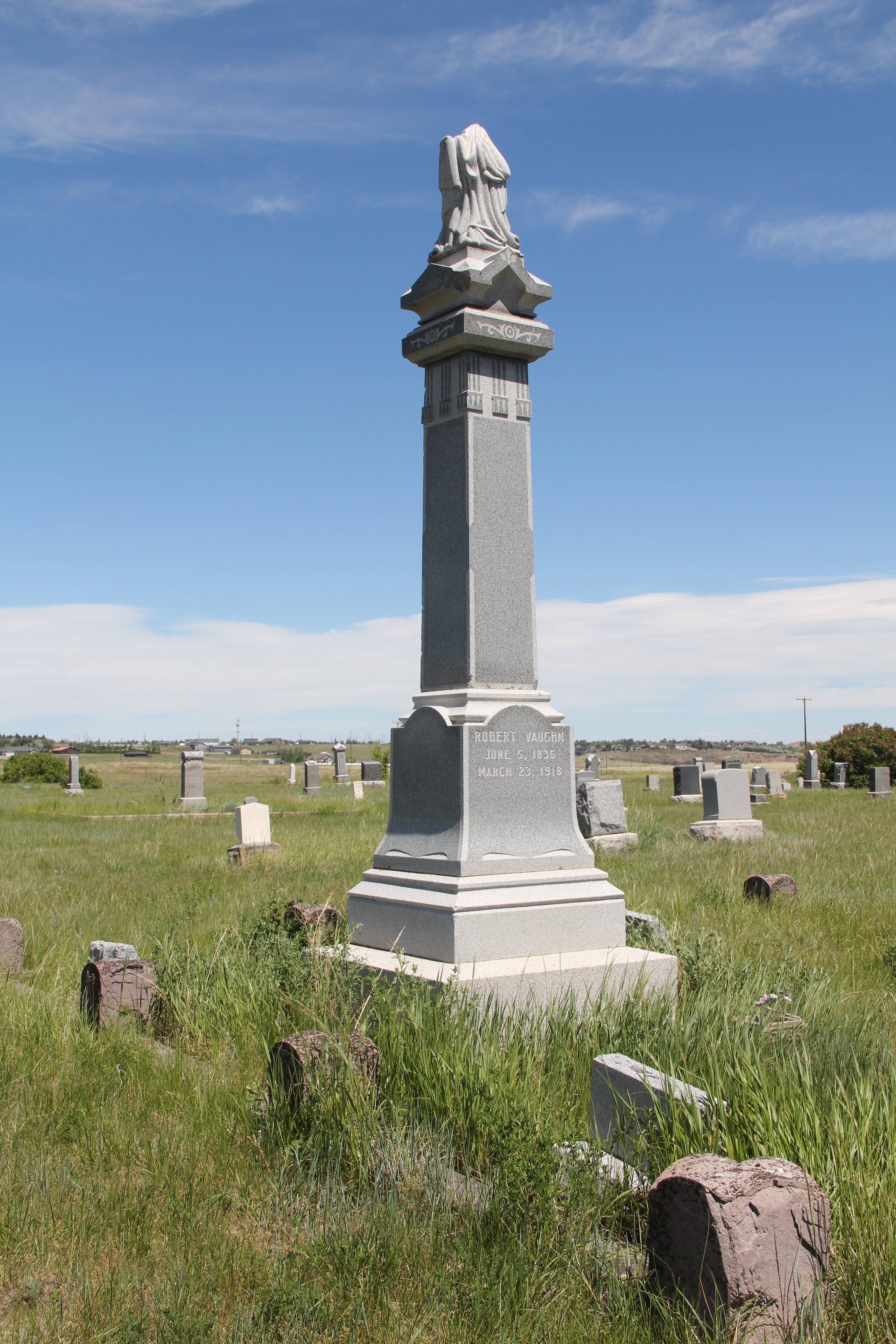
The artistic treasures of this cemetery just don’t end there. There is the grand obelisk for Robert Vaughn, a famous Cascade County rancher, dominating a low stone wall family plot.

Indeed, a few steps away from the Vaughn family plot, you can look to the north and see the treed landscape of “new” Highland Cemetery, and then look to the south and see the edge of the initial Highland cemetery.

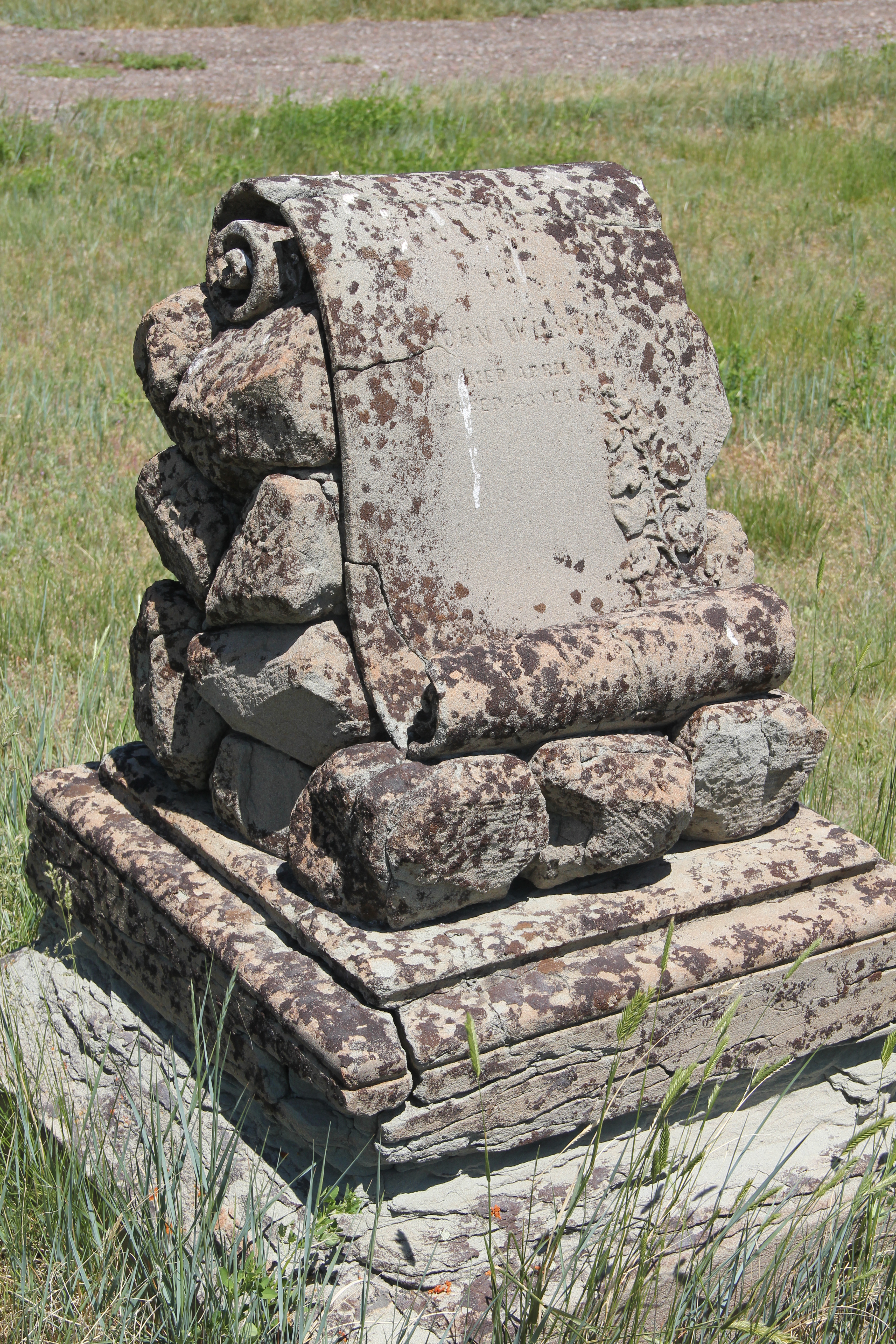
You would expect to find a more Victorian presence in the Old Highland markers since the place began in the late 19th century, The Delaney family plot, even with its overgrown ornamental planting, is an impressive statement of Victorian sensibility. The John Wilson marker of a decorated scroll over stones is just as impressive.

The heavy obelisk of Scottish immigrant James Stewart Tod (d. 1891). Tod lived with his family in Glasgow as late as 1891, being listed in a Scottish census for that year. But in the summer of 1891 he was in Montana as a merchant but died soon after arrival. The local Board of Trade (the precursor to the chamber of commerce) praised Tod for his character and service.

The Caulfield family plot also memorized service, in this case to the Great War.

There is no such to see and say about Old Highland Cemetery. I will revisit this place, hopefully soon.

Canton, a forgotten Missouri River town

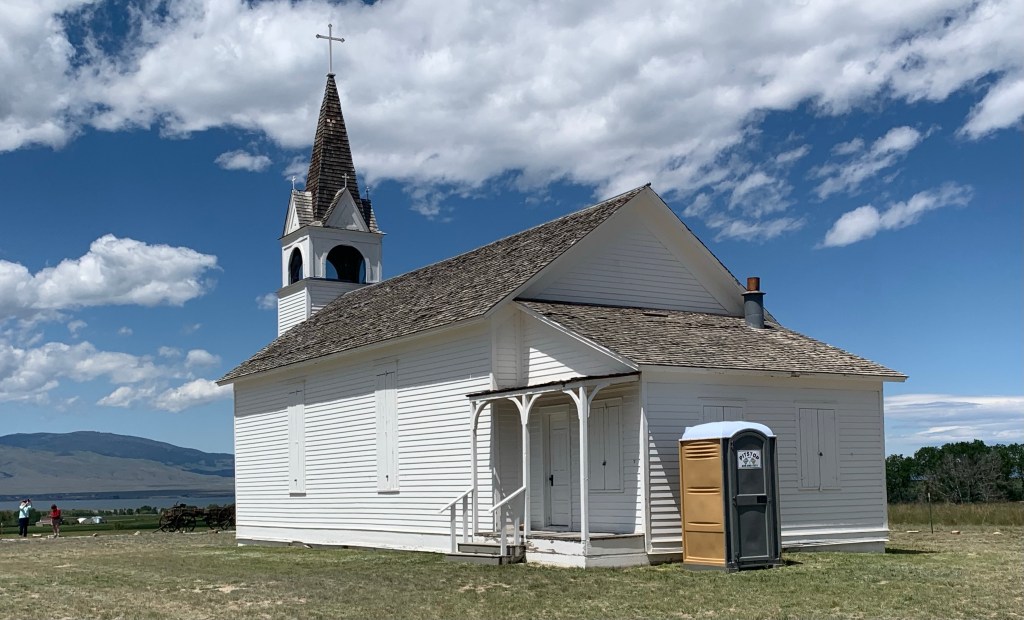
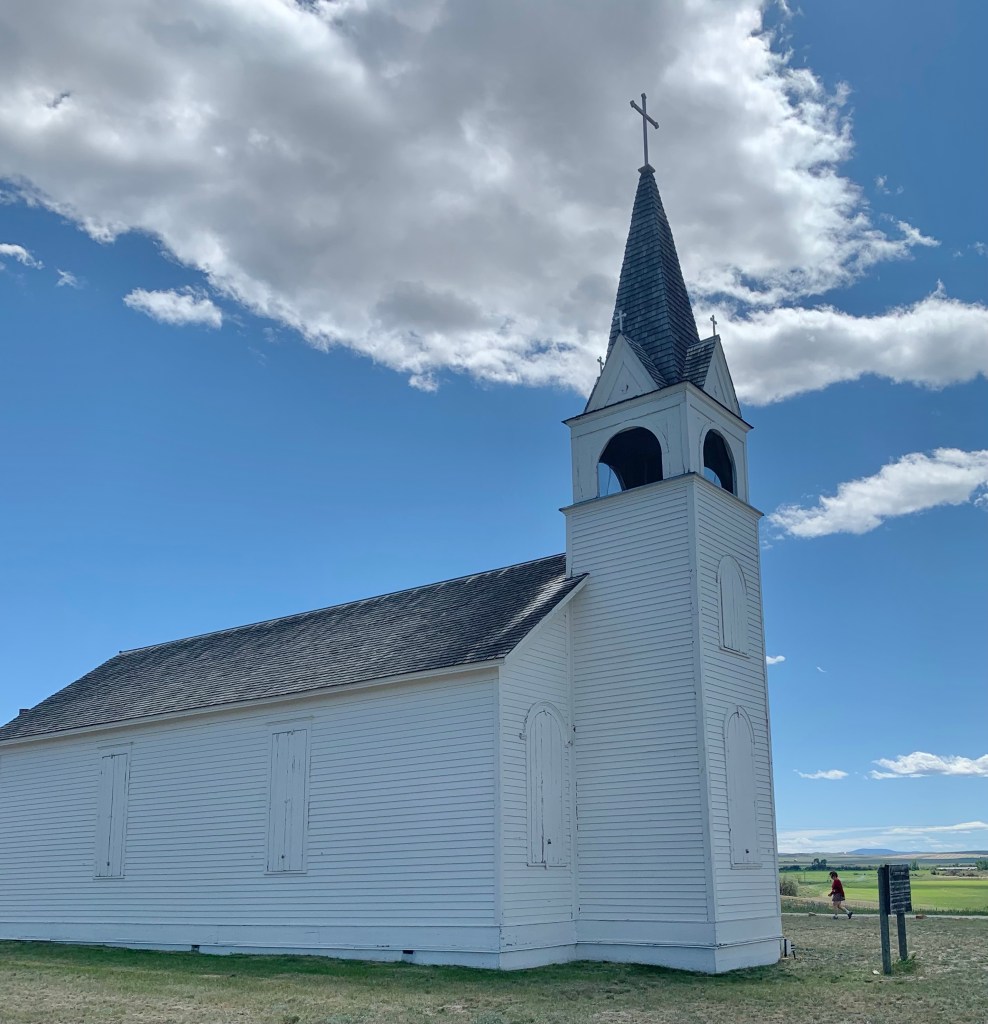
Canton was one of the early Missouri River towns in what is now Broadwater County, Montana. Canton was never much of a place but it had enough people and vision to build one of the first landmarks in this part of the Missouri River valley, St. Joseph’s Catholic Church in 1875-76.

Listed in the National Register of Historic Places, the church served local residents from almost the beginning of the town’s settlement through the homesteading boom of the early 20th century. The Northern Pacific Railroad ran along the other side of the River, diminishing the importance of Canton but never really indenting the significance of the church as a territorial-era landmark and as a compelling example of vernacular church architecture. Regularly held services continued until 1954.

The church faces the River (now Canyon Ferry Lake)

It really is a splendid bit of craftsmanship. The Gothic influenced bell tower entrance dates to the homestead boom of the early 20th century while the rounded arches over the windows well express its late 19th century roots.

Determined residents saved the church from destruction in 1954. They had the building moved to this place, higher ground away from the lake and lakeside developments created by Canyon Ferry Dam and Reservoir. The grand Bureau of Reclamation project totally reshaped Broadwater County. The town of Canton was erased but St. Joseph’s remained.

Thirty years later when I stopped at the church in 1984, it was ragged and needed attention. Residents did that in the 1990s and ever since the church has stood as a quiet but imposing marker of the territory days of Montana.

Barber, a disappearing Milwaukee Road Town

Barber, Montana

I first visited Barber, a Milwaukee Road-associated town in the Musselshell River Valley, in 1984. Now almost 40 years later, I revisited the place to see, particularly, if the landmark Grace Lutheran Church still stood. Yes, indeed, it has survived another four decades, but now had a handicap access ramp to better serve its aging congregation.

Grace Lutheran Church photo from 1984
Grace Lutheran Church, Barber, MT

This vernacular Gothic styled building dated from 1917–the one decade of Barber’s prosperity–and when I visited in 1984 it was the smallest American Lutheran congregation in the country. Its defining Gothic architectural elements–the Gothic window hoods and the tracery in the gable ends–remain intact. Clearly the surrounding ranch families are effective stewards for this National Register-listed jewel of a rural northern plains church.

Barber, MT

I noted in 1984 that a store still operated–but now it is barely hanging so, with the foundation has failed and you wonder how much longer its false-front facade will remain standing. I observed that all that was left of the town bank was the vault–that is still there–but a two-story turn-of-the-century house is now abandoned, almost on its last legs.

Abandoned Victorian-styled house, Barber, MT

The Milwaukee Road created scores of towns similar to Barber across the plains in the first two decades of the twentieth century. One hundred years later–some 40-plus years since the railroad went bankrupt–a few buildings remain at these spots on the map, physical reminders of the homesteading boom and bust of that era. Hats off to the residents keeping Grace Lutheran Church alive–as along the church remains, there will be a Barber, Montana.

Back on the Hi-Line: Hinsdale and Saco

Phillips Co Saco west on US2 showing old road, new, and GN tracks

Hinsdale (just over 200 people in Valley County) and Saco (just under 200 people in Phillips County) are two country towns along the Hi-Line between the much larger county seats of Glasgow and Malta.  I have little doubt that few visitors ever stop, or even slow down much, as they speed along the highway.  Both towns developed as railroad stops along the Great Northern Railway–the image above shows how close the highway and railroad tracks are along this section of the Hi-Line.  Both largely served, and still

Phillips Co Robinson Ranch w of saco roadside

serve, historic ranches, such as the Robinson Ranch, established in 1891, in Phillips County.  Both towns however have interesting buildings, and as long as they keep their community schools, both will survive in the future.

Valley Co Hinsdale school

Hinsdale School, Valley County

Phillips Co Saco school

Saco School, Phillips County

Of the two towns, I have discussed Saco to a far greater extent in this blog because it was one of my “targeted” stops in the 1984 survey.  The State Historic Preservation Office at the Montana Historical Society had received inquiries from local residents in Saco about historic preservation alternatives and I was there to take a lot of images to share back with the preservationists in Helena.  But in my earlier posts, I neglected two community

Phillips Co Saco post officebuildings, the rather different design of the post office from the 1960s and the vernacular Gothic beauty of the historic Methodist Church, especially the Victorian brackets of its bell tower.

Phillips Co Saco UM church

I ignored Hinsdale almost totally in its first posting, focusing on roadside murals.  This Valley County town is worth a second look, if just for its two historic bank buildings.  The former First National Bank and the former Valley County Bank both speak to the hopes for growth along this section of the Milk River Project of the U.S. Reclamation Service in the early 20th century.  Architecturally both buildings were touched by the Classical Revival style, and both took the “strongbox” form of bank buildings that you can find throughout the midwest and northern plains in the first two decades of the 20th century.

Valley Co Hinsdale 4 1st national bank

Valley Co Hinsdale 2 bankValley Co Hinsdale 1 bank

The rest of Hinsdale’s “commercial district” has the one-story “false-front” buildings often found in country railroad towns along the Hi-Line.

Valley Co Hinsdale 3

Local residents clearly demonstrate their sense of community not only through the school, which stands at the of the commercial area.  But community pride also comes through in such buildings as the c. 1960s American Legion Hall, the c. 1902 Methodist church (the separated cupola must be a good story), and St. Anthony’s Catholic Church.

Valley Co Hinsdale American Legion hall

Valley Co Hinsdale UM Church 1902

Valley Co Hinsdale St Albert's Catholic

These small railroad towns of the Hi-Line have been losing population for decades, yet they remain, and the persistence of these community institutions helps to explain why.