The High Prairie of Stillwater County

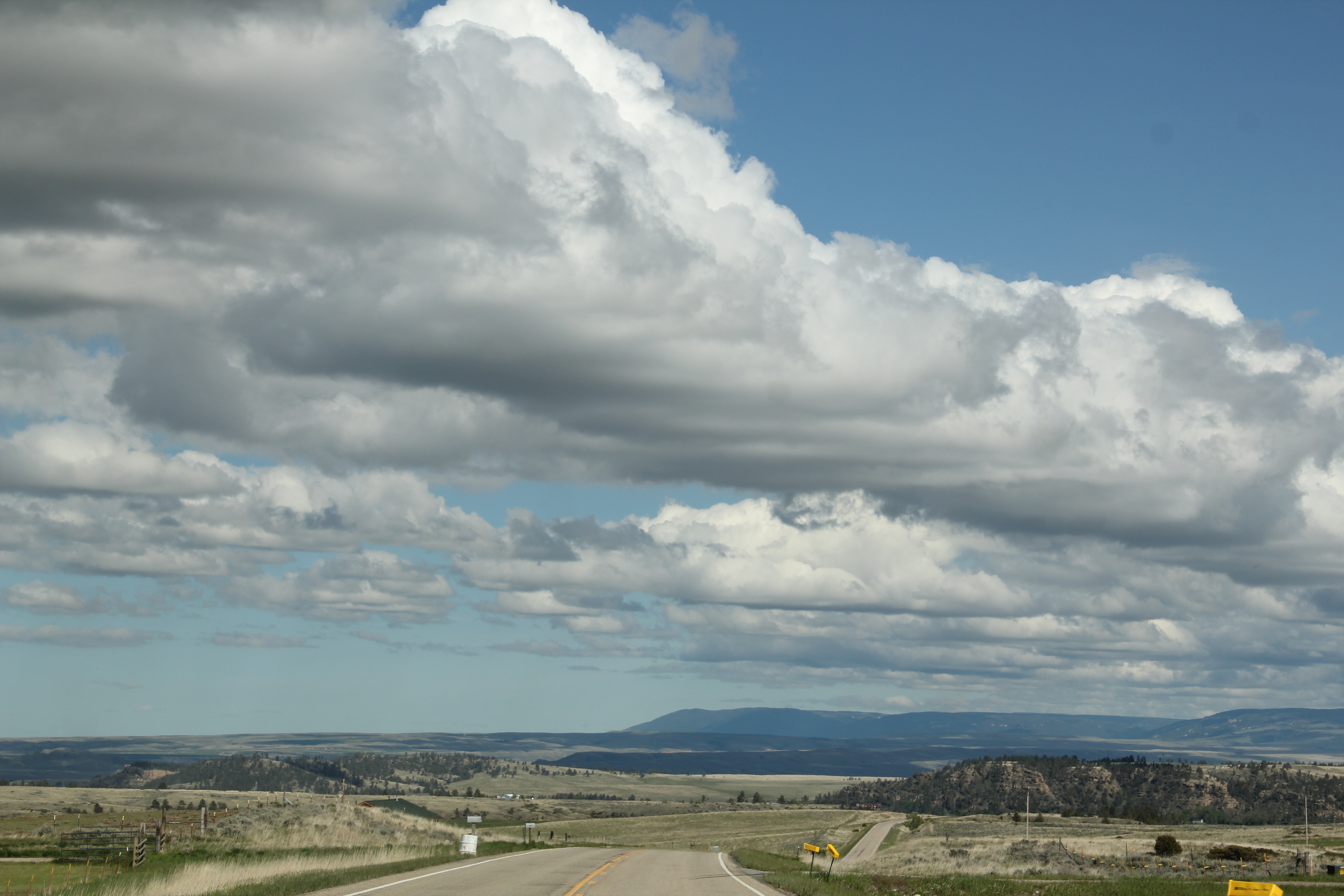
IMG_5914Stillwater County is one of the most beautiful spots in all of the Yellowstone Valley.   The parallel routes of the Yelllowstone River, the c. 1882 corridor of the Northern Pacific Railroad, the c. 1920 route of old U.S. Highway 10 and the modern marvel of Interstate I-90, shown above, define the county’s historic landscape for most residents, and travelers.
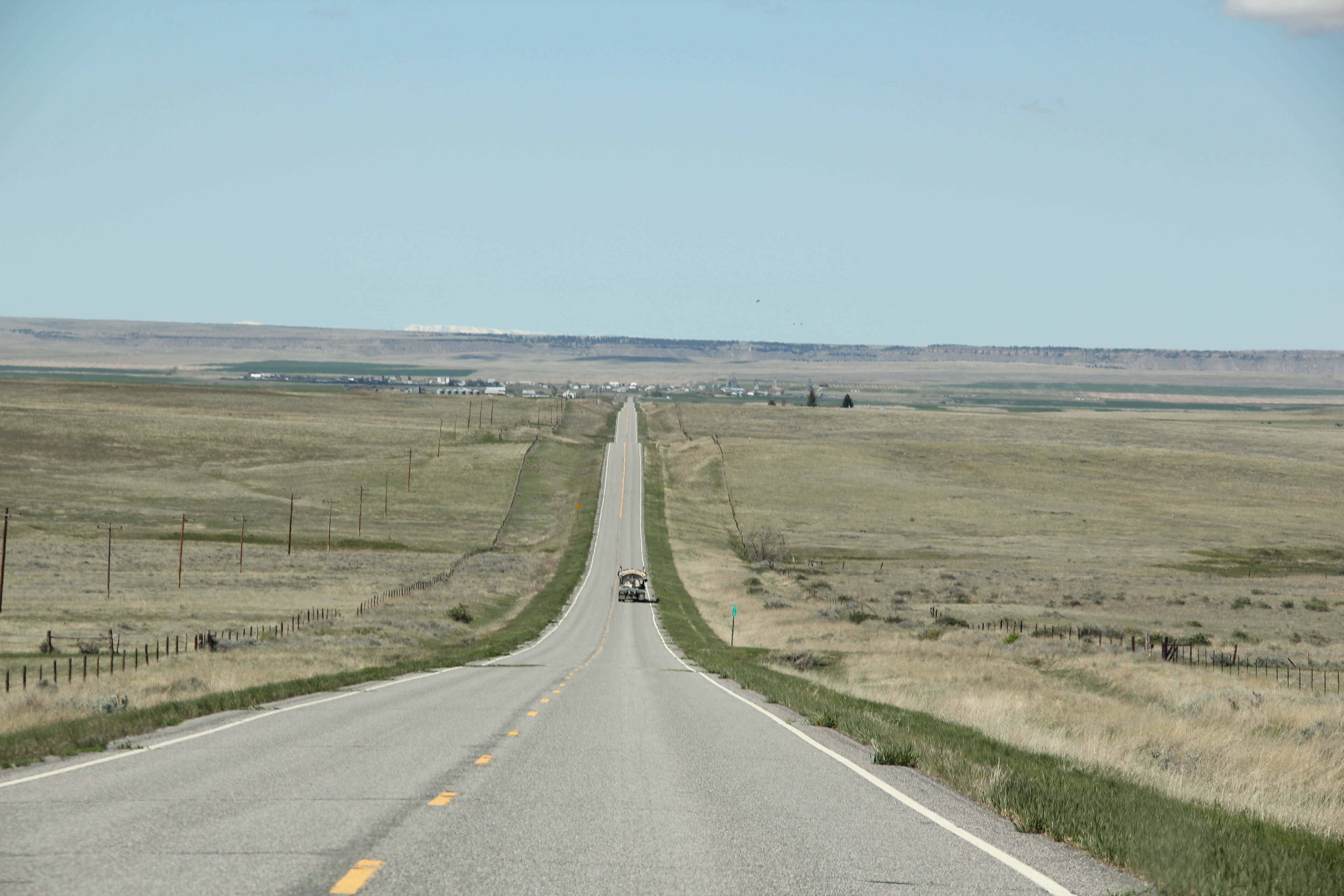
IMG_5894But running directly north from the county seat of Columbus  is a two-lane Montana highway that takes you to a totally different landscape, that of the high prairie of thousands of acres of wheat fields.  The road ends about 20 or so miles away at the town of Rapelje, a promising trade center when it was first established as a railroad branch in 1913

IMG_5909

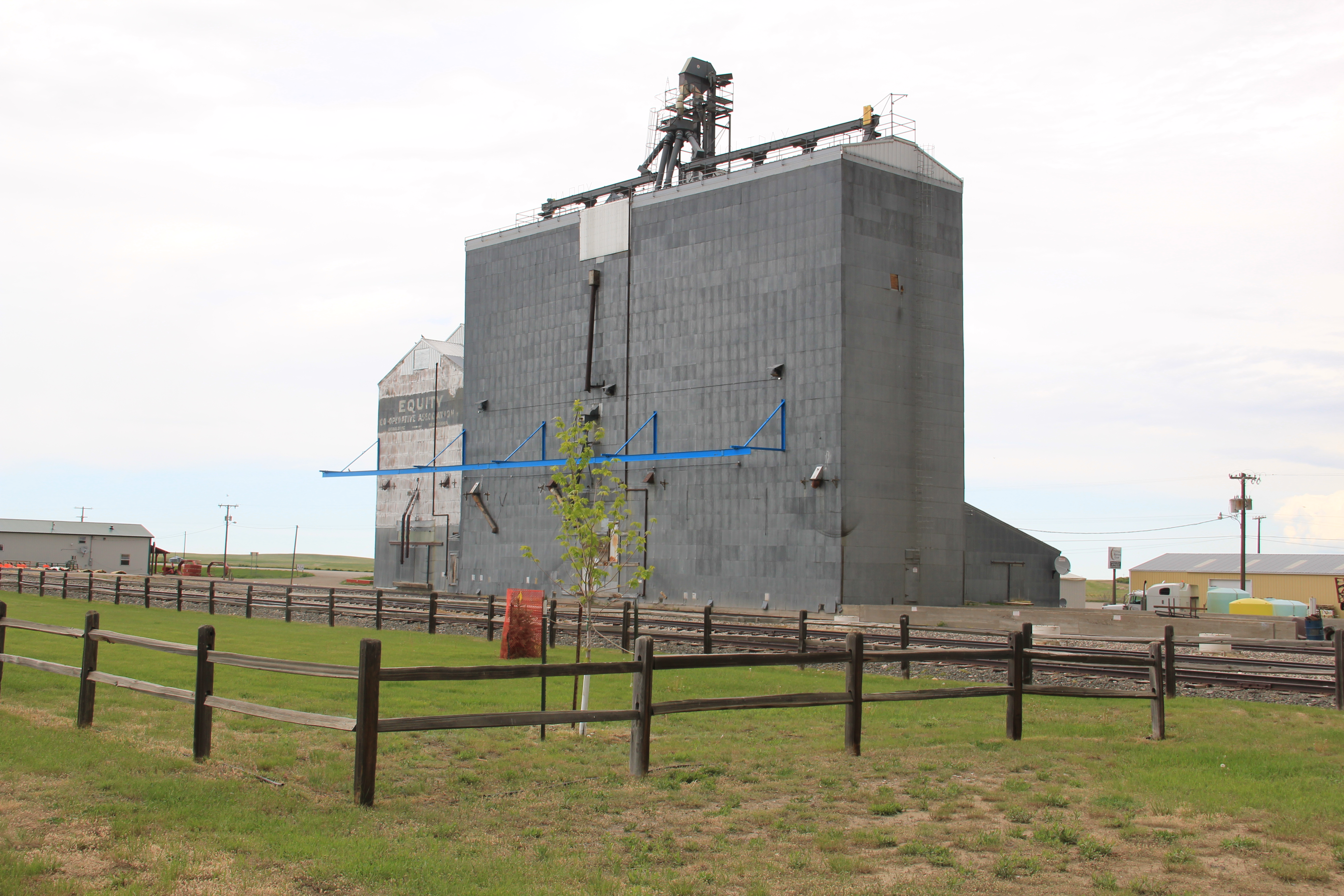
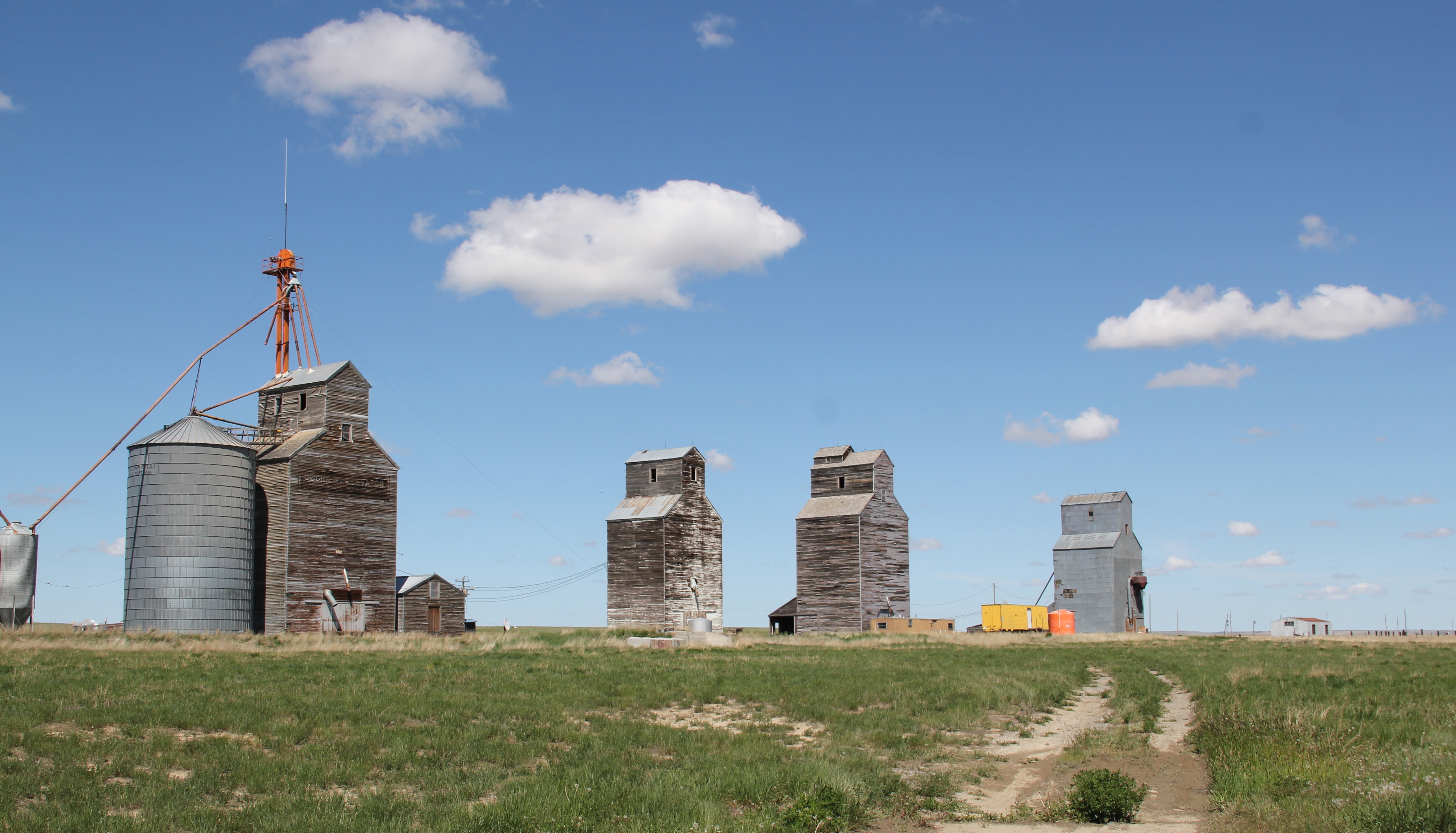
during the homesteading boom but now one of the region’s small country towns, defined by its school, its church, its cafe, and its grain elevators.  Its set of four early 20th century elevators, standing as sentinels of settlement but also as just man-made landmarks in a vast landscape of seemingly nothingness, is a remarkable statement of the built environment of Montana’s homesteading era.
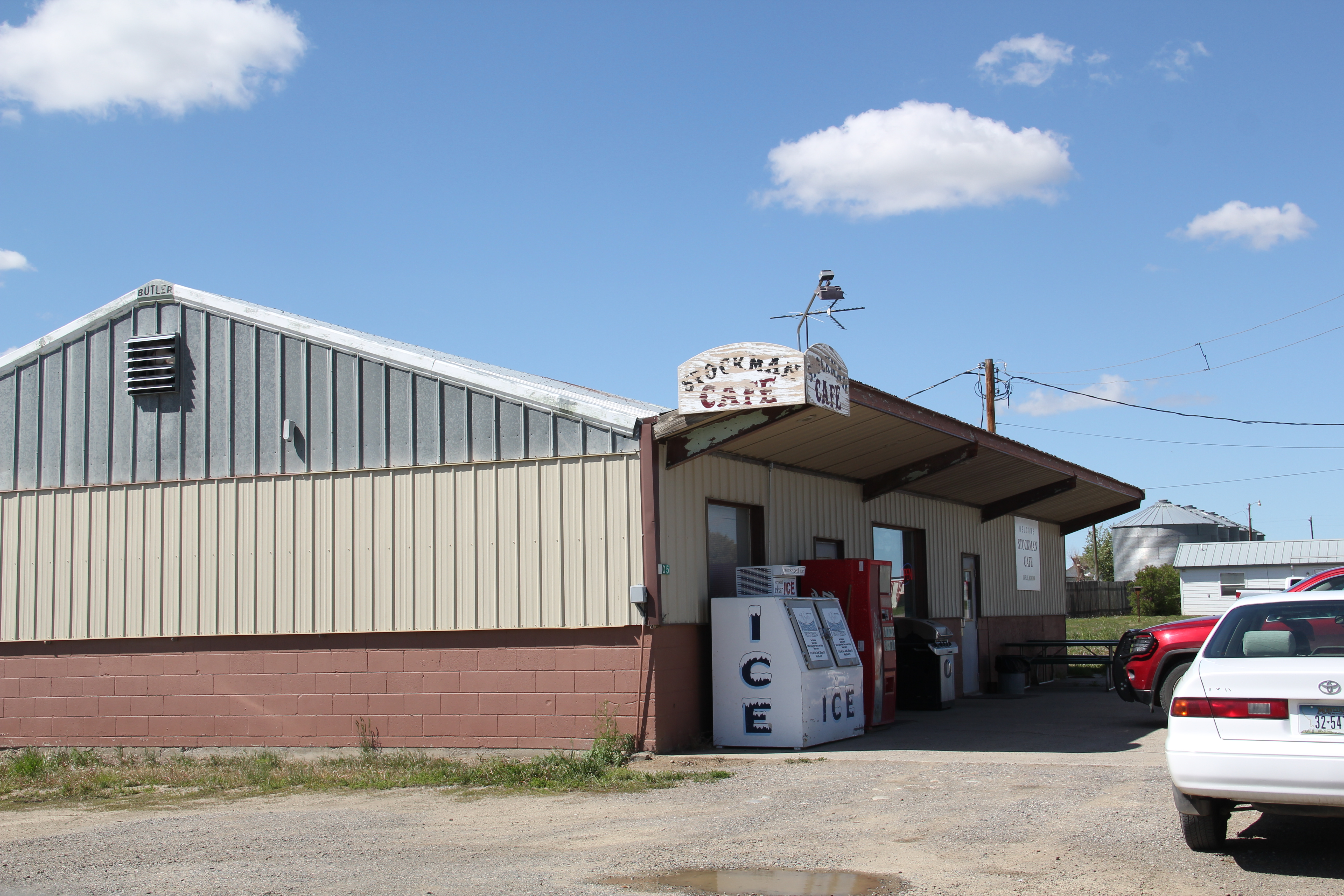
IMG_5900Businesses are few and far between–the handful of local residents and scattered ranch families take their business to Columbus, or a bit farther to Laurel and Billings.  There is still a town cafe–the Stockman Cafe–which is run as a volunteer cooperative for those passing through.  The past few summers a June bike race has become a popular fund-raiser for the cafe.
IMG_5907The town has retained two public buildings–its post office and its school, the pride of the community, which was built in 1920 and has since been renovated and expanded with a new wing to the rear of the historic building.  The school is home to the Rapelje Rockets.

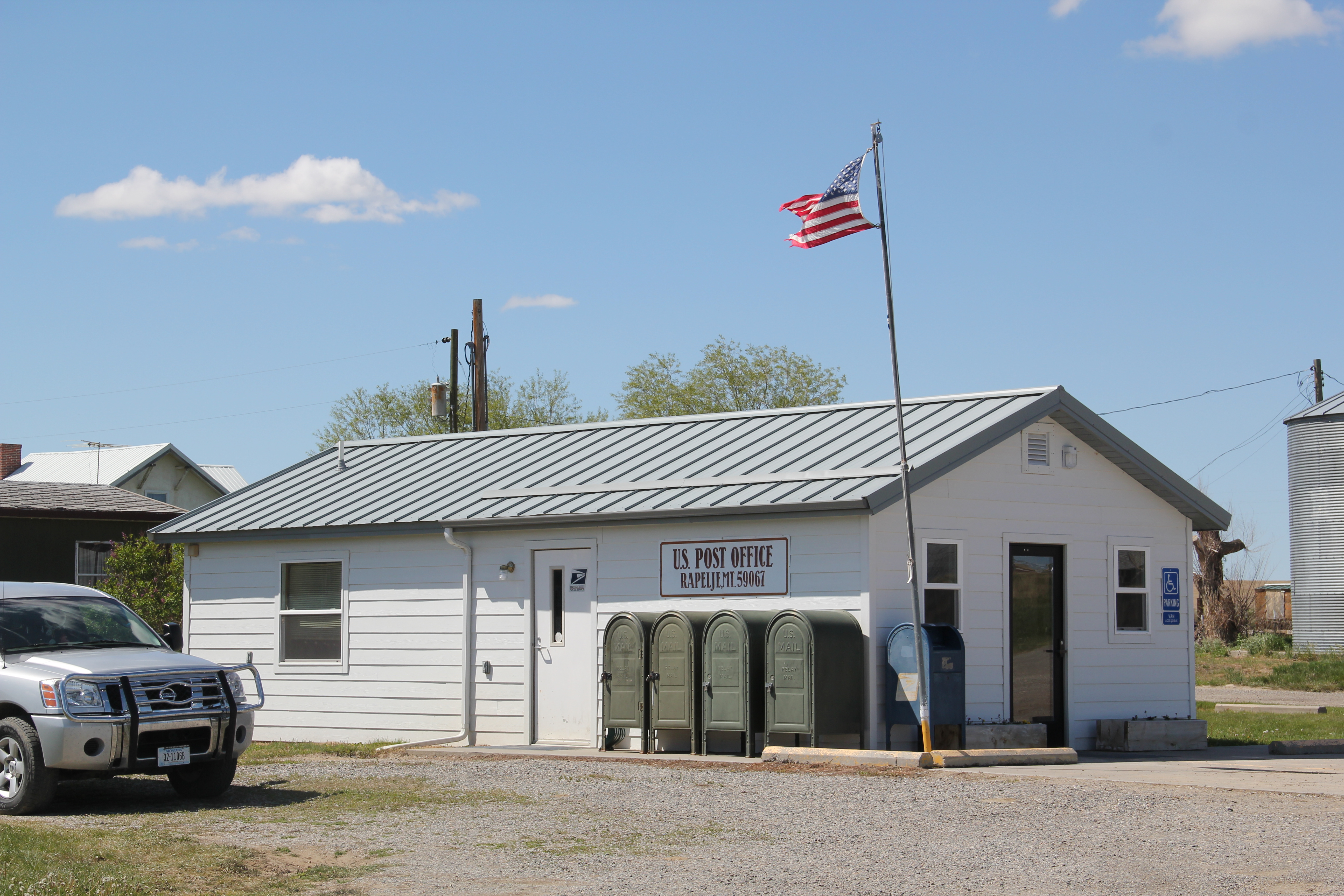
IMG_5903With less than 100 residents in Rapelje, the school educates ranch kids living throughout the county’s high prairie, a role similar to the local post office, which despite threats last decade to close many of the state’s rural post offices, still serves this farming community.
IMG_5898The loss of population means that Rapelje has just two primary sacred places:  the Gothic-styled community church, built during the initial decade of settlement, and the town

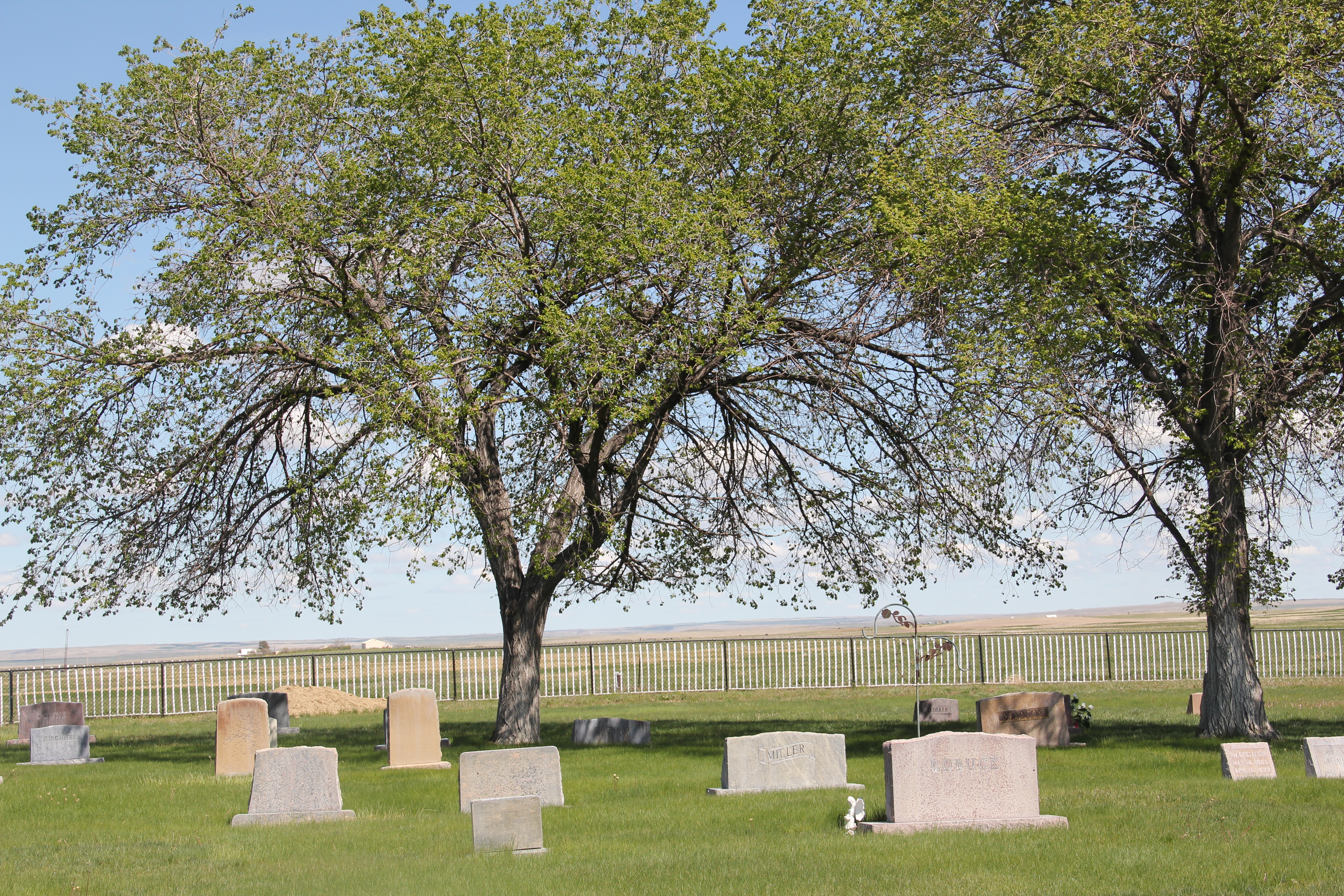
IMG_5901cemetery, which is located south of the village on a rise that overlooks the open prairie in all four directions.  Of course, as Rapelje fades into the past, the cemetery grows in its number of headstones–a sign of what limits the future holds for this high prairie town.

IMG_5895 IMG_5897

The Sweet Grass of the Yellowstone Valley

IMG_6258

Sweet Grass County has one of the most spectacular landscapes of the entire state of Montana.  Located in the middle of the Yellowstone Valley, the county has long been a significant crossroads, from the prehistoric era to today.  At the county seat of Big Timber, Interstate Highway 90 (along with the historic route of old U.S. Highway 10) parallels the Yellowstone River.  The town is also the southern point of origin for U.S. Highway 191,

2011 MT Sweetgrass county 014

The Lazy J, near the intersection of U.S. 191 and old U.S. 10, is a classic bit of mid-20th century roadside architecture.

which strikes northward cutting across Central Montana and continuing until the highway ends at the Canadian border, north of Malta.

IMG_6331Established by the Northern Pacific Railroad in 1882-1883, Big Timber has the classic T-Plan town plat found on so many Northern Pacific towns.  But one reason I have long liked this place is the quirkiness of its town plan.  The depot and the elevators are where they

IMG_6329should be, forming the top of the “T,” but the beautiful early 20th century stone masonry Sweet Grass County Courthouse is neither on McLeod Street (the stem of the T) nor at the end of the T, dividing the town’s commercial area from its residential neighborhood.  No, it IMG_6333is a block west of the intersection of McLeod Street and old U.S. Highway 10–an uncommon arrangement of public space in northern plains railroad towns.  A public park

IMG_6314

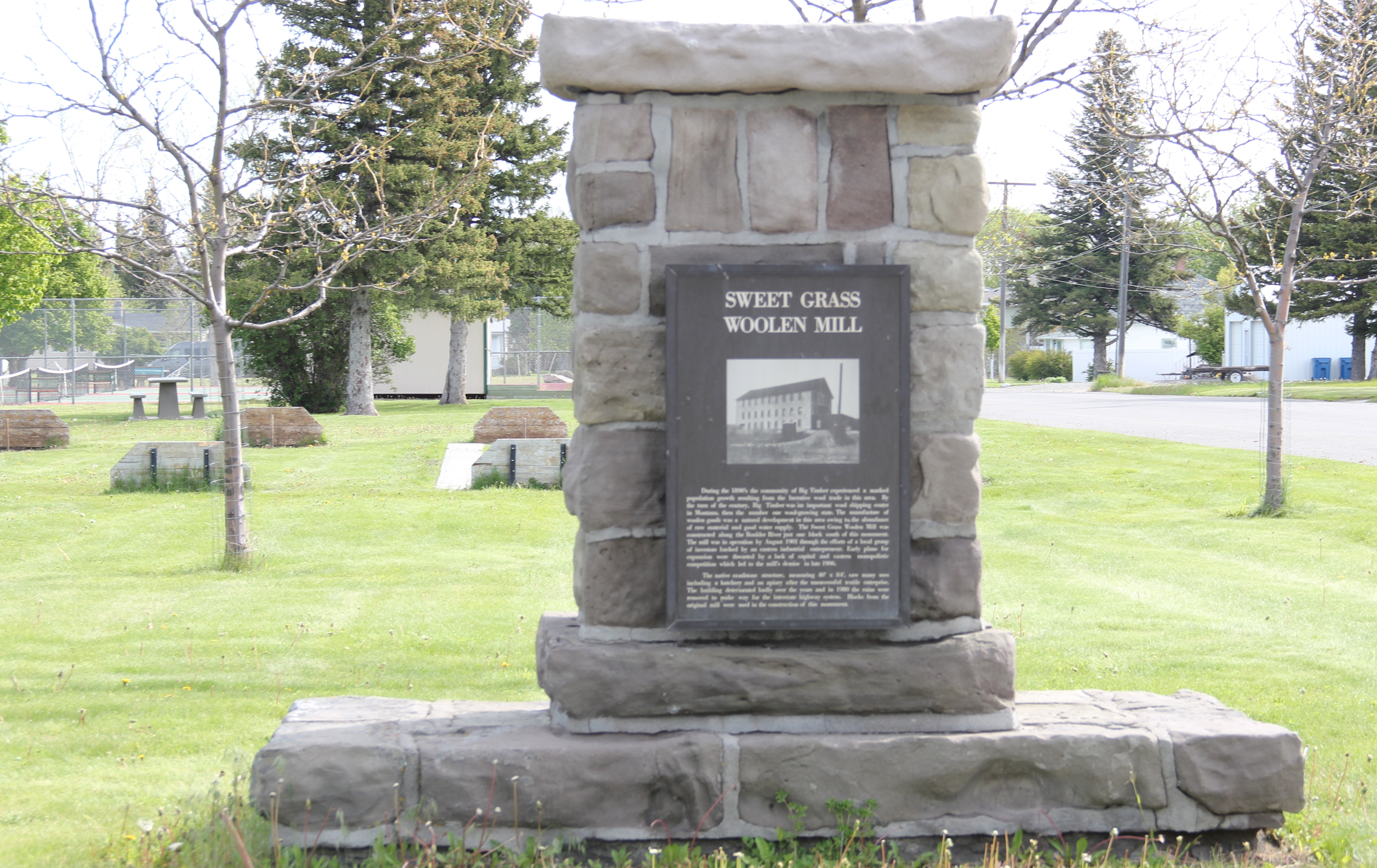
effectively marks the end of the historic town.  When I first surveyed the town in 1984, I found that an old 1946 highway marker for the Lewis and Clark Expedition had been moved to the park a year prior to my visit, and the interpretive sign told me that the town had a sense of its place in history.  In the decades since, residents have added a monument to the town’s early wool industry along with a bronze sculpture, titled “Free Spirit” by Dave Hodges, linking the place to the open spaces and cowboy culture of the valley.  Coming soon will be the new headquarters for the Montana Cowboy Hall of Fame, an institution that searched high and long for a home until finding Big Timber.

IMG_6316

IMG_6313

IMG_6271Public interpretation through art is another change I encountered in Big Timber.  The most striking dates to the Lewis and Clark Bicentennial at the start of this century.  On the walls of the local grocery store are three panels telling the story of the expedition in Sweet Grass County as the men encountered the confluence of the Boulder and Yellowstone rivers.  IMG_6296On another commercial building near the intersection of U.S. 191 and old U.S. 10 was an unexpected surprise:  a mural recreating–or is it reinterpreting–the famed Milwaukee Road promotional poster from the turn of the 20th century that encouraged homesteaders

IMG_6267to head to Montana. Oddly the reproduction mural gives the Northern Pacific corporate emblem but the route shown is the Milwaukee’s route, admittedly also showing where the two lines ran side by side in parts of the Yellowstone Valley.

IMG_6290

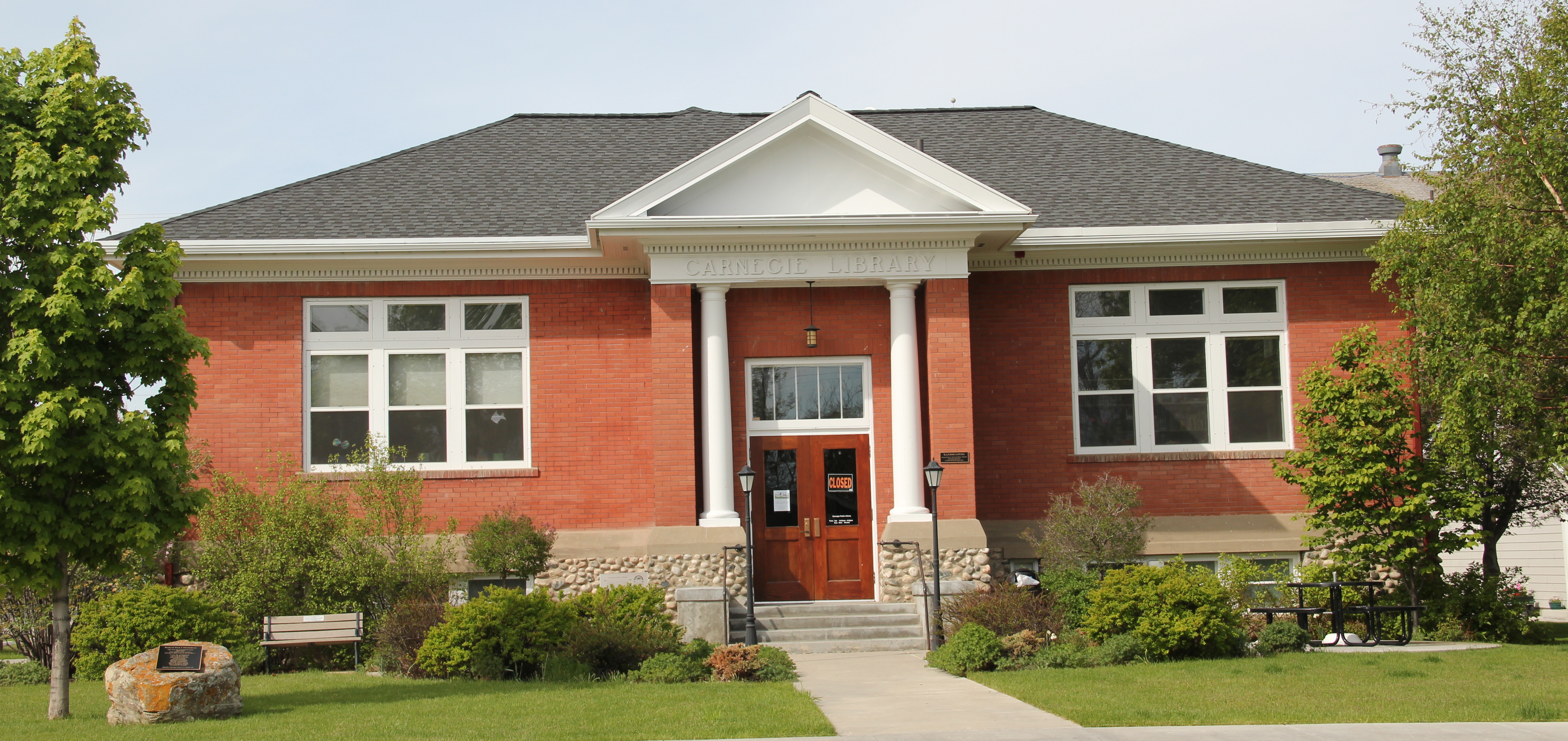
Public interpretation has not extended into an intensive involvement with the National Register of Historic Places.  In 1984, only one property–a segment of the Bozeman Trail where it crossed the Yellowstone–in the county was listed, and that stood on Sweet Grass’s far western border to Park County.  Then, right after I had finished the project, the iconic western hotel, The Grand, was listed in the National Register.  In the 30 years, a handful of Big Timber landmarks also have been designated on the National Register:  the Classical Revival-styled Carnegie Library, St. Mark’s Episcopal Church, and the Big

IMG_6324

Sweetgrass Co Big Timber 6 - Version 2 IMG_6306Timber City Hall.  Little doubt these landmarks are cherished–when more library space was necessary this century the expansion of the historic building was done appropriately, keeping this landmark in service for decades.

IMG_6308But when you consider just how intact the town’s historic environment from the 1880s to the 1950s is today, you think a National Register historic district nomination in order, or at least one for the historic commercial district, which has a wonderful array of building types, designs, and, luckily for Big Timber, open businesses, including one of my favorite bars in all of the state–at least favorite bar signs–the Timber Bar.

IMG_6273

IMG_6274

IMG_6275IMG_6284The next post will look deeper in the historic buildings of Big Timber, and then stretch north to a real jewel, the Melville Lutheran Church.

Geraldine: A Milwaukee Road Town that made it

IMG_8825

My last post looked at the disappearing towns of the Milwaukee Road in central Montana’s Meagher County.  Those themes of a railroad, town creation, and abandonment were constant in several posts as I traced the imprint  of the Milwaukee on Montana’s landscape in the 20th century.  However, not all central Montana plains towns tied to the Milwaukee Road have disappeared–Geraldine in Chouteau County is one of those exceptions.

Geraldine MR Depot Choteau Co

Milwaukee Road depot at Geraldine, c. 1998

Geraldine was established c. 1913 along a major spur line of the Milwaukee Road that connected its division point at Harlowtown to the much larger railroad transportation center of Great Falls to the north.  Due to the richness of the high plains agriculture of southern Chouteau County–the land south of the Missouri River–and the commitment of its citizens, Geraldine has remained generally solid through the decades.  According to census records, the town has never topped 400 residents, 375 being the largest number of residents, and now, according to the 2010 count, there are only about 100 less, a little over 260 residents.  Losing what amounts to 25-30% of the population over the 100 years sounds like a disappearing town, true, but in an eastern Montana perspective, it is not.  As this blog has documented at many places, too many plains country towns have lost 50% or more of their population in just the last 30 years.

IMG_8822

In the 1984-85 historic preservation survey, Geraldine impressed me for several reasons.  First was the dominating presence of the grain elevators, as seen above and with the first photo in this blog.  I had grown accustomed to Milwaukee Road towns where the corporate standardized design for the combination depot–a building that joined both freight and passenger operations–dominated the railroad corridor.  Here the elevators punctuate the skyline and loom over the town itself–the railroad created the need for them, certainly, but by the end of the 20th century the elevators were still viable businesses while the depot had become a local museum and community center.

IMG_8808

Then there was the town plan.  Milwaukee Road country towns were “T-plan” towns where the tracks, depot, and elevators defined the top of the T while the town’s business district formed the stem of the T.  Geraldine was a bit different, a tilted T-plan town, where the top

IMG_8818of the T, due to the railroad’s approach was slanted, giving Geraldine, compared to other Milwaukee towns, an off-kilter look.  Geraldine also still had business, although the number of independent places had diminished since 1984-1985.  Two key institutions today are

IMG_8817

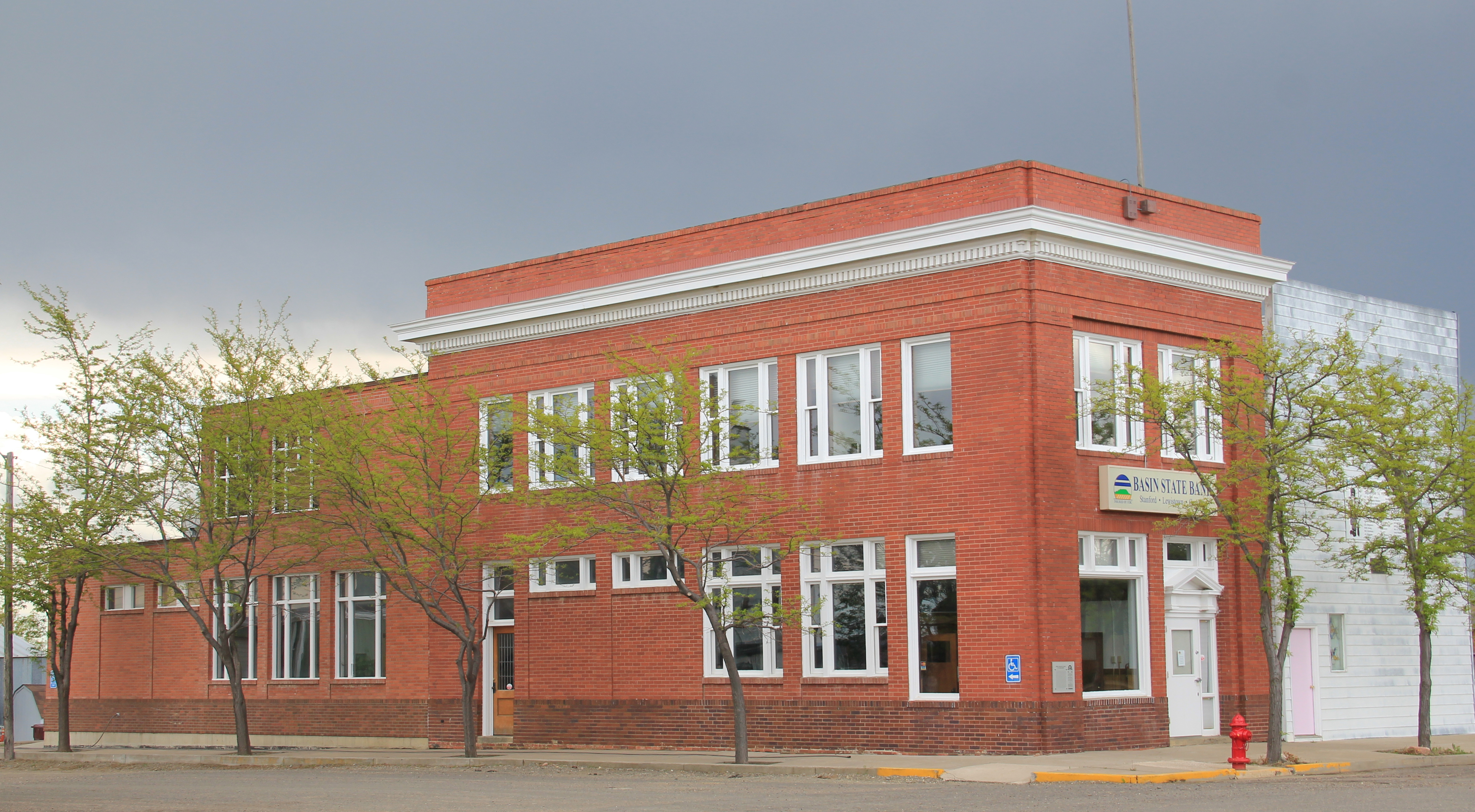
the local state bank, a Classical Revival-styled two-story building from c. 1914 that is listed in the National Register of Historic Places as the First National Bank of Geraldine.  Unlike scores of other local institutions in the 1920s and 1930s, the Geraldine bank did not close its doors and continues to serve ranchers and town residents today.  It is a rock from Geraldine’s past that surely helps to define its future.  The same can be said for the

IMG_8823

Geraldine school–home of the Tigers.  This local school has several different building periods, as this image of its facade indicates, but maintaining a school district is vital to the town–plains country towns that lose their schools soon become abandoned places.

IMG_8815

Geraldine touches upon many key theme of eastern Montana history–in subtle yet significant ways.  It even lightly touches on another theme of this blog–Montana Modernism.  No one was much looking at the contemporary styled buildings of the late 1950s and 1960s in 1984-1985.  I was no exception.  But in the 21st century, we want to document those buildings and appreciate how the new architecture expressed the hopes of the post World War II generation.  Geraldine’s contribution is its United Methodist

IMG_8816

Church, with its particularly notable tall concrete bell tower, mixing a bit of tradition with the new look of the postwar generation.

IMG_8820

Geraldine of course has a classic western watering hole–Rusty’s Bar and Grill, completed with its front glass block windows.  It is highly recommended–not much on the outside admittedly but a full community experience on the inside.  Historic depot and bank, modern-styled church, unique town plan, and great bar:  more than enough reasons to come to Geraldine, not once but whenever travels take you between Great Falls and the Musselshell River Valley.

Meagher County: Crossroads between East and West Montana

IMG_1629

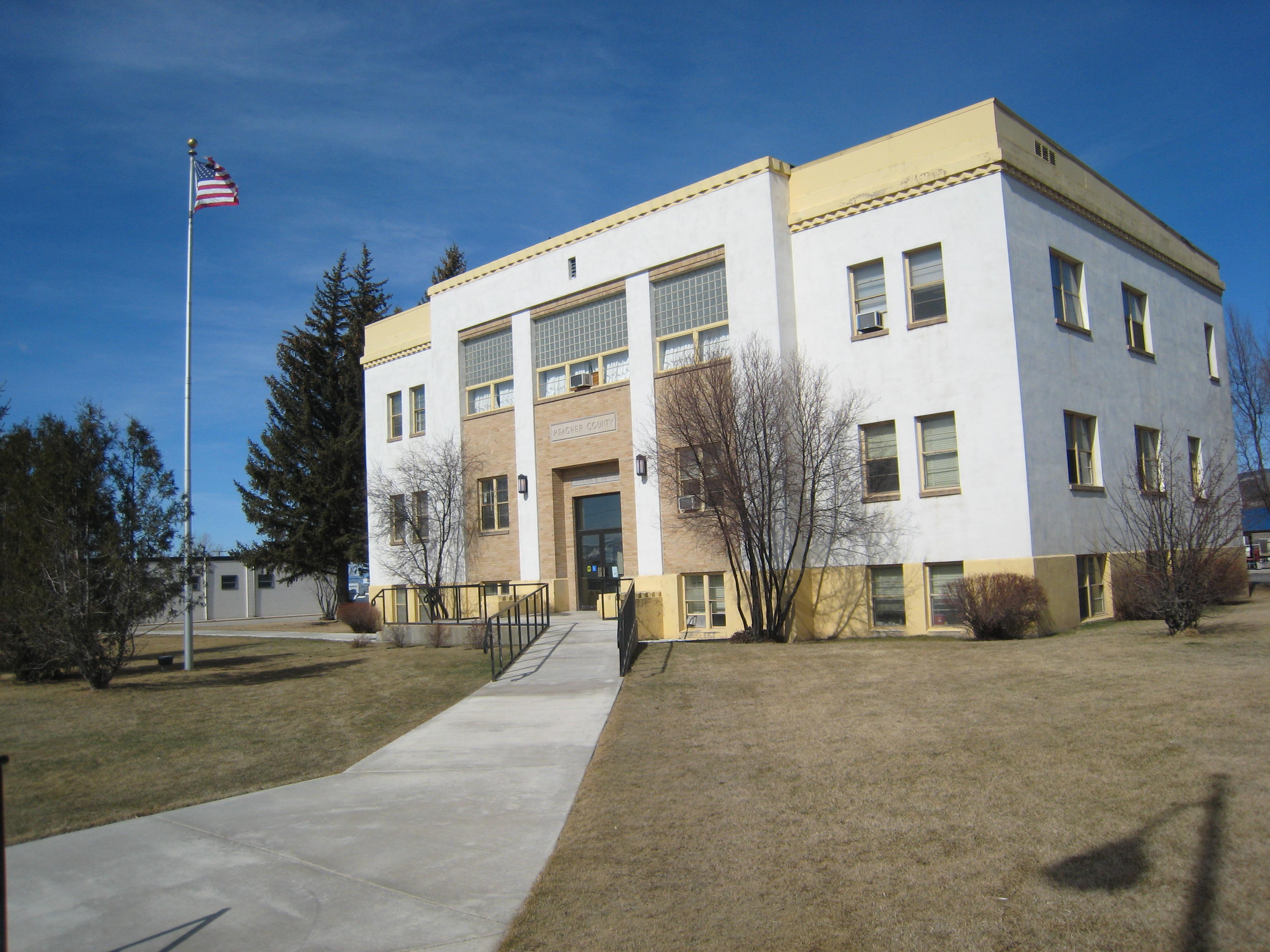
Meagher County Courthouse, White Sulphur Springs, 2007. One of the best New Deal era courthouses in the state.

Meagher County has been a place that I drive through rather constantly.  If you take U.S. Highway 12 east/west or U.S. Highway 89 north/south–both are important historic roads–you pass through this county where the central plains meet the mountains of the west.  The county seat of White Sulphur Springs is near the crossroads of the two federal highways, and home to one of the great roadside cafes of the state, what we always called the Eat Cafe, since the only marker it had was a large sign saying “Eat.”

IMG_0081

And the old historic bar, the Bucka-Roo Bar , was not a bad place either to grab a beer on a hot, dry day.  It is not the only commercial building of note.  The town has both the

IMG_1626

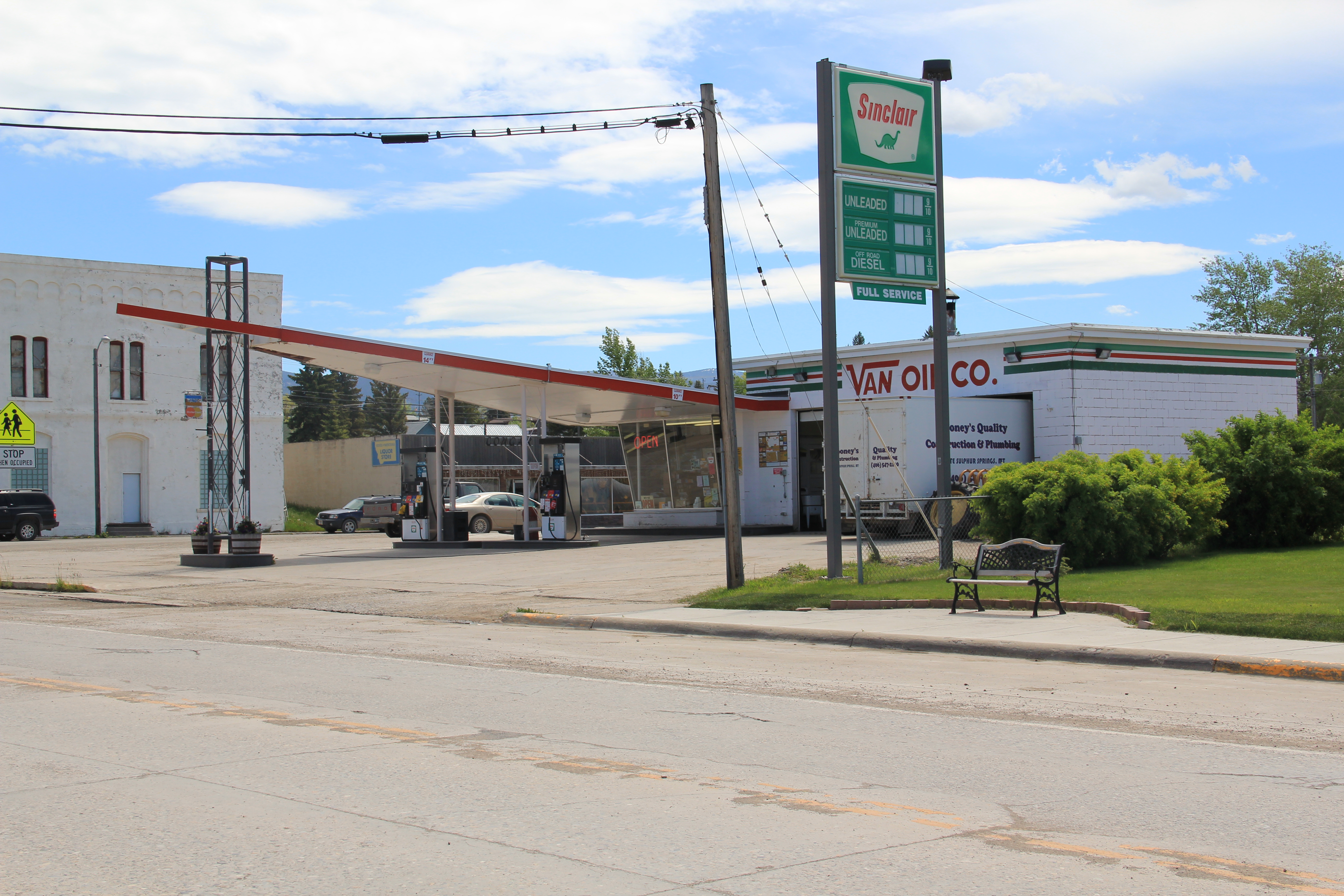
classic Victorian era commercial block but also the 1960s modernist 1960s gas station.

2011 MT Meagher County 005

2011 MT Meagher County 009

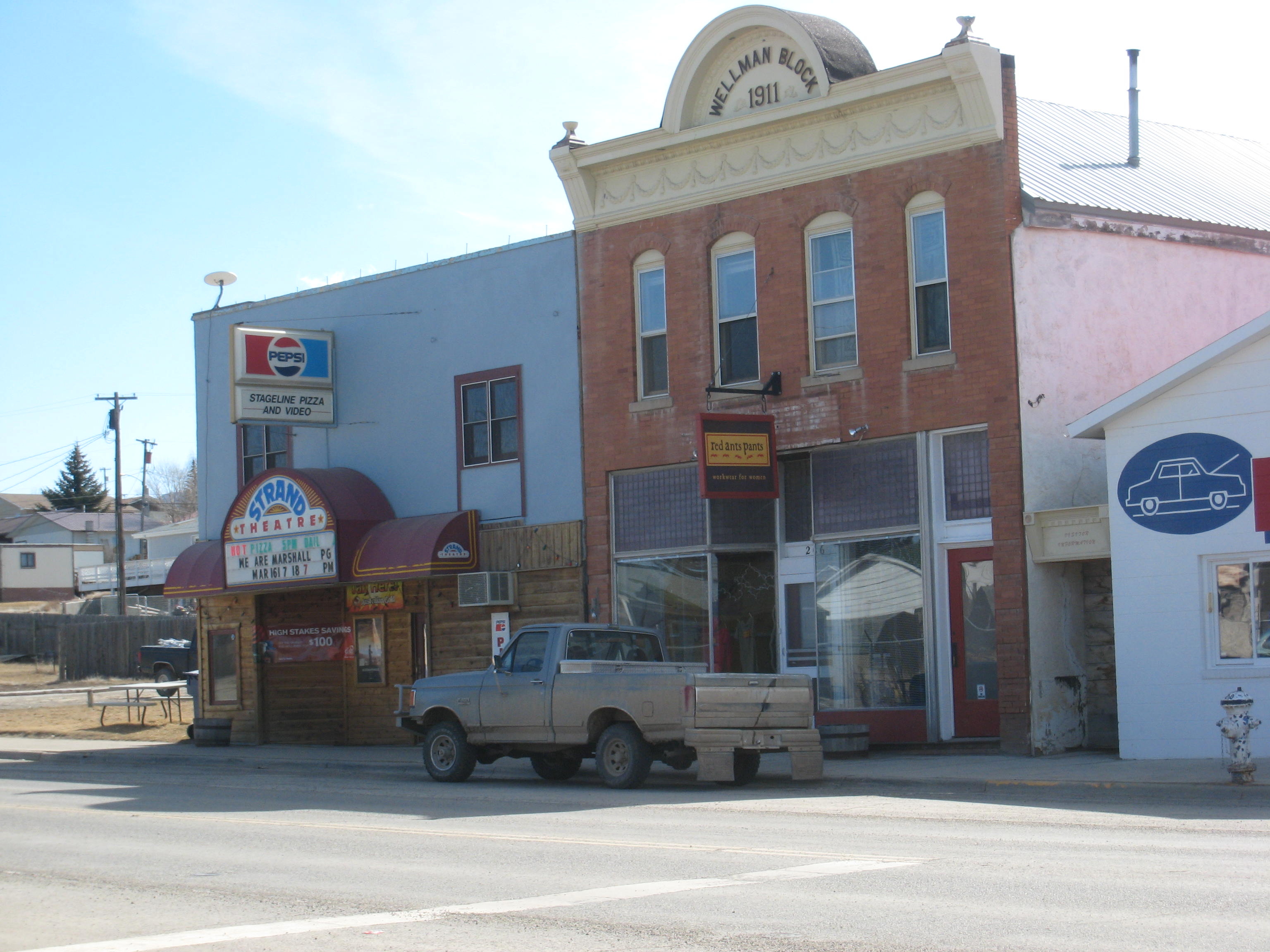
The Wellman Block, now home to Red Ants Pants, was built in 1911 and is listed in the National Register of Historic Places.  Red Ants Pants is the sponsor of an annual Americana music festival outside of the town that ranks as the highlight of the summer in this part of the state.  Next door to the Wellman Block is the historic Strand Theatre.

IMG_1625

The reason I came to White Sulphur Springs in 1984 was none of these places–it was to visit the local historic house museum, a granite stone Romanesque styled house known as The Castle.  It was rather amazing to everyone in preservation back then that a tiny town

2011 MT Meagher County 010

had tackled the tough task of preserving a historic house as a local museum–especially one so far away from the interstate visitor.  Byron Sherman had the house constructed in 1892, with rock taken from the nearby Castle Mountains.  This stockman wanted to show that livestock could pay, and pay well out in the wilds of central Montana.  It has been a tough go for The Castle over the last 30 years.  The local historical society built a new storage building adjacent to the house but the house itself doesn’t get enough visitors.  The town’s major landmark in 1984, it seems almost an afterthought today.

IMG_1622

IMG_1624

That neglect is really no fault of the house, its story, or its keepers.  It is the reality after a nearby ranch house–famous in 1984 but closed to visitors, even someone as intrepid as me, back then.  Of course I am speaking of the Bair Ranch, east of White Sulphur Springs in Martinsdale.  Its story comes in the next post.

IMG_1606

The Milwaukee Road Heads into the Musselshell Valley

As the Milwaukee Road left the Yellowstone Valley at Forsyth and struck northwest toward the Musselshell River valley, it created one of Montana’s most classic prairie railroad towns, Ingomar, established in 1908.  The hamlet, with 25 or so residents today, compared to perhaps the 100 who lived around there in 1980 has several historic buildings that document its quick twentieth century rise, and just as quick fall in the 1920s and 1930s depression years.

IMG_6844

Jersey Lily Bar, Ingomar, 1984

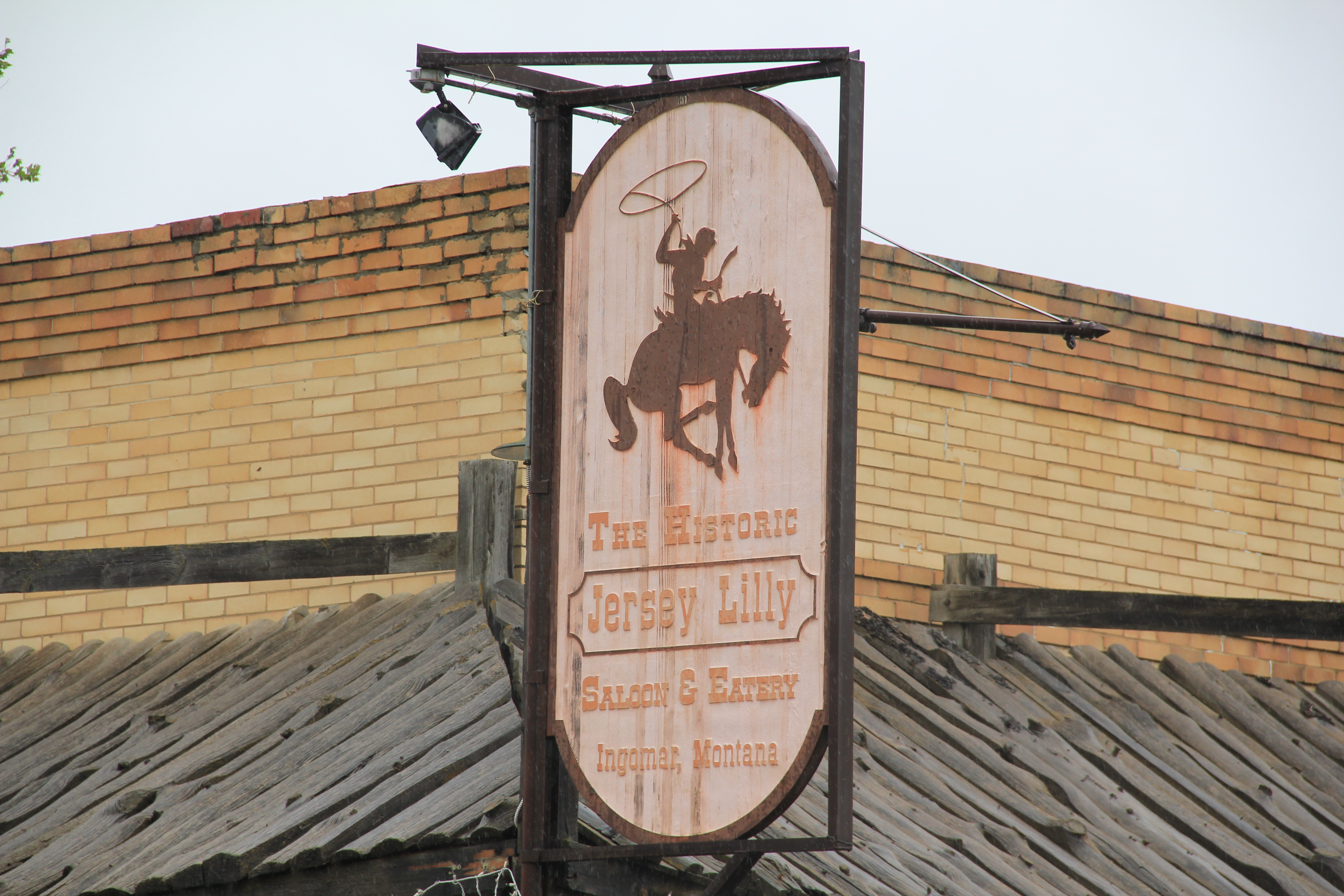
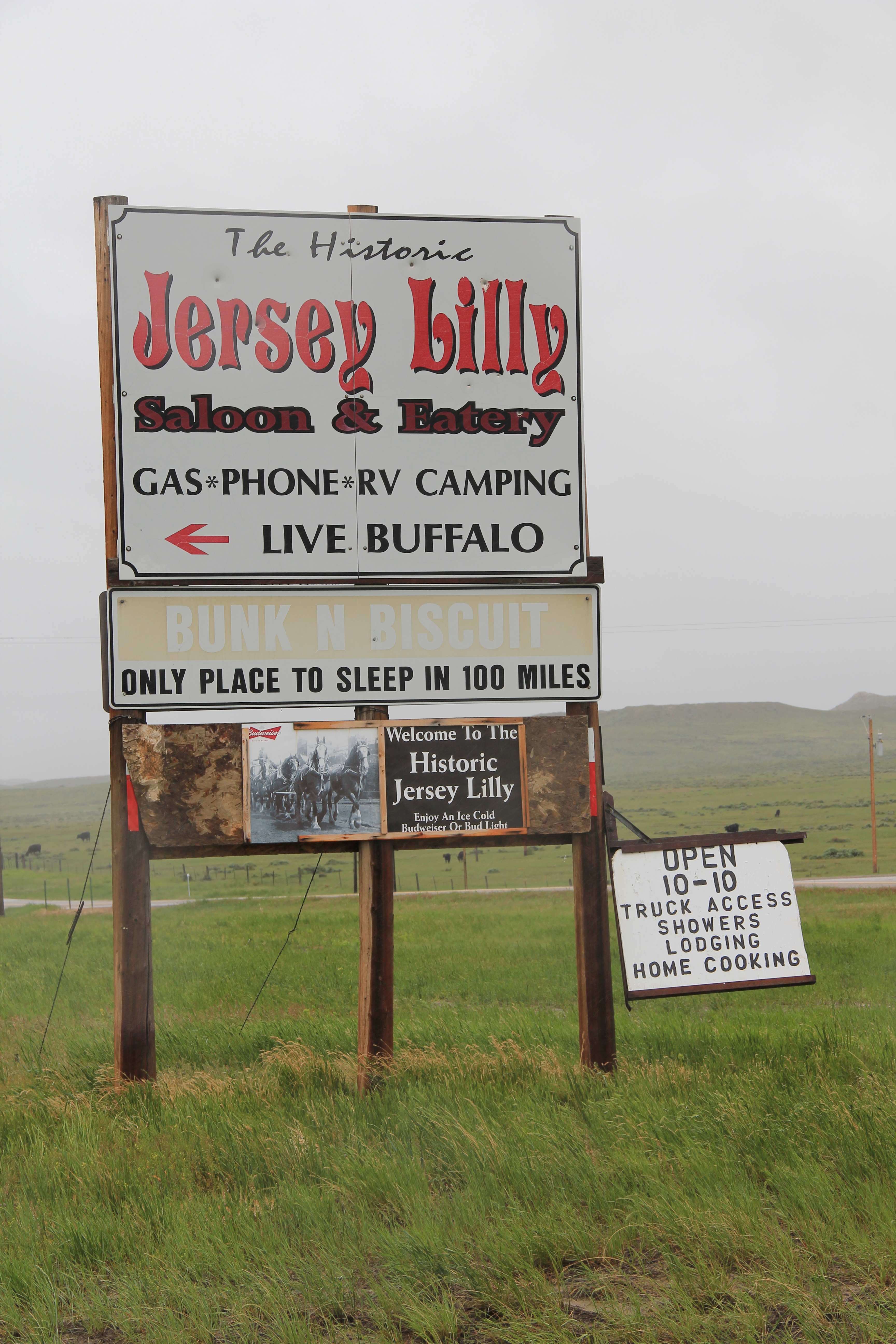
In the 1984 survey of Montana, Ingomar really just had one reason to stop:  the Jersey Lilly Bar, owned and managed by Bill Seward, who had done so since 1984.  That spring Seward and I became good friends.  Few people stopped there in February and March and since I was in the region, I found ways to stop in. do coffee (strong, hot, always ready) and have whatever Bill was thinking of cooking.  He was proud of his beans, and liked sliced red potatoes when he had them.  Seward added the faux western wood porch to a 1914 bank building:  he said that the tourists liked it, that it made the otherwise Classical Revival bank look “Old West.”  Until Seward’s death in 1995, I found reasons to visit Ingomar three other times, in a way just to make sure that both Seward and the bar was still going on.  Since the construction of the interstate highway to the south had so killed traffic along U.S. Highway 12, you wondered when the bar would close.

IMG_0115

This former homestead-era bank building, the Wiley, Clark, and Greening Bank, opened in 1914 and closed as a bank seven years later.  In 1933, the height of the Depression, it re-opened as the Oasis Bar (it certainly was that along U.S. 12) and it became the Jersey Lilly Bar in 1948.  Almost seven decades later, it is a well-known landmark on the highway, and was listed in the National Register of Historic Places in 1995.

IMG_0116

IMG_0126

Adjoining the bar, and accessible only through the bar, is another National Register building, the Bookman General Store, constructed as really an act of faith in 1921, replacing an earlier store that had burned.  The prospects for Ingomar was not so rosy by that time but the Bookman family stayed the course–lost the store for two years from 1933-1935–but reacquired it and kept it open to 1943.

IMG_0122

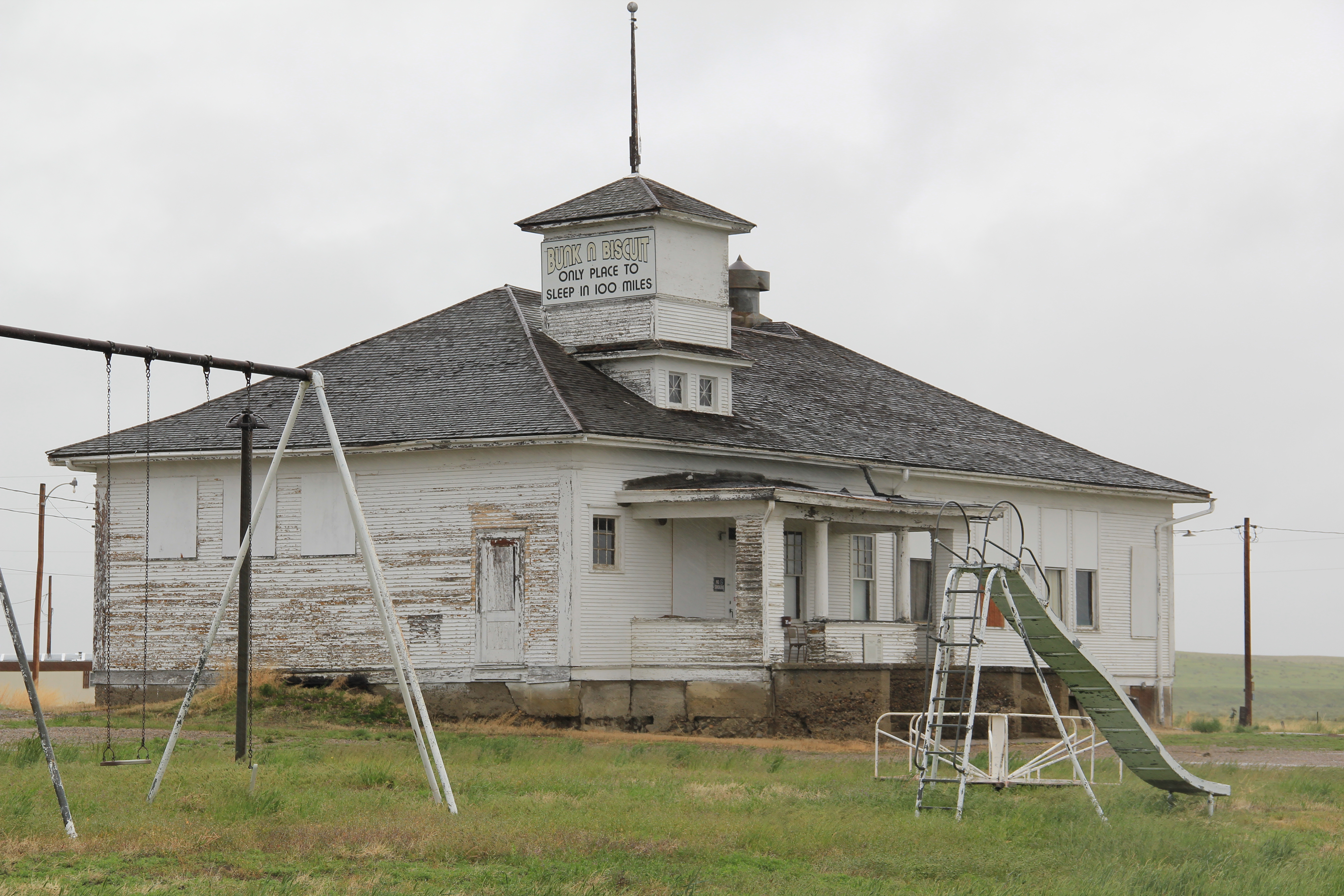
A third Ingomar landmark on the National Register is the public school, which evolved from  a one-room in 1913 to the rambling building you see today, constructed by Neils Hanson of Melstone in 1915.  When I surveyed Ingomar in 1984, the school still operated but closed for good in 1992.  It was converted into a “biscuit and bunk” later that decade.

IMG_0111

Another important historic building is the Milwaukee Road “combination-style” depot, where the passenger and freight service was combined into one building.  Many of these have disappeared along the line since its closure, and too many have disappeared or have been moved since my survey work of 1984-1985.  Ingomar has its depot, converted into a private residence along the now-gone tracks in the 1990s.

IMG_0123

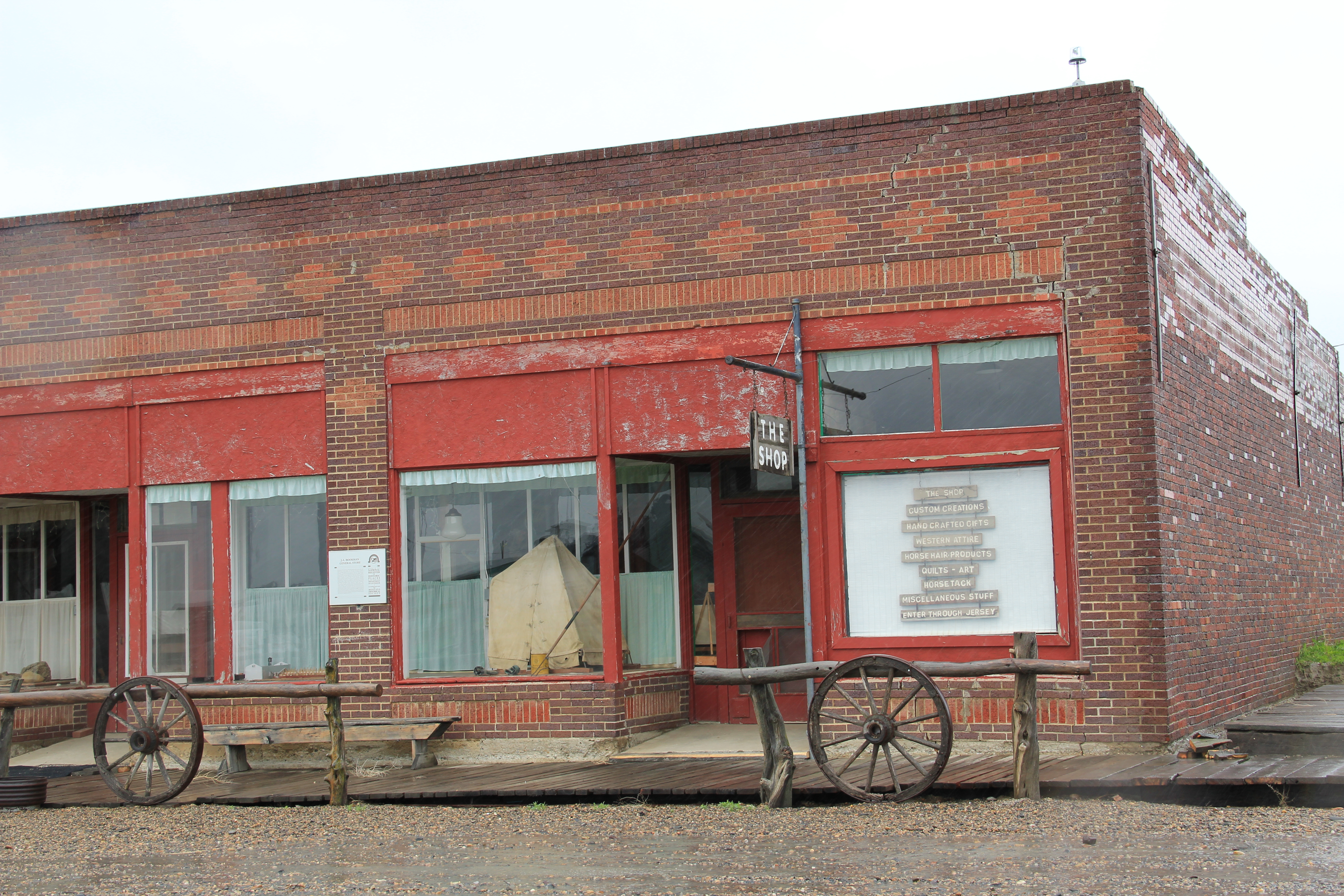
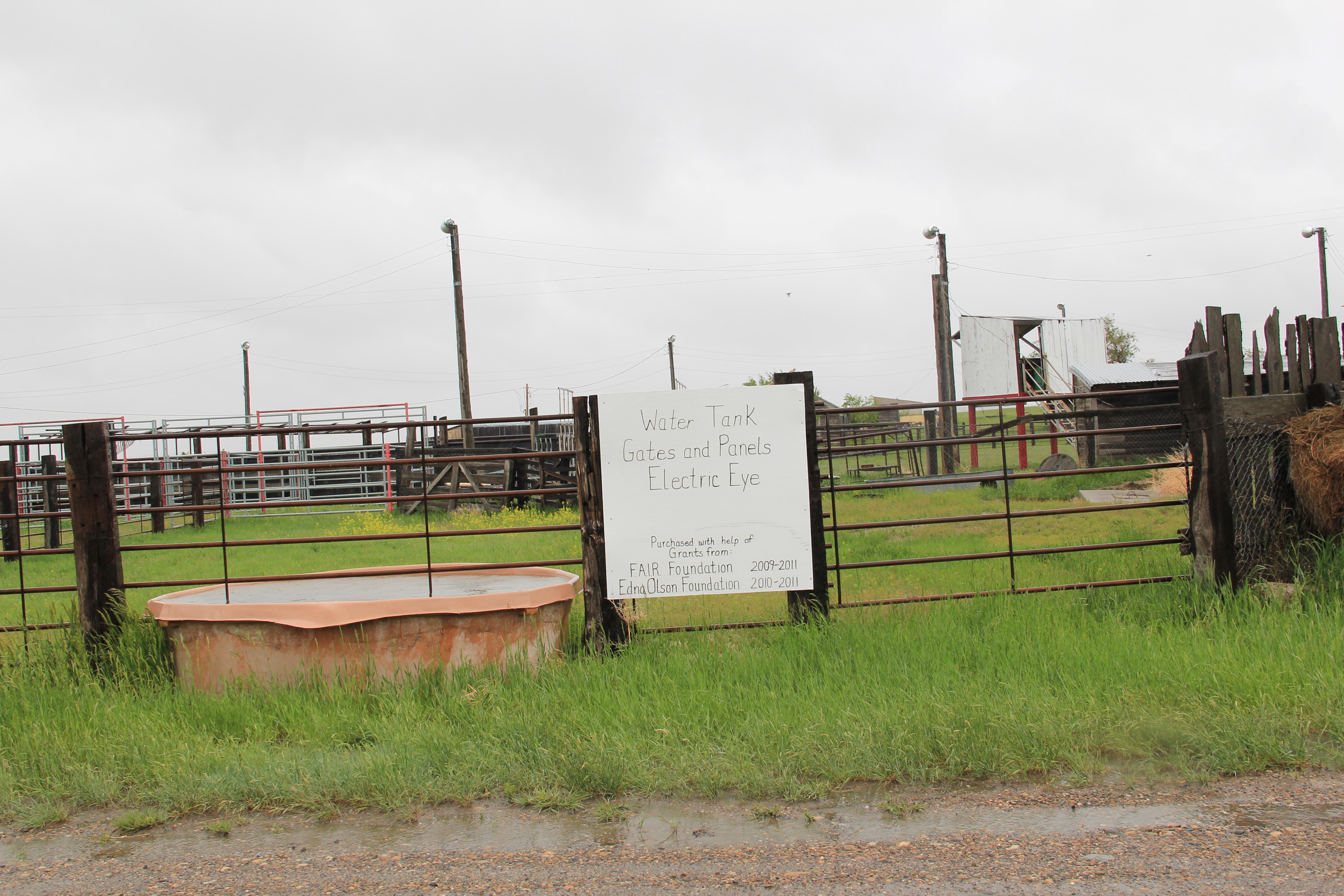
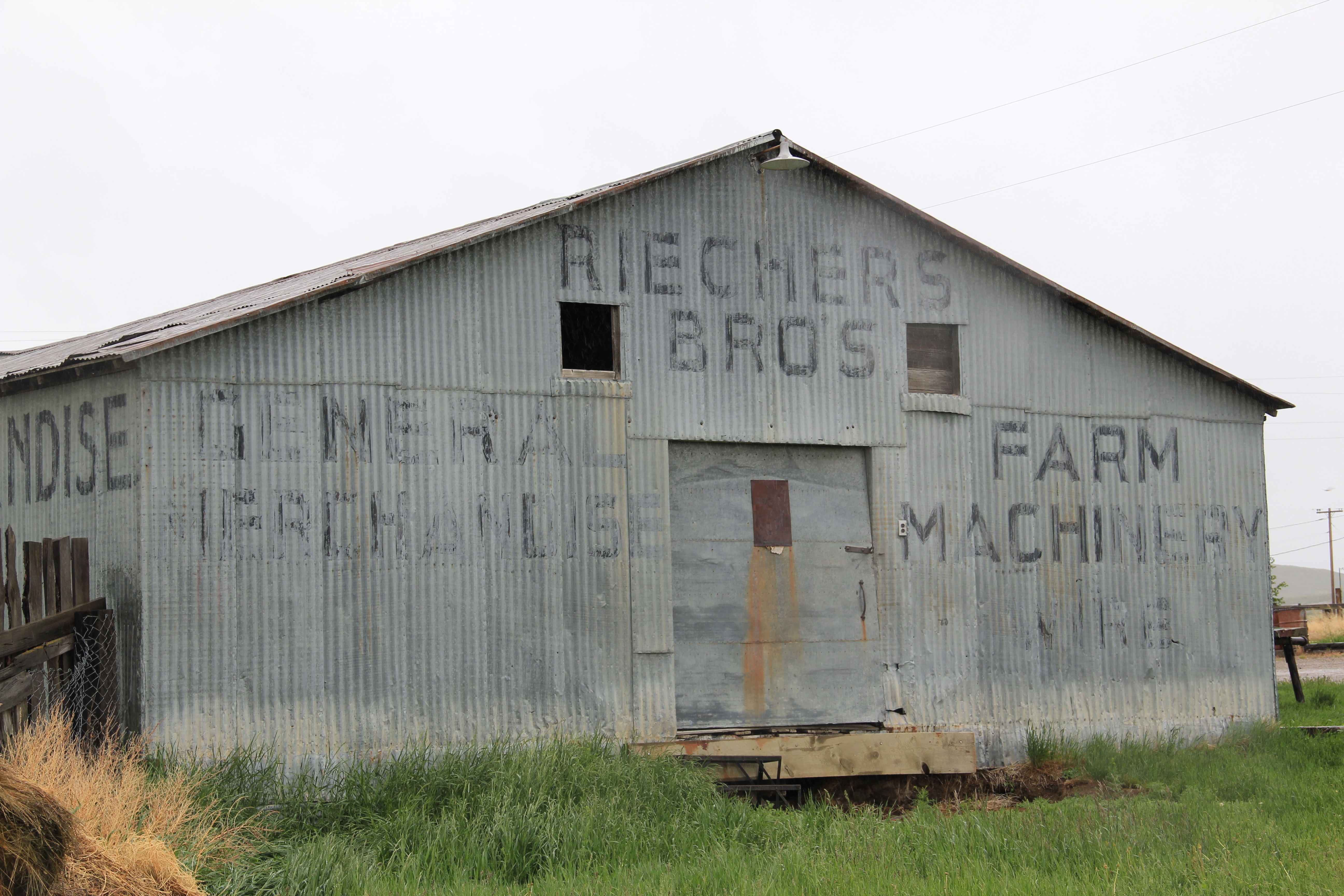
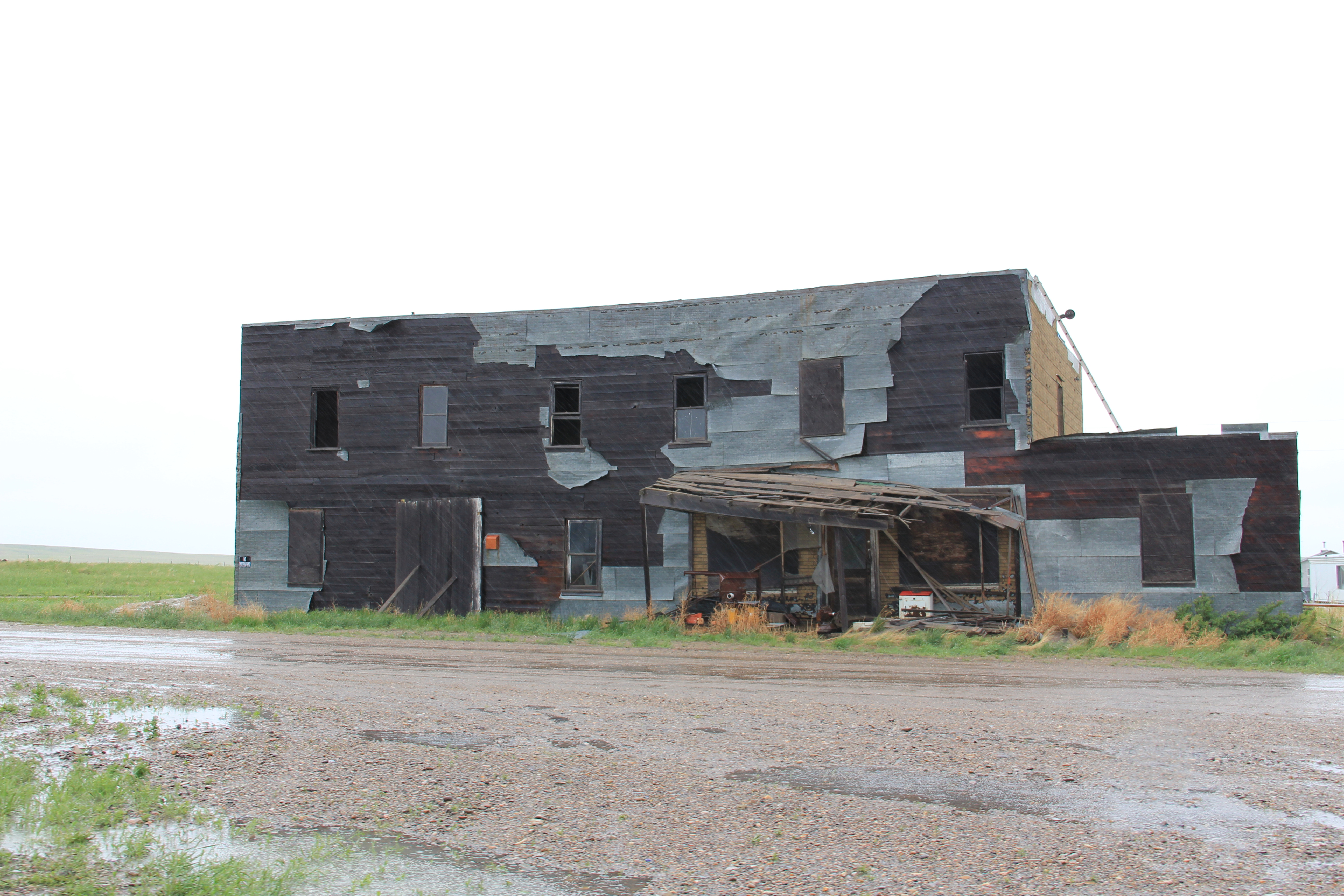
Other historic properties exist, perhaps waiting new futures.  The rodeo grounds stay in use while the Riechers Brothers general merchandise and machinery store building remains standing.  Other structures are barely hanging on.

IMG_0113

IMG_0114

IMG_0109

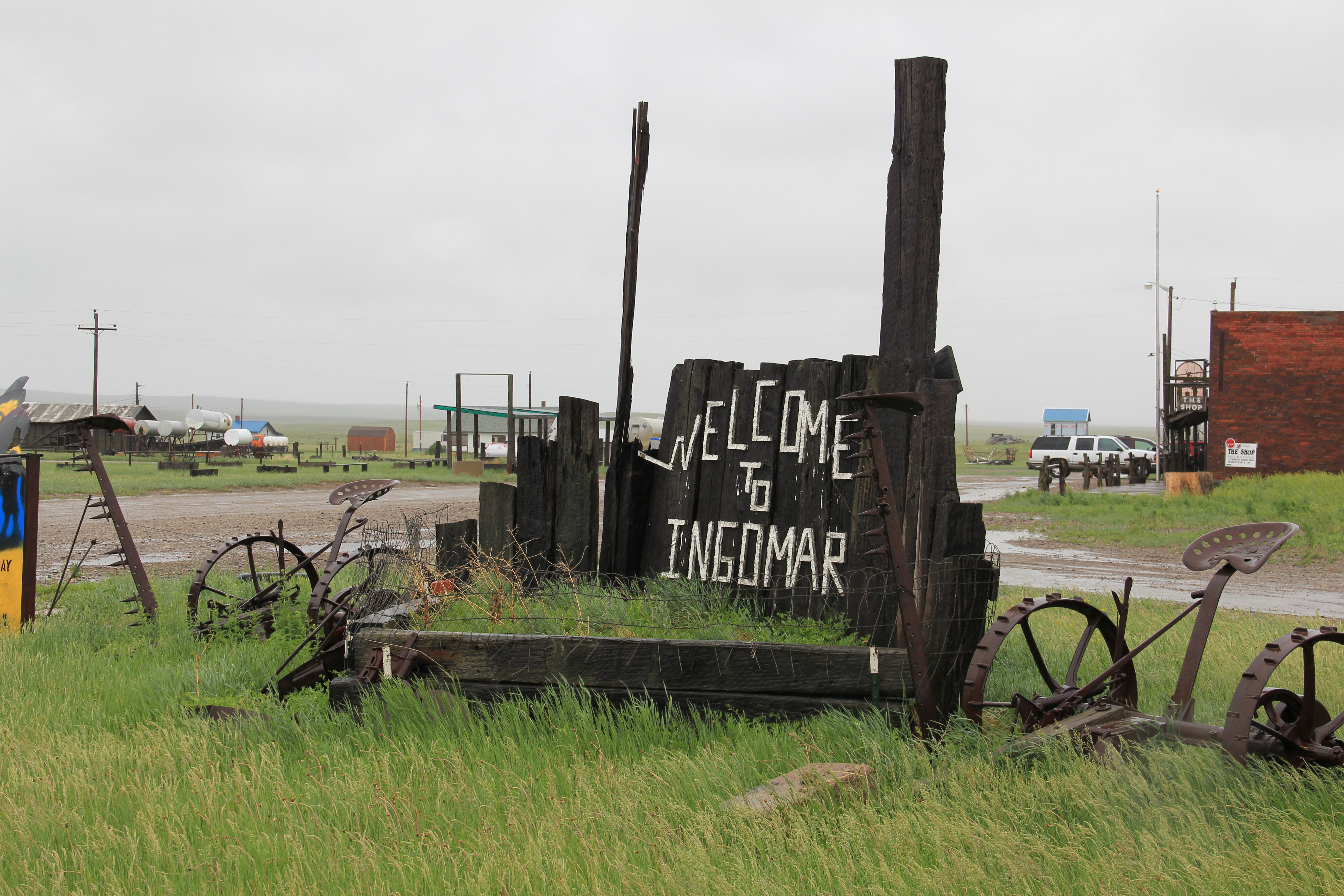
As travel dwindles and population disappears, you worry about the future of Ingomar.  Their signs and their heritage assets beckon visitors daily but will enough even come by to make a difference?

IMG_0108

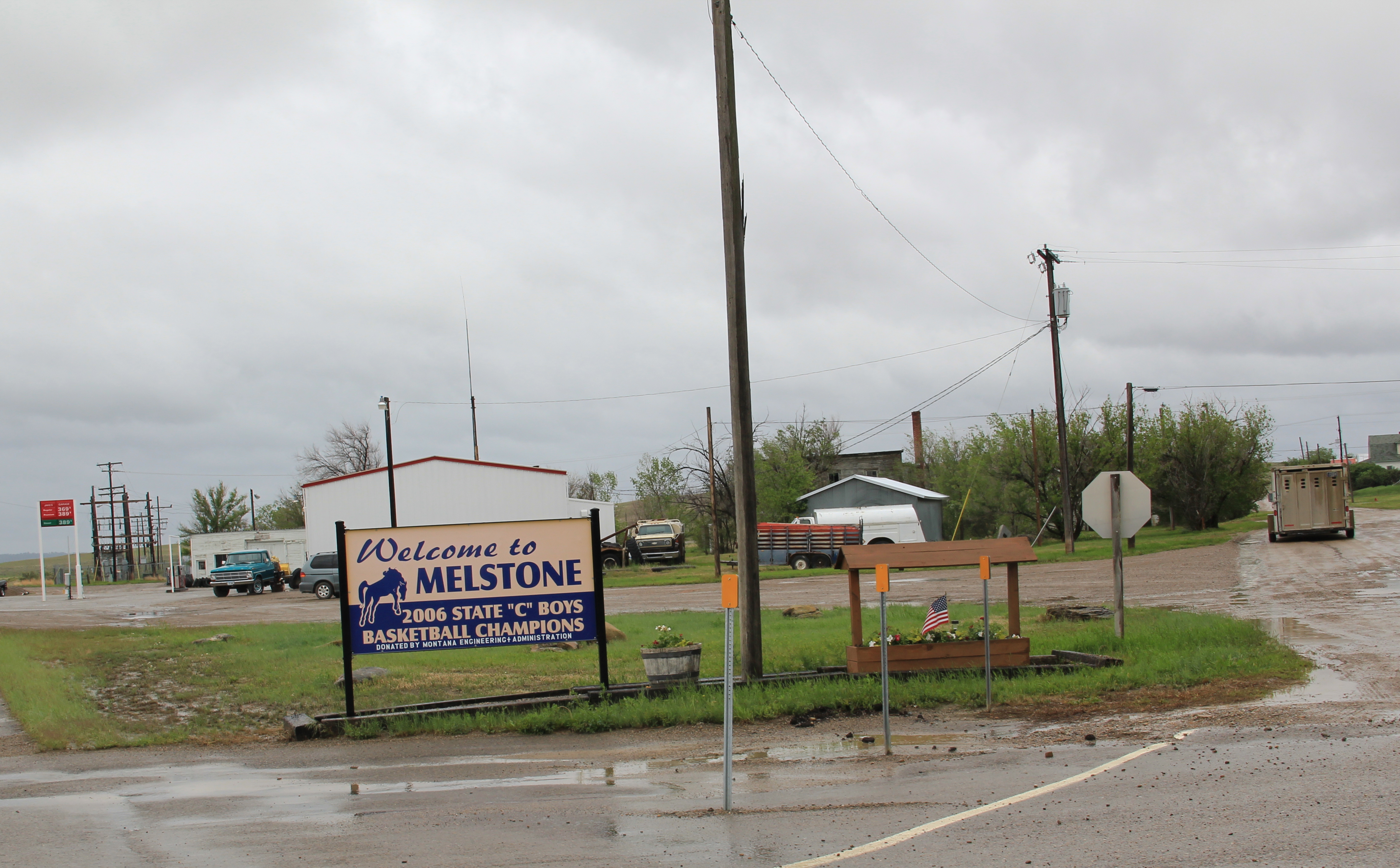
Melstone, just west of where the Milwaukee Road crossed the Musselshell River and entered its valley, is another worrisome case.  Its population has dropped to under 100–almost 150 lost since my visit in 1984.  But it still has its school, which is very much the town’s central institution and point of pride.

IMG_0103

Melstone has lost its signature building, the 1912 Antlers Hotel, located on the town’s most prominent corner between its main street, that leads to the school, and the intersection with U.S. Highway 12.

IMG_4071

Antlers Hotel, Melstone, 1984

The location of the Antlers Hotel is now a grassy spot.

The location of the Antlers Hotel is now a grassy spot.

Melstone has a hardware/general store along with Jakes Garage on the highway and the Melstone Bar and Cafe, another classic roadside stop along u.S. 12.

IMG_0104

IMG_0099

Ingomar and Melstone–I understand to most eyes they are dumps, not worth a look–but in my fieldwork they are interesting and valuable, physical signs of the 20th century determination to make rural settlements work, and despite their losses, they are still here some 100 years later.

Ekalaka: Montana’s Southeast Corner

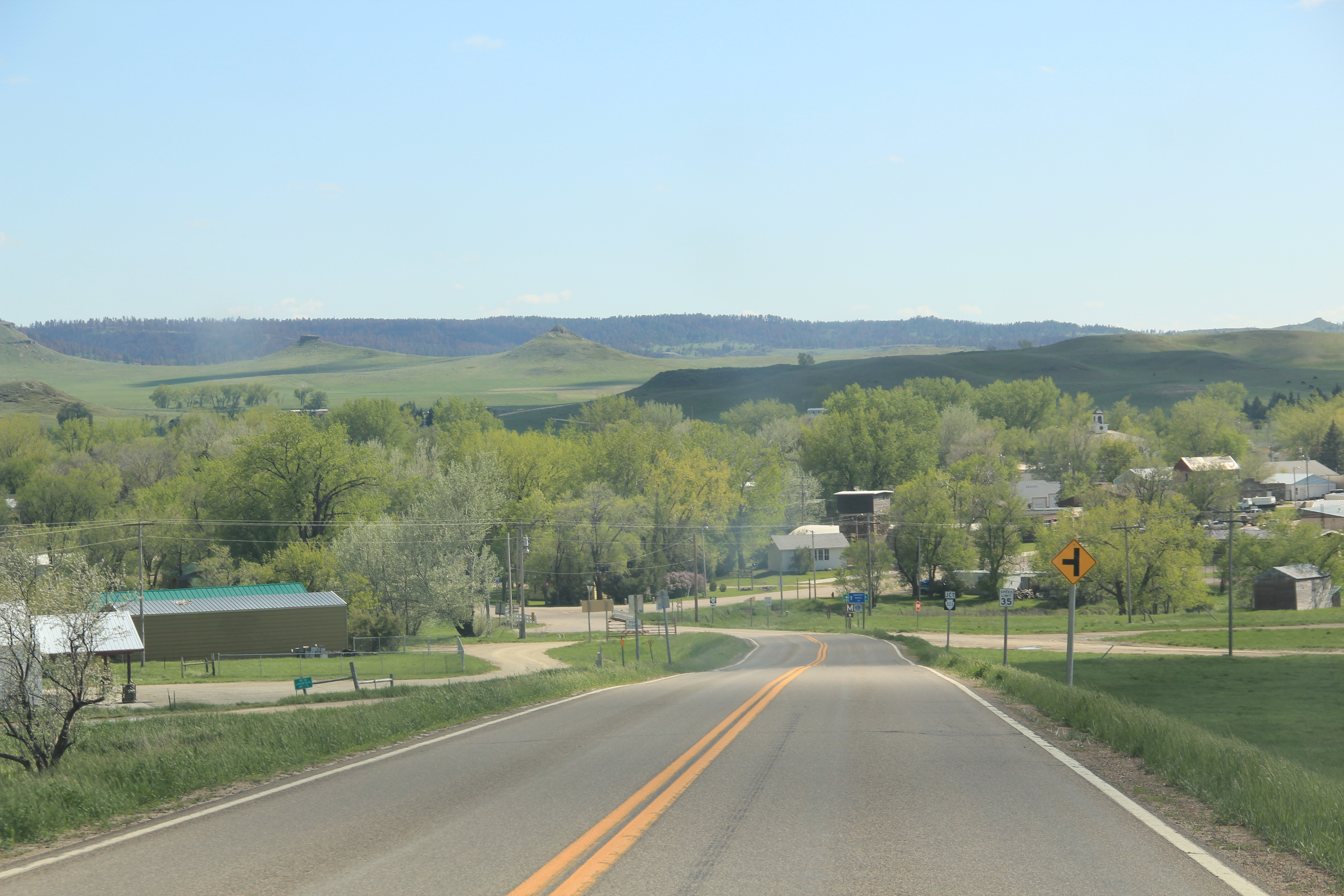
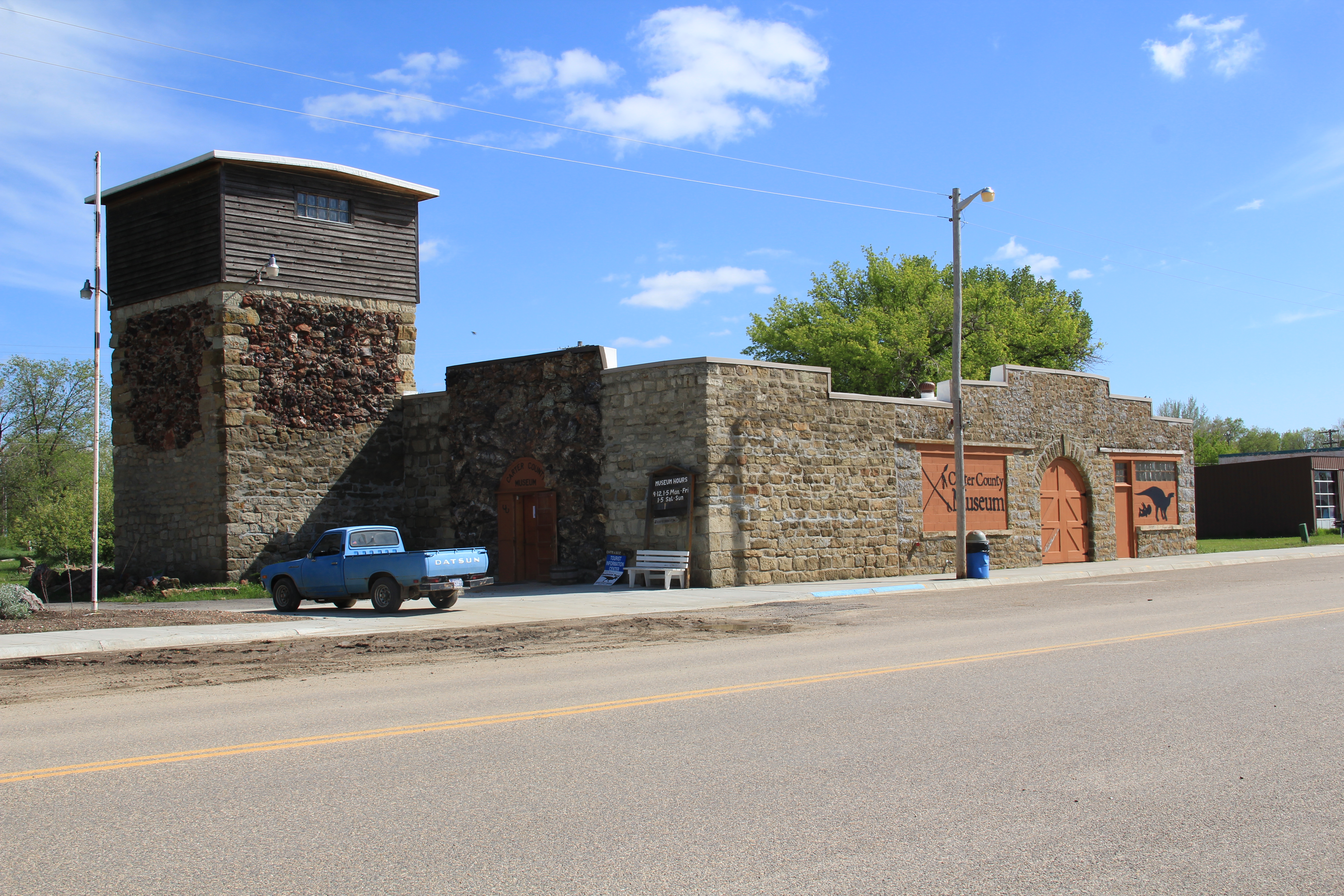
IMG_0424Traveling south along Montana-Dakota border on Montana Highway 7, Ekalaka appears as an oasis of settlement, as it lies almost hidden away along Russell Creek.  The seat of Carter County, the town is perhaps best known for the Carter County Museum, a solid institution of natural and local history.  Since I had last visited 25 years earlier the museum facility had grown substantially–while the town had slipped to just over 300 residents, according to the 2010 census.

IMG_0427

The museum is best known for its dinosaur collections but it also has rich local history collections, and features one of the county’s homesteading era schools moved to the grounds. Central School operated from 1920 to 1947.

IMG_0425

So much of what you find in Ekalaka dates to that same time period.  The state established Carter County in 1917 and three years later the present-day Carter County Courthouse was opened for business. Wwhen I visited in 2013 this three-story frame building with a Colonial Revival-styled cupola was undergoing renovation.  It stands at the heart of the

IMG_0430

town, creating a large public space that is shared by the county’s two demographic extremes, represented by the elementary school and a more recent county nursing home.

IMG_0432

The physical fabric of Ekalaka’s main street was much the same as it had been in 1984, but now there were more shuttered buildings.  Community landmarks included the combination town library and Masonic Lodge building from the first half of the 20th century and the new post office from the first decade of the 21st century.

IMG_0438

IMG_0448

Deb’s Coffee Shop, the Guest House, and the Mainstreet grocery are still-going concerns while the most obvious commercial landmark–the old Eagles Lodge building–is home to the Ekalaka Eagle, one of the oldest small-town newspapers in the state, almost as old as the town itself.

IMG_0443

IMG_0446

Carter County in 2013 did not have a property listed in the National Register of Historic Places, and the Eagle Building appears to meet the register criteria, but you could also consider the whole commercial area as a historic district for how it still reflects a rural county seat of the 20th century.

IMG_0428

IMG_0444

Other historic properties abound in Carter County, from the Medicine Rocks north of Ekalaka to Camp Needmore–an old Civilian Conservation Corps camp–south of town in the Custer National Forest.  More on those landmarks in later posts.  I am still not finished exploring Montana’s southeastern corner.

IMG_0460

The Chief Joseph Battleground in Blaine County


Image


In 1984 I was very eager to see the Chief Joseph Battleground, as many historians and residents called it 30 years ago.  Here in 1877 Chief Joseph of the Nez Perce surrendered to the U.S. Army, which had pursued Joseph and his followers across most of Montana, starting in Beaverhead County in the southeast corner, extending as far east along the Yellowstone as present-day Laurel, and then striking north for the Canadian border.  They made it as far as this wind-swept prairie 15 miles south of Chinook.

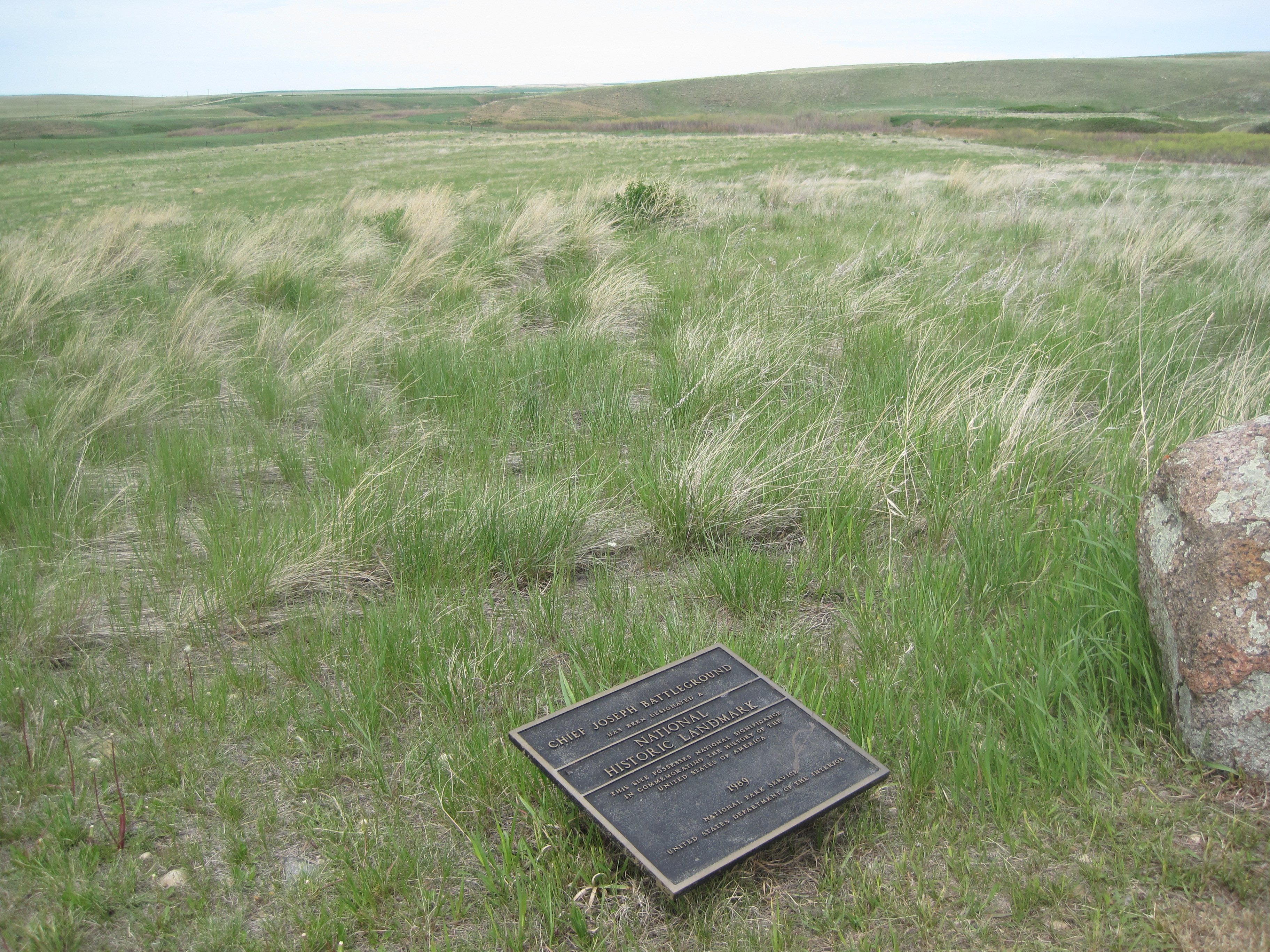
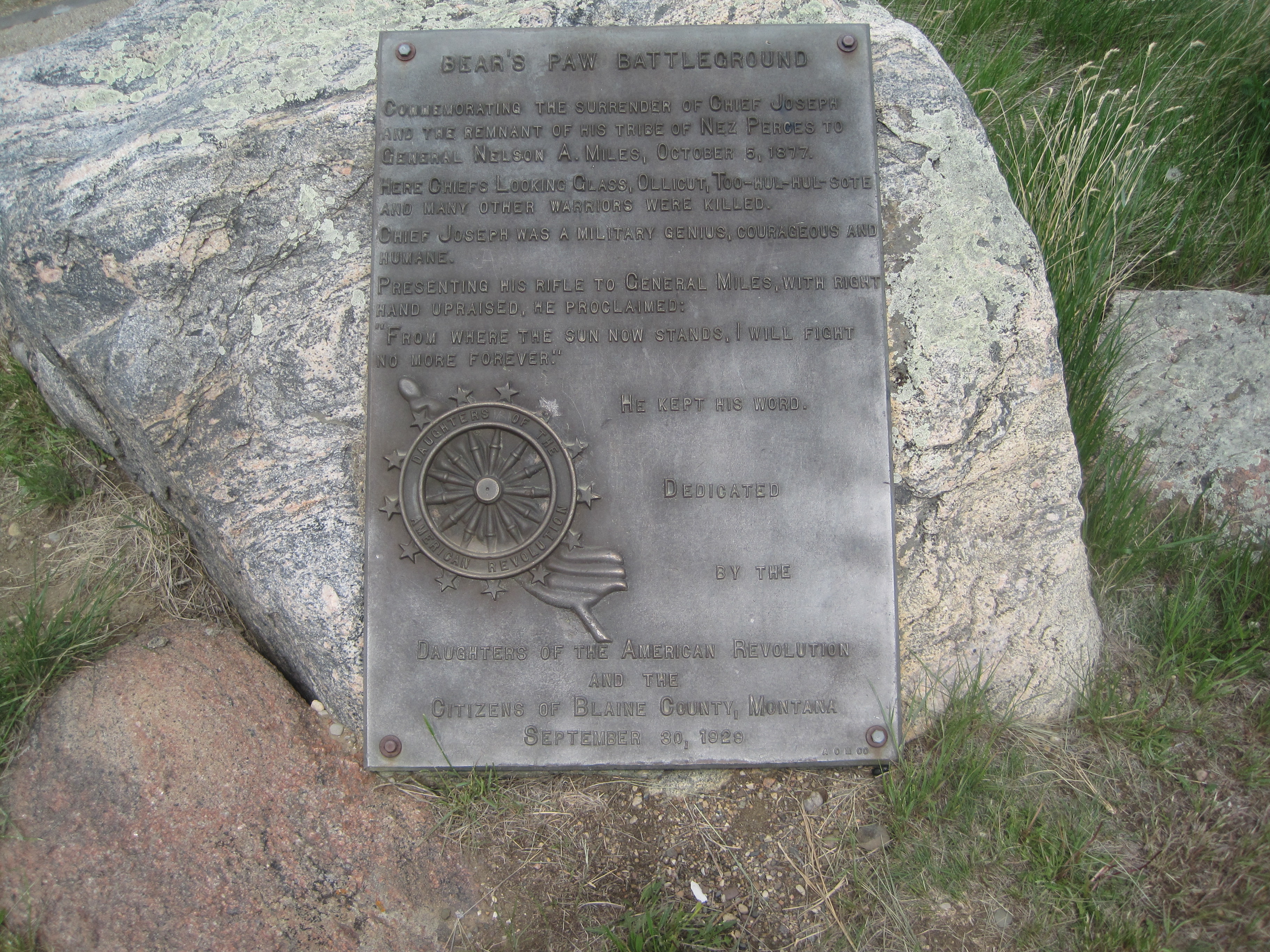
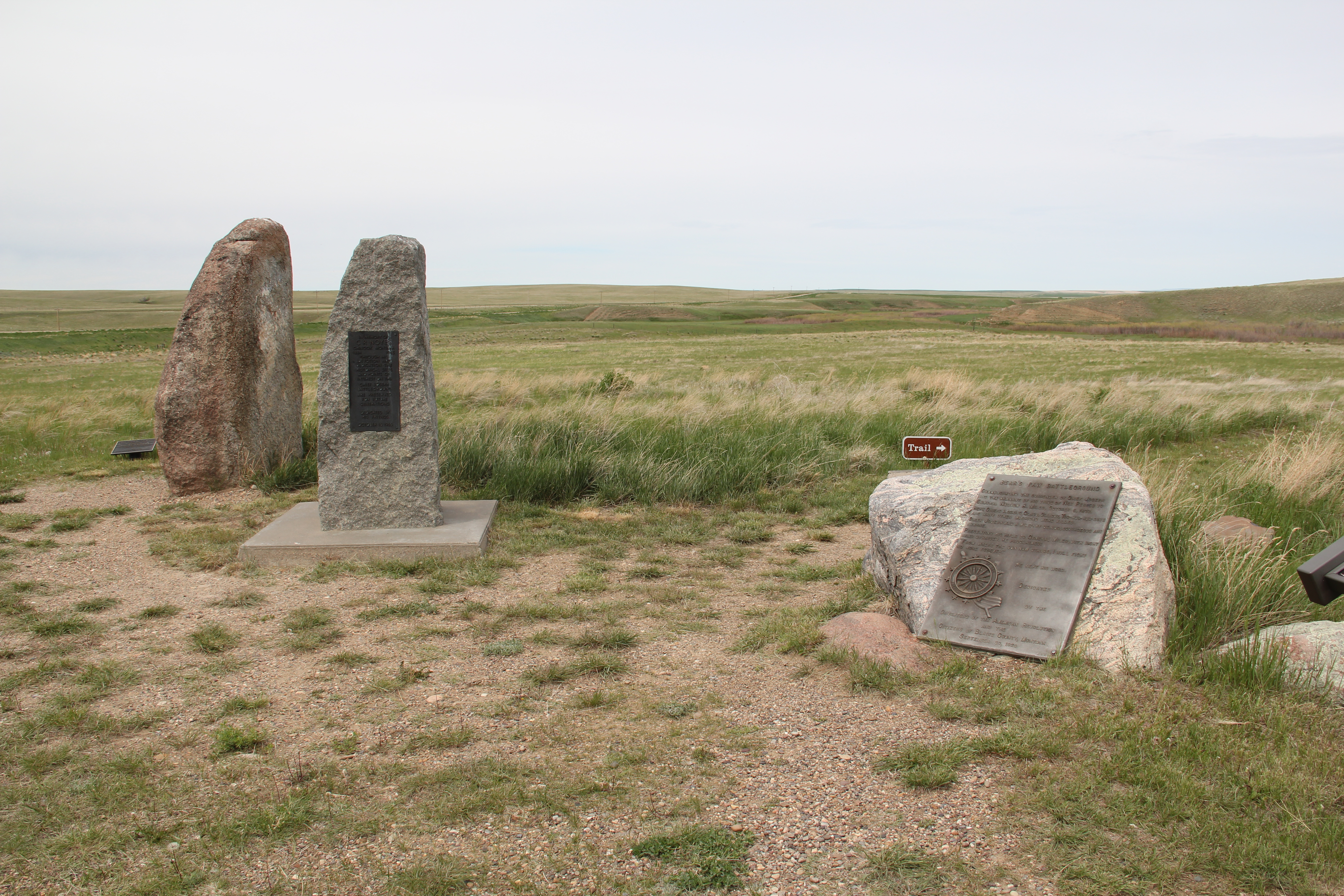
In 1984, on a cold winter morning, the site was spectacular and I gave a tip of my hat to the local residents who had made the effort to preserve the site–and acquire enough land that you could gain a strong sense of place, and of destiny.  The level of interpretation at the battleground was disappointing.  There was a mounted bust of Chief Joseph (not full-sized; it looked lost on the vastness of the space) which has since been moved.  There were metal plaques noting Chief Joseph’s surrender to Gen. Nelson Miles, erected by the DAR and the citizens of Blaine County in 1929 and by Congress in 1930. And most recently, a 1966 marker to C. R. Noyes, the local 


Image    Image

rancher who had played the key role in saving the battleground.  There was not much else to explain the significance of the Nez Perce campaign nor what happened there in the fall of 1877.  When I next visited in 1988, the story was the same.

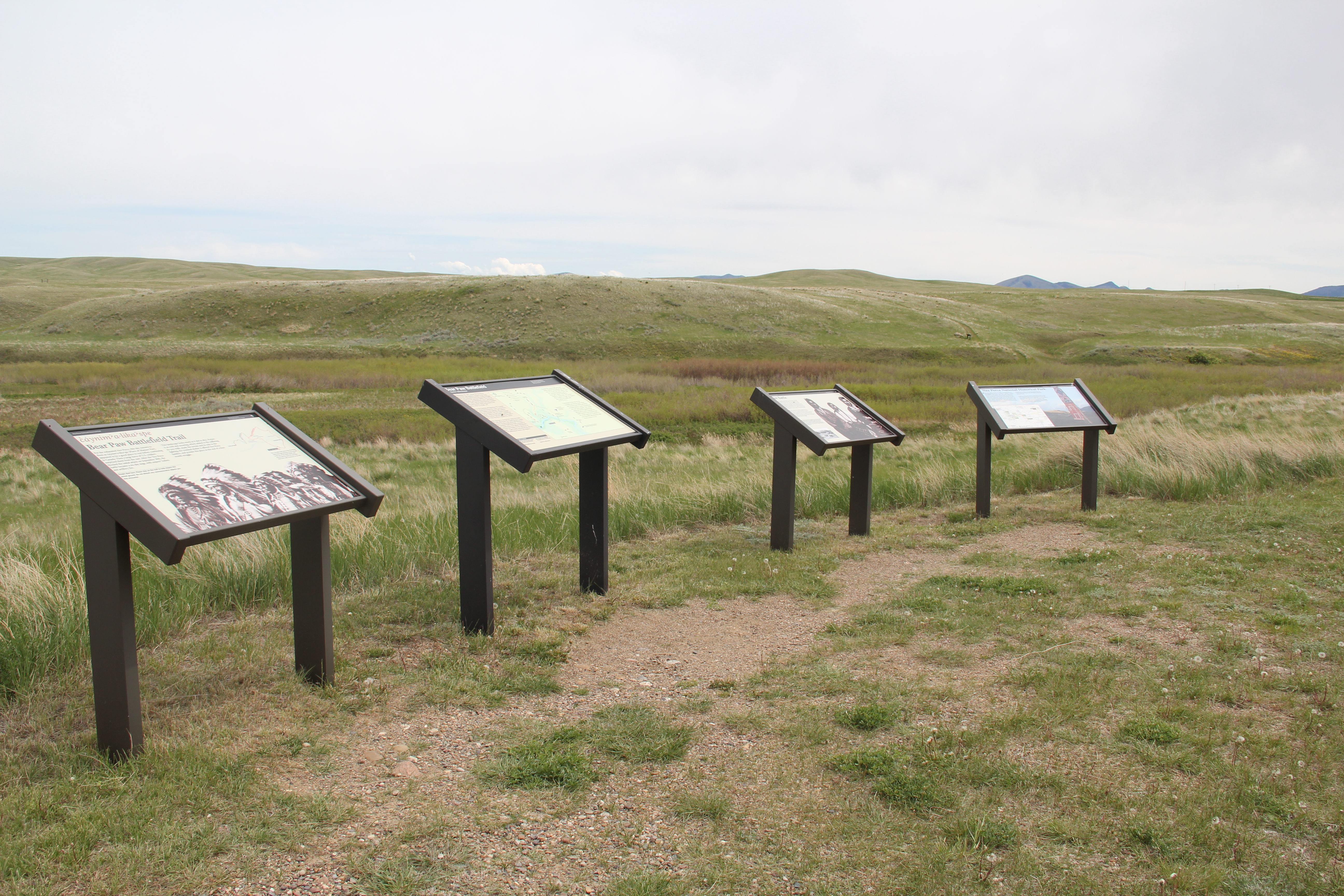
In 1989 the National Park Service designated the Chief Joseph Battleground as a National Historic Landmark–the first step in a new future for the park.  Then it became a key property in the Nez Perce Historical Park, which has units from Idaho to Montana.  New interpretive trails and interpretive markers are the most recent additions, telling a much broader story than the old metal markers were capable of doing.  

Image


The experience today is far different than 1984.  There is still no visitor center–the new one at Big Hole Battlefield in Beaverhead County is superb however–and the Blaine County Museum in Chinook still carries that burden of interpreting the story.  But there is truth in the landscape now, as never before.  The trails, markers, and landscape combine to create a deeper understanding of why the Nez Perce stopped here, why it was difficult to escape the U.S. army, and what that trek and all of those stories might mean today.

ImageImage


The two layers of interpretation–that of the early 20th century and that of the 21st century–co-exist within a special place.  Here is one preservation success in the last 30 years that deserves to be better known.

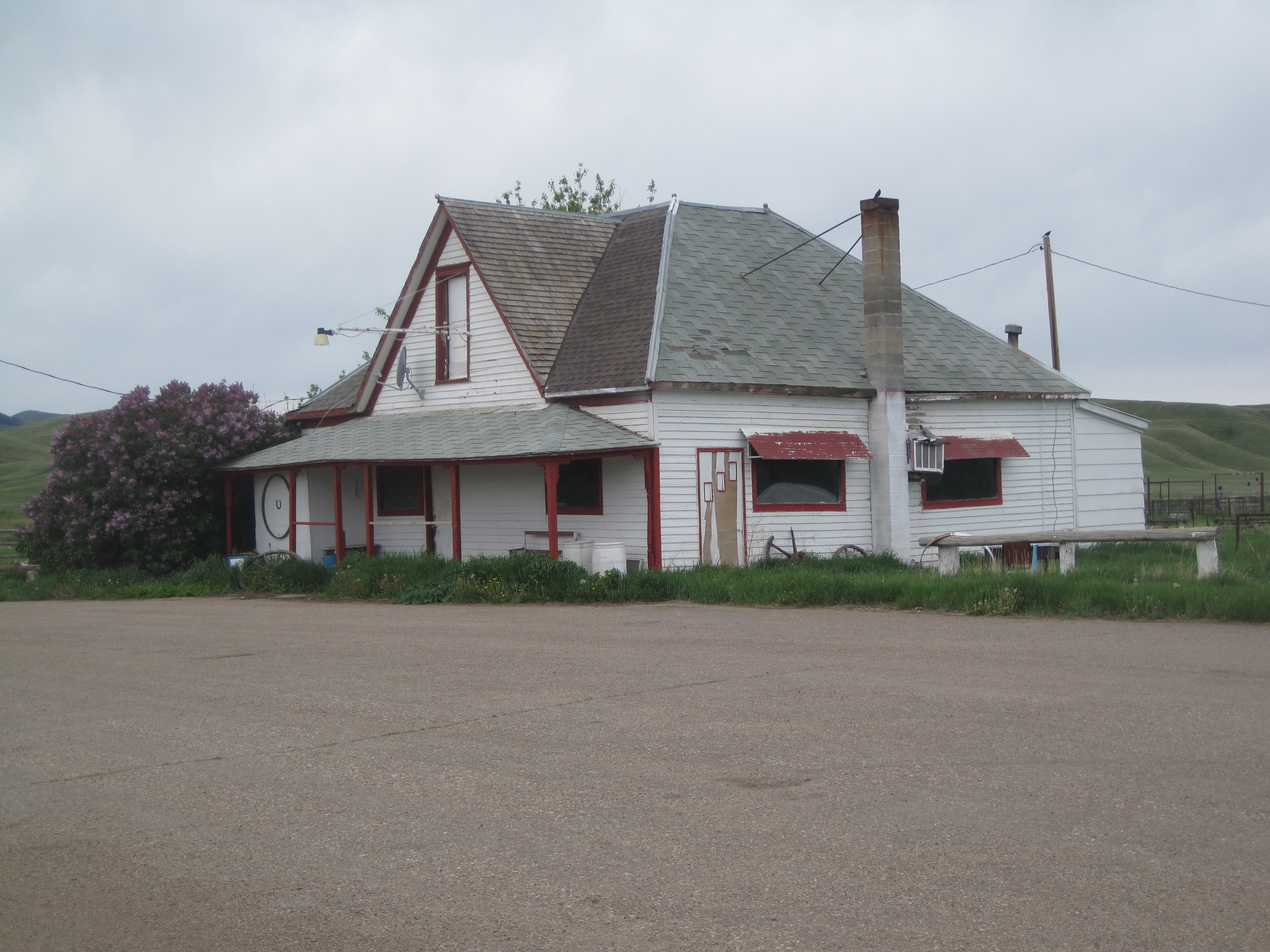
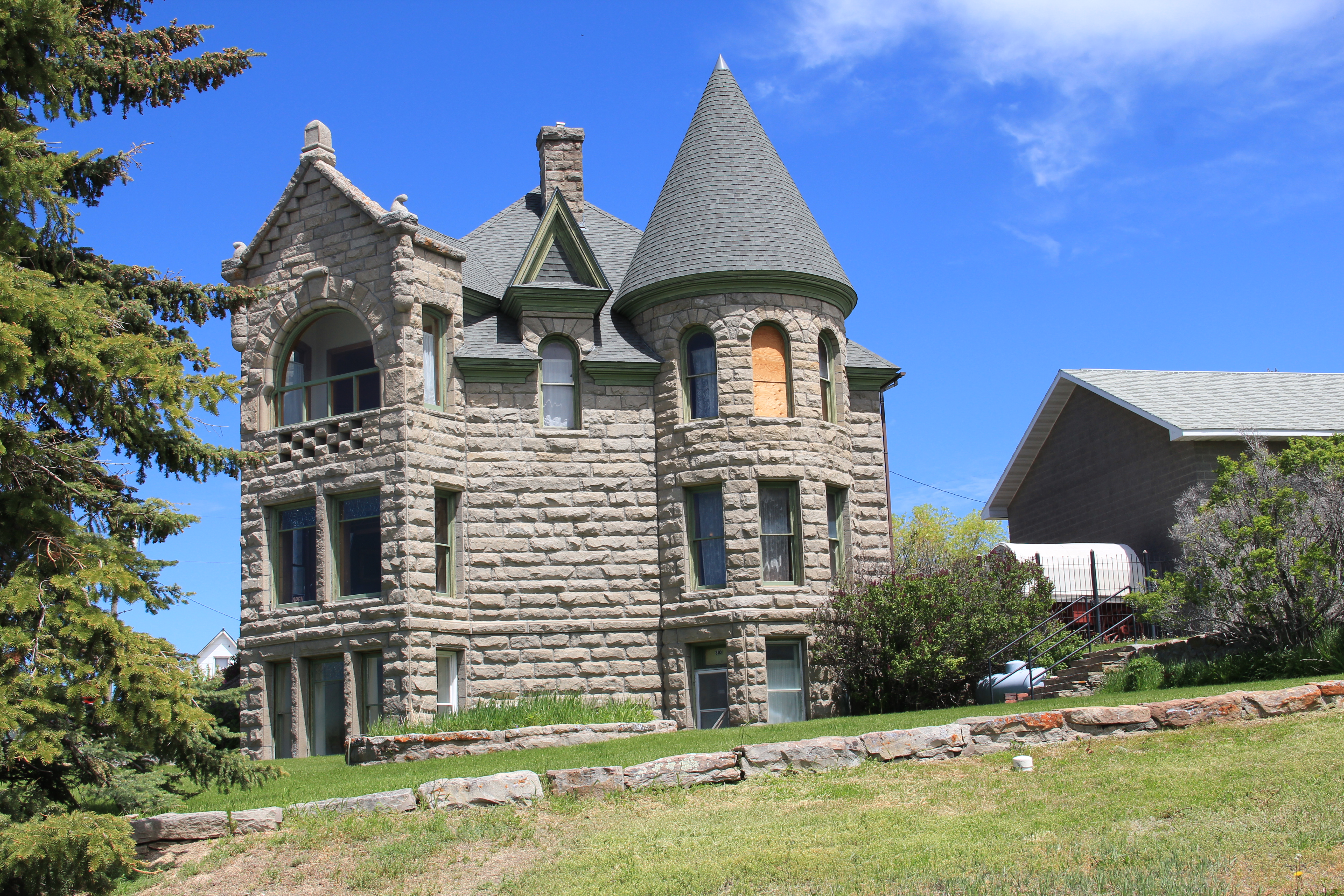
A bit farther down the road is Cleveland.  In my time in Montana, it hosted one of the most famous (or was it infamous) local rodeos around.  Its bar/cafe/post office spoke still to the first part of the 20th century.  People there in 1984 were friendly, and it was a good place that I looked forward to revisiting.  But the doors were shuttered in Cleveland.  The corrals were still there, sorta.   And there was no Cleveland Bar.  Wish I could have been here one more time before it went away.
Image

Image

Image

Image