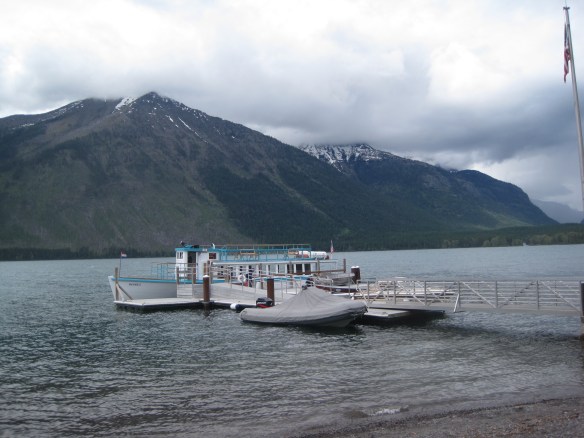
The second week of January 2018 was one of both good and bad news for historic preservation in the Big Sky Country. First came the good news out of the State Historic Preservation Office in Helena about the National Register of Historic Places listing of two more Lake McDonald boats at Glacier National Park. The DeSmet, shown above, has long been my favorite. It has navigated the calm waves of the lake since 1930. Designed and built by John Swanson of Kalispell, the boat became an important way that the increasing numbers of automobile visitors to Glacier could experience the lake and it helped make the Lake McDonald Lodge a stronger resort experience. Quite an amazing piece of craftsmanship from Swanson, and so few of his creations remain today. And as the photo above documents, the boat visually complements the setting–a reminder that the human presence is so small and insignificant compared to the majesty of the mountains.
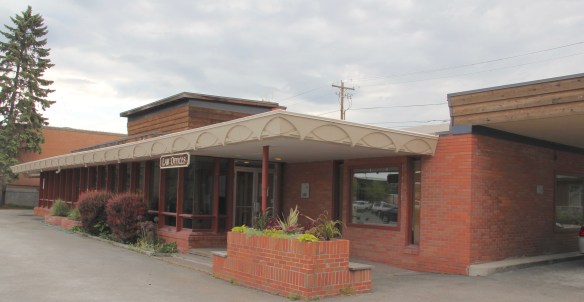
The bad news also came from Northwest Montana: the demolition of the Frank Lloyd Wright-designed Lockridge Medical Clinic in Whitefish. Now there is no way in Montana to have a direct experience with a work from America’s best known and greatest architect. I have spoken about the preservation needs of this architectural jewel earlier in this blog–and like the loss of the Mercantile Building in Missoula last year, development pressures lacked the patience, and the vision, to see anything but a possible empty lot, where a modern “historic” take–the fake past in other words–could stand.
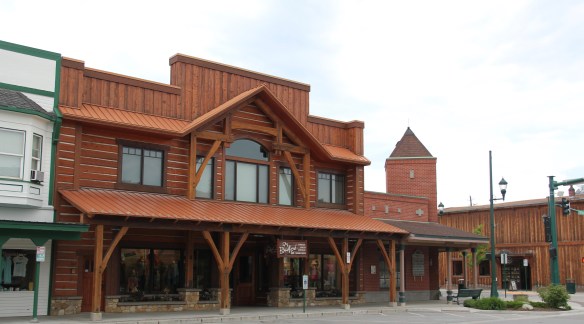
Such an attitude in Whitefish is doubly disappointing because in the 35 years I have visited this great mountain railroad town, the real history continues to disappear in favor of a fake, quasi-western feel past, as above. Call this progress if you will but in reality it is just another step into the abyss where Whitefish will longer be distinctive but just a place, like hundreds of others, trying to create a sense of identity and capture again what they once had.
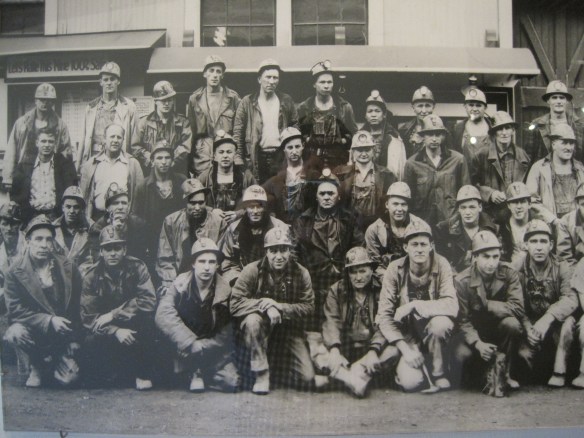
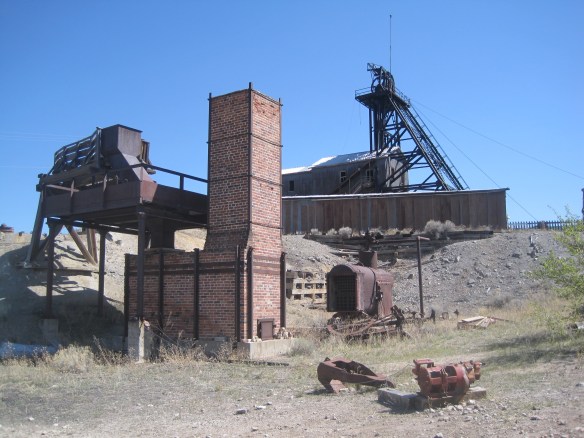


 The Hell Roaring’ Gulch part of the museum is in stark contrast to the mid-20th century engineered, technological landscape of the Orphan Girl Mine. It interprets the mining camp days of Butte from the late 1860s into the 1880s before the corporations stepped in and reshaped the totality of the copper mining industry and built environment of Butte.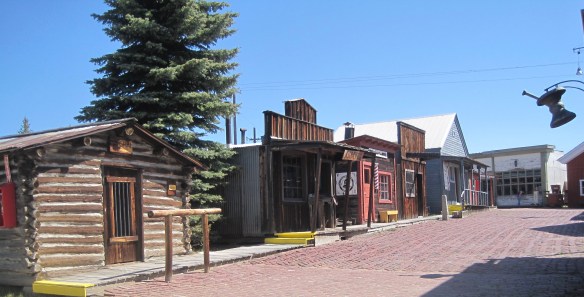


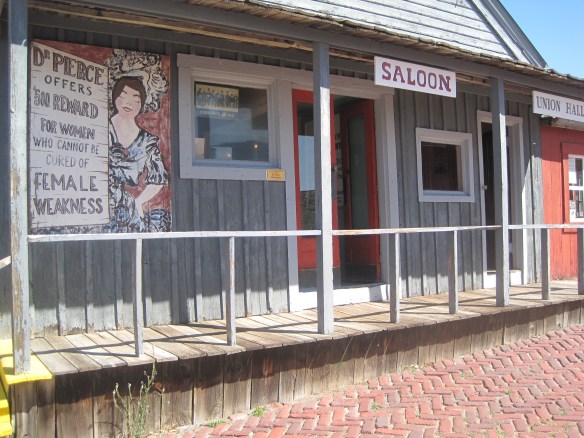
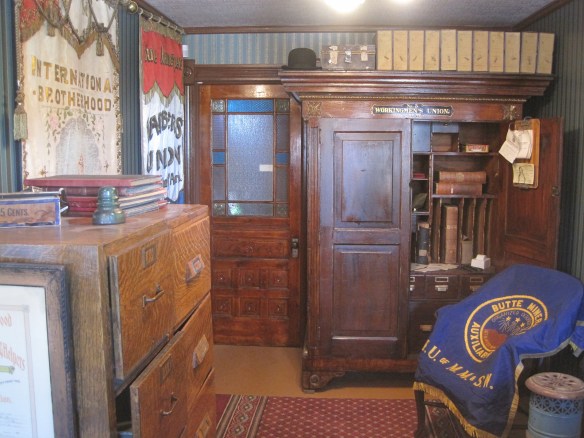 artifacts and banners shown in this photo); the store, which displays common items sought by the miners and their families; and various offices that show the business of
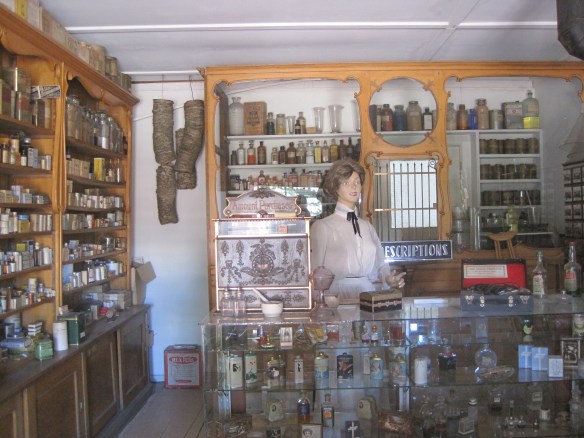 mapping the mines, registering claims, and assaying the metals .
 In my first post about the World Museum of Mining, I addressed this valuable collection of a historic mine, several historic buildings, and thousands of historic artifacts briefly. Properties like the impressive log construction of St. Patrick’s Catholic Church, shown below, are invaluable. The World Museum of Mining deserved more attention, and it deserves the attention of any serious heritage tourist to Montana.
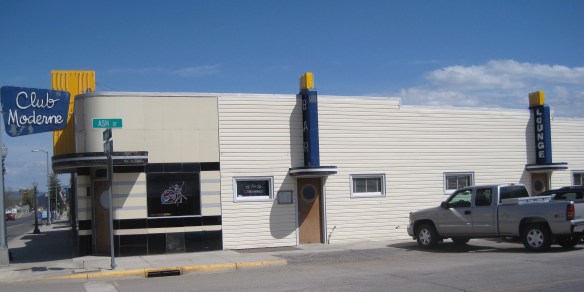
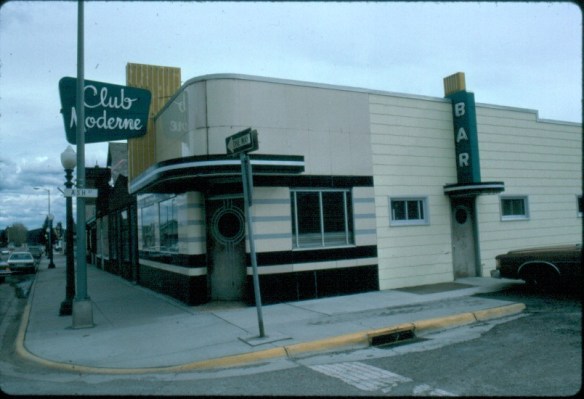


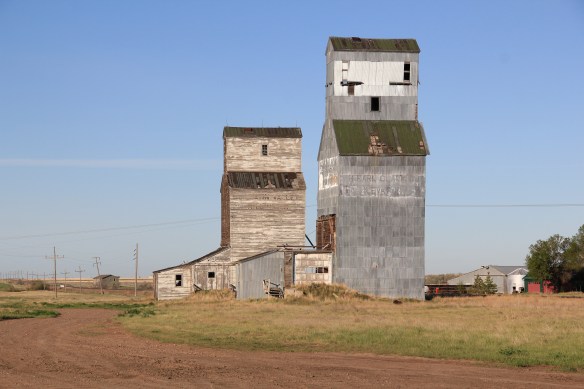


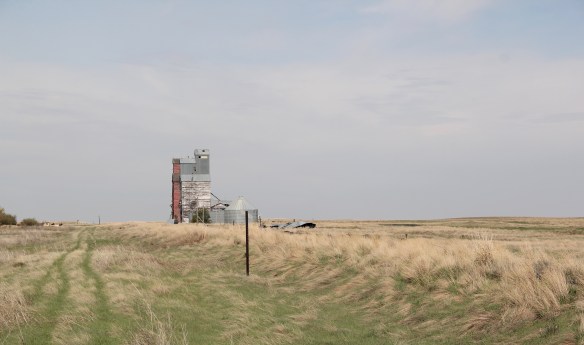



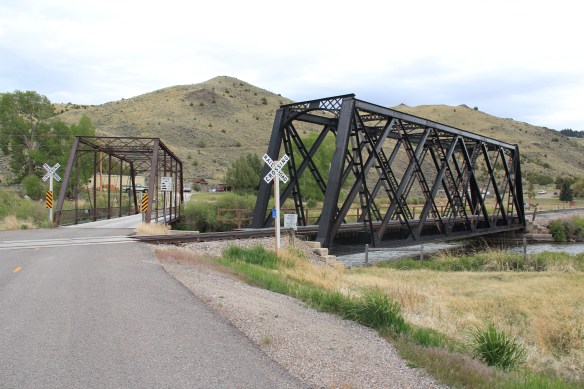 Beaverhead County Montana is huge–in its area it is bigger than the states of Rhode Island and Delaware combined, and is roughly the size of Connecticut. Within these vast boundaries in the southwest corner of Montana, less than 10,000 people live, as counted in the 2010 census. As this blog has previously documented, in a land of such vastness, transportation means a lot–and federal highways and the railroad are crucial corridors to understand the settlement history of Beaverhead County.
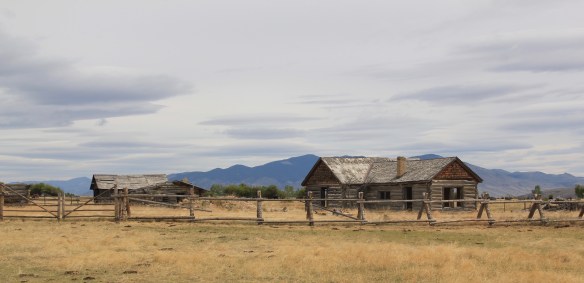
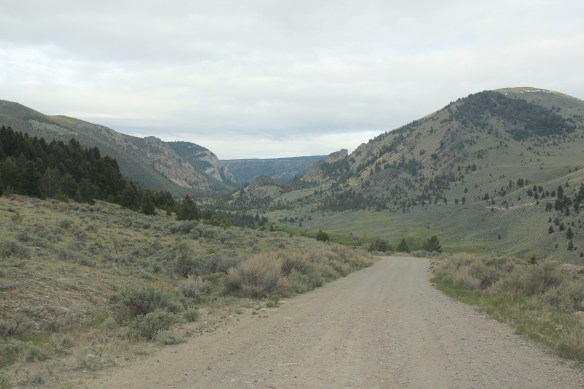
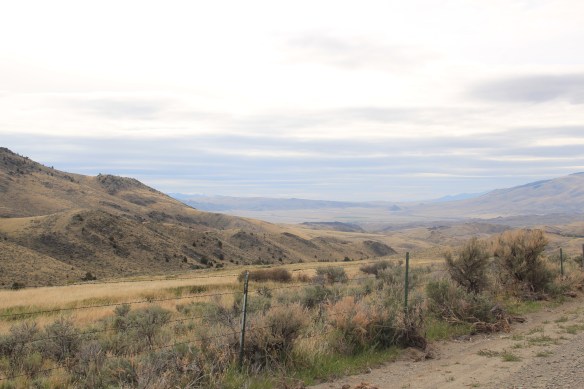
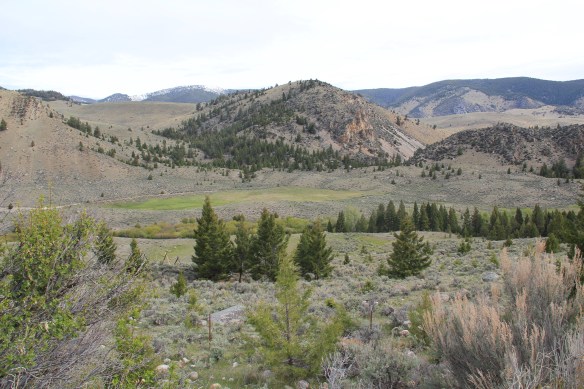
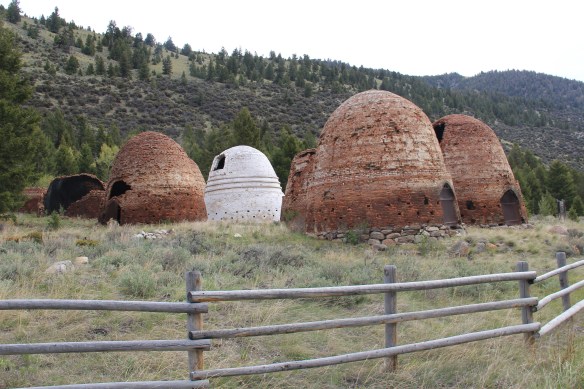
 This post takes another look at the roads less traveled in Beaverhead County, such as Blacktail Creek Road in the county’s southern end. The road leads back into lakes and spectacular scenery framed by the Rocky Mountains.
 But along the road you find historic buildings left behind as remnants of ranches now lost, or combined into even larger spreads in the hopes of making it all pay some day.

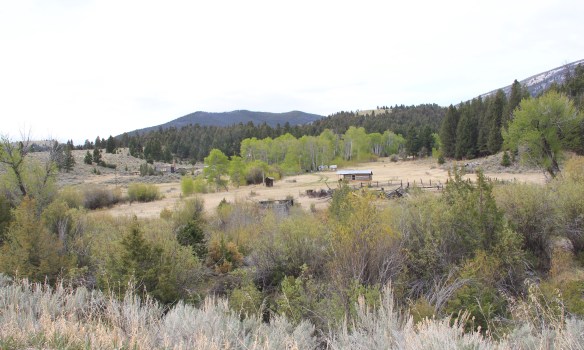 Birch Creek Road was shaped by the efforts of the Civilian Conservation Corps in the 1930s as the Corps carried out multiple projects in the national forest. This road has a logical destination–the historic Birch Creek C.C.C. Camp, which has been listed in the National Register of Historic Places. The University of Montana Western uses the property for outdoor education and as a conference center that is certainly away from everything.




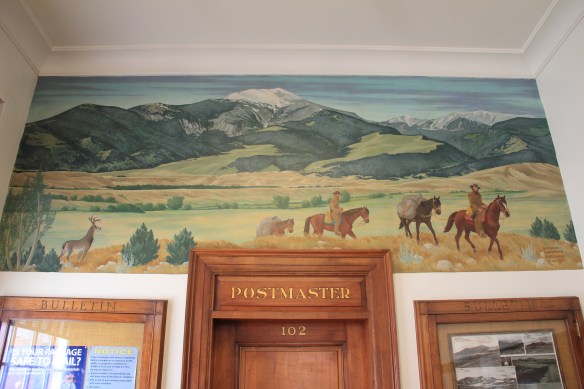
 which once hung in the Richland County Courthouse in Sidney (and now displayed at the Mondak Heritage Center in Sidney) and the numerous murals that graced new post offices and federal buildings across Montana, the one below from Dillon demonstrates
 that the arts program of the 1930s stretched across Montana, from Sidney to Dillon.
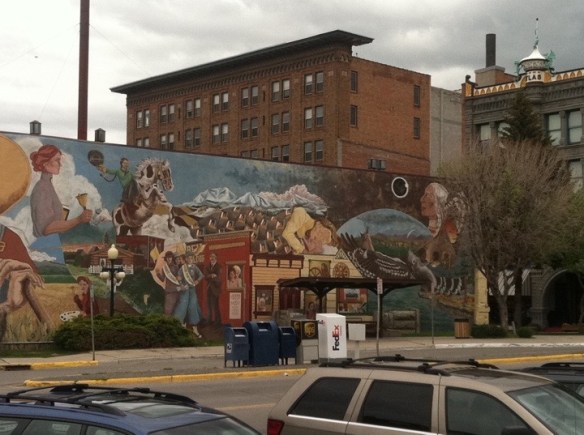 When I lived in Helena in the first half of the 1980s, of course I noticed murals, such as one above on the state’s important women’s history on Last Chance Gulch, which itself had various installations of interpretive sculpture to tell the story of a place that had been so “renewed” as to lose all meaning.
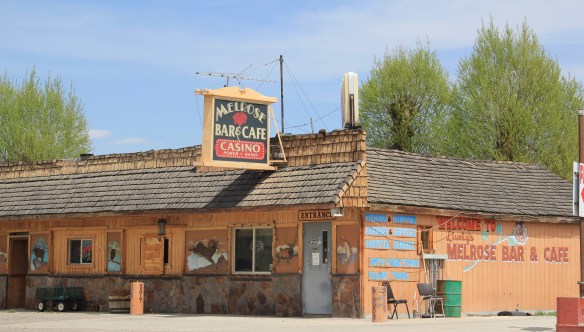


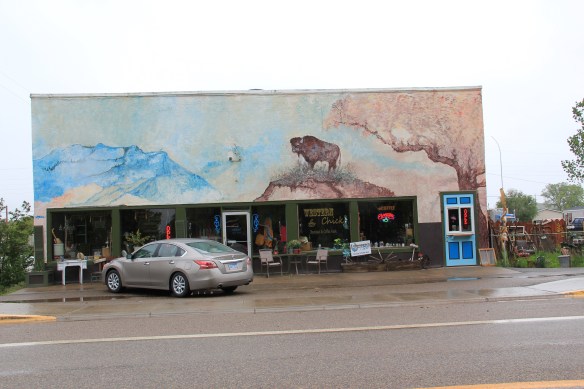
 Another northwestern Montana town–the gateway town of Eureka on U.S. Highway 89. uses a mural to set the scene of a quiet, peaceful place no matter the season: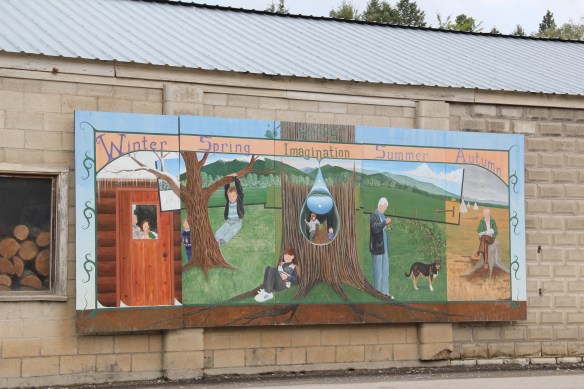

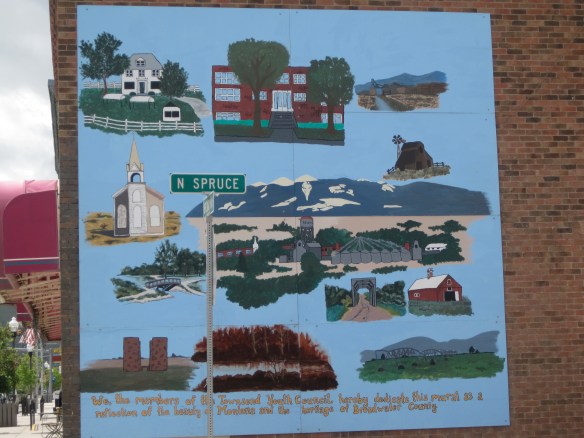

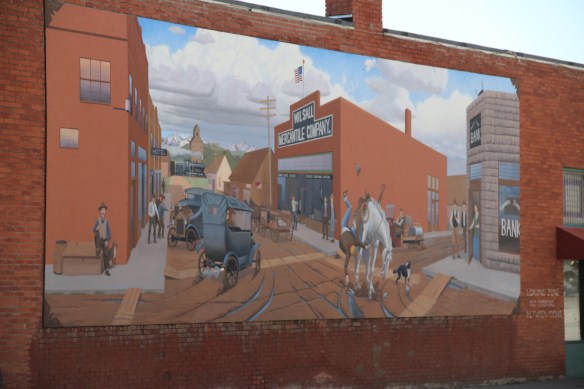



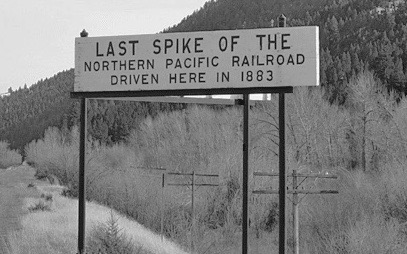

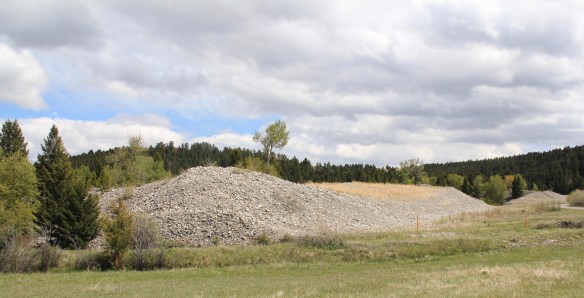
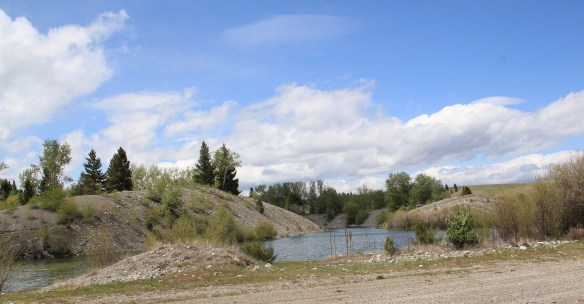 Ranchers had taken bits of older buildings from Pioneer and incorporated them into later structures between the mining district and Gold Creek. Pioneer as a ghost town barely existed then and little marks its past except for the scars of mining.
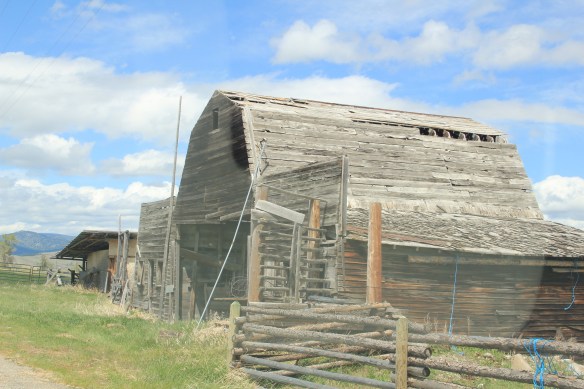

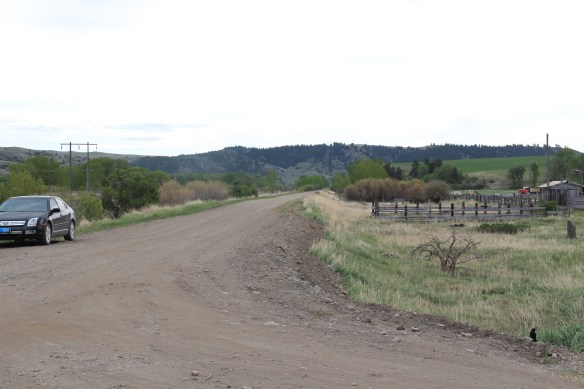

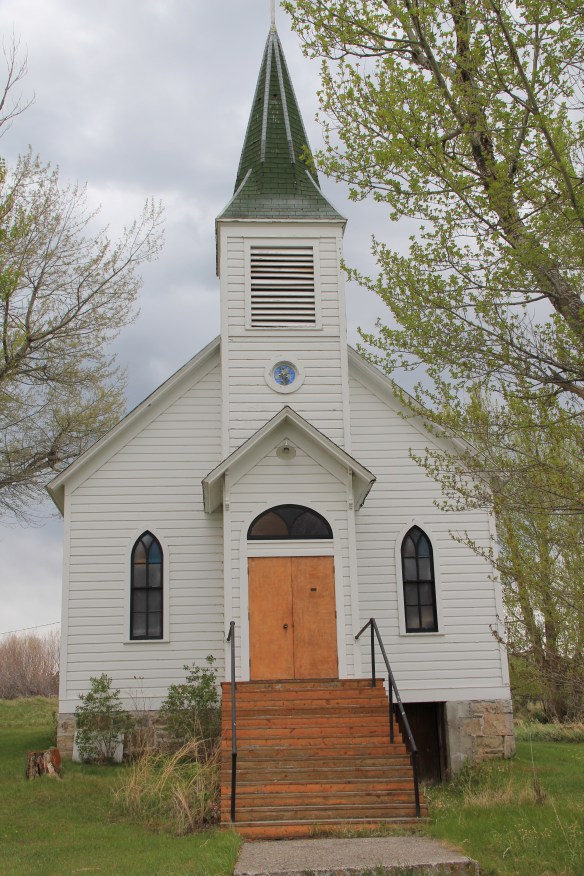 But the most important community institution (yes, the Dinner Bell Restaurant out on the interstate exit is important but it is a new business) is the Gold Creek School, a rather remarkable building in that residents took two standard homestead era one-room schools and connected them by way of a low roof “hyphen” between the front doors.
 Adaptation and survival–the story of many buildings at Gold Creek and Pioneer. Historical markers are scarce there but the history in the landscape can still be read and explored.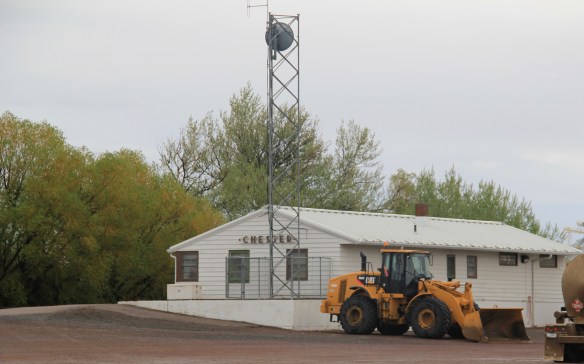


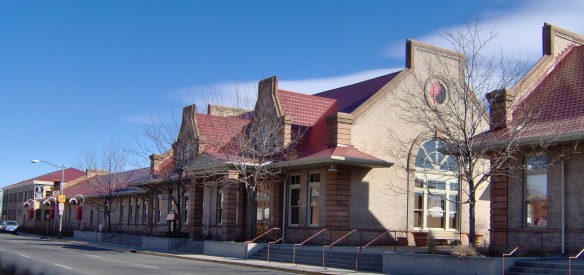 deteriorating in the mid-1980s but a determined effort to save the building and use it as an anchor for the Montana Avenue historic district has proven to be a great success in the 21st century.
 Milwaukee Road depot there, since Harlowtown was such an important place in the railroad’s history as an electric line.
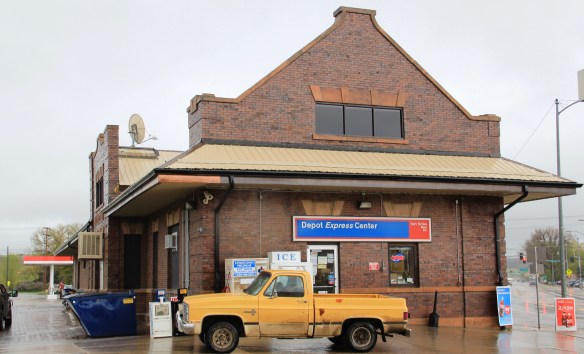






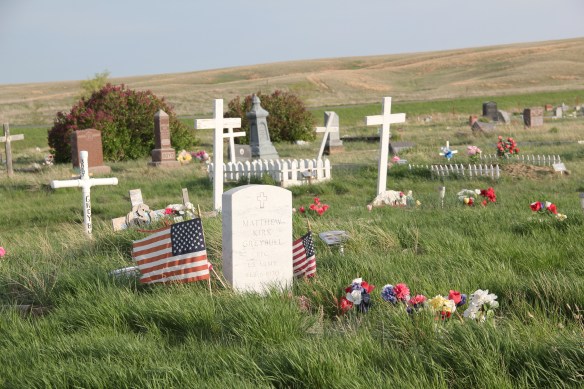 Fort Kipp Cemetery, above, is one of those place, nestled on the river bluffs overlooking the Missouri River. On a larger scale but still intimate, personal, and compelling is the city cemetery of Red Lodge, hundreds of miles away. Here surrounded by the mountains







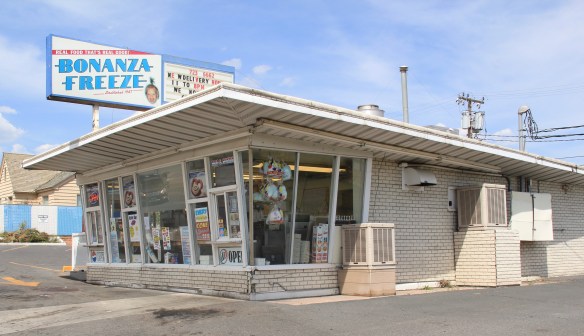


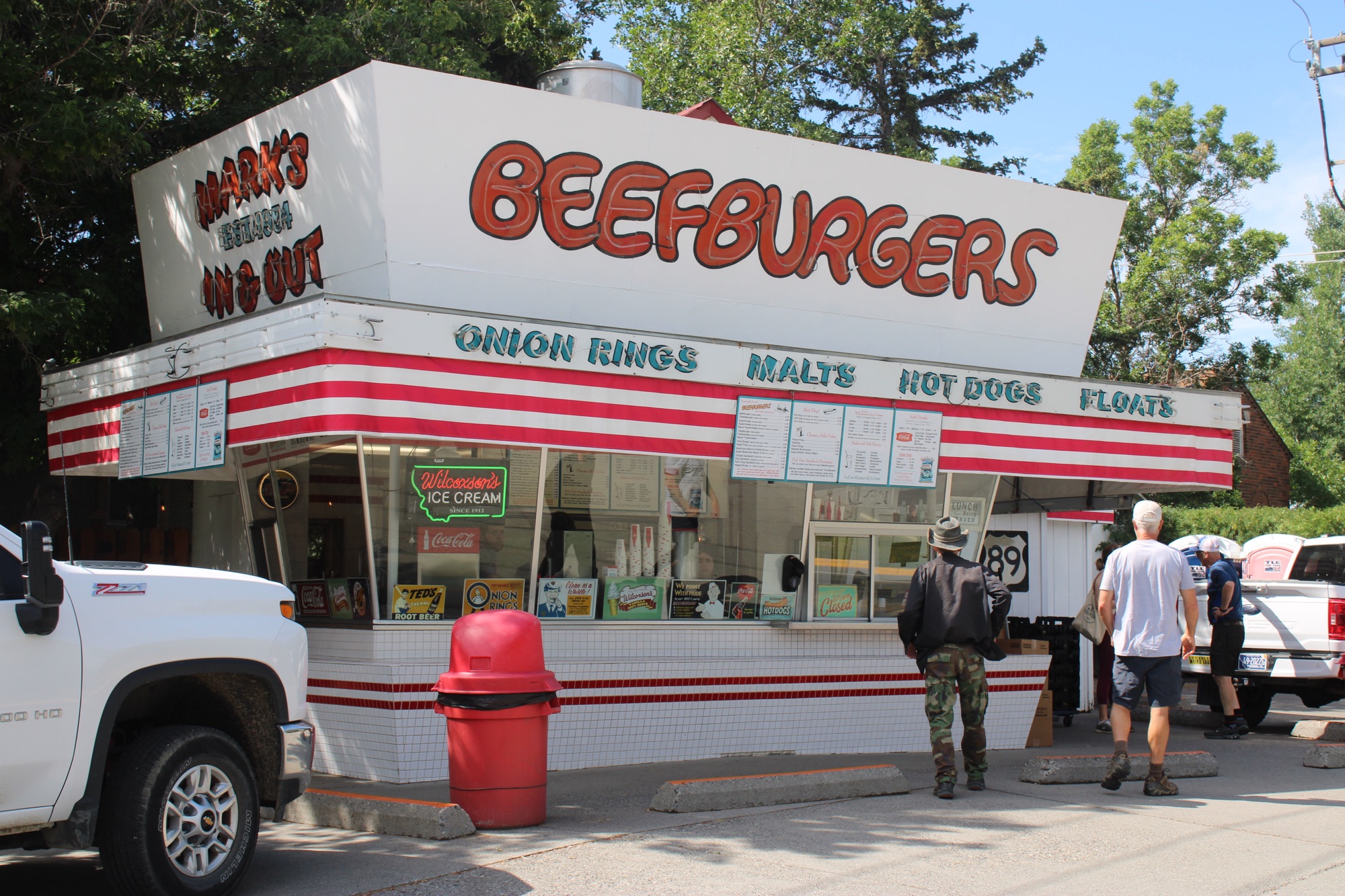
 The Main Drive-In in Conrad is located on the historic federal hi way (U.S. 91) and still draws in customers despite competition from chains and the diversion of most traffic to Interstate Highway I-15.
 At Scobey, Shu Mei’s Kitchen converted an earlier drive-in into a family restaurant on Montana Highway 13 in northeast Montana.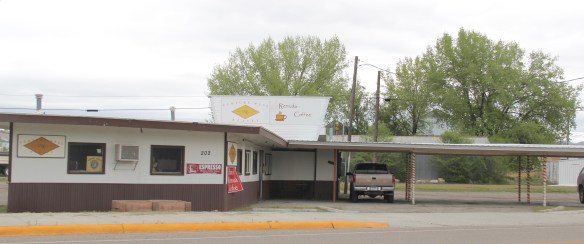
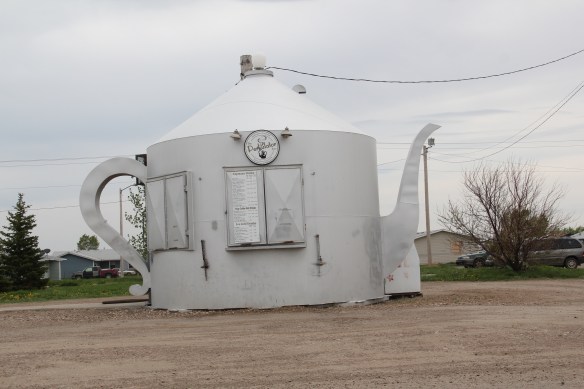

 It’s not surprising that Lewistown, in the middle of the state faraway from the interstate system, has several still operating roadside establishments from the mid-20th century, such as the Wagon Wheel Drive-In (above–and being a southerner I loved the sign that bragged “we have MT Dew”) and the Dash Inn (below), which opened in 1952.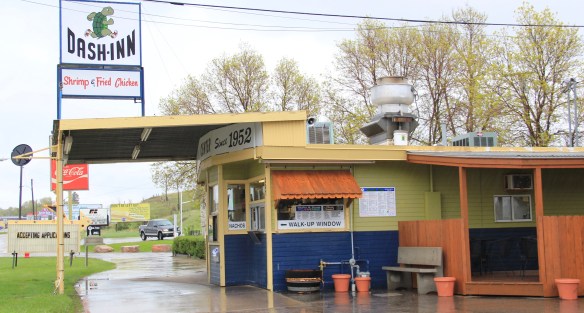


 Montana's Historic Landscapes