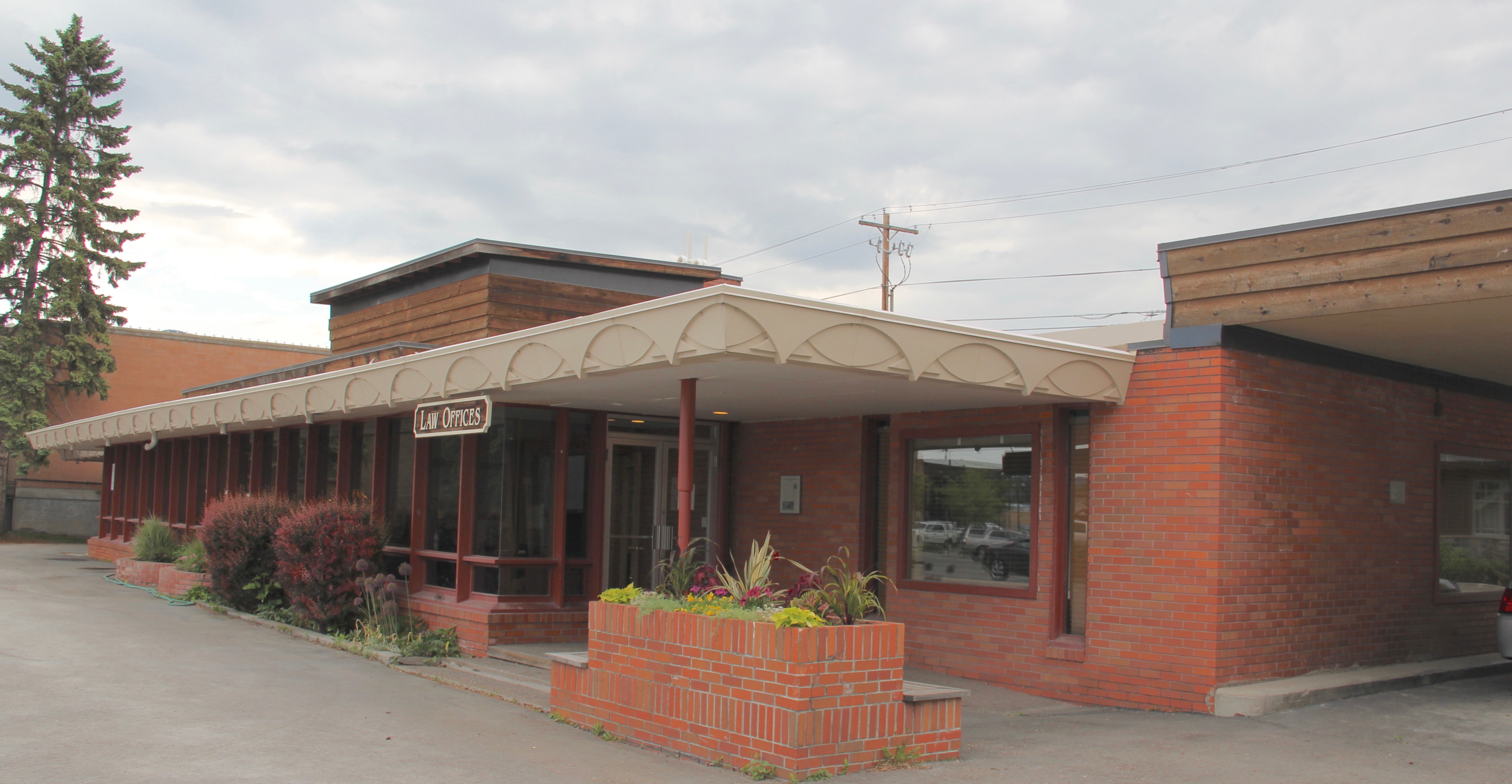
When I carried out the 1984-1985 survey of Montana as part of the state historic preservation planning process, one resource was at the forefront of my mind–railroad passenger stations. Not only had recent scholarship by John Hudson and John Stilgoe brought new interest to the topic, there had been the recent bankruptcy of the Milwaukee Road, and the end of passenger service in large parts of the state, except along the Hi-Line of the old Great Northern Railway (where Amtrak still runs today.)
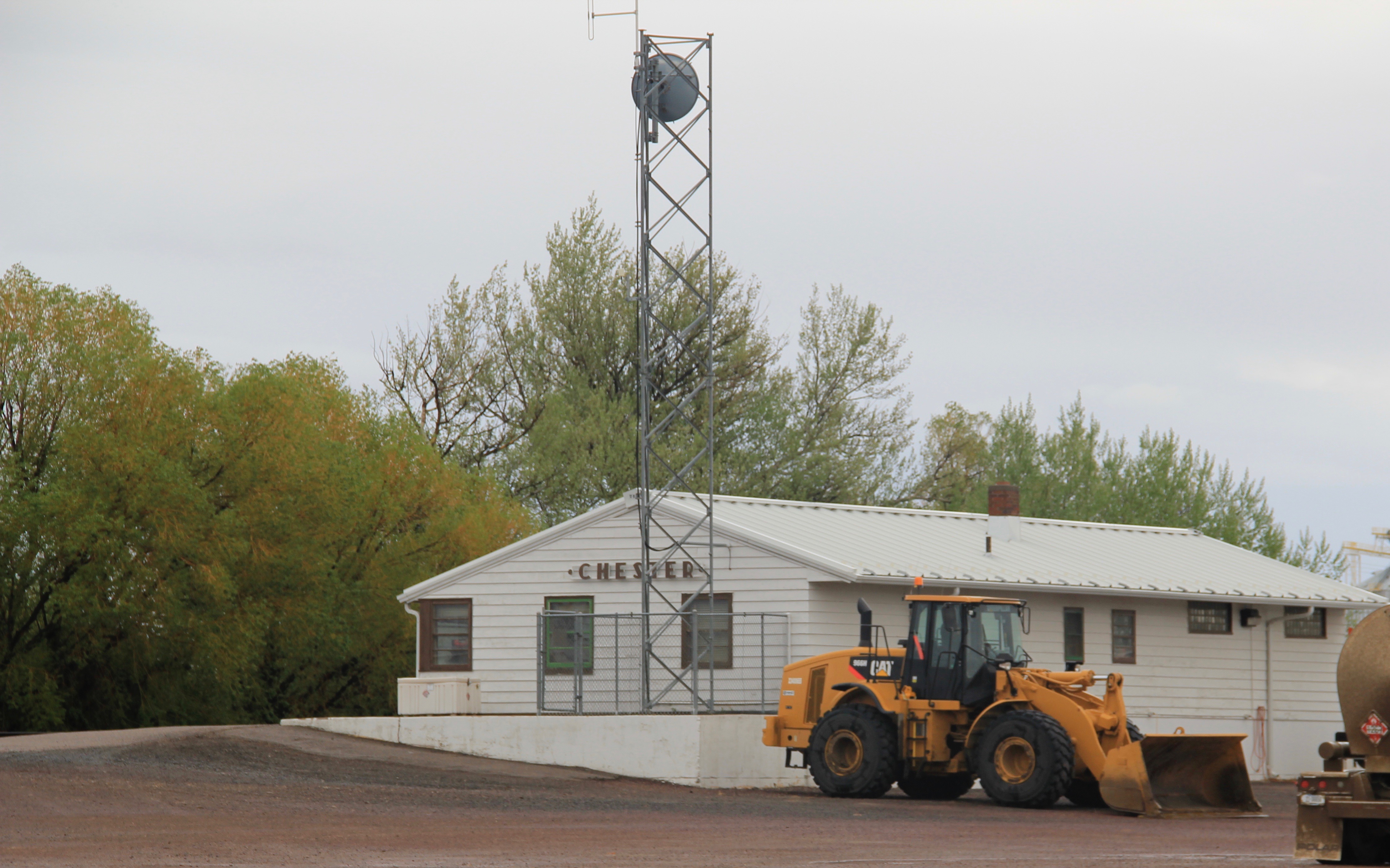
The mid-20th century standardized design for Great Northern stations at Chester on US 2.
Some of the passenger stations in the major cities had already been converted into new uses, such as restaurants, offices, and various downtown commercial uses. The lovely turn of the twentieth century stations for the Great Northern (left) and the Milwaukee Road (right) in Great Falls showed how the location of the buildings, plus their
architectural quality and the amount of available space made them perfect candidates for adaptive reuse. While the tenants have changed over the past 30 plus years, both buildings still serve as heritage anchors for the city. While success marked early adaptive reuse projects in Great Falls and Missoula, for instance, it was slow to come to Montana’s largest city–the neoclassical styled Northern Pacific depot was abandoned and
 deteriorating in the mid-1980s but a determined effort to save the building and use it as an anchor for the Montana Avenue historic district has proven to be a great success in the 21st century.
In the 1984-1985 I documented hundreds of railroad depots across Big Sky Country. From 2012-2015 I noted how many had disappeared–an opportunity to preserve heritage and put a well-located substantial building for the building back to work had been wasted. But I also came away with a deep appreciation of just how many types of new lives train stations could have.

Turning iconic buildings into community museums is a time-honored tradition, as you can find at the magnificent Northern Pacific station at Livingston, shown above. A handful of Montana communities have followed that tradition–I am especially glad that people in Harlowton and Wheatland County banded together to preserve the
 Milwaukee Road depot there, since Harlowtown was such an important place in the railroad’s history as an electric line.
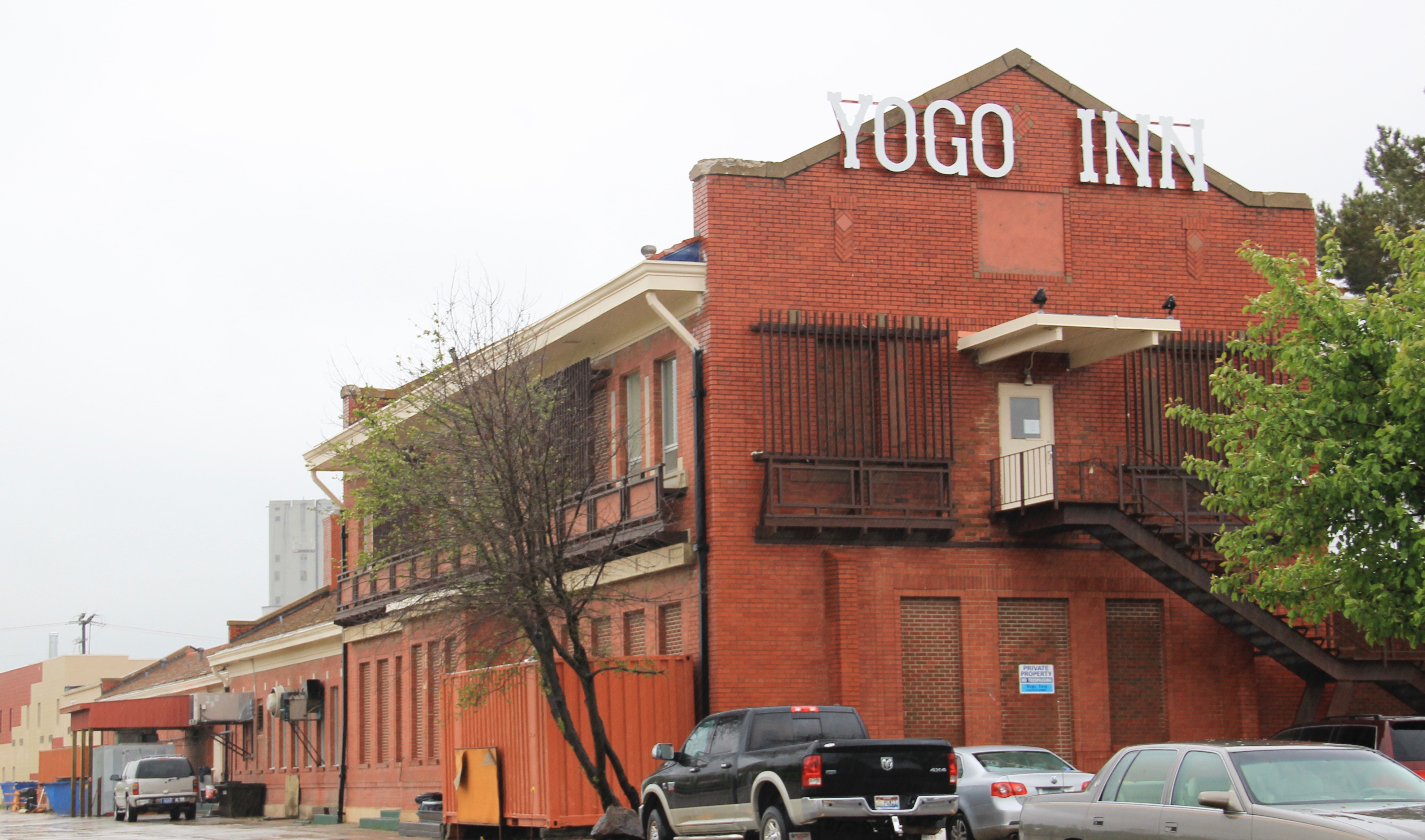
But there are so many other uses–as they know in Lewistown. Already in the mid-1980s investors in Lewistown had turned the old Milwaukee Road station, shown above, into a hotel and conference center, the Yogo Inn. When I visited Lewistown in 2013 the Yogo was undergoing a facelift after 30 years as a commercial business. The town’s other
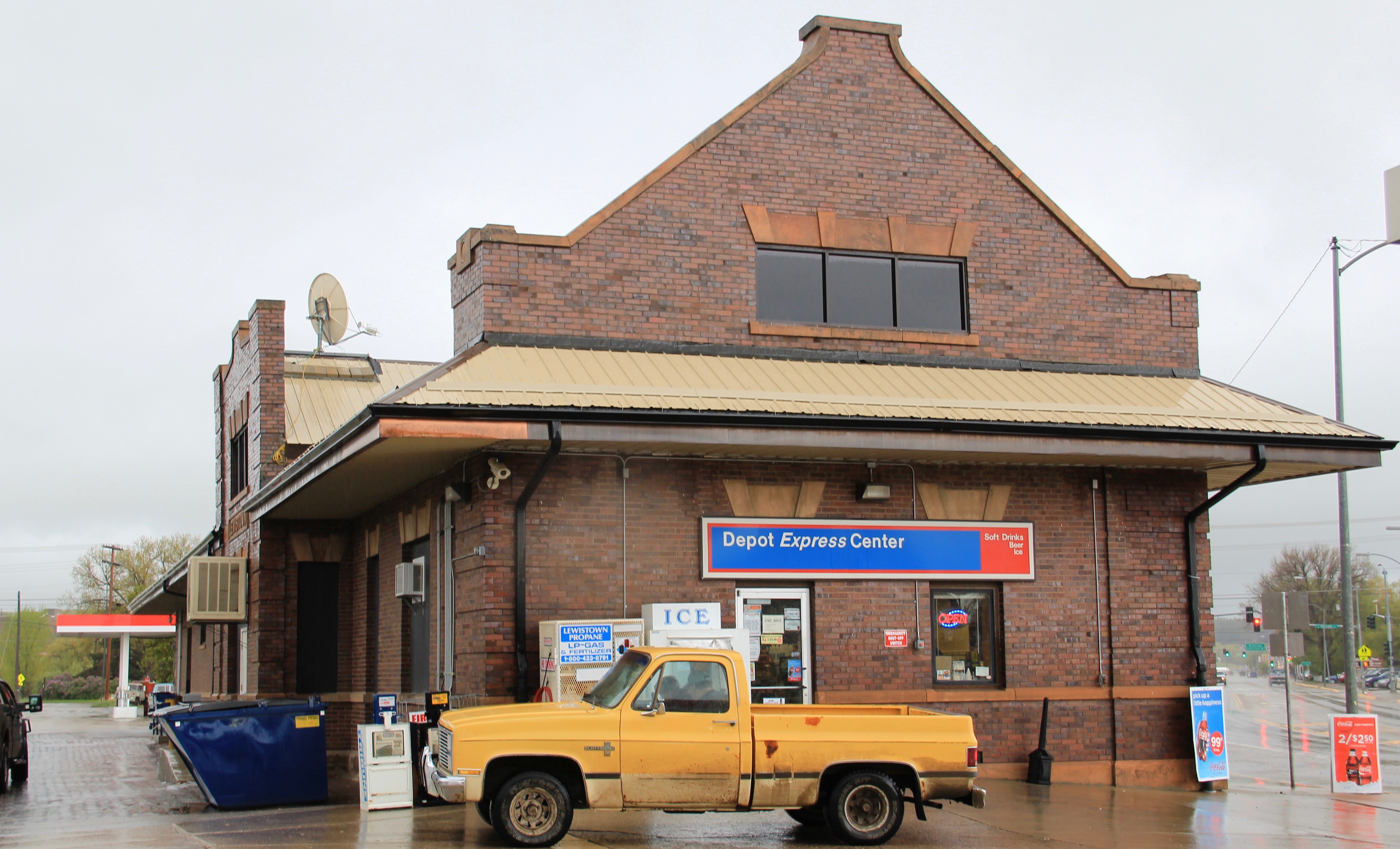

historic depot, a substantial brick building (above) from the Great Northern Railway, was a gas station, convenience mart, office building, and store, all in one.
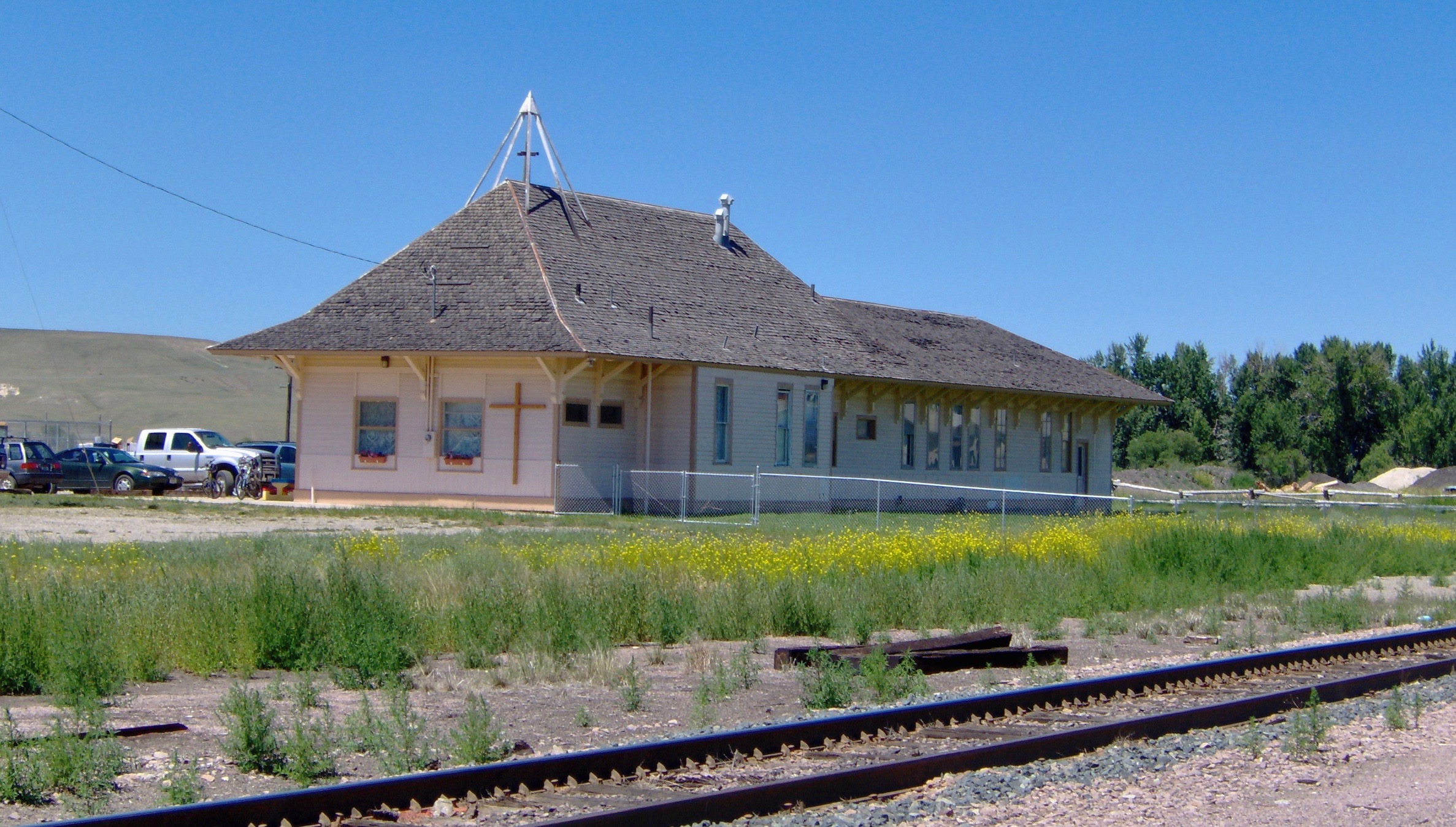

Deer Lodge is blessed with both of its historic depots. The Milwaukee Road depot has become a church while the Northern Pacific depot became the Powell County Senior Citizens Center. Indeed, converting such a community landmark into a community center is popular in other Montana towns, such as the National Register-listed passenger station shown below in Kevin, Toole County, near the border with Canada.

One of the most encouraging trends of this century is how many families have turned depots into their homes–you can’t beat the location and the long, horizontal nature of the often-found combination depot (passenger station and luggage warehouse in same building) means that these dwellings have much in common with the later Ranch-style houses of the 1950s and 1960s.

A former Great Northern depot in Windham.

A Milwaukee Road depot turned into a home in Rosebud County.
But in my work from 2012-15 I found more and more examples of how local entrepreneurs have turned these historic buildings into businesses–from a very simple, direct conversion from depot to warehouse in Grassrange to the use of the Milwaukee Road depot in Roundup as the local electric company office.
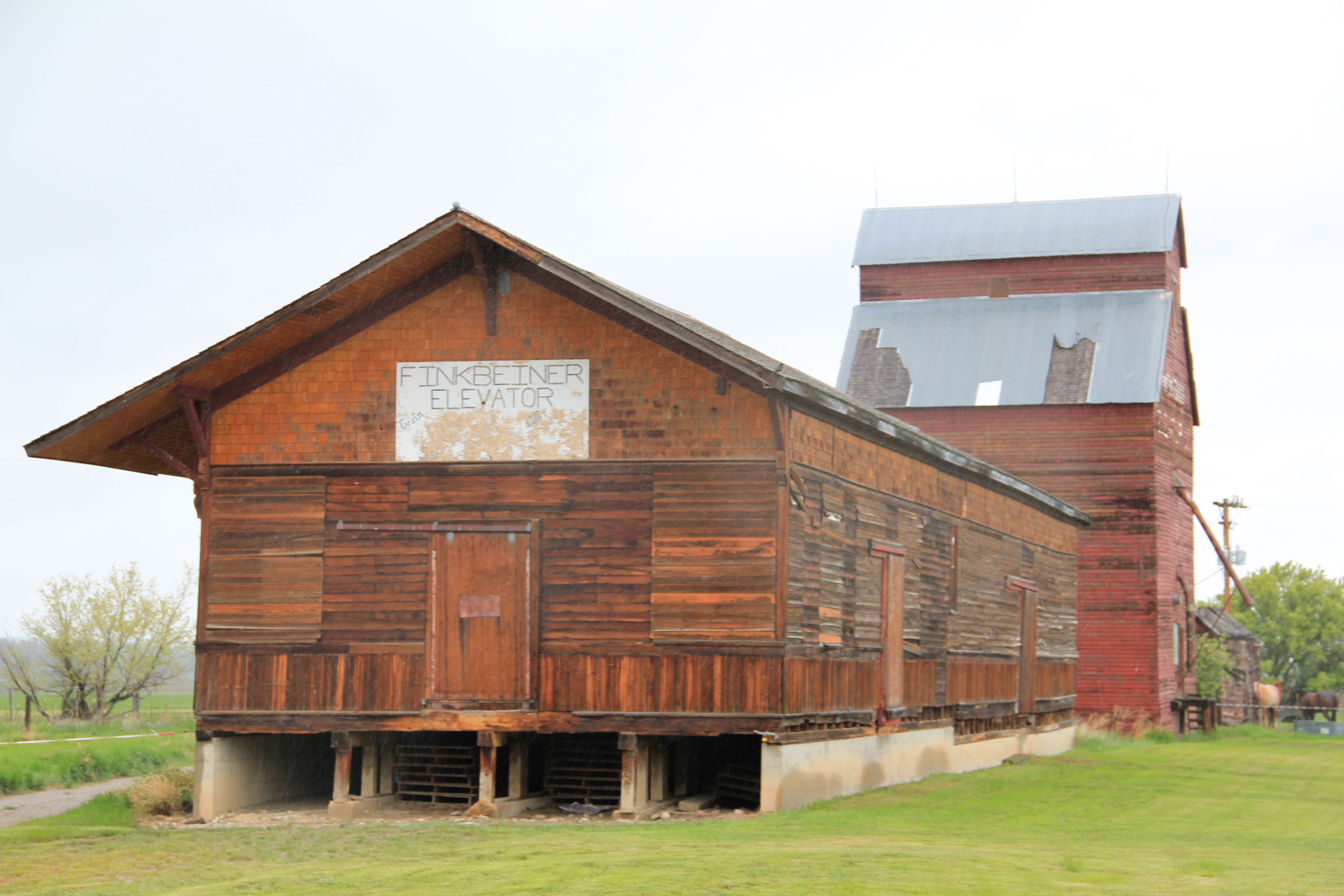

As these last examples attest–old buildings can still serve communities, economically and gracefully. Not all historic preservation means the creation of a museum–that is the best course in only a few cases. But well-built and maintained historic buildings can be almost anything else–the enduring lesson of adaptive reuse











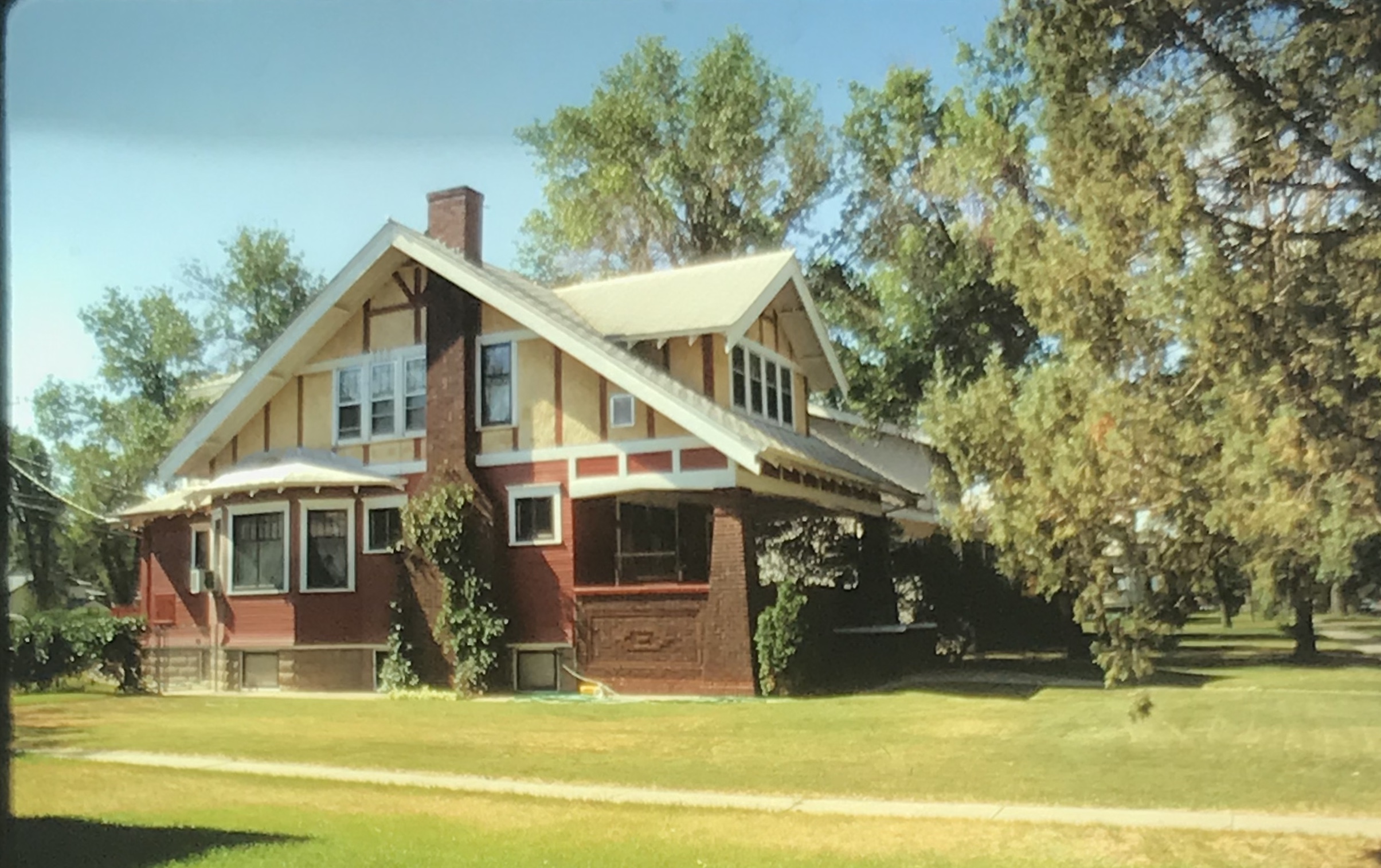


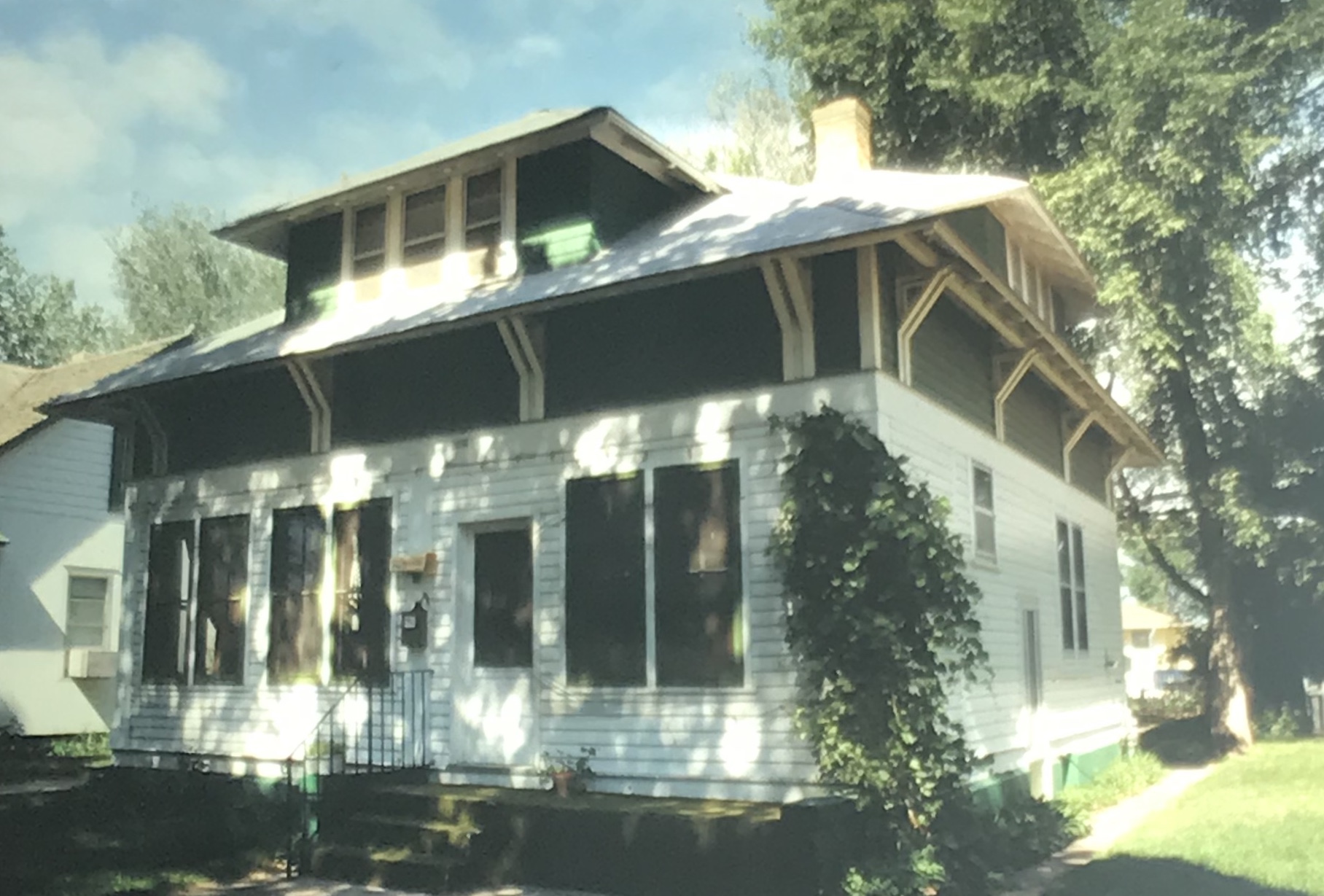
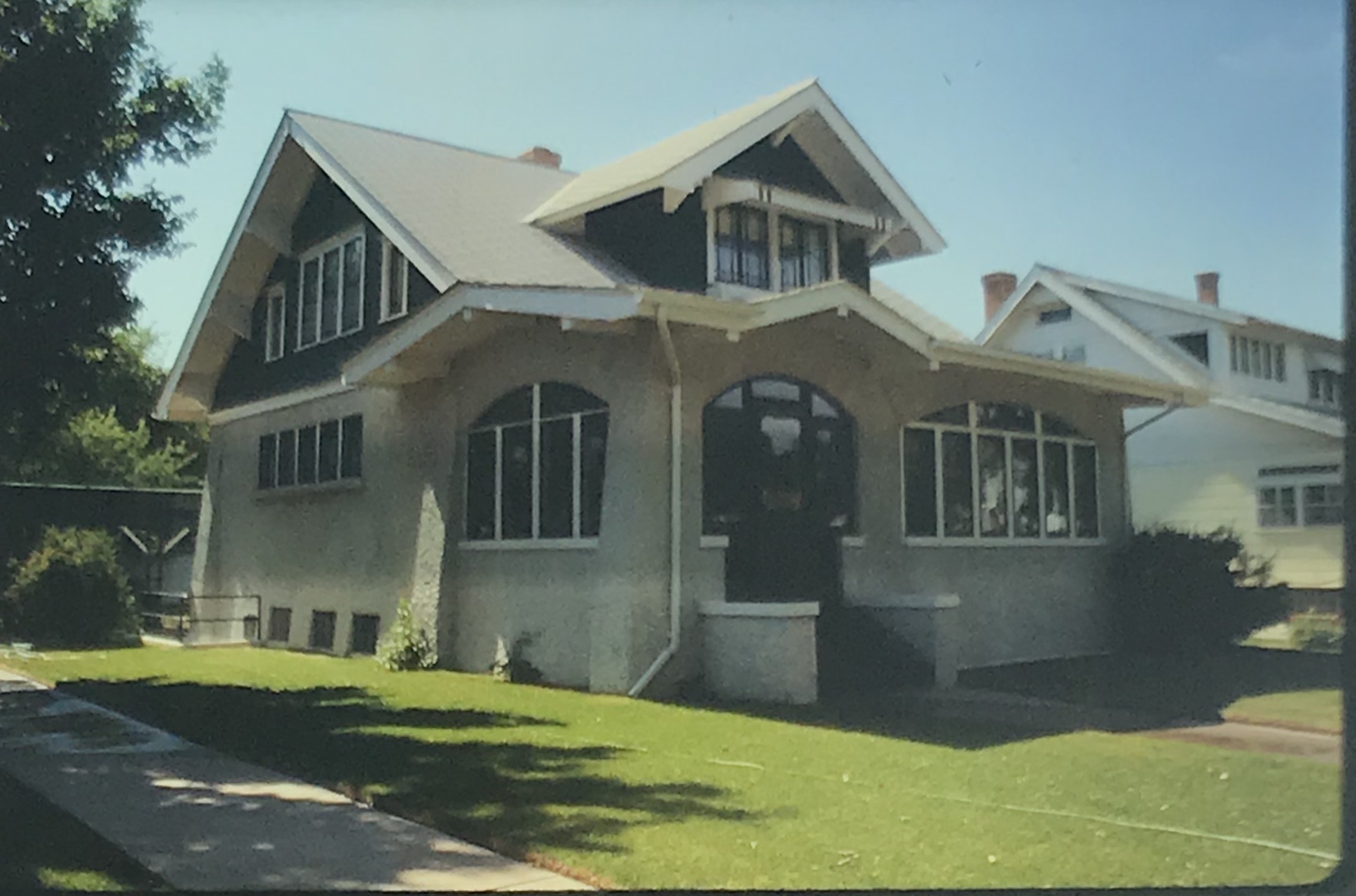
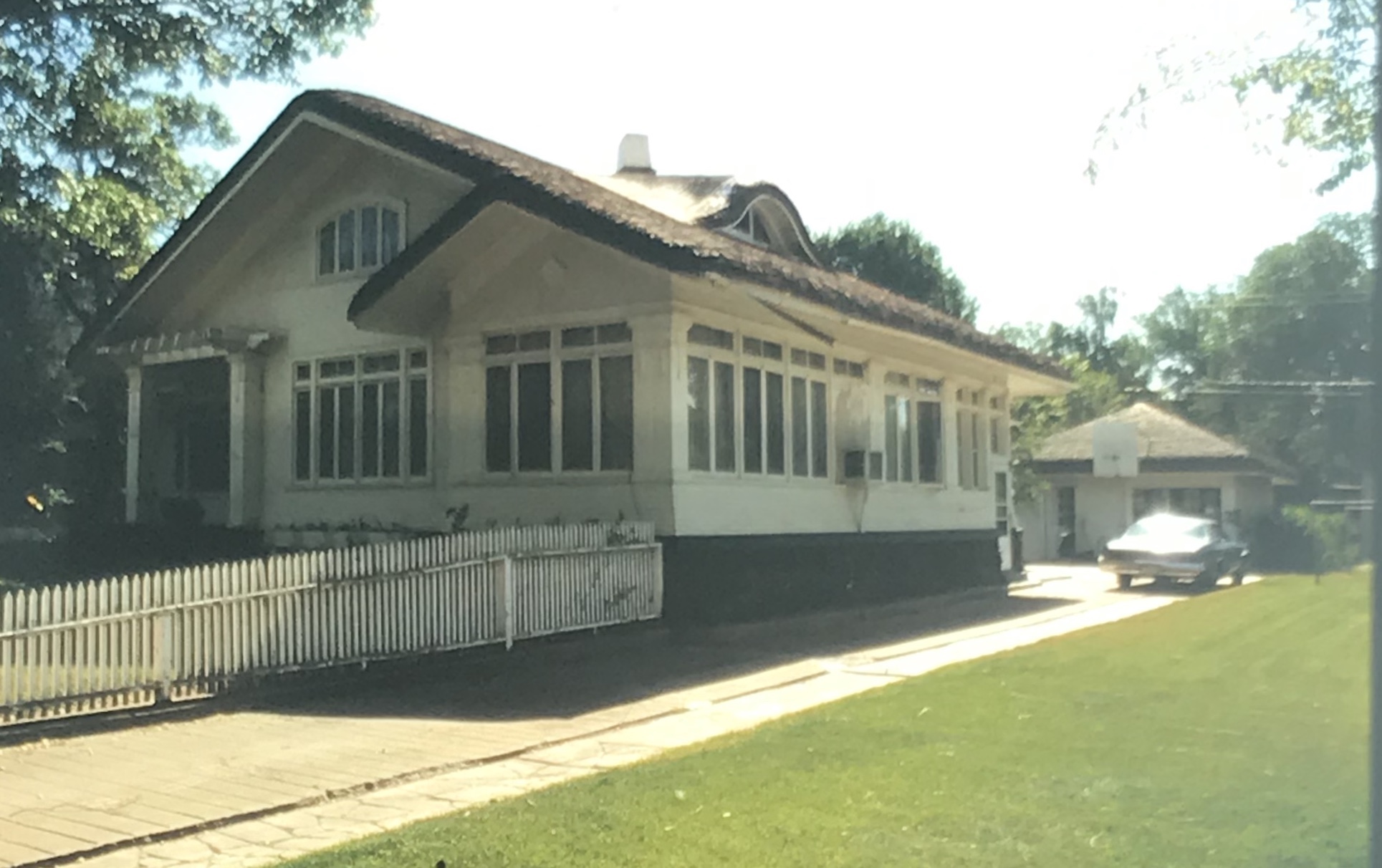
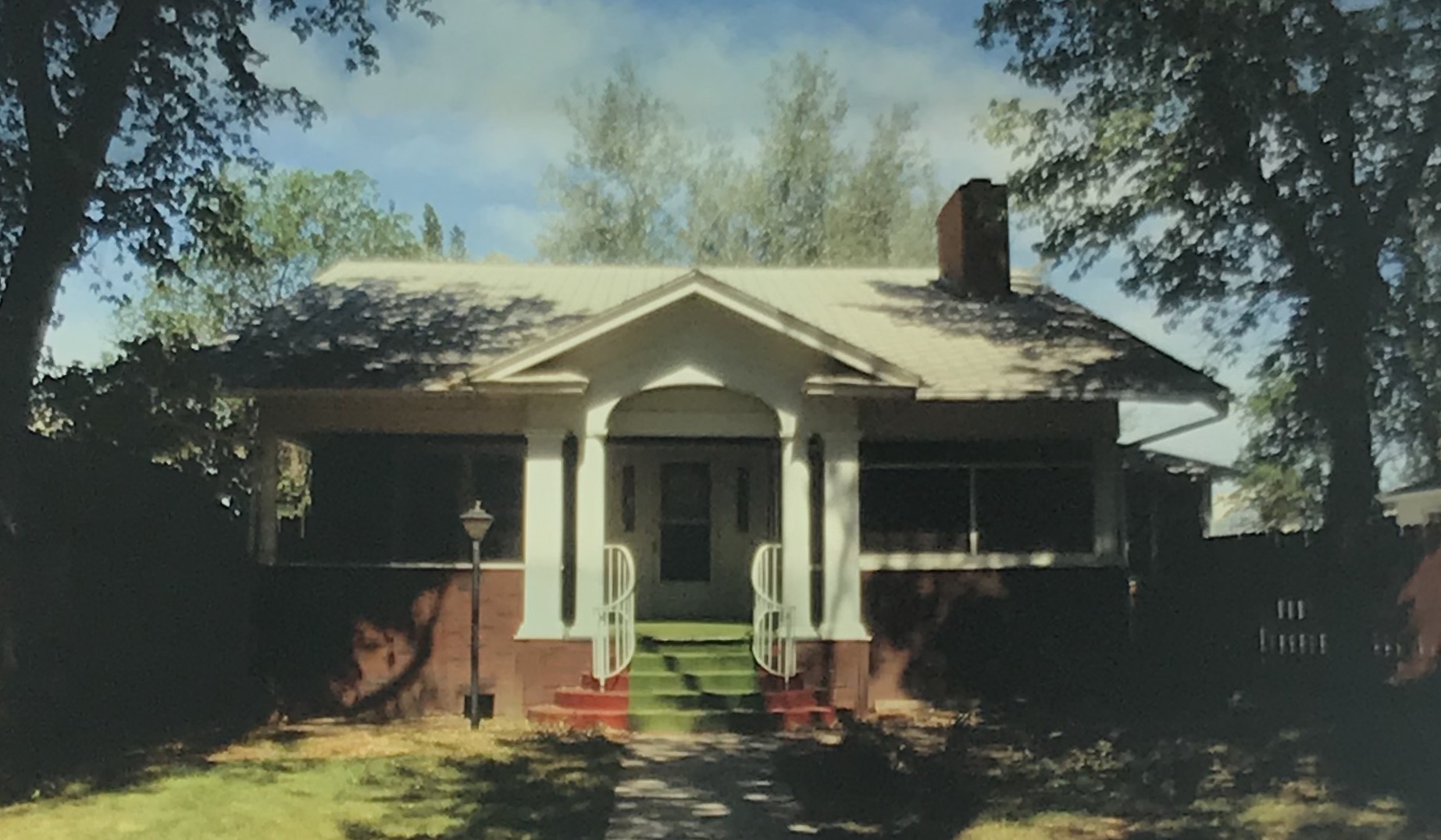

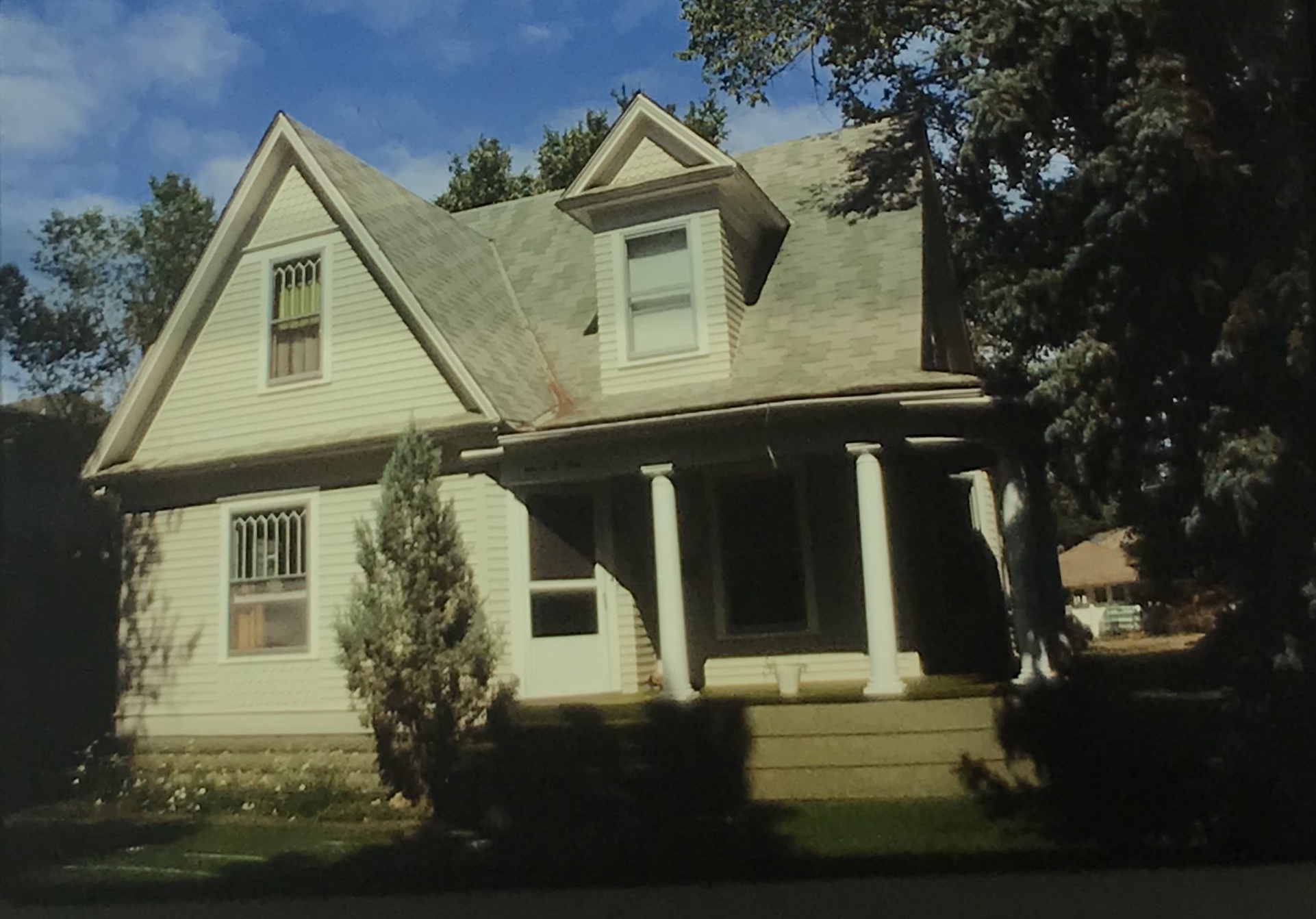
 The earlier homes in the district are mostly Victorian in style and form, like the dwellings at 707 N. Meade (below) and 709 N. Kendrick (second below), the most Queen Anne style dwelling that I recorded in 1988 in Glendive.











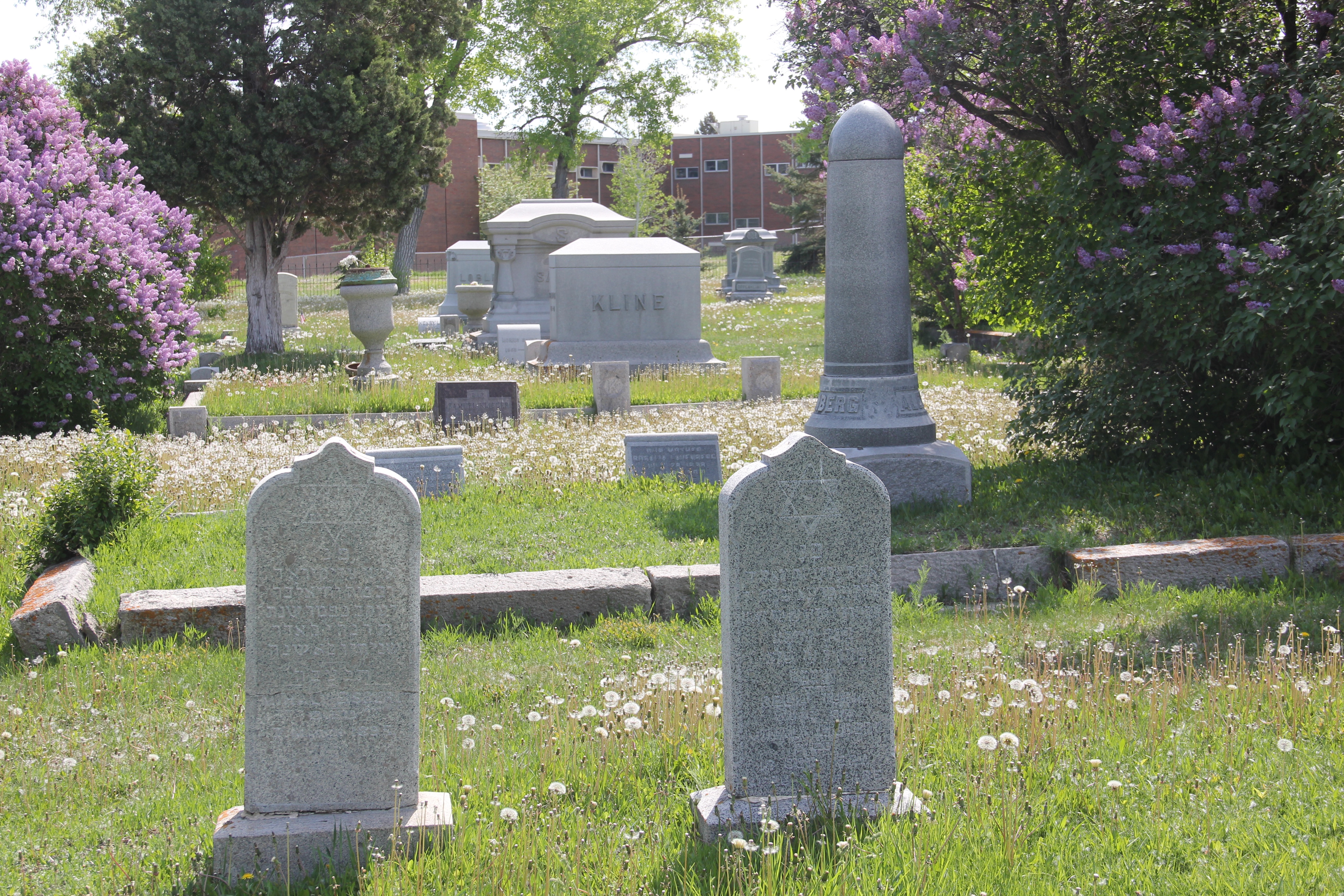
 The date of most markers are from the late 19th century to the early 20th century. Mostly made of granite and sandstone, with some marble as well, the grave markers reflect Victorian styles and Classical influences. Herman Gans’ marker from 1901, seen below, is a mixture of both.
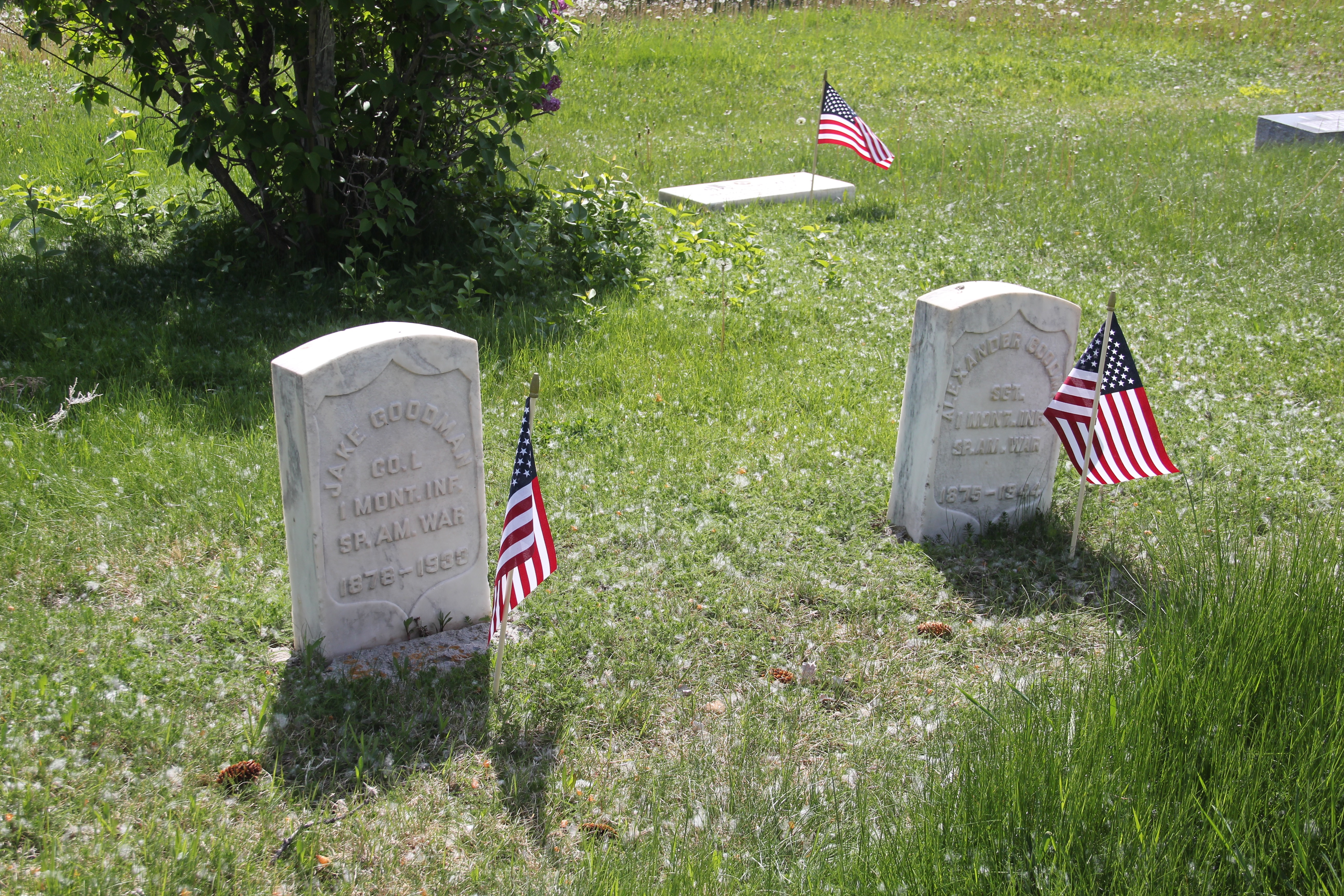
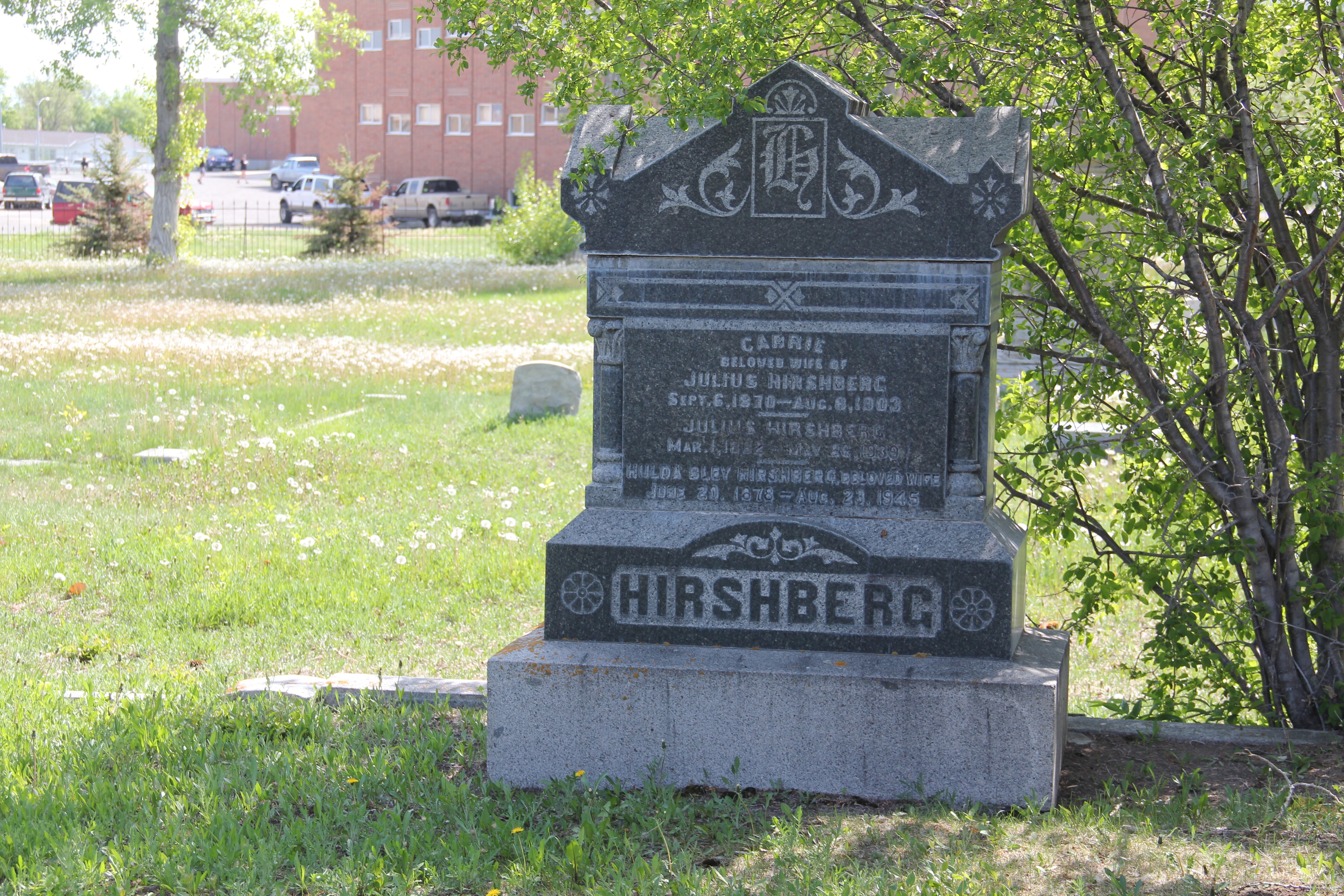
 The looming presence of the school grounds is a worry for future preservation of the cemetery–could it be possibly overlooked, ignored, and abandoned? One online resource about the cemetery remarks that there are more Jews buried in the cemetery than live in Helena today. But this sacred place is a powerful reminder of the contributions of the Jewish community to Helena’s growth and permanence. Listed in the National Register of Historic Places, the cemetery should be valued as one of the city’s oldest and most significant historic properties.




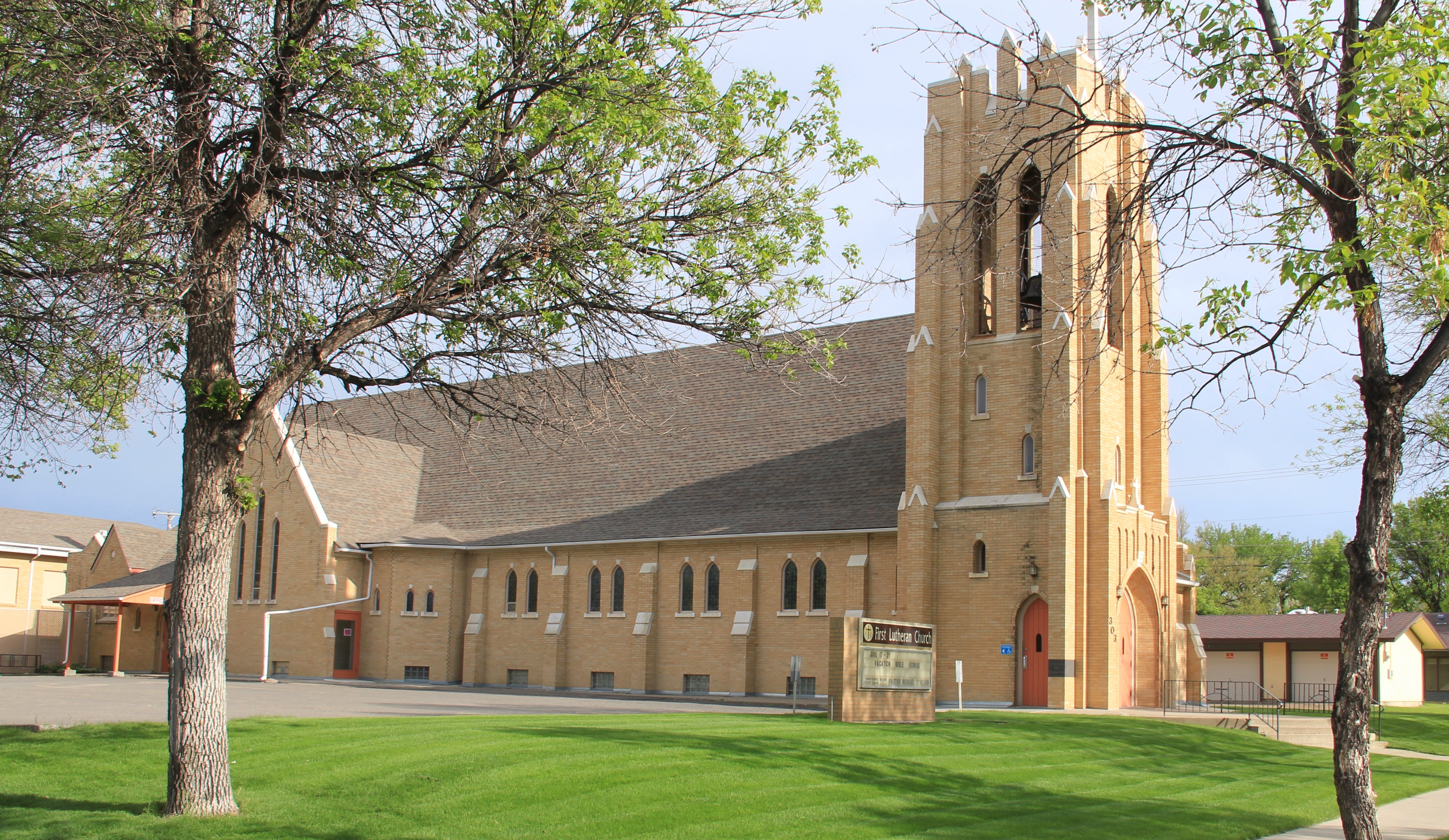
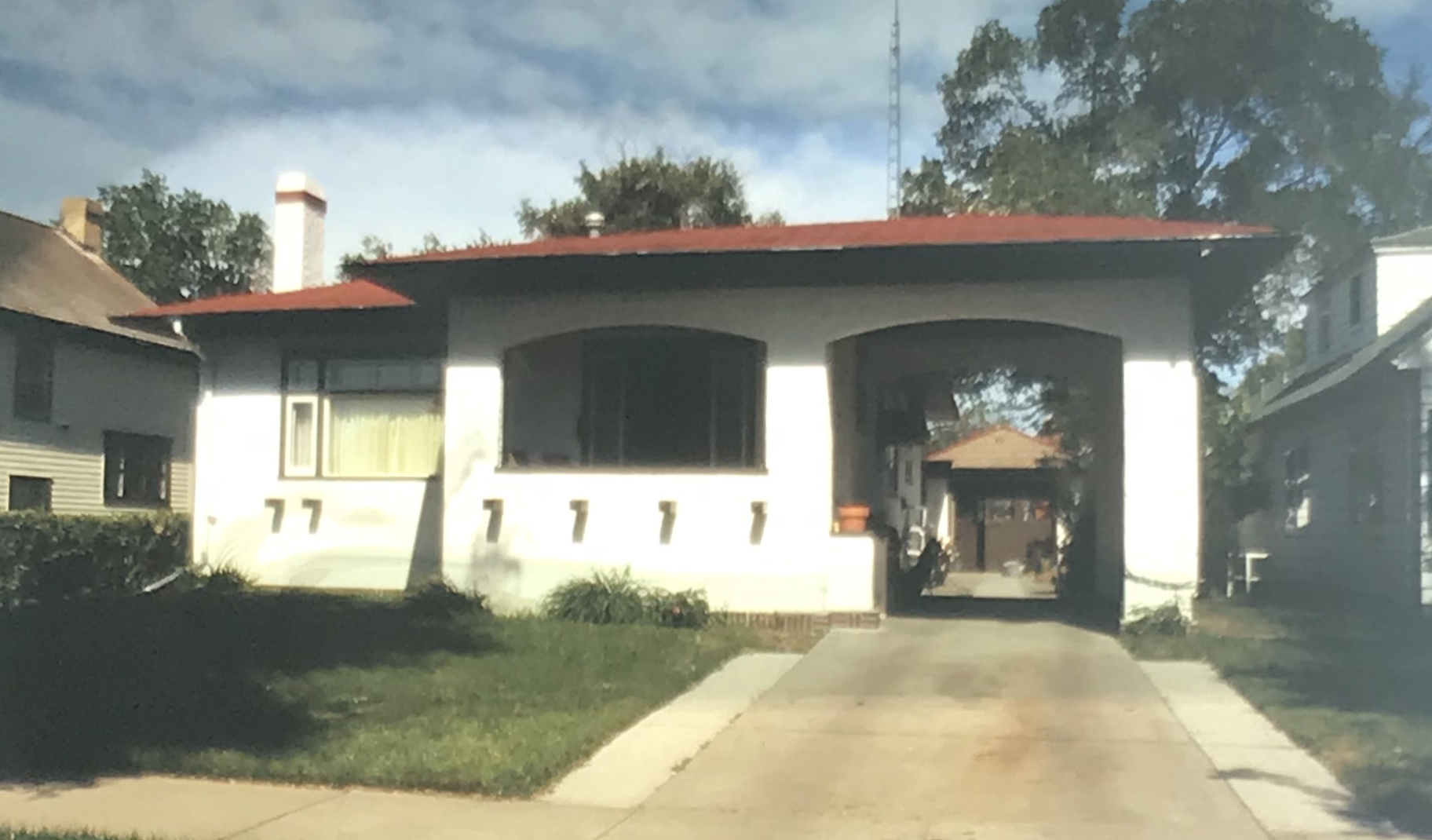
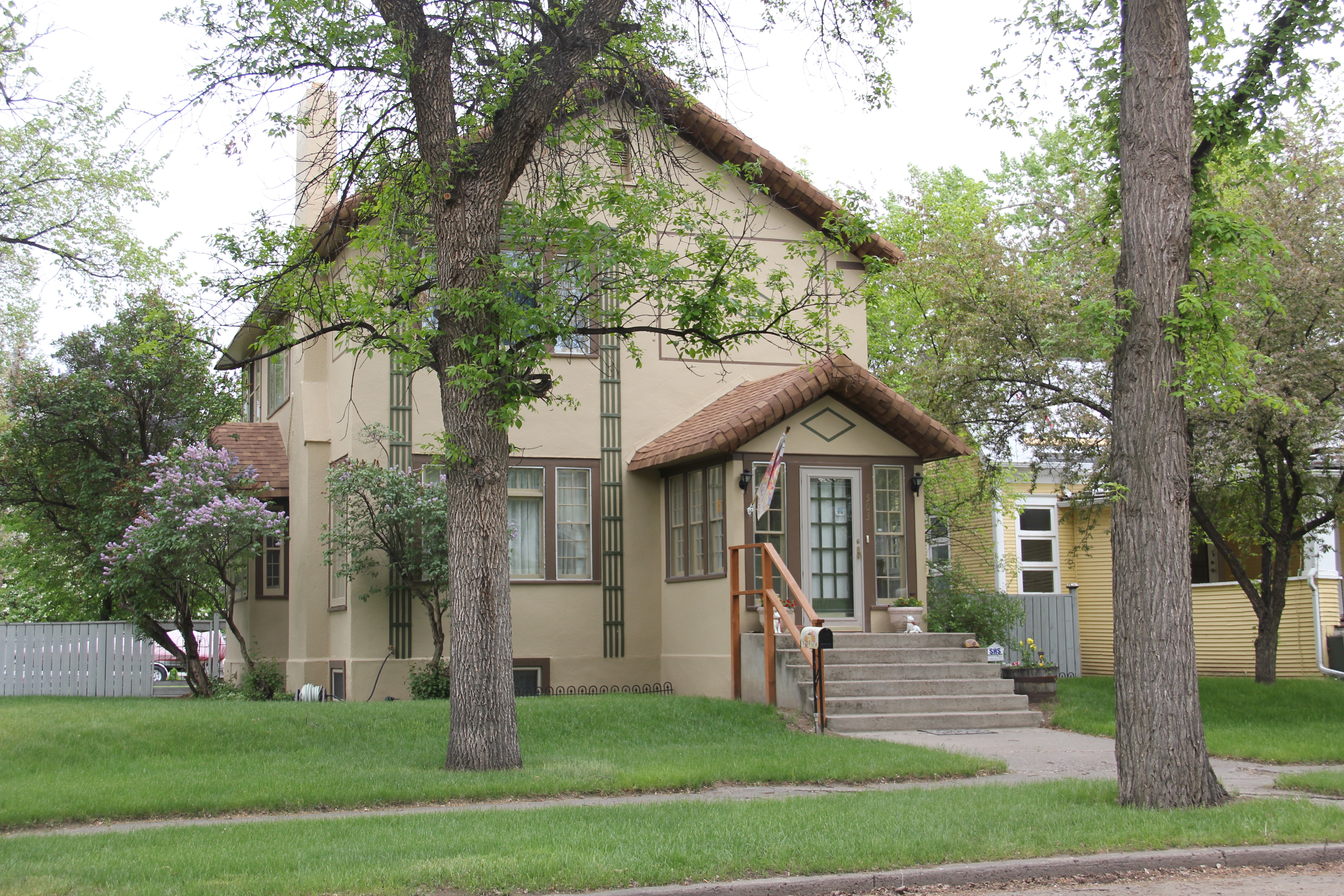 Craftsman style popular in the early 20th century. It is a place where the pages of the famous Craftsman Magazine seem to come alive as you walk the tree-lined streets. But there is more to Havre’s historic districts than the homes–there are the churches, about which more needs to be said.
 As my first two images of the First Lutheran Church show, Gothic Revival style is a major theme in the church architecture of Havre, even extending into the mid-20th century. First Lutheran Church is a congregation with roots in Havre’s boom during the homesteading era. As the congregation grew, members decided to build the present building in 1050-51, adding an educational wing by the end of the decade.
 The earliest Gothic Revival styled church is First Baptist Church, constructed c. 1901, shown above. The unidentified architect combined Gothic windows into his or her own interpretation of Victorian Gothic, with its distinctive asymmetrical roof line.
 A more vernacular interpretation of Gothic style can be found in the town’s original AME Church, built c. 1916 to serve African American railroad workers and their families, and later converted and remodeled into the New Hope Apostolic Church.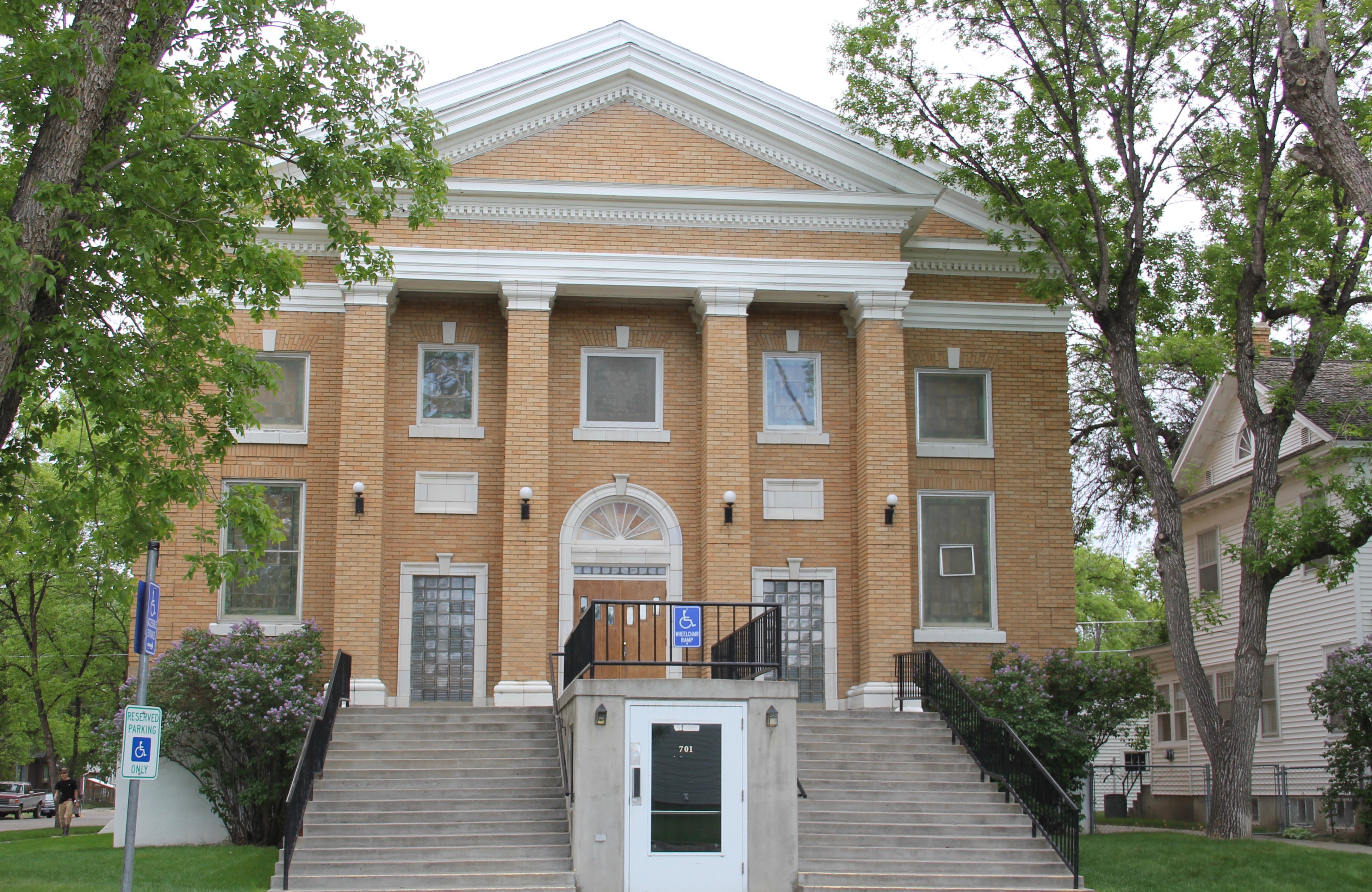

 The Spanish Colonial Revival style of St. Jude’s Catholic Church, however, shows us that architect Frank F. Bossuot was more than a classicist. The church’s distinctive style sets it apart from other church buildings in Havre.
 The same can be said for a church building that comes a generation later, the Van Orsdel United Methodist Church. When the Havre historic district was established, this mid-century modernist designed building was not yet 50 years old, thus it was not considered for the district. But certainly now, in 2018, the contemporary styling of the sanctuary has merit, and the church has a long history of service. It started just over one hundred years ago with a brick building named in honor of the Montana Methodist circuit rider W. W. Van Orsdel who introduced the faith to Havre in 1891. A fire in late 1957 destroyed that building, and the congregation immediately began construction on its replacement, dedicating it in 1958.