Stanford: Railroad Town Deluxe in Montana’s Judith Basin

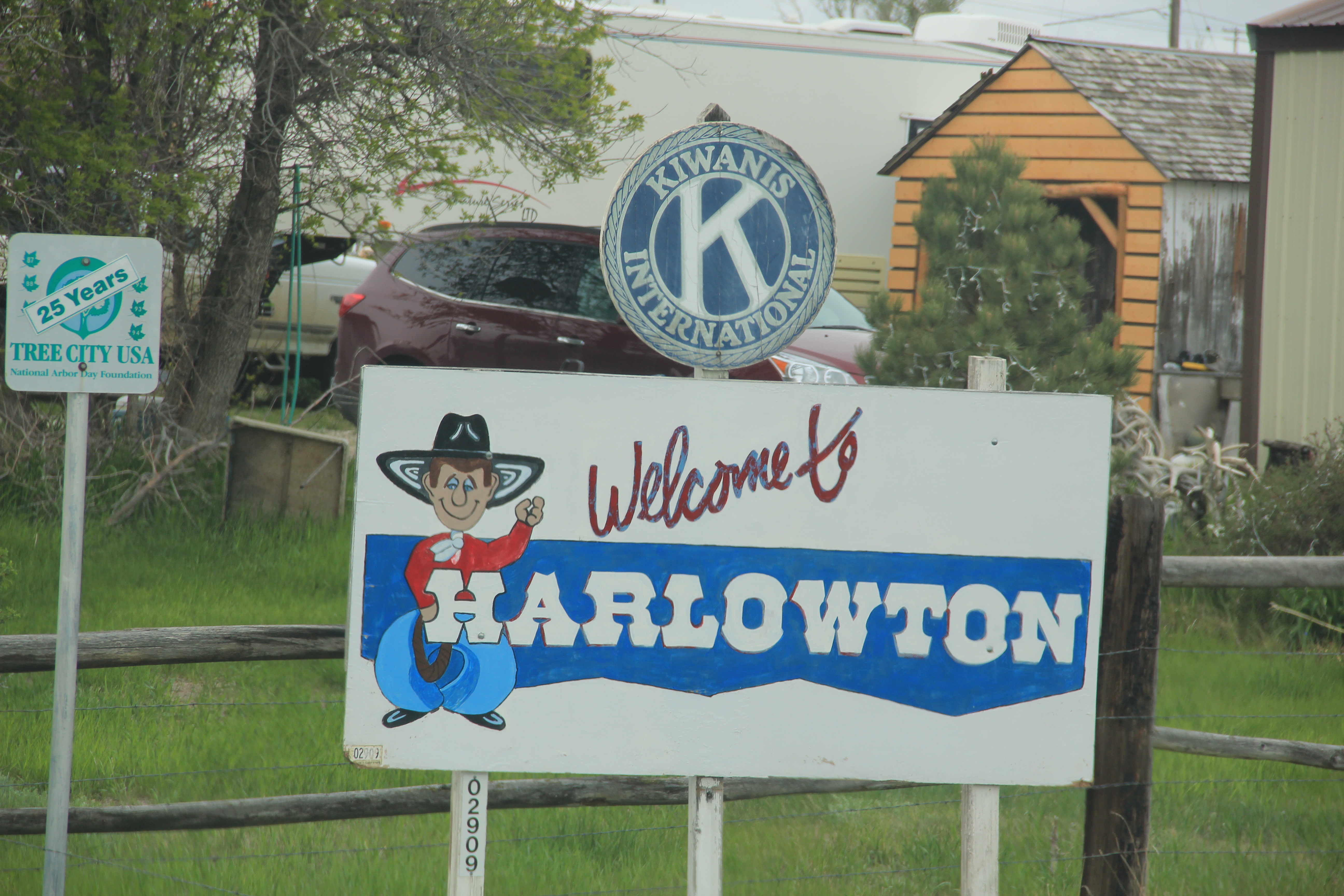
IMG_9845The sign on U.S. Highway 87/Montana 200 says it all:  why not stop in Stanford?  If you are a railroad town planning fan, it is an absolute.  Geographer John Hudson a generation ago talked about the distinctive historical northern plains landscape created by the great transcontinental lines at the turn of the 20th century in his book, Plains Country Towns. His work, then just recently published when I was surveying the state for its preservation plan in 1984, became a conceptual bible of a sorts for me–allowing to see significance where others might just say, ah it is just another dusty western town.

IMG_8839Stanford, the seat of Judith Basin County, might appear to be exactly that when I first stopped in 1984.  The county had been established in 1920, one of the last during the homesteading boom.  The town’s  rhythm of one-story, often false-front stores conveyed little that might be considered special or noteworthy (although the Pump Bar is always worth a stop).

IMG_8838The old state bank building and a neighboring retail establishment were the only spaces that conveyed a sense of architectural styling.  The post office was a rustic-front building that didn’t automatically say “here’s the federal government.”  The local county museum–also worth a stop–stood in a typical mid-1960s commerical-type building.

IMG_8841

IMG_8844Stanford had been relatively stable since reaching its population height in 1960 of 615 residents–when I visited in 1984 it had only dropped by a few families to 595.  But now the town was boomed, to well over 700 residents, reflected in the new fronts to the town’s businesses and maybe an indication that the sign on the highway has worked.

IMG_8837With that growth, however, has come one significant loss to Stanford’s historic fabric–the standardized design of its Great Northern depot.  It was there during my last visit c. 1998 but is now an empty spot along the tracks.

IMG_8840Despite this loss, Stanford remains an excellent example of the T-plan railroad town of the Great Northern Railway.  The top of the “T” comes from the railroad tracks themselves and the lineup of grain elevators along the top of the “T.”  In the classic design, the next element is the passenger station, on the other side of the tracks from the elevators, serving as the opening to the actual town. The rest of the plan is intact, especially the long main commercial corridor with businesses and offices on either side terminating in the lot for the county courthouse, in other words local government was at the bottom of the “T” while the railroad, represented by the tracks and depot” stood at the top.

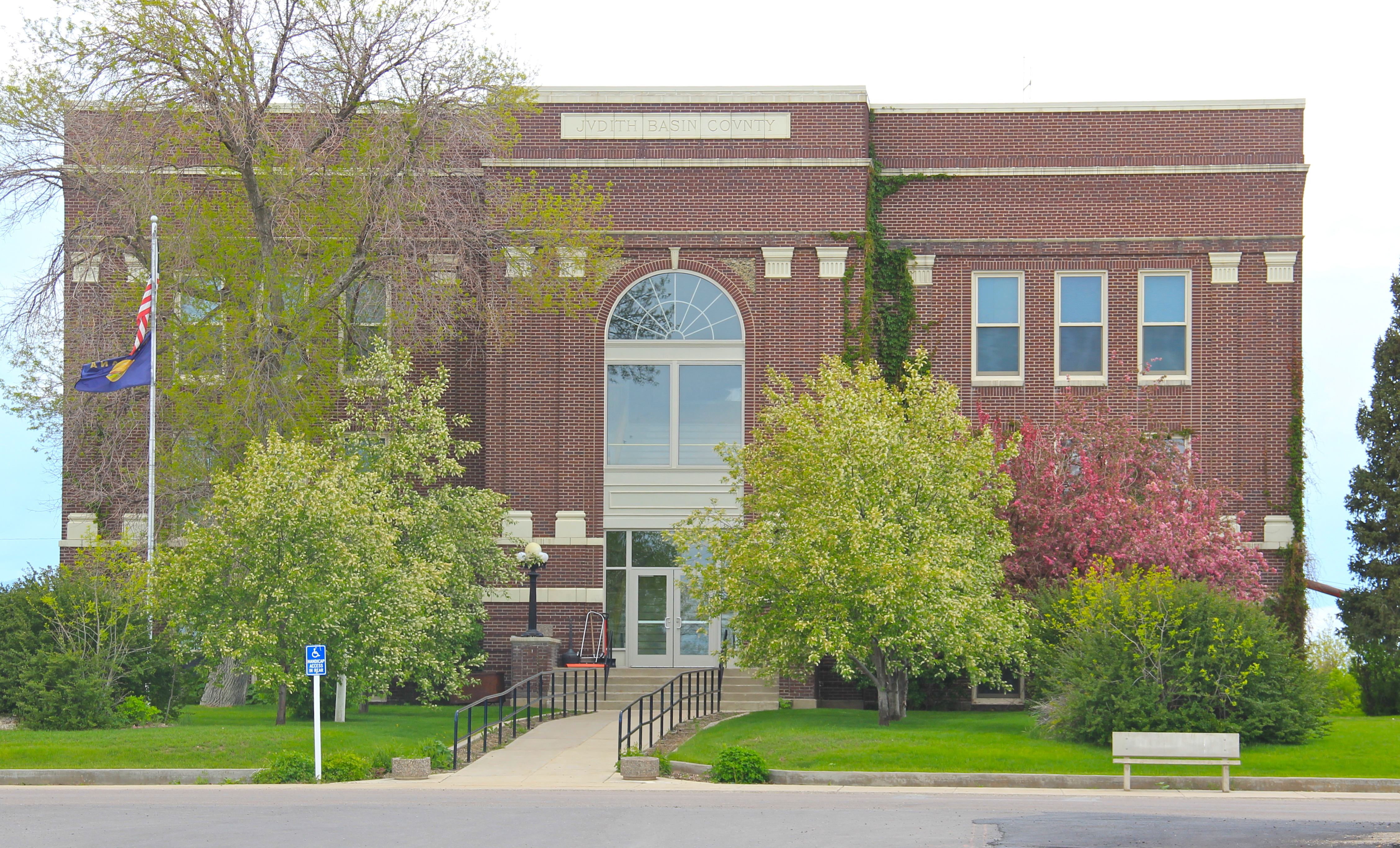
IMG_8842The Judith Basin Courthouse is an understated Classical Revival design finished in 1925 and designed by Havre architect Frank Bossuot. Its location, according to John Hudson’s interpretation, said it all about the power of the railroad companies in this era compared to local government.
IMG_8843

But today, in the 21st century, that earlier arrangement of space has lost much symbolic significance. The courthouse, with its inviting landscaping and plantings, is the town gateway.  People enter Stanford not by train but by highway and the highway runs south of town, meaning the courthouse and the residents around it are what you first encounter–the community comes first and the railroad comes second.
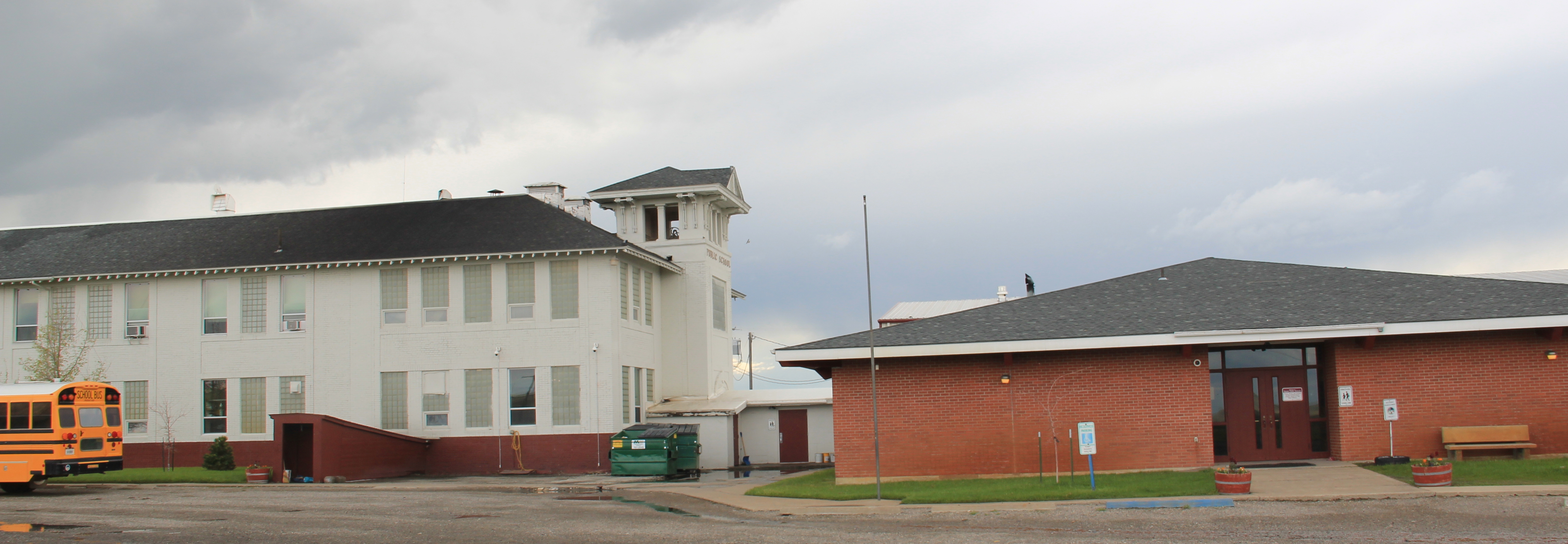
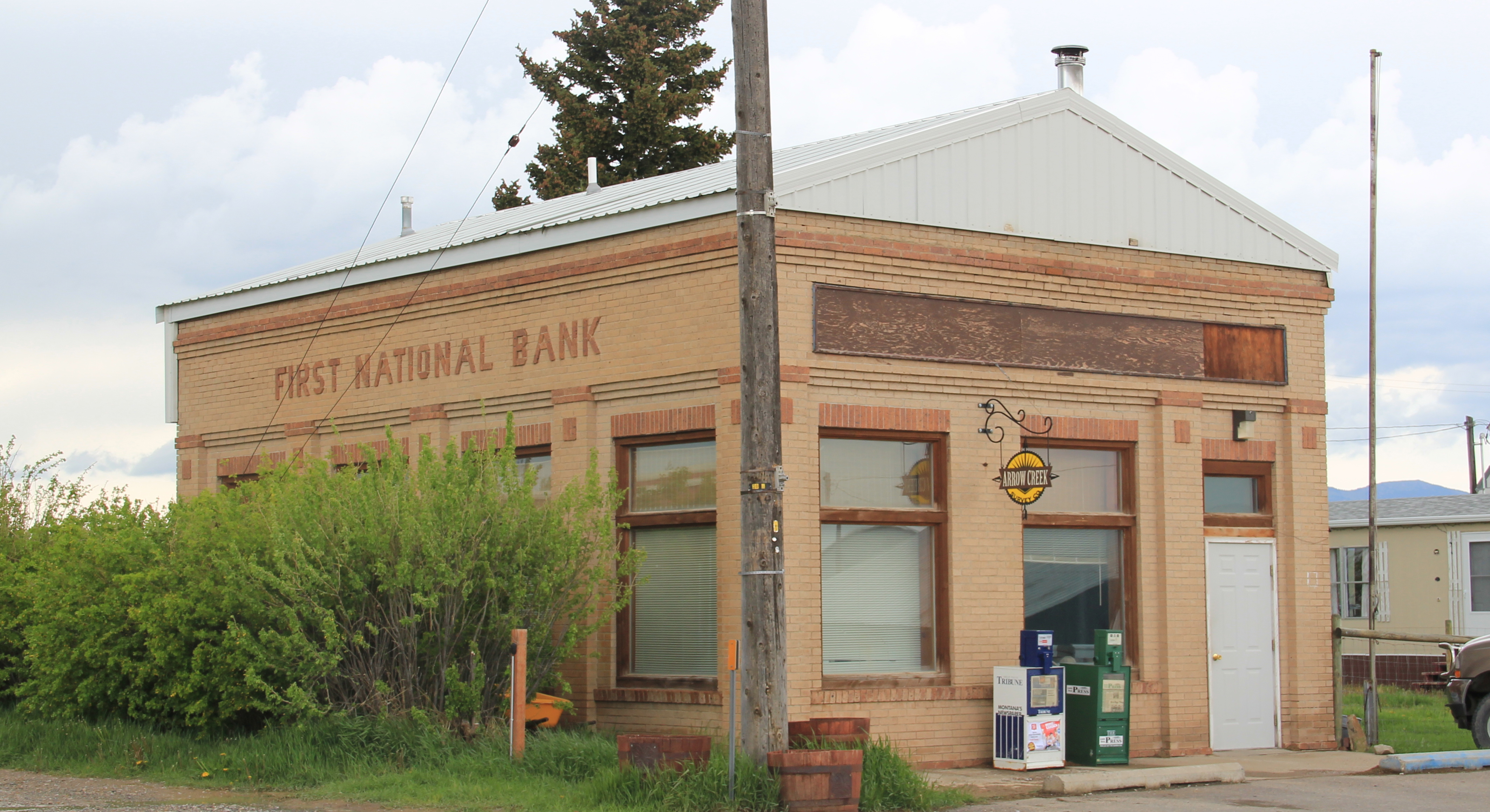
IMG_8848So plains country towns can change–as in Geyser the next stop to the west, where a modern school extension works in partnership with the classic two-story front-tower building from the 1910s-1920s.  And where, in Geyser, the old state bank has been converted into a surveyor’s office, for growth is coming into western Judith Basin County.
IMG_8849Yet whatever the 21st century promises for these places across central and eastern Montana–most do not have much of a future to contemplate–the past is always near, as the grain elevators from 100 years ago stand as silent sentinels of the hopes and ambitions of the homesteading generation.

IMG_8850

Baker: The Milwaukee Road’s Eastern Gateway to Montana

Fallon Co Baker Milwaukee Road corridor  - Version 2The Milwaukee Road, the last transcontinental railroad to crisscross Montana, enters eastern Montana at the town of Baker, established in 1908, which served as an important rail center for the company with the full name of the Chicago, Milwaukee, St. Paul and Pacific.  When I visited Baker in 1984 i noted that many of its buildings dated from the homesteading era although there was a clear second layer of development died to the region’s oil boom of the late 1960s and 1970s.  In A Traveler’s Companion to Montana History (1986) I noted “Baker’s railroad corridor is still largely intact, and the spatial arrangement created by its Milwaukee depot and the neighboring Baker Hotel, an imposing brick building dating to 1916, symbolizes the railroad’s importance to the town.” Both buildings are gone now unfortunately but an indication of the prominence of the corridor is still conveyed by the brick building below which has served the community in many commercial and professional ways over the decades.

IMG_0390

Insurance was just one of the services provided by this neoclassical styled building.

Today the hotel, the tracks, and the huge grain elevators along the railroad corridor remain, and the elevators still visually dominate the surrounding mostly one-or two-story built environment.  But the depot is gone, leaving a hole in the town’s historic fabric.

IMG_0402Buildings and railroad tracks were not the only legacy of the Milwaukee in Baker–there was the large lake the company developed to provide water for its trains in a largely parched region.  The Baker Lake, 30 years ago, was undergoing another improvement project, part of the town’s generation-long effort to turn a forgotten corporate remnant into a community asset.  The company built the lake c. 1908 but soon found that the water was too salty–it corroded the equipment.  And so the lake sat, until the 1950s when the Baker’s Woman Club began an effort to convince the railroad to transfer the lake to local

IMG_0462government.  County leaders became convinced that yes, Baker needed a community recreation asset, and eventually the land was transferred into the public use, and Baker Lake by the end of the century was an unique asset in southeastern Montana, and a center for recreation and special events.

Fallon Co Baker library  - Version 2The lake is not the only contribution of the Woman’s Club.  it also was central in creating, staffing, and maintaining a public library, and the contemporary-designed library from 1970 remains but also has been enlarged since 1984.

IMG_0407

The Fallon County-City of Baker Administration Building, 1974-1975

Indeed, I noted the recent construction of the 1970s in Baker, like the new county courthouse/city administration building where I held a public meeting, but I didn’t really process the layer of modernism in the town, a reflection of its growth from 1950 to 1970, when the population grew from 1,772 to 2,584.  The new joint administration building, designed by the Billings firm of Johnson Graham Associates, remains an impressive piece of contemporary design.  Architects Willard Johnson and Orval Graham had established the firm in 1967.  The Baker project established a connection between the firm and county that continued into the present:  the new grandstand at the Fallon County Fairgrounds is also a JGA design, from 2011.

IMG_0417

IMG_0419

The tradition of county fairs dates to 1909 and today the Fallon County Fair is one of the region’s largest.

IMG_0465Historic schools are other important contributions to the town’s built environment.  Above is the Washington School, built in 1927.  It is a brick Classical Revival statement of the town’s insistence for permanence in the face of the homesteading bust. When I last visited in 2013, the school was undergoing rehabilitation to become an office building. On the other side of town stood a more modern design, the Longfellow School, built in 1968 during the height of the population boom in Baker.  Its low, rectangular mass was modern school design at its best, although since my 1984 visit the casement windows have been covered so central heat and air could be installed.

IMG_0410The second building in Baker listed in the National Register was the only one designated in 1984, and it was the pride and joy of the community:  the old county courthouse converted into the O’Fallon Museum.  Here was not only the historical exhibits typical of the area but also installations about the region’s prehistoric past and moved buildings to host special

IMG_0414collections but also to interpret the homesteading past.  I will always remember my public meeting in Baker, for the obvious pride residents had in the museum but also for the comment that they could not wait to show me “our really old stuff,” such as a 1916 homestead.  Coming from my training at Colonial Williamsburg, considering places from 1916 as really old was a notion that took some getting used to, but of course in the context of settlement and development of southeastern Montana, it made perfect sense.

IMG_0463Today I would even join into the call for the “really old stuff”–like the Lake Theatre of 1918.  It certainly deserves a place in the National Register as so few classic movie theaters remain in this part of the state.  The same could be said for this classic c. 1960 drive-in,

IMG_0404which is part of the town’s roadside architecture traditions along U.S. Highway 12, the federal road that parallels so much of the Milwaukee Road’s route through Montana.  For

IMG_0472good measure I would even dare say that it’s time to assess the significance of the oil wells and facilities along Montana Highway 7 as you enter or leave Baker.  The discovery of oil and its development in the 1960s and 1970s certainly was the major economic story of the town and county in the second half of the 20th century.

IMG_0468In 2015 Baker has retreated from that c. 1960-1970 boom.  Population peaked at 2584 in 1970.  It remained just a hundred or so under that in 1980, but changes in demand, technology and the bankruptcy of the Milwaukee meant that Baker in the last 30 years has lost residents, in 2010 down to 1741, about the same number as in 1950.  Yet I like that the lake had been restored, and it remained a vibrant part of the town, that new banks and new renovations were part of the town, and indeed, that an old car dealership and garage was now the very good Three Garages Bar.  Historic preservation can play a larger role in Baker’s future just as it did during Baker’s boom in the past.

IMG_0397

Railroad Towns of the Clark’s Fork Valley

IMG_5595

The name Carbon County seemingly says it all–here is a Montana place that is mining country, and coal mining at all.  As earlier posts have discussed, coal mining is vitally important to the county’s history.  The county seat of Red Lodge was a major coal mining town. But even Red Lodge’s historic built environment speaks of another side of Carbon County’s history. Its tall shiny grain elevator along the railroad tracks remind us that Carbon County was also agricultural country, especially in the Clark’s Fork River Valley.Carbon Co Red Lodge elevator - Version 2

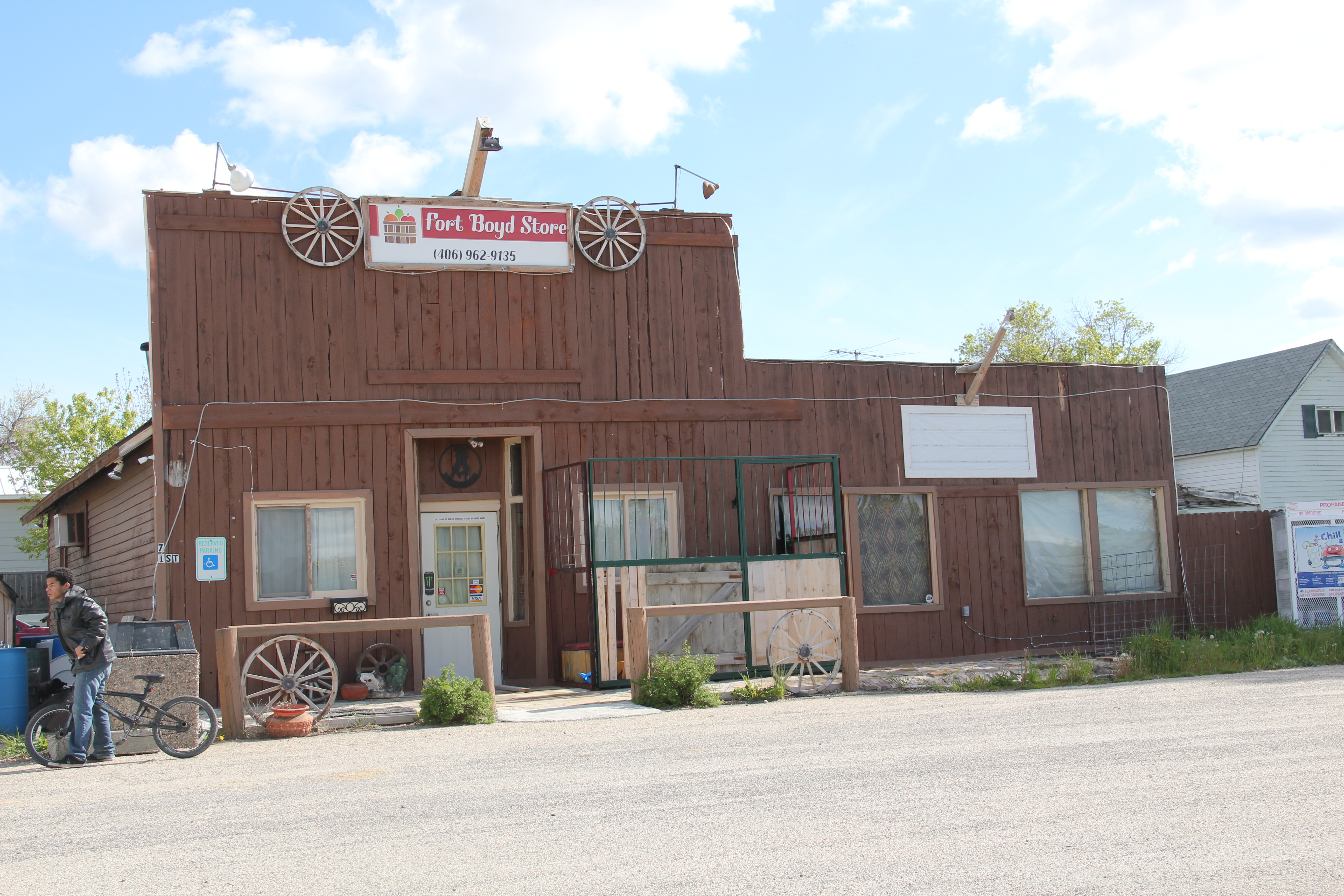
The next couple of posts will explore this part of Carbon County–the towns and places many tourists roar by as they seek out Red Lodge and the mountains beyond.  Some places were, and are, tiny but still changes over 30 years are apparent. Boyd, for instance.  In 1984 I caught this iconic view of past and present at the historic Boyd store. The building is still there but the facade is changed, to a rustic western style, one more to the liking of fast-moving tourists.

General Store- PO. Boyd Caron Co. MT  IMG_5919

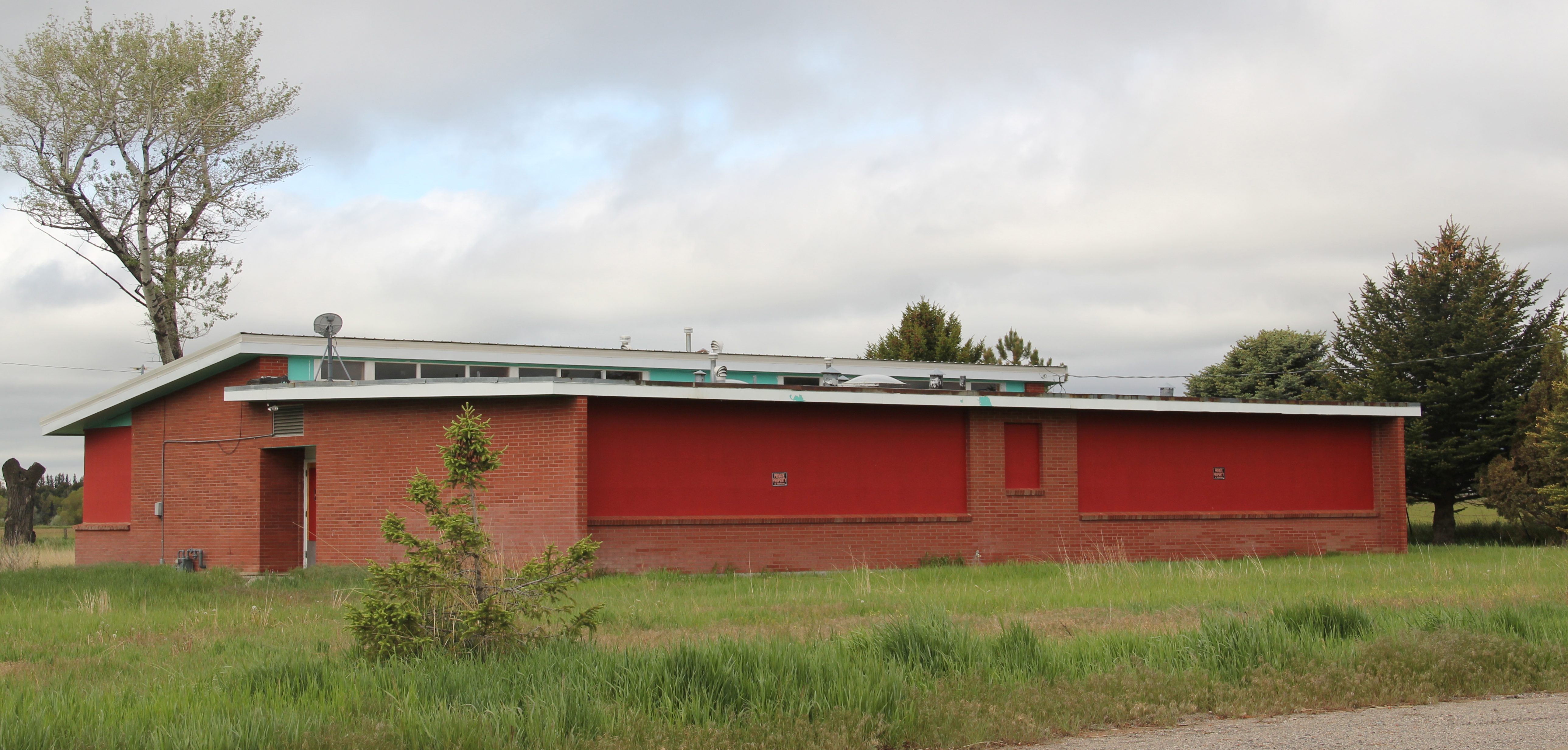
Edgar is a place that admittedly I gave little attention to in 1984.  That was a mistake.  I missed a very interesting modernist-styled school, probably part of the county-wide WPA projects for schools in the late 1930s, along with another 1960s styled addition.  The school closed in 2009.

Carbon Co Edgar New Deal school 3 - Version 2

IMG_5594

Edgar still has its bar, located in a fine one-story brick building–but not much else from the decades when it mattered in the 20th century.

IMG_5589Fromberg is a different story.  Unlike so many country railroad towns in Montana, Fromberg has a strong sense of itself, both in the present and in the past.  Part of that has to be a reflection of its comparative stability.  Its population height came in 1940, with mover 500 residents.  Today the population remains over 400, just about a 100 person decrease over 70 years.  For Montana rural towns that is exceptional.  Indeed, from my first visit in 1984 to my last in 2015, the town had only lost a few families.

IMG_5598 IMG_5597Fromberg has its own museum; the centerpiece of which is its restored railroad depot, part of the old Northern Pacific spur line.  In true northern plains fashion, other historic buildings have been moved onto the museum grounds.  It’s not quite a building zoo but the buildings give the place enough presence to attract visitors speeding along the highway.

IMG_5600 IMG_5599

Fromberg is a t-plan town, and all of the patterns of that type of town planning are apparent.  From the depot, running west, is the primary commercial street, with brick and fame buildings on either side.

IMG_5601

IMG_5622

The historic Odd Fellows hall dominates the commercial district–its conversion into the town’s post office, rather than a historic building being lost so a modern standardized design post office could be put in its place, is an excellent example of historic preservation done right.  Indeed, Fromberg residents have embraced the possibilities of preservation and multiple buildings are listed in the National Register of Historic Places.

IMG_5623

IMG_5618The mural about overland travel on the front of the Clark’s Fork Bank adds a touch of public interpretation.  If you want first-person stories, a stop at the Little Cowboy Bar (and “museum”, located at where the commercial district intersects with the highway, will be worth it.  It is one of the region’s classic watering holes.
IMG_5626

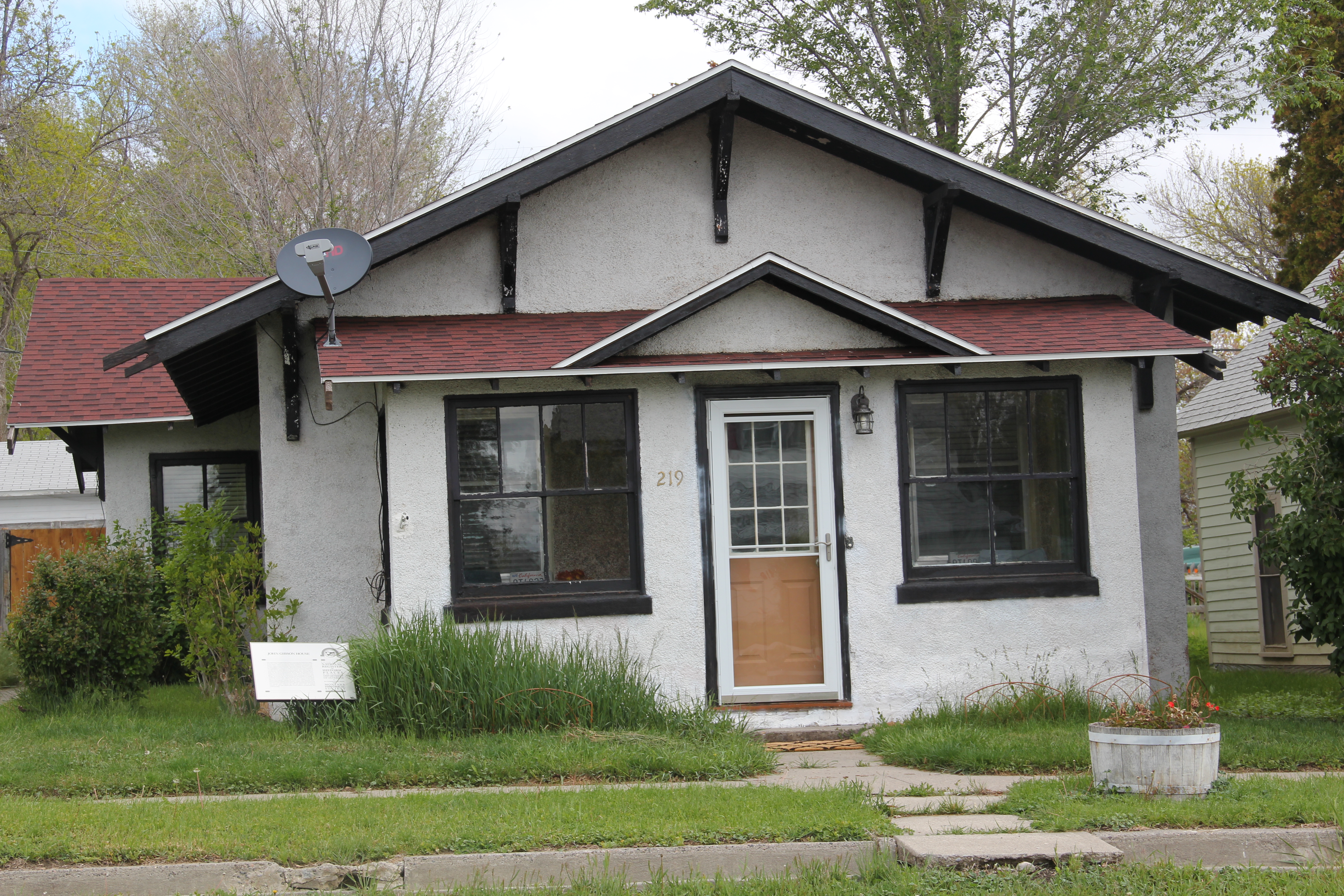
Fromberg also has documented its historic domestic architecture, raining from vernacular styled early 20th century homes to more stylish bungalows and even a couple of good examples of Dutch Colonial Revival style.

IMG_5617

IMG_5614

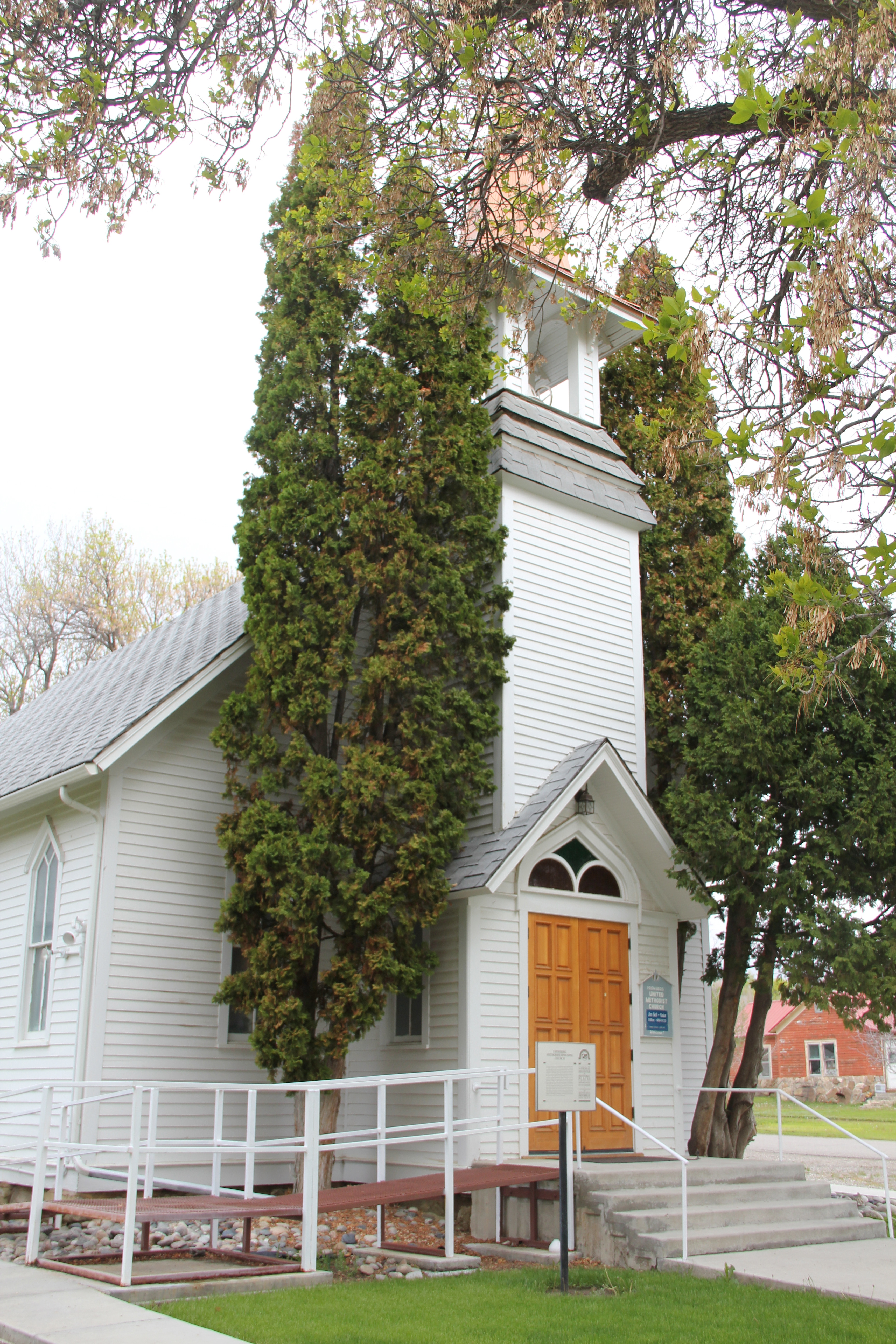
The homes are clustered around two historic churches, the brick St. Joseph Catholic church and the frame Gothic-styled and National Register-listed Methodist Church, built in 1907-1908 by contractor Charles Darnell and the community.

Carbon Co Fromberg St. Joseph Catholic - Version 2   IMG_5615T

The historic Fromberg school, like its counterpart in Edgar, was part of the countywide program of building modern schools by the WPA during the New Deal.  Its still impressive facade conveys well the WPA’s sense of modernism, and it remains the town’s primary community center today.

IMG_5607

Red Lodge: Coal Town of the Clark’s Fork Valley

Clark's Fork River, off U.S. 212, Carbon County, MT Clark’s Fork River, off U.S. 212, Carbon County, MT

When the Northern Pacific Railroad entered the Yellowstone Valley in the 1880s, officials and investors immediately began the search to find and acquire locally available deposits of coal.  First there came the Klein mines north of Billings and then by the end of the decade, the first move toward mines to the south, in the Clark’s Fork Valley, at what would become Carbon County with its major town of Red Lodge on Rock Creek. Development began slowly, with the Depression of 1893 intervening, but as the era’s financial and railroad magnates combined the Great Northern, the Burlington Route, and the Northern Pacific into one huge co-operative venture, they selected a new place in the Yellowstone Valley, a town called Laurel at the confluence of the Clark’s Fork and Yellowstone rivers, to connect the three railroads. In short order, a Northern Pacific Railroad spur line was built down the Clark’s Fork Valley to the place called Red Lodge–U.S. Highway 212 follows this route–and the boom was on.

IMG_5759Entering Red Lodge from the north via U.S. 212 you encounter immediately the town’s roots as a railroad town, as the historic Northern Pacific depot remains rooted at the head of the town.  Here is where my long-interest with the Red Lodge story began in 1984 when

IMG_5760I met with a small group of local historians, preservationists, and civic leaders determined to keep Red Lodge and its still intact historic environment together. The group’s vision for the depot was for it to be a visitor center, an arts center, but more than anything a community center, a visible sign of the turnaround that could happen.  Already, at the head of town artist Peter Toth had begun the new tradition with his mammoth wood sculpture, “In Honor of a Proud and Noble People,” installed in 1979, a theme of the region’s

IMG_5764Native American history and proximity to the Crow Indian Reservation that also was captured in a much more commercial way by the neon sign of the Red Lodge Cafe then, and still to my mind, the best place in town.  The neon, like Toth’s sculpture, was designed

IMG_5723

to attention of the one course of heritage tourism income that locals recognized:  that summer traffic coming out of Billings and off the interstate heading to Yellowstone National Park via U.S. 212 and the Beartooth Pass, one of the true highway wonders of the United States.  How to get people to stop, and how to restore pride and hope for the town itself: those motivated the group I met in 1984 moreso than any well meaning goal of merely preserving history and pretty buildings.

IMG_5758To say that the initial depot project was successful would be an understatement.  Thirty years later the depot is a public space that includes a gazebo, outdoor art, and a setting of history and culture rarely rivaled in the region.  As you move south from the depot, you also immediately encounter several of the dreams the groups discussed in 1984:  a National Register of Historic Places historic district (there are now more than one); restored and treasured public buildings such as the Carnegie Library and Carbon County Courthouse;

IMG_5746

IMG_5734

and their biggest goal of all in 1984, the acquisition, preservation, and transformation of iconic Labor Temple into a history museum and heritage center for the Carbon County Historical Society.

IMG_5740

The group understood the power of the Labor Temple:  they could tell a story not just of railroad magnates and economic development but could look at this history from those who came and labored in the mines, and built the town.  The building dated to the decade of Red Lodge’s height, 1910-1920, when the town’s population reached 5,000 but especially once the Northern Pacfic opened new mines at Colstrip to the east in the 1920s,  the town had been in a decades long period of population decline, where less than 2,000 people lived in 1980.  Many had given up, obviously, but those who stayed saw the bones of a possible community renaissance–and preservation was a big part of that.  That more recent story comes next.

Sandstone Masonry and Historic Landmarks in Columbus, Montana

IMG_5866Columbus, the seat of Stillwater County, has long served as an architectural and settlement landmark in the Yellowstone Valley.  Today when you drive down old U.S. highway 10 (Pike Street) next to the very active tracks of the Northern Pacific Railroad, two patterns stand out.  First, the town retains its historic depot and a well-defined railroad corridor–reminding everyone that here is one of the valley’s original railroad towns, from 1882-1883.  In a state where so many small town depots have been lost in the last 30 years, I always stop in Columbus just to see if its depot remains.

IMG_5910

This historic NP caboose is part of the displays at the Stillwater County Museum, which sits in a new building near the schools in the north end of town.

This historic NP caboose is part of the displays at the Stillwater County Museum, which sits in a new building near the schools in the north end of town.

The second feature is the striking stone masonry, found not only along the primary commercial blocks of the town but also throughout the residential neighborhood.  This beautiful turn-of-the-20th-century work is largely attributed to Michael Jacobs, a native of Italy who anglicized her name from the original Jacobucci.  Jacobs was a principal in the Montana Sandstone Company, a firm that not only built Columbus’s historic buildings but also took on commissions in Billings and Butte and its most famous project, the Montana State Capitol in Helena.  Jacobs’ imprint on the town was part of its recovery from the

IMG_5912Depression of 1893, which had rocked towns all along the Northern Pacific line.  But Colubmus recovered and rebuilt frame buildings in stone from c. 1900 to 1920 as the homesteading boom spread through the region.  in Italy, the Montana Sandstone Company provided facing stone to numerous buildings in Butte, but it was the contract for the Montana State Capitol that put the company on the map and established Jacobs’ fame and fortune.

New Atlas Bar Columbus

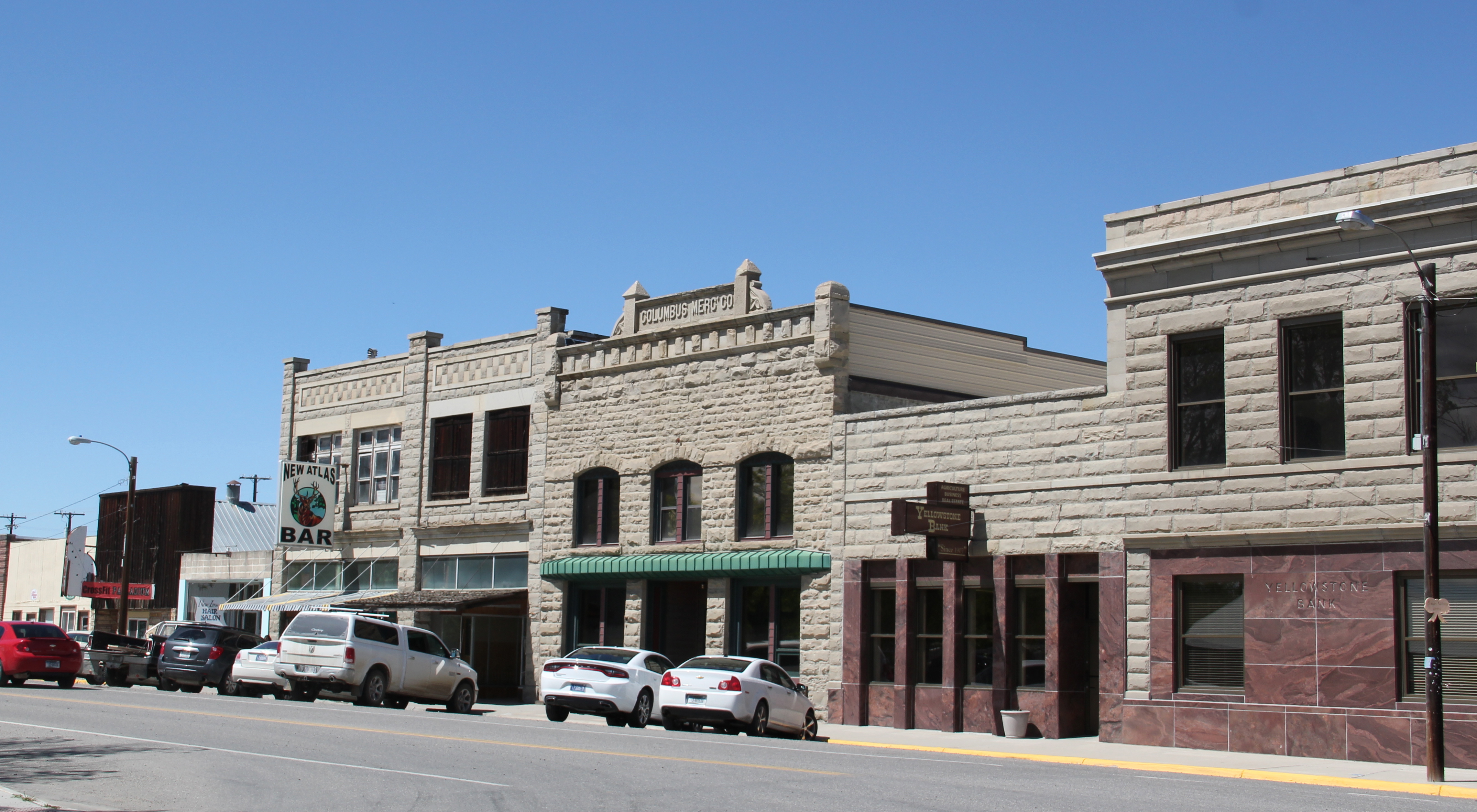
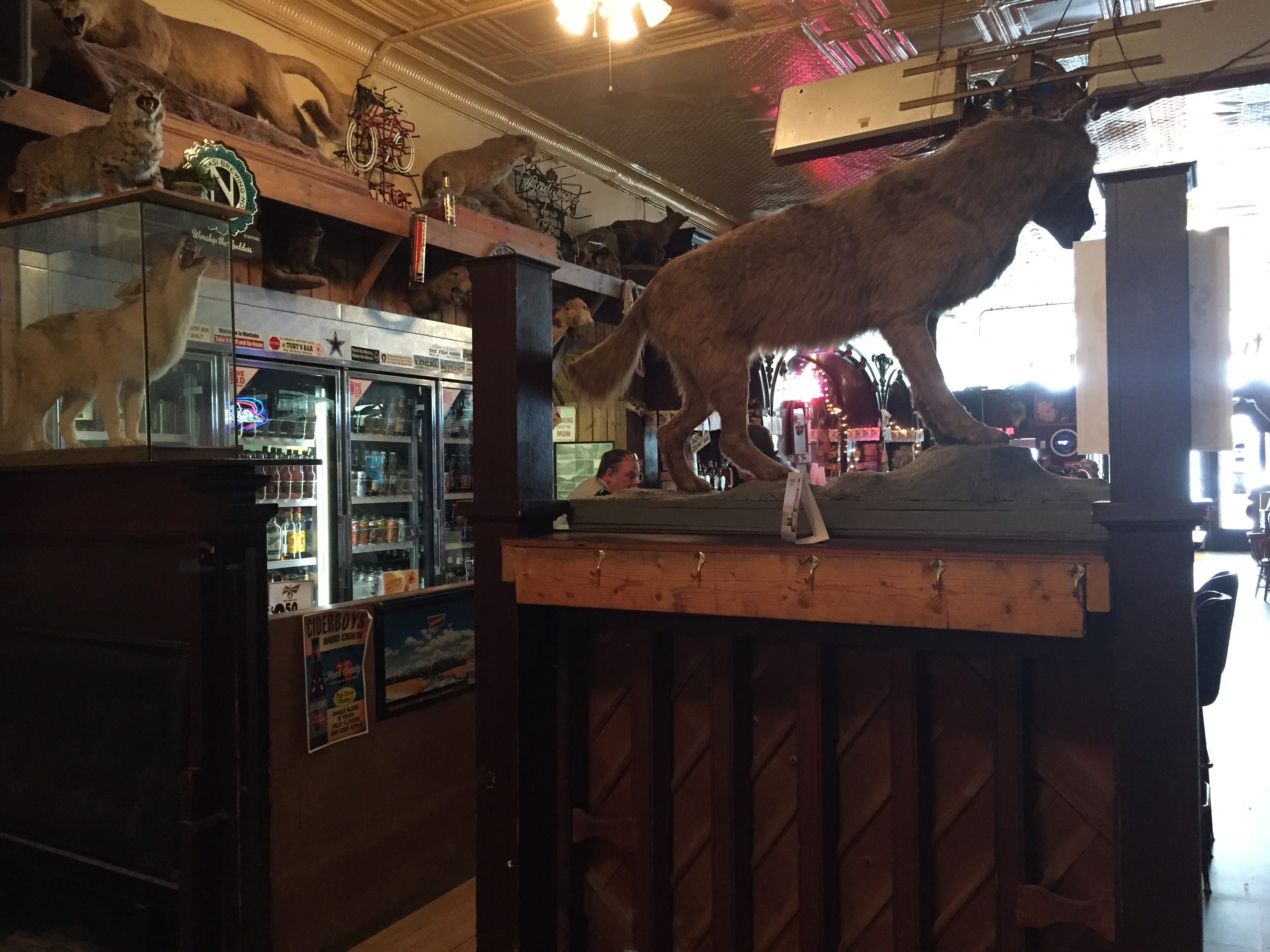
My favorite Jacobs building is the New Atlas Bar, which I first visited in 1982 and then made it tradition to introduce this special place to anyone traveling through the valley with me on fieldwork.  Listed in the National Register of Historic Places, the bar dates to 1915-1916, and was designed by Curtis Oehme.  For almost all of the 20th century it was operated by the same family who opened it, the Mulvihill family.  Known in the 1980s as the “See ‘Em Dead Zoo,” the historic interior features dozens of stuffed trophies, of all sorts of animals from the region.

IMG_0858

IMG_0855

IMG_0854 IMG_0860

But its historic interior of back bars and ladies lounge is intact, and although the place doesn’t quite have the vibe of 20 years ago, it is still a community gathering spot along historic Pike Street.

IMG_5876Michael Jacobs’ stately Victorian residence is another example of the firm’s craftsmanship as are a series of remarkable tombstones in the town’s Mountain View Cemetery.  The carvers of these monuments are either Jacobs or another firm employee Pasqual Petosa.

IMG_5887 IMG_5889

The county courthouse, however, is not of sandstone, but still it is an impressive Classical Revival statement in its porticoed Ionic entrance and symmetrical facade.  Located in the north end of town, the courthouse, designed by Warren Dedrick, remains an anchor for the county’s history during the homesteading boom.  It first opened its doors in 1921.

IMG_1236

Unfortunately the courthouse faces an uncertain future.  This year proposals have come forth to replace the building, or to modify it significantly with additions, due largely to the county’s population growth and need for greater public space in the last 15 years.  The local preservation commission called for discussions and full consideration before the town, and county, loses such a heritage asset as this striking historic landmark.

Townsend: A Railroad Town on the Missouri River

IMG_9524

Townsend is a classic Montana crossroads town, with its historic heart, and primary commercial district, centered on the intersection of U.S. Highways 12 and 287.  But a closer look reminds you of the town’s origins as a railroad town, part of the Northern Pacific route, as it moved westward from Bozeman to Helena, Montana, along the valley of the Missouri River.  The town’s layout is a good example of a T-town plan, with Front Street (now U.S. 287) forming the top of the “T” while Broadway (U.S. 12) forming the stem, as shown above.

IMG_9529

Grain elevators and other light industrial and transportation-related buildings the lots between the railroad tracks and Front Street.  At the corner of the highway junction is one of the town’s oldest buildings, the Commercial Hotel of 1889, which still operates today as

IMG_9528

a bar and restaurant.  Historically this large two-story frame building, with hipped roof dormers creating even additional rental space under the roof, would have been an attraction for travelers and business people looking for a place just off the tracks, or later the highway. It is among a handful of late 19th century railroad hotels left in Montana.

IMG_7092

Broadway also had its historic landmarks, especially the neoclassical-styled State Bank of Townsend, which is listed in the National Register of Historic Places.  Dating to 1918, the building’s architect was the Albert Mooreman and Company firm from St. Paul, MN. The flanking two-story classical columns root the yellow brick building to its prominent corner lot–the bank’s survival into the twenty-first century is also a rarity in rural Montana.

IMG_7111

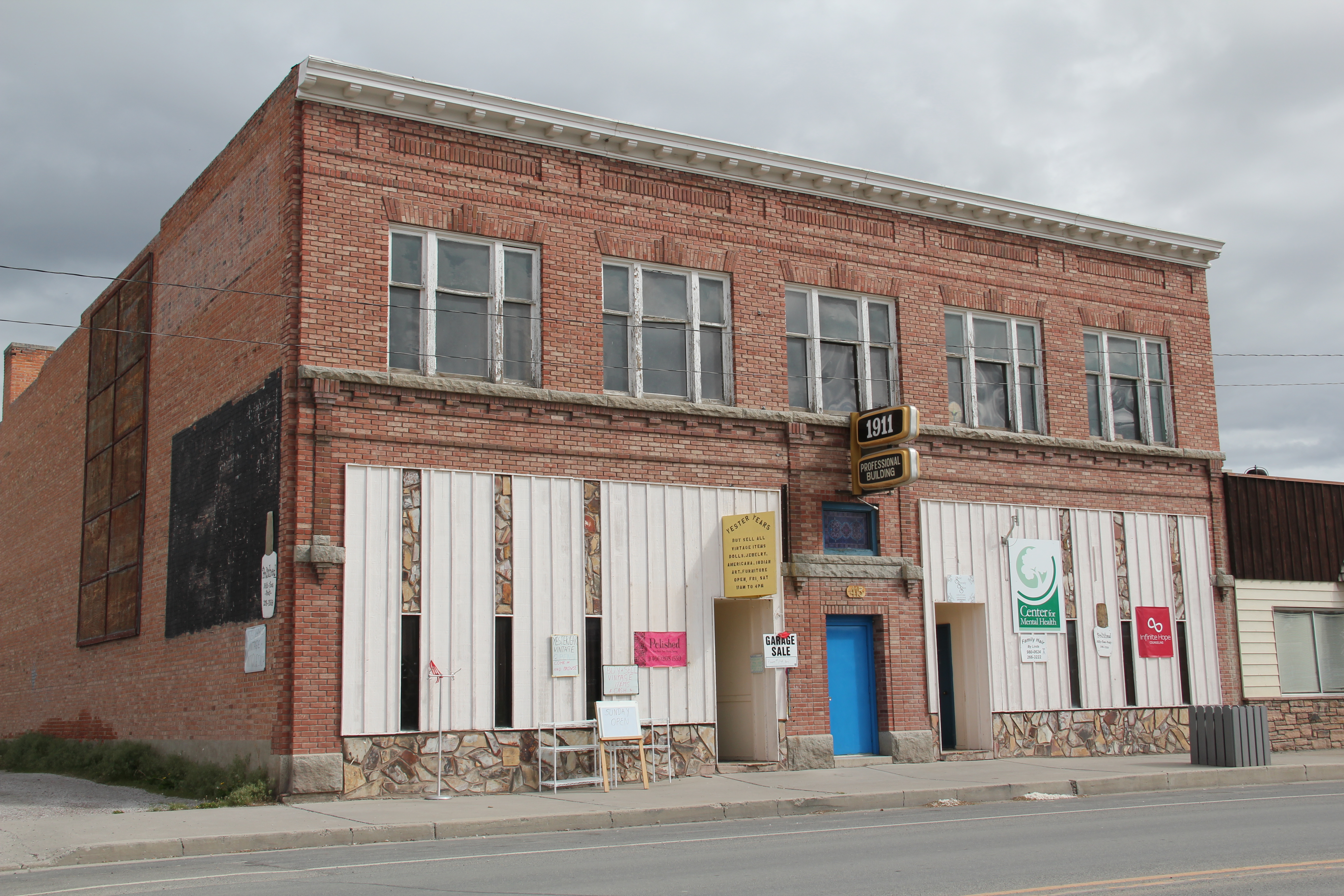
Broadway also has its mix of one- and two-story business buildings, from the American Legion and another Montana Mint Bar to the Professional Building of 1911.  Despite its proximity to both Helena and Bozeman, the town has retained its commercial vitality.

IMG_7107

IMG_7096

IMG_7112

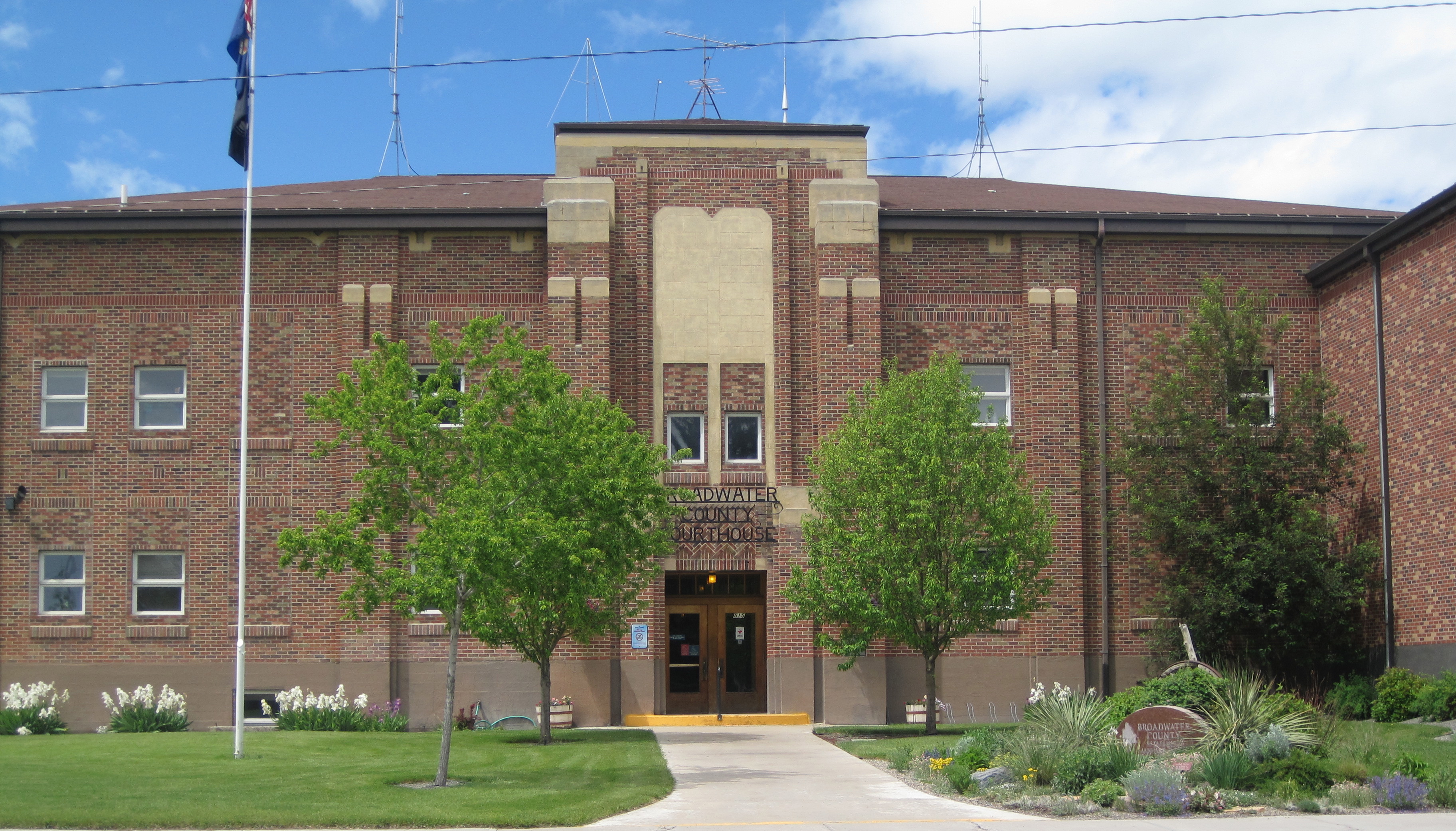
At the end of the commercial district is the Broadwater County Courthouse, a mid-1930s New Deal project that has expanded significantly in the three decades since I carried out the original historic preservation plan survey in 1984-1985.  Its understated Art-Deco styling fits well its highway location.  And as to be expected in a “T-town” plan, its location at the end of Broadway, meaning the end of the stem of the “T” reflected well the comparative power between local government and the corporate power of the railroad.

IMG_9521

IMG_9522

Being a resident of Helena from 1981 to 1985, I passed through Townsend many times on my way east since US 12 was a favorite trek.  I noticed these major landmarks and the patterns of railroad town plans but I must admit that I never strayed off of either Front Street or Broadway, and that was a mistake.

IMG_7099

IMG_7103

IMG_7102

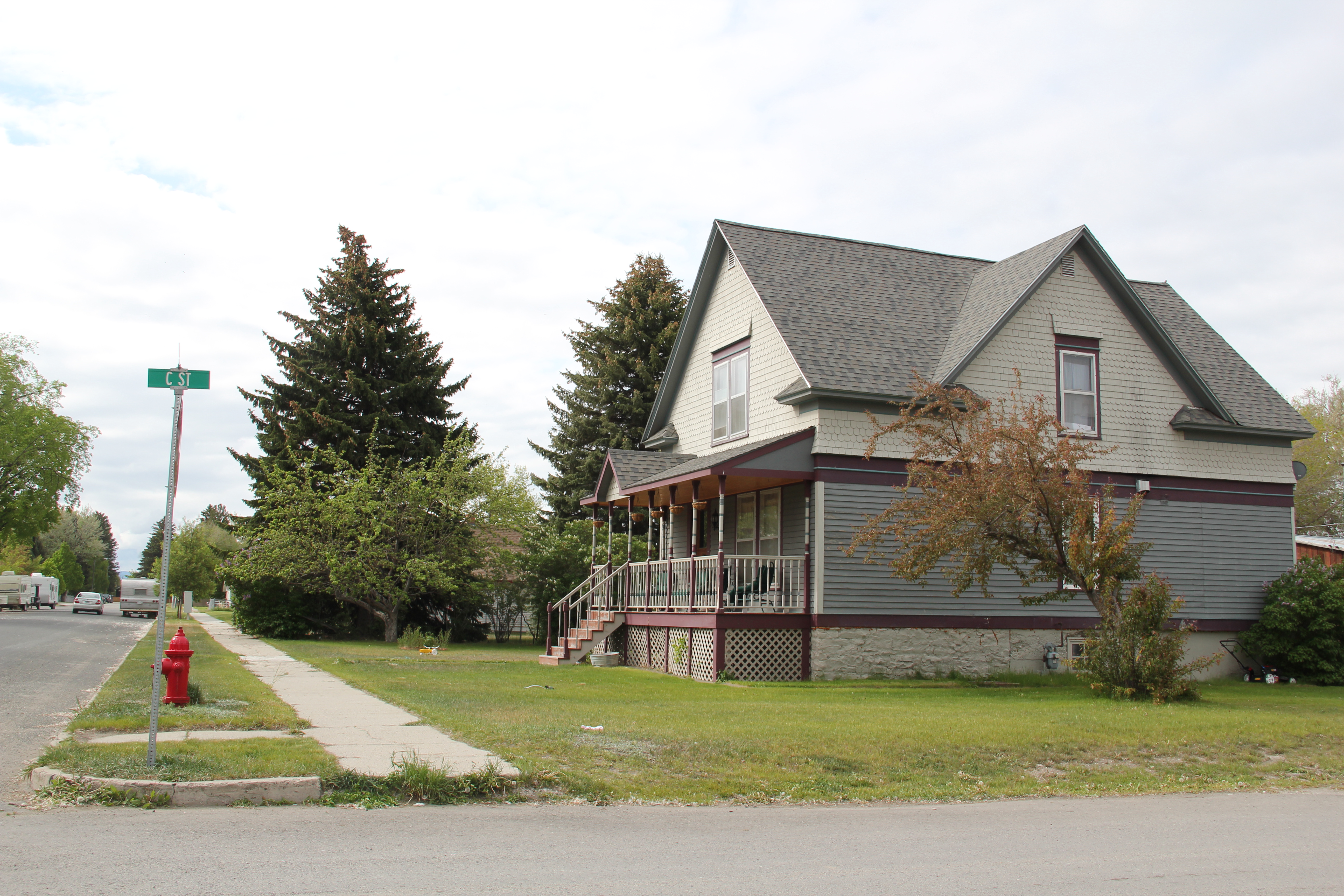
South of Broadway are several valuable late-19th or turn of the century Victorian-styled residences, some of which have found their champions and have been restored while others need that champion to see the potential jewel underneath decades of change.  One historic neighborhood school building–now a Masonic lodge–also remains, along with many different churches, most of which date to the second half of the twentieth century.

IMG_7105

North of Broadway is a notable exception, the Victorian Gothic styled Townsend United Methodist Church, again an important survivor from the town’s opening generation of history.

IMG_7110

Townsend also had a set of interesting bungalows from c. 1920 on U.S. 12 as it moves east of the courthouse.  These are made of concrete block, shaped to mimic stone masonry.  It was a popular technique to give a house a solid, permanent look, and you tend to find it more in the west than in the east.  Of course, Townsend was not far from the major concrete works at Trident–a topic for a later posting.

IMG_7119

IMG_7120

Last but not least Townsend, and Broadwater County, has an active historical society and local museum, established during the American Bicentennial in 1976–and expanding ever since at its location behind the county courthouse.

IMG_7123

The Bair Ranch of Martinsdale, Montana

Montana 2007 030

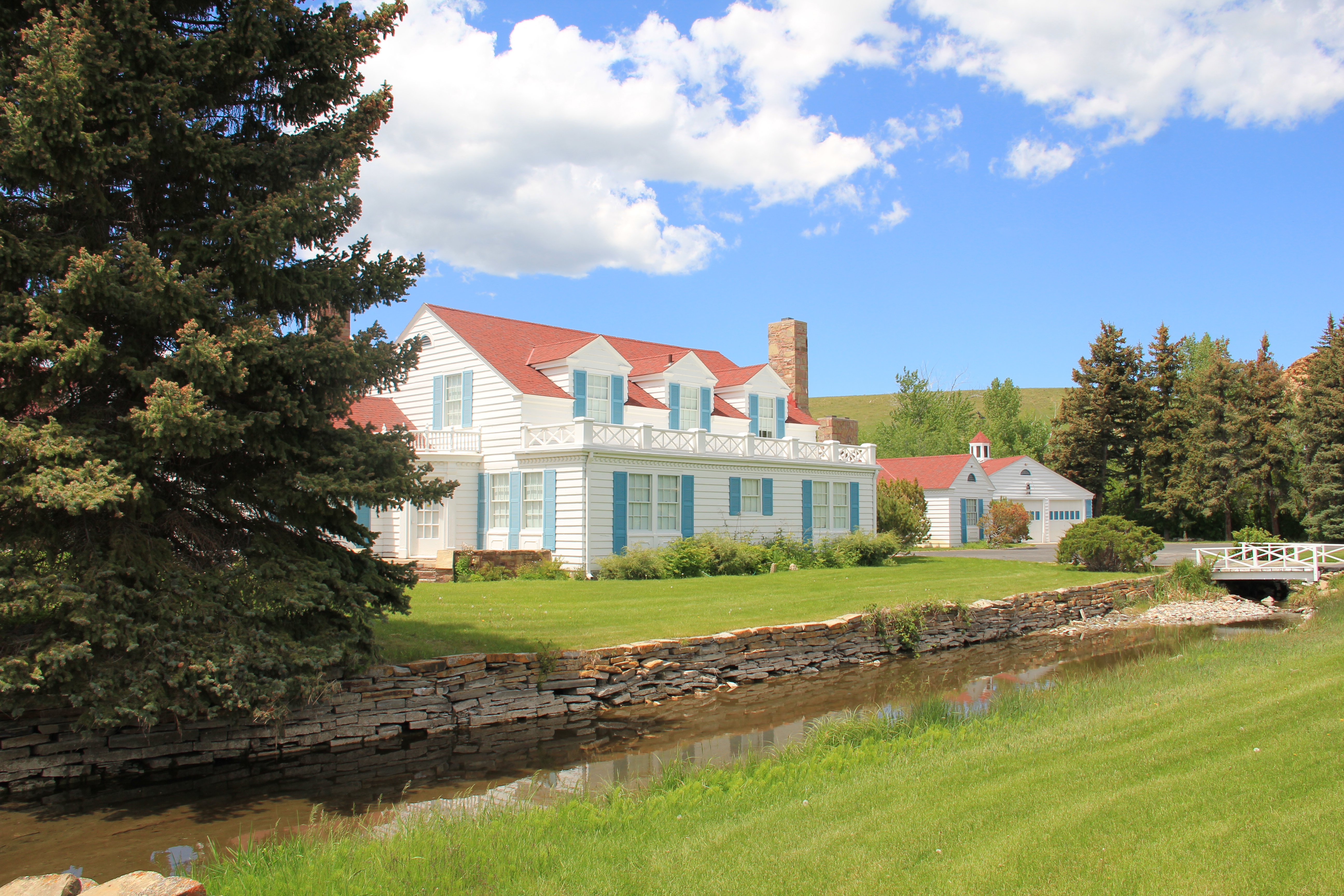
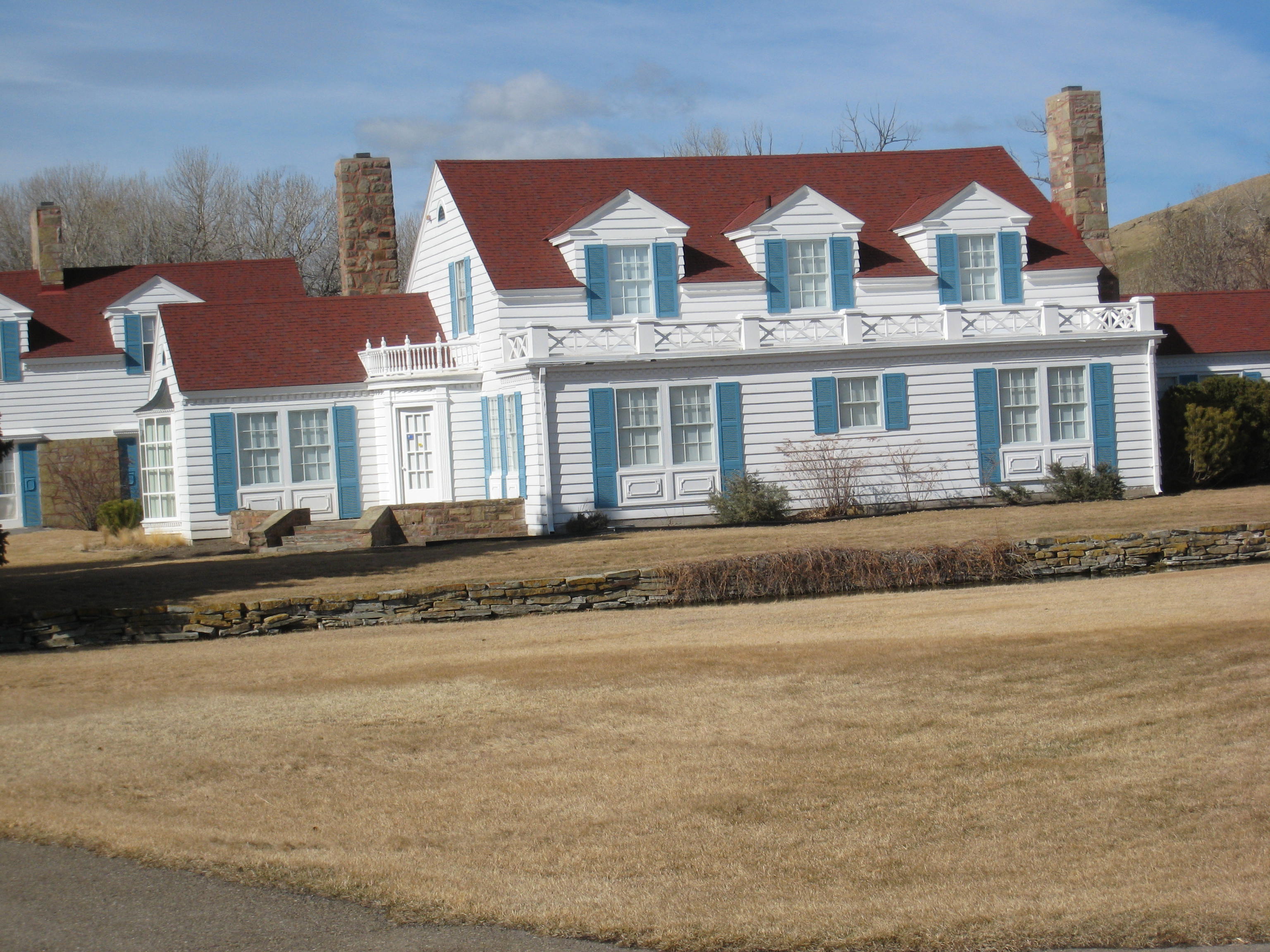
In the early 1980s the Bair Ranch outside of Martinsdale, Montana, was almost a mythical place.  Curators and historians told me of wonders to be found inside, of an outstanding western art collection surrounded by the most eclectic mix of European antiques and decorative arts imaginable, especially for such an isolated spot.  When I visited the area for the historic preservation plan in 1984, locals again repeated the stories of the wonders inside, but they were wondering what would happen to it all once Mrs. Alberta Bair passed–she was in her eighties then.

IMG_1606

The Bair Ranch was a landmark for not just what was alleged to be insider–and the compelling, striking Colonial Revival design of the ranch house–but for the man whose empire it represented, Charley Bair, who first showed the stockmen of eastern Montana

2011 MT Meagher County 036

that wealth could be gained from sheep–hundreds of thousands on ranches both on the Musselshell River valley near Lavina and along the Big Horn River near Hardin–but also by translating that agricultural wealth into investments in banks and industry.  Bair was a stockman but his wife and daughters were more urbanities–and their Martinsdale home, with its irrigation ditch just outside the front windows, was proof.  This house belonged more on Summit Avenue in St. Paul than it did on the plains of central Montana.

2011 MT Meagher County 028

When Alberta Bair, the last of the daughters, died in the early 1990s, she confounded many by leaving the ranch house and its contents not to the state museum but to a local foundation.  When I visited the place almost 15 years after her death in 2007 it was obvious that the foundation had maintained the property–it looked much as it did when I had been there in the late 1990s–but its hours of operation were sorta unknown and it was just there–still a powerful physical statement but little interpretation available.

Montana 2007 032

Montana 2007 033

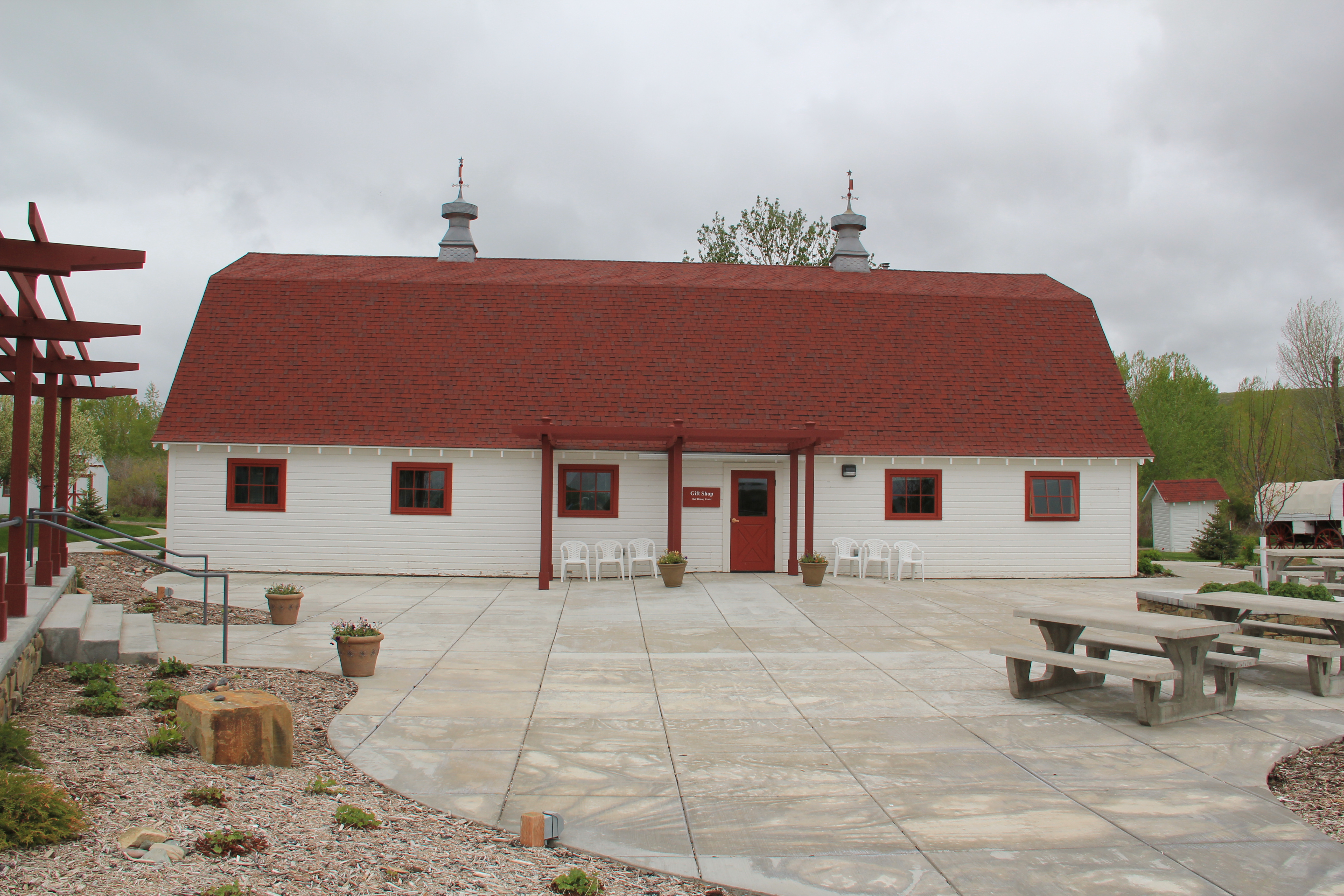
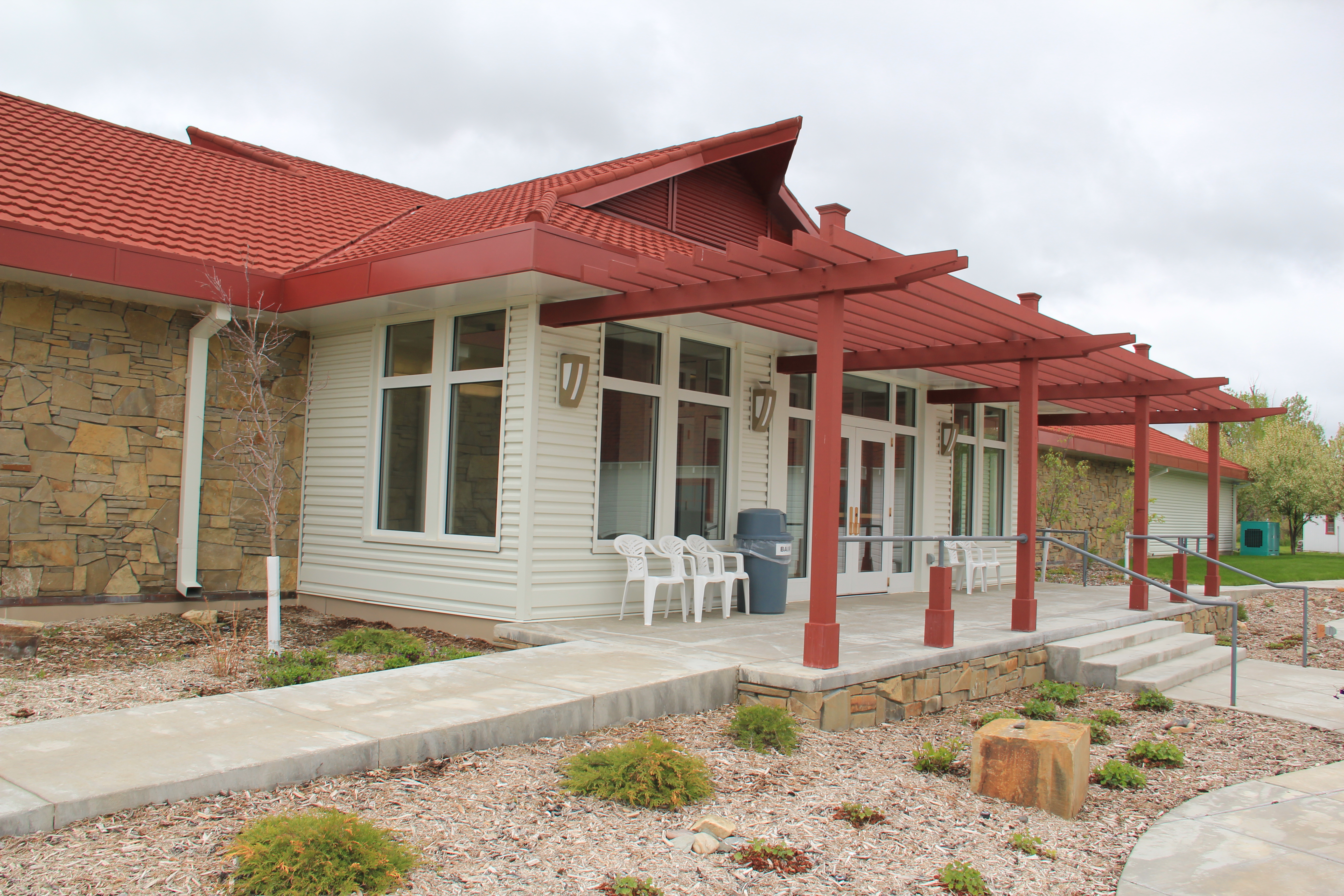
In 2011 and 2013 it was a different world.  Rather than gathering people at the historic stock barn, there was a visitor center and a museum that could properly light and preserve not only key pieces of art and decorative arts from the collection but also serve as a place for small traveling exhibits, giving local residents a reason aways to return.

IMG_9689

IMG_9688

IMG_9687

The Bair Ranch was no longer just a mythic place–it was a destination.  And from talking with the educators and volunteers who were working there in those years, the obvious pride of place was apparent, but they also took great delight in seeing how outsiders reacted to this touch of elegance, in the middle of nowhere.
2011 MT Meagher County 015

Here was one of those places transformed between 1984 and 2014–and transformed into a huge heritage asset not only for residents but for heritage tourism throughout central Montana.  Certainly Alberta Bair left money–but it took some time for the foundation to find its legs and actually change the place from a preservation project into an education venue that could generate sustainable tourism.  By making a visit unique and special, the foundation has helped secure the future of the Bair Ranch and its story that sheep could pay, and pay big–for this century.  Just one of several stereotypes about the West and ranches smashed at this place outside of Martinsdale.

2011 MT Meagher County 024

Harlowton: Lost Landmarks in a Milwaukee Road Town he

IMG_9748Harlowton is my favorite of Montana’s Milwaukee Road towns.  Its roots lay with the vision of Richard Harlow to build an independent central Montana railroad.  When the Milwaukee Road assumed control of Harlow’s mini-empire, it turned Harlowton into one of the line’s key division points, the place where steam engines switched to electric power for the journey up and over the Rocky Mountains.

IMG_1591 copy

Fischer Park with Milwaukee Road electric engine, Harlowton, 2006

When I surveyed the town in 1984, I did so with the blessing and insight of Lon Johnson, then the historic architect of the Montana State Historic Preservation Office.  Harlowton was a special case for Lon, especially the dream of restoring and reopening the magnificent State Theatre (1917), a hallmark of its days when Milwaukee passenger traffic promised so much for this small plains town.

IMG_9739

IMG_9738

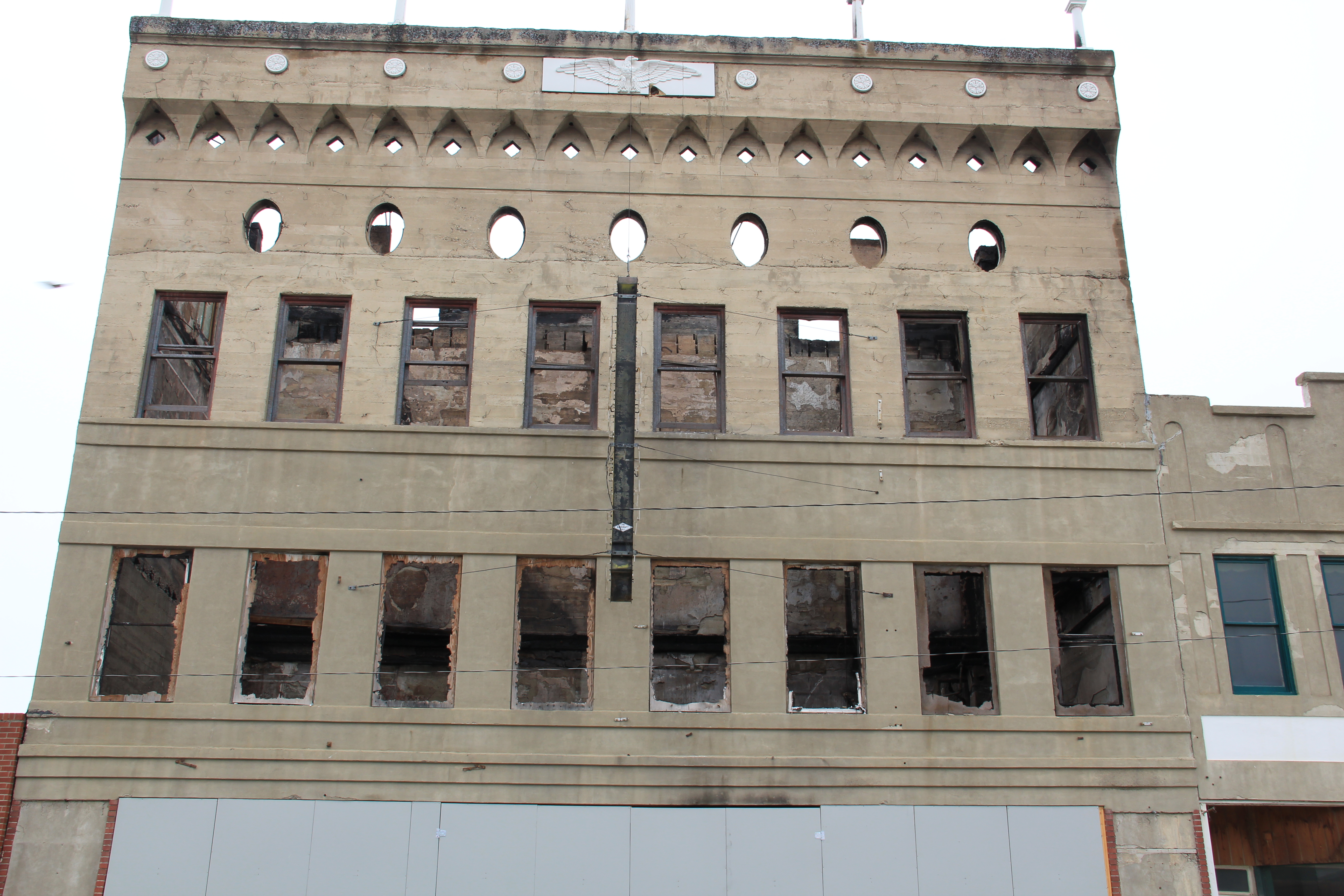
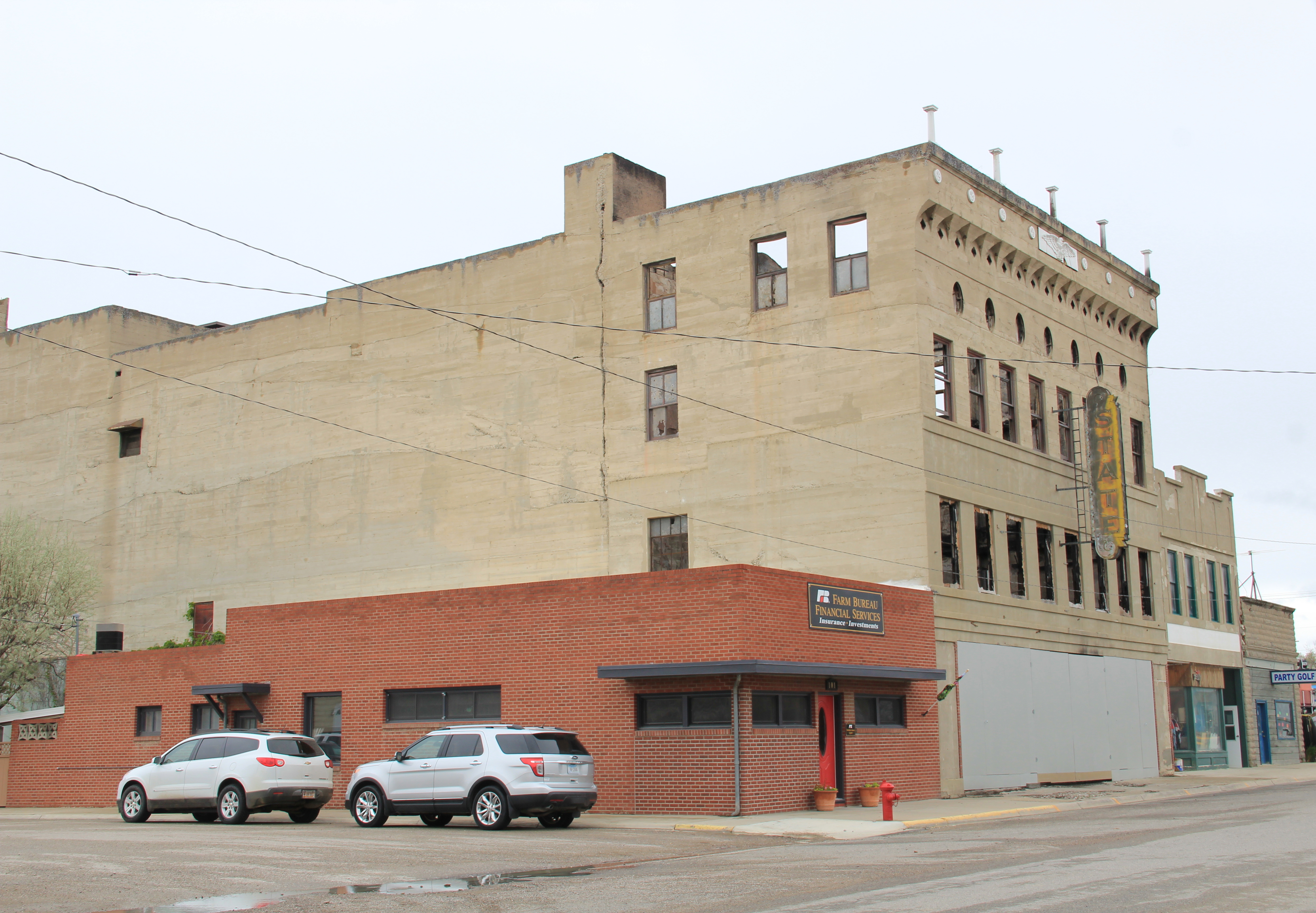
Before the restoration could take place, however, the theatre caught fire in 1997 and plans were set aside until 2011 when a new effort to restore the building occurred, but a second fire in 2012 again stopped progress.  The photos above from 2013 show that the hulk of the 1917 theatre remain but with the declining local population, renewal of the theatre will be difficult.

Milwaukee Road depot and offices, Harlowton, 2006

Milwaukee Road depot and offices, Harlowton, 2006

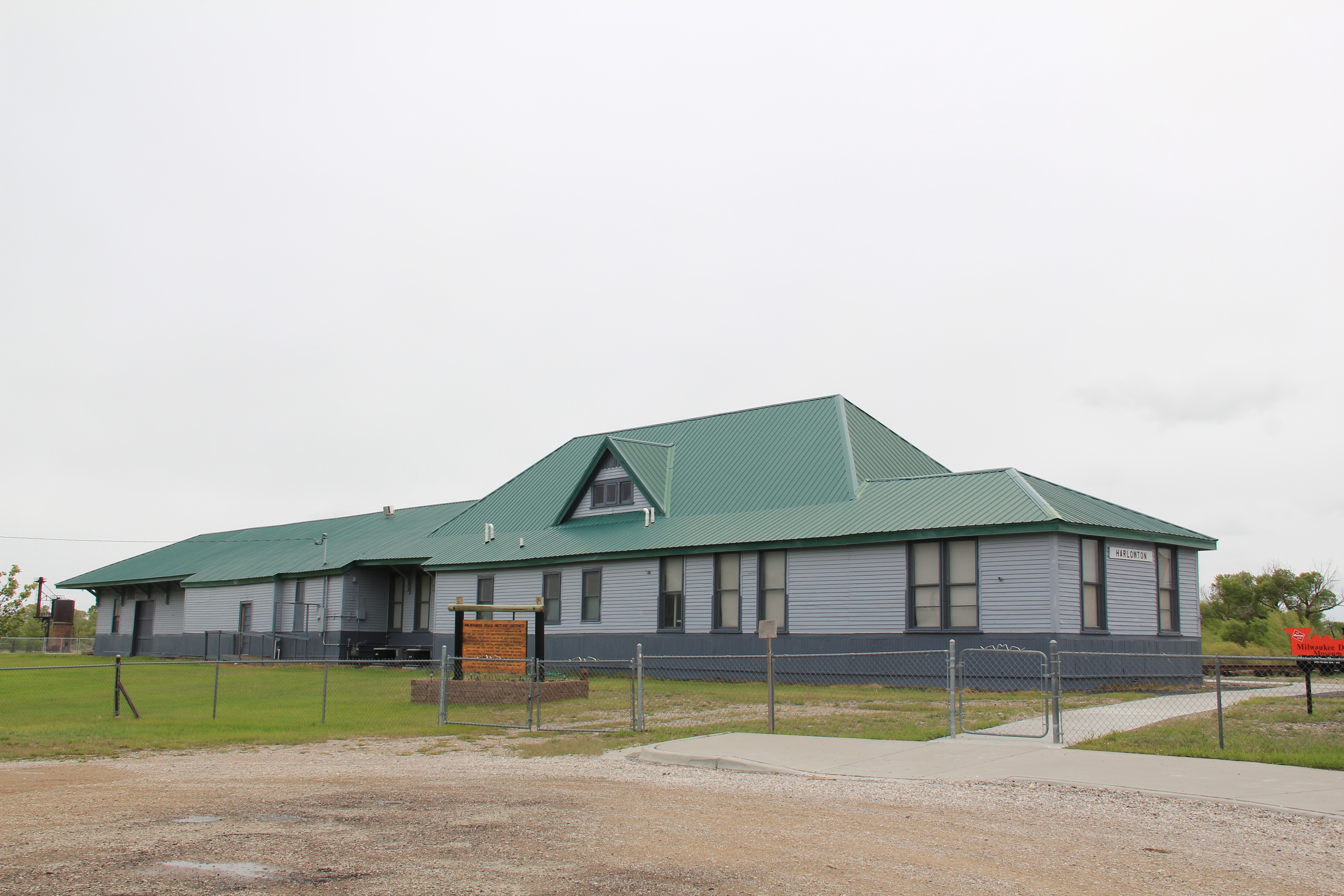
My great interest in Harlowton centered on the Milwaukee Road and its works.  In 1984, the company’s bankruptcy was only a few years old.  Down at the tracks, there was still the railroad line, the depot, the roundhouse, and other buildings.  I considered these remnants, especially in the local context, as extremely significant.  Afterwards, locals and the SHPO agreed and the Milwaukee Road depot historic district was created.  Over the next 25 years, I would stop by Harlowton periodically to monitor the district, and noted with approval how the depot had been repaired.  The roundhouse, unfortunately, was lost.

Harlowton depot and offices in 2013

Harlowton depot and offices in 2013

Looking north from the depot, on the bluffs of the Musselshell River overlooking the railroad tracks, stood a third key landmark, the Graves Hotel.  My colleague Lon Johnson also had

IMG_1594

Harlowton, from the railroad depot, 2006

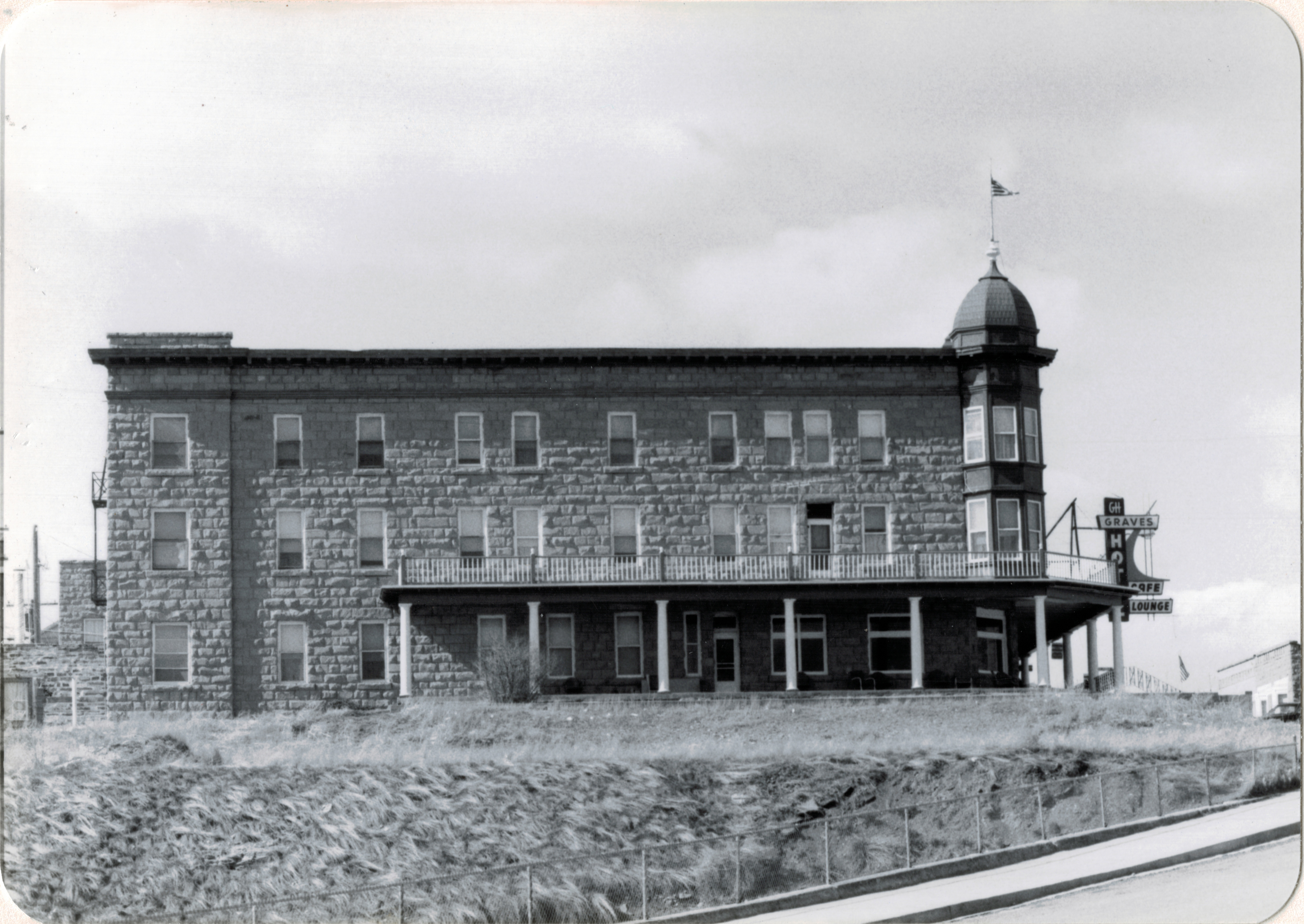
been a big fan of this Queen Anne-styled stone railroad hotel, with the stone carved from the nearby bluffs.  I too fell in love with the Graves, staying here periodically in the 1980s.

Graves Hotel, Harlowton, MT, 1984

Graves Hotel, Harlowton, MT, 1984

When I visited in 2006, however, the Graves looked good–from a recent repainting of its late Victorian detailing–but it was closed, and so it has remained ever since.  I do not

Graves Hotel harlowton

pretend to have the answers on how do you maintain a large three-story National Register hotel that is miles from an interstate and located instead on a little-used-by-tourists route

Graves Hotel in 2013

Graves Hotel in 2013

(U.S. Highway 12), but even if the hotel can come partially back to life, it would be a real tourism boost to Harlowton.

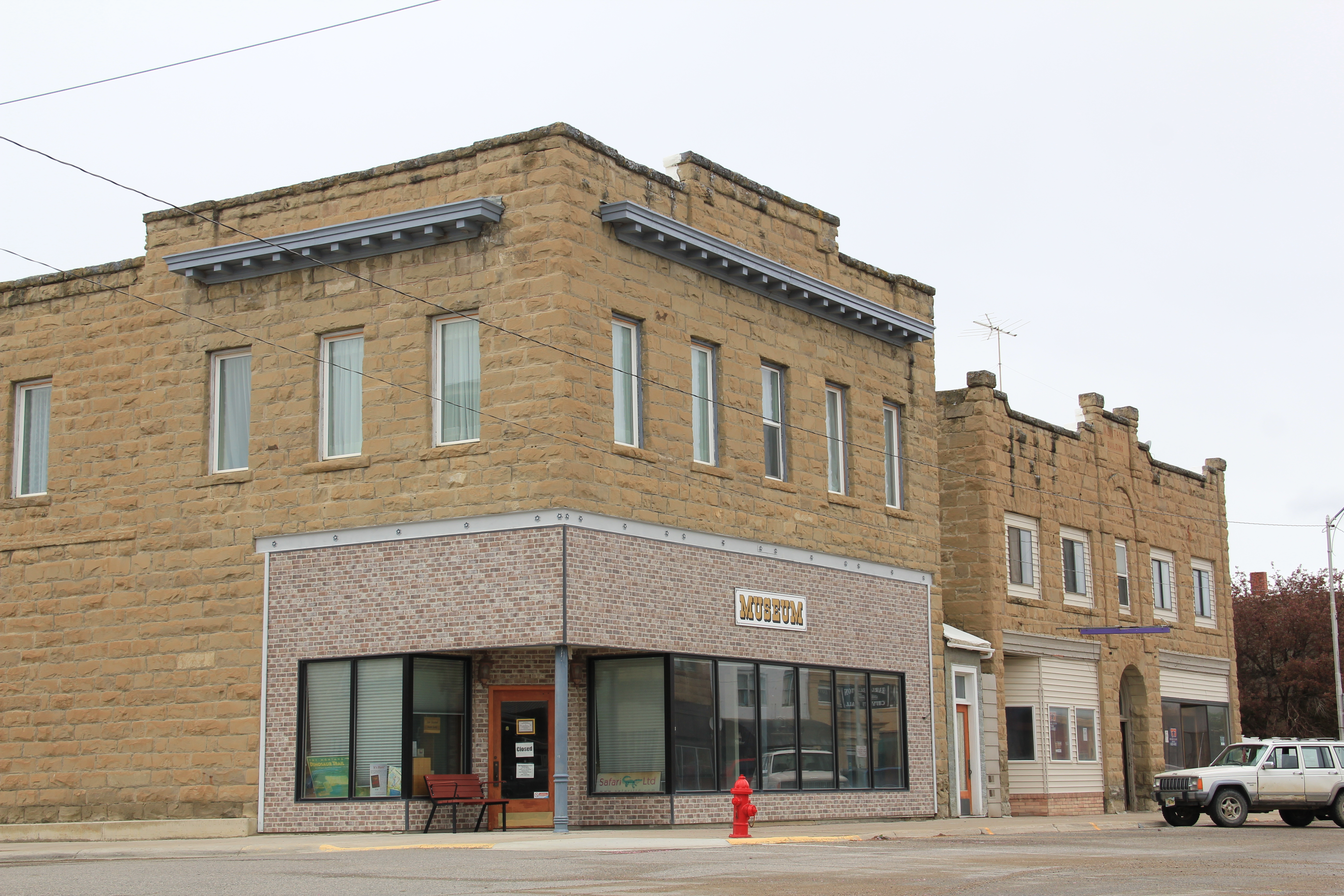
It’s not like the local residents aren’t in the game and trying.  The county museum, the Upper Musselshell Valley Museum, continues to grow its profile along Central Avenue.  The buildings made of locally quarried stone, with late Victorian cornices, harken to the turn of the 20th century when Harlowton held such promise with the Milwaukee Road’s arrival.

IMG_9719

IMG_9731

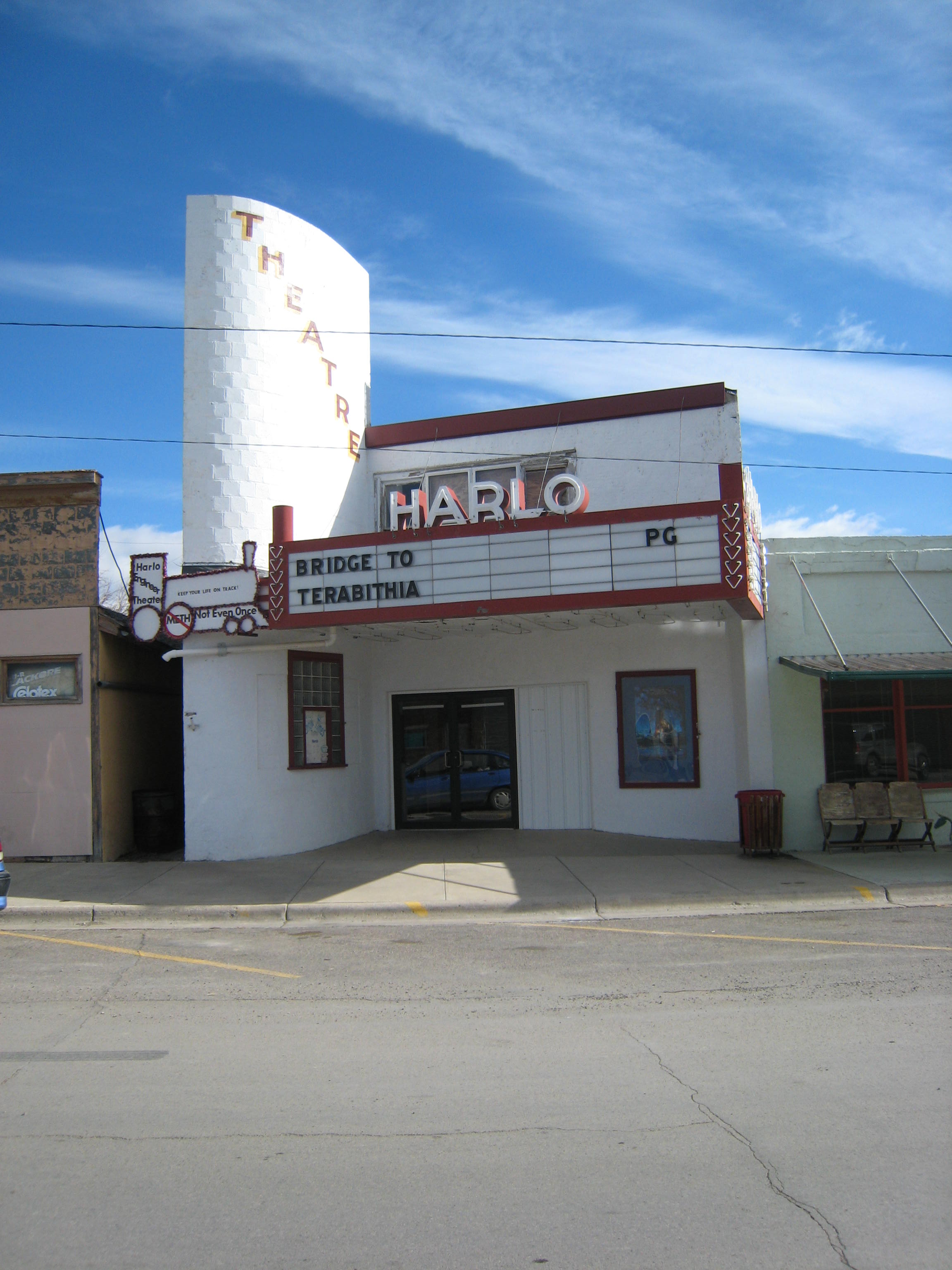
The Harlo Theatre remains in business too, and is a throwback to small town theaters, and a rare survivor in today’s home entertainment world.  Plus it is a cool building.

IMG_1592 copyDespite missing out on the interstate, losing a railroad, and dropping a lot of population, there is still something to Harlowton that makes me return, trip after trip.  More on that something in the next blog.

Garfield County: the forgotten land of eastern Montana

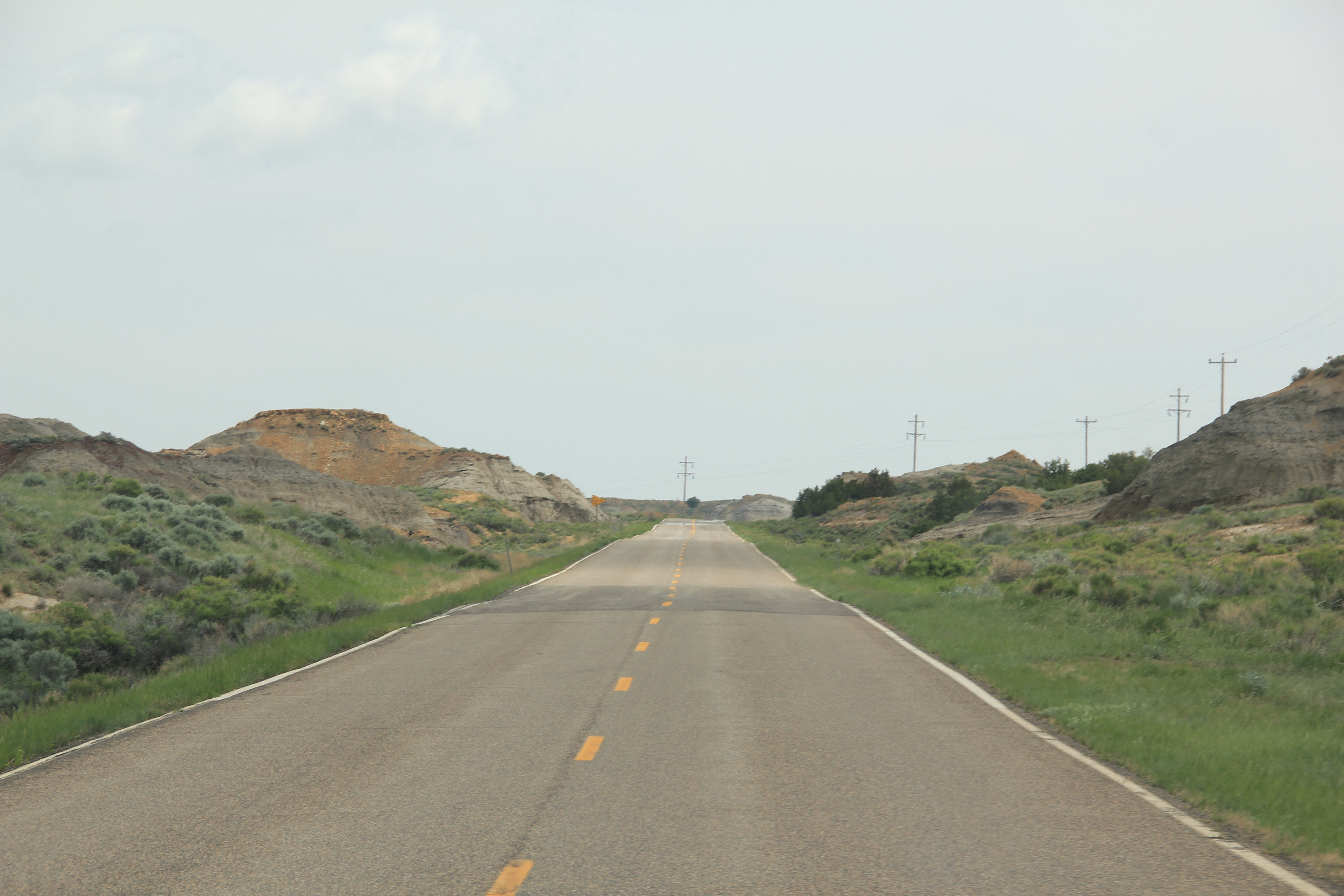
IMG_0310Before I began crisscrossing over Montana in 1984 for the state historic preservation plan, I sought out ideas and locales from friends, colleagues, and others knowledgeable about the state’s history and built environment.  No one could offer anything about Garfield County, which I found surprising because the county was huge in size, and located smack in the middle of eastern Montana, with major north-south and east-west state highways crossing at Jordan, the county seat.  I knew the population was sparse–just over 1600 in 1980, making it one of the least densely populated places in the lower 48, and the least densely populated place in Montana.

IMG_0316

But as you rolled into the county via Montana 200–which became a favorite route of mine by the time I was done with the survey in 1985–I just knew there had to be something here, especially at Jordan, the county seat, numbering about 485 people in the early 1980s but now just 340 plus residents in the 2010s.

Jordan, mid-1980s

Main Street, Jordan, mid-1980s

IMG_0292

Main Street, Jordan, 2013

Despite the drop in population over 30 years, Jordan had not remained frozen in time–as I sorta expected to find–but rather changes were everywhere.  Traffic signals were at the crossroads of MT 200 and Main Street; Main Street had been paved.  The historic high school dormitory (1936) for Garfield County–a property type of the early 20th century that absolutely fascinated me, that kids came and stayed the week in town for school due to the distances otherwise they would have to travel daily–was still there, but shuttered.

IMG_0285

Both times I had visited Jordan in the 1980s, students thought it weird that I found their “dump” to be interesting, and historic:  but it was, and still is:  creating community, even temporary, in the far-flung reaches of the northern plains was important to the New Dealers who helped to fund the dorm in 1936.  This building should be on the National Register of Historic Places; Garfield County has no National Register buildings, just one historic site, the Hornaday camp, associated with the Smithsonian’s study of the “last” buffalo in the late 19th century.

IMG_0284

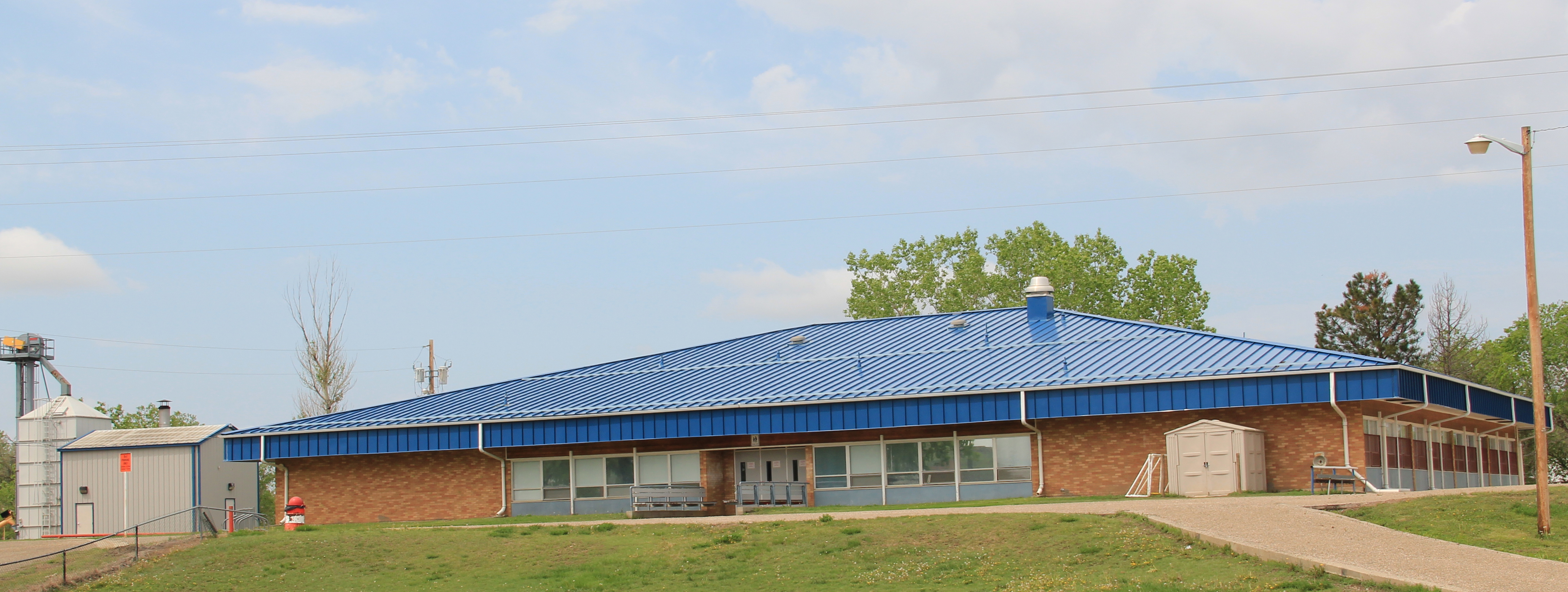
The historic high school adjacent to the dormitory, another New Deal building from 1936, still stood too, but it had been renovated and remodeled, keeping its general shape and simple classical entrance but little else from its 1980s look; across the street was a new annex and gym.  There was also a shiny new elementary school but that did not mean that the old Jordan Elementary from 1930 was gone:  in 2013 last touches were underway to turn it into the town’s library.

IMG_0283

IMG_0289

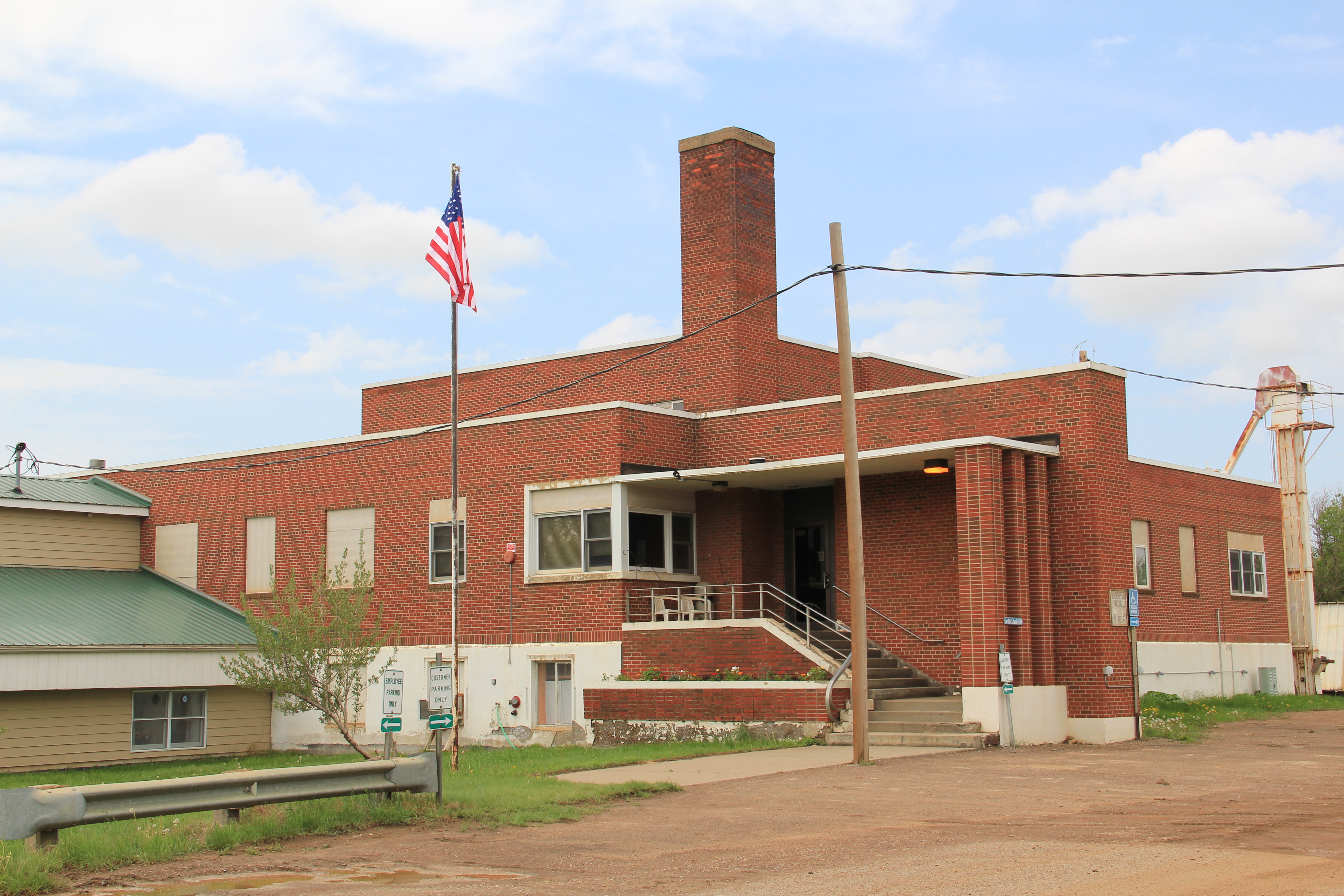
In 2013, the biggest change to my eyes was the courthouse.  In 1984 I was captivated by this tiny, frame courthouse, that looked more like a mid-20th century tract home than a county’s primary public building.  Indeed, I circled through the town a bit more than

garfield jordan - Version 2

needed:  the old courthouse was no more, lost in a c. 1998 fire.  The new county courthouse was a red brick building, the former 1960s county-owned, modernist-styled hospital, perhaps the biggest change I encountered in Jordan.

IMG_0304

The new Main Street bars were also a surprising but welcome change. Ranchers and Hell Creek bars speak to images and realities of Garfield County.

IMG_0294

IMG_0295

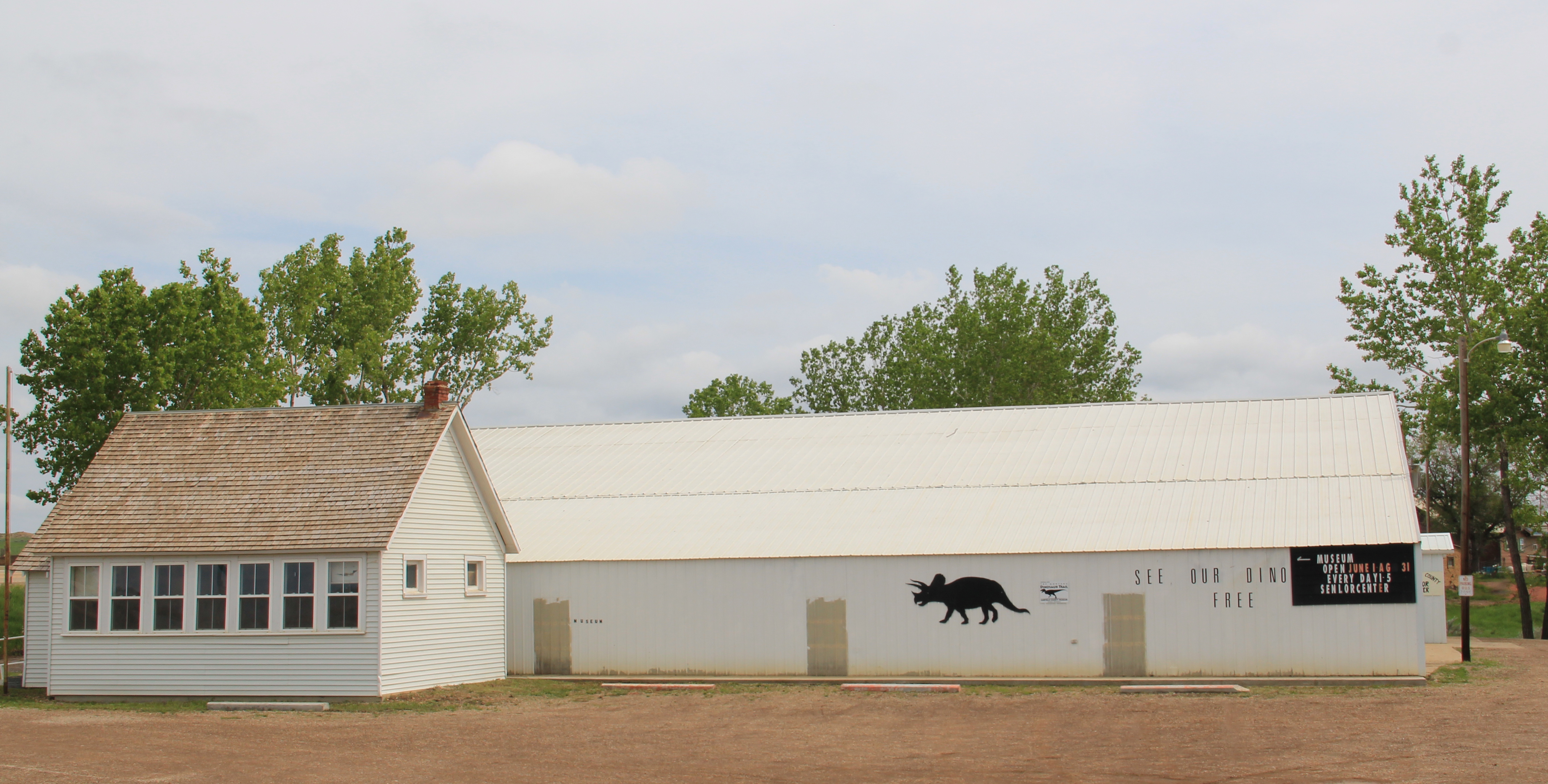
Another change was the growth of the local heritage offerings, from the Veterans Memorial park, kiosk, and sculpture to the Garfield County museum in Jordan–the old schoolhouse making it easy to locate along the road–and various reminders to passerby’s, like the mural on the town’s old service station/auto dealership, that the county had been a major location of dinosaur finds in the late 20th century.

IMG_0290

IMG_0302

IMG_0293

The old schoolhouse at the museum is also a reminder that one-room schools still operate in Garfield County.  When I came through in 1984, the county school superintendent encouraged me to visit them, but also warned me that some were on basically roads cut into the ground, and if there was rain, never go that way, unless I wanted to stay awhile.

Some things don't change in Garfield County.

Some things don’t change in Garfield County.

But one-room schools along MT Highway 200 are easily located, at Sand Springs, and then at Big Dry.  In 1984 I was shocked at the persistence of such tiny buildings across the region; their persistence 30 years later say much about commitment to a land many have left and forgotten. Past ways and smallness of life in the biggest of countries still shape Garfield County, Montana.

IMG_0274

IMG_0277

The Yellowstone’s Treasure County: Small Place, Big History

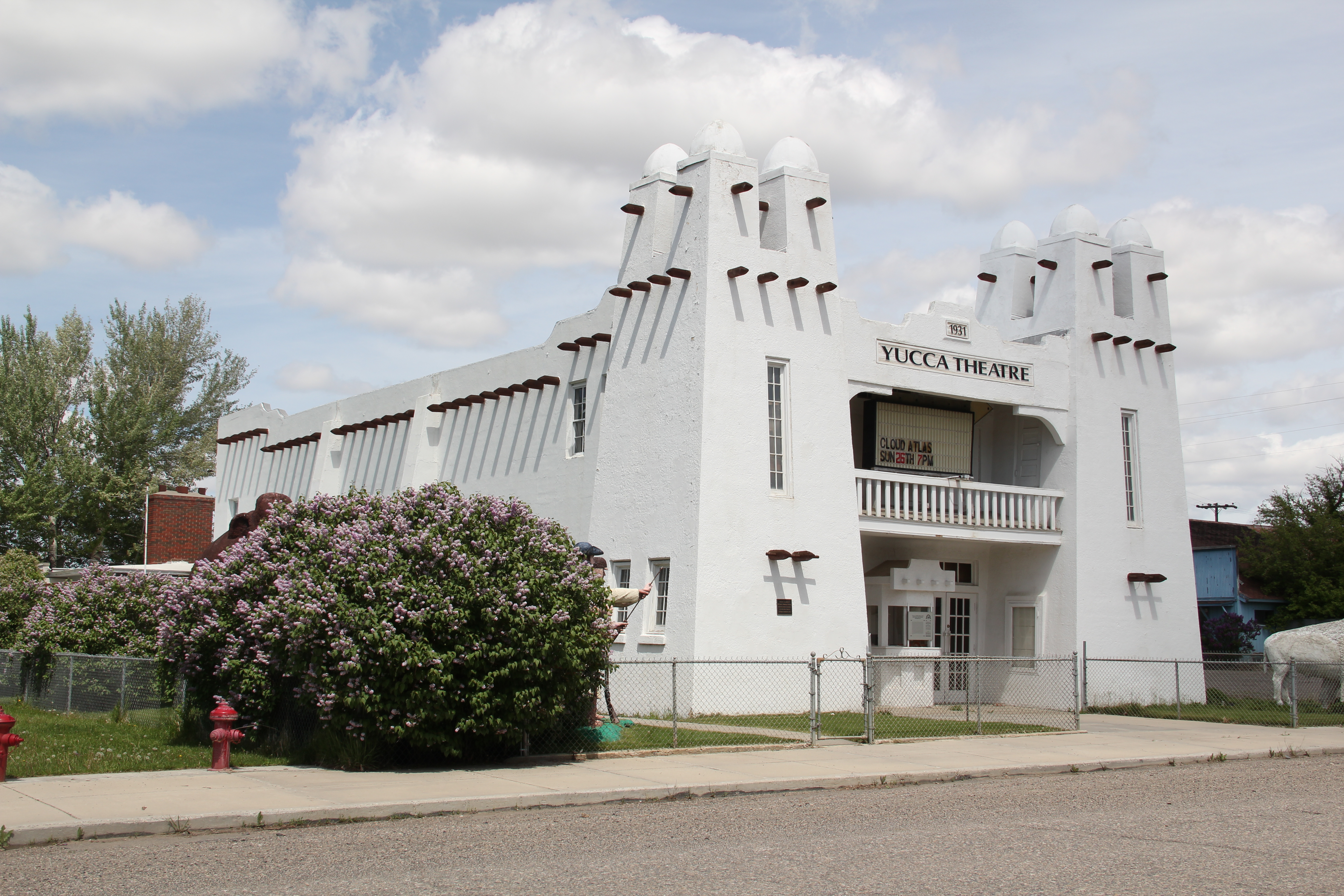
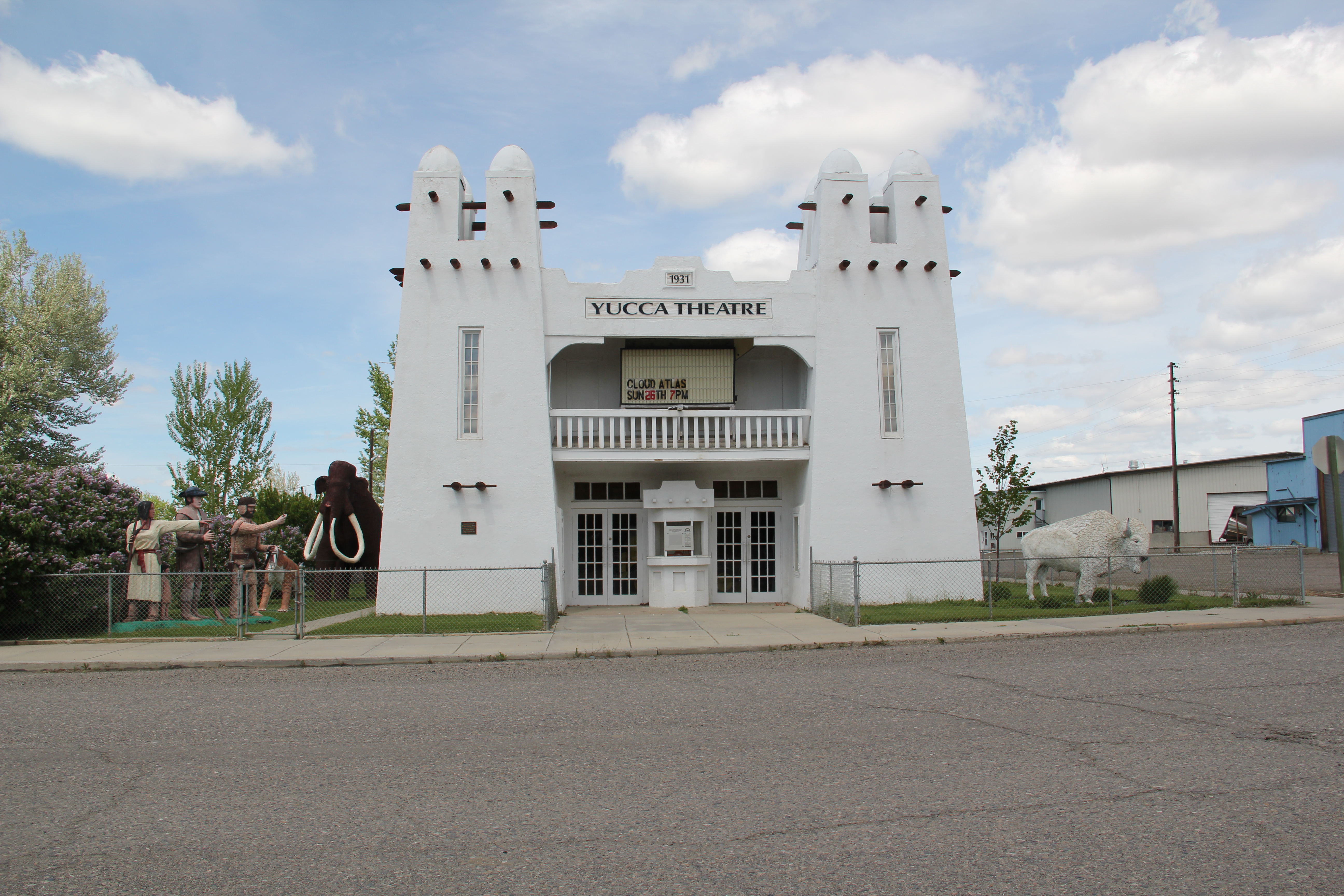
IMG_6911Treasure County dates to 1919, one of the last counties created in the Yellowstone Valley.  Among the smallest counties in size, it has just over 700 residents, a drop of over 200 since my visit in 1984.  But the county has some of the most evocative buildings in the state, starting with the Yucca Theatre, built in 1931 by brothers David and Jim Manning, who wanted to give their community a spark, a glimmer of hope in the increasing hard times of the depression.  David Manning had liked the Spanish Mission style when he had traveled in the Southwest, and he thought, why not for Hysham, since the town was near the spot on the Yellowstone River where Manuel Lisa had established one of the valley’s earliest trading posts.

IMG_6913

Despite the brothers’ best intentions, the theatre struggled as the town and county dwindled in population, but David was devoted to it and transformed it into his home, a convenient landmark, it would turn out, for his political career.  Manning was elected to the Montana legislature in 1932, and he was still serving in the House when I worked at the State Capitol from 1982-1983.  He told me about his theatre, and urged me to go and enjoy his town, and stay at the house, if needed.

IMG_6916

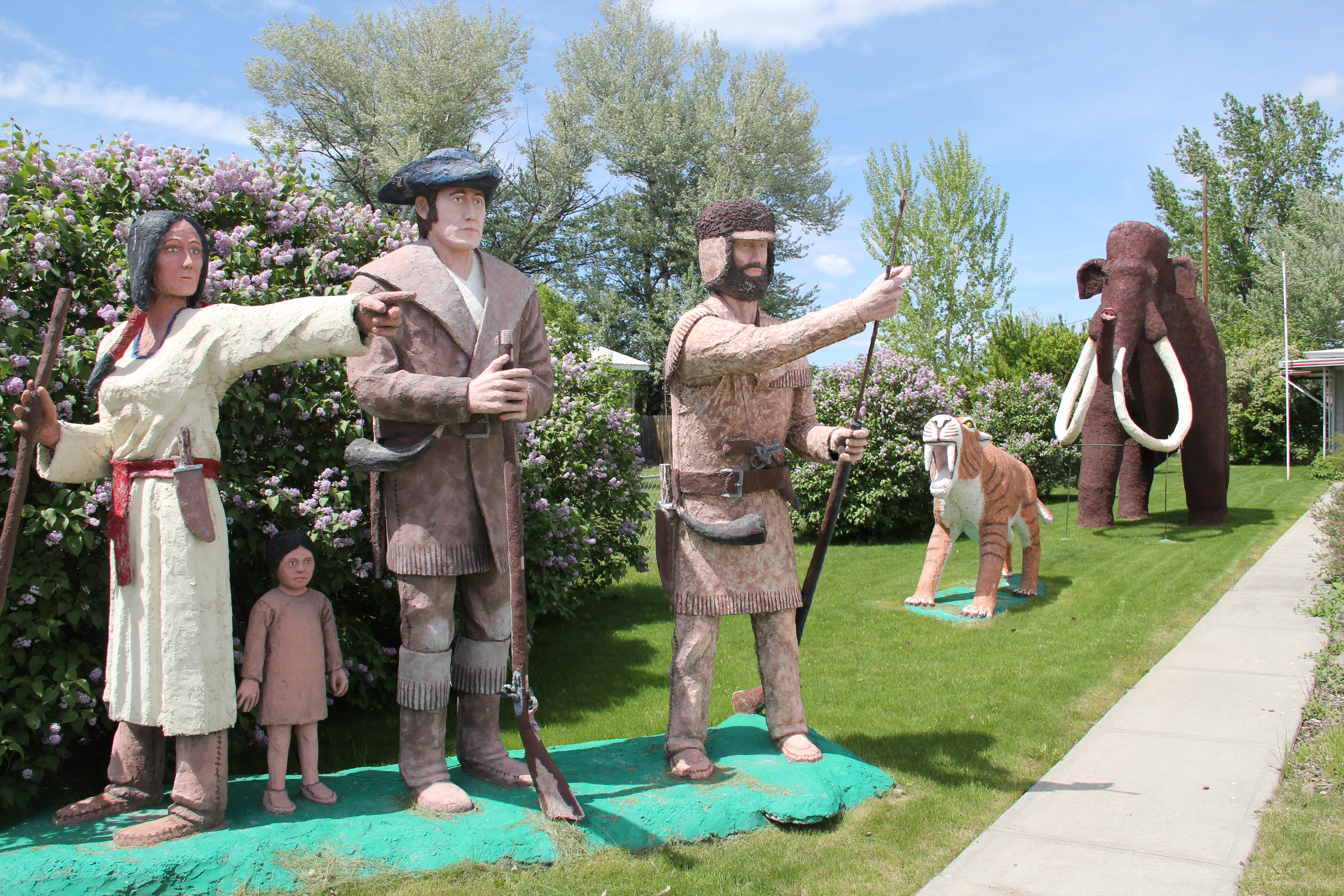
The Yucca Theatre was the first building listed in the National Register in Treasure County and it serves once again as a theatre but also a historic site. Local sculptor Bob Schulze has added statues of Lewis and Clark, along with Sacajawea and Pomp, and a saber-tooth tiger, wooly mammoth and a white buffalo to boot.  Across the street, in an old storefront, is the county museum, another addition to Hysham’s heritage tourism offerings since my 1984 visit.

IMG_6918

Rep. Manning also recommended a stop at the Brunswick Bar, and I am glad he did–this is a great place with great Montana bar food.  The bar has been in business since the 1950s, at least, and the building stands at the location of the original county courthouse.

IMG_6910

And speaking of the courthouse, it is a sparkling “contemporary style” building of the 1950s, an important contribution to Montana modernism.  Many have commented on unique treatment of the exterior, with a map of the county serving as the primary design motif.  The building, as you might expect, has changed little since its opening in 1955.

IMG_6921

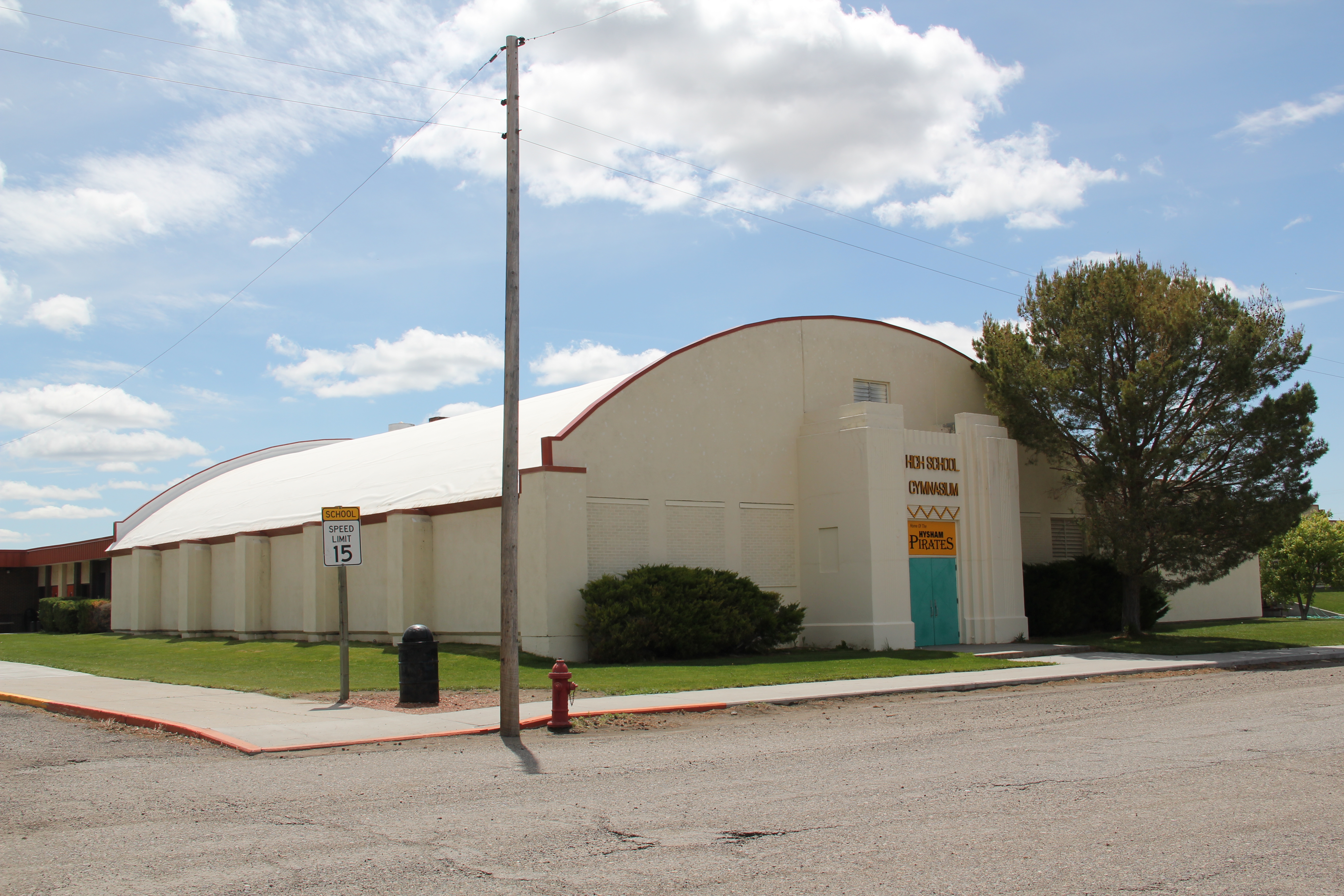
But there’s another Hysham contribution to Montana modernism:  the Treasure County High School Gym–an Art Moderne styled building from the New Deal era right on old U.S. 10 as it passed through town.

IMG_6927

But this is not the National Register-listed New Deal gym in Treasure County, that is at the hamlet of Sanders, where the WPA built the Sanders School Gymnasium and Community Hall in 1940.  This is not Montana Modernism but Montana Rustic, a design from the Billings architectural firm of J.G. Link. It is one of my favorite New Deal buildings in all of

IMG_6929

IMG_6931

New Dealers believed that children needed recreation, and built hundreds of gyms and sports field across the state.  They also believed that devastated, declining rural communities needed spaces–like this community hall–where they could gather for local sports, social events, funerals, and elections.  But the Rustic style in this part of the Yellowstone Valley–not really fitting, the style would have made much more sense in the mountainous western half of Montana.

IMG_6904

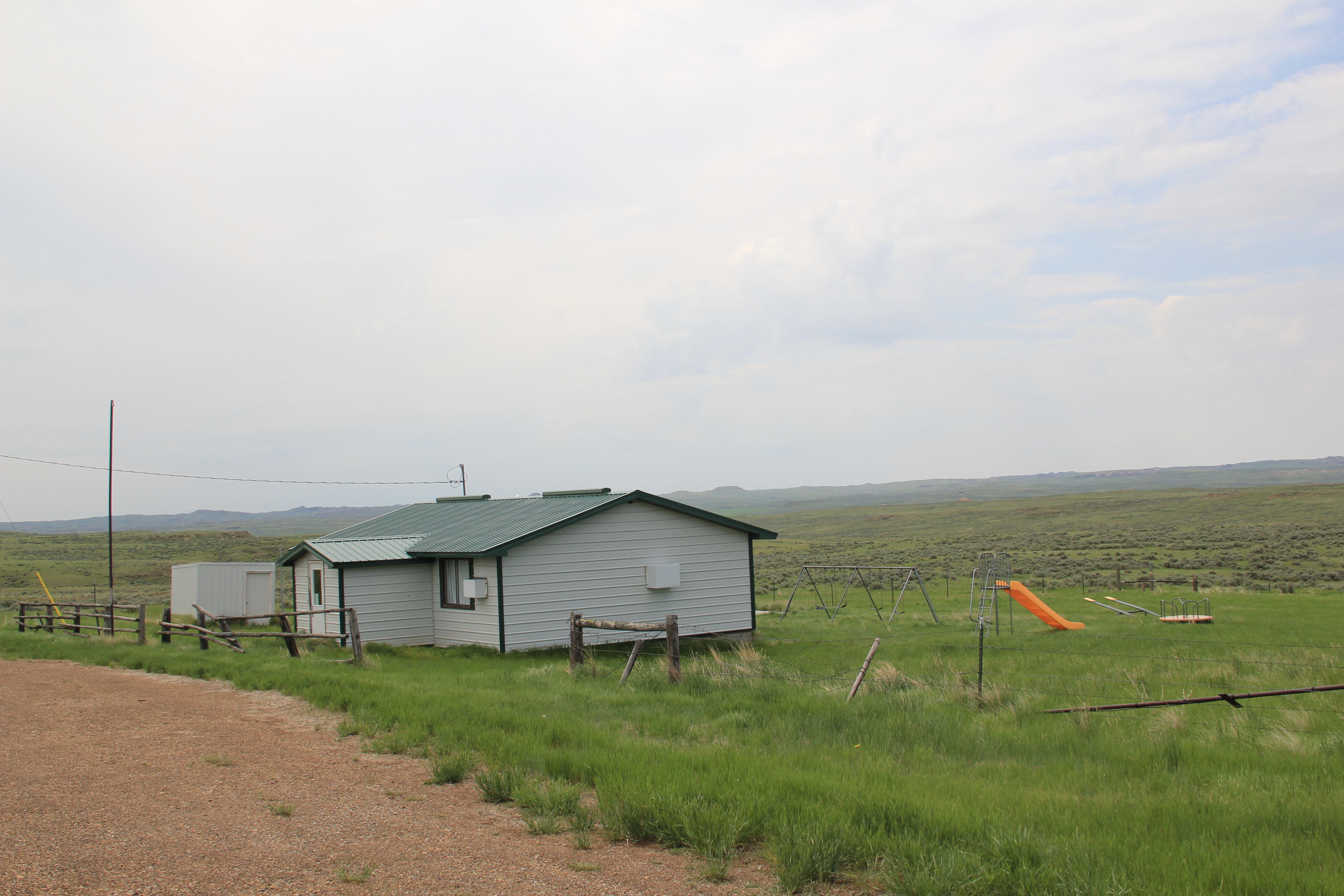
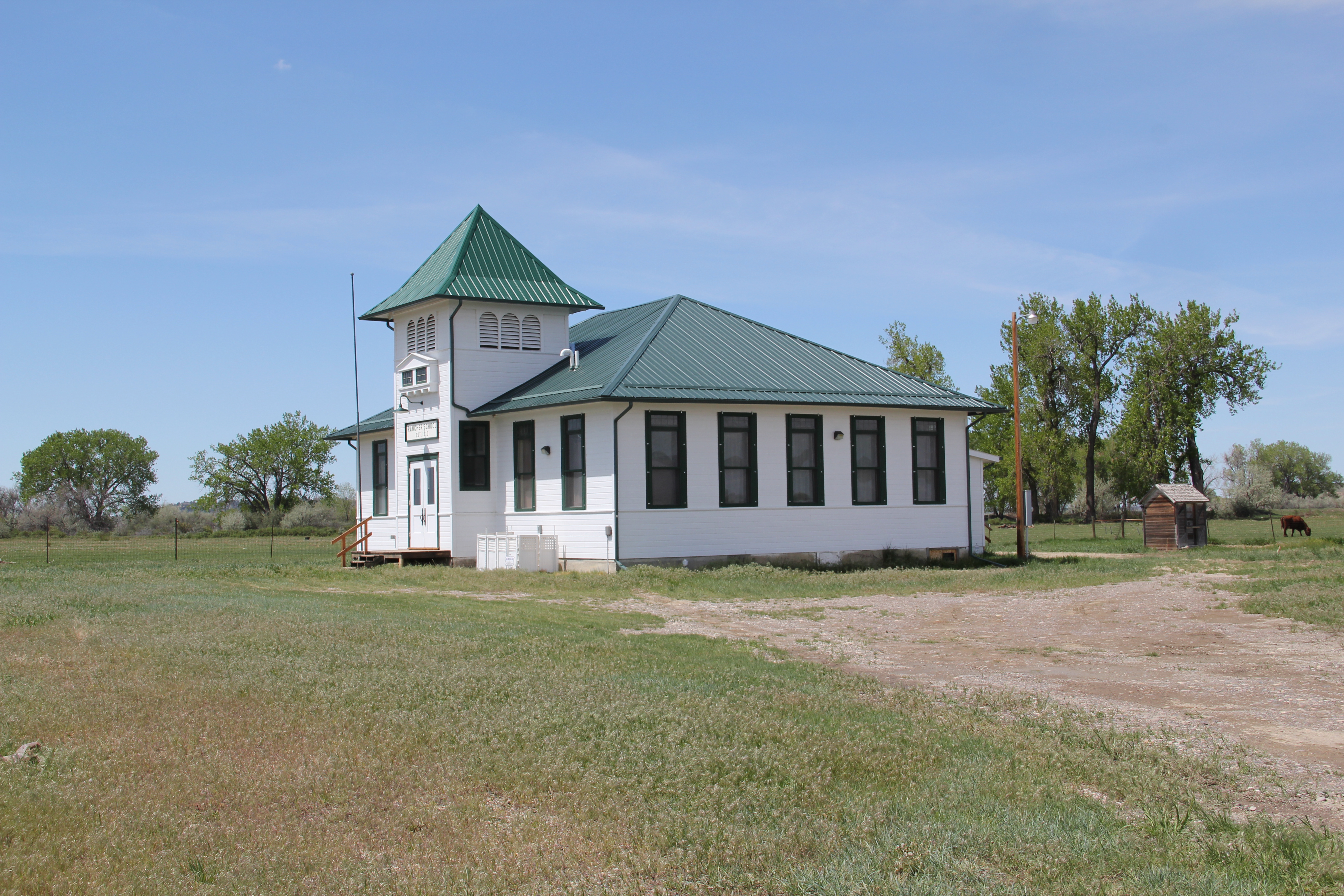
At Sanders, the public school has been gone for decades.  But in the northern part of Treasure County, far, really from everywhere is the Rancher School, perhaps the oldest pubic building in the county since its 1910 construction date means that the school predates the actual creation of Treasure County.  Here is a classic early 20th century school–protected still by barb wire and used periodically for community events.  When the National Trust of Historic Preservation placed Montana’s rural schools on its endangered list, everyone had buildings just like the Rancher School in mind.

IMG_6906

Kudos to everyone who has contributed to keeping this building standing as a symbol of communities long gone but not forgotten, not as long as rural landmarks like all of the historic buildings in Treasure County continue to serve owners and residents.