Changes at Sleeping Buffalo Hot Springs

In 2013 I last visited Sleeping Rock Hot Springs, just north of U.S. Highway 2 in Phillips County. The following year I posted about the obvious changes then underway to put this once vibrant mid-20th century recreational area back to greater prominence.
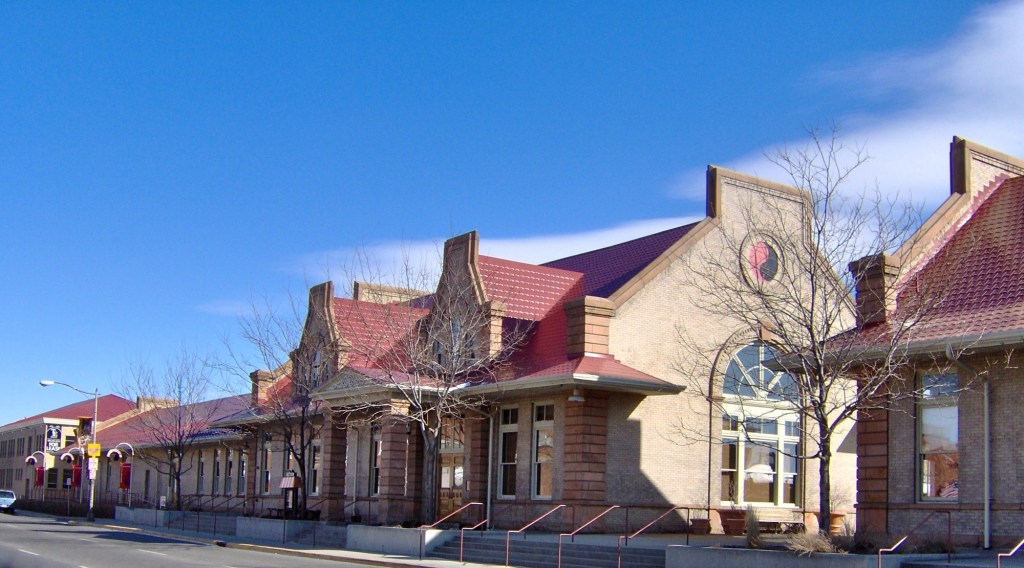
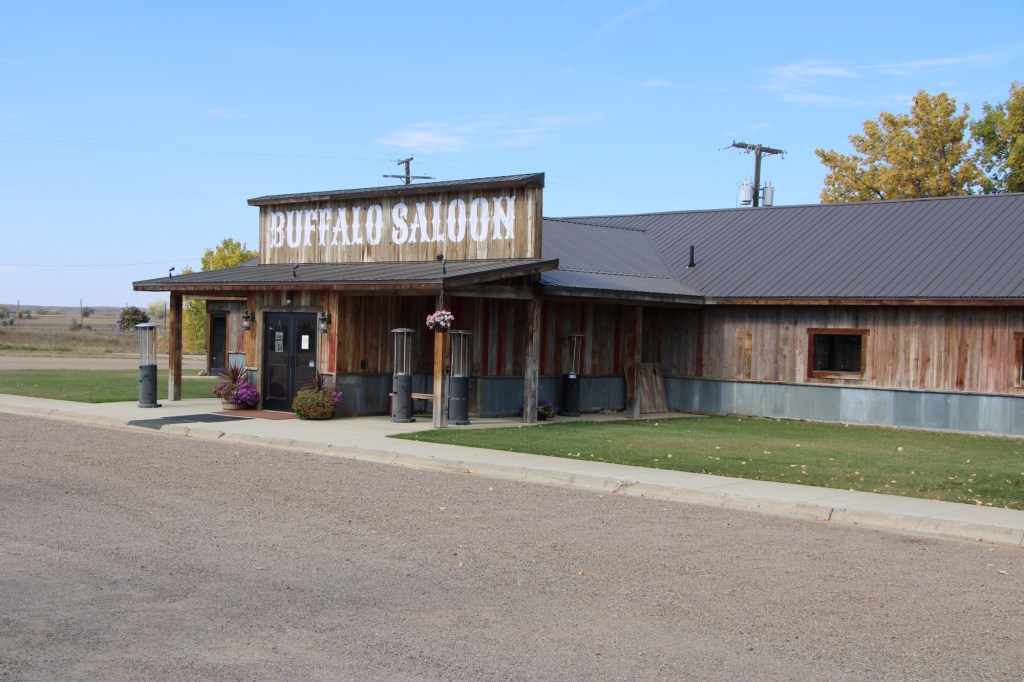
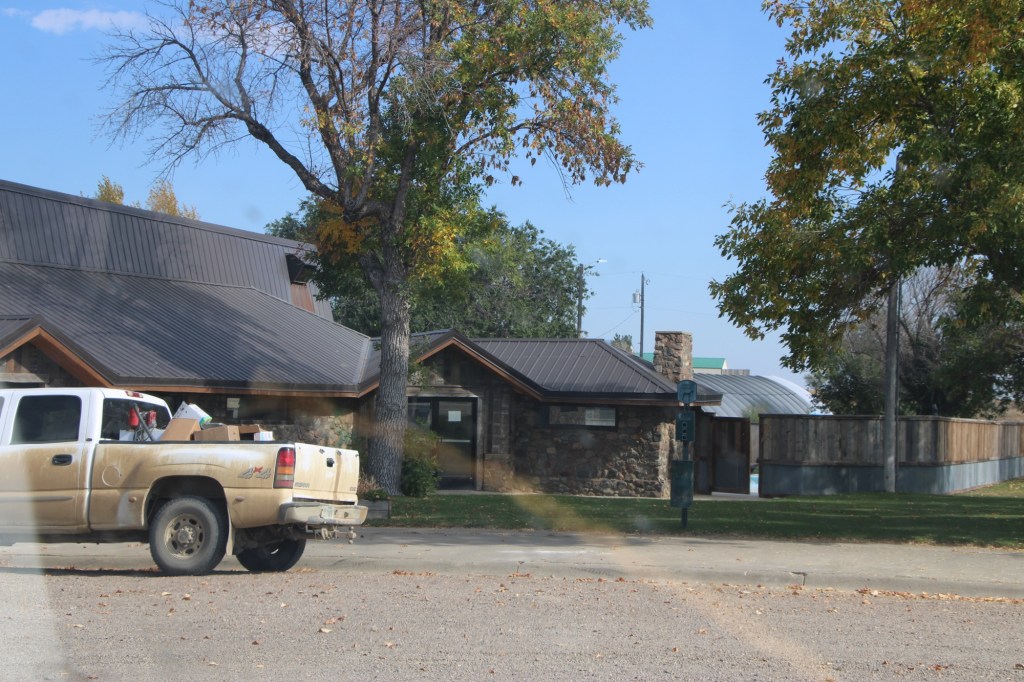
I returned in late September 2025 to find that, indeed, lots of improvements were made in the last ten years. A large bar/restaurant had been built, the grounds expanded and modernized, and the pool greatly enlarged.

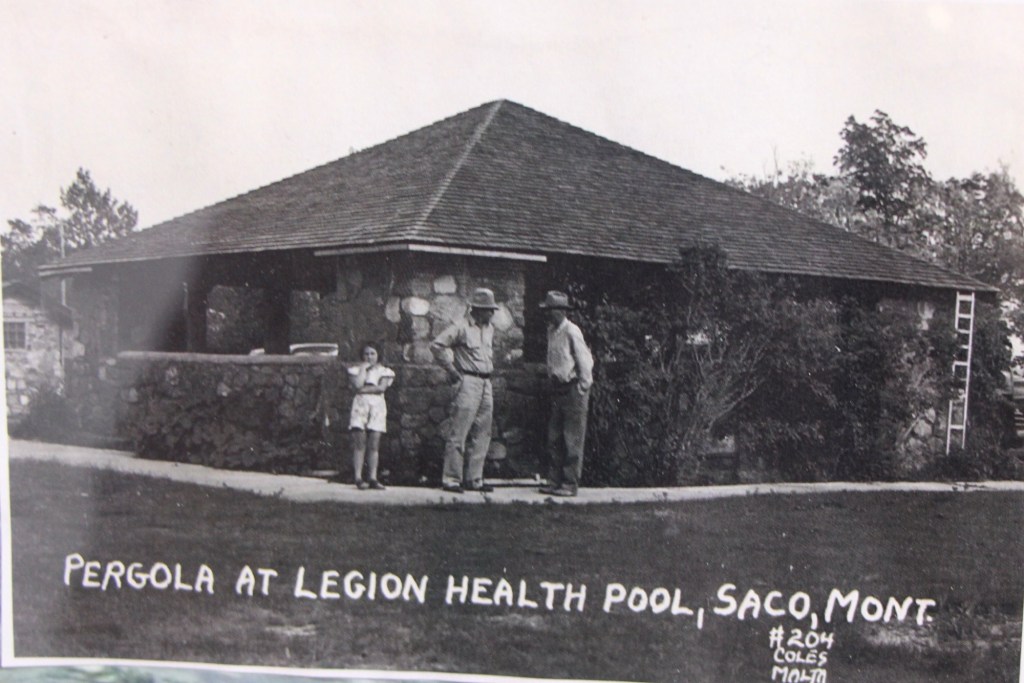
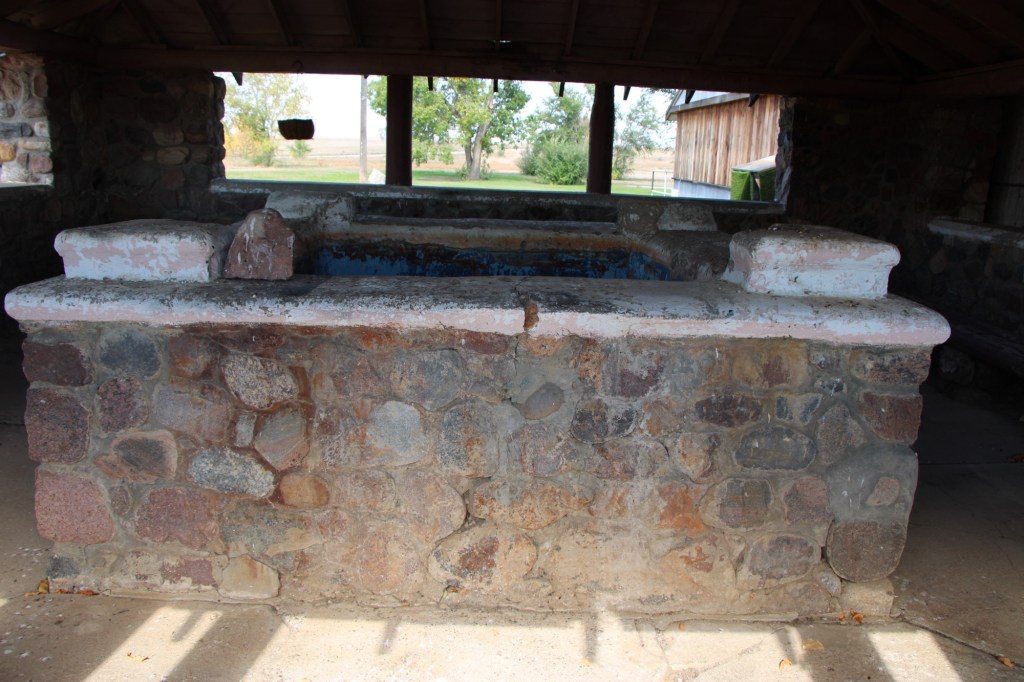
But the hot springs’ New Deal roots were still apparent because attached to the pool facility was the pergola of the early 1930s.

This hipped roof stone structure came about due to the joint efforts of local residents and government officials. An exhibit at the Phillips County Museum in Malta (more on that place later) points out that a rancher Elbert Davison first saw the mineral springs as having medicinal qualities. He built a small pool that brought relief to his son who had polio. That effort convinced the Saco American Legion to do more and soon a local effort to gain control of the spot for public use met its success in 1931. Later that year the American Legion Hot Springs was in operation, quite a feat in Depression-era northeast Montana.

That effort caught the attention of county agent H.L. Lantz to work with the New Deal’s Resettlement Administration, then active in the Milk River Project area, to get the Public Works Administration to fund the pergola. That story is told in the marker (above) still at the pergola today.

Bruno Partzsch was the stone mason for the buildings, and some of his work is still visible in the expanded and modernized pool building of today (2025). I wonder if Partzsch is also the crafter behind the stone building at Zurich Park in Blaine County since both places have ties with the Milk River Project.

Sleeping Buffalo Hot Springs is on the market in the fall of 2025. Business is tough—actually way beyond tough—in this part of Montana’s Hi-Line. I only hope that new owners who can keep the momentum going can be found and this jewel of a historic place—shaped by a partnership between locals and government—will survive well beyond its 100th anniversary in 2031.
Billings’ Minnesota Avenue, 1990

When Billings was established in 1882, there were two primary streets: Montana Avenue on the north side of the Northern Pacific Railroad tracks and Minnesota Avenue on the south side of those tracks. The street names came from the Minnesota and Montana Improvement Company, which developed the town.

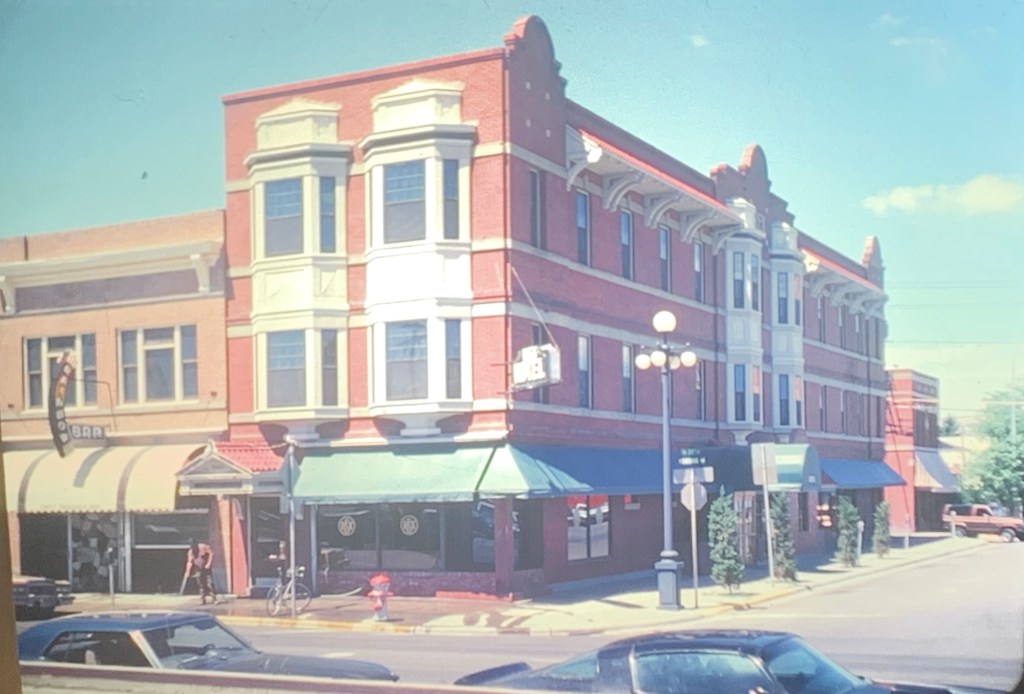
By the turn of the 20th century Montana Avenue had become the dominant corridor and has never looked back. Still, in 1990, Minnesota Avenue still had a bit of its railroad past as a row of bars and flophouses faced the tracks.

I took these 3 slides (including the cover slide) in 1990–and today this block has changed dramatically. But boy do I miss the neon!

Minnesota Avenue 2021

The evolution of Billings’ Montana Avenue

I was last in Billings in early July and, as usual, I immediately walked around Montana Avenue to see what was going on—doing that walk has been a tradition for me for over 40 years.

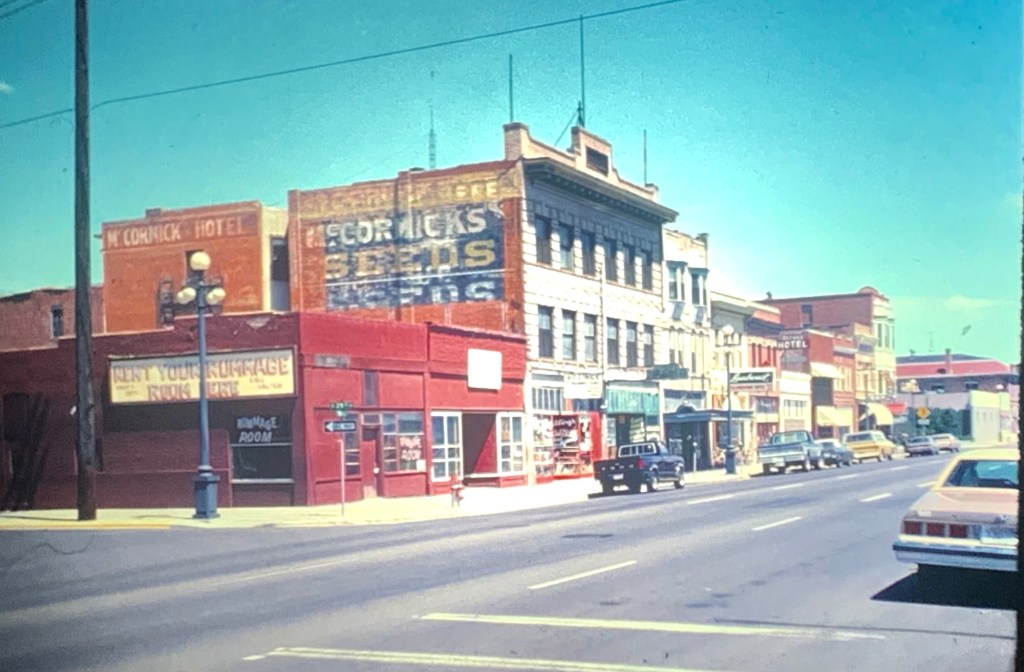
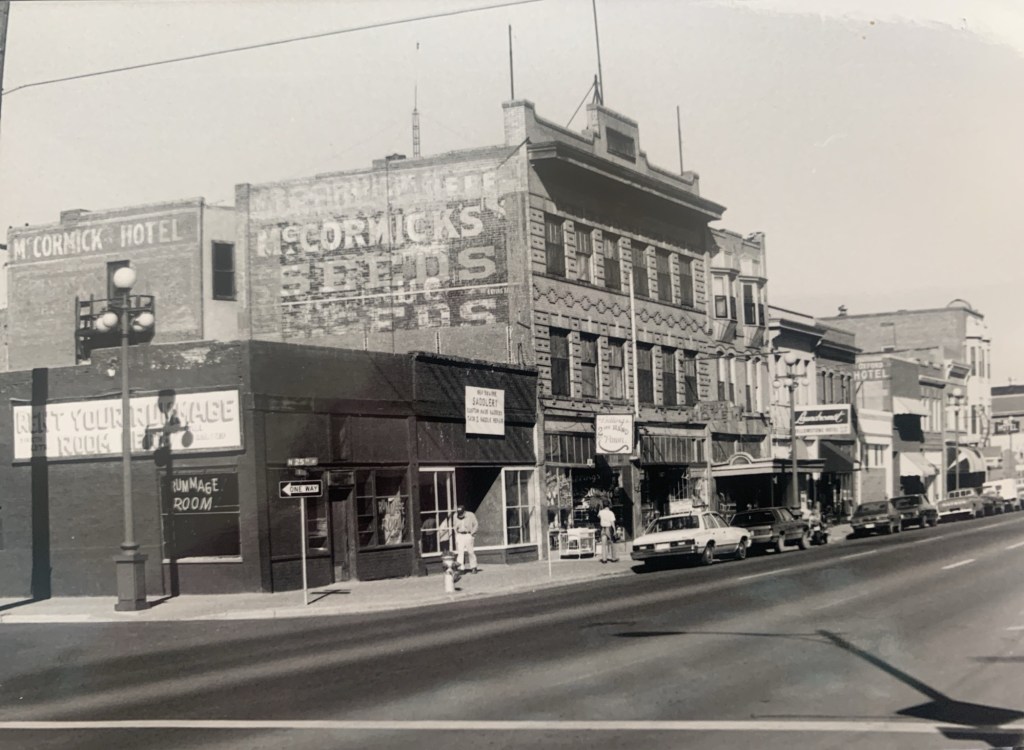
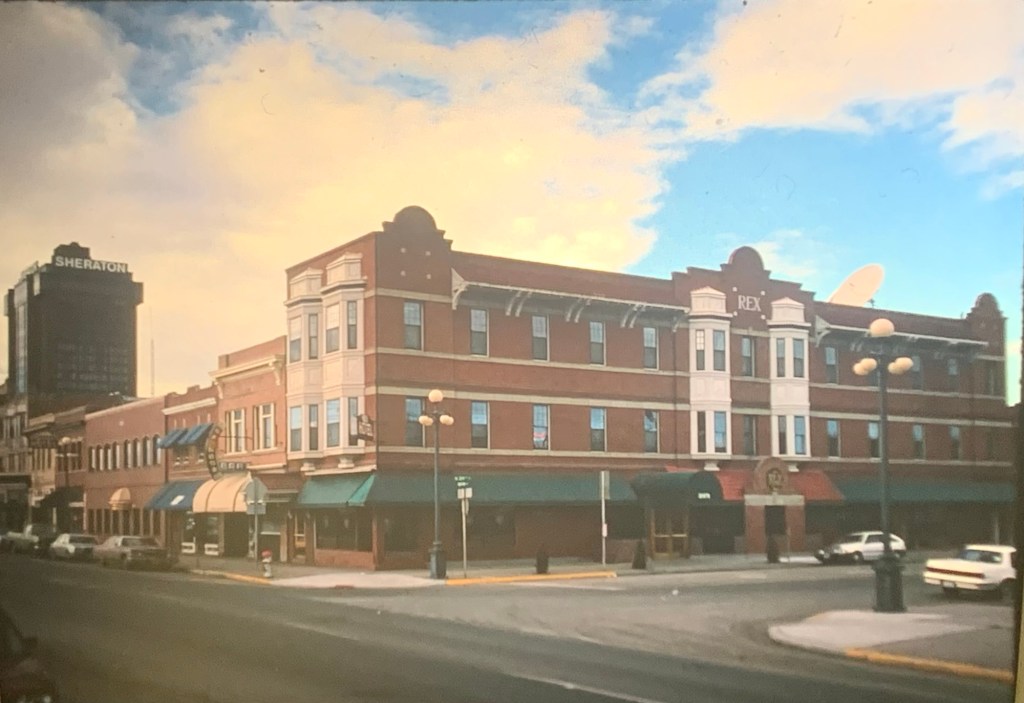
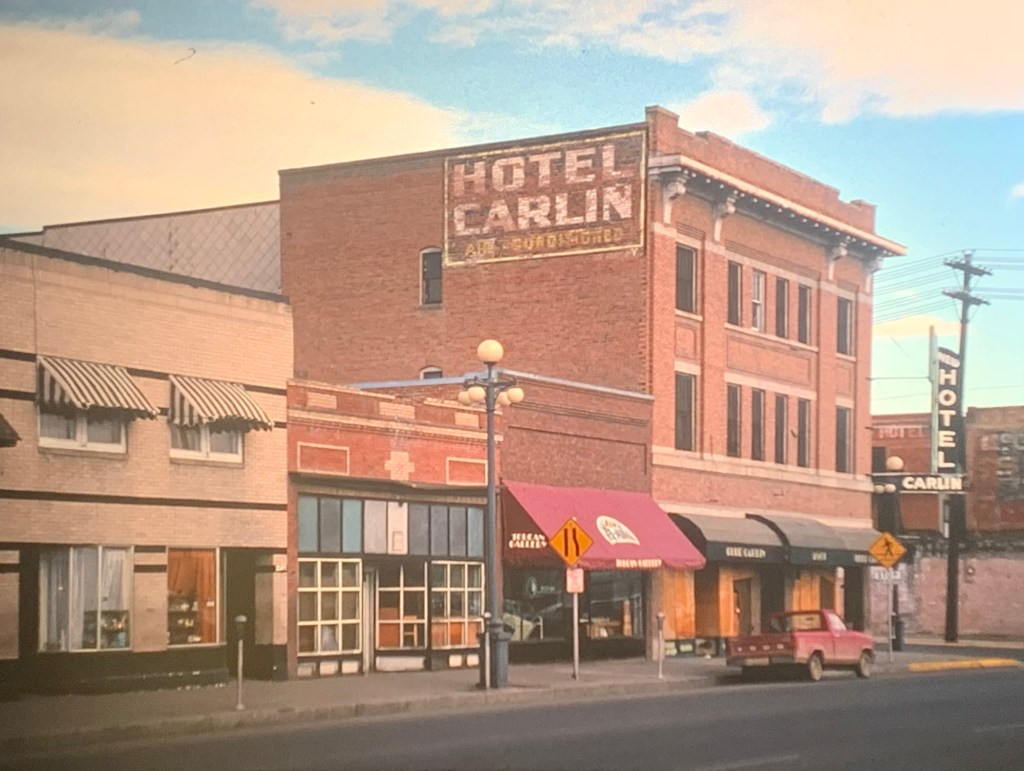
Do you remember what Montana Avenue was like in 1985–well here’s two views if you don’t recall, or were even around in 1985. It was a mix of second hand, rummage, stores, “antique” stores, flophouses, and an emerging galley scene, led by Toucan Gallery.

Rex Hotel 1985

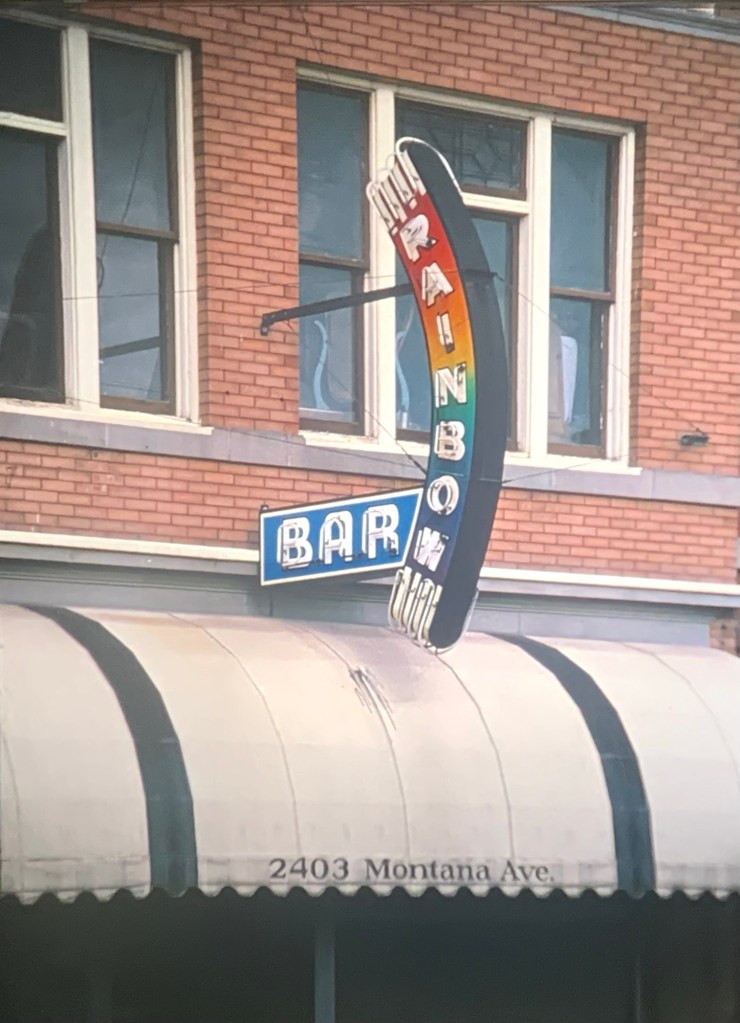
There was an oasis—the restored Rex Hotel, with one of the city’s best restaurants, and next door, the Rainbow Bar, an oasis of a far different type. Thankfully both businesses, with some changes, remain anchors to the district today.

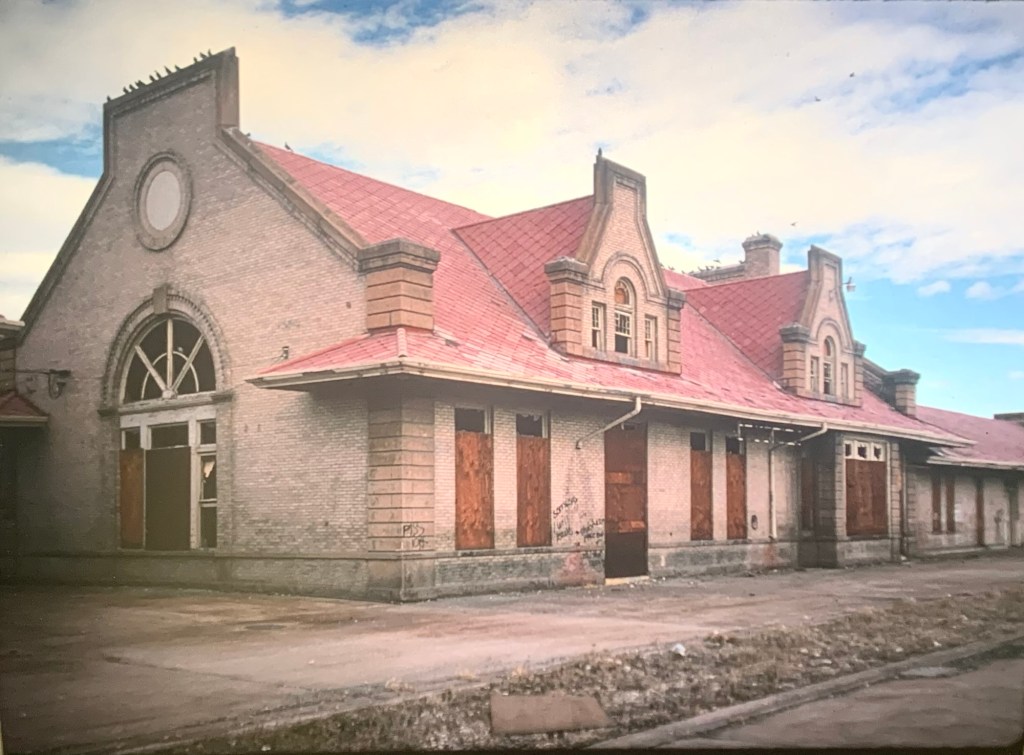
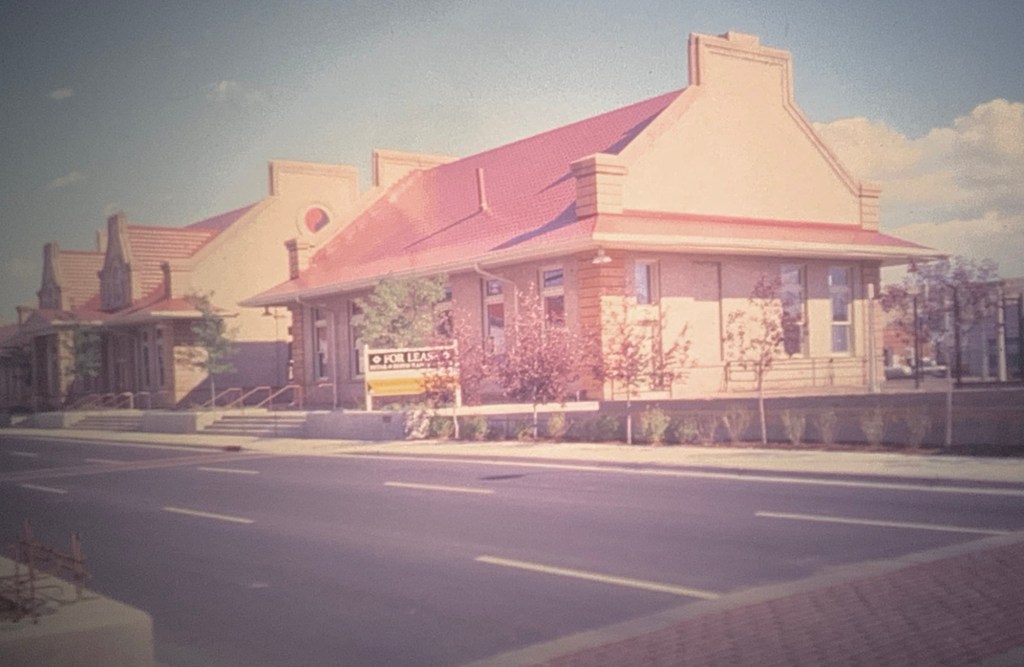
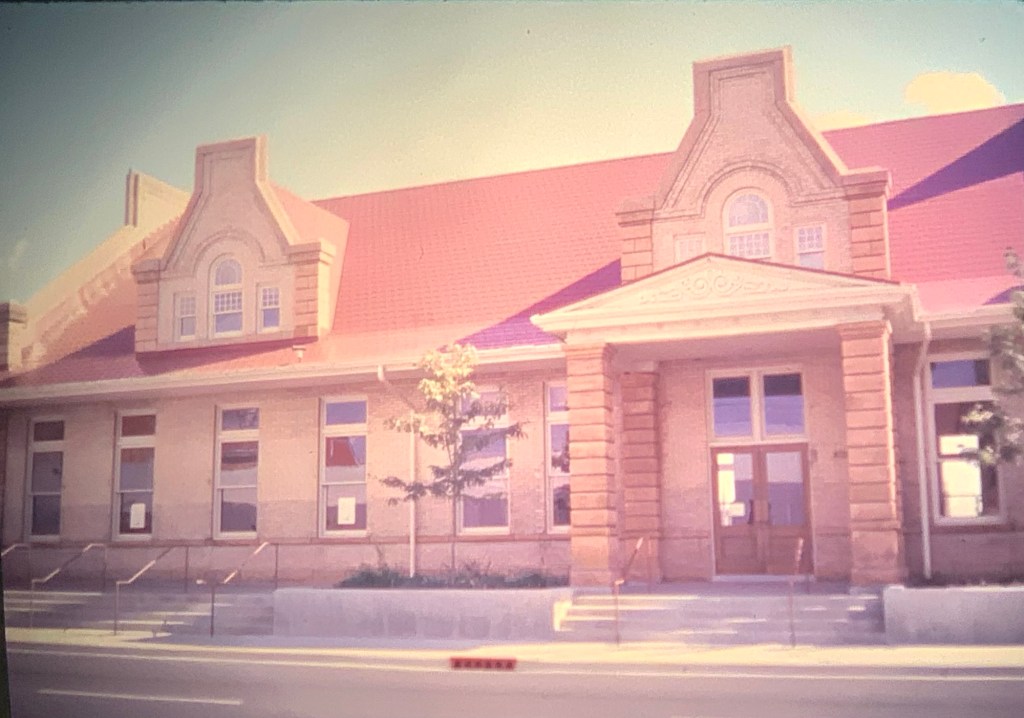
On the opposite side of the street—despair. The imposing 1907 Northern Pacific Railroad depot was boarded up, forgotten and deteriorating. The reality was a puzzle to me because already in Great Falls and Missoula investors had restored and reopened historic Milwaukee Road depots. Why not Billings?

Five years later, 1990, it had gotten worse instead of better at the depot. When graffiti begins to mark a historic building the end is often near. On the other side of the street, however, new investment kept the historic buildings moving forward.

Rex Hotel and Montana Avenue 1990
Rainbow Bar 1990
Hotel Carlin block, 1990
McCormick Block, 1990

Changes were afoot at the McCormick Block where two adjacent one story 100 year old buildings had been torn away to create a parking lot.

And the district had a new east end, with the conversion of a 20th century building into the Coulson Bar. I loved the reference to the river town that was a precursor to Billings.

The 1990s was when the historic preservation movement transformed Montana Avenue. The Montana Avenue Historic District was listed in the National Register of Historic Places, thanks to the vision of property owners supported by the city and the State Historic Preservation Office and the work of Chere Jiusto.

When I next visited in 1998, I found the depot, finally, restored and serving as a new anchor.

The new courtyard at the Rex was quite the place to be and be seen. I even saw Hollywood stars there in 1998. the 21st resurgence of Montana Avenue was ready to begin.

How many of you used the Internet cafe at the McCormick Block? I did in 2000 when I took the image above.

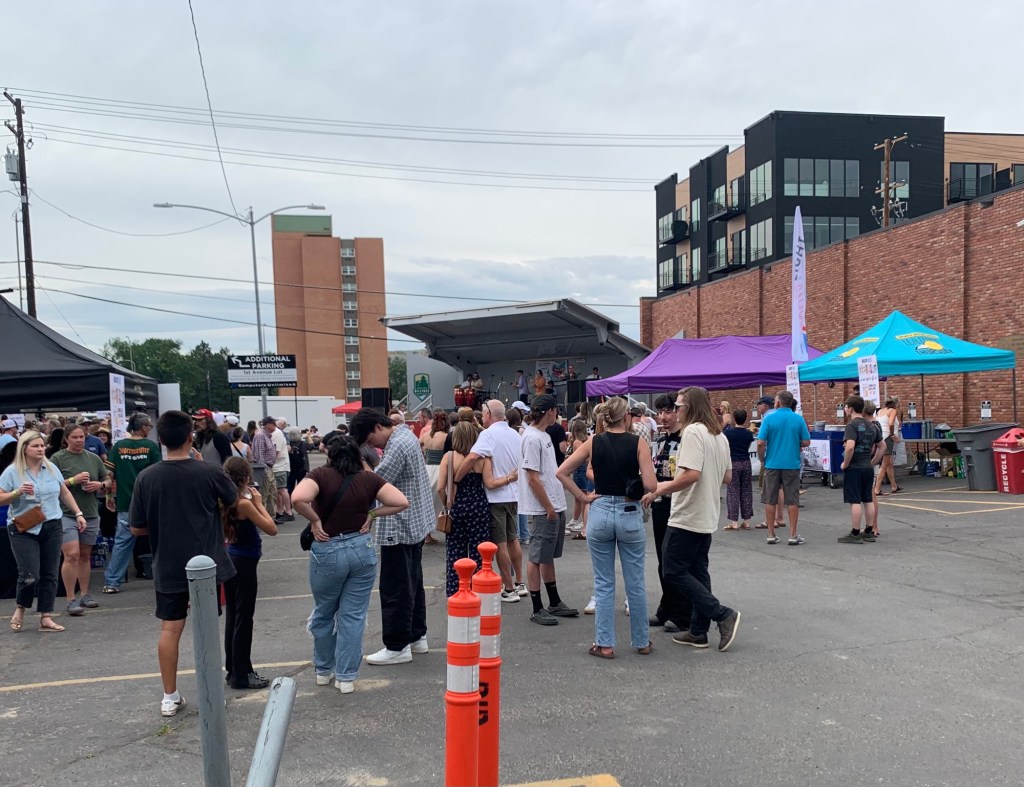
Fast forward to July 2025. The once neglected district is a city downtown hub, hosting a street event and businesses booming. What a change from 1985.

Change in Wisdom

A truism often found in writings about Montana’s rural towns is that nothing ever changes. Maybe that’s true, for a few places but over the last ten years I have found change to be a constant in rural Montana.

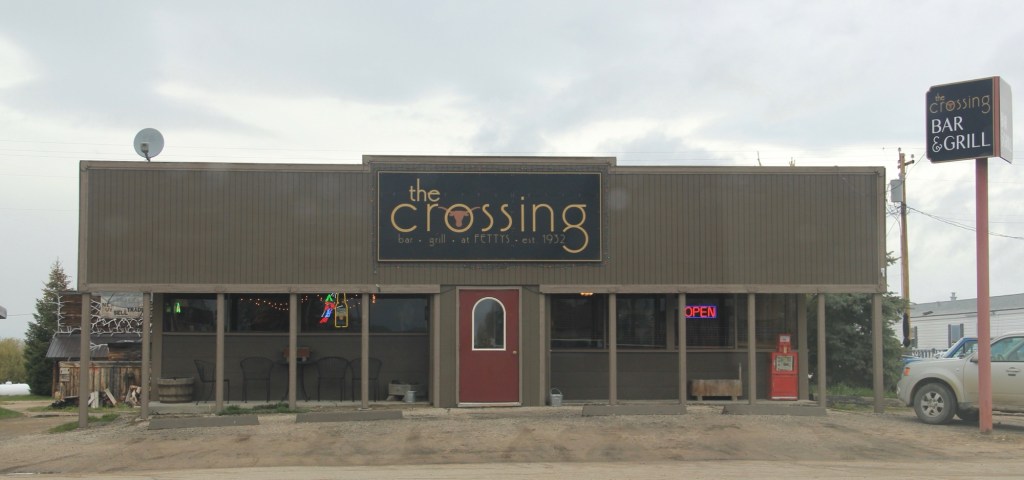
Take Wisdom in Beaverhead County. This place was one of my first overnights in the Big Sky Country and I fondly remember a night we spent at Fetty’s, a classic bar/cafe. Sometime before 2012 Fetty’s burned down but someone rebuilt on the site, calling it The Crossing at Fetty’s or Fetty’s at the Crossing—I don’t remember which one.

The Crossing in 20132

The Crossing was ok but a bit stuffy, just not the same feeling as Fetty’s. By 2025 order had been restored. The same modern building was there but name had changed to just Fetty’s. And the local vibe was back.

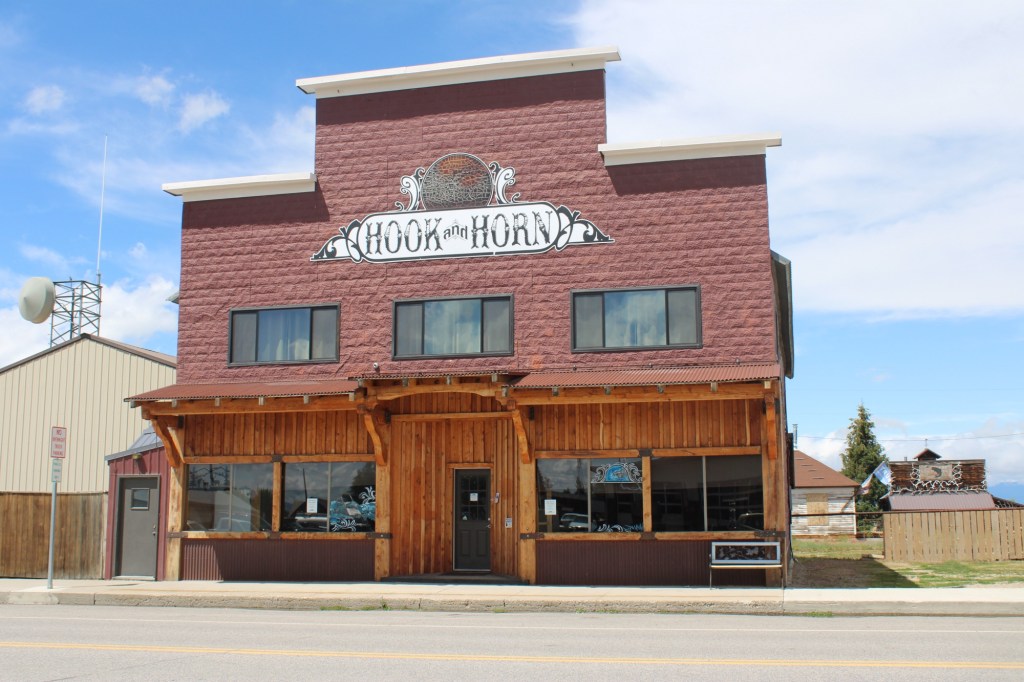
Change also marked the town’s historic general store, a 2-story commercial landmark. In this decade it tried to make a run as Hook and Horn, a combo bistro, boutique, coffee shop. It didn’t make it.

Hook and Horn, 2025

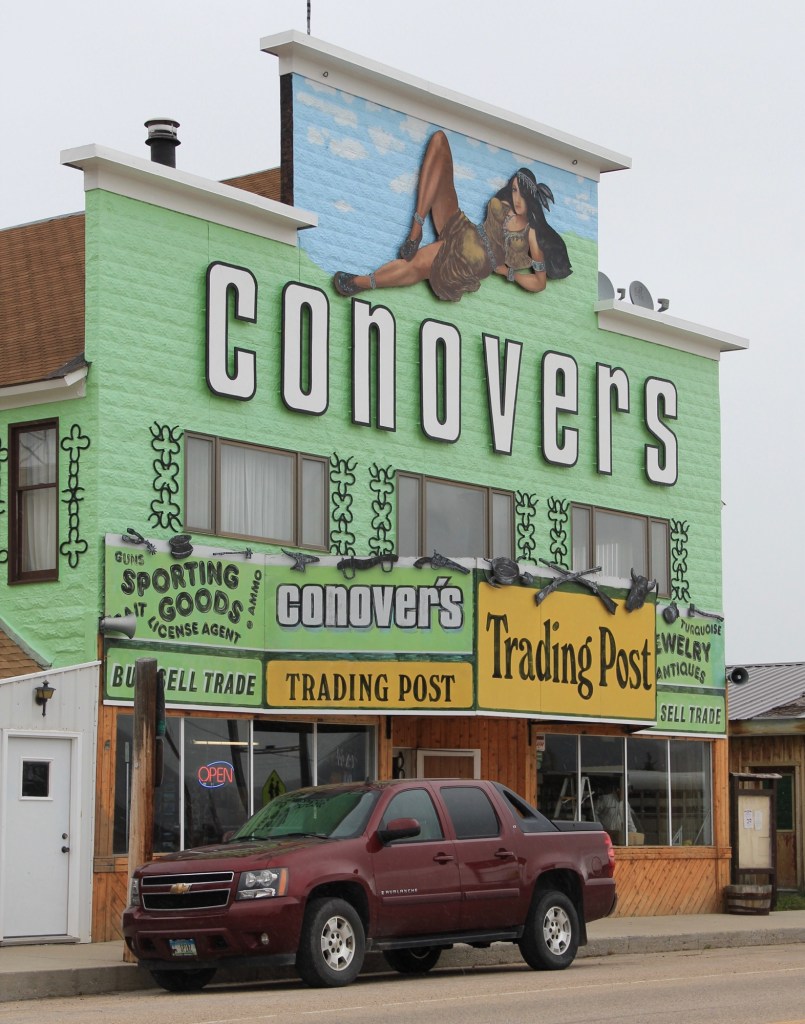
But its sedate, calm rustic appearance was certainly at odds with the garish but you can’t miss it facade of Conover’s Trading Post from 2012.

Conover’s Trading Post 2012
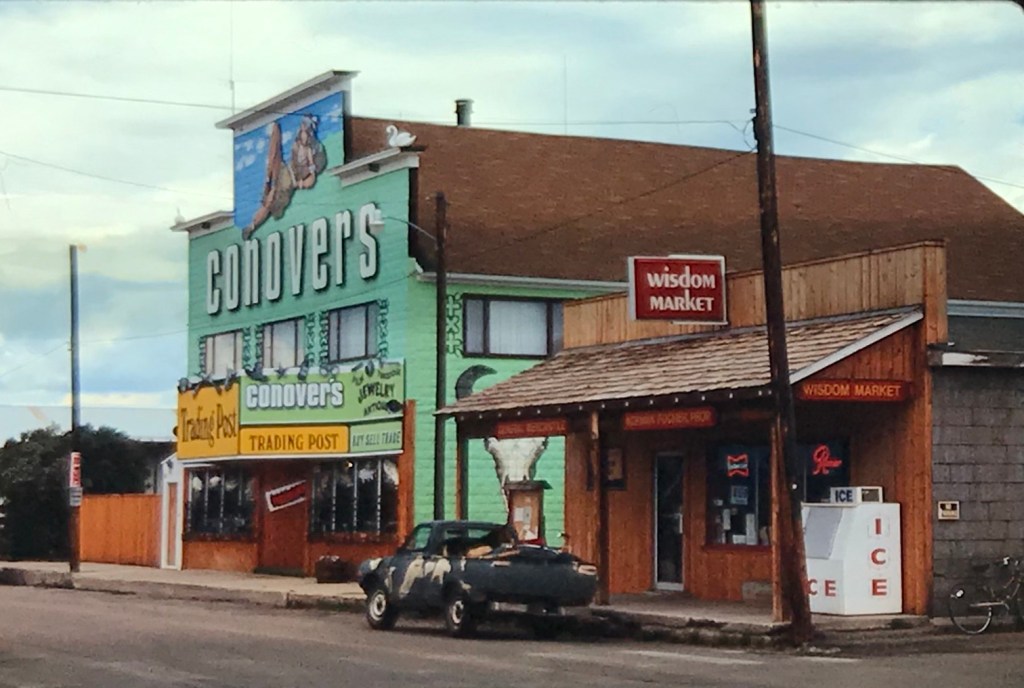
Wisdom 2012

I didn’t miss the trading post but I did like the Wisdom Market back in 2012. That now was a vacant lot.

Wisdom Market 2025

But then my faith was restored when on the other side of Fetty’s there was a new Wisdom Market, complete with its dark stained log false front. Not all change is bad, and if you don’t look you might not realize it.

A bit more on Wilsall

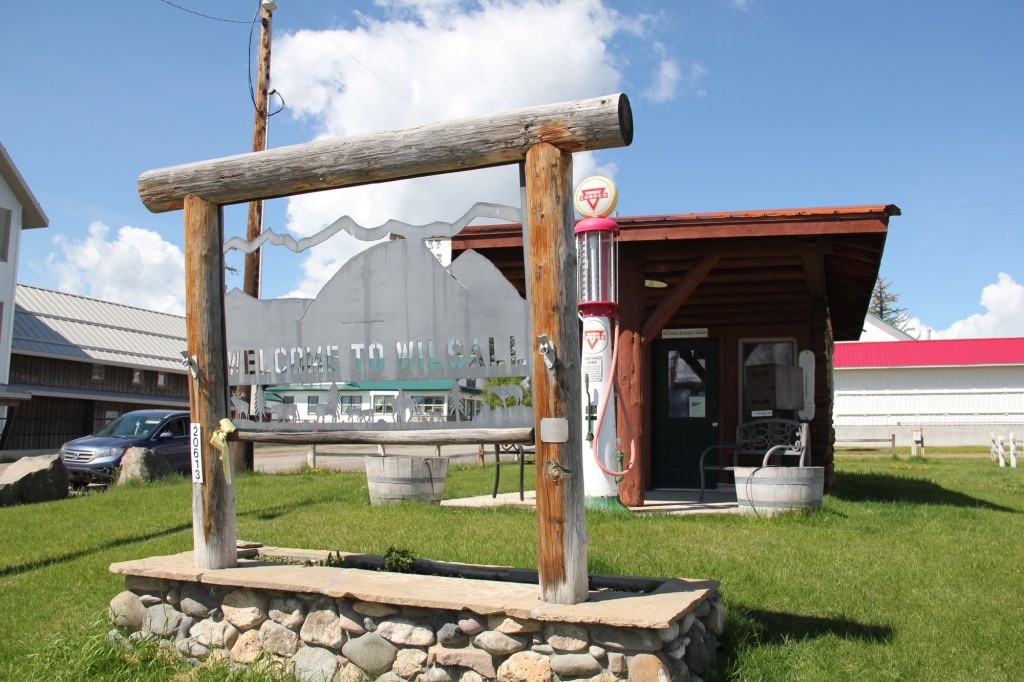
As readers of the blog know, the Shields River Valley is one of my favorite places in Montana. A good place to start any exploration is the village Wilsall, which, from my perspective, is close to a lot of larger towns and population but, then, also thrives quite well in its own.

The town’s past lies with the cattle ranch of Will and Sally Jordan—thus the same Wilsall—and the building of a spur line by the Northern Pacific Railroad in 1909, and the homesteading boom in northern Park County. The historic grain elevator is one potent reminder of both the railroad and homesteading. The tracks ran to the west of the present US 89 highway.

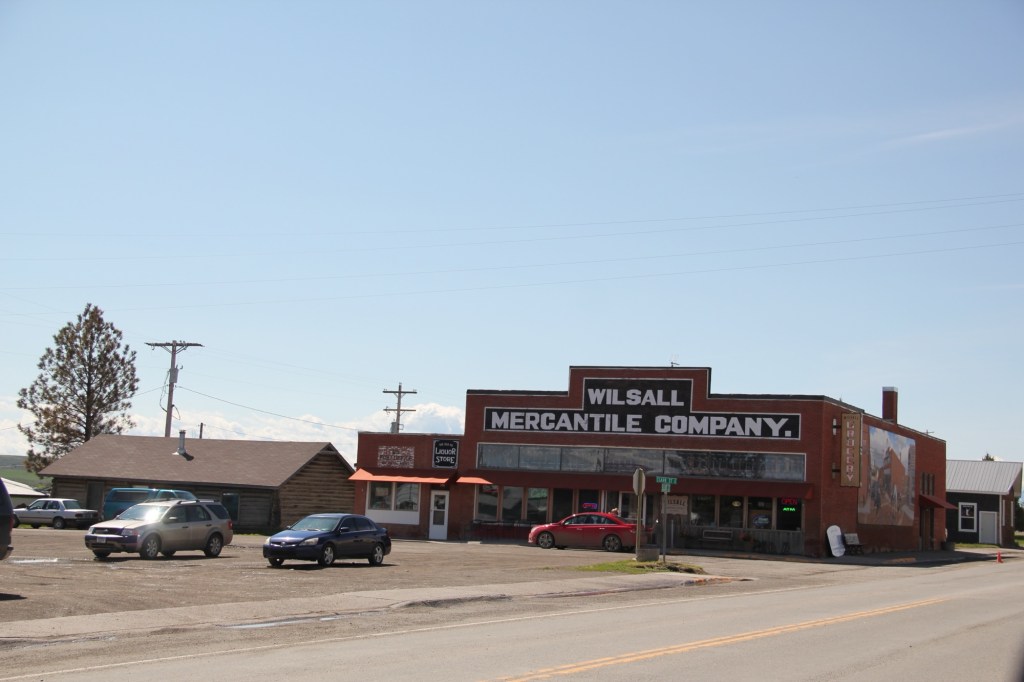
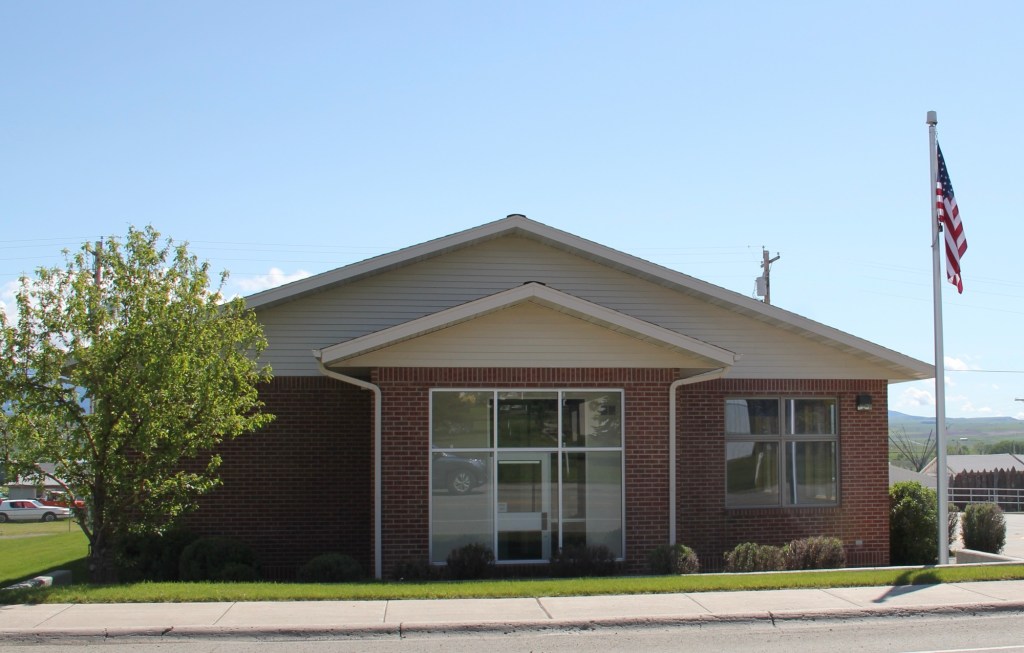
By 1910, the place had a post office; a modern one stands along the highway while an older one is attached to the mercantile building.

Soon the town’s primary crossroads at Elliot and Clark streets was defined by an impressive classical style bank on the west side and a large brick mercantile store on the east side.

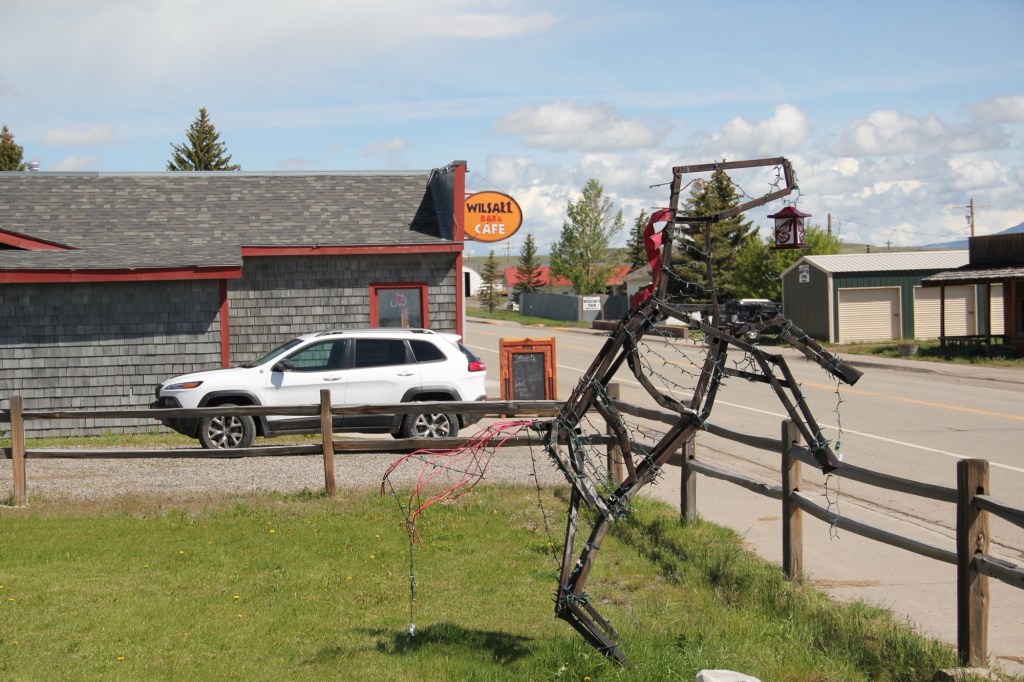
The Bank Bar in fact has recently been in the news because, guess what, national media has again “discovered” a great Montana eatery—

something that locals have known about for years. Maybe the review will get more people to slow down a bit and look around.

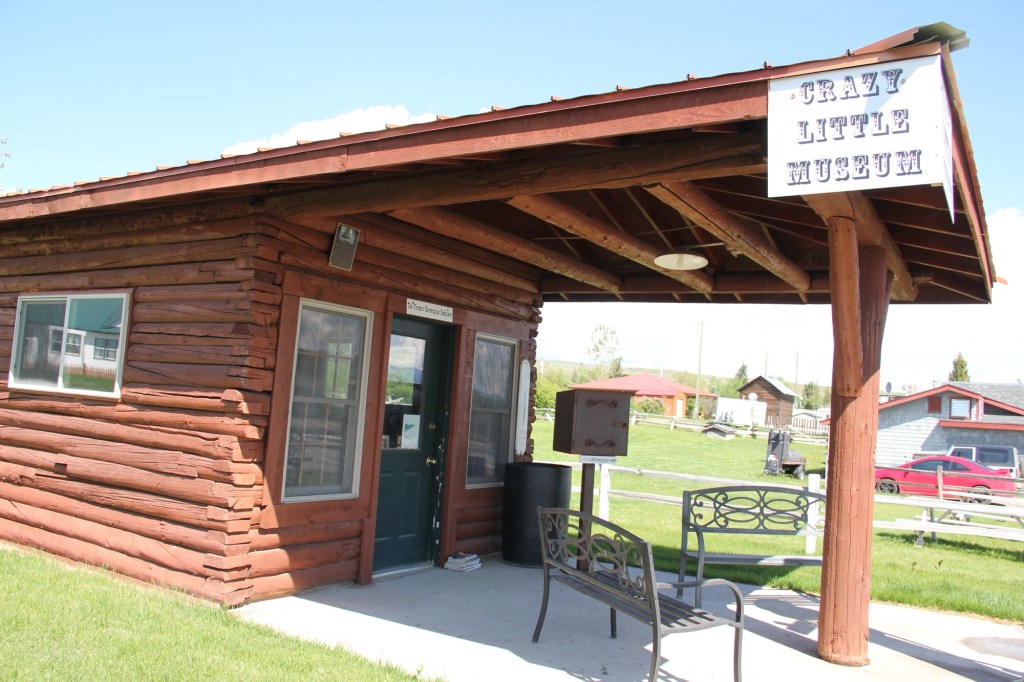
The stop is worth it, not just for a cold brew and perfect burger, but for the town’s Crazy Little Museum (also called the former Norwegian Embassy). It’s always refreshing when a place has a good perspective on itself and honors a person like Bob Tomasko who did a lot for the town before his death in 2012.

Historic community buildings survive such as the school from the 1910s, now boarded up.

And the town community hall, which remains in use even as the population has dwindled from 237 in 2000 to under 200 in 2020.

US Highway 89 is one of my favorite north-south routes in Montana stretching into Wyoming. I always look forward to my next visit to Wilsall.

Medicine Lake, the place and town in Sheridan County

Montana Highway 16 stretches north from U.S. Highway 2 following a spur line of the Great Northern Railway laid about 1910. Following that railroad corridor first brought me to Medicine Lake, the actual lake and town of that name in February 1984.

Great Northern depot in 1984

When I returned over thirty years later, the depot was gone, but the lake and town were doing ok.

Depot is gone today

Medicine Lake is a very important place in northeast Montana and the 8,000 + acre lake has been protected as a National Wildlife Refuge since 1935.

Medicine Lake NWR
Medicine Lake NWR

Native Americans for centuries visited and hunted here, as hundreds of tipi rings along the lake bluffs documented. The lake remains a touchstone for several tribes today.

Medicine Lake, MT

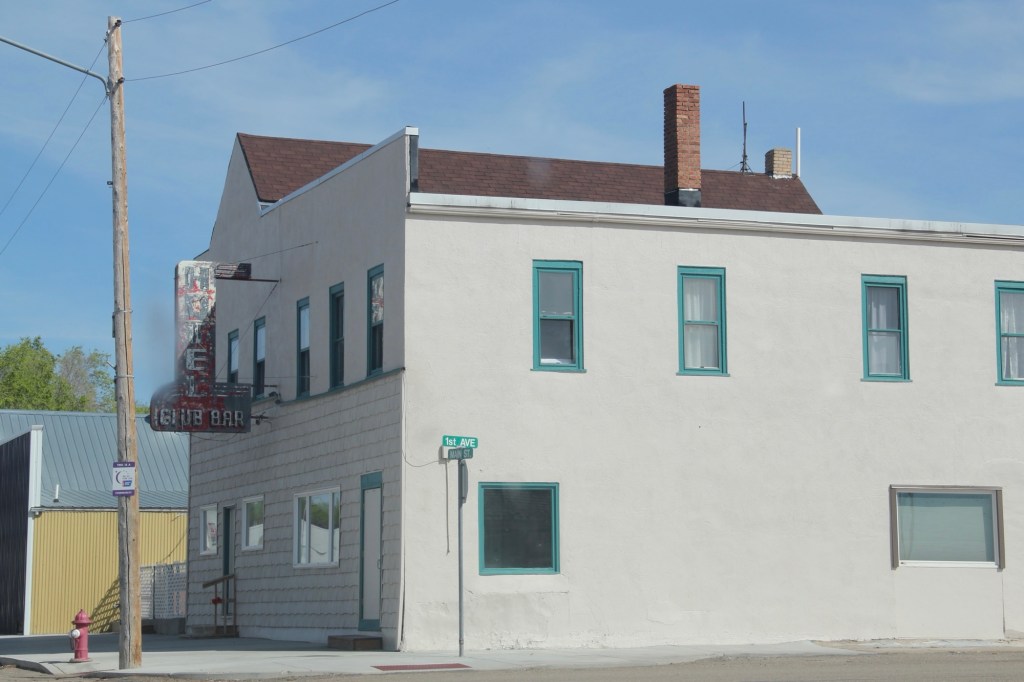
The town is much more recent, established by the railroad in 1910, with the iconic Club Hotel and Bar in business within a year.

I have stopped at the Club Bar where the old neon sign was a bit weathered but hospitality was everywhere. Don’t know about the hotel—maybe rooms was still used during the hunting season.

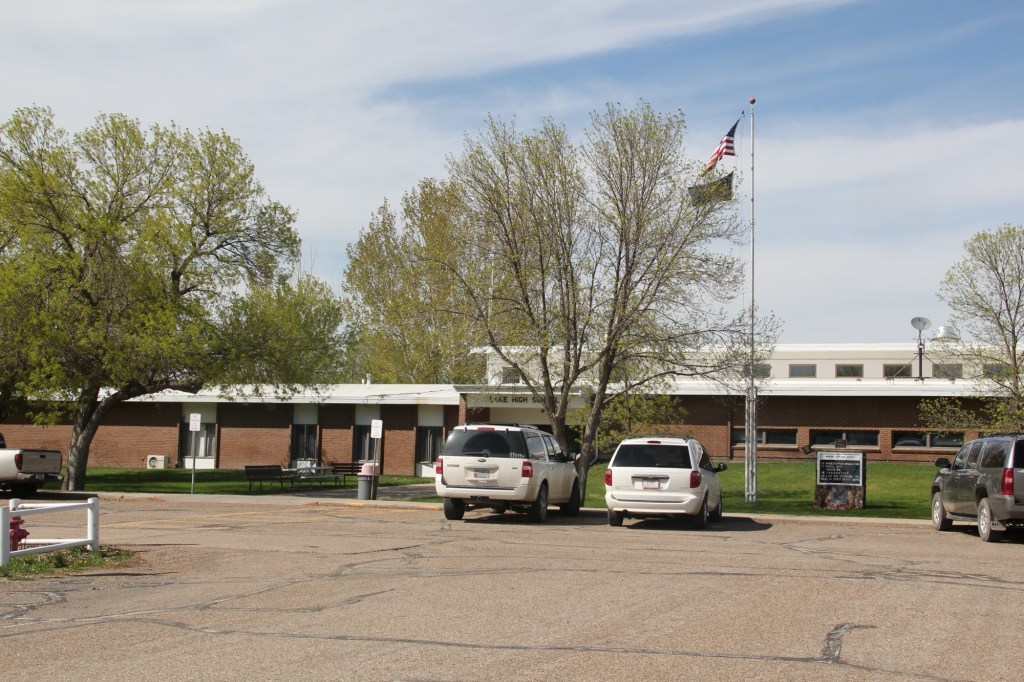
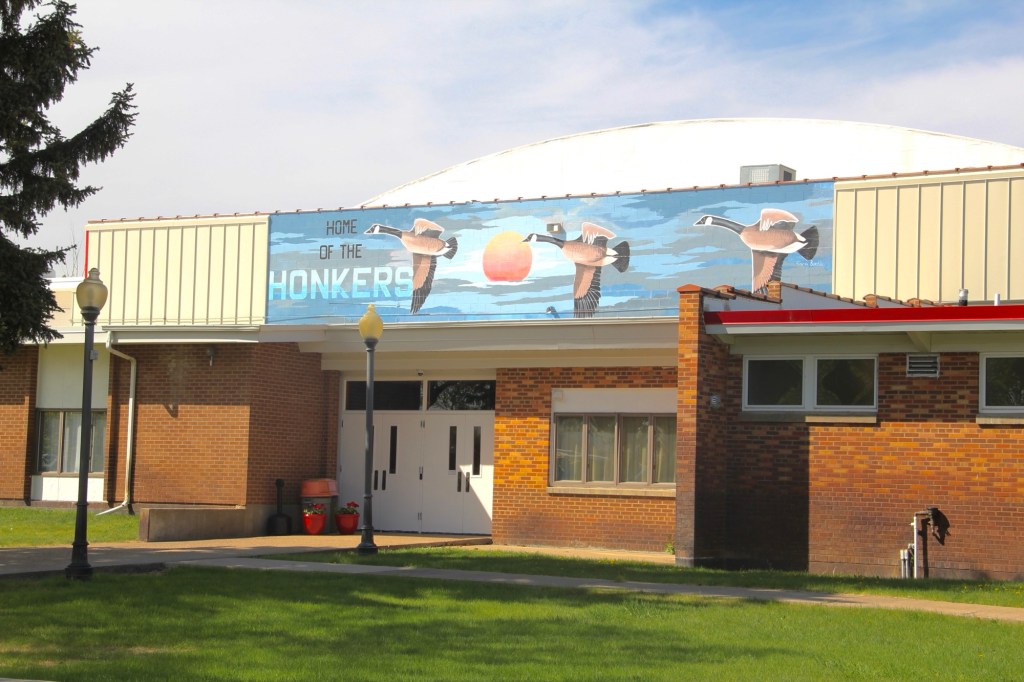
The Medicine Lake K-12 school keeps the town of about 250 people together but since my last visit the school lost its distinctive mascot name of The Honkers. For sports the school has merged with Froid and took us nickname of Red-Hawks. Did that mean that town gathering spot would change its name from the Honker Pit? Absolutely not. Great place!

Medicine Lake, the town, has several buildings from its first generation of settlement, including a corner gas station (adapted into a new business) and classic false-front one-story commercial buildings, including a lumber business and a hardware store.

Yet a dwindling population has hurt the business core. For 40 years between 1940 and 1980 the town’s population stayed around 400. The next 40 years witnessed a decline—and in a small town a loss of 150 people can really hurt.

But the town began a slight rebound in population in between 2010 and 2020, with some of it fueled by fracking man-camps

The bones of an early 20th century homestead town are still there. I hope to visit again and see new changes in 2025.

Glasgow, Montana: It might be in the middle but it’s not nowhere

In 2024 I began to see media accounts, both regionally and nationally, of how Glasgow, the seat of Valley County, was the most isolated place you can imagine, truly in the Middle of nowhere.

Historic Great Northern Railroad corridor in Glasgow

I’m not one to argue with geographers and economists. I’m sure from their perspective, they got it right. But I never thought of Glasgow as isolated: it is on the Great Northern mainline, and part of the famed Empire Builder Amtrak route, and on U.S. Highway 2.

Great Northern depot, Glasgow

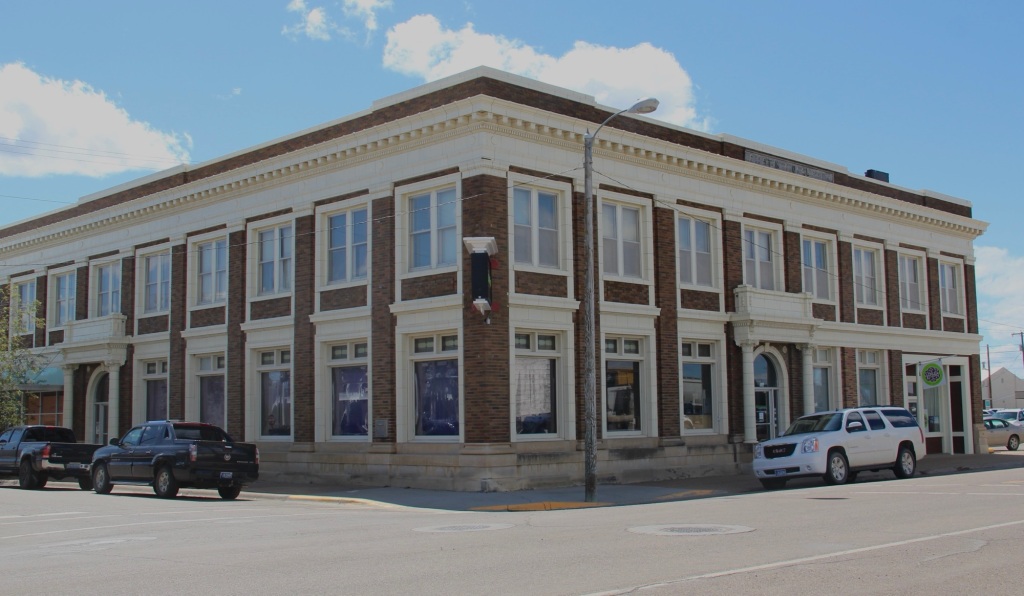
Then the town has always shown a great deal of pride and ambition, conveyed so effectively by its many historic buildings, starting with the First National Bank, built c. 1884 and listed in the National Register of Historic Places.

1st National Bank building, Glasgow

When you enter the town from the underpass of the railroad, the bank is the first landmark to catch your eye, appropriate too for the impact of local banks on a town’s economic prospects during the homesteading boom and bust of the 1910s and 1920s, respectively.

Rundle Hotel, during renovation in 2013

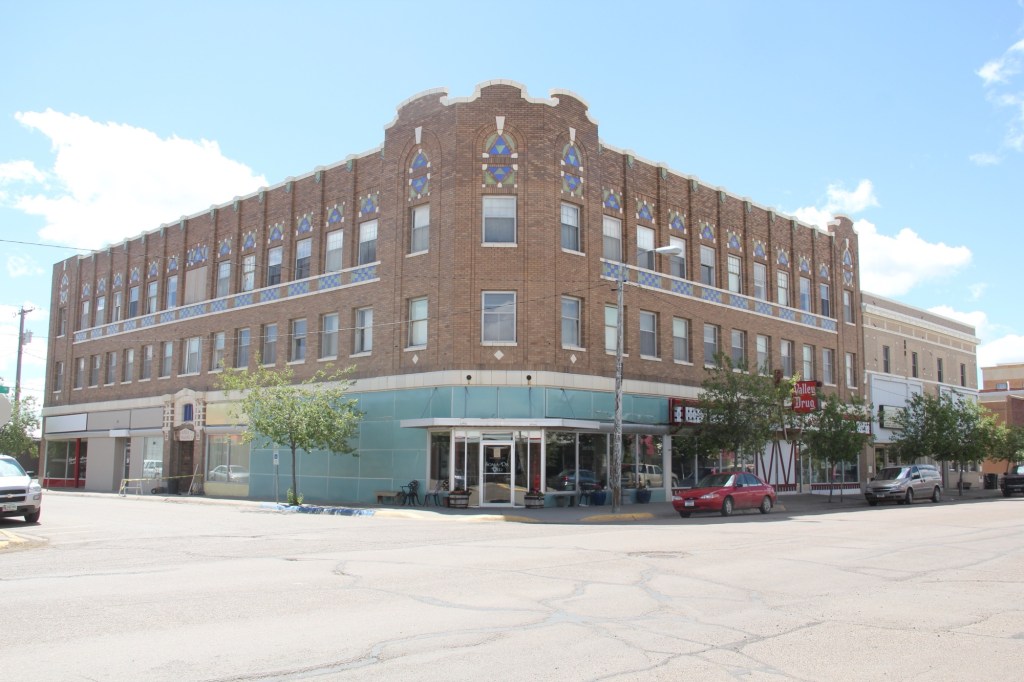
Another landmark from the homesteading era is the Rundle Building, once the Glasgow Hotel and restored in the last ten years as an upscale hotel in the heart of downtown. Built c. 1916 and designed by the important Billings firm of Link and Haire, the Rundle is a captivating statement of an Arts and Crafts-infused Mediterranean Revival style. I have been trying to get back to Glasgow to stay here for the last four years—maybe I will make it in 2025.

The 1930s transformed Valley County through the construction of the mammoth Fort Peck Dam on the Missouri River. Glasgow too has a major New Deal landmark in its U.S. post office and courthouse, built c. 1939 and designed by federal architect Louis A. Simon.

Post office/federal courthouse, Glasgow

Its understated New Deal Deco exterior obscures a jewel of an interior, highlighted by its New Deal-funded 1942 mural depicting local history and the changes brought about by the Fort Peck Dam by artist Forest Hill. This building too is listed in the National Register.

Glasgow post office mural

Another important New Deal supported building was all about the community, and providing new opportunities: the Glasgow Civic Center. It too has a New Deal Deco style, and its large public space has been used for almost every type of event or gathering you can imagine.

Glasgow Civic Center

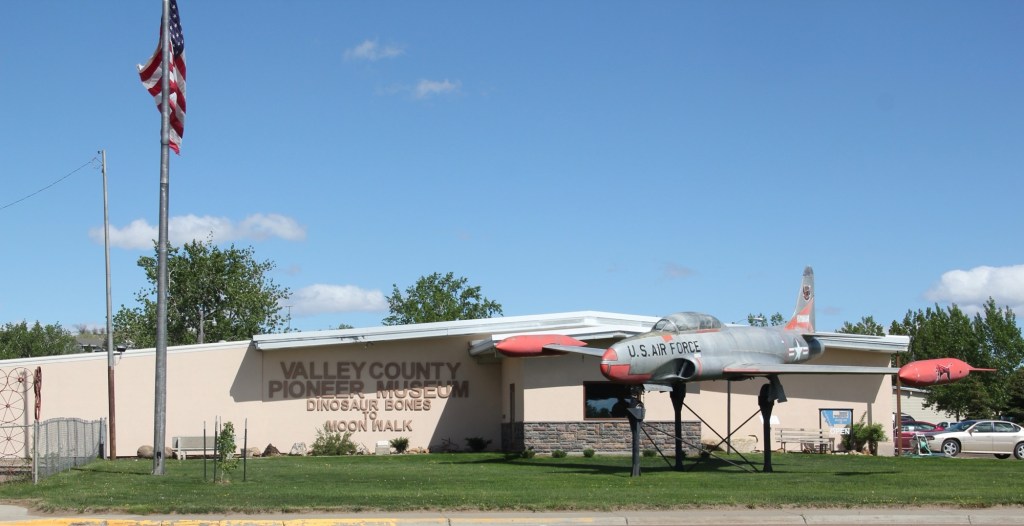
Glasgow’s sense of itself today still respects it past, brilliantly conveyed by its large and expansive museum. When I first visited Glasgow 40 years

Valley County Museum

ago, I held a public meeting on the state historic preservation plan here, and the next morning residents gave me a detailed tour of the recently established museum. I was impressed with its collection then, now it sprawls through the building to the adjoining grounds.

Veterans section of the museum
The high school band section
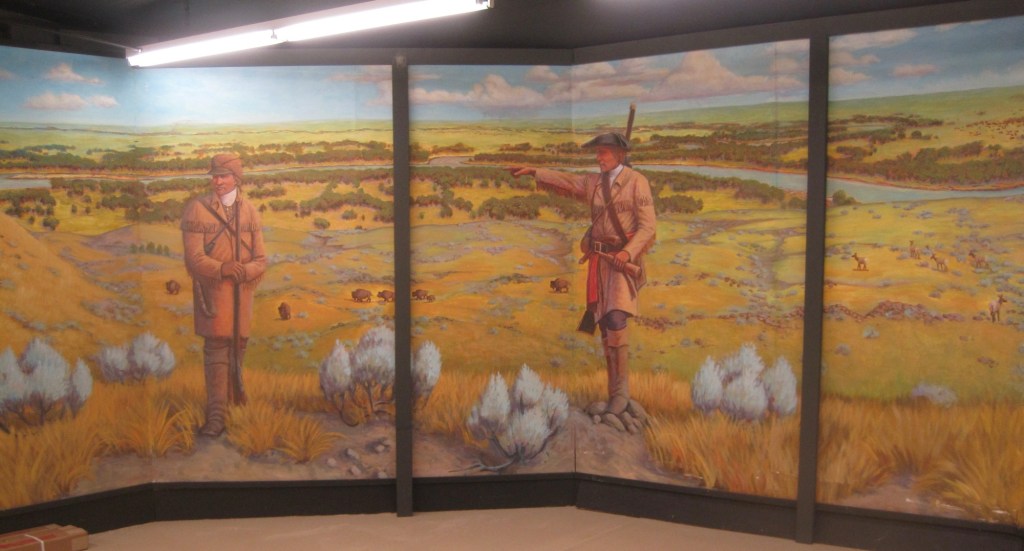
Lewis and Clark mural, 2095, by Jessie Henderson, a Chippewa/Cree artist
The back bar at saloon exhibit

Indeed, the saloon exhibit underscores another fun part of Glasgow—across from the depot in the original route of Highway 2 is an amazing collection of bars, stores, and eateries, right out of the early 1900s.

Glasgow bars at depot

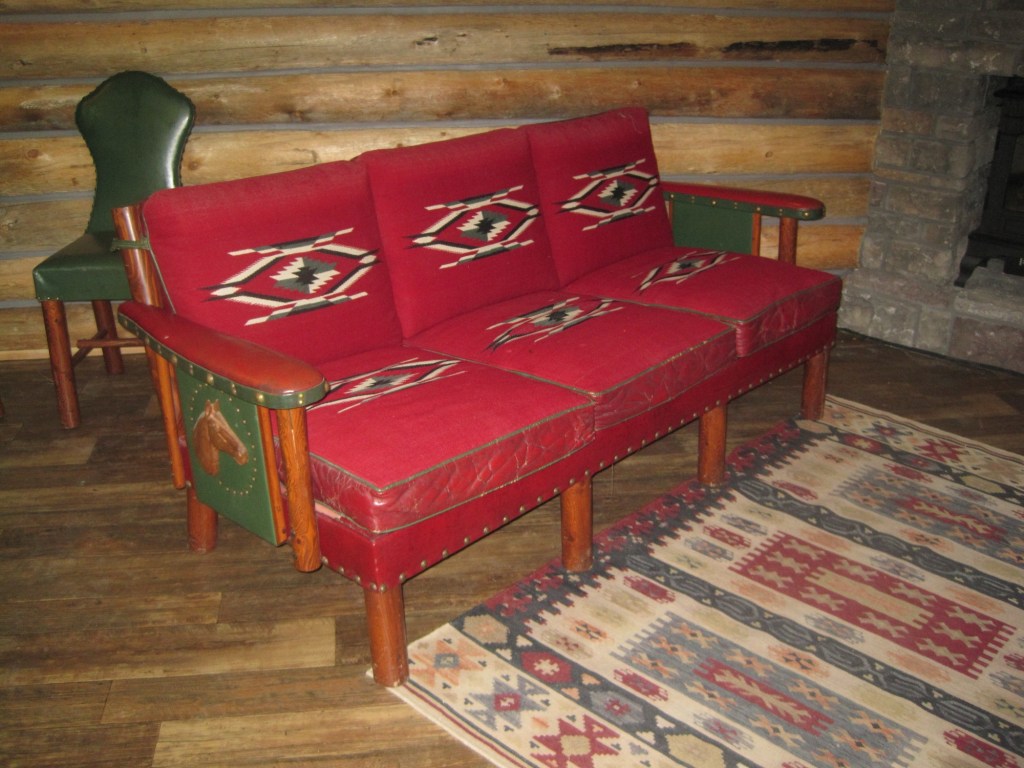
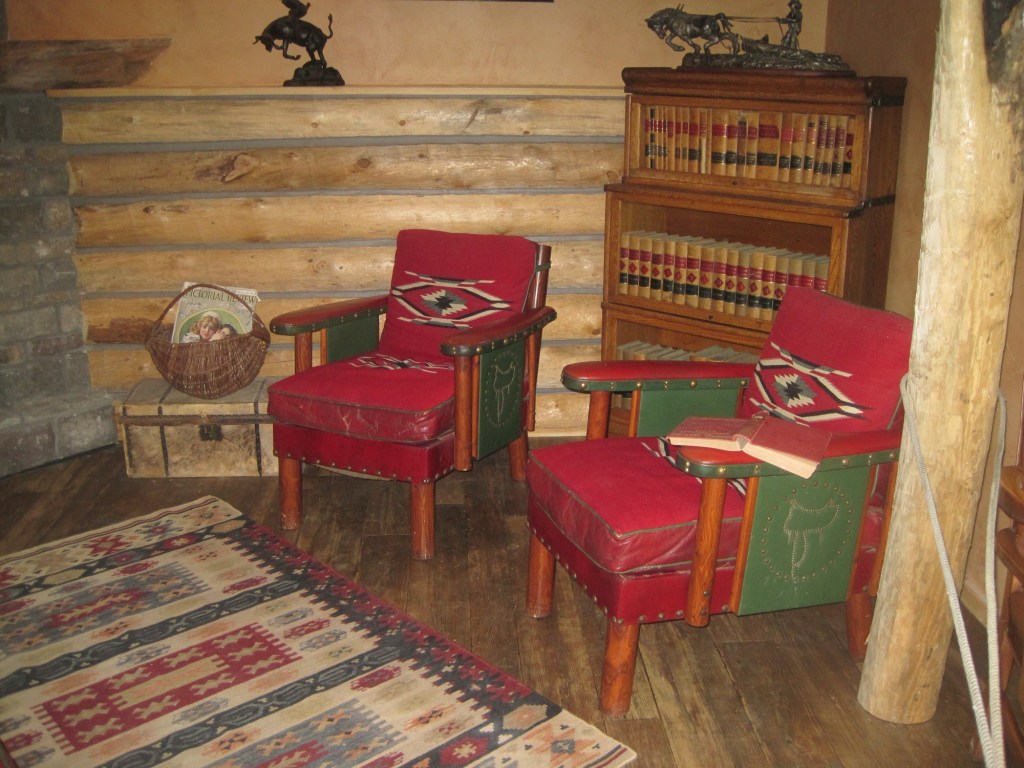
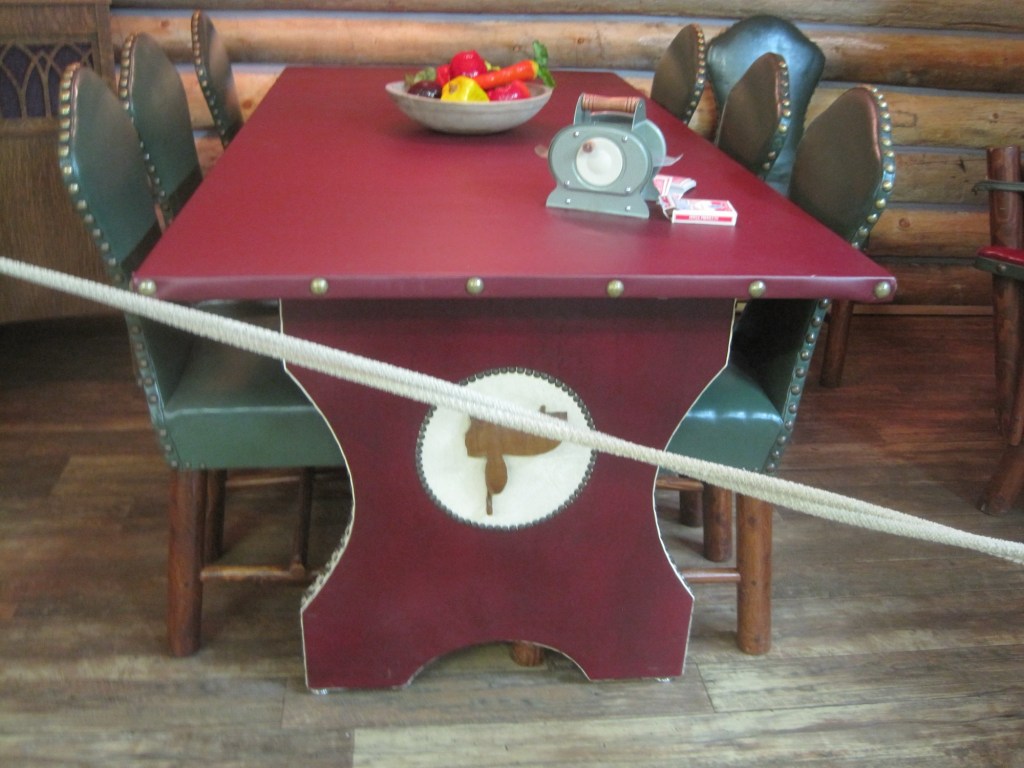
But back to the museum, and its important Montana decorative arts collection of the work of modern craftsman Thomas Molesworth, once in the town’s Carnegie library.

The newer exterior exhibits led the museum to move entire building to the property, including examples of the homestead shacks of the early 1900s that were followed by permanent homes such as this white painted bungalow.

Representative ranch house from homesteading boom

Pride of place, pride of the past. Glasgow might be in the middle but it is far from being nowhere as this small sampling of properties demonstrates.

A Historic Pause: Montana Club, Helena

On Friday, March 29, 2024, the Montana Club closed its doors to patrons. Let’s hope it was a pause and not a terminal event in this 100-year old Helena landmark, which is listed in the National Register of Historic Places.

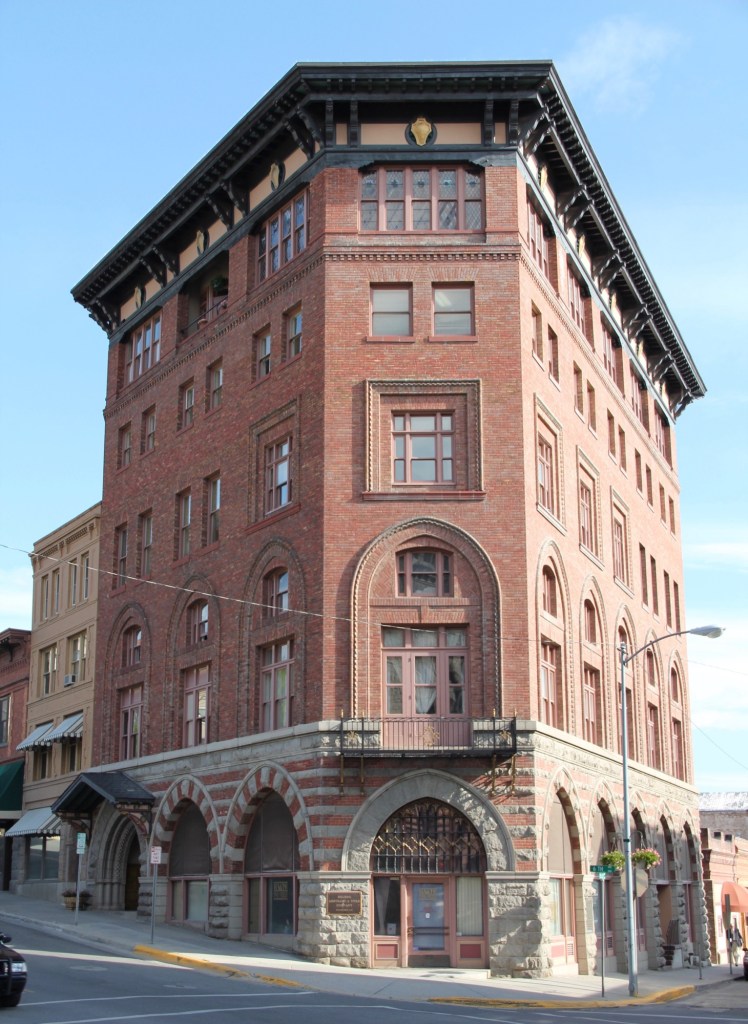
And landmark it is, with the original design by one of the nation’s preeminent turn of the 20th century architects, Cass Gilbert. The design cam early in his career but it’s a magnificent example of the Renaissance Revival style, in keeping with Gilbert’s love for classical forms. He ended his career with the remarkable classical-style Supreme Court building in our nation’s capital. I have long thought folks in Helena did not appreciate this Cass Gilbert building as one of the state’s great architectural statements.

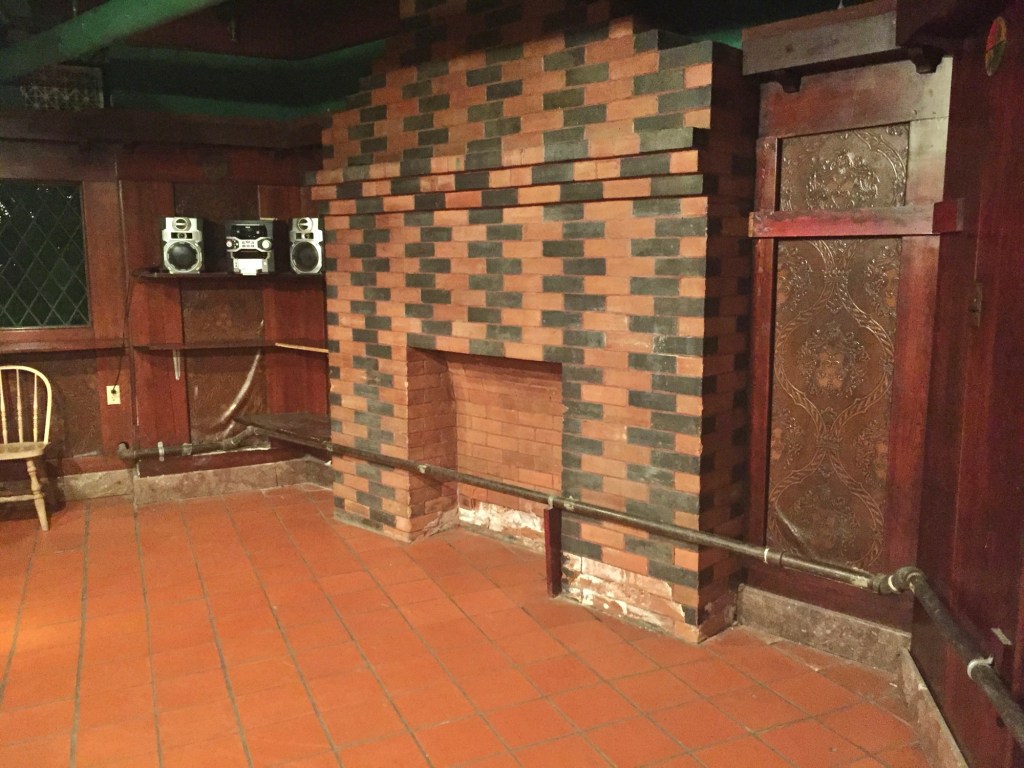
The Montana Club has delightful public spaces. The basement Rathskeller is a fun Arts and Crafts style room. I probably have had a few too many there.

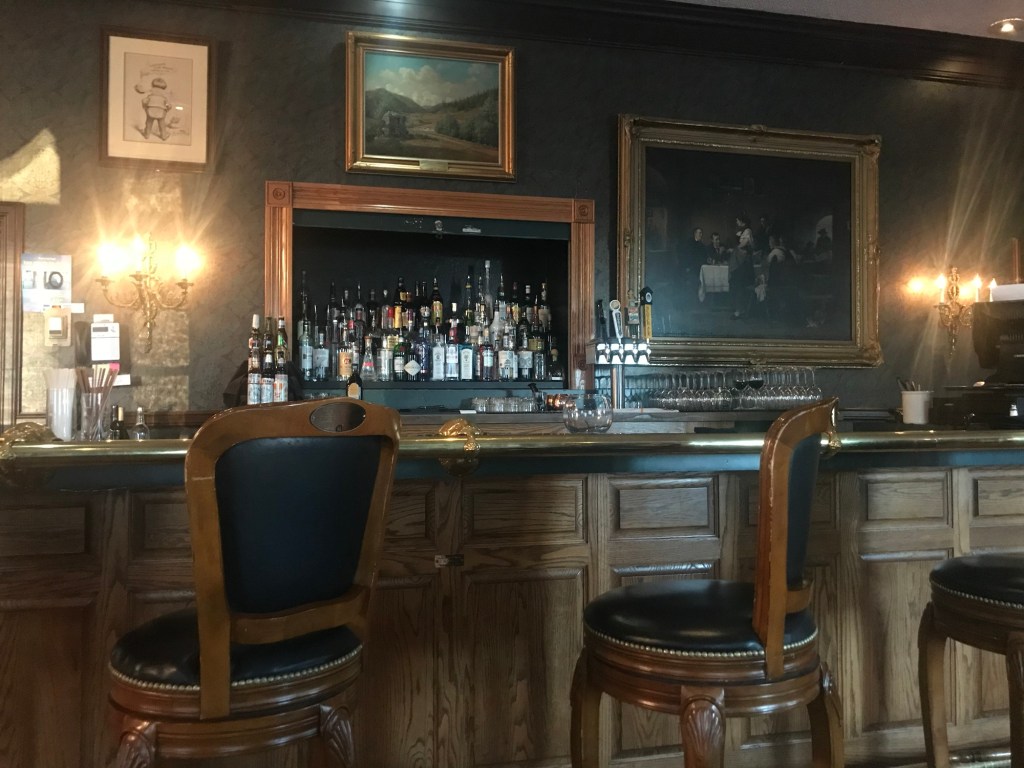
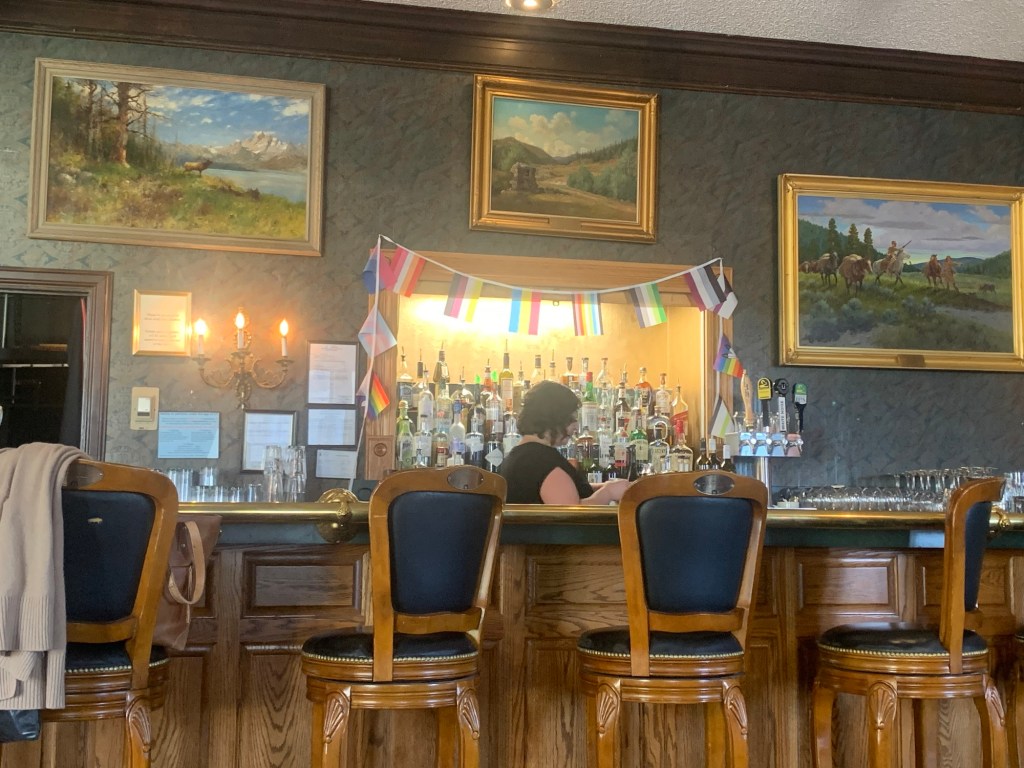
I know I have had a few too many at the wonderful second floor bar, where generations of skilled bartenders practiced their craft, from which we all benefited.

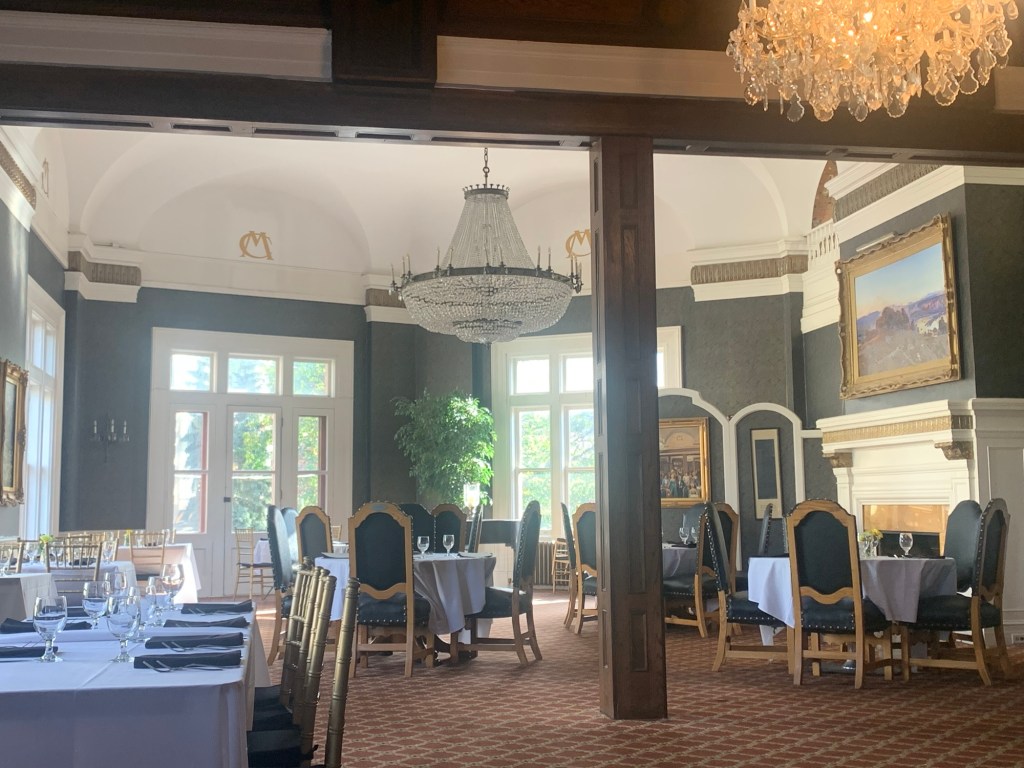
The adjoining main dining room is gorgeous, and its huge windows allow for stunning views of the city.

Indeed the building is full of bold, imaginative and inspiring spaces. It’s a real jewel in the capital city. Let’s hope its doors don’t stay closed for long.

A fall drive along U.S. 12

When I lived in Helena from 1981 to 1985 one of my favorite jaunts was along U.S. Highway 12 from Townsend to Roundup. It remains so today, 40 years later. My initial interest centered on railroad corridors. Helena to Townsend followed the Northern Pacific Railroad and a good bit of the Missouri River (now Canyon Ferry Lake).

Northern Pacific bridge over Missouri River near Townsend
Missouri River and Canyon Ferry valley near Townsend
Missouri River campground near Townsend

It was a brilliant day with fall colors just popping as we left US 287 and turned into the heart of Townsend.

As soon as you leave town to the east you encounter a lovely mix of ranches and irrigated fields until you thread your way through a national forest along Deep Creek.

Fall colors along Deep Creek

We decided to continue east by briefly jumping off US 12 and go to Montana 284 so we could follow the Milwaukee Road corridor from Lennep to Martinsdale where we would reconnect with US 12. Two of my travelers had never been to the Milwaukee Road “ghost town” of Lennep. It was a beautiful morning to be there.

Milwaukee Road powerhouse

You first realize that this abandoned railroad corridor is different when you encounter an electric powerhouse—the Milwaukee Road’s tracks were electrified from Harlowton Montana west to Idaho.

Lennep

At Lennep the landmarks remain—the Trinity Lutheran Church, the store, the school, a teacher’s cottage and an early notched log house—but all were a little worse for the wear compared to my last visit 10 years earlier.

As we traveled east that morning we quickly moved through the county seats of Harlowton and Ryegate to get to Roundup by lunch. The Musselshell Valley was brilliant even as signs of the old railroad almost disappeared.

Near Ryegate
Near Lavina

Roundup continues its renaissance with new businesses and restored buildings. The town core, clustered around the intersection of US highways 12 and 87, was busy on a fall weekend.

A mural on the great cattle drive of 1989
The Backporch—great bbq
New mural at the Keg
Art studio doing well
Awaiting its renovation
Community green spot

As I observed a few years ago Roundup residents worked together and created a plan—and the place continues to work the plan, from the adaptive reuse of its historic stone school to the careful stewardship of its historic fairgrounds. It’s impressive.

After Roundup we stopped at two county seats on the return to Helena. Harlowton was rocked by the closing of the Milwaukee Road over 40 years ago. It has struggled to reach the economic comeback achieved at Roundup. But the historic stone buildings have great potential. Three of them are now part of a large museum complex.

Then there’s the newcomer: the Gally’s microbrewery and pub, housed in the 1913 Montana Block.

It’s a great place for local beer and good conversation—and maybe the start of something good for the town.

US Highway 12 was torn up for major repairs when I last visited White Sulphur Springs last decade. The improvement along its population growth and the ever expanding hot springs gives the place a new look, reflected in new catchy fronts to local bars along with new businesses such as a huge Town Pump.

But historic White Sulphur Springs is doing ok too: the New Deal constructed Meagher County Courthouse is still a roadside landmark while the old railroad corridor, just west of the Hot Springs, remains, awaiting its rebirth.

These places are mere highlights along a historic route that’s worth a drive anytime in the fall.

Marysville, a Montana “ghost town”

Marysville was the first mining ghost town that I visited in Montana in 1982. Forty years ago it wasn’t really a ghost town—several families lived there year round. But many buildings were abandoned, in disrepair, even one of the historic churches. Whenever families or friends visited me in Helena, I always took them to Marysville to see what was left because I wondered just what the future of the place would be.

I need not have worried. I had not been in Marysville since 1985 when I visited in May 2023. Today about 80 people live in Marysville—again far from being a ghost town. But so much preservation work had taken place since the 1980s.

Today many historic buildings from c. 1880 to the 1920s help to tell the story of gold mining in Montana at the fabled Drumlummon Mine owned by Thomas Cruse, a mine that overlooked the town. But work remains—other key buildings need their champion to ensure their preservation.

Drumlummon concentrator ruins
Ruins only remain of this dwelling
Stone commercial building from 1895
The 1898 Masonic Lodge Building with its impressive brick exterior dates to 1898. Both Mountain Star 130 and Ottawa 51 met in the building.
Another important building was the general store, initially established by Ann and Blibal Betor (Betor was from Lebanon) c. 1898. When I lived in Helena the place was abandoned and in rough shape. A well planned restoration began in 2004 and was finished in 2018.
The general store interior speaks to its conversion into a saloon and dance hall c. 1940.
The former Northern Pacific railroad depot is now home to the town’s bar and cafe.
Another restoration was led by the Hollow family at the town’s Methodist Episcopal church. This 1886 building is listed in the National Register of Historic Places.
Our Lady of Lourdes Catholic Church also dates to 1886. Thomas Cruse later took some of his Drumlummon fortune and donated it for the construction of the Cathedral of St. Helena in Helena, MT.
The Marysville Pioneer Memorial Building contains a museum about the town and its mining history.

The people who call Marysville home have been remarkable stewards. By keeping the town alive they also have preserved a special place in Montana’s mining past.