Whitehall revisited

I last addressed Whitehall, a town along the historic US 10 route (Montana Highway 2) seven years ago. I have always liked this place, as a crossroads (Montana 55 and2) and for its 20th century history as a sugar beet refinery town.

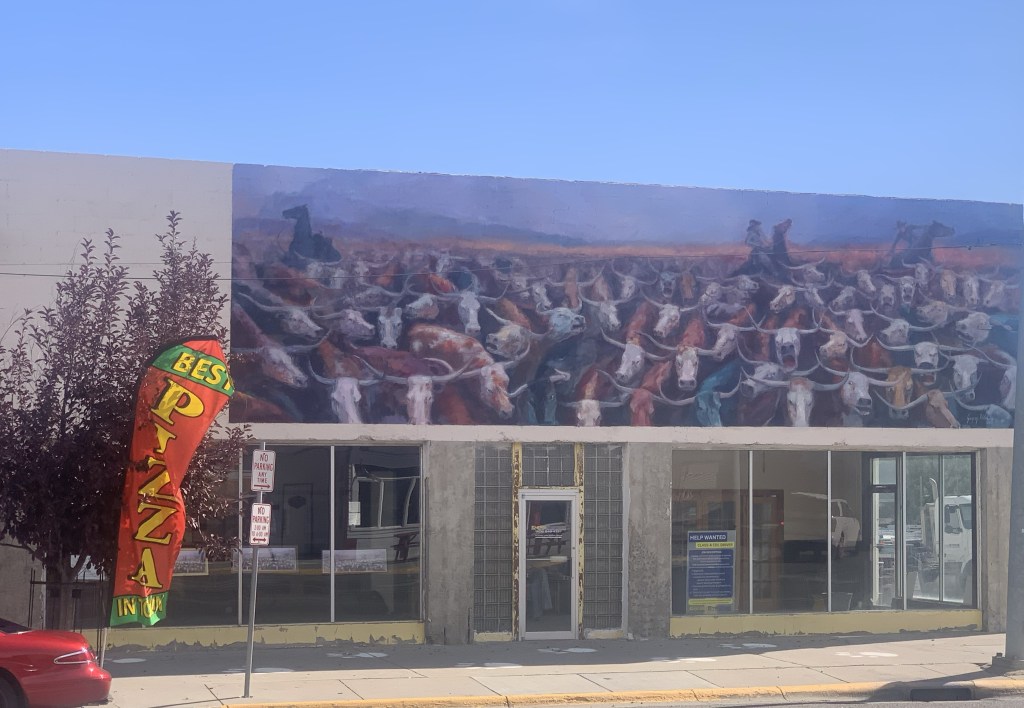
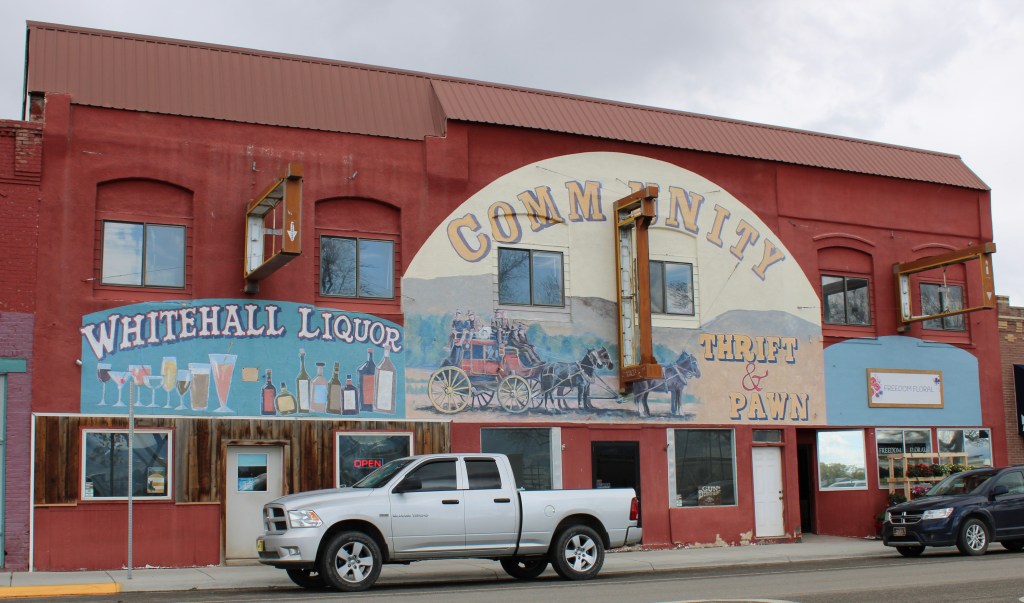
Passing through in May 2023, I realized that I had not said much about the town’s roadside art—especially murals. Is there a better decorated pawn shop than Community Pawn on Legion Avenue (Montana 2)?

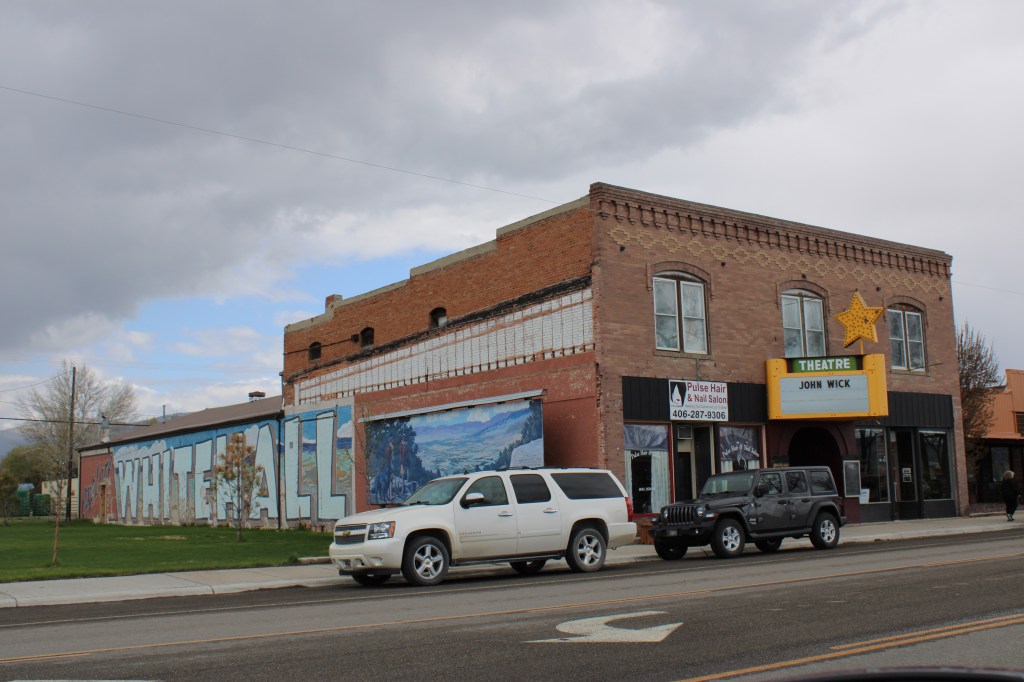
Just down the street is a mural celebrating Whitehall itself on the side of the Star Theater.

Of purse Whitehall also has a mural about the Corps of Discovery, telling the story of the Lewis and Clark expedition in Jefferson County.

The Boarders Hotel is a reminder of the age when Montana, not nearby I-90, was a major east-west highway in Montana.

A block north of Legion Avenue is the town’s residential district. Is there a better example of yard art than this bungalow?, especially with its welcoming gate titled “sans souci” (without worry)?

Why worry indeed, when you can always stop at Whitehall’s Mint Bar before continuing your journeys in Jefferson County. cheers!

A new visit to Augusta

I had not been in Augusta since 2016–two years before the foods of June 2018 rattled this northern Lewis and Clark County town.

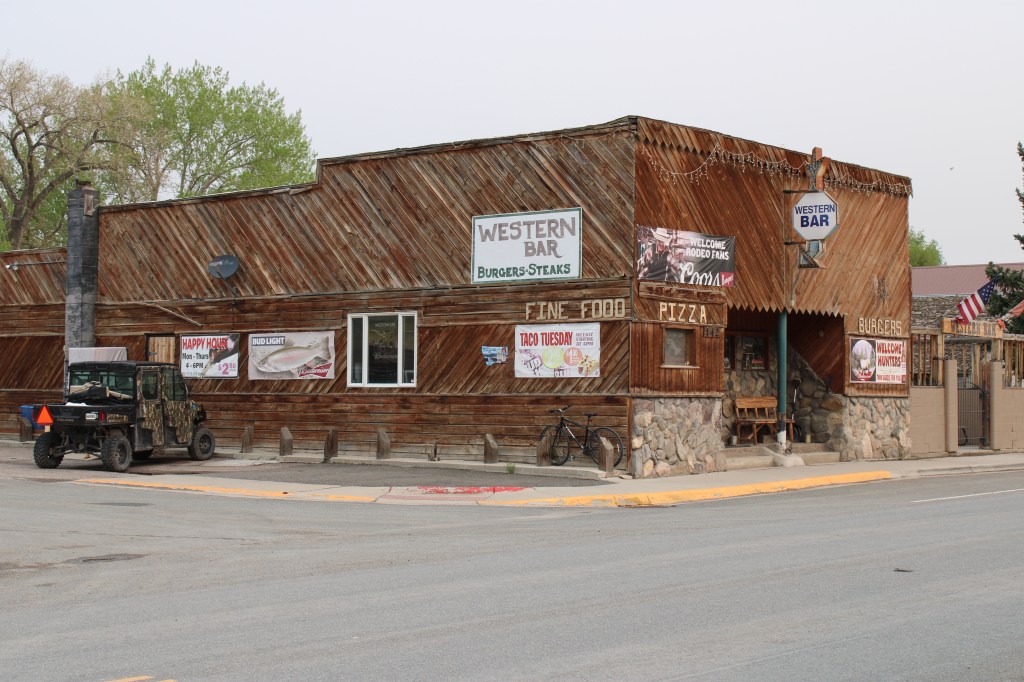
Old haunts like the Western Bar and the Lazy B Cafe were still operating, looking good.

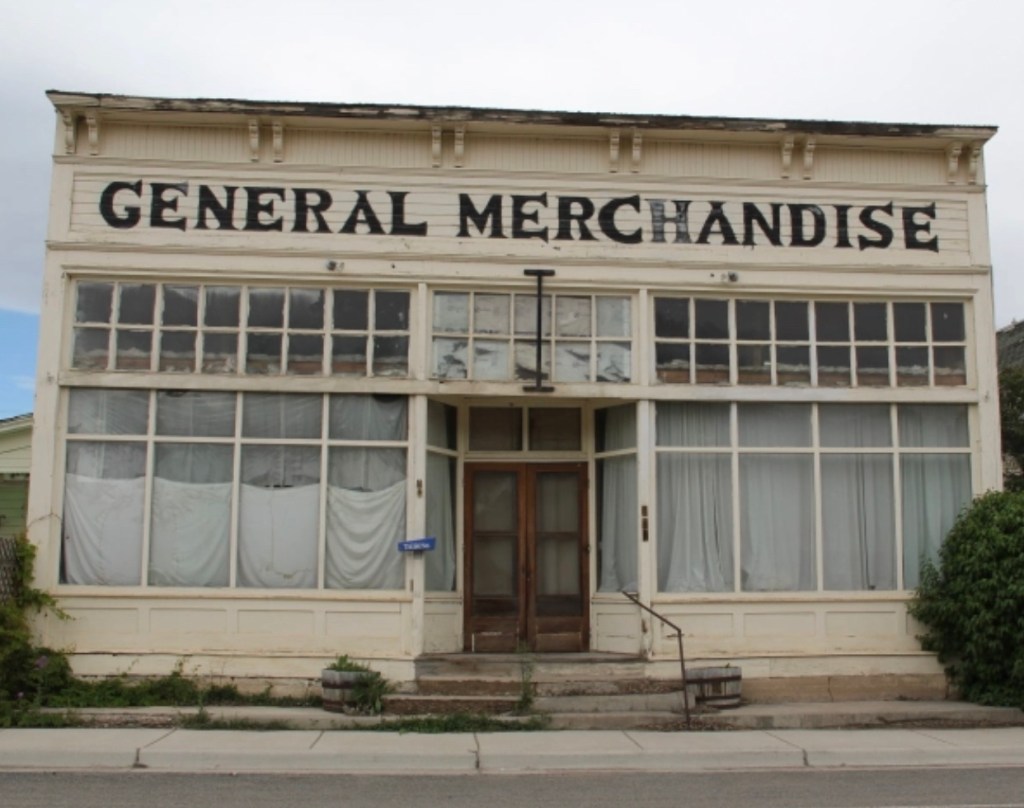
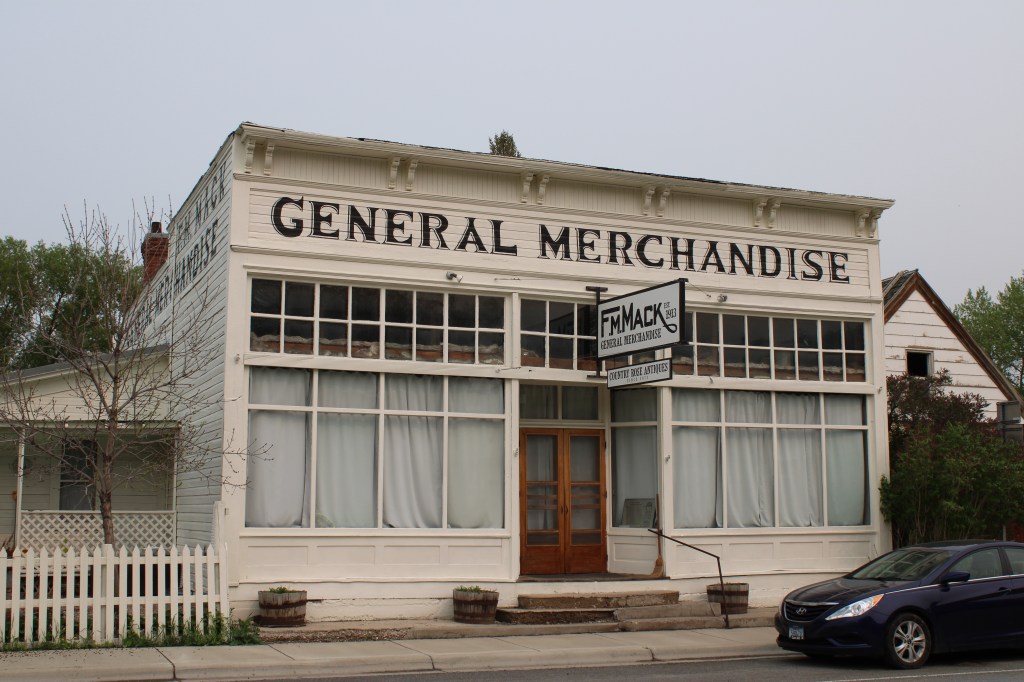
Recent historic preservation efforts had given a new life and a restored appearance to such as National Register-listed landmarks as the Mack general store and Quinn’s garage.

Mack’s general store, 2016
Mack general store, 2023
Quinn’s Garage, closed in 2016
Quinn’s Garage, 2023. Now listed in the National Register, the garage is restored and open for commercial use.

The Augusta Branch, first established almost 50 years ago, of the Lewis and Clark County Library also had recent renovations and a new ramp. A great place for more information about this very historic rural Montana town.

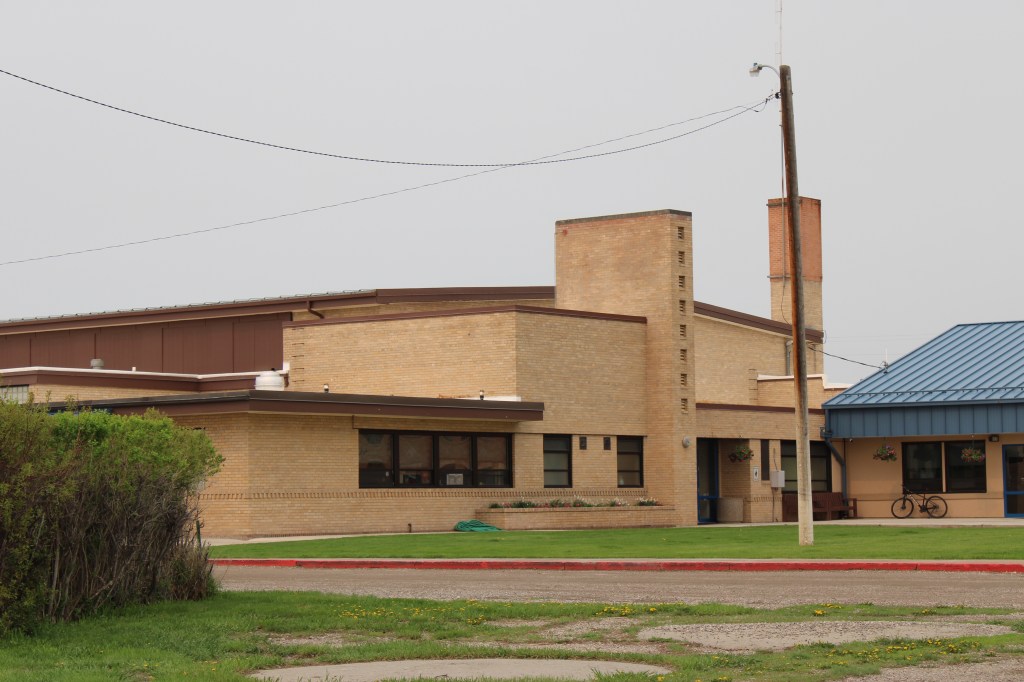
And I still love the historic school, both the classical building from the first decades of the 20th century and the more modern styled building from the mid-20th century.

Augusta is a place, as I discussed in this blog in 2016, that is long in history and short in pretense. You need more evidence—just trim around from the school and consider its neighbor, a Masonic Lodge with a concrete block facade fitting a Quonset hut-like structure behind. What a great place.

Bowman’s Corner: Disappearing Rural Crossroads Stores

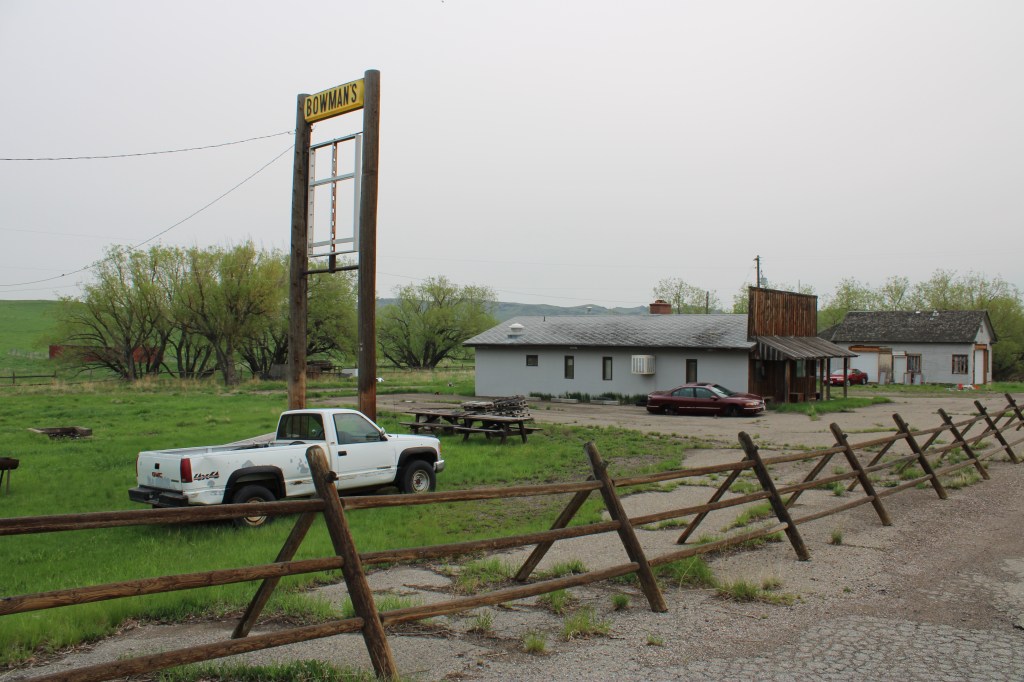
Forty years ago you expected to find crossroads places—typically a bar/cafe, often with a store and gas pumps—whenever you passed through major highway junctions. At the intersection of Montana Highway 200, which is still a major east-west route, and US Highway 287 stood Bowman’s Corner in northern Lewis and Clark County.

Bowman’s Corner 2023
Cafe, bar and store

Today the place is there—the building remains while the sign has almost all blown away. Old cars are parked around. A fence tells you not to enter.

Old corral site

Particularly sad to see is where the rodeo corral once stood. I can recall taking a break once and watching some guys practice roping.

Here was a laid back roadside oasis. Not totally gone in 2023–but you wonder if Bowman’s Crossroads is not another crossroads place to be forgotten as the 21st century moves onward.

Transformations in Helena

St Mary’s Catholic Church became a 6th Ward landmark upon its opening in 1910 and a recent renovation will keep the building in community service for another generation.

The sixth ward in Helena in the late nineteenth century was a focal point for the new capital city of Montana. The arrival of the Northern Pacific Railroad and the location of its railroad yards some mile and a half southwest of Last Chance Gulch created a new part of the city with plenty of bars and cafes for rail workers and travelers but also a historic neighborhood that often gets forgotten.

The historic block o& commercial buildings facing the depot
Hap’s has served customers for decades along this commercial block.
Nationally recognized railroad architect Charles Reed of the St Paul firm Reed & Stem designed a new modern passenger station for the Northern Pacific in 1904.
Northern Pacific depot’s clock tower. The passenger station is the centerpiece of the neighborhood’s National Register-listed historic district

The architecturally expressive Northern Pacific passenger station of 1903-1904 led to new investment of brick buildings in the neighborhood but many small vernacular dwellings remained in use and today the neighborhood retains a railroad workers’ feel.

Hap’s Beer Parlor transformed from a rail workers’ hangout to a neighborhood institution. It was a popular place when I lived in Helena almost 40 years ago—it remains legendary.

In 2016 the city of Helena established the Railroad Urban Renewal District which encouraged new investments in the neighborhood and its immediate environs, such as the Vanilla Bean coffee shop and bakery. Another key addition was the Sixth Ward Garden Park, an impressive example of the community garden movement.

The changes in the neighborhood are promising but also challenging as new businesses such as Headwaters brewery move to the outskirts. Let’s hope the modern does not crowd out the historic in Helena’s Sixth Ward.

The new Headwaters brewery

The Phillipsburg Boom

Over eight years ago I wrote about Phillipsburg as a Victorian mining town that had the “bones” to become a heritage tourism magnet along the Pintlar Scenic Route.

A booming weekday in Early June 2021

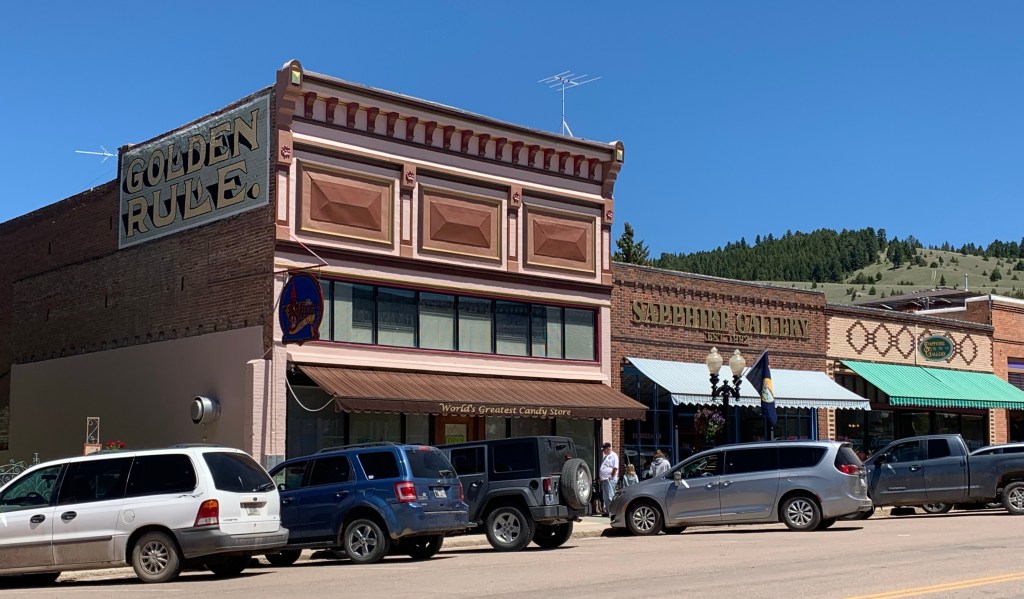
I was astounded at the number of people there in early June 2021 Thursday—not the weekend. Certainly the reputation of the Sweet Shop has grown, and grown. it was a busy place.

The other attraction was just under construction when I visited in 2012. The Phillipsburg Brewery, located in the late 1880s Sayres Building, is a great local micro brewery but you can taste its wares at restaurants statewide.

It’s an impressive adaptive reuse project for even the interior still retains a late 19th century. Not over built or over restored. Just re-energized to serve the town again.

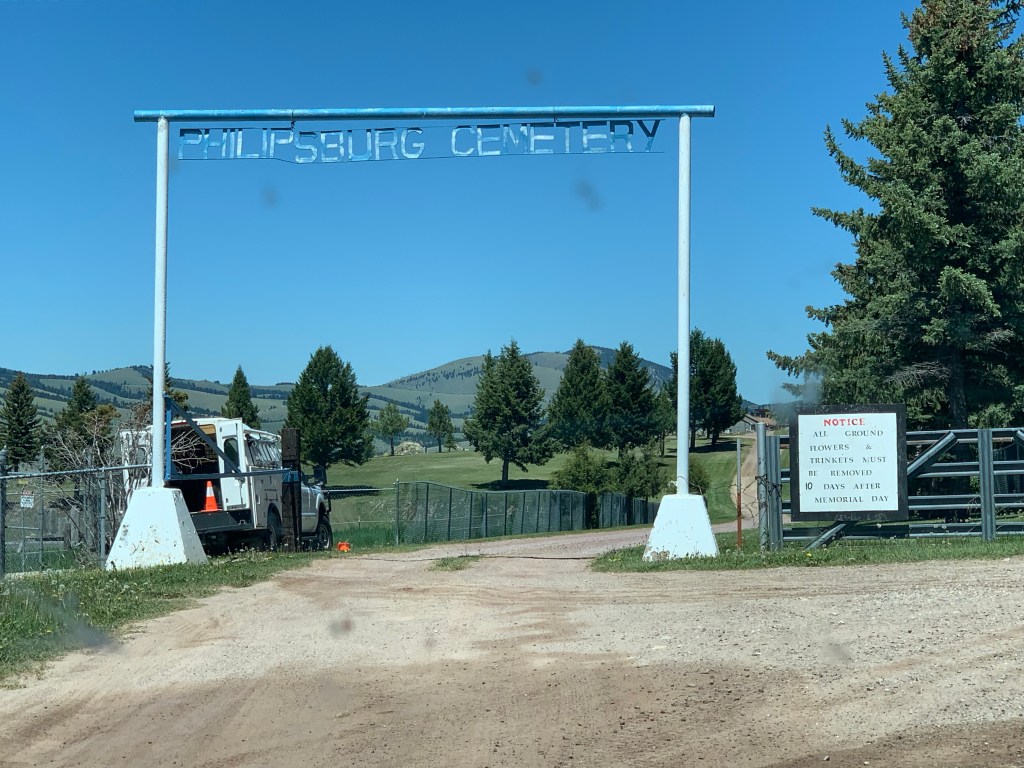
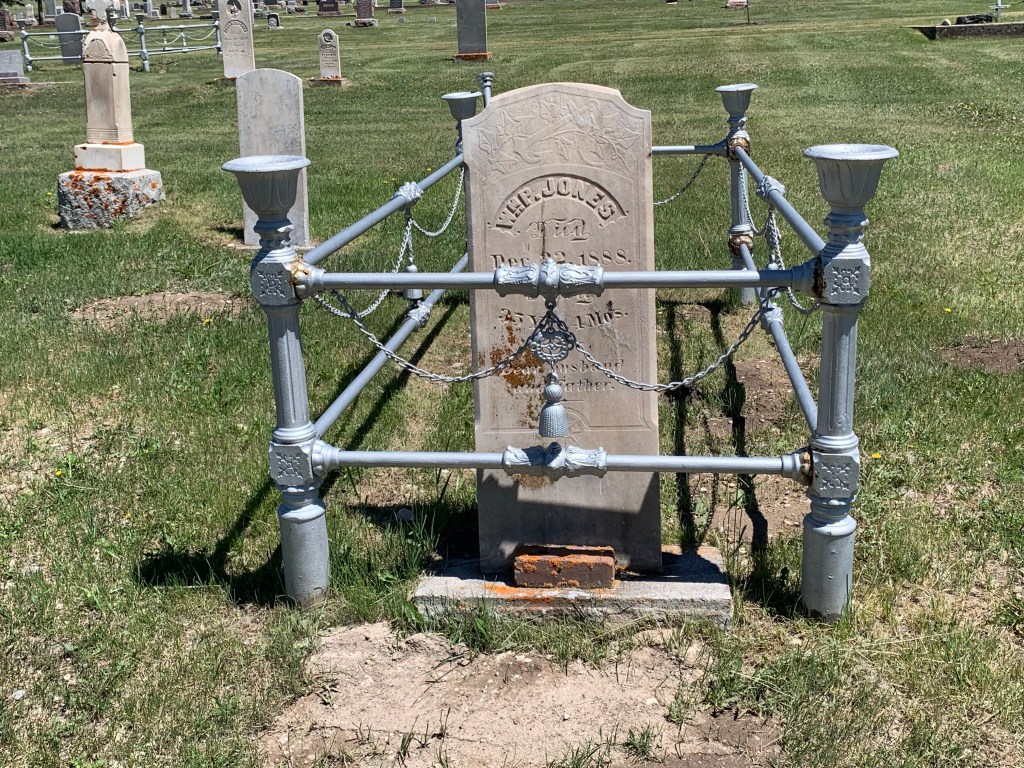
There was a historic change from 2012 at the most unlikely place—the city cemetery. In 2012 I commented on the Victorian theme of several of the burial plots. It remains a remarkable place for that artwork in cast iron.

What was new? A commendable effort to address the silences of the past, in the case of Phillipsburg the large Chinese community who once lived there, worked there, and many prospered there during the mining boom of 1890-1920s.

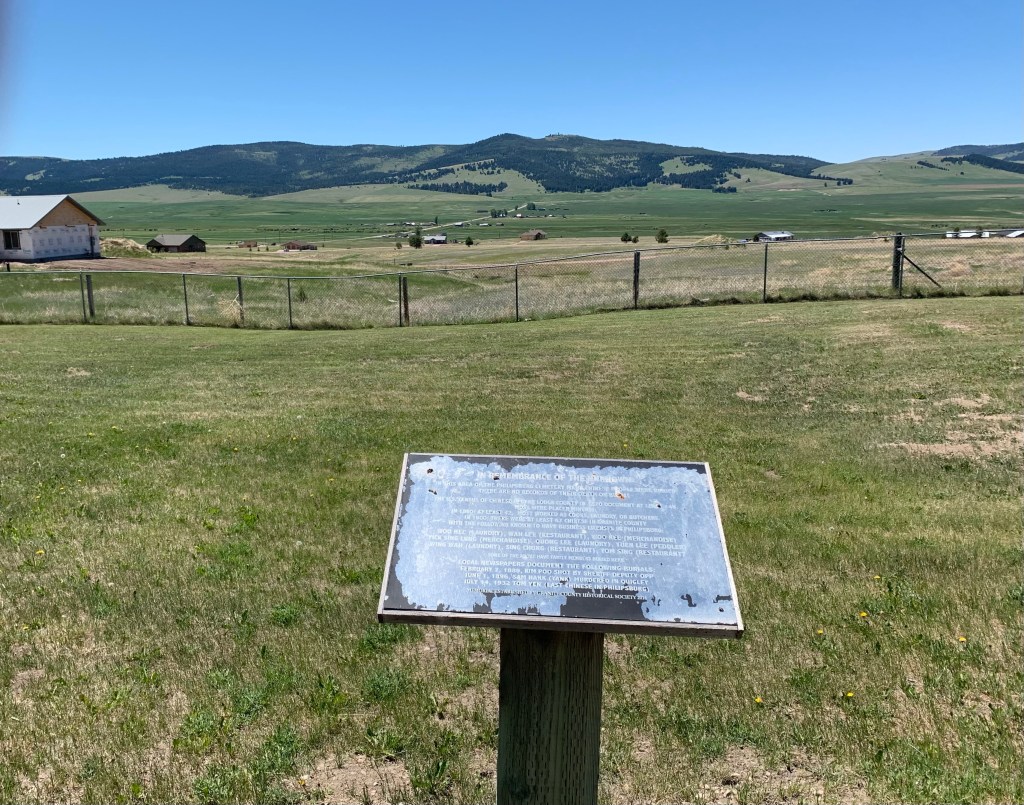
The Granite County Historical Society in 2014 placed an interpretive marker in the cemetery to tell the story of the Chinese burial ground—located in a corner far from the Victorian center of the cemetery. We are now challenged to learn more about the names on the plaque and understand better their contributions.

The marker stands alone, as did the Chinese community in the era of racial segregation. The burials in this section range from the late 1880s to 1932. When were the headstones removed? I don’t know yet. But here is the place, several names are listed in primary sources. The next steps to end this silence await.

Glendive In 1988: the Business District

In my 1988 work in Montana I sought out Glendive and spent the night there due to a new research project on the Yellowstone Valley (which would yield the book Capitalism on the Frontier in 1993). Glendive was a division point on the Northern Pacific Railroad and some 100 years later it remained a key to the Burlington Northern Line.

A good bit of the historic machine shops (above) still operated in 1988. The depot and railroad offices still dominated the Merrill Avenue business district (below).
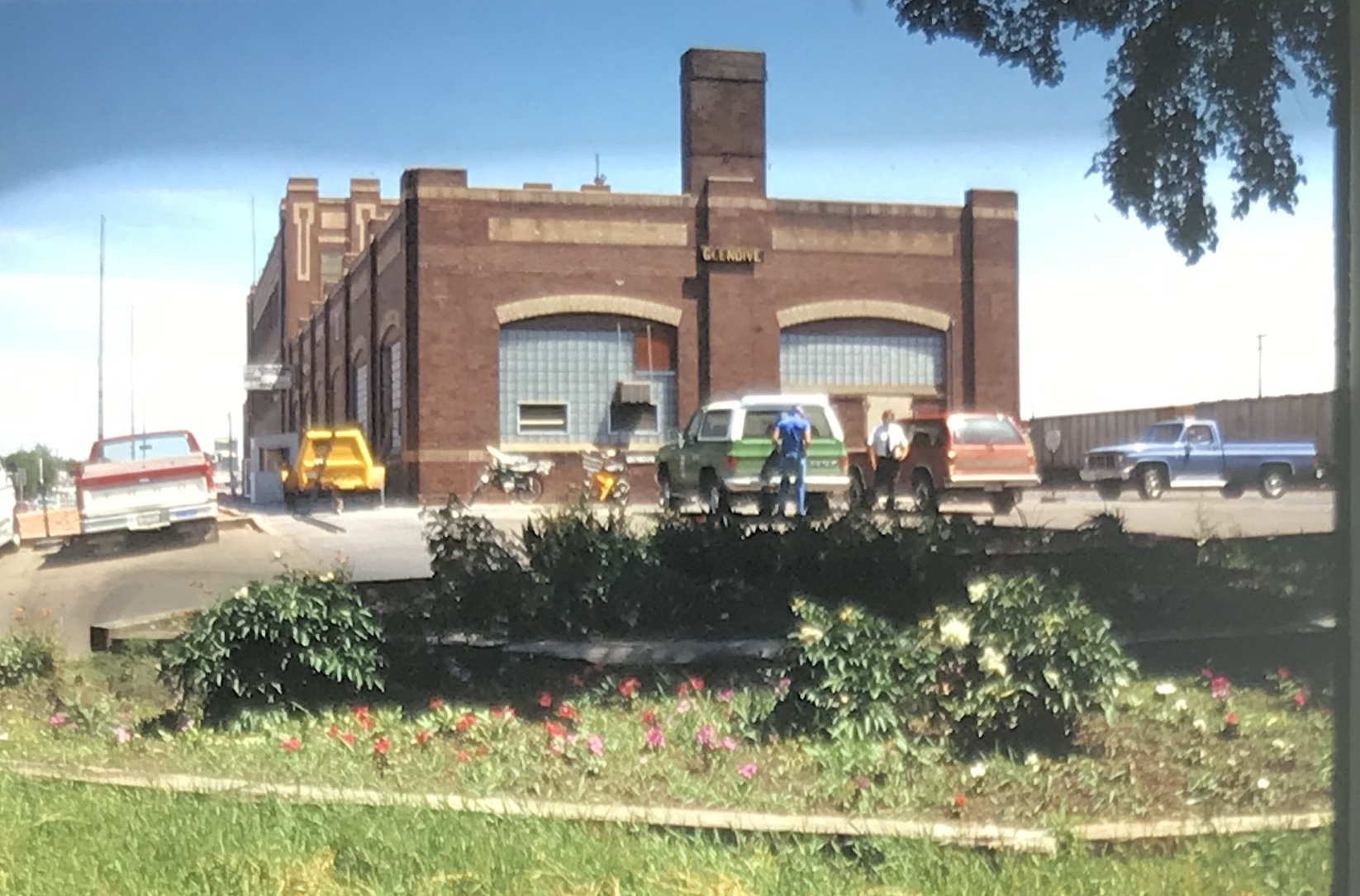
The older Northern Pacific lunchroom had been converted to the Chamber of Commerce offices, and visitors center.

Many businesses remained focused on Merrill Avenue, which from the 1910s forward was also the historic route of the Yellowstone Trail and later US Highway 10.

My favorite Merrill Avenue business was the wonderful Art Moderne style of the Luhaven Bar (below). You gots love the black carrera glass and glass block entrance.

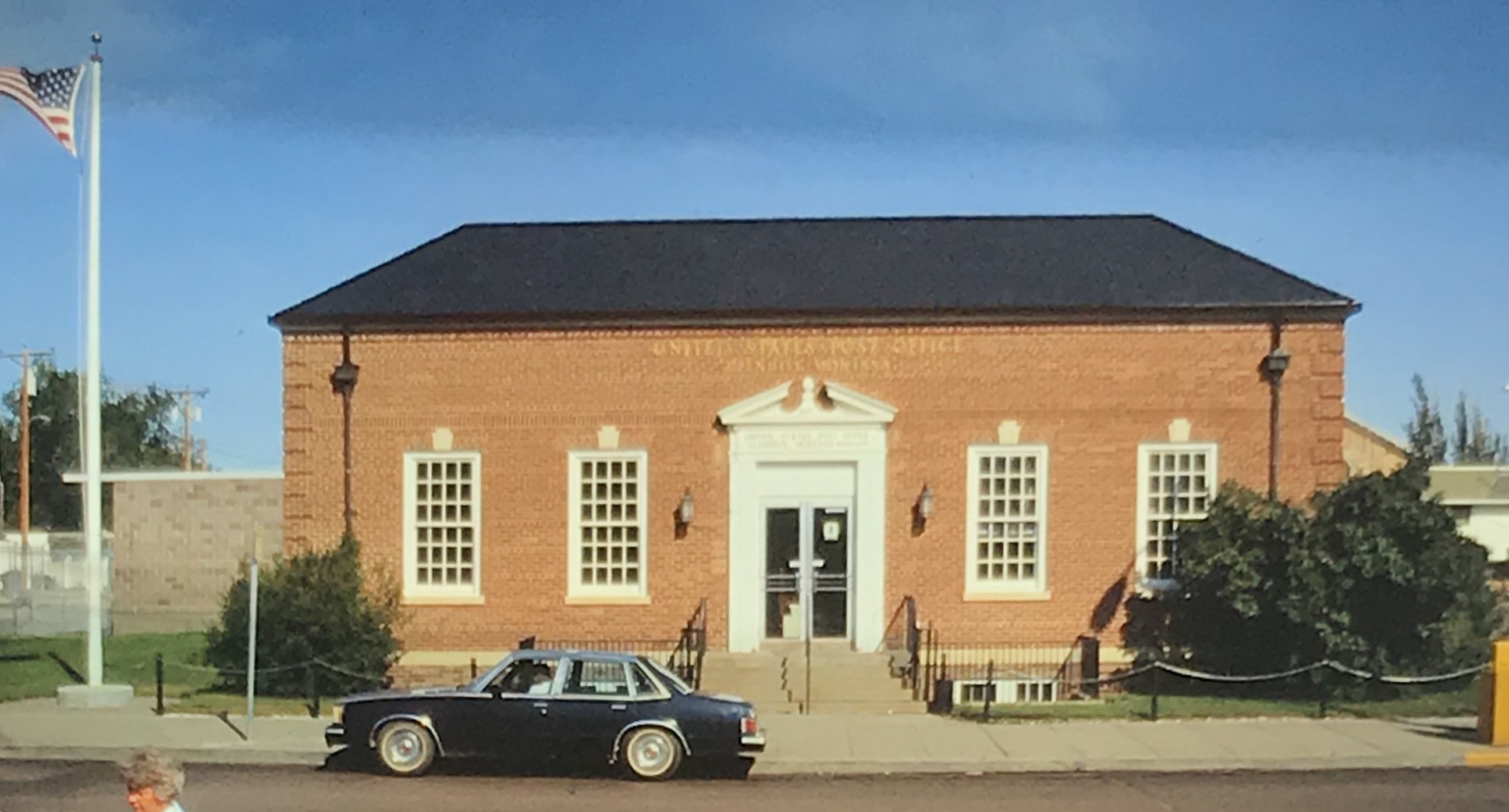
Not all architectural delights were along Merrill Avenue. The Dawson County Courthouseis an excellent mid-century modern public building, a real contrast to the town’s traditional Colonial Revival-styled post office from the New Deal era.

But my favorite modernist building was the First National Bank, which was later converted to the town’s public library.

Next posting will include homes from the town’s residential district from the early 20th century to the mid-century as I continue a look back to the Yellowstone River and its towns in 1988.
A return to Cleveland

A delightful story in the Great Falls Tribune this week told of a trip in Blaine County, traveling south from Chinook to the Bear Paws Battlefield and onto the almost ghost towns of Cleveland, Lloyd, and Warrick in Chouteau County.  In my 2013 survey I went along part of this route and it brought back fond memories.  I posted a few images from Cleveland in an earlier post about the Bear’s Paw National Battlefield and its improvements in interpretation in the last 30 years.  Today I will merely post a few additional images from Cleveland–yes, Cleveland, Montana–and my travels from six years ago.

IMG_8348

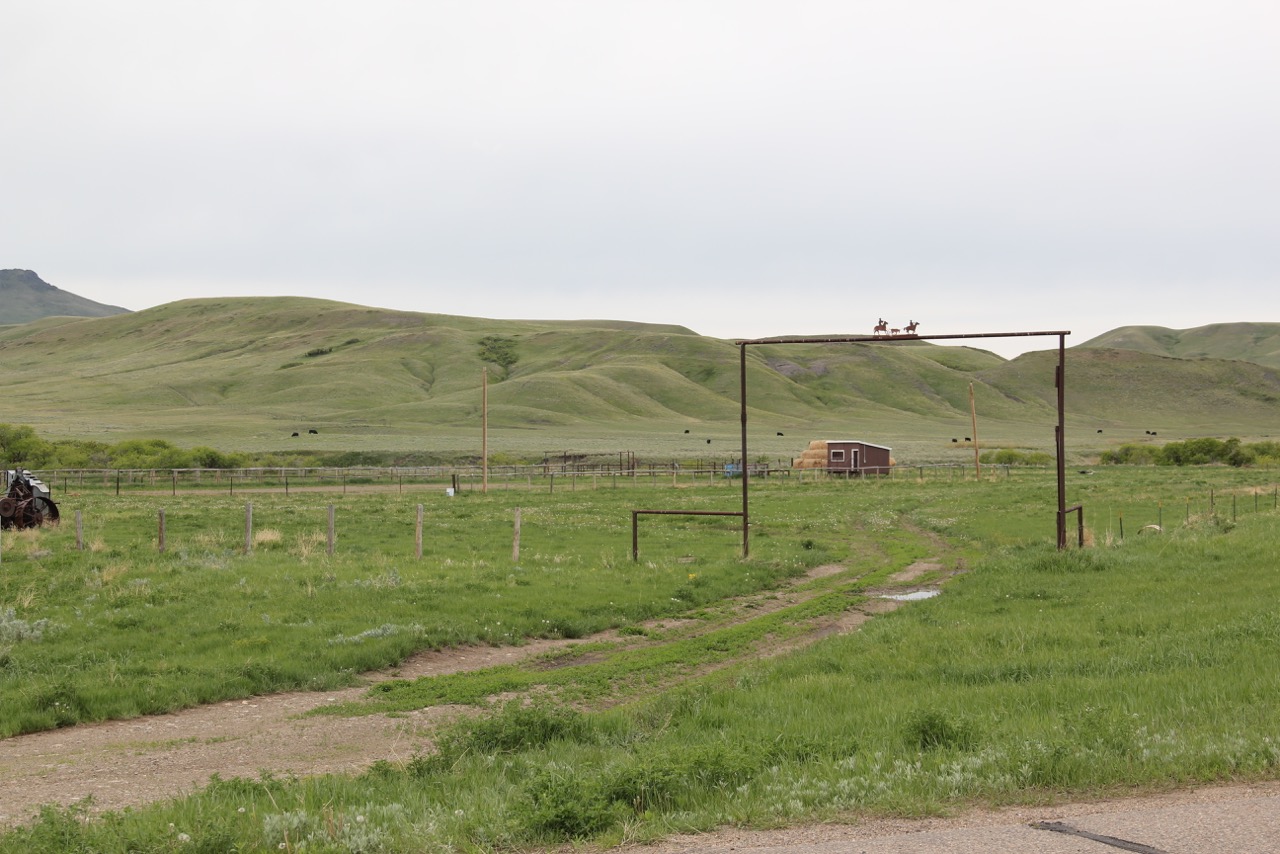
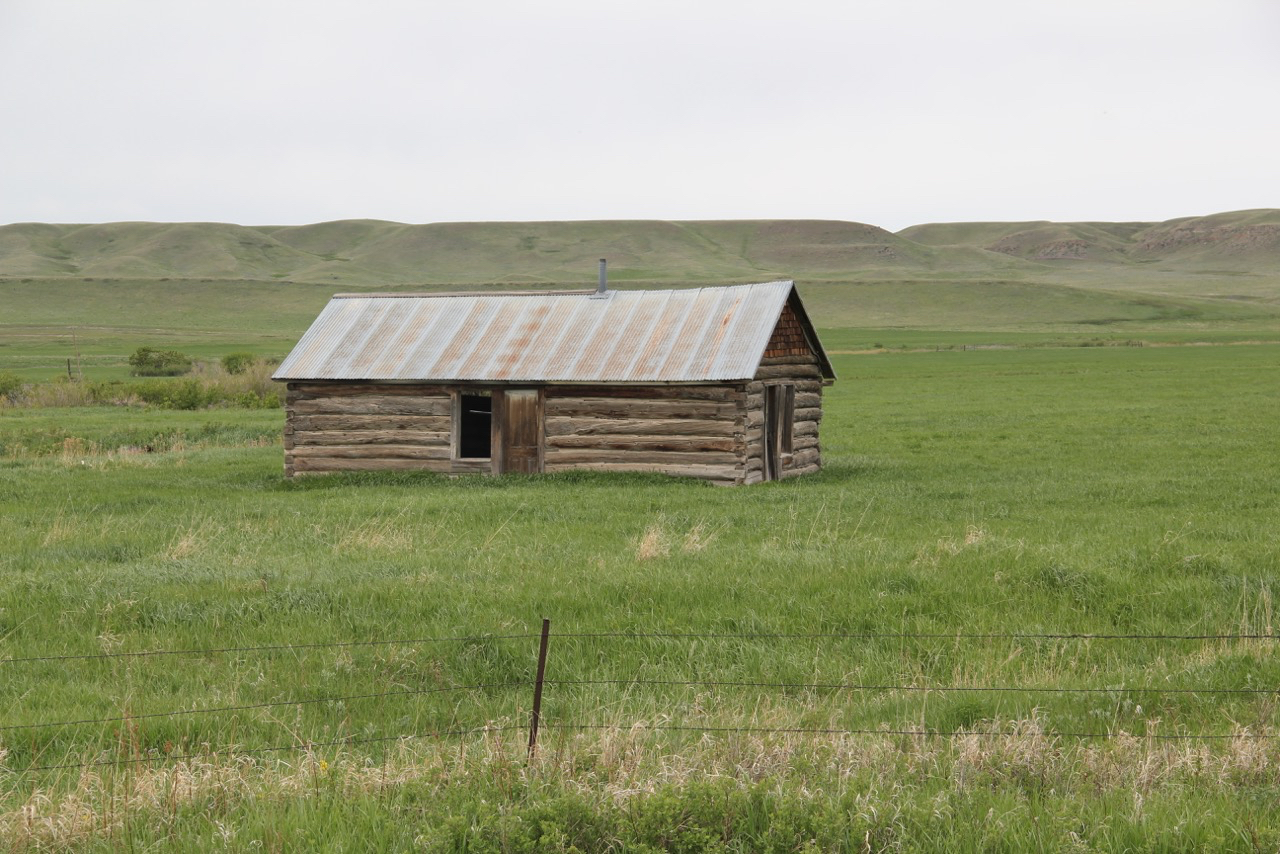
The Tribune writers are certainly correct–it really is a beautiful drive, passing historic ranches, early 20th century abandoned log homes like the one above, and various buttes and outcroppings punctuating the landscape.  I actually made the drive hoping that the Cleveland Bar would be open, and I could grab a brew and a burger.

MT Blaine County Cleveland Bar

Alas, it was shut down, but still there, and its crossroads on Peoples Creek Road was still the primary mail delivery spot for the scattered ranches of the county’s southern end.

IMG_8350

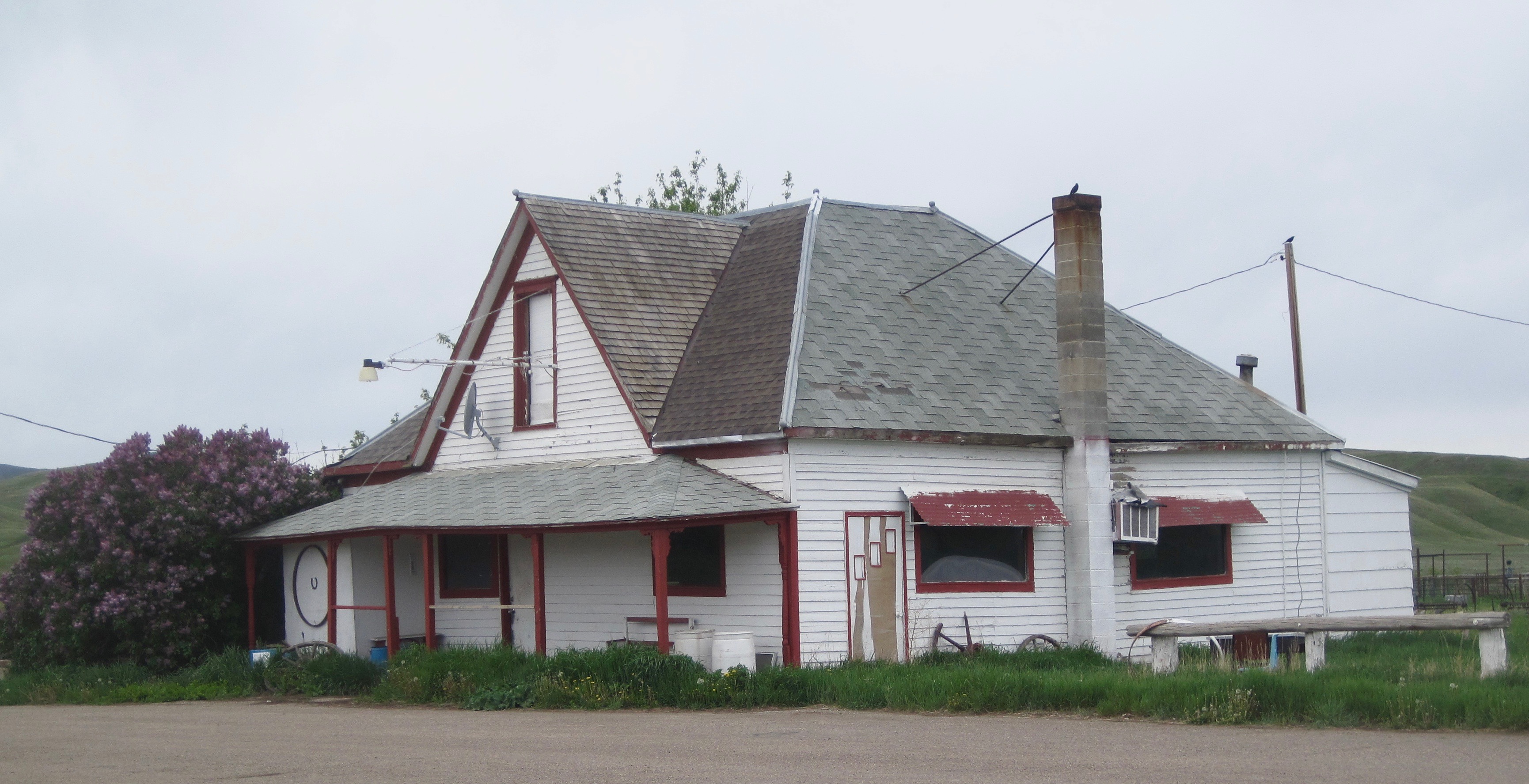
Across the intersection of Cleveland Road and Peoples Creek Road was the community school, with its teacher dwelling.  I always think how interesting but also how challenging it would be to teach and live at the same place. Should these types of buildings, located in rural communities across the northern plains, be better recognized for their unique contributions to American education and culture?

IMG_8351

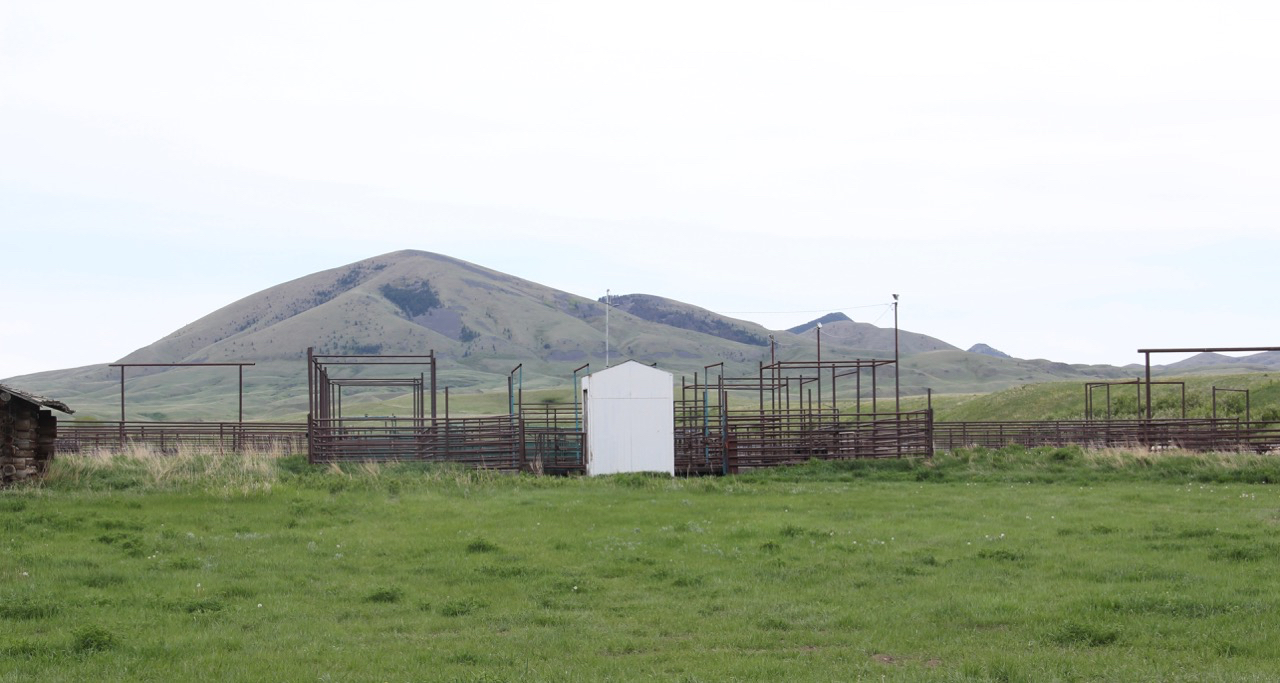
But of course the real attraction to Cleveland was the stories I heard in Montana in the 1980s about the Cleveland rodeo, and sure enough the rodeo grounds were a mere stones throw from the back of the bar.

IMG_8353

IMG_8352

IMG_8349Another traveler has posted a wonderful montage of the July 4, 2011 rodeo at Cleveland–truly a community affair.  I wish that one day soon I can return when the chutes and corral are teeming with livestock and ranch families from miles around gather for an annual event, whose origins stretches back to the early settlement of Blaine County.


Eastern Montana County Seats: Scobey

Daniels Co Scobey signs

For whatever reason, readers of Montana’s Historic Landscapes have been very interested in Daniels County, way up in the northeast corner of the state.  In previous posts I have discussed the Daniels County Courthouse–one of my favorites–the county’s historic rural schools and Flaxville, one of the most interesting tiny towns left from the homesteading era in all of eastern Montana.

Daniels Co Scobey 5

Today I want to look back at Scobey, the seat of Daniels County, which was established in 1920 at the end of the homesteading era.  Sometimes it is referred to as the most isolated county seat in America.  But whatever its isolation may be, I found Scobey a relaxing, interesting place, and actually took many images.  But outside of the courthouse, schools, the fairgrounds, and wonderful Pioneer Museum, I did not share much with the readers.  This post changes that.

Daniels Co Scobey 5 libraryThe county library, above, is small but busy, a reminder of how important these public buildings can be.  About 5 years ago, the time of my last visit, Scobey still had its own medical center, below, as well as a distinctive post office, different from many in the region due to its modernist style.

Daniels Co Scobey hospital

Daniels Co Scobey post office

Much of its past remains, and remains in use.  The railroad corridor had changed–the passenger depot was gone, but historic grain elevators still mark how Scobey was a major grain shipping point for much of the 20th century.

Daniels Co Scobey elevators 2

Historic churches have left deep roots in Scobey.  Below are the Scobey United Methodist Church, the Scobey Lutheran Church (which has a wonderful Gothic altar), and St. Bonitus Catholic Church, another example of mid-century modern in the Catholic church buildings of Eastern Montana.

Daniels Co Scobey Methodist

Daniels Co Scobey Lutheran

Daniels Co Scobey St Philip Bonitus

The residential area has plenty of vernacular-styled 20th century homes, most from the first half of the century.  I particularly liked the next two bungalows on Timmons Street.

Daniels Co Scobey Timmons St

Daniels Co Scobey timmons street

Five years ago the business district had clearly weathered the 2007-2008 recession and lots of stores and bars were open, anchored by Independence Bank, another example of 1960s-1970s modern commercial style in Scobey.

Businesses from the first decade of settlement also were part of the “downtown” fabric, such as this historic two-story Masonic Hall and the Pioneer Hotel, which once served as a first stop for homesteaders upon their arrival in Scobey.

Daniels Co Scobey 22

Daniels Co Scobey Pioneer Hotel

There is a persistence in Scobey that is admirable.  The Daniel County Leader, the local newspaper, also has weathered the storm of media change in the 21st century and stands in the heart of town, still undoubtedly serving as a community communication center.

Daniels Co Scobey 9

How I missed these properties in my initial post–well I can’t explain that.  I am sure I had a good reason 5 years ago. But what is really inexplicable to me is why I did not share more of my photos from the Scobey School–especially its football and track field below–

Daniels Co Scobey 1 football

along with more interior images from the Daniels County Courthouse, the one building in Scobey that is listed in the National Register of Historic Places.  Here you see the courthouse’s long hallway (with its National Register sign in the corner), the records vault, the courtroom’s jury box, and the jury room.  Just walking into this place takes me to the beginning years of Daniels County.

Daniels Co Scobey courthouse interior

Daniels Co Scobey courthouse interior 1

Daniels Co Scobey courthouse interior 4

Daniels Co Scobey courthouse interior jury room

One property type many people ask about are cemeteries.  Unfortunately I did not have the time to record every tombstone in these places–another time, perhaps.  But I can add to the blog additional images from the Daniels County Cemetery, which lies outside of Scobey.  These images hardly cover everything but they do document what a special place this tiny county seat is, for residents and for visitors willing to go exploring.

Daniels Co Scobey Cemetery

Daniels Co Scobey cemetery 6

Daniels Co Scobey cemetery 4

Daniels Co Scobey Cemetery 3

Daniels Co Scobey cemetery 1


An end of the century trip to Central Montana

The vast majority of my effort to document and think about the historic landscapes of Montana lie with two time periods, 1984-85 and 2012-16. But in between those two focused periods, other projects at the Western Heritage Center in Billings brought me back to the Big Sky Country. Almost always I found a way to carve out a couple of additional days to get away from the museum and study the many layers of history, and change, in the landscape by taking black and white images as I had in 1984-85. One such trip came in 1999, at the end of the 20th century.

In Billings itself I marveled at the changes that historic preservation was bringing to the Minnesota Avenue district. The creation of an “Internet cafe” (remember those?) in the McCormick Block was a guaranteed stop.

But my real goal was to jet up highways 191 and 80 to end up in Fort Benton. Along the way I had to stop at Moore, one of my favorite Central Montana railroad towns, and home to a evocative set of grain elevators.

Then a stop for lunch at the Geraldine bar and the recently restored Geraldine depot, along a historic spur of the Milwaukee Road. I have always loved a stop in this plains country town and this day was especially memorable as residents showed off what they had accomplished in the restoration. Another historic preservation plus!

Then it was Fort Benton, a National jewel seemingly only appreciated by locals, who faced an often overwhelming task for preserving and finding sustainable new uses for the riverfront buildings.

It was exciting to see the recent goal that the community eagerly discussed in 1984–rebuilding the historic fort.

A new era for public interpretation of the northern fur trade would soon open in the new century: what a change from 1984.

I beat a quick retreat back to the south, following the old Manitoba Road route along the Missouri and US Highway 87 and back via highway 89 to the Yellowstone Valley. I had to pay a quick tribute to Big Timber, and grab a brew at the Big Timber

Bar. The long Main Street in Big Timber was obviously changing–new residents and new businesses. Little did I know how much change would come in the new century.

One last detour came on the drive to see if the absolutely spectacular stone craftsmanship of the Absarokee school remained in place–it did, and still does.

My work in Tennessee had really focused in the late 1990s on historic schools: few matched the distinctive design of Absarokee. I had to see it again.

Like most trips in the 1990s to Billings I ended up in Laurel–I always felt this railroad town had a bigger part in the history of Yellowstone County than

generally accepted. The photos I took in 1999 are now striking– had any place in the valley changed more than Laurel in the 21st century?

A winter day in Tennessee, fond thoughts of Montana

665FD124-6386-4018-AC4D-22477FE6D8D1

There’s been a bit of winter in Tennessee in early January 2018 and my university has been closed for two days due to three inches of snow (that’s no misprint). Days like this one lead me to reflection of my jaunt across Big Sky Country in the cold of February to the warmth of mid-May 1984. I had spent 2 months at my cubbyhole in the basement of the Montana Historical Society, shown below, and I was ready I

thought to hit the road. Wonders of all sorts I would find and here are just a few of the special (admittedly perhaps not spectacular to outsiders) places I encountered.

Just up the tracks from the opening image at the southern tip of Beaverhead County was the Hotel Metlen in Dillon. A grad student recently asked me about it, having come across it while trolling the internet. It sounds like a fleabag the student remarked–I probably didn’t help when I recalled staying there for 10 bucks in 1984. But what a great Second Empire-styled railroad hotel!

It had upgraded during my last visit in 2012–still classy in a dumpy way, if that makes any sense.

On the opposite end of the state, at Thompson Falls, was another favorite lodging spot, a classic 1950s motor lodge, the Falls Motel. Spiffy now but still Mom and Pop and so far away from the chain experience of today.

But as regulars of this blog know, I didn’t care where I stayed as long as beef, booze, and pie were nearby. Real rules for the road. The beef could range from the juicy roadside burgers from Polson (the b/w image) to the great huge steaks at Willow Creek (the yellow tinted roadhouse).

And speaking of roadhouses Wise River Club from 1984 above is still going strong and as friendly as ever. While the owners keep changing at Big Timber–the sign still

chops away and the beer is still cold. That is what you need on the road.

Wait! Pie matters too, represented by the Wagon Wheel in Drummond, above. Southerners do brag about pie, and I believed in that regional myth, until I traveled Montana. I swear that there are most great pie places in a single Montana County (say, Cascade) than all of Tennessee. On cold days I still think of a Montana cup of coffee (always strong) and a piece of grit pie. In 1984 I just needed that one afternoon stop to push on for a few more hours of driving and documenting the captivating landscape of the Big Sky Country.