Terry in the Yellowstone Valley

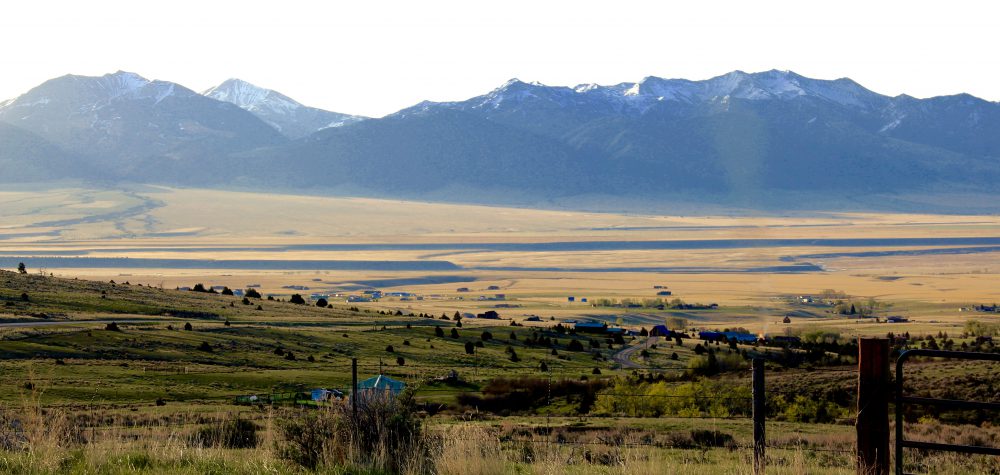
Terry, the seat of Prairie County, is an often forgotten, bypassed part of the Yellowstone River valley. Yet it has long been one of my favorite places, beginning with my first exploration of its history and landscape in 1984.
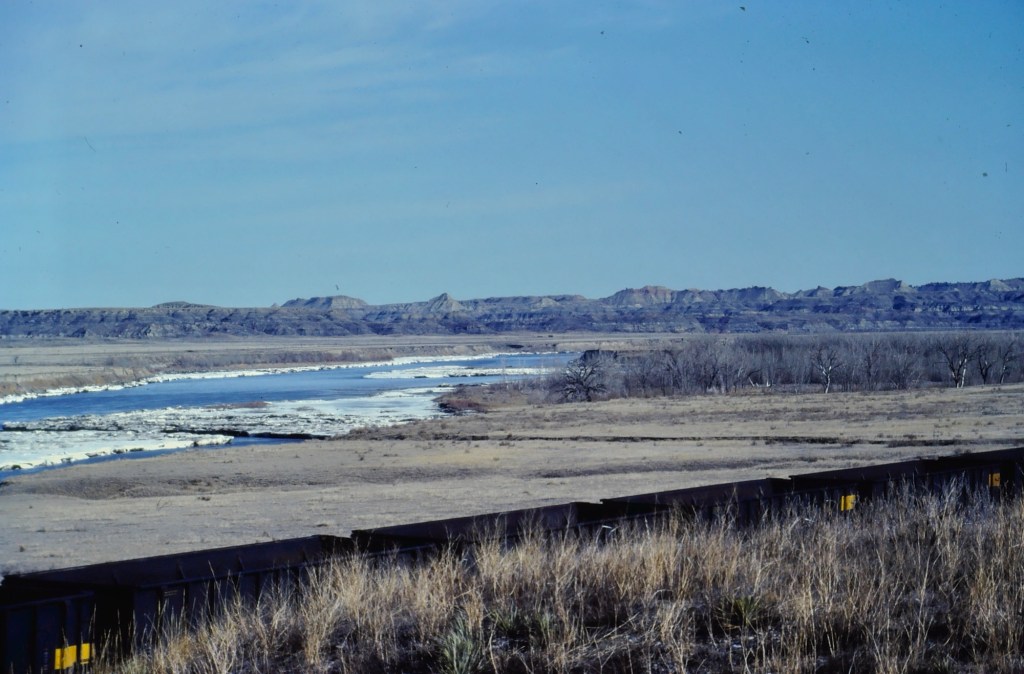
The Yellowstone west of Terry in 1984

The valley is stunning—the river is wide and commanding buttes and badland outcroppings flank either river bank, as do the tracks of the Northern Pacific Railroad (now Burlington Santa Fe) on the river’s south side and the later automobile Yellowstone Trail (old U.S. 10).
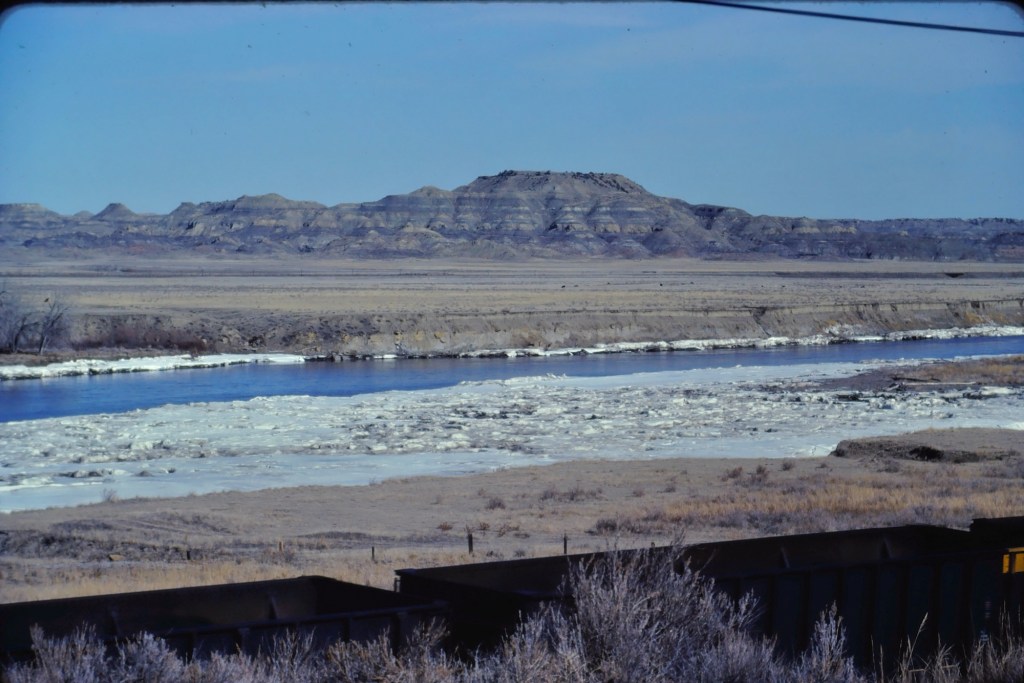
The Yellowstone in 1984

Once from 1997 to c 1980 the tracks of the Milwaukee Road ran along the north side of the river, from east of Terry into Miles City. Today you can still see traces of its roadbed and right of way.
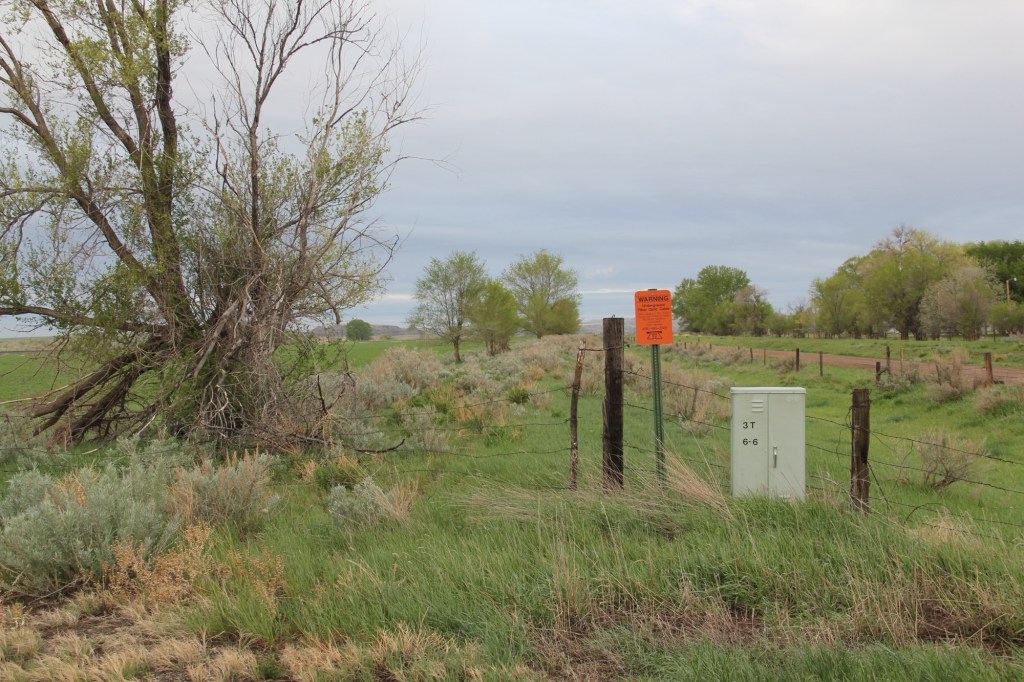
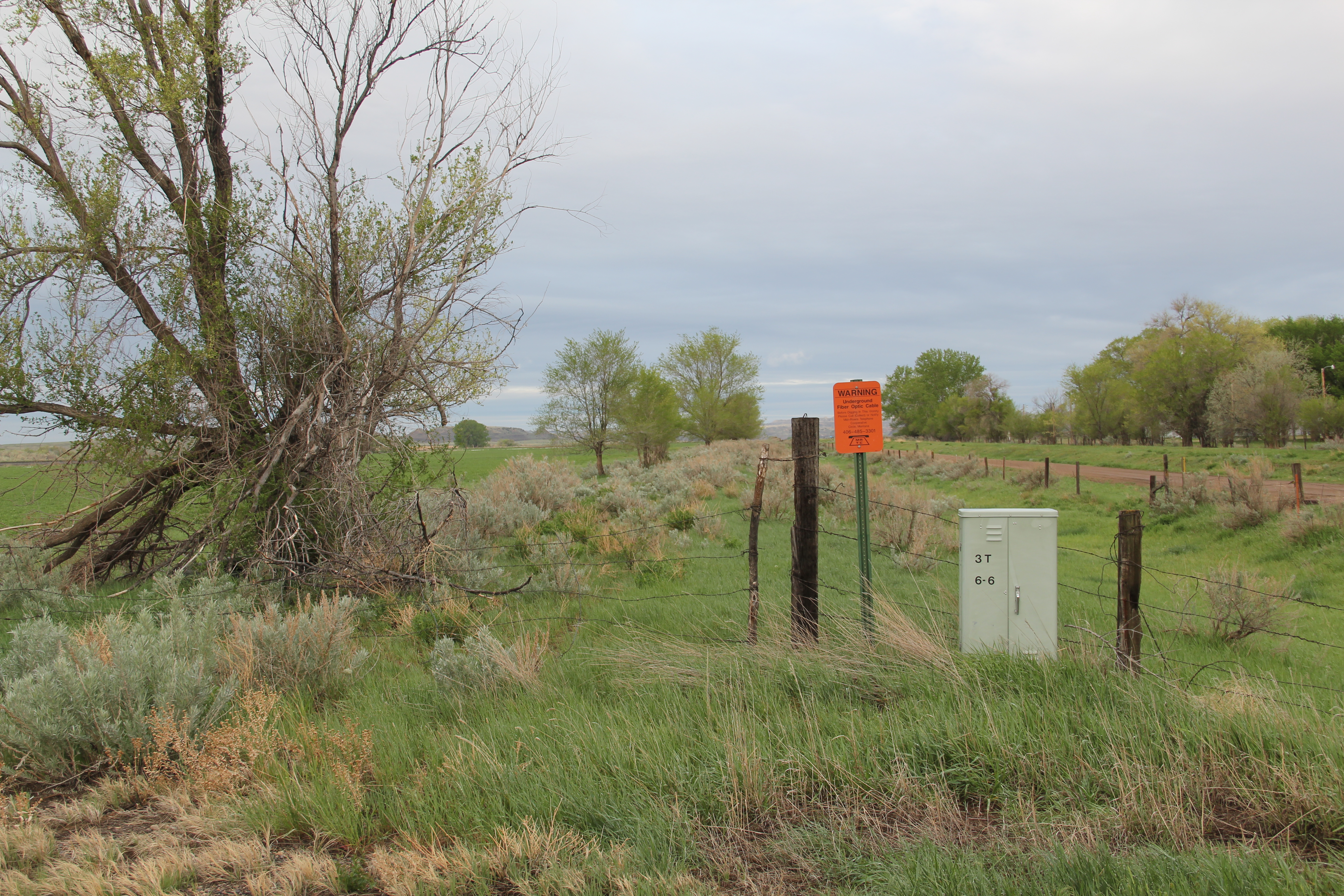
Milwaukee Road right of way, east of Terry, 2014

In the 1980s residents impressed me greatly with their sense of, and pride in, their settlement past.
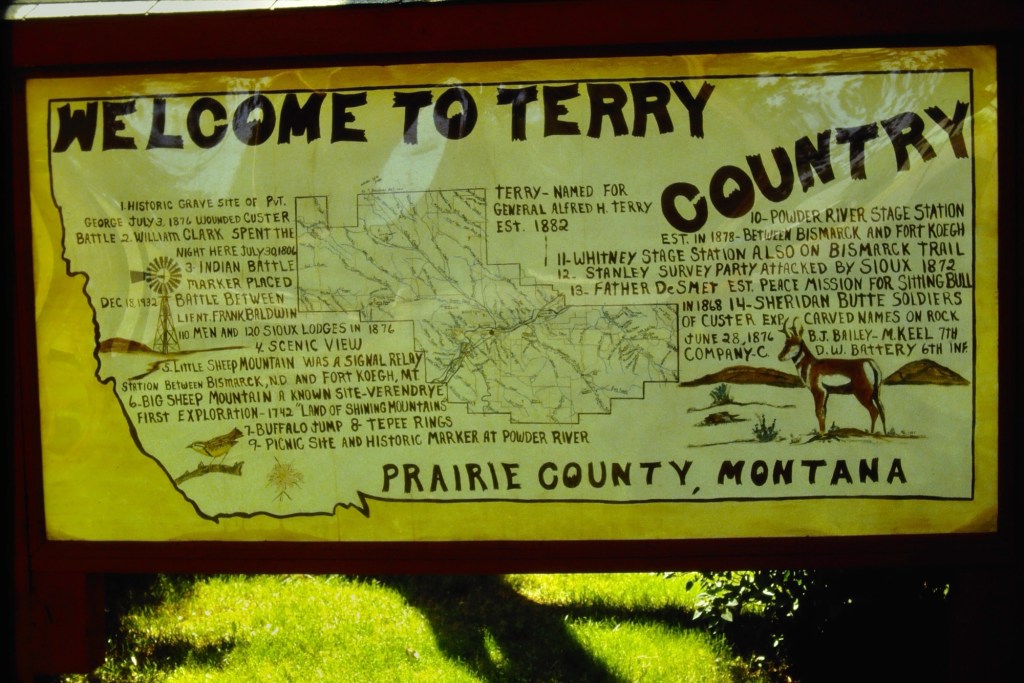
Heritage tourism sign, c1985

For my work on the state historic preservation plan in 1984, I held a community meeting in Terry, at the recently established Prairie County Museum.
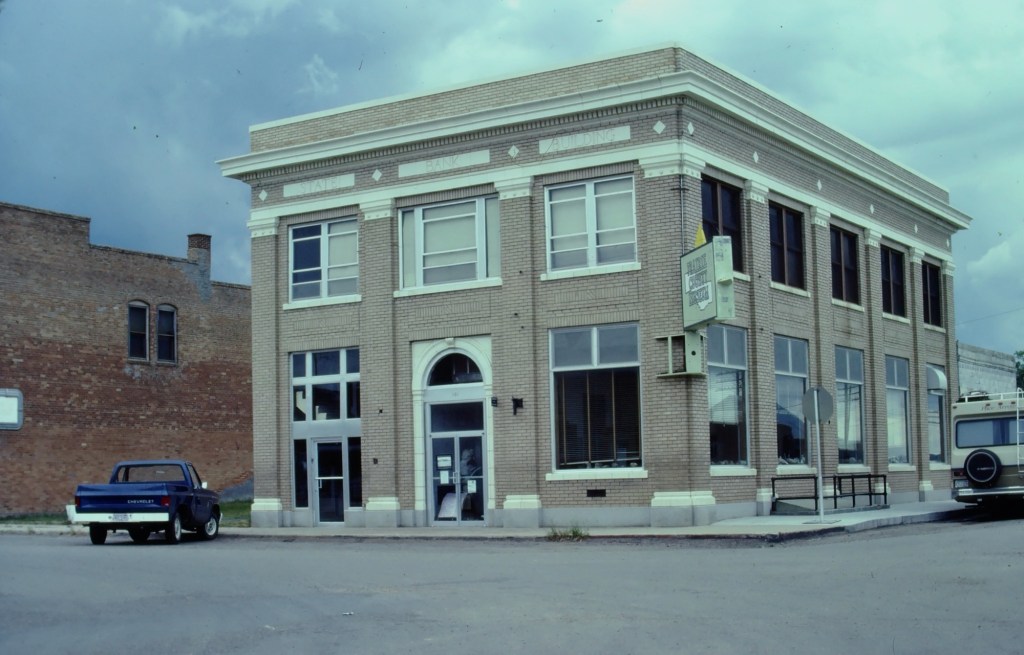
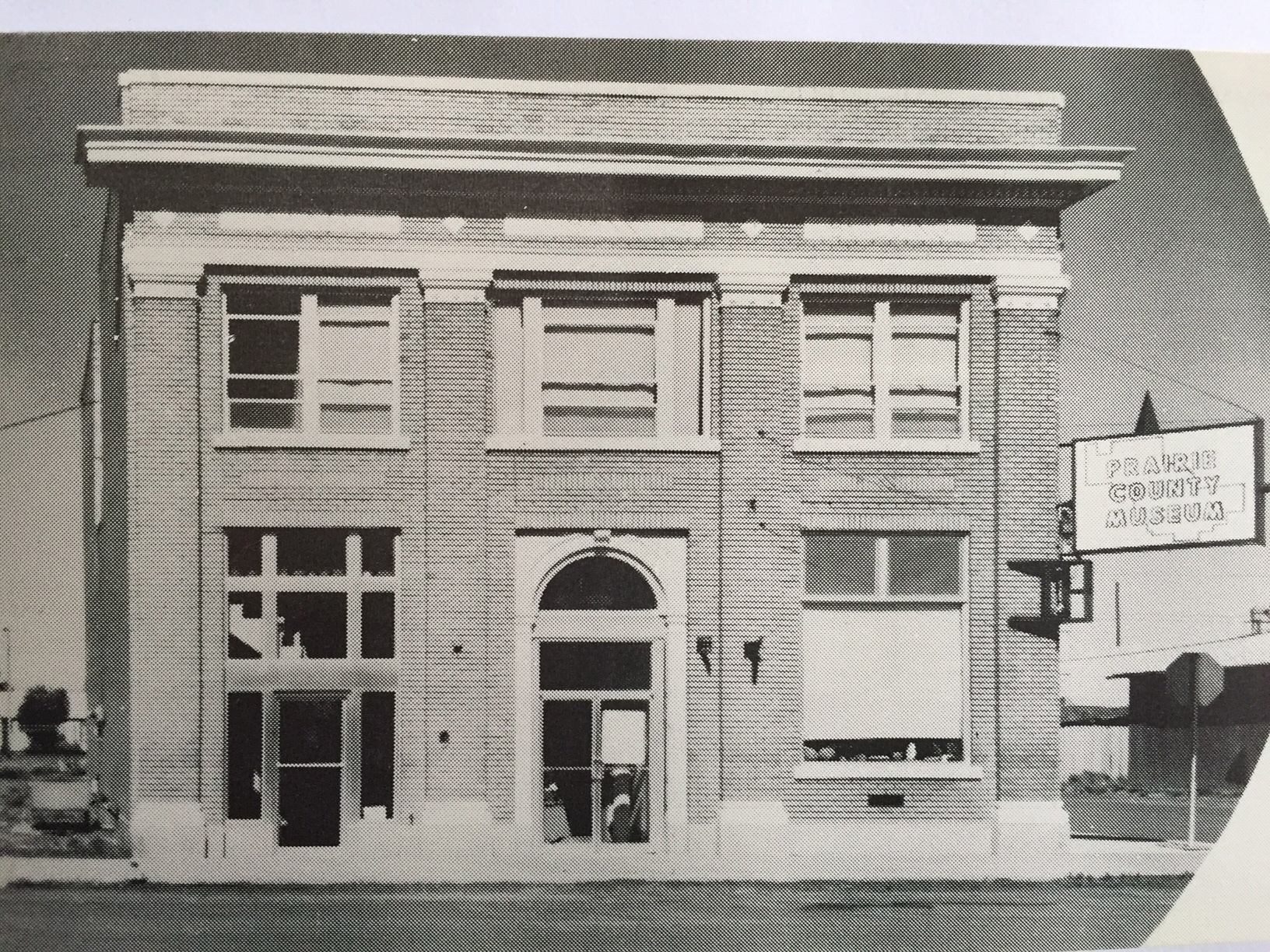
The county museum 1985

It was a converted State Bank Building, an architecturally impressive 2-story Classical Revival-style building, anchoring one of the corners of the business district. The historical society had basically just moved in and kept many of the ban’s interior details and furnishings and used them to place objects on.
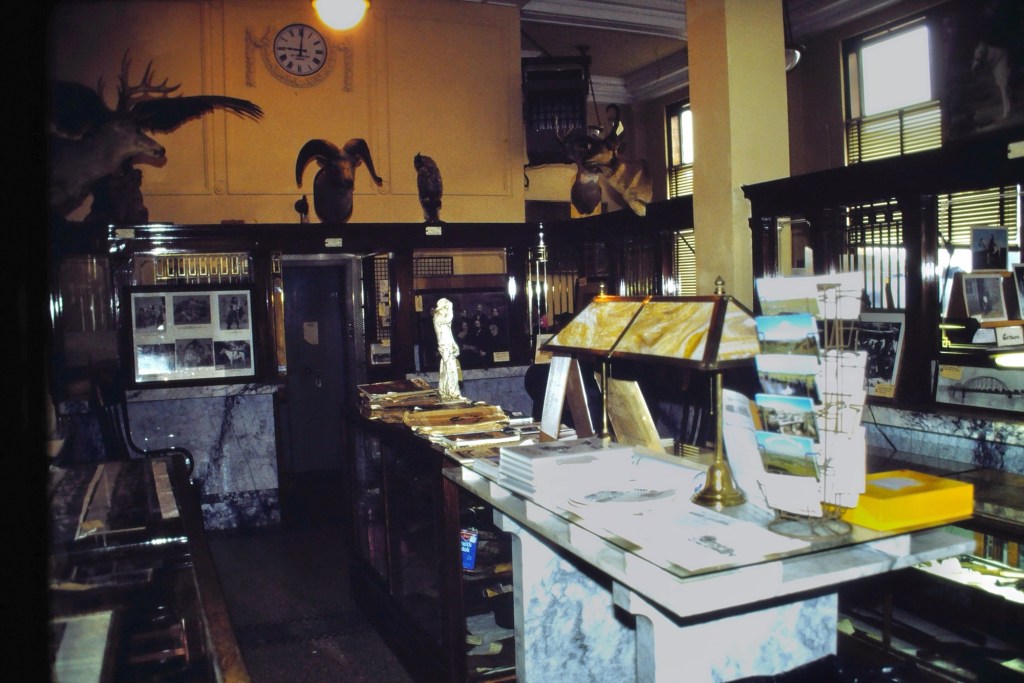
Exhibits, c. 1988

The meeting was a lot of fun, at least for me. And I learned a valuable lesson—listen and observe, don’t immediately judge. The example was a small graveyard, near the confluence of the Yellowstone and Powder Rivers, where the museum had installed a low fence and basic interpretive sign.
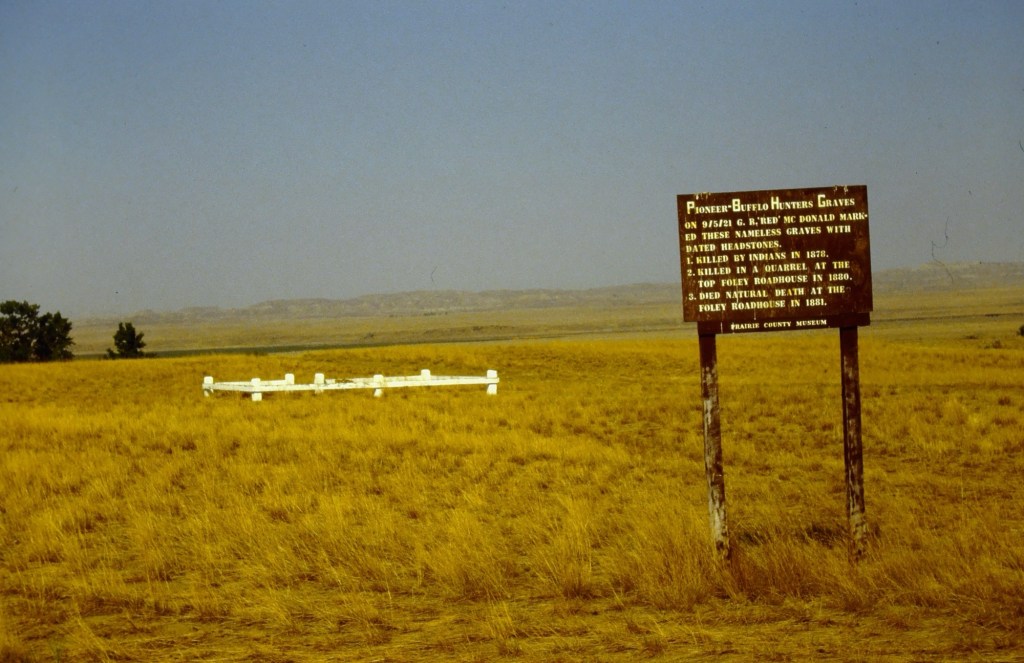
Pioneer/Buffalo Hunters graveyard, 1984

I acknowledged that this site was clearly significant but offered that without an interstate highway sign (an exit was less than a mile away) or a marker on old U.S. 10, which was adjacent to the cemetery), “no one knows that it exists or where to find it.” One resident then remarked: “son, we know where it is and what it means.” I have never made that boneheaded mistake again.
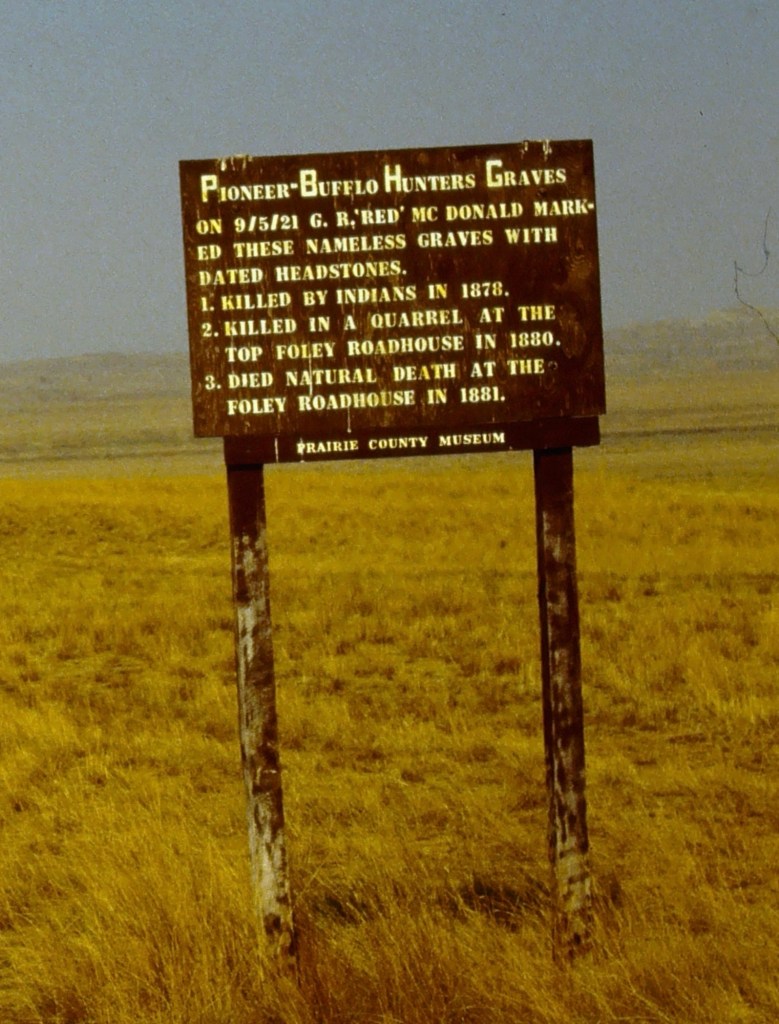
Interpretive sign, US Highway 10, in 1984

In the 1980s, another museum devoted to the amazing photography of Evelyn Cameron was established, in a historic building next to the museum.
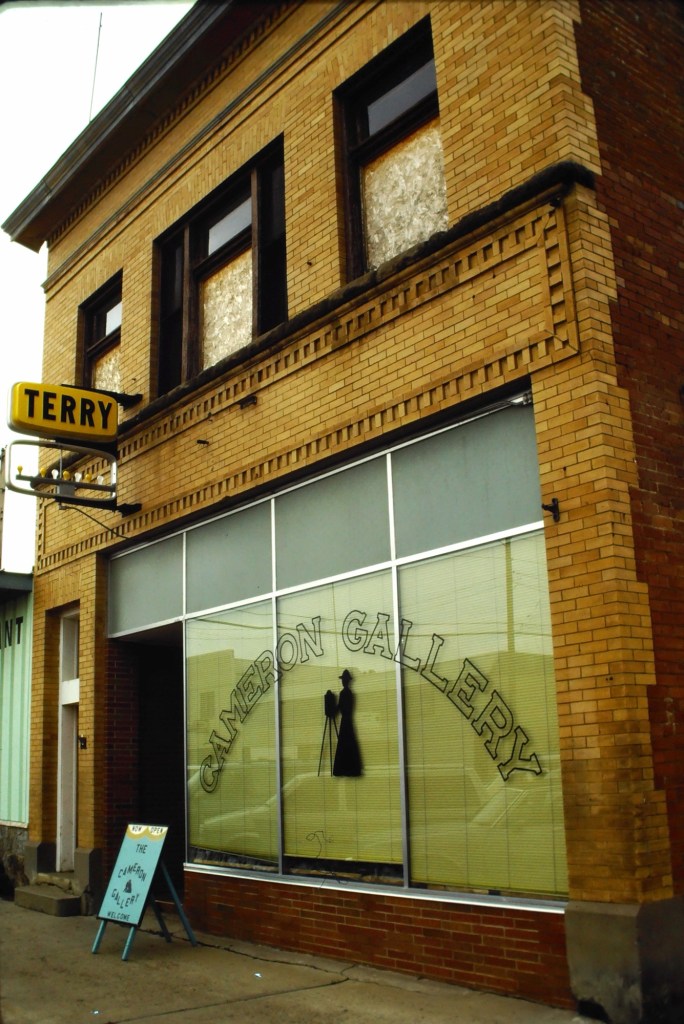
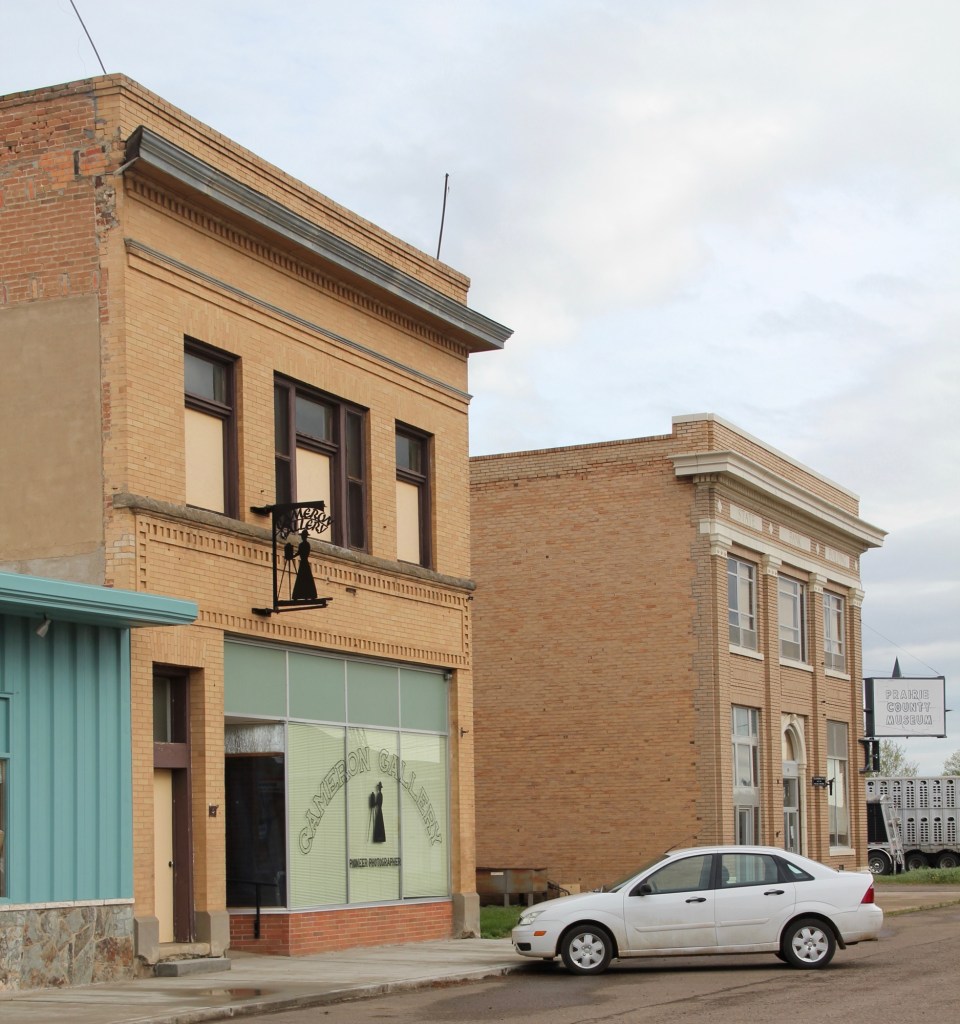
Cameron gallery, 1985
Cameron gallery, 2014

The impressive preservation work already underway in Terry was not the only reason I liked Terry. It was a “double railroad” town, that still had its northern Pacific depot at the top of the “T” in the classic t-town plan found in some many Montana towns.
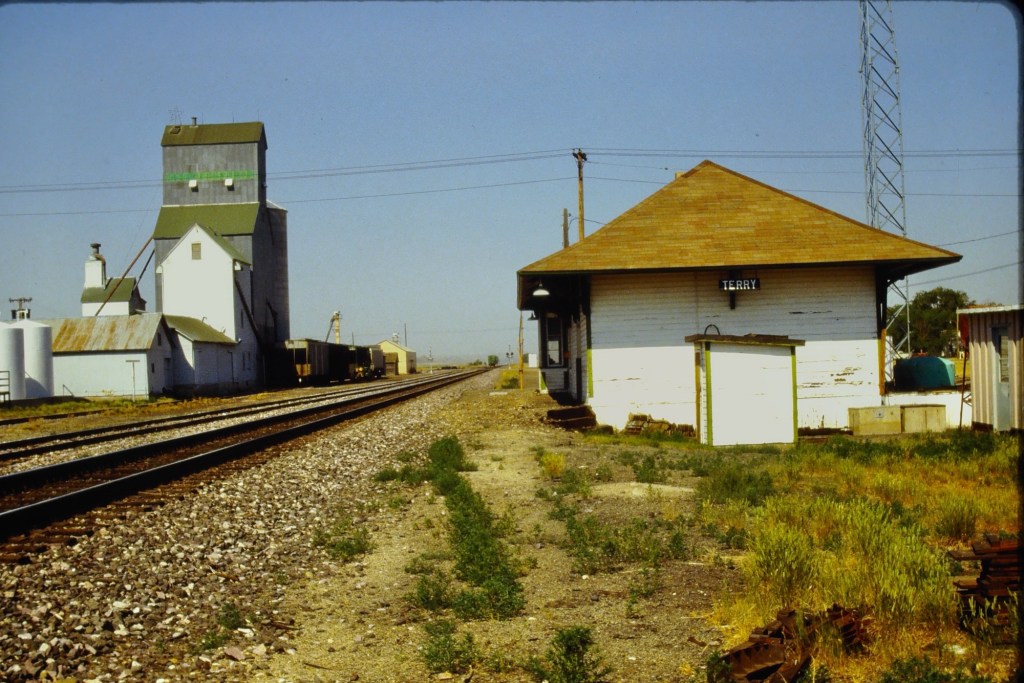
Northern Pacific corridor, 1988

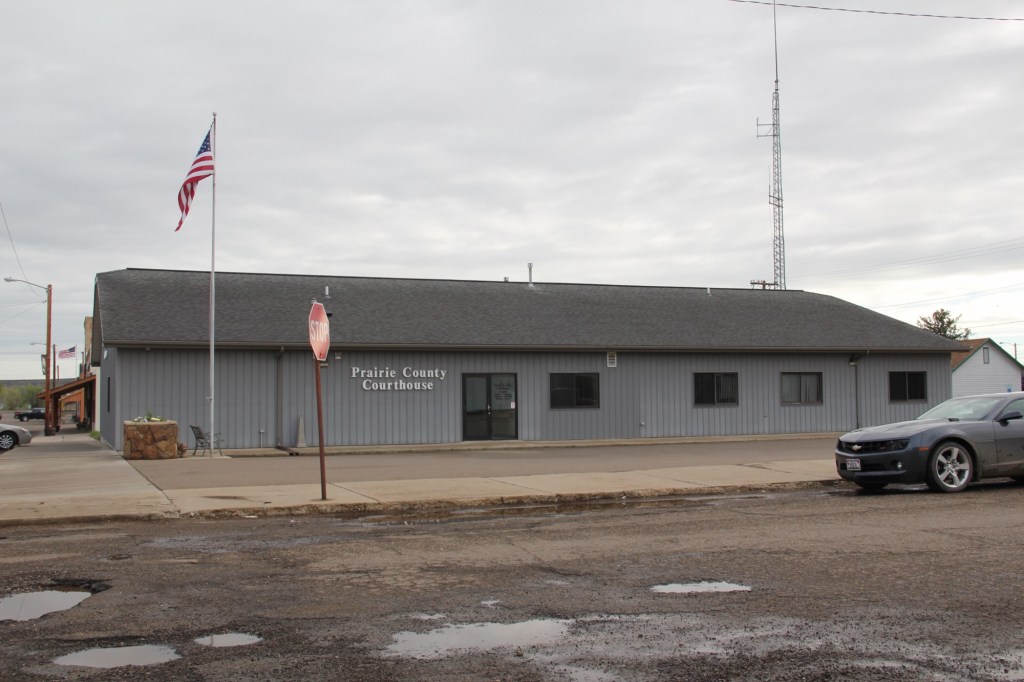
Then its county courthouse was one of the most unassuming public buildings in the state.
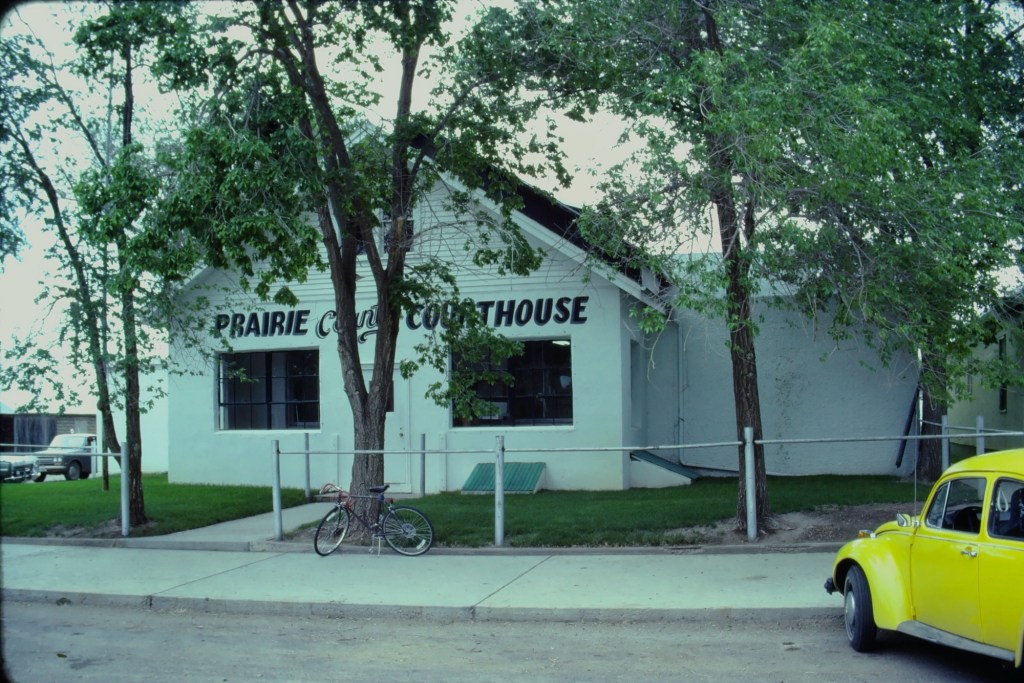
County Courthouse 1984

Plus there were two can’t miss heritage tourism experiences. The historic Kempton Hotel, a huge rambling, fascinating place is where I spent a night.
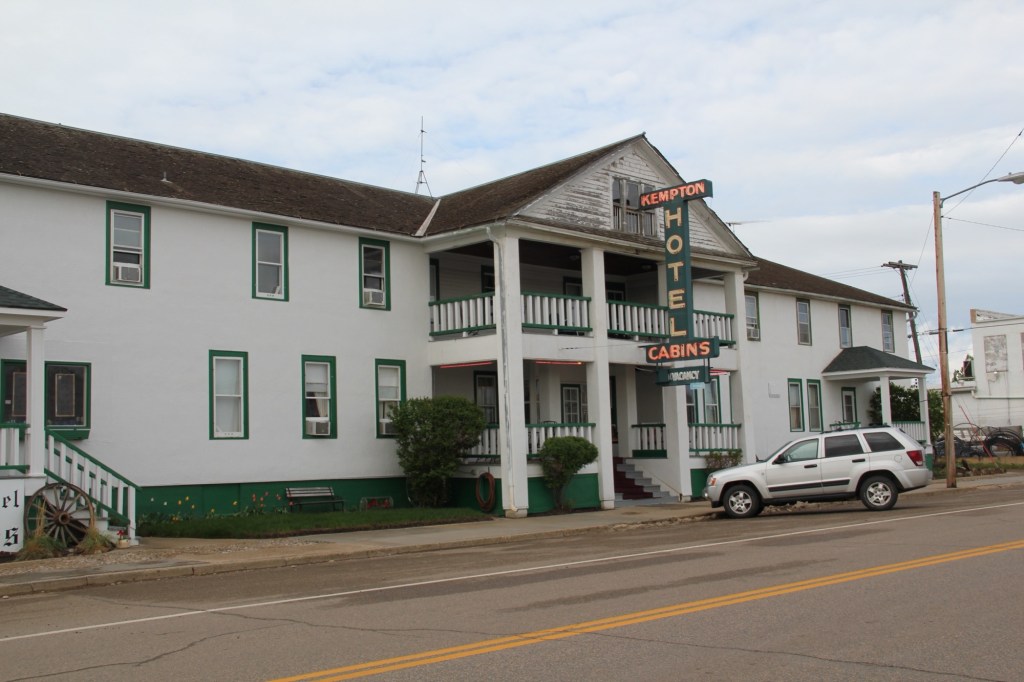
Kempton Hotel, 2014

And I probably had too much to eat and drink at the local bar/cafe, Bud ‘n’ Bette’s. Bud and Bette Goplen owned and operated the place. Bud died in the 1990s but Bette kept it going until the end of the century. Not only were the pours generous and the beer cold, but they sold one of the best caramel rolls in the valley. And yes it did have prints of C.M. Russell paintings plastered along the walls and a fairly size-able Jim Beam decanter and bottle collection. What a place!
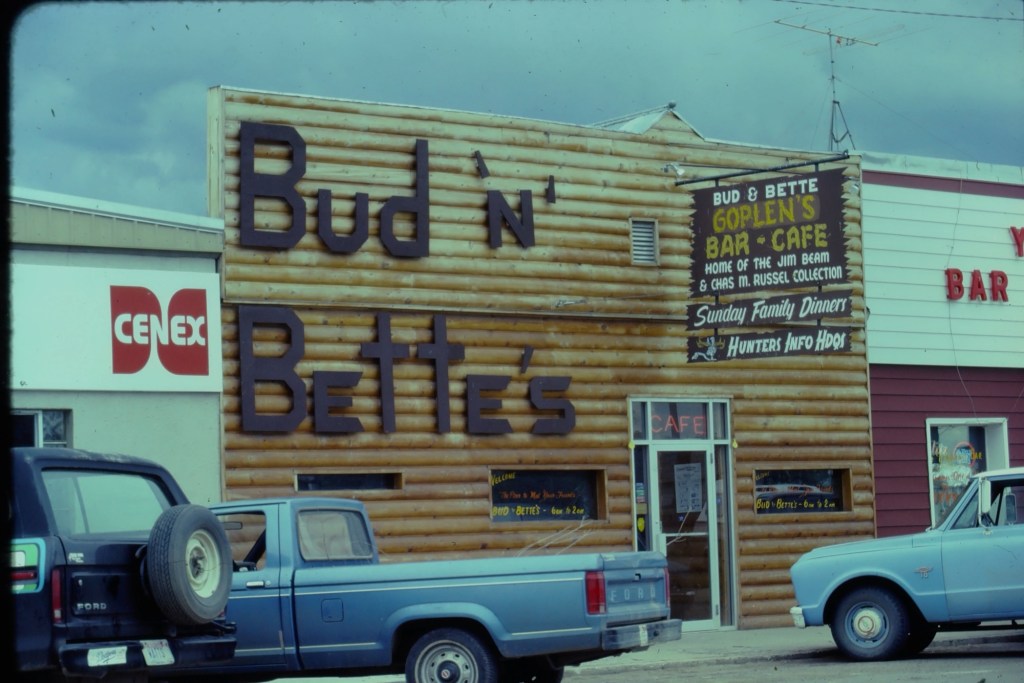
Little did I know that when I visited Terry in 1984, 1985, and 1988, it was during its height. Today the town’s and county’s population is about half of what it was in the 1980s.
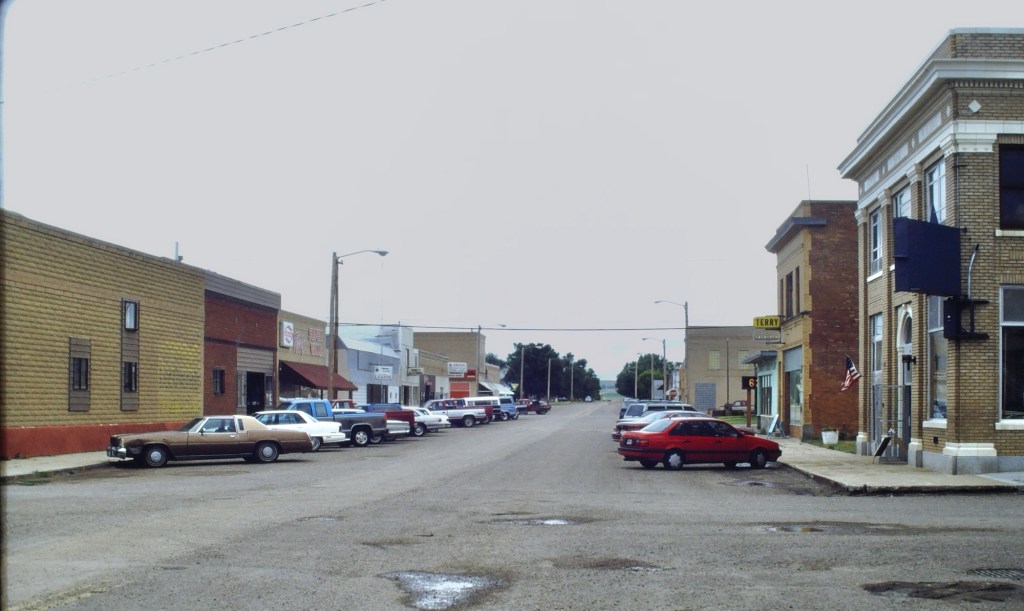
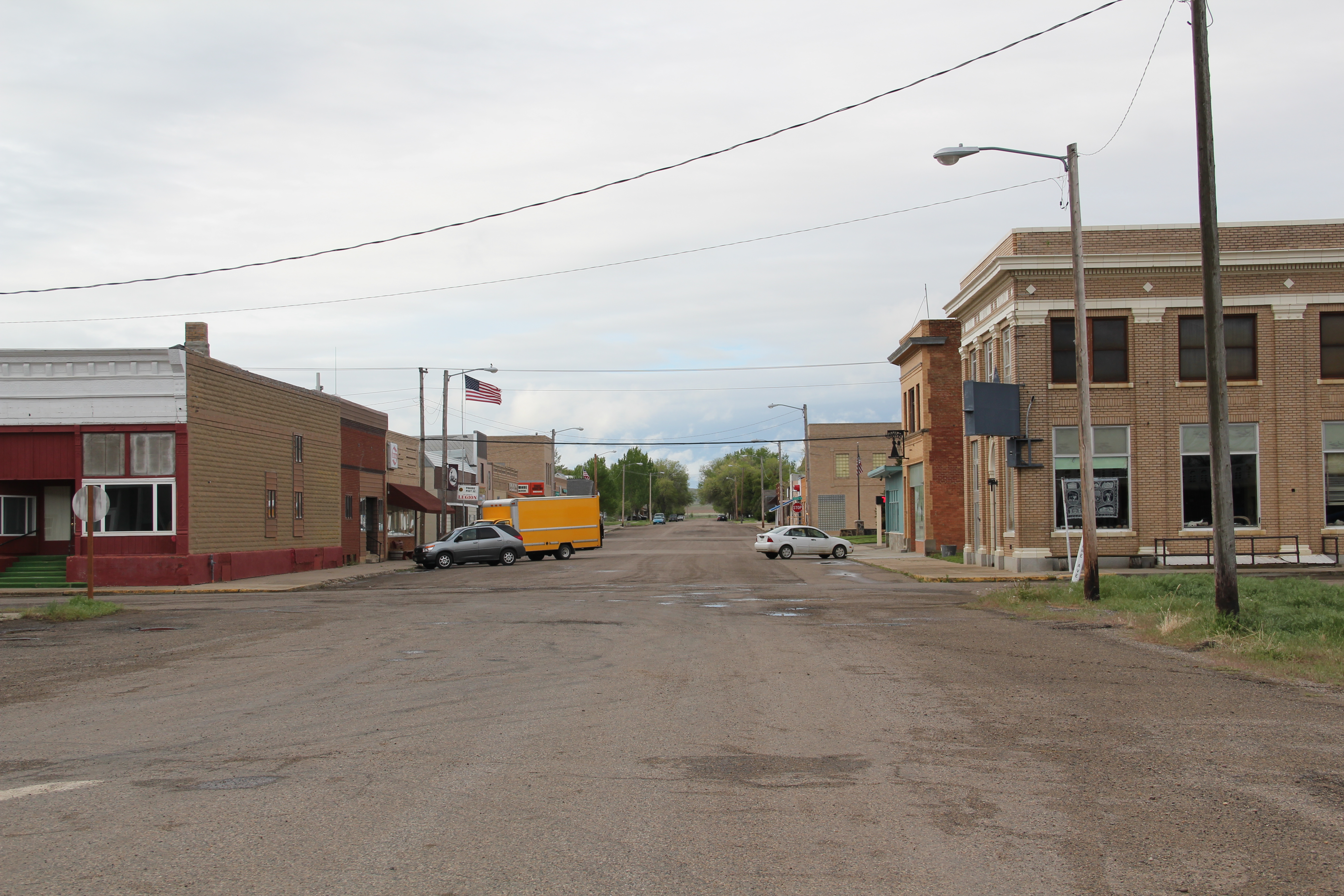
The business district in 1994
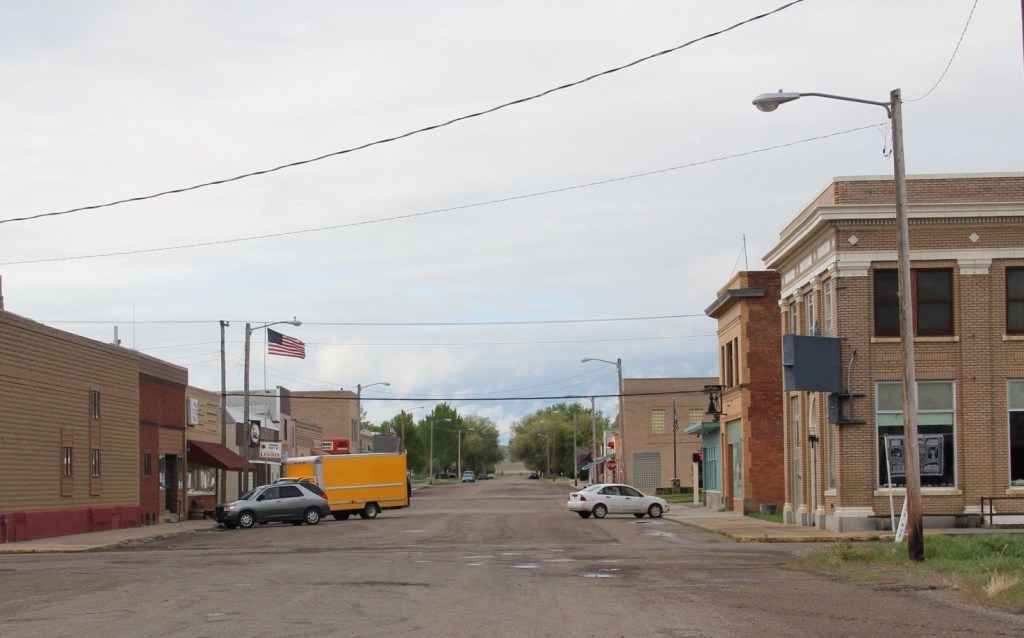
Business district in 2014

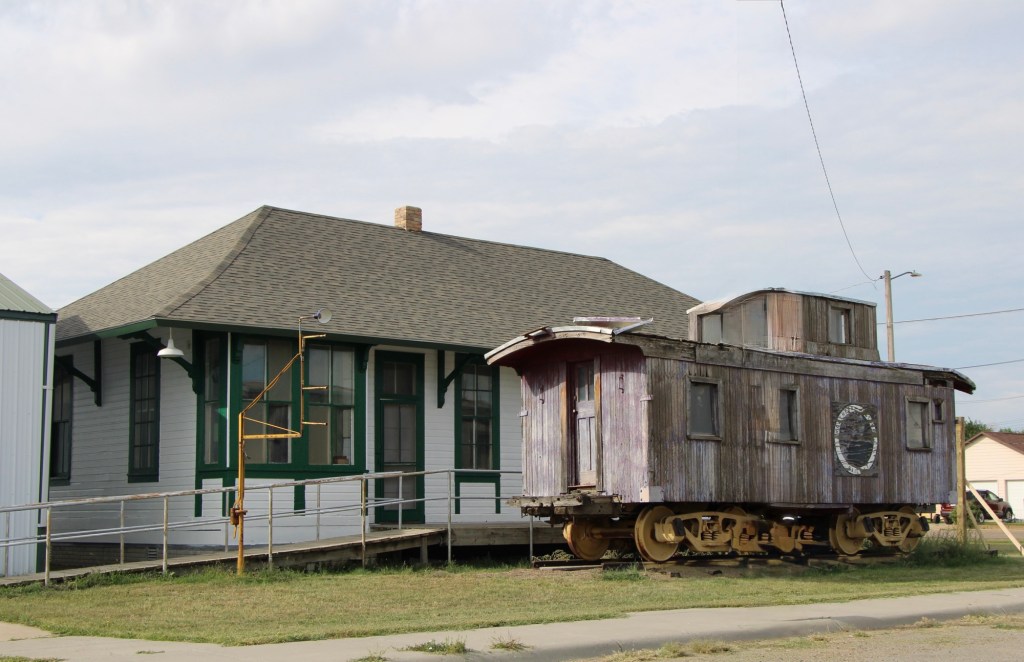
The county courthouse has been modernized and enlarged while the Northern Pacific depot has been moved to the museum’s block.
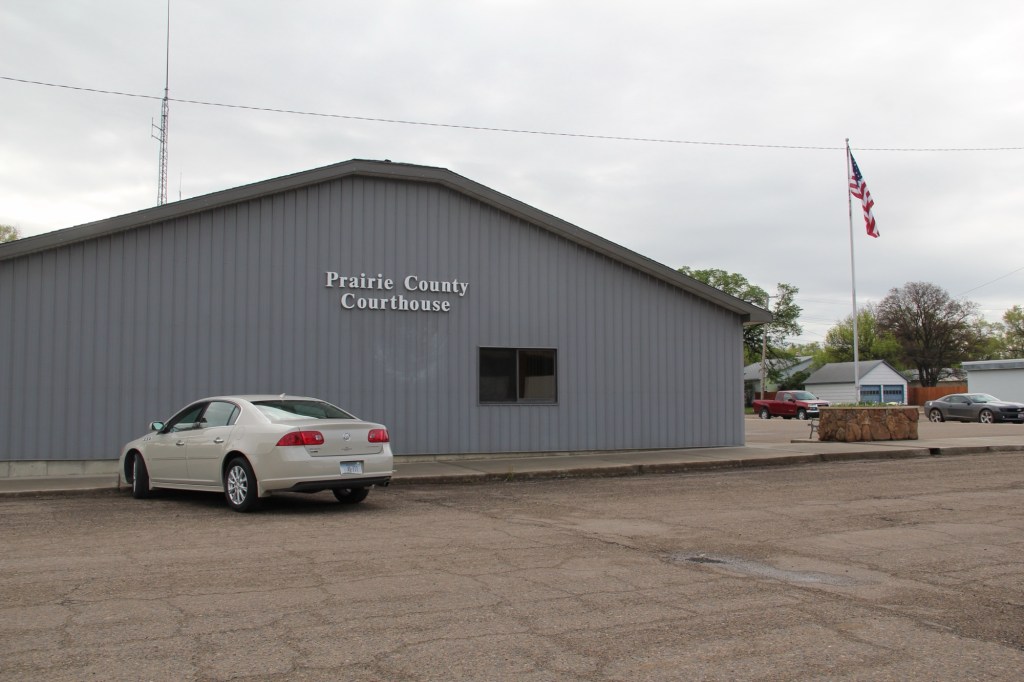
All images from 2014

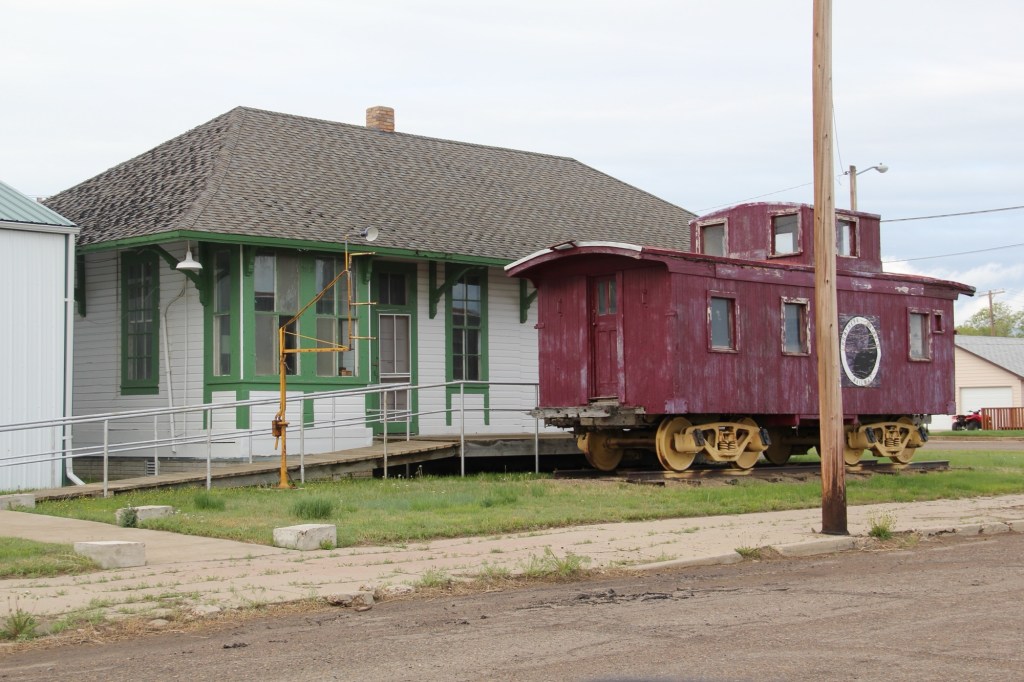
Much had changed in the 20 years between visits in 1994 and 2014. When I had the chance to stop for a moment in 2026, I was concerned with the condition of the Northern Pacific caboose.
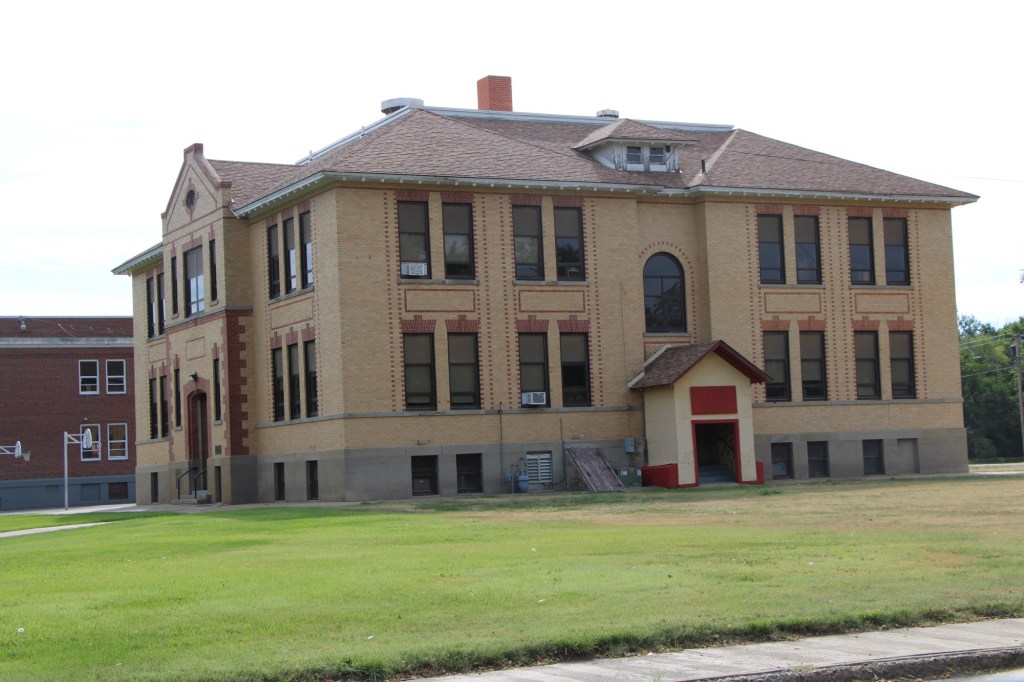
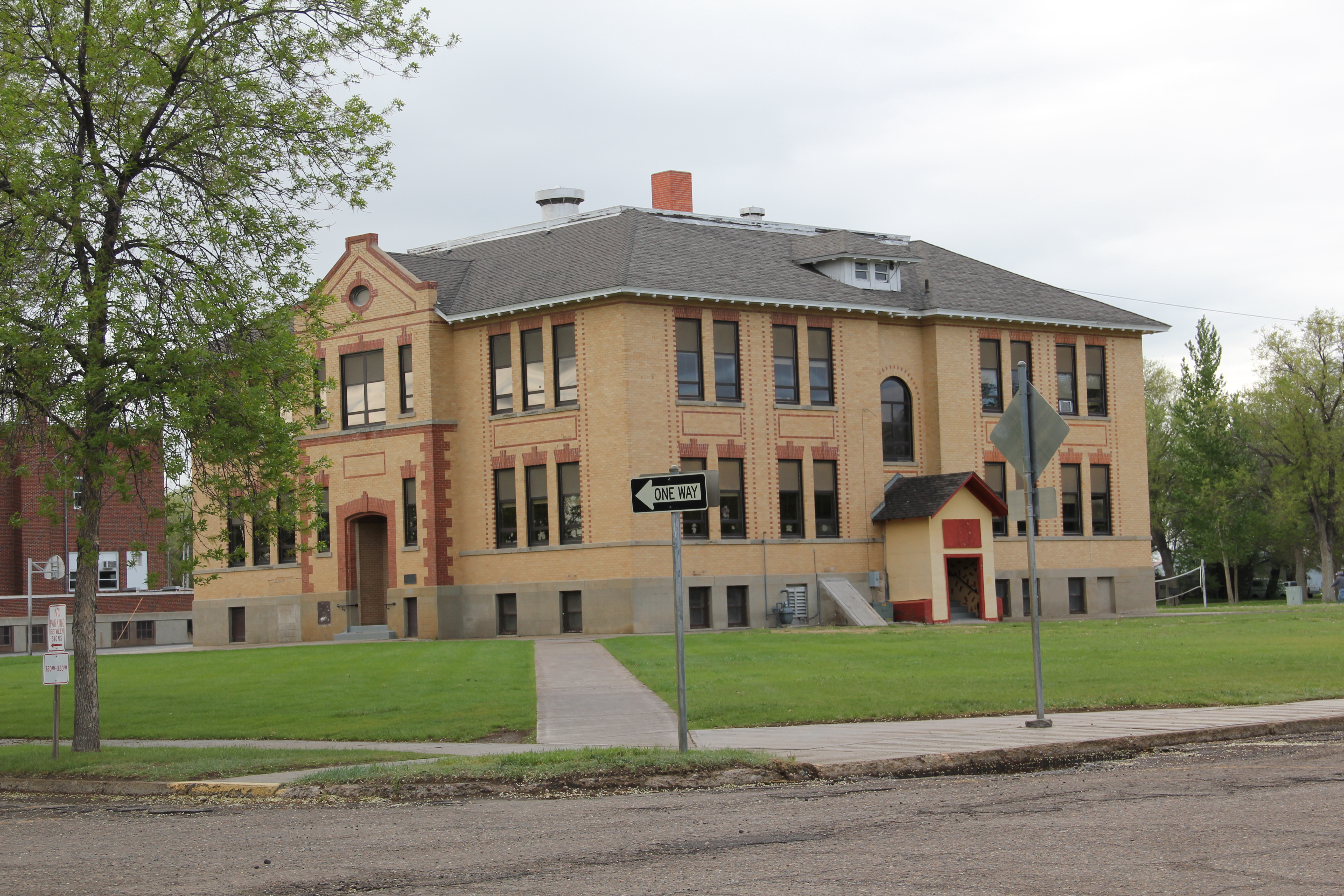
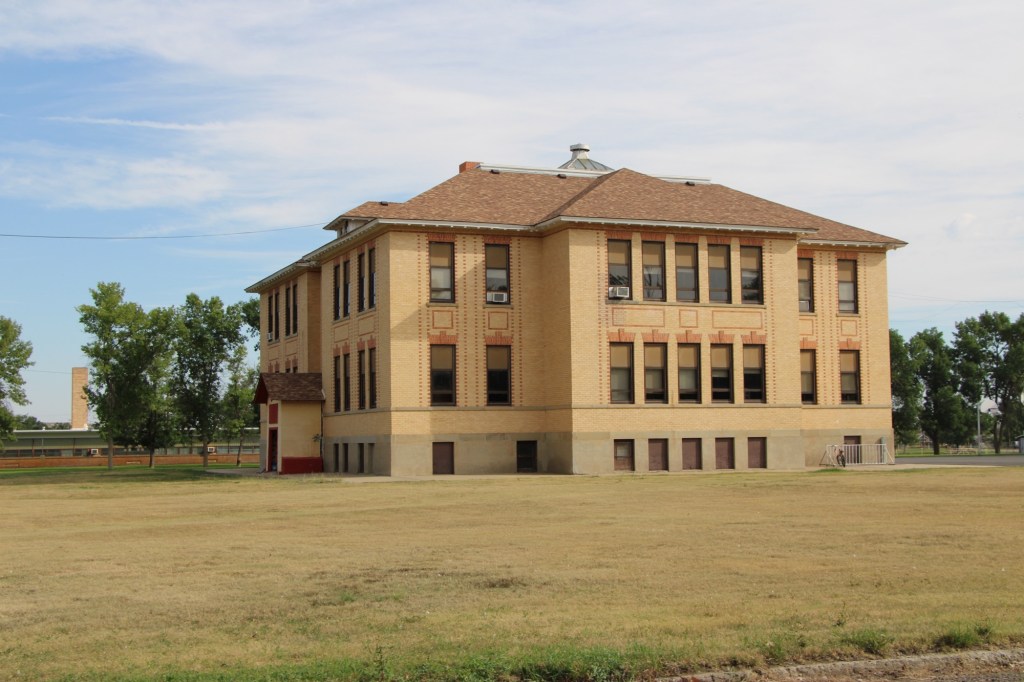
At the same time I was very happy to see the excellent condition of the early 20th century Terry school. It is a great building, so expressive of the founders’ hope for the town and county. 100 years ago.
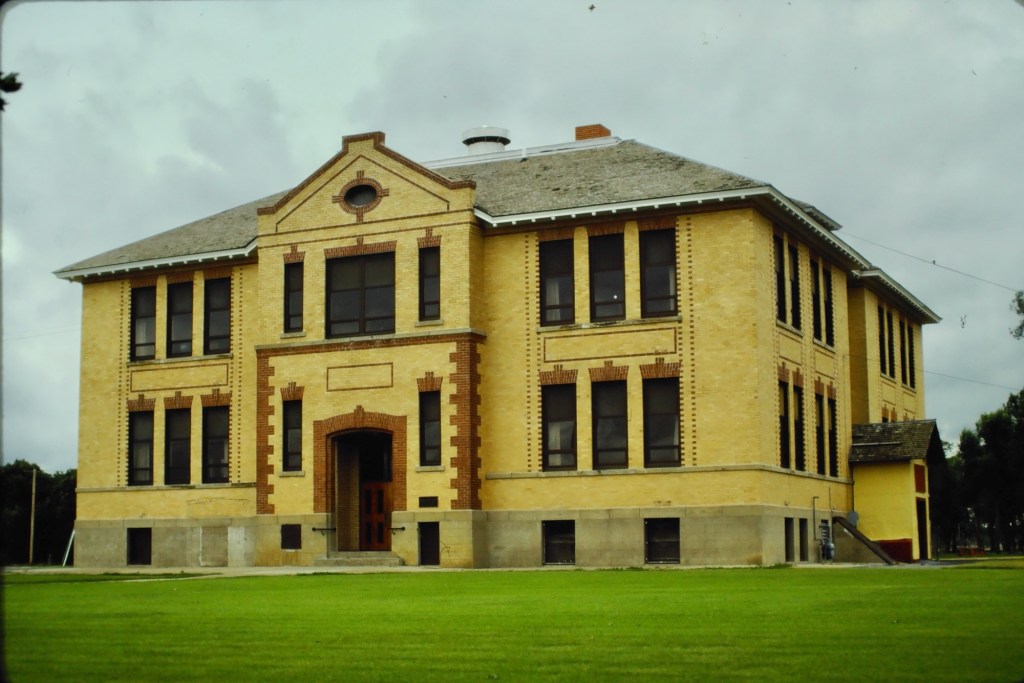
School in 1988
School in 2026
School in 2026

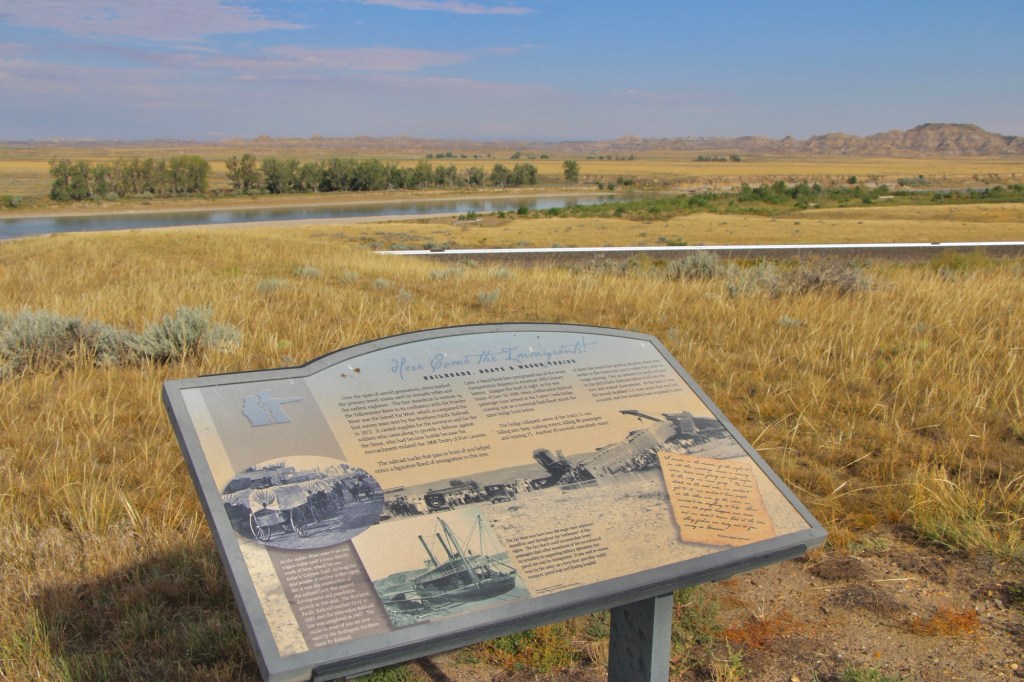
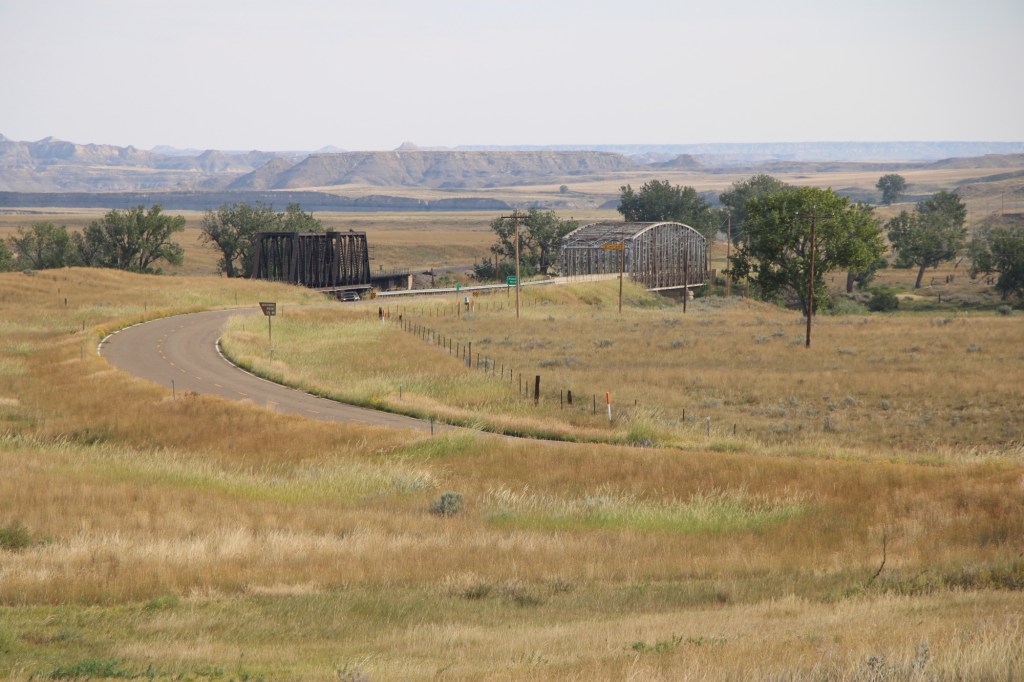
I already noted in an earlier post the transformation of the hunters graveyard along old U.S. Highway 10–it is now one of the best interpreted sites along the Yellowstone River. Along the interpretive panels there is a short-distance walking trail with great views of the river plus you can easily see both the historic bridges over the Powder River at the confluence of the Powder and Yellowstone rivers.
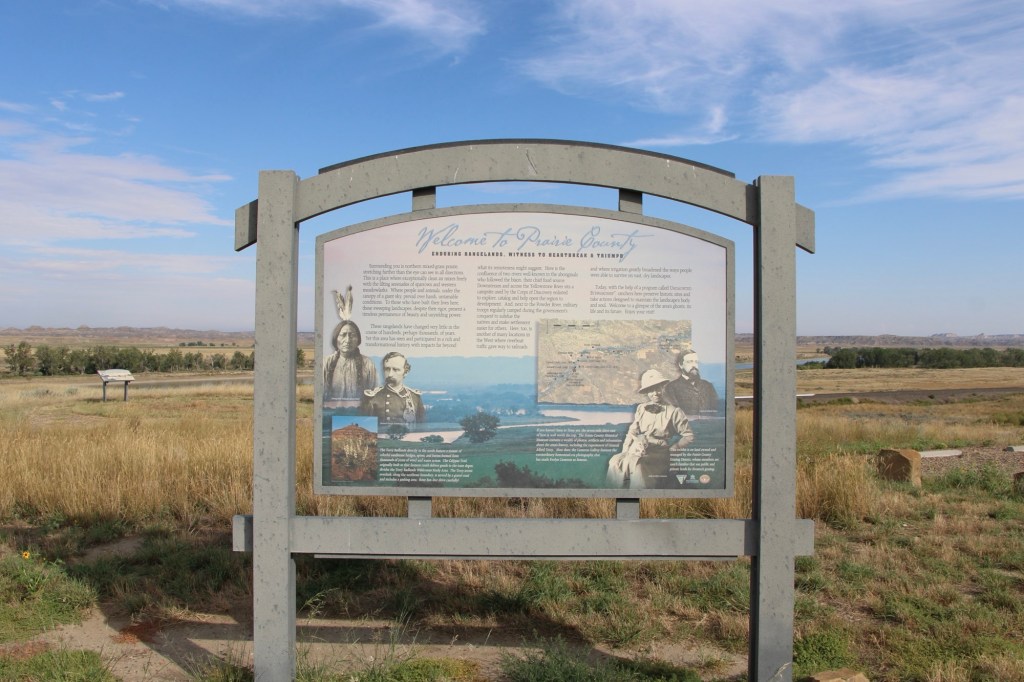
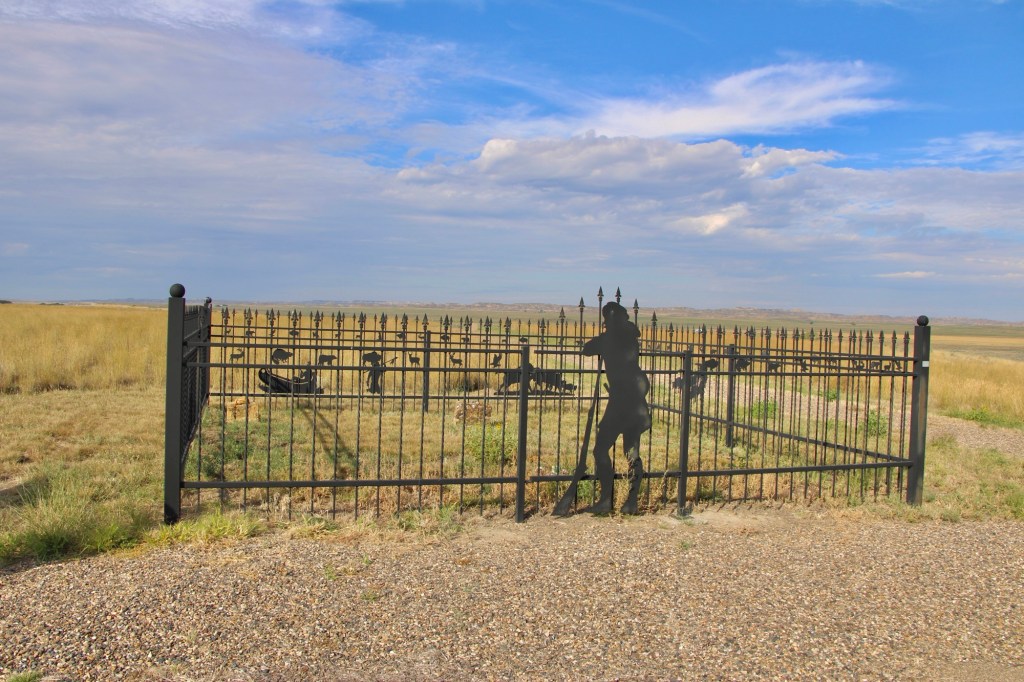
All images from 2026

And residents of Prairie County are not done. In partnership with the Montana History Foundation, the state historical society, and the county economic development office, they have added other markers about the deep history of this place in the Yellowstone valley.
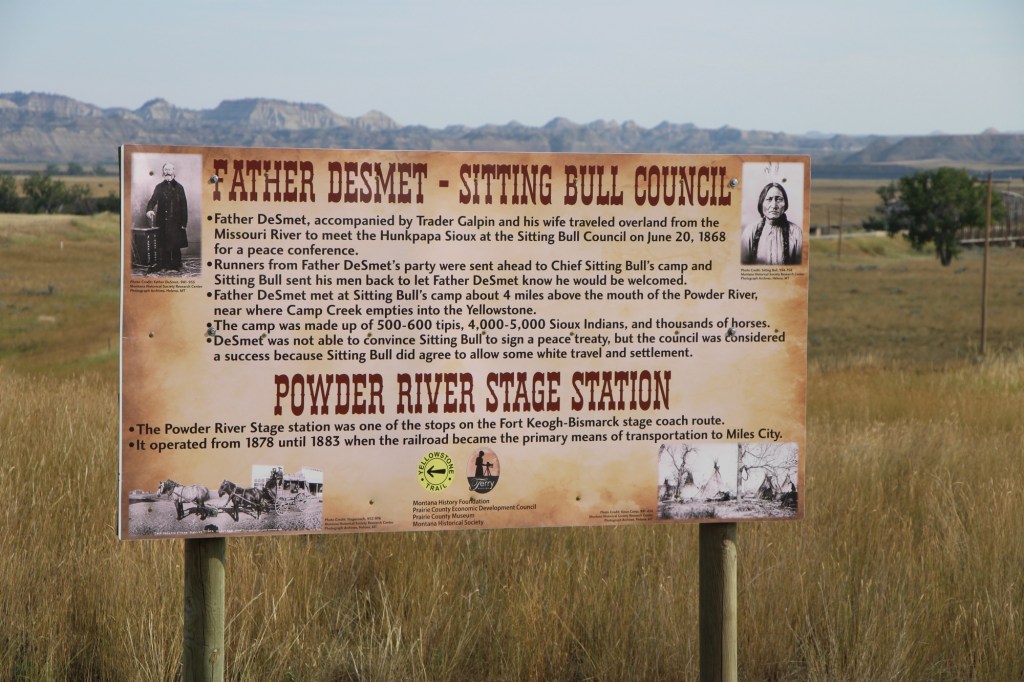
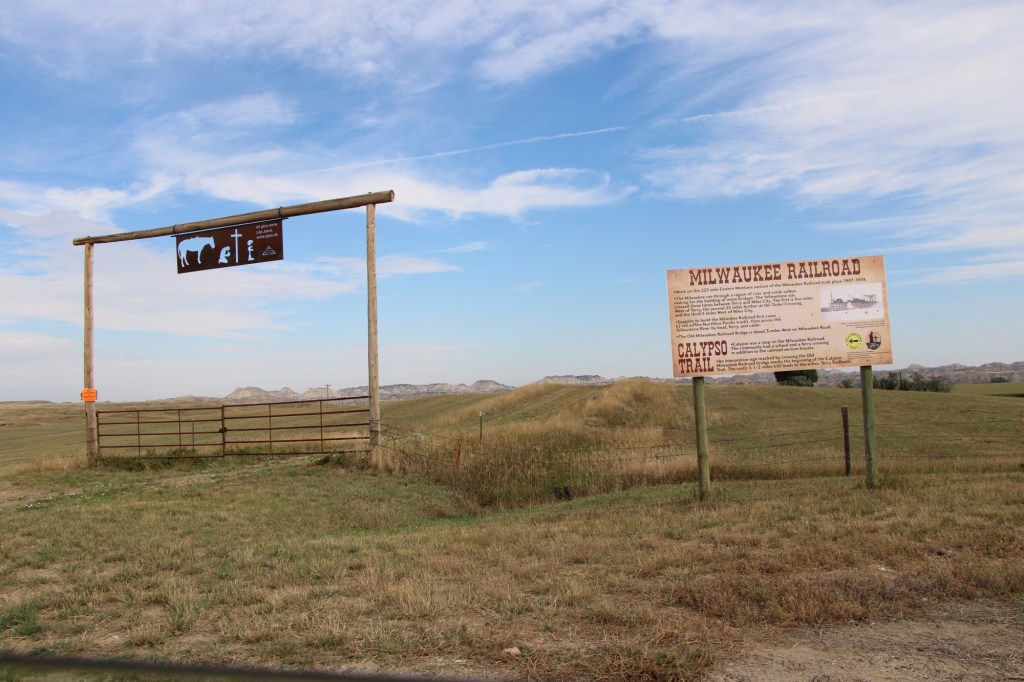
Just wish I had a caramel roll from Bud ‘n’ Bette’s!
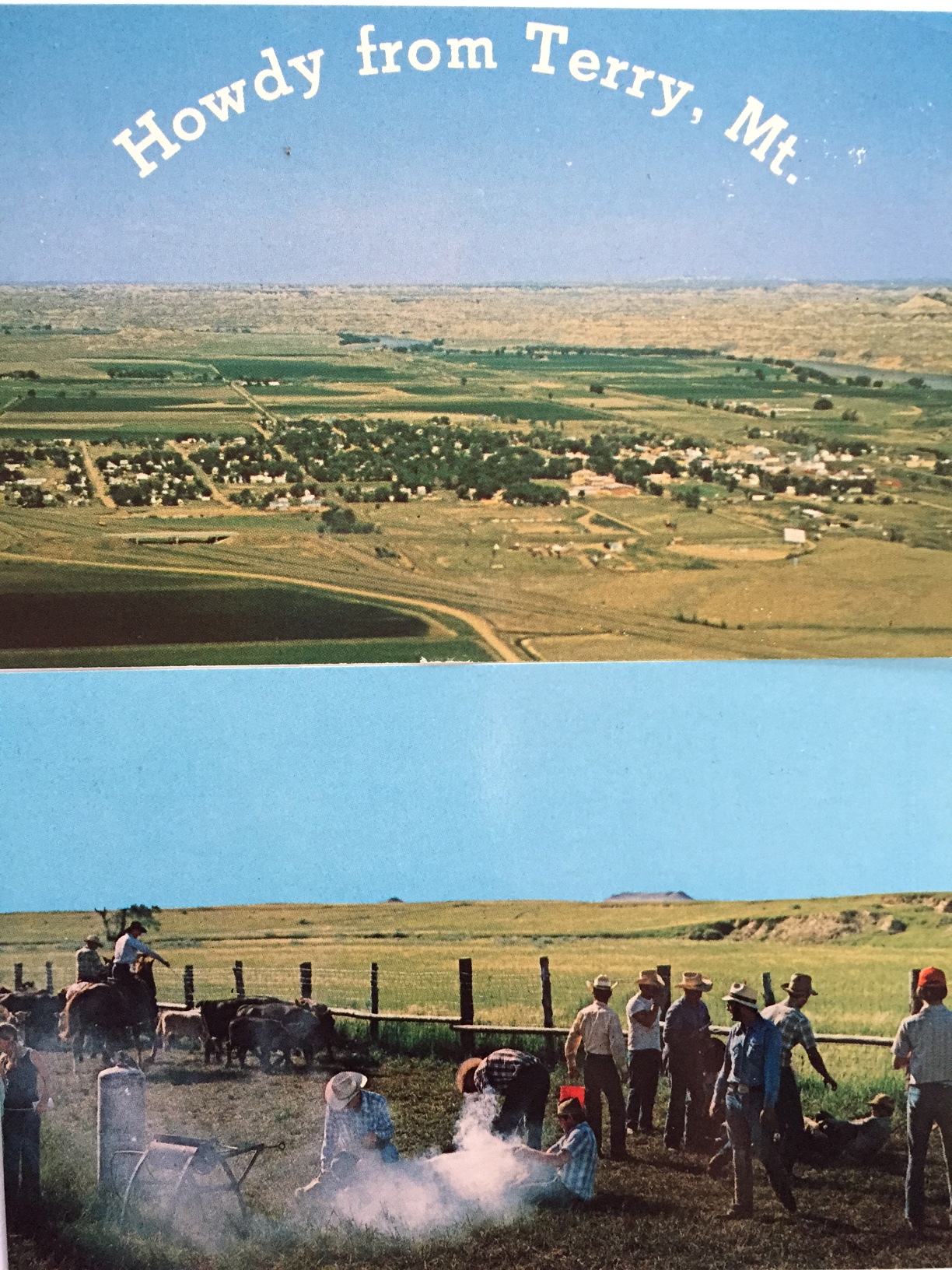
Howdy from Terry!

Terry overview
Terry, the seat of Prairie County, has long been one of my favorite places in the Yellowstone Valley. Stuck between the much larger, and more famed, Yellowstone towns of Miles City (to the west) and Glendive (to the east), Terry has somehow developed and kept its own identity as a western place, and landscape, that still speaks strongly to the patterns that transformed the region over the last 150 years: railroads, homesteading, cattle, and town building.
IMG_4047
In 1984 I focused on the railroad imprint on the town, which began in the early 1880s as Northern Pacific officials understood the need for a railroad stop at place near the confluence between the Yellowstone and Powder rivers.
IMG_7154
In 2013, however, the depot was gone from the tracks but not the town. It had been moved to become part of the solid Prairie County Museum, a local institution that was still quite new when I first visited in 1984. Located in the town’s most prominent neoclassical bank building from the 1910s, the museum was a place where I held a public meeting about the preservation plan process and found a community totally engaged with its past.
Terry bank
IMG_7141
The museum highlights agriculture and ranching, and includes the Evelyn Cameron Gallery, which displays and celebrates the life and contributions of this important western photographer. One change I noted last year was the creation of the Evelyn Cameron Heritage Center, on Laudre Avenue just a few yards away from the museum, which is at the crossroads of Laudre and Logan Avenues.
IMG_7182
That crossroads was another pattern in Terry’s landscape that caught my eye. Most Northern Pacific towns, originally, were symmetrical plans, with a long line of commercial buildings flanking one side of the tracks and grain elevators and warehouses on the other side. Terry, however, had a classic T-town plan, with the tracks creating the top of the T and then a main commercial artery, in this case Logan Avenue, serving as the stem of the “T.”
IMG_7147
Why was Terry different? It is the impact of the Milwaukee Road as it built through the valley in 1906-1907. In 1984 there was still a second set of tracks, and a few scattered commercial buildings, to the north of the Northern Pacific mainline. Today two buildings remain along with the roadbed that marks this second period of Terry’s growth.
IMG_7144
IMG_7143
IMG_7133
Just west of the “downtown” you can find the one still thriving institution associated with the Milwaukee Road impact on Terry: the Prairie County Fairgrounds, which once faced the Milwaukee’s main line. (I have discussed the fairgrounds in an earlier post.)
IMG_7138
Another wave of change came to Terry in the 1920s as U.S. Highway 10 gave the town another transportation pattern. The highway’s crossroads with the original T-plan commercial artery is marked by a still extant somewhat Art Deco-styled brick gas station/ auto dealership.
IMG_7178
The most recognized roadside landmark is the Kempton Hotel, a true rarity now for this section of the Yellowstone Valley as those rambling montage of buildings that once constituted places of rest and relaxation along the nation’s highways have largely disappeared from the landscape.
Then, just yards away, is another rambling montage of historic buildings, the schools of Prairie County, ranging from the large stately multi-story brick buildings of the early 20th century to more restrained modern buildings of the second half of the century.
IMG_7168
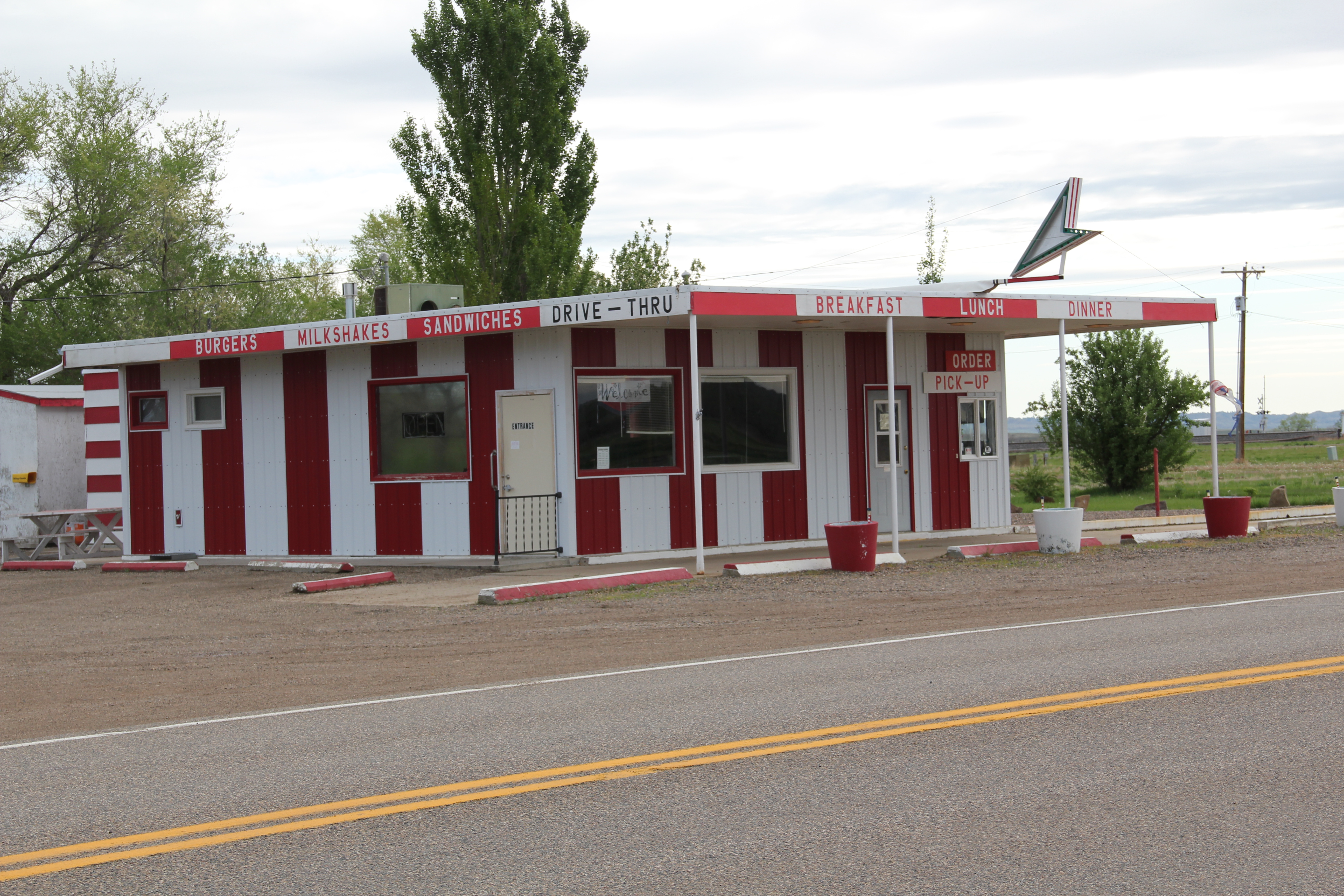
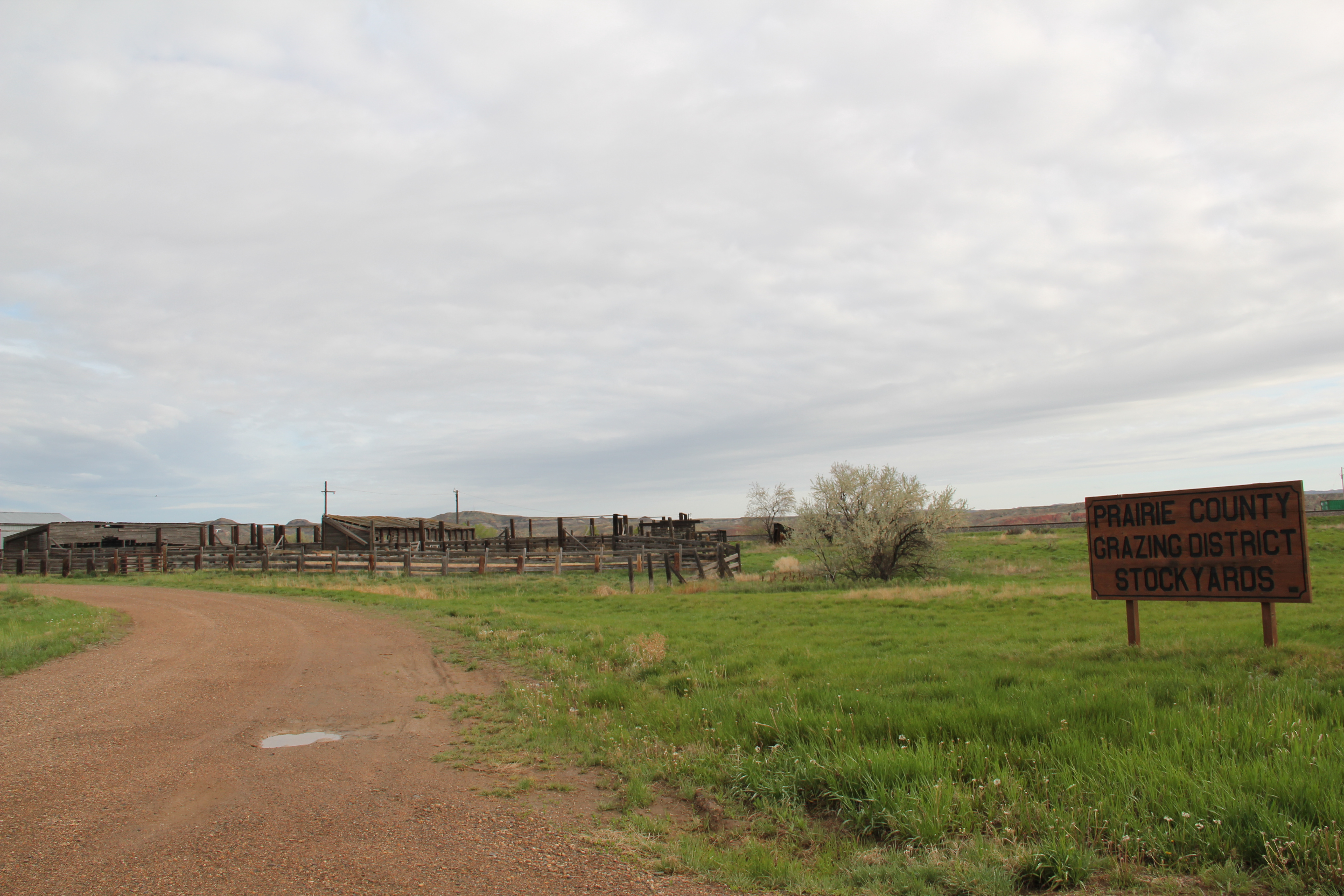
At the edge of town are three different properties, all related to the need for highway transportation. The Dizzy Diner is a classic 1950s drive-in while the crumbling Terry drive-in also speaks to past patterns in popular culture. Then the Prairie County Grazing District Stockyards connects the present to the past traditions of stock raising in this region.
IMG_7187
IMG_7191
IMG_7189
Certainly the biggest change is Terry from 1984 and 2013 was the transformation of the county courthouse. In 1984 I was shocked that there was only an unadorned concrete block building for the courthouse, and I have shared images of that building across the country. Well the concrete block building on Logan Avenue is gone, replaced by a much larger, still unadorned building for local government.
IMG_7174
IMG_7175
Terry’s population has dropped by a third since my first encounter with the town in the early 1980s. But new public investment, and a still commercially relevant “downtown” speaks volumes to the residents’ commitment and faith in this small yet significant Yellowstone valley town.