Mountain View Cemetery in Big Timber

About 13 years ago, I made a quick stop at the Mountain View Cemetery in Big Timber. Located south of the interstate exit, next to the local historical society museum, the cemetery’s well crafted stone gates, walls, and stone office dated to a Works Projects Administration undertaking in the late 1930s.
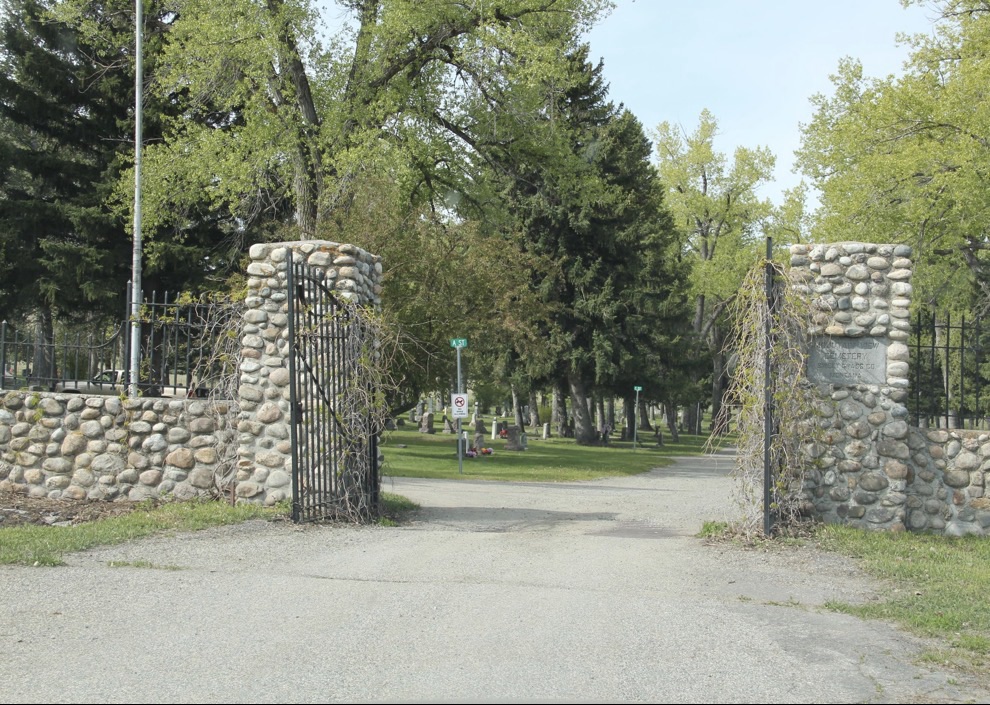
Stone gates at Mountain View in 2013

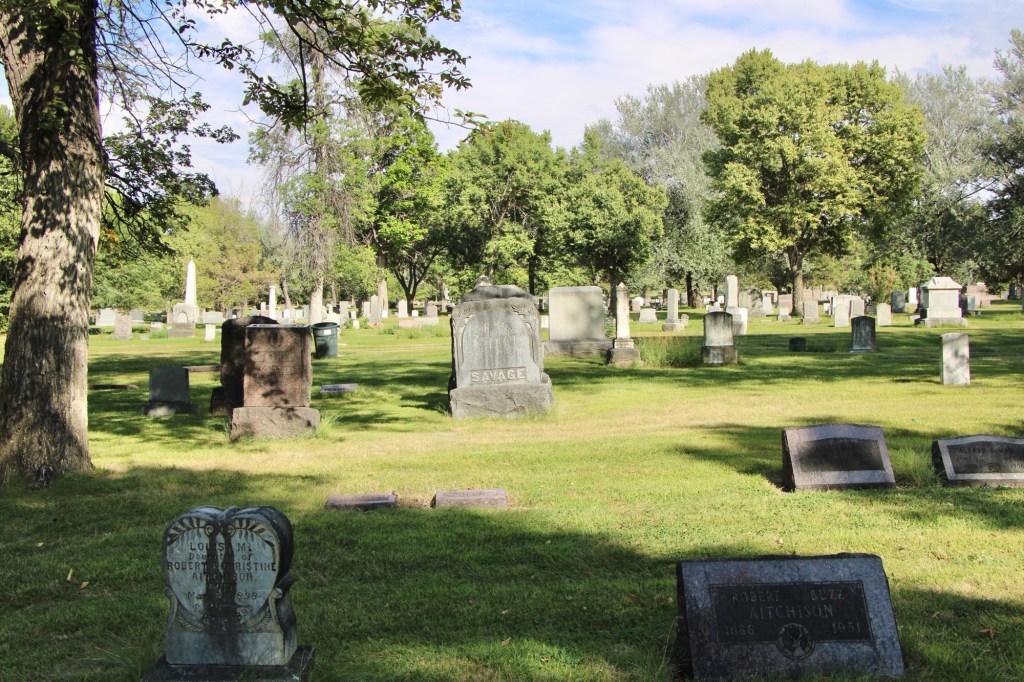
Thirteen years later, in the summer of 2026, I took the time to explore beyond the gates and found a quite fascinating place, full of interesting grave markers and stories.

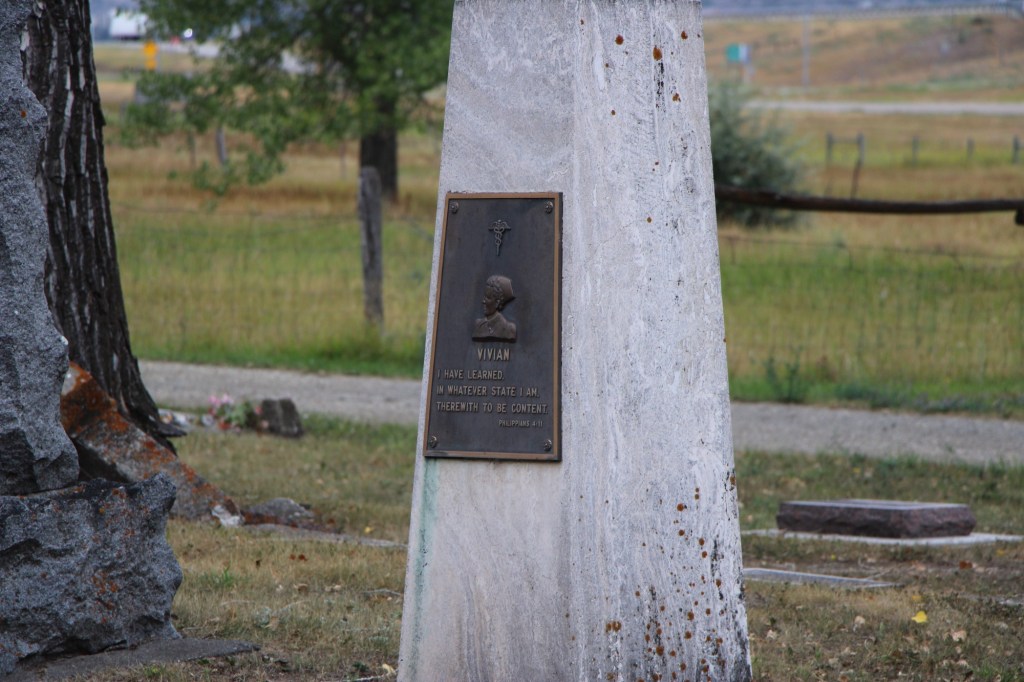
On the north side of the cemetery is a tall concrete obelisk dedicated to Vivian Ogilvie, who died in 1967. A native of Sweet Grass County, she graduated from high school and then worked on ranches around Melville. In about 1935 she moved to California to train as a nurse and made her career there before returning with her husband George Ogilvie to Big Timber in 1964.
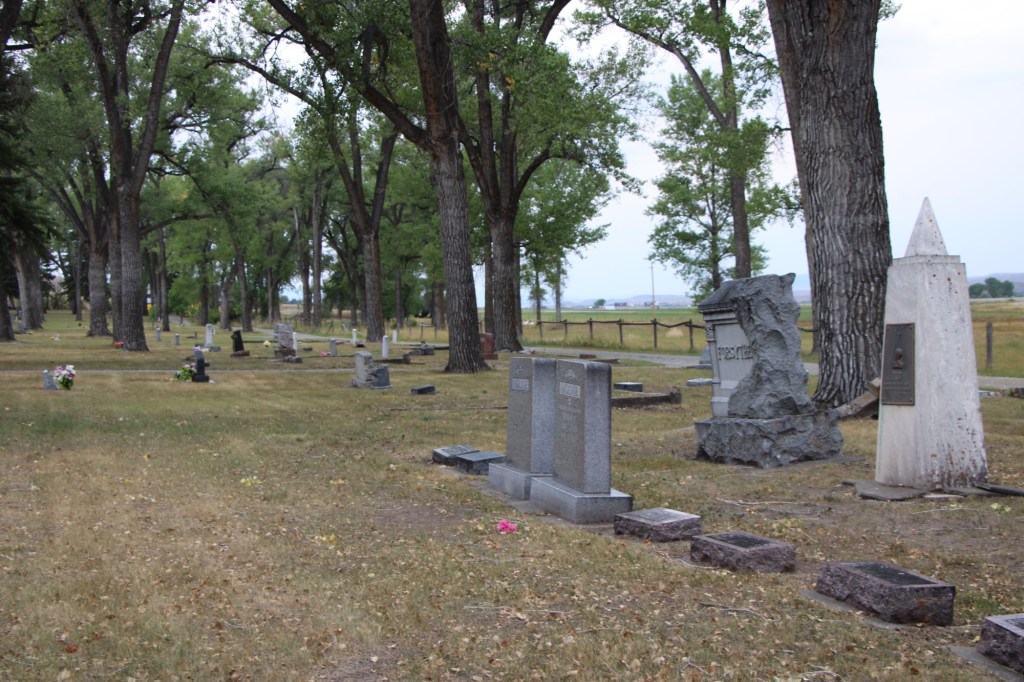
Adjacent to the Ogilvie markers is a large ornate granite marker for Santos Forsythe, who grew up in the Melville area. He died in 1918, at the age of 30. A member of the Elk lodge in Livingston, he received a heartfelt goodbye from his fellow Elk members at his funeral.
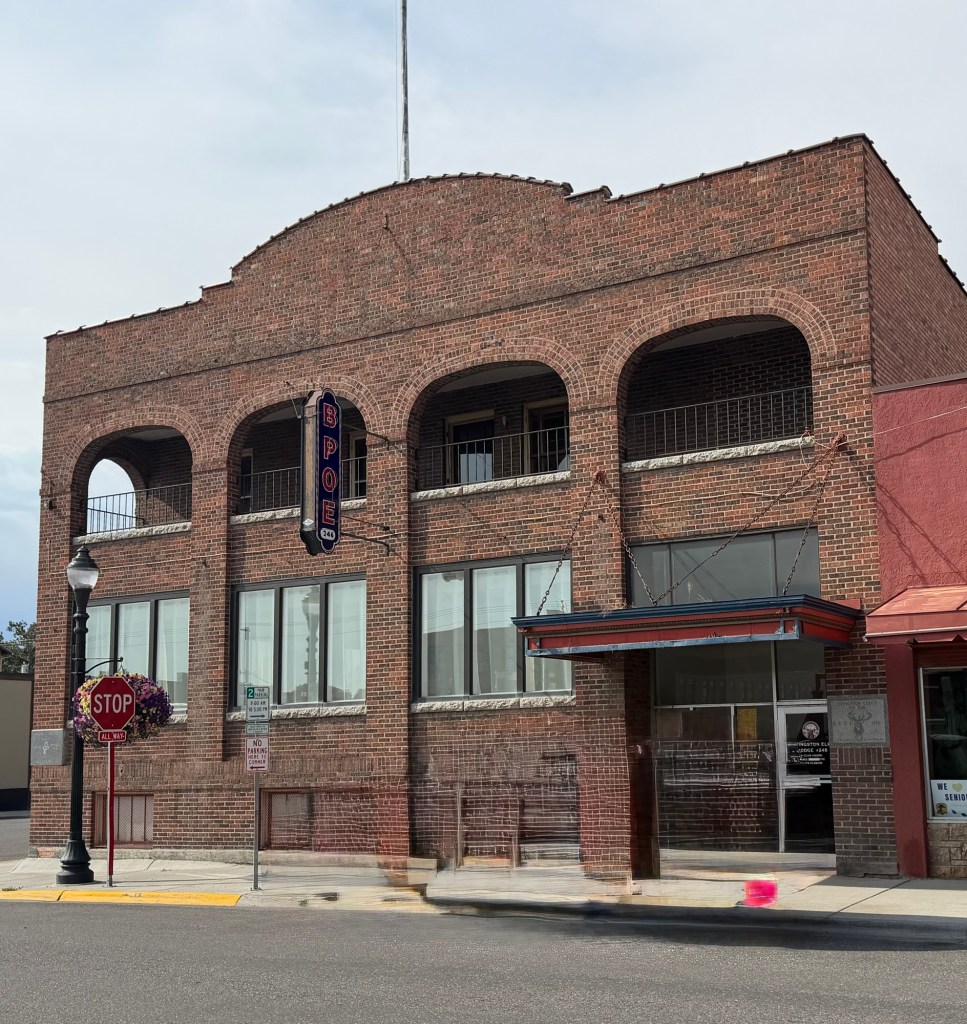
The Elk Lodge in Livingston, 2026

I next moved to the center of the cemetery to pay respects at the Hickman family, erected following the tragic and horrific death of Nellie Hickman and two children at their Sweetgrass County ranch.
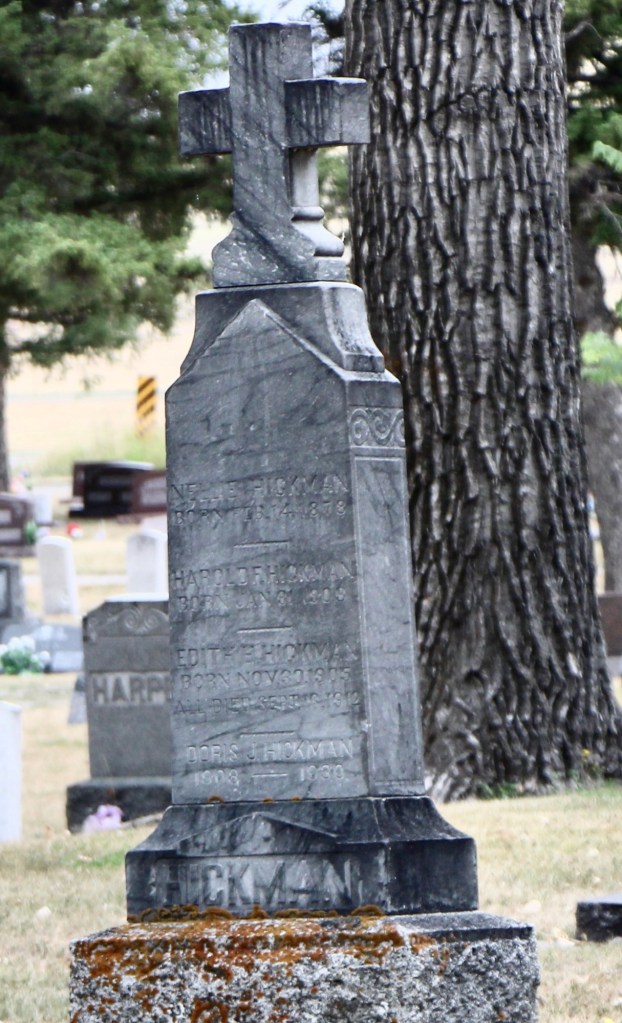
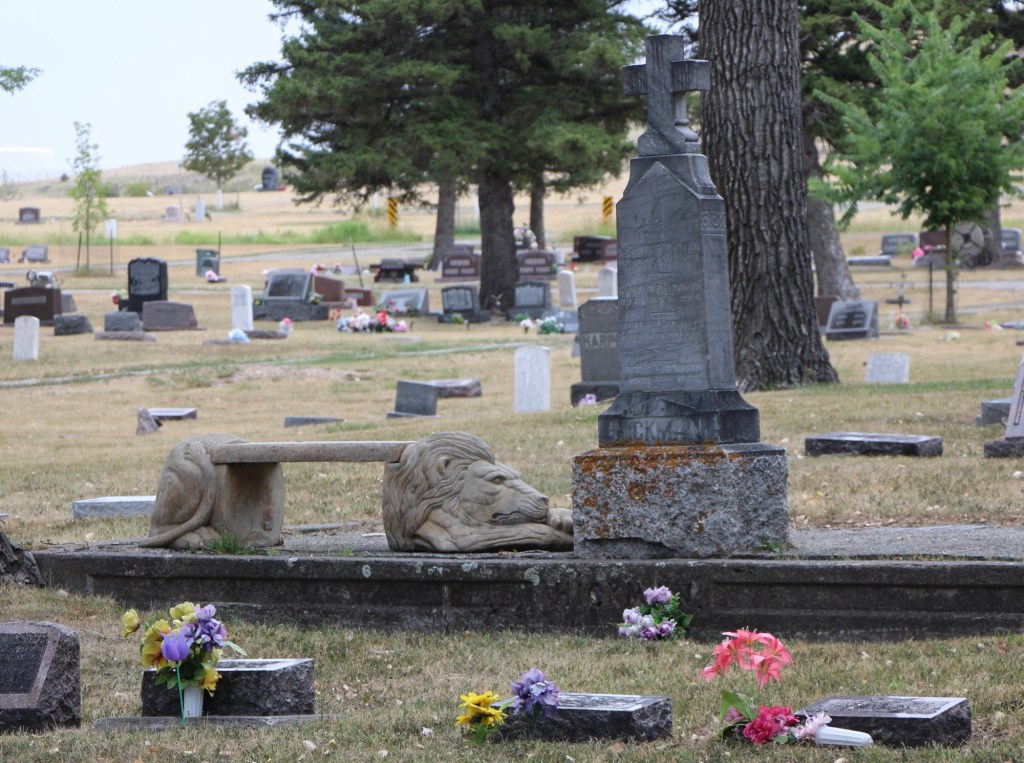
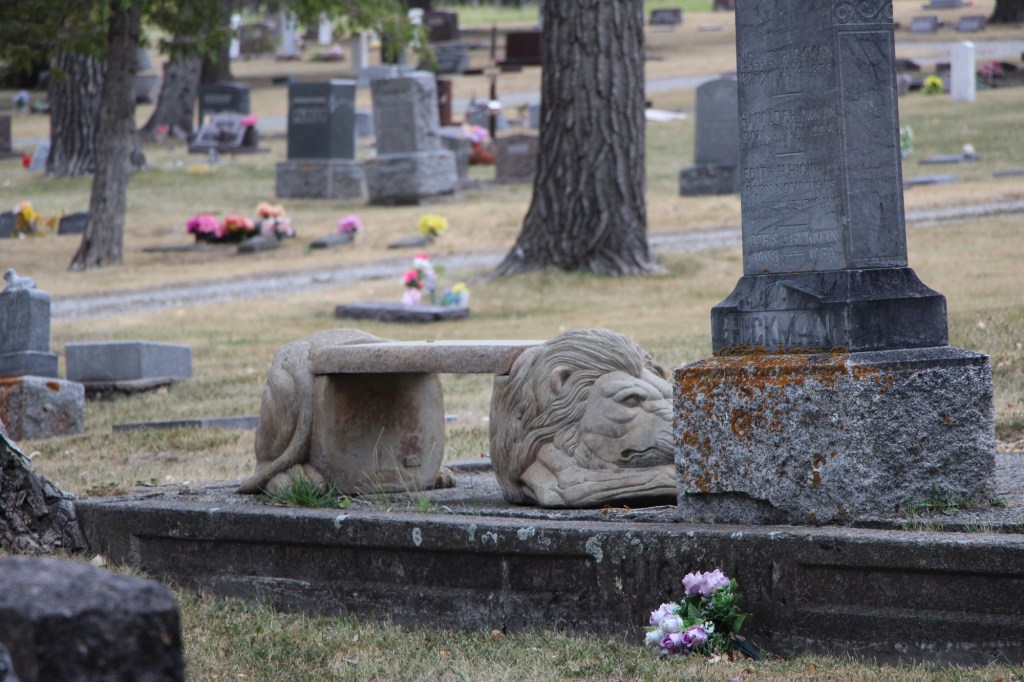
But much to my surprise—you had to rub your eyes—there was a new piece of cemetery furniture installed at the Hickman marker. On the east side was a bench in the shape of a lion. I have never seen anything like it in a Montana cemetery.
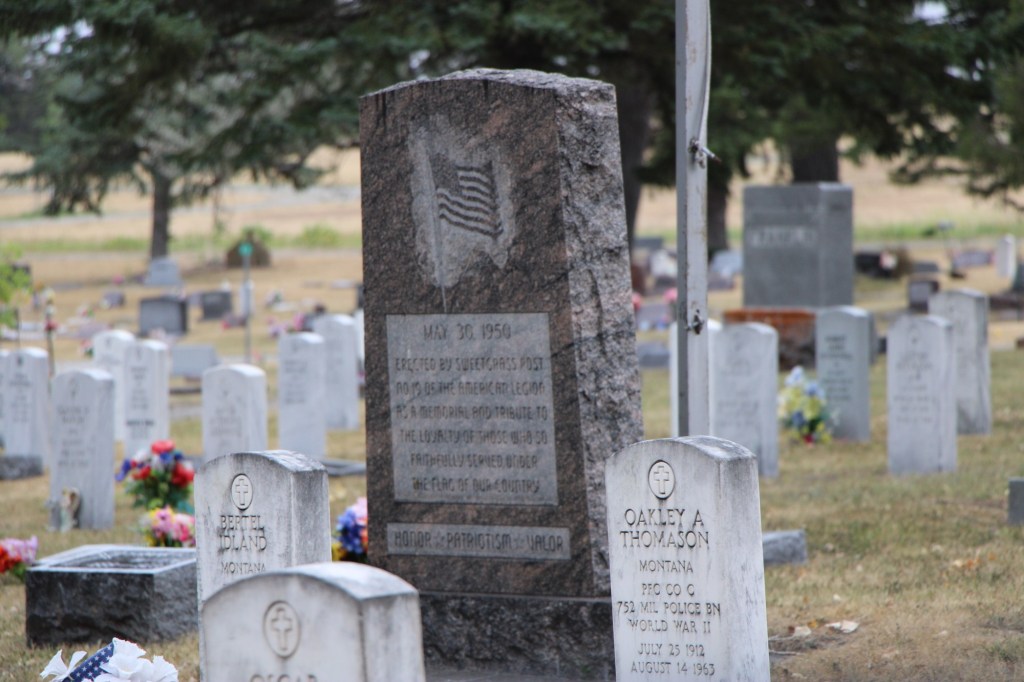
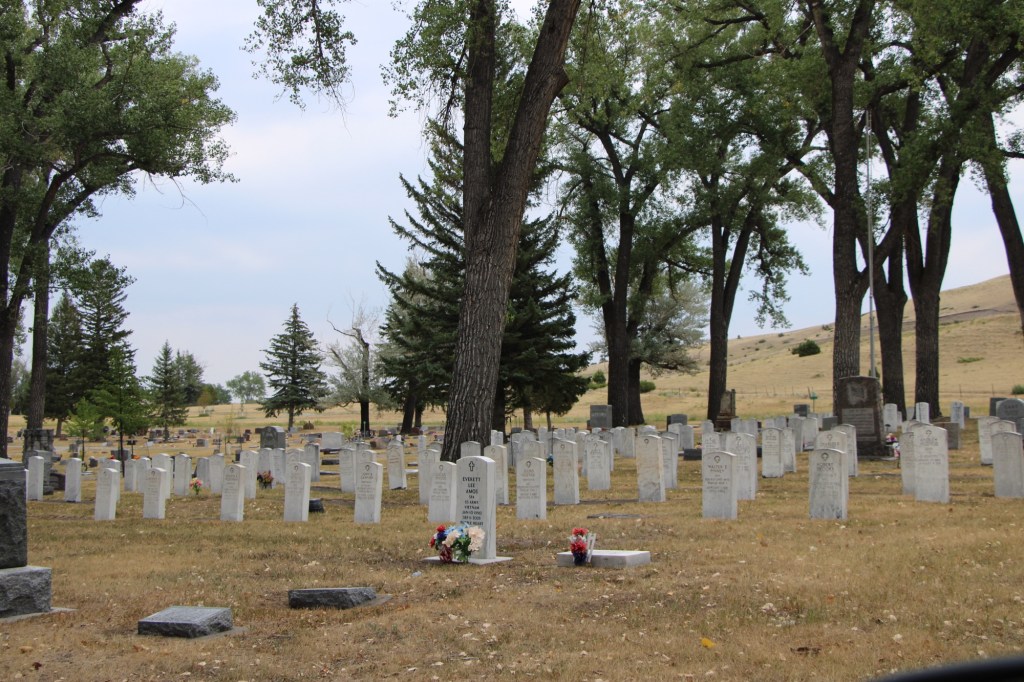
The dedicated veterans section is near the west end of the cemetery. The local American Legion chapter established this humble, respectful section in 1950.
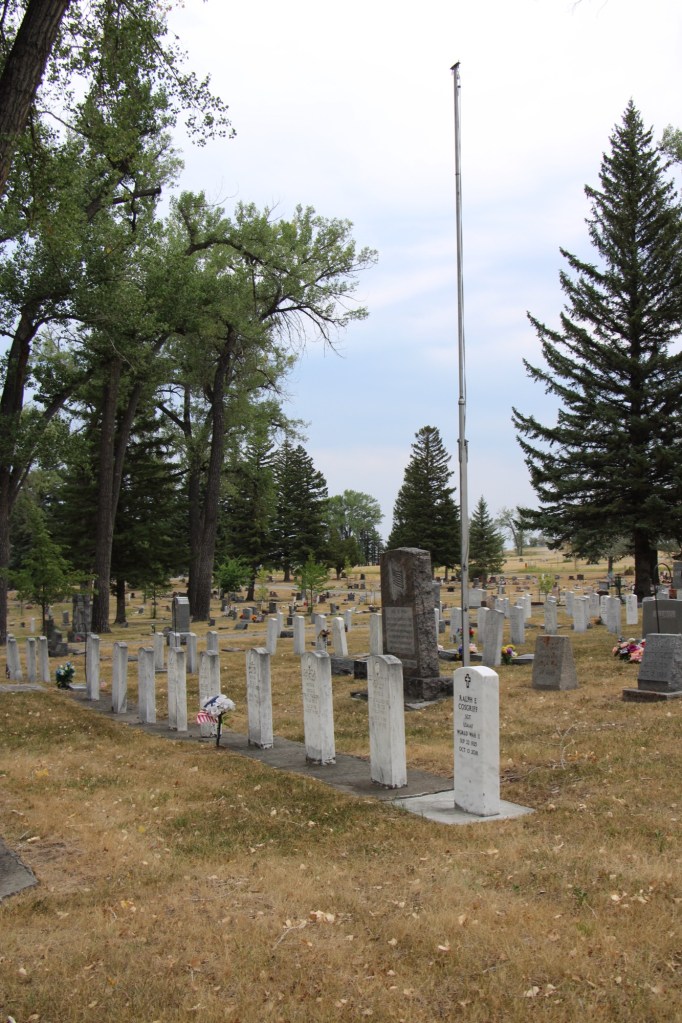
U.S. veterans from the Civil War era are also found in earlier sections of the cemetery. Peter McMartin served in a Colorado unit. James Woods served in. West Virginia unit.
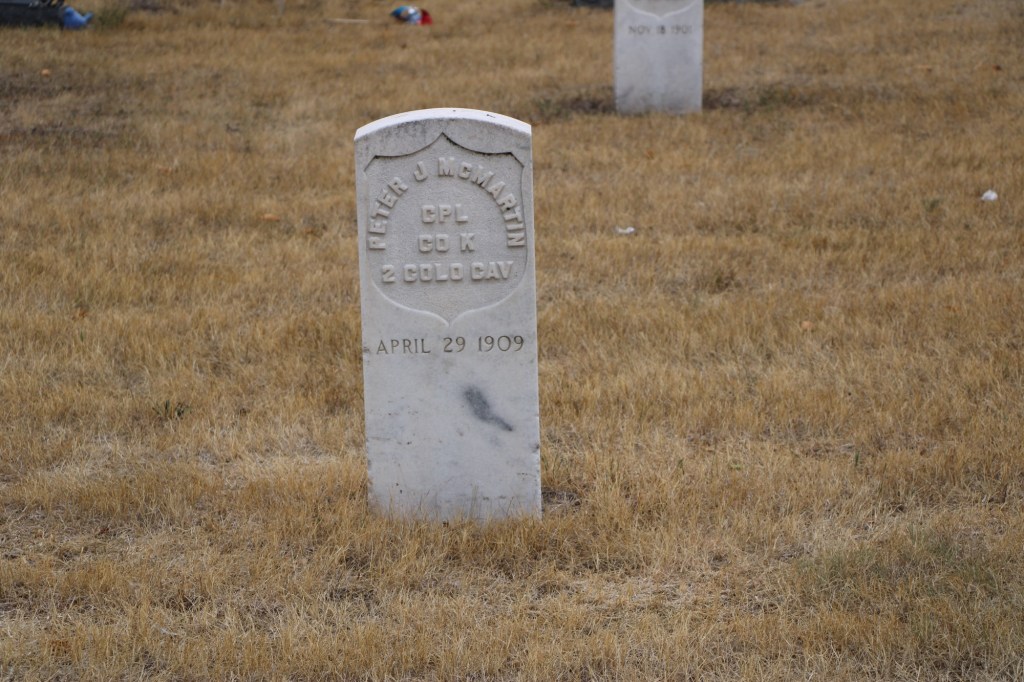
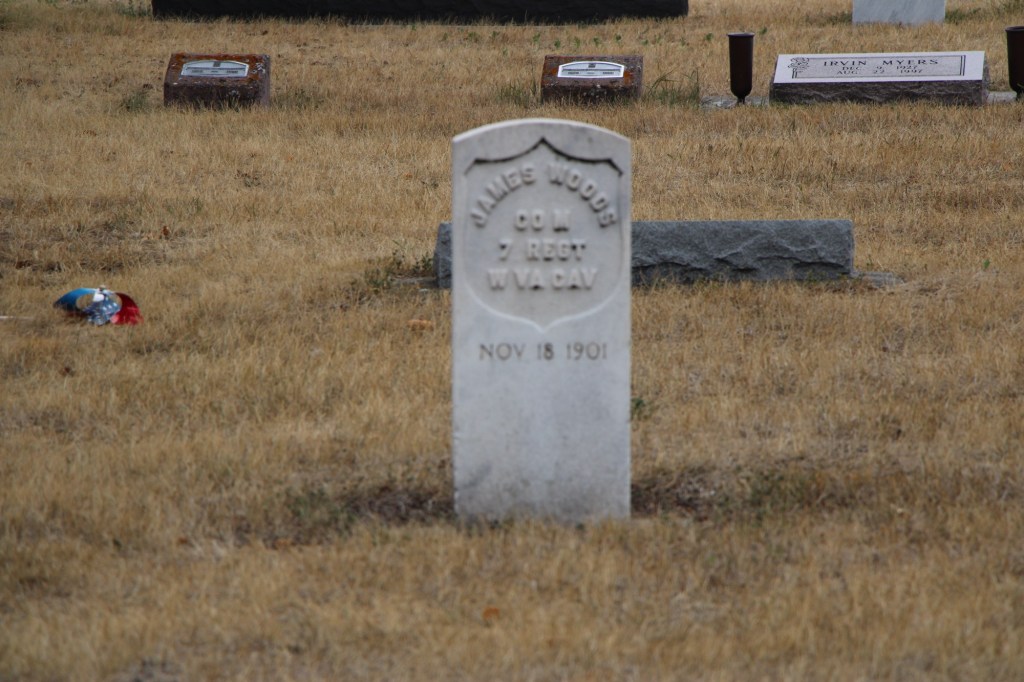
McMaster worked as a sheep herder in the county. He died in 1909. Woods left the South after the war and farmed in Minnesota marrying his wife Elizabeth in 1873. They were still in Minnesota in 1880 but after the construction of the Northern pacific railroad they moved west. Woods died in 1901.
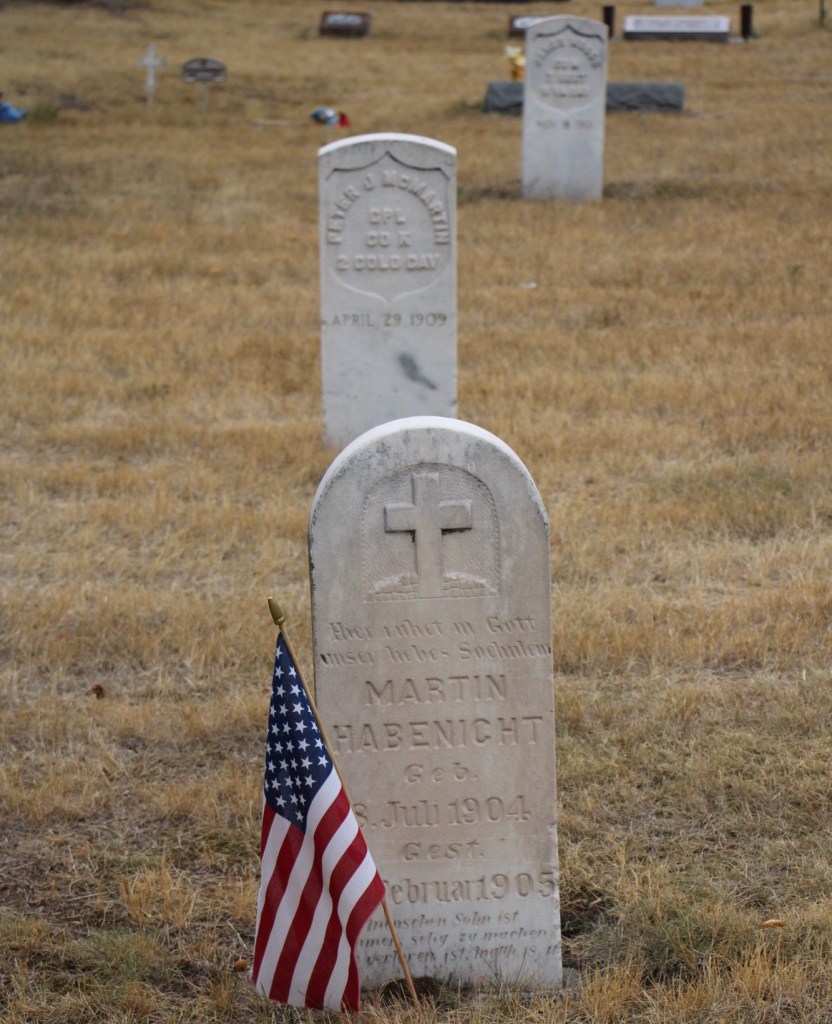
Nearby the two veterans is a beautifully carved child’s grave marker, Martin Habenicht who died only eight months old. Not far way, also in the cemetery’s west end, is a modern monument, to all of the children buried in the cemetery who did not have a tombstone.
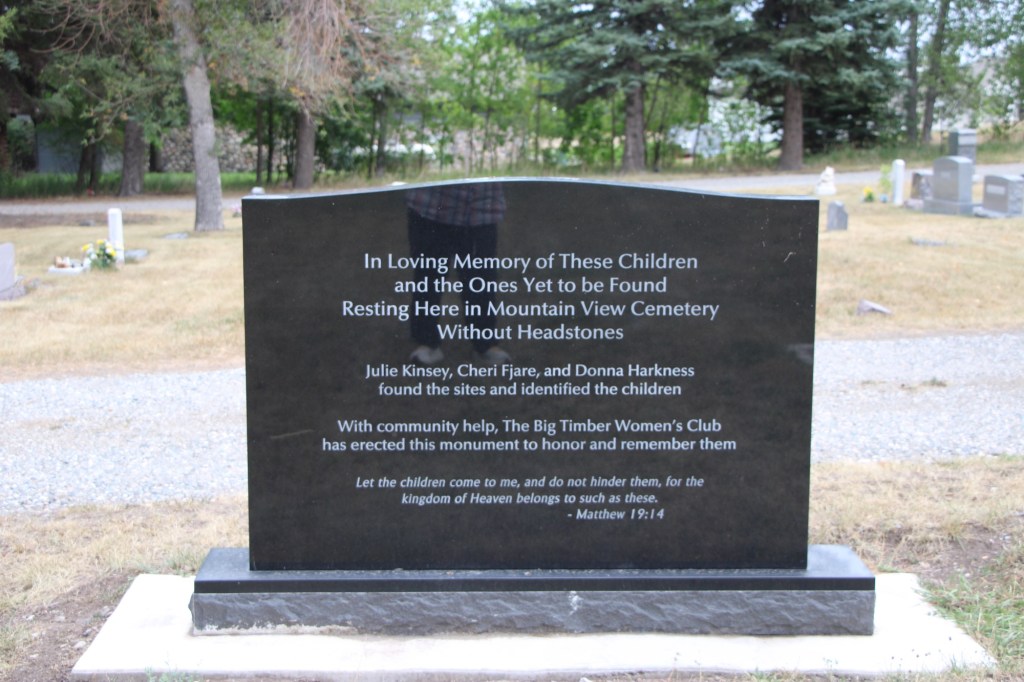
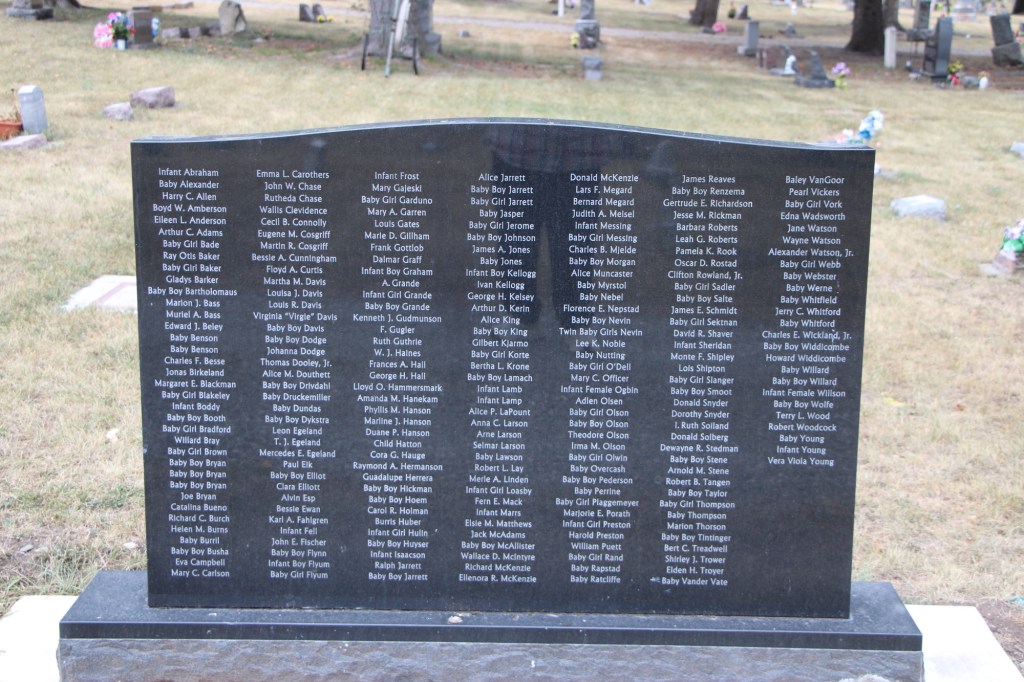
What a commendable effort to identify all of these children! One side credits the hard work of three women and the support of the Big Timber Women’s Club. The children names are on the reverse side.
The cemetery is well maintained and watered. It is a restful place to visit although traffic noise from the nearby interstate interrupts quiet reflection.
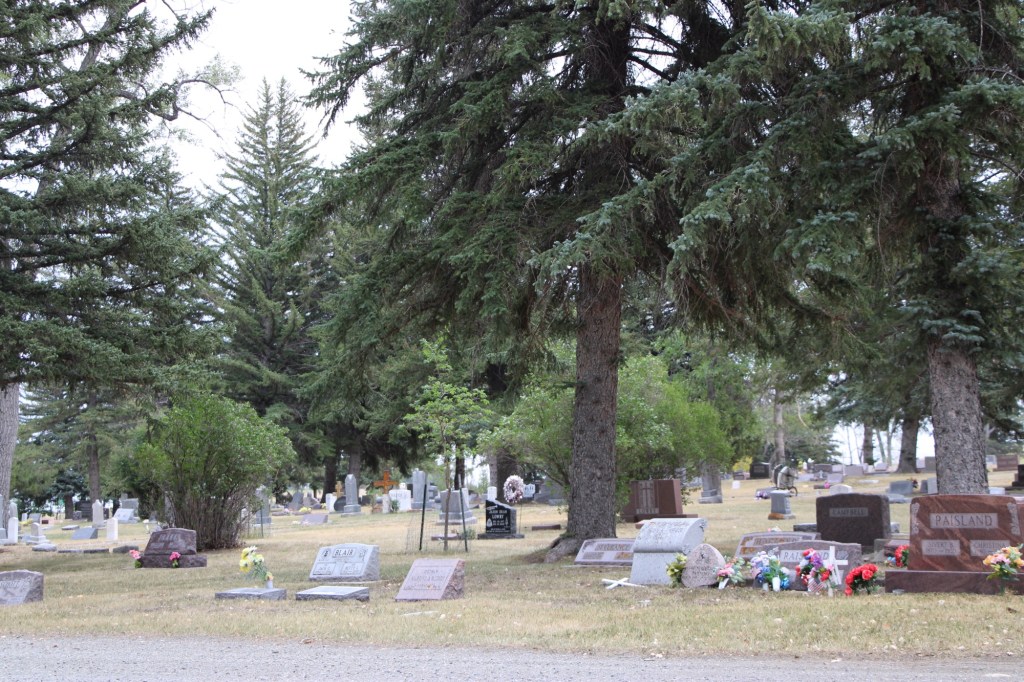
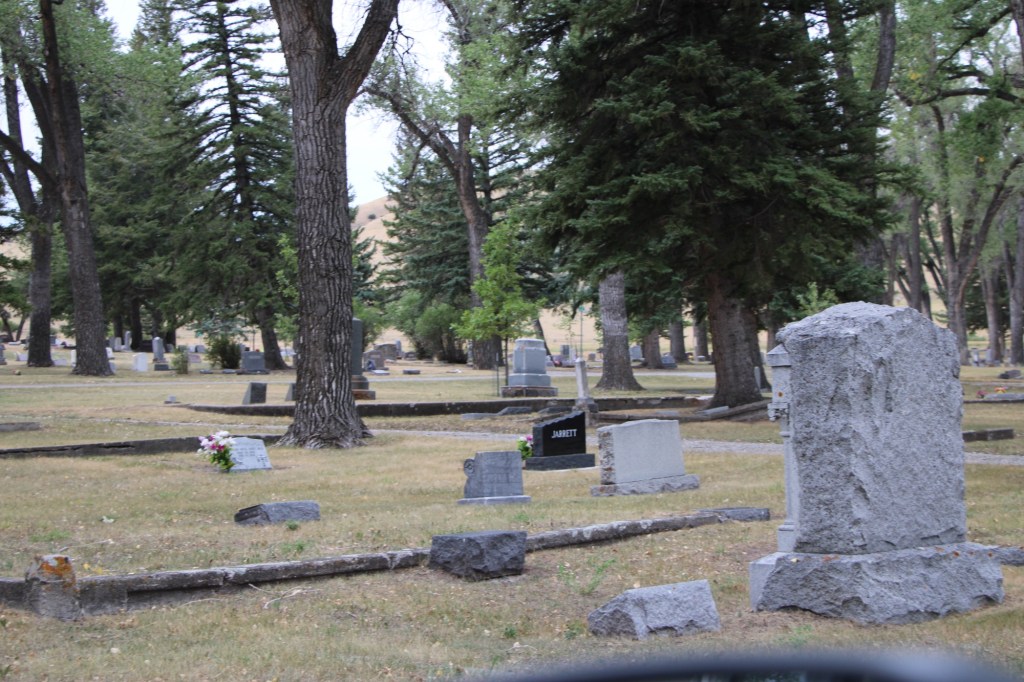
Family plots are scattered throughout as subscriptions helped to pay for the cemetery’s creation. Many are adorned with beautiful markers.
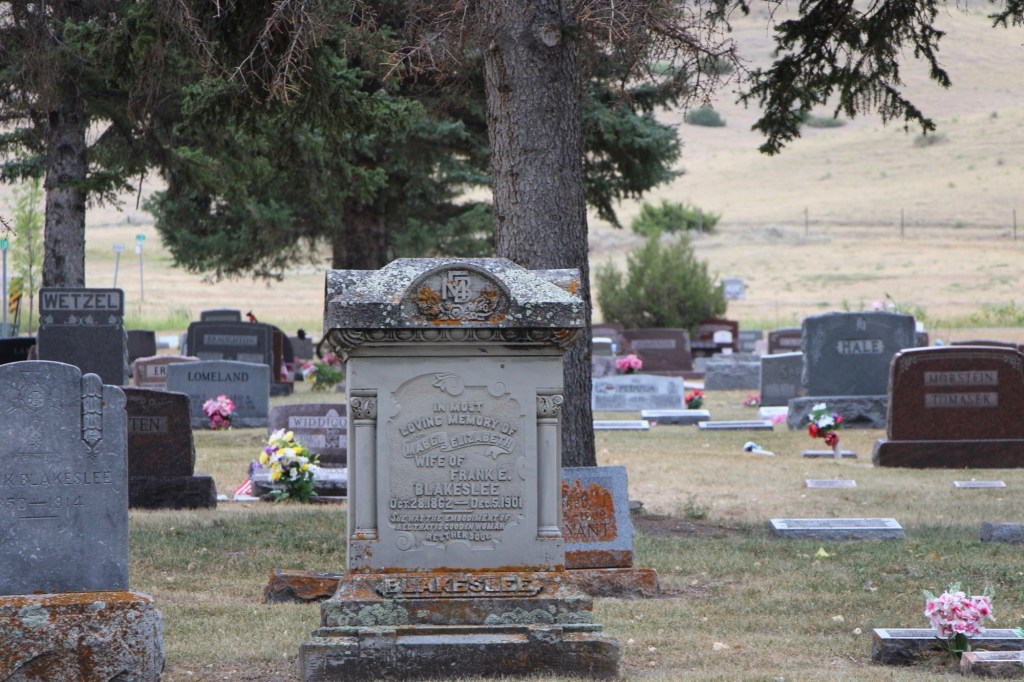
Mabel Blakeslee died in 1901. She and her husband Grank operated the Blakeslee Hotel and were considered among the pioneers of Big Timber.
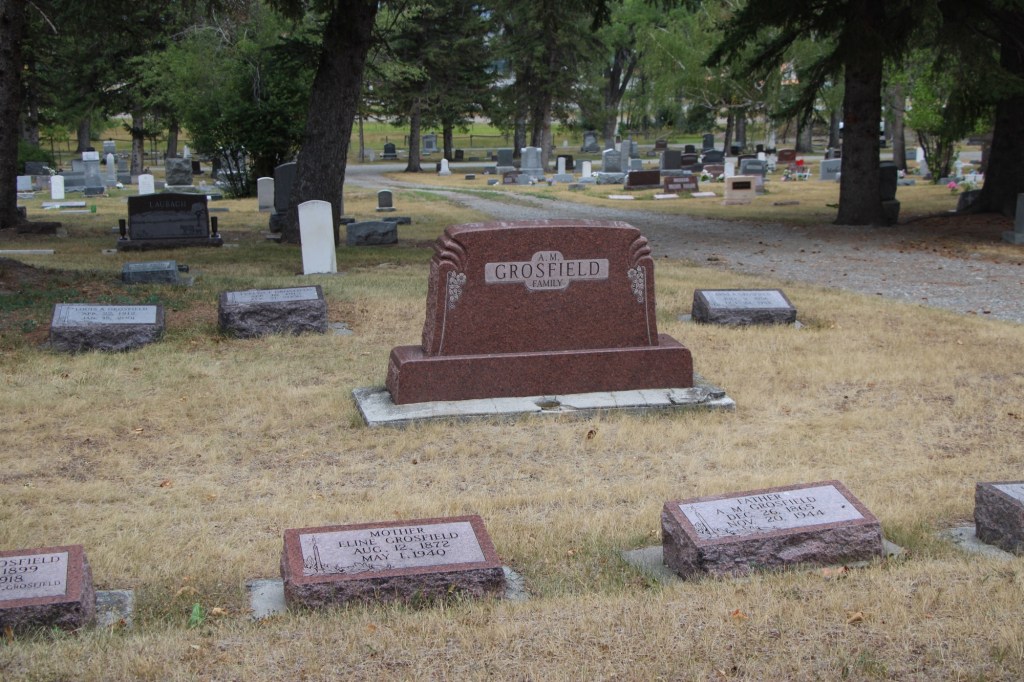
A stylish Art Deco style gravestone marks the plot of Abraham Grosfield’s family plot. He and his wife Alena emigrated to the United States in 1883. They were ranchers in the county. Alena died in 1940 and Abraham died in 1944. At his funeral at the Big Timber Lutheran Church, the minister sand a hymn in Norwegian.
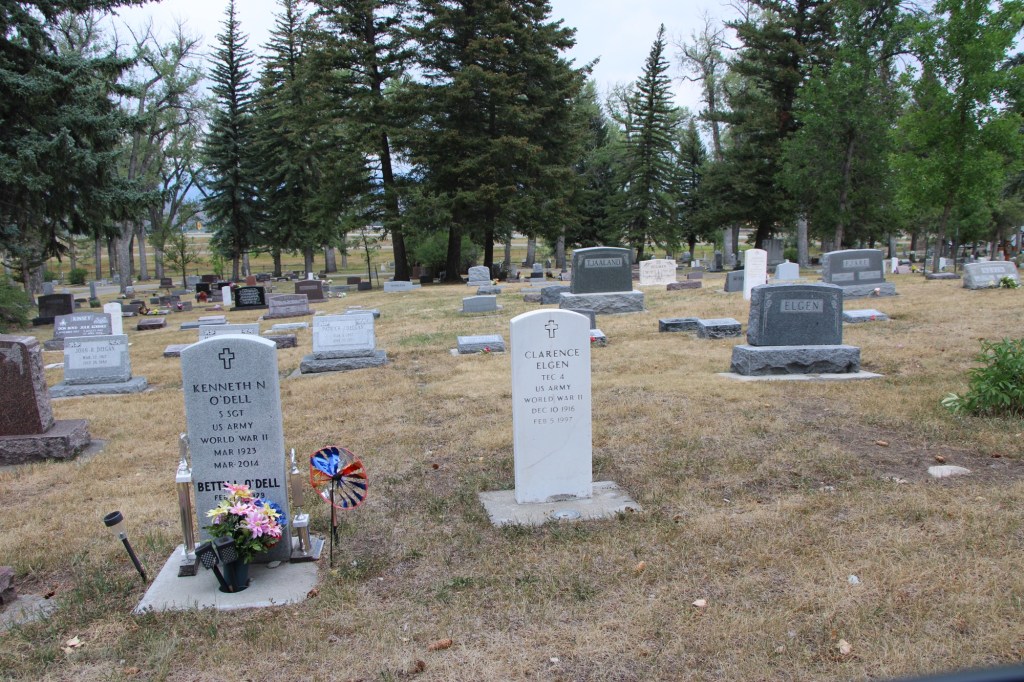
Many more stories await exploration at this special place in Big Timber.
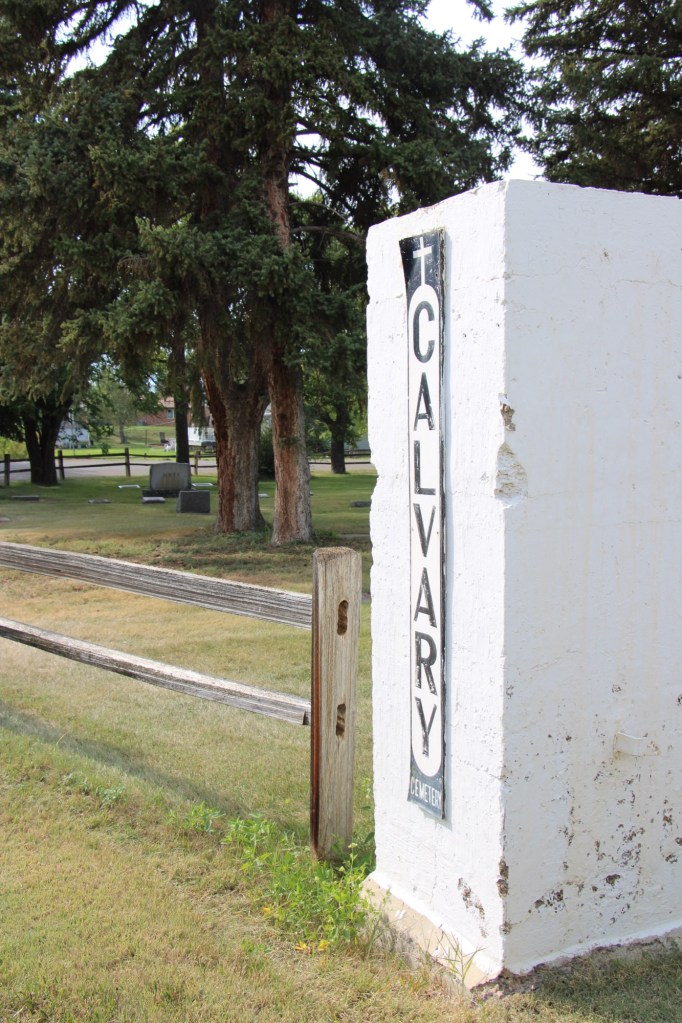
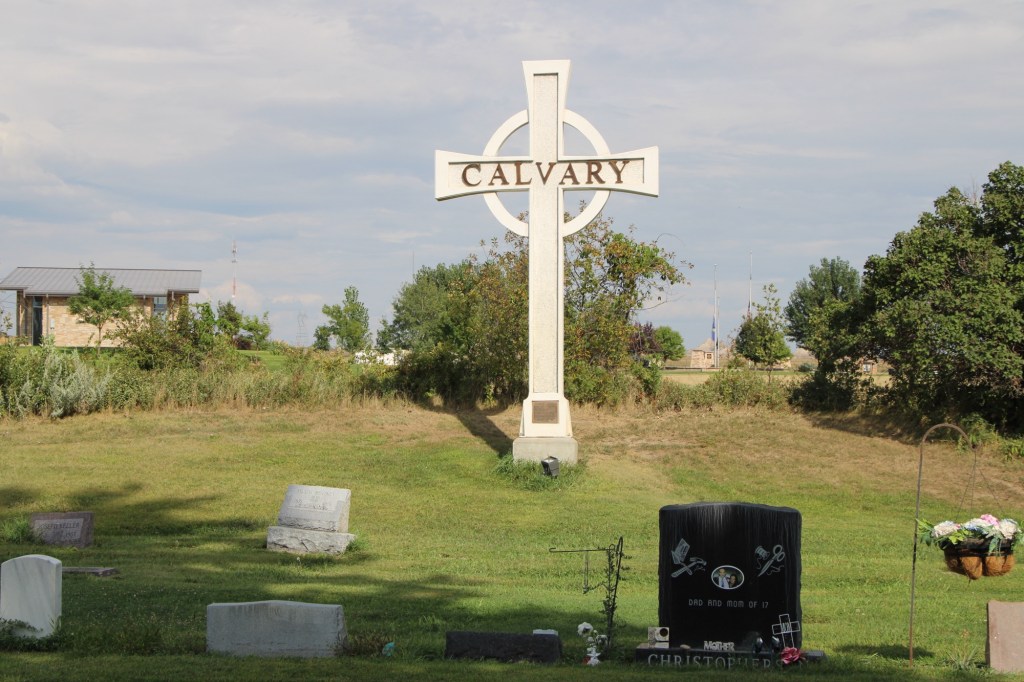
Calvary Cemetery in Miles City

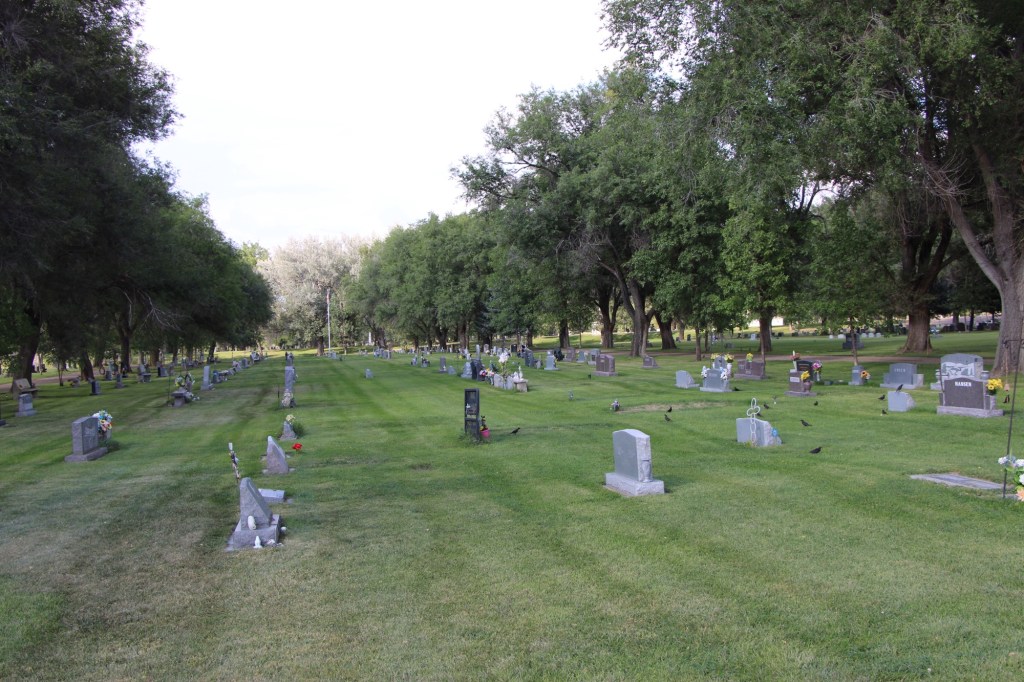
The Catholic graveyard in Miles City dates to the town’s first years and is located just uphill from the present-day Calvary Cemetery. The present cemetery dates to c. 1910-1920 when a new burial ground closer to irrigation was established. It is an active cemetery.

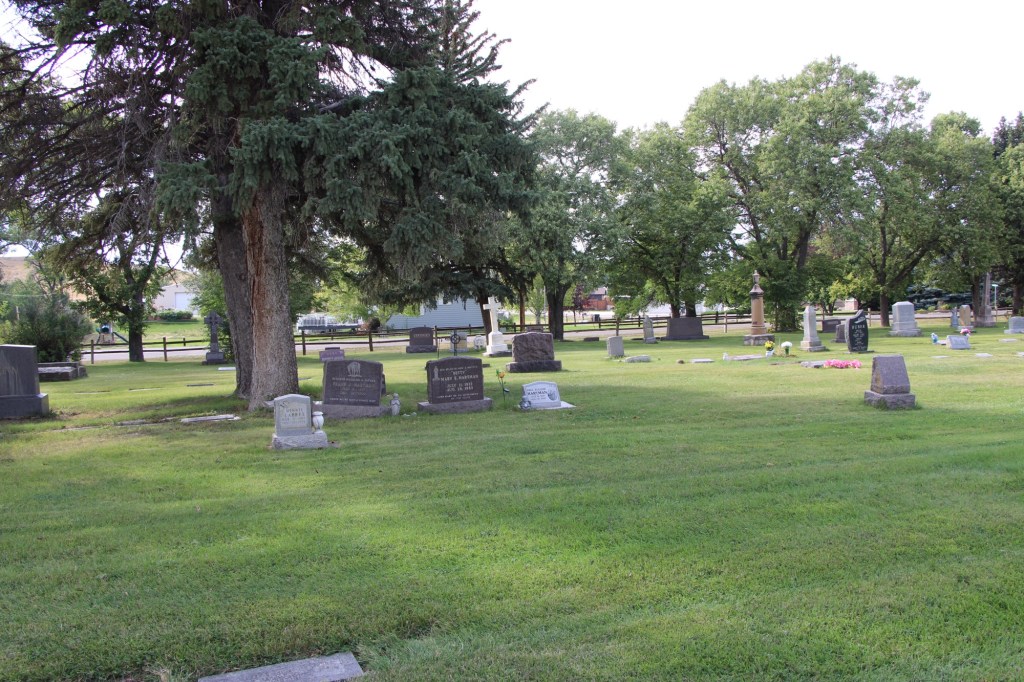
The irrigation allowed large mature trees to take root and prosper. It’s not very large but is well maintained and the foliage adds to the beauty of the grounds.

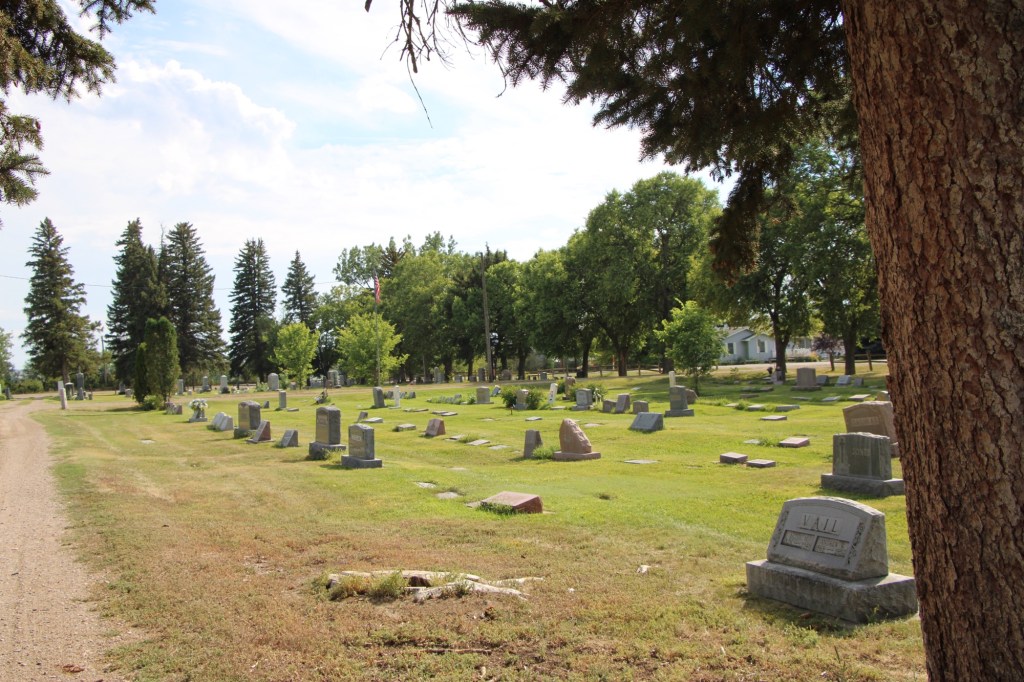
The grave marker at the foreground of the above photo belongs to Andrew (d. 1950) and his wife Susanna (d. 1948) Vail. Andrew Vail was a railroad man, who worked at the Milwaukee Road yards in Mobridge, SD, where the line crossed the Missouri River. He and Susanna later moved to Miles City.

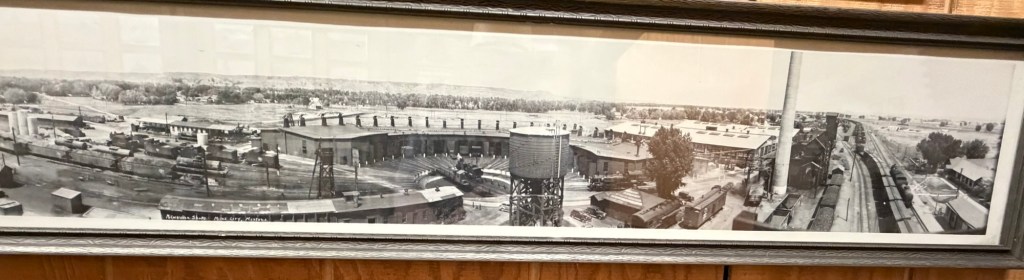
Photo of Milwaukee yards displayed at Range Riders Museum in Miles City

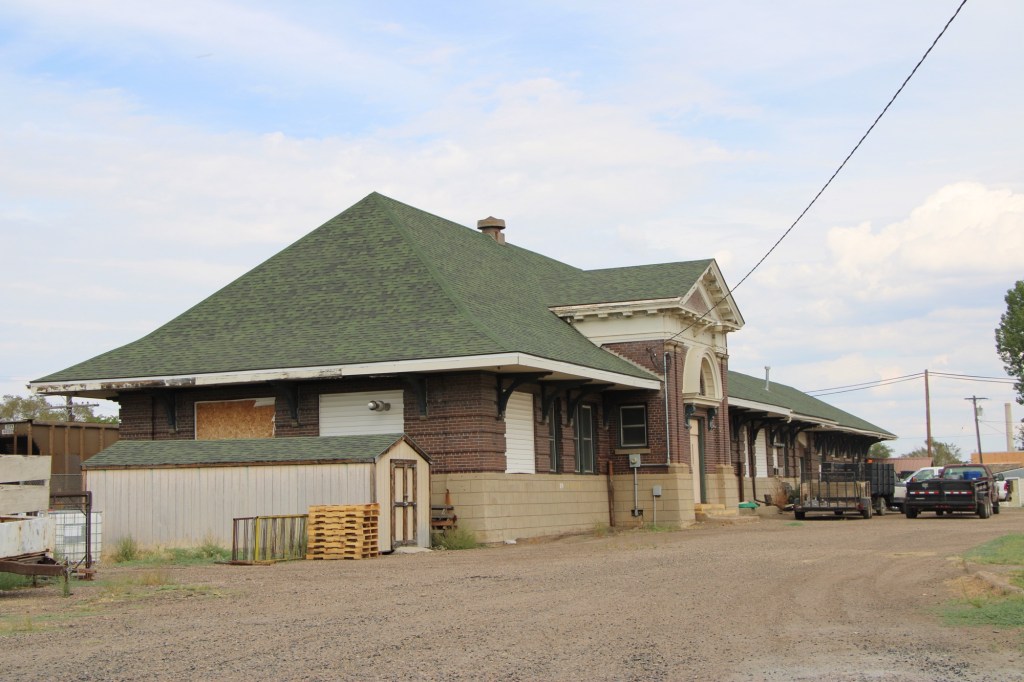
Andrew undoubtedly would not recognize the town today, with the once extensive Milwaukee Yards mere shadows of themselves and with the once grand passenger station just hanging on as an industrial building.

The next image documents several gravestones of the Hartman family who moved from the area of Dickinson, North Dakota, to Custer County in the mid-30th century.

Mary Elizabeth “Betty” Hartman died in 1983. She was very active with the Sacred Heart Catholic Church in Miles City.

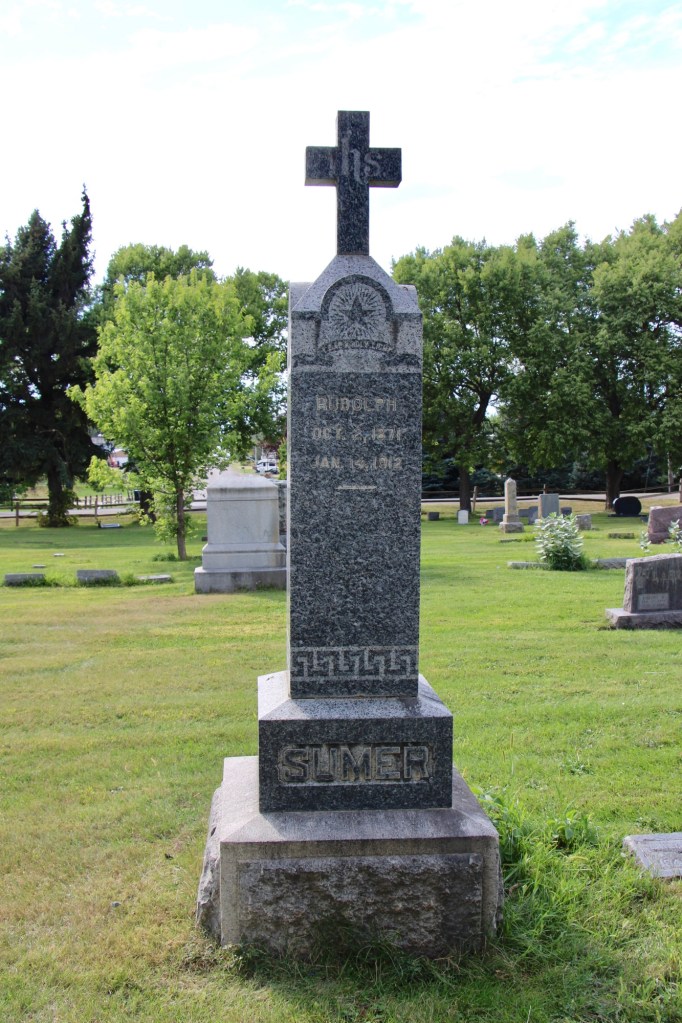
The large obelisk monument to Rudolph “Ralph” Sumer dates to 1912. Ralph was born in what is now Yugoslavia in 1870 but was ranching in the Etna community by the end of the century.

Calvary Cemetery is now over 100 years old and is a valuable yet often forgotten landmark in the county.

Custer County Cemetery in Miles City

Located south of town on Montana Highway 59, the Custer County Cemetery dates to the first years of settlement in the 1880s.

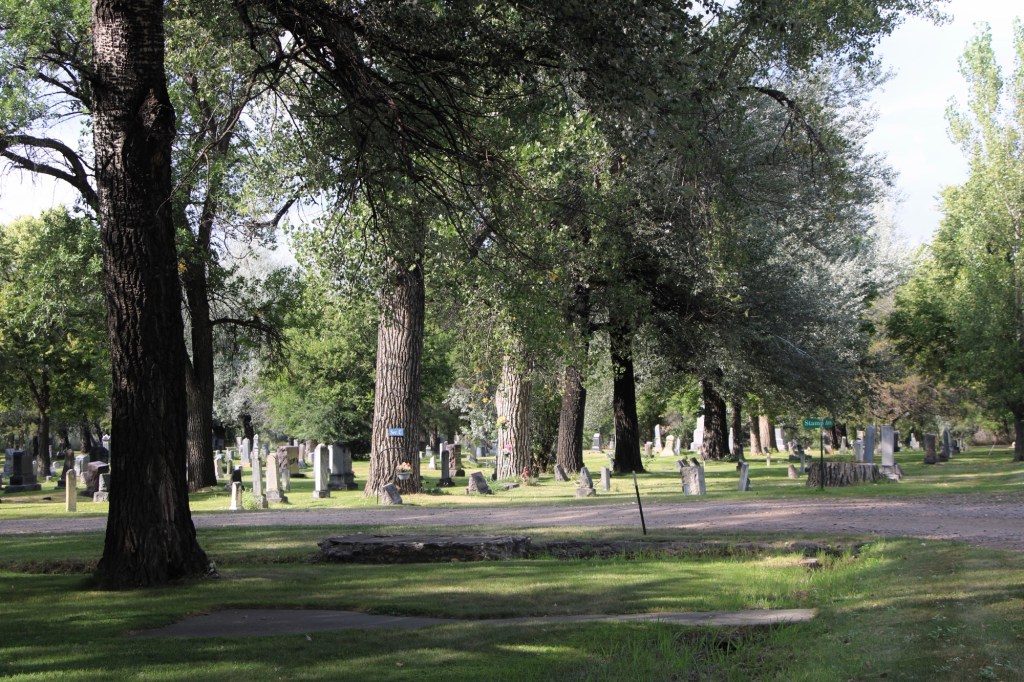
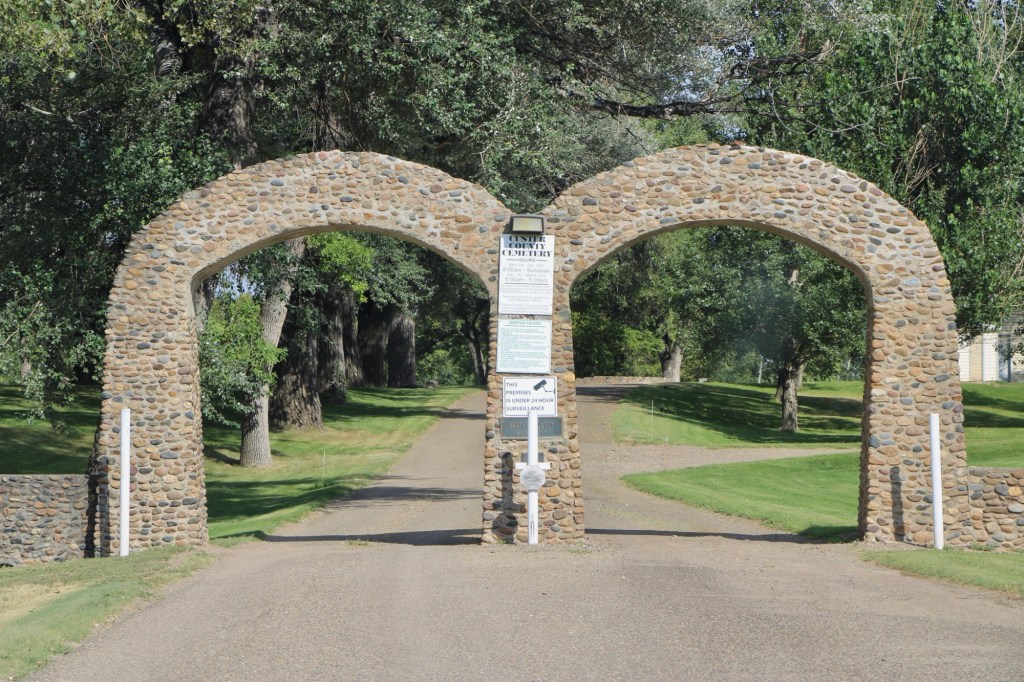
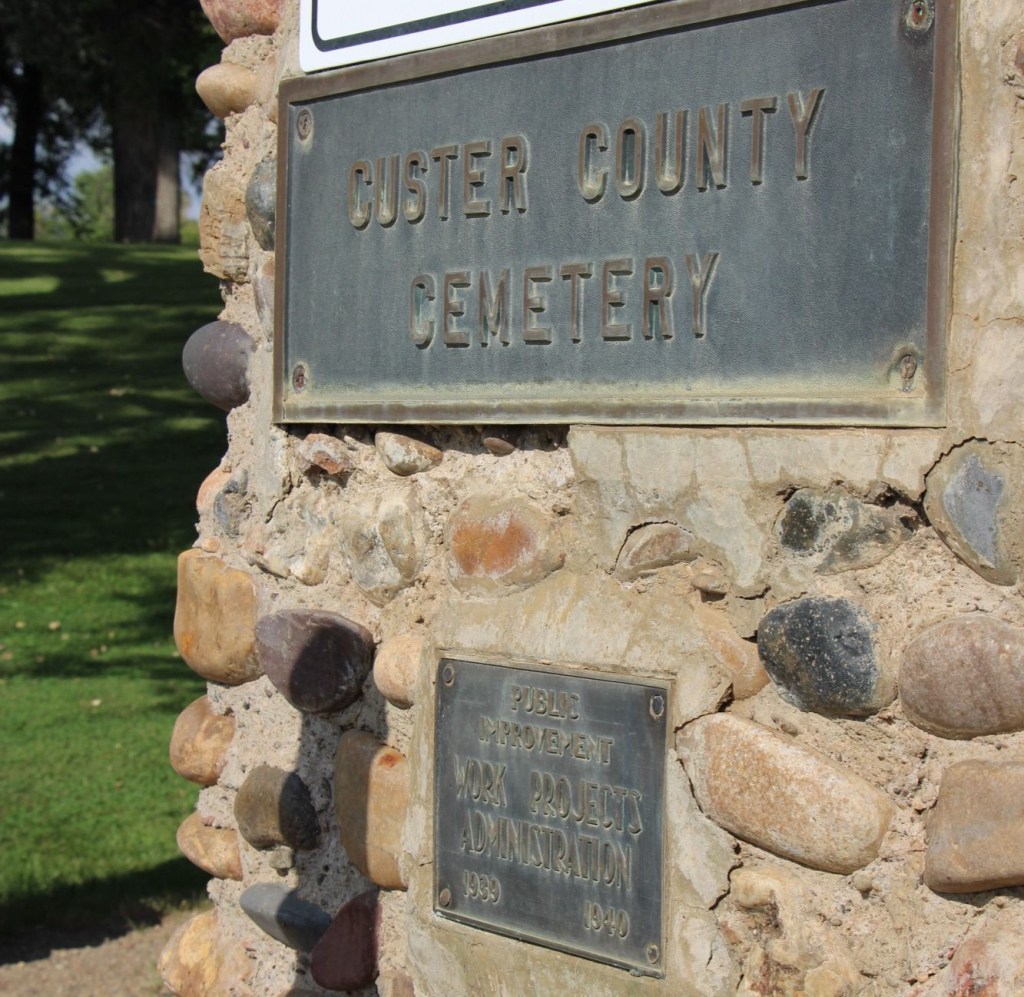
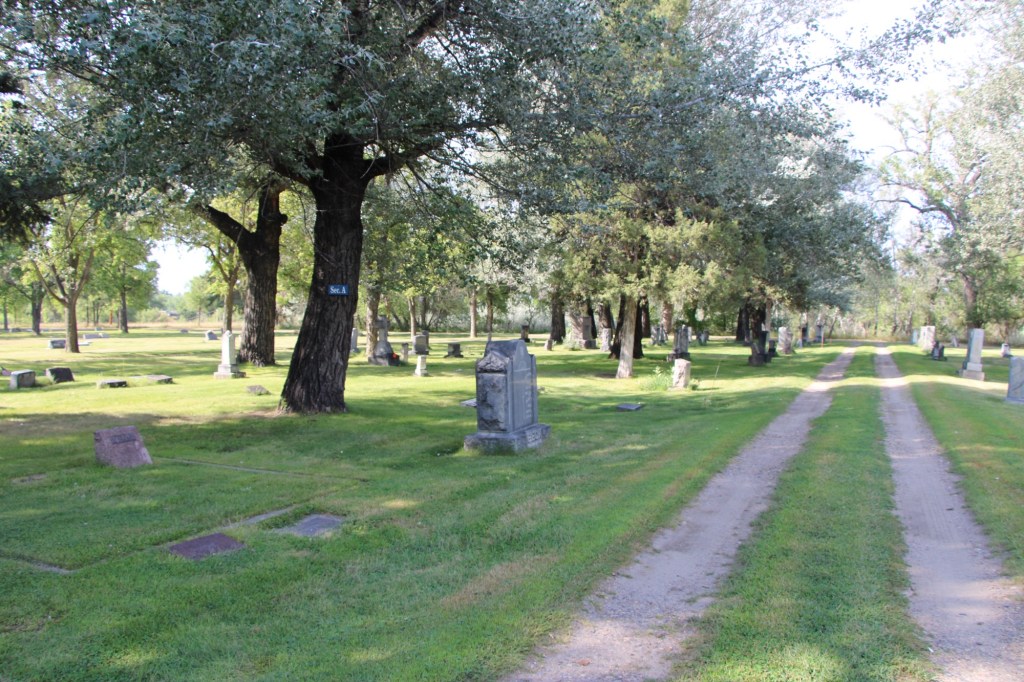
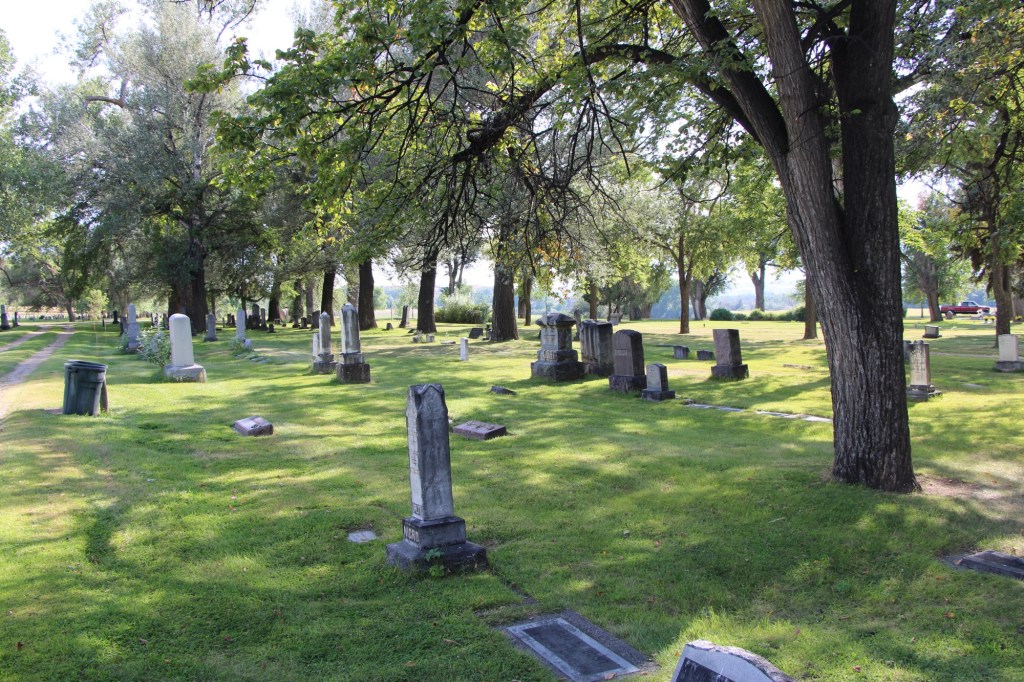
However its current look of rows of trees and well manicured grounds dates to the mid-twentieth century and a rather unique New Deal project. In the summer of 1940 the Works Projects Administration gave the county $4,302 to “beautify and improve” the county cemetery.

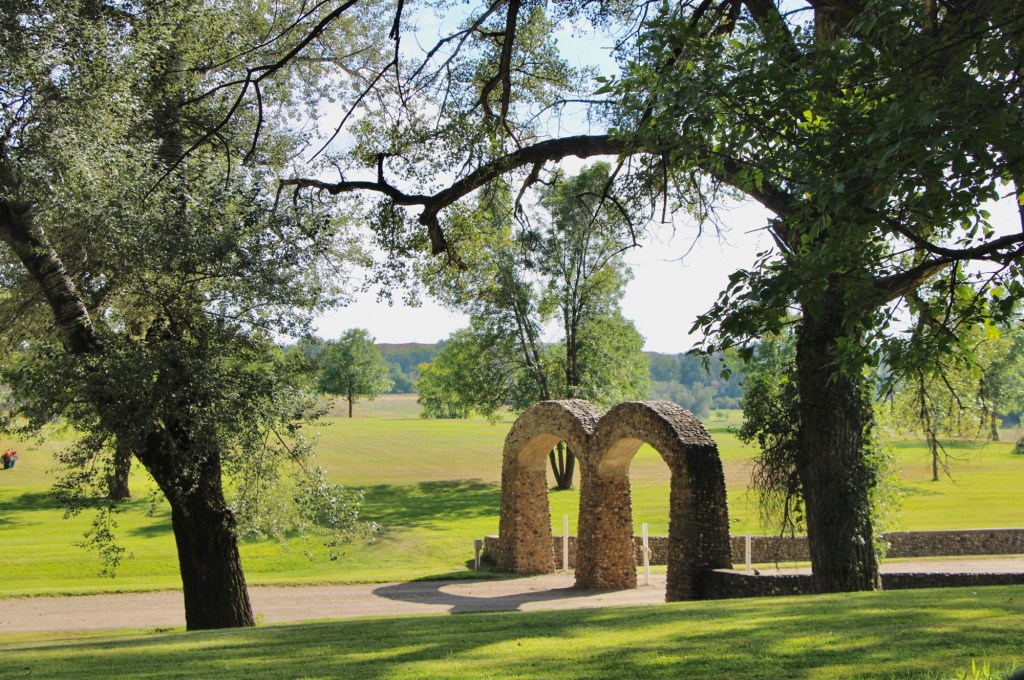
WPA crews added stone retaining walls, new driveways, and a three-arch stone gateway to the property as part of its “public improvements.”

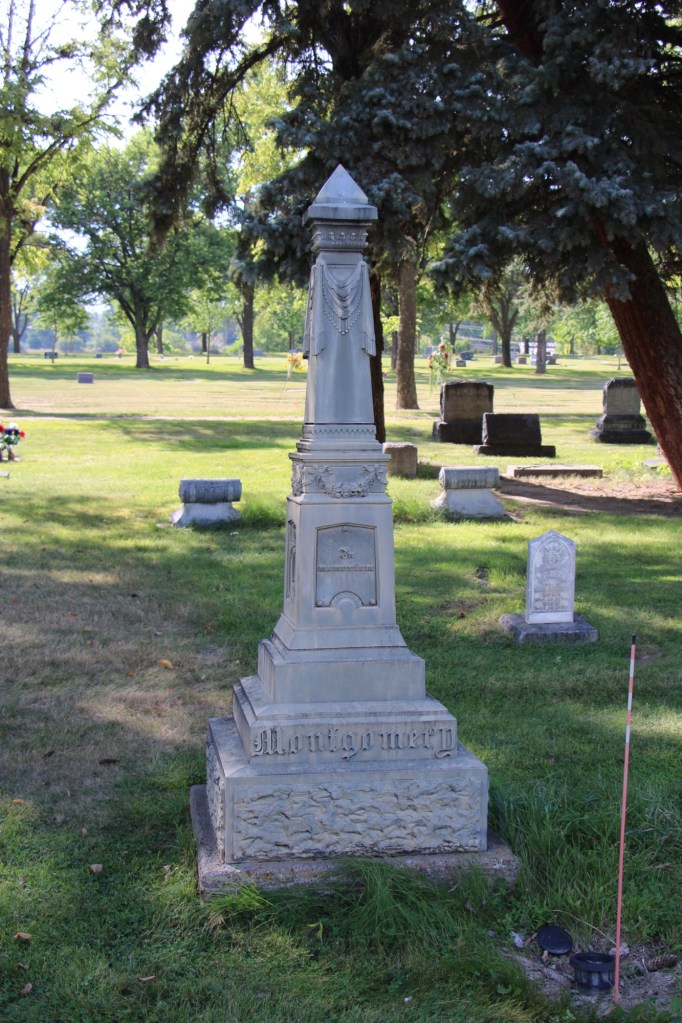
The family of Roy Montgomery who died 9 months old in 1895 purchased a metal Victorian designed grave marker.

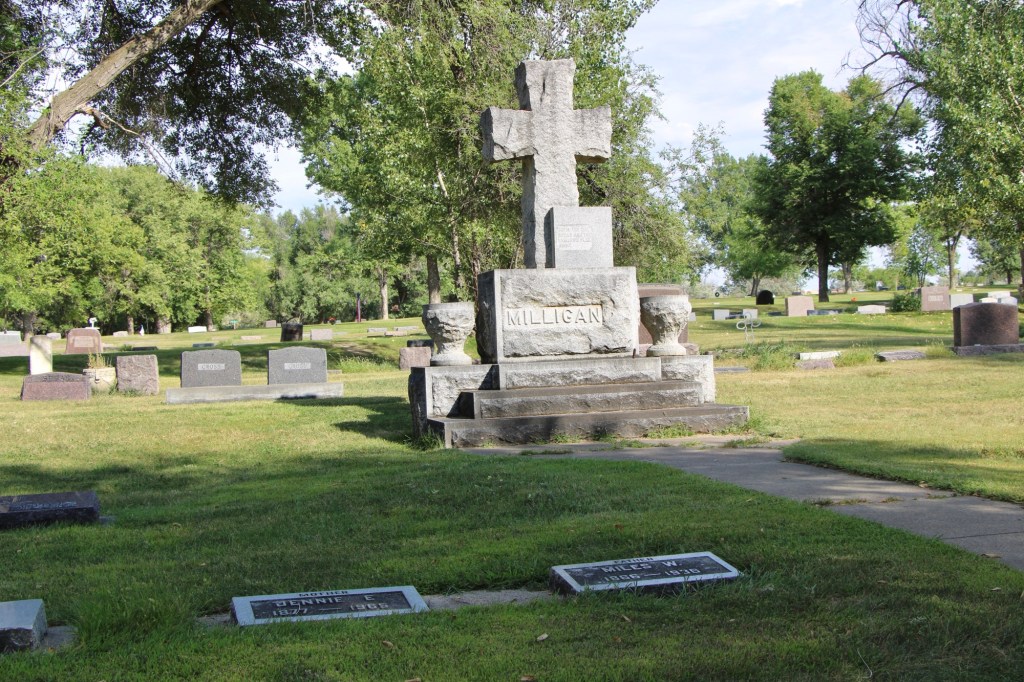
Another Victorian style marker built from granite was placed to memorialize the Milligan family. Miles Howard Milligan (b. 1897) died in 1918. The Miles City Star of October 6, 1918 reported that Milligan died from the Spanish flu at the army training school at Boulder, Colorado. His funeral was a major community event, “with full military honors.” Later generations, including his wife Mary and son Miles, are also buried in this family plot.

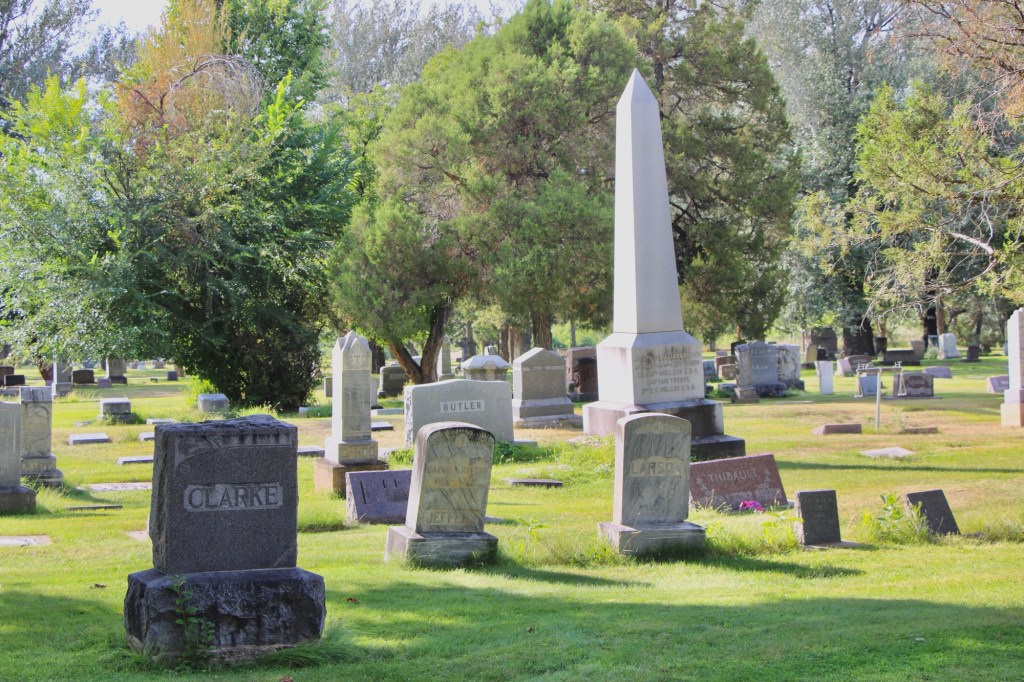
Veteran graves may be found throughout the cemetery. For example, Joseph Taliaferro Brown (1849-1908) served in the Confederate Calvary from Mississippi under the command of Gen. Nathan B. Forrest during the Civil War then served in as a captain in the U.S. Calvary after the war. He came to Custer County in 1886 and established a cattle ranch along the Tongue River near Birney. A tall white obelisk marks his resting place.

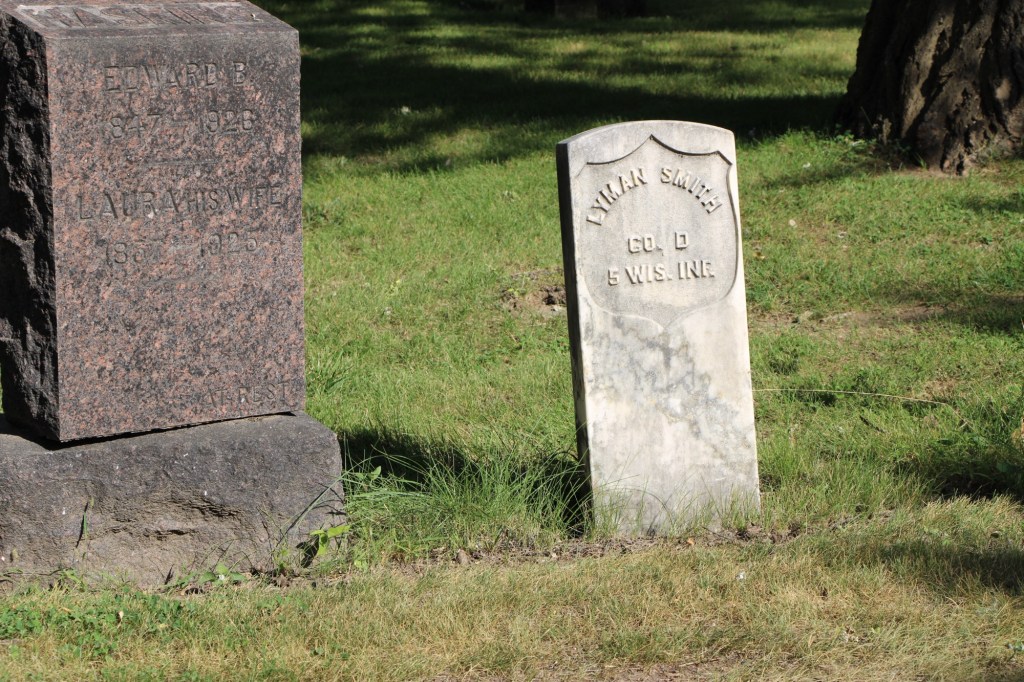
Two other Civil War veterans buried at the cemetery fought for the United States during the Civil War and then served in the Sioux campaign of 1876. Lyman Smith (1846-1930) served in the 5th Wisconsin Infantry. In the summer of 1876 he was a civilian employee at the Tongue River cantonment, the precursor to Fort Keogh. At the cantonment and fort, Smith was “a wagon master, a hay cutter, and [had] various other occupations,” according to the Miles City Star, October 29, 1930.

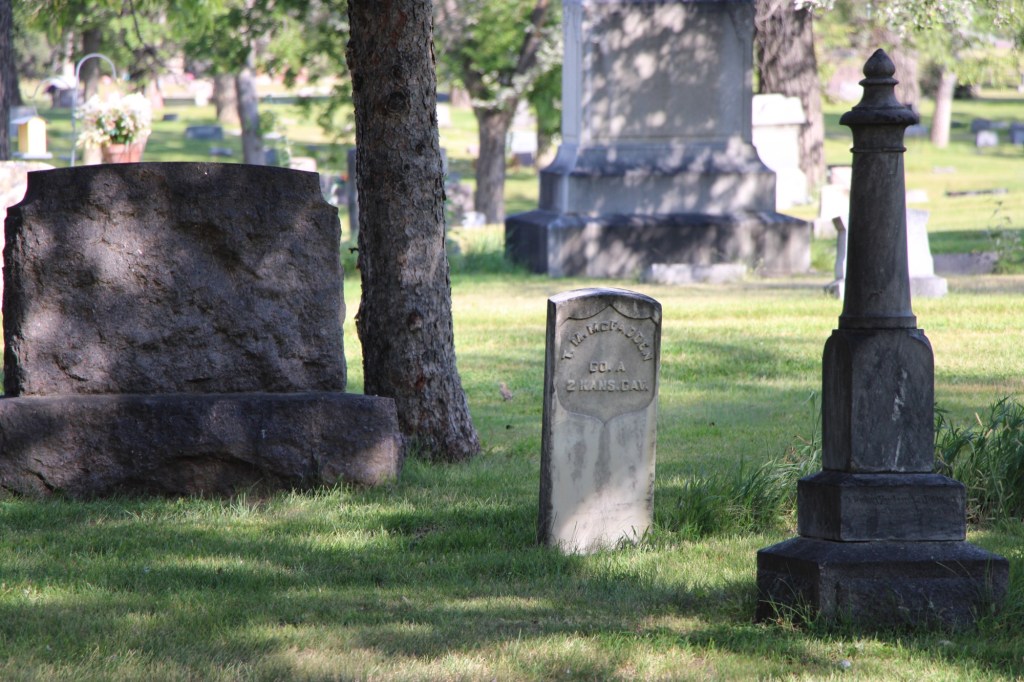
Tom McFadden (1845-1896) served in the 2nd Kansas Cavalry and then as an “Indian scout” for Gen. Nelson Miles in 1896. He died at his powderville ranch after taking his own life once he had been kicked by a horse and knew he had no chance of surviving the accident. This story appeared in the Livingston Enterprise of September 5, 1896.

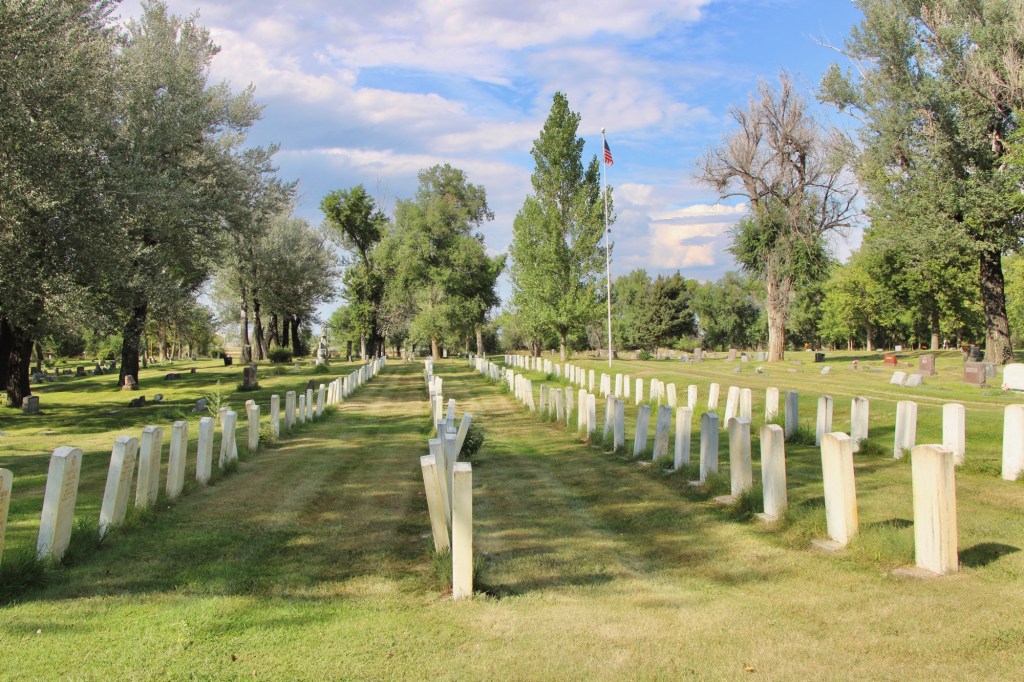
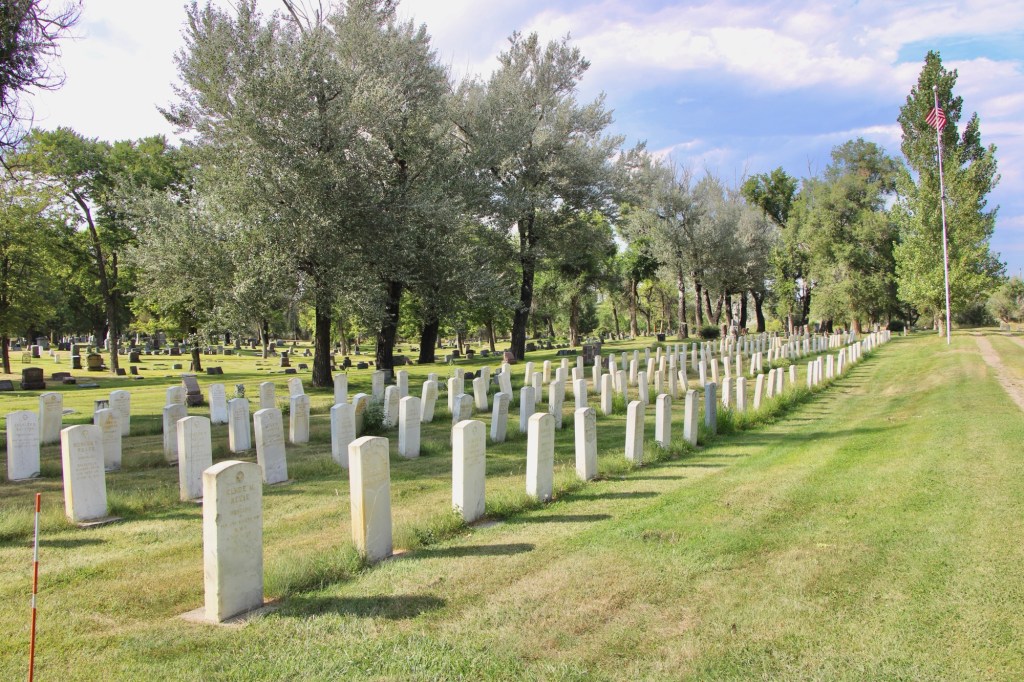
Most veteran graves are arranged in rows in a separate section of the cemetery, which is graced by the American flag. This section is a precursor to the much later Eastern Montana State Veterans Cemetery which is south of the Custer County Cemetery.

The cemetery is a beautiful spot and there are many stories within its boundaries. Older grave markers predominate but several more recently erected grave markers tell stories of the late 20th and 21st centuries.

I’m grateful that the WPA spent the money and time on this cemetery in 1940. New Deal agencies typically appropriated funds for other projects but this “public improvement” project certainly brings meaning and value to Miles City today.