Bozeman is one of those Montana towns where historic preservation has played a positive economic and cultural role in local development for two generations.
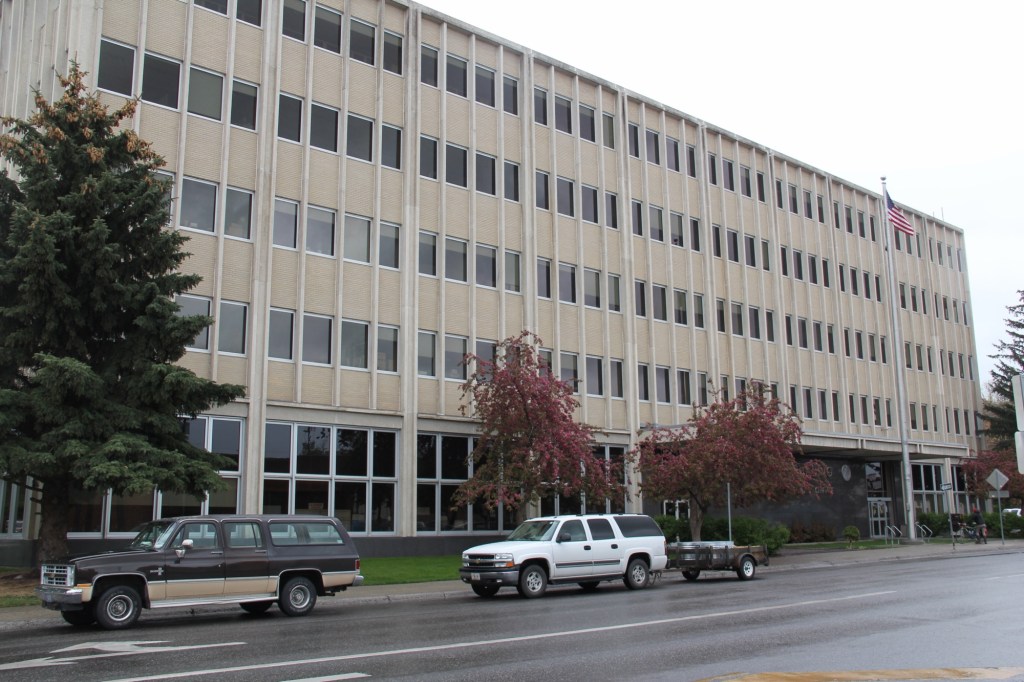
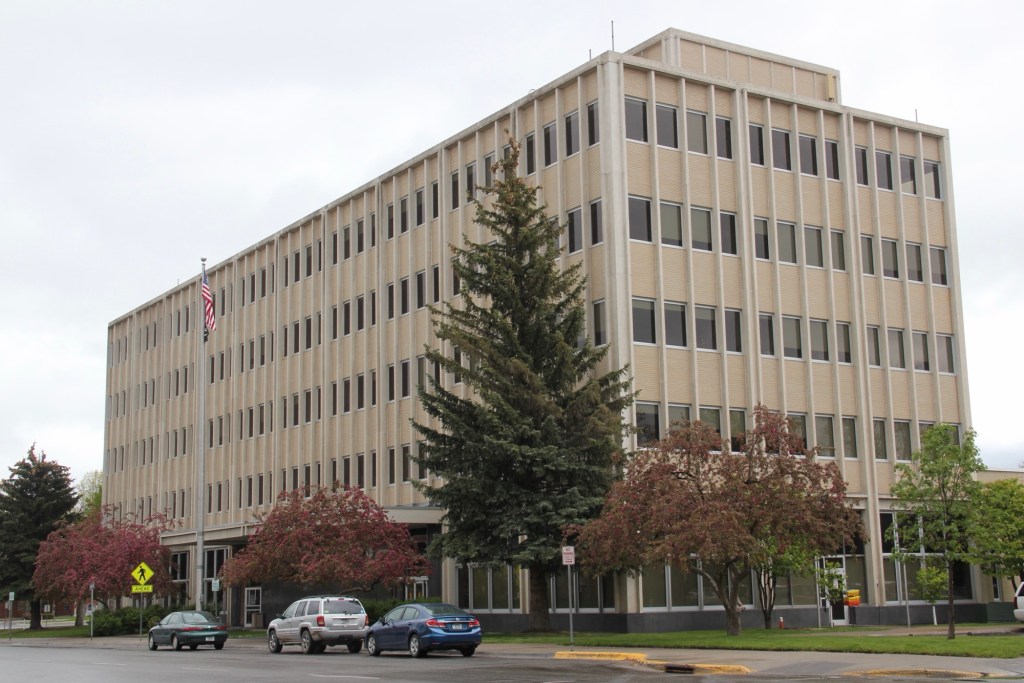
Federal building, Bozeman in 2014
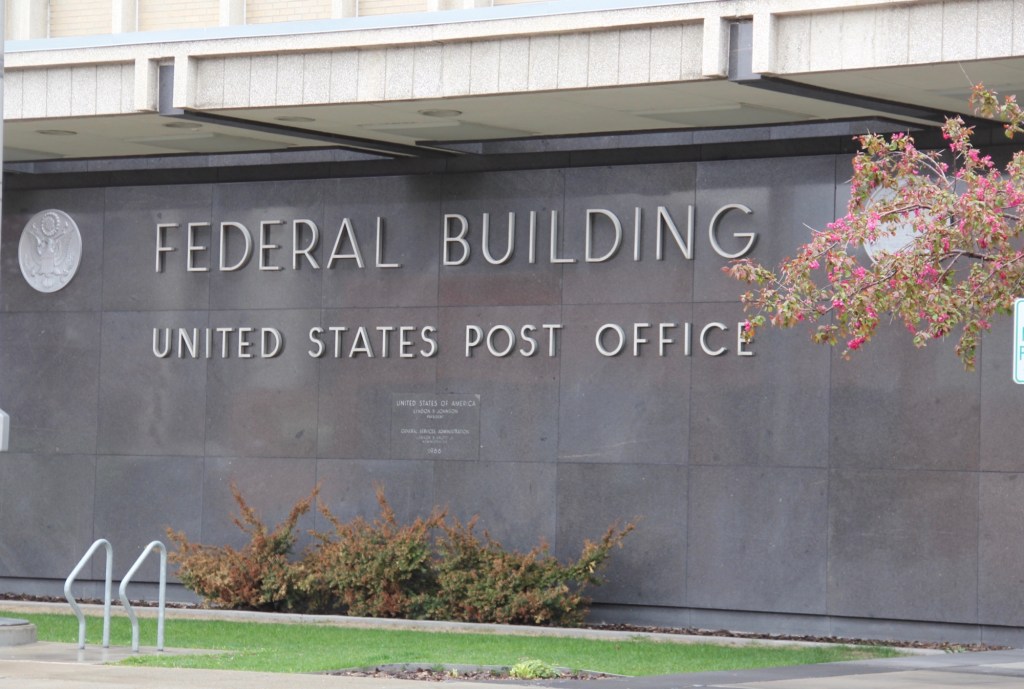
This it comes as a surprise when you hear that a public agency, in this case the federal General Services Administration, is considering letting the downtown landmark Federal Building pass from public hands.
The building dates to 1966, as is evident from its modern style, so 1960s. The firm of Hamill and Associates designed it in the New Formalist style made popular by architect E.D. Stone. It was built during a decade of growth, from a town of 13,000 in 1960 to a place of 18,000 by 1970. The new post office, and the agencies who were headquartered at the building, contributed significantly to the boom that occurred in Bozeman over the last third of the 20th century. In other words, important work took place here.
The city government has asked for the building to stay public, and be transferred to the city. It is listed in the National Register of Historic Places and the city has amply demonstrated the ability and the commitment necessary for the preservation and use of National Register properties. So let’s hope that transfer takes place. Bozeman cannot afford to lose another modernist landmark.
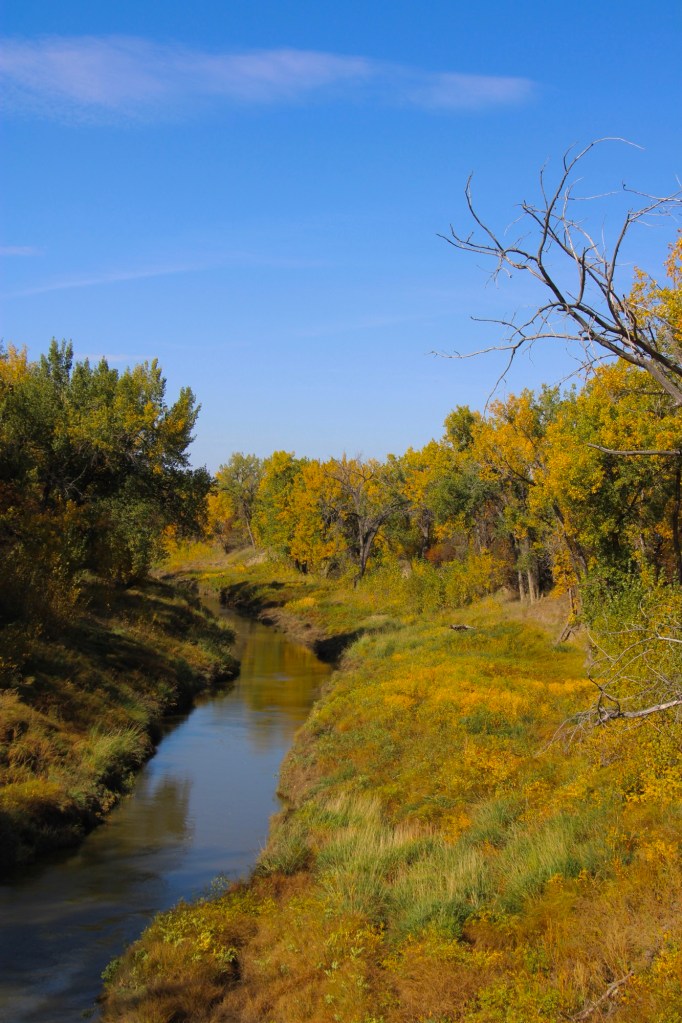
Montana Highway 246 is one of those “side” roads that few travel, unfortunately, because if you go that way from the west toward Glasgow it will take longer than US Highway 2. But the time is well worthwhile because once you cross the Milk River (by way of a modern concrete bridge) you step back to the turn of the 20th century.
Milk River crossing on Montana 246
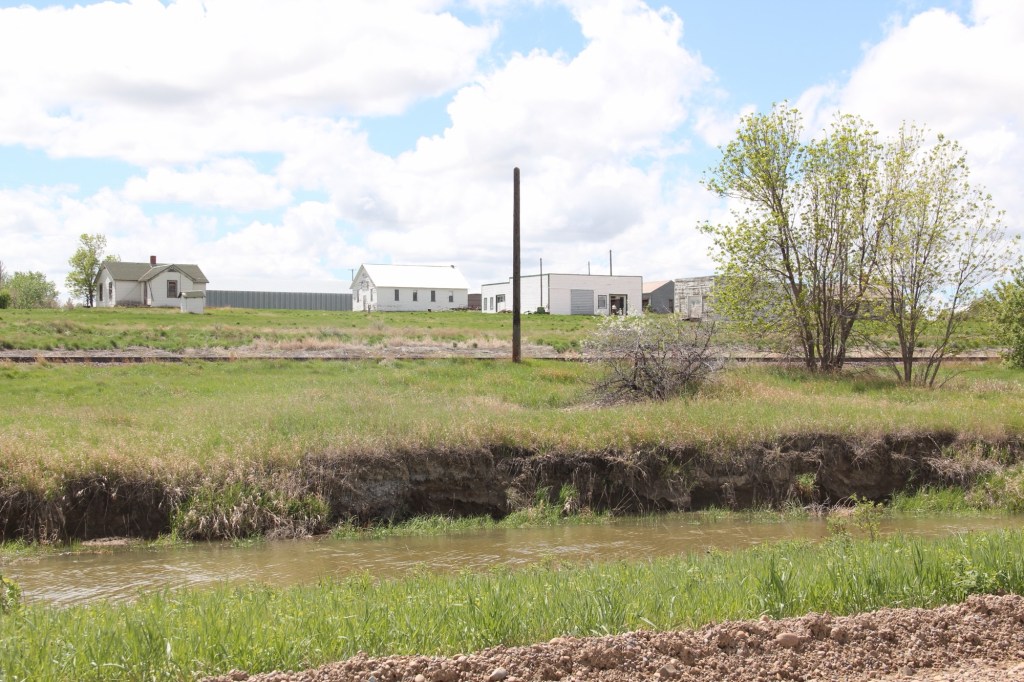
Vandalia has history as a late 19th century trading post at the crossing of the Milk River. Then it became one of the early milk River ranches. Once the Great Northern Railroad built its initial route westward the tracks came this way, following the river.
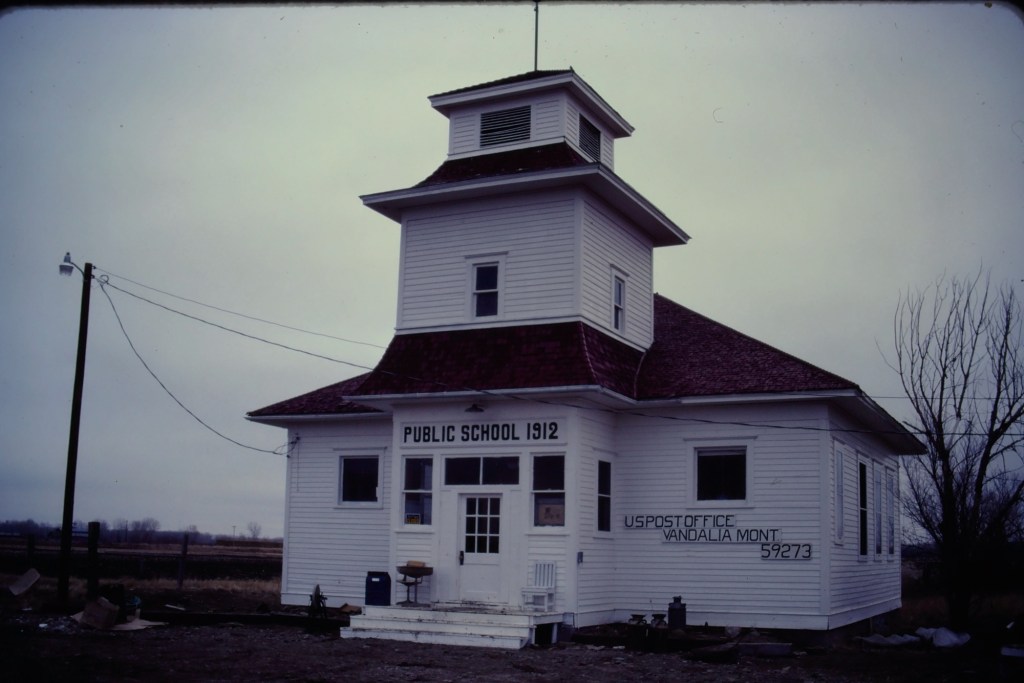
Vandalia school and post office in 1984
The tracks brought the first generation of homesteaders who built the white-painted frame school in 1912. The school later became the post office, and served that role when I first visited Vandalia in 1984.
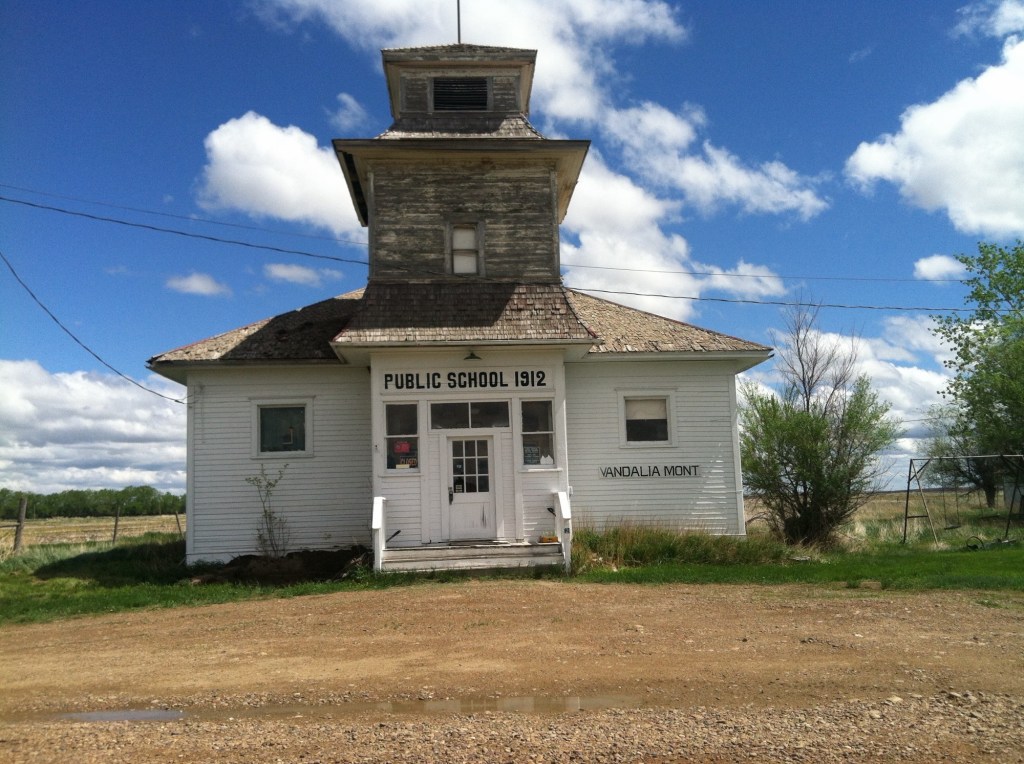
Vandalia school in 2013
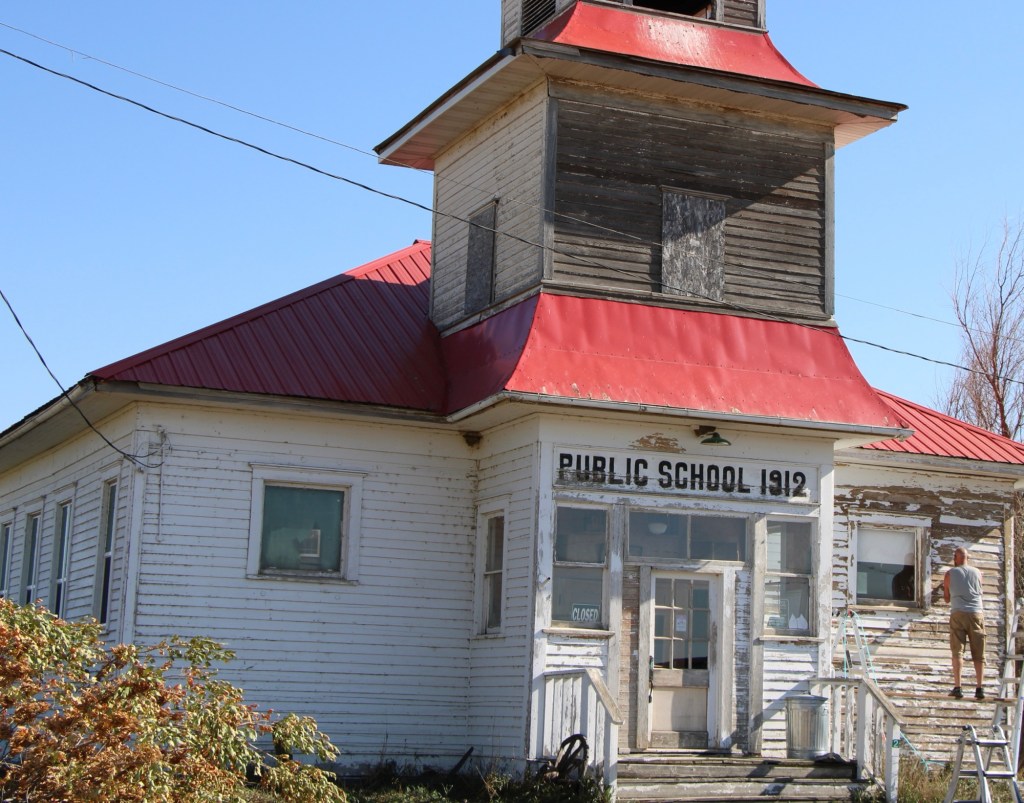
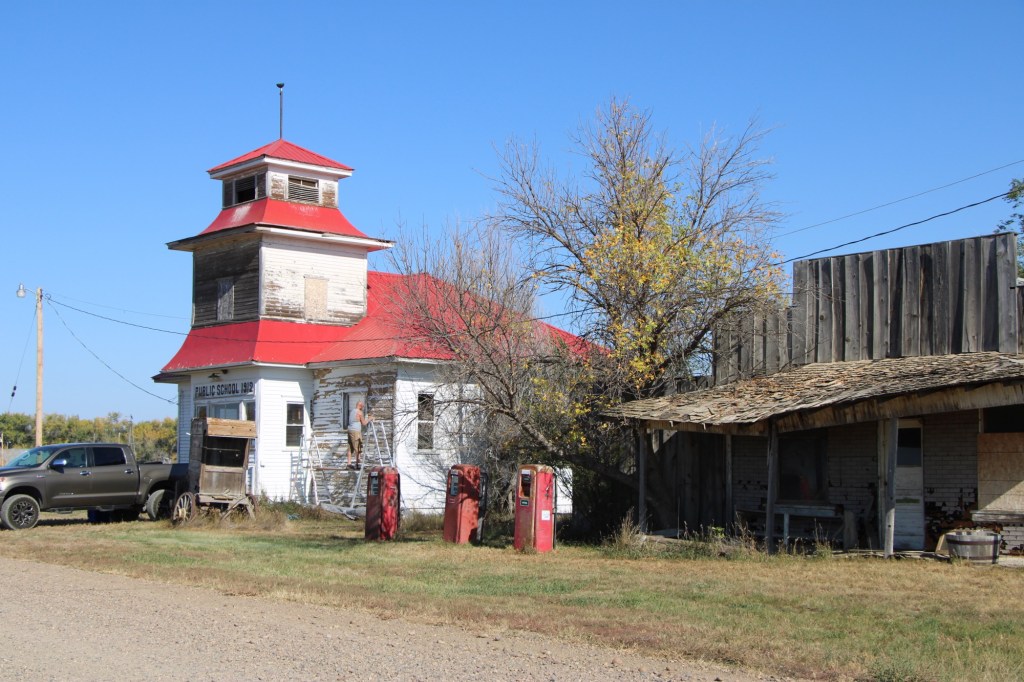
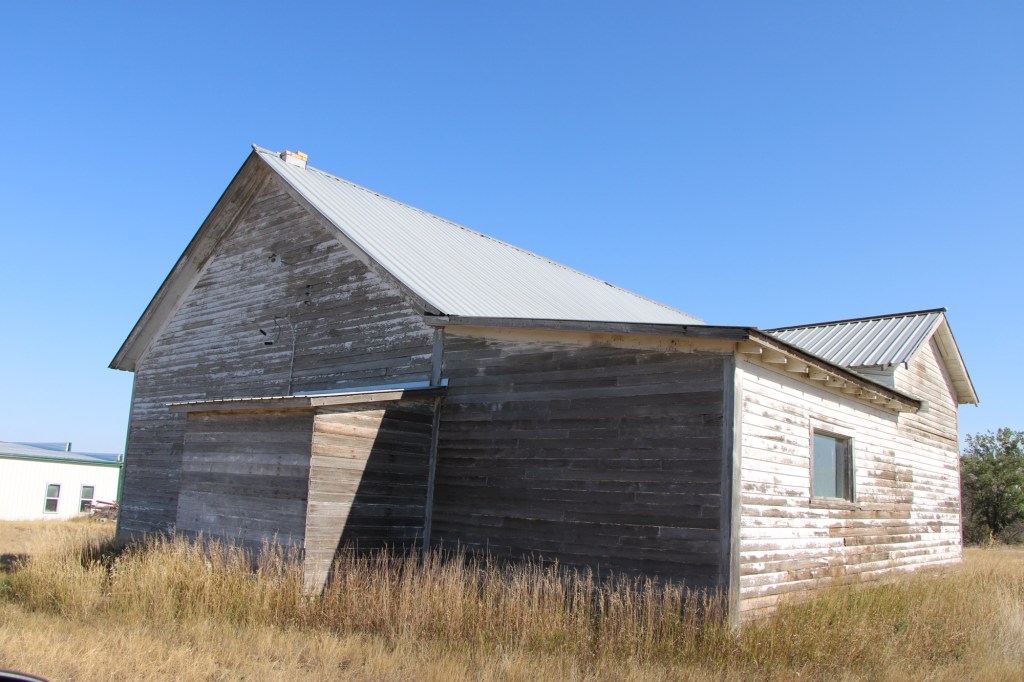
When I next visited almost 30 years later, the post office had closed and the school was in rough condition. Imagine my delight when I next stopped in the fall of 2025. The school was taking on new life. The roof had been prepared and replaced, and prep work was underway to give it a fresh coat of paint.
Vandalia school in 2025Vandalia in 2025
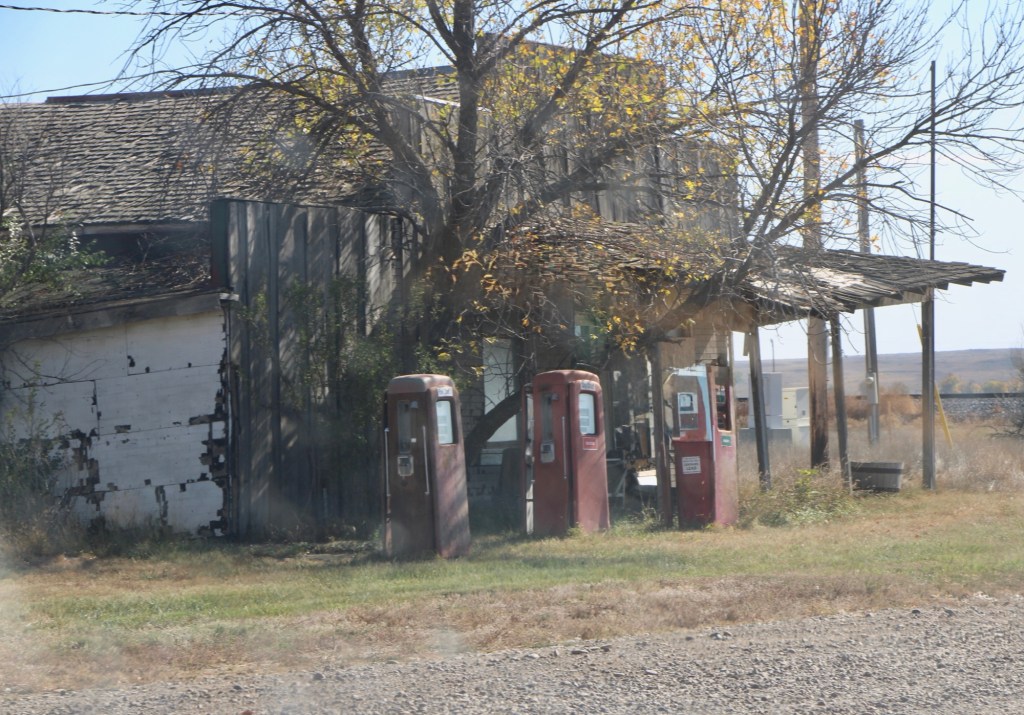
The story was not so bright for the old bar and store that was next door. The old gas pumps were still there but the porch roof was sagging and it looked forlorn.
Vandalia store in 2025Original route US Highway 2 heading east toward Tampico
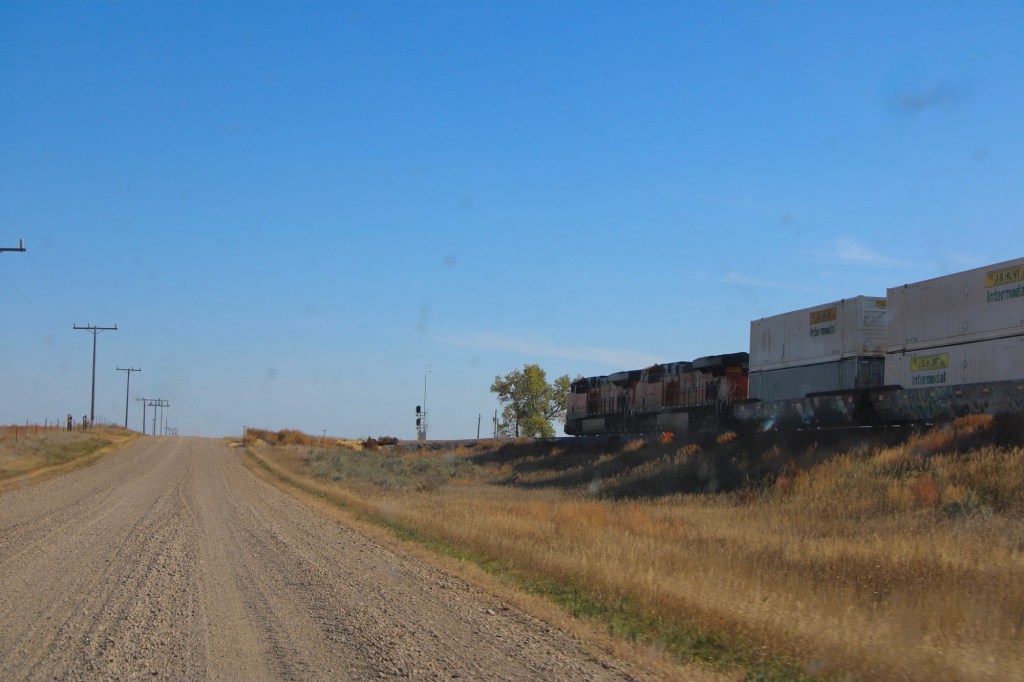
The drive remains fun, especially the graveled original route of US Highway 2 with the occasional Burlington Santa Fe freight train roaring by. Imagine driving cross country on this route when large sections of it remained unpaved.
Tampico in 2013
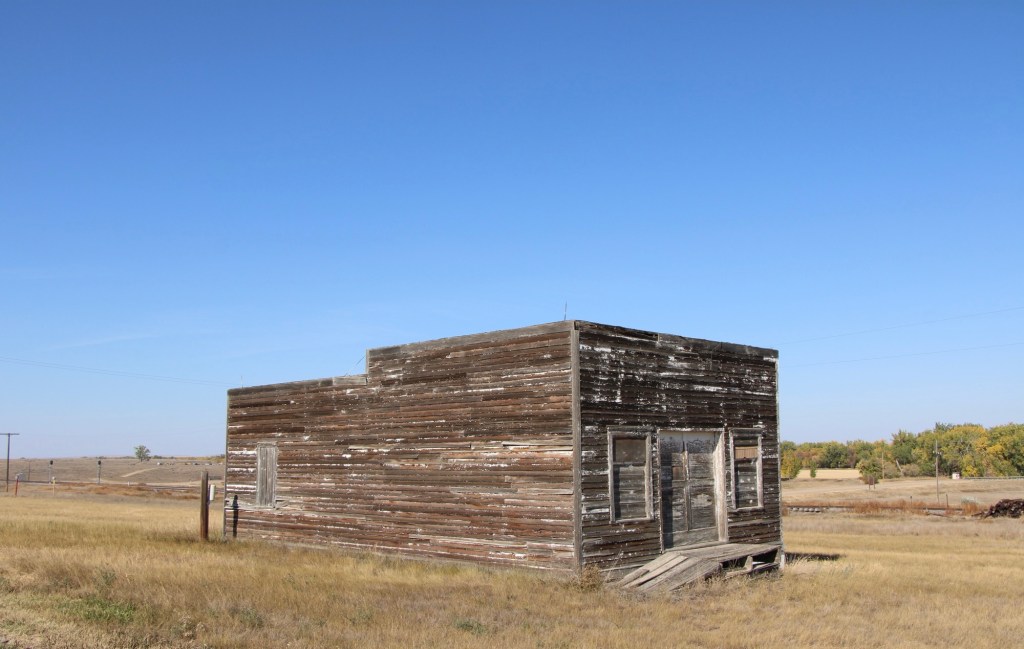
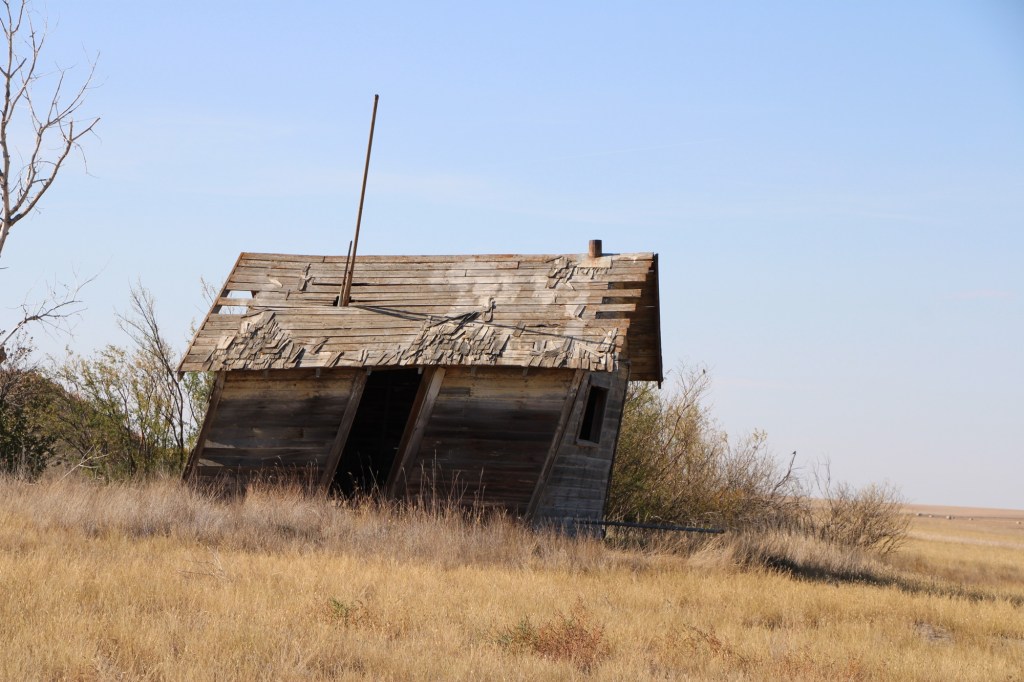
The next town to the east is Tampico, established around 1908. In 2013 the town was tiny but showed some life. Twelve years later, the abandonment was striking.
Tampico in 2025Tampico in 2025Leaning into oblivion, Tampico 2025
Most early 20th century railroad towns across the northern plains struggle one hundred years later but those off the major highways, like Vandalia and Tampico, could easily disappear.
Montana newspapers this week featured a story about economic resurgence in Great Falls, where the population has remained basically level in the 21st century while other Montana cities have grown by leaps and bounds. Readers of this blog recognize that I am a big booster of what heritage and historic preservation has meant to the city, and certainly that pride in history and culture you find anytime you visit Great Falls as I found during a fall 2025 visit.
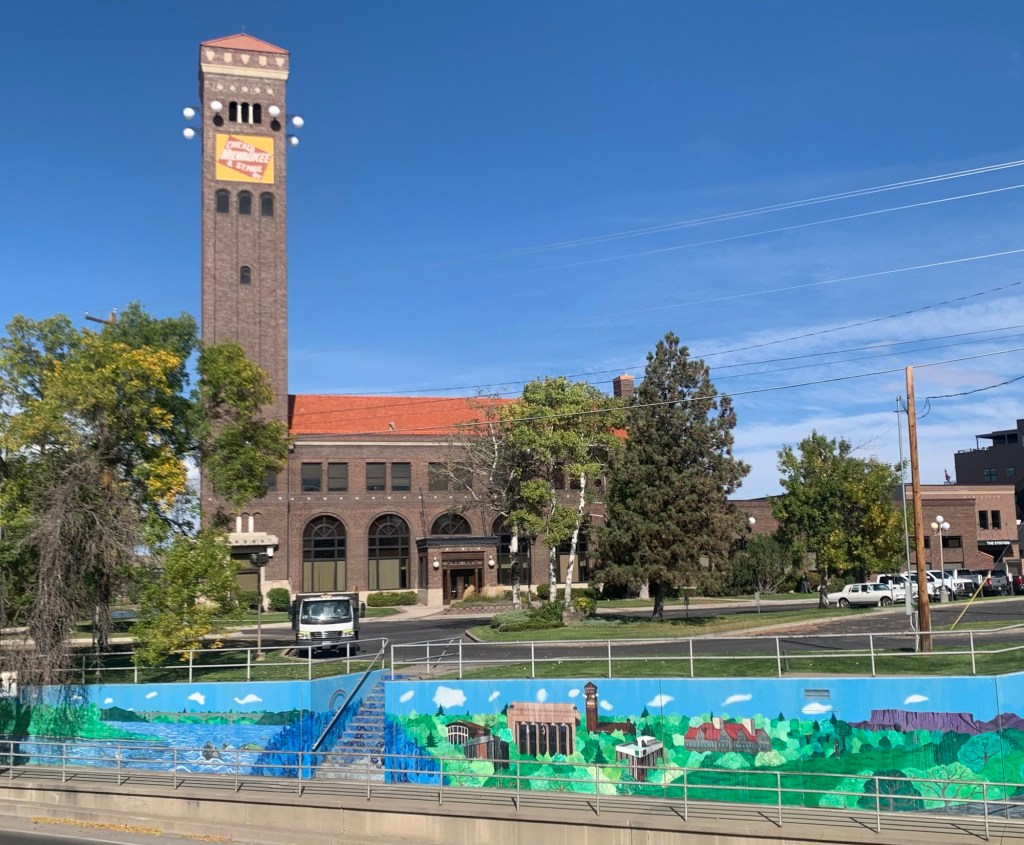
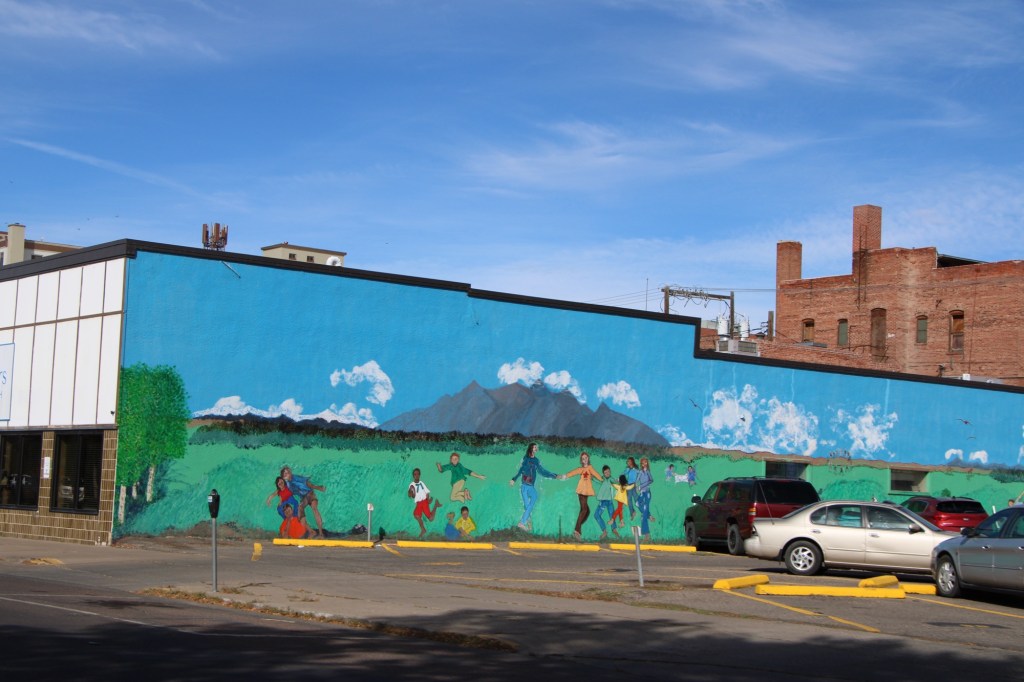
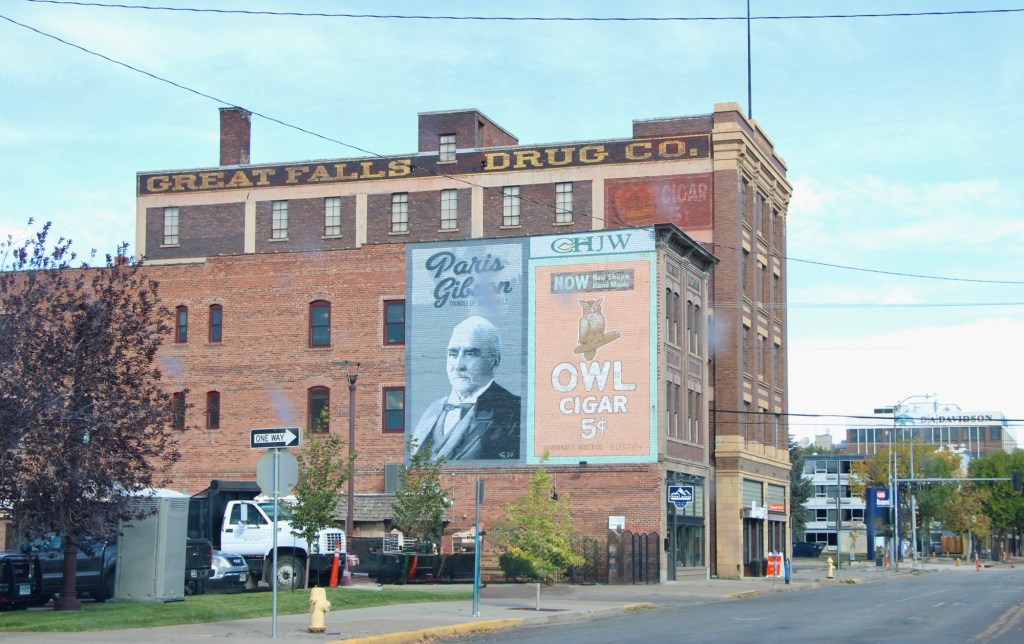
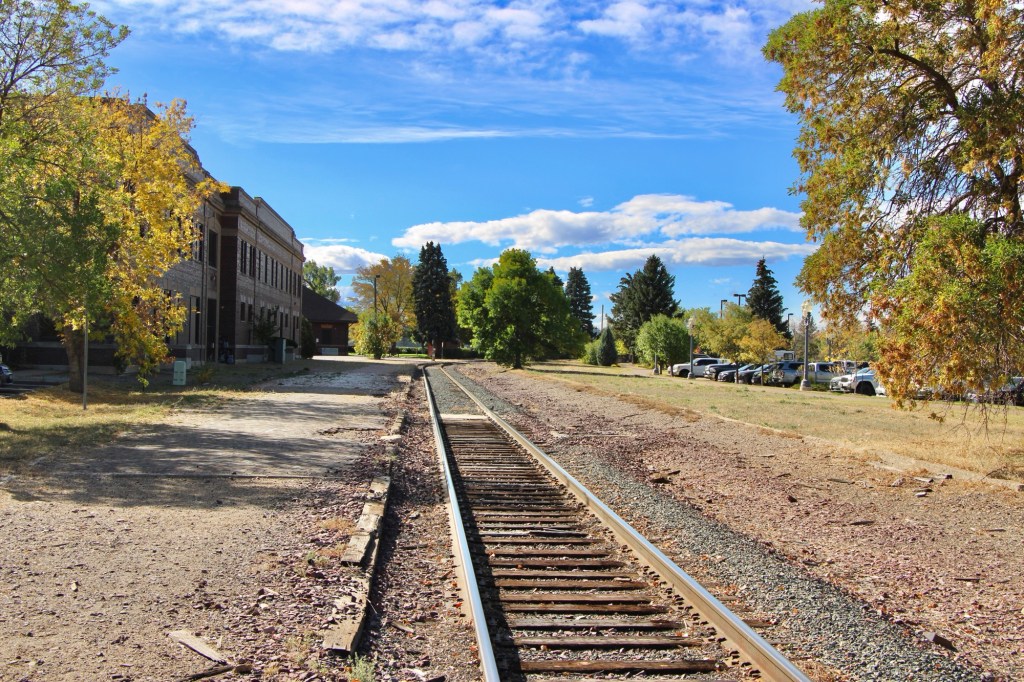
The proliferation of colorful, descriptive murals enliven downtown commercial buildings, including the highway underpass at the restored Milwaukee Road passenger station. the topic has been historic—witness the penetrating graze of town founder, Paris Gibson, below.
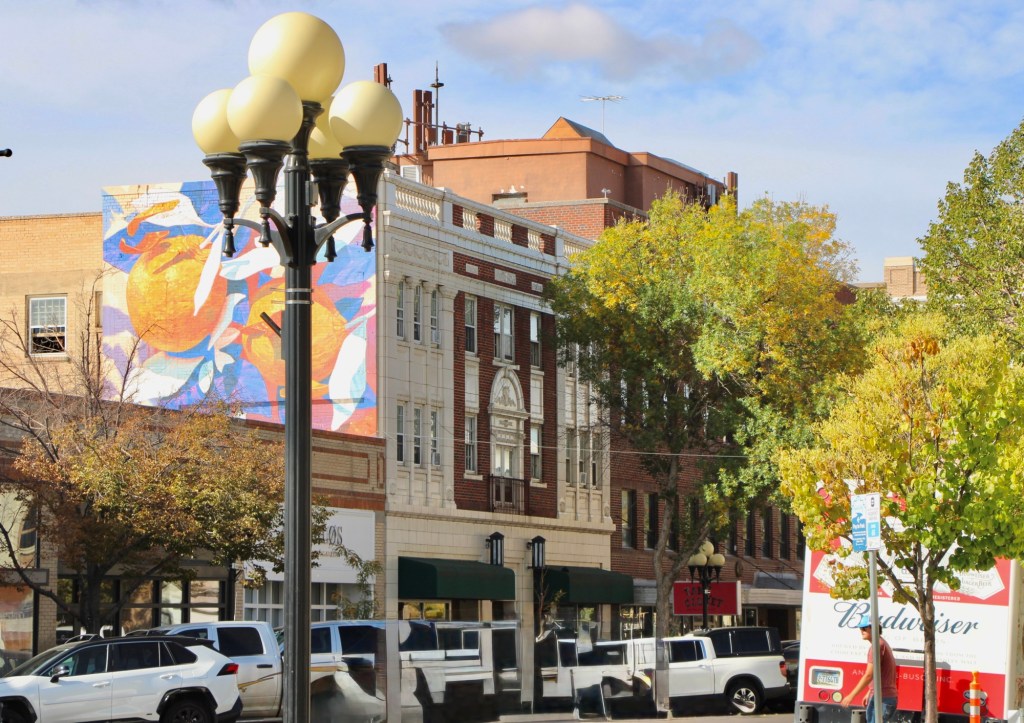
Or if it is a more abstract design in the city’s commercial heart ( the reproduction city street lights add charm too).
Downtown recreation is another positive change, as the river trail between the tracks of the Great Northern Railway and the Missouri River continues to expand and improve.
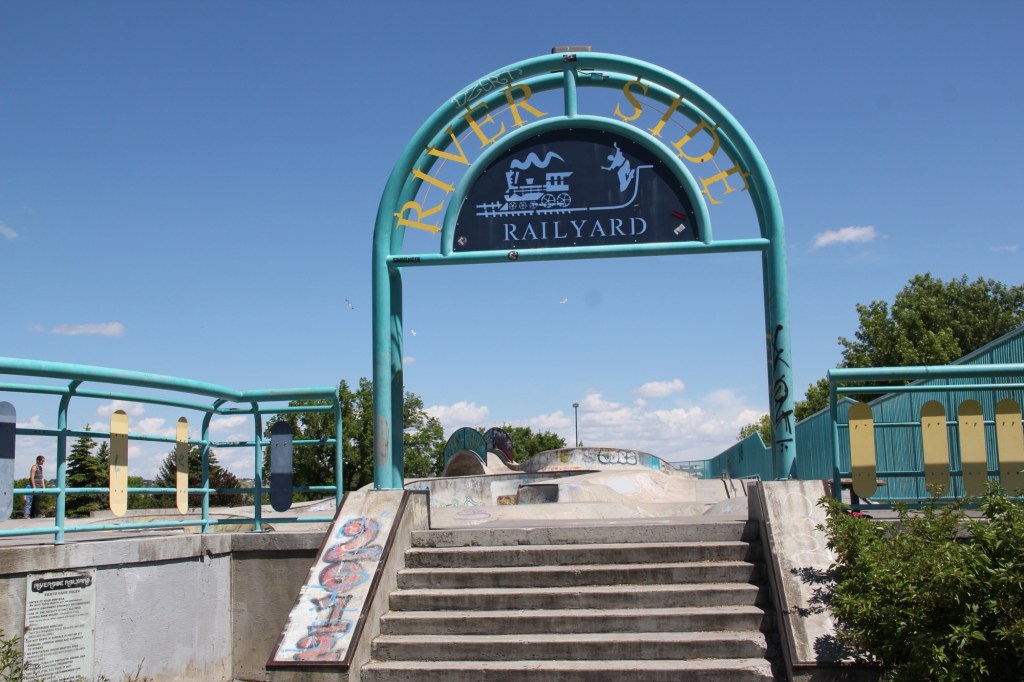
One of the state’s best skateparks also adds significantly to recreation, and community building in Great Falls.
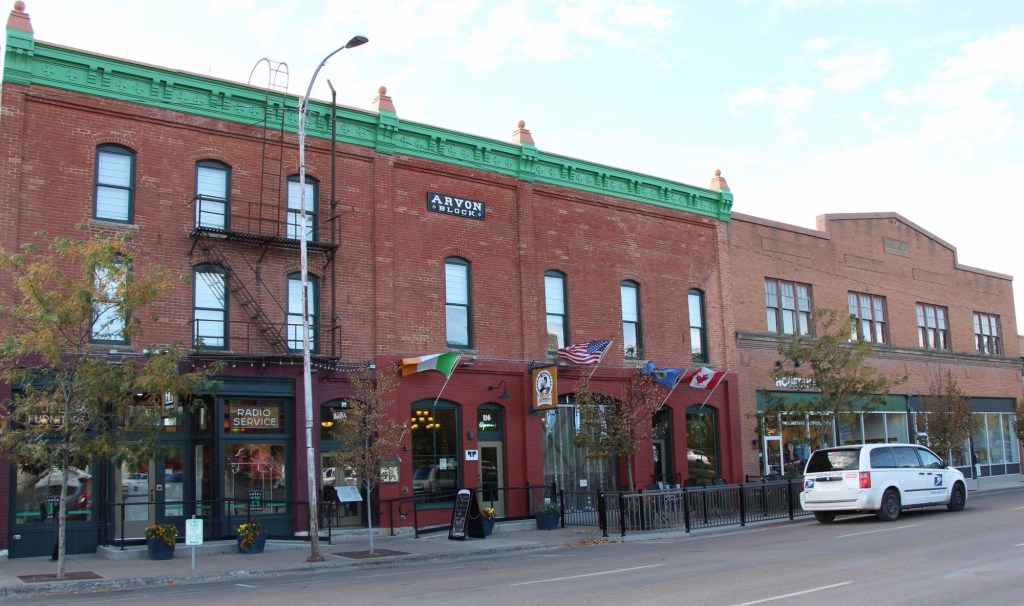
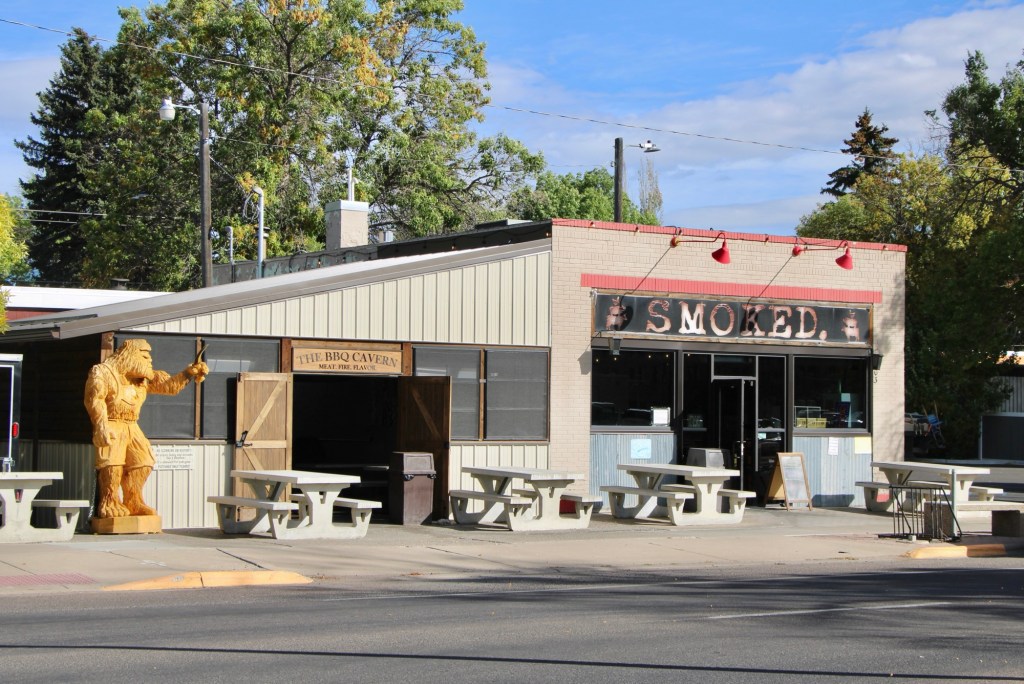
And speaking to community building the restoration and adaptive reuse of downtown buildings create nighttime gathering spots, giving residents plenty of reason to come downtown. The Celtic Cowboy, located in a circa 1890 livery building, has become a popular pub while the owe era of Smoked took a 1930s building and made it a must-stop place for Barbeque.
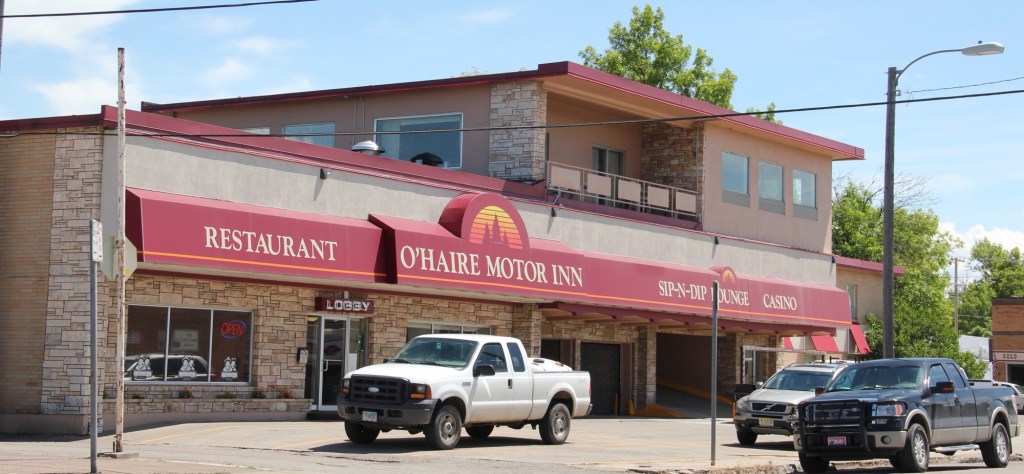
Even the iconic Sip-N-Dip lounge has announced a renovation and improvements to this mid-20th century landmark.
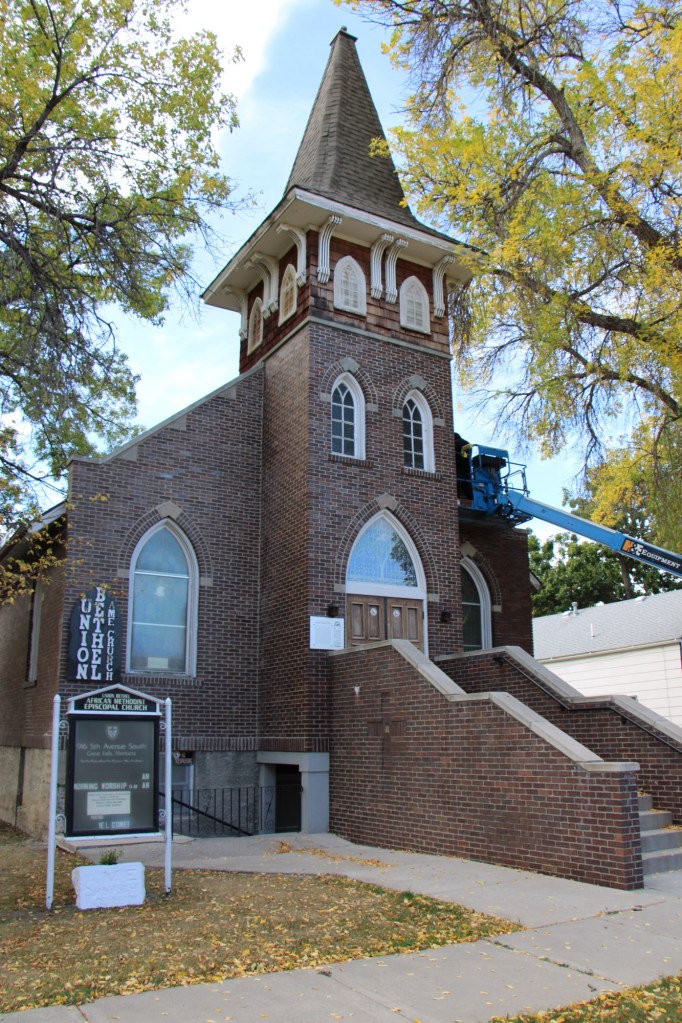
My stop in Great Falls last October centered around a check of the renovation of the National Register-listed Union Bethel AME Church. Like many others I supported its grant application and I was pleased to see work underway to ensure another 100 years for this landmark.
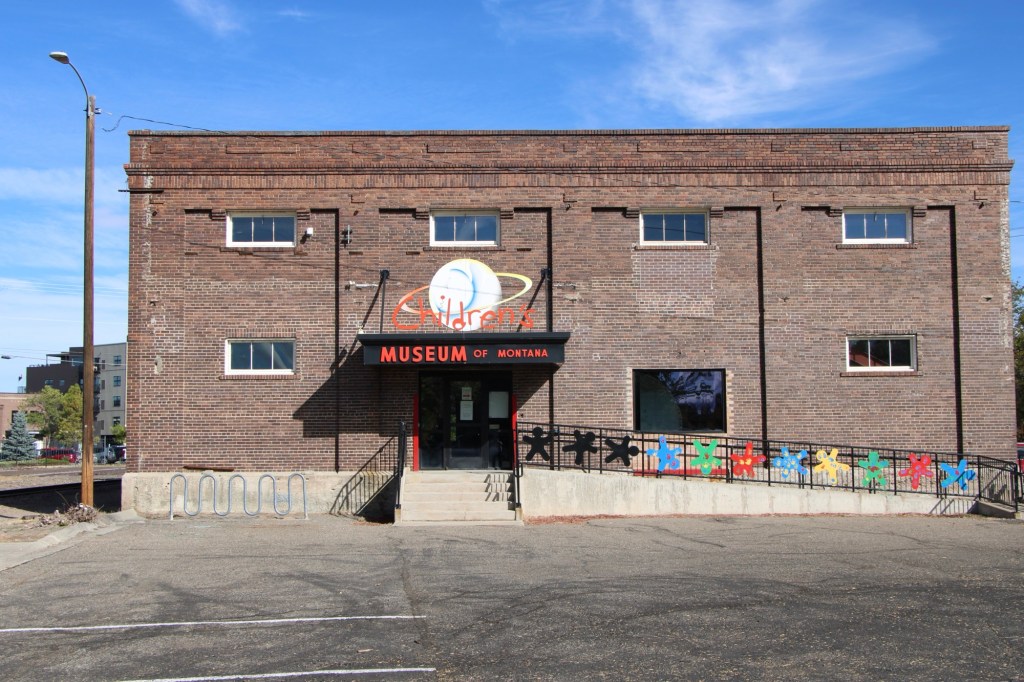
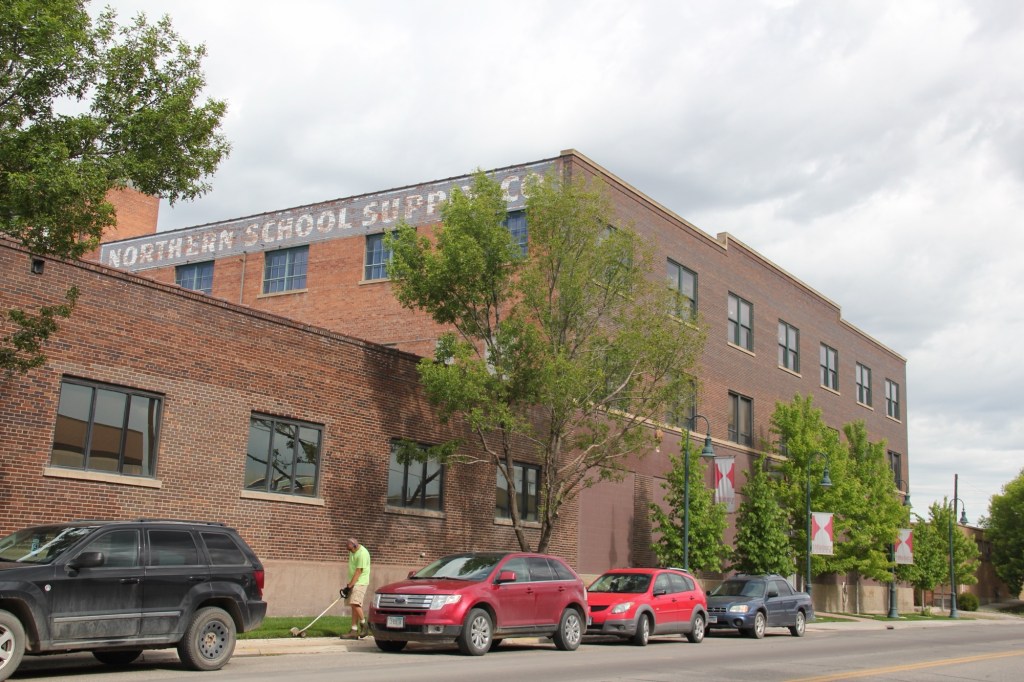
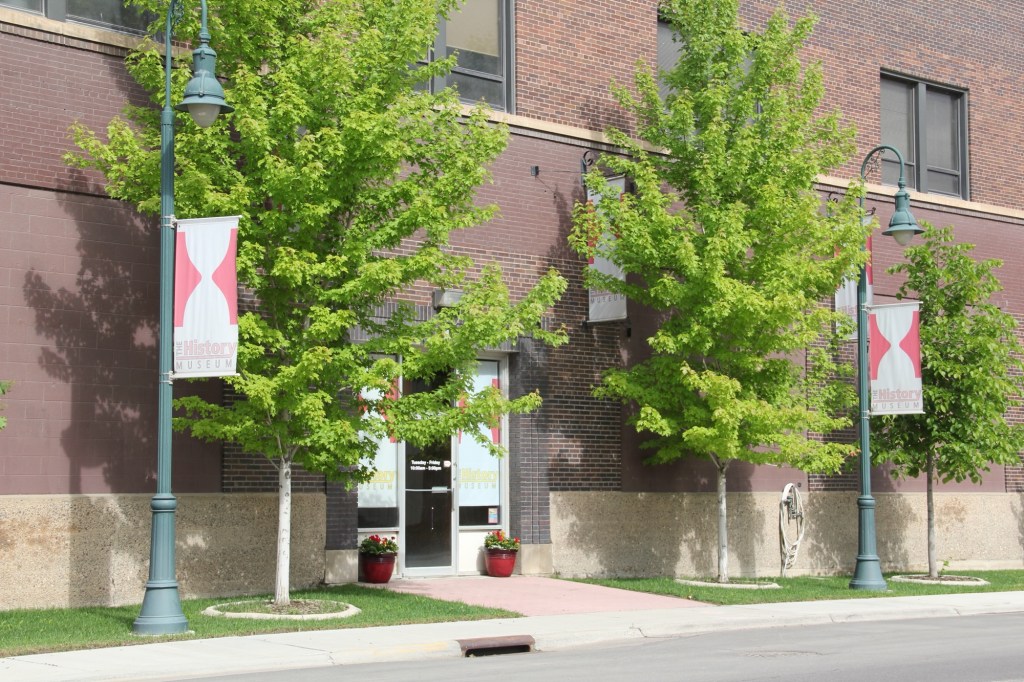
No doubt the protection of the city’s historic buildings and finding new community uses for them continues as an anchor for Great Falls, be it the Children’s Museum or the impressive History Museum and Archives. Both are located along the city’s historic railroad corridor.
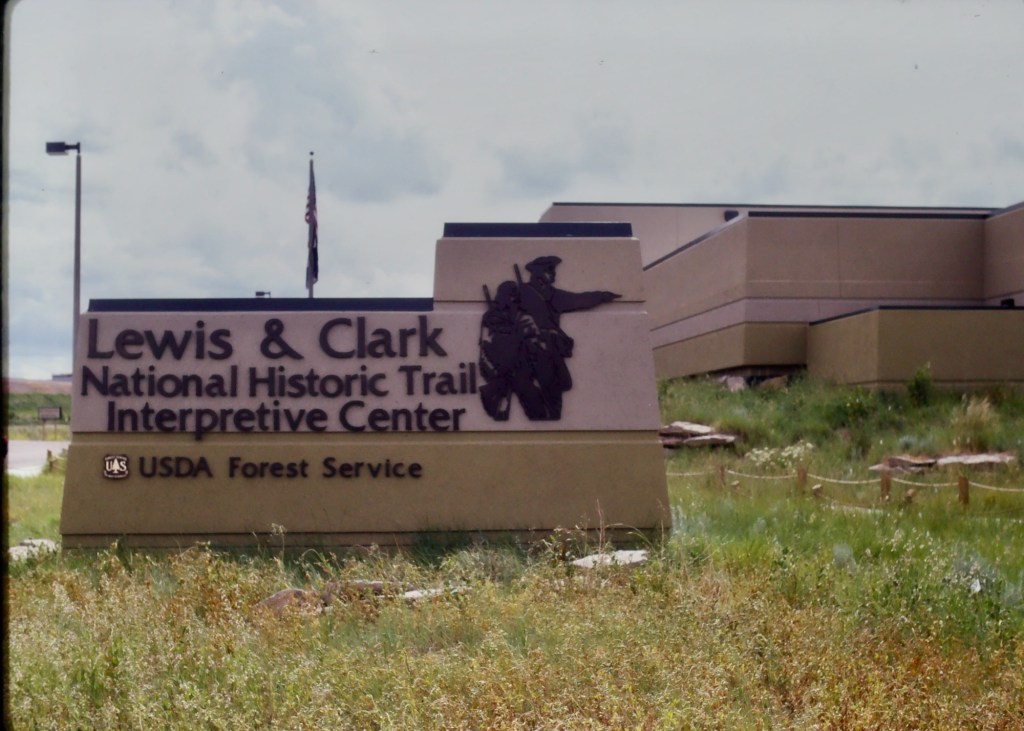
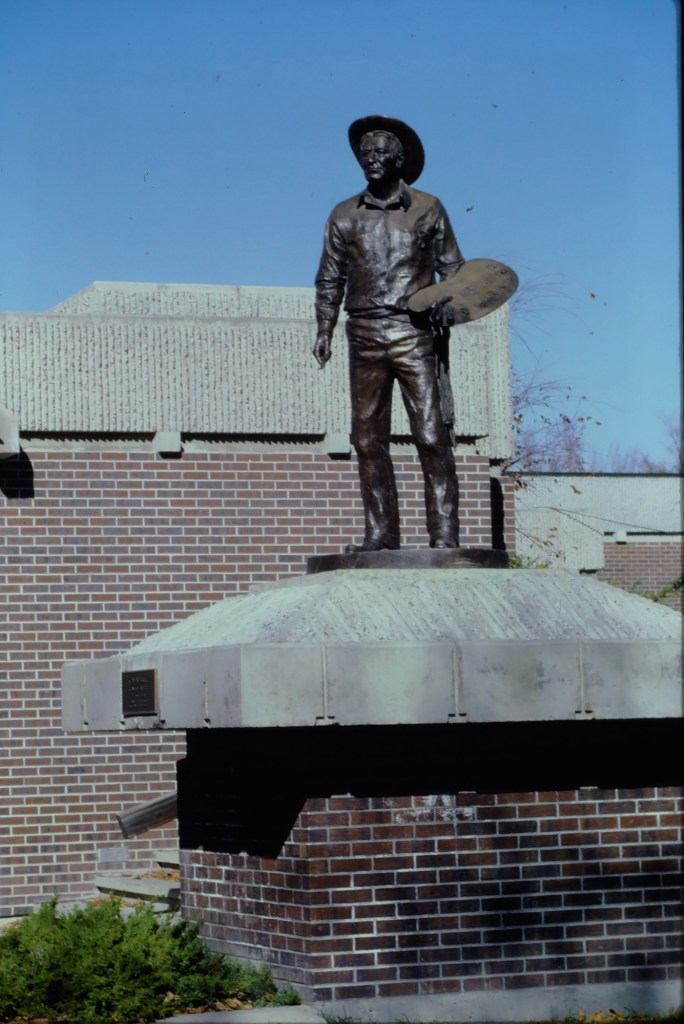
Preserving and telling local stories but Great Falls is further enhanced by two major national institutions—the Lewis and Clark National Historic Trail interpretive center and the Charles M. Russell Museum.
The Russell continues to expand, and amaze, as it evolves from a regional to truly national cultural center. The city too is trending in that direction, which means that next visit will certainly be sooner than later.