White Sulphur Springs and Taylor Gordon

Taylor Gordon was one of Montana’s most accomplished performers of the early twentieth century, although his fame as a singer happened not in Montana but in New York City.
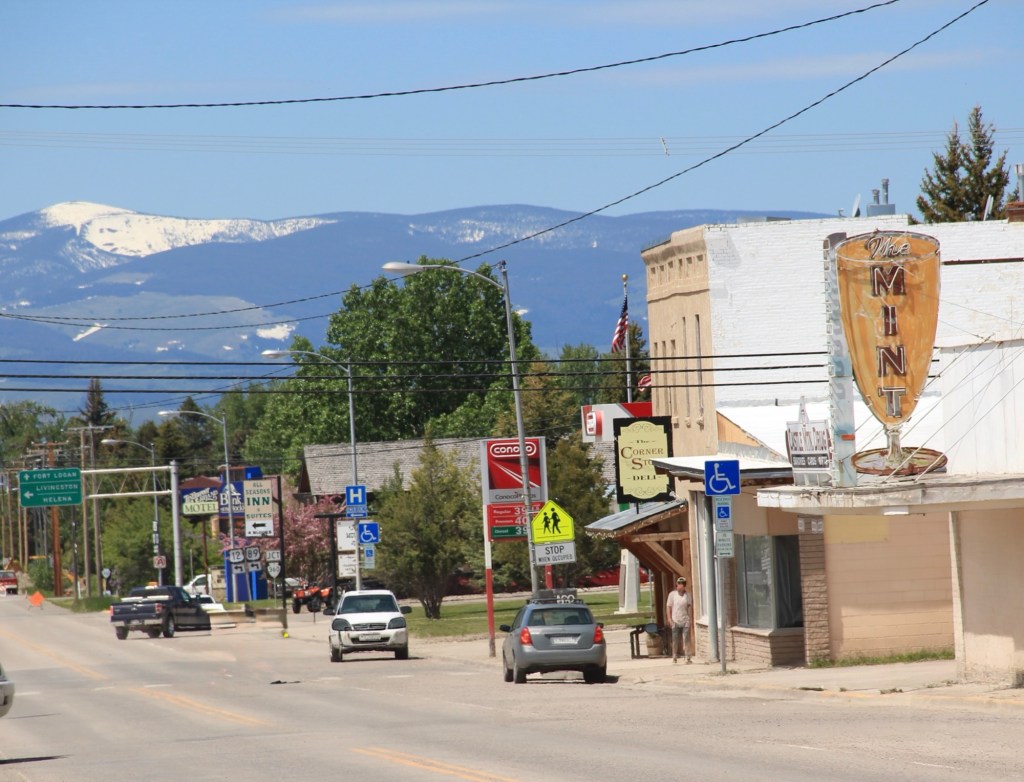
Main Street, White Sulphur Springs, 2011

He was born in 1893 and grew up in White Sulphur Springs, the seat of Meagher County. While his family home no longer stands, there are several important landmarks that help tell his story.
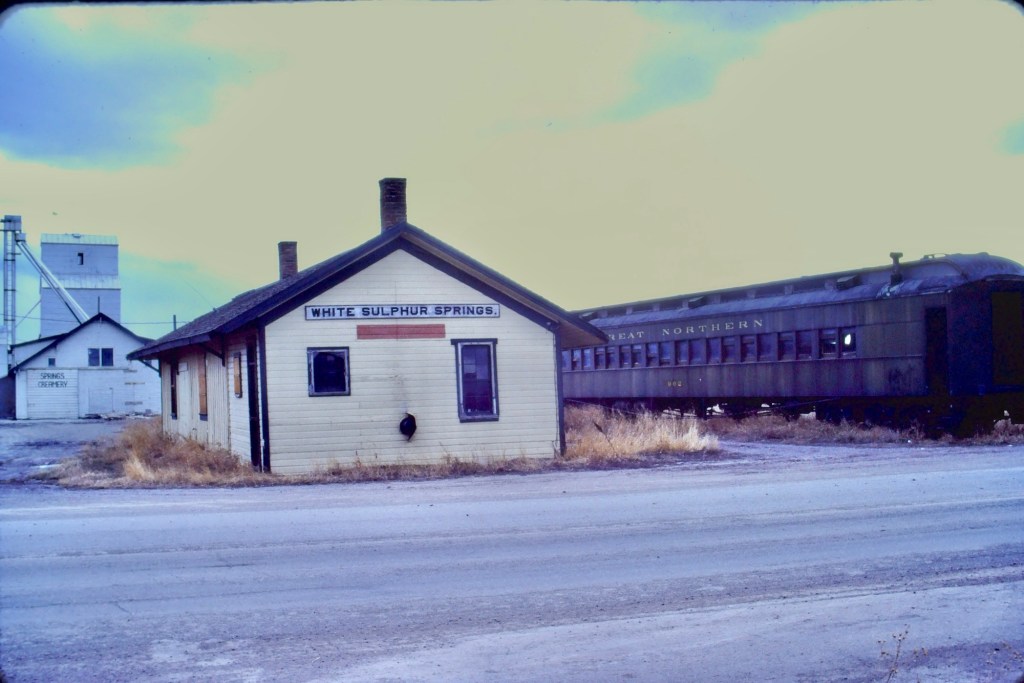
The depot in 1984. It had been restored two years earlier for the movie Heartland

The first is the surviving depot for the White Sulphur Springs and Yellowstone Park railroad which connected the town to the main line of the Milwaukee Road at the town of Ringling, about 20 miles to the south. Both places are important to Gordon’s story due to his association with John Ringling.
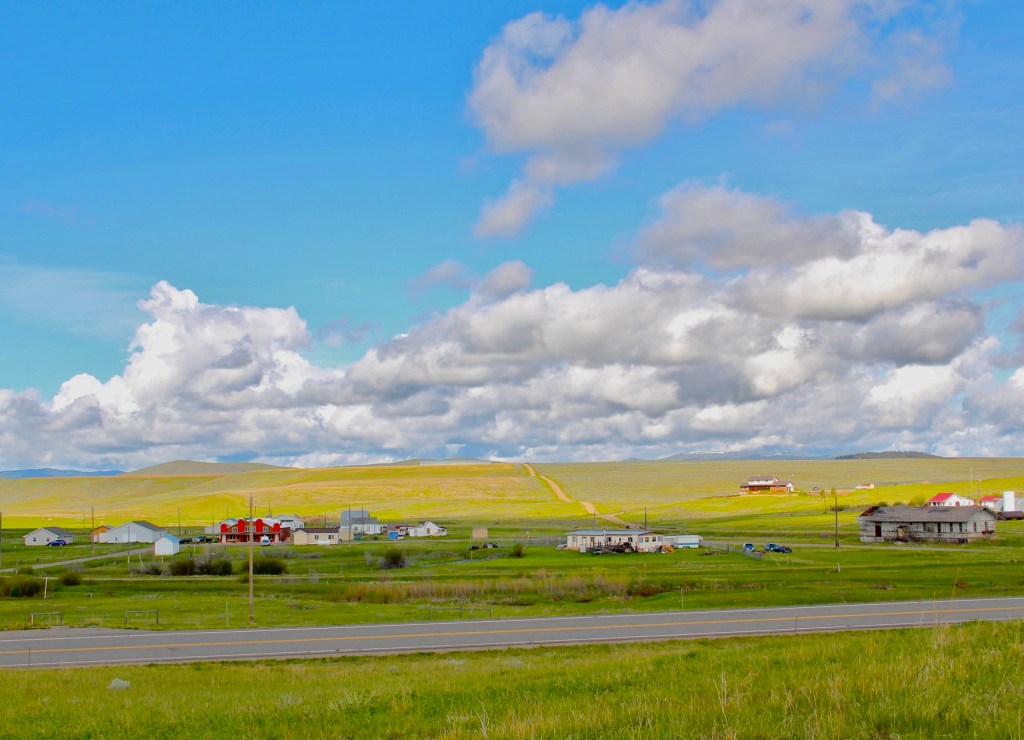
Overview of Ringling, 2018
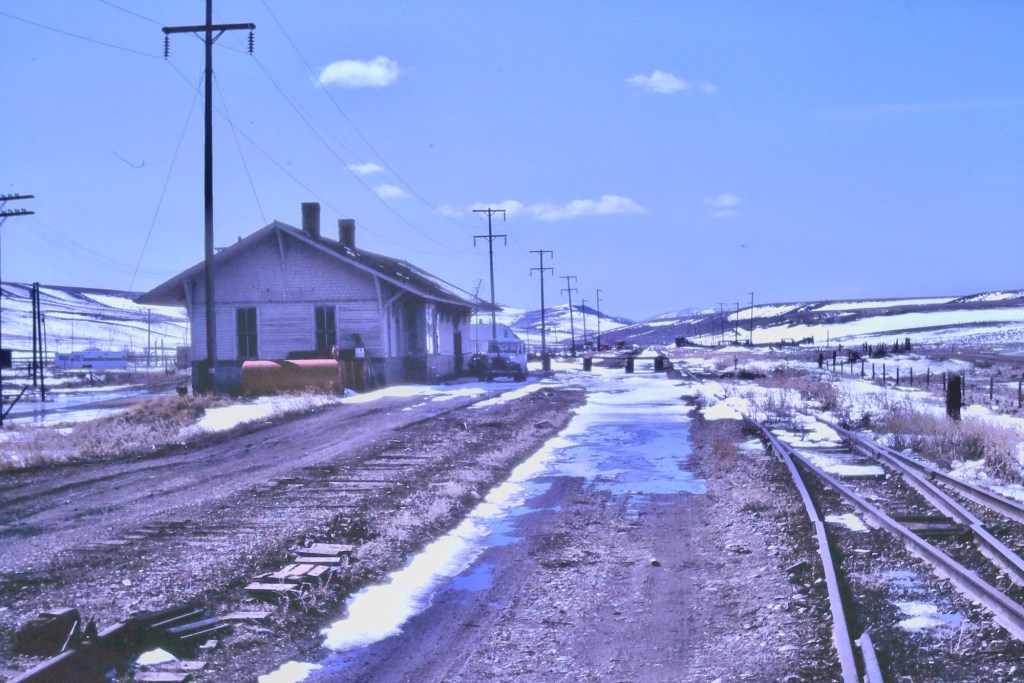
Milwaukee Road depot and tracks at Ringling 1985

Ringling was a town first named Leader when the Milwaukee Road came through Meagher County in 1907. It became associated with circus magnate John Ringling who owned thousands of acres of ranch land in the county and had big dreams for developing the area, including ranches, the hot springs, and railroads. Milwaukee Road officials were interested too in having an attraction for passenger traffic on the way to its terminus to Yellowstone at Gallatin Gateway.
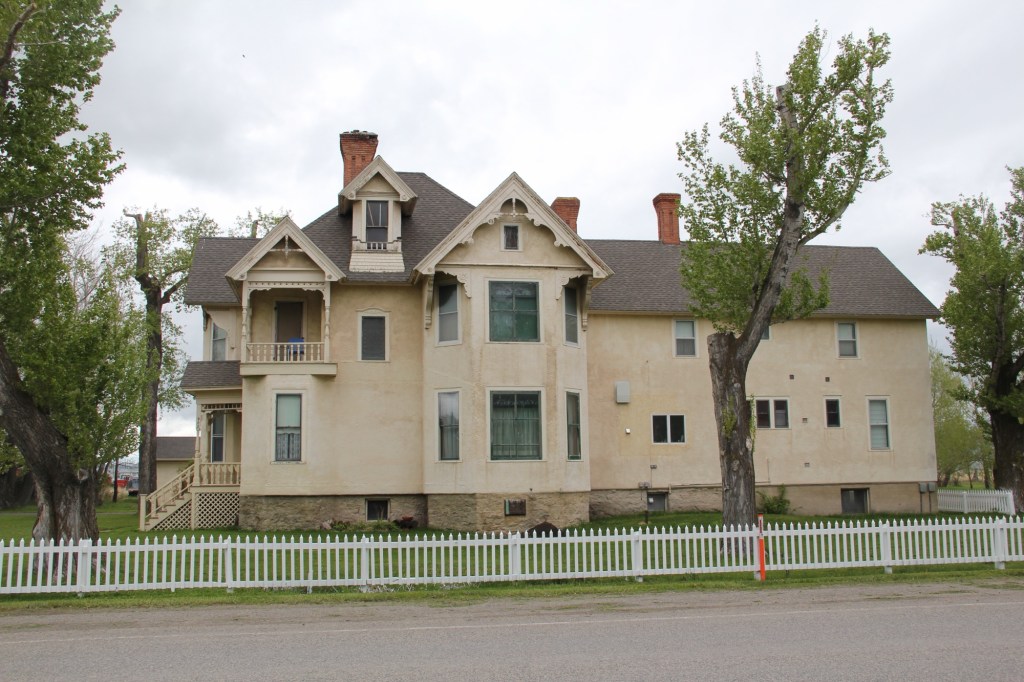
Parberry-Ringling house, built c. 1885. It is now an events center

Around 1910 Ringling acquired the Dr. William Parberry house, a Queen Anne style house at the western end of town. Parberry had been one of the town’s founders. Ringling made it a family summer home. By 1911 he had hired Taylor Gordon as a driver, and general worker on the property. Within months Gordon became what we now might call a personal assistant (Ringling’s personal valet) and he traveled extensively with Ringling. Those travels led to his music career, especially as a duet act with J. Rosamond Johnson who accompanied Gordon on the piano. Their interpretations of African American spirituals gained wide acclaim. They toured throughout the nation in addition to England and Europe.

During these years Gordon was a significant figure in the Harlem Renaissance, which influenced American music, art, and literature. His memoir of growing up and finding his voice, and place, as a singer—titled Born to Be—was published in 1929. The book remains an important source on the Harlem Renaissance as well as the life of a young man in New York City during the Jazz Age.

Gordon and Johnson continued performing into the early 1930s. In the mid 1930s he temporarily moved back to White Sulphur Springs and wrote a novel, which was never published. The Great Depression stalled his career and by WW II he was a factory worker. In 1947 he fell prey to mental illness and was hospitalized for most of the next 12 years. In 1959 he returned to White Sulphur Springs.
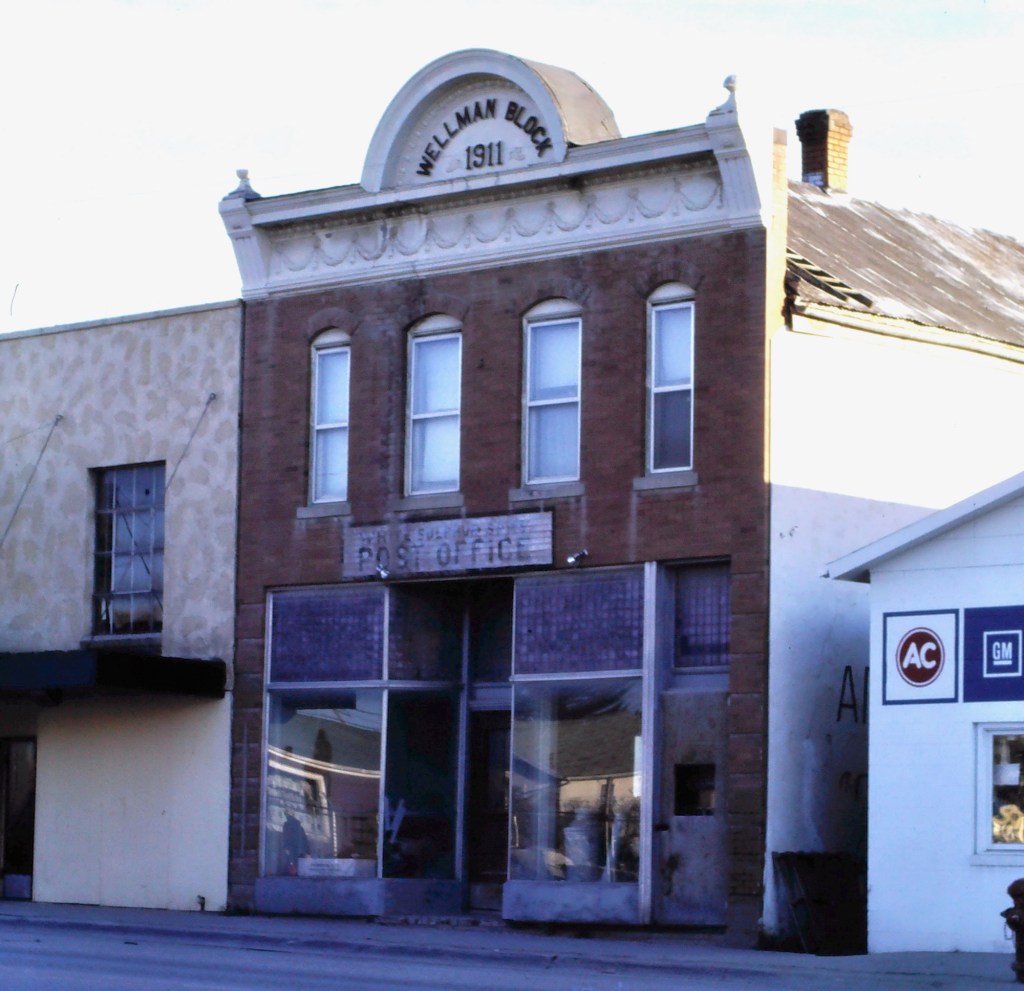
Wellman Block, 1985

His sister Rose operated a cafe from the Wellman Block. Gordon would open an antique shop there, and the building also served as the town’s post office at that time. Twenty years ago, the Wellman Block was renovated into the headquarters of Red Ants Pants, a nationally recognized clothing line for work clothes. Red Ants Pants also organizes and hosts an annual music festival in Meagher County. The building is listed in the National Register of Historic Places.
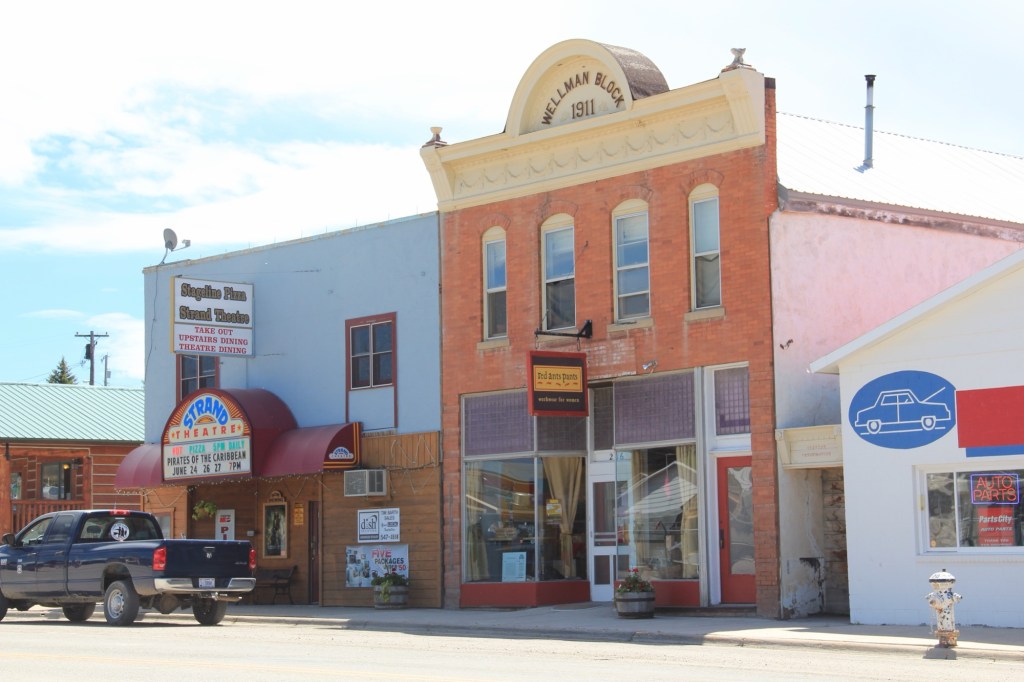
Wellman Block, 2011

The Gordons became significant local historians in the 1960s and 1960s. Rose contributed history columns to the county newspaper and was a leader in the county’s centennial celebration in 1967. Taylor became involved with the restoration of the historic Sherman House, known as The Castle, the town’s first major historic preservation project. It too is listed in the National Register of Historic Places.
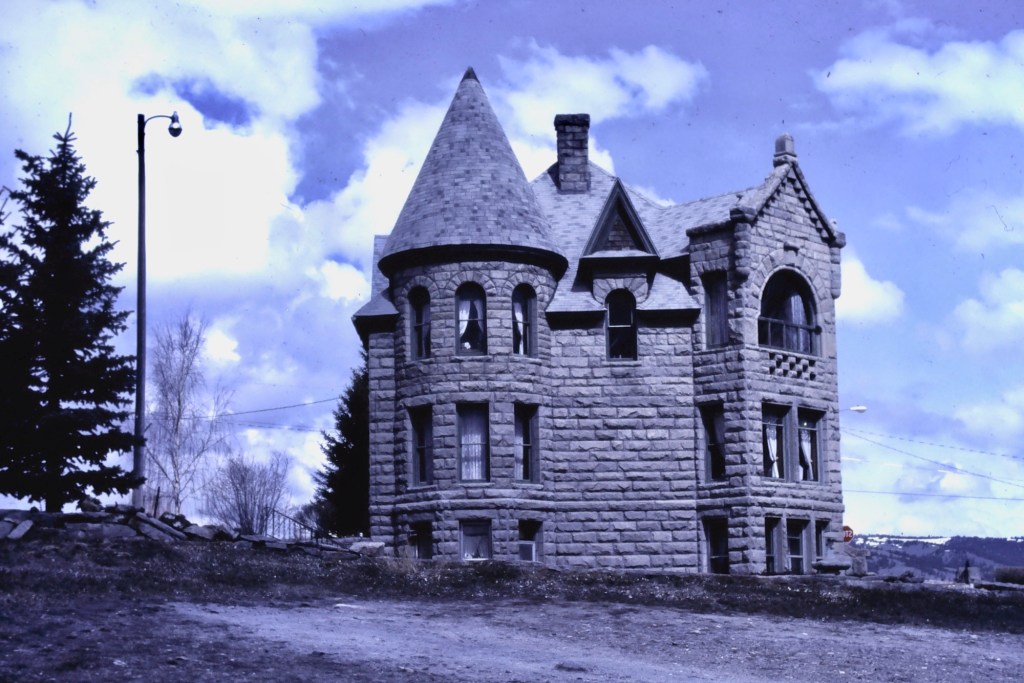
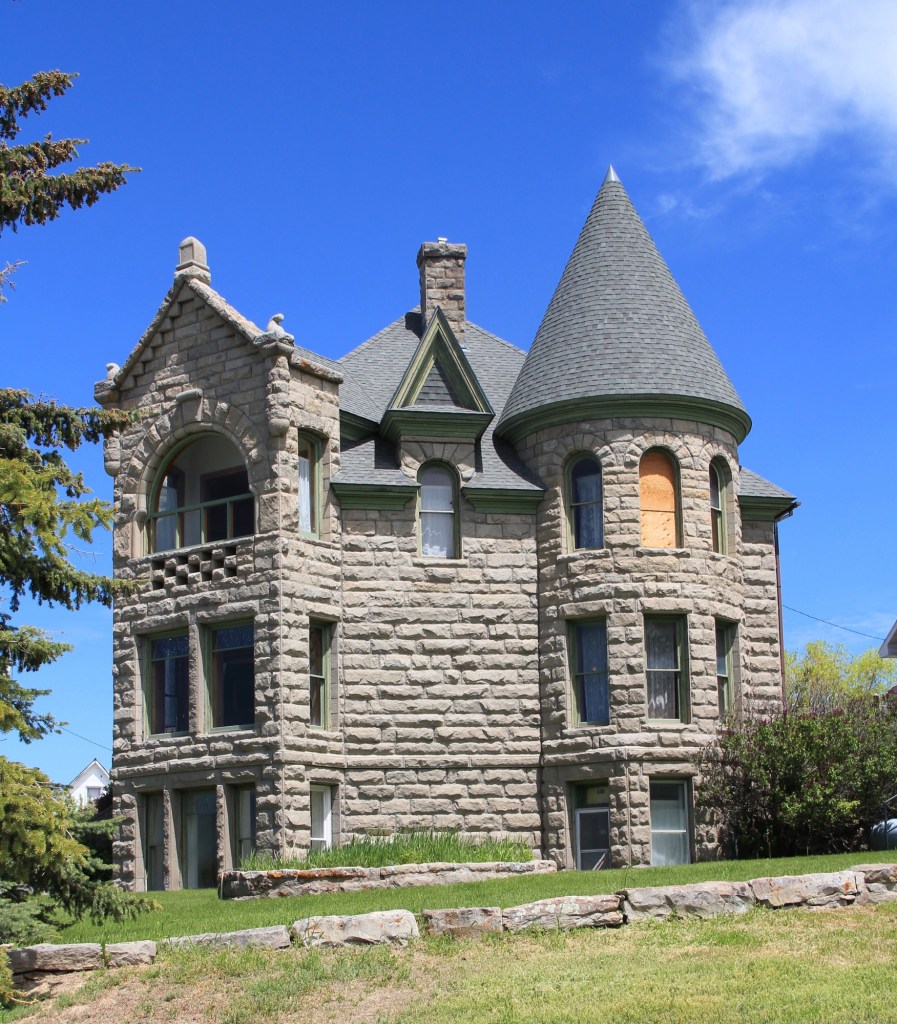
The Castle, 1984
The Castle, 2011

Gordon assisted with the interior restoration and furnishings for the museum. He also wrote the house’s first history and guidebook.
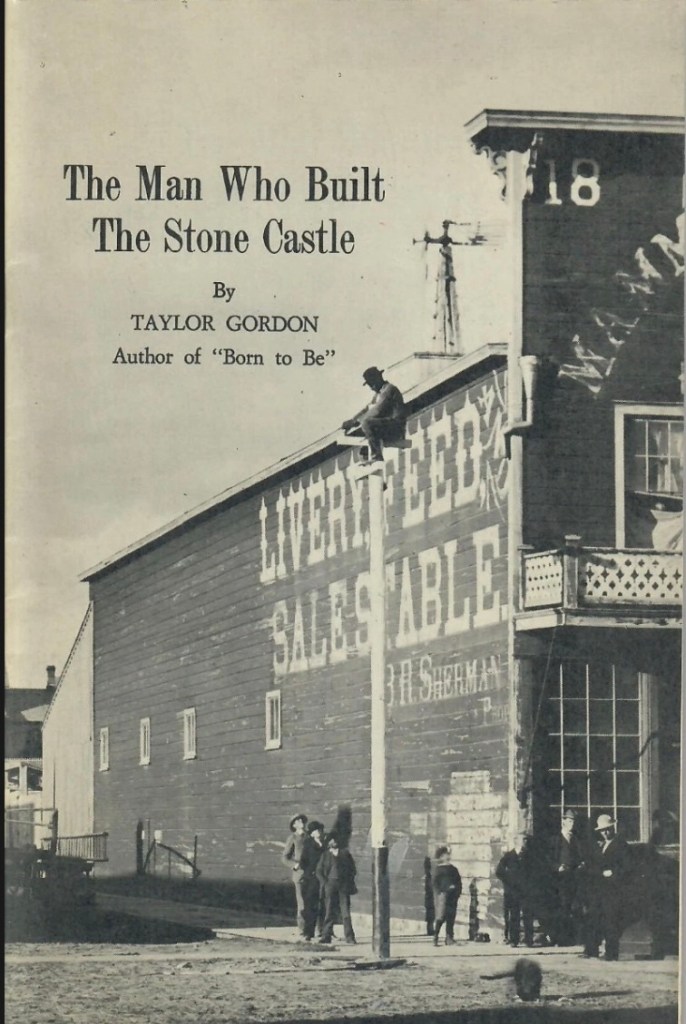
As a youngster he had worked for Byron Sherman, the topic of his book and the owner of the stone mansion. The Meagher County Historical Society guided the restoration and today the society administers the house and adjacent museum.

Like other members of his family Taylor Gordon was buried at the Mayn Cemetery in White Sulphur Springs upon his death in 1971.
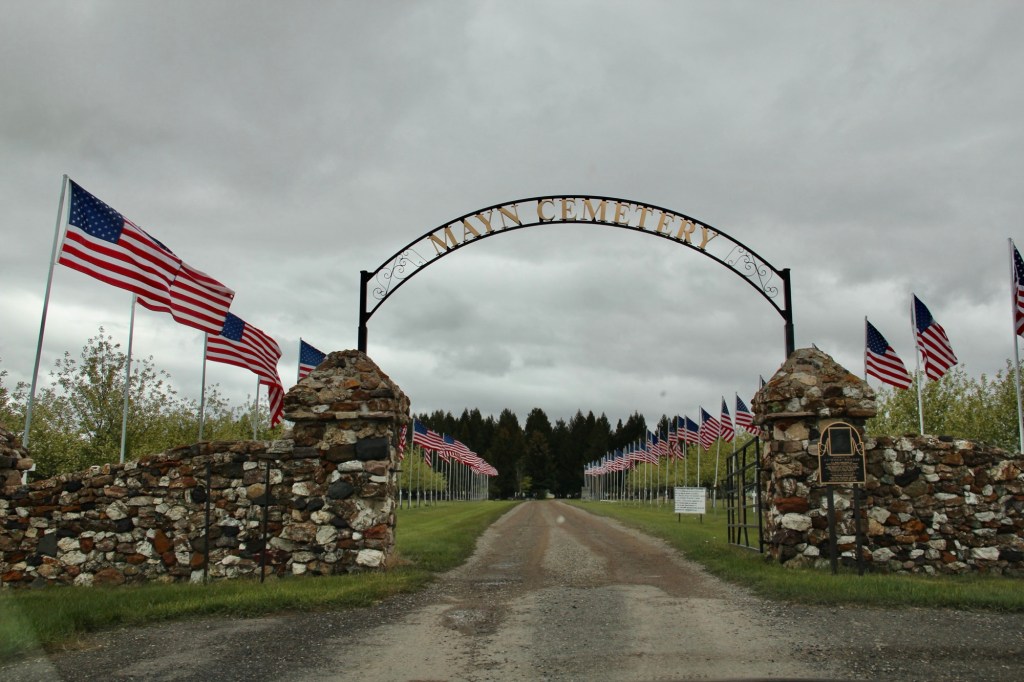
His story is remarkable and the surviving historic properties allow us to walk in his footsteps.
Terry in the Yellowstone Valley

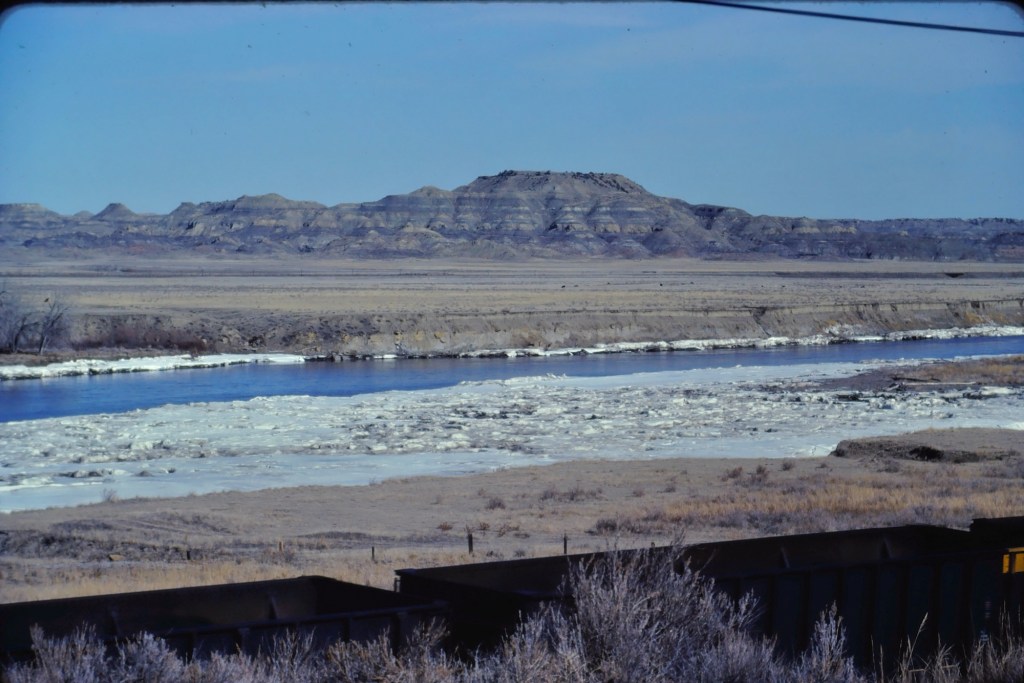
Terry, the seat of Prairie County, is an often forgotten, bypassed part of the Yellowstone River valley. Yet it has long been one of my favorite places, beginning with my first exploration of its history and landscape in 1984.

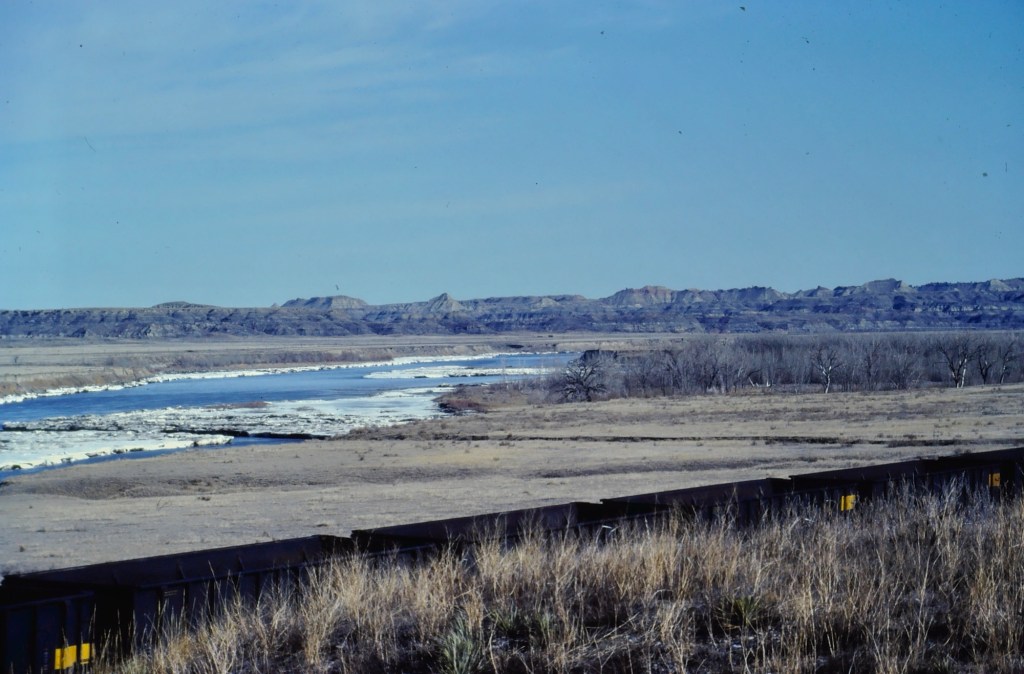
The Yellowstone west of Terry in 1984

The valley is stunning—the river is wide and commanding buttes and badland outcroppings flank either river bank, as do the tracks of the Northern Pacific Railroad (now Burlington Santa Fe) on the river’s south side and the later automobile Yellowstone Trail (old U.S. 10).

The Yellowstone in 1984

Once from 1997 to c 1980 the tracks of the Milwaukee Road ran along the north side of the river, from east of Terry into Miles City. Today you can still see traces of its roadbed and right of way.

Milwaukee Road right of way, east of Terry, 2014

In the 1980s residents impressed me greatly with their sense of, and pride in, their settlement past.

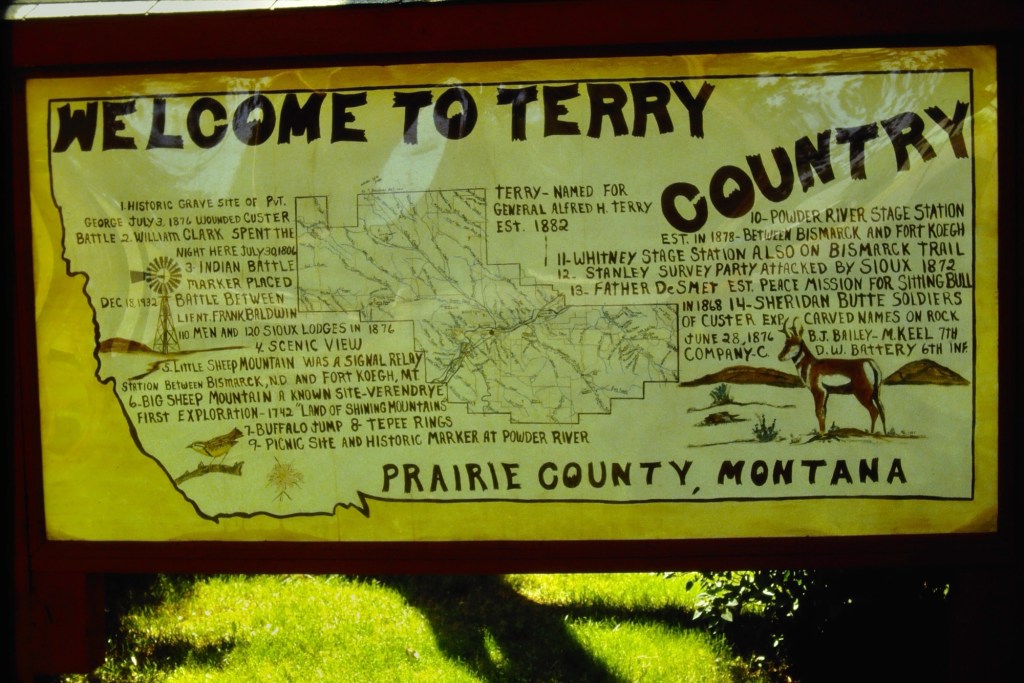
Heritage tourism sign, c1985

For my work on the state historic preservation plan in 1984, I held a community meeting in Terry, at the recently established Prairie County Museum.

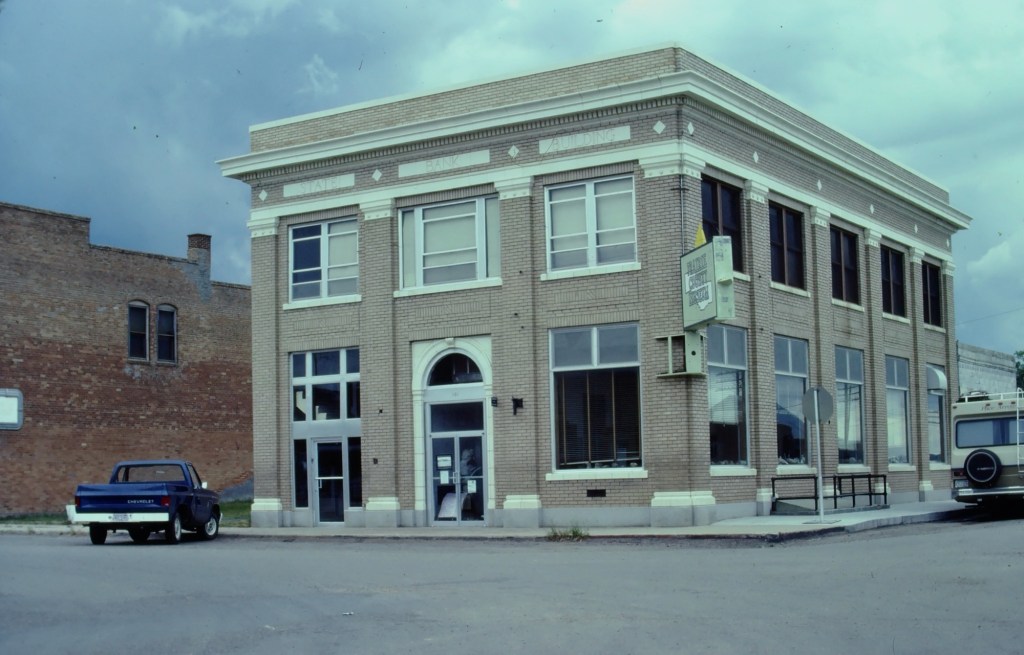
The county museum 1985

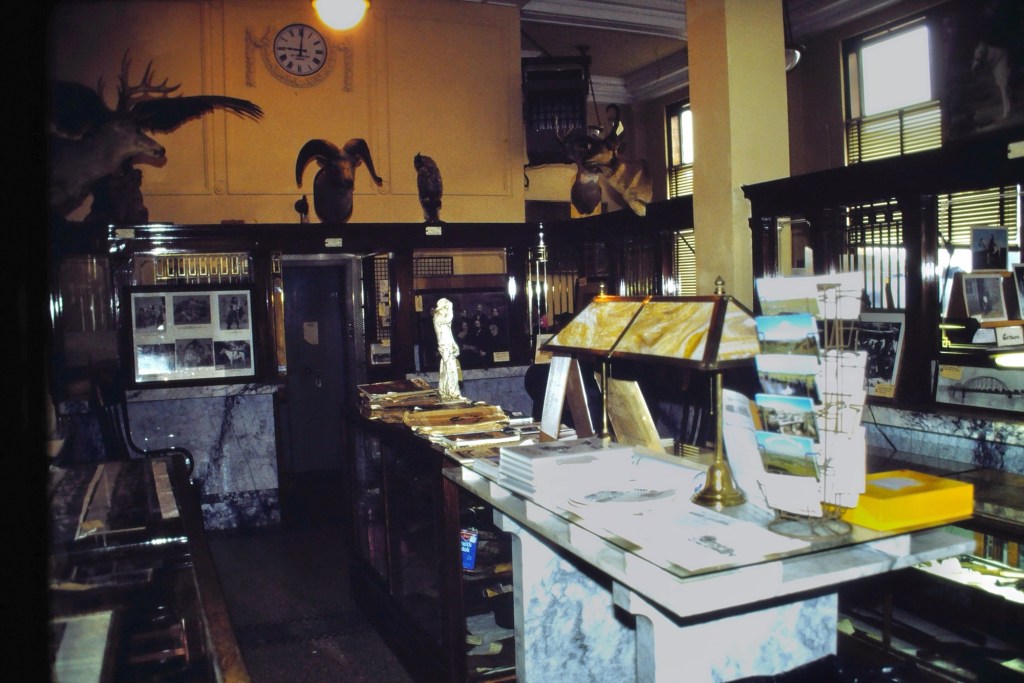
It was a converted State Bank Building, an architecturally impressive 2-story Classical Revival-style building, anchoring one of the corners of the business district. The historical society had basically just moved in and kept many of the ban’s interior details and furnishings and used them to place objects on.

Exhibits, c. 1988

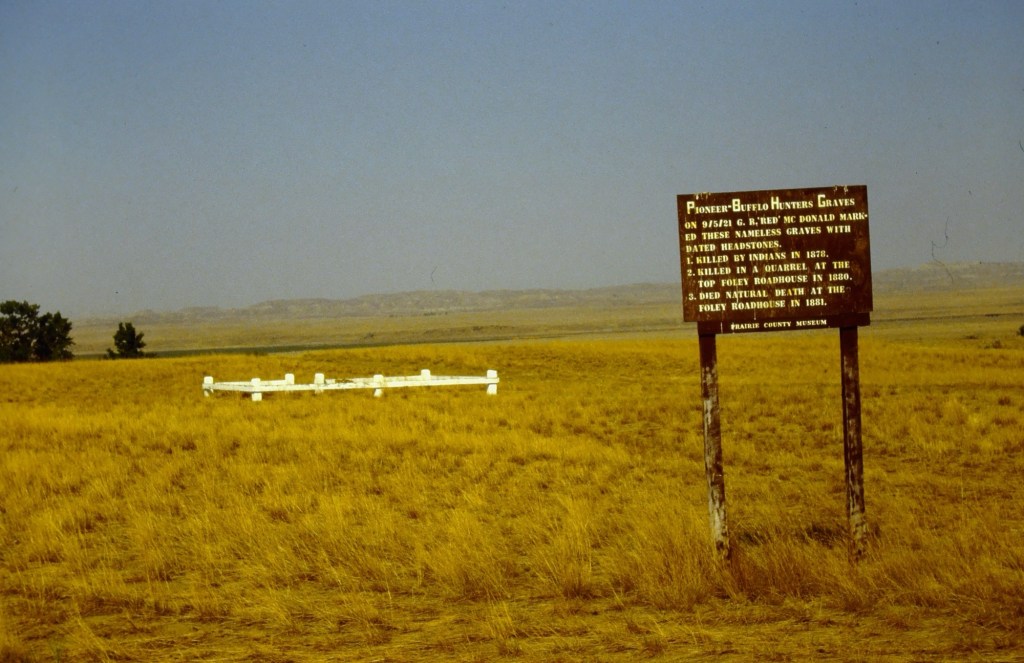
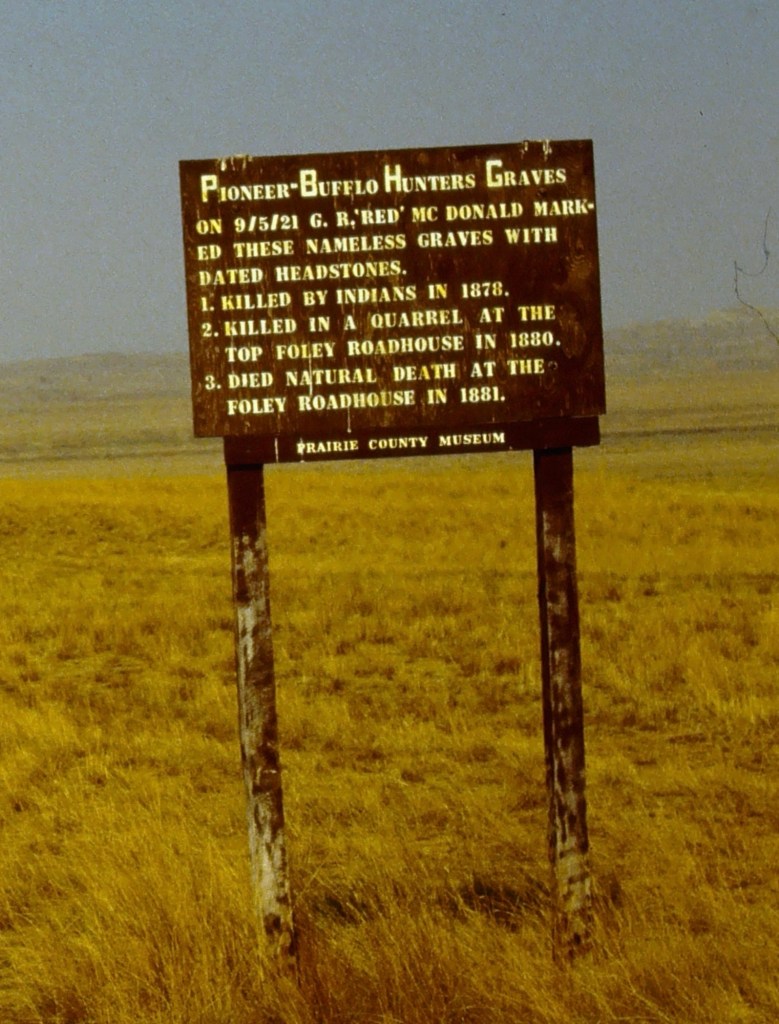
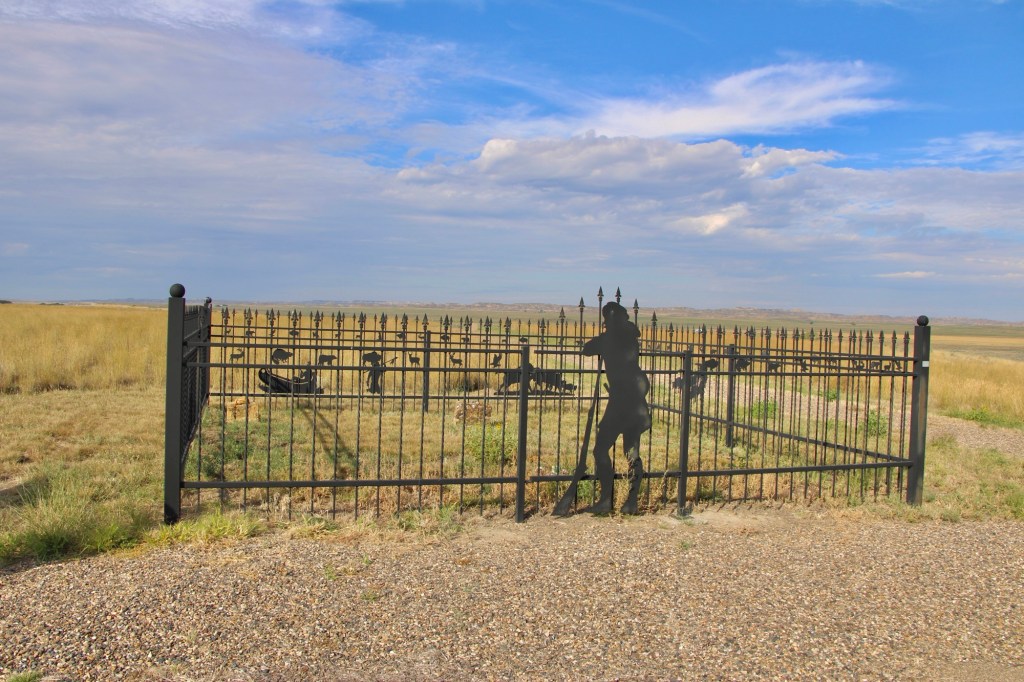
The meeting was a lot of fun, at least for me. And I learned a valuable lesson—listen and observe, don’t immediately judge. The example was a small graveyard, near the confluence of the Yellowstone and Powder Rivers, where the museum had installed a low fence and basic interpretive sign.

Pioneer/Buffalo Hunters graveyard, 1984

I acknowledged that this site was clearly significant but offered that without an interstate highway sign (an exit was less than a mile away) or a marker on old U.S. 10, which was adjacent to the cemetery), “no one knows that it exists or where to find it.” One resident then remarked: “son, we know where it is and what it means.” I have never made that boneheaded mistake again.

Interpretive sign, US Highway 10, in 1984

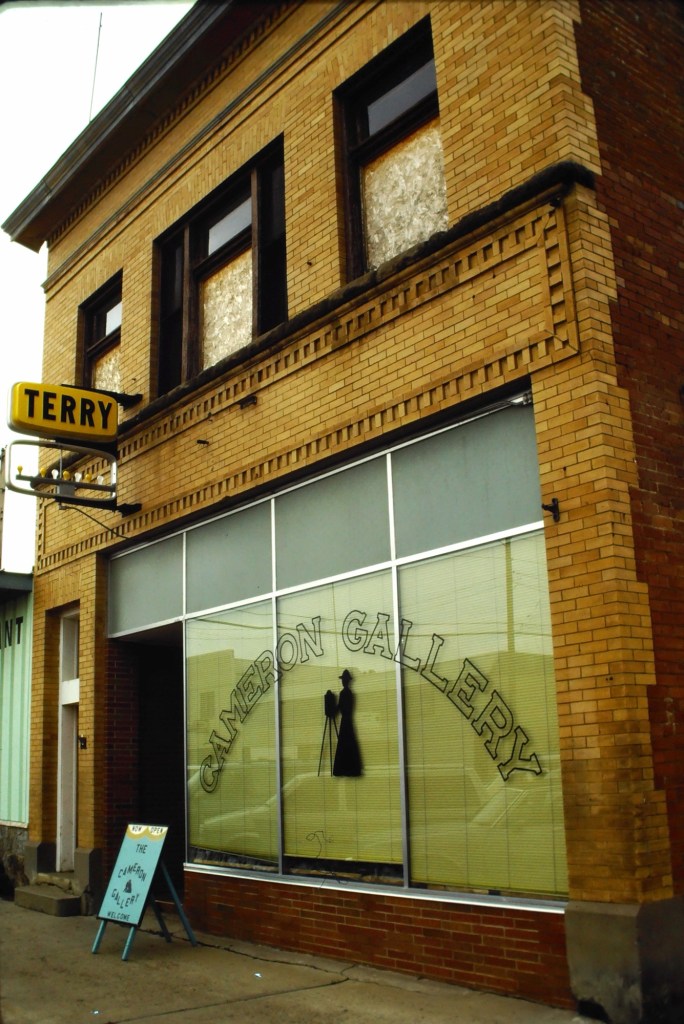
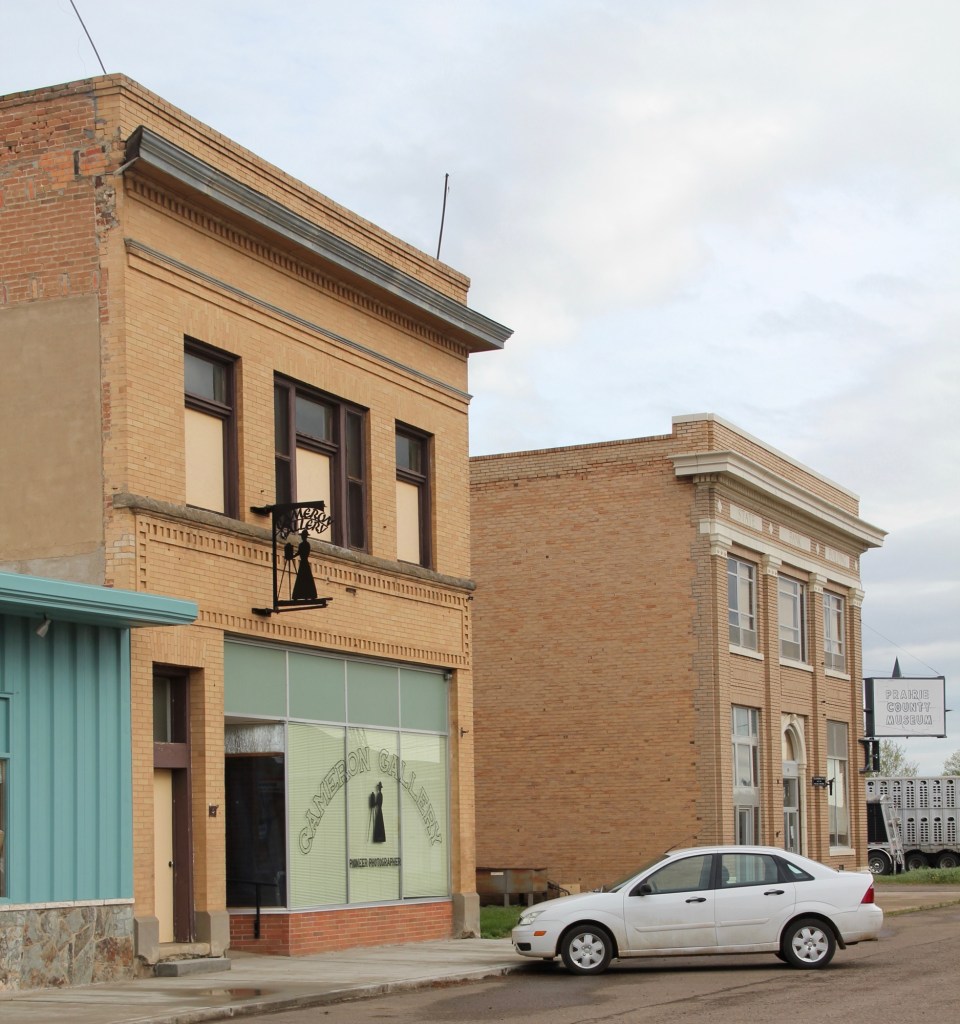
In the 1980s, another museum devoted to the amazing photography of Evelyn Cameron was established, in a historic building next to the museum.

Cameron gallery, 1985
Cameron gallery, 2014

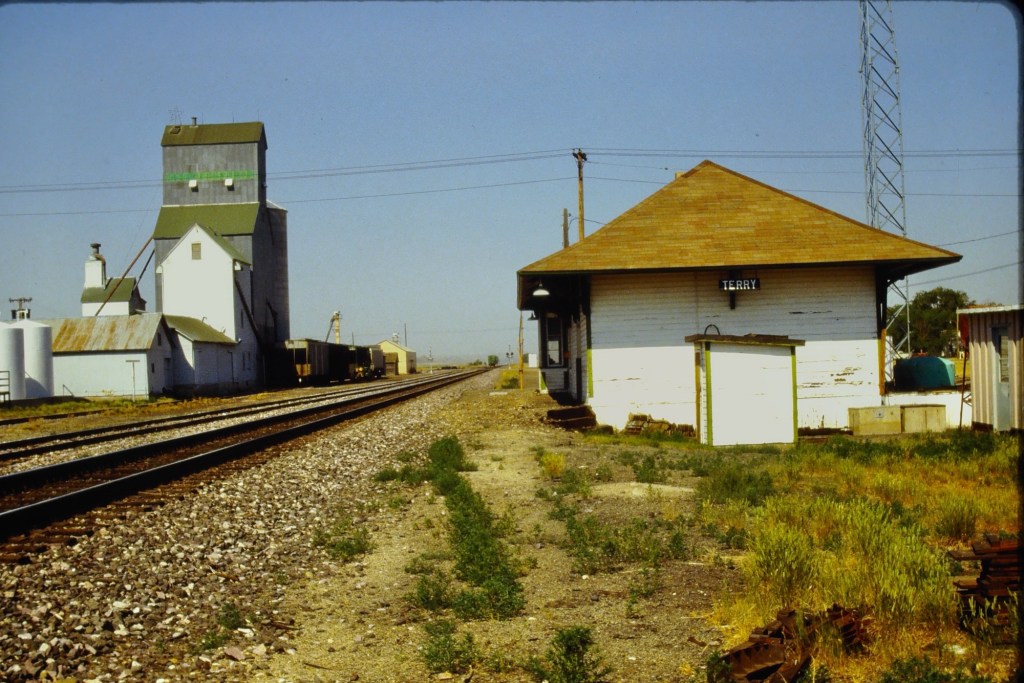
The impressive preservation work already underway in Terry was not the only reason I liked Terry. It was a “double railroad” town, that still had its northern Pacific depot at the top of the “T” in the classic t-town plan found in some many Montana towns.

Northern Pacific corridor, 1988

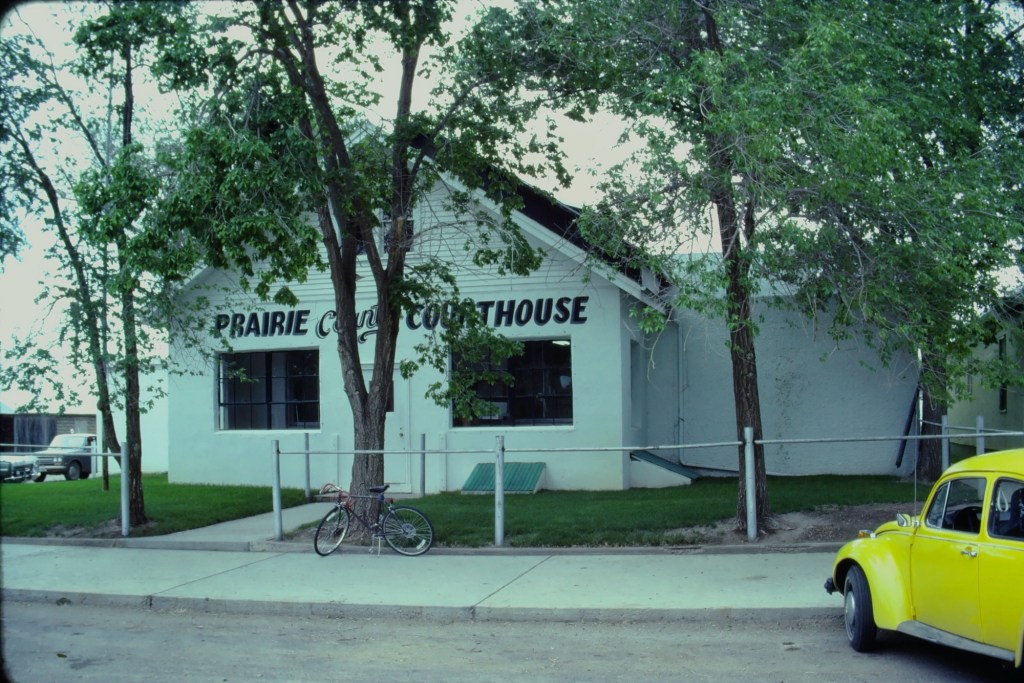
Then its county courthouse was one of the most unassuming public buildings in the state.

County Courthouse 1984

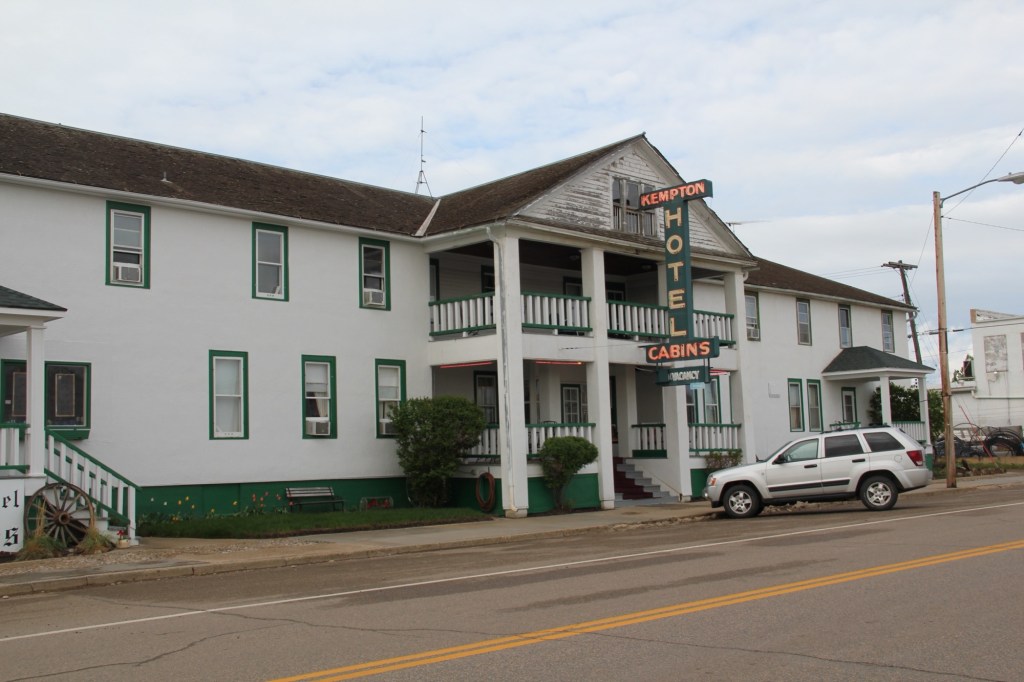
Plus there were two can’t miss heritage tourism experiences. The historic Kempton Hotel, a huge rambling, fascinating place is where I spent a night.

Kempton Hotel, 2014

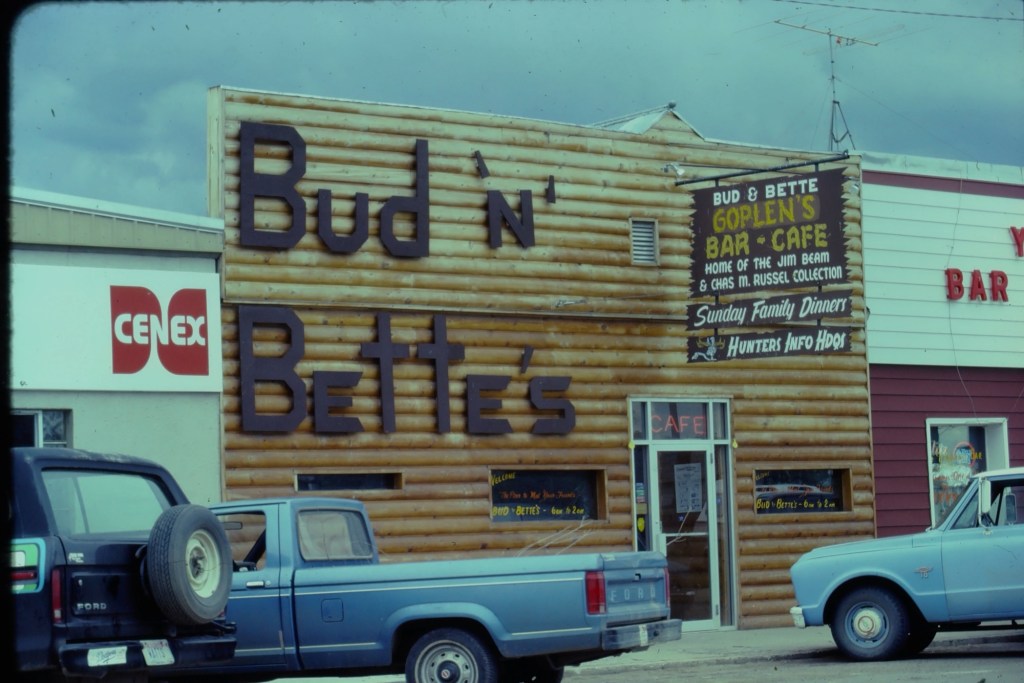
And I probably had too much to eat and drink at the local bar/cafe, Bud ‘n’ Bette’s. Bud and Bette Goplen owned and operated the place. Bud died in the 1990s but Bette kept it going until the end of the century. Not only were the pours generous and the beer cold, but they sold one of the best caramel rolls in the valley. And yes it did have prints of C.M. Russell paintings plastered along the walls and a fairly size-able Jim Beam decanter and bottle collection. What a place!

Little did I know that when I visited Terry in 1984, 1985, and 1988, it was during its height. Today the town’s and county’s population is about half of what it was in the 1980s.

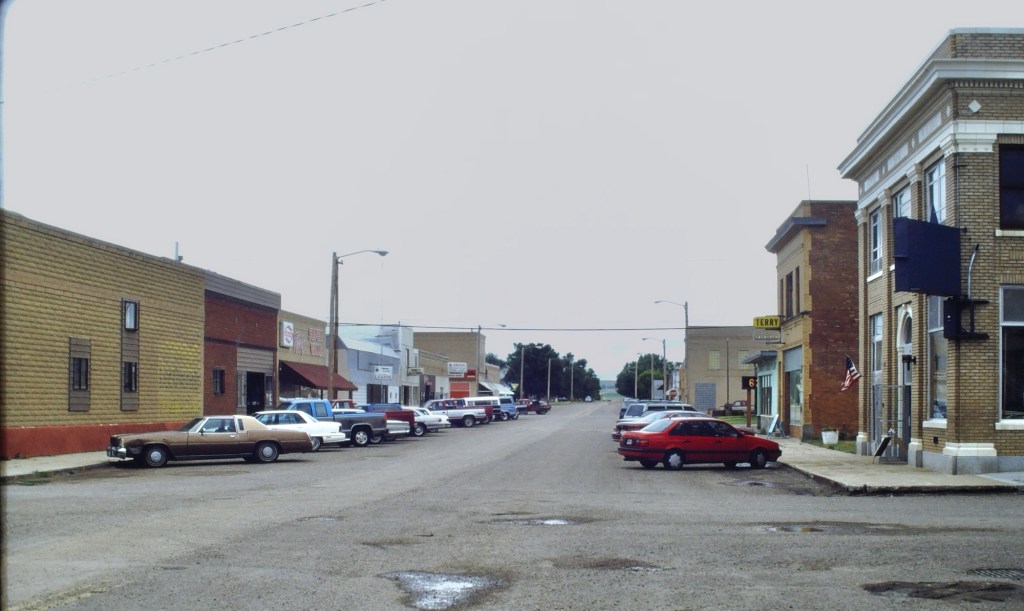
The business district in 1994
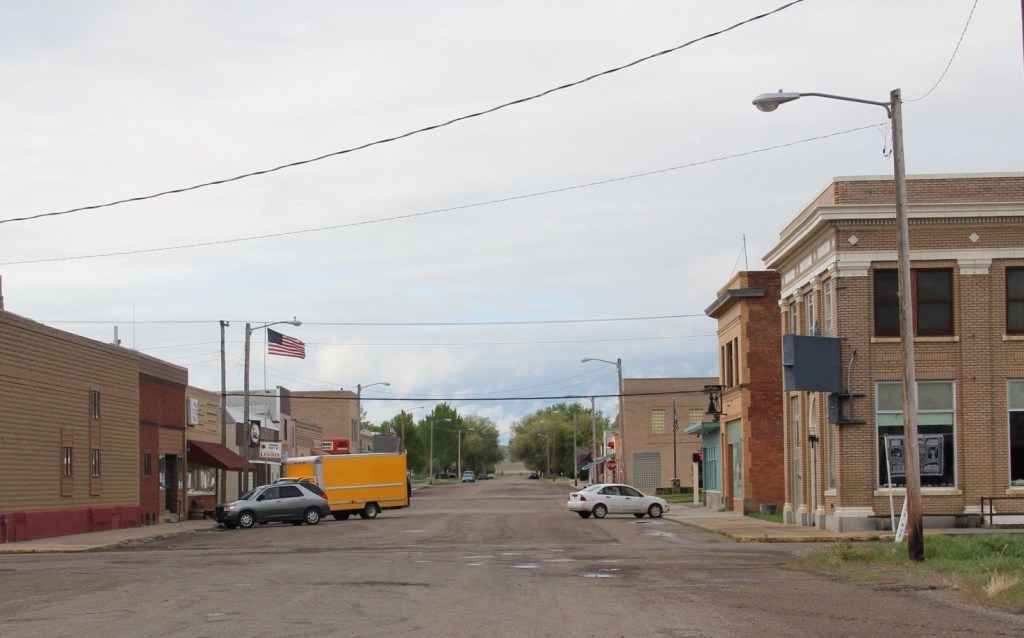
Business district in 2014

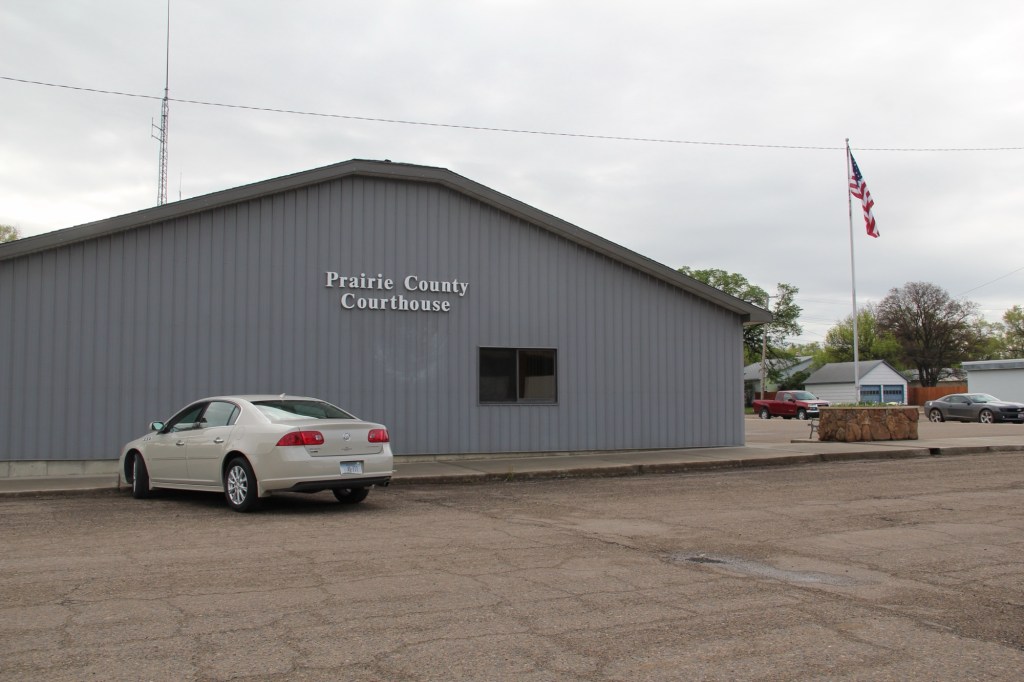
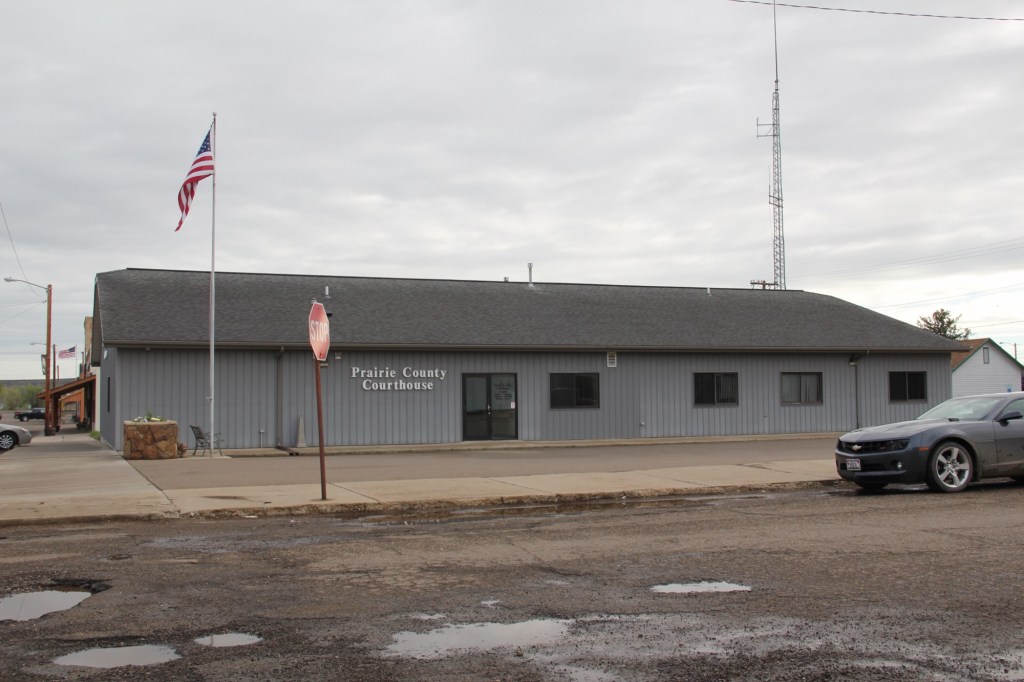
The county courthouse has been modernized and enlarged while the Northern Pacific depot has been moved to the museum’s block.

All images from 2014

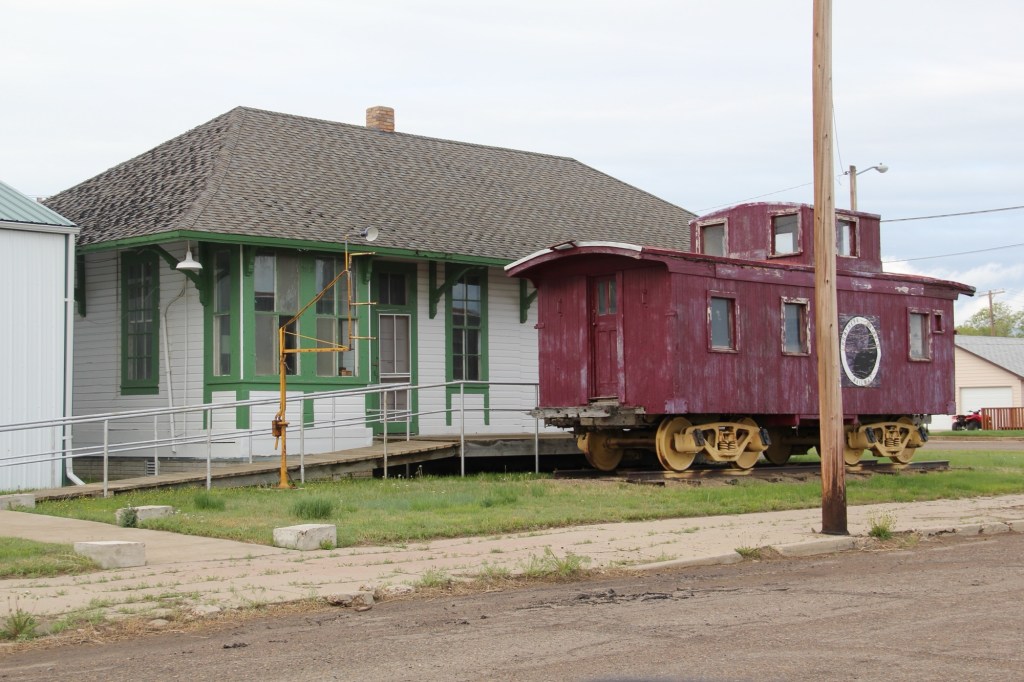
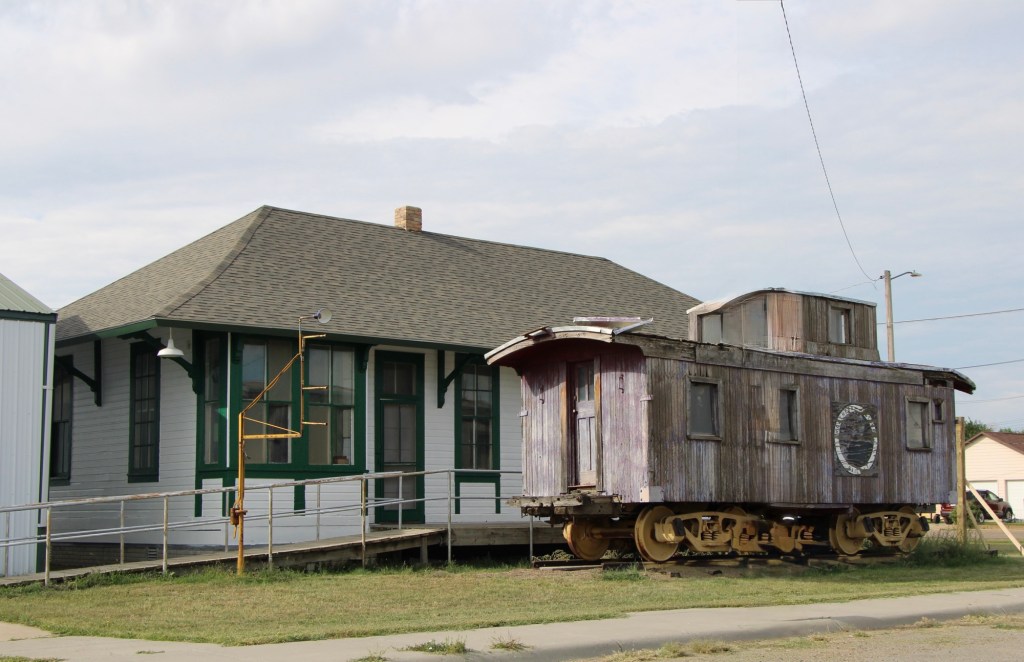
Much had changed in the 20 years between visits in 1994 and 2014. When I had the chance to stop for a moment in 2026, I was concerned with the condition of the Northern Pacific caboose.

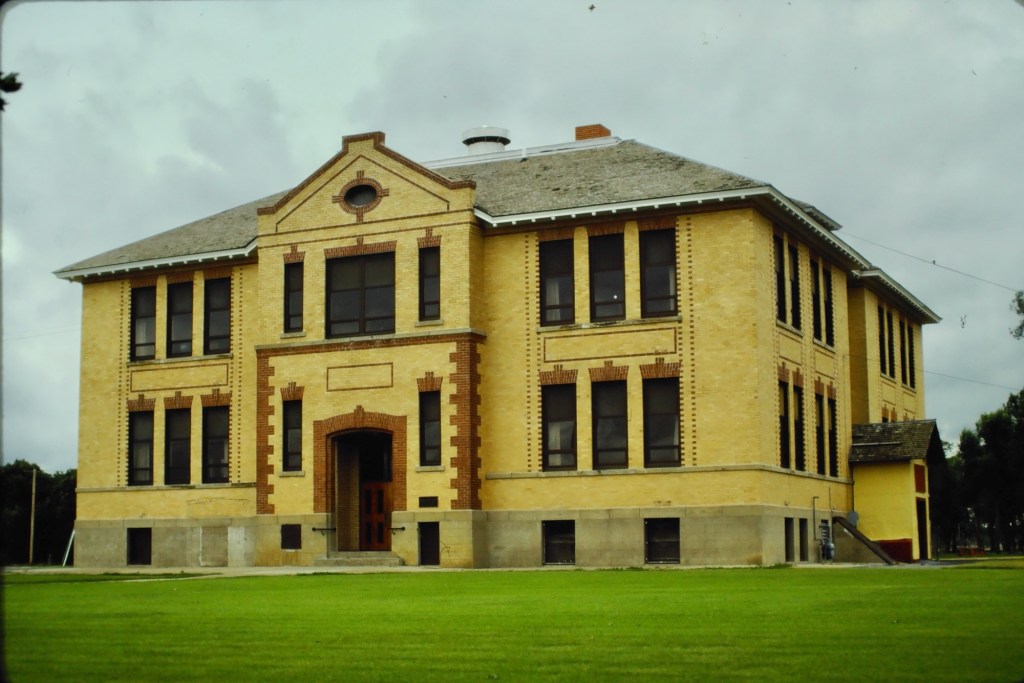
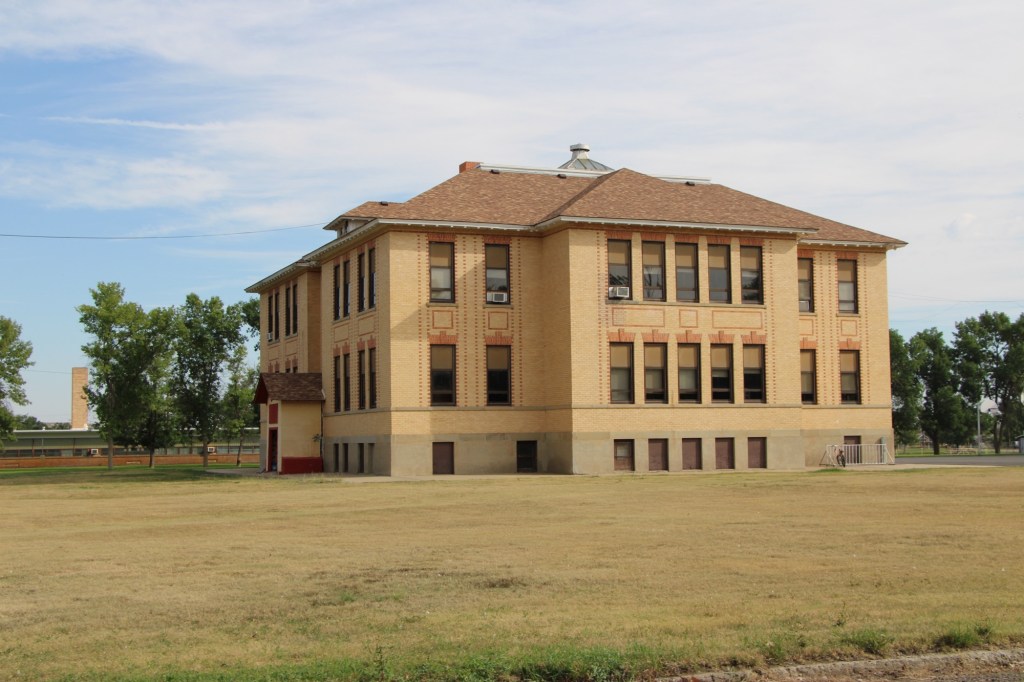
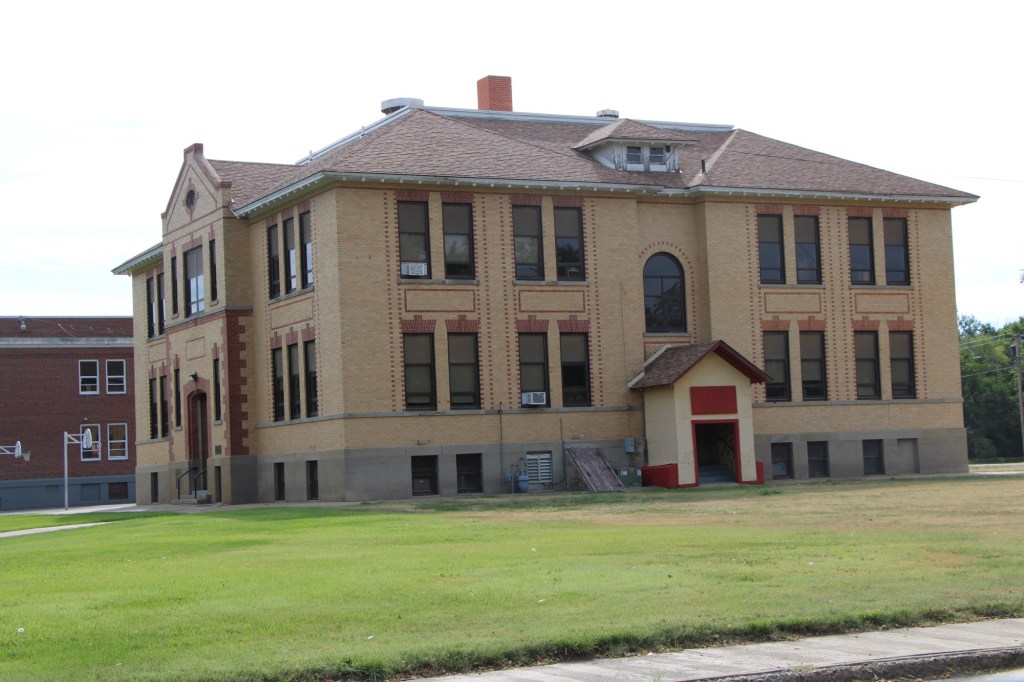
At the same time I was very happy to see the excellent condition of the early 20th century Terry school. It is a great building, so expressive of the founders’ hope for the town and county. 100 years ago.

School in 1988
School in 2026
School in 2026

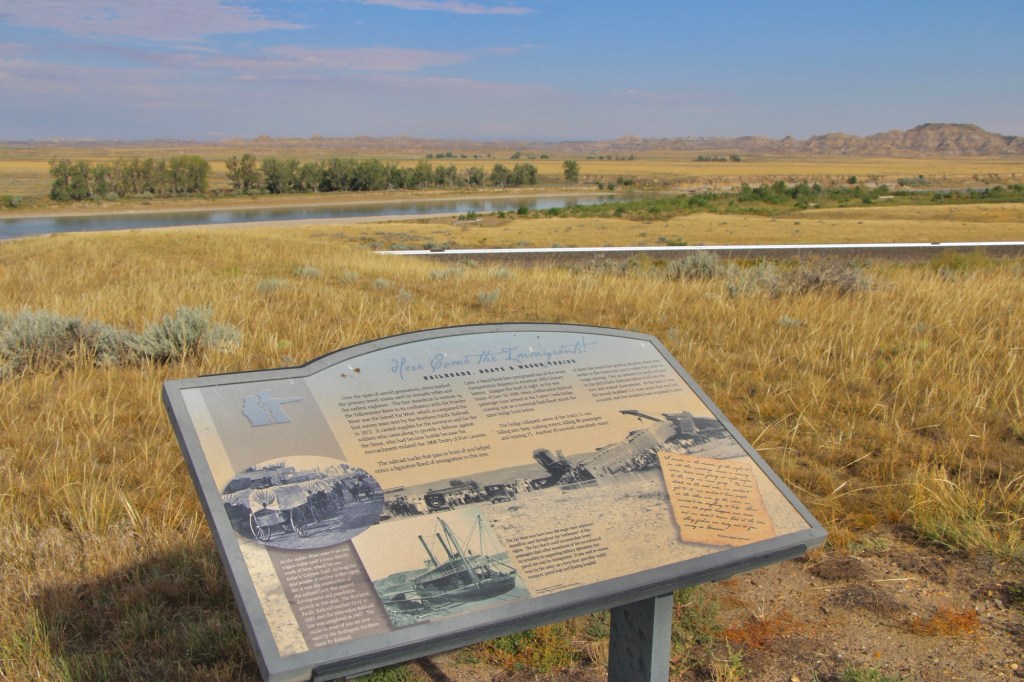
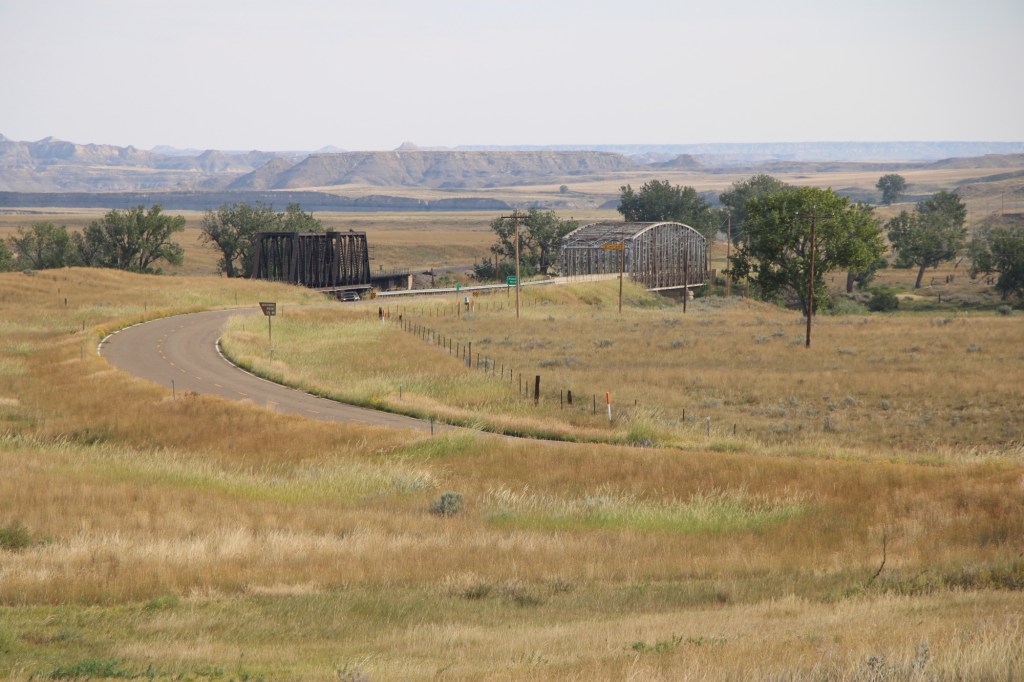
I already noted in an earlier post the transformation of the hunters graveyard along old U.S. Highway 10–it is now one of the best interpreted sites along the Yellowstone River. Along the interpretive panels there is a short-distance walking trail with great views of the river plus you can easily see both the historic bridges over the Powder River at the confluence of the Powder and Yellowstone rivers.

All images from 2026

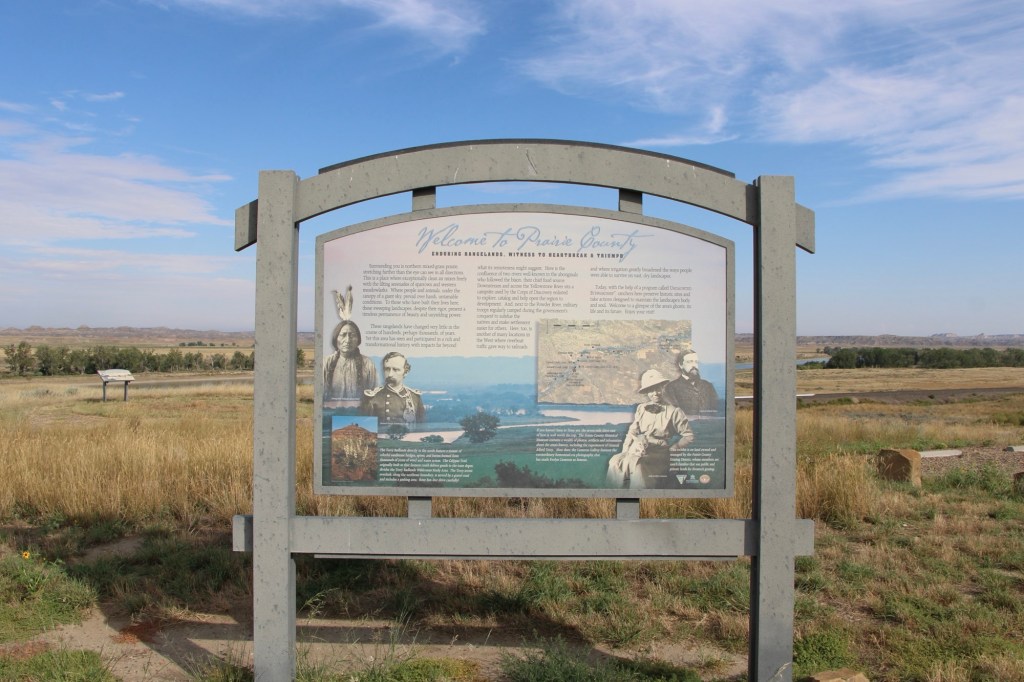
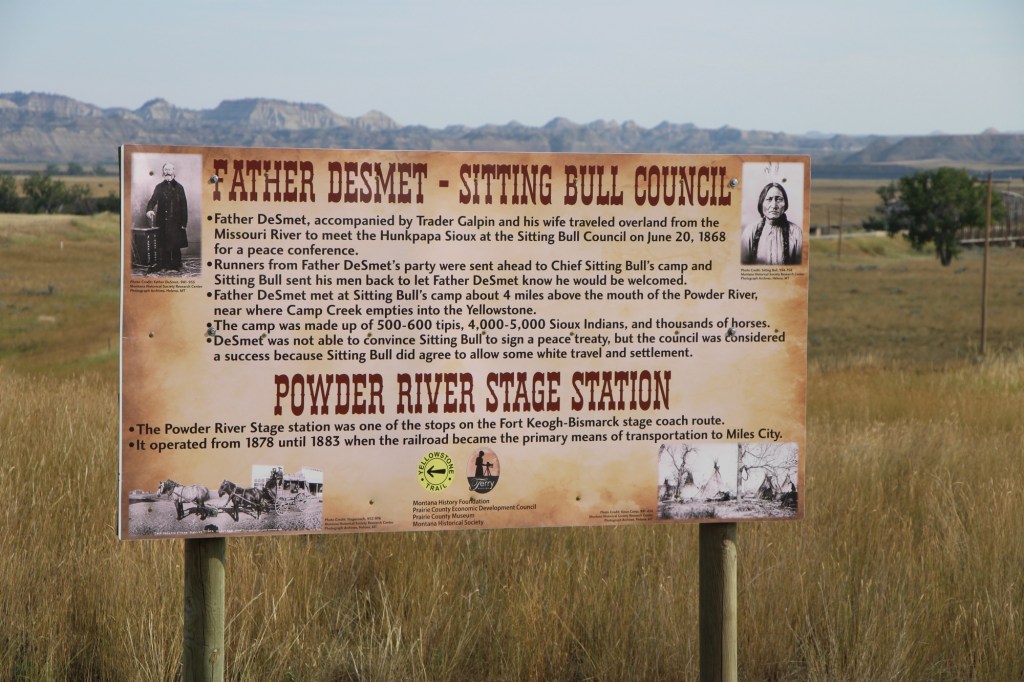
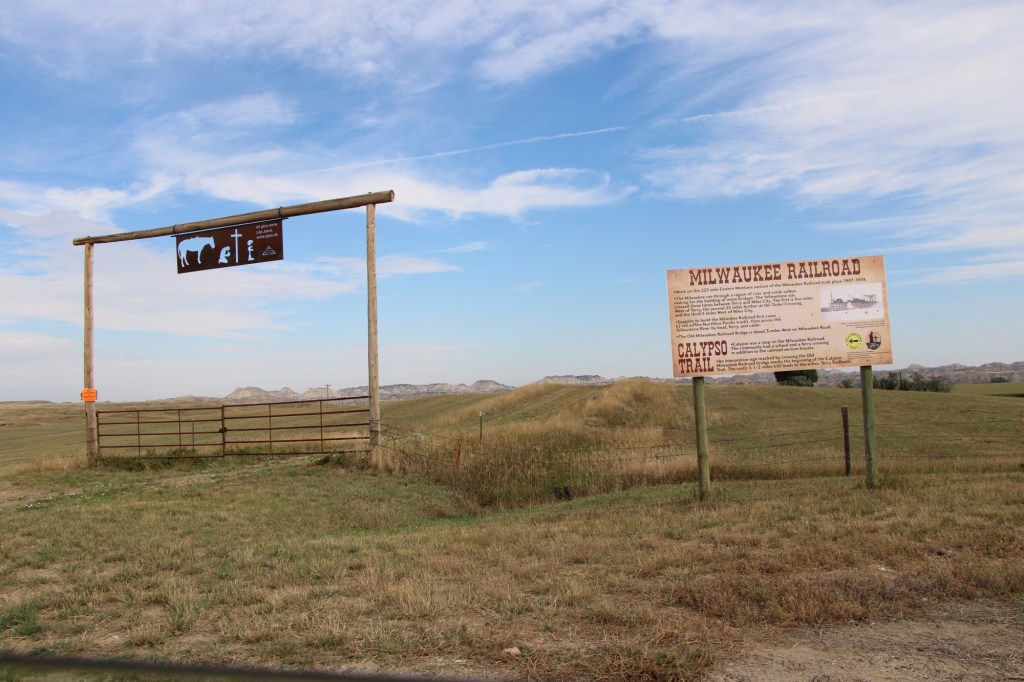
And residents of Prairie County are not done. In partnership with the Montana History Foundation, the state historical society, and the county economic development office, they have added other markers about the deep history of this place in the Yellowstone valley.

Just wish I had a caramel roll from Bud ‘n’ Bette’s!