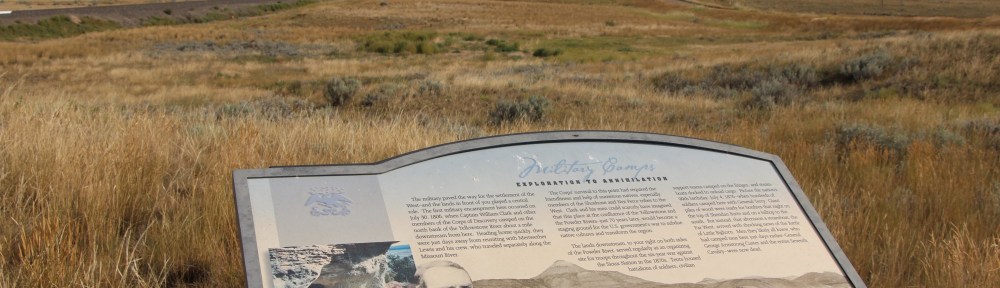
Terry, the seat of Prairie County, is an often forgotten, bypassed part of the Yellowstone River valley. Yet it has long been one of my favorite places, beginning with my first exploration of its history and landscape in 1984.
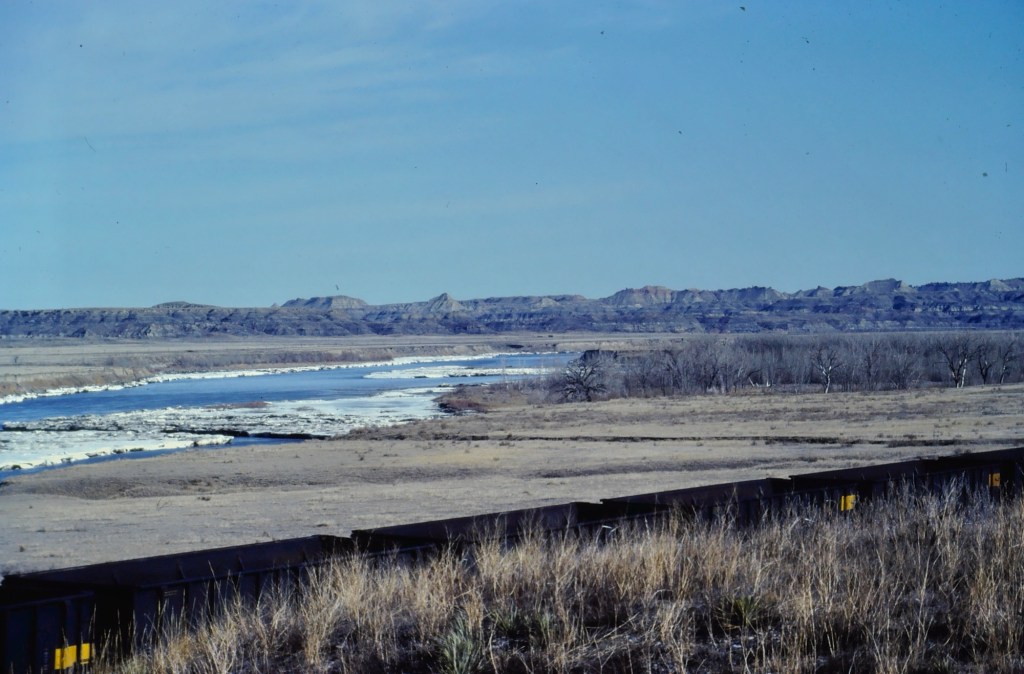
The valley is stunning—the river is wide and commanding buttes and badland outcroppings flank either river bank, as do the tracks of the Northern Pacific Railroad (now Burlington Santa Fe) on the river’s south side and the later automobile Yellowstone Trail (old U.S. 10).
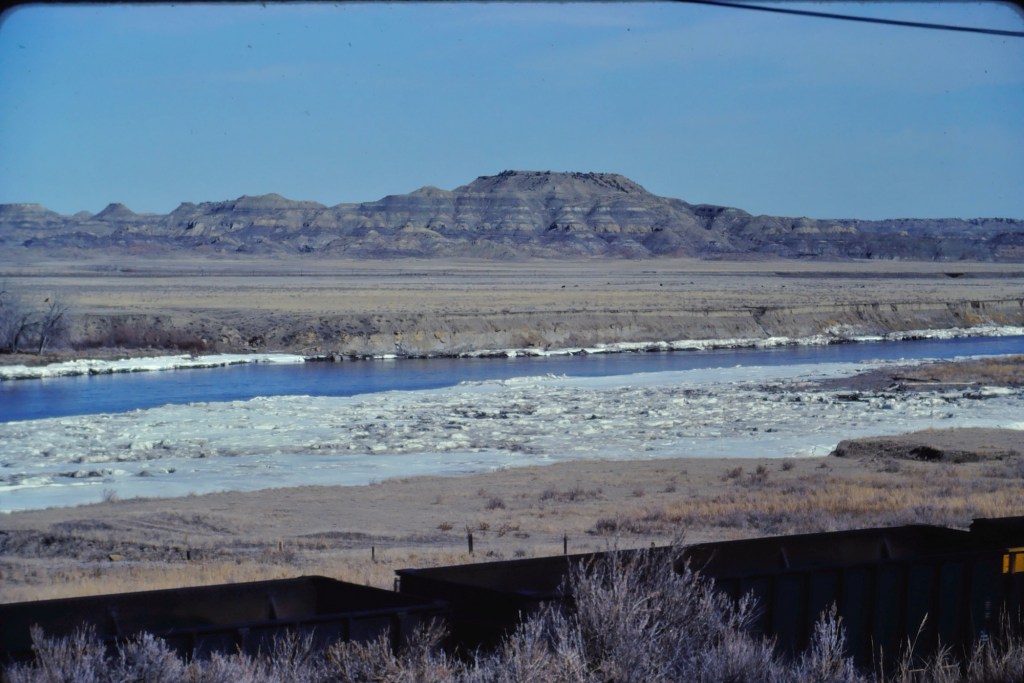
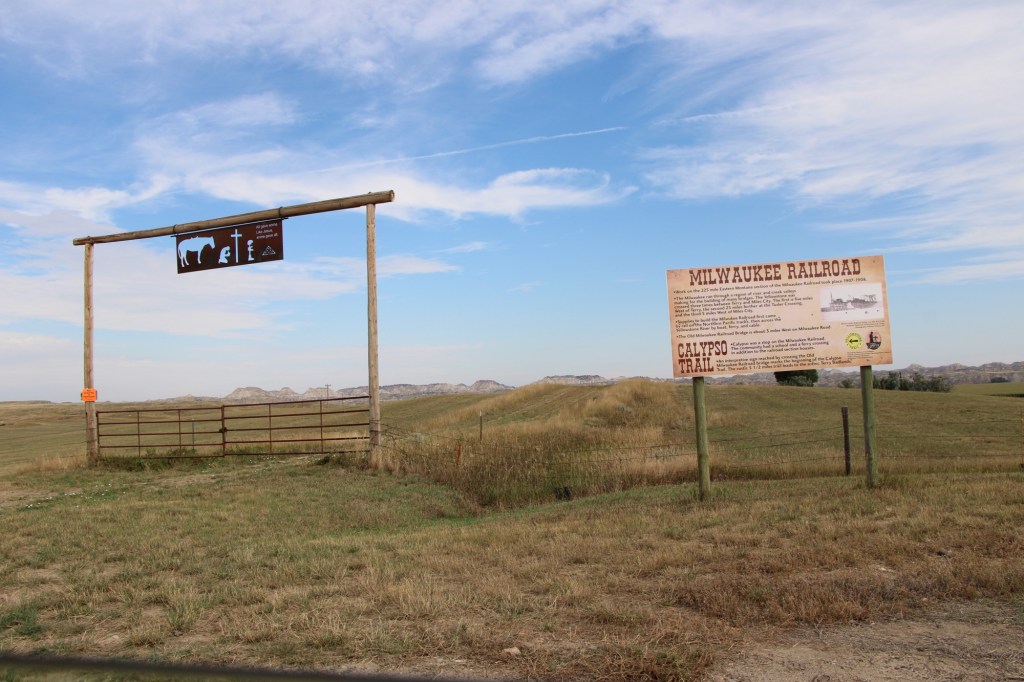
Once from 1997 to c 1980 the tracks of the Milwaukee Road ran along the north side of the river, from east of Terry into Miles City. Today you can still see traces of its roadbed and right of way.
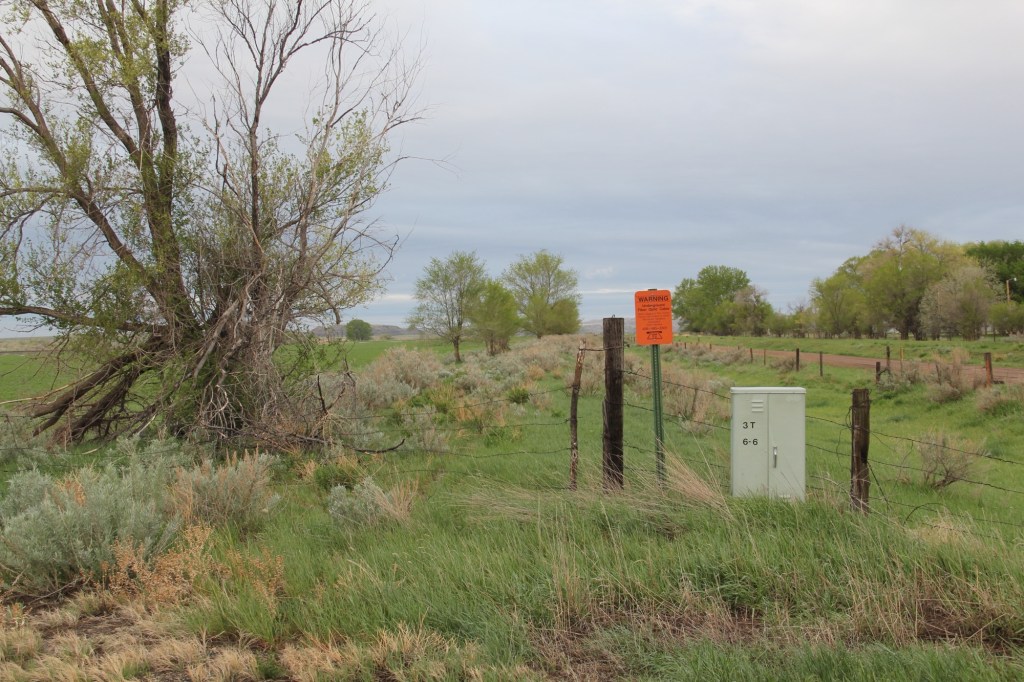
In the 1980s residents impressed me greatly with their sense of, and pride in, their settlement past.
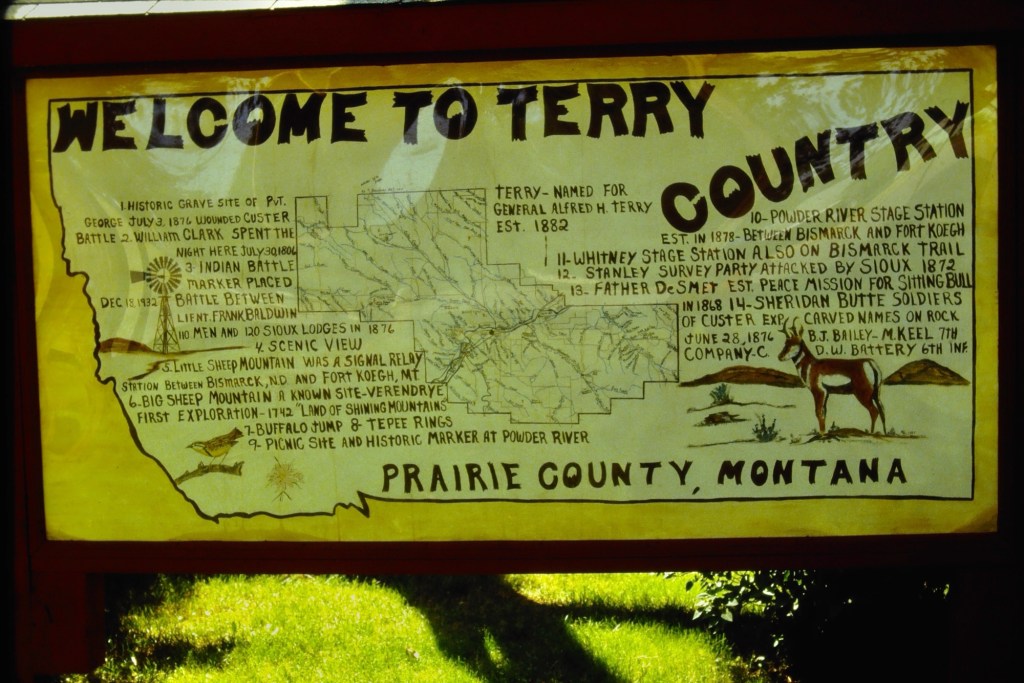
For my work on the state historic preservation plan in 1984, I held a community meeting in Terry, at the recently established Prairie County Museum.
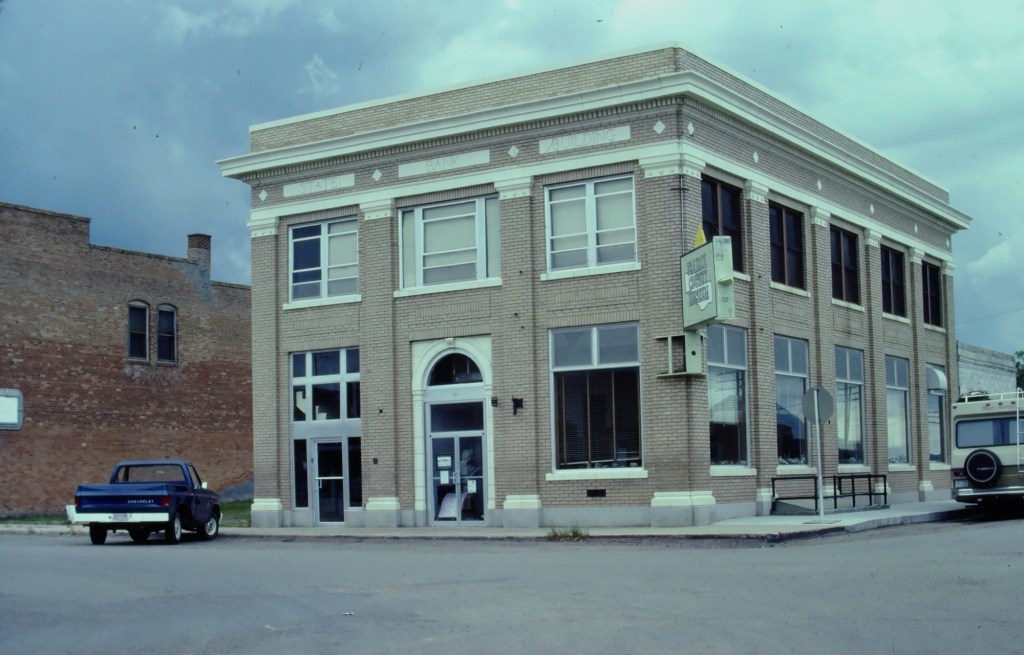
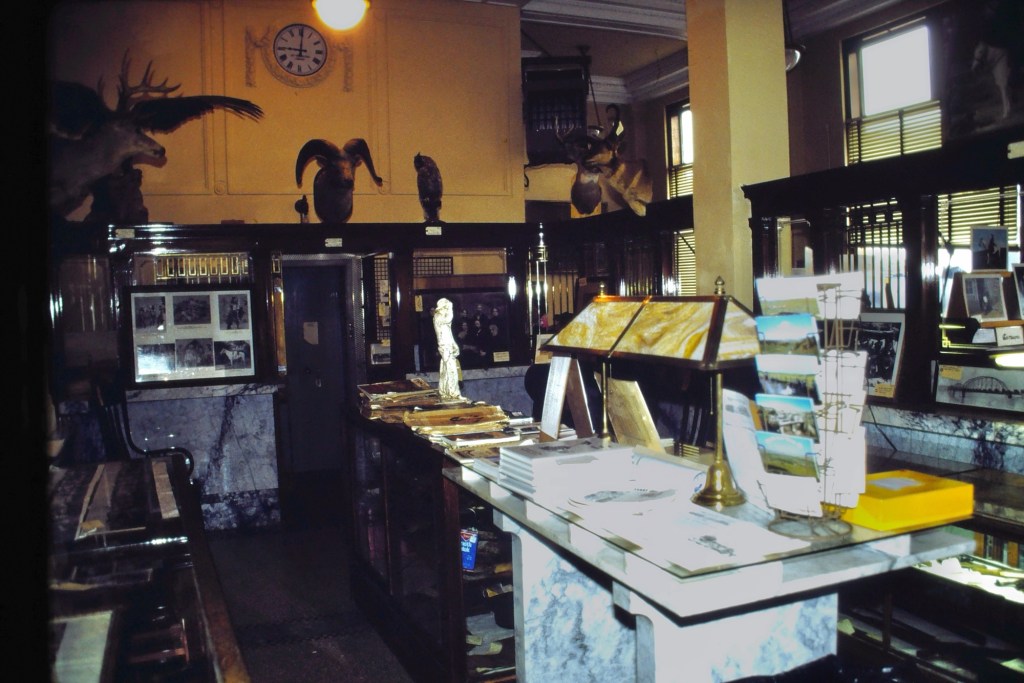
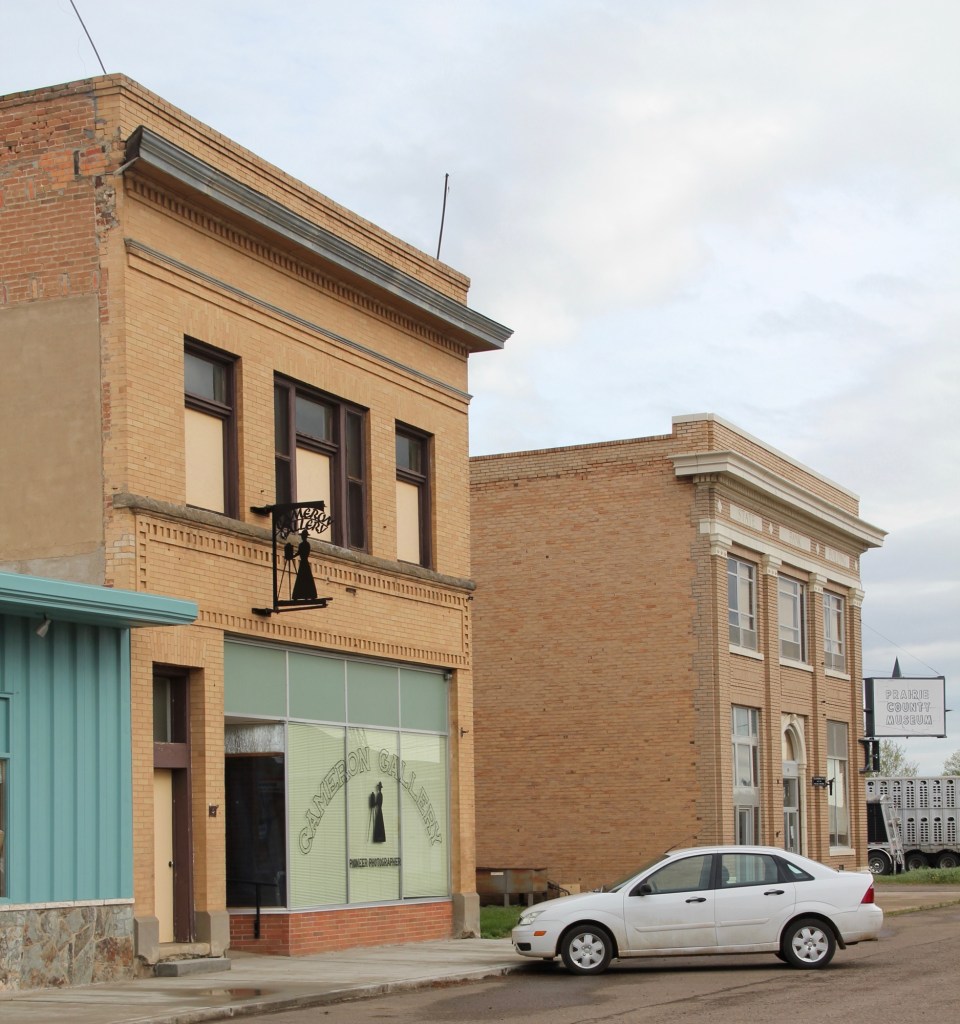
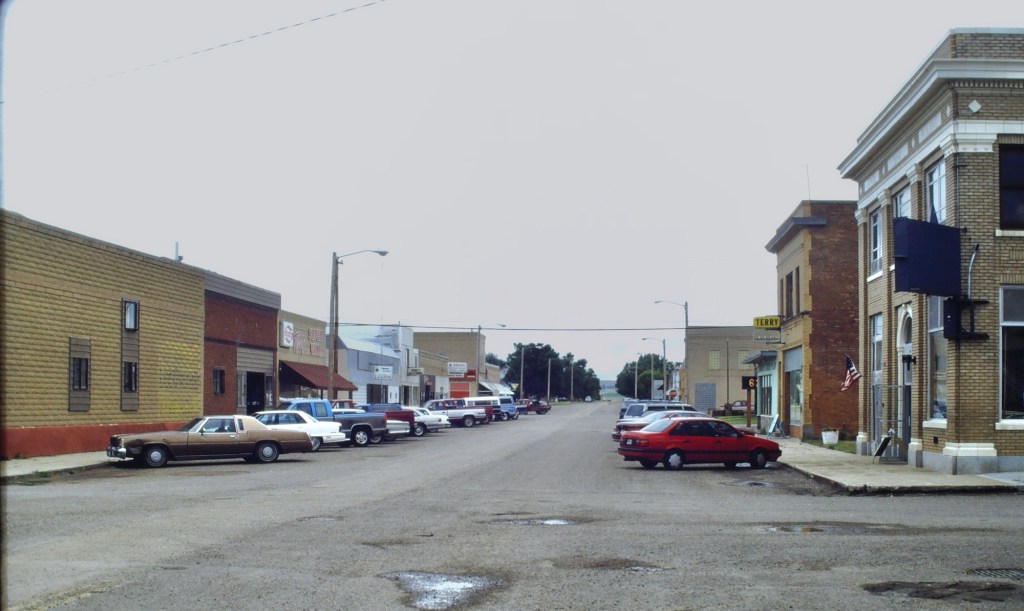
It was a converted State Bank Building, an architecturally impressive 2-story Classical Revival-style building, anchoring one of the corners of the business district. The historical society had basically just moved in and kept many of the ban’s interior details and furnishings and used them to place objects on.
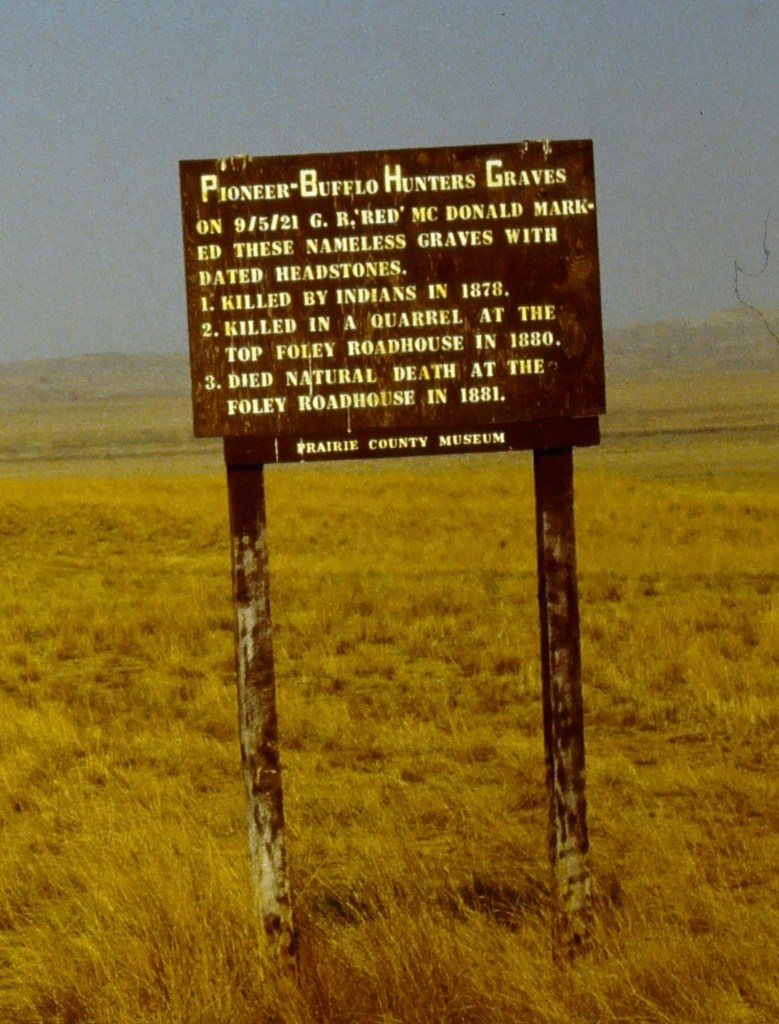
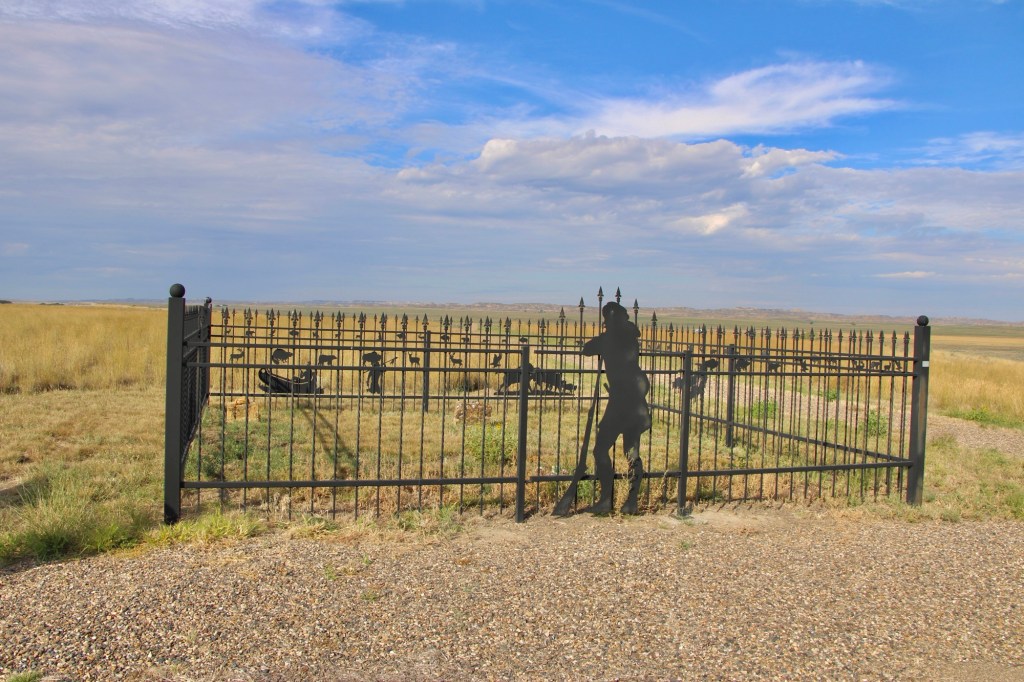
The meeting was a lot of fun, at least for me. And I learned a valuable lesson—listen and observe, don’t immediately judge. The example was a small graveyard, near the confluence of the Yellowstone and Powder Rivers, where the museum had installed a low fence and basic interpretive sign.
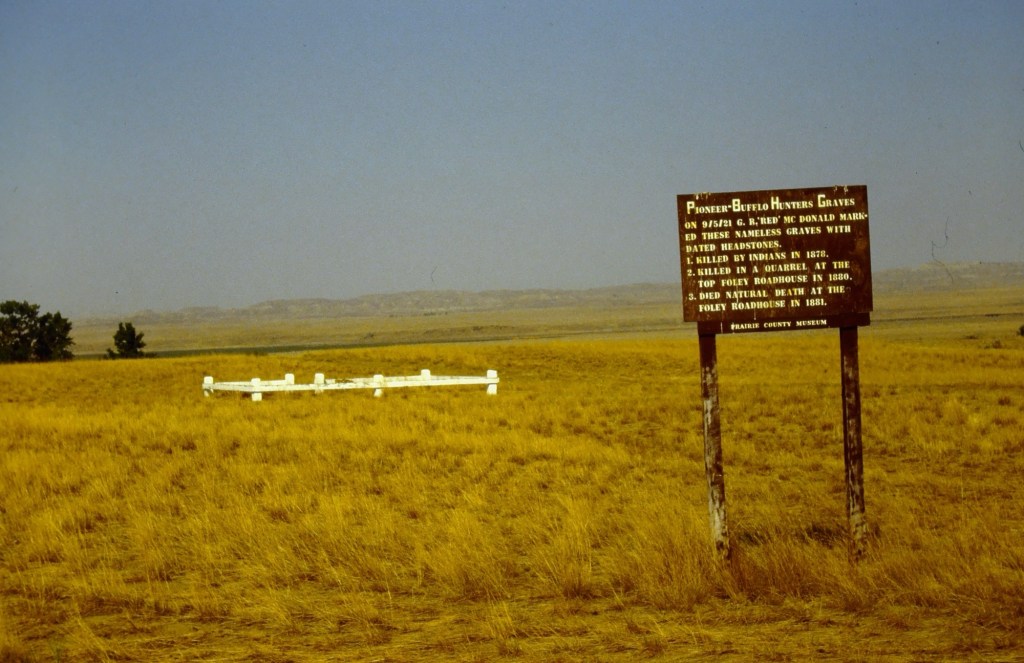
I acknowledged that this site was clearly significant but offered that without an interstate highway sign (an exit was less than a mile away) or a marker on old U.S. 10, which was adjacent to the cemetery), “no one knows that it exists or where to find it.” One resident then remarked: “son, we know where it is and what it means.” I have never made that boneheaded mistake again.
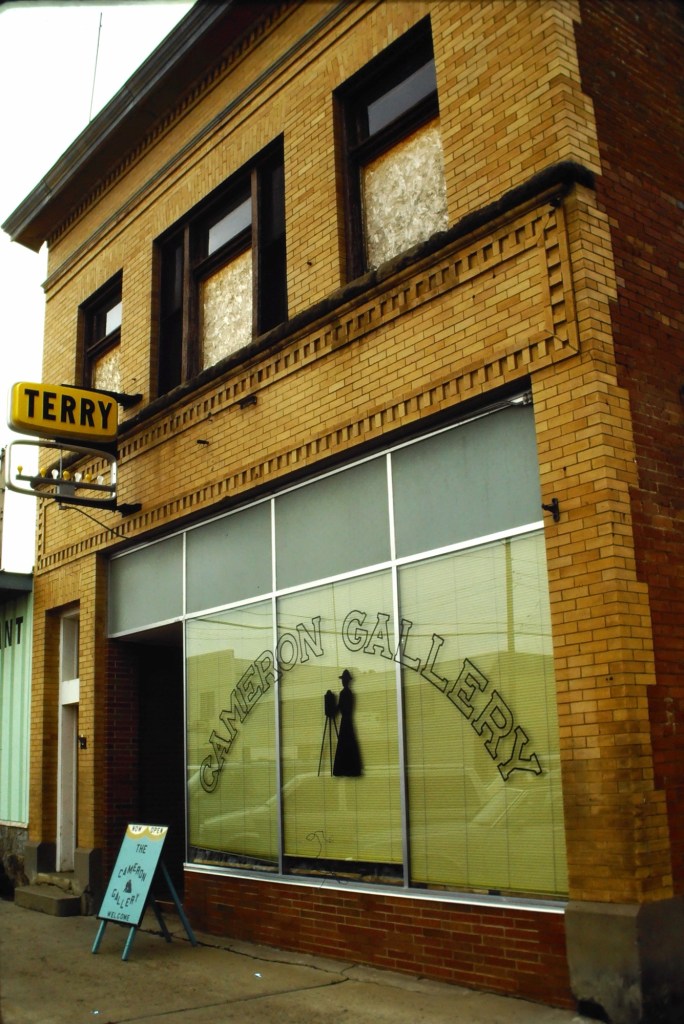
In the 1980s, another museum devoted to the amazing photography of Evelyn Cameron was established, in a historic building next to the museum.
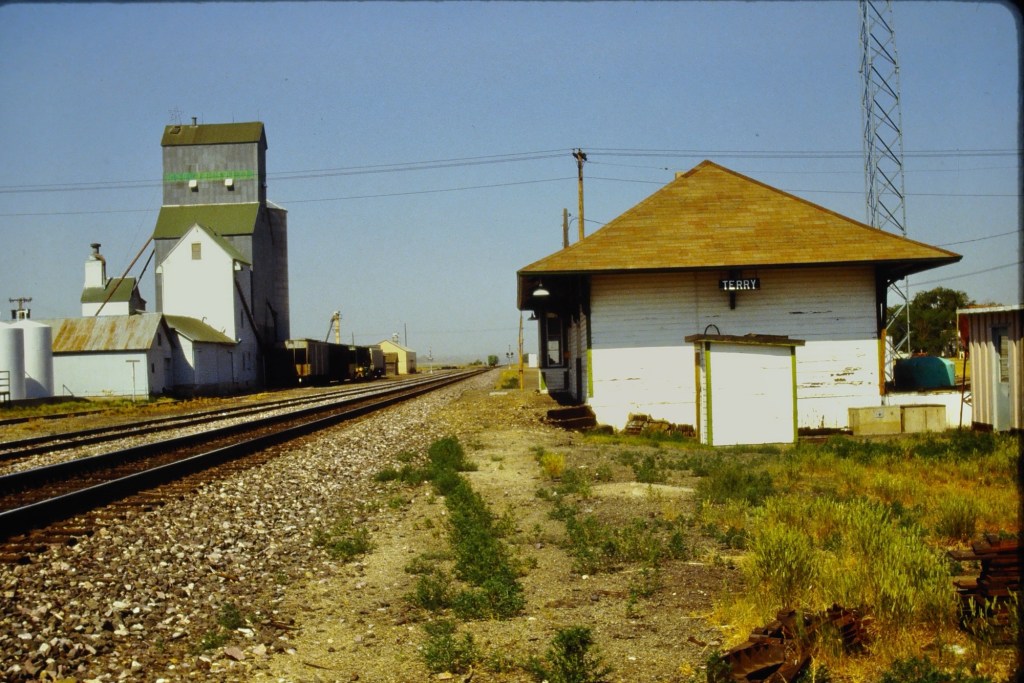
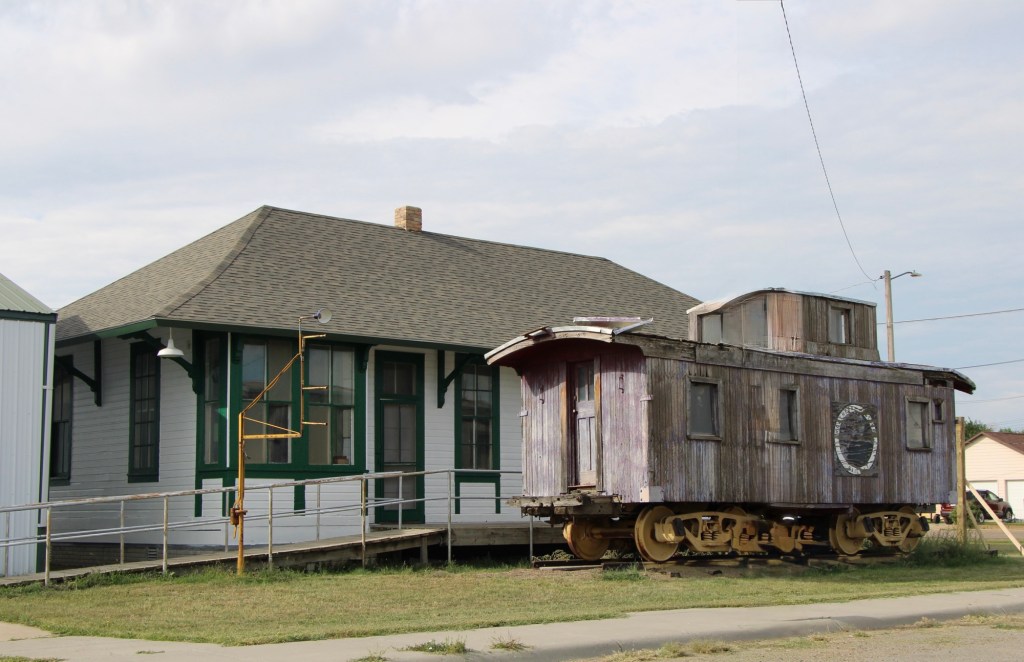
The impressive preservation work already underway in Terry was not the only reason I liked Terry. It was a “double railroad” town, that still had its northern Pacific depot at the top of the “T” in the classic t-town plan found in some many Montana towns.
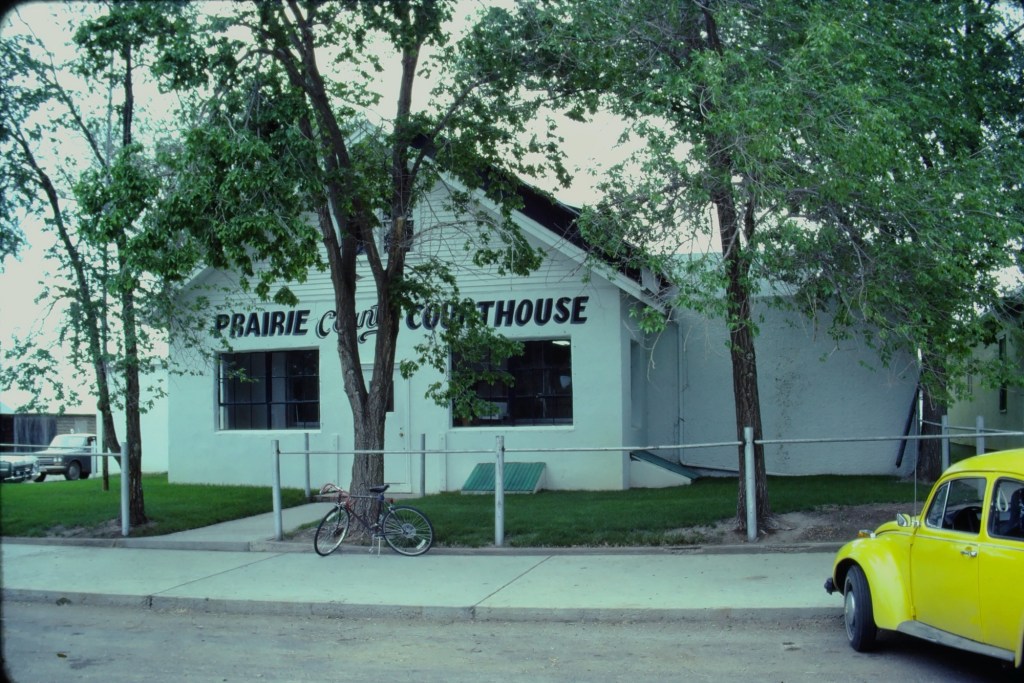
Then its county courthouse was one of the most unassuming public buildings in the state.
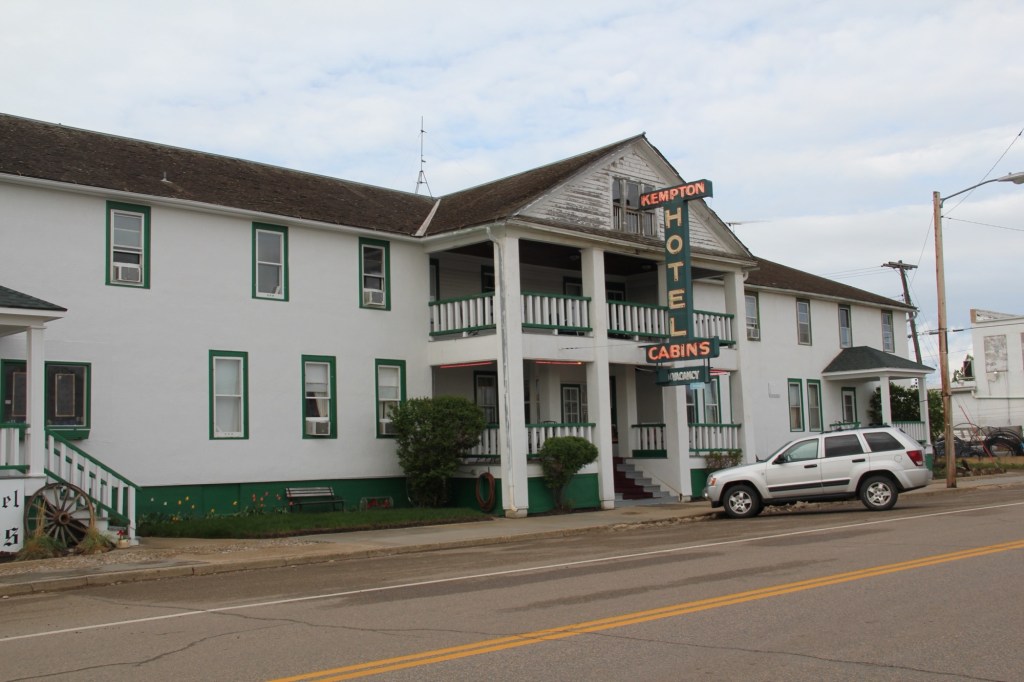
Plus there were two can’t miss heritage tourism experiences. The historic Kempton Hotel, a huge rambling, fascinating place is where I spent a night.
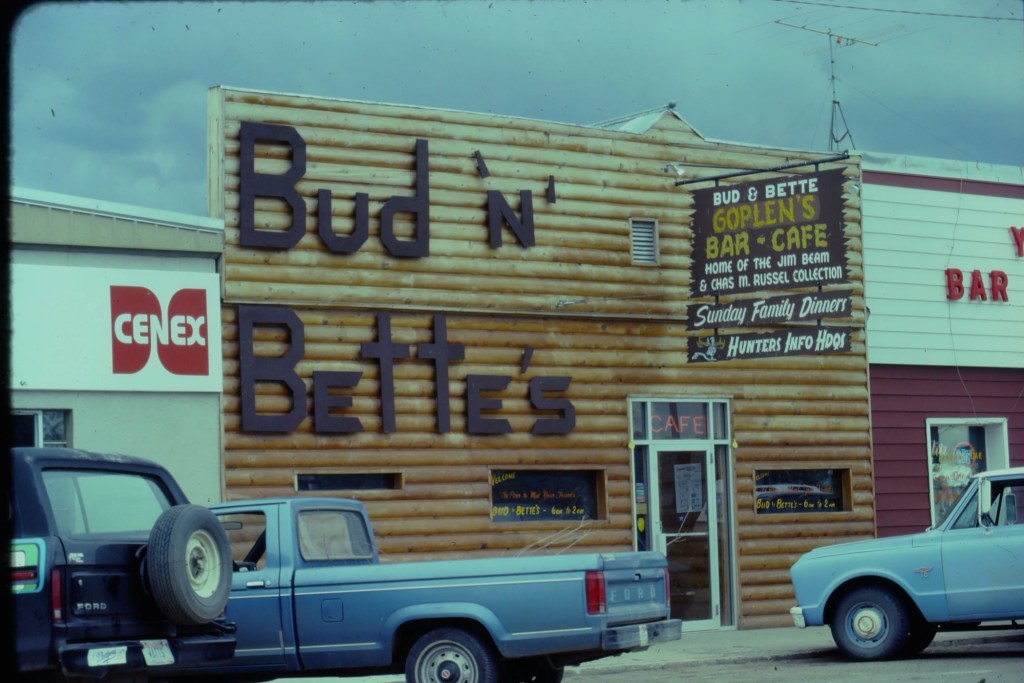
And I probably had too much to eat and drink at the local bar/cafe, Bud ‘n’ Bette’s. Bud and Bette Goplen owned and operated the place. Bud died in the 1990s but Bette kept it going until the end of the century. Not only were the pours generous and the beer cold, but they sold one of the best caramel rolls in the valley. And yes it did have prints of C.M. Russell paintings plastered along the walls and a fairly size-able Jim Beam decanter and bottle collection. What a place!
Little did I know that when I visited Terry in 1984, 1985, and 1988, it was during its height. Today the town’s and county’s population is about half of what it was in the 1980s.
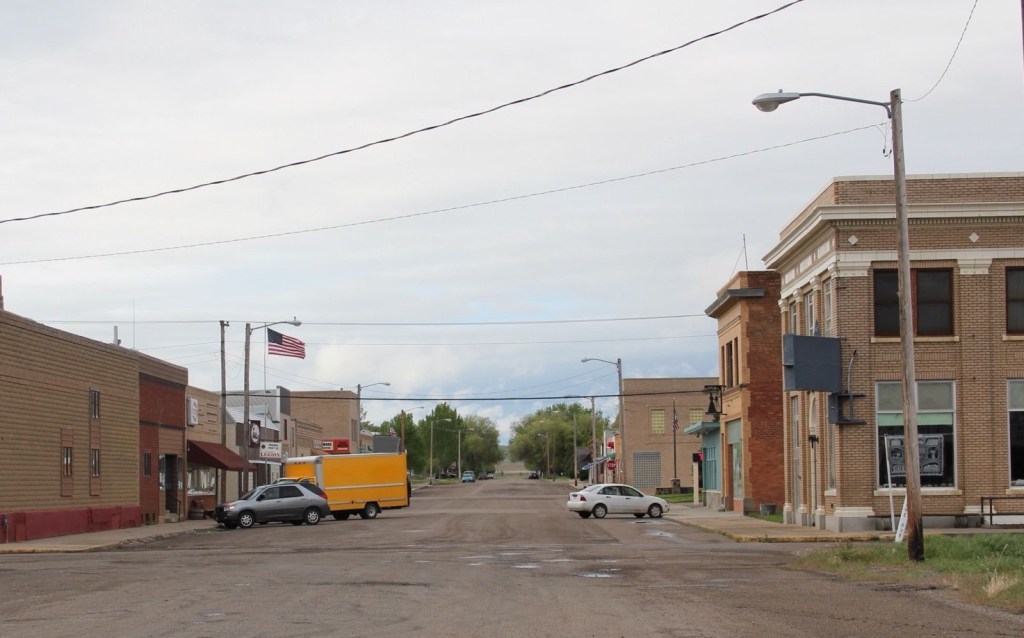
The county courthouse has been modernized and enlarged while the Northern Pacific depot has been moved to the museum’s block.
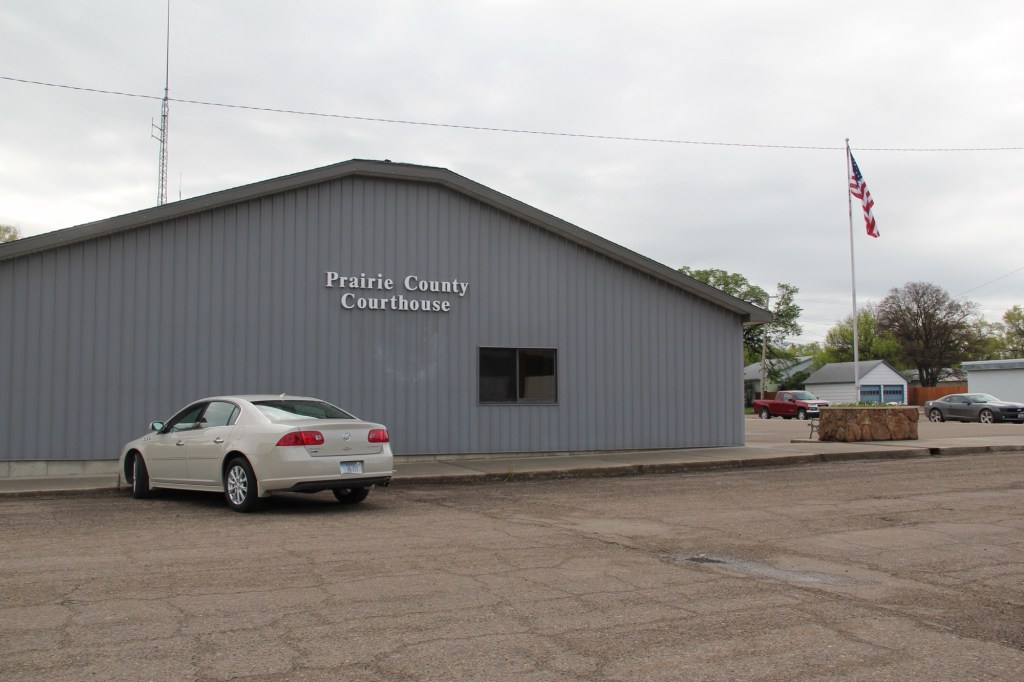
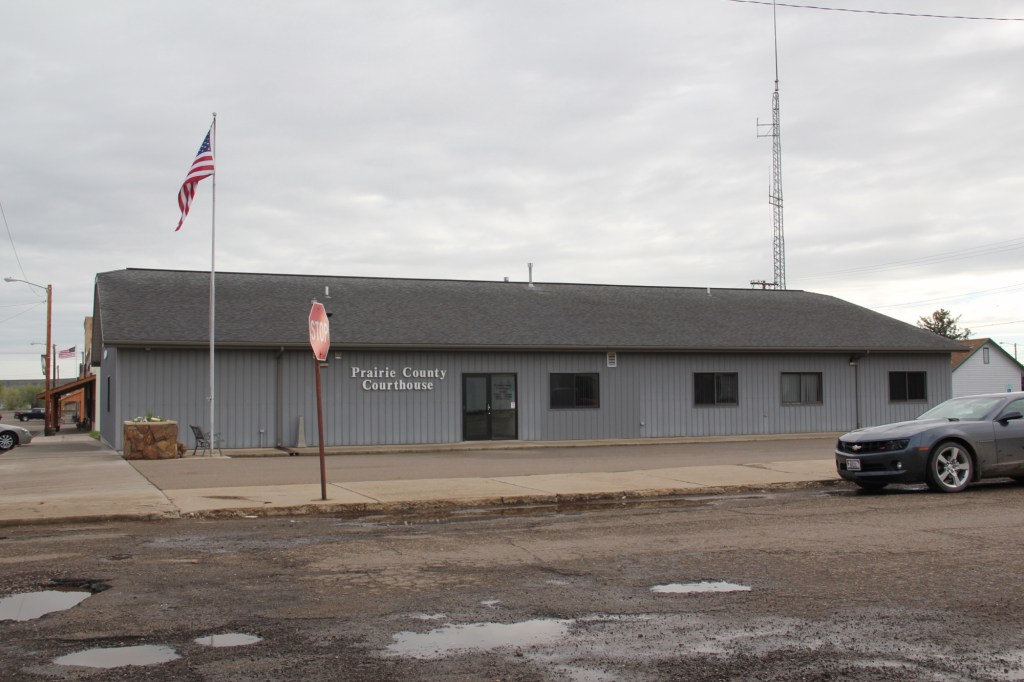
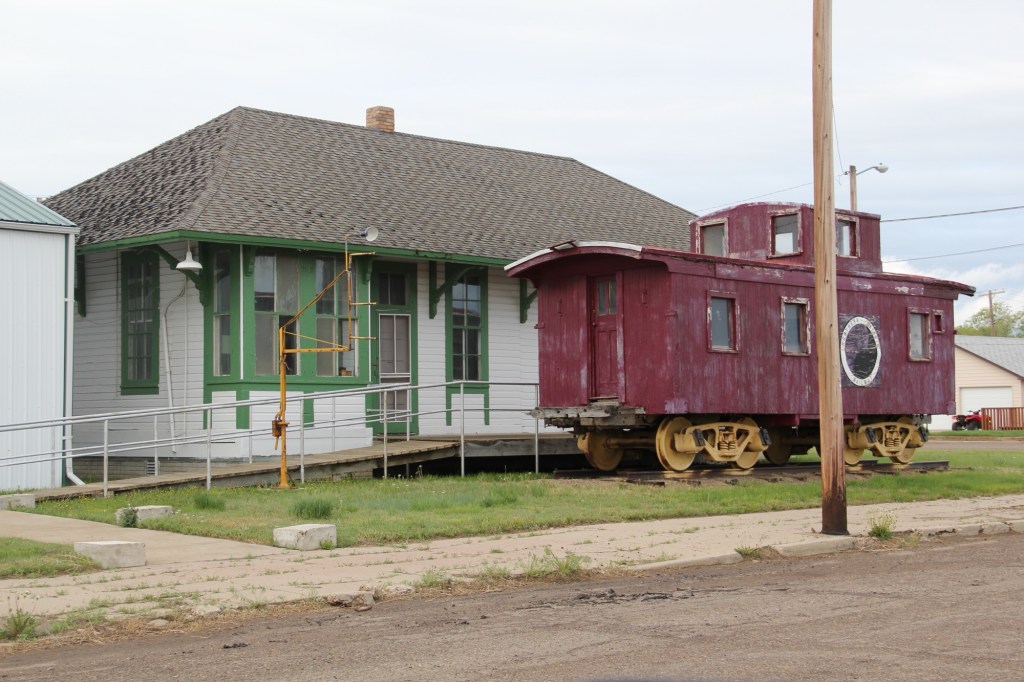
Much had changed in the 20 years between visits in 1994 and 2014. When I had the chance to stop for a moment in 2026, I was concerned with the condition of the Northern Pacific caboose.
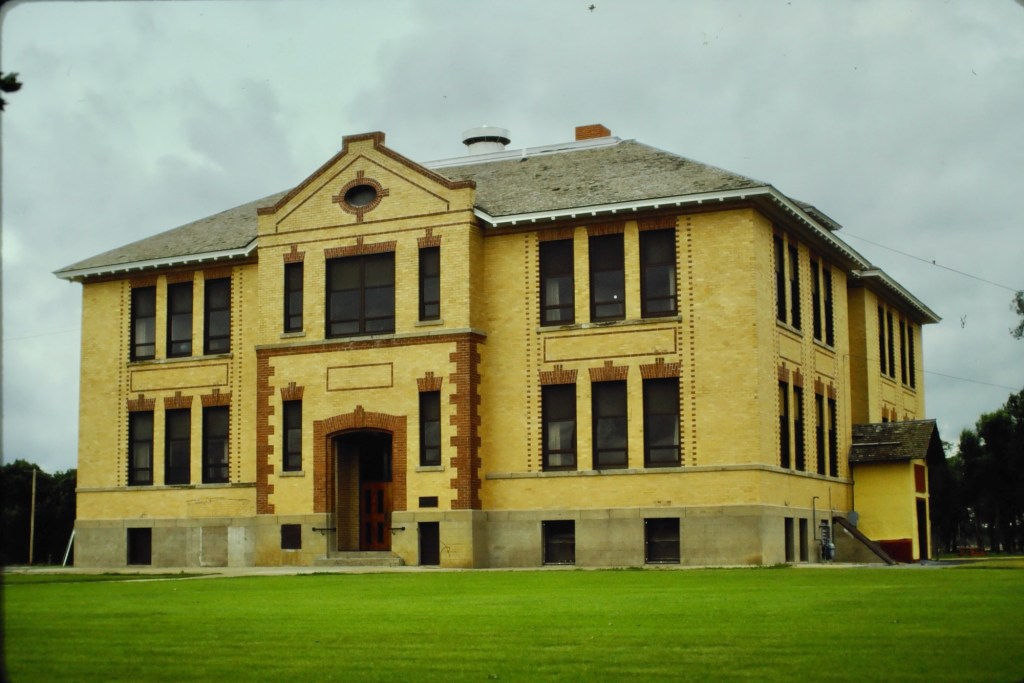
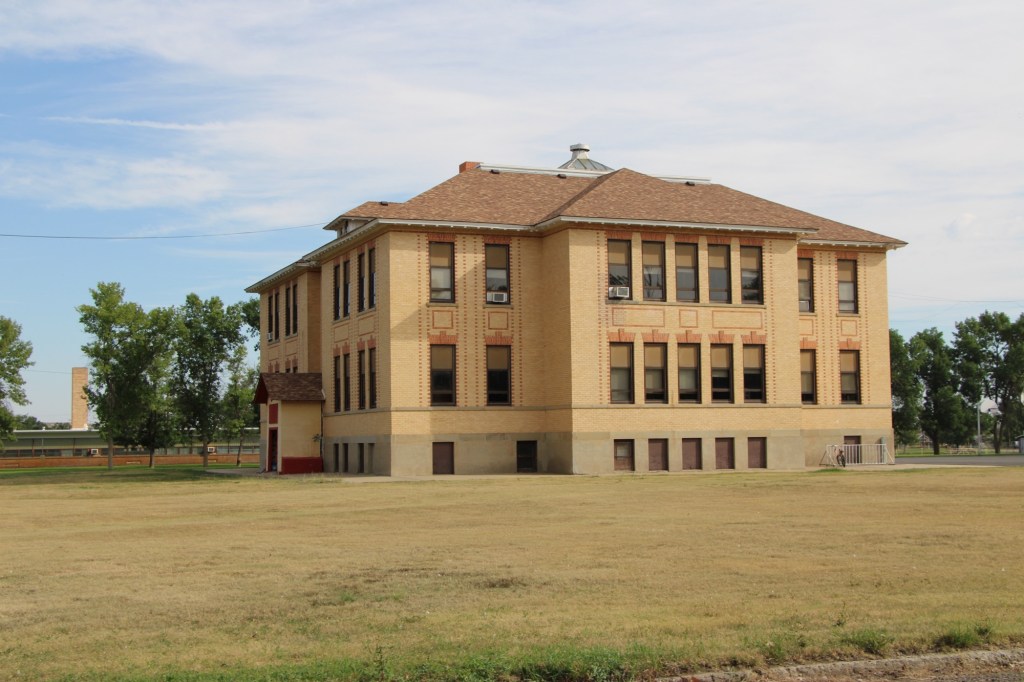
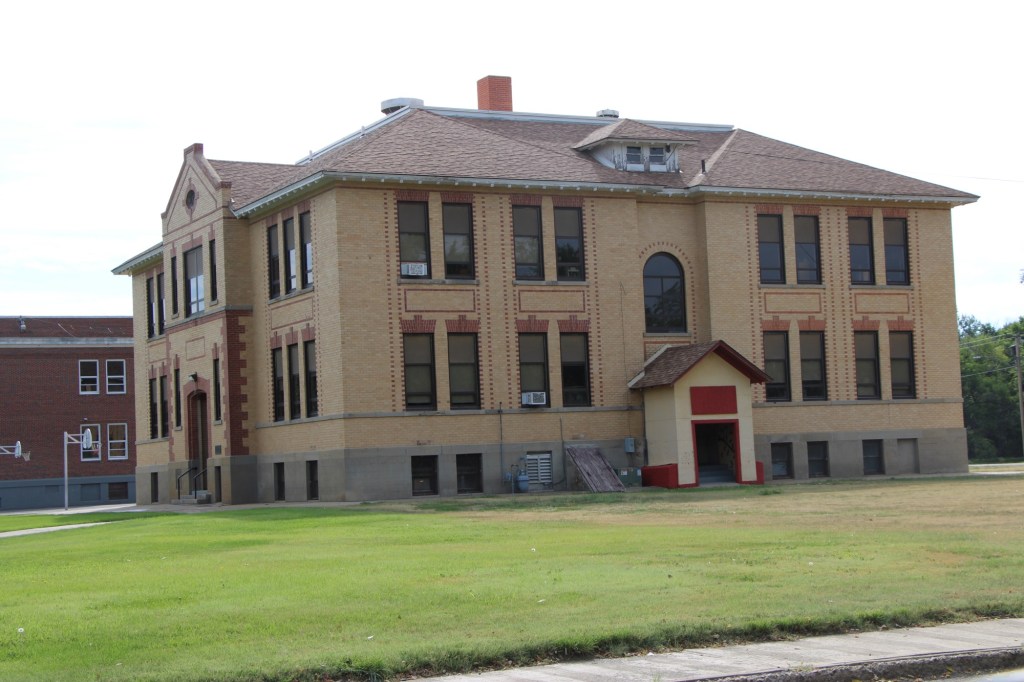
At the same time I was very happy to see the excellent condition of the early 20th century Terry school. It is a great building, so expressive of the founders’ hope for the town and county. 100 years ago.
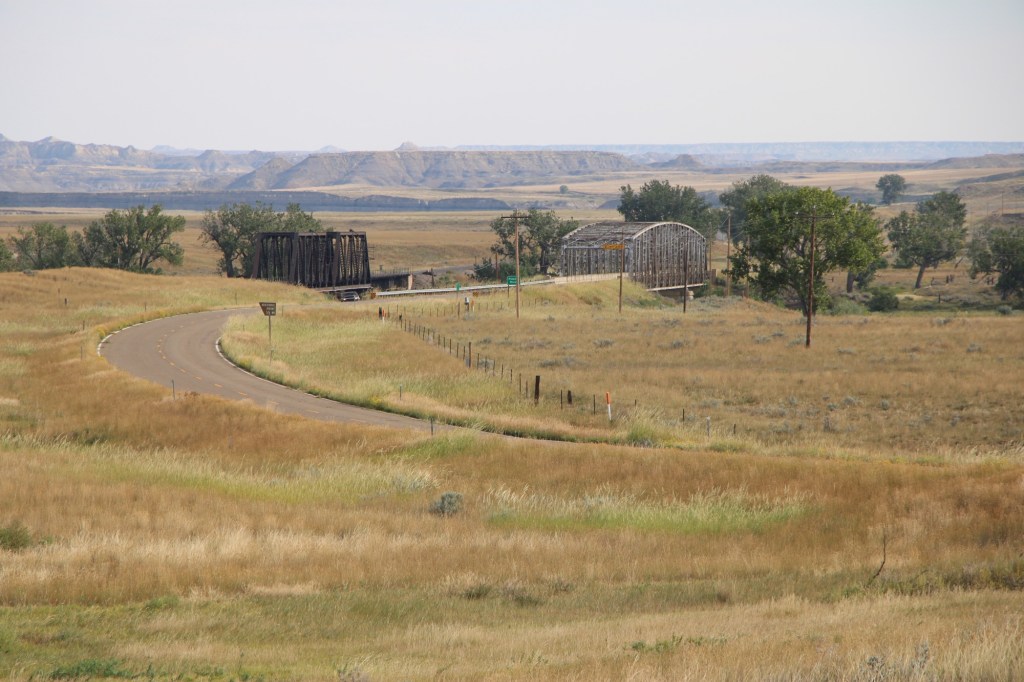
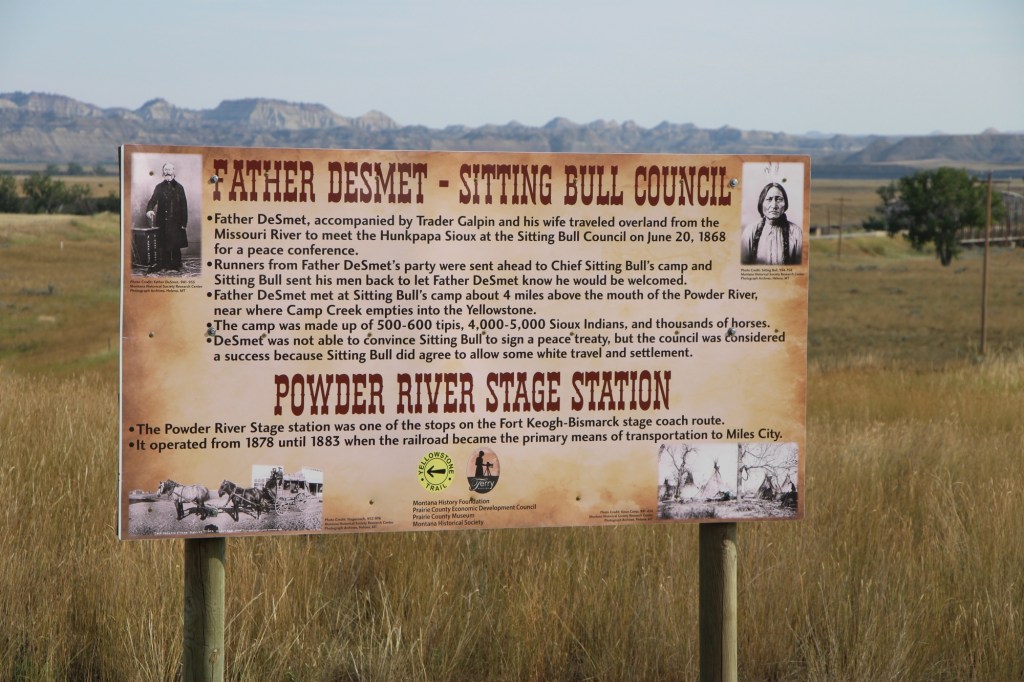
I already noted in an earlier post the transformation of the hunters graveyard along old U.S. Highway 10–it is now one of the best interpreted sites along the Yellowstone River. Along the interpretive panels there is a short-distance walking trail with great views of the river plus you can easily see both the historic bridges over the Powder River at the confluence of the Powder and Yellowstone rivers.
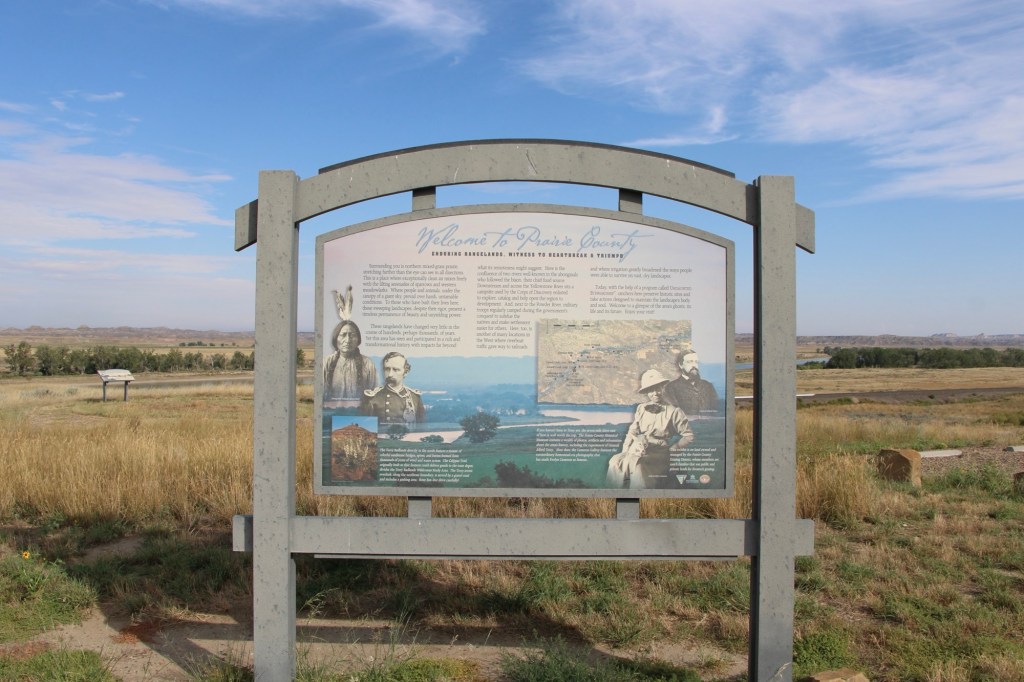
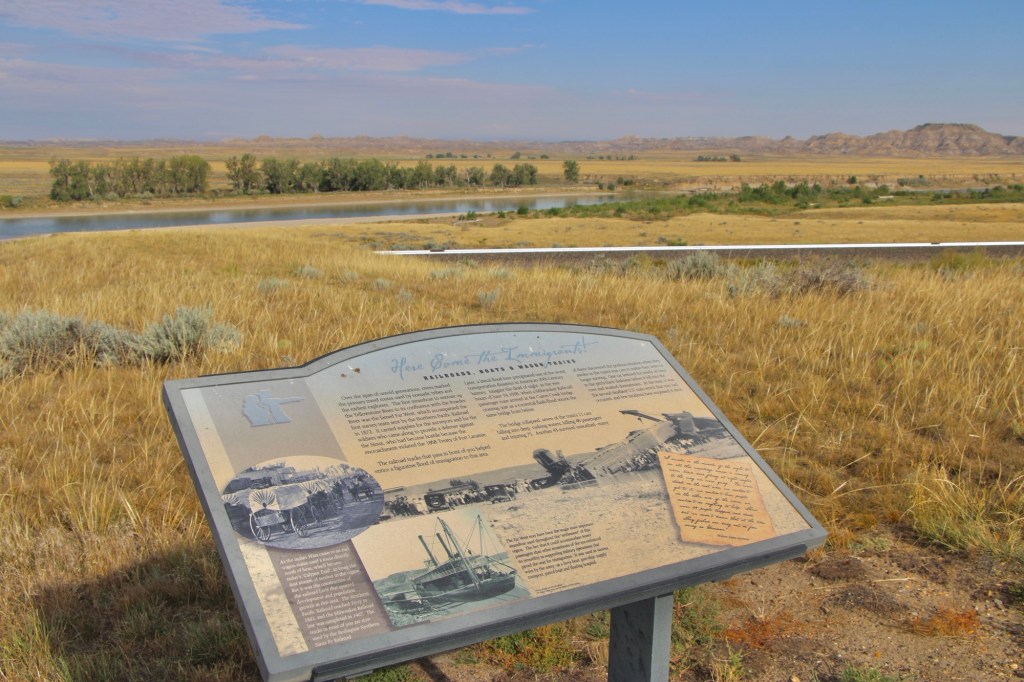
And residents of Prairie County are not done. In partnership with the Montana History Foundation, the state historical society, and the county economic development office, they have added other markers about the deep history of this place in the Yellowstone valley.
Just wish I had a caramel roll from Bud ‘n’ Bette’s!

