Revisiting Nashua in Valley County in 2025

It had been over a decade since I last stopped in late September 2025 at the tiny railroad town of Nashua in Valley County. Recently in the state and regional press, there have been stories about the uptick in tourism in northern Montana. It’s about time, especially for intrepid heritage tourists. As my posts from over ten years ago emphasized, an amazing array of stories and places await those who venture beyond Havre on U.S. Highway 2.

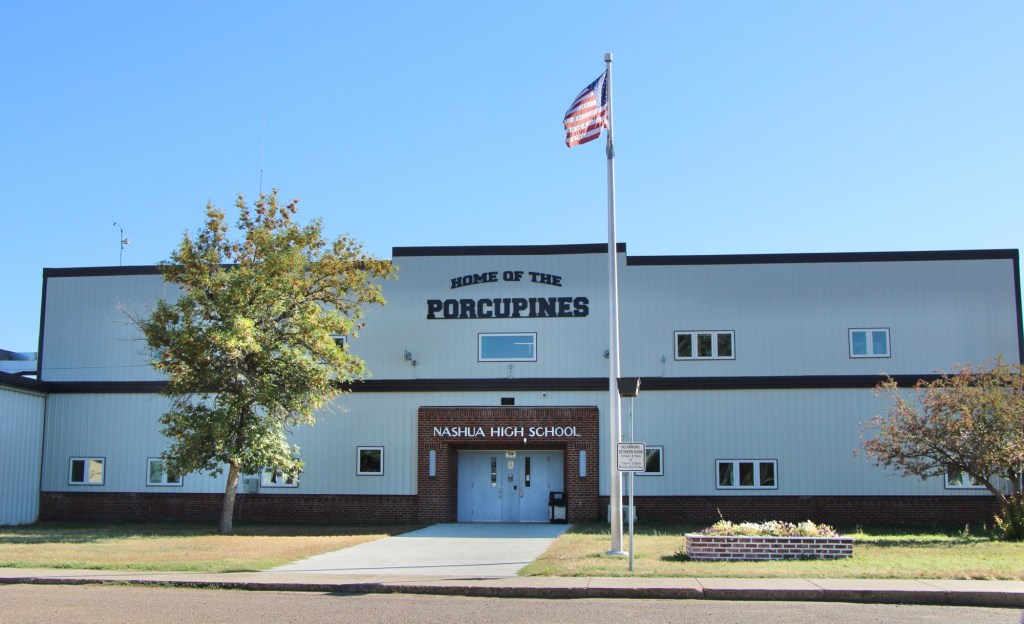
Even tiny Nashua (probably less than 300 residents today) reflects virtues worth exploring—community pride especially as reflected at the recently renovated Nashua High School, above. Since the town had lost population since my last visit, I had wondered if the school was still there as an anchor. Indeed it was, and looked almost modern as its 1935 core from the New Deal had been layered over with a new facade.

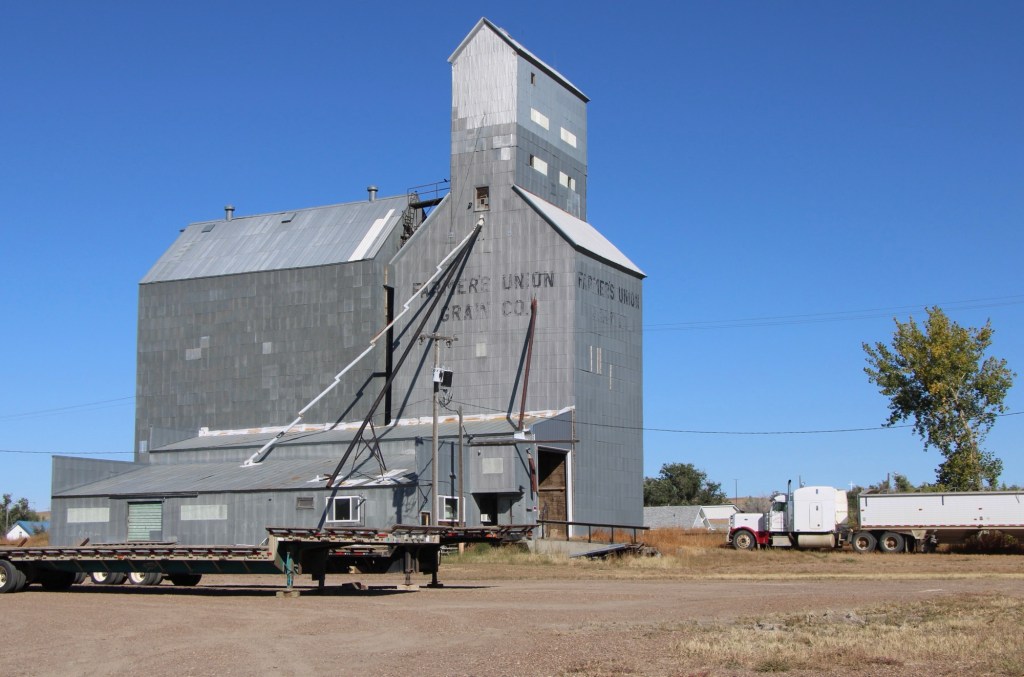
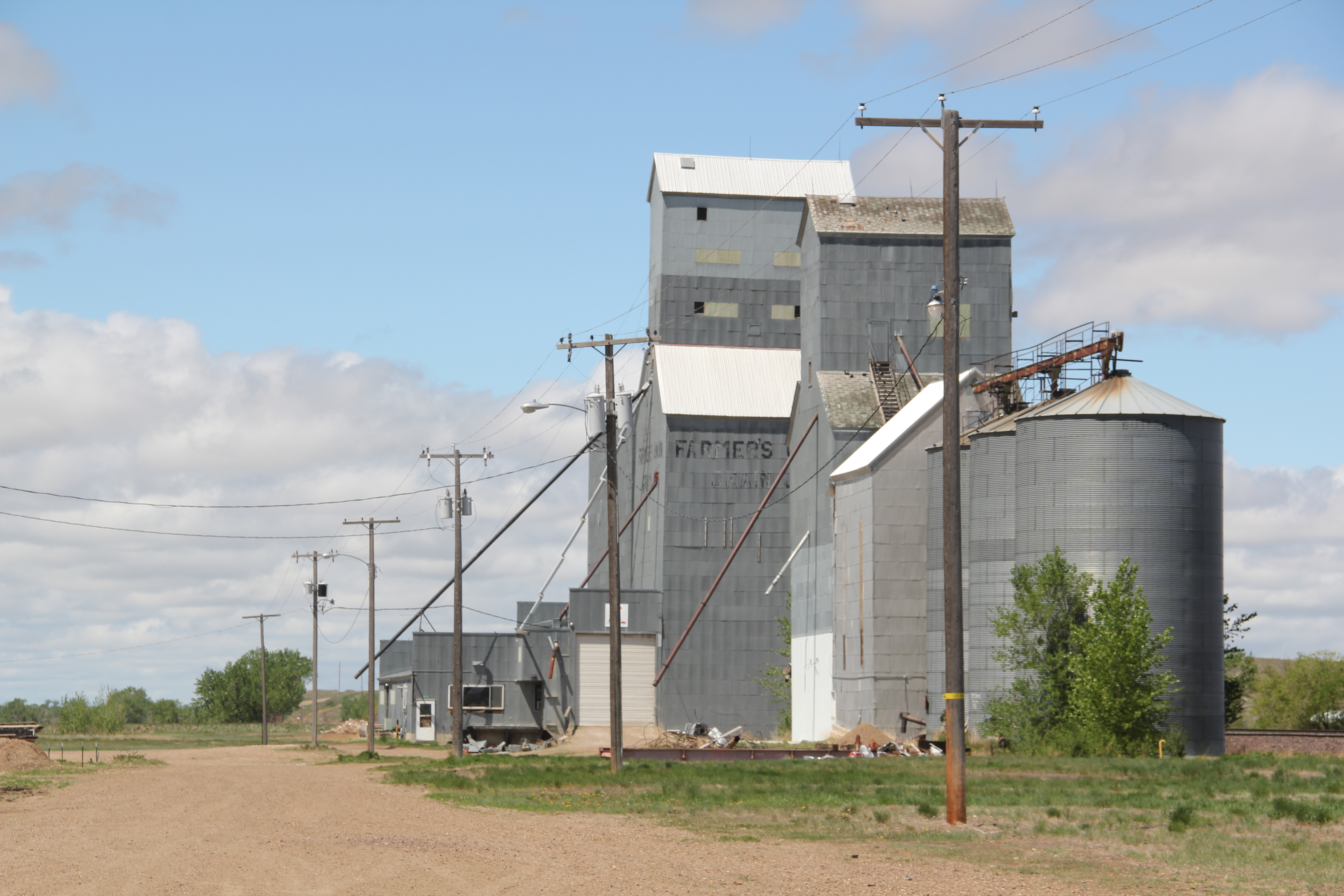
The railroad was the dominant influence in the town’s history—save for the 1930s boom during the construction of nearby Fort Peck Dam—and the town’s rail corridor is still defined by its grain elevators.

Queen of Angels Catholic Church

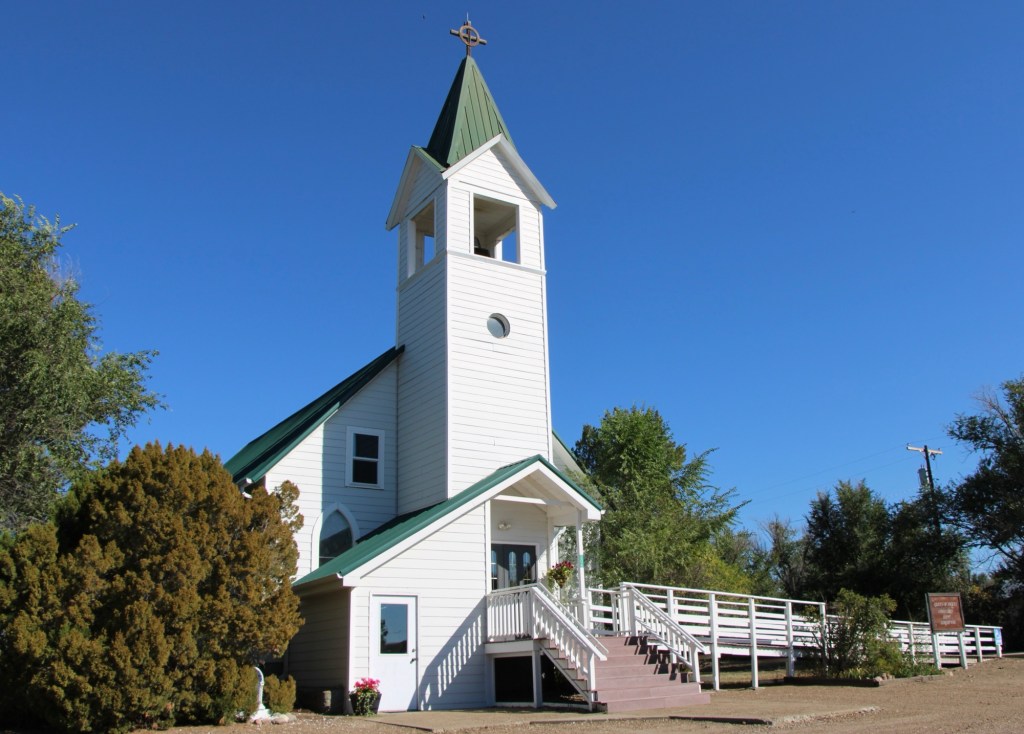
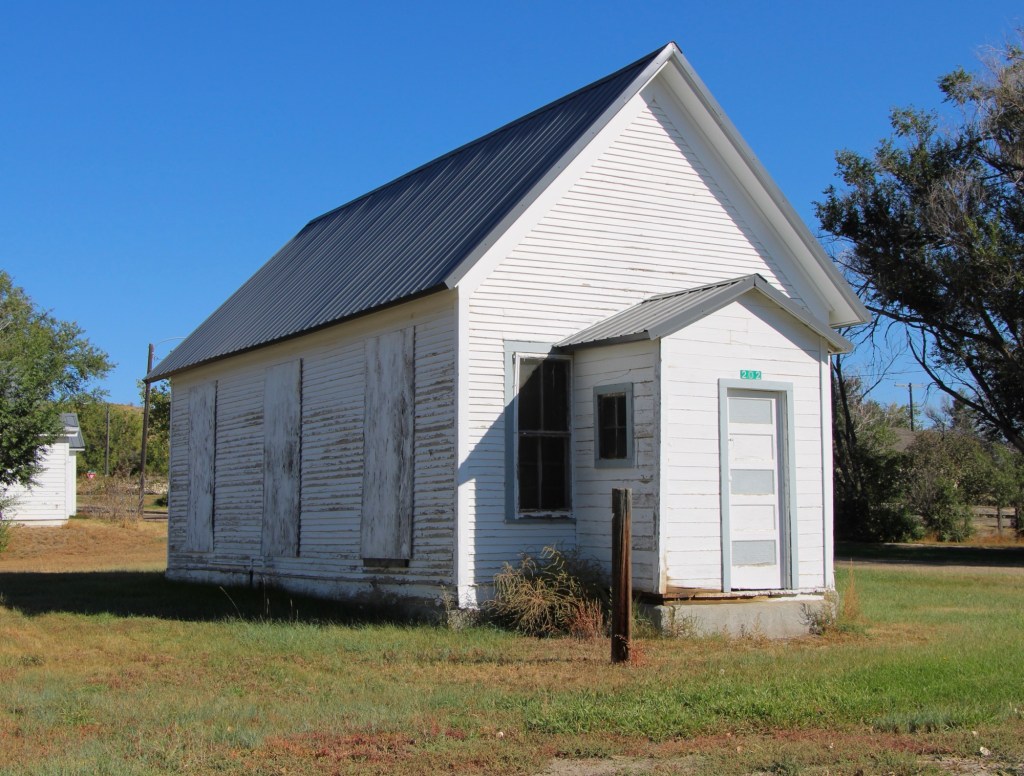
Competing for the Big Sky line of Nashua is the tall Gothic style bell tower of the Catholic Church. Established in 1917, Queen of Angeles Catholic Church began as a mission church. The Sisters of Charity worked with the diocese to establish an adjacent one-room school, below, as a way of growing and maintaining the congregation after the end of the Fort Peck Dam boom.

Then in 1953 Rev A. J. Schuh wrote an appeal to The Catholic Worker, a major newspaper, asking for the support for the construction of a rectory so that a more permanent foundation for the church’s work in Nashua could be laid. I had no idea if the appeal worked or not—but something happened. Queen of Angels Catholic Church was in great condition, and a major town landmark.

Front Street, Nashua

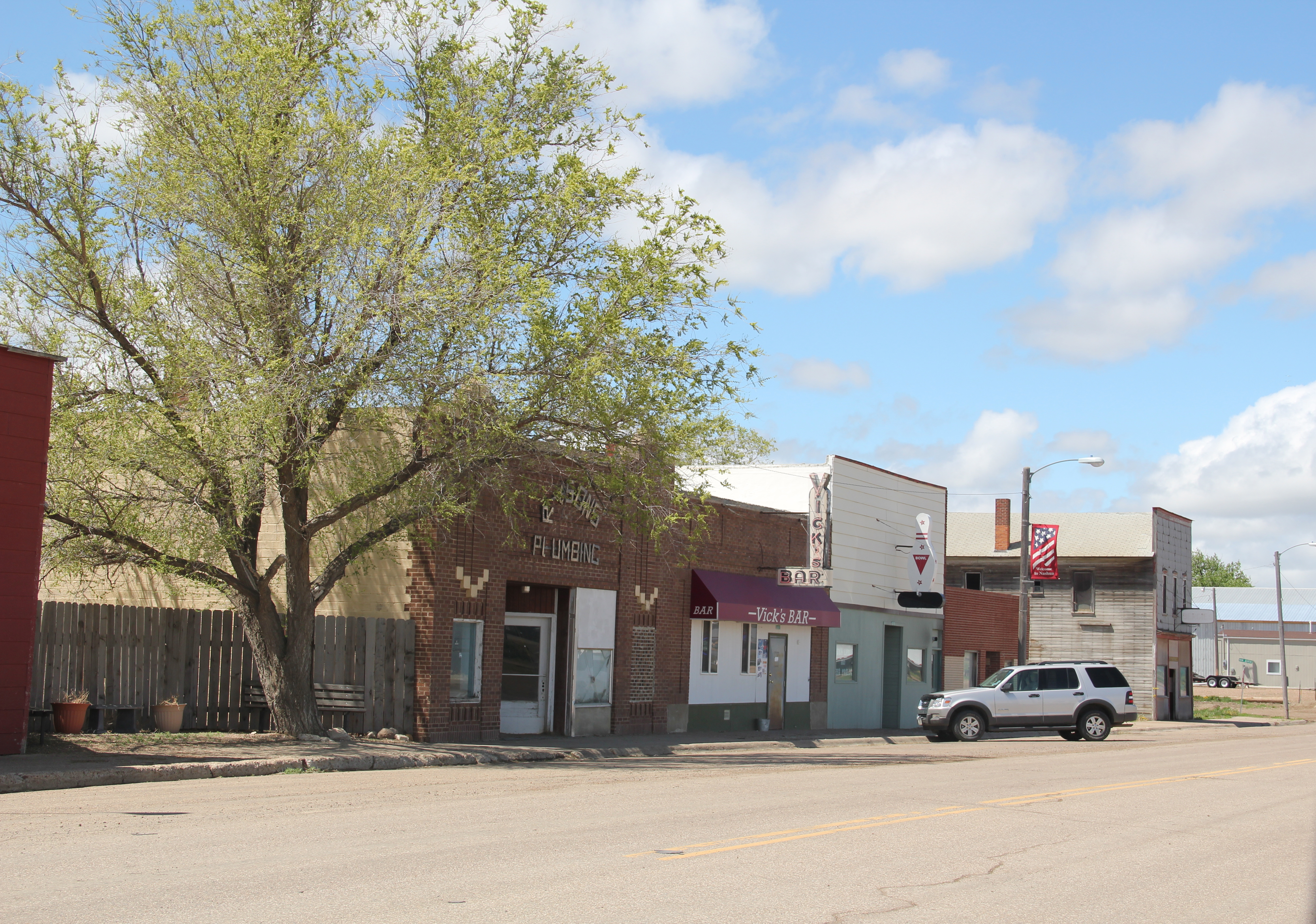
Along the old highway route was another landmark, of a quite different purpose: Vic’s Bar and Bowling Alley. Here is the private social center for the town. Great rural Montana towns always have at least one traditional watering hole. Vic’s is that place in Nashua.

Victor Dostert (1886-1961) homesteaded south of the town along the Milk River during the boom of the 1910s but when the bust came in the 1920s Dostert, his wife Anna, and their three sons stayed, making their mark with construction projects (from a theater to the Catholic Church) and taking advantage of the thousands of construction workers passing through by building and operating Vick’s Bar in 1935. He added the bowling alley in the 1950s—a decade when the bowling craze as a community institution reached its peak across the nation.

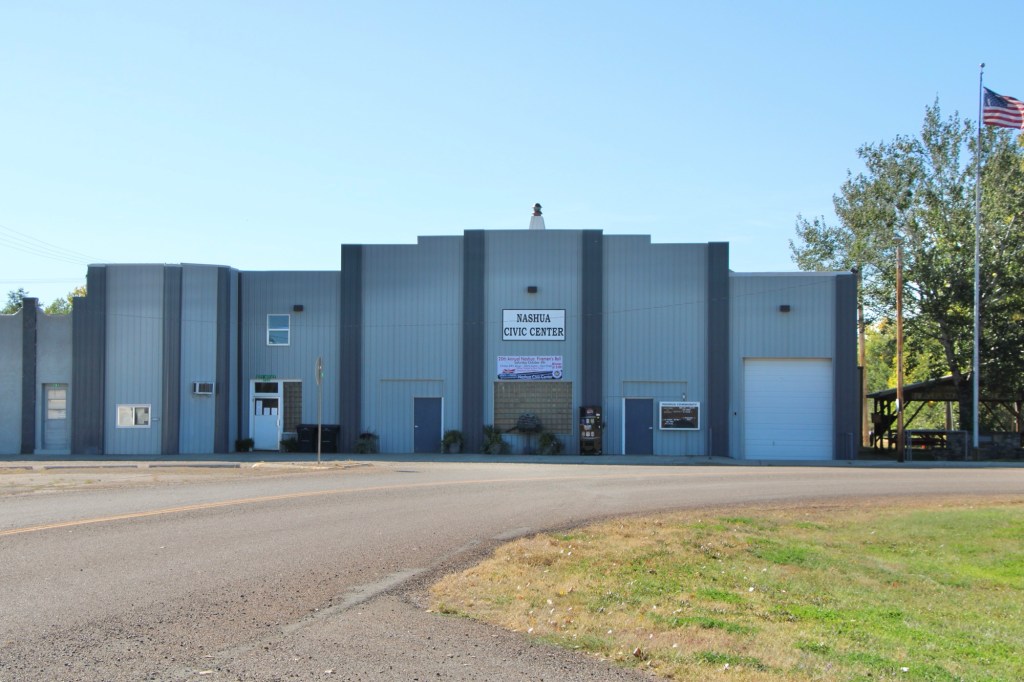
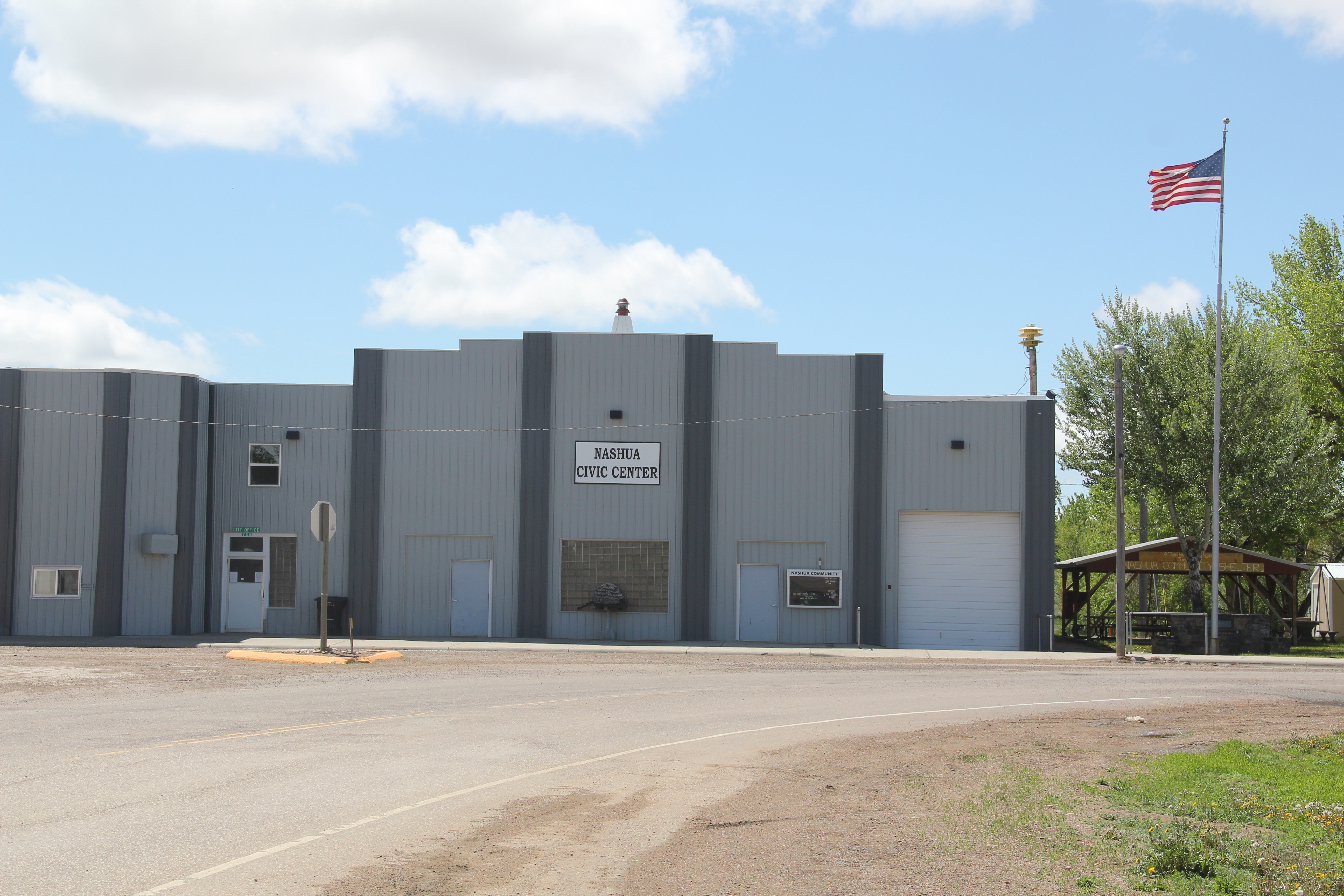
Dostert as Nashua’s town official had already been instrumental a few years earlier in the creation of the Nashua Civic Center, the public community center for this part of Valley County still today.

These places and brief stories hint at the richness of heritage experiences in Valley County. I’m glad I stopped at Nashua again (just too bad that it was early in the morning and Vic’s Bar was not yet opened). But give the residents much credit—they hung through another tough decade through commitment, community spirit, determination and faith.

Glasgow’s amazing Federal building

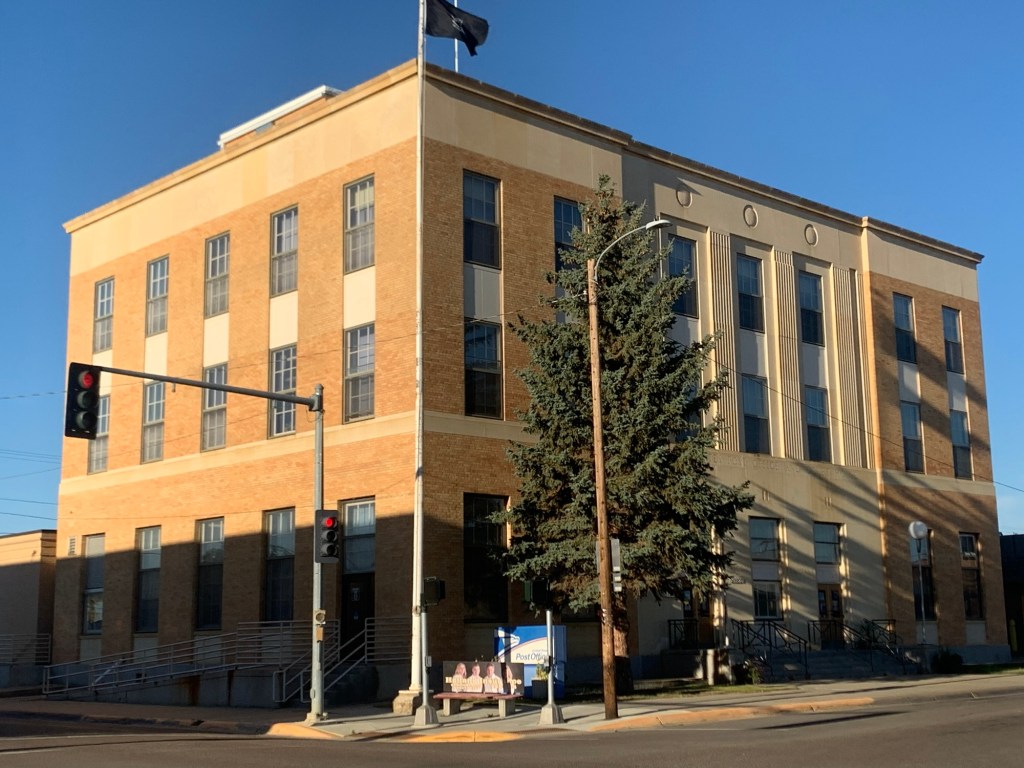
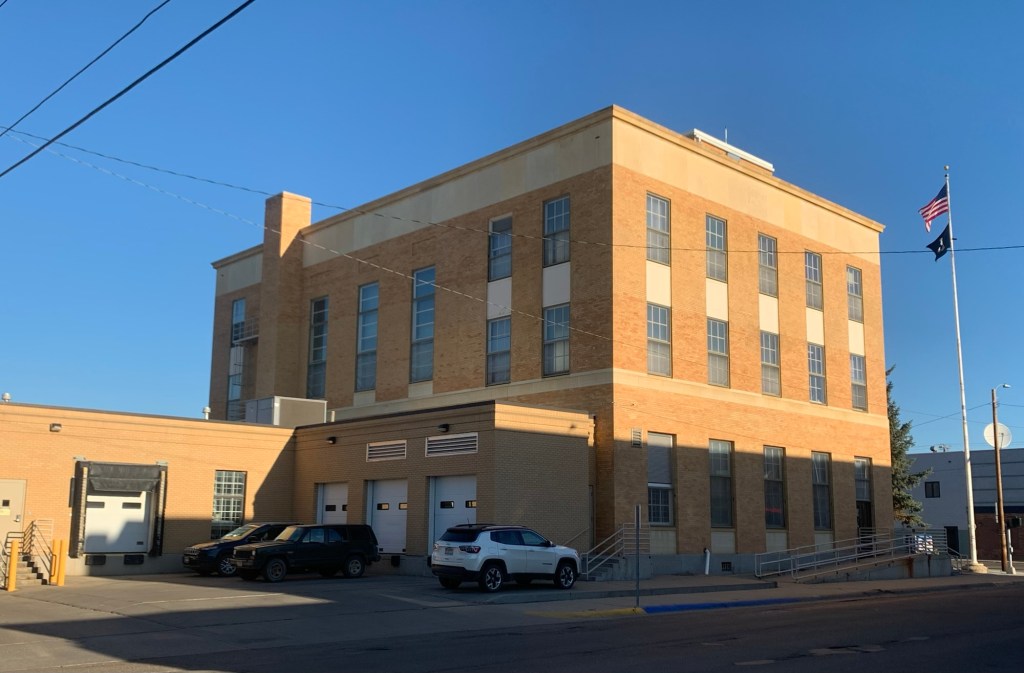
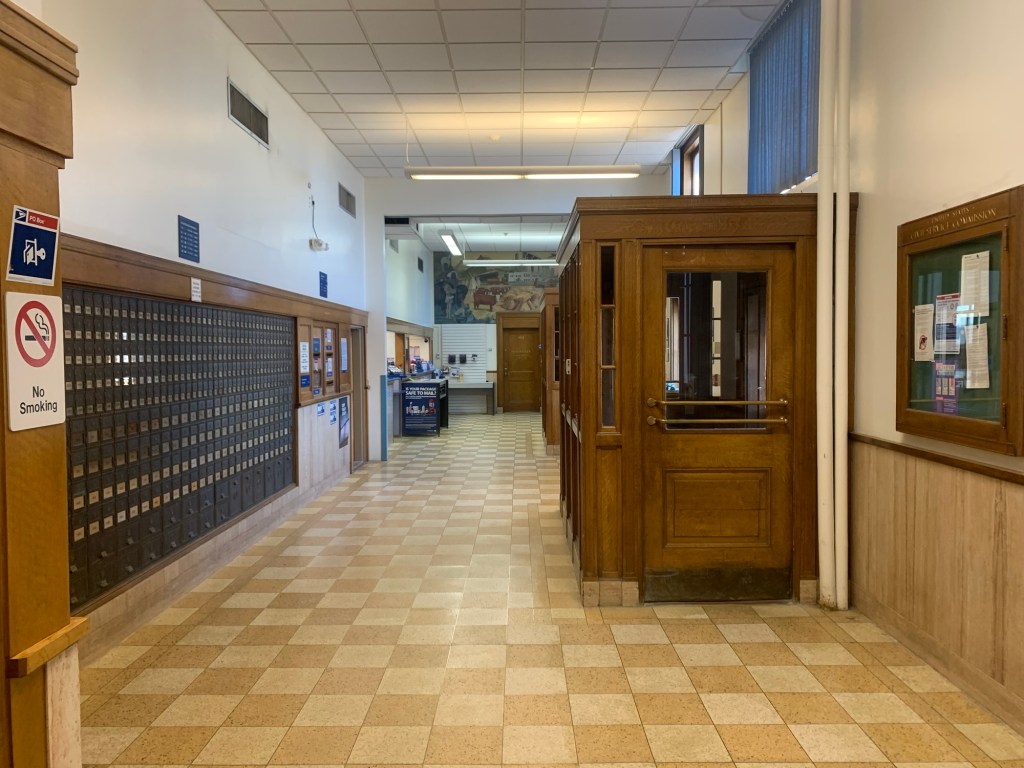
One of my favorite, if not #1 itself, Depression-era buildings in Montana is the amazing Federal building in Glasgow. First, this triumph of New Deal design from 1939 is a powerful statement in the public architecture of northeast Montana.

As you may know, Glasgow embraces its reputation as the most isolated place in the nation, that it is the definition of the middle of nowhere (a reputation however that I really challenge). But the restrained classicism of the building is refined and tasteful, perfect of the region.

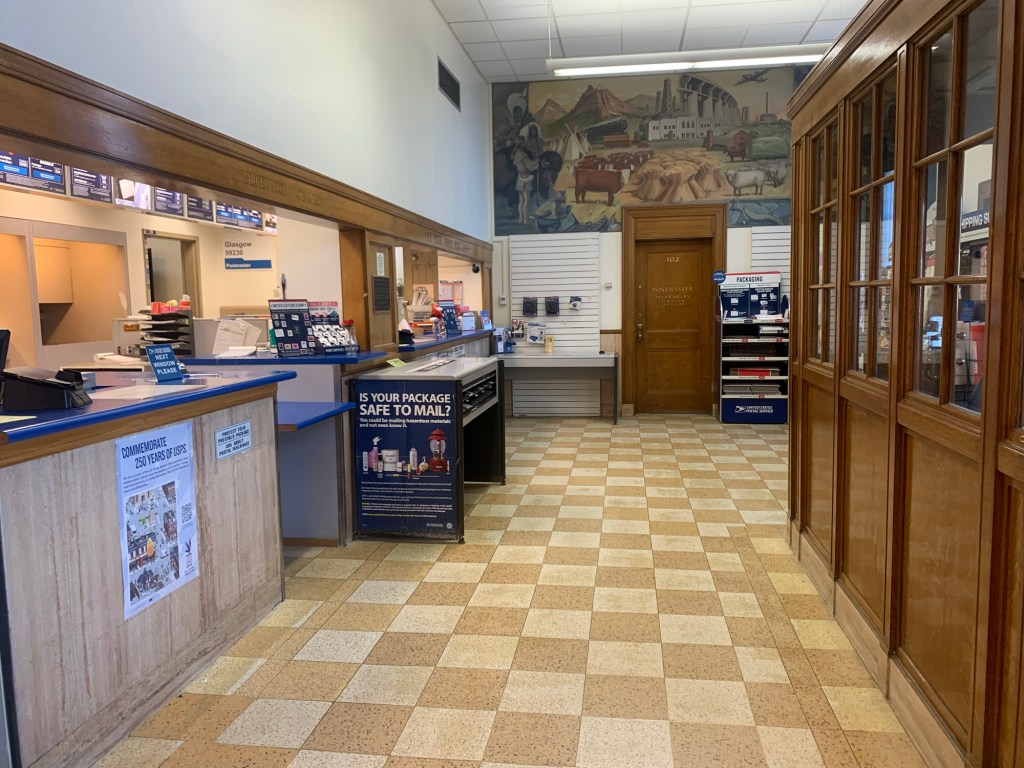
Second, I really admire the building because it is so intact after 86 years of use. Yes, there are some alterations, but when you step into the post office lobby, you do feel like you stepped back in the 1930s.

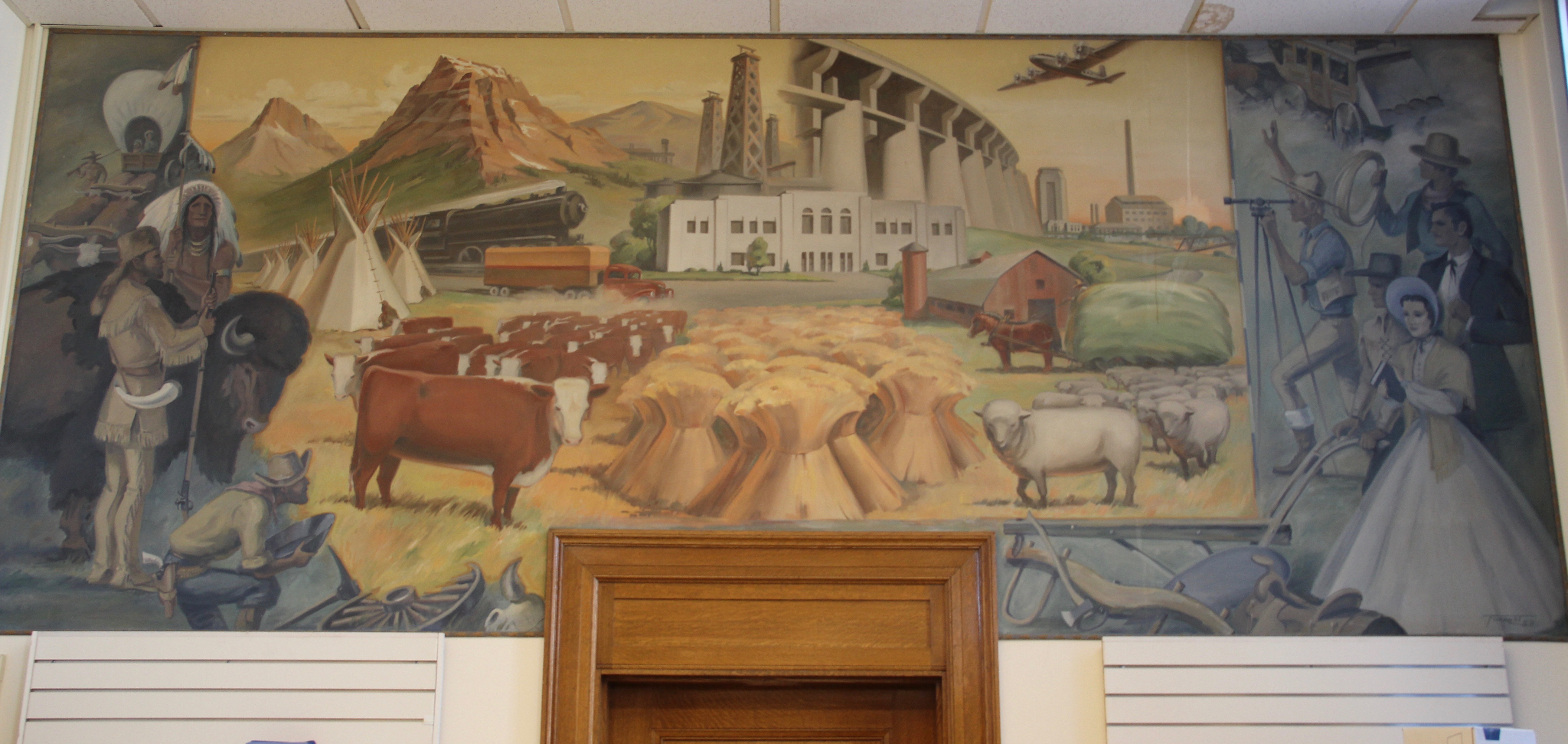
Then there is the wonderful mural, “Montana’s Progress,” by Forest Hill. Completed in 1942, as the county’s other major, and huge, New Deal project, Fort Peck Dam and powerhouse, was gearing up to maximum production for World War II.

The left side speaks to the Native American past and the nearby presence of Fort Peck Reservation. There’s even a reference to gold panning, which never happened along this section of the Missouri. Then the right side reference the coming of settlers and the parceling of once open land into regular measured surveys.

The center section speaks to the Progress, predicted to come, centered on railroads, agriculture (cattle, wheat, hay, sheep), and industry, with the commanding image of the amazing Fort Peck spillway ( already world famous to an earlier feature story in Life magazine) and in the top corner, a sugar beet refinery.

The bomber flying above it all of course spoke to the immediate present , of World War II, but it also correctly predicted the future. The town and county would have its greatest period of prosperity in the 1950s and 1960s with the Glasgow Air Force Base.

What a historic document of its time and what an amazing building, still serving the community almost 90 years later.

Glasgow, Montana: It might be in the middle but it’s not nowhere

In 2024 I began to see media accounts, both regionally and nationally, of how Glasgow, the seat of Valley County, was the most isolated place you can imagine, truly in the Middle of nowhere.

Historic Great Northern Railroad corridor in Glasgow

I’m not one to argue with geographers and economists. I’m sure from their perspective, they got it right. But I never thought of Glasgow as isolated: it is on the Great Northern mainline, and part of the famed Empire Builder Amtrak route, and on U.S. Highway 2.

Great Northern depot, Glasgow

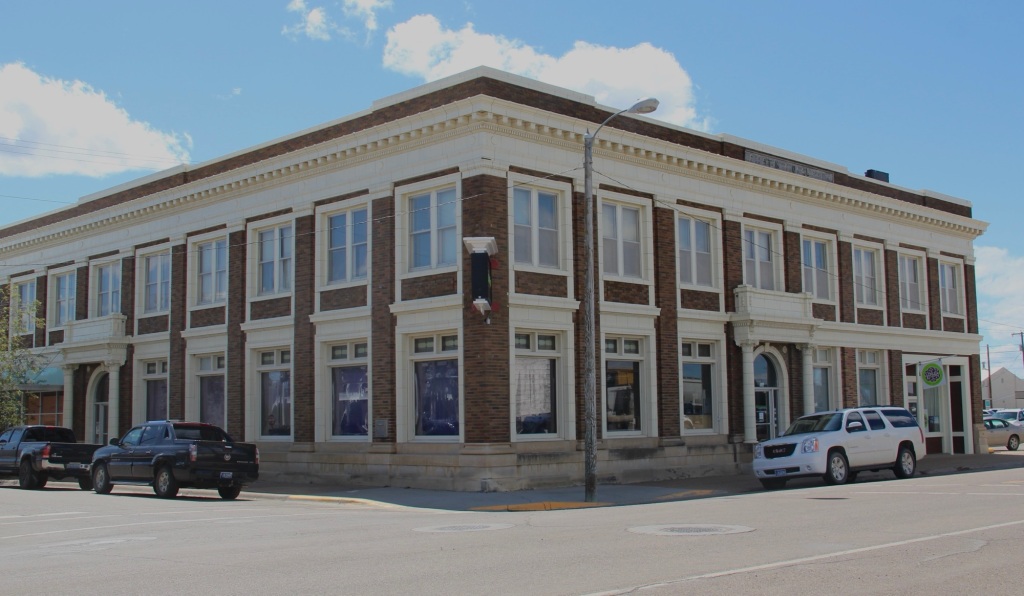
Then the town has always shown a great deal of pride and ambition, conveyed so effectively by its many historic buildings, starting with the First National Bank, built c. 1884 and listed in the National Register of Historic Places.

1st National Bank building, Glasgow

When you enter the town from the underpass of the railroad, the bank is the first landmark to catch your eye, appropriate too for the impact of local banks on a town’s economic prospects during the homesteading boom and bust of the 1910s and 1920s, respectively.

Rundle Hotel, during renovation in 2013

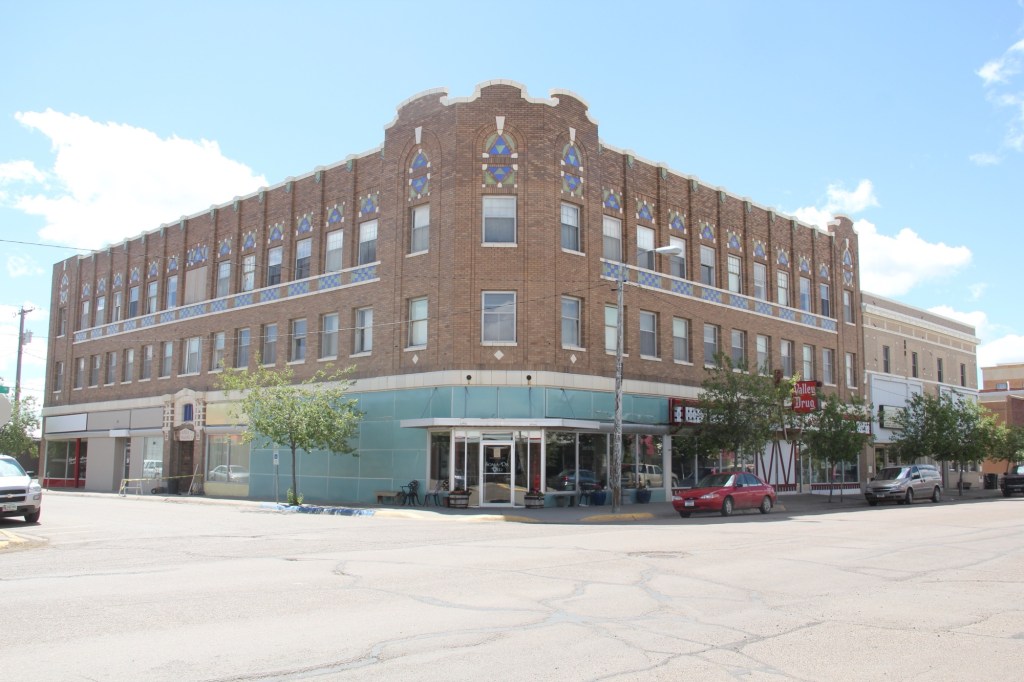
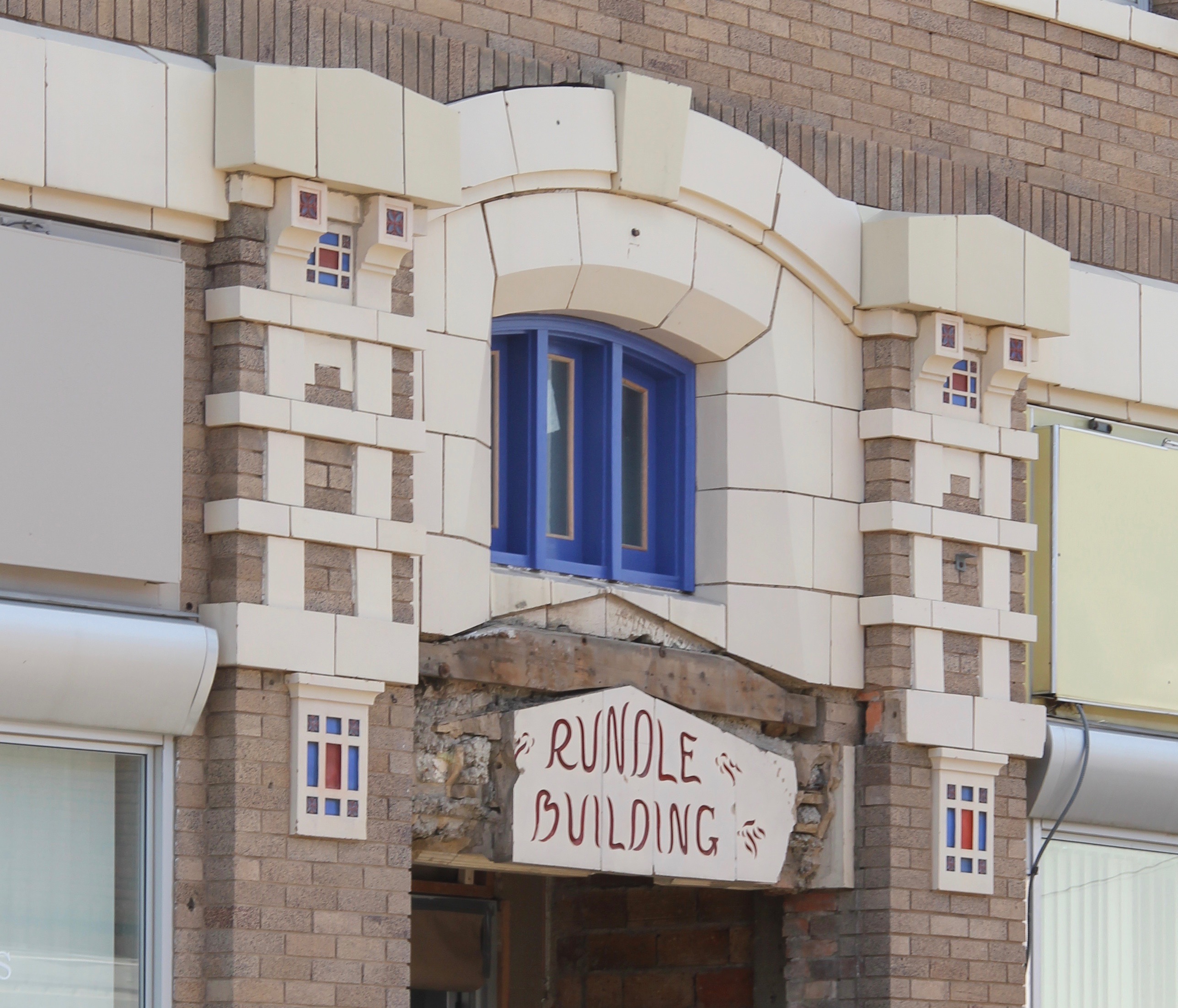
Another landmark from the homesteading era is the Rundle Building, once the Glasgow Hotel and restored in the last ten years as an upscale hotel in the heart of downtown. Built c. 1916 and designed by the important Billings firm of Link and Haire, the Rundle is a captivating statement of an Arts and Crafts-infused Mediterranean Revival style. I have been trying to get back to Glasgow to stay here for the last four years—maybe I will make it in 2025.

The 1930s transformed Valley County through the construction of the mammoth Fort Peck Dam on the Missouri River. Glasgow too has a major New Deal landmark in its U.S. post office and courthouse, built c. 1939 and designed by federal architect Louis A. Simon.

Post office/federal courthouse, Glasgow

Its understated New Deal Deco exterior obscures a jewel of an interior, highlighted by its New Deal-funded 1942 mural depicting local history and the changes brought about by the Fort Peck Dam by artist Forest Hill. This building too is listed in the National Register.

Glasgow post office mural

Another important New Deal supported building was all about the community, and providing new opportunities: the Glasgow Civic Center. It too has a New Deal Deco style, and its large public space has been used for almost every type of event or gathering you can imagine.

Glasgow Civic Center

Glasgow’s sense of itself today still respects it past, brilliantly conveyed by its large and expansive museum. When I first visited Glasgow 40 years

Valley County Museum

ago, I held a public meeting on the state historic preservation plan here, and the next morning residents gave me a detailed tour of the recently established museum. I was impressed with its collection then, now it sprawls through the building to the adjoining grounds.

Veterans section of the museum
The high school band section
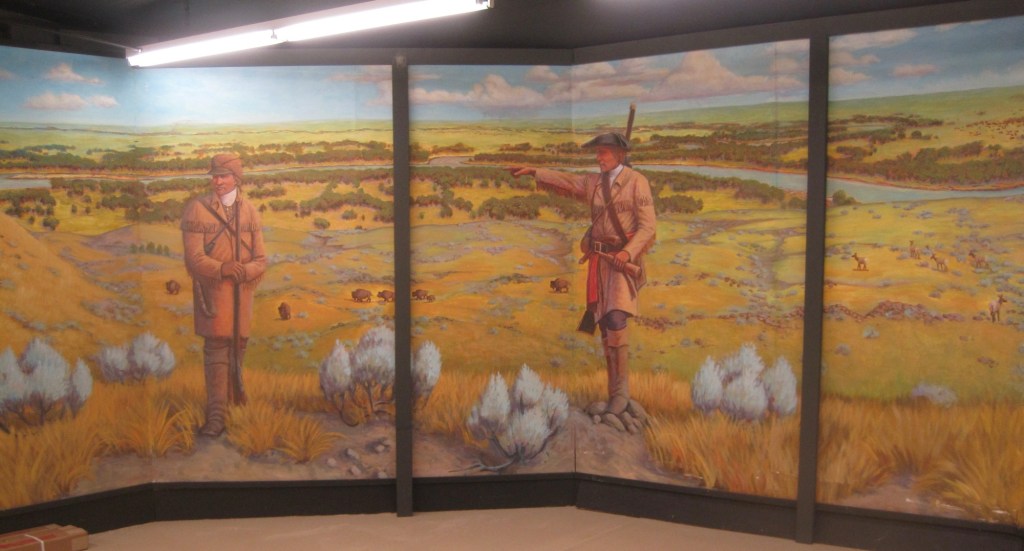
Lewis and Clark mural, 2095, by Jessie Henderson, a Chippewa/Cree artist
The back bar at saloon exhibit

Indeed, the saloon exhibit underscores another fun part of Glasgow—across from the depot in the original route of Highway 2 is an amazing collection of bars, stores, and eateries, right out of the early 1900s.

Glasgow bars at depot

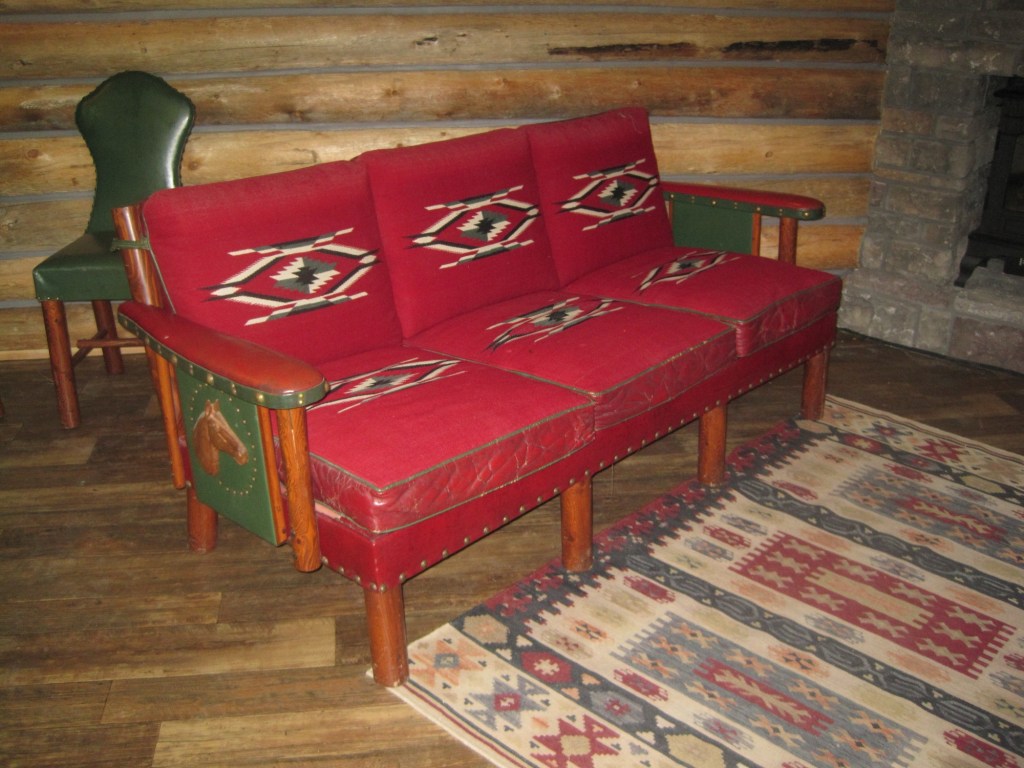
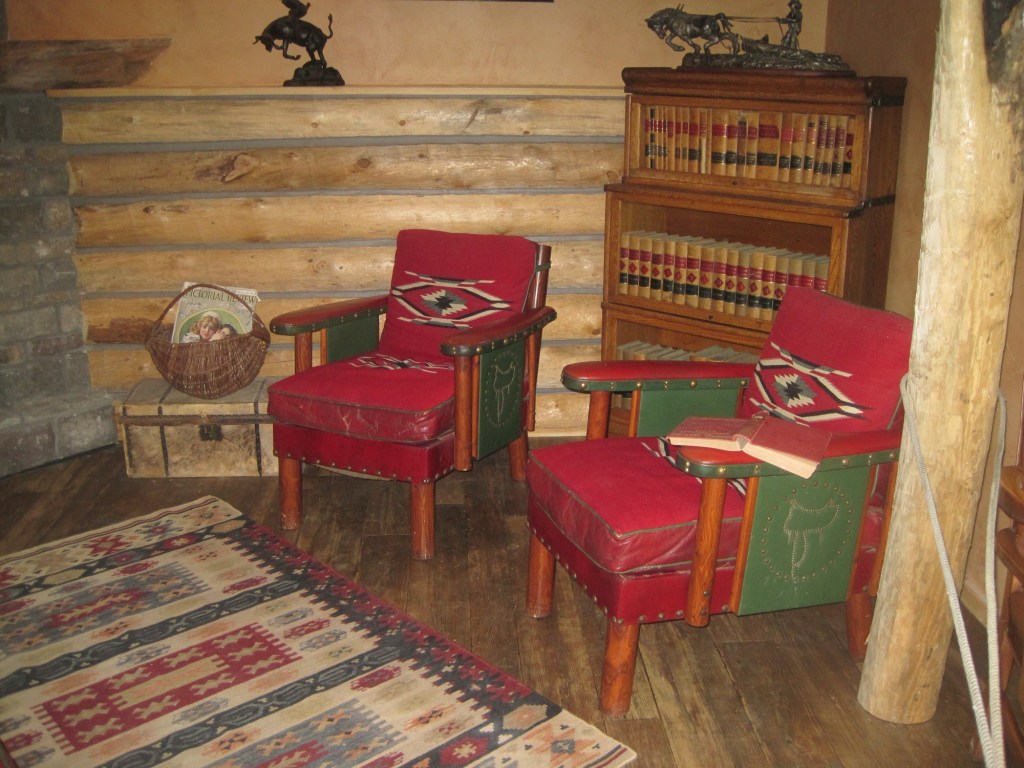
But back to the museum, and its important Montana decorative arts collection of the work of modern craftsman Thomas Molesworth, once in the town’s Carnegie library.

The newer exterior exhibits led the museum to move entire building to the property, including examples of the homestead shacks of the early 1900s that were followed by permanent homes such as this white painted bungalow.

Representative ranch house from homesteading boom

Pride of place, pride of the past. Glasgow might be in the middle but it is far from being nowhere as this small sampling of properties demonstrates.

The Milk River Project and its Impact on Northern Montana

Phillips Co Dodson ditch

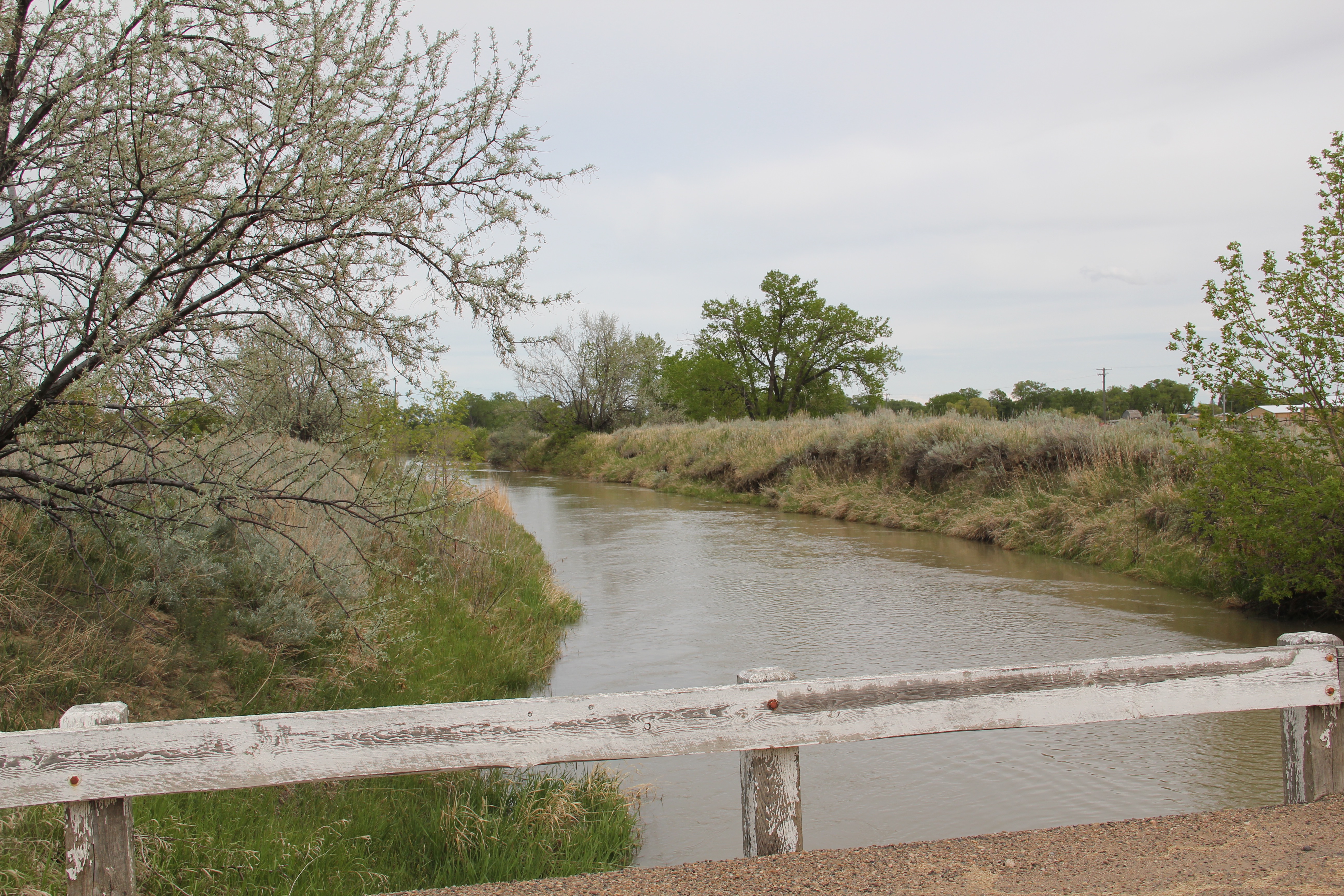
Milk River Irrigation Project Ditch at Dodson, Phillips County

In today’s New York Times (June 15, 2020), Montana Jim Robbins reported on the looming disaster facing Montana’s northern states if the St. Mary’s canal, which recently collapsed, is not repaired.  The informative, insightful story focuses on the beginnings of the U.S. Bureau of Reclamation’s Milk River Irrigation Project, its pathway through southern Alberta, and its emergence in central Montana’s Hill County.  It included several wonderful images of Havre, the seat of Hill County, and discussed the wide-ranging disaster faced by ranchers and small towns along the Hi-Line if the ditch did not get its long overdue repairs–to the tune of $200 million.

Valley Co Tampico ditch

The Great Northern, the Milk River Project, and original U.S. 2 at Tampico

Robbins’ story immediately took my mind back to my travels throughout the Milk River Valley, from Hill County to Valley County, in 2013.  The story of how modern transportation and engineering combined to transform the northern plains is so fundamental to the region’s history, yet it remains a story seldom told (another reason Robbins’ New York Times story matters).  The image above represents the forces that led to the settlement and development of the Milk River Valley.  Taken outside of the village of Tampico in Valley County, it centers the ditch between the two transportation systems–the Great Northern Railway on the left and the original route of U.S. Highway 2 on the right– that served the settlers drawn by the water.  The image below shows the village of Tampico from the perspective of the ditch–the place would not exist without the ditch.

Valley Co Tampico ditch 3

Valley Co Tampico Milk river bridge hwy markerOne of the very few historical markers in Montana that touches on the state’s irrigation history focuses about a historic bridge that once stood nearby at Tampico.

Hil Co Fresno dam 2

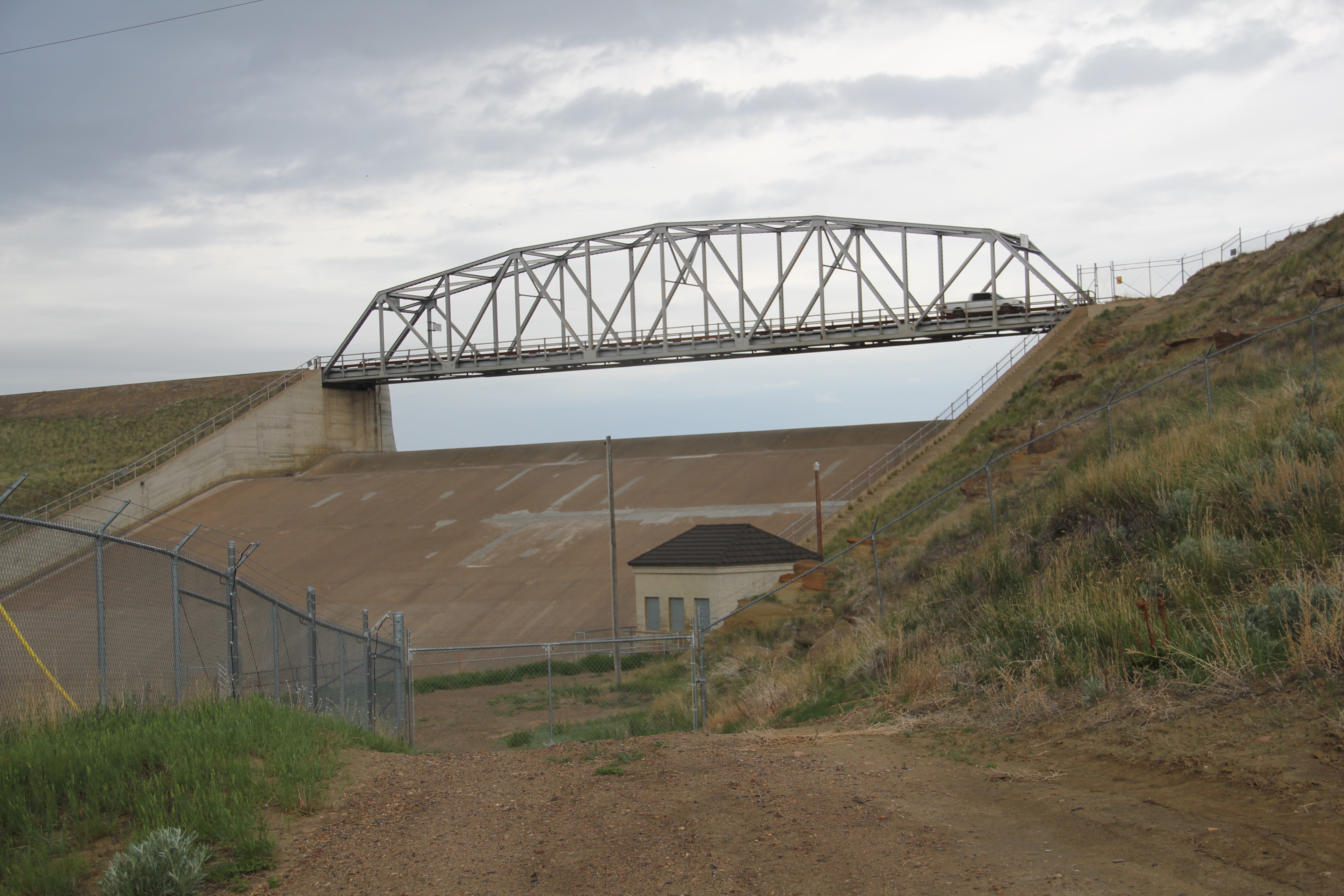
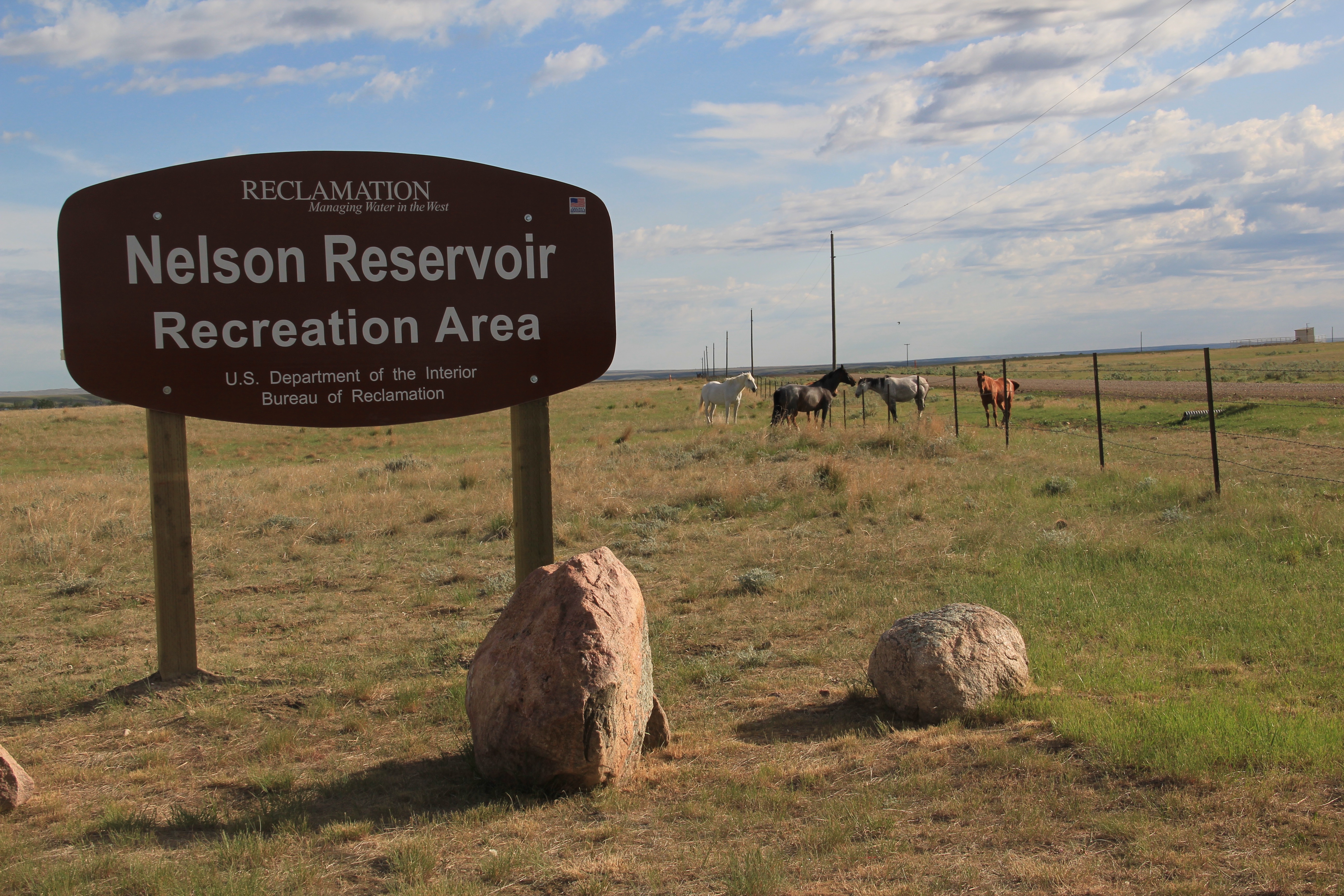
Hil Co Fresno reservoirLarge man-made lakes capture water to reserve it for use throughout the growing season.  The images above are of Fresno Reservoir, on a rainy morning, in Hill County.  While the two images below are of Nelson Reservoir, on a typically bright sunny day, many miles downstream in Phillips County.

Phillips Co Nelson reservoir sign irrigation

Phillips Co Nelson Reservoir USBR 1The Milk River Project shapes so much of the Hi-Line, it has become just part of the scenery.  I wonder how many travelers along U.S. Highway 2 in Phillips County even notice or consider the constant presence of the ditch along their route.

Phillips Co Milk river irrigation ditch near Robinson ranch

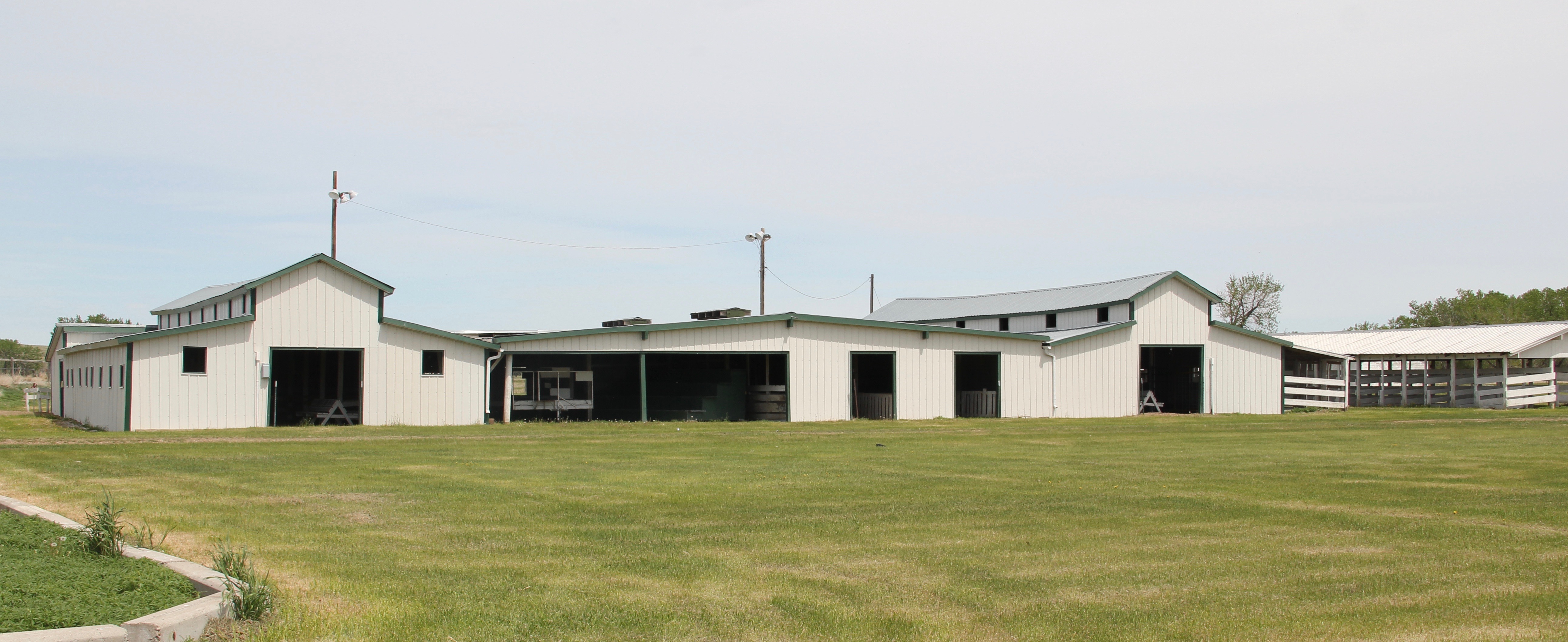
Not only are their scattered small towns along the Milk River Project, early agricultural institutions are often centered on the project.  A great example is the Phillips County Fairgrounds, outside of Dodson, and the question may be well posed–why there?  Dodson

Phillips Co Dodson Phillips Co FairgroundsPhillips Co Dodson Phillips Co Fairgrounds 3is a tiny place, almost 20 miles from the county seat of Malta.  But at the time of the Milk River Project, Dodson was vital; the ditch neatly divided the town into two halves, and a major diversion dam was just west of town.  Here was a perfect place, at the turn of the century, for a fairgrounds.  And it is a gorgeous historic fairgrounds.

Phillips Co Dodson Phillips Co Fairgrounds 6

Phillips Co Dodson Phillips Co Fairgrounds 7

Phillips Co Dodson Phillips Co Fairgrounds 4

My first encounter with the Milk River Project and the beautiful valley it serves came in February 1984 when Eleanor Clack took me on a tour of the bison kill historic site just west of downtown Havre.  It remains an excellent place to see how the waters of the Milk have nurtured countless generations of peoples who called this place home.

Hill Co Havre Wapka Chugn Site 7

Just last week I posted about two other Milk River Project towns–Lohman and Zurich–in Blaine County.  My next post will continue this second look at the Milk River Project as I revisit Chinook, the Blaine County seat, where the ditch once again is almost everywhere, but rarely given a second thought.

Blaine Co Chinook Milk River ditchs of cemetery


Back on the Hi-Line: Hinsdale and Saco

Phillips Co Saco west on US2 showing old road, new, and GN tracks

Hinsdale (just over 200 people in Valley County) and Saco (just under 200 people in Phillips County) are two country towns along the Hi-Line between the much larger county seats of Glasgow and Malta.  I have little doubt that few visitors ever stop, or even slow down much, as they speed along the highway.  Both towns developed as railroad stops along the Great Northern Railway–the image above shows how close the highway and railroad tracks are along this section of the Hi-Line.  Both largely served, and still

Phillips Co Robinson Ranch w of saco roadside

serve, historic ranches, such as the Robinson Ranch, established in 1891, in Phillips County.  Both towns however have interesting buildings, and as long as they keep their community schools, both will survive in the future.

Valley Co Hinsdale school

Hinsdale School, Valley County

Phillips Co Saco school

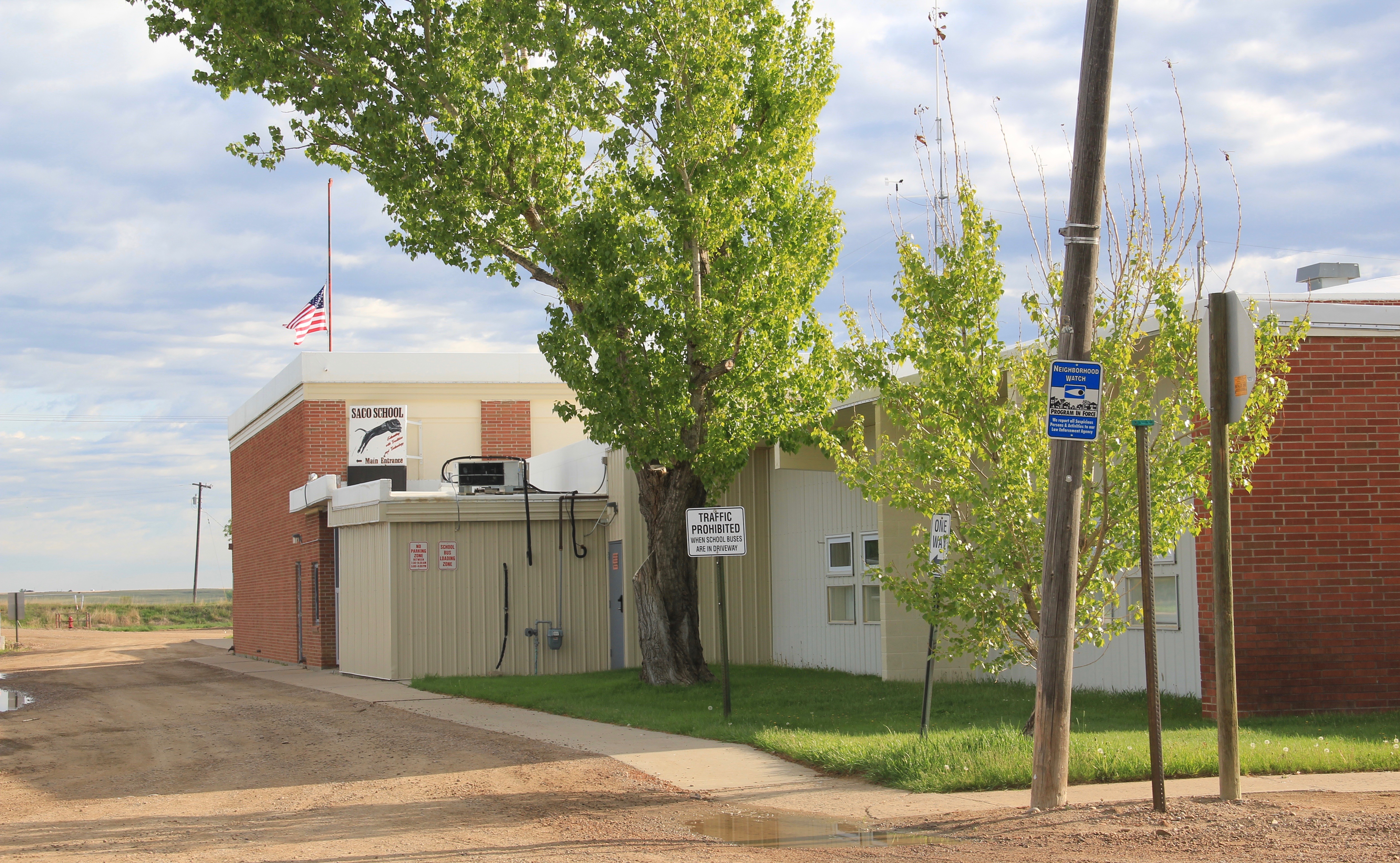
Saco School, Phillips County

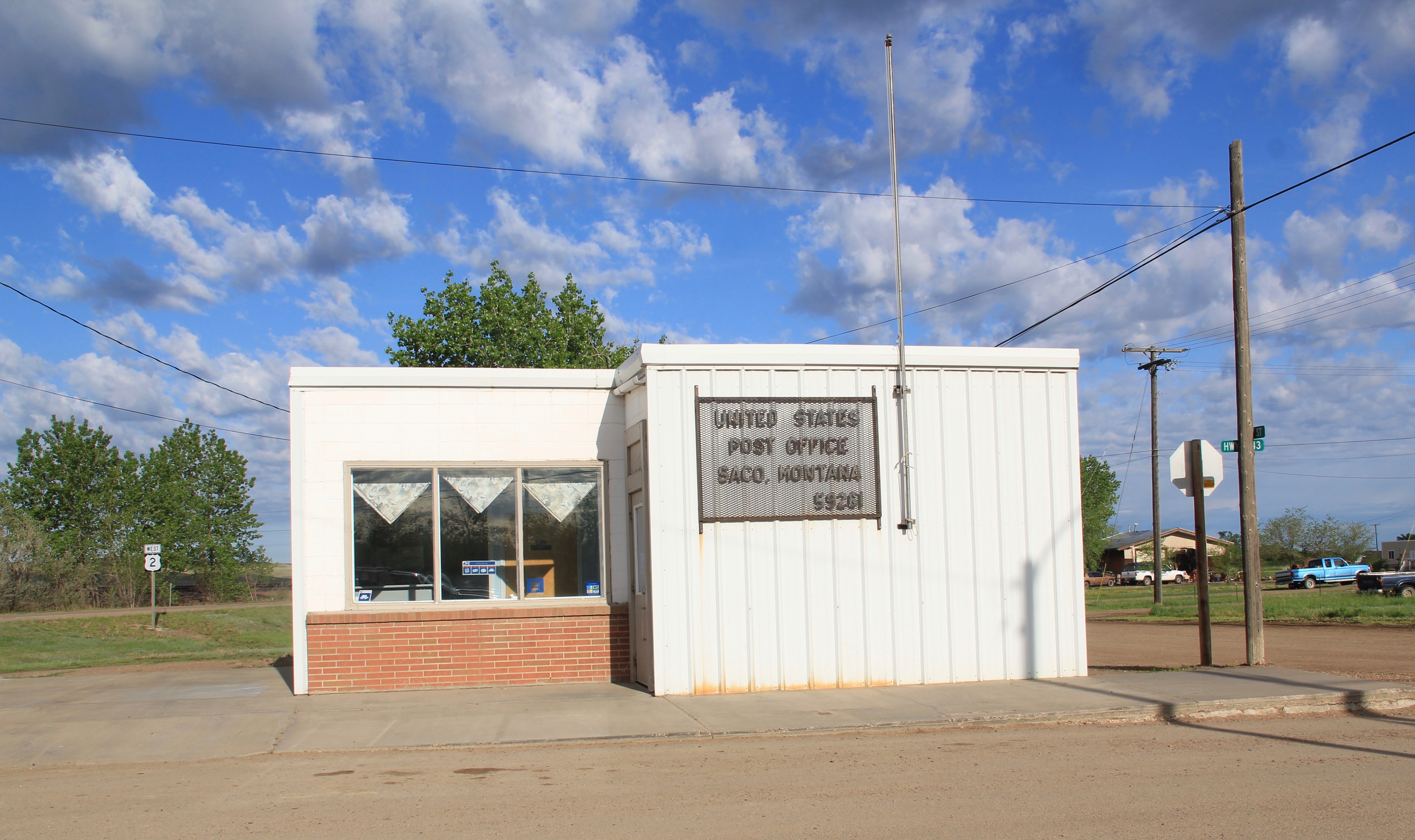
Of the two towns, I have discussed Saco to a far greater extent in this blog because it was one of my “targeted” stops in the 1984 survey.  The State Historic Preservation Office at the Montana Historical Society had received inquiries from local residents in Saco about historic preservation alternatives and I was there to take a lot of images to share back with the preservationists in Helena.  But in my earlier posts, I neglected two community

Phillips Co Saco post officebuildings, the rather different design of the post office from the 1960s and the vernacular Gothic beauty of the historic Methodist Church, especially the Victorian brackets of its bell tower.

Phillips Co Saco UM church

I ignored Hinsdale almost totally in its first posting, focusing on roadside murals.  This Valley County town is worth a second look, if just for its two historic bank buildings.  The former First National Bank and the former Valley County Bank both speak to the hopes for growth along this section of the Milk River Project of the U.S. Reclamation Service in the early 20th century.  Architecturally both buildings were touched by the Classical Revival style, and both took the “strongbox” form of bank buildings that you can find throughout the midwest and northern plains in the first two decades of the 20th century.

Valley Co Hinsdale 4 1st national bank

Valley Co Hinsdale 2 bankValley Co Hinsdale 1 bank

The rest of Hinsdale’s “commercial district” has the one-story “false-front” buildings often found in country railroad towns along the Hi-Line.

Valley Co Hinsdale 3

Local residents clearly demonstrate their sense of community not only through the school, which stands at the of the commercial area.  But community pride also comes through in such buildings as the c. 1960s American Legion Hall, the c. 1902 Methodist church (the separated cupola must be a good story), and St. Anthony’s Catholic Church.

Valley Co Hinsdale American Legion hall

Valley Co Hinsdale UM Church 1902

Valley Co Hinsdale St Albert's Catholic

These small railroad towns of the Hi-Line have been losing population for decades, yet they remain, and the persistence of these community institutions helps to explain why.

Eastern Montana County Seats: Glasgow

Valley Co Glasgow courthouse

It has been five years since I revisited the historic built environment of northeast Montana.  My last posting took a second look at Wolf Point, the seat of Roosevelt County.  I thought a perfect follow-up would be second looks at the different county seats of the region–a part of the Treasure State that I have always enjoyed visiting, and would strongly encourage you to do the same.

Valley Co Glasgow 2 elevators

Grain elevators along the Glasgow railroad corridor.

Like Wolf Point, Glasgow is another of the county seats created in the wake of the Manitoba Road/Great Northern Railway building through the state in the late 1880s.  Glasgow is the seat of Valley County.  The courthouse grounds include not only the modernist building above from 1973 but a WPA-constructed courthouse annex/ public building from 1939-1940 behind the courthouse.

Valley Co Glasgow WPA public building behind courthouse

The understated WPA classic look of this building fits into the architectural legacies of Glasgow.  My first post about the town looked at its National Register buildings and the blending of classicism and modernism.  Here I want to highlight other impressive properties that I left out of the original Glasgow entry.  St. Michael’s Episcopal Church is an excellent late 19th century of Gothic Revival style in Montana.

Valley Co Glasgow St Mike Episcopal NR

The town has other architecturally distinctive commercial buildings that document its transition from late Victorian era railroad town to am early 20th century homesteading boom town.

Valley Co Glasgow 23

Valley Co Glasgow 14

The fact that these buildings are well-kept and in use speaks to the local commitment to stewardship and effective adaptive reuse projects.  As part of Glasgow’s architectural legacy I should have said more about its Craftsman-style buildings, beyond the National

Valley Co Glasgow Art Deco Rundle building name

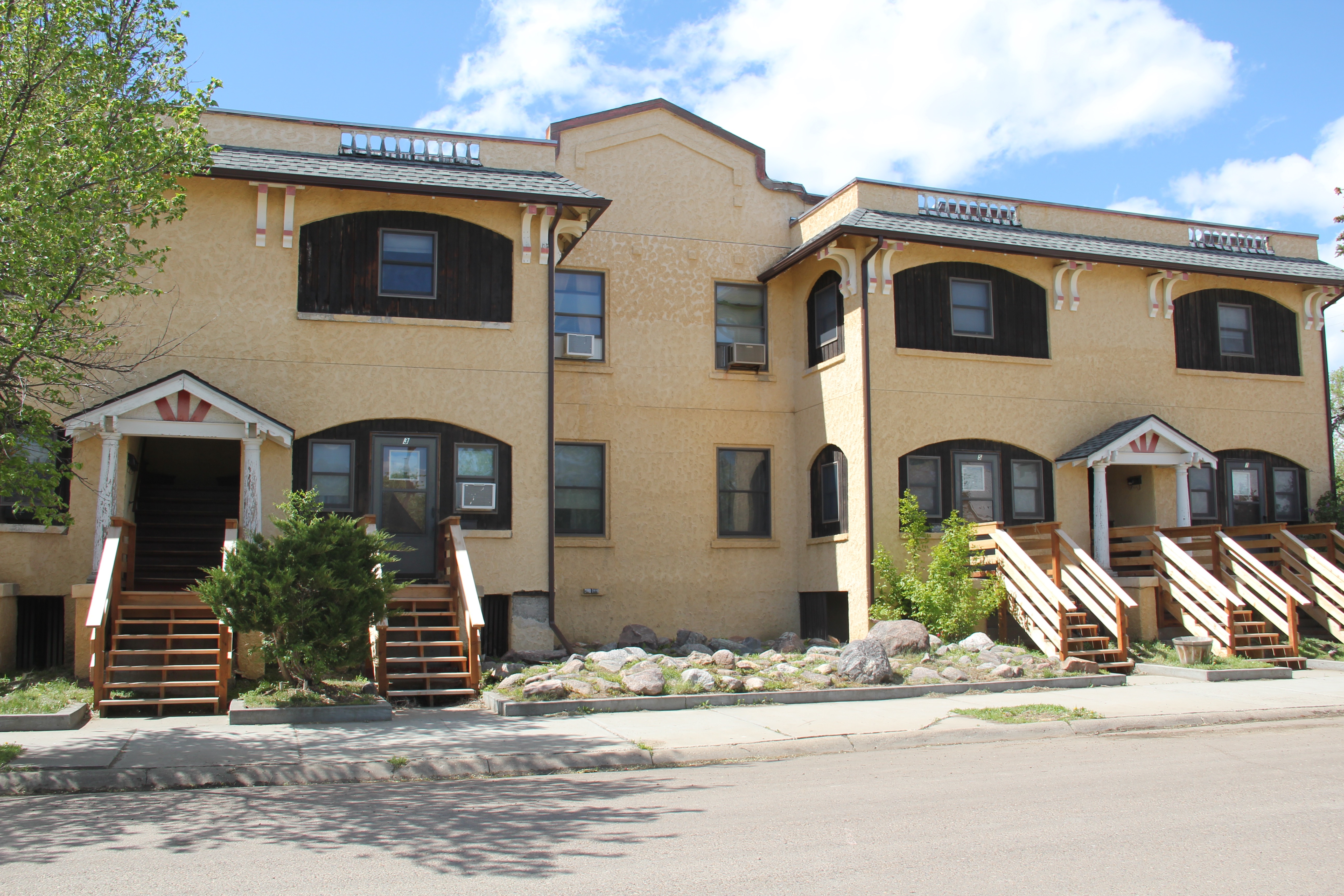
Register-listed Rundle Building.  The Rundle is truly eye-catching but Glasgow also has a Mission-styled apartment row and then its historic Masonic Lodge.

Valley Co Glasgow 20

Valley Co Glasgow masonic lodge

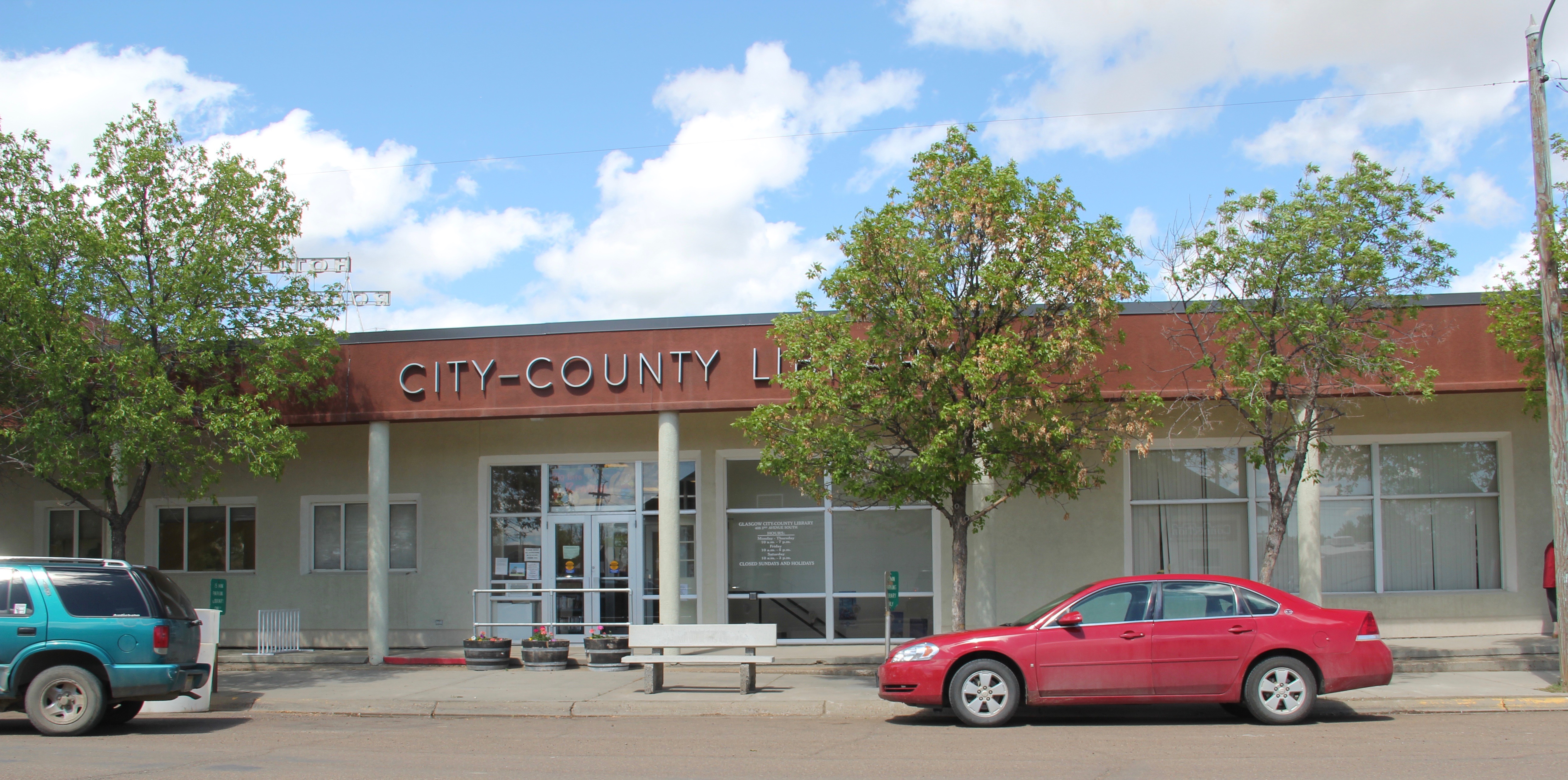
I have always been impressed with the public landscapes of Glasgow, from the courthouse grounds to the city-county library (and its excellent local history collection)


Valley Co Glasgow library

and on to Valley County Fairgrounds which are located on the boundaries of town.

Valley Co Glasgow fairgrounds

Valley Co Glasgow fairgrounds 2

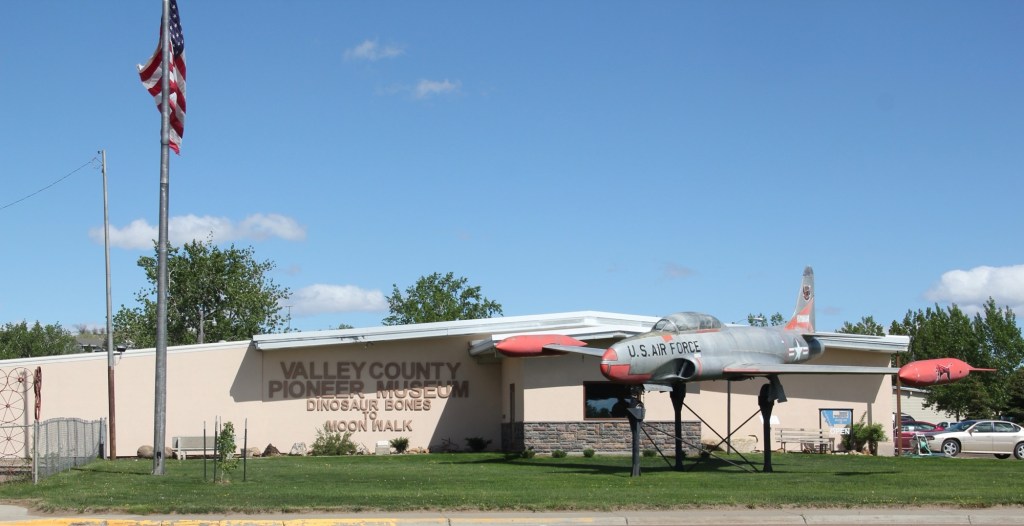
Another key public institution is the Valley County Pioneer Museum, which proudly emphasizes the theme of from dinosaur bones to moon walk–just see its entrance.

Valley Co Glasgow museum roadside

The museum was a fairly new institution when I first visited in 1984 and local leaders proudly took me through the collection as a way of emphasizing what themes and what places they wanted to be considered in the state historic preservation plan.  Then I spoke with the community that evening at the museum.  Not surprisingly then, the museum has ever since been a favorite place.  Its has grown substantially in 35 years to include buildings and other large items on a lot adjacent to the museum collections.  I have earlier discussed its collection of Thomas Moleworth furniture–a very important bit of western material culture from the previous town library.  In the images below, I want to suggest its range–from the deep Native American past to the railroad era to the county’s huge veteran story and even its high school band and sports history.

Valley Co Glasgow museum 1

Valley Co Glasgow museum 11

Valley Co Glasgow museum 16

Valley Co Glasgow museum 13

Valley Co Glasgow museum 17

A new installation, dating to the Lewis and Clark Bicentennial of 2003, is a mural depicting the Corps of Discovery along the Missouri River in Valley County.  The mural is signed by artist Jesse W. Henderson, who also identifies himself as a Chippewa-Cree.  The mural is huge, and to adequately convey its details I have divided my images into the different groups of people Henderson interprets in the mural.

The Henderson mural, together with the New Deal mural of the post office/courthouse discussed in my first Glasgow posting (below is a single image of that work by Forrest

Valley Co Glasgow 1 New Deal mural

Hill), are just two of the reasons to stop in Glasgow–it is one of those county seats where I discover something new every time I travel along U.S. Highway 2.

A Return to Fort Peck

IMG_8002

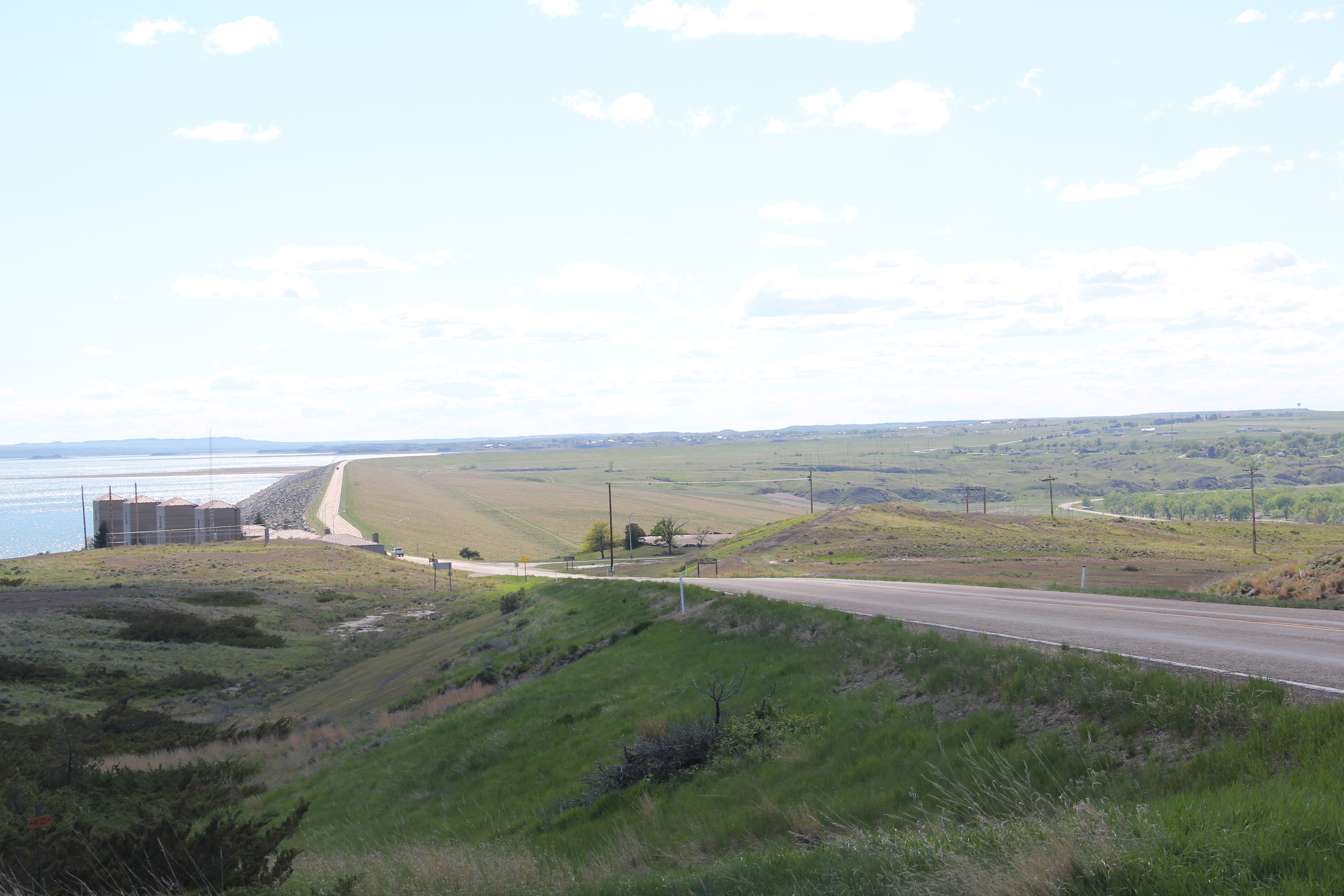
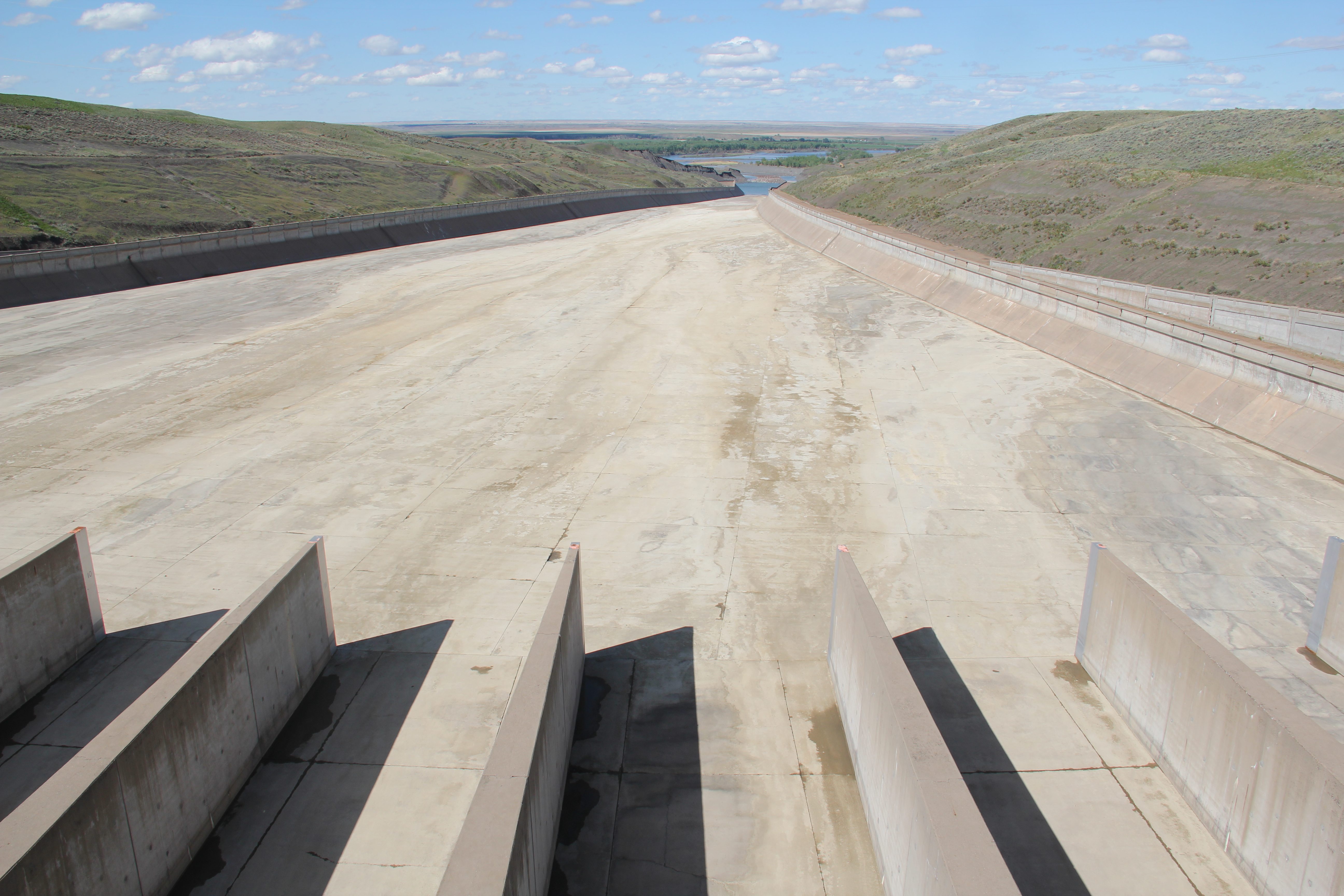
For sheer scale and audacity nothing in Montana built environment rivals the transformations wrought on the Missouri River and the peoples who for centuries had taken nourishment from it than the construction of Fort Peck Dam, spillway, powerhouse, reservoir, and a new federally inspired town from the 1930s to the early 1940s.

IMG_8007

IMG_8016

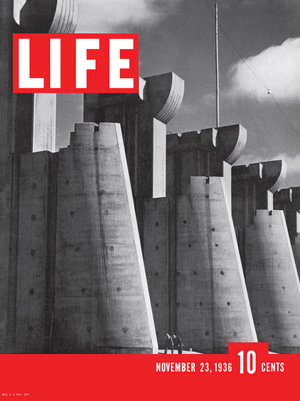
The mammoth size of the entire complex was just as jaw-dropping to me as it had been to the New Dealers and most Americans in the 1930s.  That same spillway, for instance, had been the subject of the famous first cover of Life Magazine by Margaret Bourne-White in 1936.

magcover_custom-2f7bcf5da71dc7d2f5536604fc3fb9347e8b3e23-s300-c85

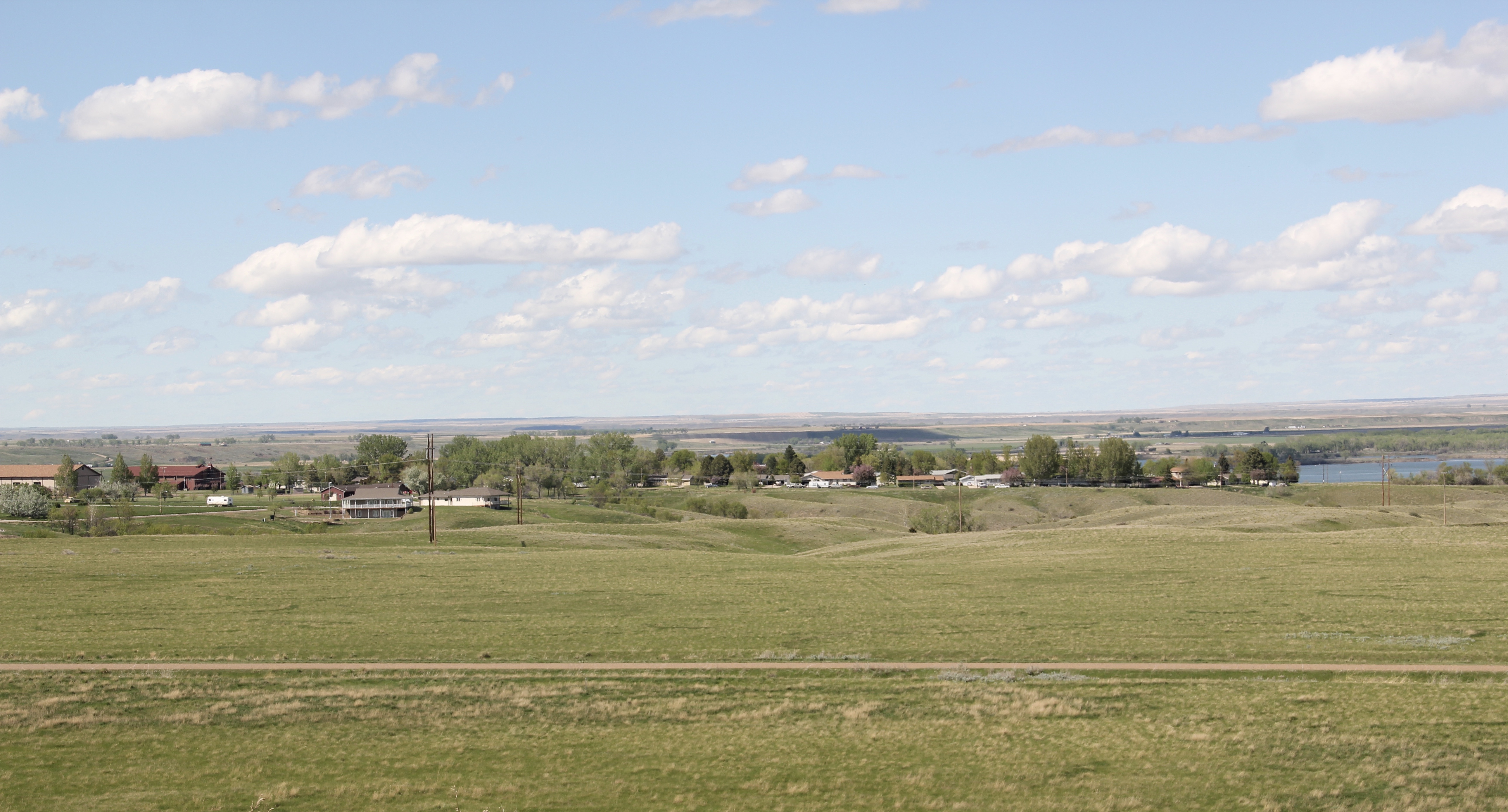
When she visited in 1936 the town of Fort Peck housed thousands but once the job was over, the town quickly diminished and when you take an overview of Fort Peck, the town, today it seems like a mere bump in what is otherwise an overpowering engineering achievement.

Valley Co Fort Peck

Coming from a state that had headquartered another New Deal era transformation of the landscape–the even larger Tennessee Valley Authority project–I understood a good bit of what Fort Peck meant as I started my work for the state historic preservation plan in 1984.  A good thing I knew a little because outside of a Montana Historic Highway marker and a tour of the power plant there was little in the way of public interpretation at Fort Peck thirty years ago.

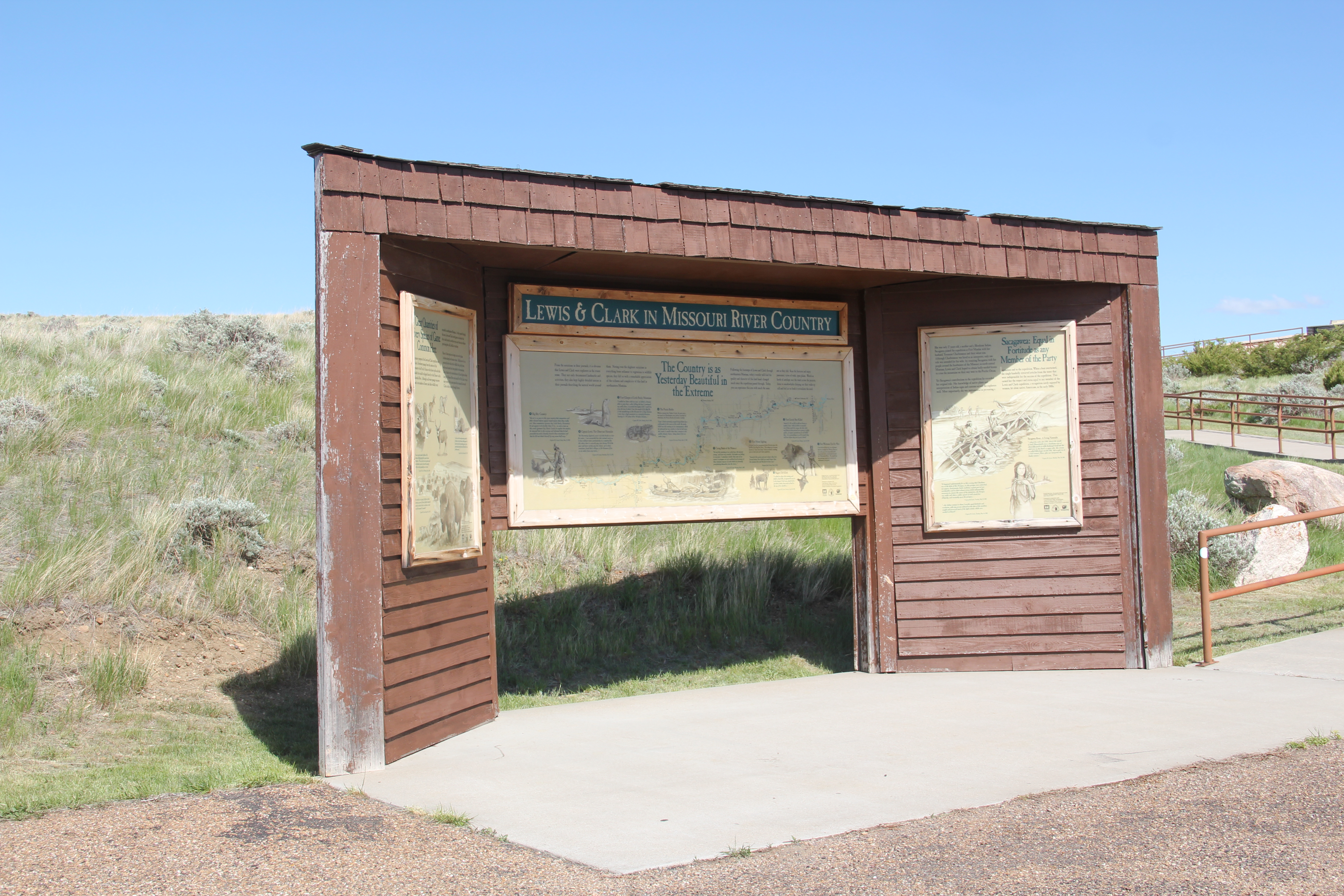
IMG_8115First came efforts to better interpret the Corps of Discovery and their travels through this section of the Missouri River 15-20 years ago. The theme was Lewis & Clark in the Missouri River Country, but by the 2010s the region’s demanding weather had taken its toll on the installation.

IMG_8006

IMG_8003At the lake’s edge are additional markers encouraging visitors to imagine the time before the lake when the Big Dry River often meant exactly what it said–the reservoir keeps it full now.

IMG_8024New interpretive markers combine with a well-defined pull-off to encourage travelers to stop and think about the loss of life that occurred in building the dam.  Many of the massive infrastructure projects of the New Deal have similarly sad stories to tell–but few of them do.

IMG_8025You can explore the landscape with the assistance of the highway markers to a far greater degree than in the past.  Even if today it is difficult to “see” the transformation brought about by the massive earthen dam, there are informative markers to help you.

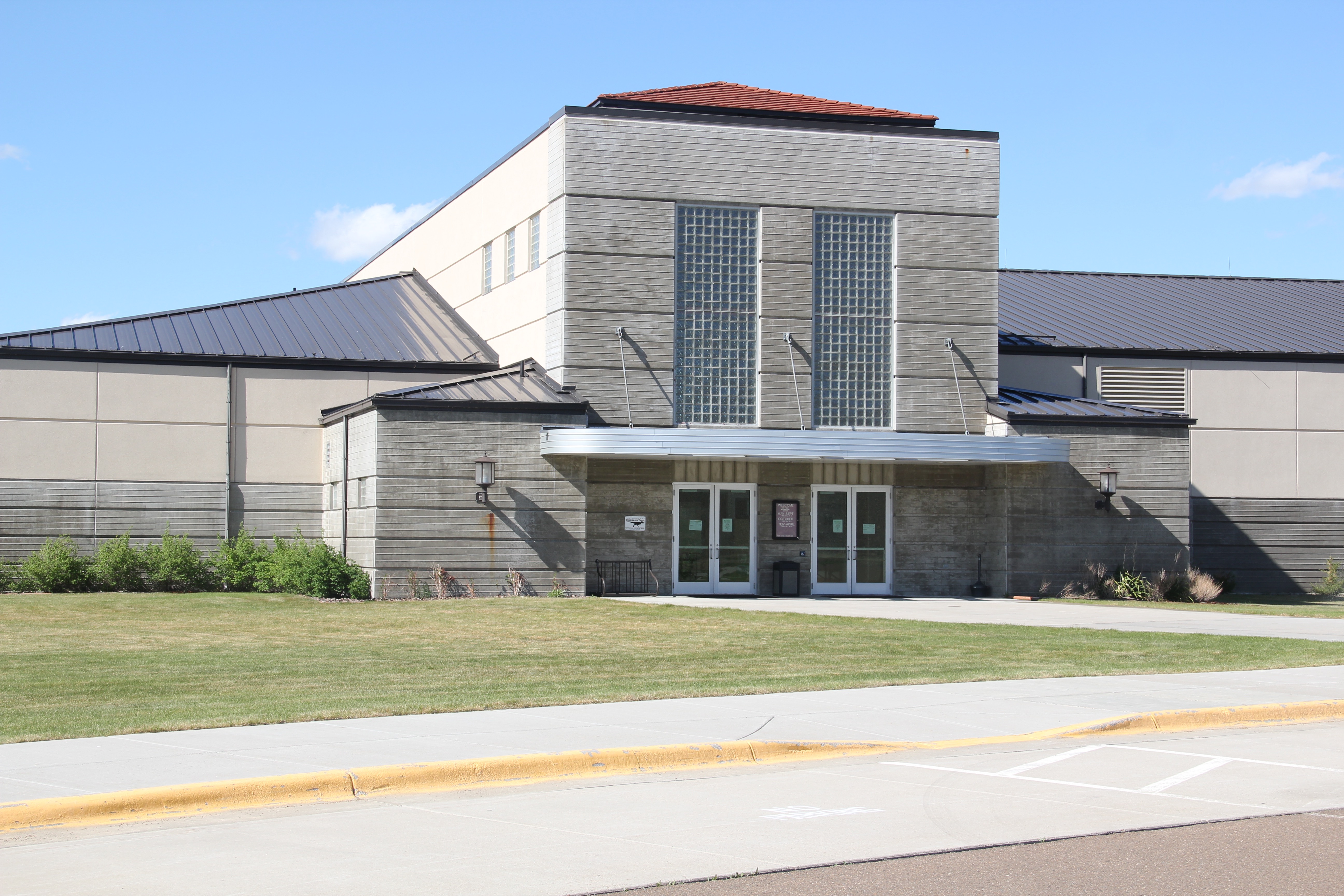
The new visitor center at the Fort Peck powerhouses takes the site’s public interpretation to a new level.  Just reading the landscape is difficult; it is challenging to grasp the fact that tens of

Valley Co Fort Peck Dam Reservoir 18

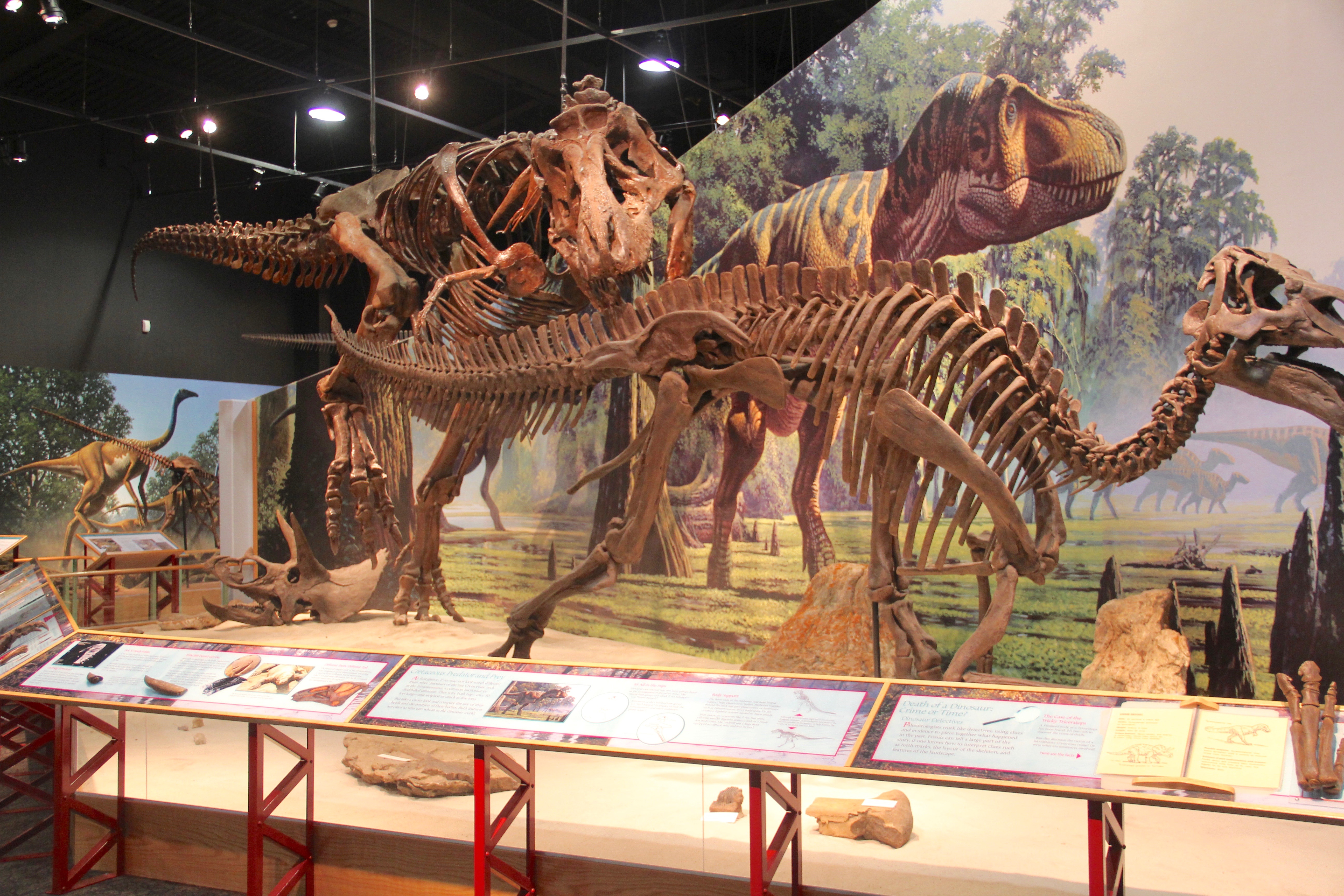
workers and families were here in the worst of the Great Depression years and it is impossible to imagine this challenging landscape as once lush with thick vegetation and dinosaurs.

Valley Co Fort Peck Dam Reservoir 20

Through fossils, recreations, artwork, historic photographs, recreated buildings, and scores of artifacts, the new interpretive center and museum does its job well.  Not only are the complications of the New Deal project spelled out–perhaps a bit too heavy on that score, I mean where else do you see what the “Alphabet Agencies” actually meant–but you get an understanding of worlds lost in the name of 20th century progress.

Is everything covered?  Far from it–too much in the new public interpretations focuses on 1800 to 1940, and not how Fort Peck has the harbinger of the Cold War-era Pick-Sloan Missouri Basin reject that totally transformed the river and its historic communities.  Nor is there enough exploration into the deep time of the Native Americans and what the transformation of the river and the valley meant and still means to the residents of the Fort Peck Indian Reservation.  There’s still work to be done to adequately convey the lasting transformation that came to this section of Montana in the mid-1930s.

Nashua, Montana: stories of a railroad and a man

IMG_7881

Nashua is the eastern most town of Valley County, Montana, located where Porcupine Creek empties into the Milk River.  Its history mirrors those of many towns along the Hi-Line:  it too began as a Manitoba Road town in 1888-1889. The tall grain elevators that still dominate the townscape, as they did in 1984, document the days when the rails carried everything as does the moved and repurposed Great Northern Railway depot, not a Senior Citizens Center.

Elevators along Great Northern line, 1984

Elevators along Great Northern line, 1984

IMG_7883

Nashua is also a gateway along U.S. Highway 2 to the region’s New Deal era history, especially the construction of Fort Peck Dam and Reservoir.  As an eastern gateway to the dam, Nashua reached its peak population of over 900 in 1940 as the project neared completion.  Today less than 300 make Nashua home.  One key New Deal survivor–the 1935 school (with later additions)–is home to the Porcupines, and serves still as a community center.

IMG_7878

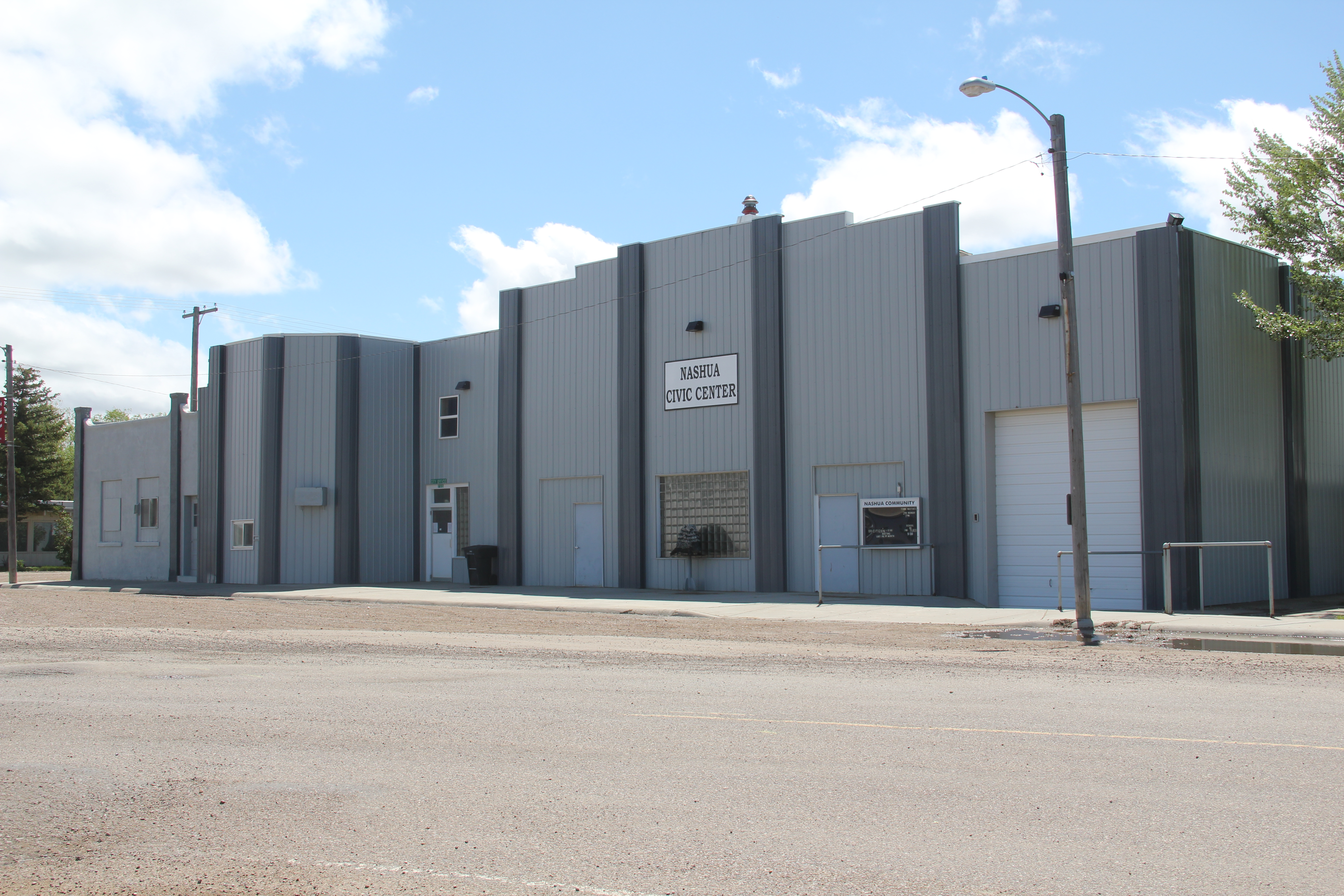
Another building in Nashua, the Civic Center, also looked New Deal in its origins, indeed similar in shape (but not materials) to the WPA-constructed civic center in Glasgow.  But in finding out the history of this building, I also found the story of a man and family who shaped Nashua in the post-World War II era.

IMG_7882


Victor Dostert (1886-1961) is a Montana small town example of a “civic capitalist,” a topic that I explored at length in my book Capitalism on the Frontier (1993).  He came and homesteaded south of the town along the Milk River during the boom of the 1910s but when the bust came in the 1920s Dostert, his wife Anna, and their three sons stayed, making their mark with construction projects (from a theater to the Catholic Church) and taking advantage of the thousands of construction workers passing through by building and operating Vick’s Bar in 1935.

Vick's Bar and Bowling Lane is at the center of the Nashua business district

Vick’s Bar and Bowling Lane is at the center of the Nashua business district

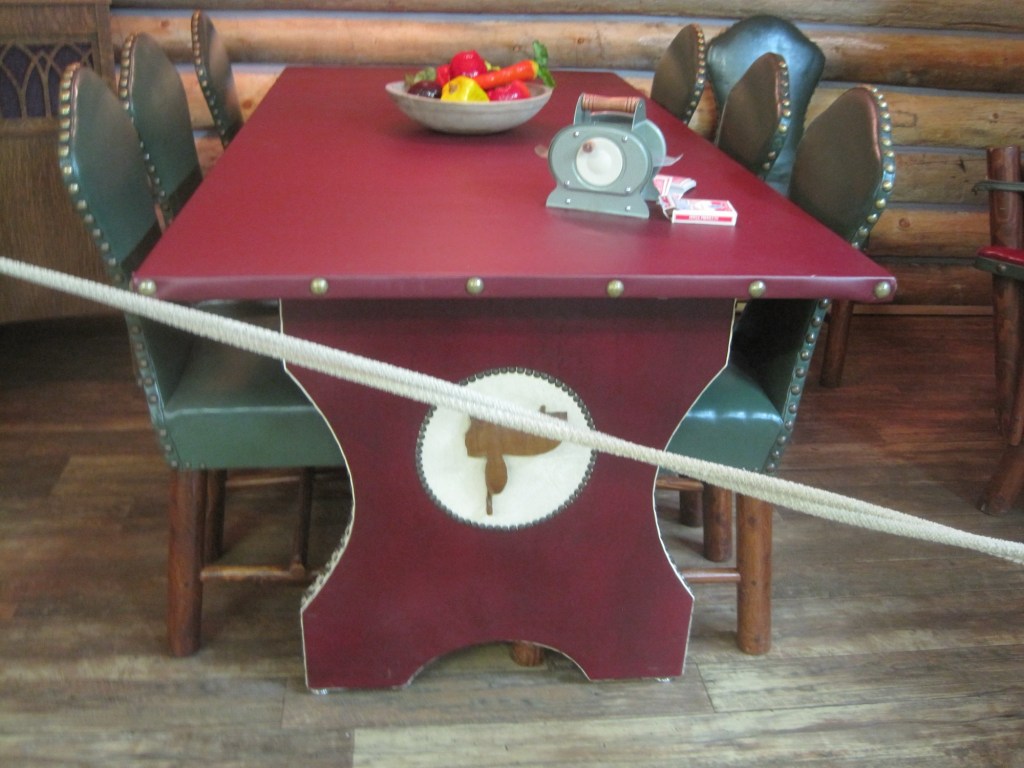
Then in 1957 the family added a adjacent Bowling Alley–and both institutions were still going when I visited in 2013.  The Civic Center, however, was Dostert’s crowning civic achievement.  He designed the building and had it constructed during his period as Nashua mayor (1945-1951).  It housed a movie theater as well as provided community meeting space. And as a community gathering point it anchors the adjacent Lion’s Park and is busy throughout the year, an anchor of identity for the dwindling population of eastern Valley County.
IMG_7880


Dinosaurs on the Roadside

IMG_7916


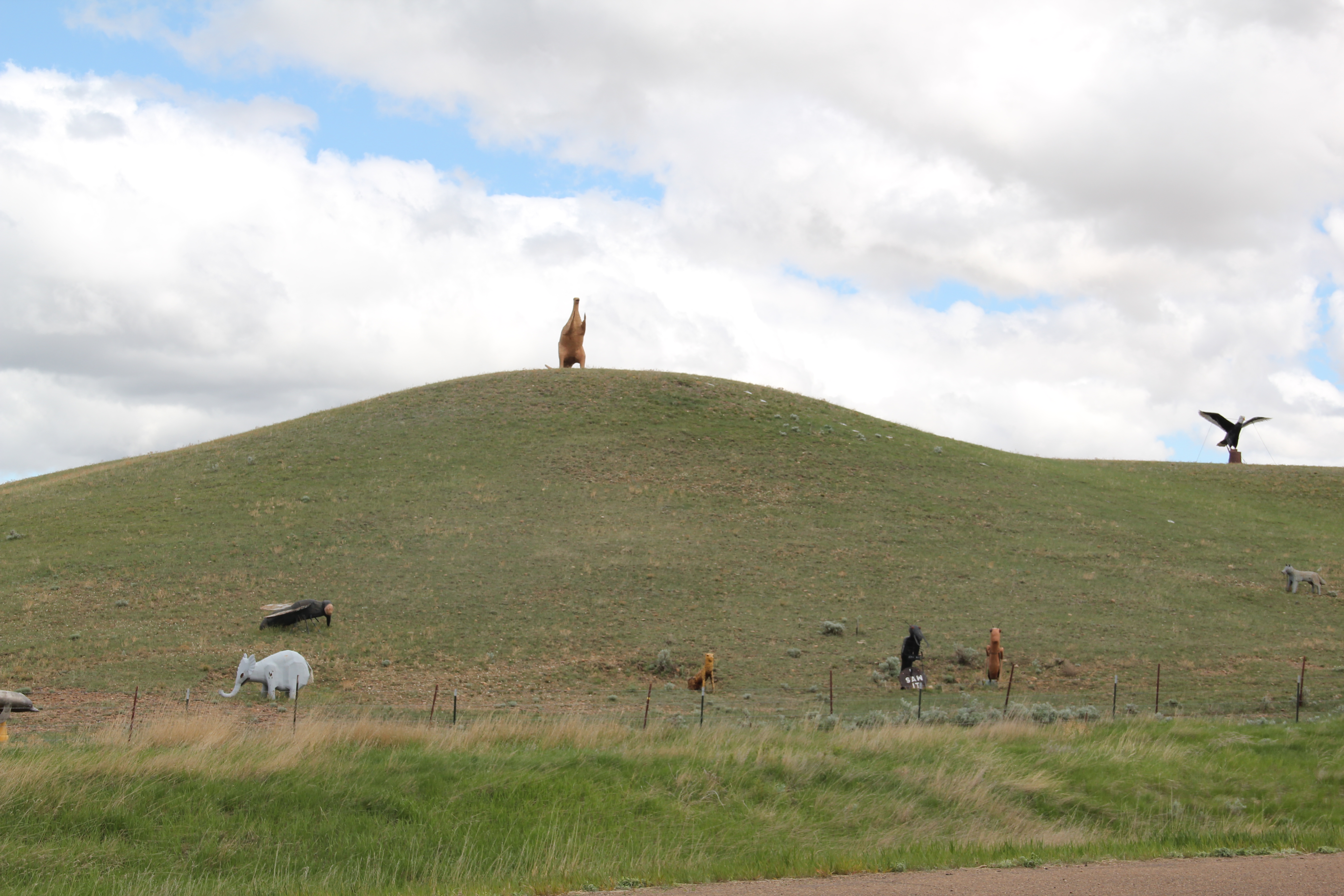
One of the most fun discoveries I made along the U.S. Highway 2 roadside in Valley County was the Buck Samuelson “zoo” just west of Glasgow.  No dinosaurs hunting mountain sheep roamed the high plains when I traveled this region in 1984, and again in 1988, but they are there now, thanks to this self-taught sculptor.

IMG_7919

IMG_7918


Samuelson began adding the sculptures to the roadside in the early to mid-1990s, just as the region’s latest dinosaur touring craze took off.  Now there is a small zoo of creatures overlooking the road, and railroad tracks, adding a bit of whimsy, but also a strong dose of patriotism to the mix.  Who still thinks that roadside art–so famous in stretches of U.S. 2 to the east in North Dakota and Minnesota–is not a Hi-Line tradition?

IMG_7917

IMG_7915

Glasgow on the Hi-Line

IMG_2790

Glasgow, the seat of Valley County, has a rich small-town urban landscape, among the best along the Hi-Line of U.S. Highway 2.  Although businesses and population has struggled since I spent time there during my 1984 fieldwork (the population dropped from 4,455 in 1980 to 3,250 in 2010), the town retained an edge of vibrancy and vigor.

IMG_7984


Many of the patterns shaping life in the northern reaches in Montana are still on display within Glasgow, starting with the original impact of the Manitoba Road, then Great Northern Railway.  The combination passenger station continues to serve travelers, who if they wish to step off the train will find a classic strip of bars and cafes facing the depot.

IMG_7977


The railroad corridor has deeply imprinted the town, with giant elevators dominating the skyline while even the highway as it dips under the tracks by means of the New Deal-era underpass pays tribute to the true “right-of-way” through Glasgow.

IMG_7985  IMG_7983


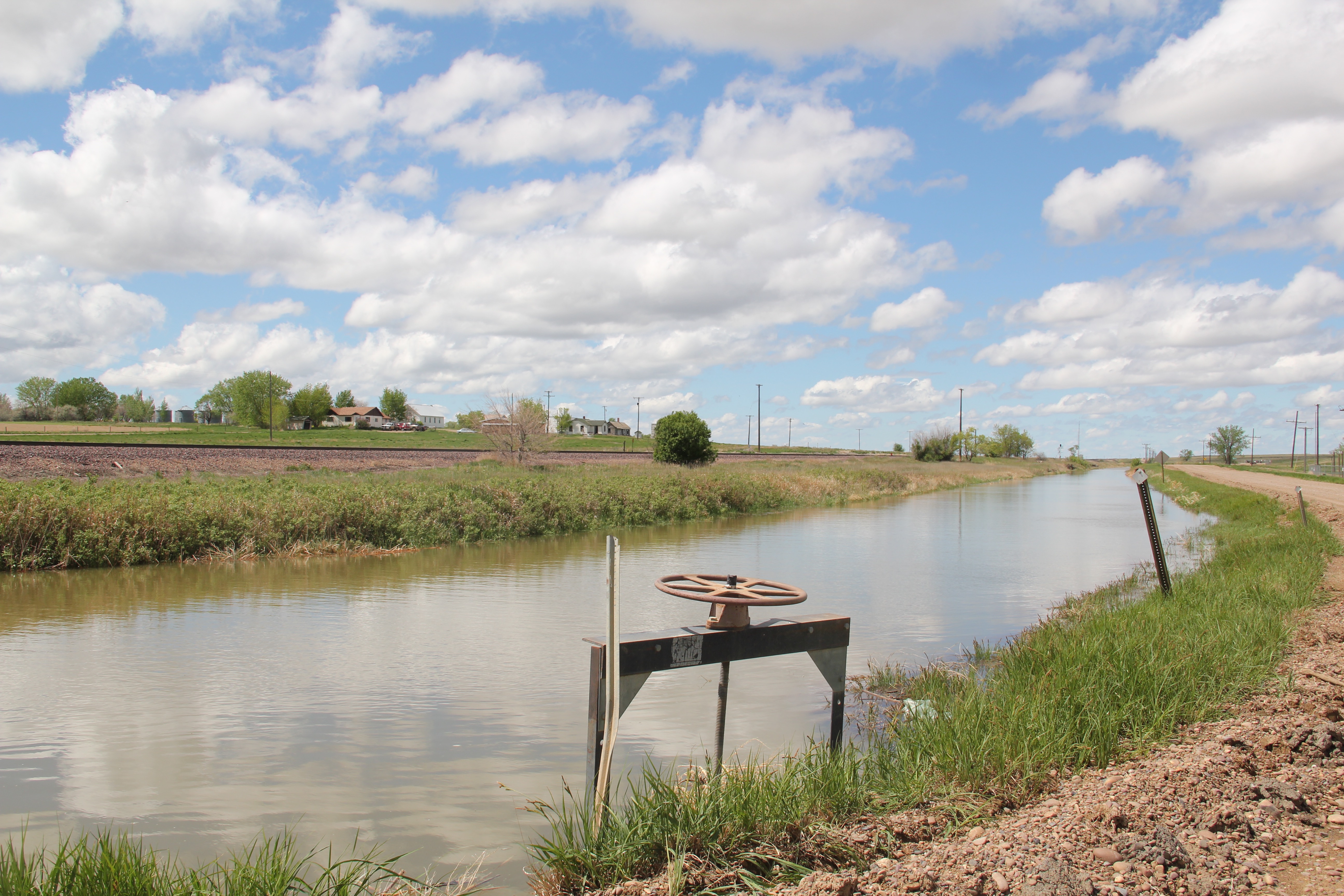
So too has the federal government left a deep imprint on the town, from the irrigation projects of the U.S. Reclamation Service to the construction of Fort Peck Dam in the 1930s and then the Glasgow Air Force Base in the late 1950s and 1960s. The Glasgow Post Office and Federal Courthouse lies at the heart of downtown, reflecting in its blocky massiveness and Art Deco styling the federal presence.
IMG_7949

Just as important, the building tells the federal side of the local story through the New Deal mural, “Montana Progress,” by artist Forest Hill that adorns the lobby.  It is one of the state’s six extant New Deal post office murals. Here the coming era of progress–symbolized by railroads, irrigation (the sugar beet factory), Fort Peck Dam and electric power–supplants cowboys, Indians, and the rural landscape itself.

IMG_7945 IMG_7942


Another landmark featured in the mural is the Glasgow Civic Center, part of the larger effort to create community institutions in the face of the often overwhelming sense of change and despair during the Great Depression.  The Civic Center still serves as a town anchor, an important part of Glasgow’s public landscape.

IMG_7964

The federal imprint left a decided modernist turn to the townscape, although preservation efforts in the last generation have kept earlier classical or revival-inspired buildings part of the town, such as the Goodkind Block, the First National Bank, and especially the Rundle Building, which may be the town’s most distinctive architectural statement from its initial settlement and development era.

IMG_7982


IMG_7980

IMG_7952

The highway corridor shows the modernism of the 1950s most graphically through restaurants, bank buildings, and signs designed to grab the attention of all those who entered.

IMG_7888 IMG_7956


IMG_7988


Glasgow’s built environment tells the story of how federal programs, from irrigation to New Deal to the Cold War, could leave marks still apparent in the 21st century.