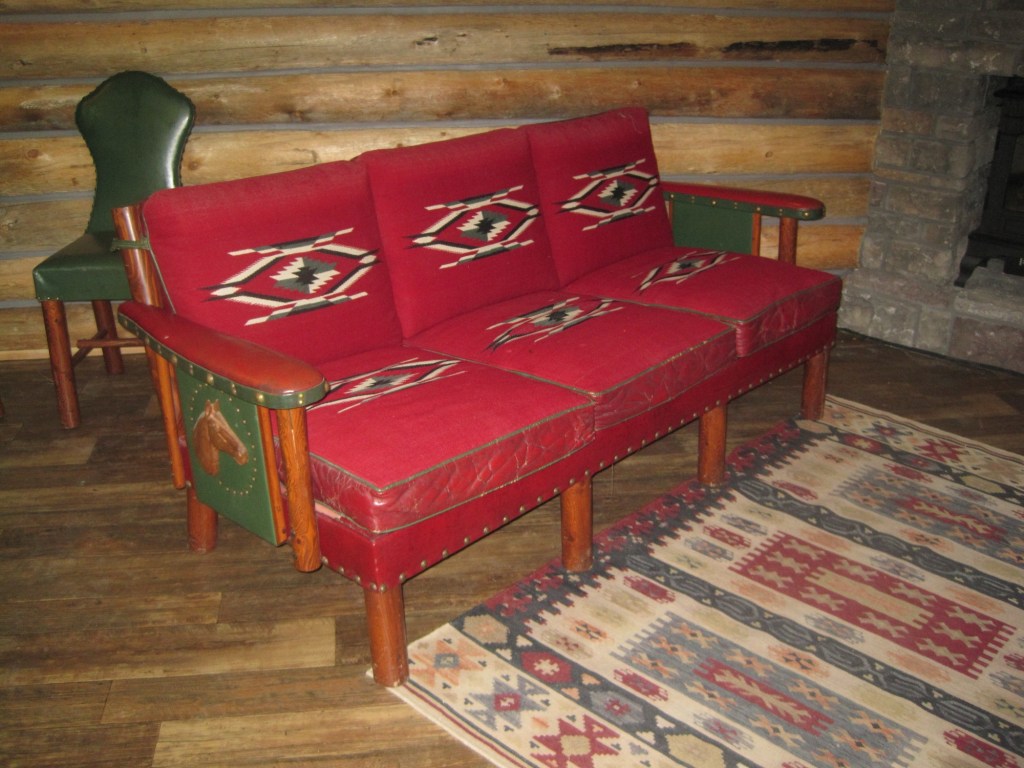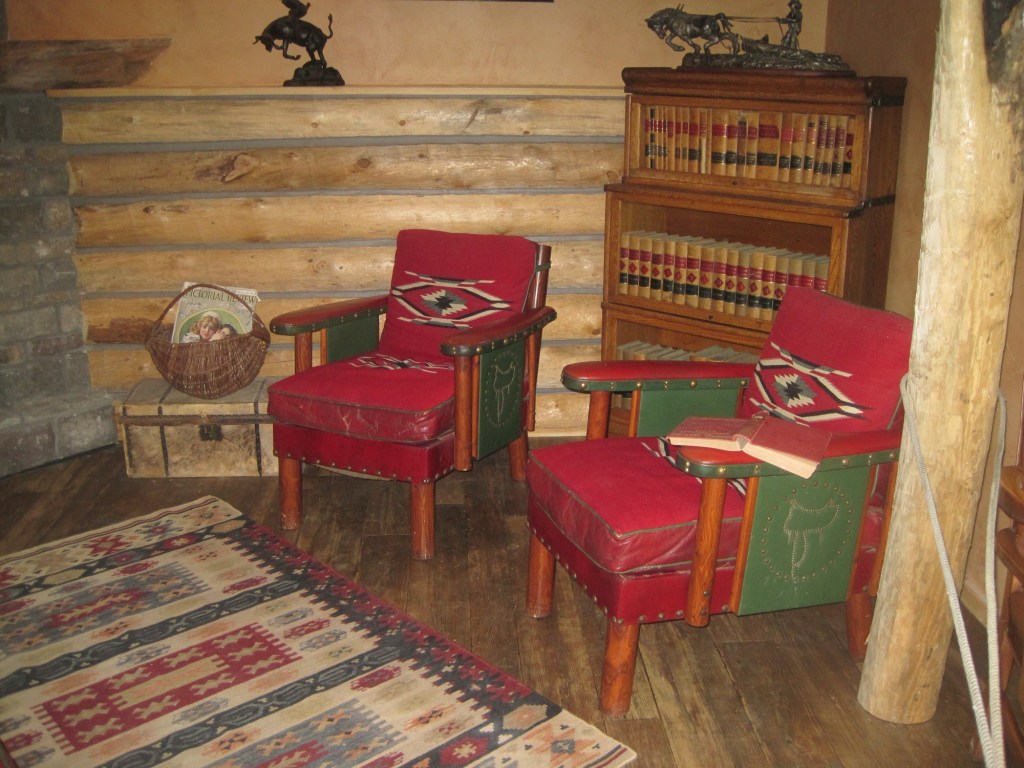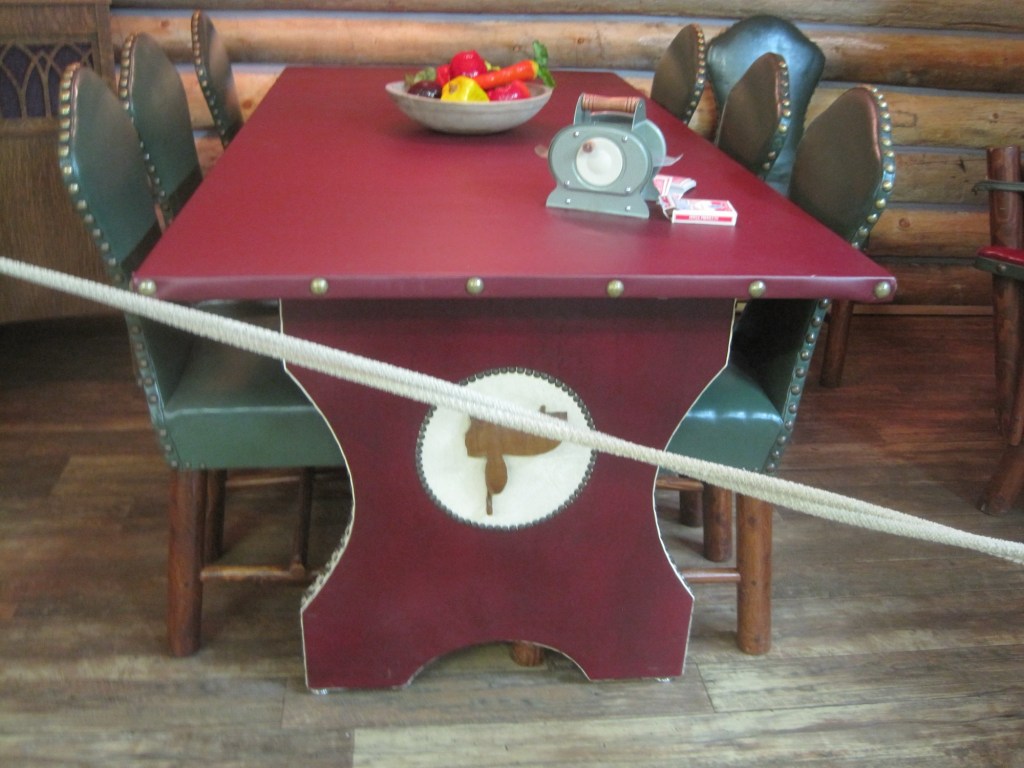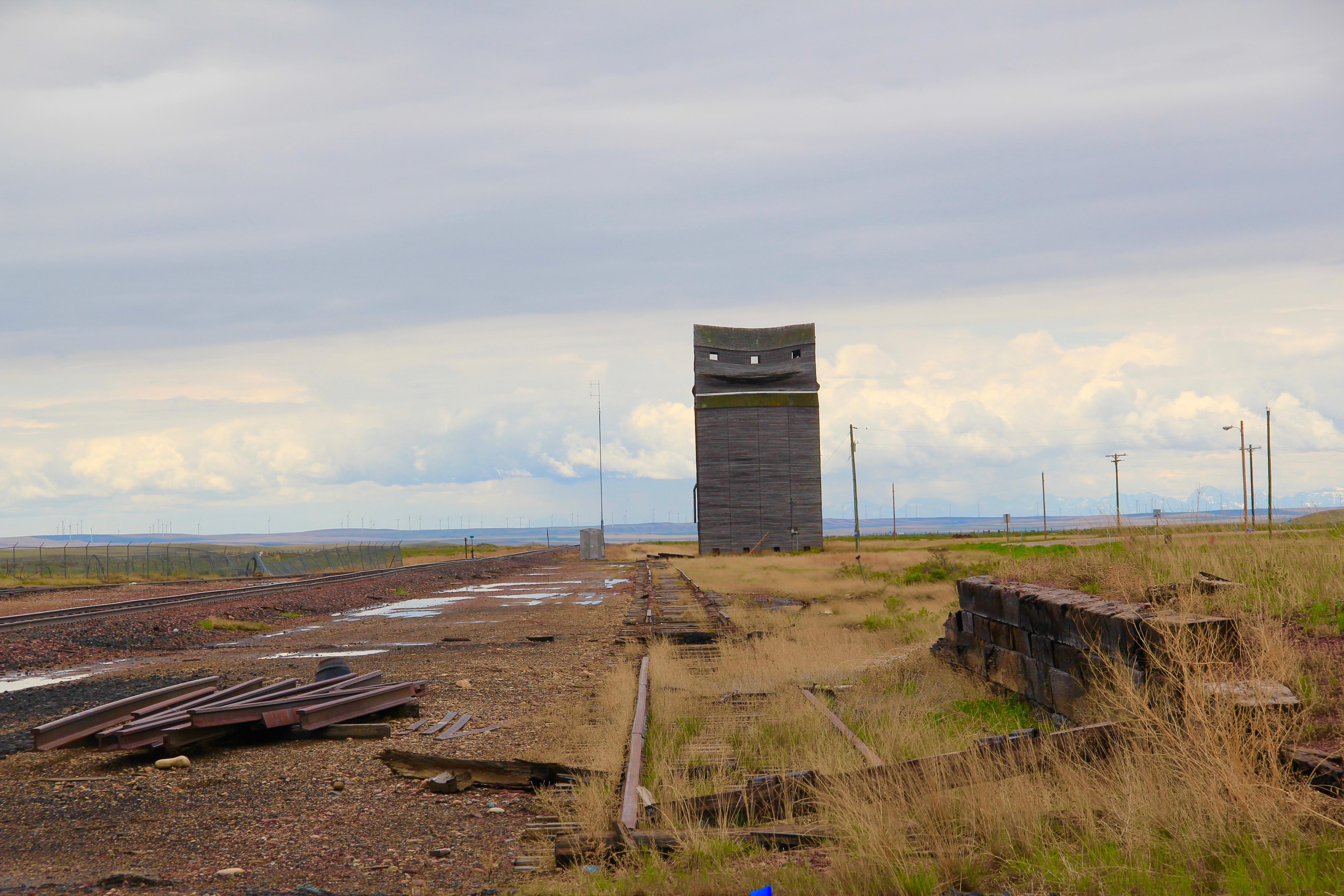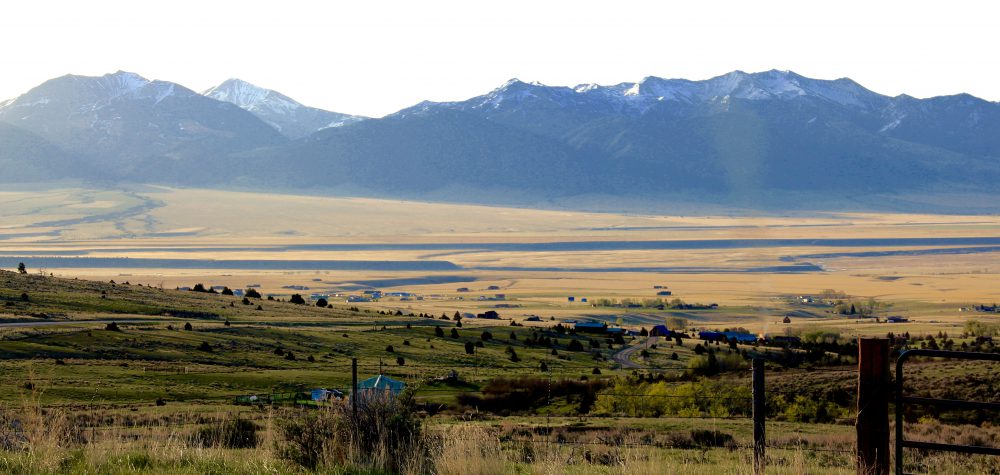
Montana in Black and White

In doing the photography for the 1984-85 survey for the State Historic Preservation Office, everything was in Black and White, both for the stability of black and white negatives but also for the cost—color slides were expensive. Thirty plus years later, it’s totally different. Everything is digital and only a few places will even process black and white film.

But I have continued to take a few rolls of black and white film on my recent work in Montana. Here are a few images to share.

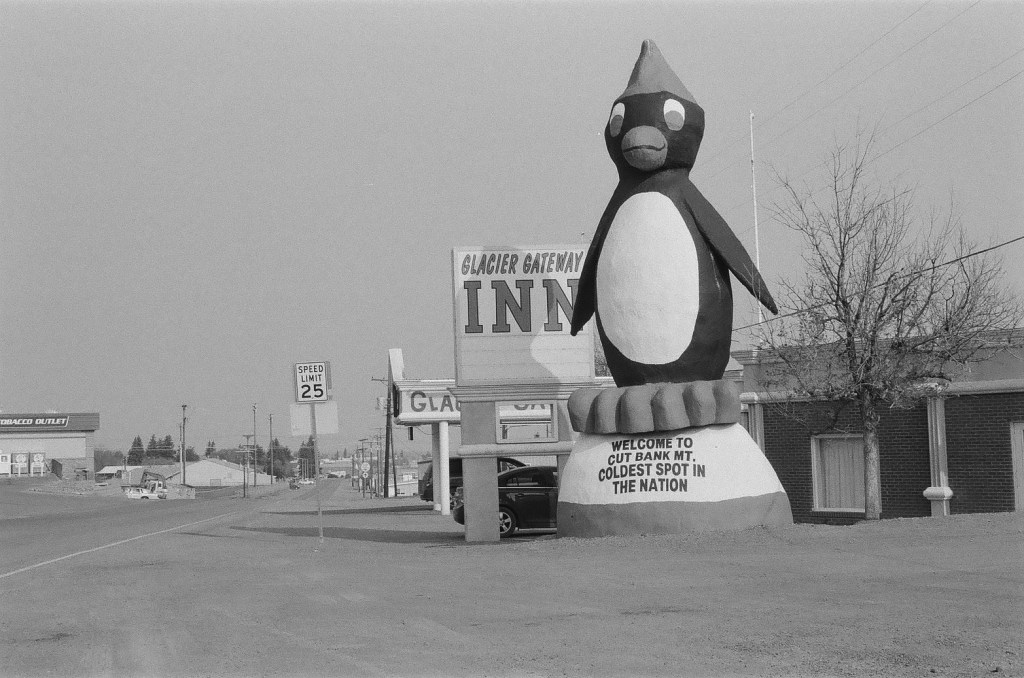
The older US 2 route into Cut Bank features this wonderful piece of roadside sculpture. And back in 1984 the Glacier Gateway Inn was the place to stay.
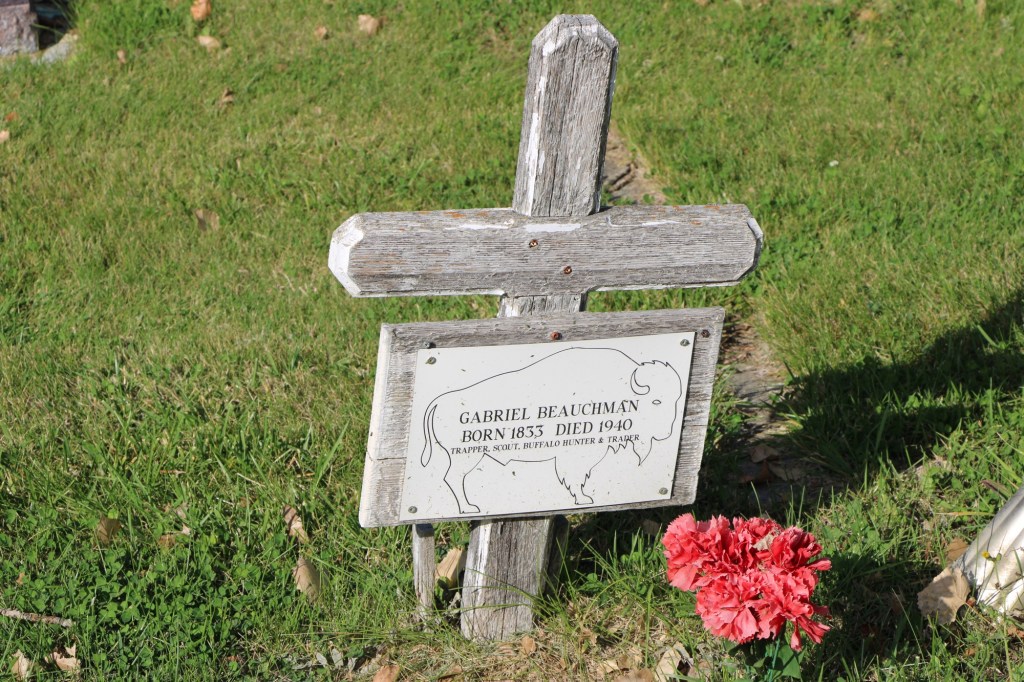
Frank Little Grave in Butte. The starkness and shadows of black and white film is perfect for cemetery work, as this famous grave at Mountain View Cemetery shows.
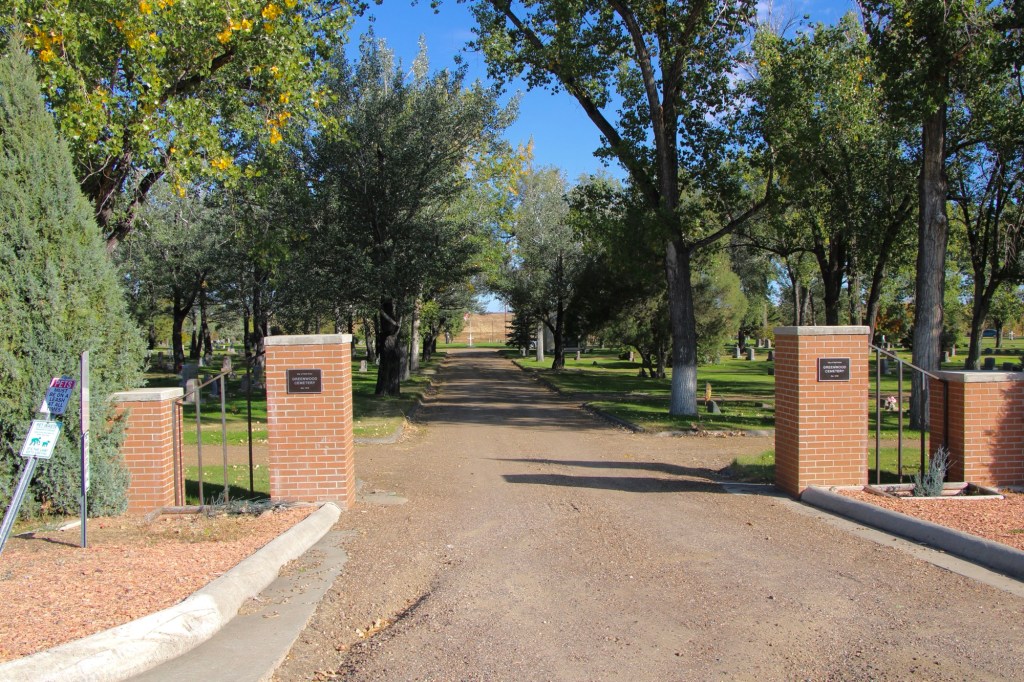
The same is true for Anaconda’s historic cemetery. As I have said in earlier posts, this place is one of the state’s most compelling places. I can explore there all day long.
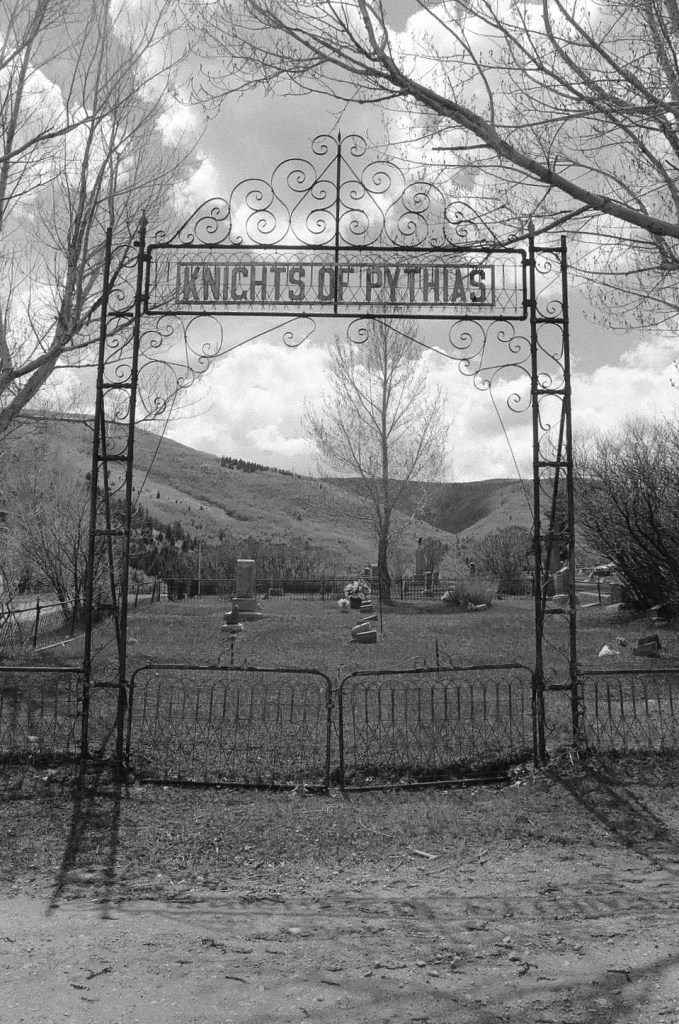
Love the decorative iron work on the gate and entrance to the Knights section at Anaconda
Ghost towns from either the mining or homestead eras always leave buildings that just seem to say more in black and white. Here we are at Barber on US Highway 12 in central Montana.
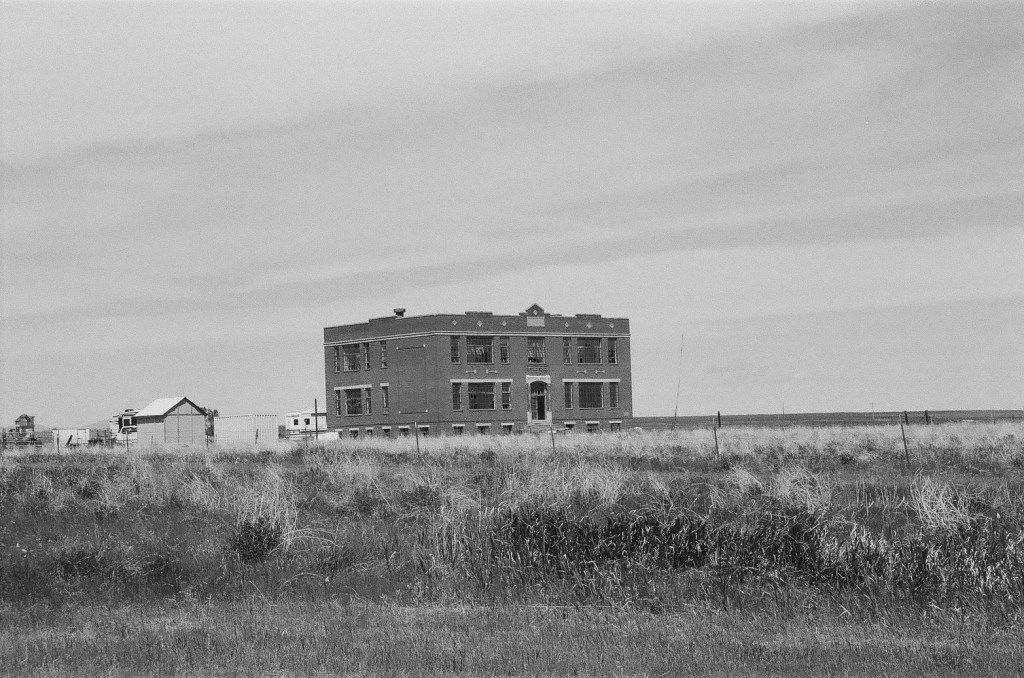
Abandoned schools that become lonely landmarks of hopes crushed: Buffalo, Montana

Glasgow, Montana: It might be in the middle but it’s not nowhere

In 2024 I began to see media accounts, both regionally and nationally, of how Glasgow, the seat of Valley County, was the most isolated place you can imagine, truly in the Middle of nowhere.

Historic Great Northern Railroad corridor in Glasgow

I’m not one to argue with geographers and economists. I’m sure from their perspective, they got it right. But I never thought of Glasgow as isolated: it is on the Great Northern mainline, and part of the famed Empire Builder Amtrak route, and on U.S. Highway 2.

Great Northern depot, Glasgow

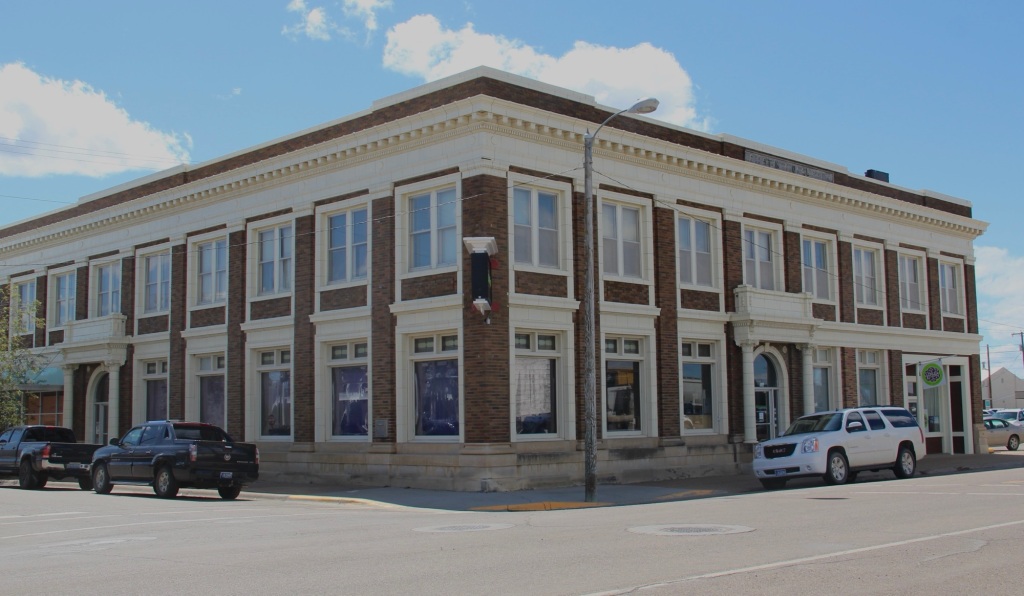
Then the town has always shown a great deal of pride and ambition, conveyed so effectively by its many historic buildings, starting with the First National Bank, built c. 1884 and listed in the National Register of Historic Places.

1st National Bank building, Glasgow

When you enter the town from the underpass of the railroad, the bank is the first landmark to catch your eye, appropriate too for the impact of local banks on a town’s economic prospects during the homesteading boom and bust of the 1910s and 1920s, respectively.

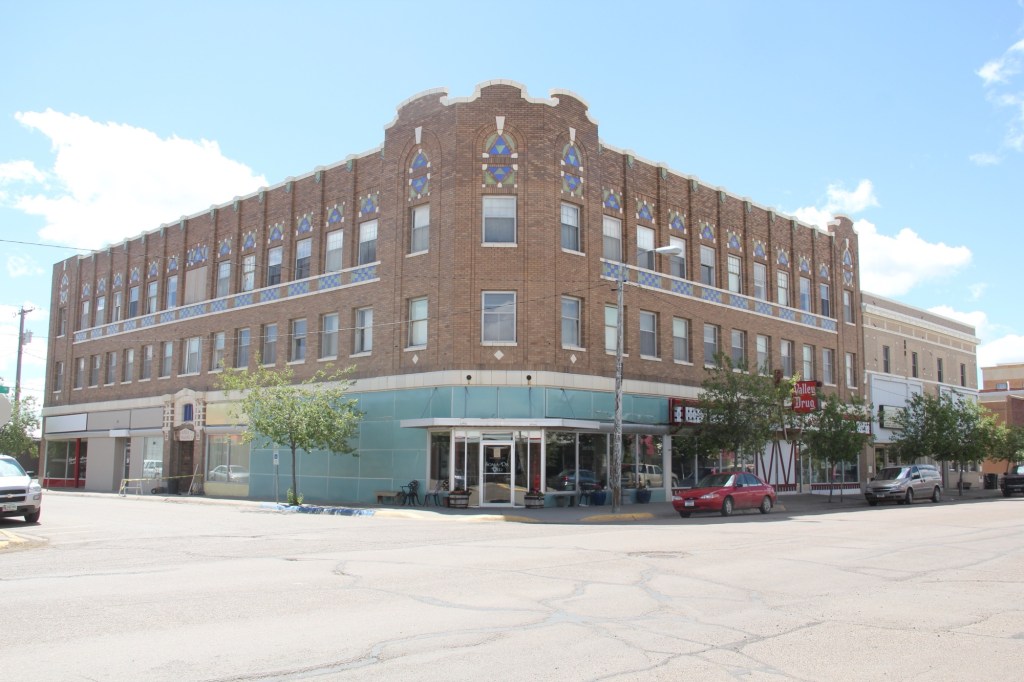
Rundle Hotel, during renovation in 2013

Another landmark from the homesteading era is the Rundle Building, once the Glasgow Hotel and restored in the last ten years as an upscale hotel in the heart of downtown. Built c. 1916 and designed by the important Billings firm of Link and Haire, the Rundle is a captivating statement of an Arts and Crafts-infused Mediterranean Revival style. I have been trying to get back to Glasgow to stay here for the last four years—maybe I will make it in 2025.

The 1930s transformed Valley County through the construction of the mammoth Fort Peck Dam on the Missouri River. Glasgow too has a major New Deal landmark in its U.S. post office and courthouse, built c. 1939 and designed by federal architect Louis A. Simon.

Post office/federal courthouse, Glasgow

Its understated New Deal Deco exterior obscures a jewel of an interior, highlighted by its New Deal-funded 1942 mural depicting local history and the changes brought about by the Fort Peck Dam by artist Forest Hill. This building too is listed in the National Register.

Glasgow post office mural

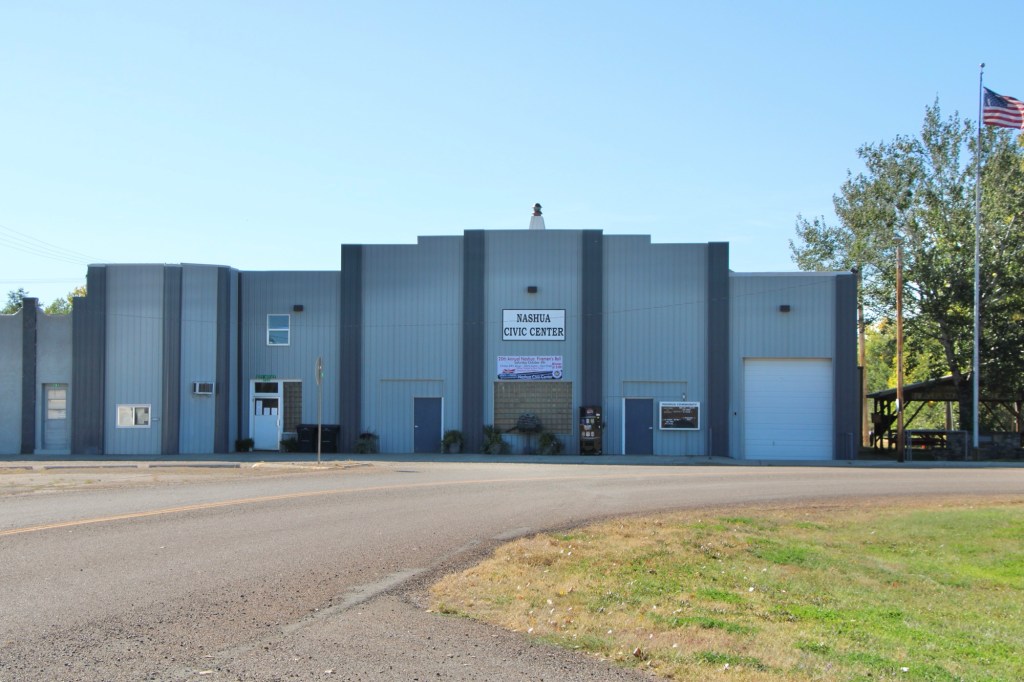
Another important New Deal supported building was all about the community, and providing new opportunities: the Glasgow Civic Center. It too has a New Deal Deco style, and its large public space has been used for almost every type of event or gathering you can imagine.

Glasgow Civic Center

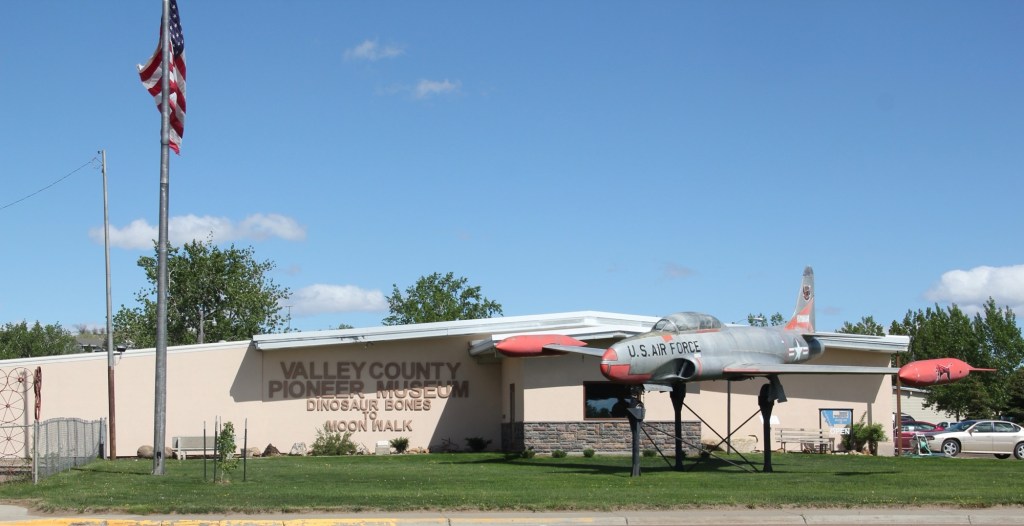
Glasgow’s sense of itself today still respects it past, brilliantly conveyed by its large and expansive museum. When I first visited Glasgow 40 years

Valley County Museum

ago, I held a public meeting on the state historic preservation plan here, and the next morning residents gave me a detailed tour of the recently established museum. I was impressed with its collection then, now it sprawls through the building to the adjoining grounds.

Veterans section of the museum
The high school band section
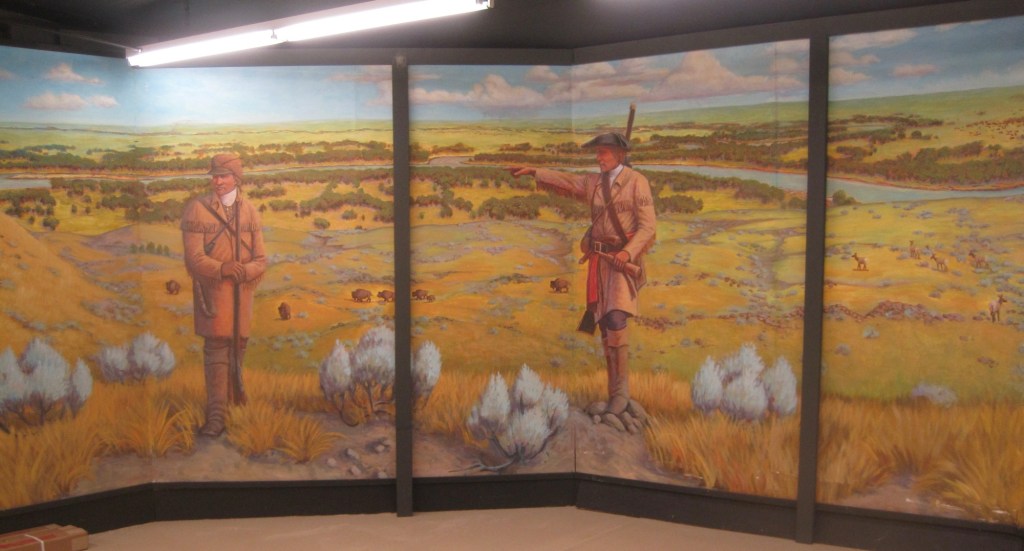
Lewis and Clark mural, 2095, by Jessie Henderson, a Chippewa/Cree artist
The back bar at saloon exhibit

Indeed, the saloon exhibit underscores another fun part of Glasgow—across from the depot in the original route of Highway 2 is an amazing collection of bars, stores, and eateries, right out of the early 1900s.

Glasgow bars at depot

But back to the museum, and its important Montana decorative arts collection of the work of modern craftsman Thomas Molesworth, once in the town’s Carnegie library.

The newer exterior exhibits led the museum to move entire building to the property, including examples of the homestead shacks of the early 1900s that were followed by permanent homes such as this white painted bungalow.

Representative ranch house from homesteading boom

Pride of place, pride of the past. Glasgow might be in the middle but it is far from being nowhere as this small sampling of properties demonstrates.

The Sentinels of Toole County

Kevin, Toole County, Montana

Grain elevators not only record the industrialization of plains agriculture; they also show you places–where the railroad left a siding and some sort of town, mostly gone now, took root over 100 years ago. Kevin is in northern Toole County, maybe 20 minutes south of the Canadian border. This lone elevator documents its homesteading era, that with the bust of the 1920s gave way to a boom in oil production in the middle decades of the 20th century. several oil tanks still remain from that era.

Kevin, Toole County, Montana

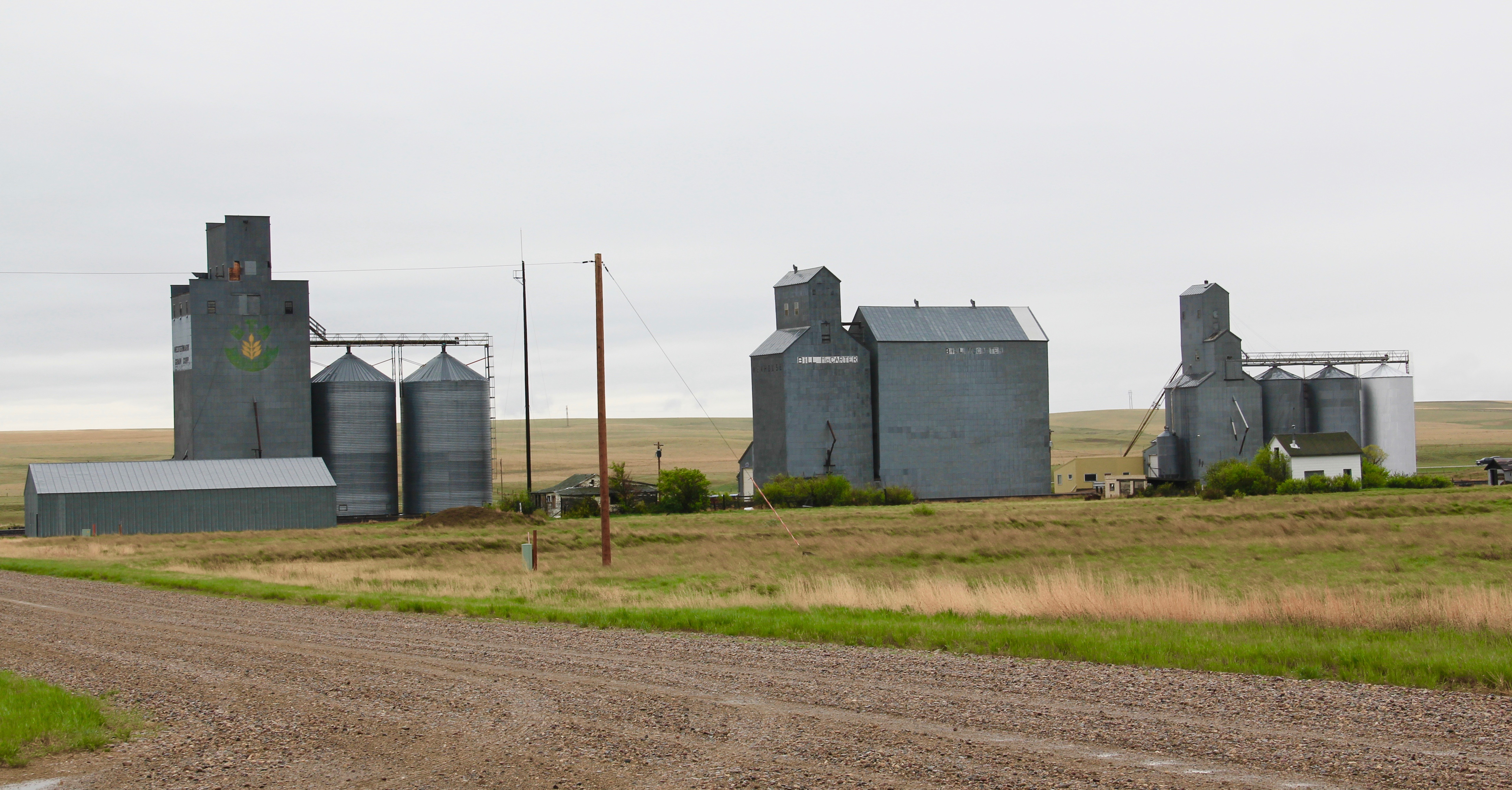
Kevin is the outlier–the rural grain elevators of Toole County record places that were once large agricultural communities, and have not been in population decline for decades. But elevators, both from the early days and from more modern times, remain as the sentinels of Toole County.

At Devon, Toole County, the elevators face U.S. Highway 2 and the tracks of the Great Northern Railway, now the Burlington Northern Santa Fe railroad. I wonder if you can see them from the Sweet Grass Hills. some 30 miles to the north.
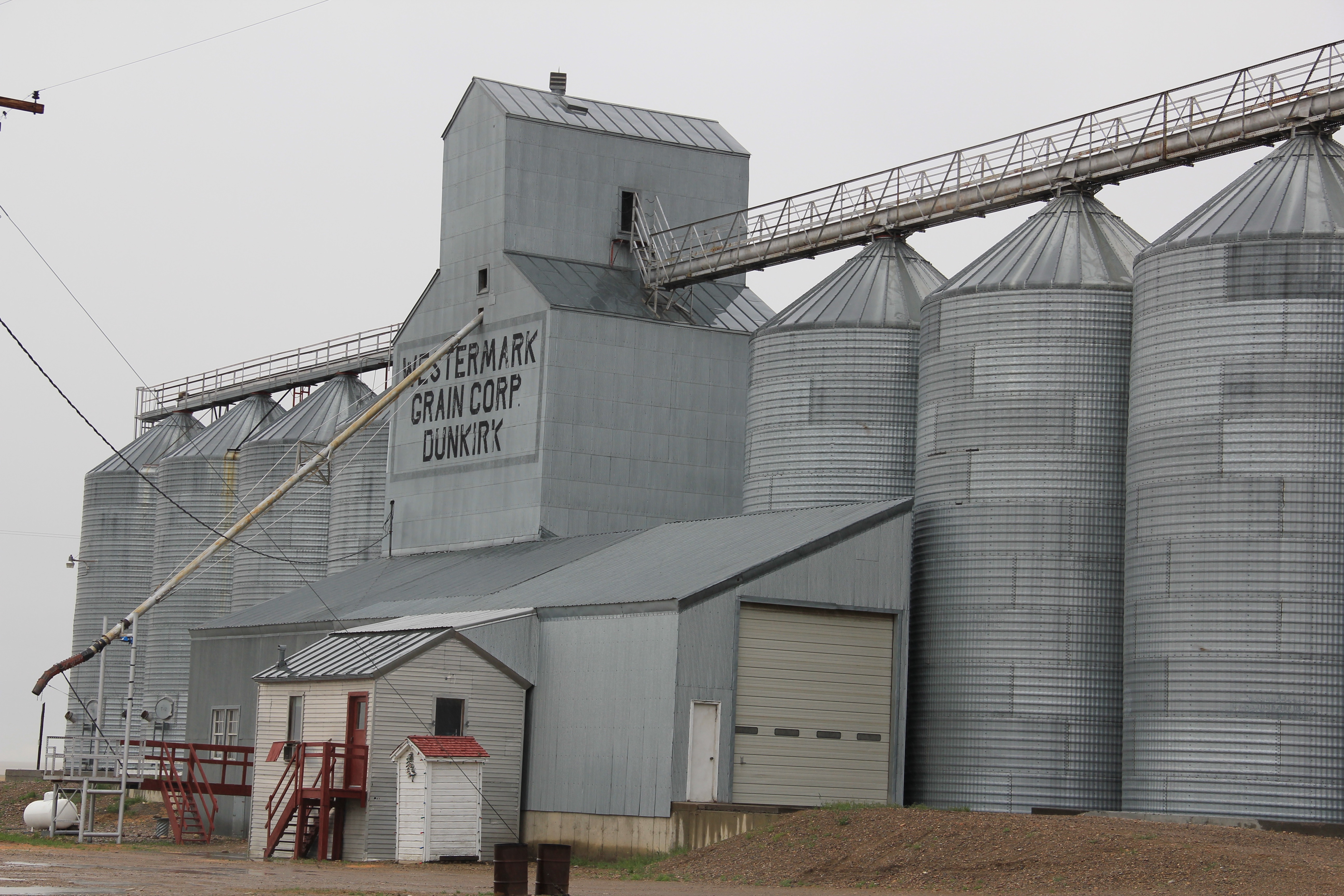
More recent metal grain silos surround the older grain elevator at Dunkirk, a land-locked place surrounded by grain fields for as far as the eyes can see.
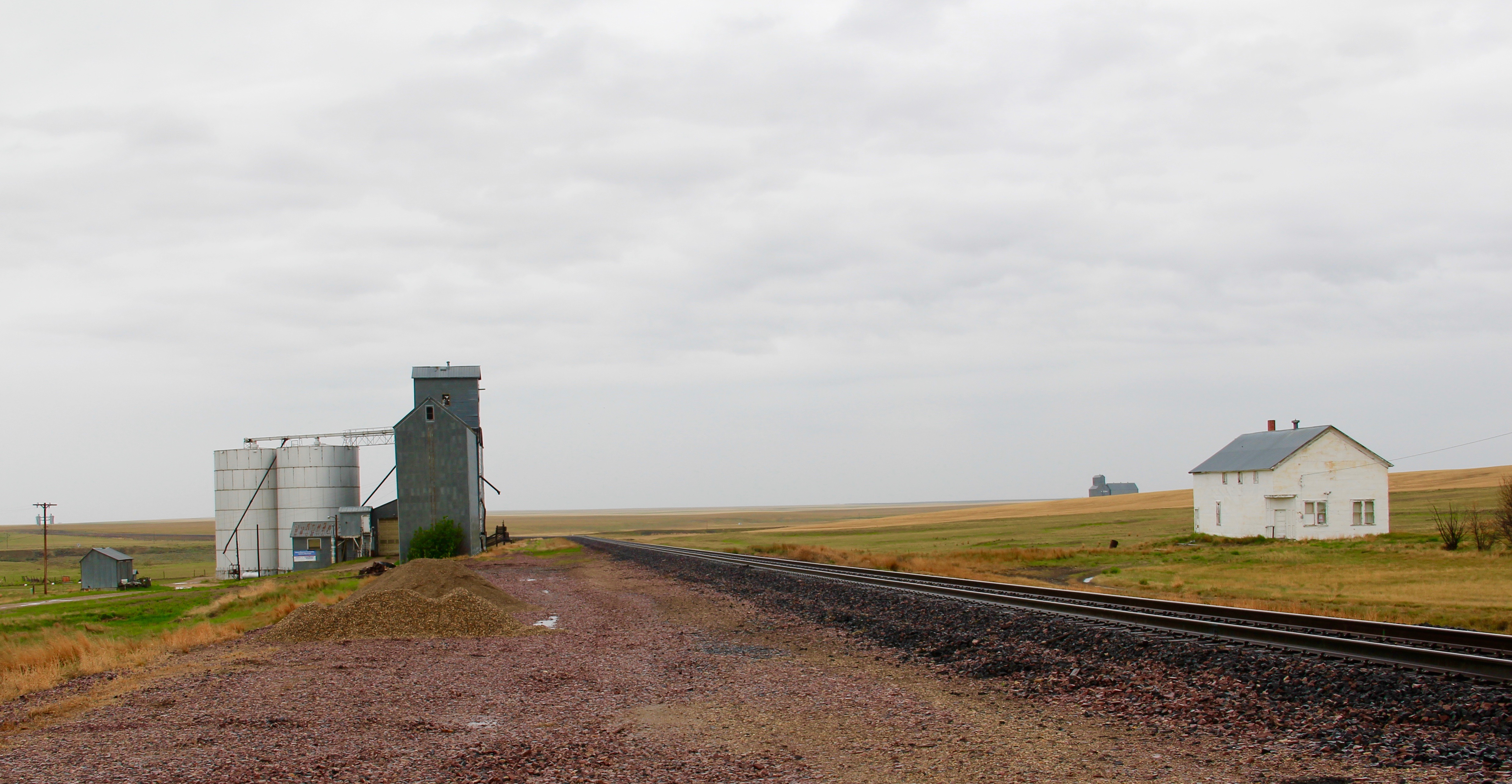
Galata, on the eastern end of Toole County, captures the fundamental nature of the Hi-Line landscape–bands of steel on raised roadbeds, dotted here and there by tall grain elevators and the spare building or two.

The Milk River Project and its Impact on Northern Montana

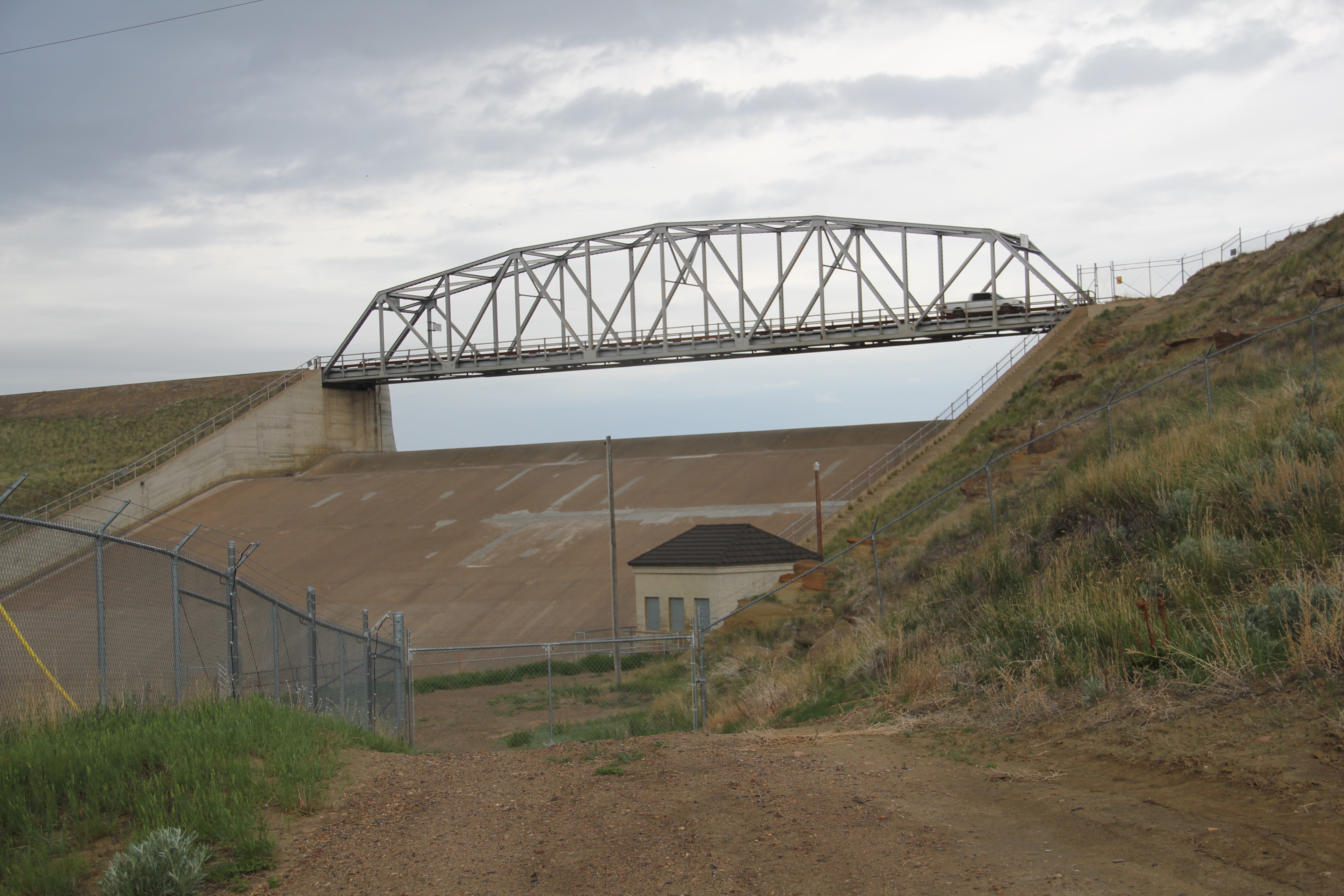
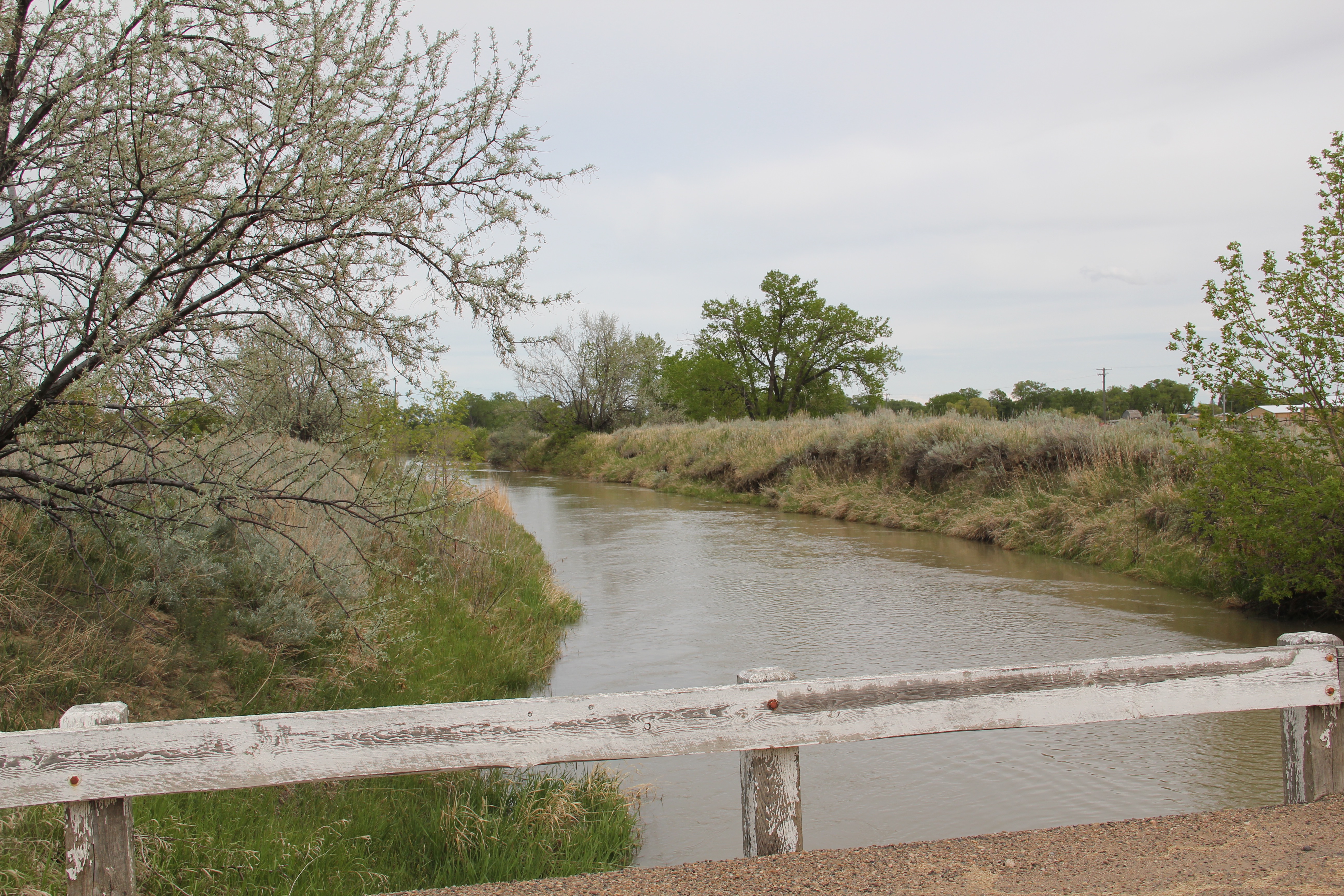
Phillips Co Dodson ditch

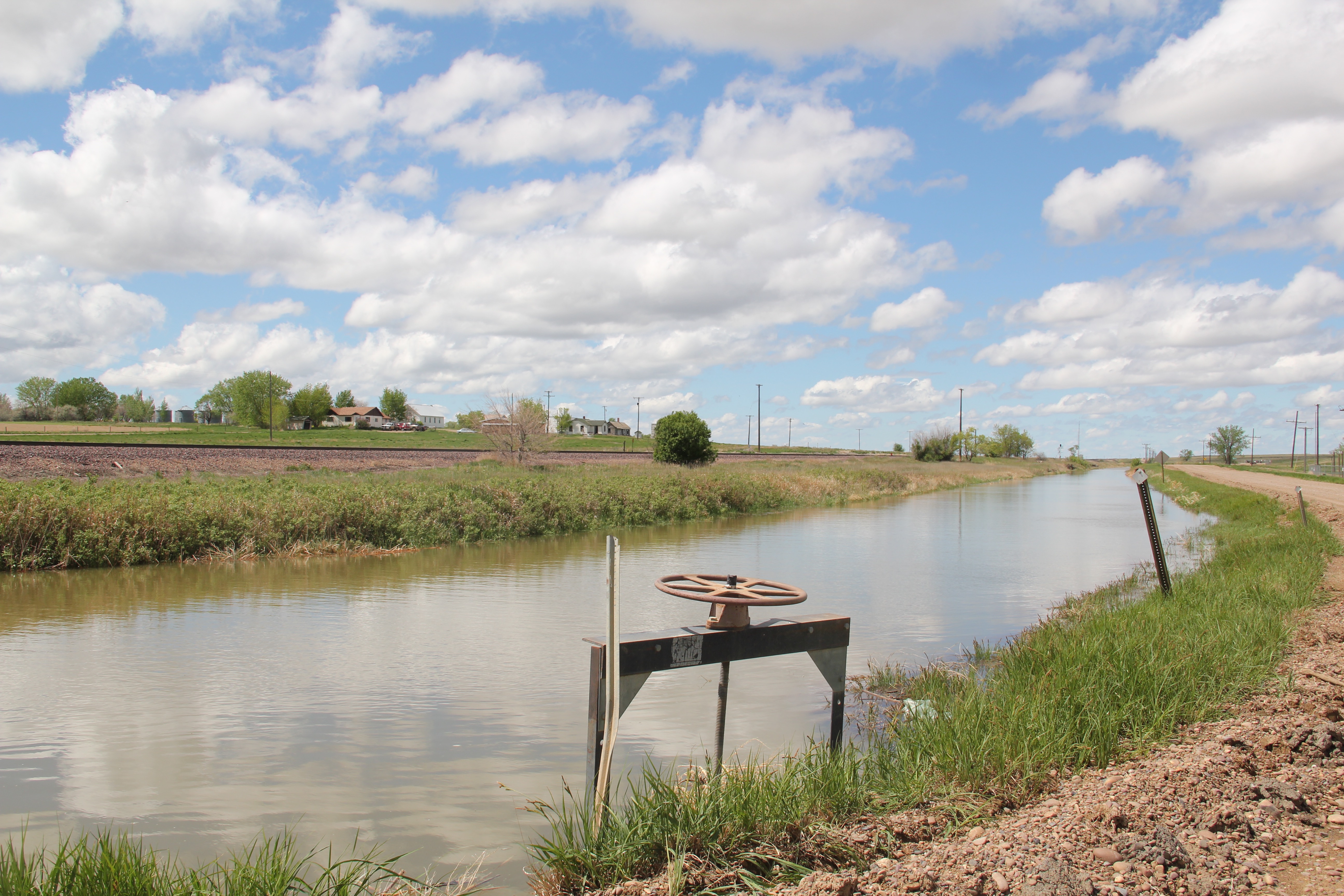
Milk River Irrigation Project Ditch at Dodson, Phillips County

In today’s New York Times (June 15, 2020), Montana Jim Robbins reported on the looming disaster facing Montana’s northern states if the St. Mary’s canal, which recently collapsed, is not repaired.  The informative, insightful story focuses on the beginnings of the U.S. Bureau of Reclamation’s Milk River Irrigation Project, its pathway through southern Alberta, and its emergence in central Montana’s Hill County.  It included several wonderful images of Havre, the seat of Hill County, and discussed the wide-ranging disaster faced by ranchers and small towns along the Hi-Line if the ditch did not get its long overdue repairs–to the tune of $200 million.

Valley Co Tampico ditch

The Great Northern, the Milk River Project, and original U.S. 2 at Tampico

Robbins’ story immediately took my mind back to my travels throughout the Milk River Valley, from Hill County to Valley County, in 2013.  The story of how modern transportation and engineering combined to transform the northern plains is so fundamental to the region’s history, yet it remains a story seldom told (another reason Robbins’ New York Times story matters).  The image above represents the forces that led to the settlement and development of the Milk River Valley.  Taken outside of the village of Tampico in Valley County, it centers the ditch between the two transportation systems–the Great Northern Railway on the left and the original route of U.S. Highway 2 on the right– that served the settlers drawn by the water.  The image below shows the village of Tampico from the perspective of the ditch–the place would not exist without the ditch.
Valley Co Tampico ditch 3

Valley Co Tampico Milk river bridge hwy markerOne of the very few historical markers in Montana that touches on the state’s irrigation history focuses about a historic bridge that once stood nearby at Tampico.

Hil Co Fresno dam 2

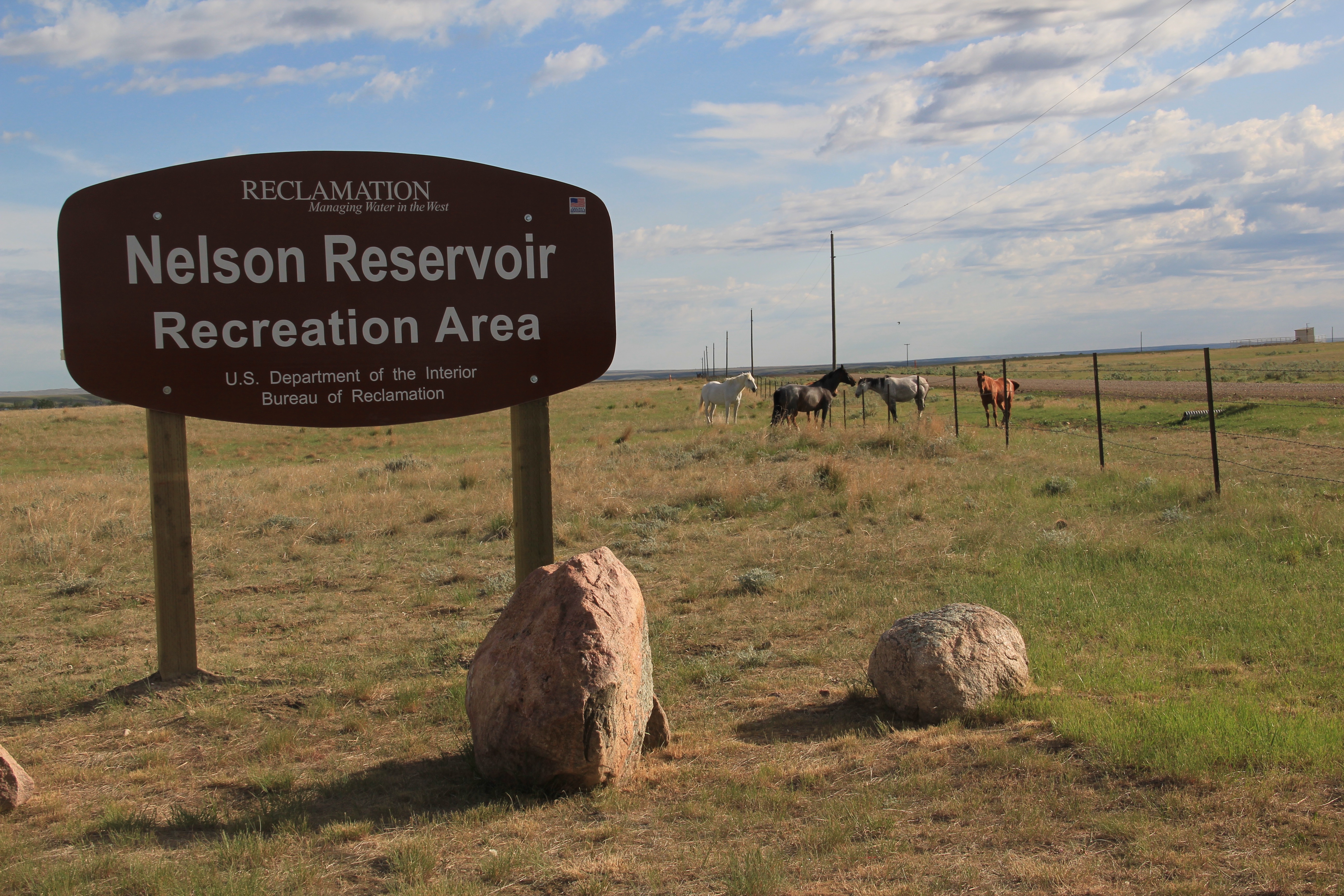
Hil Co Fresno reservoirLarge man-made lakes capture water to reserve it for use throughout the growing season.  The images above are of Fresno Reservoir, on a rainy morning, in Hill County.  While the two images below are of Nelson Reservoir, on a typically bright sunny day, many miles downstream in Phillips County.
Phillips Co Nelson reservoir sign irrigation

Phillips Co Nelson Reservoir USBR 1The Milk River Project shapes so much of the Hi-Line, it has become just part of the scenery.  I wonder how many travelers along U.S. Highway 2 in Phillips County even notice or consider the constant presence of the ditch along their route.

Phillips Co Milk river irrigation ditch near Robinson ranch

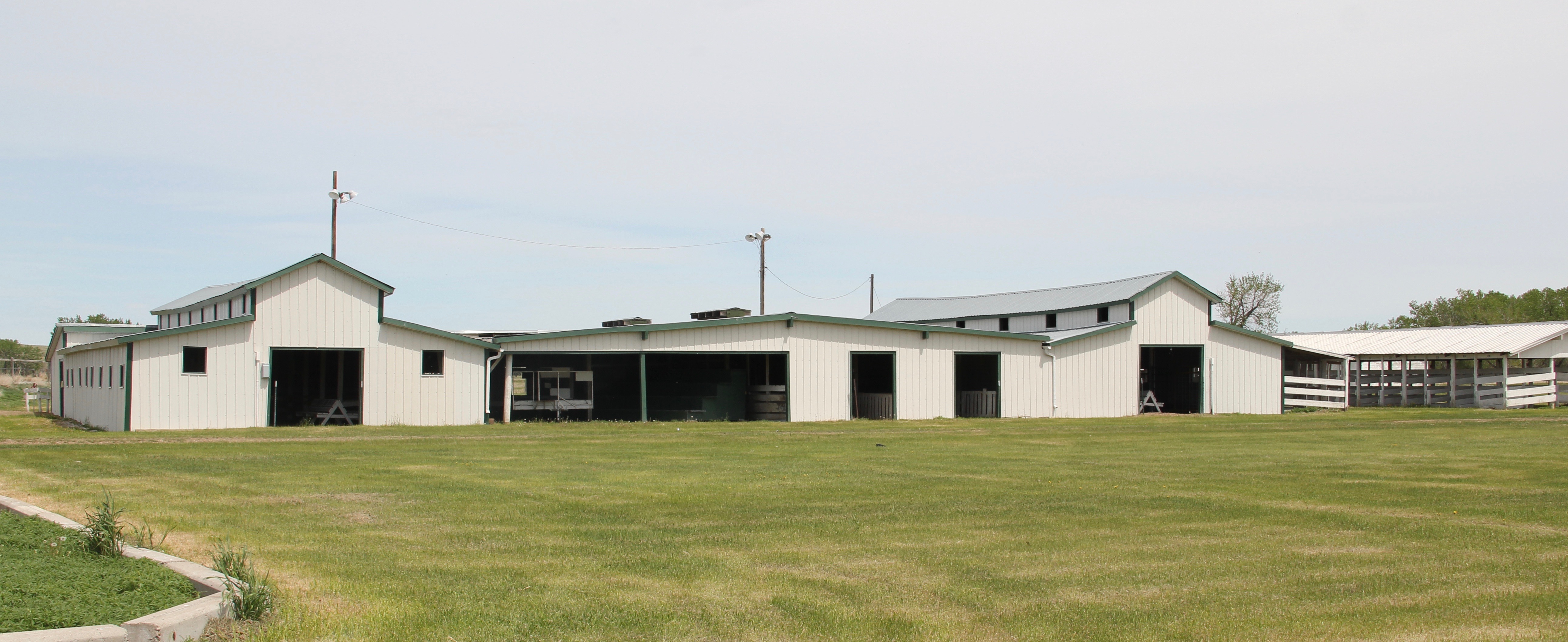
Not only are their scattered small towns along the Milk River Project, early agricultural institutions are often centered on the project.  A great example is the Phillips County Fairgrounds, outside of Dodson, and the question may be well posed–why there?  Dodson

Phillips Co Dodson Phillips Co FairgroundsPhillips Co Dodson Phillips Co Fairgrounds 3is a tiny place, almost 20 miles from the county seat of Malta.  But at the time of the Milk River Project, Dodson was vital; the ditch neatly divided the town into two halves, and a major diversion dam was just west of town.  Here was a perfect place, at the turn of the century, for a fairgrounds.  And it is a gorgeous historic fairgrounds.

Phillips Co Dodson Phillips Co Fairgrounds 6

Phillips Co Dodson Phillips Co Fairgrounds 7

Phillips Co Dodson Phillips Co Fairgrounds 4

My first encounter with the Milk River Project and the beautiful valley it serves came in February 1984 when Eleanor Clack took me on a tour of the bison kill historic site just west of downtown Havre.  It remains an excellent place to see how the waters of the Milk have nurtured countless generations of peoples who called this place home.

Hill Co Havre Wapka Chugn Site 7

Just last week I posted about two other Milk River Project towns–Lohman and Zurich–in Blaine County.  My next post will continue this second look at the Milk River Project as I revisit Chinook, the Blaine County seat, where the ditch once again is almost everywhere, but rarely given a second thought.

Blaine Co Chinook Milk River ditchs of cemetery


Zurich and Lohman: Two Hi-Line Towns in Blaine County, Montana

IMG_2509

Zurich, Montana, taken north of town looking south, 1984.

I have always enjoyed exploring Blaine County, Montana.  In earlier posts I have discussed such famous places as the Fort Belknap Reservation, and Harlem, its north gateway town, as well as Hays near the south end of the reservation and Cleveland, one of my favorite places in the region.  Chinook, the county seat, has been featured in a couple of posts, and I might add another one yet.  then the Chief Joseph Battleground of the Bear’s Paw has gotten a considerable deal of attention, due to the national significance of the place, and the recent improvements to the battlefield from the National Park Service.  Why so much on Blaine County places?  Regular readers of this blog know of my interest in the irrigation systems of the U.S. Bureau of Reclamation in

Blaine Co Milk River s of Chinook

the early twentieth century.  The Milk River system was an important project, and the towns along U.S. Highway 2 and the Great Northern Railway mainline prospered, temporarily, because of the growth of the system.  Plus the Milk River, in my opinion, doesn’t get the attention of many–and it is a spectacular river valley in many places.

Blaine Co Lohman GN corridorLehman, west of Chinook adjacent to both the Milk River and U.S. Highway 2, has almost totally disappeared as a place along the tracks.  What is left of the town–this deteriorating commercial building in 2013–might even be gone today.

Blaine Co Zurich 5 elevators

Zurich, west of Chinook and also abutting the river and the highway, has fared somewhat better.  I have earlier commented on the existing street names–Park Avenue highlighted here–and the hopes for the future of the very names chosen at the turn of the century.  Compared to my visit in 1984, the town has lost business and population over the last 30 years.

Blaine Co Zurich

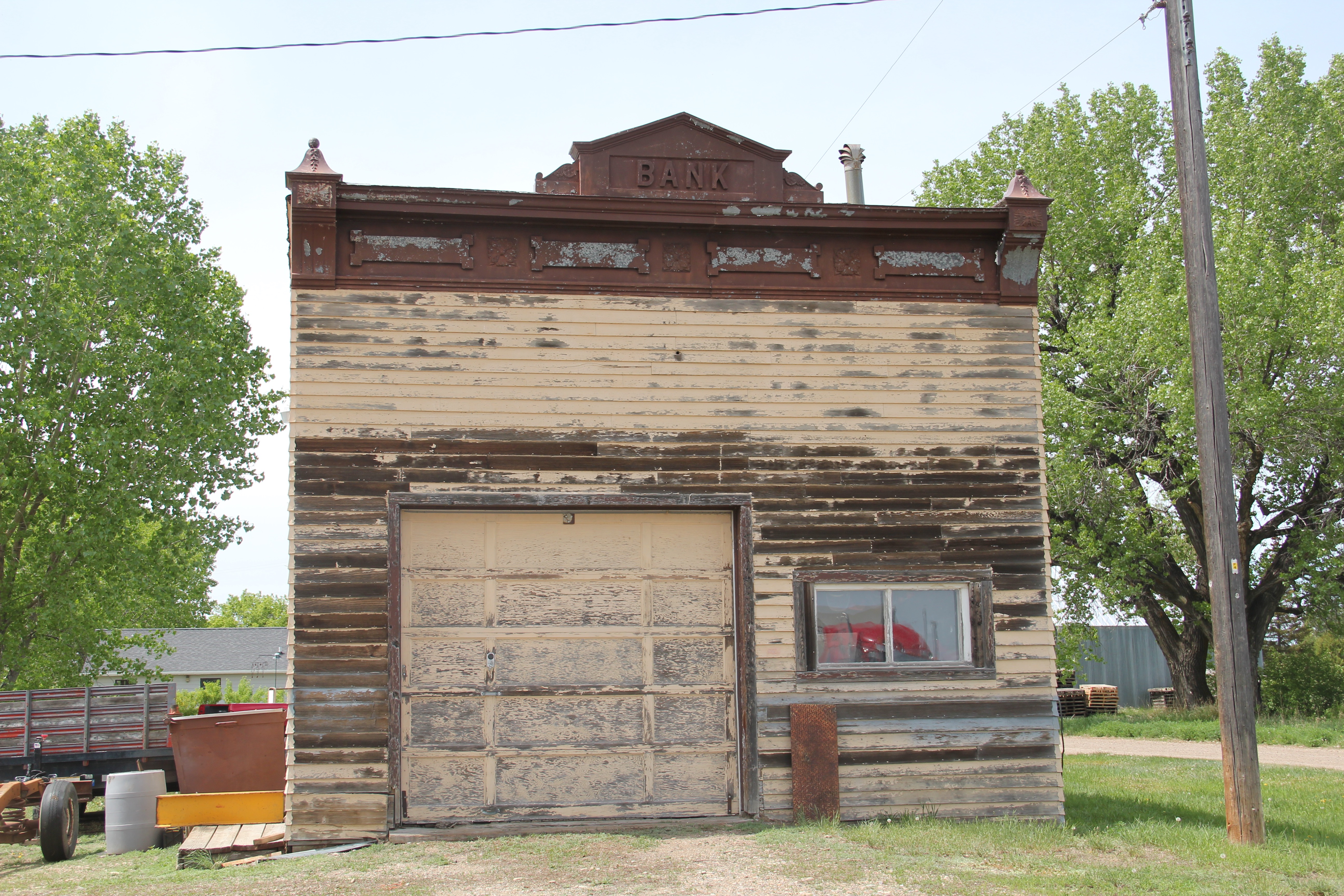
Blaine Co Zurich 1 bank

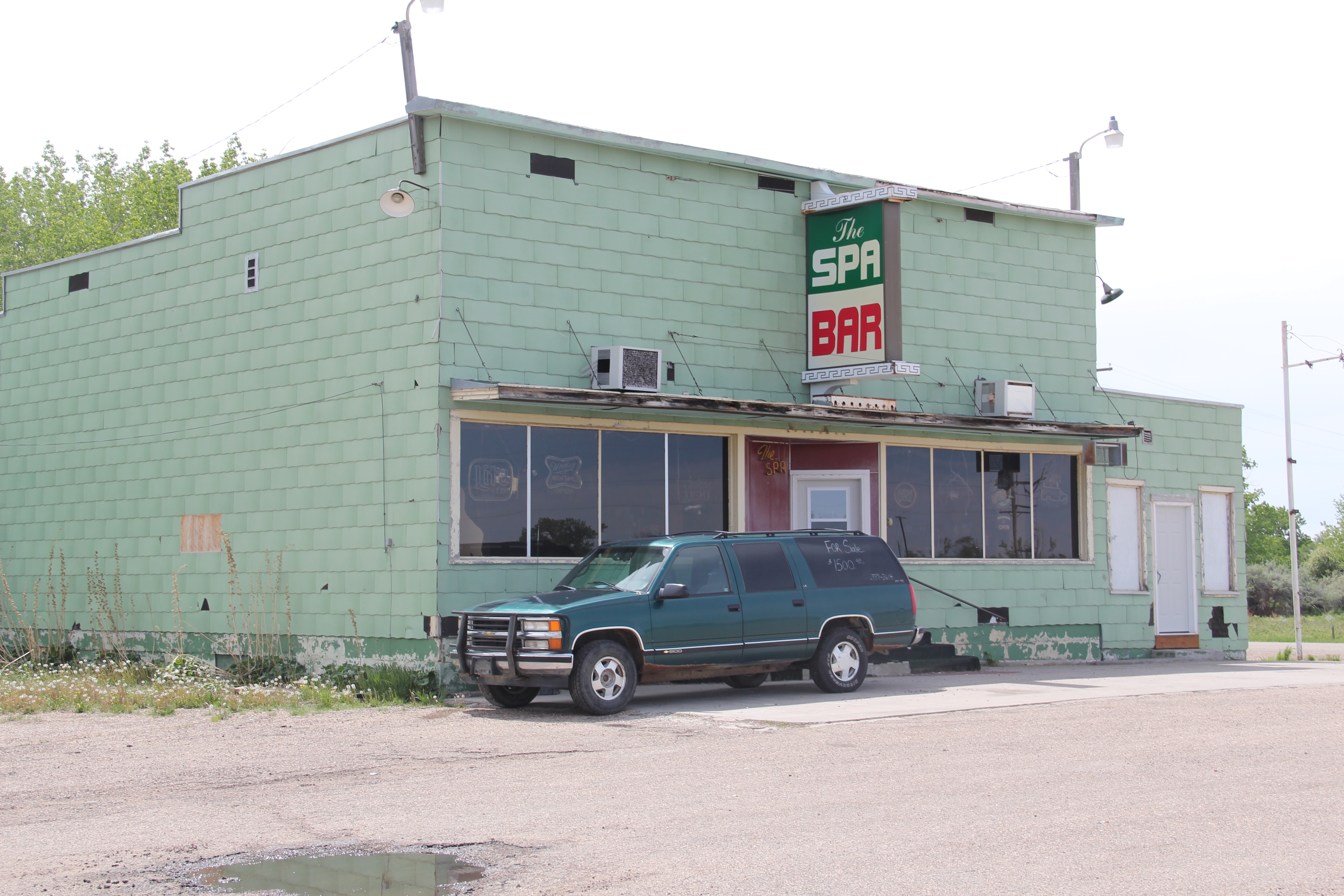
The Spa Bar still operated sporadically when I visited last in 2014.  I wonder if it still opens its doors today.  I love the name–a sly reference to Zurich, Switzerland, which is internationally known for its many spas.

Blaine Co Zurich 7 Spa Bar

What appears to be an old rural church–or was it a school, or both?–still stood, its gable front slowly coming apart.

Blaine Co Zurich 4 historic school

But across the street was the modern Zurich Elementary School–an attractive touch of modern school design in such a small place.  According to the public schools website,

Blaine Co Zurich 2 school

Zurich had 23 students in 2020–while another internet source said the school was permanently closed.  I hope that has not happened–if the school goes Zurich will be yet another Hi-Line ghost town quickly.

Back on the Hi-Line: Culbertson

The Hi-Line is Montana’s major northern transportation corridor–first carved by the St. Paul, Minneapolis and Manitoba Railway in the 1880s and then extended by the Great Northern Railway a decade late.  Today most travelers use U.S. Highway 2, which largely parallels the railroad, to traverse the Hi-Line.  The first place you encounter of more than 500 people is Culbertson, established in the 1880s and named for Alexander Culbertson, who was once the factor (the manager) of the Fort Union fur trading post at the confluence of the Missouri and Yellowstone rivers.

Roosevelt Co Culbertson GN depot

The Great Northern depot at Culbertson

Earlier in this documentary blog on the Montana landscape, I discussed Culbertson as part of the landscape of oil and fracking then taking place in the region.  Today I want to share images of community institutions that link the town’s more than 130 year history to the present.  Historic churches are a good place to start.

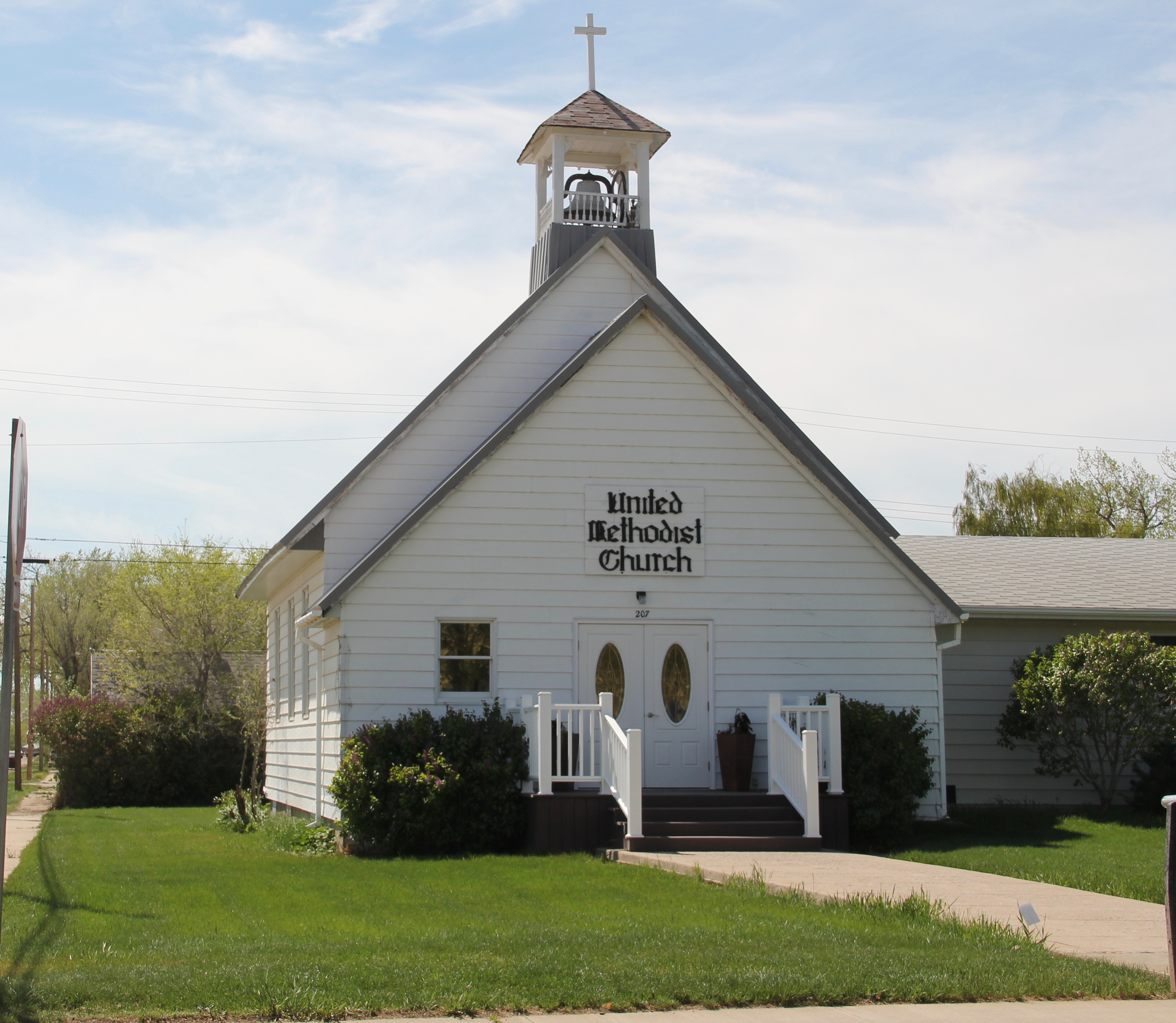
Roosevelt Co Culbertson 1st UM Church

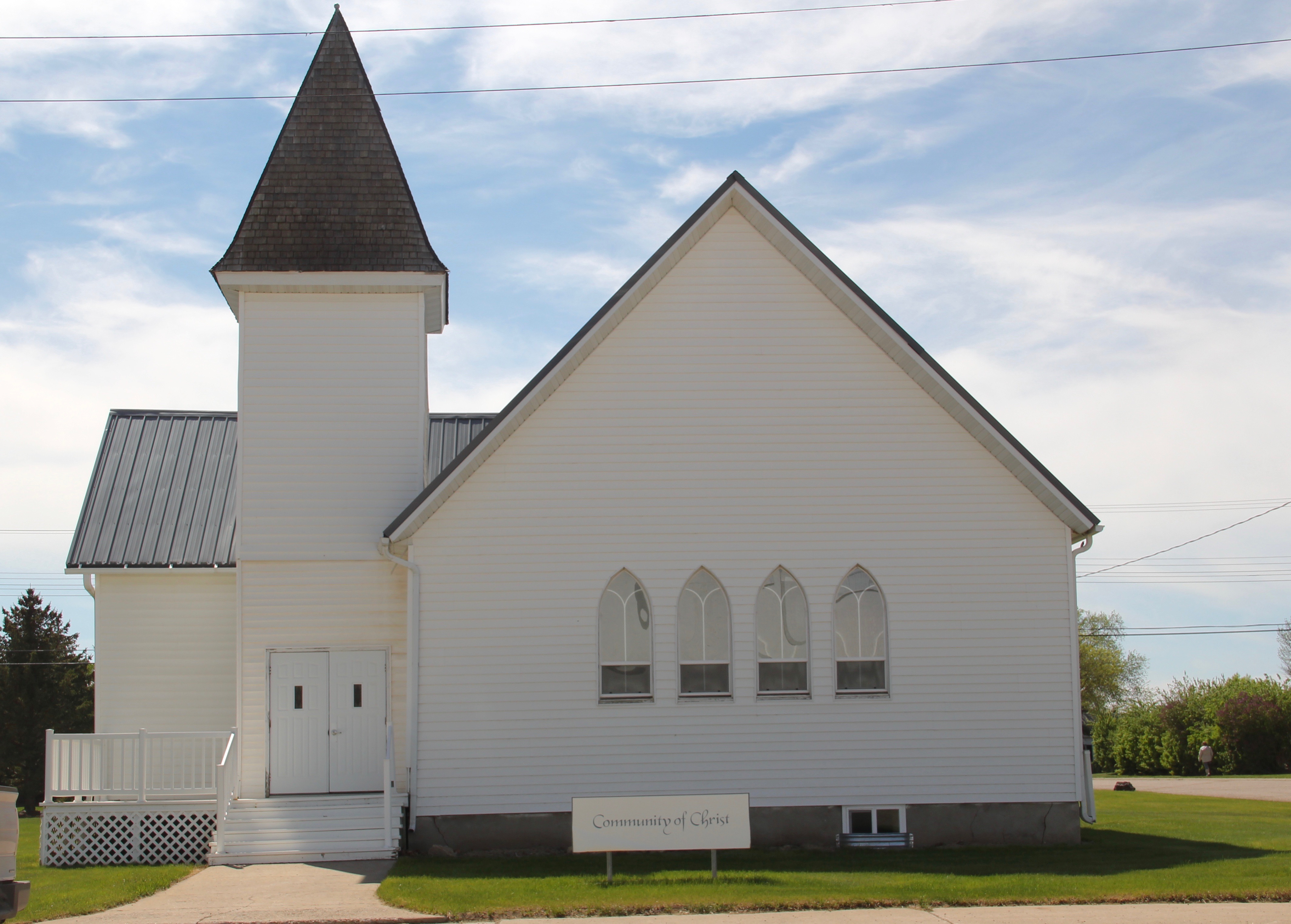
The United Methodist Church reflecting a vernacular Gothic type that can be found all across the northern plains in the late 19th and early 20th century.  The Community of

Roosevelt Co Culbertson 11

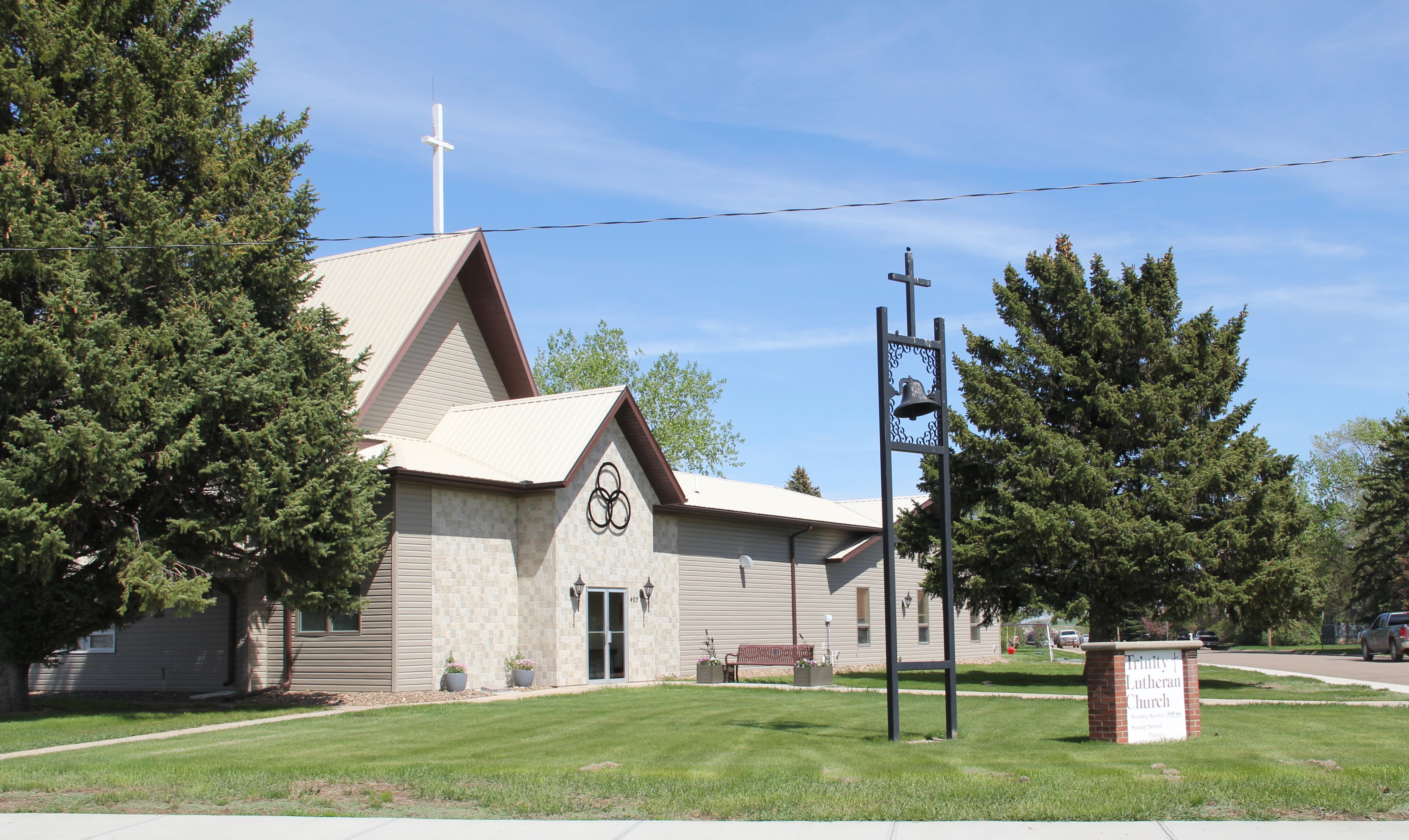
God Church shares that similar vernacular Gothic style and retains its bell tower.  Mid-20th century modern style can be found in St. Anthony Catholic Church.  As regular readers of the blog may recall, I have explored the diocese’s choice of mid-century Roosevelt Co Culbertson St Anthony Catholicmodern style for many Catholic churches in eastern Montana.  The Culbertson church is a good example of that pattern.  Another church that belongs to the modern design era of the 20th century is Trinity Lutheran Church, especially as this distinguished building expanded over the decades to meet its congregation’s needs.
Roosevelt Co Culbertson Trinity Lutheran

Roosevelt Co Culbertson armory 2

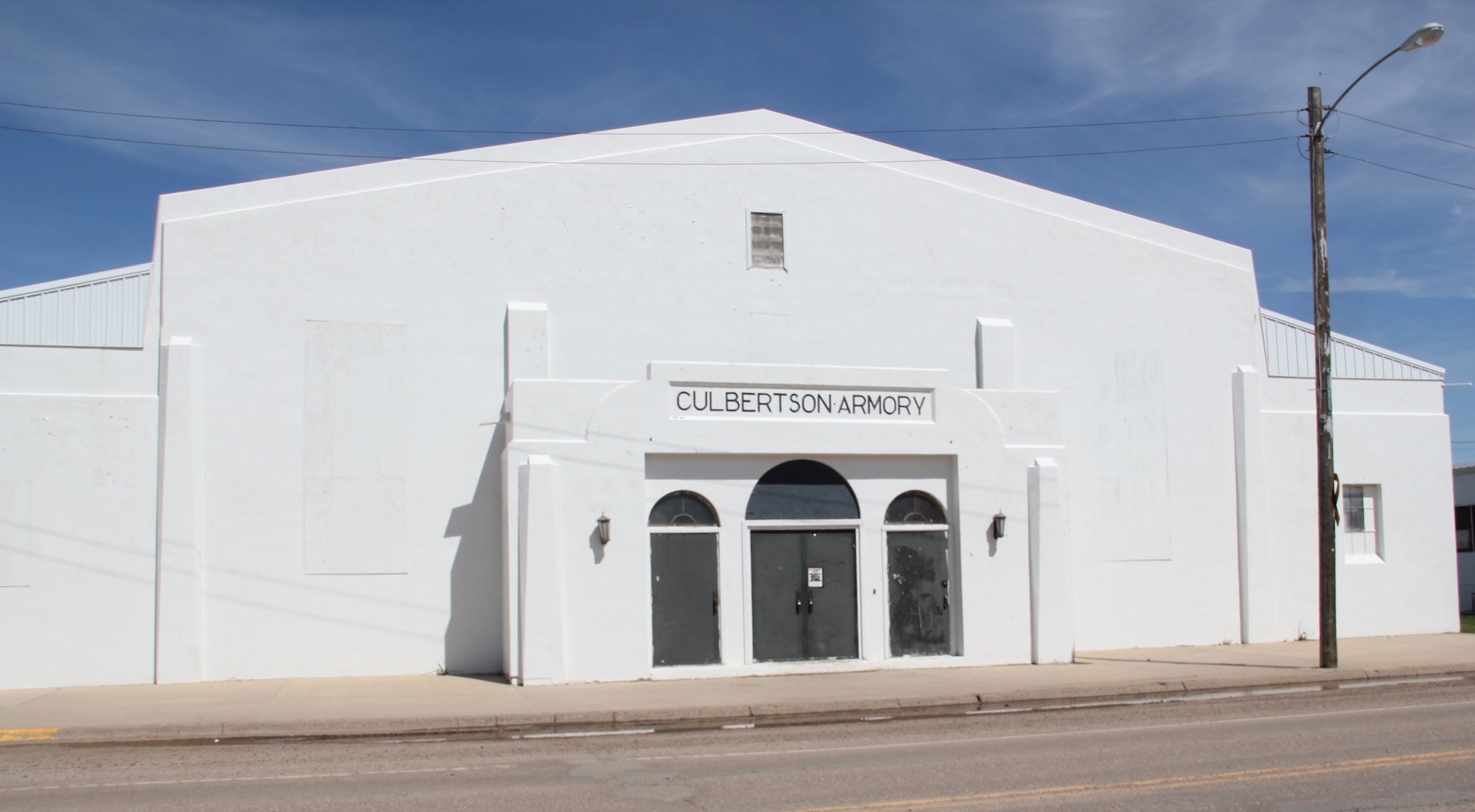
One of the most interesting buildings in Culbertson is the Armory, part of the significant impact that New Deal agencies had on the built environment of Roosevelt County in the 1930s.  Justified as part of the nation’s war preparedness efforts in the late 1930s, so many armories across the country have found second life as public buildings, serving local government and community events.

Roosevelt Co Culbertson armory New Deal

In my earlier post about Culbertson I should have focused more on surviving commercial buildings from the early 20th century–the time of the homesteading boom.  The beautiful cast-iron cornice on the Moen Building (1908) is impressive, one of the best examples of that Victorian commercial style still extant on the Hi-Line.

Roosevelt Co Culbertson 7 C.S. Moen Block 1907

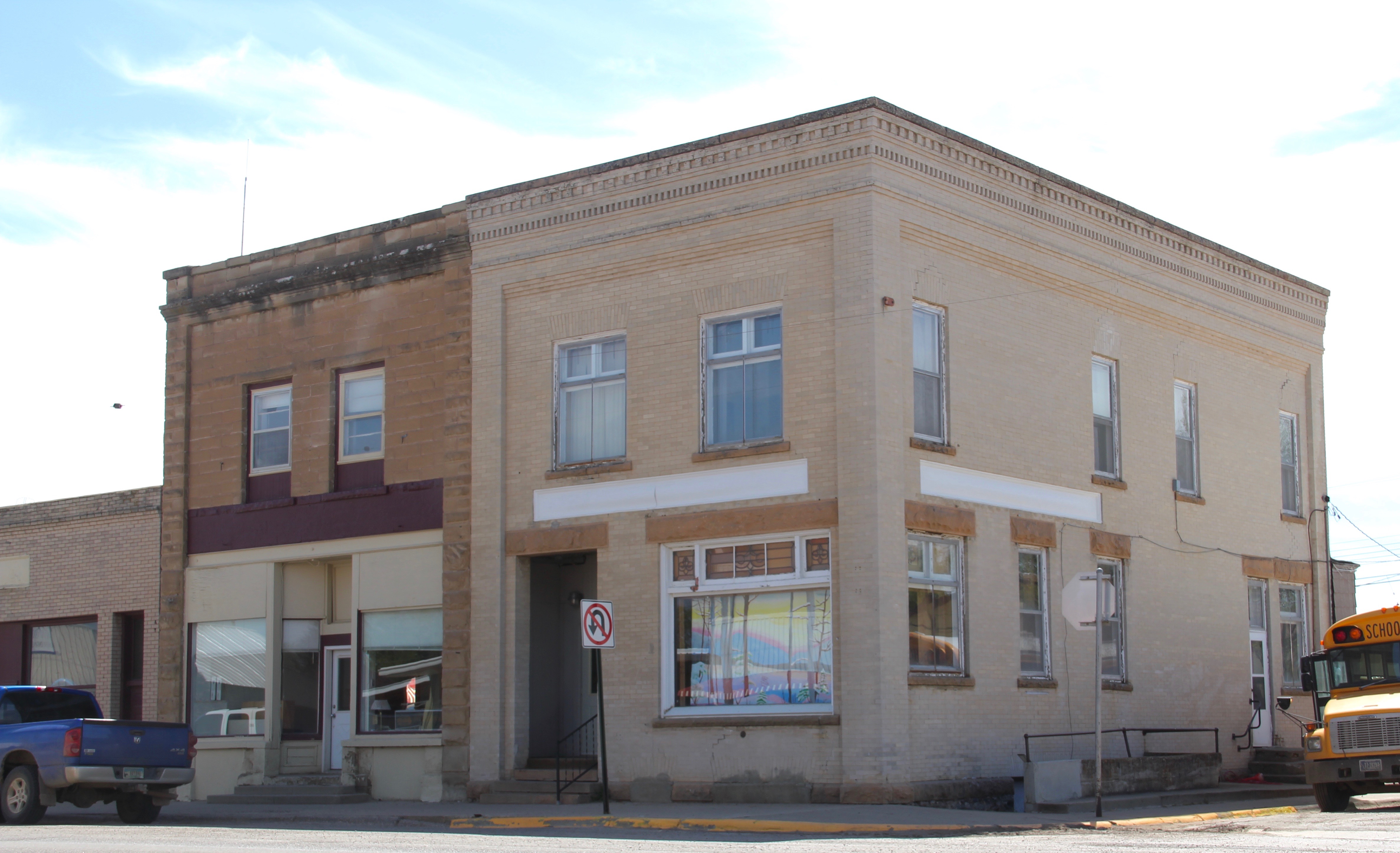
Some of the extant two-story commercial buildings from the homesteading boom show some architectural styling, like the two below, but then a former town bank is impressive in its detail and masonry as any in the region.  Culbertson had high hopes in the 1910s.

Roosevelt Co Culbertson 6

Roosevelt Co Culbertson 4

On either side of the town center are two additional important institutions.  The Culbertson Museum serves as a community heritage center but also as a visitor center for travelers entering Montana.  Its outdoor sculpture of the Lewis and Clark Expedition is a reminder to all travelers that traces of the Corps of Discovery can be found along so much of the Hi-Line.

Roosevelt Co Culbertson museum 1

Roosevelt Co L&C sculpture Culbertson museumOn the west side of town is its historic cemetery, the Hillside Cemetery.  At first glance, it seems unimposing, more quaint that important.  But the cemetery is the oldest historic

Roosevelt Co Culbertson cemetery

Roosevelt Co Culbertson cemetery 3

Roosevelt Co Culbertson cemetery  2

Roosevelt Co Culbertson cemetery 7

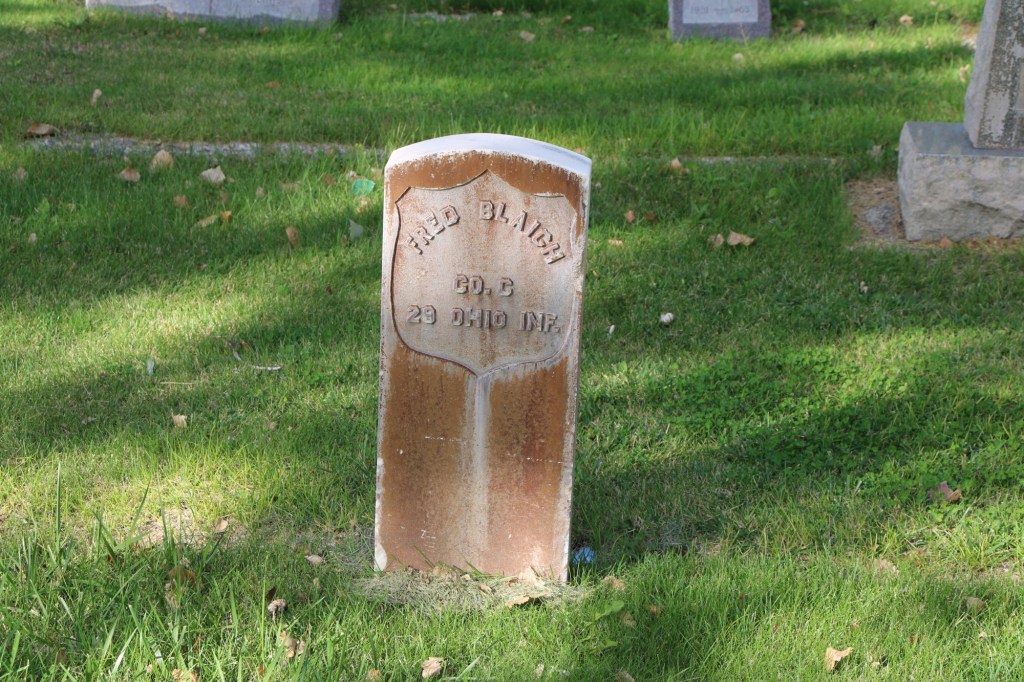
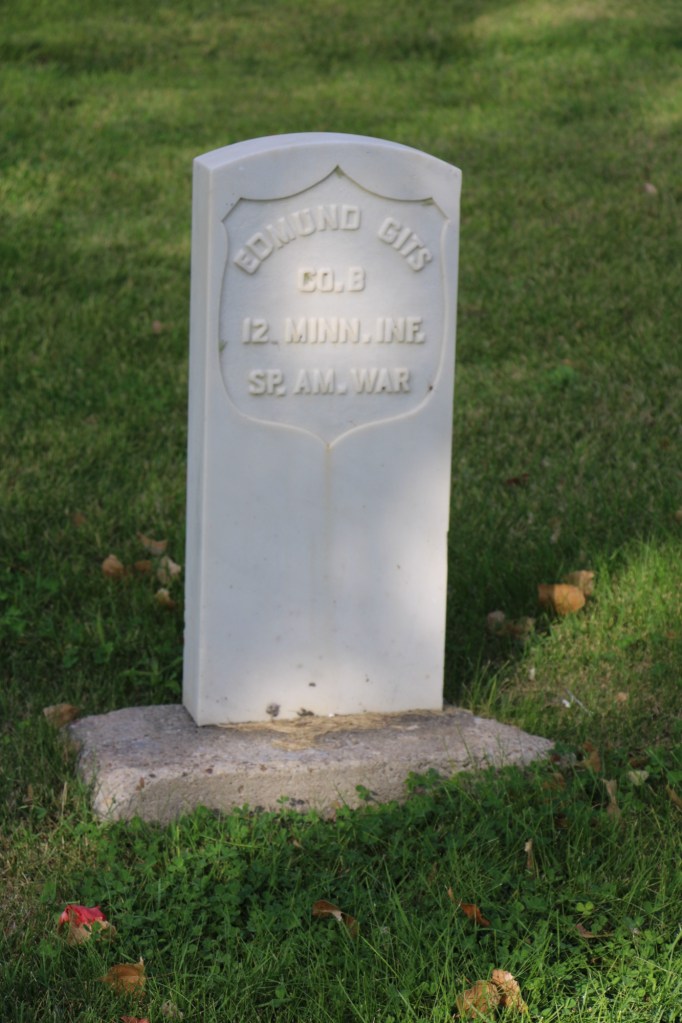
resource in Culbertson, and in fact is the the burial place of two former Union soldiers, one from Illinois and one from Minnesota, who fought in the Civil War.  The markers are a reminder that the mid-19th century roots of Montana are never far away, even at the small town of Culbertson.


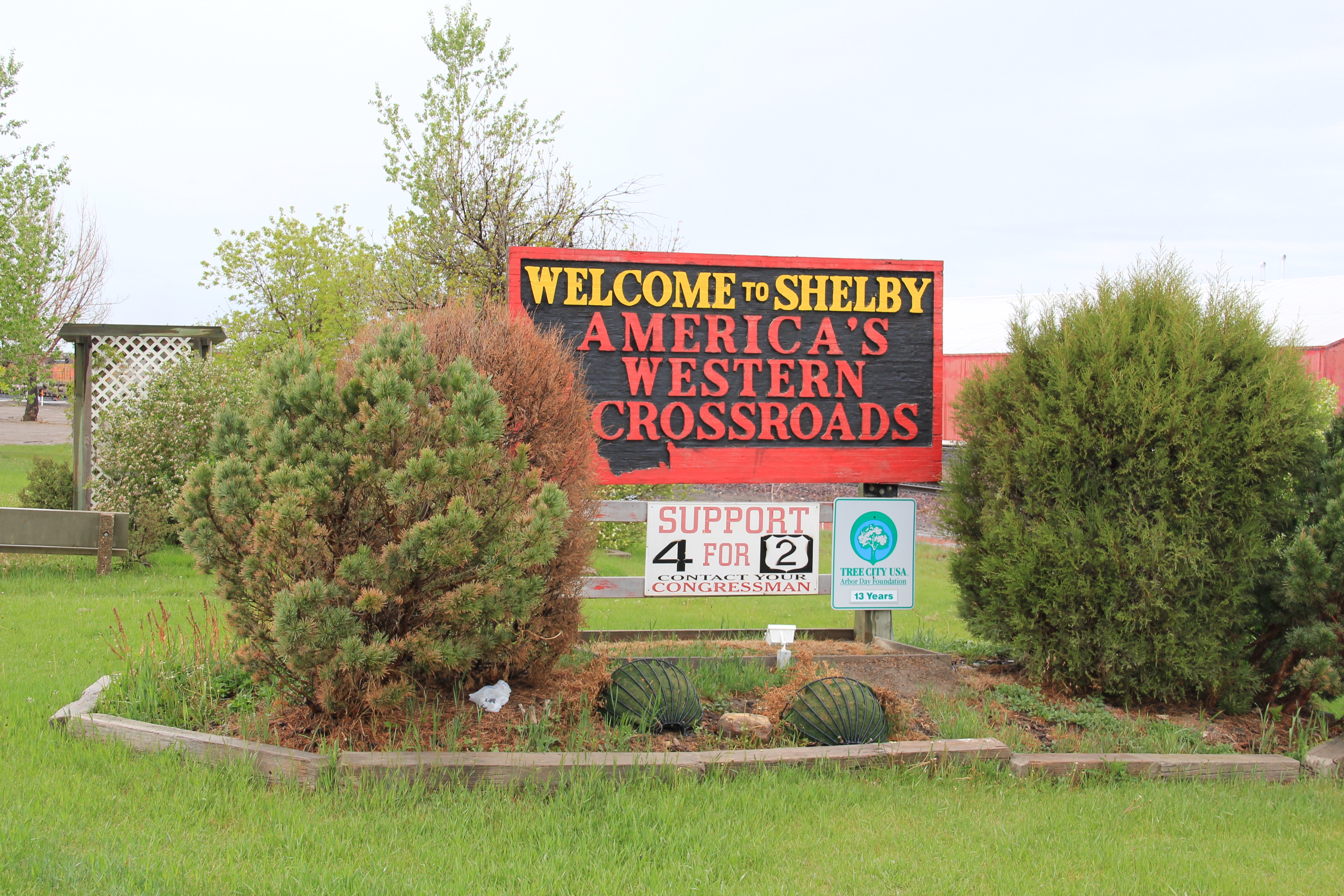
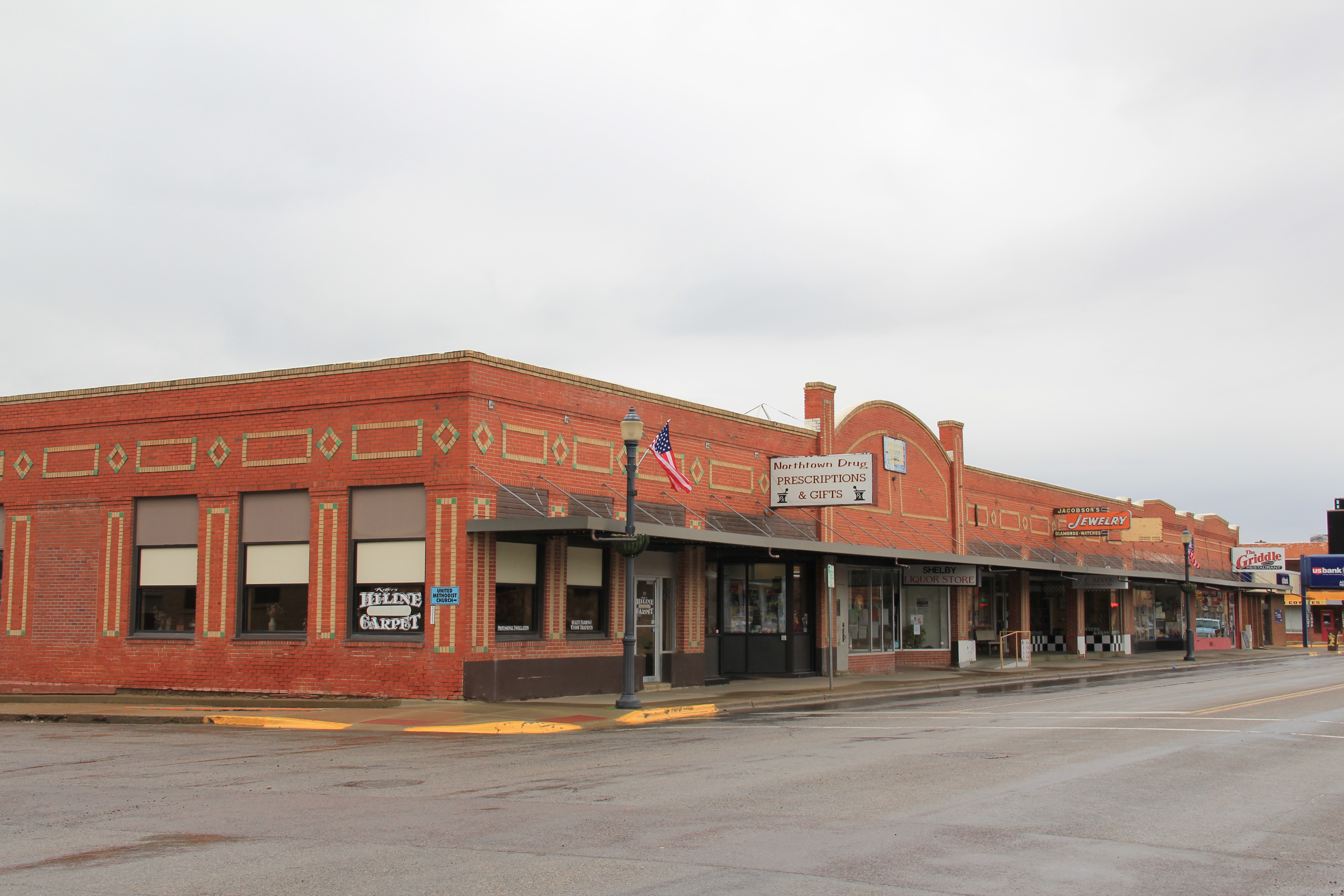
Shelby Montana’s historic downtown

Toole Co Shelby sign and BNSF train

As we all have read the newspapers over the last six weeks, it has been doubly sad to learn of the devastation COVID-19 has brought to the people of Toole County, where the town of Shelby is the county seat.  The virus has ravaged most of the United States but the level of its impact on such rural places as Shelby and Toole County has been especially devastating since in places like these everyone does know everyone.  The impact is so direct and personal.

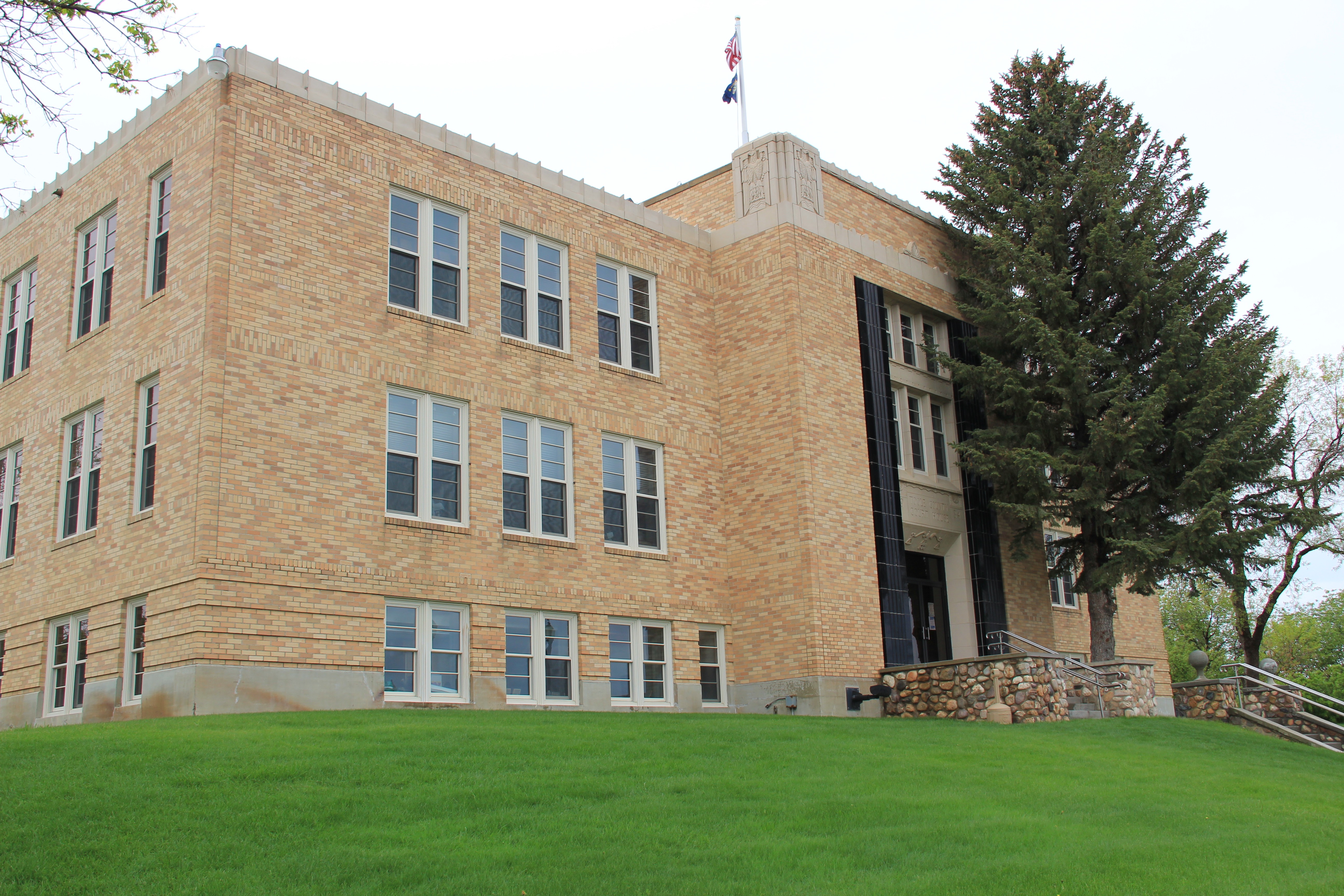
Toole Co Shelby courthouse 4

In this weekend’s papers, reporters stressed how residents are moving forward the best they could, despite the sadness, and fear.  I would expect no less.  I last visited Shelby seven years ago; indeed I made two stops between 2011 and 2013.  Of course people were friendly, helpful, just as they had been when I started my initial Montana survey in 1984 with an overnight program in Shelby at the courthouse.  Imagine my delight to learn in those same news stories that the town had met virtually of course to discuss a pending proposal to place the downtown in the National Register of Historic Places.  I fully agree: the range of buildings along Main Street (historic U.S. Highway 2) has always ranked among my favorite Main Streets in the state.

Toole Co Shelby Main St 2 roadside bars

Let’s me share today views of the downtown commercial buildings that I took in 2011 and 2013.  They reflect the impact of the 1920s oil boom on the town and county–so many date to those decades–but as a group they also show how Shelby grew in the early to mid-twentieth century on both sides of the Great Northern Railway that passed through the heart of town, with its historic depot still serving passengers on the Empire Builder today.

Toole Co Shelby depot

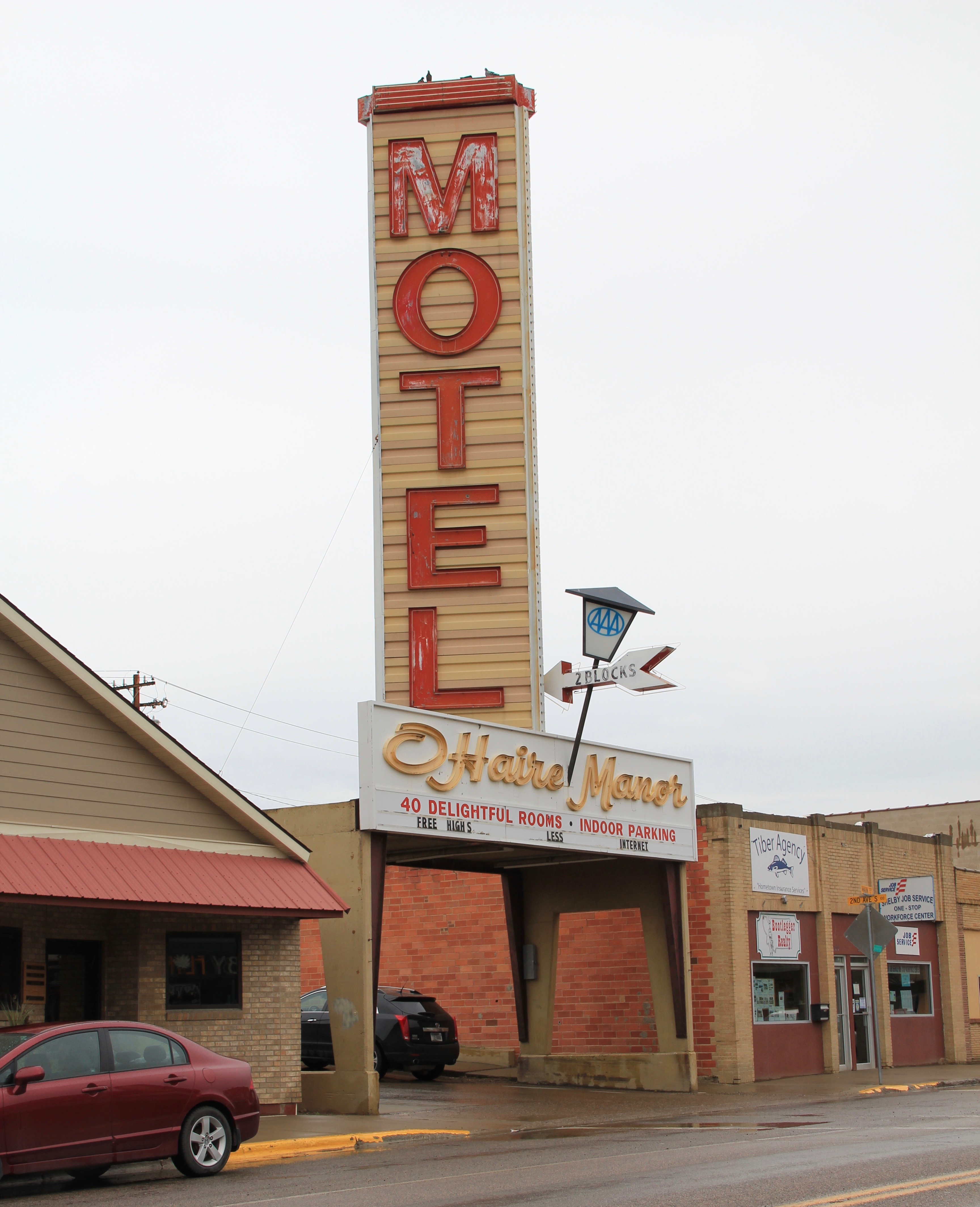
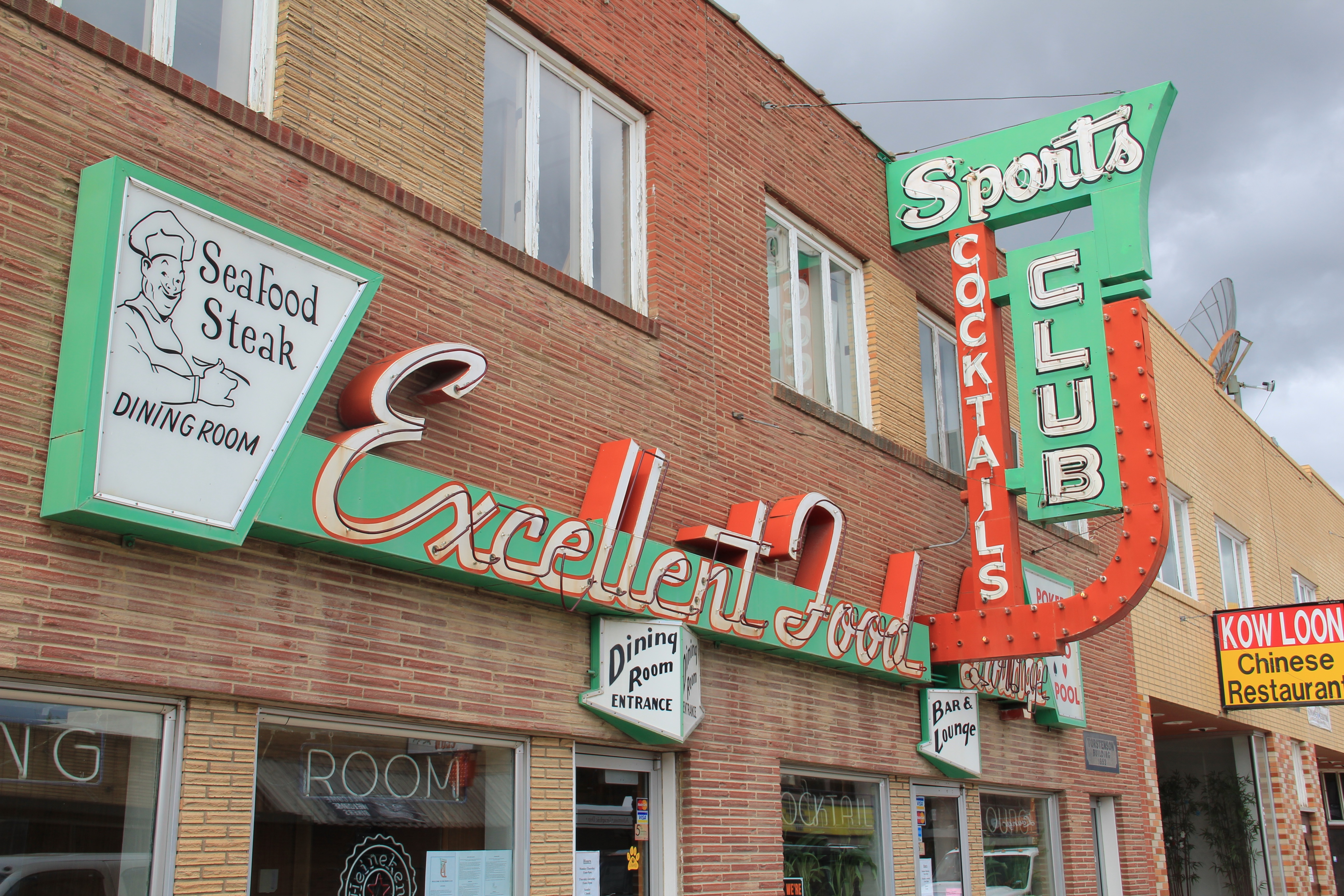
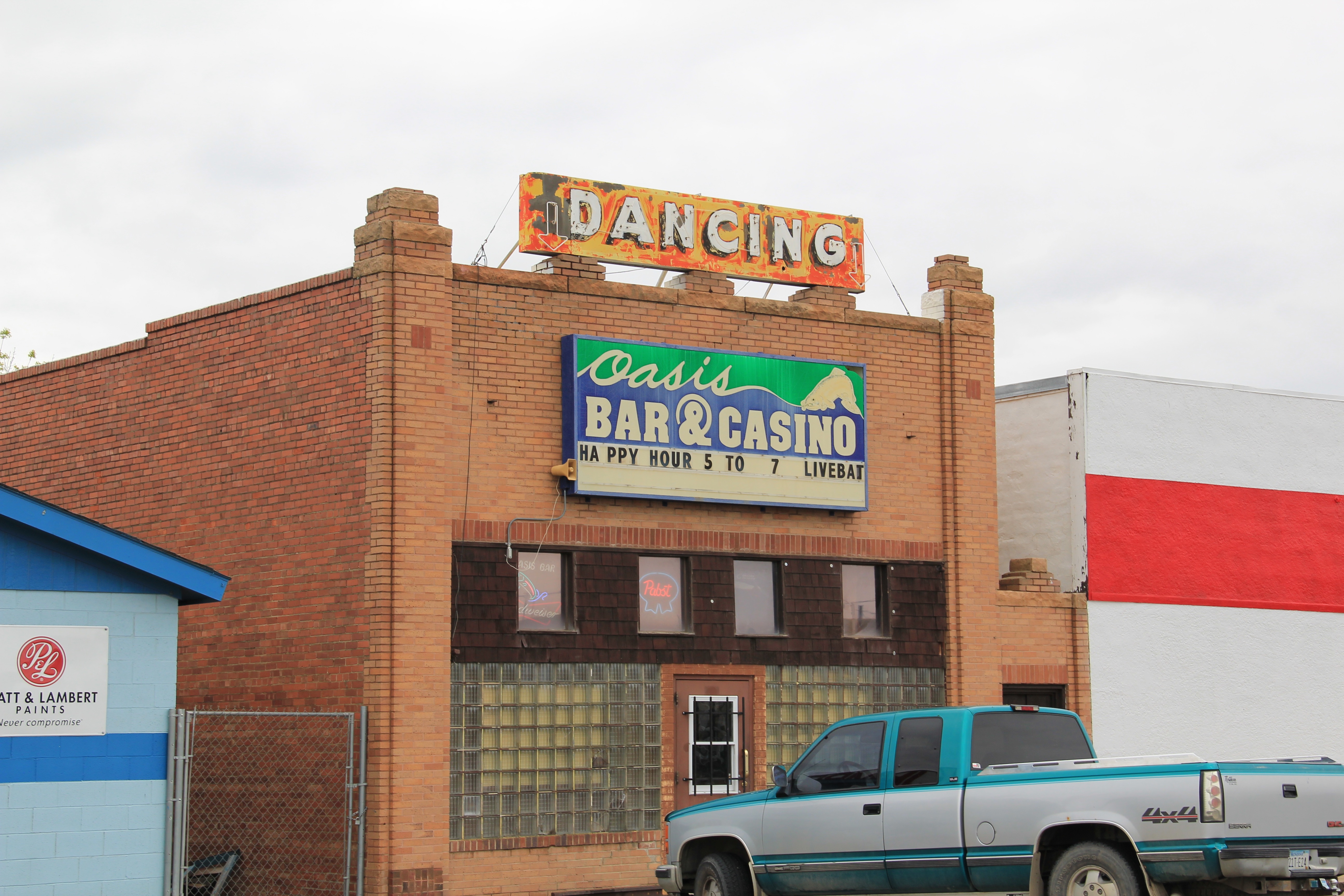
The range of roadside architecture in the tavern, restaurant, and motel signs is particularly significant–in so many other places these touchstones of mid-century commercial design have been lost.  But I also like the unpretentiousness of the buildings, and the commercial district they create.  The architecture in that way reflects the residents themselves:  flashy if you want it, but also solid, grounded, and ready to face what comes their way.

2011 MT Toole County Shelby bar 010

Toole Co Shelby Main St roadside

Toole Co Shelby Main St 3 Mint Club bar

2011 MT Toole County Shelby bar 013

2011 MT Toole County Shelby bar 009

Toole Co Shelby Main St 4 Deco

Toole Co Shelby bar n of depot

The downtown district would add much to the National Register of Historic Places.  Shelby was already represented by a historic garage and the original City Hall, recently a visitor center, that was built for the famous Fourth of July 1923 heavyweight

bout between Jack Dempsey-and Tommy Gibbons.  But these additions tell its full story of commercial growth in the age of the highway.  I hope the project moves smoothly forward–Shelby and Toole County deserves that break, along with many, many others as they fight back against the scourge of our time.


Ready to hit the road in 2018

Rosebud town signs, roadside, Rosebud CoIn late may I return to the Big Sky Country, my first visit in two years, when I will once again be looking for changes in the historic built environment as I speed along the state’s

Prairie Co Fallon YS bridge NR and I-94 bridge roadsidehighways and backroads, crossing the bridges over the Yellowstone River, and trying my best to catch as many Burlington Northern and Santa Fe Railroad freight trains as possible, although I doubt that I will ever have such a fun moment than in 2013 when I

Valley Co Vandalia BNSF 3caught this freight along the original Great Northern route while I was driving on the original–still dirt and gravel–road of U.S. Highway 2 between Tampico and Vandalia.
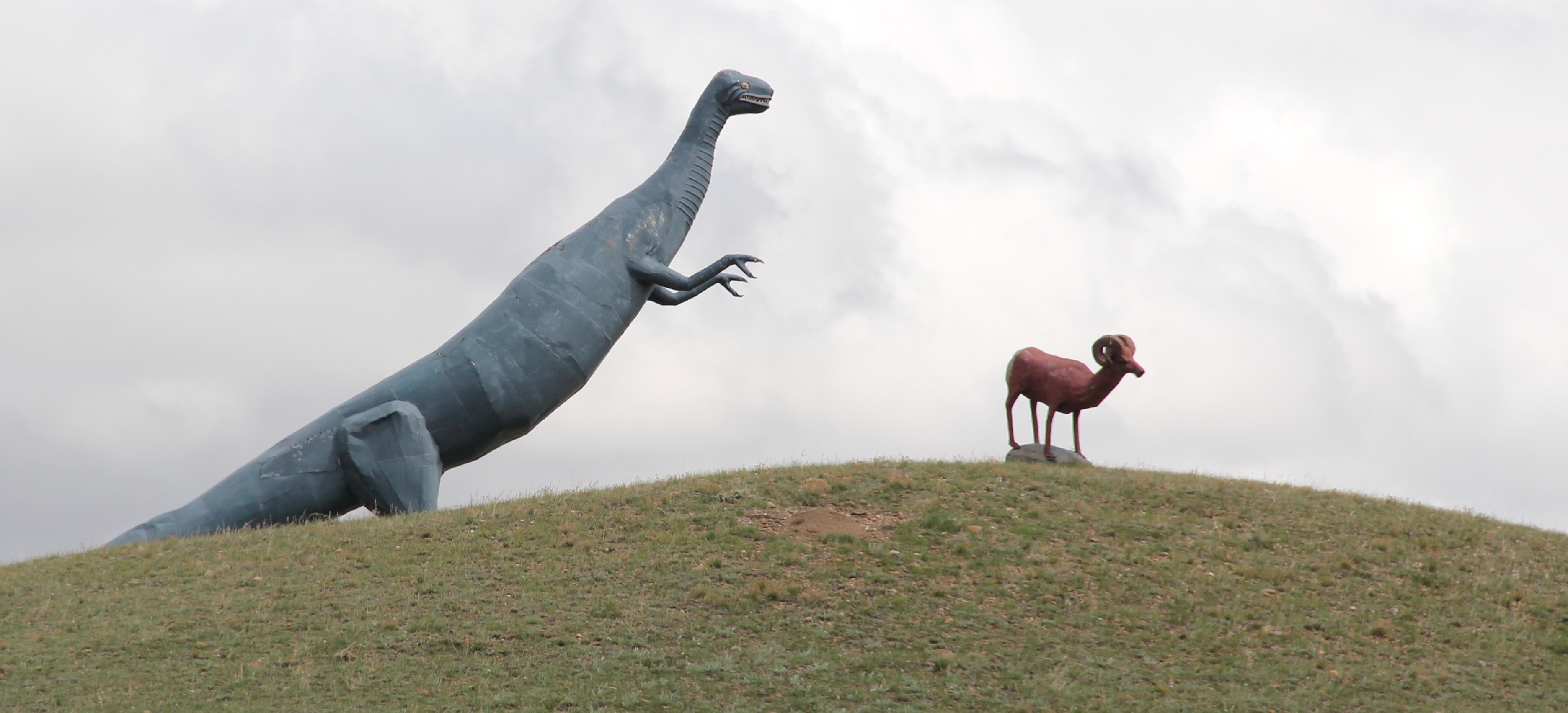
Valley Co Samuelson statues US 2 w of Glasgow 4 roadside - Version 2Certainly I will keep my eye out for Montana’s famed wildlife, although I don’t expect again to see a bighorn sheep outside of Glasgow, especially one being chased by a dinosaur.  I will also stay on the lookout, as regular readers of this blog well know, for the beef–it is rarely a question of where’s the beef in Montana.

Missoula Co MT 200/83 jct roadside  1No doubt there will be both new and older historical markers to stop and read; the evolving interpretation of Montana’s roadside continues to be such a strong trend.

Valley Co MT Hwy marker US 2 before Vandalia turn roadsideAnd through all of the brief stay in the state–perhaps 10 days at the most–I will also stop and enjoy those local places, far removed from the chain-drives roadside culture of our

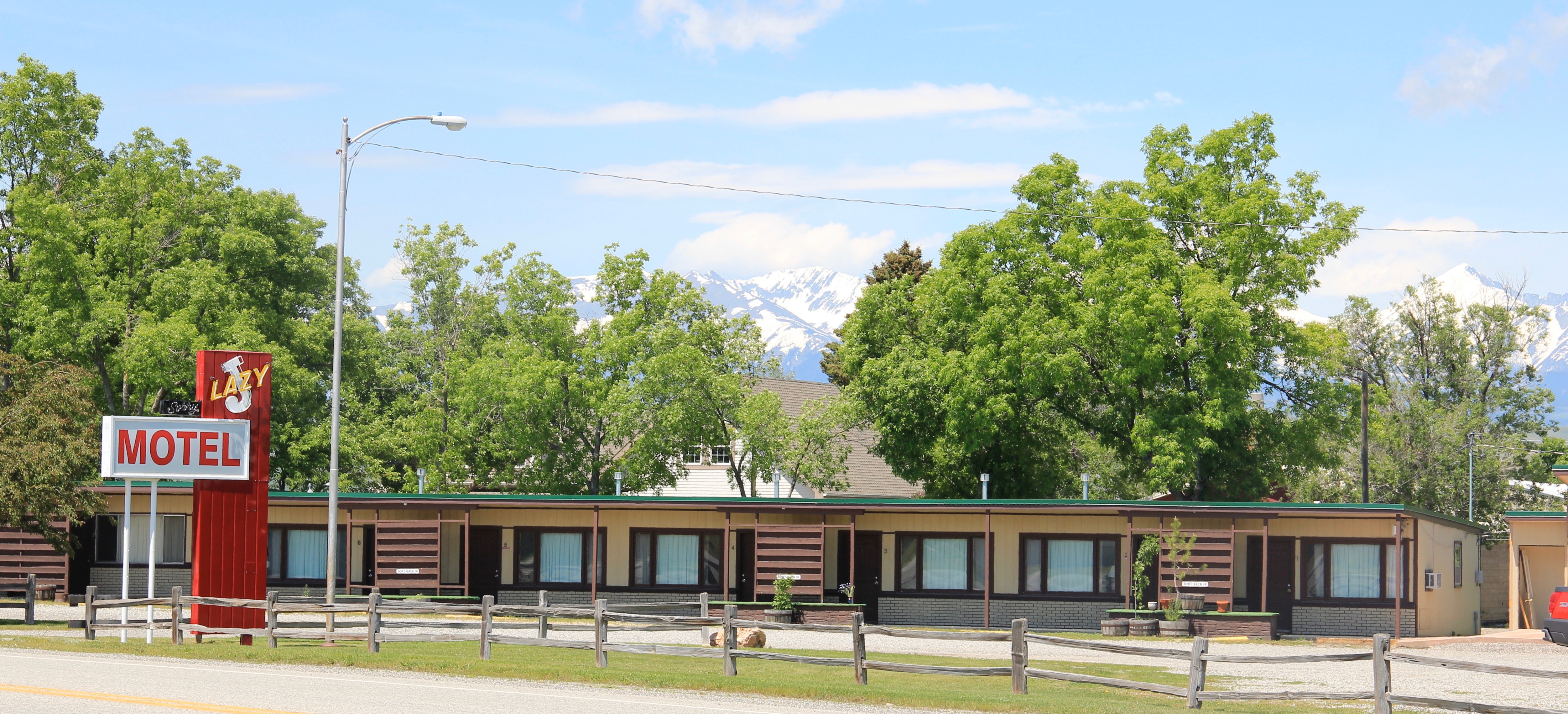
Matt's Drive-in, detail, roadsidenation, where you can enjoy a great burger, rings, and shake, like Matt’s in Butte, or a good night sleep at any of the many “Mom and Pop’s” motels along the state’s highways, such as this one in Big Timber.
Big Timber roadside motel

See you on the road!

Motels across Big Sky Country

Big Timber roadside motelIn the 1984-1985 fieldwork for the state historic preservation plan, the impact of lodging chains in Montana was pretty limited to the larger towns, and gateways to the national parks.  Many what I called “mom and pop” motels, largely from the pre-interstate highway era of the 1940s and 1950s, still operated.  I was working with the state employee lodging rate of $24 a night (remember it was 1984!) and I found that the per diem eliminated the chains and I was left with the local establishments.  During those months of intense travel I came to respect and really like the Moms and Pops.  Several of the places I stayed in 1984-1985 are long gone–but ones like the Lazy J Motel in Big Timber remain.  In this post I am merely sharing a range of historic motels from across Big Sky Country.

ohaire signI began the fieldwork in February 1984 and the first stop was a public meeting at the Toole County Courthouse in Shelby.  My first overnight was just as memorable–for good reasons–at the O’Haire Manor Motel.  Its huge neon sign on the town’s main street, which was U.S. Highway 2, could not be missed, and actually the sign replaced a building that once stood along the commercial district, knocking it down so travelers would have a clear shot to the motel itself.

Toole Co Shelby OHaire Motel

Motels along U.S. Highway 2 often had the grand statement to catch attention of those traveling at 80 miles a hour down the highway.  Galata, which billed itself as a gateway to the Whitlash port of entry on the Canadian border to the north, had the tallest cowboy in the region to greet visitors.

Toole Co Galata roadsideCut Bank’s Glacier Gateway, on the other hand, reminded visitors that it was that “coldest place” in the United States that they had heard about in weather forecasts.

The Circle Inn Motel outside of Havre on U.S. Highway 2 reflected the classic design of separate duplexes–cabins–for guests while the gleaming white horse statue reminded them, if they needed the prod, that they were in the wild west.

Hill Co Havre roadside

Similar mid-20th century motels are found along Montana’s historic federal highways.  Some, like the La Hood Motel, are now forgotten as the highway, once known as the Yellowstone Trail and then U.S. Highway 10, has been relegated to secondary use.

LaHood motel, Montana 2 roadsideAnother example from the old Yellowstone Trail and U.S. Highway 10 is the Shade Tree Inn Motel in Forsyth–although coal and railroad workers help somewhat to keep it going in the 21st century.

Forsyth Rosebud Co 5Just a block west of another historic section of U.S. Highway 10 in Deer Lodge is the Downtowner Motel, with its sloping roof and extended rafters representing the best in “contemporary” style from the 1960s. This place too was clean, cheap, and well located for a day of walking the town back in 1984.

Downtowner Motel, Deer Lodge

Other motels have carried on, in a diminished role, dependent more on workers needing temporary quarters than on travelers.  In Malta, on U.S. Highway 2, I expected easy to acquire and cheap lodging at the Maltana Motel–a favorite of mine from the 1980s–but even though the town was over 200 miles from Williston, North Dakota, demands for its rooms had risen with the oil boom of the early 2010s.

Phillips Co Malta Maltana Motel roadside

The Country Side Inn Motel in Harlowton once buzzed with travelers along either U.S. Highway 12 or U.S. Highway 191 but as interstate routes have become so dominant, these motels have struggled to attract customers.

Wheatland Co Harlowton motel US 12 roadsideNot only have the changes in traffic patterns been important, the present generation’s preference for chain motels–and the proliferation of chains across the state–have shaped the future of the mid-20th century motel.  A good example is the challenges facing the continuation of the Cherry Hill Motel in Polson, located along U.S. Highway 93.  Here was a favorite spot in 1984–near a killer drive-in–a bit out of the noise of the town, and sorta fun surroundings with a great view of Flathead Lake.

Lake Co Polson motel roadside 4

Lake Co Polson motel roadsideThe place was up for sale in 2015–and the internet today tells me that it is “permanently closed.”  I hope it can find a new owner and is still there when I next return to Polson but with the general boom in the Flathead Lake region, one assumes its days are numbered.

Lake Co Polson motel roadside 1The bear might be hugging the tree but does anyone else care enough–or want this type of lodging, complete with the “picture window” of the 1950s and 1960s, in the comfort obsessed 21st century?

I began this brief overview with the first place I stayed during the 1984-1985 fieldwork, and I will close with the last place I stayed as I finished the new statewide survey in May 2016:  the Yodeler Inn in Red Lodge.  Built in 1964 this wonder chalet-style property is listed in the National Register–of course in 1984 I never gave a thought about the motel as National Register worthy, I just loved the location, and thought it was cool.

It is still that–good rooms, great lobby, and a self-proclaimed “groovy” place.  To the north of the historic downtown are all of the chains you might want–stay there if you must, and leave the Yodeler Motel to me!

Fracking Roosevelt County: The Boom Seeps into the Montana Hi-Line

IMG_7526
The 21st century boom in the Williston Basin has significantly reshaped western North Dakota, and as that region “fills up,” the boom has spread into far eastern Montana, especially along the Hi-Line corridor of U.S. Highway 2 and the historic Great Northern Railway. The photo above is along U.S. 2 on the outskirts of the tiny town of Bainville, the first place of any size you encounter as you travel west along the highway, or railroad, into Roosevelt County.
Bainville, Roosevelt Co (p84 11-14)
When I visited Bainville in early 1984 I recorded a town in decline. True, its 1950s modernist passenger depot was still there, but there had been a steady drop in population for decades. Thirty years later, the remnants of that decline were still there: abandoned brick neoclassical-styled bank; an elevator complex on the verge of collapse.
IMG_7417
IMG_7416
But signs of new growth were there as well in 2013. The recently expanded public school was one thing while the large man camp then under construction just east of the town was another–and a project that really concerned local residents since the camp’s population would be larger than the town itself.
IMG_7409
IMG_7525
The next town west on the Hi-Line is Culbertson, where the impact of the Williston Basin was even more noticeable. A modern school complex had replaced one that dated to the New Deal. Indeed the New Deal’s once profound impact on Culbertson–a public office building and armory–had been eclipsed not only by the modern school but also a new county office building all shiny and bright.
IMG_7797
IMG_7798

The 1930s armory in Culbertson MT

The 1930s armory in Culbertson MT

New county office building in Culbertson

New county office building in Culbertson


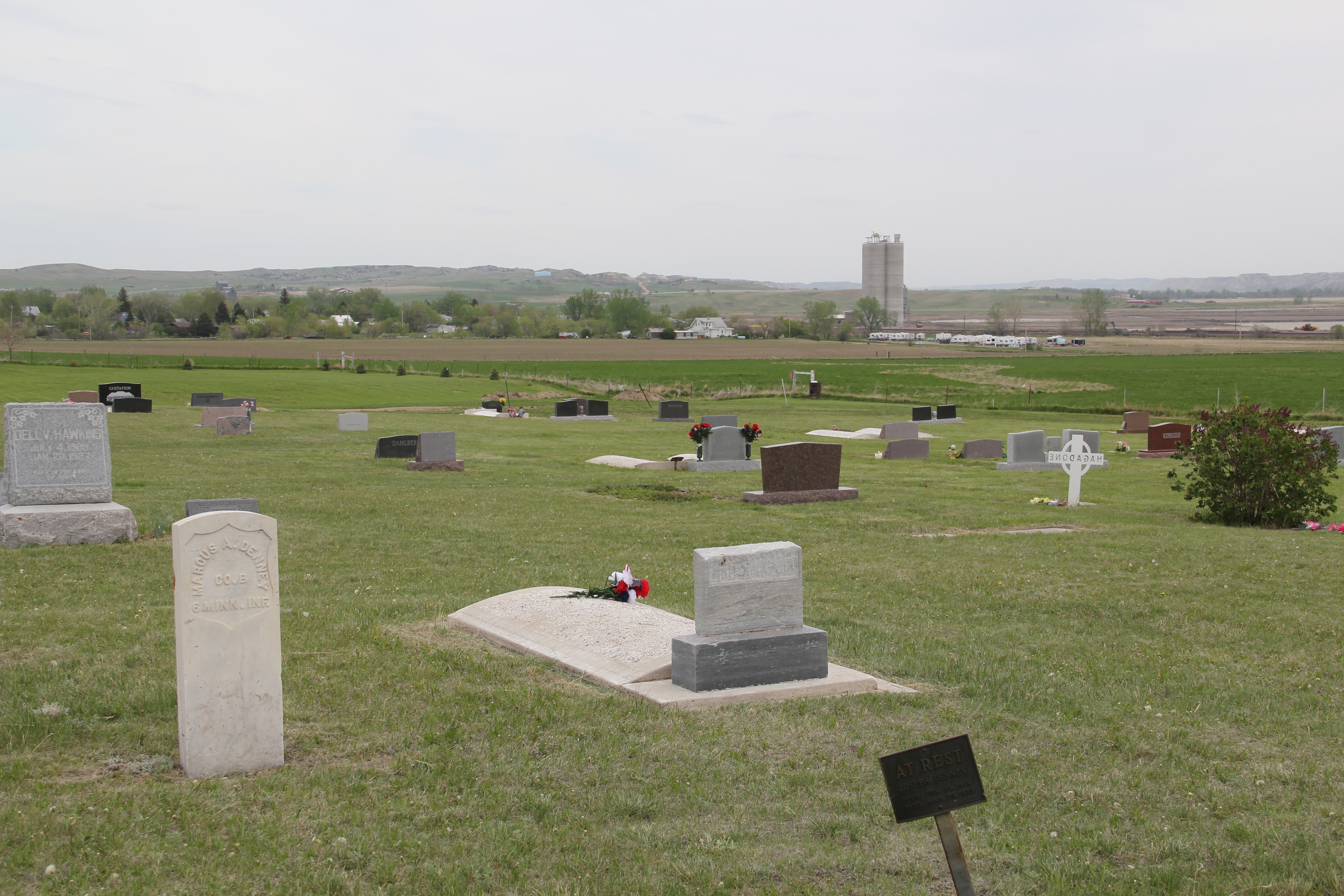
The man camps were already taking available land, even becoming a village in itself between the town’s historic cemetery and the railroad tracks. To capture the burial site of Civil War veteran Marcus A. Denney of the 6th Minnesota Infantry in the foreground and the man camp in the background by the elevators creates a snapshot, literally, of the periods of change in Culbertson over 150 years.
IMG_7792
IMG_7790
Truckers and workers flying along U.S. Highway 2 in past decades would have spied the metal sculptures of Lewis and Clark near the local museum–but these iconic figures are no longer what immediately captures your eyes as you speed along the corridor.
IMG_7527
What you notice is everyone lined up for that human fuel that powers the commute between man camp and tracking well: the Frackin’ Java coffee stand. A true sign of the times along the eastern gateway of U.S. 2 in Montana.
IMG_7793