Reedpoint, Stillwater County, Montana

IMG_1213

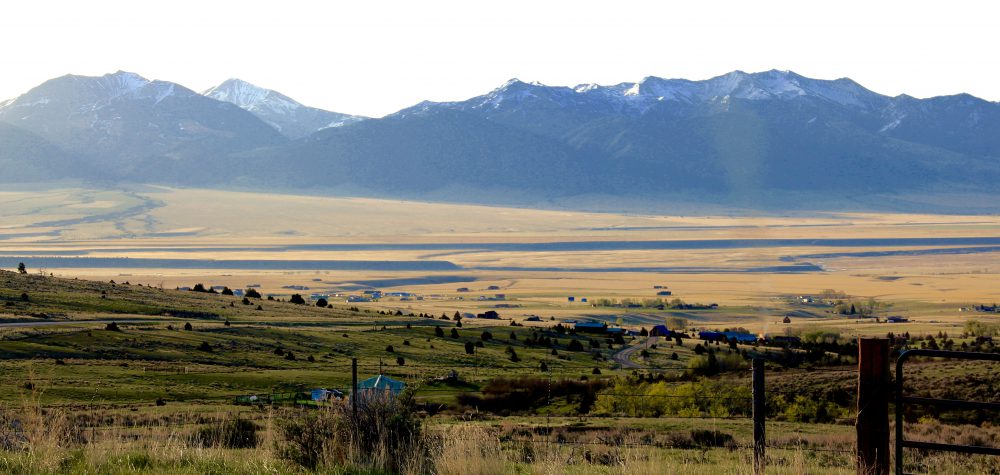
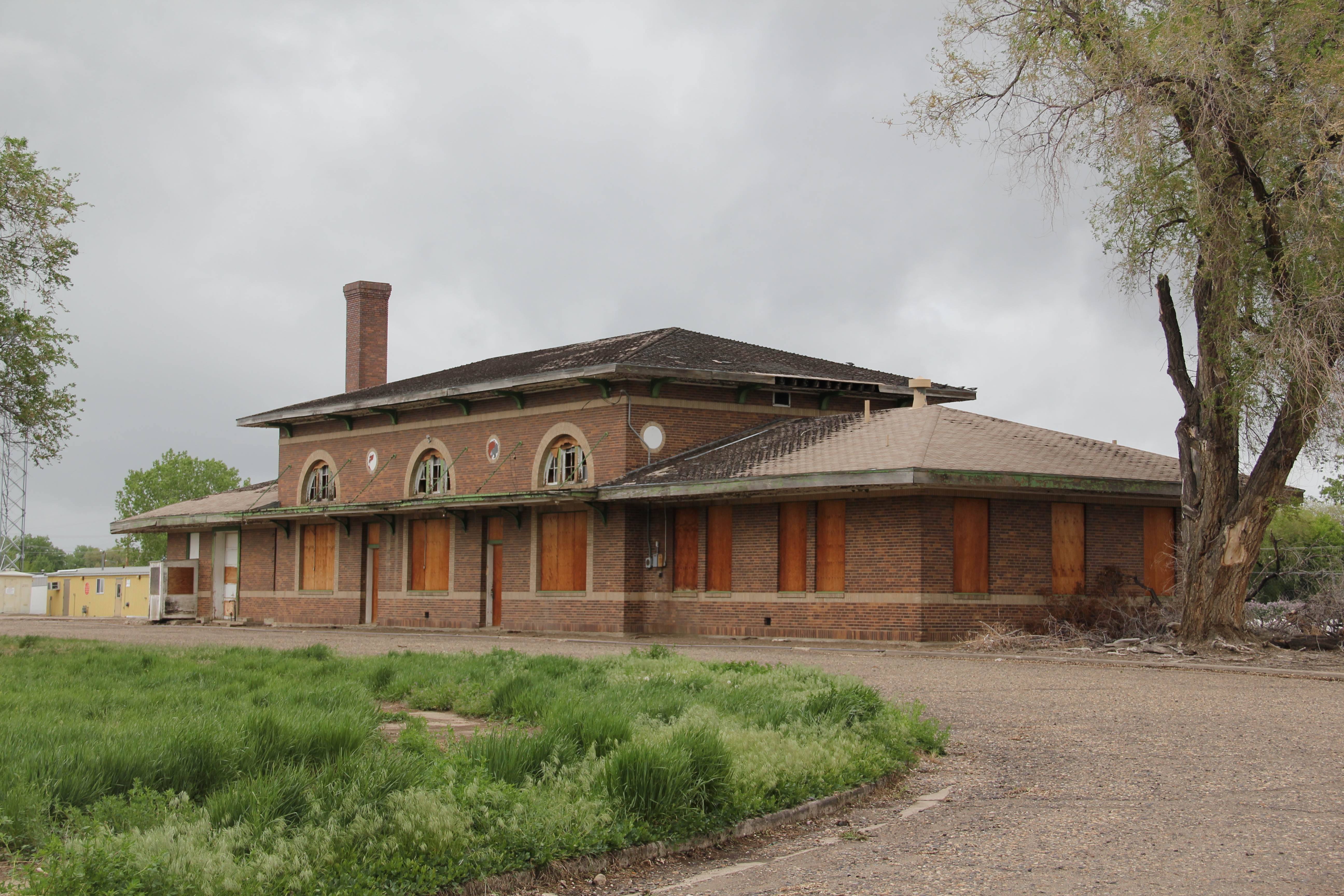
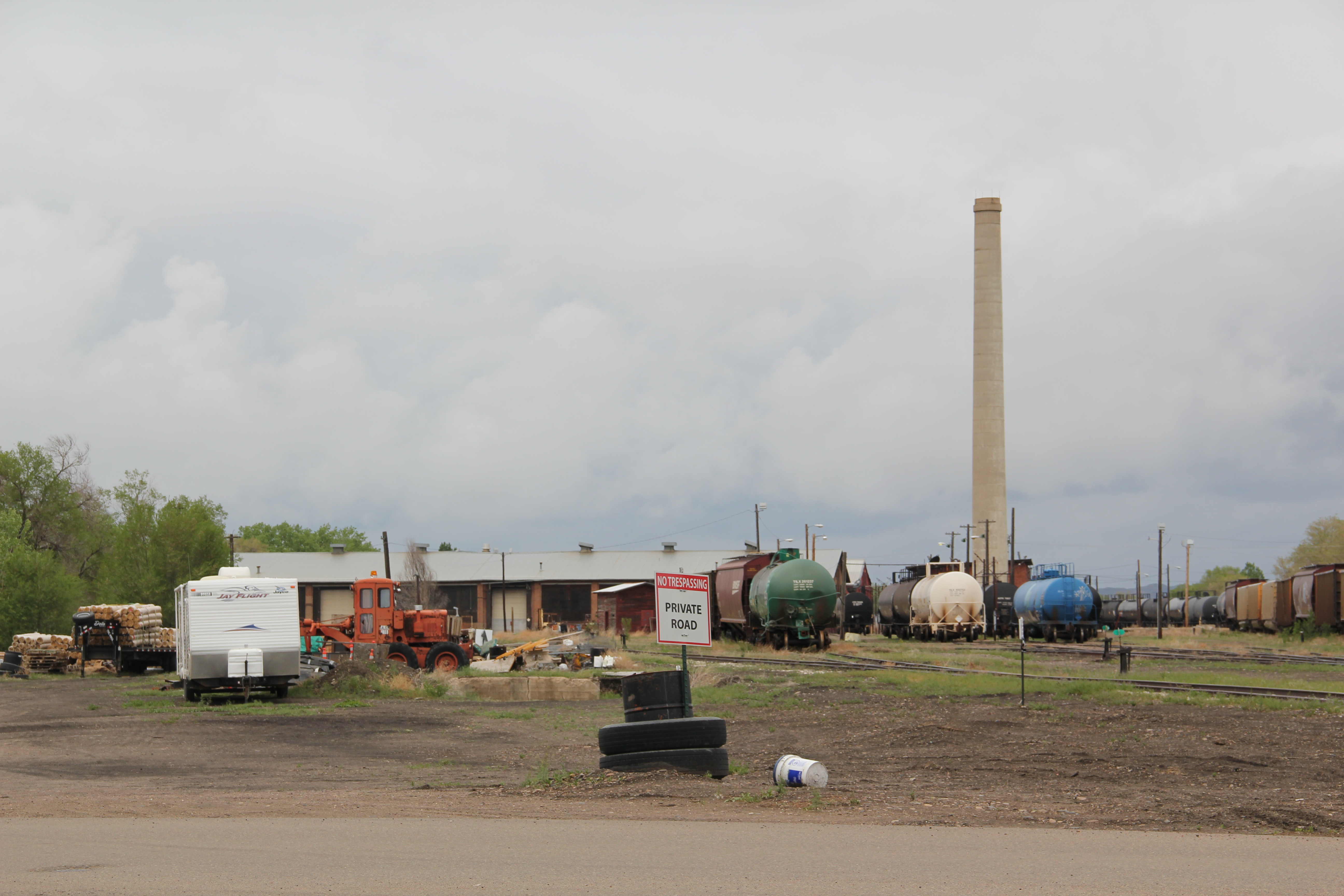
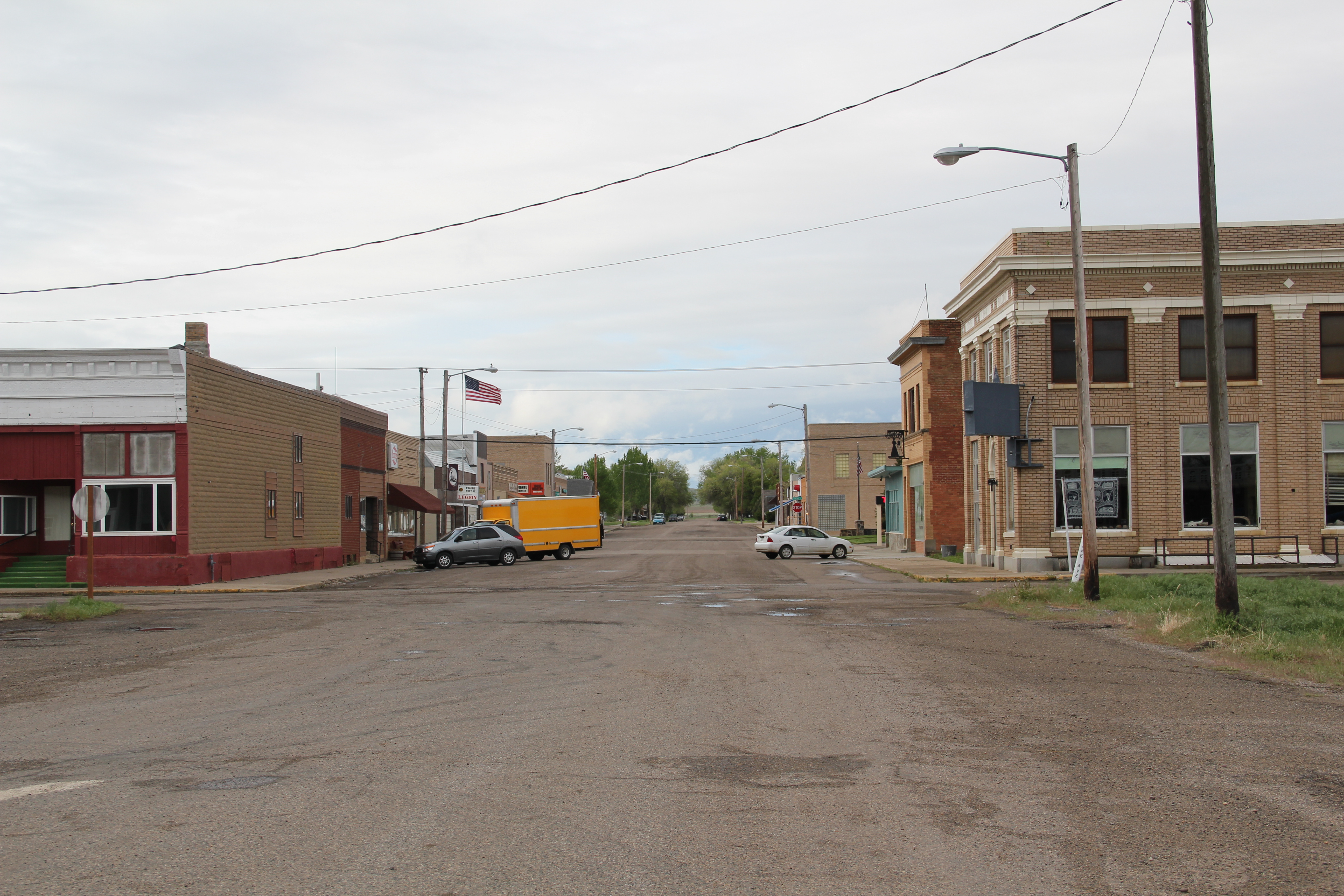
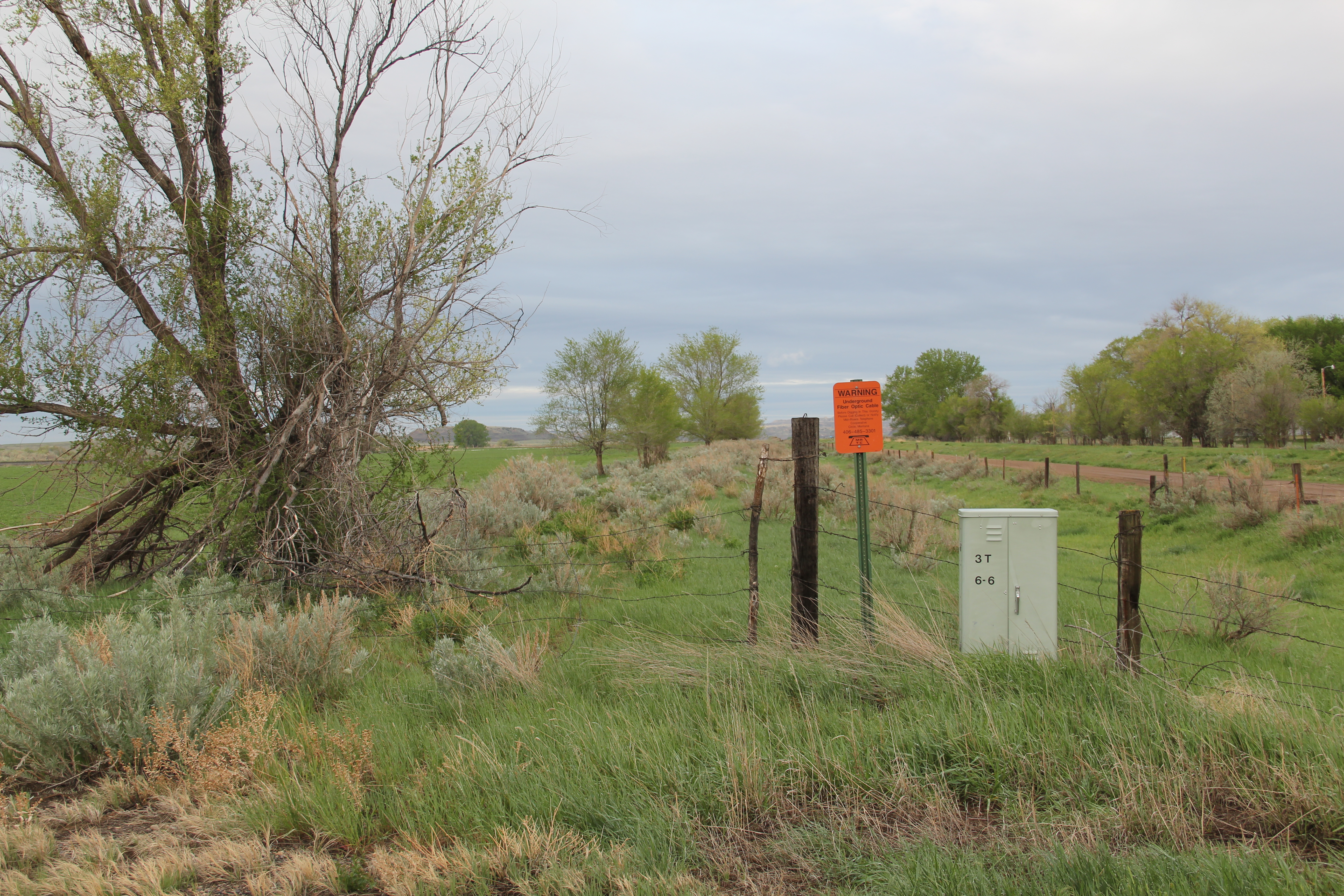
Reedpoint, a tiny Yellowstone Valley town located between Columbus to the east and Big Timber to the west, typically never makes the news, except when a forest fire sweeps near the town boundary, as was the case a few years ago, or when it is Labor Day Weekend and the state’s big newspapers arrive, along with thousands of others, for the tongue-in-cheek “Great Sheep Drive” through the town’s main street.

IMG_1208

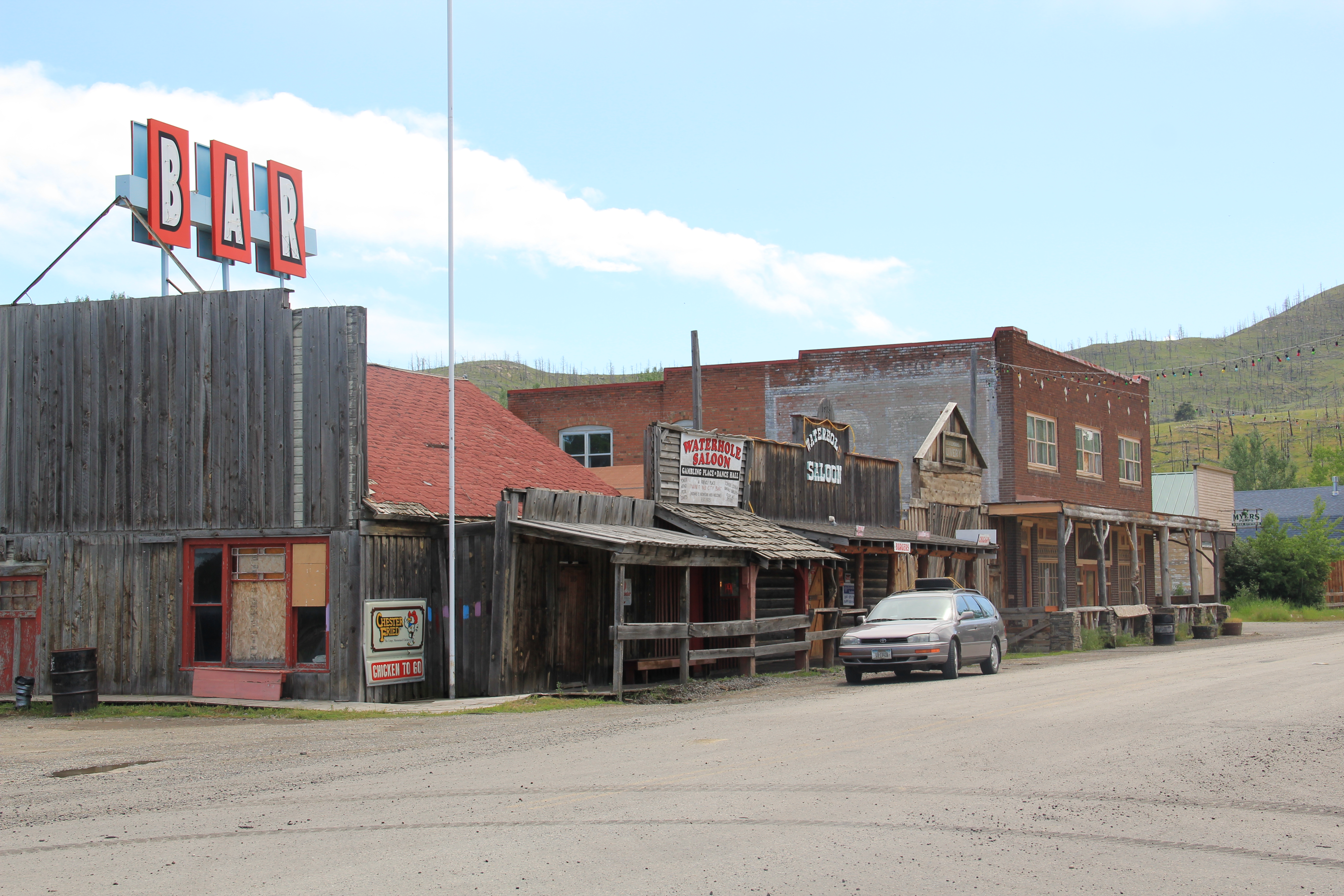
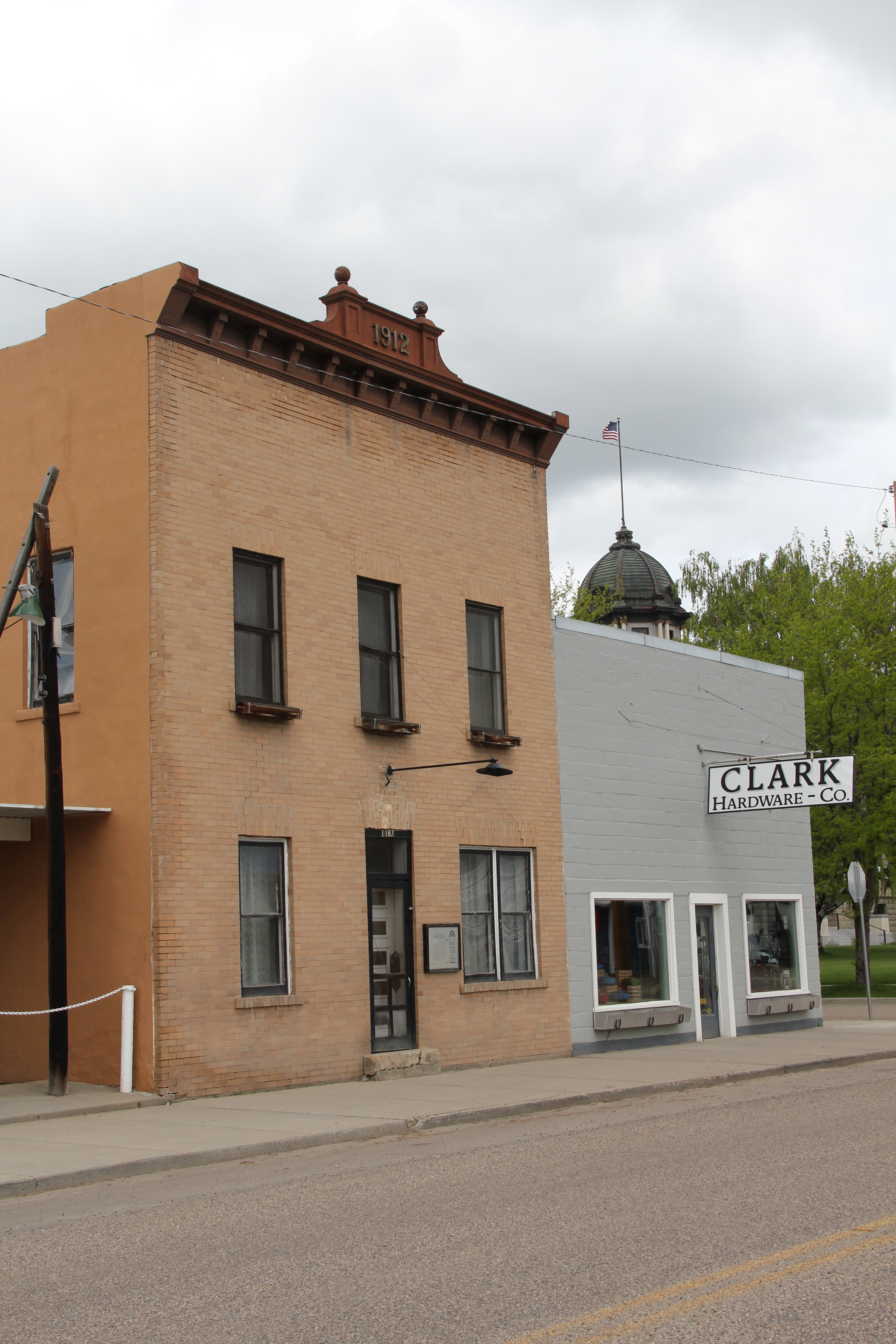
But the Great Sheep Drive, which has now been around for a generation, is more than what keeps Reedpoint on the map, and surviving.  The Reedpoint Community Club, established in 1979, keeps the community together and looks for opportunity.  Historic buildings such as the ones above and below have been remodeled or renovated for new uses, reflecting the railroad’s town greatest prosperity in the early 20th century.

IMG_1207

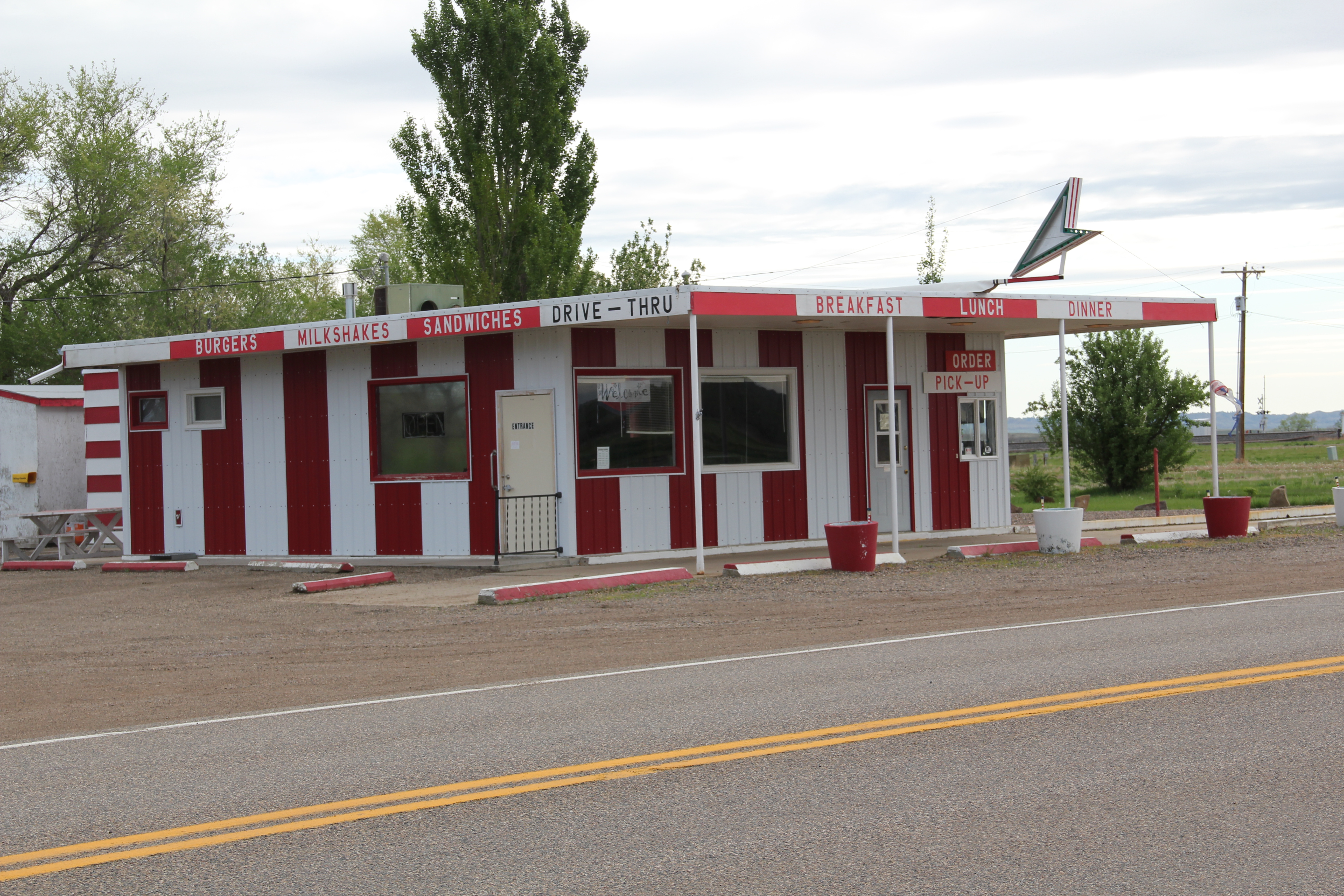
The local dive bar comes alive on weekend, when anglers come in greater numbers to fish along the Yellowstone.  Its ramshackle appearance is new “Old West” at its best.

IMG_1215

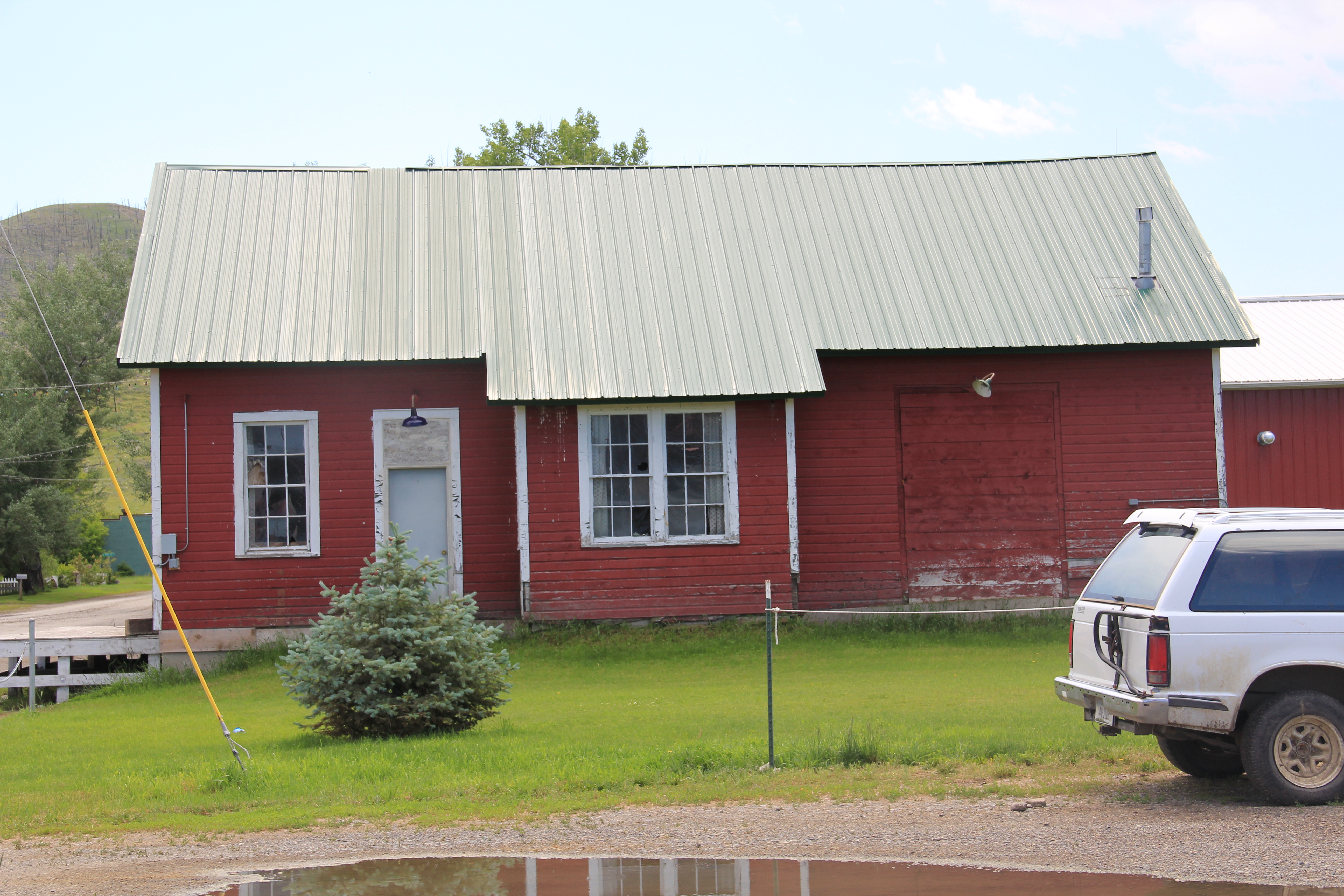
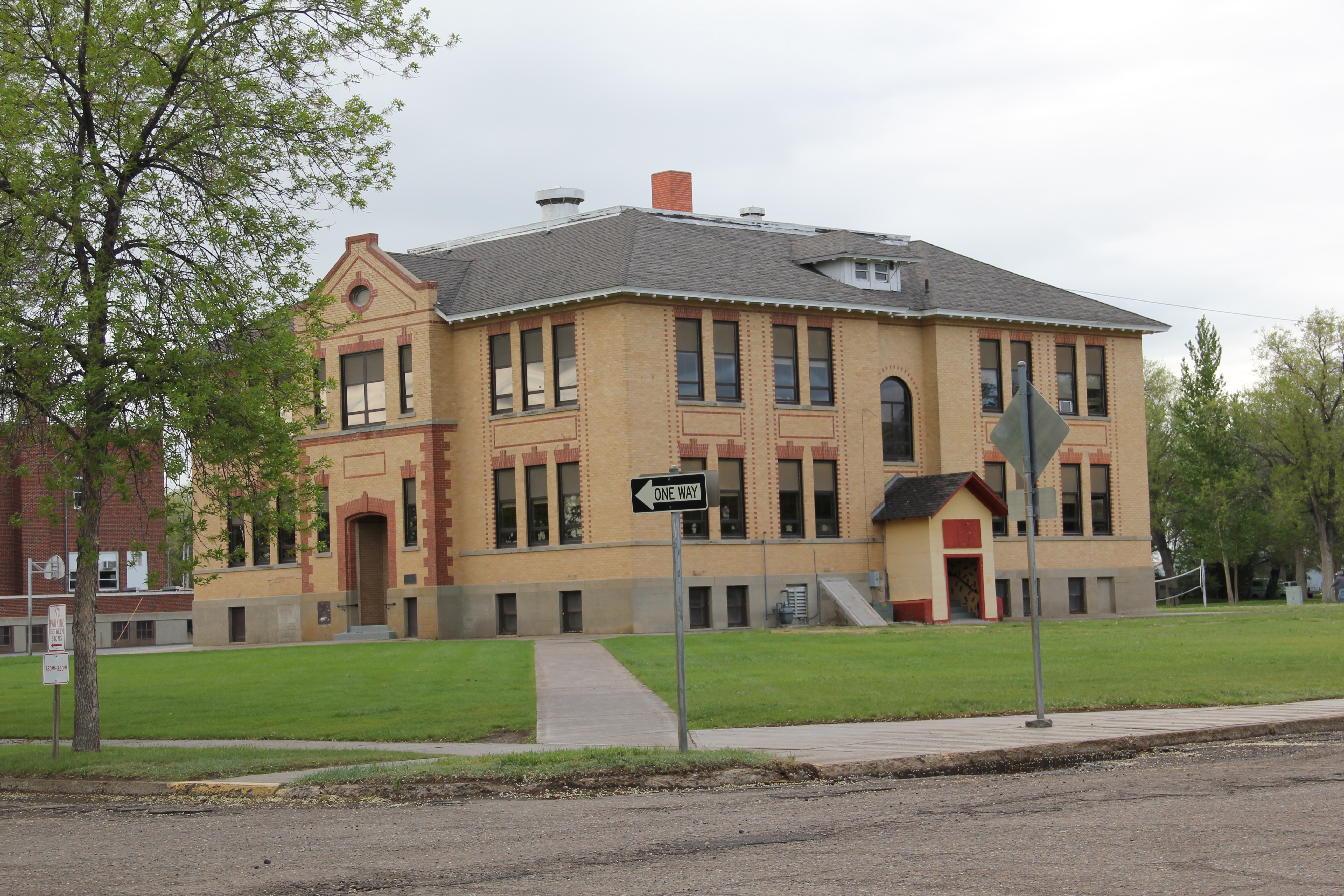
The Reedpoint School–a photo of the older historic building is featured here–remains a key to the town’s survival and its future.  With somewhere south of 200 residents, good schools are a must or the sinews of the place come apart.

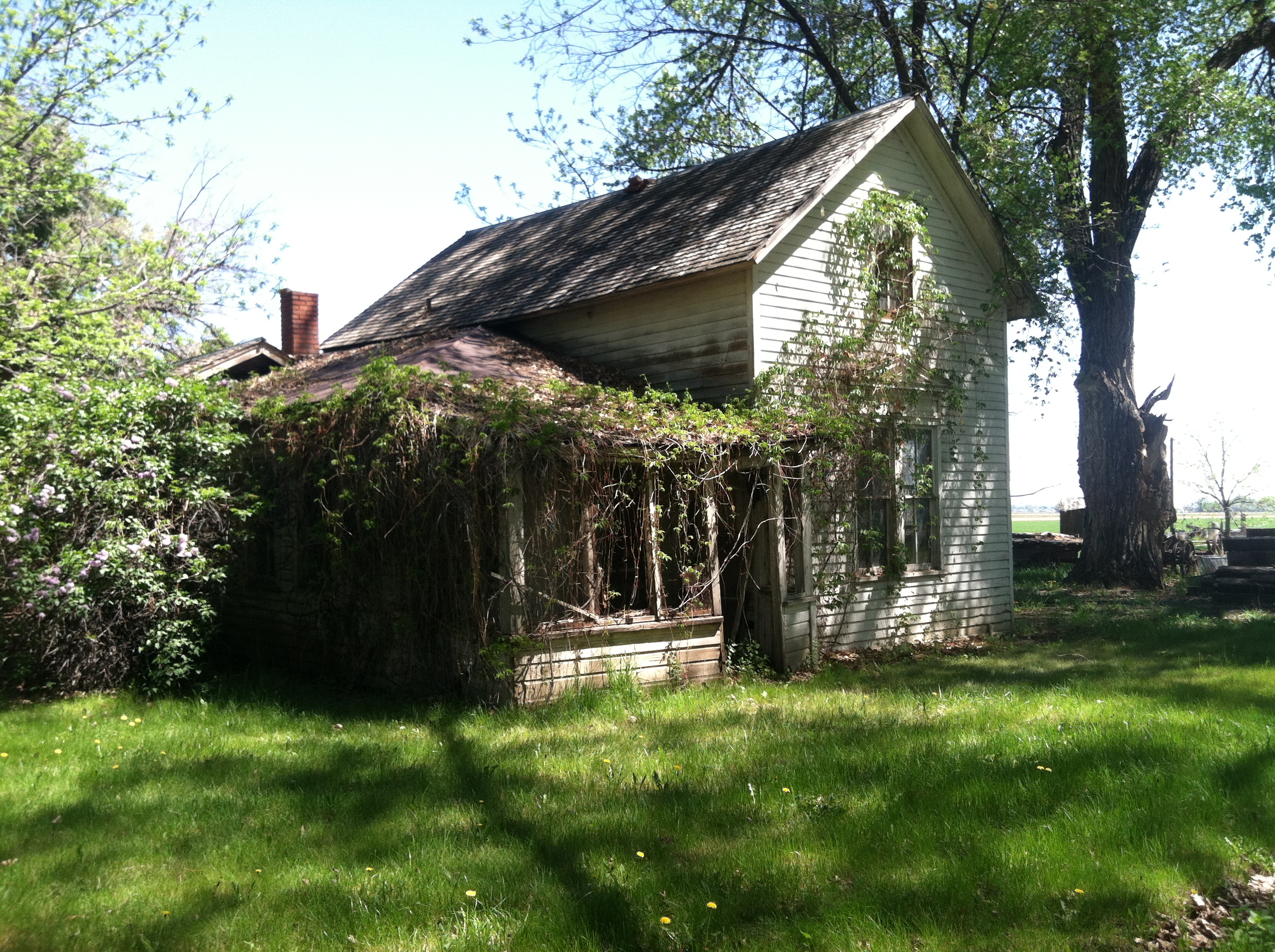
IMG_1217So too are community institutions important.  The local library is small but still there, a place of valued interaction between young and old.

IMG_1209

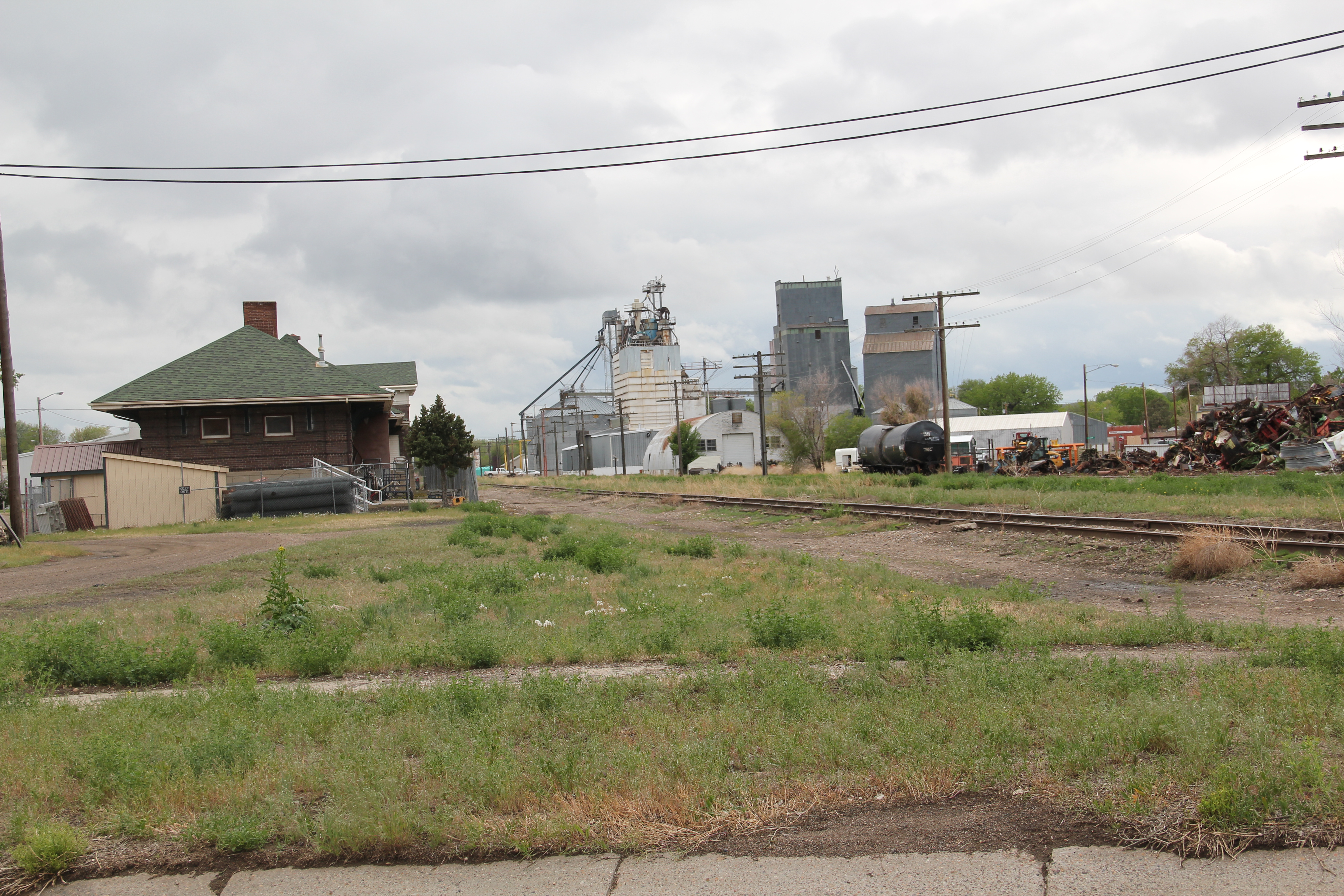
I worry about the historic Occidental grain elevator.  For 30 plus years I have roared past this place going to and from Billings, but the elevator was a landmark.  Not only did it link

IMG_1210

the homesteaders of 100 years ago to the railroad, it also linked whatever grains from this part of the valley to that worldwide market accessed by the tracks of the Northern Pacific Railway.  Some years ago the old depot was moved off

IMG_1216

the tracks and found a new life in town.  That conversion is not so easy with an elevator.  When this tall landmark goes so too does a key part of Reedpoint’s history, and yet another link to its origins as a Northern Pacific railroad town.

Billings: heart of the Midland Empire

IMG_1310

The irrigation ditch at Hesper Ranch, where the irrigated empire of eastern Montana began in the late 19th century.

Billings, due to a young energetic staff at the city’s major history museum, the Western Heritage Center, gave me my first opportunities to learn and embrace the amazing landscape of Montana.  In 1982 the museum was finding its way; it was not the community institution that it has become some 30 plus years later.  Board members in 1982 were
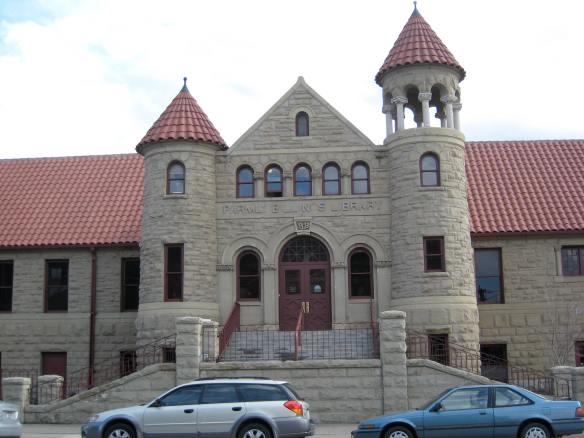
IMG_1582

Western Heritage Center (the historic Parmly Billings Library), Billings, in 2006

interested in possibly recreating the old river village of Coulson, of which not a trace was left.  I explored the issue, recommended no, and then suggested that actually the founding and development of the town was a fascinating story–with a cast of characters.  Well, only a few people (Lynda Moss the education director then and David Carroll the exhibit curator) were fascinated with what I found, but I was a convert, and ever since I have been exploring the Midland Empire of Billings and Yellowstone County.

IMG_1351

The Big Ditch, at Eastern Montana College (now MSU Billings)

Irrigation, those man-made slivers of life that slice through eastern Montana, was one important key to the story.  When Frederick Billings, the president of the Northern Pacific Railroad, helped to established the “town on paper” called Billings in 1882, he soon discovered that while there was coal in the Bull Mountains to the north there was little land worth his salt for agricultural development, and Billings was nothing if not an energetic, progressive farmer back at his home in Vermont.

IMG_1579

The city’s centennial statue of Frederick Billings, which stood by a parking garage when I began my Billings history work in the 1980s. Due to the good efforts of Lynda Moss and others, it was appropriately moved to the grounds of the historic Parmly Billings Library (Western Heritage Center) over a decade later.

He counted on Benjamin Shuart, the local Congregational minister (who was supported by his wife Julia Billings) to be his man on the ground, checking into the agricultural potential.  Everyone understood that only water would make the ground bloom, so the construction of the Big Ditch began.  It ran through Shuart’s property he managed for the Billings family,

Early dwelling at Hesper Farm, 2011

Early dwelling at Hesper Farm, 2011

known as Hesper Farm.  When Billings lost faith in Shuart, and his own son Parmly unexpectedly passed away, Billings turned to one of his son’s workers, and friends, I. D. O’Donnell, to make his land valuable and to give life to the town that was named for him.  O’Donnell, self taught in the value of land, irrigation engineering, and the possible miracle crop of sugar beets, became the Oracle of Irrigation for not only the Yellowstone Valley but for all of the northern plains.

IMG_1571

O’Donnell expanded the ranch at Hesper Farm and turned into a private demonstration farm for the entire region, a place of beautiful cottonwood trees and modern barns.
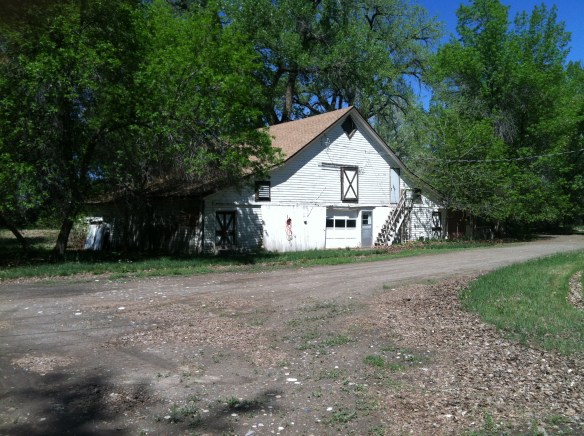
IMG_1318

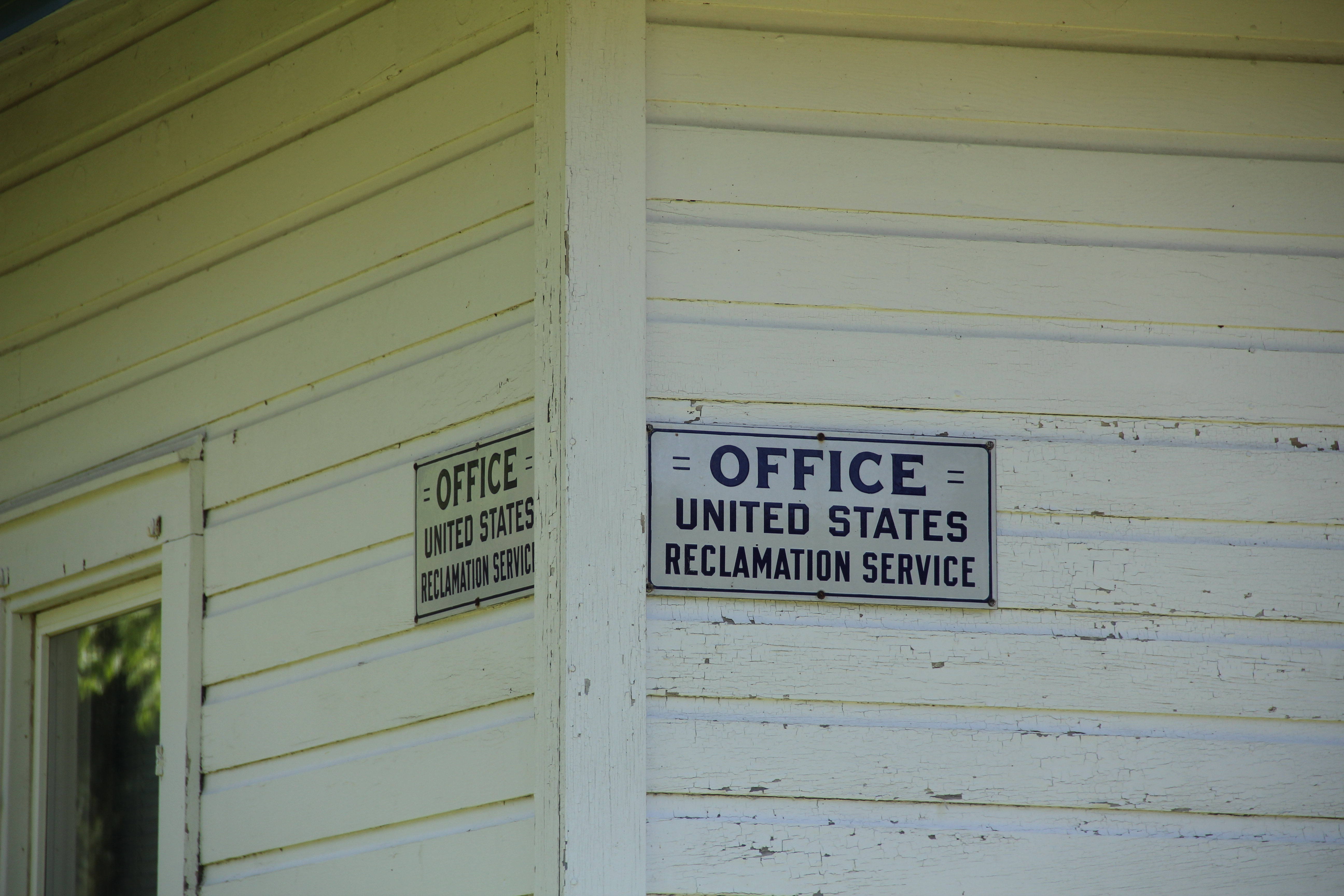
His enthusiasm and connections attracted other investors, and soon caught the attention of the new U.S. Reclamation Service, which made the Huntley Project its second one across the West.  Amazingly the very simple farm-vernacular building that housed the project’s office at Ballatine still stands, a little building that really conveys a huge story of a federal program that transformed a region.

IMG_1296

IMG_1295O’Donnell’s empire depended on others for capital, none no more so dependable that Preston Moss.  Moss also looked to the Midland Empire, and built his grand mansion in pursuit of that dream.  The Moss Mansion became a house museum in 1983.
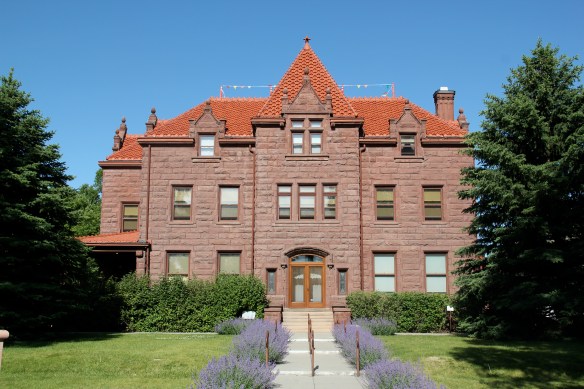
IMG_1241

Not far away I. D. O’Donnell also had his town house, on a more modest scale but grand as far as many homes in the “new” Billings.  This Queen Anne house, like the Moss Mansion, were listed in the National Register in the 1980s, and the Moss-O’Donnell story

IMG_1245

became better known.  And the legacies extend to places not often thought historic.  That place would be the Billings Sugar Factory, a huge sprawling complex of where town meets farm, ironically located about halfway between downtown Billings and the old Yellowstone River townsite of Coulson.  Sugar beets made the valley bloom, and the landscape still shows those marks today.
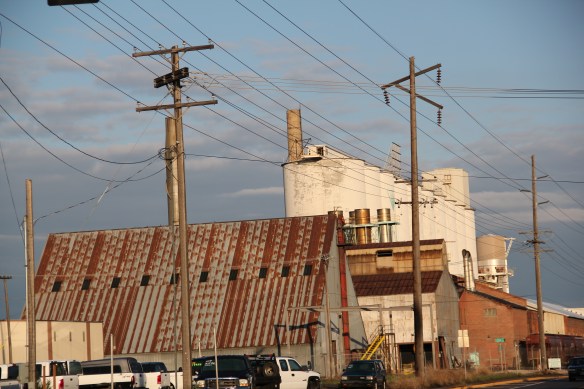
IMG_0189

Forsyth’s historic districts

Forsyth, the seat of Rosebud County, has used historic preservation effectively as one of many community assets to guide its economic sustainability over the last 30 years.  When I first visited there in 1984, the community had already started to grapple with the impact of the coal mining far south at Decker.  The passing of coal trains defined much of rhythms of traffic and life back then.  But even 30 years ago, residents were determined to keep their identity and to celebrate their heritage, despite being drawn into a different world.  That was impressive–and from 1986 to 1990, they put their commitment into physical terms by listing many properties in the National Register of Historic Places.
IMG_6943

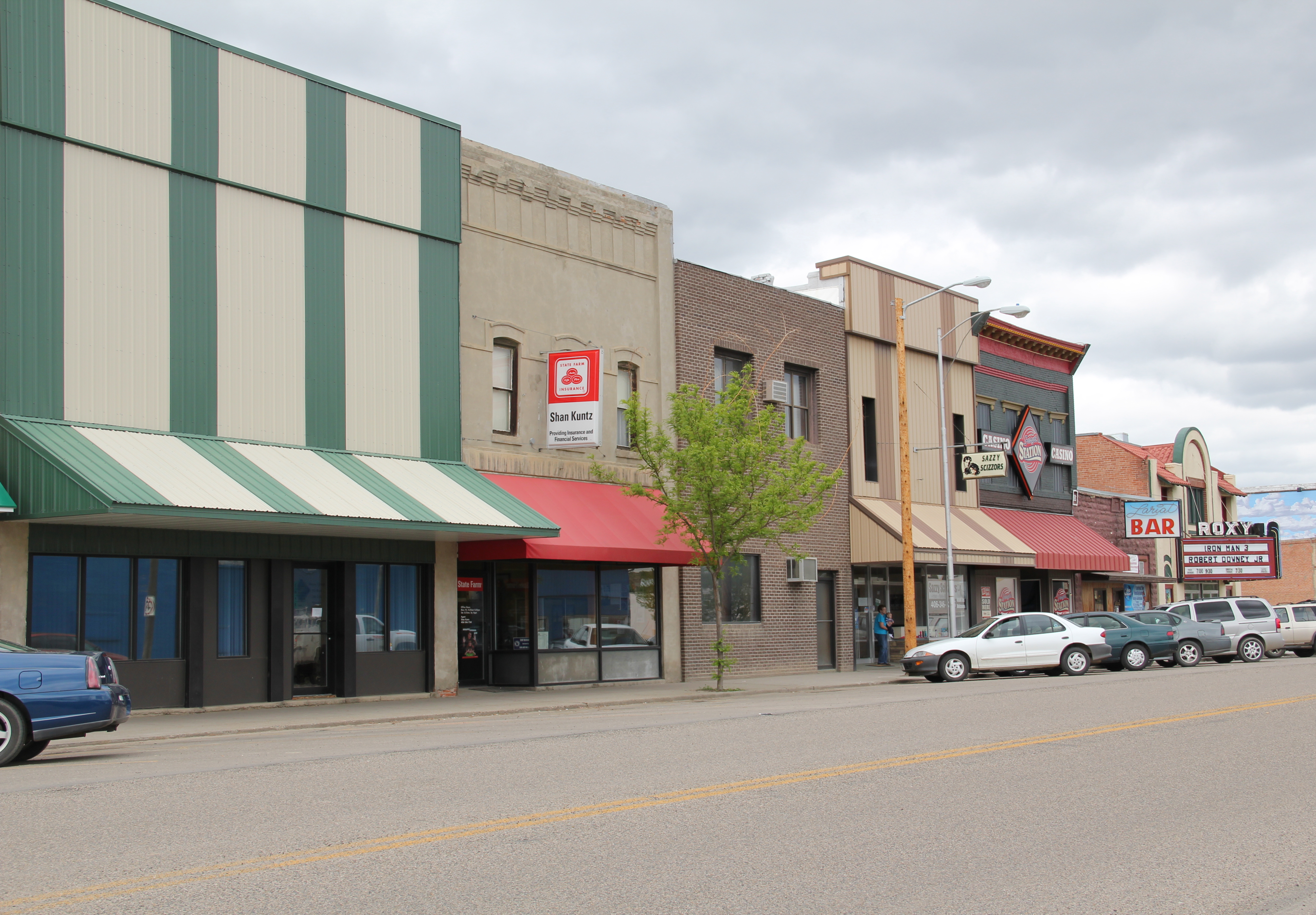
You really haven’t been to Forsyth unless you take in a movie at the Roxy Theater (1930) and an after-movie libation at the Lariat Bar

Earlier posts talked about such key heritage institutions as the Rosebud County Courthouse, the adjacent Rosebud County Museum, the Howdy (Commercial) Hotel, and then the adaptive reuse of the Vananda State Bank as new landmark business.  Forsyth also has a downtown commercial historic district, which includes both the hotel, bank, the Roxy Theater shown above, but additional classic Montana two-story commercial buildings, with their understated Victorian or classical cornices.

IMG_6944

The Masonic Temple, designed by Miles City architect Byrnjulf Rivenes in 1911, served the community in many ways during its formative years, including the town library.  The Blue Front rooming house came in 1912 and served as home for Northern Pacific railroad employees for many years–today it is a remarkably intact example of that type of single-man housing from 100 years ago.

IMG_6945

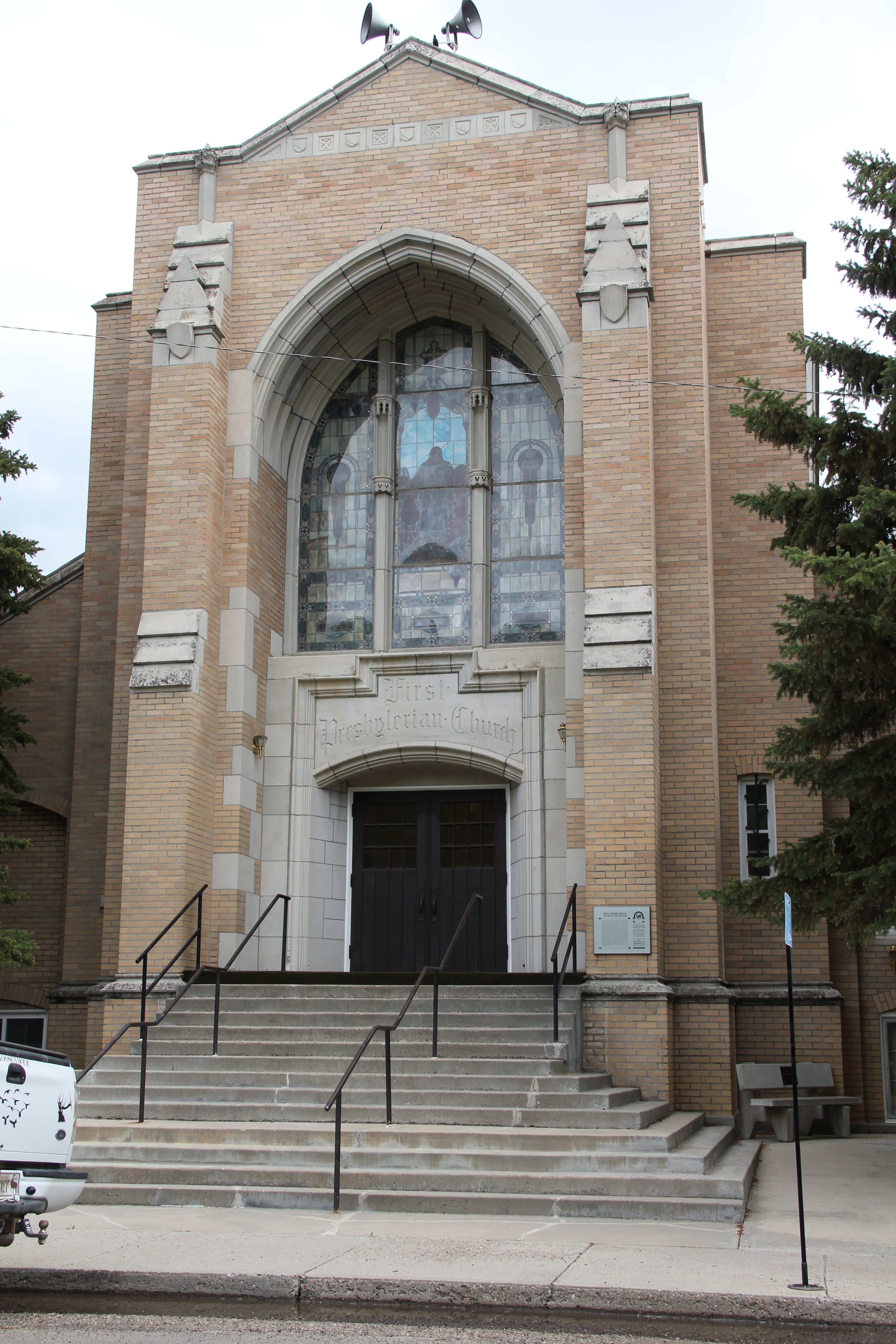
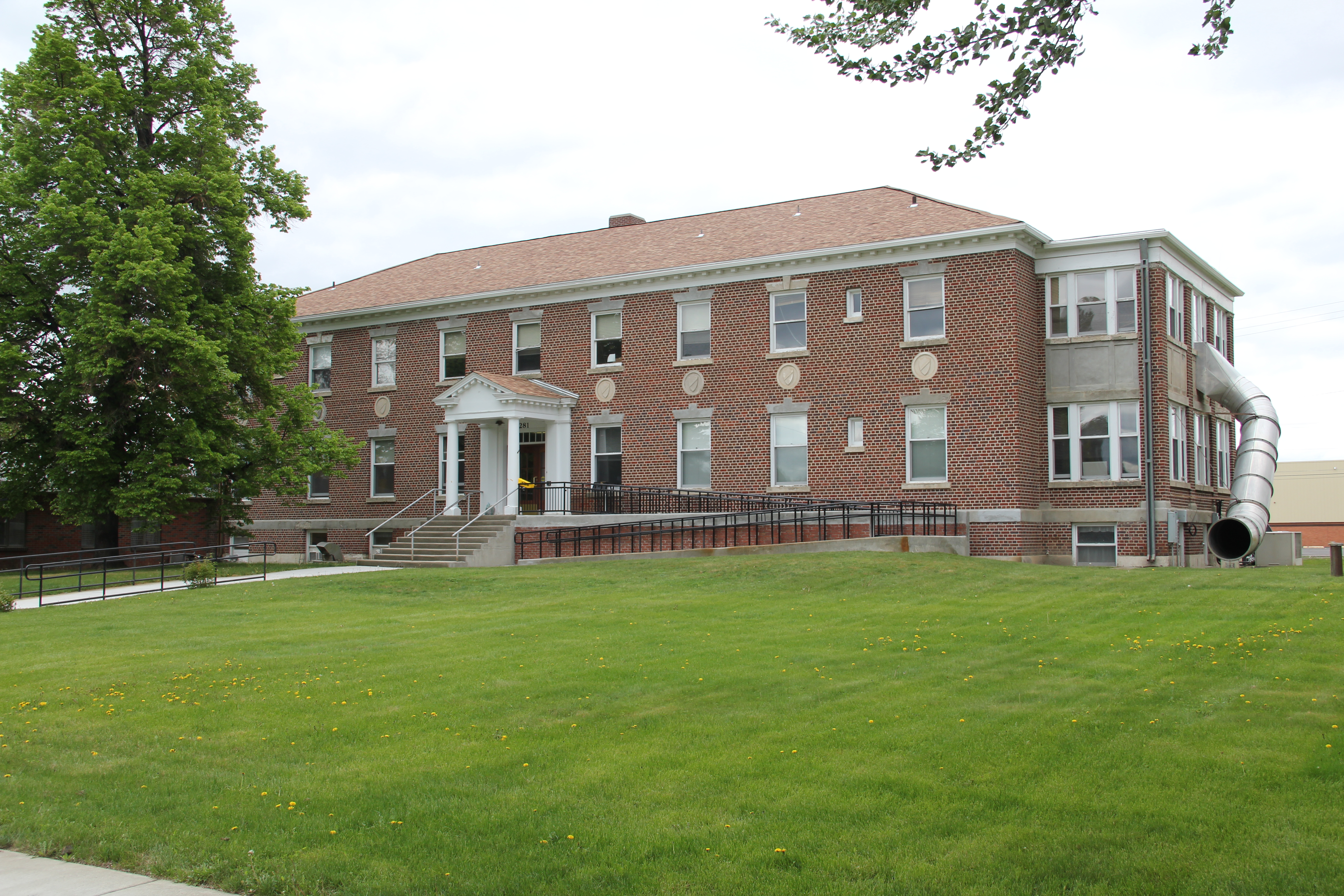
Residents also have designated a historic district of their homes and churches that developed in the early 20th century.  It is an impressive array of buildings, from the c. 1920 First Presbyterian Church, a Gothic Revival design by Howard Van Doren Shaw of Chicago in partnership with McIver and Cohagen of Billings, to the brilliant Craftsman-style of the McQuistion House (1914) built by Louis Wahl of Forsyth for ranchers Joshua and Grace McQuistion as their “town” home.  Then there is the 1897 Queen Anne-style house moved to its Forsyth lot by ranchers Robert and Dora Lane in 1909.  The Lanes moved on but the house has stayed, becoming over 100 years a real cornerstone to the historic neighborhood.
IMG_6967

IMG_6963

IMG_6966

Indeed, that is a theme found throughout town. Despite the coal industry that rumbles in the southern end of the county, Forsyth still holds on, and shows pride in, its ranching past.  No better emblem can be found than the modern front to the Forsyth high school.
IMG_6974

Like the vast majority of eastern Montana towns I visited in 2013, Forsyth has lost population from 1980.  Then over 2500 lived there; in 2010 the census takers counted over 1700 residents.  But unlike many, Forsyth is not beat up, abandoned, forgotten, depressing.  The murals by Bob Watts, discussed in an earlier post, are part of the

IMG_6975

answer.  Local stubbornness is another.  But pride in community as expressed through the town’s many historic preservation projects is another.  Forsyth has figured out how to gain a future through an appreciation of the past.  Let’s hope others follow their lead.

IMG_6985

The Yellowstone’s Rosebud County Courthouse

IMG_6961

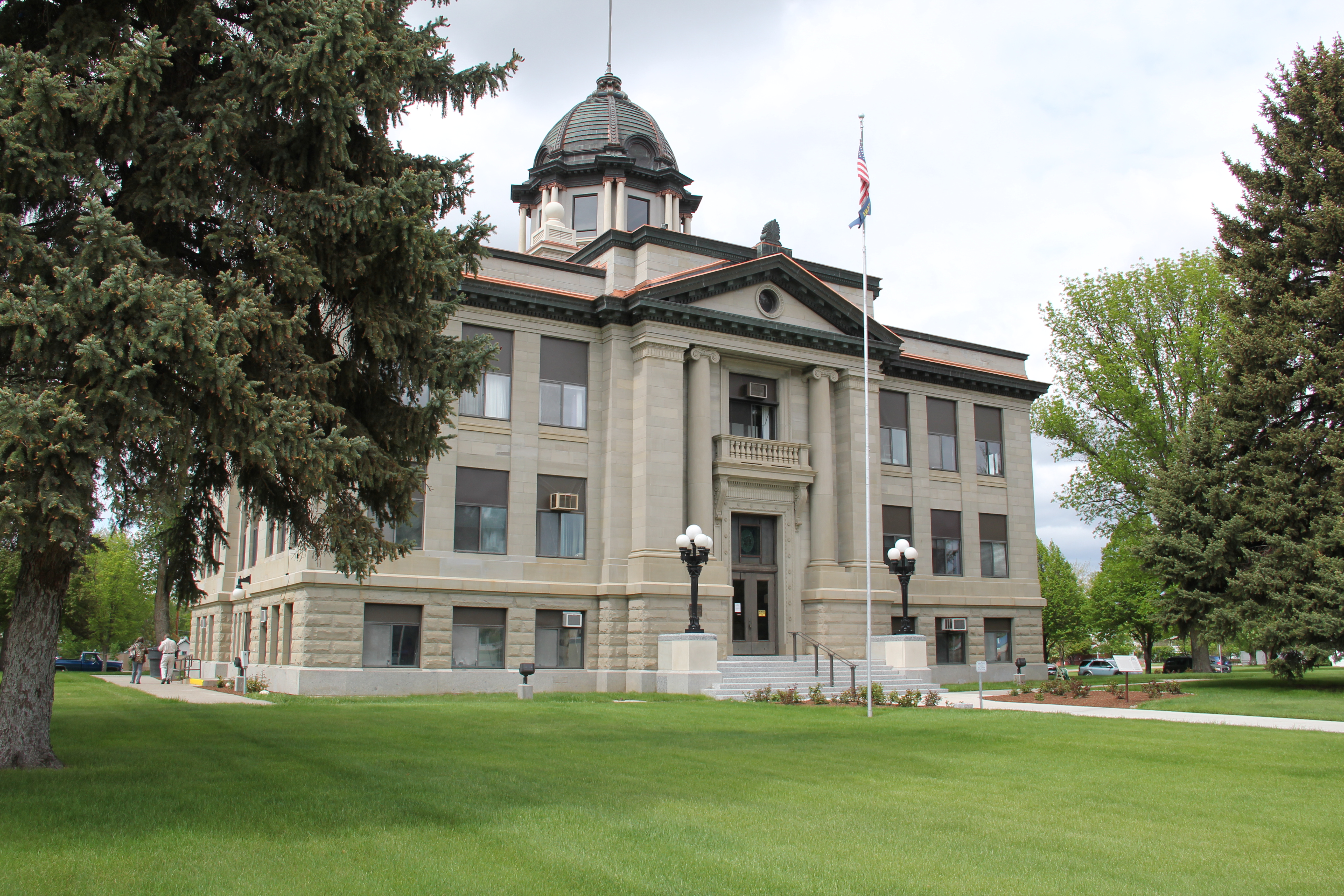
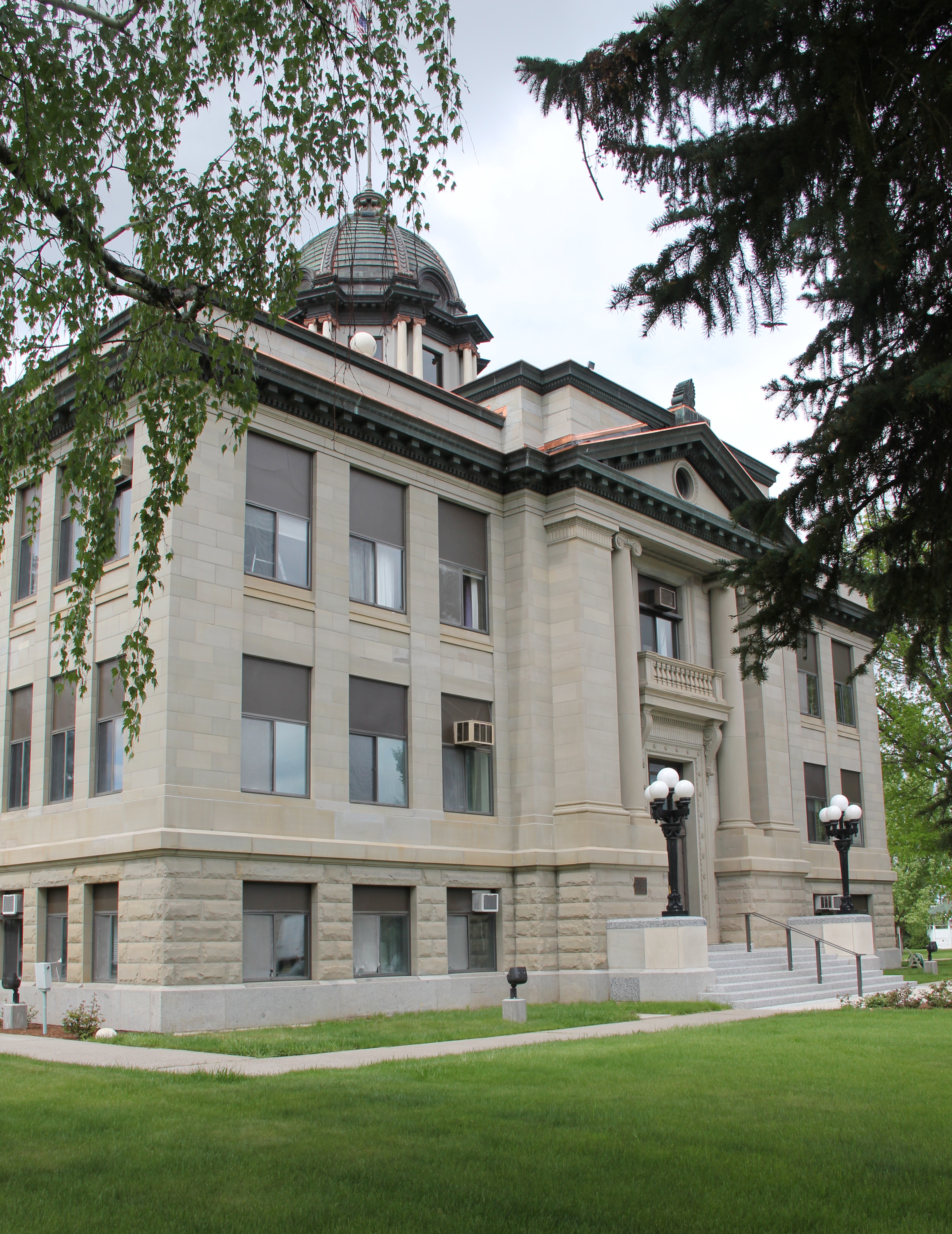
The Rosebud County Courthouse in Forsyth is listed in the National Register of Historic Places.

Rosebud County encompasses a huge swath of eastern Montana, with its upper reaches touching the Musselshell River in central Montana and extending south almost to the Wyoming border.  A good bit of the Tongue River winds through the county and the name comes from Rosebud Creek, which empties into the Yellowstone at the town of Rosebud.

The county seat of Forsyth is a Northern Pacific Railroad town from 1881.  For its first generation, it was a rather minor place stuck as it was between Miles City to the east and Billings to the west: there is no census data for Forsyth before 1900.  But in the early 1900s, two developments changed Forsyth’s fate:  the arrival of the Milwaukee Road, which cut a new path through the county north of the Yellowstone before turning northwest at Forsyth, and then the homestead boom of the 1910s, which county leaders wanted to take advantage of to change their fortunes.

The business district is based on a symmetrical plan, facing the tracks.

The business district is based on a symmetrical plan, facing the tracks.

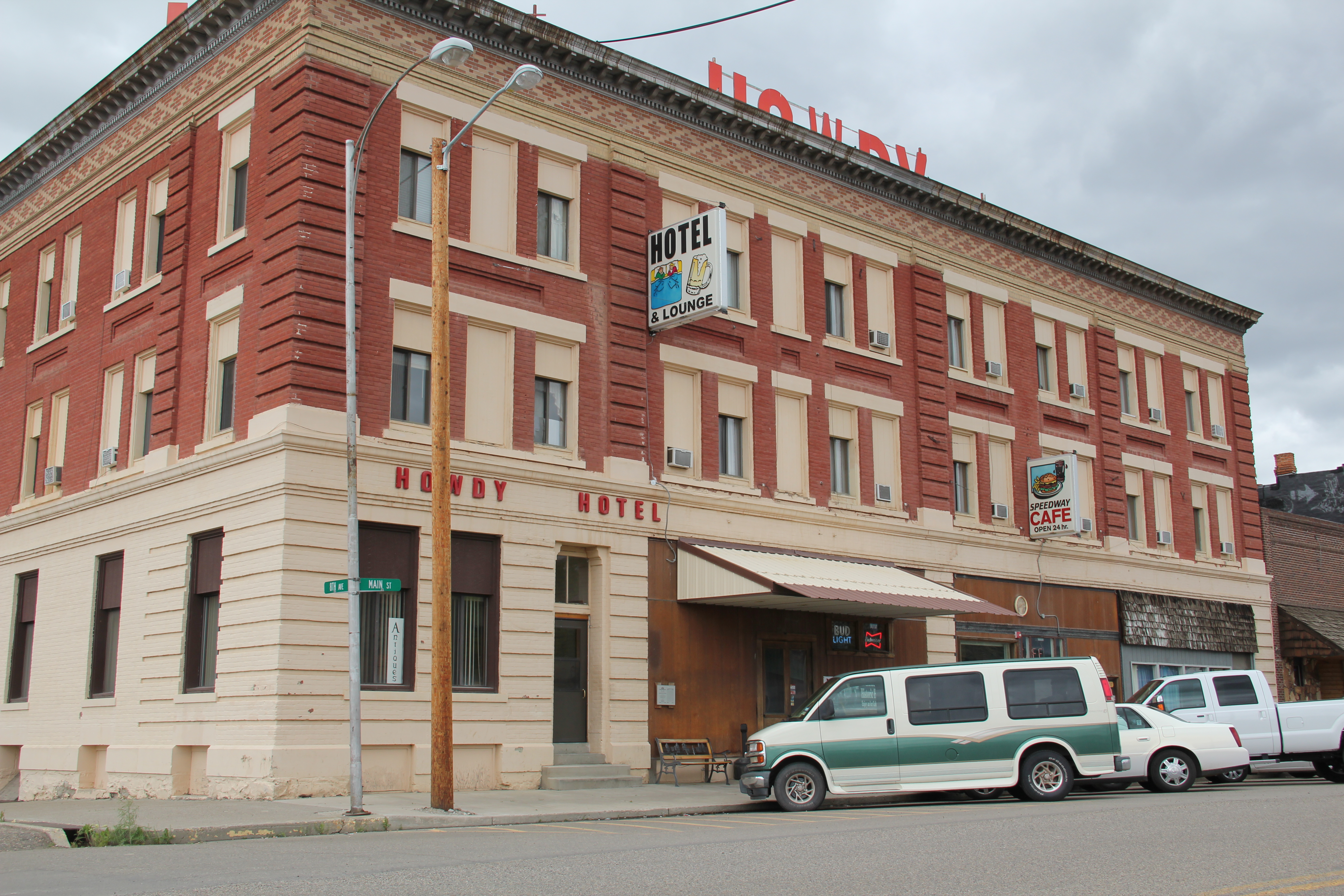
Forsyth leaders already understood the need to have an impressive business district facing the railroad tracks.  But they also wanted to show anyone that Forsyth was ready for a stop, and visit, and you could live somewhat classy in a stylish well-appointed hotel. The Howdy Hotel (1903-1906) is a rare surviving small-town “booster” hotel, built to impress traveling businessmen that Forsyth was a place of promise.  Designed by the Billings firm of Link and Haire, the building’s classic Renaissance Revival look was impressive for a small Montana town.

Hiram Marcyes was the owner-operator of this early Forsyth landmark.

Hiram Marcyes was the owner-operator of this early Forsyth landmark.

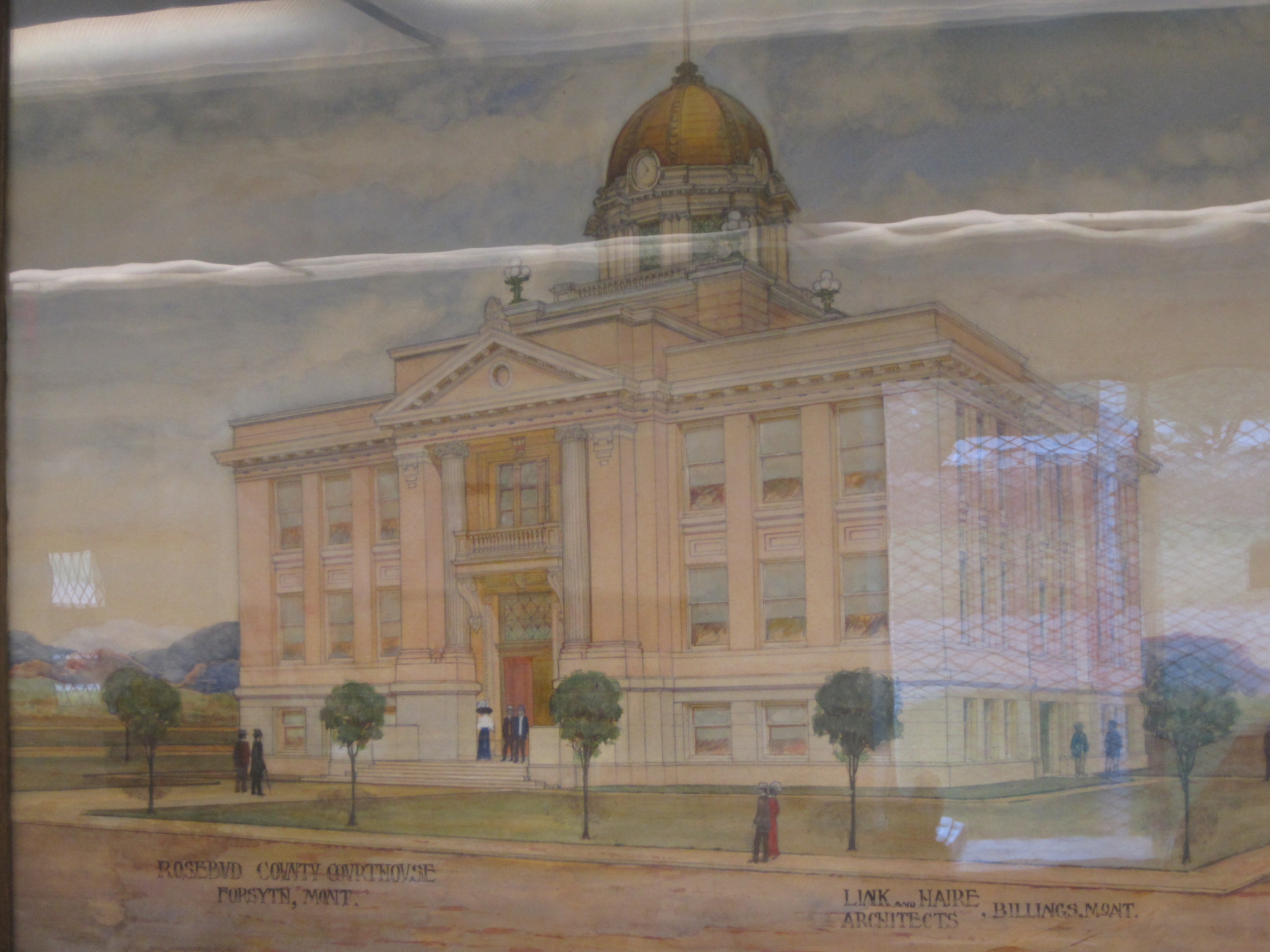
About five years after the opening of the hotel, local leaders decided that the time was right–and the recent boom had no foreseeable end–to maximize on the promise of their little town and build another landmark facing the tracks.  Construction of a new Rosebud County Courthouse, designed in grand Classical Revival fashion by the firm of Link and Haire of Billings, began in 1912 and was opened, after a dispute over cost over-runs, in 1914.

Link and Haire's original rendering of the courthouse is displayed at the Rosebud County Museum.

Link and Haire’s original rendering of the courthouse is displayed at the Rosebud County Museum.

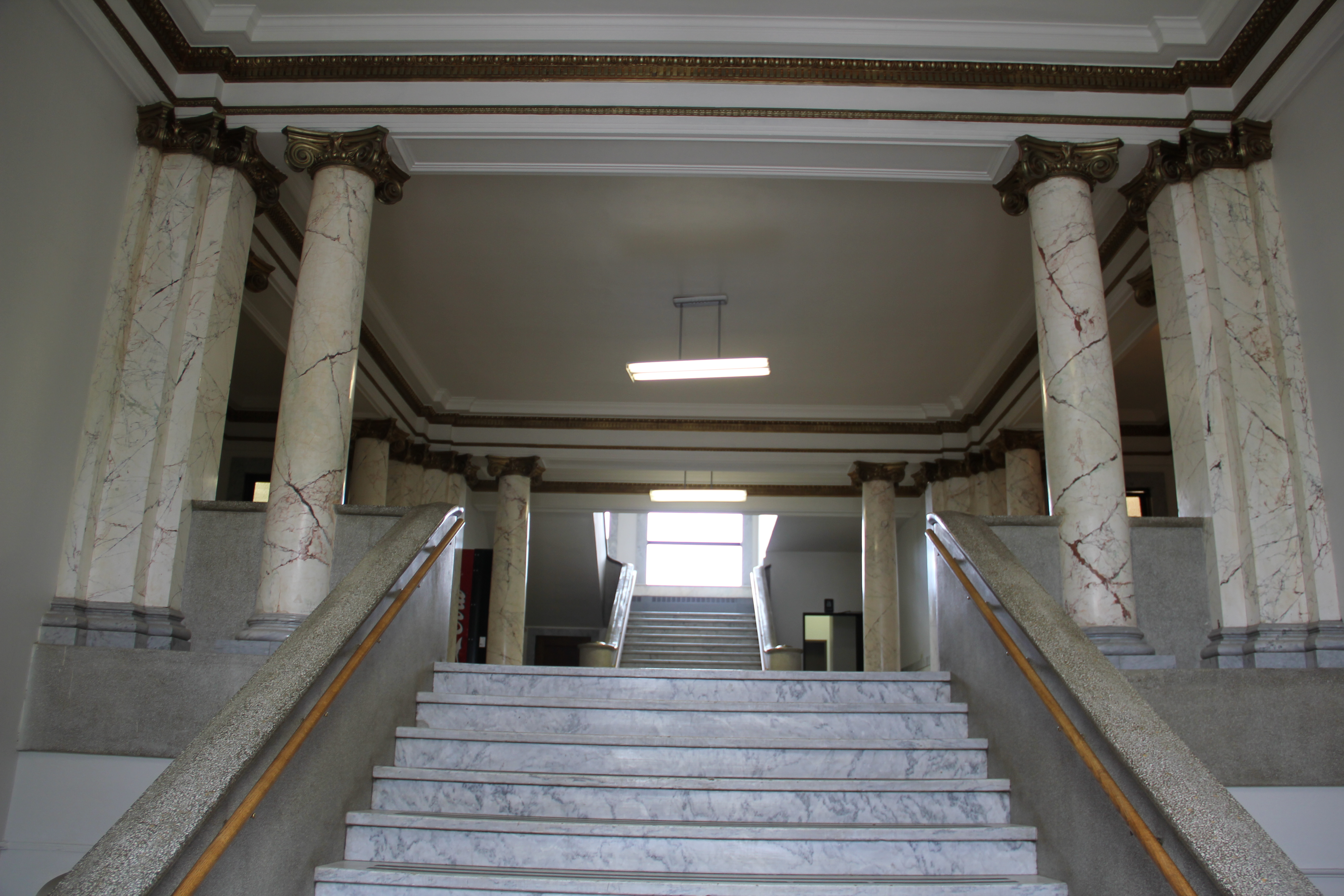
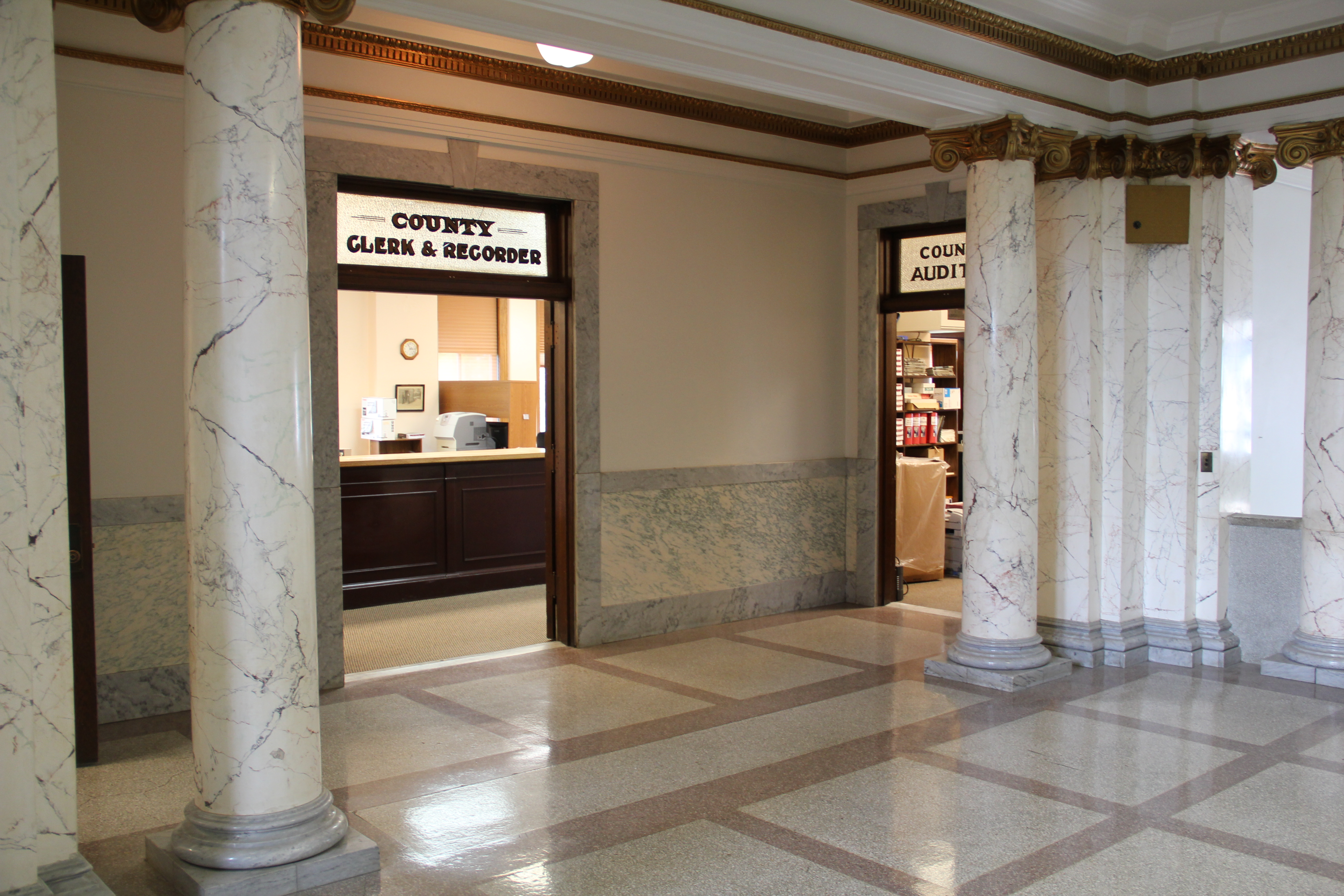
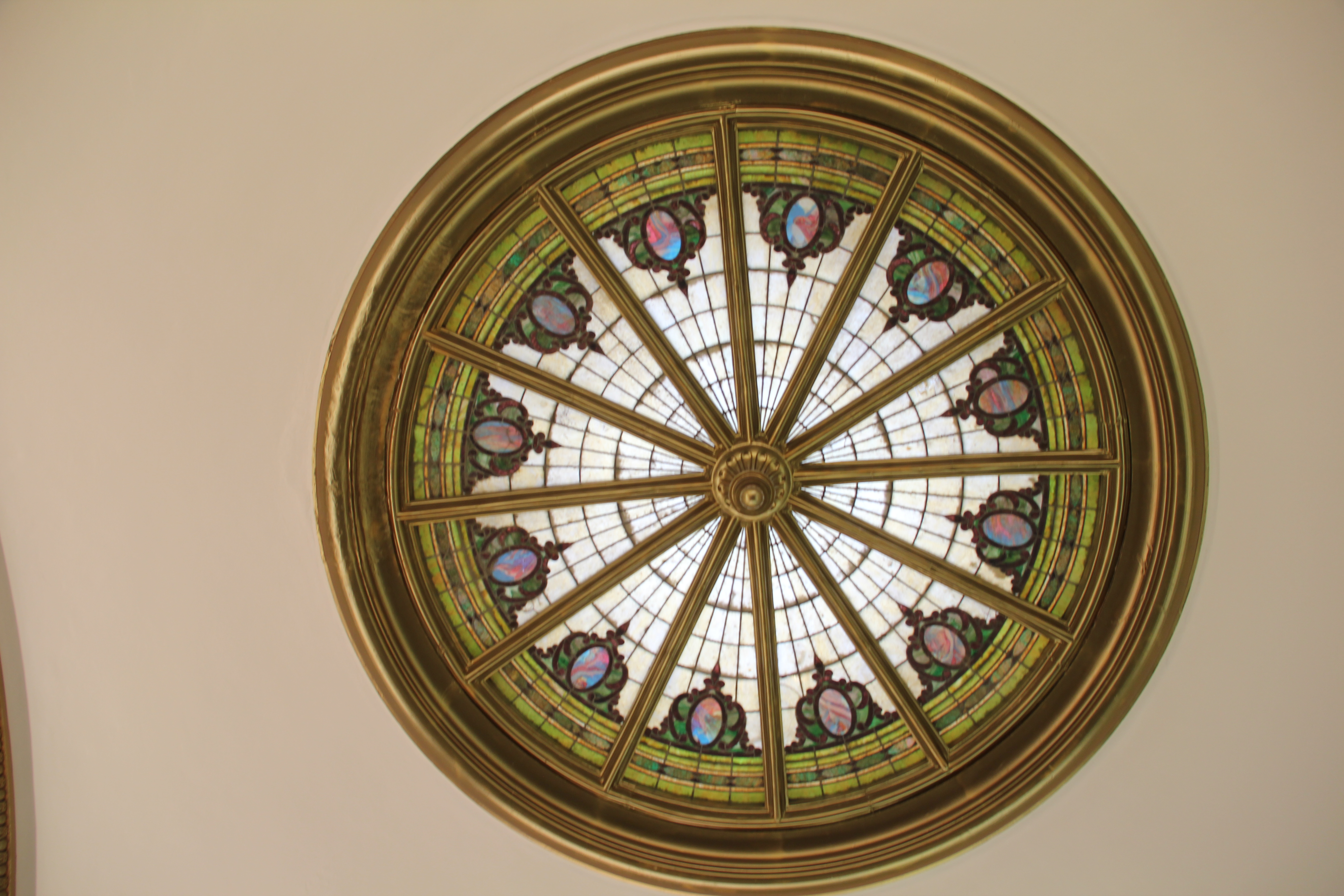
This courthouse is a marvel for a small town, and speaks so strongly to local boosterism during the homesteader boom of the 1910s.  Little has changed since original construction, except that a separate jury room for women was turned into a law library in the 1930s, and of course there has been updates to lighting and technology since then.

IMG_6949

IMG_6950

IMG_6956

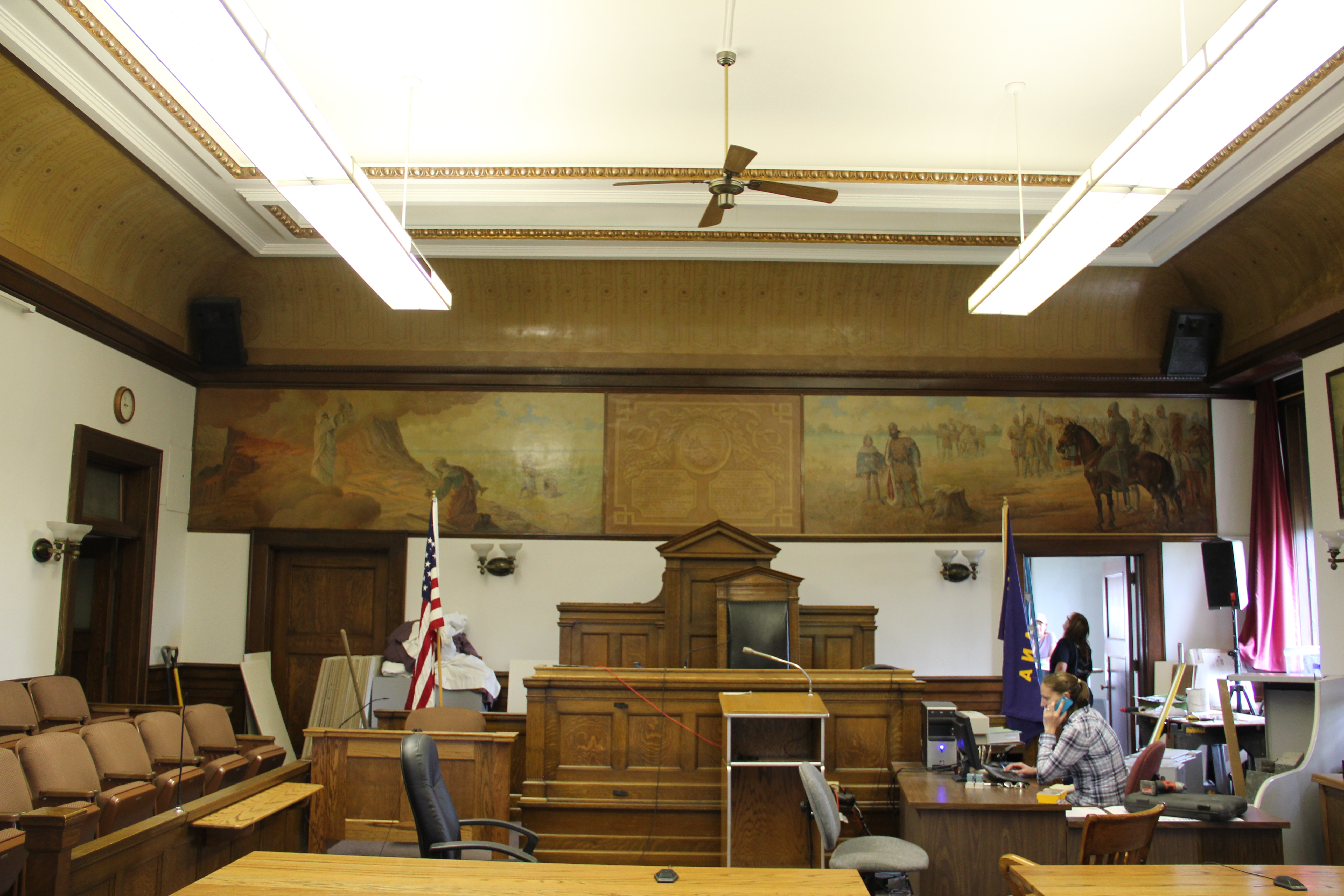
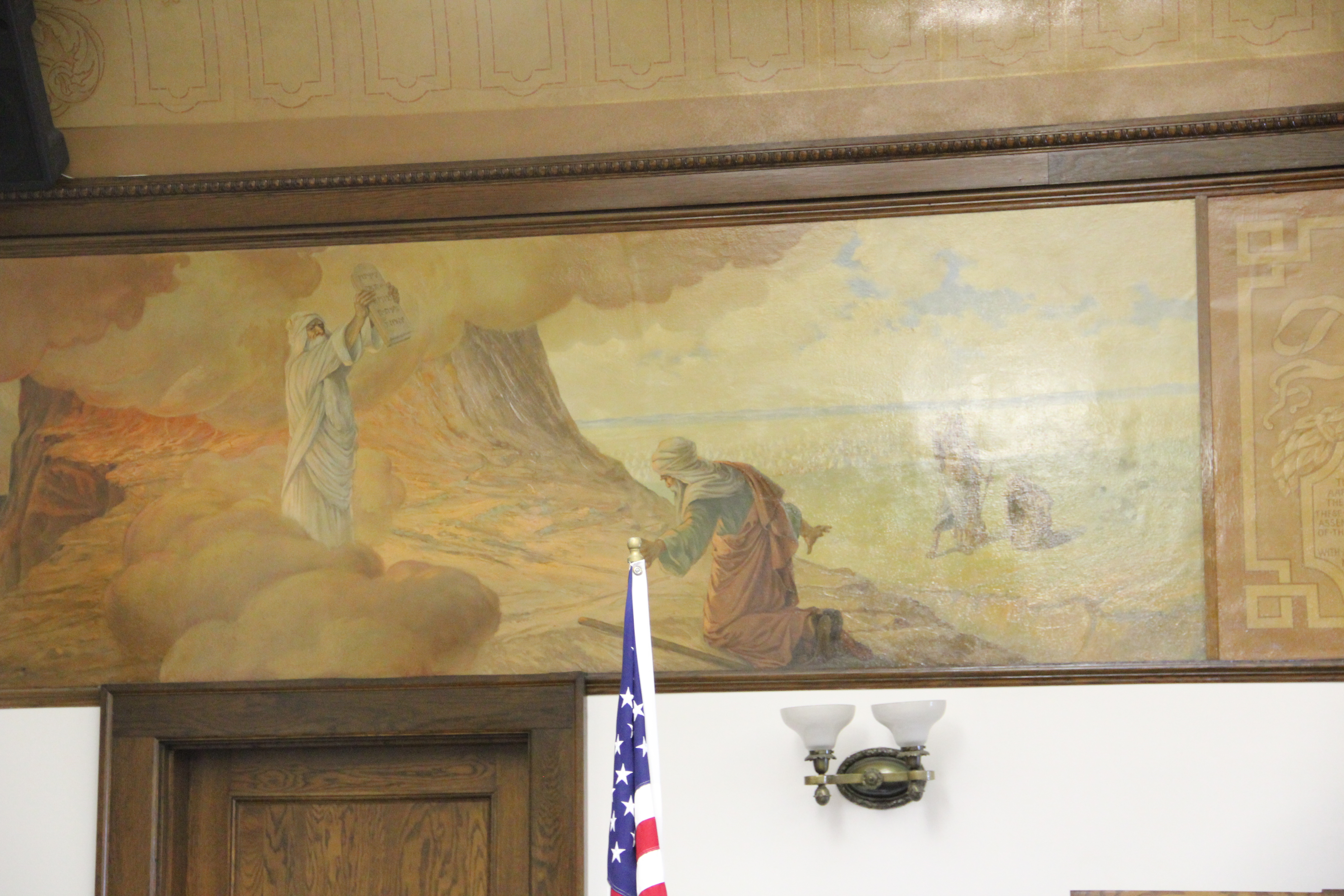
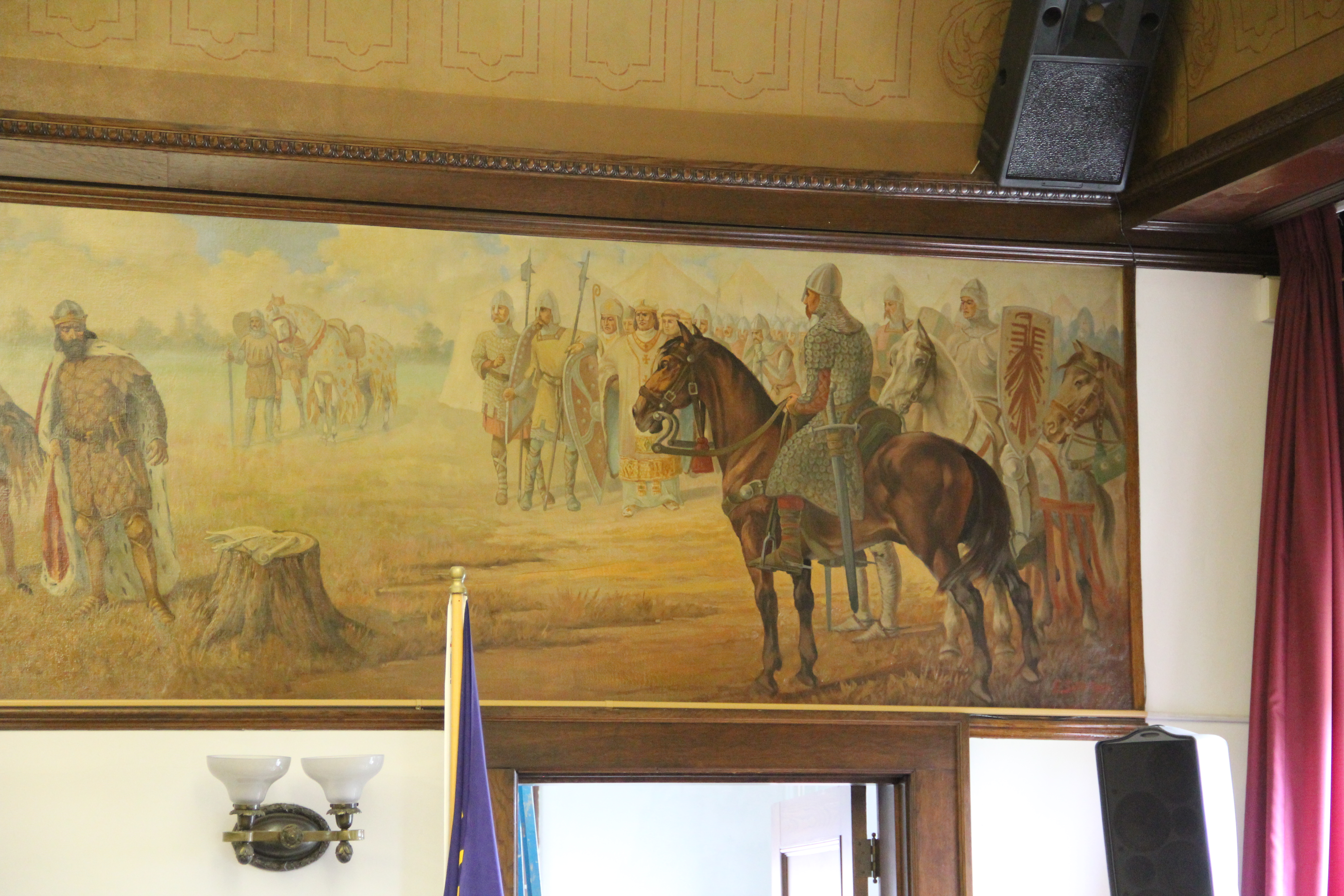
The courtroom features two historical murals, interpreting two events seen as crucial underpinnings of the American system of justice:  Moses bringing the Ten Commandments and the signing of Magna Carta.

IMG_6957

IMG_6958

IMG_6959

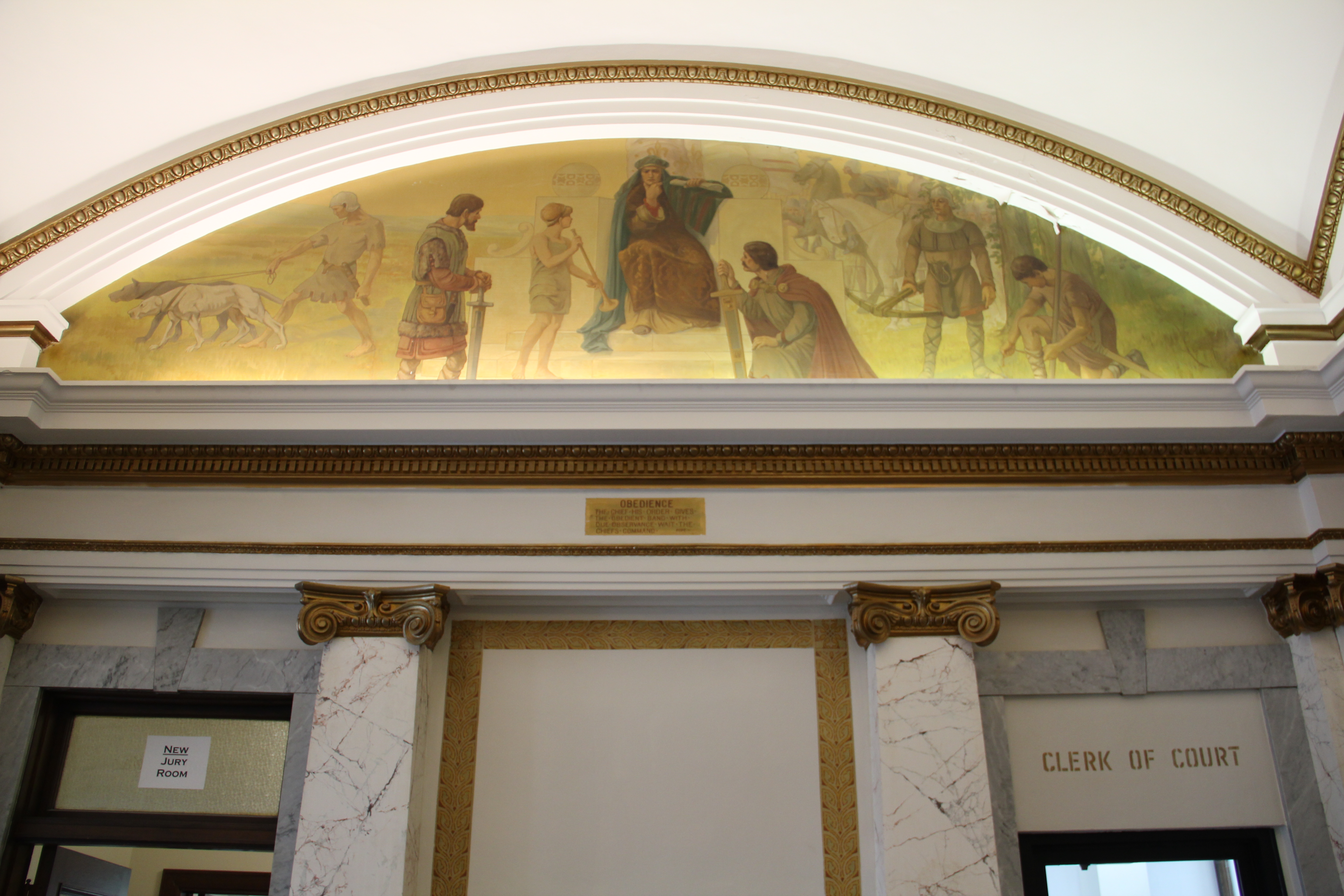
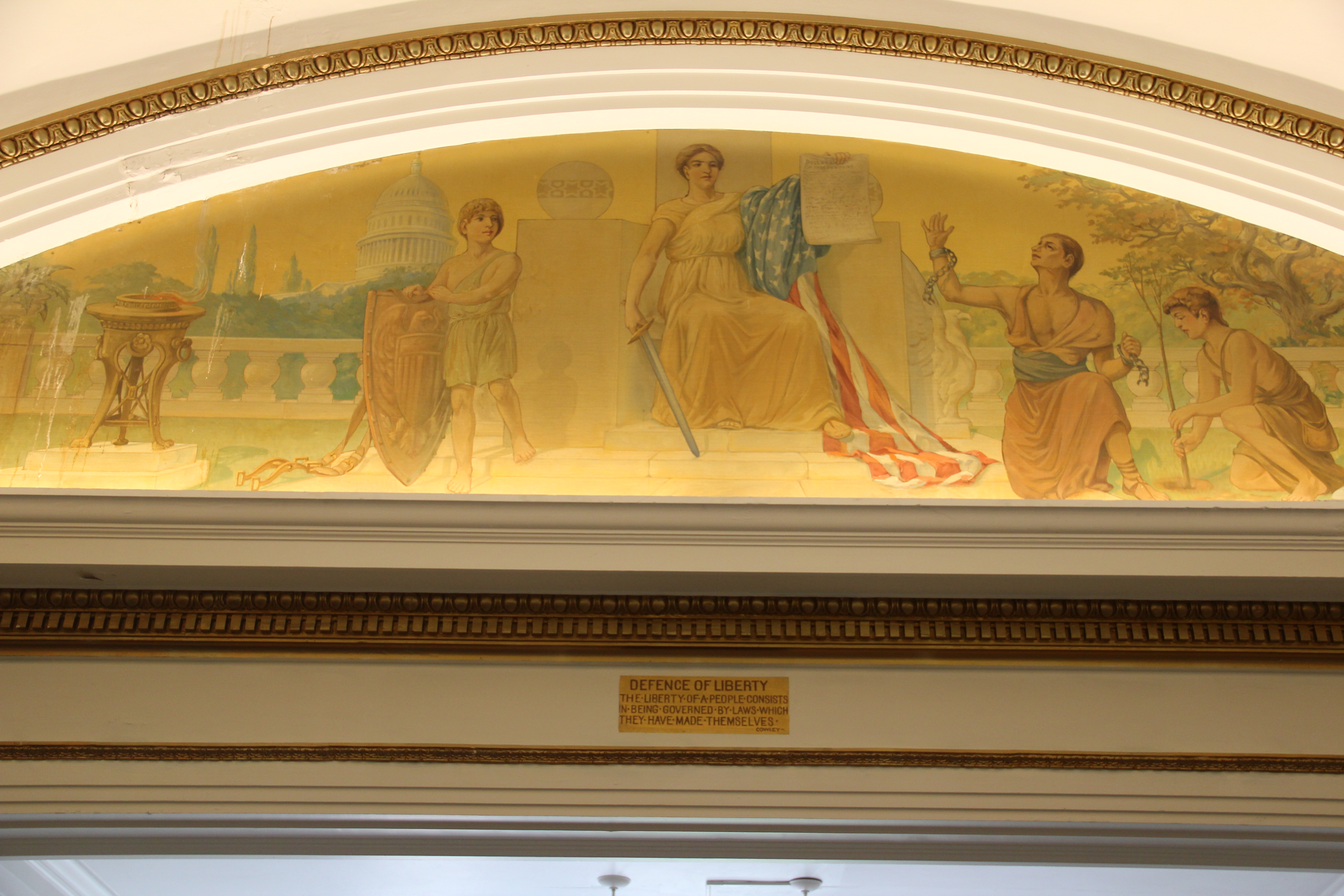
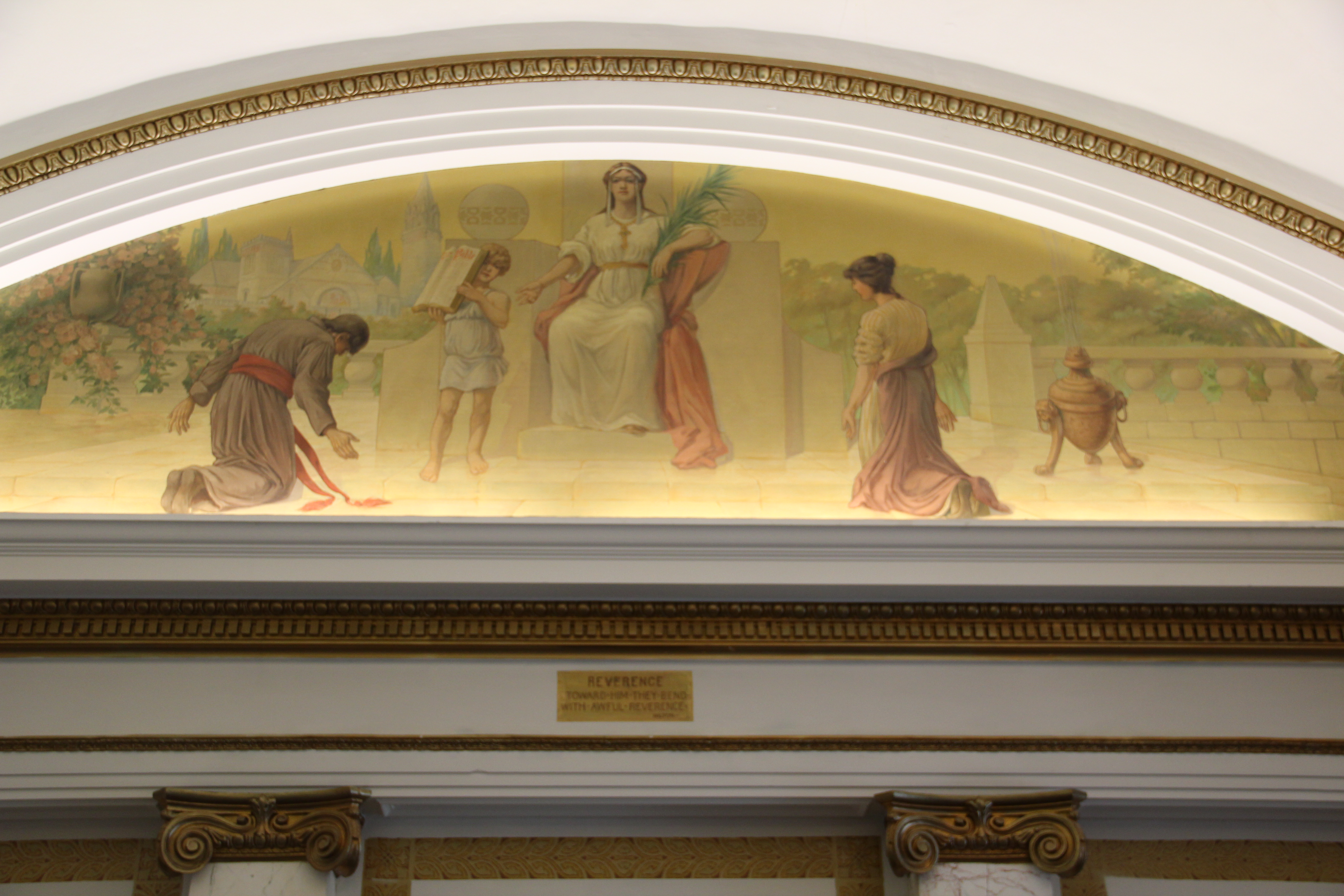
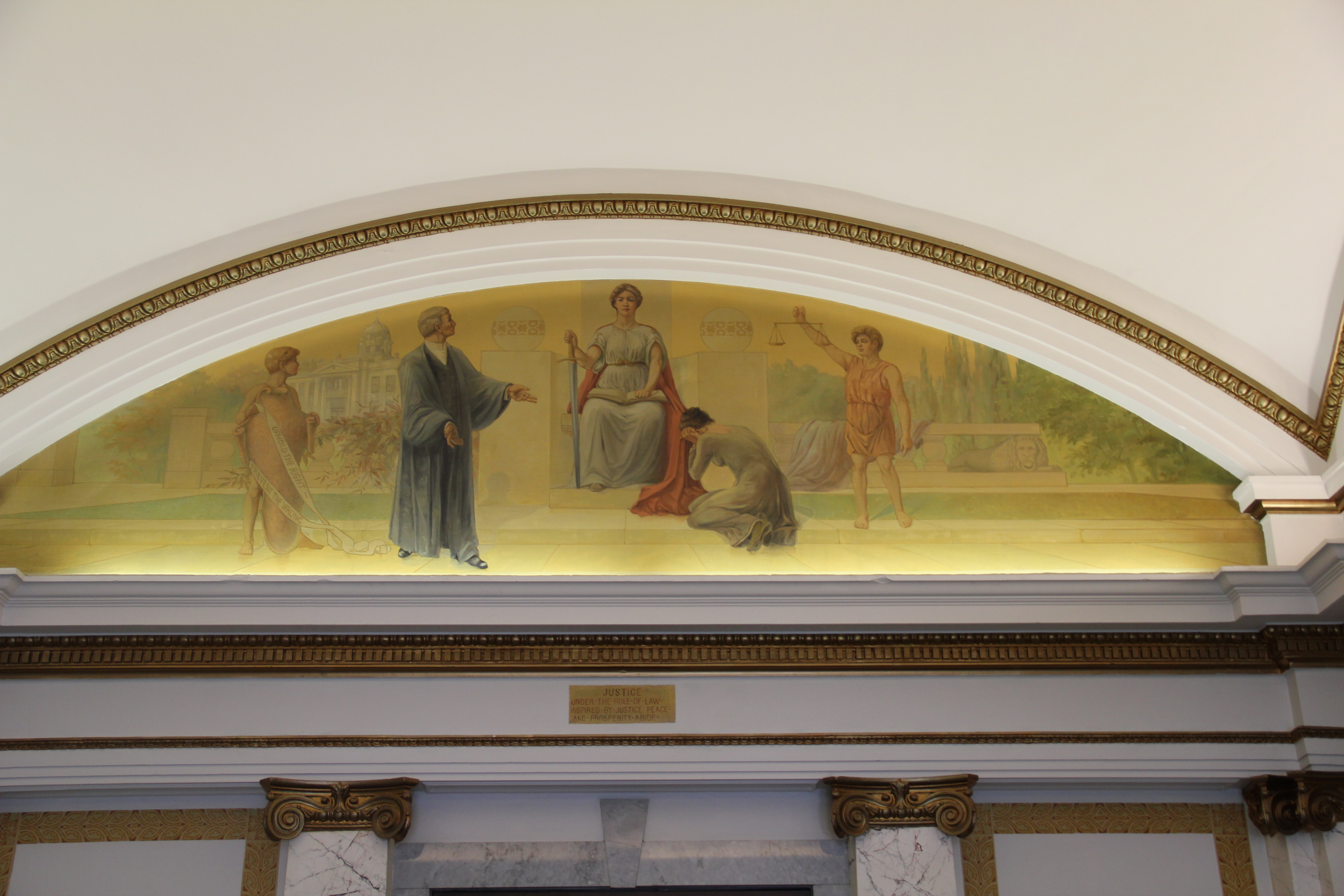
Then, in the upper Rotunda lobby outside the courtroom, are four symbolic depictions of themes such as Obedience, Reverence, Defense of Libery, and Justice.  Of the four Justice has been my favorite since faintly, in the background, is the Rosebud County Courthouse itself.

IMG_6954

IMG_6953

IMG_6952

IMG_6951

The Rosebud County Courthouse was a remarkable building, and when in 1984 I spoke to the community about preservation and local landmarks at the adjacent Rosebud County Museum we discussed how its recognition would be a good place to start anew a local heritage effort.  When I visited then the county had only one property listed in the National Register, the Rosebud County Deaconess Hospital, a very worthy Colonial Revival style building dating to the late 1910s and representing the local reaction to the great flu epidemic of 1918.

Deaconess Hospital, Forsyth, MT, 1919-20, by McIver, Cohagen, and Marshall of Billings.  McIver, 30 years later, would design the VA hospital at Miles City.

Deaconess Hospital, Forsyth, MT, 1919-20, by McIver, Cohagen, and Marshall of Billings. McIver, 30 years later, would design the VA hospital at Miles City.

In 1986, the county would have its second building, the Rosebud County Courthouse, and today the two public buildings still ennoble the town’s architecture and remind anyone passing by of the hopes and sense of community found among eastern Montana town builders in the early 20th century.

Rosebud Co CH Forsyth 14 - Version 2

Miles City as a Two-Railroad Town

Northern Pacific Railway depot, c. 1924, Miles City.  It has been listed in the National Register but it needs a preservation hero.

Northern Pacific Railway depot, c. 1924, Miles City. It has been listed in the National Register but it needs a preservation hero.

Miles City has a distinct look and feel due to how historic transportation links have impacted the town. First, certainly, was the Yellowstone River and Tongue River: as discussed in previous posts the military positioned itself here in 1876 because it is where the Tongue River met the Yellowstone. By the end of that decade a rough wagon road connected this place to other early towns along the Yellowstone. Then in 1881-1882 came the tracks of the Northern Pacific Railroad. Soon Main Street boasted new two and three-story brick buildings to signify its arrival as a key transportation crossroads for the northern plains cattle industry.

IMG_7025

Historic stockyards remain a prominent landmark on the west side of Miles City.

Historic stockyards remain a prominent landmark on the west side of Miles City.

The early arrival and commercial dominance of the Northern Pacific left a lasting mark on Miles City.  Main Street, which is listed as a National Register historic district, was the town’s primary commercial artery until the late 20th century.  But so much of the historic built environment you find in Miles City today is due, in large part, to the impact of the arrival of the Chicago, Milwaukee, St. Paul, and Pacific Railroad–better known as the Milwaukee Road–in 1907.

Milwaukee Road Depot, Miles City

Milwaukee Road Depot, Miles City

The Milwaukee Road was the last transcontinental to stretch across Montana. It came into eastern Montana at Baker and angled sharply to the northwest, heading to the Yellowstone Valley, sharing the valley landscape with the dominant Northern Pacific, and typically building its tracks north of those of the Northern Pacific between Terry and Forsyth, where the Milwaukee left the Yellowstone and headed into central Montana.

Milwaukee Road corridor in Miles City

Milwaukee Road corridor in Miles City

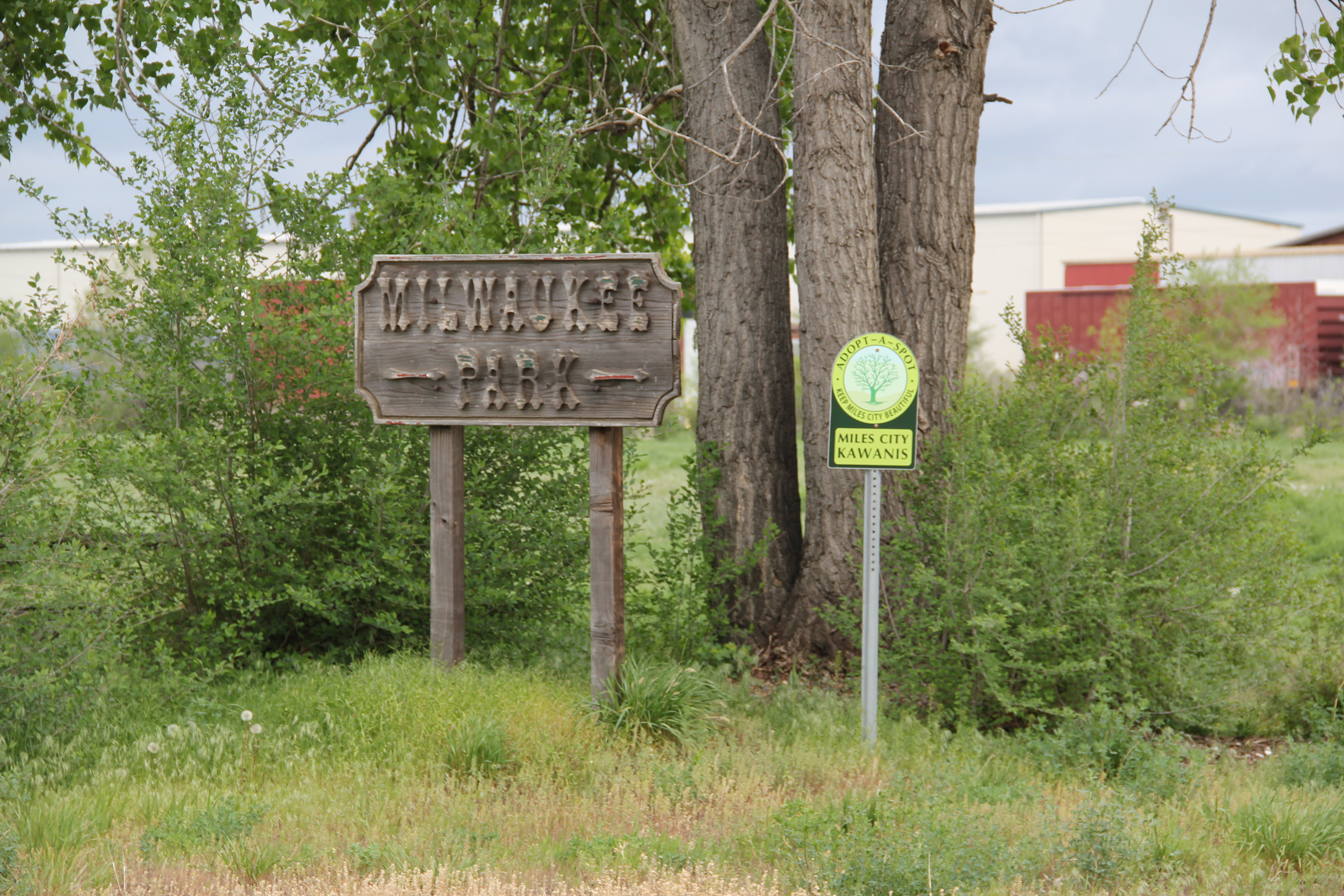
The Milwaukee made Miles City its primary division point for eastern Montana, locating offices, machine shops, and a roundhouse in an entirely new section of the town, northeast of Main Street.  Several of the historic buildings associated with the Milwaukee remain, although there have been many lost buildings in the last 30 years.  One remnant, quite unkempt in 2013 but still in use, was the Milwaukee Park,

Remnants of the Milwaukee Road works, Miles City, 2013

Remnants of the Milwaukee Road works, Miles City, 2013

a parcel of land located between the railroad shops and adjacent working-class neighborhoods.  The park is now a recreation area and playground and provides one of the best ways to look at these historic railroad buildings today.

IMG_7060

IMG_7061

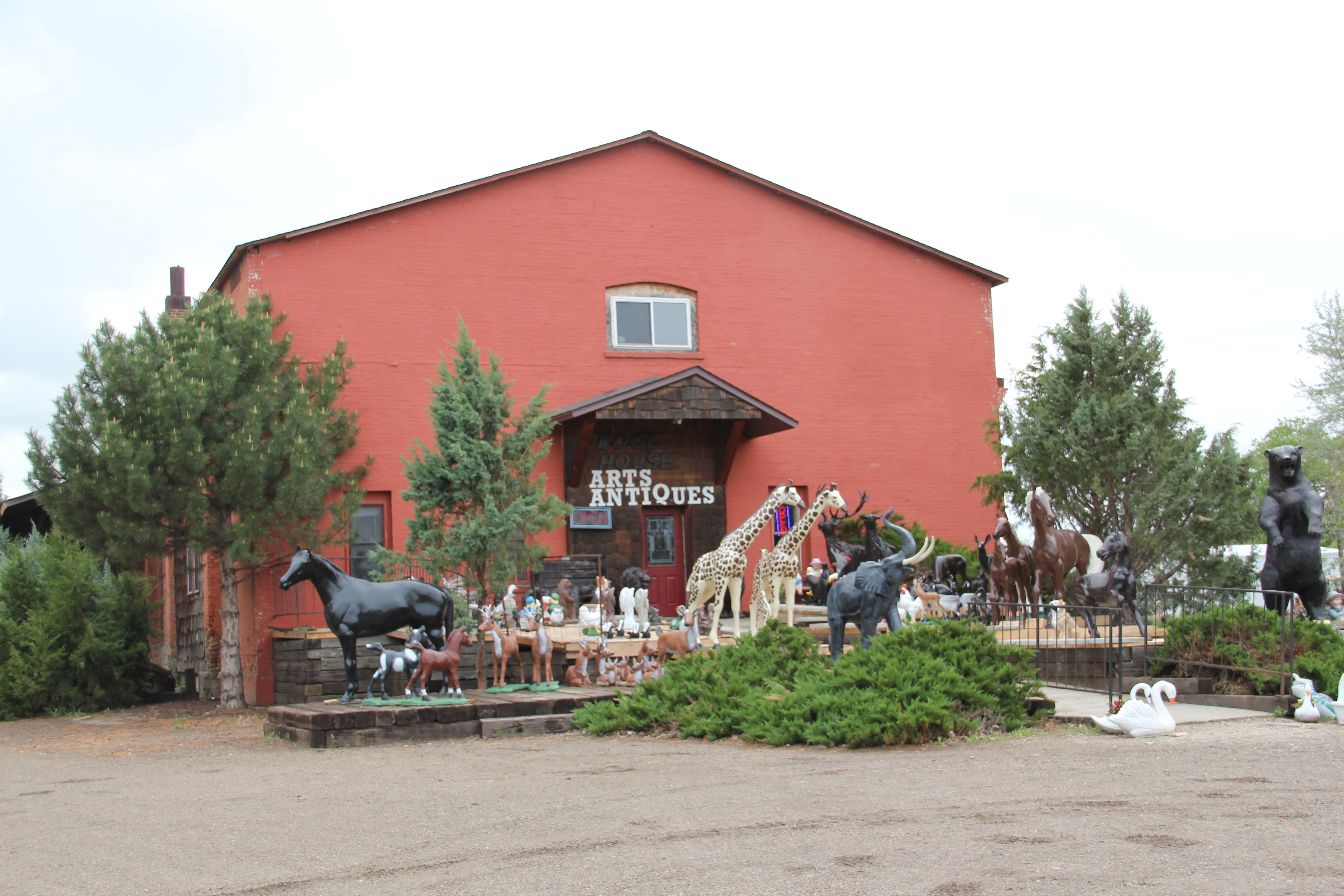
The Milwaukee Road combined with the homesteading boom of the 1910s to spur new construction and investment as nothing else had, either before or since.  Some of the new landmarks were unassuming, such as the Wool Warehouse, built just west of the depot, and now converted into a successful Arts and Antiques business.

IMG_7053

Many others were much more purposeful statements of growth, and the promise of prosperity.  The 1914 City Hall, which is listed in the National Register, gave Miles City not only modern civic space but made an architectural statement that the town was no longer just a cow-puncher’s place.

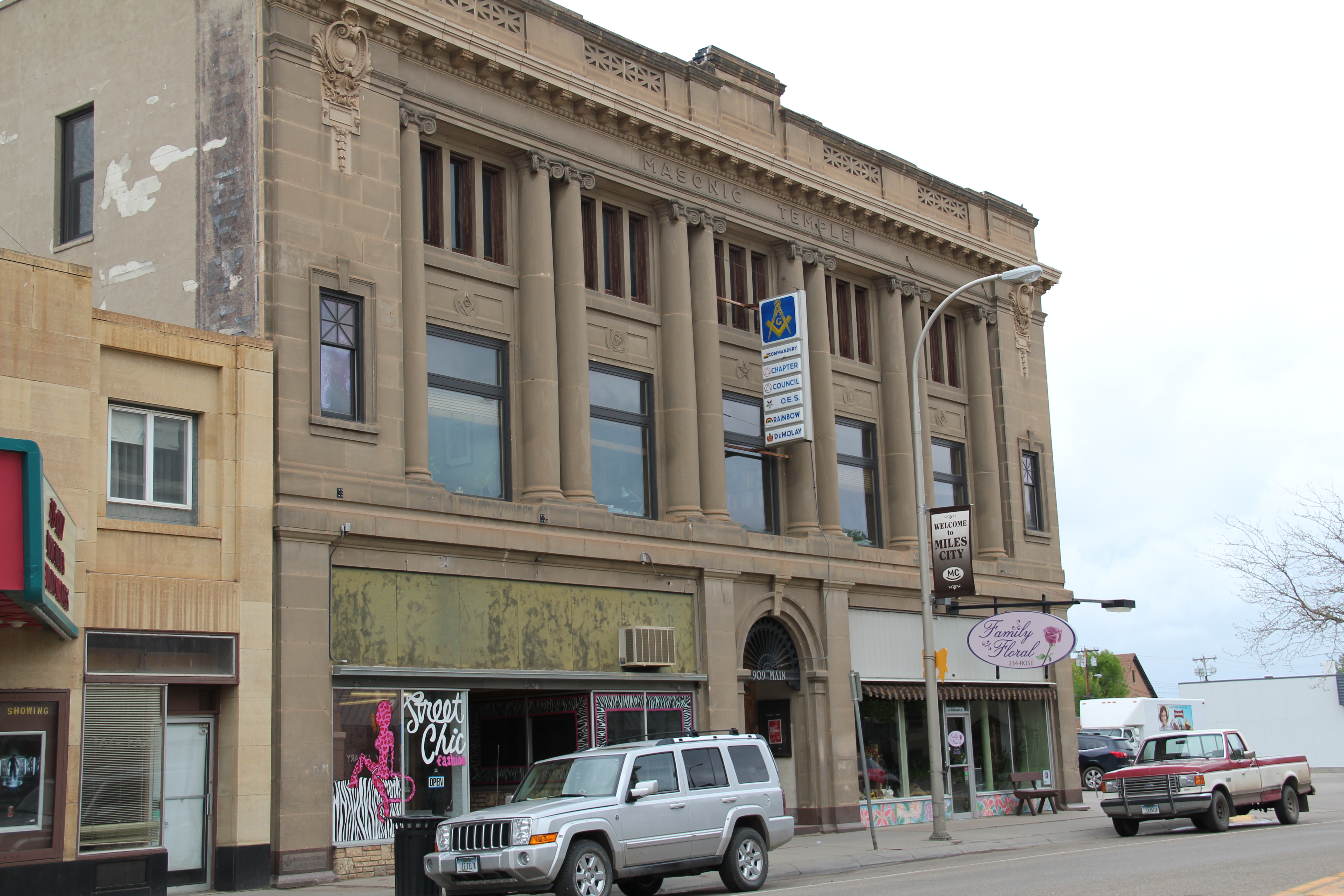
IMG_7040Downtown received new buildings, and an architectural upgrade, with such imposing edifices as the Professional Building (c. 1910) and the Masonic Temple.

IMG_7035

IMG_7080

The arrival of the Milwaukee Road, and the thousands of homesteaders in the following decade, charted a new course for Miles City, evident in the new facades of Main Street but perhaps best shown in the new neighborhoods, churches, and schools that redefined the city in the 1910s and into the 1920s.  Those places will be our next post.

Crossroads of history: where the Yellowstone and Powder rivers meet

IMG_7120
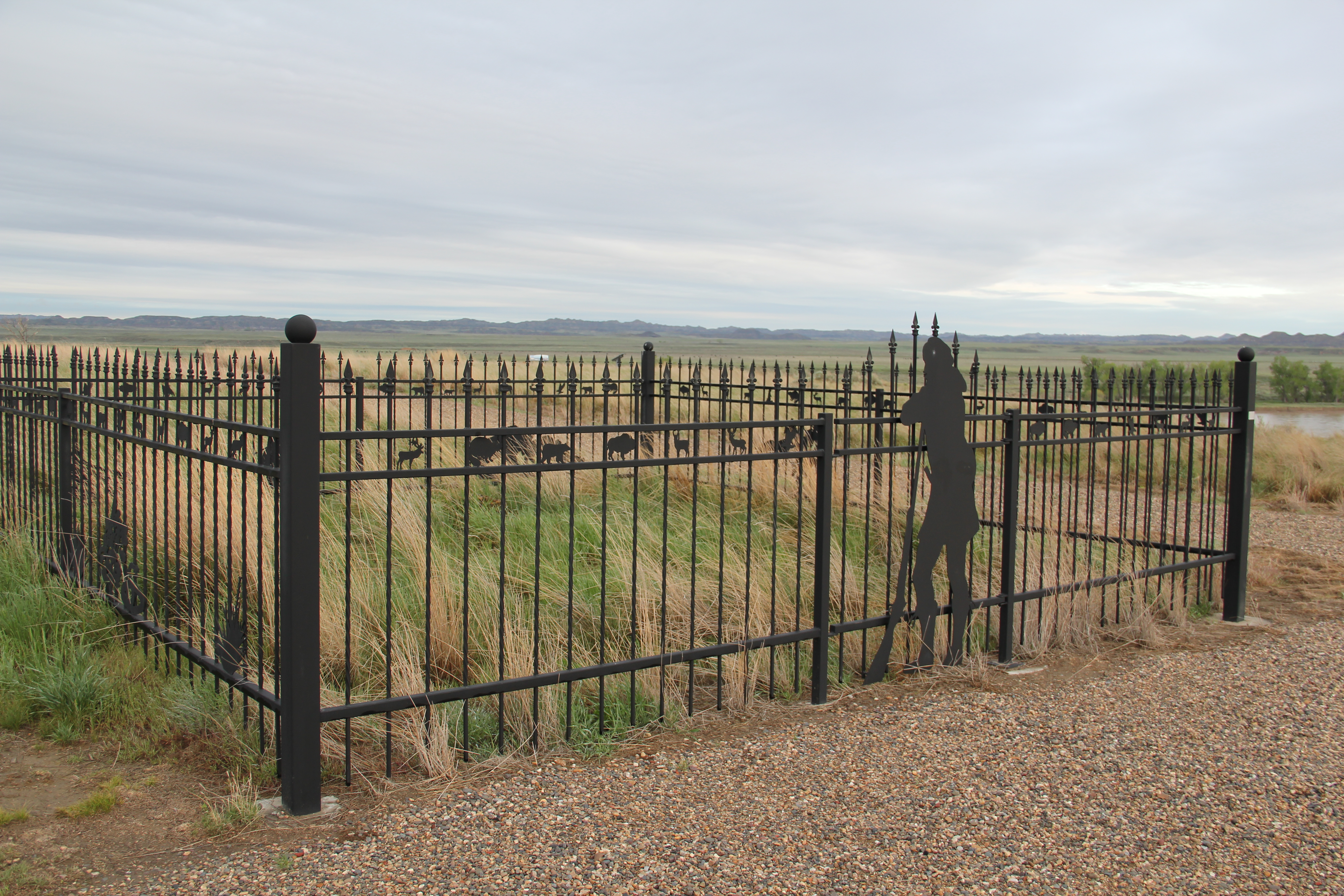
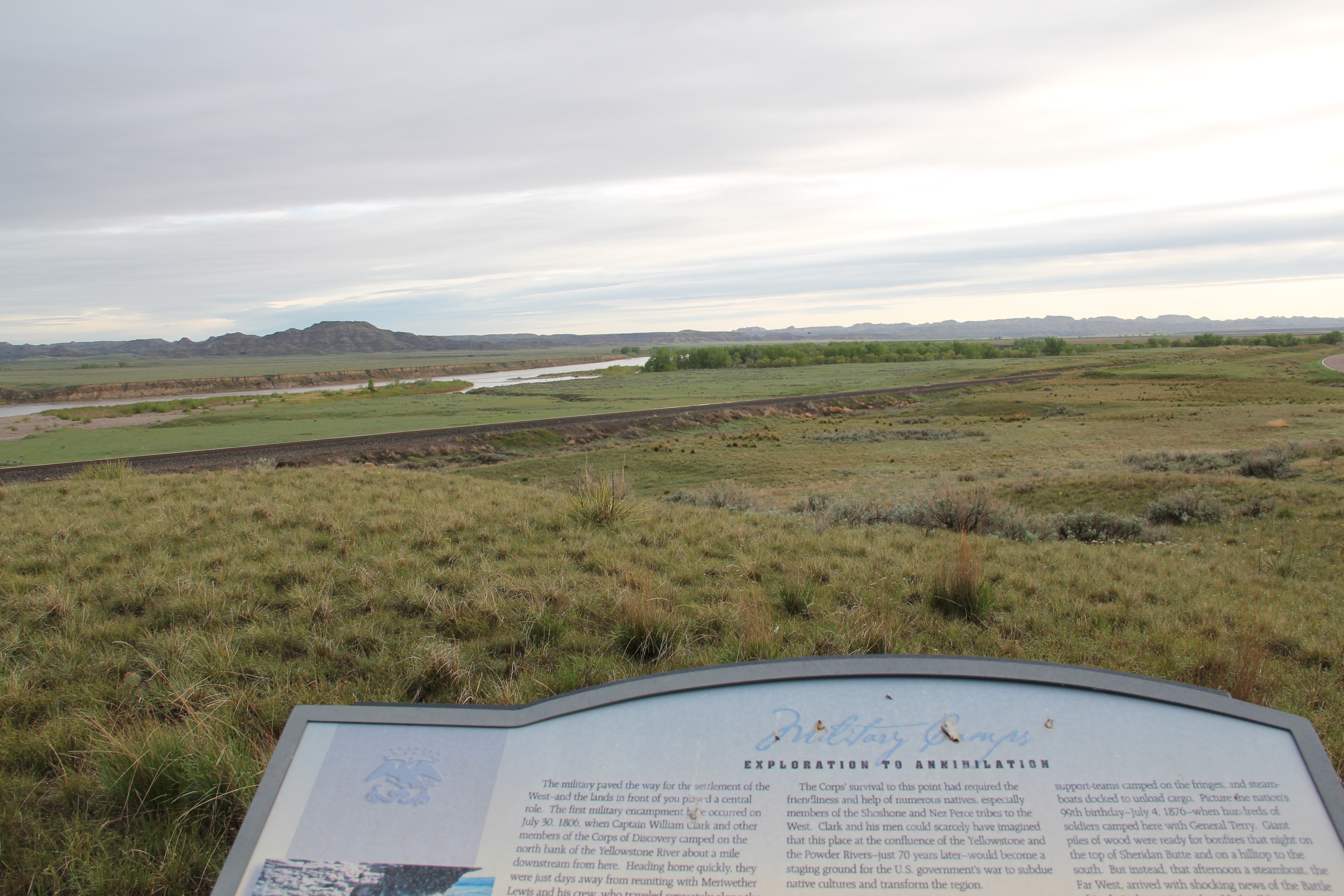
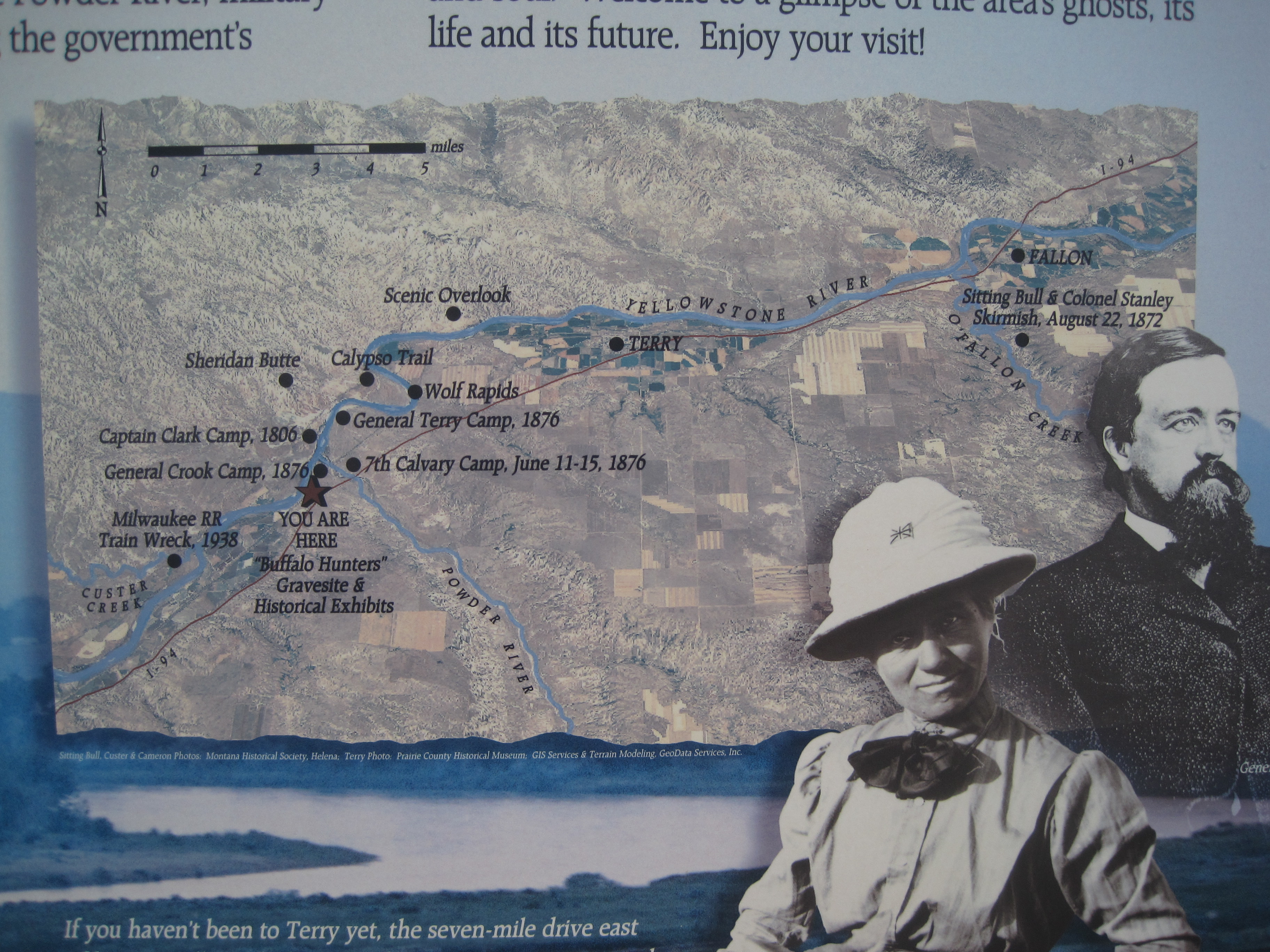
The confluence of the Yellowstone and Powder rivers in Prairie County, Montana, is among the most important places of the American West. Thirty years ago, in my work for the Montana state historic preservation plan, I went to that spot, easily viewed from old U.S. Highway 10, and found only a couple of lonely graves–marked by the county historical society–of buffalo hunters who had ranged this land in the late 1870s. That night, at my public meeting at the Prairie County Museum in Terry, I brought up that place to the folks gathered there, chiding gently, I thought, that there should be some highway markers to direct visitors to that spot, that it was very important and quite a compelling view of the landscape itself. What happened next was a laconic comment that I have told on myself ever since: one community member just replied: “Son, we know where they are.” Of course–I have never forgotten that lesson–locals do know where their history took place; markers are necessary, not for them, but for us, the outsiders, the visitors.
IMG_7119
Fast forward 30 years, and the confluence is no longer neglected–now it is one of the best interpreted landscapes in eastern Montana. The Prairie County Grazing District worked with the Montana Department of Transportation and other partners to create a graveled pull-off from the old highway, and then installed not only an appropriate fence around the graves, but also several interpretive signs that tell the multi-layered history of the site.
IMG_7123
The story here is big, and the markers do a solid job of capturing it, from the early Native American history to the coming of Captain William Clark during the Lewis and Clark expedition, the later fur trading era of the mid-19th century, and then the marks you can still see on the landscape made first by the Northern Pacific Railroad in the early 1880s and from the federal highway era of the early 20th century. It gives particular focus to the Sioux War of the 1870s and how this spot served as a base–known as the Powder River Depot–for 1876-1877 military actions by Terry, Crook, Custer, and others. A good way to access the river is by the Powder River Depot Fishing Access site.
IMG_4223
Nearby, back on the highway, is a key transportation landmark, the Northern Pacific Railroad bridge over the Powder River–it was the railroad that introduced a new era of settlement and development into this region. And I will return to the theme of the railroad and its significance as we continue westward to Miles City.
IMG_7125

Howdy from Terry!

Terry overview
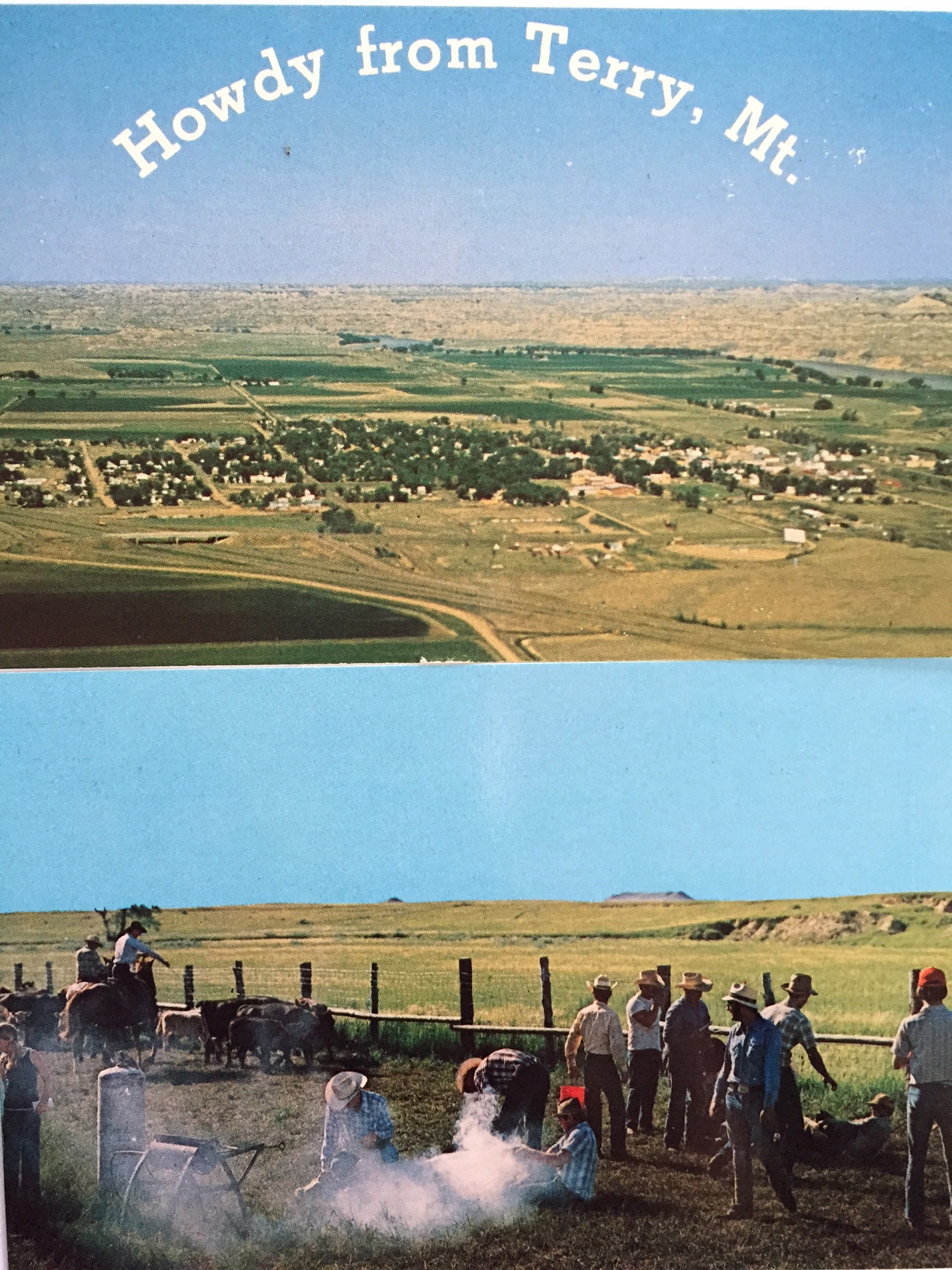
Terry, the seat of Prairie County, has long been one of my favorite places in the Yellowstone Valley. Stuck between the much larger, and more famed, Yellowstone towns of Miles City (to the west) and Glendive (to the east), Terry has somehow developed and kept its own identity as a western place, and landscape, that still speaks strongly to the patterns that transformed the region over the last 150 years: railroads, homesteading, cattle, and town building.
IMG_4047
In 1984 I focused on the railroad imprint on the town, which began in the early 1880s as Northern Pacific officials understood the need for a railroad stop at place near the confluence between the Yellowstone and Powder rivers.
IMG_7154
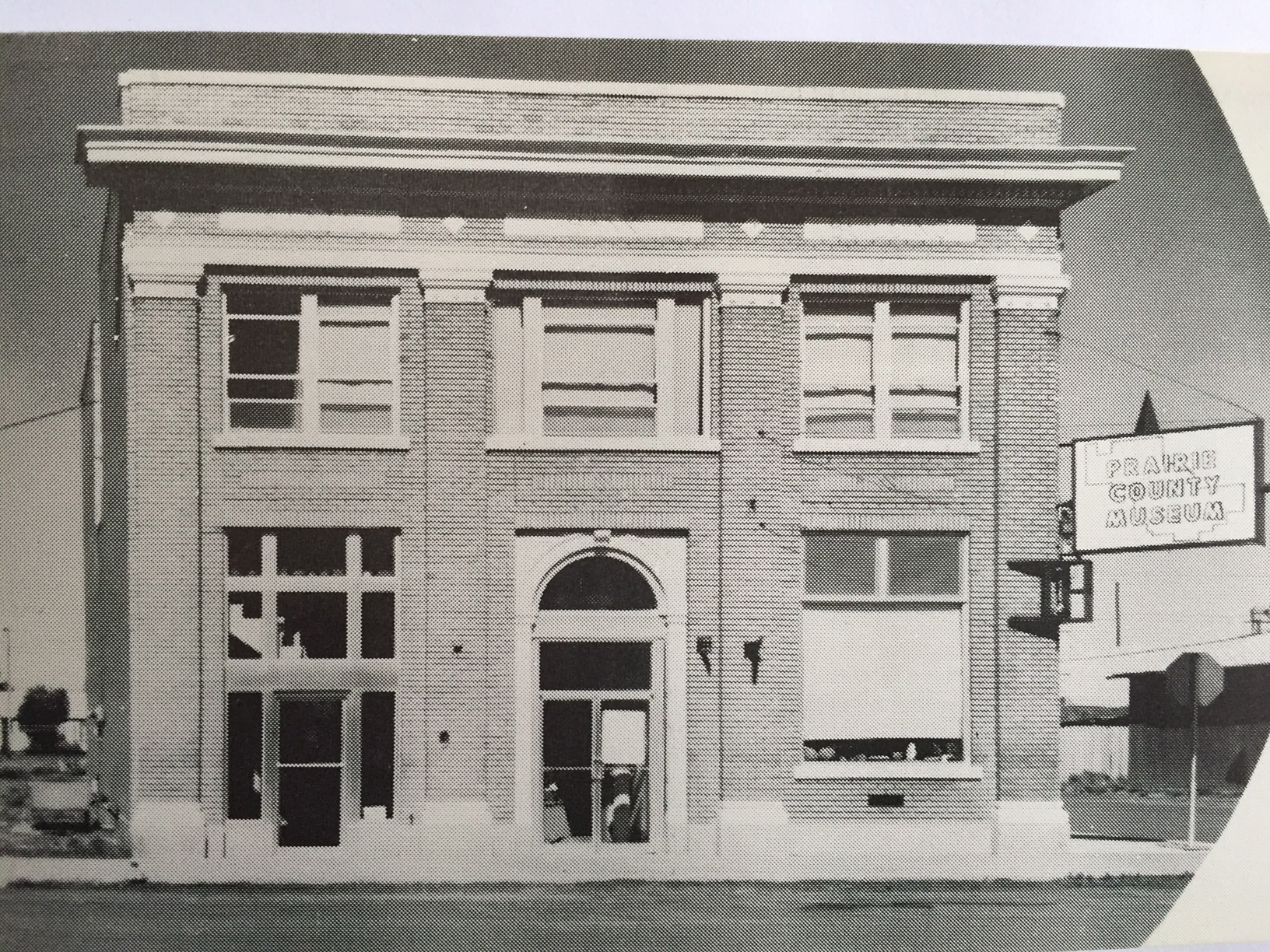
In 2013, however, the depot was gone from the tracks but not the town. It had been moved to become part of the solid Prairie County Museum, a local institution that was still quite new when I first visited in 1984. Located in the town’s most prominent neoclassical bank building from the 1910s, the museum was a place where I held a public meeting about the preservation plan process and found a community totally engaged with its past.
Terry bank
IMG_7141
The museum highlights agriculture and ranching, and includes the Evelyn Cameron Gallery, which displays and celebrates the life and contributions of this important western photographer. One change I noted last year was the creation of the Evelyn Cameron Heritage Center, on Laudre Avenue just a few yards away from the museum, which is at the crossroads of Laudre and Logan Avenues.
IMG_7182
That crossroads was another pattern in Terry’s landscape that caught my eye. Most Northern Pacific towns, originally, were symmetrical plans, with a long line of commercial buildings flanking one side of the tracks and grain elevators and warehouses on the other side. Terry, however, had a classic T-town plan, with the tracks creating the top of the T and then a main commercial artery, in this case Logan Avenue, serving as the stem of the “T.”
IMG_7147
Why was Terry different? It is the impact of the Milwaukee Road as it built through the valley in 1906-1907. In 1984 there was still a second set of tracks, and a few scattered commercial buildings, to the north of the Northern Pacific mainline. Today two buildings remain along with the roadbed that marks this second period of Terry’s growth.
IMG_7144
IMG_7143
IMG_7133
Just west of the “downtown” you can find the one still thriving institution associated with the Milwaukee Road impact on Terry: the Prairie County Fairgrounds, which once faced the Milwaukee’s main line. (I have discussed the fairgrounds in an earlier post.)
IMG_7138
Another wave of change came to Terry in the 1920s as U.S. Highway 10 gave the town another transportation pattern. The highway’s crossroads with the original T-plan commercial artery is marked by a still extant somewhat Art Deco-styled brick gas station/ auto dealership.
IMG_7178
The most recognized roadside landmark is the Kempton Hotel, a true rarity now for this section of the Yellowstone Valley as those rambling montage of buildings that once constituted places of rest and relaxation along the nation’s highways have largely disappeared from the landscape.
Then, just yards away, is another rambling montage of historic buildings, the schools of Prairie County, ranging from the large stately multi-story brick buildings of the early 20th century to more restrained modern buildings of the second half of the century.
IMG_7168
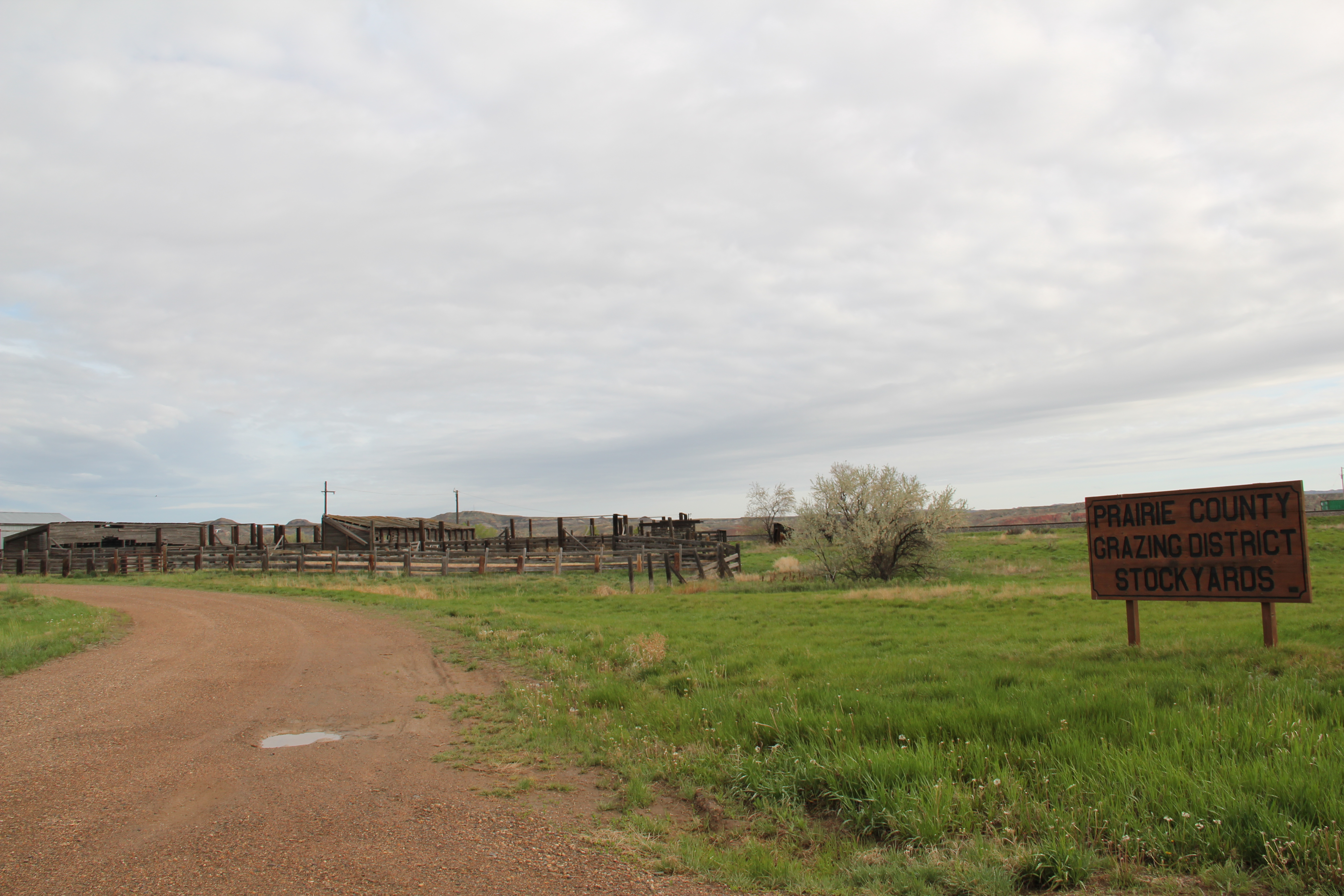
At the edge of town are three different properties, all related to the need for highway transportation. The Dizzy Diner is a classic 1950s drive-in while the crumbling Terry drive-in also speaks to past patterns in popular culture. Then the Prairie County Grazing District Stockyards connects the present to the past traditions of stock raising in this region.
IMG_7187
IMG_7191
IMG_7189
Certainly the biggest change is Terry from 1984 and 2013 was the transformation of the county courthouse. In 1984 I was shocked that there was only an unadorned concrete block building for the courthouse, and I have shared images of that building across the country. Well the concrete block building on Logan Avenue is gone, replaced by a much larger, still unadorned building for local government.
IMG_7174
IMG_7175
Terry’s population has dropped by a third since my first encounter with the town in the early 1980s. But new public investment, and a still commercially relevant “downtown” speaks volumes to the residents’ commitment and faith in this small yet significant Yellowstone valley town.

The Yellowstone’s Prairie County

Old U.S. 10 bridge over Yellowstone River, Prairie County, MT Old U.S. 10 bridge over Yellowstone River, Prairie County, MT

From Glendive in 1984, I began to move up the Yellowstone Valley, taking a particular interest in the various Northern Pacific railroad towns–that over-arching pattern in the region’s historic landscape was clearly my over-riding interest in 1984. But places like Prairie County added their own intriguing challenges. Here the Milwaukee Road, coming from the southeast, entered into the valley. And then there was the real treasure trove of early settlement photographs produced by Evelyn Cameron. Thirty years ago, Cameron’s stark yet compelling images were just become re-discovered and appreciated. Her images were also in my head as I traveled this small eastern Montana county.
Evelyn cameron
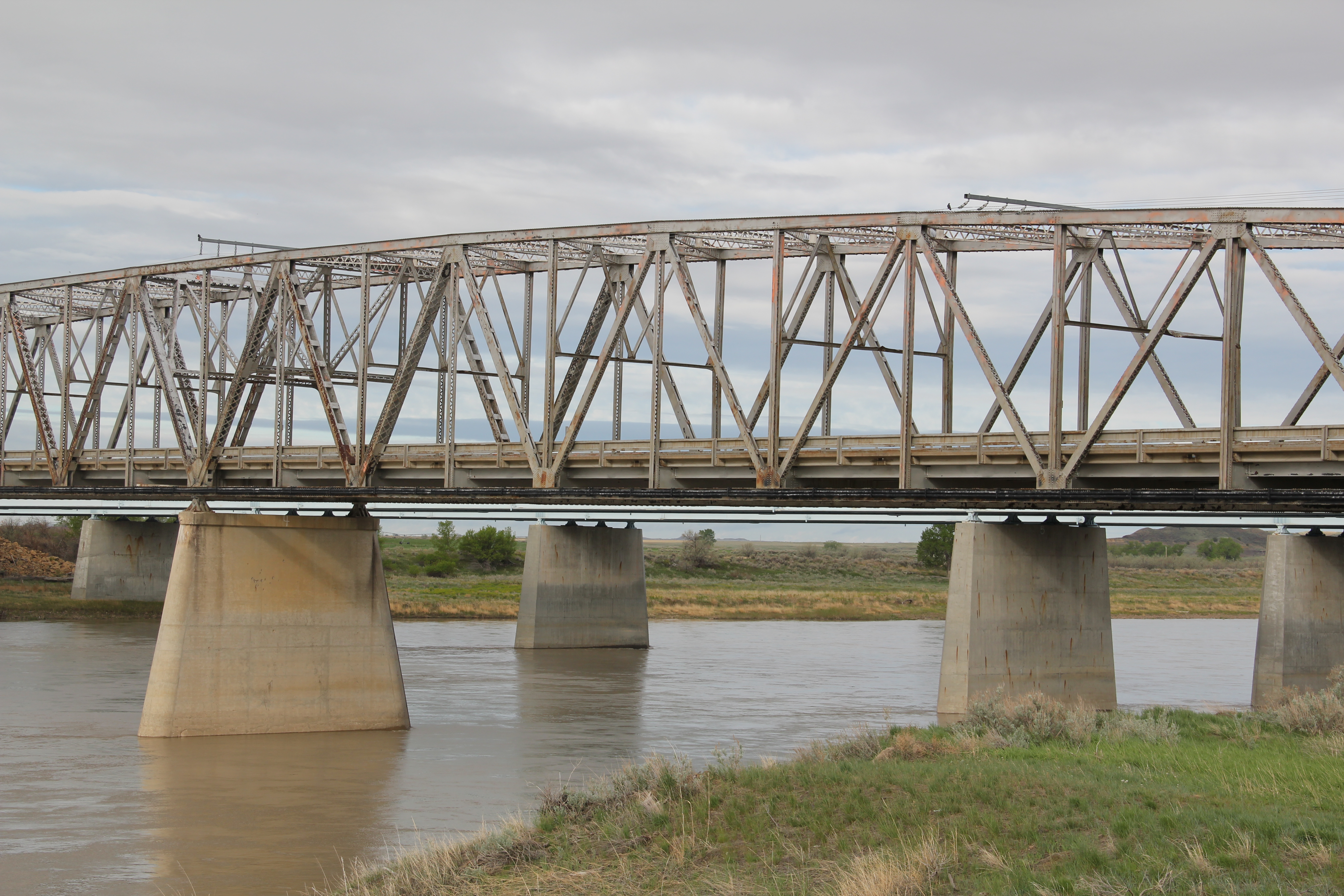
Fallon was the first town I encountered in Prairie County. Established during the building of the Northern Pacific in the early 1880s, it has never been a big place. Its National Register landmark is probably rarely recognized, since it is the steel truss bridge on old U.S. 10 that crosses the Yellowstone at this place. This magnificent continuous span Warren through truss bridge is Montana’s longest truss bridge, 1,142 feet. It was built in 1944 as a wartime emergency project after a ice flow destroyed an earlier crossing at this place. It is also a reminder of how crucial old U.S. 10 was to the nation’s transportation system in the mid-20th century.
IMG_7194
When I visited Fallon 30 years ago, the school was a focal point of the community. In 2013, it was closed, and counted as one of the National Trust for Historic Places threatened rural schools of Montana.
IMG_7206
The old bank building was the post office, a great adaptive reuse I thought in 1984. This neoclassical brick building is still the post office–having survived the earlier postal service to close many small town Montana post offices.
IMG_7196
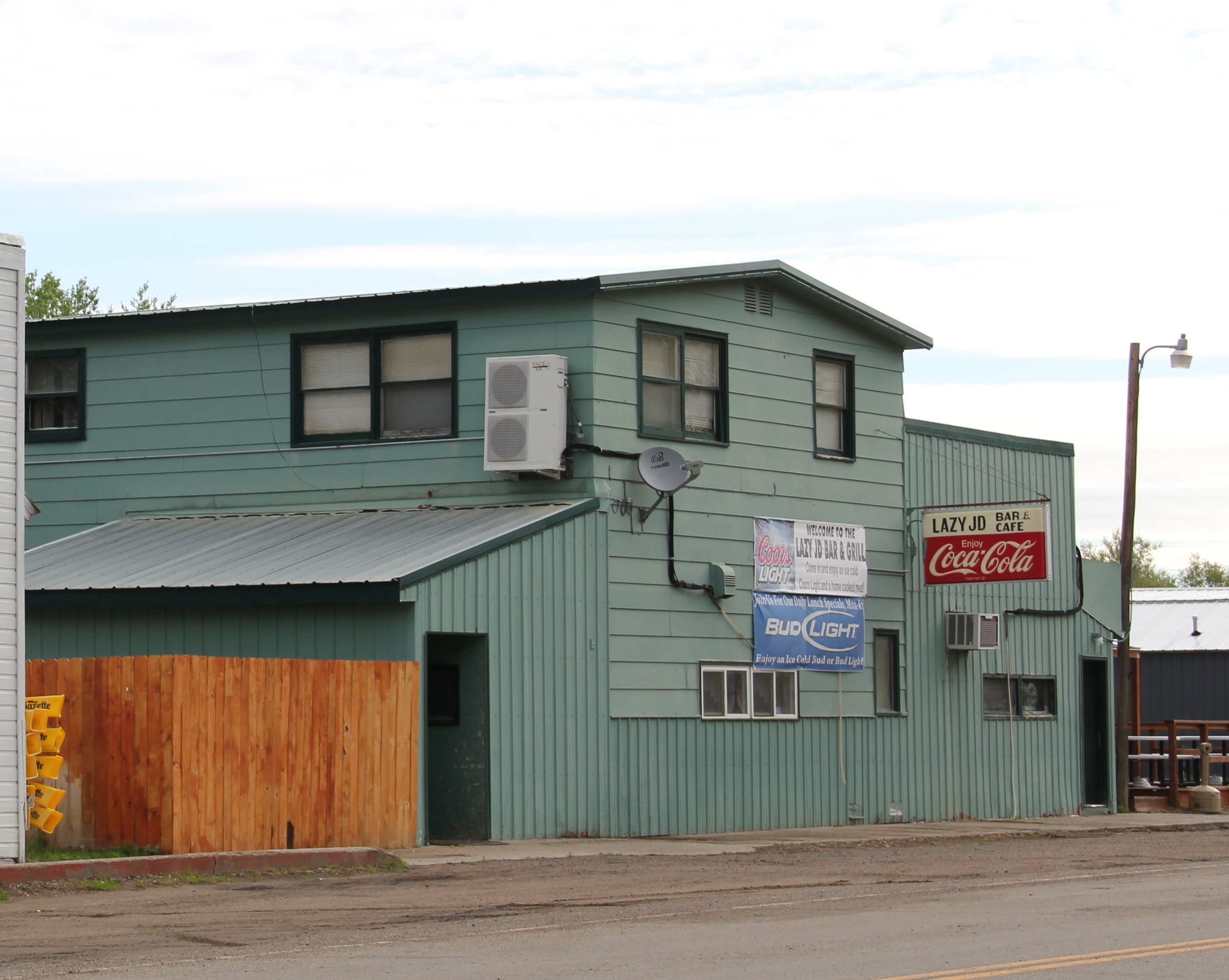
Another really important place of continuity was the Lazy Jo’s bar and cafe. Housed in one of those typical Eastern Montana buildings that grew, morphed, and changed again over the last 100+ years, it is still a great place, and an active community center.
IMG_7197
Across from the bar, between the town’s main street and the railroad tracks, was the water trough, a reminder of those days amply recorded in Cameron’s photographs 100 years ago, and the town’s only marked historic structure.
IMG_7203
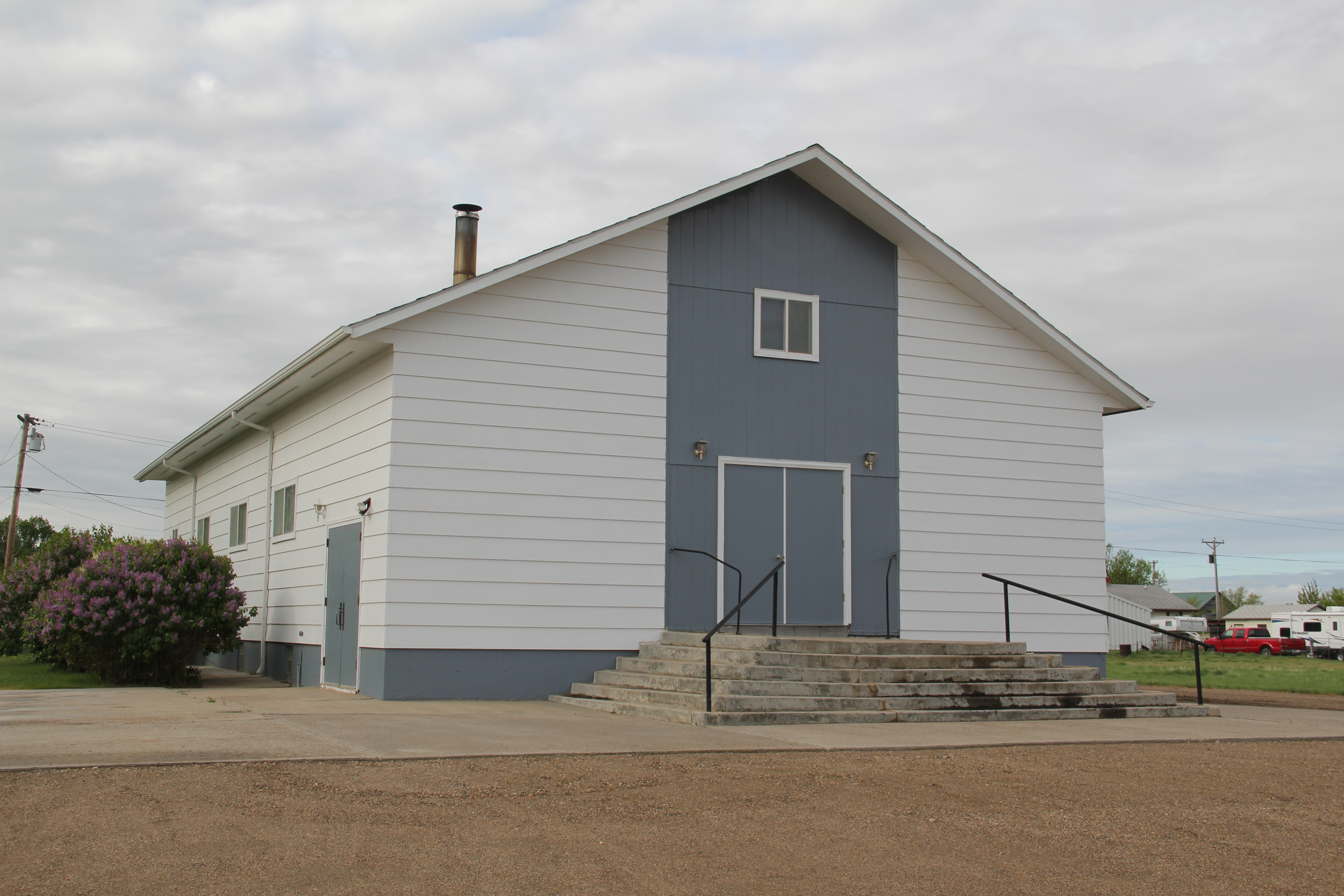
Community pride is probably expressed best through the tiny but still active Fallon Town Park and the quietly dignified Grace Lutheran Church. These are anchors for a place that has experienced and survived much and faces an uncertain 21st century future.
IMG_7199
IMG_7200
IMG_7201
I apologize for the gaps in recent posts, just extremely busy in the job that actually pays money–hopefully I can catch up in what goes for winter in Tennessee. Next is Terry, Montana.

Glendive: the Yellowstone’s first railroad town

IMG_7244
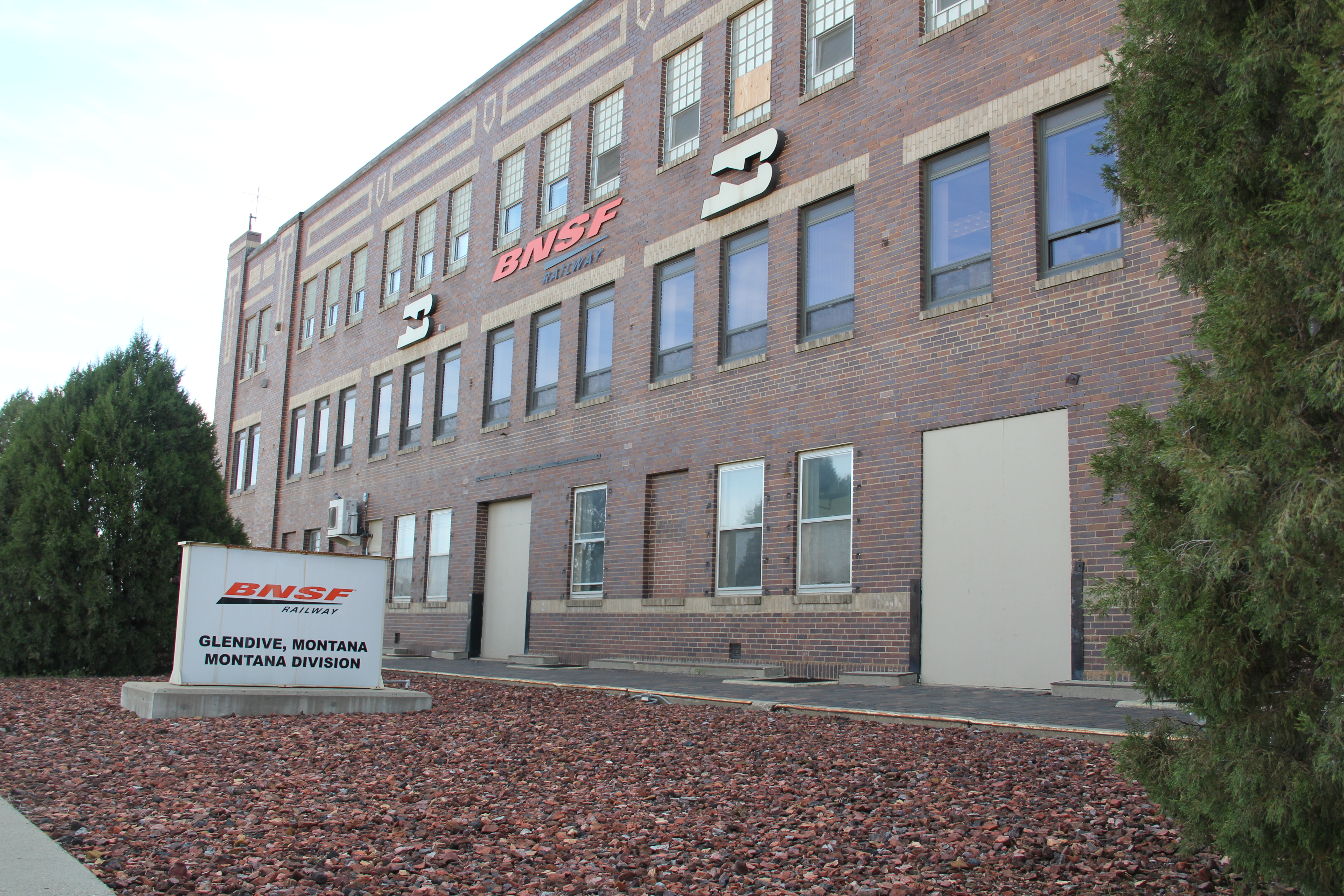
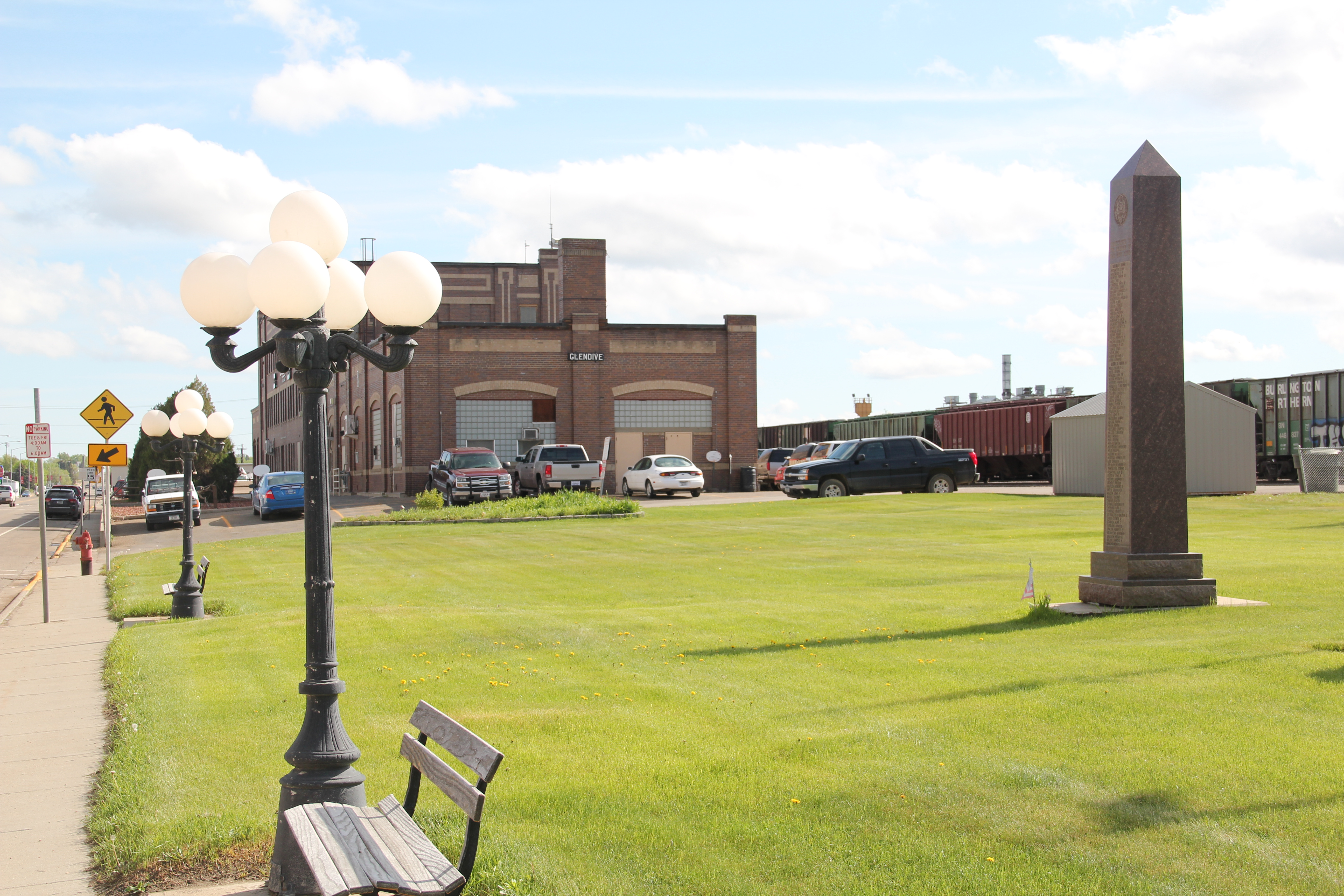
As the tracks of the Northern pacific Railroad pushed west in 1881, they encountered the Yellowstone River at a place that became Glendive, the Yellowstone Valley’s first railroad town. Here the company located a division point and built offices, roundhouses, and other support structures for the trains moving between the Great Lakes and the West Coast. In 1984 when I came to Glendive for the state historic preservation plan survey, it was not my first visit. A year earlier I had began to work with the Western Heritage Center in Billings as a historian for its first major exhibit on the Yellowstone and its history, an exhibit that eventually was titled “Yellowstone: River of Life.” Glendive as a railroad division point played a key role in that story, and when I first visited the town I enjoyed the fact that a late 19th century depot, standing just off the main line, now served as the local visitor center and Chamber of Commerce offices.
IMG_4084
At that time I saw little outside of the railroad’s imprint on the landscape. Glendive, like many initial Northern Pacific towns, had a “symmetrical plan.” The train tracks cut a path through the town, with a combination passenger station/company office commanding the corridor. On the opposite side of the tracks were housing for railroad workers and machine shops, roundhouses, elevators, etc. associated with the railroad.

Northern Pacific corridor in Glendive

Northern Pacific corridor in Glendive


Facing the depot was the primary commercial street, Merrill Avenue, which later served as the town’s primary commercial artery for U.S. Highway 10 and is now designated as “Business I-94.” The many historic commercial buildings along Merrill Avenue facing the depot and railroad tracks captivated me–the dialogue between local entrepreneurs and the massive international capitalism represented by the Northern Pacific was plain to see.
Merrill Avenue Historic District, Glendive

Merrill Avenue Historic District, Glendive


Clearly this long-stretch of buildings recorded the town’s shifting economic fortunes from the 1880s to the depression era, and was worthy of designation in the National Register of Historic Places, work that has since taken place.
Closed for sometime now, the Lulhaven Bar is a classic example of Art Deco, with its black carrera glass and glass block entrance

Closed for sometime now, the Lulhaven Bar is a classic example of Art Deco, with its black carrera glass and glass block entrance


The Jordan Hotel combines both Art Deco elements and an overall International Style feel to reflect not only the depot across the street but to invite customers into its corner entrance

The Jordan Inn combines both Art Deco elements and an overall International Style feel to reflect not only the depot across the street but to invite customers into its corner entrance


The striking 1960s metal facade of the Rose Theater was layer over an earlier brick building

The striking 1960s metal facade of the Rose Theater was layer over an earlier brick building


IMG_7252
What particularly struck my eye was the different eras of prosperity represented by buildings such as those owned by Henry Dion, a leading early 20th century merchant. Dion built the 1905 brick building above during the boom brought out by the launching of the Lower Yellowstone Irrigation Project. Later, as the railroad expanded its presence with the new passenger station and the federal highway came down Merrill Avenue, an Art Deco layer appeared, making a old building suddenly trendy and “modern.”
In 1984, however, I did not much venture beyond the railroad corridor to understand how the shifts documented in those historic buildings also could be found across the town. Much like the residents I was captivated with the railroad’s imprint–as shown in this wonderful mural of local history, prepared by high school students, and installed in the lobby of the modernist Dawson County Courthouse in 1982.
IMG_4233
IMG_4232
I spoke with the community at the courtroom around the corner one March night in 1984 and we all agreed on what was important. But later trips to Glendive, and the town’s push into historic preservation, quickly convinced me that there was more to tell.

A turn into the Yellowstone Valley

Note: sorry about the delayed posts–real life, and work, interfered in October.

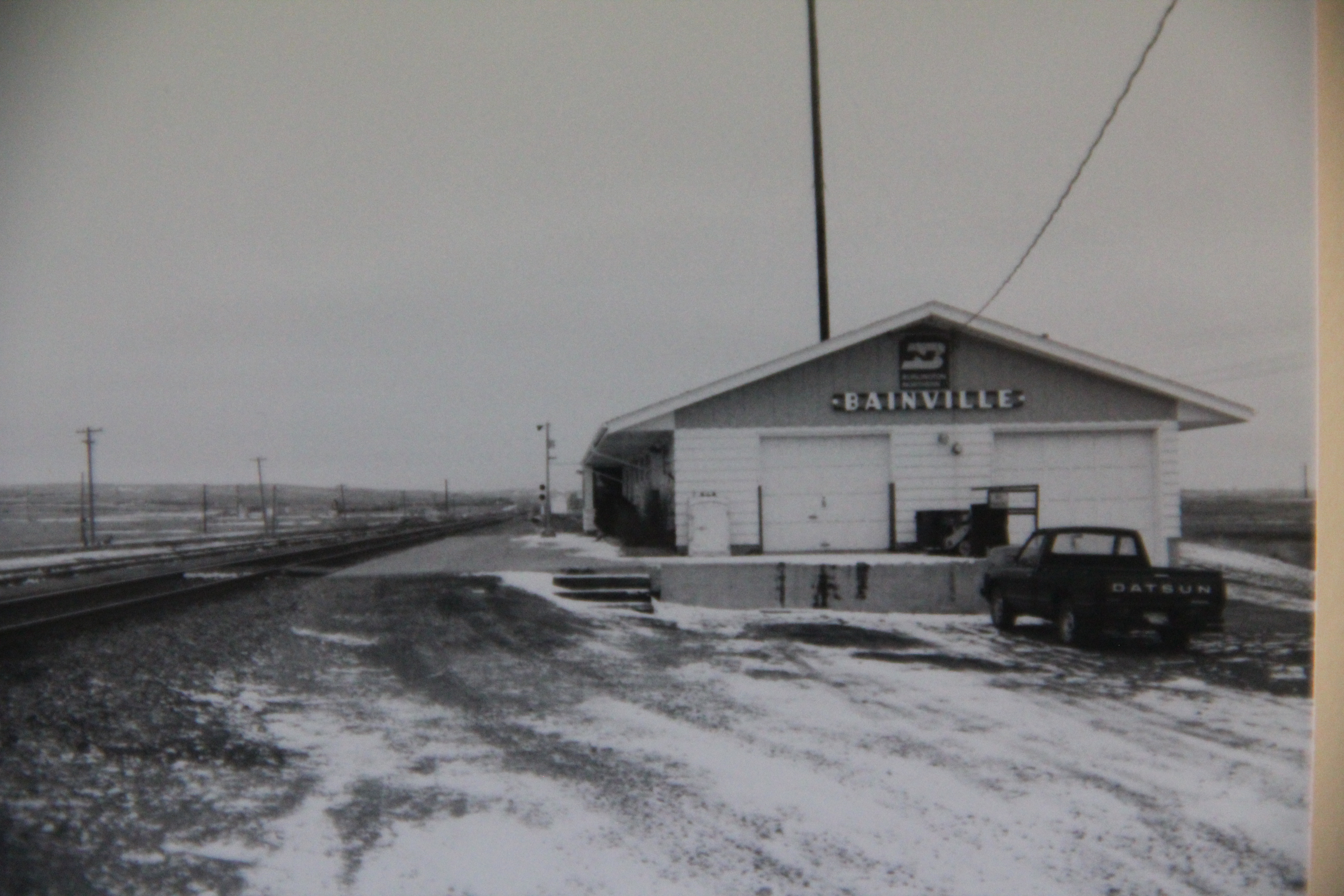
In the 1984 survey of Montana’s landscapes for the state historic preservation office, when I turned southward at the Bainville depot, a Great Northern Railway landmark now sadly missing from the landscape, I understood that a new phase of the project, and of the state, was opening up before my eyes as a cold February turned into March.
IMG_4077
I first encountered Fairview, at the tip of the Lower Yellowstone Valley and a product too of the Lower Yellowstone Irrigation Project, which I addressed in earlier posts this fall.

Historic Hotel Albert, a 3-story brick relic of the homesteading boom

Historic Hotel Albert, a 3-story brick relic of the homesteading boom


Fairview then and even more so now was a place of transition between the agriculture made possible through the engineering marvel of the federal irrigation project and the slowly creeping westward push of the oil boom associated with North Dakota’s Williston Basin.
Ft. Gilbert highway marker, north of Fairview: note oil well to the right

Ft. Gilbert highway marker, north of Fairview: note oil well to the right


As I drove south along MT Highway 16, I passed through the Lower Yellowstone Project towns of Crane, Savage, Sidney, and Intake–discussed in earlier posts–and then hit Interstate I-94: the first interstate I had seen in weeks. But instead of turning into Glendive, the major town in the region, I veered to the east to explore Wibaux County.
IMG_1683
I knew a bit about Wibaux through the standard narratives of Montana history because here stood the ranch house of Pierre Wibaux, one of the most famous early cattlemen in Montana. The house had long served as a heritage tourism stop, even as a state welcome center since Wibaux is positioned a few miles west of the Montana-North Dakota border on I-94. In 1984 I knew that I wanted to visit the ranch house, and see the monument erected to Wibaux to commemorate his life and achievements.
IMG_0494
I also found, however, the heavy imprint left in the wake of the Northern Pacific Railroad as it headed into Montana and aimed for the Yellowstone Valley. For the next several weeks I explored this connection between rail and river that so defines the valley still today.
Underpass separating MT 16 from the Northern Pacific mainline at Wibaux

Underpass separating MT 16 from the Northern Pacific mainline at Wibaux


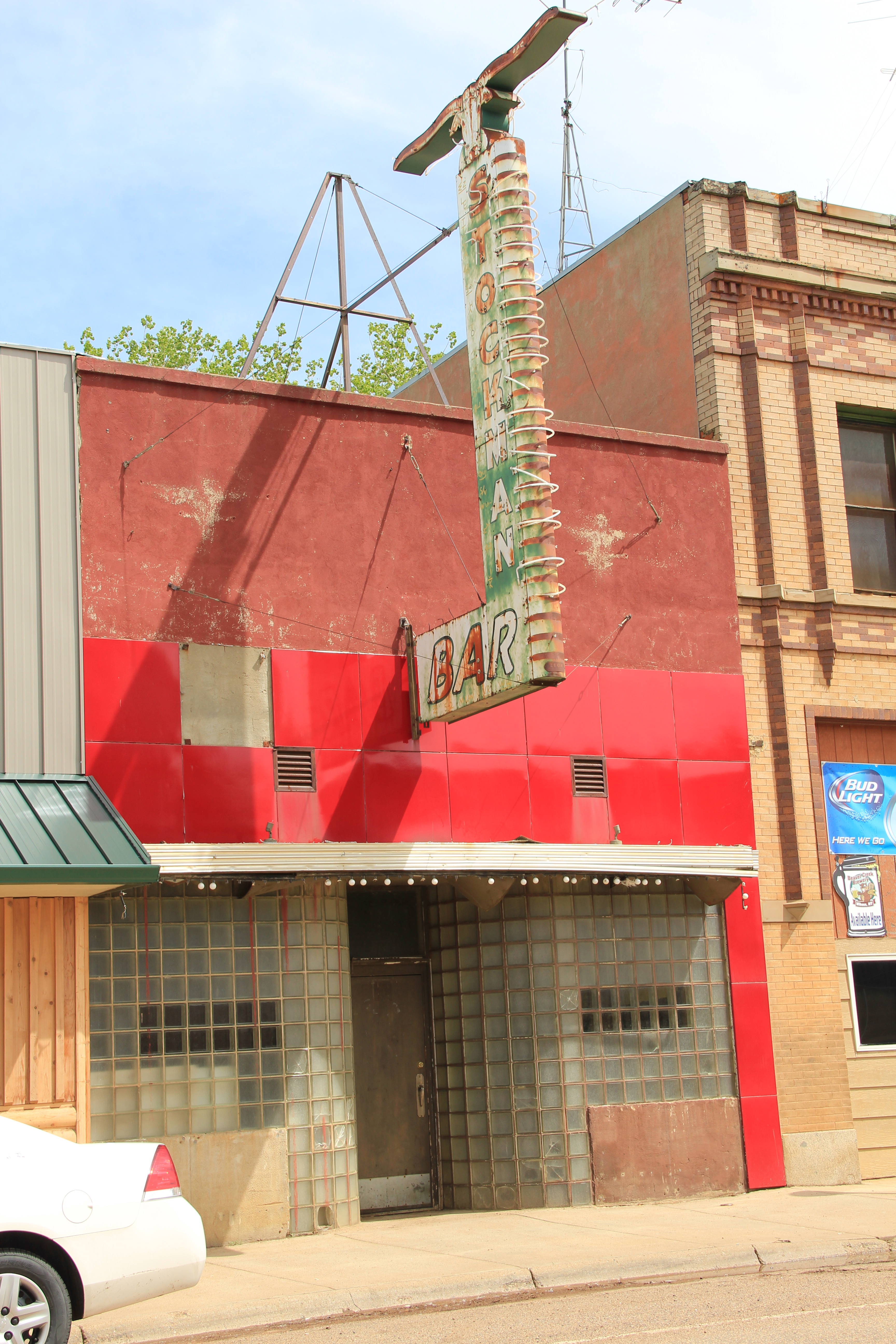
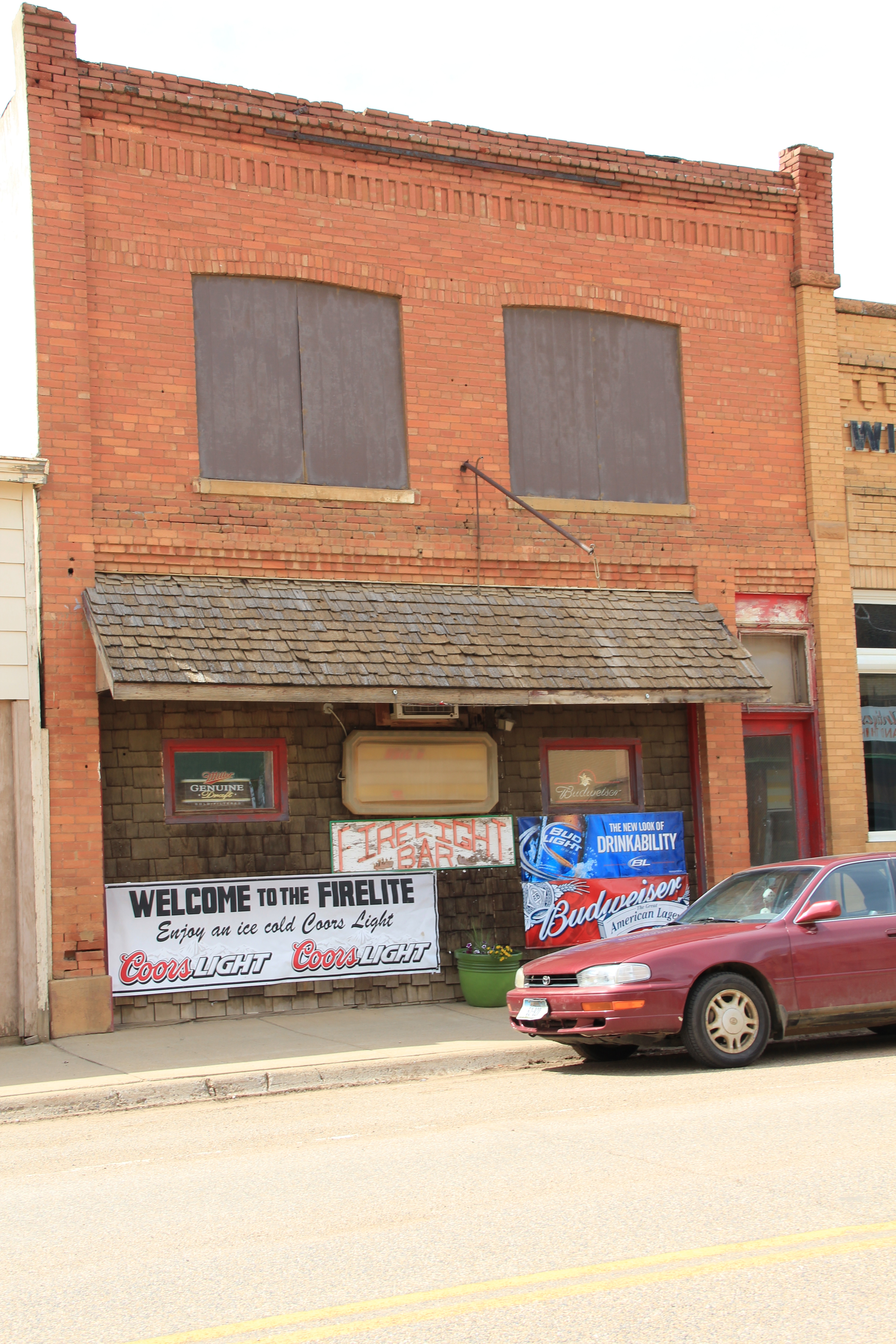
Wibaux is a town of bars–the Shamrock became my favorite in 1984, but the Rainbow Bar, housed in a building with more than a nod to Northern Pacific iconography, and the Stockman Bar were always worth a stop. Among newcomers in 2013, the Firelite was friendly but the big hit with locals and visitors was the Beaver Creek Brewery, a microbrewery way out on the plains of Montana.
IMG_0384IMG_0385
IMG_0387
IMG_0381
IMG_0383
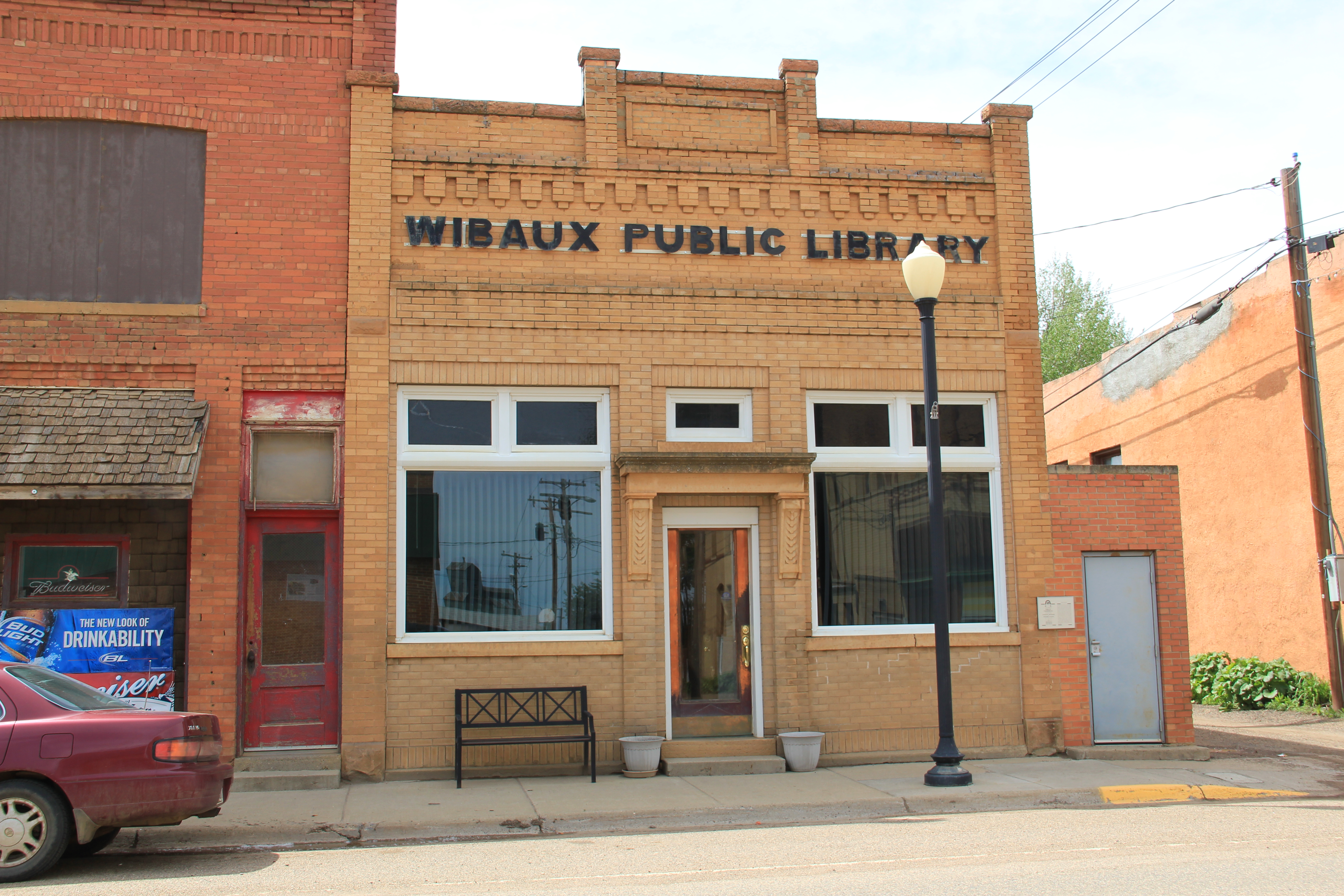
With old historic hotels, business blocks, and bank buildings–one transformed into the town library–still intact, here is a commercial historic district just waiting one day to be placed into the National Register of Historic Places.
IMG_0382
Besides the bars, however, I enjoy Wibaux for its sense of a western ranch town, even in the face of the expanding reach of the Williston oil boom. There is the 1950s contemporary-styled Wibaux County Courthouse; the county fairgrounds south of town; and a bit farther south on MT 16 the historic Nunberg Ranch, which is listed in the National Register.
IMG_0483
IMG_0480
IMG_0479
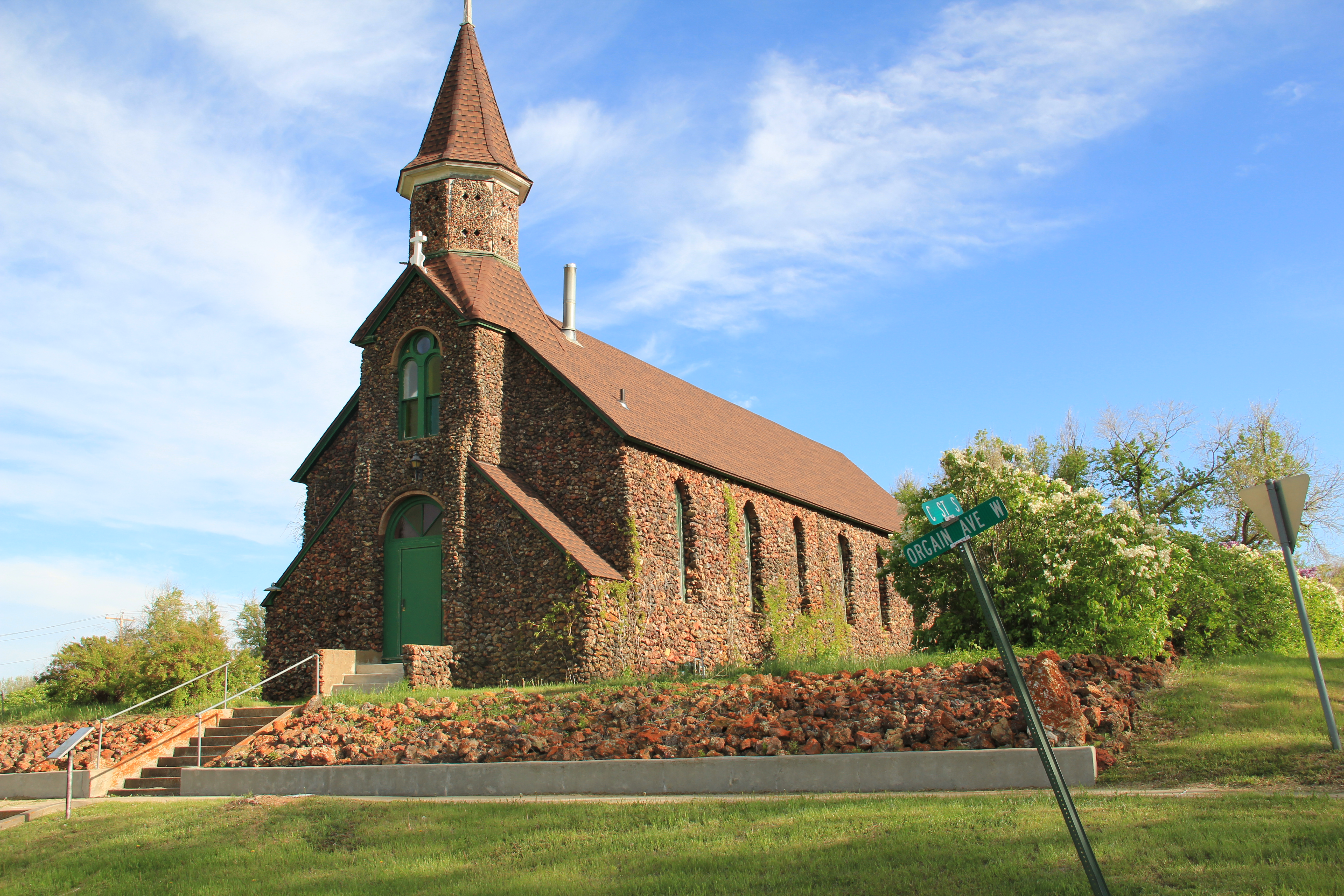
Also listed in the National Register is the striking St. Peter’s Catholic Church, certainly a Gothic Revival landmark when the congregation built it on a high point west of the business district but then made into a western landmark with the addition of river stone in 1938. Here was a statement in the depression era: we are here and we are proud.
IMG_0493
But if you turn to the north, however, on the other side of the tracks is the life of the community, the school. And this image of the high school football field is perhaps the best way to close a post about Wibaux. Yep, it is small, determined, and still here, even when many think it should have blown away decades ago.
IMG_0496