Toston: Another Northern Pacific Town in Broadwater County

IMG_7073

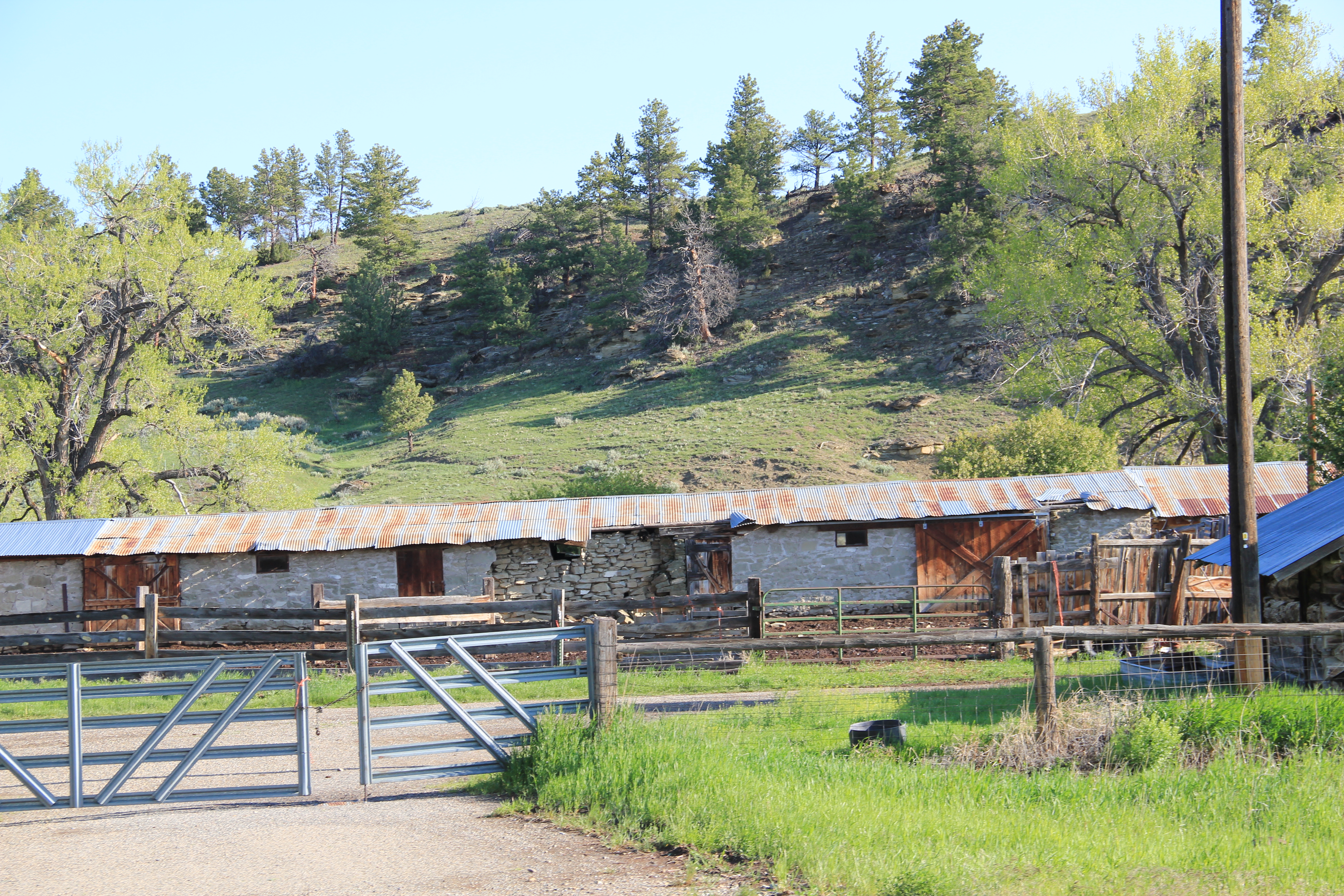
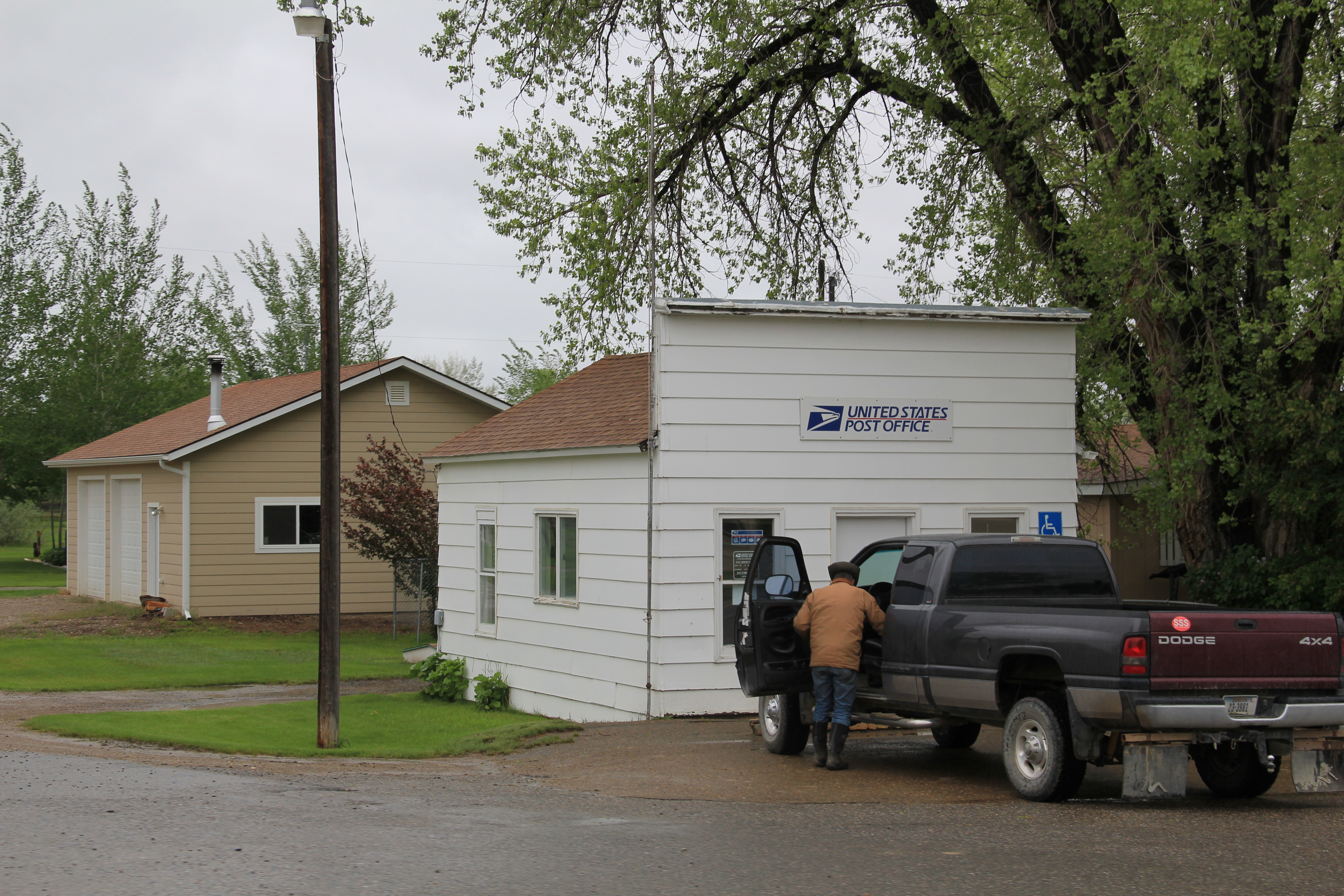
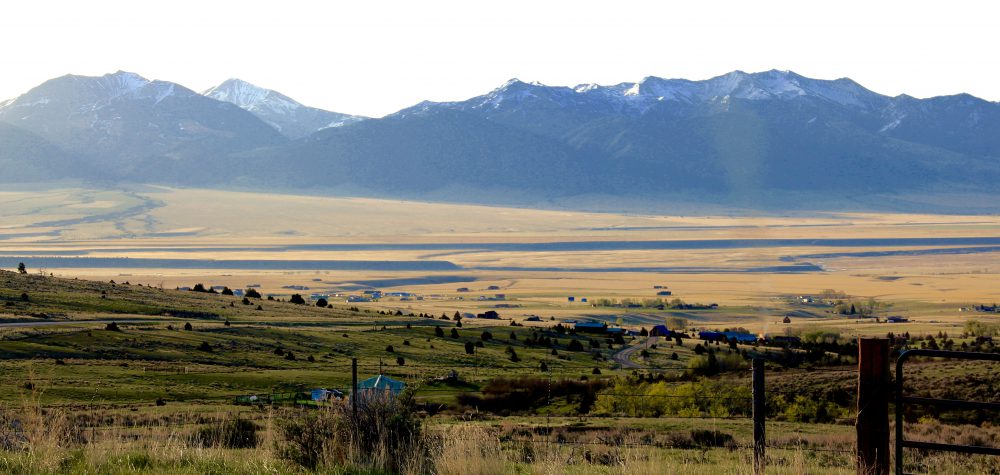
Toston has become a forgotten town of the Northern Pacific Railroad line as it stretched from Logan, in Gallatin County, through the headwaters of the Missouri River and into the broad Missouri River valley of Broadwater County. Today Toston is best known to travelers of U.S. 287 as a scenic stop on the Missouri River, and the access to Toston Dam reservoir, a project of the U.S. Bureau of Reclamation.

IMG_7069

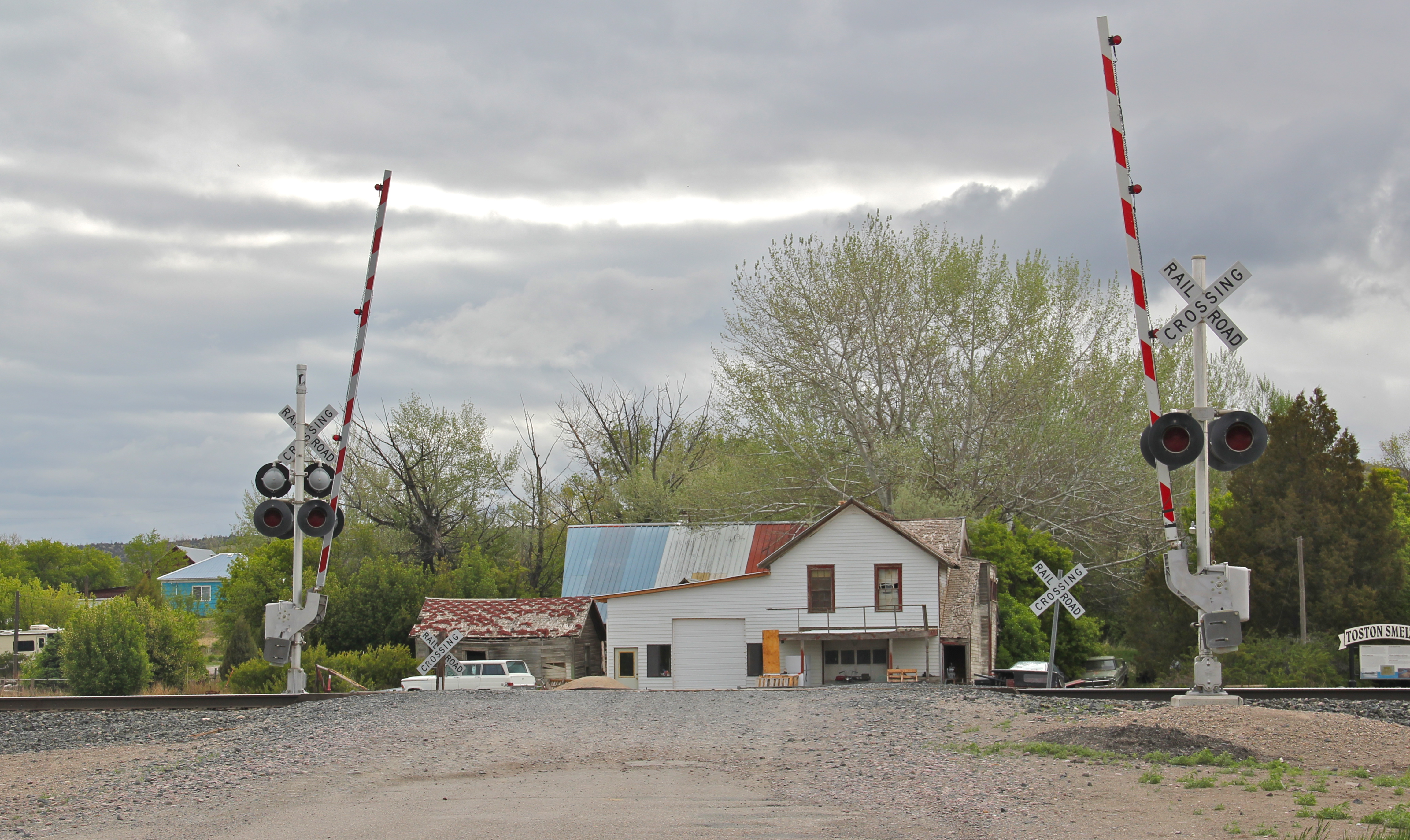
The town’s heyday came early, especially with the discovery of pyrite goal ore at Radersburg to the west in the Elkhorn Mountains and the establishment of a smelter at Toston in the late 1880s.  In the 21st century the old smelter site has received a superfund clean-up and a large interpretive marker explains the smelter and its impact on both Toston and Radersburg, another good example of the much better public interpretation you can encounter on the Montana landscape.

IMG_7074

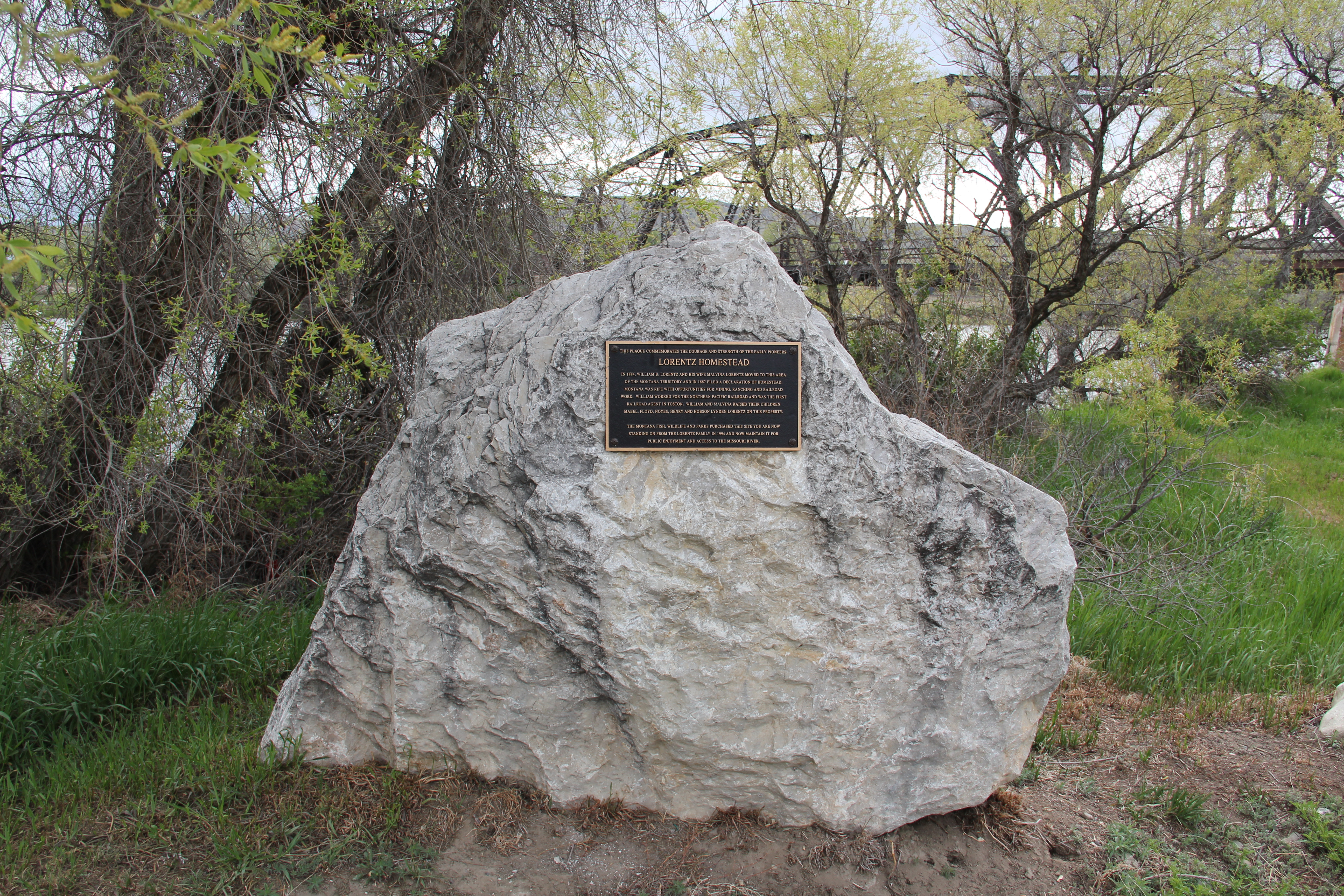
At the Missouri River fishing access, Montana Wildlife and Park erected another interpretive marker, a huge boulder marking the location of the Lorentz homestead.  William B. Lorentz was the Northern Pacific’s agent in Toston and he filed for a homestead along the Missouri south of the tracks in 1887.
IMG_7070

Toston had a second economic boom during the homesteading era when state officials decided to build a new steel truss bridge over the Missouri River.  The Toston Bridge was listed in the National Register of Historic Places in 2005.  Its interpretive marker records that state engineer Charles A. Kyle designed “a riveted steel Warren through truss design”

IMG_7072

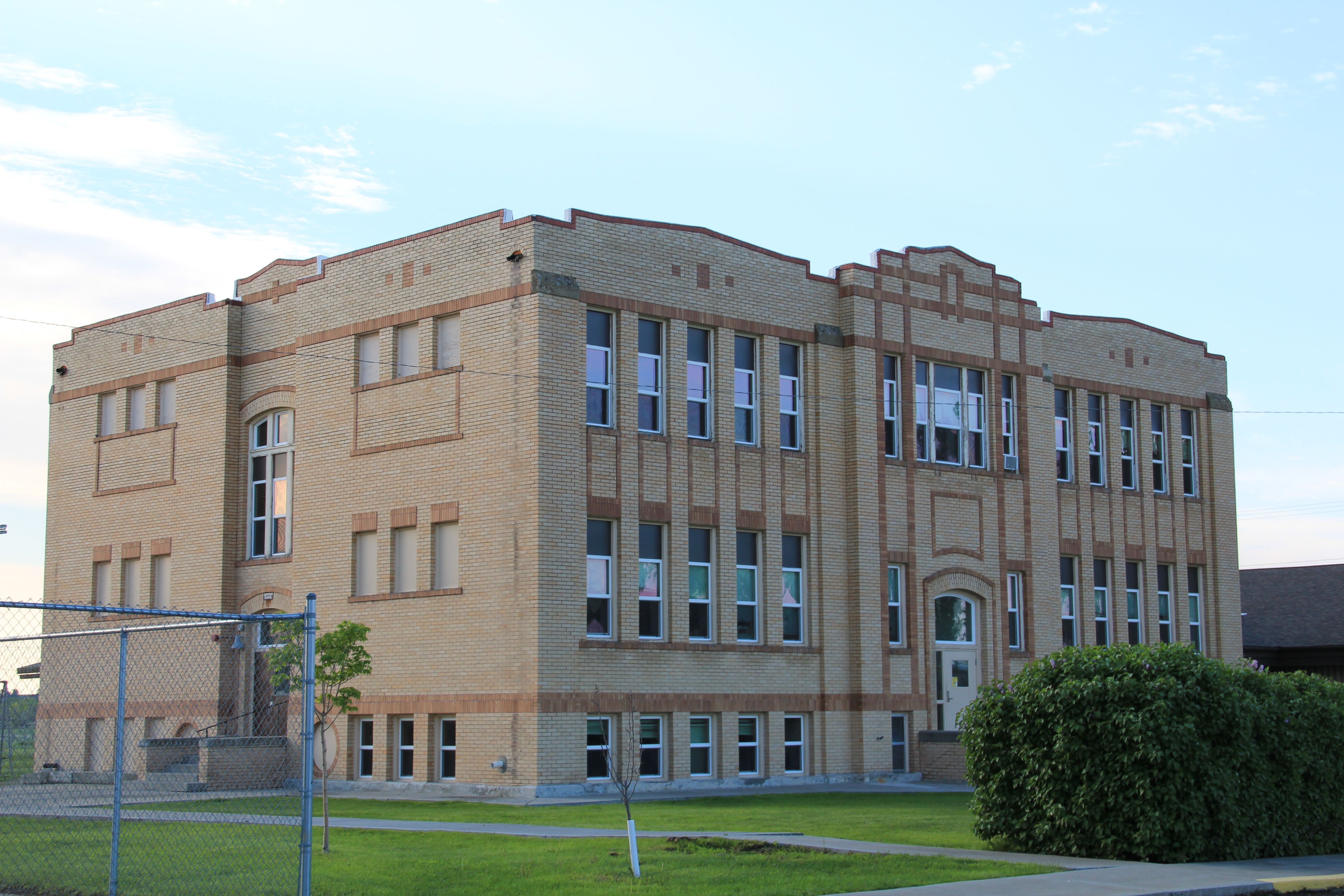
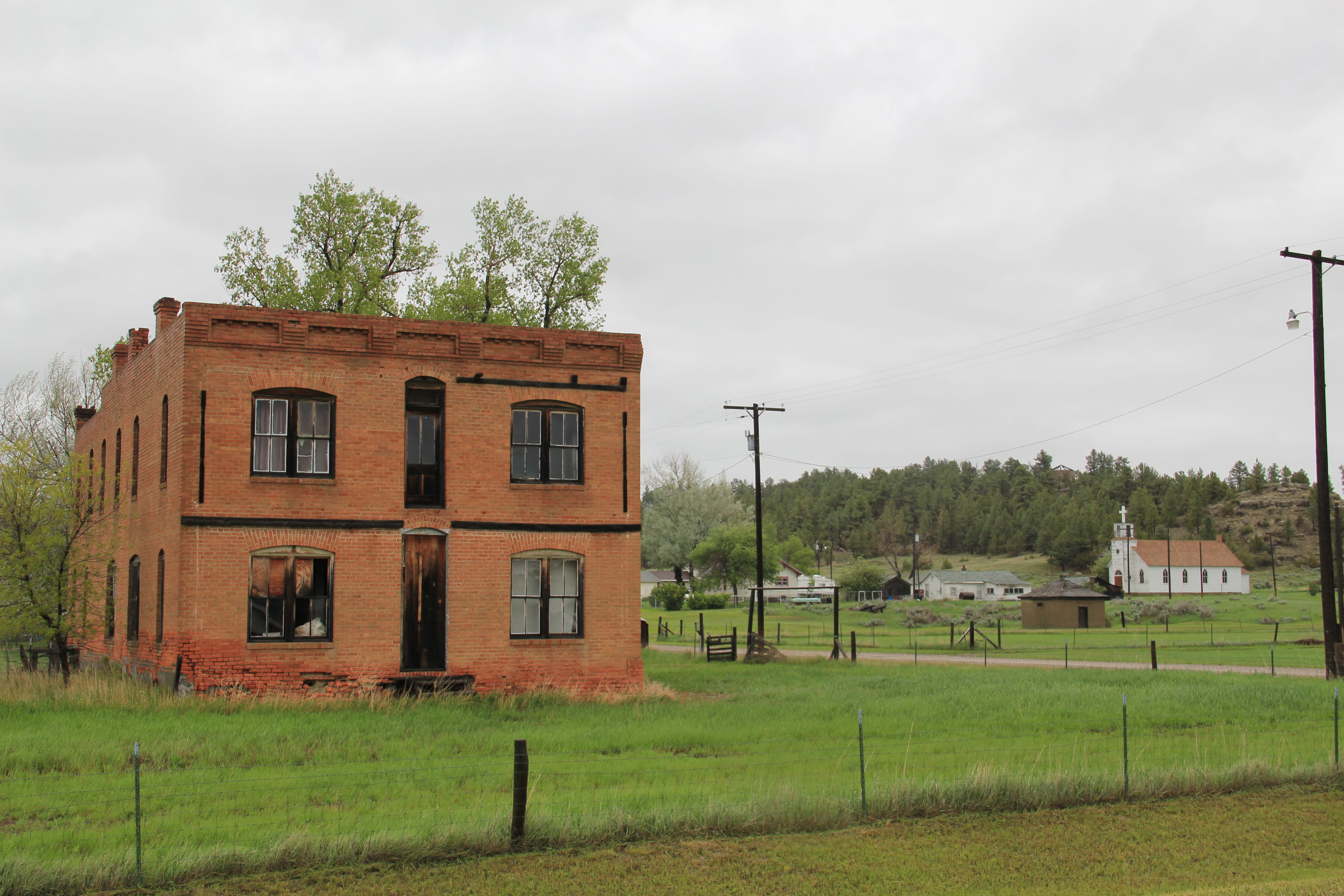
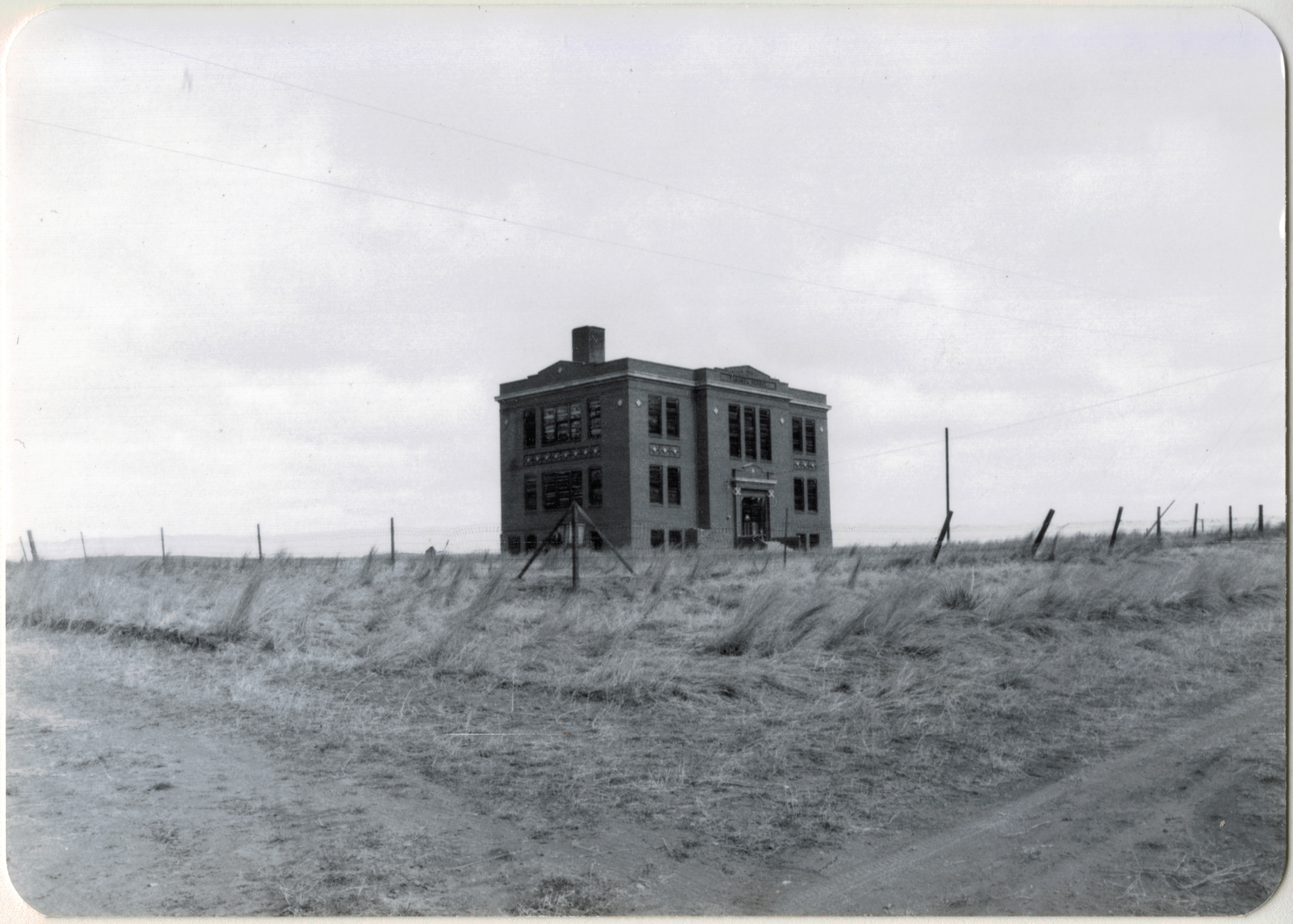
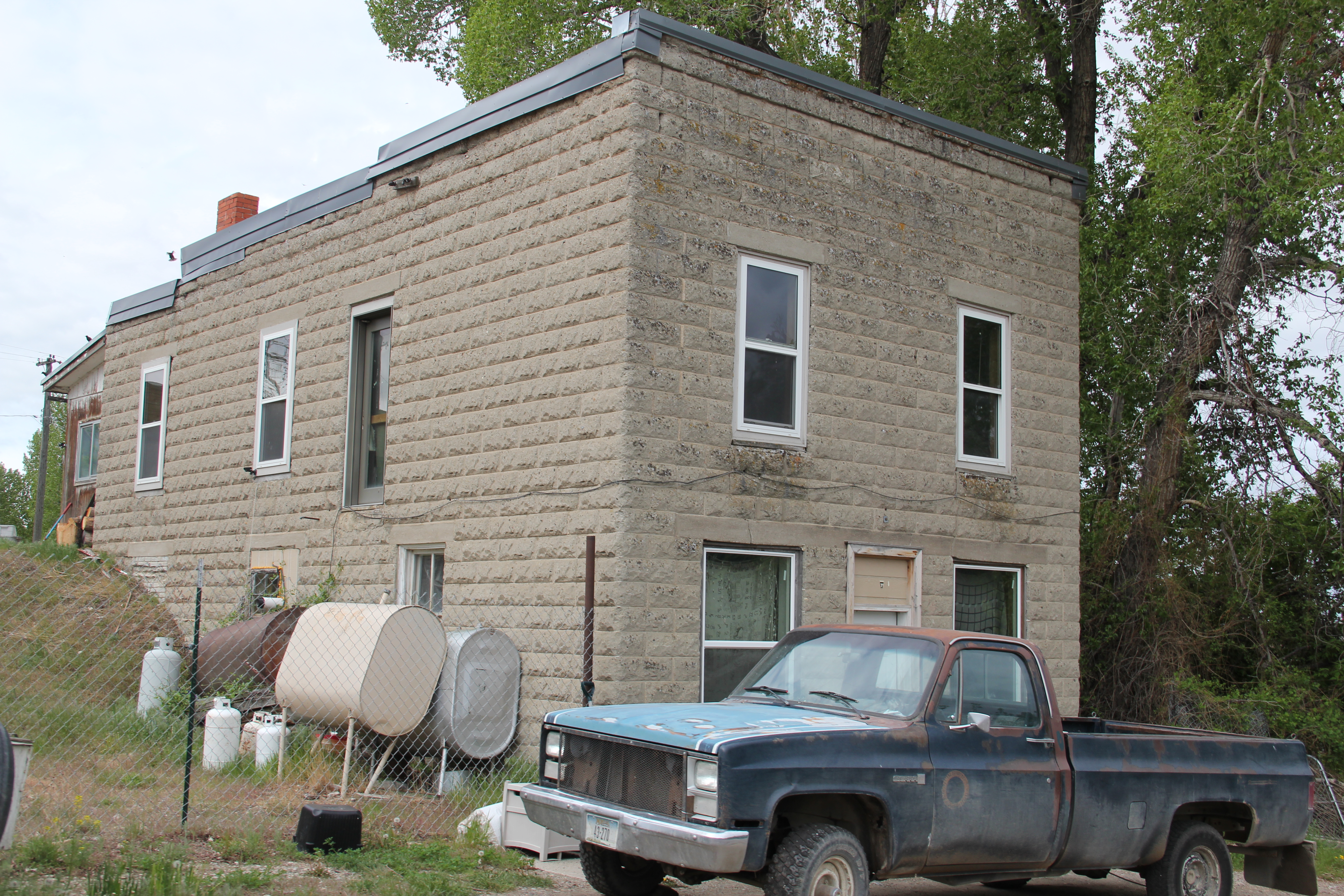
for the bridge in 1918, with Security Bridge Company of Billings as the contractor.  The Billings company used 11 local residents, including William Lorentz, the former Northern Pacific station master. and the bridge was opened in the summer of 1920. Soon thereafter, the Bureau of Reclamation announced its intention to create a new irrigation project, initially called the Townsend Bench project. Reclamation officials designed a project for what they called 15,000 “excellent acres,” irrigated by a gravity system with the diversion dam located east of Toston on the Missouri River, identified today as the Crow Creek Pump Unit.  Consequently, Toston has several buildings remaining from the first two decades of the 20th century, including concrete block commercial buildings and the town’s most impressive building, a two-story frame school, which is now a private residence.
IMG_7079

IMG_7078

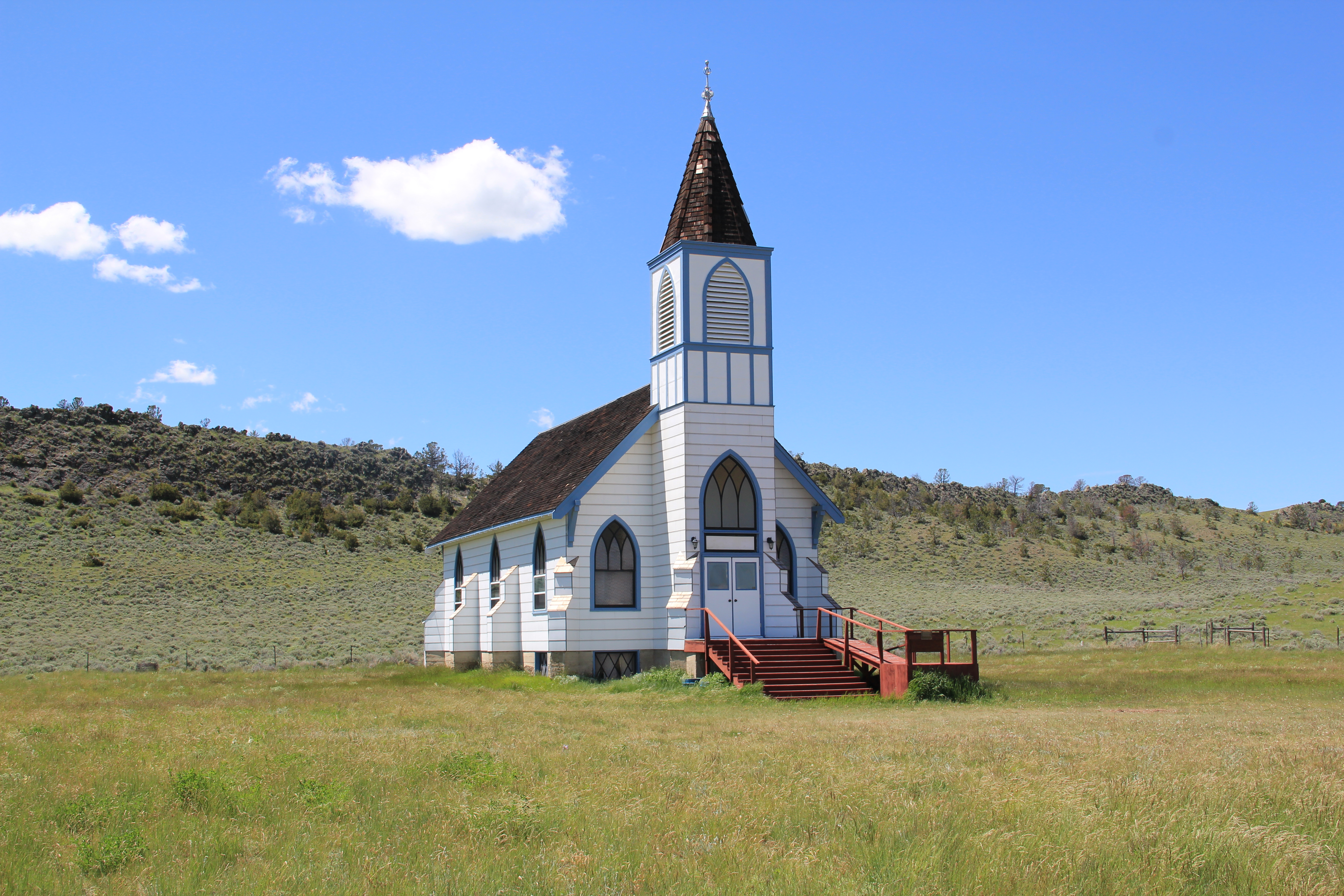
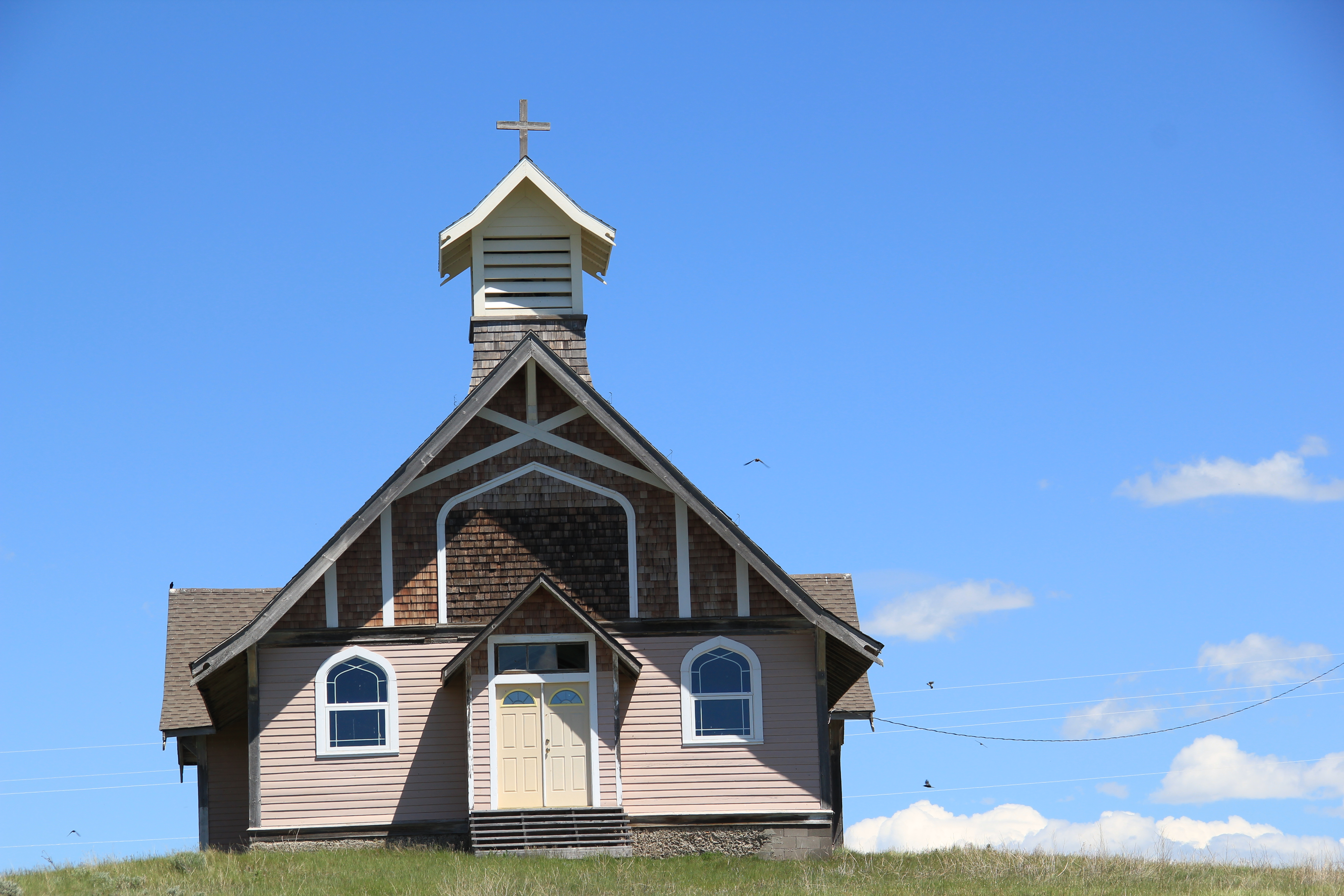
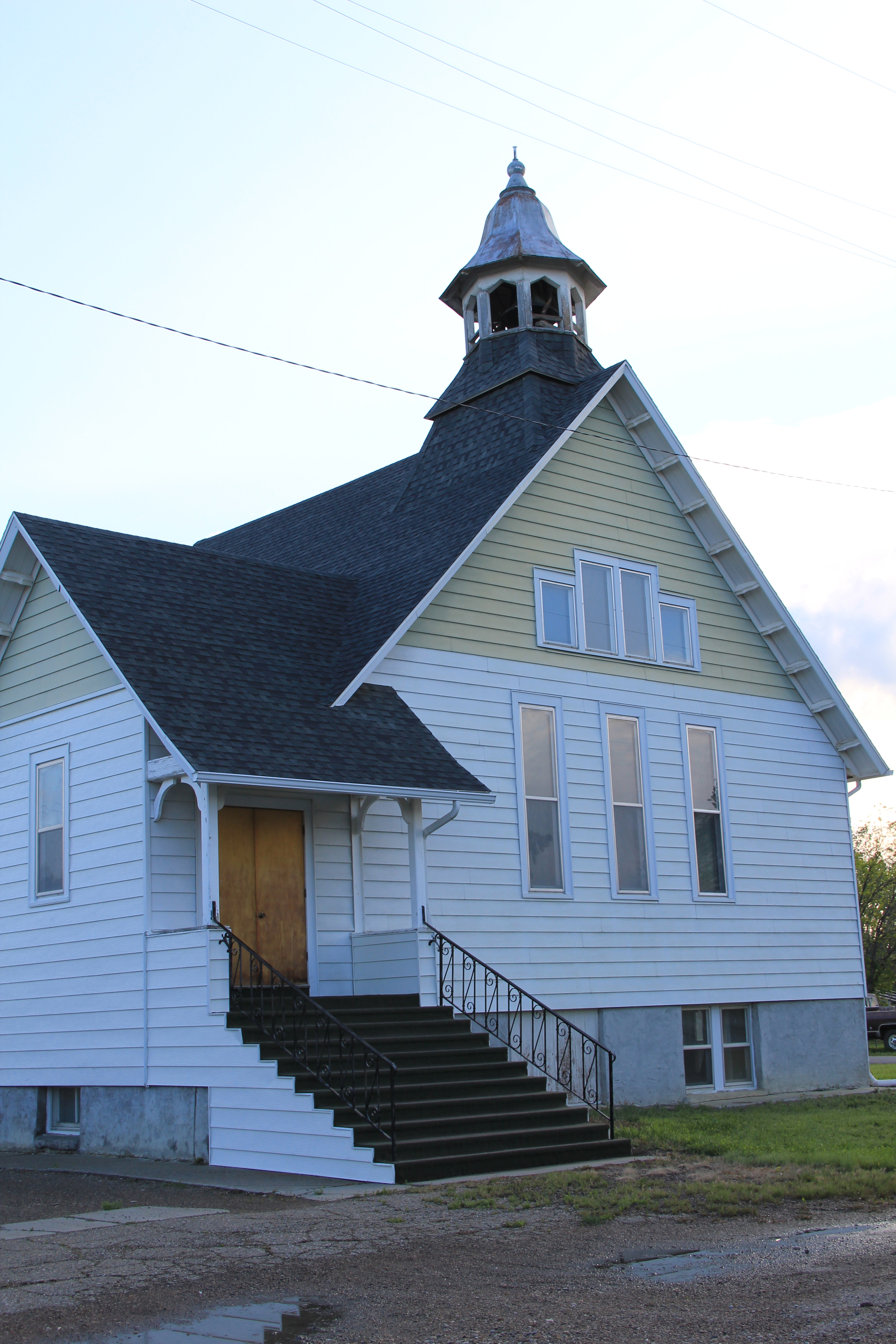
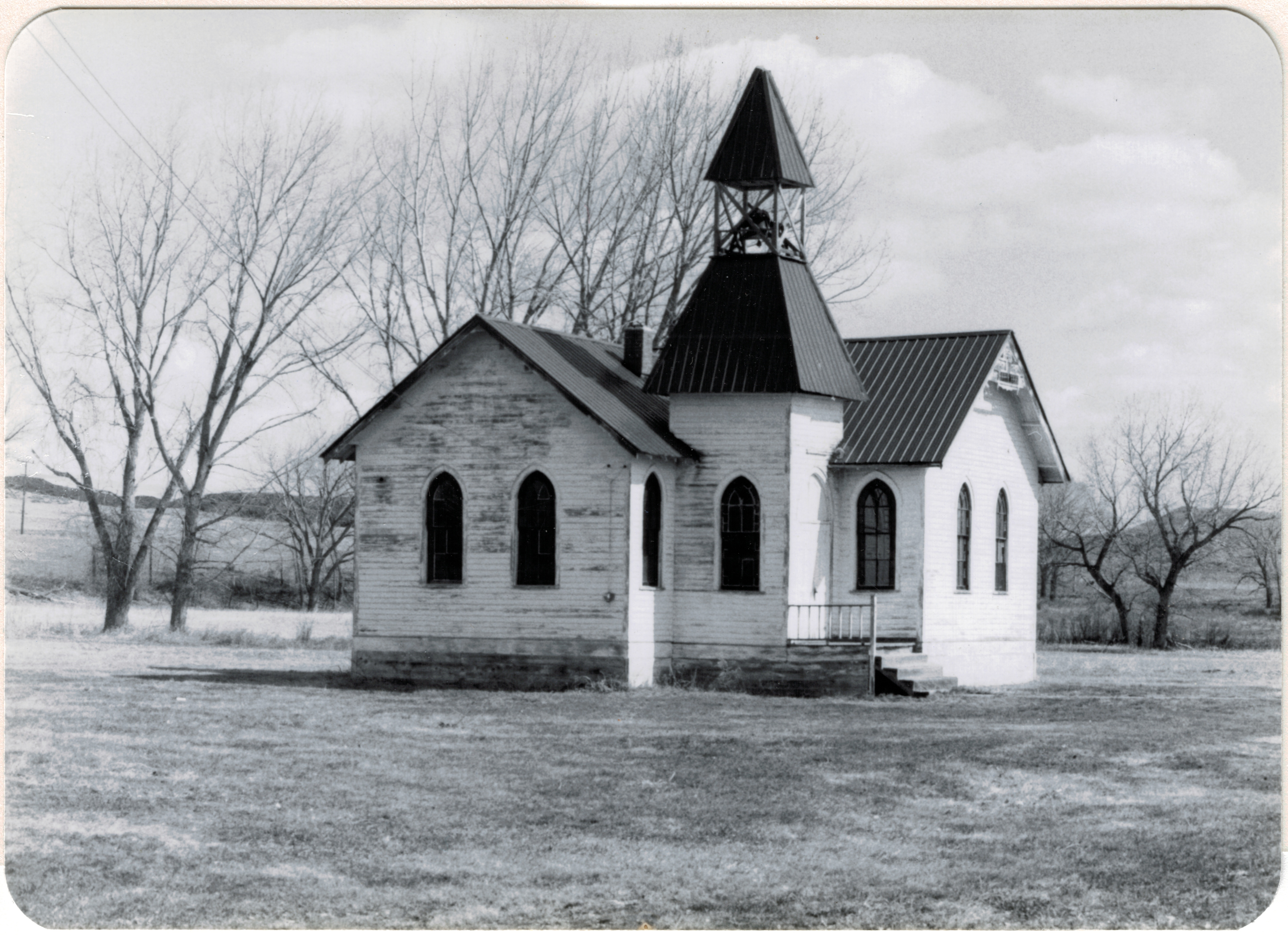
With the irrigation project came a set of large grain elevators, which in 1984 dominated the highway view of Toston along U.S. Highway 287. These have been demolished.  One historic church building, I believe it is a Methodist Church, remains but does not hold services.

IMG_7076

The Toston Bridge kept the town vibrant since its location meant that all traffic between Helena and Bozeman on U.S. Highway 287 passed over the bridge, over the tracks, and through the middle of town.  In 1955, however, a new bypass bridge was constructed and Toston began a decline that has slowly drained away most of its population.  At the 2010 census, it had 108 residents.

IMG_7080

A second look at Ringling

IMG_9499

Ringling, a stop along the Milwaukee Road in northern Meagher County just off U.S. Highway 89, served as the eastern gateway for the railroad’s move west into the Rocky Mountains along its electric line.  From Ringling the Milwaukee passed through the famous Sixteenmile Canyon then crossed the Missouri at Toston and began its ascent in the copper kingdom of Butte.

IMG_9512

I had last passed quickly through the village in 2011 and its iconic Milwaukee Road combination depot was weathered but appeared as if it would yet survive for sometime.  Within four years, however, its fate was much more uncertain.  Roof decking is missing–will this now rare survival of the railroad’s corporate stamp on the northern plains survive till the end of the decade?

IMG_9509

IMG_9508

Brumfield’s Garage is more an example of roadside architecture from the first half of the twentieth century than a building that dates back to the Milwaukee’s heyday.  Its vernacular interpretation of Art Deco styling by means of the four brick pilasters catches the eye–this adaptable property has been many things, and in my past visits has served as a store and as a bar.

IMG_9504

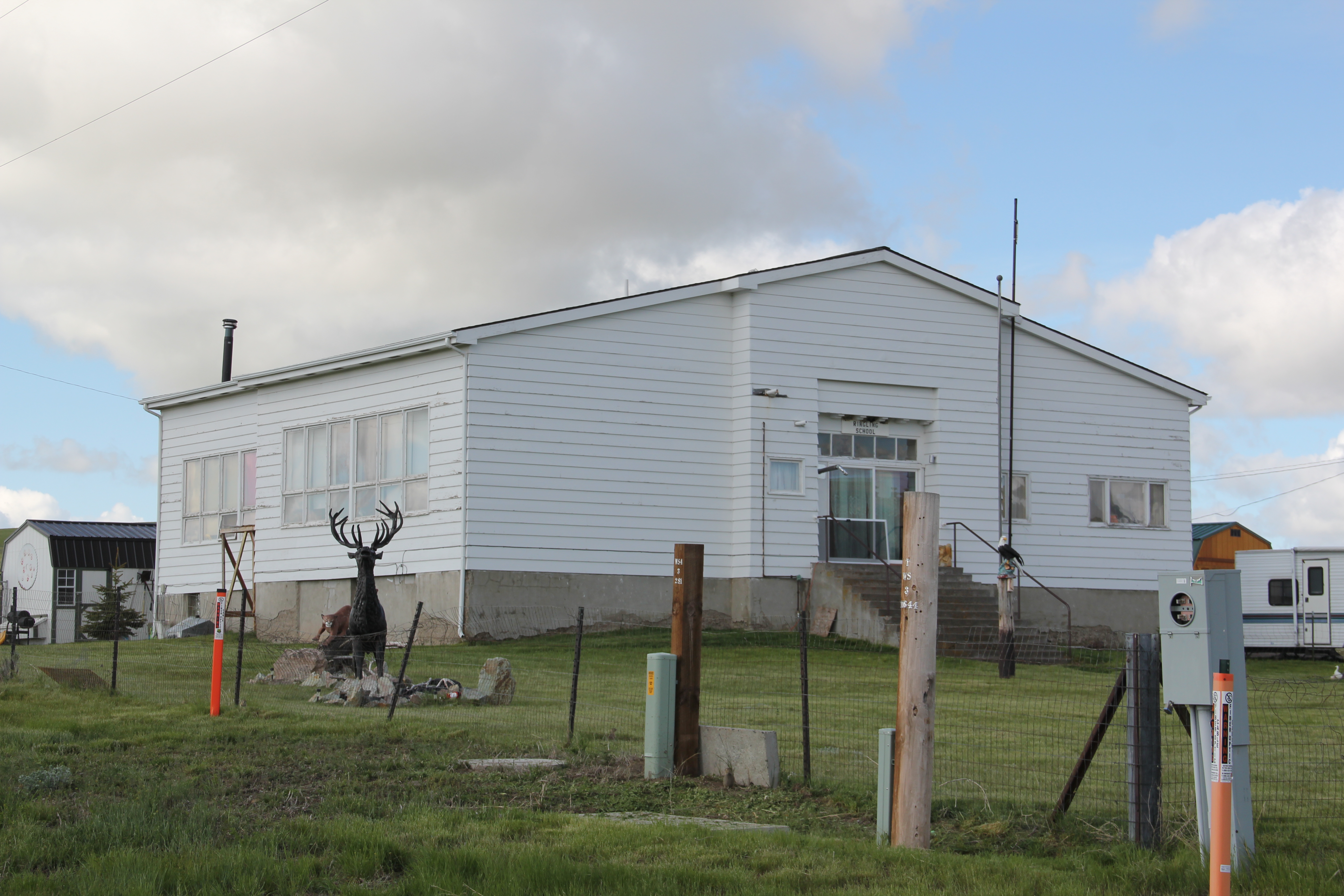
Ringling also retains its school–now a residence–another of the remarkable rural frame standardized designed schoolhouses found throughout central Montana. It sits south of the depot, as if the corporate and the public defined the north-south boundaries of the village.

IMG_9501

Still overlooking the town, and serving as an important landmark on U.S. Highway 89, is the historic Arts and Crafts-styled St. John’s Catholic Church, to which I have already devoted one post in this blog.  What I was pleased to find in 2015 is that some preservation work was underway–with weatherboards being repaired and replaced.  With a decent roof and a recent paint job, the church is in much better shape than many of its brethren across the region. The continued use of this Montana plains church as a “community church” is the best way to keep it alive in the 21st century even as the rest of Ringling shrinks and disappears from the Meagher County landscape.

IMG_9495

The Disappearing Act of the Milwaukee Road

2011 MT Meagher County 052

Montana State 294 is one of my favorite highways.  For Montana it is a short route, just around 30 miles between Martinsdale and where the road junctions with US 89 and meets up with Ringling.  But these 30 miles are packed–well in a Montana sense–with resources of the original mainline of the Chicago, Milwaukee, St. Paul, and Pacific Railroad (the Milwaukee Road) as an electric line, such as the roadbed that parallels the state highway above at Lennep–it now serves as a secondary dirt road for residents.

MR station

The Milwaukee maintained transformer stations about every 30 miles of its electrified tracks so AC power could be converted into DC current for its trains.  I apologize for the poor quality of my 1984 image of the station along Montana 294 but then it was still generating power for local use.  Thirty years later that had ended–the power lines were gone, taking away context from the building itself and leaving those who don’t know any better wondering why a big two story brick building was out here by itself.

2011 MT Meagher County 054

The station is about five miles west of Lennep, which I described in 1986 as “a tiny village where residents have preserved an old store and where the schoolhouse is still in use.”

2011 MT Meagher County 046

The school is now a residence and the store is still there, though not in business.

2011 MT Meagher County 045

The true landmark of the entire road is the Trinity Lutheran Church, built in 1910.  Its soaring Gothic bell tower, gleaming bright in the sun, is a beacon for anyone traveling along the road. It is one of my absolute favorite rural Montana churches and clearly eligible for listing in the National Register–as would be the entire remaining hamlet of Lennep.

2011 MT Meagher County 049

To the east of Lennep is Martinsdale, a tiny place that somehow has already managed two different blog posts about it.  Maybe that tells you that it too is a favorite place.  In 1984, its intact combination depot, what the Milwaukee called a “Standard Class A Passenger Station.”  This standardized design building, standing at the head of the town, spoke

IMG_9678

volumes of how the Milwaukee reshaped this landscape in the first decade of the twentieth century. But since this image from 2013 I have learned that the depot is gone–part of the roof decking was missing then so I am not surprised at the lost.  Just disappointed in the lack of vision of keeping this heritage asset together for the future.

IMG_1618

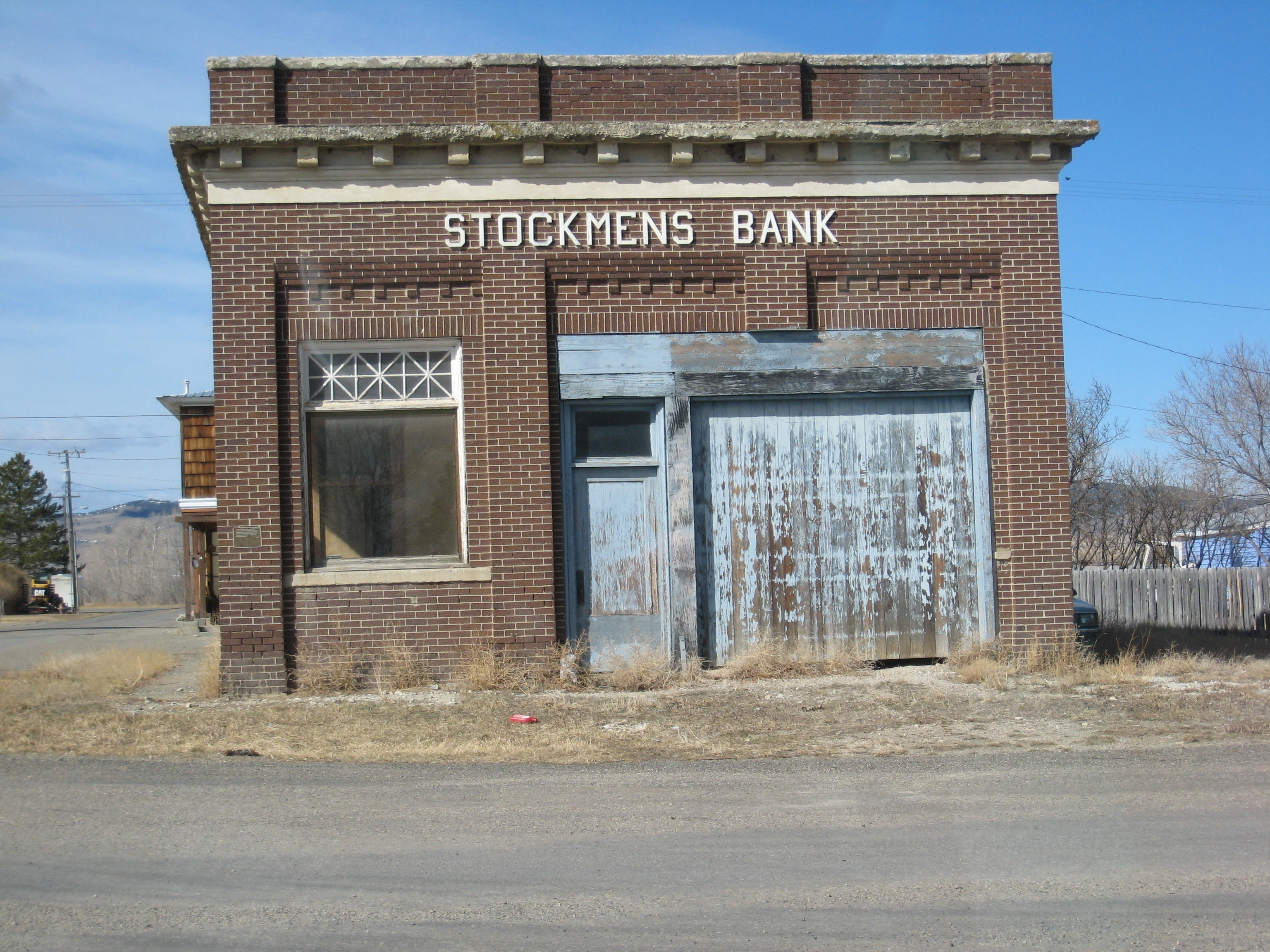
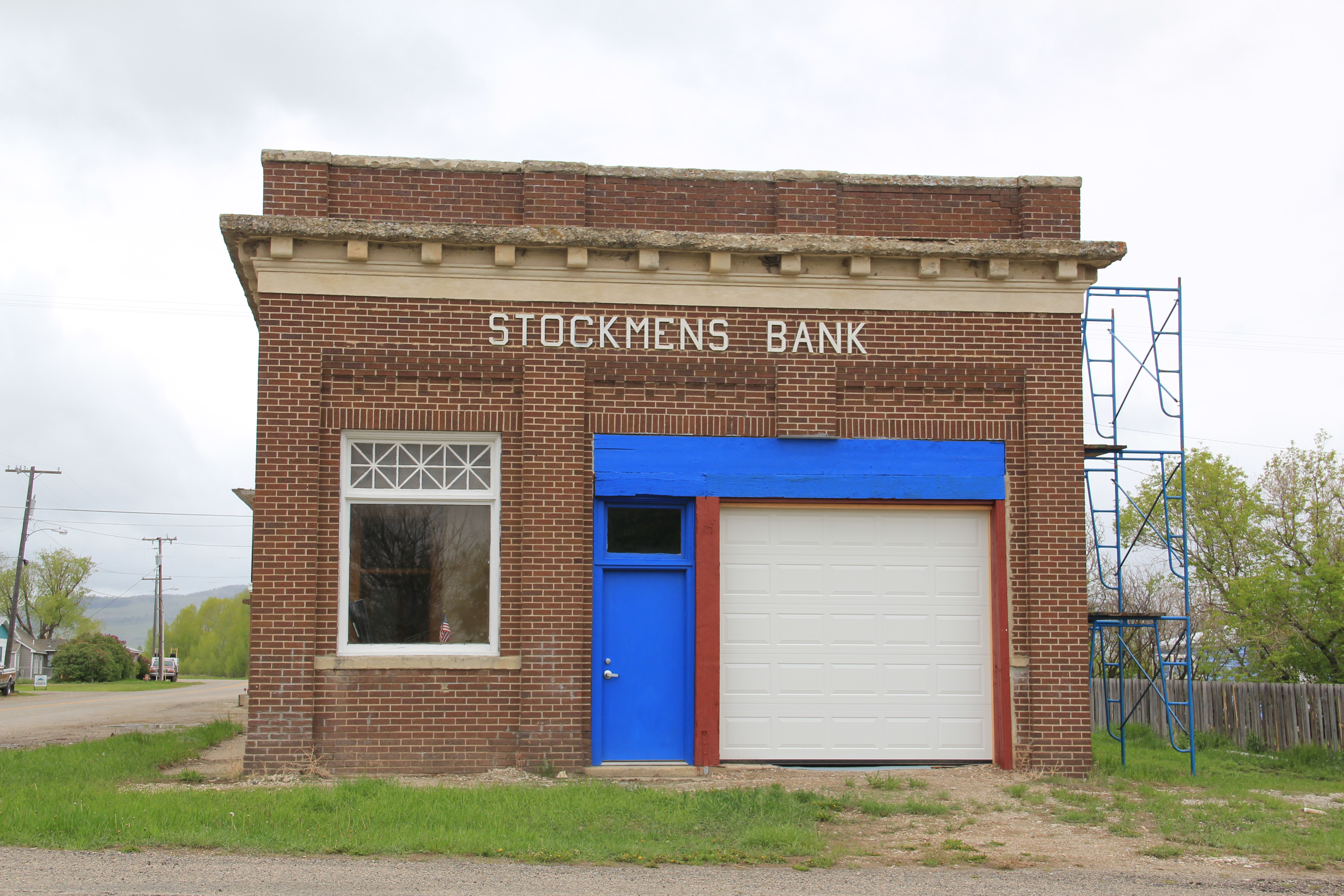
The news is not all bad from Martinsdale.  In 2013 the Stockmen’s Bank was listed in the National Register of Historic Places, only the sixth such place in Meagher County.  Yeah I know the photo above from 2007 shows it missing one entire bay from when it was converted from a bank into a garage.  But its brick construction and classical style made it

Renovations at the Stockman's Bank, 2013

Renovations at the Stockman’s Bank, 2013

a landmark in Martinsdale.  Can’t way to see its condition in 2015 because the town has several key buildings, and I just don’t mean the Mint Bar.

IMG_9679

I really mean the Martinsdale Community Center.  Rural reformers in the early 20th century pushed western communities to establish centers–where people could gather in a secular public space, vital for not only individual sanity but community togetherness in the dispersed population of the northern plains.  The center at Martinsdale has always been well maintained, and now that the depot is gone, it is the community landmark.

IMG_9675

Business, however, is not booming in Martinsdale.  The Crazy Mountain Inn serves as the local restaurant and lodging option, the older classic false-front Martinsdale Hotel is now shuttered.

IMG_9681

IMG_9676

Even classic roadside institutions like the town’s two historic service stations/garages have closed–their mid-20th century designs are reminders of the days when automobiles came this way in numbers.

IMG_9683

IMG_9680

Now let’s shift attention to the “eastern end” of this route, the town of Ringling, a place once of high hopes founded by the circus master John Ringling.  Like Lennep, the Ringling townscape is dominated by two elements:  the Milwaukee Road standardized depot–in

2011 MT Meagher County 056

better shape in 2011 than the Martinsdale station–and the sacred landmark that dominates the view from U.S. Highway 89 for miles:  St. John’s Catholic Church.  The church dates c. 1910 and is a wonderful example of Arts and Crafts style in an otherwise basic gable-front rural church building.  Although used much more sparingly today, it has been restored and maintained well.  It too is eligible I would think for the National Register.

2011 MT Meagher County 057

Montana 294, like the Milwaukee Road itself, is no longer a major artery–it wasn’t really in 1984 and it is even moreso in 2015.  But what remains is a reminder of how the Milwaukee Road shaped the state’s landscape for 100 years, leaving in its wake landmarks of transportation, engineering, architecture, settlement, and faith.

Montana’s Golden Valley–County, that is

MR line in Musselshell Valley (p84 25-30)

Abandoned Milwaukee Road corridor along U.S. Highway 12, Golden Valley County, MT, 1984

Golden Valley County, Montana, established with much local fanfare and excitement in 1920, was one of the last counties created in Montana.  Today, with just over 1100 residents, it remains one of the county’s smallest in population.  Yet, like other places along U.S. Highway 12, it has been a favorite jaunt of mine since 1982.  The highway connects with Montana 3, which roughly parallels an old stagecoach route, and Highway 3 going south takes you directly to downtown Billings.  Thus, beginning with my many projects with the Western Heritage Center in Billings in 1982, I quickly found out that taking U.S. 12 between Helena and Billings not only cut off miles from the journey but was always more scenic and more interesting due to the remnants of roadside architecture and bits of the Milwaukee Road corridor that followed the Musselshell River in this county.

Golden Valley Co, near Cushman (p84 27-9)

U.S. 12 and Milwaukee Road routes along Musselshell River, Cushman, MT, 1984

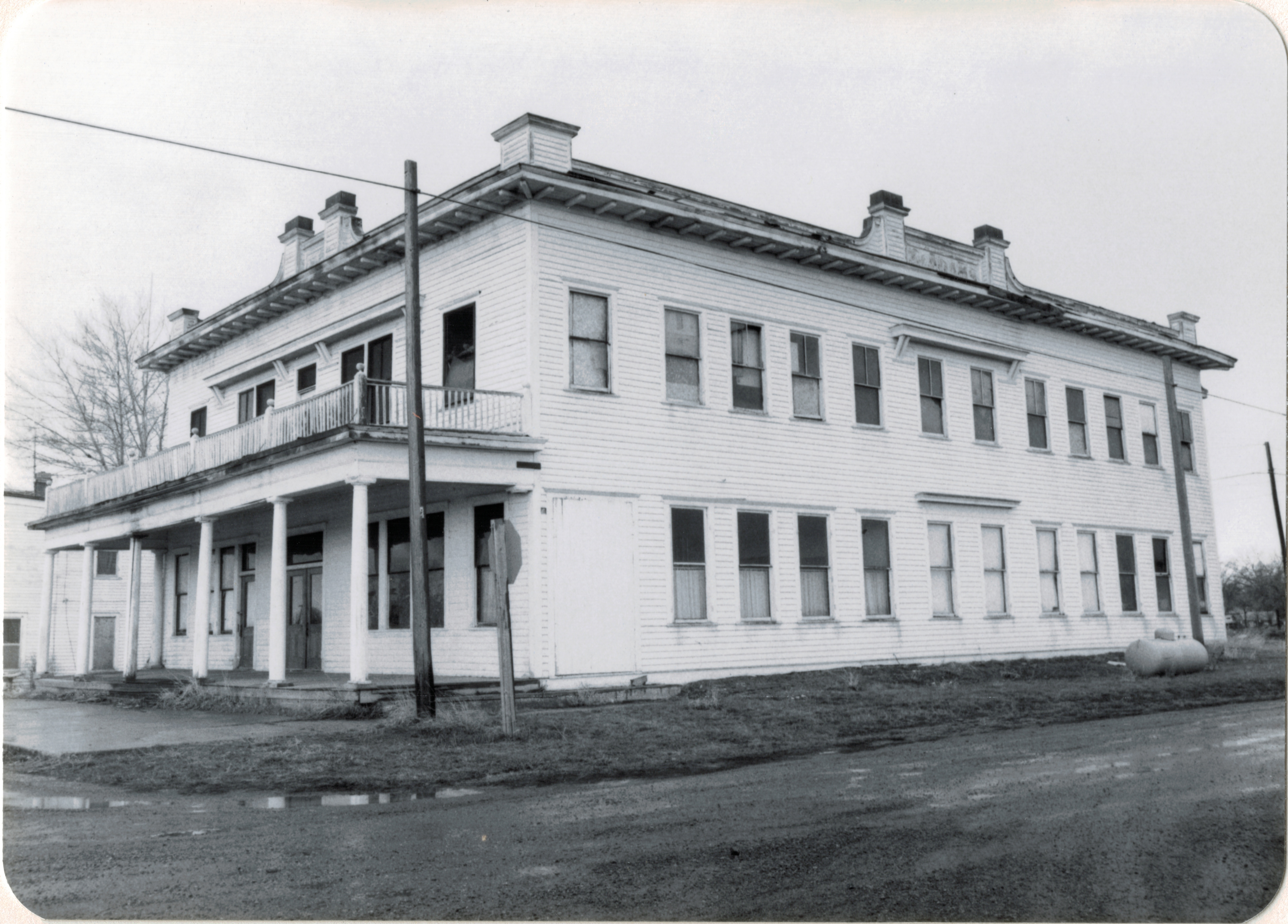
As you leave Billings and head north of Montana 3, this state road intersects with U.S. 12 at Lavina, one of the county’s two incorporated towns, and a place that has held steady in population since 1980 (probably due to its location and proximity to Billings).  The Adams Hotel, built in 1908 with a year of the railroad’s arrival, struck me immediately–a huge two-story Colonial Revival style building–in 1984 in the middle of nowhere.  But the Adams,

Adams Hotel, Lavina, Golden Valley Co (26-26)

listed in the National Register of Historic Places, spoke to the town founders’ hopes for the future–and the need for a large hotel for all of the traveling businessmen, and homesteaders, the Milwaukee planned to attract to the area.  As the image above shows, in 1984 the Adams needed a friend–someone who would take on a huge frame building and find a new life for it.  In the next decade that friend came and the Adams came back to life, as the 2006 digital image below shows.

Lavina

The next decade has not been so kind.  Owners have placed a clock in the cornice, eliminating the original dating of the building, plus brass lanterns have appeared on the second floor and it needs painting and repairs.  But the building is still open, and in use, and those are huge steps toward compared to 30 years ago.

IMG_0203

The town’s general store, Slayton Mercantile, which is also on the National Register, is doing better, and has become one of my frequent stops in the region.  This two-story brick commercial building also spoke to town’s hope for a bright future in the second decade of the 20th century.  Travelers along the road, and the town’s steady population, keep it in business today.

Slayton Mercantile, Lavina, MT, 2007

Slayton Mercantile, Lavina, MT, 2007

Slayton Mercantile, Lavina, MT, 2013

Slayton Mercantile, Lavina, MT, 2013

The historic two-story with full basement yellow brick Lavina Public School is not on the National Register but this early 20th century building is another key landmark.  Its exterior architectural features speak to the restrained styles of public architecture often found in the region. Another community landmark is the joint United Methodist and Lutheran church of Lavina–the two congregations share this Gothic-styled early 20th century building to sustain it and themselves as viable congregations.

IMG_0196

IMG_0195

The fate of beautiful rural churches is not a happy story throughout the northern plains, but Golden Valley County has done better than many.  Another of its early 20th century churches, the Lutheran Church at Barber, needed help in the early 1980s when I first surveyed it.  Local residents in the last 30 years restored the building, opening it for services, and listed it in the National Register.  The original open bell tower has been covered and a handicap ramp for attendees have been added–steps that have helped to keep the building part of the county’s otherwise disappearing historic landscape.

Grace Lutheran Church, Barber NR (p84 27-29)

Barber Community Church, Golden Valley County, MT, 1984

Ryegate is the county seat and an important crossroads for ranchers and travelers.  Its population too has remained relatively steady since the end of the Milwaukee Road in 1980–273 then and 245 in 2010.  It was never a big place, with the largest population coming in 1920 when the county began, 405 residents.  The historic grain elevators

IMG_0211

speak to the importance of the railroad, and highway, while the landmark Ryegate Bar has served thirsty locals and travelers for decades.  Today it is most famous for its annual testicle festival–a new tradition launched since the survey of 1984-1985.
IMG_0212

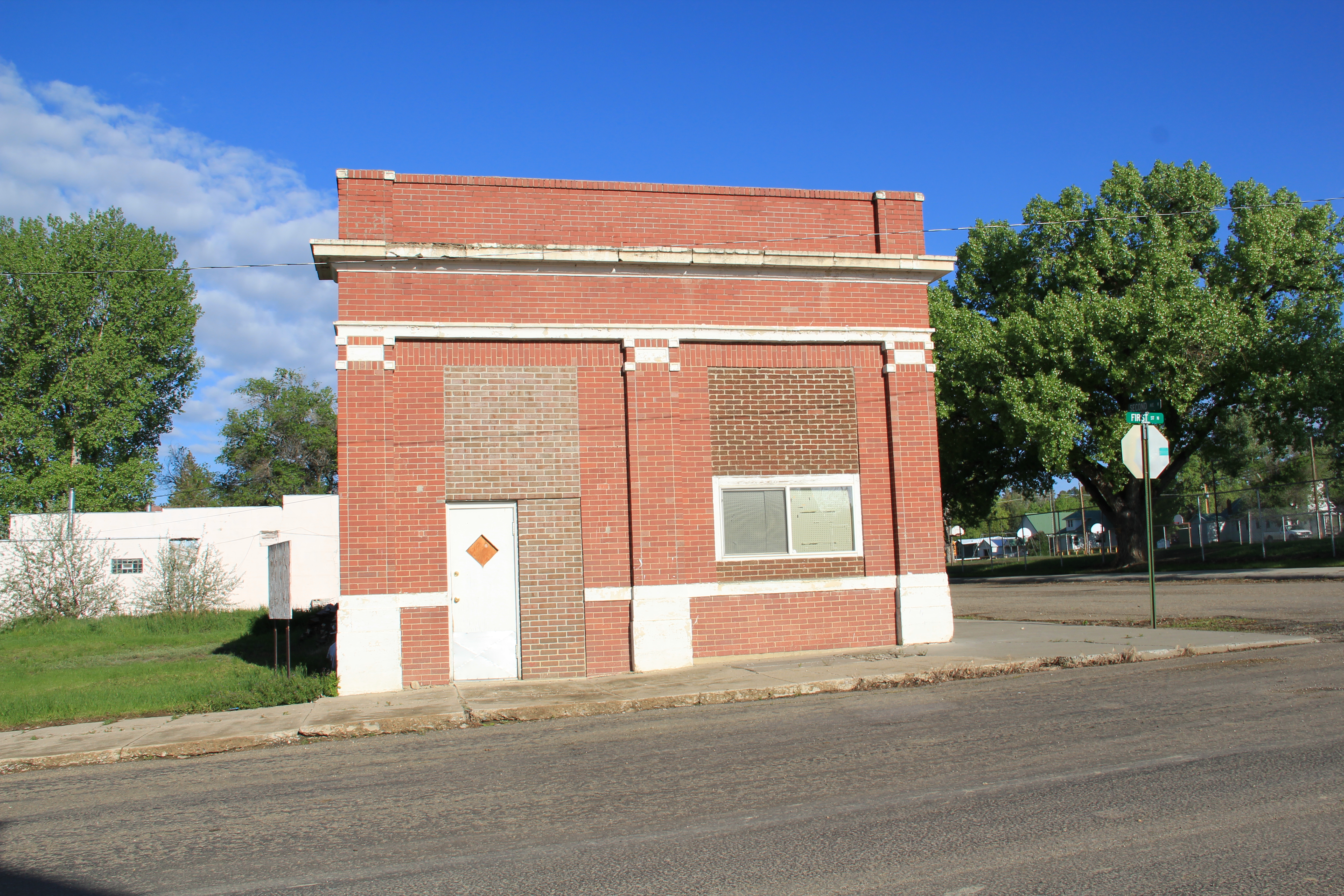
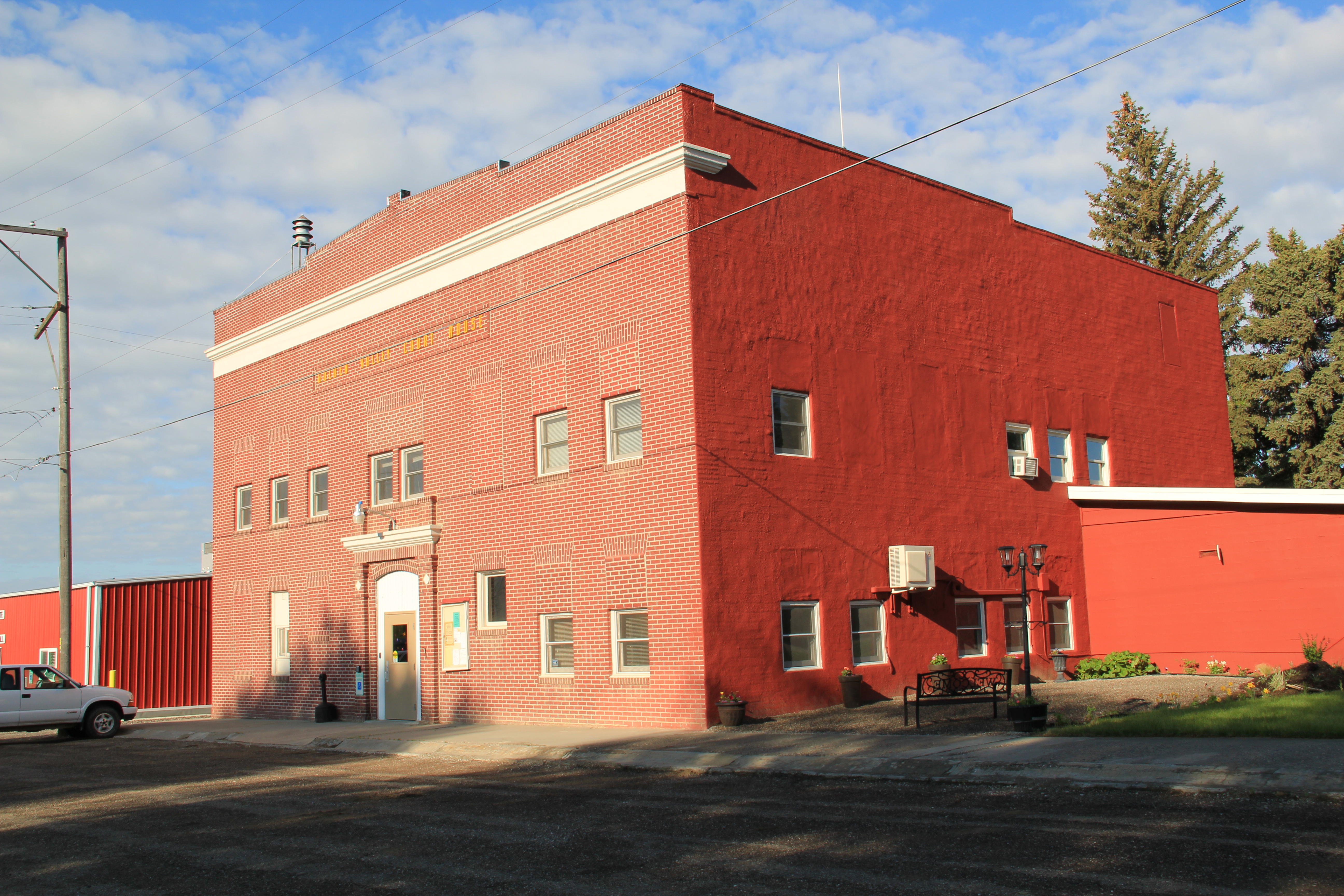
Two buildings from the county’s beginnings are a one-story brick Classical style bank building, which like so many in the region closed its doors during the homesteader bust and the Great Depression, and the Golden Valley County Courthouse, appropriately the town’s most imposing building.

IMG_0214

IMG_0222

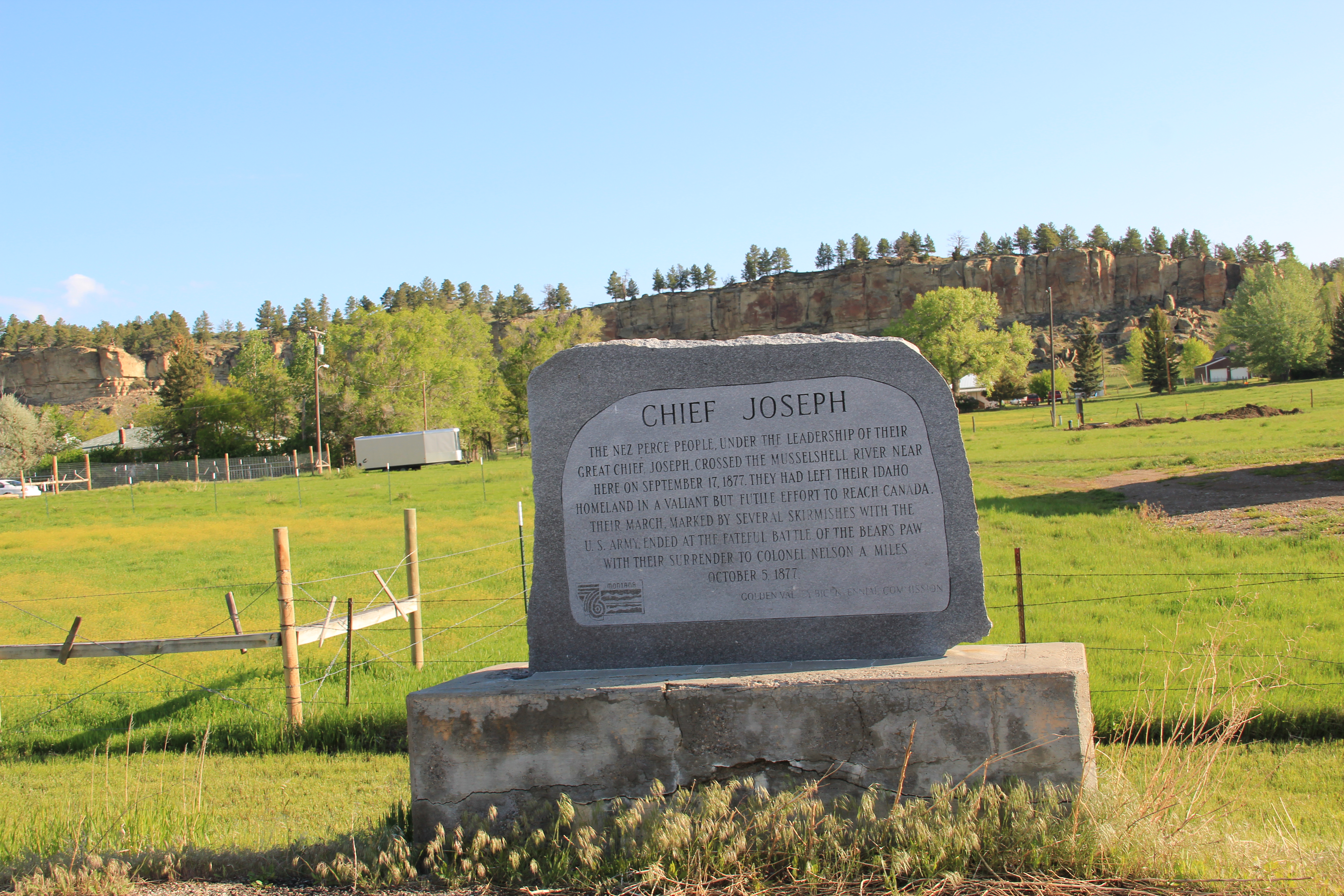
Ryegate also has its acknowledged historic sites:  a town project in 1976 marked the area’s association with Chief Joseph’s 1877 trek across eastern Montana while on the

IMG_0208

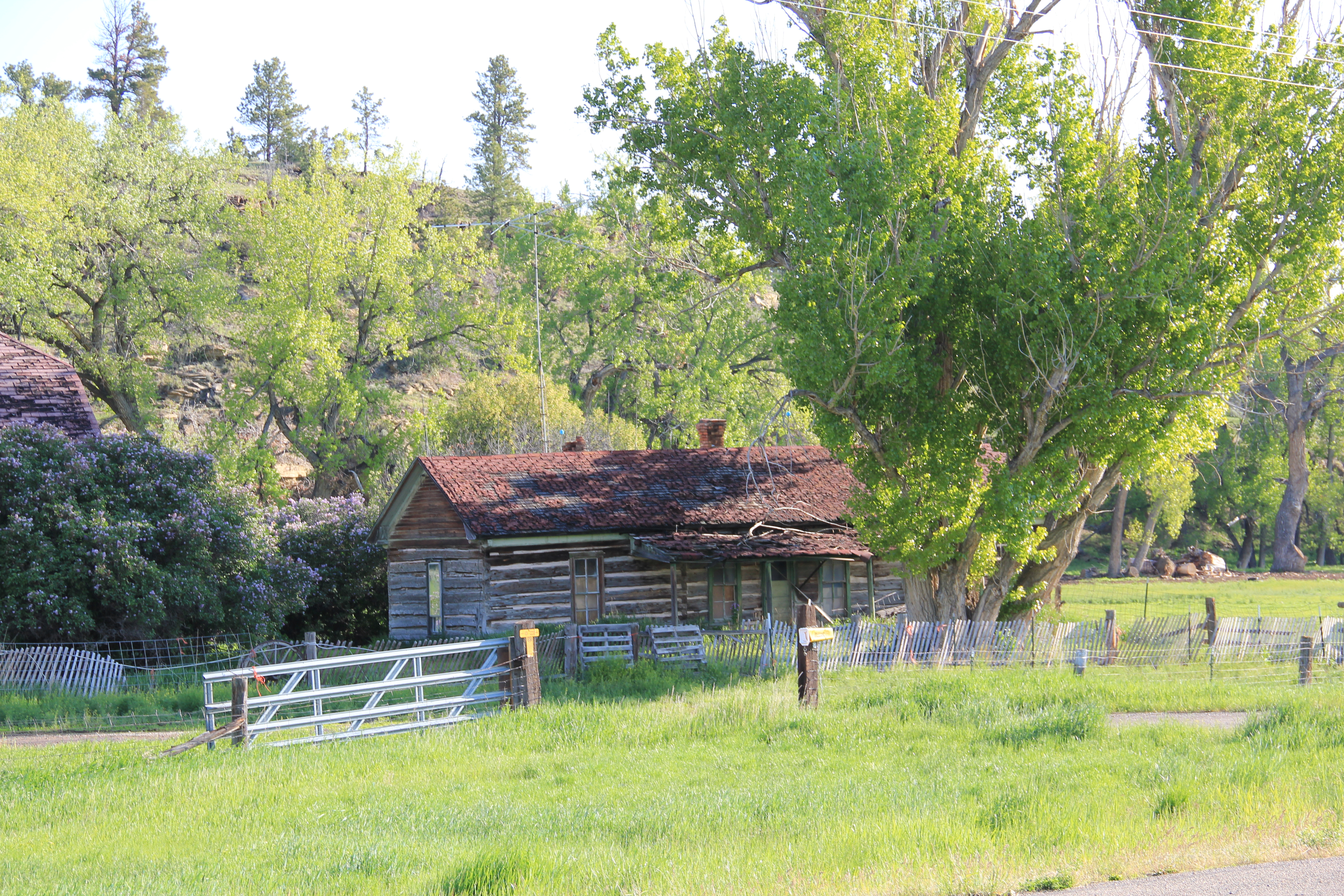
town’s eastern border the Sims-Garfield Ranch, a rambling assortment of vernacular-styled log and stone outbuildings and two vernacular style residences is the only town property listed in the National Register. Nestled between U.S. Highway 12 and the rocky bluffs of the Musselshell River, it is evocative of the county’s roots as a ranching landscape, a place of work and pride that survives today.

IMG_0229

IMG_0228

IMG_0227

IMG_0226

Musselshell school and the Musselshell Valley

IMG_0091

Traveling west of U.S. 12 along the Musselshell River Valley, I eagerly sought out the town of Musselshell, assuming that the 30 years since my last visit had not been kind to the small country town.  I hope that the iconic 1913 school–a gleaming yellow brick landmark–was still there.  It had survived, as the photo above attests, although students no longer attend classes there.  Musselshell School closed as an education institution over 10 years ago, but a group of determined community-minded residents formed the Friends of Musselshell School and saved the building, turning it into community center for the western end of the county.  When I visited in 2013–new work to the building was evident, including newly installed windows, courtesy of a $10,000 grant from PPL Montana Community Fund.

Handel store, c. 1912, and Musselshell overview

Handel store, c. 1912, and Musselshell overview

Musselshell prospered in its first decade of existence, after the arrival of the Milwaukee Road, and has been in decline, really, ever since.  But it retains both the historic high school and elementary school (which is now headquarters for the volunteer fire department), along with early 20th century churches, community institutions for a vanishing population.

IMG_0093

IMG_0094

Community Bible Church, Musselshell

Vanishing as well is the story told by the area’s mid-20th century irrigation project, the Delphia-Melstone Canals, built in 1950 and 1953 by the State of Montana.  The diversion dam at Musselshell was the project’s largest at 182 feet.

IMG_0098

Somehow Musselshell has been able to hang on to its tiny false-front post office, a reminder of the community’s persistence along a railroad that has disappeared and a highway that receives so few travelers today.

IMG_0095

Moving and Saving Historic Buildings in the Montana Plains

Created with GIMP

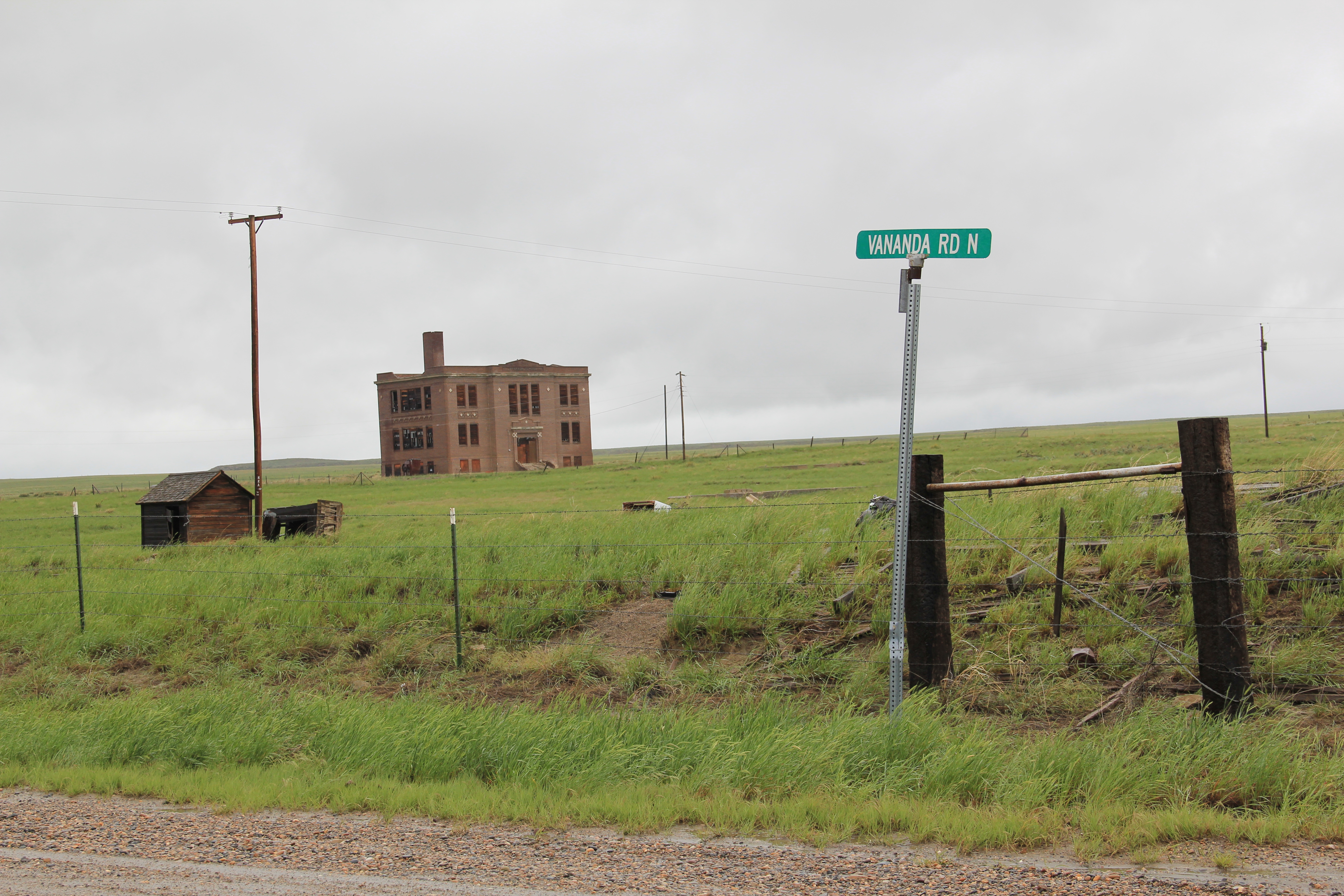
Vananda School, northern Rosebud County. I took this image during the preservation work of 1984.

When I met with residents in Rosebud County in 1984, few places in the county captivated me more than Vananda, one of the county’s Milwaukee Road towns along U.S. Highway 12.  Vananda in 1984 had a few scattered buildings and structures, but two landmarks, a small one-story Classical Revival bank, and the three-story Vananda school. The school in particular spoke to the hopes of the settlers who flooded into the region after the Milwaukee came through in 1907-1908.  In 1917, when Louis Wahl, a Forsyth contractor, built the bank, Vananda like many other homestead towns thought a bright future awaited.  But when the bust came in the 1920s, followed by the Great Depression in the 1930s, people disappeared from here even quicker than they had arrived.

In the years since, I have stopped at Vananda several times, seeing if the buildings still stood as silent sentinels to the homesteading past. The school and the bank survived

Vananda Bank-School Rosebud Co. MT

My favorite image of Vananda, taken in 1998.

the 1990s.  In fact, the Montana State Historic Preservation Office had listed the Vananda historic district in the National Register of Historic Places in 1990, part of a countywide effort to designate local landmarks at that time.

IMG_0130

Vananda historic district, 2013

When I next visited Vananda in 2013, fifteen years had passed.  Imagine my disappointment in finding only the school, and it was looking even more worse for the wear.  This was the same year that the National Trust for Historic Preservation listed Montana’s rural schools as one of its most threatened properties in the nation.  One can hope that that designation will eventually bring help and preservation to the school.

IMG_0128

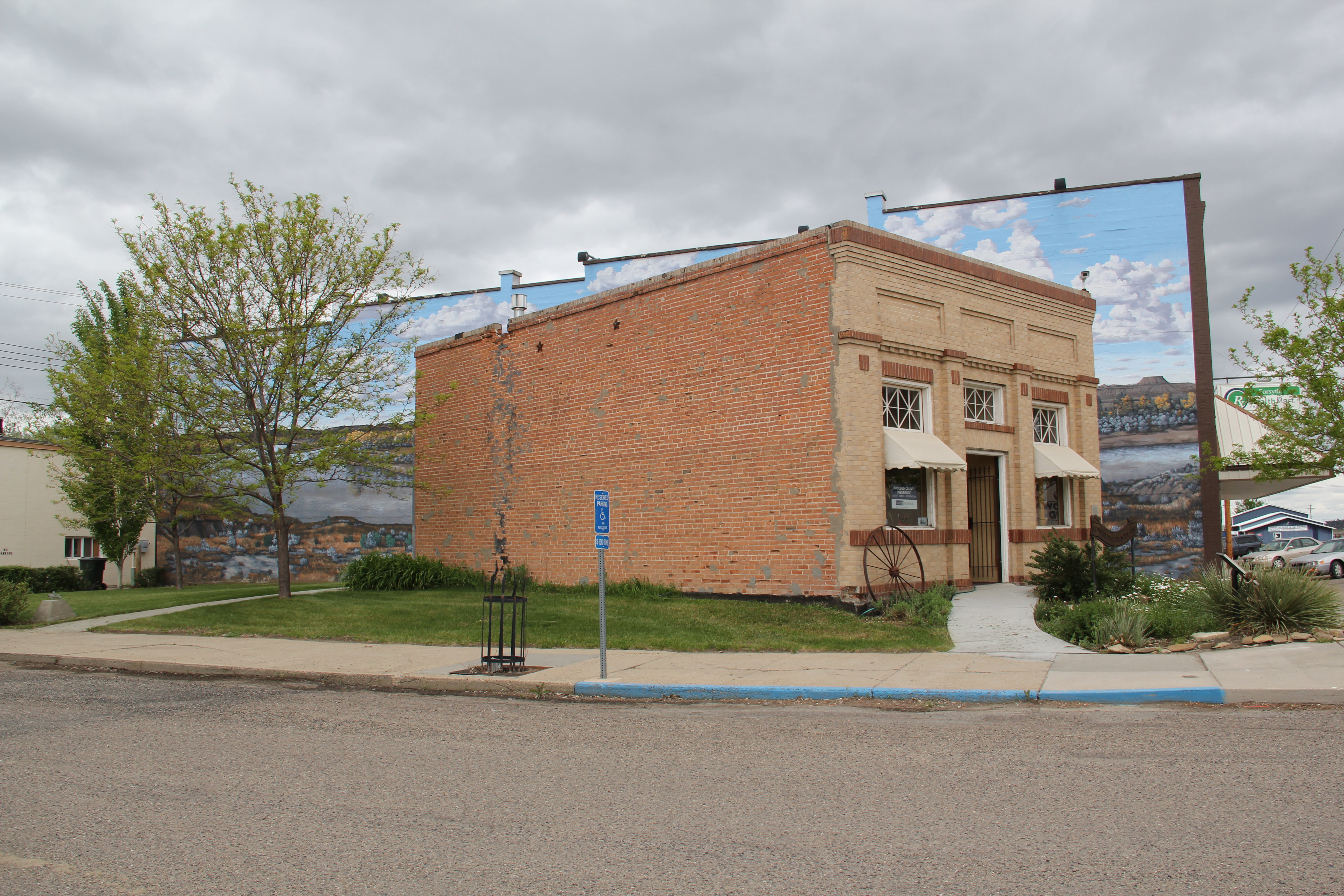
What had happened to the bank?  I found out about 17 miles later when I came into Forsyth, and stopped at something new, at the town’s most prominent crossroads, at Main and 10th Avenue.  It was the Vananda State Bank, moved to that location in 2002-2003.

IMG_6984

The abandoned building was now an insurance building, and an important contributor to town’s historic environment, especially since its corner lot was further enlivened by a mural of the Yellowstone River, “Autumn on the Yellowstone,” by local artist Bob Watts, who has several different murals located throughout town. No. moving the bank to Forsyth and restoring it there, rather than Vananda, is not historic preservation in its purest form.  But it is preservation nonetheless in my opinion.  The historic marker in front of the building tells its story, and there is an active heritage tourism infrastructure in Forsyth, with multiple historic districts, a recently expanded county museum, and a Historic Forsyth walking/driving tour you can download from the Internet.  The bank and the story of Vananda remain active contributors to Rosebud County, fulfilling some of that promise first proclaimed in 1917.

Square Butte and a spring storm

Image


One of my favorite Central Montana landmarks and small railroad towns is Square Butte.  Once served by the Milwaukee Road, few travelers find the town today.  Yet several key landmarks remain–the historic late 19th century stone jail is listed in the National Register of Historic Places.  

Image


There is a historic brick school building, a bit worse for wear but still a key survivor that marks the height of the homesteading boom in the county.  

Image


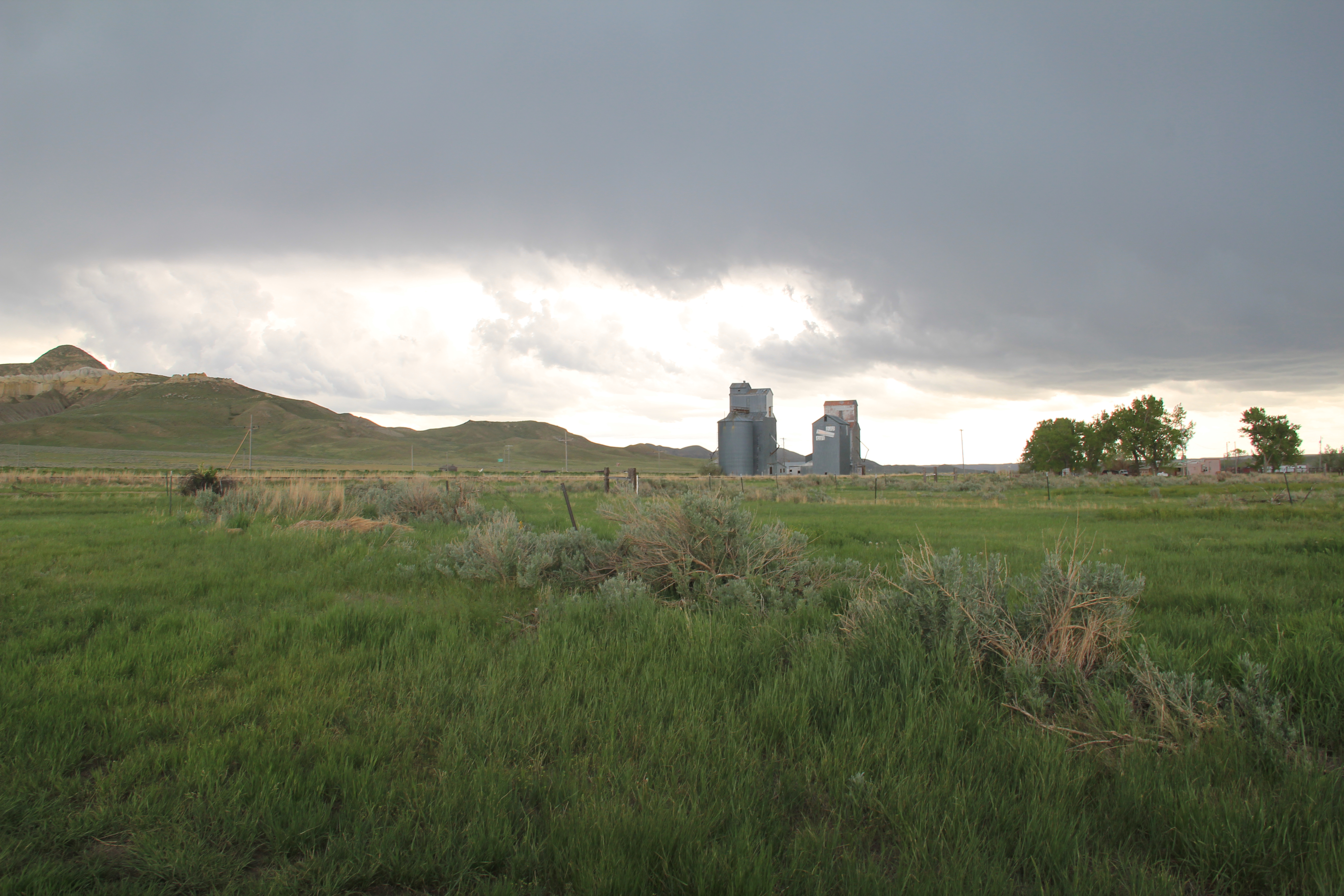
But my favorite resources are the elevators along the railroad corridor–still standing tall, although in that stormy day–I made it through a pretty strong hail storm about 10 minutes after the photo–the elevators perhaps look dramatic than normal.

Image

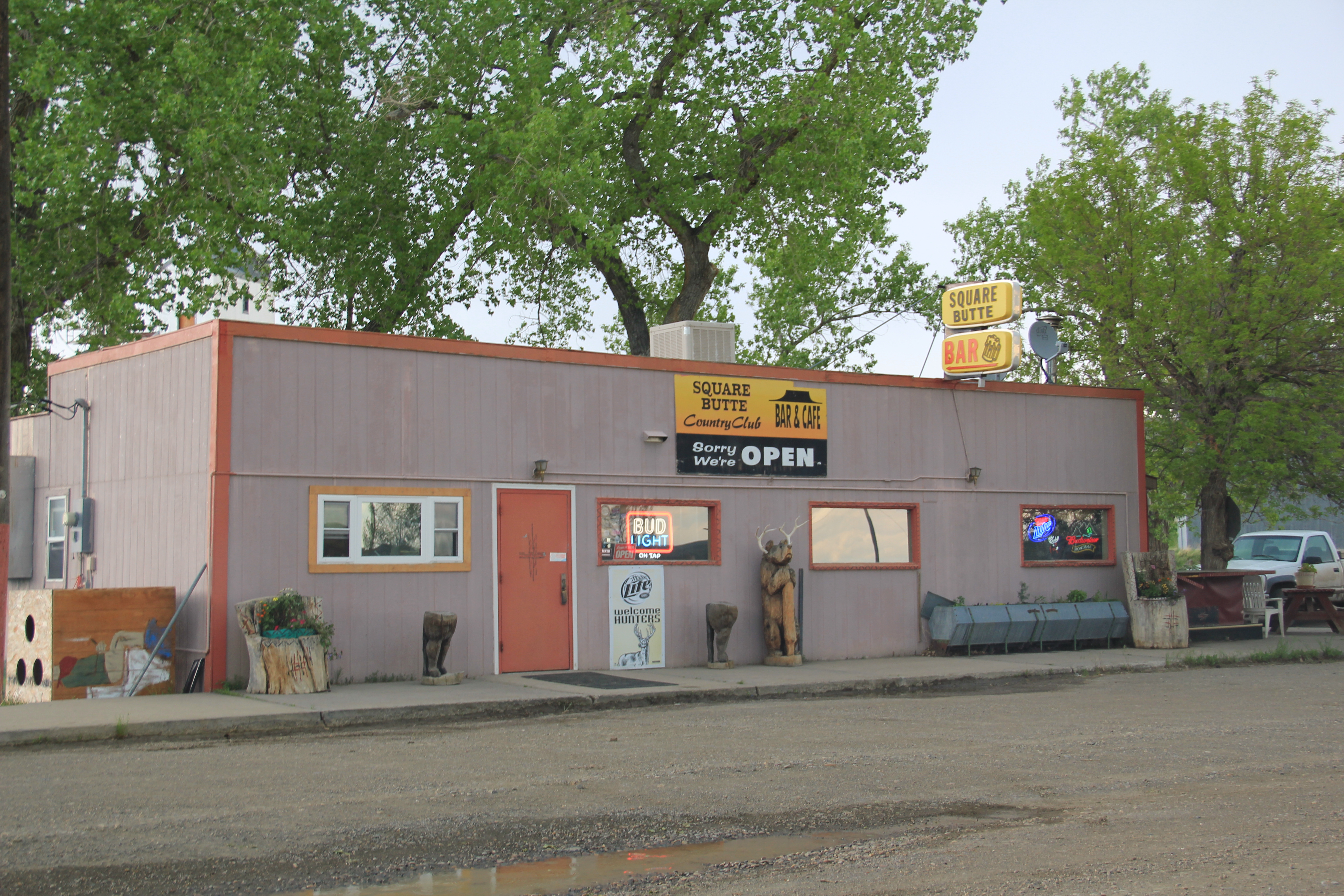
And perhaps most importantly the town still has a local tavern, the appropriately named Square Butte Country Club Bar.  Still an important community center today, as it was in 1984.

Image