The Yellowstone’s Treasure County: Small Place, Big History

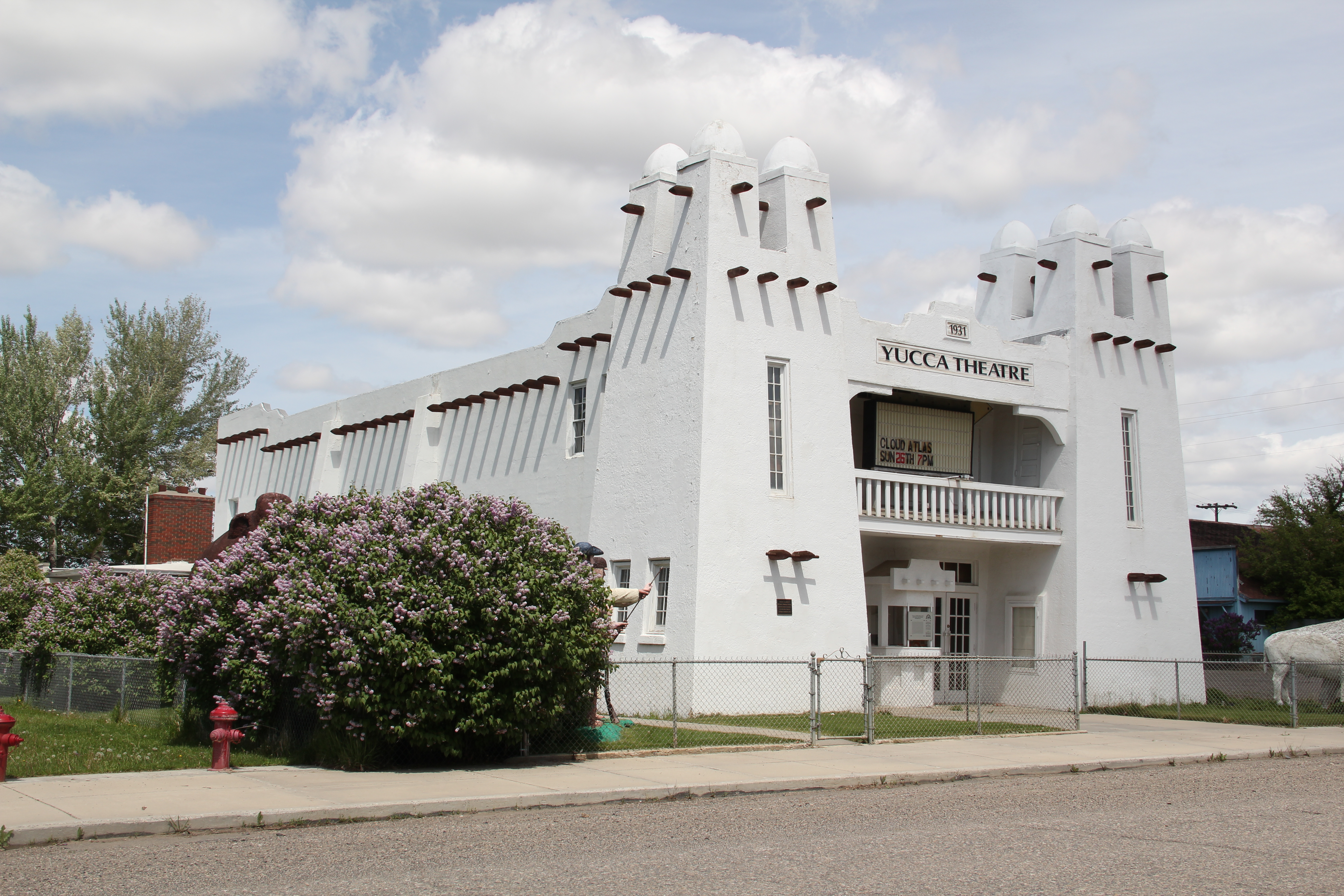
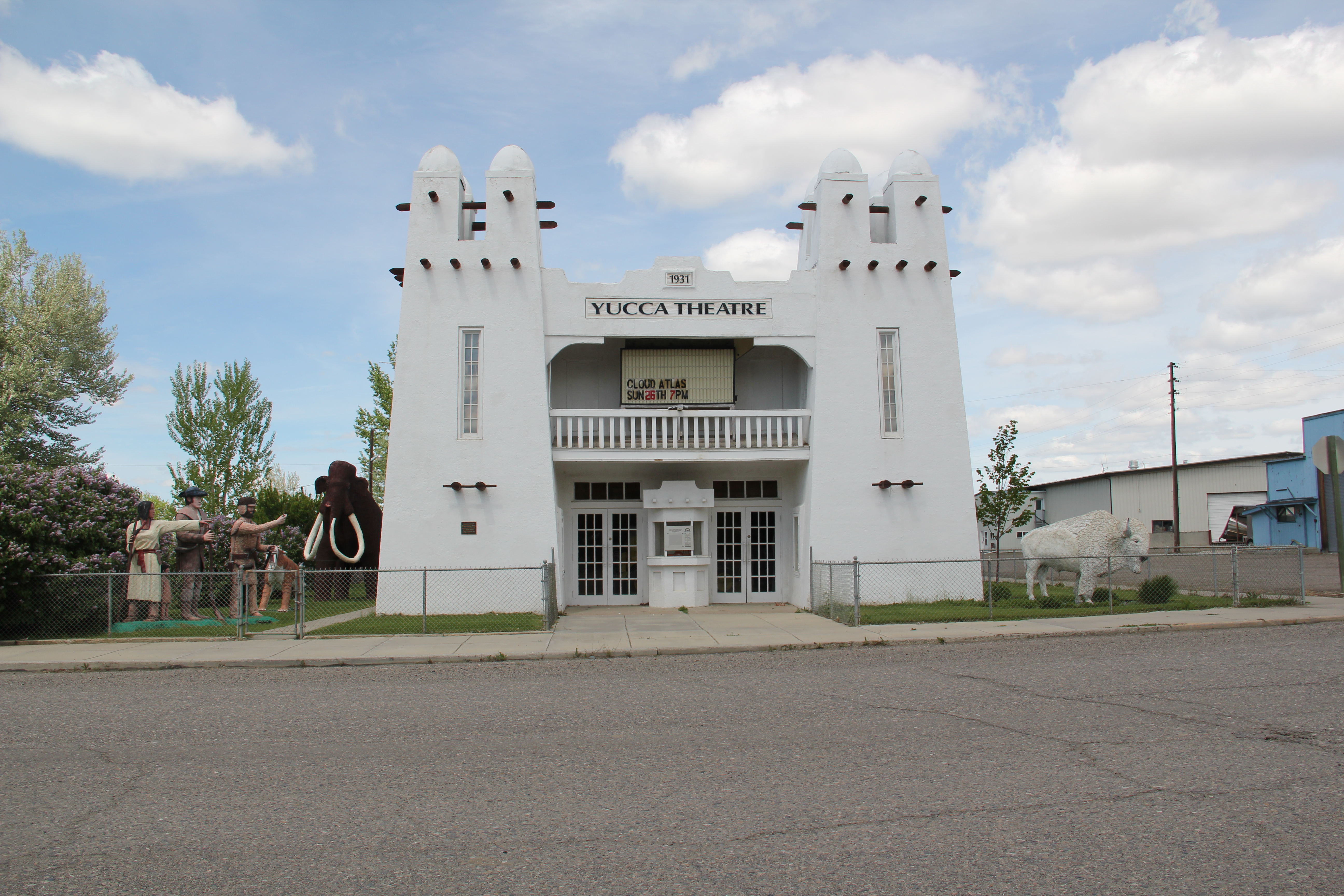
IMG_6911Treasure County dates to 1919, one of the last counties created in the Yellowstone Valley.  Among the smallest counties in size, it has just over 700 residents, a drop of over 200 since my visit in 1984.  But the county has some of the most evocative buildings in the state, starting with the Yucca Theatre, built in 1931 by brothers David and Jim Manning, who wanted to give their community a spark, a glimmer of hope in the increasing hard times of the depression.  David Manning had liked the Spanish Mission style when he had traveled in the Southwest, and he thought, why not for Hysham, since the town was near the spot on the Yellowstone River where Manuel Lisa had established one of the valley’s earliest trading posts.

IMG_6913

Despite the brothers’ best intentions, the theatre struggled as the town and county dwindled in population, but David was devoted to it and transformed it into his home, a convenient landmark, it would turn out, for his political career.  Manning was elected to the Montana legislature in 1932, and he was still serving in the House when I worked at the State Capitol from 1982-1983.  He told me about his theatre, and urged me to go and enjoy his town, and stay at the house, if needed.

IMG_6916

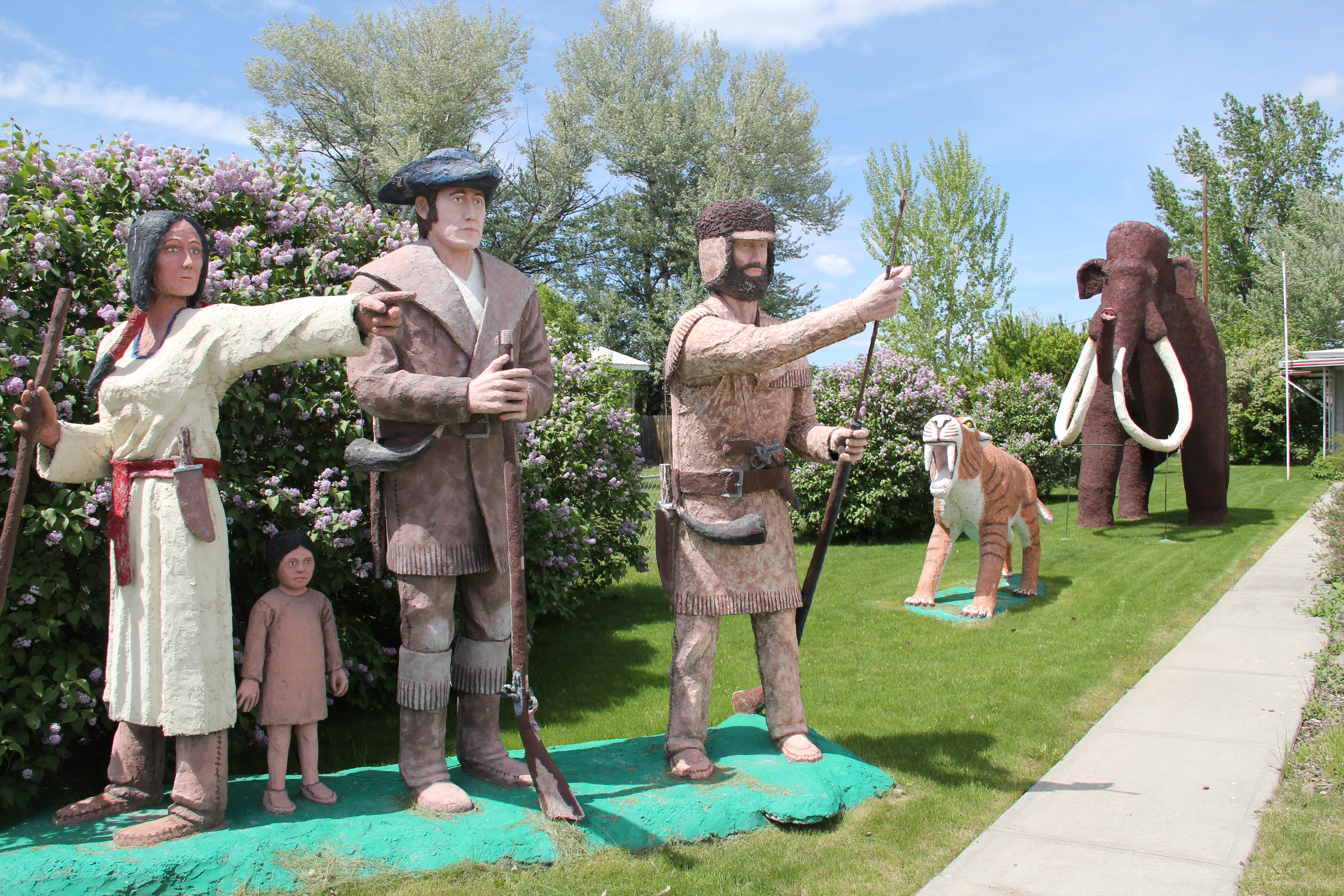
The Yucca Theatre was the first building listed in the National Register in Treasure County and it serves once again as a theatre but also a historic site. Local sculptor Bob Schulze has added statues of Lewis and Clark, along with Sacajawea and Pomp, and a saber-tooth tiger, wooly mammoth and a white buffalo to boot.  Across the street, in an old storefront, is the county museum, another addition to Hysham’s heritage tourism offerings since my 1984 visit.

IMG_6918

Rep. Manning also recommended a stop at the Brunswick Bar, and I am glad he did–this is a great place with great Montana bar food.  The bar has been in business since the 1950s, at least, and the building stands at the location of the original county courthouse.

IMG_6910

And speaking of the courthouse, it is a sparkling “contemporary style” building of the 1950s, an important contribution to Montana modernism.  Many have commented on unique treatment of the exterior, with a map of the county serving as the primary design motif.  The building, as you might expect, has changed little since its opening in 1955.

IMG_6921

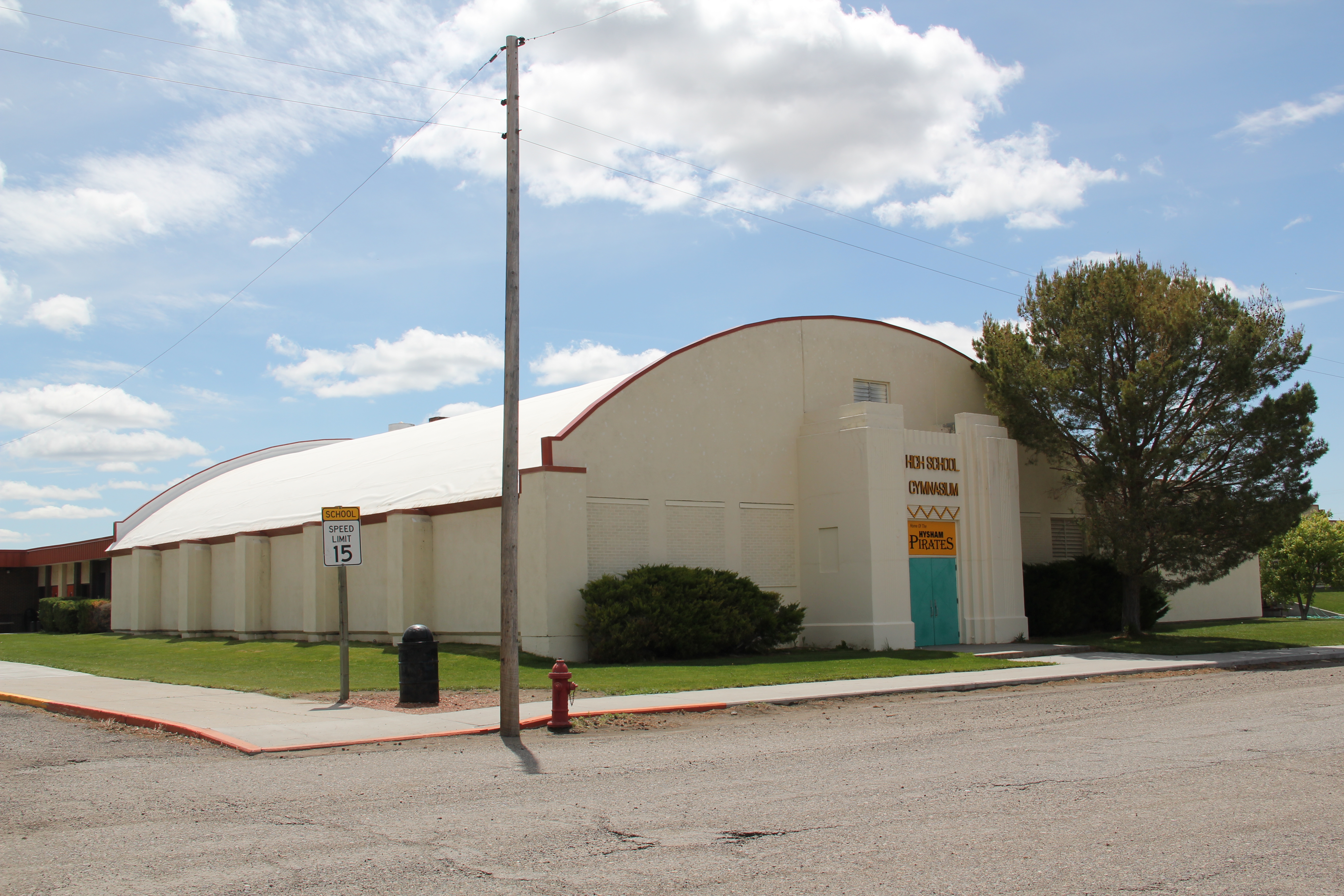
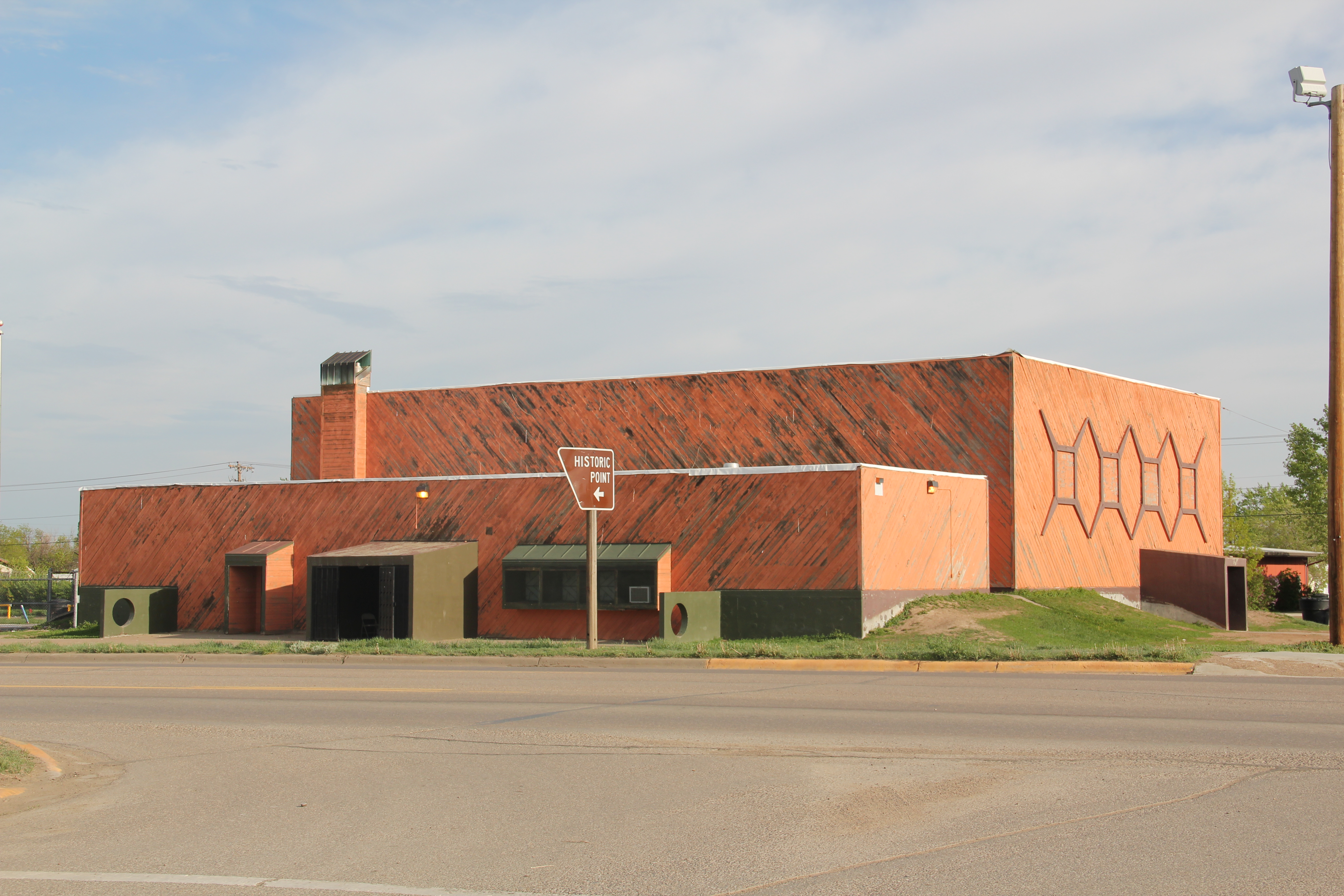
But there’s another Hysham contribution to Montana modernism:  the Treasure County High School Gym–an Art Moderne styled building from the New Deal era right on old U.S. 10 as it passed through town.

IMG_6927

But this is not the National Register-listed New Deal gym in Treasure County, that is at the hamlet of Sanders, where the WPA built the Sanders School Gymnasium and Community Hall in 1940.  This is not Montana Modernism but Montana Rustic, a design from the Billings architectural firm of J.G. Link. It is one of my favorite New Deal buildings in all of

IMG_6929

IMG_6931

New Dealers believed that children needed recreation, and built hundreds of gyms and sports field across the state.  They also believed that devastated, declining rural communities needed spaces–like this community hall–where they could gather for local sports, social events, funerals, and elections.  But the Rustic style in this part of the Yellowstone Valley–not really fitting, the style would have made much more sense in the mountainous western half of Montana.

IMG_6904

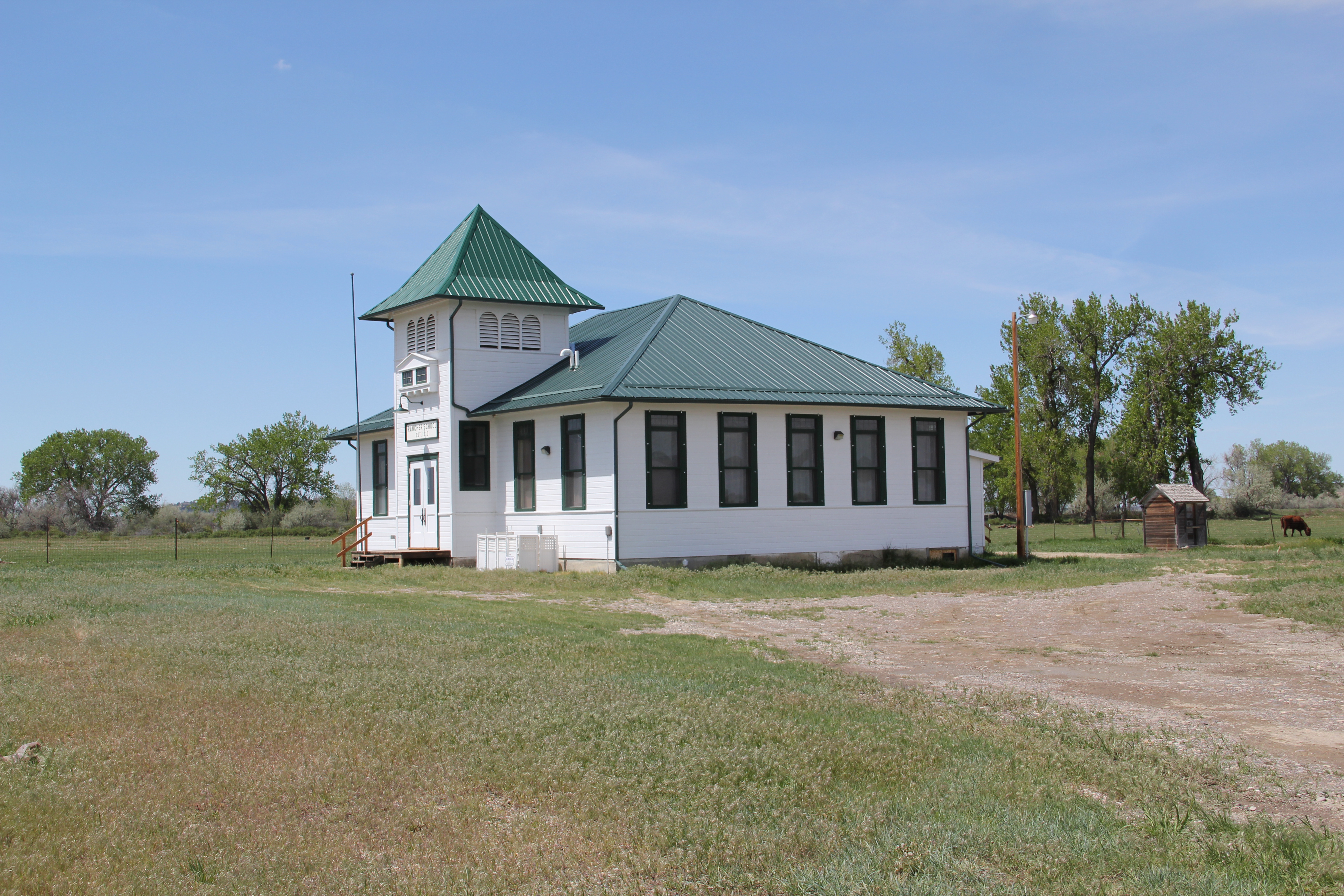
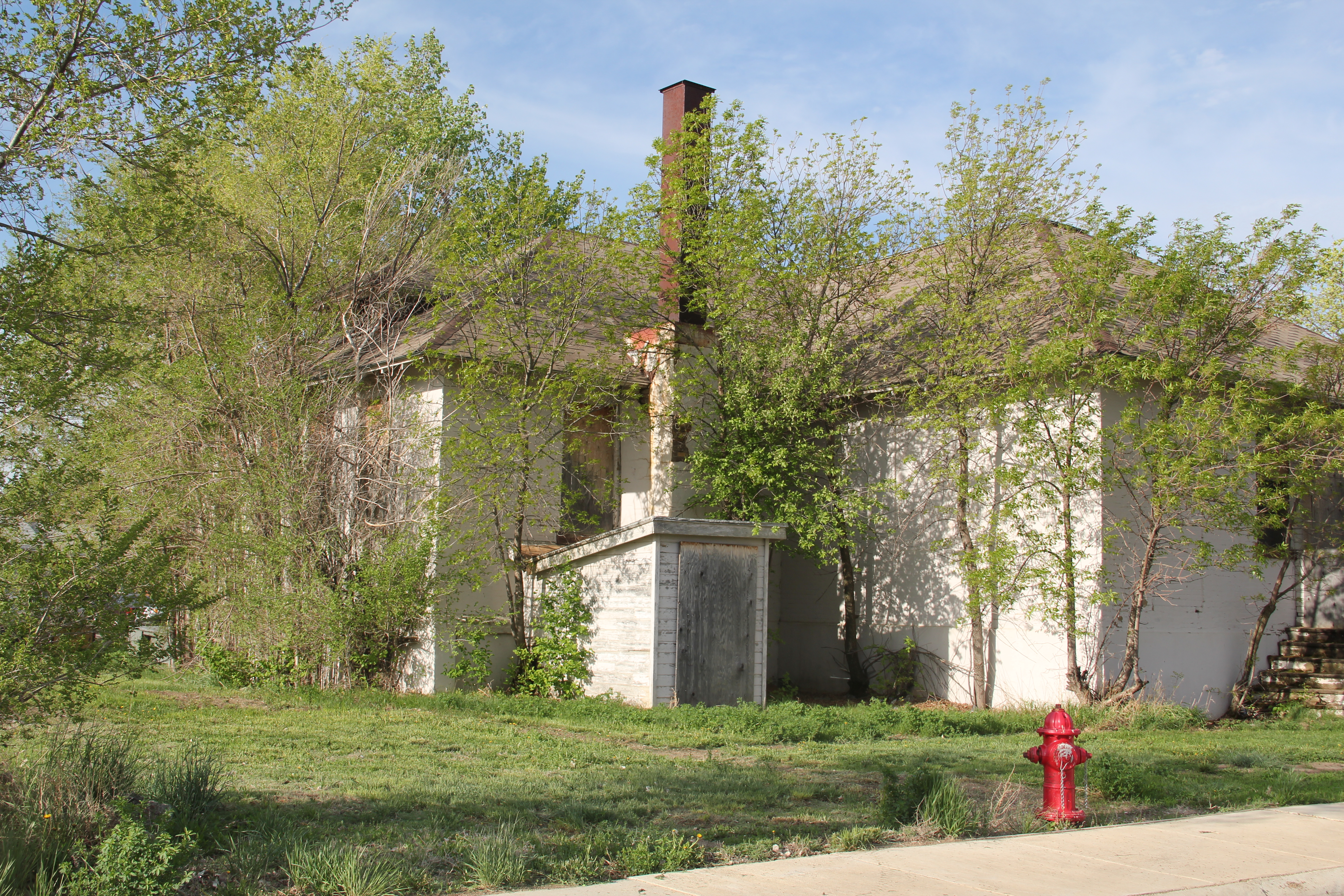
At Sanders, the public school has been gone for decades.  But in the northern part of Treasure County, far, really from everywhere is the Rancher School, perhaps the oldest pubic building in the county since its 1910 construction date means that the school predates the actual creation of Treasure County.  Here is a classic early 20th century school–protected still by barb wire and used periodically for community events.  When the National Trust of Historic Preservation placed Montana’s rural schools on its endangered list, everyone had buildings just like the Rancher School in mind.

IMG_6906

Kudos to everyone who has contributed to keeping this building standing as a symbol of communities long gone but not forgotten, not as long as rural landmarks like all of the historic buildings in Treasure County continue to serve owners and residents.

The Yellowstone’s Prairie County

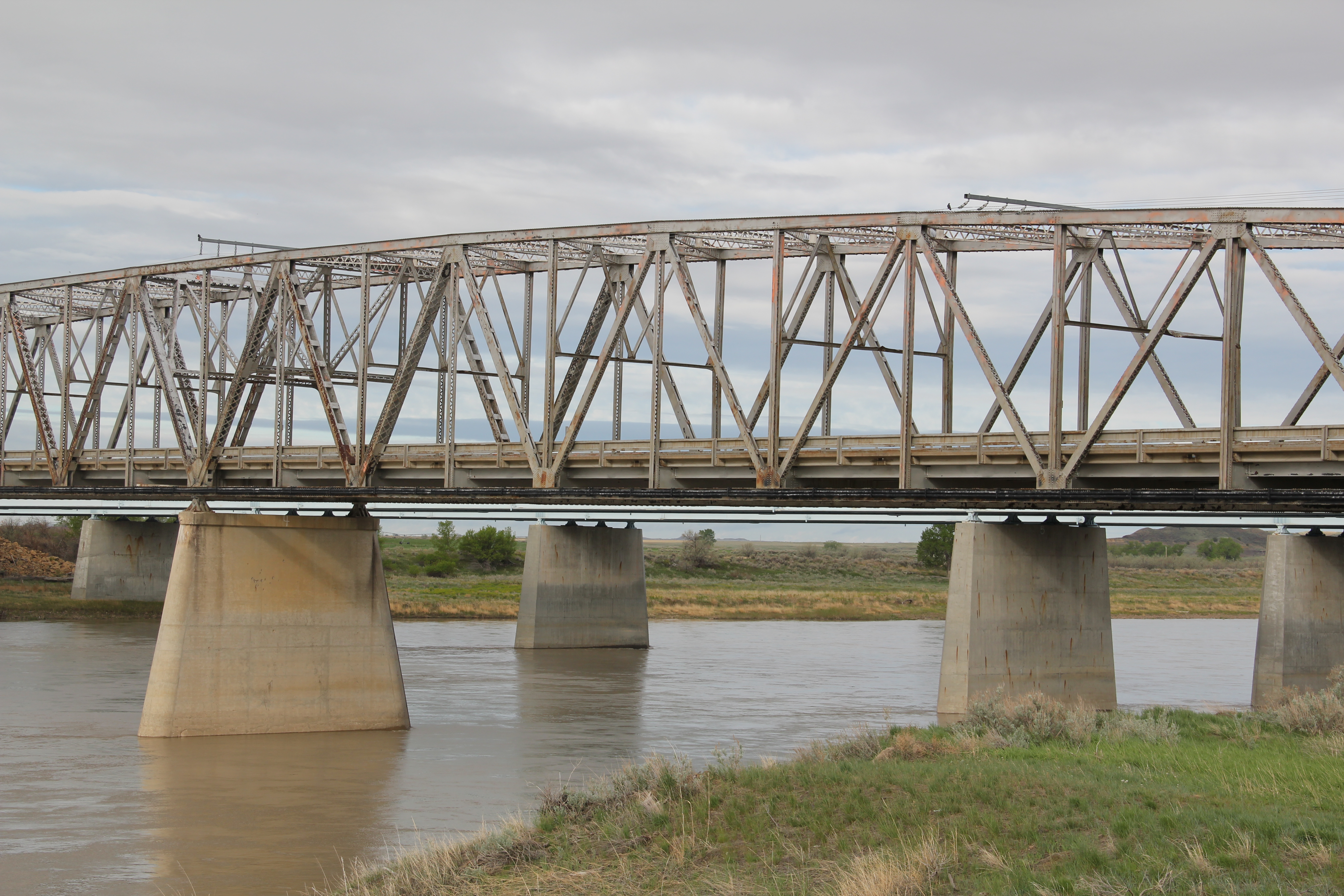
Old U.S. 10 bridge over Yellowstone River, Prairie County, MT

Old U.S. 10 bridge over Yellowstone River, Prairie County, MT


From Glendive in 1984, I began to move up the Yellowstone Valley, taking a particular interest in the various Northern Pacific railroad towns–that over-arching pattern in the region’s historic landscape was clearly my over-riding interest in 1984. But places like Prairie County added their own intriguing challenges. Here the Milwaukee Road, coming from the southeast, entered into the valley. And then there was the real treasure trove of early settlement photographs produced by Evelyn Cameron. Thirty years ago, Cameron’s stark yet compelling images were just become re-discovered and appreciated. Her images were also in my head as I traveled this small eastern Montana county.
Evelyn cameron
Fallon was the first town I encountered in Prairie County. Established during the building of the Northern Pacific in the early 1880s, it has never been a big place. Its National Register landmark is probably rarely recognized, since it is the steel truss bridge on old U.S. 10 that crosses the Yellowstone at this place. This magnificent continuous span Warren through truss bridge is Montana’s longest truss bridge, 1,142 feet. It was built in 1944 as a wartime emergency project after a ice flow destroyed an earlier crossing at this place. It is also a reminder of how crucial old U.S. 10 was to the nation’s transportation system in the mid-20th century.
IMG_7194
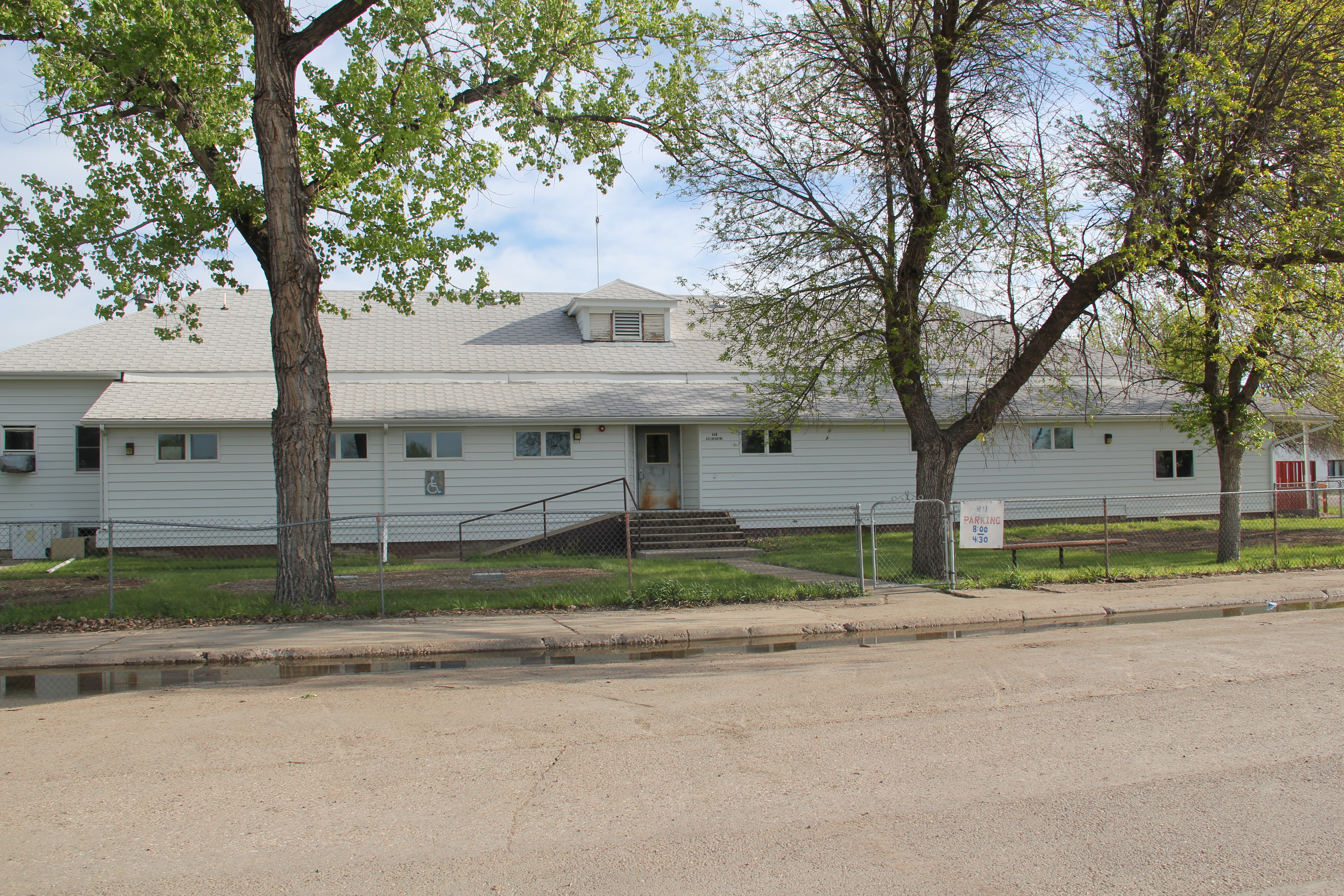
When I visited Fallon 30 years ago, the school was a focal point of the community. In 2013, it was closed, and counted as one of the National Trust for Historic Places threatened rural schools of Montana.
IMG_7206
The old bank building was the post office, a great adaptive reuse I thought in 1984. This neoclassical brick building is still the post office–having survived the earlier postal service to close many small town Montana post offices.
IMG_7196
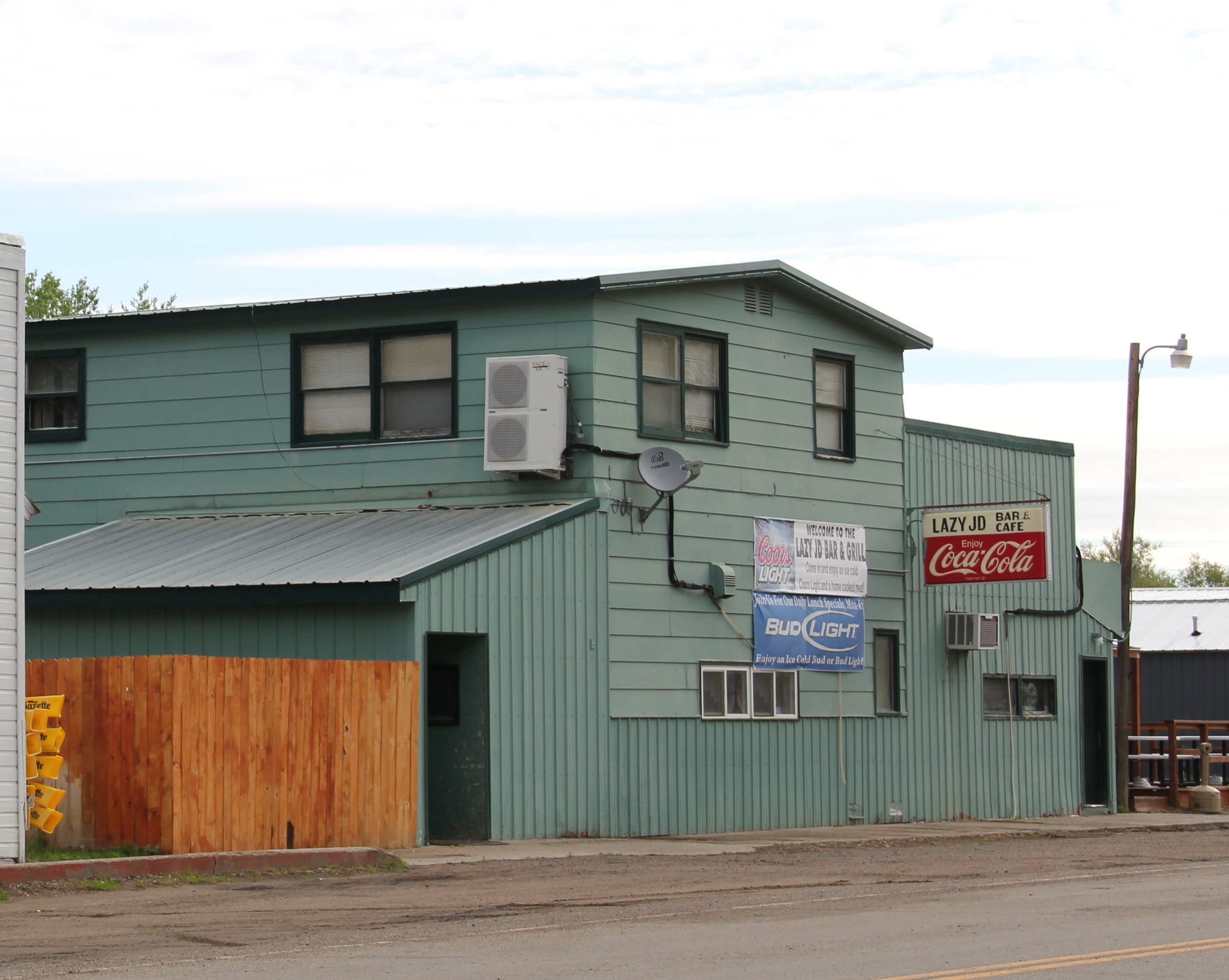
Another really important place of continuity was the Lazy Jo’s bar and cafe. Housed in one of those typical Eastern Montana buildings that grew, morphed, and changed again over the last 100+ years, it is still a great place, and an active community center.
IMG_7197
Across from the bar, between the town’s main street and the railroad tracks, was the water trough, a reminder of those days amply recorded in Cameron’s photographs 100 years ago, and the town’s only marked historic structure.
IMG_7203
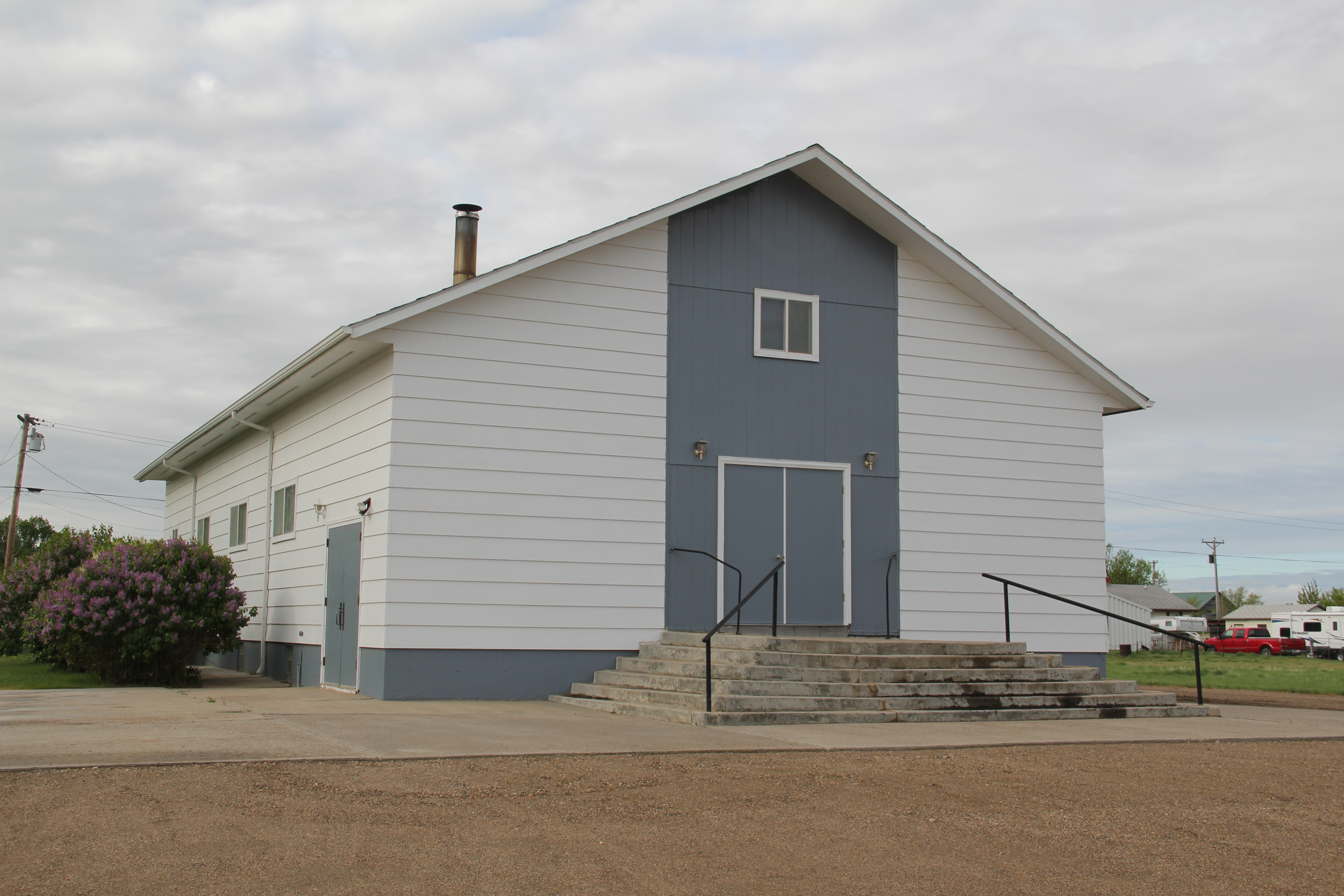
Community pride is probably expressed best through the tiny but still active Fallon Town Park and the quietly dignified Grace Lutheran Church. These are anchors for a place that has experienced and survived much and faces an uncertain 21st century future.
IMG_7199
IMG_7200
IMG_7201
I apologize for the gaps in recent posts, just extremely busy in the job that actually pays money–hopefully I can catch up in what goes for winter in Tennessee. Next is Terry, Montana.

Building Zoos on the Northern Plains

IMG_7666

Building zoos are among the most interesting parts of the western historical landscape. At an isolated outpost on the northern plains like Scobey, Montana, these deliberate creations of history, identity, and memory tell residents, much more so than tourists (who come by in dwindling numbers), that once there were people, vitality, and interest here, and what happened in the past could happen again in the future.

IMG_7659

They also are demonstrations of the challenges of early days when tiny homestead shacks were home, and families stood in stark contrast to the seemingly endless flat prairie. As such building zoos are also marks of achievement, that the settlements of today show that the pioneers’ sacrifice was not in vein.

IMG_7676

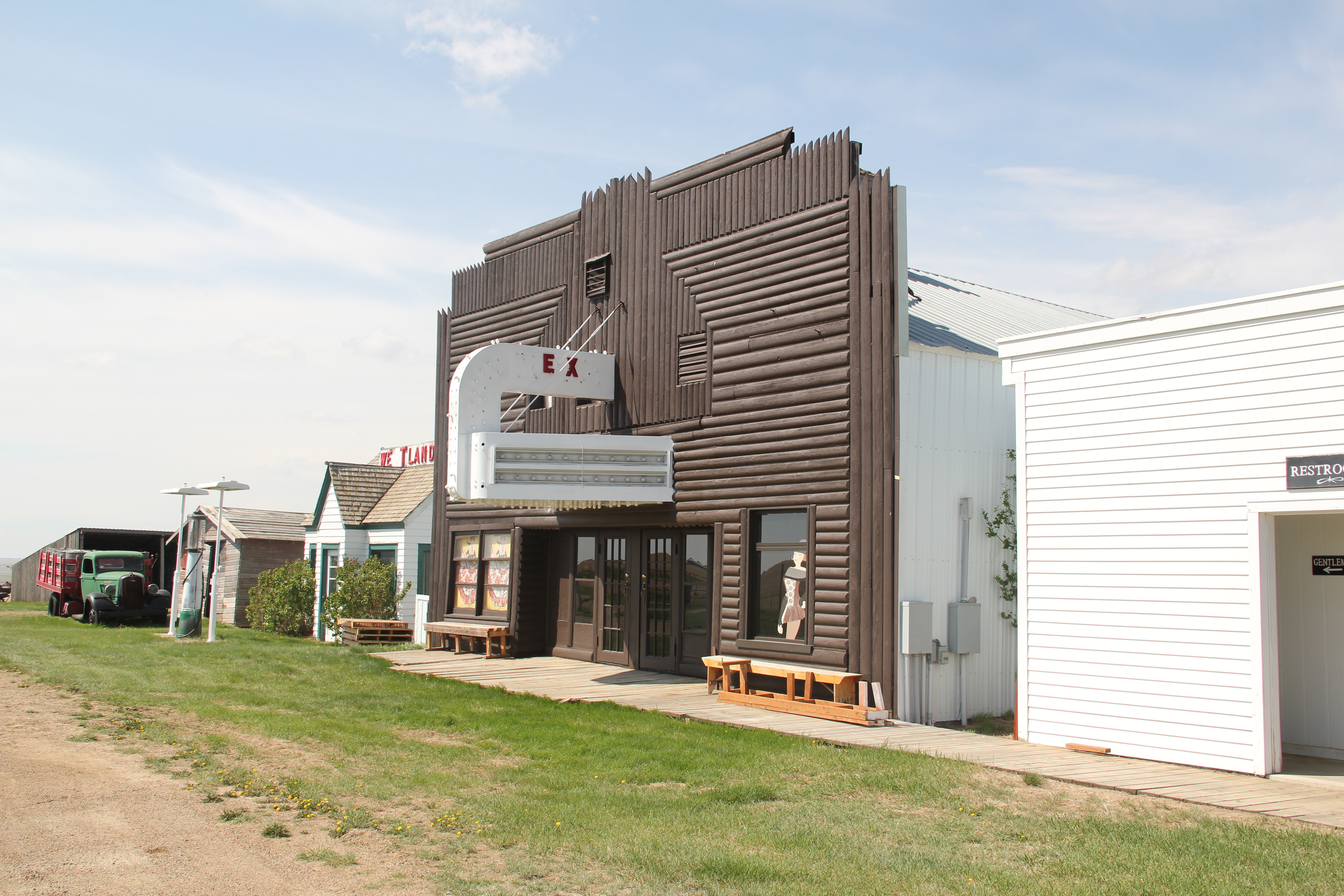
The Daniels County Museum in Scobey is one of my favorite building zoos due to its fascinating array of buildings plus the obvious care that the facility has received over the decades. When I encountered it in 1984 frankly I was amazed. Here were large buildings moved to a spot in the middle of nowhere. They did “they” hope to achieve? Of course “they” were what they were doing–and they told their story with the same verve shown by the original owners of the Rex Theater, a false front in log rustic style for a land that had so few trees.

IMG_7663

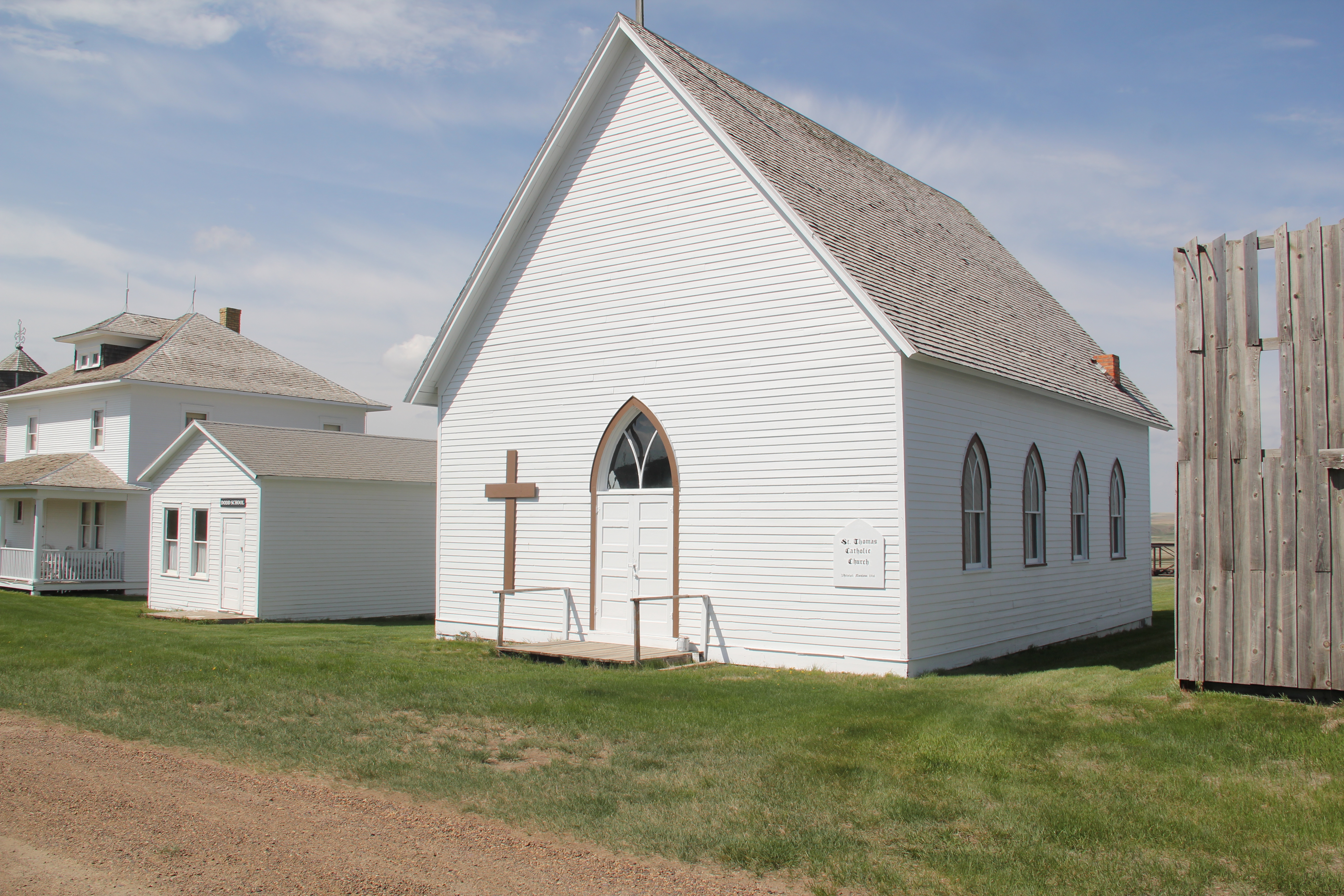
Then were were the multiple churches marking a diversity of faiths from St. Michaels Ukranian Greek Orthodox Church, St. Thomas Catholic Church, and the more stylish in an Arts and Crafts way All Saints Episcopal Church. All were from the second decade of the 20th century when the homesteading boom across Daniels County was at its height.

IMG_7661

IMG_7673

A building zoo is not really a building zoo unless it has moved mercantile buildings, which, in turn, are full of artifacts of the past. The Daniels County Museum has excellent examples of the early 20th century commercial aesthetic of the northern plains–a look not different than that of any western instant town of the era between the Civil War and World War I.

IMG_7672

IMG_7675

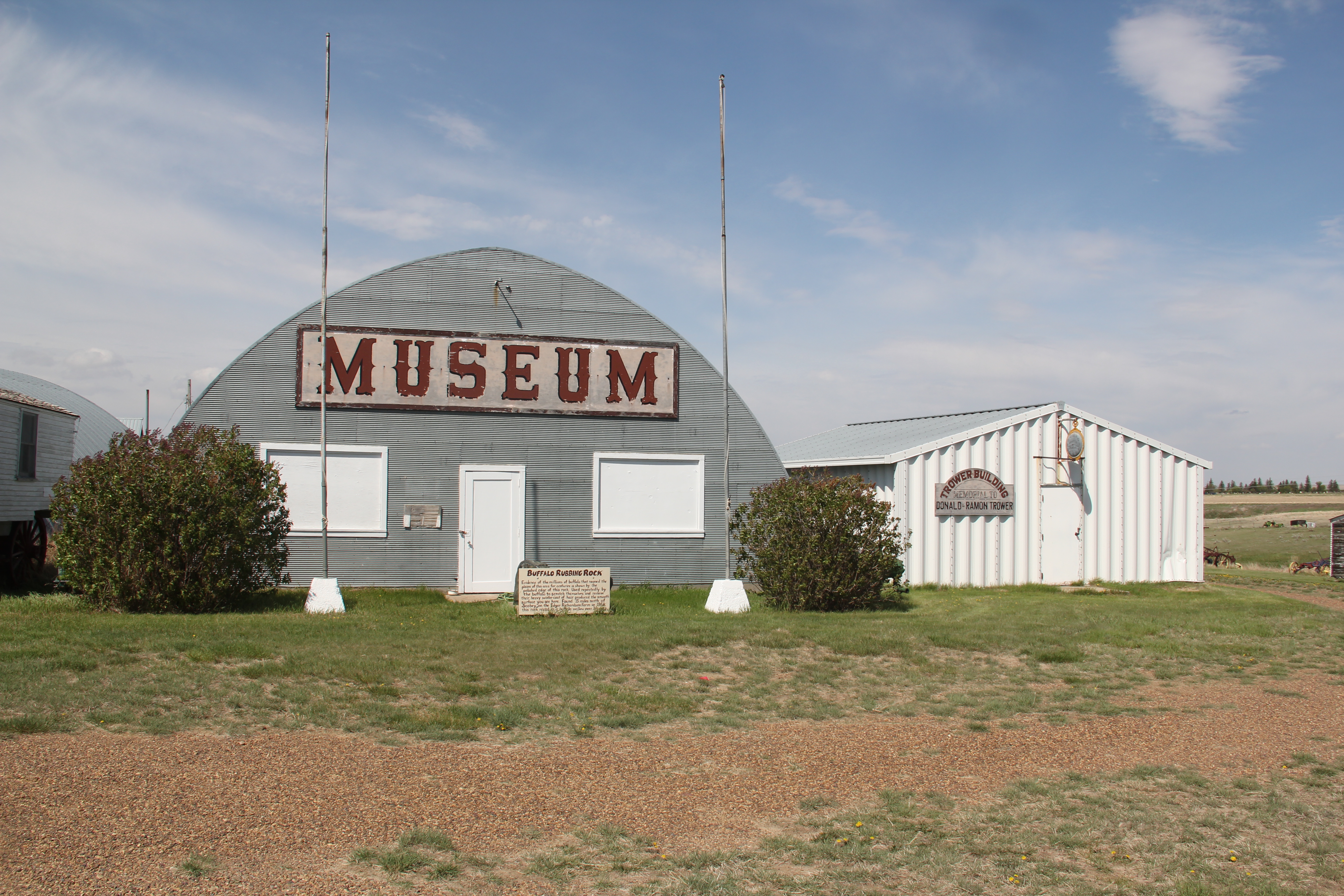
When I visited this place in 1984 the museum proper was in an old quonset hunt, and it was more of a community attic than anything else.

IMG_7658

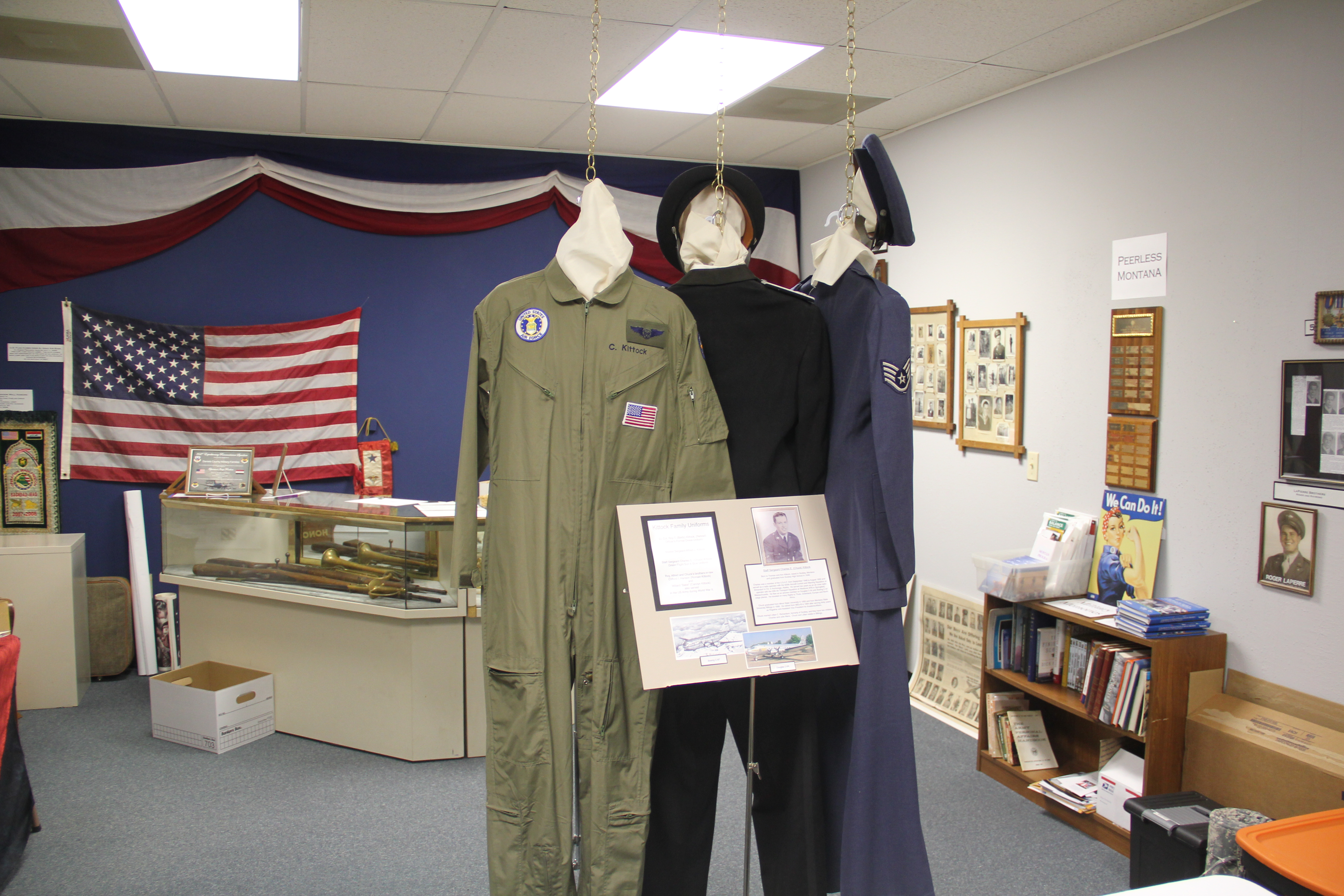
But in the 21st century, the community has invested in a new museum/community hall where new exhibits were being installed as I visited. The Daniels County Museum is one of the region’s most compelling heritage institutions, and despite the population decline in this corner of Montana, the museum volunteers look forward into the future.
IMG_7679

Fort Peck Indian Reservation, Poplar, Montana

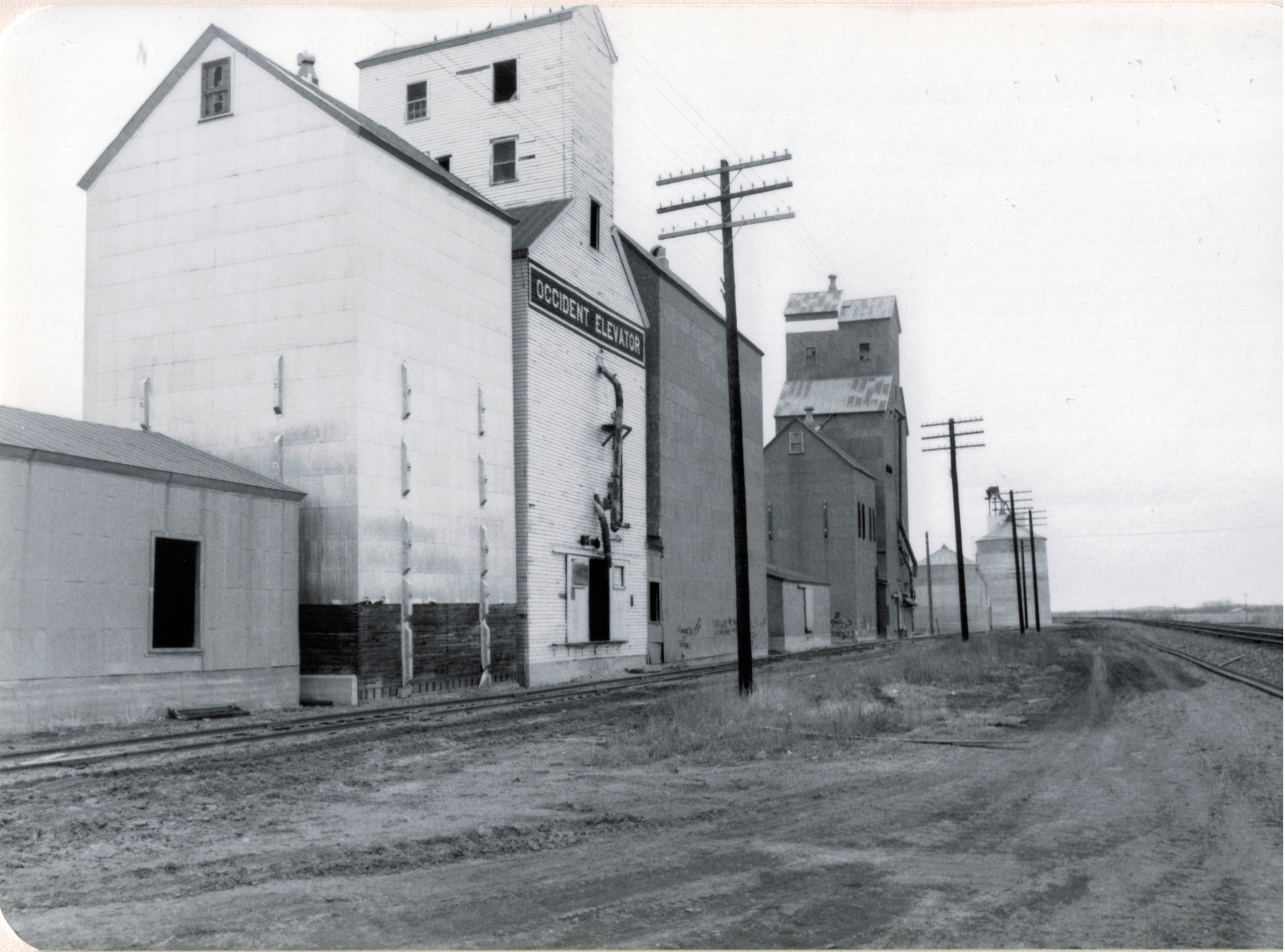
Grain elevators on Great Northern line, 1984

Grain elevators on Great Northern line, 1984

If you arrived in Poplar, Montana, via train, as tens of thousands did 100 years ago, you saw little that made this place seem different than dozens of other northern plains towns.  Grain elevators dominated the skyline; almost as imposing were multi-story hotels–not luxury lodgings but a place to literally land for newly arrived homesteaders or “drummers,” salesmen traveling the line trying to drum up business for industries located in faraway metropolitan centers.

IMG_7573

Gateway Hotel, Poplar MT

IMG_7571

Poplar Hotel, Poplar MT


But if you move north away from the tracks and toward the modern-day U.S. Highway 2, a different, distinct world is found, in the historic buildings of the Fort Peck Indian Reservation.  Near the Montana Highway Historical Marker telling the reservation’s story is a historic jail building from the late 19th century–the town’s most identifiable historic landmark in my 1984 work and today.

IMG_7562

IMG_7559


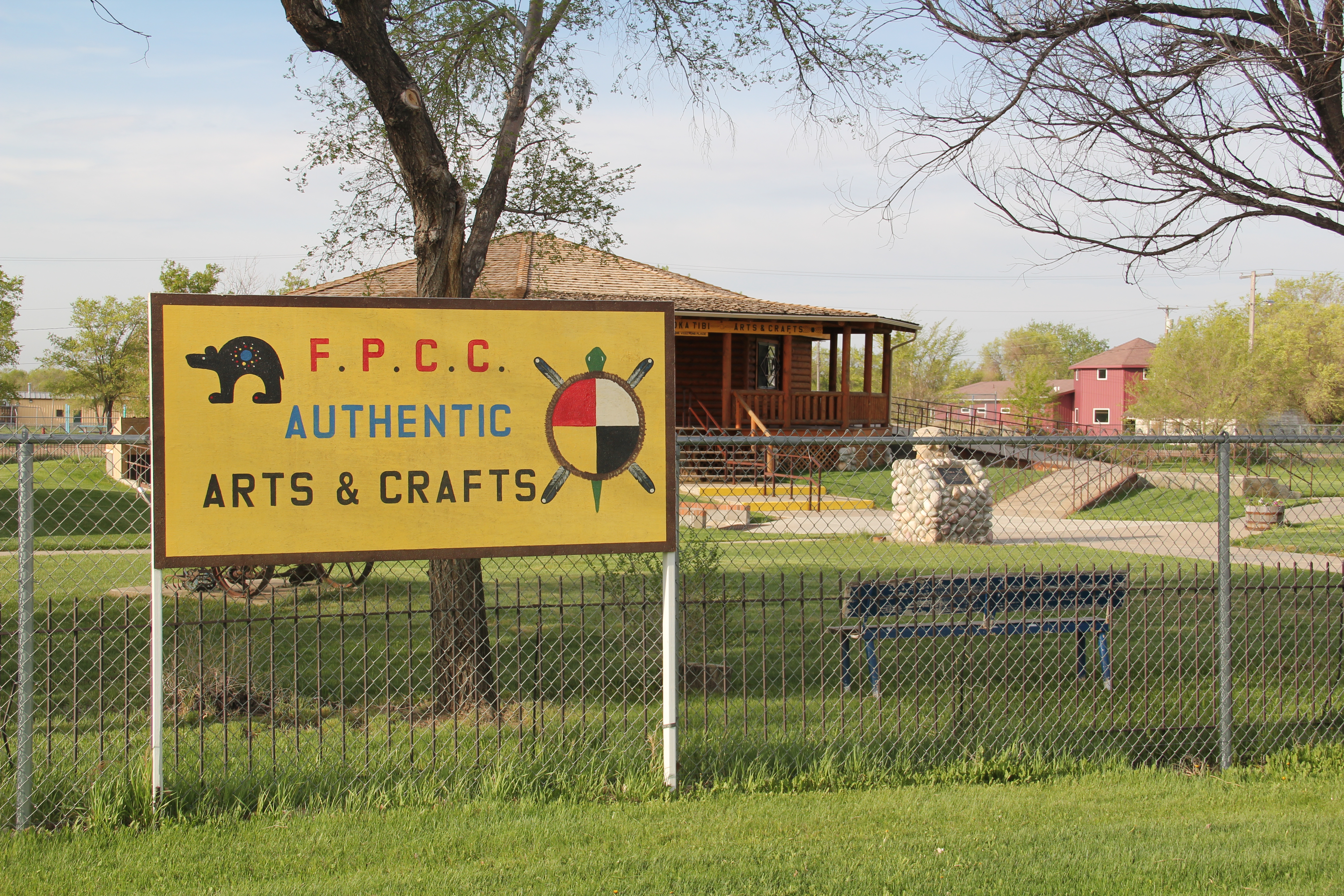
Next to the jail was a new arts and crafts shop, aimed at travelers along U.S. Highway 2, part of a significantly expanded presence for the Fort Peck Community College.

IMG_7561

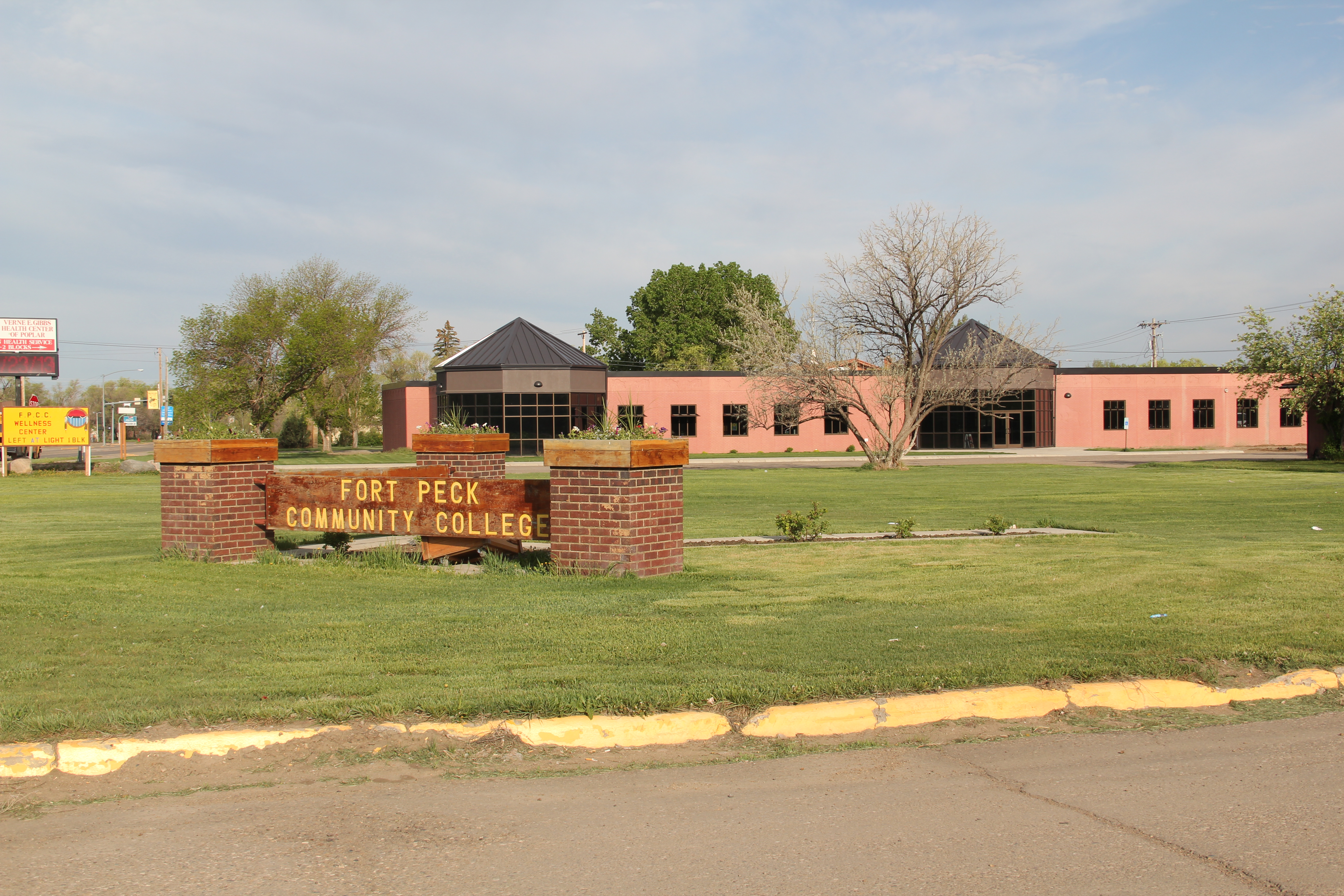
Indeed, the new college buildings are among the most attractive institutional buildings that you can find along the eastern end of U.S. Highway 2 in Montana.  Their bold colors and dramatic placement along the highway demonstrates the importance of education for the future of the Fort Peck Indian Reservation.

IMG_7564

IMG_7558

IMG_7569

IMG_7566
North of the new buildings are many historic buildings associated with the reservation’s development in the early 20th century.  Some are abandoned and in poor repair but most are in use, still serving the tribes in the 21st century.

This building was a museum in 1984; now that activity has moved to the highway, better to attract visitors

IMG_7778


No doubt as to my favorite new building in Poplar in 2013:  The Perculator.  Not only a classing roadside building, but they also made great coffee–perfect for a long day of fieldwork in the Fort Peck Indian Reservation.

Dinosaurs on the Roadside

IMG_7916


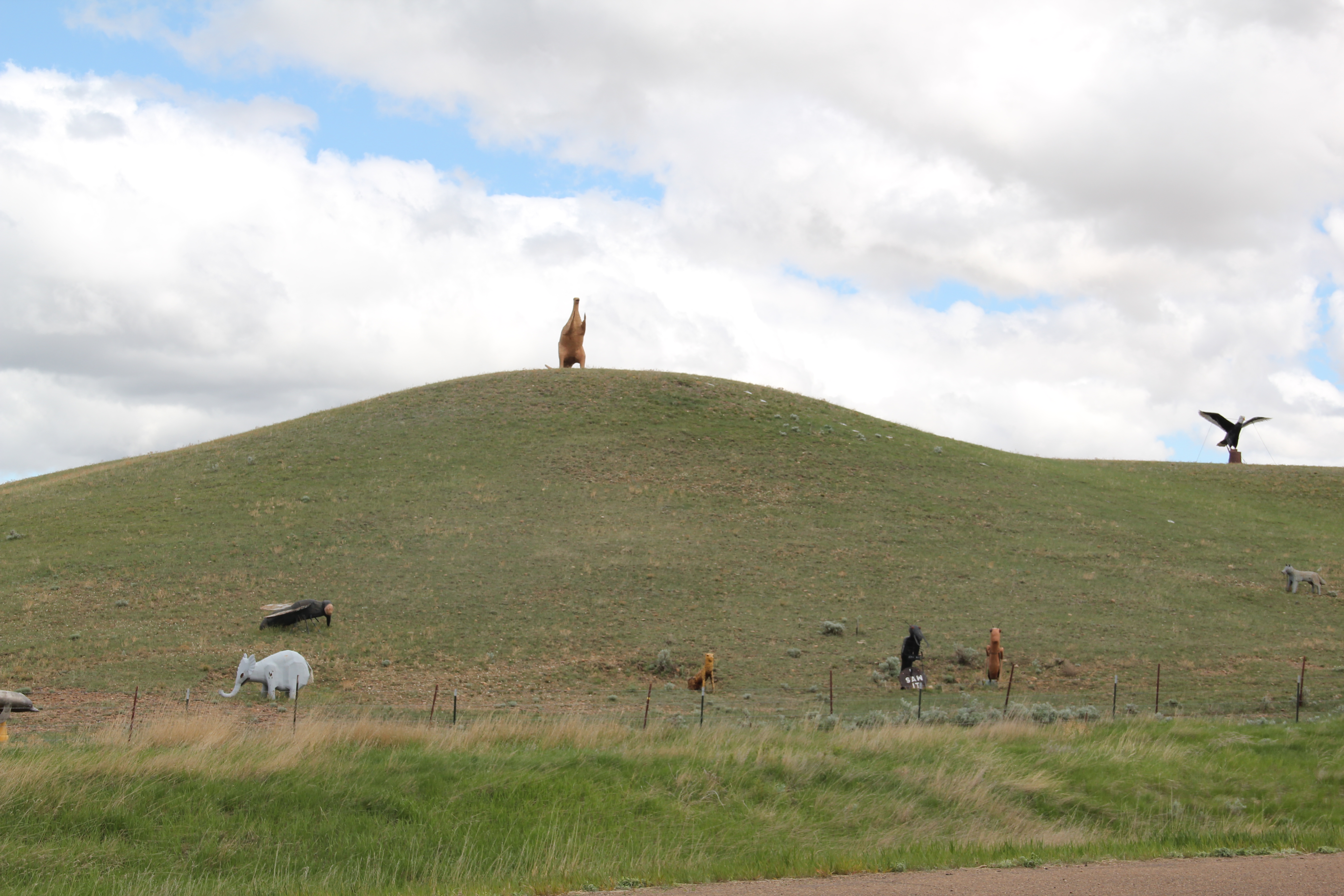
One of the most fun discoveries I made along the U.S. Highway 2 roadside in Valley County was the Buck Samuelson “zoo” just west of Glasgow.  No dinosaurs hunting mountain sheep roamed the high plains when I traveled this region in 1984, and again in 1988, but they are there now, thanks to this self-taught sculptor.

IMG_7919

IMG_7918


Samuelson began adding the sculptures to the roadside in the early to mid-1990s, just as the region’s latest dinosaur touring craze took off.  Now there is a small zoo of creatures overlooking the road, and railroad tracks, adding a bit of whimsy, but also a strong dose of patriotism to the mix.  Who still thinks that roadside art–so famous in stretches of U.S. 2 to the east in North Dakota and Minnesota–is not a Hi-Line tradition?

IMG_7917

IMG_7915

New Deal Transformations: A Hot Springs in Phillips County, Montana

 In 1922 the Bowdoin Oil and Gas Company was drilling on land about 4 miles north of U.S. Highway 2 and the tracks on the Great Northern Railway, on the high benchlands north of the Milk River. They struck not oil but “a flow of warm sulphur water,” estimated at 24,000 barrels per day. The oilmen didn’t need a hot spring and moved on. But local citizens in Phillips County thought long and hard about harnessing that natural resource, which was just east of the Nelson Reservoir of the Milk River Irrigation Project of the U.S. Bureau of Reclamation.

Image

By the mid-1920s local residents, led by the Malta Commercial Club, developed a plan–known as the “Malta Plan,” that involved the federal purchase of submarginal land in order to enhance conservation and also to gather greatly scattered ranchers into central locations in order to address land erosion and settlement patterns. As summarized by Bernie Alt and Glenn Mueller in their “Evolution of the National Grasslands”:  “The gist of the plan was that the Federal Government would take options to buy or buy outright land from farmers and ranches who could not continue to operate as in the past because of low prices, drought, erosion of land, and other reasons.  Any of the individuals who desired would then be resettled in the Milk River Valley.”  The Malta Plan became the proverbial first step towards not only the later Resettlement Administration (1935-37) but its successor the Farm Security Administration and then the National Grasslands. Re-purchase and then re-seeding in grass of abandoned homestead land was the big picture, and Phillips County was front and center in this national experiment from the 1930s on.

Image

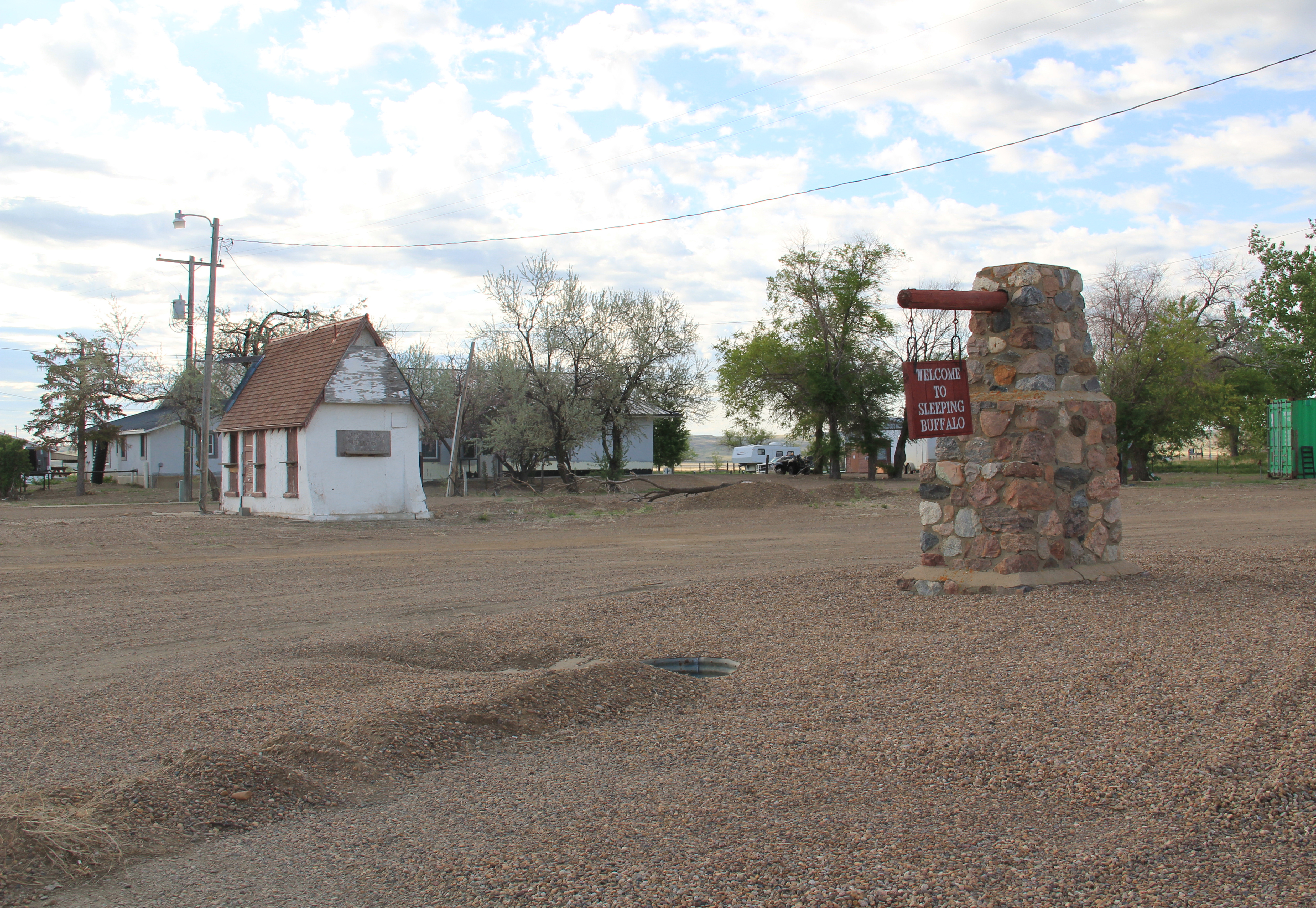
But this story focuses on what changing federal land policy meant for one place in the county–Sleeping Buffalo Hot Springs–that is now being re-energized and restored by determined property owners. When I visited the hot springs in 1984, I did not consider it much of a place. The buildings needed work; everything looked dated, worn. I did not dig deeper–and just assumed that there was not much a story here. Matters looked maybe even worse when I visited in 2013–the place was closed, abandoned, and seemed to have little hope. Local residents told me great stories of the springs’ best days. Those seemed to be gone forever.

Image

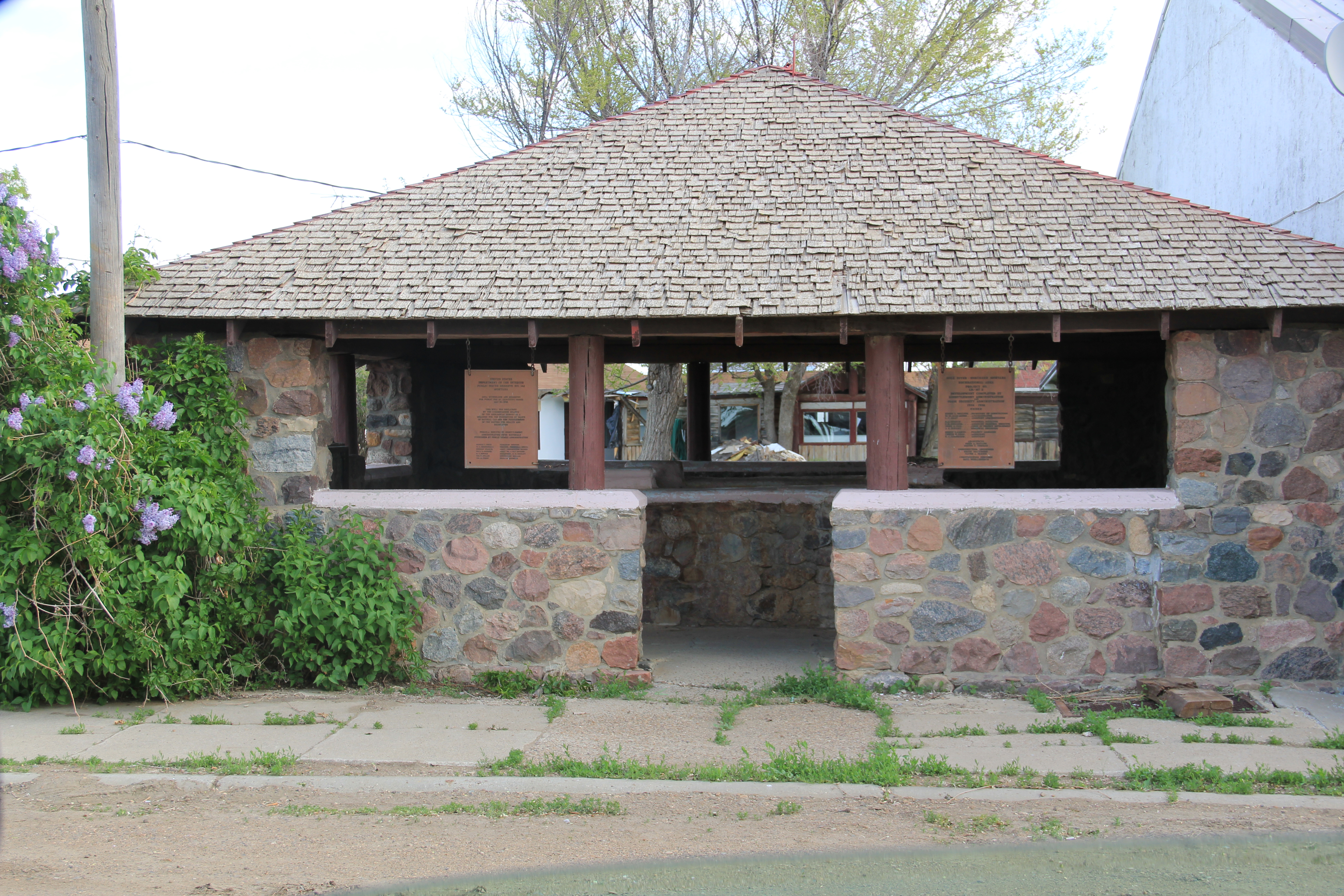
Then I noticed a small hipped roof open-structure which was certainly there in 1984–but my eyes had not been trained by viewing hundreds of New Deal-era structures to notice it. Here was existing truth in the ground that spoke strongly to the larger story of the New Deal transformation of Montana’s plains.
Image

The structure covered Public Water Reserve No. 141, federally established in 1931 by executive order from President Herbert Hoover to protect the hot springs. In 1932, the federal government transferred the well to the Saco Post #79 of the American Legion for development of recreation uses. By the mid-1930s, the American Legion Health Pool was open, and the tradition of the Sleeping Buffalo Hot Springs was underway. The New Deal guidebook for Montana encouraged visitors to go to the Health Pool for its recreational and “curative” waters and the Legion sold postcards like the one below.

Image

In the second half of the 20th century, the American Legion transferred the property to private owners, who expanded operations and launched the Sleeping Buffalo Hot Springs, so named for a sacred rock that stood down on U.S. Highway 2.

Image

What happened to the well? It is still there, with bronze markers explaining how this spot is part of the Resettlement Administration’s Land Utilization program–what became known as the Malta Subsistence Homesteads project centered around Wagner between Malta and Dodson. When I traveled Montana in 1984, I did not give enough attention to federal law, water rights, and the impact of the Reclamation Bureau.  You cannot miss the impact as you travel U.S. 2 between Chinook and Saco.

Image

Blaine County spawned the landmark Supreme Court decision on federal water rights of Winters v U.S. (1908). Phillips County spawned the first federal resettlement project and the “Malta Plan.” Historian Joseph Kinsey Howard in 1946 remarked: “So many federal agencies have had their ambitious fingers in the Malta pie that few even among project officials can be quite sure of all of them.”

Image

Today there is little but the transformed landscape itself to mark how these two rural places shaped national law. The next period of the hot springs’ history is being written right now. Michelle Lefdahl Simpson (a Phillips County native) and her husband Dennis are restoring the place–a process you can follow on the Facebook page for Sleeping Buffalo Hot Springs. Michelle Simpson told the Phillips County News in May 2014: “When I was little and we would head to the Sleeping Buffalo, we would travel the approximately 20 miles from Whitewater on the gravel roads,” Michelle said. “I would be sitting in the back seat with my siblings waiting to see that big blue slide come out of literally nowhere and all I could think about was getting my wrist band on and racing up to the top. For me, it was as if our parents took us to Disney-land or something.”  Here’s to the Simpsons for stepping forward to reclaim a forgotten 20th century Montana landmark.