Lewistown’s Public Buildings: Legacies of Service in Two Centuries

IMG_9398

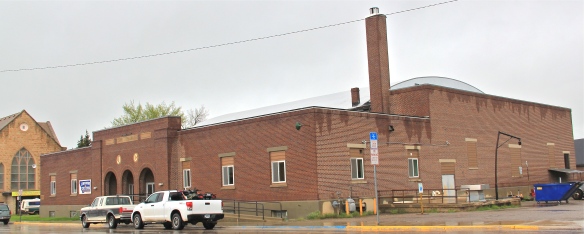
For a town of 6,000, Lewistown has an imposing, impressive public presence in its historic built environments.  Clearly town founders and generations of later residents have taken the meaning of public architecture to heart–not only are they just buildings meant to hold public services but they are buildings that are meant to ennoble–to say that the town matters to those who use them, and those who come this way.

IMG_9392

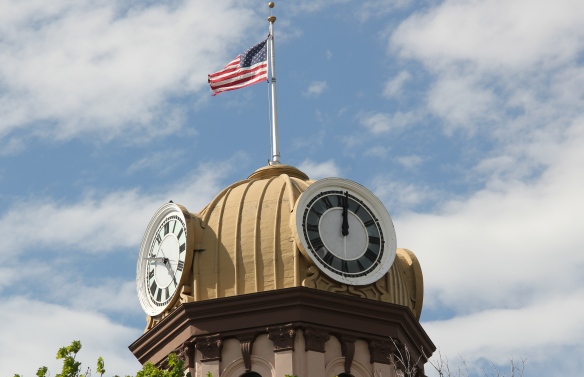
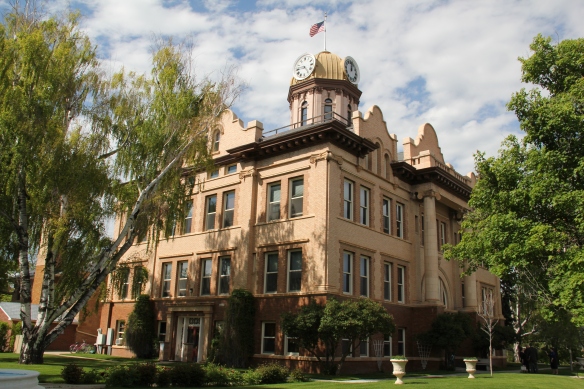
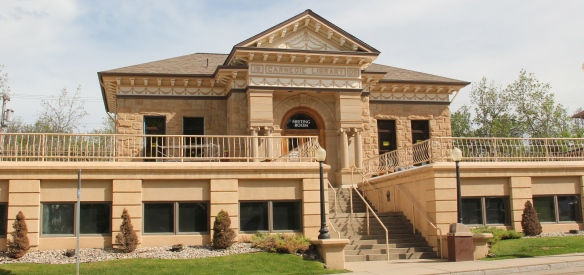
The Fergus County Courthouse (1907-1908) lies at the center of town, on a rise above the railroads tracks and central business district and then the homes and schools that surround it.  Newton C. Gauntt of Yakima, Washington, was the architect.  He also designed courthouses in Washington and Oregon.  His Classical Revival design reflected a more vernacular interpretation of the style that preceded the courthouse by two years–that would be the Carnegie Library of 1905.  T. J. Tubb was the

IMG_9386

contractor/designer and used the town’s Croatian stone masons to create one of the most distinctive Carnegie designs in the state.  The additions below and in front came in 1990–quite the change in 30 years but also a necessary one to keep the original building as a community landmark and to serve a much different public library audience of the late 20th century.

IMG_9385

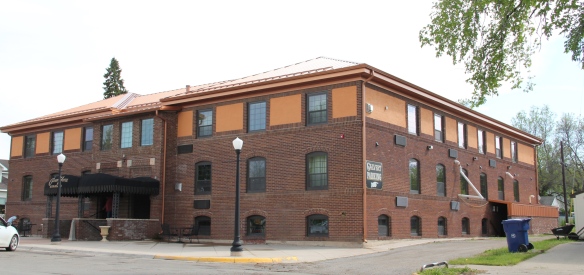
Behind the library was the place I always stayed at in Lewistown during the fieldwork of 1984–the Calvert Hotel.  Originally built as a girls’ high school dormitory, the building was a disappearing relic from the early homesteading days before buses and automobiles dominated traffic do and from county schools.  Students in faraway ranches would spend the week, maybe more, in the dorms during the school term–a reality that spoke to sense of distance and the limits of transportation 100 years ago.  In the 1980s, the Calvert was much like its dorm-day appearances: some modern upgrades but it was a rustic, and inexpensive, stay, perfect for someone like me.  New owners, thankfully, carried out a complete restoration and upgrade between 2007-2009.  The Calvert is now a totally different place, and fits squarely in our theme of a public building serving the community well, through adaptive reuse and historic preservation, in the 21st century.

IMG_9383

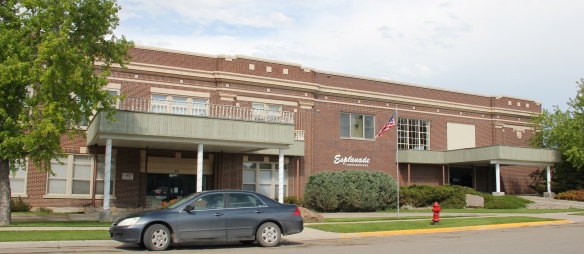
The same can be said for the historic school just up the street from the Calvert and its conversion into the Esplanade condominiums.  Here again, a public building still serves the community but in a different way than before.

IMG_9979

IMG_9976

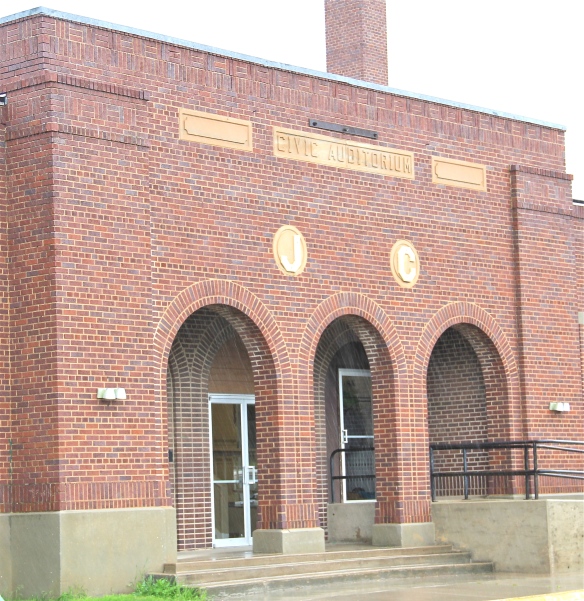
In the central business district, the grand triple-arched entrance of the Civic Auditorium is a reminder of the impact of the New Deal on the city.  The Works Progress Administration did a lot of little things in Lewistown, streets, sidewalks, utilities, but its most lasting contribution is the civic auditorium of 1936, still a meeting place for community events.

IMG_9921

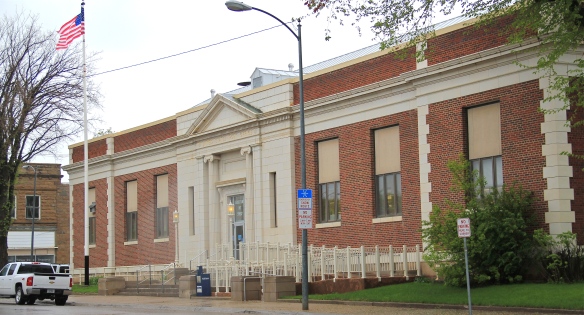
Another federally funded building a few steps away was finished during the beginning of the Great Depression, the Lewistown Post Office, an impressive Classical Revival design from 1931.


IMG_9907

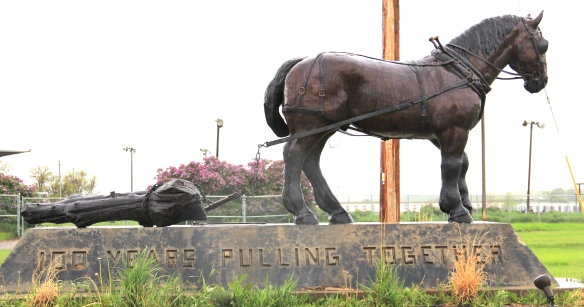
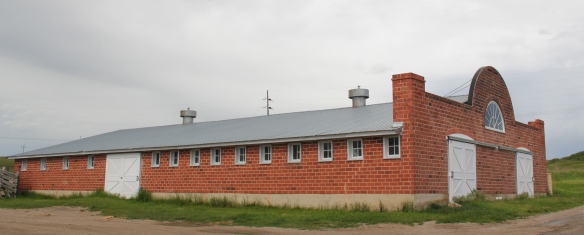
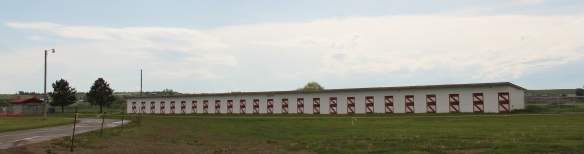
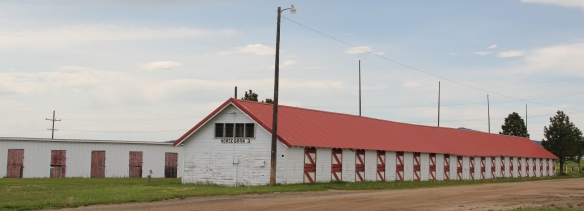
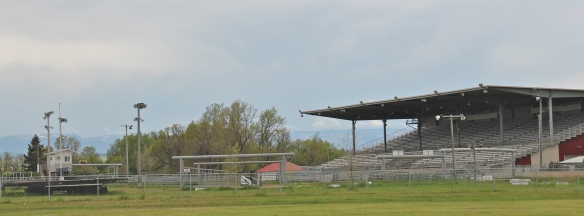
On the outskirts of town is another important set of buildings still in community service, not just to Lewistown but to towns and villages from miles away:  the Central Montana Fairgrounds.  The monument at the front entrance, part of the fair’s centennial celebration a few years ago, says it all:  100 years of pulling together.  Yes, it is a good motto for the fair, but to my eye it’s also a fitting motto for the entire town.

IMG_9378

IMG_9372

IMG_9373

The fairgrounds has an array of historic barns, stalls, and exhibition buildings that define the grounds while the new grandstand defines the signature events of today’s 21st century fair experience.

IMG_9377


Baker: The Milwaukee Road’s Eastern Gateway to Montana

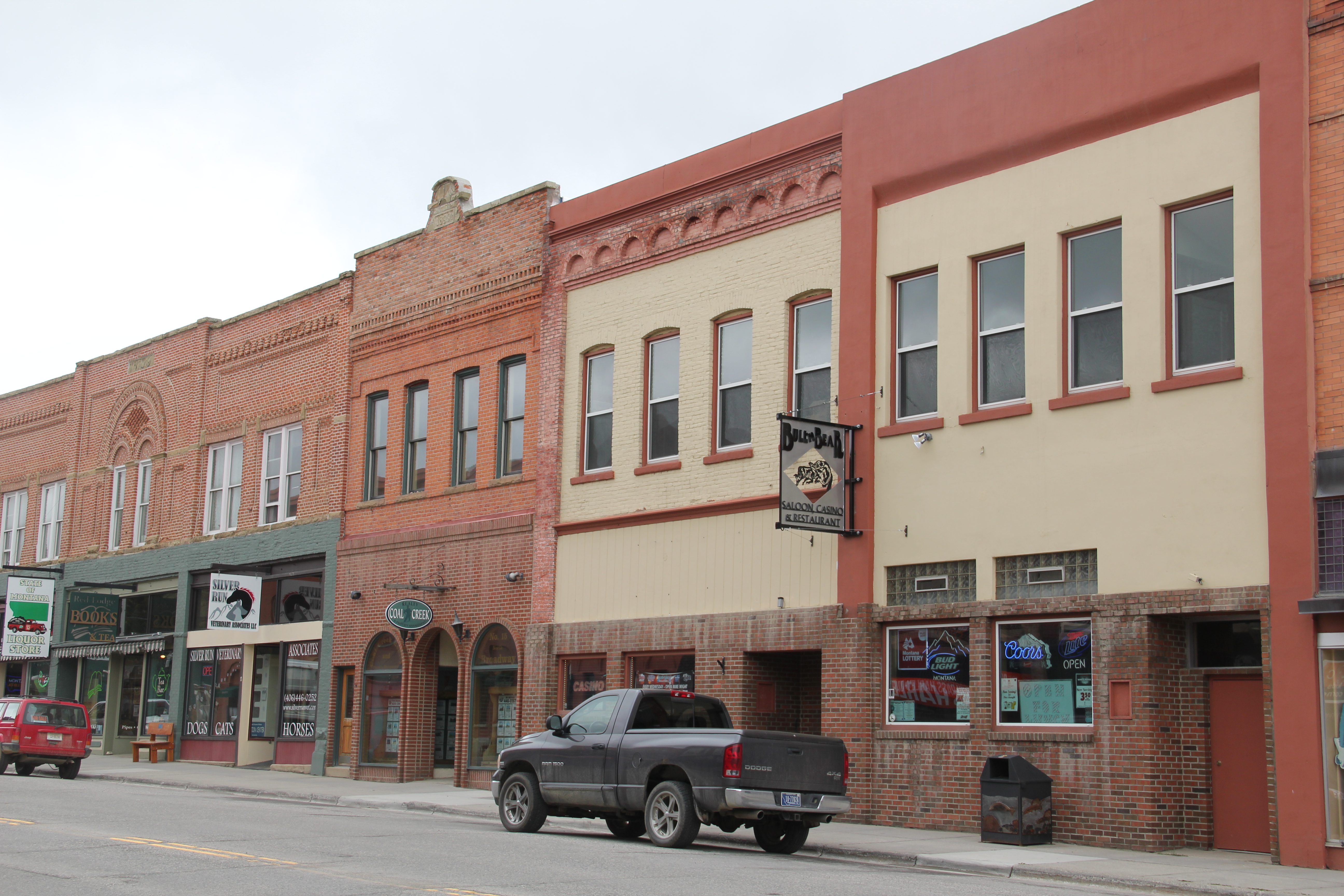
Fallon Co Baker Milwaukee Road corridor  - Version 2The Milwaukee Road, the last transcontinental railroad to crisscross Montana, enters eastern Montana at the town of Baker, established in 1908, which served as an important rail center for the company with the full name of the Chicago, Milwaukee, St. Paul and Pacific.  When I visited Baker in 1984 i noted that many of its buildings dated from the homesteading era although there was a clear second layer of development died to the region’s oil boom of the late 1960s and 1970s.  In A Traveler’s Companion to Montana History (1986) I noted “Baker’s railroad corridor is still largely intact, and the spatial arrangement created by its Milwaukee depot and the neighboring Baker Hotel, an imposing brick building dating to 1916, symbolizes the railroad’s importance to the town.” Both buildings are gone now unfortunately but an indication of the prominence of the corridor is still conveyed by the brick building below which has served the community in many commercial and professional ways over the decades.

IMG_0390

Insurance was just one of the services provided by this neoclassical styled building.

Today the hotel, the tracks, and the huge grain elevators along the railroad corridor remain, and the elevators still visually dominate the surrounding mostly one-or two-story built environment.  But the depot is gone, leaving a hole in the town’s historic fabric.

IMG_0402Buildings and railroad tracks were not the only legacy of the Milwaukee in Baker–there was the large lake the company developed to provide water for its trains in a largely parched region.  The Baker Lake, 30 years ago, was undergoing another improvement project, part of the town’s generation-long effort to turn a forgotten corporate remnant into a community asset.  The company built the lake c. 1908 but soon found that the water was too salty–it corroded the equipment.  And so the lake sat, until the 1950s when the Baker’s Woman Club began an effort to convince the railroad to transfer the lake to local

IMG_0462government.  County leaders became convinced that yes, Baker needed a community recreation asset, and eventually the land was transferred into the public use, and Baker Lake by the end of the century was an unique asset in southeastern Montana, and a center for recreation and special events.

Fallon Co Baker library  - Version 2The lake is not the only contribution of the Woman’s Club.  it also was central in creating, staffing, and maintaining a public library, and the contemporary-designed library from 1970 remains but also has been enlarged since 1984.

IMG_0407

The Fallon County-City of Baker Administration Building, 1974-1975

Indeed, I noted the recent construction of the 1970s in Baker, like the new county courthouse/city administration building where I held a public meeting, but I didn’t really process the layer of modernism in the town, a reflection of its growth from 1950 to 1970, when the population grew from 1,772 to 2,584.  The new joint administration building, designed by the Billings firm of Johnson Graham Associates, remains an impressive piece of contemporary design.  Architects Willard Johnson and Orval Graham had established the firm in 1967.  The Baker project established a connection between the firm and county that continued into the present:  the new grandstand at the Fallon County Fairgrounds is also a JGA design, from 2011.

IMG_0417

IMG_0419

The tradition of county fairs dates to 1909 and today the Fallon County Fair is one of the region’s largest.

IMG_0465Historic schools are other important contributions to the town’s built environment.  Above is the Washington School, built in 1927.  It is a brick Classical Revival statement of the town’s insistence for permanence in the face of the homesteading bust. When I last visited in 2013, the school was undergoing rehabilitation to become an office building. On the other side of town stood a more modern design, the Longfellow School, built in 1968 during the height of the population boom in Baker.  Its low, rectangular mass was modern school design at its best, although since my 1984 visit the casement windows have been covered so central heat and air could be installed.

IMG_0410The second building in Baker listed in the National Register was the only one designated in 1984, and it was the pride and joy of the community:  the old county courthouse converted into the O’Fallon Museum.  Here was not only the historical exhibits typical of the area but also installations about the region’s prehistoric past and moved buildings to host special

IMG_0414collections but also to interpret the homesteading past.  I will always remember my public meeting in Baker, for the obvious pride residents had in the museum but also for the comment that they could not wait to show me “our really old stuff,” such as a 1916 homestead.  Coming from my training at Colonial Williamsburg, considering places from 1916 as really old was a notion that took some getting used to, but of course in the context of settlement and development of southeastern Montana, it made perfect sense.

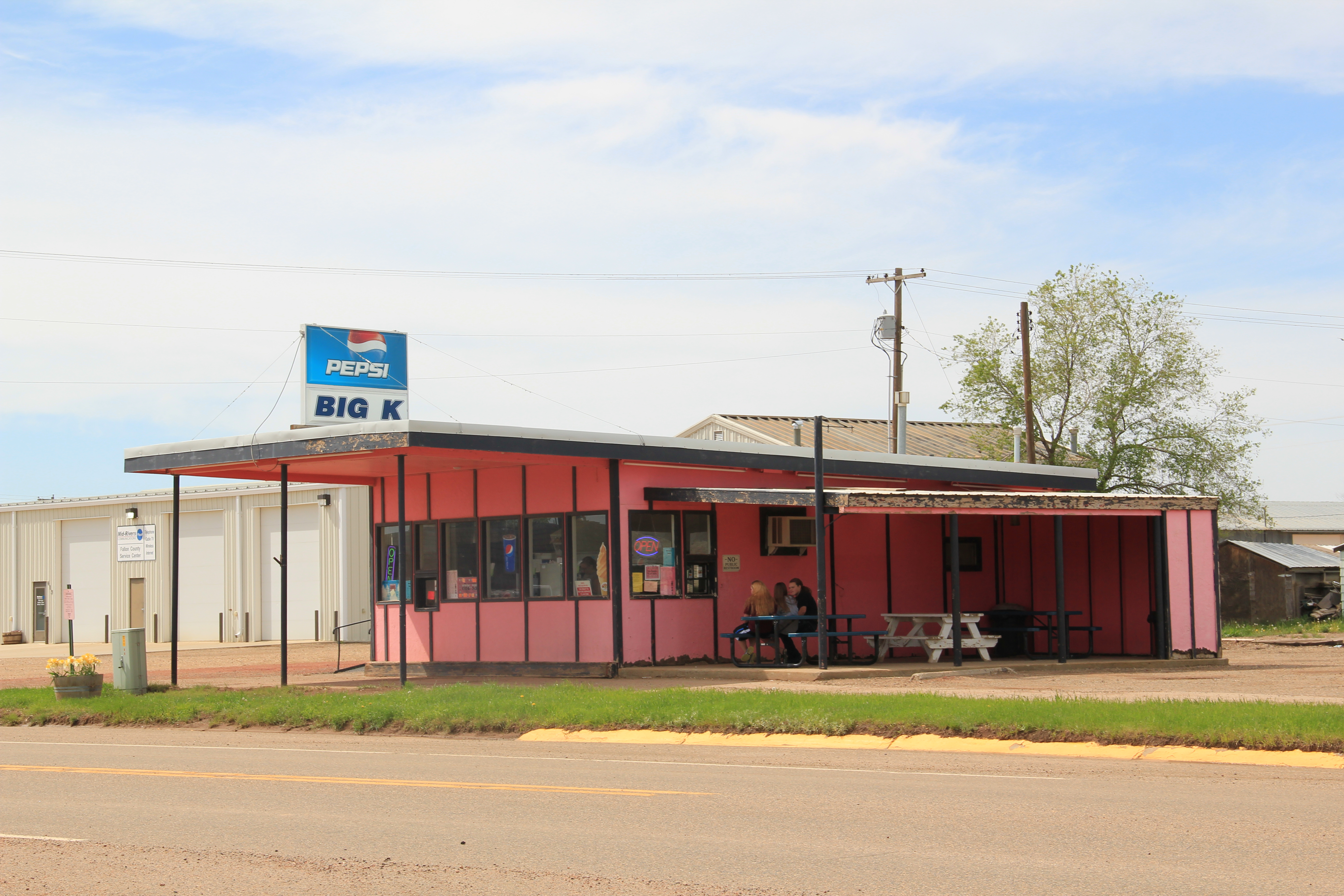
IMG_0463Today I would even join into the call for the “really old stuff”–like the Lake Theatre of 1918.  It certainly deserves a place in the National Register as so few classic movie theaters remain in this part of the state.  The same could be said for this classic c. 1960 drive-in,

IMG_0404which is part of the town’s roadside architecture traditions along U.S. Highway 12, the federal road that parallels so much of the Milwaukee Road’s route through Montana.  For

IMG_0472good measure I would even dare say that it’s time to assess the significance of the oil wells and facilities along Montana Highway 7 as you enter or leave Baker.  The discovery of oil and its development in the 1960s and 1970s certainly was the major economic story of the town and county in the second half of the 20th century.

IMG_0468In 2015 Baker has retreated from that c. 1960-1970 boom.  Population peaked at 2584 in 1970.  It remained just a hundred or so under that in 1980, but changes in demand, technology and the bankruptcy of the Milwaukee meant that Baker in the last 30 years has lost residents, in 2010 down to 1741, about the same number as in 1950.  Yet I like that the lake had been restored, and it remained a vibrant part of the town, that new banks and new renovations were part of the town, and indeed, that an old car dealership and garage was now the very good Three Garages Bar.  Historic preservation can play a larger role in Baker’s future just as it did during Baker’s boom in the past.

IMG_0397

Red Lodge’s Commercial District: Turn of the 20th Century Masonry in the Yellowstone Valley

IMG_5789Red Lodge’s commercial district is listed in the National Register of Historic Places.  While the construction dates in the district span over 100 years, from the 1890s to more recent modern-era “in fill” buildings, the most notable pattern is the number of two-story stone or brick commercial buildings from the turn of the 20th century.

IMG_5728The landmark Pollard Hotel is a good example.  Opened in 1893 as the Spofford Hotel, the building was an instant business landmark, a hotel located halfway between the depot and the heart of the new city.  As the boom intensified at the turn of the century, Thomas Pollard bought the place and doubled its size in 1902. The Pollard served as that “booster” hotel, designed to show businessmen and investors that Red Lodge was an up and coming place.
IMG_5775

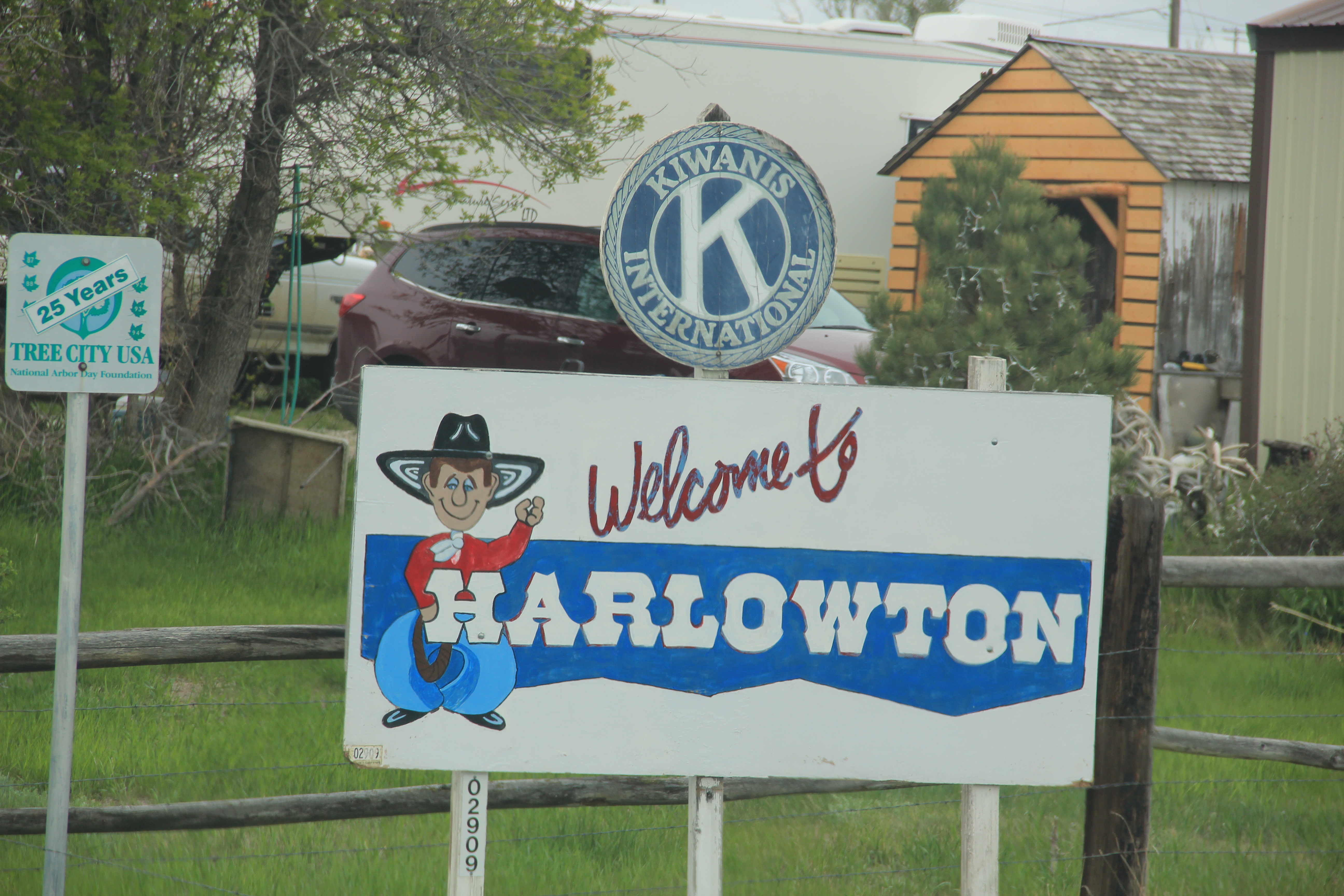
The Pollard was not alone in defining the city’s look.  Facing it were long blocks of two-part mostly brick commercial buildings, with retail and sales on the first floor and residences and offices for a growing professional class on the 2nd floors.

IMG_5776

IMG_5791

Carbon Co Red Lodge 26 - Version 2

The decorative cornices proudly proclaimed that the new buildings were part of the new century, and a promising era for all involved.  Of course commercial design in more settled areas to the east and west had already moved away from the heavy masonry typical of the 1880s–but Red Lodge was largely a Victorian commercial district for what would be a 20th century mining boom town.

IMG_5718

While two-story, two-part commercial blocks set one pattern in historic Red Lodge, another is created through the rhythm of the large commercial enterprises and the less ambitious one-story brick buildings of the district.

IMG_5720

Here is another building material found in abundance, rusticated concrete block meant to mimic stone masonry, and the stuccoed top half of the bakery building is another reminder that some owners used imitation materials to fit into Red Lodge’s streetscapes.

IMG_5730

While the commercial district retains much of what made it a special place when I first visited over 30 years ago, it has lost some of that small town Montana feel as owners increasingly cater to those tourists passing through.  The challenges of preservation in Red Lodge will be the next topic.

Th

Harlowton: Lost Landmarks in a Milwaukee Road Town he

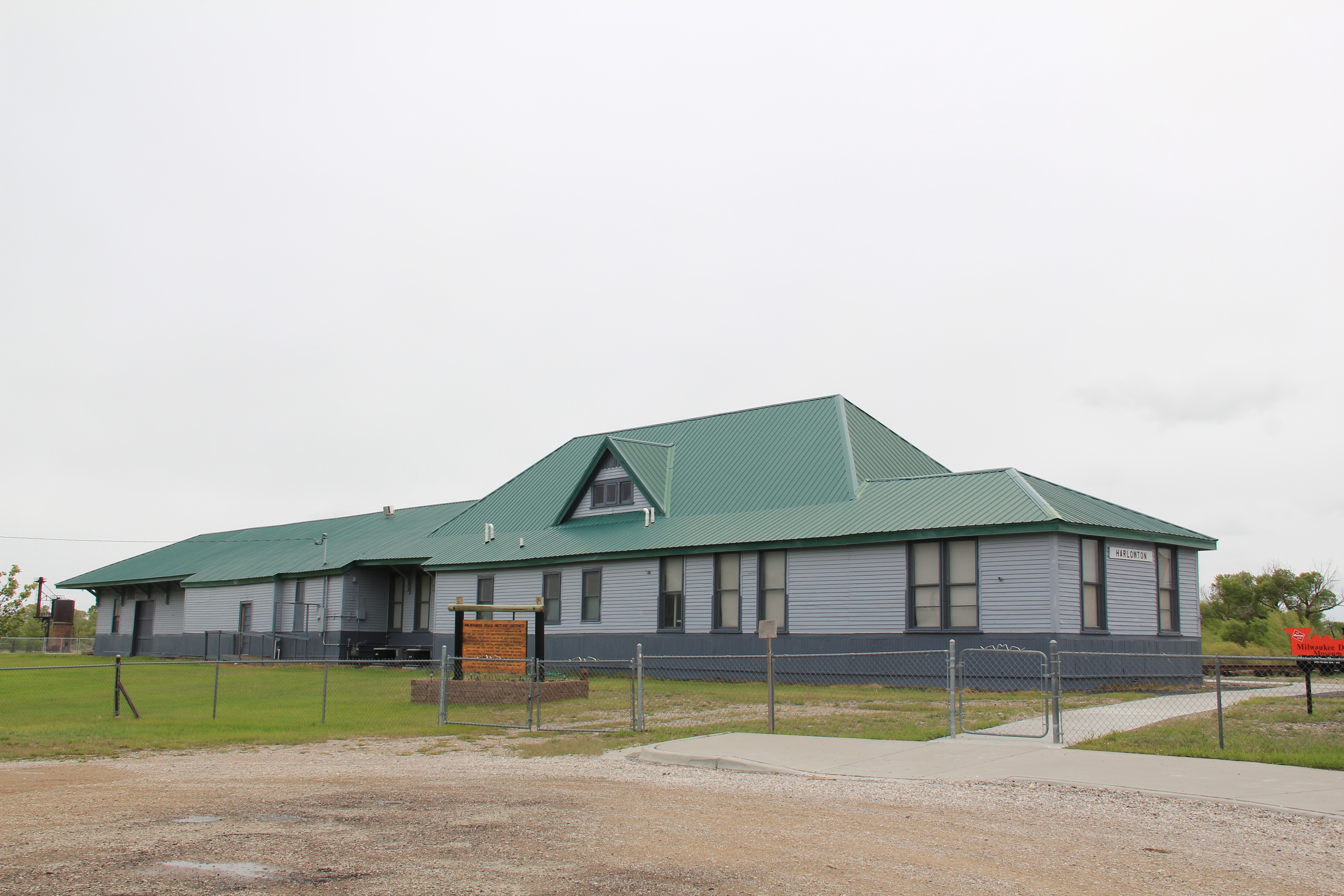
IMG_9748Harlowton is my favorite of Montana’s Milwaukee Road towns.  Its roots lay with the vision of Richard Harlow to build an independent central Montana railroad.  When the Milwaukee Road assumed control of Harlow’s mini-empire, it turned Harlowton into one of the line’s key division points, the place where steam engines switched to electric power for the journey up and over the Rocky Mountains.

IMG_1591 copy

Fischer Park with Milwaukee Road electric engine, Harlowton, 2006

When I surveyed the town in 1984, I did so with the blessing and insight of Lon Johnson, then the historic architect of the Montana State Historic Preservation Office.  Harlowton was a special case for Lon, especially the dream of restoring and reopening the magnificent State Theatre (1917), a hallmark of its days when Milwaukee passenger traffic promised so much for this small plains town.

IMG_9739

IMG_9738

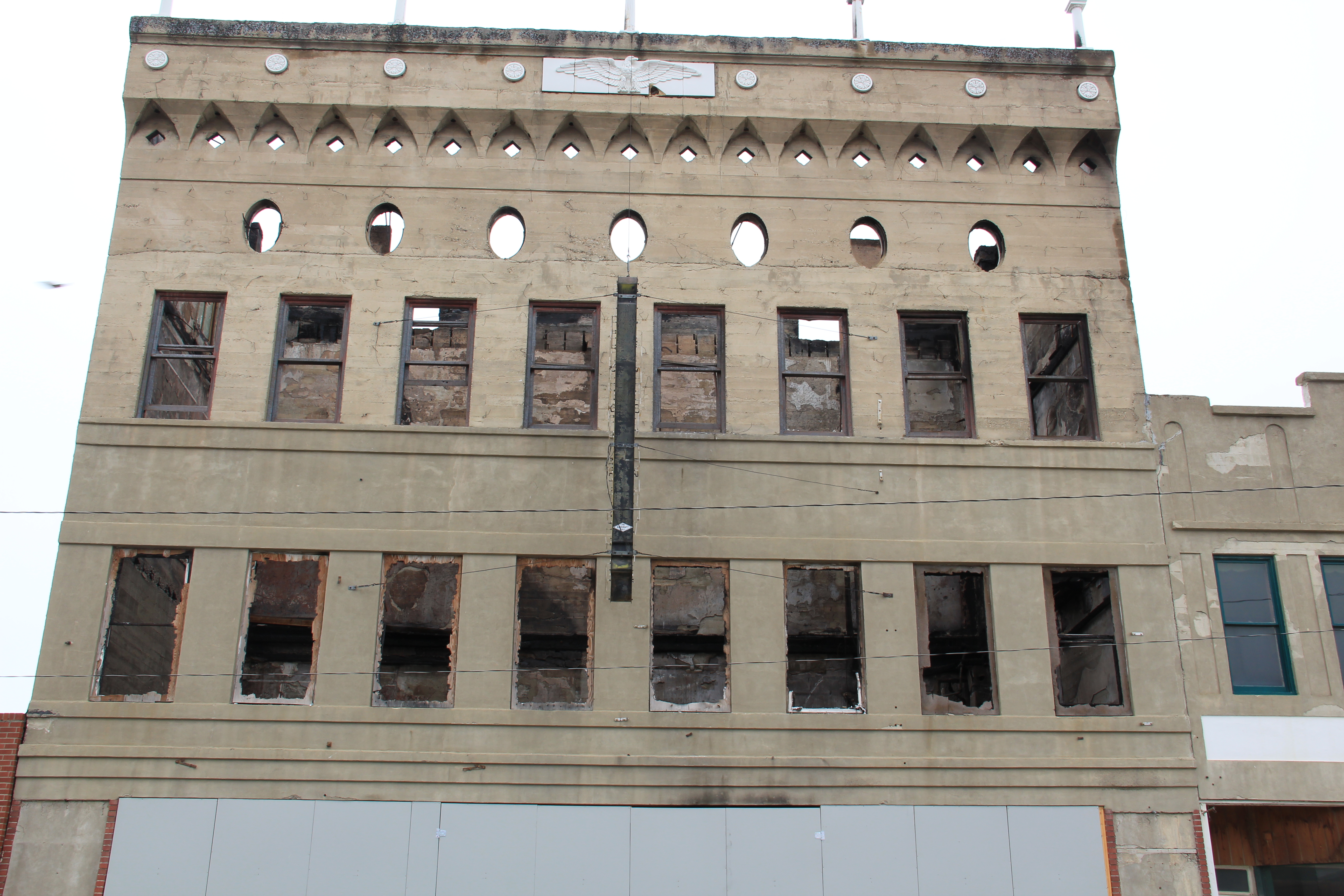
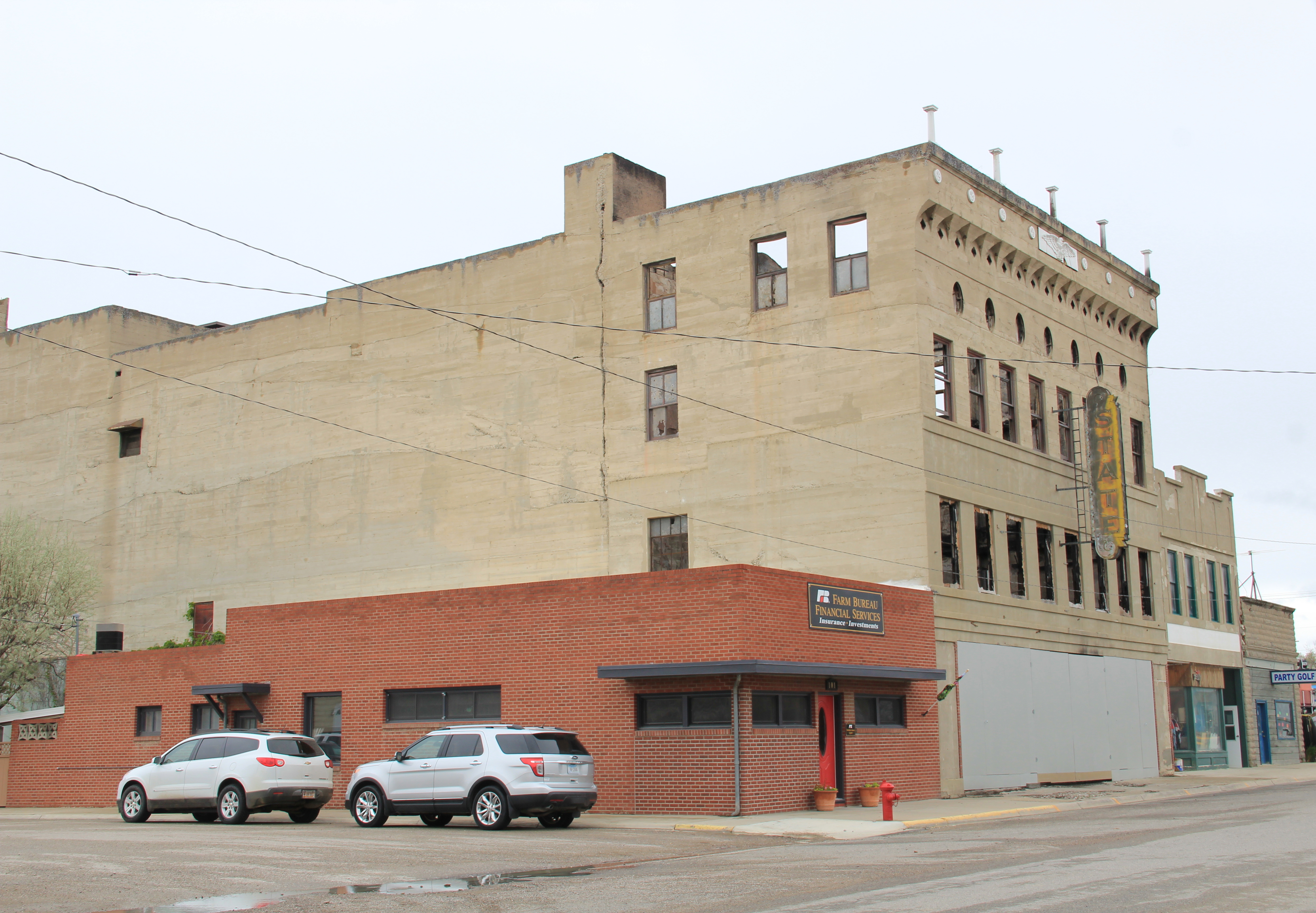
Before the restoration could take place, however, the theatre caught fire in 1997 and plans were set aside until 2011 when a new effort to restore the building occurred, but a second fire in 2012 again stopped progress.  The photos above from 2013 show that the hulk of the 1917 theatre remain but with the declining local population, renewal of the theatre will be difficult.

Milwaukee Road depot and offices, Harlowton, 2006

Milwaukee Road depot and offices, Harlowton, 2006

My great interest in Harlowton centered on the Milwaukee Road and its works.  In 1984, the company’s bankruptcy was only a few years old.  Down at the tracks, there was still the railroad line, the depot, the roundhouse, and other buildings.  I considered these remnants, especially in the local context, as extremely significant.  Afterwards, locals and the SHPO agreed and the Milwaukee Road depot historic district was created.  Over the next 25 years, I would stop by Harlowton periodically to monitor the district, and noted with approval how the depot had been repaired.  The roundhouse, unfortunately, was lost.

Harlowton depot and offices in 2013

Harlowton depot and offices in 2013

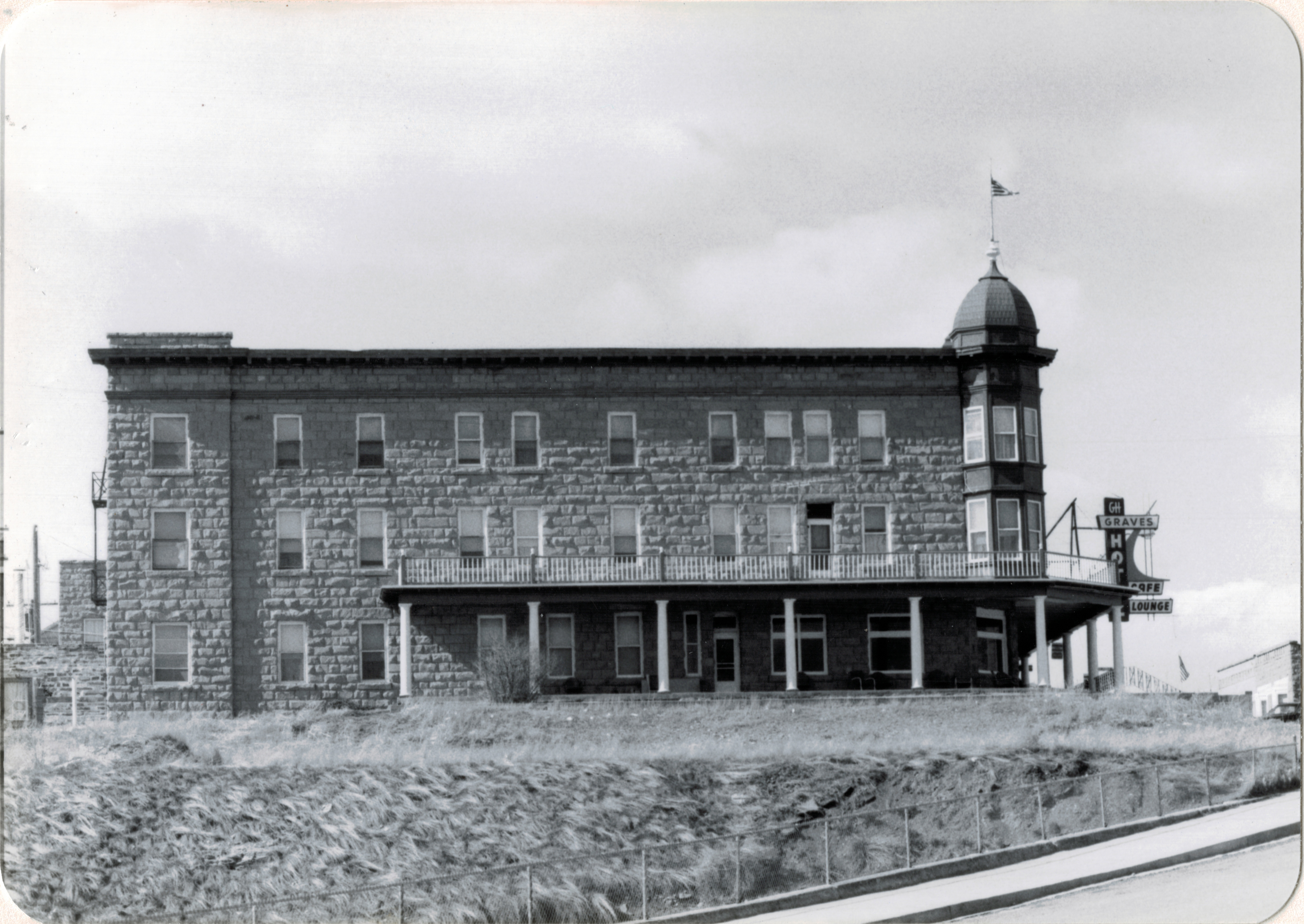
Looking north from the depot, on the bluffs of the Musselshell River overlooking the railroad tracks, stood a third key landmark, the Graves Hotel.  My colleague Lon Johnson also had

IMG_1594

Harlowton, from the railroad depot, 2006

been a big fan of this Queen Anne-styled stone railroad hotel, with the stone carved from the nearby bluffs.  I too fell in love with the Graves, staying here periodically in the 1980s.

Graves Hotel, Harlowton, MT, 1984

Graves Hotel, Harlowton, MT, 1984

When I visited in 2006, however, the Graves looked good–from a recent repainting of its late Victorian detailing–but it was closed, and so it has remained ever since.  I do not

Graves Hotel harlowton

pretend to have the answers on how do you maintain a large three-story National Register hotel that is miles from an interstate and located instead on a little-used-by-tourists route

Graves Hotel in 2013

Graves Hotel in 2013

(U.S. Highway 12), but even if the hotel can come partially back to life, it would be a real tourism boost to Harlowton.

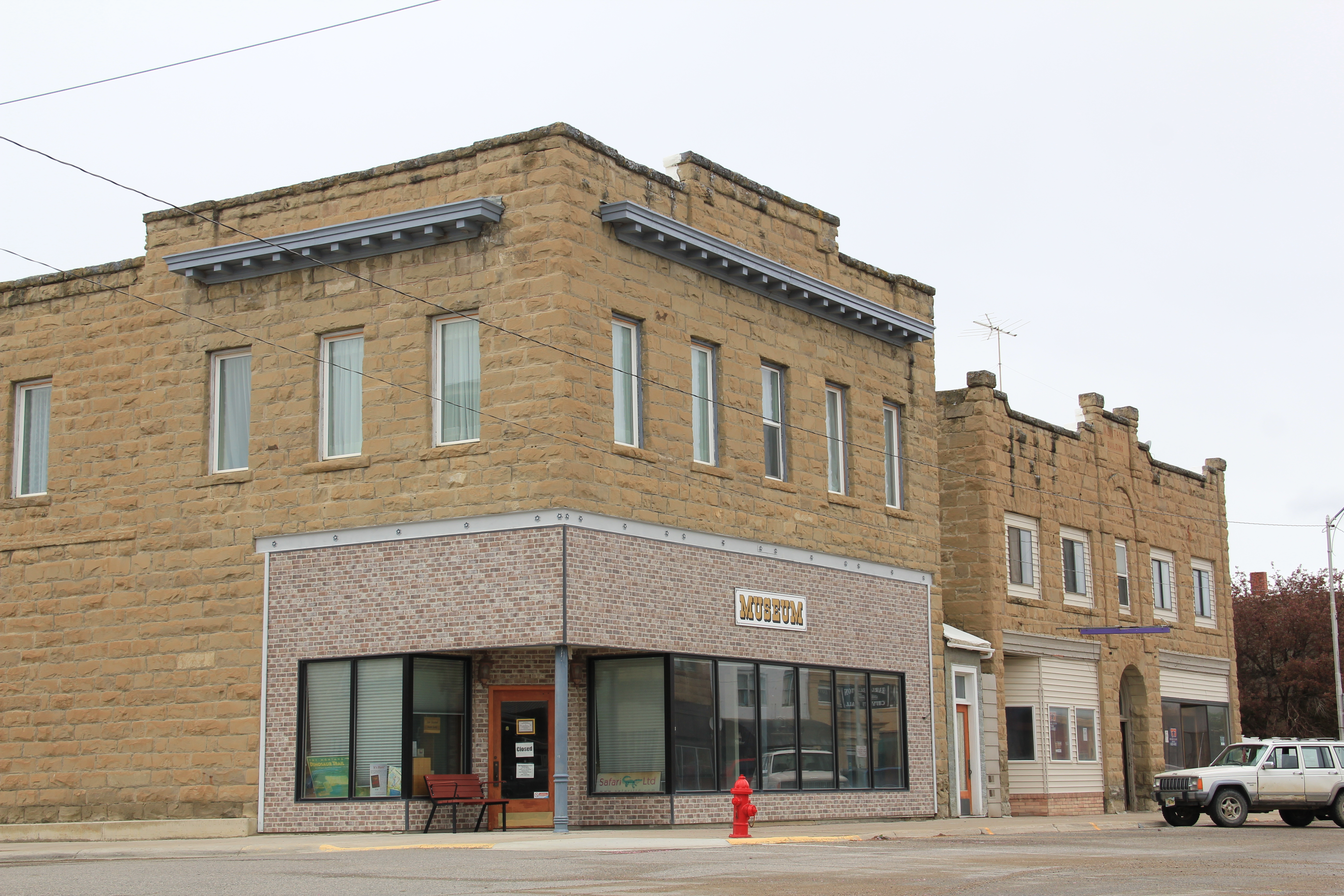
It’s not like the local residents aren’t in the game and trying.  The county museum, the Upper Musselshell Valley Museum, continues to grow its profile along Central Avenue.  The buildings made of locally quarried stone, with late Victorian cornices, harken to the turn of the 20th century when Harlowton held such promise with the Milwaukee Road’s arrival.

IMG_9719

IMG_9731

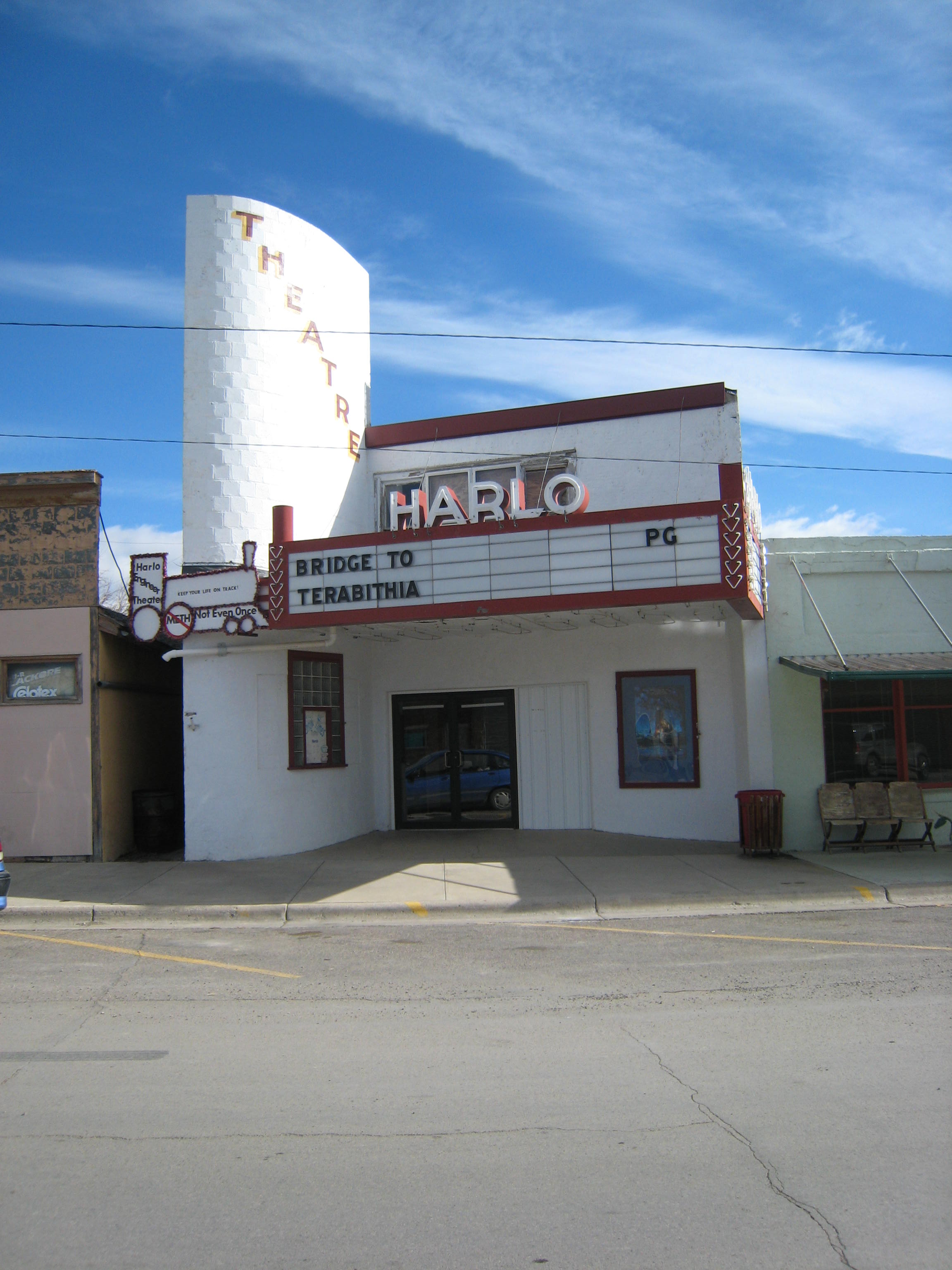
The Harlo Theatre remains in business too, and is a throwback to small town theaters, and a rare survivor in today’s home entertainment world.  Plus it is a cool building.

IMG_1592 copyDespite missing out on the interstate, losing a railroad, and dropping a lot of population, there is still something to Harlowton that makes me return, trip after trip.  More on that something in the next blog.

Miles City: The Yellowstone’s Forgotten Jewel

IMG_5968

When I first visited Miles City more than 30 years ago I came to find out more about this first white settlement place in the Yellowstone Valley, where the U.S. Army established its Tongue River Cantonment in 1876 and then, after the battles at Rosebud and the Little Bighorn that same year, it established Fort Keogh, named in honor of Myles Keogh, one of the soldiers who died at Little Bighorn.  I had a small travel grant from the American Association of state and Local History to support this research–the beginnings of the eventual Capitalism on the Frontier book of 1993, so I spent time in the local library–part of which was a classical-styled Carnegie Library, with a rather garish yet functional extension from the 1970s covering up the original building’s facade.

IMG_7076

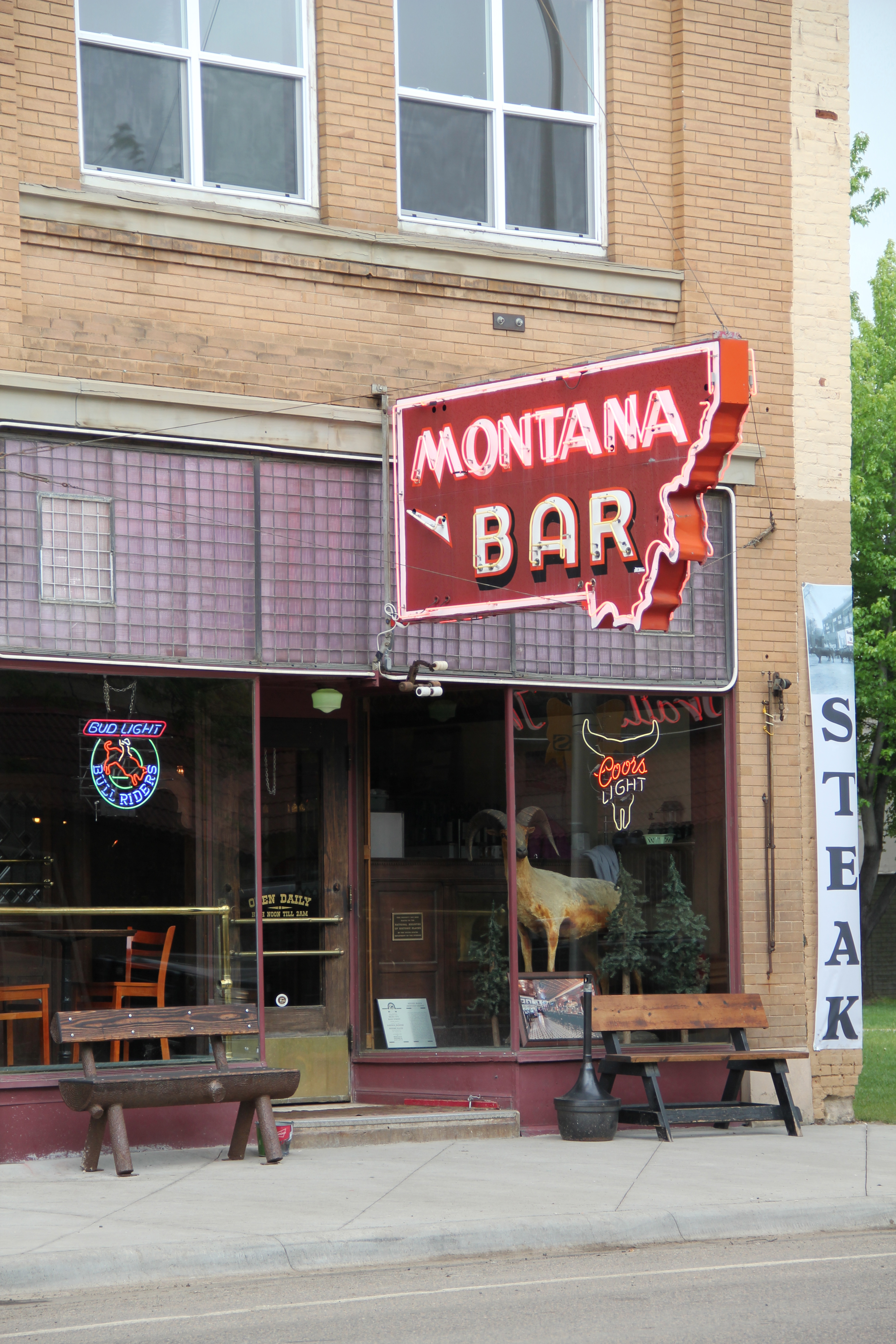
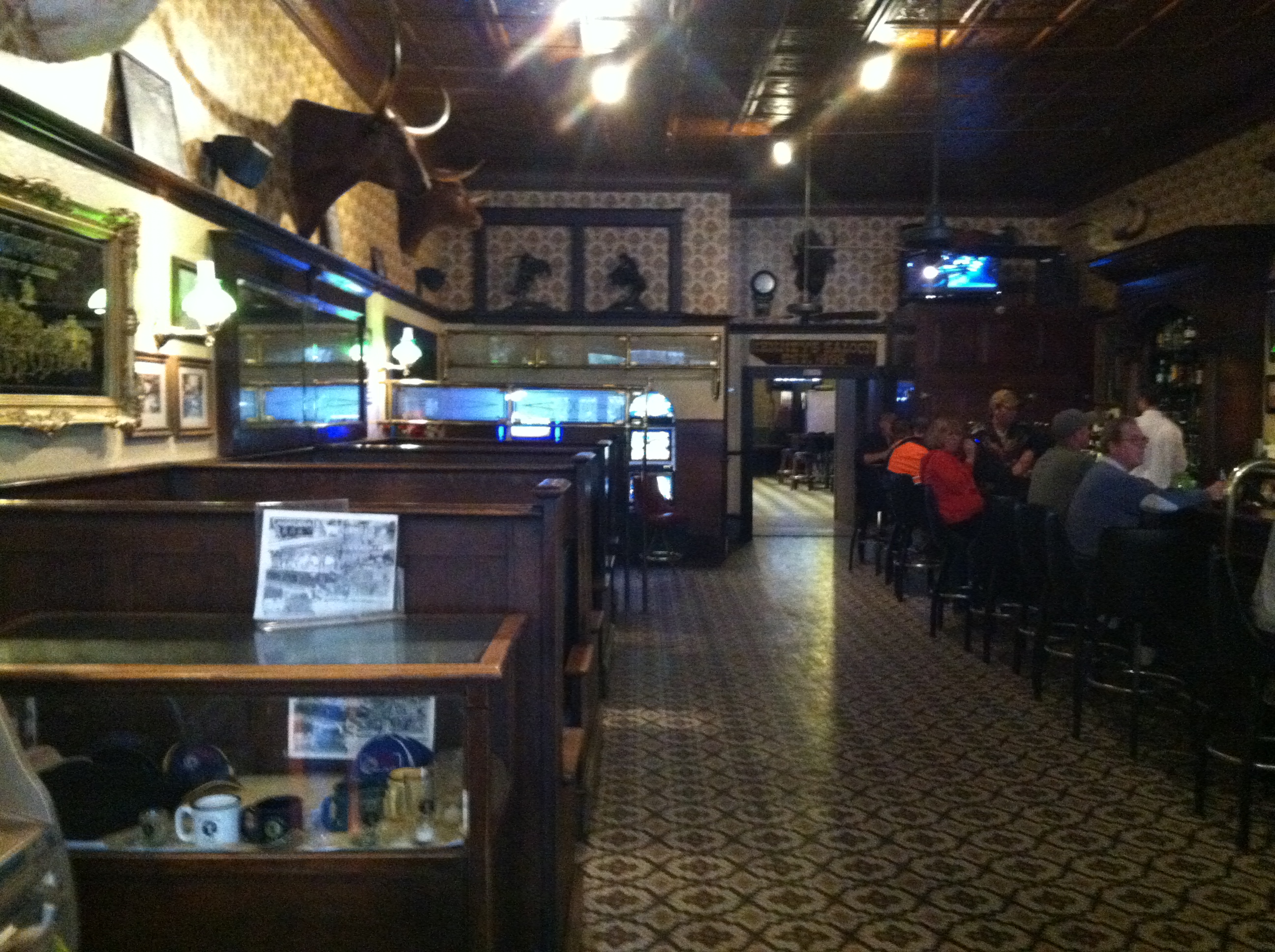
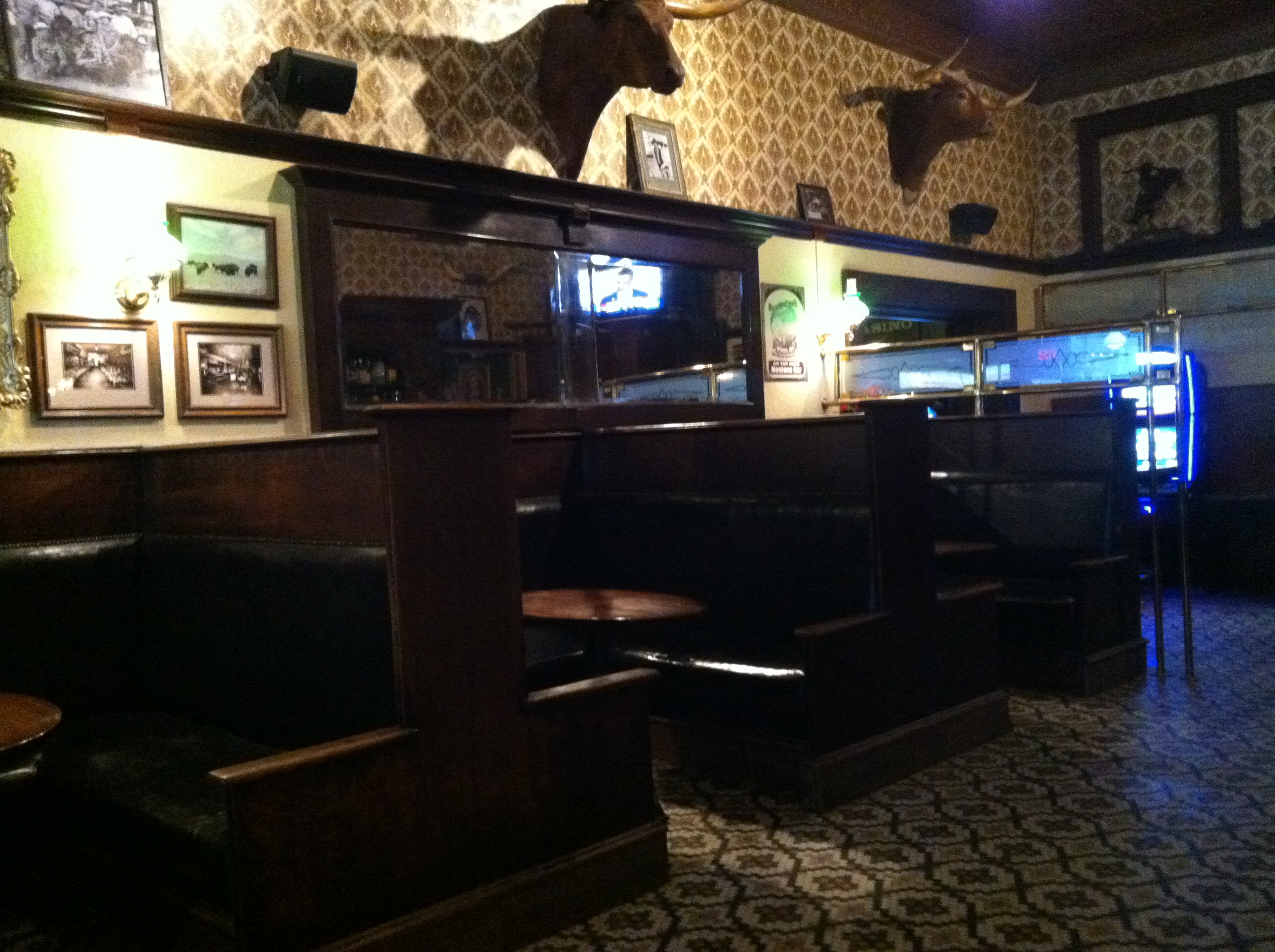
I spent time that evening at another landmark, the Montana Bar, part of an early 1900s building that is now on the National Register of Historic Places.  The bar was not only full of friendly, helpful types.  It also had one of the most amazing intact tavern interiors I had yet encountered in Montana.

IMG_7045

Here, in these dark-stained wood booths, the decorative pressed tin ceiling, the magnificent back bar, and all of the stuffed animal heads seemed to be the real West that was being forgotten and covered over in the more urban, more populated western half of Montana where I lived.

IMG_1328

IMG_1329

IMG_1326

IMG_1325

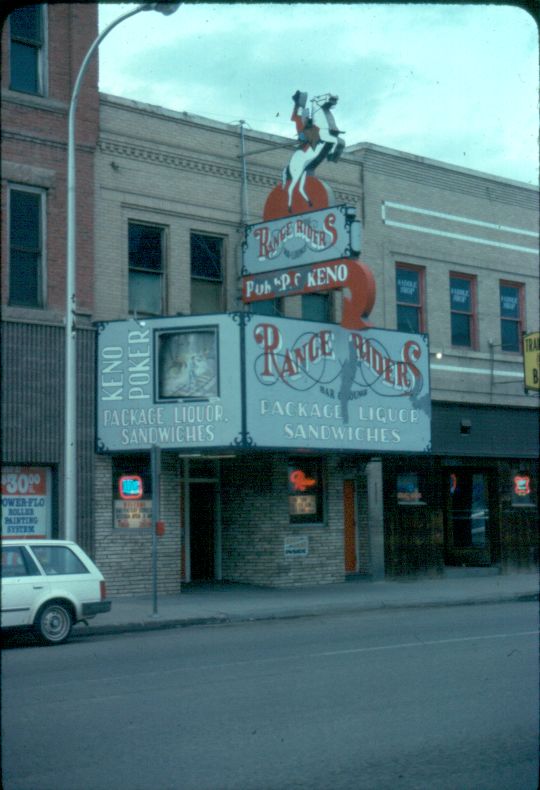
Miles City especially seemed a throw-back when, across the street, was the biggest, most splashy bar sign I had yet seen in Montana: that of the Ranger Rider Bar.

Miles City Custer Co

That evening I never considered meander through the streets out to the chain motels out by the interstate highway.  I just walked across the street to the Olive Hotel, a historic downtown hotel from the railroad era; the build just stood a few blocks away from the Northern Pacific Railroad depot and faced Main Street, what was for many decades u.S. Highway 10, the primary east-west link in Montana.

IMG_7024

For many visitors no doubt, a day and night in Miles City would be more than enough–that was certainly the reaction back in Helena.  But that early 1983 visit would be just one of many over the years since as I have carefully explored the city’s many layers, ones far deeper and more significant than the real West image the town still carries proudly.  Next comes my real introduction to Miles City during the preservation plan travel of 1984, and my meeting with the Rivenes family.