A turn into the Yellowstone Valley

Note: sorry about the delayed posts–real life, and work, interfered in October.

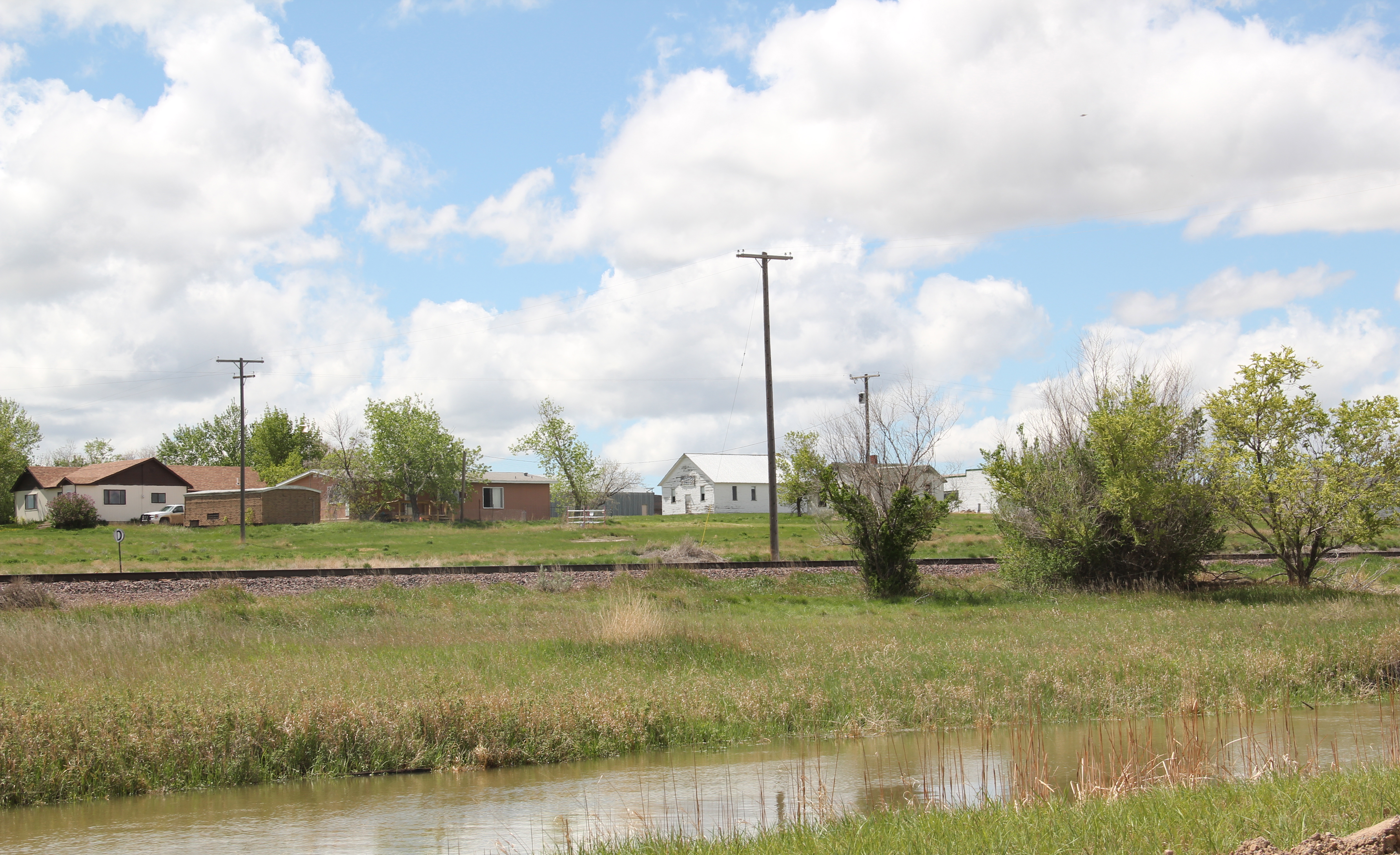
In the 1984 survey of Montana’s landscapes for the state historic preservation office, when I turned southward at the Bainville depot, a Great Northern Railway landmark now sadly missing from the landscape, I understood that a new phase of the project, and of the state, was opening up before my eyes as a cold February turned into March.
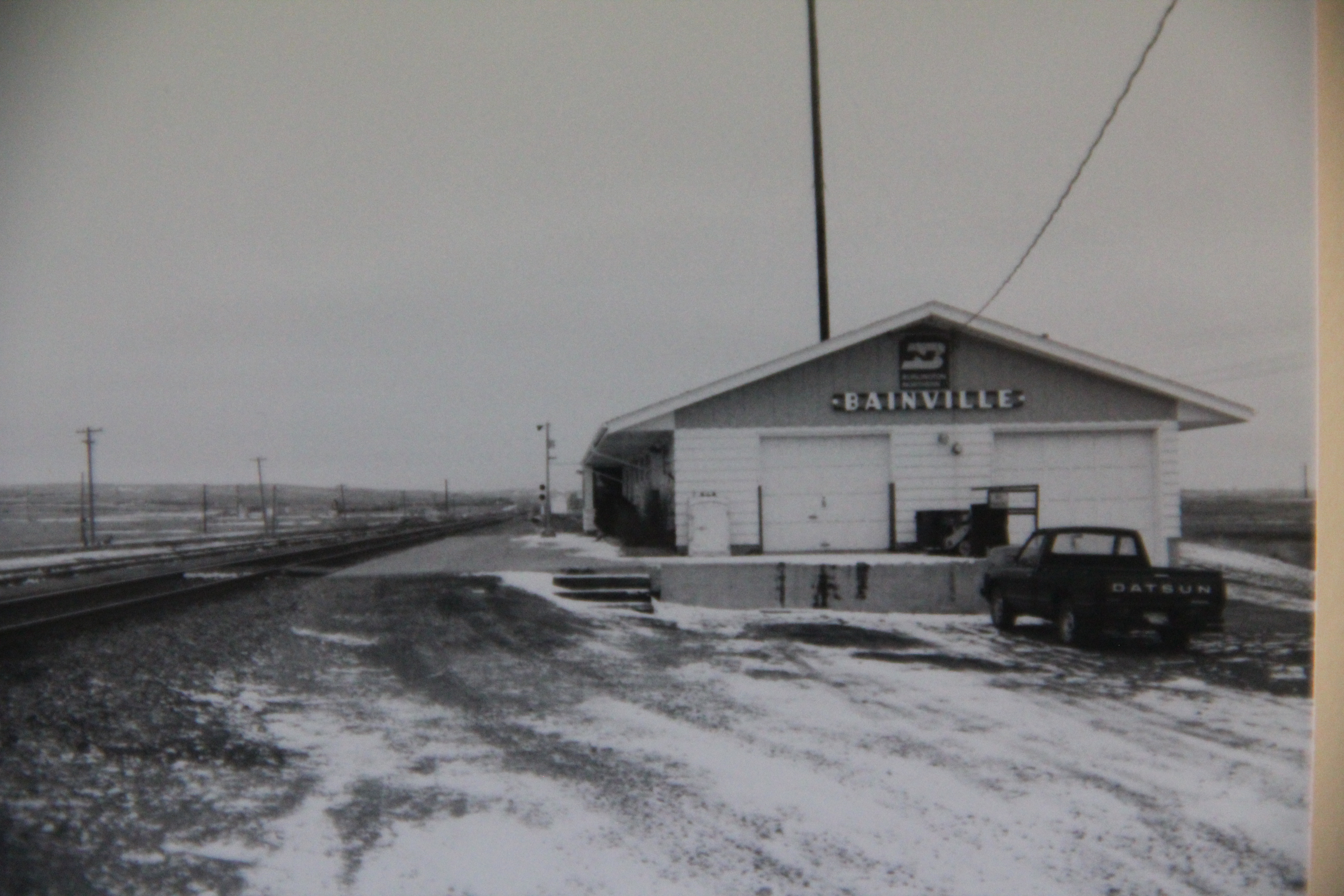
IMG_4077
I first encountered Fairview, at the tip of the Lower Yellowstone Valley and a product too of the Lower Yellowstone Irrigation Project, which I addressed in earlier posts this fall.

Historic Hotel Albert, a 3-story brick relic of the homesteading boom

Historic Hotel Albert, a 3-story brick relic of the homesteading boom


Fairview then and even more so now was a place of transition between the agriculture made possible through the engineering marvel of the federal irrigation project and the slowly creeping westward push of the oil boom associated with North Dakota’s Williston Basin.
Ft. Gilbert highway marker, north of Fairview: note oil well to the right

Ft. Gilbert highway marker, north of Fairview: note oil well to the right


As I drove south along MT Highway 16, I passed through the Lower Yellowstone Project towns of Crane, Savage, Sidney, and Intake–discussed in earlier posts–and then hit Interstate I-94: the first interstate I had seen in weeks. But instead of turning into Glendive, the major town in the region, I veered to the east to explore Wibaux County.
IMG_1683
I knew a bit about Wibaux through the standard narratives of Montana history because here stood the ranch house of Pierre Wibaux, one of the most famous early cattlemen in Montana. The house had long served as a heritage tourism stop, even as a state welcome center since Wibaux is positioned a few miles west of the Montana-North Dakota border on I-94. In 1984 I knew that I wanted to visit the ranch house, and see the monument erected to Wibaux to commemorate his life and achievements.
IMG_0494
I also found, however, the heavy imprint left in the wake of the Northern Pacific Railroad as it headed into Montana and aimed for the Yellowstone Valley. For the next several weeks I explored this connection between rail and river that so defines the valley still today.
Underpass separating MT 16 from the Northern Pacific mainline at Wibaux

Underpass separating MT 16 from the Northern Pacific mainline at Wibaux


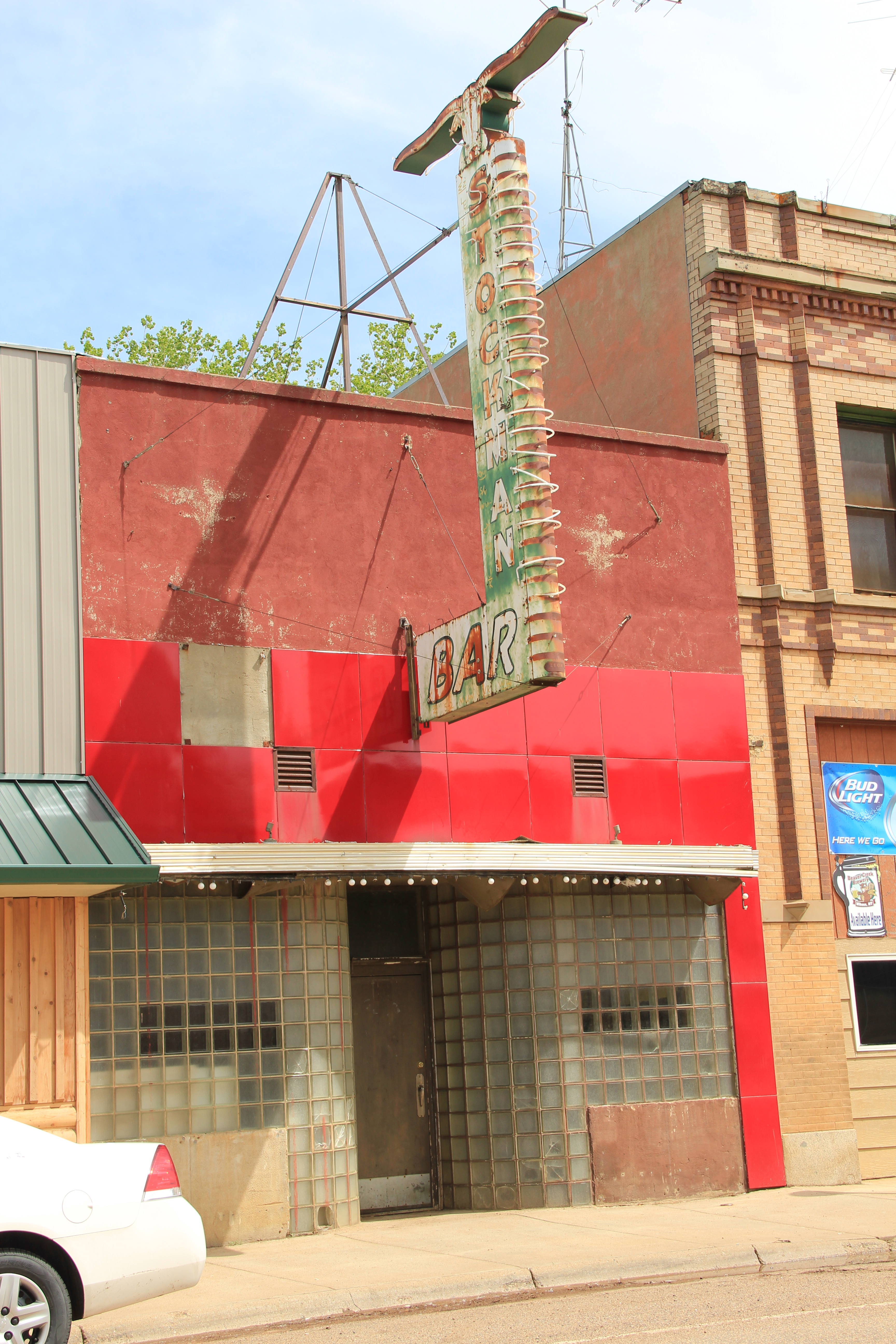
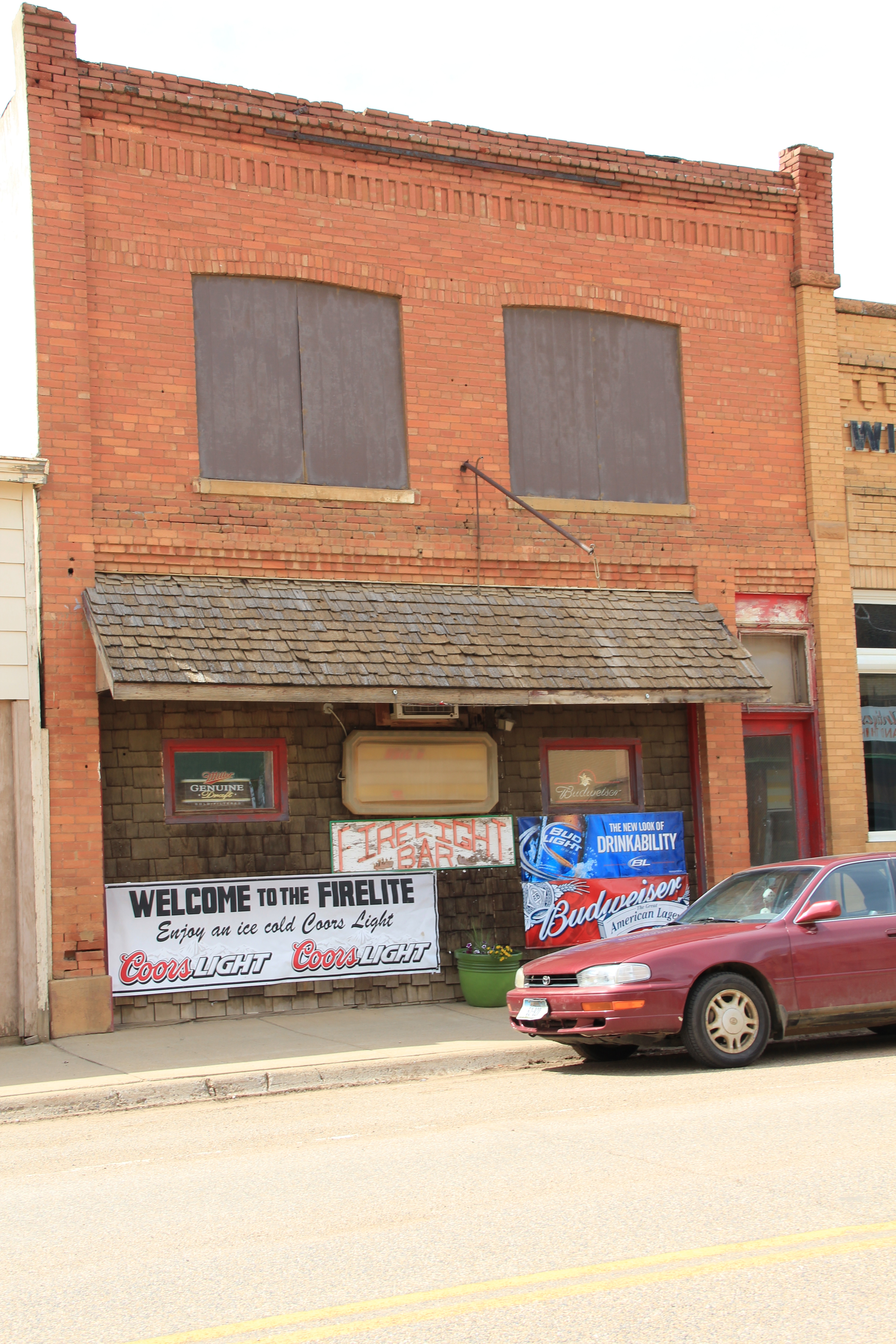
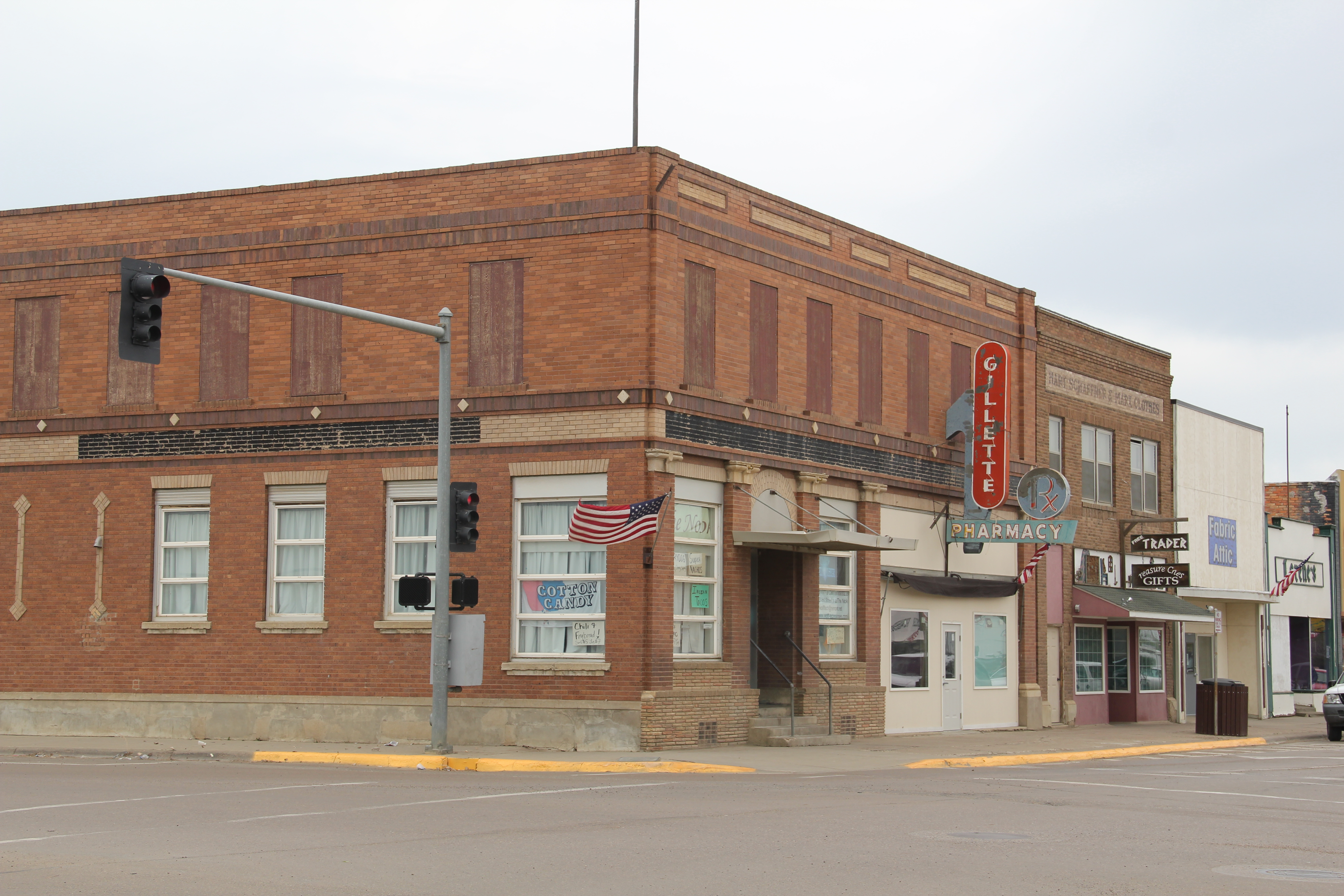
Wibaux is a town of bars–the Shamrock became my favorite in 1984, but the Rainbow Bar, housed in a building with more than a nod to Northern Pacific iconography, and the Stockman Bar were always worth a stop. Among newcomers in 2013, the Firelite was friendly but the big hit with locals and visitors was the Beaver Creek Brewery, a microbrewery way out on the plains of Montana.
IMG_0384IMG_0385
IMG_0387
IMG_0381
IMG_0383
With old historic hotels, business blocks, and bank buildings–one transformed into the town library–still intact, here is a commercial historic district just waiting one day to be placed into the National Register of Historic Places.
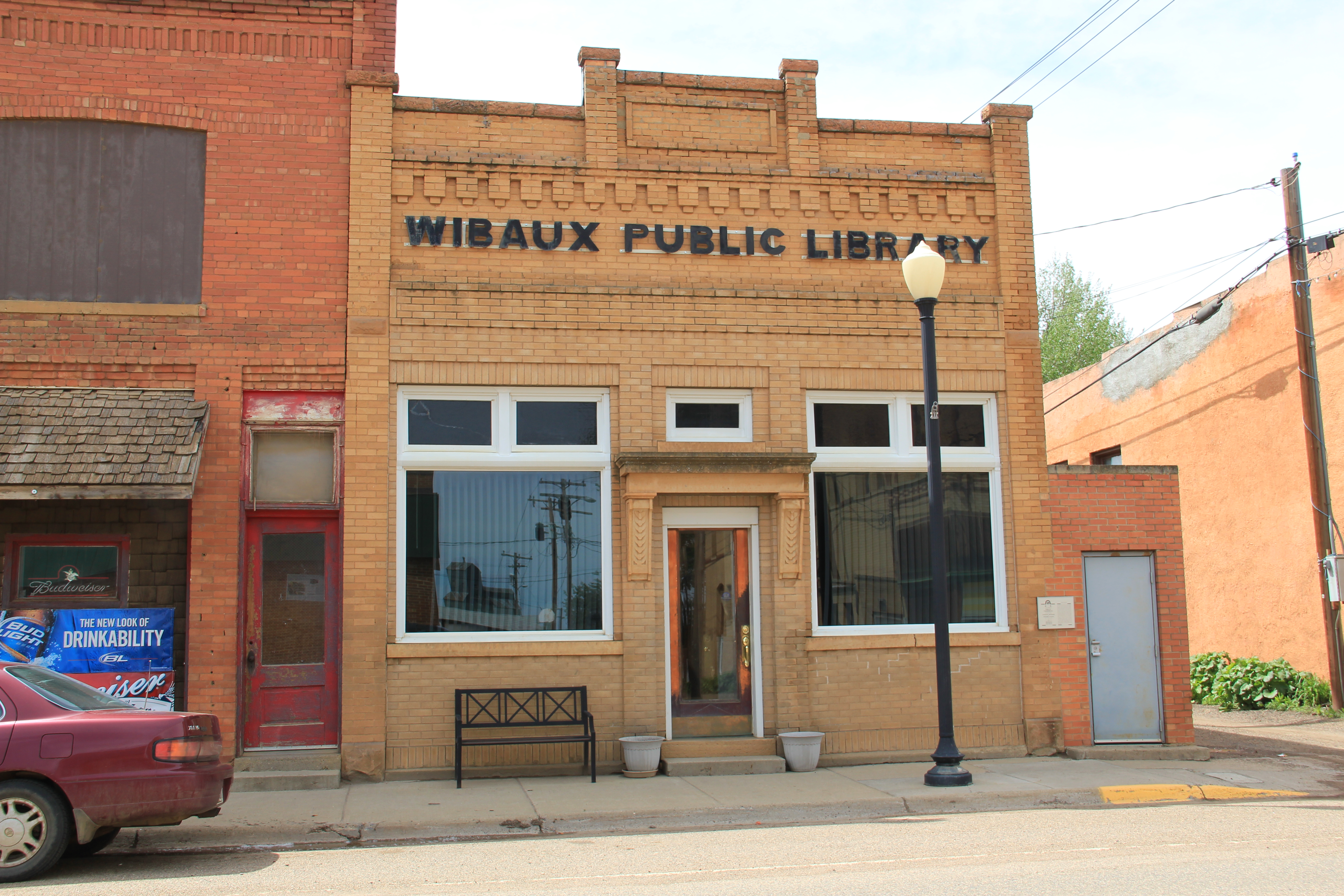
IMG_0382
Besides the bars, however, I enjoy Wibaux for its sense of a western ranch town, even in the face of the expanding reach of the Williston oil boom. There is the 1950s contemporary-styled Wibaux County Courthouse; the county fairgrounds south of town; and a bit farther south on MT 16 the historic Nunberg Ranch, which is listed in the National Register.
IMG_0483
IMG_0480
IMG_0479
Also listed in the National Register is the striking St. Peter’s Catholic Church, certainly a Gothic Revival landmark when the congregation built it on a high point west of the business district but then made into a western landmark with the addition of river stone in 1938. Here was a statement in the depression era: we are here and we are proud.
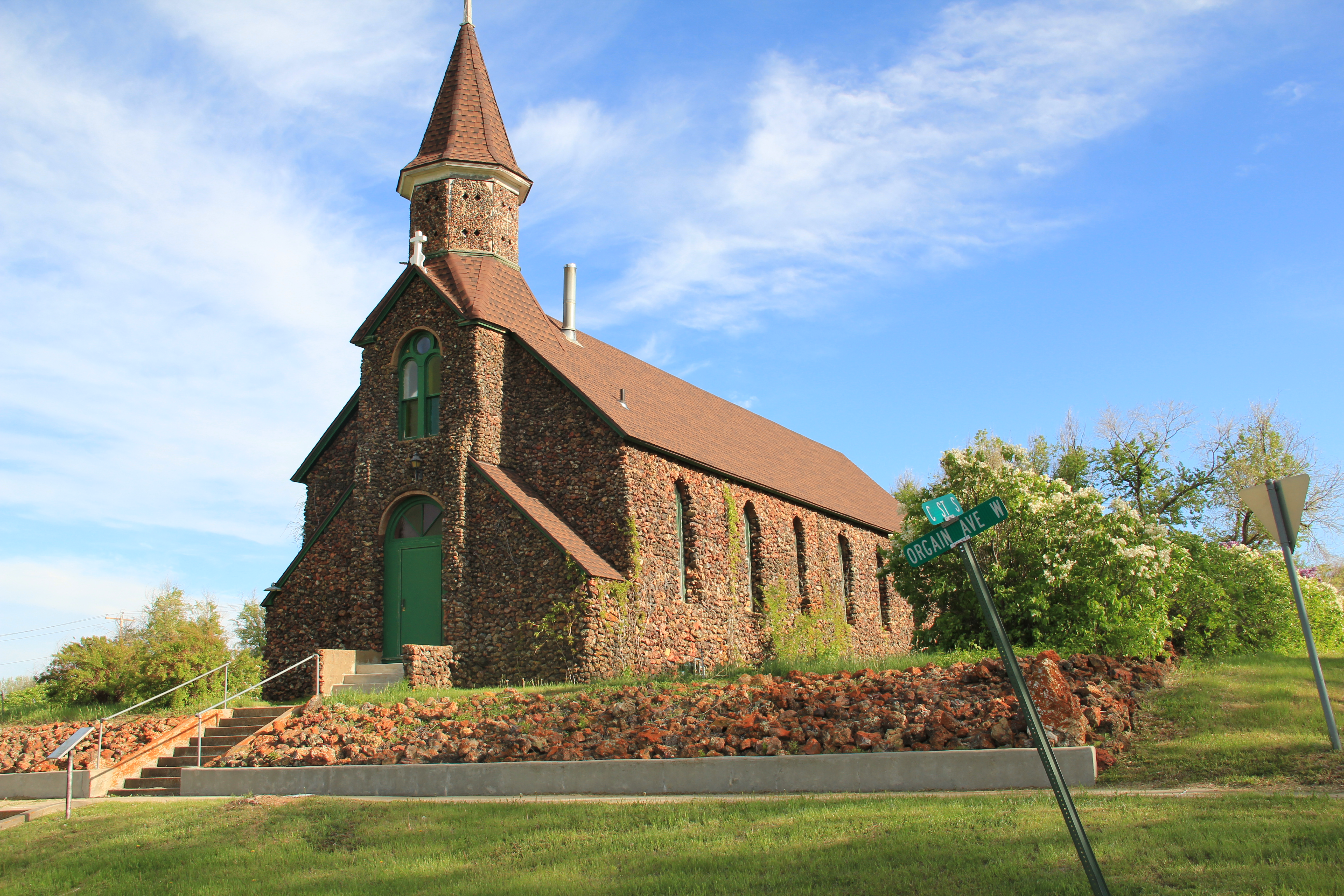
IMG_0493
But if you turn to the north, however, on the other side of the tracks is the life of the community, the school. And this image of the high school football field is perhaps the best way to close a post about Wibaux. Yep, it is small, determined, and still here, even when many think it should have blown away decades ago.
IMG_0496

Flaxville’s disappearing act

IMG_7593
A generation after its first settlement in 1913-1914, over 500 people lived in Flaxville, a Great Northern spur line town in Daniels County. When I visited in 1984, I found a declining railroad town, very common in the region, but I also liked how an old one-story brick bank still served the town’s 142 residents as a post office. Adaptive reuse at its best.
IMG_7595
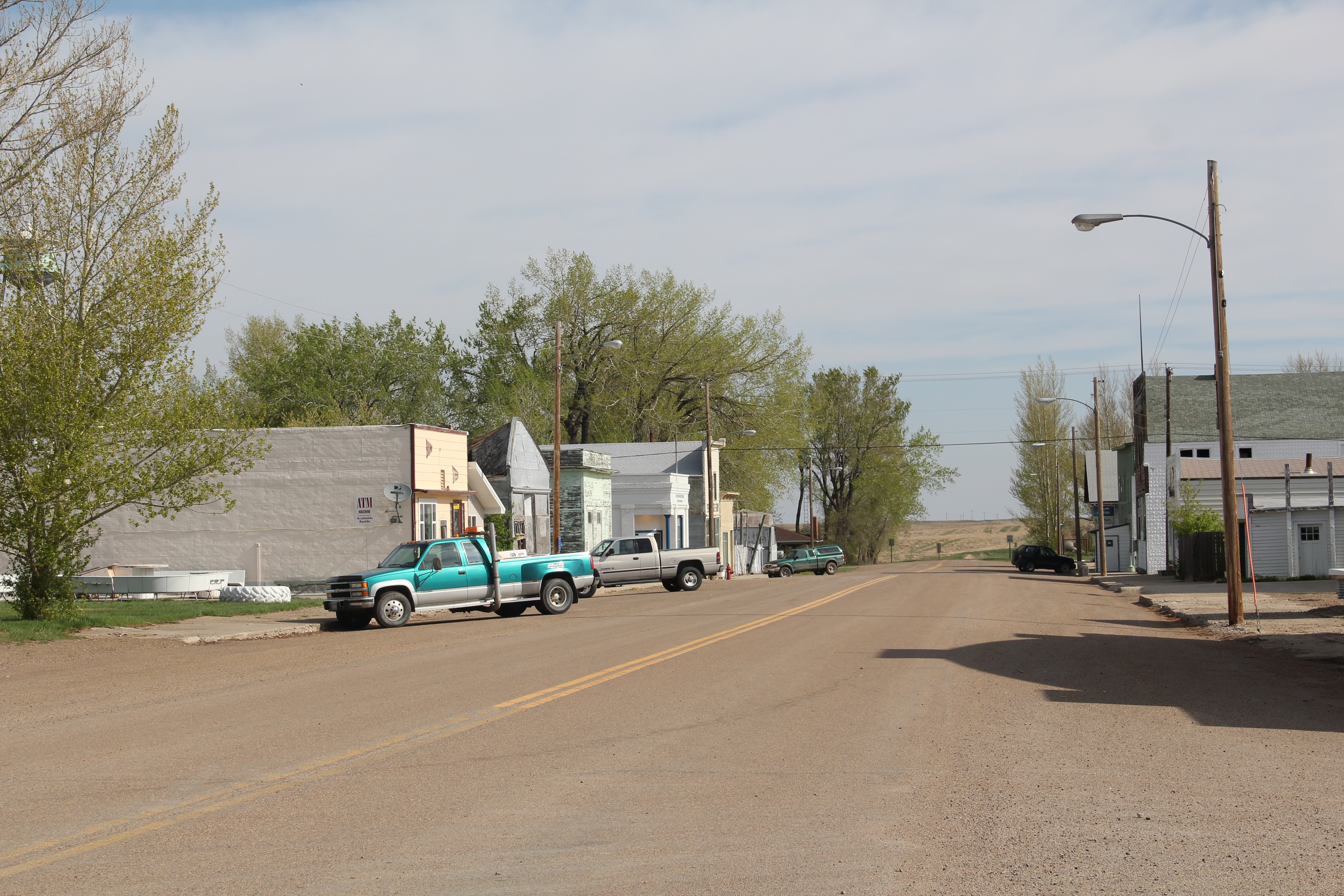
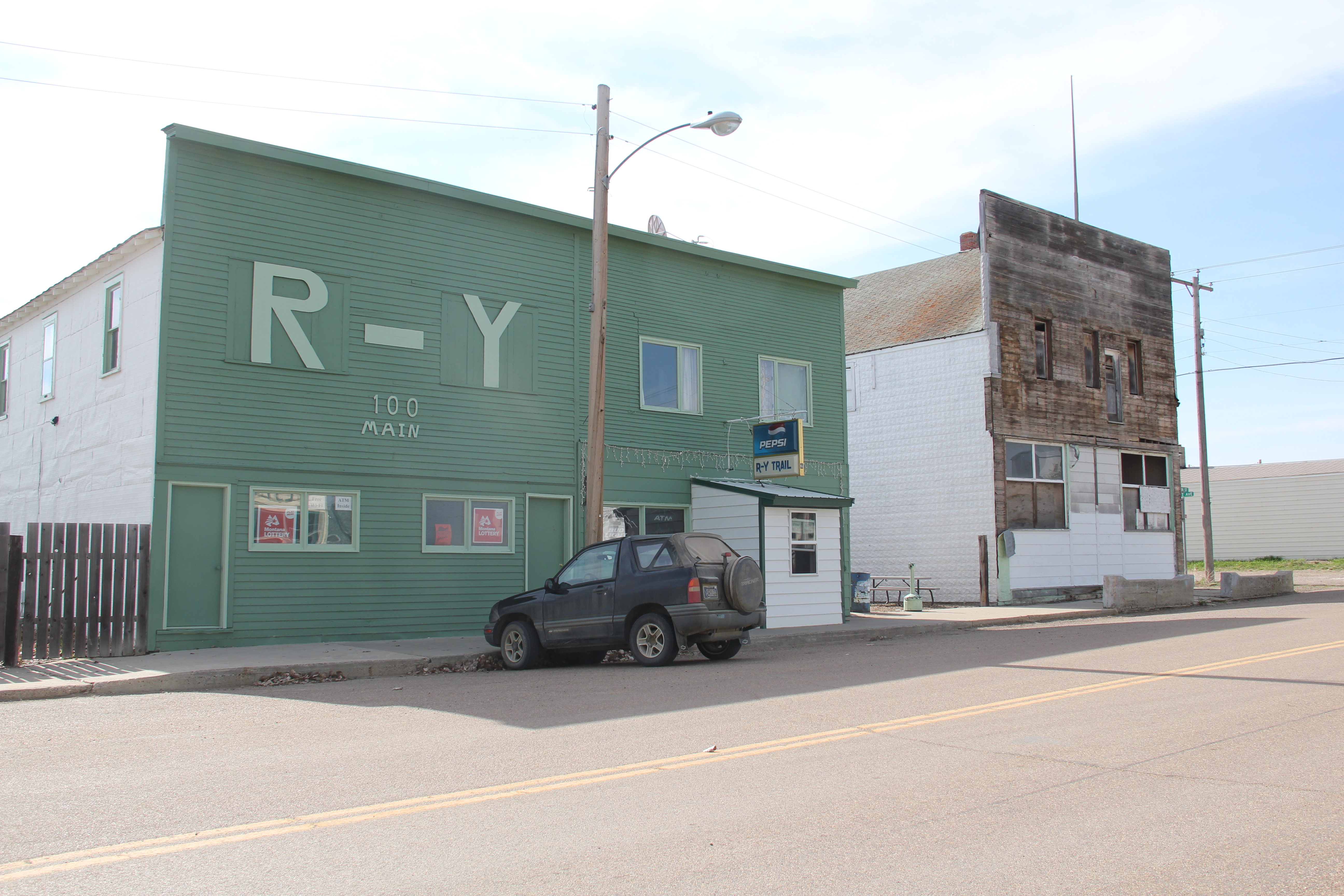
Almost 30 years later the post office remained but one-half of the residents had gone. The census taker in 2010 counted 71 people in Flaxville. Despite the disappearing numbers, Flaxville has many worthy landmarks beyond the historic bank. Let’s start with the R-Y Bar, one of the few reminders in all of Montana of a historic trail that once connected Regina, Saskatchewan, to Miles City, far to the south.
IMG_7600
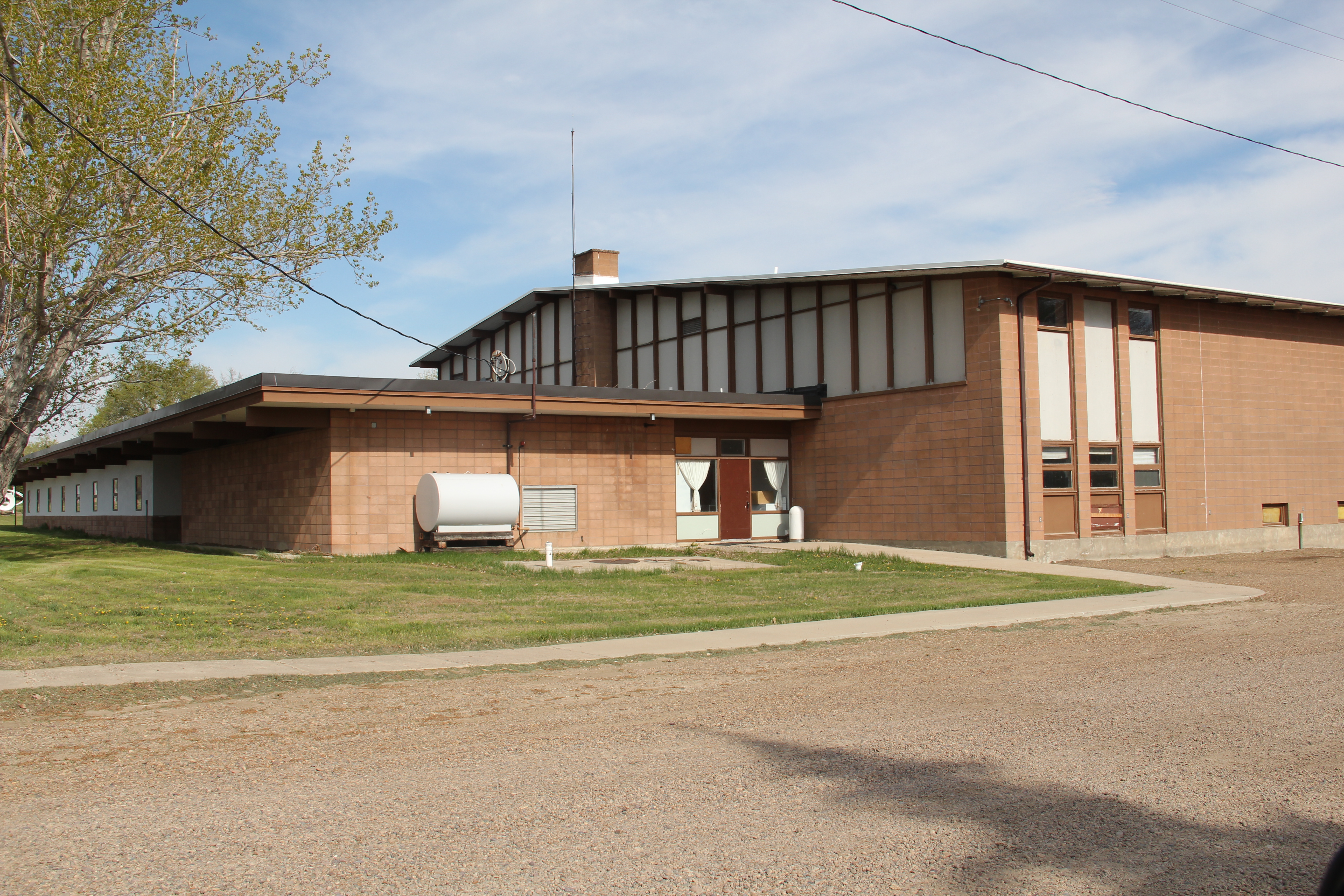
Then there is the Flaxville school, actually a marvel of contemporary design that you would never expect to find in such an out-of-the-way place. Once again we find Montana modernism is not just in the cities.
IMG_7604
IMG_7605
IMG_7602
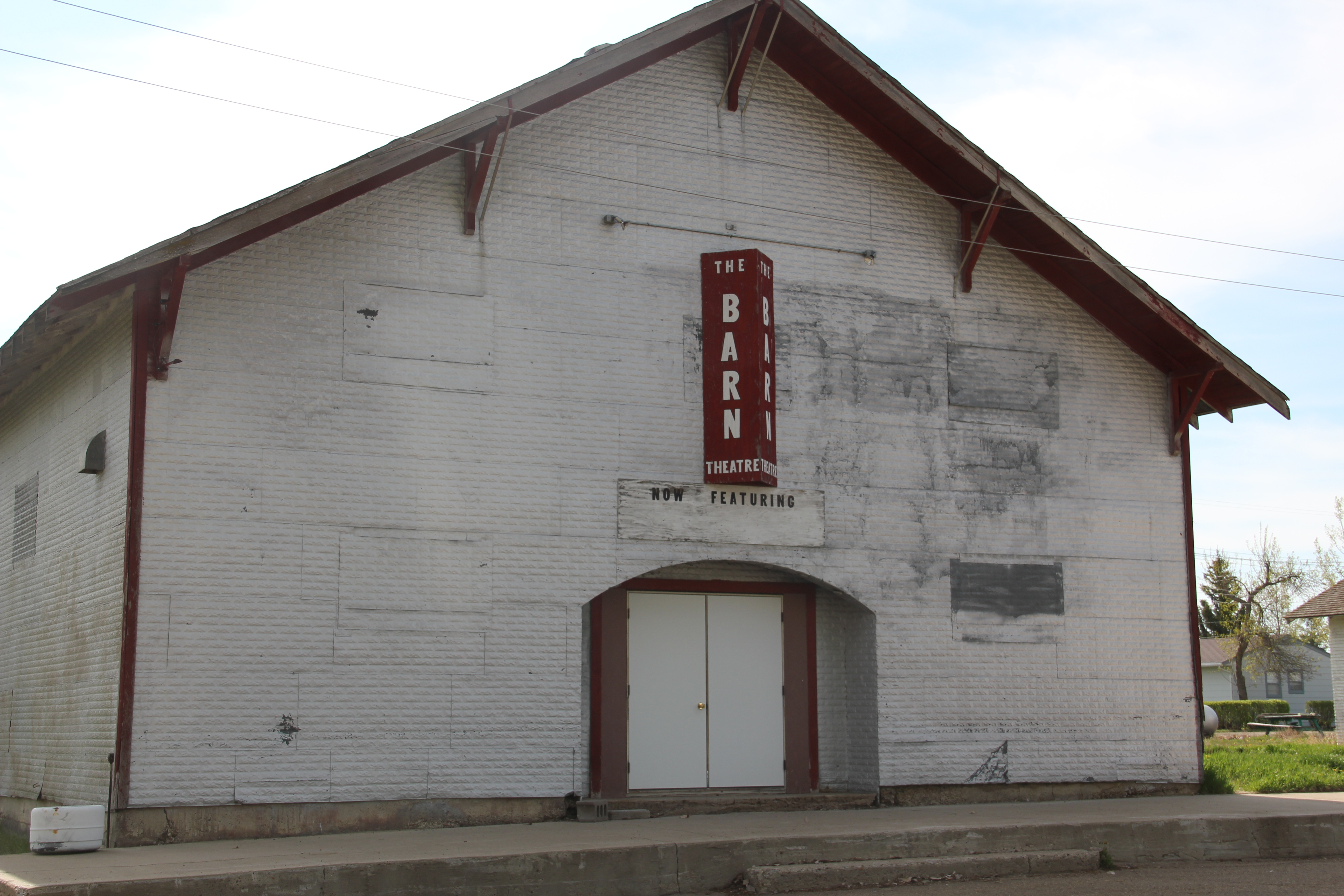
The Barn, once a movie theater now a community theater and center, is a true rarity–a vernacular design for a popular culture purpose that seems almost crazily out of place. Its size speaks to time when whole towns gathered in one place for the movies. Its empty marquee today records a much more unpleasant truth: the
IMG_7598
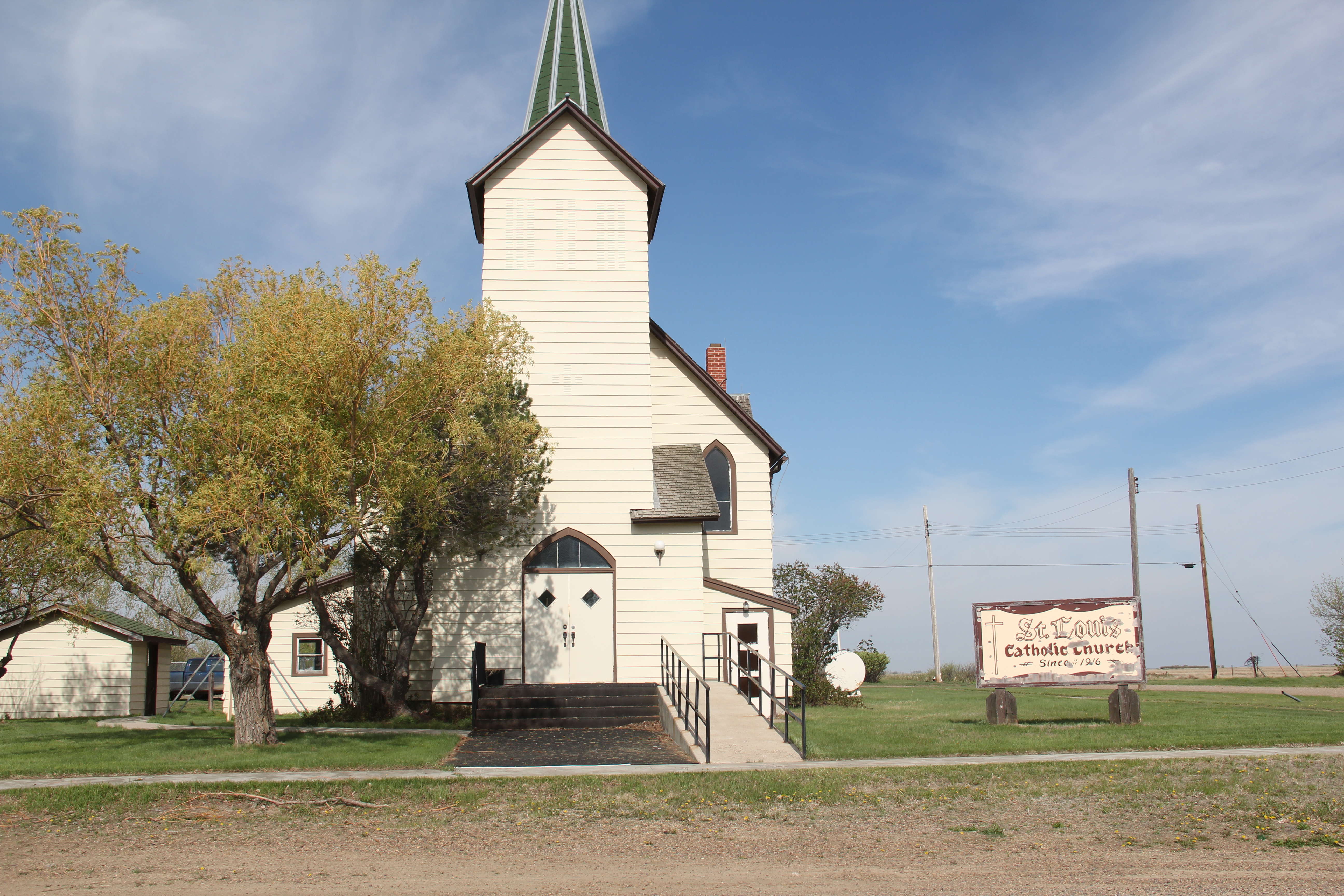
reality of what happens when everyone begins to leave: the lights do go out. Yet the remaining local Catholic and Lutheran churches also speak loudly, to the quiet determination of those who remain here in Daniels County.
IMG_7603
IMG_7601
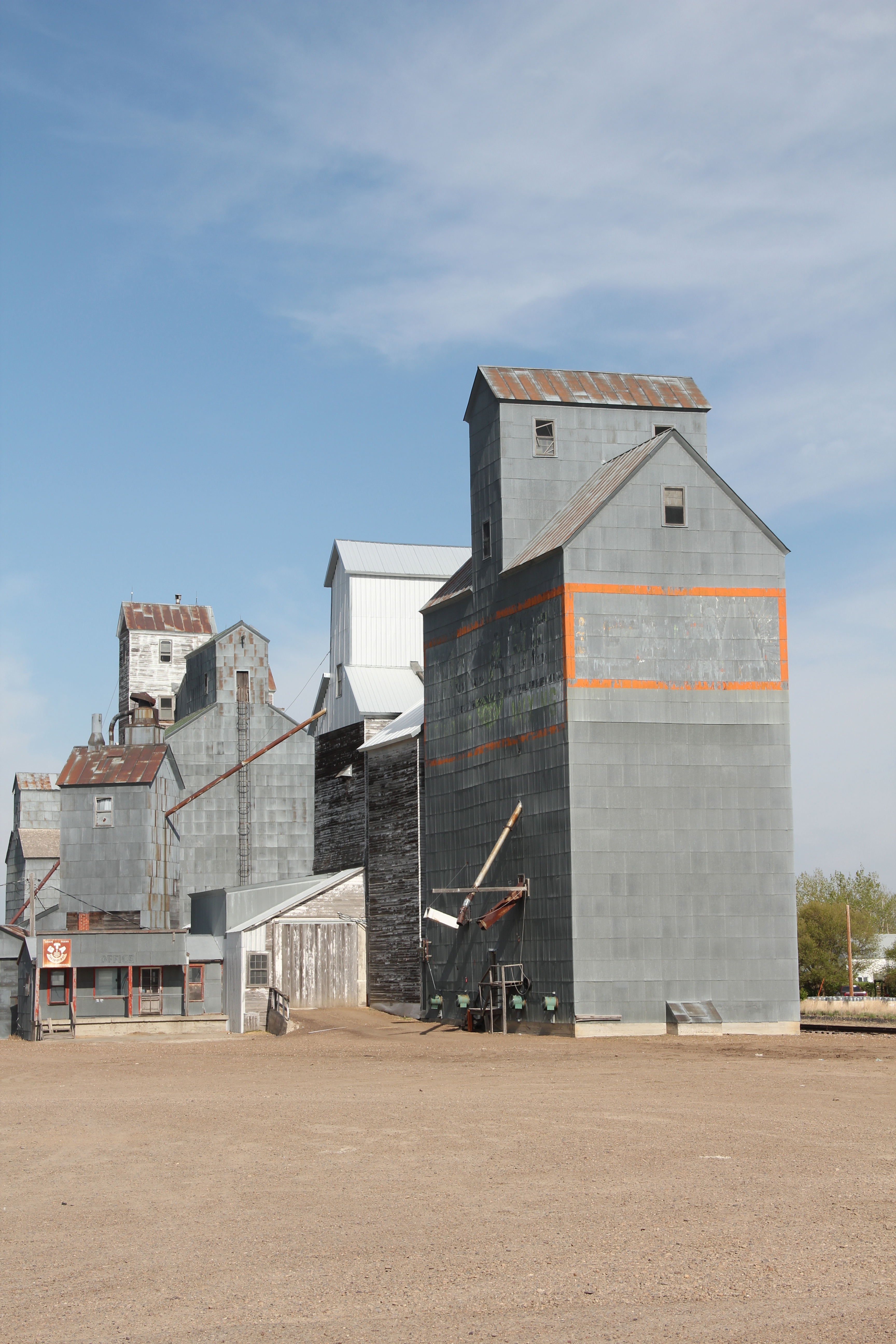
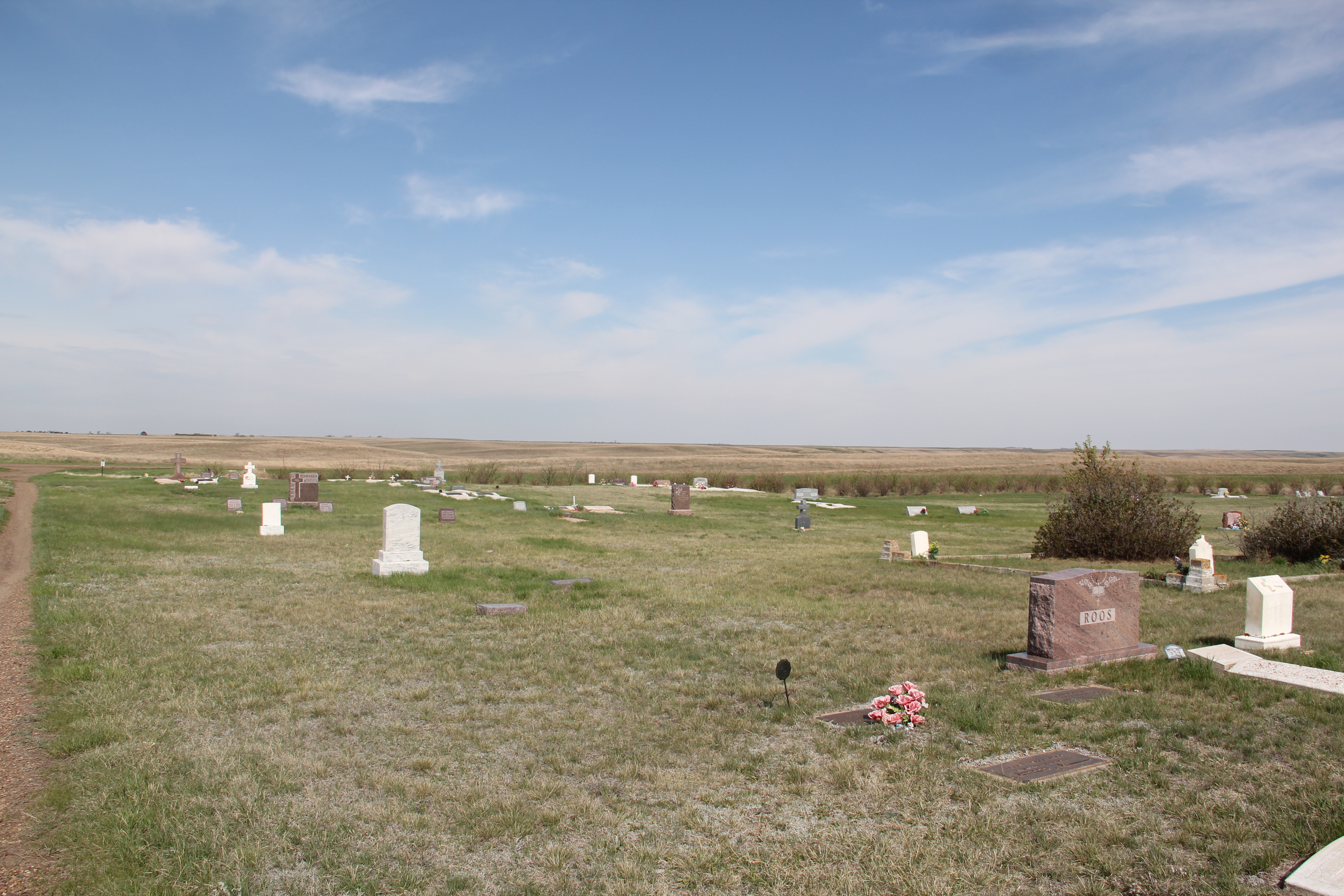
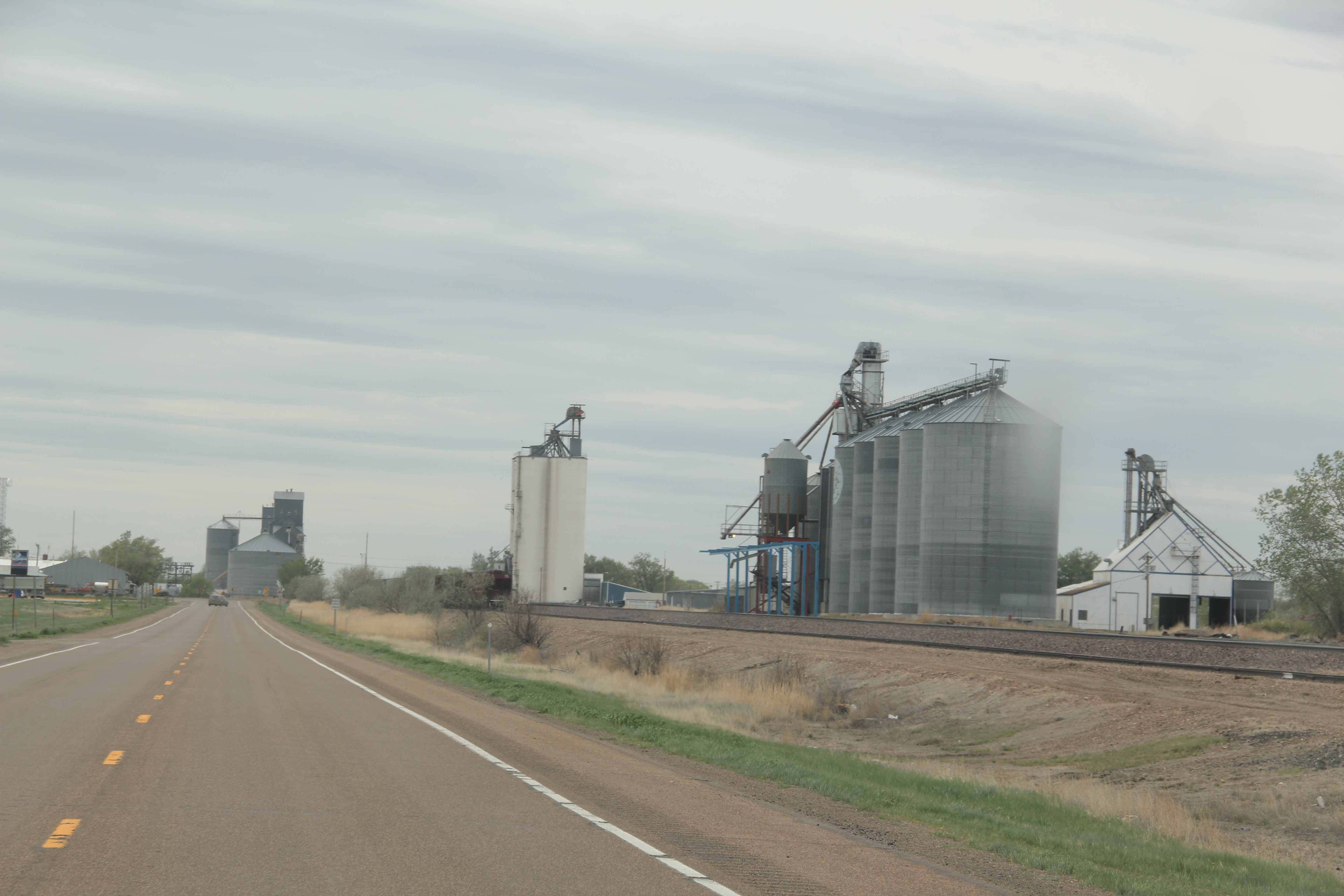
Naturally the grain elevators remain as sentinels overlooking Flaxville but few other commercial enterprises are open. The starkness of the town’s cemetery records both the past and future of this tiny place in Montana’s northern plains.
IMG_7592
IMG_7624

Wolf Point on the Hi-Line

Great Northern corridor along U.S. in Roosevelt County

Great Northern Railway corridor along U.S. 2 in Roosevelt County

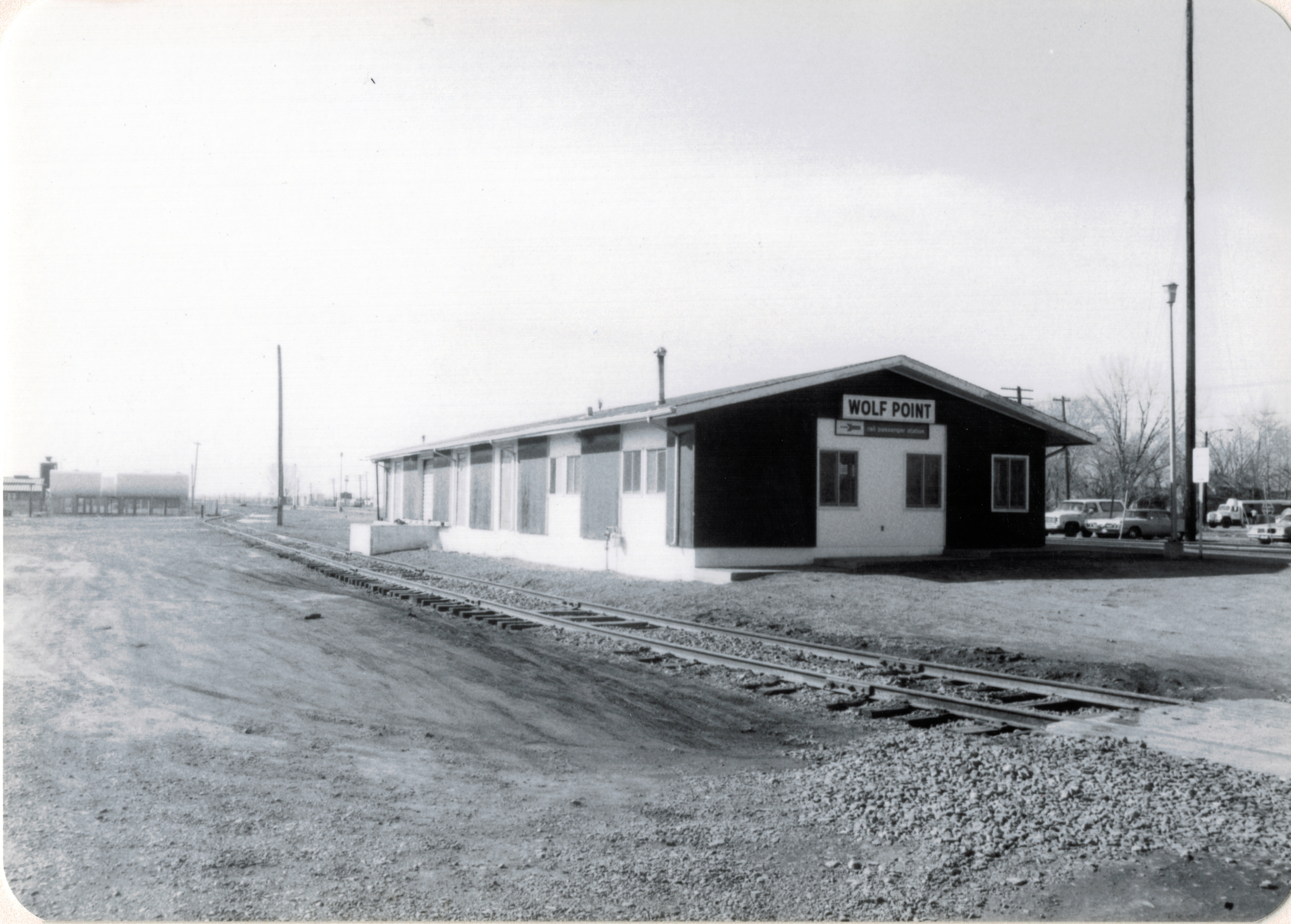
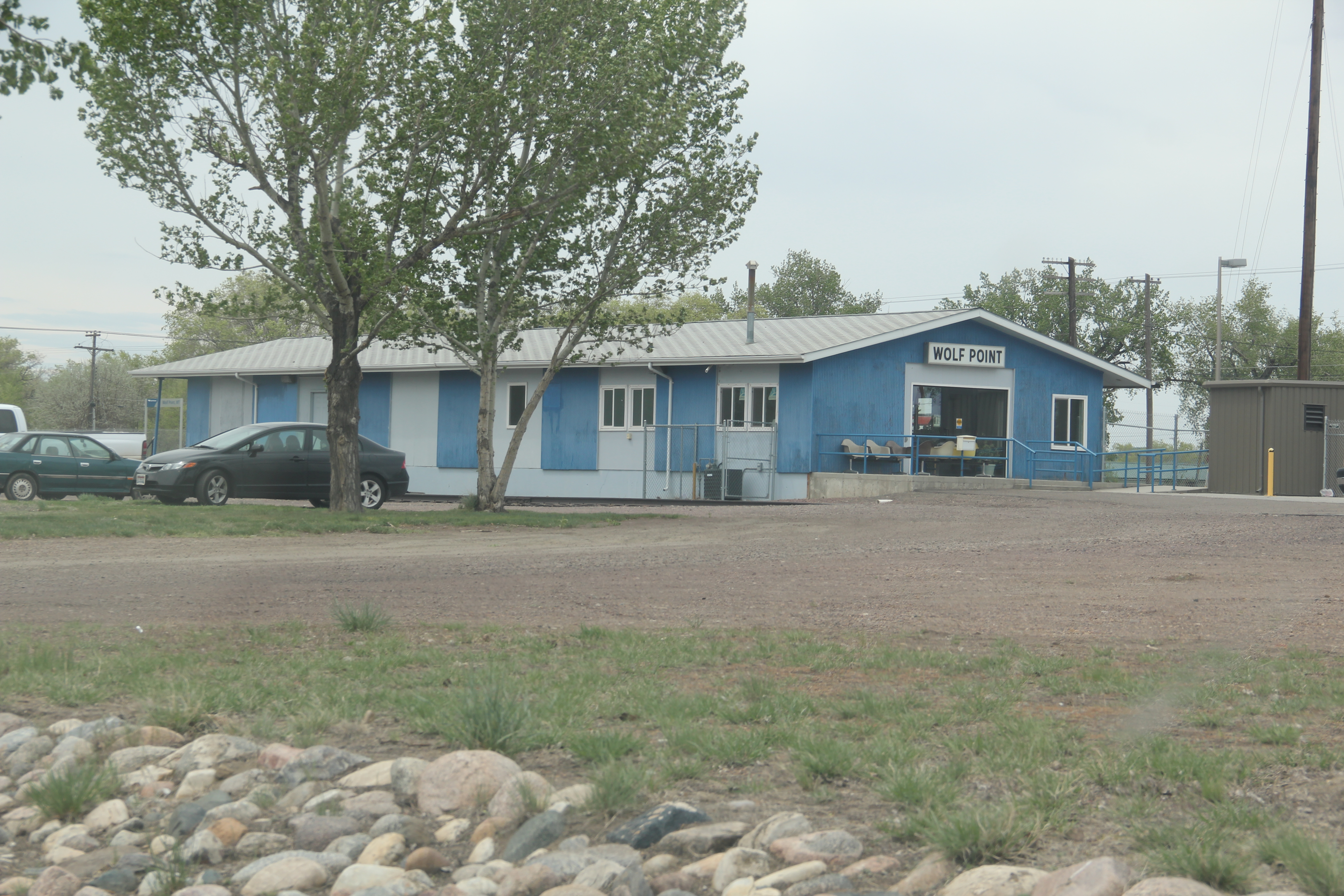
When I encountered the northern prairie of Roosevelt County in 1984, it was difficult to tear your eyes from the omnipresent tracks of the Great Northern Railway.  The trains roared past regularly, and the tracks defined space and town location throughout this stretch of U.S. Highway 2.  So when I arrived in Wolf Point, the seat of Roosevelt County, I immediately looked for the depot, and came away disappointed.  Here, for northeast Montana, was a large town: certainly I would

Wolf Point depot, Roosevelt  County

Wolf Point depot, Roosevelt County

find more than the standard-issue Great Northern design.  It was different but nothing as I expected.  No grand architectural statement–rather a modernist building with little ornament or aesthetics to it, except here was what the railroad had become in the second half of the 20th century–a functional transportation system not the town builder and landmark of the turn of the century.

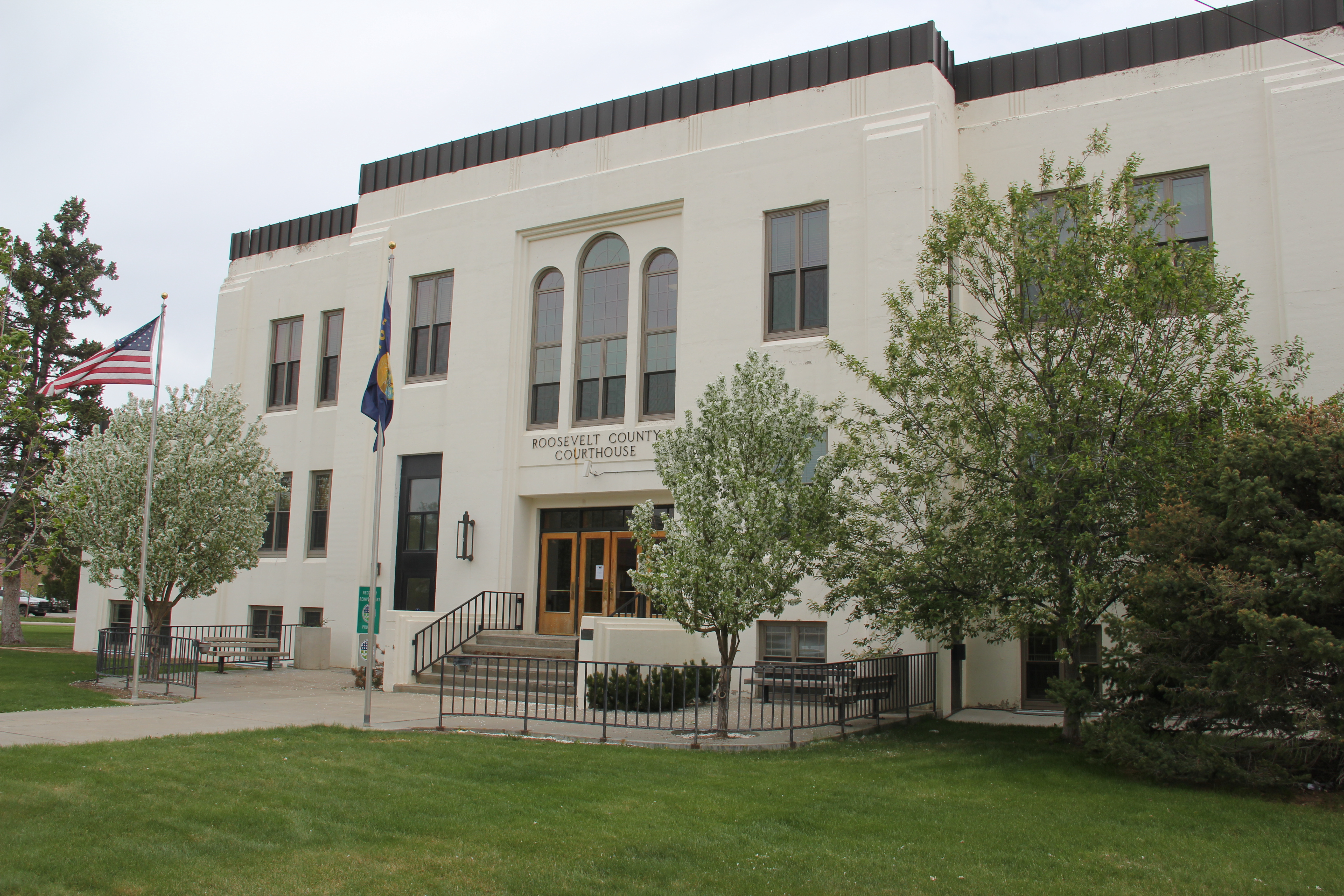
IMG_7737 But as I explored the town in 1984, and visited it again in 2013, I found several places worth considering in this small county seat of 2621 in 2010.  First was the impact of the New Deal.  Roosevelt County–named for TR not FDR–received one of the most striking modernist courthouses in the state, courtesy of the Work Projects Administration.

IMG_7743


Encountering such a gleaming landmark of the federal imprint on the region startled me, but also started me looking much more carefully at the impact of federal projects on the region, a research interest that culminated in an essay titled “The New Deal Landscape of the Northern Plains” for the Great Plains Quarterly.

Wolf Point, like almost every Hi-Line town, had suffered from population decline.  The town’s heyday came in 1960 with a population of 3585, which had dropped by 500 by 1980, and another 400 since then.  Yet Main Street was alive, not dead, but dilapidated with later day “improvements” marring historic commercial facades.

IMG_7764

IMG_7752

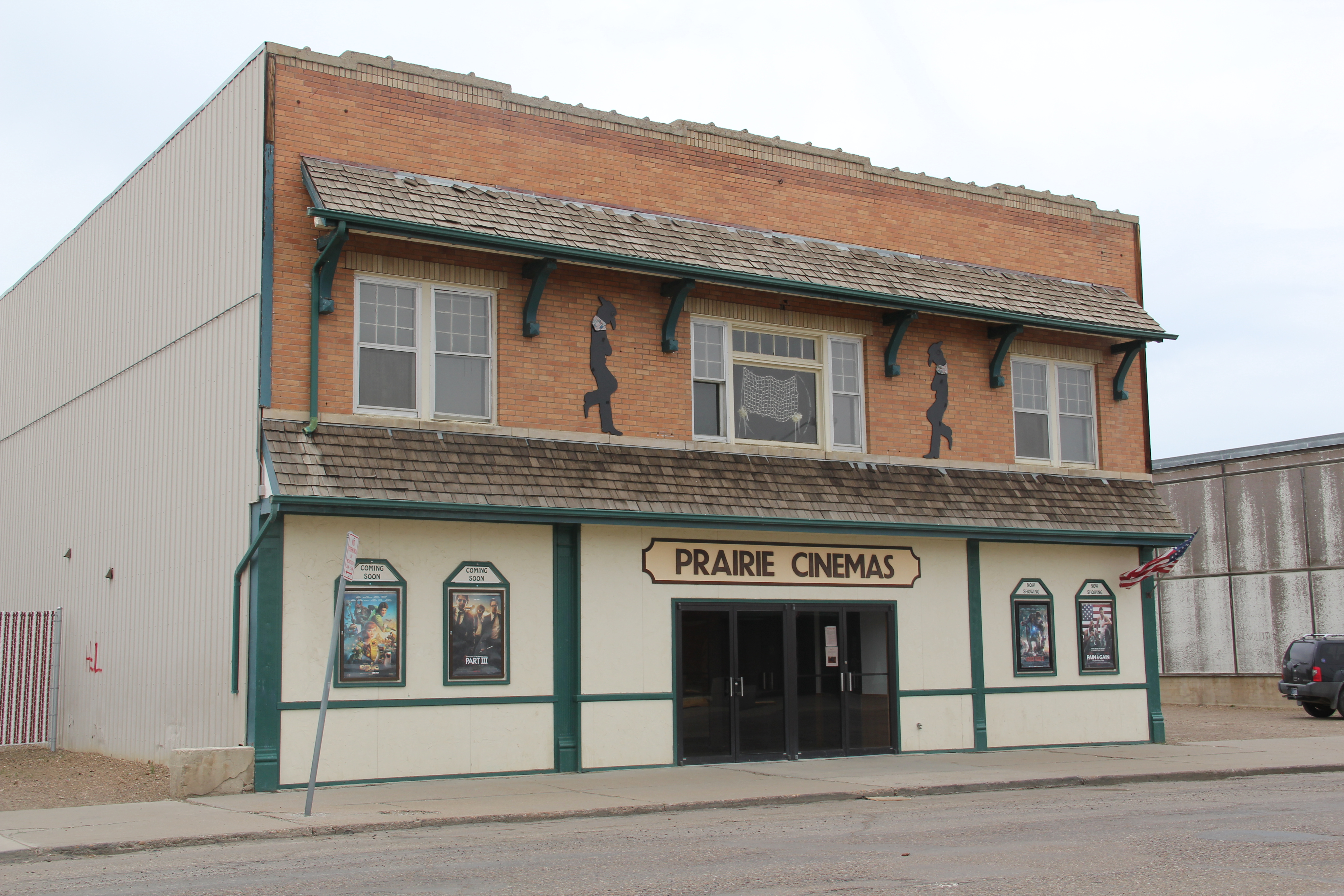
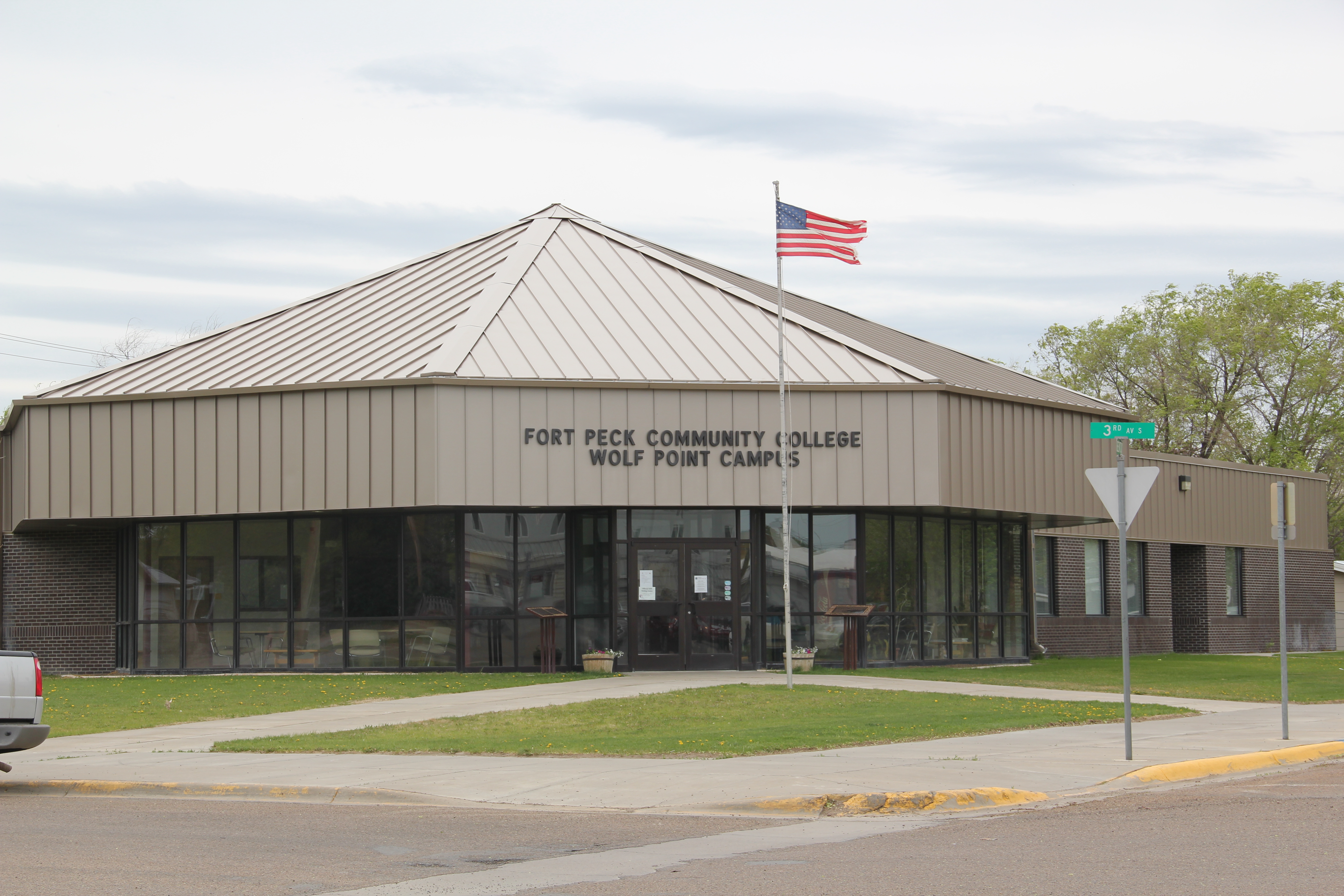
Yet the town retained its historic movie theater, and had recently expanded a local history museum that has a remarkable array of objects.  Wolf Point in the 2010 census was about 1/2 Native American in population; the most impressive building added to the town since 1984 was the Fort Peck Community College.

IMG_7761

IMG_7751

Wolf Point also had hoped to become the final landing spot for the Montana Cowboy Hall of Fame.  It was a worthy contender not just for its open plains, but the Wolf Point Rodeo is among the state’s oldest, and the historic fairgrounds continue to host the “Wild Horse Stampede” every summer.

IMG_7755

Smack in the middle of U.S. 2 is another monument to the Montana Cowboy, and a symbol of the hopes that the Hall of Fame would land in Wolf Point.  This bronze statue titled Homage was executed by Floyd DeWitt and given to the town by the Fort Peck Assiniboine and Sioux tribes.

IMG_7753

To travelers along U.S. 2 Wolf Point may be considered as one or two blinks and that it is, but the history here is deeper, and strongly felt.  Yes it has the rails and the elevators to define the horizontal and the vertical but its landmarks continue to say:  we’re here and we matter.

IMG_7756

IMG_7756

IMG_7757

Valley County’s Farming Outposts, and some Lefse

Valley County–another huge Hi-Line county stretching from the border with Canada to the Missouri River–became one of my favorite places to explore in 1984, and then again in 1988. Fort Peck Dam made it a targeted area because I was interested in the New Deal agencies as back then an under-studied part of the national built environment, and because I came from Tennessee. Nowhere else did the New Deal leave such a heavy hand as the series of dams and lakes of the Tennessee Valley Authority. But in its massiveness–Fort Peck on the Missouri River came damn close.

Image

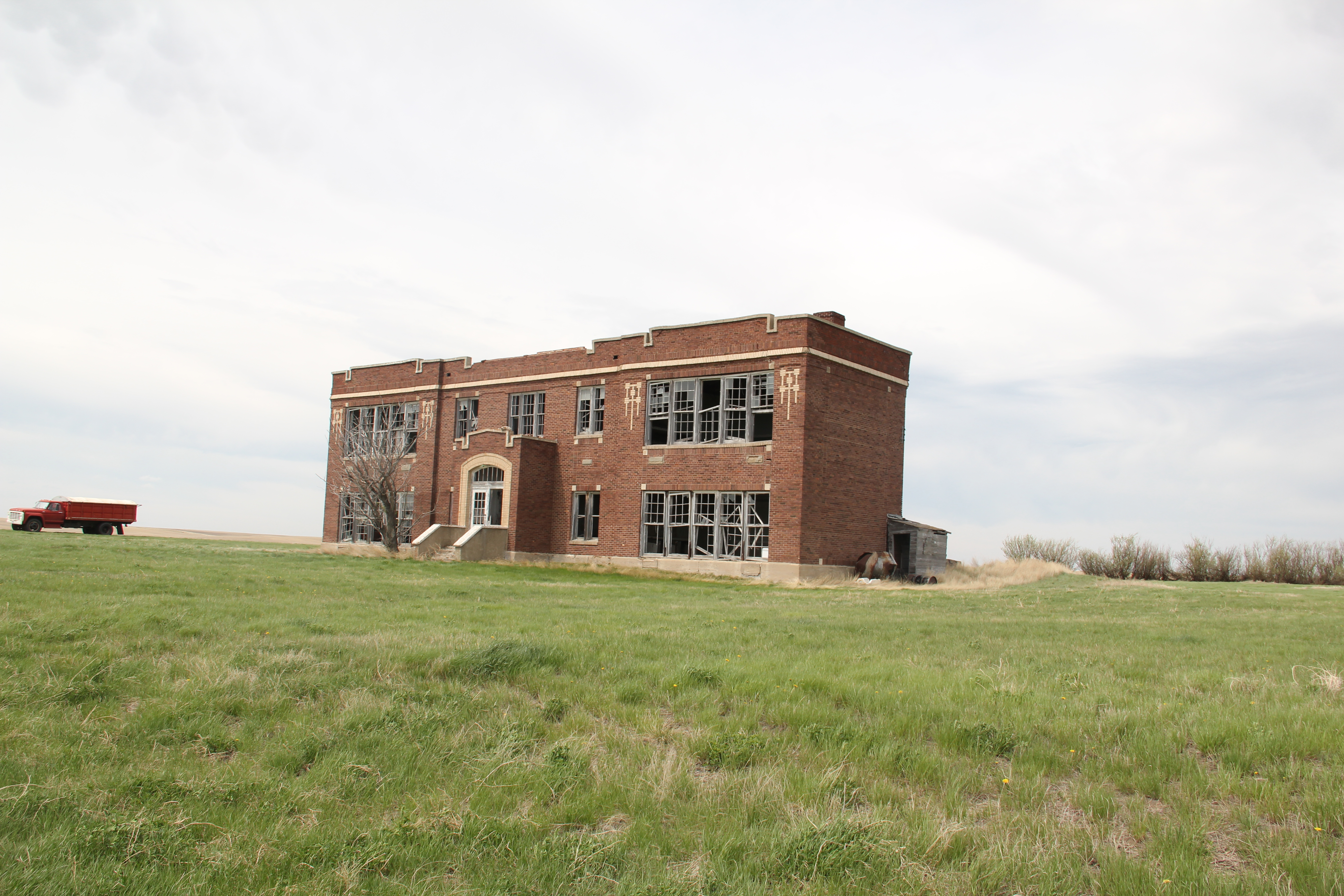
But let’s start considering Valley County not from its most visited landscape–Fort Peck Dam and Lake–but from its least visited the northern third of the county, where once thousands of homesteaders tried to make their mark but today only hundreds remain to help tell that story still documented by abandoned schools, scarely populated towns, and miles of open prairie. But some places from 1984 were so powerful that linger today, and Glentana School is one of those.

Image

It was abandoned but had hope in 1984–today it is 30 years into becoming a ruin, perhaps a majestic one at that, of the hopes and dreams of homesteaders at the end of the Great Northern spur line almost 100 years ago.
Image

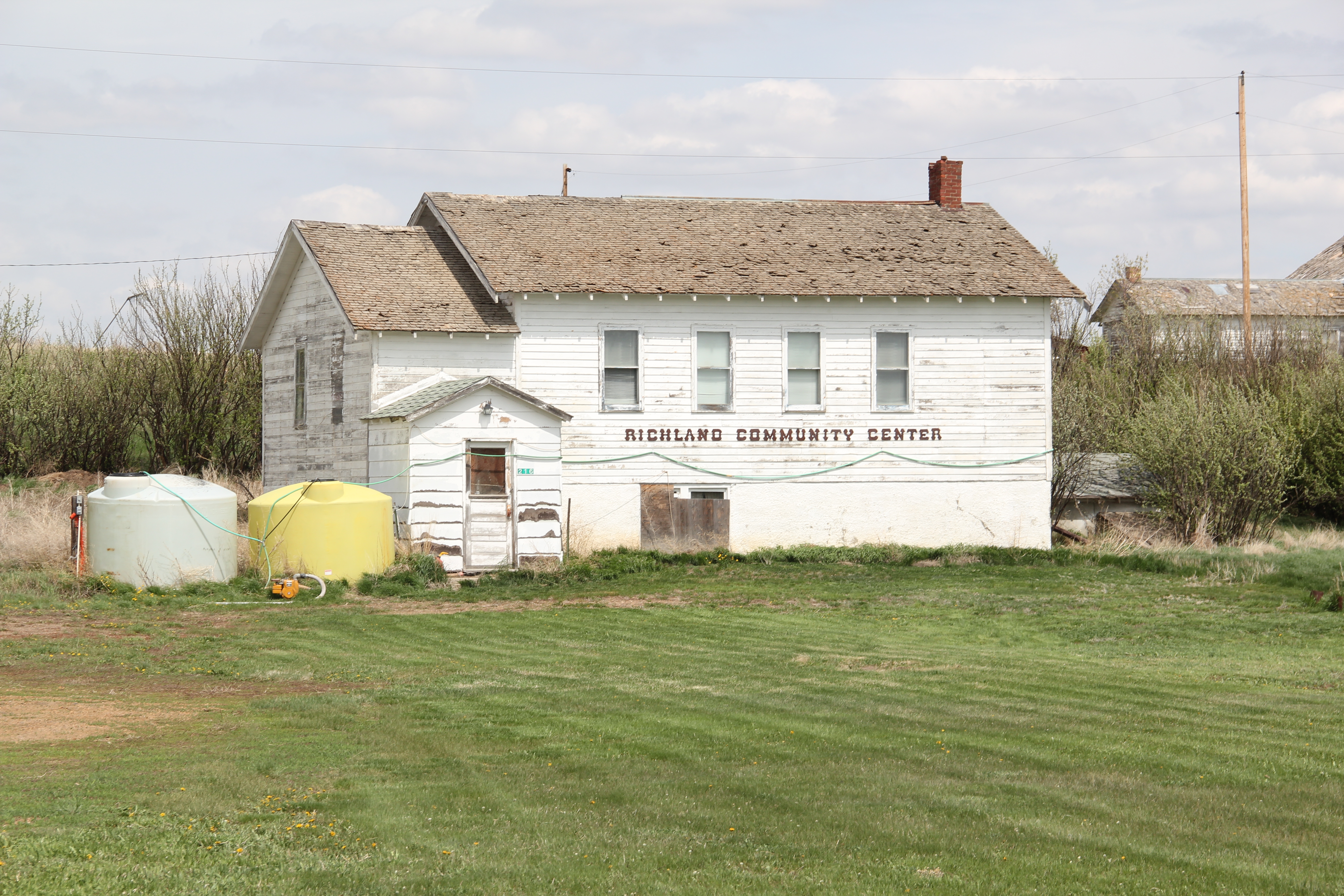
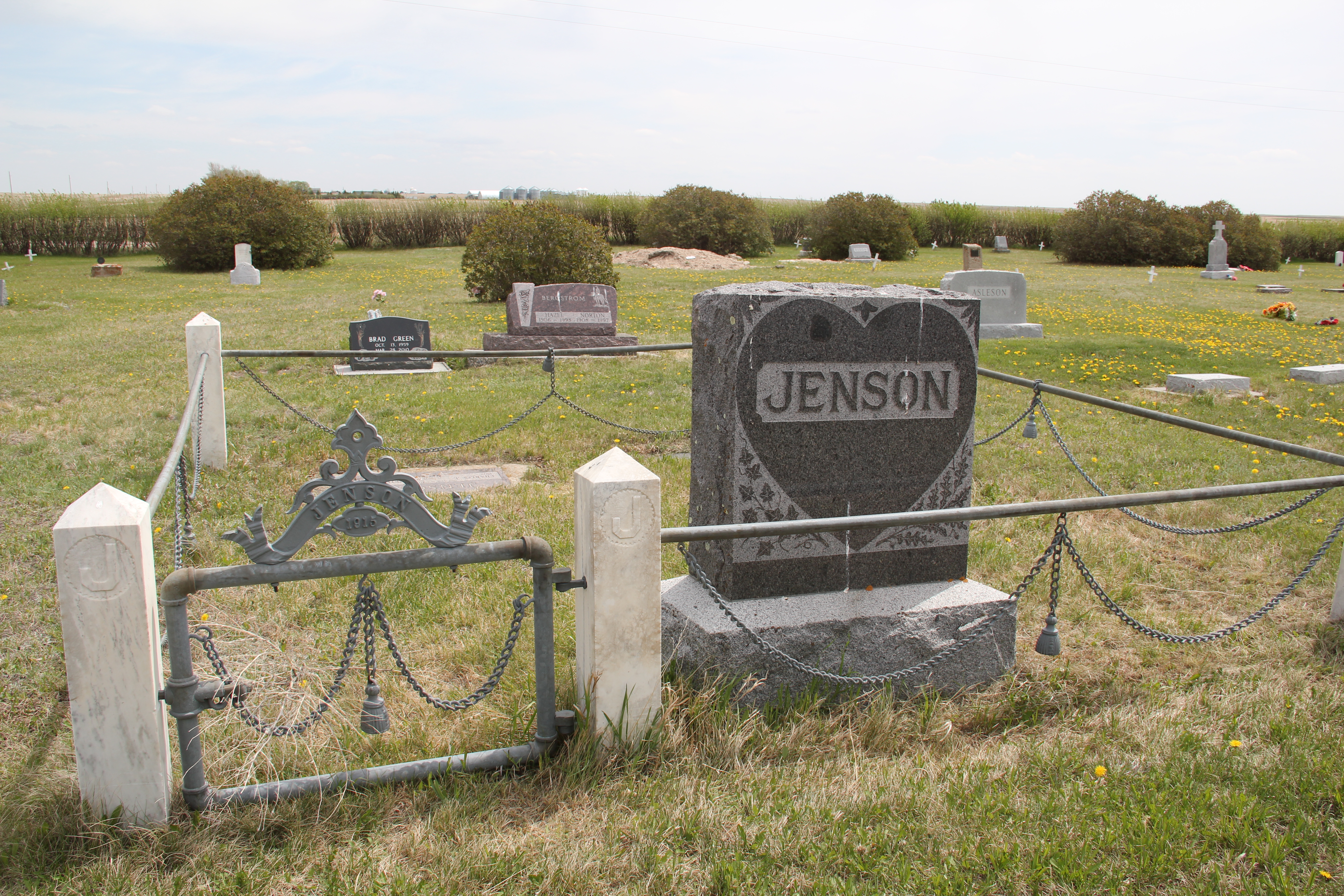
Glentana had lost its post office–replaced by a plexiglass and metal postal delivery system one may guess it is called, a sure sign of being forgotten. Not so for its neighbor Richland, where the post office remains open (let’s hope it stays that way).

Image Image

But schools turned into homes and community halls are always signs of withering communities–indeed almost every business Richland had in 1984 was now closed.

Image


Image

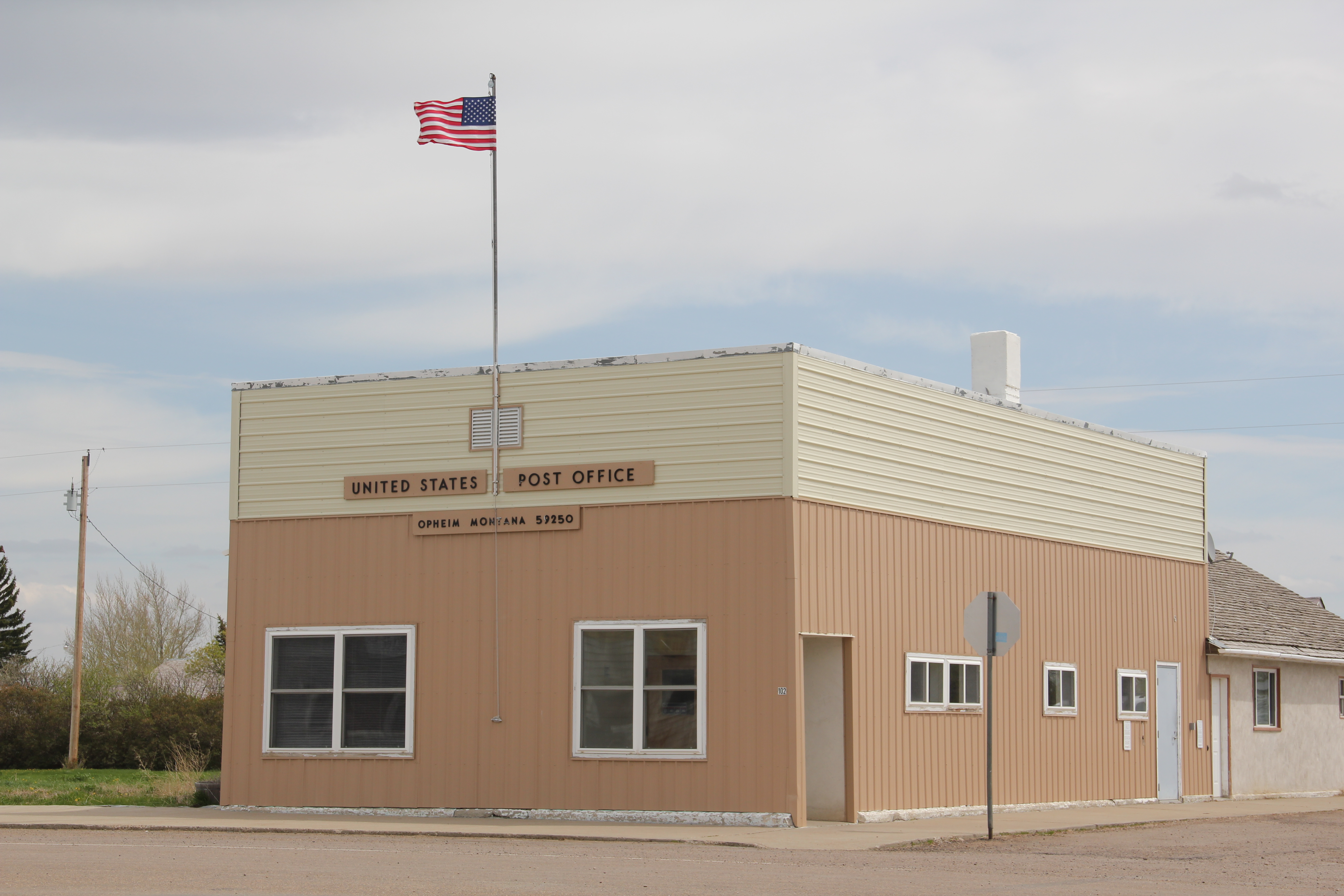
Opheim, established in 1911, is the biggest place by far in the northern reaches of Valley County.  It had 85 residents in 2010, down from about 210 in 1984 and more than double that number in 1960, during the years that it served as federal radar base during the Cold War.

Image Image

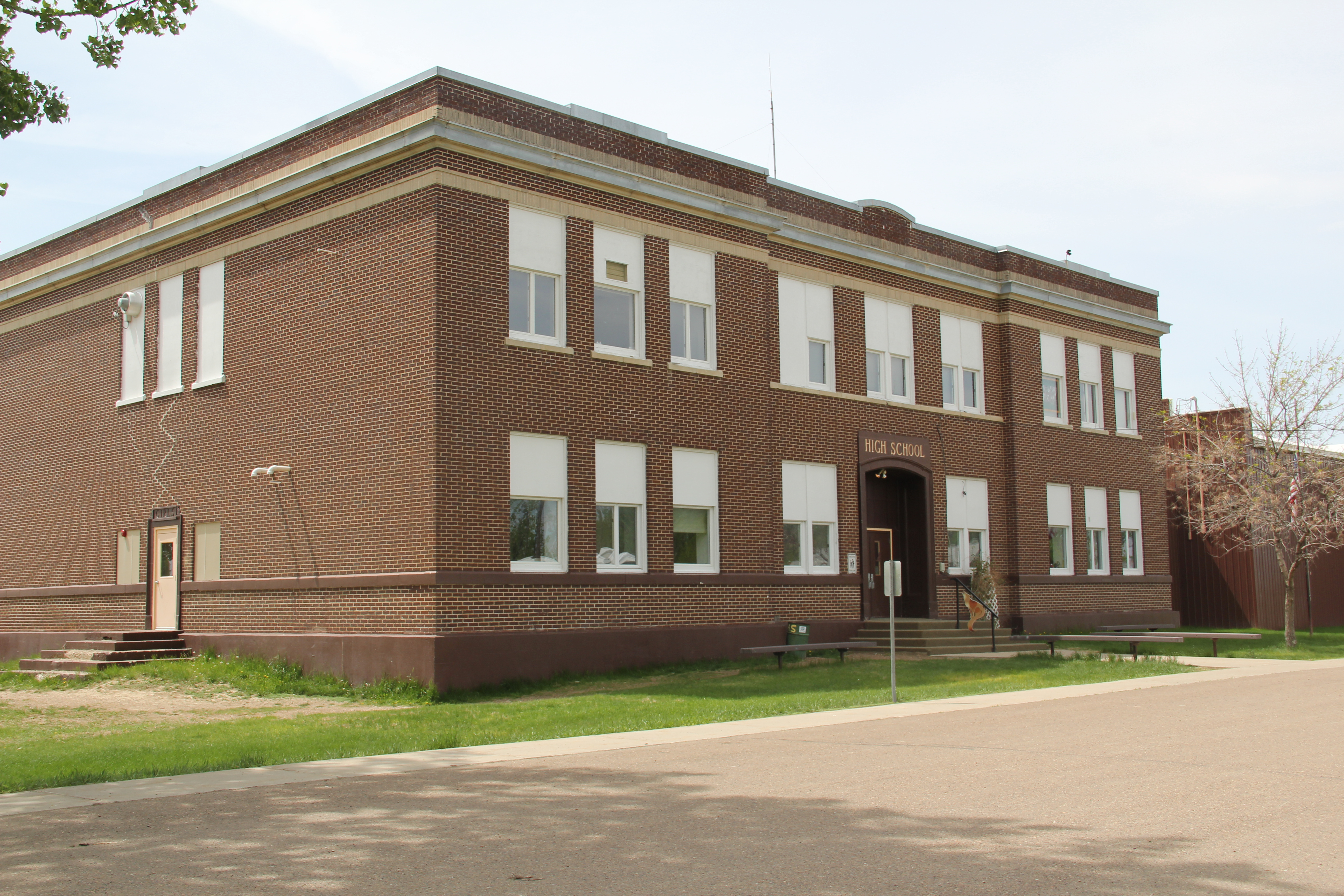
Its population loss is documented not only in the historic town cemetery but also in its abandoned buildings. Yet, compared to other towns, Opheim had more than a sense of life about it, it had a strong sense of place and self, starting with the 1927 school remained vibrant, with a recent addition in place.

Image

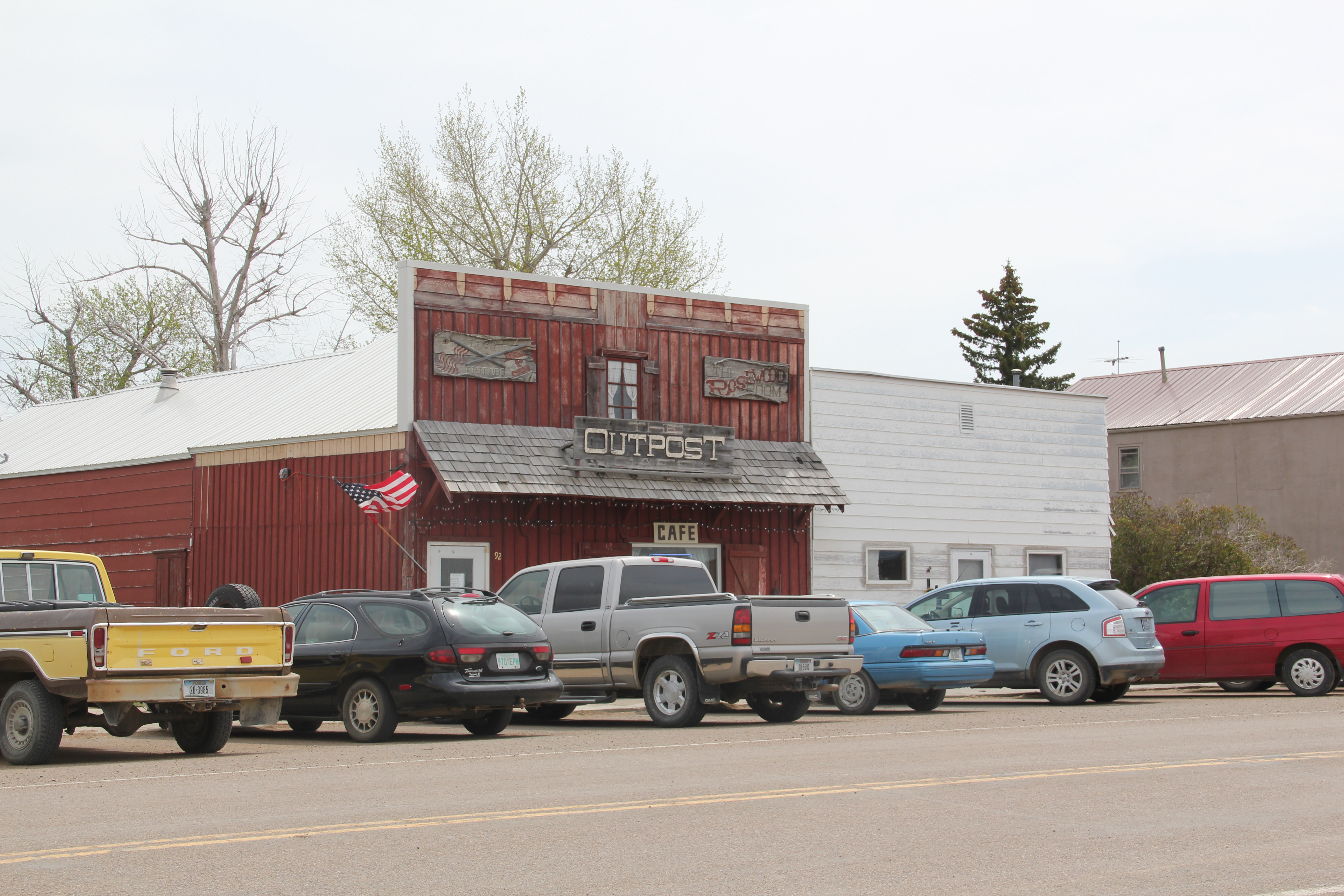
The Mint Bar and Outpost were still in service, and the flag flew proudly over the town, and post office.

Image  Image

Most importantly, well at least after the school, is Granrud’s Lefse, once a family business that was fairly new in 1984 but that is now a regional institution for its traditional Norwegian lefse–a rolled potato snack that is fairly tremendous, and can be ordered online.

Image Opheim in 2013 is what it was, for so many years now: an outpost of America’s agricultural economy. Ignored and usually forgotten by most–true enough. But to those I have met there over 30 years, it is a place that helps to center life and community in the far northern reaches of Montana. And don’t forget the lefse.

Image

Milk River Project Towns: Dodson, Vandalia, and Tampico Jo

Image

The U.S. Bureau of Reclamation’s Milk River Project is one of its largest and most significant in Montana; it was one of the agency’s first five projects carried out under the Newlands Reclamation Act of 1902. I have already briefly mentioned the project in regards to Fresno Dam outside of Havre. Now let’s consider the project and its impact on three much smaller villages: Dodson in Phillips County and Vandalia and Tampico in Valley County. All three were once major stops along U.S. 2, but a later re-routing of the highway bypassed Tampico and Vandalia, and not much is left decades later but the canals and ditches of this massive irrigation system.

Image 

Original U.S. 2 route between Vandalia and Tampico (to right is Great Northern roadbed)

The Bureau launched the Milk River Project in the first decade of the 20th century but due to disputes over who controlled the water (the Winters case) along with international negotiations with Canada since the Milk River basin passes through both nations, serious construction did not begin until the century’s second decade. The project area encompassed 120,000 acres, with 219 miles of canals, and hundreds more of secondary laterals and ditches. The water begins at Lake Shelburne at Glacier National Park, flows through the St. Mary Canal to the Milk River where then water is stored at Fresno Reservoir outside of Havre and then at the Nelson Reservoir between Malta and Saco.

Image

Dodson developed as a major base for the Bureau. Nearby here was a major diversion dam, and bureau officials established a regional headquarters at Dodson in the 1910s.

Image

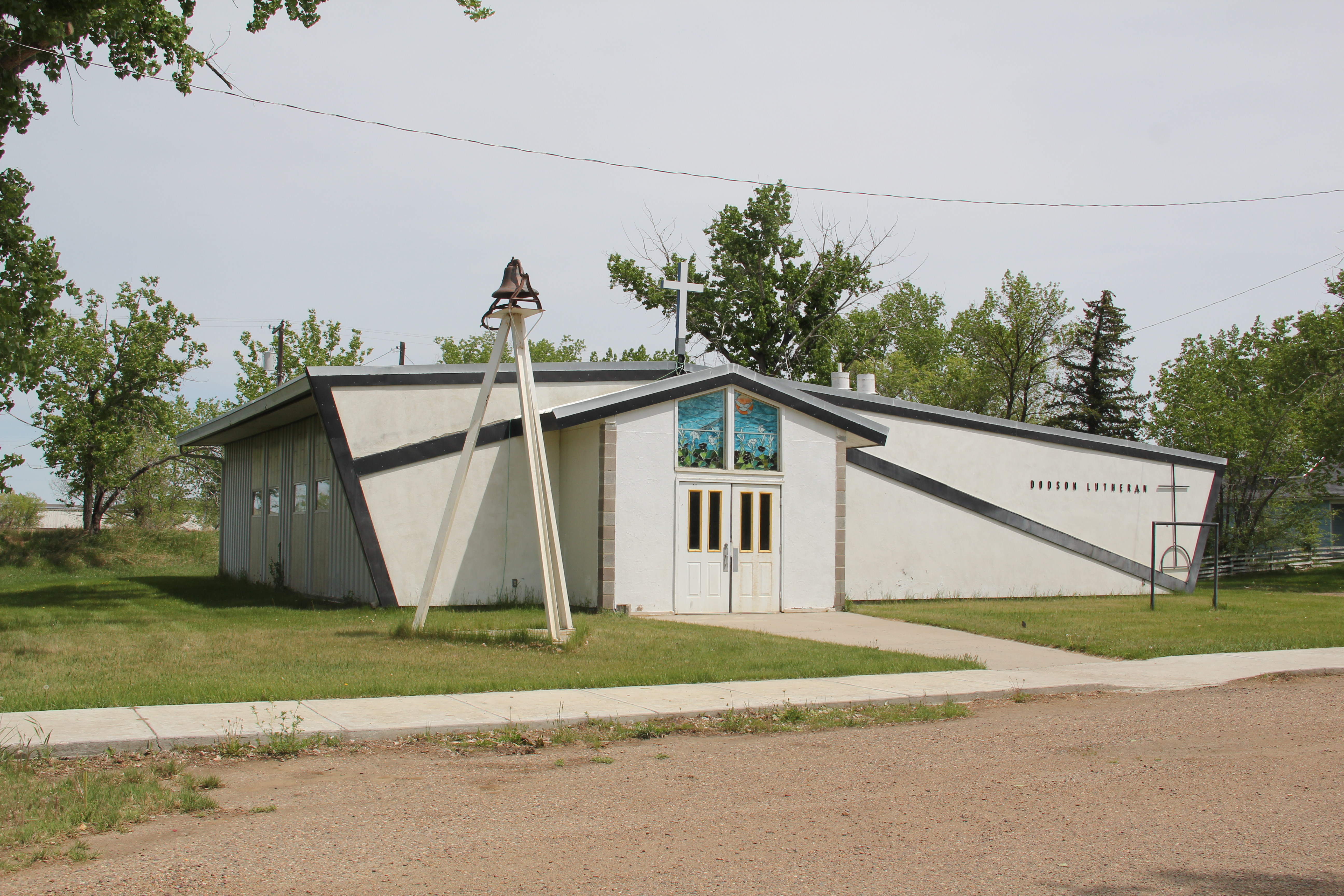
This impact of the federal agency is still reflected in the impressive two-story brick high school, the magnificent Phillips County Fairgrounds (discussed earlier in this blog), and the fact that such a small town has impressed contemporary styled churches from the 1950s. I was very impressed with the quality of the town’s built environment, considering its size, when I visited here in 1984.

Image Image


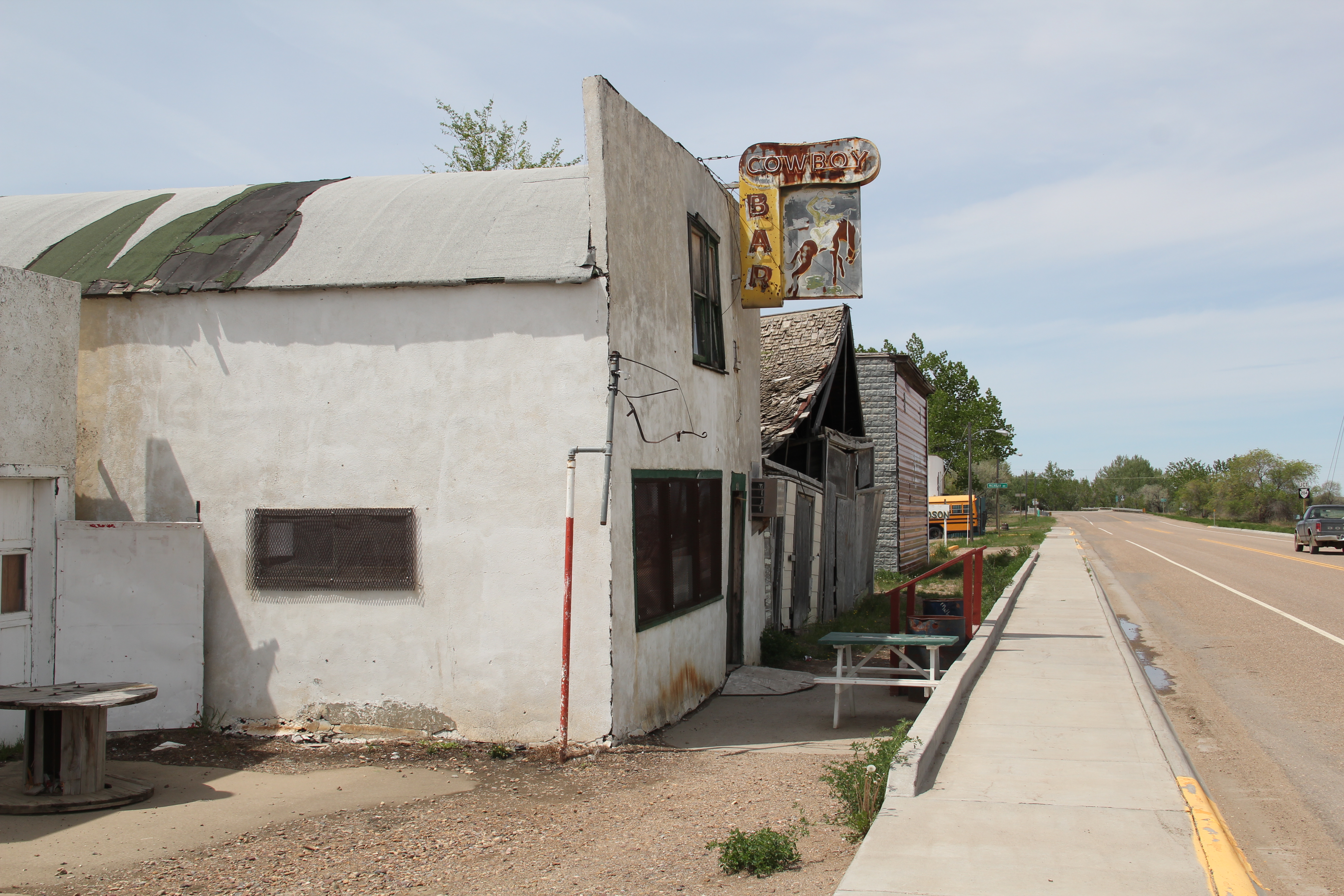
But in the mid-1990s the Bureau left Dodson for a more centralized regional office in Billings, hundreds of miles to the south. Dobson’s emptiness was shocking in 2013–even the iconic (and once very good) Cowboy Bar had shuttered its doors.

Image  Image

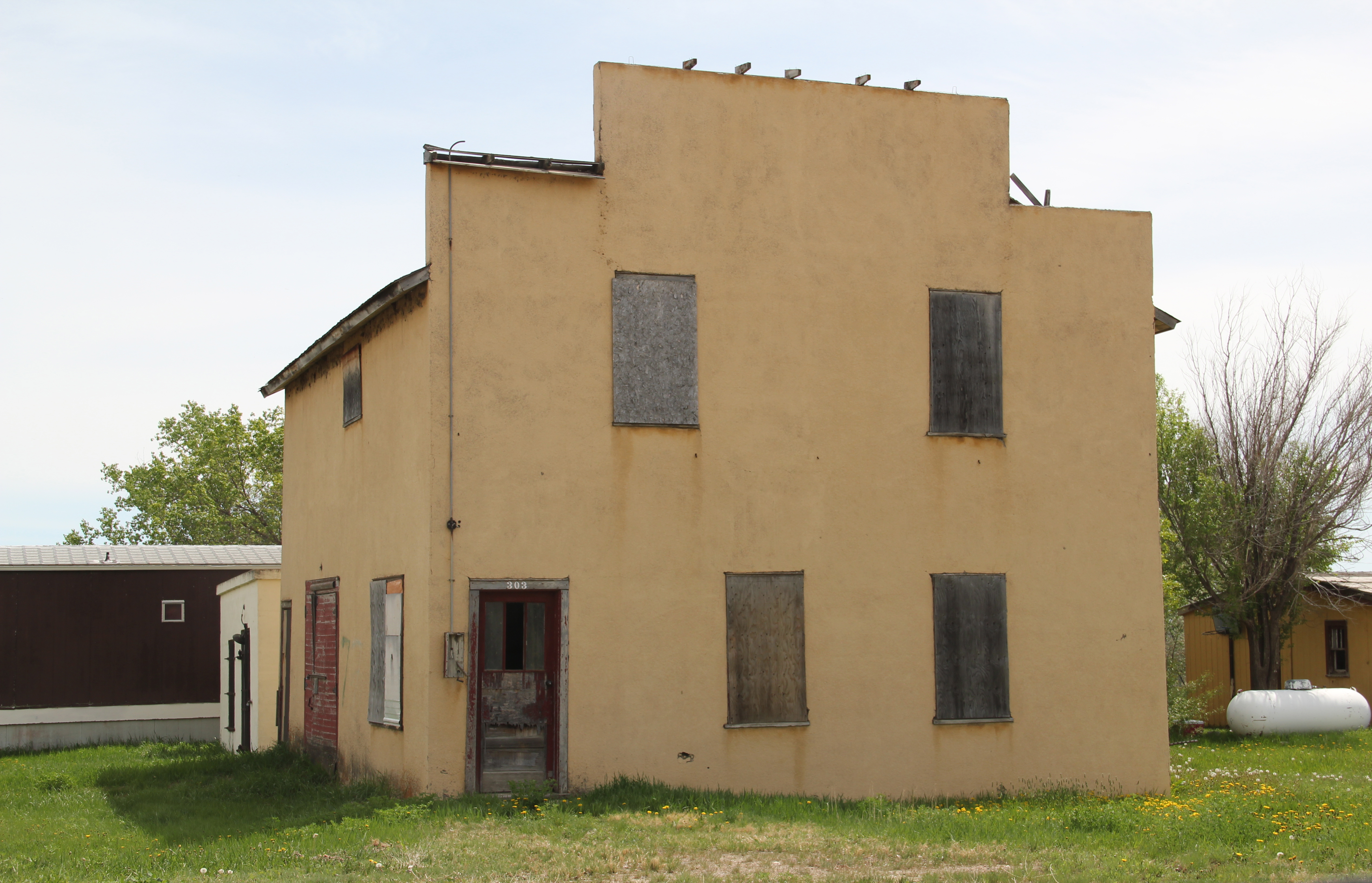
Dodson now is entering the same fate suffered by its neighbors to the east, Vandalia and Tampico. Although trains still rumble by on the former Great Northern route, these two towns lost their highway connection when U.S. was re-routed to the north. Ever since they are slowly ebbing away. Vandalia was another location of a Bureau diversion dam on the river along with a historic steel bridge from 1911. The dam remains but the bridge is gone.

Image Image

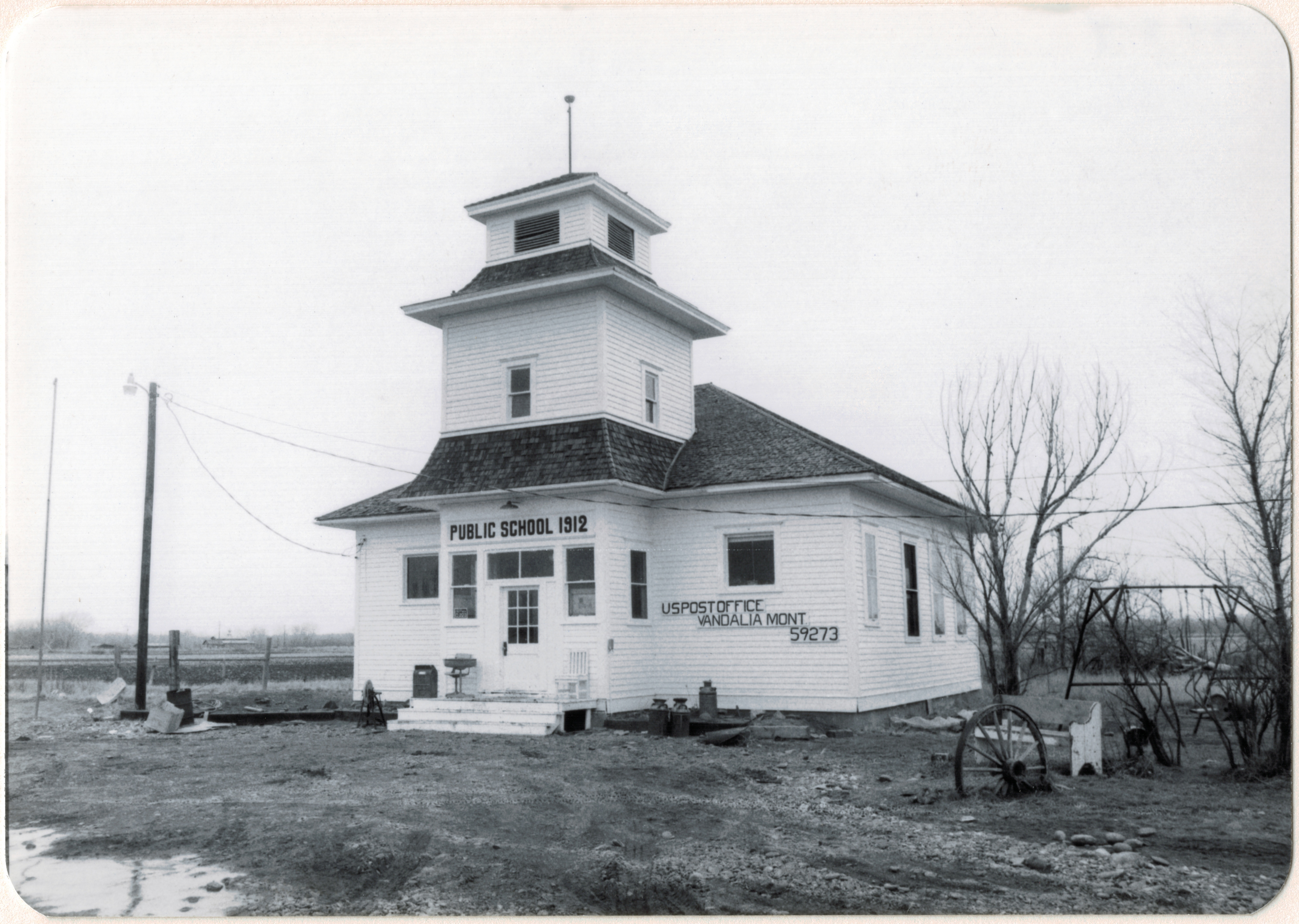
In 1984 I loved the historic Vandalia school (1912) and had a good conversation with folks there–the school was closed but now it was a post office and still very much a community center, competing with the bar next door. Now both businesses are closed.

Image Image

Tampico lays just south of both a major canal and the railroad tracks. A scattering of buildings marks its existence.

Image

The water still flows through the Milk River project but the towns it once nurtured are becoming fainter with each passing year. But it is not without promise:  later we will visit the Nelson Reservoir and what is happening at Sleeping Buffalo Hot Springs.  Next is Malta, the seat of Phillips County.

The Chief Joseph Battleground in Blaine County


Image


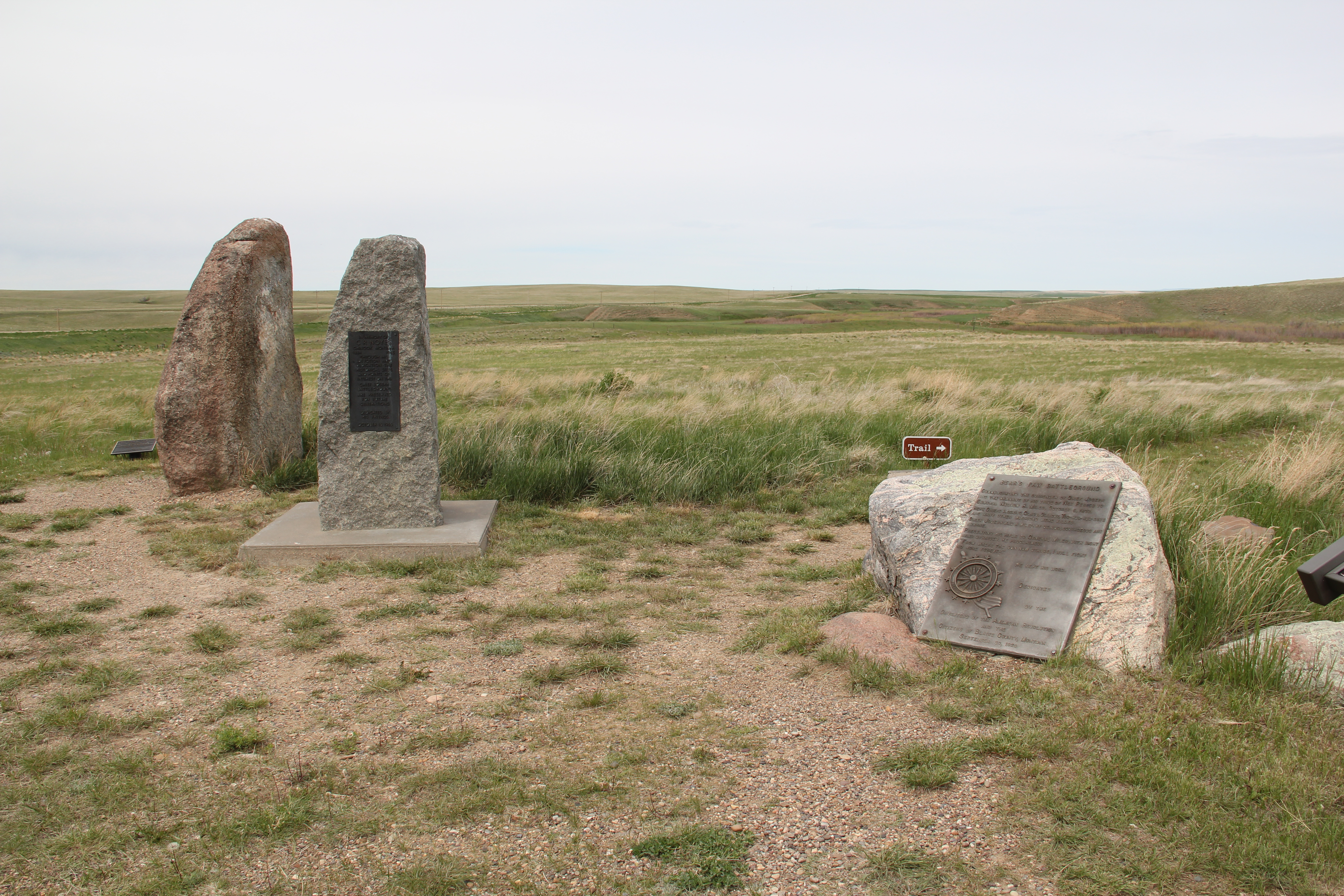
In 1984 I was very eager to see the Chief Joseph Battleground, as many historians and residents called it 30 years ago.  Here in 1877 Chief Joseph of the Nez Perce surrendered to the U.S. Army, which had pursued Joseph and his followers across most of Montana, starting in Beaverhead County in the southeast corner, extending as far east along the Yellowstone as present-day Laurel, and then striking north for the Canadian border.  They made it as far as this wind-swept prairie 15 miles south of Chinook.
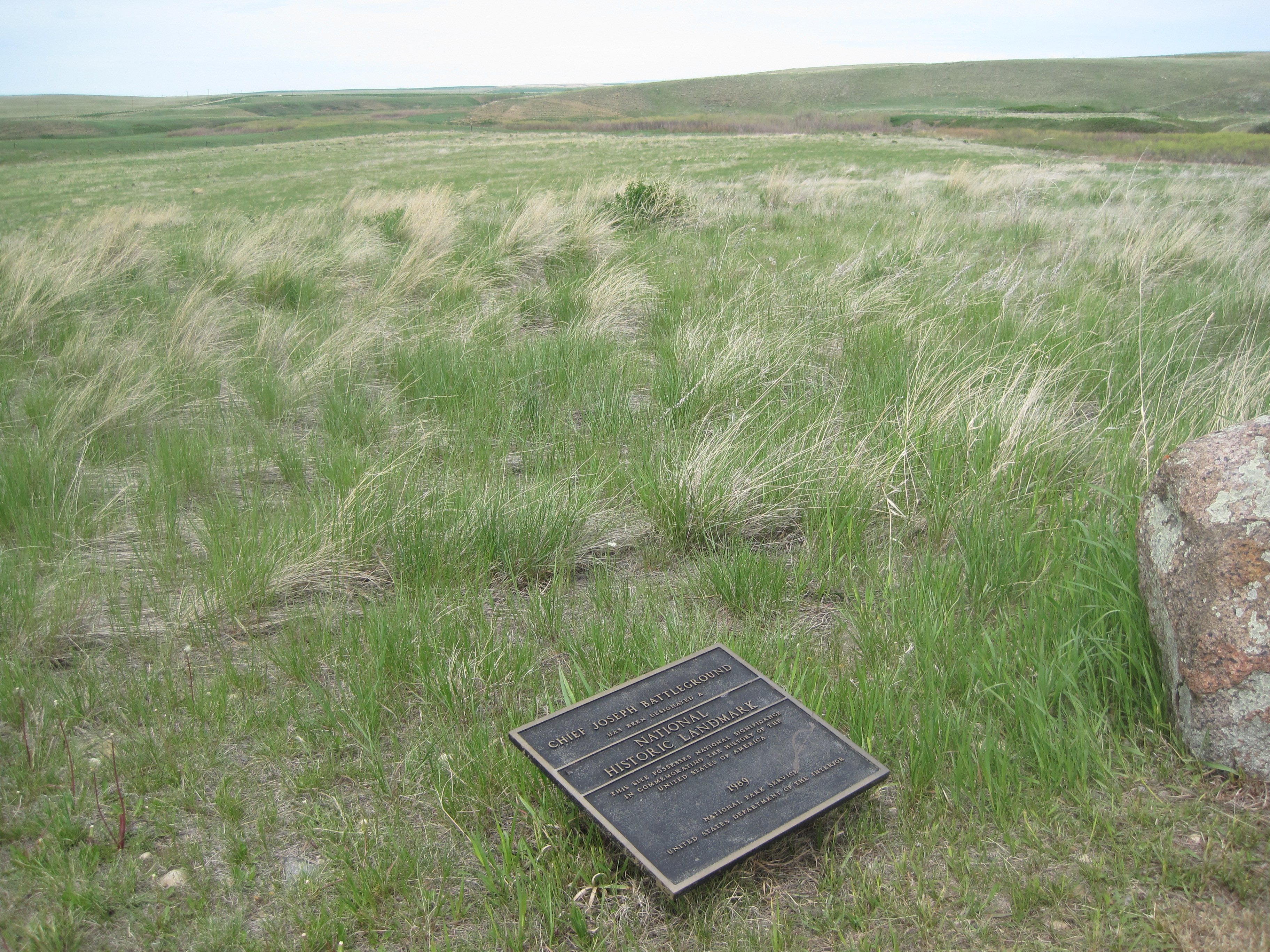
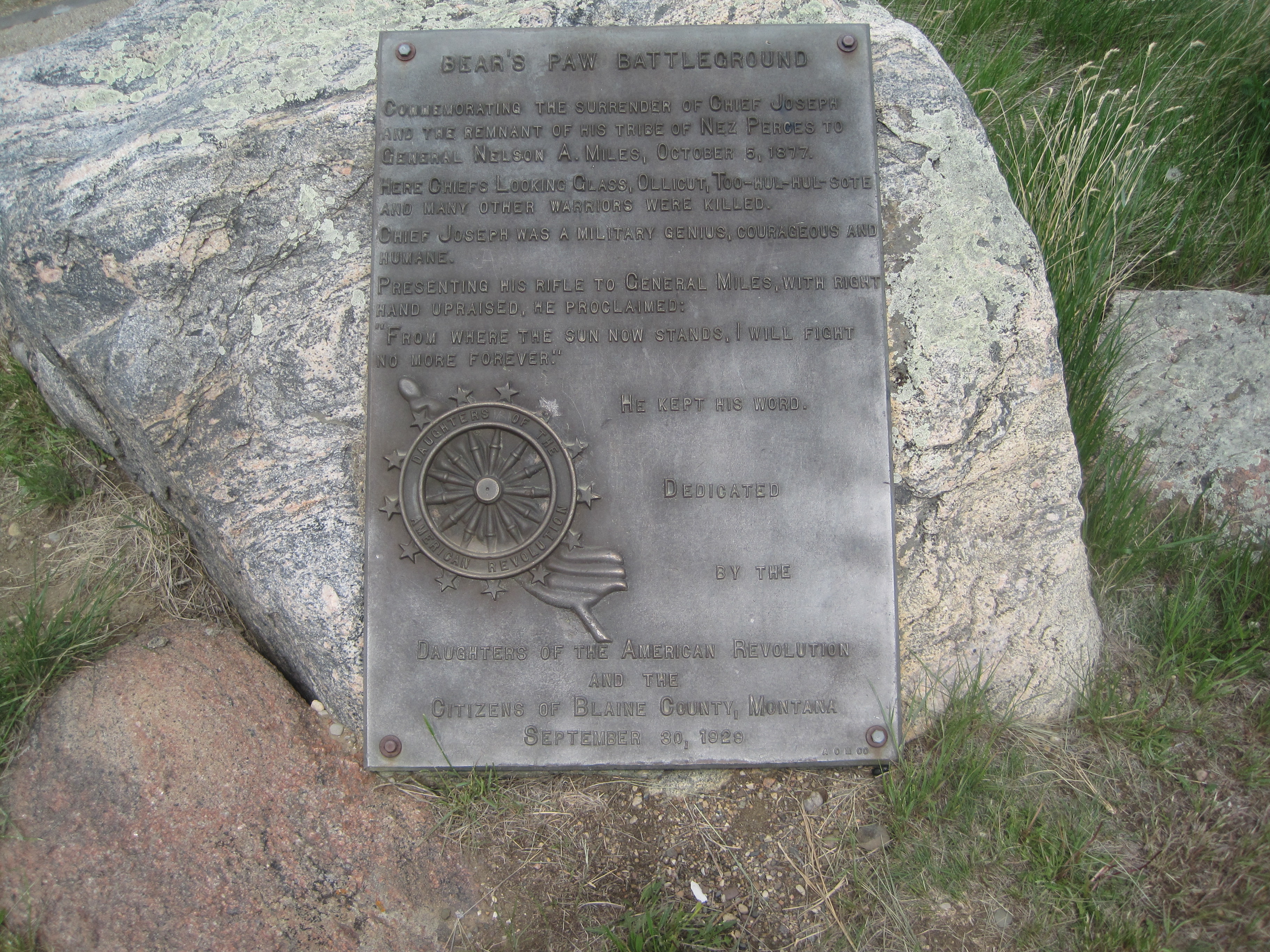
In 1984, on a cold winter morning, the site was spectacular and I gave a tip of my hat to the local residents who had made the effort to preserve the site–and acquire enough land that you could gain a strong sense of place, and of destiny.  The level of interpretation at the battleground was disappointing.  There was a mounted bust of Chief Joseph (not full-sized; it looked lost on the vastness of the space) which has since been moved.  There were metal plaques noting Chief Joseph’s surrender to Gen. Nelson Miles, erected by the DAR and the citizens of Blaine County in 1929 and by Congress in 1930. And most recently, a 1966 marker to C. R. Noyes, the local 


Image    Image

rancher who had played the key role in saving the battleground.  There was not much else to explain the significance of the Nez Perce campaign nor what happened there in the fall of 1877.  When I next visited in 1988, the story was the same.

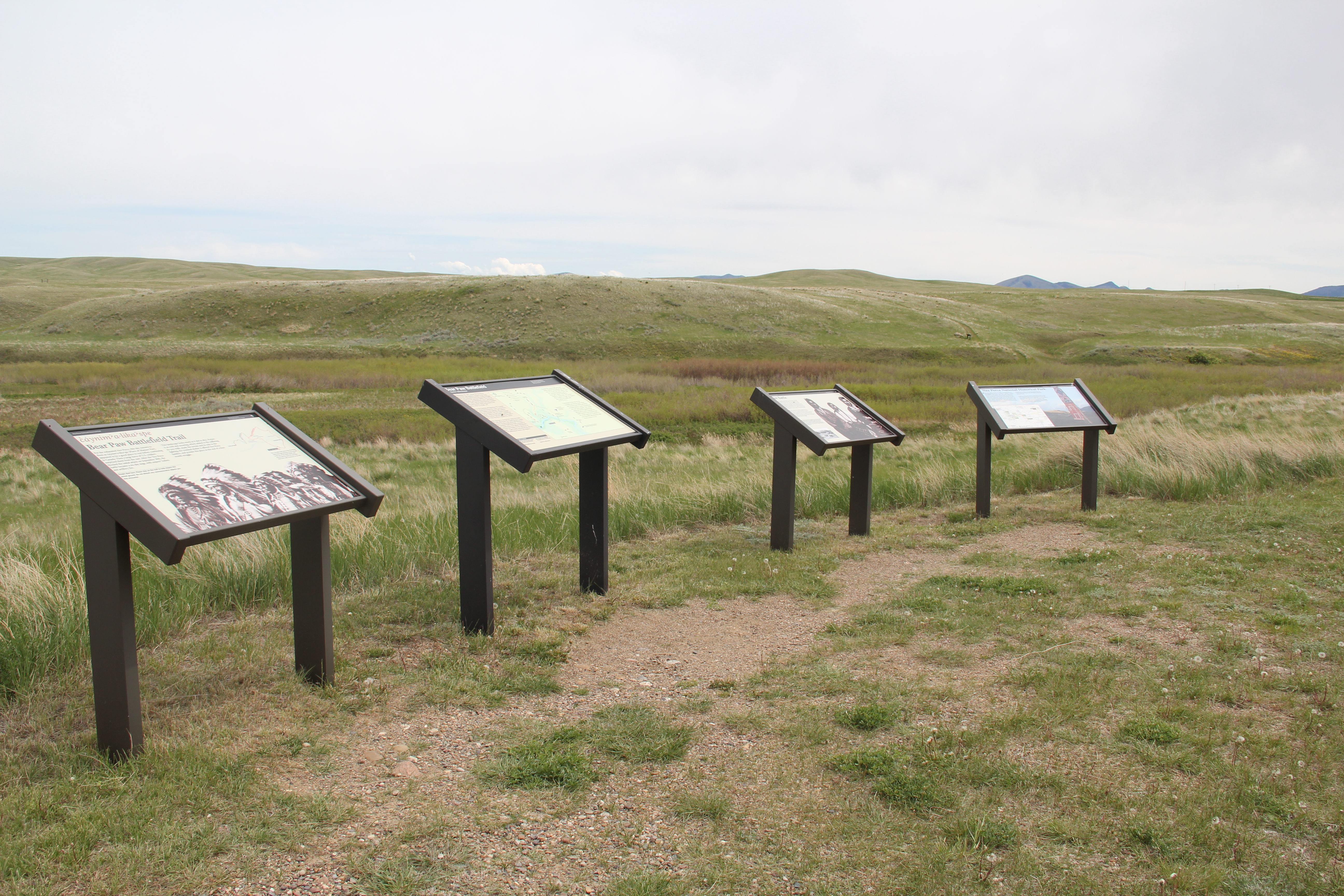
In 1989 the National Park Service designated the Chief Joseph Battleground as a National Historic Landmark–the first step in a new future for the park.  Then it became a key property in the Nez Perce Historical Park, which has units from Idaho to Montana.  New interpretive trails and interpretive markers are the most recent additions, telling a much broader story than the old metal markers were capable of doing.  

Image


The experience today is far different than 1984.  There is still no visitor center–the new one at Big Hole Battlefield in Beaverhead County is superb however–and the Blaine County Museum in Chinook still carries that burden of interpreting the story.  But there is truth in the landscape now, as never before.  The trails, markers, and landscape combine to create a deeper understanding of why the Nez Perce stopped here, why it was difficult to escape the U.S. army, and what that trek and all of those stories might mean today.

ImageImage


The two layers of interpretation–that of the early 20th century and that of the 21st century–co-exist within a special place.  Here is one preservation success in the last 30 years that deserves to be better known.

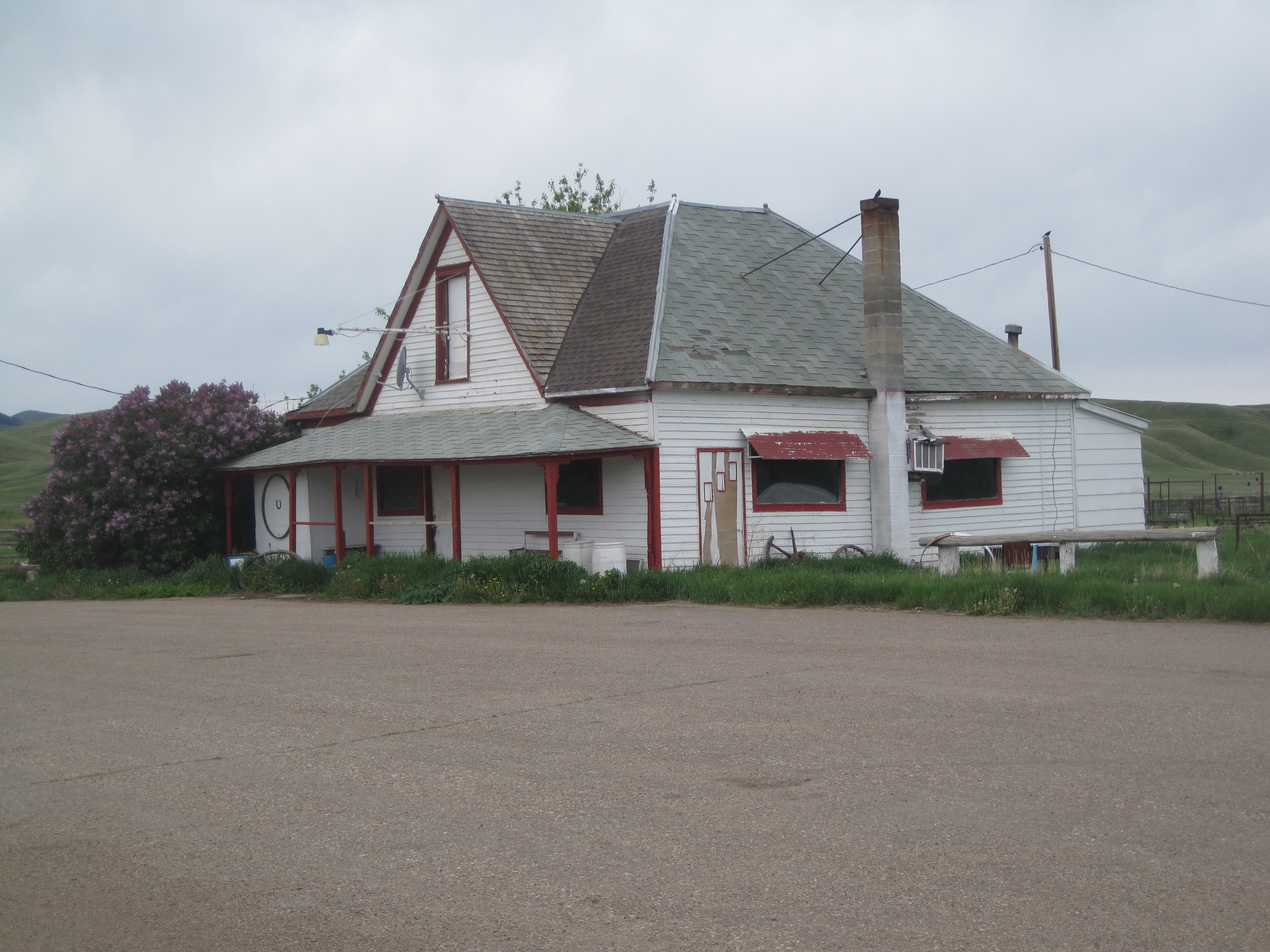
A bit farther down the road is Cleveland.  In my time in Montana, it hosted one of the most famous (or was it infamous) local rodeos around.  Its bar/cafe/post office spoke still to the first part of the 20th century.  People there in 1984 were friendly, and it was a good place that I looked forward to revisiting.  But the doors were shuttered in Cleveland.  The corrals were still there, sorta.   And there was no Cleveland Bar.  Wish I could have been here one more time before it went away.

Image

Image

Image

Image


Back on the Hi-Line at Chinook: a town that got it

Image

Chinook, the seat of Blaine County, has long been among my favorite Hi-Line towns.  Certainly there is the Elk Bar, with its cowgirl in the champagne glass neon sign,–is there a better bar sign in the Big Sky Country?  But then Chinook is most definitely a railroad town of Great Northern vintage.  Then it is part of U.S. highway corridor, and I loved staying at what was then a Mom and Pop Bear’s Paw motor lodge on the west side of town in 1984.  And it is irrigation country, and the impact of the federal Milk River Project in the early 20th century.  Railroads, highways, irrigation, bars–throw in that the town is also the gateway to the Bear’s Paw National Battlefield and the end of the Nez Perce National Historic Trail:  little wonder I stayed there for 3 days in 1984 exploring a wide swath of the region.

Image

This post is subtitled “a town that got it” for the simple reason that when I visited in 1984, outside of the battlefield (which was little more than preserved ground with a few early 20th century markers not the more fully interpreted landscape you find today) and the local museum (which was since grown considerably) the words “historic preservation” were new, and somewhat foreign.  Nothing was happening–30 years later however you can see a range of preservation work, along with some exciting adaptive reuse projects.  Chinook treasures its past and sees it as an asset for the present, and future.

Image

A U.S. 2 service station converted into a great ice cream stop in Chinook

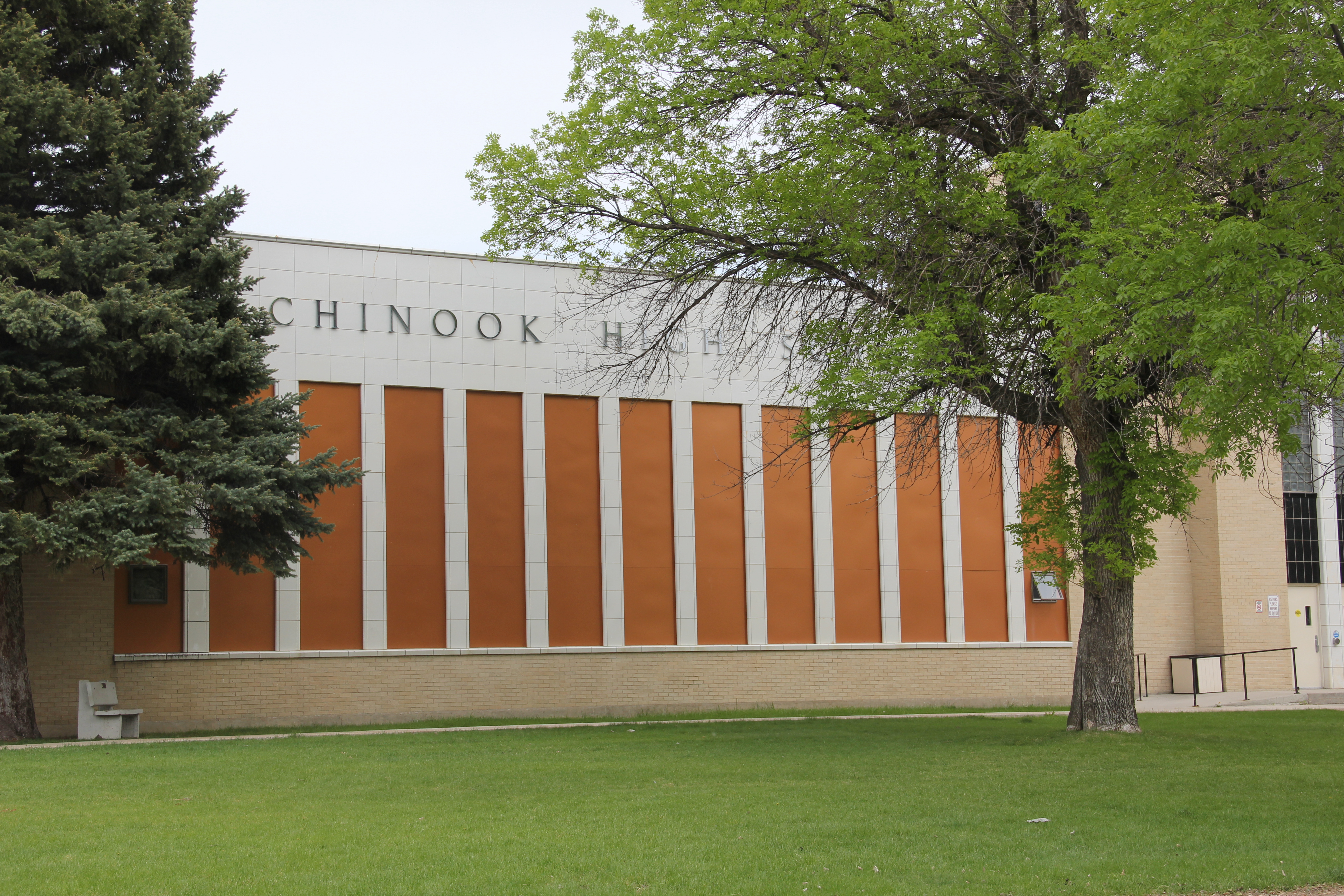
What didn’t I “see” in 1984:  the New Deal imprint on the town.  Frankly put, the Chinook High School is one of my favorite New Deal buildings in the state–perhaps its slick International modernism made it hard to grasp 30 years ago but today its powerful statement of 1930s aesthetics can’t be missed.

Image Image

Image

That’s not all the New Deal left the town–it also energized public buildings with a new City Hall and an annex to the county courthouse, both somewhat subdued architectural statements.

Image Image

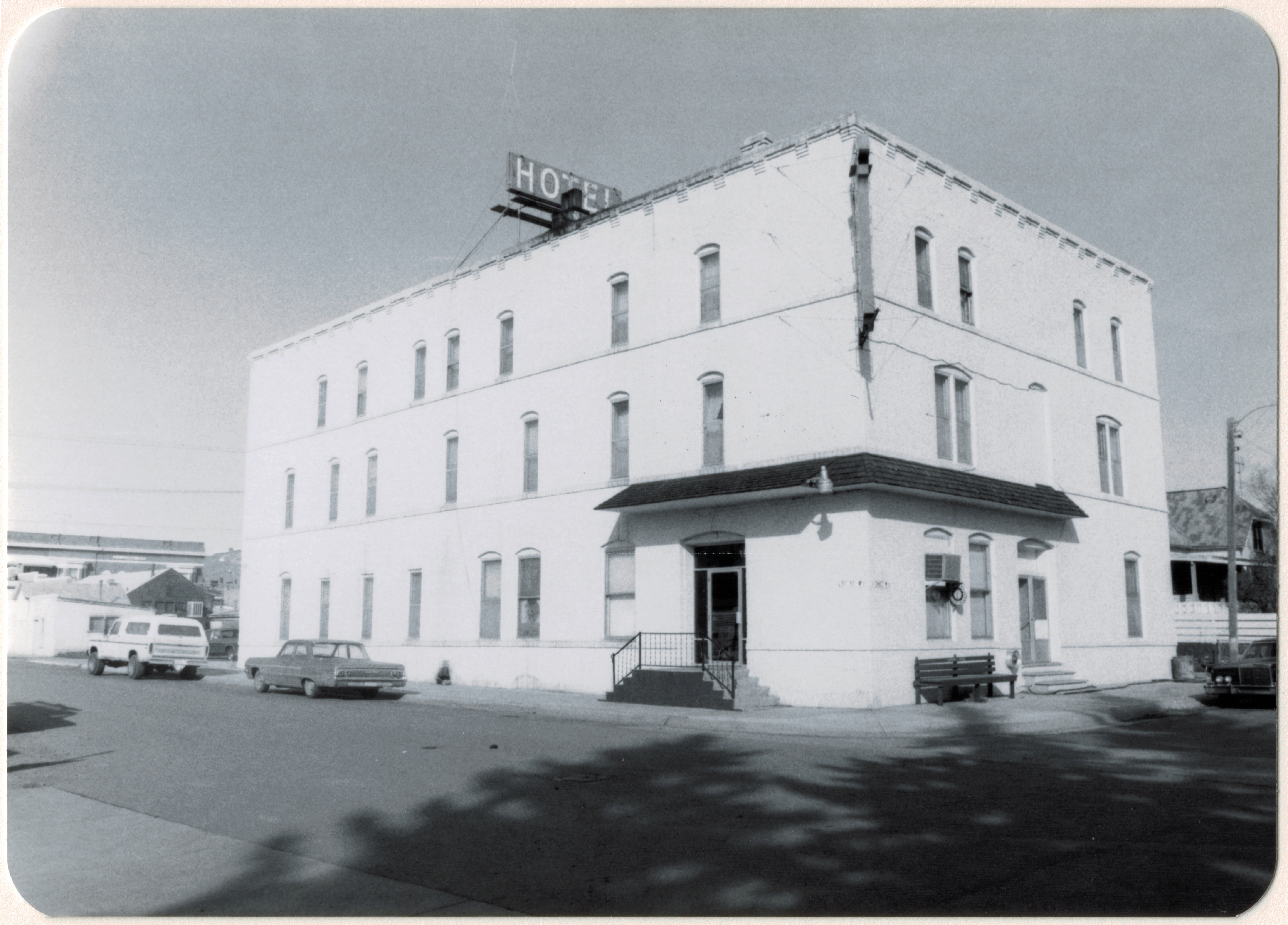
I did a better job of understanding the transportation corridors and how they impacted Chinook.  Most prominent to my mind was a three-story brick hotel, serving both railroad passengers and newly arriving homesteaders.  In 1984 it looked as if only minor changes had occurred since first construction-it still looks that way 30 years later with a few more windows filled-in, and general hard times apparent.

Image


Image

The Great Northern depot was another focus of my work but somehow I missed a great 1920s gas station that has been restored and converted into new uses by a local financial institution–it is now on the National Register of Historic Places and good example of how the roadside architecture of the 1920s can find new uses in the 21st century.

Image Image

Another big miss was the Sugar Refinery–especially considering the role that Chinook played in the Milk River project, both in its origins, the nationally significant case of Winters v. United States at the turn of the century (see Beth LaDow’s epic study The Medicine Line (2001), and then the impact of this major federal project from 1911 to the present.  Not to mention that the high school nicknameImage

was the Sugarbeaters, surely one of the GREAT names in high school sports.

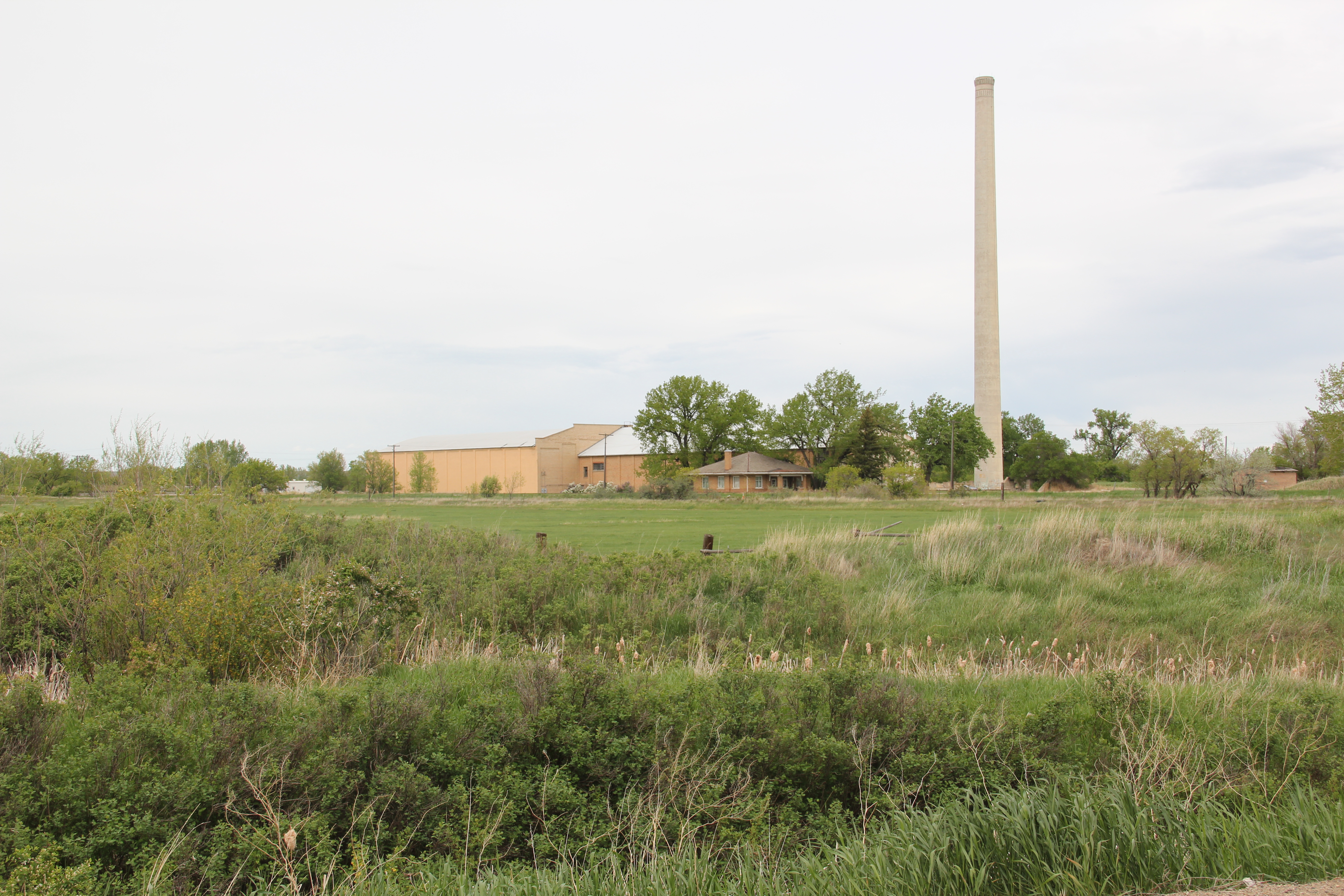
You cross a major ditch on the way to the refinery, on the outskirts of town.  A good bit of the property remains, with the tall stack speaking strongly to the merger of homestead and factory on the northern plains.  The refinery began an new era in the town’s history–a theme worth exploring in the next post.

IMG_8358


The Irrigated West: U.S. Bureau of Reclamation and Montana’s Hi-Line

Image

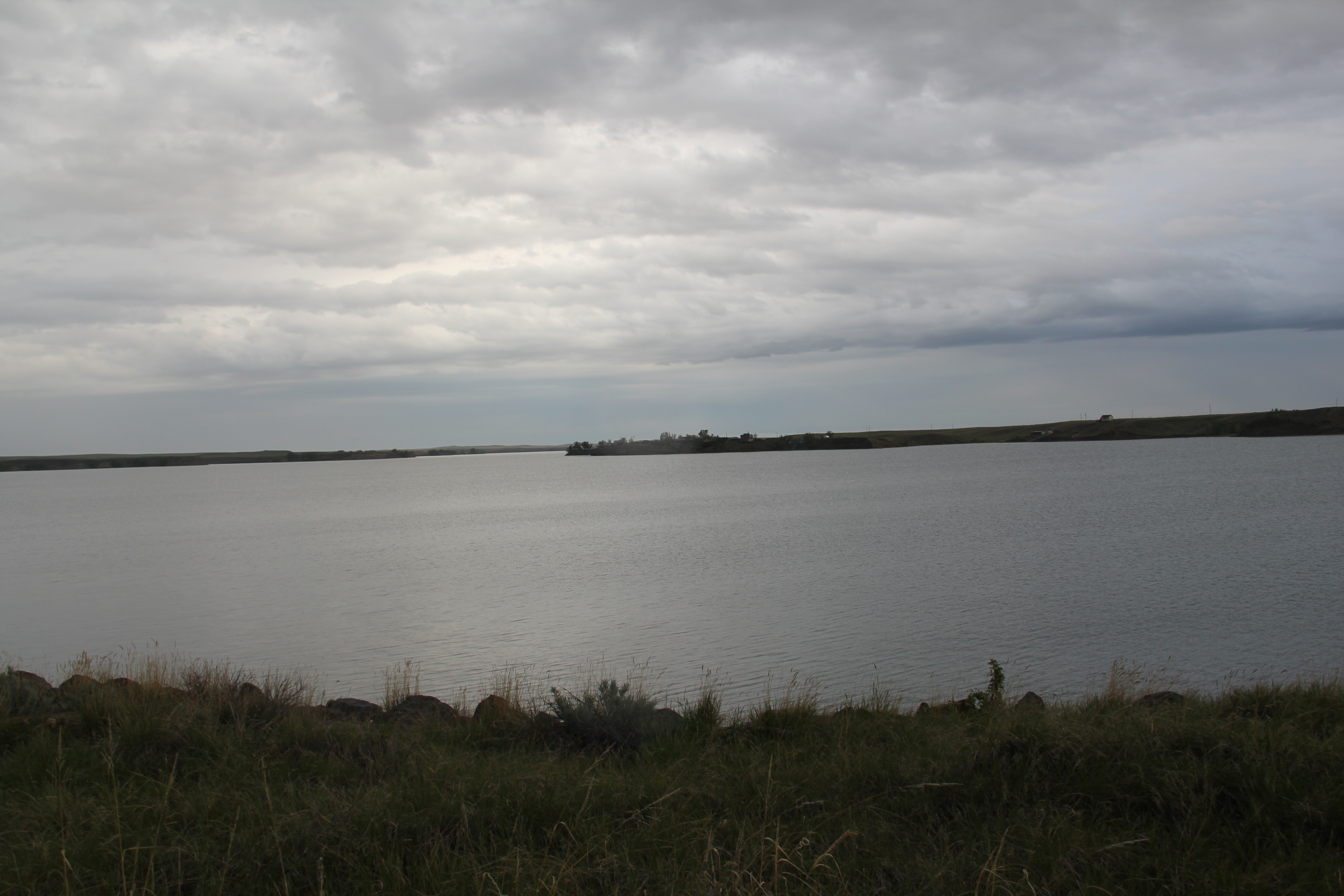
Fresno Lake, Hill County, 2013

The impact of federally funded irrigation projects is apparent throughout Montana but perhaps even moreso along the Hi-Line.  As I started his fieldwork in 1984 in Toole County, one of the first places I visited was Tiber Dam, a project that turned a large chunk of the Marias River into Lake Elwell.  The dam was finished in 1952 but numerous expansions and alterations occurred in the late 1960s and then late 1970s.

Image

Lake Elwell, Liberty County, 1984


When I encountered the town of Fresno in 1984, there was not much there but a tavern, built in the 1950s to take advantage of the increasing number of folks traveling to Fresno Lake for recreation, and a huge elevator complex.

Image


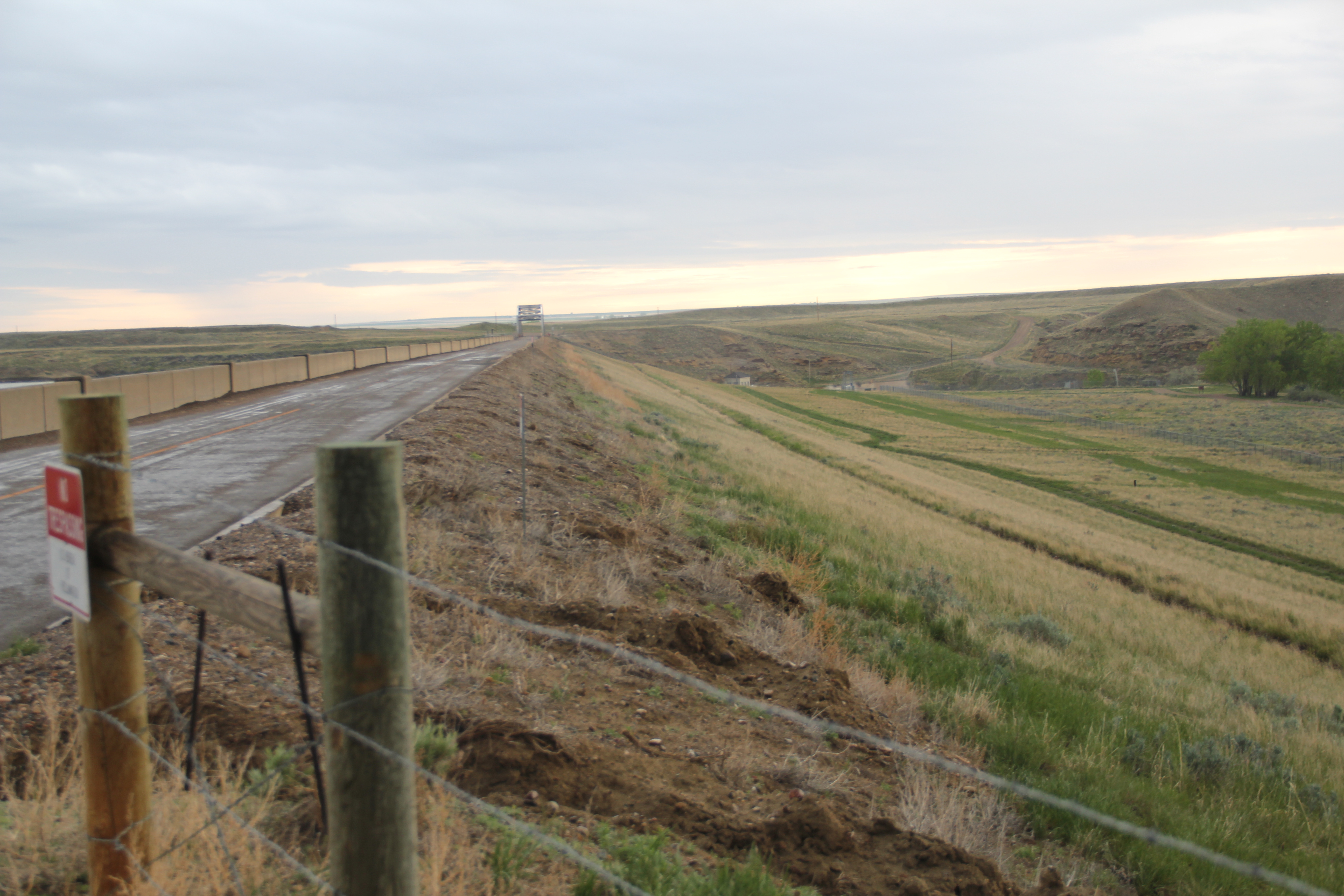
Today both the elevators and tavern remain, and the only changes found at the dam was additional fencing and pre-cautions for the security of the facility.

Image Image


Fresno Dam was part of the huge Milk River Project of the New Deal era.  The dam dates to 1937-1939, but was raised in 1943 and again in 1951 when “a concrete parapet and curb walls were constructed on the crest.”

Image 

The Milk River project is the one of the state’s oldest and most influential federal irrigation projects.  Dating to 1903, the project slowly unfolded across the plains, starting at St. Mary’s in Glacier County in 1905 and moving to the Dodson pumping station in Phillips County by 1944.  The Fresno Dam was funded by FDR’s National Industrial Recovery Act, making it a rarely identified place associated with the New Deal transformation of Montana.  

Image

We will be returning to this project and the story of the irrigated West often as we move across the state.


Great Northern Towns in west Hill County, Montana

In my 1984 fieldwork, Havre was a base for quite a bit of travel along the Hi-Line.  One of the most compelling landscapes, and among my favorites for the state, were the little towns, regularly spaced about every eight miles, west of Havre.

Image

At the time, my understanding of this landscape was heavily influenced by recent works by the American Studies scholar John Stilgoe (Metropolitan Corridor: Railroads and the American Scene) and the historical geographer John Hudson (a series of articles that culminated in the book Plains Country Towns.) Stilgoe reminded me that railroads in the late 19th century not only defined towns and urban design but impacted American culture in how small, tiny spaces became part of urban, metropolitan life through the steel tracks.  Hudson explain why towns existed every six to seven miles or so throughout the plains (these were often single track lines so trains needed places to pull over for passing, and places where water and fuel could be acquired as necessary).  Hudson explained differences between railroad division points, where shops and offices would be located, and “country towns,” where typically a combination depot carried out all of the railroad’s corporate functions.

Image

This arrangement of space, and the ennobling of railroad culture in larger towns, was exactly what I saw in Havre and Hill County.  Ever since 1984, this has been among my favorite places in Montana.  In a posting last year I discussed the “disappearing depots” along the Hi-Line, focusing on west Hill County.  I want to revisit those same places today, with a deeper view on what was there in 1984 and what you find today.

Image

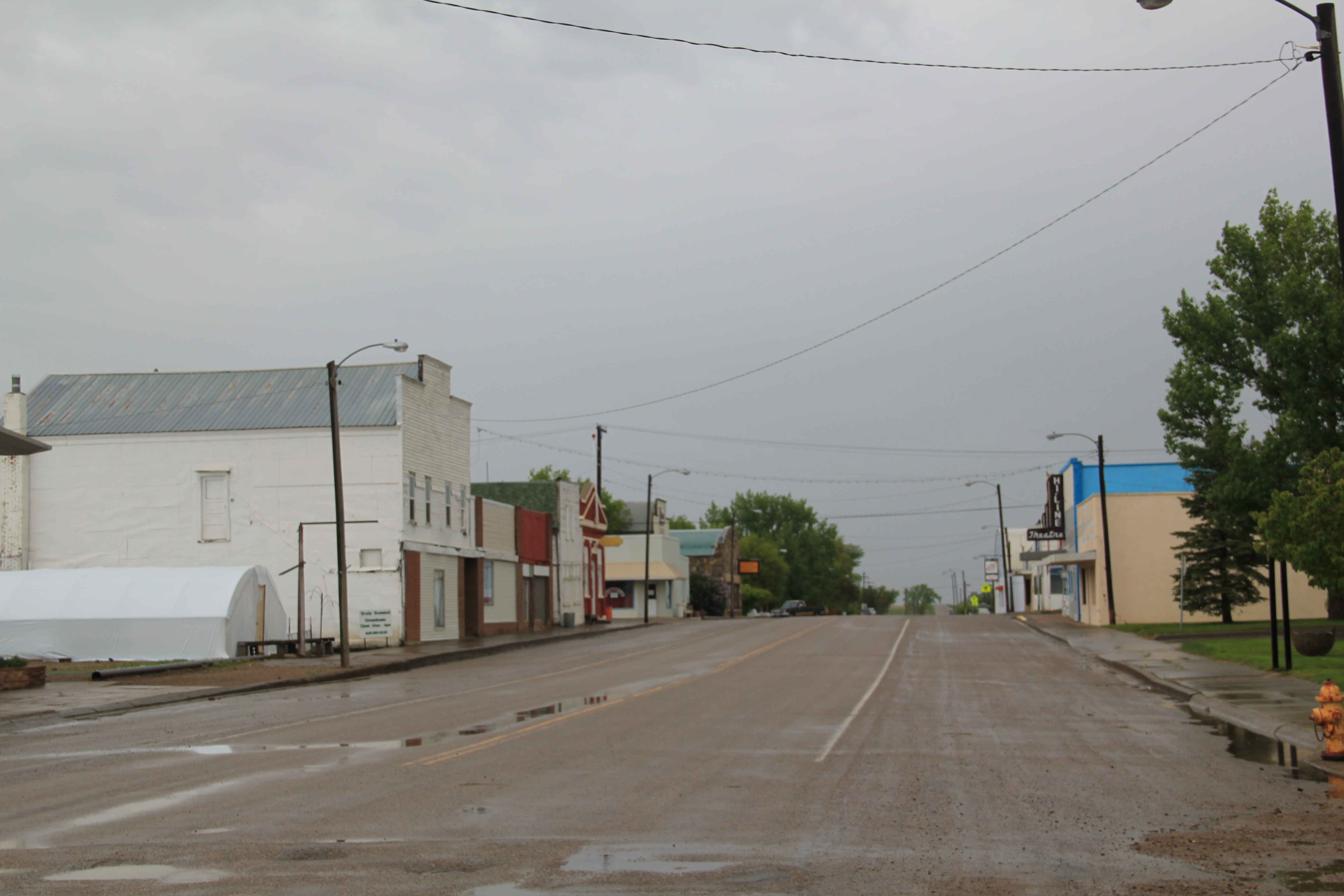
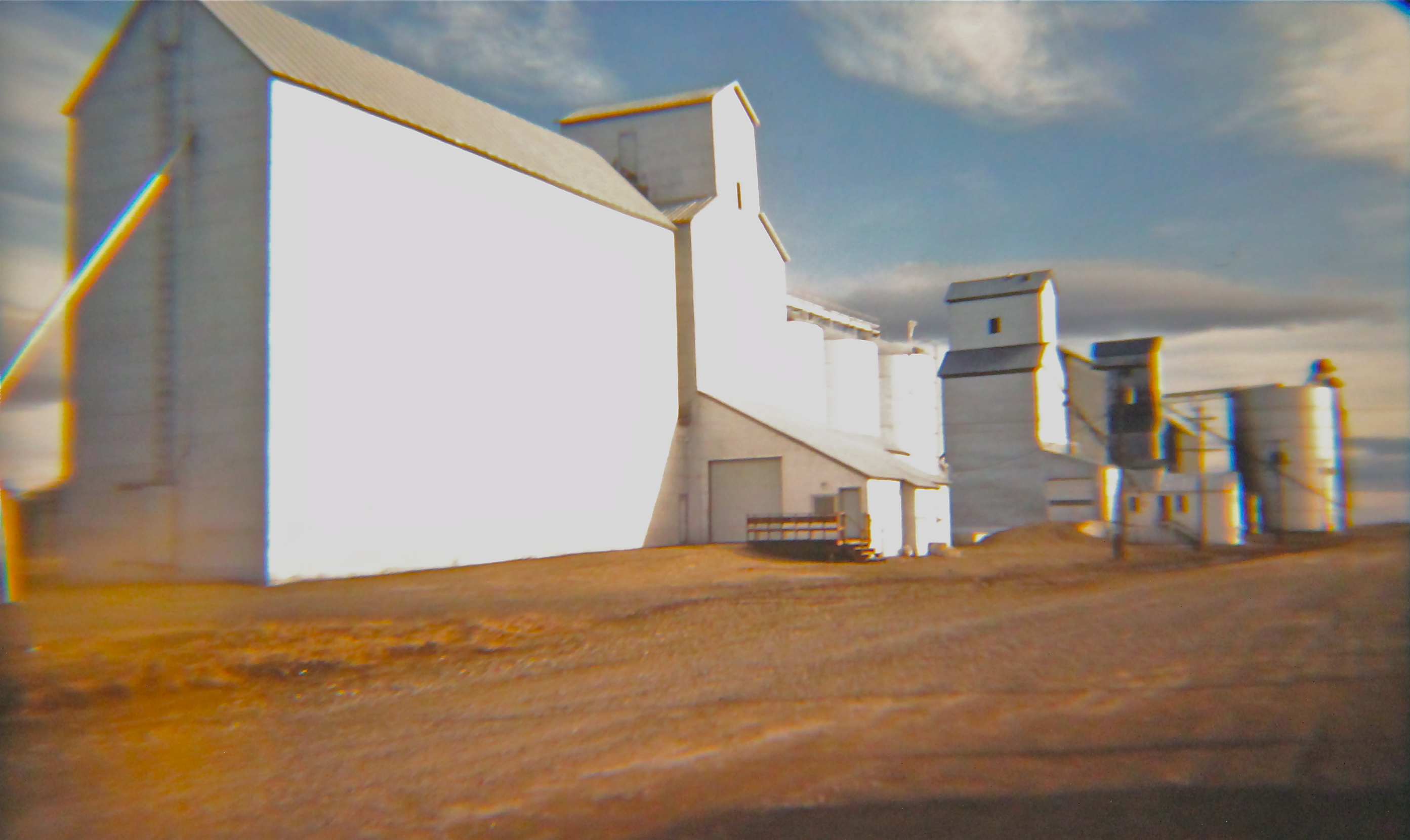
Inverness, established c. 1909, was the first place I stopped but spent little time there because already in 1984 its Great Northern depot was gone.  But in 2013, I was looking for beyond the Stilgoe-Hudson way of understanding plains country towns.  Inverness in 2010 had 55 residents, but still held several early settlement landmarks, such as its early 20th century elevators along the railroad, a National Register-quality c. 1920 store/gas station, and two large two-story frame blocks–the historic Inverness Hotel (most recently Inverness Supper Club) dates to the second decade of the 20th century.

ImageImage

The Sacred Heart Catholic Church dates to the town’s beginnings, but a brick school from 1931 with 1952 additions closed in the early 21st century.

Image

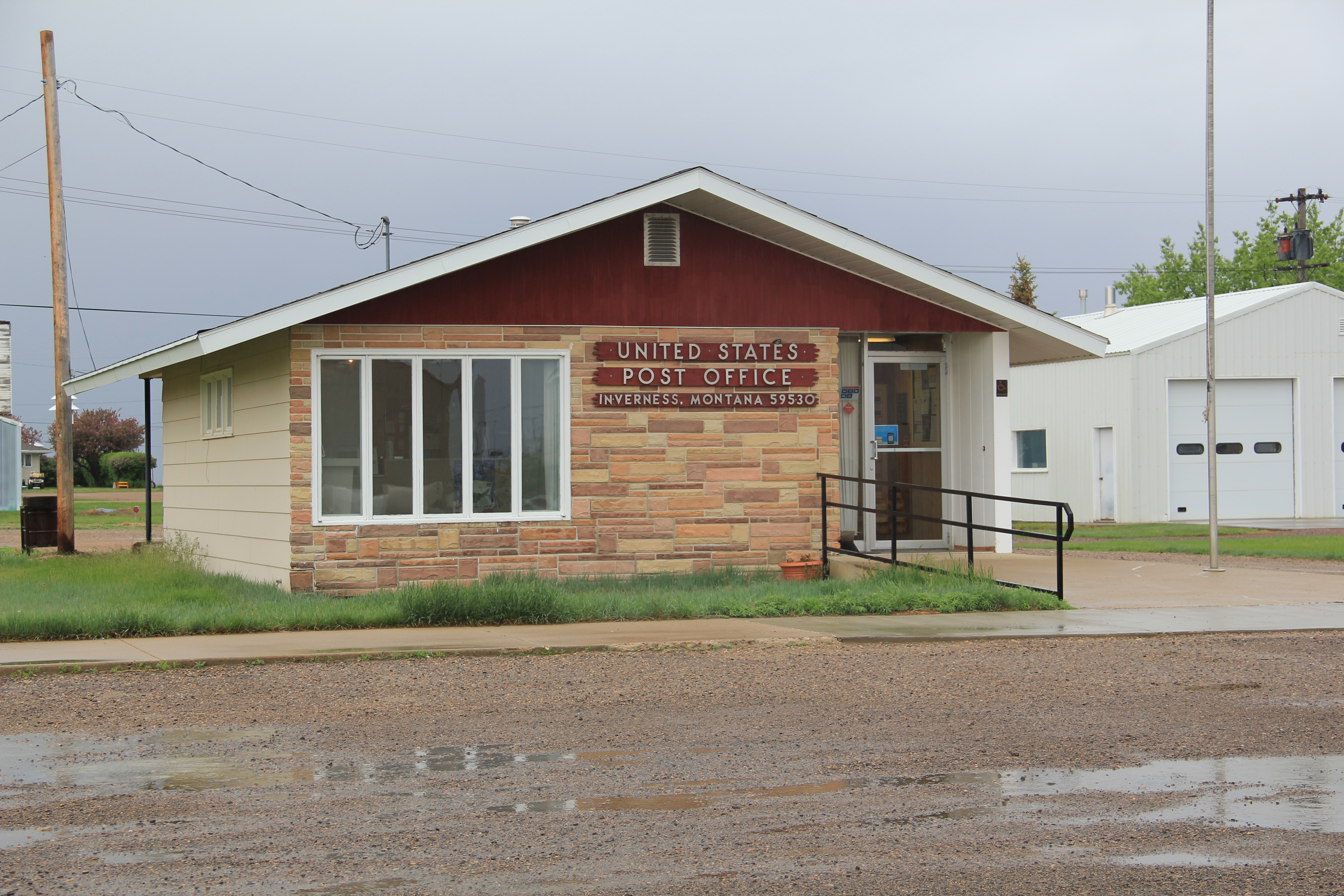
Inverness’s c. 1960 post office is a great example of stone-faced standardized design that the postal service used in small towns across the nation in that decade. It was one of the offices threatened with closure in 2011.

Image

Rudyard, established 1909, was the largest of the west Hill County towns, about 500 people in 1980 but now with only 258 residents according to the 2010 census.  Its prominence in the second half of the 20th century is reflected in two buildings:  the tall concrete grain elevators along the railroad and the contemporary-styled Wells Fargo bank building on the prominent town corner facing the tracks and Reed Street.

Image Image

Thirty years ago, as the construction of a modern bank building attests, several stores and the Hi-Line Theater were hubs of activity; today most businesses are closed.

ImageImage

Image

Museums now abound–with the moved depot forming a small building zoo while an early 20th century stone building has become an auto museum.

Image

Image

Rudyard also has one of the highway’s most famous town signs–boasting of a population now greatly diminished but the old sorehead remains–at the Sorehead Cafe in the heart of the four block long commercial district.

Image

Image

One hundred years ago, Hingham (1910) seemed to be the town that would make it. From the railroad corridor several blocks of commercial businesses were filled in the next decade.

Image

There was a town square featuring a city park in the midst of it all.

Image

Here the town’s Commercial Club hosted the Hi-Line Fair, which “presented farmers and ranchers with an opportunity to exhibit their grain and livestock and to exchange ideas with people from other points along the Hi-Line.”

Image

While the buildings, outside of the brick neo-classical brick bank (1913-14), were frame, town boosters were confident these were only the initial businesses. But the second decade of the 20th century proved to be the town’s high point, and frame buildings still define local businesses.

Image

In 1930 they defined the town with a large, handsome two-story brick school at its south end (near U.S. 2, a recognition of the highway’s importance in getting students to and from Hingham).

Image

The Our Lady of Ransom Catholic Church is a modernist landmark, and one of the most architecturally important buildings of the Hi-Line, part of the Great Falls diocese effort to improve and modernize its churches in the mid-20th century.  A much earlier frame Methodist Church remains, and has most recently served as a community chapel.

Image Image

The boosters of Gildford also had high hopes in 1910 and the homesteading boom brought a full fledged town into existence by 1915-16.

Image

Image

Image Elevators in 1985

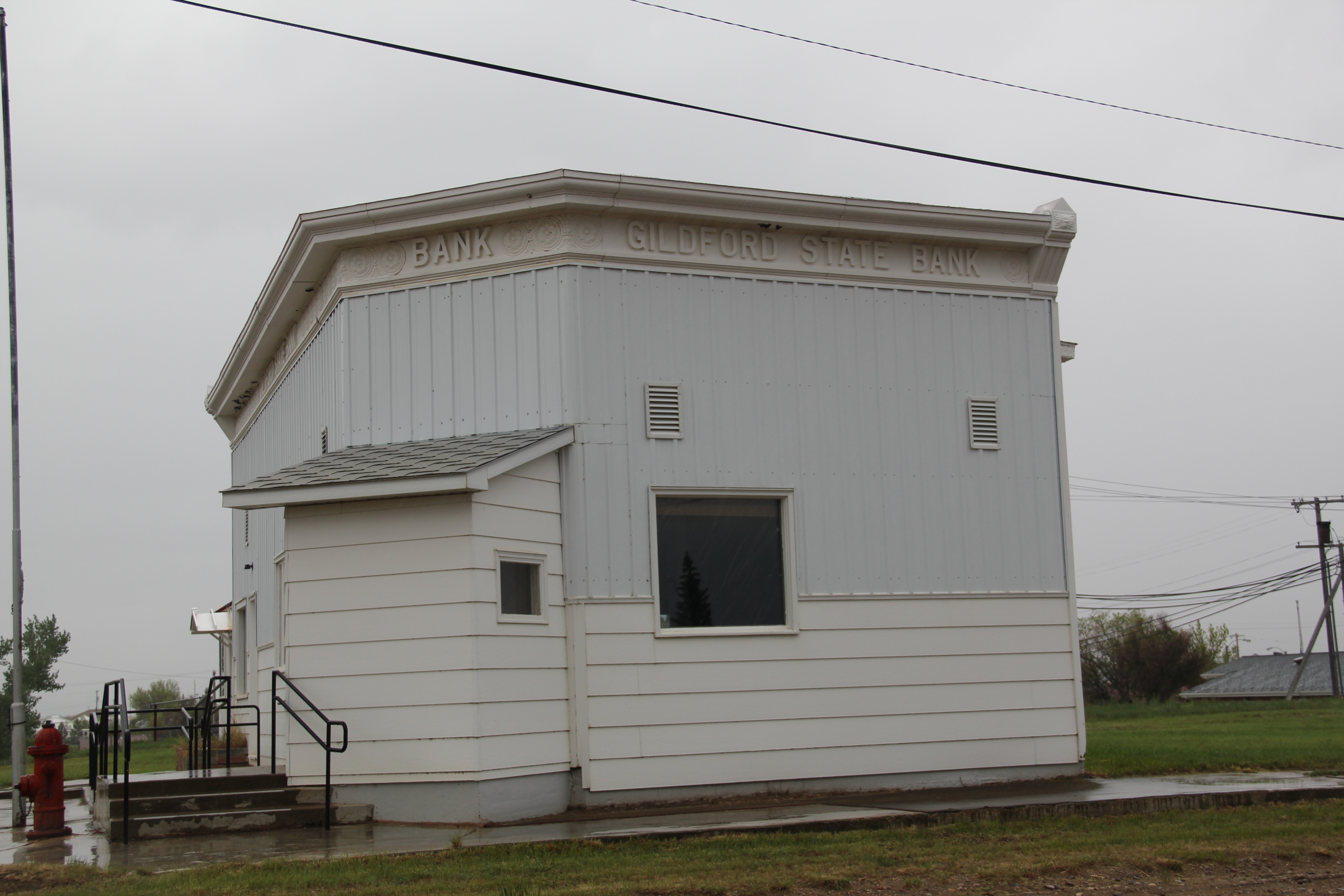
The boom decade is marked by the extant Gildford State Bank (1914), which also served as the town’s post office when I first visited in 1984.  The town also had an early industry, the Mundy Flour Mill.

ImageImage

Kremlin acknowledges its distinct name with its highway town sign.

Image

Settlement began in 1909, with a plat from land agent K.C. Farley, focused on the Great Northern section house, later replaced by a standardized depot, all of which is gone from the railroad corridor today.

Image

IMG_8903

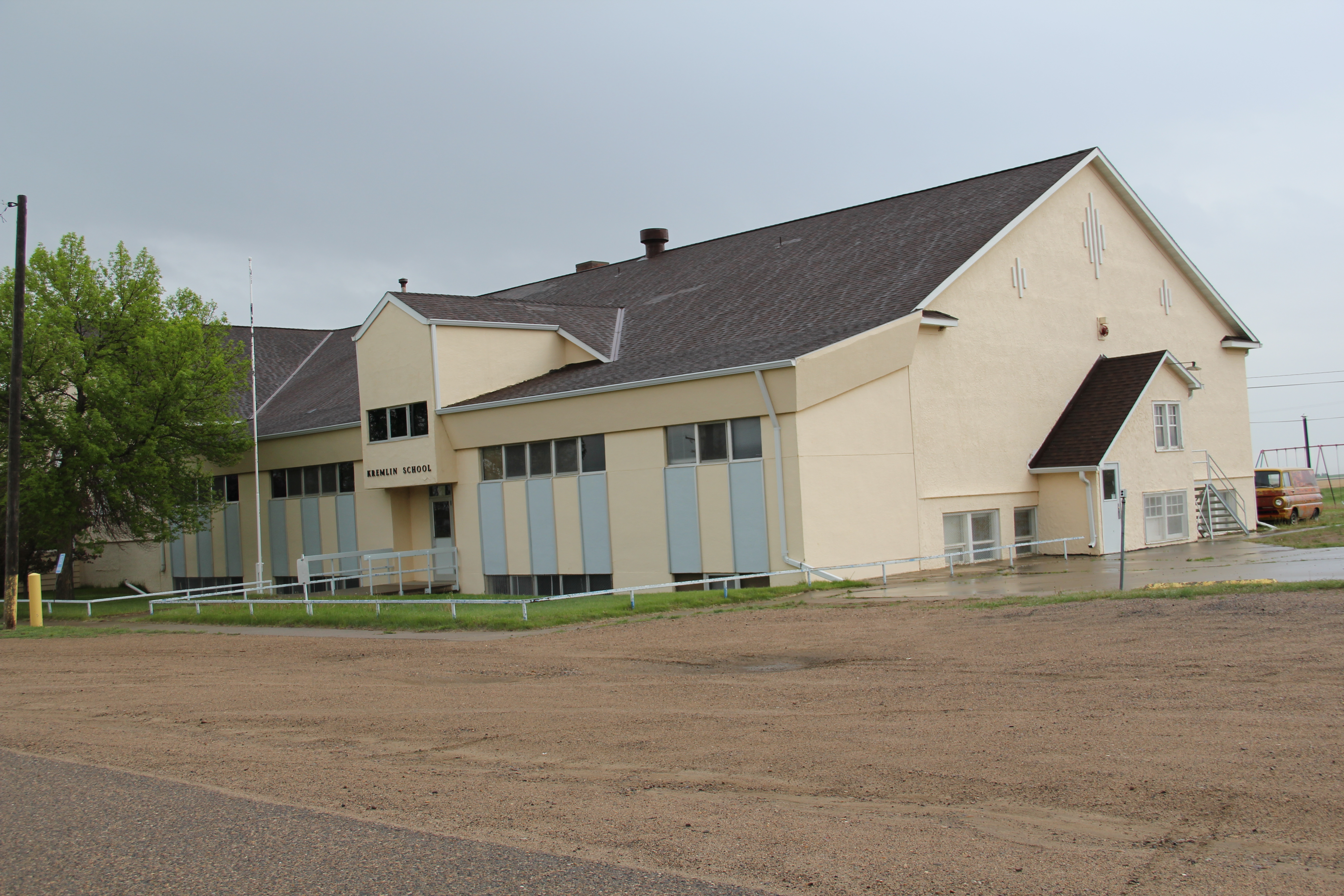
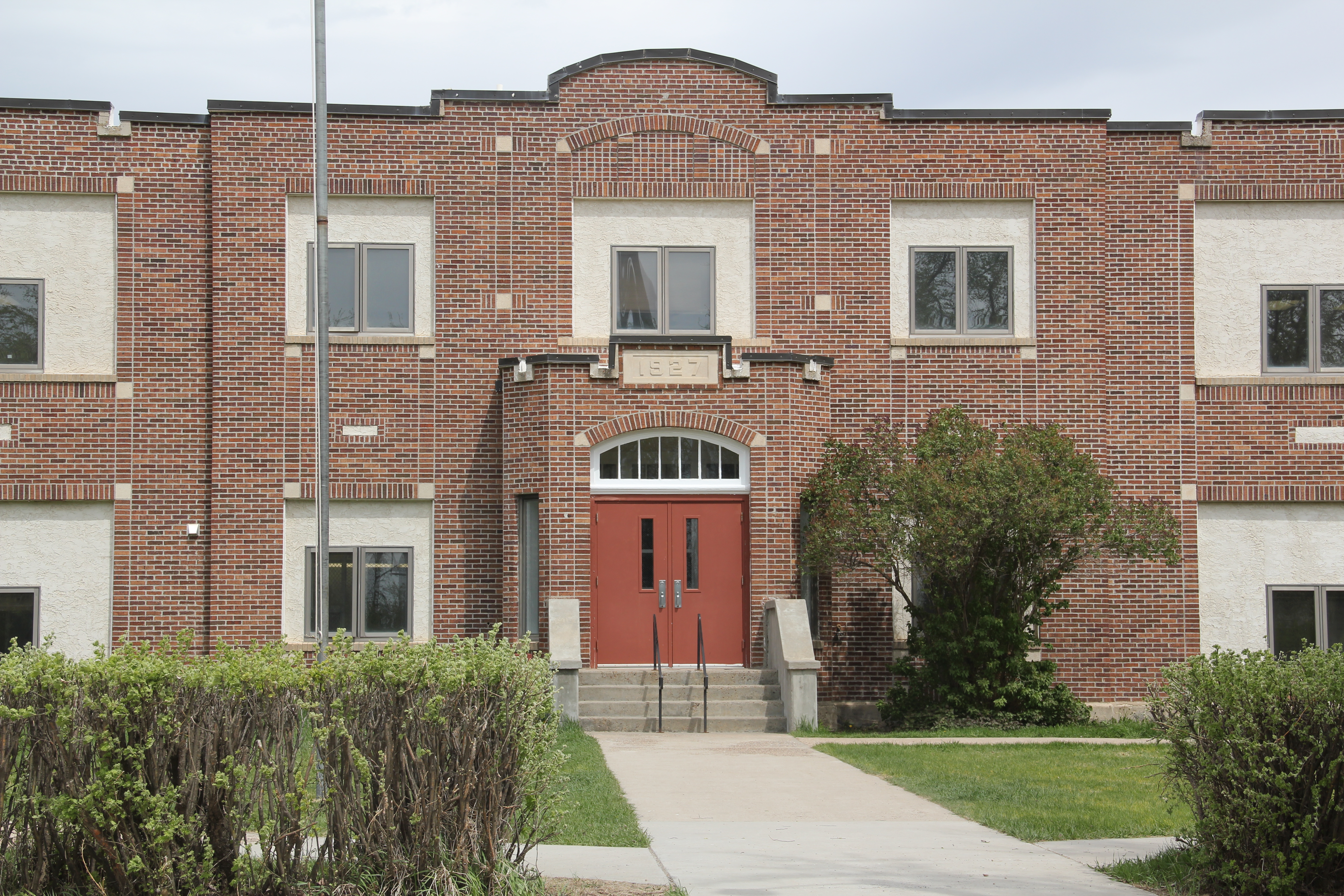
The WPA built a new high school in 1938, which remains a central landmark for the community, a symbol of the future, and a good way to end this posting.

IMG_8913 IMG_8912

Joplin in Liberty County: A Disappearing Railroad Town

Image

Joplin today has a population hovering around 150, a decline of about 50 since 2000. E. C. Tolley, a real estate locator during the homesteading boom and Joseph E. Rehal, a Syrian-born merchant who made the biggest initial investment, are jointly credited with establishing the town.  In fact, they promoted rival parts of town, which led to uneven and scattered business development.   In a history of Liberty County, Art LaValley recalled: “The Commercial Club was very active in promoting the town of Joplin.  They erected a large, new sign by the railroad crossing, facing the depot so that people getting off the train would see it.  It was a picture of the world and read ‘Biggest Little Town on Earth.’” 

Image

Joplin sign, 1984

 Another contribution of the Commercial Club was the creation of a town square park, complete with bandstand:  the Joplin Community Band was popular throughout the region, until it disbanded in 1937.  Two years later in 1939, famous be-bop jazz artist, saxophonist Charles McPherson was born in Joplin.

Image


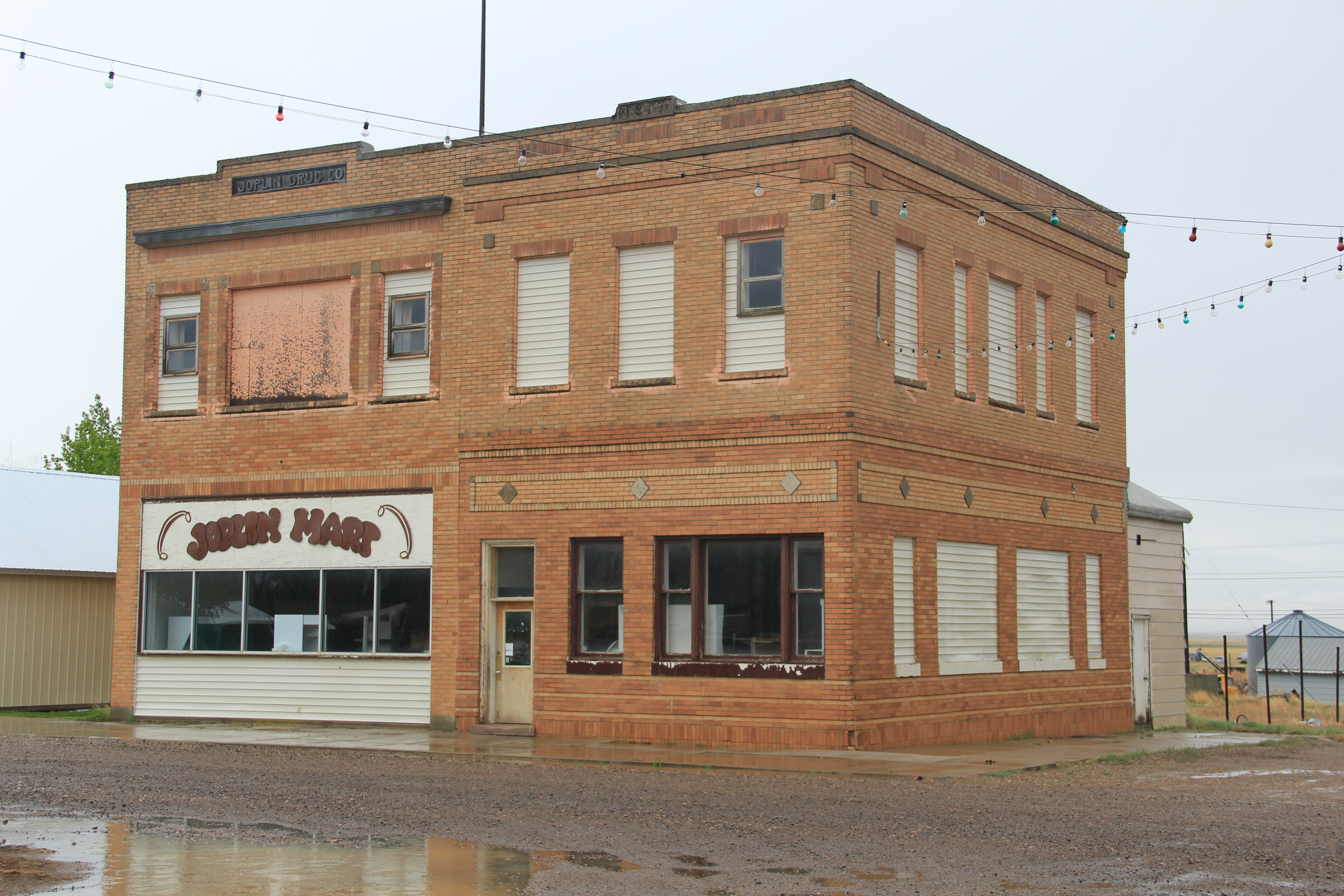
 Like most of the Great Northern towns of the decade, Joplin began well as homesteaders came quickly.  By 1913, O.C. Boggs of Joplin wrote a testimonial for his huge Nicholas-Shepard Oil-Gas Tractor:  “we are pulling six 14-inch Oliver Engine Gang Plows in sod.  Our average work is 15 acres per day of ten hours”  The First State Bank of Joplin opened its doors,along with many other mercantile and professional offices.  In 1916 Jensen Brothers and Layton hardware stores went into partnership to take advantage of the agricultural boom.  The drug company came in 1917. Image

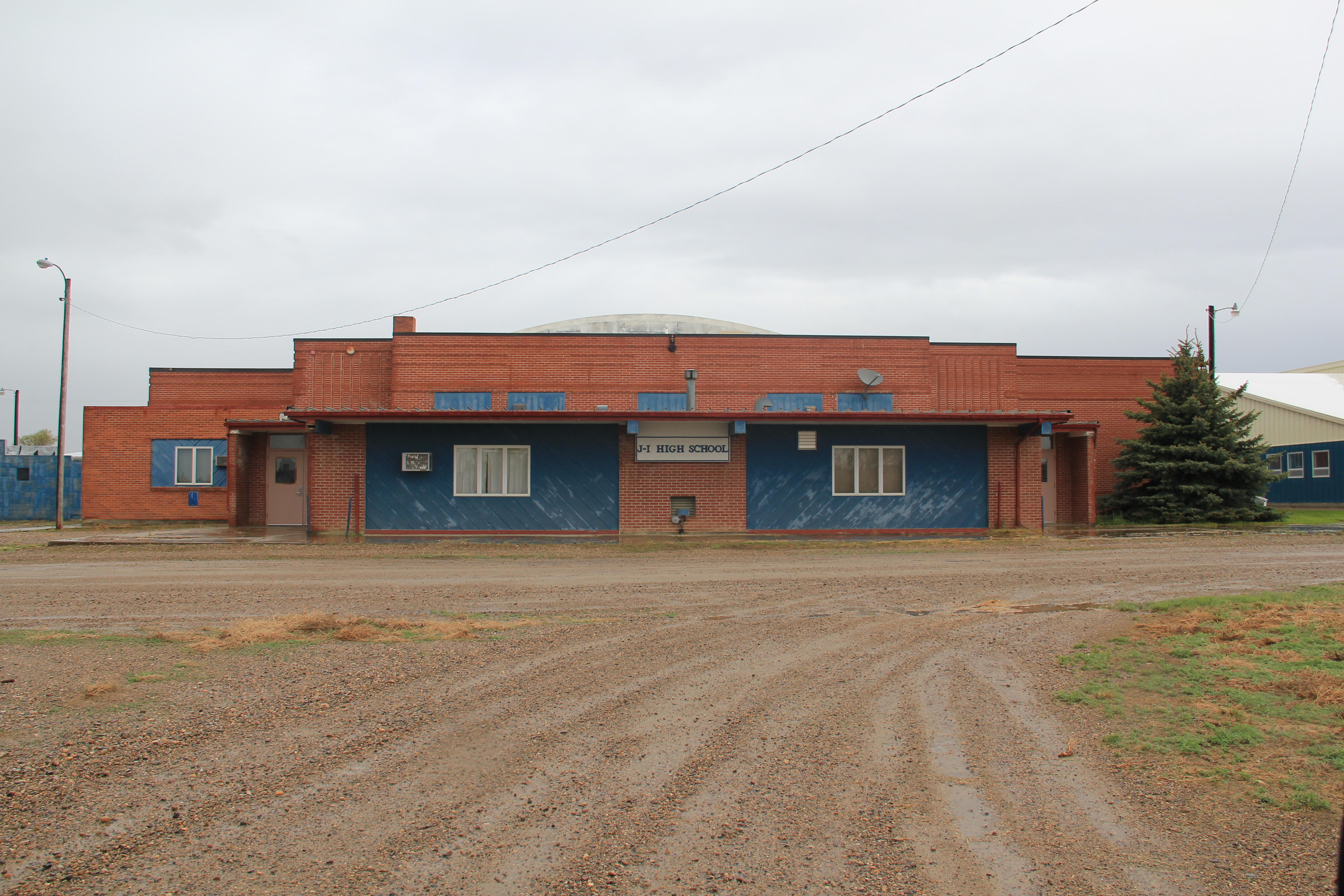
 But drought hit this area hard in the late 1910s. In the 1920s the boom had busted, not just because of the agricultural crash.  There was the matter of the Dempsey heavyweight fight in Shelby in 1923.  Losses there impacted the local bank, which closed in 1923 just days after the fight.  The New Deal brought new hope in the mid-1930s when the PWA helped to fund a new brick school and the WPA funded sidewalks.

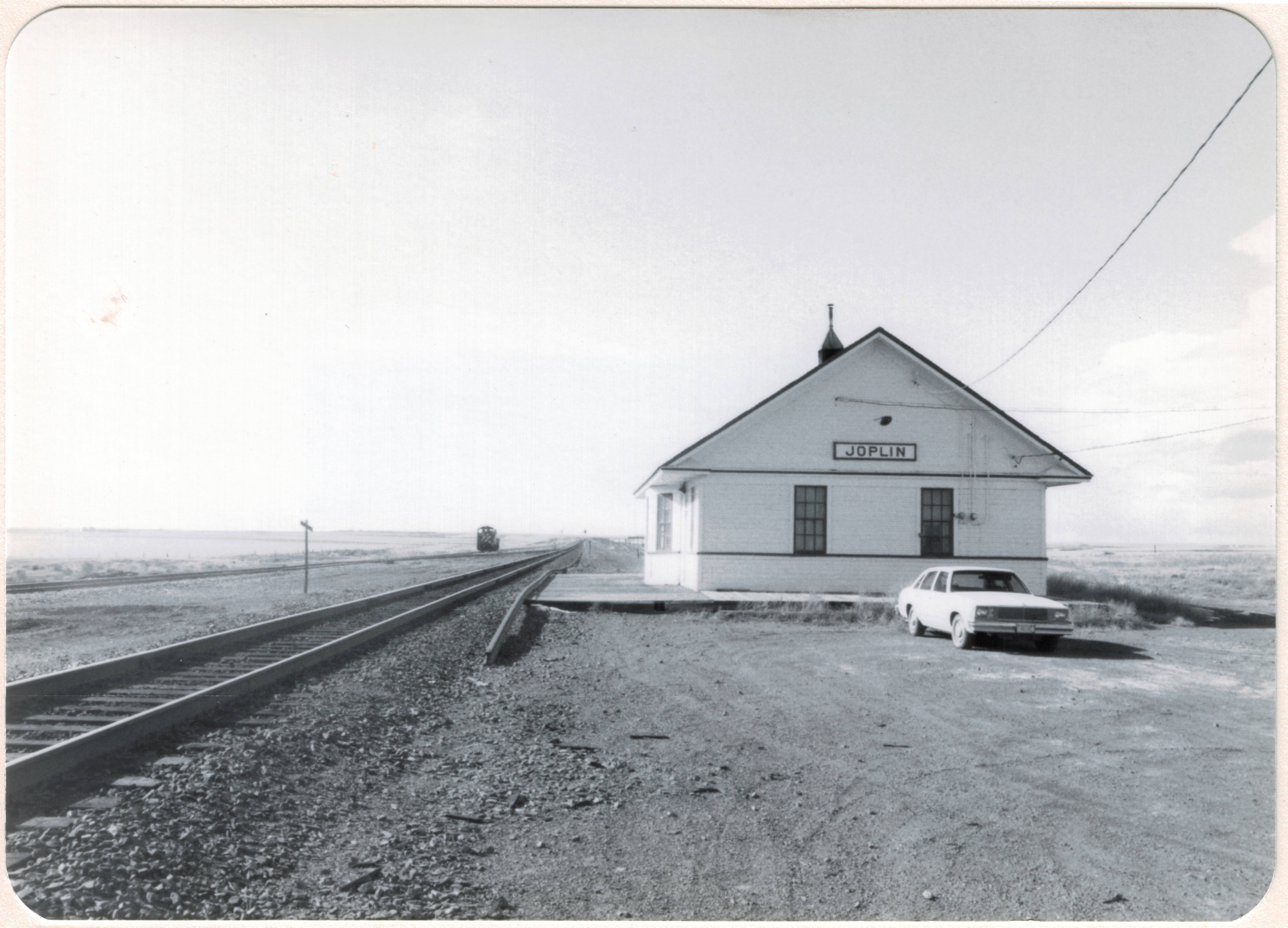
Image I had not been in Joplin since 1984 when I visited in 2013: many landmarks were missing or closed.  The Great Northern depot was gone completely.  Today there is nothing but the tracks and grain elevators Image

to remind one of the town’s lifeblood. Then the school closed in 2005 and Joplin joined the consolidated school system in Chester.

Image

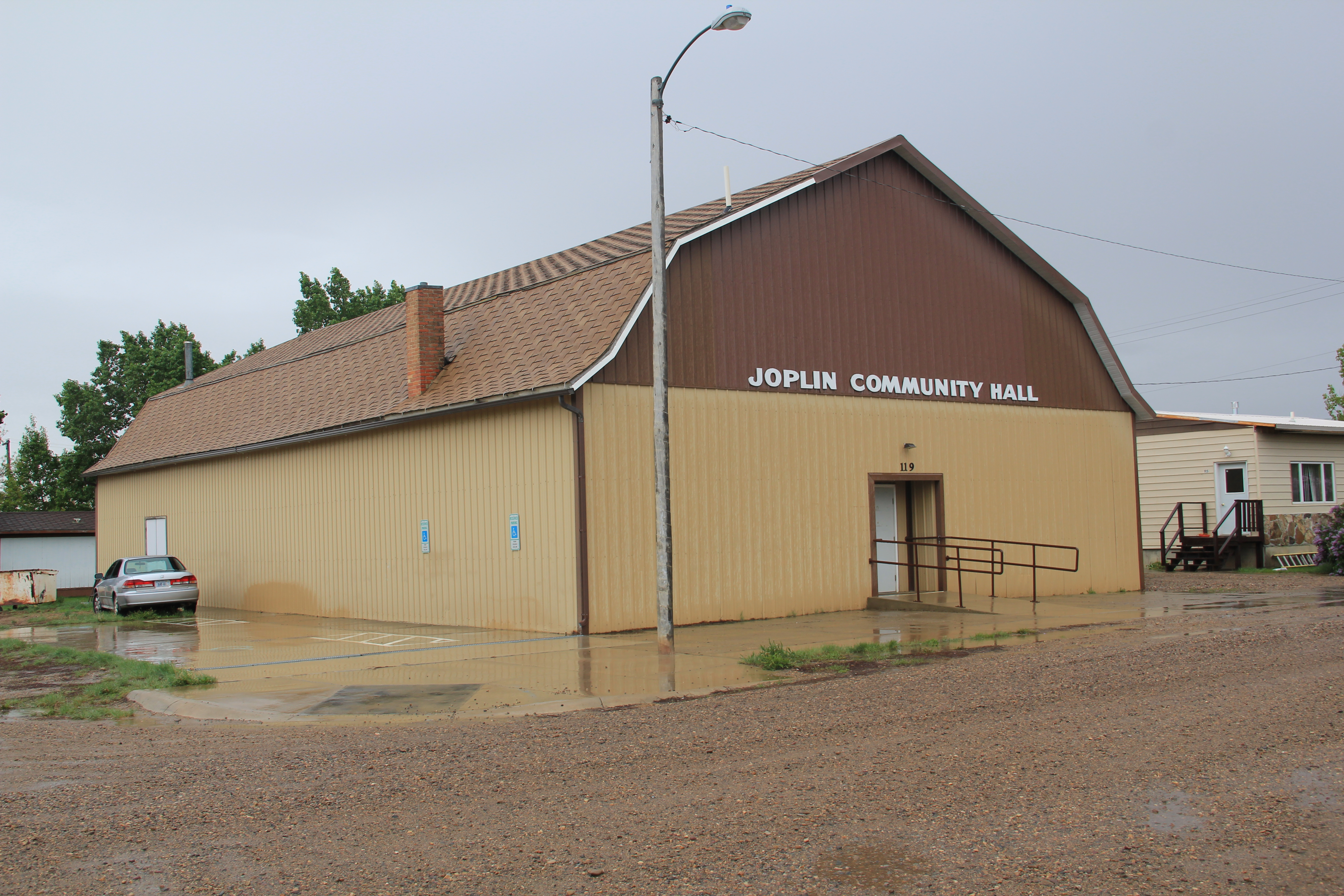
 One key institution from the homesteading era still shapes community life:  the Joplin Community Hall, where everything takes place:  voting, reunions, funerals, parties, concerts, celebrations, especially in mid-June when the town still hosts an antique car show at the  town park.  Both the hall and town park were developed by Joolin’s Commercial Club–a forerunner to a Chamber of Commerce–in the first decade of settlement. 

Image

It was at the community hall in 2011, that a large crowd gathered to convince federal officials to let them keep another community institutions: the Joplin post office.

Image

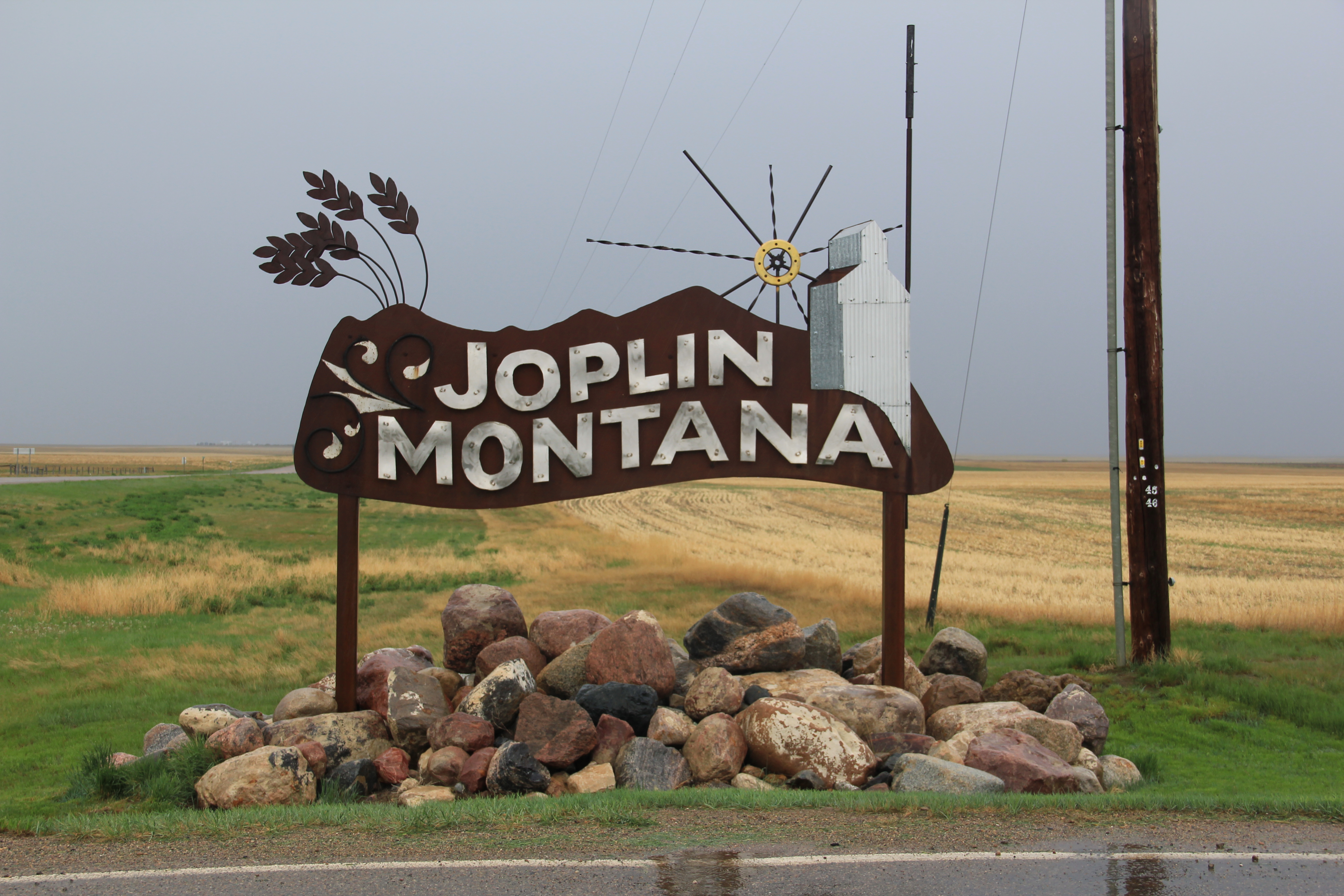
 Today along U.S. Highway 2, a bright, shining streamlined moderne town sign has replaced the earlier littlest big town in the world–which remains in the town center, away from the highway as if residents keep the motto to heart but no longer share it with every traveler on the road. 

Image


Image

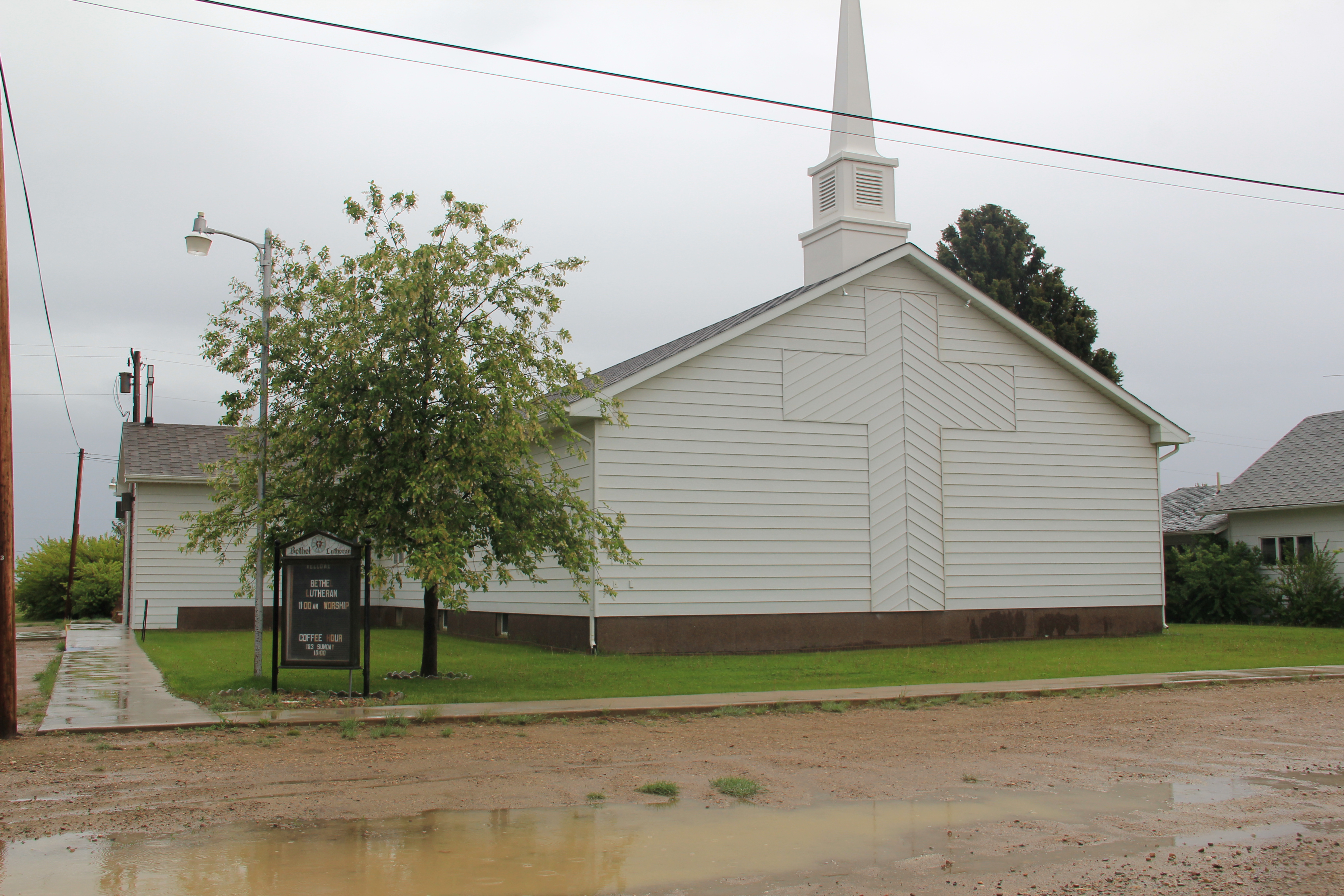
In 2010 Larry Olson told the Great Falls Tribune that he had “seen a lot of changes in his 72 years living in Joplin. ‘When I was growing up, it was so different,” he said. “Nowadays, everything is closed up. You’ve got a [Lutheran] church and a bar — that’s it.’”

Image Image