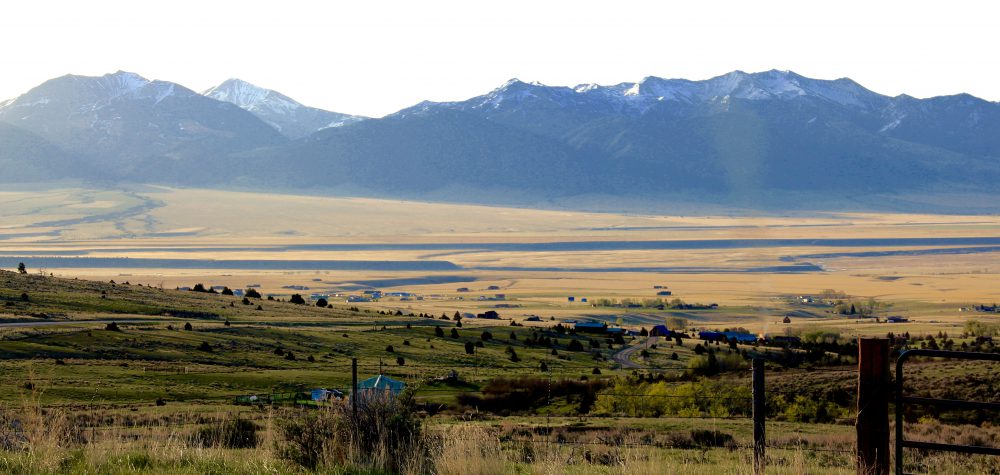
Since my initial survey of Montana historic places in 1984-1985, Montana state parks has established several small but significant historic parks. One of these, Tower Rock State Park, is viewed by hundreds of drivers daily, as it is located directly on Interstate I-15 along the Missouri River Canyon in southern Cascade County.
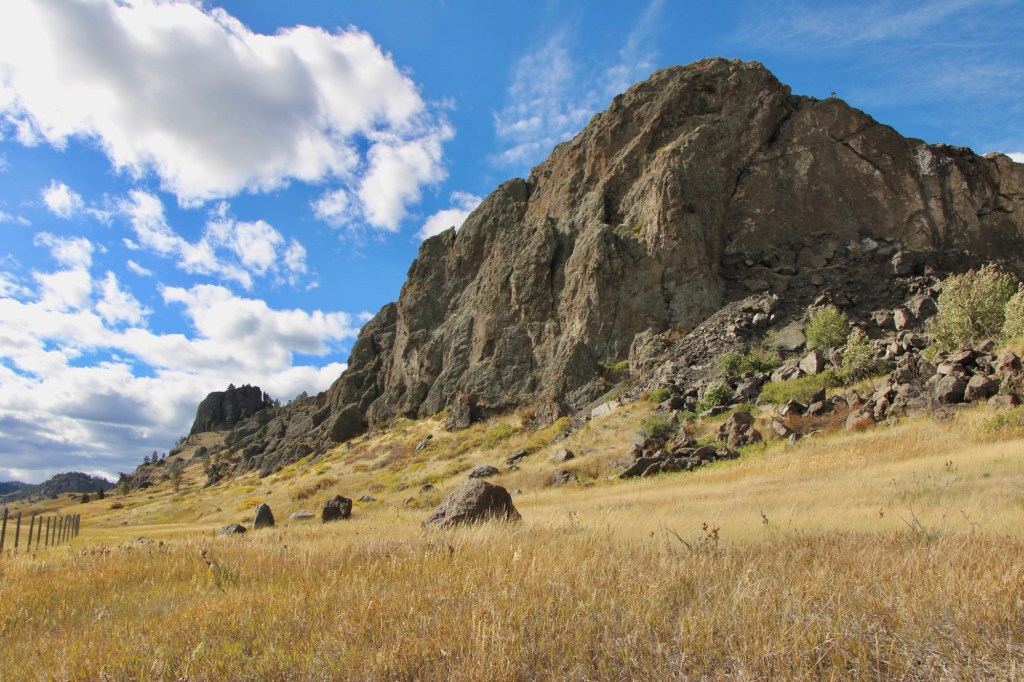
Native Americans traveling from their Rocky Mountain homelands into the game-rich high plains, used the rock formation, over 400 feet high, as a landmark between the two regions. The Bitterroot Salish, Lower Kootenay, and the Piegan Blackfeet are all associated with the place. For the Piegan Blackfeet it was and is a sacred place. Groups camped in the vicinity between the Rock and Missouri River.

When on July 16, 1805 Capt. Meriwether Lewis of the famous Corps of Discovery encountered the Rock on his journey west, he noted the presence of what he called an “Indian road” around the Rock. He then decided to name the place and wrote in his journal: “this rock I called the tower. it may be ascended with some difficulty nearly to its summit, and from it there is a most pleasing view of the country we are now about to leave. from it I saw this evening immence herds of buffaloe in the plains below.”
The surrounding region’s development took place in the late 19th century, accelerated by the decision of the Manitoba Road to built through the canyon a rail link connecting Great Falls, Helena and Butte. This line became known as the Montana Central Railroad.
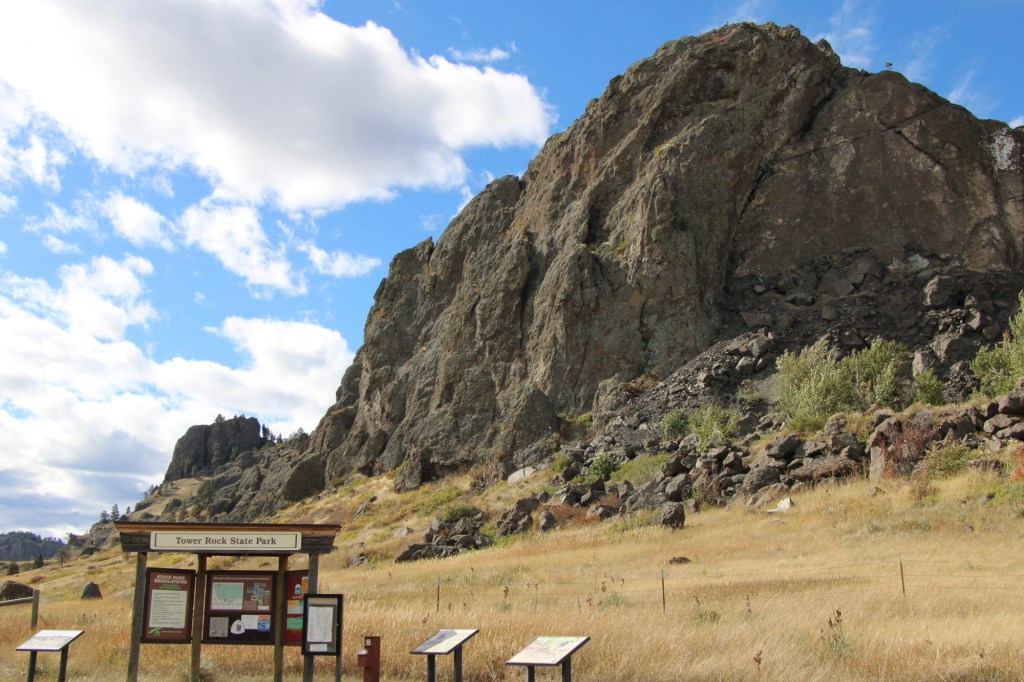
In the early 20th century came an automobile route, U.S. Highway 91, and then the interstate highway in 1968. Interestingly, the property’s official designation as a historic site came much later. Tower Rock was listed in the National Register of Historic Places in 2002. Two years later, it became a state park of about 140 acres.
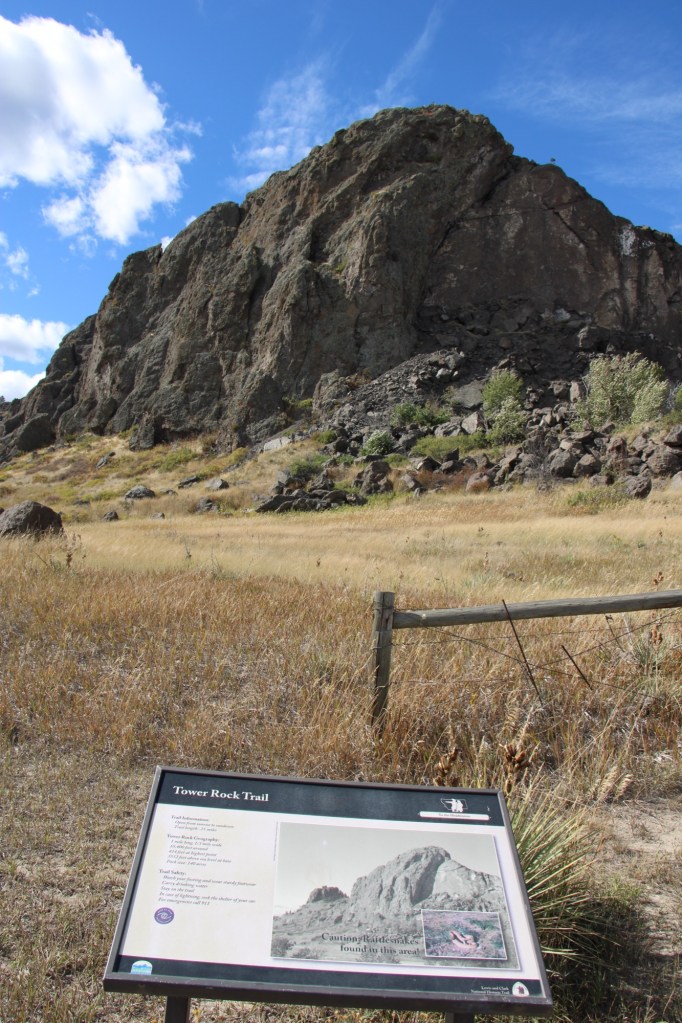
The park is day-use only but there is adequate public interpretation. There is also a maintained trail to the Rock’s base, allowing for a more direct experience with landscape and some mitigation of the noise from the highway. The importance of the place deserves a more robust treatment but perhaps more can come in the future ( and the adjacent disposal center can be moved to a more appropriate location).


















 As the highway leaves the central plains east of Great Falls, it heads east through coal country (see the earlier post on Belt) and south into the Little Belt Mountains and the old mining towns of Monarch and Neihart (above). Both Cascade County towns are proud of their heritage, a story embodied in the Monarch-Neihart School, a wonderful bit of log craftsmanship from the New Deal era, a WPA project finished in 1940 that is listed in the National Register of Historic Places.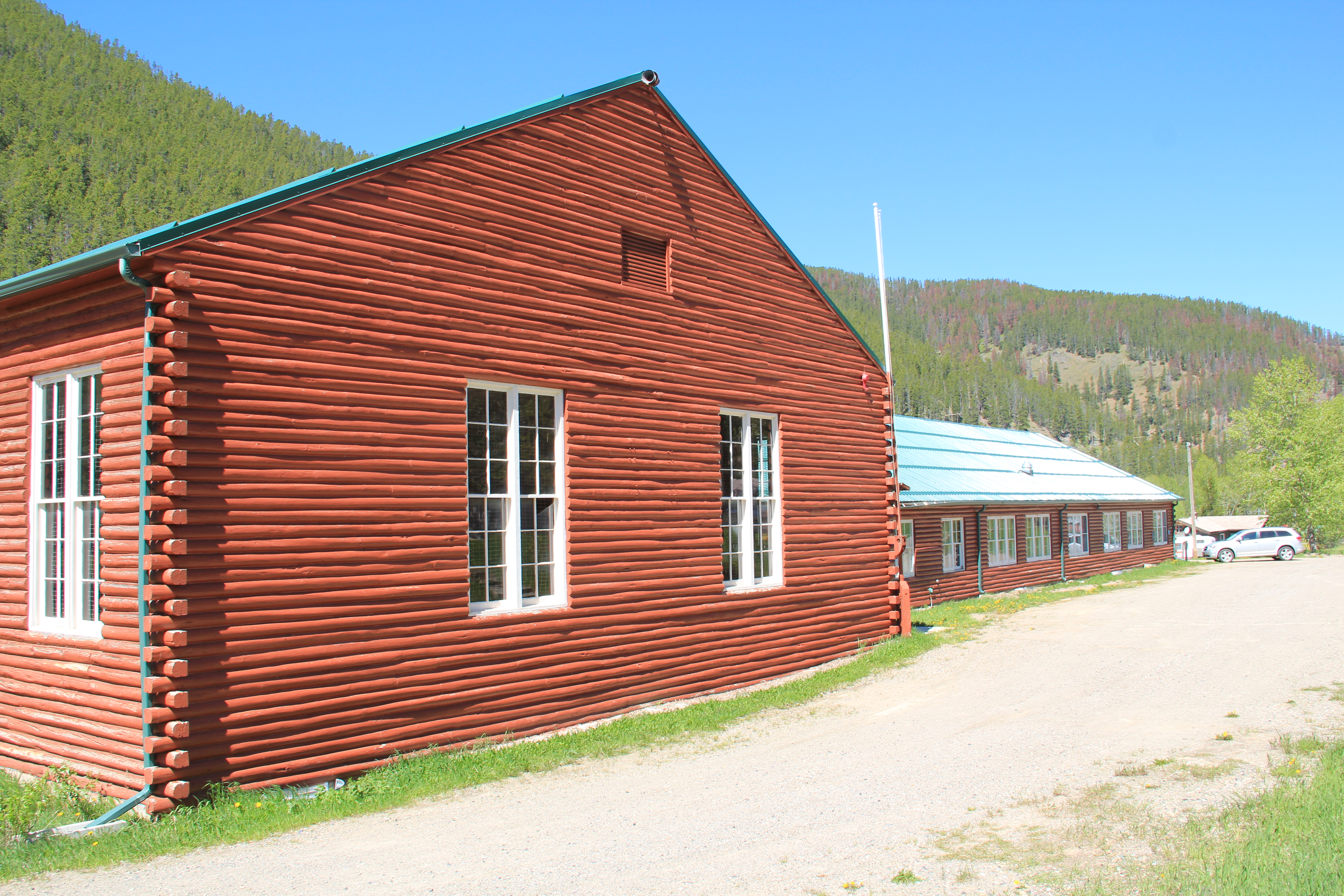
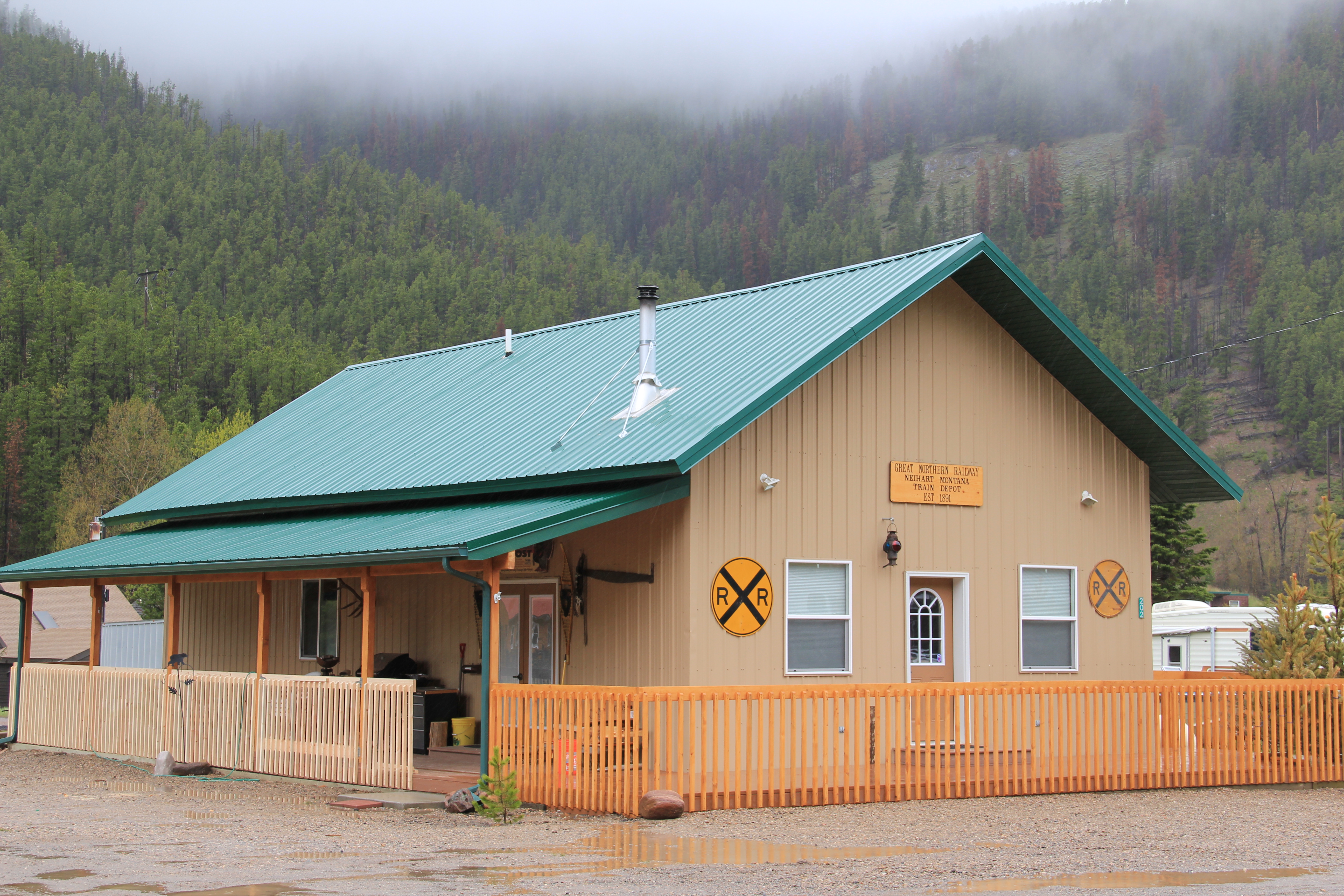
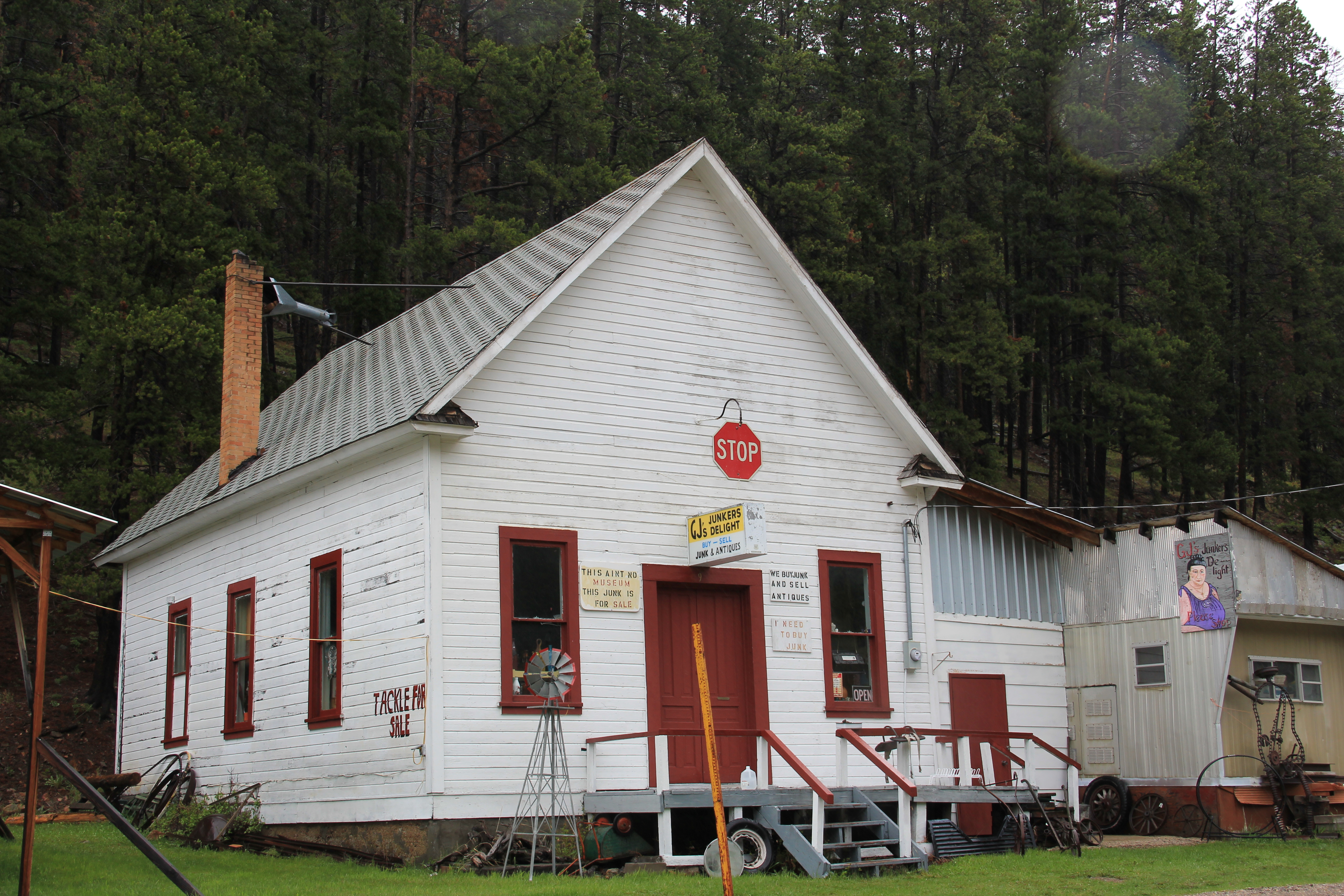
 When I last visited there in 2015 the combined route of U.S. 89 and 12, which passes in front of the courthouse and the center of town, was being rebuilt, giving the historic business district the look of a ghost town.

 U.S. Highway 89 continues south, crossing the historic corridor of the Milwaukee Road at Ringling, another Meagher County town discussed in an earlier post, marked by the landmark St. John’s Catholic Church.
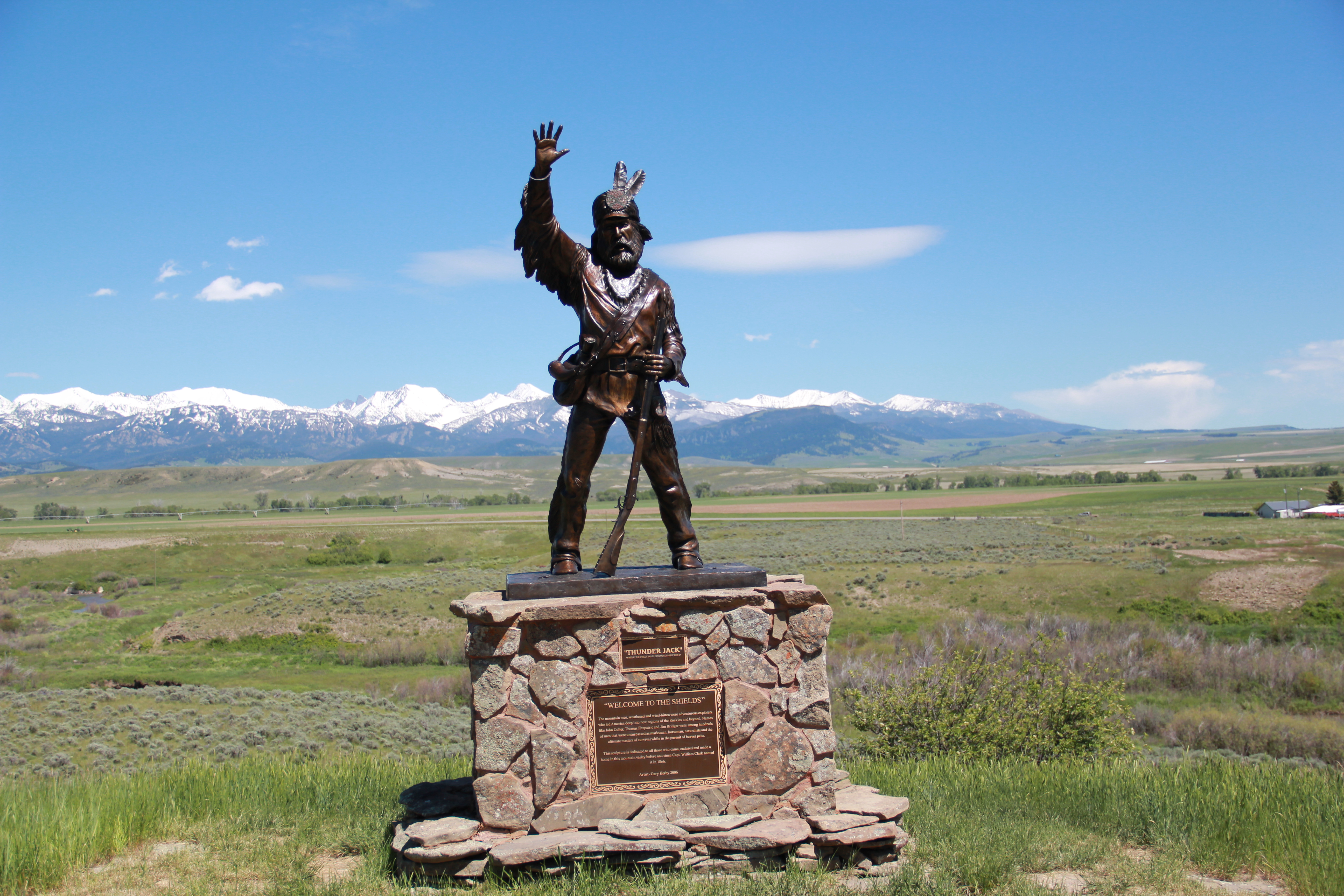
 Travelers continuing south soon find themselves in Park County, entering the Shields River Valley just north of Wilsall, where highway markers and monuments, like that for “Thunder Jack” (2006) by sculptor Gary Kerby, convey the significance of the place.
 Wilsall was not much a place 30 years ago, a small trade town on the edge of a Northern Pacific Railroad spur line, a past still recalled by the tall elevator and old railroad corridor.
 But the growing popularity of the Shields River Valley has led to a new boom in Walsall, with old banks converted into bars and old general stores


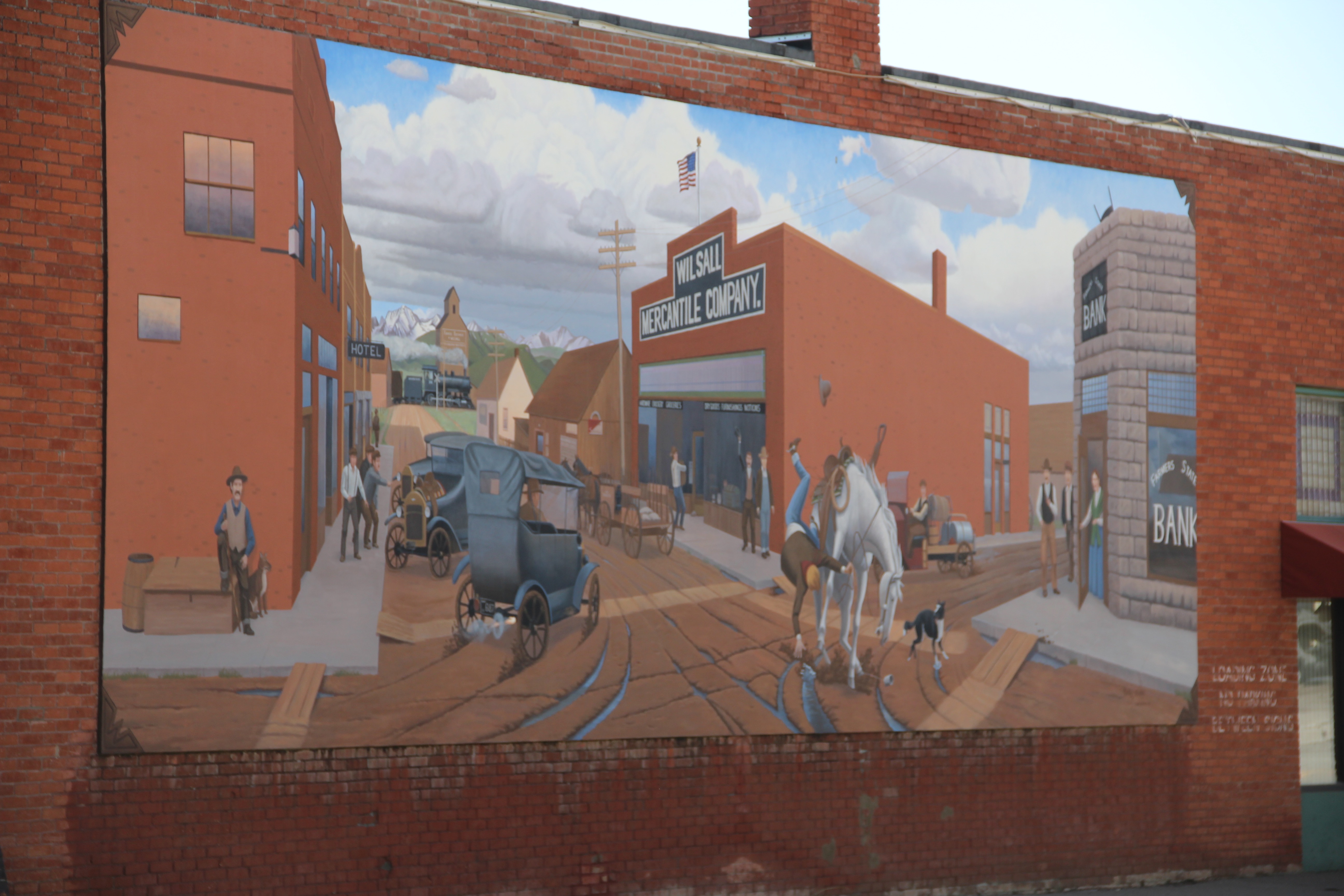
 Clyde Park Tavern is still the place to go for an adult beverage, or two. Historic grain elevators still serve local ranchers, marking the railroad line that defined the town’s landscape until the impact of the highway in the early 20th century.

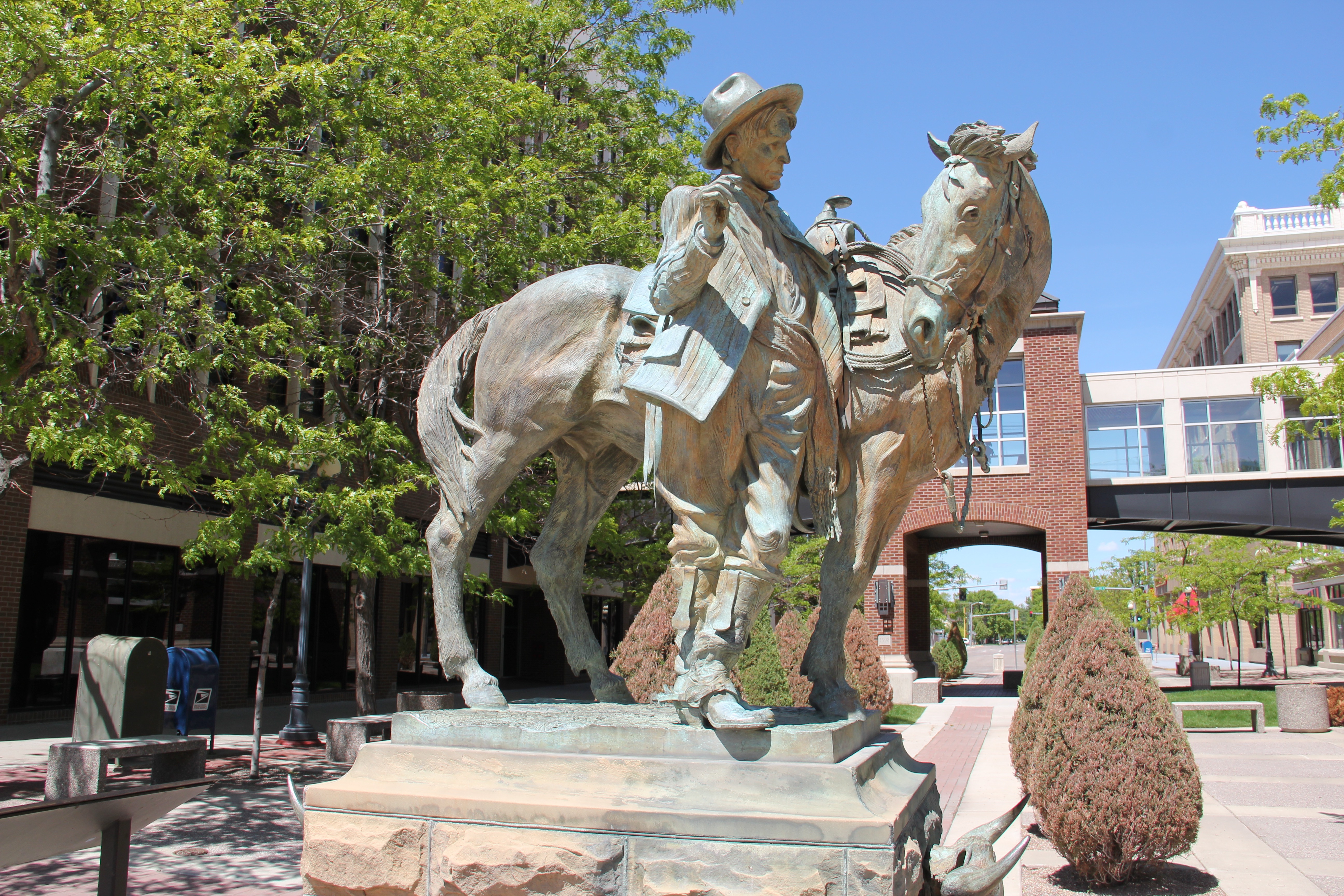


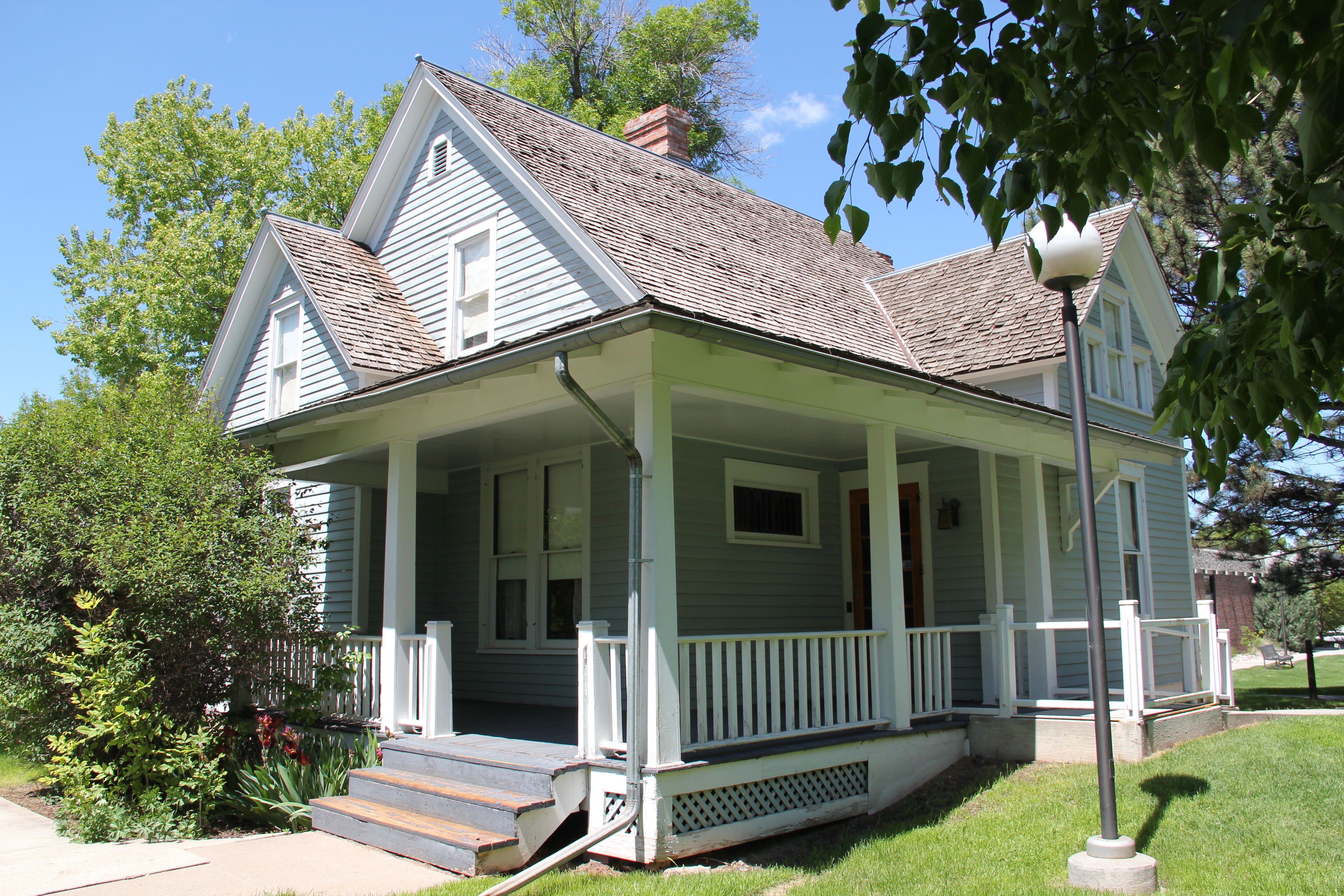
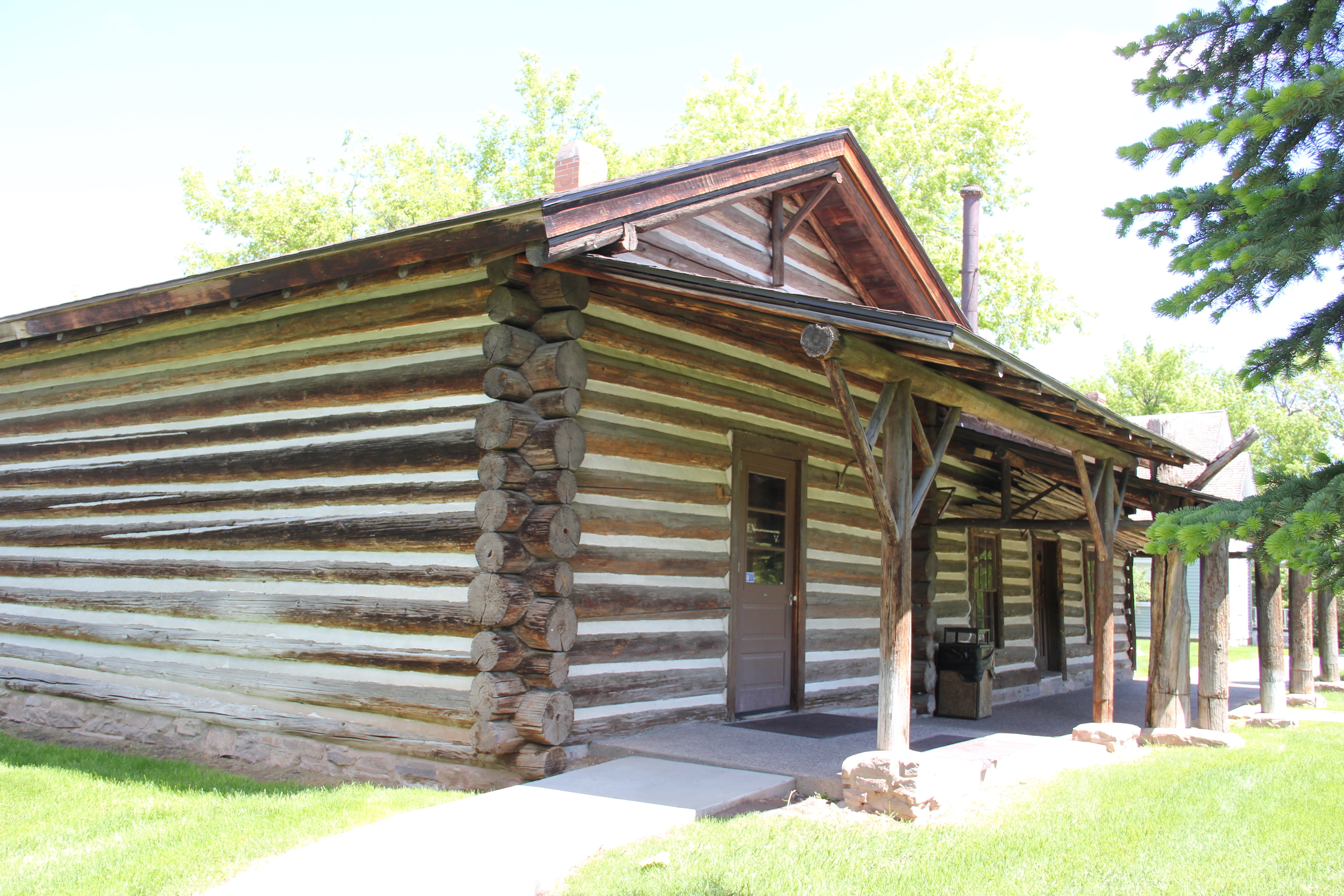
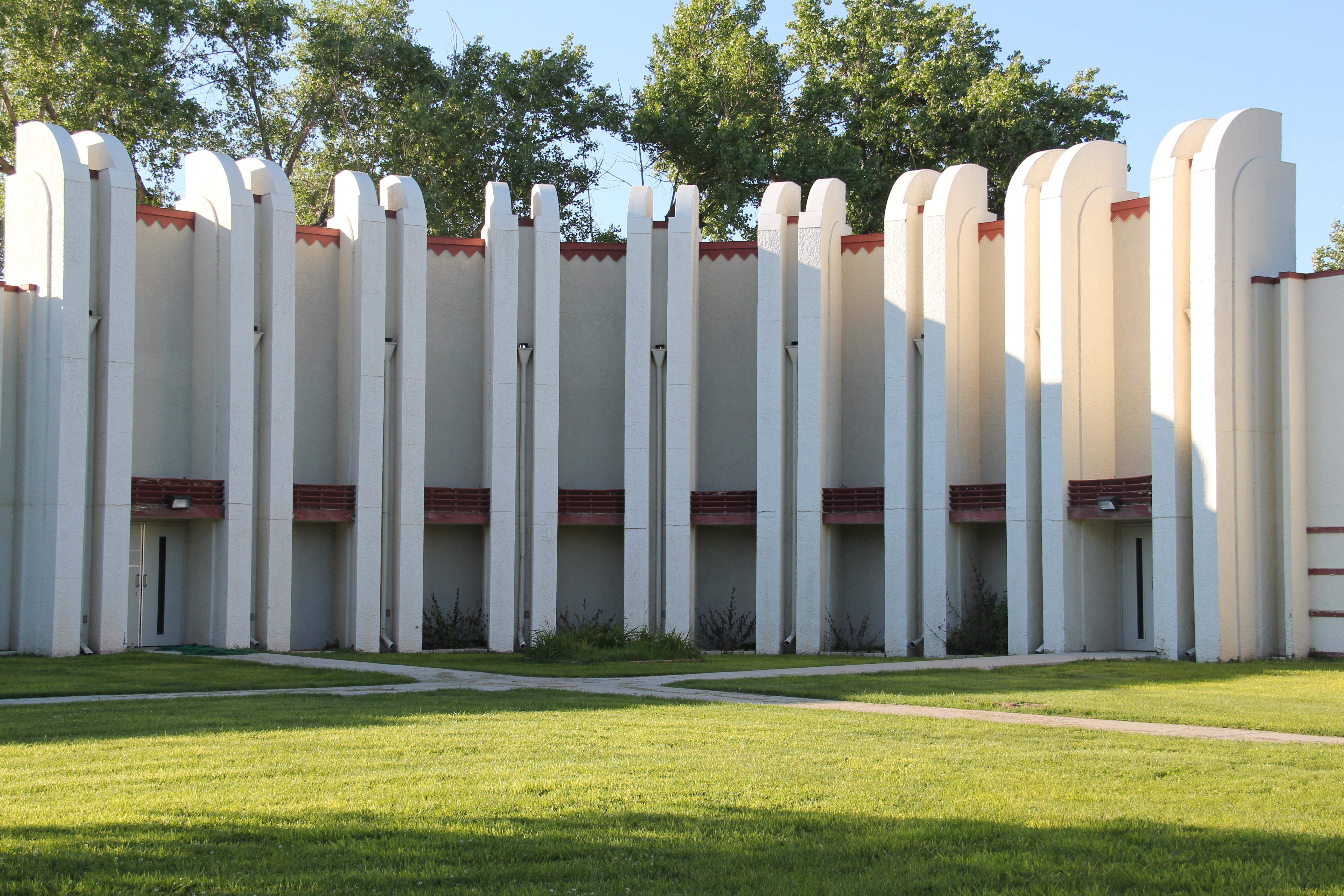


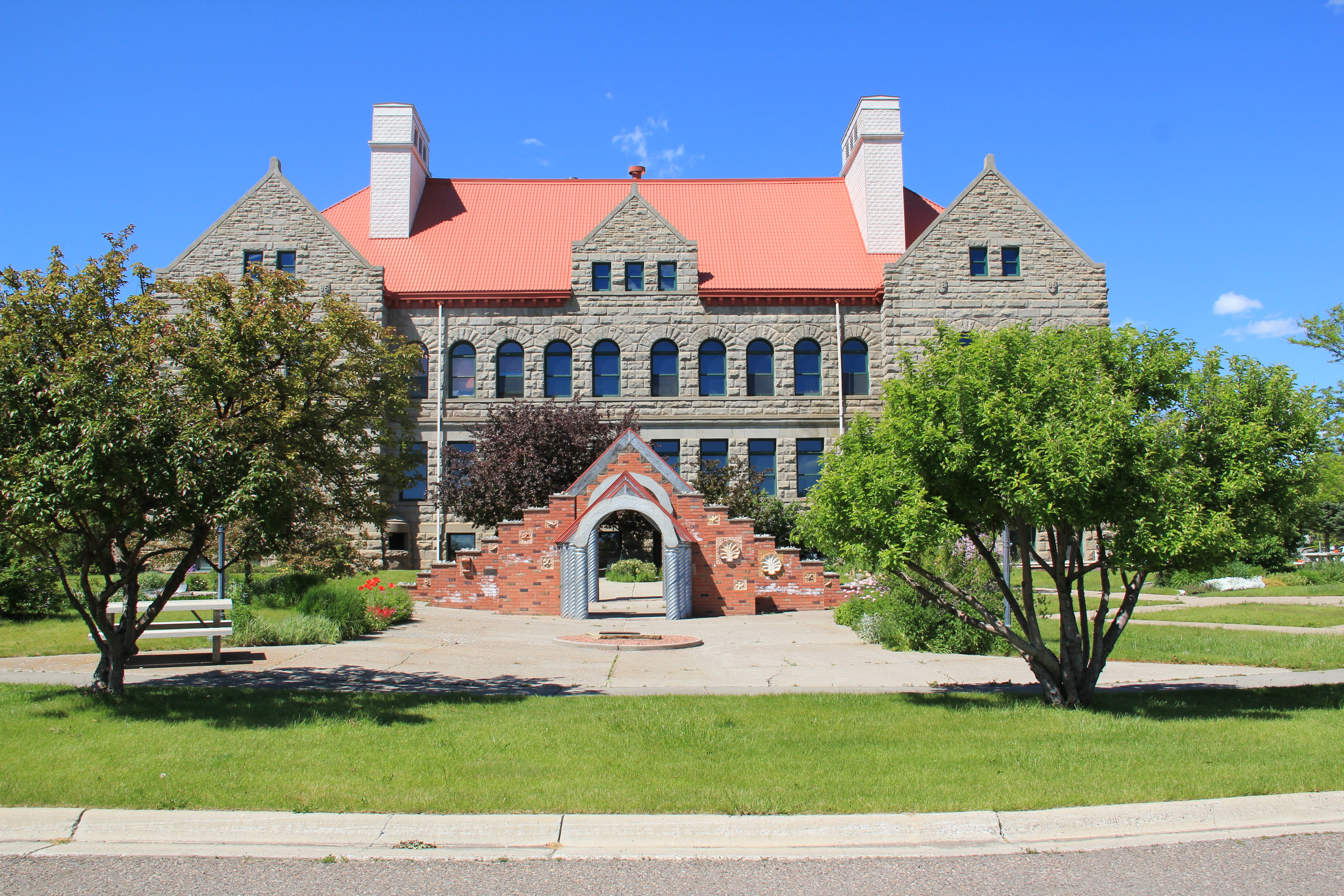
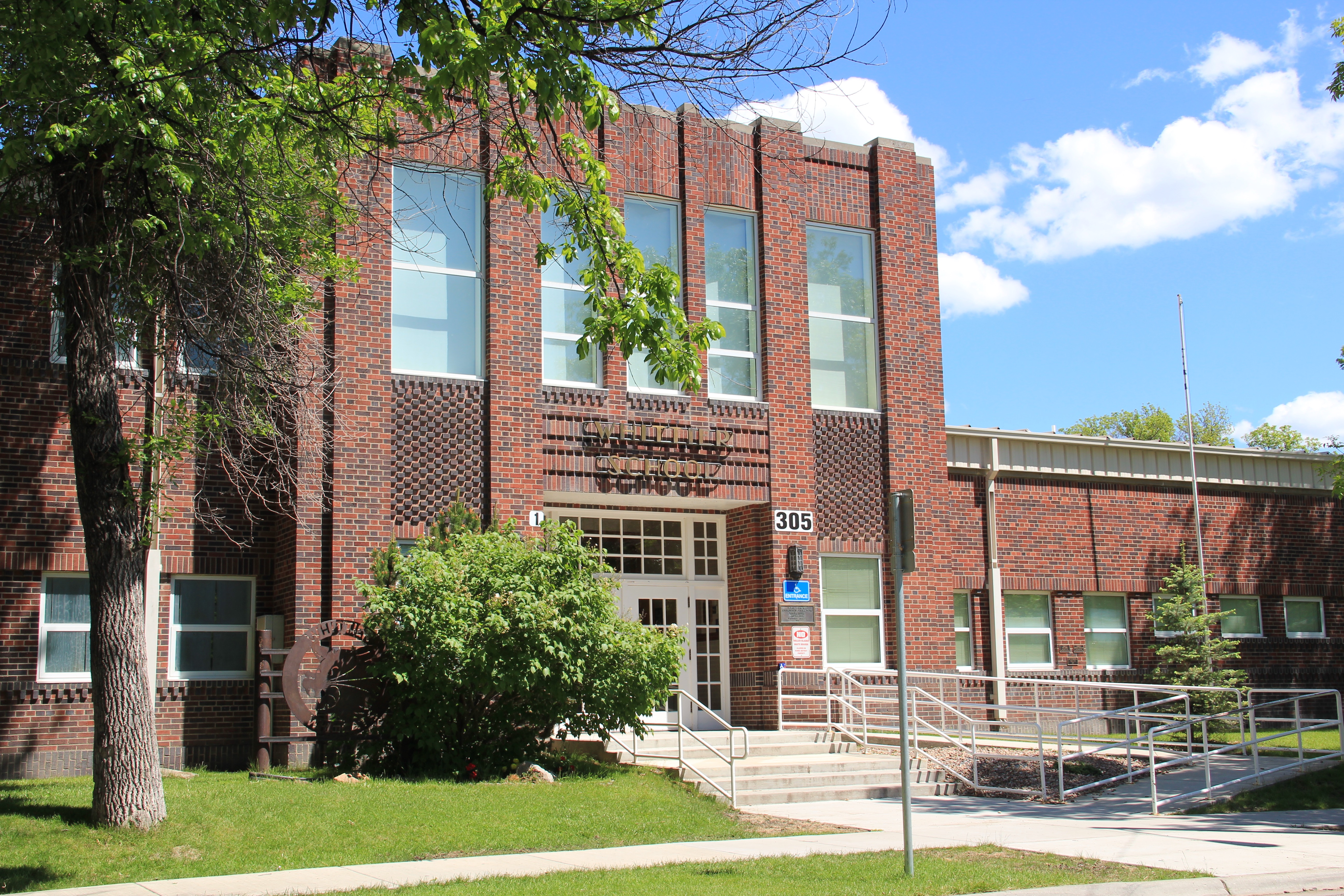 project, and the Art Moderne landmark Intermountain bus station–once so proudly featured in the Clint Eastwood and Jeff Bridges movie, “Thunderbolt and Lightfoot,” part of that decade from the mid-1970s to mid-1980s when Montana was suddenly in the lens of Hollywood.
 All of these buildings and places help to give Great Falls its unique sense of self, and its sense of achievement and promise. And that is not to even mention the fun, funky stuff, such as the Polar Bears and having the
 supper club experience of 50 years ago at Borrie’s in Black Eagle. Stepping back into time, or looking into a future where heritage stands next to the
 atomic age, Great Falls and its environs–from Fort Benton to the northeast to Fort Shaw to the southwest–can give you that memorable heritage area experience.
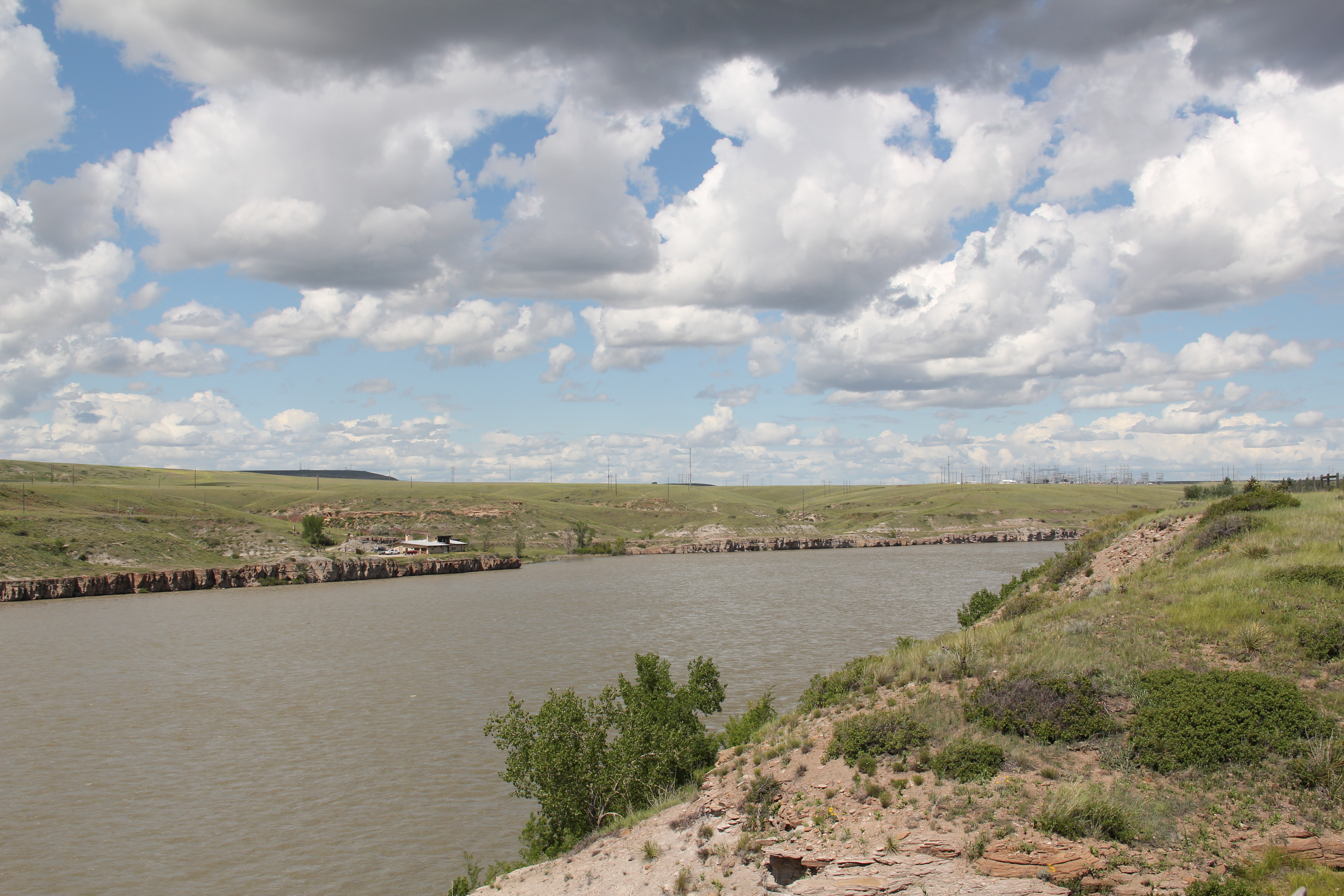 The Missouri River runs through Cascade County and is at the heart of any future Great Falls Heritage Area. This section of the river, and the portage around its falls that fueled its later nationally significant industrial development, is of course central to the story of the Lewis and Clark Expedition of 1803-1806. The Lewis and Clark story was recognized when I surveyed Cascade County 30 years ago–the Giant Springs State Park was the primary public interpretation available then. But today the Lewis and Clark story has taken a larger part of the public history narrative in Cascade County. In 2003 the nation, state, and city kicked off the bicentennial of the expedition and that key anniversary date spurred the
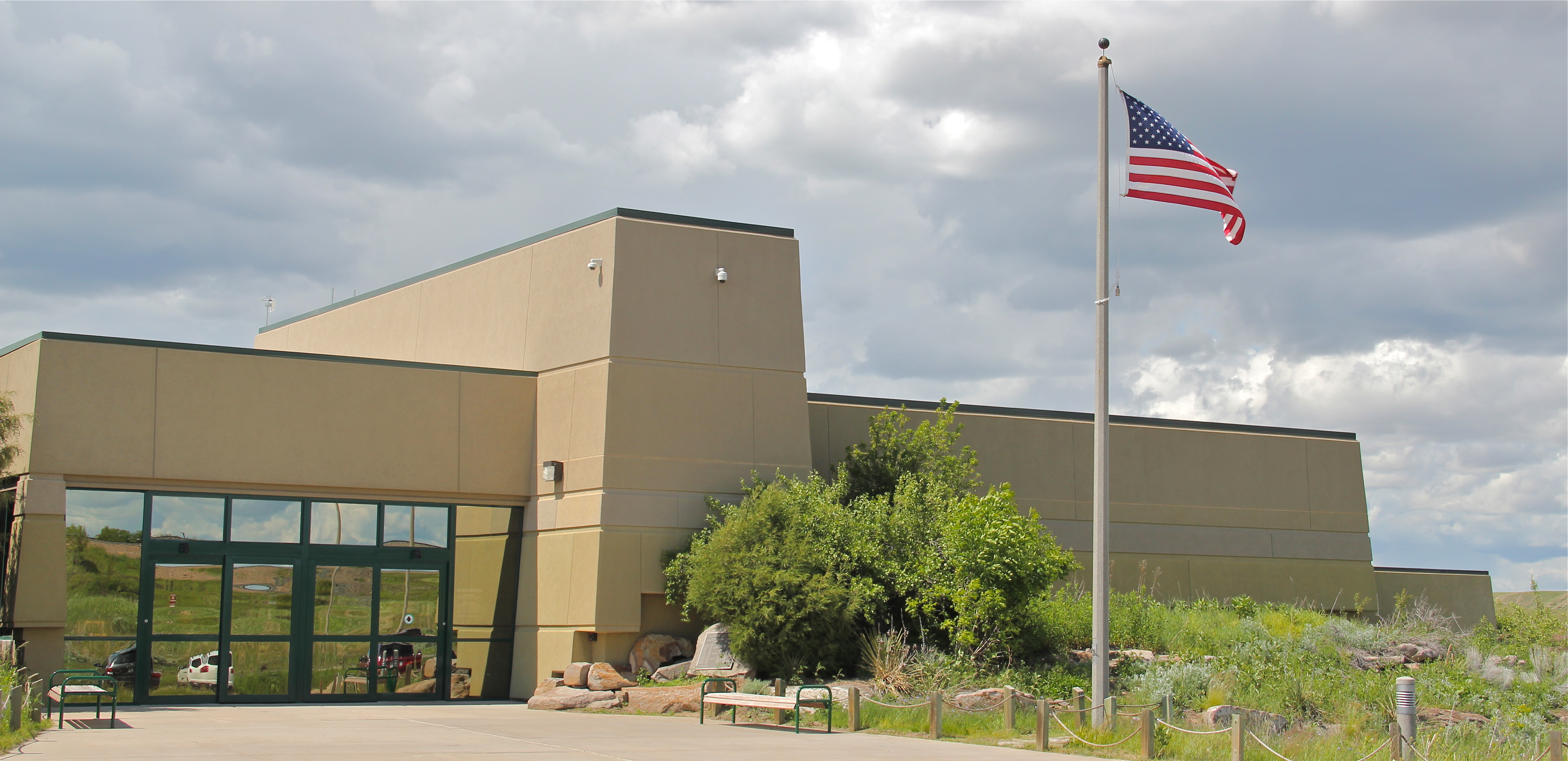 Despite federal budget challenges, the new interpretive center was exactly what the state needed to move forward the story of the Lewis and Clark expedition, and its many levels of impact of the peoples and landscape of the region. The center emphasized the harrowing, challenging story of the portage around the natural falls of what became Great Falls but its
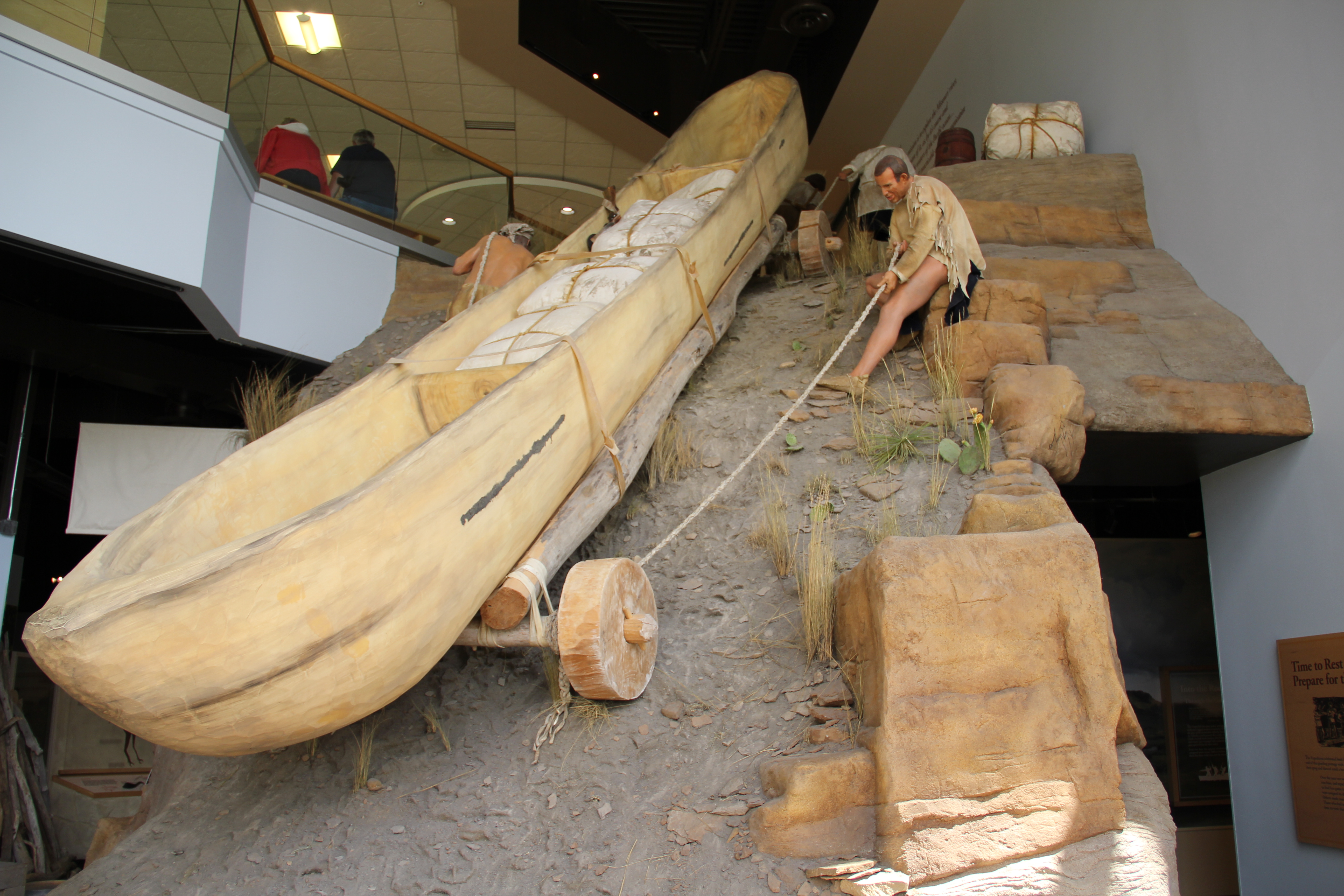 exhibits and programs have significantly broadened our historical understanding of the expedition, especially its relationship with and impact on various Native American tribes from Missouri to Washington.
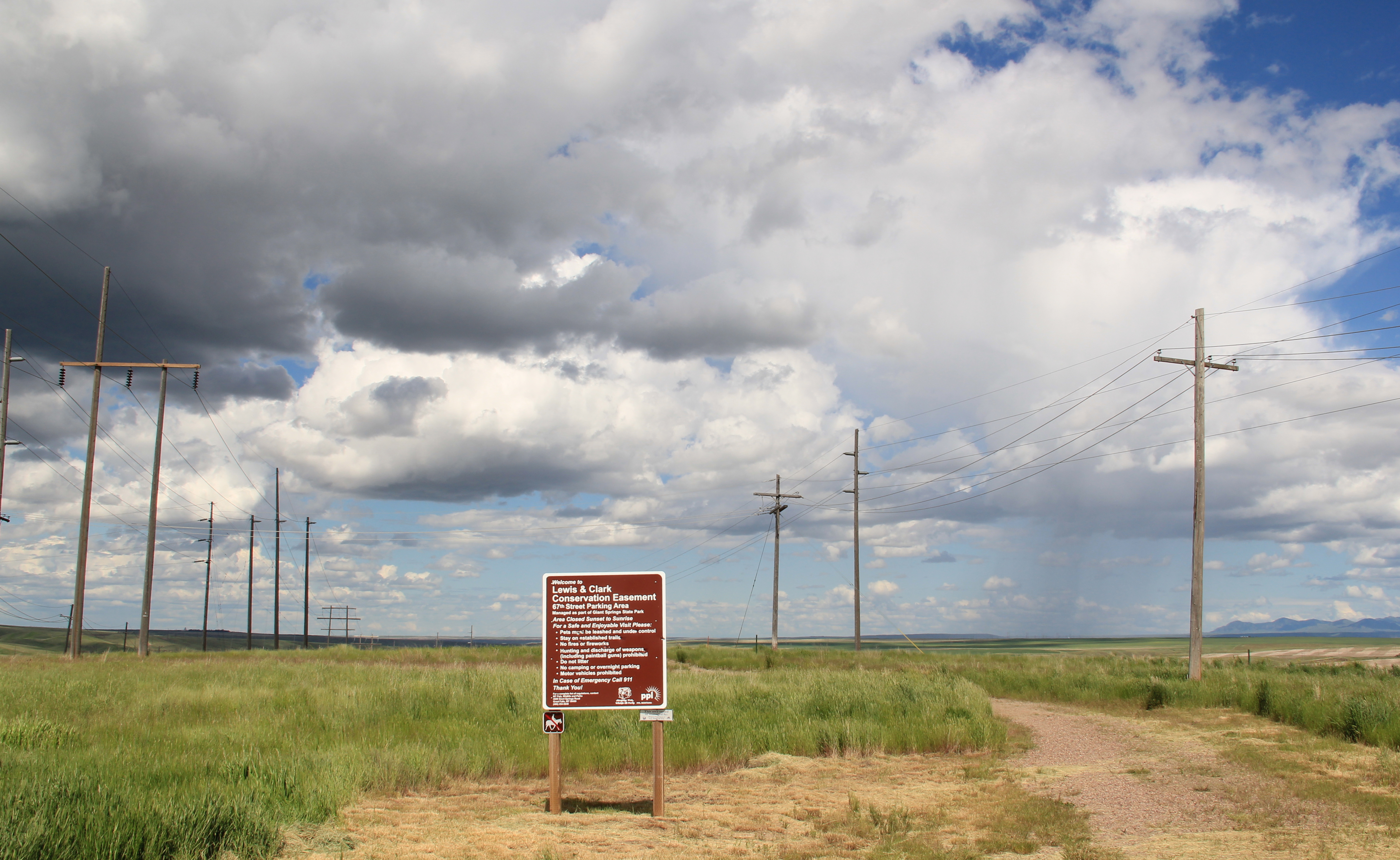 The contribution of the interpretive center to a greater local and in-state appreciation of the portage route cannot be underplayed. In the preservation survey of 1984, no one emphasized it nor pushed it as an important resource. When threats of development came about in last decade, though, determined voices from preservationists and residents helped to keep the portage route, a National Historic Landmark itself, from insensitive impacts.

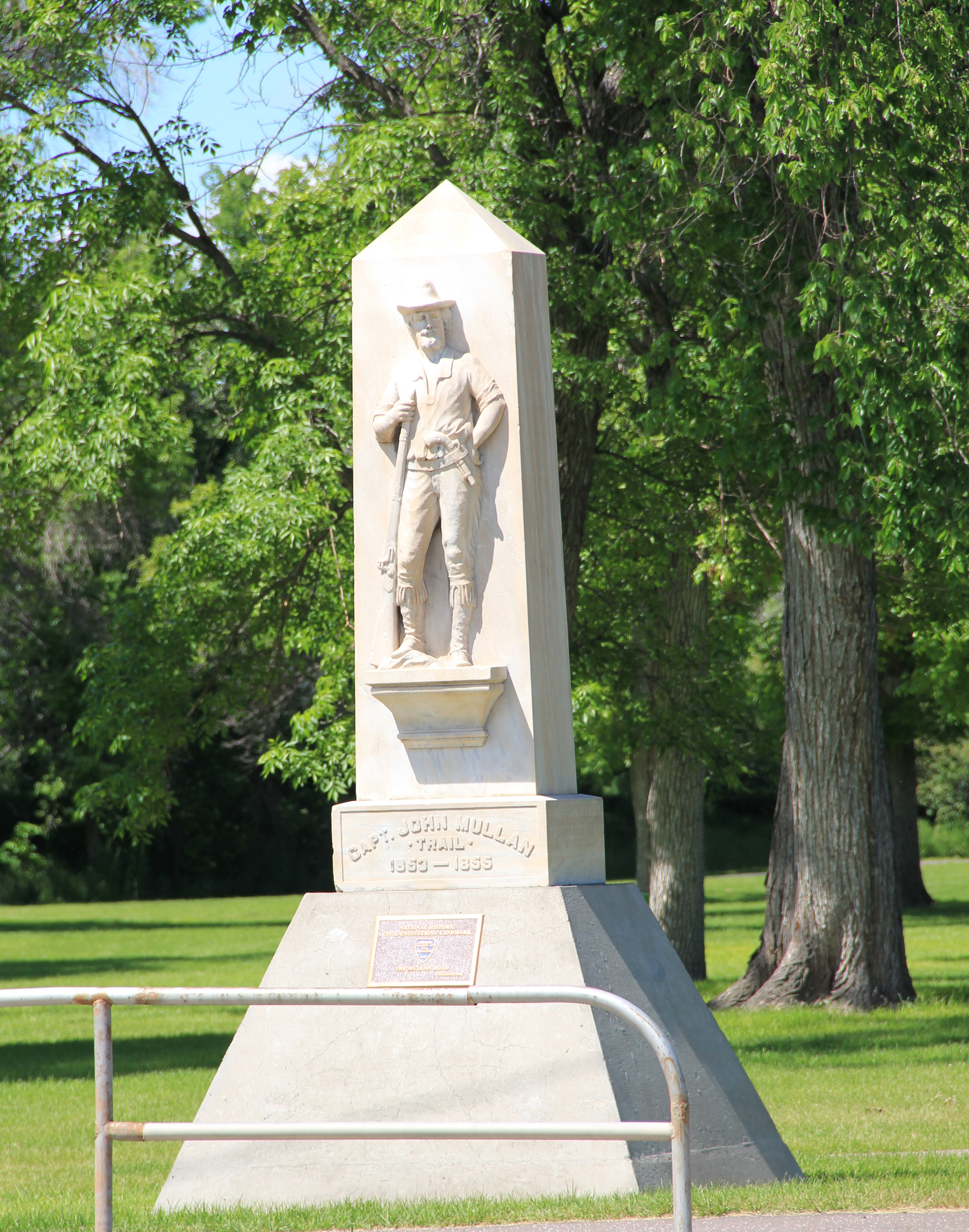 late 1850s. Hundreds pass by the monument near the civic center in the heart of Great Falls but this story is another national one that needs more attention, and soon than later.
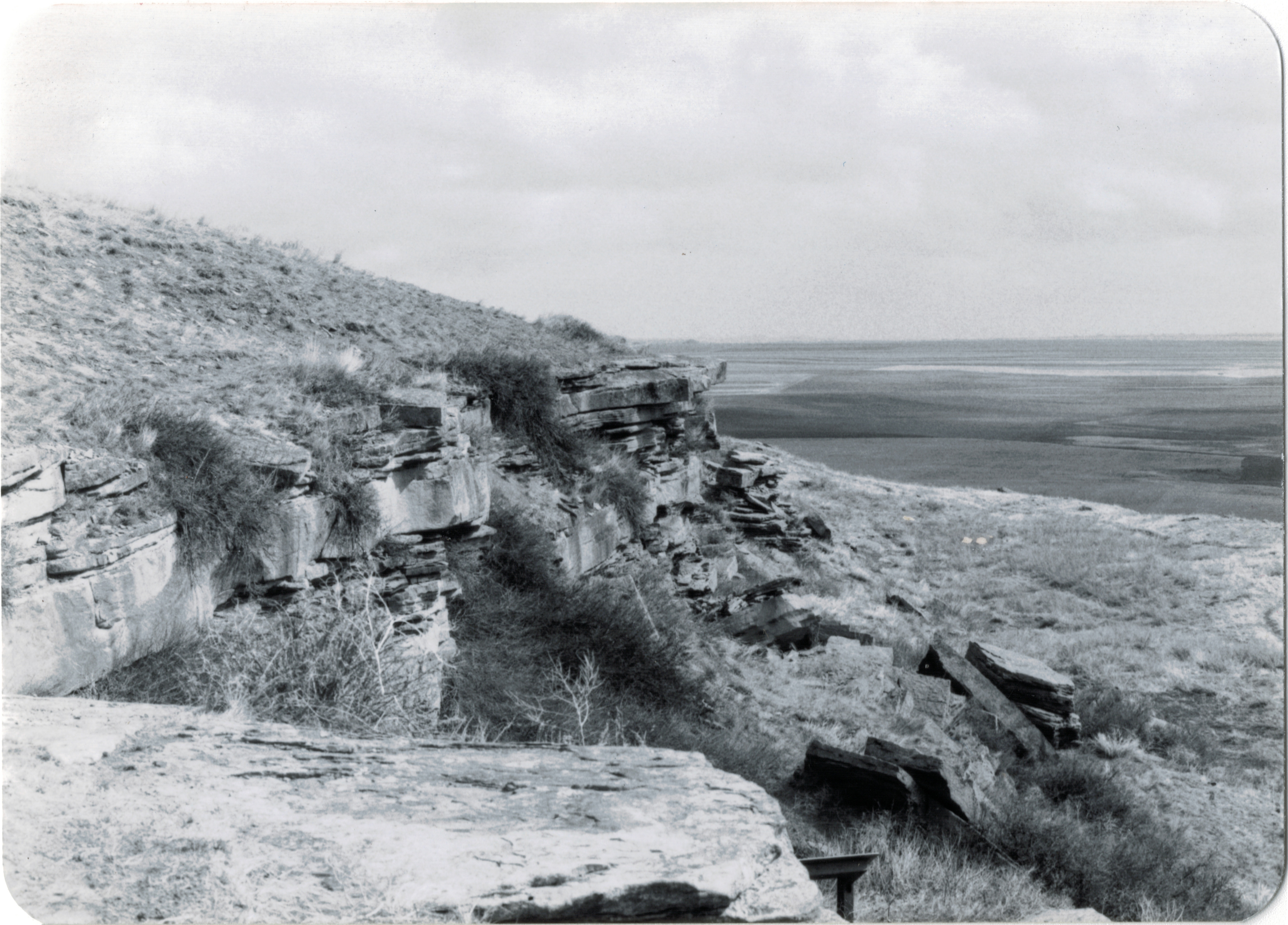 Successful heritage areas have chronological depth to their history, and places that are of national, if not international, significance. To begin that part of the story, let’s shift to the other side of Cascade County from Belt and explore the landscape and significance of the First Nations Buffalo Jump State Park. When I visited the site in 1984 there was not much to it but the landscape: no interpretive center existed and there were only a few markers. To give the state its due, it then only owned a portion of the site, with the first land acquisition dating to the New Deal. Listed in the National Register in 1974, the site only had opened as a state park a few years earlier, and no one seemed to know much about it or even how to get to it. But as this photograph from “A Traveler’s Companion to Montana History” shows, wow, what a view: it was totally impressive, and had a big story obviously to convey.
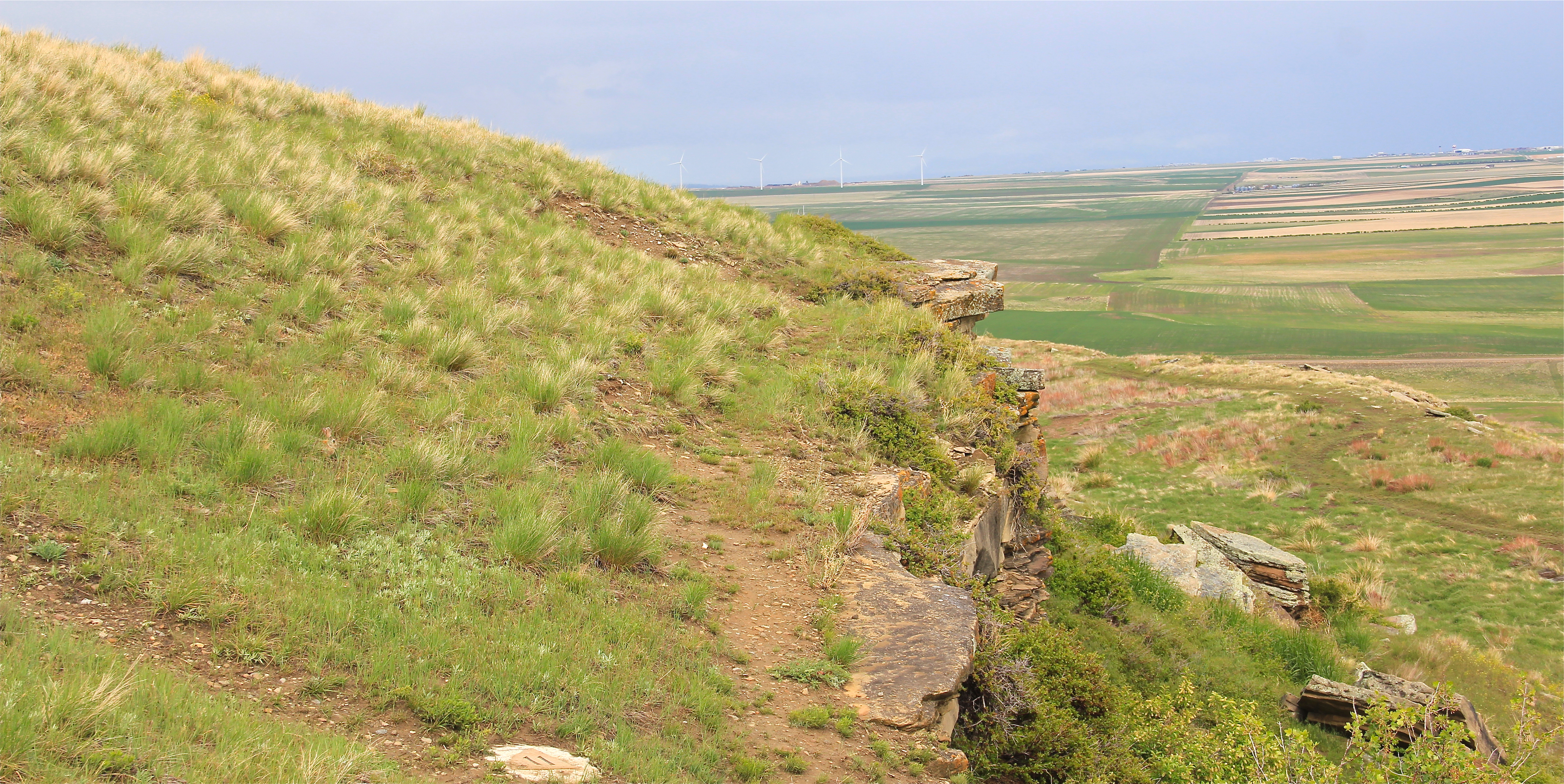 Buffalo jumps were ways that the first nations in Montana could effectively kill large number of bisons–by planning, gathering and then stampeding a herd over a steep cliff. Native Americans used this site for hundreds, if not thousands of years. The cliff is hundreds of yards long and kill sites are throughout the property.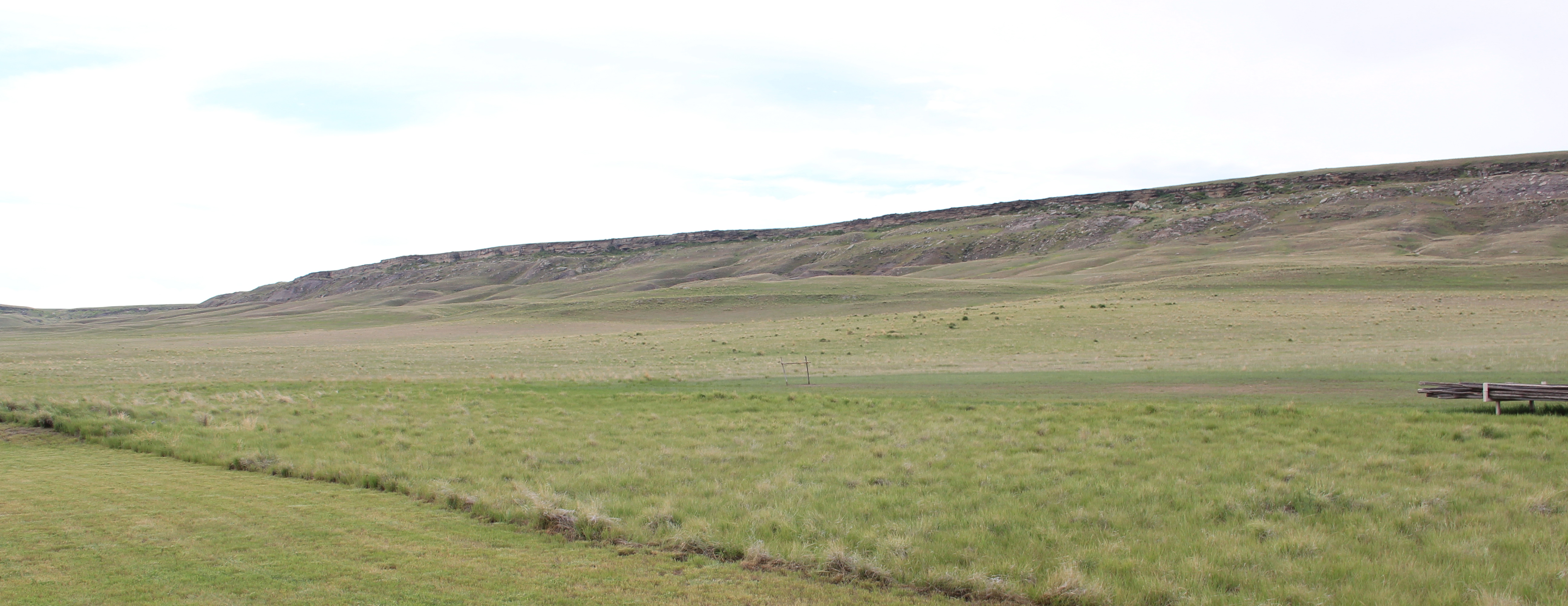
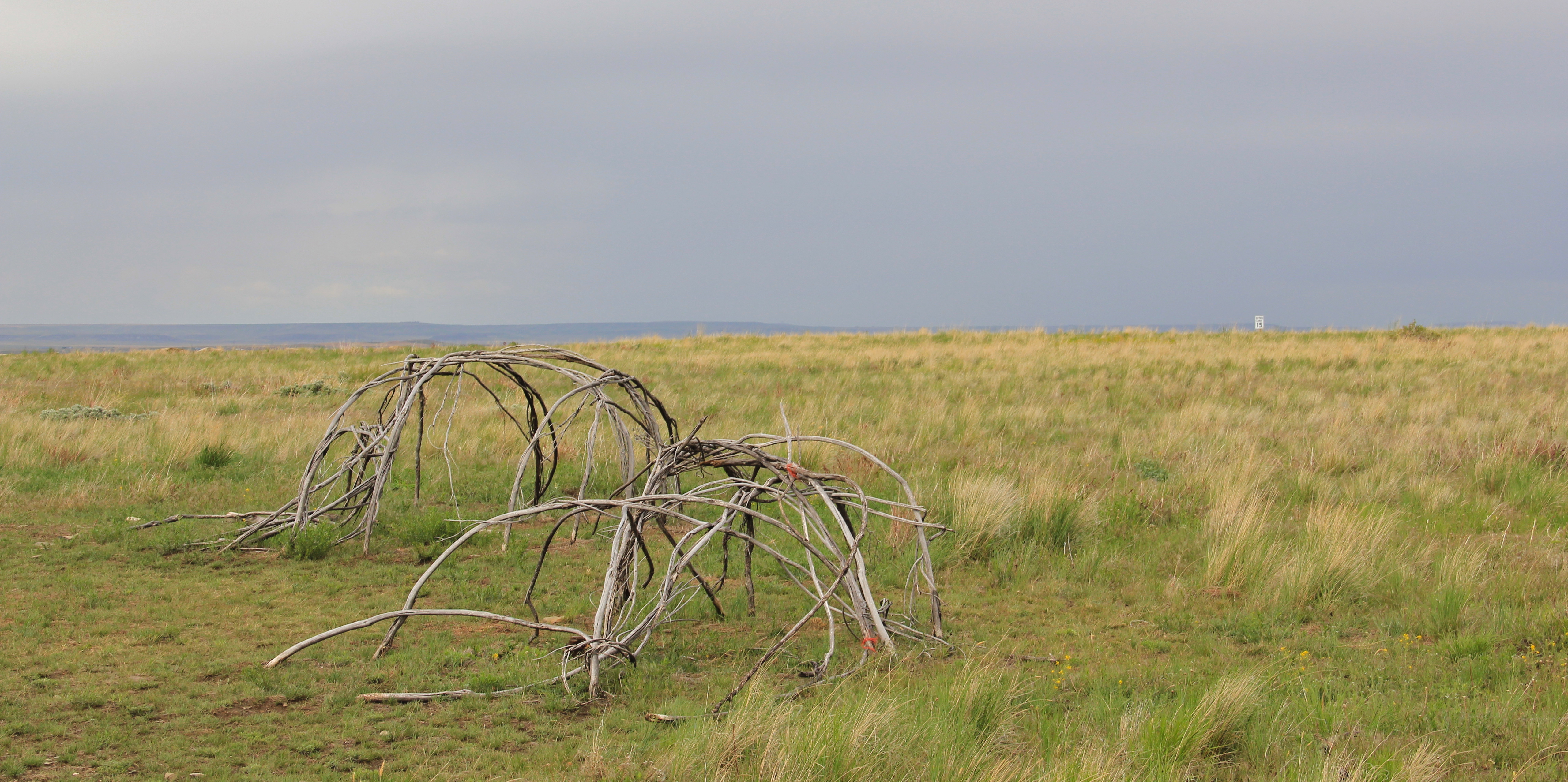
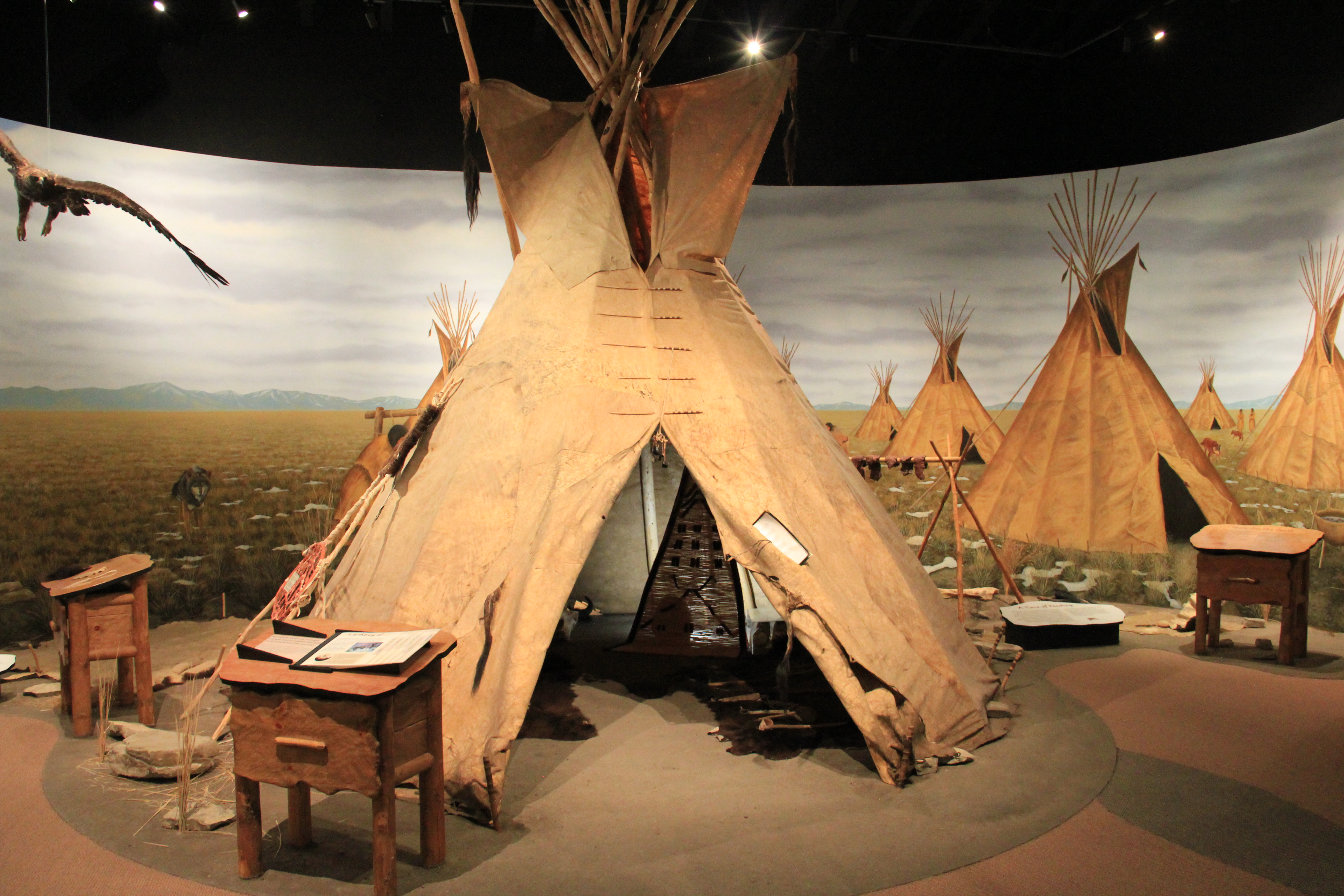
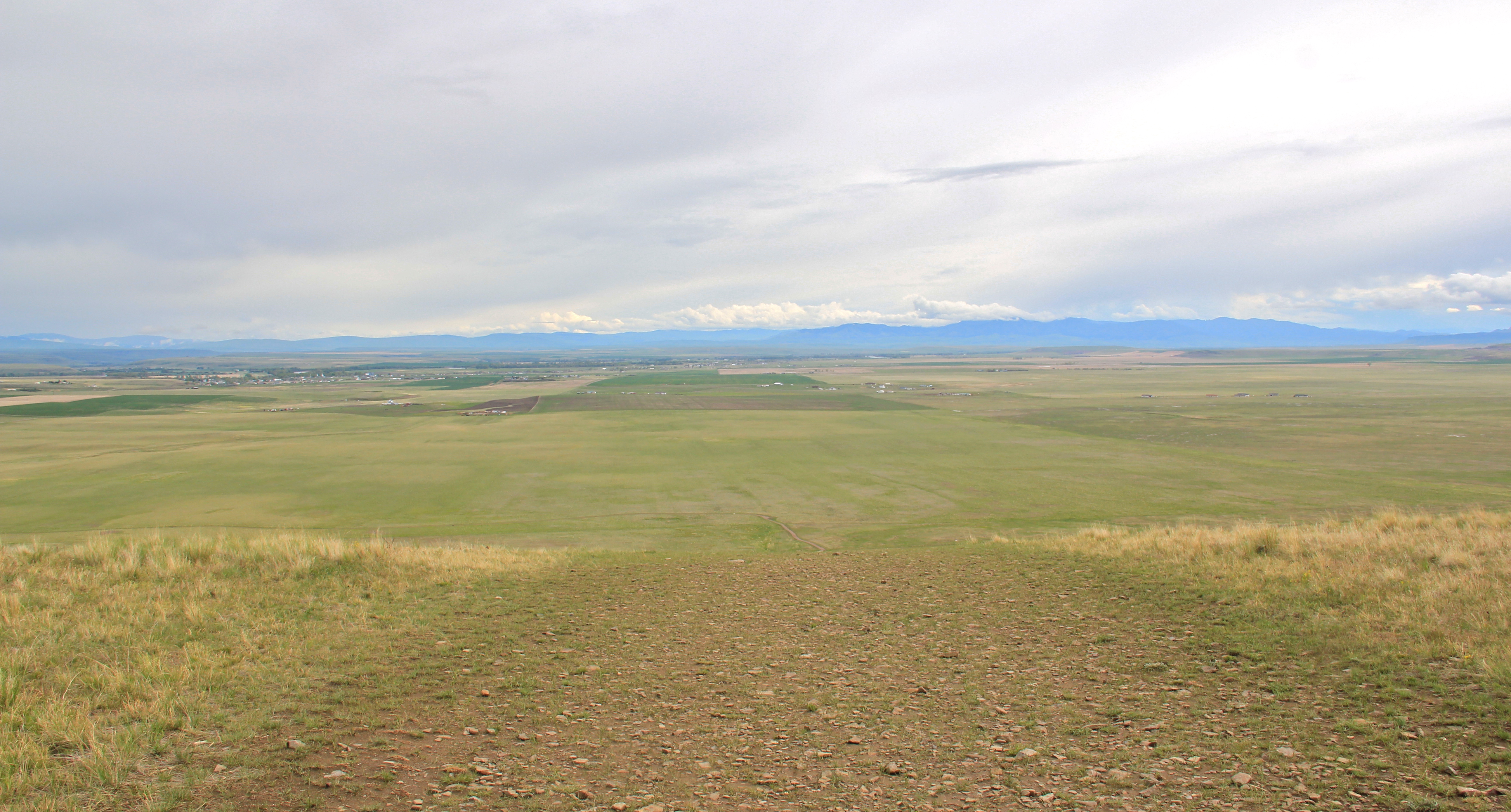 State park officials, working with local residents and ranchers, have significantly enhanced the public interpretation at the park since the late 1990s. Hundreds of additional acres have been acquired, better access roads have been installed. and new interpretive features, such as these reproduction sweat lodges on the top of the cliff, have been added to the landscape to physically enhance the Native American feel to the park.
 The interpretive center is a model of 21st century Native American-focus history. It provides facilities and exhibits for visitors, and encourages a longer stay and exploration of the site.
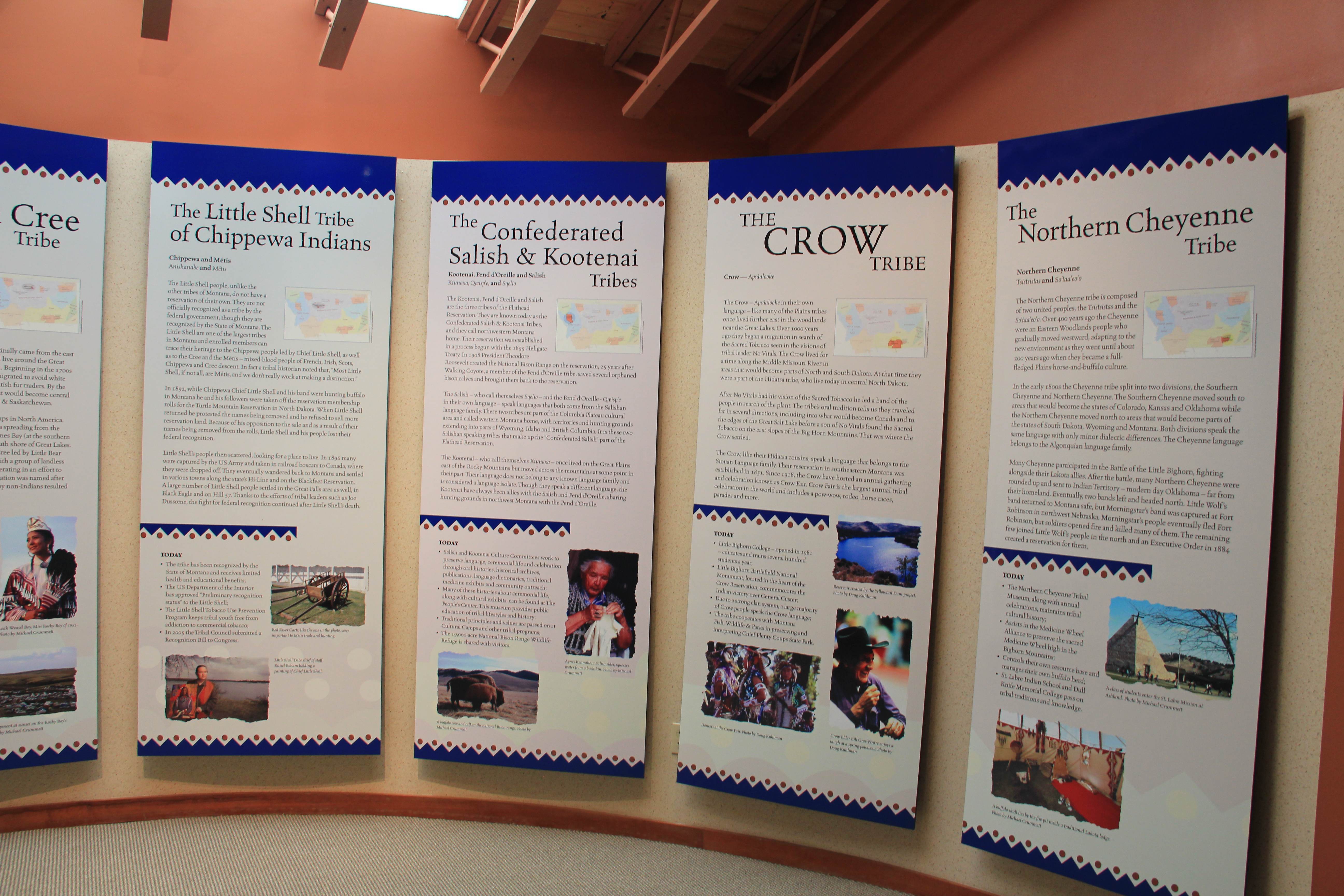
 Park managers understood that this site had special significance to all Native Americans thus they included capsule history displays about all Montana tribes of today along with displays that emphasize the Native American dominance of the landscape when the jump was in use.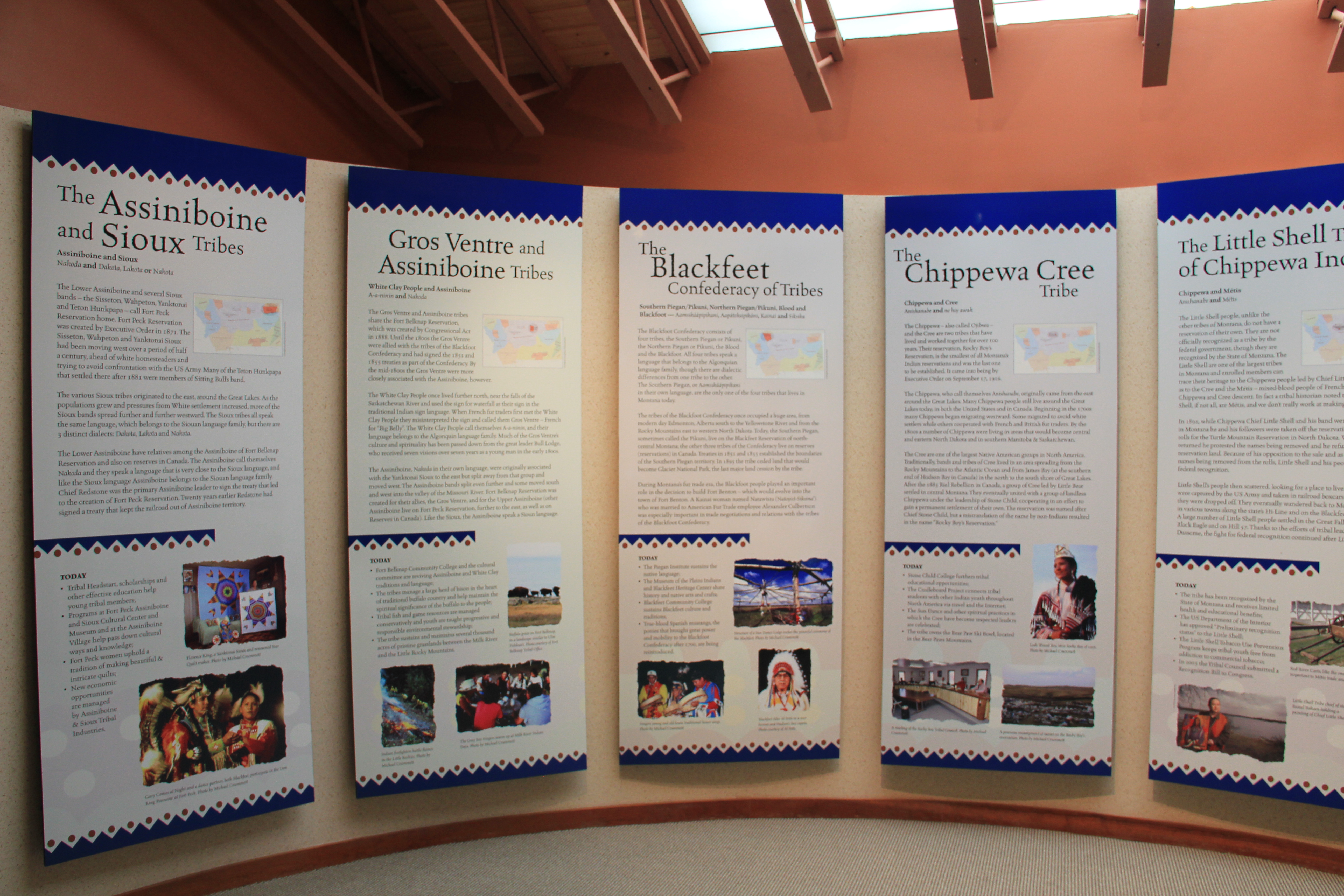
 As the park was being expanded and improved into an effective heritage asset, both in its public interpretation and visitor facilities, research on the property continued. The buffalo jump is now considered the largest in the United States, and quite likely the world. In the summer of 2015, the site was designated as a National Historic Landmark as one of the nationally significant archaeological and Native American properties in America. The bone deposits remain deep and rich in artifacts, still awaiting further exploration despite being mined for a brief time during World War II for phosphorus production. Indeed the entire site is one of reflection and respect for the cultural contributions made by the First Nations long before the arrival of Lewis and Clark just over 200 years ago.
 Here is a property that today tells us how the earliest Montanans used their wits and understanding of nature and landscape to enrich their diet and to make their world, one far from that of our own, and one still difficult for those of us in the 21st century to grasp.
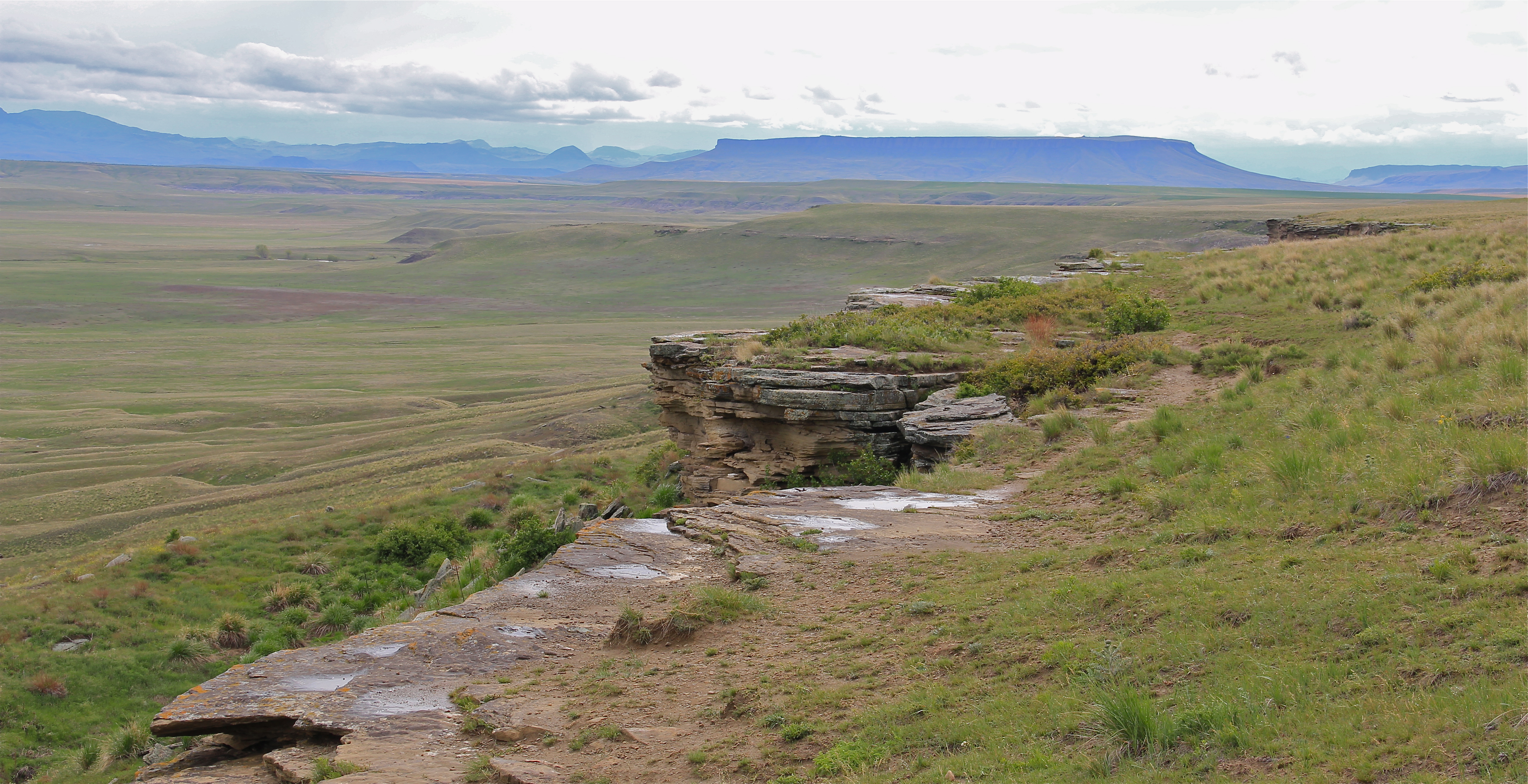 This buffalo jump remains a place of mystery and meaning, and when you look to the south and see the shadow of Crown Butte you glimpse into that world of the deep past in Montana,. If you look in an opposite direction you find the patterns of settlement that surround this sacred place. And that is where we go next to St. Peter’s Mission and the Sun River Valley.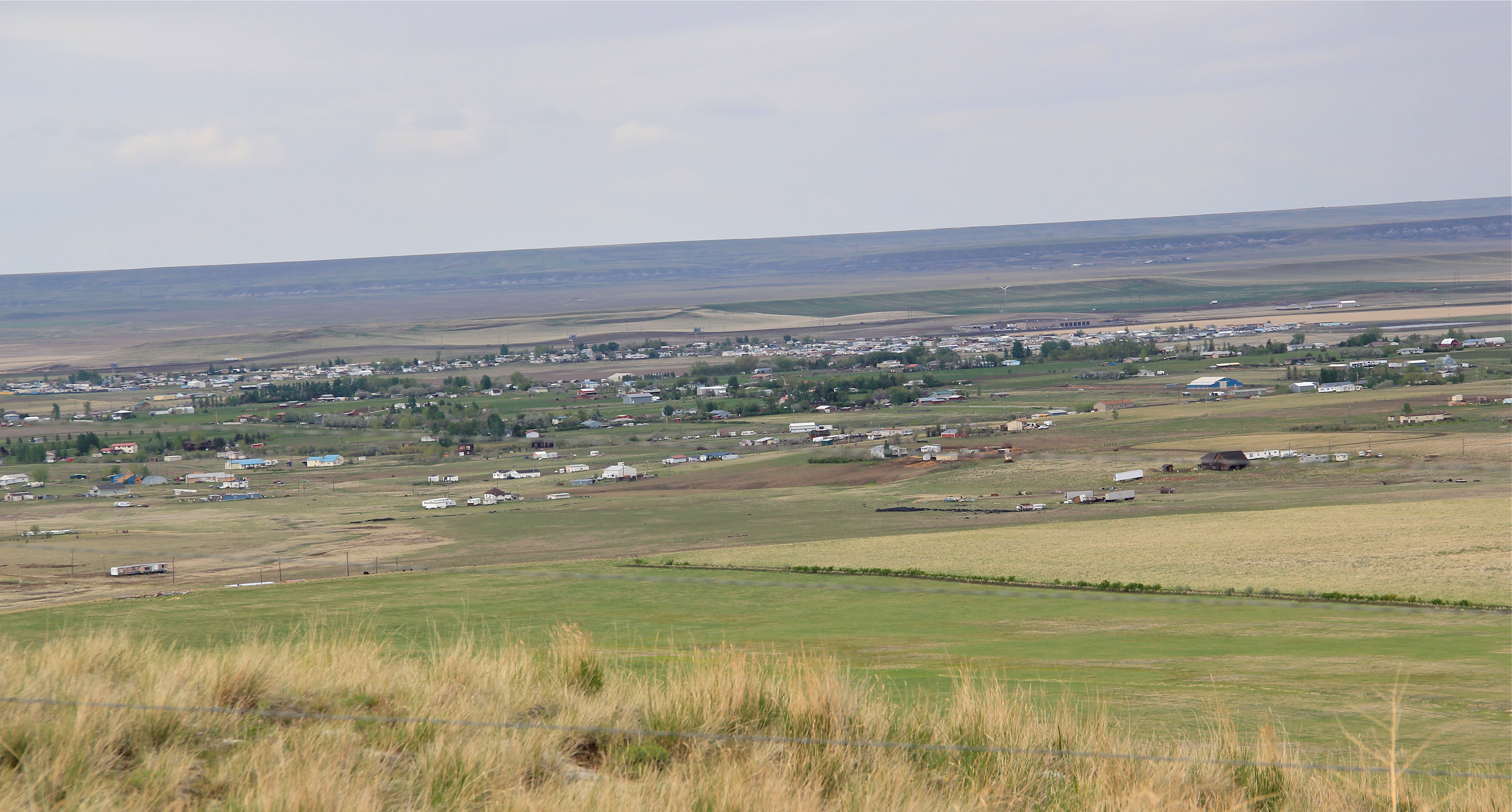
 Montana's Historic Landscapes