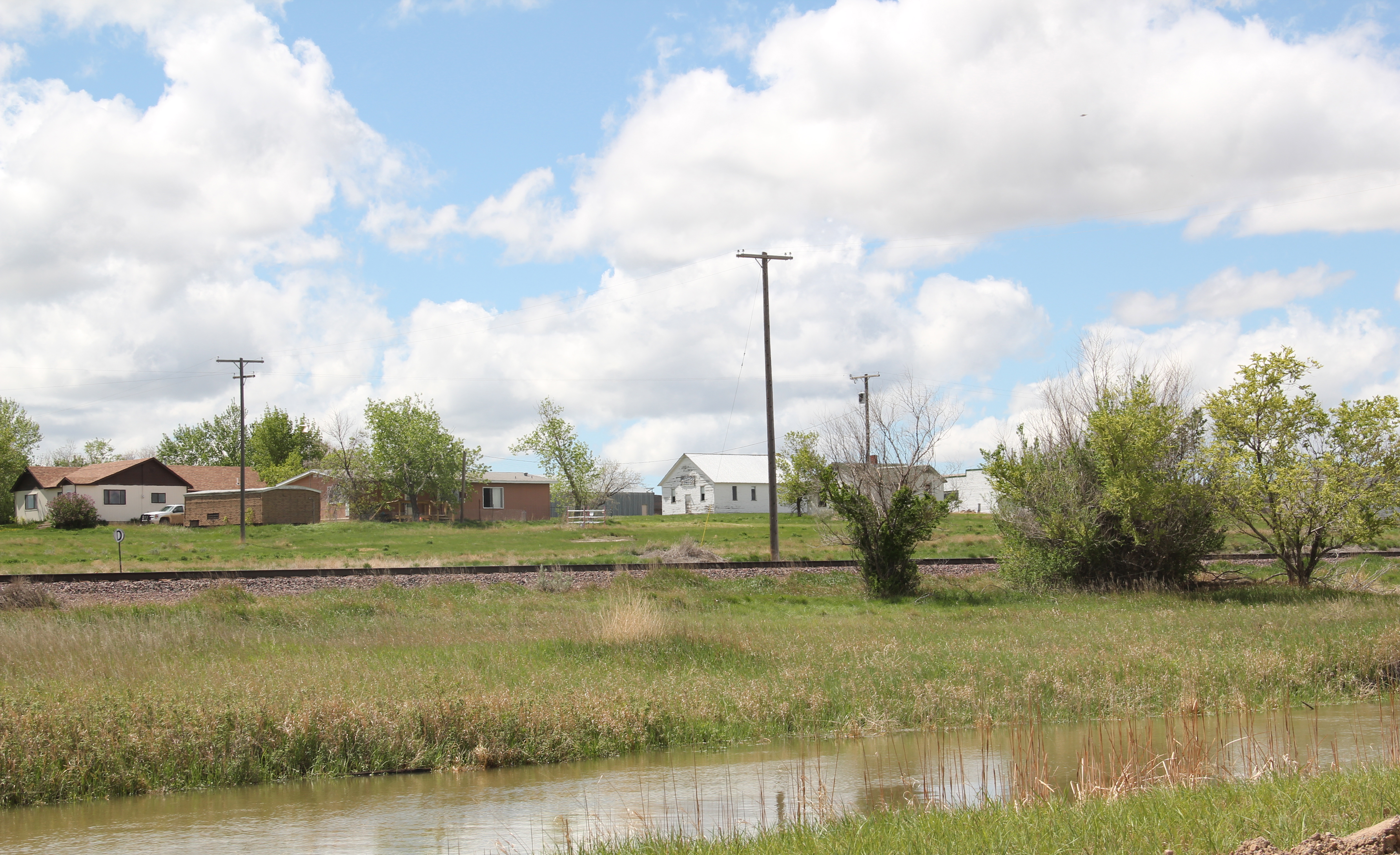
Wolf Point on the Hi-Line

Great Northern corridor along U.S. in Roosevelt County

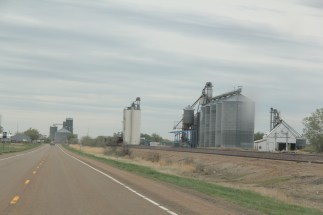
Great Northern Railway corridor along U.S. 2 in Roosevelt County

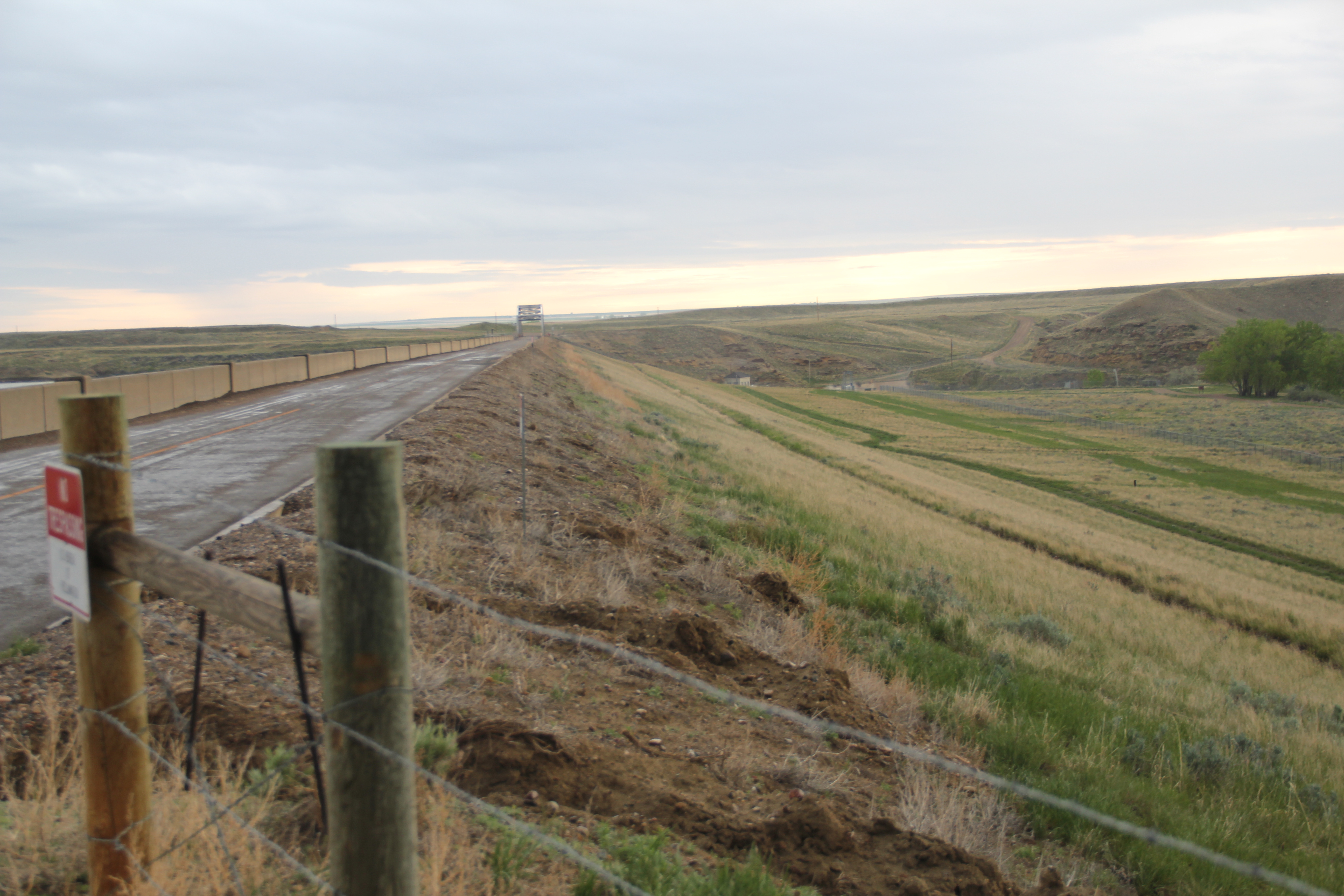
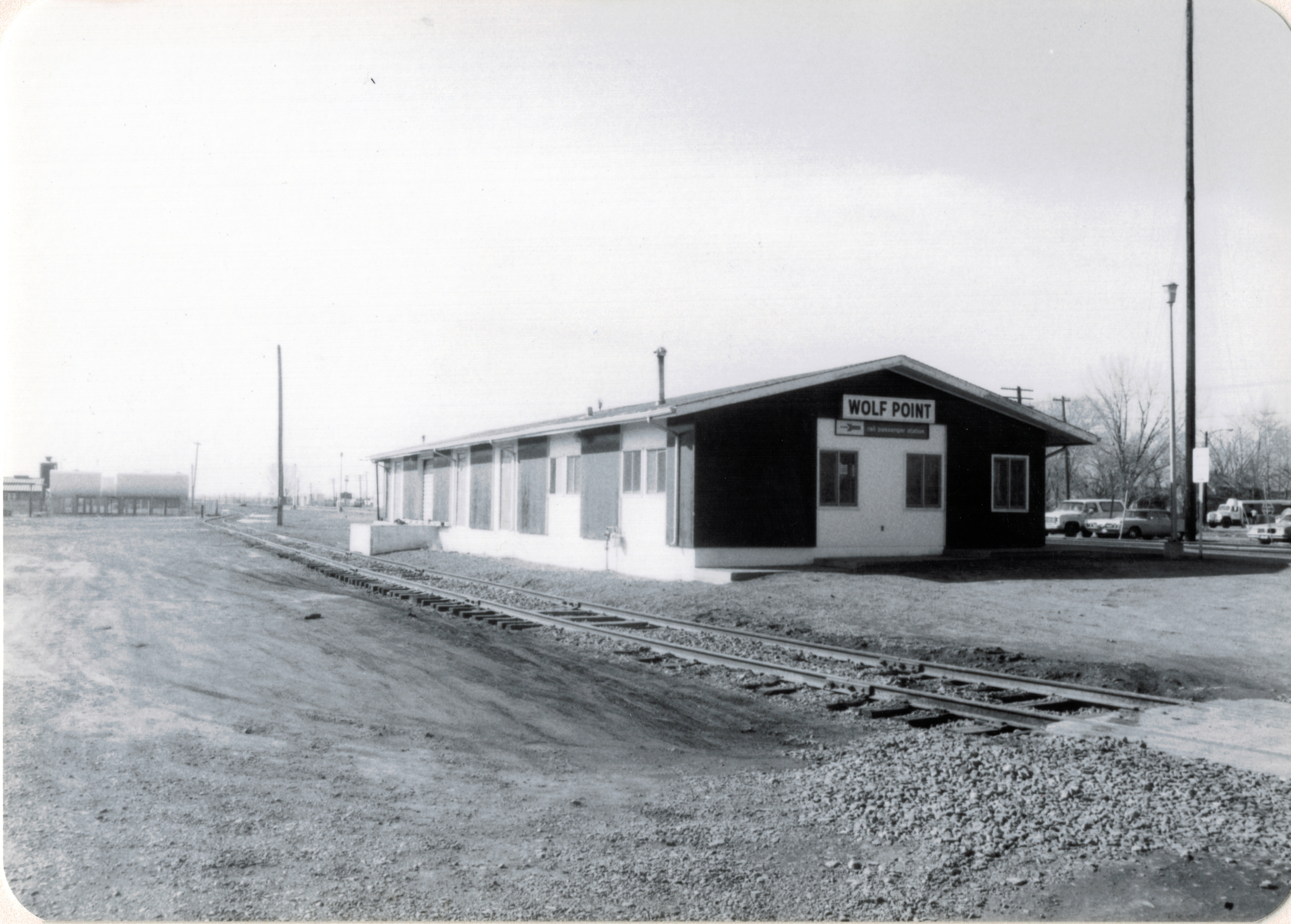
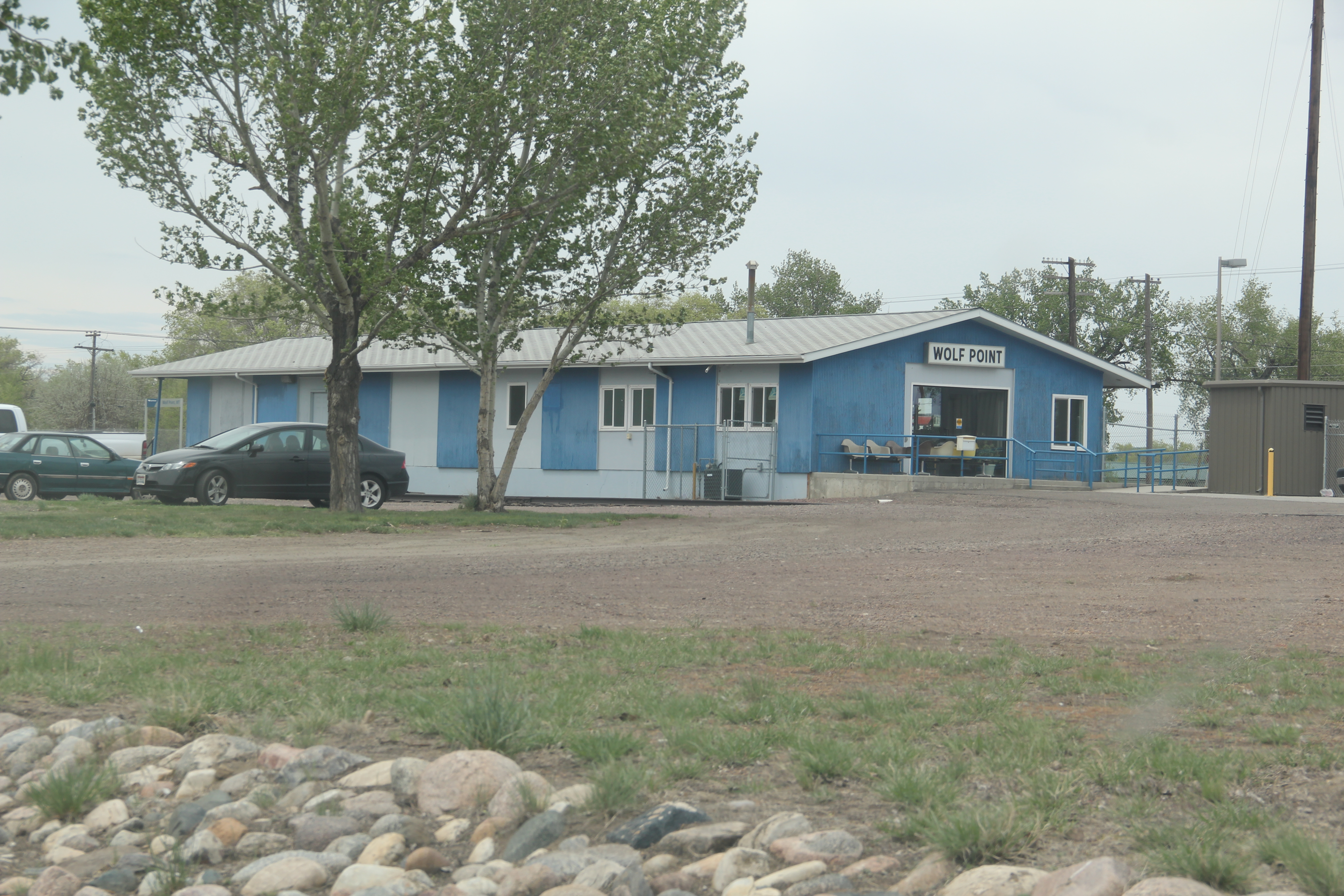
When I encountered the northern prairie of Roosevelt County in 1984, it was difficult to tear your eyes from the omnipresent tracks of the Great Northern Railway.  The trains roared past regularly, and the tracks defined space and town location throughout this stretch of U.S. Highway 2.  So when I arrived in Wolf Point, the seat of Roosevelt County, I immediately looked for the depot, and came away disappointed.  Here, for northeast Montana, was a large town: certainly I would
Wolf Point depot, Roosevelt  County

Wolf Point depot, Roosevelt County

find more than the standard-issue Great Northern design.  It was different but nothing as I expected.  No grand architectural statement–rather a modernist building with little ornament or aesthetics to it, except here was what the railroad had become in the second half of the 20th century–a functional transportation system not the town builder and landmark of the turn of the century.
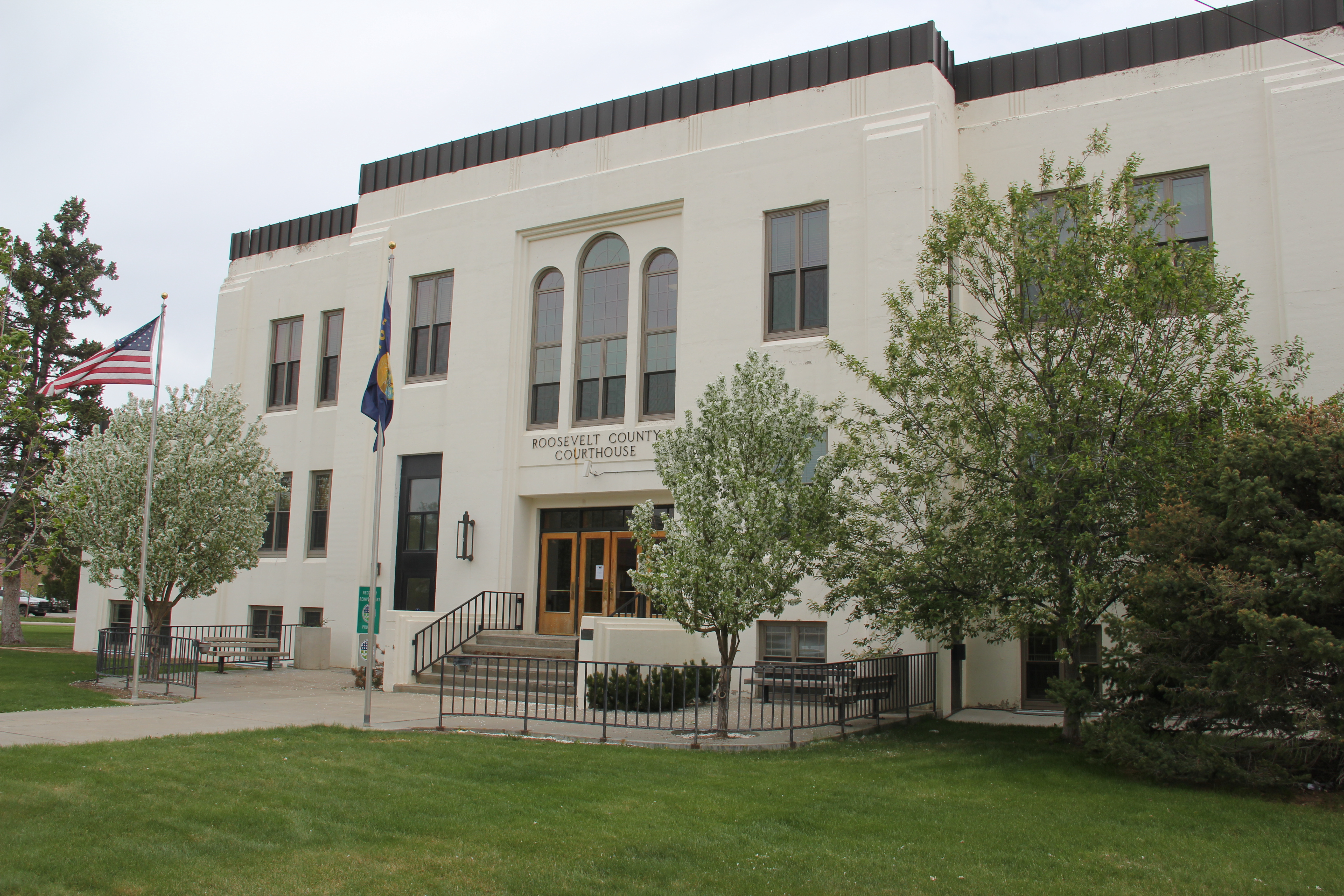
IMG_7737 But as I explored the town in 1984, and visited it again in 2013, I found several places worth considering in this small county seat of 2621 in 2010.  First was the impact of the New Deal.  Roosevelt County–named for TR not FDR–received one of the most striking modernist courthouses in the state, courtesy of the Work Projects Administration.
IMG_7743


Encountering such a gleaming landmark of the federal imprint on the region startled me, but also started me looking much more carefully at the impact of federal projects on the region, a research interest that culminated in an essay titled “The New Deal Landscape of the Northern Plains” for the Great Plains Quarterly.

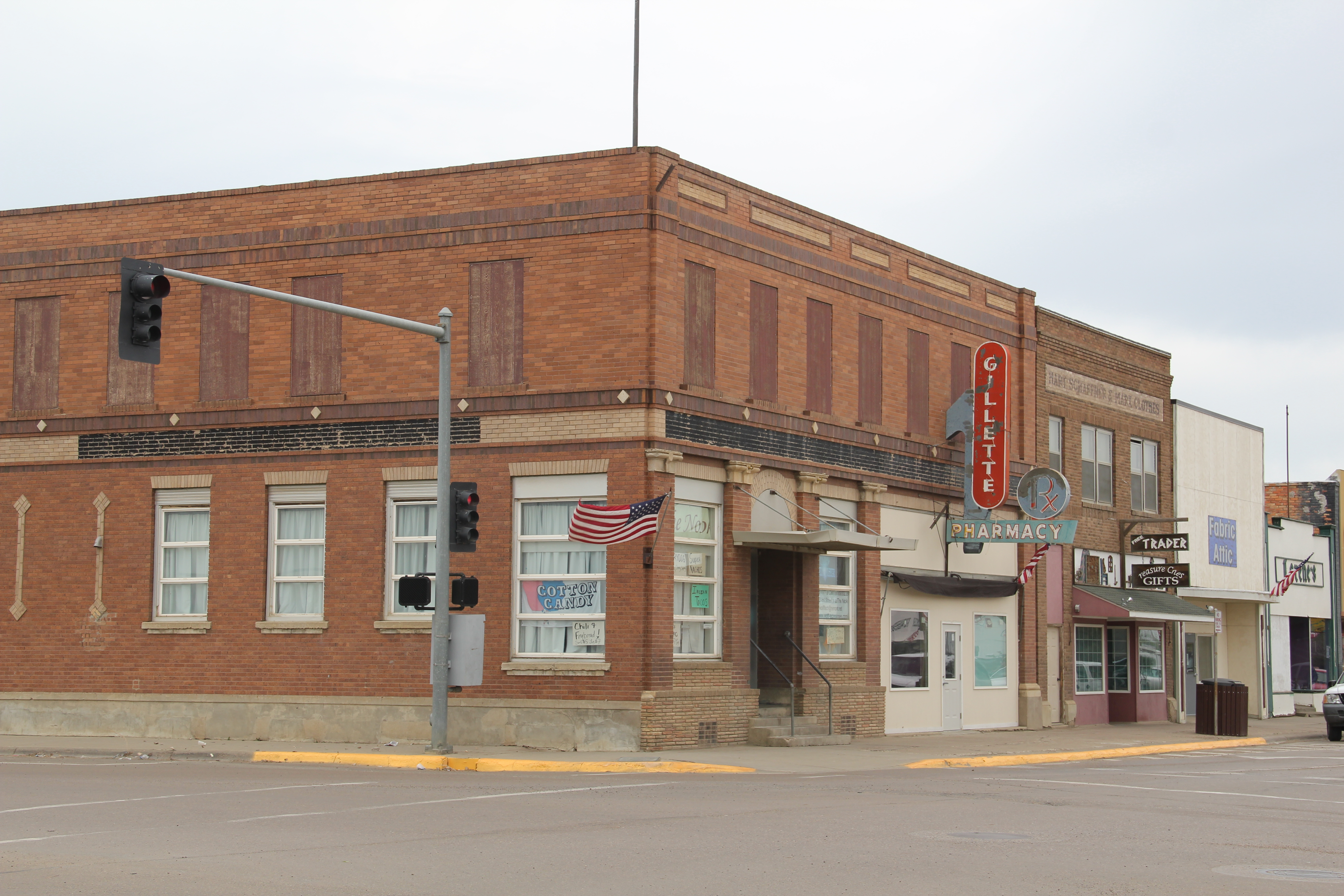
Wolf Point, like almost every Hi-Line town, had suffered from population decline.  The town’s heyday came in 1960 with a population of 3585, which had dropped by 500 by 1980, and another 400 since then.  Yet Main Street was alive, not dead, but dilapidated with later day “improvements” marring historic commercial facades.
IMG_7764

IMG_7752

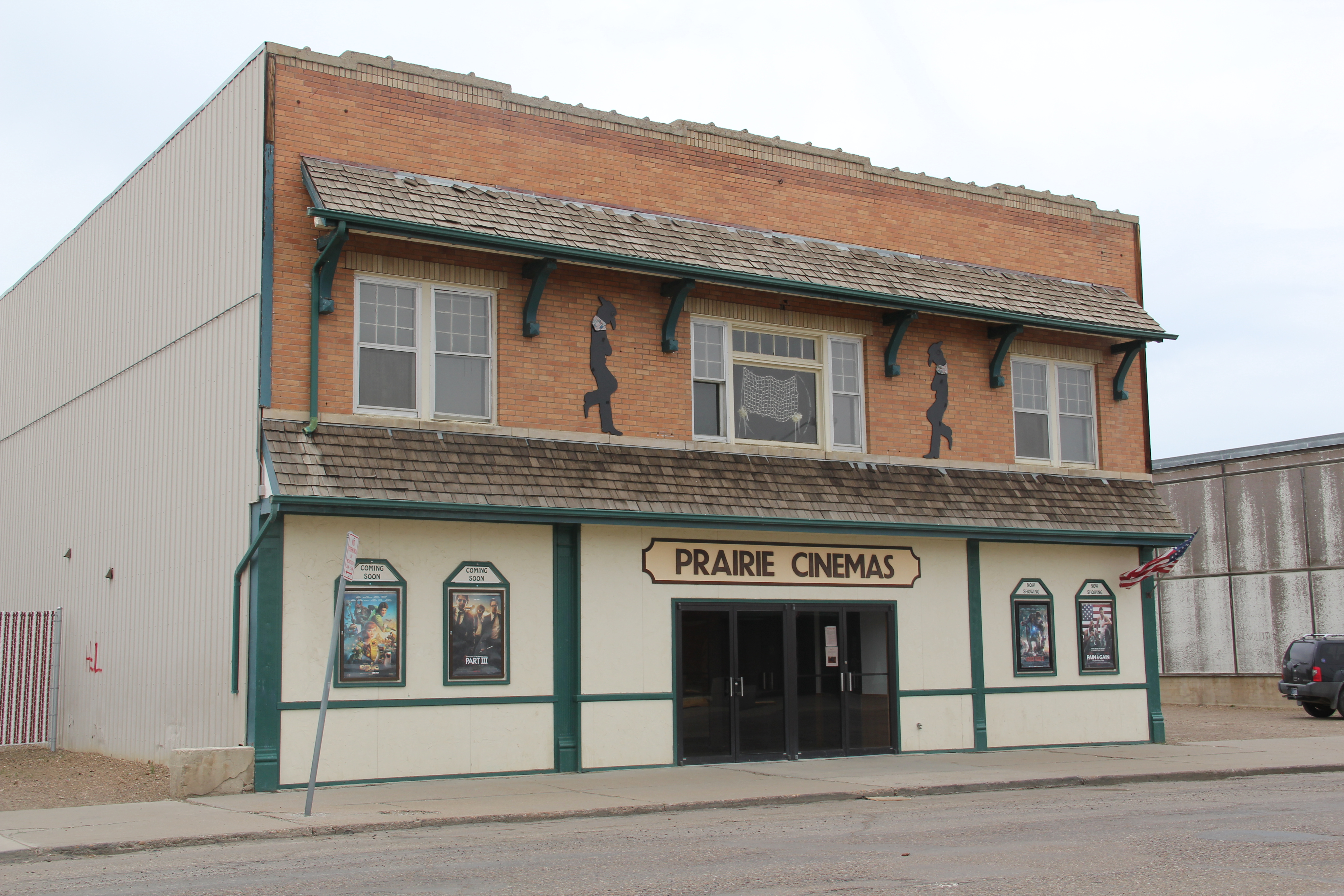
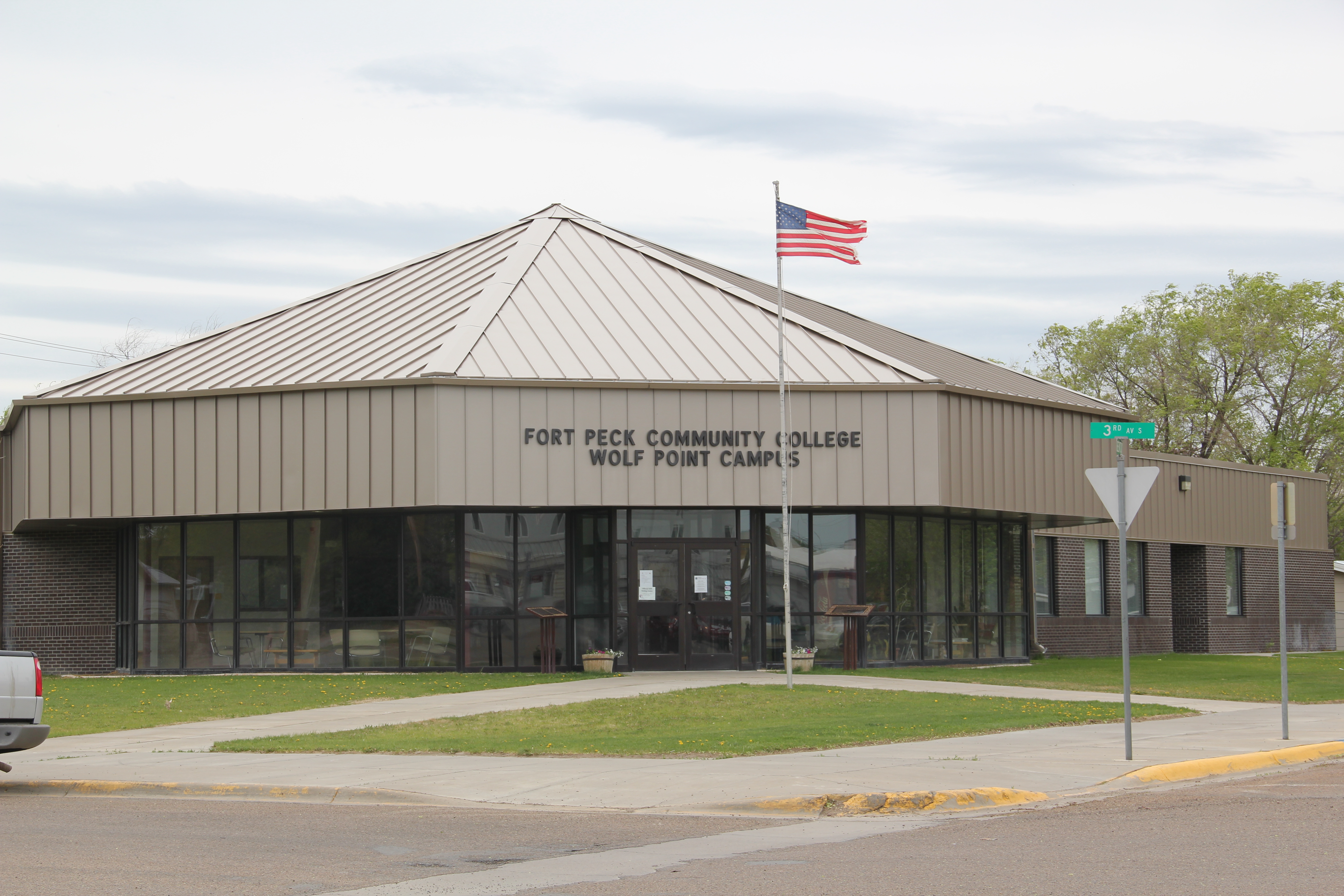
Yet the town retained its historic movie theater, and had recently expanded a local history museum that has a remarkable array of objects.  Wolf Point in the 2010 census was about 1/2 Native American in population; the most impressive building added to the town since 1984 was the Fort Peck Community College.
IMG_7761

IMG_7751

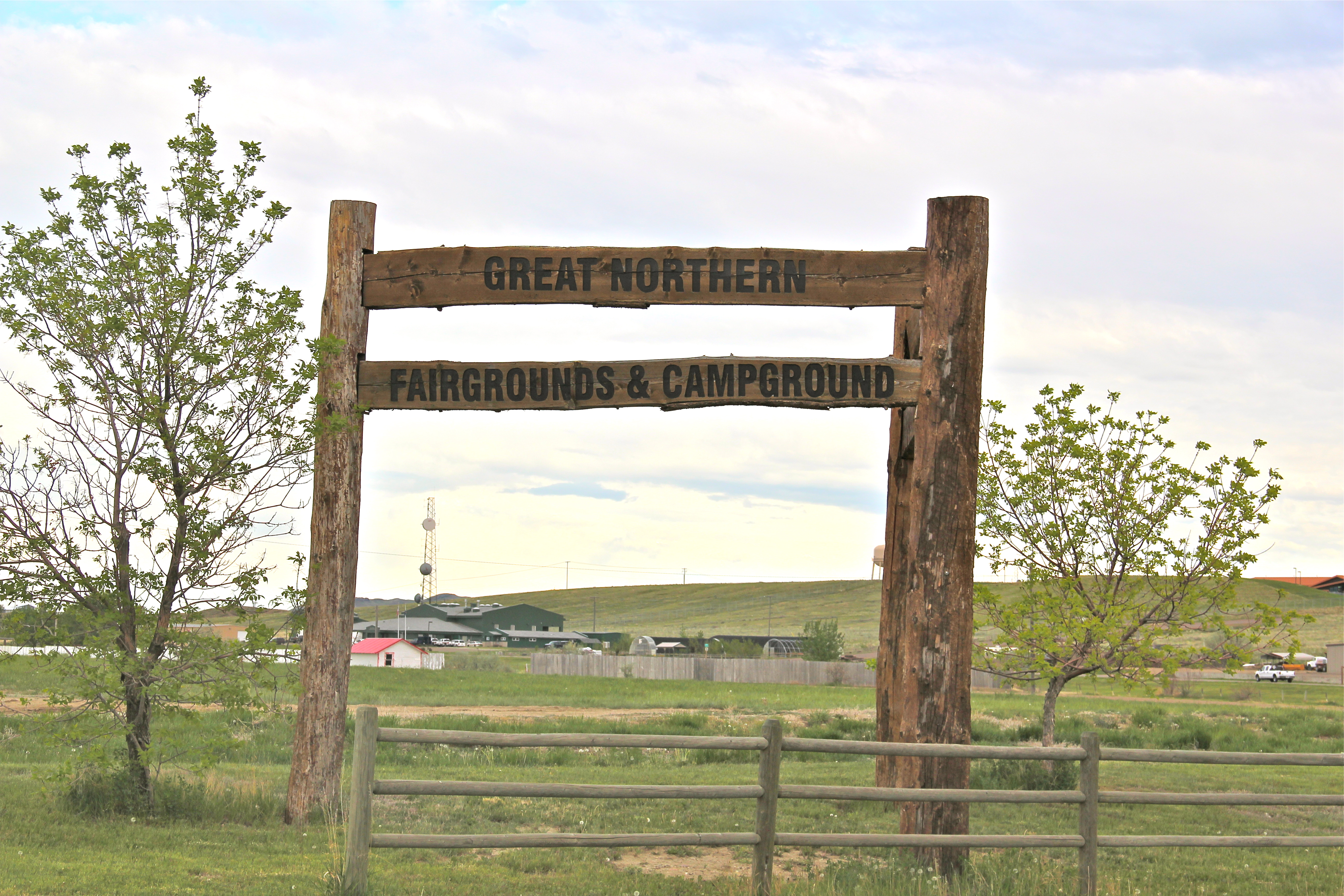
Wolf Point also had hoped to become the final landing spot for the Montana Cowboy Hall of Fame.  It was a worthy contender not just for its open plains, but the Wolf Point Rodeo is among the state’s oldest, and the historic fairgrounds continue to host the “Wild Horse Stampede” every summer.

IMG_7755

Smack in the middle of U.S. 2 is another monument to the Montana Cowboy, and a symbol of the hopes that the Hall of Fame would land in Wolf Point.  This bronze statue titled Homage was executed by Floyd DeWitt and given to the town by the Fort Peck Assiniboine and Sioux tribes.

IMG_7753

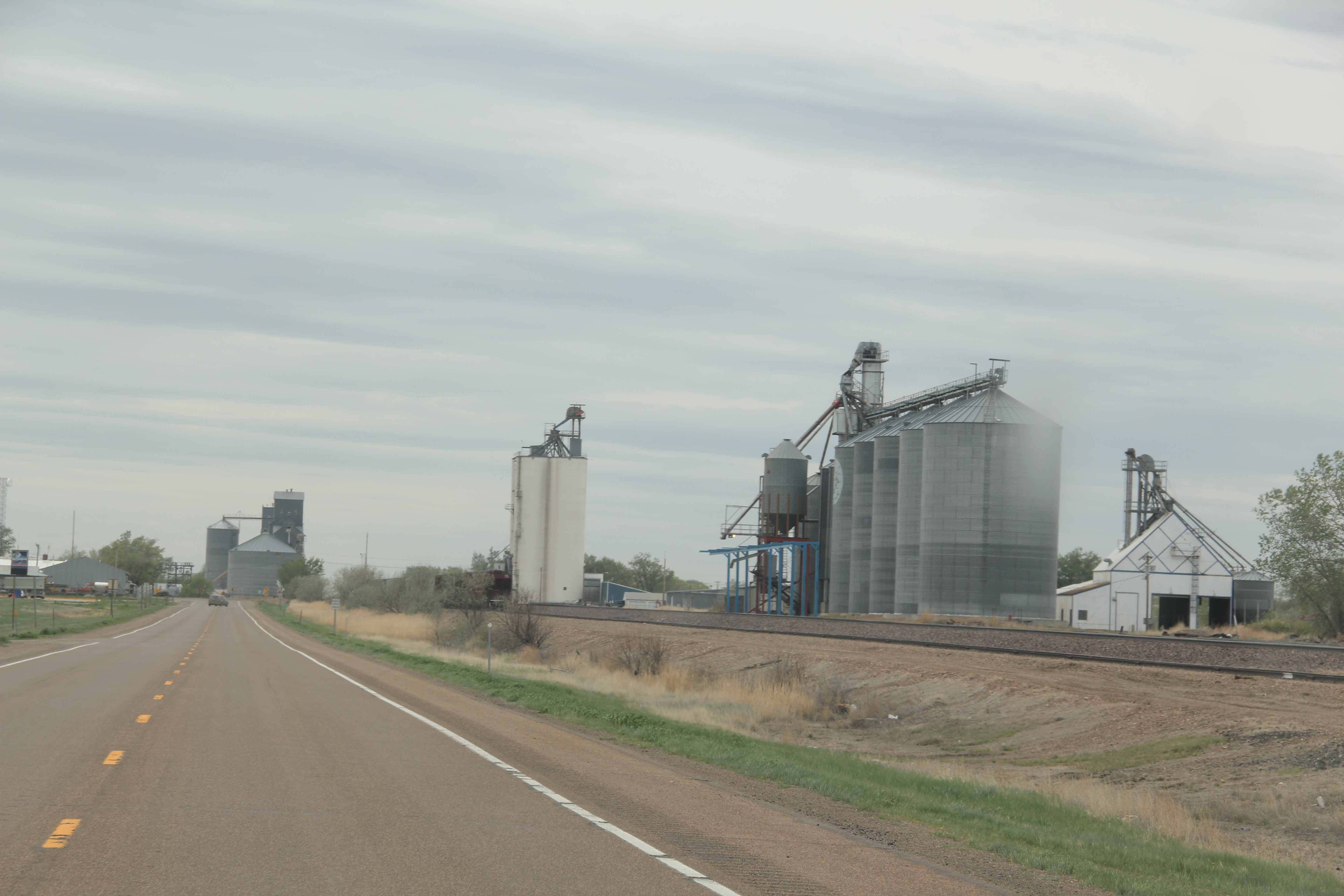
To travelers along U.S. 2 Wolf Point may be considered as one or two blinks and that it is, but the history here is deeper, and strongly felt.  Yes it has the rails and the elevators to define the horizontal and the vertical but its landmarks continue to say:  we’re here and we matter.
IMG_7756

IMG_7756

IMG_7757

Dinosaurs on the Roadside

IMG_7916


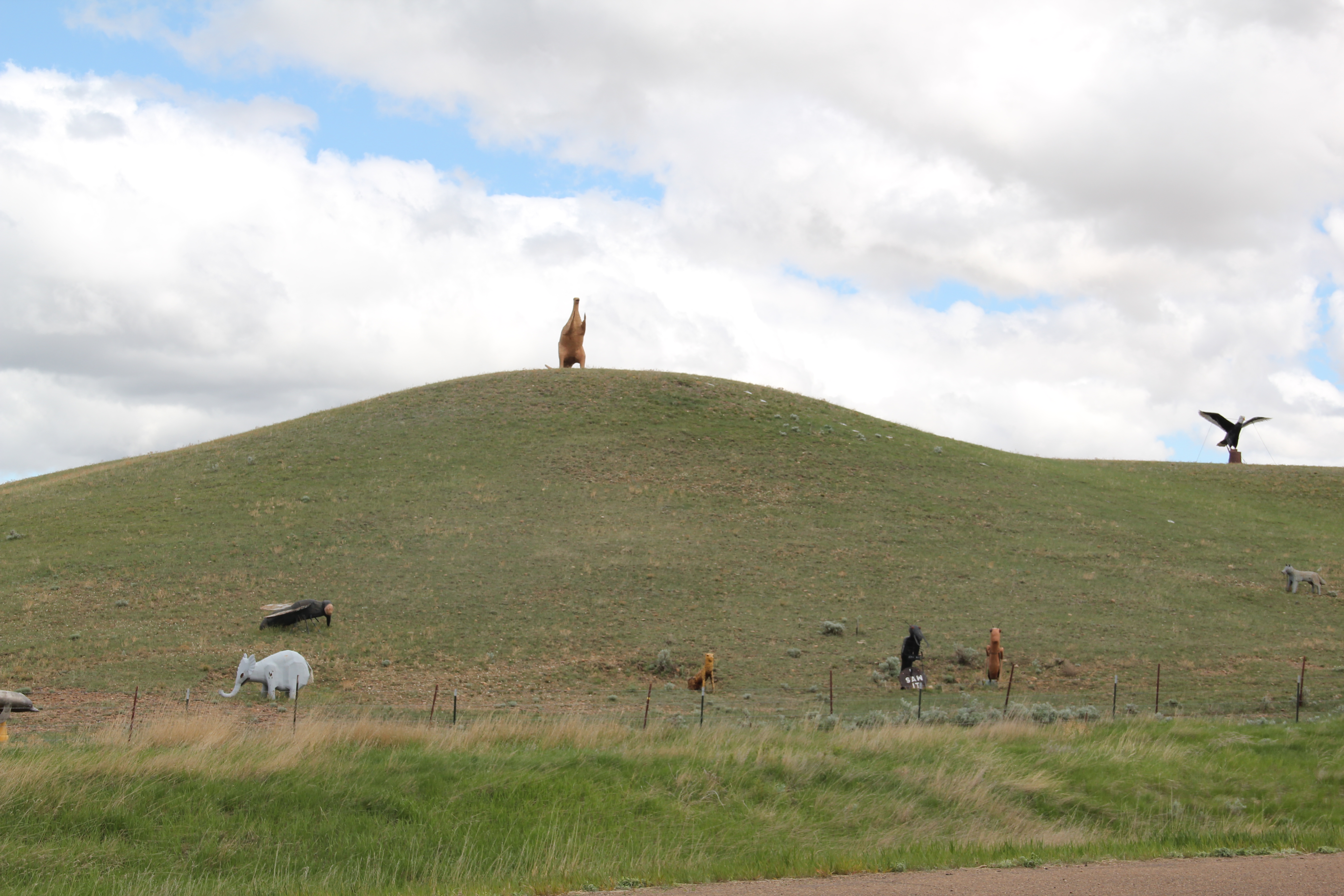
One of the most fun discoveries I made along the U.S. Highway 2 roadside in Valley County was the Buck Samuelson “zoo” just west of Glasgow.  No dinosaurs hunting mountain sheep roamed the high plains when I traveled this region in 1984, and again in 1988, but they are there now, thanks to this self-taught sculptor.

IMG_7919

IMG_7918


Samuelson began adding the sculptures to the roadside in the early to mid-1990s, just as the region’s latest dinosaur touring craze took off.  Now there is a small zoo of creatures overlooking the road, and railroad tracks, adding a bit of whimsy, but also a strong dose of patriotism to the mix.  Who still thinks that roadside art–so famous in stretches of U.S. 2 to the east in North Dakota and Minnesota–is not a Hi-Line tradition?

IMG_7917

IMG_7915

New Deal Transformations: A Hot Springs in Phillips County, Montana

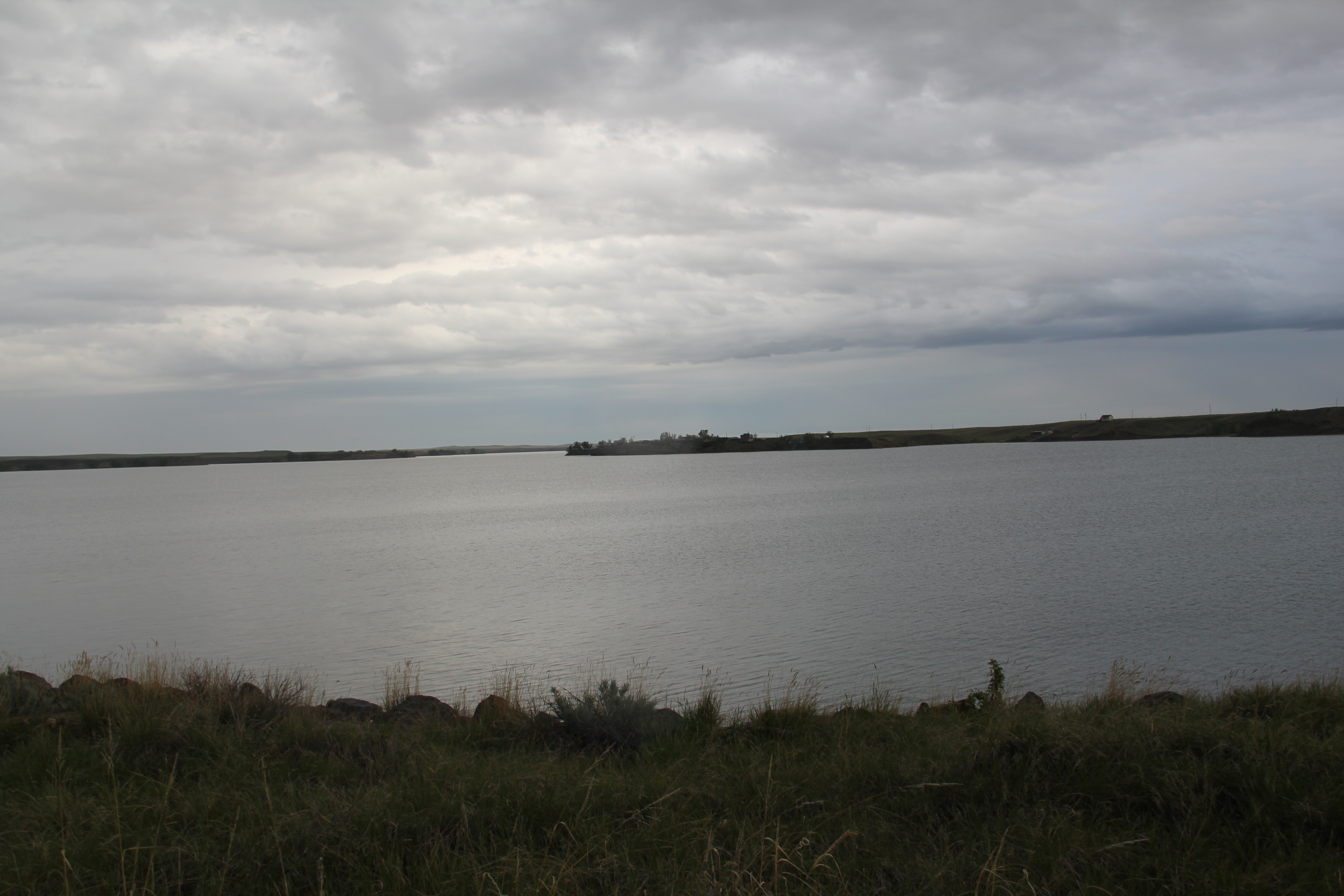
 In 1922 the Bowdoin Oil and Gas Company was drilling on land about 4 miles north of U.S. Highway 2 and the tracks on the Great Northern Railway, on the high benchlands north of the Milk River. They struck not oil but “a flow of warm sulphur water,” estimated at 24,000 barrels per day. The oilmen didn’t need a hot spring and moved on. But local citizens in Phillips County thought long and hard about harnessing that natural resource, which was just east of the Nelson Reservoir of the Milk River Irrigation Project of the U.S. Bureau of Reclamation.

Image

By the mid-1920s local residents, led by the Malta Commercial Club, developed a plan–known as the “Malta Plan,” that involved the federal purchase of submarginal land in order to enhance conservation and also to gather greatly scattered ranchers into central locations in order to address land erosion and settlement patterns. As summarized by Bernie Alt and Glenn Mueller in their “Evolution of the National Grasslands”:  “The gist of the plan was that the Federal Government would take options to buy or buy outright land from farmers and ranches who could not continue to operate as in the past because of low prices, drought, erosion of land, and other reasons.  Any of the individuals who desired would then be resettled in the Milk River Valley.”  The Malta Plan became the proverbial first step towards not only the later Resettlement Administration (1935-37) but its successor the Farm Security Administration and then the National Grasslands. Re-purchase and then re-seeding in grass of abandoned homestead land was the big picture, and Phillips County was front and center in this national experiment from the 1930s on.

Image

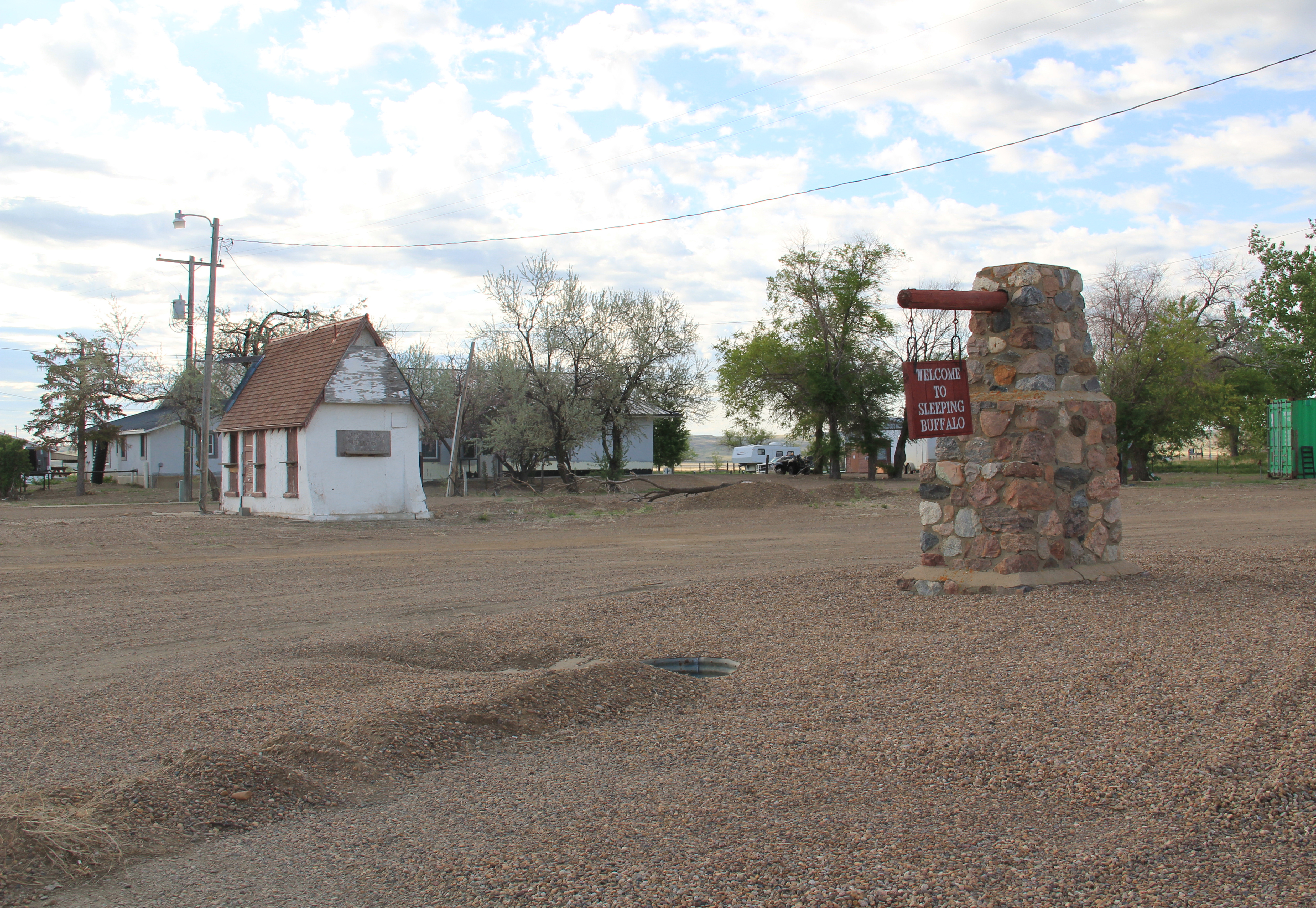
But this story focuses on what changing federal land policy meant for one place in the county–Sleeping Buffalo Hot Springs–that is now being re-energized and restored by determined property owners. When I visited the hot springs in 1984, I did not consider it much of a place. The buildings needed work; everything looked dated, worn. I did not dig deeper–and just assumed that there was not much a story here. Matters looked maybe even worse when I visited in 2013–the place was closed, abandoned, and seemed to have little hope. Local residents told me great stories of the springs’ best days. Those seemed to be gone forever.

Image

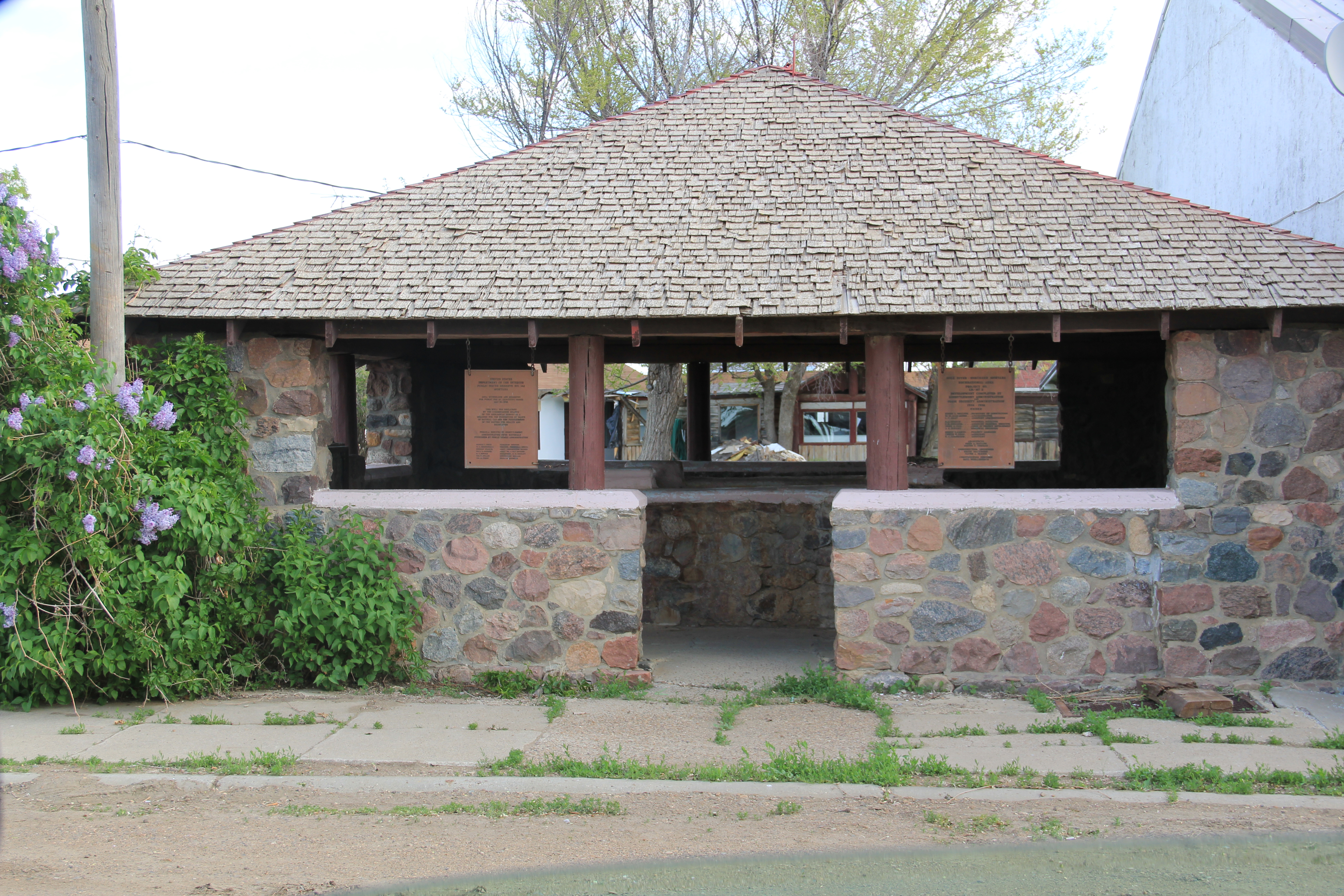
Then I noticed a small hipped roof open-structure which was certainly there in 1984–but my eyes had not been trained by viewing hundreds of New Deal-era structures to notice it. Here was existing truth in the ground that spoke strongly to the larger story of the New Deal transformation of Montana’s plains.

Image

The structure covered Public Water Reserve No. 141, federally established in 1931 by executive order from President Herbert Hoover to protect the hot springs. In 1932, the federal government transferred the well to the Saco Post #79 of the American Legion for development of recreation uses. By the mid-1930s, the American Legion Health Pool was open, and the tradition of the Sleeping Buffalo Hot Springs was underway. The New Deal guidebook for Montana encouraged visitors to go to the Health Pool for its recreational and “curative” waters and the Legion sold postcards like the one below.

Image

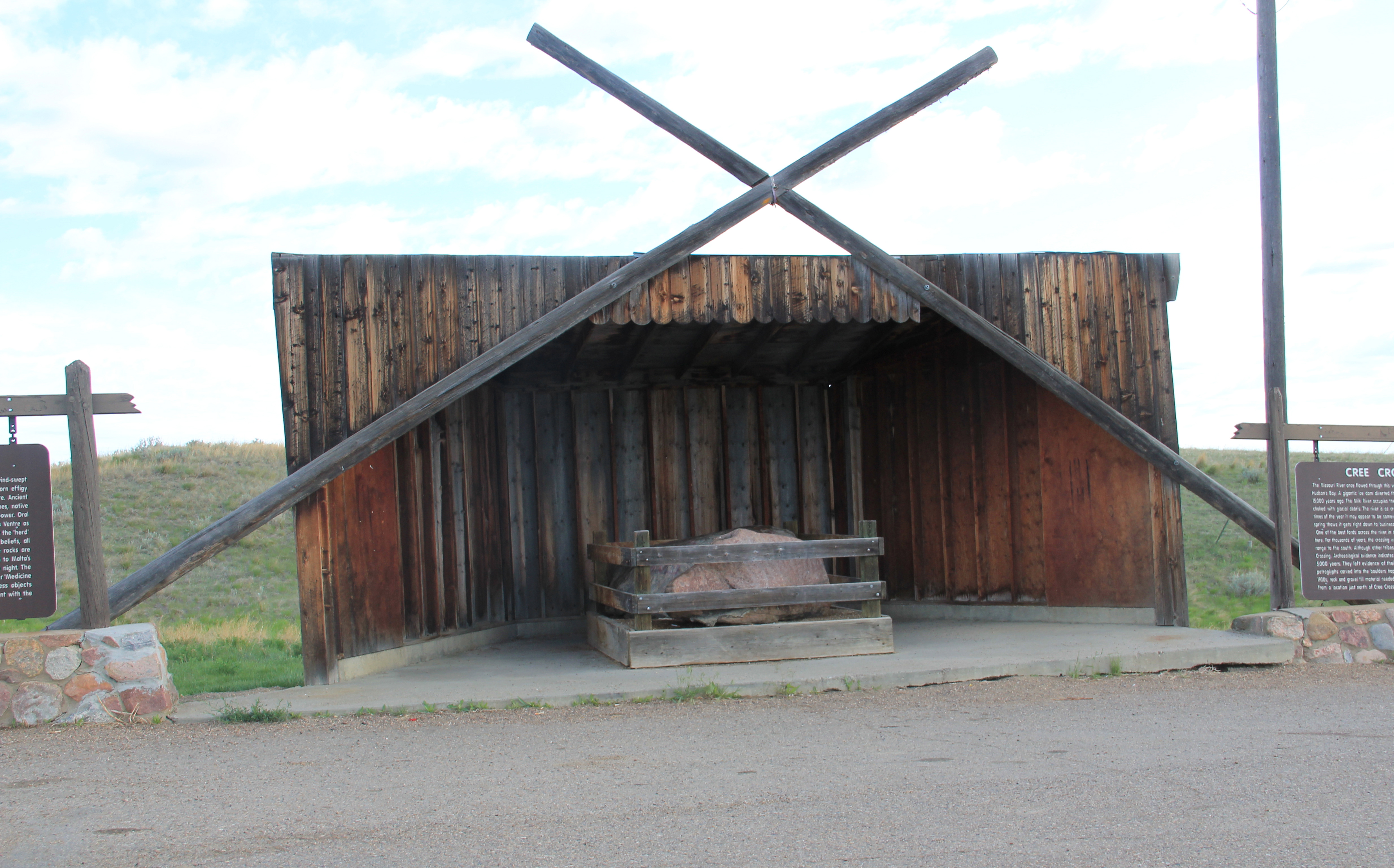
In the second half of the 20th century, the American Legion transferred the property to private owners, who expanded operations and launched the Sleeping Buffalo Hot Springs, so named for a sacred rock that stood down on U.S. Highway 2.

Image

What happened to the well? It is still there, with bronze markers explaining how this spot is part of the Resettlement Administration’s Land Utilization program–what became known as the Malta Subsistence Homesteads project centered around Wagner between Malta and Dodson. When I traveled Montana in 1984, I did not give enough attention to federal law, water rights, and the impact of the Reclamation Bureau.  You cannot miss the impact as you travel U.S. 2 between Chinook and Saco.

Image

Blaine County spawned the landmark Supreme Court decision on federal water rights of Winters v U.S. (1908). Phillips County spawned the first federal resettlement project and the “Malta Plan.” Historian Joseph Kinsey Howard in 1946 remarked: “So many federal agencies have had their ambitious fingers in the Malta pie that few even among project officials can be quite sure of all of them.”

Image

Today there is little but the transformed landscape itself to mark how these two rural places shaped national law. The next period of the hot springs’ history is being written right now. Michelle Lefdahl Simpson (a Phillips County native) and her husband Dennis are restoring the place–a process you can follow on the Facebook page for Sleeping Buffalo Hot Springs. Michelle Simpson told the Phillips County News in May 2014: “When I was little and we would head to the Sleeping Buffalo, we would travel the approximately 20 miles from Whitewater on the gravel roads,” Michelle said. “I would be sitting in the back seat with my siblings waiting to see that big blue slide come out of literally nowhere and all I could think about was getting my wrist band on and racing up to the top. For me, it was as if our parents took us to Disney-land or something.”  Here’s to the Simpsons for stepping forward to reclaim a forgotten 20th century Montana landmark.

Milk River Project Towns: Dodson, Vandalia, and Tampico Jo

Image

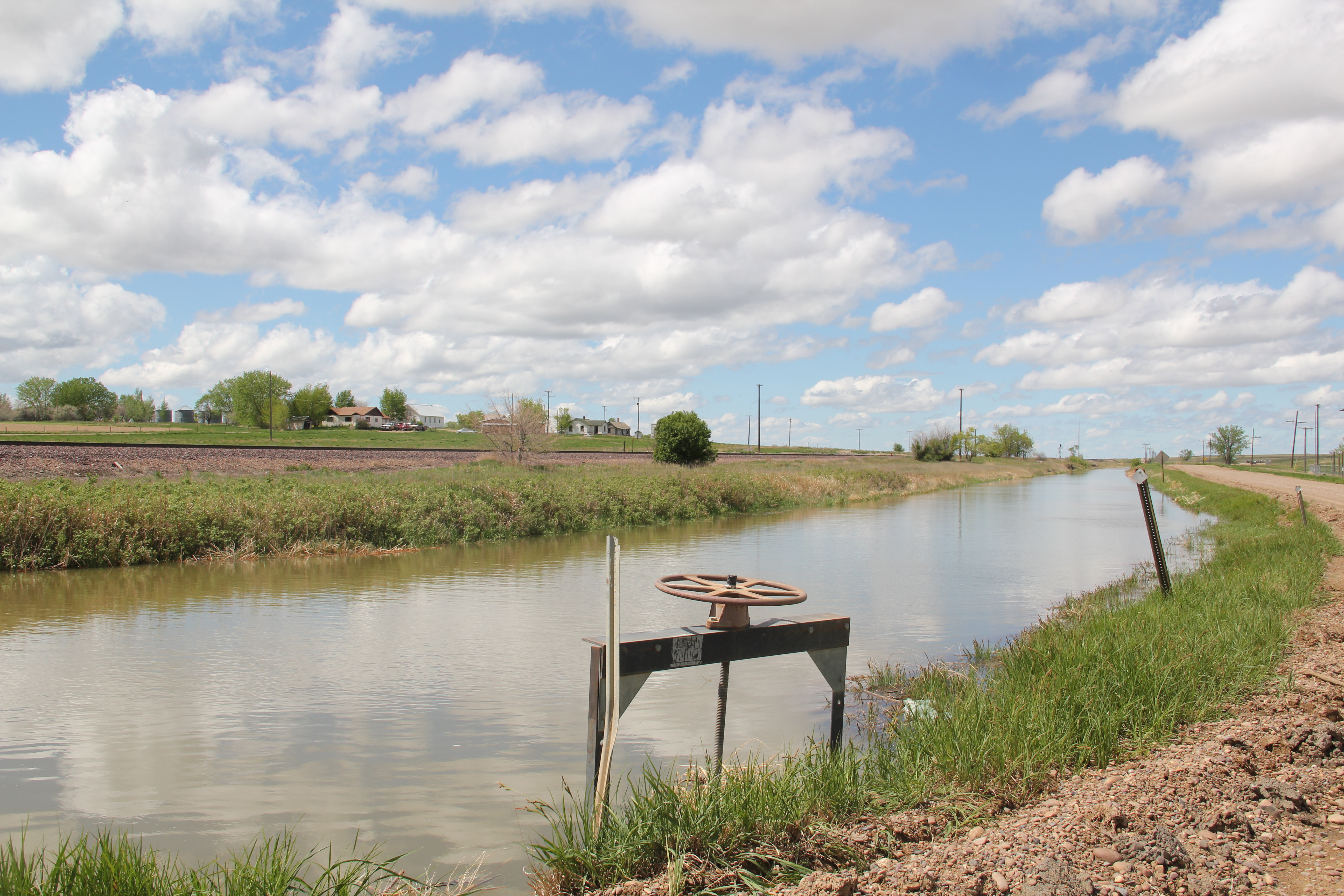
The U.S. Bureau of Reclamation’s Milk River Project is one of its largest and most significant in Montana; it was one of the agency’s first five projects carried out under the Newlands Reclamation Act of 1902. I have already briefly mentioned the project in regards to Fresno Dam outside of Havre. Now let’s consider the project and its impact on three much smaller villages: Dodson in Phillips County and Vandalia and Tampico in Valley County. All three were once major stops along U.S. 2, but a later re-routing of the highway bypassed Tampico and Vandalia, and not much is left decades later but the canals and ditches of this massive irrigation system.

Image 

Original U.S. 2 route between Vandalia and Tampico (to right is Great Northern roadbed)

The Bureau launched the Milk River Project in the first decade of the 20th century but due to disputes over who controlled the water (the Winters case) along with international negotiations with Canada since the Milk River basin passes through both nations, serious construction did not begin until the century’s second decade. The project area encompassed 120,000 acres, with 219 miles of canals, and hundreds more of secondary laterals and ditches. The water begins at Lake Shelburne at Glacier National Park, flows through the St. Mary Canal to the Milk River where then water is stored at Fresno Reservoir outside of Havre and then at the Nelson Reservoir between Malta and Saco.

Image

Dodson developed as a major base for the Bureau. Nearby here was a major diversion dam, and bureau officials established a regional headquarters at Dodson in the 1910s.

Image

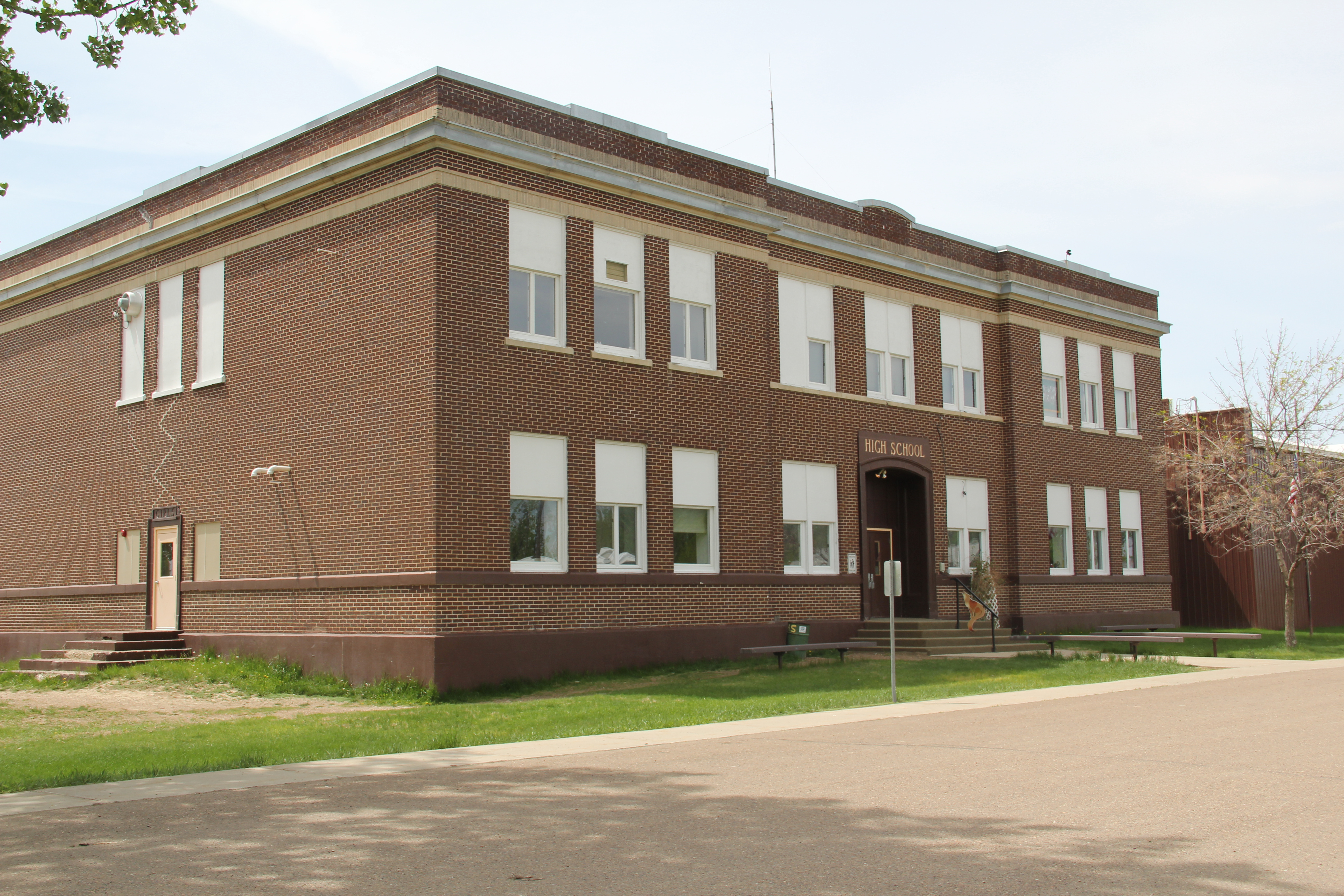
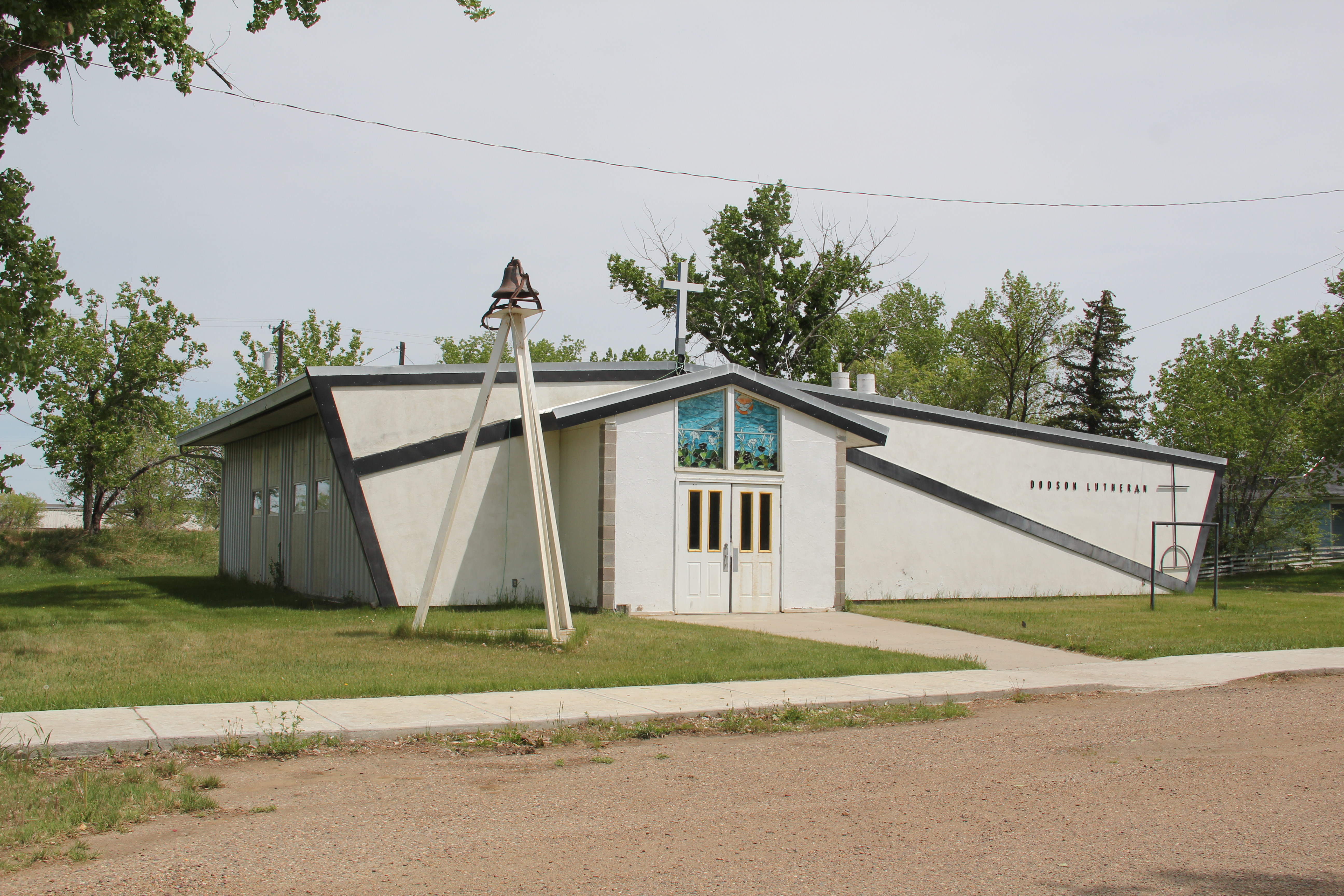
This impact of the federal agency is still reflected in the impressive two-story brick high school, the magnificent Phillips County Fairgrounds (discussed earlier in this blog), and the fact that such a small town has impressed contemporary styled churches from the 1950s. I was very impressed with the quality of the town’s built environment, considering its size, when I visited here in 1984.

Image Image


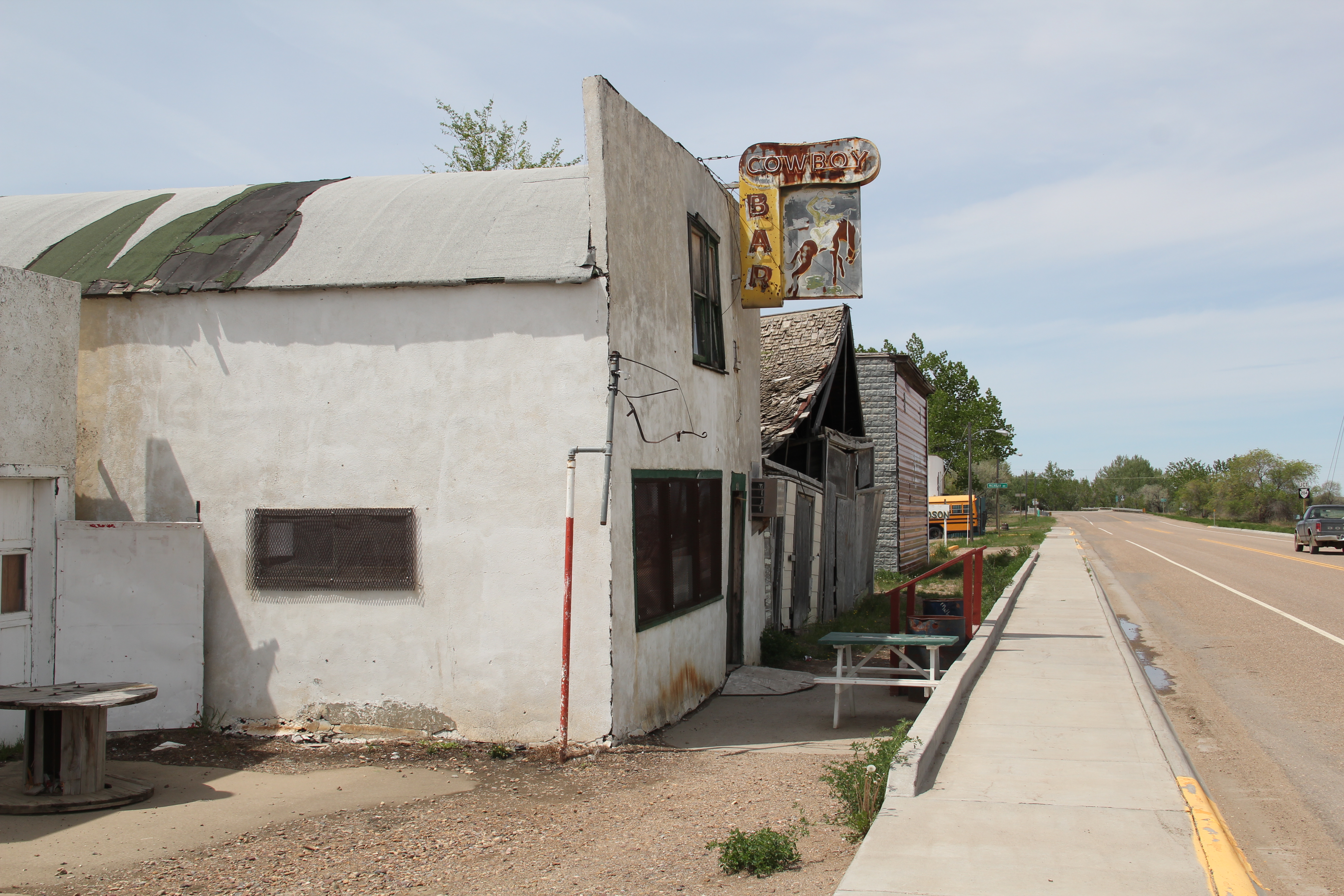
But in the mid-1990s the Bureau left Dodson for a more centralized regional office in Billings, hundreds of miles to the south. Dobson’s emptiness was shocking in 2013–even the iconic (and once very good) Cowboy Bar had shuttered its doors.

Image  Image

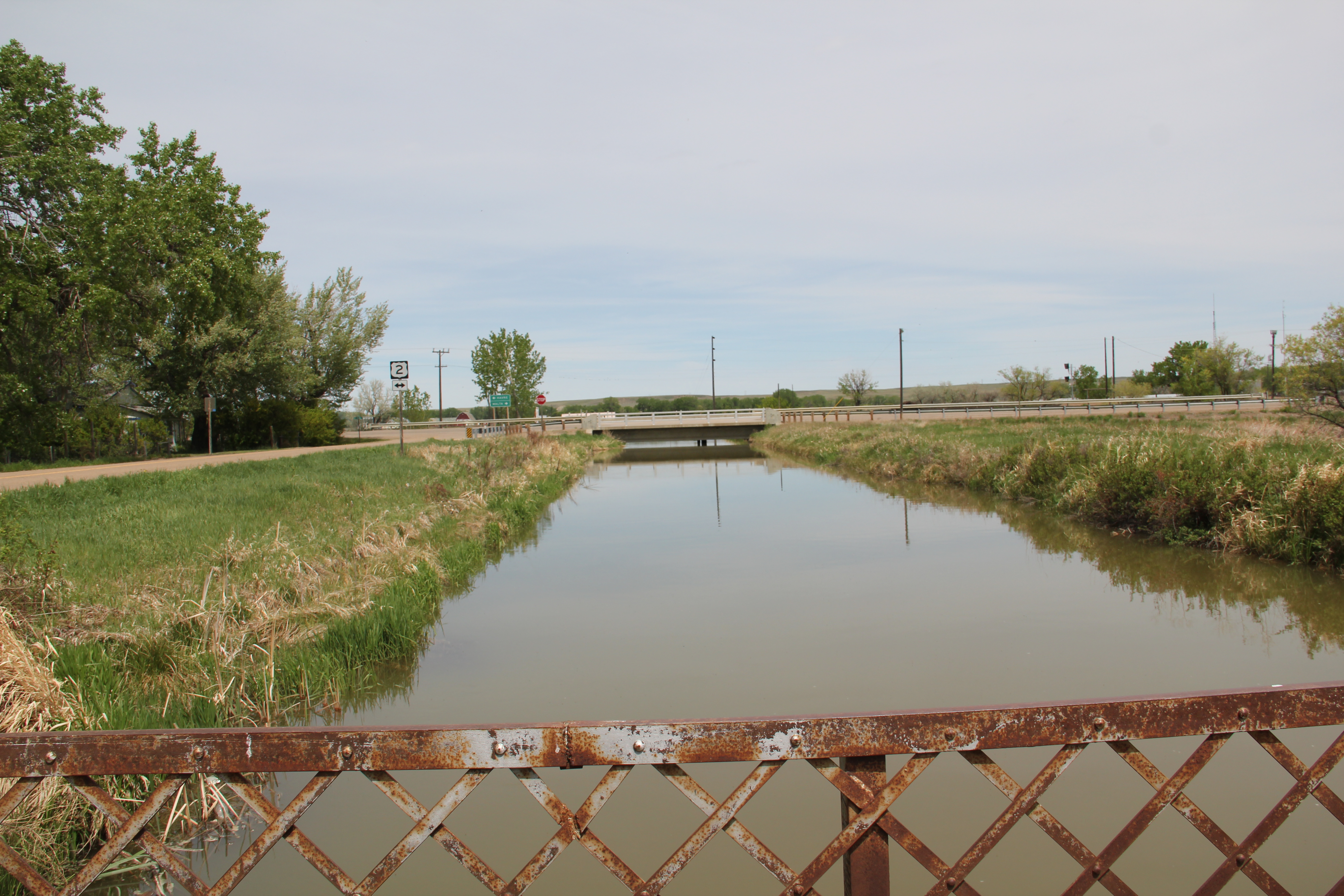
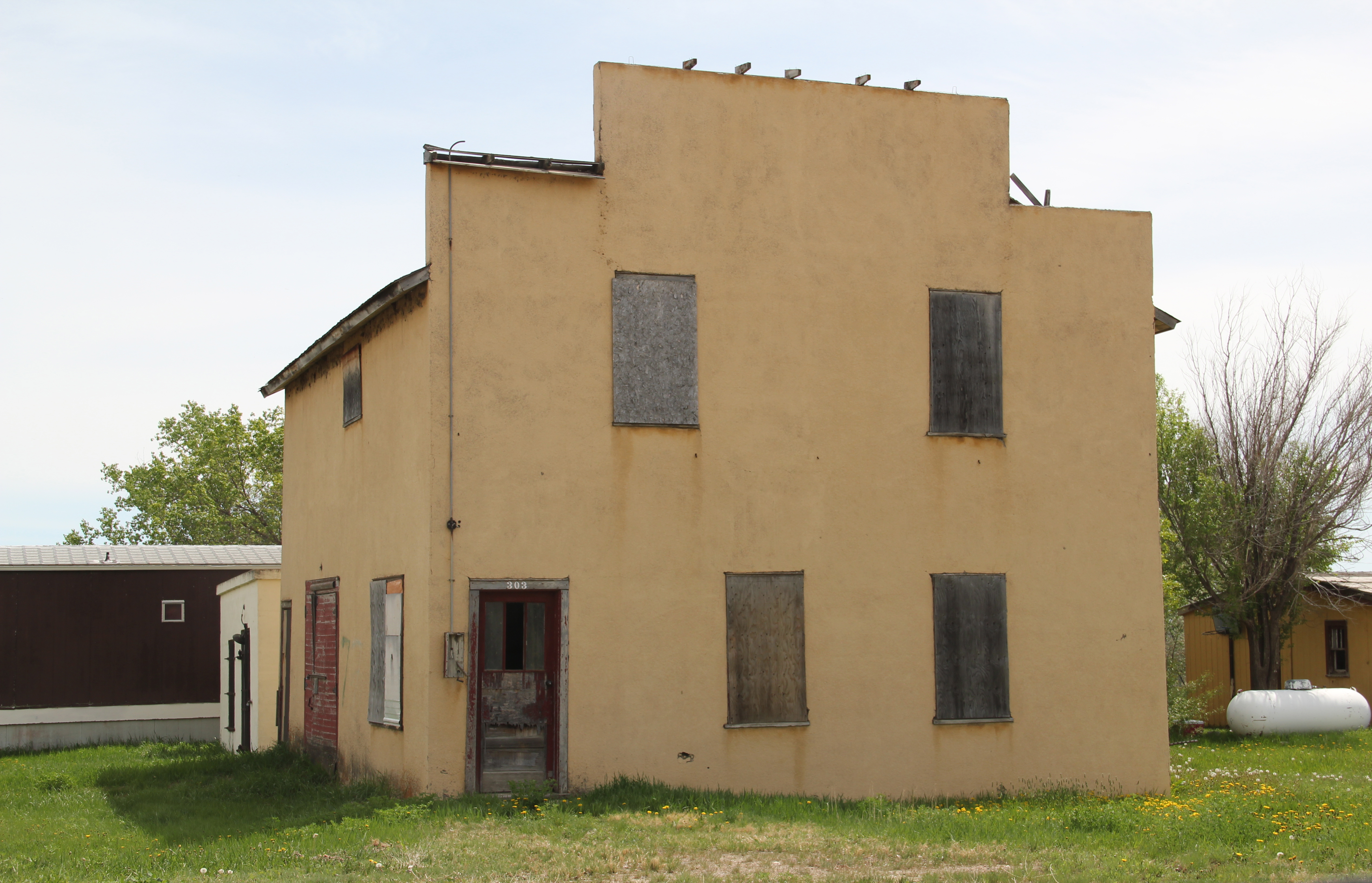
Dodson now is entering the same fate suffered by its neighbors to the east, Vandalia and Tampico. Although trains still rumble by on the former Great Northern route, these two towns lost their highway connection when U.S. was re-routed to the north. Ever since they are slowly ebbing away. Vandalia was another location of a Bureau diversion dam on the river along with a historic steel bridge from 1911. The dam remains but the bridge is gone.

Image Image

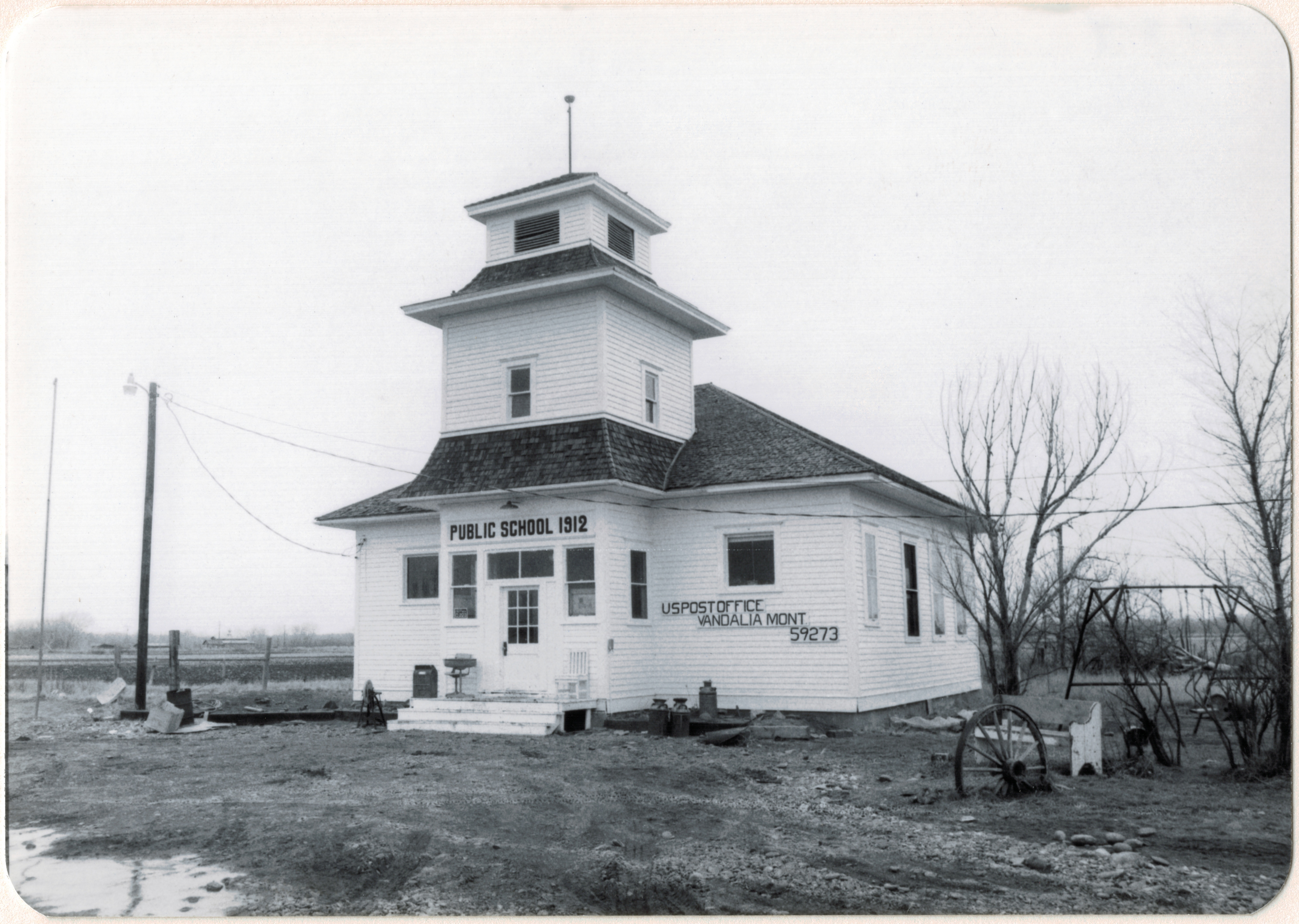
In 1984 I loved the historic Vandalia school (1912) and had a good conversation with folks there–the school was closed but now it was a post office and still very much a community center, competing with the bar next door. Now both businesses are closed.

Image Image

Tampico lays just south of both a major canal and the railroad tracks. A scattering of buildings marks its existence.

Image

The water still flows through the Milk River project but the towns it once nurtured are becoming fainter with each passing year. But it is not without promise:  later we will visit the Nelson Reservoir and what is happening at Sleeping Buffalo Hot Springs.  Next is Malta, the seat of Phillips County.

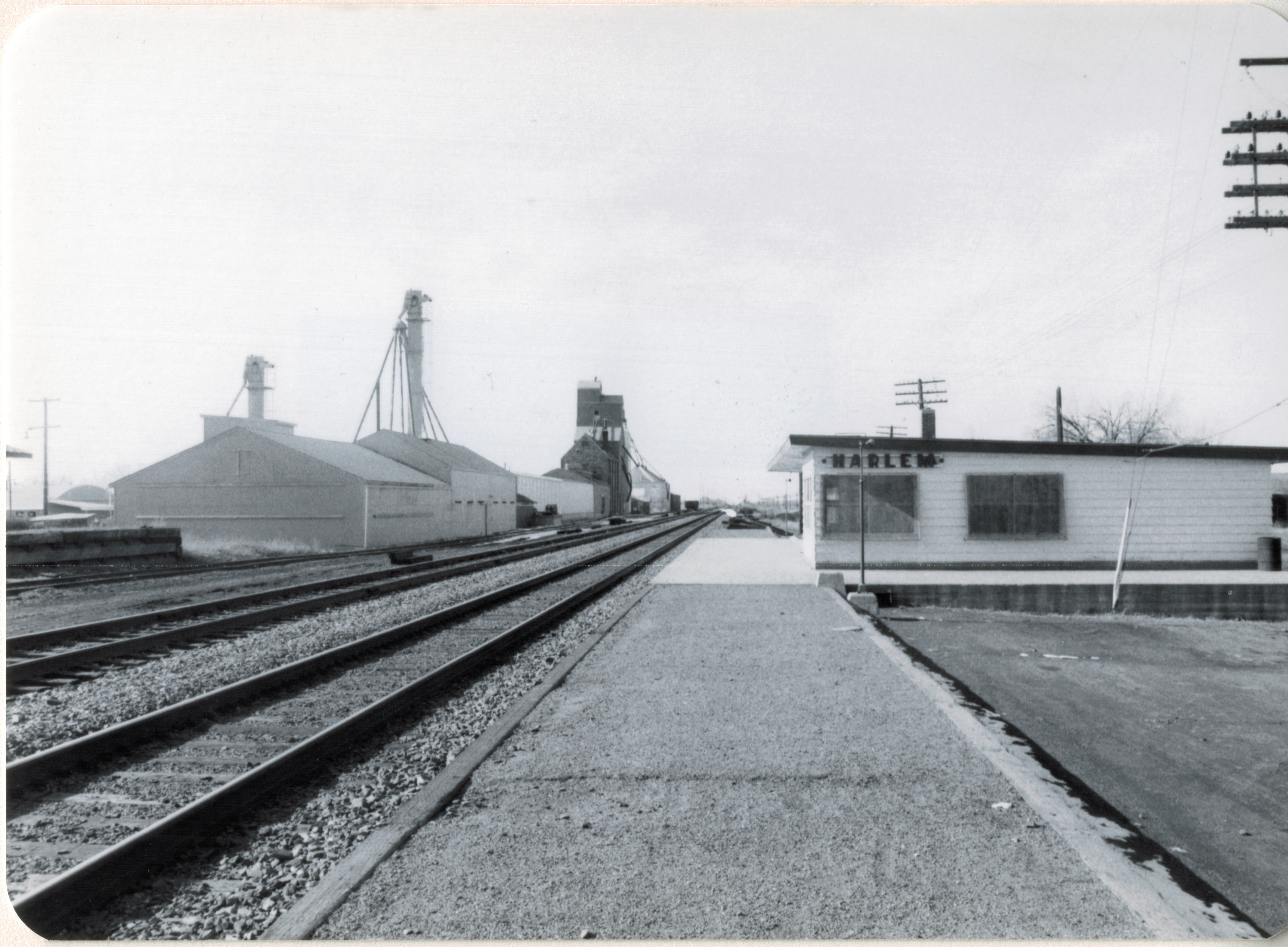
Harlem on the Hi-Line


Image

Whenever travelers or residents for that matter talk about Hi-Line towns, Havre, Shelby, Glasgow, Wolf Point always enter the conversation. Some places, inexplicably to my mind, never do: Harlem is a case in point.

Image

A gateway to the Fort Belknap Reservation, Harlem is one of the early Great Northern Railway towns, dating to 1889, and was established to serve as a commercial center on the northern border of the reservation.When the homesteading boom swept through the Hi-Line during the early 20th century, Harlem quickly expanded and most of the historic buildings found there today date between 1910 and 1940.

Image


What struck me powerfully when I visited in 2013, compared to my last visit in 1984, was dual themes of growth and decline. The Aaniiih Nadoka College, established in 1884, had left its initial spartan quarters on the edge of the reservation into new modern-styled buildings, that still reflected the spirit of earlier vernacular styled buildings.

Image Image

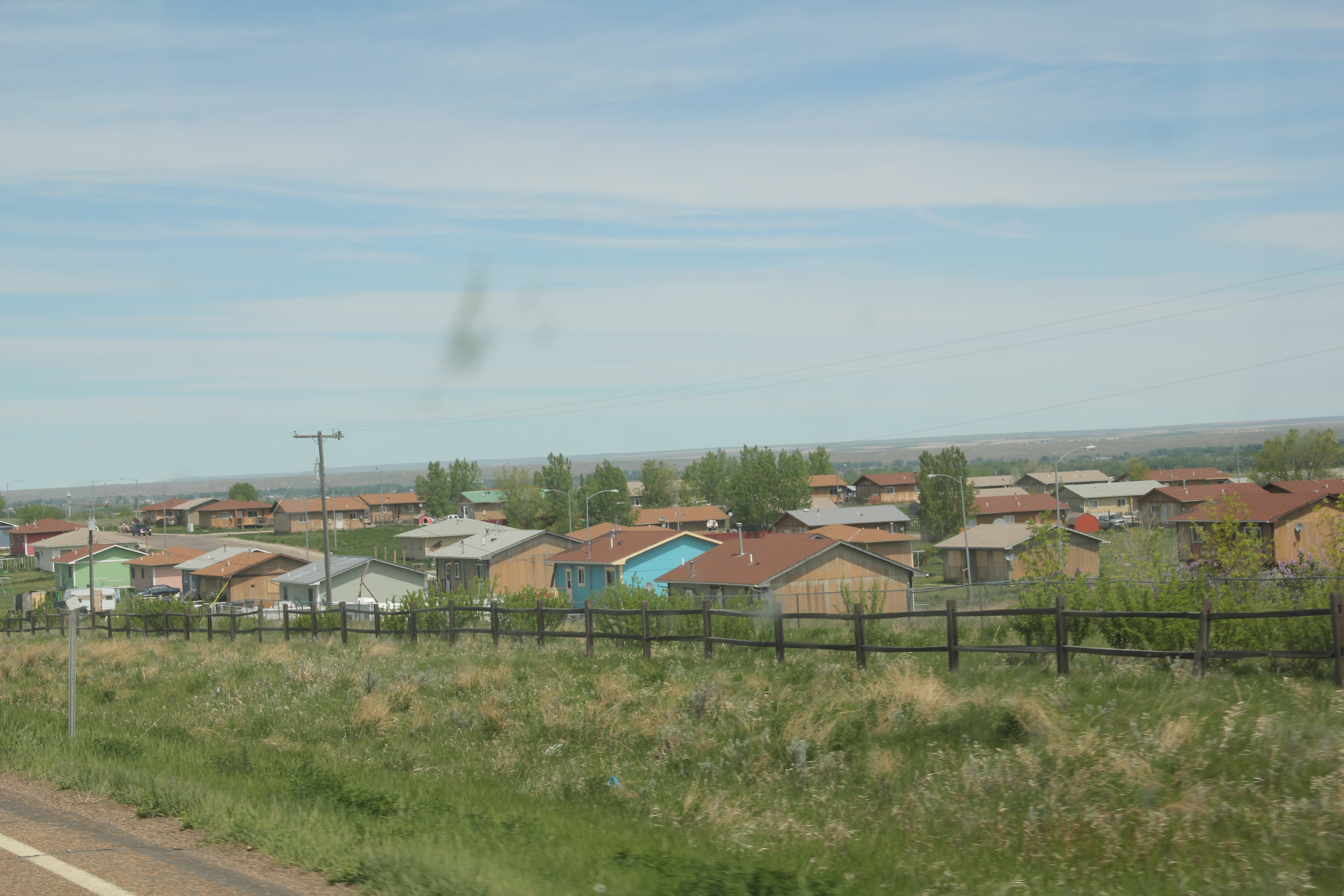
The 30-year growth of the college certainly underscored new opportunities as the flashy facade of the Ft Belknap Casino, facing U.S. Highway 2, showed a new revenue source. Standardized designs for federal housing also indicated the growth of a large neighborhood just south of the U.S. 2 and Montana 66 junction.

Image Image


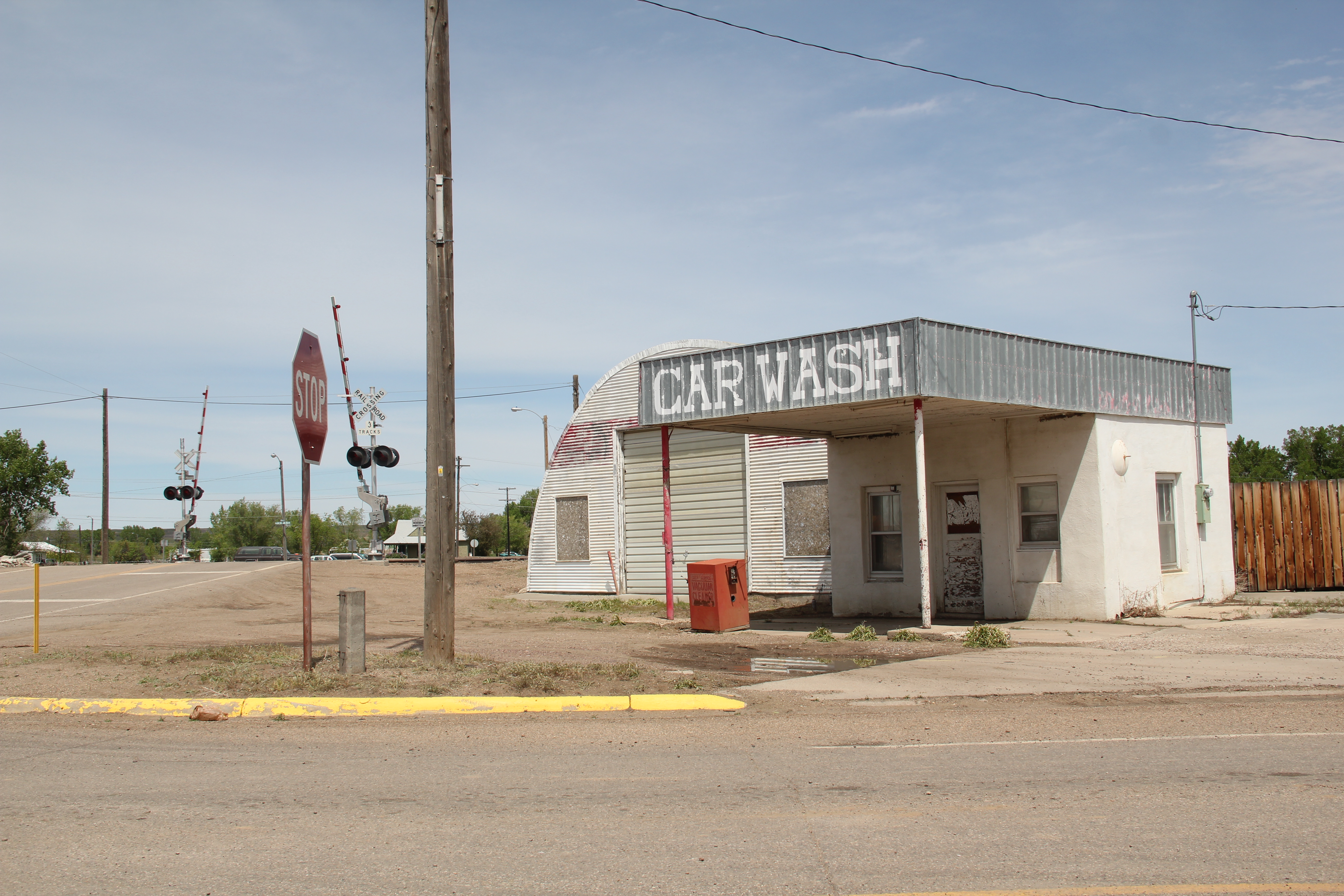
The theme of decline, however, marked the historic business district of Harlem. When I visited in 1984, Harlem had over 1000 residents–now that number is close to 800. Classic roadside gas stations, even at prominent corners, had closed.

Image Image

The Art Deco-ish Brekke Block (1941) only had a few going businesses; the early 20th century commercial block at Central and Main streets had even fewer signs of life. The Grand Theatre no longer showed movies. The imposing classical facade of the old state bank had broken windows and decaying architectural details.  These historic buildings retain their potential to impress, and could be heritage assets in multiple ways.  They need attention before it is too late.

Image  Image

While life and commerce enlivened the railroad and highway corridor, the downtown had a shuttered, tired look. But pride was there too. The Harlem Centennial Park, established in 1987, featured an memorial to the thirteen airmen who lost their lives when Air Force cargo planes collided north of town in 1992. The dedication and commitment to raise the funds and build such an appropriate monument impresses–and for travelers like me, I had no idea that this terrible air accident took place, and was glad that Harlem understood its obligation to the airmen and to history to record the event, permanently, with the memorial.  It was one of several surprises I encountered during my visit to Blaine County in 2013.

Image

Havre’s historic preservation legacies

Havre, the seat of Hill County and more importantly the commercial and transportation hub of the Hi-Line, has already been the topic in several posts over the past year.  In 1984, it was the first place where one of the state historic preservation review board members, Eleanor Clack, took me around and explored the town’s history.  So let’s review the historic Havre of 1984 and consider what Mrs. Clack showed me, and what we see today as significant properties.

Clack’s spouse was Earl Clack, a businessman with concerns up and down the Hi-Line and a heritage advocate to boot.  The county museum bears his name and that is where we started, at the fairgrounds along U.S. Highway 2 west of downtown on a bluff overlooking the Milk River.

Image


The fairgrounds acknowledged the role of the Great Northern Railway in the town’s and county’s history–indeed Havre was a virtual shrine to the Empire Builder as I would discover–but Mrs. Clack was especially hurried to cross what was then a two-lane highway and go to the other side of the bluff, where she unlocked a fence and we explored the Wahpka Chu’gn buffalo jump, then one of the handful of properties in Hill County on the National Register.


Image


Today, it is difficult to find the property, even with the buffalo sculpture and signage along U.S. 2.  When the highway doubled in size, that improvement led to intensive development of the river bluffs, and today access to the site is behind a shopping center.

Image


The site was the Clacks’ pride and joy.  Not only was the setting stunning, with the valley crossed by the Great Northern mainline, they had worked with other preservationists to open the property for tours and interpretation.  At that time, it was the best interpreted buffalo jump–make that the best interpreted prehistoric site–in the region, if not the entire state.

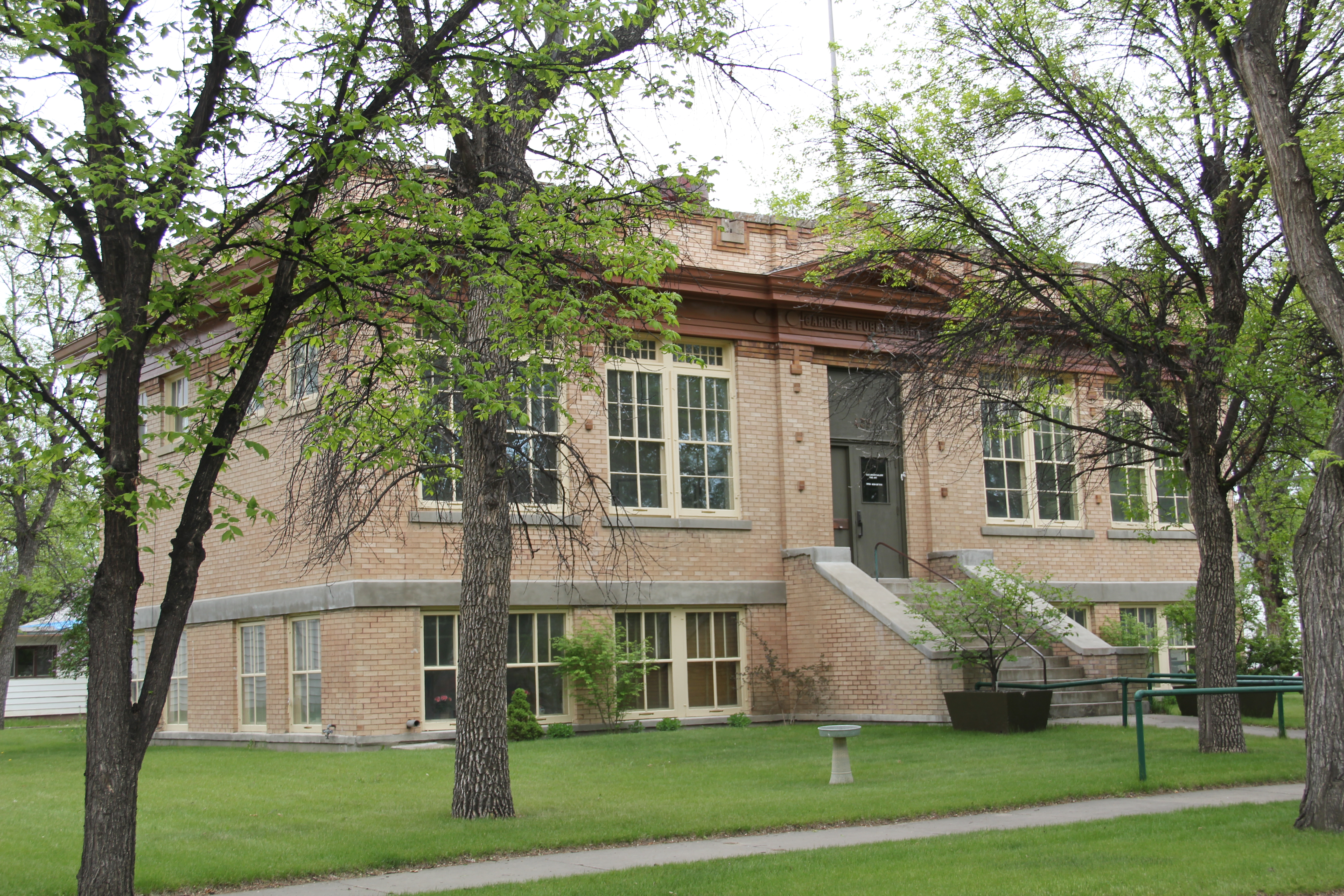
After hours of exploring the property, Mrs. Clack next took me to the town’s turn of the century historic neighborhood.  There I encountered the first of several historic Carnegie-funded public libraries I would see in Montana (the actual town library had already moved into new quarters).

Image

Carnegie library, 1984

Image

Carnegie library, 2013

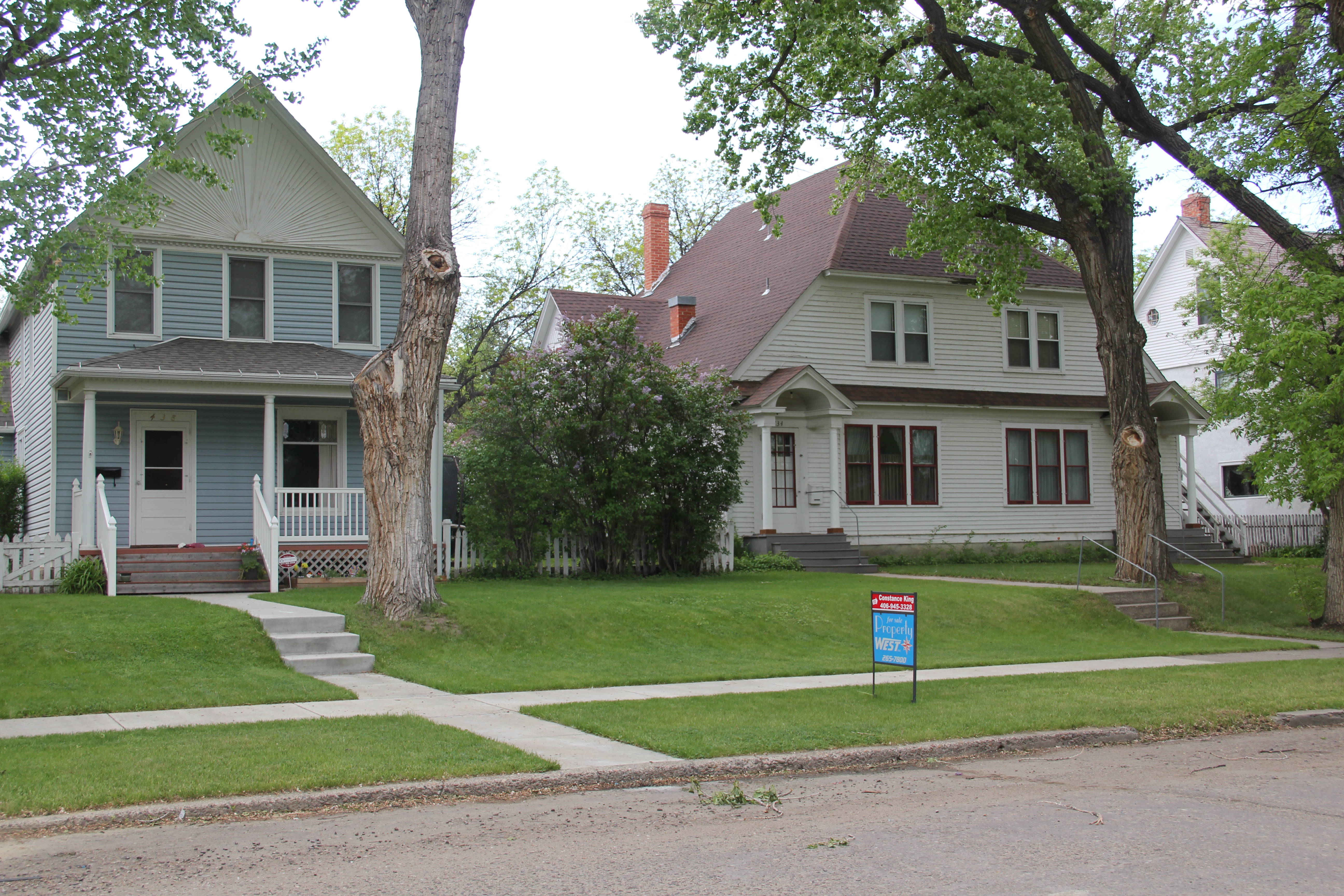
We also visited the Young-Almas house, a rambling Classical Revival dwelling, which was the second National Register anchor in the historic residential neighborhood.

Image


Today, of course Havre has a large National Register residential district, with state-funded markers telling the stories of the houses and families on almost every block.

Image

Finally we turned into the business district, where we stopped at the Federal Building and Post Office–a New Deal building–and then the commercial district.

Image

Mrs. Clack expressed her hope for the future, that the distinguished set of two-story commercial buildings that lined U.S. 2 would find a new future through historic preservation.

Image

U.S. 2 corridor, north, downtown Havre, 1984

ImageImage


As these 2013 photos attest, Havre’s historic downtown survives 30 years later, although the historic preservation potential still waits to be fully tapped.  After all, the historic preservation funding available in 1984–and the assumption that the movement’s early successes in sustainable urban renewal would bring about more–never happened.  Federal funding, in adjusted dollars, reached its hey-day in the Reagan administration, and has declined ever since. Mrs. Clack and I could not know the future in 1984.  But if she could see Havre today, I think she would be pleased with how residents and officials have built on the early foundation:  that is the topic of the next posting.

The Irrigated West: U.S. Bureau of Reclamation and Montana’s Hi-Line

Image

Fresno Lake, Hill County, 2013

The impact of federally funded irrigation projects is apparent throughout Montana but perhaps even moreso along the Hi-Line.  As I started his fieldwork in 1984 in Toole County, one of the first places I visited was Tiber Dam, a project that turned a large chunk of the Marias River into Lake Elwell.  The dam was finished in 1952 but numerous expansions and alterations occurred in the late 1960s and then late 1970s.

Image

Lake Elwell, Liberty County, 1984


When I encountered the town of Fresno in 1984, there was not much there but a tavern, built in the 1950s to take advantage of the increasing number of folks traveling to Fresno Lake for recreation, and a huge elevator complex.

Image


Today both the elevators and tavern remain, and the only changes found at the dam was additional fencing and pre-cautions for the security of the facility.

Image Image


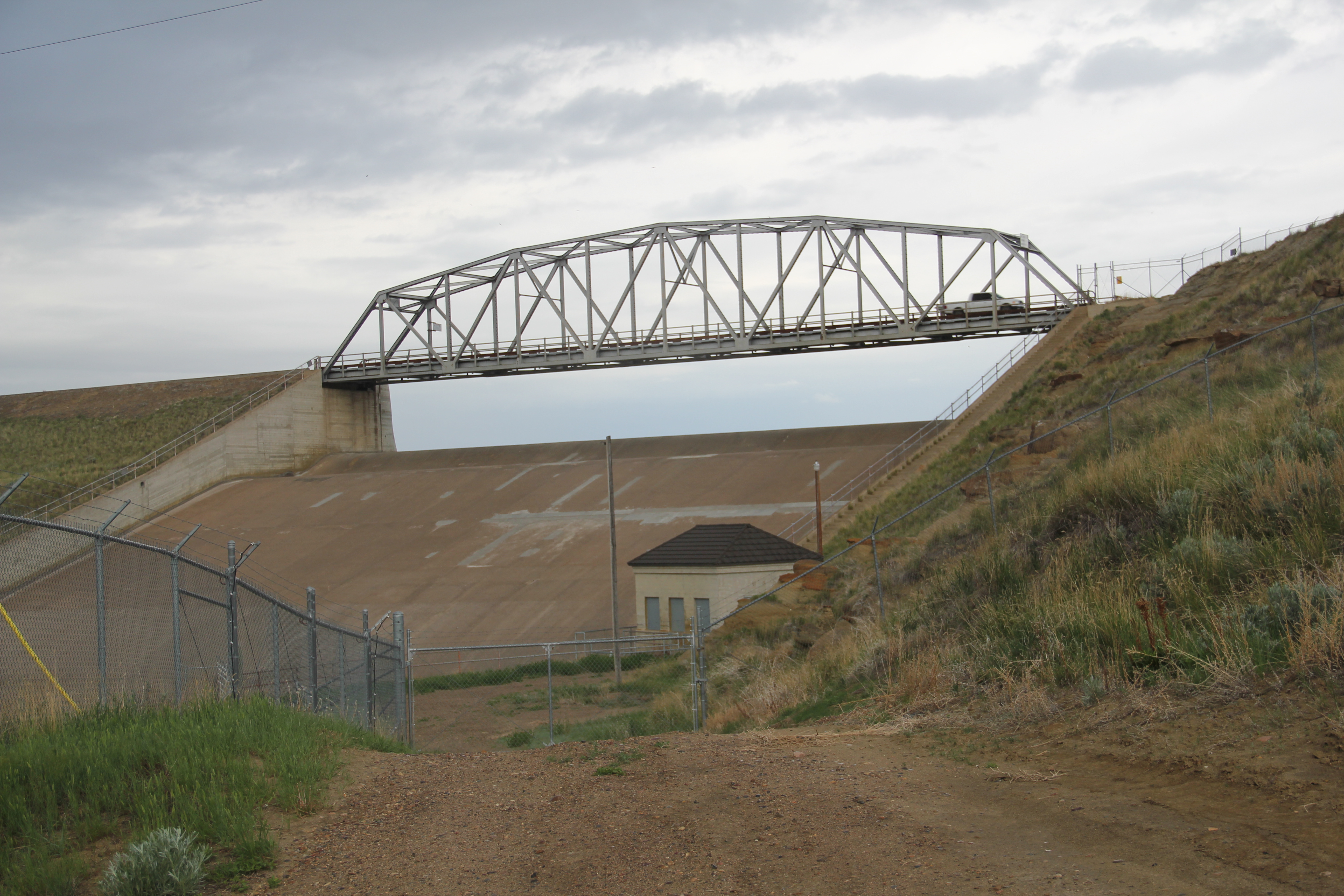
Fresno Dam was part of the huge Milk River Project of the New Deal era.  The dam dates to 1937-1939, but was raised in 1943 and again in 1951 when “a concrete parapet and curb walls were constructed on the crest.”

Image 

The Milk River project is the one of the state’s oldest and most influential federal irrigation projects.  Dating to 1903, the project slowly unfolded across the plains, starting at St. Mary’s in Glacier County in 1905 and moving to the Dodson pumping station in Phillips County by 1944.  The Fresno Dam was funded by FDR’s National Industrial Recovery Act, making it a rarely identified place associated with the New Deal transformation of Montana.  

Image

We will be returning to this project and the story of the irrigated West often as we move across the state.


Hi-Line Roadside

Image


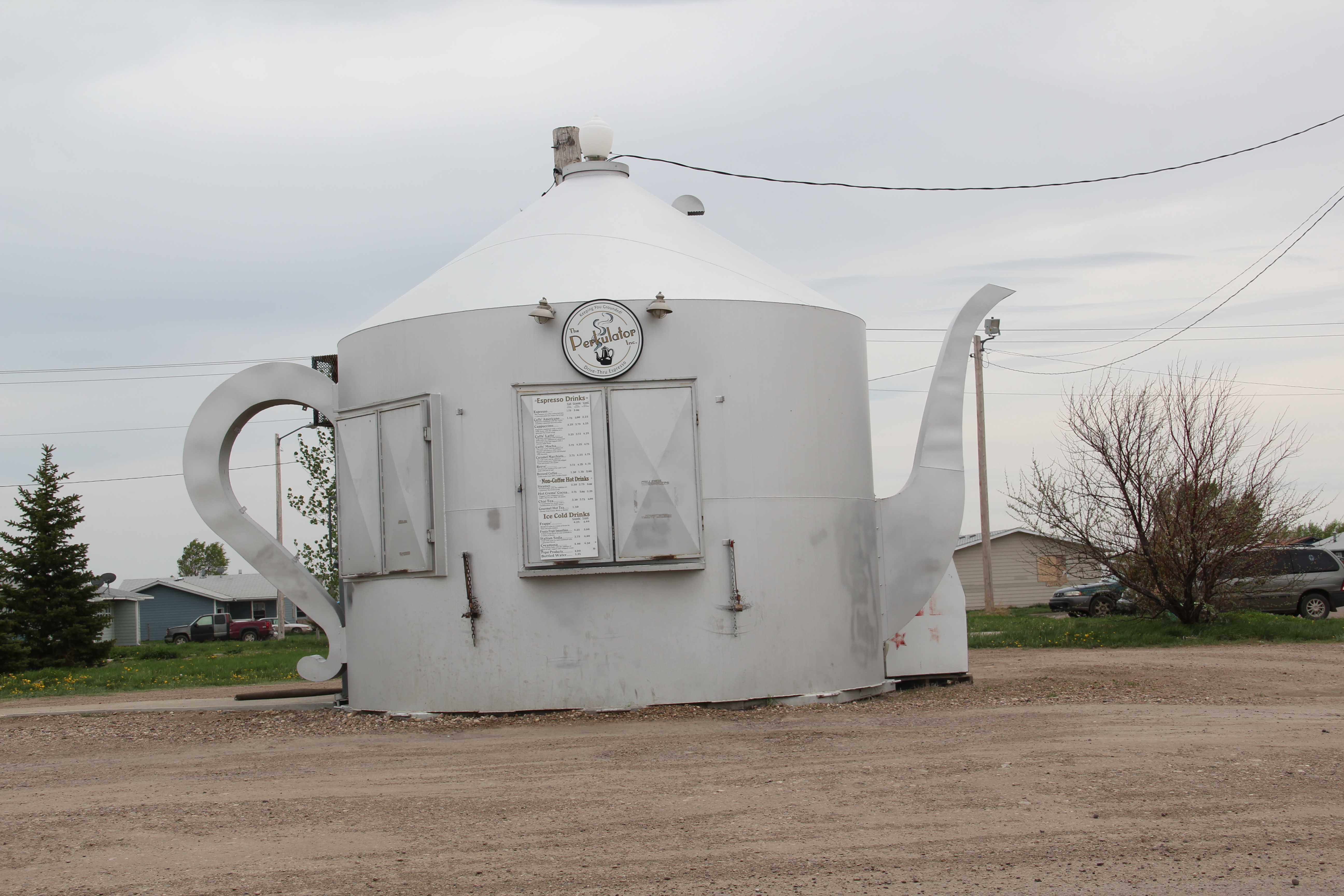
U.S. Highway 2 originally closely followed the tracks of the Great Northern Railway as it crossed Montana’s high plains counties.  Today there are places where the modern highway and the railroad tracks diverge, but still you can travel most of the route from Bainville to Glacier and still discover an astounding array of roadside architecture, from the early 20th century to the more recent past, such as the coffee pot above, on the south side of U.S. 2 in Poplar.  

This week begins the holiday traveling season.  With that in mind, I offer up a range of roadside images from the Hi-Line–places that you may roar by in a hurry to arrive at your destination but places nonetheless worth a stop and visit.

Image Image


Gas stations of course are a constant, and some may be well kept as an artifact of their function–service stations such as this one on the left in Liberty County–or they may be transformed into ice cream parlors like the station on the right from Chinook.

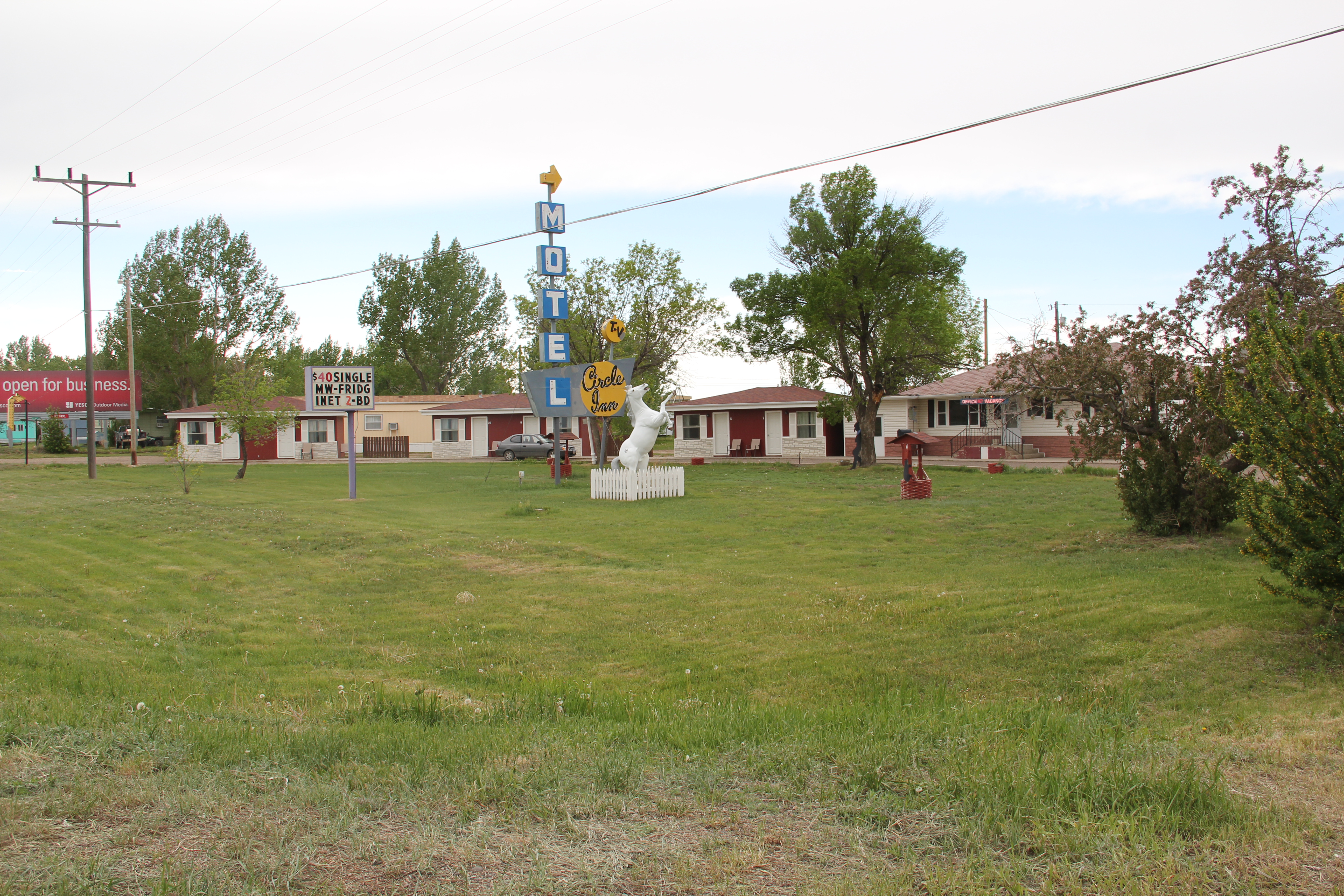
Motels are everywhere too–but the “mom and pop” businesses of the first 2/3 of the twentieth century have been rapidly replaced by the major chains, from Super 8 to the Hilton and Marriott properties of recent vintage.  This classic from just outside of Havre is a throwback to roadside lodging of a generation or two ago.

Image


Of course there are creative types all about the Hi-Line. Buck Samuelson’s collection of roadside sculpture just west of Glasgow not only plugs into that expressive tradition but also in the tourism focus on dinosaurs that you can find throughout eastern Montana.  I actually prefer the roadside 

Image


signs that you find along the highway.  Two from Hinsdale, in Valley County, are favorites. The 

Image


painted sign, courtesy of the Matthew Hansen Endowment, remands everyone of community vitality even though surface appearances may suggest otherwise.  The second sign is among the state’s most popular–painted rocks in white that outline the first letter of the town–positioned so that travelers and residents can view it.

Image


Commercial signs are another constant along the Hi-Line.  Most of course are just like millions across the nation–back-lit plastic signs.  But places like Sam’s Supper Club in Glasgow

Image


and the line of bar signs in the middle of Shelby remind us that once travelers were enticed to stop and jump into another world of flash and class behind the neon signs of U.S. 2.

Image


The roadside of U.S. is nothing if not varied, and I can spin many more words and images about the compelling and the mundane along the roadside.  We do keep up with the trends, and try out best to merge the roadside with current events, as this coffee stand in Culbertson proves.

Image


But I will close with this image from Dodson as a reminder that the roadside can be fleeting, and a place that I enjoyed in 1984 is falling apart today as everyone gravitates to the standardized chain-experiences that define our time.

Image


Town Signs along U.S. Highway 2 in Hill and Liberty counties

Right now everyone is into Montana’s traveling season with rodeos and fairs in full swing (my old residence of Helena is having Last Chance Stampede this weekend). So I thought that a rather straightforward but fun look at signs along two Hi-Line counties was in order.

Let’s begin with Joplin, in Liberty County. In 1984 it had one of my favorites in the state, a relic of old fashioned early twentieth century boosterism with its motto–“Joplin: Biggest little town on Earth”

Image

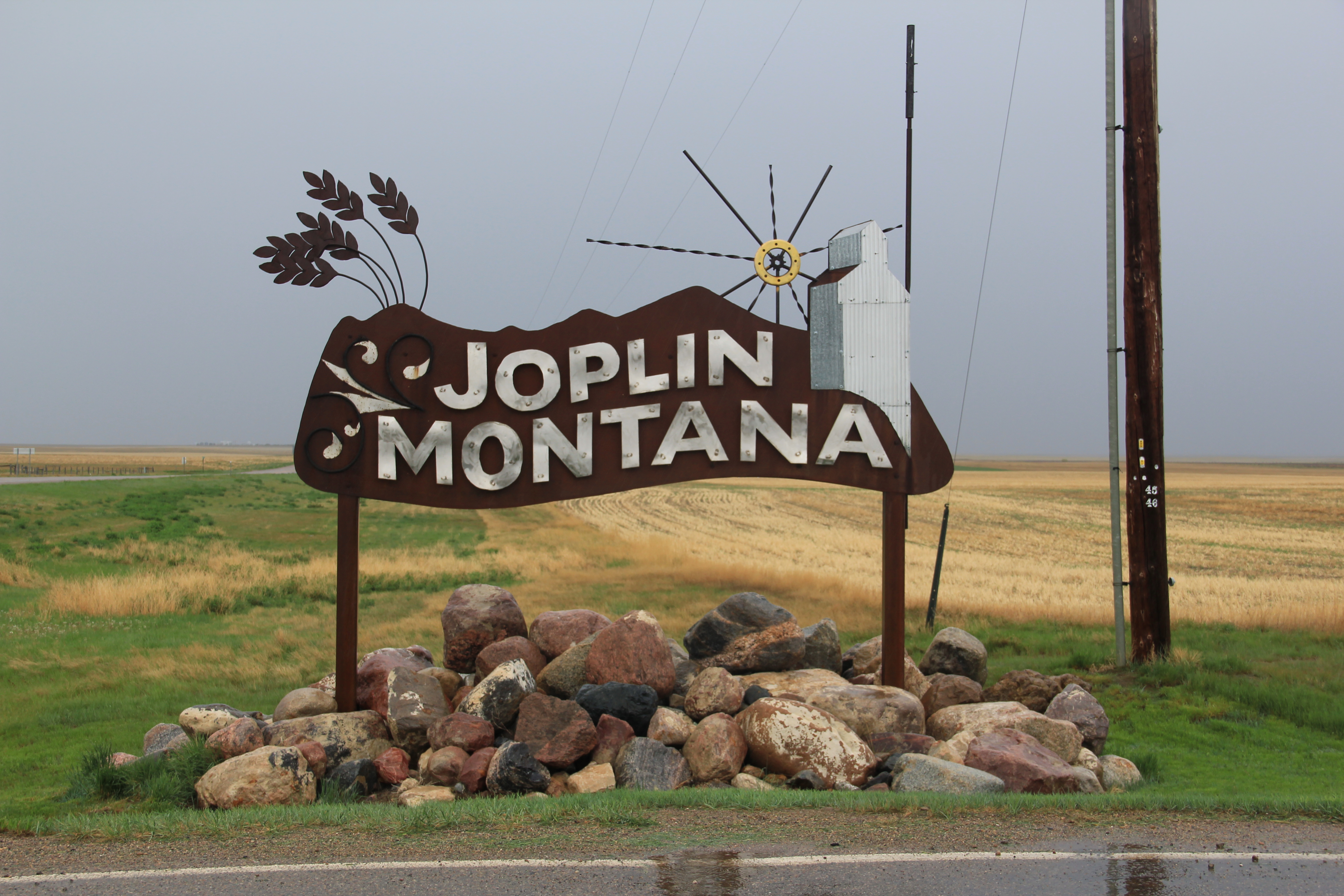
The sign still exists, located north of the highway, closer to the railroad tracks (passengers of the Empire Builder see it daily). Joplin’s highway sign, however, is more modern and sleek–and symbolic with the grain elevator and wheat motifs. This 21st century type of metal, CAD-drawn sign is found all along U.S. 2.

Image

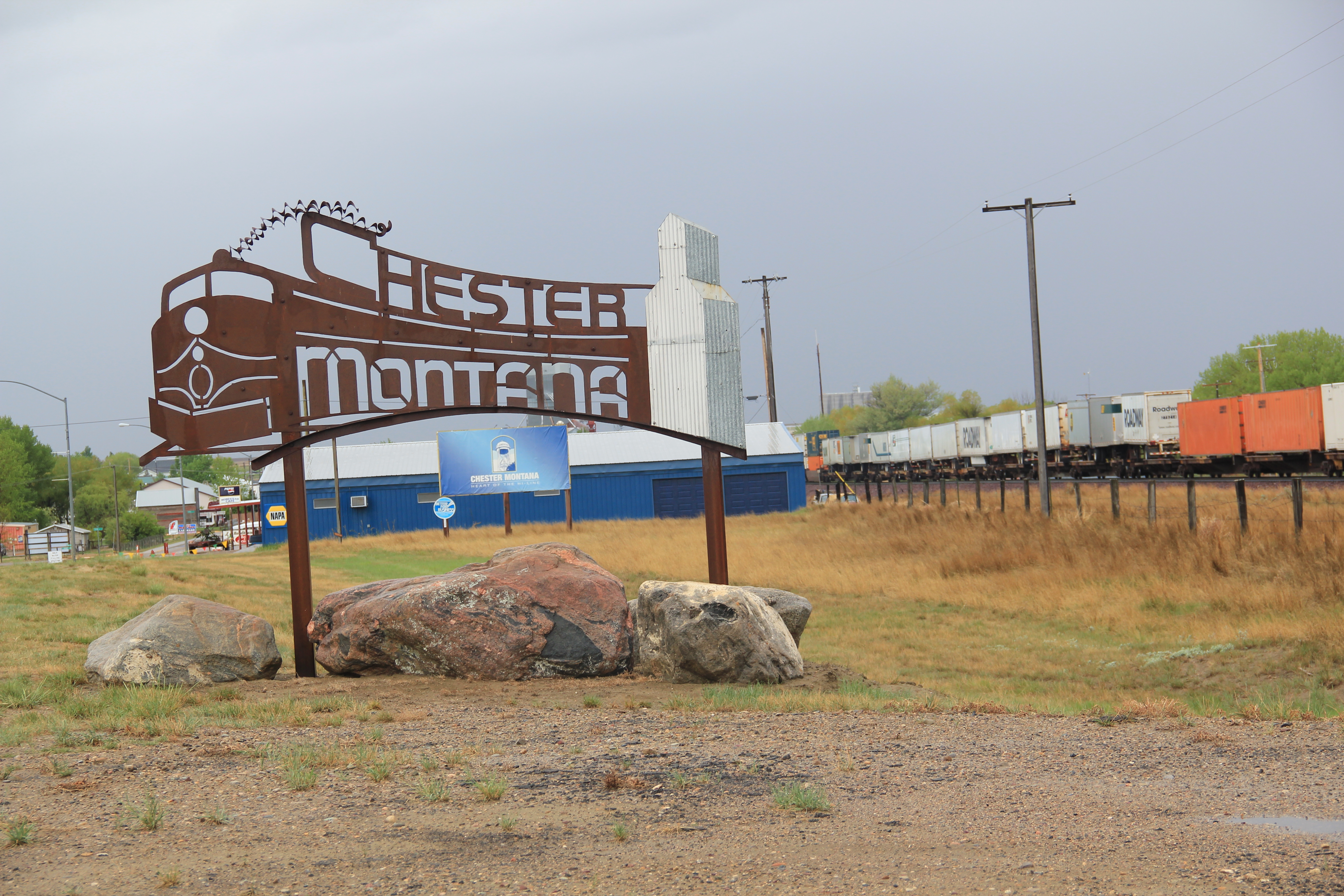
For instance, Chester, the seat of government for Liberty County, has a newer metal sign, suggesting a bit of streamlined Deco with its quotation of a classic passenger train engine.

Image

Kremlin, in Hill County, wishes to make clear its allegiances, complete with an American flag.

Image

Hingham, in Hill County, uses a metal screen to proclaim its existence, along with identifying community landmarks of importance. When compared to the standardized green rectangular state sign, “Entering Hingham,” there can be no doubt why town signs still matter. To officialdom, the small railroad towns are relics, hardly worth a glance, or slowing down. For residents, the signs say: hey we are here; we’re home.

Image

Rudyard, also in Hill County, is even willing to air its dirty laundry-an admission that in true Montana style, a resident took as the slogan for their business along the town’s main street.

Image

Image

Let’s end with Hill County’s Gildford–for no particular reason except that this town has a sign always found when bragging rights can be asserted–especially when it involves high school sports. When I come back to this topic in other parts of the state we will see many more examples of signs that not only identify but also celebrate the town’s most precious assets: their high schools.

Image