Glasgow’s amazing Federal building

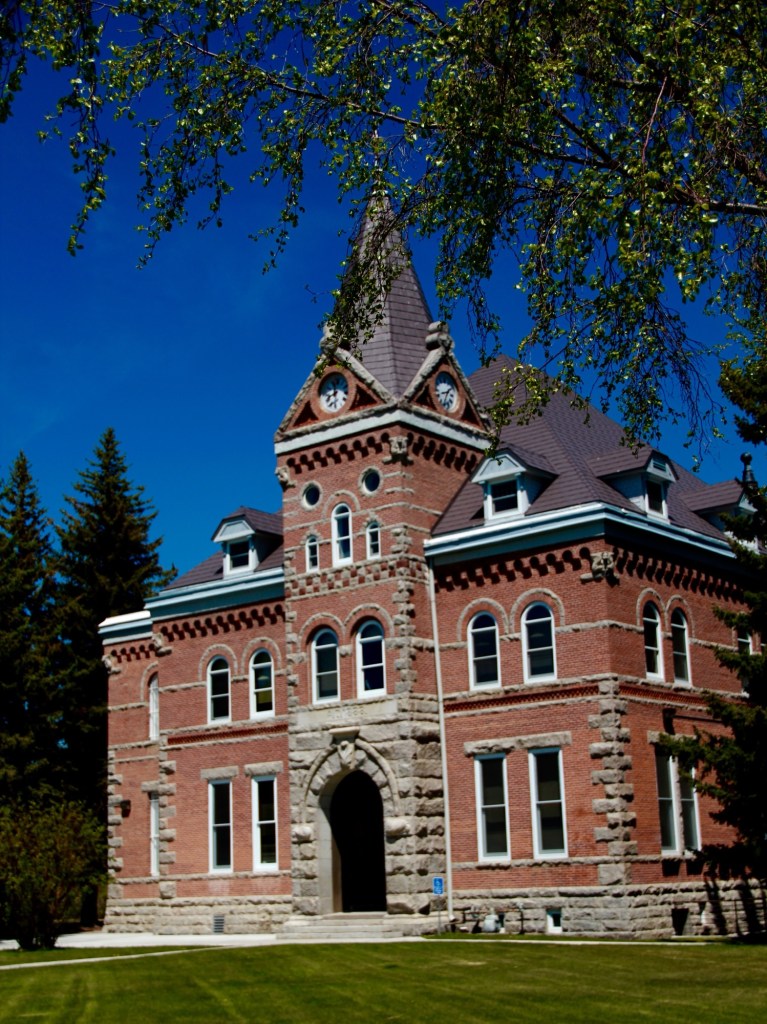
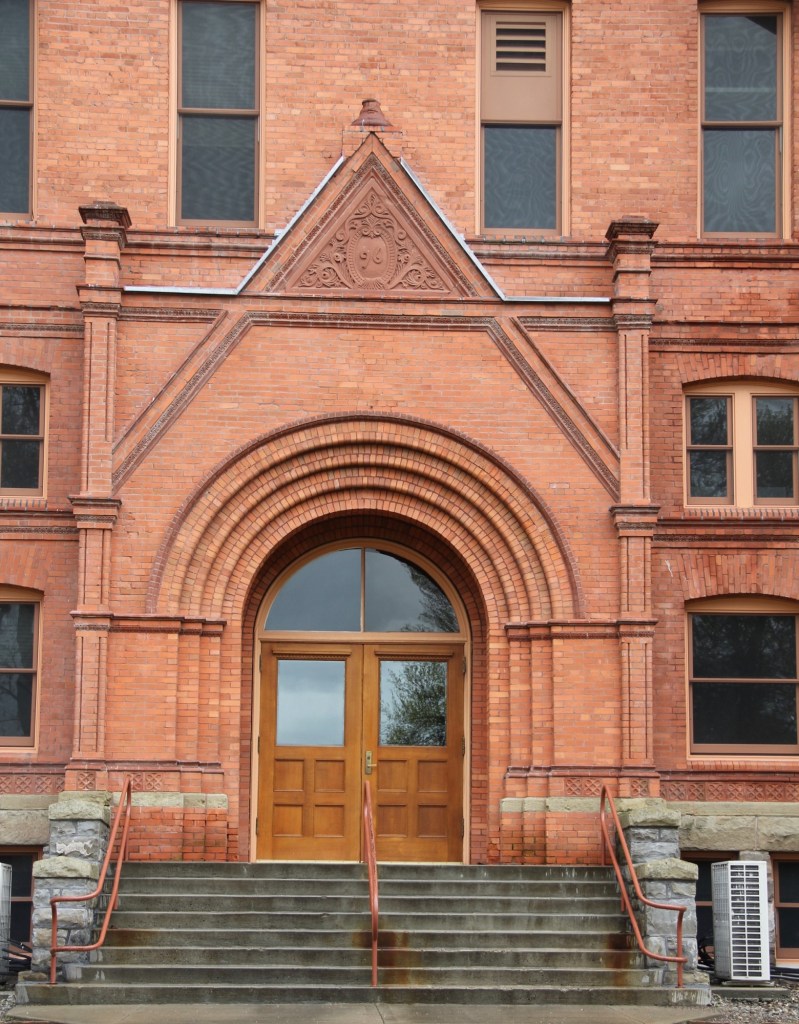
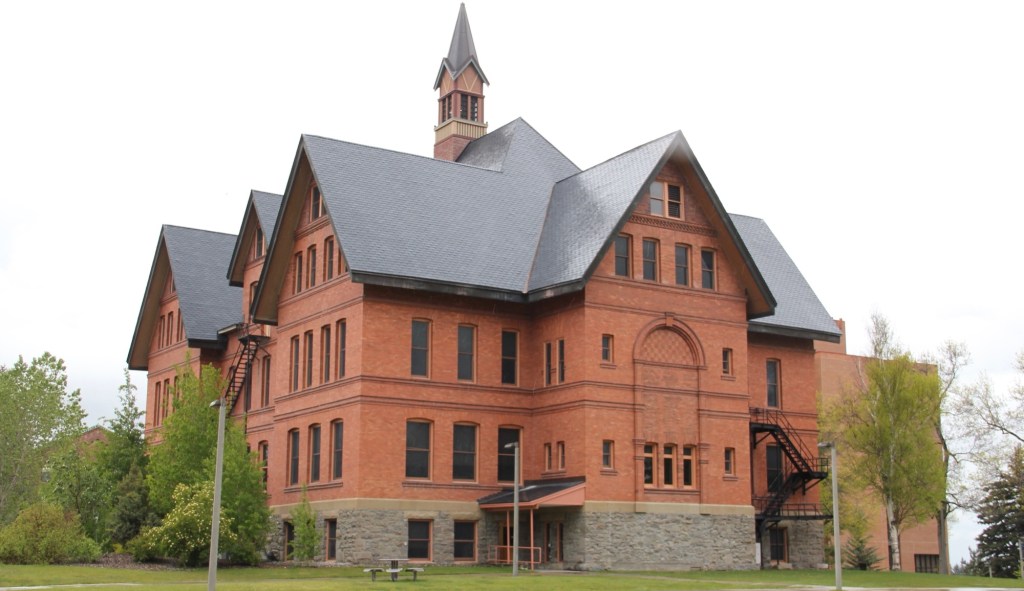
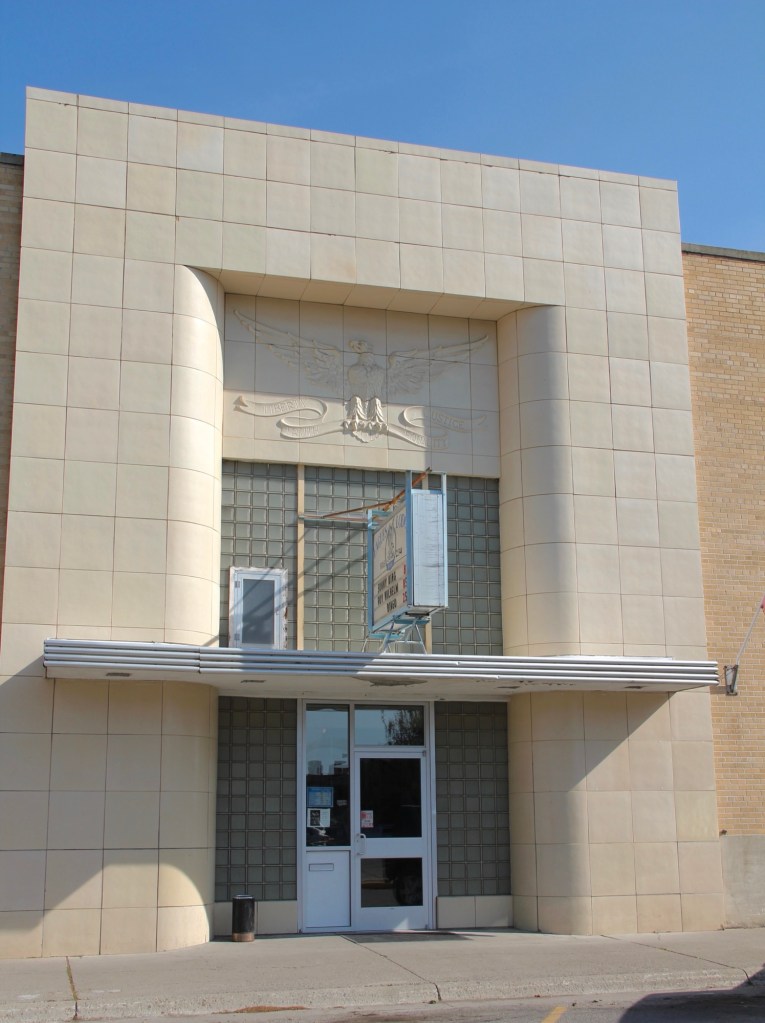
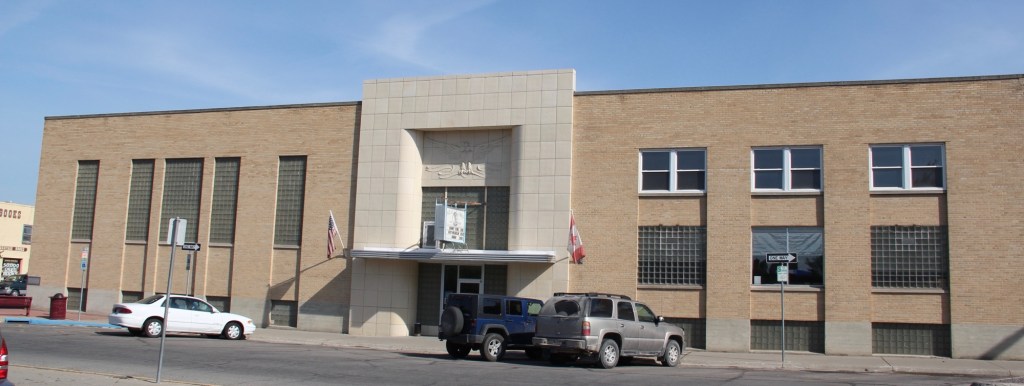
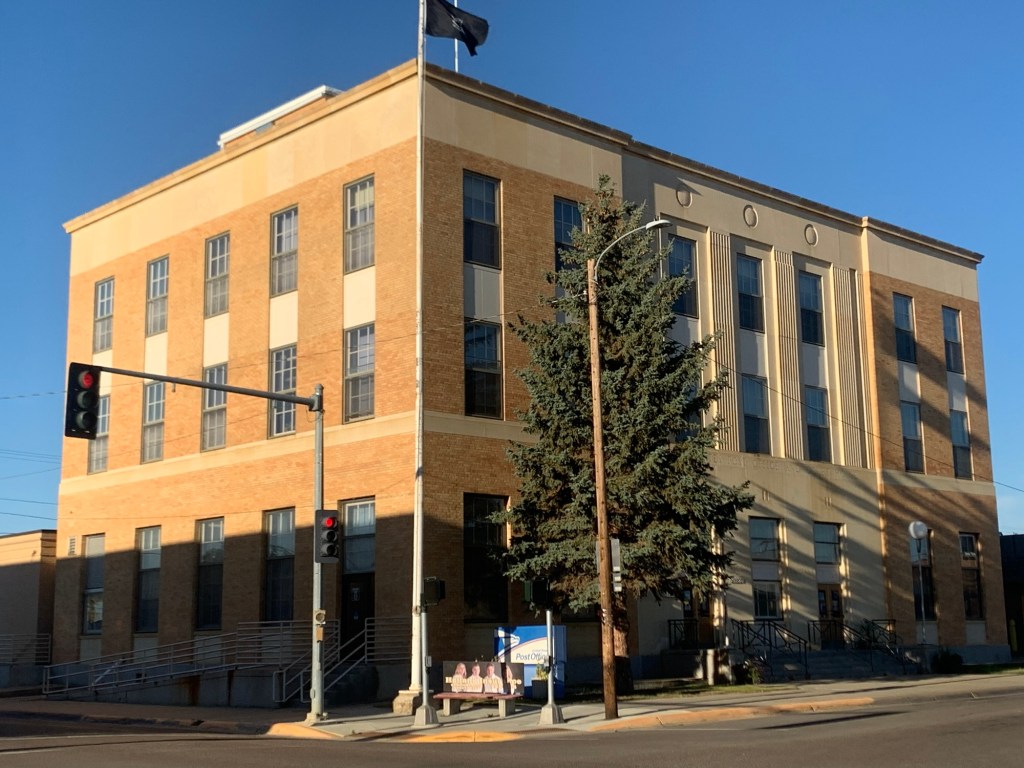
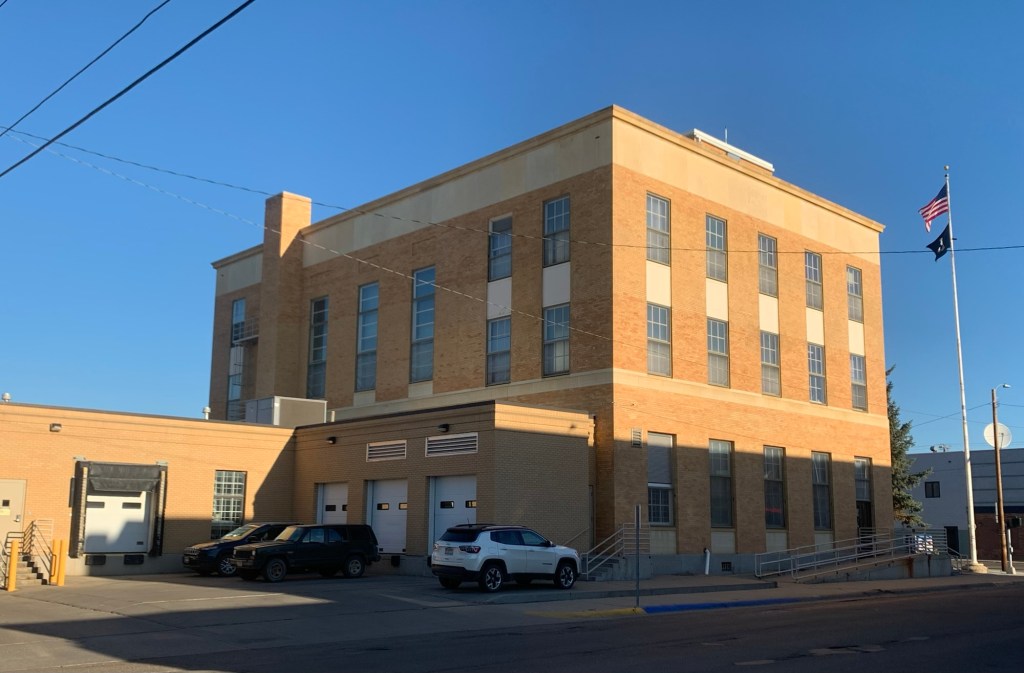
One of my favorite, if not #1 itself, Depression-era buildings in Montana is the amazing Federal building in Glasgow. First, this triumph of New Deal design from 1939 is a powerful statement in the public architecture of northeast Montana.

As you may know, Glasgow embraces its reputation as the most isolated place in the nation, that it is the definition of the middle of nowhere (a reputation however that I really challenge). But the restrained classicism of the building is refined and tasteful, perfect of the region.

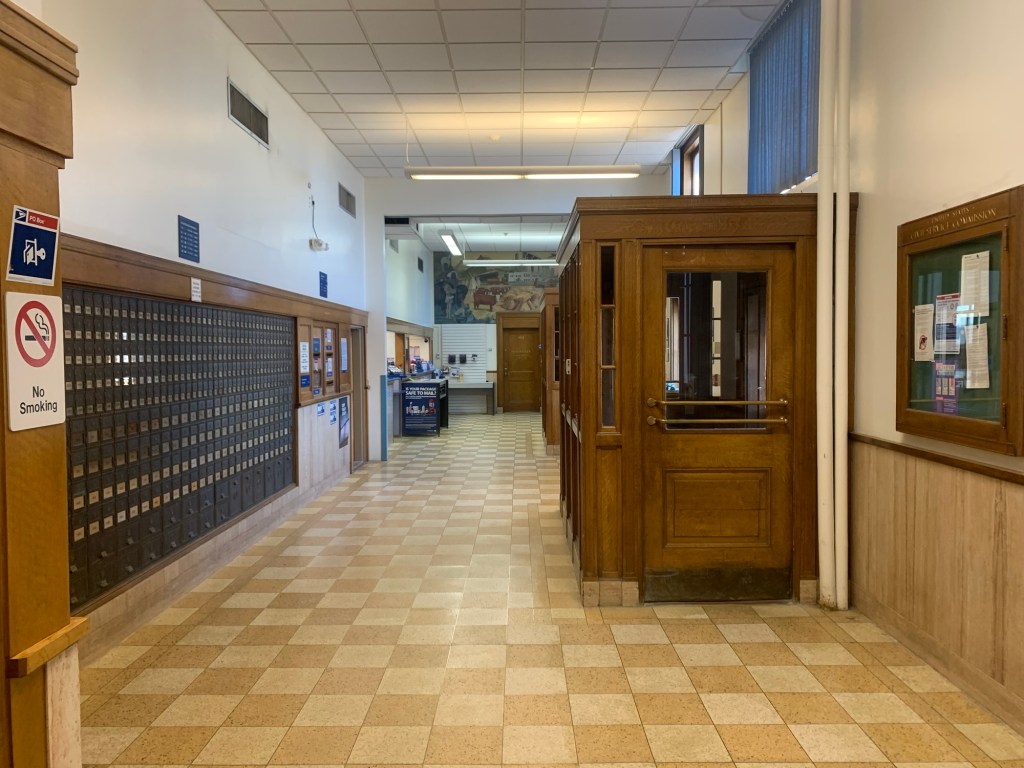
Second, I really admire the building because it is so intact after 86 years of use. Yes, there are some alterations, but when you step into the post office lobby, you do feel like you stepped back in the 1930s.

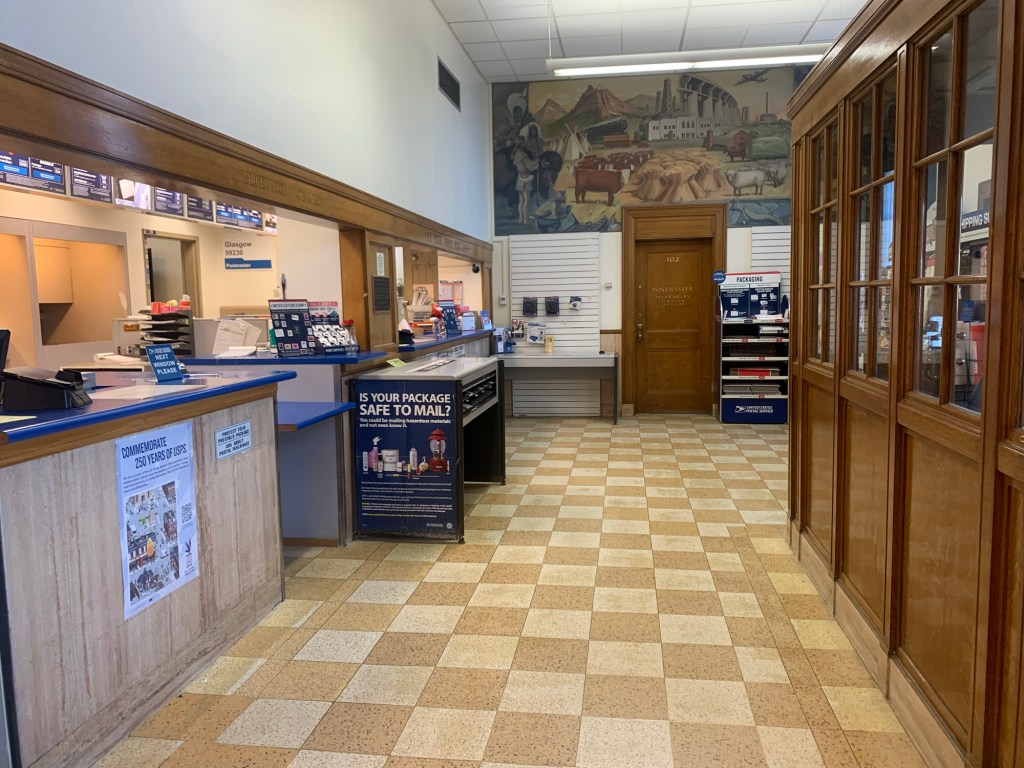
Then there is the wonderful mural, “Montana’s Progress,” by Forest Hill. Completed in 1942, as the county’s other major, and huge, New Deal project, Fort Peck Dam and powerhouse, was gearing up to maximum production for World War II.

The left side speaks to the Native American past and the nearby presence of Fort Peck Reservation. There’s even a reference to gold panning, which never happened along this section of the Missouri. Then the right side reference the coming of settlers and the parceling of once open land into regular measured surveys.

The center section speaks to the Progress, predicted to come, centered on railroads, agriculture (cattle, wheat, hay, sheep), and industry, with the commanding image of the amazing Fort Peck spillway ( already world famous to an earlier feature story in Life magazine) and in the top corner, a sugar beet refinery.

The bomber flying above it all of course spoke to the immediate present , of World War II, but it also correctly predicted the future. The town and county would have its greatest period of prosperity in the 1950s and 1960s with the Glasgow Air Force Base.

What a historic document of its time and what an amazing building, still serving the community almost 90 years later.

Transforming State History: the new Montana Historical Society museum

At the state history conference in Helena next month, the almost complete new museum at the Montana Historical Society will be unveiled. (The completed museum will have its full public opening in December.) while we won’t be able to see everything yet I’m still looking forward to a peak behind the curtain.

It will be a transformational change for state history—a new platform to explore, interpret and preserve the state’s past. Why do I have such confidence—I was already part of such a project in the creation of a new Tennessee State Museum from 2016-2018. The new museum in Nashville has created a huge new platform for all types of activities in state history and everyone is benefiting, especially the state’s robust heritage tourism industry.
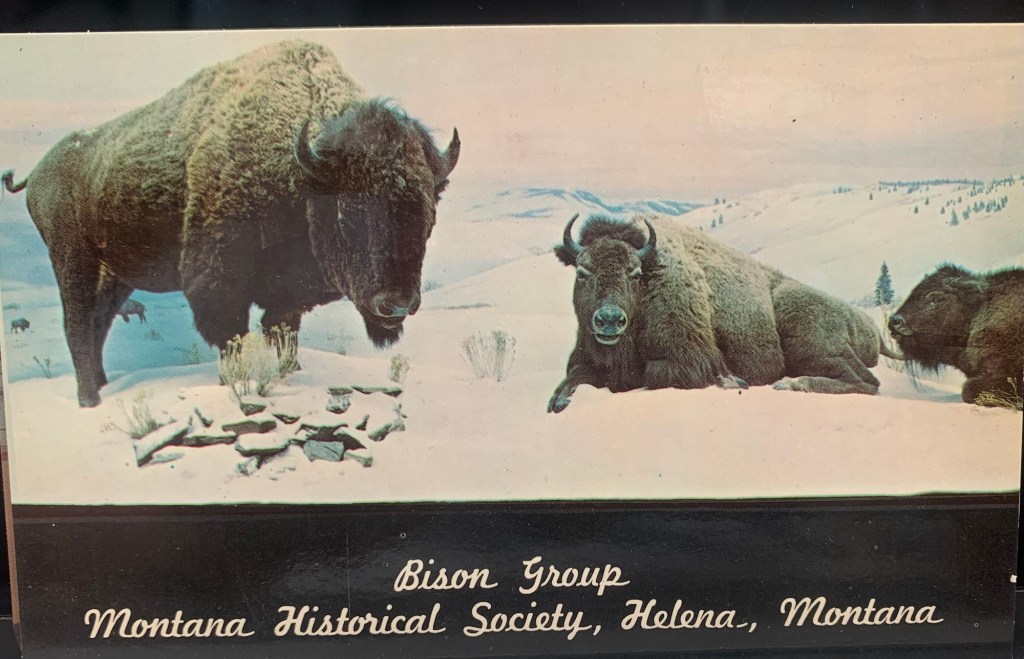
But before we get too excited about the future, let’s remember how this new change at MHS is just the latest chapter in how this amazing institution has served Montana. For this post I’m using some photographs but mostly postcards that I collected in Montana in the 1980s.

The Veterans and Pioneers Memorial Building dates to 1953. Here are two views, one emphasizing the Liberty Bell installation from the Bicentennial and the second reminding us how the tour train, established in 1954, started its tours there and connected visitors to downtown.

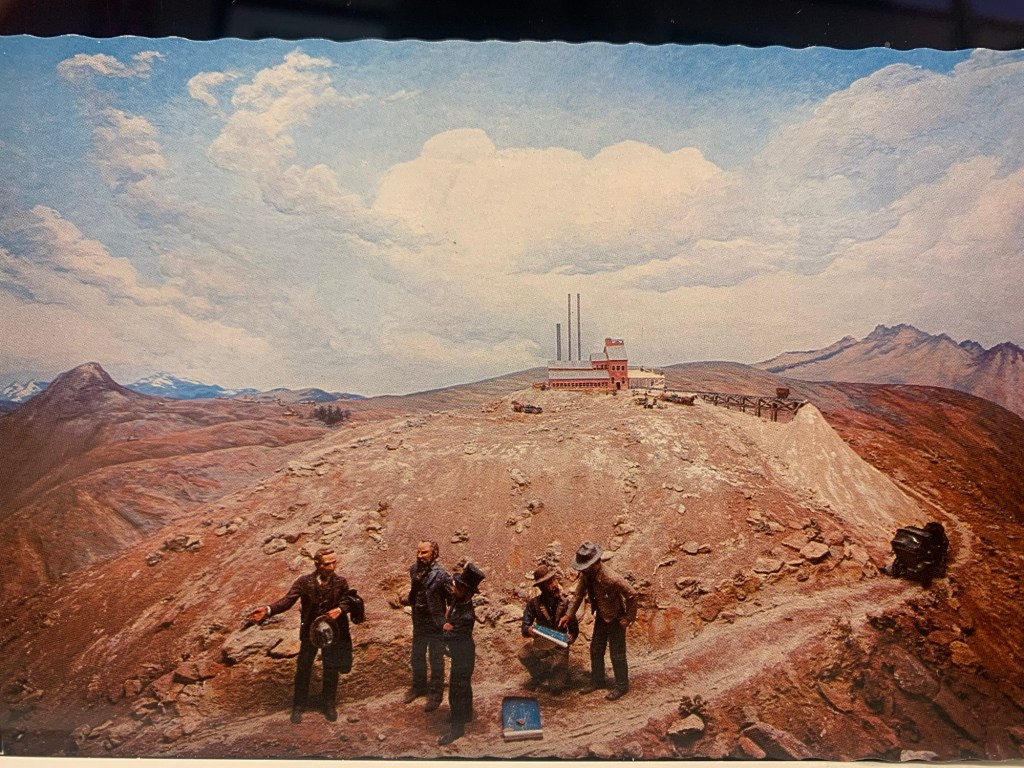
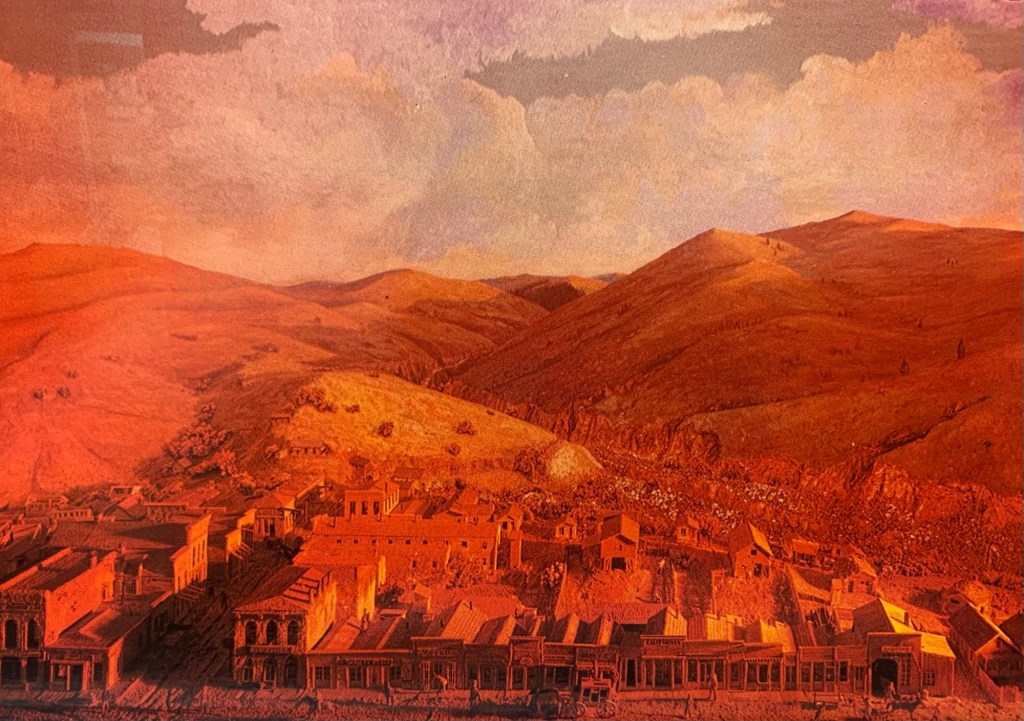
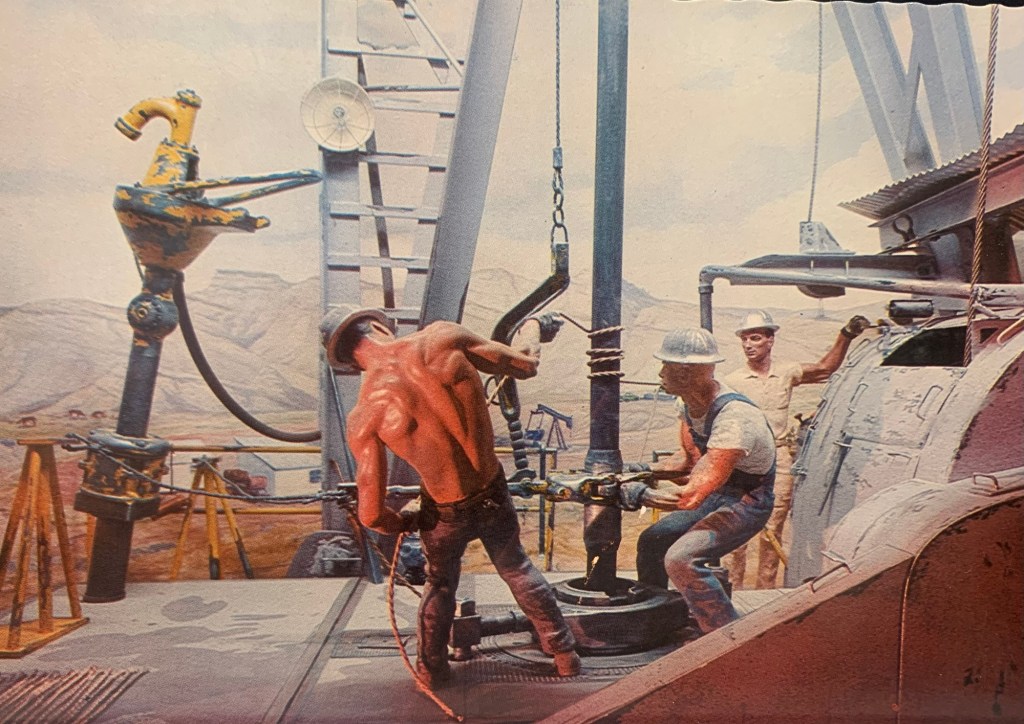
Some of us are old enough to remember the early exhibits—and the dominance of dioramas, dioramas, dioramas!

“The richest hill on earth”
Virginia City
Oil in Eastern Montana
Power lines on the plains
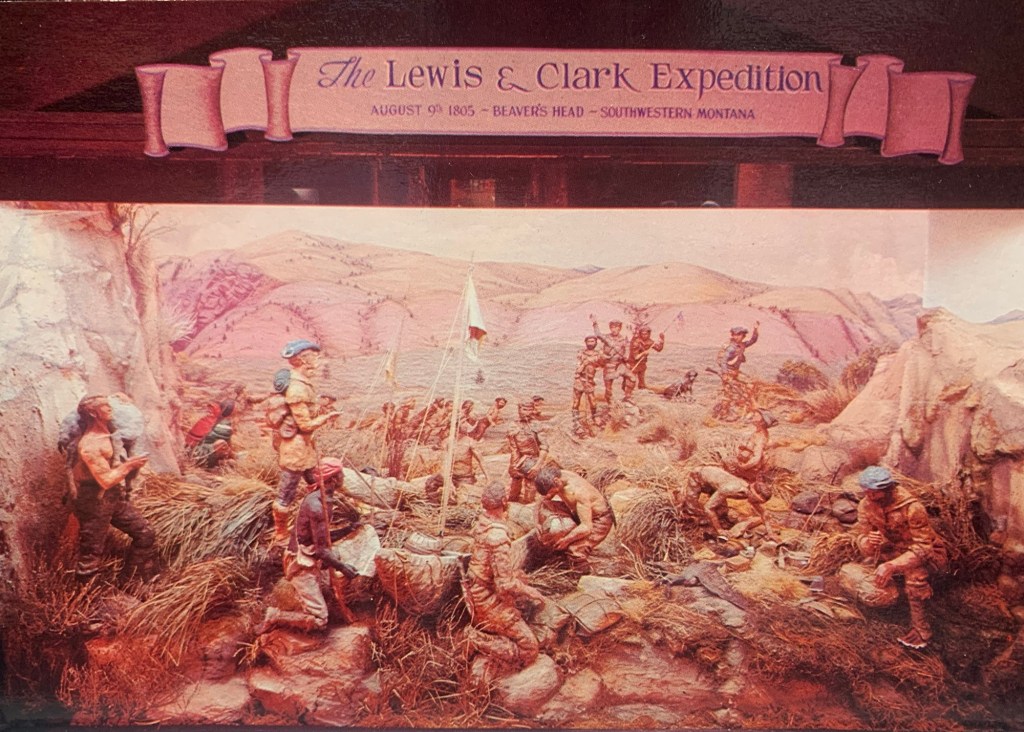
Lewis and Clark diorama, the museum opened during the 150th anniversary of the expedition
That diorama has had a second life at the Beaverhead County Museum in Dillon. Rudy Autio, the famous art potter associated with the Archie Bray Foundation and University of Montana, was the sculptor.

The highlight of the collection, then and now, was the Charles M. Russell gallery, although his work seemed out of sorts with the modern style of the building.

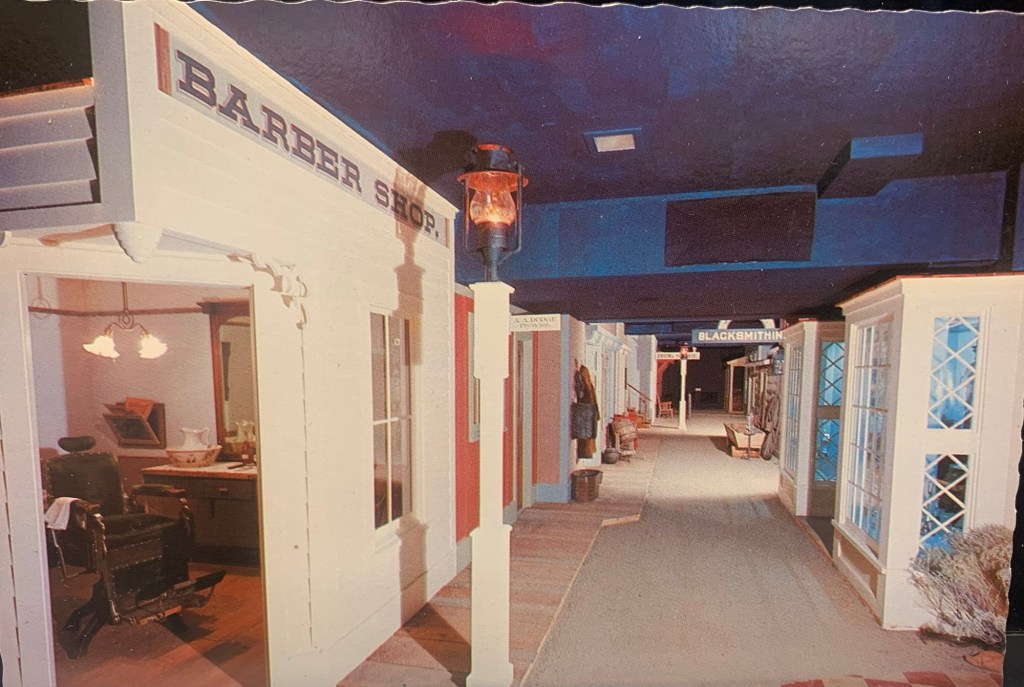
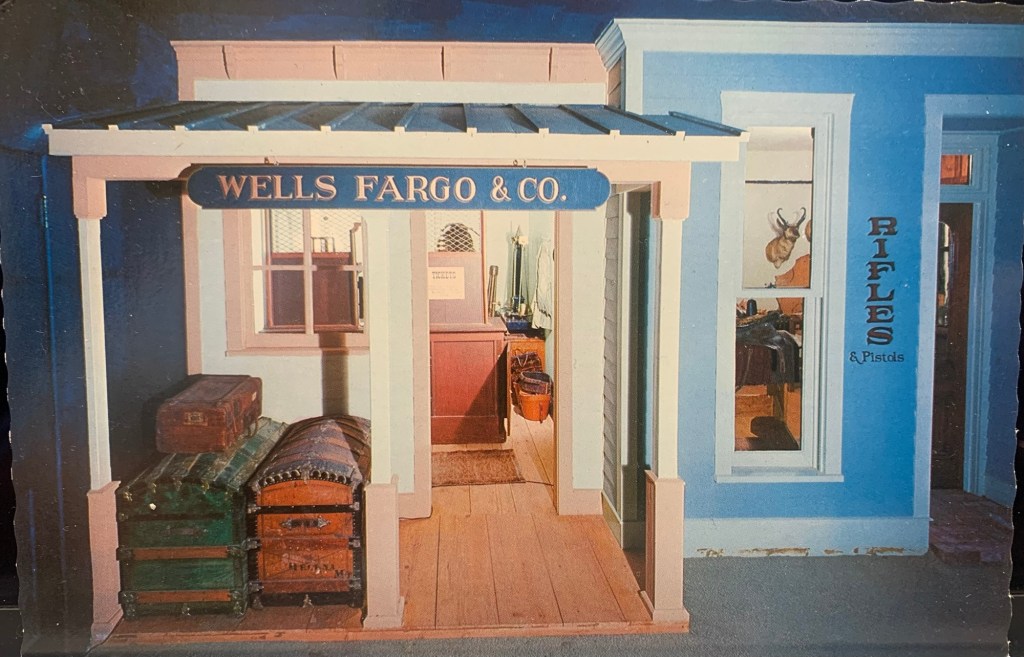
Then in the 1970s came the first transformation—placing Territorial Junction in the basement, a series of period rooms themed to a certain business or activity.

This installation had a tremendous influence on the many county museums that were built in the 1970s and 1970s as so many had their own territorial junction sections.

Mondak Heritage Center , Sidney, 2013

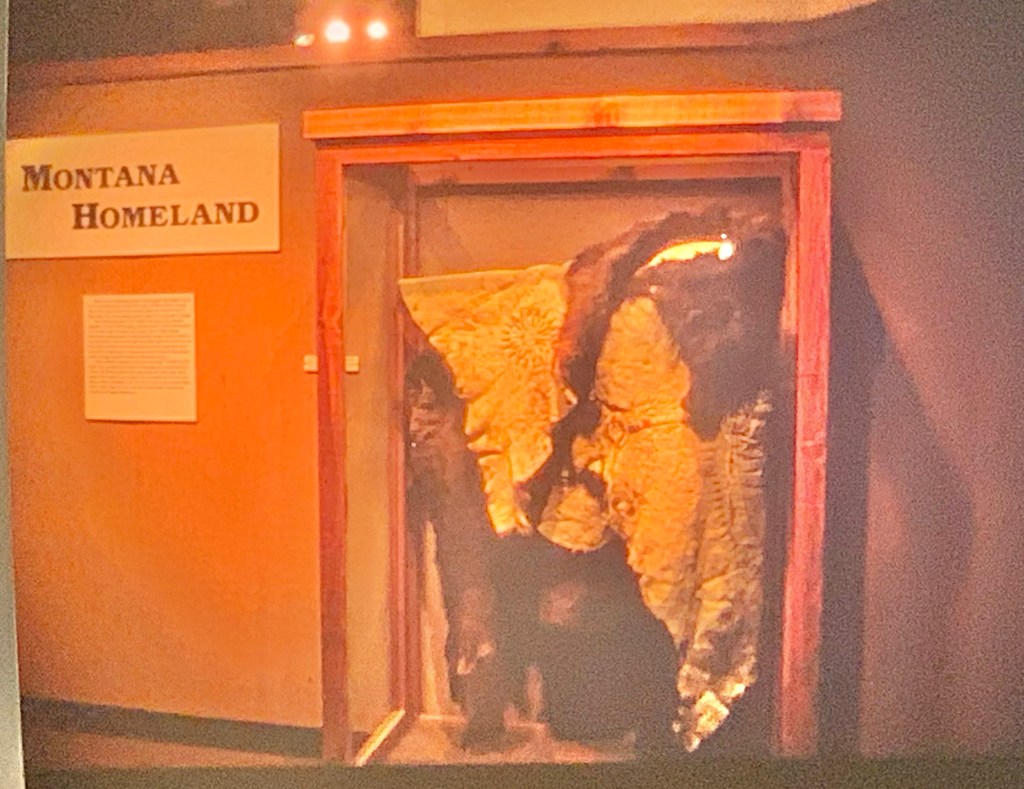
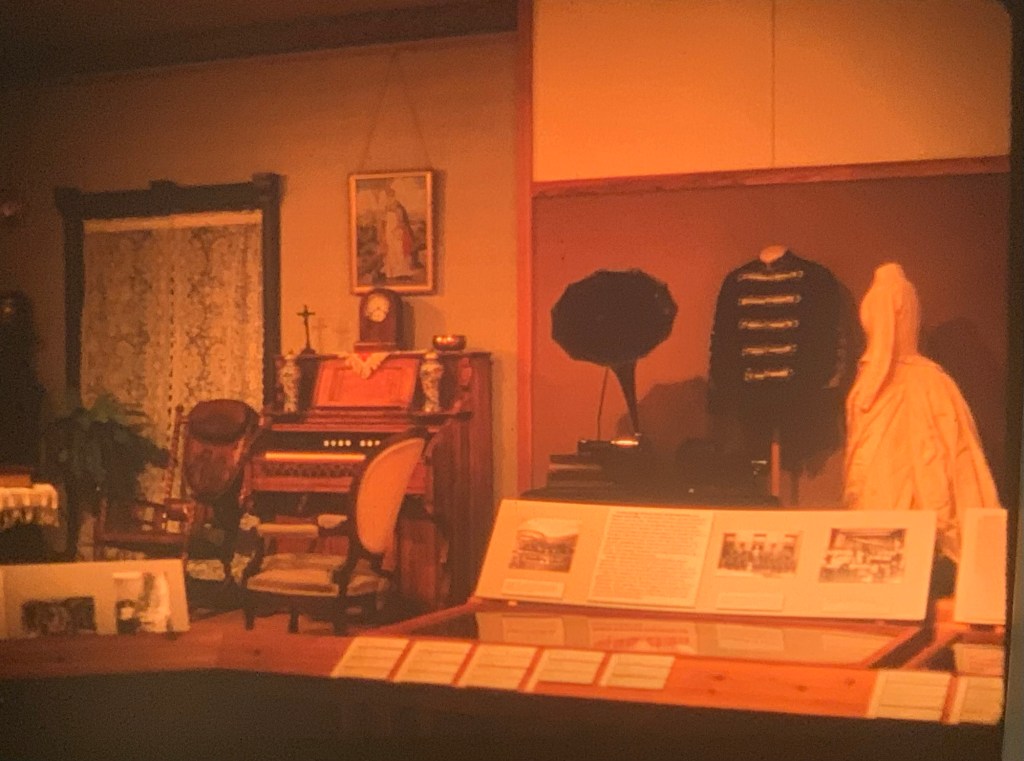
In the mid-1980s MHS staff planned and installed a new history gallery, named Montana Homeland. I visited it in 1988 and took a few slides—and in the dark light my images aren’t great but there’s enough to see how the approach had changed.

The new exhibit highlighted objects from the extensive and valuable MHS collections on Native American history.

Everywhere, from the sections on steamboats to the Victorian era to a 1930s kitchen, objects dominated the senses. It was a visual feast, an approach that I expect the new museum to continue but probably in a much more interactive way.

Yes, no doubt I will miss the old MHS museum but I’m pumped about the new one. What an opportunity! I will report more on this topic after September’s conference.

The evolution of Billings’ Montana Avenue

I was last in Billings in early July and, as usual, I immediately walked around Montana Avenue to see what was going on—doing that walk has been a tradition for me for over 40 years.

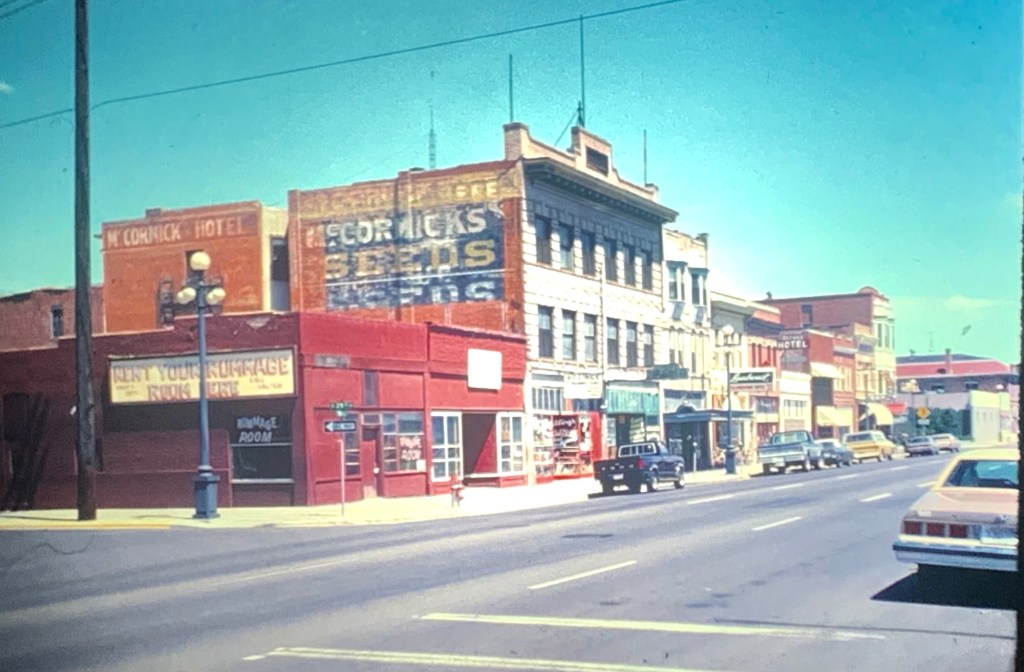
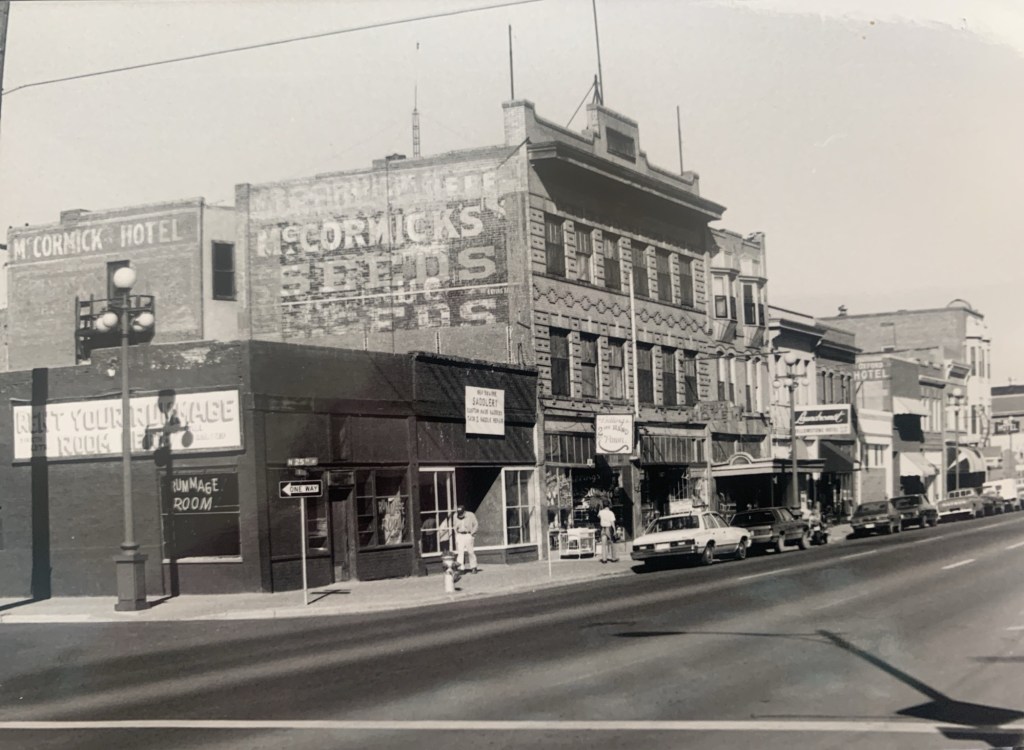
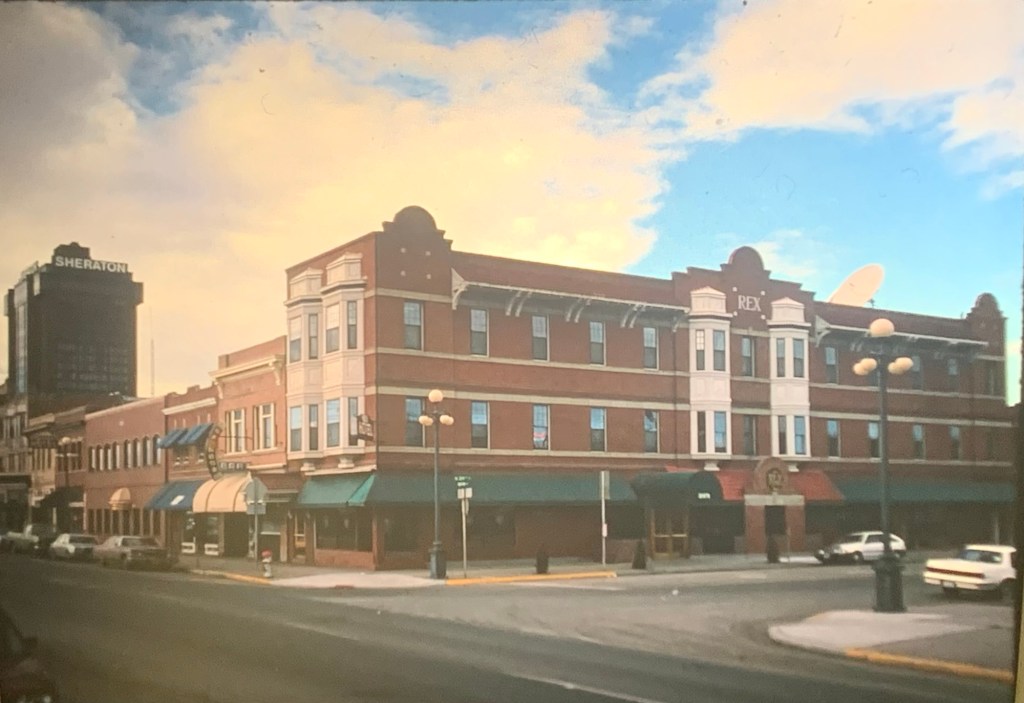
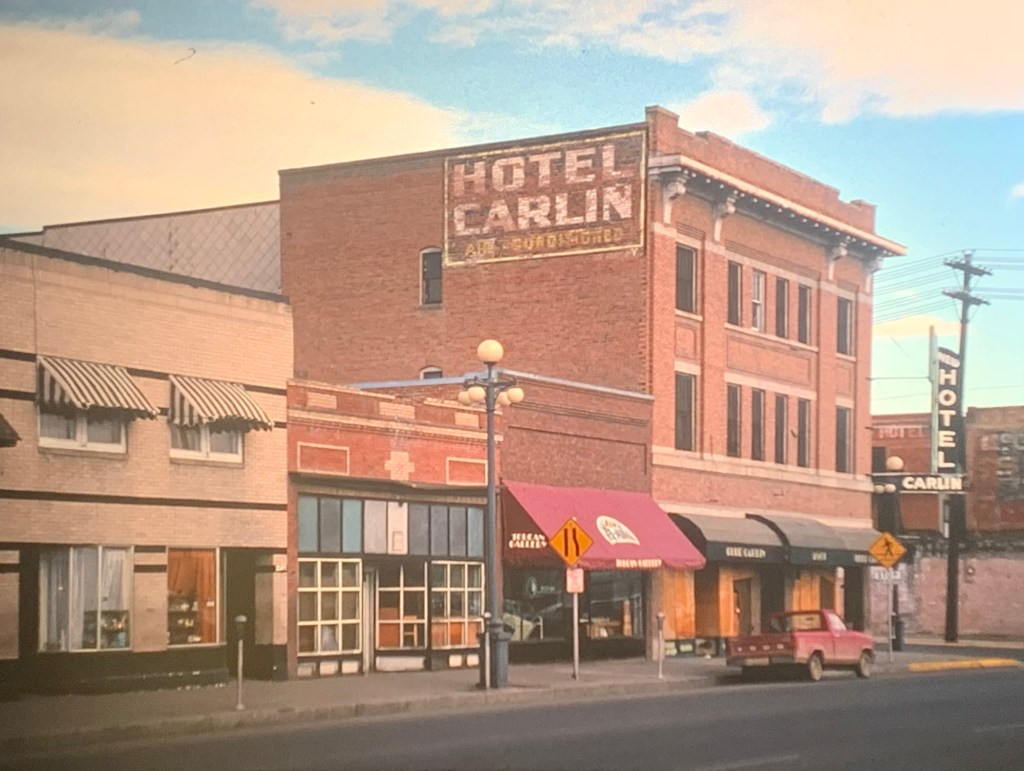
Do you remember what Montana Avenue was like in 1985–well here’s two views if you don’t recall, or were even around in 1985. It was a mix of second hand, rummage, stores, “antique” stores, flophouses, and an emerging galley scene, led by Toucan Gallery.

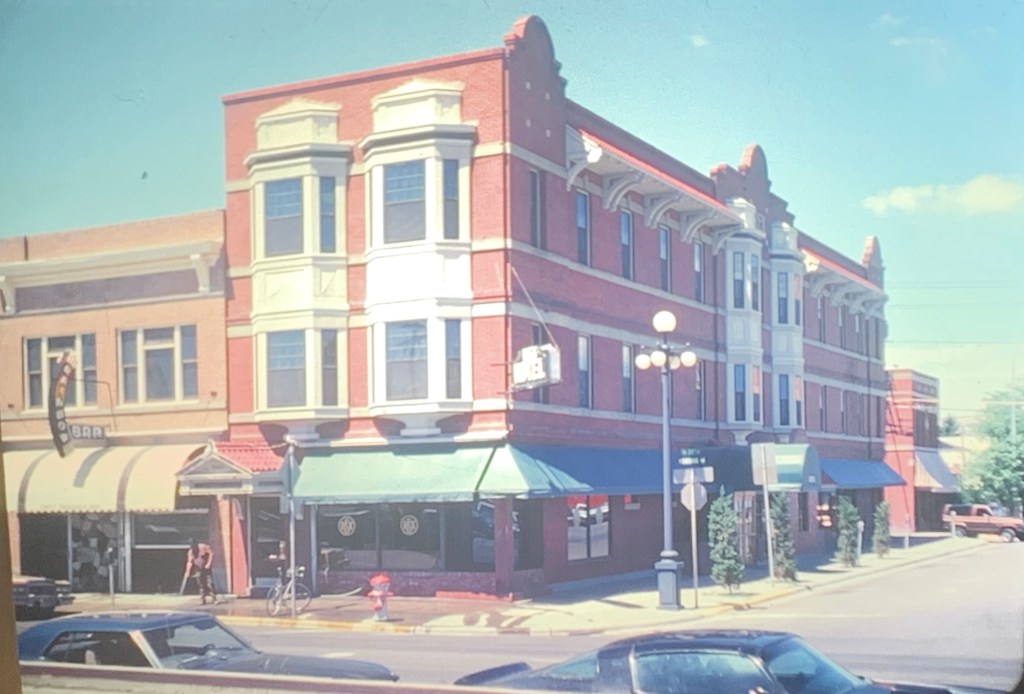
Rex Hotel 1985

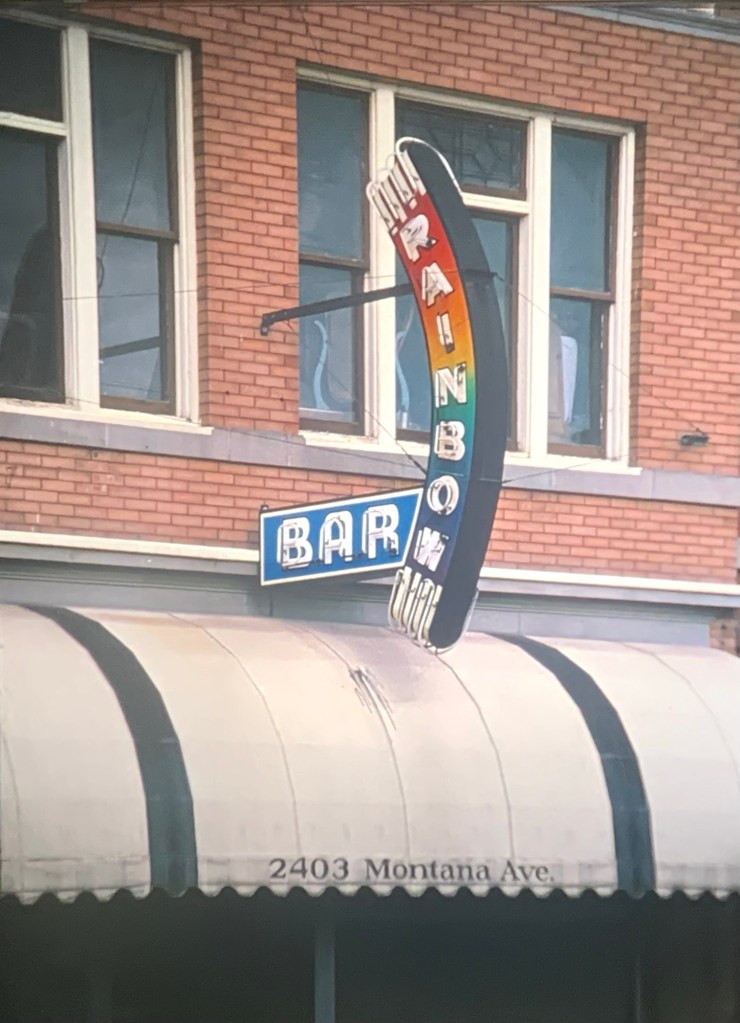
There was an oasis—the restored Rex Hotel, with one of the city’s best restaurants, and next door, the Rainbow Bar, an oasis of a far different type. Thankfully both businesses, with some changes, remain anchors to the district today.

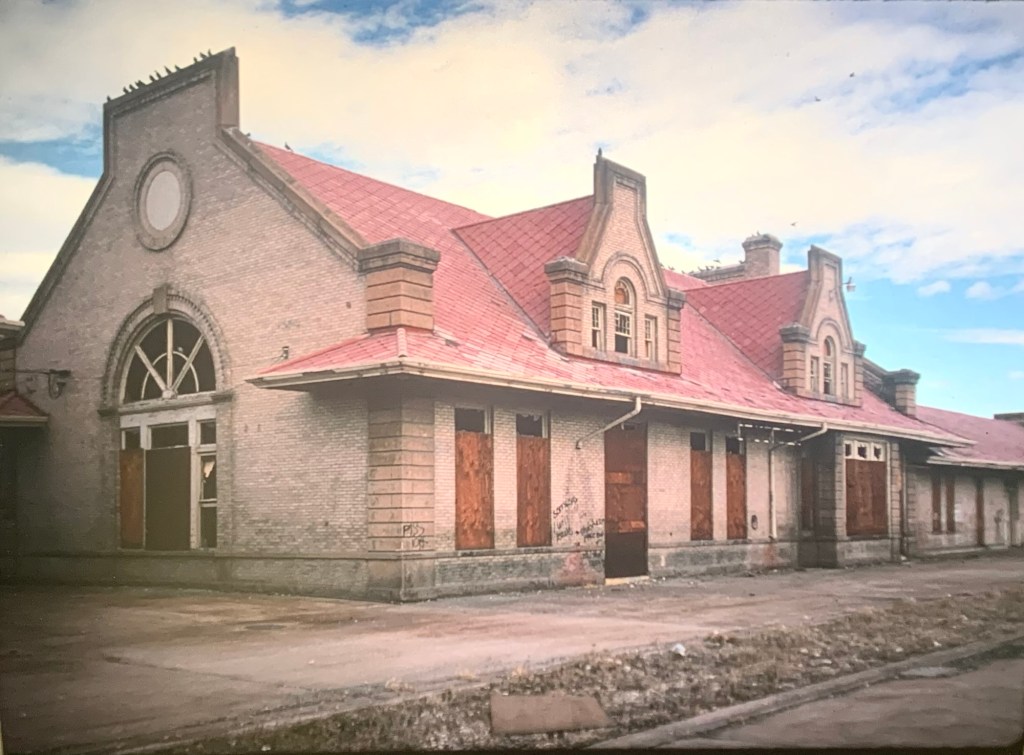
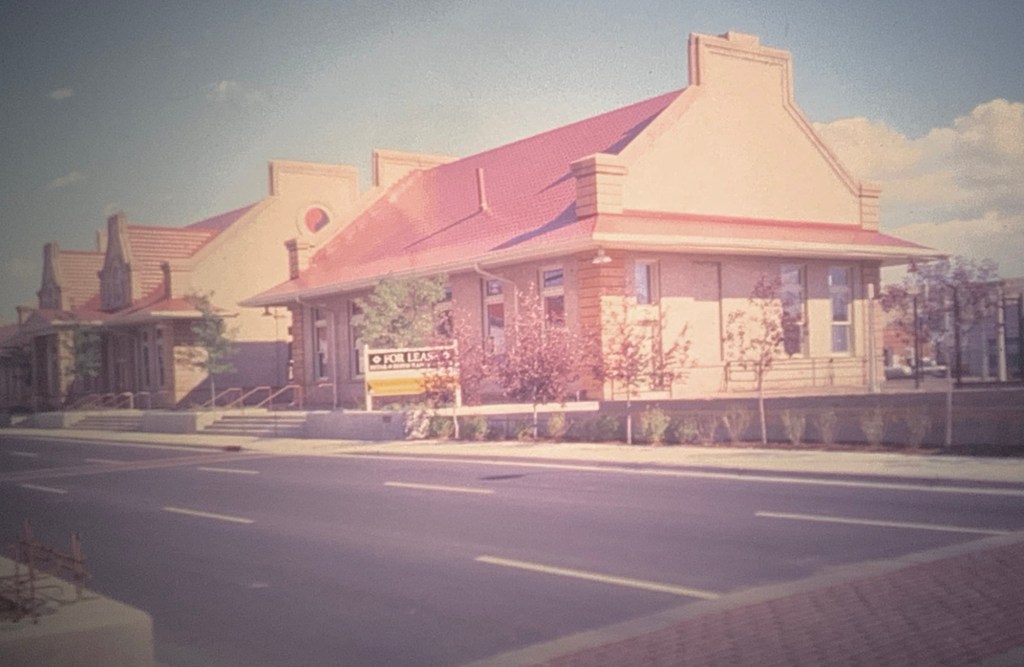
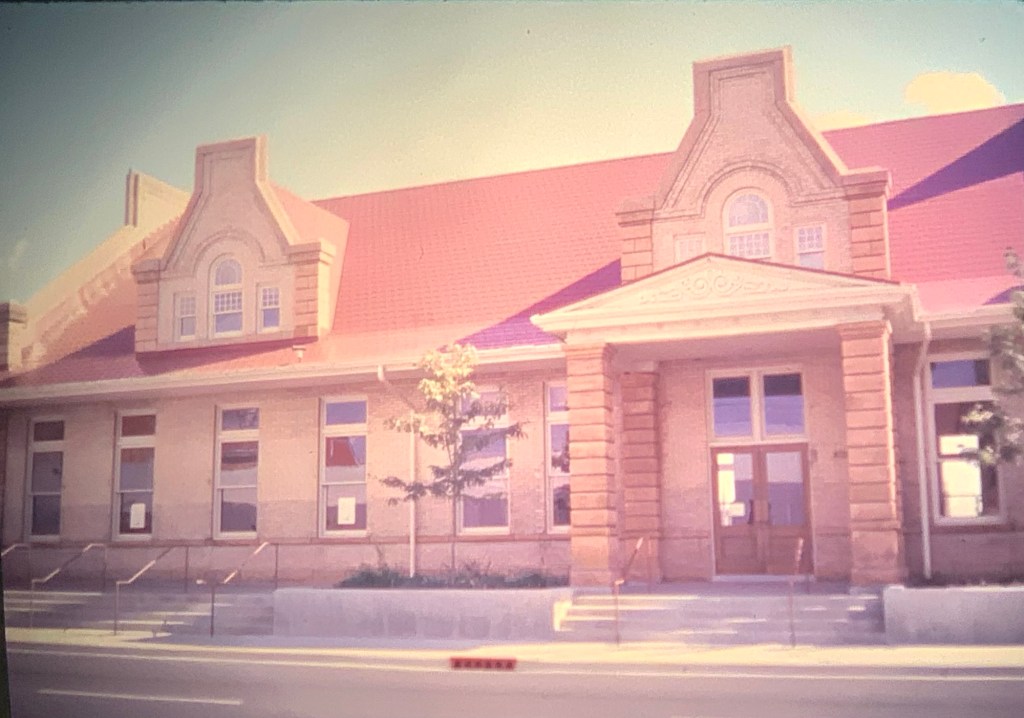
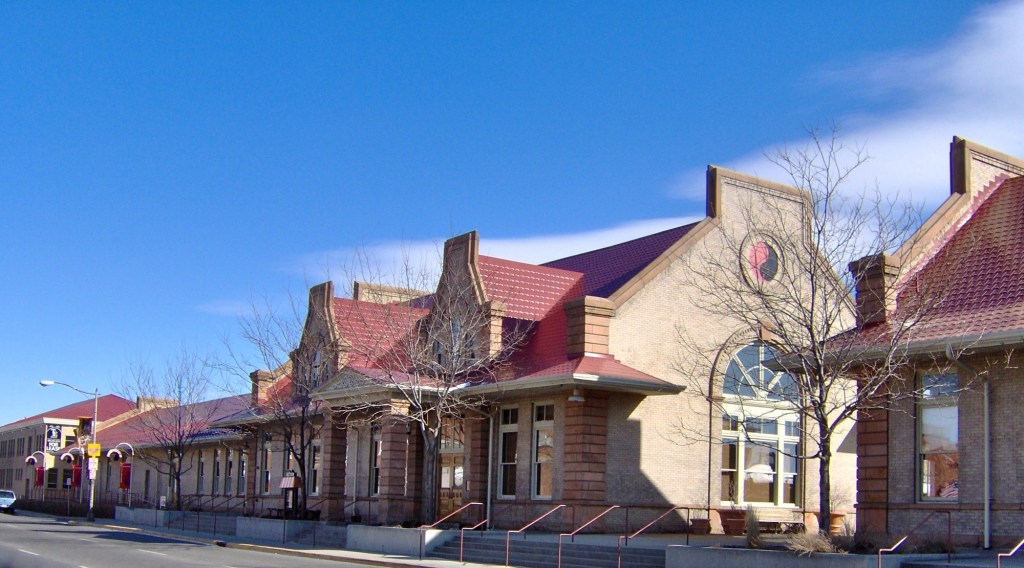
On the opposite side of the street—despair. The imposing 1907 Northern Pacific Railroad depot was boarded up, forgotten and deteriorating. The reality was a puzzle to me because already in Great Falls and Missoula investors had restored and reopened historic Milwaukee Road depots. Why not Billings?

Five years later, 1990, it had gotten worse instead of better at the depot. When graffiti begins to mark a historic building the end is often near. On the other side of the street, however, new investment kept the historic buildings moving forward.
Rex Hotel and Montana Avenue 1990
Rainbow Bar 1990
Hotel Carlin block, 1990
McCormick Block, 1990

Changes were afoot at the McCormick Block where two adjacent one story 100 year old buildings had been torn away to create a parking lot.

And the district had a new east end, with the conversion of a 20th century building into the Coulson Bar. I loved the reference to the river town that was a precursor to Billings.

The 1990s was when the historic preservation movement transformed Montana Avenue. The Montana Avenue Historic District was listed in the National Register of Historic Places, thanks to the vision of property owners supported by the city and the State Historic Preservation Office and the work of Chere Jiusto.

When I next visited in 1998, I found the depot, finally, restored and serving as a new anchor.

The new courtyard at the Rex was quite the place to be and be seen. I even saw Hollywood stars there in 1998. the 21st resurgence of Montana Avenue was ready to begin.

How many of you used the Internet cafe at the McCormick Block? I did in 2000 when I took the image above.

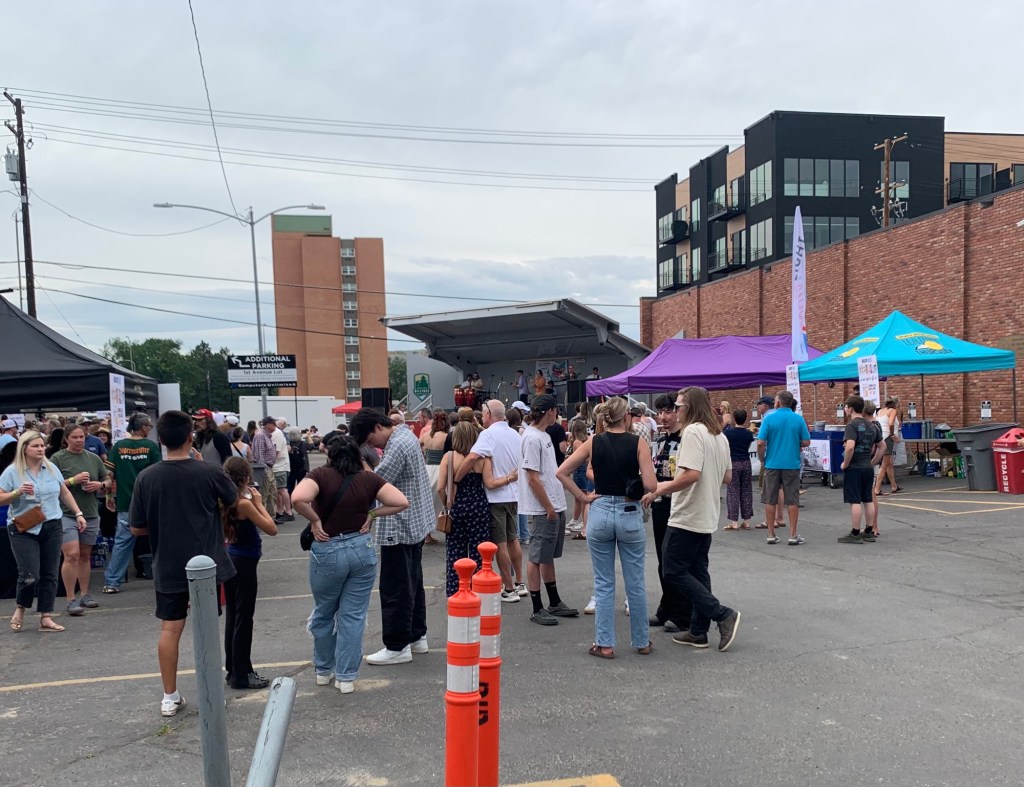
Fast forward to July 2025. The once neglected district is a city downtown hub, hosting a street event and businesses booming. What a change from 1985.

Hamilton’s historic public architecture

In the first half of the 20th century few Montana county seats matched the quality and diversity of public architecture of Hamilton, the seat of Ravalli County.

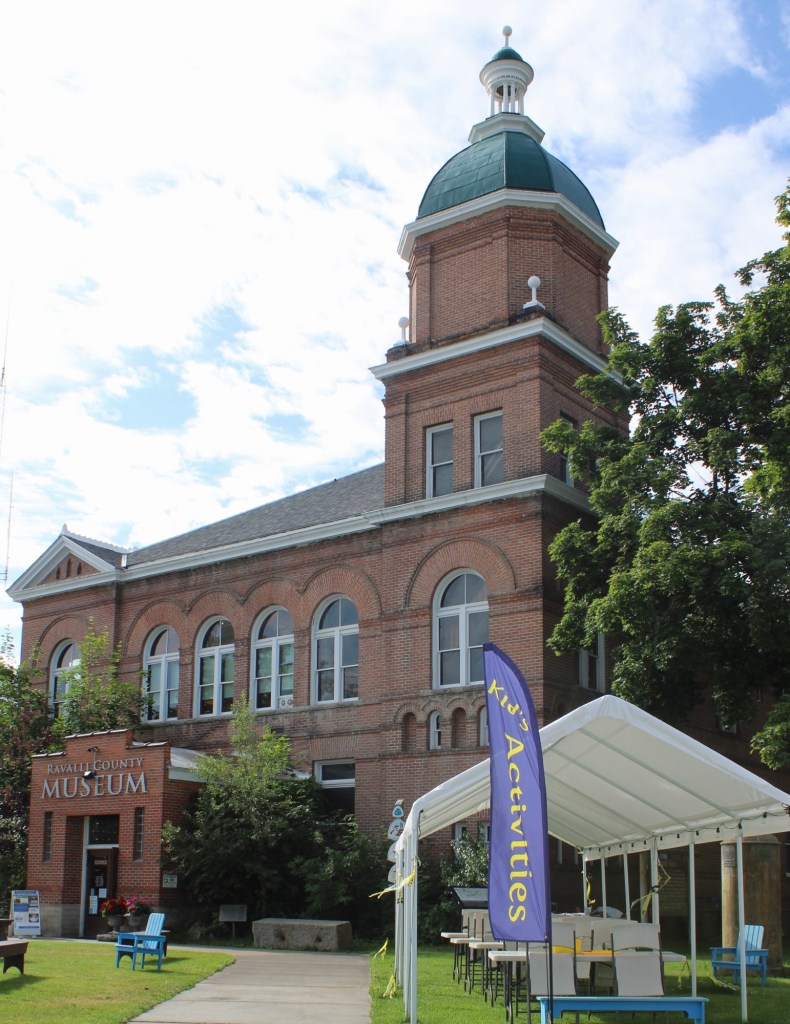
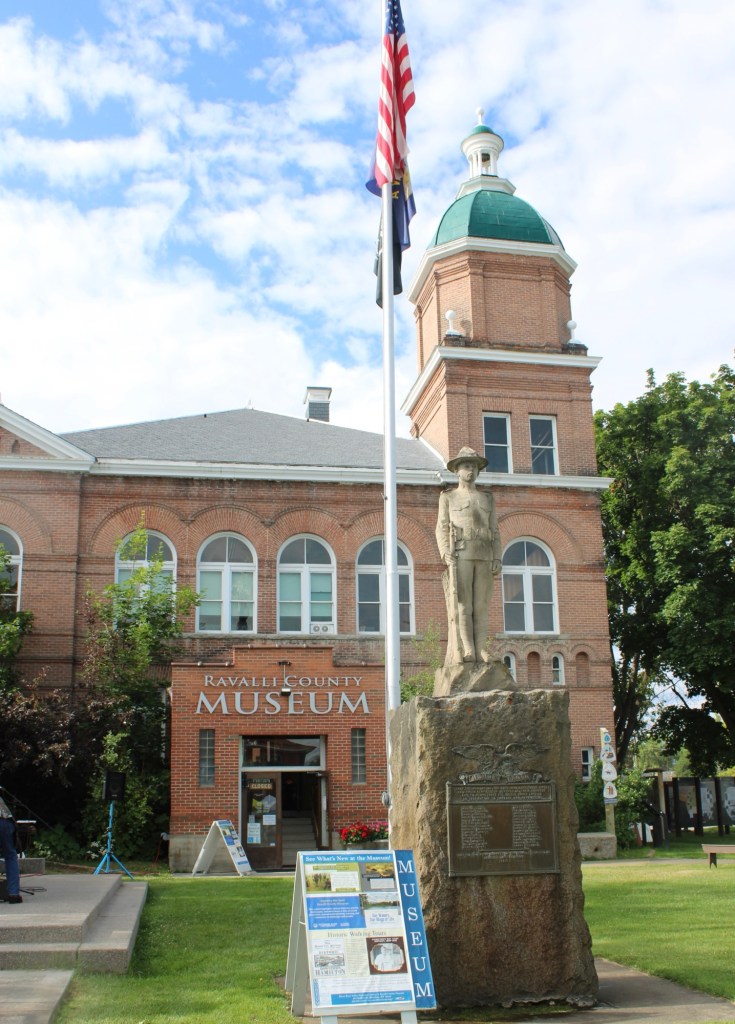
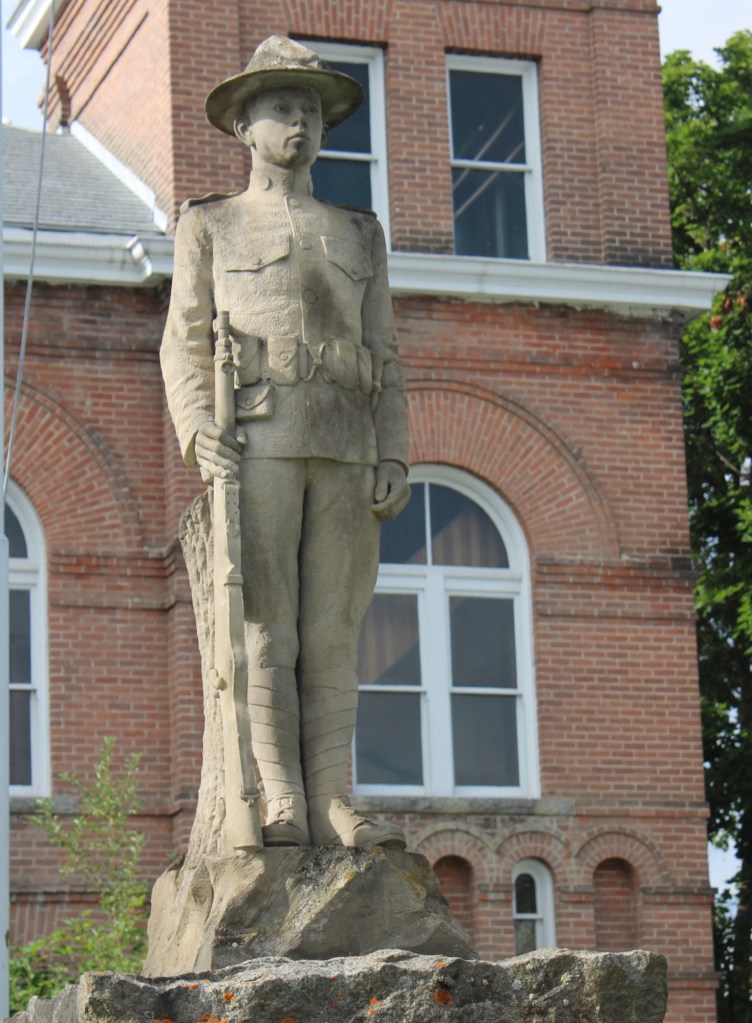
The oldest, the Ravalli County Courthouse of 1900, remains the most distinguished, although the county left the building for a new courthouse in the mid-1970s. Fifty years later, its conversion into an excellent county museum has kept this landmark of Romanesque infused design as a vital part of county life, especially during the city’s Saturday market in the summer. Designed by architect A.J.Gibson of Missoula, the courthouse graces a grand public space in the 21st century city, a space made even more meaningful by the Doughboy tribute monument that stands on guard in front of the building.

Installed in 1921 the monument itself is over 100 years ago and is a rare courthouse yard tribute to World War I veterans.

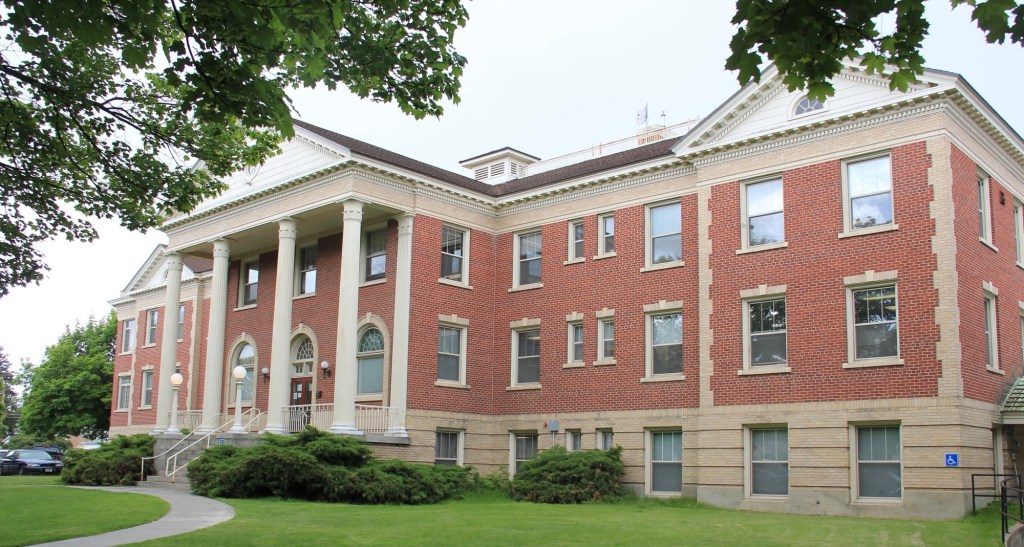
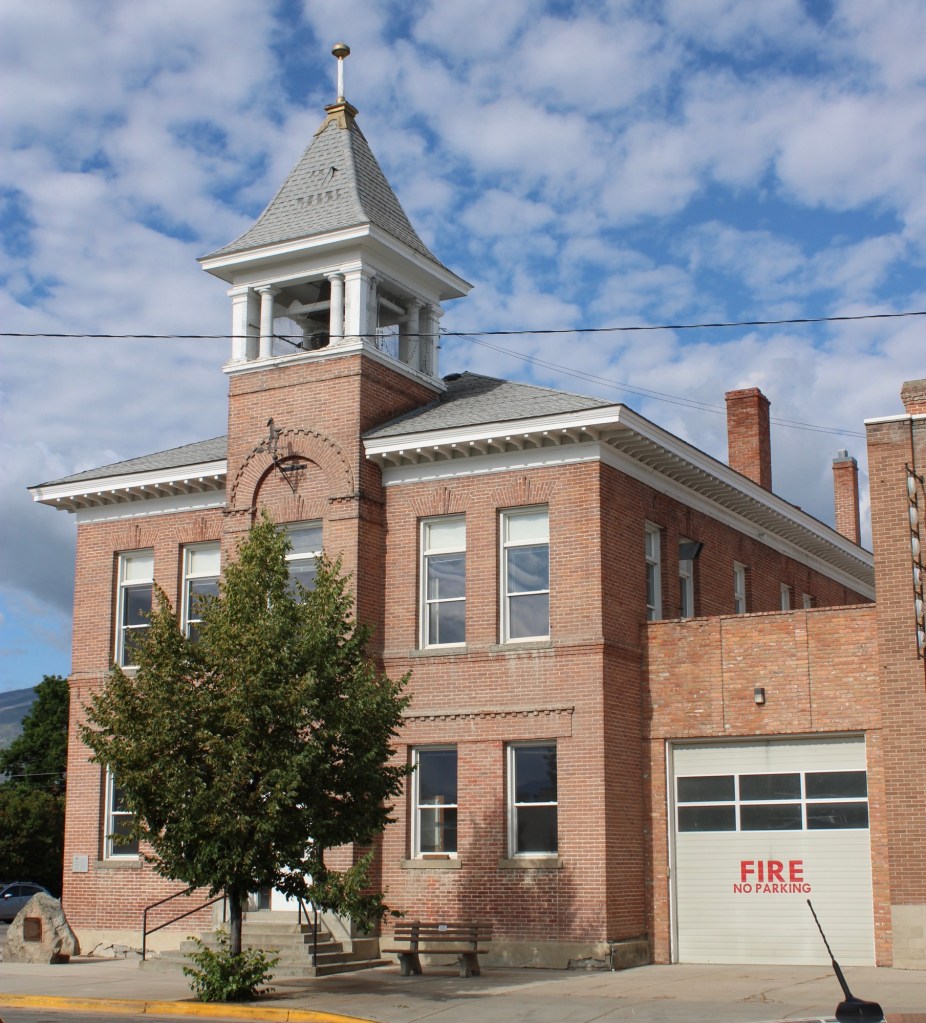
In 1906, only a block away, the city built a Victorian style flavored town hall for almost all city affairs, from governance to police in fire fighting and even the public library.

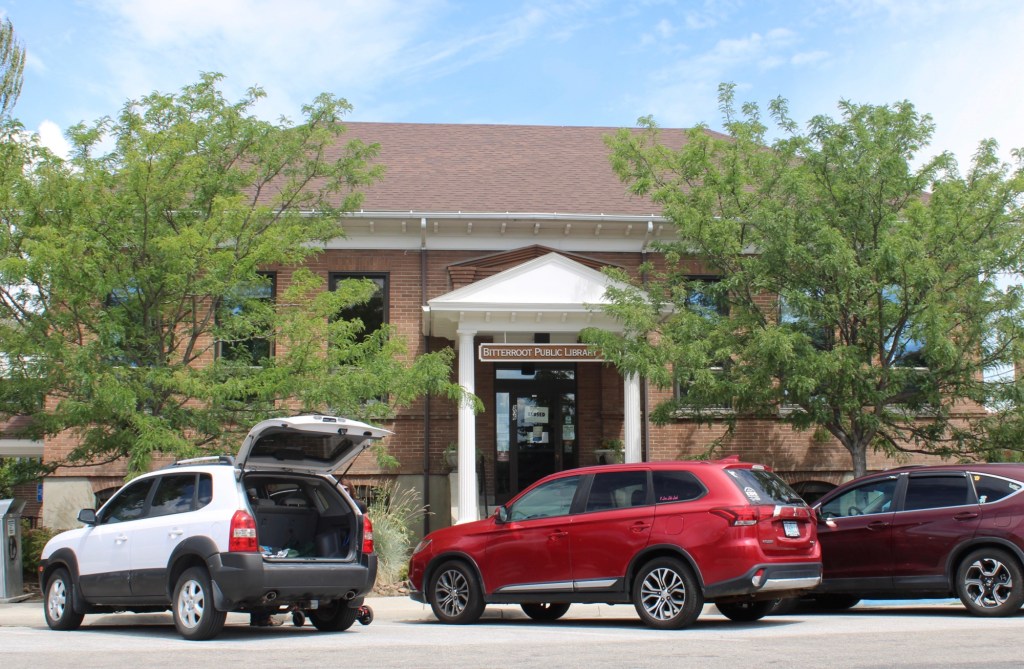
The library was not long for the Town Hall. Within 10 years it had its own Classical Revival building, due to the diligence of the Hamilton Woman’s Club and the funding of Margaret Daly, the widow of copper magnate Marcus Daly, who lived across the valley at her grand Colonial Revival mansion.

Margaret Daly was not done. In the mid-1920s she funded the Colonial Revival style Marcus Daly Hospital just blocks away from the library.

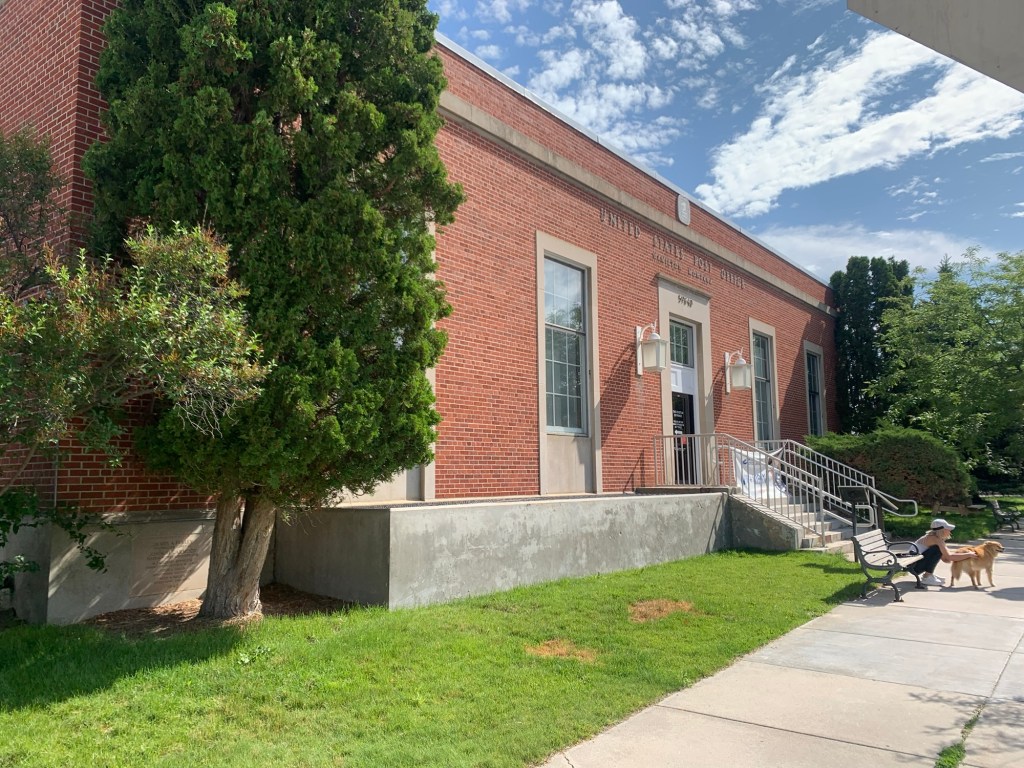
The New Deal added to the city’s Colonial Revival traditions of public architecture. Those depression years of the 1930s added a more restrained take on the colonial style in the new post office by Louis A. Simon.

Then after World War II public architecture charted a new course into modernism although Hamilton took cautious steps in its blocky modern design of the present city hall and community building, a very effective bending of uses.

Days before I visited Hamilton on July 4, 2025 plans were finalized to begin the serious work of converting the historic town hall into a new library facility. Even as we celebrate the town’s public architecture, change is coming later this decade.

Rocky Mountain Laboratory: medical solutions in Ravalli County

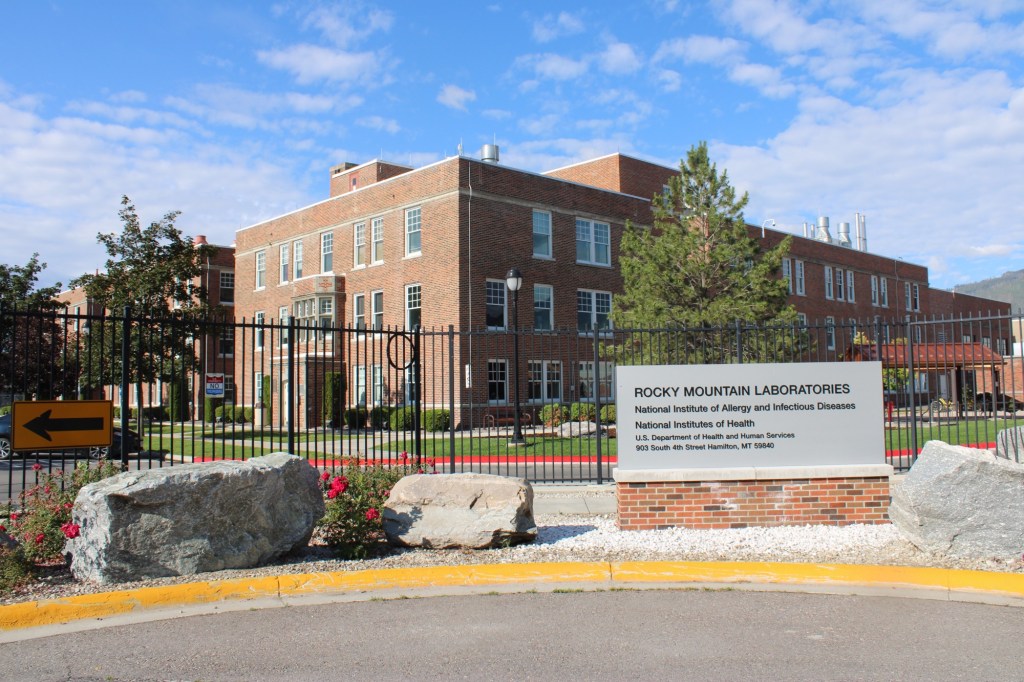
Nestled in the south end of Hamilton’s historic residential neighborhood is the Rocky Mountain National Laboratories. It began as a state initiative, as a way to combat Rocky Mountain spotted fever, a disease carried by the wood tick. For 20 years scientists searched for solutions and at one time worked out of an old abandoned log school. By 1924 an effective vaccine against Rocky Mountain spotted fever had been developed. The state of Montana built the first permanent brick laboratory at Hamilton in 1928.

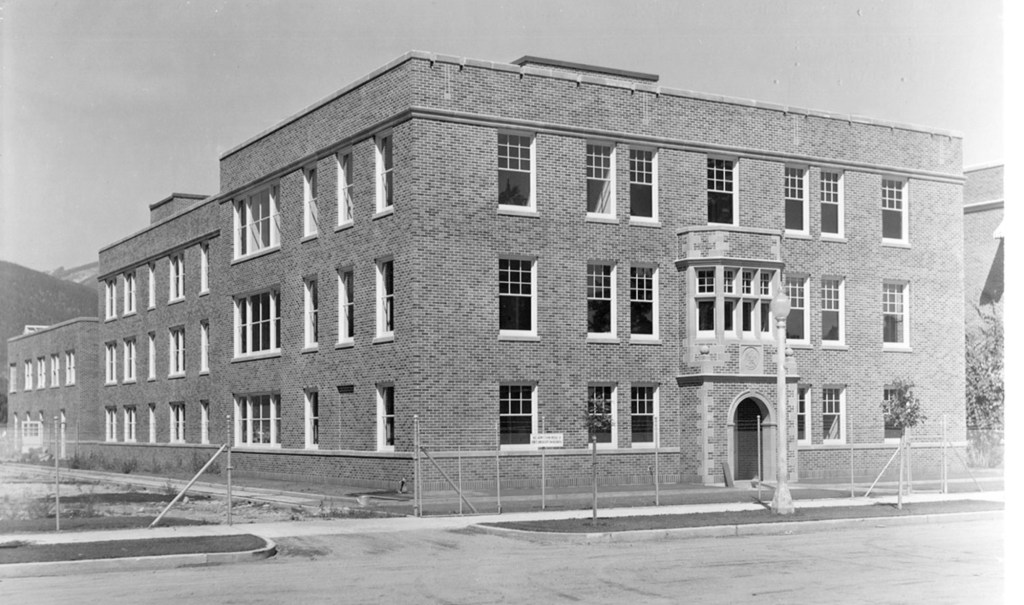
Rocky Mountain Laboratory c. 1940, National Archives

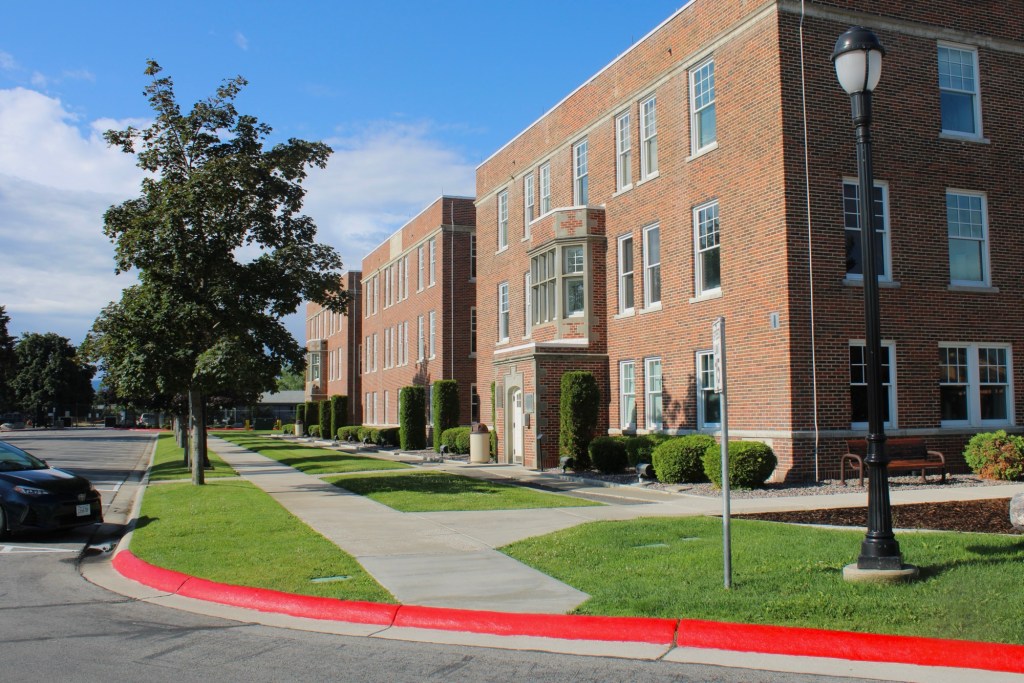
During the New Deal, the federal government took over the state program and with Public Works Administration funding, it built a new modern campus, allowing the scientists to expand their research.

The new campus, completed c. 1940, created a quad of three-story brick buildings for the laboratory, with the new buildings having a slight Collegiate Gothic style.

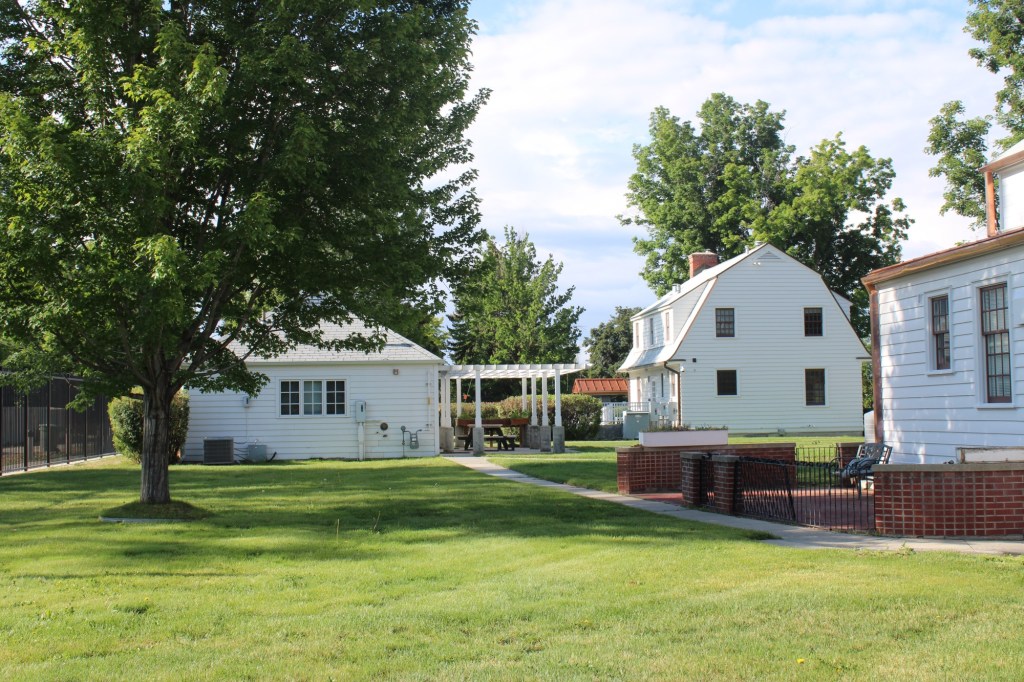
Across from the labs was housing for scientists, with the north house reflecting a modest Colonial Revival style while the south house was a classic Dutch Colonial styled house. There was a shared garage in back of the homes.

Good thing the lab was expanded. Officials looked to it to find solutions for yellow fever and vaccines against diseases common in the Pacific theater of Wirld War II. It developed the standard Army vaccine to fight yellow fever in 1942.

You can discover more about the laboratories and its 21st century at the visitor center, which opened in 2006.

The older section of the laboratories from the New Deal era was listed in the National Register of Historic Places in 1988.

Changes in Big Timber

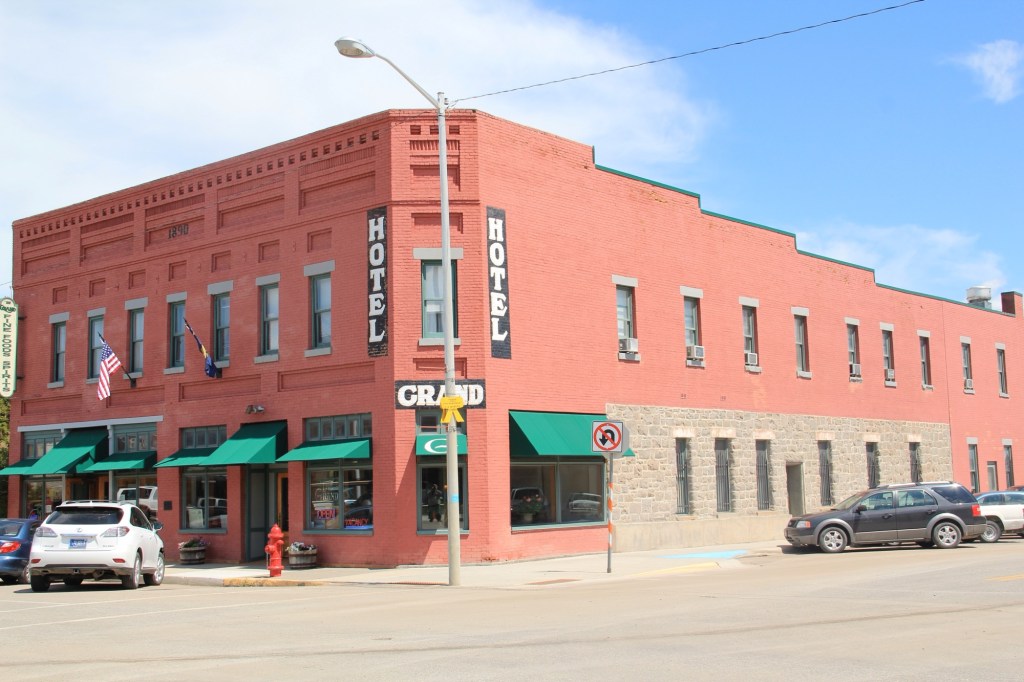
Grand Hotel 2013

Readers of this blog know that Big Timber is one of my favorite Yellowstone Valley towns. It still has that classic Northern Pacific Railroad town plan with a long commercial artery extending south from the railroad tracks that then turns into a quite captivating residential neighborhood.

The restoration of the Grand Hotel in the 1990s really helped the commercial area turn a corner.

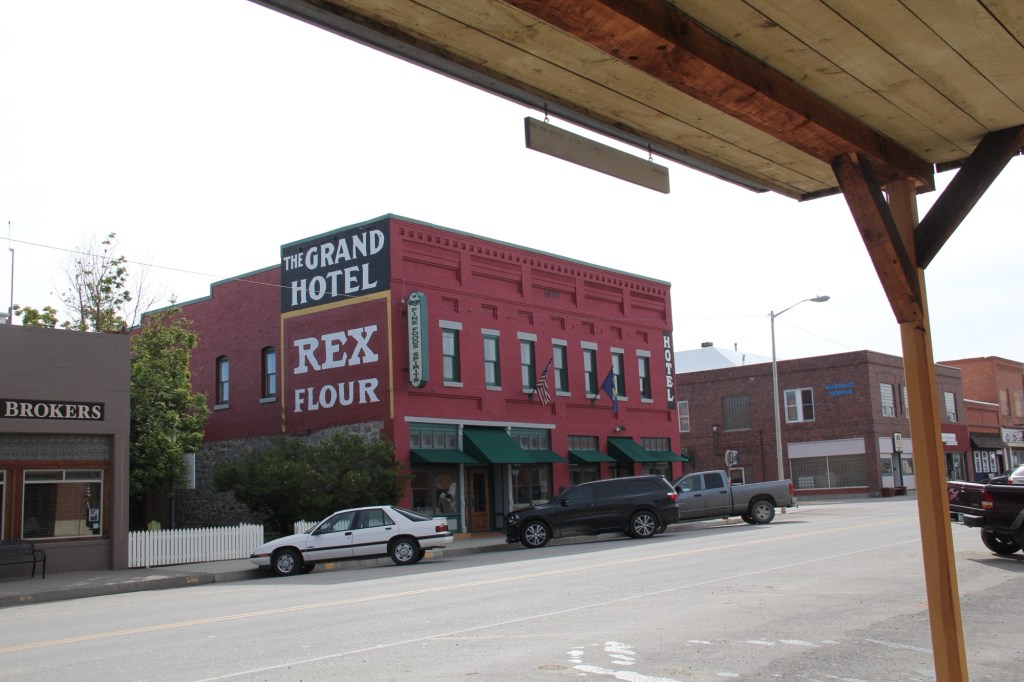
I have spent nights at the hotel and had a couple of meals there, always thought it would be a mainstay for years. The pandemic alas hurt a lot of small town businesses everywhere and Big Timber’s Grand Hotel struggled. When I was there in July 2025 it was closed but promised a reopening.

But there had been another quite jarring— the read brick was gone and everything was painted black, like the place was in mourning.

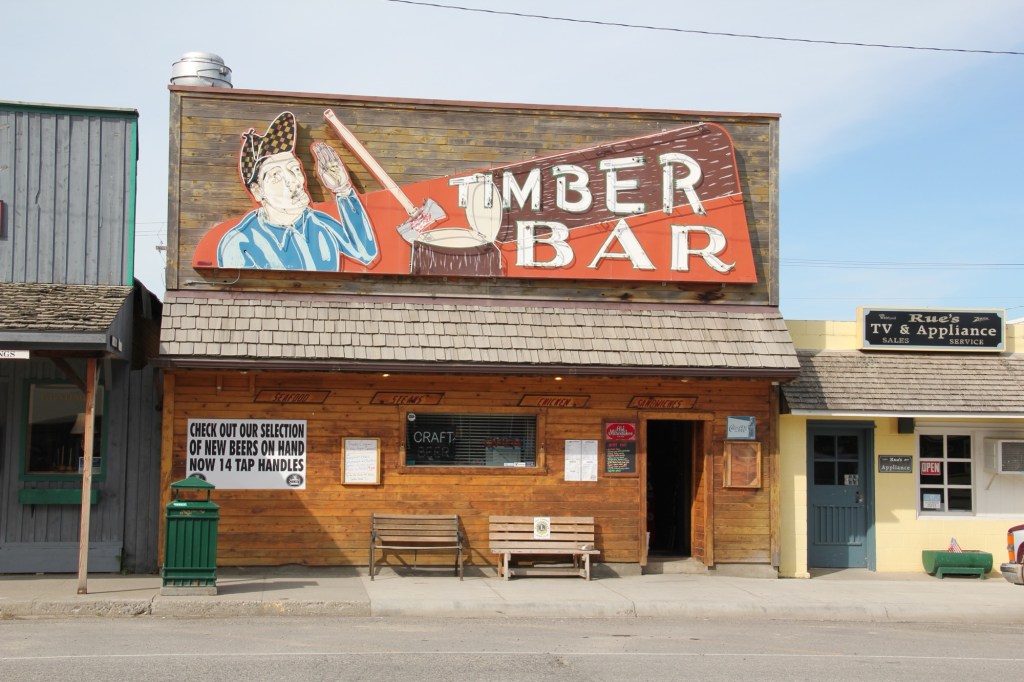
Then I noticed a second shock, the classic Rustic style Timber Bar (one of my favs for 40 years) also was covered in black.

I always tell folks—don’t sweat the paint colors on a historic building. It can always change. But black in Big Timber, it just didn’t seem right.

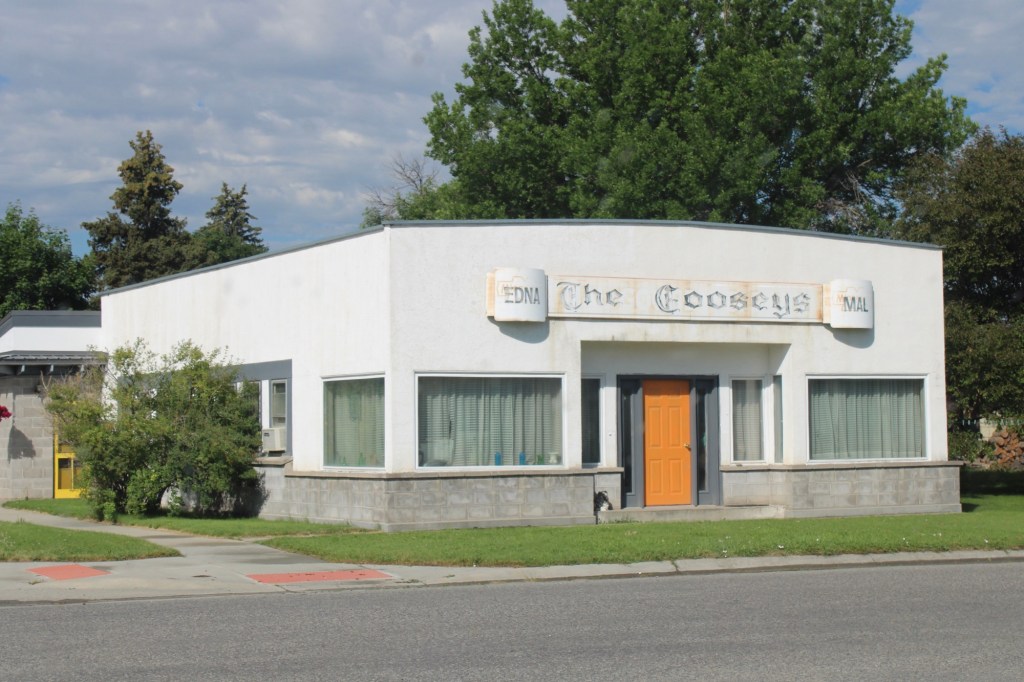
But please don’t paint over Edna and Mel’s Gooseys place. What a jewel!

And leave the town plain in place. Here is a western town always worth a stop. Change is ok but please respect the classic.

Another restoration success, along with a worry, this time in Helena

Tower in 2012

Last post was a shout-out to the restoration of KPRK radio station in Livingston. That is not the only success of the summer of 2025. In Helena came the successful restoration of the iconic fire tower that has watched over the city for decades. it too some discussions and considerations but the outcome of giving this city landmark a life to the end of the century was certainly worth it.

Tower in 2006

On the other side of the Gulch in Helena an uncertain future awaits the historic Hawthorne School. It closed at the send of the spring 2025. Let’s hope new life, and a new purpose, can be given to this neighborhood landmark. So many Montana towns have carried out effective adaptive reuse projects with historic schools. Helena can follow those traditions.

KPRK in Livingston: Restoration of an Art Deco masterpiece

During the 1984 survey of Montana for the state historic preservation plan even I realized that the small rectangular building with a stylized Art Deco entrance outside of Livingston on old US 10 was a special, unique place. By that time the interstate highway bypassed the landmark, and over the next 30 years it slowly began to deteriorate.

The station in 1990
KPRK c. 2013
Restoration summer 2025

But in 2025 good news abounds for this modernist landmark. Not only is restoration underway, there is a neat bike/pedestrian trail that takes you to the station, and along the way from the east is a beautiful view of the Yellowstone River.

In 1947 Paul McAdam had taken the chance to build the station, one of the first in Montana after World War II. William Fox of Missoula was the architect. Even though the Art Deco style was dated by 1947, it was a perfect choice as time has proven.

Here’s to the successful completion of the restoration, giving this building new life in the 21st century.

Glasgow, Montana: It might be in the middle but it’s not nowhere

In 2024 I began to see media accounts, both regionally and nationally, of how Glasgow, the seat of Valley County, was the most isolated place you can imagine, truly in the Middle of nowhere.

Historic Great Northern Railroad corridor in Glasgow

I’m not one to argue with geographers and economists. I’m sure from their perspective, they got it right. But I never thought of Glasgow as isolated: it is on the Great Northern mainline, and part of the famed Empire Builder Amtrak route, and on U.S. Highway 2.

Great Northern depot, Glasgow

Then the town has always shown a great deal of pride and ambition, conveyed so effectively by its many historic buildings, starting with the First National Bank, built c. 1884 and listed in the National Register of Historic Places.

1st National Bank building, Glasgow

When you enter the town from the underpass of the railroad, the bank is the first landmark to catch your eye, appropriate too for the impact of local banks on a town’s economic prospects during the homesteading boom and bust of the 1910s and 1920s, respectively.

Rundle Hotel, during renovation in 2013

Another landmark from the homesteading era is the Rundle Building, once the Glasgow Hotel and restored in the last ten years as an upscale hotel in the heart of downtown. Built c. 1916 and designed by the important Billings firm of Link and Haire, the Rundle is a captivating statement of an Arts and Crafts-infused Mediterranean Revival style. I have been trying to get back to Glasgow to stay here for the last four years—maybe I will make it in 2025.

The 1930s transformed Valley County through the construction of the mammoth Fort Peck Dam on the Missouri River. Glasgow too has a major New Deal landmark in its U.S. post office and courthouse, built c. 1939 and designed by federal architect Louis A. Simon.

Post office/federal courthouse, Glasgow

Its understated New Deal Deco exterior obscures a jewel of an interior, highlighted by its New Deal-funded 1942 mural depicting local history and the changes brought about by the Fort Peck Dam by artist Forest Hill. This building too is listed in the National Register.

Glasgow post office mural

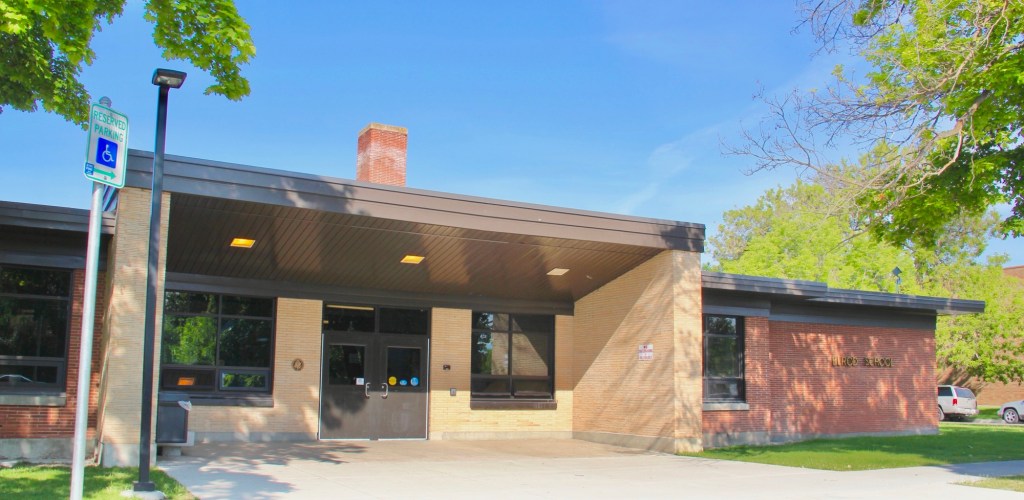
Another important New Deal supported building was all about the community, and providing new opportunities: the Glasgow Civic Center. It too has a New Deal Deco style, and its large public space has been used for almost every type of event or gathering you can imagine.

Glasgow Civic Center

Glasgow’s sense of itself today still respects it past, brilliantly conveyed by its large and expansive museum. When I first visited Glasgow 40 years

Valley County Museum

ago, I held a public meeting on the state historic preservation plan here, and the next morning residents gave me a detailed tour of the recently established museum. I was impressed with its collection then, now it sprawls through the building to the adjoining grounds.

Veterans section of the museum
The high school band section
Lewis and Clark mural, 2095, by Jessie Henderson, a Chippewa/Cree artist
The back bar at saloon exhibit

Indeed, the saloon exhibit underscores another fun part of Glasgow—across from the depot in the original route of Highway 2 is an amazing collection of bars, stores, and eateries, right out of the early 1900s.

Glasgow bars at depot

But back to the museum, and its important Montana decorative arts collection of the work of modern craftsman Thomas Molesworth, once in the town’s Carnegie library.

The newer exterior exhibits led the museum to move entire building to the property, including examples of the homestead shacks of the early 1900s that were followed by permanent homes such as this white painted bungalow.

Representative ranch house from homesteading boom

Pride of place, pride of the past. Glasgow might be in the middle but it is far from being nowhere as this small sampling of properties demonstrates.

Lost Landmark: Gladstone Hotel in Circle

In 2013 I wrote about the poor condition of the Gladstone Hotel, a landmark from the homesteading era in Circle that had been listed in the National Register over 40 years ago.

This one didn’t make it. A reader of the blog told me that on September 21, 2023 it burned to the ground.

Image from the Circle Banner newspaper.

That’s two important historic Eastern Montana hotels, both from the homesteading era, lost in the last couple of years, first the Graves in Harlowton and now the Gladstone in Circle.

During the 1984 historic preservation survey of Montana, I had spent the night at both. Those days are now gone up in smoke.