Miles City: The Yellowstone’s Forgotten Jewel

IMG_5968

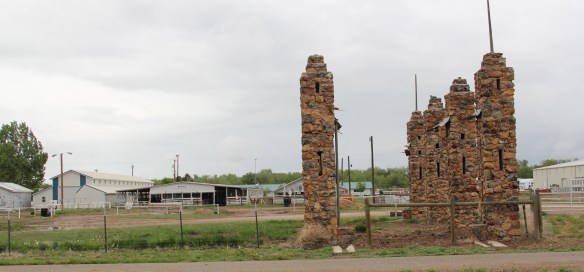
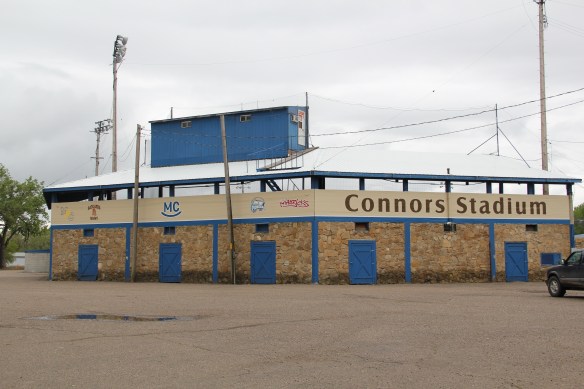
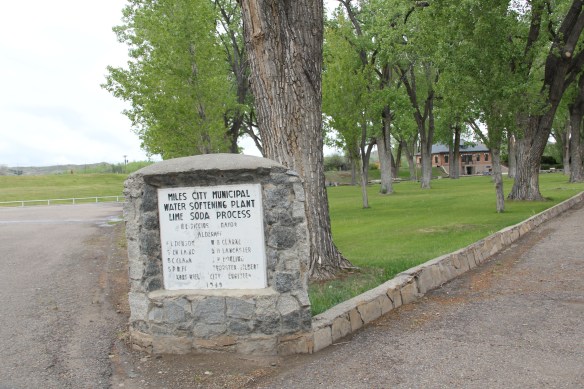
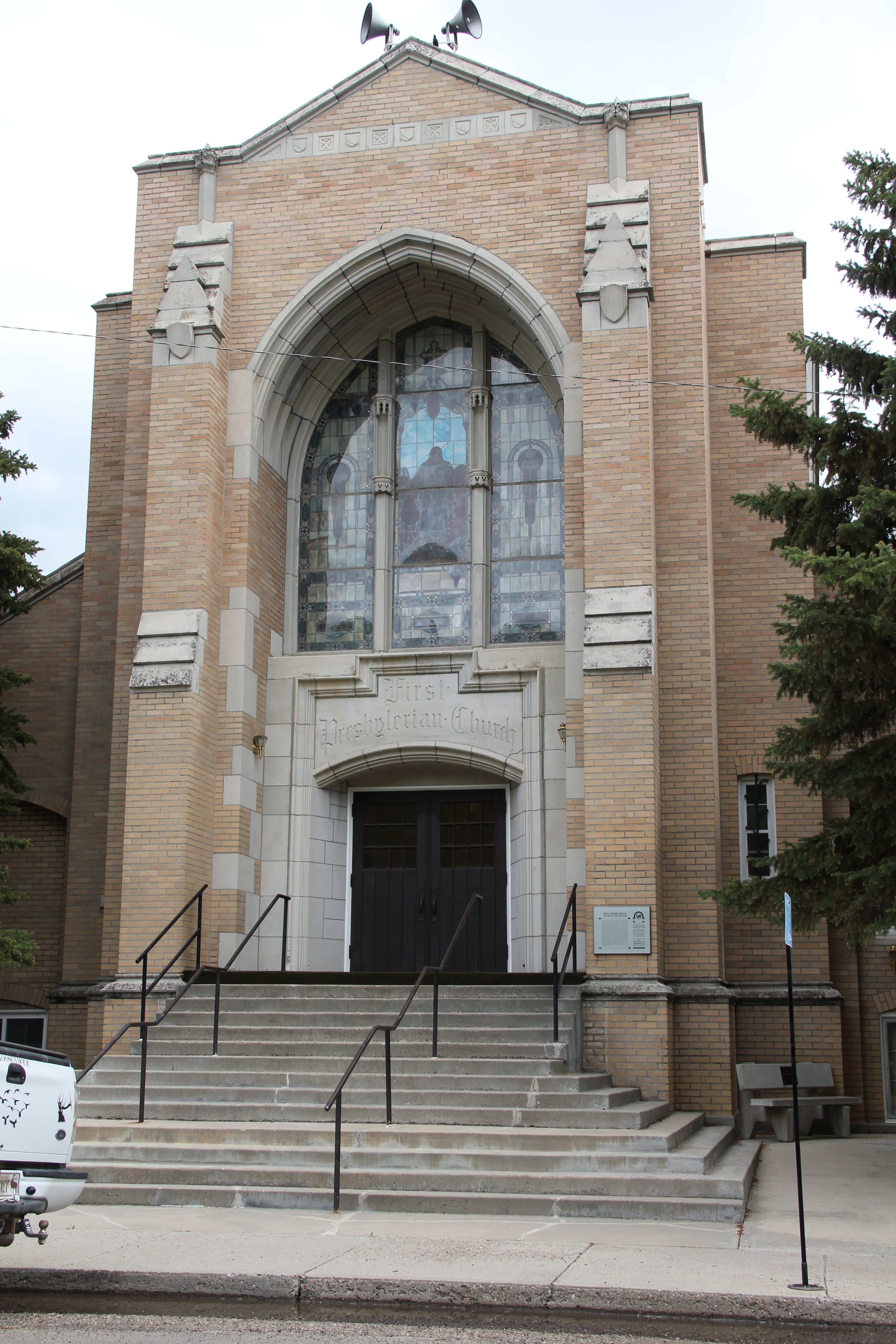
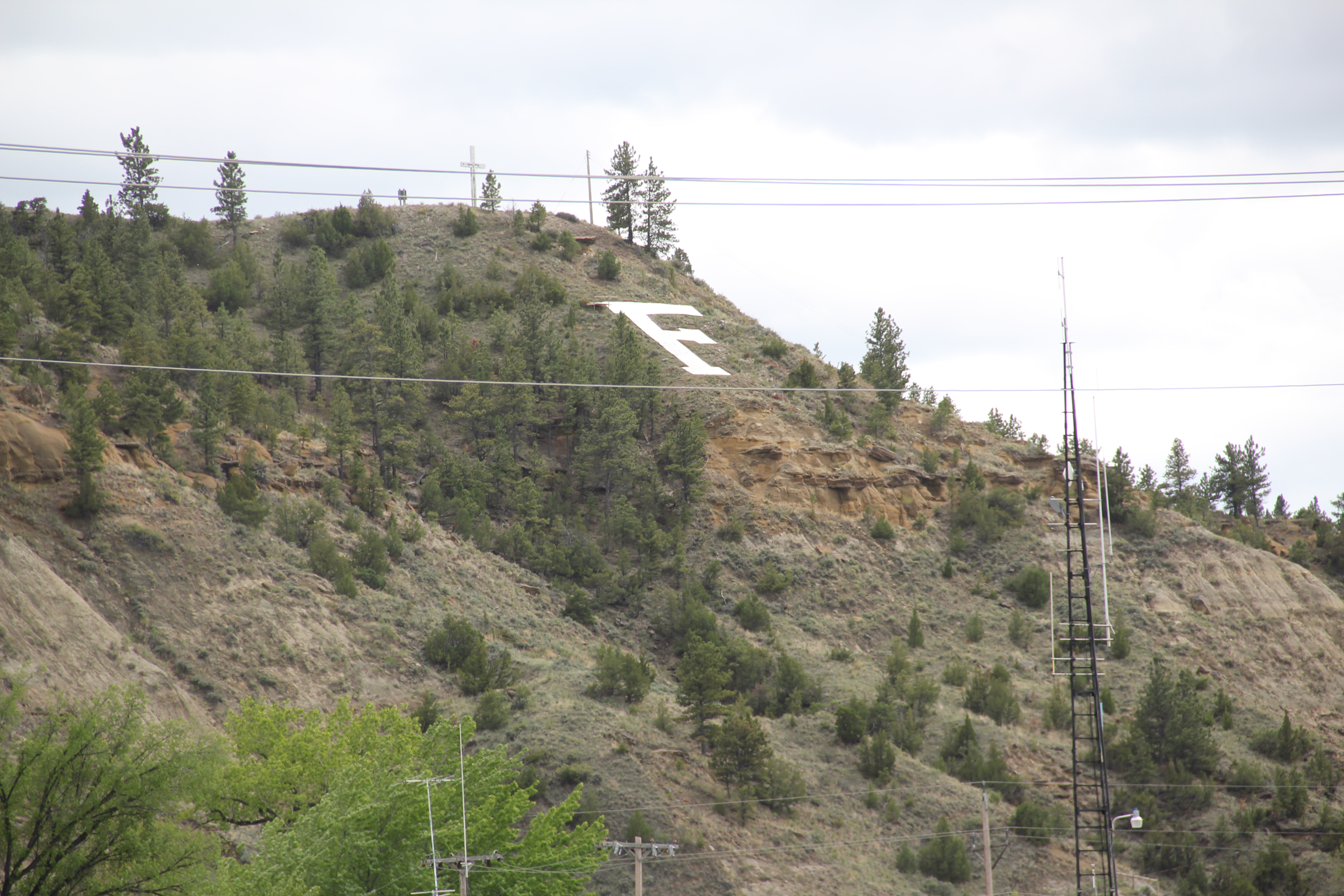
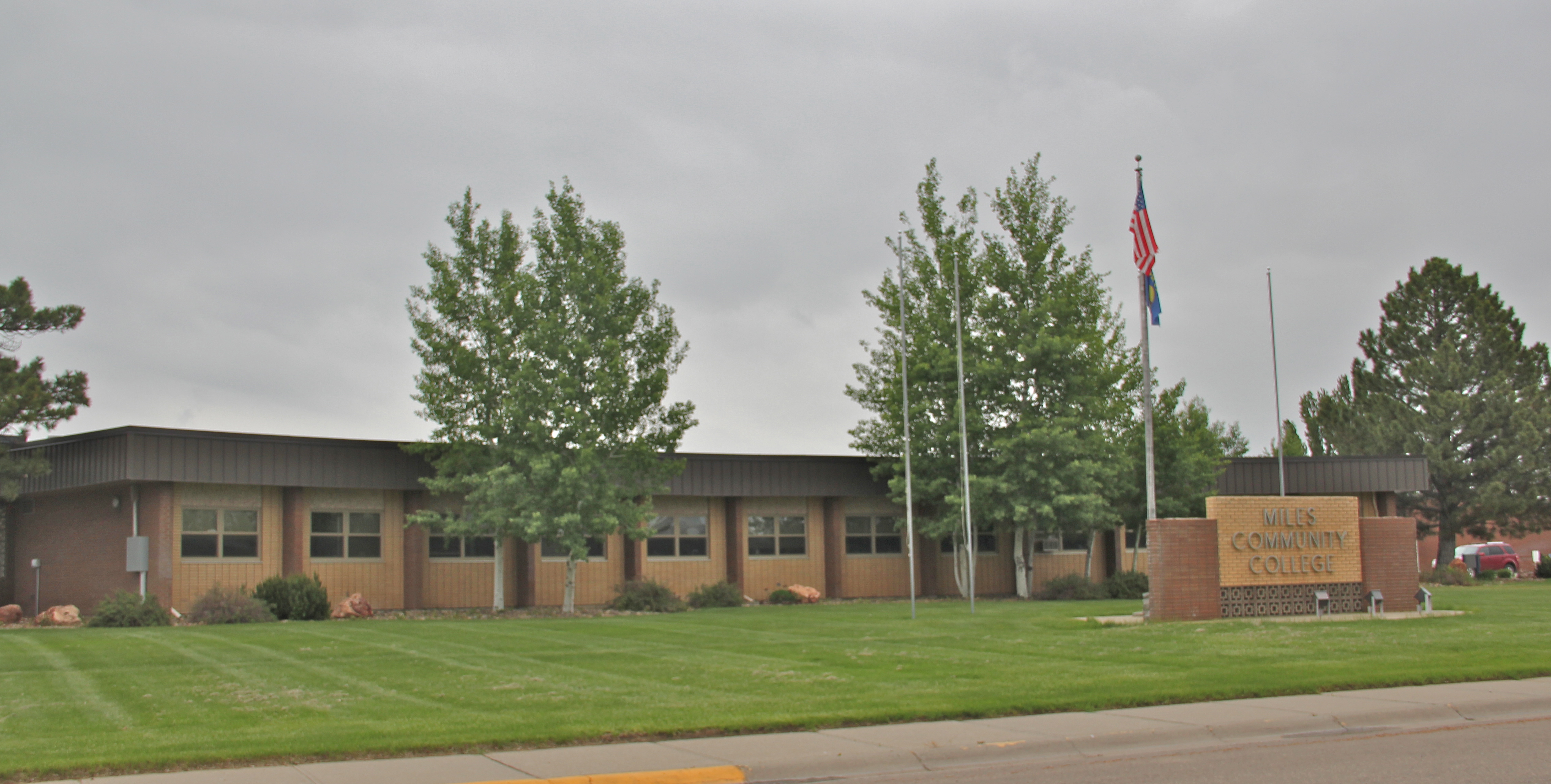
When I first visited Miles City more than 30 years ago I came to find out more about this first white settlement place in the Yellowstone Valley, where the U.S. Army established its Tongue River Cantonment in 1876 and then, after the battles at Rosebud and the Little Bighorn that same year, it established Fort Keogh, named in honor of Myles Keogh, one of the soldiers who died at Little Bighorn.  I had a small travel grant from the American Association of state and Local History to support this research–the beginnings of the eventual Capitalism on the Frontier book of 1993, so I spent time in the local library–part of which was a classical-styled Carnegie Library, with a rather garish yet functional extension from the 1970s covering up the original building’s facade.

IMG_7076

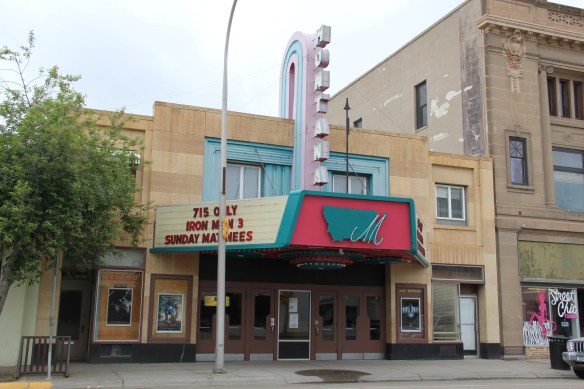
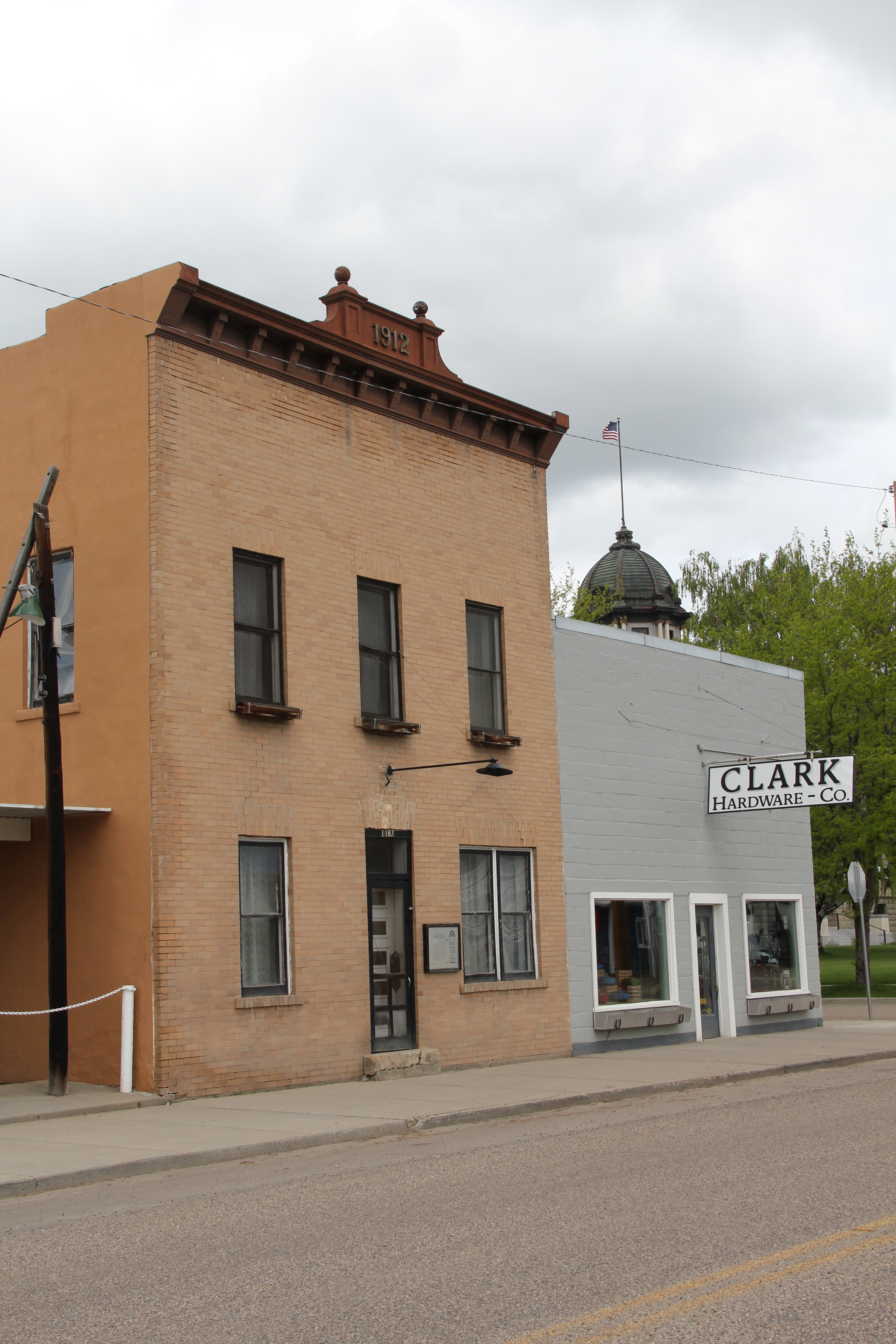
I spent time that evening at another landmark, the Montana Bar, part of an early 1900s building that is now on the National Register of Historic Places.  The bar was not only full of friendly, helpful types.  It also had one of the most amazing intact tavern interiors I had yet encountered in Montana.

IMG_7045

Here, in these dark-stained wood booths, the decorative pressed tin ceiling, the magnificent back bar, and all of the stuffed animal heads seemed to be the real West that was being forgotten and covered over in the more urban, more populated western half of Montana where I lived.

IMG_1328

IMG_1329

IMG_1326

IMG_1325

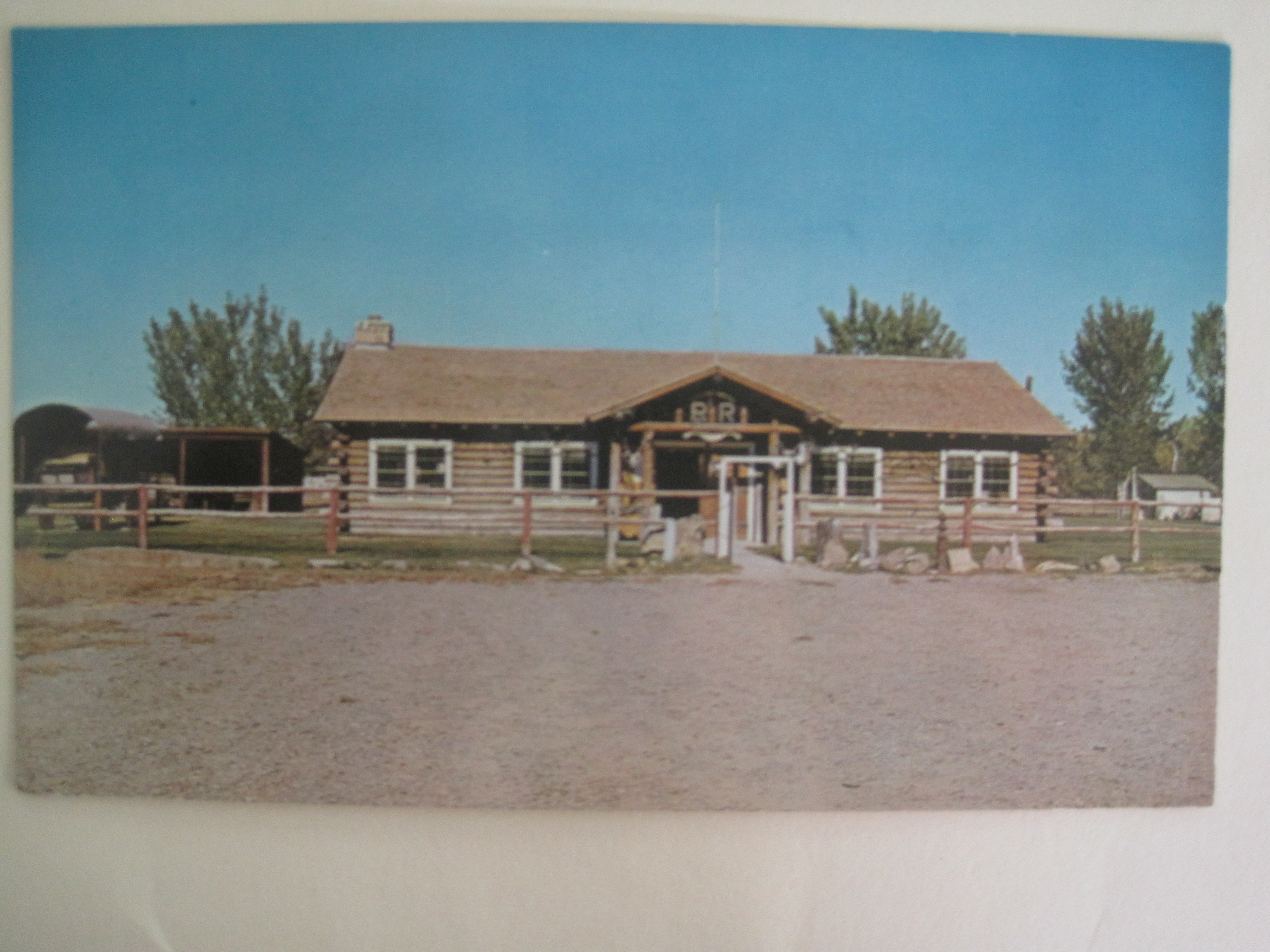
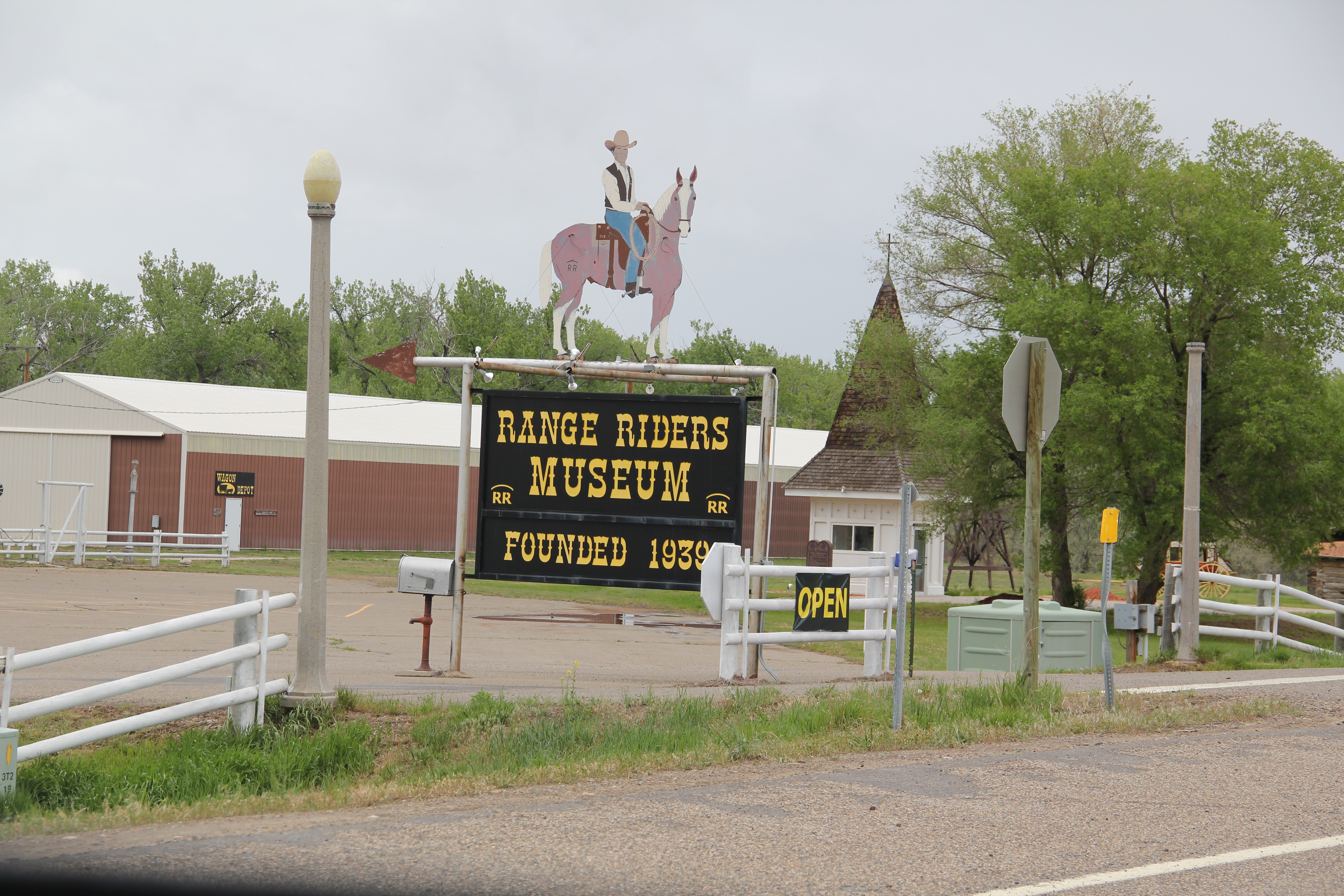
Miles City especially seemed a throw-back when, across the street, was the biggest, most splashy bar sign I had yet seen in Montana: that of the Ranger Rider Bar.

Miles City Custer Co

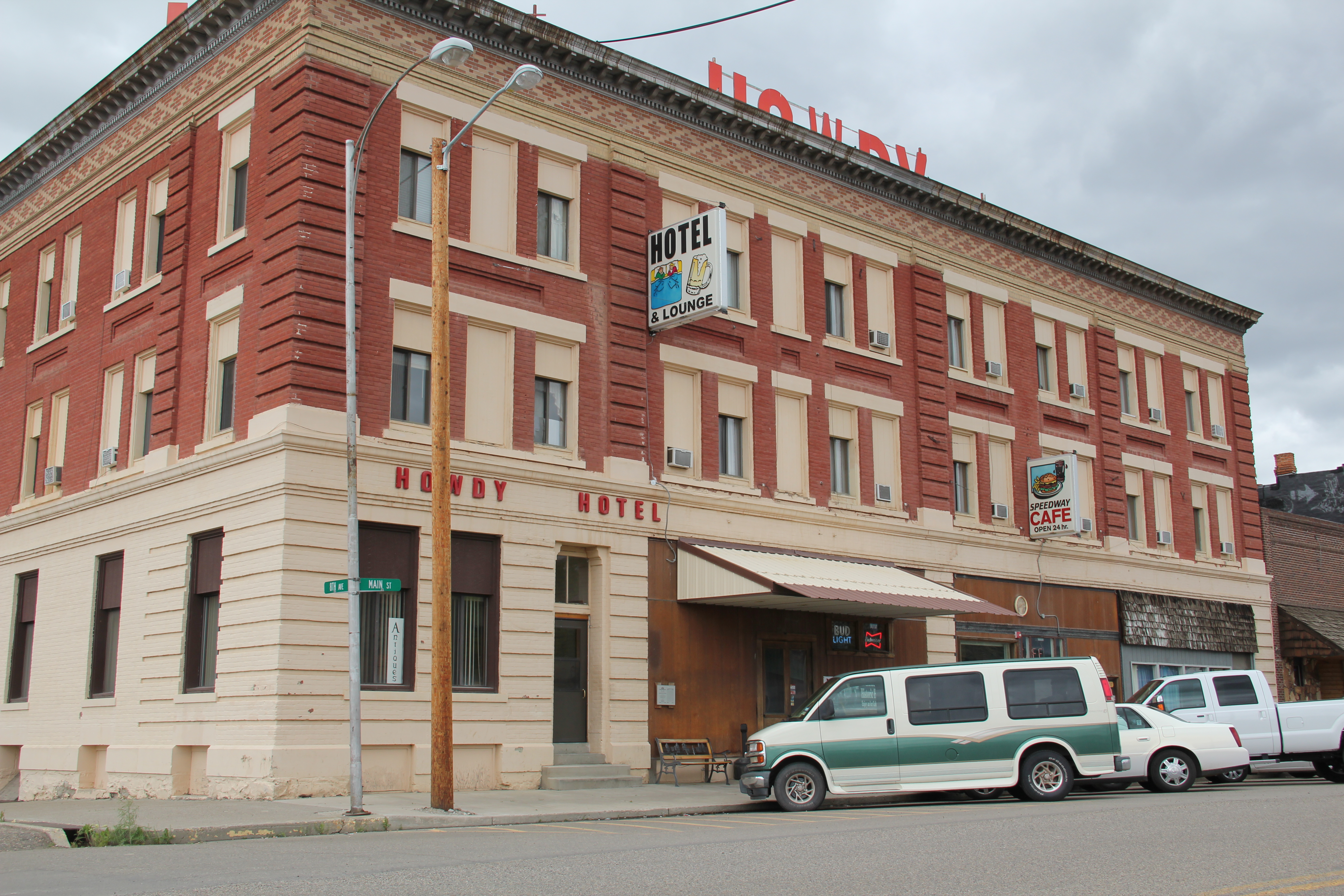
That evening I never considered meander through the streets out to the chain motels out by the interstate highway.  I just walked across the street to the Olive Hotel, a historic downtown hotel from the railroad era; the build just stood a few blocks away from the Northern Pacific Railroad depot and faced Main Street, what was for many decades u.S. Highway 10, the primary east-west link in Montana.

IMG_7024

For many visitors no doubt, a day and night in Miles City would be more than enough–that was certainly the reaction back in Helena.  But that early 1983 visit would be just one of many over the years since as I have carefully explored the city’s many layers, ones far deeper and more significant than the real West image the town still carries proudly.  Next comes my real introduction to Miles City during the preservation plan travel of 1984, and my meeting with the Rivenes family.

Ekalaka: Montana’s Southeast Corner

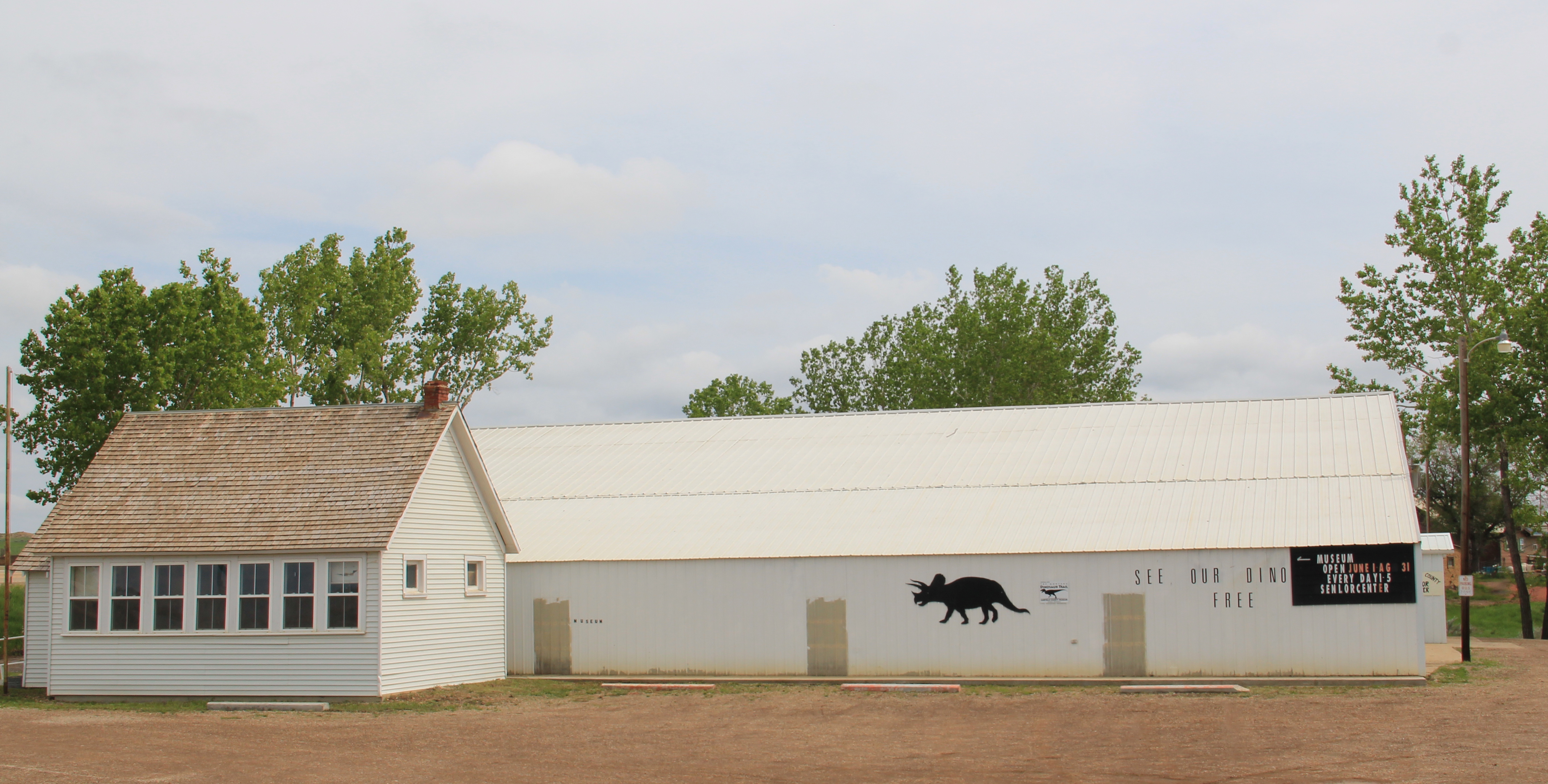
IMG_0424Traveling south along Montana-Dakota border on Montana Highway 7, Ekalaka appears as an oasis of settlement, as it lies almost hidden away along Russell Creek.  The seat of Carter County, the town is perhaps best known for the Carter County Museum, a solid institution of natural and local history.  Since I had last visited 25 years earlier the museum facility had grown substantially–while the town had slipped to just over 300 residents, according to the 2010 census.

IMG_0427

The museum is best known for its dinosaur collections but it also has rich local history collections, and features one of the county’s homesteading era schools moved to the grounds. Central School operated from 1920 to 1947.

IMG_0425

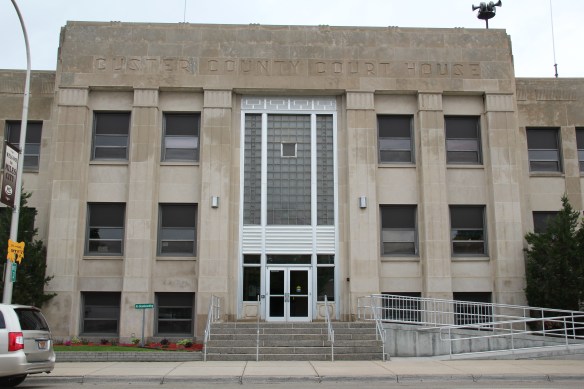
So much of what you find in Ekalaka dates to that same time period.  The state established Carter County in 1917 and three years later the present-day Carter County Courthouse was opened for business. Wwhen I visited in 2013 this three-story frame building with a Colonial Revival-styled cupola was undergoing renovation.  It stands at the heart of the

IMG_0430

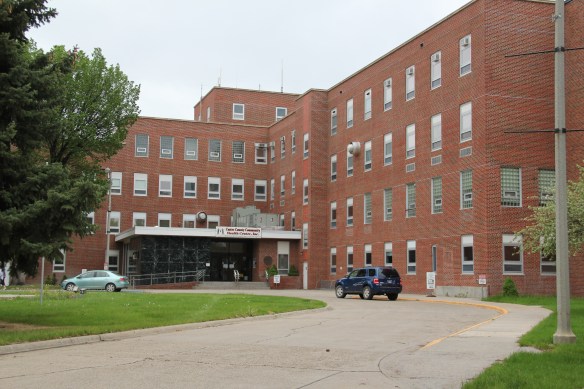
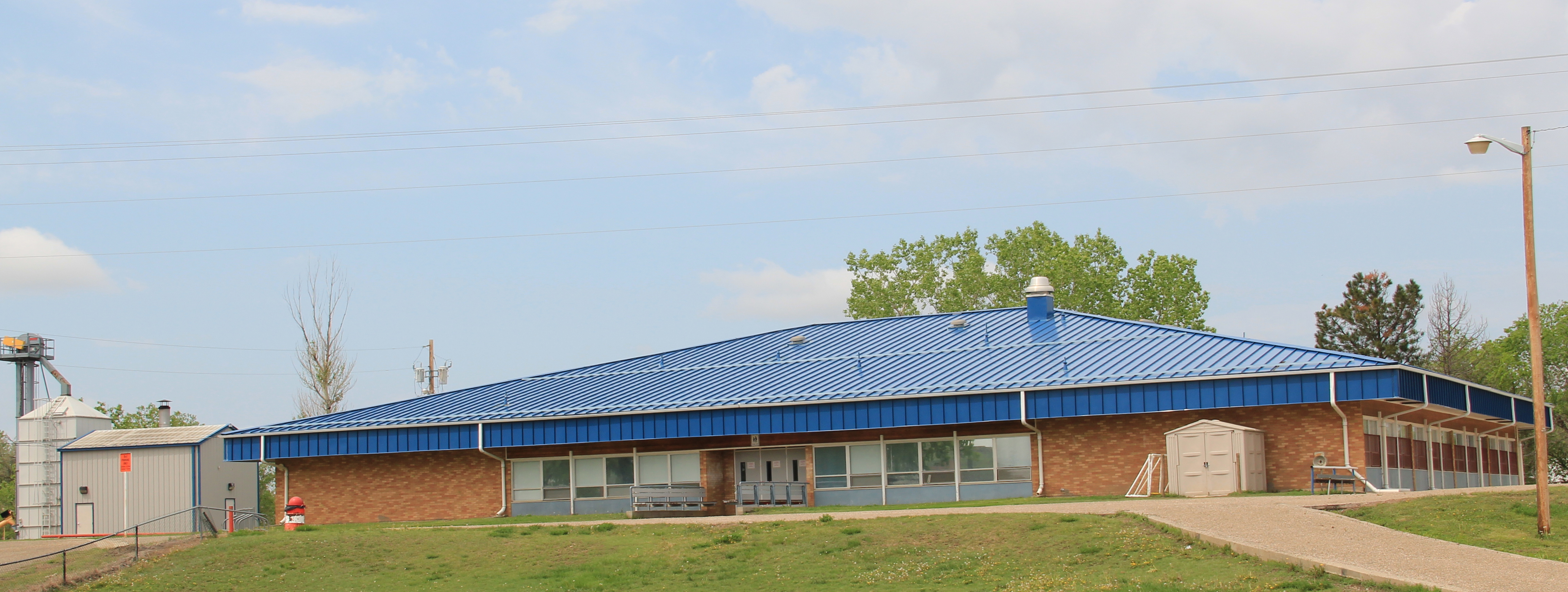
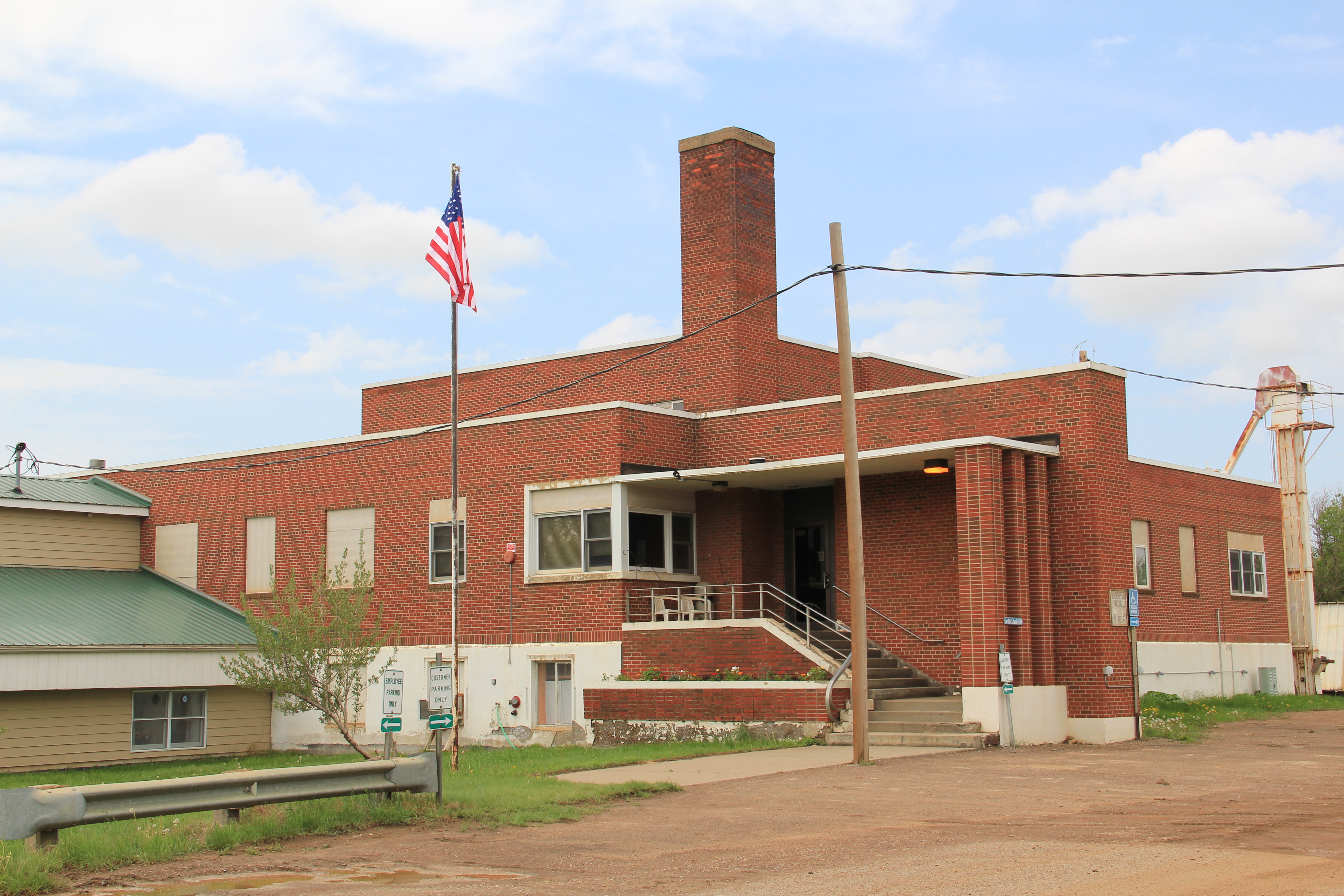
town, creating a large public space that is shared by the county’s two demographic extremes, represented by the elementary school and a more recent county nursing home.

IMG_0432

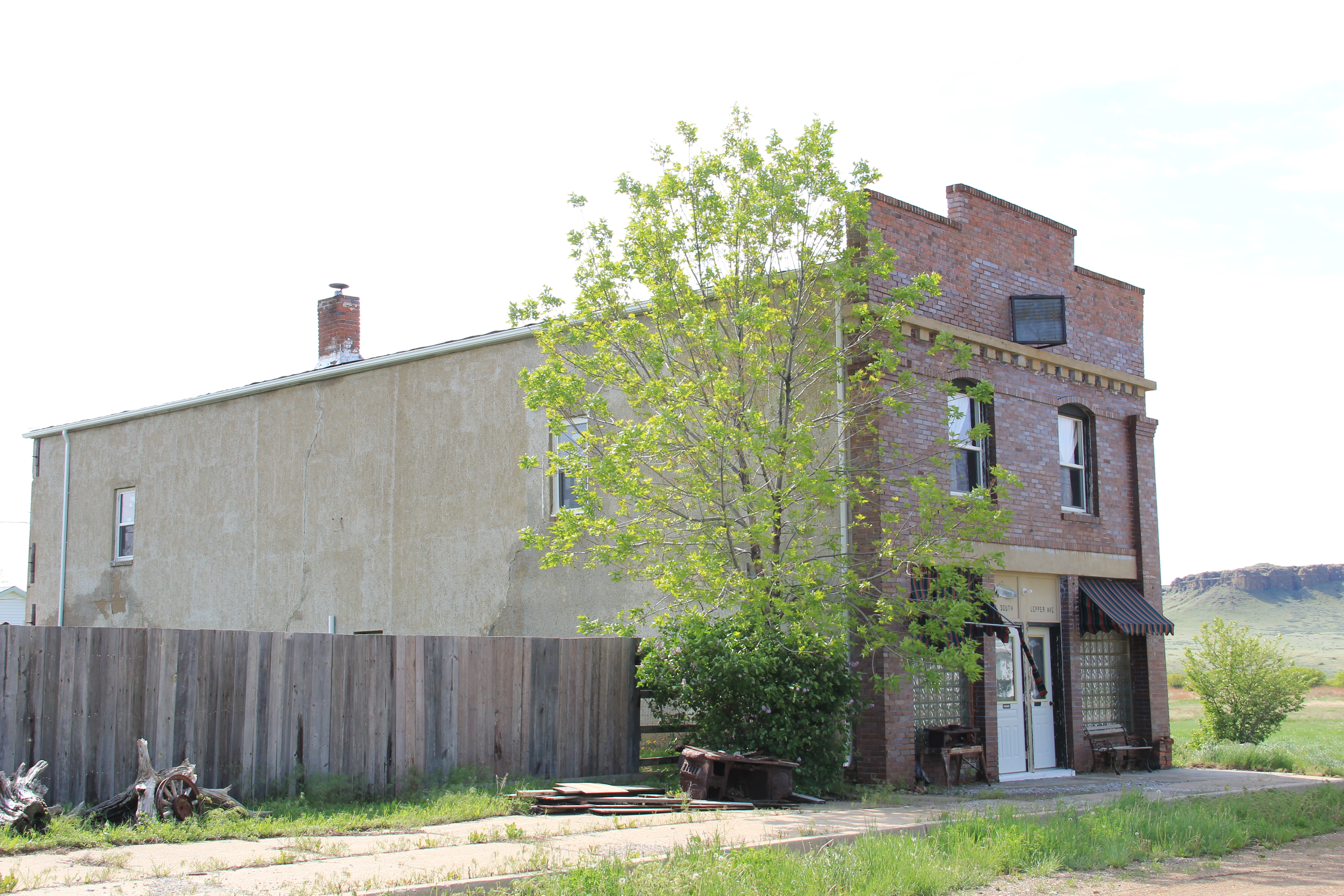
The physical fabric of Ekalaka’s main street was much the same as it had been in 1984, but now there were more shuttered buildings.  Community landmarks included the combination town library and Masonic Lodge building from the first half of the 20th century and the new post office from the first decade of the 21st century.

IMG_0438

IMG_0448

Deb’s Coffee Shop, the Guest House, and the Mainstreet grocery are still-going concerns while the most obvious commercial landmark–the old Eagles Lodge building–is home to the Ekalaka Eagle, one of the oldest small-town newspapers in the state, almost as old as the town itself.

IMG_0443

IMG_0446

Carter County in 2013 did not have a property listed in the National Register of Historic Places, and the Eagle Building appears to meet the register criteria, but you could also consider the whole commercial area as a historic district for how it still reflects a rural county seat of the 20th century.

IMG_0428

IMG_0444

Other historic properties abound in Carter County, from the Medicine Rocks north of Ekalaka to Camp Needmore–an old Civilian Conservation Corps camp–south of town in the Custer National Forest.  More on those landmarks in later posts.  I am still not finished exploring Montana’s southeastern corner.

IMG_0460

Down the Powder River to Broadus

IMG_0149

When I was able to carve some extra fieldwork in my limited time in Montana in 2013, there were two places in particular I was eager to revisit, both in the state’s far southeast corner. Broadus, the seat of Powder River County, and Ekalaka, the seat of Carter County, were tiny places in 1984.  Yet both made me very more than welcome in my work for the state historic preservation plan.

IMG_0146

My 1984 public meeting on the historic preservation plan took place at what was then the new Powder River County Courthouse, a real point of pride, obviously, for all of the residents.  Built in 1978 from designs by Harrison G. Fagg and Associates, the building is 1970s modernism at its best: low profile, earth-tone brick, at one with its setting but also with a functional modern interior where all of the work of county government could take place.  That night, the residents’ passion and interest in the past were intense.  They couldn’t wait, they said, to show me the oldest homestead house in the county, from 1916. I have recounted that story many times since:  it all depends on the context when you think of how “old” a property may be.  In the Powder River County context, it made sense: the county itself wasn’t formed until 1919.

Cross Ranch, Powder River Co

Another property I visited in 1984 following the public meeting was the Cross Ranch, and took the photo above of its overall setting.  At that time the county had no properties listed in the National Register:  the Cross Ranch Headquarters, with its distinctive hipped roof, would be the first, in 1996.

IMG_0147

Broadus itself has several properties that are also National Register worthy.  Although the population decline has been steep, from 712 in 1980 to merely 468 in 2010, I found its distinctive town square plan intact.  Town squares are common in the south and midwest but not so much in Montana since so many county seats are either mining towns, that grew quickly and haphazardly, or railroad towns with their familiar symmetrical plan or T-plan design.  My favorite landmark is the historic Montana Bar and Cafe, which is now the Montana Casino and Bar–the wild game collection is still there but like most historic bars across the state the pings of gambling machines now dominate the interiors as bar owners do what they can for income as rural populations continue to decrease.

IMG_0161

For a place under 500 people, in a county of just over 1100 residents, Broadus provides a range of outlets for recreation and entertainment besides the public school, from the county museum for visitors, the local library, a bowling alley, and a small movie theater.

IMG_0148

IMG_0156

IMG_0155

IMG_0154

The most important, and historic, community institution–again in addition to the public schools–is Cottonwood Park, where the annual Powder River County Rodeo takes place.

IMG_0178

IMG_0176

IMG_0175

The Let ‘Er Buck Rodeo is one of the region’s best, and makes the town come alive every summer.  Fairgrounds are so important in the rural west:  community gatherings matter to those who are scattered across this vast landscape.

IMG_0179North of Broadus on Montana Highway 59 is another landmark of community, but one quite rare to find in today’s west.  The Coalwood Ladies Aid Society was established in 1915; it still meets in the historic Coalwood School, c. 1945.  Women’s organizations like the Coalwood Ladies Aid served not only as a support group but also community builders for rural places across the region.

IMG_0183

Broadus was, and is, a place where the past matters and residents still embrace their way of life and special place in the Montana landscape.

Crossroads of history: where the Yellowstone and Powder rivers meet

IMG_7120
The confluence of the Yellowstone and Powder rivers in Prairie County, Montana, is among the most important places of the American West. Thirty years ago, in my work for the Montana state historic preservation plan, I went to that spot, easily viewed from old U.S. Highway 10, and found only a couple of lonely graves–marked by the county historical society–of buffalo hunters who had ranged this land in the late 1870s. That night, at my public meeting at the Prairie County Museum in Terry, I brought up that place to the folks gathered there, chiding gently, I thought, that there should be some highway markers to direct visitors to that spot, that it was very important and quite a compelling view of the landscape itself. What happened next was a laconic comment that I have told on myself ever since: one community member just replied: “Son, we know where they are.” Of course–I have never forgotten that lesson–locals do know where their history took place; markers are necessary, not for them, but for us, the outsiders, the visitors.
IMG_7119
Fast forward 30 years, and the confluence is no longer neglected–now it is one of the best interpreted landscapes in eastern Montana. The Prairie County Grazing District worked with the Montana Department of Transportation and other partners to create a graveled pull-off from the old highway, and then installed not only an appropriate fence around the graves, but also several interpretive signs that tell the multi-layered history of the site.
IMG_7123
The story here is big, and the markers do a solid job of capturing it, from the early Native American history to the coming of Captain William Clark during the Lewis and Clark expedition, the later fur trading era of the mid-19th century, and then the marks you can still see on the landscape made first by the Northern Pacific Railroad in the early 1880s and from the federal highway era of the early 20th century. It gives particular focus to the Sioux War of the 1870s and how this spot served as a base–known as the Powder River Depot–for 1876-1877 military actions by Terry, Crook, Custer, and others. A good way to access the river is by the Powder River Depot Fishing Access site.
IMG_4223
Nearby, back on the highway, is a key transportation landmark, the Northern Pacific Railroad bridge over the Powder River–it was the railroad that introduced a new era of settlement and development into this region. And I will return to the theme of the railroad and its significance as we continue westward to Miles City.
IMG_7125

Howdy from Terry!

Terry overview
Terry, the seat of Prairie County, has long been one of my favorite places in the Yellowstone Valley. Stuck between the much larger, and more famed, Yellowstone towns of Miles City (to the west) and Glendive (to the east), Terry has somehow developed and kept its own identity as a western place, and landscape, that still speaks strongly to the patterns that transformed the region over the last 150 years: railroads, homesteading, cattle, and town building.
IMG_4047
In 1984 I focused on the railroad imprint on the town, which began in the early 1880s as Northern Pacific officials understood the need for a railroad stop at place near the confluence between the Yellowstone and Powder rivers.
IMG_7154
In 2013, however, the depot was gone from the tracks but not the town. It had been moved to become part of the solid Prairie County Museum, a local institution that was still quite new when I first visited in 1984. Located in the town’s most prominent neoclassical bank building from the 1910s, the museum was a place where I held a public meeting about the preservation plan process and found a community totally engaged with its past.
Terry bank
IMG_7141
The museum highlights agriculture and ranching, and includes the Evelyn Cameron Gallery, which displays and celebrates the life and contributions of this important western photographer. One change I noted last year was the creation of the Evelyn Cameron Heritage Center, on Laudre Avenue just a few yards away from the museum, which is at the crossroads of Laudre and Logan Avenues.
IMG_7182
That crossroads was another pattern in Terry’s landscape that caught my eye. Most Northern Pacific towns, originally, were symmetrical plans, with a long line of commercial buildings flanking one side of the tracks and grain elevators and warehouses on the other side. Terry, however, had a classic T-town plan, with the tracks creating the top of the T and then a main commercial artery, in this case Logan Avenue, serving as the stem of the “T.”
IMG_7147
Why was Terry different? It is the impact of the Milwaukee Road as it built through the valley in 1906-1907. In 1984 there was still a second set of tracks, and a few scattered commercial buildings, to the north of the Northern Pacific mainline. Today two buildings remain along with the roadbed that marks this second period of Terry’s growth.
IMG_7144
IMG_7143
IMG_7133
Just west of the “downtown” you can find the one still thriving institution associated with the Milwaukee Road impact on Terry: the Prairie County Fairgrounds, which once faced the Milwaukee’s main line. (I have discussed the fairgrounds in an earlier post.)
IMG_7138
Another wave of change came to Terry in the 1920s as U.S. Highway 10 gave the town another transportation pattern. The highway’s crossroads with the original T-plan commercial artery is marked by a still extant somewhat Art Deco-styled brick gas station/ auto dealership.
IMG_7178
The most recognized roadside landmark is the Kempton Hotel, a true rarity now for this section of the Yellowstone Valley as those rambling montage of buildings that once constituted places of rest and relaxation along the nation’s highways have largely disappeared from the landscape.
Then, just yards away, is another rambling montage of historic buildings, the schools of Prairie County, ranging from the large stately multi-story brick buildings of the early 20th century to more restrained modern buildings of the second half of the century.
IMG_7168
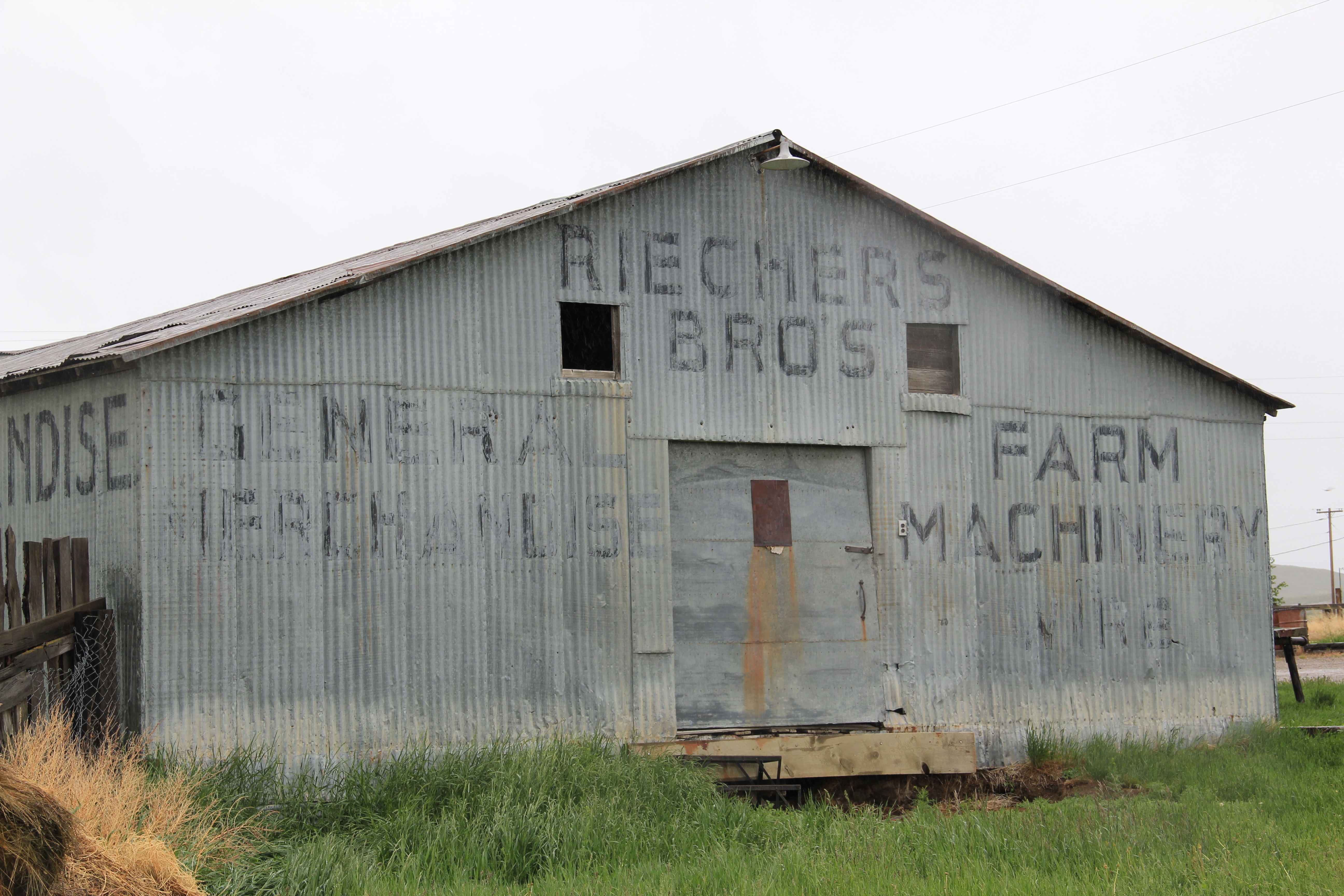
At the edge of town are three different properties, all related to the need for highway transportation. The Dizzy Diner is a classic 1950s drive-in while the crumbling Terry drive-in also speaks to past patterns in popular culture. Then the Prairie County Grazing District Stockyards connects the present to the past traditions of stock raising in this region.
IMG_7187
IMG_7191
IMG_7189
Certainly the biggest change is Terry from 1984 and 2013 was the transformation of the county courthouse. In 1984 I was shocked that there was only an unadorned concrete block building for the courthouse, and I have shared images of that building across the country. Well the concrete block building on Logan Avenue is gone, replaced by a much larger, still unadorned building for local government.
IMG_7174
IMG_7175
Terry’s population has dropped by a third since my first encounter with the town in the early 1980s. But new public investment, and a still commercially relevant “downtown” speaks volumes to the residents’ commitment and faith in this small yet significant Yellowstone valley town.

The Yellowstone’s Prairie County

Old U.S. 10 bridge over Yellowstone River, Prairie County, MT Old U.S. 10 bridge over Yellowstone River, Prairie County, MT

From Glendive in 1984, I began to move up the Yellowstone Valley, taking a particular interest in the various Northern Pacific railroad towns–that over-arching pattern in the region’s historic landscape was clearly my over-riding interest in 1984. But places like Prairie County added their own intriguing challenges. Here the Milwaukee Road, coming from the southeast, entered into the valley. And then there was the real treasure trove of early settlement photographs produced by Evelyn Cameron. Thirty years ago, Cameron’s stark yet compelling images were just become re-discovered and appreciated. Her images were also in my head as I traveled this small eastern Montana county.
Evelyn cameron
Fallon was the first town I encountered in Prairie County. Established during the building of the Northern Pacific in the early 1880s, it has never been a big place. Its National Register landmark is probably rarely recognized, since it is the steel truss bridge on old U.S. 10 that crosses the Yellowstone at this place. This magnificent continuous span Warren through truss bridge is Montana’s longest truss bridge, 1,142 feet. It was built in 1944 as a wartime emergency project after a ice flow destroyed an earlier crossing at this place. It is also a reminder of how crucial old U.S. 10 was to the nation’s transportation system in the mid-20th century.
IMG_7194
When I visited Fallon 30 years ago, the school was a focal point of the community. In 2013, it was closed, and counted as one of the National Trust for Historic Places threatened rural schools of Montana.
IMG_7206
The old bank building was the post office, a great adaptive reuse I thought in 1984. This neoclassical brick building is still the post office–having survived the earlier postal service to close many small town Montana post offices.
IMG_7196
Another really important place of continuity was the Lazy Jo’s bar and cafe. Housed in one of those typical Eastern Montana buildings that grew, morphed, and changed again over the last 100+ years, it is still a great place, and an active community center.
IMG_7197
Across from the bar, between the town’s main street and the railroad tracks, was the water trough, a reminder of those days amply recorded in Cameron’s photographs 100 years ago, and the town’s only marked historic structure.
IMG_7203
Community pride is probably expressed best through the tiny but still active Fallon Town Park and the quietly dignified Grace Lutheran Church. These are anchors for a place that has experienced and survived much and faces an uncertain 21st century future.
IMG_7199
IMG_7200
IMG_7201
I apologize for the gaps in recent posts, just extremely busy in the job that actually pays money–hopefully I can catch up in what goes for winter in Tennessee. Next is Terry, Montana.

Glendive and early 20th century domestic architecture

IMG_7280
Glendive’s growth into one of the Yellowstone’s major towns in the first decades of the 20th century is well documented in its intact historic homes along Meade and Kendrick Avenues, which are located between the Yellowstone River to the west and the commercial corridor represented by Merrill Avenue to the east. Earlier posts have identified the two key economic events–the Lower Yellowstone Project of 1904/5 and the expansion of the Northern Pacific Railway shops in the 1920s–that shaped the neighborhood. Here I want to share the neighborhood’s stylistic diversity, along with the obvious pride that owners have in their homes and town. Let’s begin with an amazing set of bungalows, one of the region’s best concentrations of this early 20th century architectural style. There is a mix of what are often characterized as Craftsman Bungalows, with its thatch-like shingle roofs, exposed stick work and prominent bracketed porches. Others are more restrained in their ornament, taking on the look of a transitional design between Victorian era details and the one- and one-half story bungalow form.
IMG_7278
IMG_7276
IMG_7275
IMG_7274
IMG_7273
Next comes variations from another popular early 20th century form, the “foursquare,” a two-story, squarish dwelling, typically with a hipped roof and a less prominent porch than a bungalow, but as this example from Kendrick Avenue indicates, the Foursquare can come off looking much like a bungalow on steroids.
IMG_7271
The neighborhood also has earlier Victorian styles, such as this rambling Queen Anne-style house on Meade Avenue, while just a bit farther away on North Douglas is the Krug House, an outstanding Montana example of Classical Revival-infused Foursquare design that was completed in 1907.
IMG_7279
IMG_7216
This National Register-listed property, designed by St. Louis architect Herbert G. Chivers, was the home of Charles Krug and family and definitely represents a statement house for its time. Krug wanted to prove that good money could be made from sheep–a rancher need not be only a cattleman.
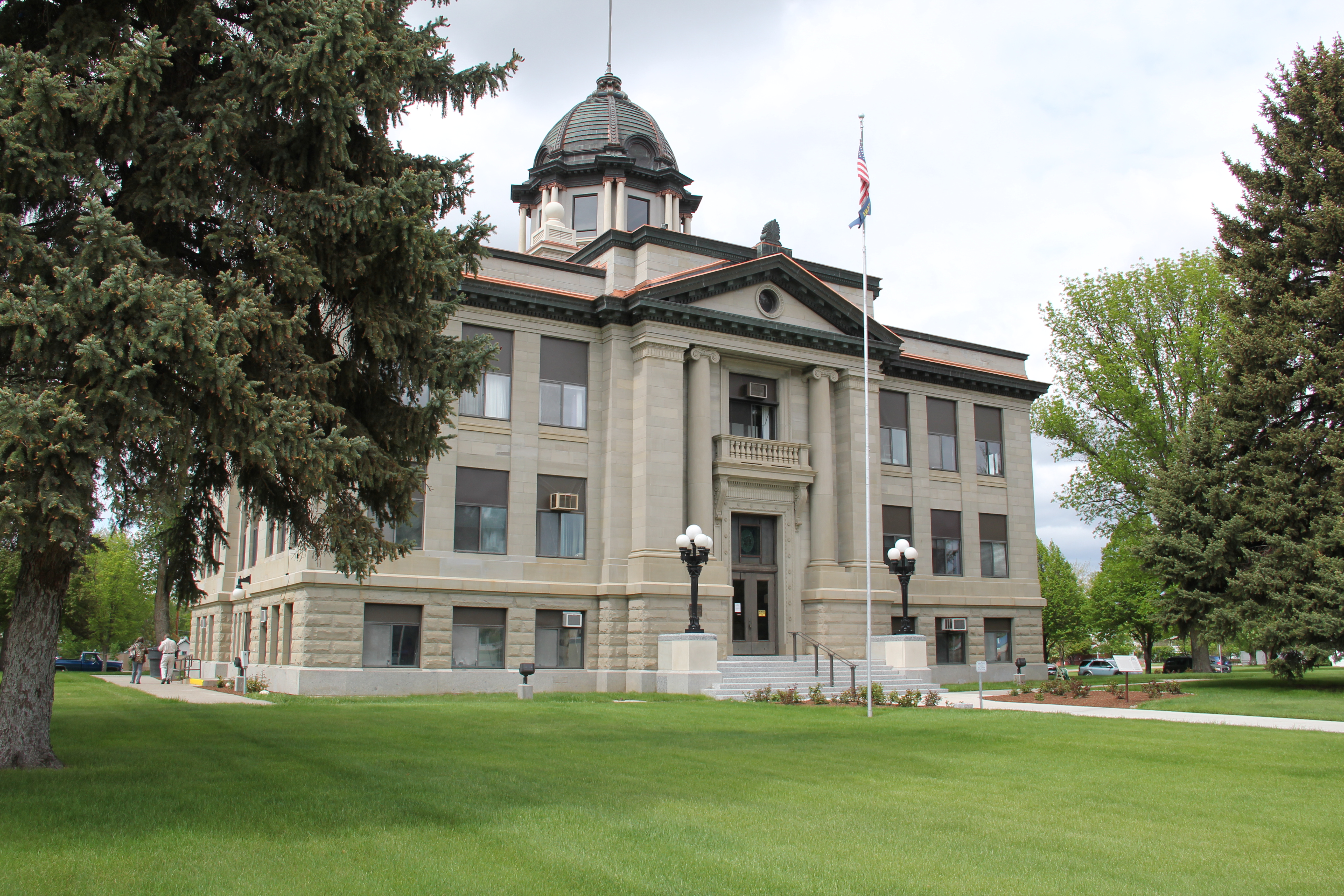
A statement of modernity comes from Gresham Street, near the high school, where this Art Deco dwelling stands out among the more traditional designs of the town. Another different statement was made by this Contemporary-style home on Kendrick Avenue, which dates to the city’s last boom in the early 1960s. More at home in a modern suburban setting than the more formal early 20th neighborhood of Meade and Kendrick Avenues, this house, with its prominent A-frame center section and project front entrance garage states 1960s values well.
IMG_7286
IMG_7272
Glendive’s historic homes are complemented by its early 20th century historic churches. I will close with two: the Castellated Gothic United Methodist Church and the Romanesque-styled Sacred Heart Catholic Church.
IMG_7268
IMG_7300
Glendive in the 1980s struck me as a town in decline but one that retained a faith in its historic buildings and houses. Thirty years later than faith seemed renewed–as the historic fabric of the town has changed, certainly, but also had been maintained even enhanced by local stewardship.

Modernism in Glendive

My last post on Glendive, the primary commercial and transportation center of the Lower Yellowstone Valley, looked at the Northern Pacific Railroad’s imprint on the town. :et’s shift focus into the early 20th century, when the automobile corridors–the Yellowstone Highway or U.S.Highway 10–began to leave their marks on the town.

Historic Texaco Station in Art Moderne style, Glendive , MT

Historic Texaco Station in Art Moderne style, Glendive , MT


IMG_7213
As the Yellowstone Highway left town and headed west, two outstanding examples of roadside architecture survive, the c. 1930 Art Moderne-styled Texaco gas station, complete with a small motor court for lodging in the rear, and a later historic drive-in, Frosty’s, complete with the low canopy typical of the early non-standardized drive-in establishments.
IMG_7215
Also feeding traffic into the heart of Glendive was the 1925 Bell Street Bridge over the Yellowstone River. This National Register-listed bridge was once a gleaming steel and concrete landmark of modern transportation; it continues to serve the town as a pedestrian bridge.
IMG_7220
IMG_7224
Downtown Glendive is dominated by a modern monument to its time of greatest prosperity–the city reached its population high of just over 7,000 in 1960: the Dawson County Courthouse of 1962. Designed by the long-established Billings firm of J. G. Link, the courthouse represents the “contemporary modern” movement in the state’s architecture of the 1950s and 1960s.
IMG_7225
Dawson County Courthouse, 1962, Glendive, MT

Dawson County Courthouse, 1962, Glendive, MT


An even more striking example is the space age aesthetics found in the town’s public library, which when I lasted visited Glendive in the 1980s still served its original purpose as a local bank.
IMG_7266
IMG_7267
The contemporary sixties look even extended into Glendive’s historic neighborhoods, as reflected in the A-frame style of the First Congregationalist Church, and into new commercial buildings, such as the Saarinen-esque sloping roofline of the historic Safeway store, now adapted into the Eastern Montana Events Center.
IMG_7265
IMG_7261
Glendive has lost over a quarter of that 1960 population, checking in the 2010 census at just under 5,000 residents. Before we leave this spot on the Yellowstone, let’s explore more its historic neighborhoods, full of a range of interesting domestic architecture from 1900 to 1960. That’s the next post.

Glendive: the Yellowstone’s first railroad town

IMG_7244
As the tracks of the Northern pacific Railroad pushed west in 1881, they encountered the Yellowstone River at a place that became Glendive, the Yellowstone Valley’s first railroad town. Here the company located a division point and built offices, roundhouses, and other support structures for the trains moving between the Great Lakes and the West Coast. In 1984 when I came to Glendive for the state historic preservation plan survey, it was not my first visit. A year earlier I had began to work with the Western Heritage Center in Billings as a historian for its first major exhibit on the Yellowstone and its history, an exhibit that eventually was titled “Yellowstone: River of Life.” Glendive as a railroad division point played a key role in that story, and when I first visited the town I enjoyed the fact that a late 19th century depot, standing just off the main line, now served as the local visitor center and Chamber of Commerce offices.
IMG_4084
At that time I saw little outside of the railroad’s imprint on the landscape. Glendive, like many initial Northern Pacific towns, had a “symmetrical plan.” The train tracks cut a path through the town, with a combination passenger station/company office commanding the corridor. On the opposite side of the tracks were housing for railroad workers and machine shops, roundhouses, elevators, etc. associated with the railroad.

Northern Pacific corridor in Glendive

Northern Pacific corridor in Glendive


Facing the depot was the primary commercial street, Merrill Avenue, which later served as the town’s primary commercial artery for U.S. Highway 10 and is now designated as “Business I-94.” The many historic commercial buildings along Merrill Avenue facing the depot and railroad tracks captivated me–the dialogue between local entrepreneurs and the massive international capitalism represented by the Northern Pacific was plain to see.
Merrill Avenue Historic District, Glendive

Merrill Avenue Historic District, Glendive


Clearly this long-stretch of buildings recorded the town’s shifting economic fortunes from the 1880s to the depression era, and was worthy of designation in the National Register of Historic Places, work that has since taken place.
Closed for sometime now, the Lulhaven Bar is a classic example of Art Deco, with its black carrera glass and glass block entrance

Closed for sometime now, the Lulhaven Bar is a classic example of Art Deco, with its black carrera glass and glass block entrance


The Jordan Hotel combines both Art Deco elements and an overall International Style feel to reflect not only the depot across the street but to invite customers into its corner entrance

The Jordan Inn combines both Art Deco elements and an overall International Style feel to reflect not only the depot across the street but to invite customers into its corner entrance


The striking 1960s metal facade of the Rose Theater was layer over an earlier brick building

The striking 1960s metal facade of the Rose Theater was layer over an earlier brick building


IMG_7252
What particularly struck my eye was the different eras of prosperity represented by buildings such as those owned by Henry Dion, a leading early 20th century merchant. Dion built the 1905 brick building above during the boom brought out by the launching of the Lower Yellowstone Irrigation Project. Later, as the railroad expanded its presence with the new passenger station and the federal highway came down Merrill Avenue, an Art Deco layer appeared, making a old building suddenly trendy and “modern.”
In 1984, however, I did not much venture beyond the railroad corridor to understand how the shifts documented in those historic buildings also could be found across the town. Much like the residents I was captivated with the railroad’s imprint–as shown in this wonderful mural of local history, prepared by high school students, and installed in the lobby of the modernist Dawson County Courthouse in 1982.
IMG_4233
IMG_4232
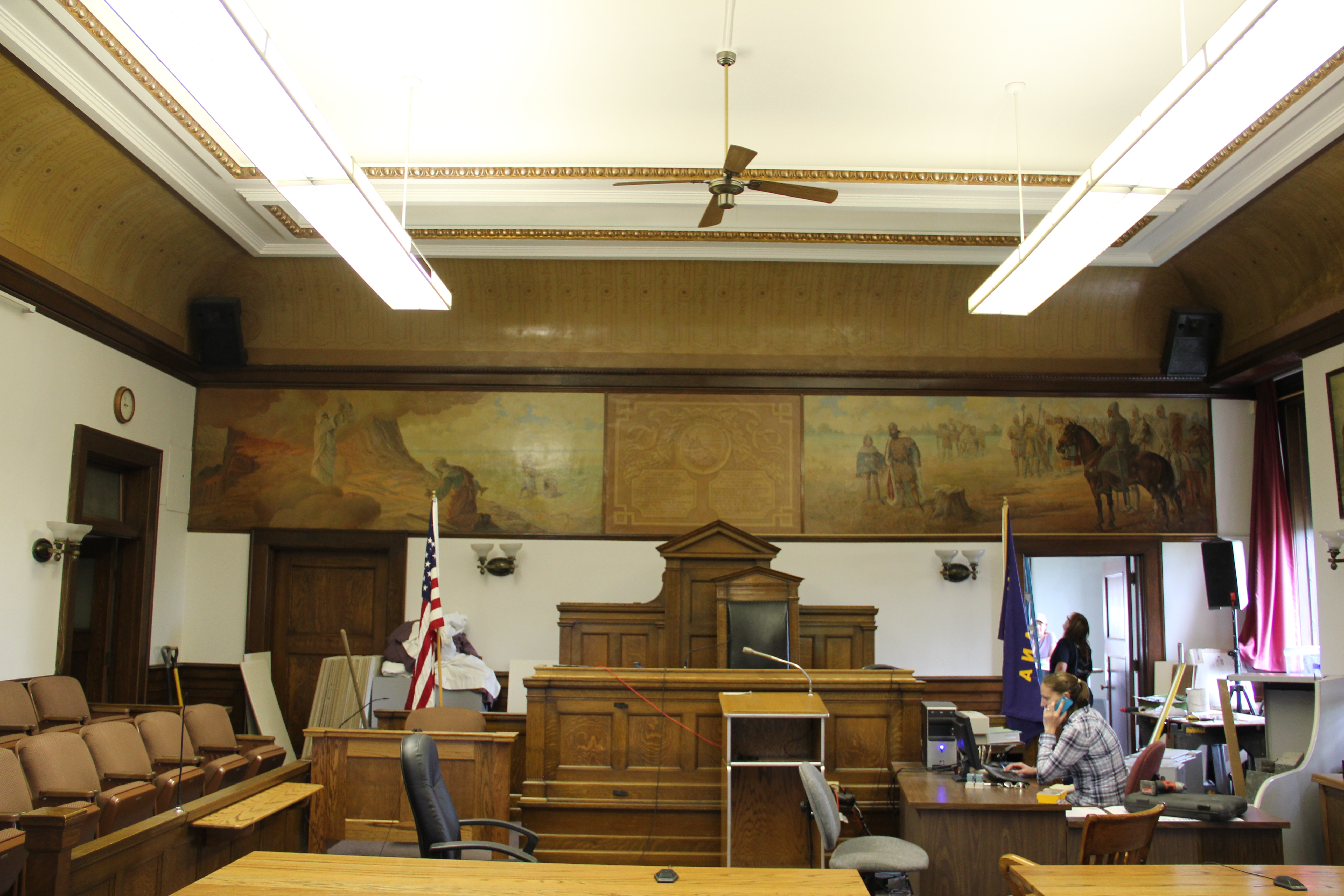
I spoke with the community at the courtroom around the corner one March night in 1984 and we all agreed on what was important. But later trips to Glendive, and the town’s push into historic preservation, quickly convinced me that there was more to tell.

A turn into the Yellowstone Valley

Note: sorry about the delayed posts–real life, and work, interfered in October.

In the 1984 survey of Montana’s landscapes for the state historic preservation office, when I turned southward at the Bainville depot, a Great Northern Railway landmark now sadly missing from the landscape, I understood that a new phase of the project, and of the state, was opening up before my eyes as a cold February turned into March.
IMG_4077
I first encountered Fairview, at the tip of the Lower Yellowstone Valley and a product too of the Lower Yellowstone Irrigation Project, which I addressed in earlier posts this fall.

Historic Hotel Albert, a 3-story brick relic of the homesteading boom

Historic Hotel Albert, a 3-story brick relic of the homesteading boom


Fairview then and even more so now was a place of transition between the agriculture made possible through the engineering marvel of the federal irrigation project and the slowly creeping westward push of the oil boom associated with North Dakota’s Williston Basin.
Ft. Gilbert highway marker, north of Fairview: note oil well to the right

Ft. Gilbert highway marker, north of Fairview: note oil well to the right


As I drove south along MT Highway 16, I passed through the Lower Yellowstone Project towns of Crane, Savage, Sidney, and Intake–discussed in earlier posts–and then hit Interstate I-94: the first interstate I had seen in weeks. But instead of turning into Glendive, the major town in the region, I veered to the east to explore Wibaux County.
IMG_1683
I knew a bit about Wibaux through the standard narratives of Montana history because here stood the ranch house of Pierre Wibaux, one of the most famous early cattlemen in Montana. The house had long served as a heritage tourism stop, even as a state welcome center since Wibaux is positioned a few miles west of the Montana-North Dakota border on I-94. In 1984 I knew that I wanted to visit the ranch house, and see the monument erected to Wibaux to commemorate his life and achievements.
IMG_0494
I also found, however, the heavy imprint left in the wake of the Northern Pacific Railroad as it headed into Montana and aimed for the Yellowstone Valley. For the next several weeks I explored this connection between rail and river that so defines the valley still today.
Underpass separating MT 16 from the Northern Pacific mainline at Wibaux

Underpass separating MT 16 from the Northern Pacific mainline at Wibaux


Wibaux is a town of bars–the Shamrock became my favorite in 1984, but the Rainbow Bar, housed in a building with more than a nod to Northern Pacific iconography, and the Stockman Bar were always worth a stop. Among newcomers in 2013, the Firelite was friendly but the big hit with locals and visitors was the Beaver Creek Brewery, a microbrewery way out on the plains of Montana.
IMG_0384IMG_0385
IMG_0387
IMG_0381
IMG_0383
With old historic hotels, business blocks, and bank buildings–one transformed into the town library–still intact, here is a commercial historic district just waiting one day to be placed into the National Register of Historic Places.
IMG_0382
Besides the bars, however, I enjoy Wibaux for its sense of a western ranch town, even in the face of the expanding reach of the Williston oil boom. There is the 1950s contemporary-styled Wibaux County Courthouse; the county fairgrounds south of town; and a bit farther south on MT 16 the historic Nunberg Ranch, which is listed in the National Register.
IMG_0483
IMG_0480
IMG_0479
Also listed in the National Register is the striking St. Peter’s Catholic Church, certainly a Gothic Revival landmark when the congregation built it on a high point west of the business district but then made into a western landmark with the addition of river stone in 1938. Here was a statement in the depression era: we are here and we are proud.
IMG_0493
But if you turn to the north, however, on the other side of the tracks is the life of the community, the school. And this image of the high school football field is perhaps the best way to close a post about Wibaux. Yep, it is small, determined, and still here, even when many think it should have blown away decades ago.
IMG_0496