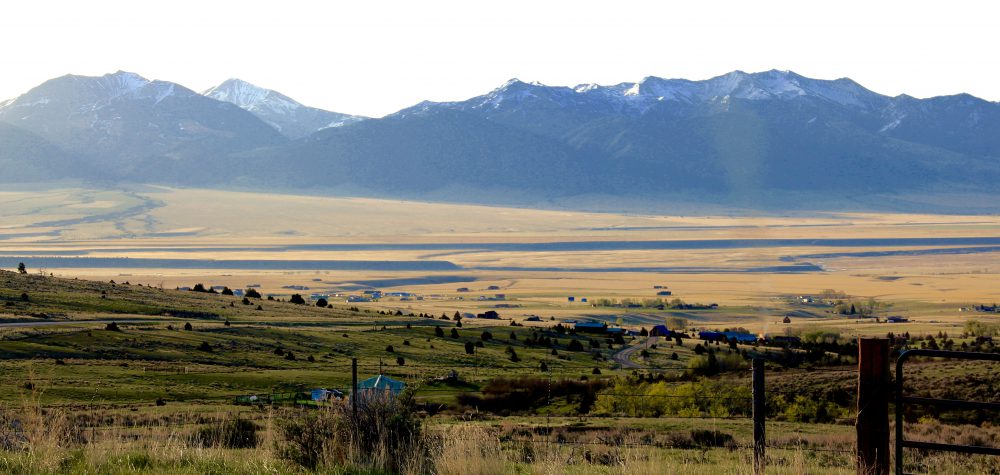
Transforming State History: the new Montana Historical Society museum

At the state history conference in Helena next month, the almost complete new museum at the Montana Historical Society will be unveiled. (The completed museum will have its full public opening in December.) while we won’t be able to see everything yet I’m still looking forward to a peak behind the curtain.

It will be a transformational change for state history—a new platform to explore, interpret and preserve the state’s past. Why do I have such confidence—I was already part of such a project in the creation of a new Tennessee State Museum from 2016-2018. The new museum in Nashville has created a huge new platform for all types of activities in state history and everyone is benefiting, especially the state’s robust heritage tourism industry.

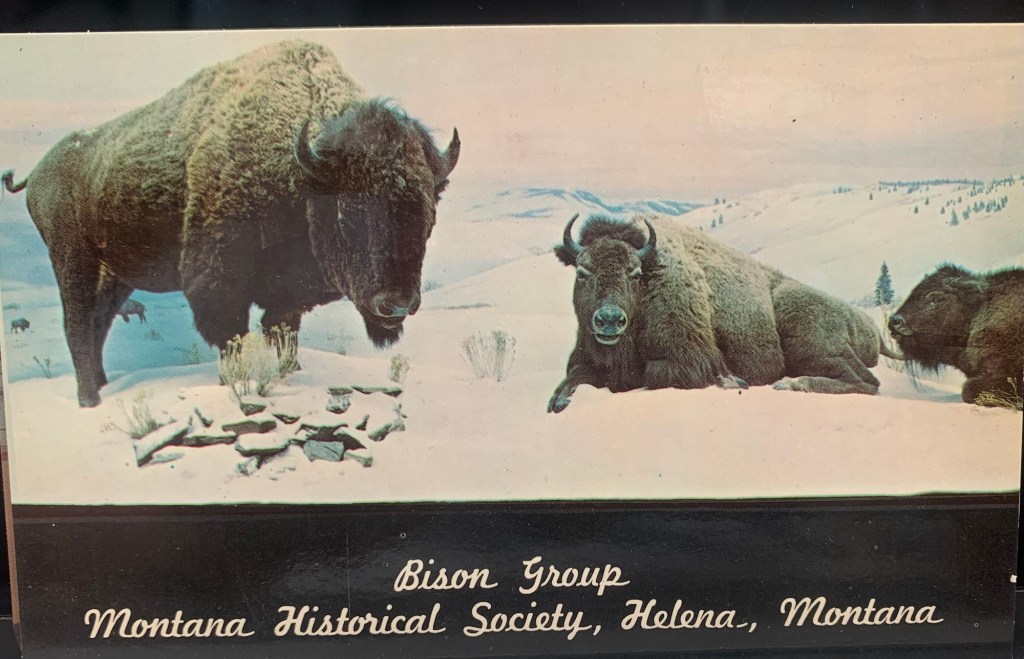
But before we get too excited about the future, let’s remember how this new change at MHS is just the latest chapter in how this amazing institution has served Montana. For this post I’m using some photographs but mostly postcards that I collected in Montana in the 1980s.

The Veterans and Pioneers Memorial Building dates to 1953. Here are two views, one emphasizing the Liberty Bell installation from the Bicentennial and the second reminding us how the tour train, established in 1954, started its tours there and connected visitors to downtown.

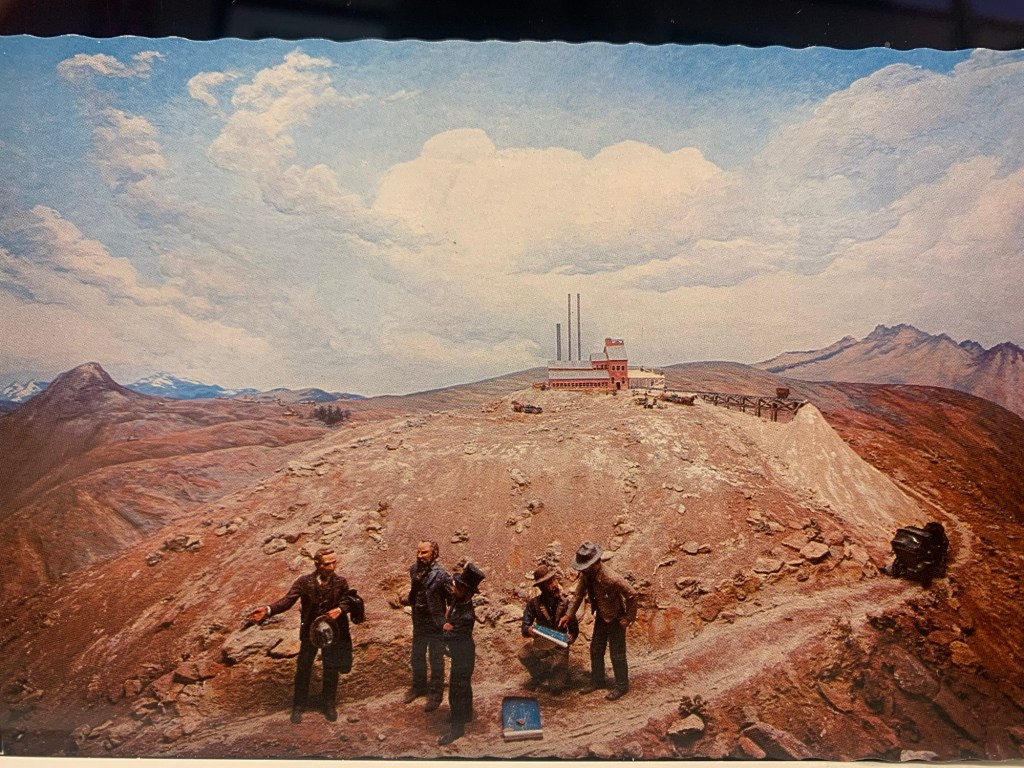
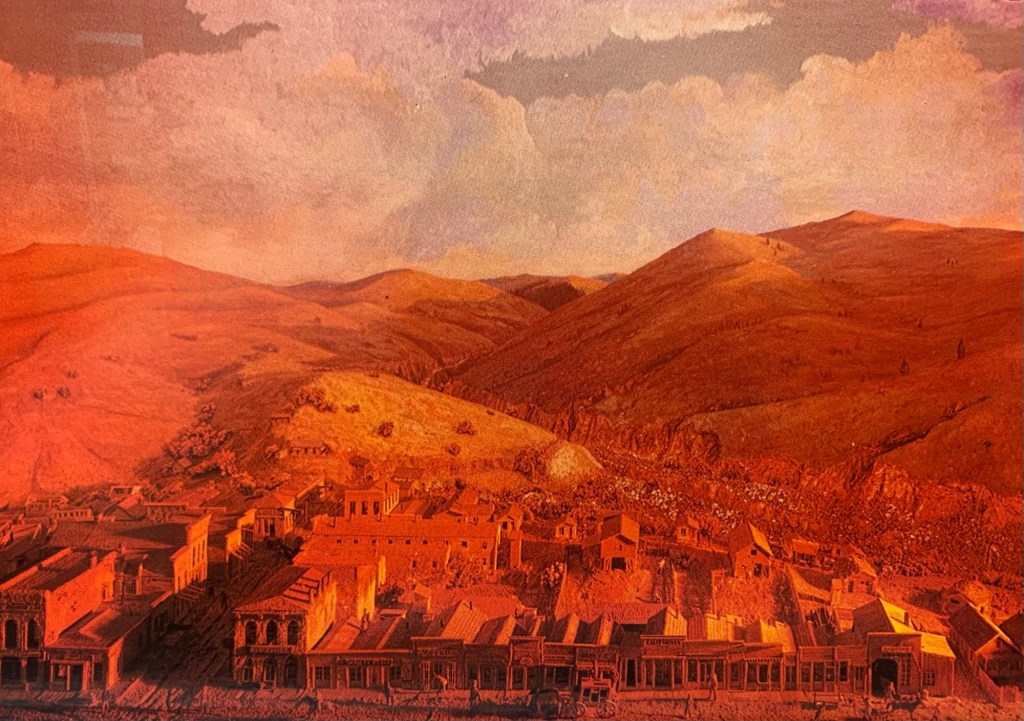
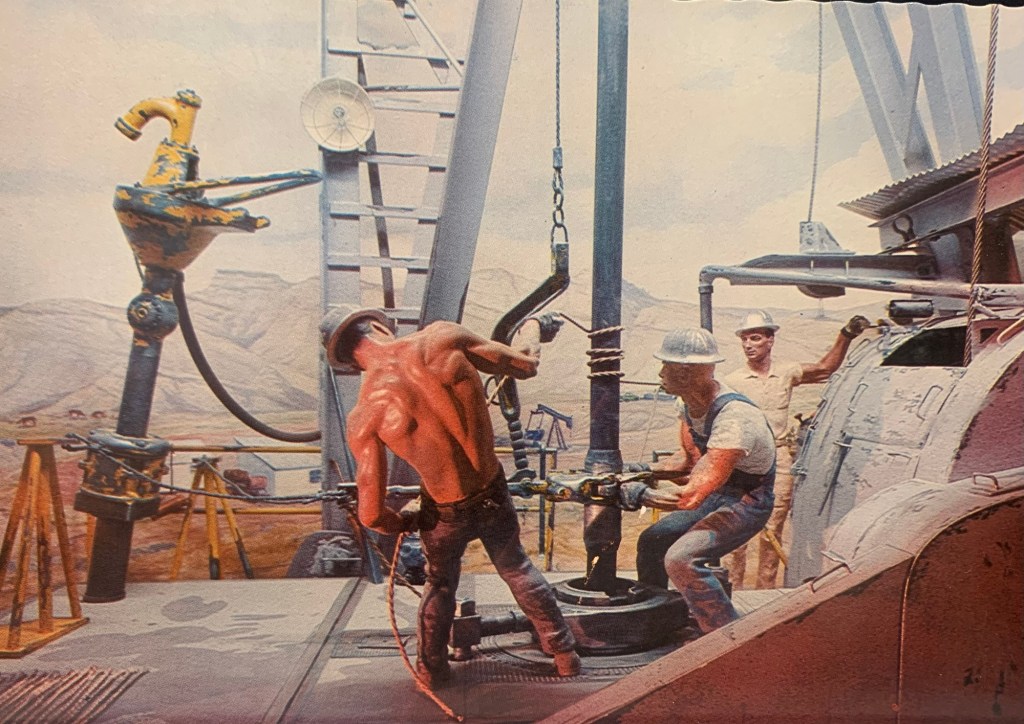
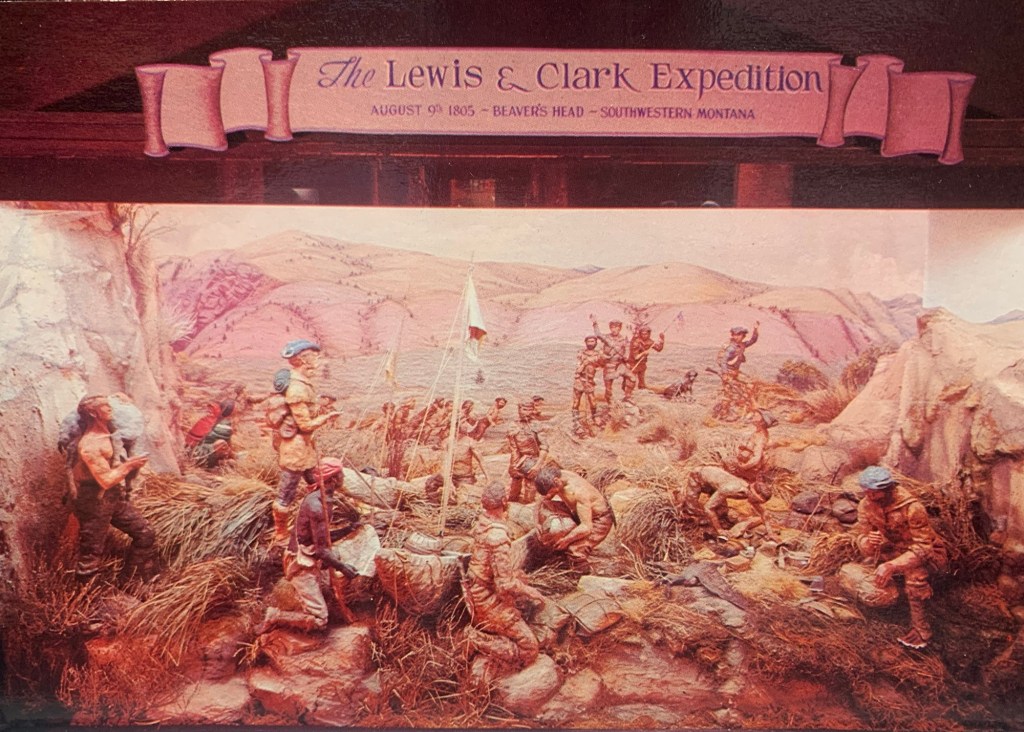
Some of us are old enough to remember the early exhibits—and the dominance of dioramas, dioramas, dioramas!

“The richest hill on earth”
Virginia City
Oil in Eastern Montana
Power lines on the plains
Lewis and Clark diorama, the museum opened during the 150th anniversary of the expedition
That diorama has had a second life at the Beaverhead County Museum in Dillon. Rudy Autio, the famous art potter associated with the Archie Bray Foundation and University of Montana, was the sculptor.

The highlight of the collection, then and now, was the Charles M. Russell gallery, although his work seemed out of sorts with the modern style of the building.

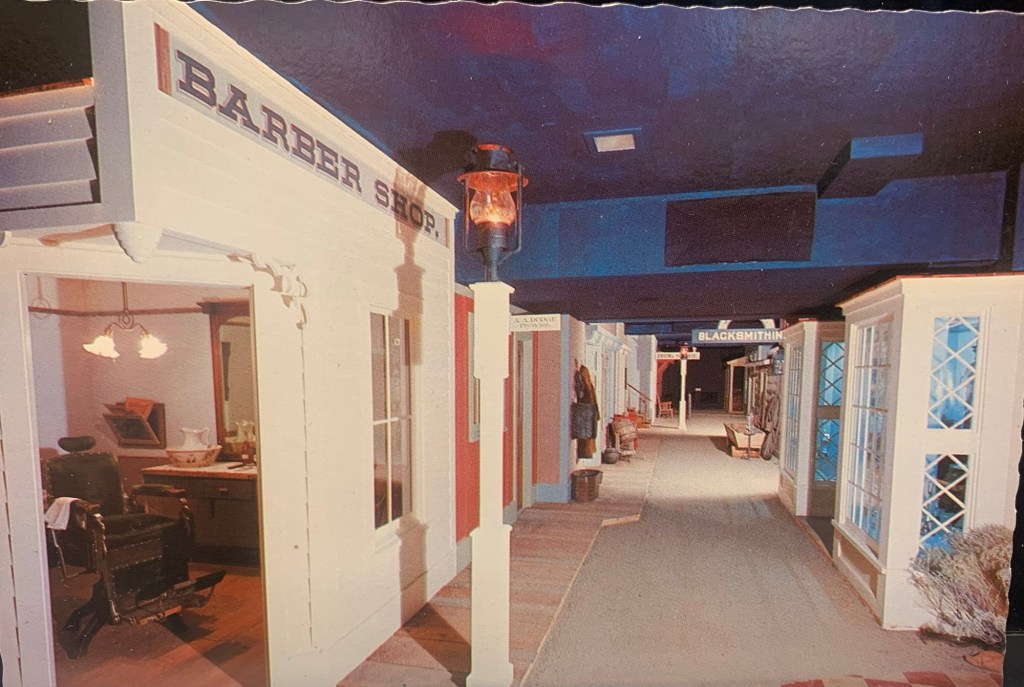
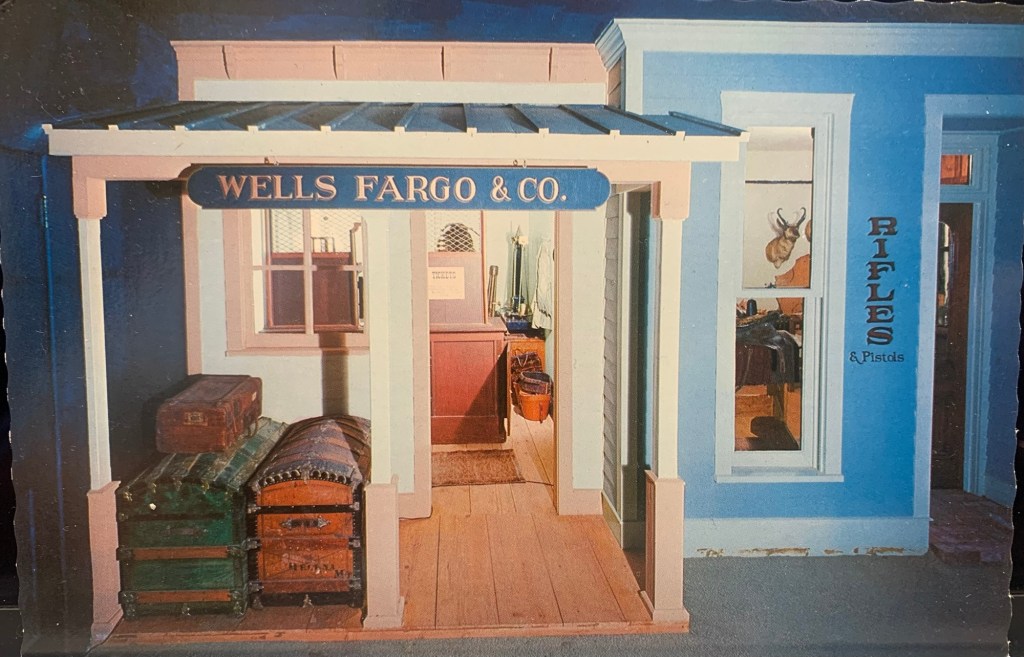
Then in the 1970s came the first transformation—placing Territorial Junction in the basement, a series of period rooms themed to a certain business or activity.

This installation had a tremendous influence on the many county museums that were built in the 1970s and 1970s as so many had their own territorial junction sections.

Mondak Heritage Center , Sidney, 2013

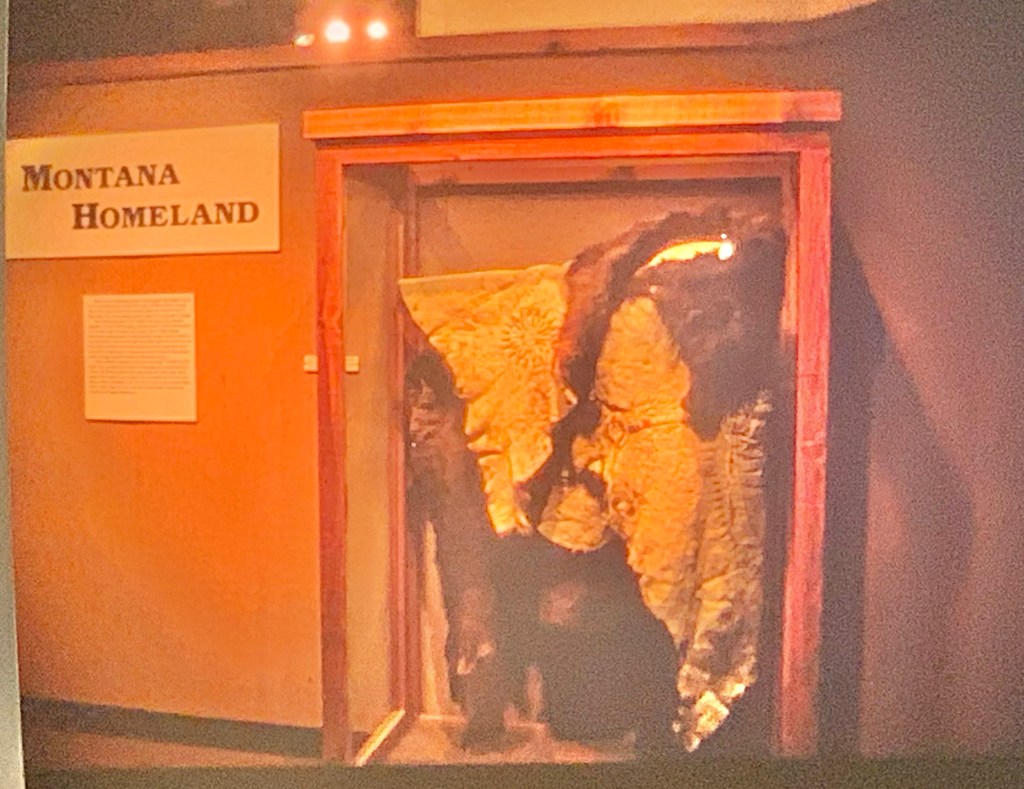
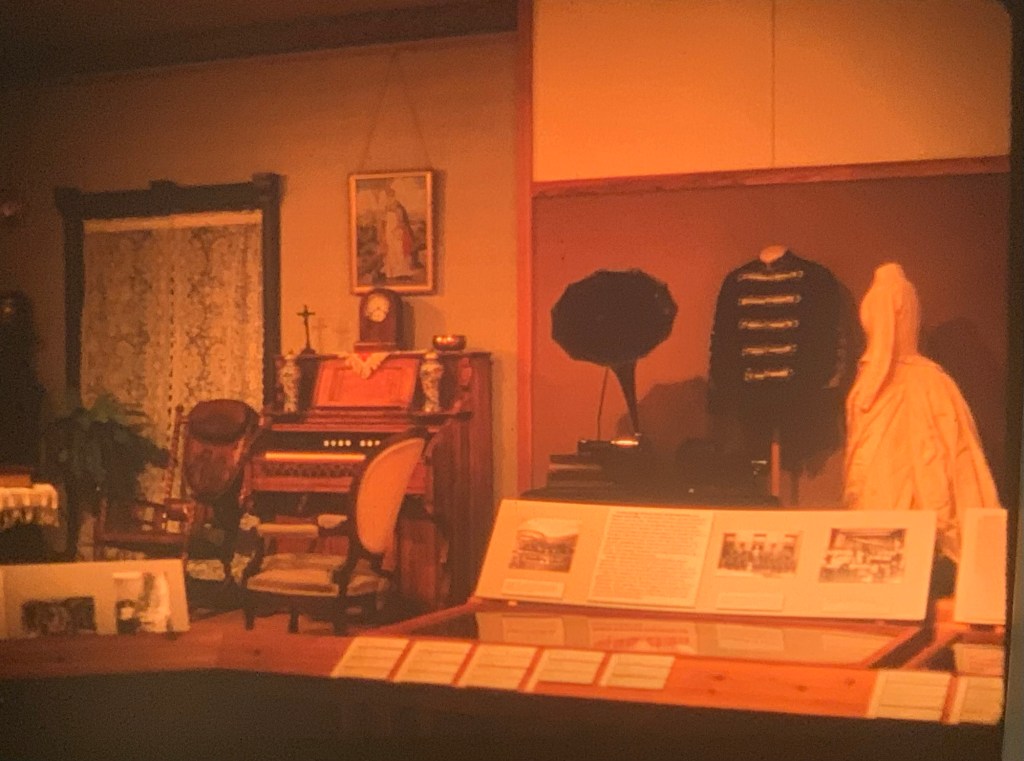
In the mid-1980s MHS staff planned and installed a new history gallery, named Montana Homeland. I visited it in 1988 and took a few slides—and in the dark light my images aren’t great but there’s enough to see how the approach had changed.

The new exhibit highlighted objects from the extensive and valuable MHS collections on Native American history.

Everywhere, from the sections on steamboats to the Victorian era to a 1930s kitchen, objects dominated the senses. It was a visual feast, an approach that I expect the new museum to continue but probably in a much more interactive way.

Yes, no doubt I will miss the old MHS museum but I’m pumped about the new one. What an opportunity! I will report more on this topic after September’s conference.

Hamilton’s historic public architecture

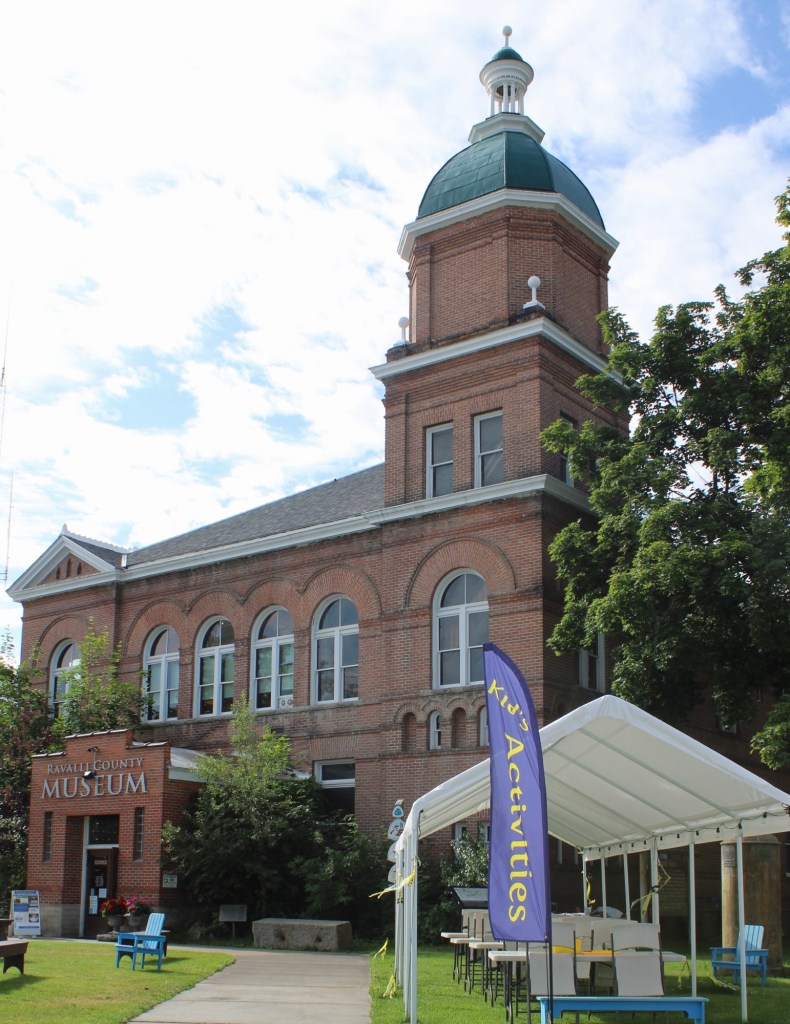
In the first half of the 20th century few Montana county seats matched the quality and diversity of public architecture of Hamilton, the seat of Ravalli County.

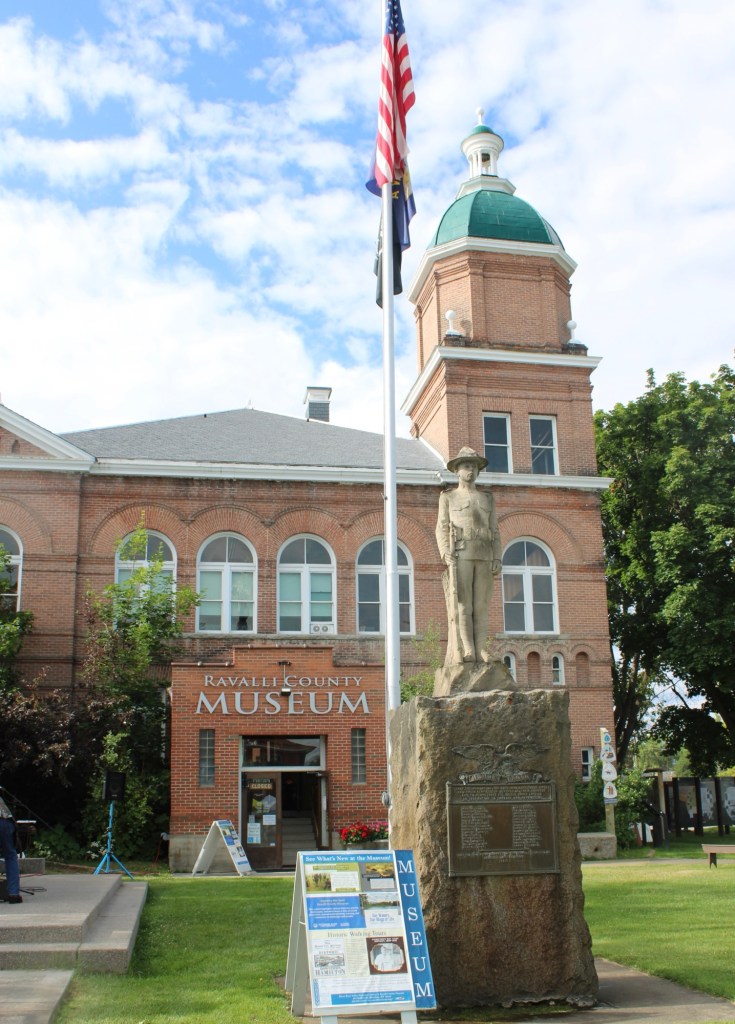
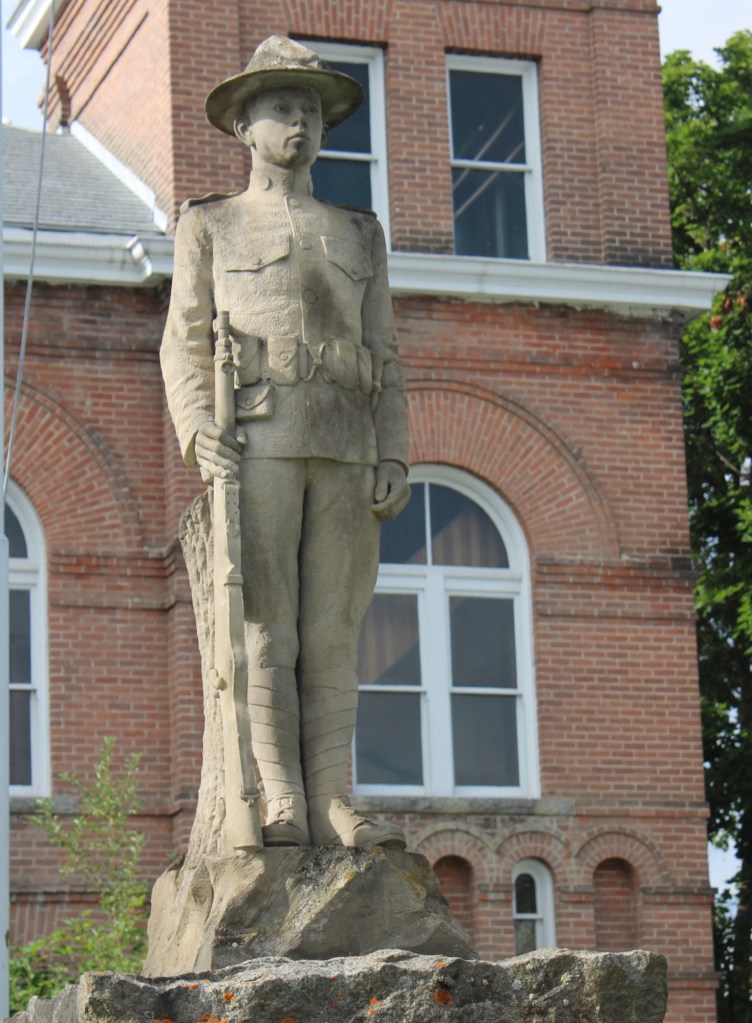
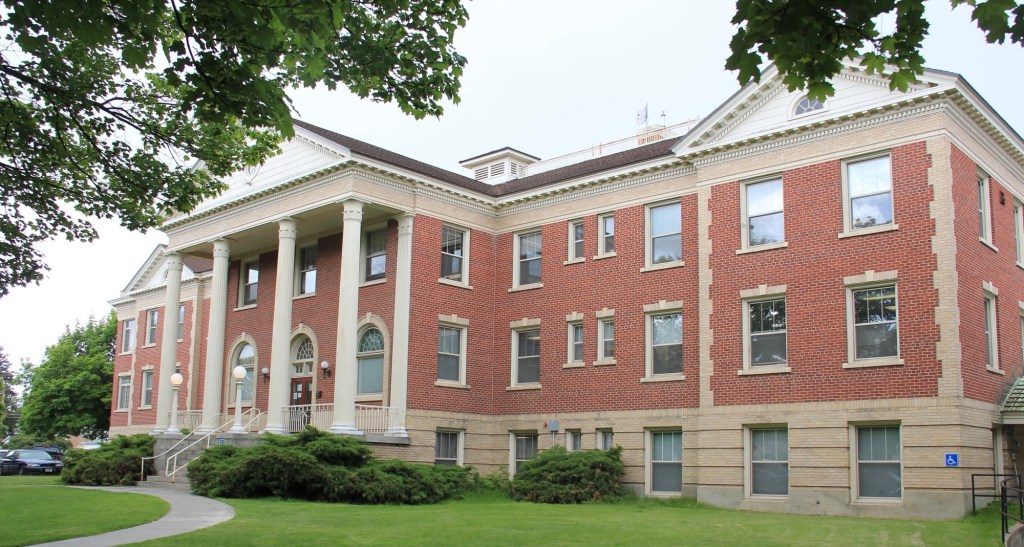
The oldest, the Ravalli County Courthouse of 1900, remains the most distinguished, although the county left the building for a new courthouse in the mid-1970s. Fifty years later, its conversion into an excellent county museum has kept this landmark of Romanesque infused design as a vital part of county life, especially during the city’s Saturday market in the summer. Designed by architect A.J.Gibson of Missoula, the courthouse graces a grand public space in the 21st century city, a space made even more meaningful by the Doughboy tribute monument that stands on guard in front of the building.

Installed in 1921 the monument itself is over 100 years ago and is a rare courthouse yard tribute to World War I veterans.

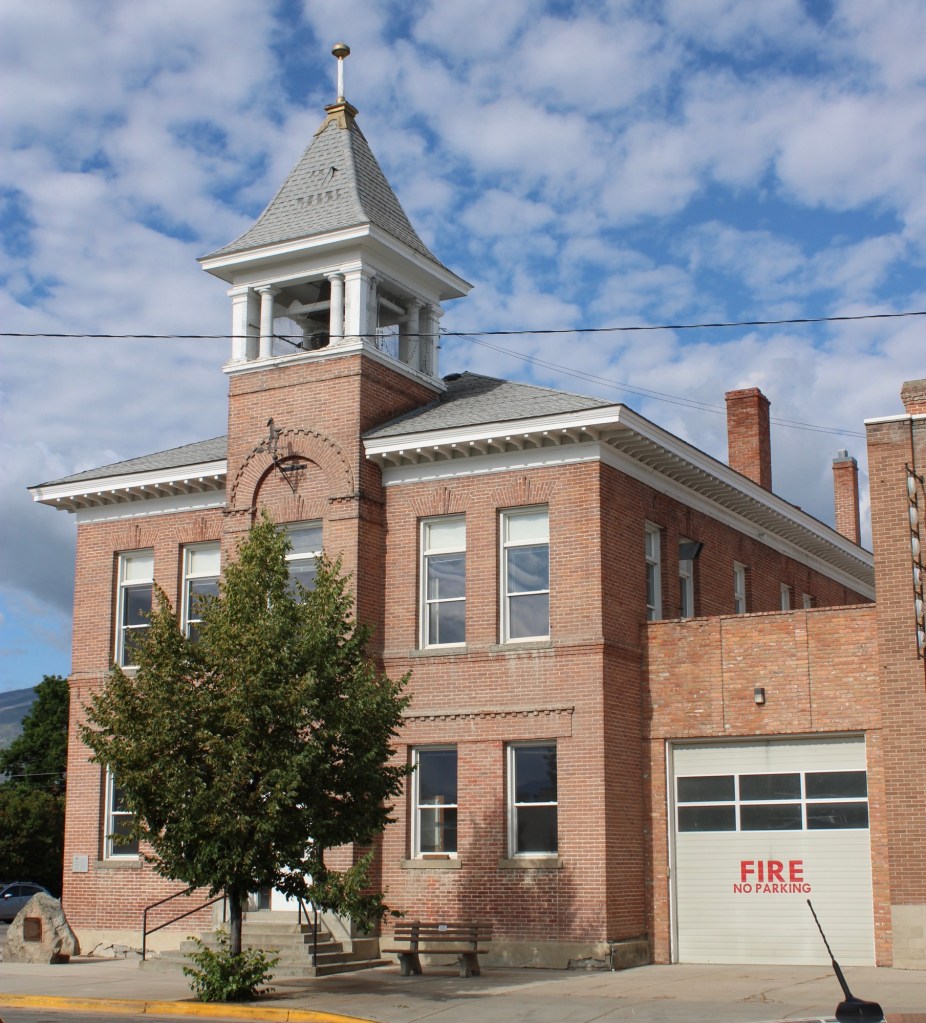
In 1906, only a block away, the city built a Victorian style flavored town hall for almost all city affairs, from governance to police in fire fighting and even the public library.

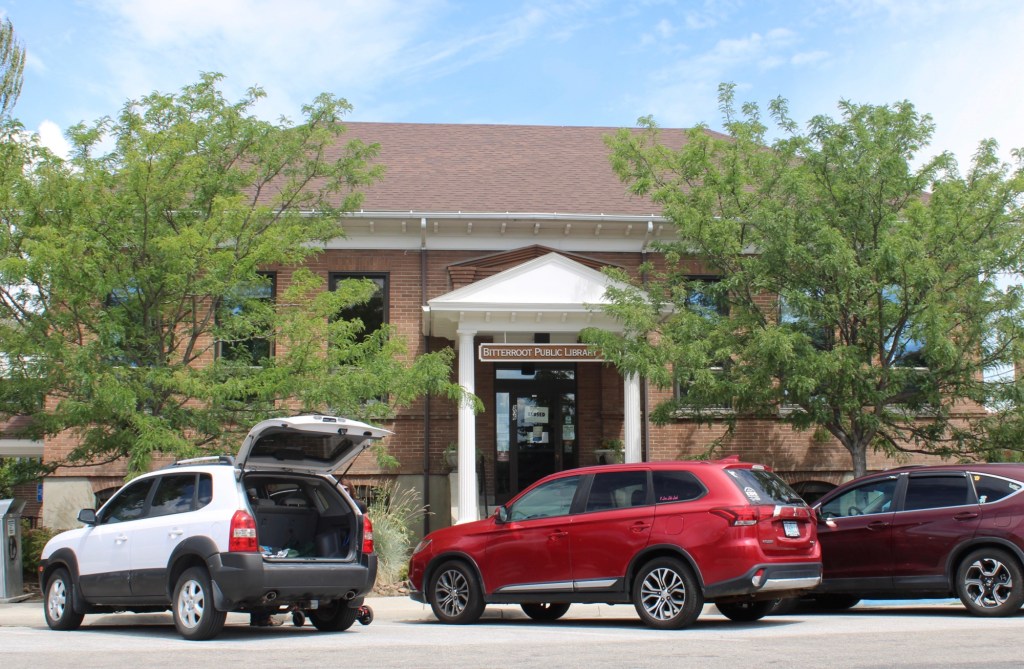
The library was not long for the Town Hall. Within 10 years it had its own Classical Revival building, due to the diligence of the Hamilton Woman’s Club and the funding of Margaret Daly, the widow of copper magnate Marcus Daly, who lived across the valley at her grand Colonial Revival mansion.

Margaret Daly was not done. In the mid-1920s she funded the Colonial Revival style Marcus Daly Hospital just blocks away from the library.

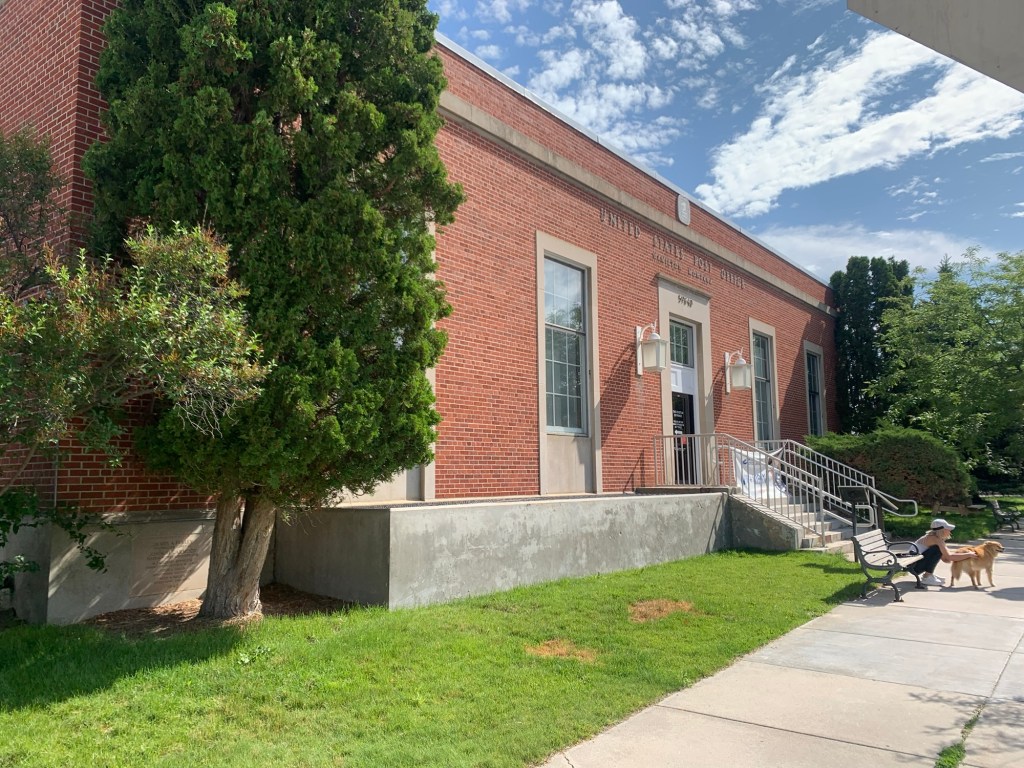
The New Deal added to the city’s Colonial Revival traditions of public architecture. Those depression years of the 1930s added a more restrained take on the colonial style in the new post office by Louis A. Simon.

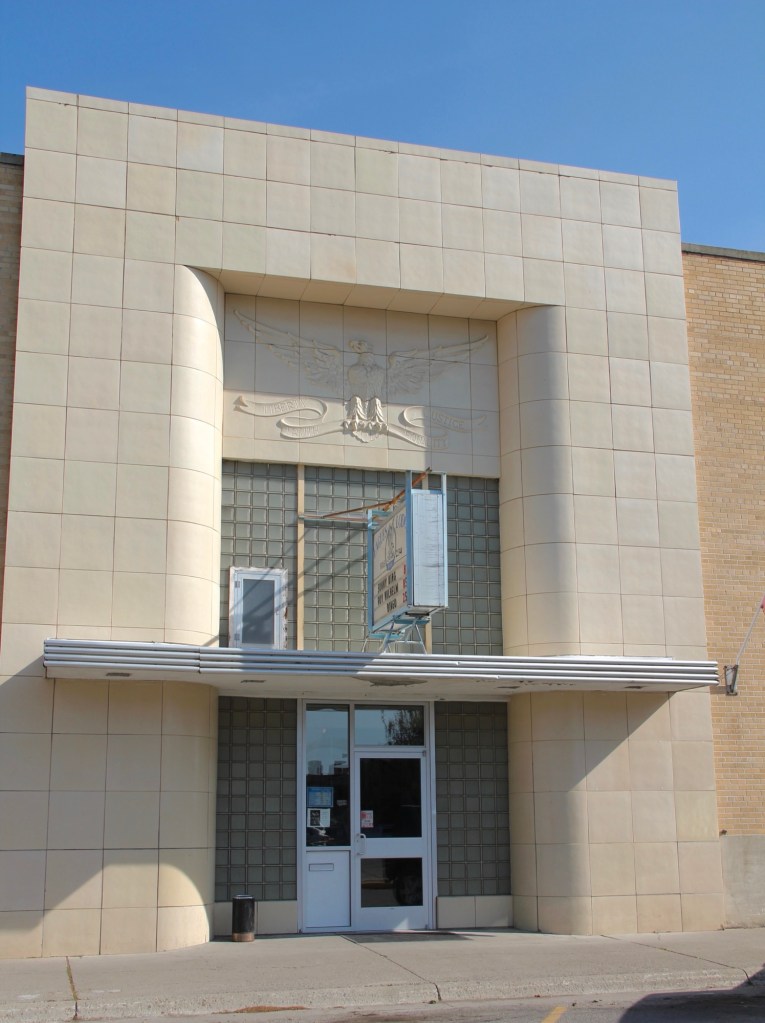
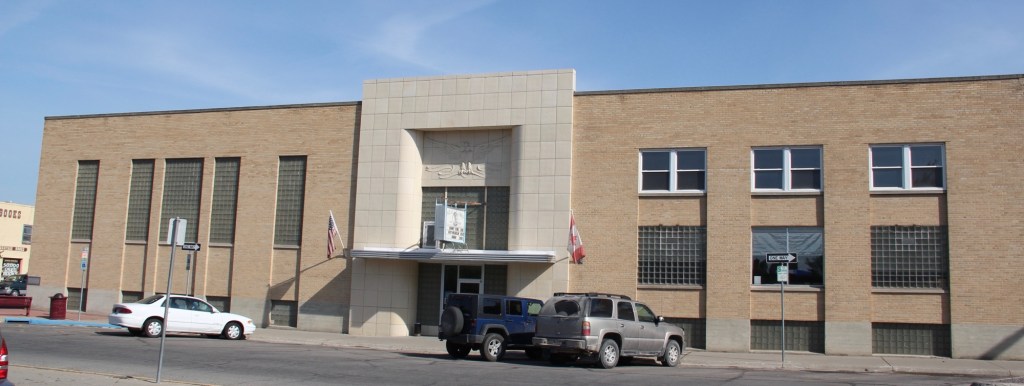
Then after World War II public architecture charted a new course into modernism although Hamilton took cautious steps in its blocky modern design of the present city hall and community building, a very effective bending of uses.

Days before I visited Hamilton on July 4, 2025 plans were finalized to begin the serious work of converting the historic town hall into a new library facility. Even as we celebrate the town’s public architecture, change is coming later this decade.

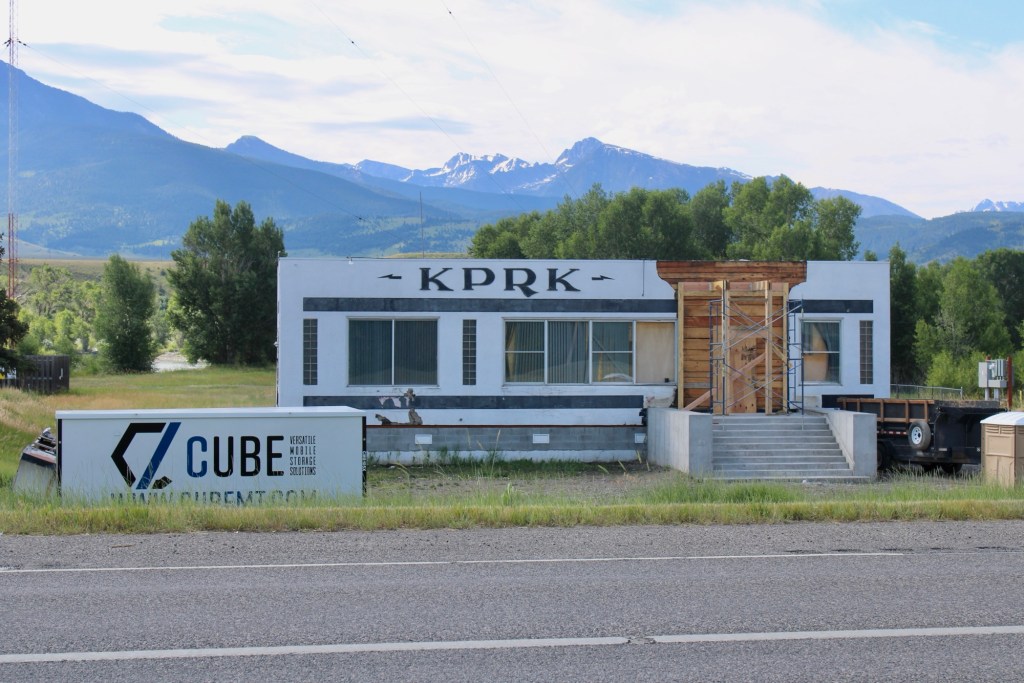
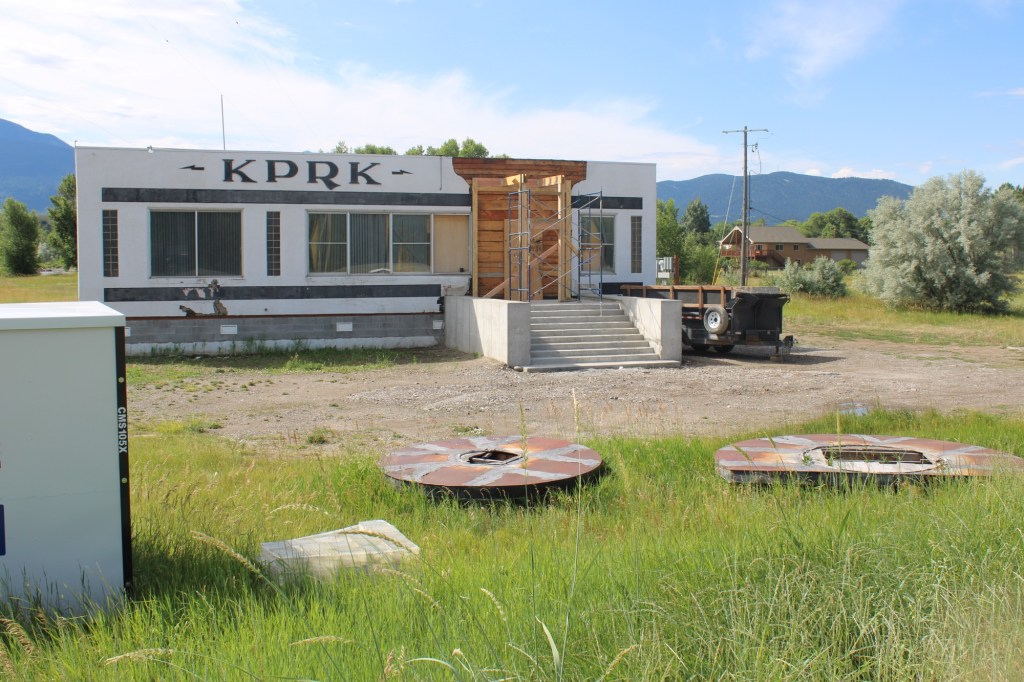
KPRK in Livingston: Restoration of an Art Deco masterpiece

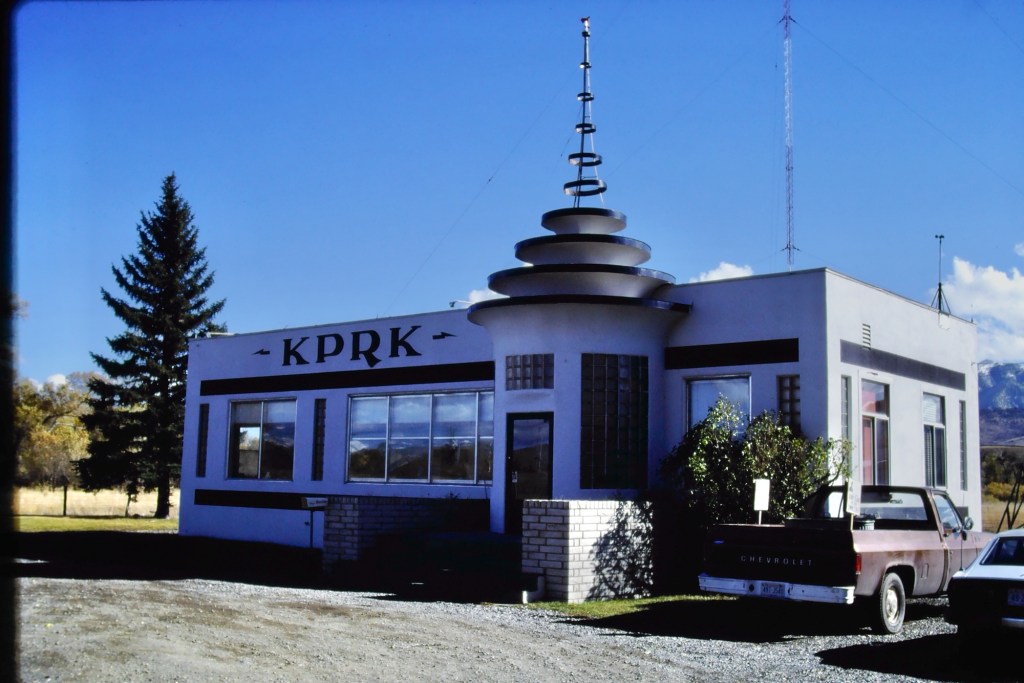
During the 1984 survey of Montana for the state historic preservation plan even I realized that the small rectangular building with a stylized Art Deco entrance outside of Livingston on old US 10 was a special, unique place. By that time the interstate highway bypassed the landmark, and over the next 30 years it slowly began to deteriorate.

The station in 1990
KPRK c. 2013
Restoration summer 2025

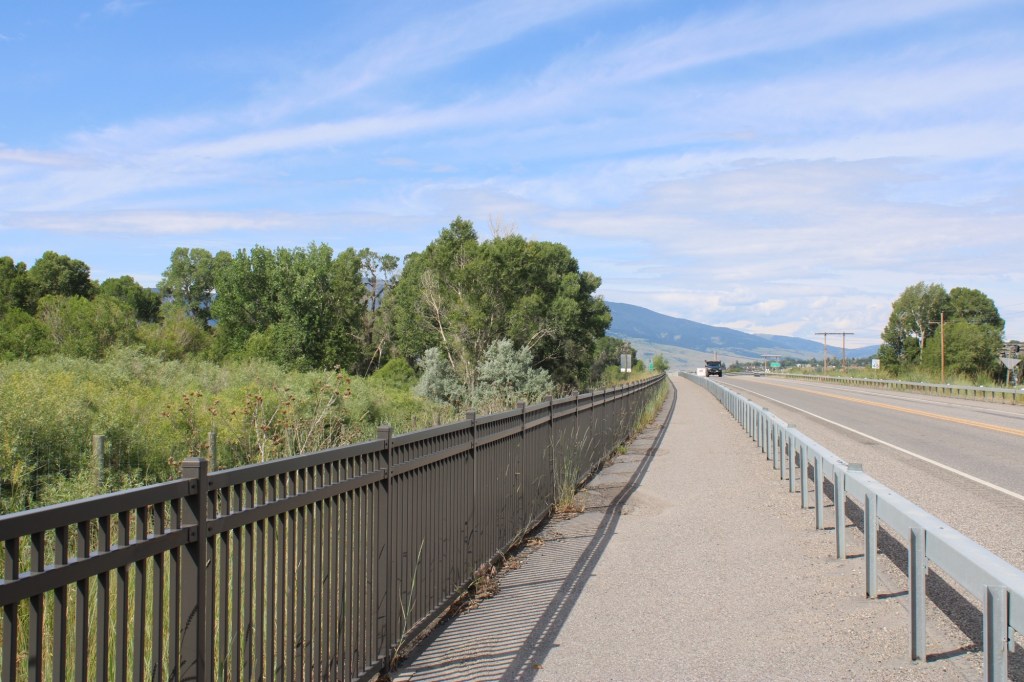
But in 2025 good news abounds for this modernist landmark. Not only is restoration underway, there is a neat bike/pedestrian trail that takes you to the station, and along the way from the east is a beautiful view of the Yellowstone River.

In 1947 Paul McAdam had taken the chance to build the station, one of the first in Montana after World War II. William Fox of Missoula was the architect. Even though the Art Deco style was dated by 1947, it was a perfect choice as time has proven.

Here’s to the successful completion of the restoration, giving this building new life in the 21st century.

Modernism in Northeast Montana

Repeat visitors to this blog about historic places in Montana quickly see that the focus is very much on the era of 1860 to 1960. But I have taken time to also record the modern past. This brief detour into northeast Montana (Roosevelt, Sheridan and Daniels counties) shares commercial, public, and religious buildings from the late 20th and early 21st century.

The Montana State Bank (now in 2024 the Bank of Plentywood) in Plentywood has its business roots in earlier bank in the railroad town of Reserve. Its echoing of classical columns in a modern setting makes it my favorite modern style bank in the region.

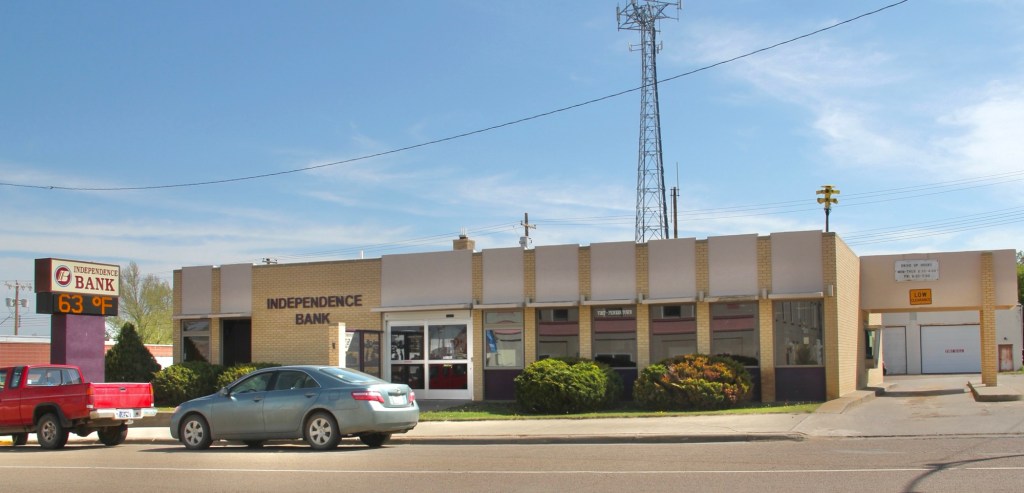
Not far behind is the Independence Bank in Scobey, built in 1972. After the First Security bank of Havre acquired the bank in 1998 it changed the name to Independence in 2000.

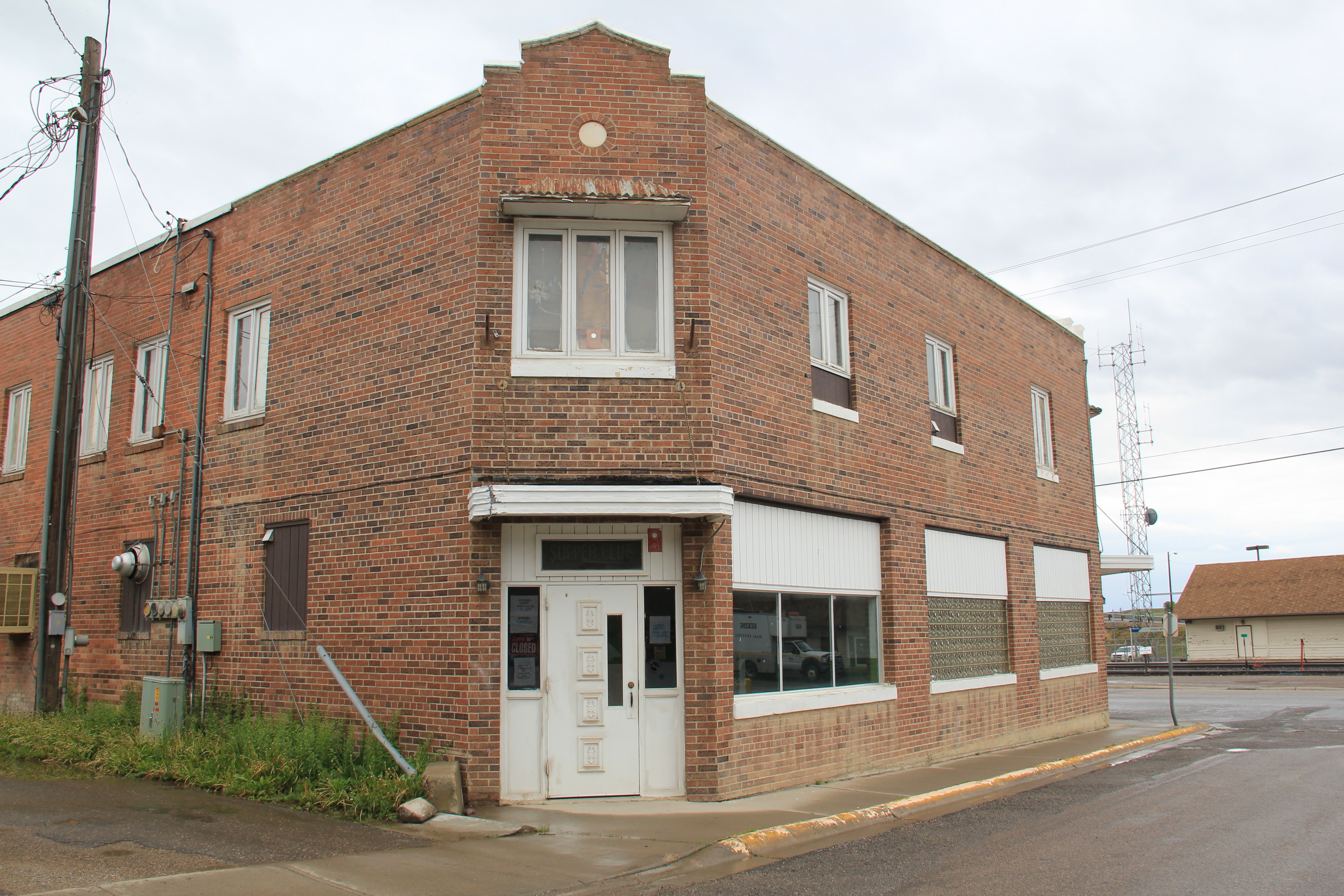
The store is now closed.
The store front has changed since this image from 2013

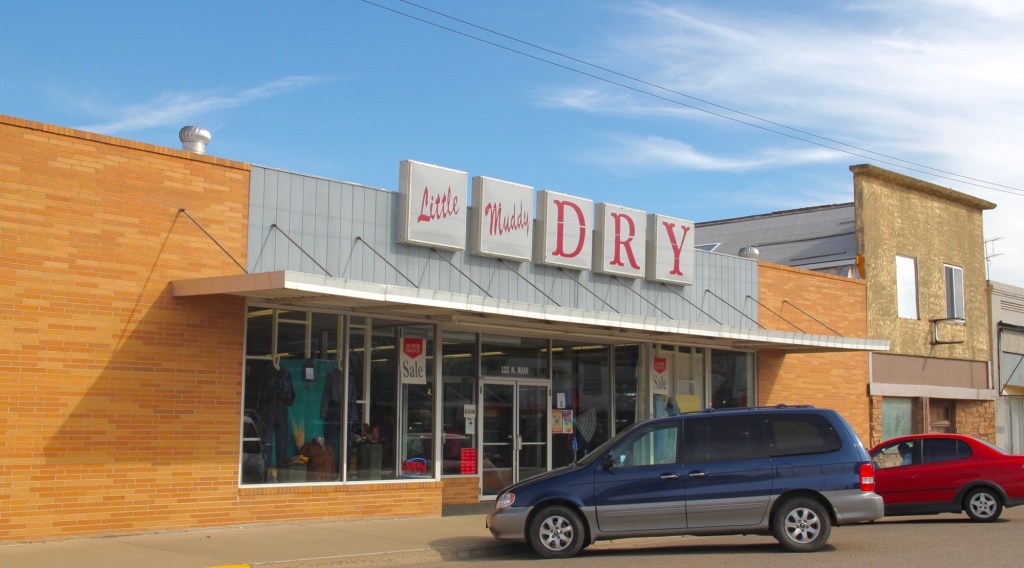
Colorful metal sheathing over old storefronts helped owners update their businesses from the 1960s into the 1980s, enabling downtown locations seem more like shopping centers. The top example is from Plentywood while the bottom, Bryan’s, is from Wolf Point.

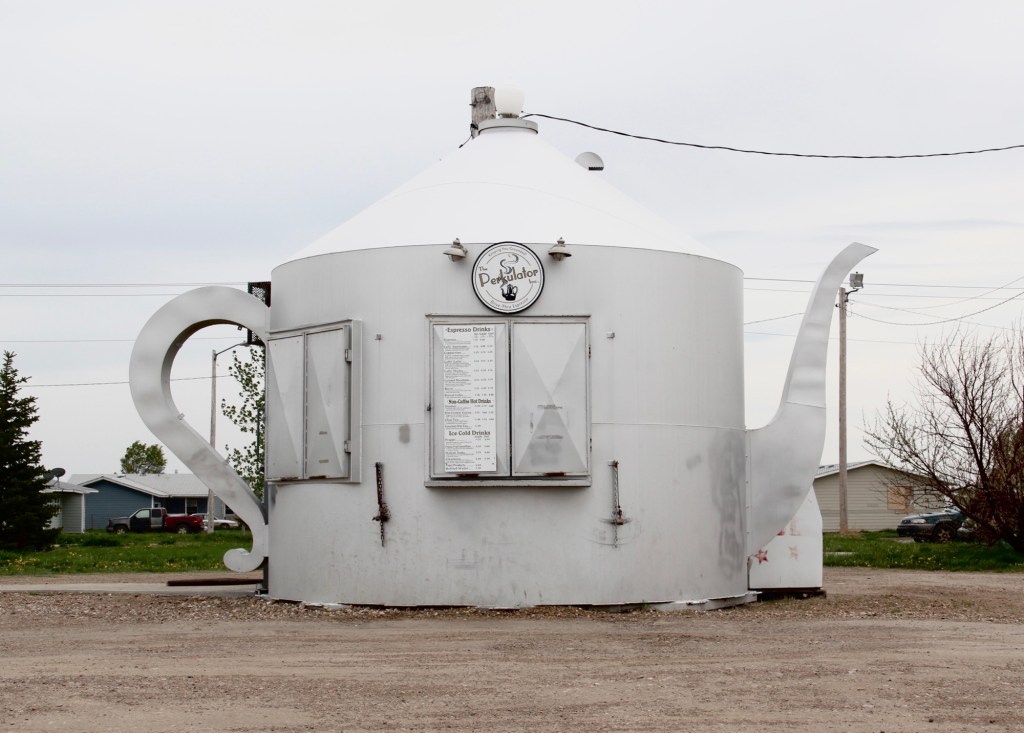
The Perkulator coffee shop is still going strong on U.S. Highway 2 in Poplar. Highly recommended!

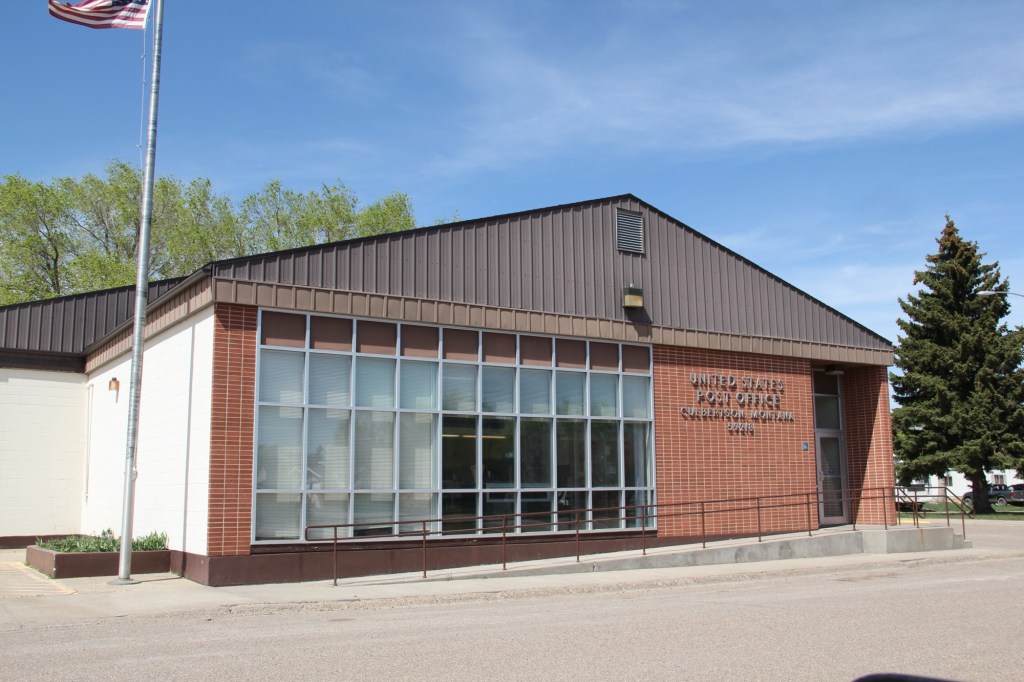
The design of U.S. post offices moved away from the preference for Colonial Revival styles in the first half of the 20th century and embraced a modern look as shown in Culbertson (top) and Scobey (bottom).

The Roosevelt County office building in Culbertson continued with modem styling into the 21st century.
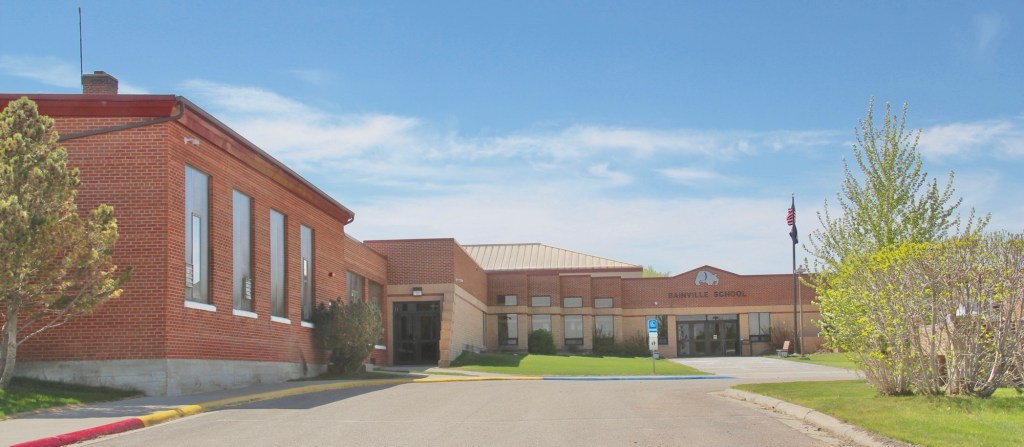
Staying in Roosevelt County new schools for Culbertson and Bainville in the early 21st century also shared contemporary styling.
Bainville school

Fort Peck Community College in Poplar has significantly expanded its campus after achieving accreditation in 1991 and the gaining land-grant status in 1994.

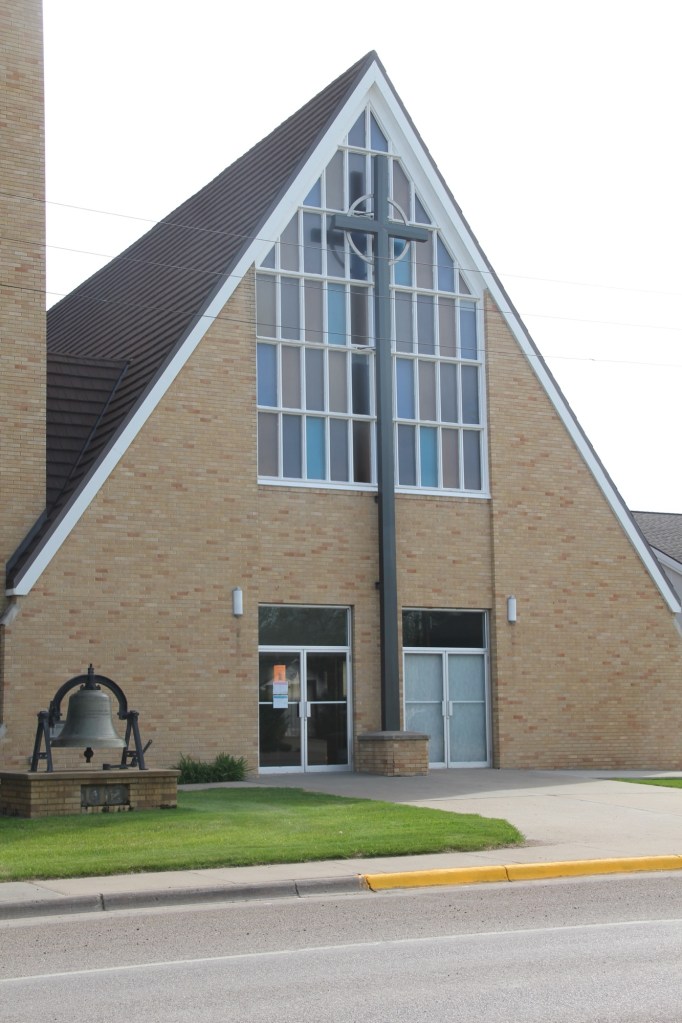
Lutheran churches in Plentywood and Wolf Point are also modern landmarks. Plentywood Lutheran ELCA dates to c. 1957-1960 while the Trinity Lutheran Church is a late 19th century congregation that worships in a 1960s building.

Plentywood Lutheran
Plentywood Lutheran ELCA
Trinity Lutheran in Plentywood

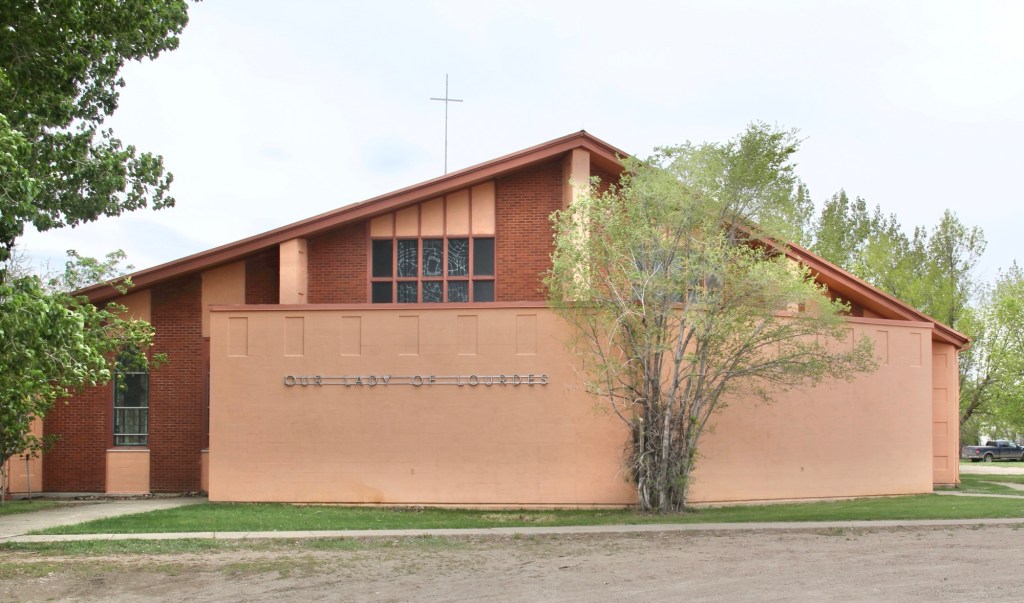
Our Lady of Lourdes Catholic Church, a 19th century congregation, in Wolf point ends our regional tour of Montana modernism. the building reflects the diocesan decision to build contemporary style churches in towns large and small through eastern Montana in the 1950s and 1960s.

Education Legacies in Beaverhead County: Historic Buildings of University of Montana Western

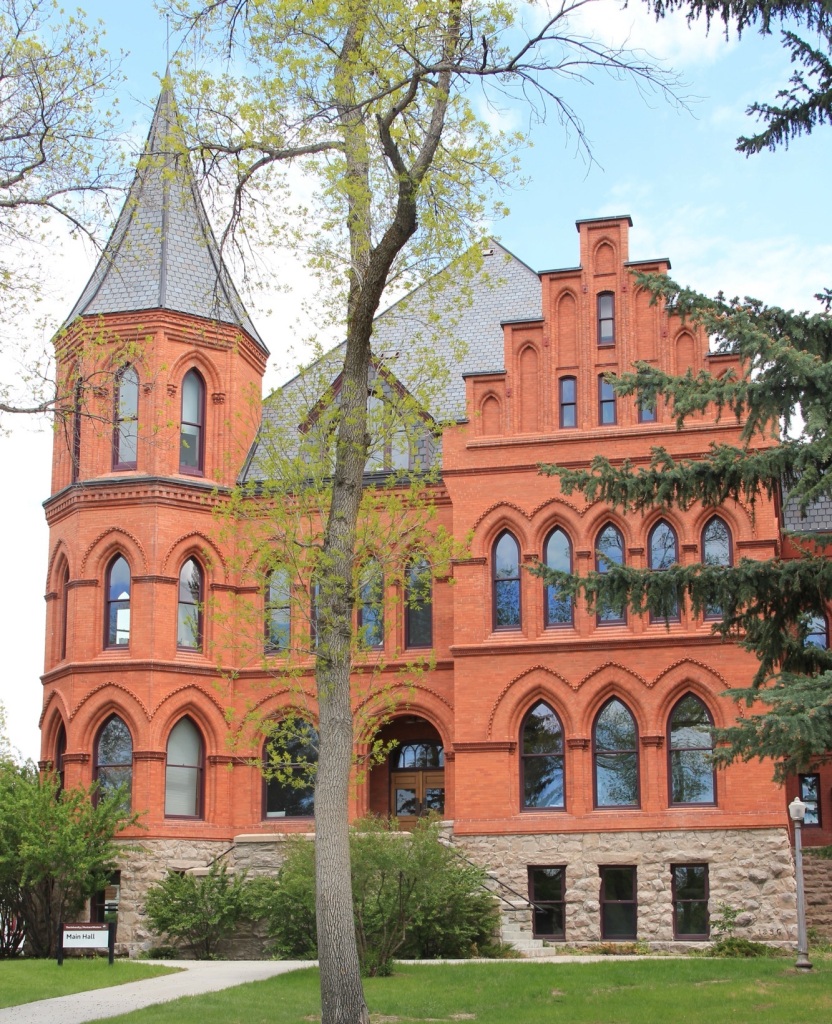
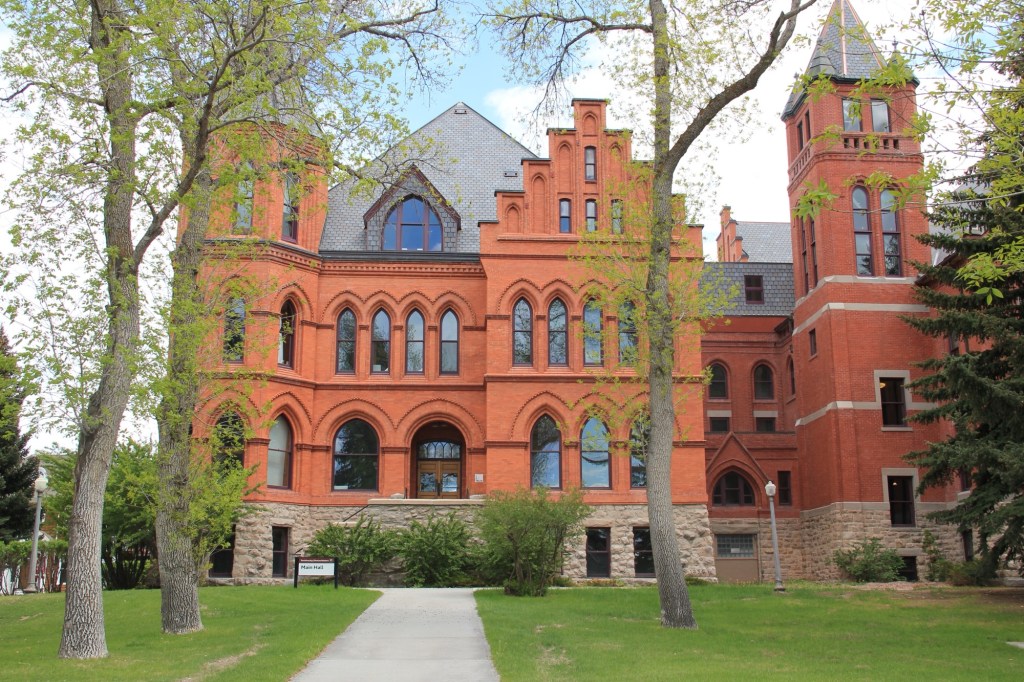
Dillon is one of my favorite towns in western Montana, and a big reason why is the university. It’s a beautiful campus, donated by the Gothic Revival style of Main Hall (1895-1897), designed by John C. Paulsen.

I’m a huge fan of Paulsen’s with across late 19th century Montana and Main Hall of what was originally the Montana State Normal School is one of his best designs.

With the homesteading boom of the early 20th century, the college began to expand. Its name changed to the Montana State Normal College in 1903, and soon thereafter the one huge building was not enough. The state made the first addition in 1907, which included an auditorium.

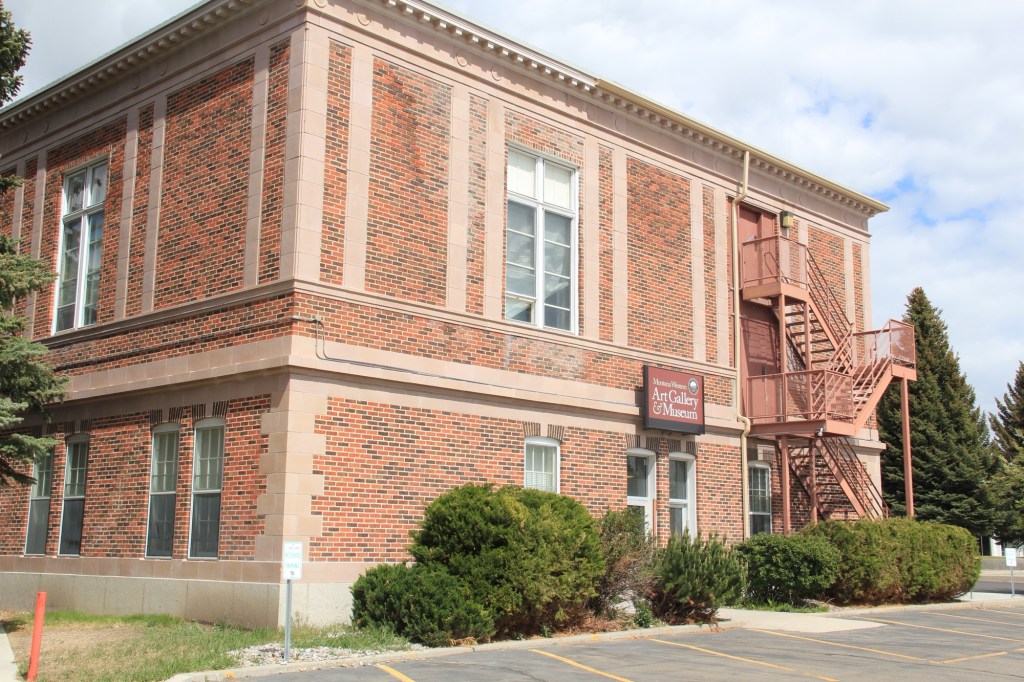
Soon another building was added and a long rectangular, quasi Craftsman style wing was built to hold more classrooms. if I read the internet sources correctly, Billings architect Charles S. Haire was the designer, but the completion of the building was delayed by a constitutional challenge to its funding.

The university art museum ended up in this wing

Despite the funding controversy, the college continued to grow from 780 students in 1910 to about 1800 in 1920.

Matthews Hall, a classically inspired, yellow-brick building, was a residence hall constructed to help meet women student enrollment in 1919. The dining hall in a more Colonial Revival style came along a couple of years later in 1921.

With the construction of a new gymnasium and classroom building (later Business and Technology) in 1924, the first generation of growth at State Normal College came to an end.

The modern era introduced an entirely new architectural vocabulary to the college. The college became Montana State Teachers College in 1931 and then Western Montana College of Education in 1949. The student union building dates to that era and was built in 1958.

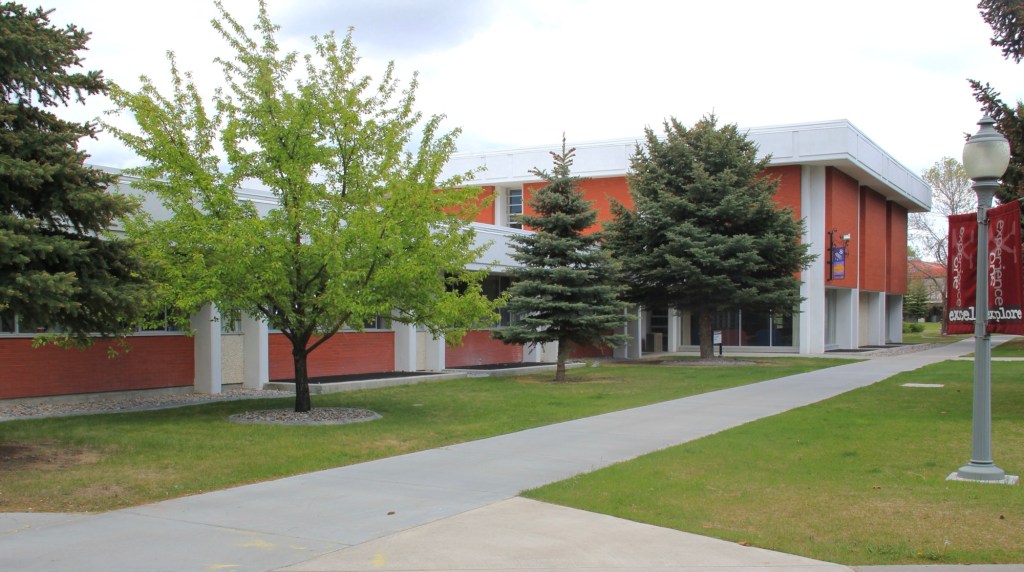
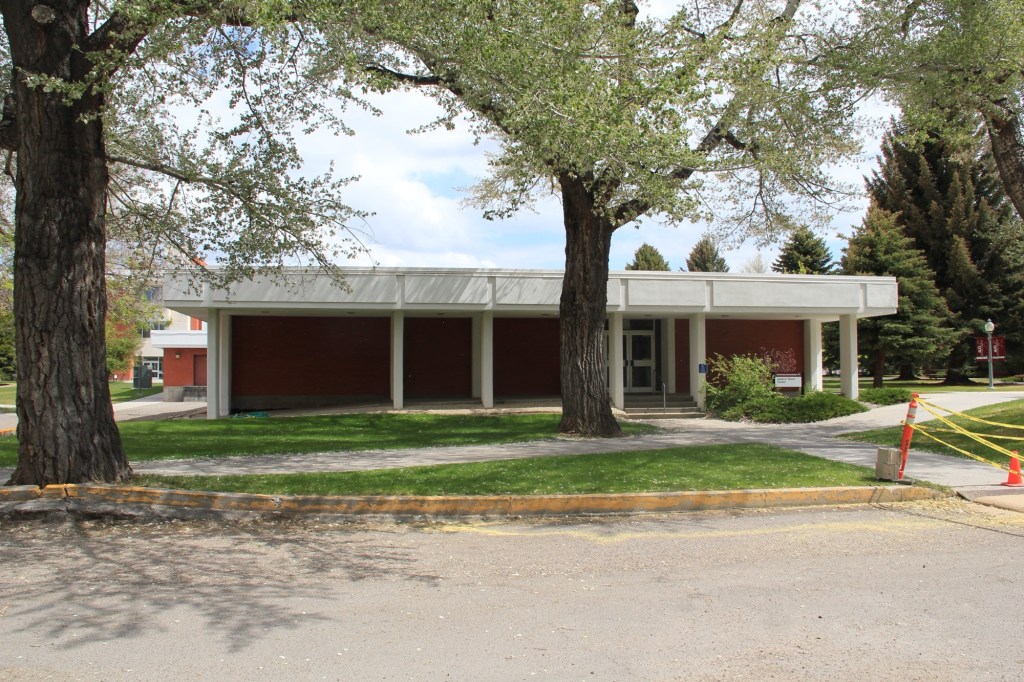
Once the institution became Western Montana College in 1965 and started to expand its curriculum, new buildings were a must. The James Short Center and the Lucy Carson Library came in 1969.

Short Center
Carson Library

Then in 1971 came my favorite, Block Hall. Named for science professor Daniel G. Block, the building gave the college modern labs and led to expansion in the college’s environmental studies program.

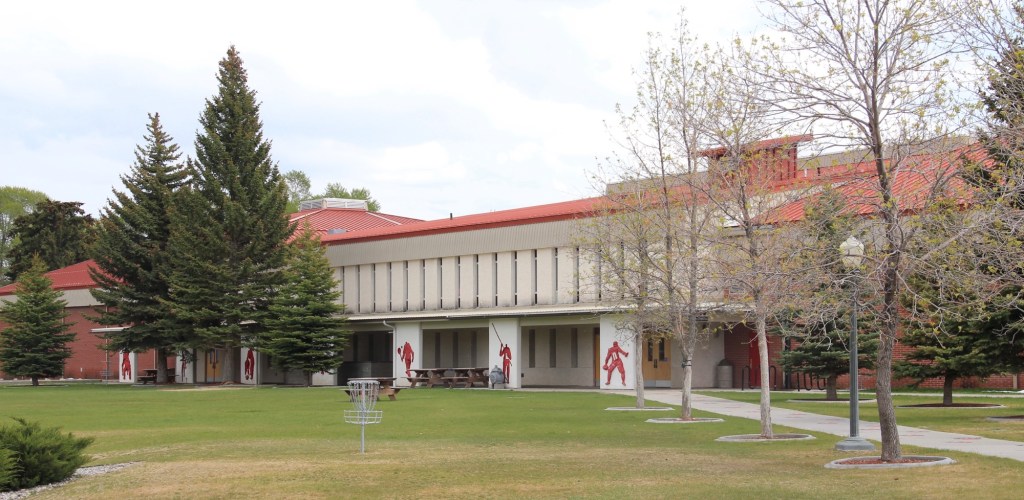
In 1988 the college again changed names to Western Montana College of the University of Montana and with the turn of the 21st century it changed for perhaps the final time as the University of Montana Western. Two buildings belong to this past generation of development, the Bulldog Athletic and Recreation center and the Swysgood Technology Center, finished in 2001.

BARC building
Swysgood Center

One other building joined the campus before the end of the twentieth century, and did so in a very roundabout way. Edward and Effie Roe established a large ranch in the Clark canyon area of Beaverhead County. They built a two-story Colonial Revival ranch house. By the 1990s no one lived in the house but media baron Ted Turner owned the ranch. He gave it to the college if the college would move it—28 miles to Dillon. The move took place in 1998 and then the college restored it as offices, with further donations from the Roe family.

The Montana Western campus is a jewel in the state’s public architecture. Dillon is so lucky to have to be its home.

An Altered Modernist Landmark in Kalispell

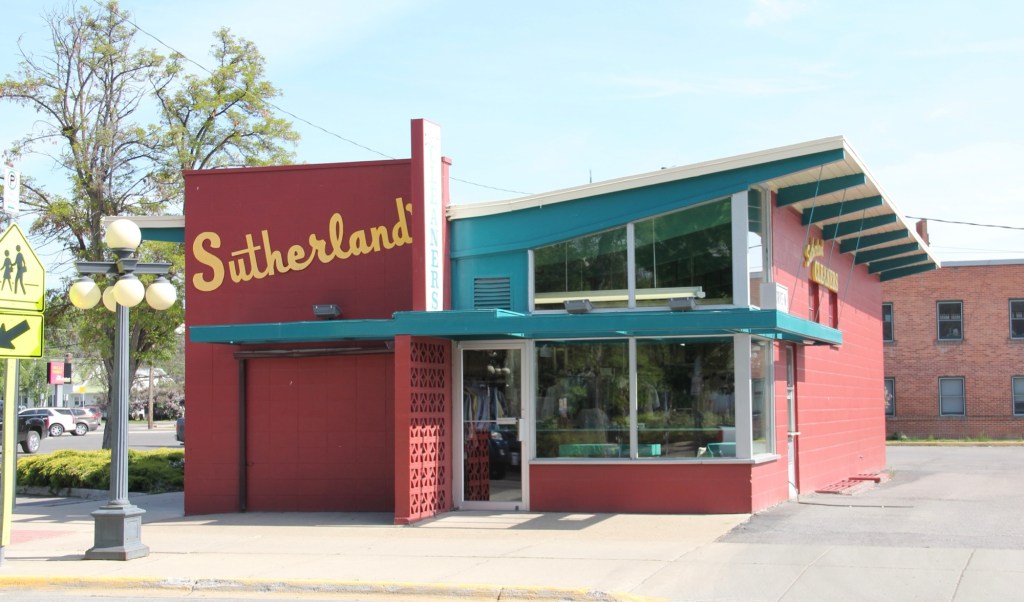
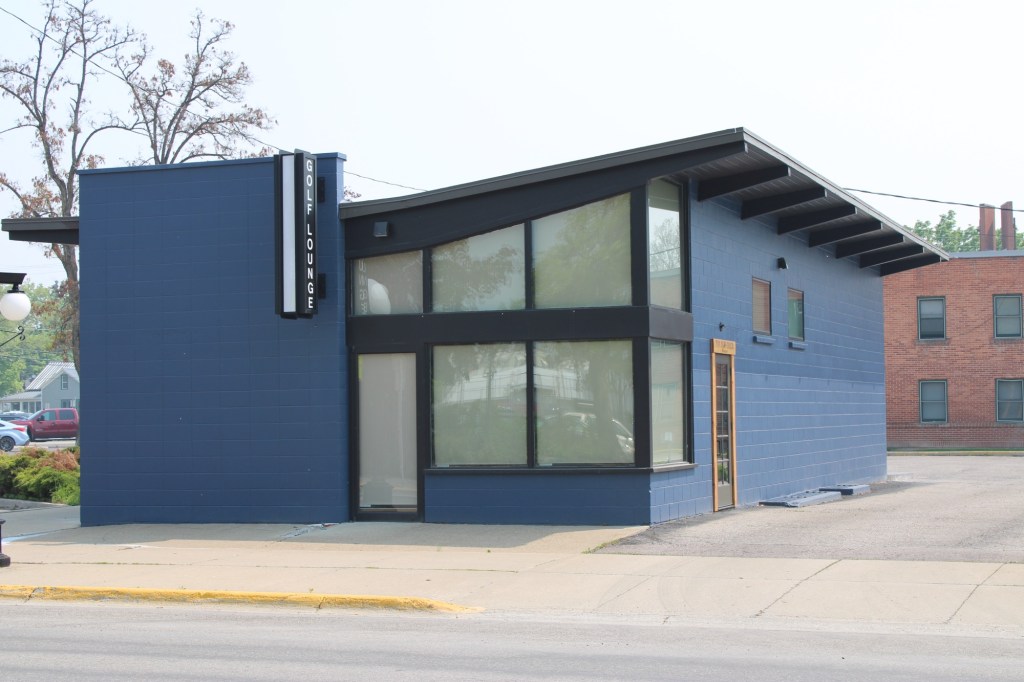
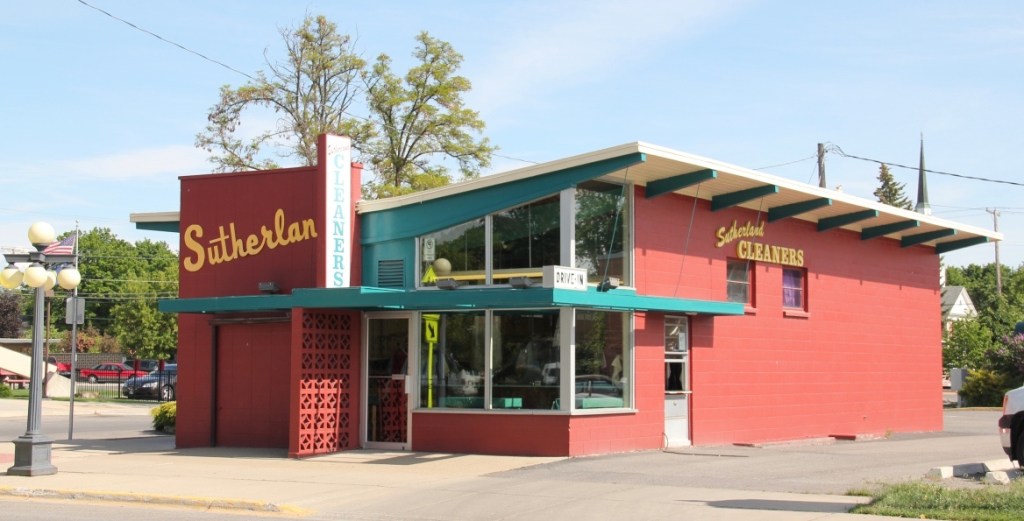
Sutherland Cleaners in downtown Kalispell was one of my favorite mid-century modern buildings in Montana when I surveyed the town in 2013.

There was the funky angled shed roof, with oh so prominent brackets, painted green. The name Sutherland in script was so 1950s. The concrete block screen and canopy setting off the entrance was cool. And the two-tone red and green color scheme gave a certain identity to what was actually little more than a functional concrete block building.

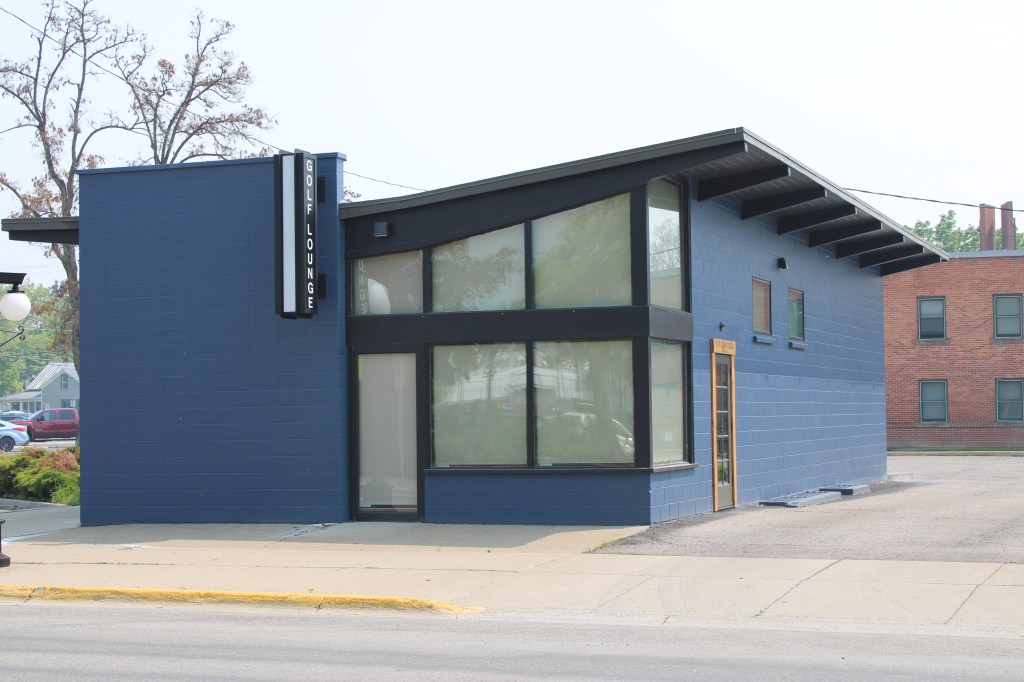
Ten years later the building still stands—thankful for that—but the entrance screen and wrap around canopy are gone. Colors are still two-tone but so close in color that the brackets get lost.

An era has passed, I understand. But what had been a vibrant historic building is now just an old remodeled place. Again I’m grateful that the building has a second life of service but boy do I miss the funkiness.

Shelby Montana’s historic downtown

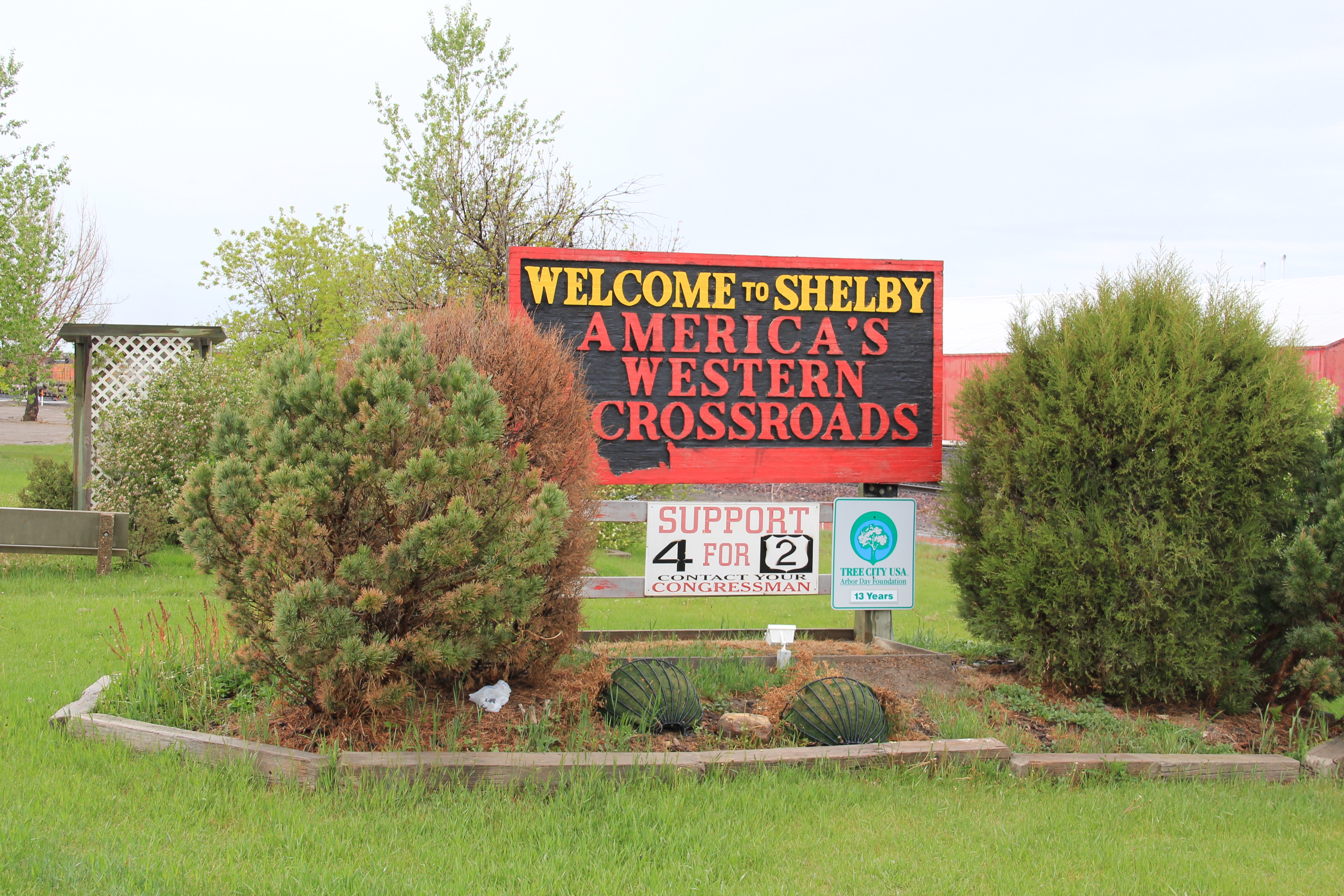
Toole Co Shelby sign and BNSF train

As we all have read the newspapers over the last six weeks, it has been doubly sad to learn of the devastation COVID-19 has brought to the people of Toole County, where the town of Shelby is the county seat.  The virus has ravaged most of the United States but the level of its impact on such rural places as Shelby and Toole County has been especially devastating since in places like these everyone does know everyone.  The impact is so direct and personal.

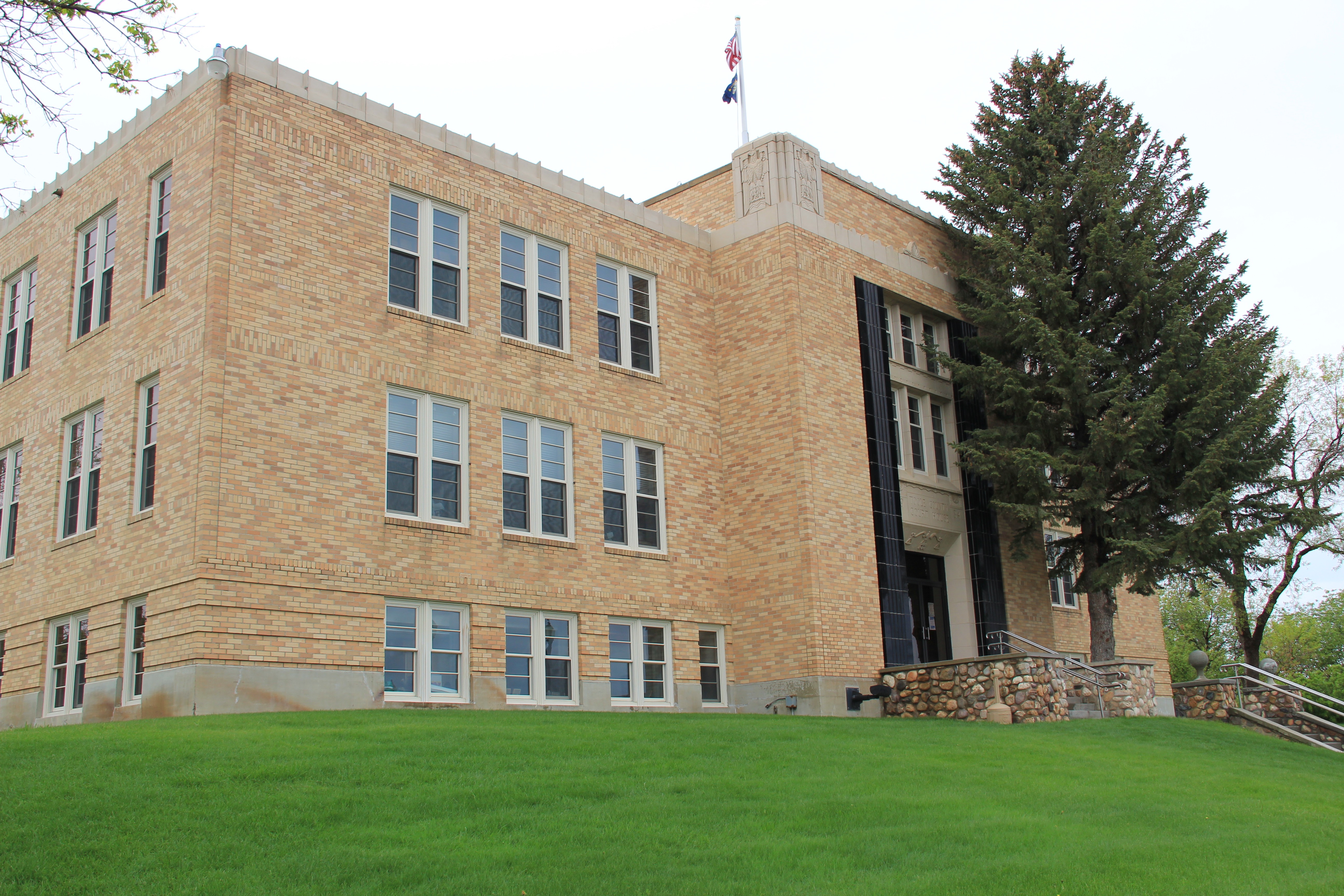
Toole Co Shelby courthouse 4

In this weekend’s papers, reporters stressed how residents are moving forward the best they could, despite the sadness, and fear.  I would expect no less.  I last visited Shelby seven years ago; indeed I made two stops between 2011 and 2013.  Of course people were friendly, helpful, just as they had been when I started my initial Montana survey in 1984 with an overnight program in Shelby at the courthouse.  Imagine my delight to learn in those same news stories that the town had met virtually of course to discuss a pending proposal to place the downtown in the National Register of Historic Places.  I fully agree: the range of buildings along Main Street (historic U.S. Highway 2) has always ranked among my favorite Main Streets in the state.

Toole Co Shelby Main St 2 roadside bars

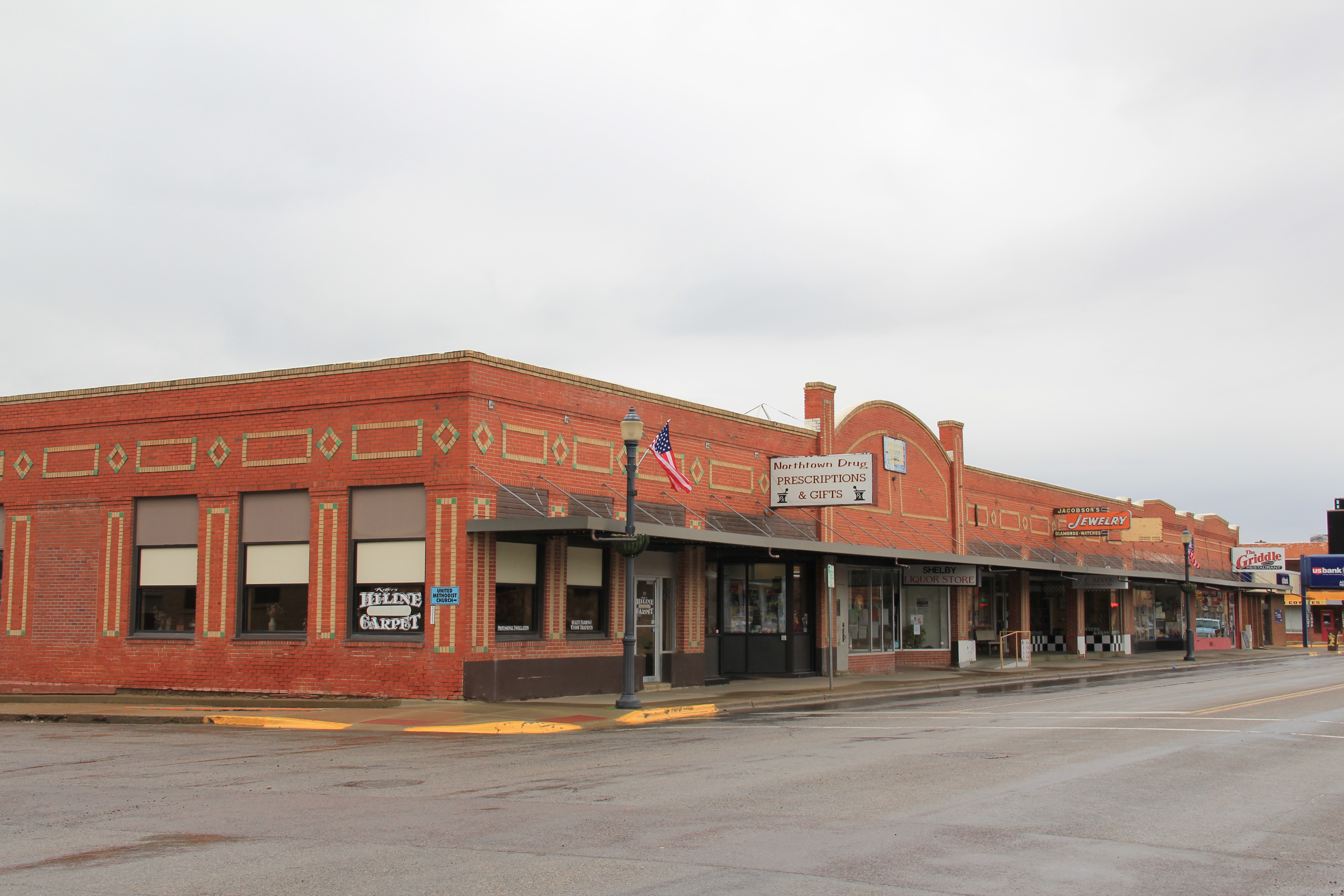
Let’s me share today views of the downtown commercial buildings that I took in 2011 and 2013.  They reflect the impact of the 1920s oil boom on the town and county–so many date to those decades–but as a group they also show how Shelby grew in the early to mid-twentieth century on both sides of the Great Northern Railway that passed through the heart of town, with its historic depot still serving passengers on the Empire Builder today.

Toole Co Shelby depot

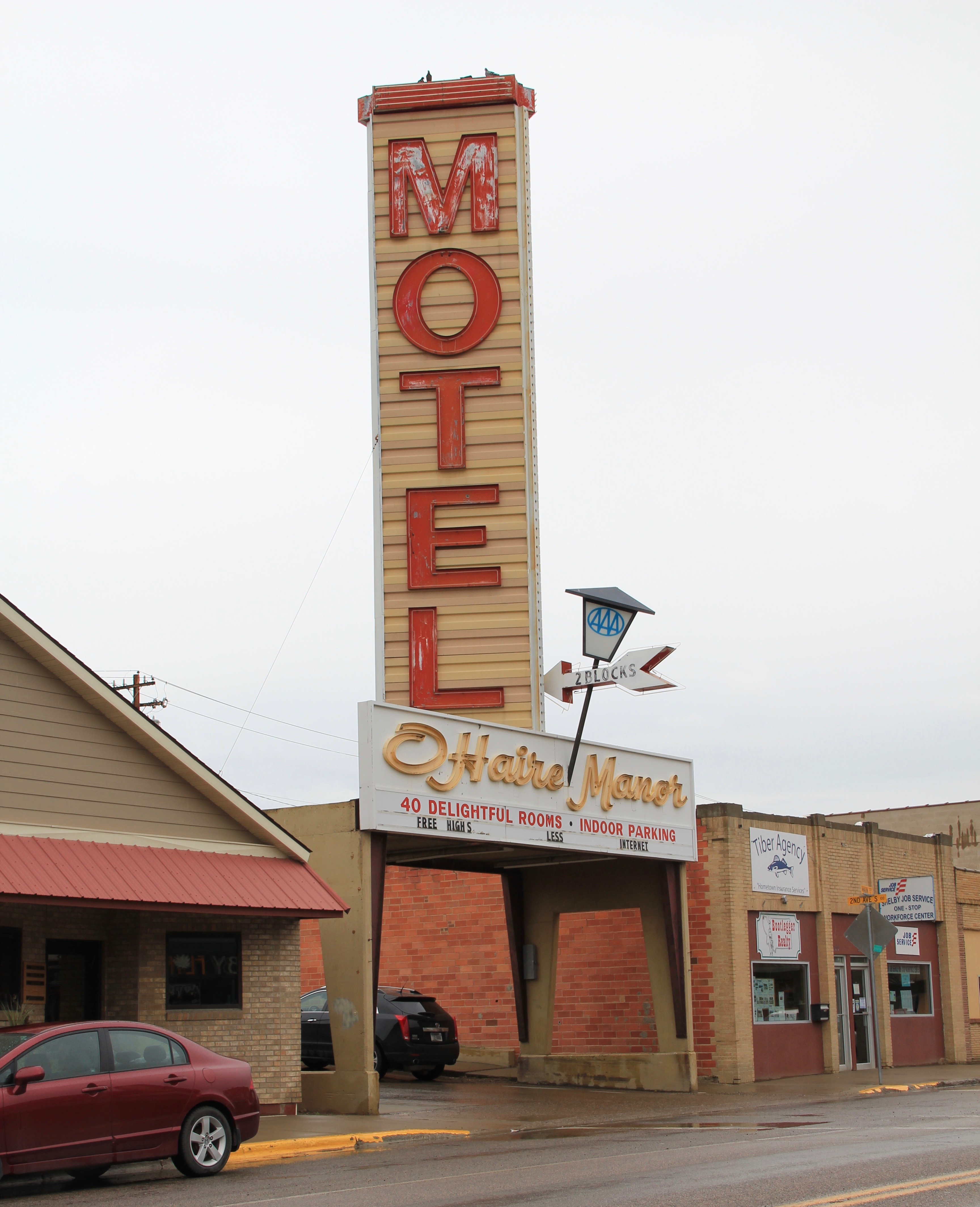
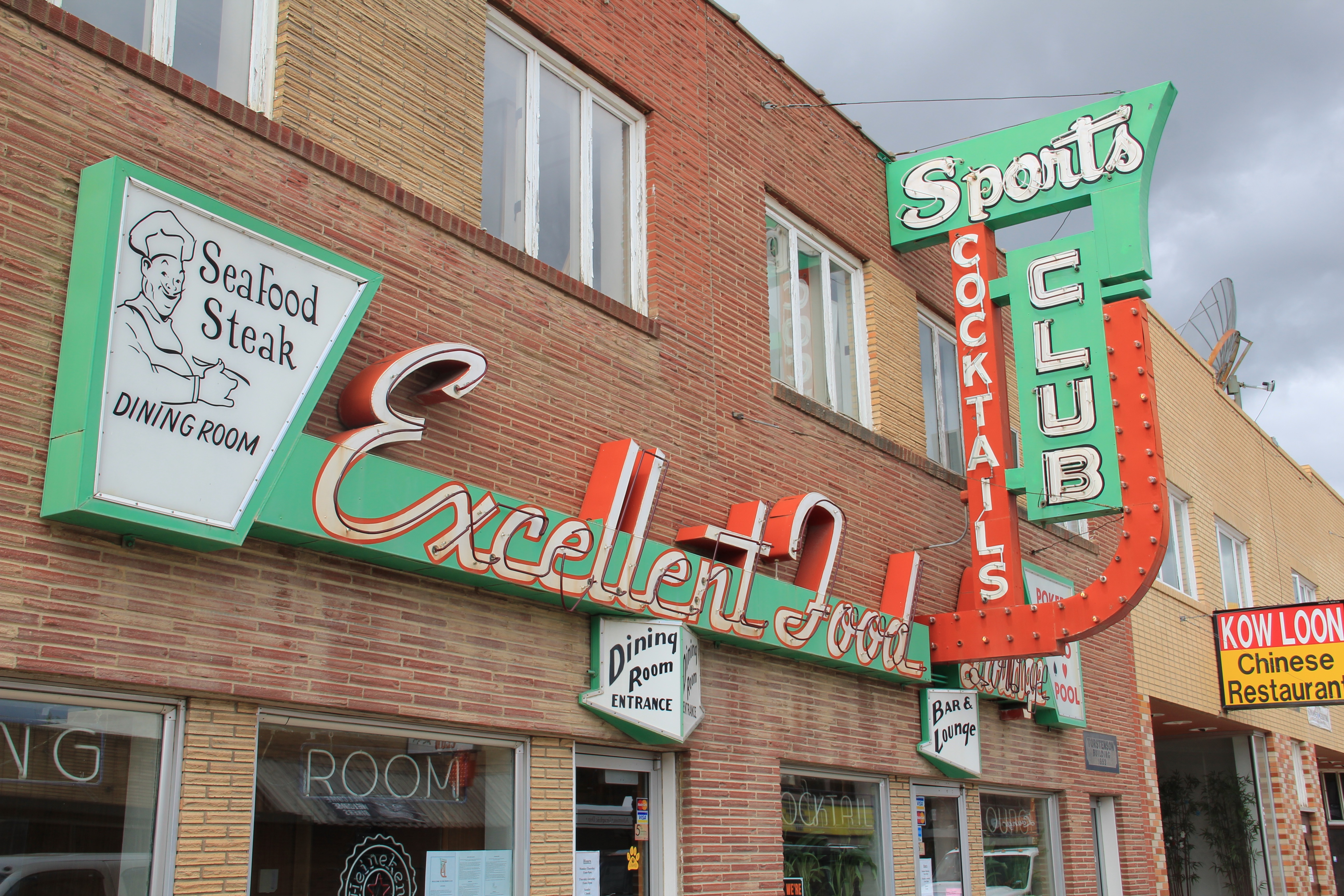
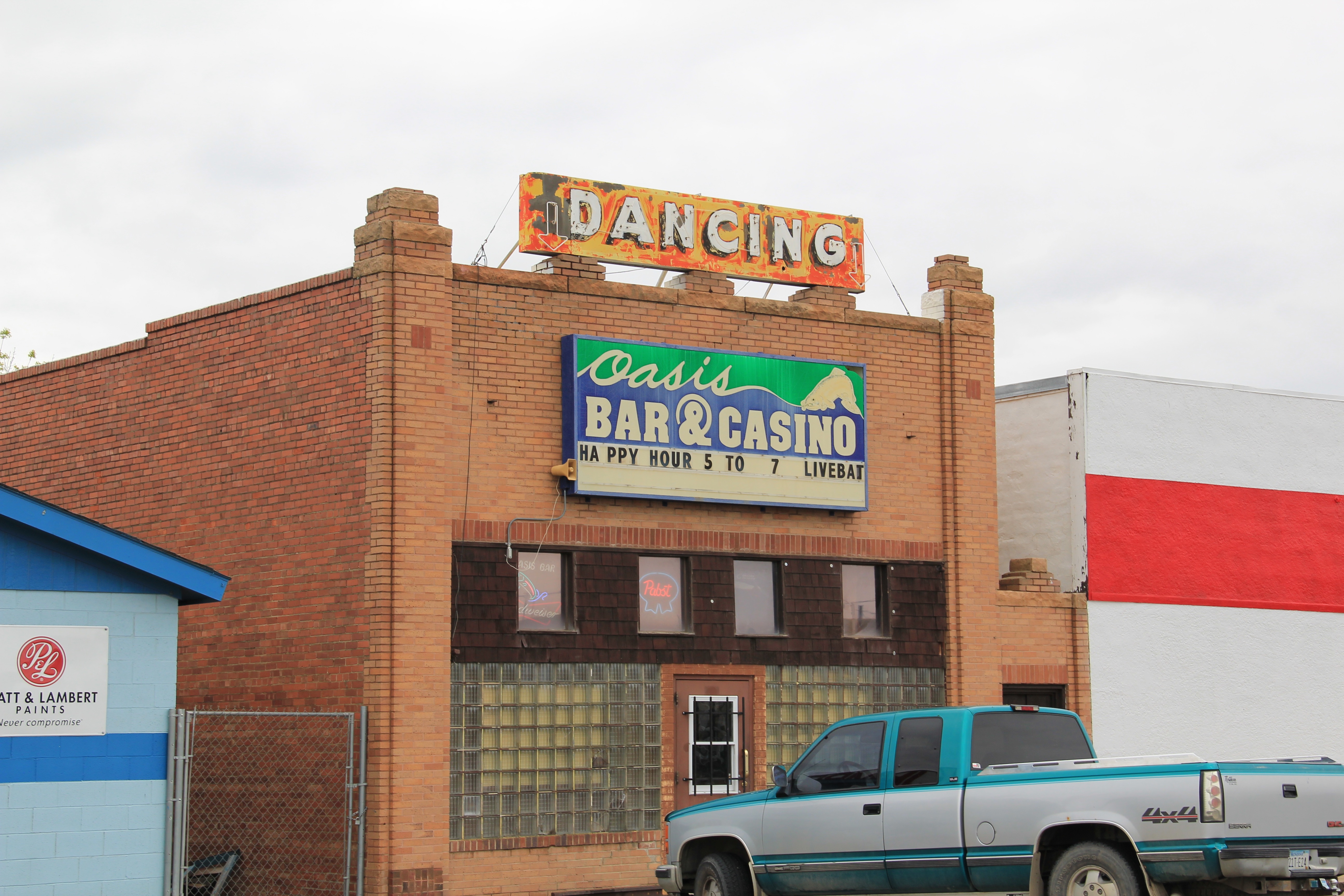
The range of roadside architecture in the tavern, restaurant, and motel signs is particularly significant–in so many other places these touchstones of mid-century commercial design have been lost.  But I also like the unpretentiousness of the buildings, and the commercial district they create.  The architecture in that way reflects the residents themselves:  flashy if you want it, but also solid, grounded, and ready to face what comes their way.

2011 MT Toole County Shelby bar 010

Toole Co Shelby Main St roadside

Toole Co Shelby Main St 3 Mint Club bar

2011 MT Toole County Shelby bar 013

2011 MT Toole County Shelby bar 009

Toole Co Shelby Main St 4 Deco

Toole Co Shelby bar n of depot

The downtown district would add much to the National Register of Historic Places.  Shelby was already represented by a historic garage and the original City Hall, recently a visitor center, that was built for the famous Fourth of July 1923 heavyweight

bout between Jack Dempsey-and Tommy Gibbons.  But these additions tell its full story of commercial growth in the age of the highway.  I hope the project moves smoothly forward–Shelby and Toole County deserves that break, along with many, many others as they fight back against the scourge of our time.


Glendive in 1988: historic homes

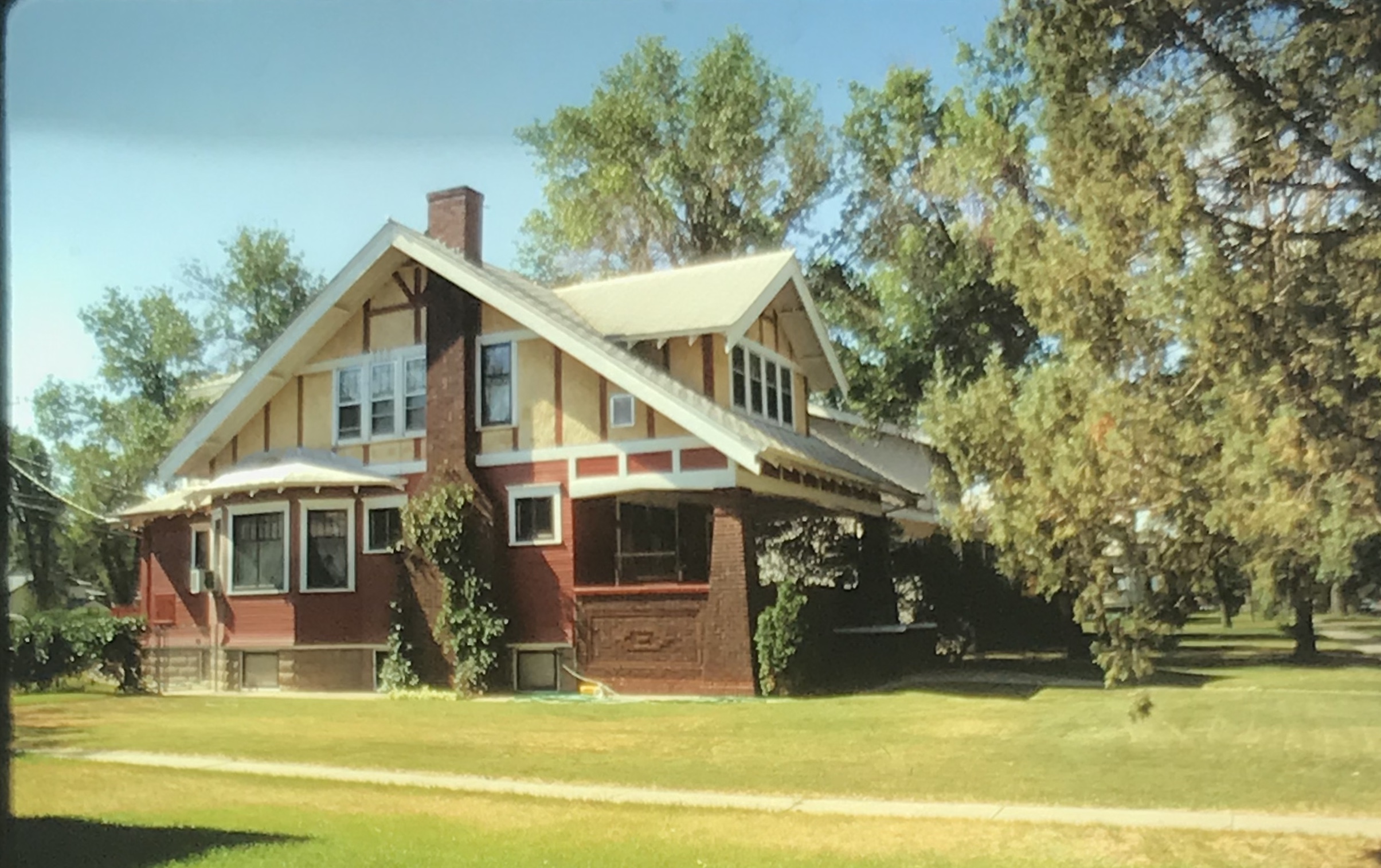
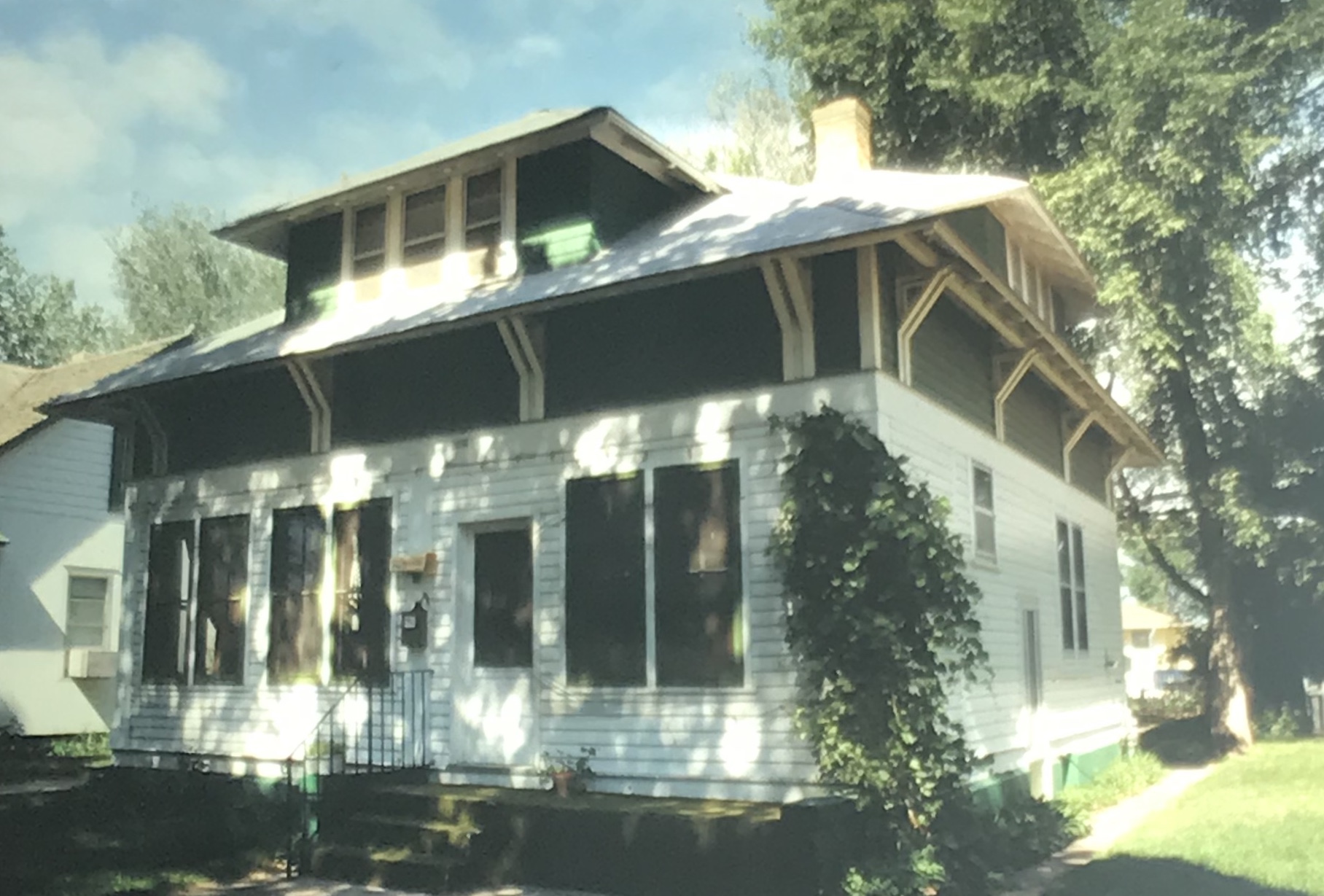
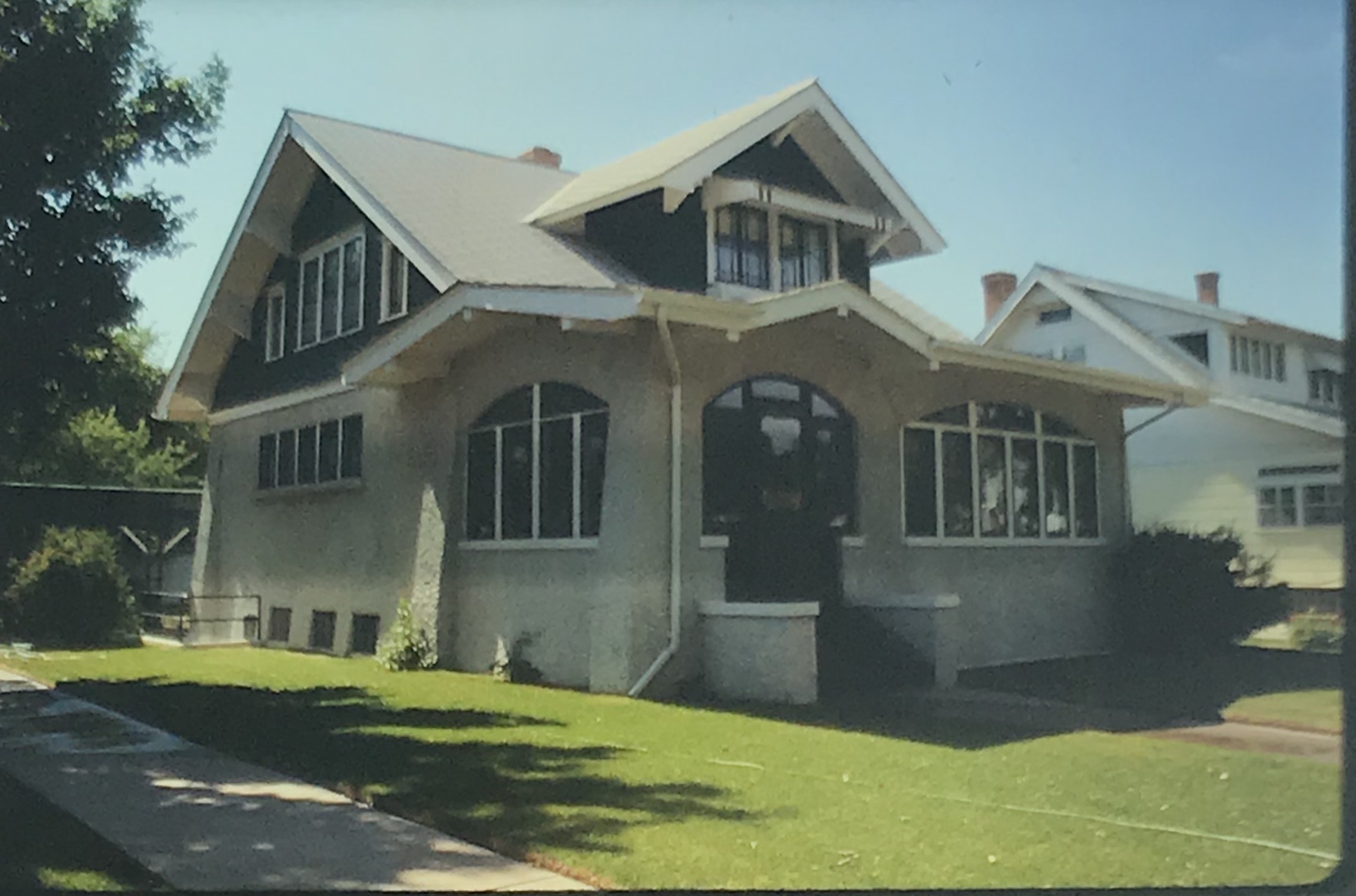
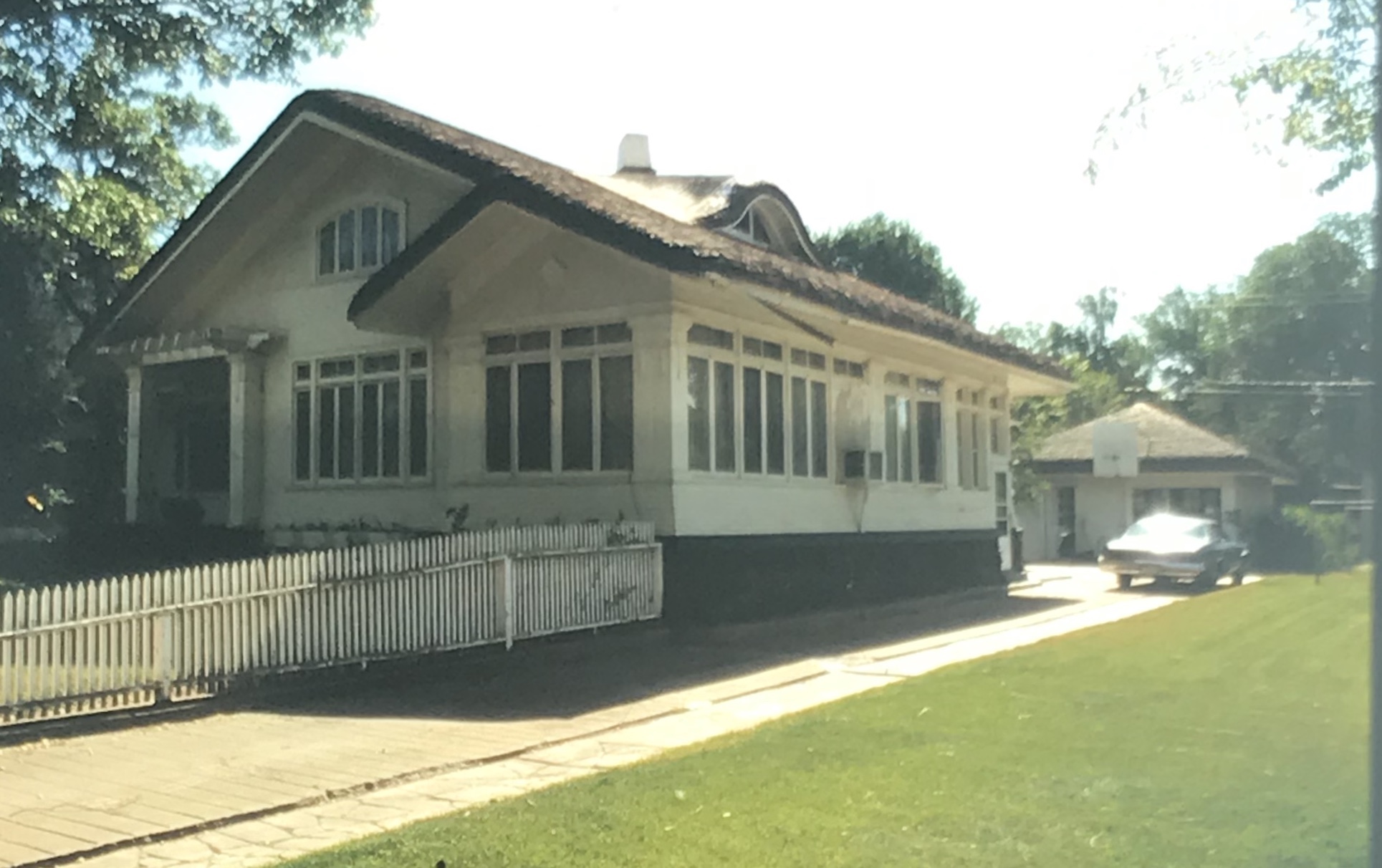
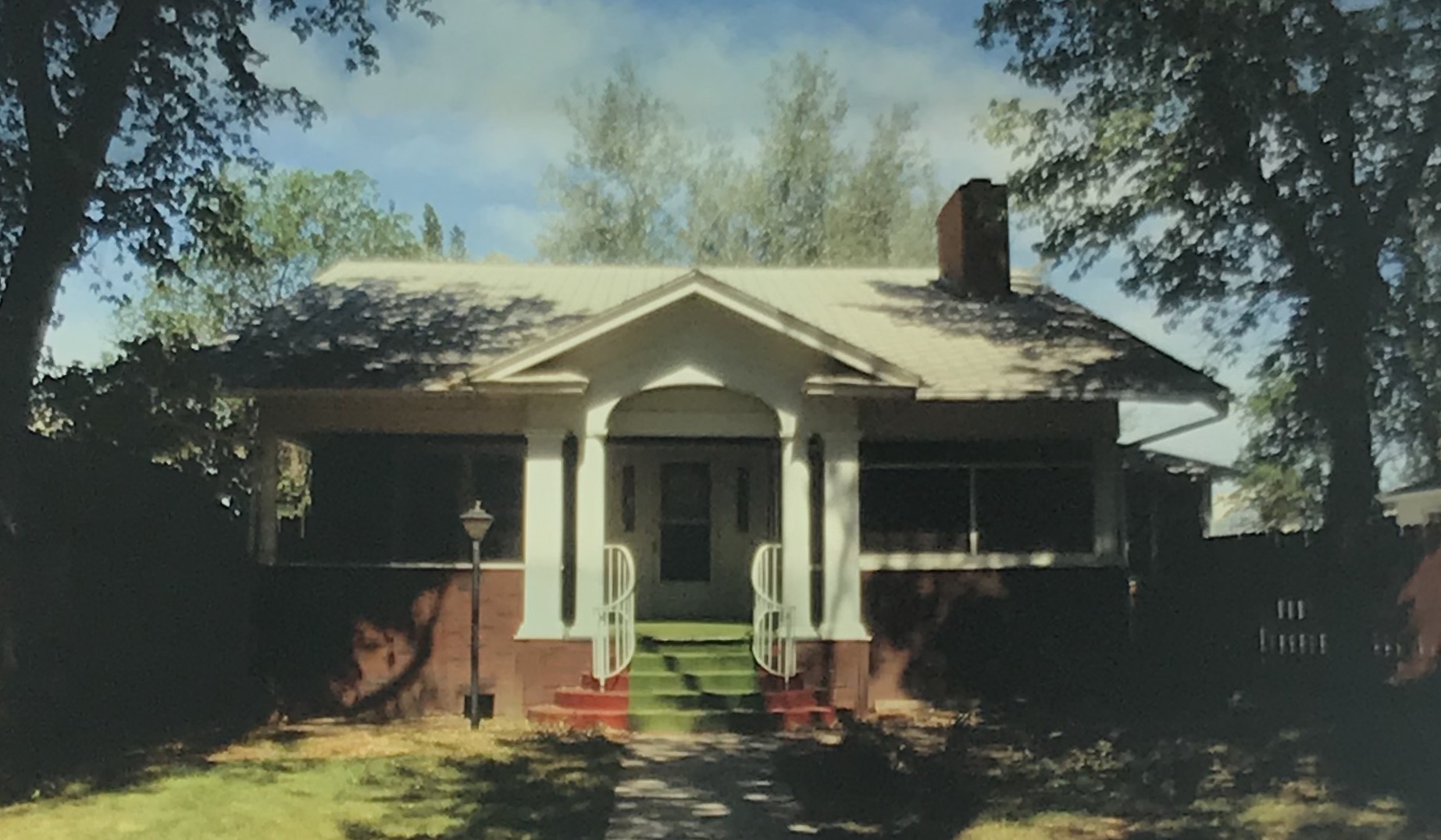
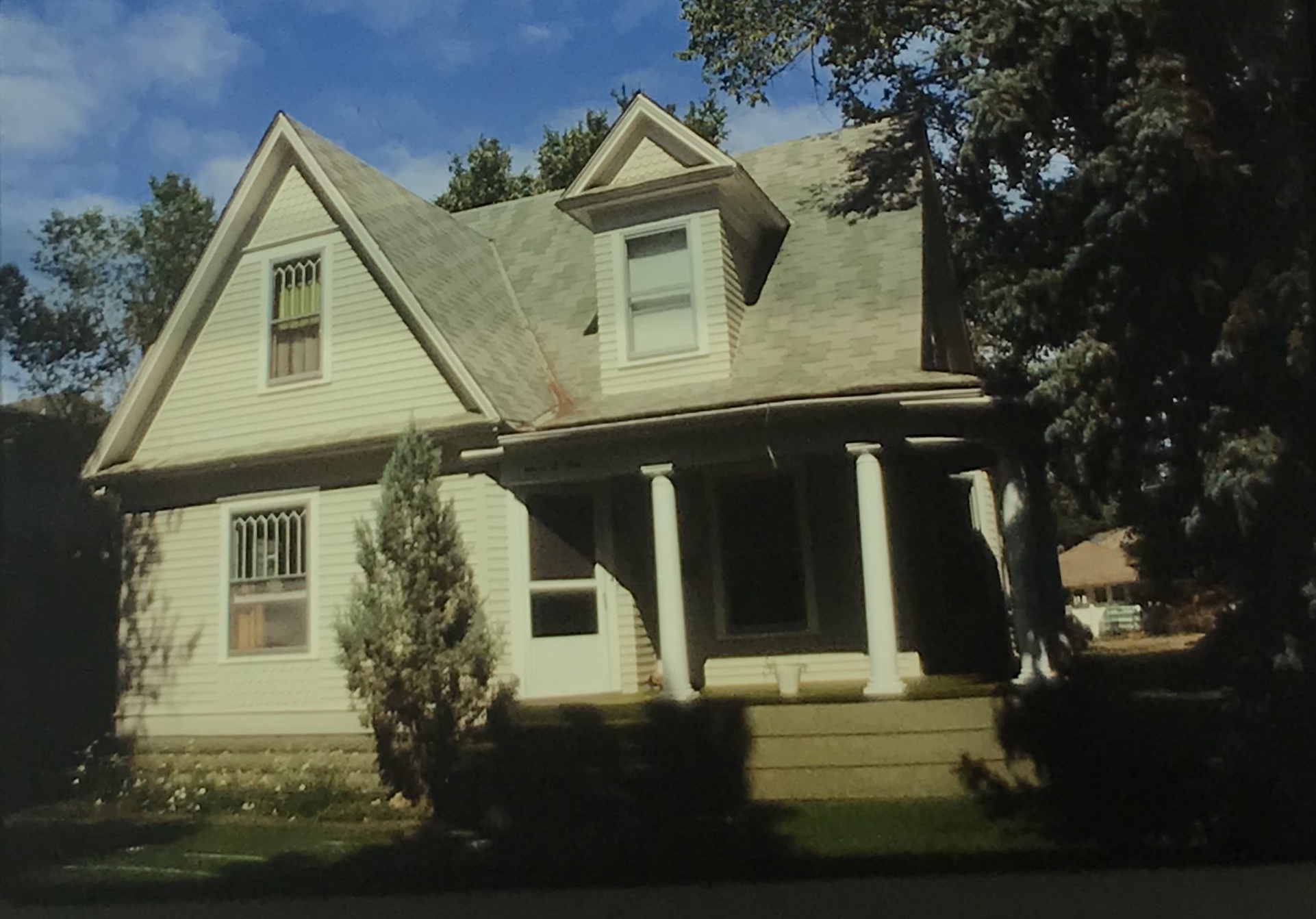
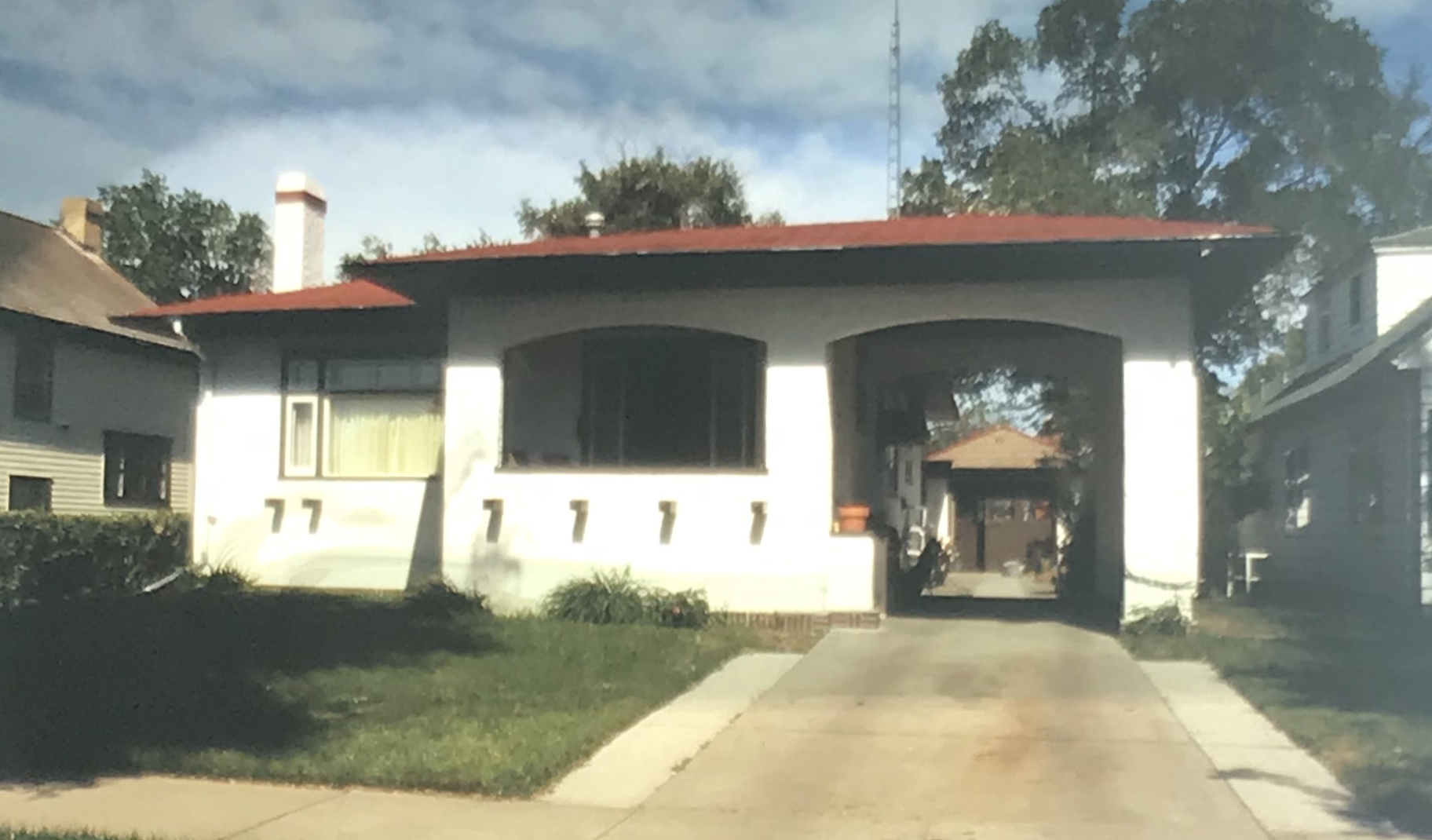
I was always impressed with the range of late nineteenth century to mid-20th century homes in Glendive. During my 1988 visit I took several photos of the historic district as a small town example of American domestic architecture.

Bungalows of all types: note the rustic stone work at 607 N. Meade (above)

Or the Tudor-style stick work detail of 808 N. Meade (above) and at 802 N. Meade (below) and 907 N. Kendrick (second below) and 822 N.Kendrick (third below).

I really like the Craftsman style of the bungalow at 710 N. Meade (below) and then the classical entrance to the bungalow at 615 N. Meade (second below).

Classic style is found at several other Glendive homes such as 621 N. Meade (below) and at 503 N. Kendrick (second below).

The earlier homes in the district are mostly Victorian in style and form, like the dwellings at 707 N. Meade (below) and 709 N. Kendrick (second below), the most Queen Anne style dwelling that I recorded in 1988 in Glendive.

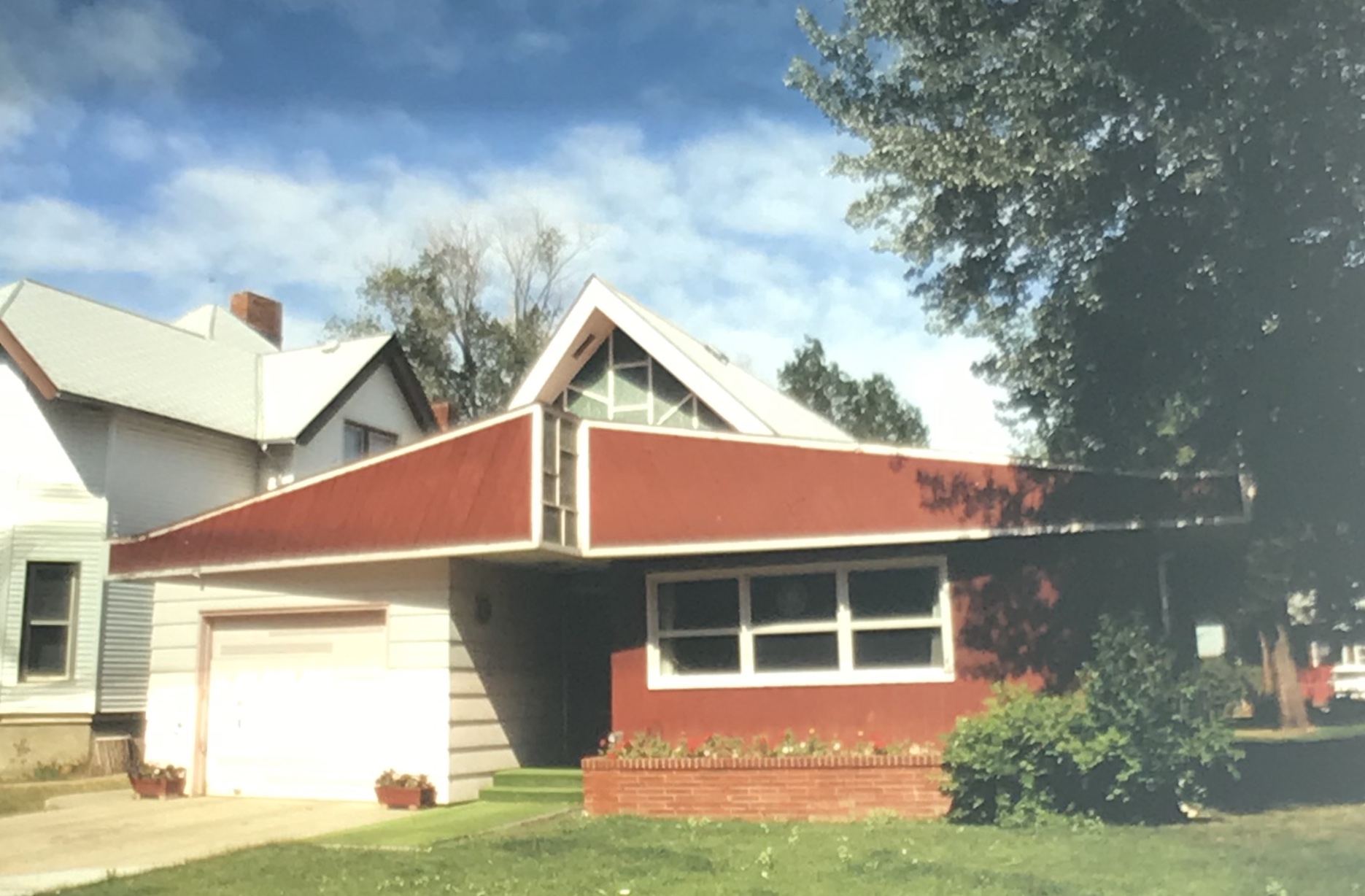
But not everything is what you would expect in historic Glendive. At 817 N. Kendrick is an understated Spanish Colonial Revival house and then just a few houses away is a quirky but delightful mid-century modern design at 802 N. Kendrick (second below), my fav house of all I visited in 1988.

Glendive In 1988: the Business District

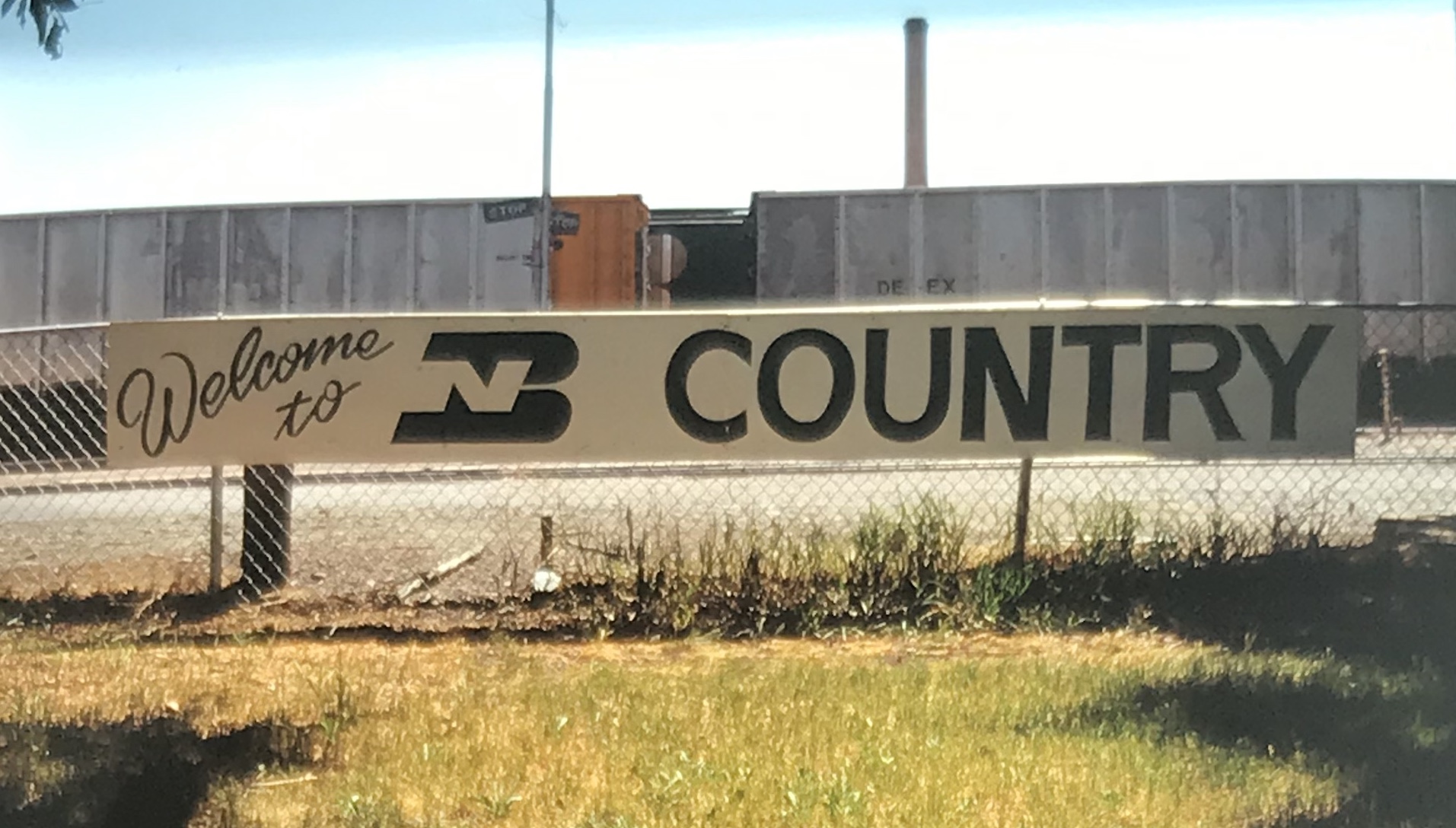
In my 1988 work in Montana I sought out Glendive and spent the night there due to a new research project on the Yellowstone Valley (which would yield the book Capitalism on the Frontier in 1993). Glendive was a division point on the Northern Pacific Railroad and some 100 years later it remained a key to the Burlington Northern Line.

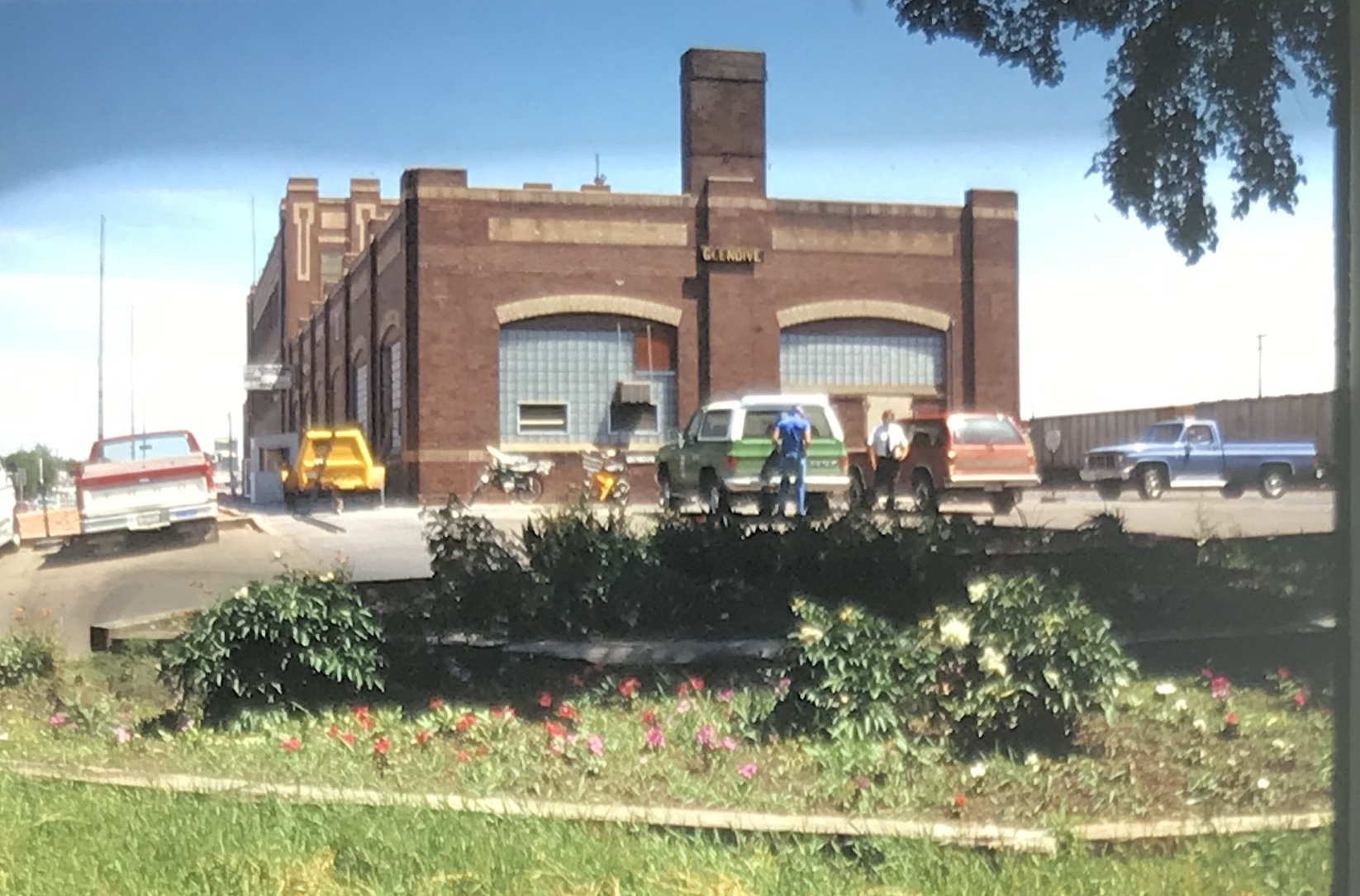
A good bit of the historic machine shops (above) still operated in 1988. The depot and railroad offices still dominated the Merrill Avenue business district (below).

The older Northern Pacific lunchroom had been converted to the Chamber of Commerce offices, and visitors center.

Many businesses remained focused on Merrill Avenue, which from the 1910s forward was also the historic route of the Yellowstone Trail and later US Highway 10.

My favorite Merrill Avenue business was the wonderful Art Moderne style of the Luhaven Bar (below). You gots love the black carrera glass and glass block entrance.

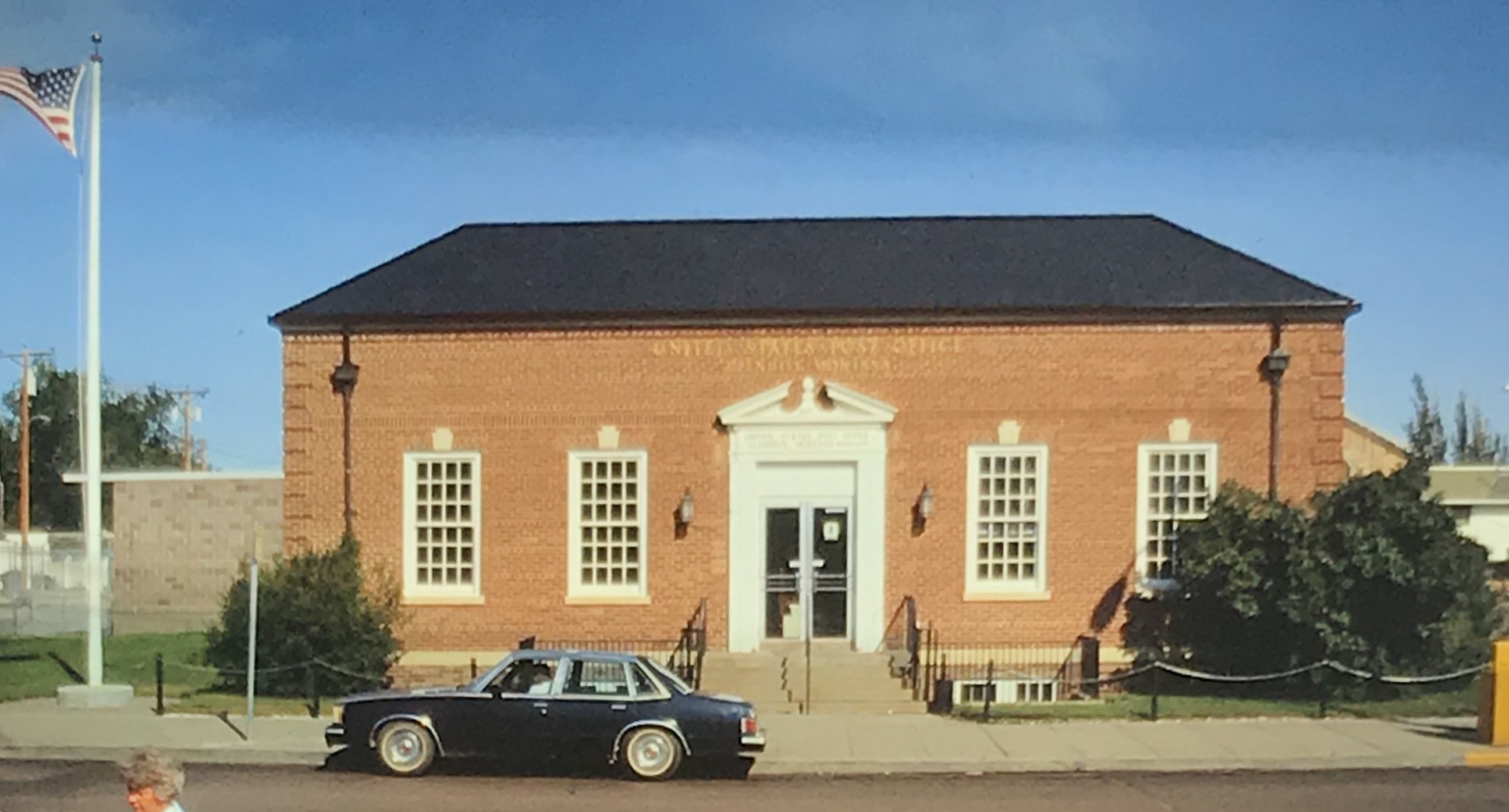
Not all architectural delights were along Merrill Avenue. The Dawson County Courthouseis an excellent mid-century modern public building, a real contrast to the town’s traditional Colonial Revival-styled post office from the New Deal era.

But my favorite modernist building was the First National Bank, which was later converted to the town’s public library.

Next posting will include homes from the town’s residential district from the early 20th century to the mid-century as I continue a look back to the Yellowstone River and its towns in 1988.

Sheridan County In 1988

After my comprehensive work in Montana from 1984-85 I returned in 1988 to revisit and add new places to my visual understanding of the state. Here are most of the color slides I took in Sheridan County on my second trip to Plentywood and environs.

I particularly looked at the railroad corridors–big surprise I know. Above is the Great Northern depot at Medicine Lake and below is a similar combination of Great Northern depot and elevators at Antelope.

The other railroad corridor I wanted to look at was the Soo Line, which operated a short spur line into the county in the early 20th century. I’m glad I did since hardly any buildings exist along this route today. Below is the T-town plan of Outlook.

Outlook in 1988 still had its classic Soo Line combination depot, with both passenger services, baggage warehouse and station office wrapped in one building. Below is the Outlook railroad corridor.

The station was in fair condition then (it is gone now) and I took a couple of images along with a close-up of the two-seat privy.

Other “towns” on the Soo Line had nothing left but deteriorating elevators. Here in 1988 was what was left in Raymond.

In Plentywood, the county seat, I took images of the great fairgrounds sign and the New Deal-era Sheridan County Courthouse.

I also was so happy to see the Orpheum movie theater still in operation.

Finally I always have found it fascinating that at Plentywood’s main intersection stood 3 bank buildings at the three corners–and at Montana’s best known socialist county in the early 20th century.
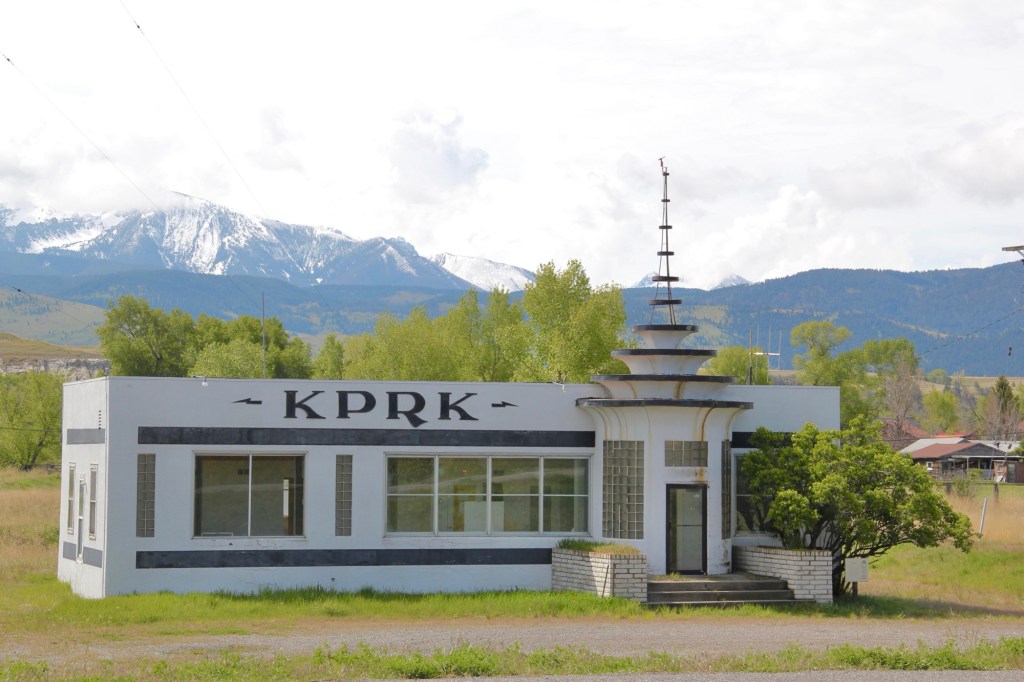
And in 1988 I also took care to document the town’s Northern Pacific depot. Railroads and banks dominated the county at its founding.
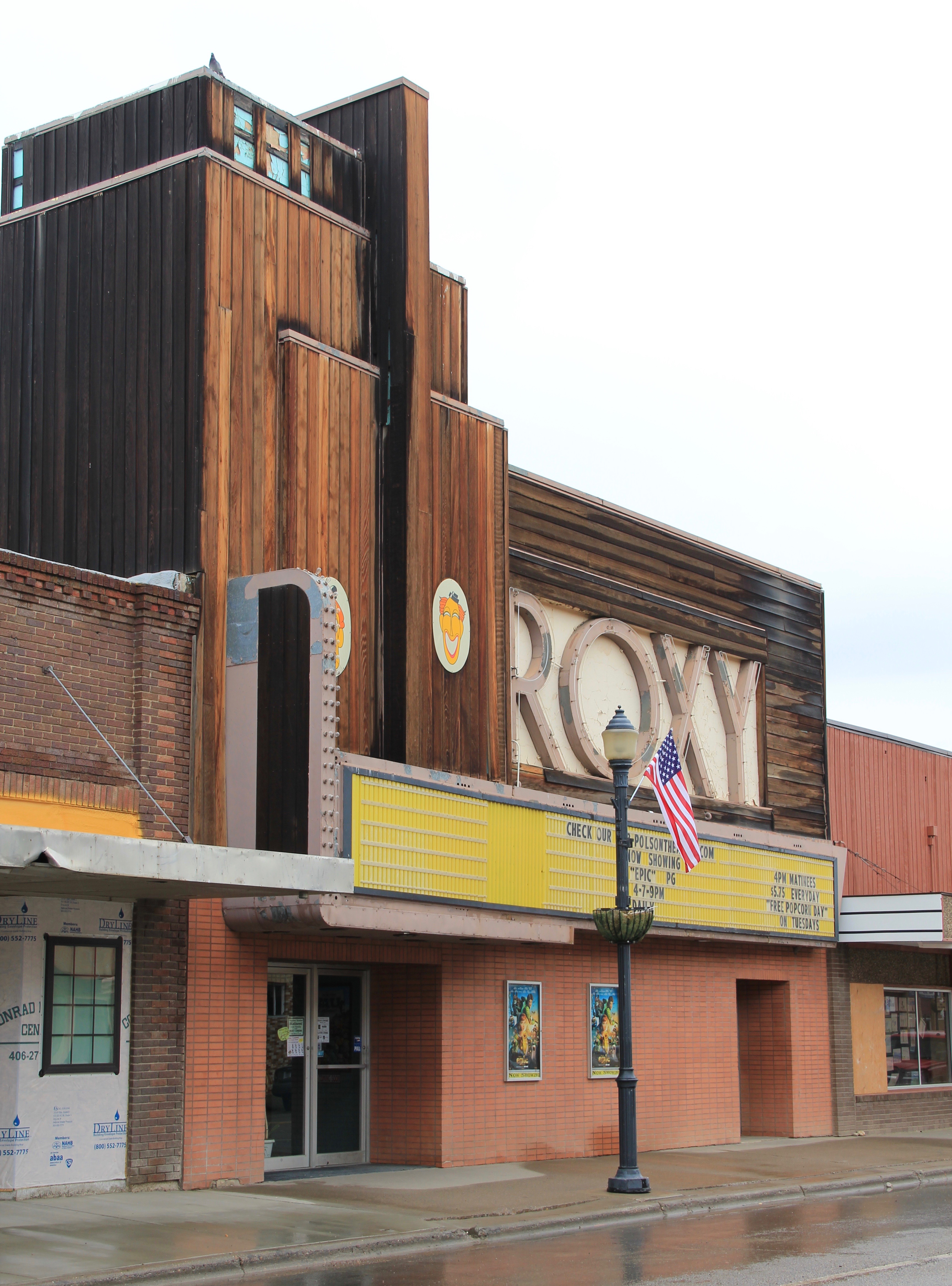
Last scenes: the Flandrem community monument on Highway 16 and a bit of badlands scenery along Highway 5 (the image is from my original trip in 1985, this the bit of snow, taken February 1985).