Great Falls’ Historic Jewish Cemetery

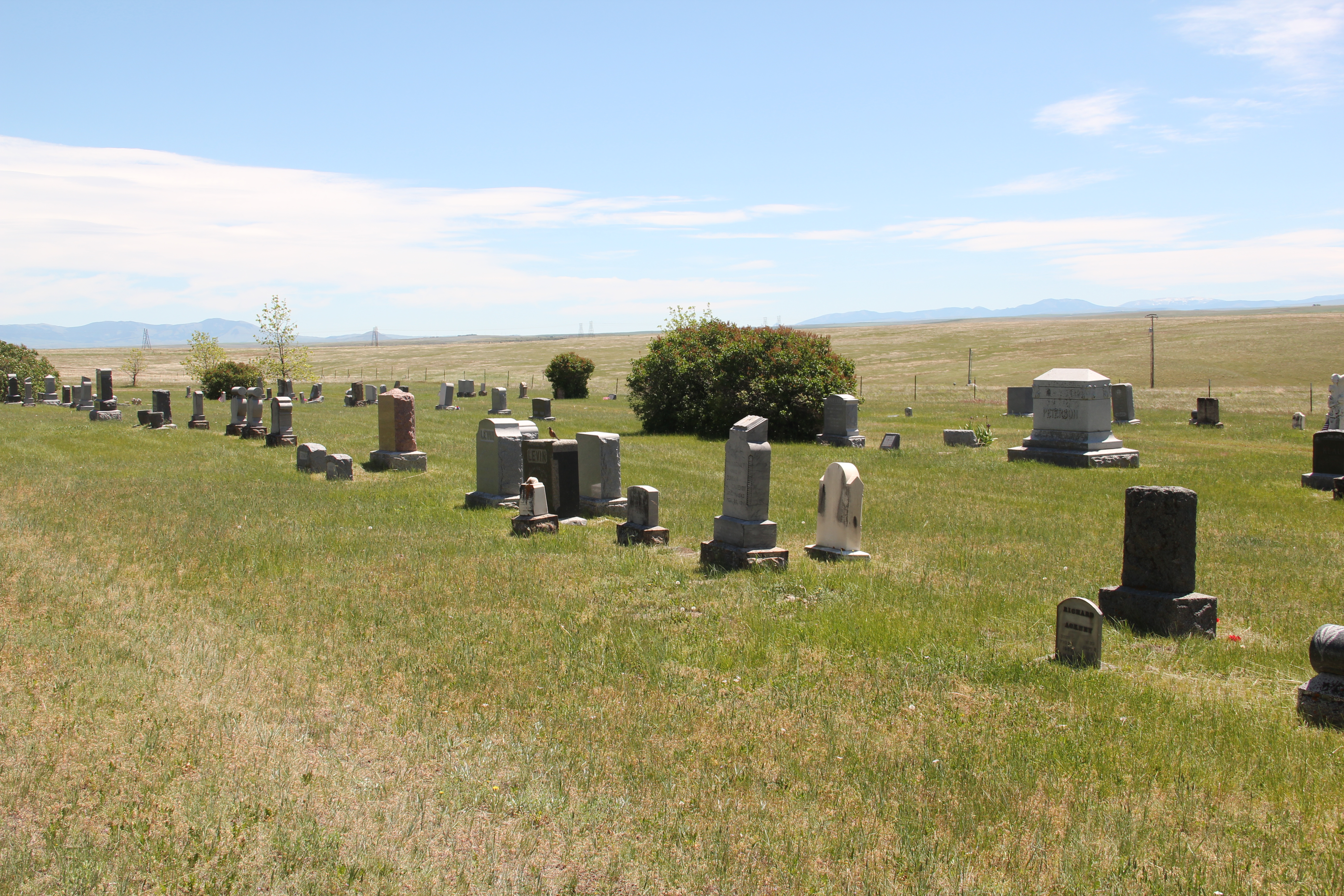
Over the past couple of years, I have documented several historic cemeteries in Great Falls. But I had missed one, the city’s Jewish Cemetery, and it too is on Highland Road south of the city, and east of the older Highland Cemetery. It’s a bit difficult to find as there are no signs but a metal entrance “gate” shows you the way.

The Jewish community in Great Falls established the cemetery in 1916, a few years after the establishment of the much larger and nearby Highland Cemetery. The Great Falls Hebrew Association owns the property, which according to tax records has ten acres. A 2003 story in the Great Falls Tribune estimated 20 burials but no number is certain. The majority of the intact grave markers are clustered in a row in the western end of the cemetery.

But other markers are scattered across the top half of the cemetery while other family plots had been damaged before the efforts at restoration over the last ten years.

A low metal, open fence marks a family plot erected for Anna and Abraam [is it a misspelling and should be Abraham as newspaper stories suggest?] Bass, probably installed 1931-1932.

Abraam “Abe” Bass was “well known in sporting circles” and identified as a gambler, according to the Great Falls Tribune of May 10, 1931. He had earlier in 1931 been forced to end a lottery that he operated from the Star cigar store in Great Falls. He left the town looking for opportunities in Nevada but died in an automobile accident about 30 miles from Reno, Nevada. His wife Anna had died earlier.

Years of neglect mean that some markers have been damaged. Or perhaps moved, as in the case of the Baby Grossman marker of 1927.

The year 1940 appears to mark the end of the cemetery’s first generation of burials. Max Gold, a retired carpenter, was born in Russia. He lived in Cut Bank for 15 years but as his death in late 1949, the family buried him in Great Falls.
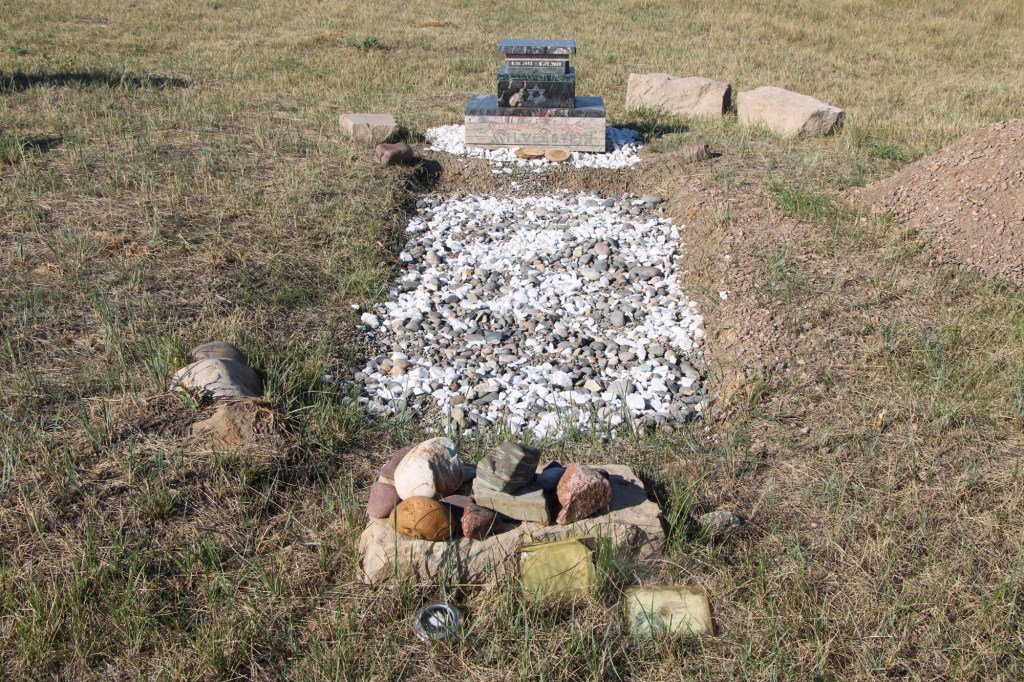
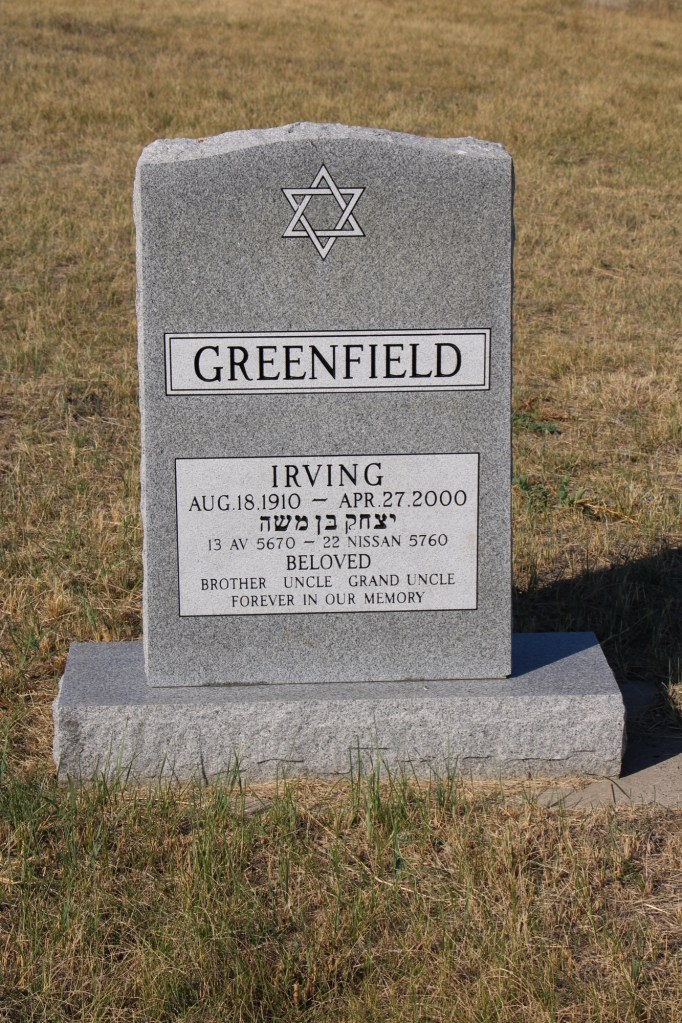
In the 21st century families again began to bury their dead here, with Irving Greenfield in 2000 and Allan Bruce Silverstein in 2012. Perhaps those burials encouraged the Association to begin regular oversight of the property, following its restoration by Max Daniel Weissman as his Eagle Scout service project in 2015.
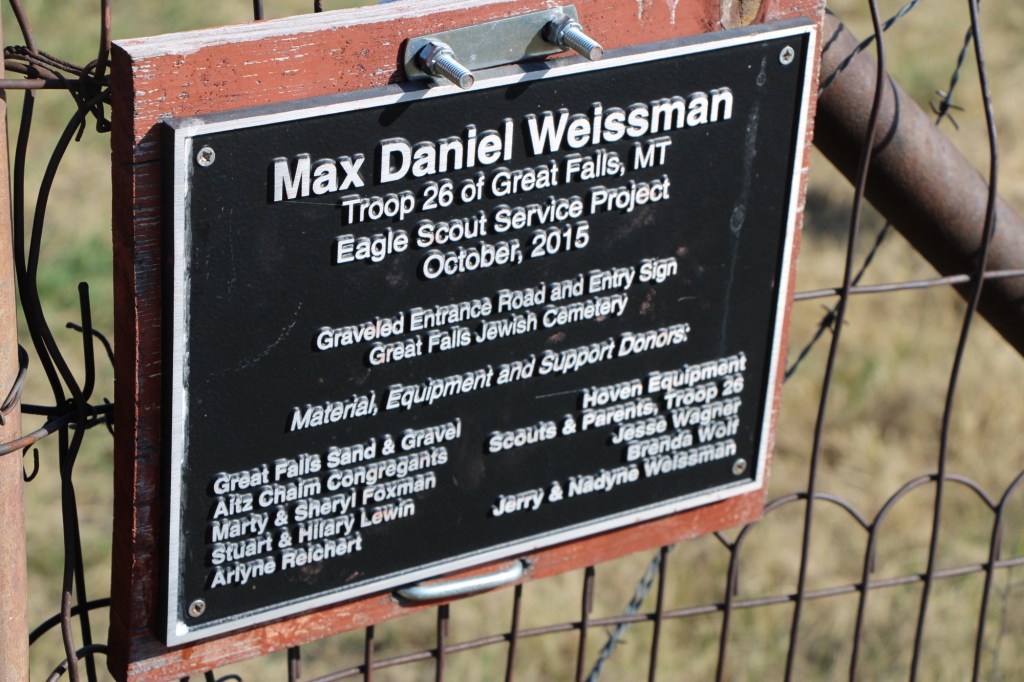
The Great Falls Jewish Cemetery is an important but once forgotten historic place in Cascade County. We can hope that the good efforts of maintenance continue and that more research is directed to the histories of those buried there.
“Old” Highland Cemetery in Great Falls

There are two Highland cemeteries in Great Falls, and for my money, the first Highland, now known as “old” Highland, is the more interesting and compelling funerary landscape. In fact, in its range of markers and the stories conveyed by the markers, Old Highland is one of the most interesting cemeteries in the state.

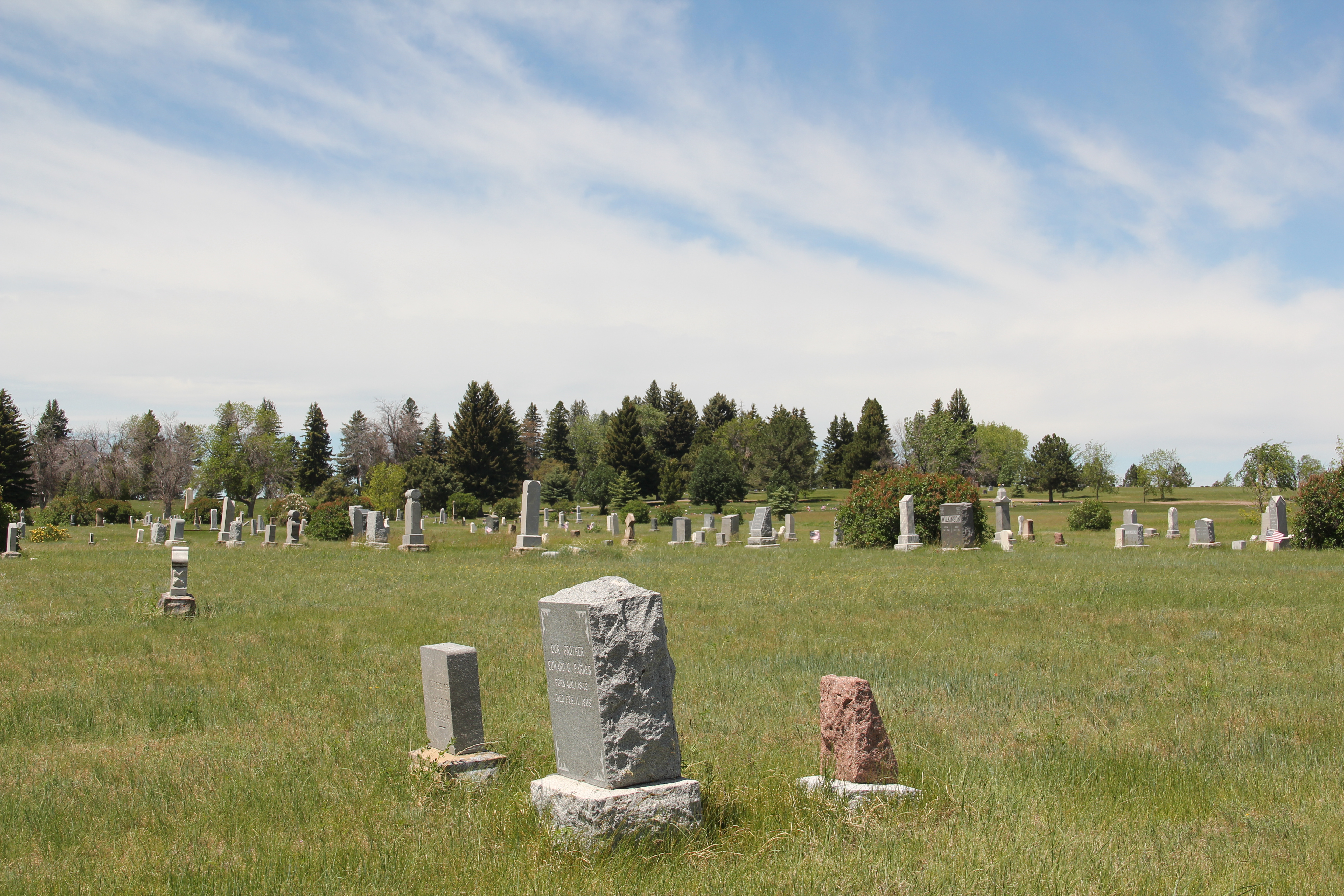
A paved drive divides the old from the new, but just exploring the grave markers themselves and their earlier dates separates the two cemeteries. The markers are so diverse in materials and form that it difficult to convey the place in a post of moderate length. But here goes.

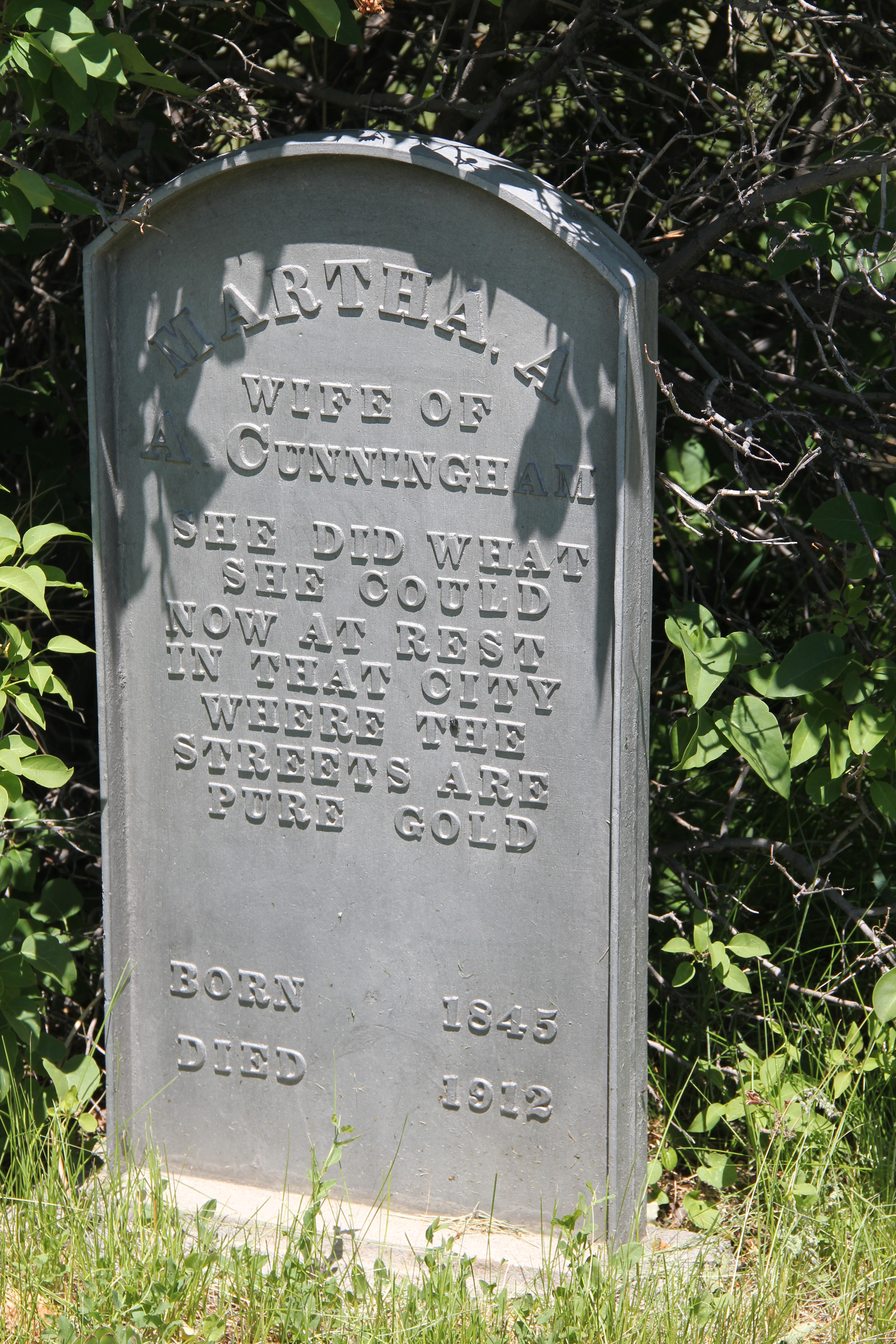
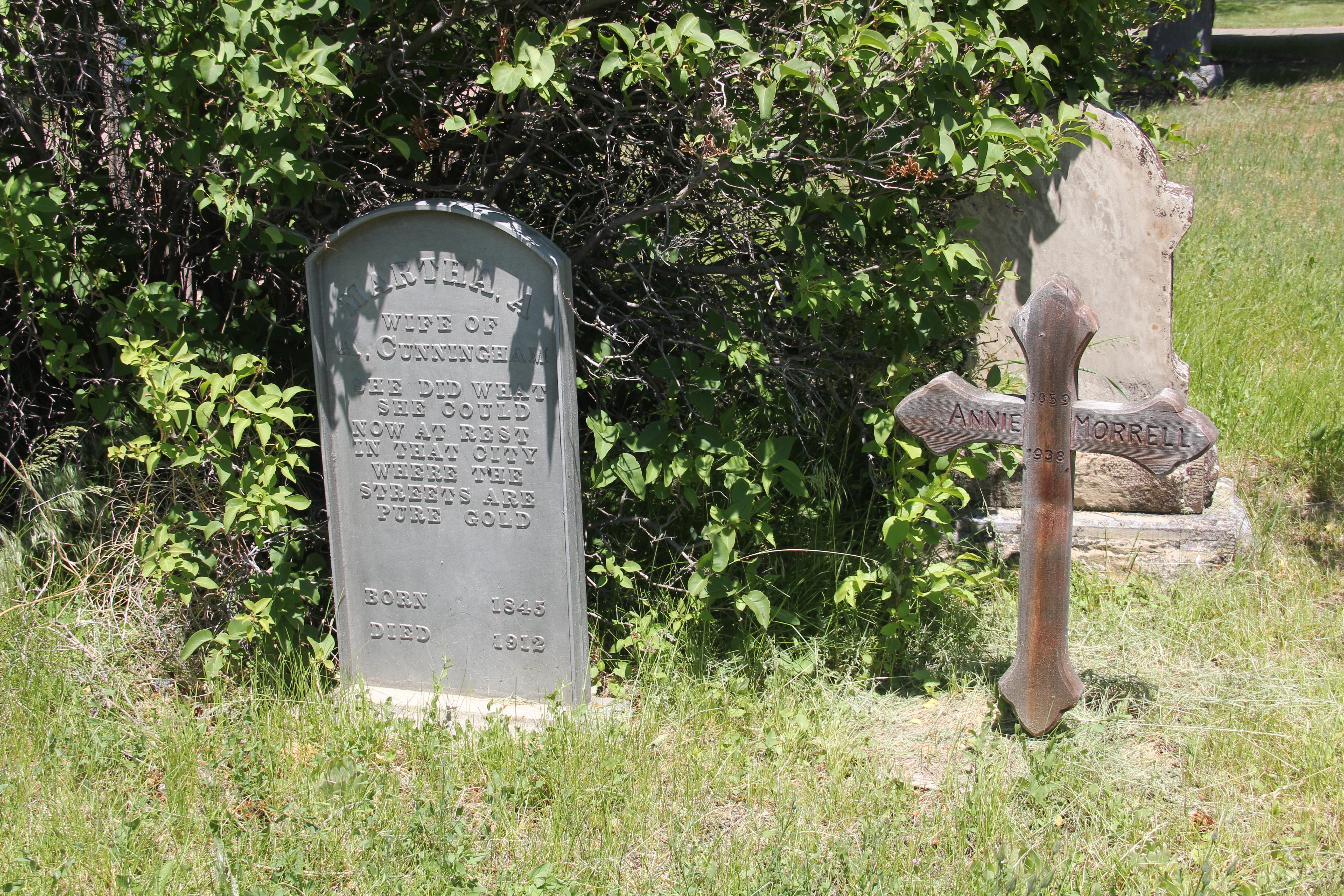
Martha Cunningham’s 1912 cast-iron marker was the first, of several, that I encountered. The marker reads: “She did what she could. Now at Rest in that city where the streets are pure gold.” Sarcasm in your marker–Martha I bet was an original.

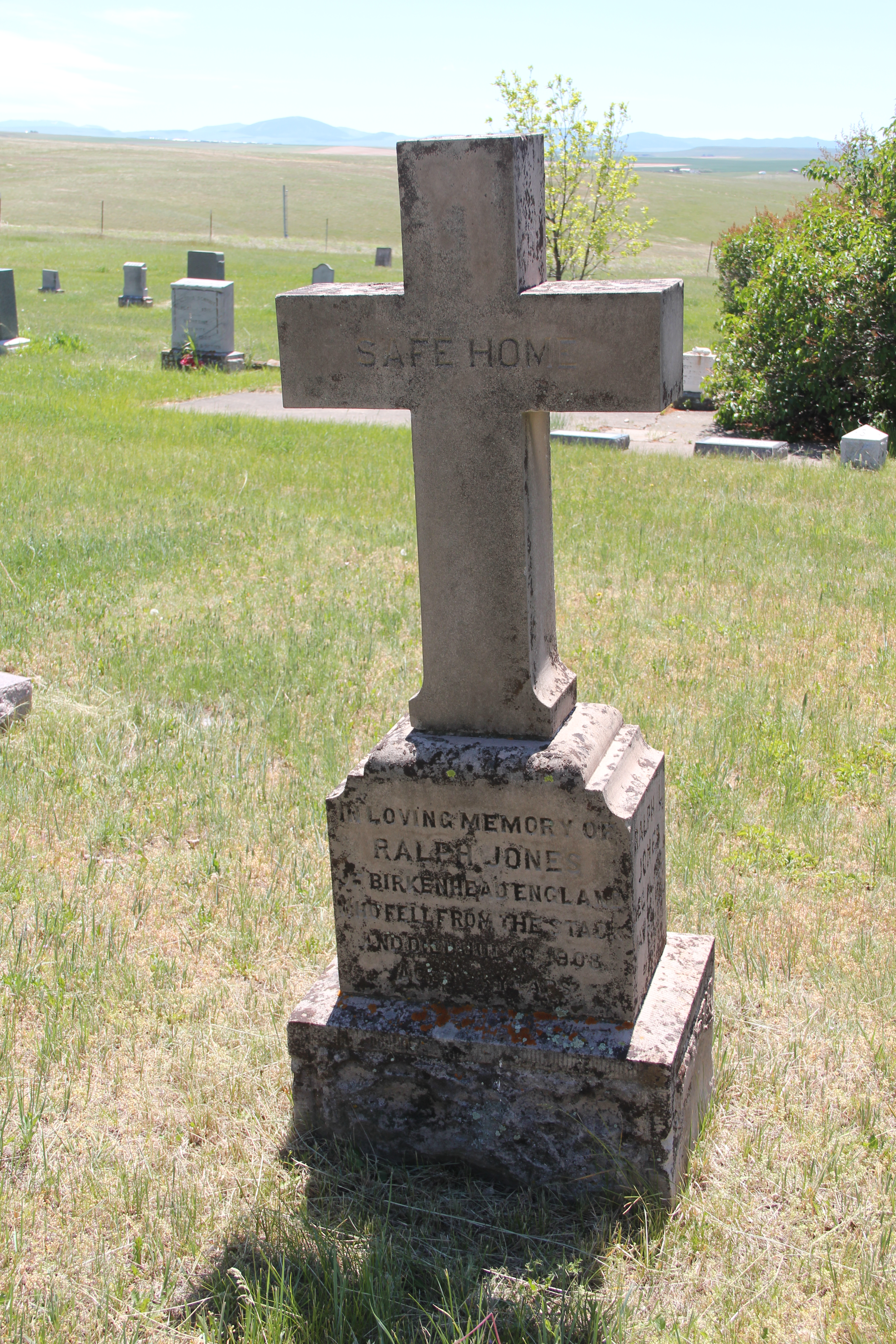
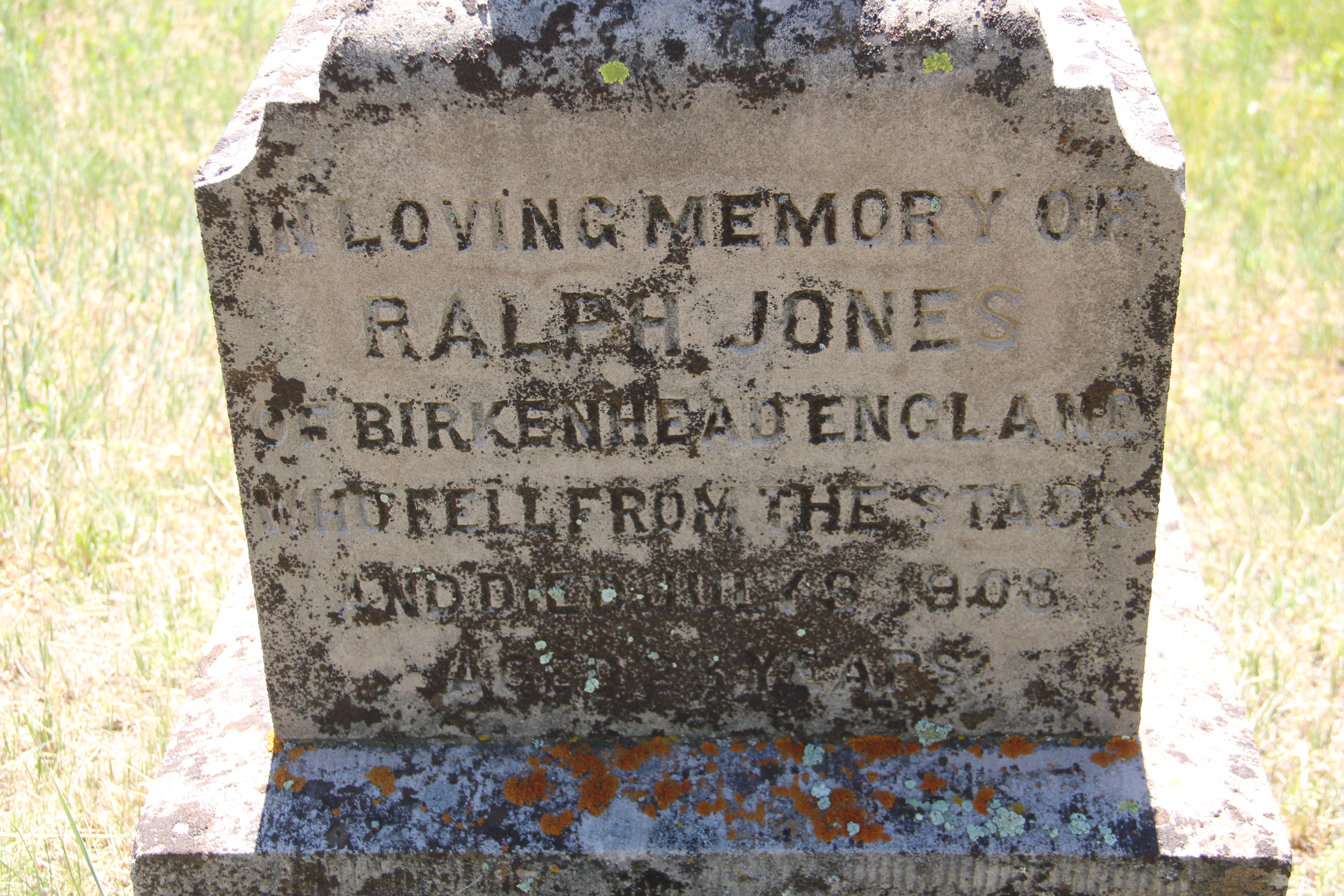
Ralph Jones, a mason from England, died while constructing the tower of the Anaconda Smelter in 1908. His friends erected the cross, with the words Safe Home, in his honor. Jones’ story is also told at annual cemetery tours.

Old Highland also has several Civil War veterans buried throughout the cemetery.

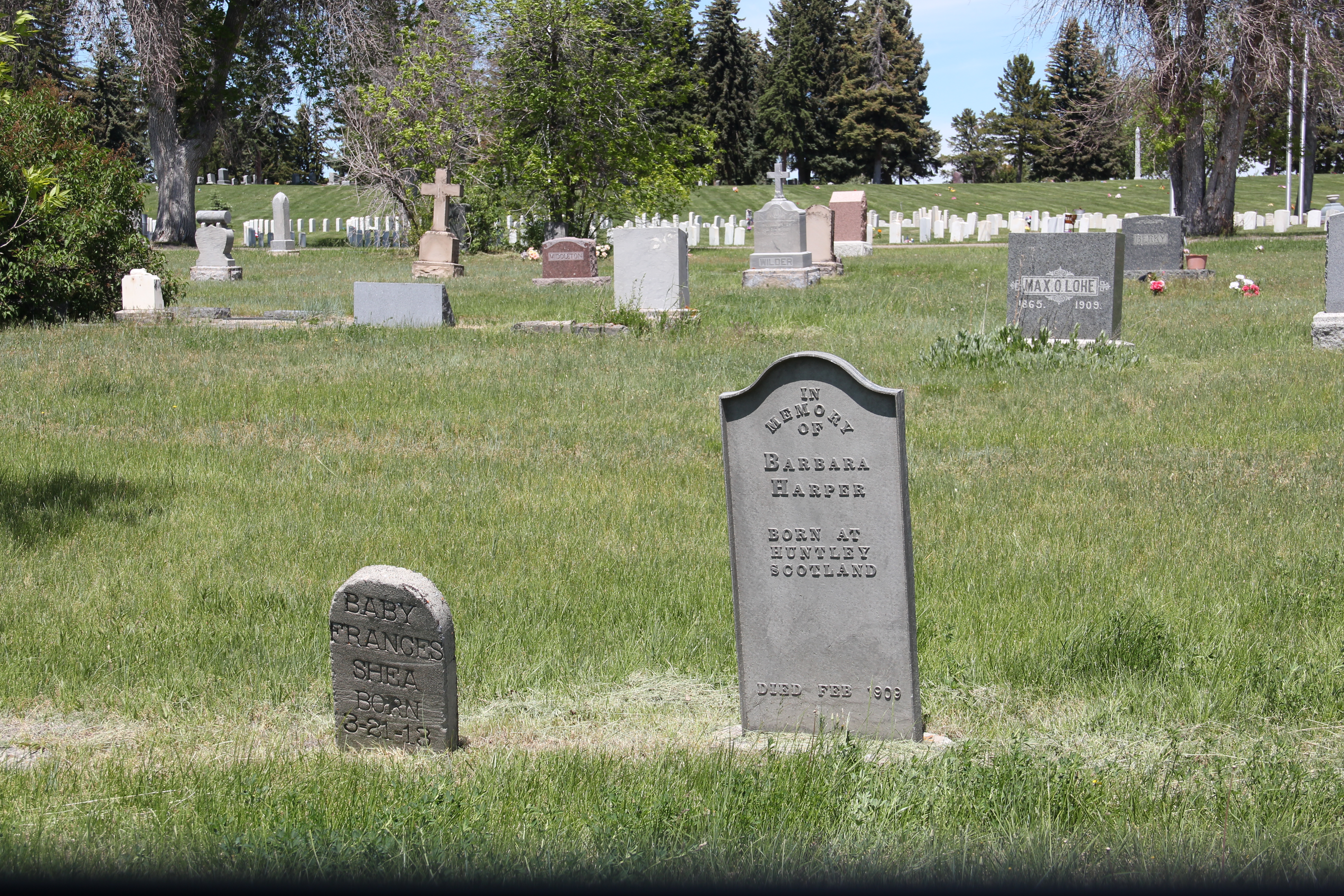
Barbara Harper’s metal marker is also noteworthy, but the most interesting metal marker by far is a small one in a corner of the cemetery. Alexander Leistiko died in 1906. His marker is pressed metal of two people at a cemetery, with the metal sculpture, complete with a skull motif, resting on a metal pedestal. I am a long ways from seeing every cemetery in Montana but this marker, thus far, is unique, and fascinating.

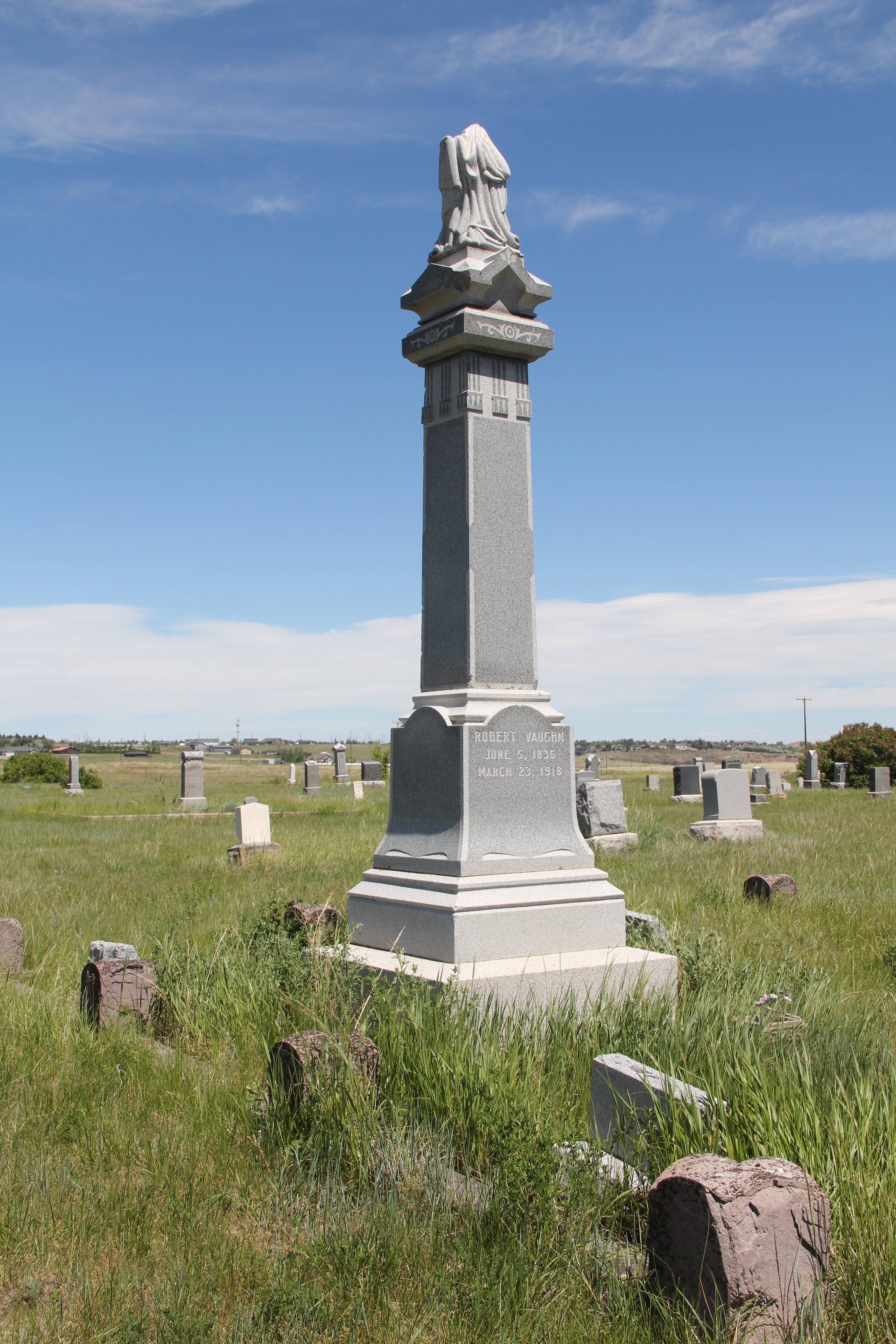
The artistic treasures of this cemetery just don’t end there. There is the grand obelisk for Robert Vaughn, a famous Cascade County rancher, dominating a low stone wall family plot.

Indeed, a few steps away from the Vaughn family plot, you can look to the north and see the treed landscape of “new” Highland Cemetery, and then look to the south and see the edge of the initial Highland cemetery.

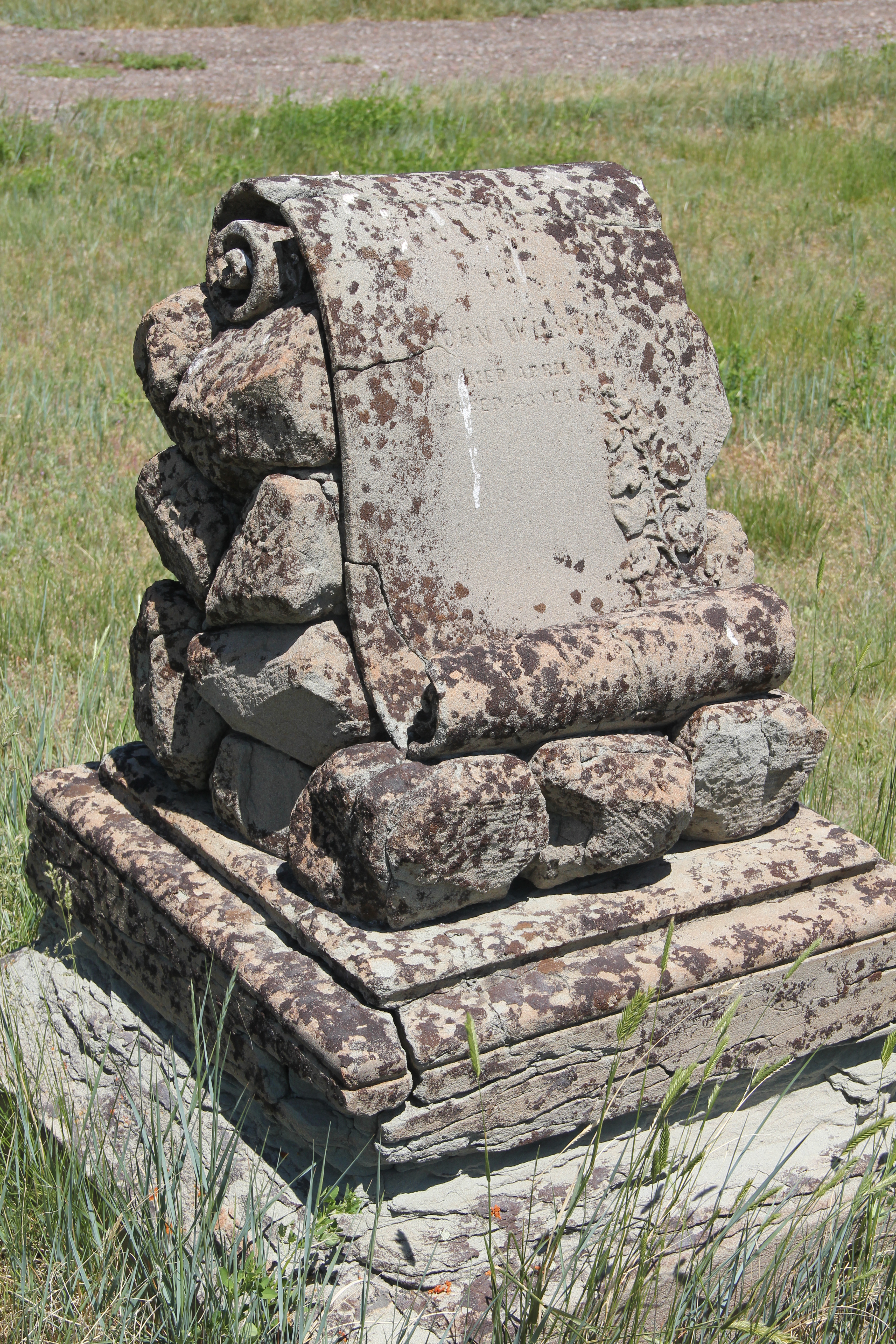
You would expect to find a more Victorian presence in the Old Highland markers since the place began in the late 19th century, The Delaney family plot, even with its overgrown ornamental planting, is an impressive statement of Victorian sensibility. The John Wilson marker of a decorated scroll over stones is just as impressive.

The heavy obelisk of Scottish immigrant James Stewart Tod (d. 1891). Tod lived with his family in Glasgow as late as 1891, being listed in a Scottish census for that year. But in the summer of 1891 he was in Montana as a merchant but died soon after arrival. The local Board of Trade (the precursor to the chamber of commerce) praised Tod for his character and service.

The Caulfield family plot also memorized service, in this case to the Great War.

There is no such to see and say about Old Highland Cemetery. I will revisit this place, hopefully soon.

Highland Cemetery in Great Falls

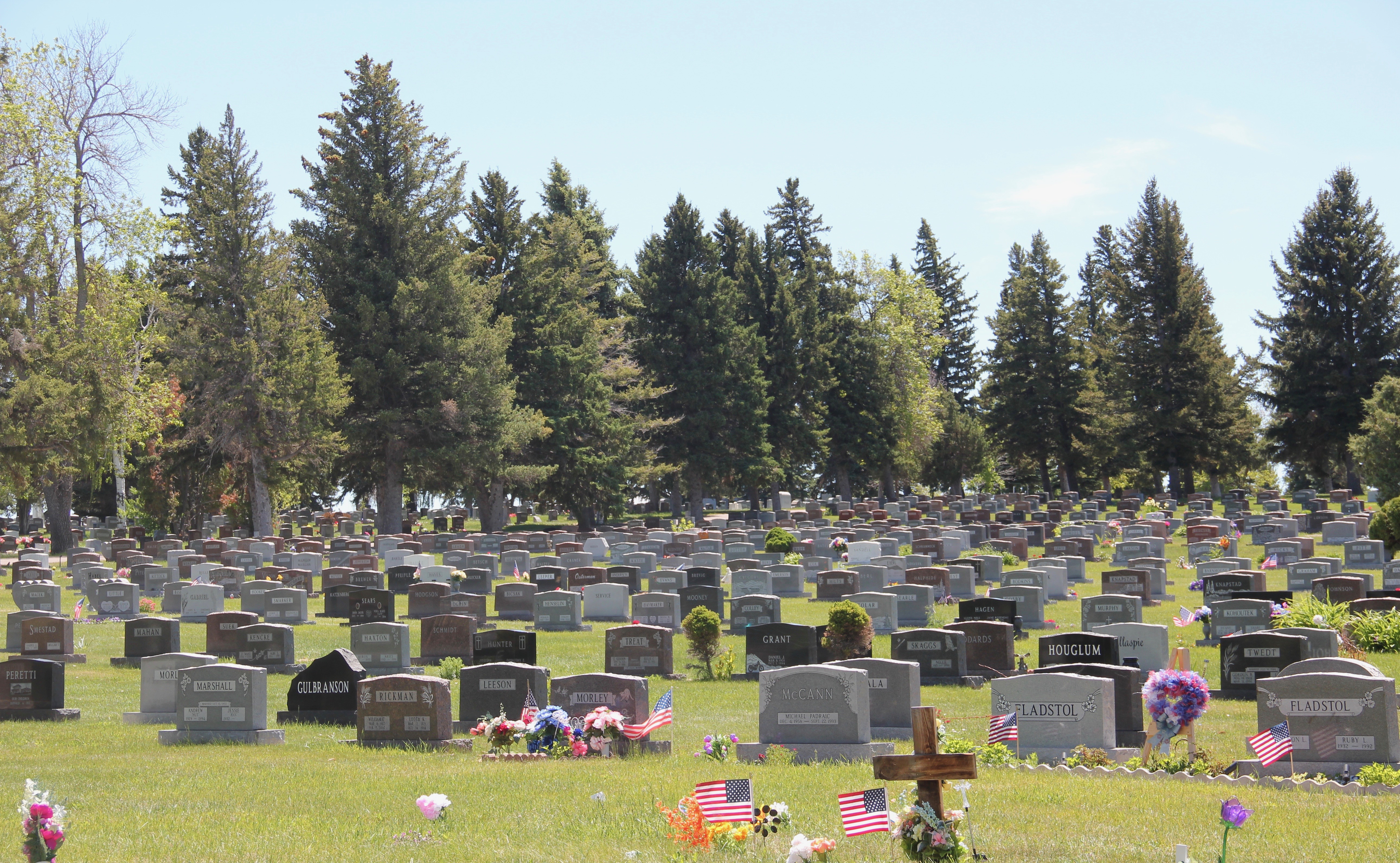
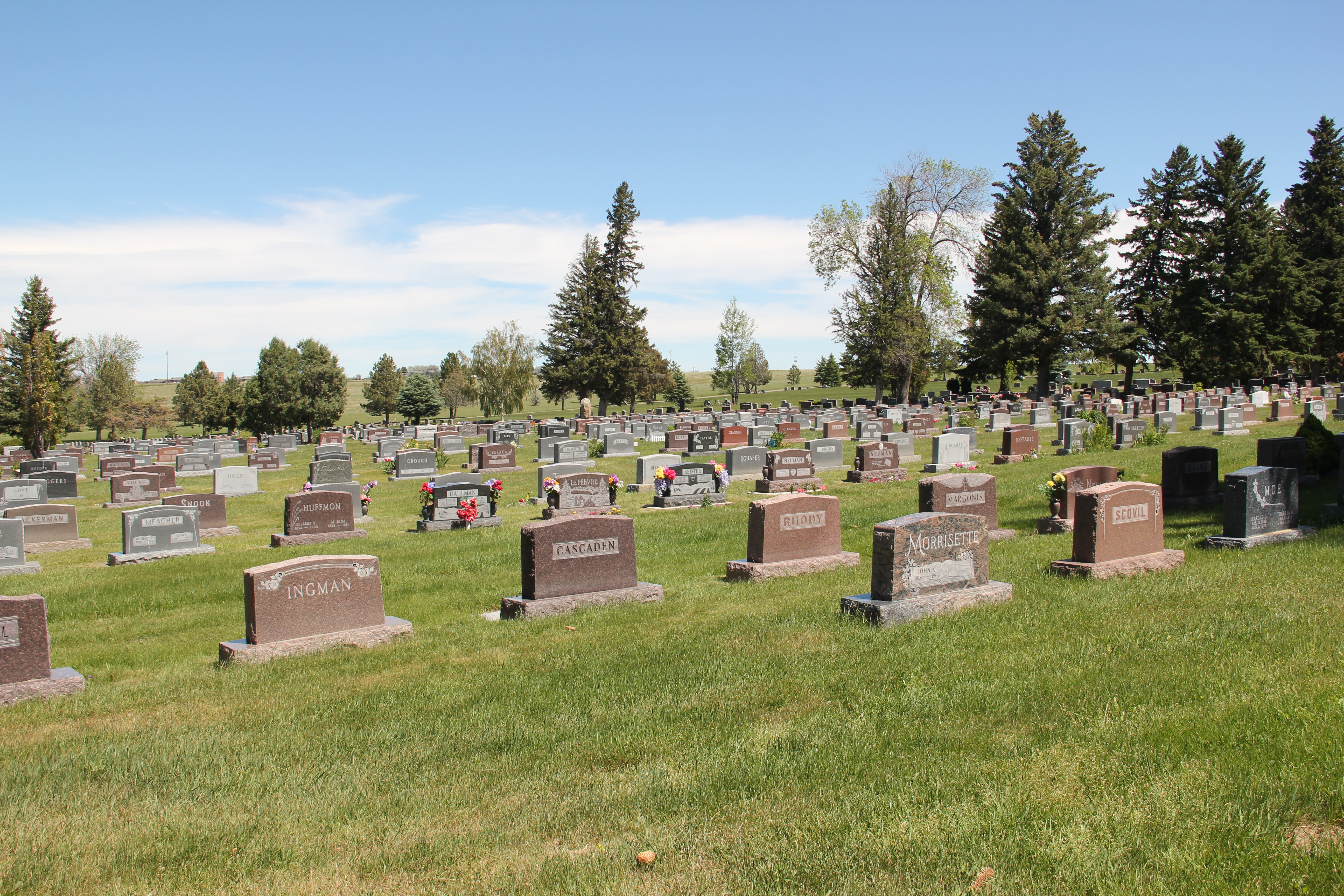
Highland Cemetery, established in 1911, is a private, perpetual care cemetery that serves as the primary burial ground in the city. Located south of the city, the cemetery’s many trees and irrigated grounds make the place a shady park-like oasis in an otherwise barren prairie.

Paris Gibson (d. 1920), the civic capitalist who founded and nurtured the city, is buried not far from the gates. Like with most ventures in Great Falls, Gibson had encouraged the creation of a new, privately administered cemetery adjacent to the original Highland Cemetery (now known as Old Highland Cemetery).

His grave marker, a tall chiseled stone, is different than most. Low rectangular, regularly sized and spaced markers characterize the cemetery in almost every direction you look.

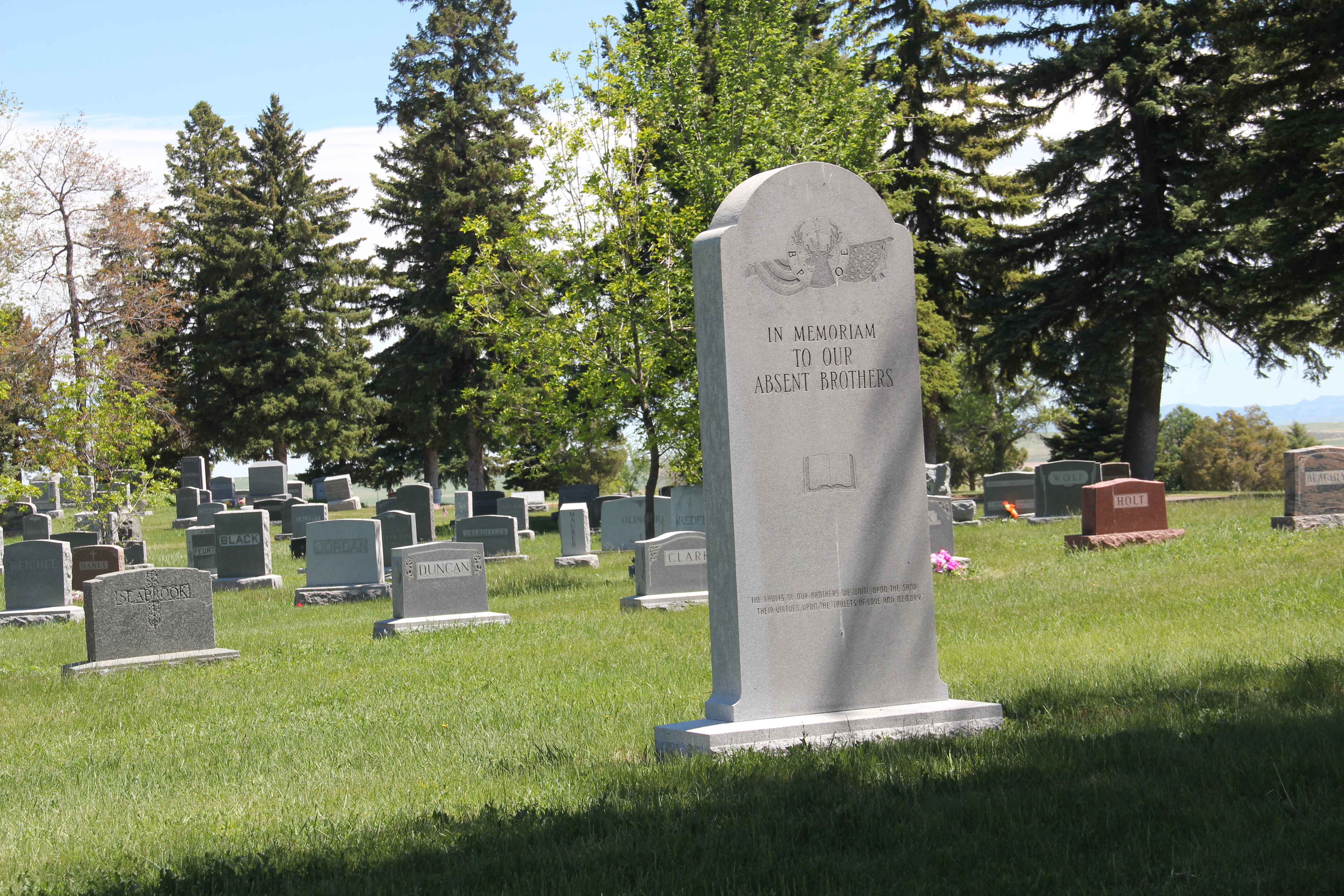
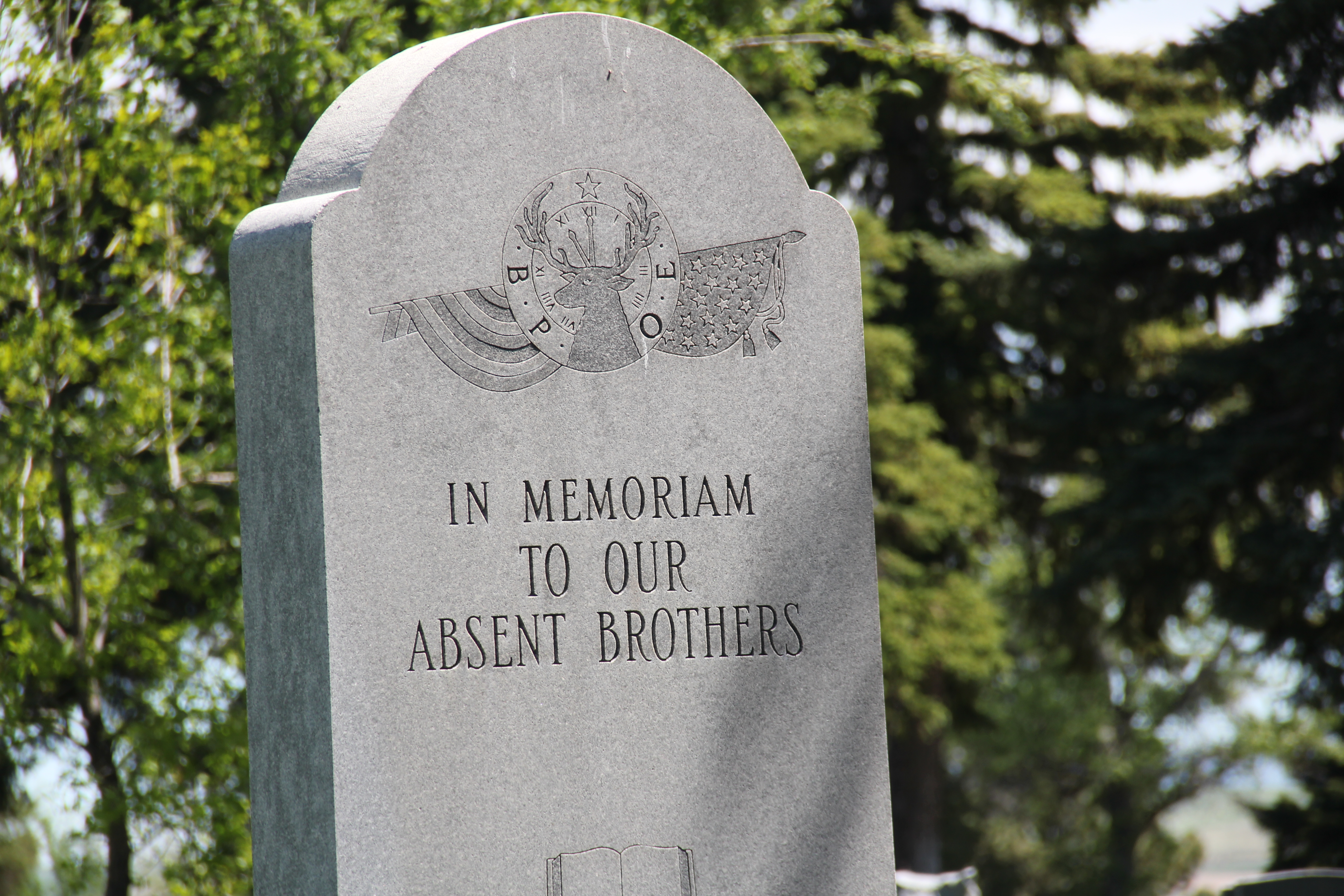
As is the case with many Montana cemeteries from over 100 years ago, you will find sponsored sections for fraternal organizations, such as the monument identifying members of the Elk Lodge, see below, as well as members of the Masons and Woodmen of the World.

The cemetery’s opening coincided with the 50th anniversary of the beginning of the American Civil War. A centerpiece of the cemetery is a large, expansive veterans section, centered on a mounted Columbiad cannon, given by New York City to the Sheridan camp of the Grand Army of the Republic in Great Falls. U.S. soldiers, and some Confederate soldiers, are buried in a circle facing the cannon and the flag. The massive stone base for the cannon tells its story and adds on a side panel “In Memory of the Boys Who Wore Blue, 1861-1865.” It is the most compelling Civil War monument in a Montana cemetery.

Two Confederate soldiers, units not identified, at the foreground of this image.
Charles M. Meek, probably born enslaved in Tennessee in 1849, served as a teenager in a Kentucky regiment of the U.S. Colored Troops in the Civil War.

Famous individuals besides Paris Gibson have been buried at Highland Cemetery. Governor Edwin Norris (d. 1924) is represented by a tall obelisk marker.

Television and movie actor George Montgomery (d. 2000), who was once married to actress and singer Dinah Shore, is also buried here, represented by a full sized metal statue, dressed in cowboy gear. It might seen odd, at first glance, for a Hollywood star to be buried at Highland, but Montgomery was born in the small town of Brady in Pondera County. By being interred at Highland, Montgomery in a sense had come home.

The most famous Montanan to be buried here is Charles M. Russell, who, like Gibson is represented by a chiseled stone boulder, with his trademark initials in a metal plaque affixed to the stone. Nearby is the grave for his wife, and manager, Nancy Russell. A scholar of Russell’s art and life, Frederic Renner (d. 1987), is also buried nearby. Speak of devotion to your subject!

Mt Olivet Cemetery in Great Falls

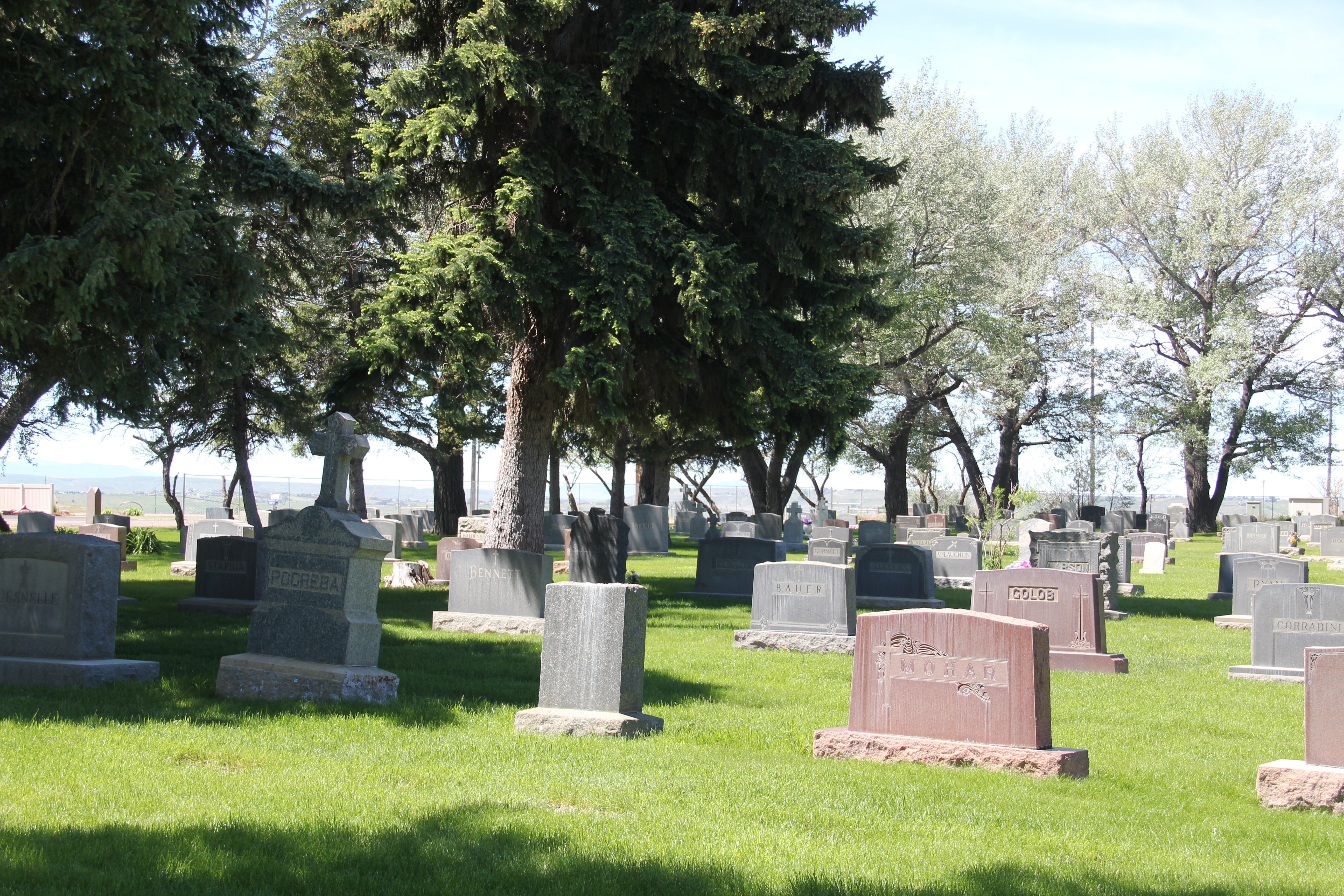
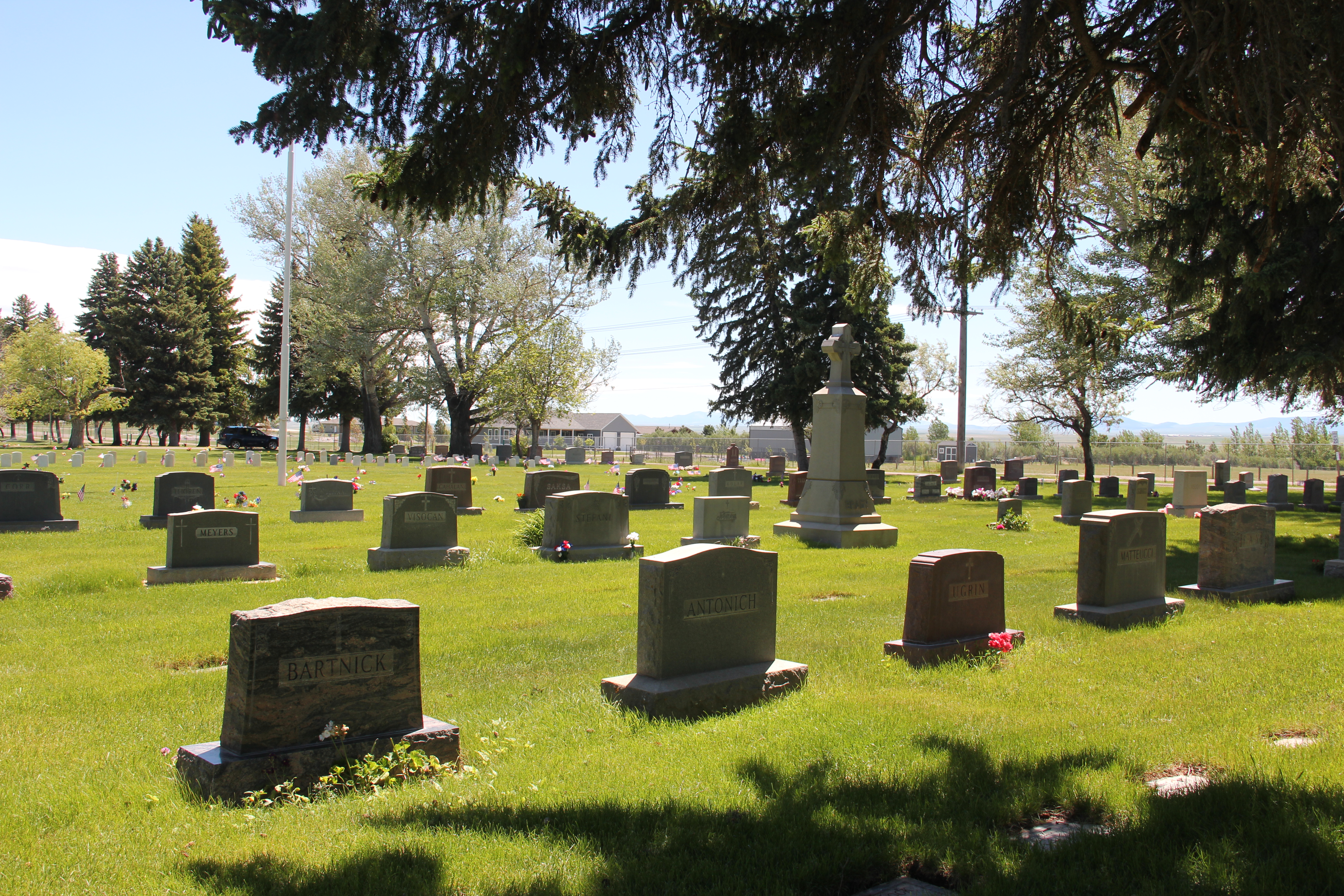
Mount Olivet Cemetery opened to serve the Catholic community of Great Falls and central Montana in 1928. The first Catholic cemetery in the city, Calvary Cemetery, was established a generation earlier in 1896. When the Diocese announced the establishment of Mount Olivet, it also announced that families would be free to move the graves of their loved ones from the older cemetery to the newer cemetery. It is uncertain how many families moved graves and/or grave markers. Calvary Cemetery still exists to the south but is only periodically maintained.

Mount Olivet is well maintained and the trees first planted in the late 1920s have matured and grown to lend dignity and beauty to the property.

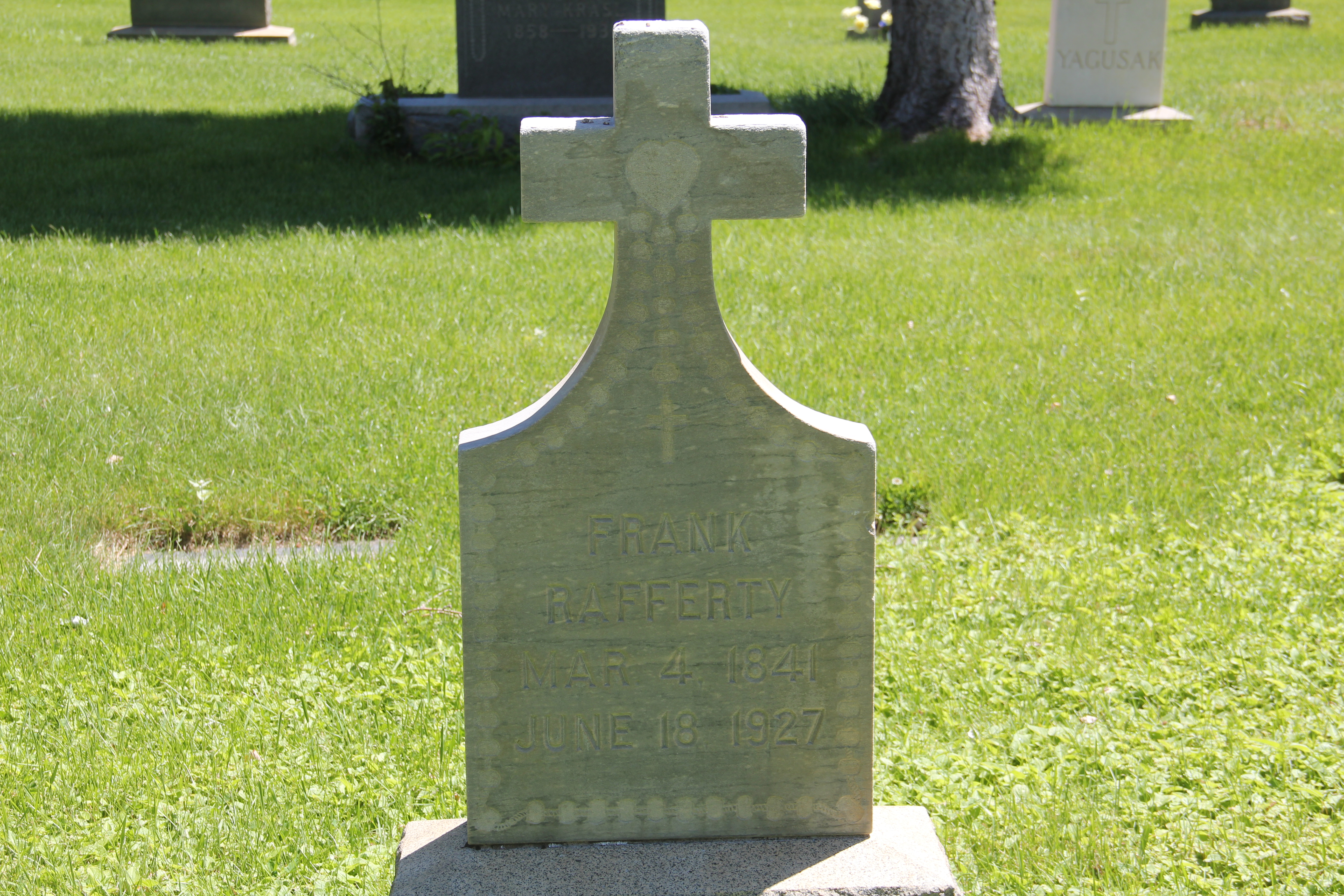
The grave of Frank Rafferty dates to the summer of 1927 about eight months before the opening of the cemetery was announced in the Great Falls Tribune.
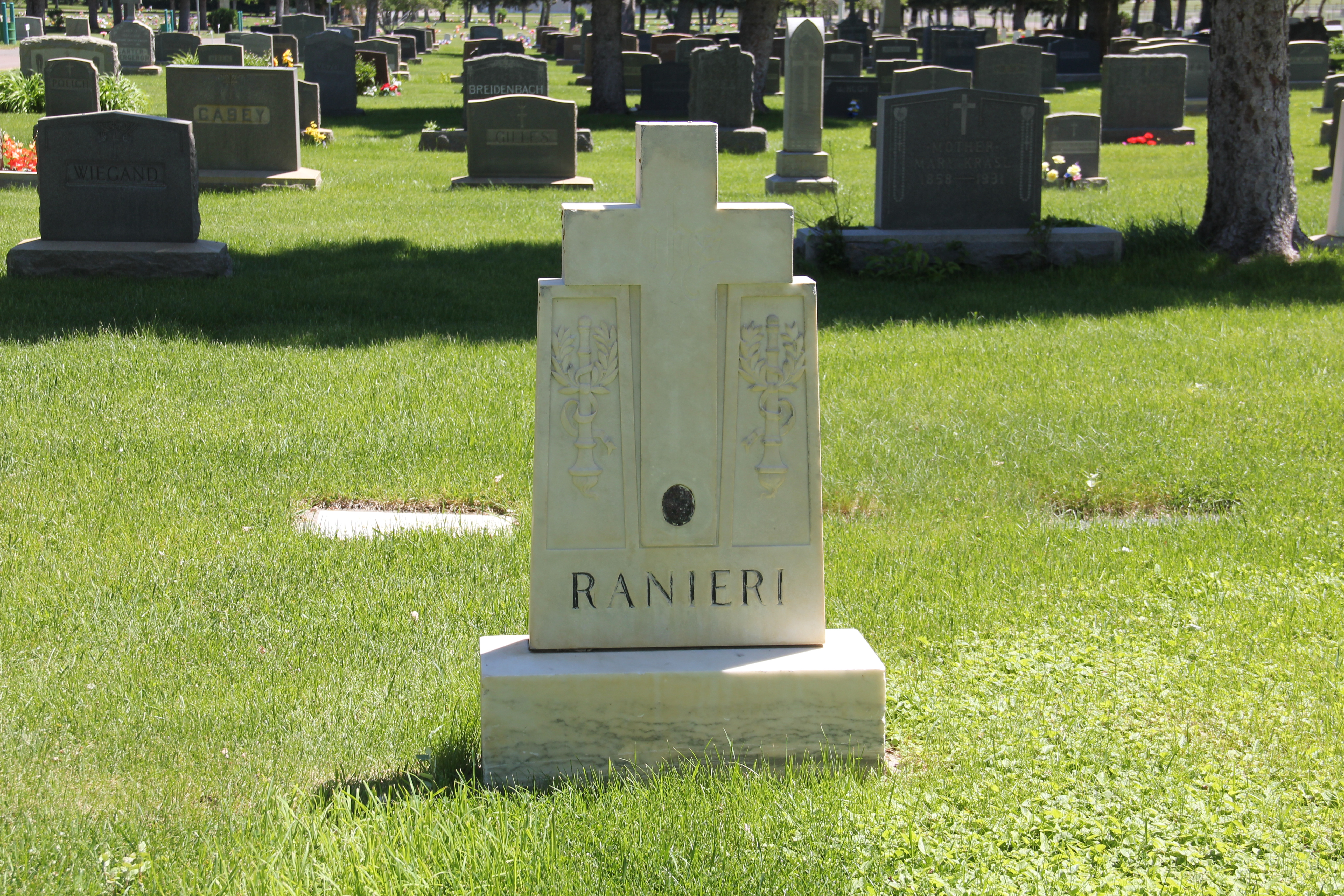
The Rainieri grave marker is a beautiful Art Deco-influenced design, a popular style in the late 1920s and 1930s.

Mount Olivet also has a large dedicated section to veterans from the 20th and 21st century conflicts.

Adaptive Reuse and Montana’s Depots

When I carried out the 1984-1985 survey of Montana as part of the state historic preservation planning process, one resource was at the forefront of my mind–railroad passenger stations.  Not only had recent scholarship by John Hudson and John Stilgoe brought new interest to the topic, there had been the recent bankruptcy of the Milwaukee Road, and the end of passenger service in large parts of the state, except along the Hi-Line of the old Great Northern Railway (where Amtrak still runs today.)

IMG_9052.JPG

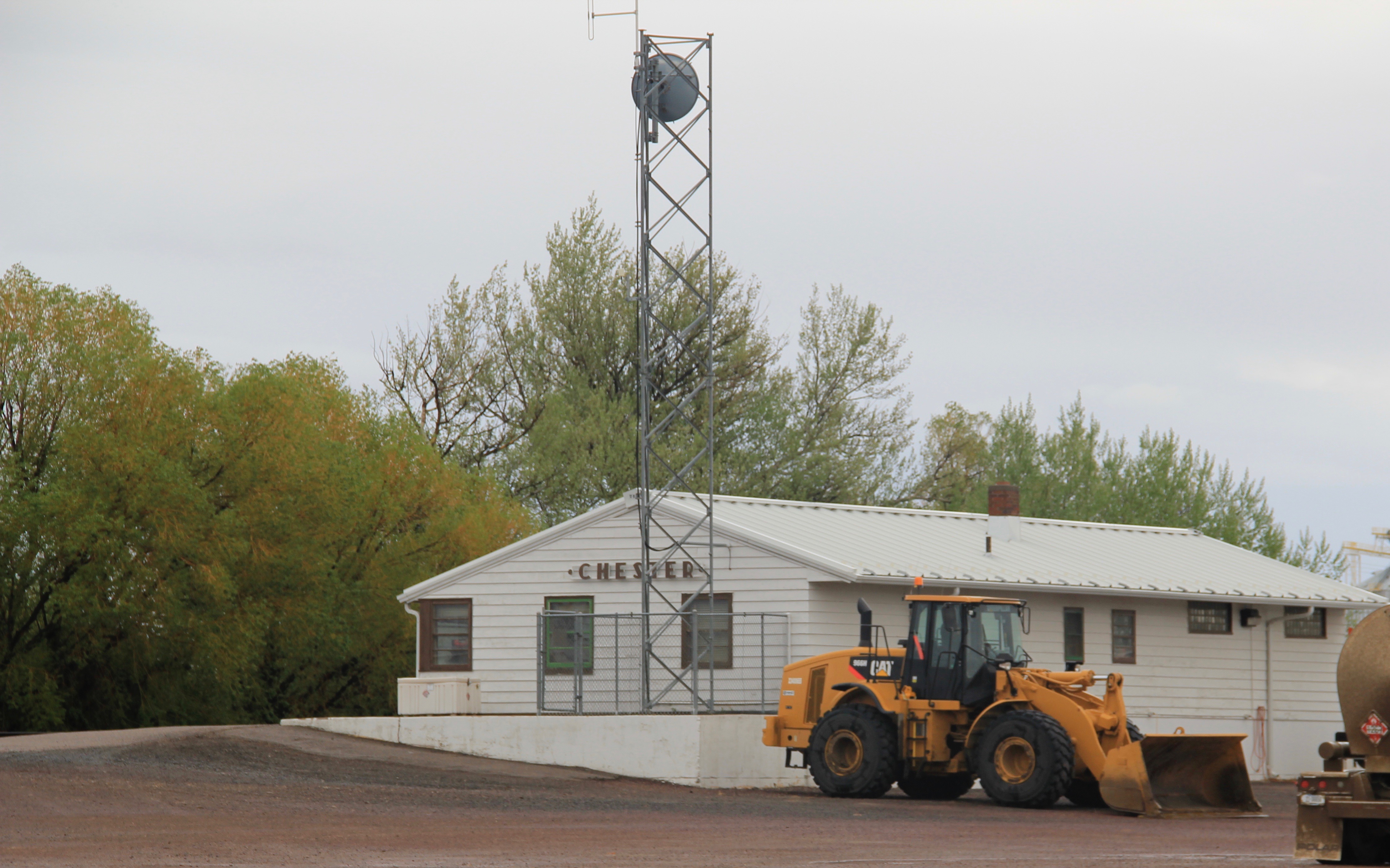
The mid-20th century standardized design for Great Northern stations at Chester on US 2.

Some of the passenger stations in the major cities had already been converted into new uses, such as restaurants, offices, and various downtown commercial uses. The lovely turn of the twentieth century stations for the Great Northern (left) and the Milwaukee Road (right) in Great Falls showed how the location of the buildings, plus their

architectural quality and the amount of available space made them perfect candidates for adaptive reuse.  While the tenants have changed over the past 30 plus years, both buildings still serve as heritage anchors for the city. While success marked early adaptive reuse projects in Great Falls and Missoula, for instance, it was slow to come to Montana’s largest city–the neoclassical styled Northern Pacific depot was abandoned and

Billings 2006 002deteriorating in the mid-1980s but a determined effort to save the building and use it as an anchor for the Montana Avenue historic district has proven to be a great success in the 21st century.

In the 1984-1985 I documented hundreds of railroad depots across Big Sky Country.  From 2012-2015 I noted how many had disappeared–an opportunity to preserve heritage and put a well-located substantial building for the building back to work had been wasted.  But I also came away with a deep appreciation of just how many types of new lives train stations could have.

park County 2008 017

Turning iconic buildings into community museums is a time-honored tradition, as you can find at the magnificent Northern Pacific station at Livingston, shown above.  A handful of Montana communities have followed that tradition–I am especially glad that people in Harlowton and Wheatland County banded together to preserve the

IMG_9725.JPGMilwaukee Road depot there, since Harlowtown was such an important place in the railroad’s history as an electric line.

IMG_0003.JPG

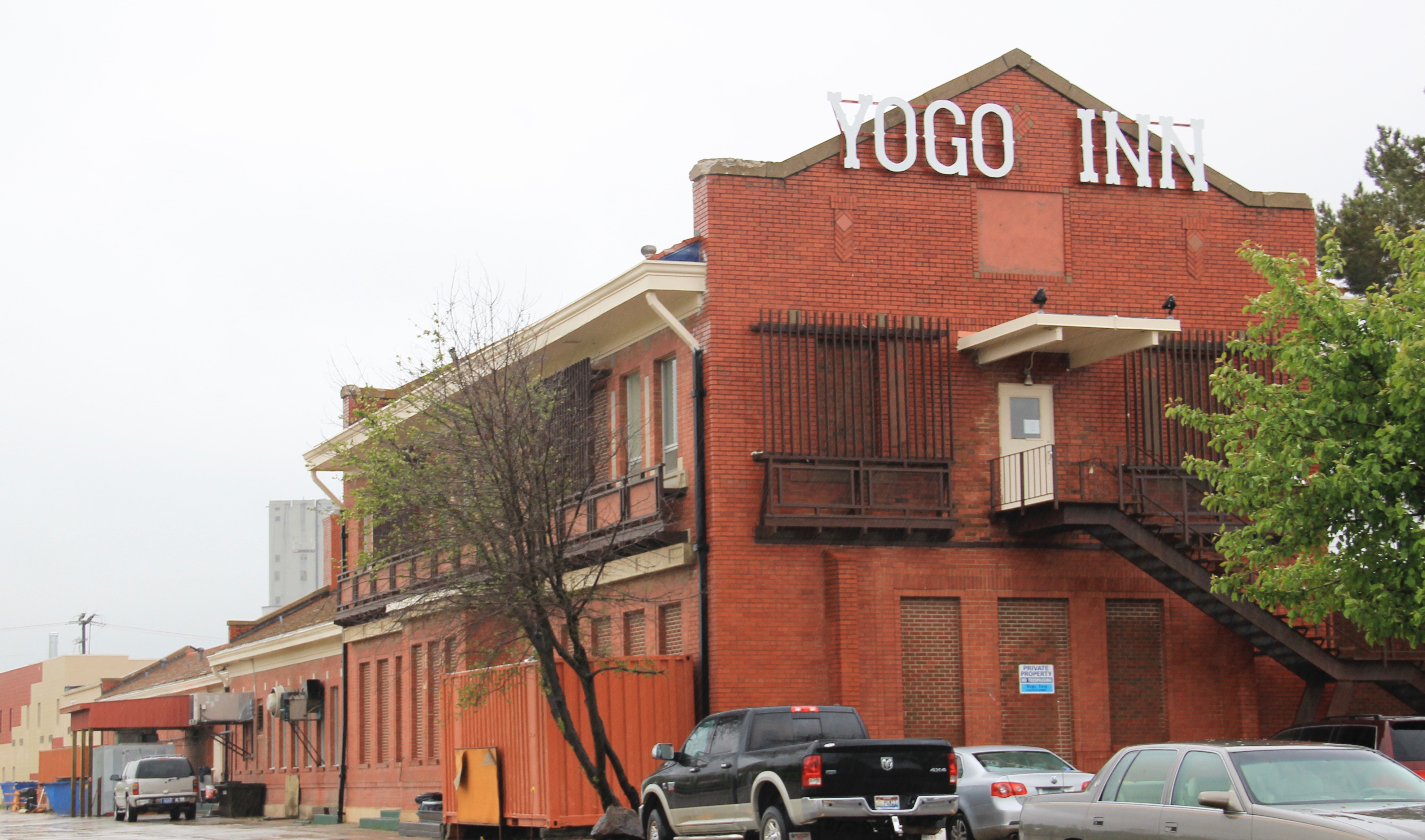
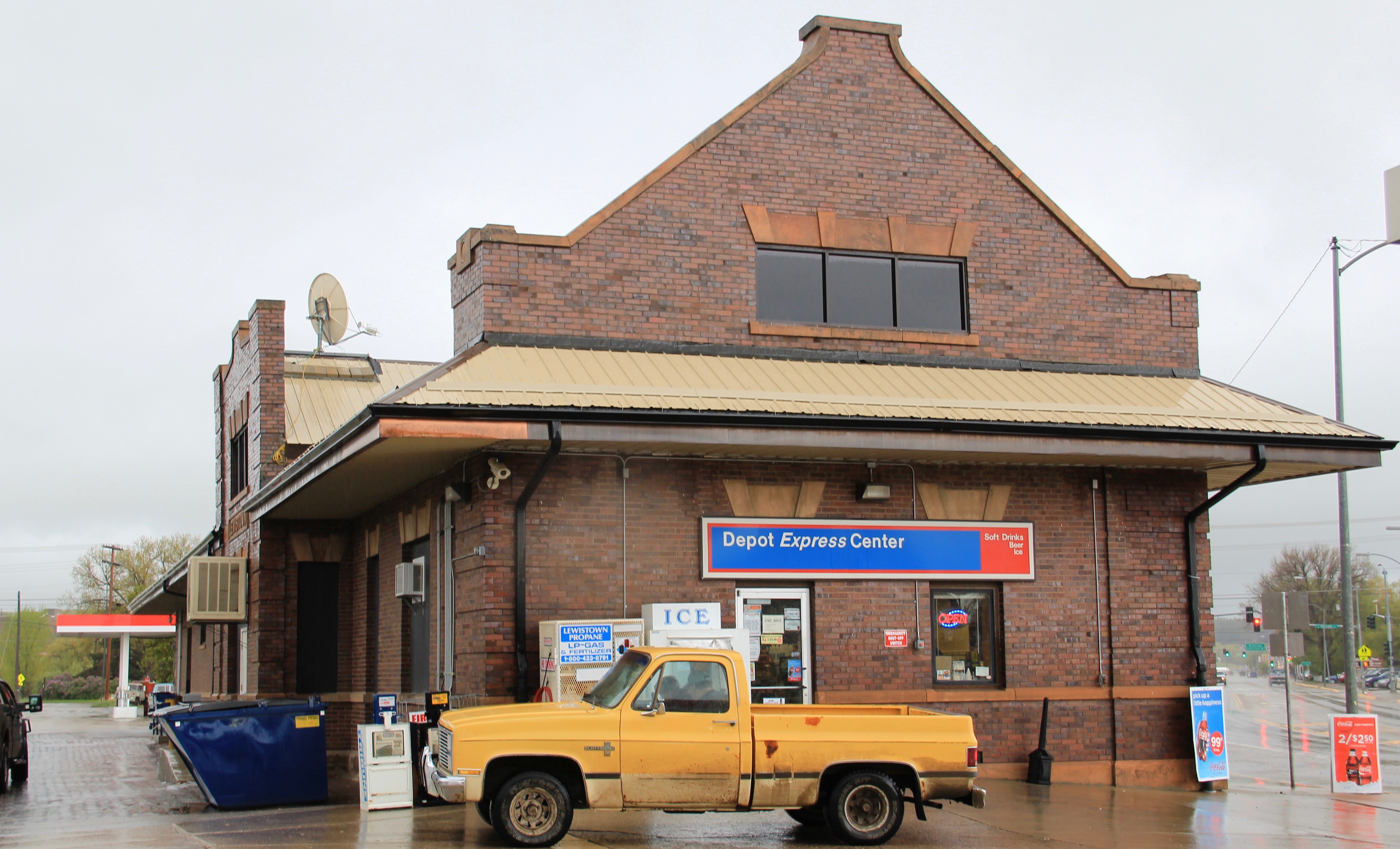
But there are so many other uses–as they know in Lewistown.  Already in the mid-1980s investors in Lewistown had turned the old Milwaukee Road station, shown above, into a hotel and conference center, the Yogo Inn.  When I visited Lewistown in 2013 the Yogo was undergoing a facelift after 30 years as a commercial business. The town’s other

IMG_9910.JPG

IMG_9916.JPG

historic depot, a substantial brick building (above) from the Great Northern Railway, was a gas station, convenience mart, office building, and store, all in one.


Deer Lodge MT 2006 001

Deer Lodge MT 2006 002

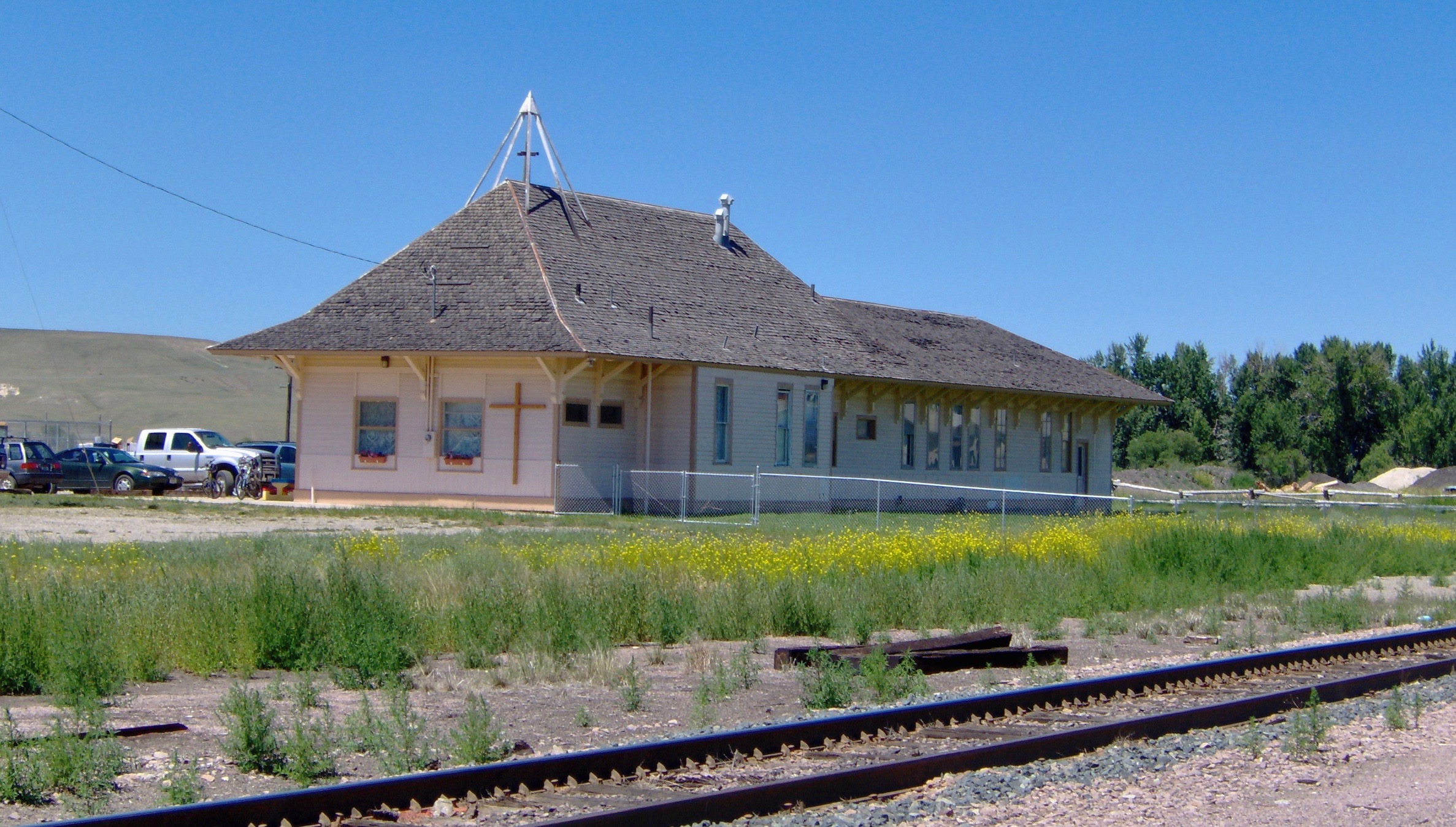
Deer Lodge is blessed with both of its historic depots.  The Milwaukee Road depot has become a church while the Northern Pacific depot became the Powell County Senior Citizens Center.  Indeed, converting such a community landmark into a community center is popular in other Montana towns, such as the National Register-listed passenger station shown below in Kevin, Toole County, near the border with Canada.

IMG_9152.JPG

One of the most encouraging trends of this century is how many families have turned depots into their homes–you can’t beat the location and the long, horizontal nature of the often-found combination depot (passenger station and luggage warehouse in same building) means that these dwellings have much in common with the later Ranch-style houses of the 1950s and 1960s.

IMG_9840.JPG

A former Great Northern depot in Windham.

IMG_0125.JPG

A Milwaukee Road depot turned into a home in Rosebud County.

But in my work from 2012-15 I found more and more examples of how local entrepreneurs have turned these historic buildings into businesses–from a very simple, direct conversion from depot to warehouse in Grassrange to the use of the Milwaukee Road depot in Roundup as the local electric company office.

IMG_0020.JPG

IMG_0051.JPG

As these last examples attest–old buildings can still serve communities, economically and gracefully.  Not all historic preservation means the creation of a museum–that is the best course in only a few cases.  But well-built and maintained historic buildings can be almost anything else–the enduring lesson of adaptive reuse

Great Falls Heritage Area, Part 6: the cultural side

Cascade Co Great Falls business district 15

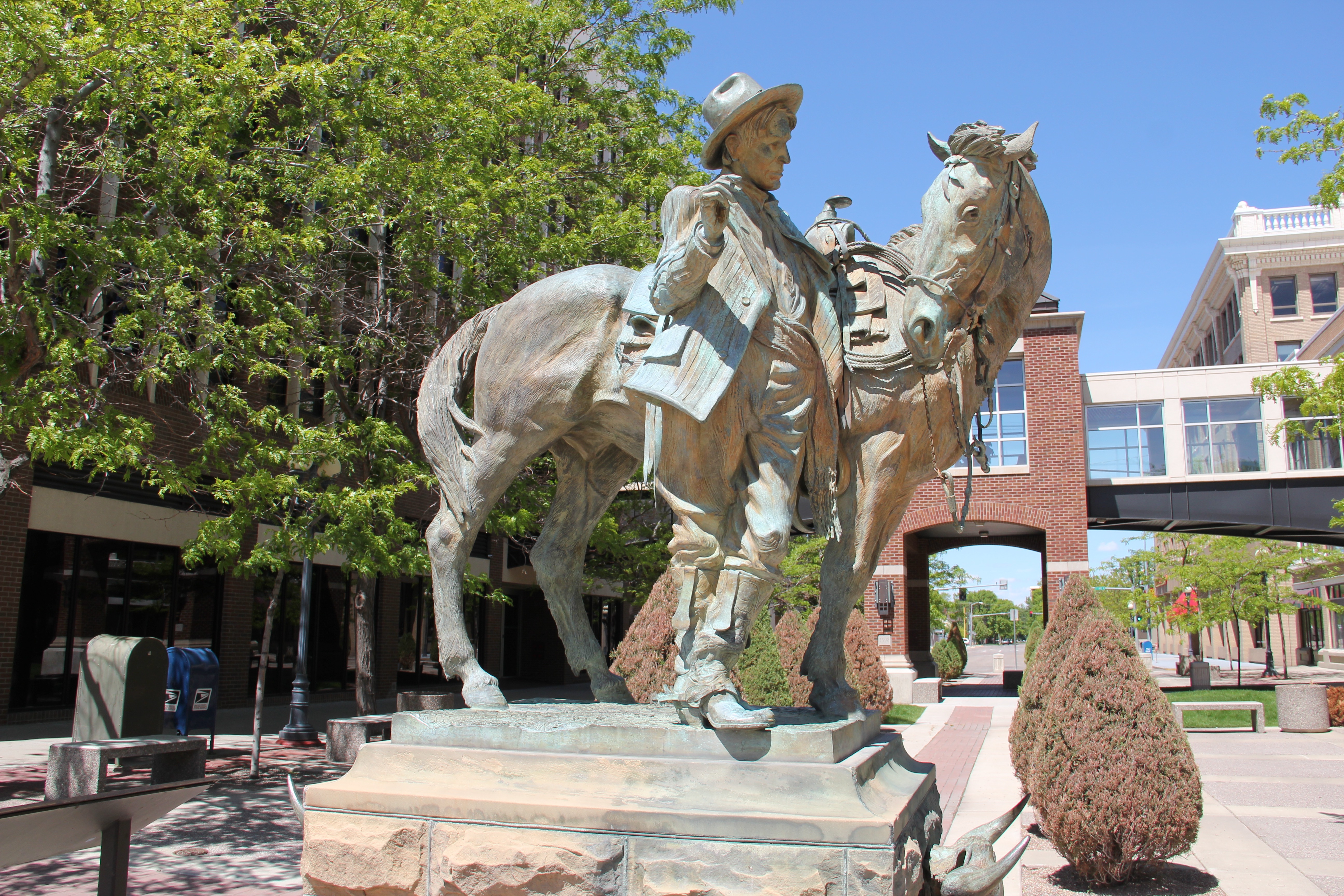
Few American cities are as obviously in love with a 20th century artist as Great Falls is with Charles M. Russell, often called the “cowboy artist.”  Russell became an icon in American western art by the mid-20th century, and Great Falls is home to multiple shrines, from the 1986 statue downtown of “Kid Russell and Monte,” the centerpiece of what was then a new downtown renewal project, and Bob Scriver’s earlier statue of “C.M. Russell: Cowboy Artist” outside of the C. M. Russell Museum, located adjacent to his historic home and studio in an unassuming Great Falls neighborhood.

Western art is a significant cultural phenomenon of the 20th century, no matter how one views it today.  And Russell, as the statues suggest, is a giant within the field, one of the handful whose work is still admired by devotees and critics today.

Cascade Co Great Falls CMR museum 3

Cascade Co Great Falls CMR museum 1

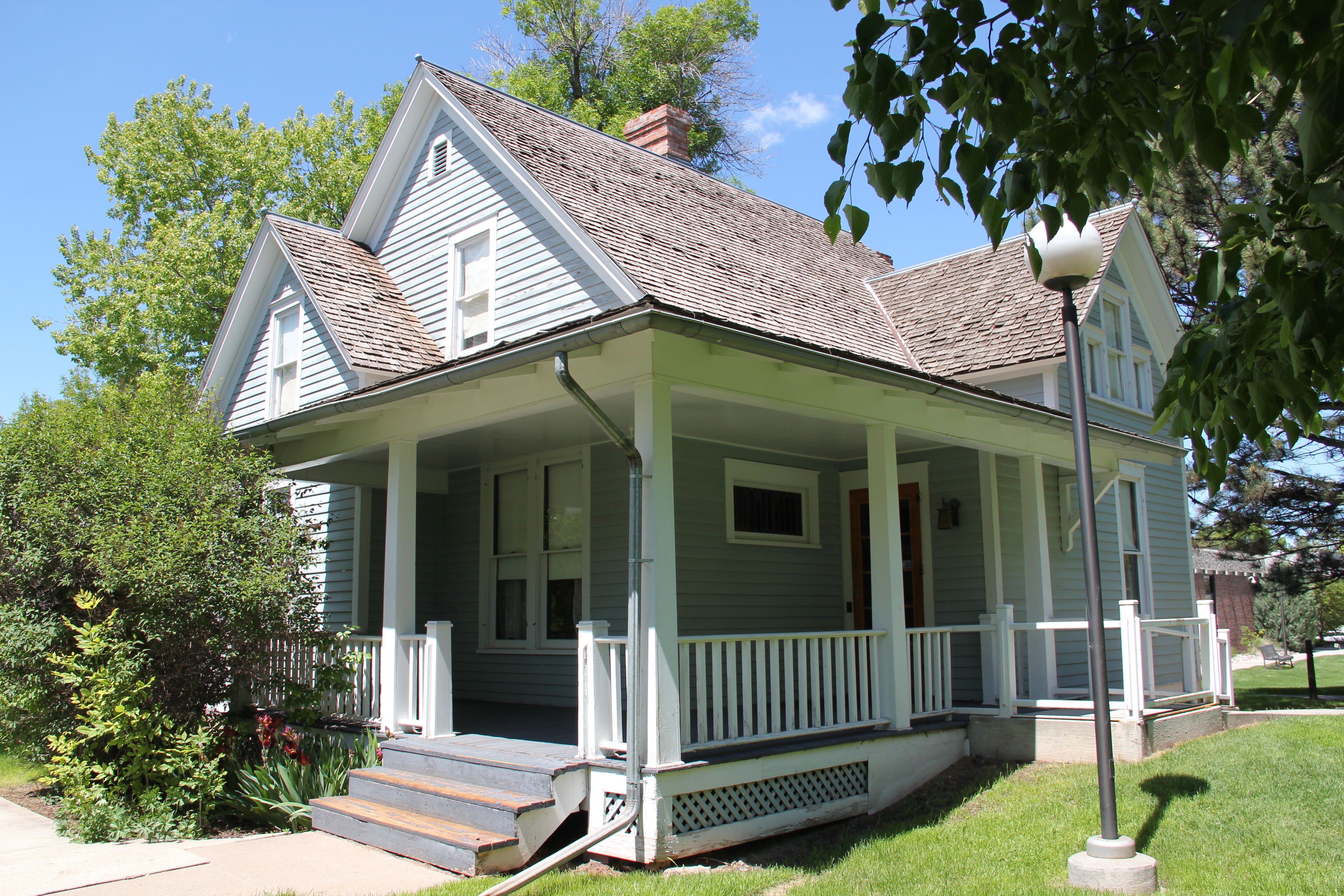
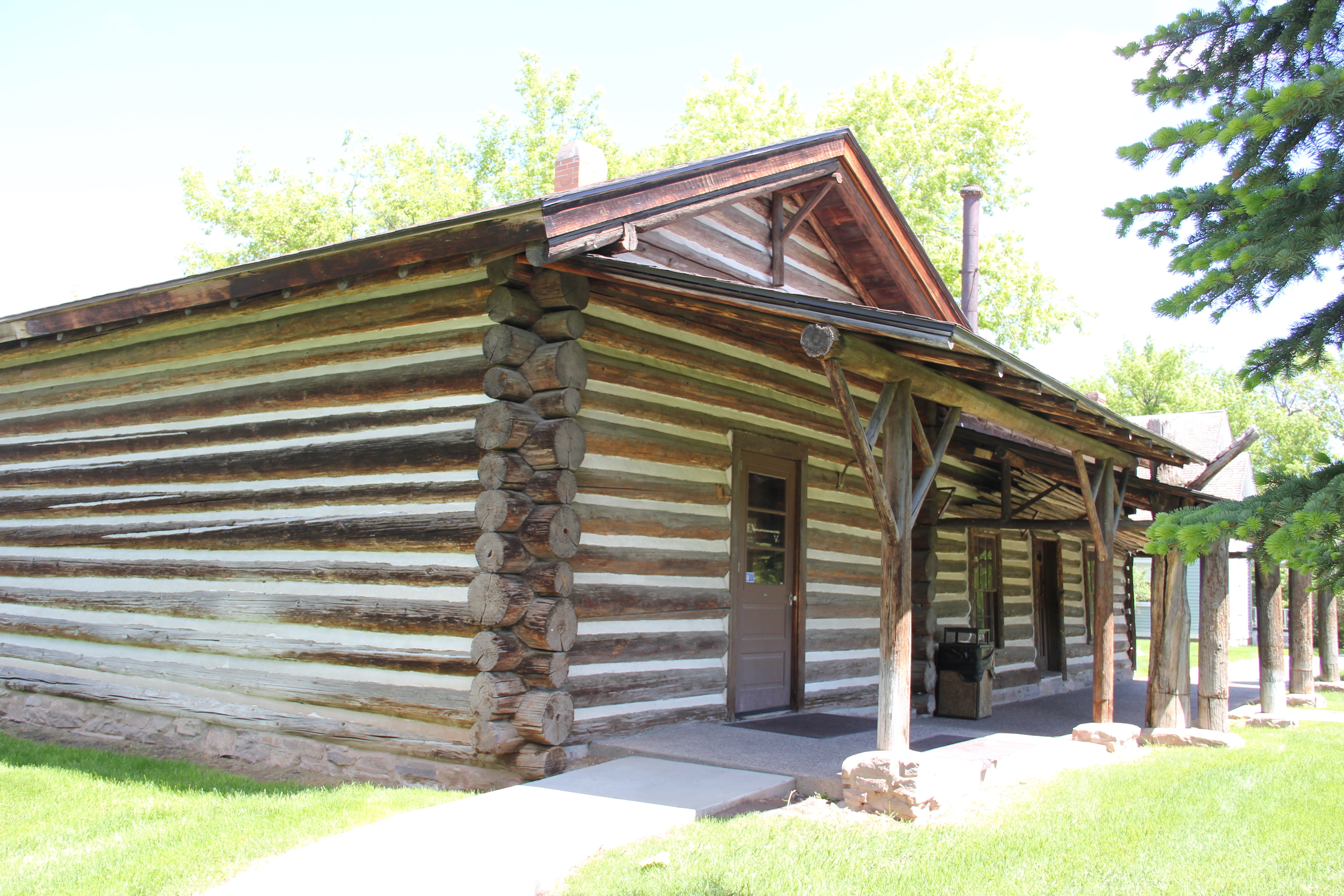
Russell’s Victorian cottage home and adjacent log cabin studio were really nothing out of the ordinary in Great Falls in the early 20th century while vernacular still easily stood side-by-side more identified forms of domestic architecture.  But his achievement rates these properties among the few 20th century National Historic Landmarks in the state, and they have been so recognized for many years now.

2011 MT Cascade County Great Falls 135

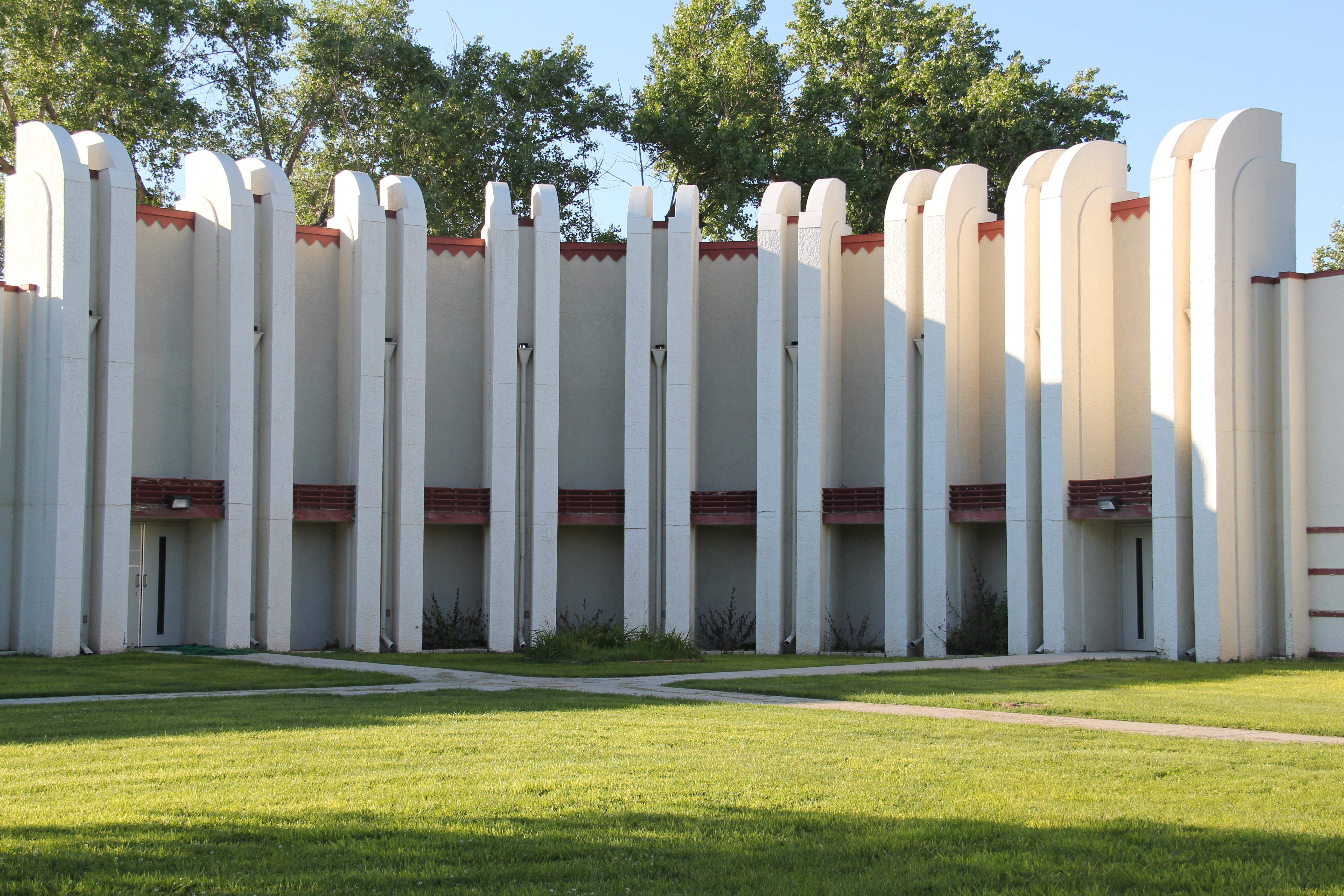
But there is much more to the cultural side of Great Falls that the looming presence of Charles M. Russell.  The city has an impressive range of architectural statements from the late 19th to the mid-20th century, with the Art Deco-styled New Deal-funded buildings of the county fairgrounds shown above falling in the middle of this architectural timeline.  Many of these are listed in the National Register of Historic Places as individual properties or as historic districts.  The historic neighborhoods have scores of worthy Victorian-style homes.  There are

then gargantuan statements of style and purpose constructed by the town’s Catholic community in the early twentieth century, from the Ursuline School to the massive Columbus Hospital, once of the city’s most important landmarks of its progressive era.

Cascade Co Great Falls Ursuline Center 3 - Version 2

The town’s soaring Arts and Crafts styled Masonic Temple has recently found new investors willing to tackle this early 20th century landmark and find a new future for it some 100 years later.

IMG_9186

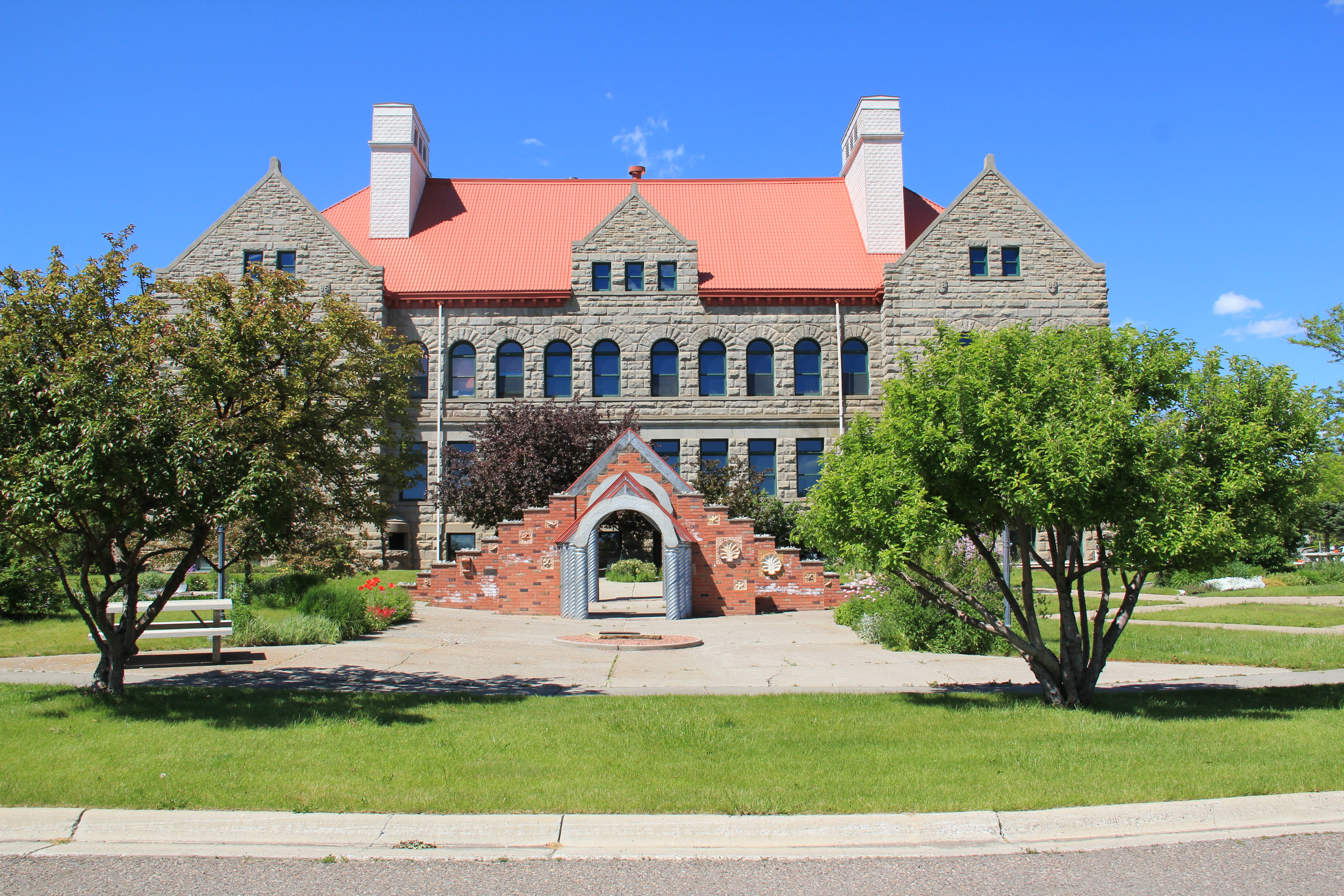
Great Falls residents know such conversions can work, since when I first visited the city in 1982, everyone wanted to go and appreciate the conversion of the Dichardsonian Romanesque styled high school into the Paris Gibson Center, a new focal point for the arts in the city.

2011 MT Cascade County Great Falls 092.jpg

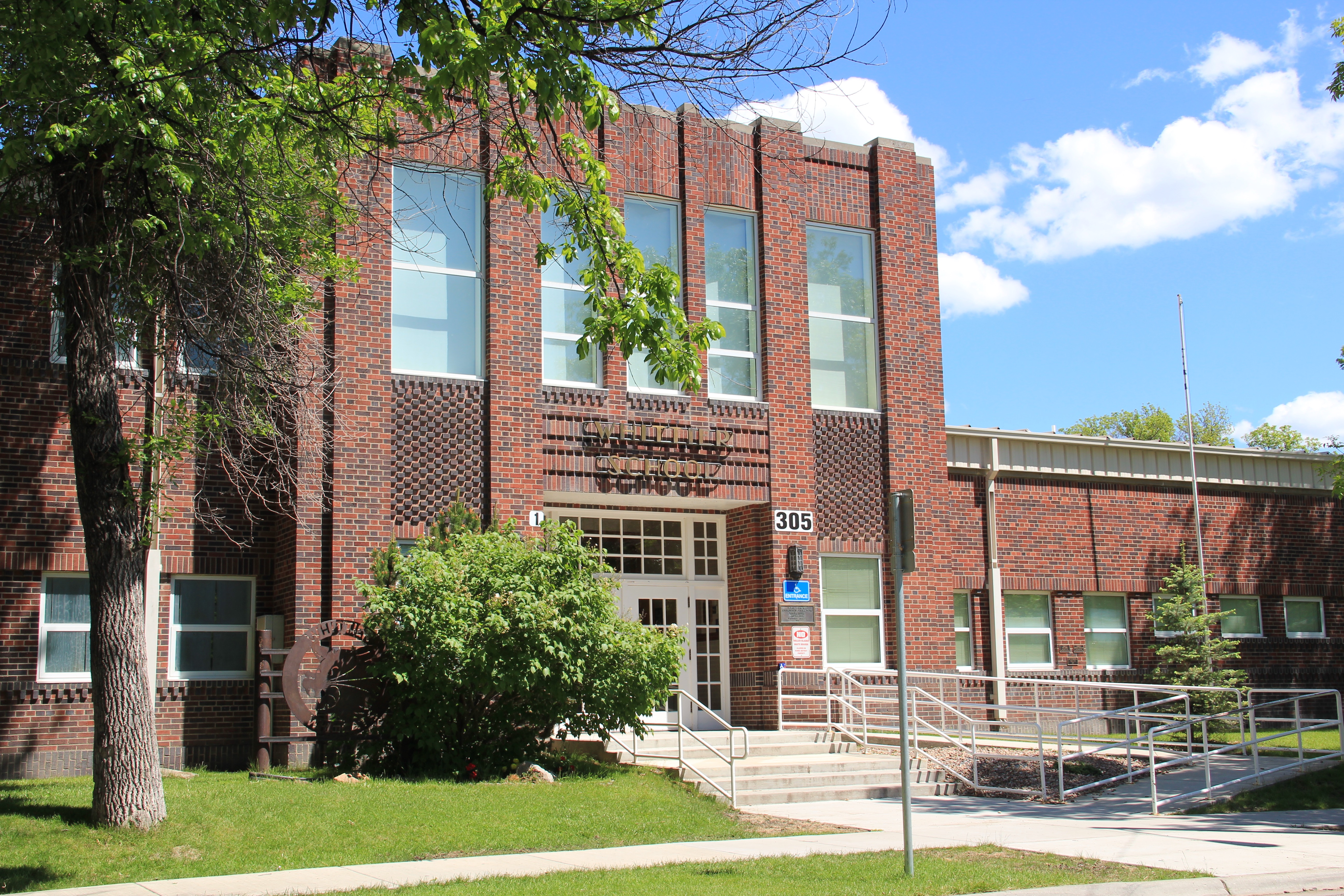
Paris Gibson Center was just the start of 30 plus years of successful historic preservation and adaptive reuse projects, keeping such mid-century modern landmarks as the Whittier School, another New Deal

2011 MT Cascade County Great Falls Whittier School 084project, and the Art Moderne landmark Intermountain bus station–once so proudly featured in the Clint Eastwood and Jeff Bridges movie, “Thunderbolt and Lightfoot,” part of that decade from the mid-1970s to mid-1980s when Montana was suddenly in the lens of Hollywood.

Cascade Co Great Falls bus station DecoAll of these buildings and places help to give Great Falls its unique sense of self, and its sense of achievement and promise.  And that is not to even mention the fun, funky stuff, such as the Polar Bears and having the

IMG_9102supper club experience of 50 years ago at Borrie’s in Black Eagle.  Stepping back into time, or looking into a future where heritage stands next to the

2011 MT Cascade County Great Falls 130atomic age, Great Falls and its environs–from Fort Benton to the northeast to Fort Shaw to the southwest–can give you that memorable heritage area experience.

Great Falls Heritage Area, Part 5: Rails,Rivers, and a Smelter

2011 MT Cascade County Great Falls 024Many heritage areas in the eastern United States emphasize the relationship between rivers, railroads, and industrial development and how those resources contributed to national economic growth and wartime mobilization.  Great Falls can do that too.  Situated on the Missouri River and designed by its founders to be a northwest industrial center, entrepreneurs counted on the falls to be a source of power and then on the railroads coming from Minnesota, especially the promising Manitoba Road headed by James J. Hill, to provide the transportation.

IMG_0961Paris Gibson, the promoter of the Electric City, allied his interests to two of most powerful capitalists of the region:  Marcus Daly, the baron of the Anaconda Copper Company interests and James J. Hill, the future rail king of the northwest.  Their alliance is embodied in several different properties in the city but the most significant place was where the Anaconda Copper Company smelter operated at Black Eagle until the last decades of the 20th century.  When I surveyed Great Falls for the state

preservation plan in 1984 the smelter stack had recently come down but a good bit of the surrounding industrial plant remained.  When you look at the same place today, the site has been nearly wiped clean, still closed off to the public but ripe for the day when it could be a center for public interpretation of the impact of the smelter on the city, state, and nation.

2011 MT Cascade County Great Falls 050

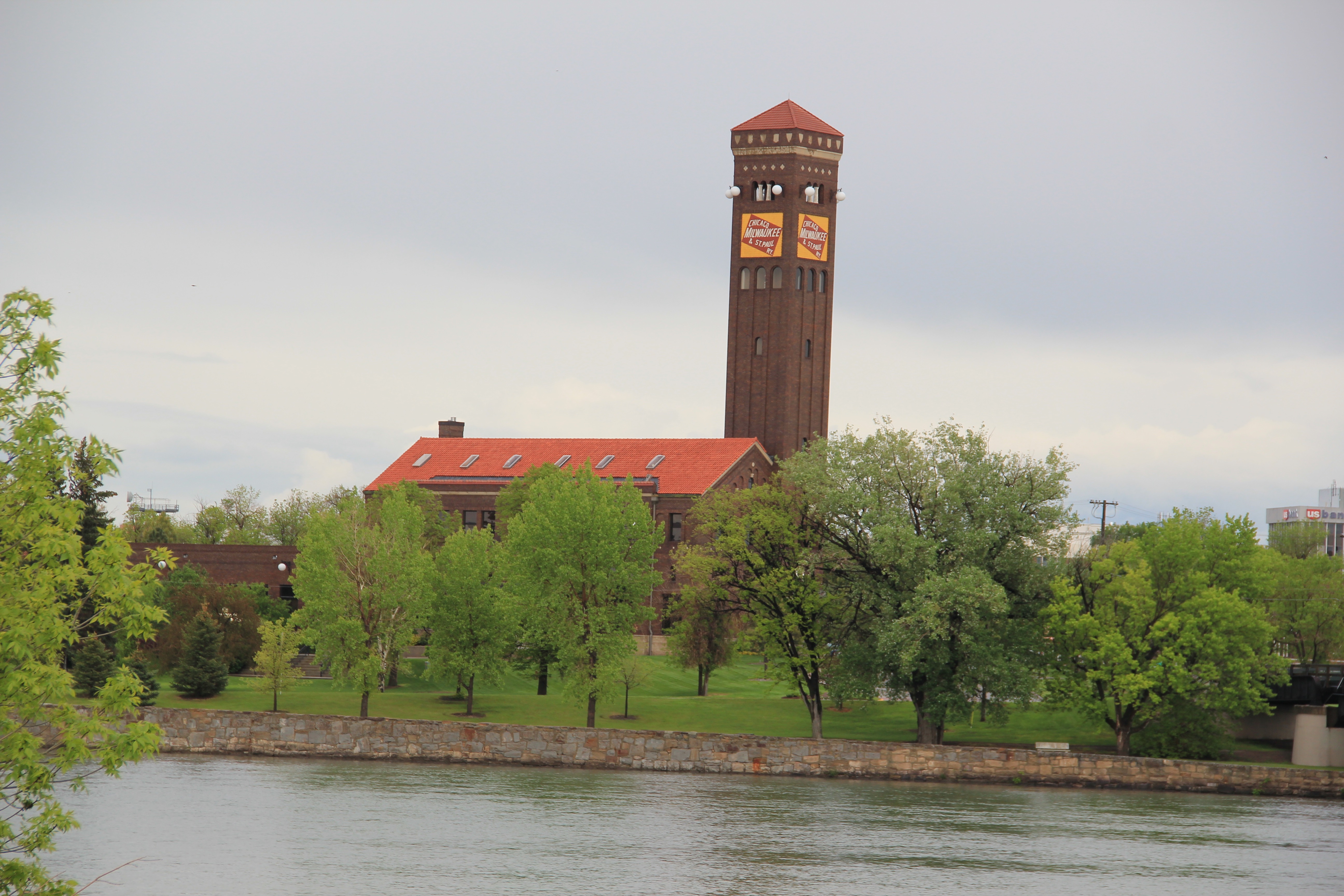
Great Falls already has shown an ability to reimagine and find new uses for its industrial landmarks, as demonstrated by the adaptive reuse projects surrounding its railroad corridors.  Yes, railroad corridors because while the Manitoba Road and its successor the Great Northern Railway dominated the city, the Milwaukee Road also built into the city in the first


Cascade Co Great Falls Milwaukee Road depotdecade of the 20th century and soon erected its tall tower depot right on the Missouri River.  But wherever you go along the river you find significant buildings associated with the Great Northern and its allied branch the Montana Central Railroad, especially the downtown warehouses.  Some are still fulfilling their original function but others

have taken on new uses as offices and museums, such as the local history center and the well-regarded children’s museum.

Still at the head of the city, as appropriate for its role in creating and sustaining Great Falls in its early decades, is the magnificent depot of the Great Northern.  Montana has many small town examples of the

“metropolitan corridor” written about by historian John Stilgoe; Great Falls is superb extant example of how the corridor shaped the landscape and architecture presence of urban centers across the northern plains. These properties suggest the richness of the industrial and transportation stories associated with the rise of Great Falls and its role in western history.


Great Falls Heritage Area, Part 4: Lewis and Clark

2011 MT Cascade County Great Falls 020The Missouri River runs through Cascade County and is at the heart of any future Great Falls Heritage Area.  This section of the river, and the portage around its falls that fueled its later nationally significant industrial development, is of course central to the story of the Lewis and Clark Expedition of 1803-1806.  The Lewis and Clark story was recognized when I surveyed Cascade County 30 years ago–the Giant Springs State Park was the primary public interpretation available then.  But today the Lewis and Clark story has taken a larger part of the public history narrative in Cascade County.  In 2003 the nation, state, and city kicked off the bicentennial of the expedition and that key anniversary date spurred the
IMG_1868

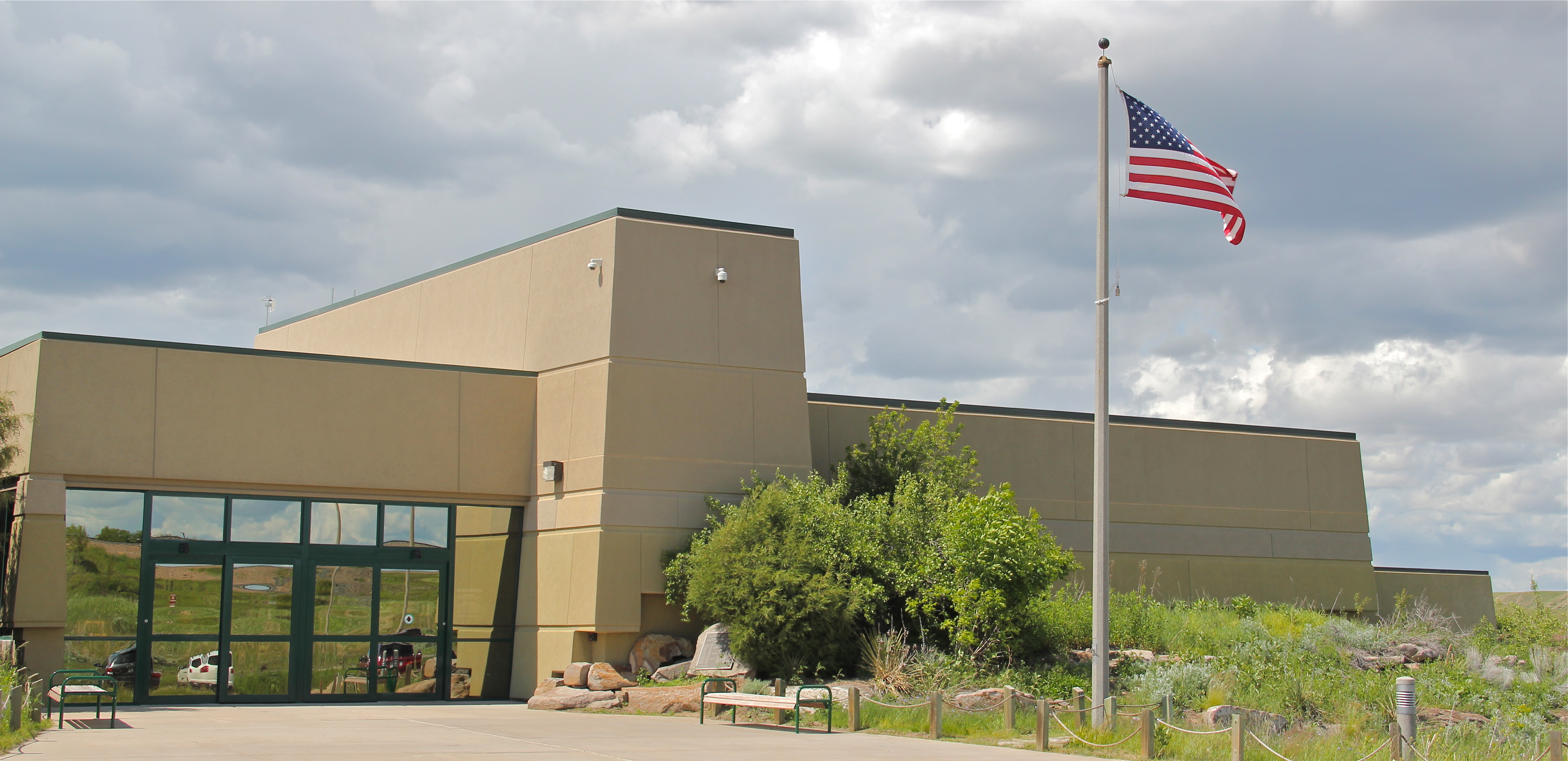
many new efforts to preserve and interpret the “whole story” of the expedition.  The designation of the Lewis and Clark National Historic Trail led to many upgrades in markers and interpretive signage across the state.  Then Great Falls became a center for trail interpretation through the opening of the Lewis and Clark Interpretive Center along the river banks not far from Giant Springs State Park.

2011 MT Cascade County Great Falls 023Despite federal budget challenges, the new interpretive center was exactly what the state needed to move forward the story of the Lewis and Clark expedition, and its many levels of impact of the peoples and landscape of the region.  The center emphasized the harrowing, challenging story of the portage around the natural falls of what became Great Falls but its
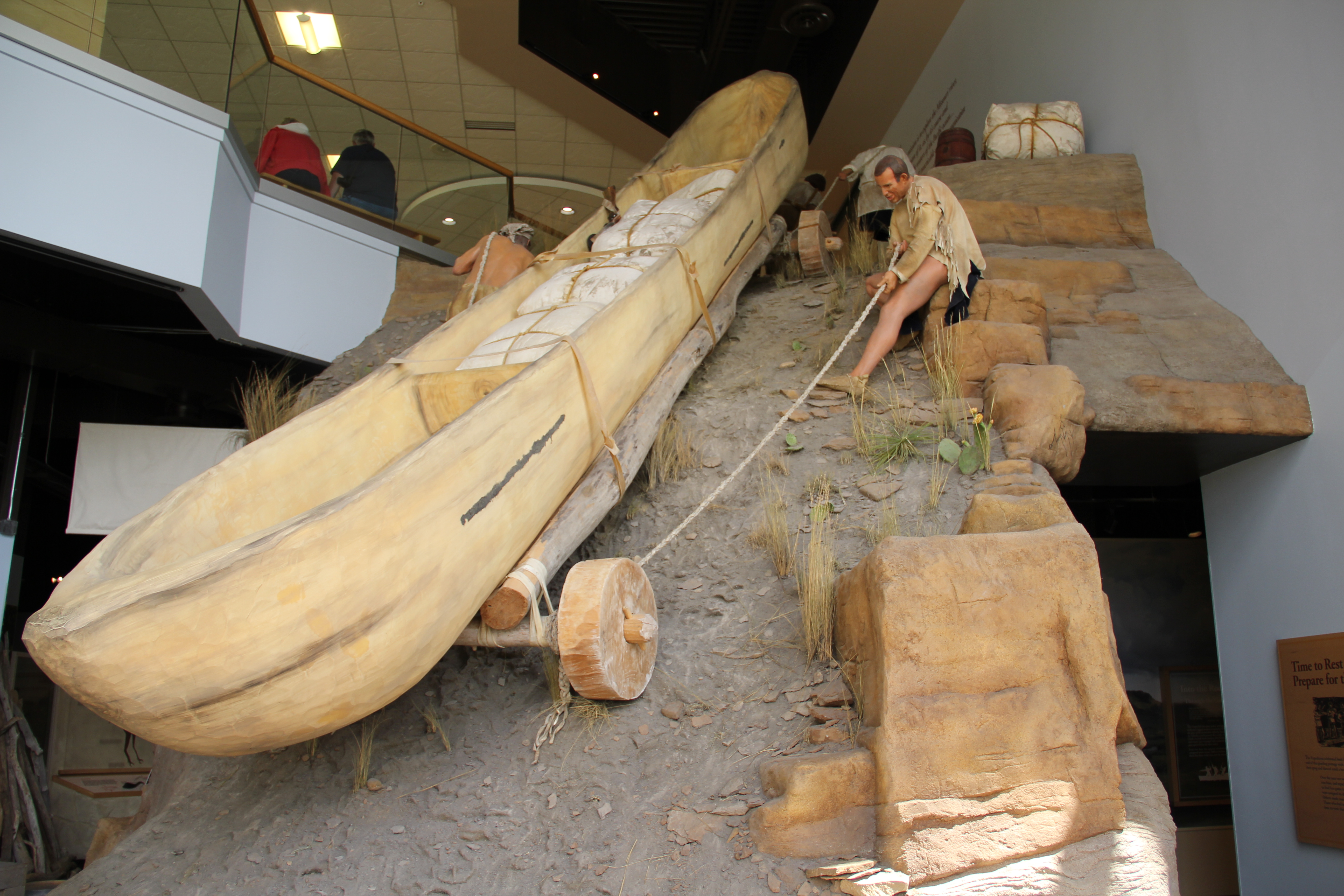
2011 MT Cascade County Great Falls 006exhibits and programs have significantly broadened our historical understanding of the expedition, especially its relationship with and impact on various Native American tribes from Missouri to Washington.
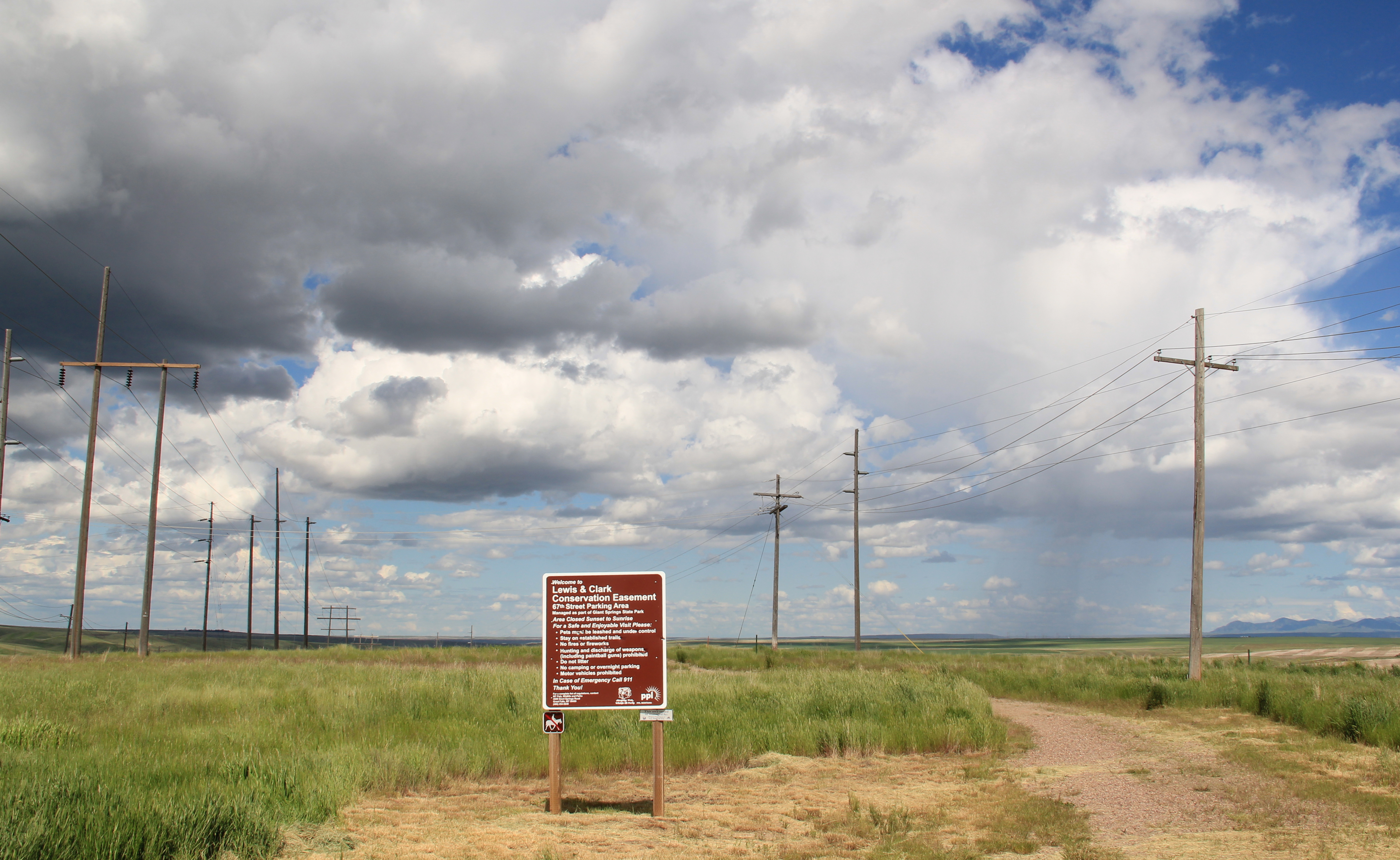
2011 MT Cascade County Great Falls 045The contribution of the interpretive center to a greater local and in-state appreciation of the portage route cannot be underplayed.  In the preservation survey of 1984, no one emphasized it nor pushed it as an important resource.  When threats of development came about in last decade, though, determined voices from preservationists and residents helped to keep the portage route, a National Historic Landmark itself, from insensitive impacts.

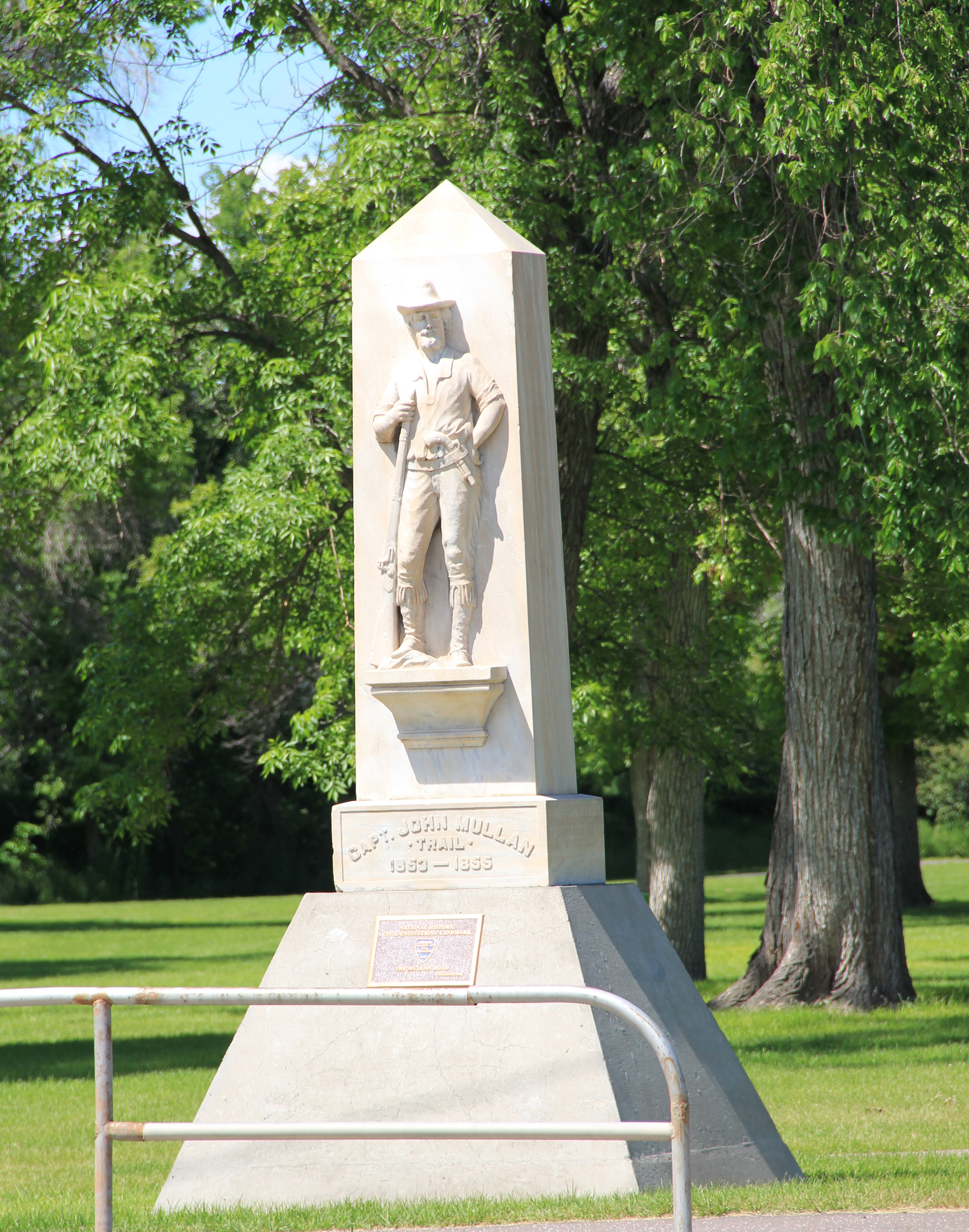
At the south end of the county, the state worked with the national historic trail to established Tower Rock State Park, which preserves and interprets an important natural landmark along the river and trail, which, in 1984, was not part of the public interpretation of the expedition.  It also created a valuable heritage asset easily accessible from Interstate I-15, meaning thousands of visitors have learned about the trail as they have rushed through the state.  These developments in the last 30 years to both preserve and enhance the understanding of the expedition are just the more obvious of the efforts to improve the trail as a real heritage asset for the city, county, and state.  We can only hope that a similar effort will emerge soon to re-energize the preservation and understanding of the next major military excursion through the region–the Mullan Road of the

2011 MT Cascade County Great Falls 075 Mullan Monument - Version 2late 1850s.  Hundreds pass by the monument near the civic center in the heart of Great Falls but this story is another national one that needs more attention, and soon than later.