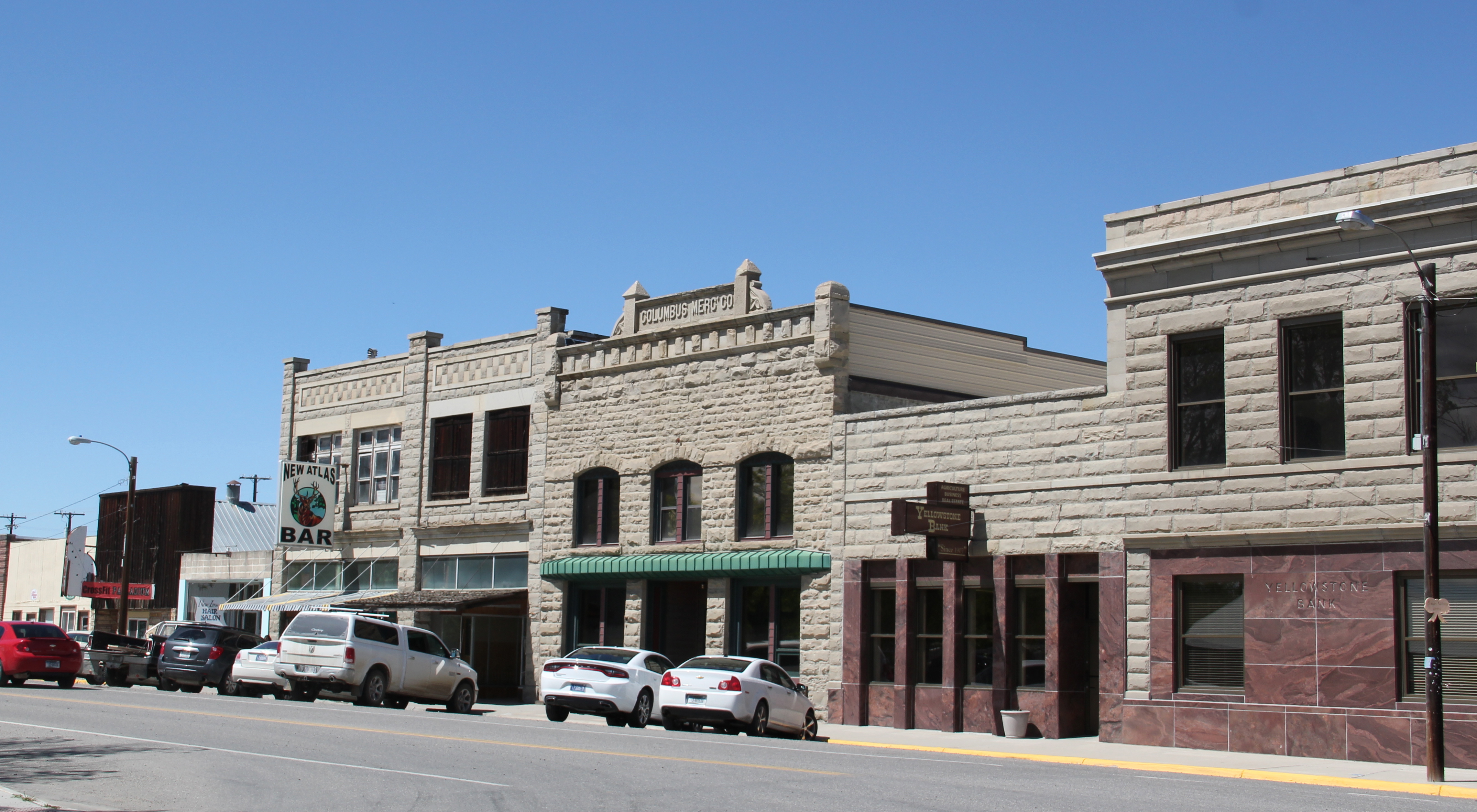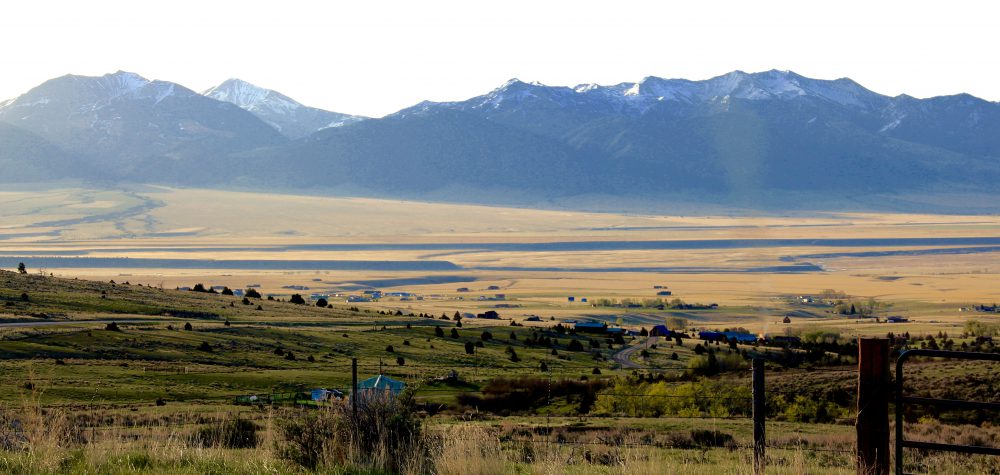

Nestled in the shadows of Mount Helena, across the street from Carroll College, with its boundaries made up of 1950s and 1960s suburban housing, and the historic main line of the Northern Pacific Railroad is Benton Avenue Cemetery, which dates to 1870. The preservation effort here over a generation has met with several successes. The cemetery was reclaimed, documented, and listed in the National Register of Historic Places.
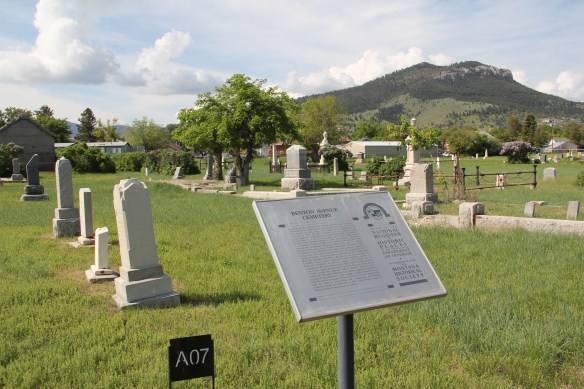 But my visit on Memorial Day 2018 left me with the feeling that the cemetery is an under-appreciated historic property. There are no signs of true neglect, but it was so quiet on Memorial Day that I did think the place had become an almost forgotten historic asset–an afterthought in today’s busy world. I hope not–because this cemetery has many jewels to explore and appreciate. Perhaps the most striking–certainly most rare to see–are the cast iron baskets–or bassinets, see below, that surround two children’s graves.

These are remarkable yet sad artistic creations–I have not seen anything comparable in my research in historic cemeteries in either the west, the midwest, or the south. The Benton Avenue Cemetery has an amazing array of cast-iron fencing that define family
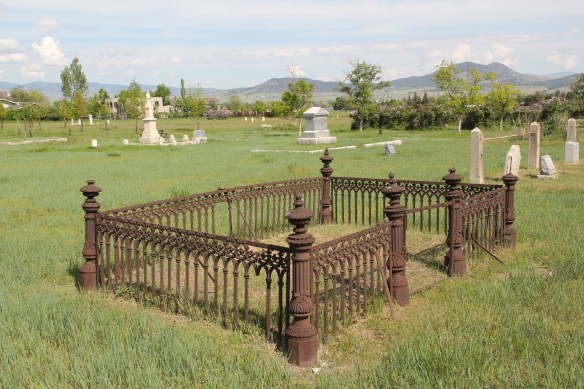
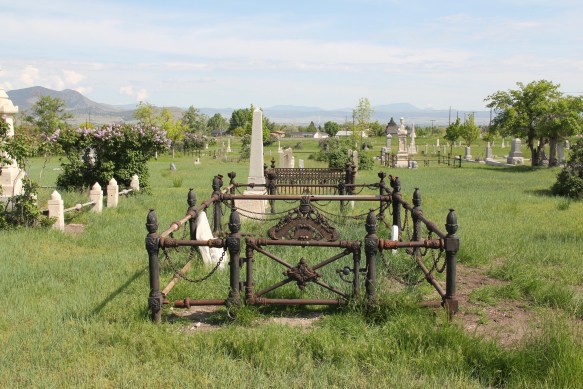 plots–certainly the ironwork was a status symbol in the late 19th century and there is no one statement. Families adorned their graves with fences much as they surrounded their houses in the nearby neighborhoods.

There are numerous hollowed cast-iron grave markers too. Almost everytime I share this late 19th century style marker with a viewer, they say, well they must be rare, what an odd thing. But these markers were wildly popular in the railroad era. You could
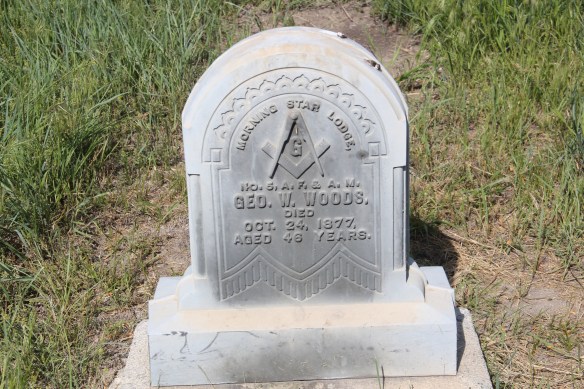
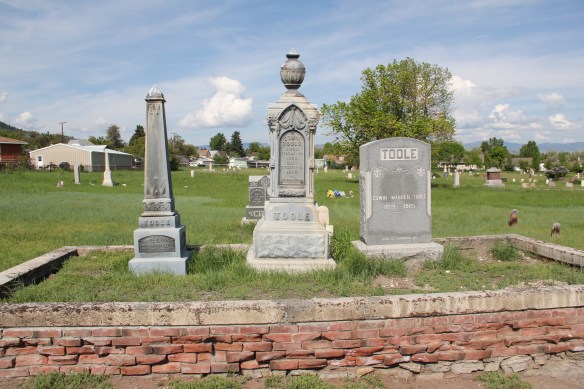
order the marker with whatever designs or inscriptions you wish and they would soon be delivered. Finding family groups of these hollow metal markers is rare, however, so the grouping for the Toole family at Benton Avenue deserves a close look.


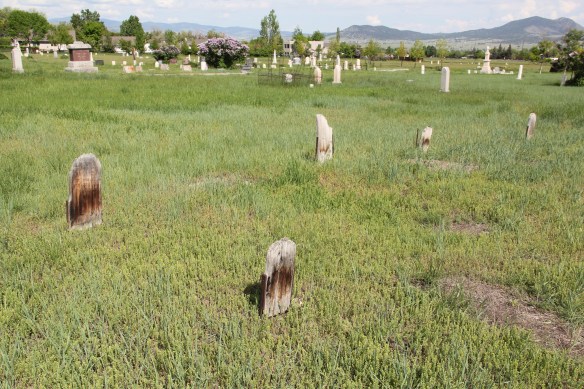
Veterans of the U.S. Army, several dating to service in the Civil War, are buried at Benton Avenue. Other graves are just marked by slowly fading wood tablets.


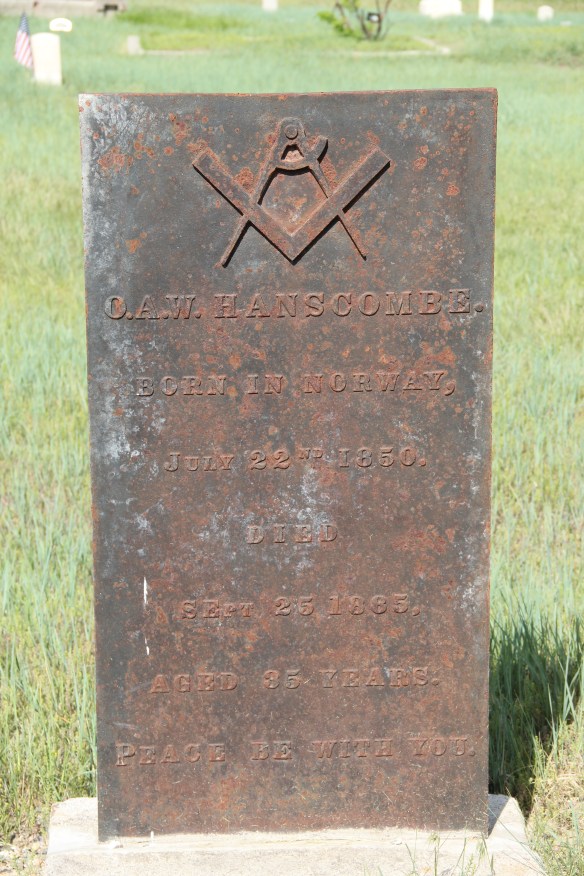
Ornamental planting abounds, and added beautiful color on Memorial Day. My favorite grave marker is both early and unique. Cast-iron is a material once crucial for all sorts of items in a household: pots, pans, tools, fire backs. But a cast-iron grave marker–made of a single rectangular tablet with name and designs? That’s something special.
 Benton Avenue Cemetery is worth a new consideration for its many different forms, materials, and designs. When I lived in Helena some thirty-five years ago, I gave it scant attention–it deserves so much more.
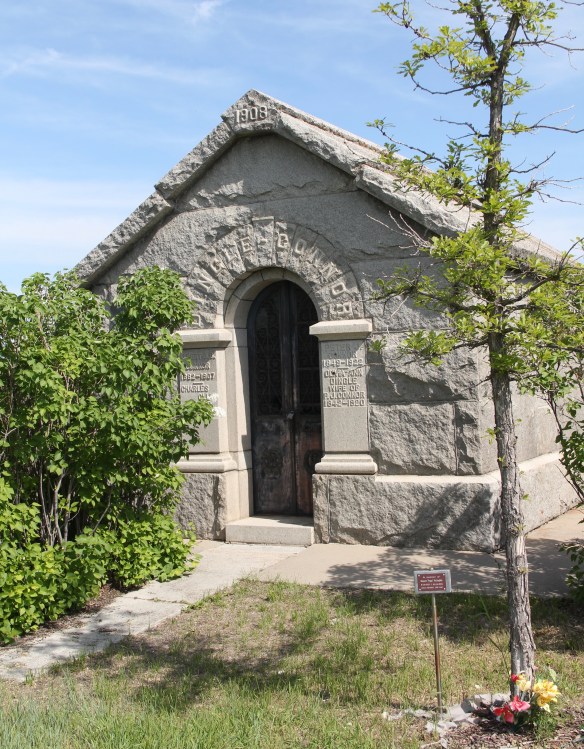


 The date of most markers are from the late 19th century to the early 20th century. Mostly made of granite and sandstone, with some marble as well, the grave markers reflect Victorian styles and Classical influences. Herman Gans’ marker from 1901, seen below, is a mixture of both.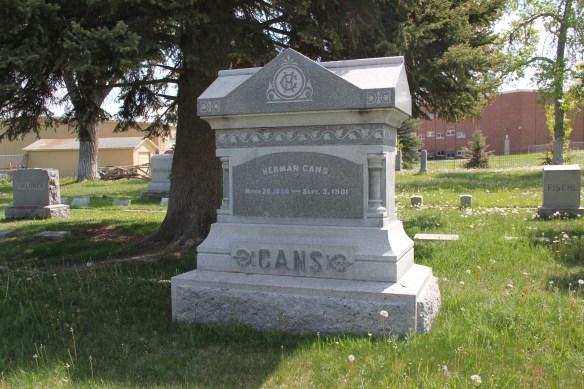


 The looming presence of the school grounds is a worry for future preservation of the cemetery–could it be possibly overlooked, ignored, and abandoned? One online resource about the cemetery remarks that there are more Jews buried in the cemetery than live in Helena today. But this sacred place is a powerful reminder of the contributions of the Jewish community to Helena’s growth and permanence. Listed in the National Register of Historic Places, the cemetery should be valued as one of the city’s oldest and most significant historic properties.


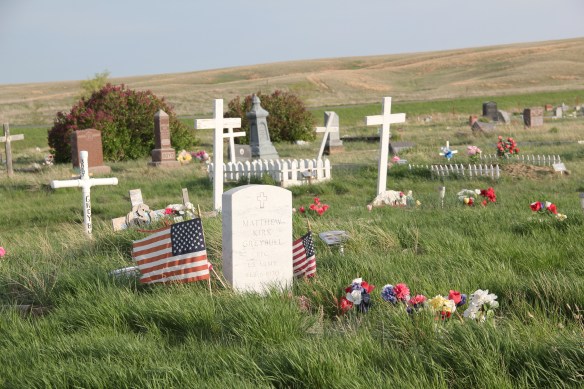 Fort Kipp Cemetery, above, is one of those place, nestled on the river bluffs overlooking the Missouri River. On a larger scale but still intimate, personal, and compelling is the city cemetery of Red Lodge, hundreds of miles away. Here surrounded by the mountains


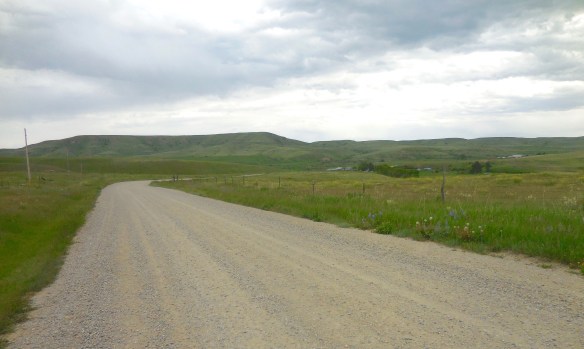


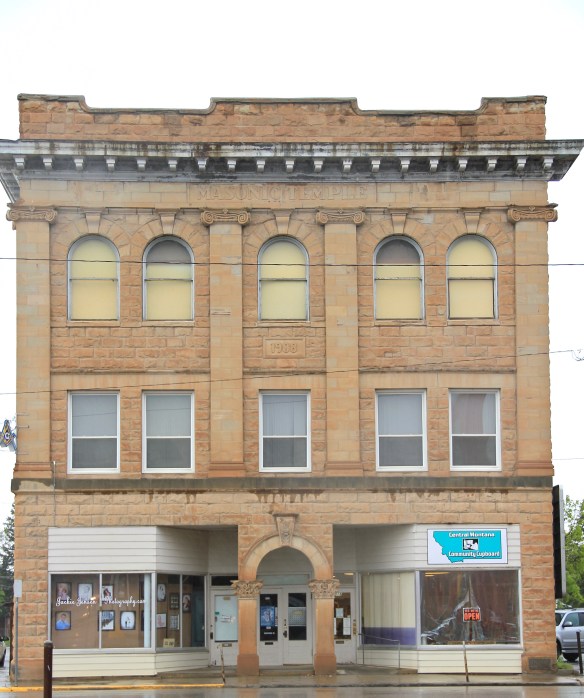


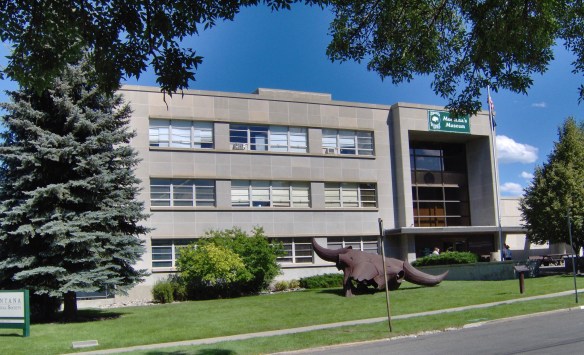
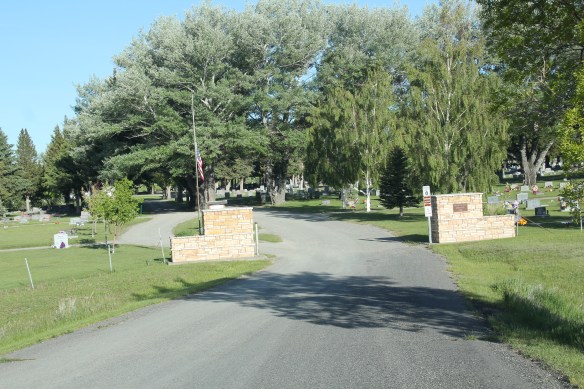 On the northwestern outskirts of Livingston is Mountain View Cemetery, another of the historic properties that certainly existed when I carried out the 1984-1985 fieldwork for the Montana state historic preservation plan, but since it was a cemetery, we as a field gave it, or any cemetery for that matter, little consideration thirty years ago.


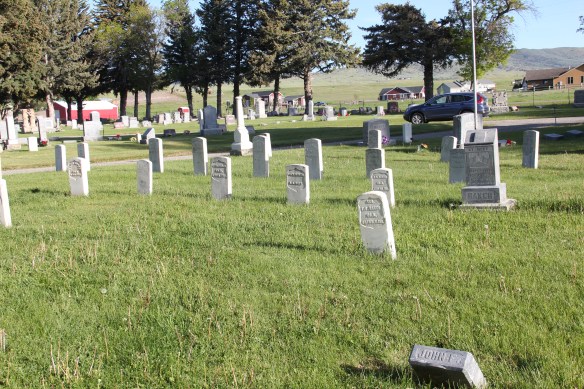


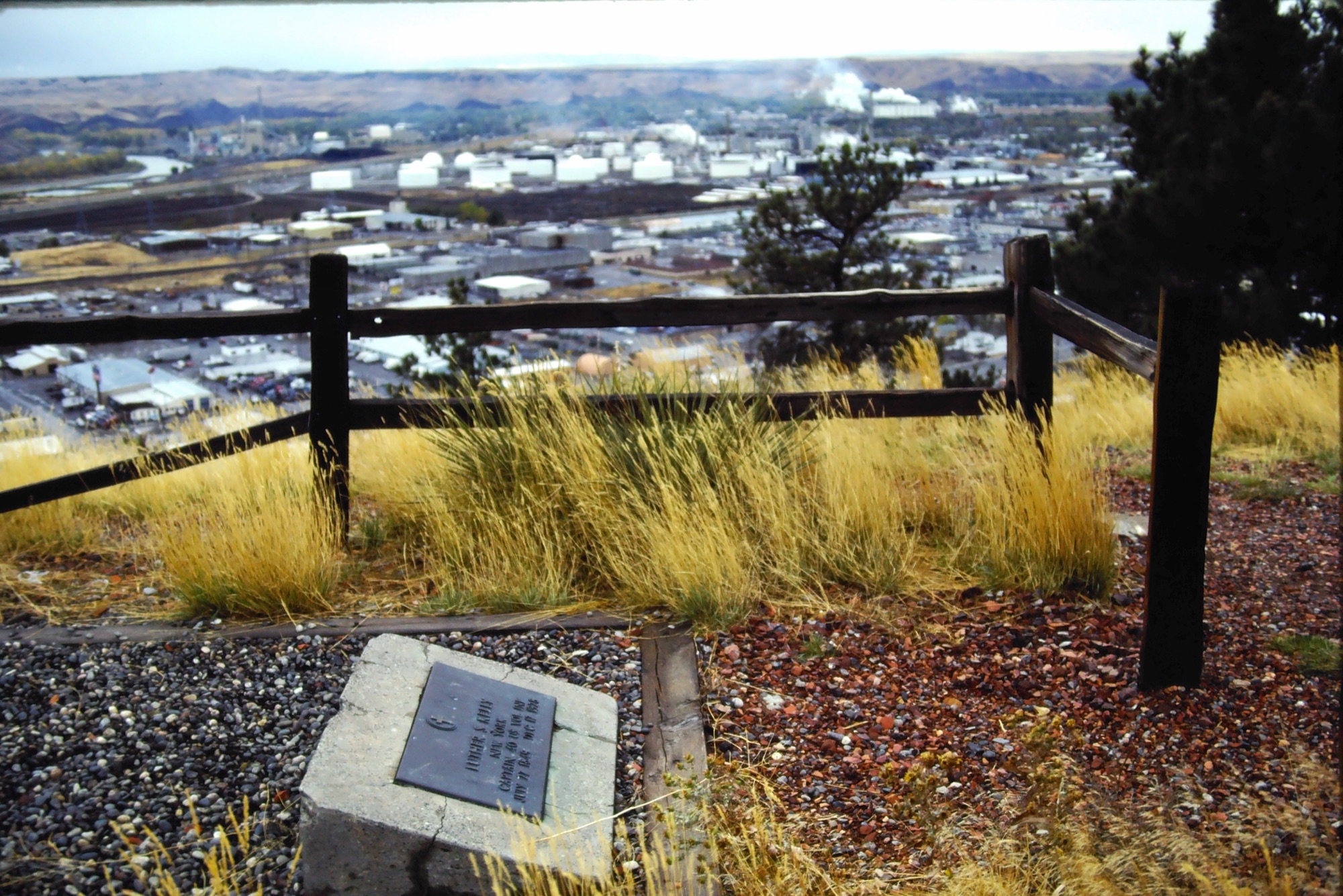


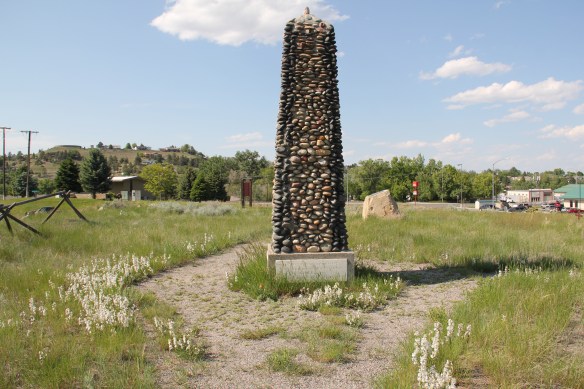
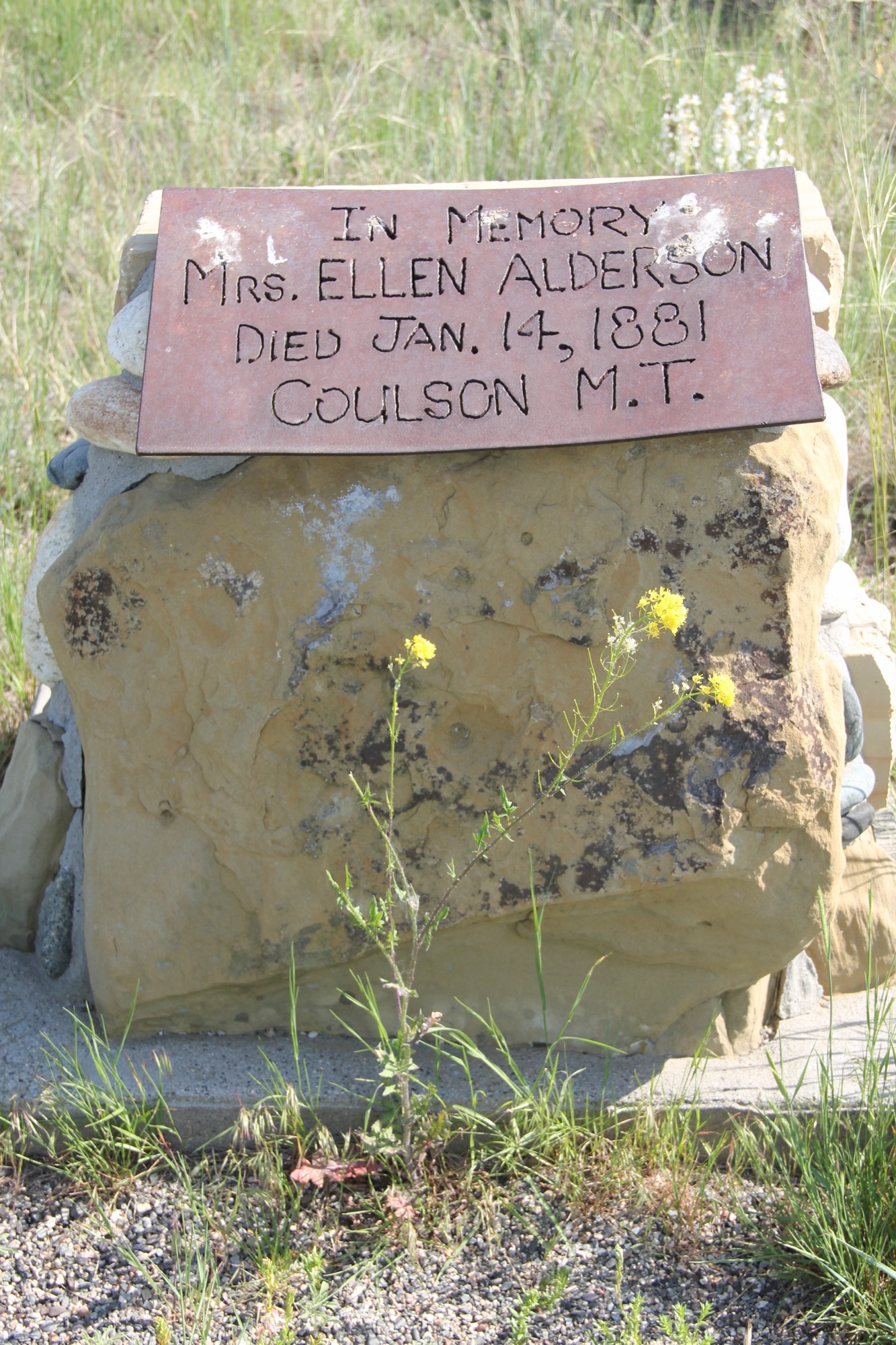
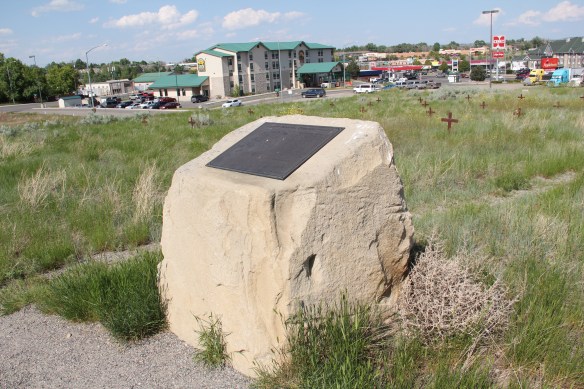
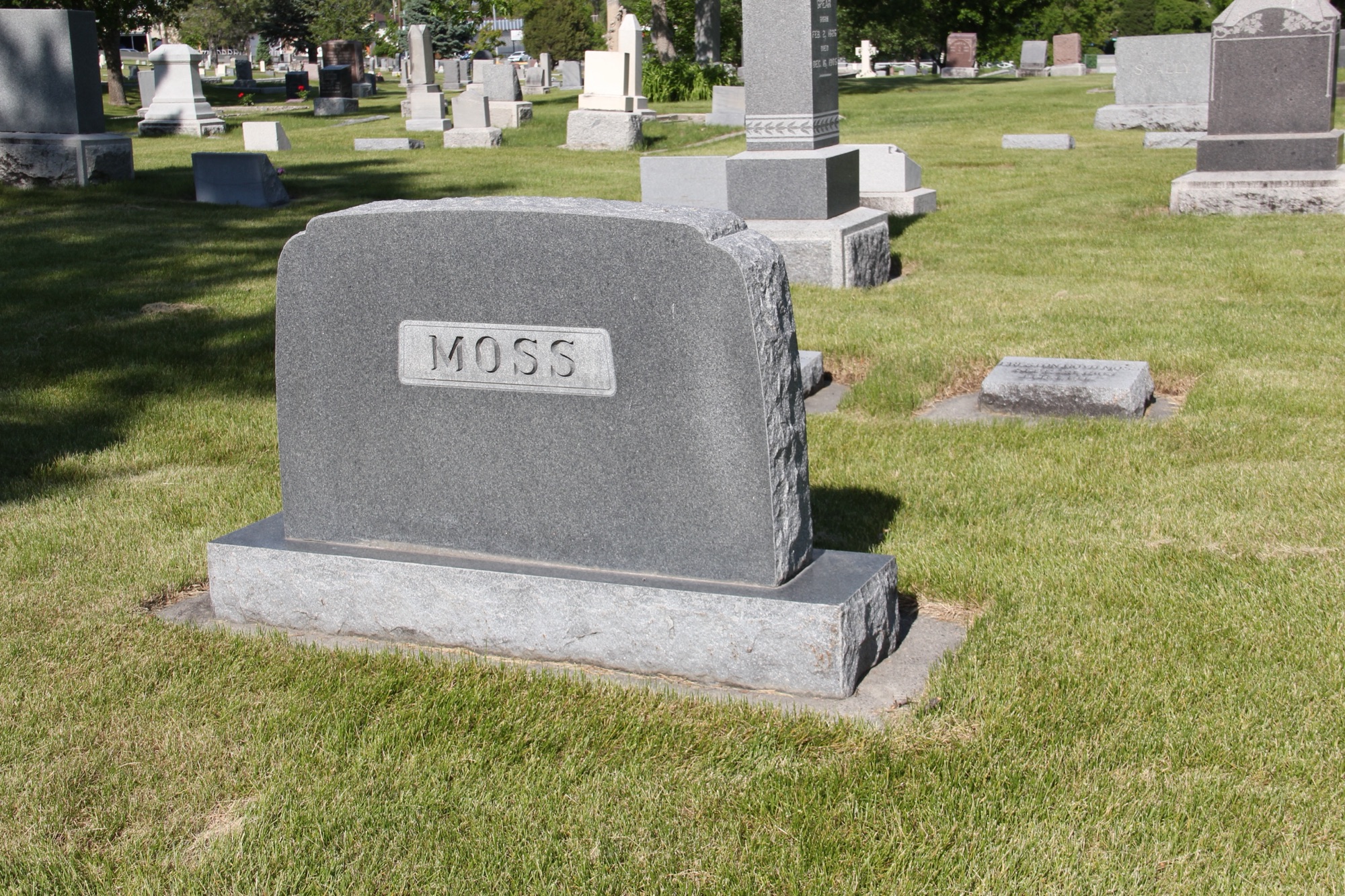
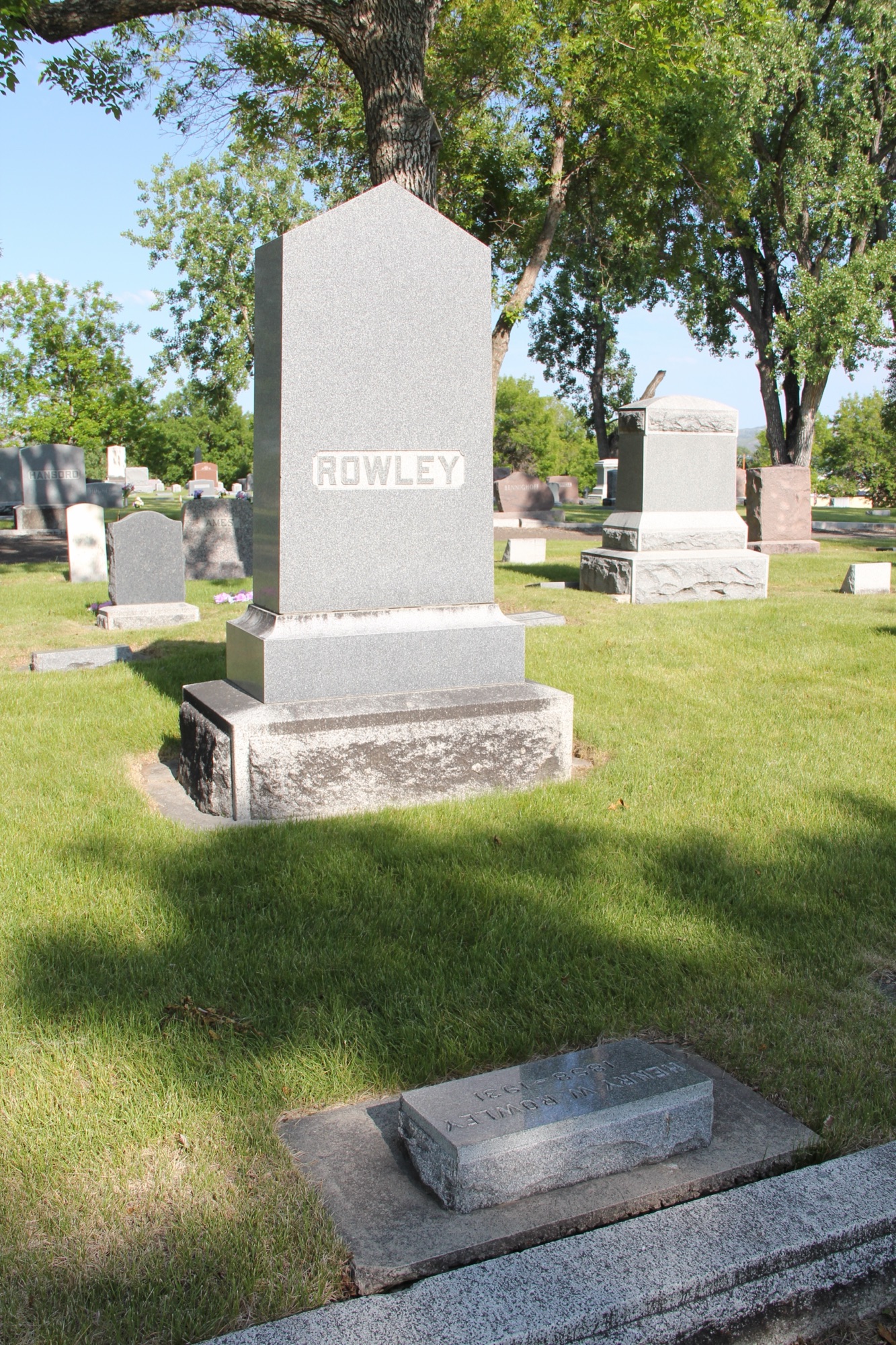

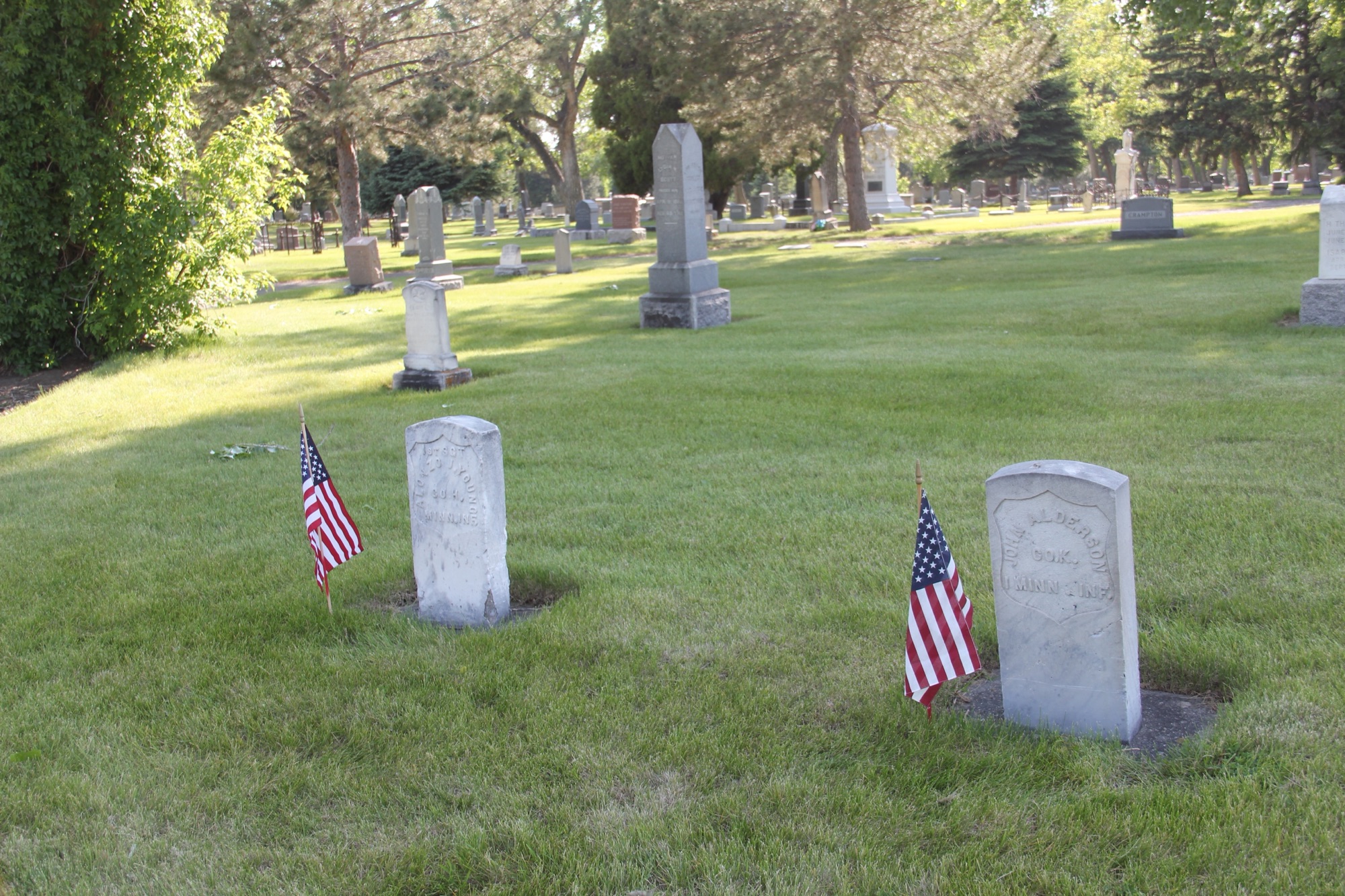
 This brief overview does not do justice to the city’s historic cemeteries. Certainly I gave Boothill consideration in the 1984-1985 and even wrote about it in both of my books on Billings history. But Mountview is a historic landscape that only now I recognize–and I hope to do more exploration in the future.
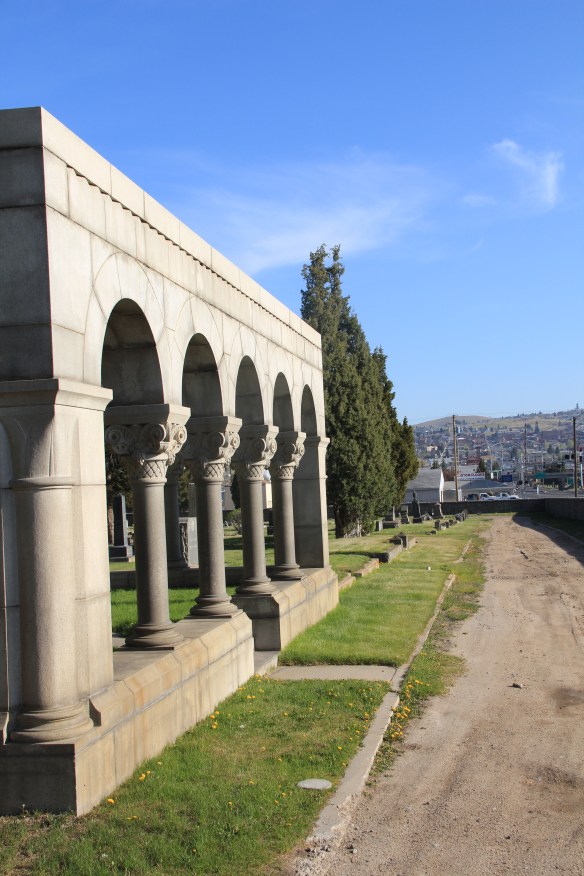 Far from the bustle and grime of the Richest Hill on Earth are the historic cemeteries of Butte. As I have said many times already in this blog, I rarely considered cemeteries during the 1984-1985 state historic preservation plan work. That was a huge mistake for Butte. The three historic cemeteries I wish to consider here–Mt. Moriah, St. Patrick’s, and B’nai Israel–document the city’s ethnic diversity like few other resources, reinforcing how groups survived in a city together although they often keep to their separate communities. But the cemeteries also have sculpture and art worthy of attention and preservation–they are outstanding examples of late 19th and early 20th cemetery art and craftsmanship in the United States.
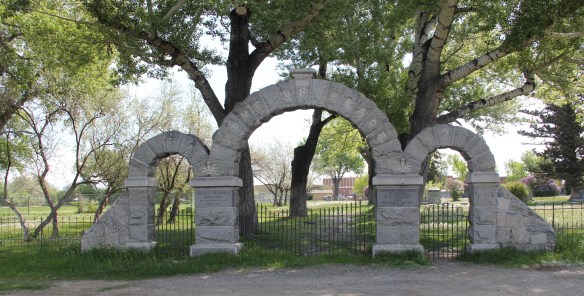
 The Masons established Mr. Moriah Cemetery Association in 1877. The cemetery has many striking markers, especially the Thompson Arches (seen above and below), an elaborate statement to mark a family plot, especially when compared to the cast-iron
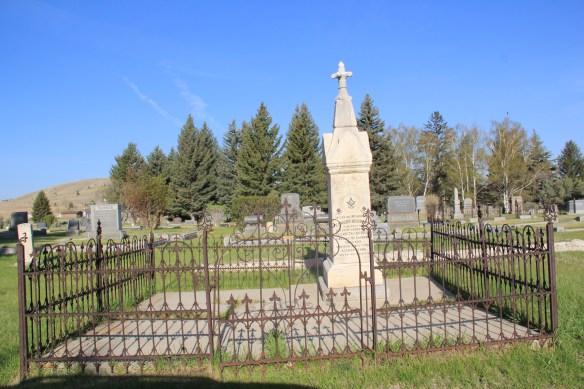 iron fence, when combined with the carving and detail of the gravestone itself makes quite the statement for Cornish identity in Butte at the turn of the century. Note the dual fraternal lodge marks, one for the Masons, another (the linked chain) for the Odd Fellows.
 Frank Beck left this earth in 1909, and the marker for Frank and his wife Agnes is remarkable for the inclusion of the family pet, noted above as Frank and His Faithful Dog.


 1881 when the Hebrew Benevolent Association first acquired the land from the Northern Pacific Railroad. Congregation B’nai Israel acquired the property in 1905, two years after finishing its landmark synagogue in uptown Butte.


 The cemetery seems to stretch to the very edge of the city, but it is worth a long walk around for what you can discover about the Catholic impact on Butte in the late 19th and early 20th centuries.
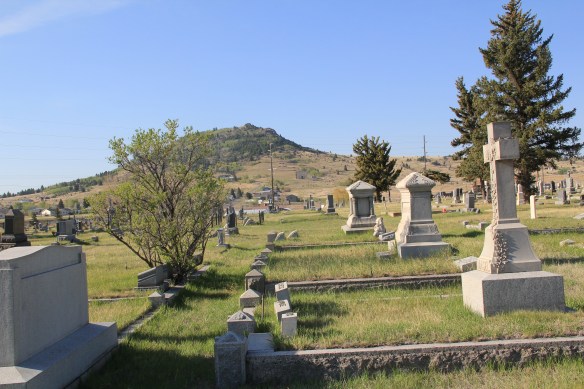 There are spectacular sculptural monuments to prominent city builders, such as the Classical Revival-style temple crypt for merchant price D. J. Hennessy.
 Adjacent are separate plots maintained for Sisters who served and died in Butte as well as larger, more elaborate memorials for priests who served in Butte over the years.