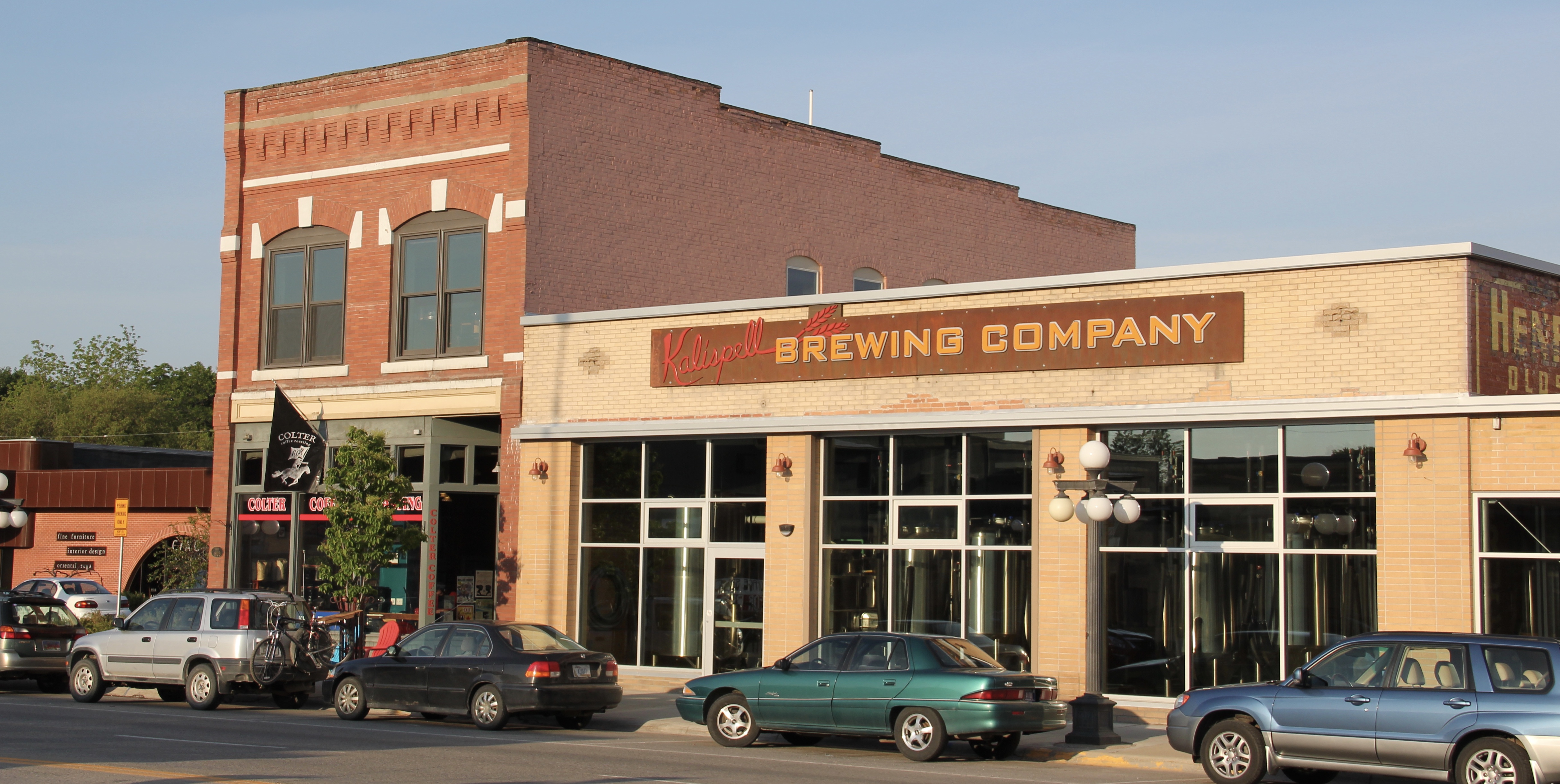
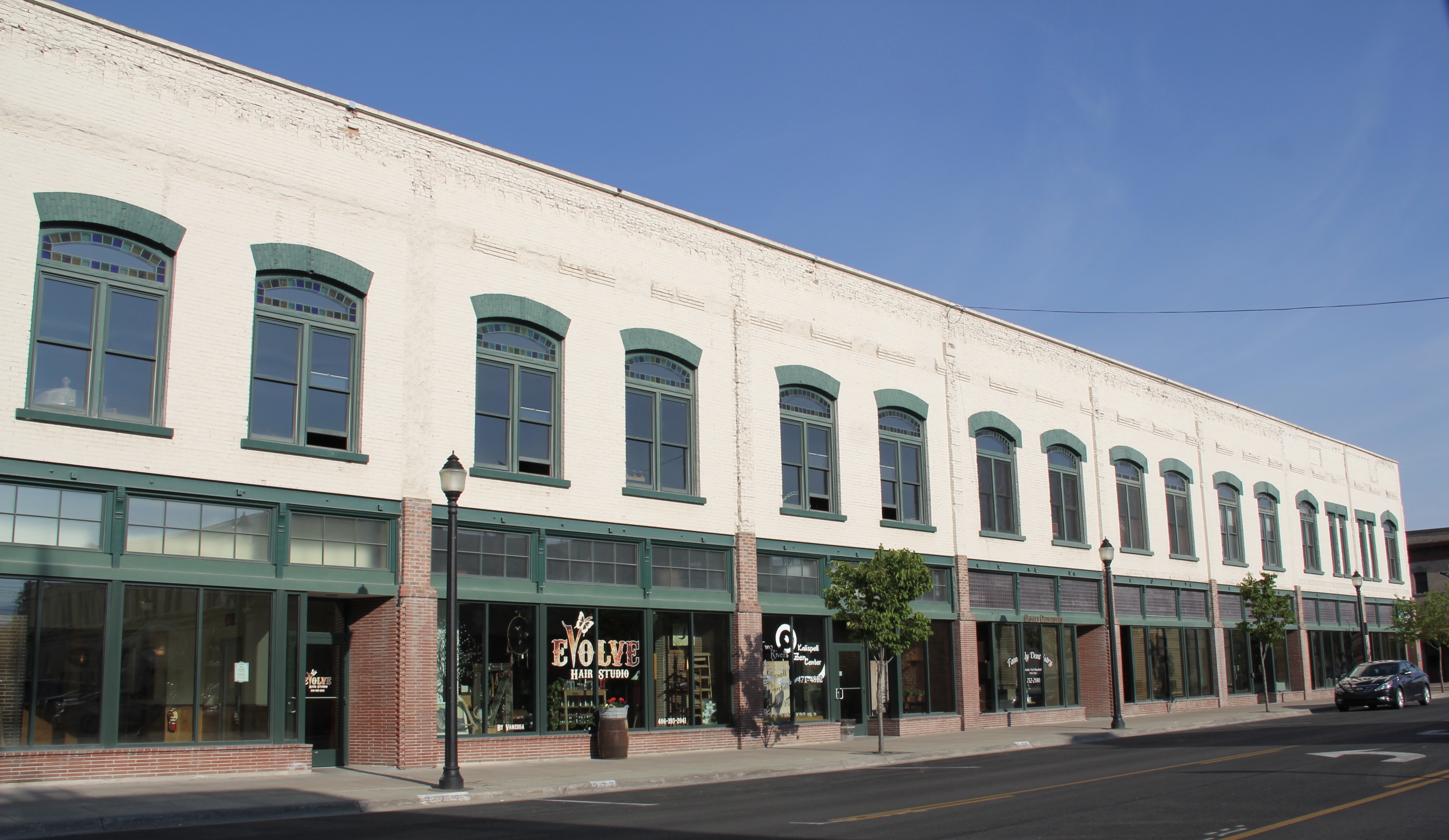
 Kalispell’s Main Street–the stem of the T-plan that dates to the town’s very beginning as a stop on the Great Northern Railway–has a different mix of businesses today than 30 years ago when I visited during my state historic preservation plan survey. It also now is a historic district within National Register of Historic Places, noted for its mix of one-story and two-story Western Commercial style businesses along with large historic hotels and an opera house for entertainment.
 The Opera House, and I’m sorry you have to love the horse and buggy sign added to the front some years ago, dates to 1896 as the dream of merchant John MacIntosh to give the fledging community everything it needed. On the first floor was his store, which over the years sold all sorts of items, from thimbles to Studebakers. The second floor was a community space, for meetings, a gymnasium, and even from a brief period from 1905 to 1906 a skating rink. In this way, MacIntosh followed the ten-year-old model of a much larger building in a much larger city, the famous Auditorium Building in Chicago, providing Kalispell with a major indoor recreation space and landmark. Allegedly over 1000 people attended a performance of Uncle Tom’s Cabin soon after the opening.
Another highlight of the historic is the Kalispell Grand Hotel (1912), designed by local architect Marion Riffo and constructed by B. B. Gilliland, a local builder. Designed not only as a railroad hotel for traveling “drummers,” it also served as a first stop for homesteaders flooding into the region in that decade. Montana writer Frank B. Linderman was the hotel manager from 1924 to 1926, and his friend western artist Charles M Russell visited and stayed at the hotel in those years. This place, frankly, was a dump when I surveyed Kalispell in 1984-1985 but five years later a restoration gave the place back its dignity and restored its downtown landmark status.
 The Alpine Lighting Center dates to 1929 when local architect Fred Brinkman designed the store for Montgomery Ward, the famous Chicago-based catalog merchant. Its eye-catching facade distinguished it from many of the other more unadorned two-part commercial blocks on Main Street.
My favorite Main Street building is probably the cast-iron, tin facade over a two-story brick building that now houses an antique store. It was once the Brewery Saloon (c. 1892). This is a classic “Western Commercial” look and can be found in several Montana towns.
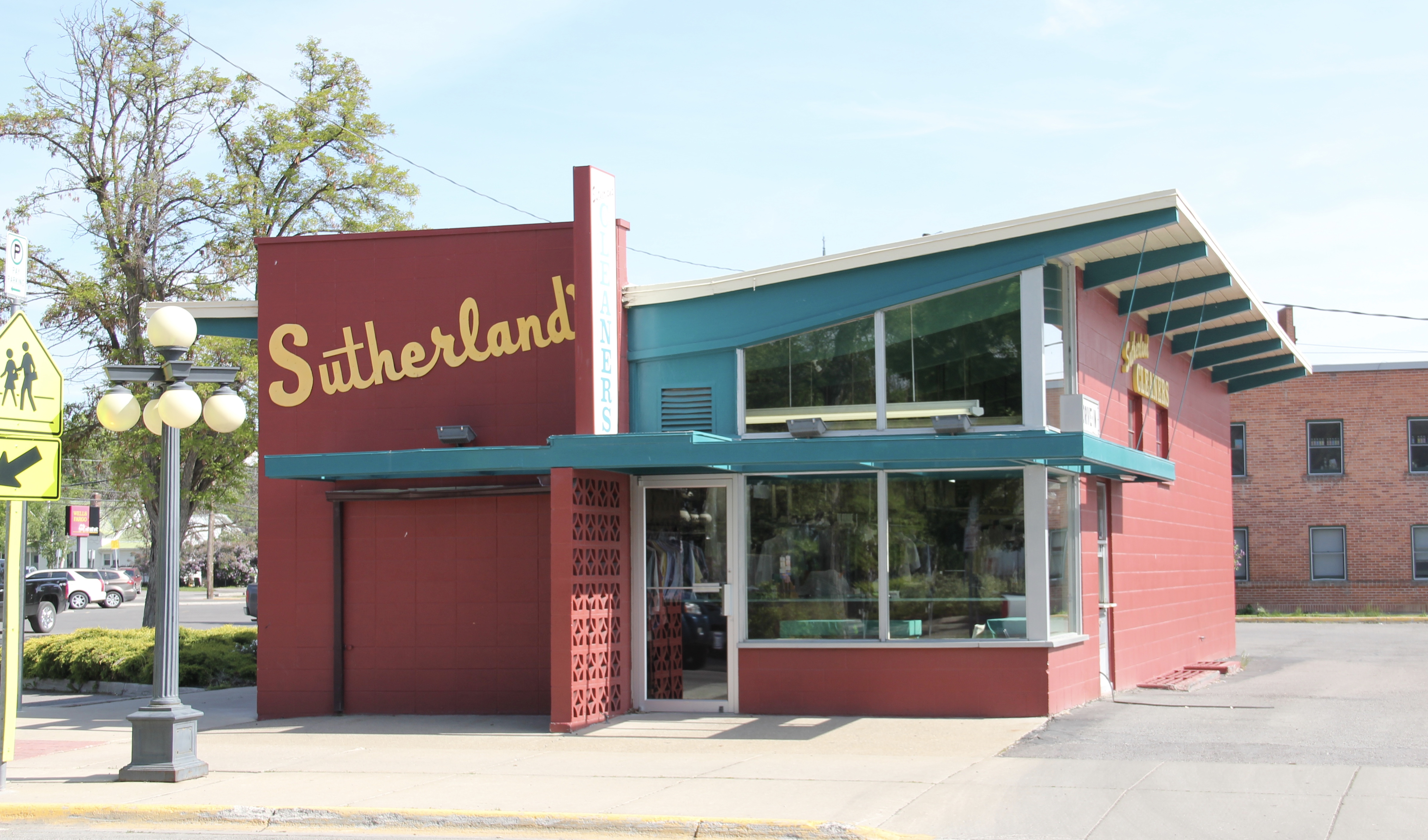
Main Street defines the heart of the business district. Along side streets are other, more modern landmarks. Let me emphasize just a few favorites, starting with the outstanding contemporary design of the Sutherland Cleaners building, located on 2nd Street, the epitome of mid-20th century Montana modernism. It is such an expressive building but of course in 1984 it was “too recent” for me to even note its existence.

At least I had enough good sense to note the existence of its neighbor, the Art Deco-styled Strand Theater (1927). I enjoyed a movie there in 1984–and the theater kept showing movies until 2007.
The preservation of the Strand Theater, and the other downtown historic theater building, the Classical Revival-styled Liberty Theater (1920-21) by Kalispell architect Marion Riffo, is the work of the Fresh Life Church, which owns and uses both buildings to serve its congregation and the community.
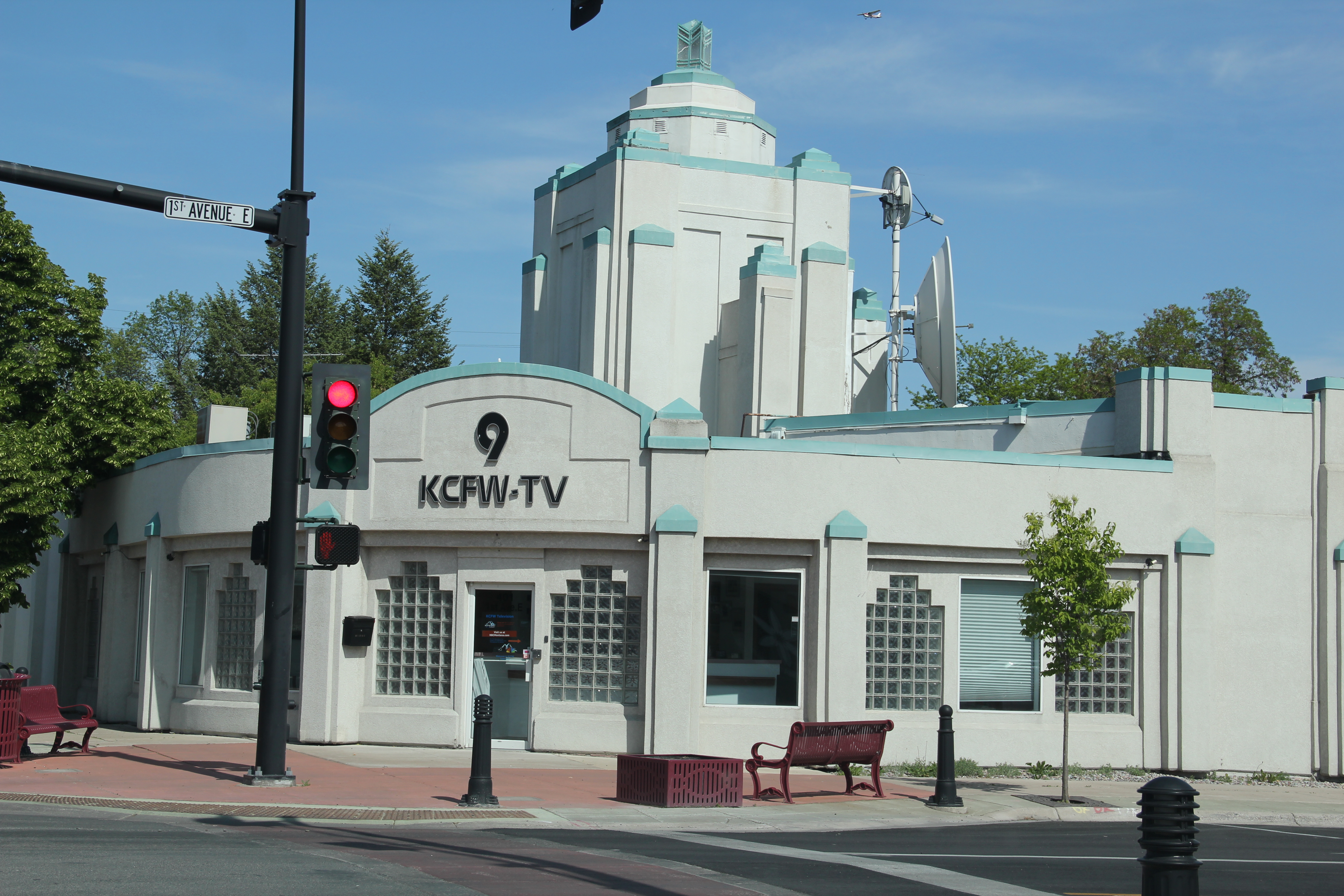
Another modernist favorite is a Fred Brinkmann-inspired design, the flamboyant Art Deco of the historic City Garage (1931), now home to local television station.
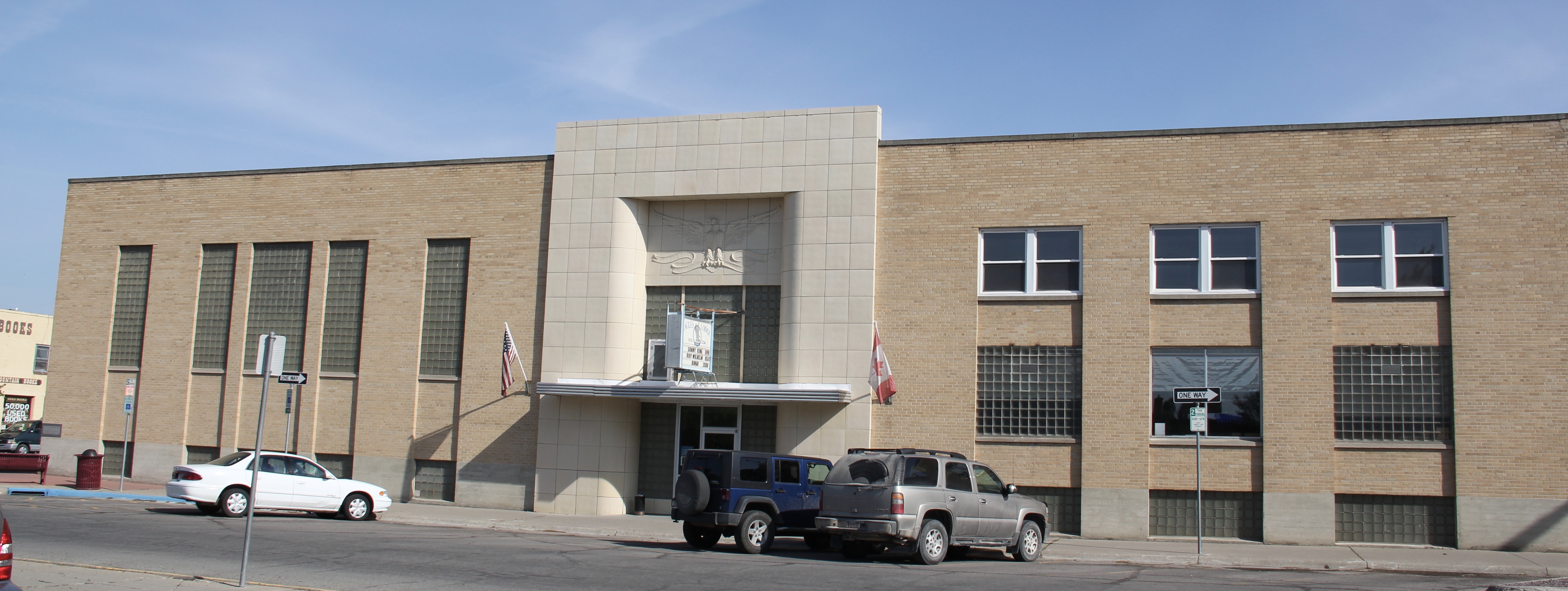
On the other side of Main Street is another building that evokes 1930s interpretation of Art Deco, the Eagles Lodge Building, a reminder of the key role played in fraternal lodges in developing towns and cities in early Montana.
Let’s close this look at Kalispell’s commercial architecture with the Kalispell Mercantile Building (1892-1910), which was established by the regional retail powerhouse, the Missoula Mercantile, at the very beginning of the city’s existence. Kalispell has figured out what Missoula refuses to do–that a building such as this is worthy of preservation, and if maintained properly, can continue to serve the town’s economy for decades more.


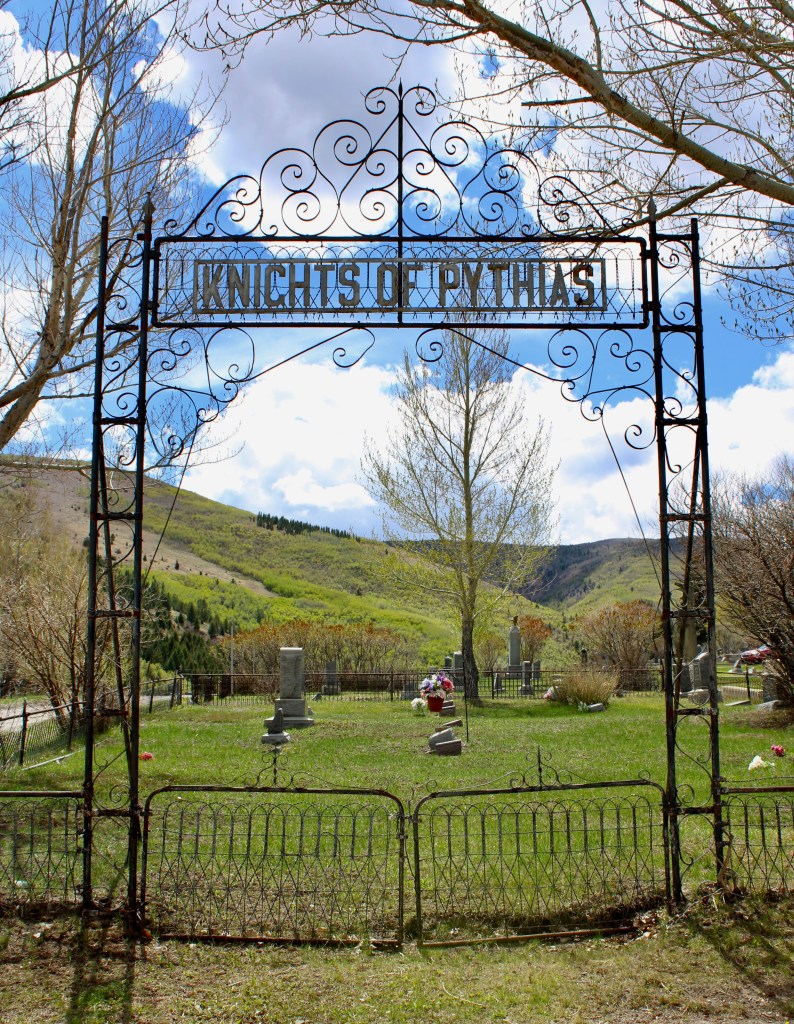
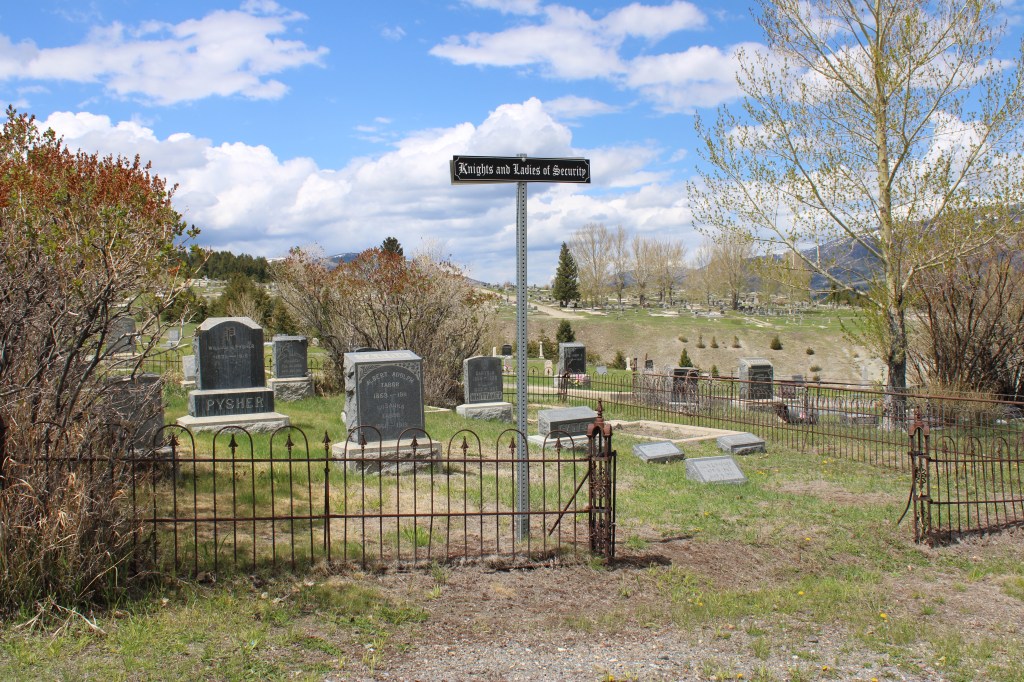

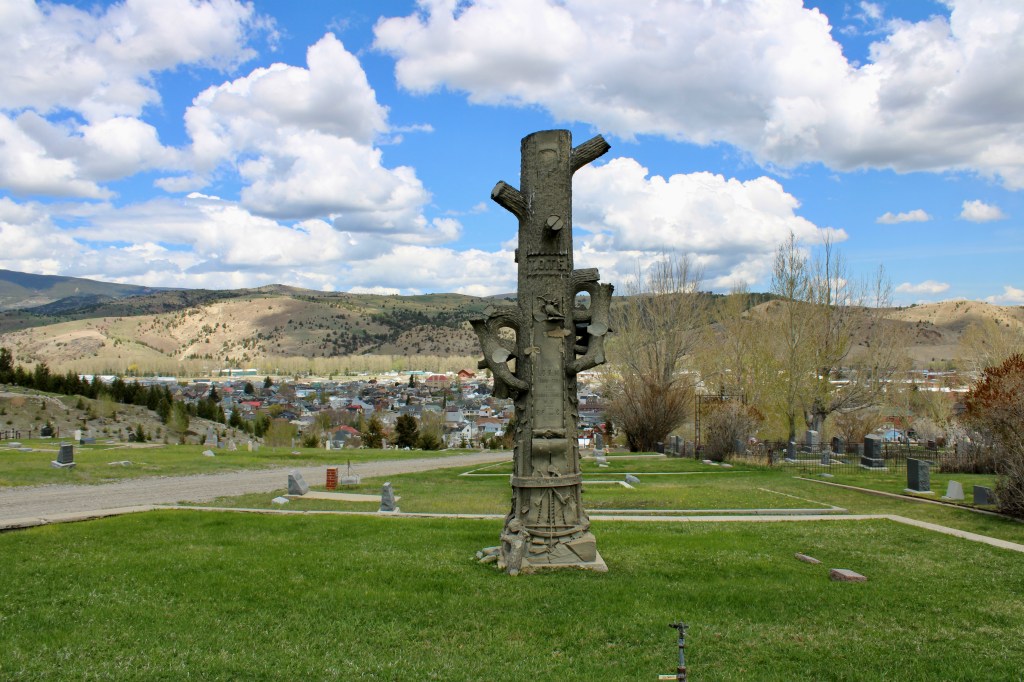


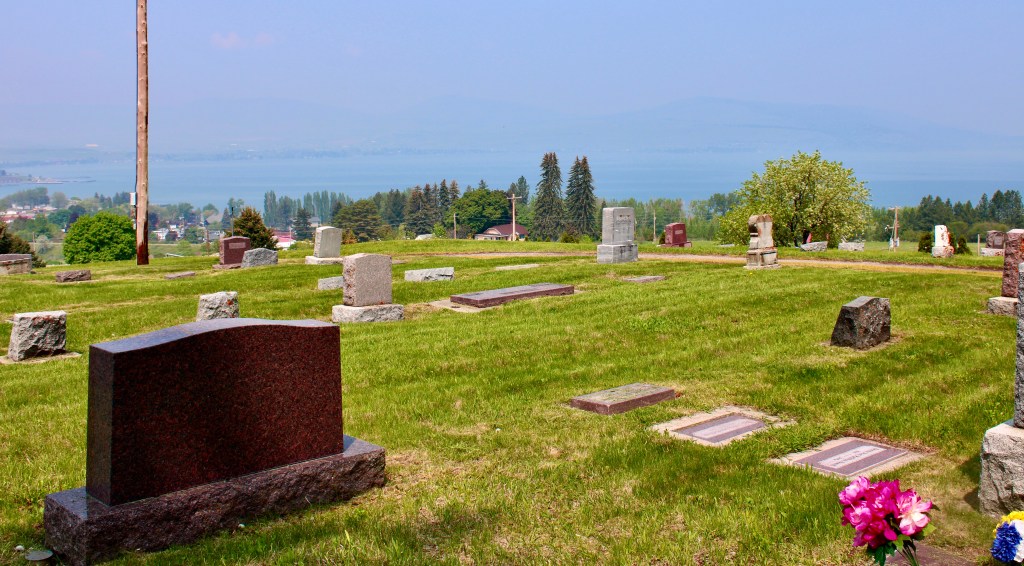
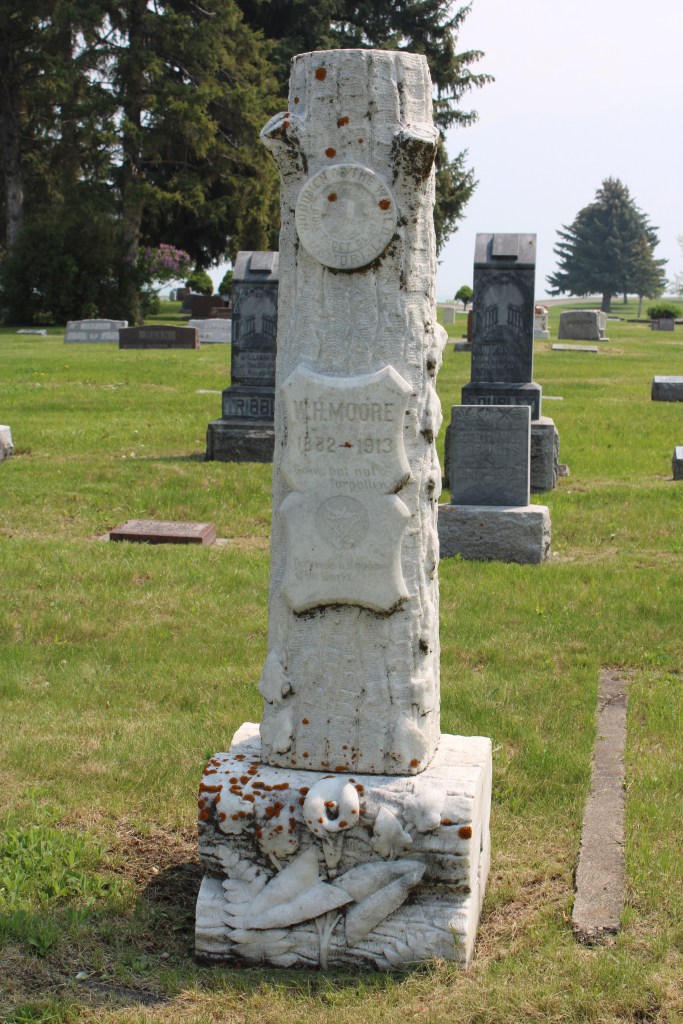
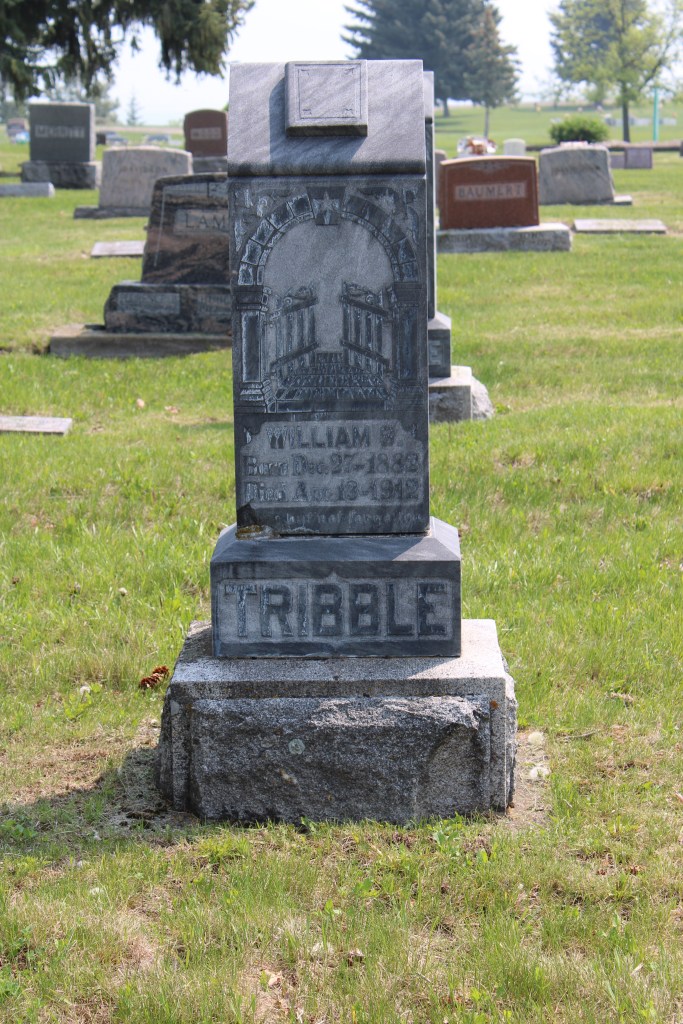
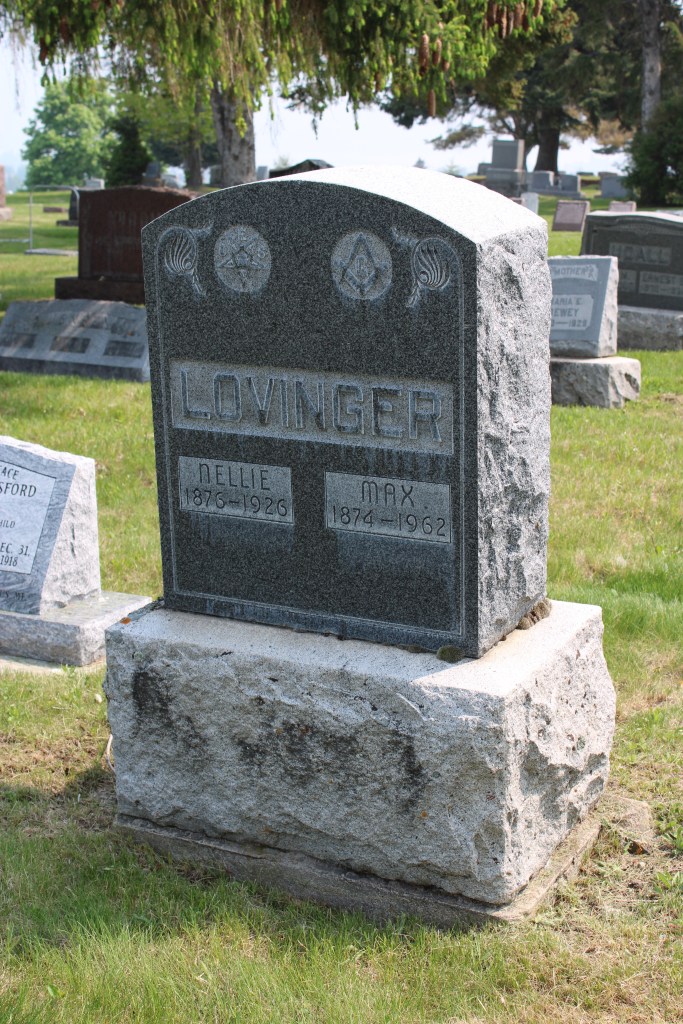
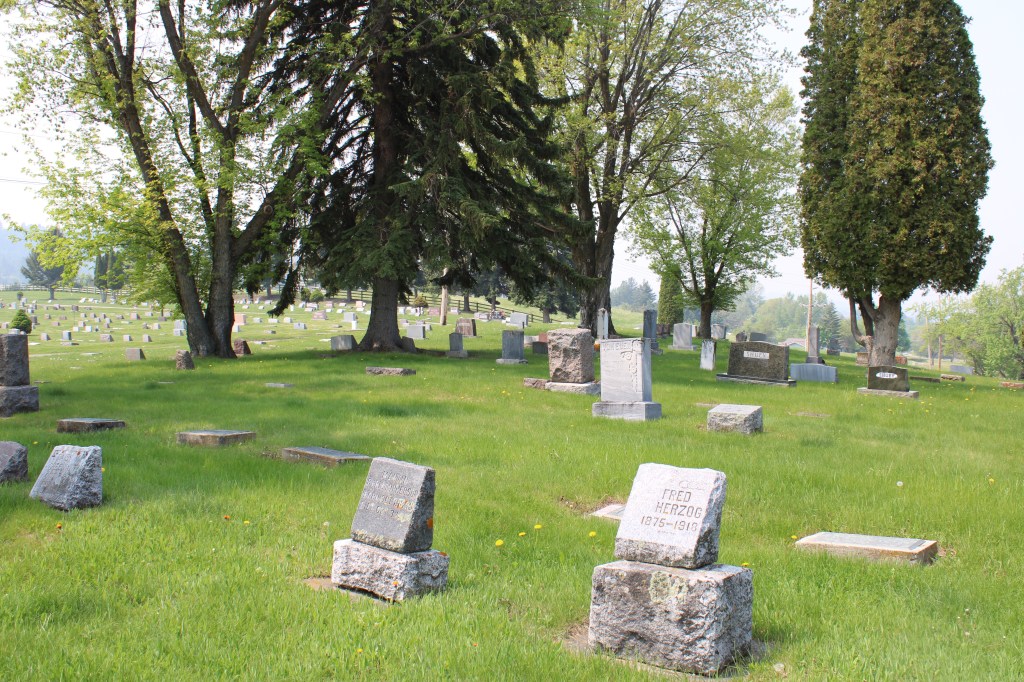


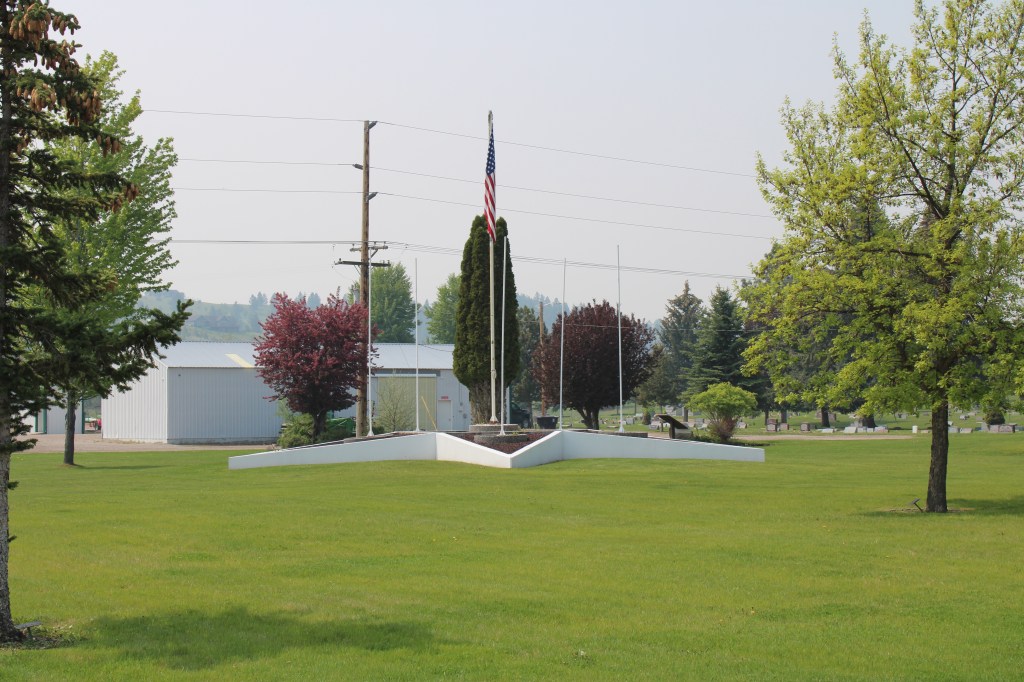
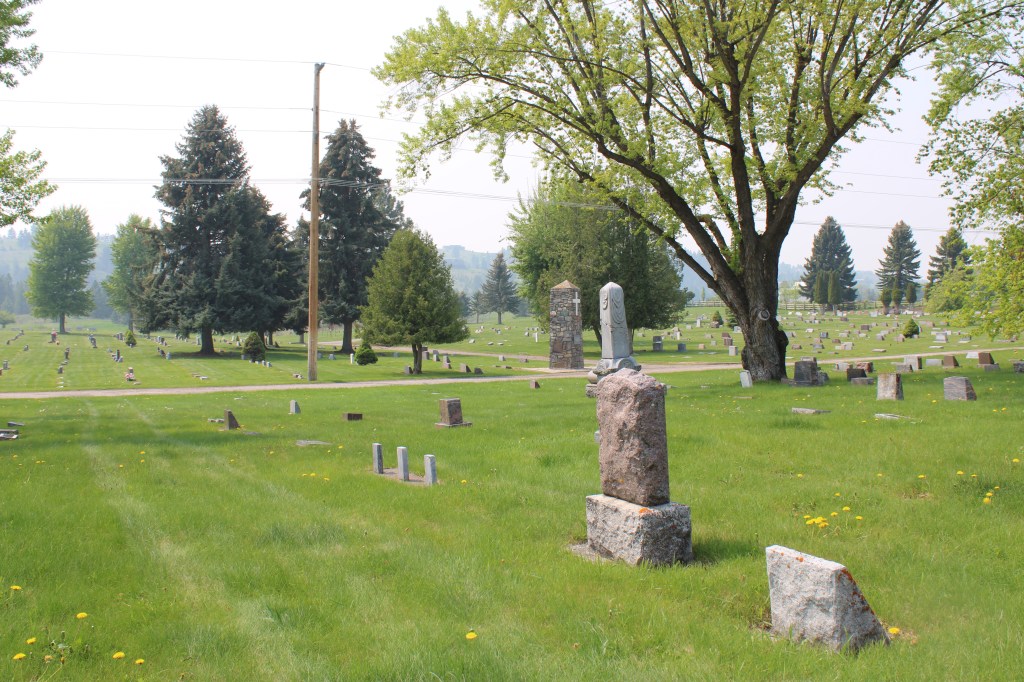
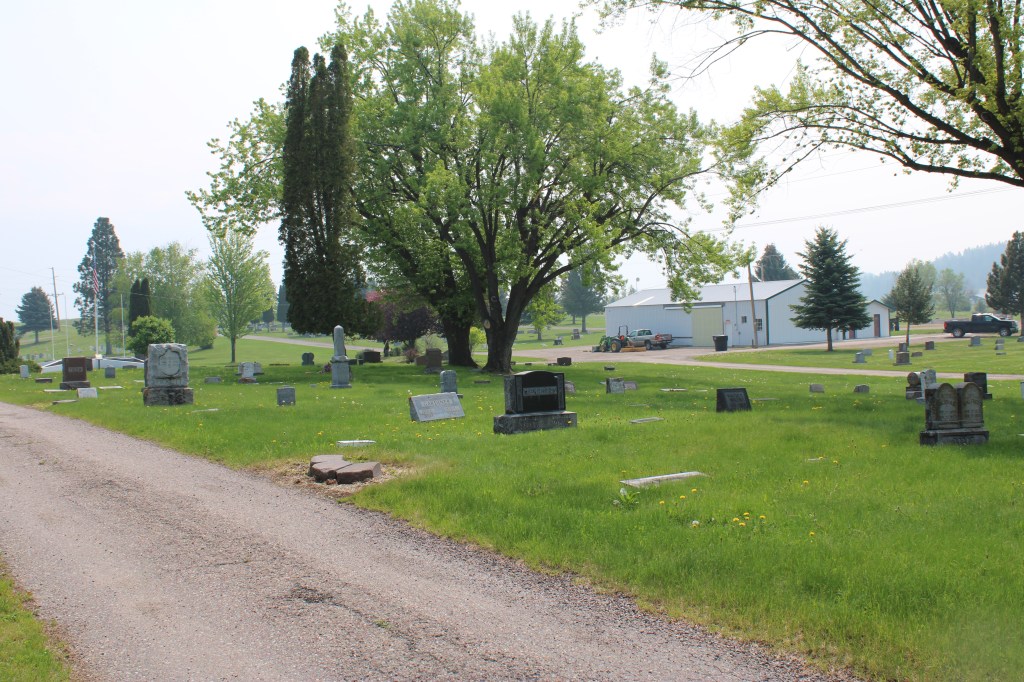


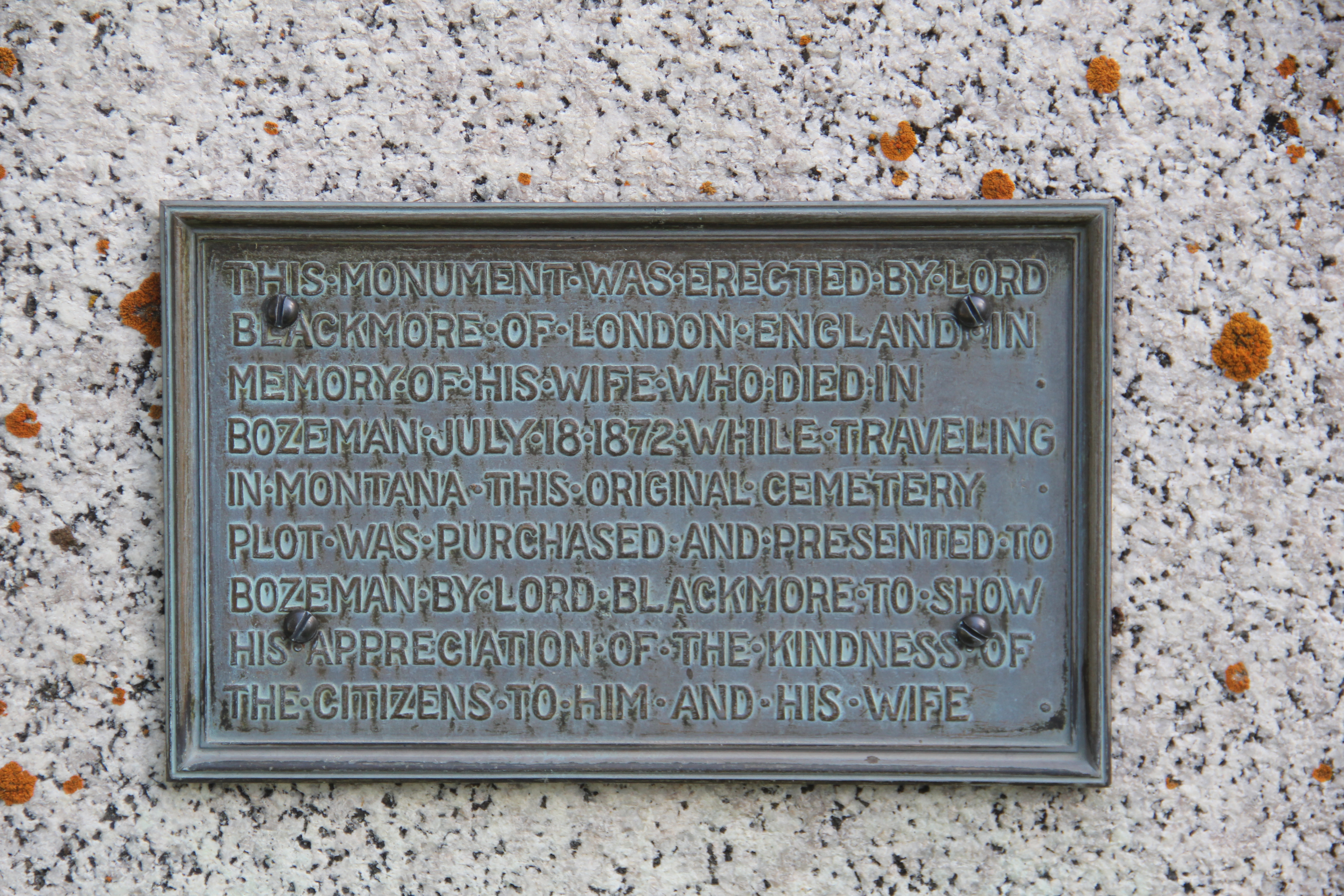


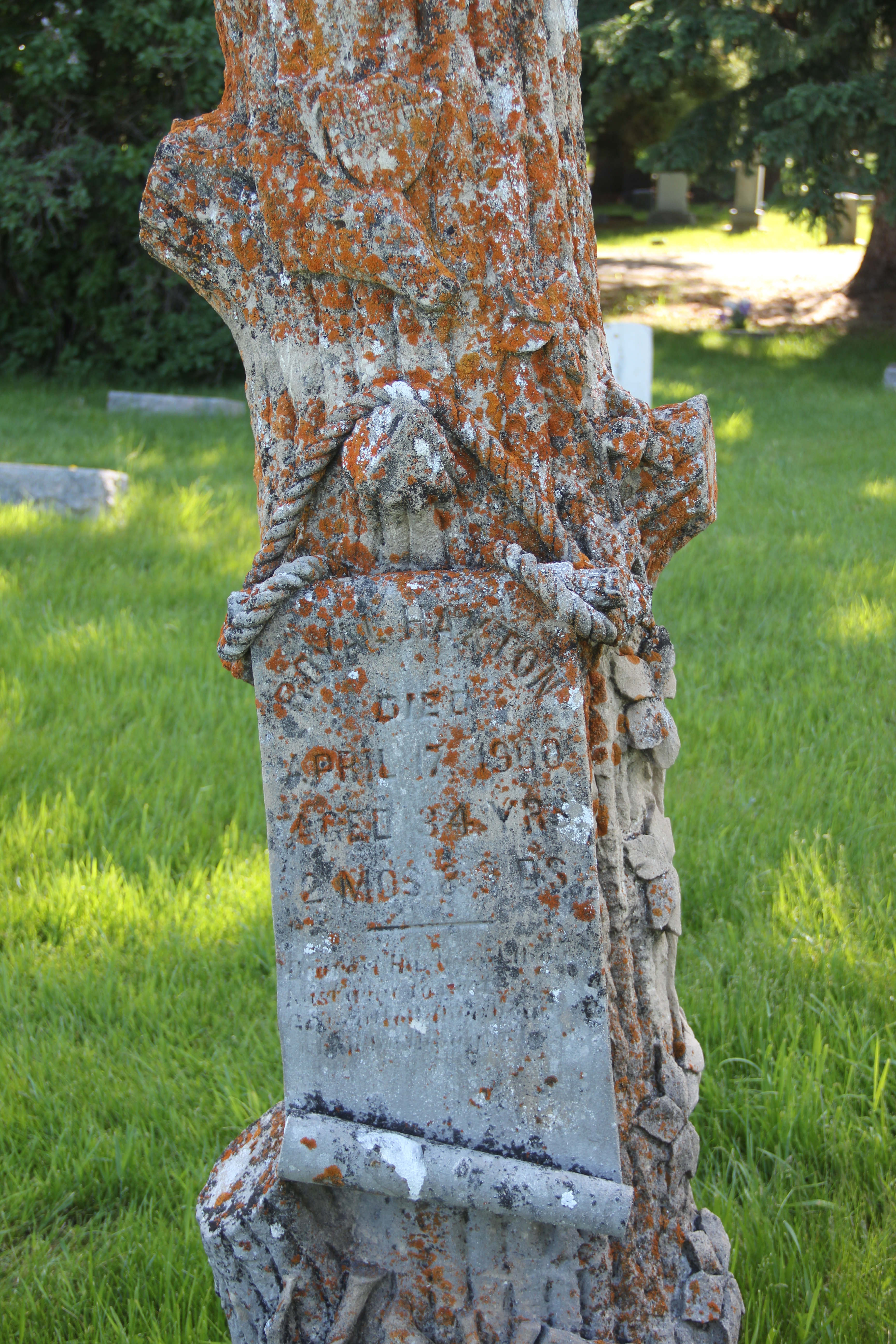


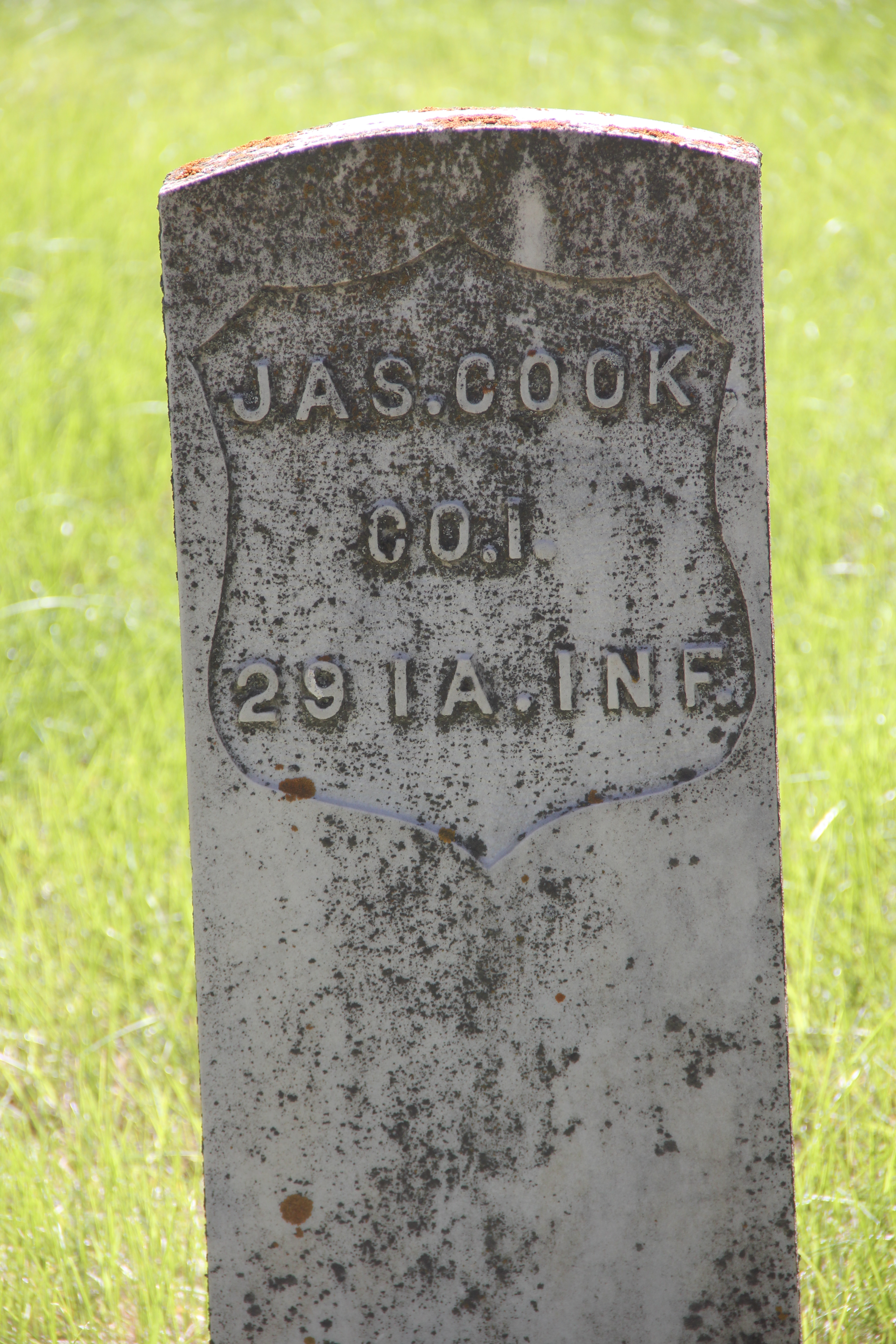




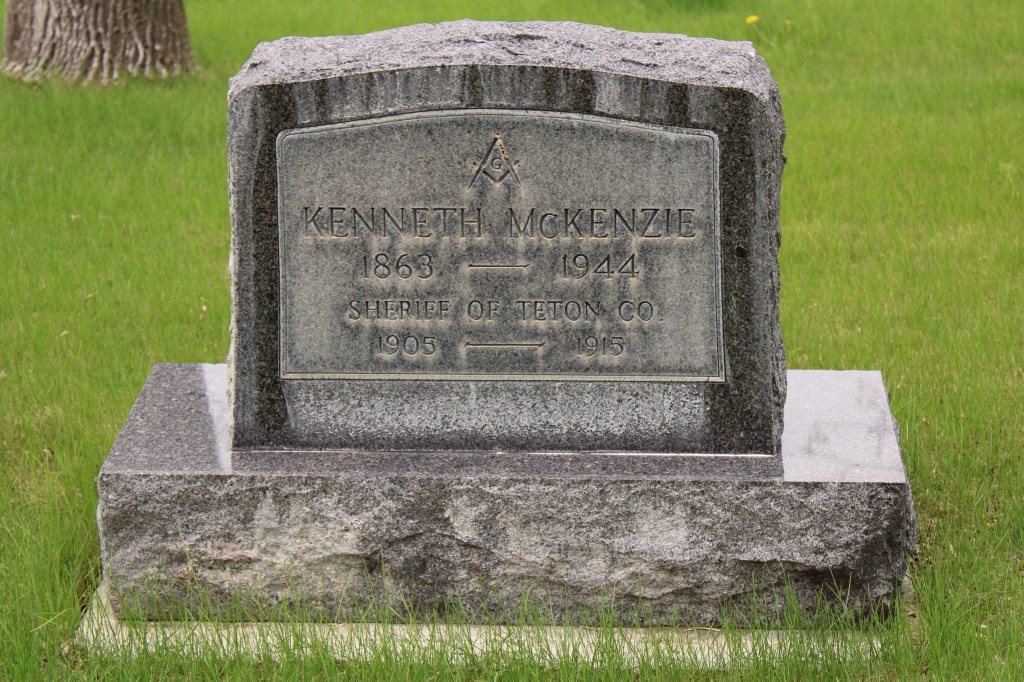


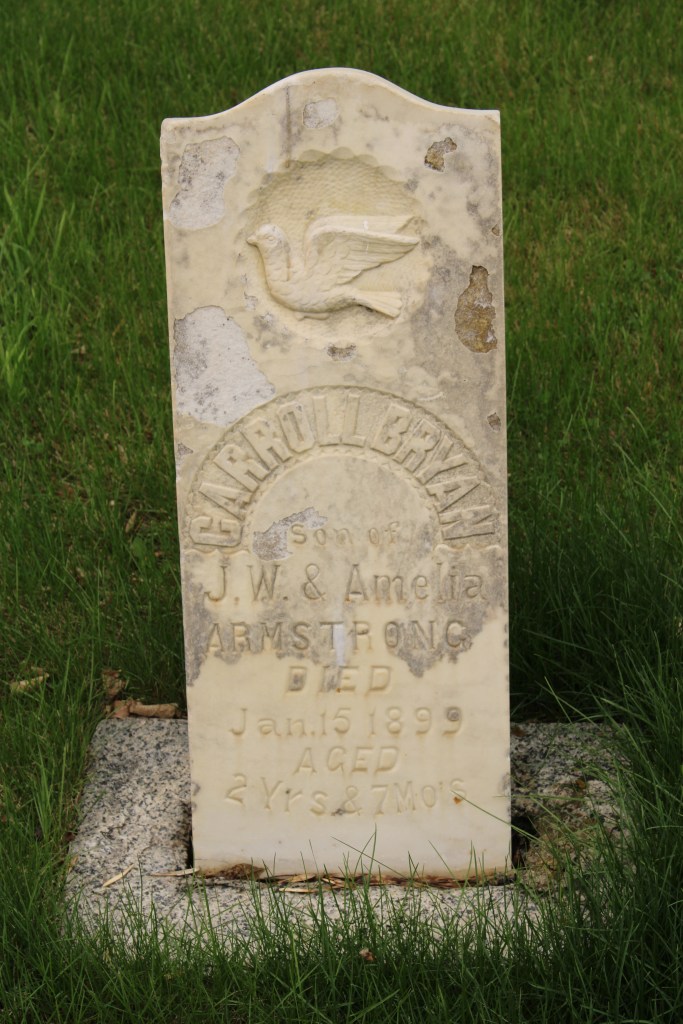
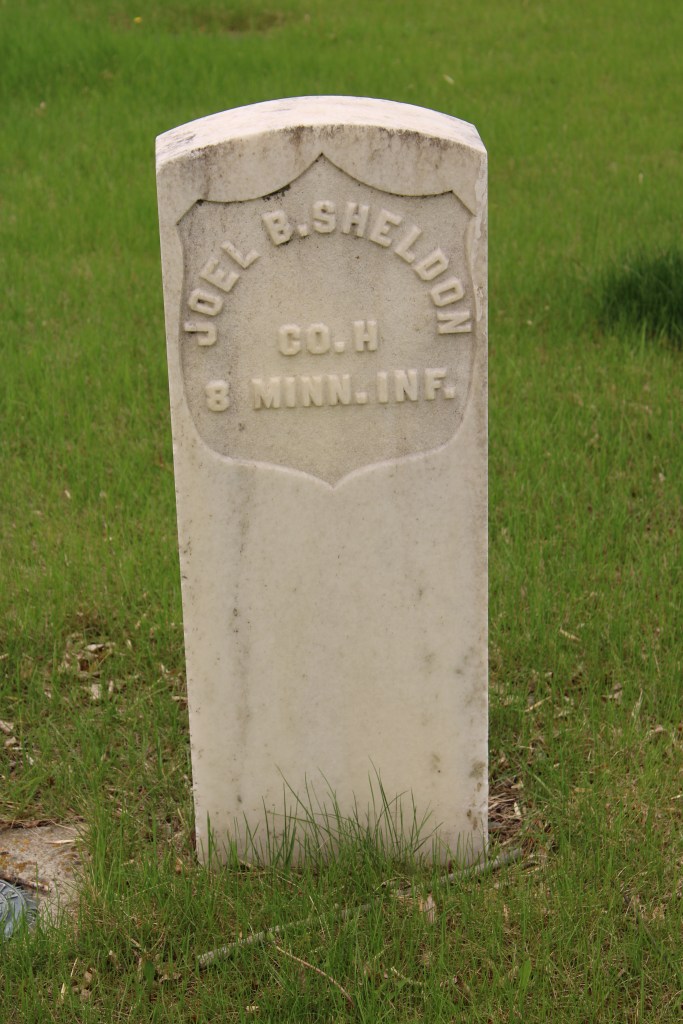


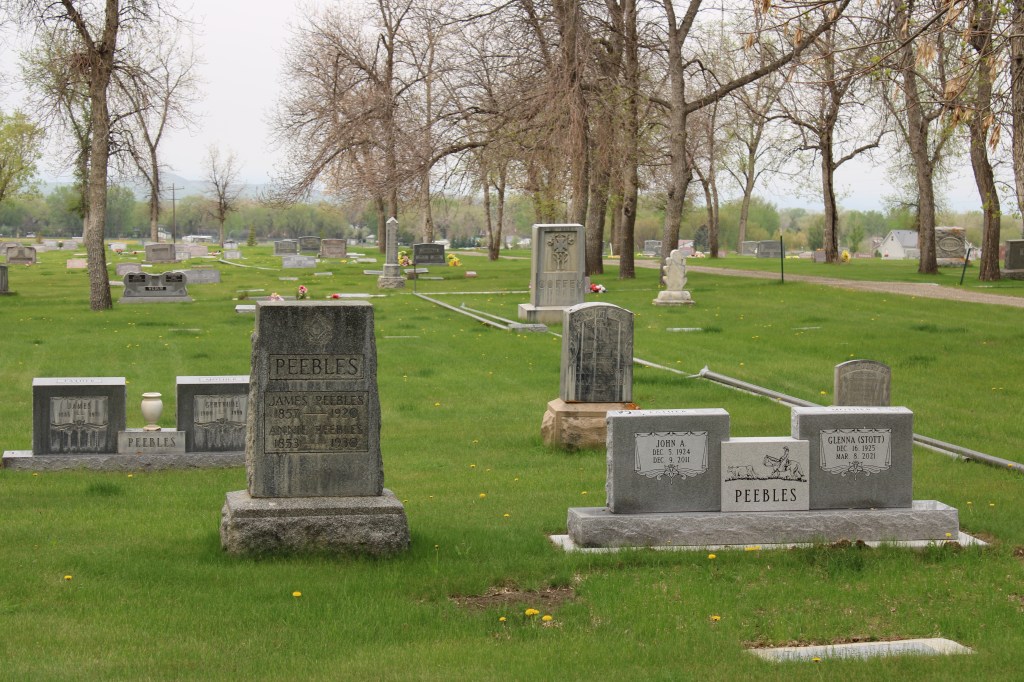

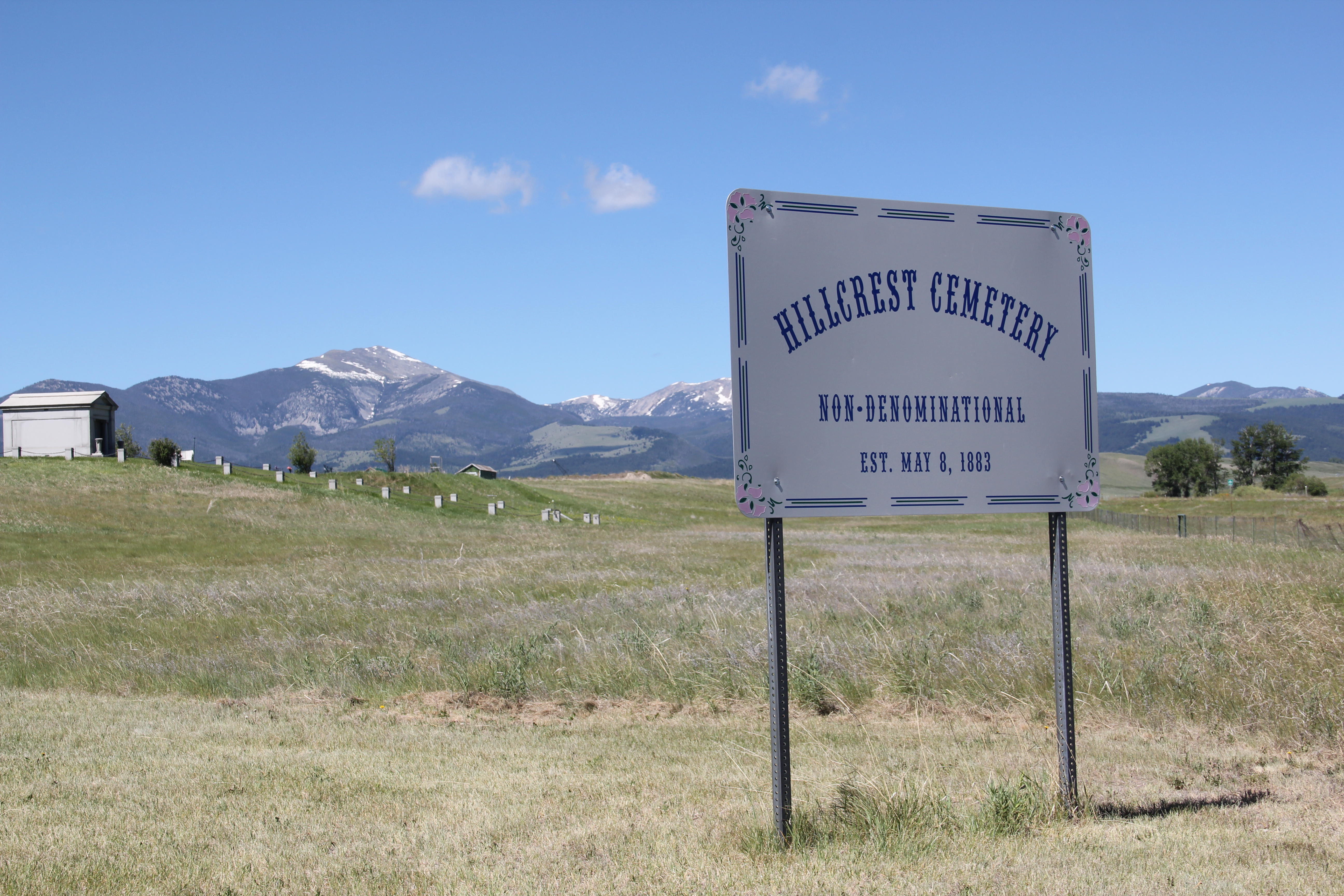


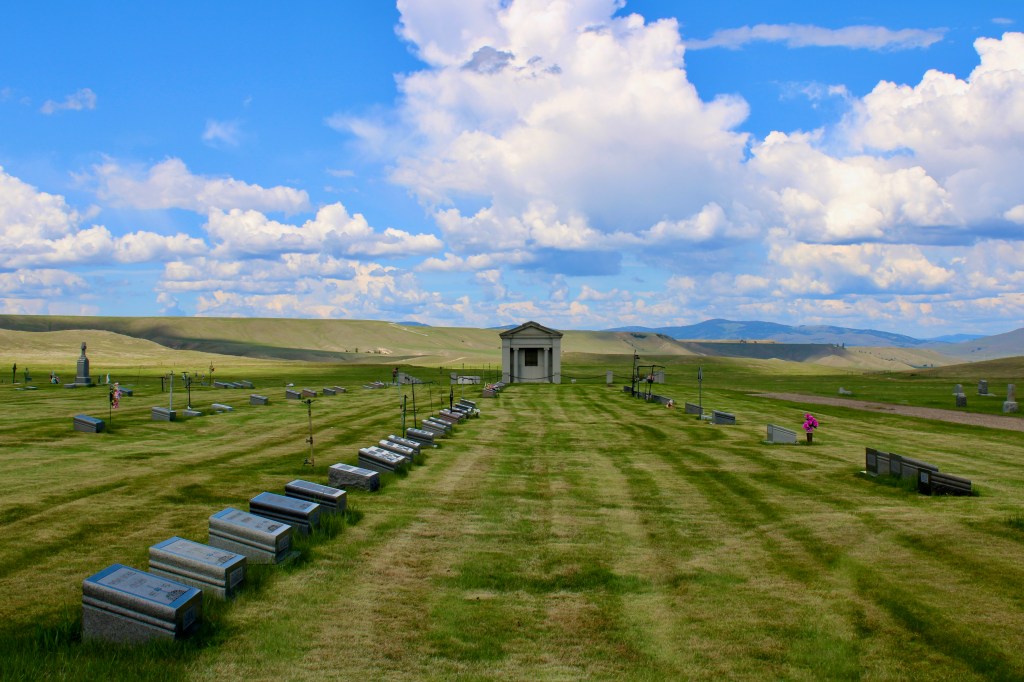

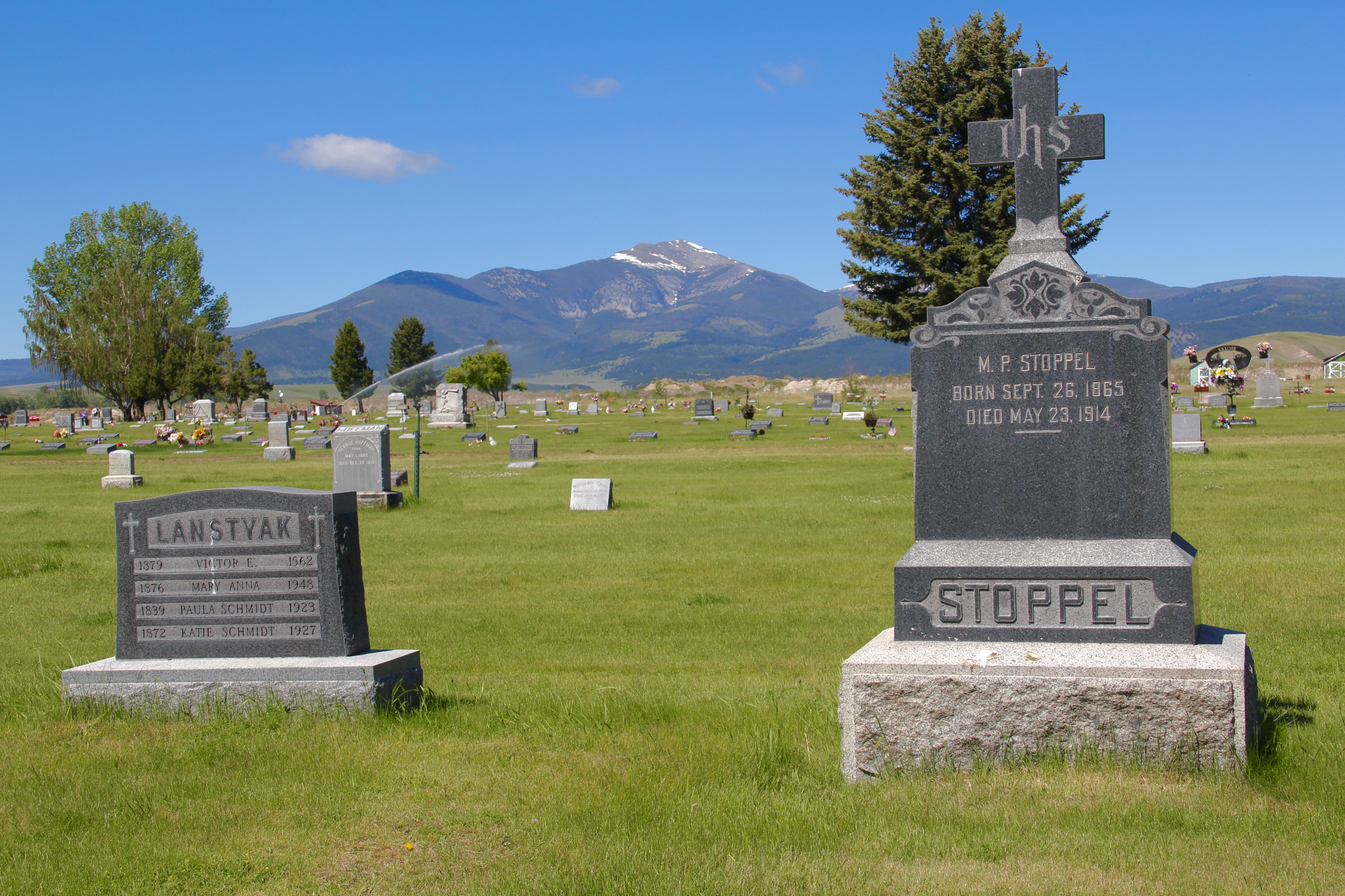
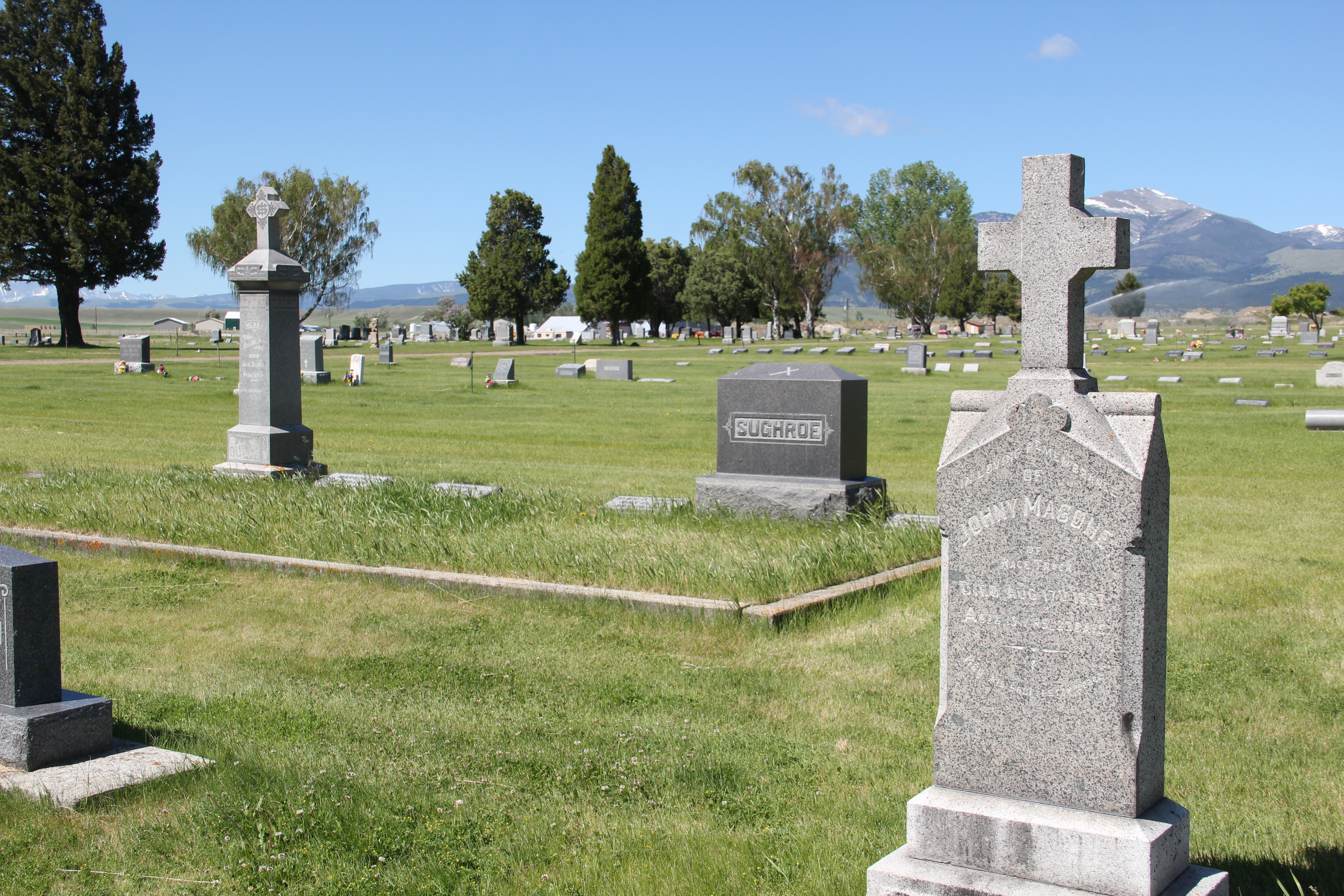

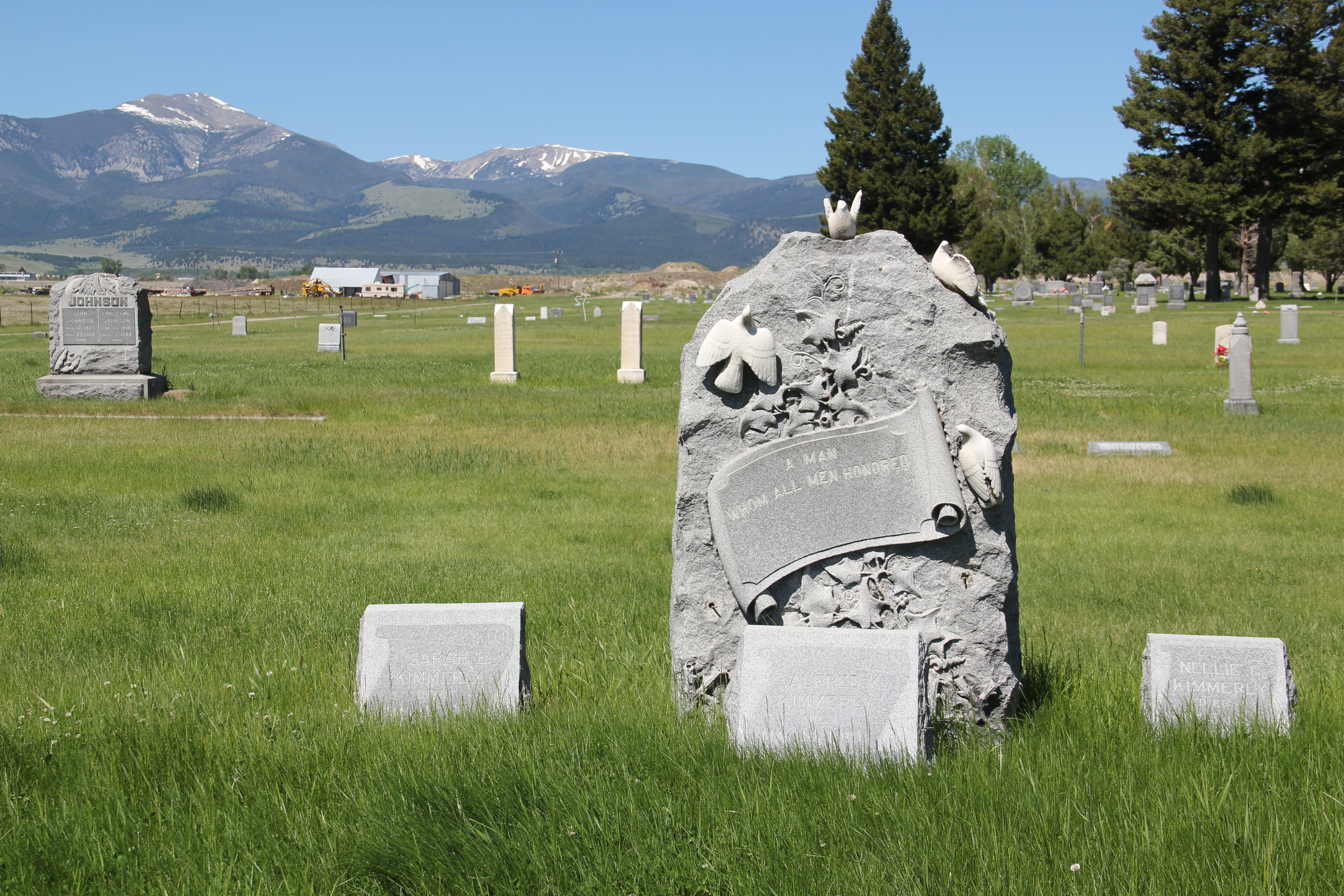
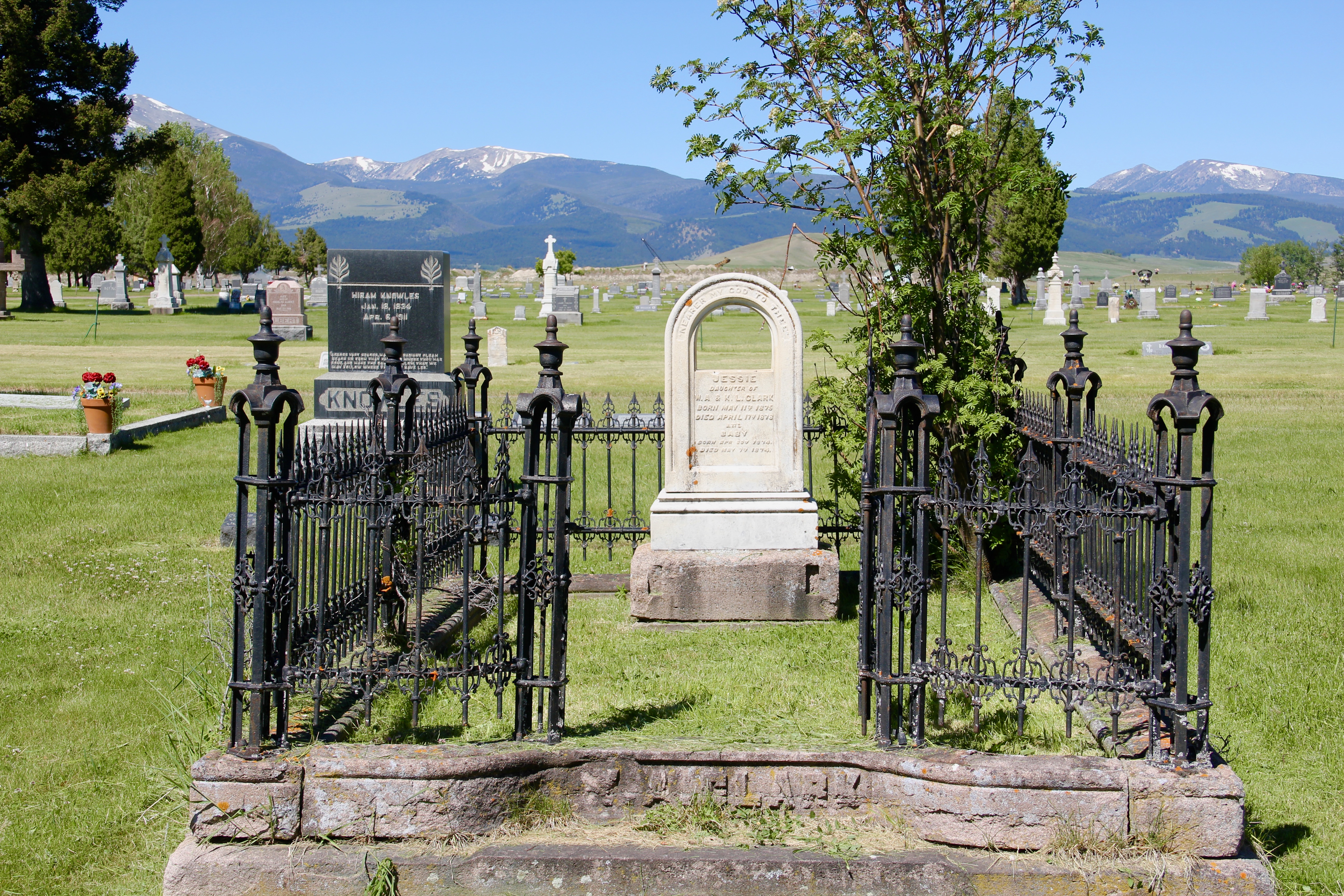


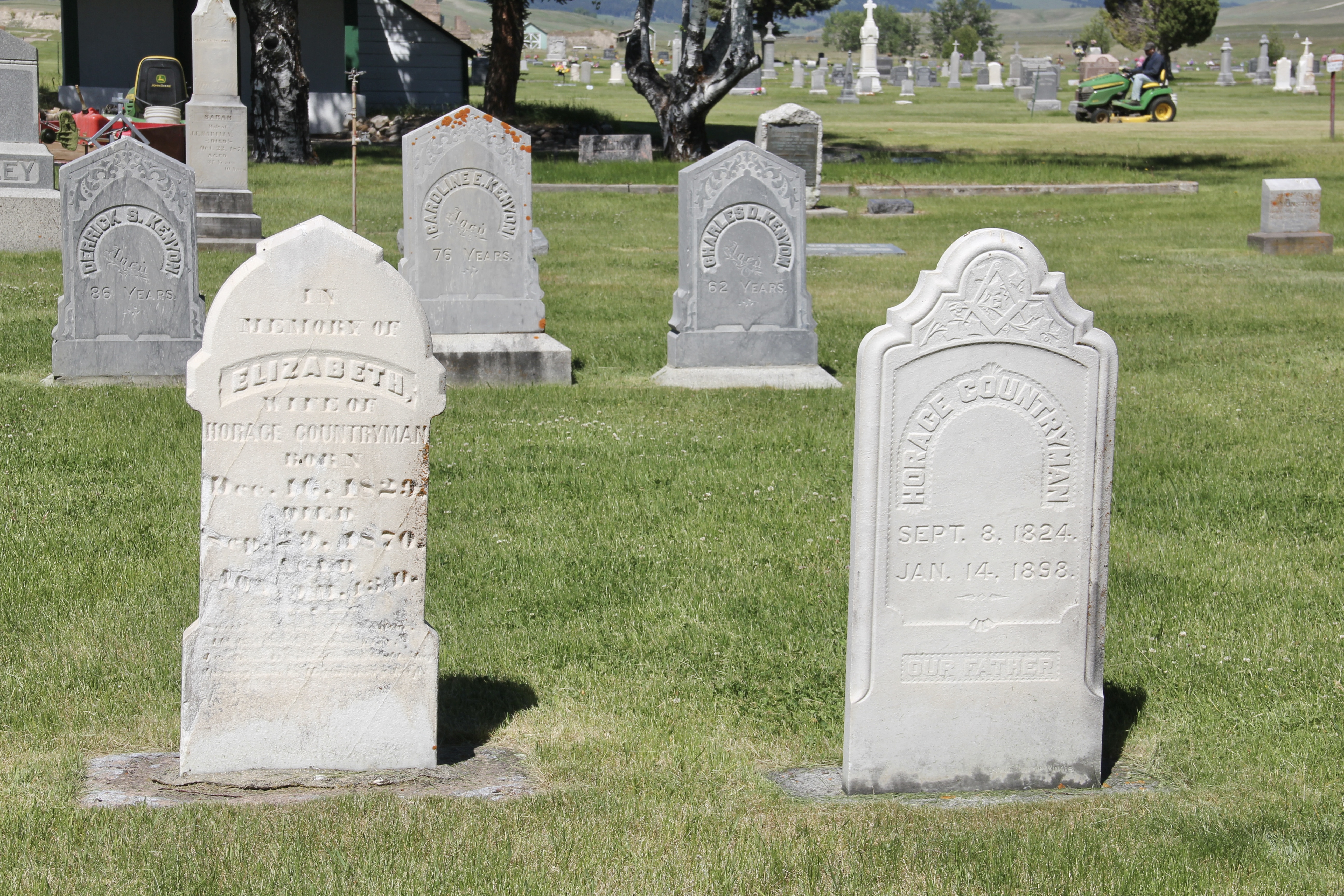
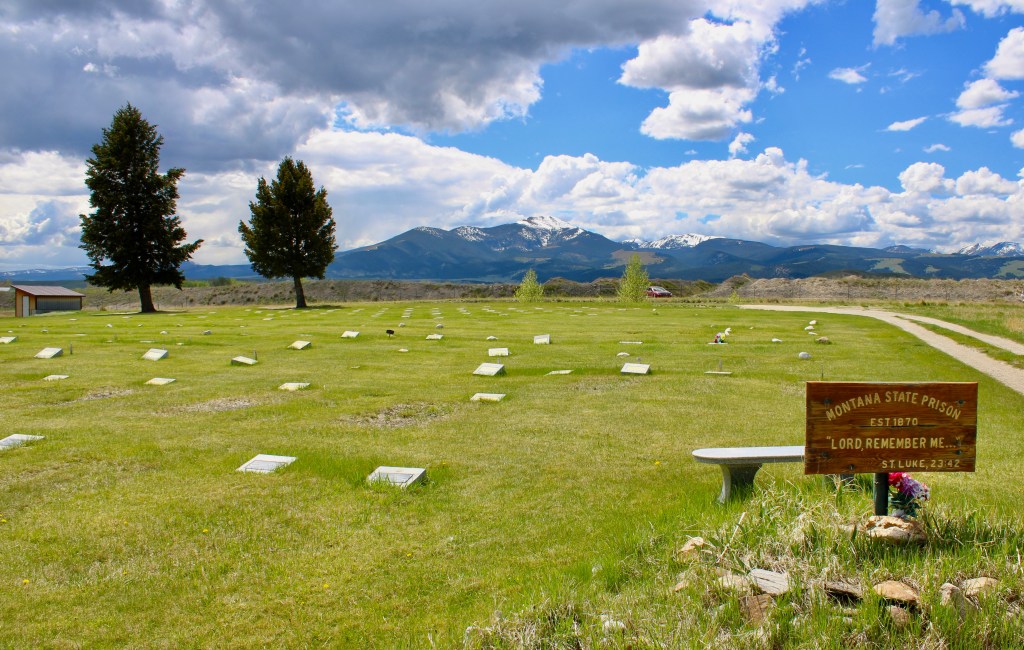


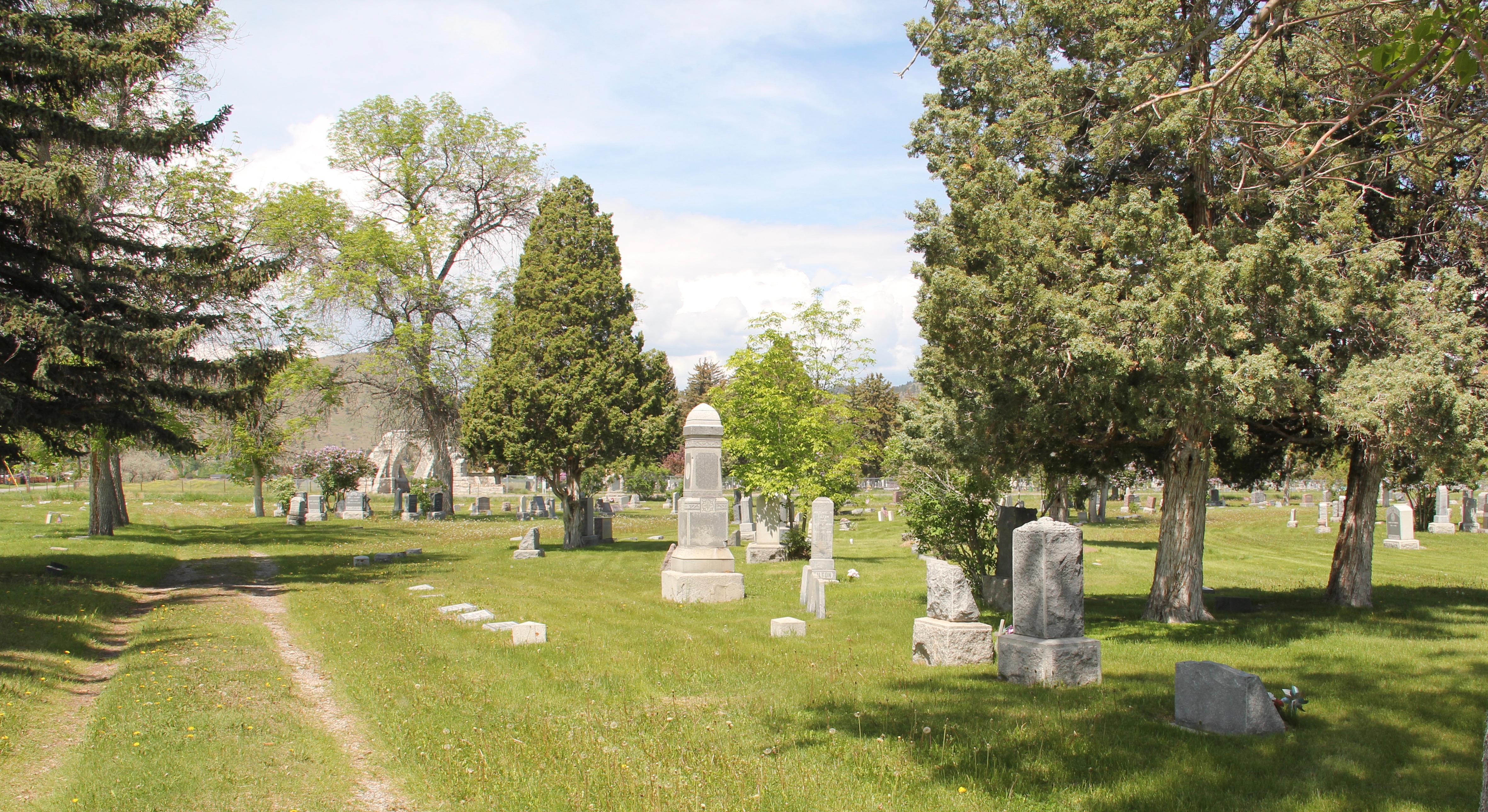 Standing quietly next to Forestvale Cemetery is Helena’s Odd Fellows Cemetery, formed in 1895 when several local lodges banded together to create a cemetery for its members. Most visitors to Forestvale probably think of this cemetery as just an extension of Forestvale but it is very much its own place, with ornamental plantings and an understated arc-plan to its arrangement of graves.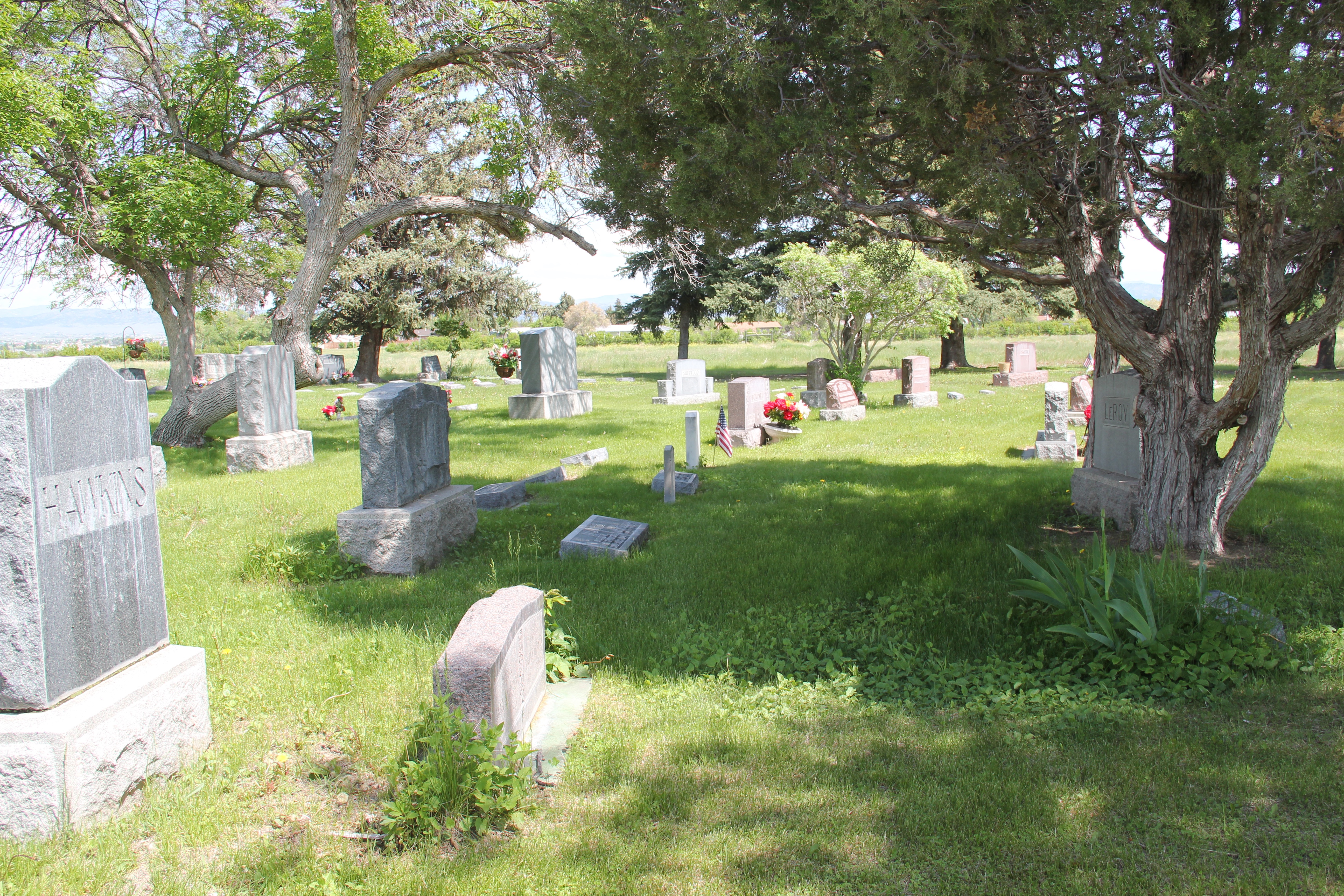

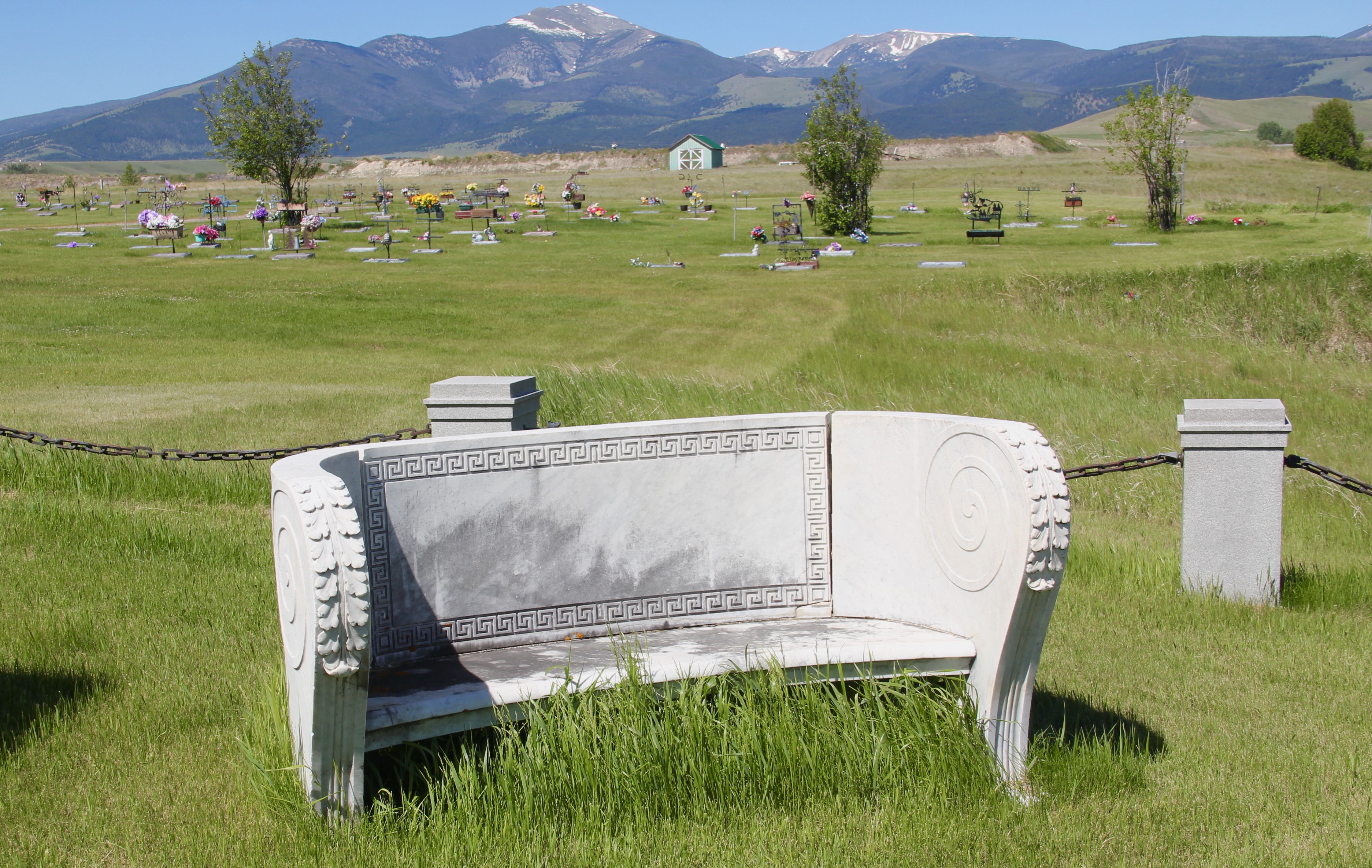
 Compared to Forestvale, there are only a handful of aesthetically imposing grave markers, although I found the sole piece of cemetery furniture, the stone bench above, to be a compelling reminder of the reflective and commemorative purpose of the cemetery.
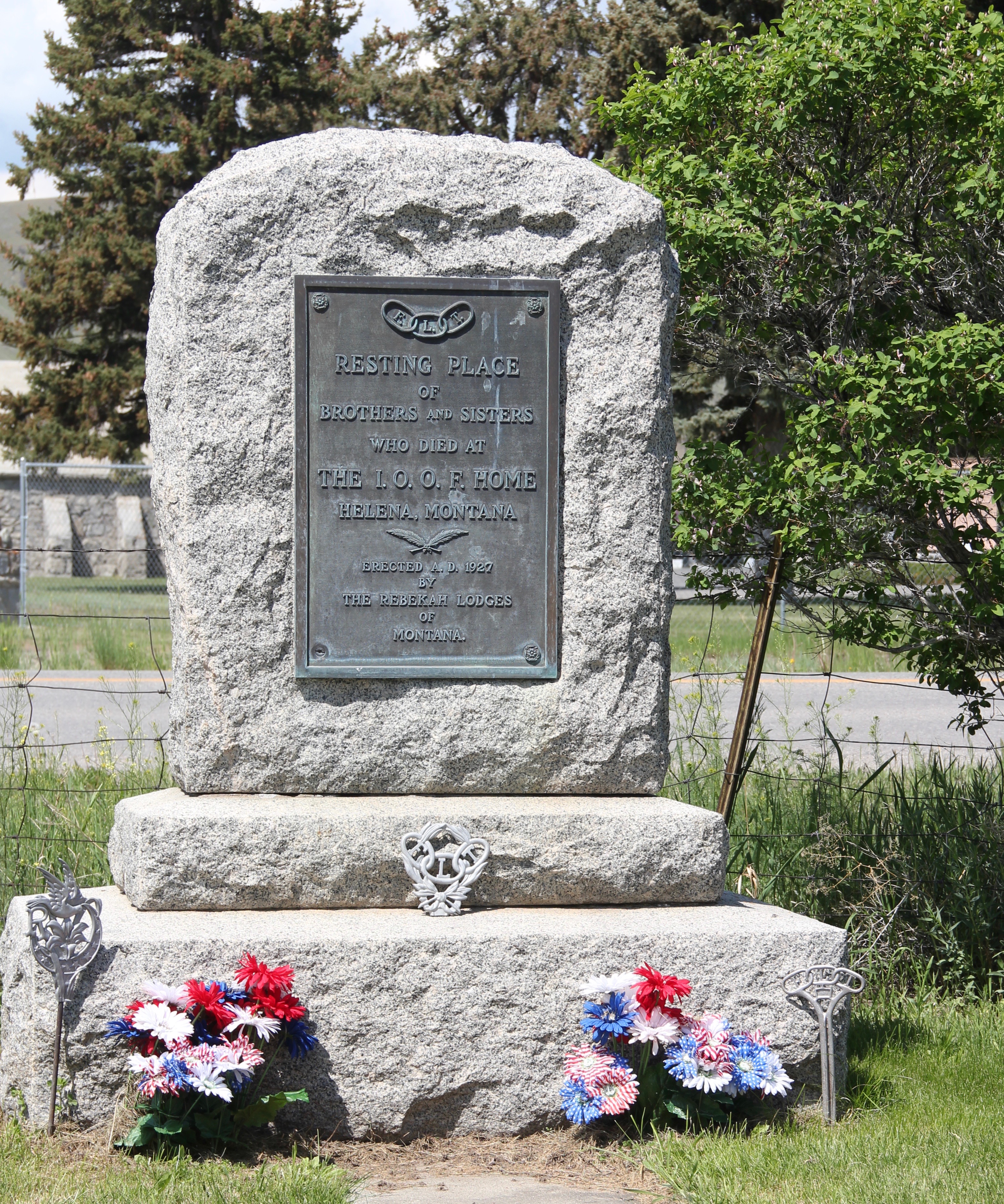 One large stone monument, erected in the 1927 by the Rebekah lodges (for female members) of the town, marks the burial lot for IOOF members who died in Helena’s Odd Fellows Home, a building that is not extant. The memorial is a reminder of the types of social services that fraternal lodges provided their members, and how fraternal lodges shaped so much of Helena’s social and civic life in the late 19th and early twentieth century. Helena’s Odd Fellows Cemetery is a significant yet overlooked contributor to the town’s and county’s historic built environment.


 In my state historic preservation plan work of 1984-1985, Thompson Falls became one of my favorite stops. No one much in the professional field had been surveyed here yet, and then I was particularly interested in how the Northern Pacific Railroad transformed the late territorial landscape. As the image above shows, Thompson Falls was a classic symmetrical-plan railroad town, with a mix of one and two-story buildings from the turn of the 20th century. I focused on this commercial core.
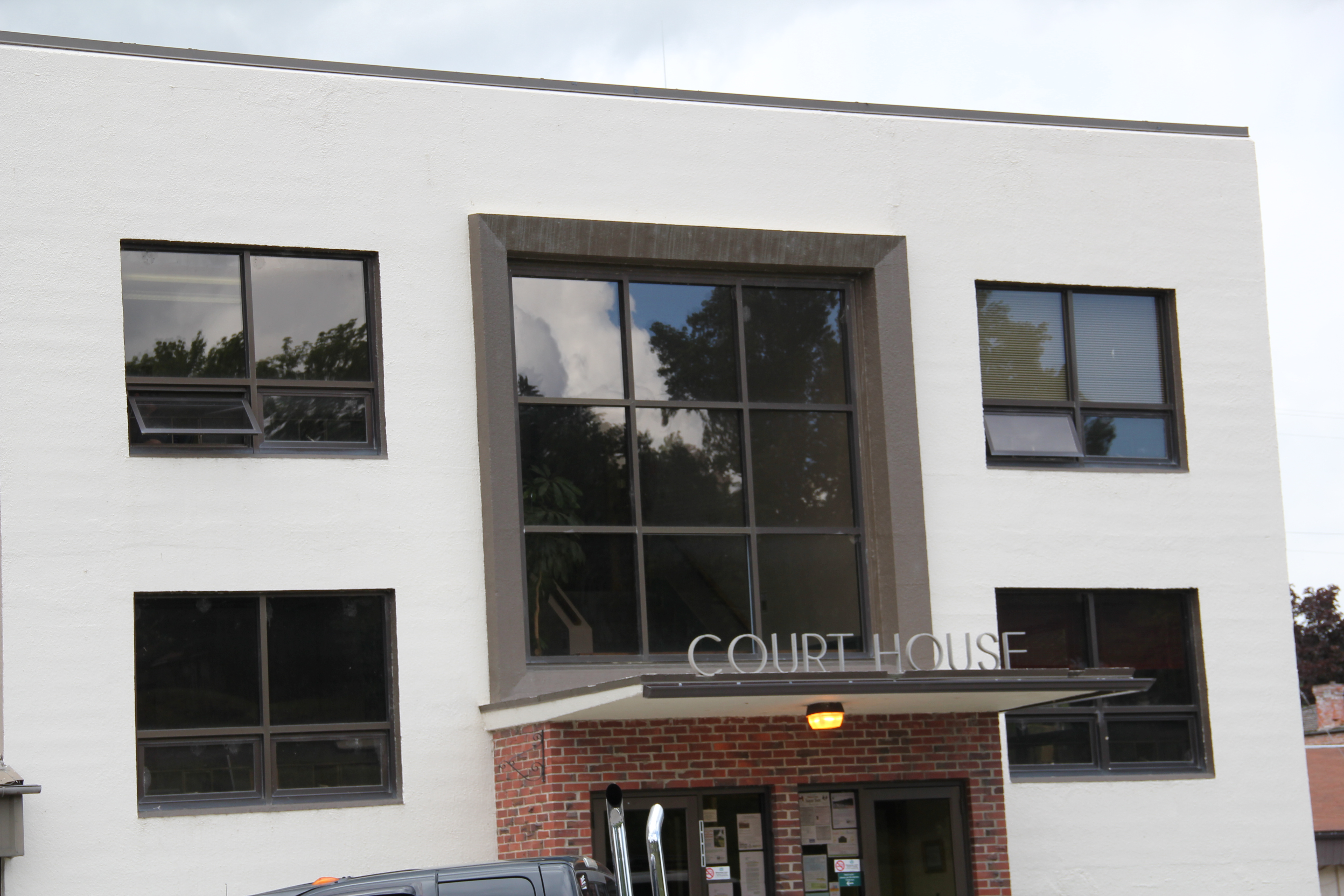 The public meeting at the mid-20th century Sanders County Courthouse was well attended and most were engaged with the discussion: the pride, identity, and passion those in attendance had for their history and their interest in historic preservation was duly noted. The courthouse itself was not a concern–it dated to 1946 and wasn’t even 40 years old then. But now I appreciate it as a good example of Montana’s post-World War II modern movement, designed by Corwin & Company in association with Frederick A. Long
 Little did I understand, however, that the sparks of a local community effort were already burning–and within two years, in 1986, Thompson Falls had placed many of its key historic properties in the National Register of Historic Places.
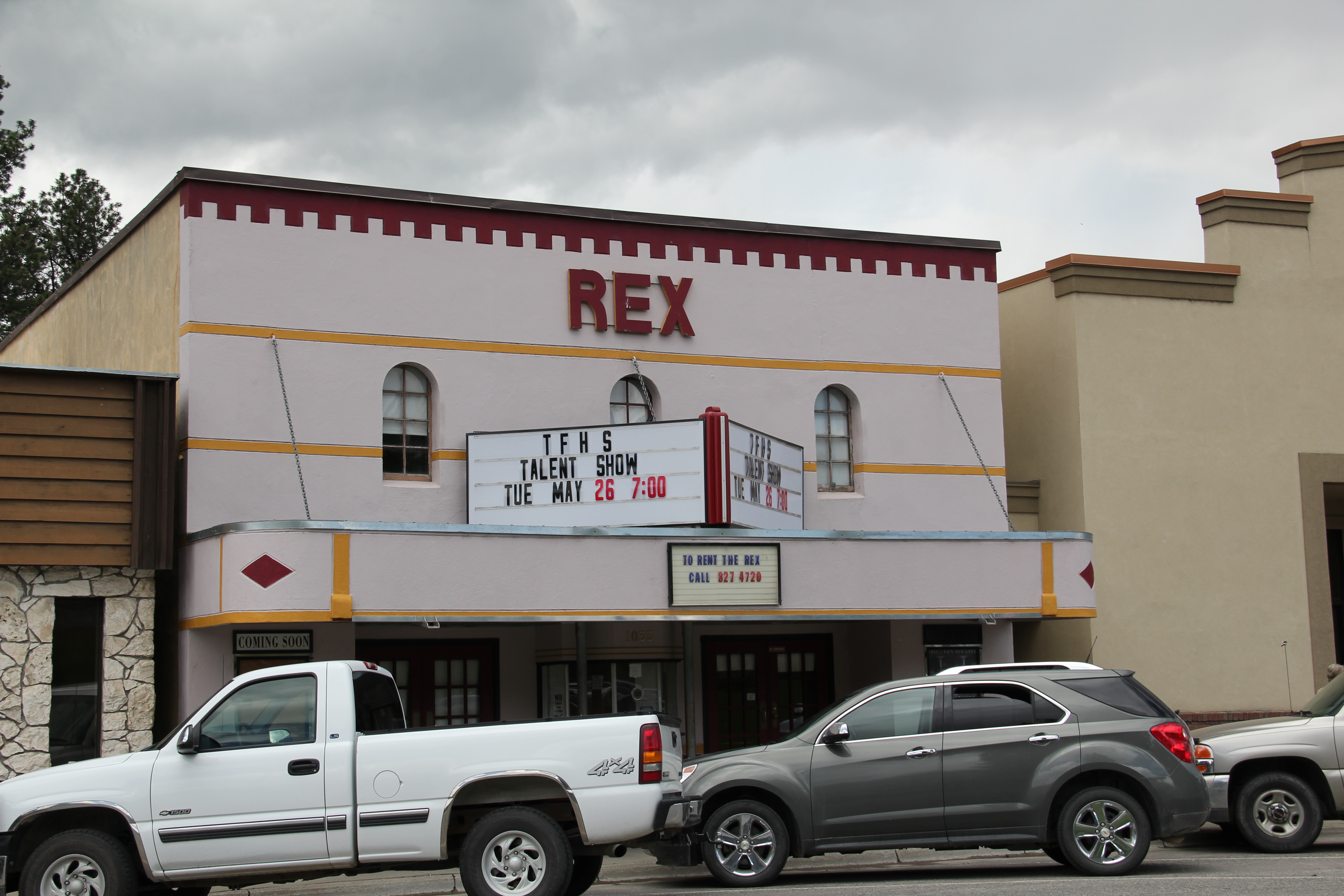
 The old county jail (1907) has been transformed into a museum, both preserving one of the town’s oldest properties but also creating a valuable heritage tourism attraction. The contractors were Christian and Goblet, a local firm that had a part in the construction of the town’s building boom once it was designated as the county seat.

 The mid-20th century Sanders County Courthouse is to the west of the commercial core and it marks how the town stretched to the west in the latter decades of the century.
 Along with the conversion of businesses and the adaptive reuse of older buildings, Thompson Falls also has located key community institutions, such as the local library first established in 1921, along Main Street facing the railroad tracks.
 But many community institutions–fraternal lodges such as the Masonic Lodge above, the public schools, and churches are on the opposite side of the tracks along the bluffs facing the commercial core. Thompson Falls is a very good example of how a symmetrical plan could divide a railroad town into distinctive zones.


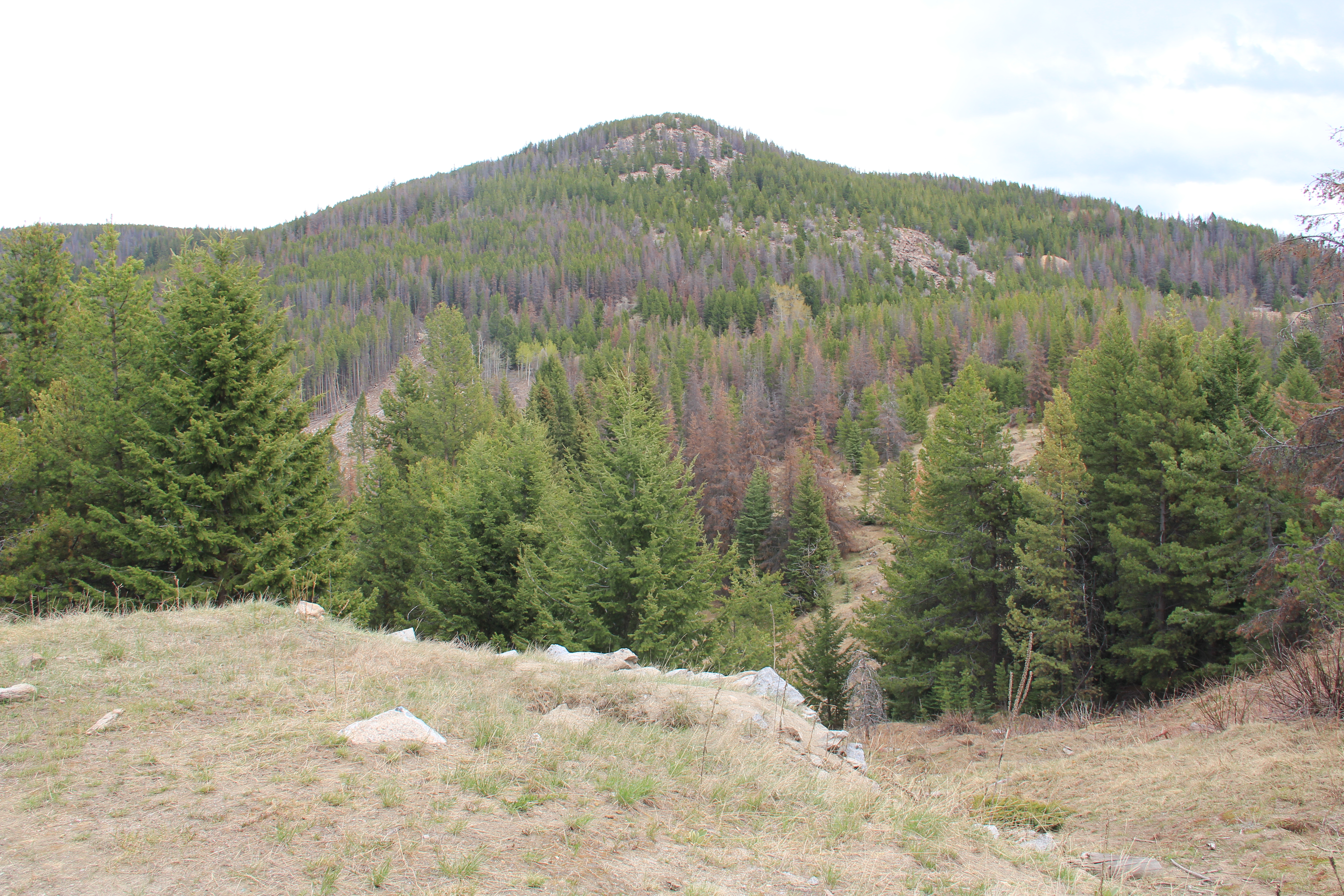
 The late 19th century discovery and development of silver mines high in the Granite Mountains changed the course of this part of the Pintler route. The Granite Mountain mines yielded one of the biggest silver strikes in all of Montana, creating both the mountain mining town of Granite and a bit farther down on the mountain’s edge the town of Philipsburg, which by 1893 served as the seat for the new county of Granite.
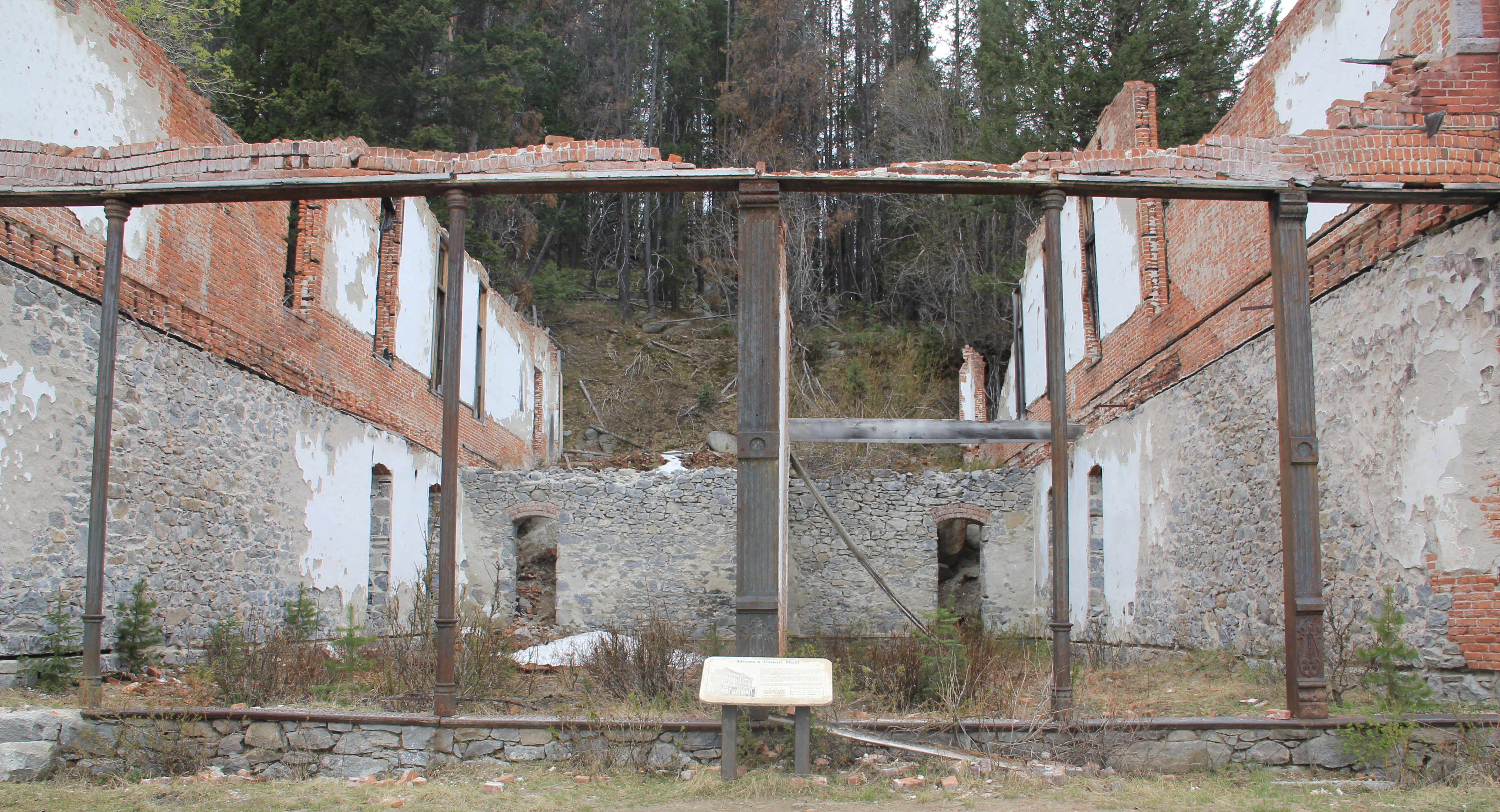
 The U.S. Forest Service’s rather weathered and beat-up sign marks the historic entrance to the mining town of Granite, located at over 7,000 feet in elevation above the town of Philipsburg. During the 1984-85 state historic preservation plan work Granite was the focal point. The office knew of the latest collapse of Miners Union Hall (1890) turning what had been an impressive Victorian landmark into a place with three walls and lots of rubble–it remains that way today.


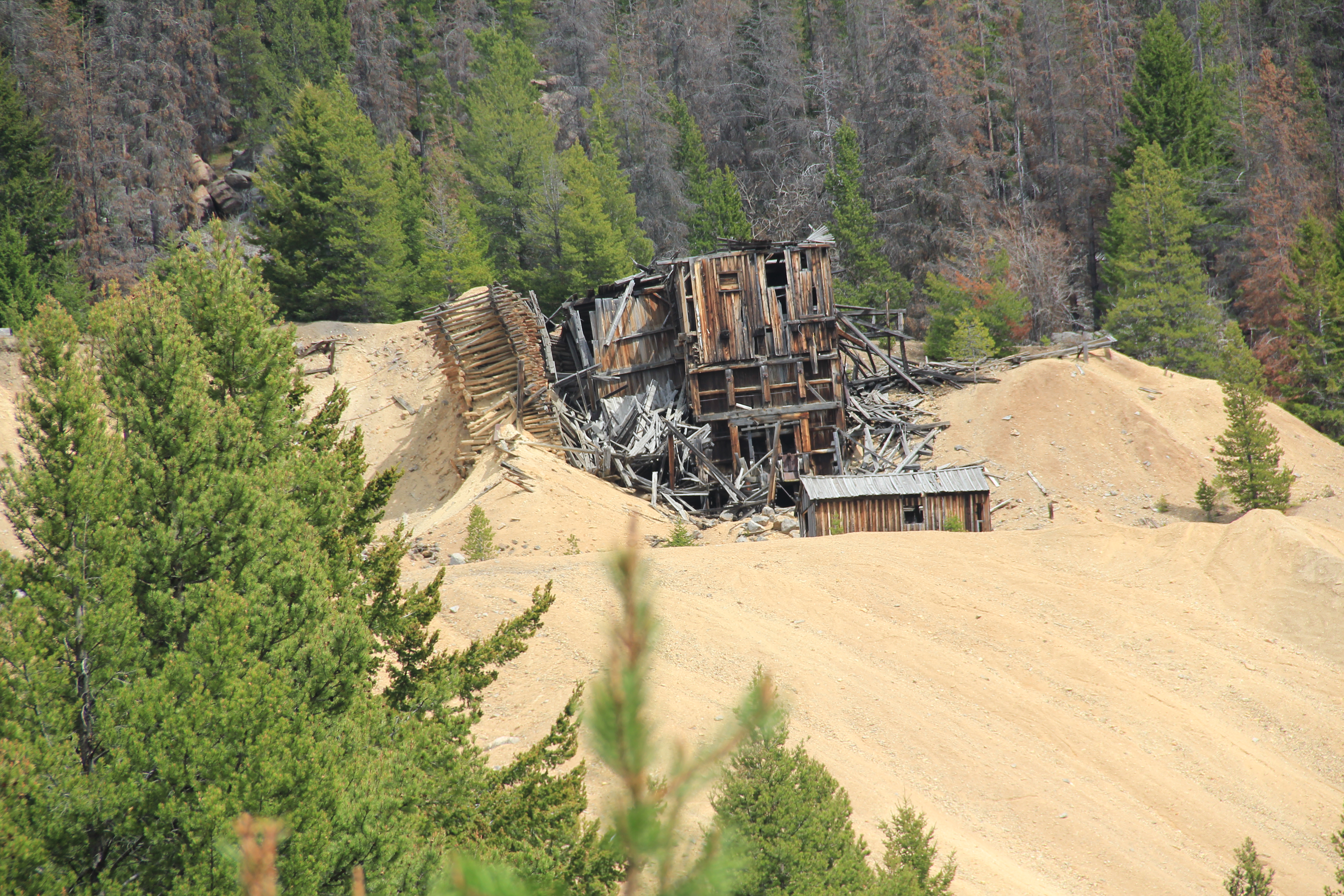
 Connecting the Granite road to the town of Philipsburg, today as in the past, is the site of the Bi-Metallic Mill, which is still in limited use today compared to the mining hey-day.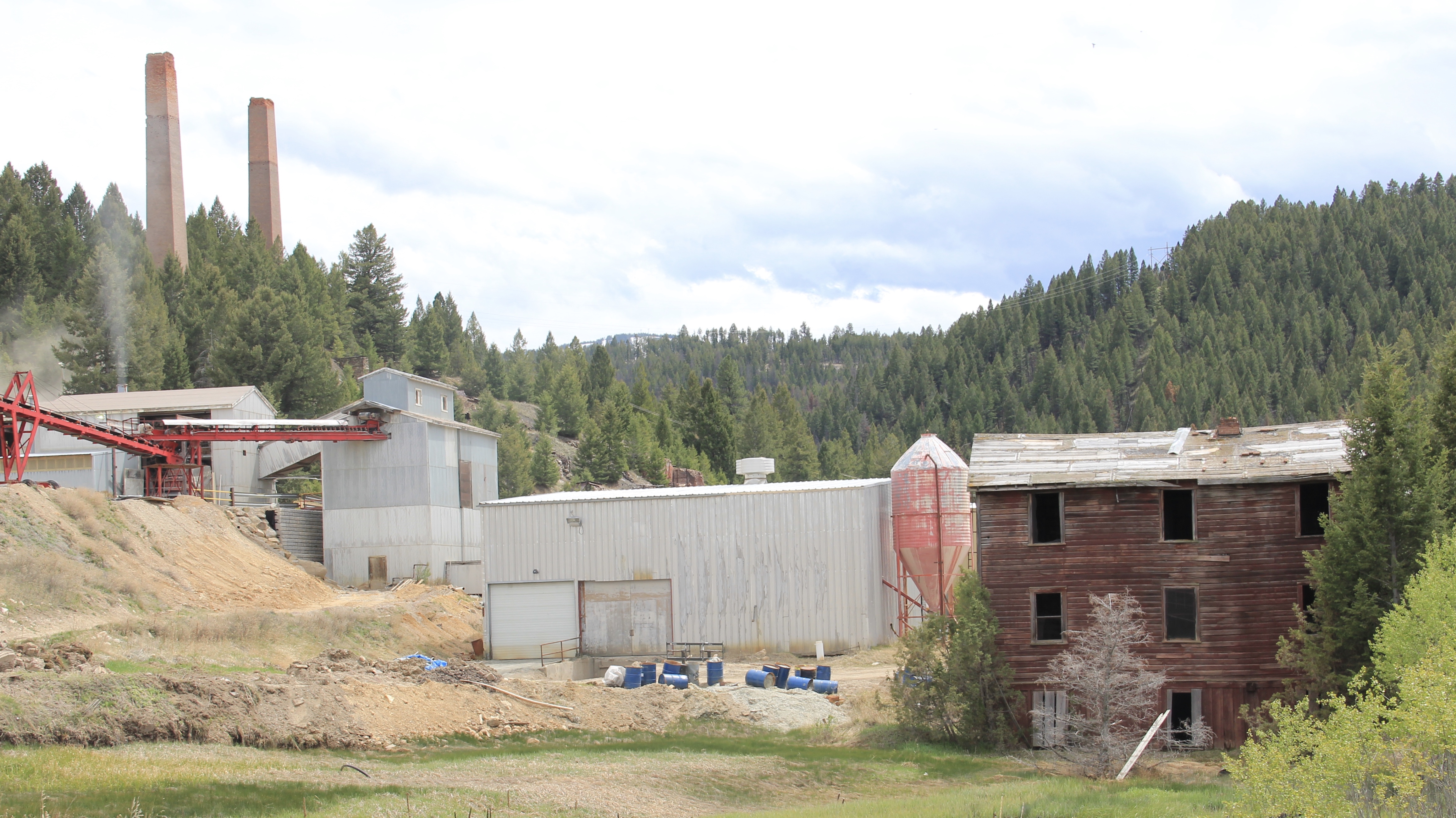


 Montana's Historic Landscapes