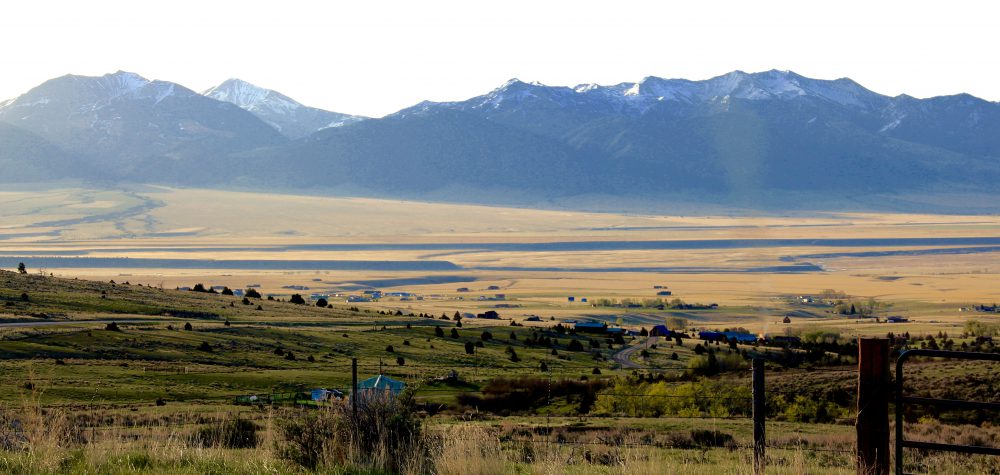
 In the early posts of this exploration of Montana’s historic landscape I spoke of the transformation that I encountered when I revisited Glendive, the seat of Dawson County, for the first time in about 25 years, of how local preservation efforts had kept most of the town’s railroad era landscapes alive while leading to the revitalization of its amazing number of historic residences from 1900 to 1950.
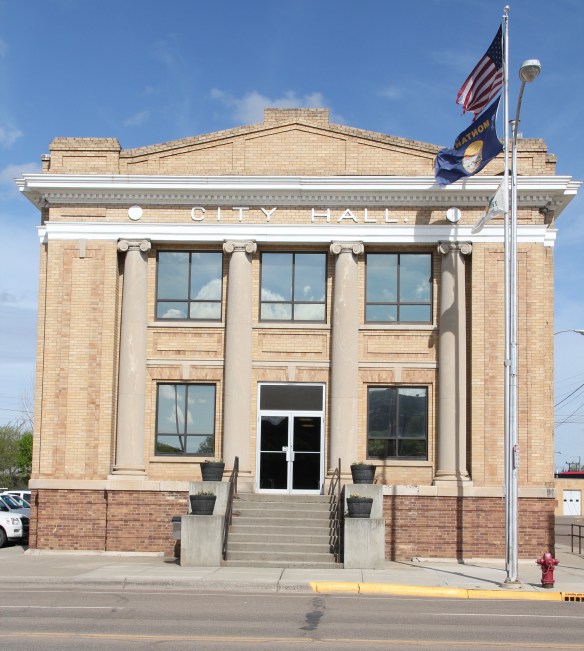 Let’s now turn our attention to public landmarks, old and more recent, that also deserve notice, starting with the magnificent Classical Revival-styled City Hall, one of the anchors of the Merrill Avenue historic district, which is listed in the National Register of Historic Places. Built in 1914, this all-in-one municipal building is an impressive architectural
 statement by the second generation of Glendale’s leaders that the town would grow and prosper during the homesteading boom of the first two decades of the 20th century. The architect was Brynjulf Rivenes of Miles City. His firm had so many commissions coming from eastern Montana and Yellowstone Valley patrons that by this time Rivenes operated offices in both Glendive and Miles City.
 Rivenes had earlier marked Glendive’s new emerging townscape with his Gothic design for the First Methodist Church, in 1909. Fifteen years later, he added another landmark church design with the Romanesque styled Sacred Heart Catholic Church (1924-1925).

The grand circular entrance window depicted the story of the sacred heart of Jesus. Bishop Mathias Lenihan dedicated the window in 1925. The tan brick of the building came from Hebron, North Dakota.

Rivenes also designed various commercial buildings along Merrill Avenue and its prominent side streets as Glendive business boomed from 1900 to the era of the Great Depression. During the New Deal, the federal government worked with local and state government to improve local infrastructure and irrigation. It also sponsored the construction of the Colonial Revival-styled Glendive post office, by federal architect Louis A. Simon, in the mid-1930s.
 With recovery and the arrival of more and more automobile traffic from the late 1930s to the 1950s, many of the older buildings received mid-century updates. The remodels could

overwhelming, like the glass block windows and brick wall inserts at the Classical Revival styled Masonic Lodge, above, or they could be more effective blending of the early 20th past with the mid-century present as at the Kolstad Jewelry shop, below.
 The 1950s and 1960s brought many changes to Glendive. Post World War Ii growth both in the town and the many surrounding ranches led to expansion and remodeling at the historic Glendive Milling Company in 1955. When the historic districts for Glendive were designated in the late 1980s, preservationists questioned the inclusion of this important industrial/agricultural complex due to the changes of the 1950s. Viewed today, however, the mill complex is clearly a very significant historic site.

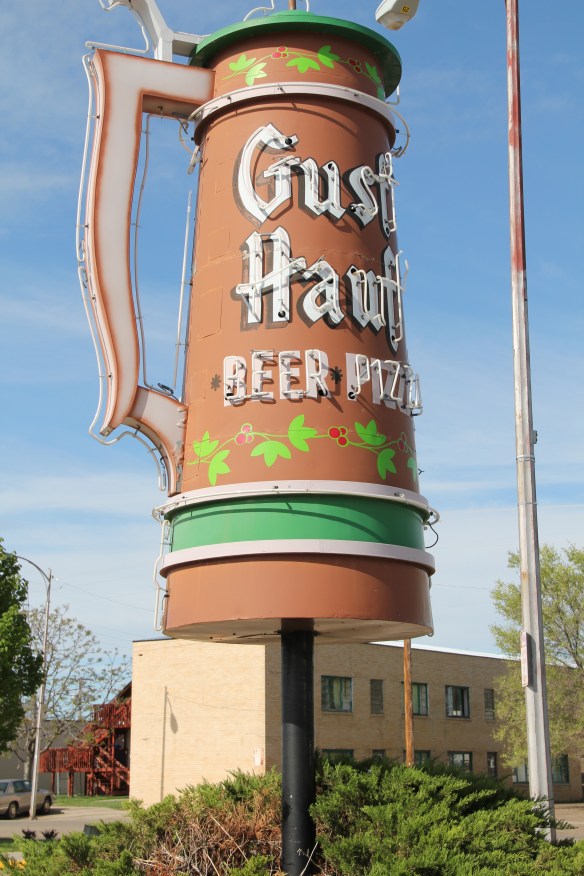
As passenger traffic on the Northern Pacific Railway slacked, automobile traffic on the Yellowstone Trail (U.S. Highway 10) became more important as the old motel above also attests. Architectural signs like for the Gust Hauf located at 300 West Bell Street downtown don’t really make sense today but it did in 1965 when travelers were still using U.S. Highway 10 every day.
 More contemporary styled church buildings were also dedicated in the mid-century, such as the classic “contemporary” styling of the Assembly of God building, with classrooms at
 at the front rather than the rear, or the modified A-frame style of the First Congregational Church, which I shared in an earlier post on Glendive.
 Glendive is very much a blending of different 20th century architectural styles, reaching back into the region’s deep, deep past, as at Makoshika State Park, where the visitor
 center/museum is an excellent example of late 20th century modern style–clearly a building of the present but one that complements, not overwhelms, the beauty of the park itself.


 Bozeman has boomed with many new chef-driven restaurants but of the downtown establishments my favorite for good fresh, creative food remains the Co-Op Downtown nestled within the Gallatin Block, a historic building, tastefully renovated, in the downtown historic district.


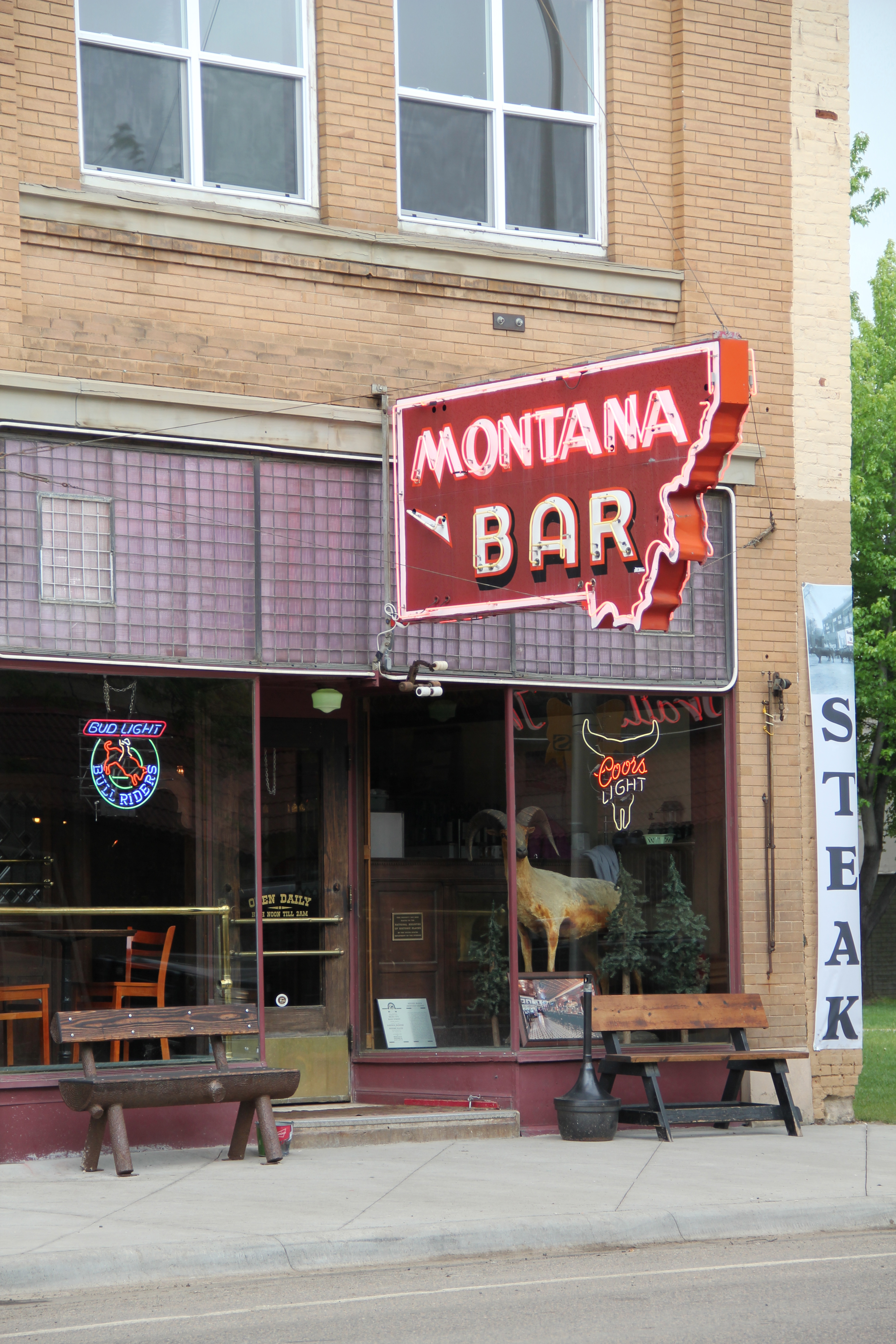
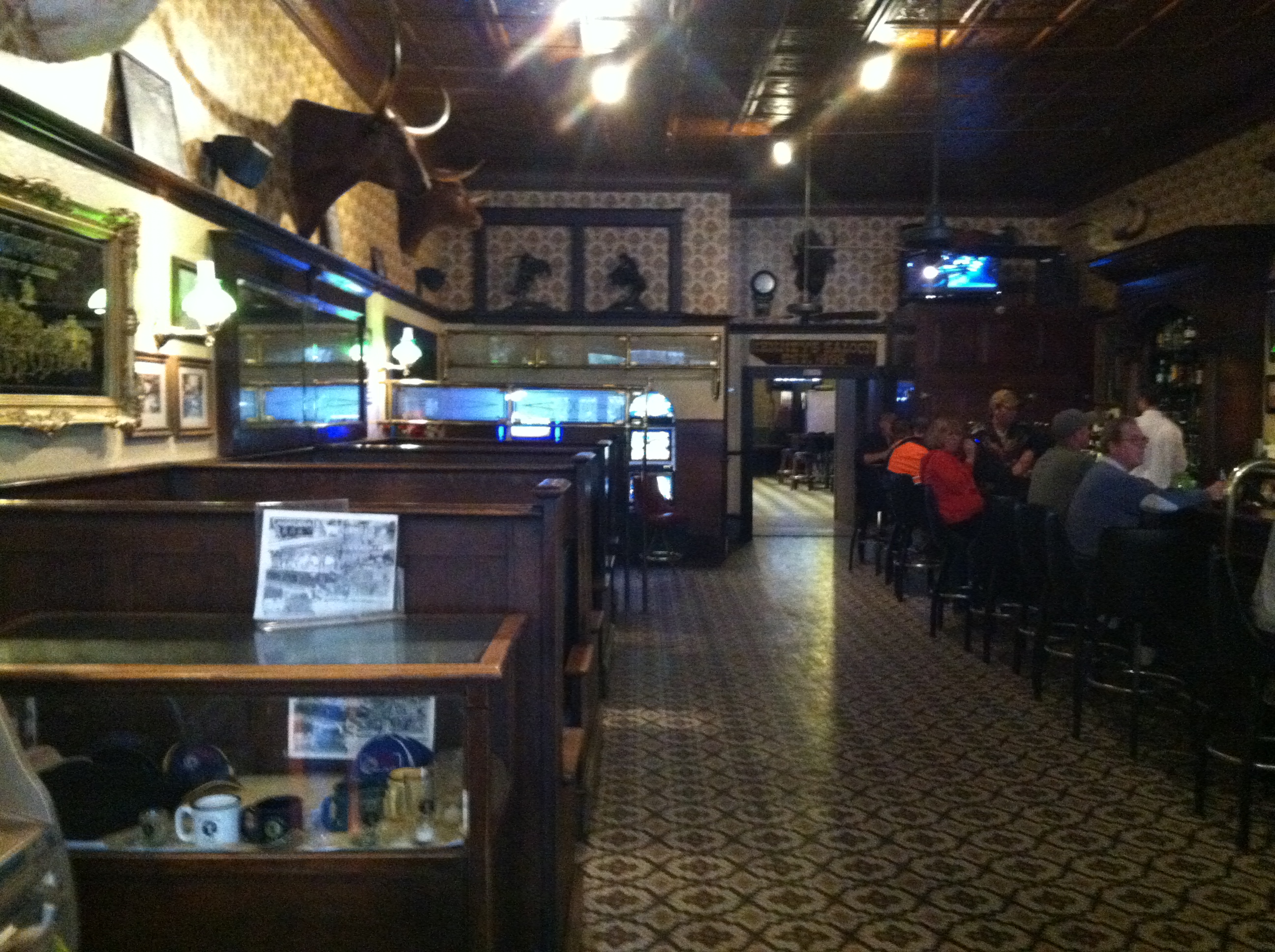
 head to Miles City, which is the place to go if you wonder, still, “where’s the beef” and a city that is the proud home of the famous Montana Bar.


 within New Deal landscape that forever changed the look of this region in the 1930s. Locals and tourists mix together–because the hotel is the only place to go, unless you want to backtrack to Glasgow and check out Sam’s Supper Club on U.S. Highway 2, and its equally neat 1960s roadside look.

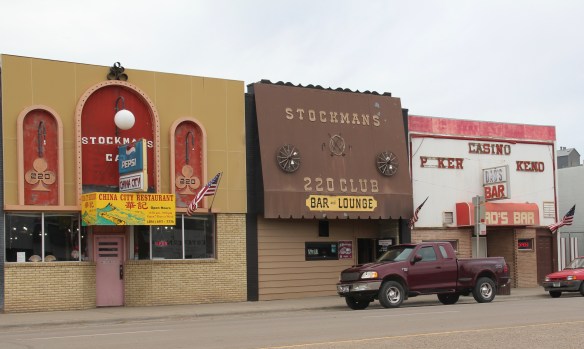
 entertained generations of Grizzly students and fans–note the window mural. But it is just one of several favorite Stockman’s Bars I have encountered in my Montana fieldwork. My top choice is actually on the other end of the state–almost in North Dakota in fact–the Stockman’s Bar in Wibaux.



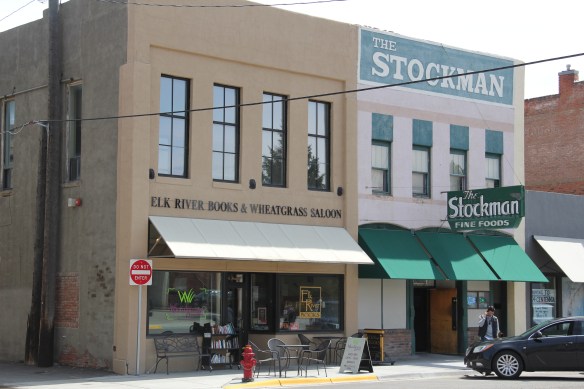

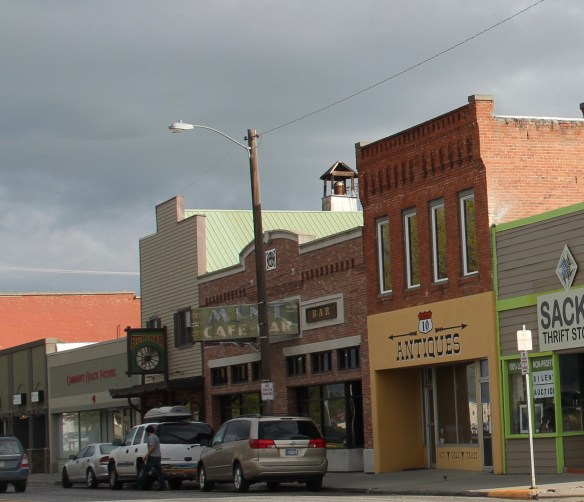
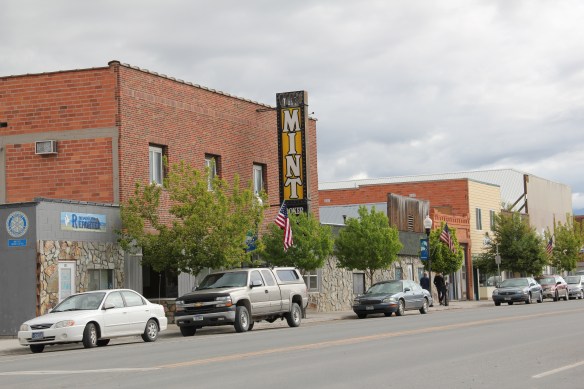


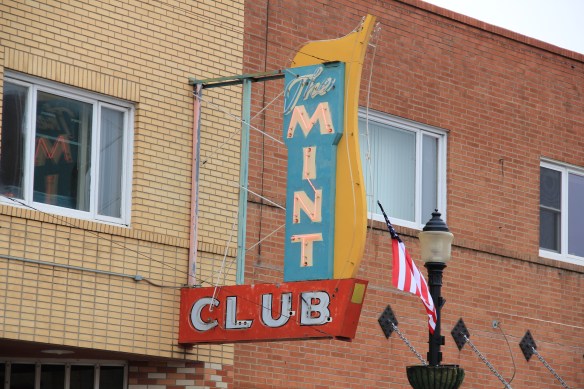

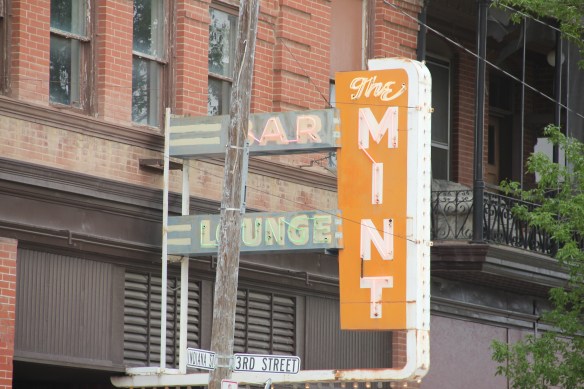


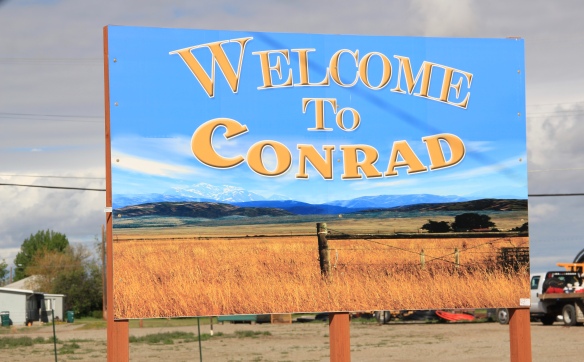 Conrad, the seat of Pondera County, is a railroad town, although the town’s close proximity to Interstate I-15 means that so many have forgotten the importance of this Great Northern Railway spur line that stretches from Shelby on the main line south to Great Falls.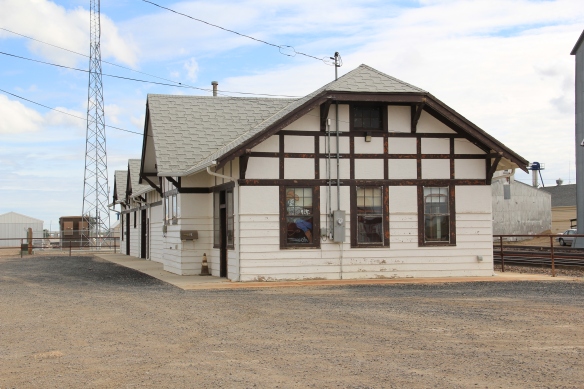
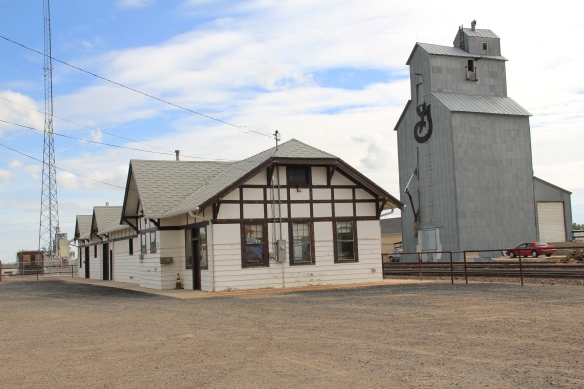 The town’s 1920s Arts and Crafts/ Chalet style Great Northern passenger station, along with grain elevators, serve as a reminder of the railroad’s importance to transporting the grains from neighboring ranches.
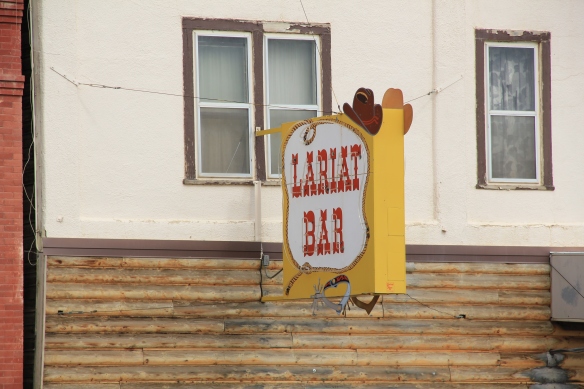
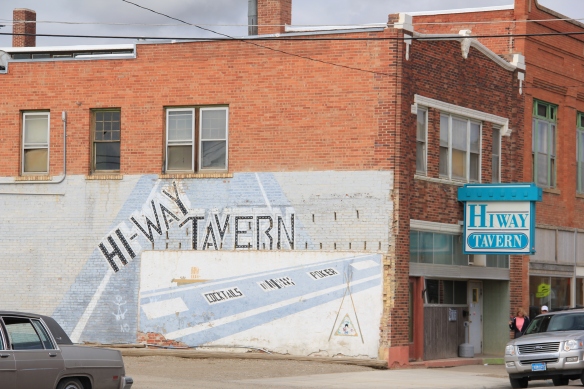
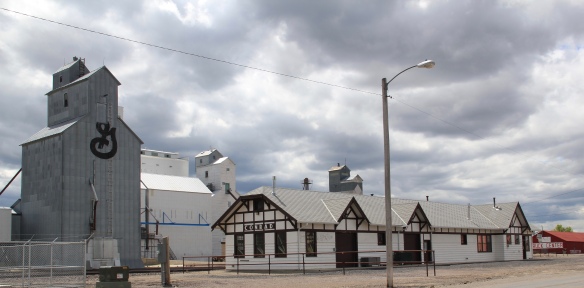 Facing the depot is a combination symmetrical town, with one story brick buildings, several of them classic western bars, and then a block long T-plan that connects to the historic federal highway U.S. 87.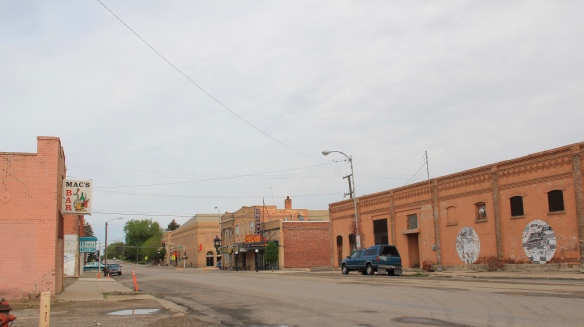










 Montana's Historic Landscapes