Preserve Montana makes many wonderful contributions to Montana, from history to trades education to heritage tourism. In late September 2025 I had the opportunity to attend its fun fall event, the Hidden Helena tour.
Helena trail riders club house
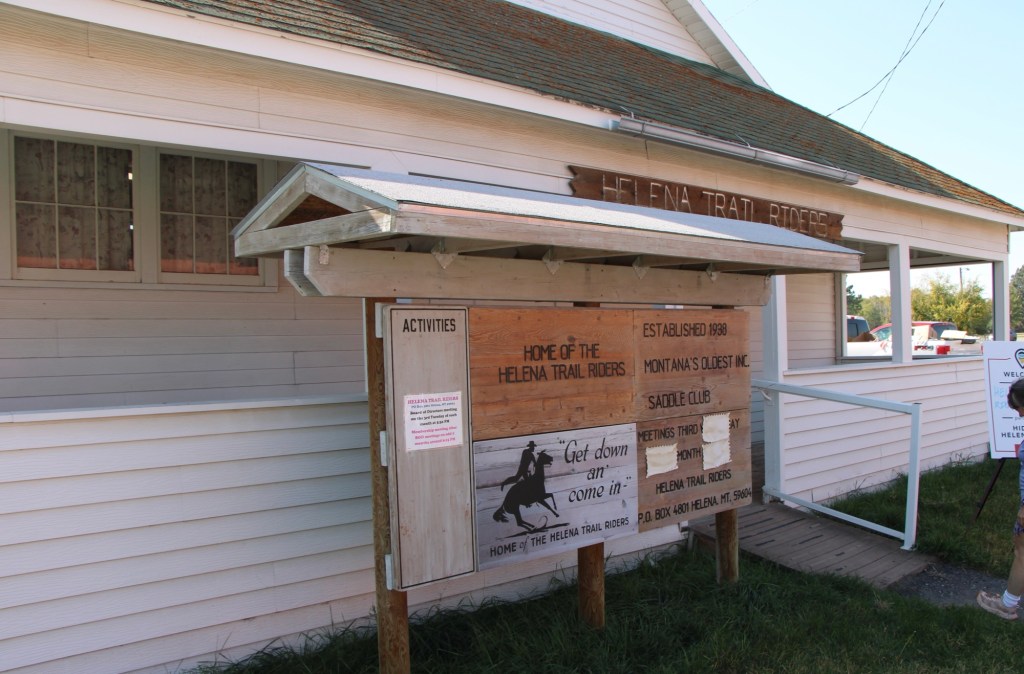
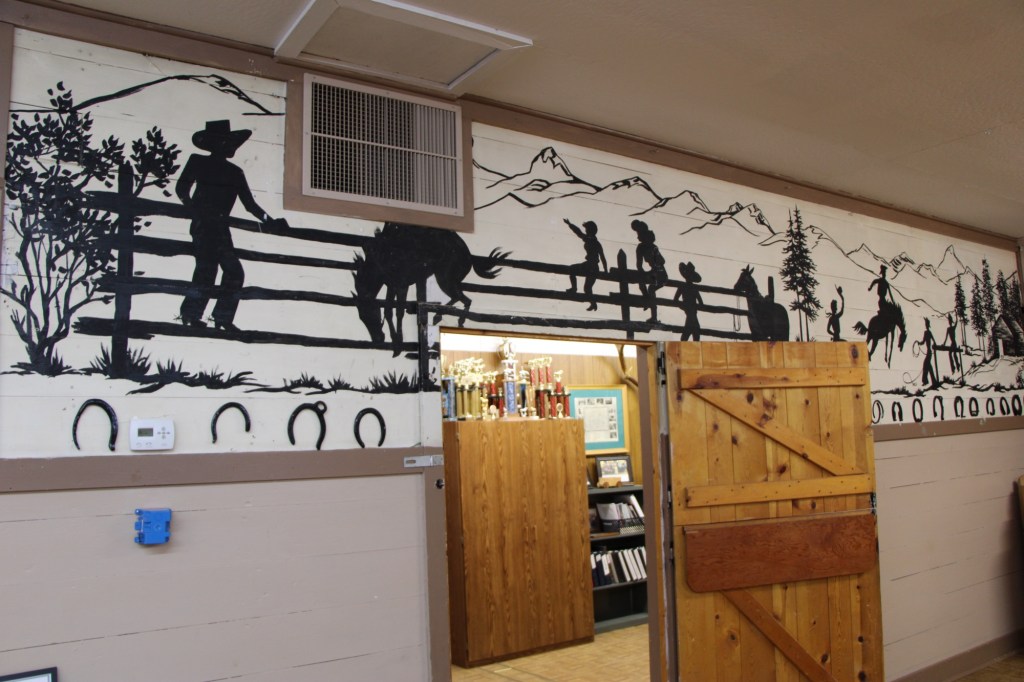
There were many jewels to explore that day but my favorite was certainly the Helena Trail Riders club house at what was once the State Fairgrounds but now the Lewis and Clark County Fairgrounds.
The group began in 1939 and within a decade it had built a loyal membership and a strong regional following through its annual riding competitions. It is recognized as the state’s oldest saddle club.
The first president was the Montana artist Shorty Shope, whose imaginative depictions of the Old West became known to millions of visitors through the decorative frames on Montana Highway Historical Markers that he developed for the state department of transportation in the 1940s and 1950s.
Original Shope frame design, 1983
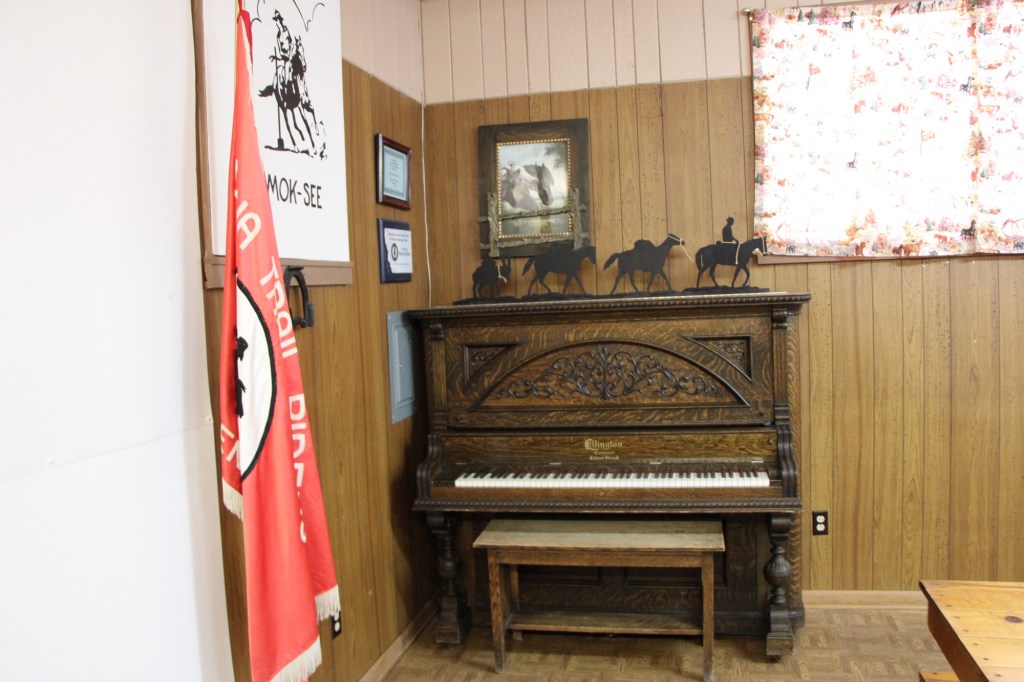
The Club house preserves several of Shope’s works, from metal castings to the covers of scrapbooks.
The most impressive work by far is the mural Shope created for the clubhouse wall. What an expressive example of his eye as an artist!
This clubhouse confirms my bias about most things Montana—you find the best stuff in the most unassuming places.
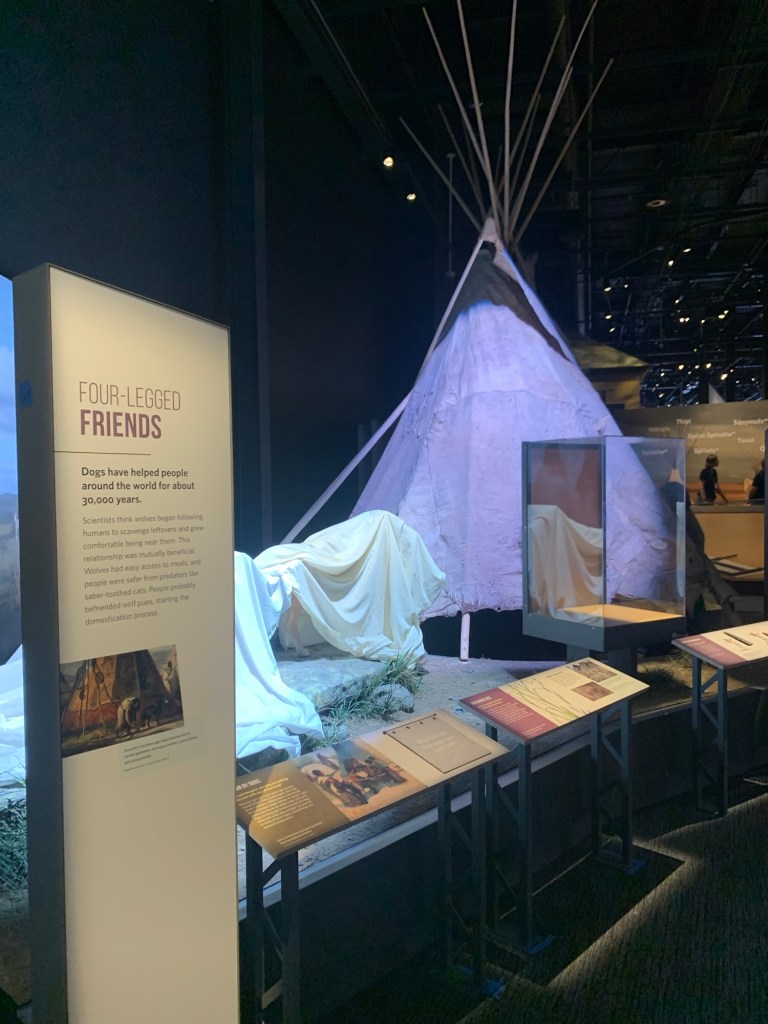
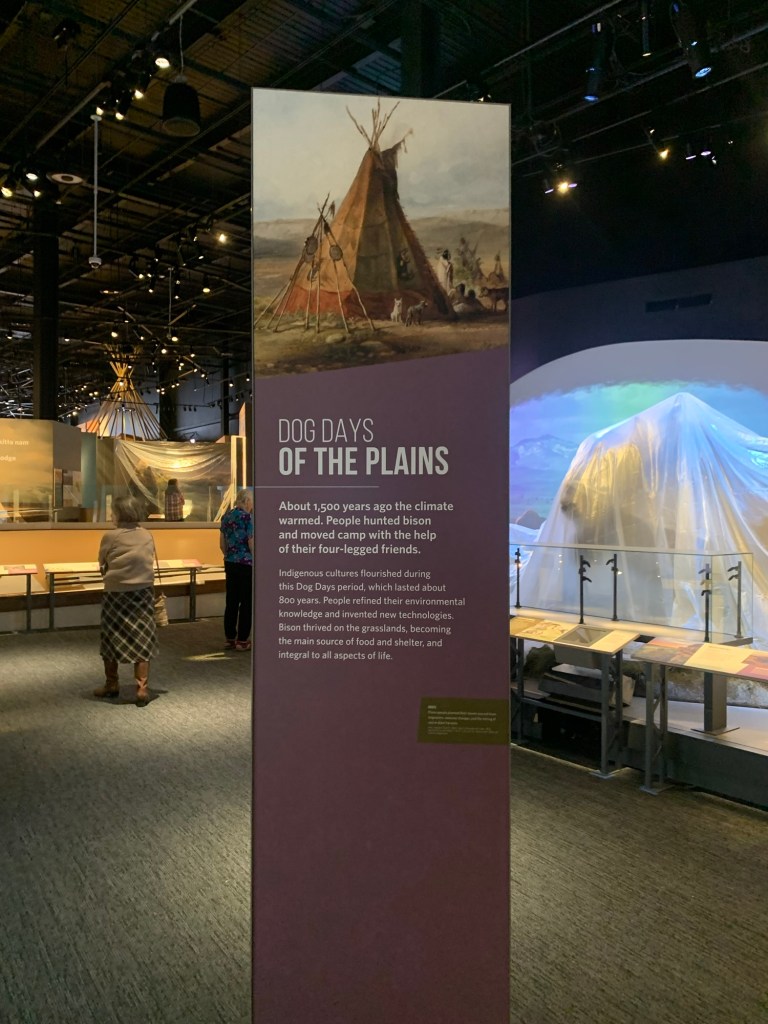
Like hundreds of others who crowded into the new wing of the Montana Historical Society to get a sneak peek of the new state history exhibit, titled Montana Homeland, I expected to be dazzled. After all it had been 40 years since MHS had last updated its primary history exhibit.
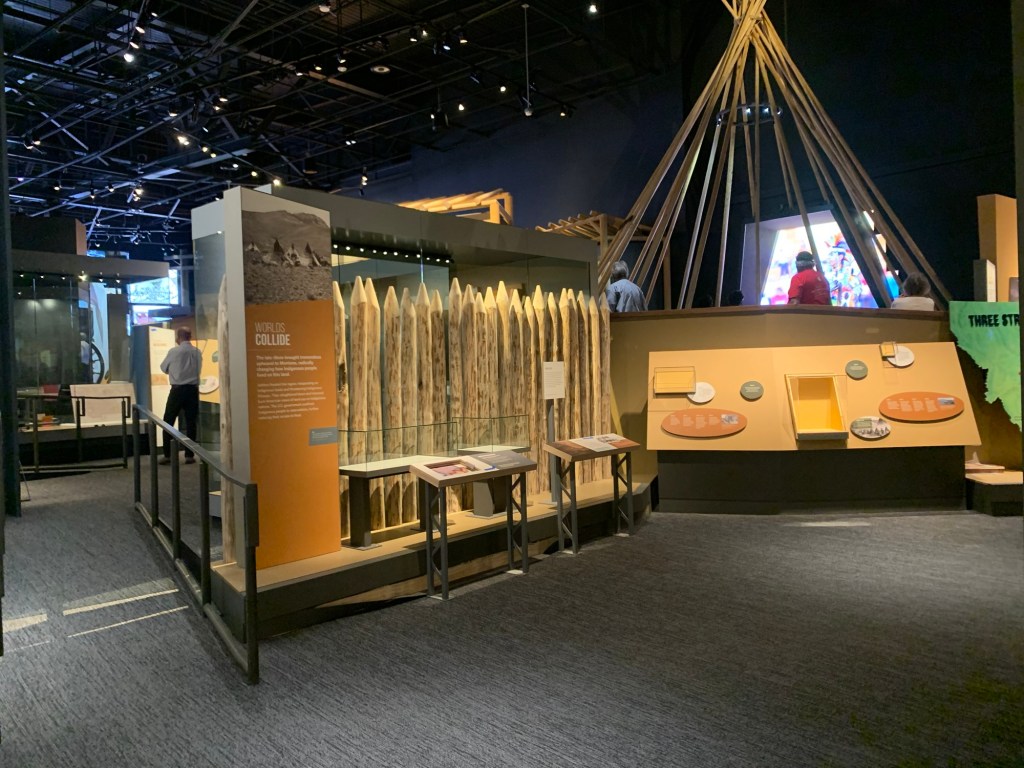
The architects gave the exhibit designers a huge lofty space and there are tipis galore, their height dominating everything around them, challenged only by a reproduction headframe.
The headframe is in a corner and fades into the background unlike the tips which literally command most views within the exhibit, even at the end.
The message of the exhibit team is not subtle—Indigenous people dominate the past of the lands that today comprise Montana—but the hand of people in the last 100 years also dominate the built environment. The exhibit is missing the one lofty structure that is still found everywhere, representing a property type that also ties together so much of the state’s history—the Grain Elevator. Wish there was one in these lofty spaces. It helps to explain the impact of agriculture, the homesteading era, railroad lines, and town creation.
20th century Montana is thus far greatly underrepresented in the exhibit, almost as if the attitude was that nothing matters that much after the homesteaders—let’s wrap this baby up!
But by so doing you downplay the huge impact of the engineered landscape on the homeland, especially the federal irrigation programs that produced mammoth structures that reoriented entire places—Gibson Dam comes right to mind, and then there’s Fort Peck.
Irrigation also is central because of the diversity of peoples who came in the wake of the canals and ditches. Not just the Indigenous, not just the miners but the farmers and ranchers added to the Montana mosaic. A working headgate—would that help propel the story?
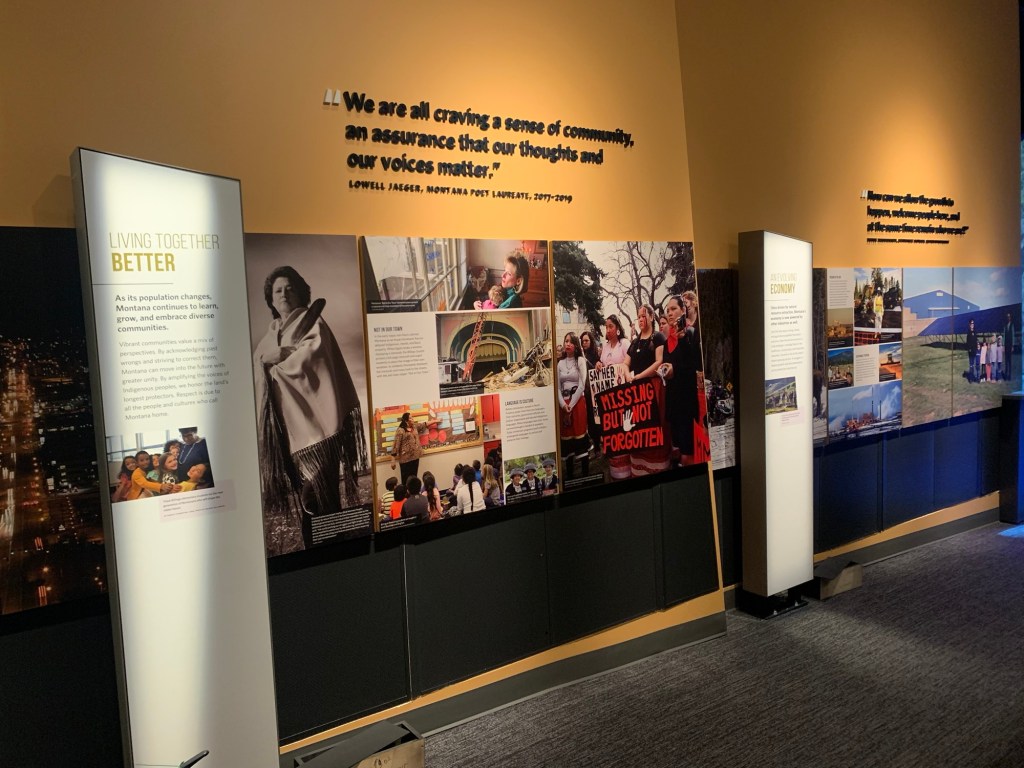
Right now the answer is no. There are many, many words in this exhibit, and, as people seem to want to do nowadays, the words are often preachy. I wondered about the so 2020s final section, where visitors are implored to live better together by accepting diverse peoples.
Montana is nothing but a melding of diverse peoples, from 14 tribes, the 17-18 ethic groups at Butte, the Danes of the northeast, the Finns of the Clark’s fork, and the Mennonites of the central plains, etc etc. if they had started challenging character of the actual Montana landscape had been front and center, then let history unfold to show how many people of all sorts of origins and motives tried to carve a life from it—you would have a different exhibit and one not so preachy.
Let’s hope the Final Cut has many less words, many more objects and a greater embrace of the state’s 20th century transformations.
At the state history conference in Helena next month, the almost complete new museum at the Montana Historical Society will be unveiled. (The completed museum will have its full public opening in December.) while we won’t be able to see everything yet I’m still looking forward to a peak behind the curtain.
It will be a transformational change for state history—a new platform to explore, interpret and preserve the state’s past. Why do I have such confidence—I was already part of such a project in the creation of a new Tennessee State Museum from 2016-2018. The new museum in Nashville has created a huge new platform for all types of activities in state history and everyone is benefiting, especially the state’s robust heritage tourism industry.
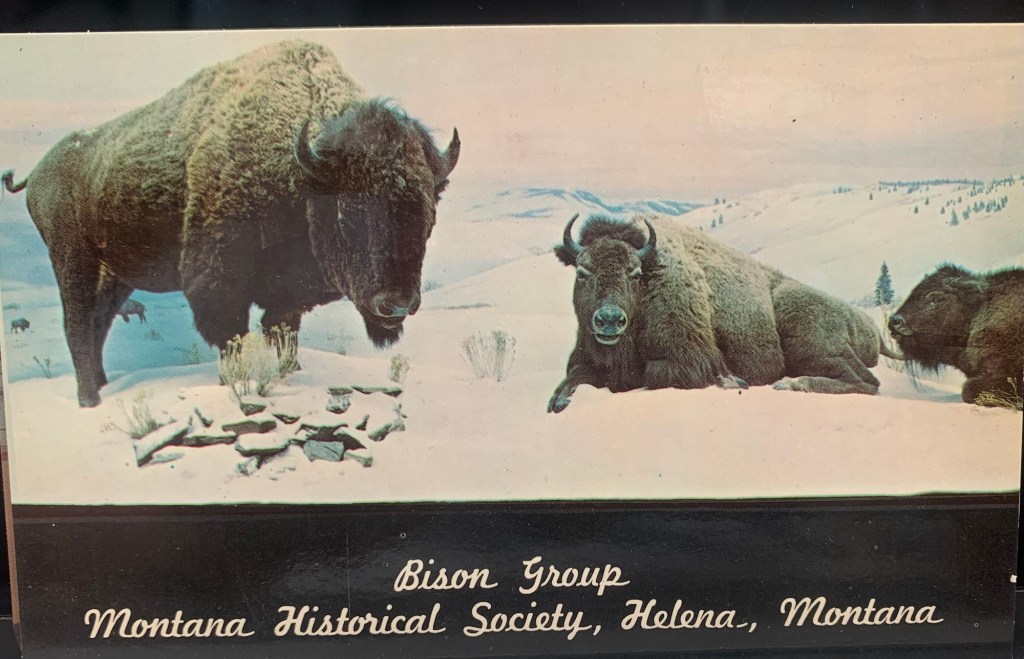
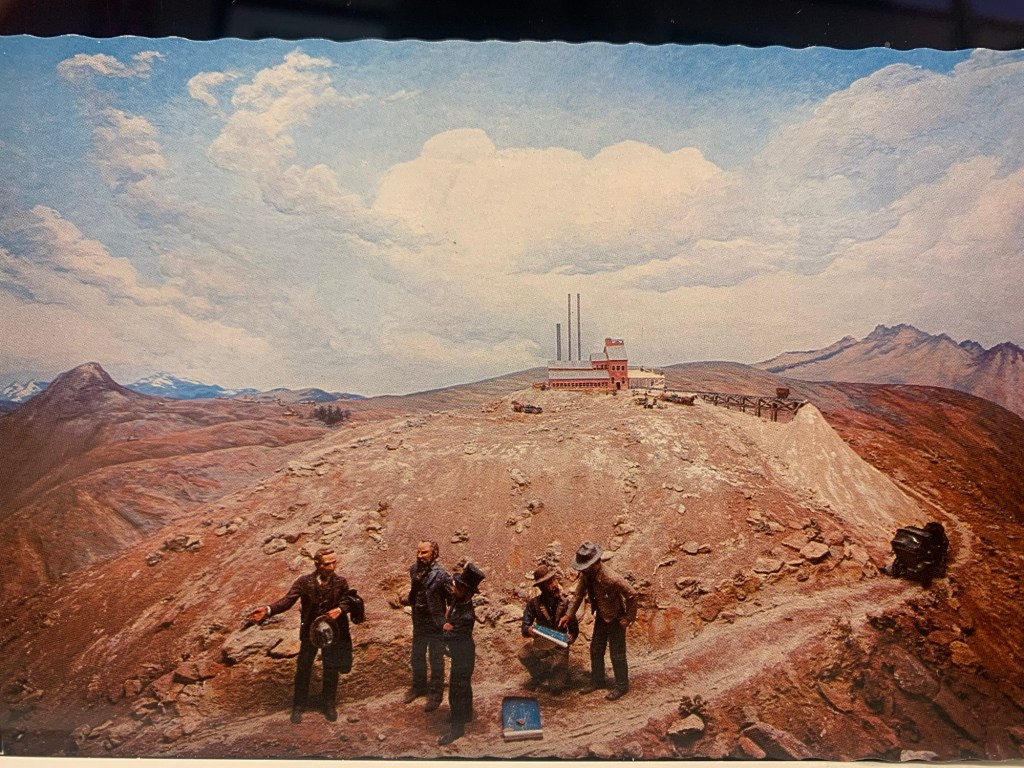
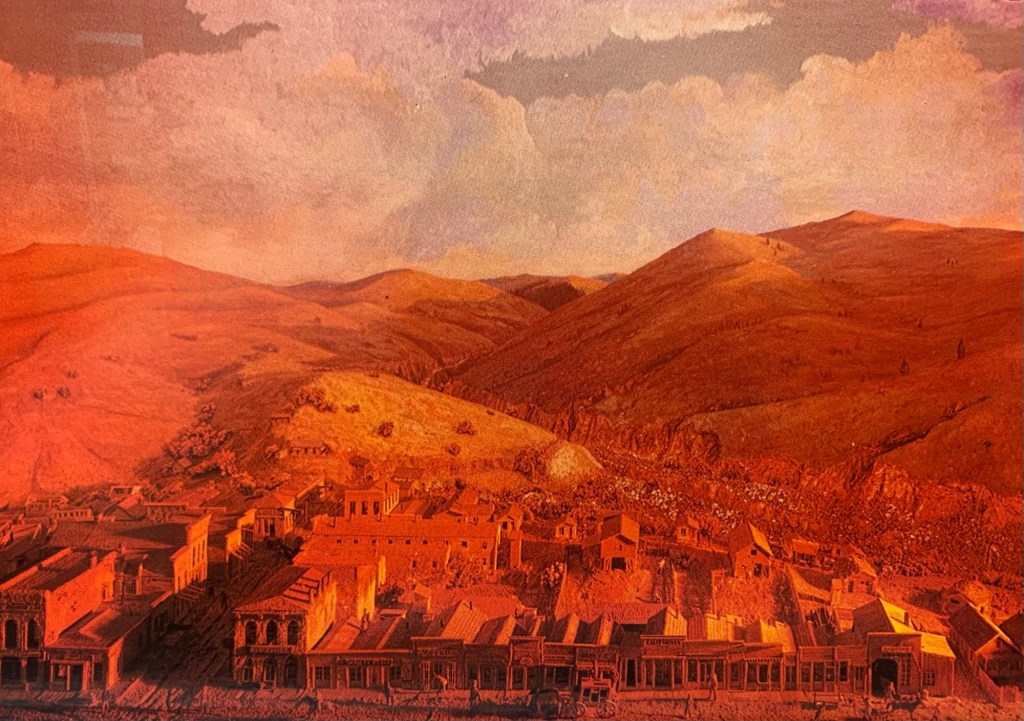
But before we get too excited about the future, let’s remember how this new change at MHS is just the latest chapter in how this amazing institution has served Montana. For this post I’m using some photographs but mostly postcards that I collected in Montana in the 1980s.
The Veterans and Pioneers Memorial Building dates to 1953. Here are two views, one emphasizing the Liberty Bell installation from the Bicentennial and the second reminding us how the tour train, established in 1954, started its tours there and connected visitors to downtown.
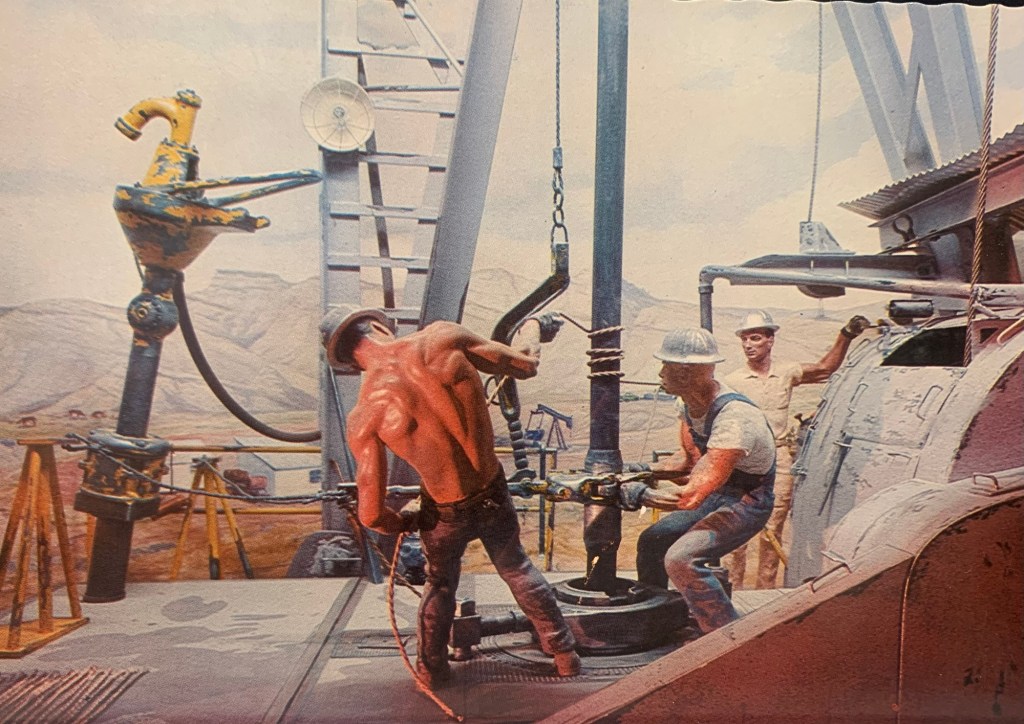
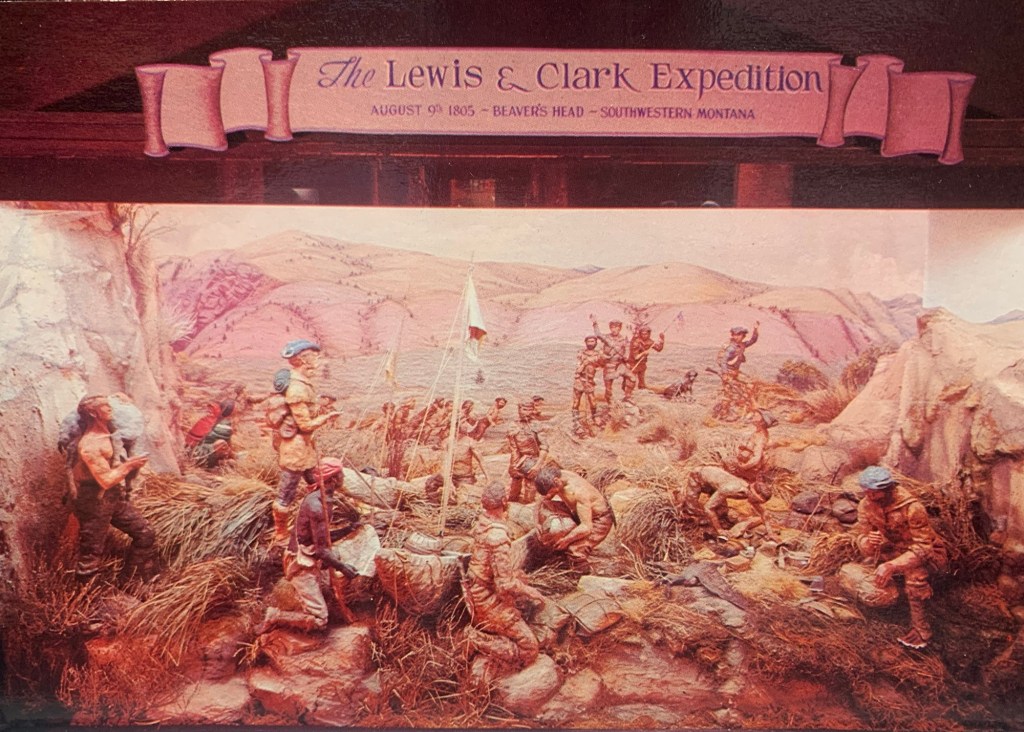
Some of us are old enough to remember the early exhibits—and the dominance of dioramas, dioramas, dioramas!
“The richest hill on earth”Virginia CityOil in Eastern MontanaPower lines on the plainsLewis and Clark diorama, the museum opened during the 150th anniversary of the expedition That diorama has had a second life at the Beaverhead County Museum in Dillon. Rudy Autio, the famous art potter associated with the Archie Bray Foundation and University of Montana, was the sculptor.
The highlight of the collection, then and now, was the Charles M. Russell gallery, although his work seemed out of sorts with the modern style of the building.
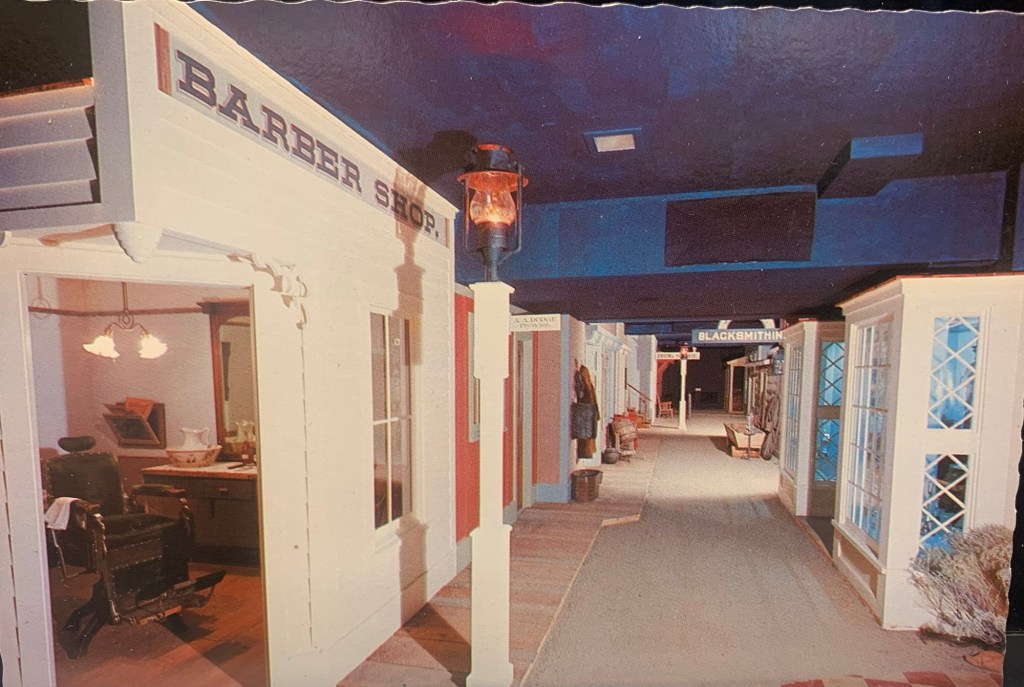
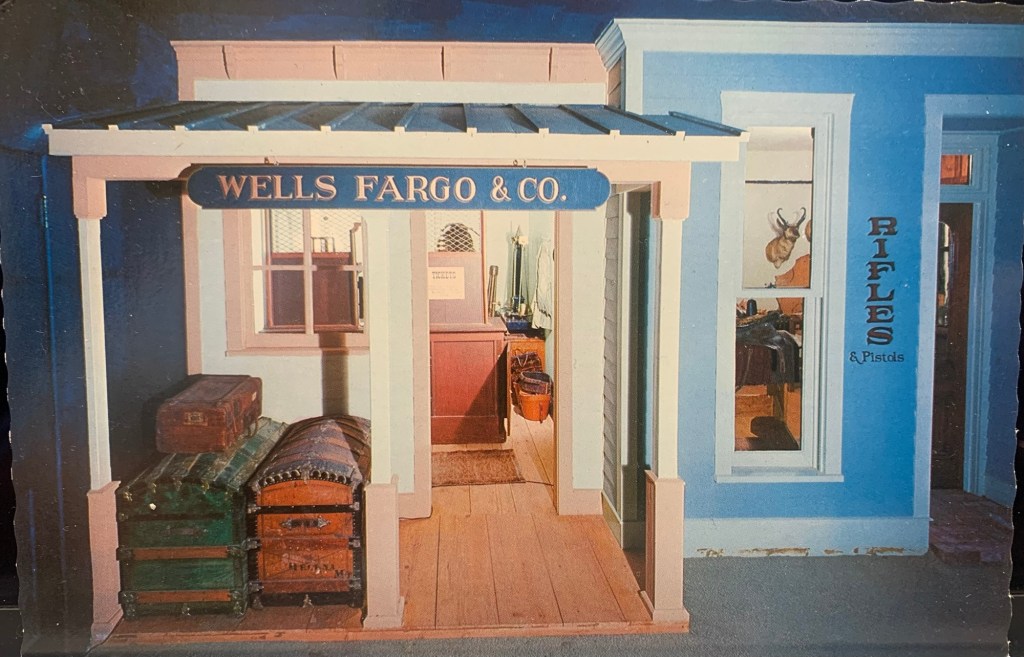
Then in the 1970s came the first transformation—placing Territorial Junction in the basement, a series of period rooms themed to a certain business or activity.
This installation had a tremendous influence on the many county museums that were built in the 1970s and 1970s as so many had their own territorial junction sections.
Mondak Heritage Center , Sidney, 2013
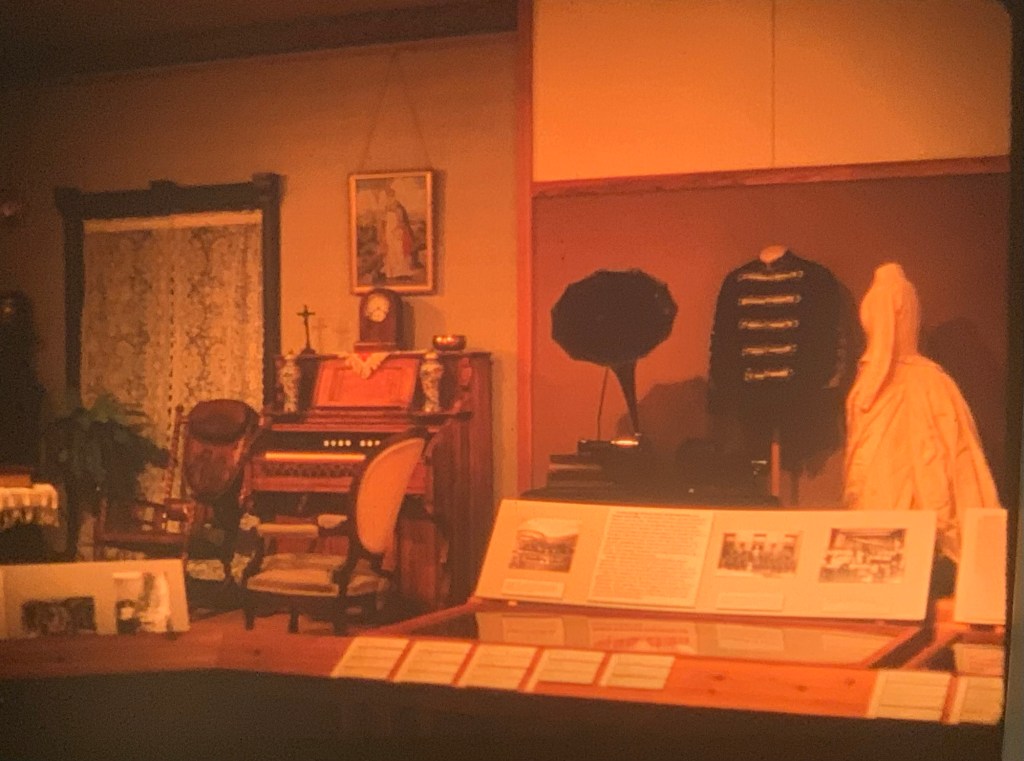
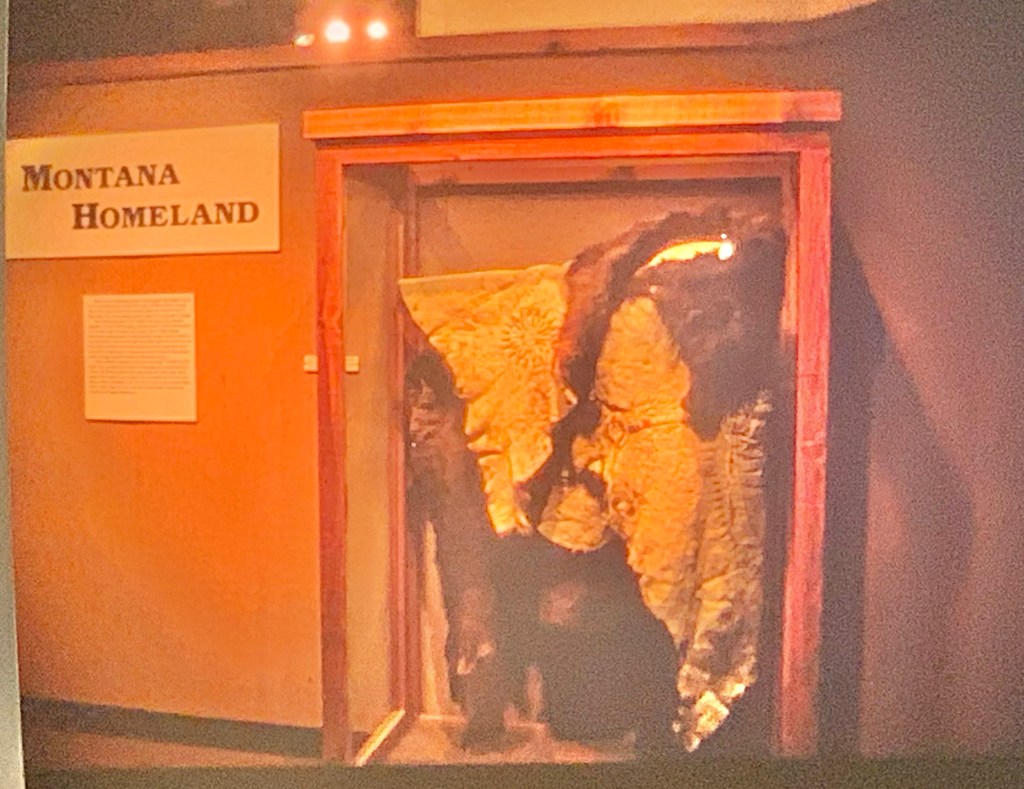
In the mid-1980s MHS staff planned and installed a new history gallery, named Montana Homeland. I visited it in 1988 and took a few slides—and in the dark light my images aren’t great but there’s enough to see how the approach had changed.
The new exhibit highlighted objects from the extensive and valuable MHS collections on Native American history.
Everywhere, from the sections on steamboats to the Victorian era to a 1930s kitchen, objects dominated the senses. It was a visual feast, an approach that I expect the new museum to continue but probably in a much more interactive way.
Yes, no doubt I will miss the old MHS museum but I’m pumped about the new one. What an opportunity! I will report more on this topic after September’s conference.
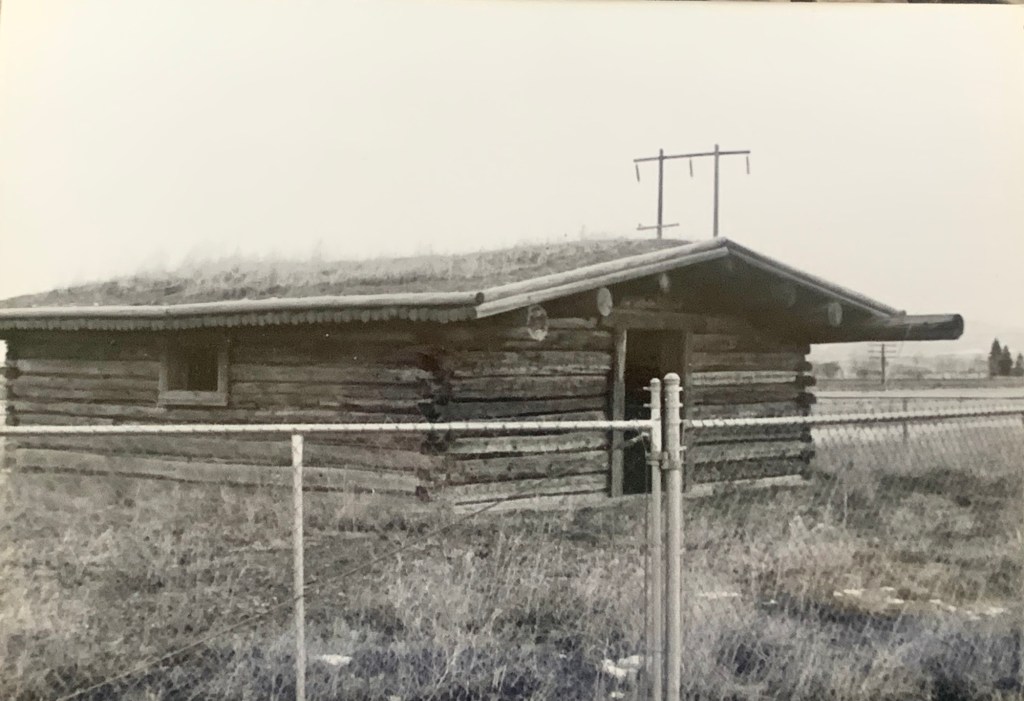
News out of Helena this week is that the historic Manlove homestead has been tagged and within days will be dismantled and placed into storage.
A landmark along U.S. Highway 287 for decades, the log building records the early homesteading era in the Prickley Pear Valley of Lewis and Clark County.
Manlove homestead in 1984
Its core dates c. 1864 but it has been moved to this roadside spot in the 20th century. It rarely has received the attention it had earned and now you wonder, due to the ever expanding sprawl of Helena and environs, if the cabin will ever see the light of day again. Once dismantled too many buildings stay that way.
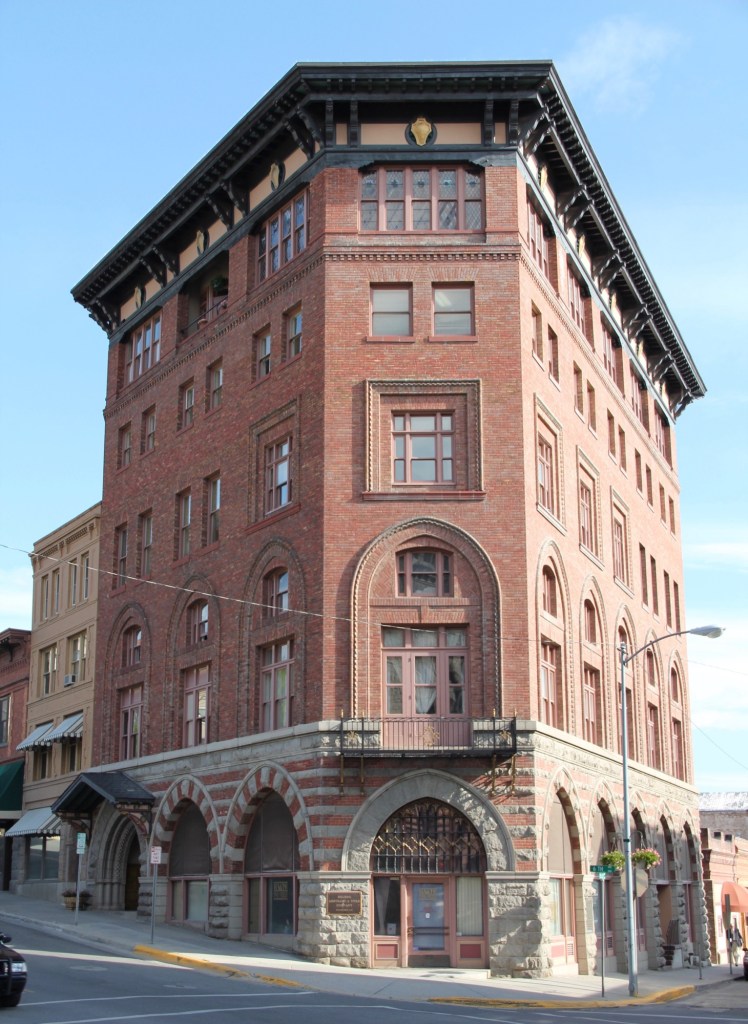
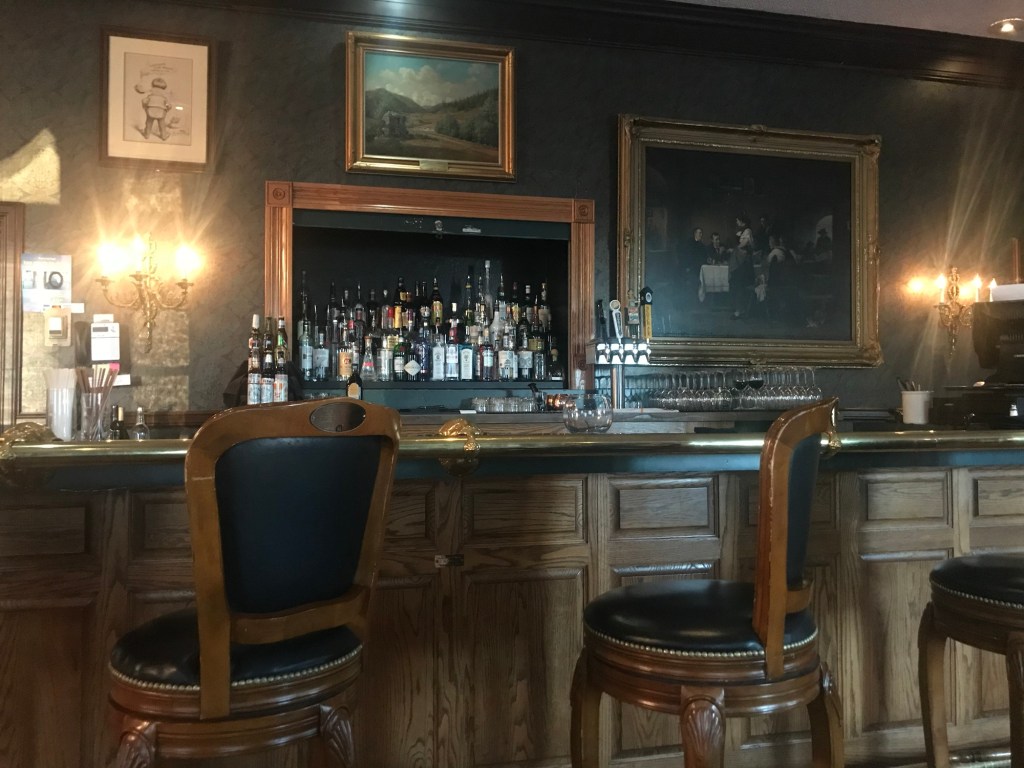
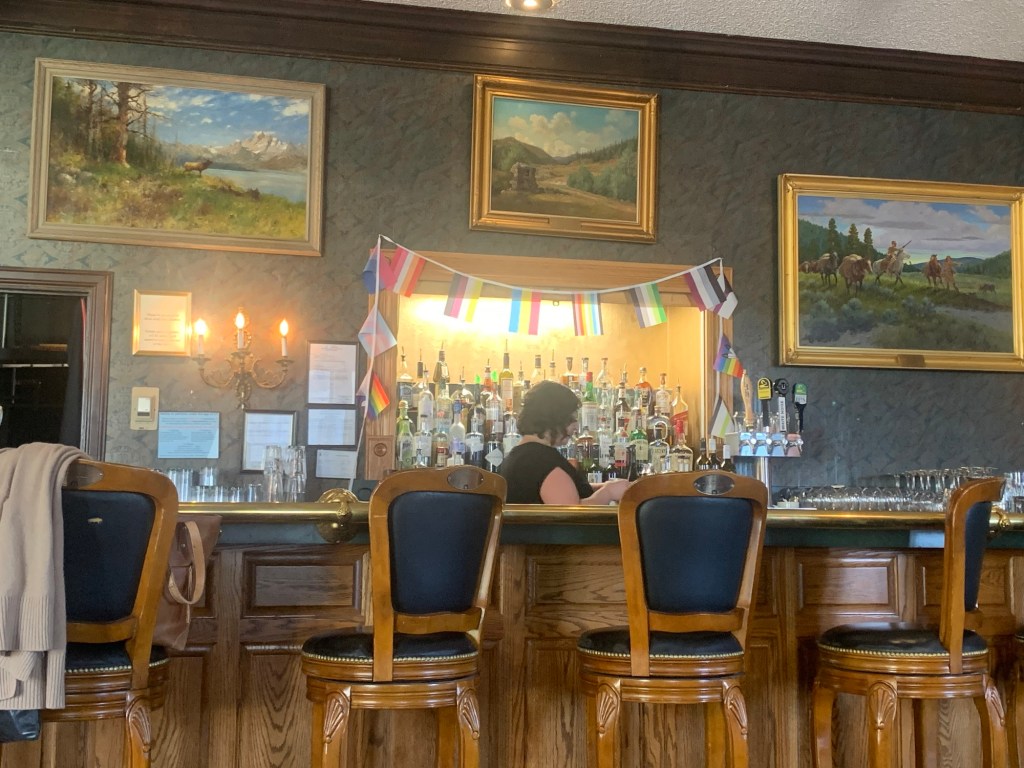
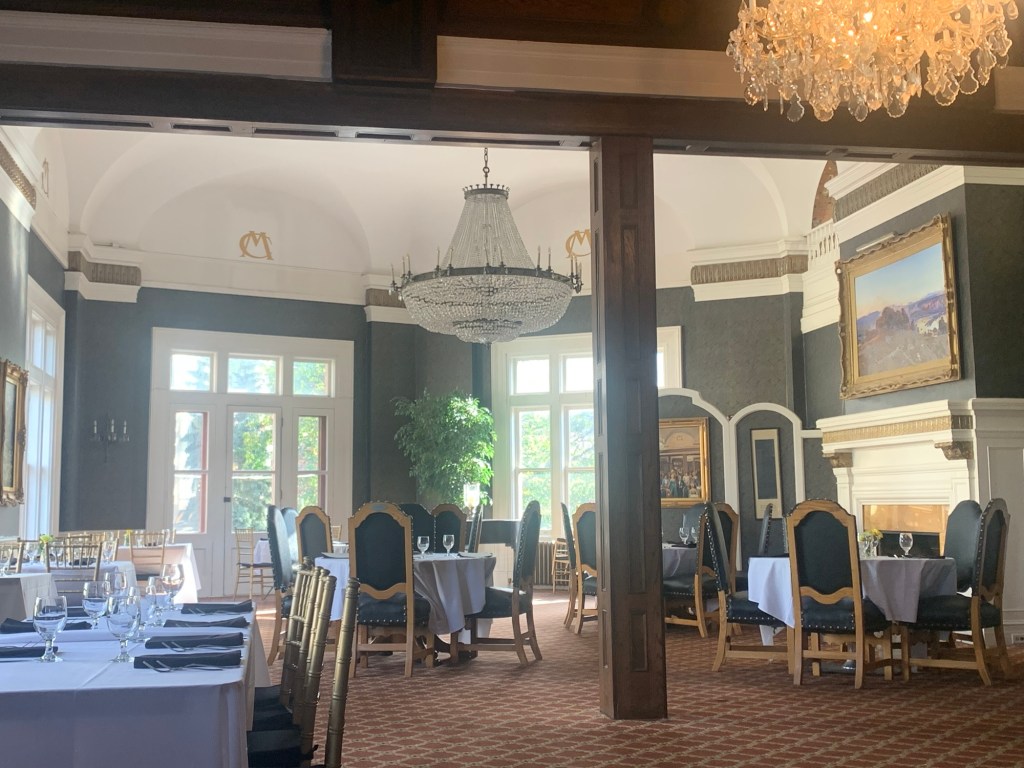
On Friday, March 29, 2024, the Montana Club closed its doors to patrons. Let’s hope it was a pause and not a terminal event in this 100-year old Helena landmark, which is listed in the National Register of Historic Places.
And landmark it is, with the original design by one of the nation’s preeminent turn of the 20th century architects, Cass Gilbert. The design cam early in his career but it’s a magnificent example of the Renaissance Revival style, in keeping with Gilbert’s love for classical forms. He ended his career with the remarkable classical-style Supreme Court building in our nation’s capital. I have long thought folks in Helena did not appreciate this Cass Gilbert building as one of the state’s great architectural statements.
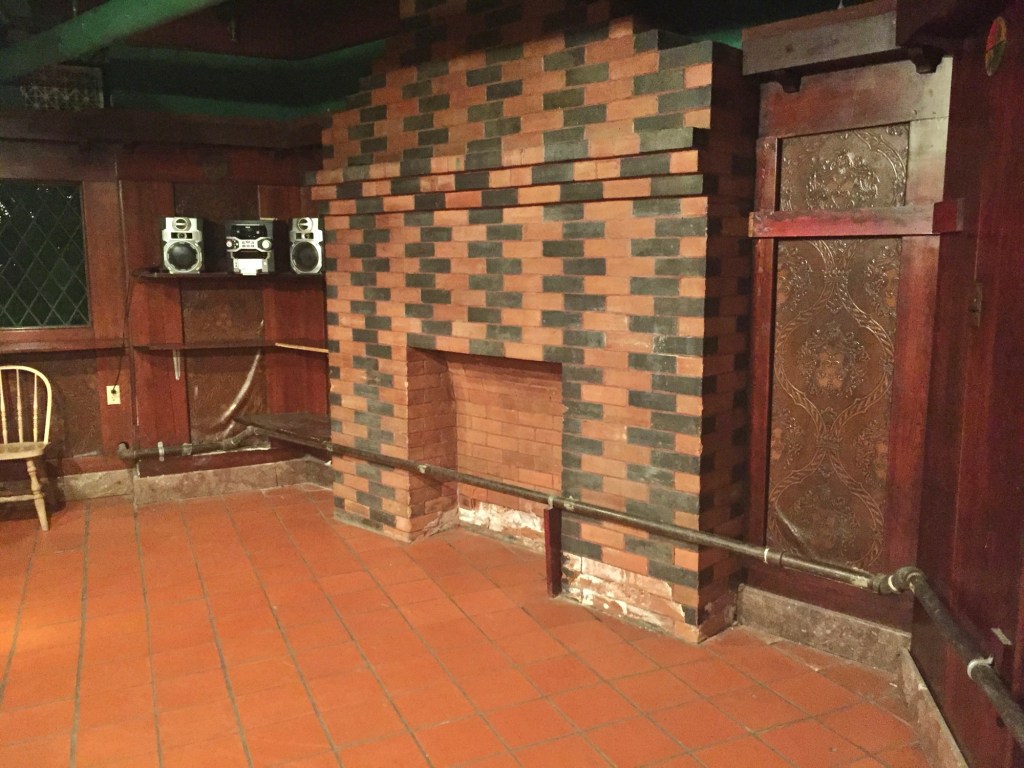
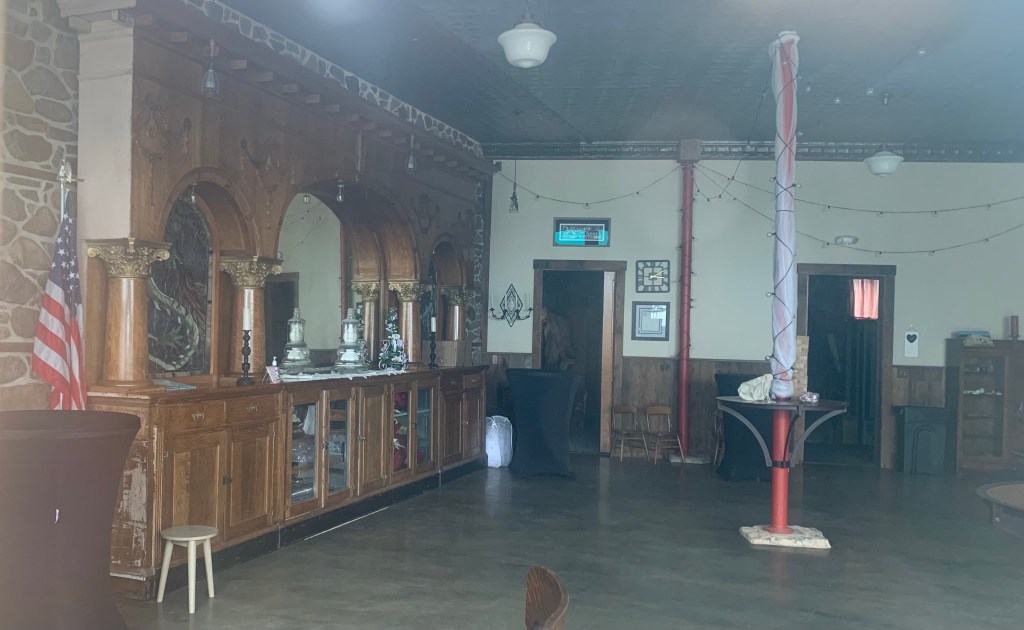
The Montana Club has delightful public spaces. The basement Rathskeller is a fun Arts and Crafts style room. I probably have had a few too many there.
I know I have had a few too many at the wonderful second floor bar, where generations of skilled bartenders practiced their craft, from which we all benefited.
The adjoining main dining room is gorgeous, and its huge windows allow for stunning views of the city.
Indeed the building is full of bold, imaginative and inspiring spaces. It’s a real jewel in the capital city. Let’s hope its doors don’t stay closed for long.
Rimini is another “ghost town” in Lewis and Clark County that actually has a number of permanent residents and that number increases during the summer and on weekends. The town served mines first discovered c. 1864 but not developed until the 1880s once the Northern Pacific Railroad ran a branch line to the town. the buildings from the late 19th century are excellent examples of False-front commercial architecture, especially where log buildings have a frame front.
The town’s 1904 school house is listed in the National Register of Historic Places. It serves as the Rimini community hall today.
Nearby is the Moose Creek Ranger Station, another National Register-listed building. Made of logs, the station was built in 1908, at the time the federal government established Helena National Forest. It is also associated with Camp Rimini, a CCC camp established across the road from the station in 1939.
The building then became associated with the U.S. army’s dog training facility from 1942-1944. The soldiers trained dogs to serve in Artic search and rescue teams.
Moose Creek Ranger Station garage
Thus this 100-year old log building is not only associated with the history of the US Forest Service but also helps to tell the story of the New Deal and World War II.
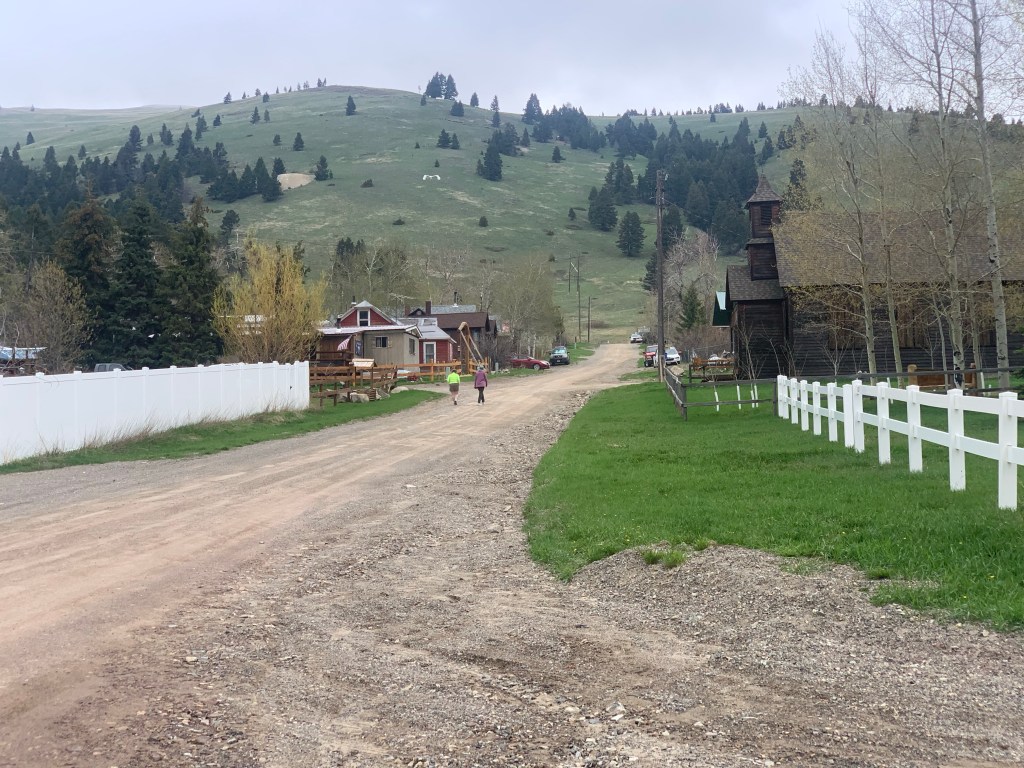
Marysville was the first mining ghost town that I visited in Montana in 1982. Forty years ago it wasn’t really a ghost town—several families lived there year round. But many buildings were abandoned, in disrepair, even one of the historic churches. Whenever families or friends visited me in Helena, I always took them to Marysville to see what was left because I wondered just what the future of the place would be.
I need not have worried. I had not been in Marysville since 1985 when I visited in May 2023. Today about 80 people live in Marysville—again far from being a ghost town. But so much preservation work had taken place since the 1980s.
Today many historic buildings from c. 1880 to the 1920s help to tell the story of gold mining in Montana at the fabled Drumlummon Mine owned by Thomas Cruse, a mine that overlooked the town. But work remains—other key buildings need their champion to ensure their preservation.
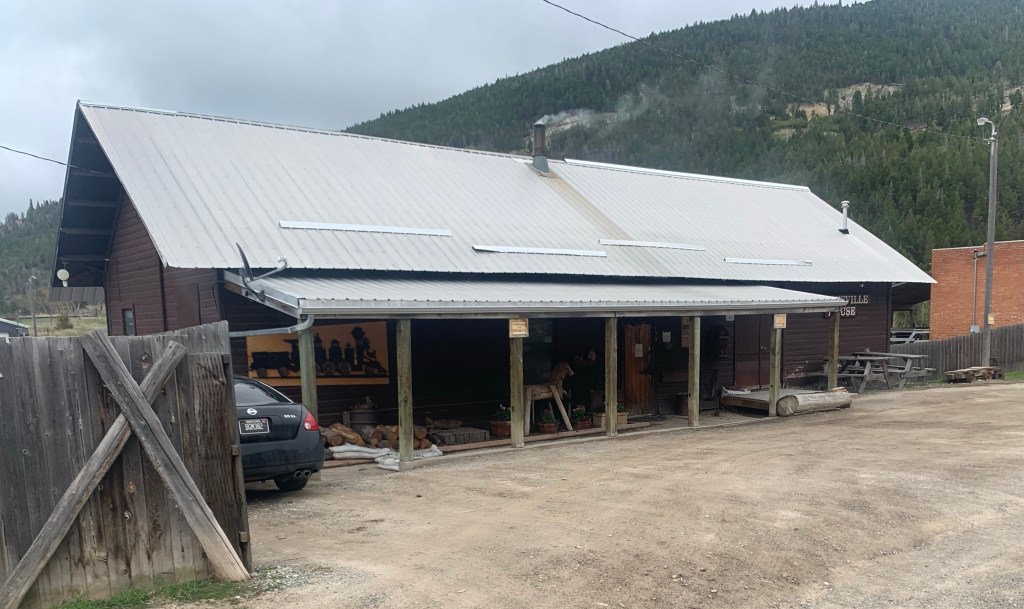
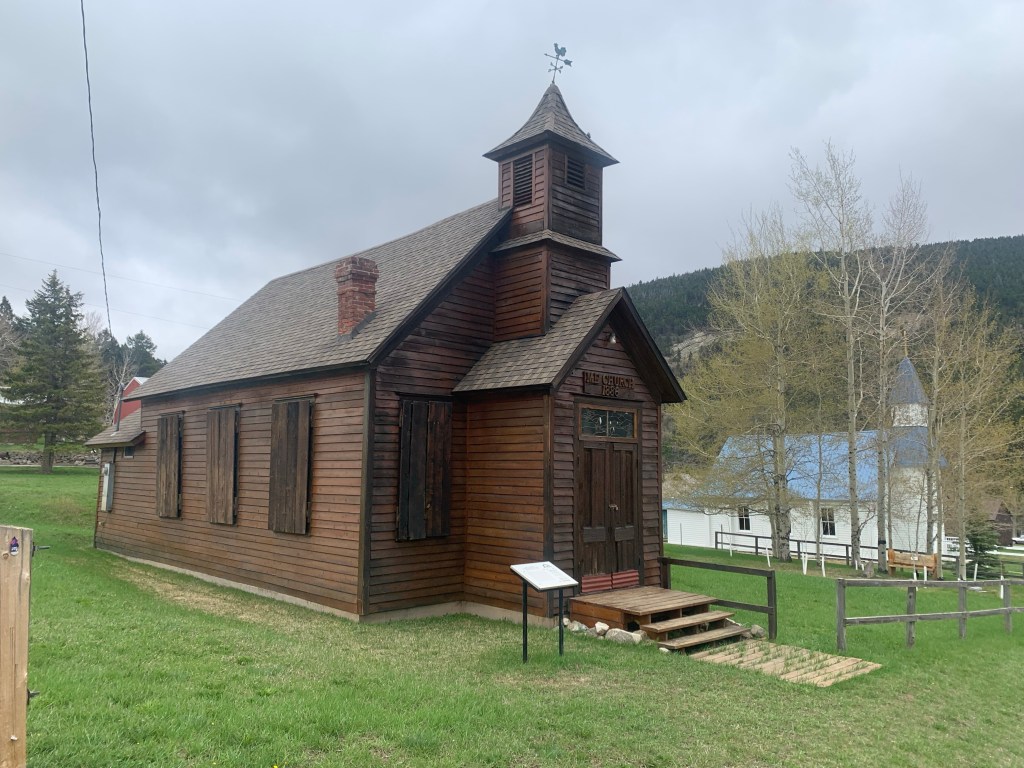
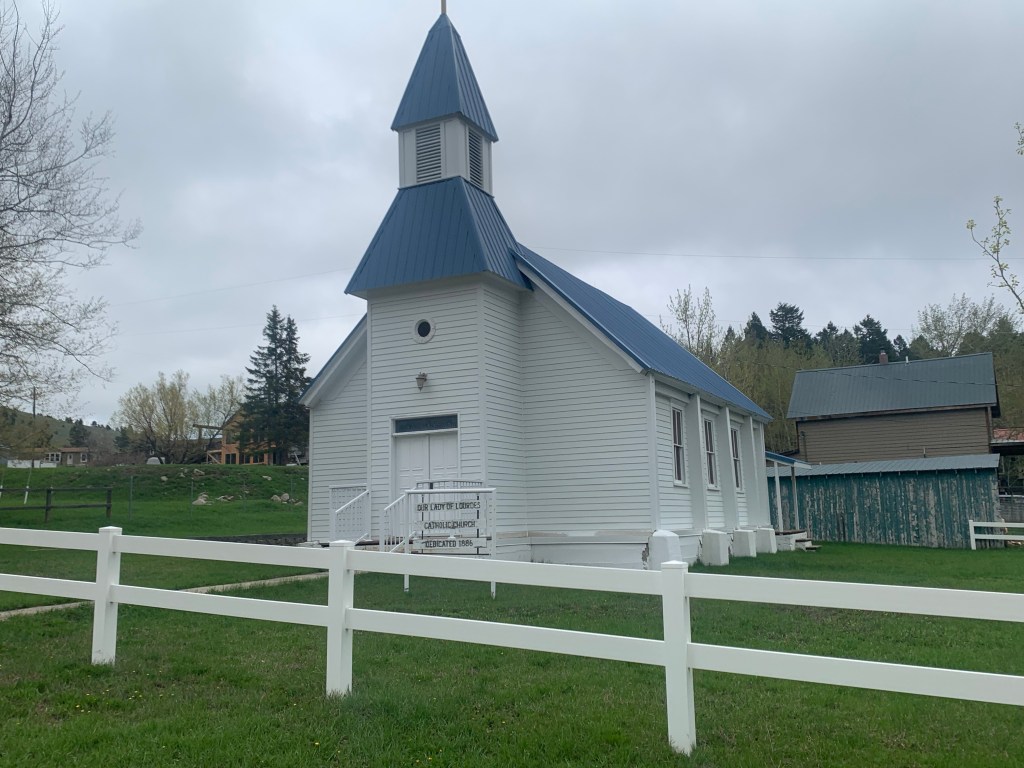
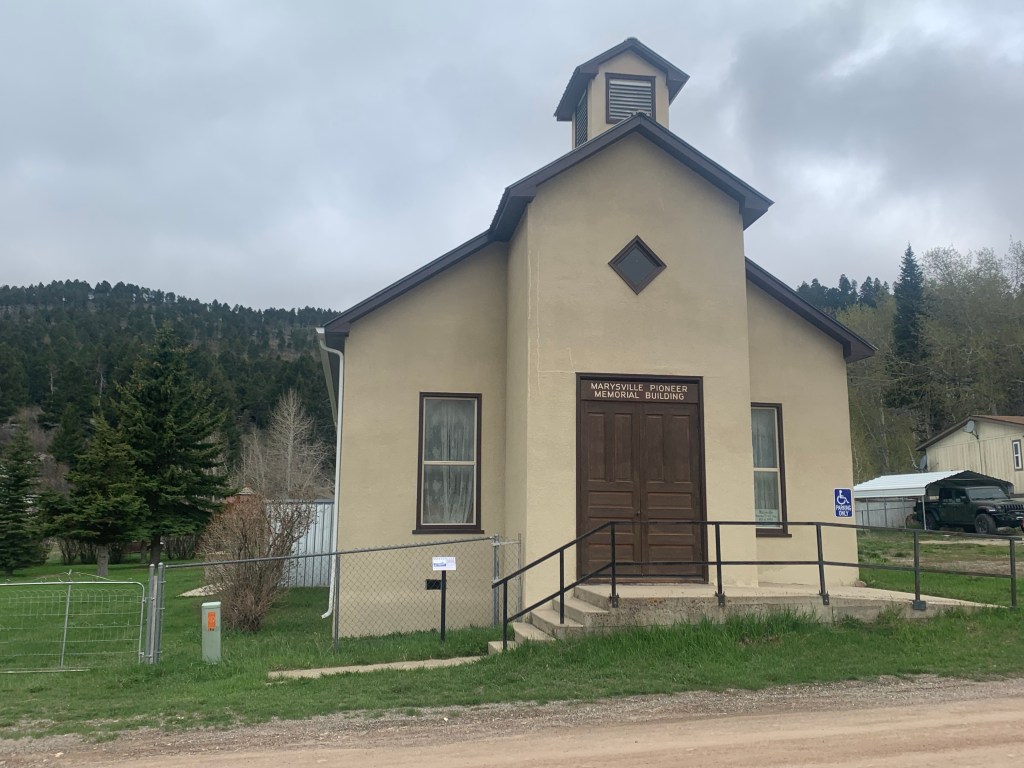
Drumlummon concentrator ruinsRuins only remain of this dwellingStone commercial building from 1895The 1898 Masonic Lodge Building with its impressive brick exterior dates to 1898. Both Mountain Star 130 and Ottawa 51 met in the building.Another important building was the general store, initially established by Ann and Blibal Betor (Betor was from Lebanon) c. 1898. When I lived in Helena the place was abandoned and in rough shape. A well planned restoration began in 2004 and was finished in 2018.The general store interior speaks to its conversion into a saloon and dance hall c. 1940.The former Northern Pacific railroad depot is now home to the town’s bar and cafe.Another restoration was led by the Hollow family at the town’s Methodist Episcopal church. This 1886 building is listed in the National Register of Historic Places.Our Lady of Lourdes Catholic Church also dates to 1886. Thomas Cruse later took some of his Drumlummon fortune and donated it for the construction of the Cathedral of St. Helena in Helena, MT.The Marysville Pioneer Memorial Building contains a museum about the town and its mining history.
The people who call Marysville home have been remarkable stewards. By keeping the town alive they also have preserved a special place in Montana’s mining past.
I had not been in Augusta since 2016–two years before the foods of June 2018 rattled this northern Lewis and Clark County town.
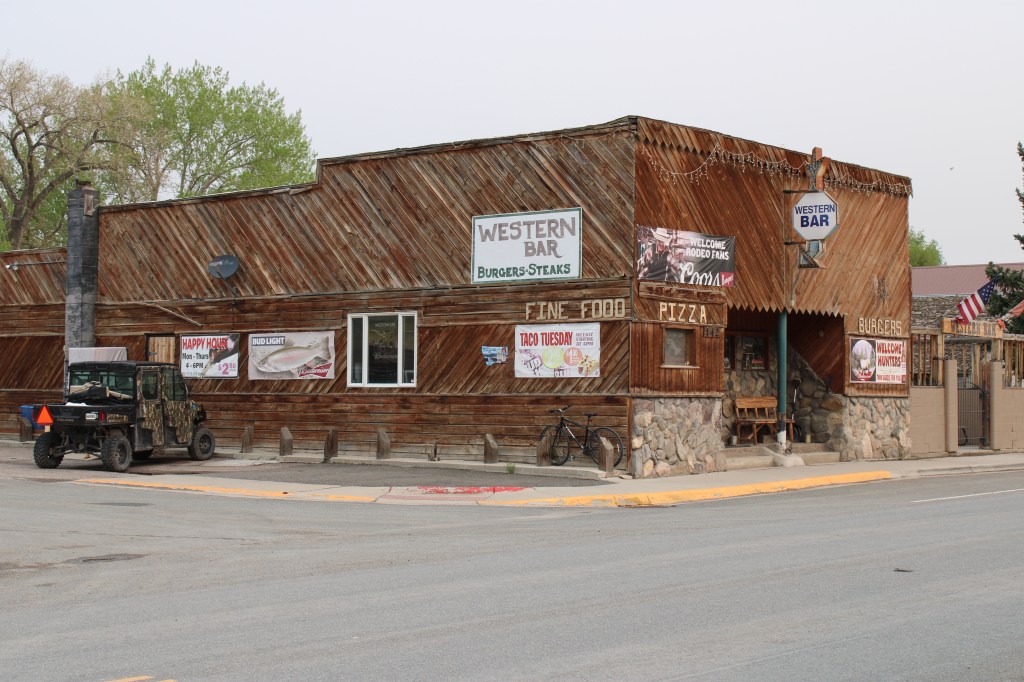
Old haunts like the Western Bar and the Lazy B Cafe were still operating, looking good.
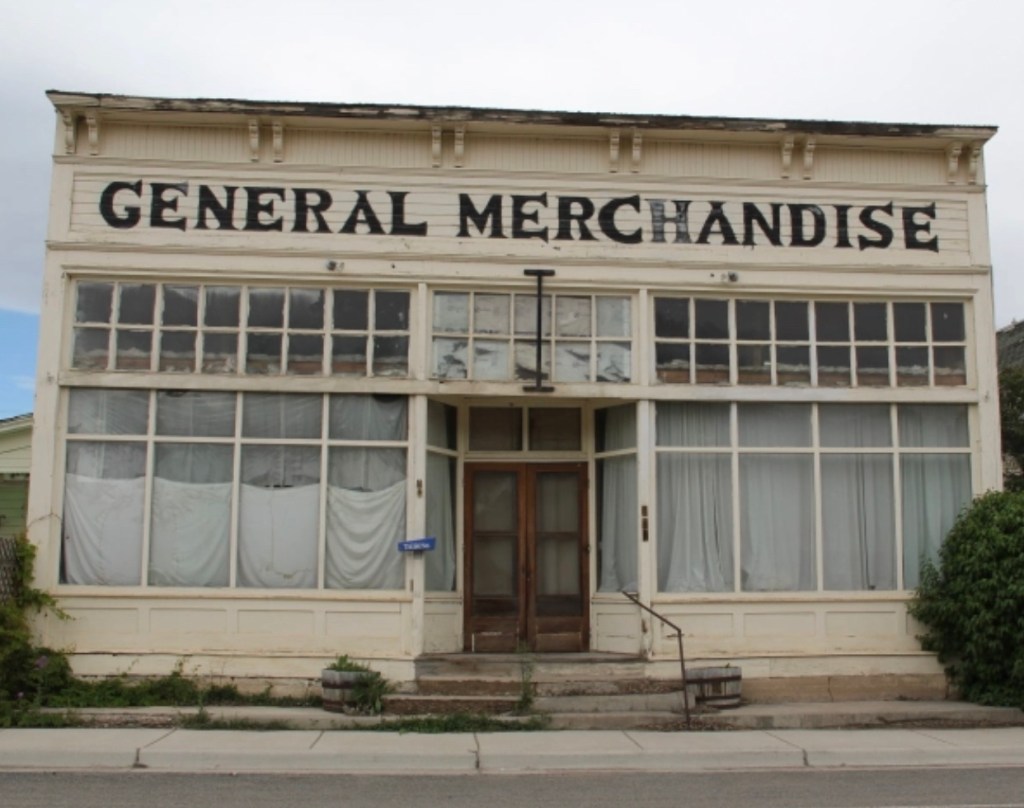
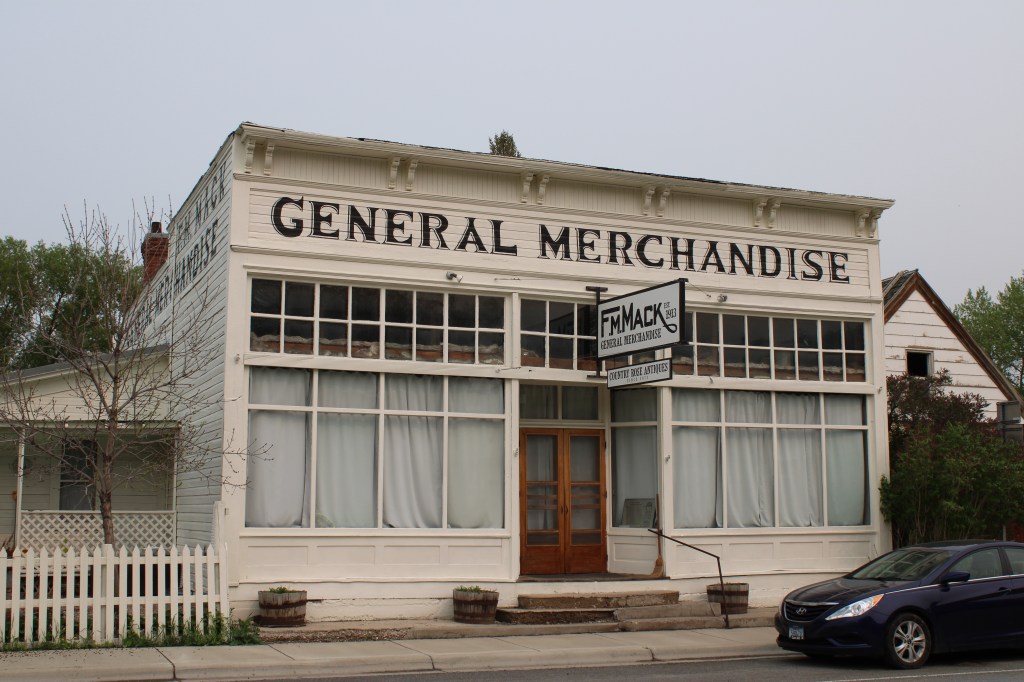
Recent historic preservation efforts had given a new life and a restored appearance to such as National Register-listed landmarks as the Mack general store and Quinn’s garage.
Mack’s general store, 2016Mack general store, 2023Quinn’s Garage, closed in 2016Quinn’s Garage, 2023. Now listed in the National Register, the garage is restored and open for commercial use.
The Augusta Branch, first established almost 50 years ago, of the Lewis and Clark County Library also had recent renovations and a new ramp. A great place for more information about this very historic rural Montana town.
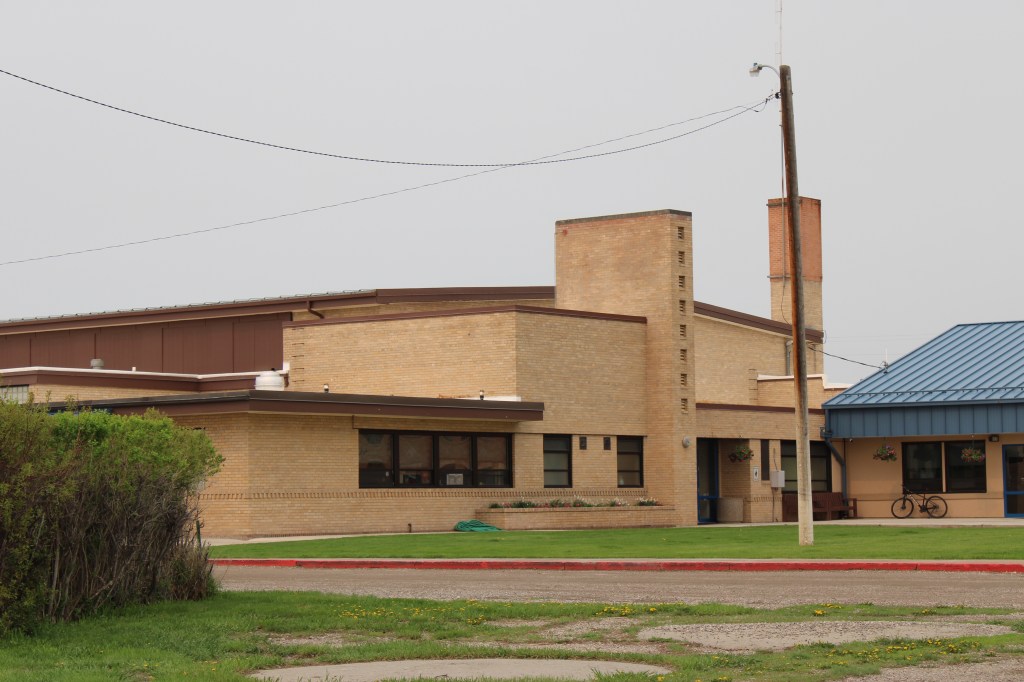
And I still love the historic school, both the classical building from the first decades of the 20th century and the more modern styled building from the mid-20th century.
Augusta is a place, as I discussed in this blog in 2016, that is long in history and short in pretense. You need more evidence—just trim around from the school and consider its neighbor, a Masonic Lodge with a concrete block facade fitting a Quonset hut-like structure behind. What a great place.
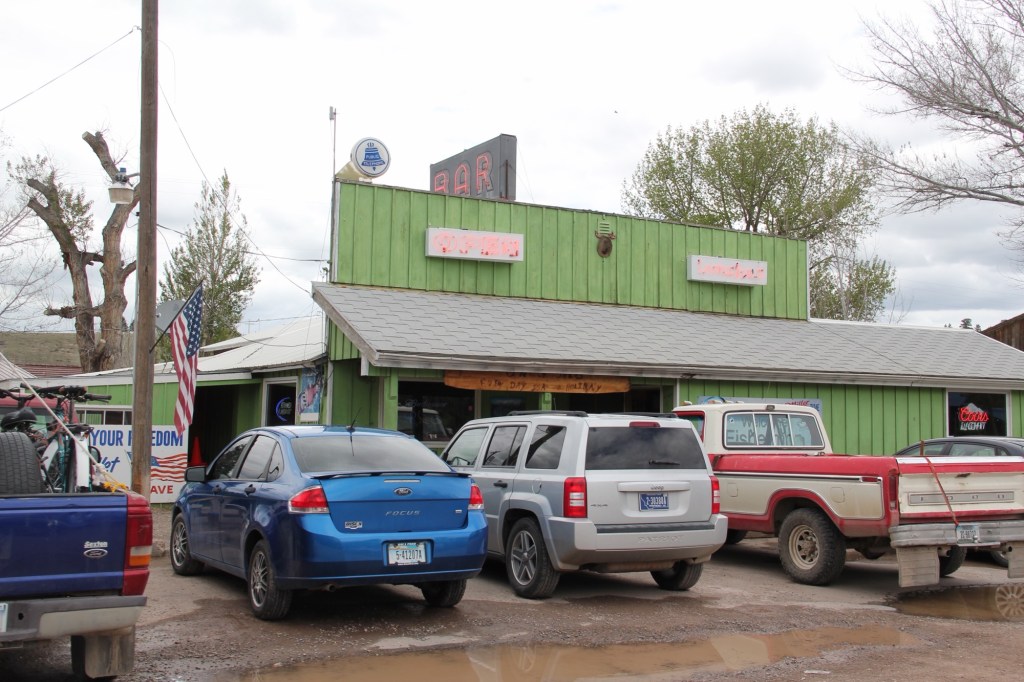
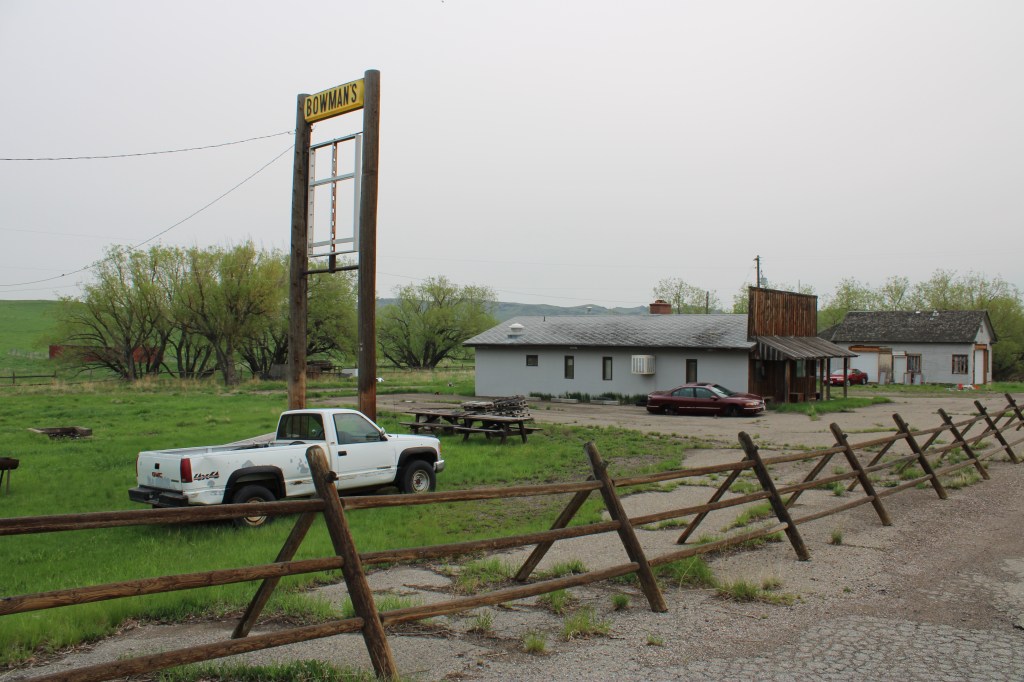
Forty years ago you expected to find crossroads places—typically a bar/cafe, often with a store and gas pumps—whenever you passed through major highway junctions. At the intersection of Montana Highway 200, which is still a major east-west route, and US Highway 287 stood Bowman’s Corner in northern Lewis and Clark County.
Bowman’s Corner 2023Cafe, bar and store
Today the place is there—the building remains while the sign has almost all blown away. Old cars are parked around. A fence tells you not to enter.
Old corral site
Particularly sad to see is where the rodeo corral once stood. I can recall taking a break once and watching some guys practice roping.
Here was a laid back roadside oasis. Not totally gone in 2023–but you wonder if Bowman’s Crossroads is not another crossroads place to be forgotten as the 21st century moves onward.
Preserve Montana is leading a community effort in Lewis and Clark Counto to preserve the historic Baxendale School.
Located adjacent to the historic campus of the Archie Bray Foundation and just down the road from Ft William Henry Harrison, the school with the neat Victorian entrance will become a preservation resource center where residents can have hands-on experiences in historic restoration.