Greenwood Cemetery in Wolf Point

Municipal cemeteries are key public spaces in the Hi-Line towns of Montana. As they mostly date from the 1890s to 1910s, the cemeteries are part of the region’s progressive-era history. New settlers sought to replicate their prior homes—building permanent schools, new churches, town blocks, and homes while also establishing cemeteries.
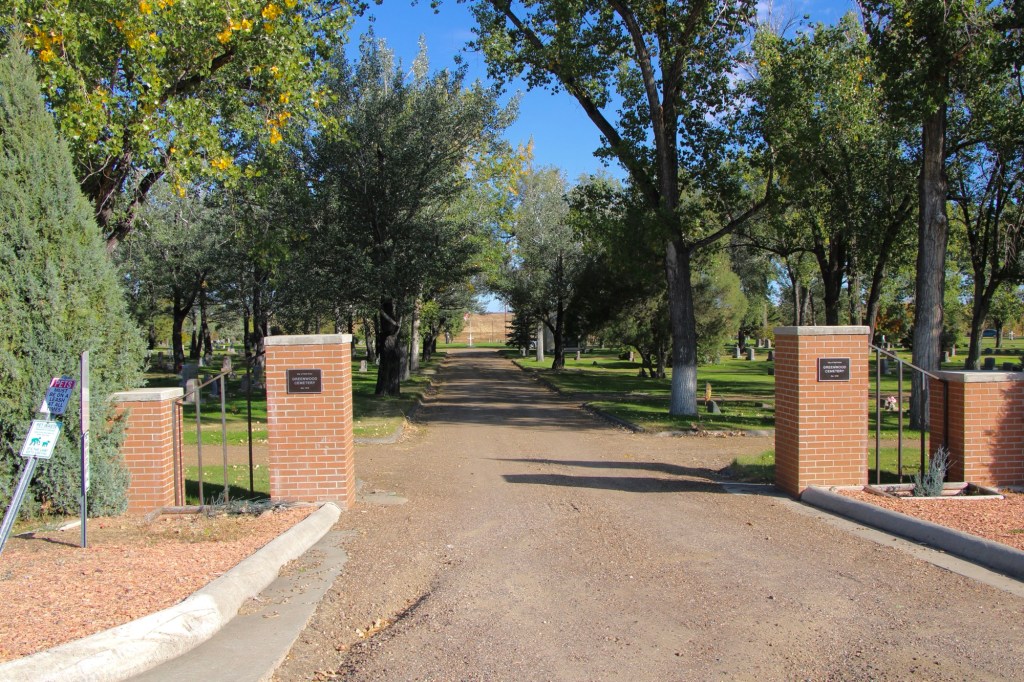
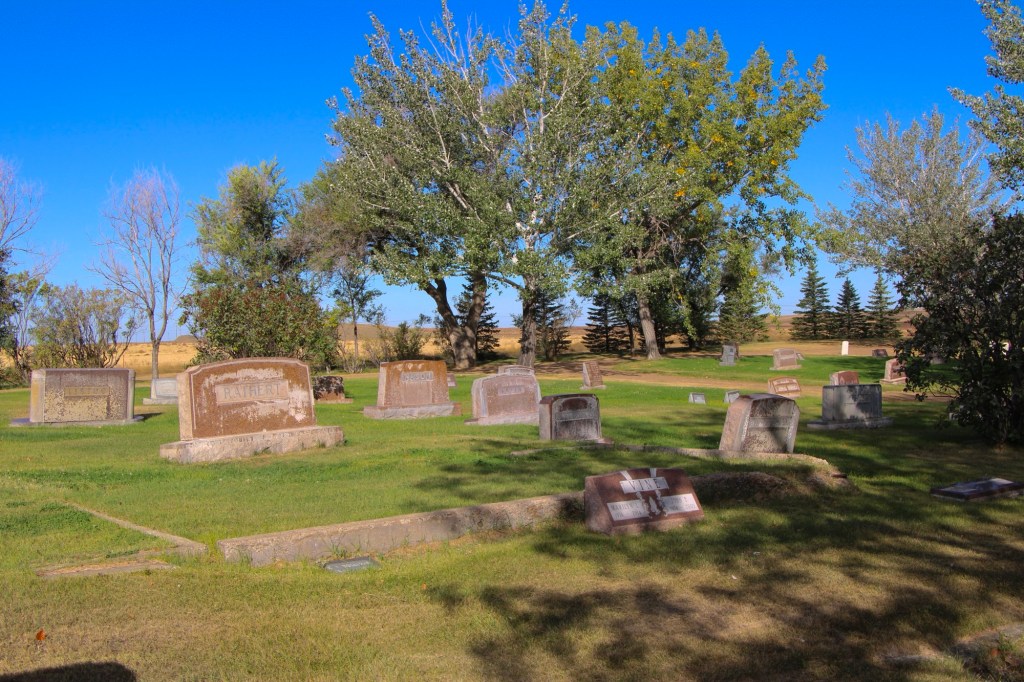
In 1915 settlers formally incorporated Wolf Point as a municipality. A year later, mortician L.M. Clayton opened a funeral business, which would operate until 2005. On a hill several blocks north of the town’s railroad tracks, Clayton established Greenwood Cemetery by 1917. The name came from his wife, Nora May Greenwood. The Greenwood Cemetery Association was organized to administer the property, and its beautification was ensured by the town’s Woman’s Club when it worked with Wolf Point leaders and the cemetery association to extend water to the place. It became a green oasis of rest and tranquility within the often brown, water starved landscape. It remains an impressive landmark of civic pride today.
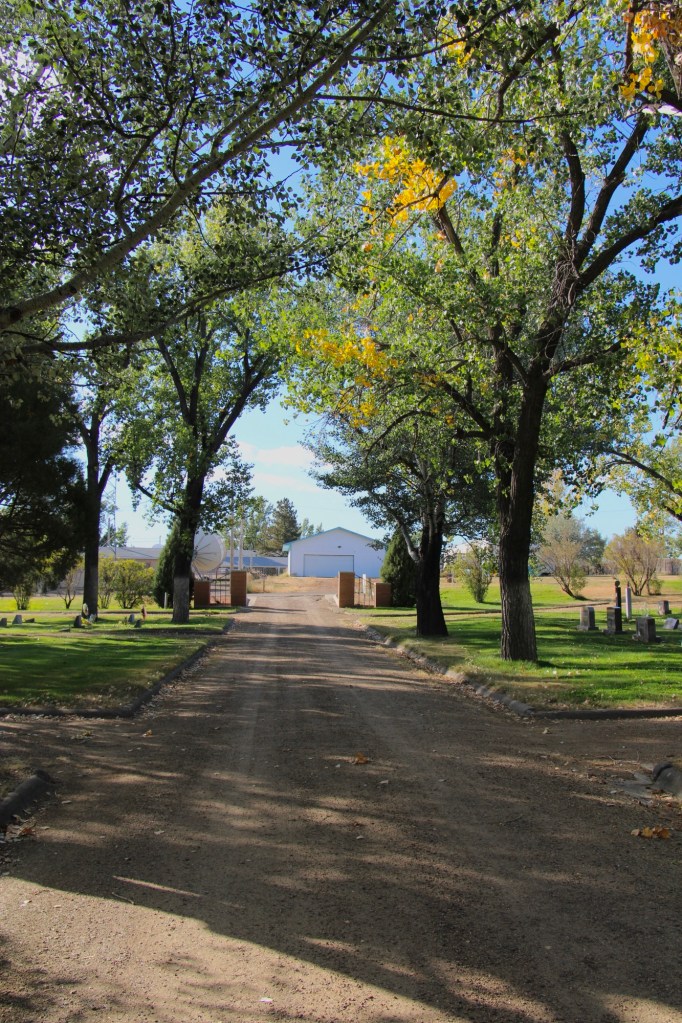
There are two ceremonial areas that immediately capture your attention. Two veterans circles have been installed to honor the many from Roosevelt County who have served the nation from World War I forward.
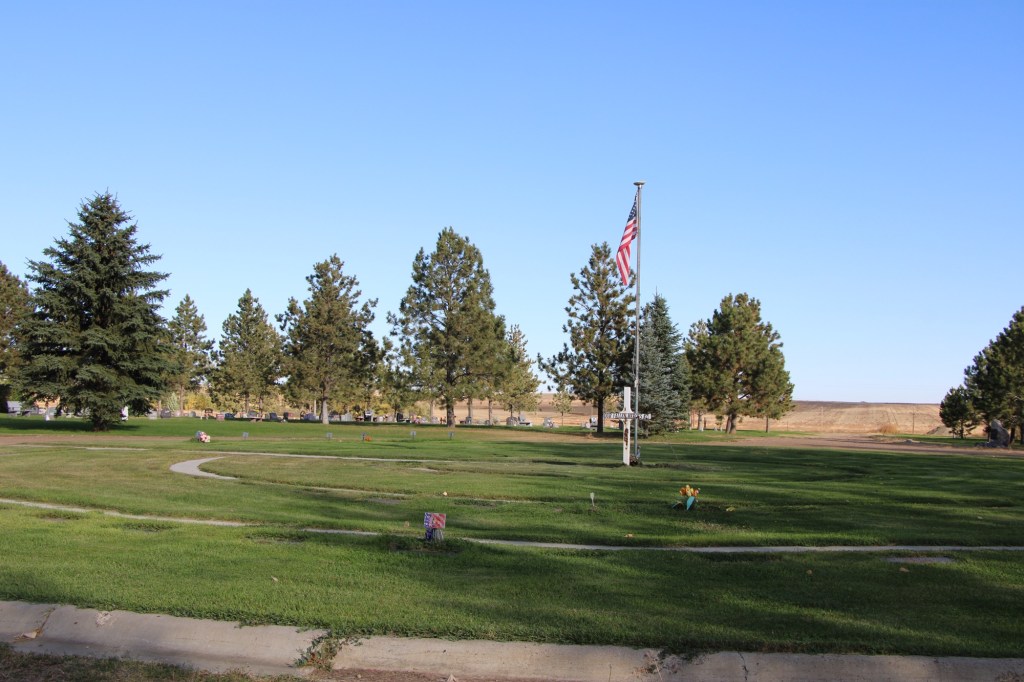
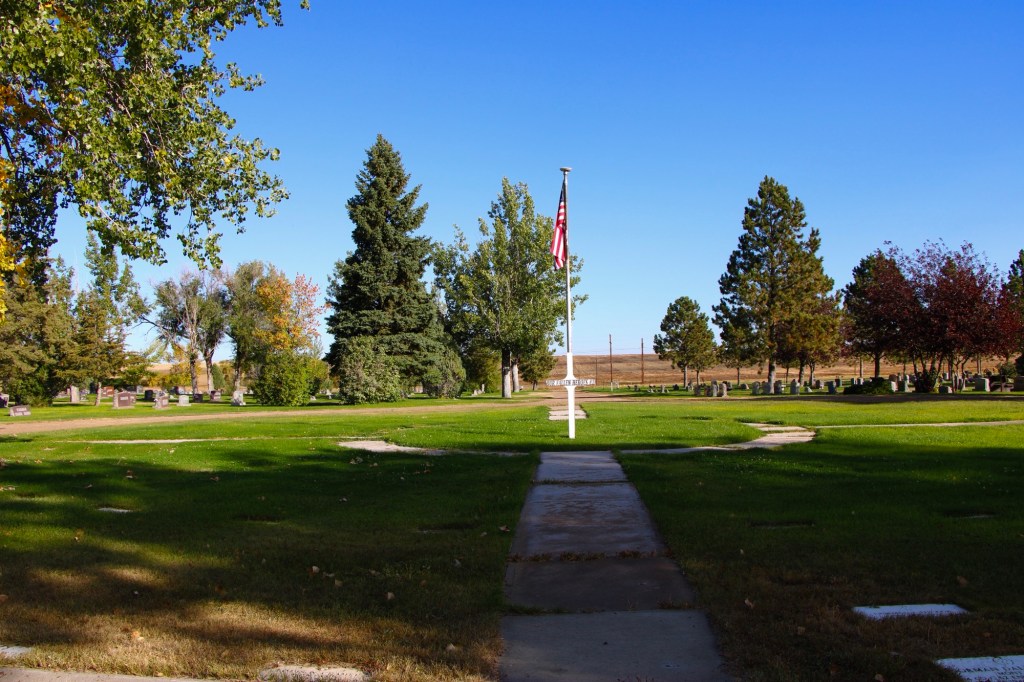
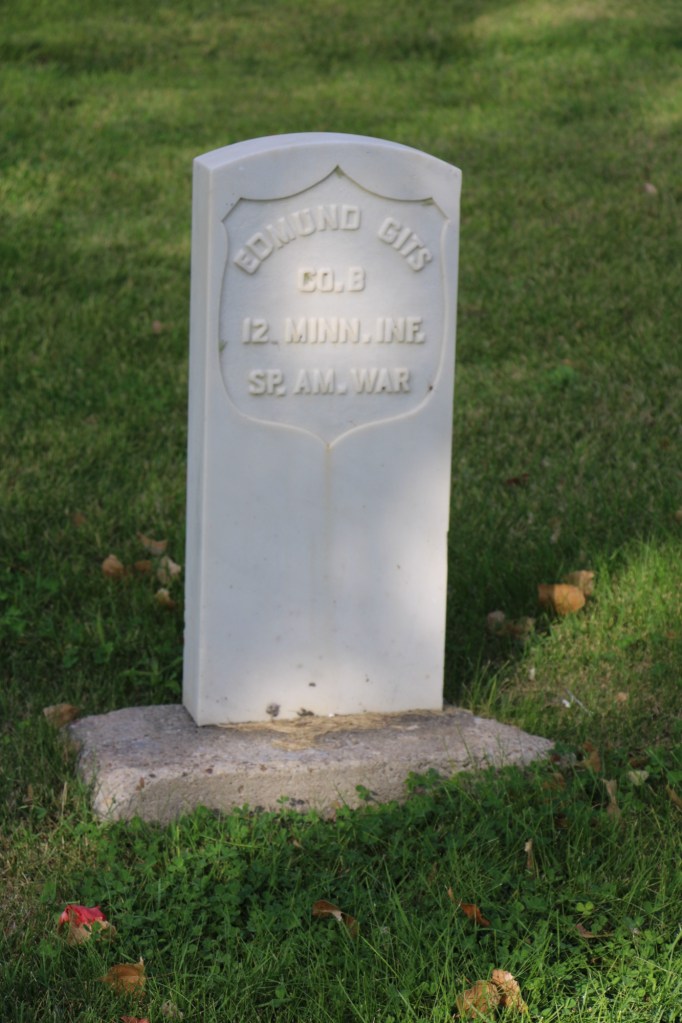
Scattered through the cemetery are other veteran burials, including ones from the Civil War and the Spanish-American War.
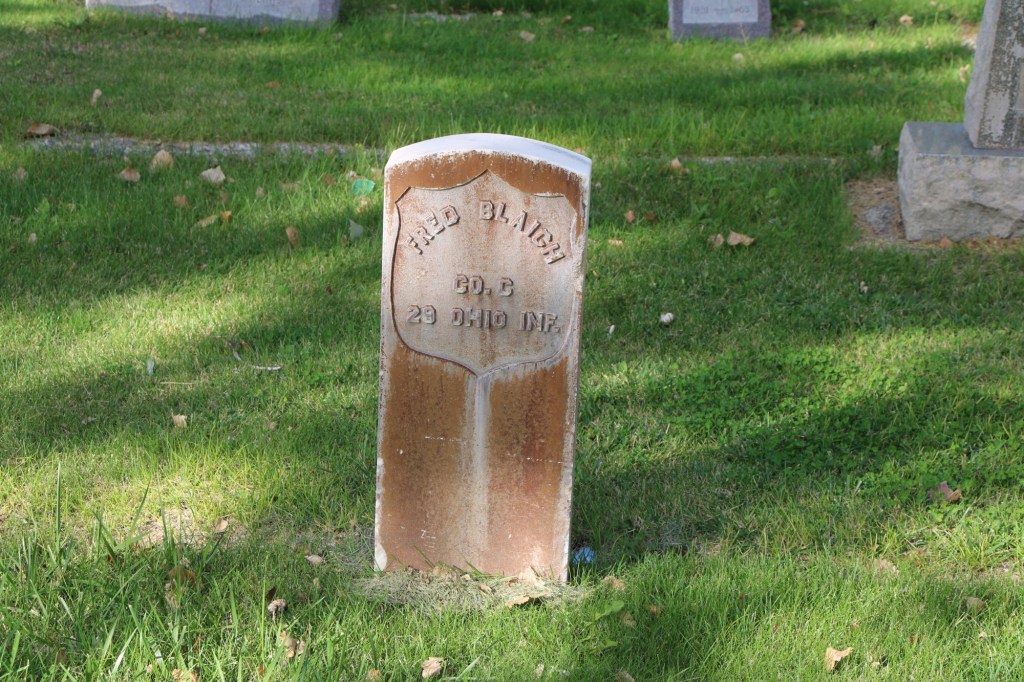
Civil War veteran
Spanish-American war veteran

The second ceremonial area is more subtle in appearance but unique in its own way.
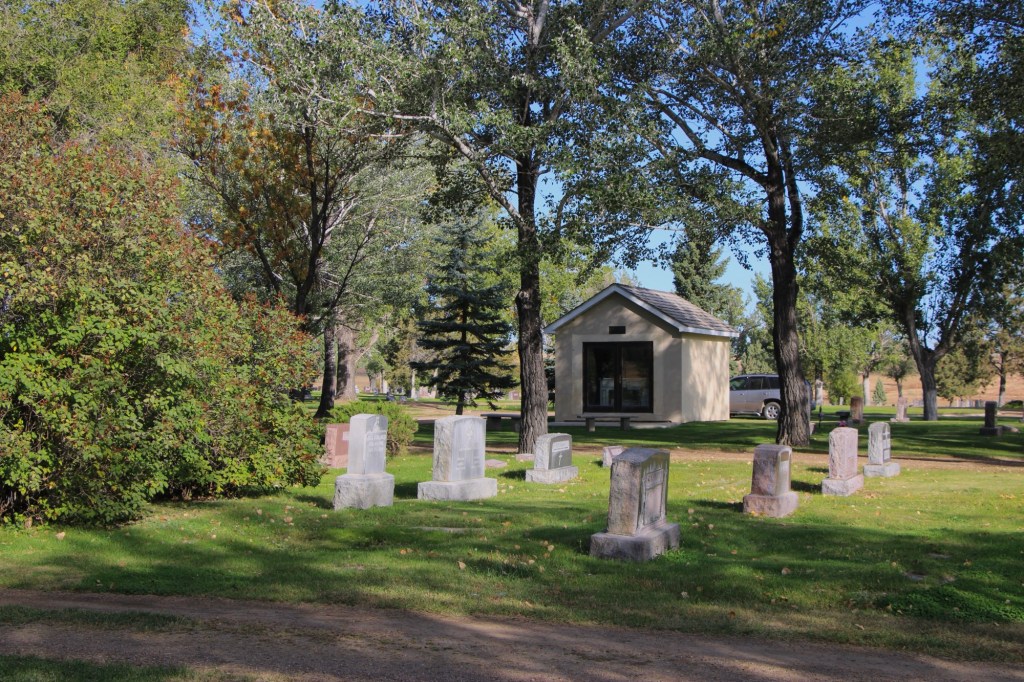
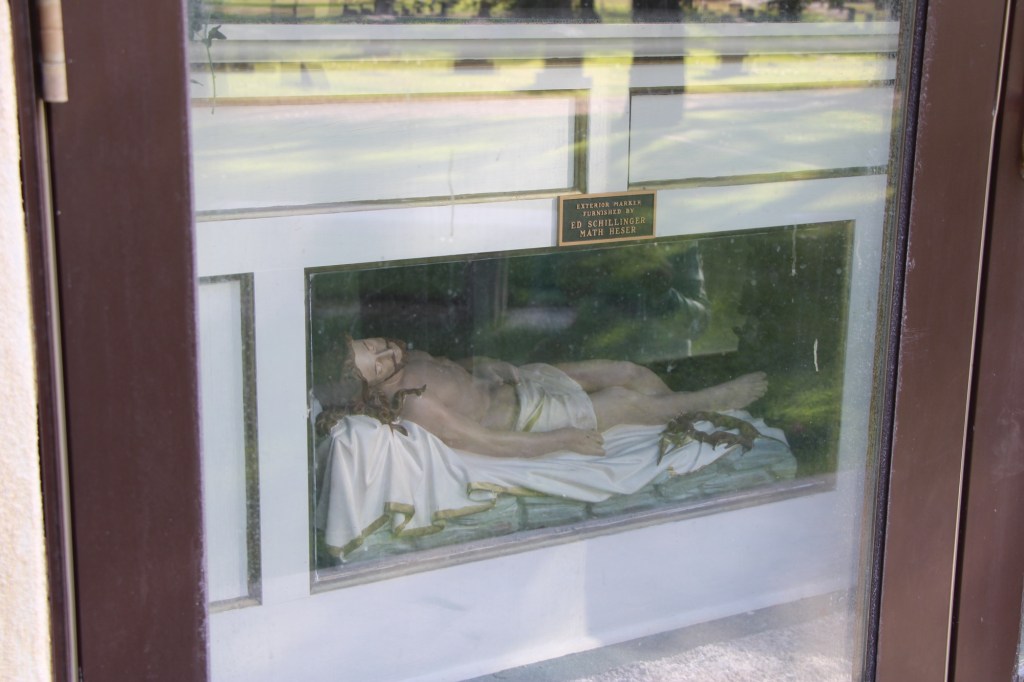
Seehaler Chapel

Father Benedict Seehaler established and led Wolf Point’s Immaculate Conception Catholic Church from 1917 to 1931. After his death, parishioners built a tiny memorial chapel in his memory. It was built over his grave.
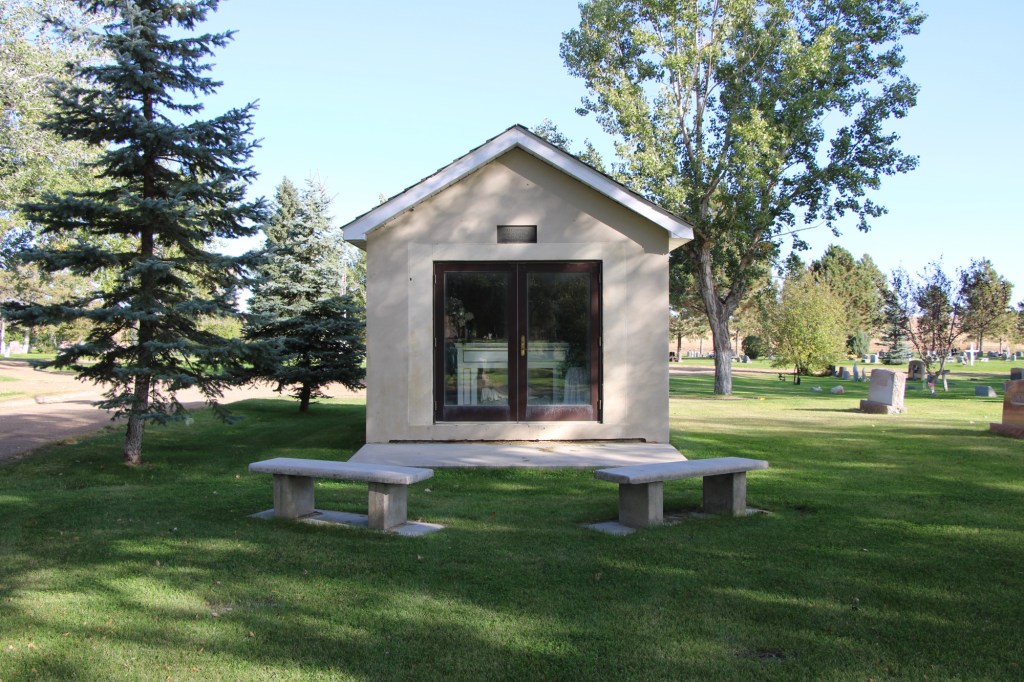
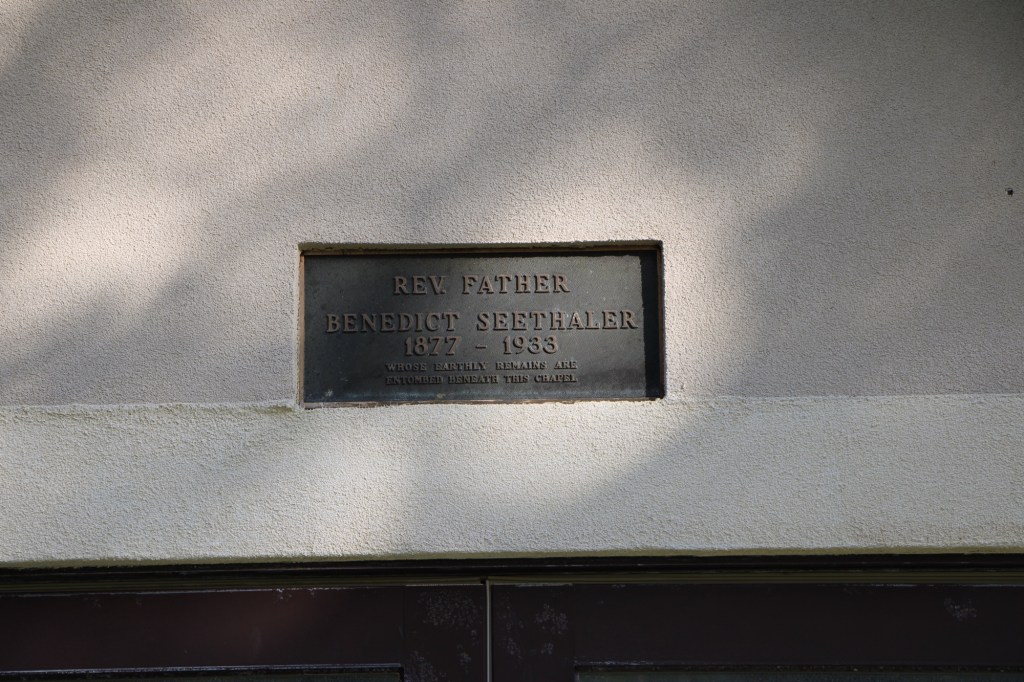
The chapel has an altar and a carved depiction of Christ. The church on Memorial Day holds a memorial mass is held (weather permitting) at the Father Benedict Seehaler Memorial Chapel in Greenwood Cemetery.
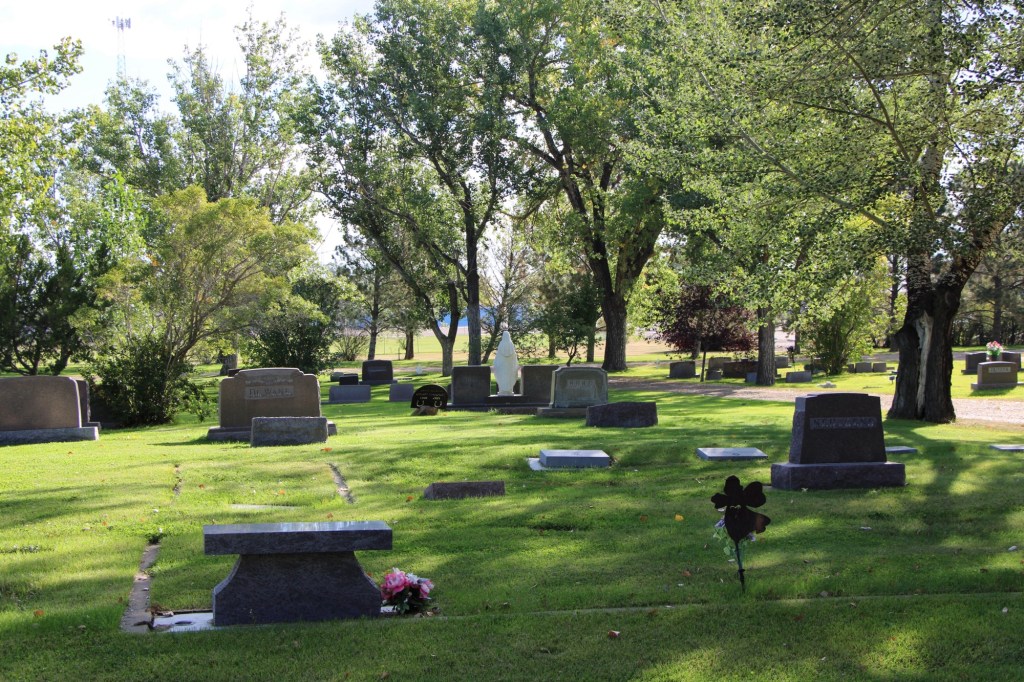
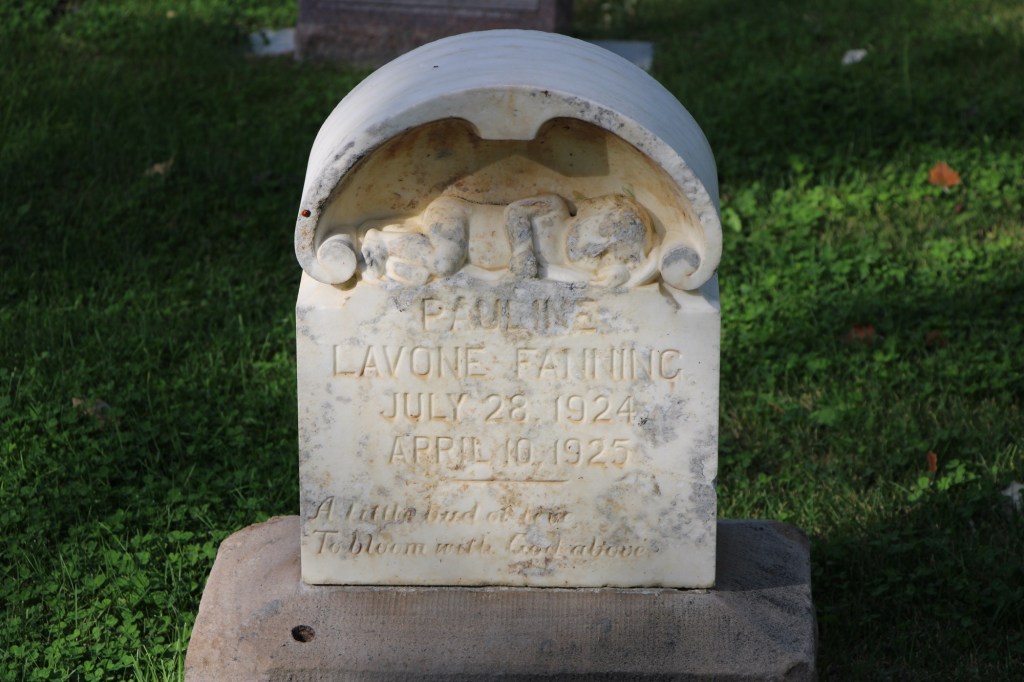
There are many impressive grave markers at the cemetery, whether they are unadorned crosses of early settlers to ones that through the materials used help to tell a story.
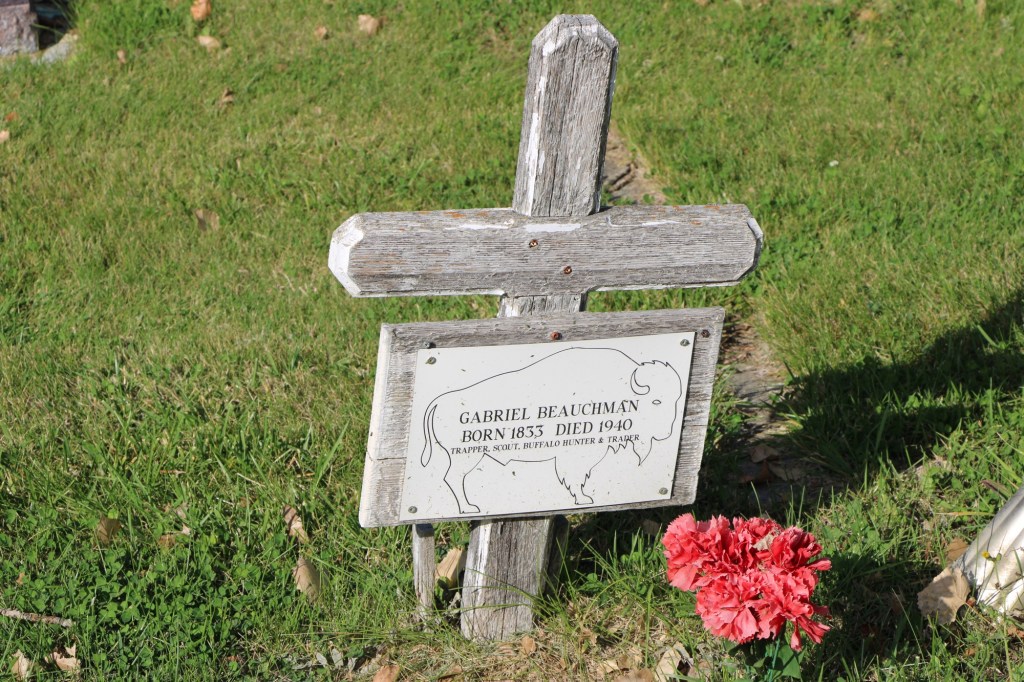
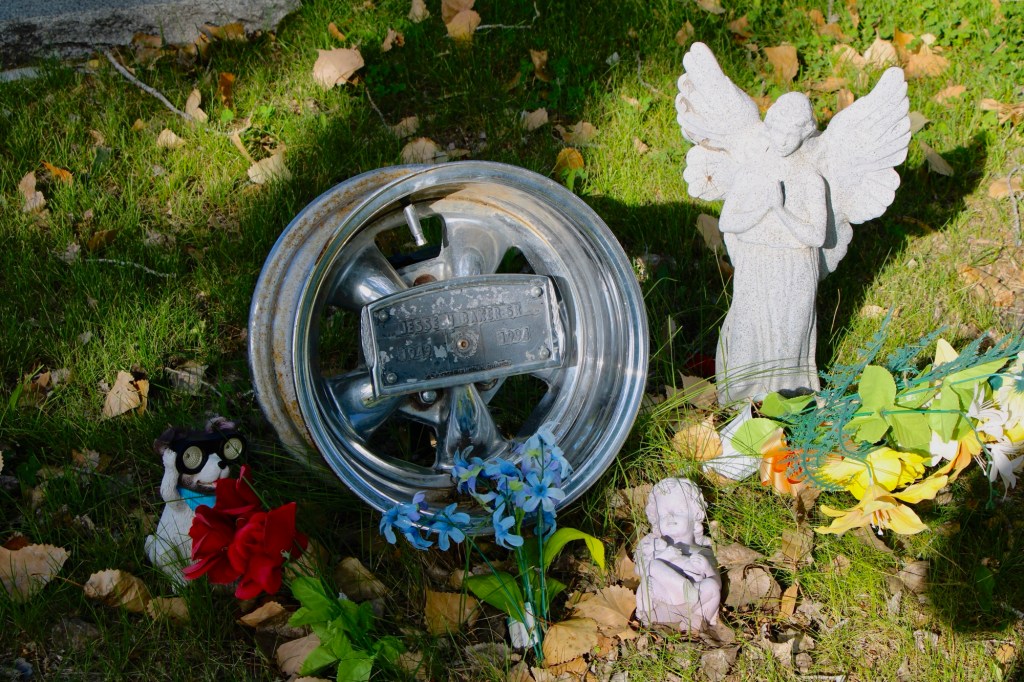
Gabriel Beauchman (d. 1940)
Jesse W. Baker, Sr (d. 1994)

Two of the most unique, however, are pedestal sculptures in memory of a husband and wife, Floyd and Bea Dewitt. Floyd passed away in 1980, Bea followed three years later. Floyd’s sculpture is a likeness while Bea’s pedestal sculpture is more symbolic, with the interpretation left to the visitor, until you learn she was a beloved nurse.
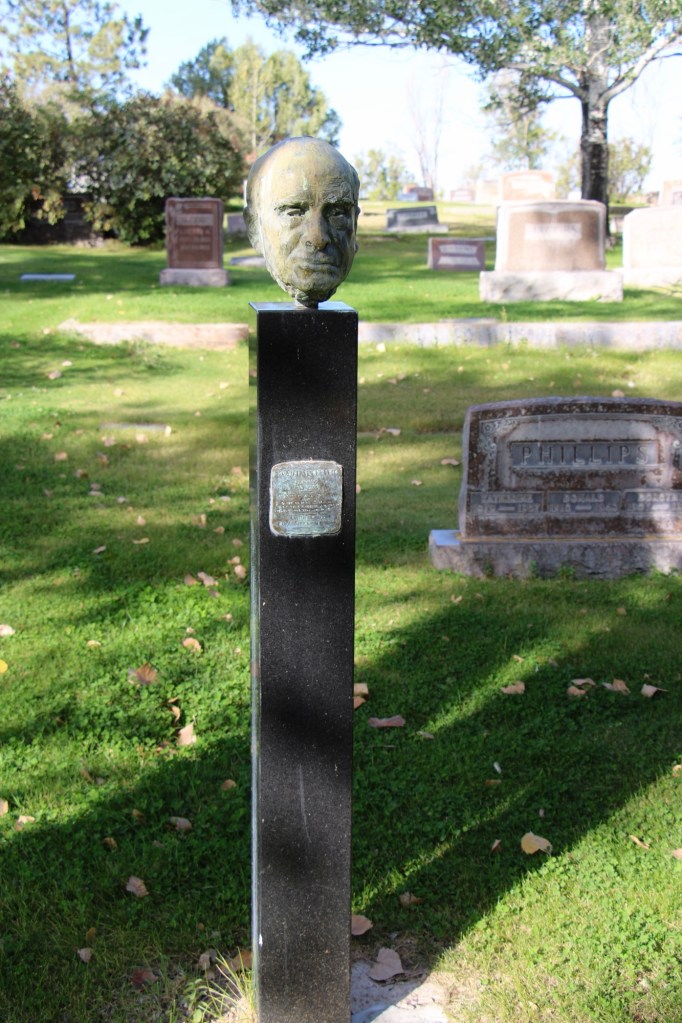
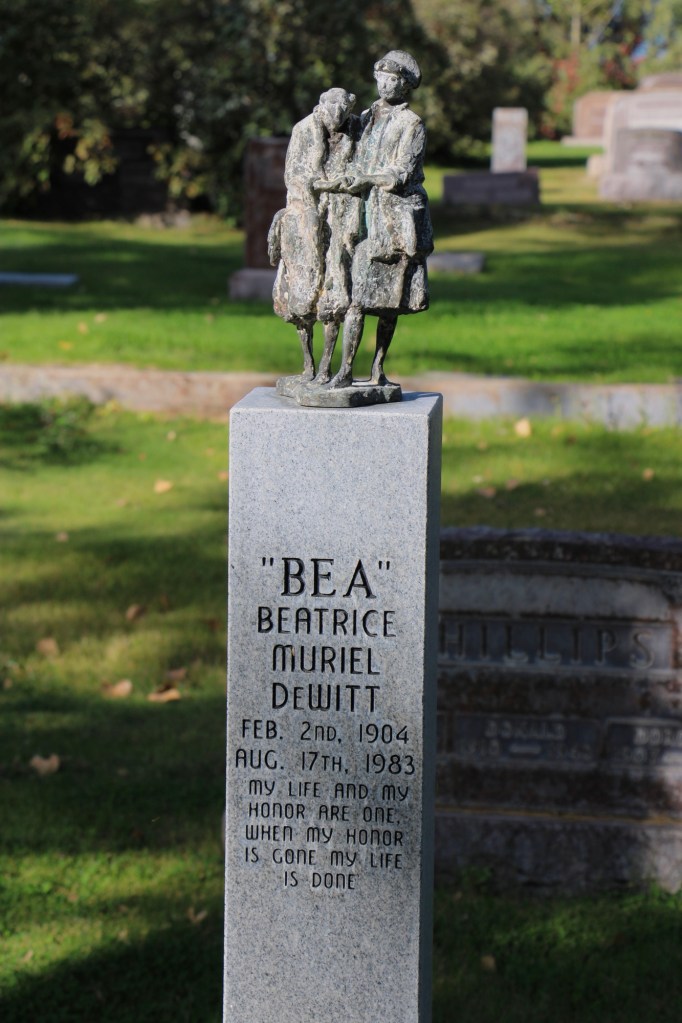
Historian Patty Dean found the DeWitt’s obituaries published in the Billings Gazette, see below, and graciously shared them:

There are many more observations you can make about Greenwood Cemetery but this is enough for the posting (I reserve the right to revisit this place in the future. It is simply one of the most significant municipal cemeteries of northern Montana.
Changes at Sleeping Buffalo Hot Springs

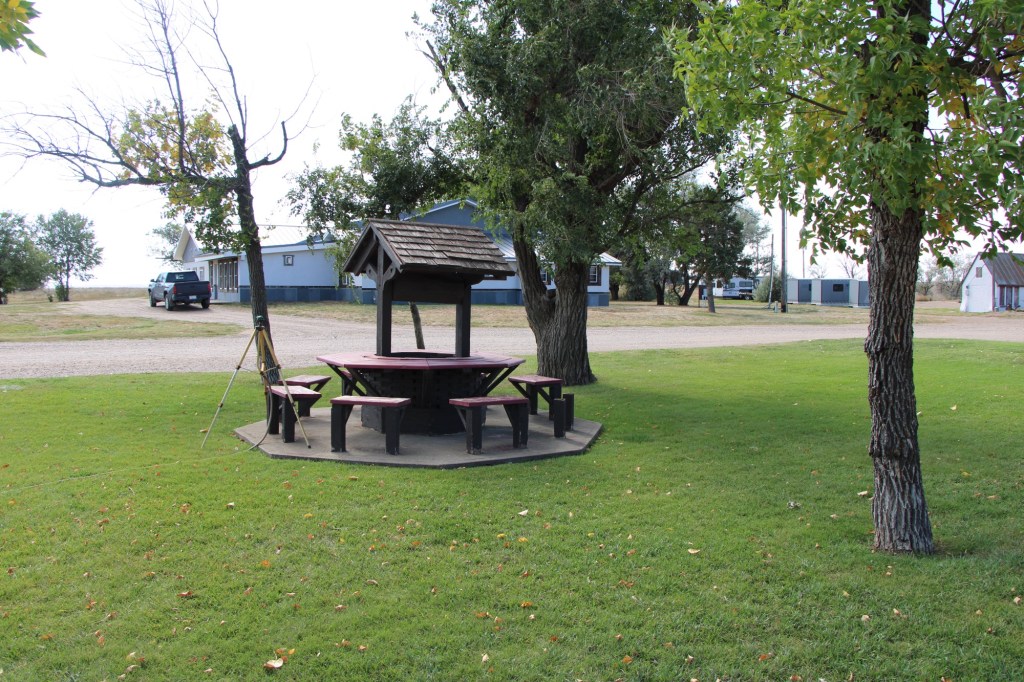
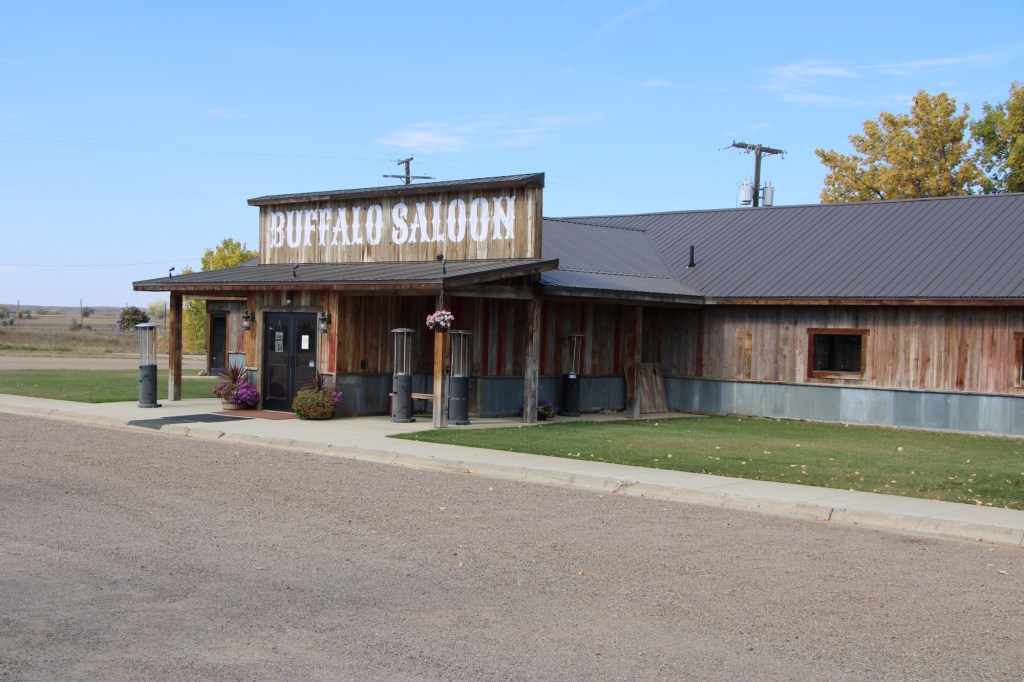
In 2013 I last visited Sleeping Rock Hot Springs, just north of U.S. Highway 2 in Phillips County. The following year I posted about the obvious changes then underway to put this once vibrant mid-20th century recreational area back to greater prominence.

I returned in late September 2025 to find that, indeed, lots of improvements were made in the last ten years. A large bar/restaurant had been built, the grounds expanded and modernized, and the pool greatly enlarged.

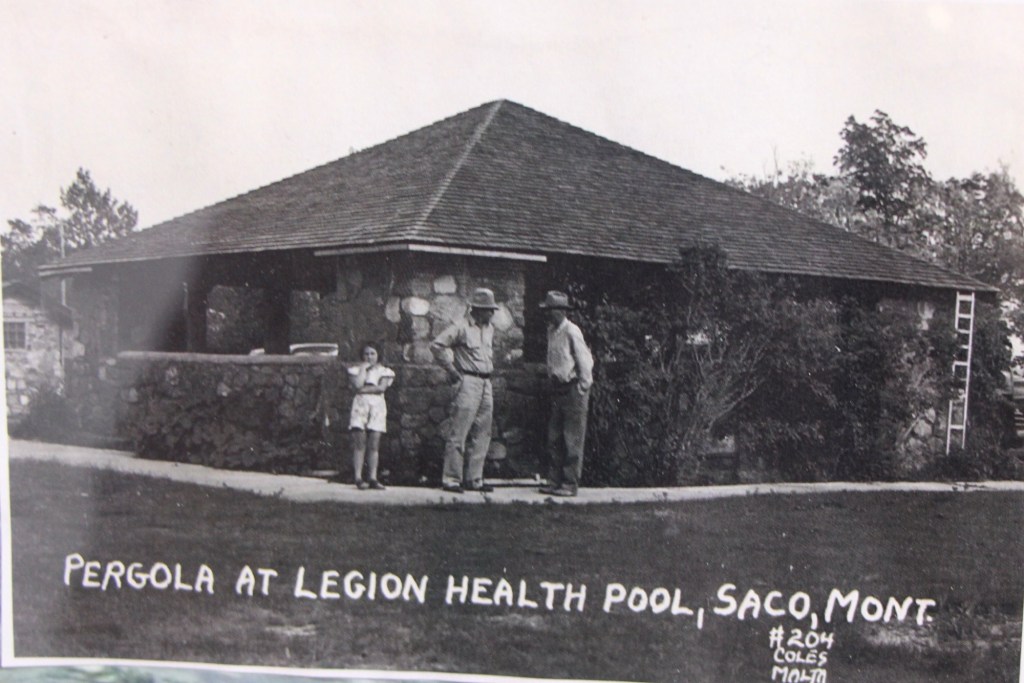
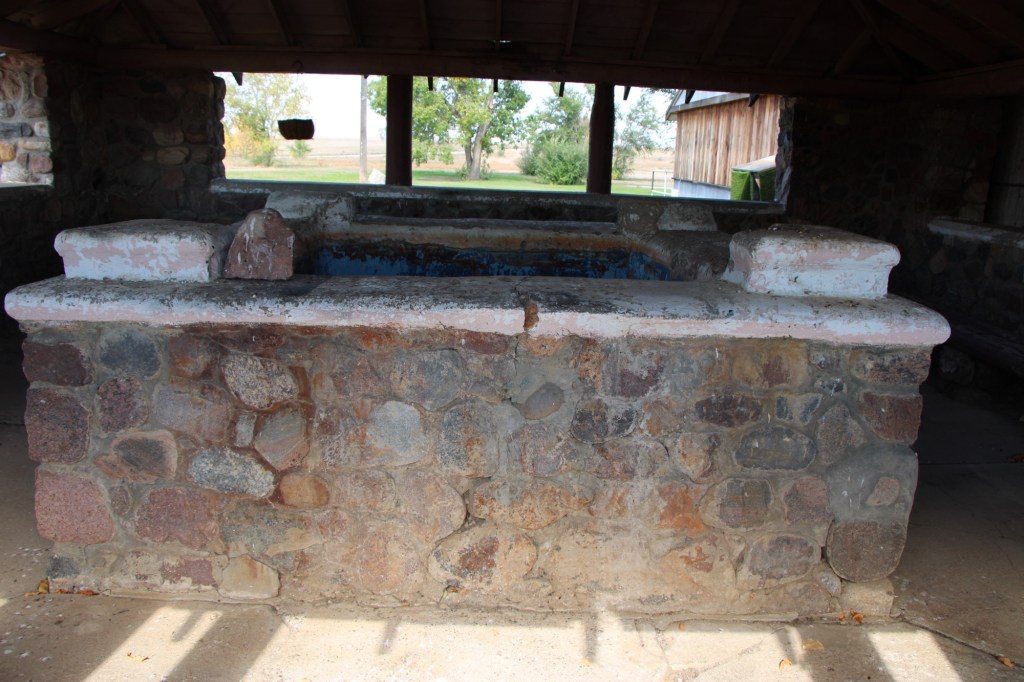
But the hot springs’ New Deal roots were still apparent because attached to the pool facility was the pergola of the early 1930s.

This hipped roof stone structure came about due to the joint efforts of local residents and government officials. An exhibit at the Phillips County Museum in Malta (more on that place later) points out that a rancher Elbert Davison first saw the mineral springs as having medicinal qualities. He built a small pool that brought relief to his son who had polio. That effort convinced the Saco American Legion to do more and soon a local effort to gain control of the spot for public use met its success in 1931. Later that year the American Legion Hot Springs was in operation, quite a feat in Depression-era northeast Montana.
That effort caught the attention of county agent H.L. Lantz to work with the New Deal’s Resettlement Administration, then active in the Milk River Project area, to get the Public Works Administration to fund the pergola. That story is told in the marker (above) still at the pergola today.

Bruno Partzsch was the stone mason for the buildings, and some of his work is still visible in the expanded and modernized pool building of today (2025). I wonder if Partzsch is also the crafter behind the stone building at Zurich Park in Blaine County since both places have ties with the Milk River Project.

Sleeping Buffalo Hot Springs is on the market in the fall of 2025. Business is tough—actually way beyond tough—in this part of Montana’s Hi-Line. I only hope that new owners who can keep the momentum going can be found and this jewel of a historic place—shaped by a partnership between locals and government—will survive well beyond its 100th anniversary in 2031.

Nashua, Montana: stories of a railroad and a man

IMG_7881

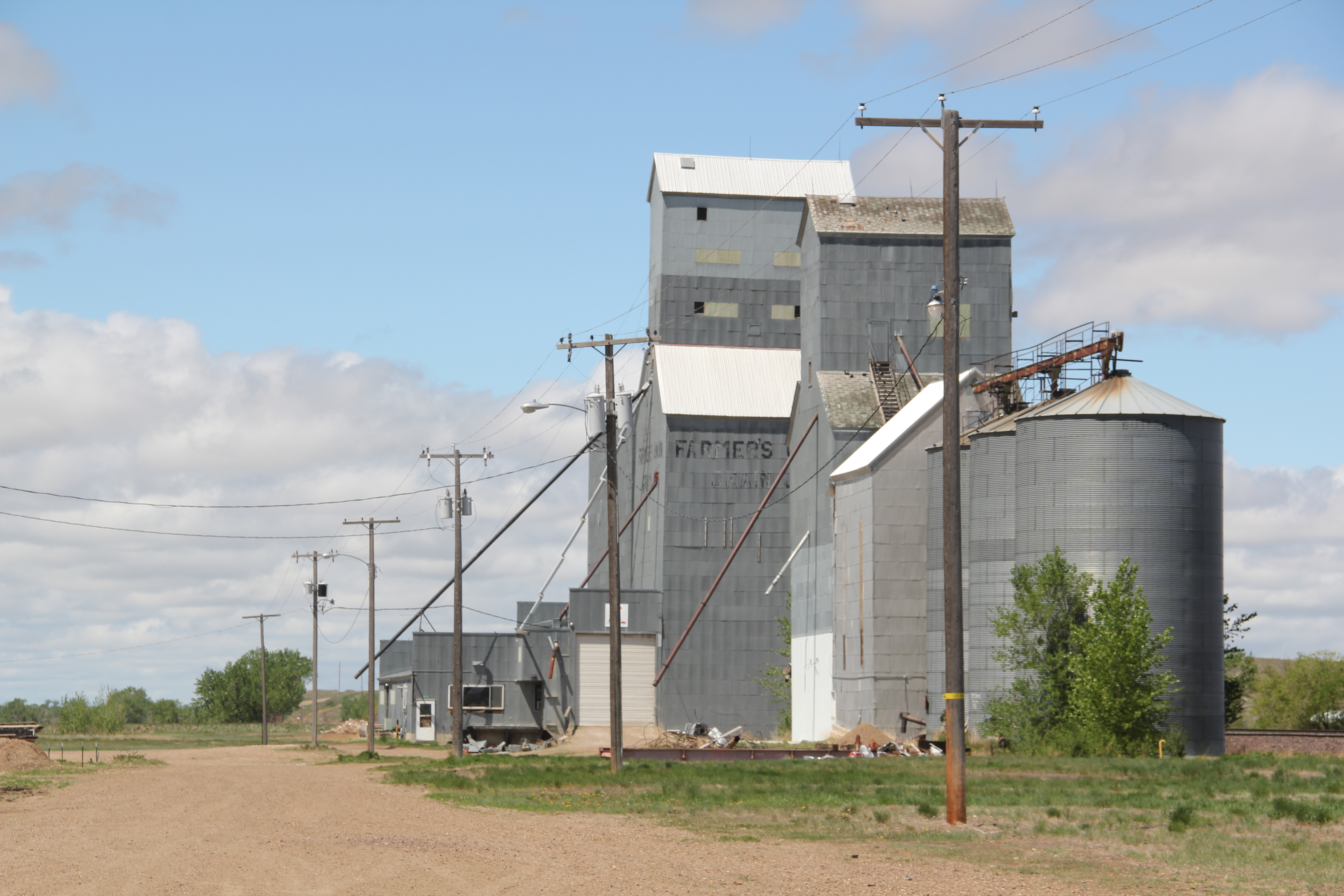
Nashua is the eastern most town of Valley County, Montana, located where Porcupine Creek empties into the Milk River.  Its history mirrors those of many towns along the Hi-Line:  it too began as a Manitoba Road town in 1888-1889. The tall grain elevators that still dominate the townscape, as they did in 1984, document the days when the rails carried everything as does the moved and repurposed Great Northern Railway depot, not a Senior Citizens Center.

Elevators along Great Northern line, 1984

Elevators along Great Northern line, 1984

IMG_7883

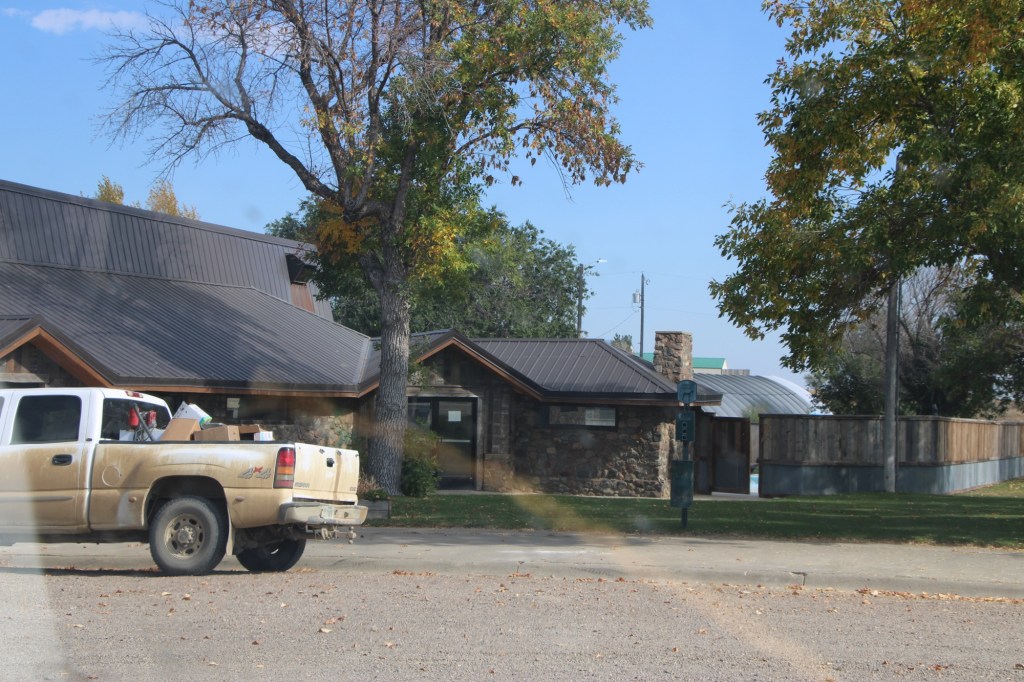
Nashua is also a gateway along U.S. Highway 2 to the region’s New Deal era history, especially the construction of Fort Peck Dam and Reservoir.  As an eastern gateway to the dam, Nashua reached its peak population of over 900 in 1940 as the project neared completion.  Today less than 300 make Nashua home.  One key New Deal survivor–the 1935 school (with later additions)–is home to the Porcupines, and serves still as a community center.

IMG_7878

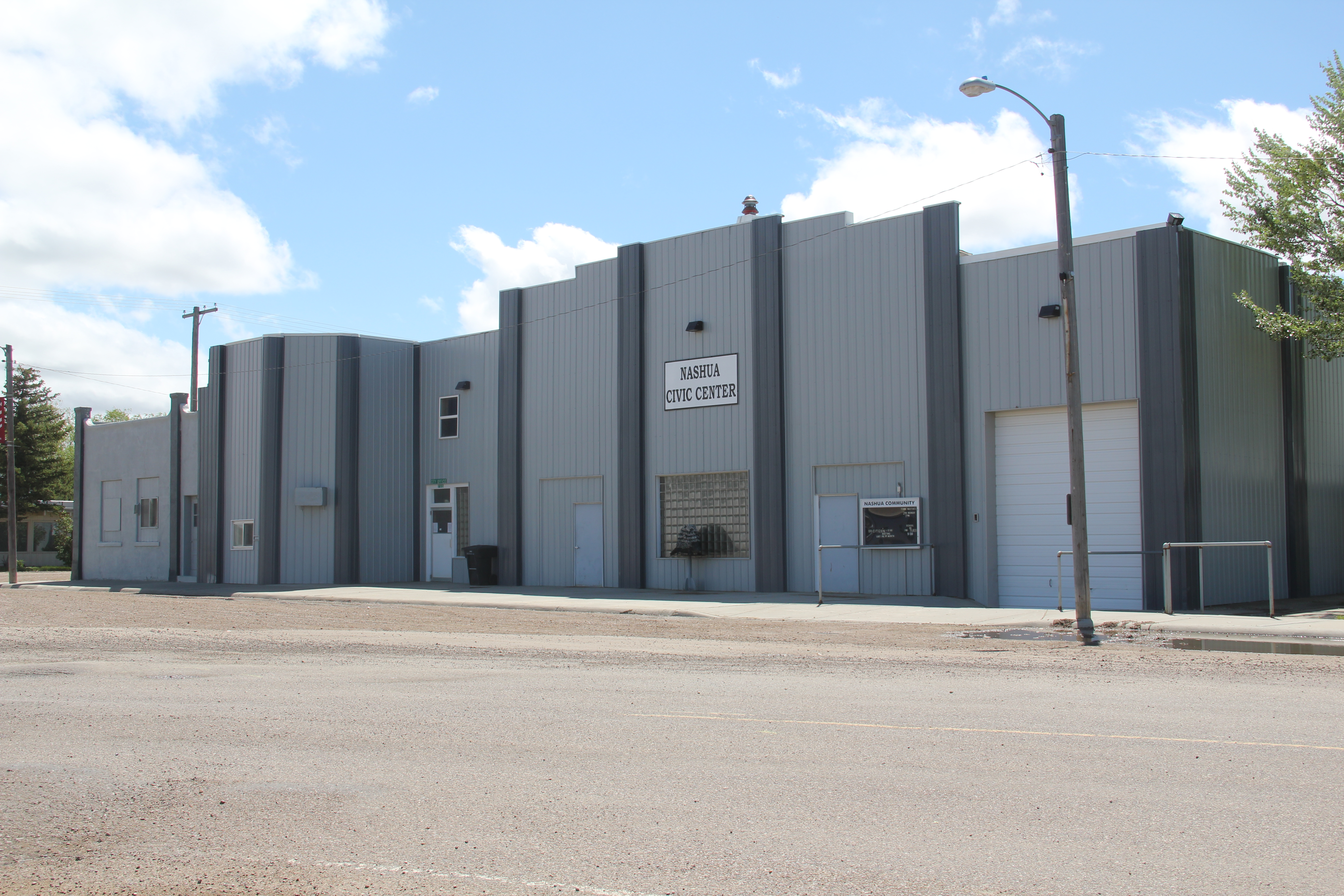
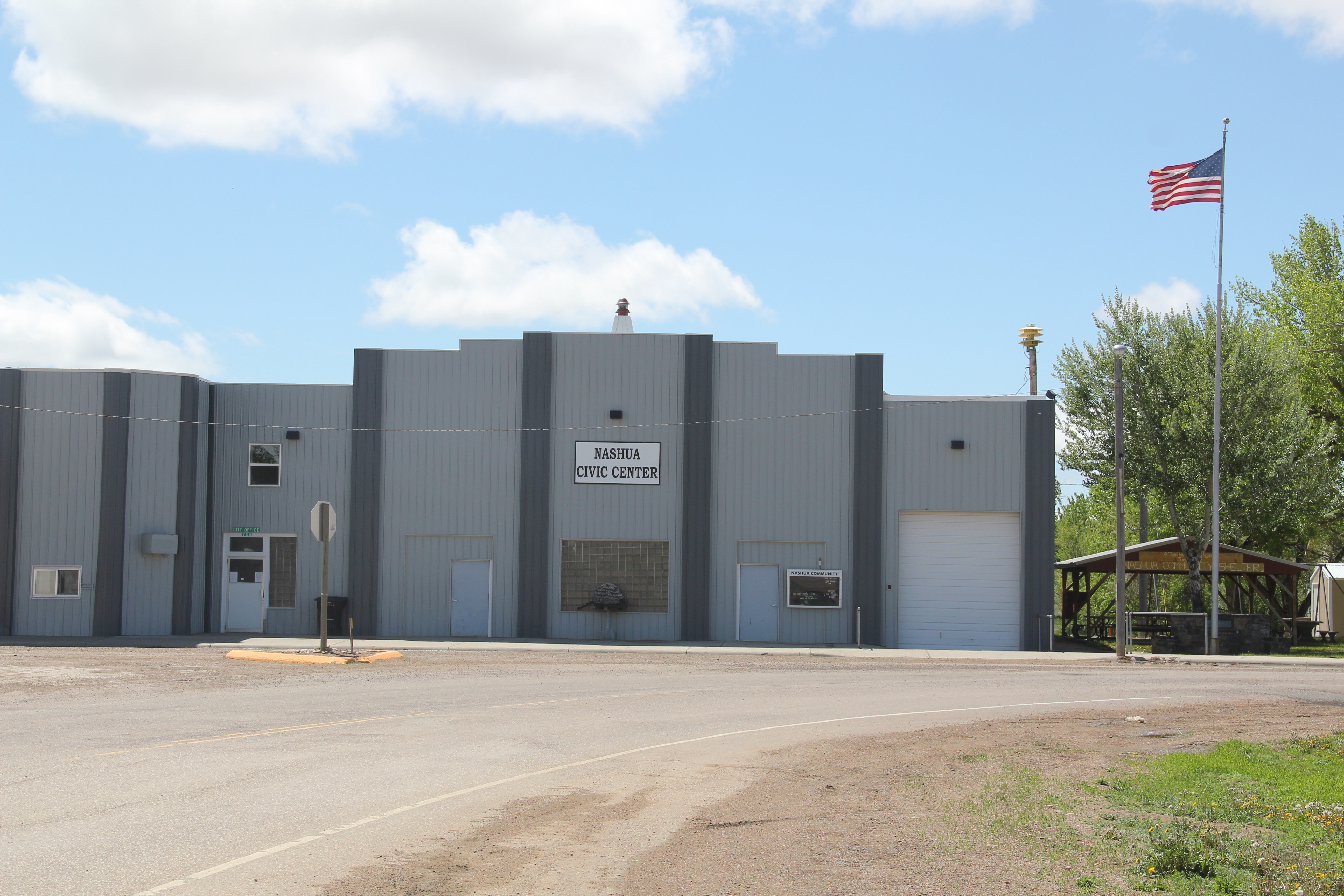
Another building in Nashua, the Civic Center, also looked New Deal in its origins, indeed similar in shape (but not materials) to the WPA-constructed civic center in Glasgow.  But in finding out the history of this building, I also found the story of a man and family who shaped Nashua in the post-World War II era.

IMG_7882


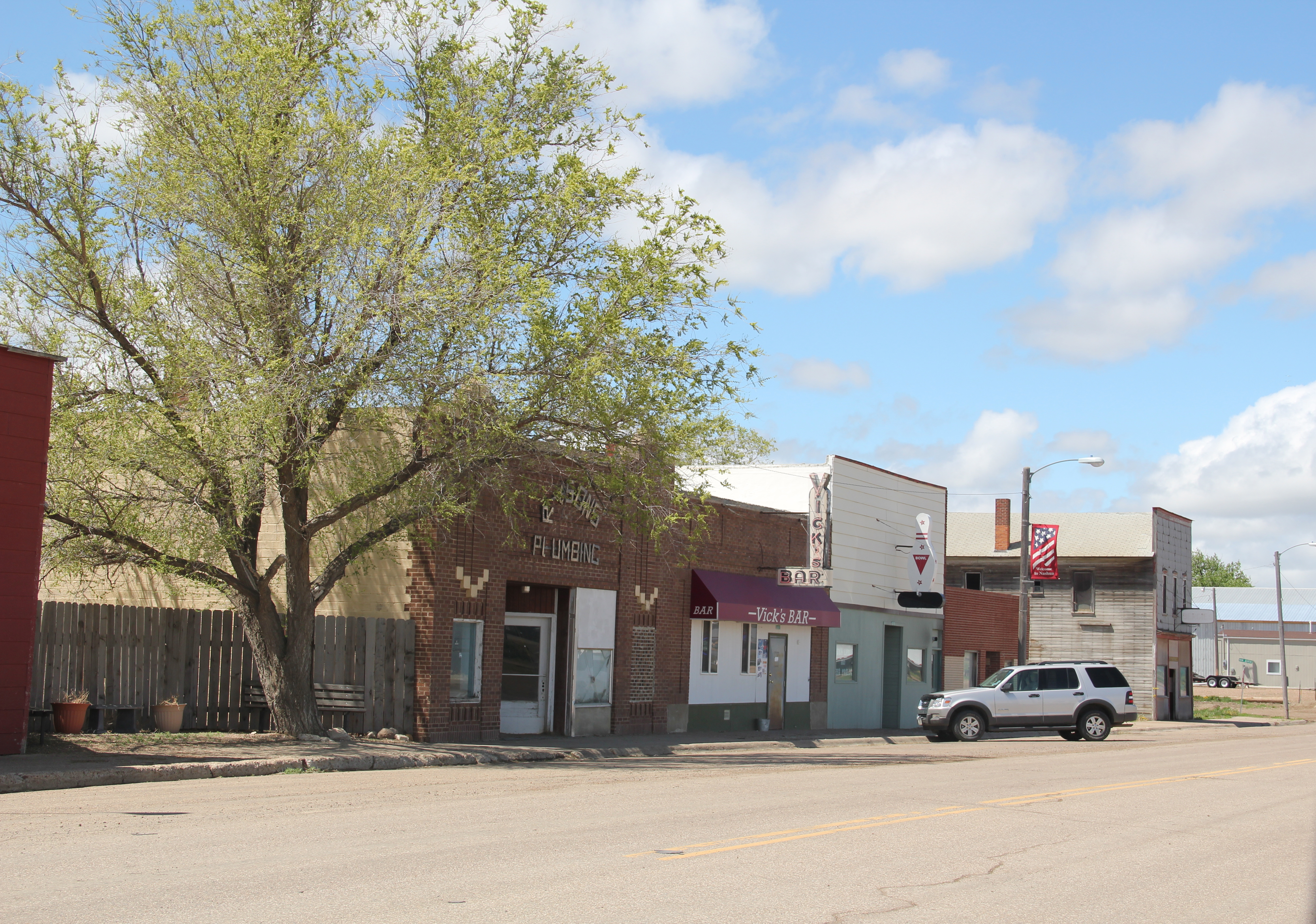
Victor Dostert (1886-1961) is a Montana small town example of a “civic capitalist,” a topic that I explored at length in my book Capitalism on the Frontier (1993).  He came and homesteaded south of the town along the Milk River during the boom of the 1910s but when the bust came in the 1920s Dostert, his wife Anna, and their three sons stayed, making their mark with construction projects (from a theater to the Catholic Church) and taking advantage of the thousands of construction workers passing through by building and operating Vick’s Bar in 1935.

Vick's Bar and Bowling Lane is at the center of the Nashua business district

Vick’s Bar and Bowling Lane is at the center of the Nashua business district

Then in 1957 the family added a adjacent Bowling Alley–and both institutions were still going when I visited in 2013.  The Civic Center, however, was Dostert’s crowning civic achievement.  He designed the building and had it constructed during his period as Nashua mayor (1945-1951).  It housed a movie theater as well as provided community meeting space. And as a community gathering point it anchors the adjacent Lion’s Park and is busy throughout the year, an anchor of identity for the dwindling population of eastern Valley County.

IMG_7880


Joplin in Liberty County: A Disappearing Railroad Town

Image

Joplin today has a population hovering around 150, a decline of about 50 since 2000. E. C. Tolley, a real estate locator during the homesteading boom and Joseph E. Rehal, a Syrian-born merchant who made the biggest initial investment, are jointly credited with establishing the town.  In fact, they promoted rival parts of town, which led to uneven and scattered business development.   In a history of Liberty County, Art LaValley recalled: “The Commercial Club was very active in promoting the town of Joplin.  They erected a large, new sign by the railroad crossing, facing the depot so that people getting off the train would see it.  It was a picture of the world and read ‘Biggest Little Town on Earth.’” 

Image

Joplin sign, 1984

 Another contribution of the Commercial Club was the creation of a town square park, complete with bandstand:  the Joplin Community Band was popular throughout the region, until it disbanded in 1937.  Two years later in 1939, famous be-bop jazz artist, saxophonist Charles McPherson was born in Joplin.

Image


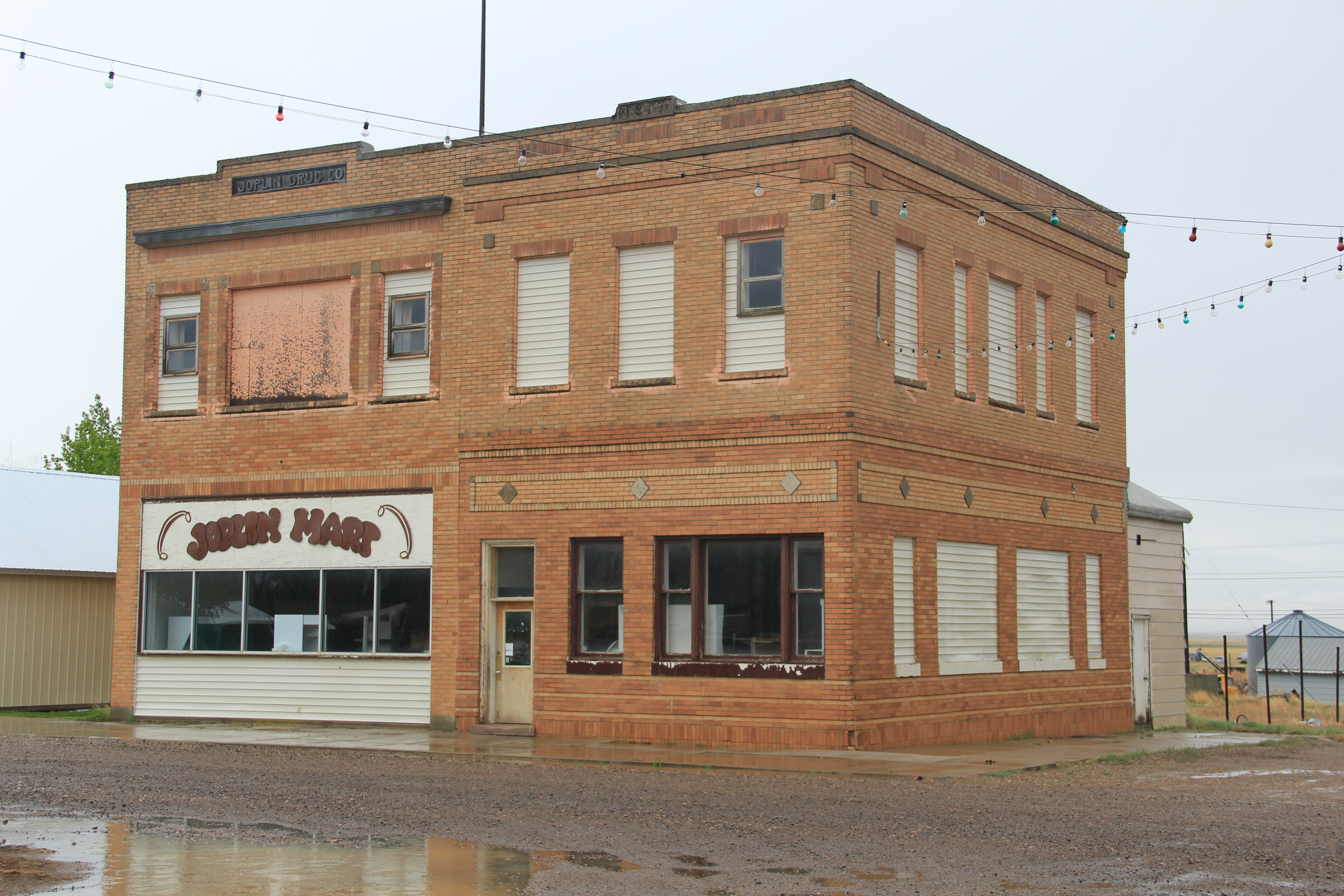
 Like most of the Great Northern towns of the decade, Joplin began well as homesteaders came quickly.  By 1913, O.C. Boggs of Joplin wrote a testimonial for his huge Nicholas-Shepard Oil-Gas Tractor:  “we are pulling six 14-inch Oliver Engine Gang Plows in sod.  Our average work is 15 acres per day of ten hours”  The First State Bank of Joplin opened its doors,along with many other mercantile and professional offices.  In 1916 Jensen Brothers and Layton hardware stores went into partnership to take advantage of the agricultural boom.  The drug company came in 1917. Image

 But drought hit this area hard in the late 1910s. In the 1920s the boom had busted, not just because of the agricultural crash.  There was the matter of the Dempsey heavyweight fight in Shelby in 1923.  Losses there impacted the local bank, which closed in 1923 just days after the fight.  The New Deal brought new hope in the mid-1930s when the PWA helped to fund a new brick school and the WPA funded sidewalks.

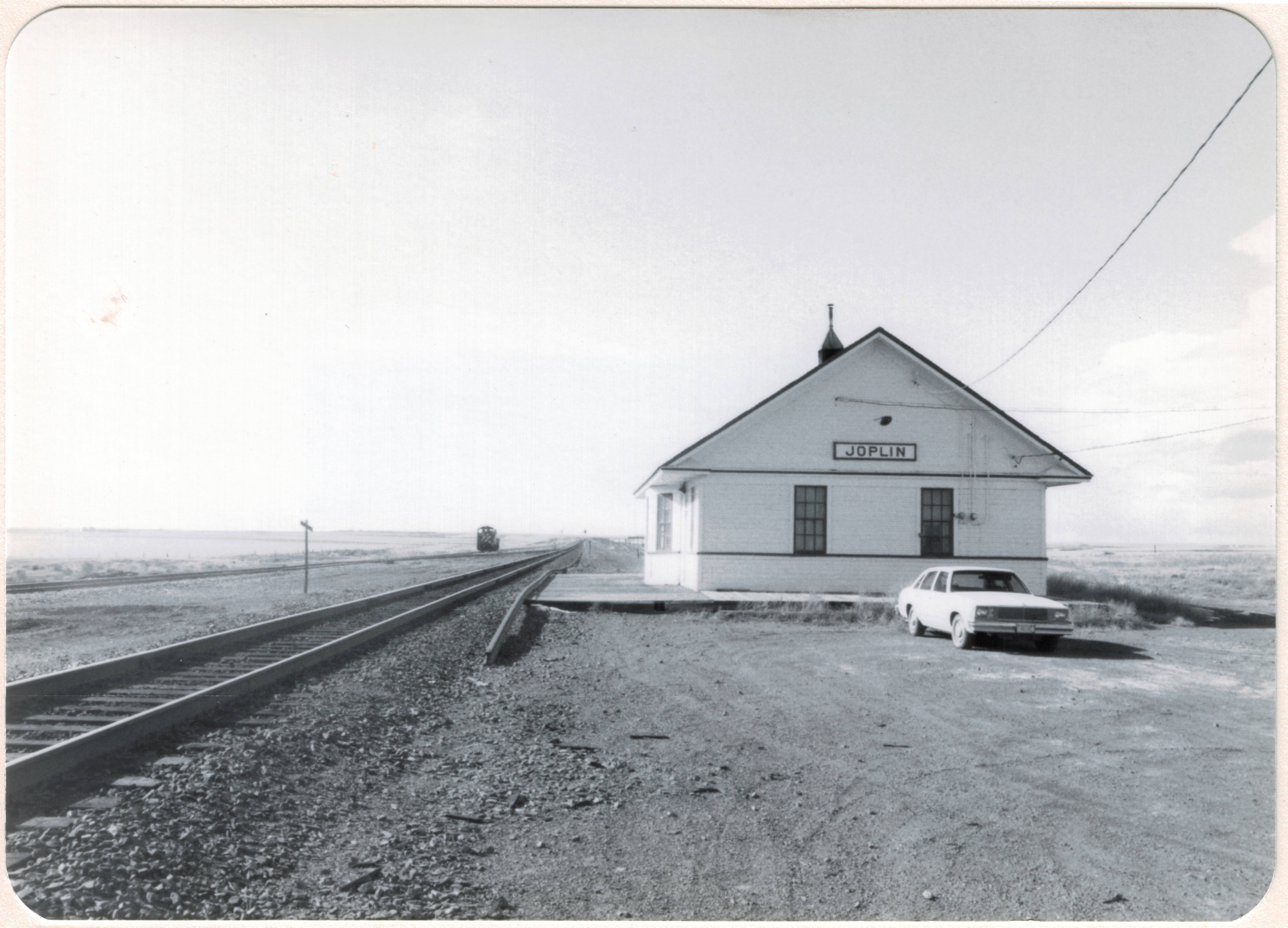
Image I had not been in Joplin since 1984 when I visited in 2013: many landmarks were missing or closed.  The Great Northern depot was gone completely.  Today there is nothing but the tracks and grain elevators Image

to remind one of the town’s lifeblood. Then the school closed in 2005 and Joplin joined the consolidated school system in Chester.

Image

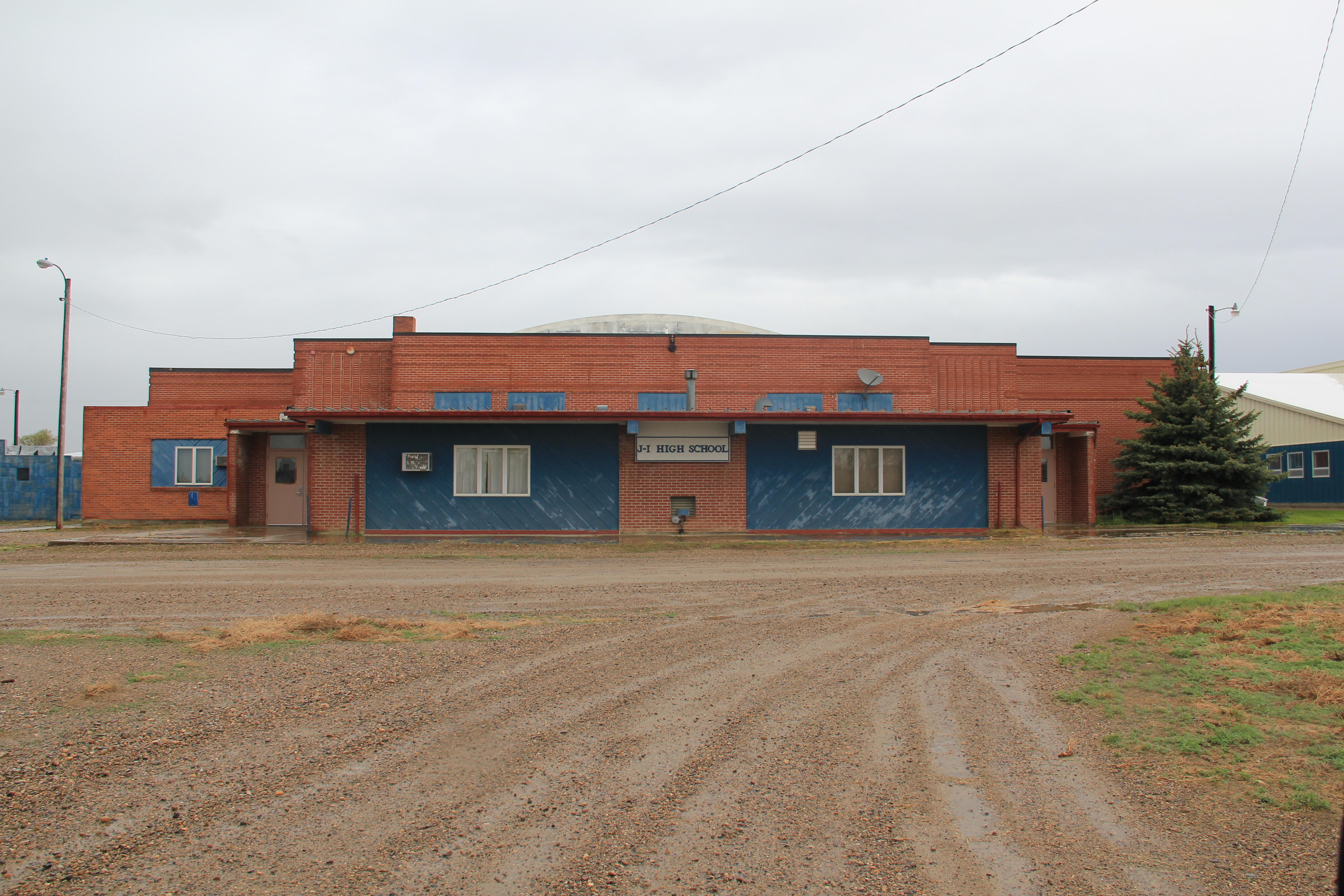
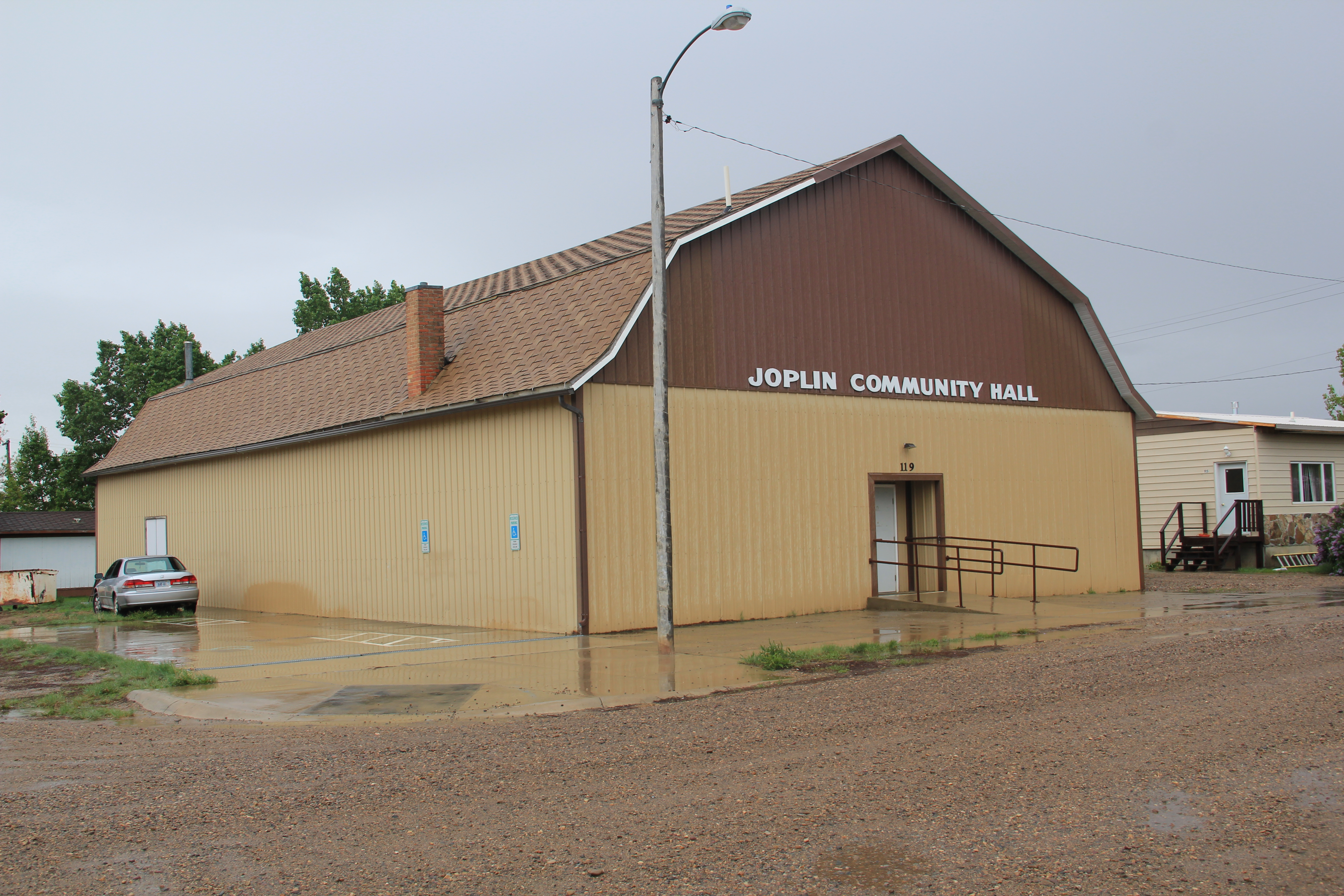
 One key institution from the homesteading era still shapes community life:  the Joplin Community Hall, where everything takes place:  voting, reunions, funerals, parties, concerts, celebrations, especially in mid-June when the town still hosts an antique car show at the  town park.  Both the hall and town park were developed by Joolin’s Commercial Club–a forerunner to a Chamber of Commerce–in the first decade of settlement. 

Image

It was at the community hall in 2011, that a large crowd gathered to convince federal officials to let them keep another community institutions: the Joplin post office.

Image

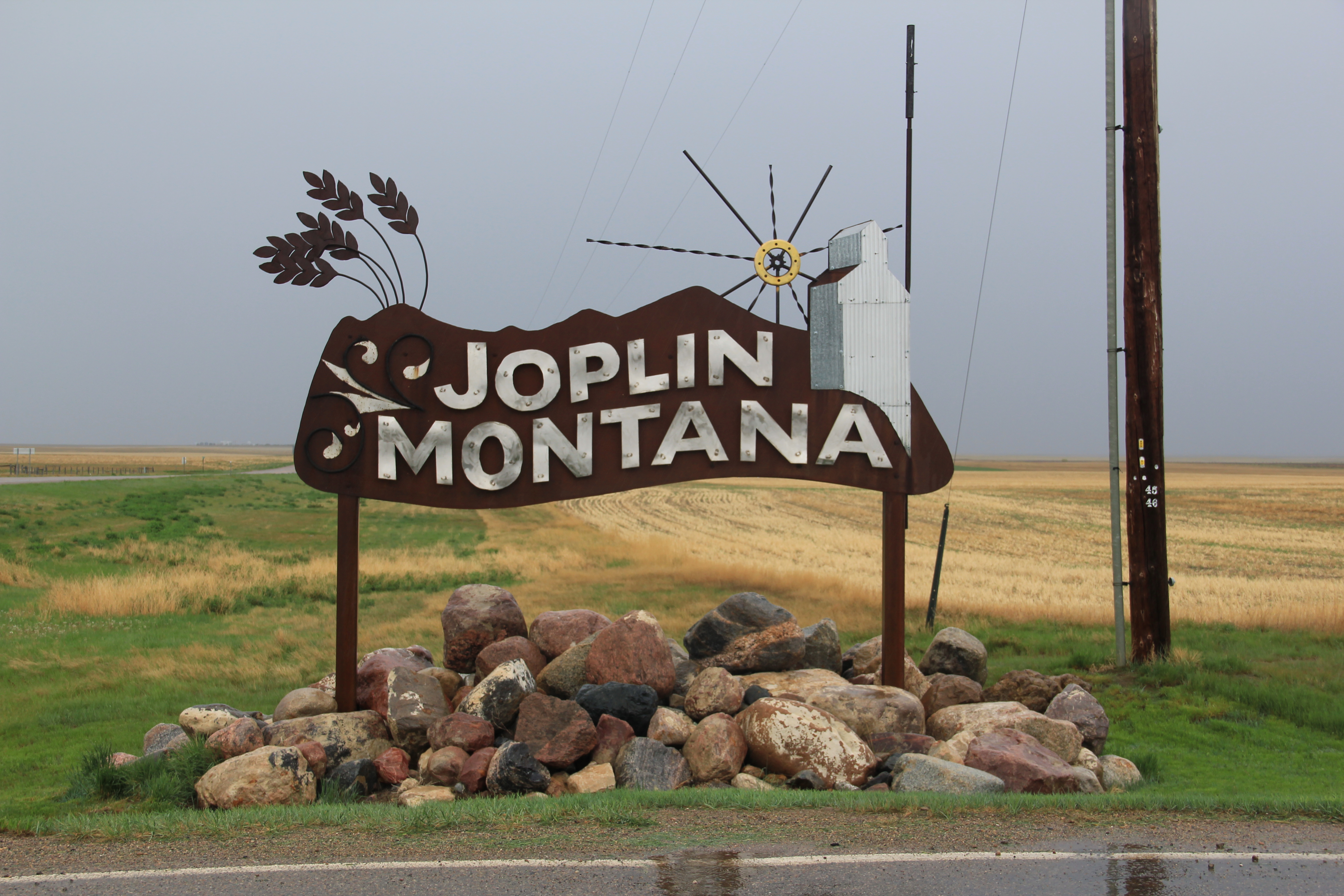
 Today along U.S. Highway 2, a bright, shining streamlined moderne town sign has replaced the earlier littlest big town in the world–which remains in the town center, away from the highway as if residents keep the motto to heart but no longer share it with every traveler on the road. 

Image


Image

In 2010 Larry Olson told the Great Falls Tribune that he had “seen a lot of changes in his 72 years living in Joplin. ‘When I was growing up, it was so different,” he said. “Nowadays, everything is closed up. You’ve got a [Lutheran] church and a bar — that’s it.’”

Image Image