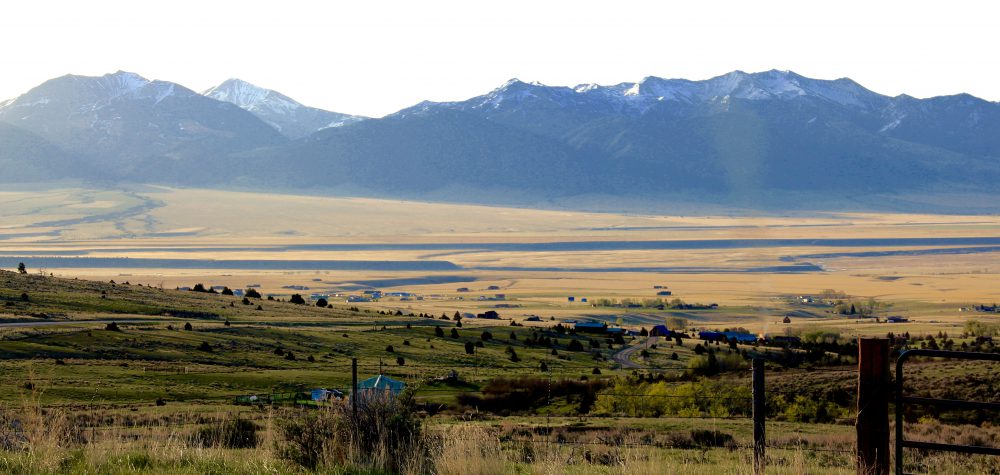
This month, July 1923, is the 109th anniversary of perhaps the biggest hyped sporting event in Montana history. The homesteading boom of the first two decades of the 20th century shaped the map of eastern Montana permanently. Shelby, on the hi-line of the Great Northern Railway, had been one of those railroad stops that the boom elevated into a county seat, as Toole County was formed in 1914.
Then the boom busted. Even though oil had been located in Kevin, to the west of Shelby, town boosters aimed for something larger. Why not use the rail connections and host a heavyweight championship fight on July 4, 1923? Jack Dempsey would fight—for a huge guarantee—as would his opponent Tommy Gibbons. Suddenly plans that were perhaps not that serious at first—more of a publicity stunt—became deadly serious. The event would either make, or break, Shelby.
The town and promoters worked together to build a 40,000 seat outdoor venue for the fight. And got that done west of the town center! But then, just days before the fight, the constantly escalating money guarantee fell through and word was broadcast everywhere that Dempsey wouldn’t fight. The buzz surrounding Shelby died overnight.
Then Dempsey changed his mind and the fight took place, but too many people, except for several national sportswriters and many locals, changed their plans. Rather than tens of thousands in attendance, there were an estimated 8,000 to watch the fight. It was a great 15-round fight, one of the toughest of Dempsey’s career, but as a money making event for Shelby it was a disaster, one that few wanted to talk about then or for decades to come.
I started the 1984 historic preservation survey in Toole County. There was no marker then talking about the fight or locating where it took place. No one really wanted to discuss it.
But time passes and it was with great delight that when I visited Shelby in May 2023 its Champions Park stood on the site of the fight. Finally effective public interpretation of a very important event!
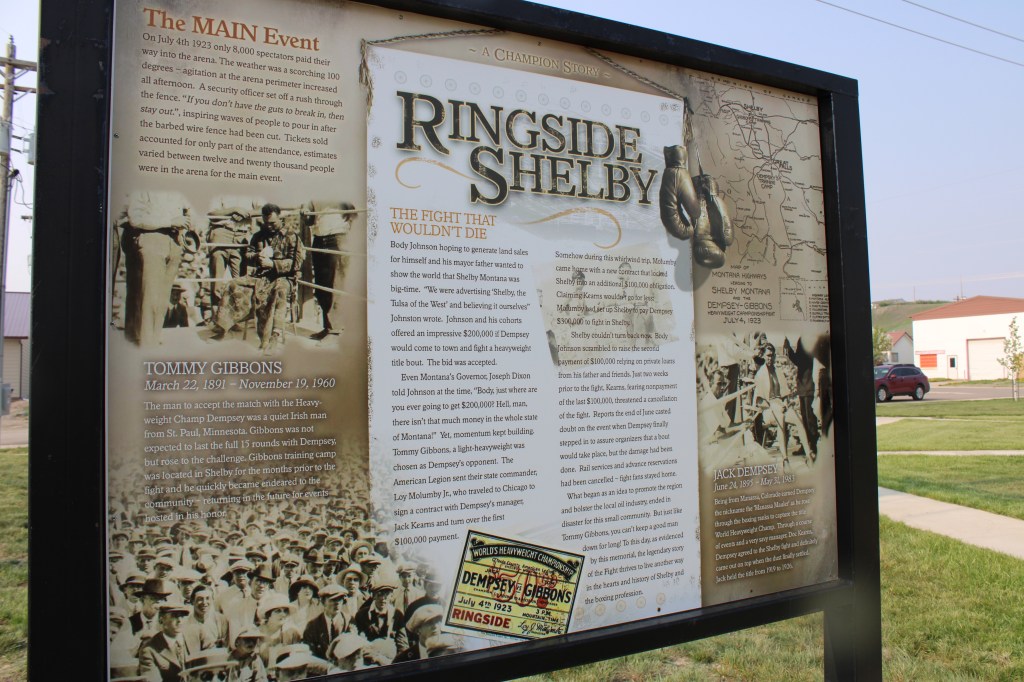
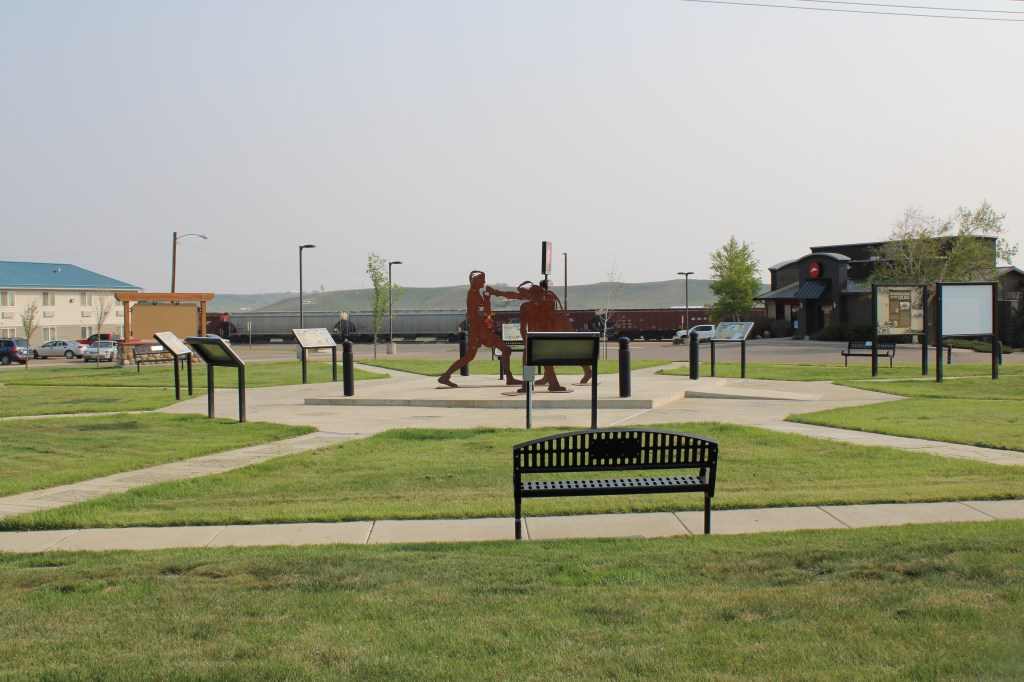
Arranged as if you were in the grandstand back then, a combination of statues and kiosks tell not only the story of the fight but also the history of Shelby and environs. Dedicated on July 4, 2013–the 100th anniversary—the park is one of the best outdoor history museums in the state.


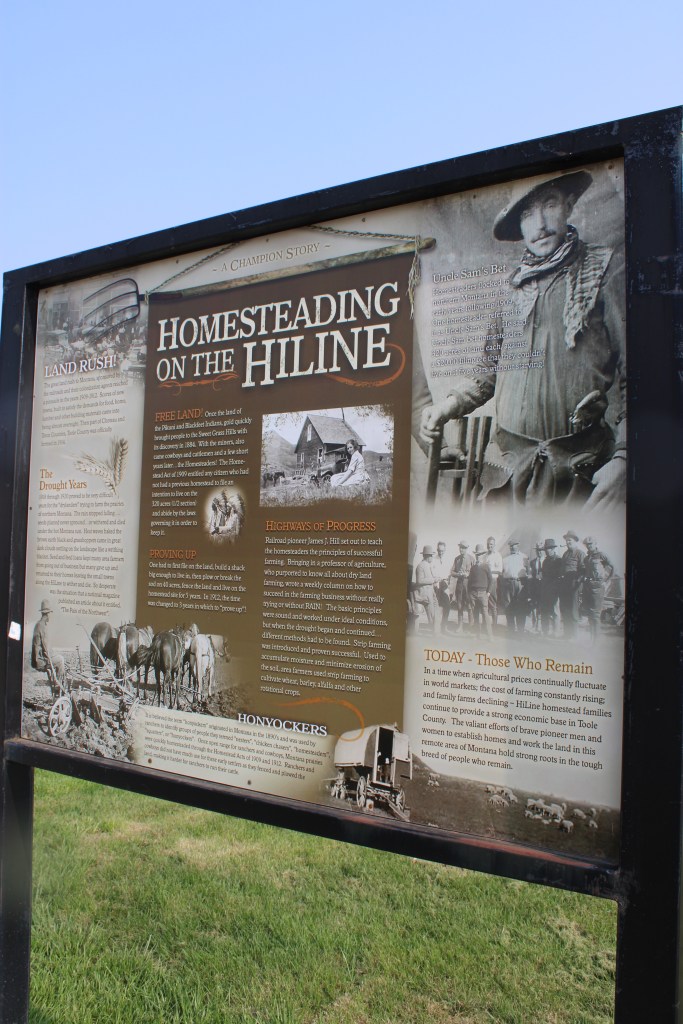

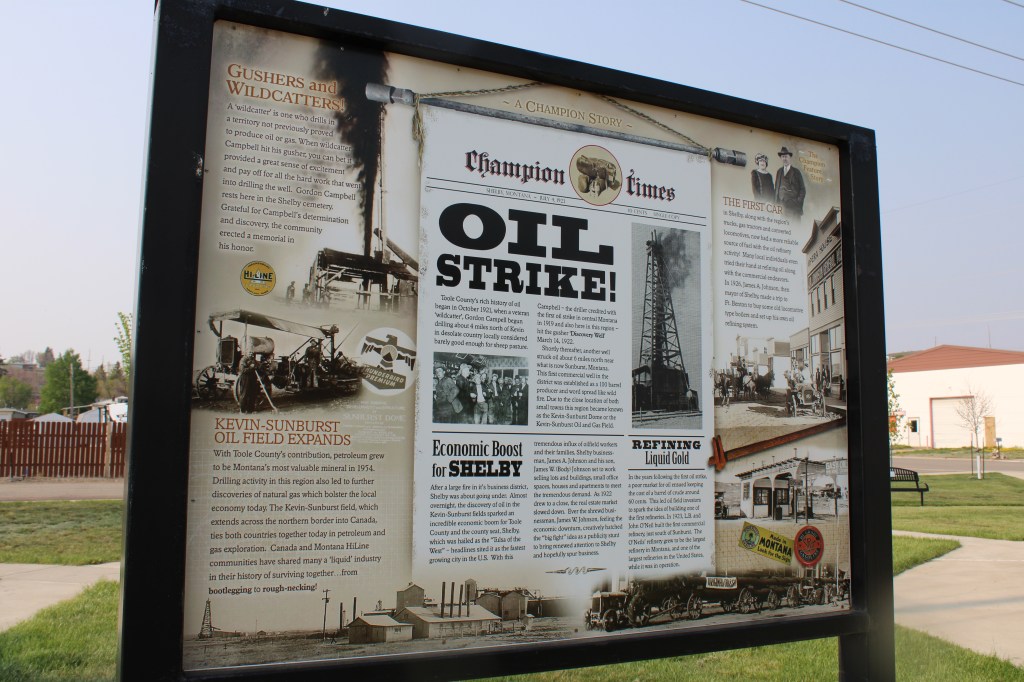
The added history background on the town and county adds so much to the experience of exploring Champions Park. Congratulations to everyone who made the park a reality. What had been just a story—and oh what a story it was—now has the place preserved and interpreted. The power of place—Shelby gets it.
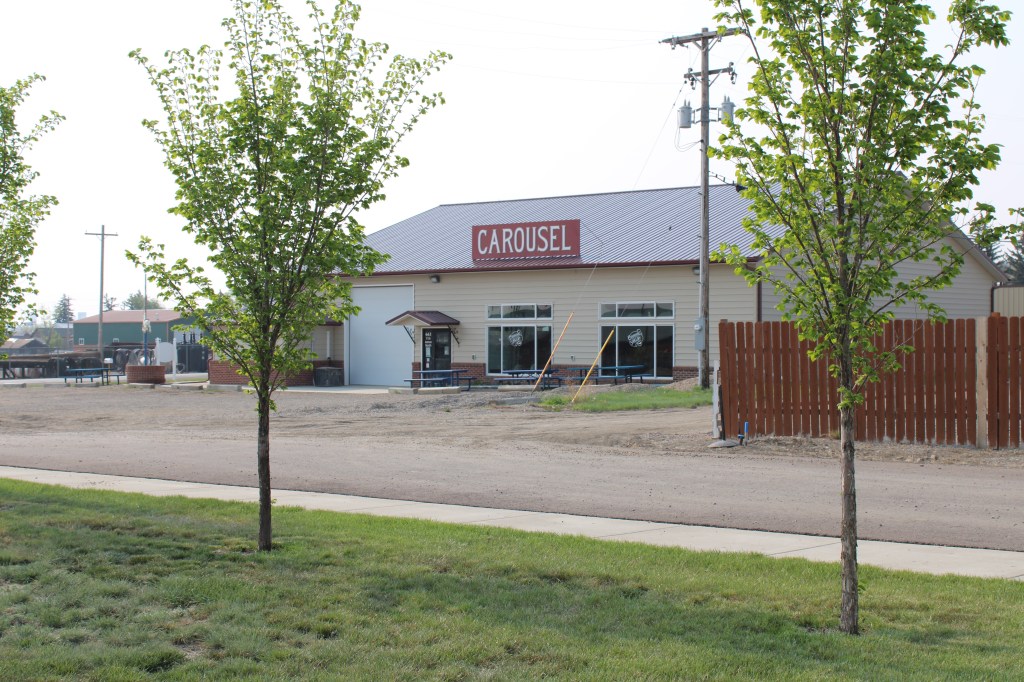
When you add the adjacent town carousel, a 2018 project that preserves a 1936 wooden carousel that is still in working order, Shelby has created a new heritage and recreation infrastructure that should serve it well for a generation. Impressive.

















 In the 1984-1985 fieldwork for the state historic preservation plan, the impact of lodging chains in Montana was pretty limited to the larger towns, and gateways to the national parks. Many what I called “mom and pop” motels, largely from the pre-interstate highway era of the 1940s and 1950s, still operated. I was working with the state employee lodging rate of $24 a night (remember it was 1984!) and I found that the per diem eliminated the chains and I was left with the local establishments. During those months of intense travel I came to respect and really like the Moms and Pops. Several of the places I stayed in 1984-1985 are long gone–but ones like the Lazy J Motel in Big Timber remain. In this post I am merely sharing a range of historic motels from across Big Sky Country.
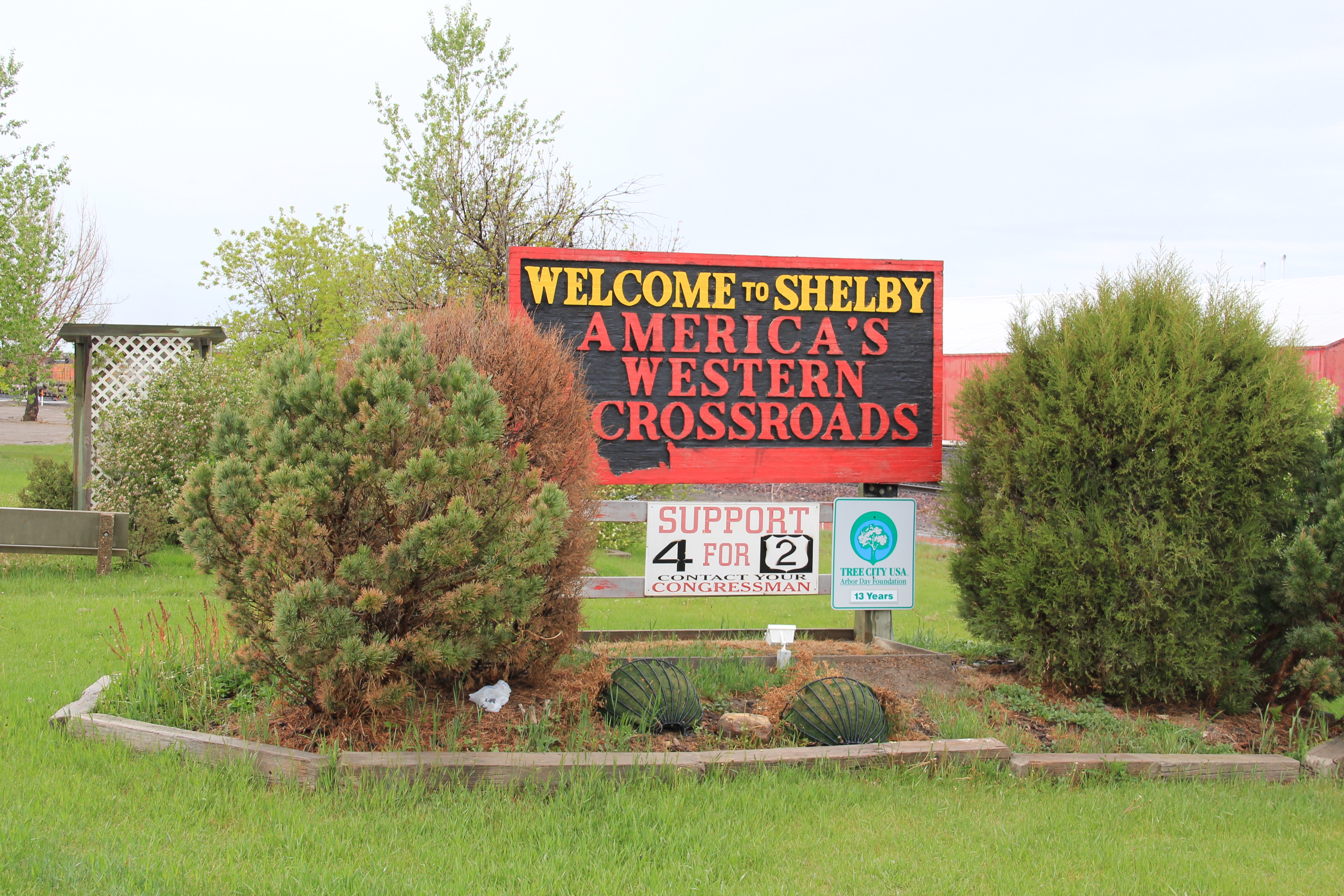
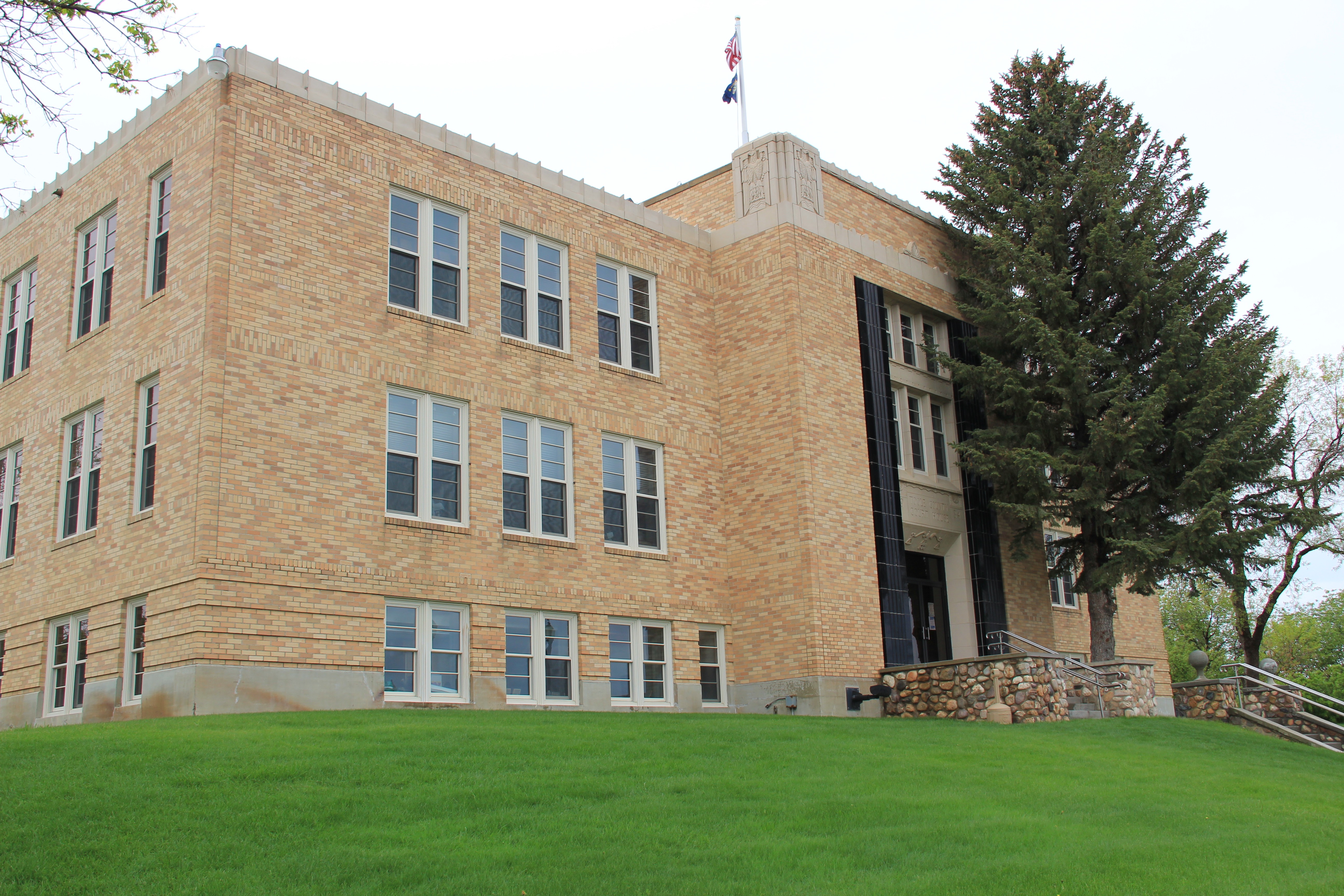
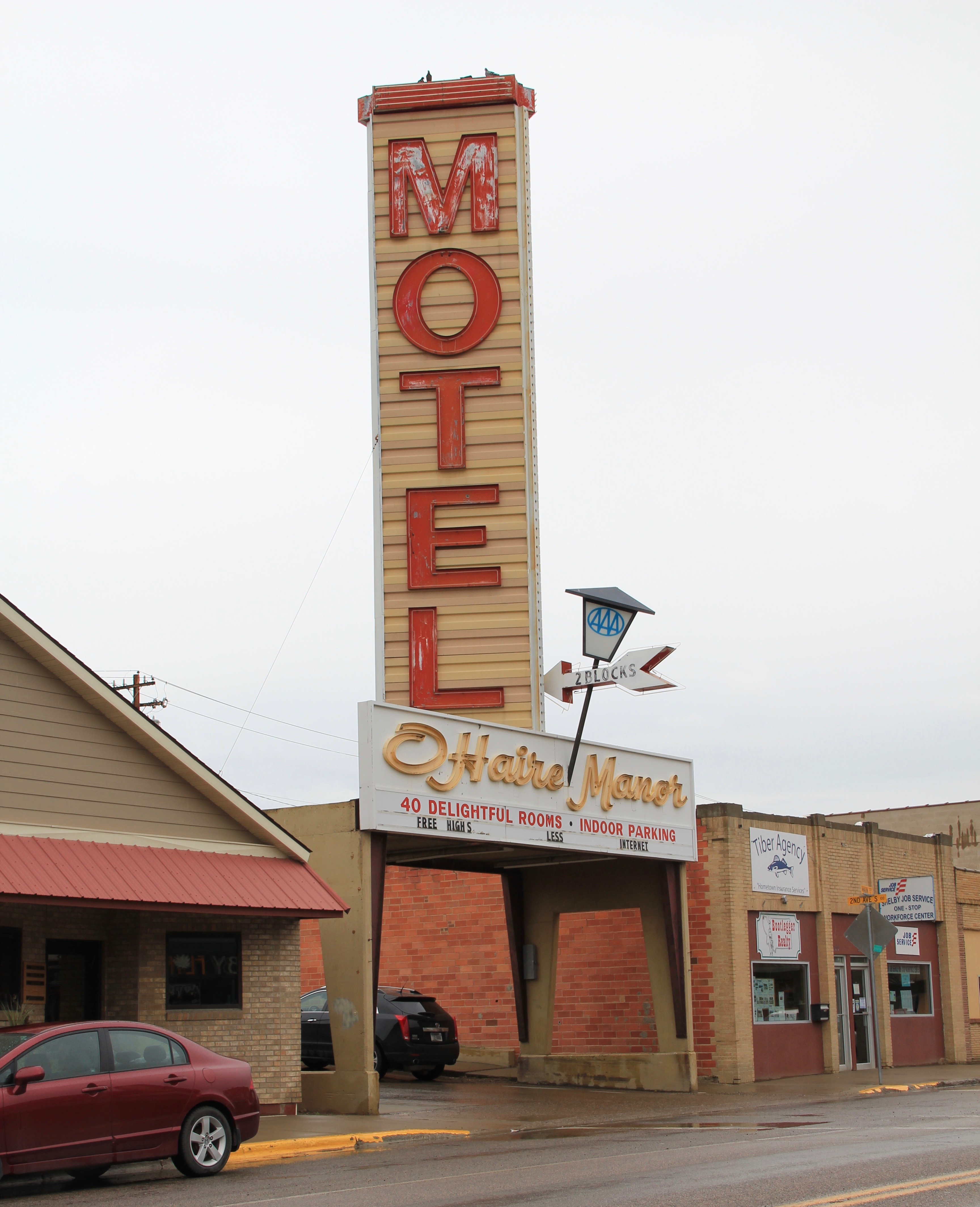
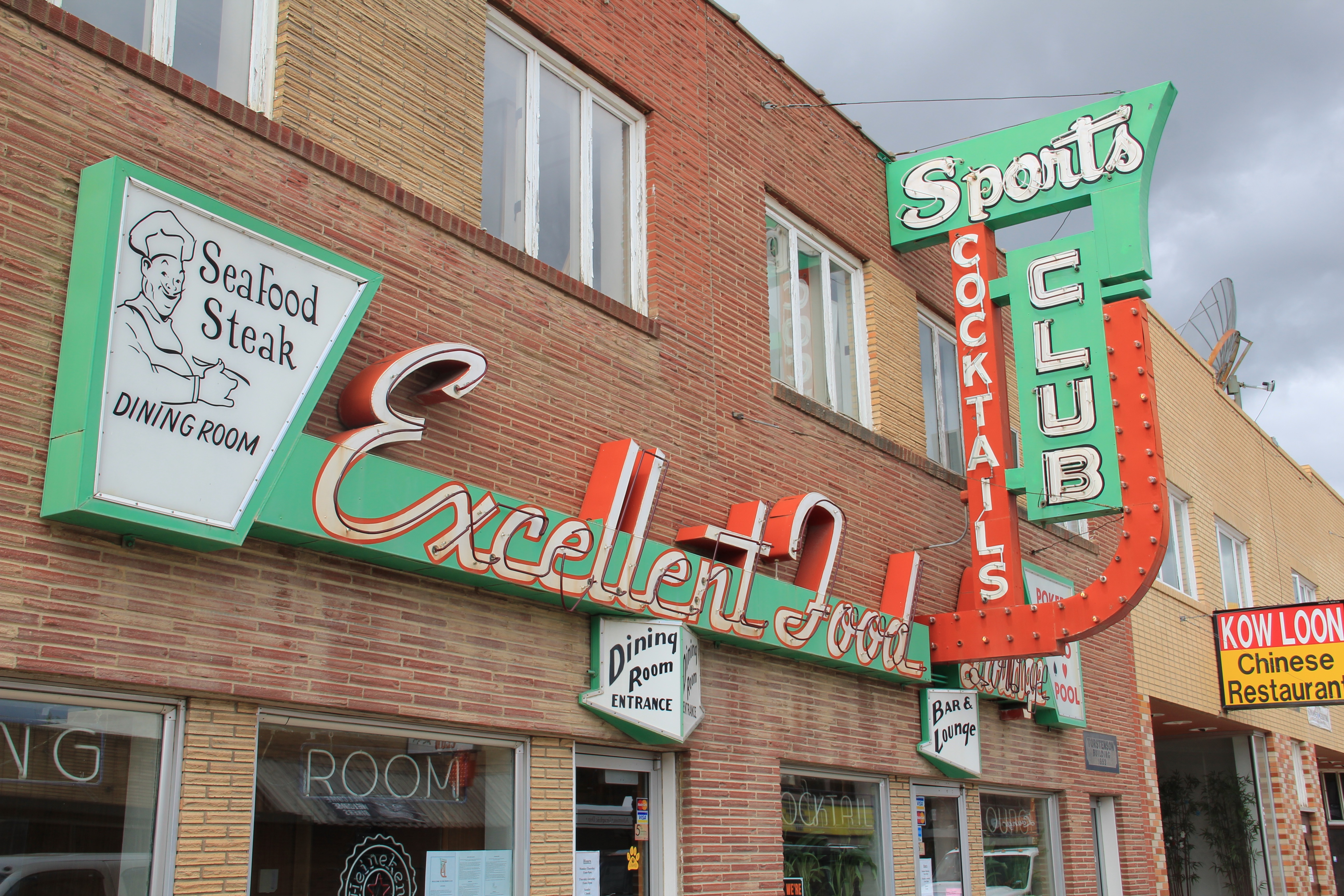
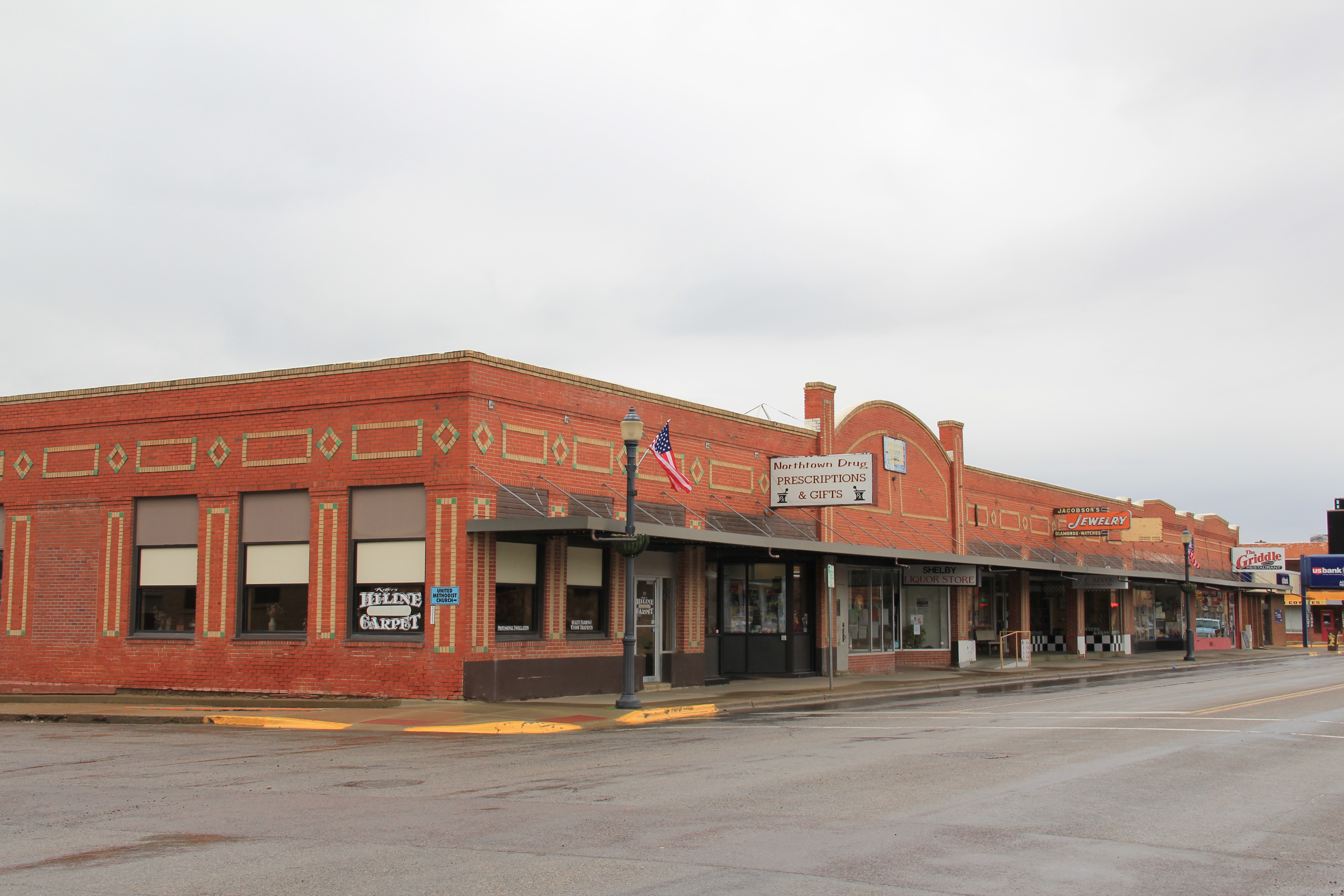
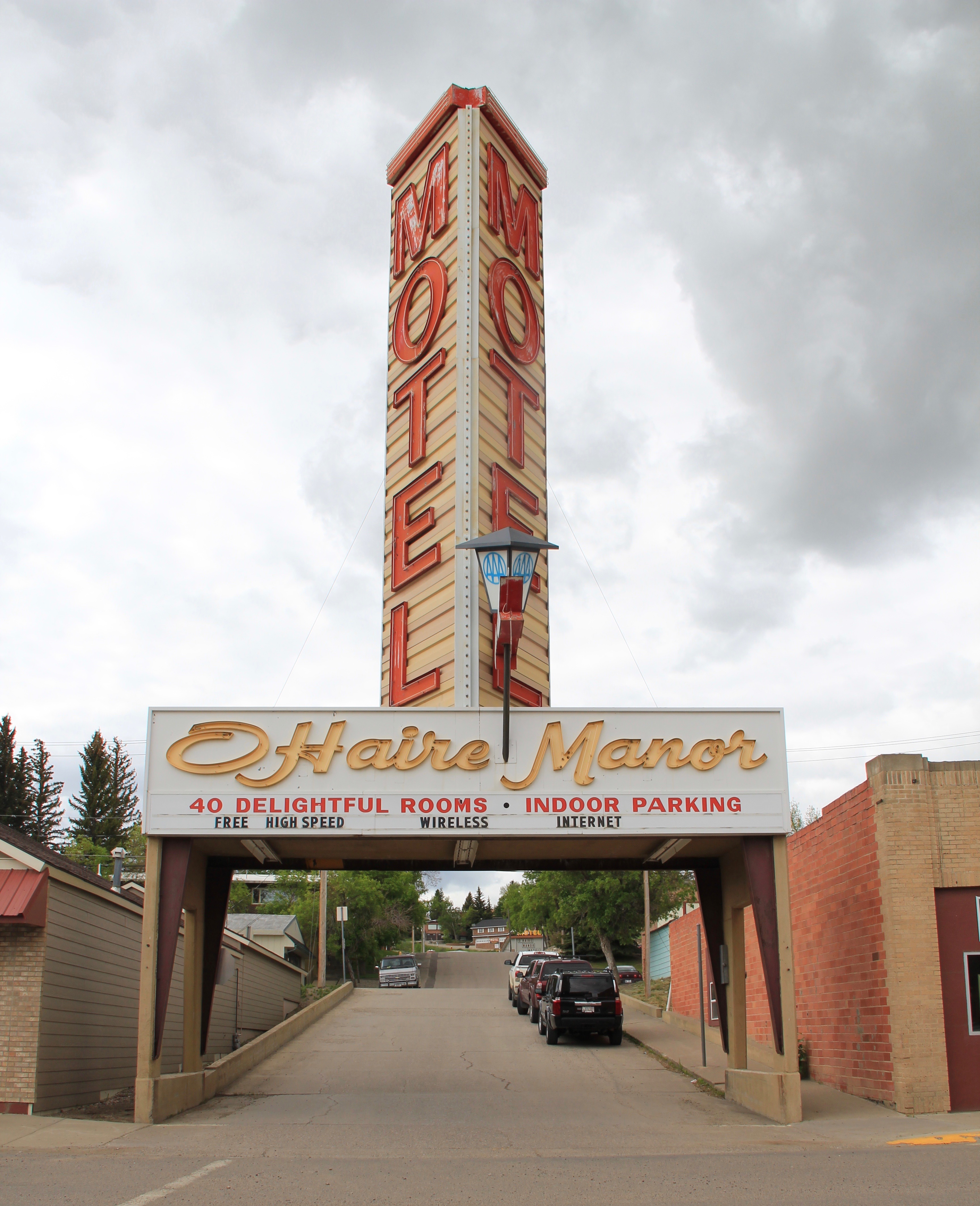 I began the fieldwork in February 1984 and the first stop was a public meeting at the Toole County Courthouse in Shelby. My first overnight was just as memorable–for good reasons–at the O’Haire Manor Motel. Its huge neon sign on the town’s main street, which was U.S. Highway 2, could not be missed, and actually the sign replaced a building that once stood along the commercial district, knocking it down so travelers would have a clear shot to the motel itself.
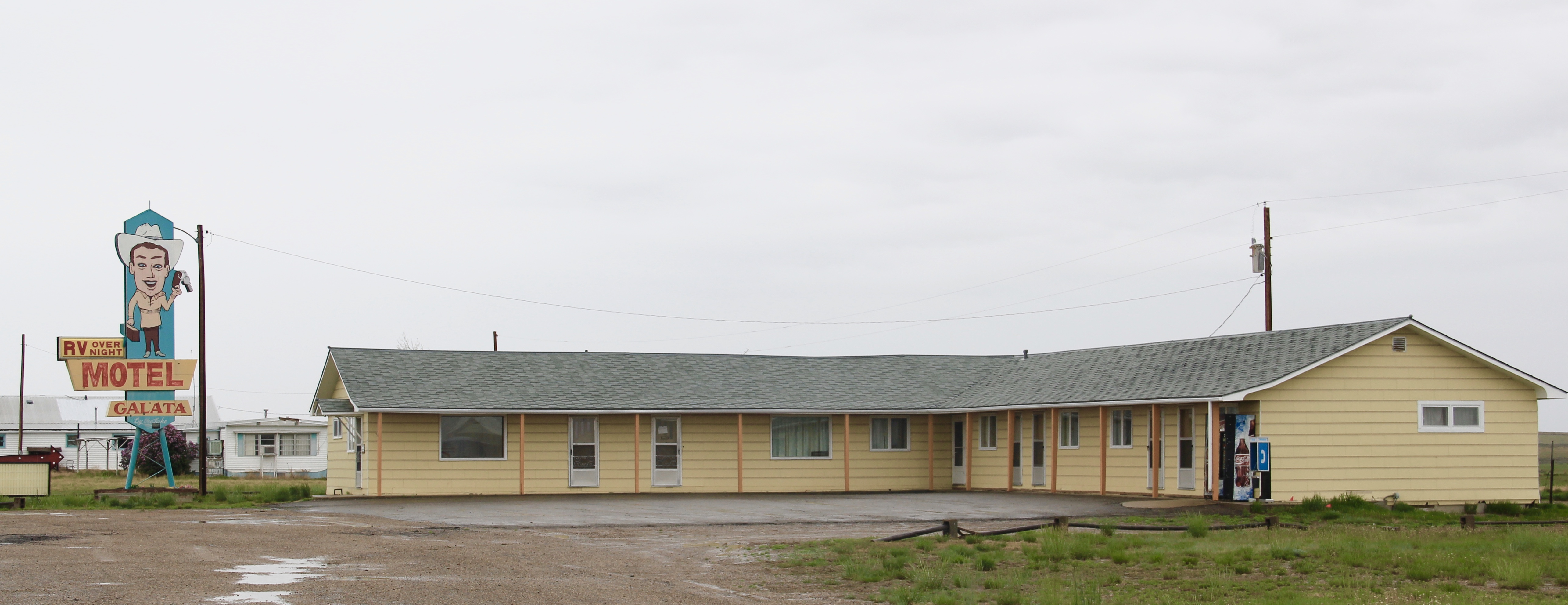 Cut Bank’s Glacier Gateway, on the other hand, reminded visitors that it was that “coldest place” in the United States that they had heard about in weather forecasts.


 Another example from the old Yellowstone Trail and U.S. Highway 10 is the Shade Tree Inn Motel in Forsyth–although coal and railroad workers help somewhat to keep it going in the 21st century.
 Just a block west of another historic section of U.S. Highway 10 in Deer Lodge is the Downtowner Motel, with its sloping roof and extended rafters representing the best in “contemporary” style from the 1960s. This place too was clean, cheap, and well located for a day of walking the town back in 1984.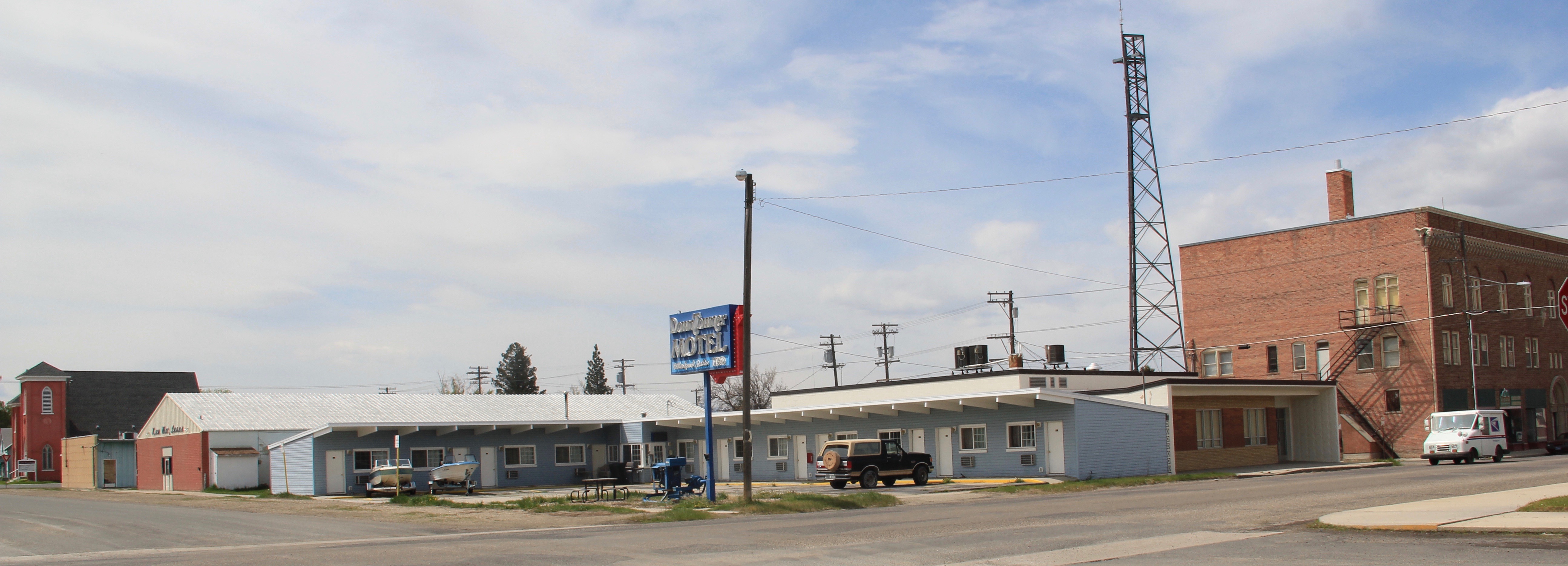

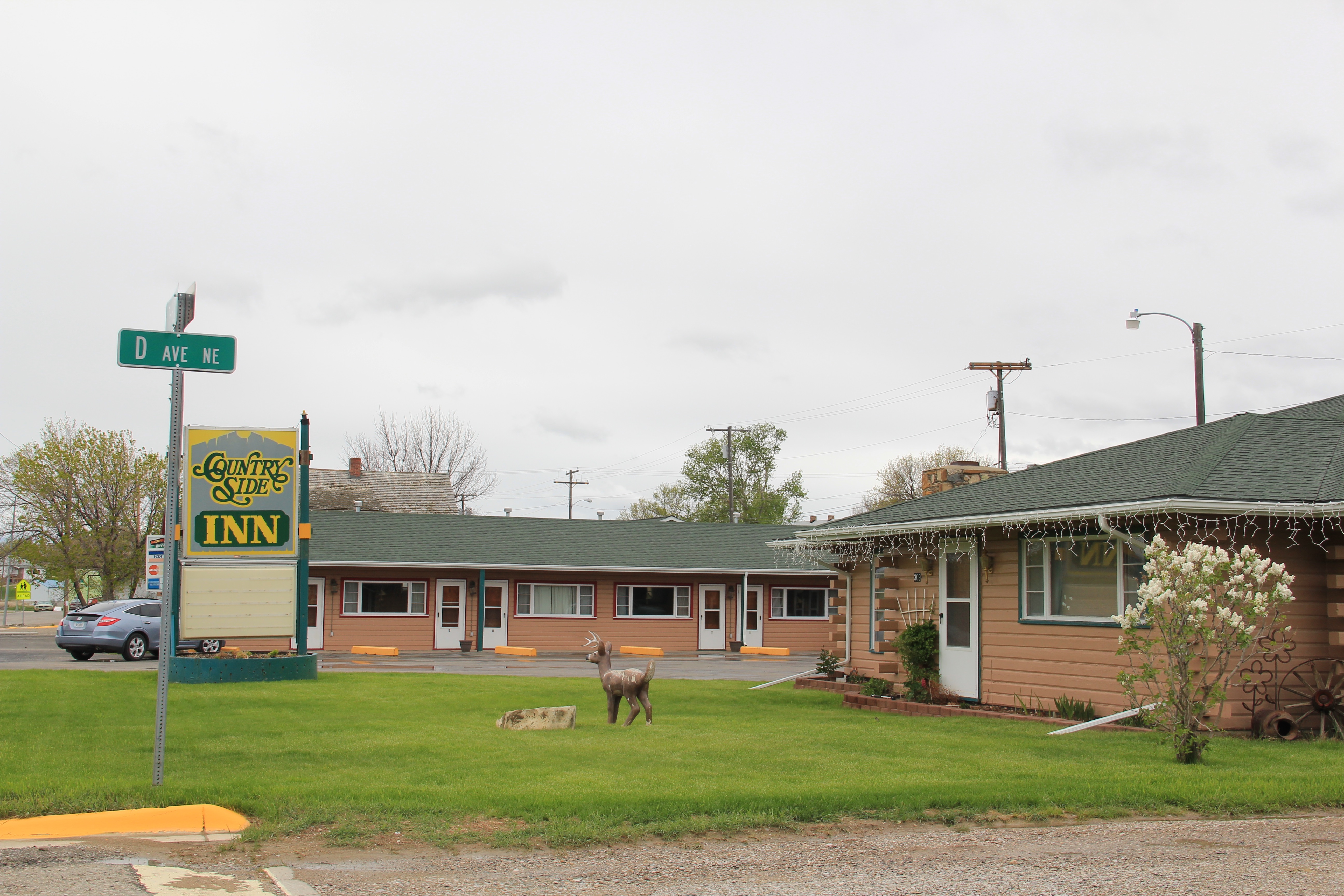 Not only have the changes in traffic patterns been important, the present generation’s preference for chain motels–and the proliferation of chains across the state–have shaped the future of the mid-20th century motel. A good example is the challenges facing the continuation of the Cherry Hill Motel in Polson, located along U.S. Highway 93. Here was a favorite spot in 1984–near a killer drive-in–a bit out of the noise of the town, and sorta fun surroundings with a great view of Flathead Lake.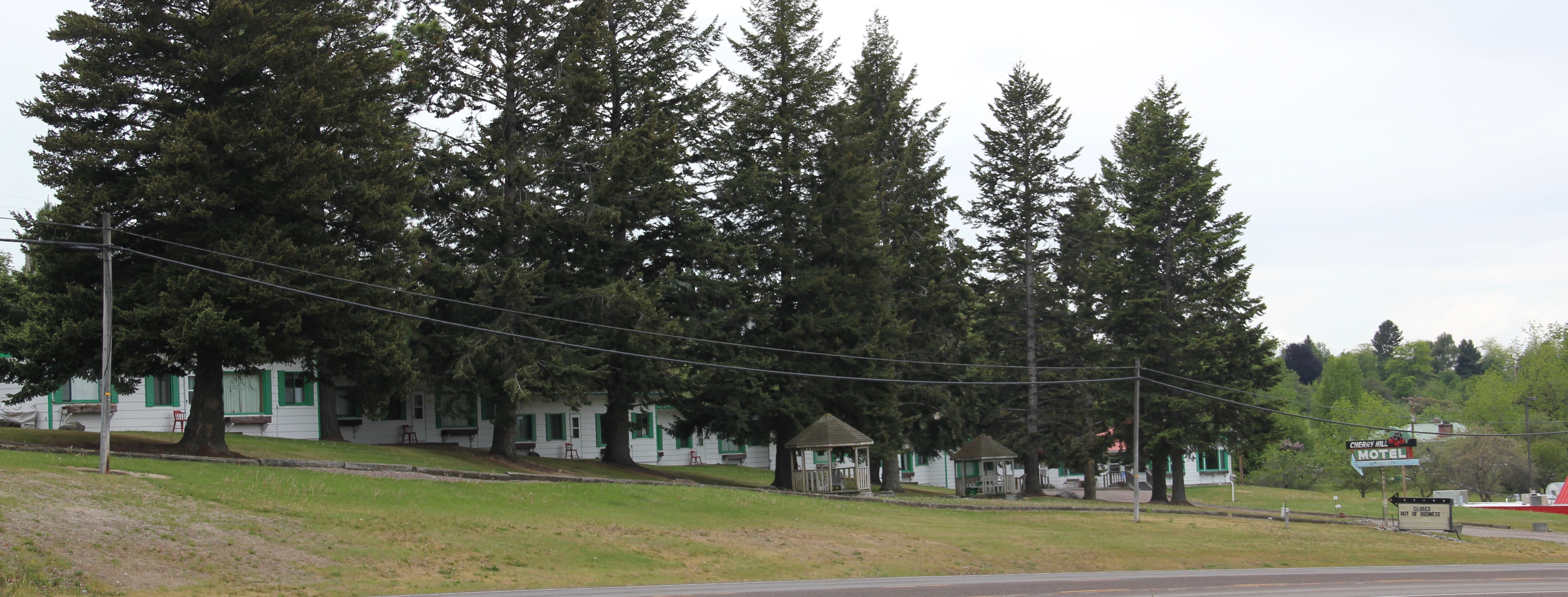
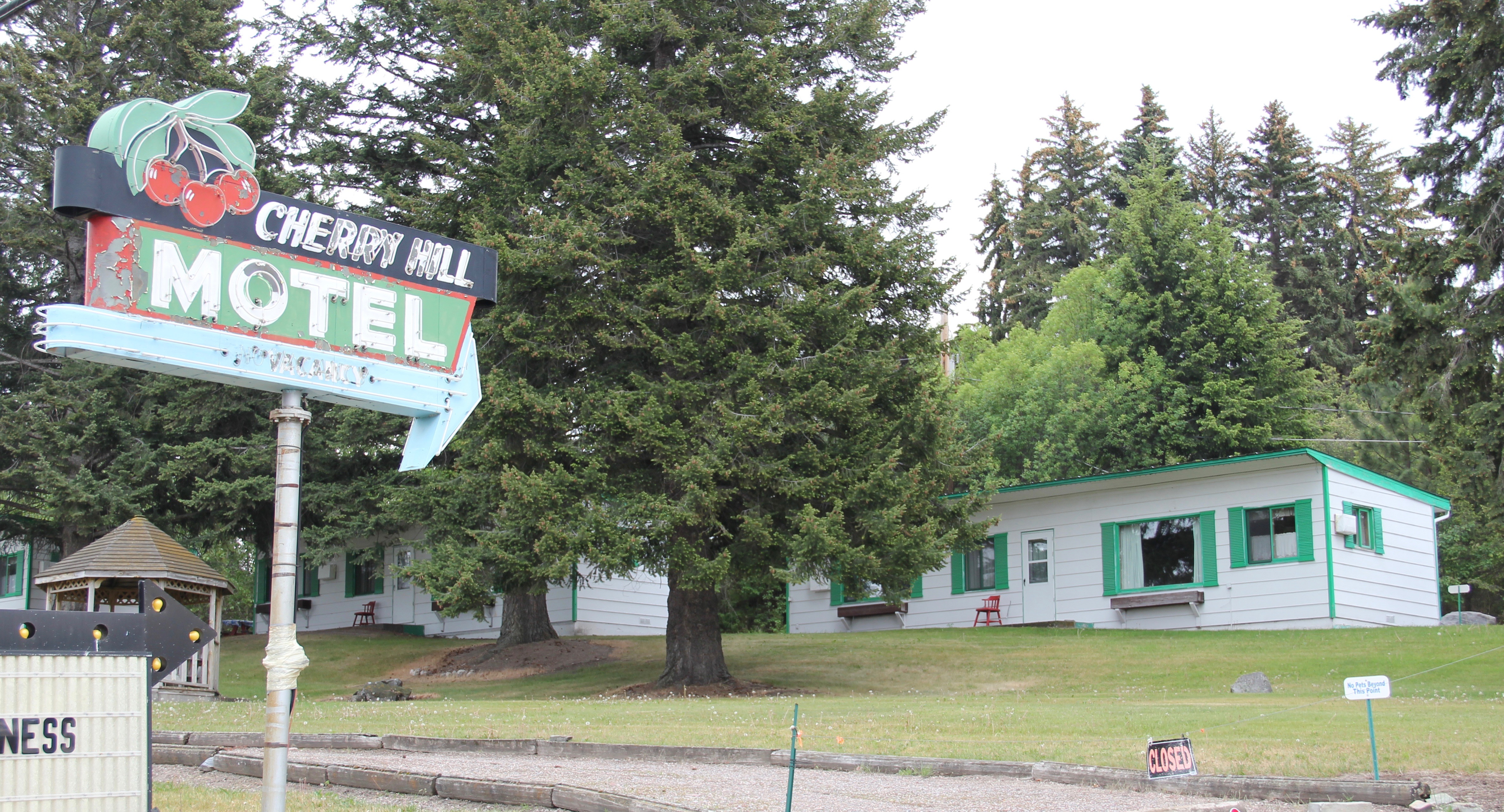 The place was up for sale in 2015–and the internet today tells me that it is “permanently closed.” I hope it can find a new owner and is still there when I next return to Polson but with the general boom in the Flathead Lake region, one assumes its days are numbered.
 The bear might be hugging the tree but does anyone else care enough–or want this type of lodging, complete with the “picture window” of the 1950s and 1960s, in the comfort obsessed 21st century?















 Montana's Historic Landscapes