Hamilton’s historic public architecture

In the first half of the 20th century few Montana county seats matched the quality and diversity of public architecture of Hamilton, the seat of Ravalli County.
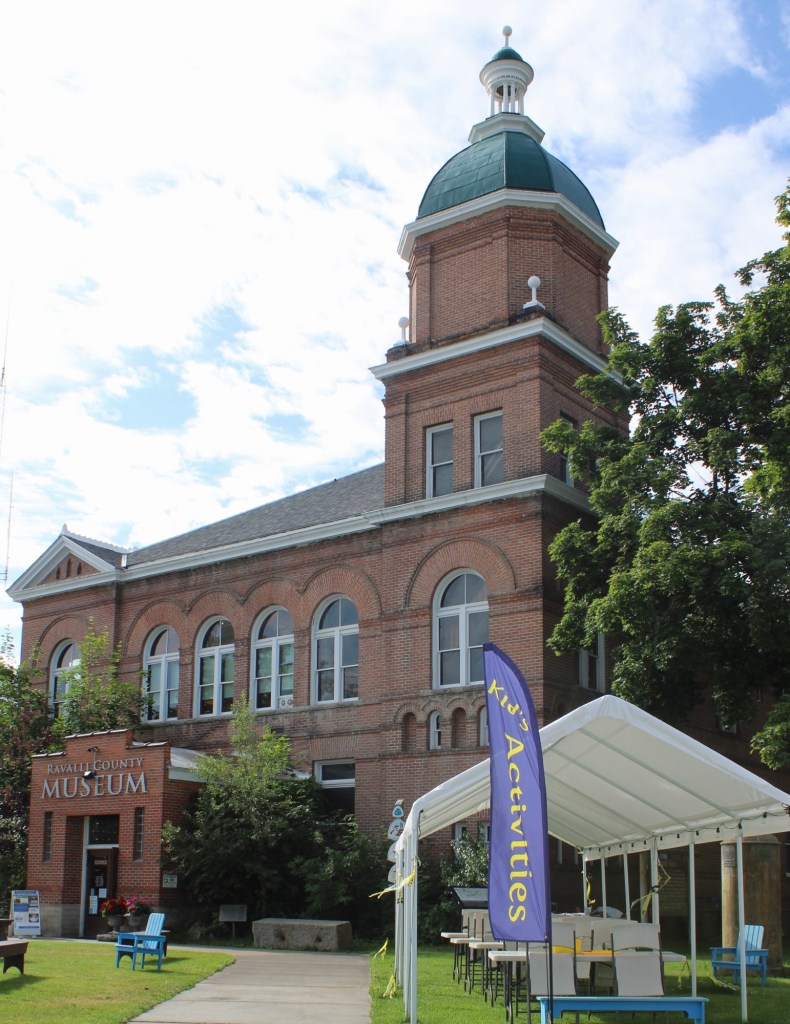
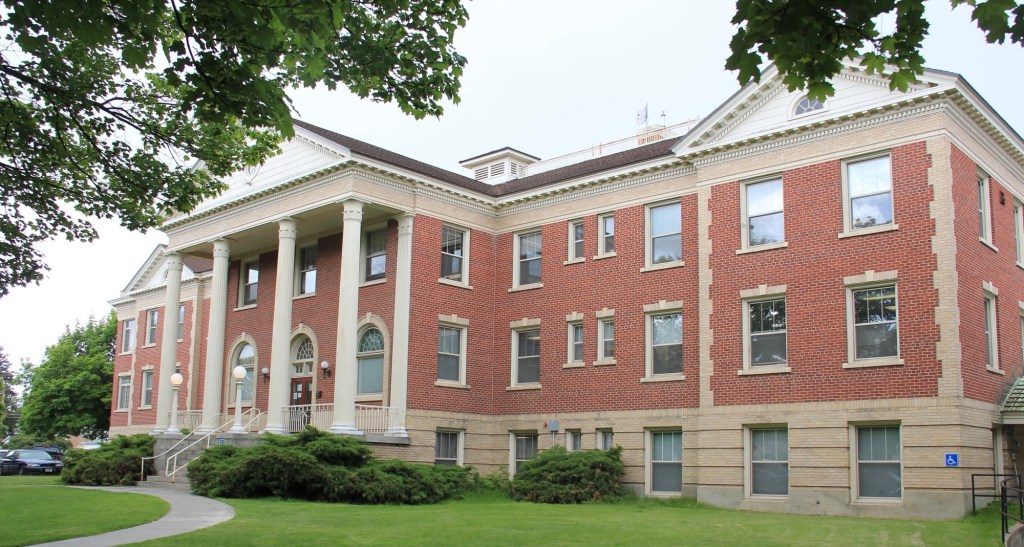
The oldest, the Ravalli County Courthouse of 1900, remains the most distinguished, although the county left the building for a new courthouse in the mid-1970s. Fifty years later, its conversion into an excellent county museum has kept this landmark of Romanesque infused design as a vital part of county life, especially during the city’s Saturday market in the summer. Designed by architect A.J.Gibson of Missoula, the courthouse graces a grand public space in the 21st century city, a space made even more meaningful by the Doughboy tribute monument that stands on guard in front of the building.
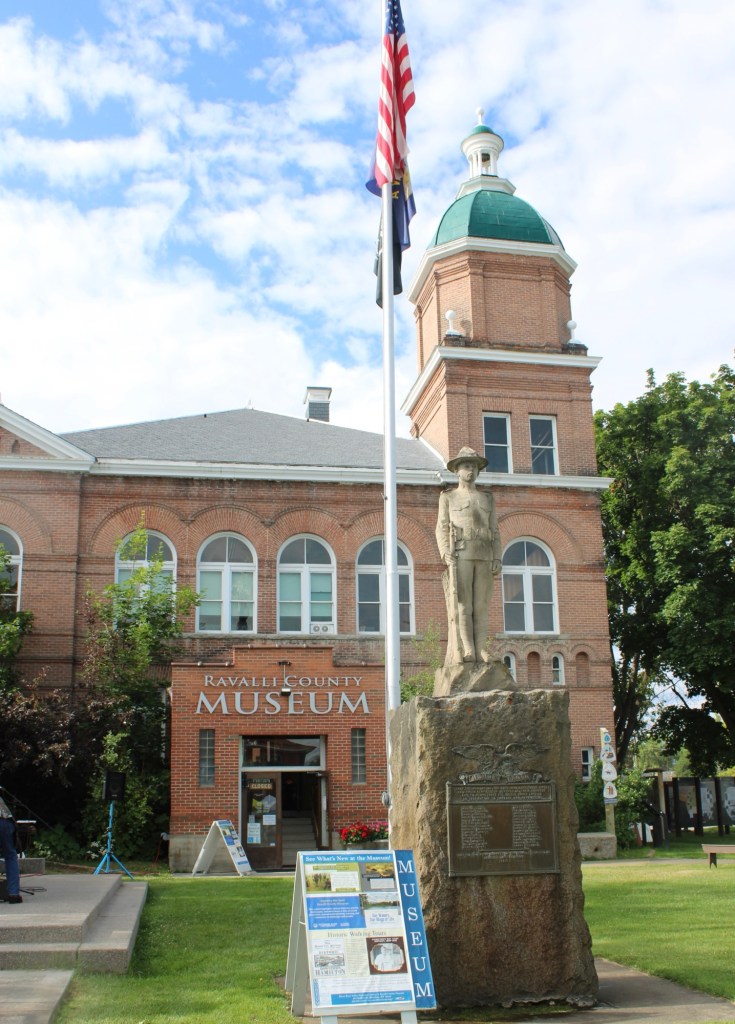
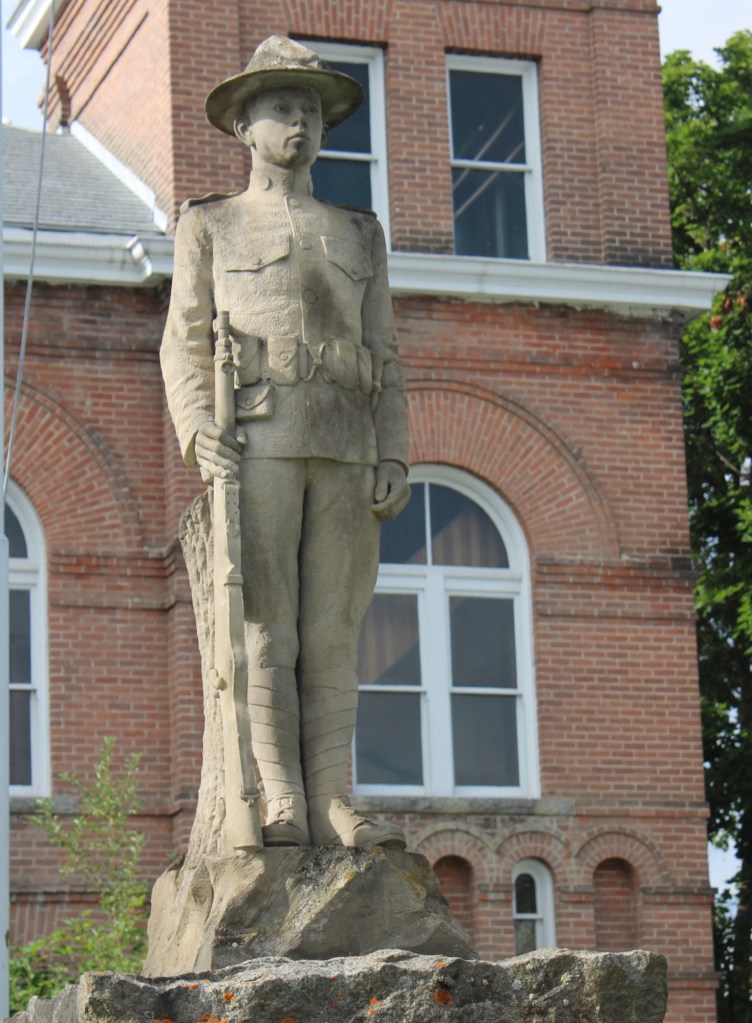
Installed in 1921 the monument itself is over 100 years ago and is a rare courthouse yard tribute to World War I veterans.
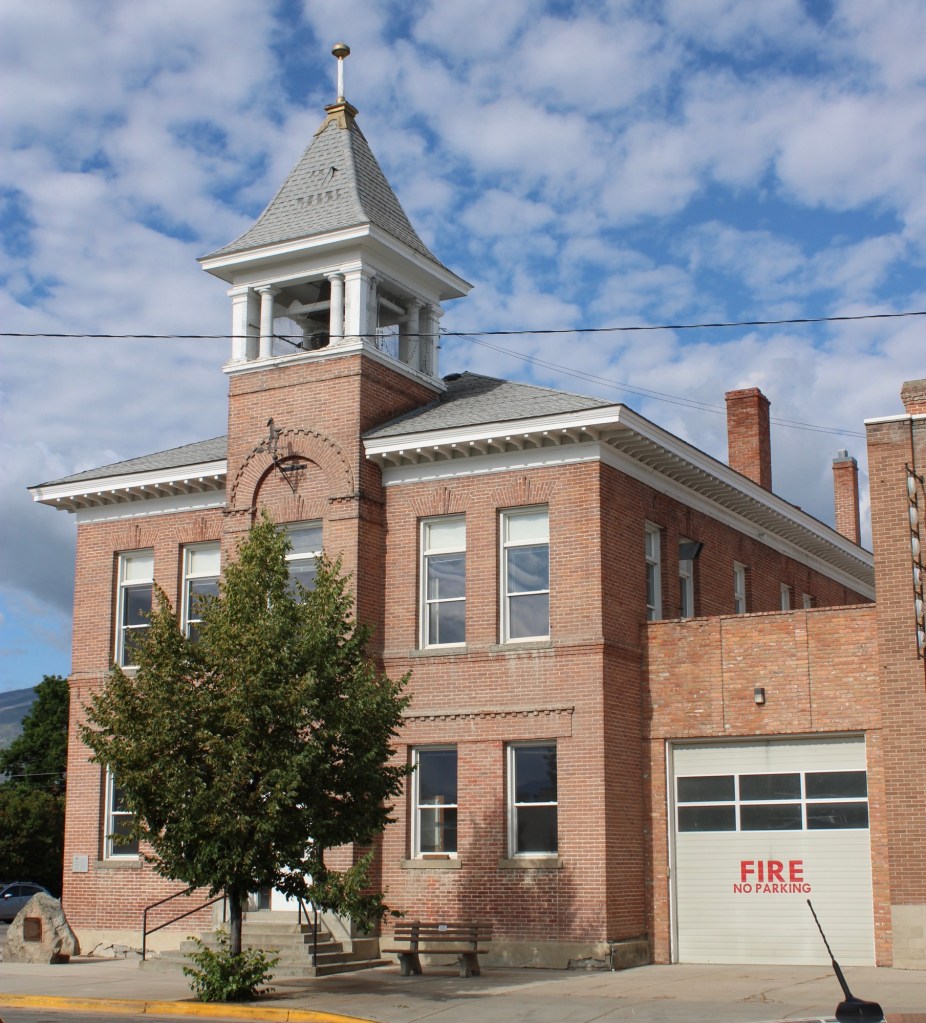
In 1906, only a block away, the city built a Victorian style flavored town hall for almost all city affairs, from governance to police in fire fighting and even the public library.

The library was not long for the Town Hall. Within 10 years it had its own Classical Revival building, due to the diligence of the Hamilton Woman’s Club and the funding of Margaret Daly, the widow of copper magnate Marcus Daly, who lived across the valley at her grand Colonial Revival mansion.
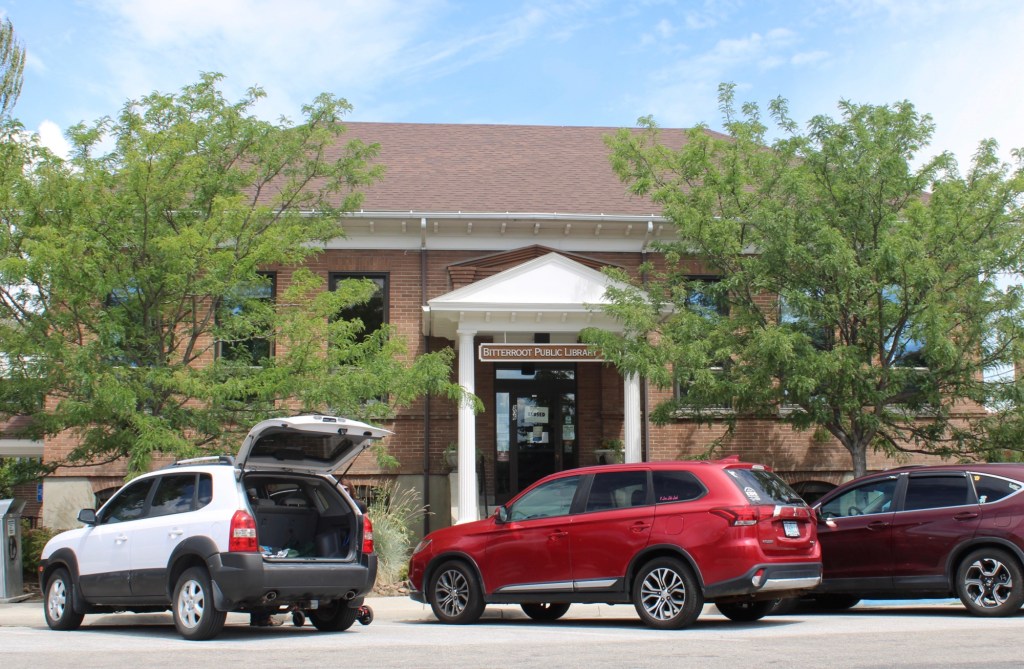
Margaret Daly was not done. In the mid-1920s she funded the Colonial Revival style Marcus Daly Hospital just blocks away from the library.
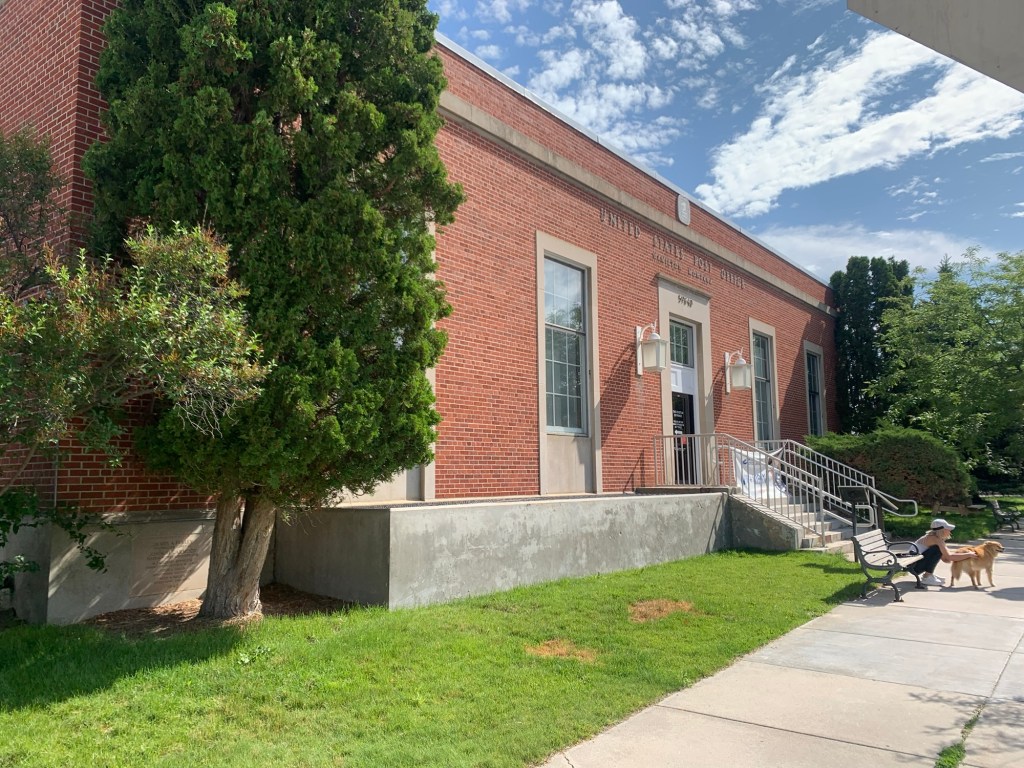
The New Deal added to the city’s Colonial Revival traditions of public architecture. Those depression years of the 1930s added a more restrained take on the colonial style in the new post office by Louis A. Simon.
Then after World War II public architecture charted a new course into modernism although Hamilton took cautious steps in its blocky modern design of the present city hall and community building, a very effective bending of uses.

Days before I visited Hamilton on July 4, 2025 plans were finalized to begin the serious work of converting the historic town hall into a new library facility. Even as we celebrate the town’s public architecture, change is coming later this decade.

Change in Wisdom

A truism often found in writings about Montana’s rural towns is that nothing ever changes. Maybe that’s true, for a few places but over the last ten years I have found change to be a constant in rural Montana.

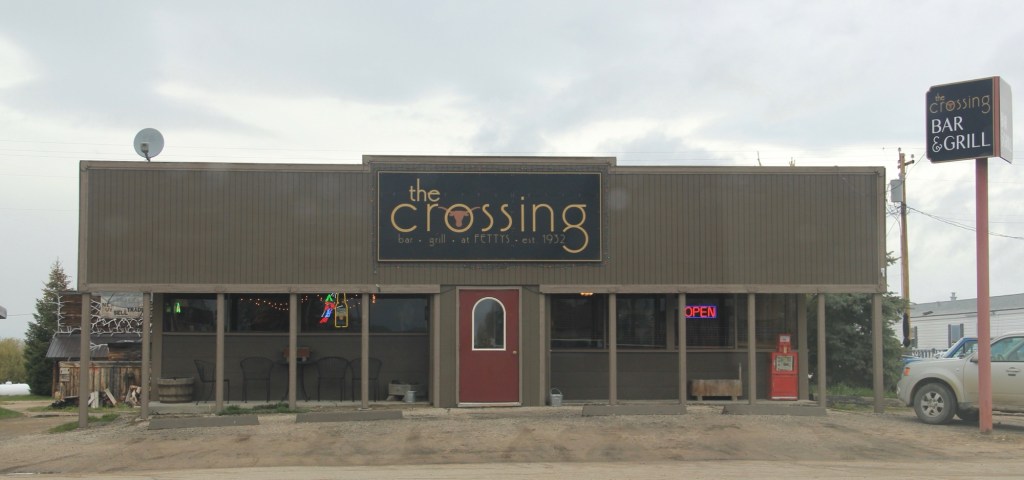
Take Wisdom in Beaverhead County. This place was one of my first overnights in the Big Sky Country and I fondly remember a night we spent at Fetty’s, a classic bar/cafe. Sometime before 2012 Fetty’s burned down but someone rebuilt on the site, calling it The Crossing at Fetty’s or Fetty’s at the Crossing—I don’t remember which one.

The Crossing in 20132

The Crossing was ok but a bit stuffy, just not the same feeling as Fetty’s. By 2025 order had been restored. The same modern building was there but name had changed to just Fetty’s. And the local vibe was back.

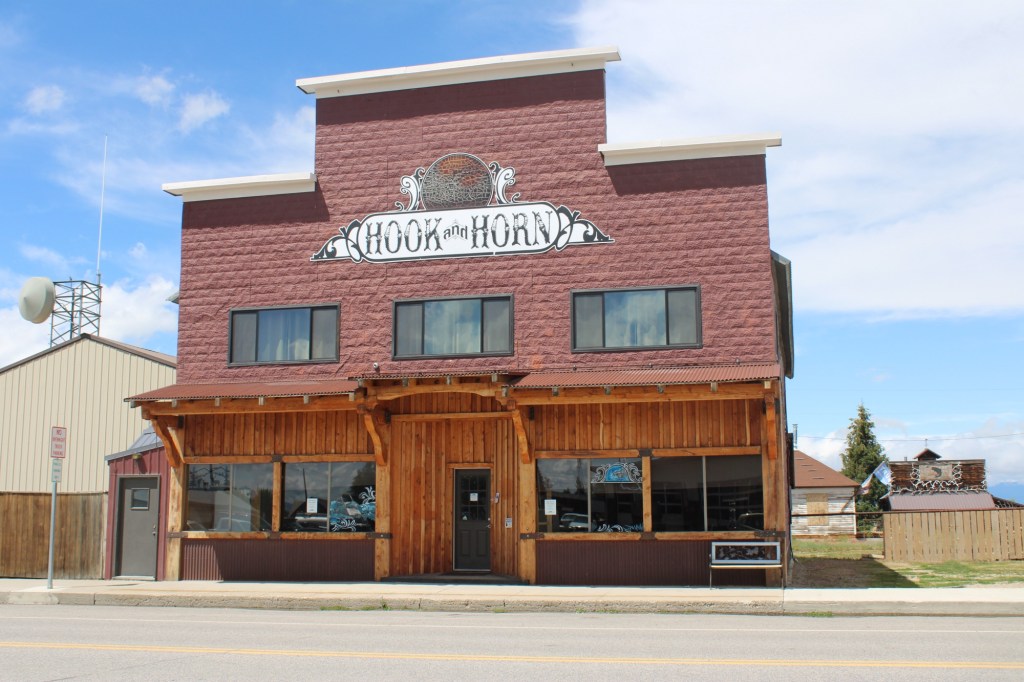
Change also marked the town’s historic general store, a 2-story commercial landmark. In this decade it tried to make a run as Hook and Horn, a combo bistro, boutique, coffee shop. It didn’t make it.

Hook and Horn, 2025

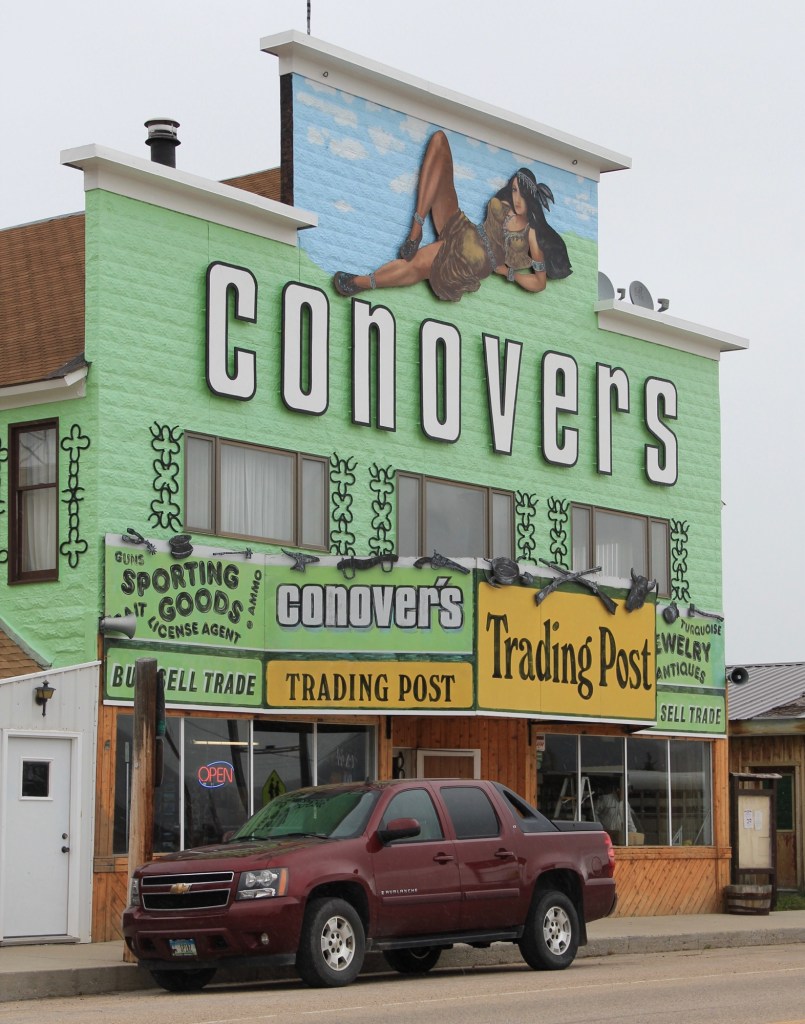
But its sedate, calm rustic appearance was certainly at odds with the garish but you can’t miss it facade of Conover’s Trading Post from 2012.

Conover’s Trading Post 2012
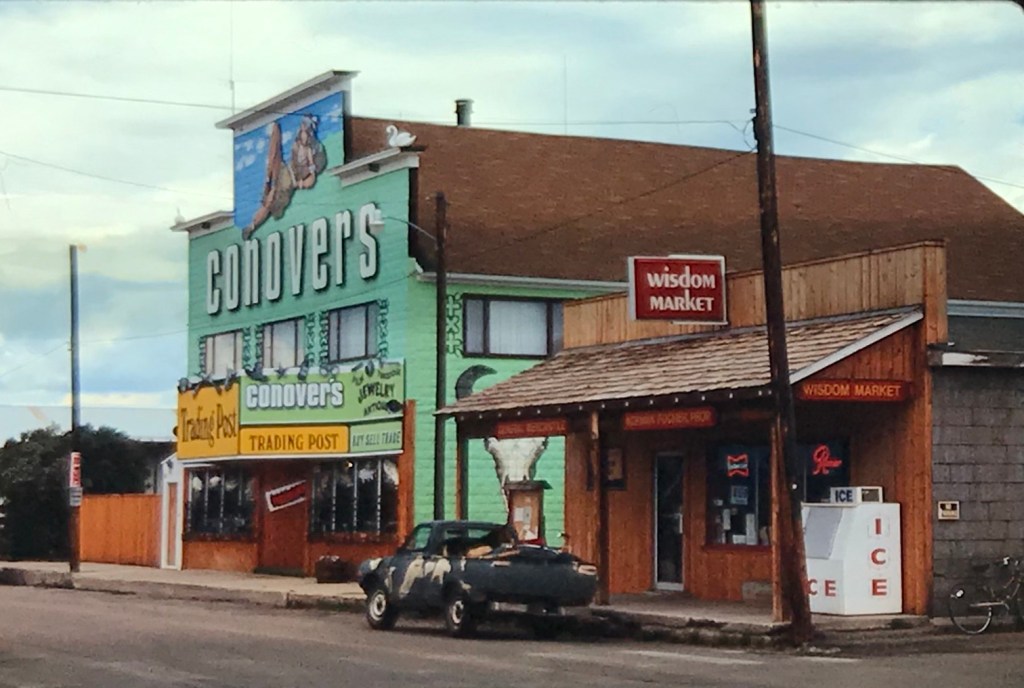
Wisdom 2012

I didn’t miss the trading post but I did like the Wisdom Market back in 2012. That now was a vacant lot.

Wisdom Market 2025

But then my faith was restored when on the other side of Fetty’s there was a new Wisdom Market, complete with its dark stained log false front. Not all change is bad, and if you don’t look you might not realize it.

Big Hole Battlefield and July 4, 2025

Maybe it’s just me. But something about the 4th of July makes me want to visit a national park that day. Could be because at these 400 or so places across the nation I always find inspiration whether in the beauty of the landscape or the story that is preserved. Or both, as is the case in the Big Hole Battlefield and the Nez Perce National Historic Trail near Wisdom.

As the visitor center’s excellent exhibits about Chief Joseph and the Nez Perce search for peace and freedom in 1877 remind us, the story is sad because it was a repeat of one that happened across the west after the Civil War—Soldiers and civilians combining to dispossess Native peoples of their lands, and here at Big Hole, of their lives. It was not America at its best. But as the exhibits also stress, tellingly in the words of the past and the Nez Perce themselves, Big Hole has since become a place where we learn and can make a commitment to do better.

When you combine meaningful history lessons with a beautiful landscape, it is always inspiring. By admitting truth and preserving where that truth happened, we take yet another step towards fulfilling the promise of a more perfect Union made by our revolutionary forefathers.

Thank you Big Hole Battlefield for bringing me these reflections on the 4th of July 2025. Your dedicated work makes me so glad we have a National Park Service, and proud to be an American.

Rocky Mountain Laboratory: medical solutions in Ravalli County

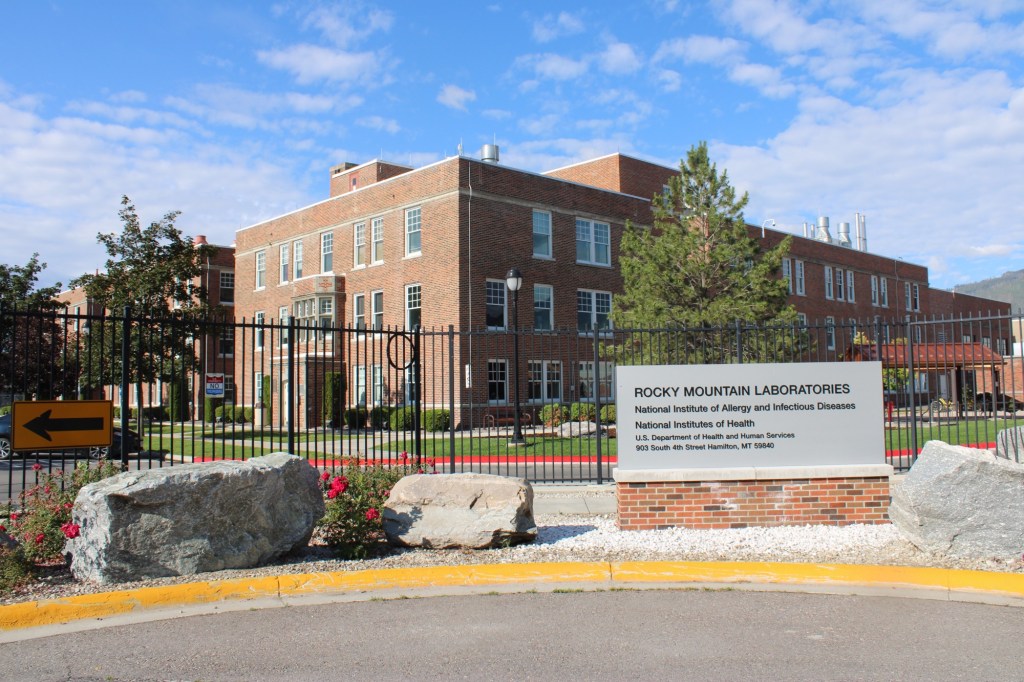
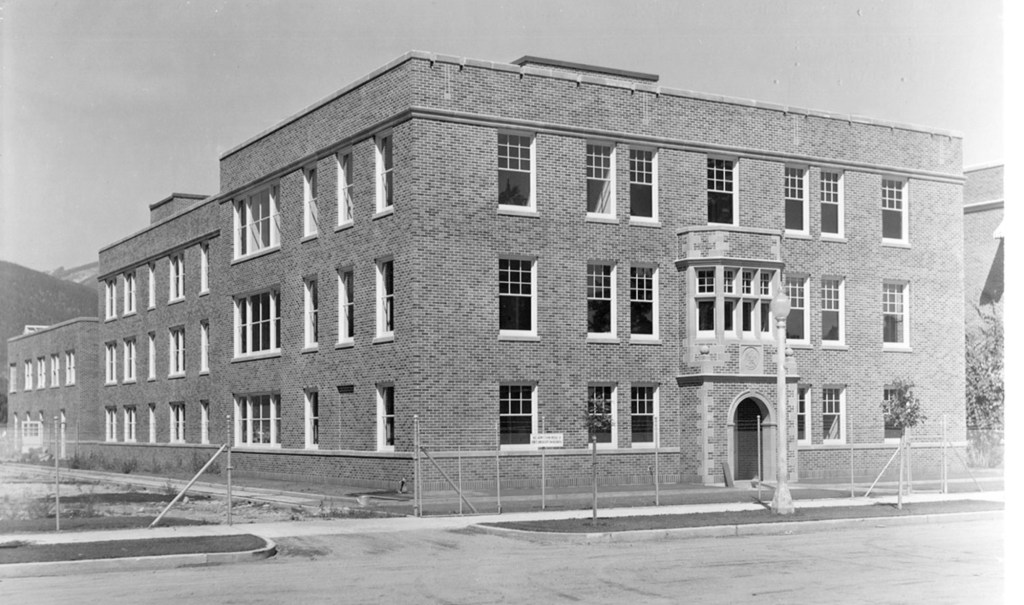
Nestled in the south end of Hamilton’s historic residential neighborhood is the Rocky Mountain National Laboratories. It began as a state initiative, as a way to combat Rocky Mountain spotted fever, a disease carried by the wood tick. For 20 years scientists searched for solutions and at one time worked out of an old abandoned log school. By 1924 an effective vaccine against Rocky Mountain spotted fever had been developed. The state of Montana built the first permanent brick laboratory at Hamilton in 1928.

Rocky Mountain Laboratory c. 1940, National Archives

During the New Deal, the federal government took over the state program and with Public Works Administration funding, it built a new modern campus, allowing the scientists to expand their research.

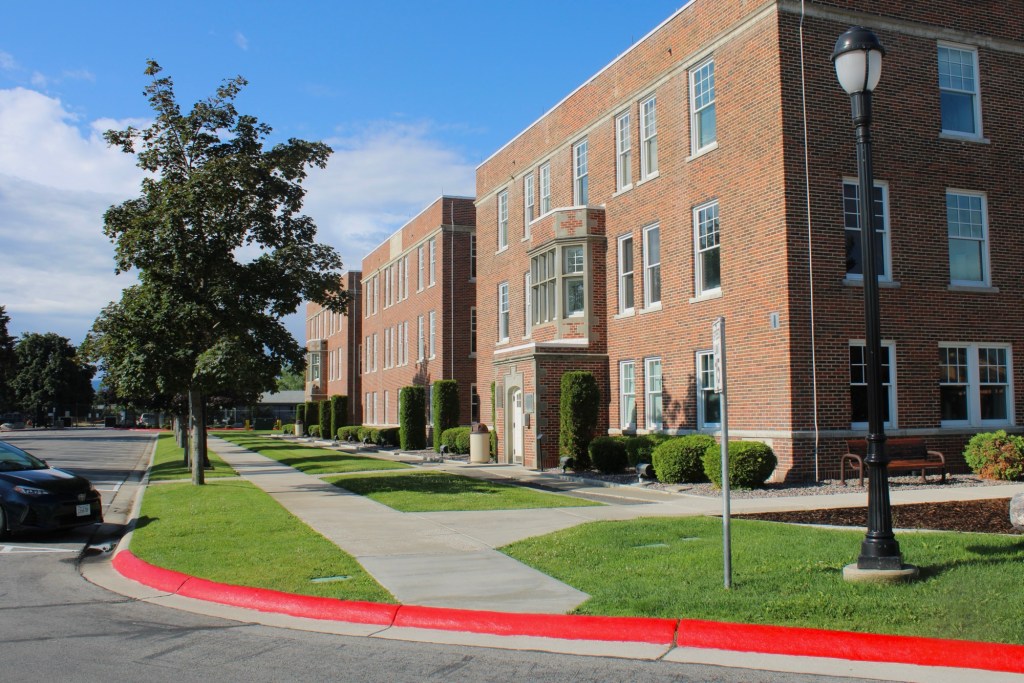
The new campus, completed c. 1940, created a quad of three-story brick buildings for the laboratory, with the new buildings having a slight Collegiate Gothic style.

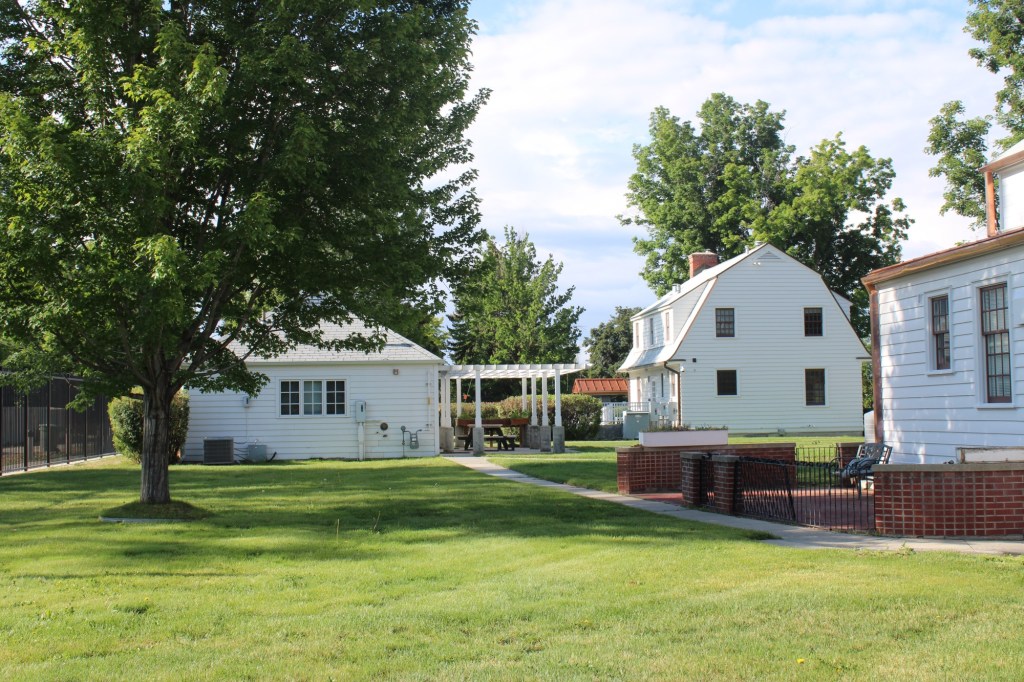
Across from the labs was housing for scientists, with the north house reflecting a modest Colonial Revival style while the south house was a classic Dutch Colonial styled house. There was a shared garage in back of the homes.

Good thing the lab was expanded. Officials looked to it to find solutions for yellow fever and vaccines against diseases common in the Pacific theater of Wirld War II. It developed the standard Army vaccine to fight yellow fever in 1942.

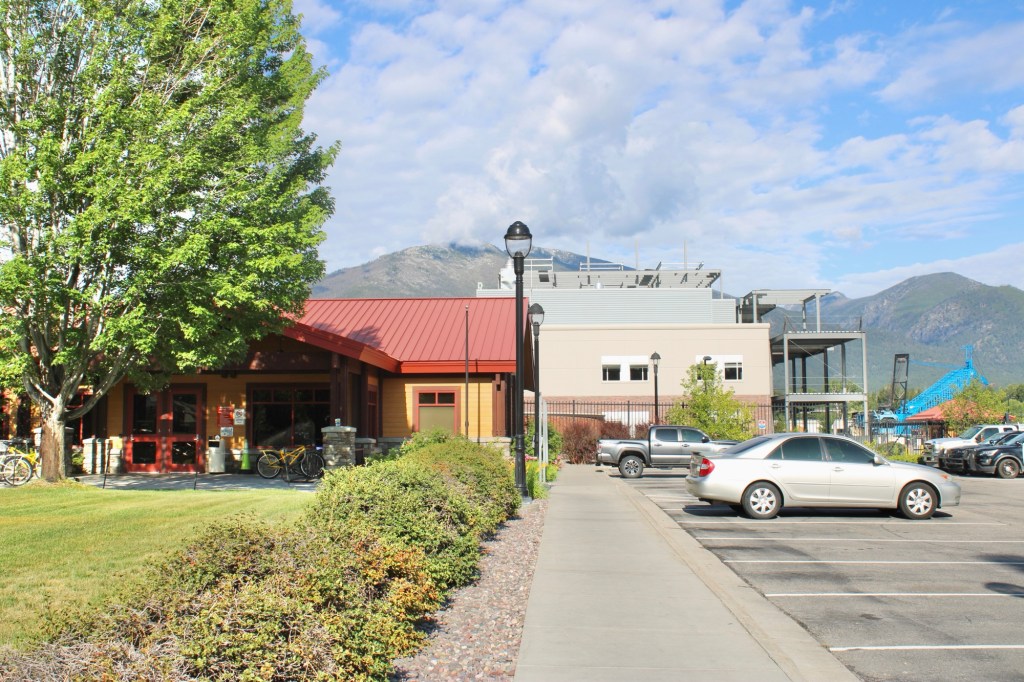
You can discover more about the laboratories and its 21st century at the visitor center, which opened in 2006.

The older section of the laboratories from the New Deal era was listed in the National Register of Historic Places in 1988.

Changes in Big Timber

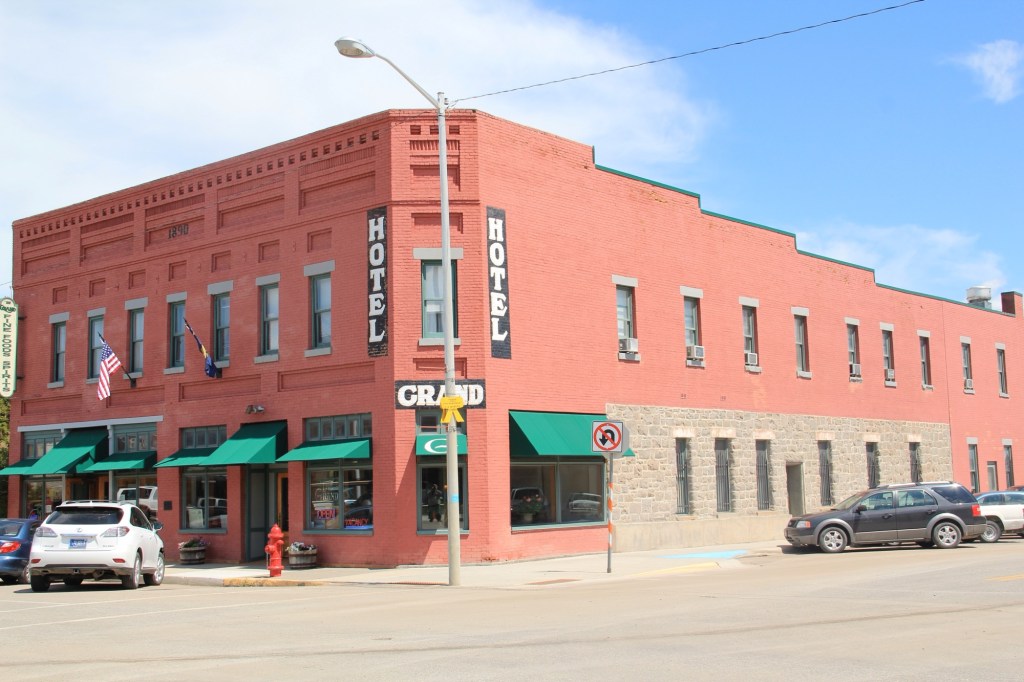
Grand Hotel 2013

Readers of this blog know that Big Timber is one of my favorite Yellowstone Valley towns. It still has that classic Northern Pacific Railroad town plan with a long commercial artery extending south from the railroad tracks that then turns into a quite captivating residential neighborhood.

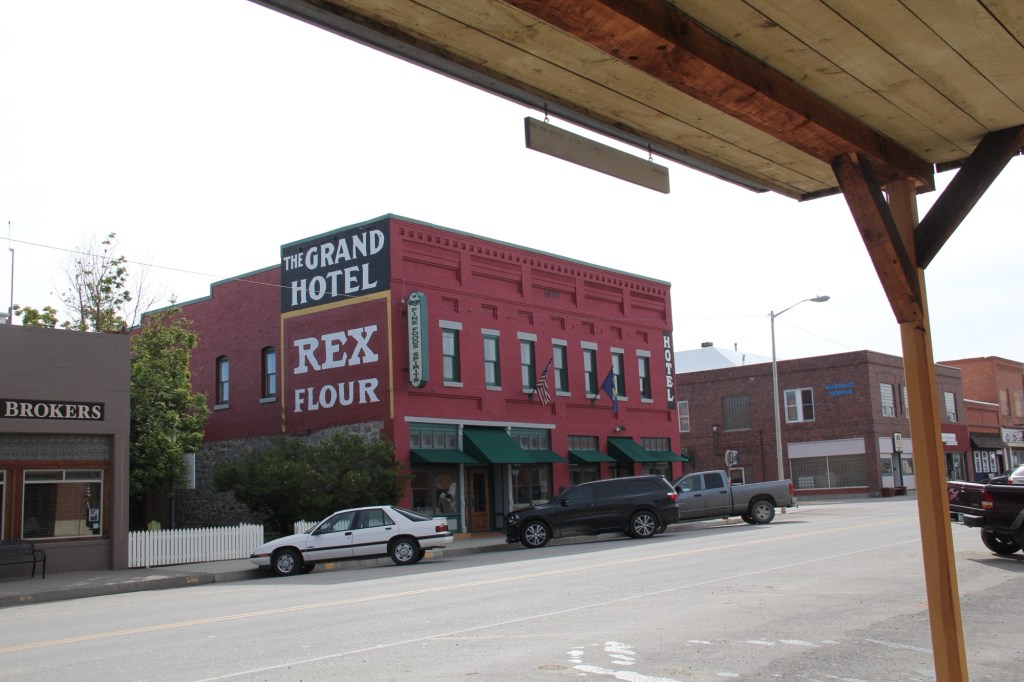
The restoration of the Grand Hotel in the 1990s really helped the commercial area turn a corner.

I have spent nights at the hotel and had a couple of meals there, always thought it would be a mainstay for years. The pandemic alas hurt a lot of small town businesses everywhere and Big Timber’s Grand Hotel struggled. When I was there in July 2025 it was closed but promised a reopening.

But there had been another quite jarring— the read brick was gone and everything was painted black, like the place was in mourning.

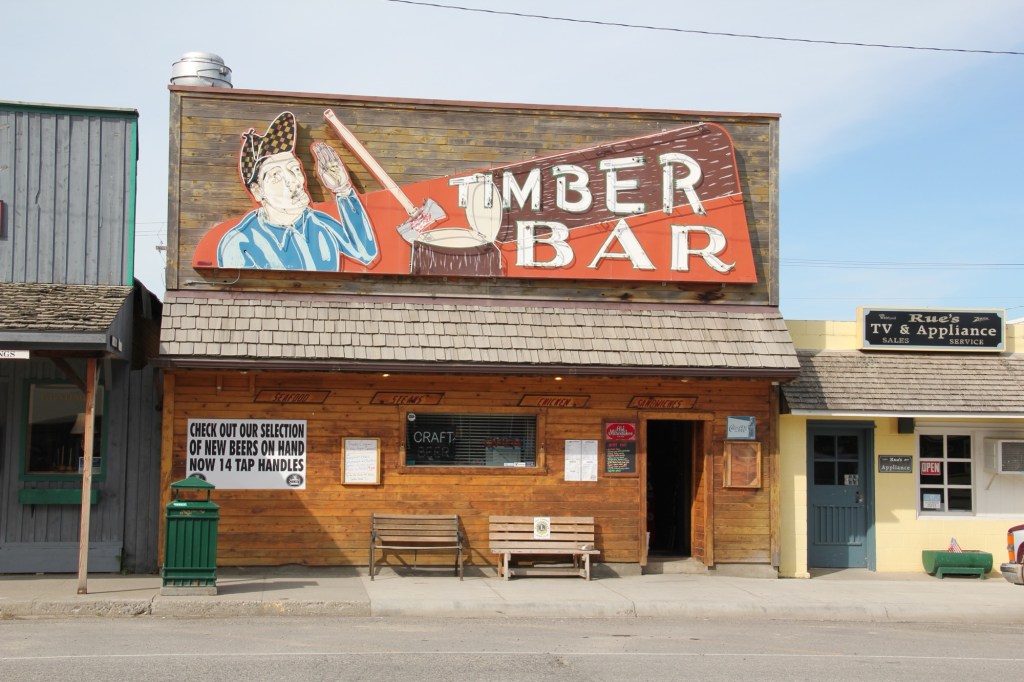
Then I noticed a second shock, the classic Rustic style Timber Bar (one of my favs for 40 years) also was covered in black.

I always tell folks—don’t sweat the paint colors on a historic building. It can always change. But black in Big Timber, it just didn’t seem right.

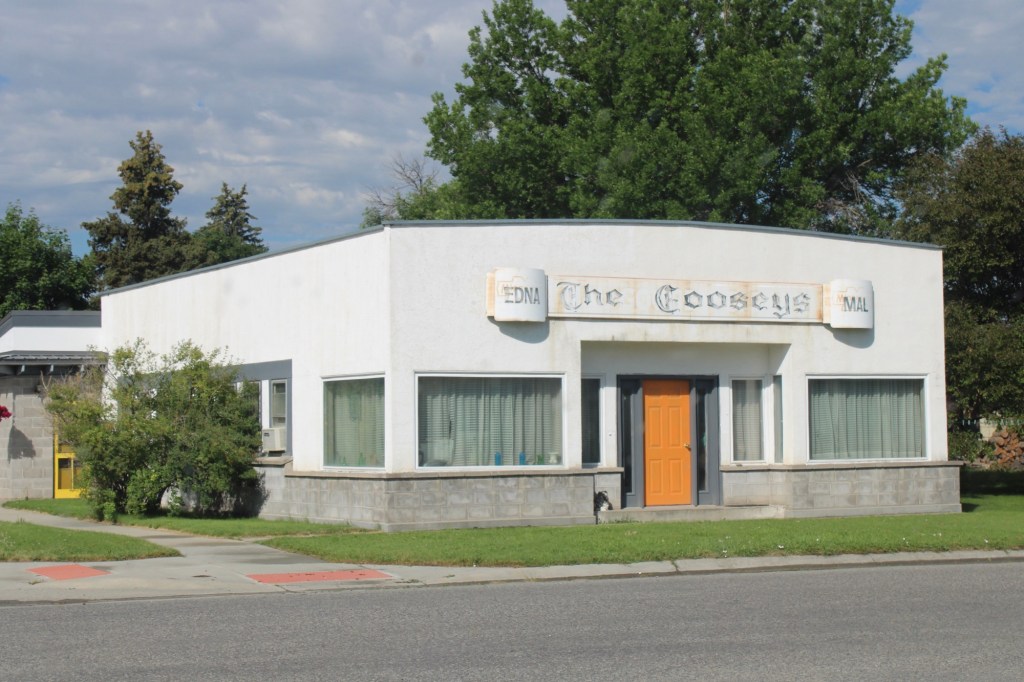
But please don’t paint over Edna and Mel’s Gooseys place. What a jewel!

And leave the town plain in place. Here is a western town always worth a stop. Change is ok but please respect the classic.

Another restoration success, along with a worry, this time in Helena

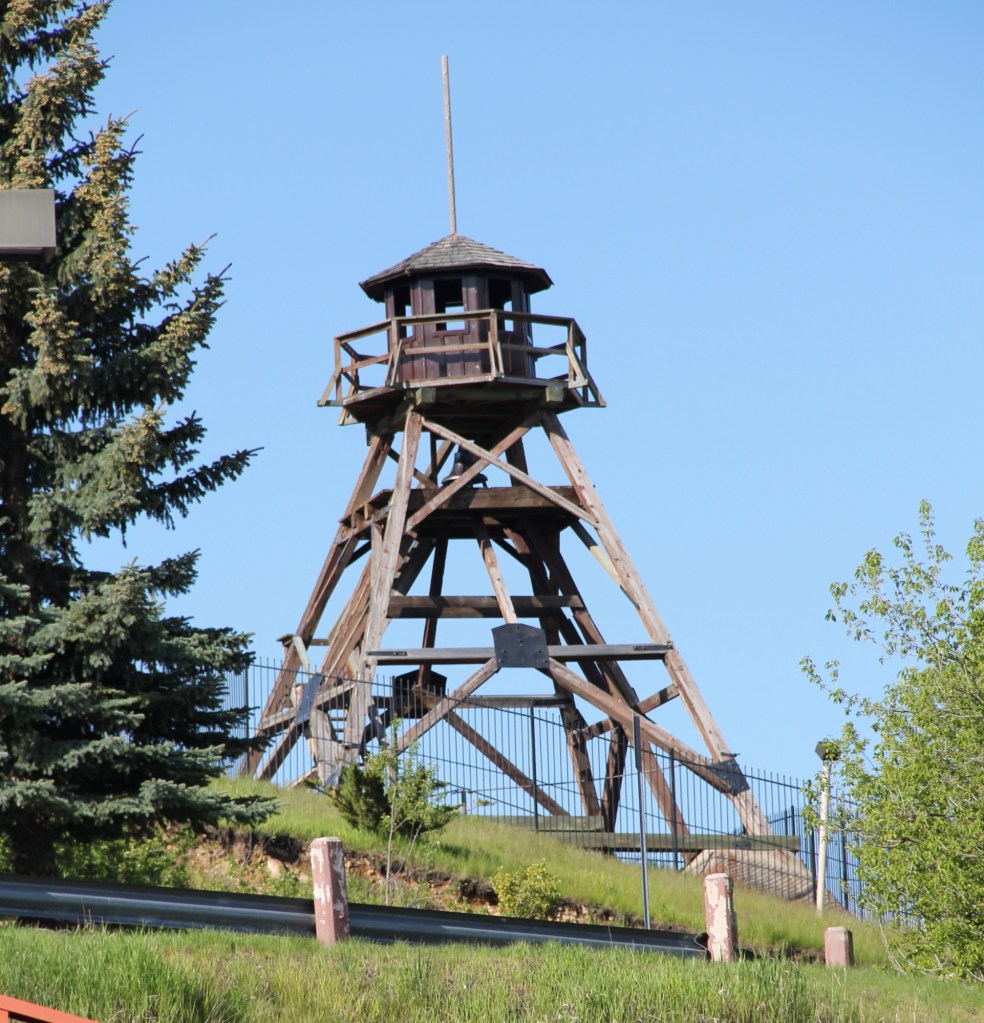
Tower in 2012

Last post was a shout-out to the restoration of KPRK radio station in Livingston. That is not the only success of the summer of 2025. In Helena came the successful restoration of the iconic fire tower that has watched over the city for decades. it too some discussions and considerations but the outcome of giving this city landmark a life to the end of the century was certainly worth it.

Tower in 2006

On the other side of the Gulch in Helena an uncertain future awaits the historic Hawthorne School. It closed at the send of the spring 2025. Let’s hope new life, and a new purpose, can be given to this neighborhood landmark. So many Montana towns have carried out effective adaptive reuse projects with historic schools. Helena can follow those traditions.

KPRK in Livingston: Restoration of an Art Deco masterpiece

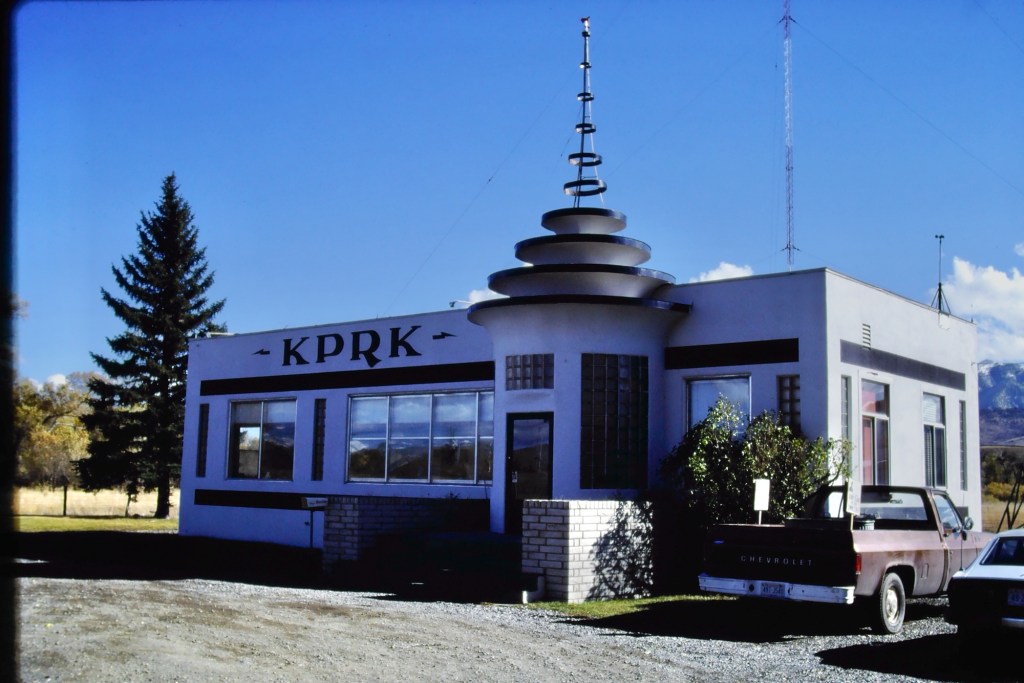
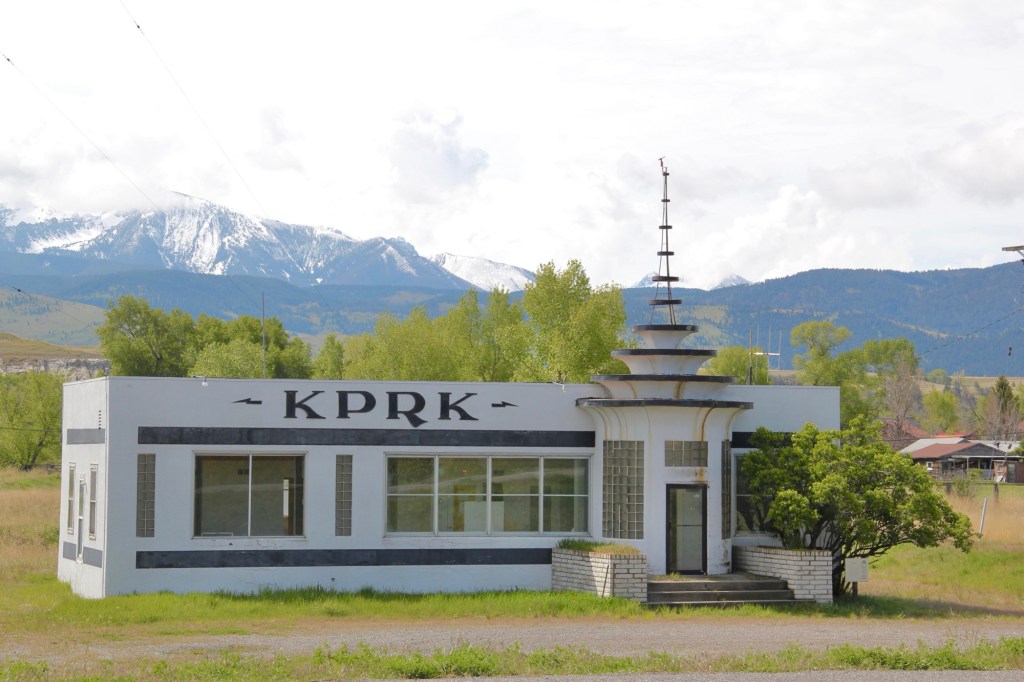
During the 1984 survey of Montana for the state historic preservation plan even I realized that the small rectangular building with a stylized Art Deco entrance outside of Livingston on old US 10 was a special, unique place. By that time the interstate highway bypassed the landmark, and over the next 30 years it slowly began to deteriorate.

The station in 1990
KPRK c. 2013
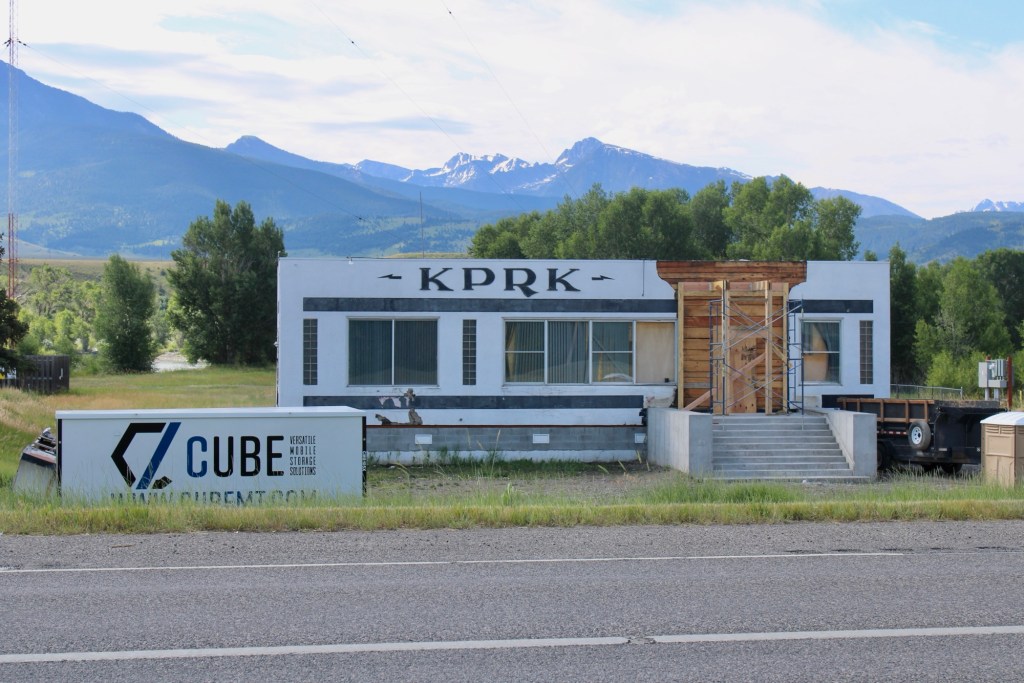
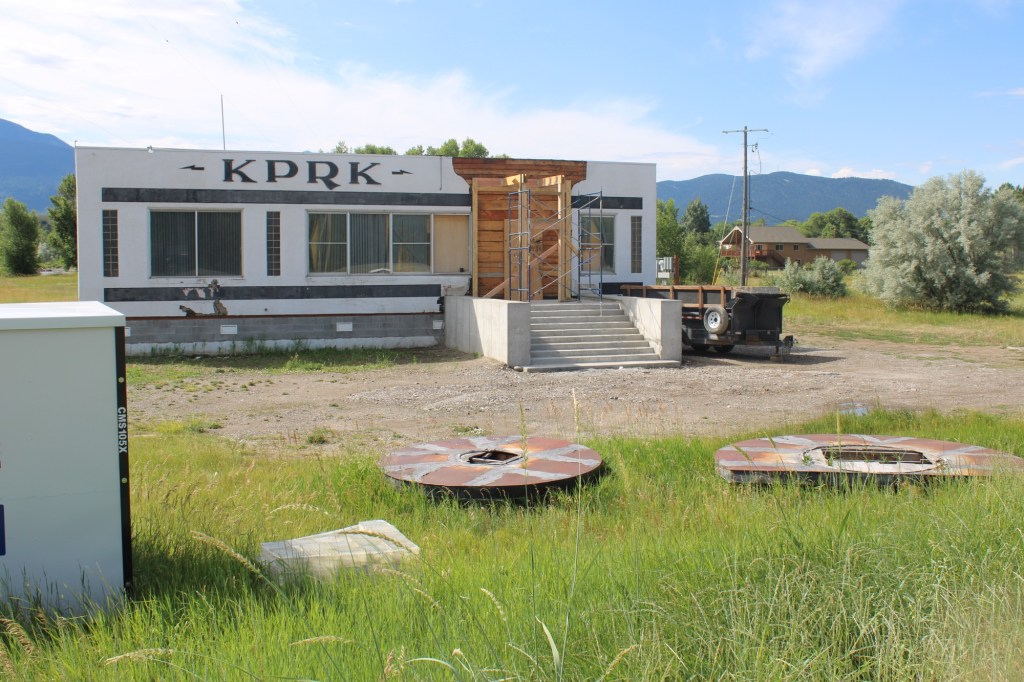
Restoration summer 2025

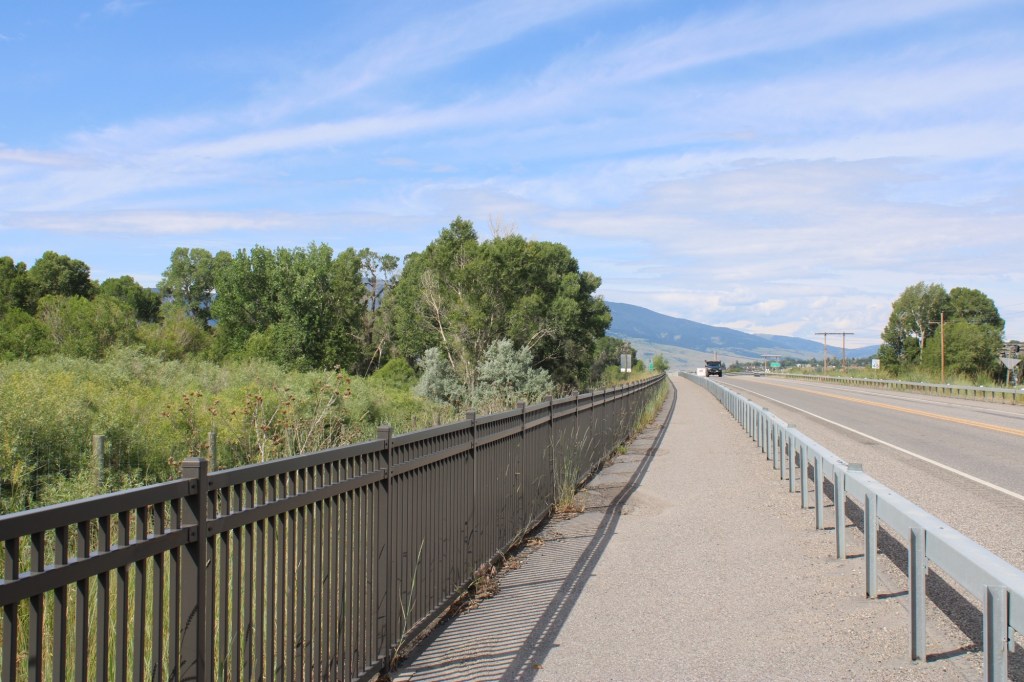
But in 2025 good news abounds for this modernist landmark. Not only is restoration underway, there is a neat bike/pedestrian trail that takes you to the station, and along the way from the east is a beautiful view of the Yellowstone River.

In 1947 Paul McAdam had taken the chance to build the station, one of the first in Montana after World War II. William Fox of Missoula was the architect. Even though the Art Deco style was dated by 1947, it was a perfect choice as time has proven.

Here’s to the successful completion of the restoration, giving this building new life in the 21st century.