Greenwood Cemetery in Wolf Point

Municipal cemeteries are key public spaces in the Hi-Line towns of Montana. As they mostly date from the 1890s to 1910s, the cemeteries are part of the region’s progressive-era history. New settlers sought to replicate their prior homes—building permanent schools, new churches, town blocks, and homes while also establishing cemeteries.
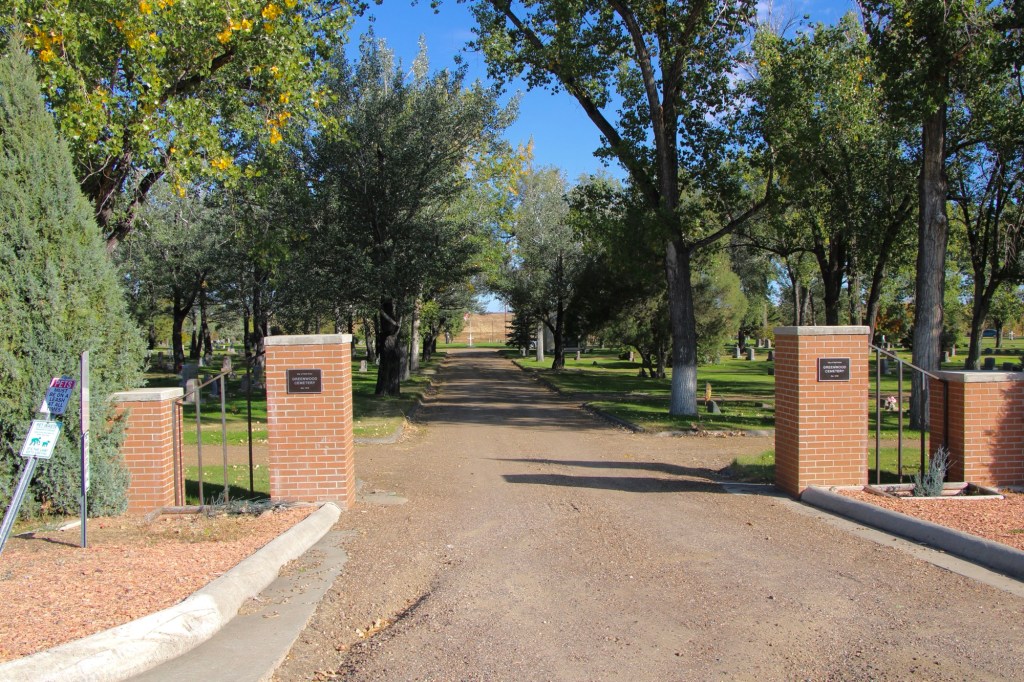
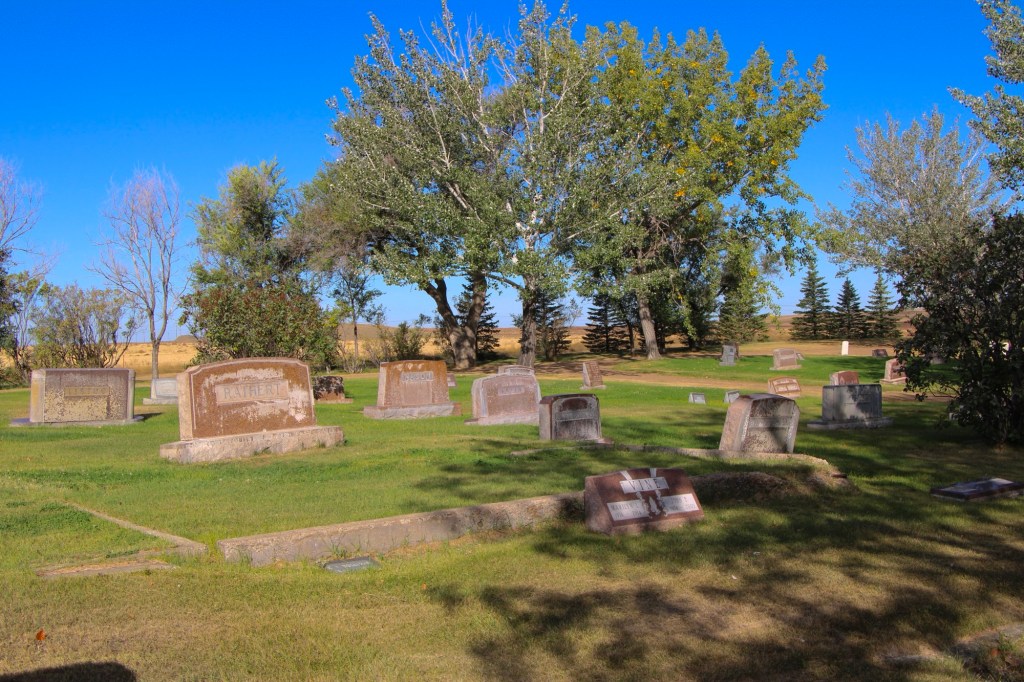
In 1915 settlers formally incorporated Wolf Point as a municipality. A year later, mortician L.M. Clayton opened a funeral business, which would operate until 2005. On a hill several blocks north of the town’s railroad tracks, Clayton established Greenwood Cemetery by 1917. The name came from his wife, Nora May Greenwood. The Greenwood Cemetery Association was organized to administer the property, and its beautification was ensured by the town’s Woman’s Club when it worked with Wolf Point leaders and the cemetery association to extend water to the place. It became a green oasis of rest and tranquility within the often brown, water starved landscape. It remains an impressive landmark of civic pride today.
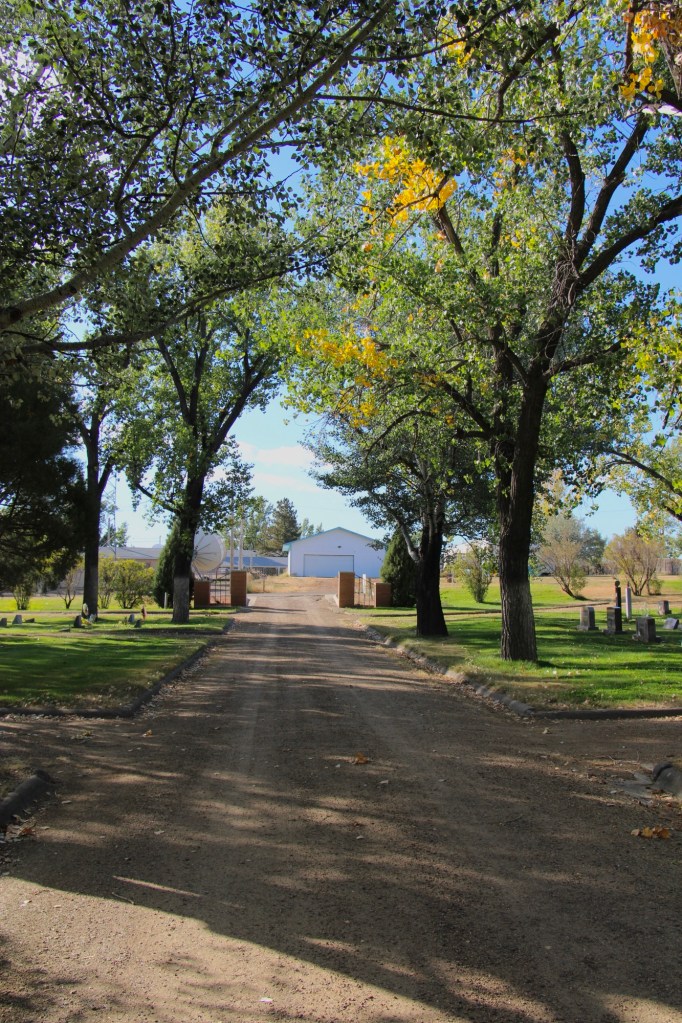
There are two ceremonial areas that immediately capture your attention. Two veterans circles have been installed to honor the many from Roosevelt County who have served the nation from World War I forward.
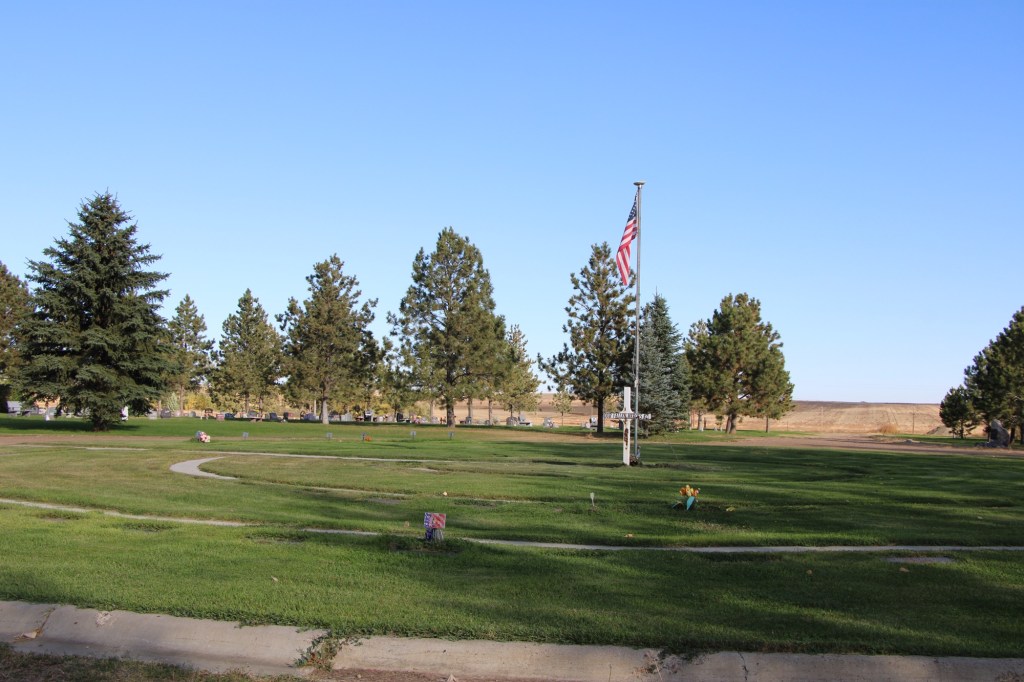
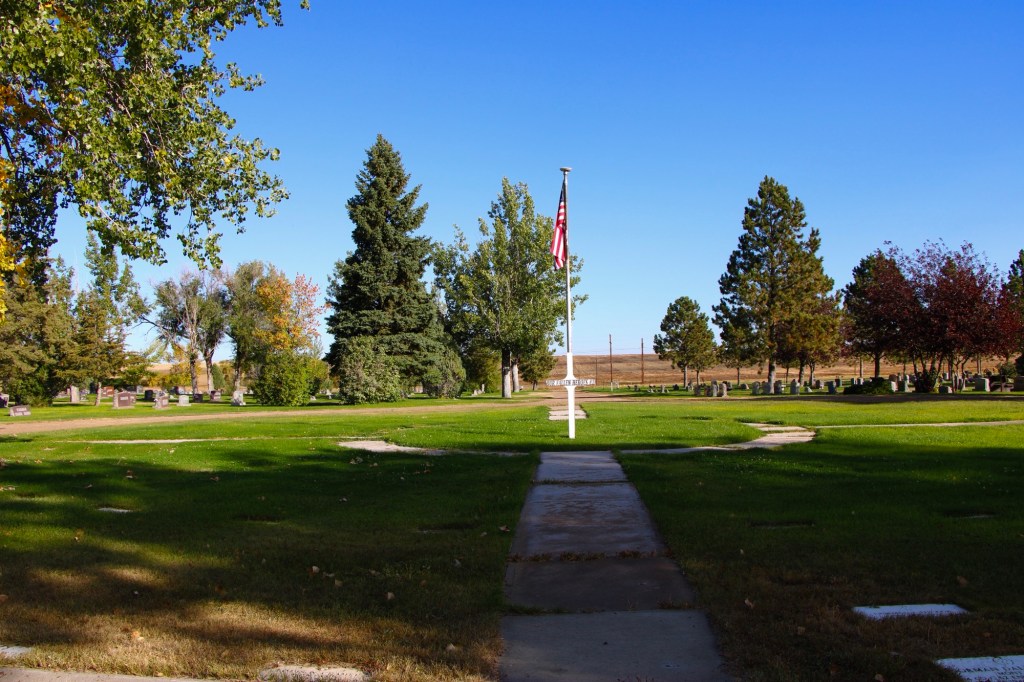
Scattered through the cemetery are other veteran burials, including ones from the Civil War and the Spanish-American War.
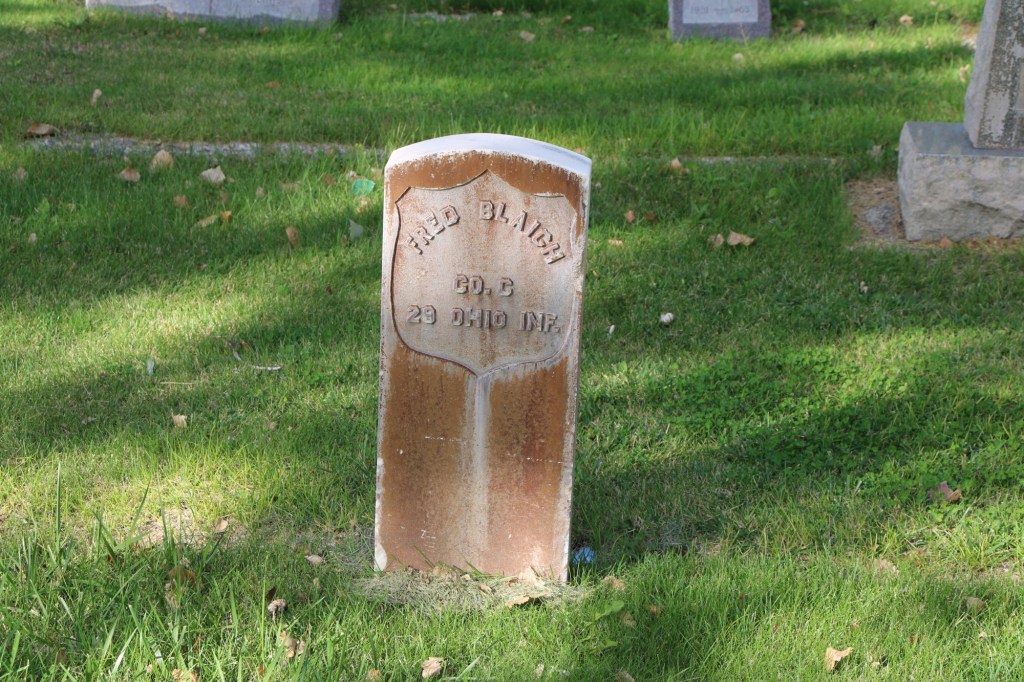
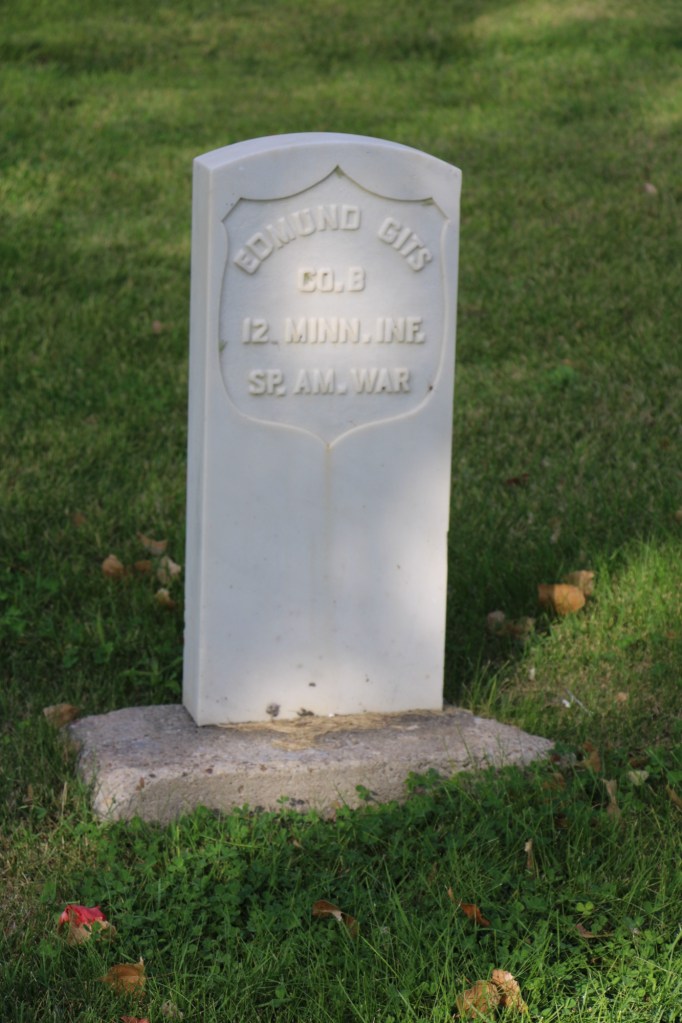
Civil War veteran
Spanish-American war veteran

The second ceremonial area is more subtle in appearance but unique in its own way.
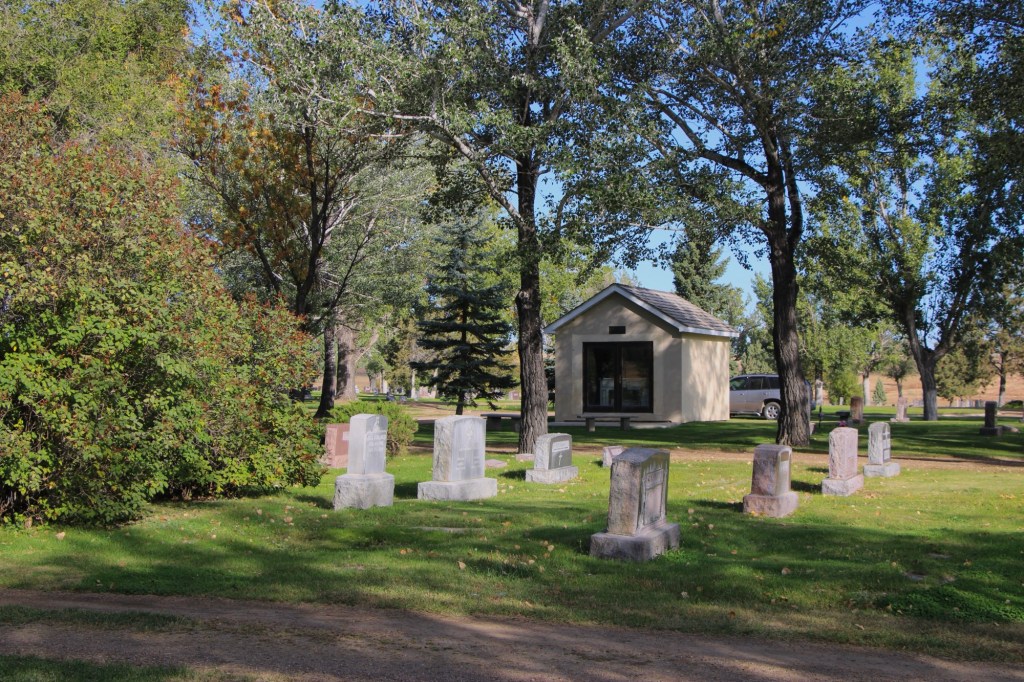
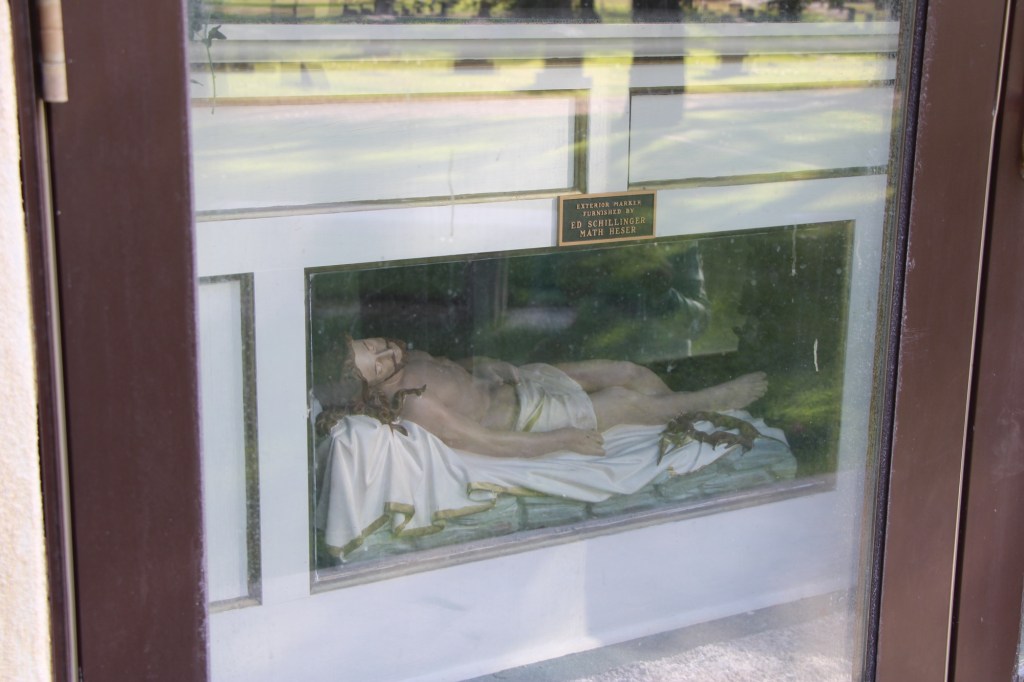
Seehaler Chapel

Father Benedict Seehaler established and led Wolf Point’s Immaculate Conception Catholic Church from 1917 to 1931. After his death, parishioners built a tiny memorial chapel in his memory. It was built over his grave.
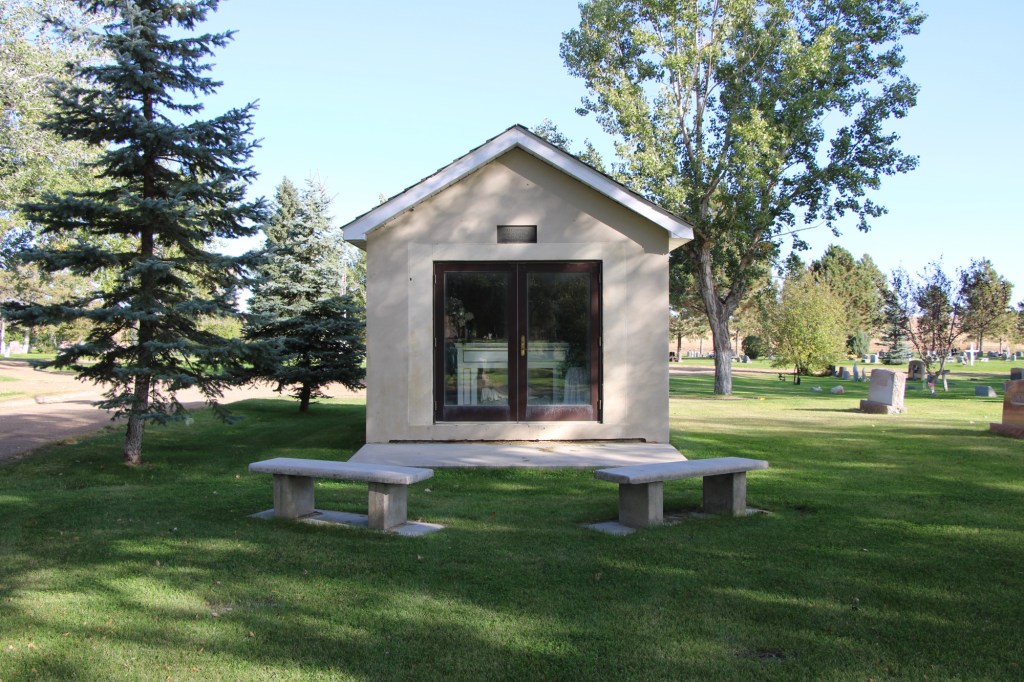
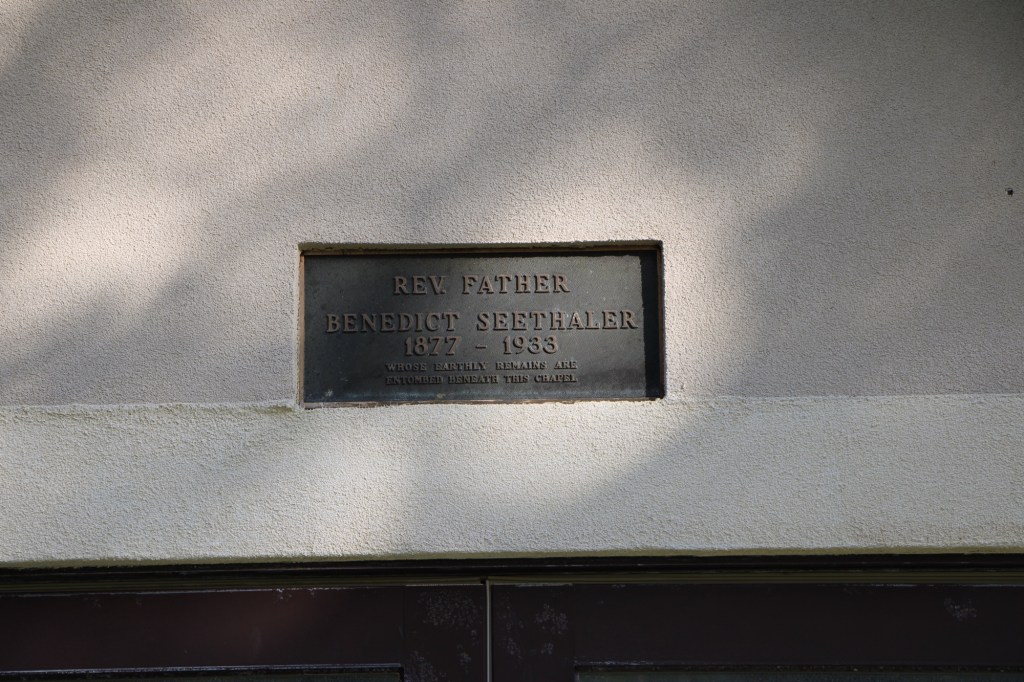
The chapel has an altar and a carved depiction of Christ. The church on Memorial Day holds a memorial mass is held (weather permitting) at the Father Benedict Seehaler Memorial Chapel in Greenwood Cemetery.
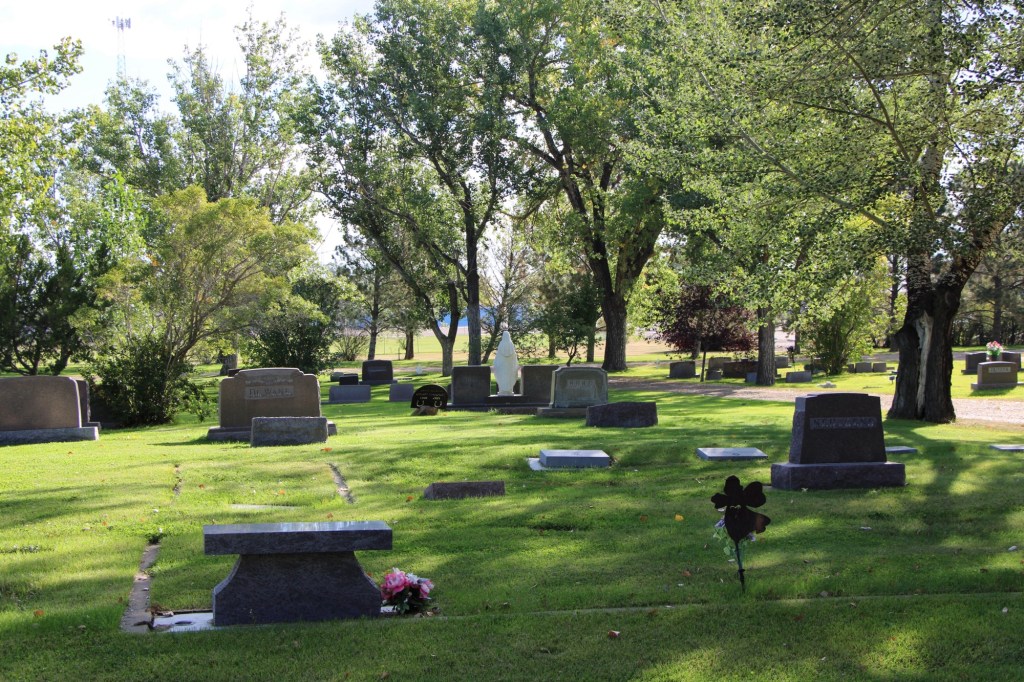
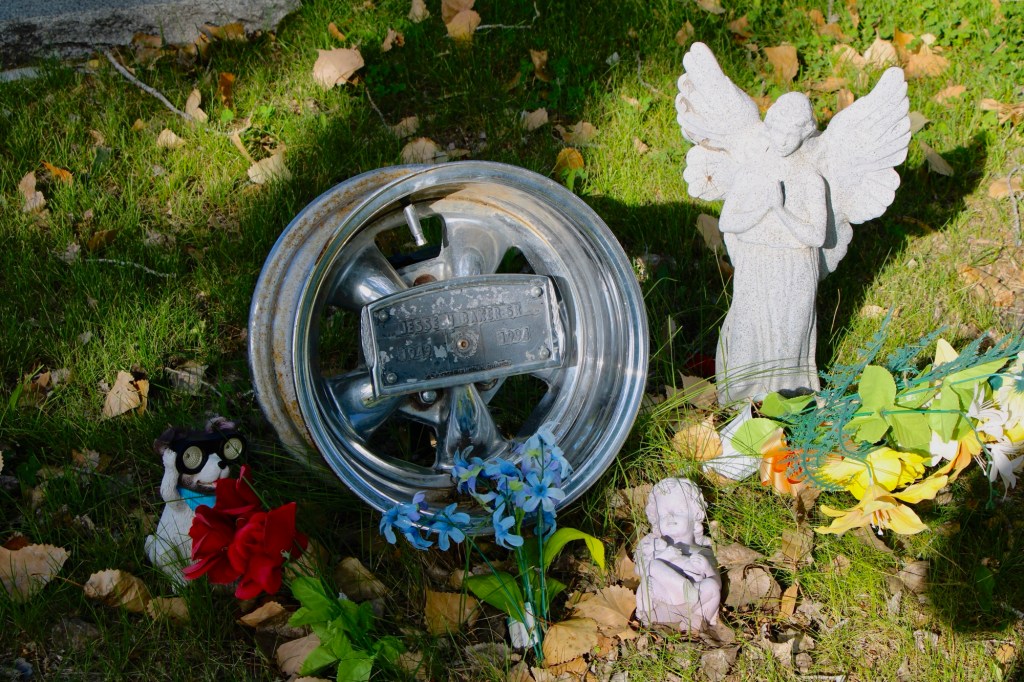
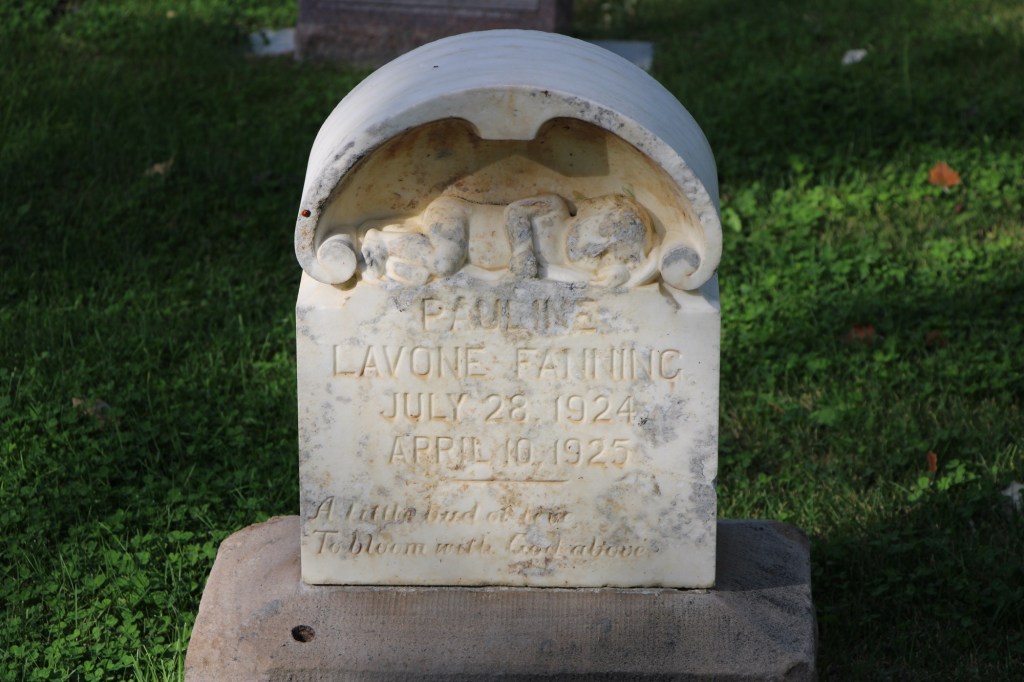
There are many impressive grave markers at the cemetery, whether they are unadorned crosses of early settlers to ones that through the materials used help to tell a story.
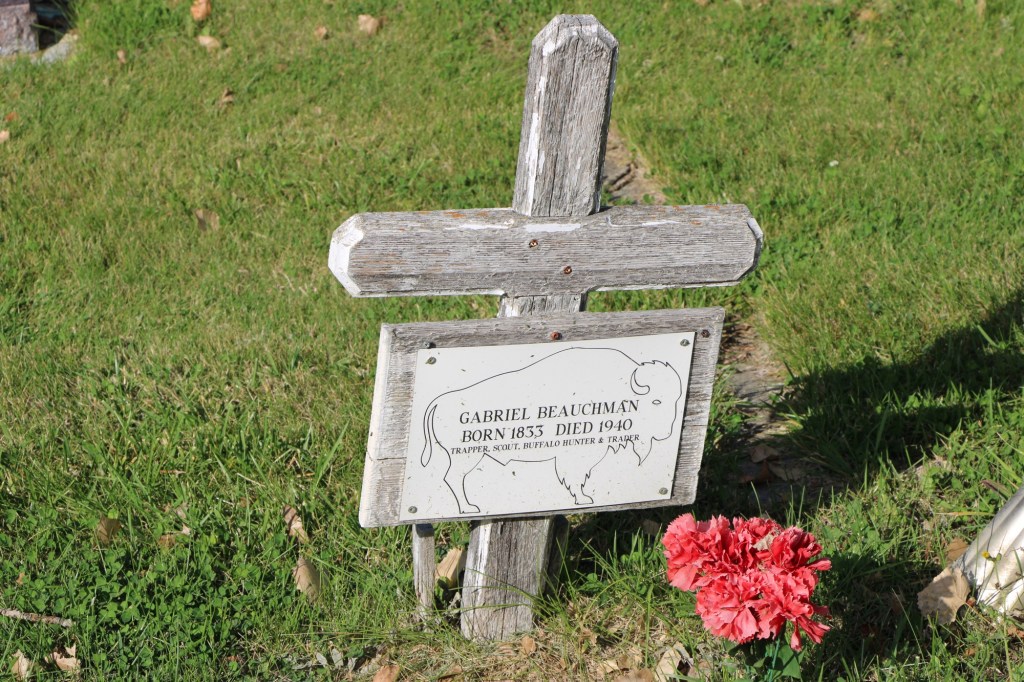
Gabriel Beauchman (d. 1940)
Jesse W. Baker, Sr (d. 1994)

Two of the most unique, however, are pedestal sculptures in memory of a husband and wife, Floyd and Bea Dewitt. Floyd passed away in 1980, Bea followed three years later. Floyd’s sculpture is a likeness while Bea’s pedestal sculpture is more symbolic, with the interpretation left to the visitor, until you learn she was a beloved nurse.
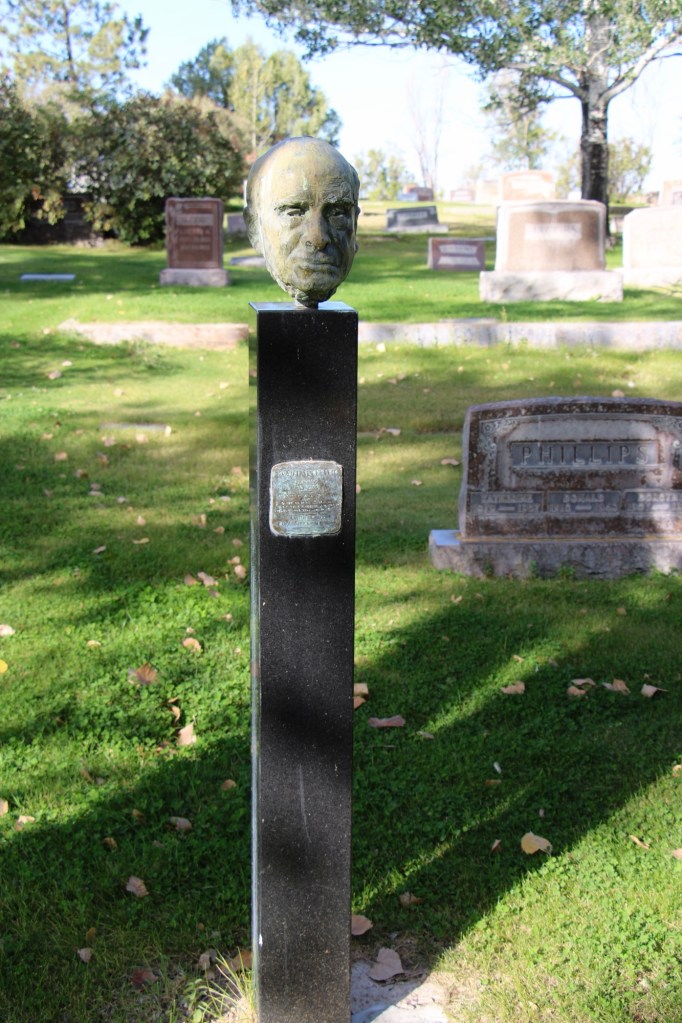
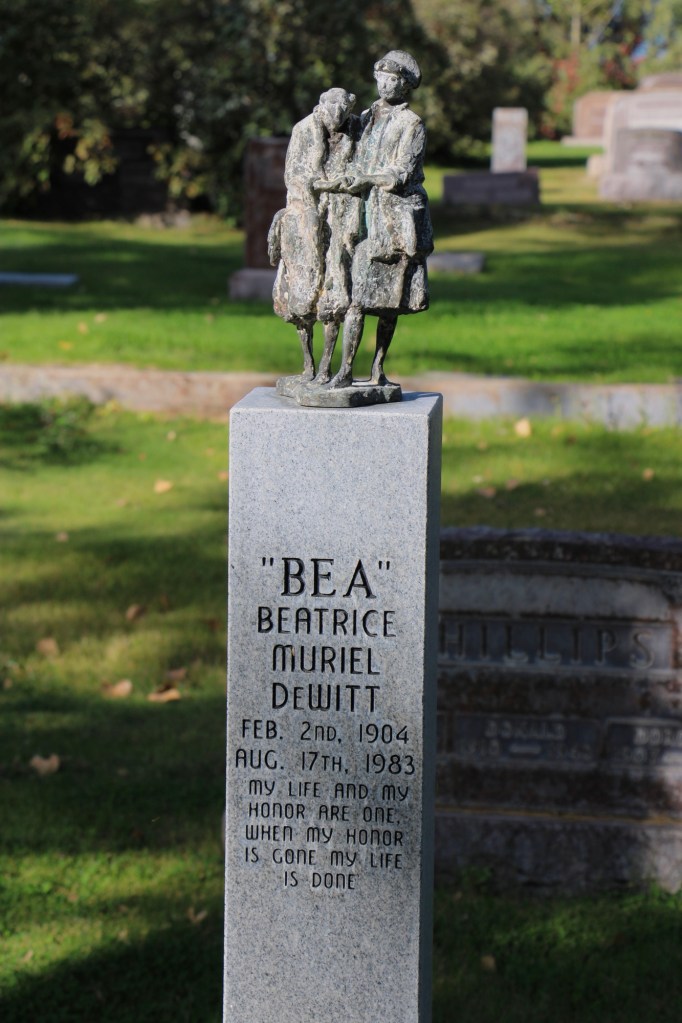
Historian Patty Dean found the DeWitt’s obituaries published in the Billings Gazette, see below, and graciously shared them:

There are many more observations you can make about Greenwood Cemetery but this is enough for the posting (I reserve the right to revisit this place in the future. It is simply one of the most significant municipal cemeteries of northern Montana.
Modernism in Northeast Montana

Repeat visitors to this blog about historic places in Montana quickly see that the focus is very much on the era of 1860 to 1960. But I have taken time to also record the modern past. This brief detour into northeast Montana (Roosevelt, Sheridan and Daniels counties) shares commercial, public, and religious buildings from the late 20th and early 21st century.

The Montana State Bank (now in 2024 the Bank of Plentywood) in Plentywood has its business roots in earlier bank in the railroad town of Reserve. Its echoing of classical columns in a modern setting makes it my favorite modern style bank in the region.

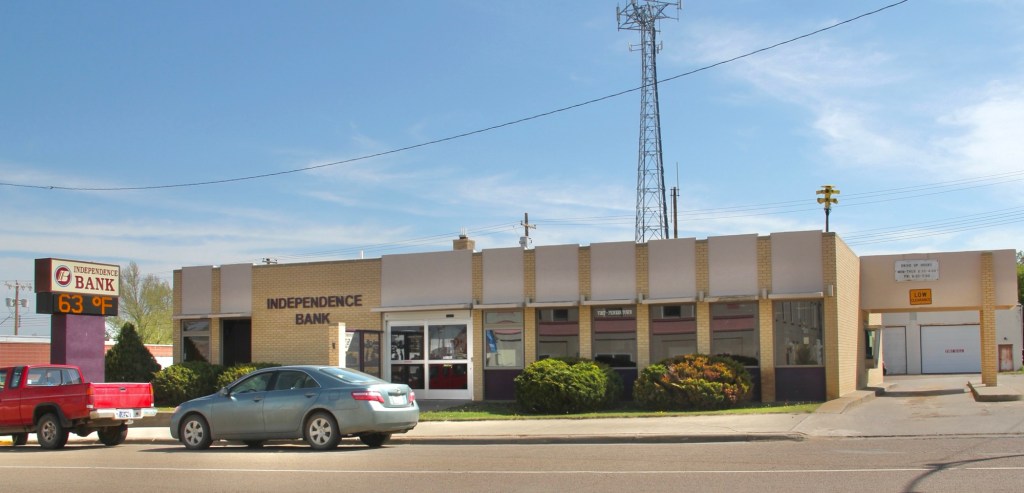
Not far behind is the Independence Bank in Scobey, built in 1972. After the First Security bank of Havre acquired the bank in 1998 it changed the name to Independence in 2000.

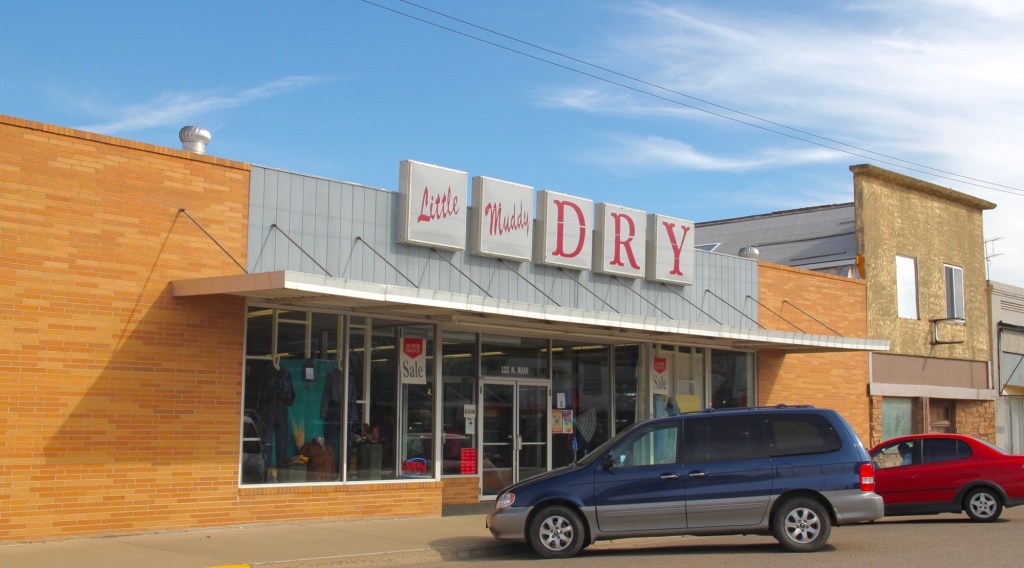
The store is now closed.
The store front has changed since this image from 2013

Colorful metal sheathing over old storefronts helped owners update their businesses from the 1960s into the 1980s, enabling downtown locations seem more like shopping centers. The top example is from Plentywood while the bottom, Bryan’s, is from Wolf Point.

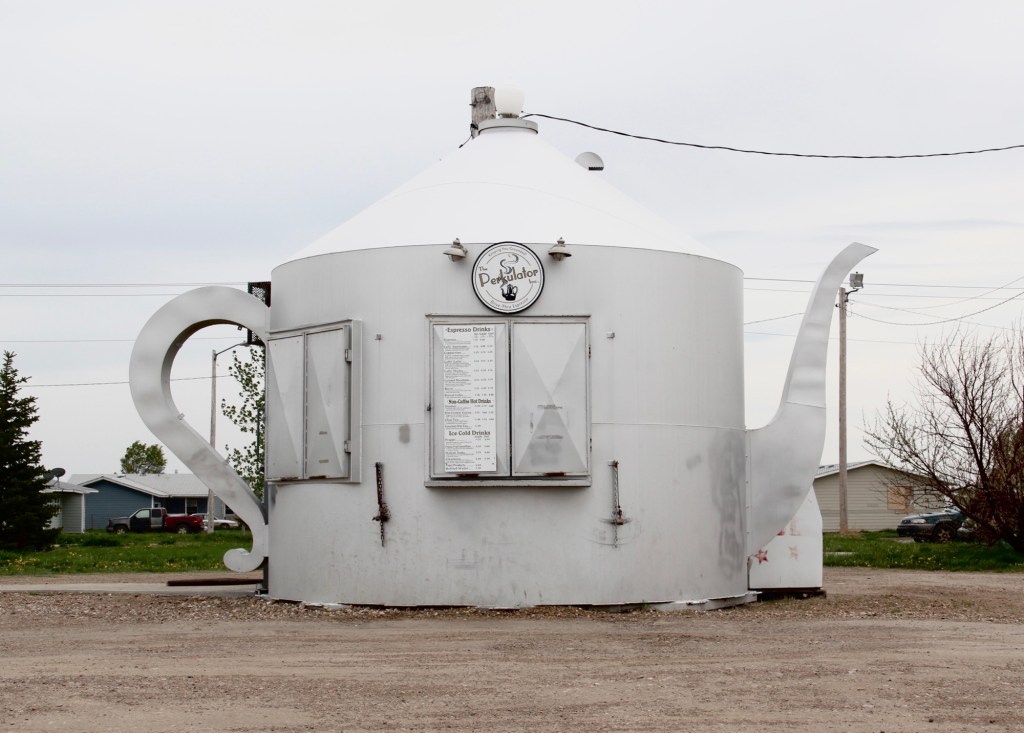
The Perkulator coffee shop is still going strong on U.S. Highway 2 in Poplar. Highly recommended!

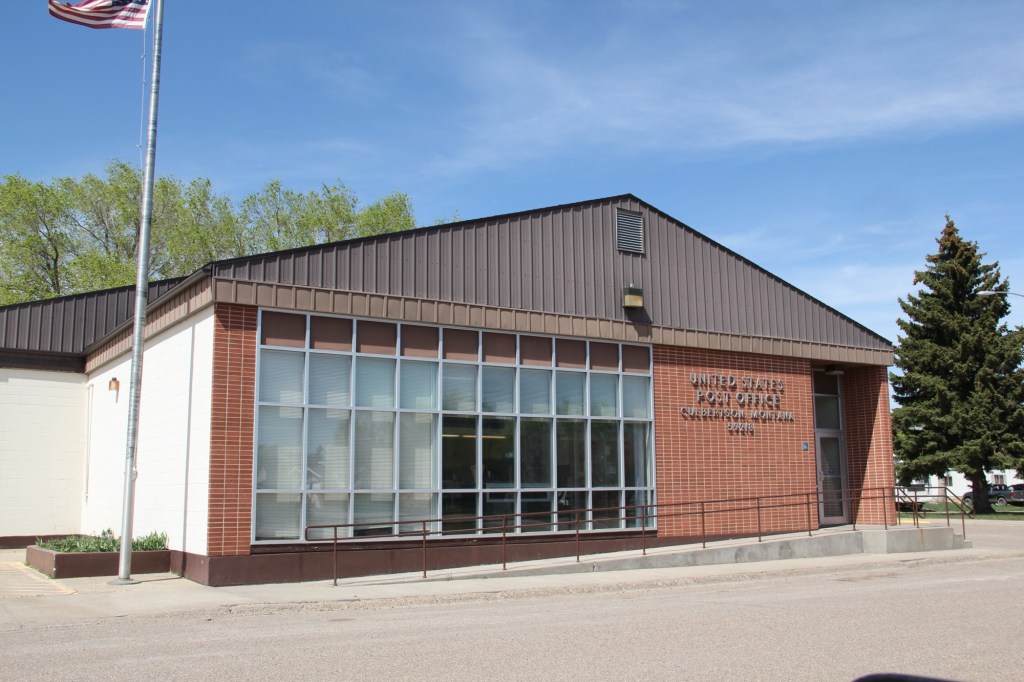
The design of U.S. post offices moved away from the preference for Colonial Revival styles in the first half of the 20th century and embraced a modern look as shown in Culbertson (top) and Scobey (bottom).

The Roosevelt County office building in Culbertson continued with modem styling into the 21st century.
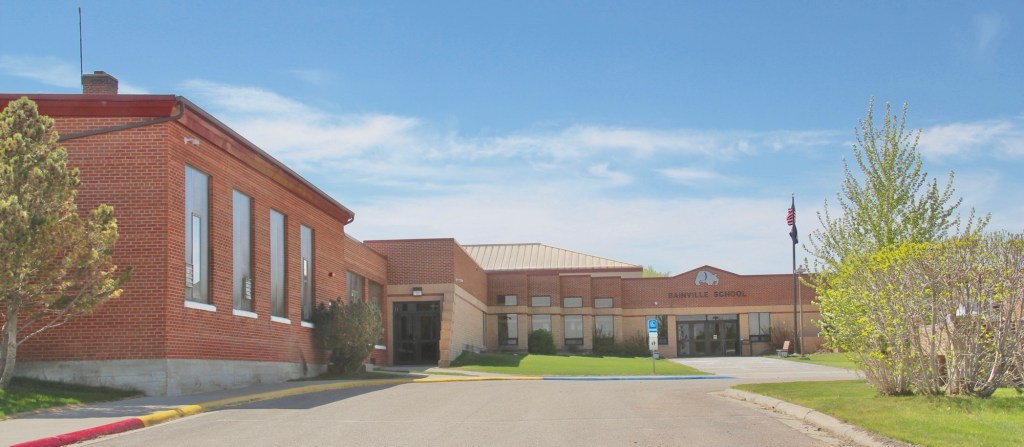
Staying in Roosevelt County new schools for Culbertson and Bainville in the early 21st century also shared contemporary styling.
Bainville school

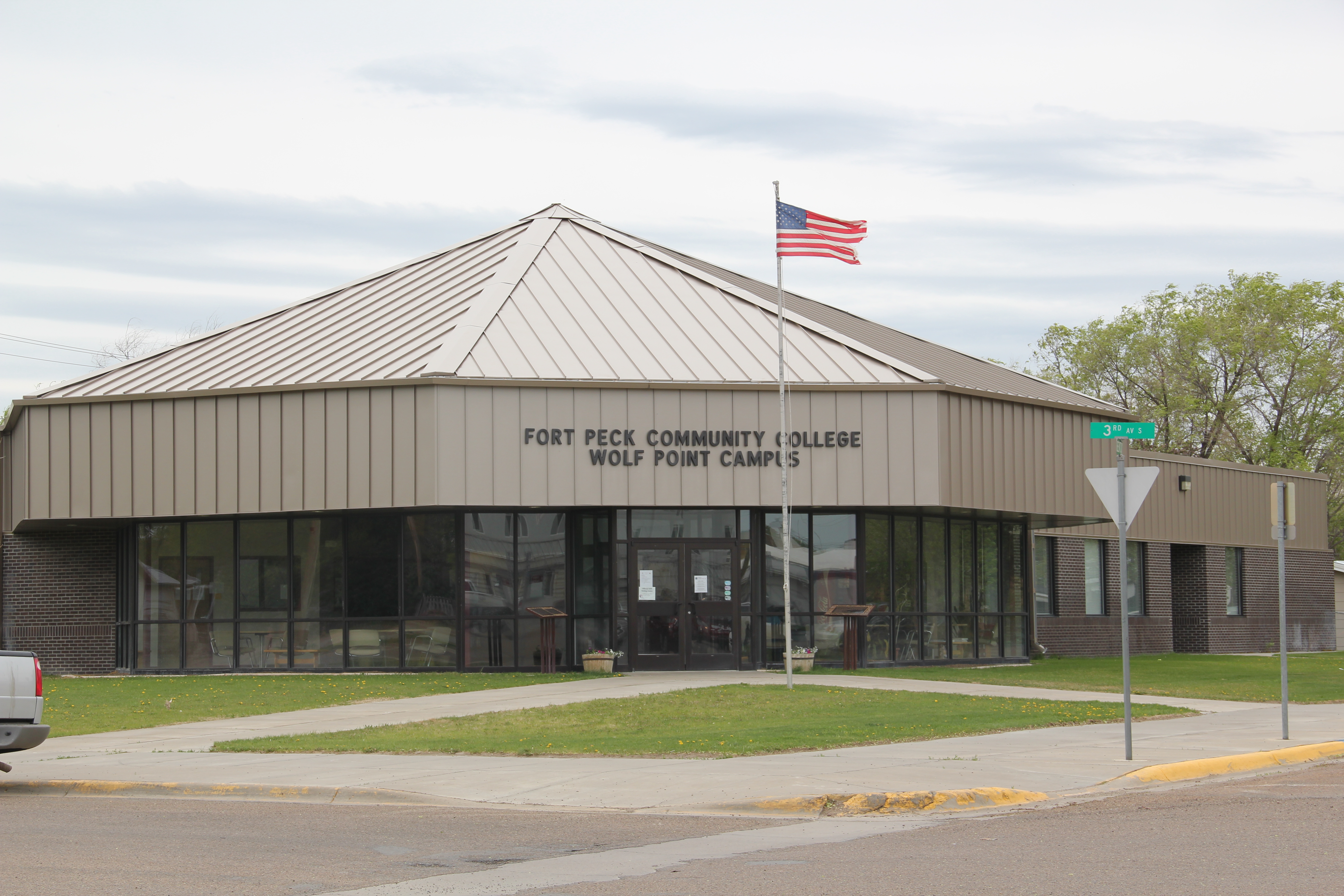
Fort Peck Community College in Poplar has significantly expanded its campus after achieving accreditation in 1991 and the gaining land-grant status in 1994.

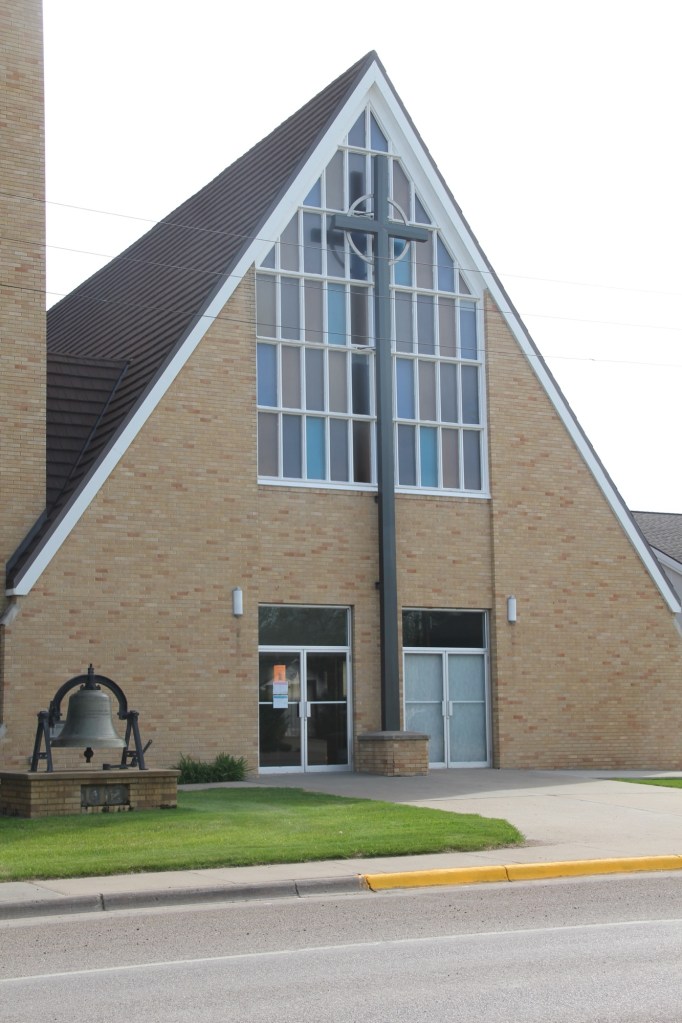
Lutheran churches in Plentywood and Wolf Point are also modern landmarks. Plentywood Lutheran ELCA dates to c. 1957-1960 while the Trinity Lutheran Church is a late 19th century congregation that worships in a 1960s building.

Plentywood Lutheran
Plentywood Lutheran ELCA
Trinity Lutheran in Plentywood

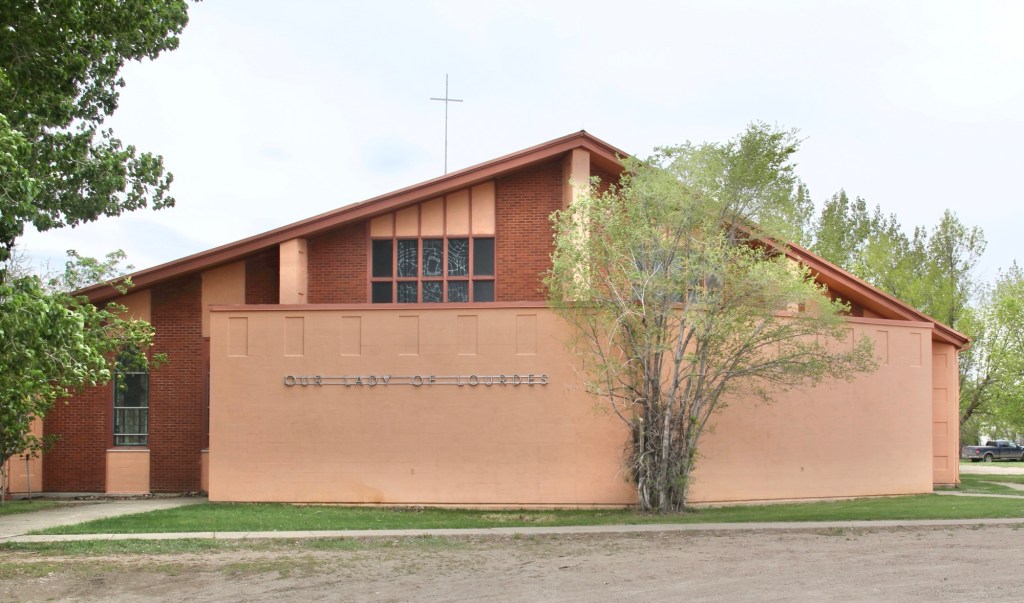
Our Lady of Lourdes Catholic Church, a 19th century congregation, in Wolf point ends our regional tour of Montana modernism. the building reflects the diocesan decision to build contemporary style churches in towns large and small through eastern Montana in the 1950s and 1960s.

Another look at Wolf Point, 2013

A national newspaper published an online story today about the issues of public education and schools in Wolf Point, the seat of Roosevelt County, Montana.  The story included just a couple of images of the town itself and that prompted me to go back into my survey of the town in 2013.  I took 44 images–probably should have done more indeed–but out of those 44 here are some other views of Wolf Point, as it looked in 2013.

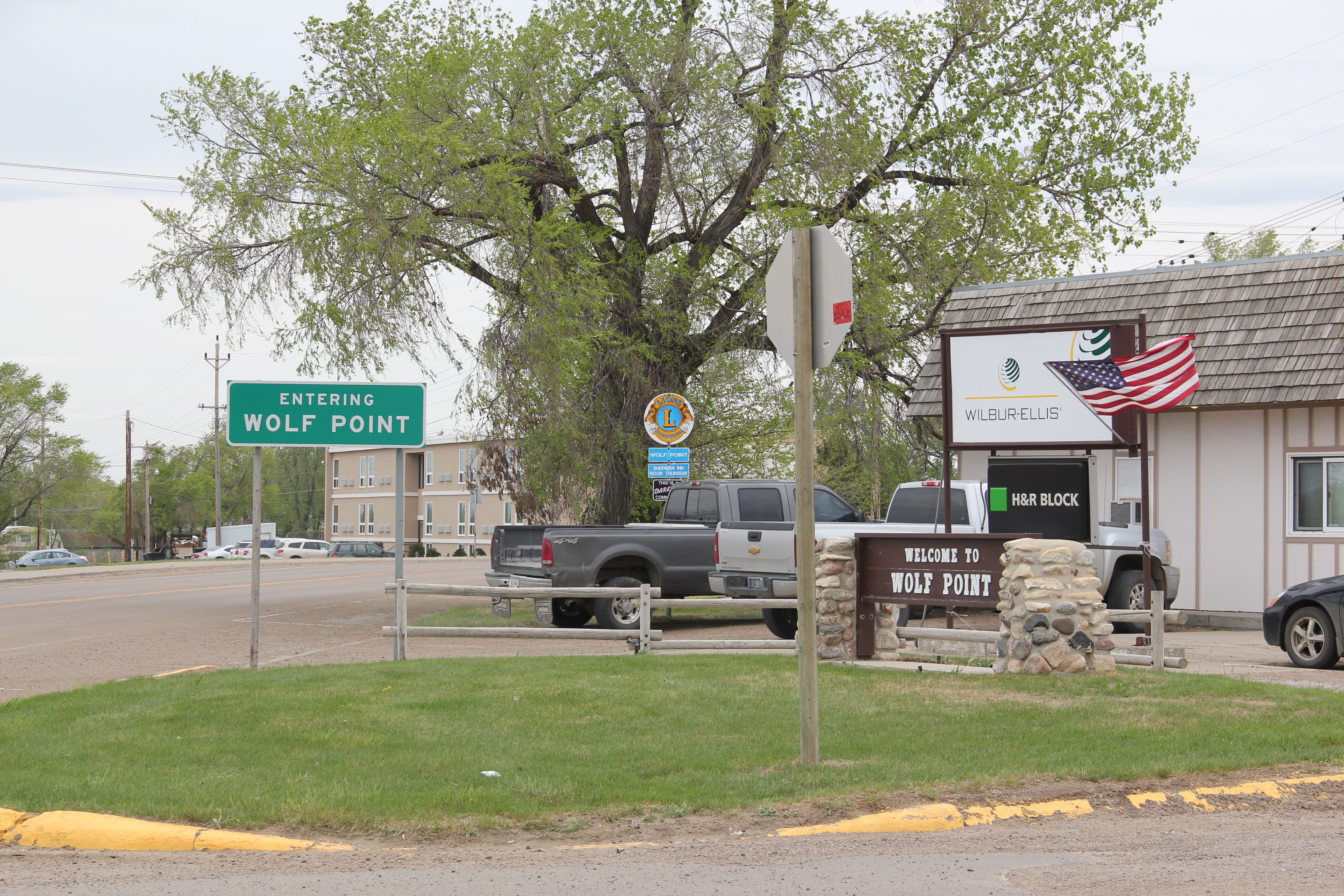
Roosevelt Co Wolf Point sign L&C

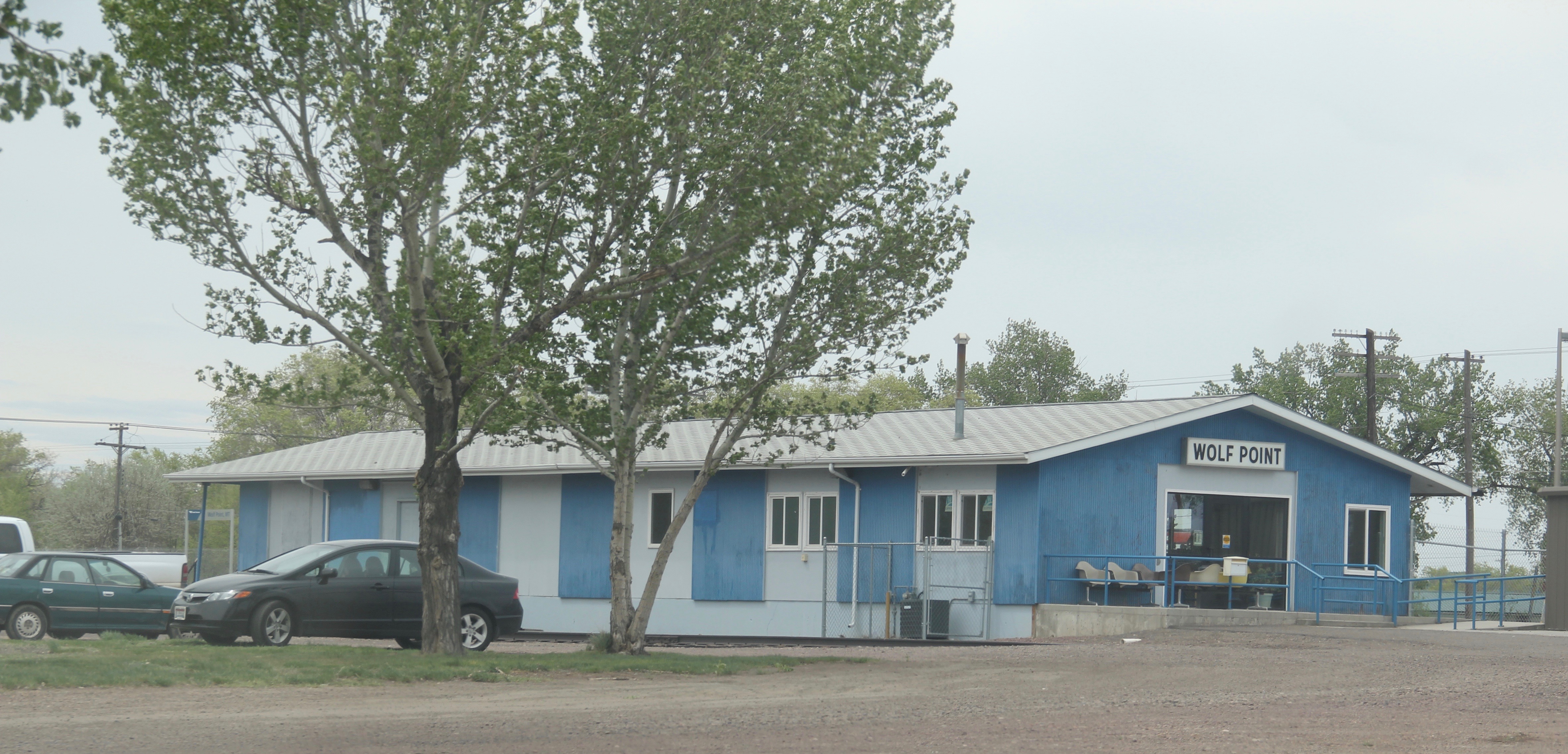
Roosevelt Co Wolf Point depot

Wolf Point’s railroad depot

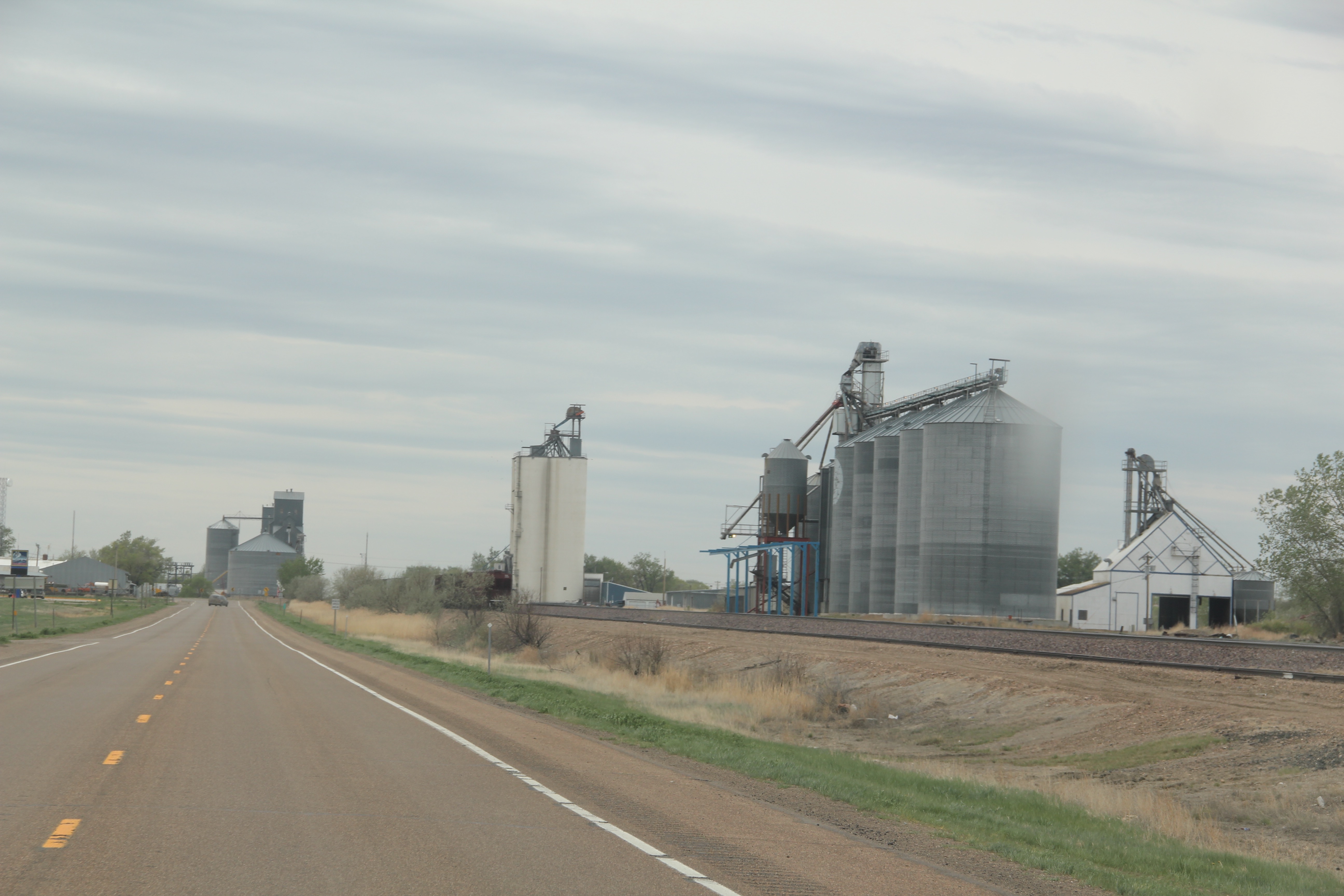
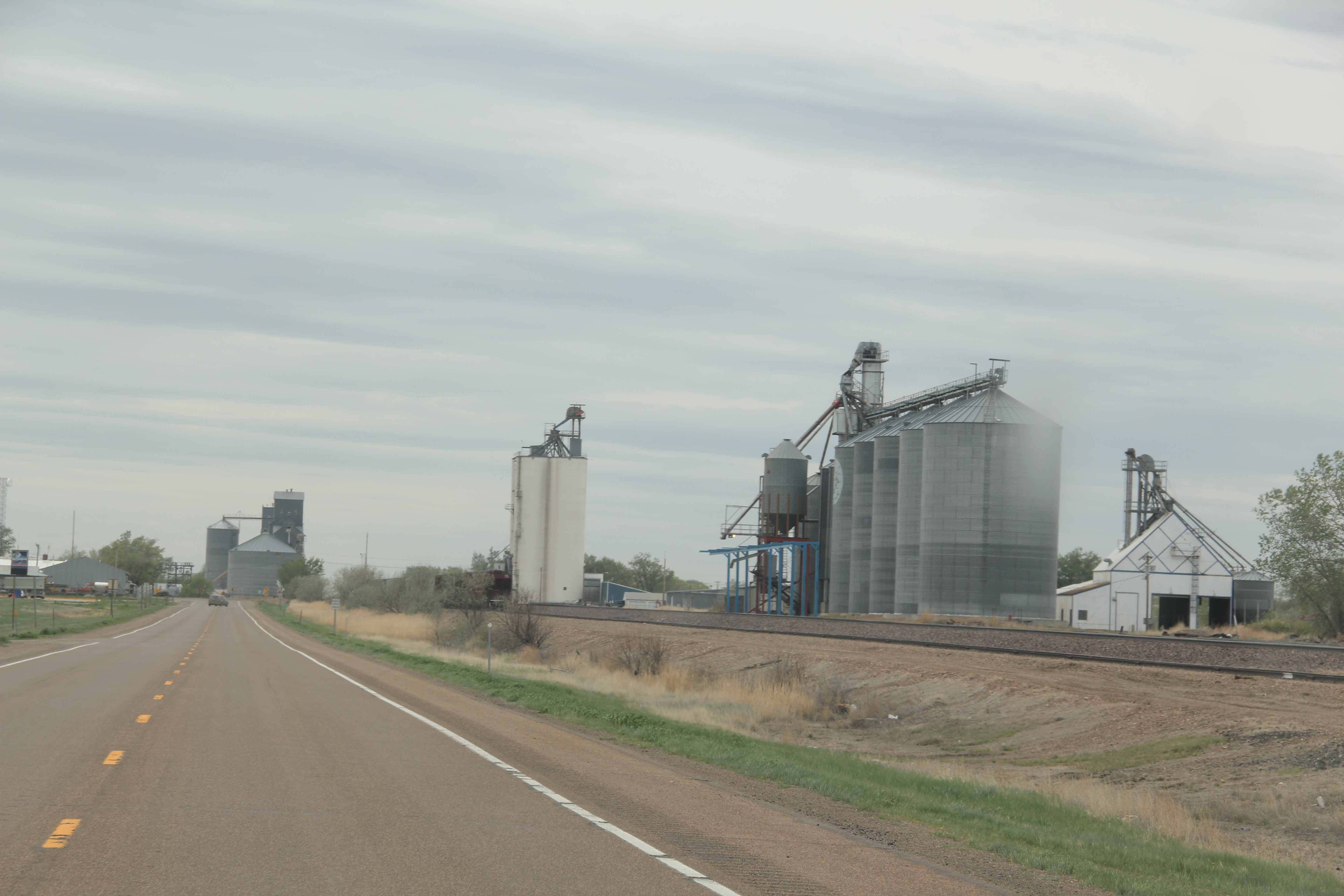
Roosevelt Co Wolf Point 5 US 2, GN corridor, elevators

US Highway 2 and the grain elevators at Wolf Point

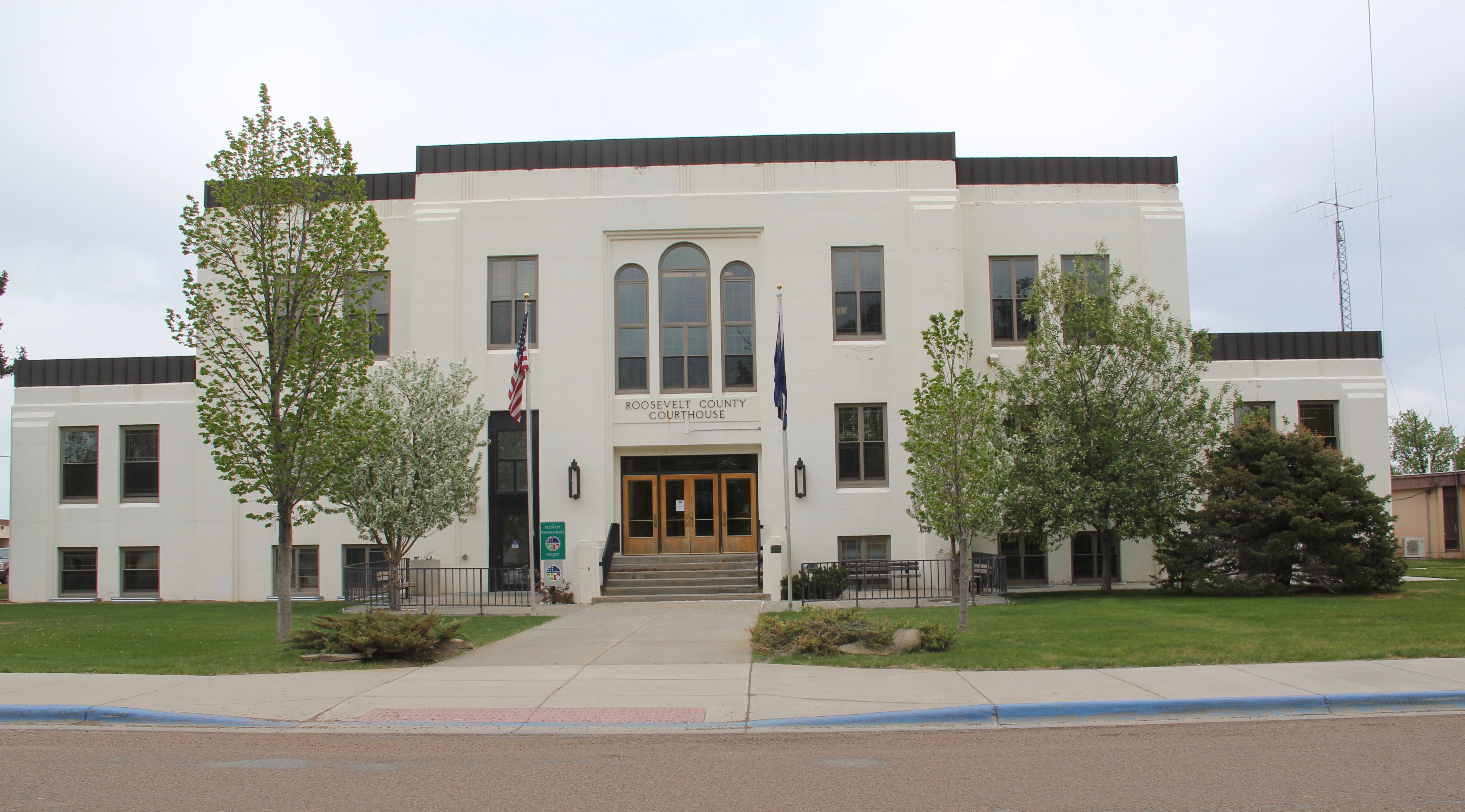
Roosevelt Co Wolf Point courthouse

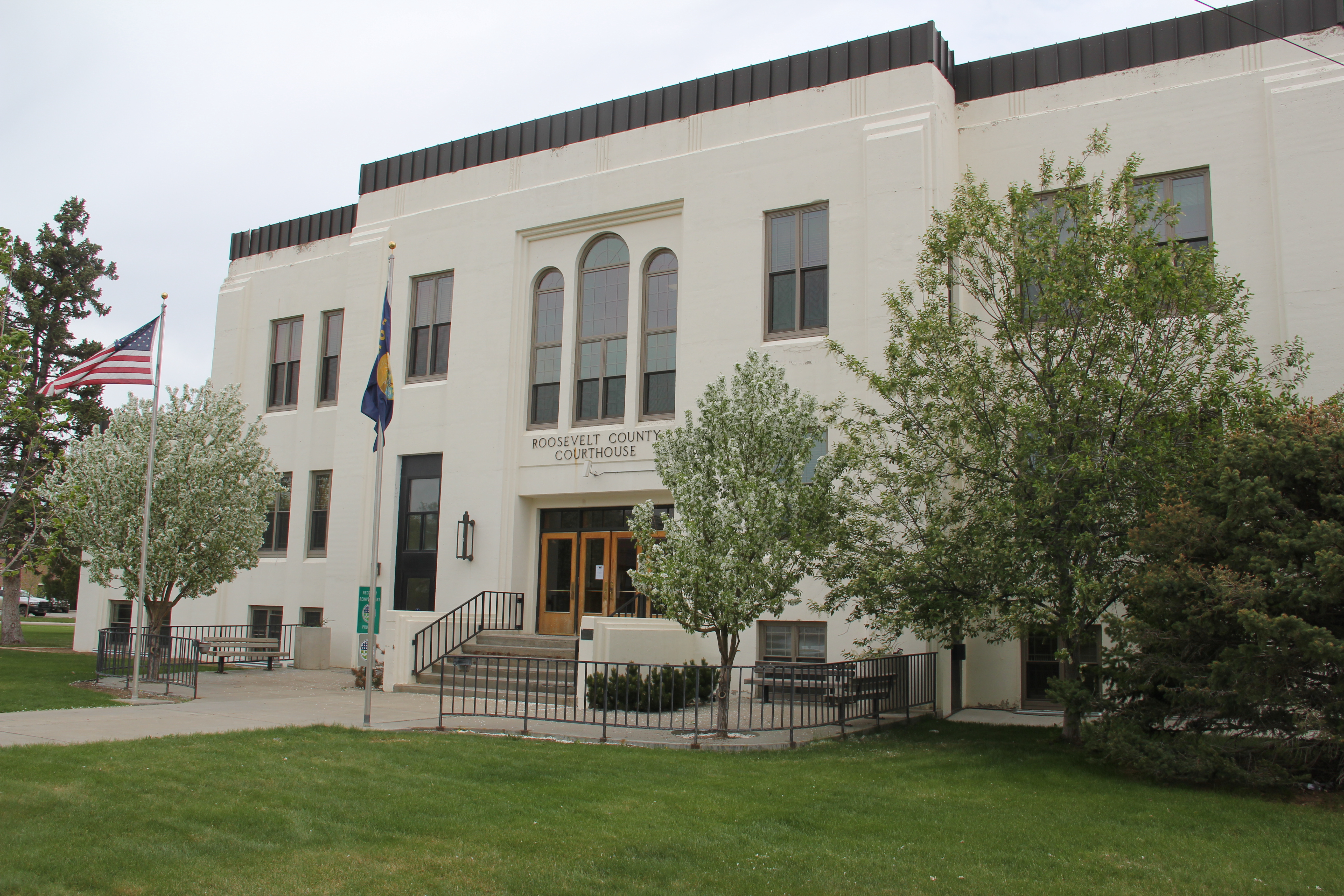
The courthouse, built during the New Deal

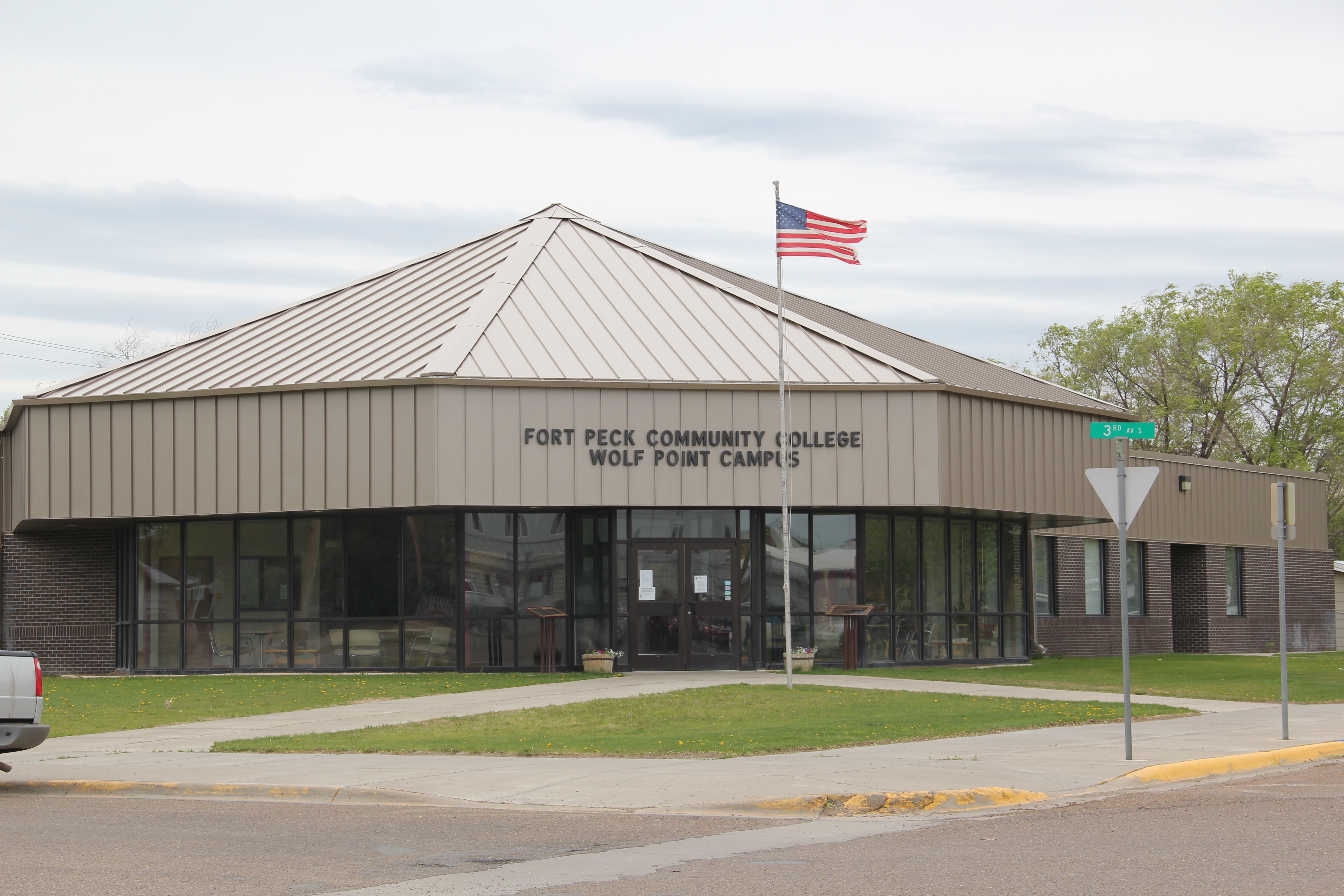
Roosevelt Co Wolf Point Fort Peck College

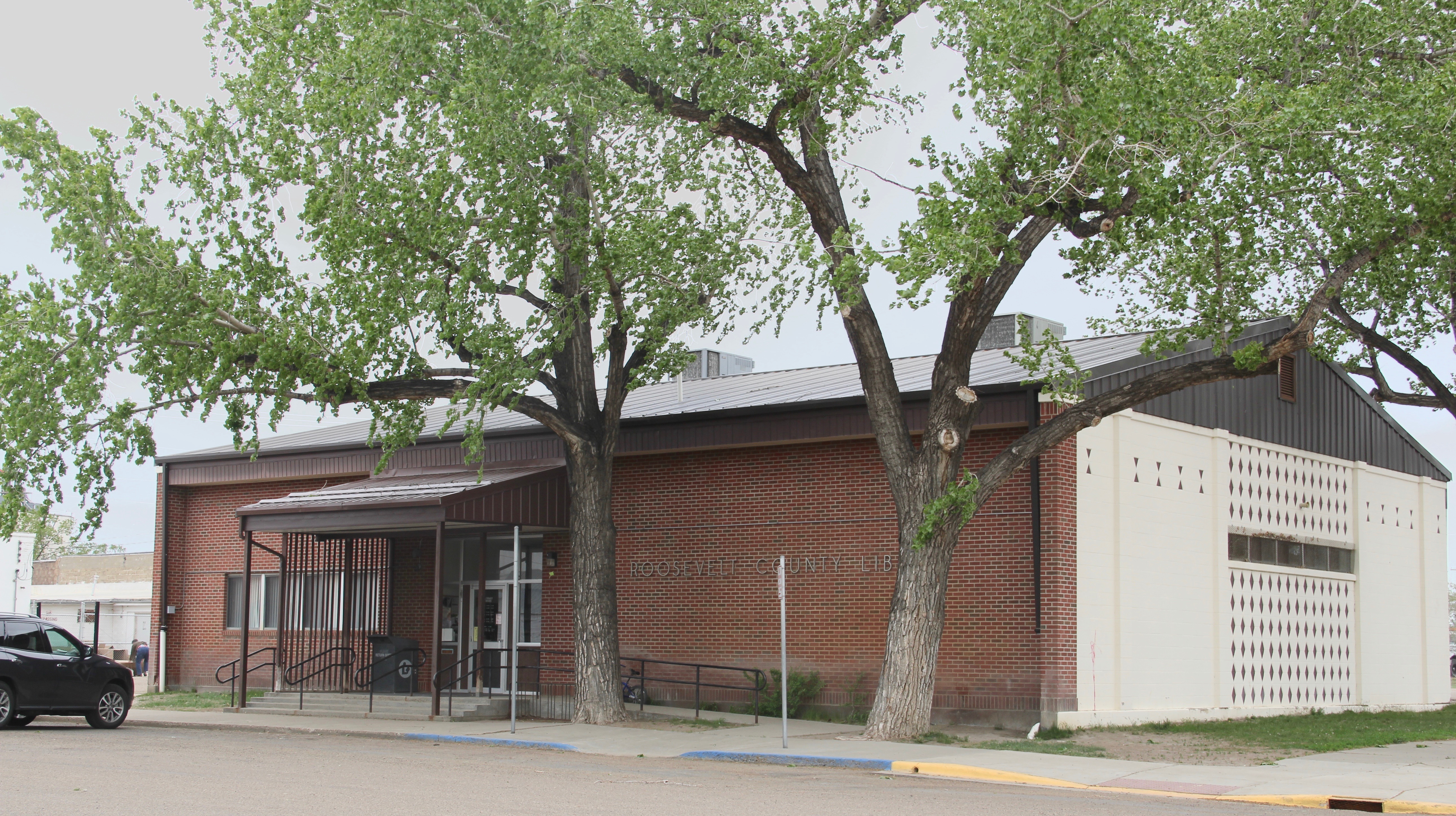
Roosevelt Co Wolf Point library

The Roosevelt County Library

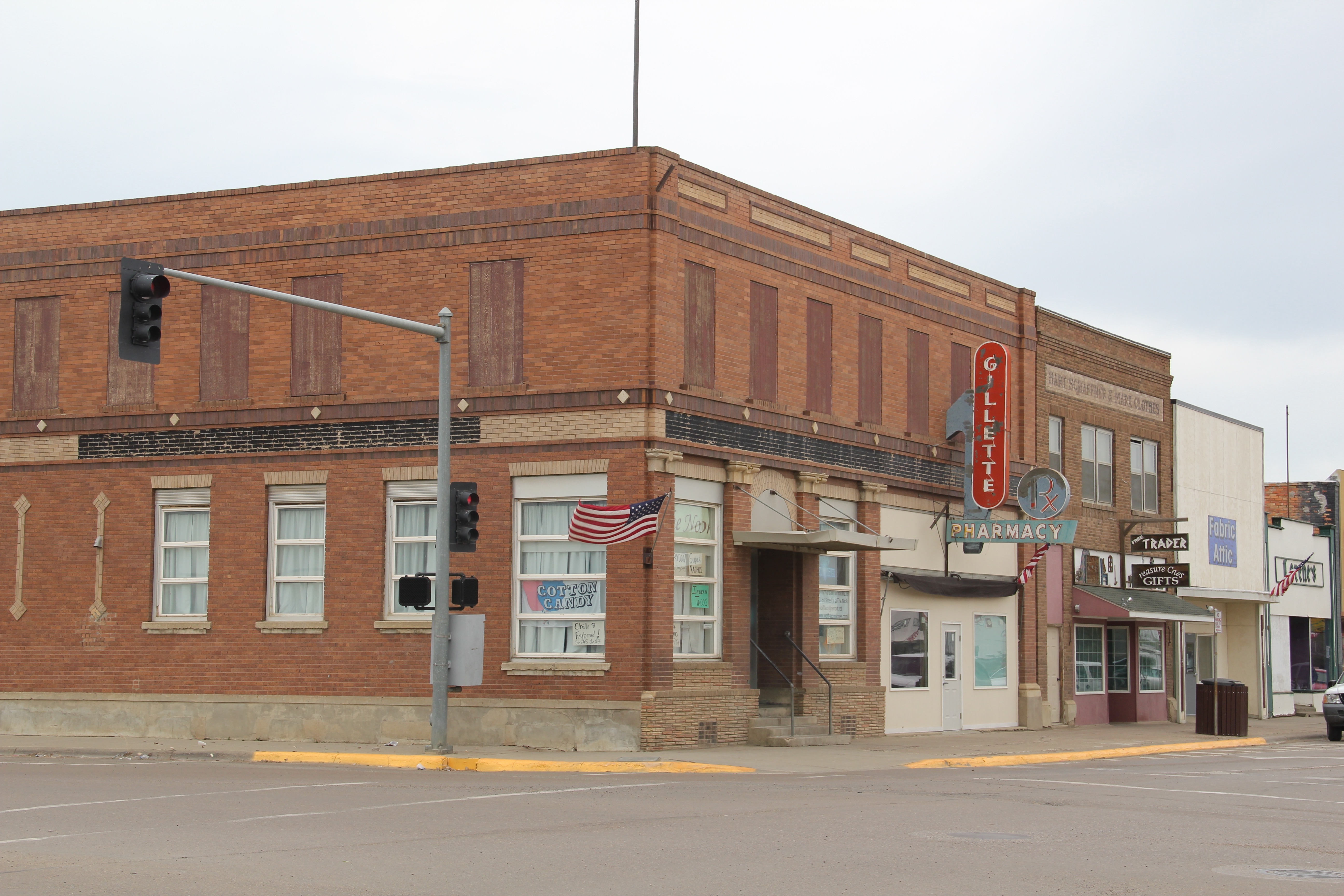
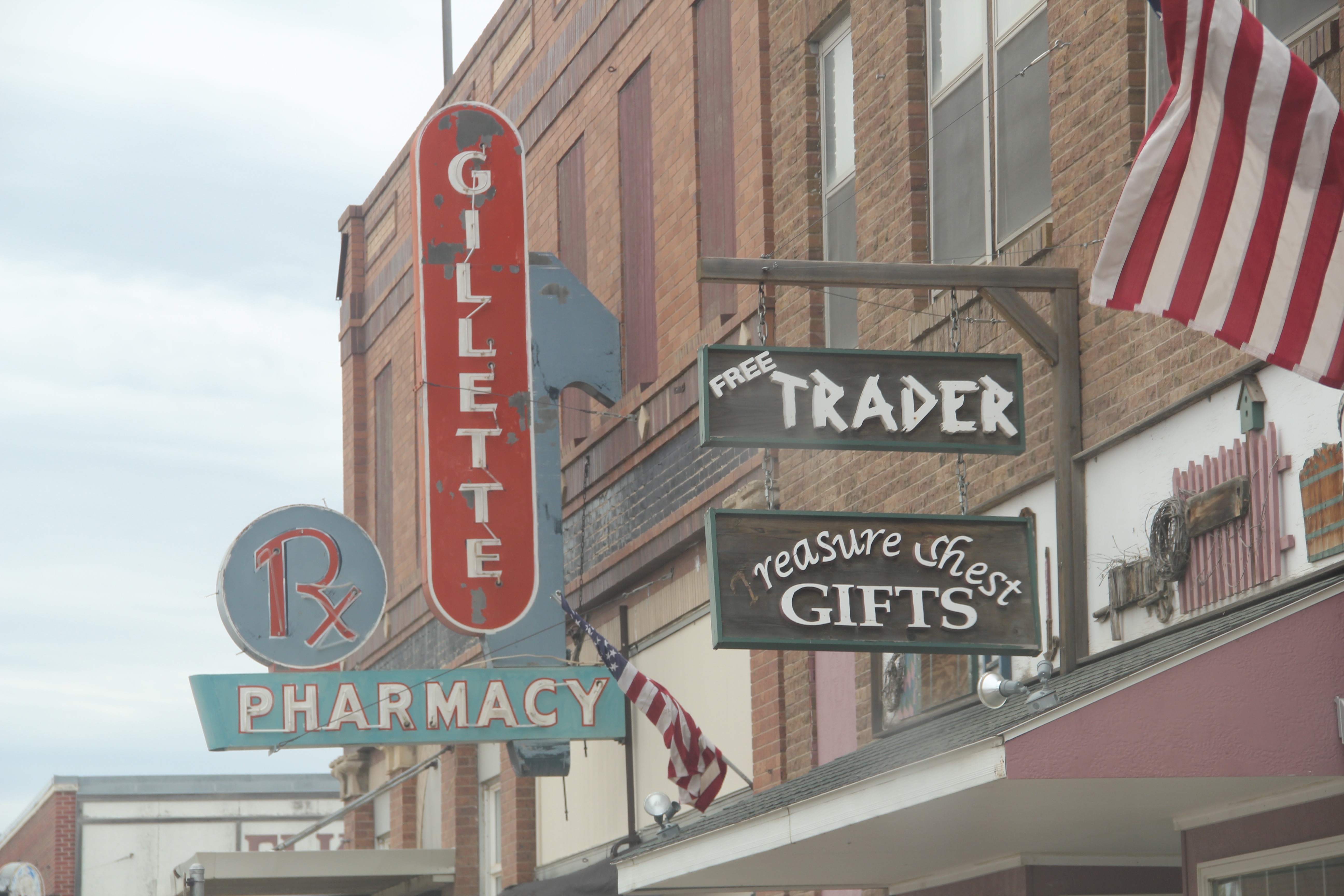
Roosevelt Co Wolf Point 11Roosevelt Co Wolf Point 9Roosevelt Co Wolf Point 8Roosevelt Co Wolf Point 4

Roosevelt Co Wolf Point 3 cowboy sculpture Homage by Floyd DeWitt

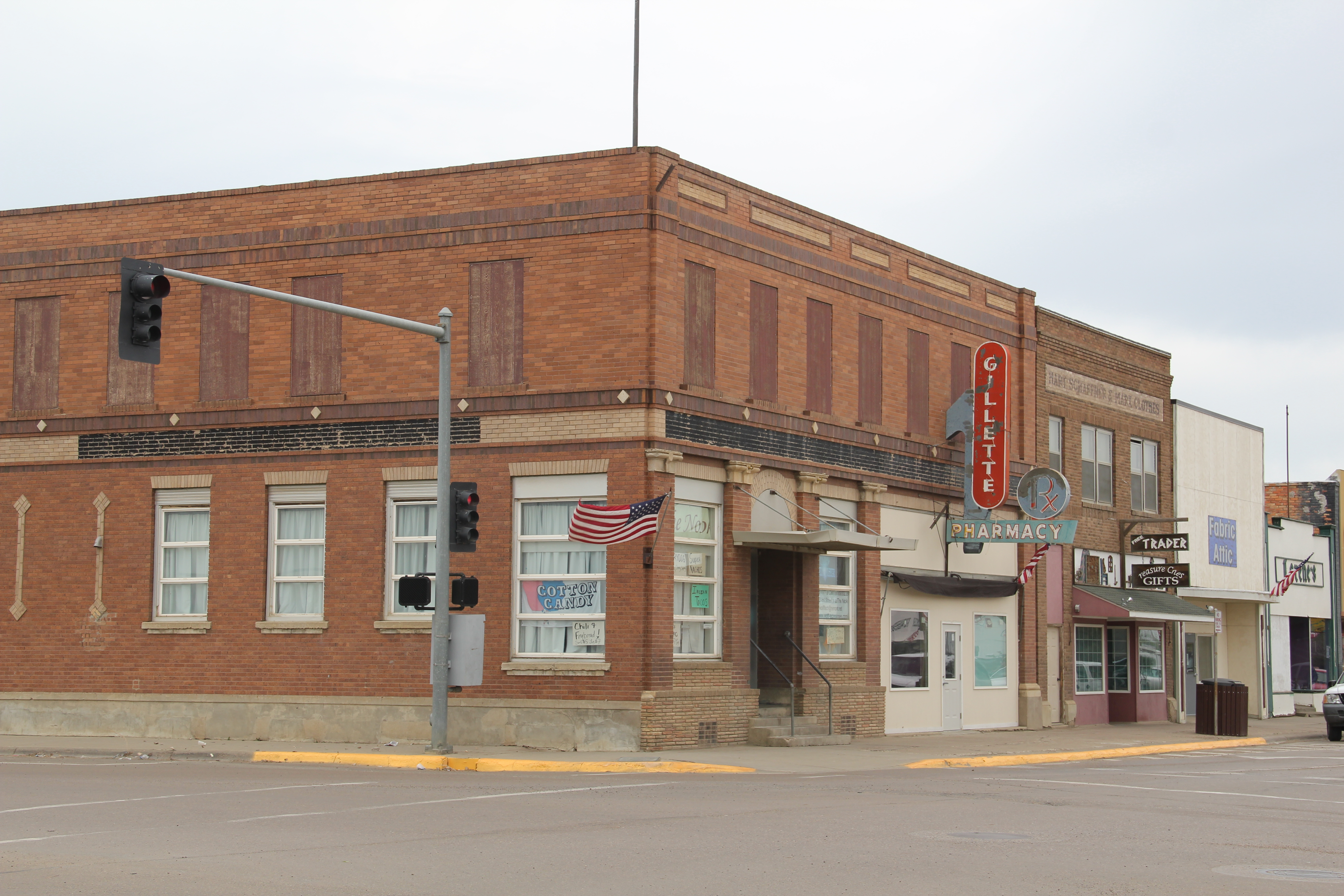
Business district scenes, with cowboy statue above. Earlier in century, Wolf Point pursued having a cowboy hall of fame built in the town.

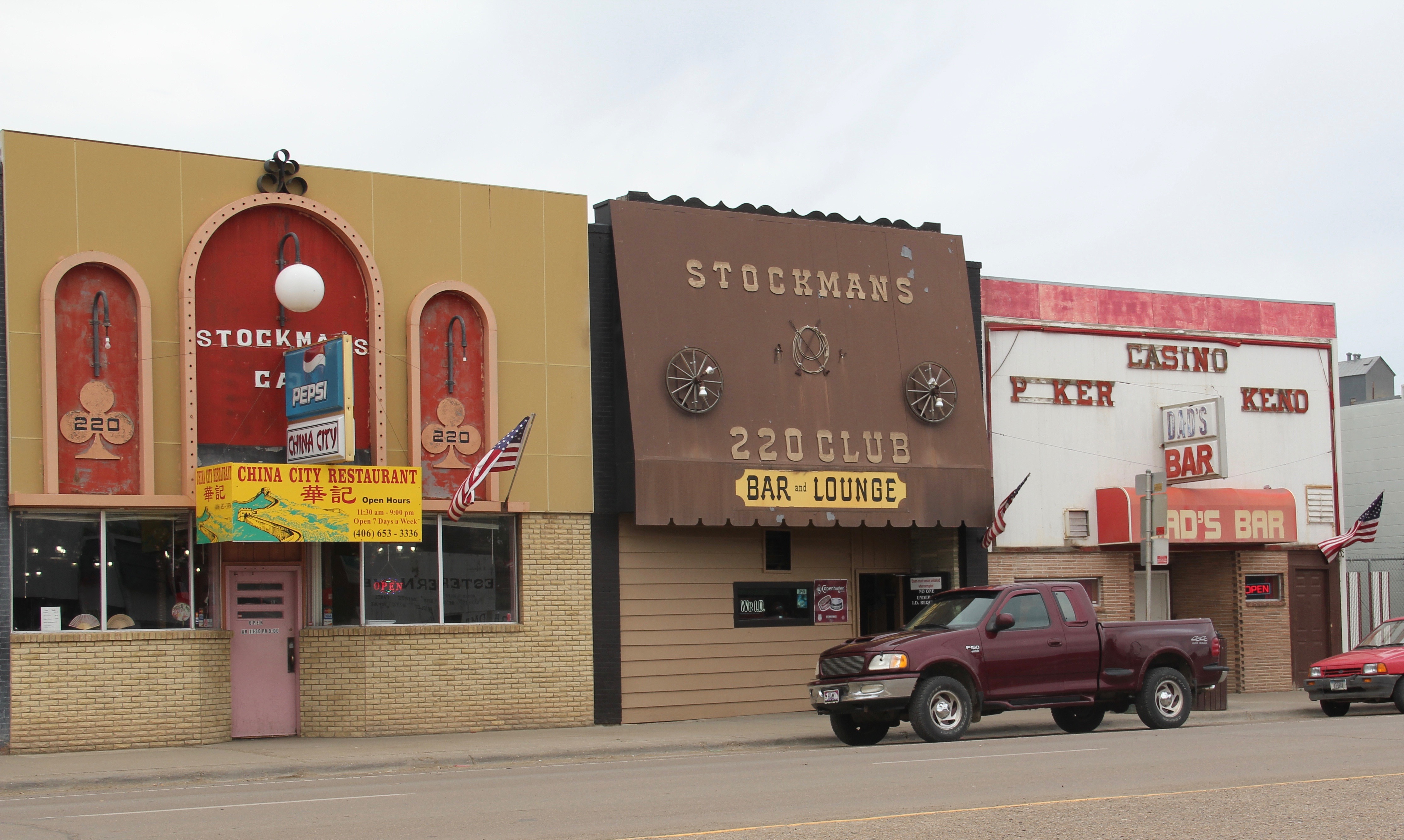
Roosevelt Co Wolf Point Stockman Bar

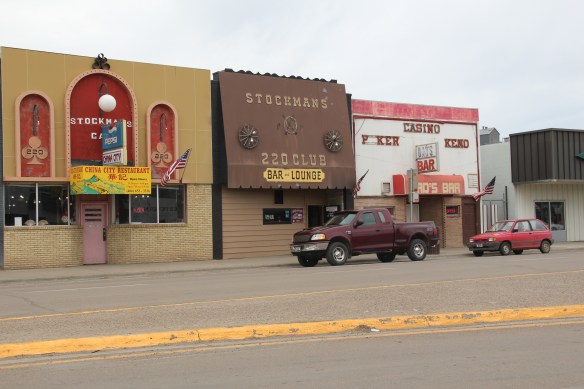
Bars and cafes facing the railroad tracks on US Highway 2

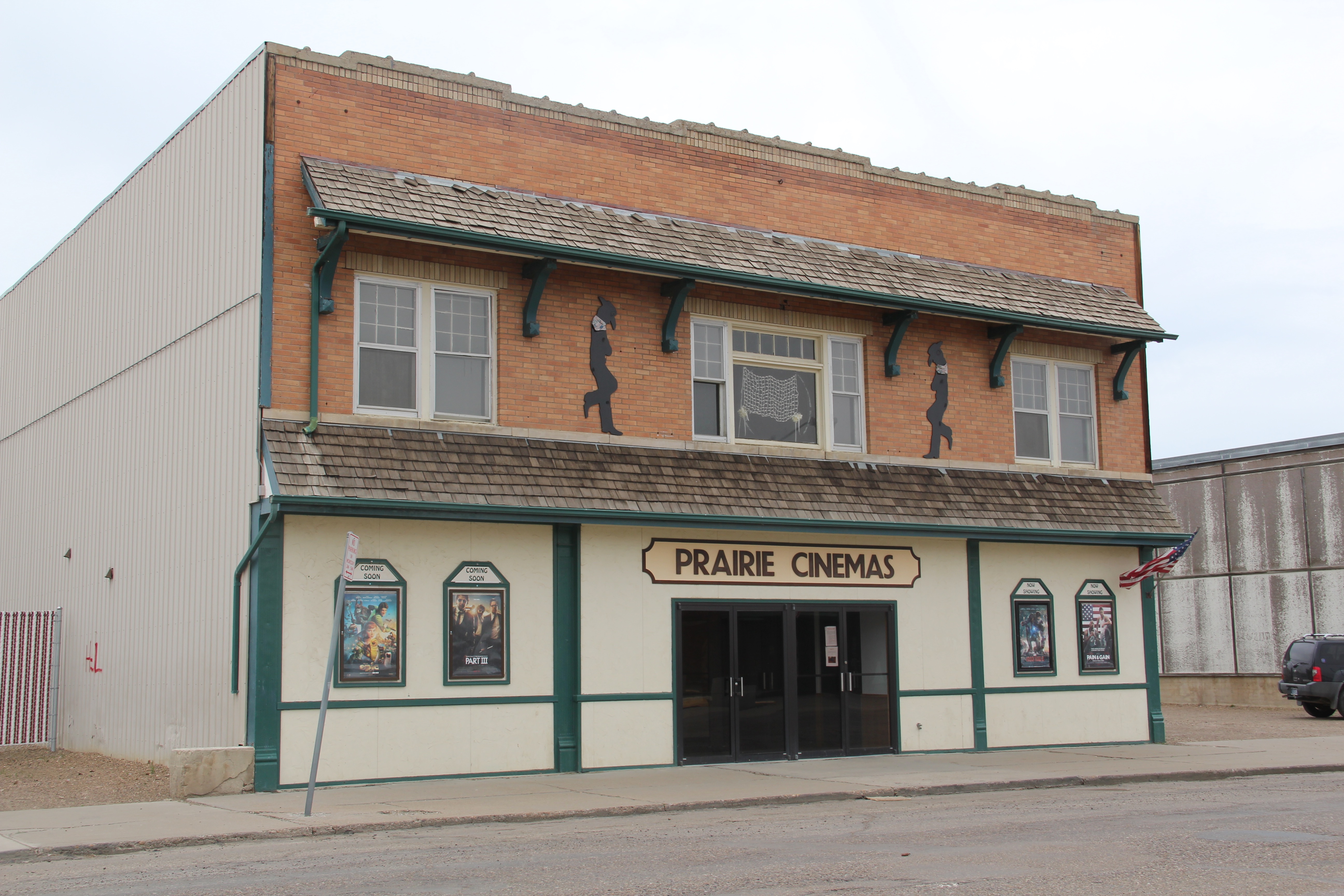
Roosevelt Co Wolf Point theater

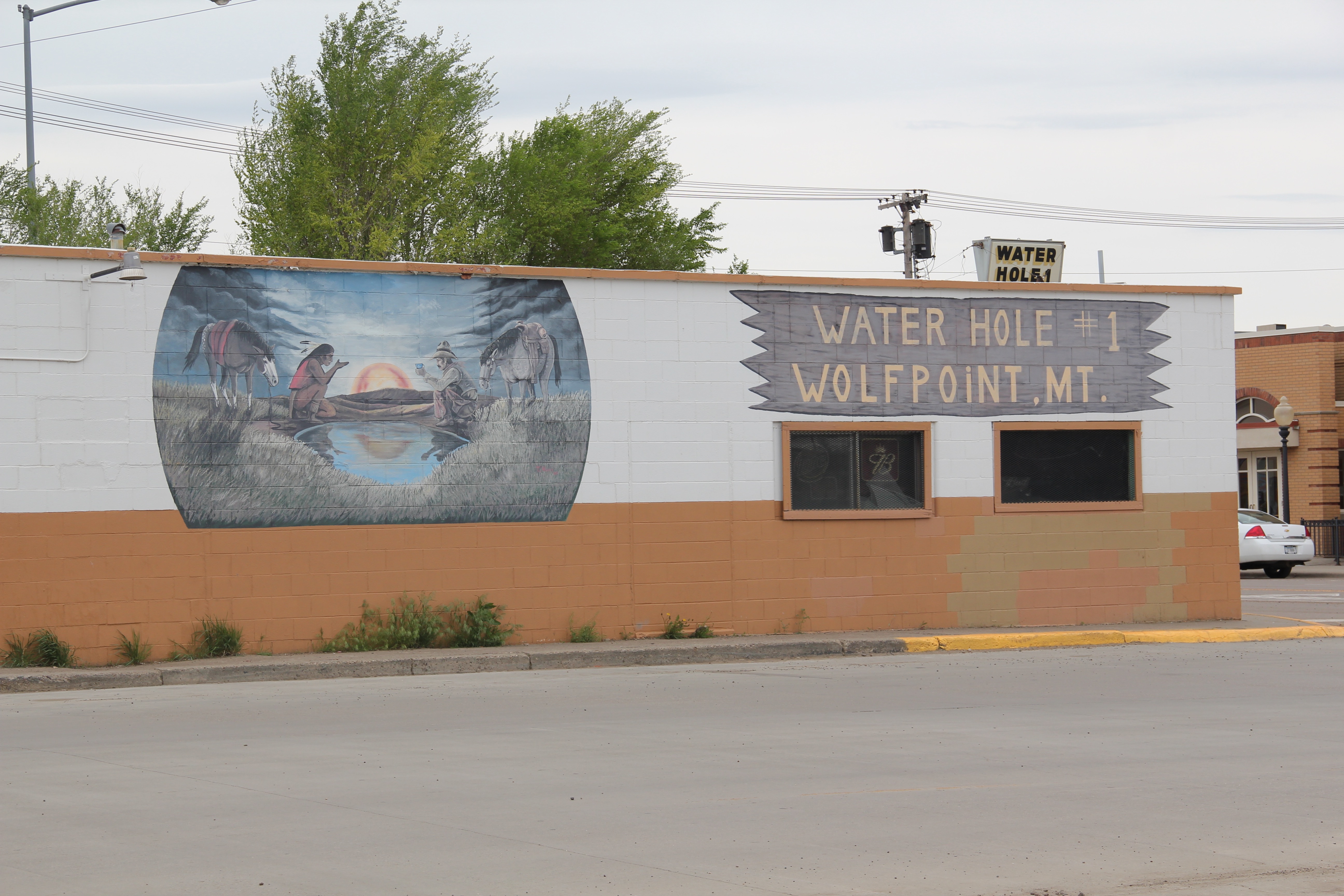
Roosevelt Co Wolf Point 13 Water Hole Bar mural

Mural on the side of a bar in Wolf Point

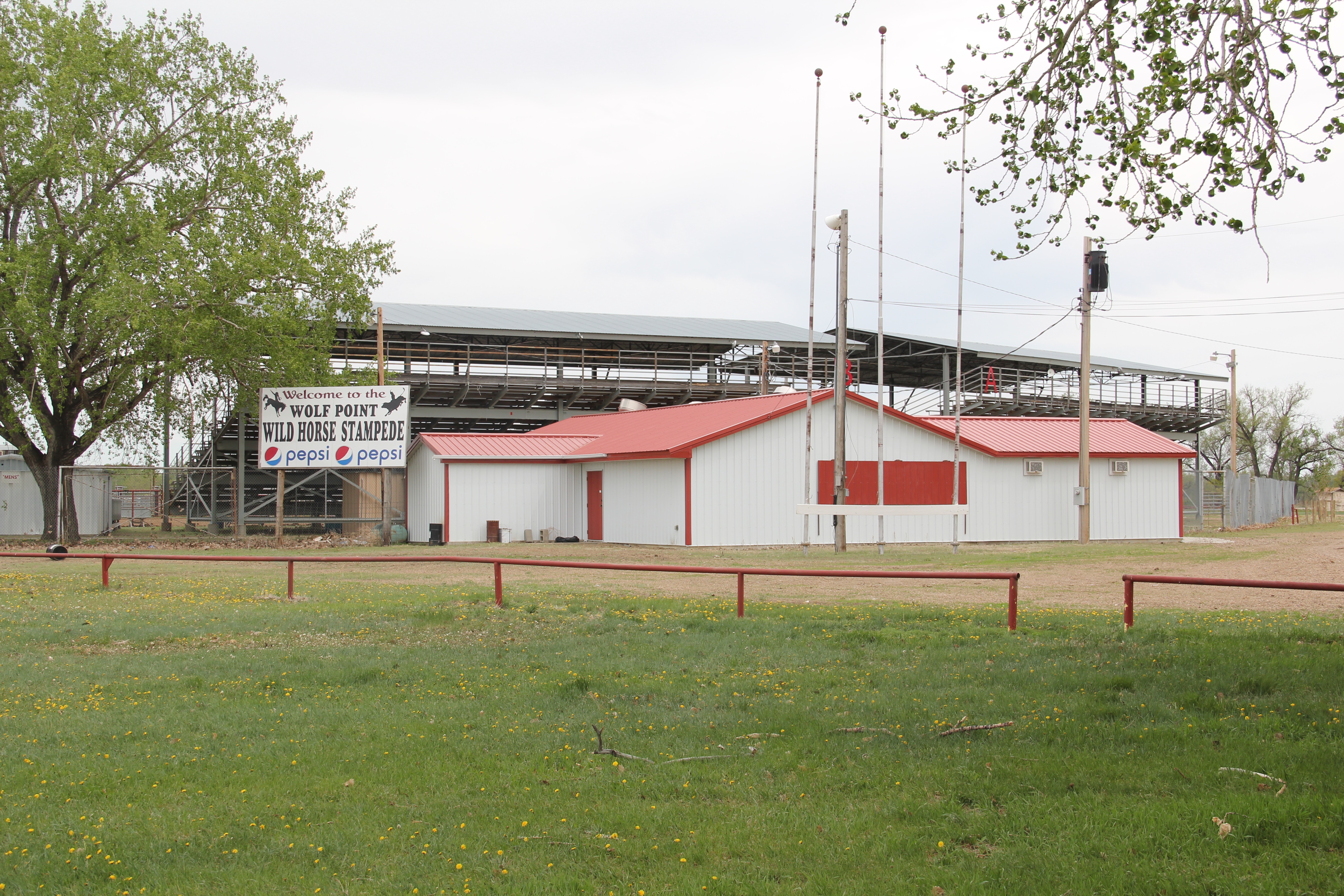
Roosevelt Co Wolf Point fairgrounds

The county fairgrounds

Roosevelt Co Wolf Point 6 signs

Montana’s Stockman’s Bars

img_2122

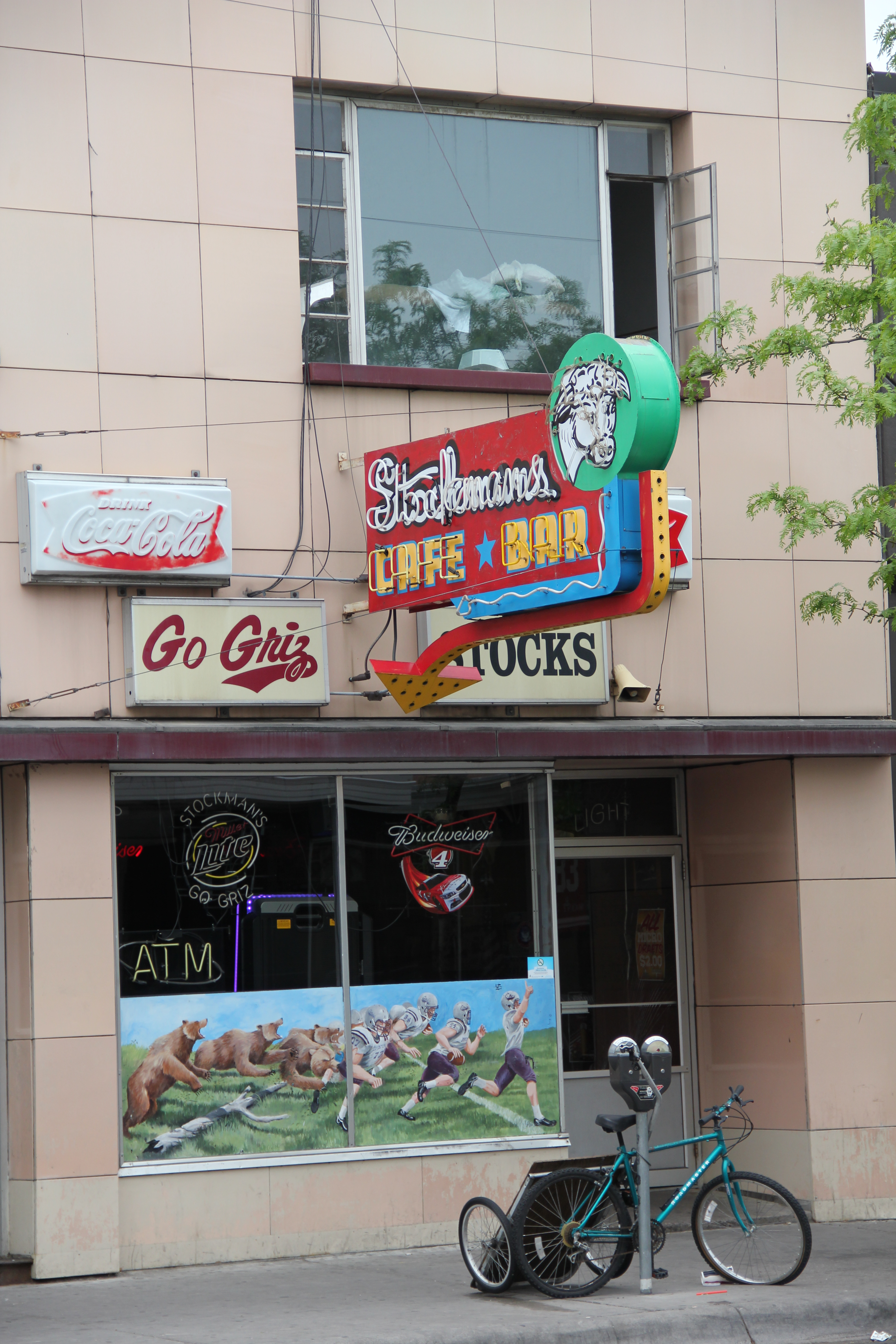
As promised in the last post, we are taking a bit of a detour and exploring some of Montana’s bars, especially those with the name Stockman’s or Stockmen’s.  The Stockman’s Bar in Missoula is certainly the most famous one in the state, as it has

img_7558entertained generations of Grizzly students and fans–note the window mural. But it is just one of several favorite Stockman’s Bars I have encountered in my Montana fieldwork. My top choice is actually on the other end of the state–almost in North Dakota in fact–the Stockman’s Bar in Wibaux.

During my initial work of the 1980s, the large electric sign still worked–and those words just beckoned you to come in, especially as the interior was lit up with the large glass block windows.  This place was a drinkers’ hangout–you went down to the Shamrock for food.

A similar large electric sign welcomes you to Central Montana’s Stockman’s Bar in Harlowton–the one mentioned in the last post.  But to be a good Stockman’s Bar, a flashy sign is not a necessity–as proven by the friendly Stockman’s Bar in Hall, back in the western part of the state.

Granite Co, Stockman bar and store, MT 513, HALL

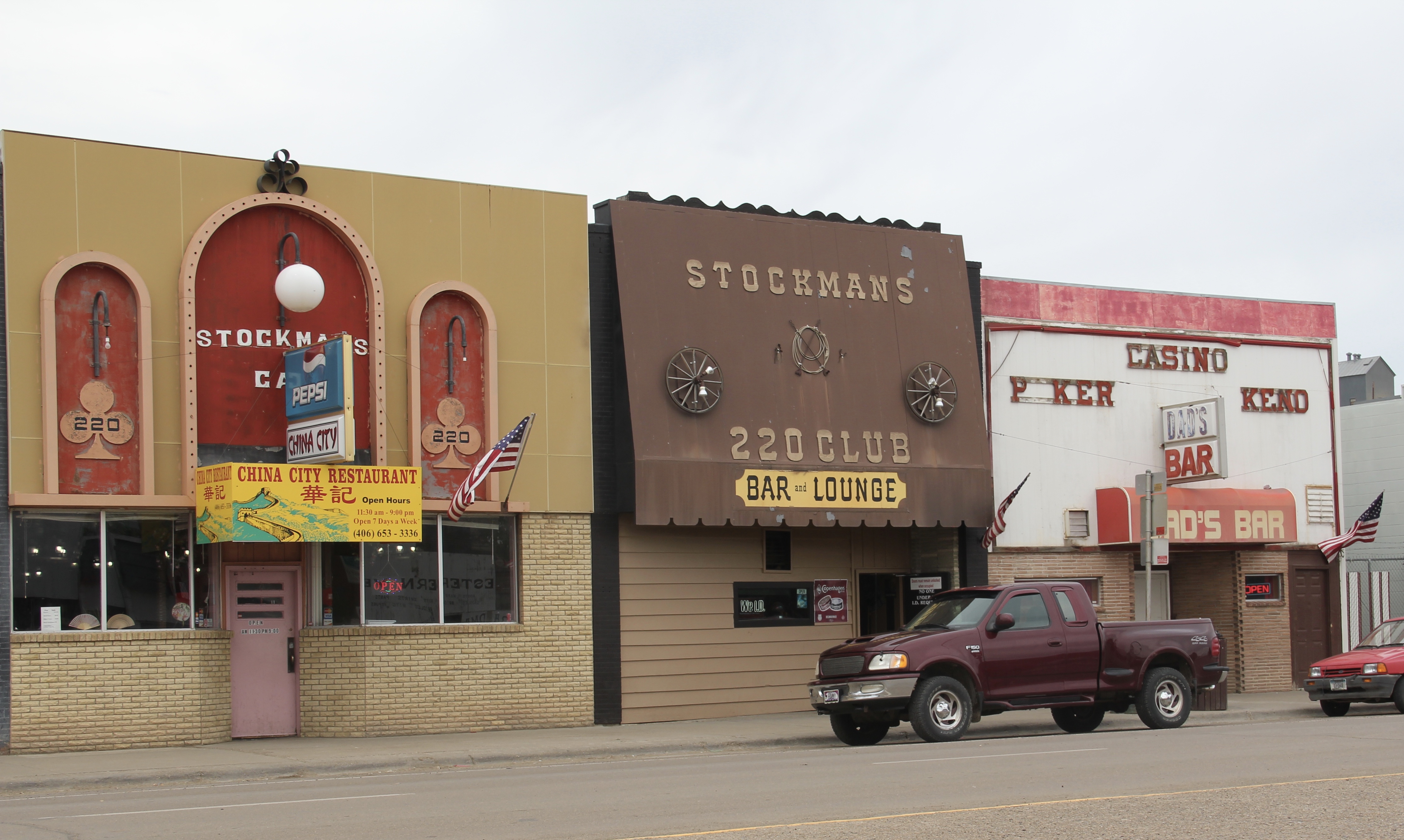
But cattle and sheep country–at least historic towns associated with stock growing–are where most of the Stockman’s Bars can be found.  Wolf Point’s Main Street is famous for its commercial strip, named Front Street faces the highway and tracks of the Great Northern Railway.  One of historic institutions along that corridor is the Stockman’s 220 Club, a real institution for residents and travelers.

Roosevelt Co Wolf Point Stockman Bar

Another altered facade is at the historic Stockman’s Bar in Roundup, another livestock growing center and the seat of Mussellshell County.

img_0057

My favorite combination bar/restaurant with the Stockman name is in the Livingston’s historic district.  I rarely come to town without a stop at this drinking landmark.

img_6456

These buildings are a mere sampling of the Stockman’s Bars in Montana. There are more to explore in all sections of the state, from Bridger to Kalispell.
Wolf Point on the Hi-Line

Great Northern corridor along U.S. in Roosevelt County

Great Northern Railway corridor along U.S. 2 in Roosevelt County

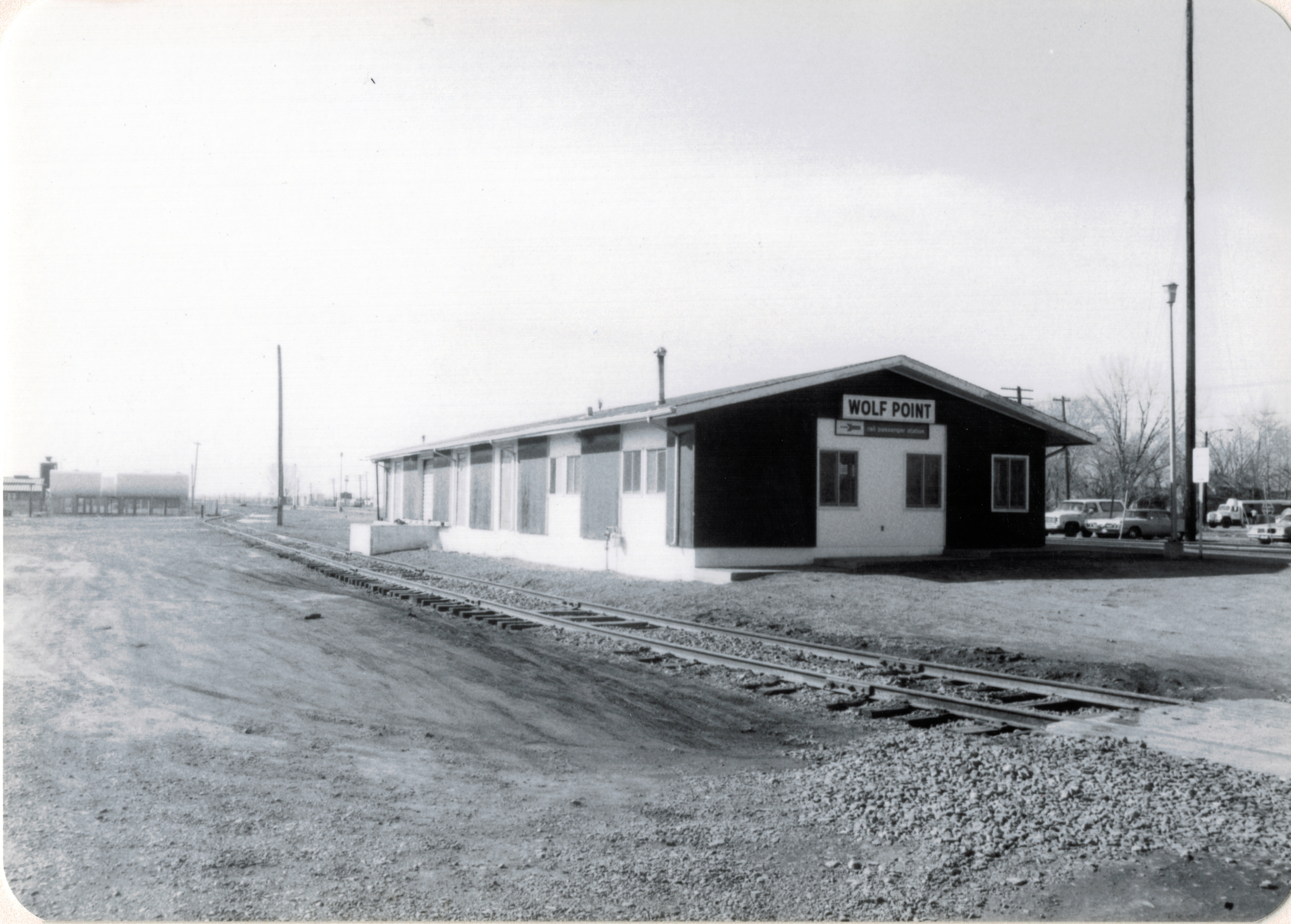
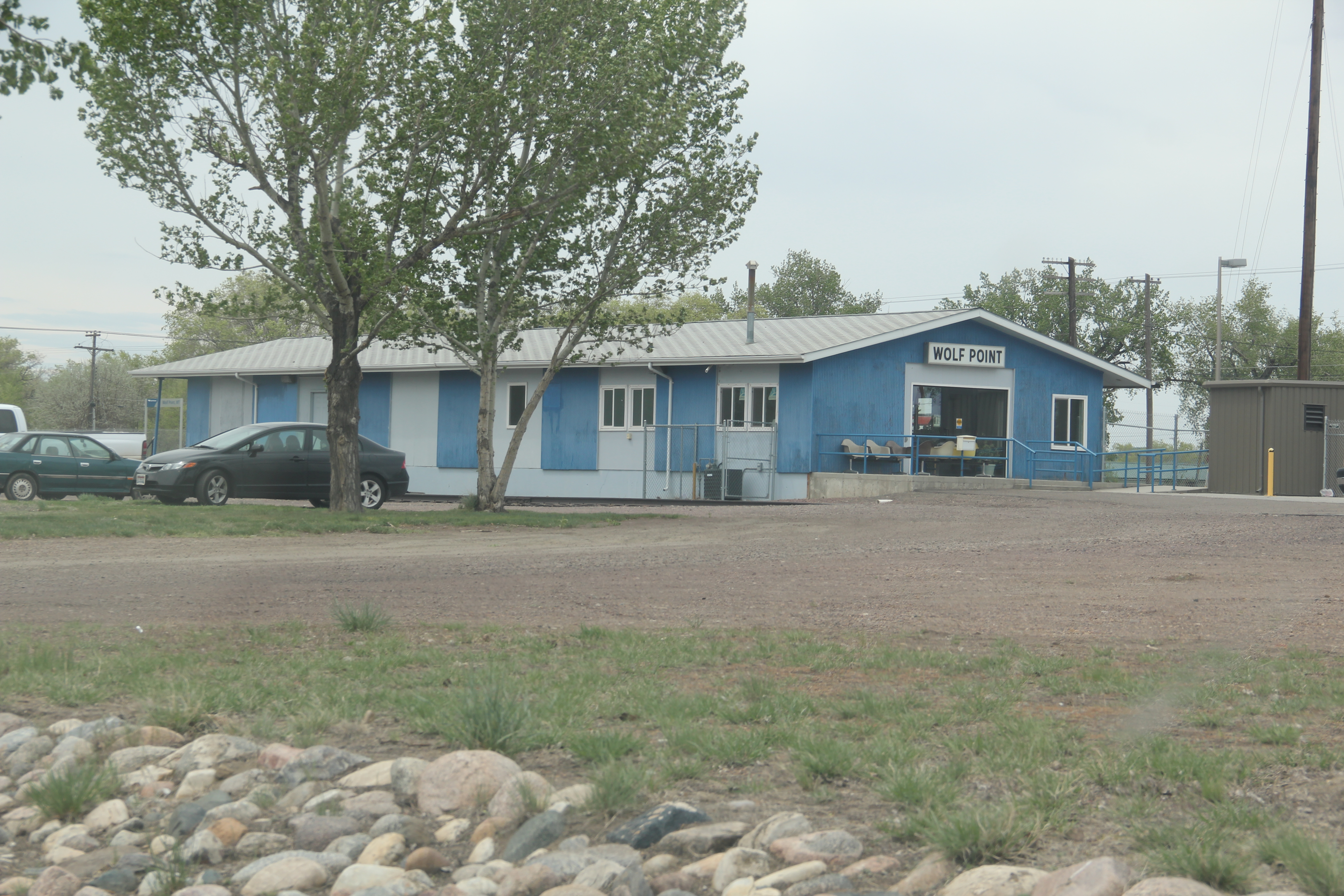
When I encountered the northern prairie of Roosevelt County in 1984, it was difficult to tear your eyes from the omnipresent tracks of the Great Northern Railway.  The trains roared past regularly, and the tracks defined space and town location throughout this stretch of U.S. Highway 2.  So when I arrived in Wolf Point, the seat of Roosevelt County, I immediately looked for the depot, and came away disappointed.  Here, for northeast Montana, was a large town: certainly I would

Wolf Point depot, Roosevelt  County

Wolf Point depot, Roosevelt County

find more than the standard-issue Great Northern design.  It was different but nothing as I expected.  No grand architectural statement–rather a modernist building with little ornament or aesthetics to it, except here was what the railroad had become in the second half of the 20th century–a functional transportation system not the town builder and landmark of the turn of the century.

IMG_7737 But as I explored the town in 1984, and visited it again in 2013, I found several places worth considering in this small county seat of 2621 in 2010.  First was the impact of the New Deal.  Roosevelt County–named for TR not FDR–received one of the most striking modernist courthouses in the state, courtesy of the Work Projects Administration.

IMG_7743


Encountering such a gleaming landmark of the federal imprint on the region startled me, but also started me looking much more carefully at the impact of federal projects on the region, a research interest that culminated in an essay titled “The New Deal Landscape of the Northern Plains” for the Great Plains Quarterly.

Wolf Point, like almost every Hi-Line town, had suffered from population decline.  The town’s heyday came in 1960 with a population of 3585, which had dropped by 500 by 1980, and another 400 since then.  Yet Main Street was alive, not dead, but dilapidated with later day “improvements” marring historic commercial facades.

IMG_7764

IMG_7752

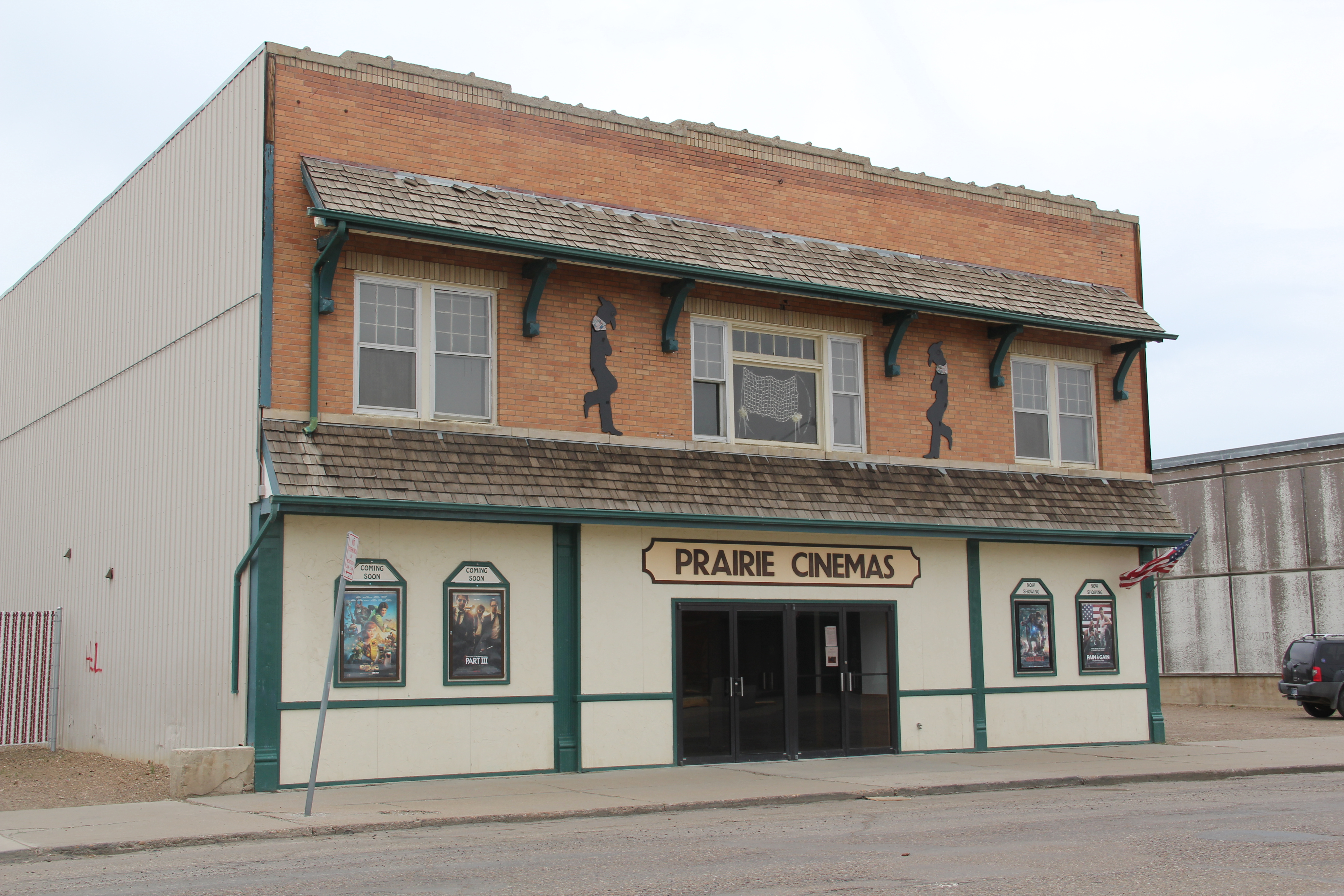
Yet the town retained its historic movie theater, and had recently expanded a local history museum that has a remarkable array of objects.  Wolf Point in the 2010 census was about 1/2 Native American in population; the most impressive building added to the town since 1984 was the Fort Peck Community College.

IMG_7761

IMG_7751

Wolf Point also had hoped to become the final landing spot for the Montana Cowboy Hall of Fame.  It was a worthy contender not just for its open plains, but the Wolf Point Rodeo is among the state’s oldest, and the historic fairgrounds continue to host the “Wild Horse Stampede” every summer.

IMG_7755

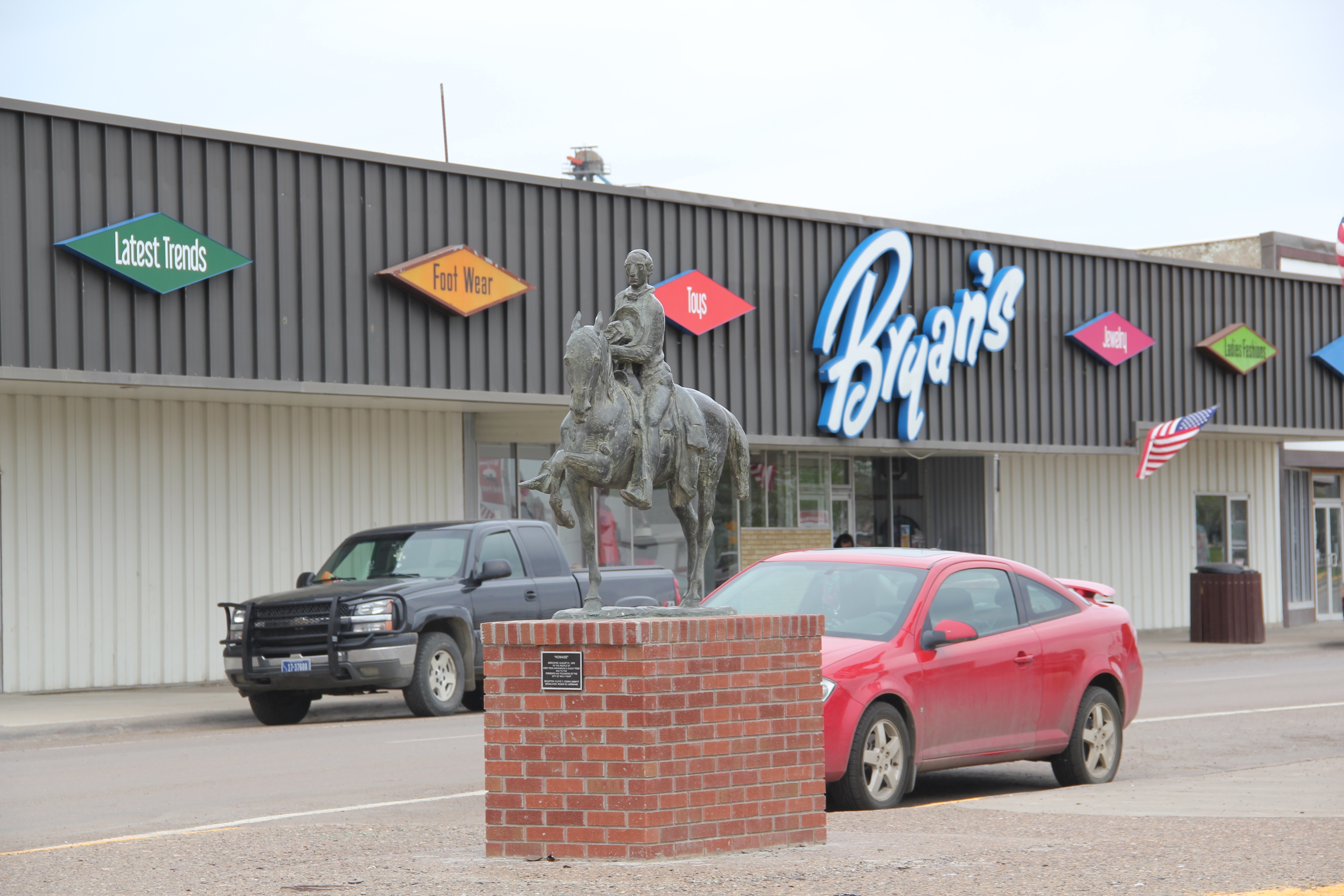
Smack in the middle of U.S. 2 is another monument to the Montana Cowboy, and a symbol of the hopes that the Hall of Fame would land in Wolf Point.  This bronze statue titled Homage was executed by Floyd DeWitt and given to the town by the Fort Peck Assiniboine and Sioux tribes.

IMG_7753

To travelers along U.S. 2 Wolf Point may be considered as one or two blinks and that it is, but the history here is deeper, and strongly felt.  Yes it has the rails and the elevators to define the horizontal and the vertical but its landmarks continue to say:  we’re here and we matter.

IMG_7756

IMG_7756

IMG_7757