Fort Peck’s Transformation of Valley County, part 2

IMG_8015


For many visitors to Fort Peck, the grand, mammoth concrete spillway (which is actually in McCone County) is the takeaway lesson of this nationally significant New Deal project.  Photos in Life magazine made this place famous, and its modernist design was lauded not only in the United States but overseas as well.  When he visited the construction site in 1934 President Franklin D. Roosevelt insisted:  “people talk about the Fort Peck Dam as the fulfillment of a dream.  It is only a small percentage of the whole dream covering all of the important watersheds of the Nation.”

IMG_8109  IMG_8069


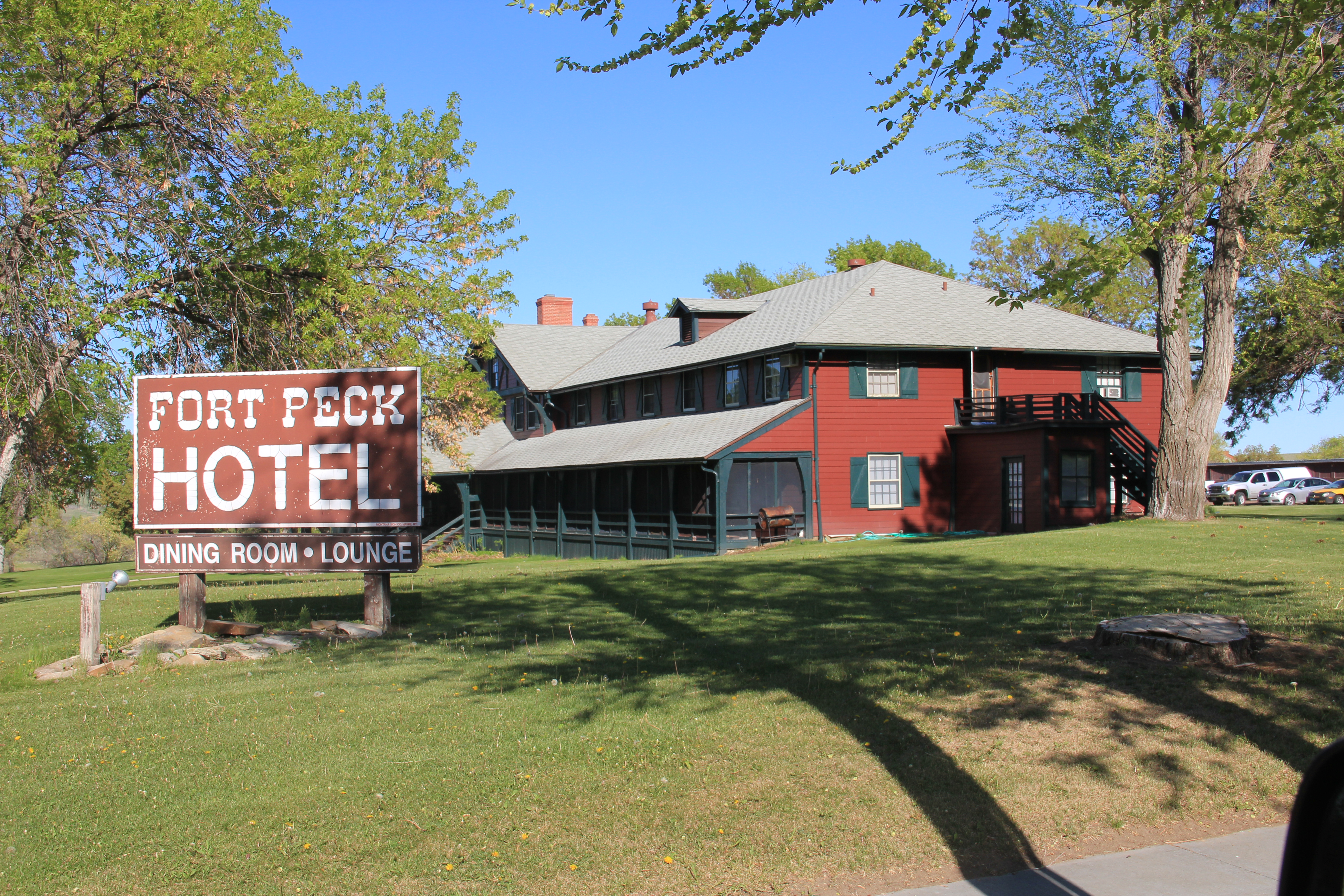
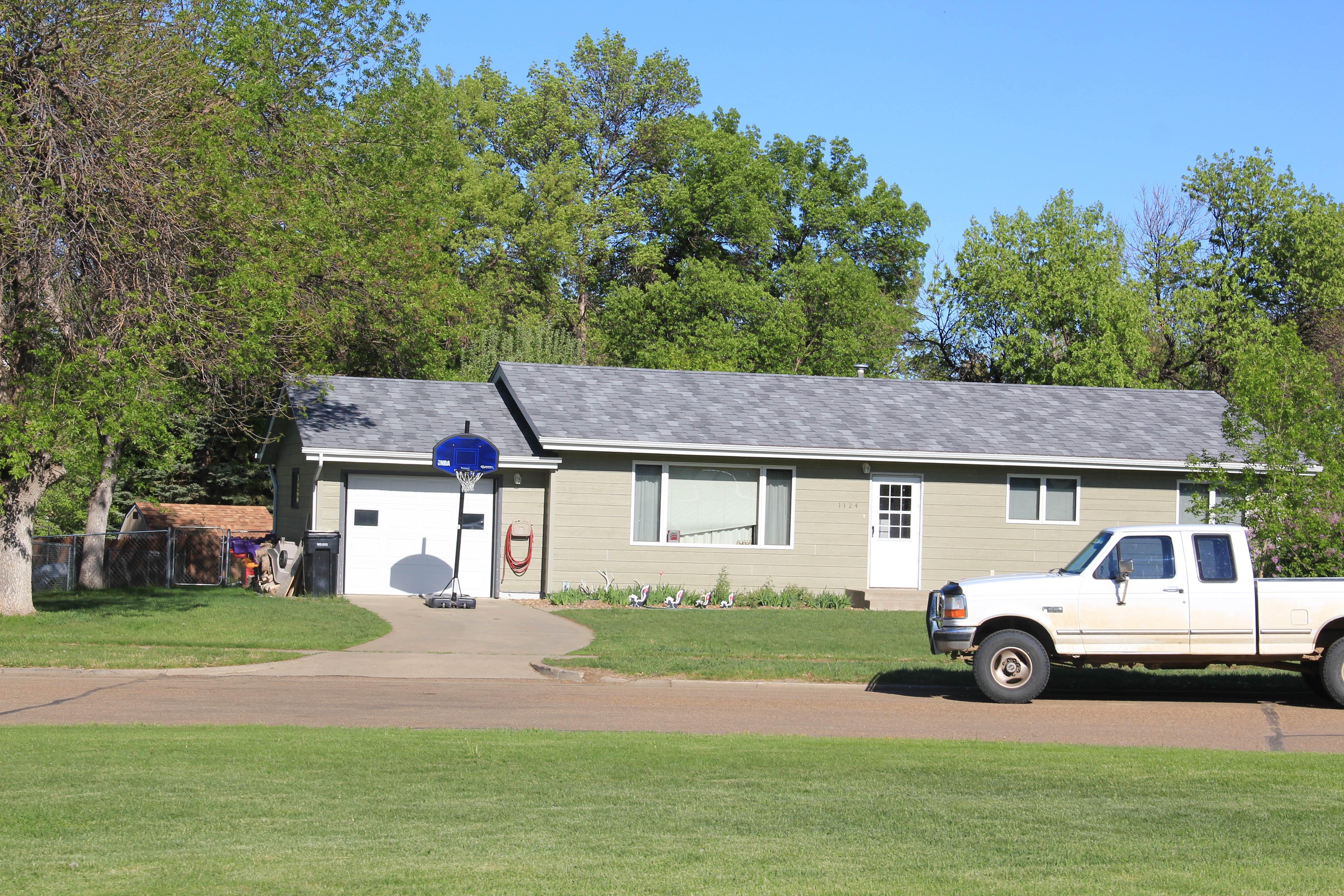
Fort Peck Village, constructed for officials of the project, visitors, and workmen, is on a wholly different scale.  One and two-story buildings, a general Arts and Crafts aesthetic with Colonial Revival buildings thrown in for good measure, curvilinear streets, open public spaces:  an attempt in general to establish a 1930s suburb feeling among the key administration buildings of the project.

IMG_8099  IMG_8094


IMG_8097

Historian Fred Quivik has written insightfully about the townsite, its development, and the changes it has experienced since, especially the expansion of the 1950s and the addition ranch-style houses and a contemporary-design school.

IMG_8106  IMG_8105


Fort Peck Village provided respite and recreation for administrators and workers.  The village’s most impressive legacy–and one of the most important buildings of New Deal Montana, is the Fort Peck Theatre.

IMG_8089


Nothing in Montana matches its Arts and Crafts-infused Swiss Chalet styling.  Details abound on both the exterior as well as the interior.

IMG_8078


IMG_8087


In 1984 I marveled at the building.  My colleagues at the Montana SHPO, especially Lon Johnson, had prepared me for it by sharing images and stories.  But nothing quite matches being in the space, as then experiencing a stage show as I did in 2013.

IMG_8111

The theatre, the town, and the colossi of the dam, reservoir, spillway, and powerhouses create a landscape like none other in the northern plains and one of the nation’s most powerful statements of the New Deal landscape.

Fort Peck Dam and the Transformation of Valley County, part 1

IMG_8000

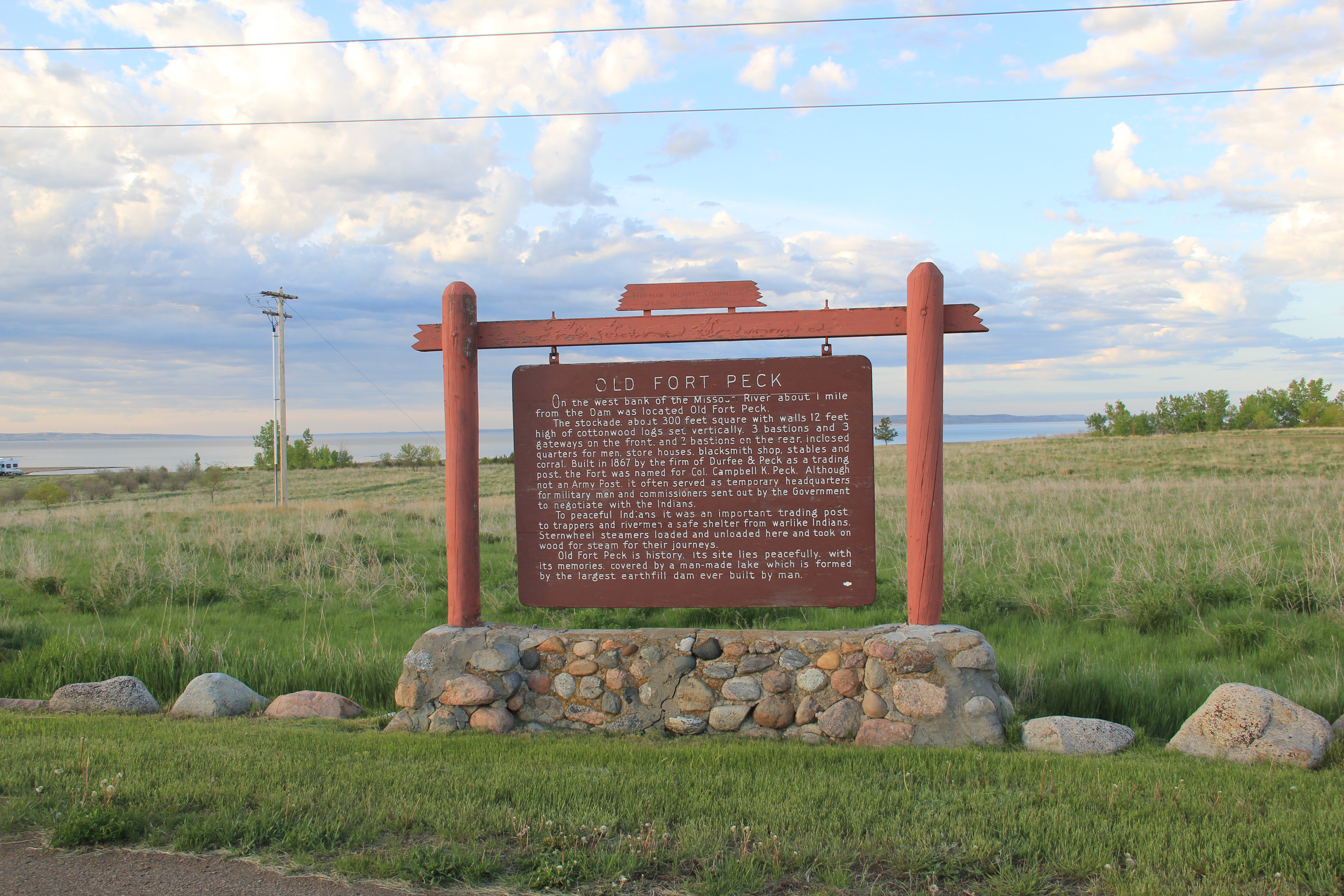
The southern end of Valley County has forever transformed by the construction of the Fort Peck Dam, Powerhouse, and Reservoir during the New Deal of the late 1930s.  The huge construction project, building an earthen-filled dam across the river near an old fur trading post, employed tens of thousands of Depression-era workers and left a permanent federal imprint in the lake, the huge, iconic concrete spillway, and the village of Fort Peck.

IMG_8115

The massiveness of the project–reflecting the boundless ambition and optimism alike of government planners, engineers, and workmen–is difficult to grasp.  As you drive across

IMG_8005

the top of the dam, the high vantage point of the Montana plains is spectacular, and a reminder of just how radically the dam changed the Missouri River Country.  An interpretive kiosk–in need of repair and refreshening–tells of the Lewis and Clark Expedition and what it found and learned.  But as soon as you turn to the east, it is not a open, wild landscape, but one dominated by the soaring towers of the power plant turbines, two concrete and steel obelisks to the 1930s ability to transform, and that decade’s faith in hydroelectric power.

IMG_7995

The Corps of Engineers has recently opened a full interpretive center, not only about the dam’s construction but of the environment and wildlife of the region.  But the story of the federal imprint is most graphically portrayed in the village of Fort Peck, built for the key administrators and officials of the project as well as important guests in the 1930s. We will look at that story next.


Valley County’s St. Marie: The Federal Imprint, part 2

Image

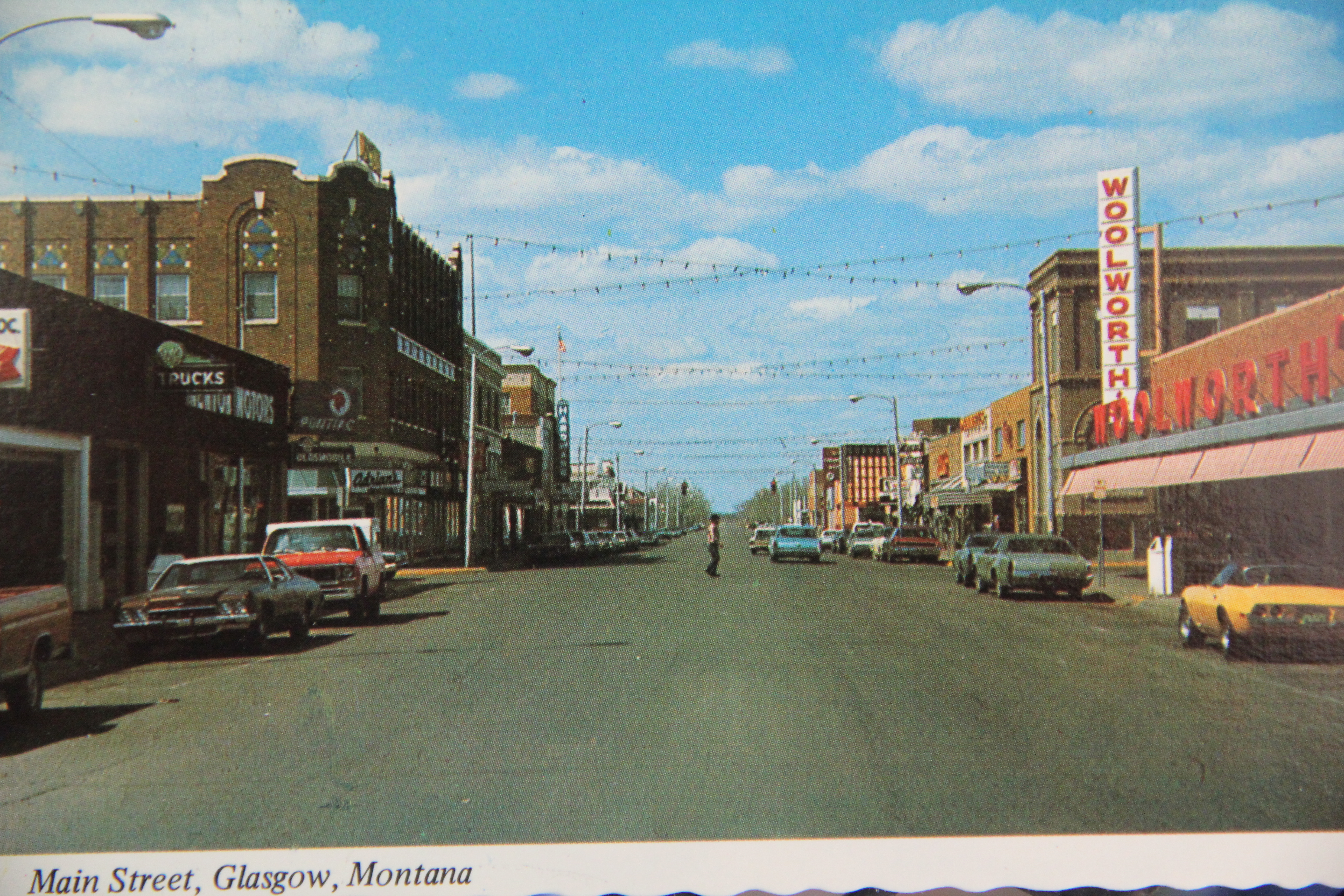
A month ago, I explored the important of the U.S. Reclamation Service (now Bureau of Reclamation) on the middle of Valley County through its Milk River project, and paid particular attention to now largely forgotten towns such as Vandalia.  irrigation to make the arid prairie bloom was crucial to the county’s history.  But now let’s jump ahead and look at when the federal government literally just saw the county as a spot on a continental map–the perfect location high near the Canadian border to locate a major Air Force base.  

Image

The Glasgow Air Force Base, activated in 1957, was initially part of the Air Defense Command, a base for interceptors to stop any air attack from the Soviet Union.  By 1960 the base’s mission had expanded to the Strategic Air Command, and the runways lengthened to handle huge B-52 bombers and tankers (like those shown at the beginning of the iconic film Dr. Strangelove).  SAC abandoned the base in 1968–and although the military came back briefly in the mid-1970s and various private companies have tried to invigorate the base ever since, what the Cold War brought in the 1960s has largely turned into a Cold War ghost town.

Image

Local heritage leaders eagerly showed me what was then known as St. Marie’s Village, and spoke of it as a retirement location for the many airmen that had passed that way twenty years earlier.  Frankly, I wondered why they would come back–certainly the town then looked like a television set for Bewitched or countless other 1960s sitcoms.  

Image Image


Image Enlisted men barracks


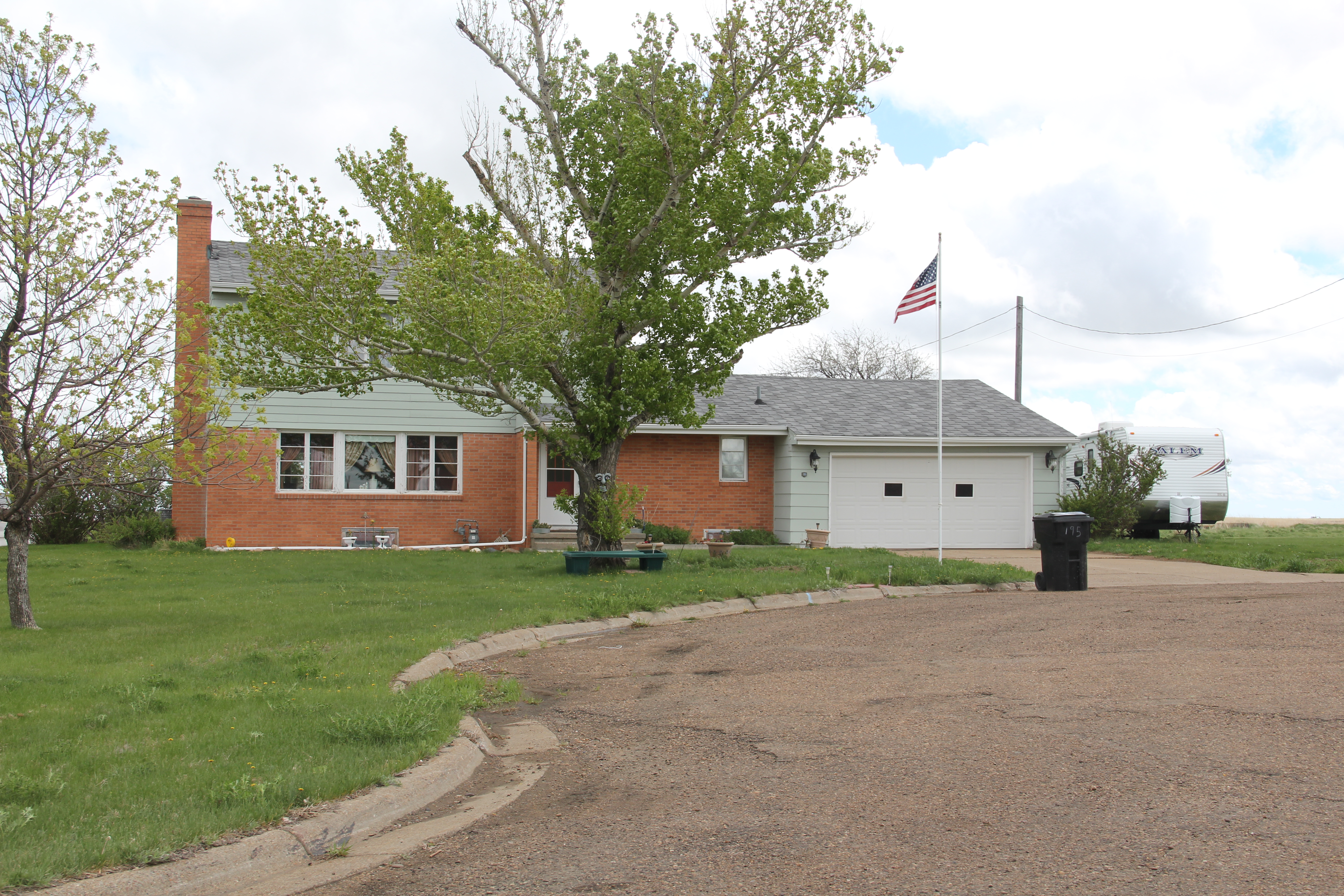
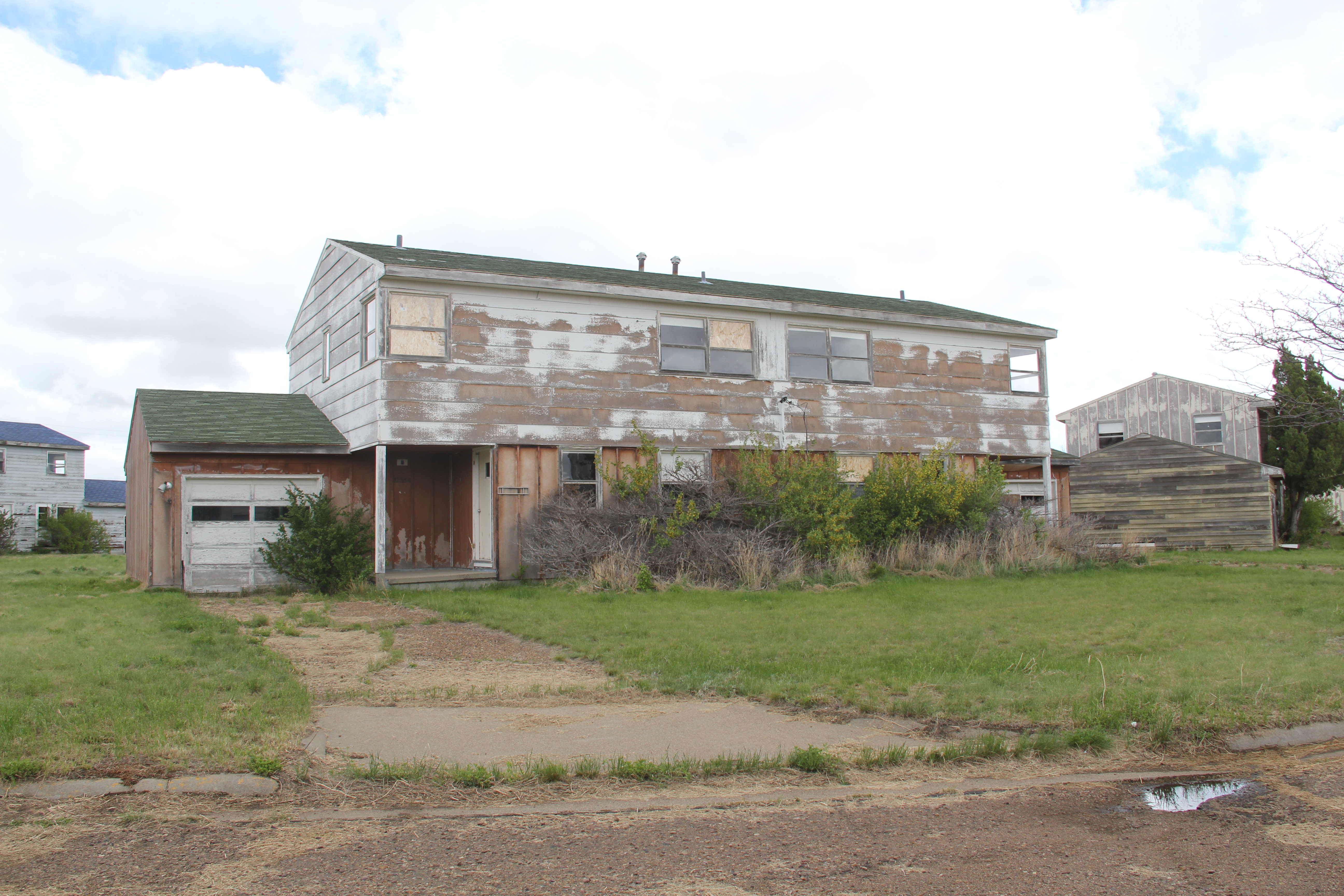
Image Commanders quarters–single family homes

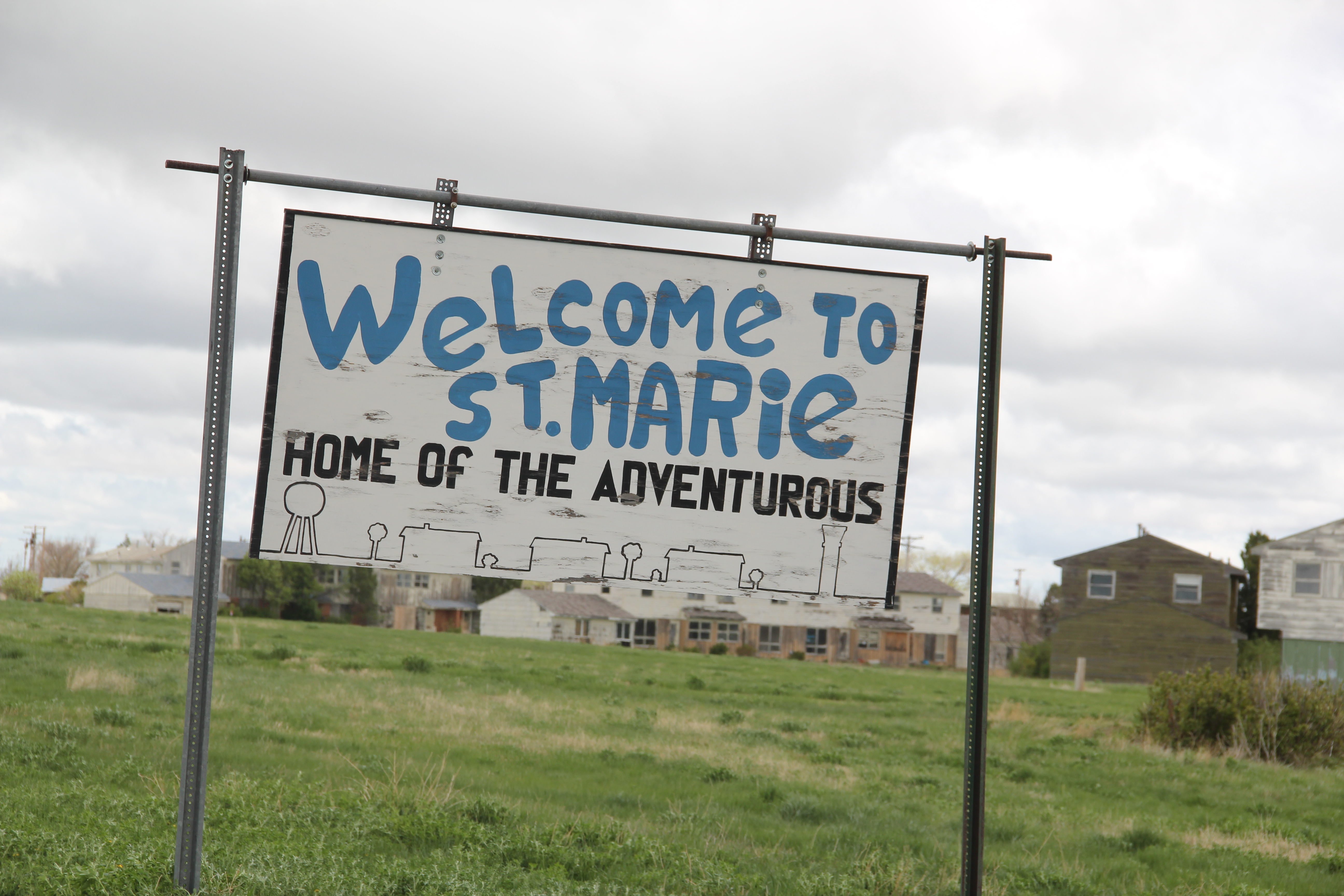
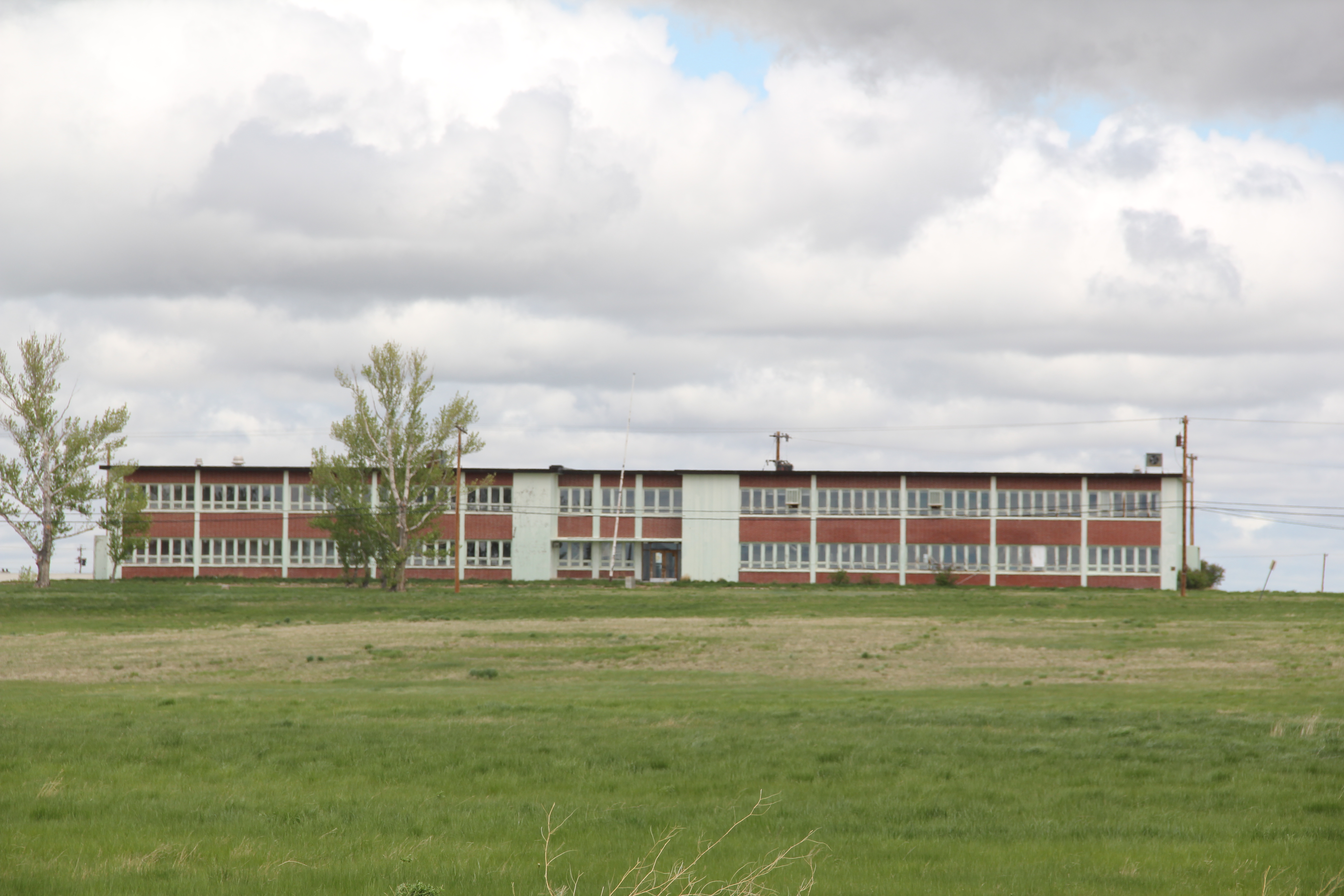
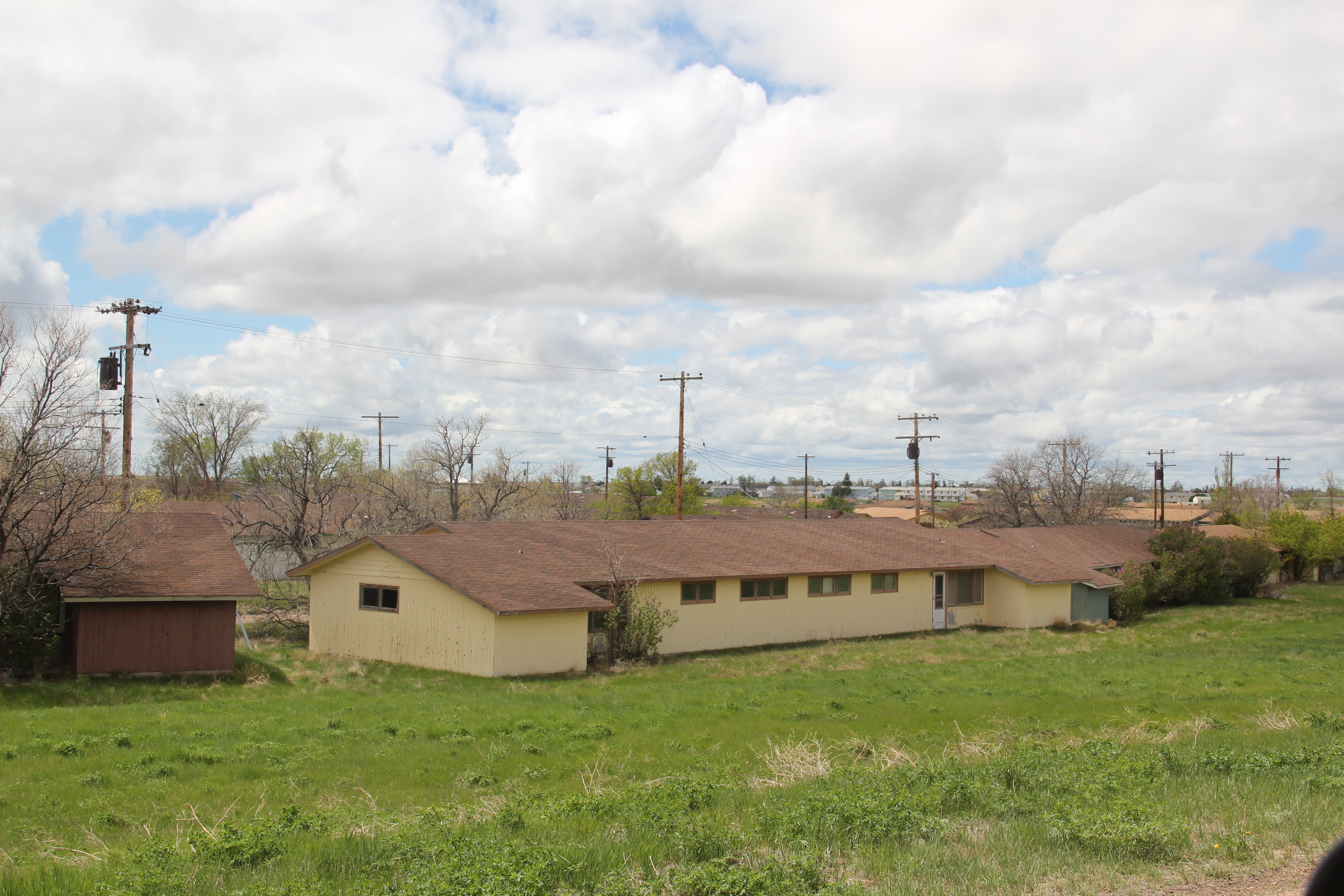
Rows of ranch-style houses, contemporary, modernist public buildings, modernist styled school buildings, curvilinear roads–it was a California suburb plopped down some 25 plus miles north of Glasgow.  

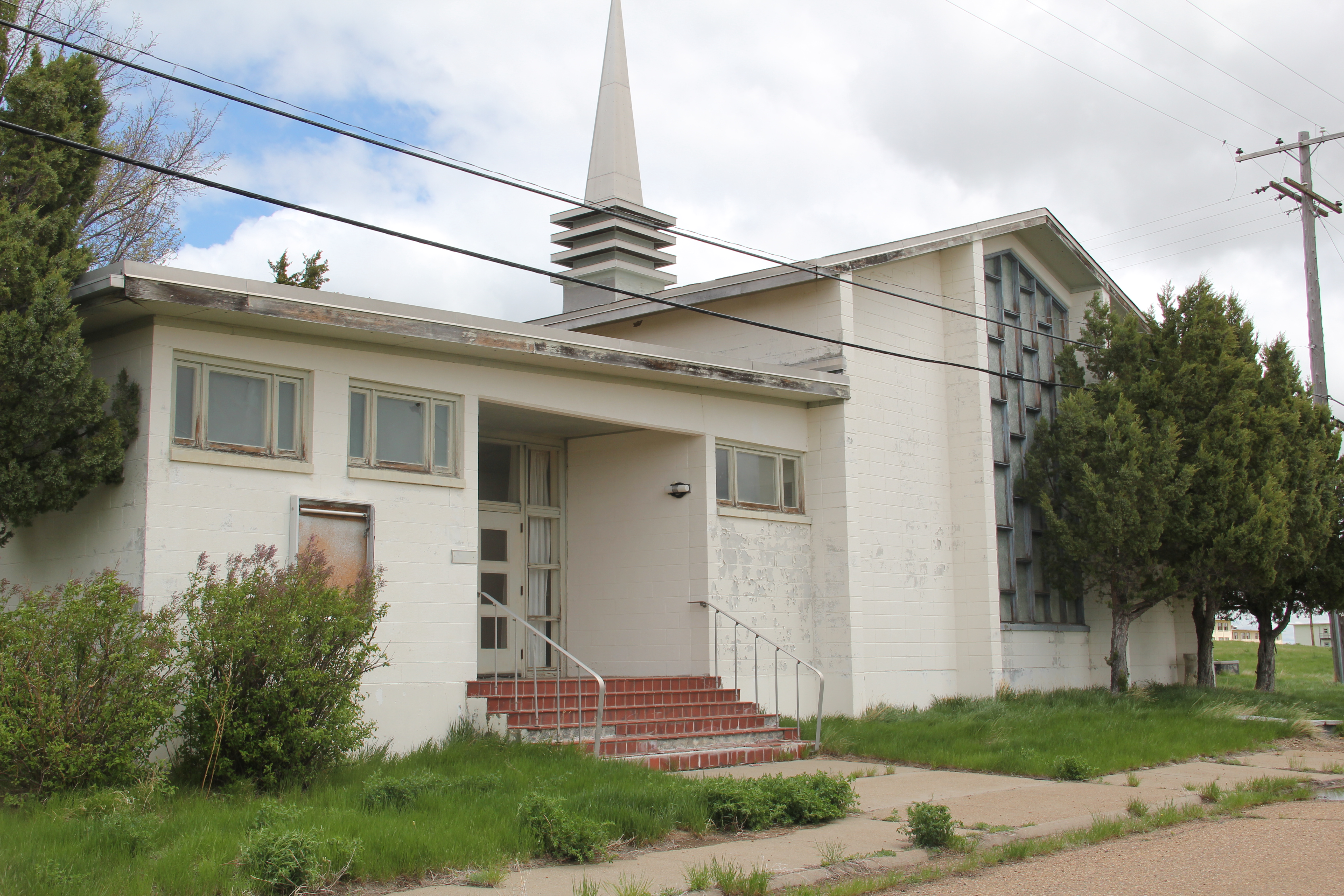
Image The Chapel

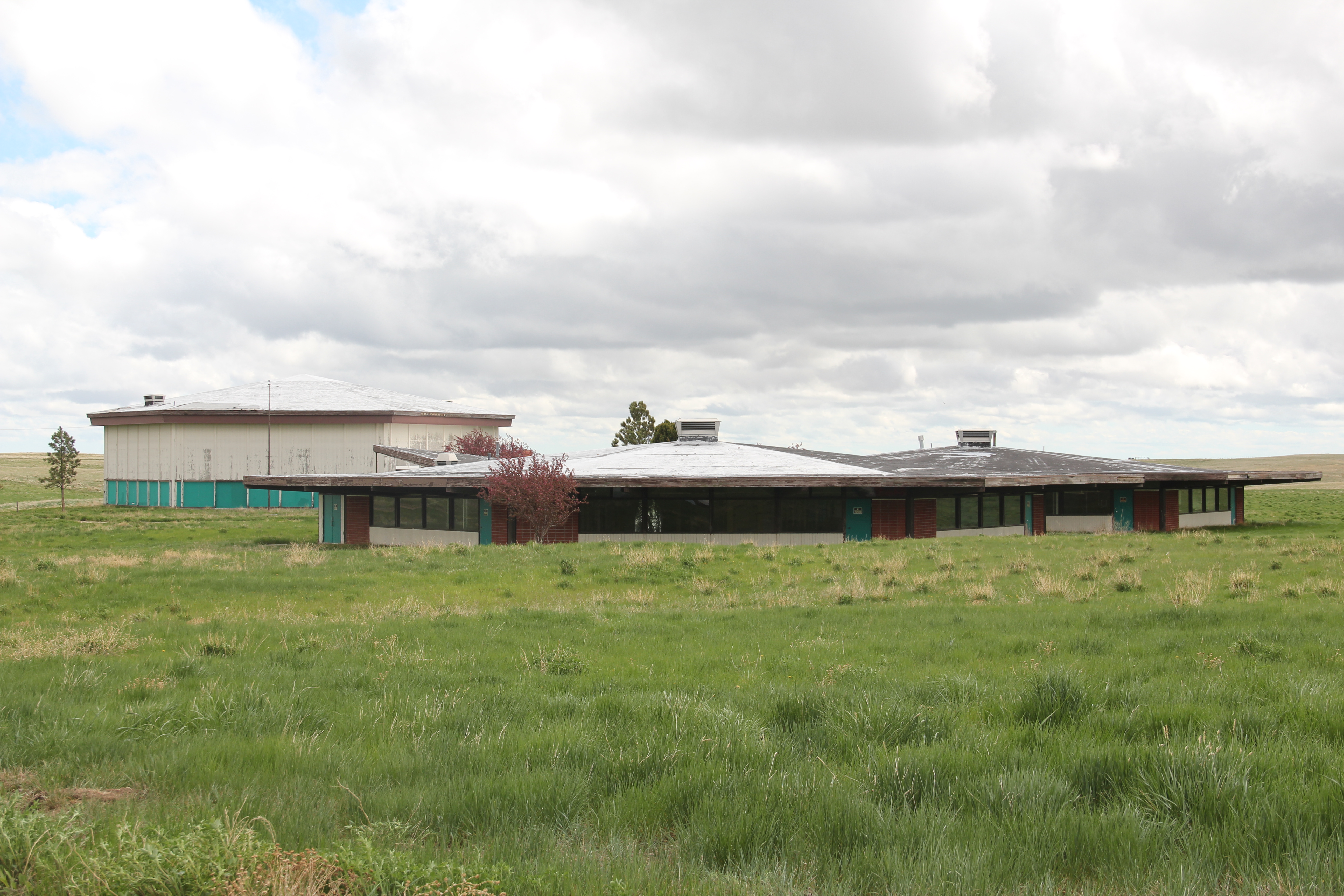
Image The school

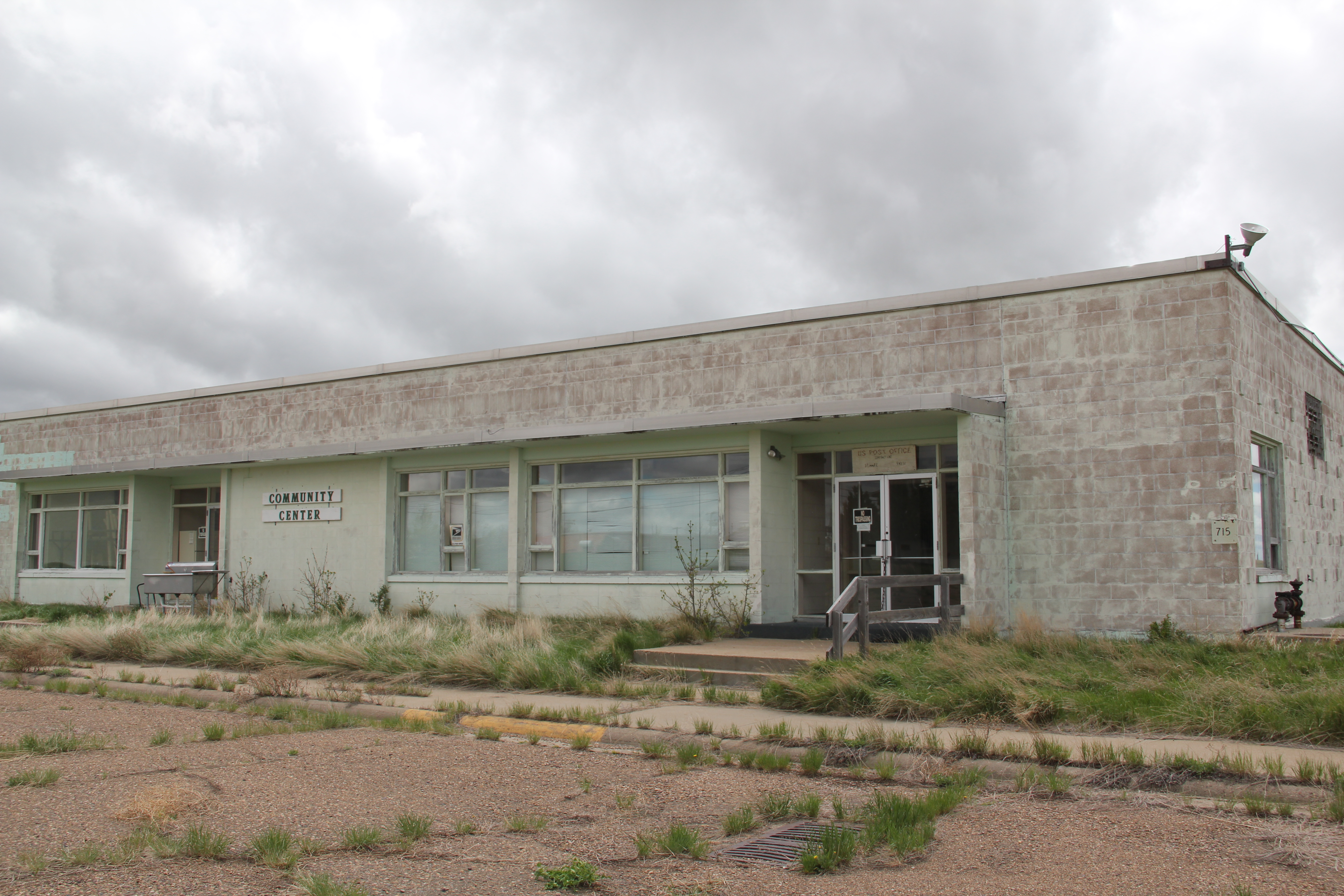
Image Post Office & Community Center

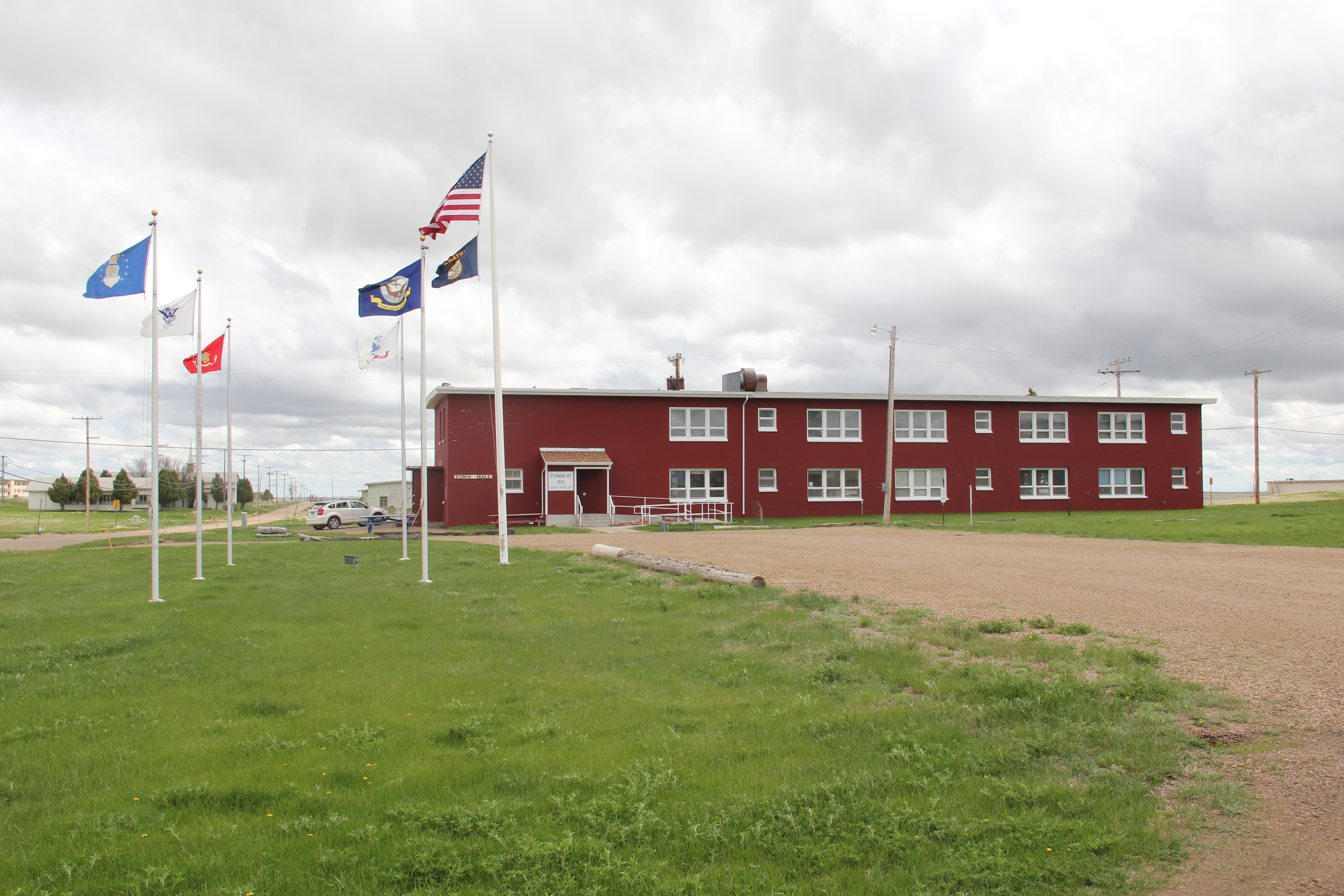
The 1980 visions for St. Marie were never achieved–although just over 200 people in 2013 had bought into the idea and and restored to one degree or another the slowly disintegrating homes.  Most impressive to my mind was how respectfully they restored one of the buildings into City Hall–a statement of pride of what a few hundred people could achieve.

Image

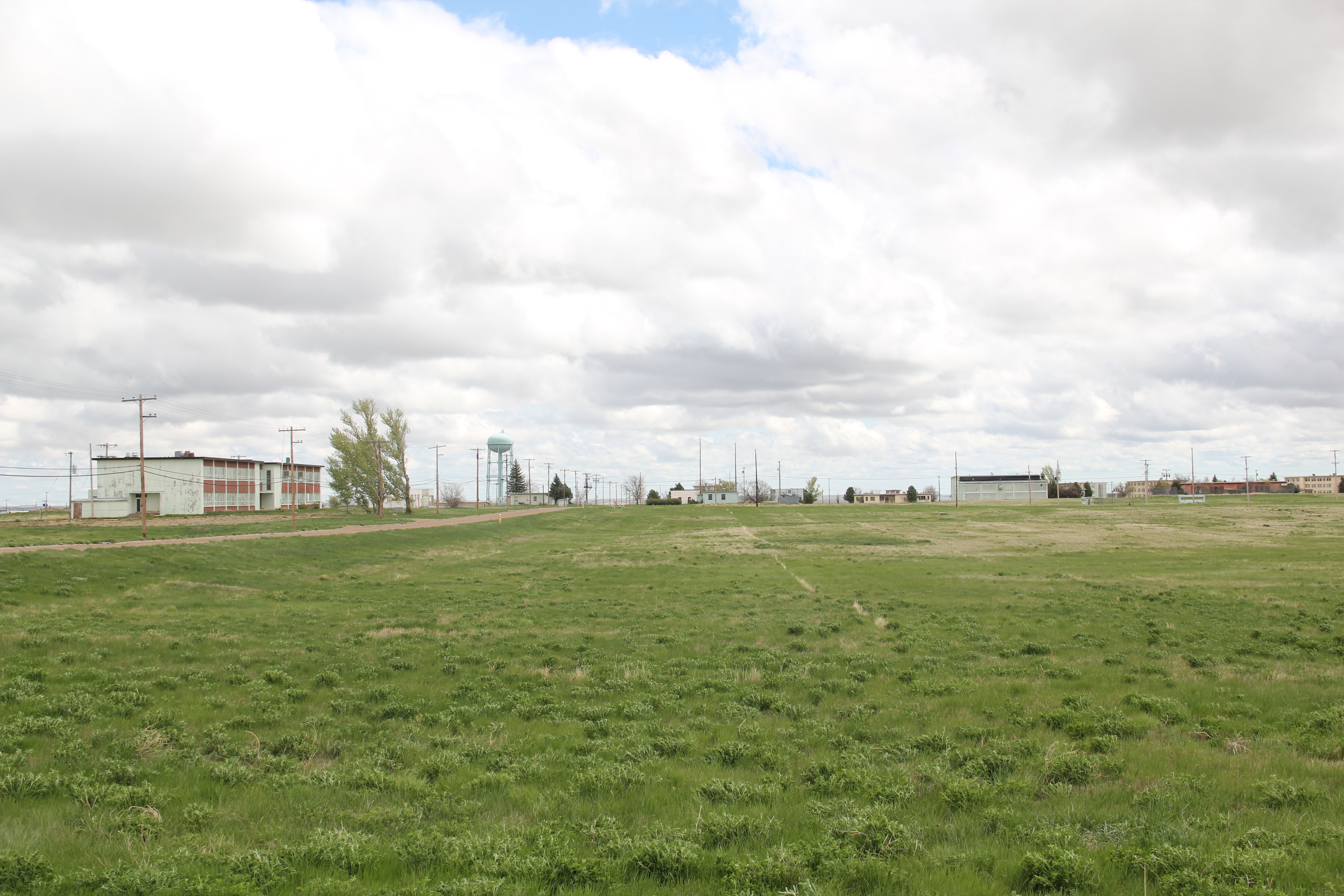
And that is what I found a few ago–a huge place largely abandoned but still with life.  One in fact with some hope since there was new talk of a company buying the decayed place, rescuing homes, and turning it into the shelter for the oilfield workers of the Williston Basin, many miles to the east. Much had been lost in 30 years–how much more will survive the next 30 years?  Will the fate of St. Marie be, in general, the fate of Cold War installations across the West?

Image

Image

Valley County’s Farming Outposts, and some Lefse

Valley County–another huge Hi-Line county stretching from the border with Canada to the Missouri River–became one of my favorite places to explore in 1984, and then again in 1988. Fort Peck Dam made it a targeted area because I was interested in the New Deal agencies as back then an under-studied part of the national built environment, and because I came from Tennessee. Nowhere else did the New Deal leave such a heavy hand as the series of dams and lakes of the Tennessee Valley Authority. But in its massiveness–Fort Peck on the Missouri River came damn close.

Image

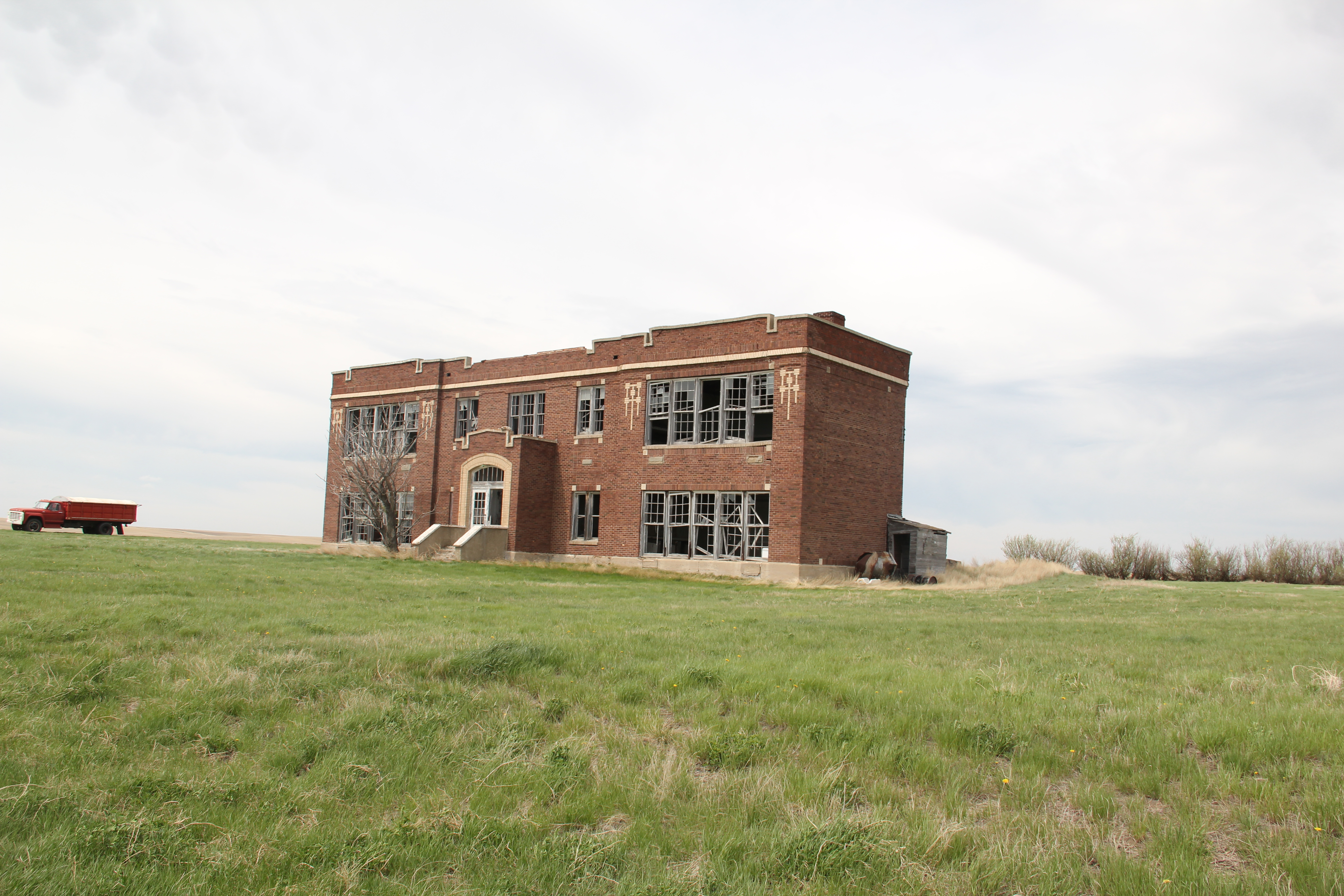
But let’s start considering Valley County not from its most visited landscape–Fort Peck Dam and Lake–but from its least visited the northern third of the county, where once thousands of homesteaders tried to make their mark but today only hundreds remain to help tell that story still documented by abandoned schools, scarely populated towns, and miles of open prairie. But some places from 1984 were so powerful that linger today, and Glentana School is one of those.

Image

It was abandoned but had hope in 1984–today it is 30 years into becoming a ruin, perhaps a majestic one at that, of the hopes and dreams of homesteaders at the end of the Great Northern spur line almost 100 years ago.

Image

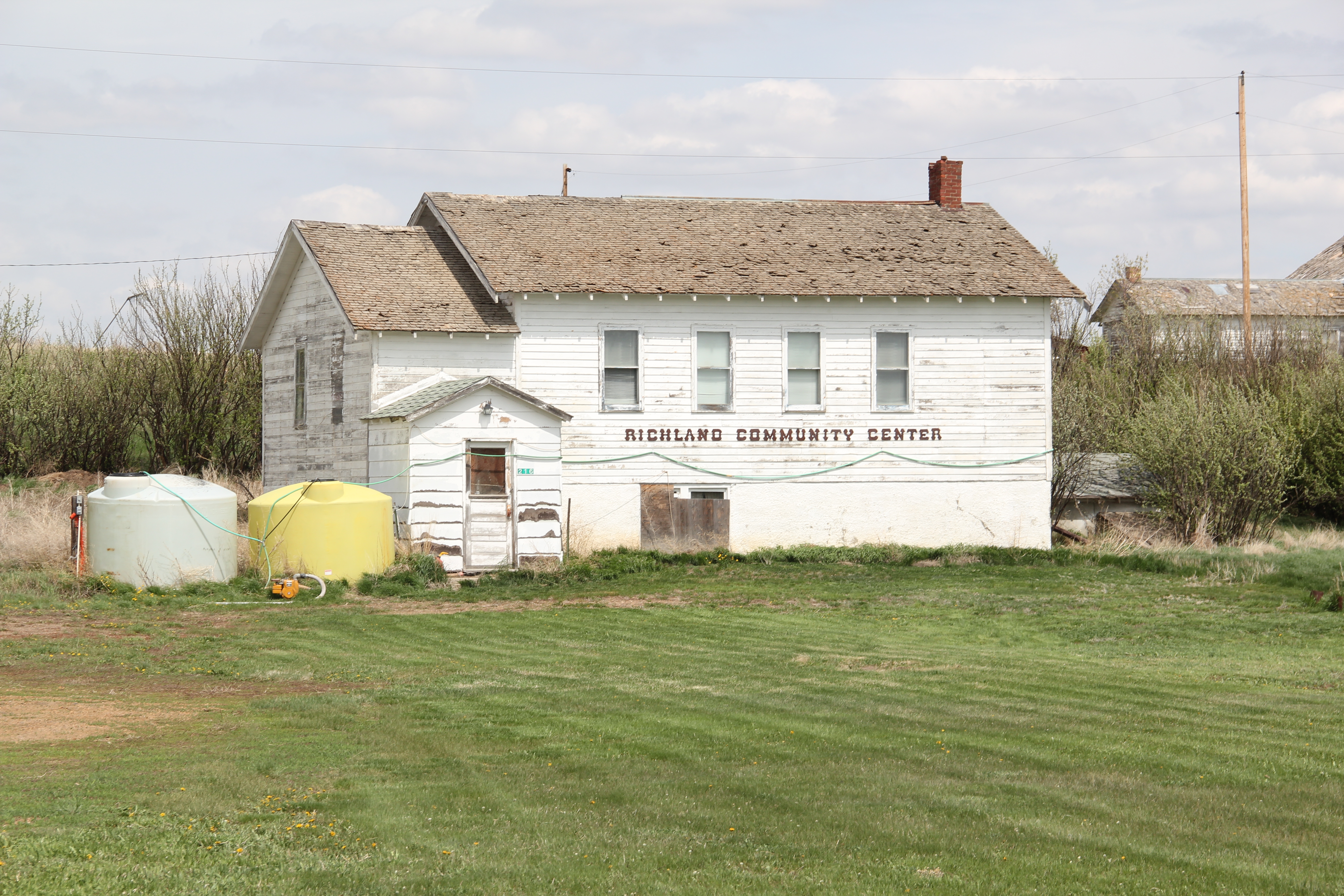
Glentana had lost its post office–replaced by a plexiglass and metal postal delivery system one may guess it is called, a sure sign of being forgotten. Not so for its neighbor Richland, where the post office remains open (let’s hope it stays that way).

Image Image

But schools turned into homes and community halls are always signs of withering communities–indeed almost every business Richland had in 1984 was now closed.

Image


Image

Opheim, established in 1911, is the biggest place by far in the northern reaches of Valley County.  It had 85 residents in 2010, down from about 210 in 1984 and more than double that number in 1960, during the years that it served as federal radar base during the Cold War.

Image Image

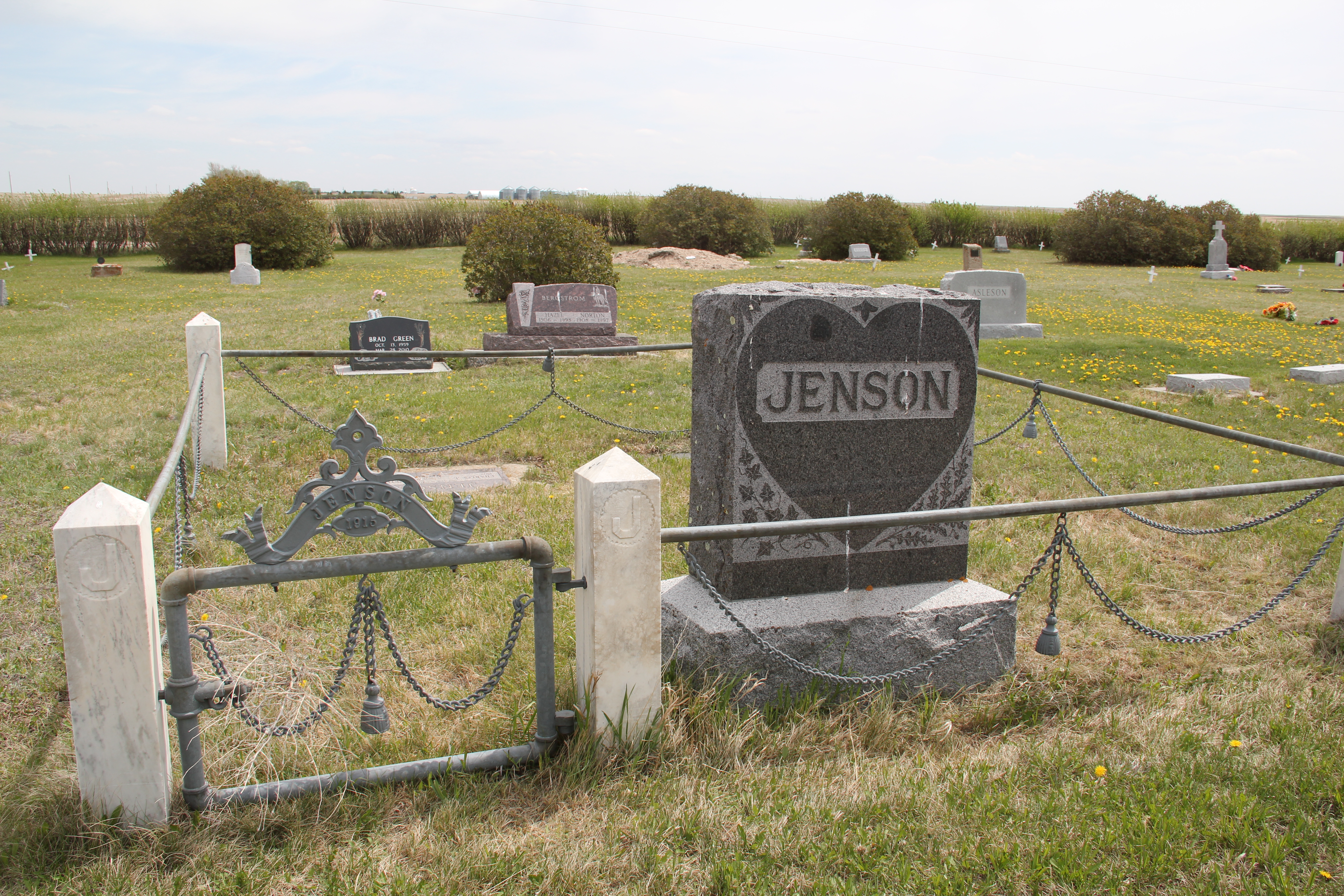
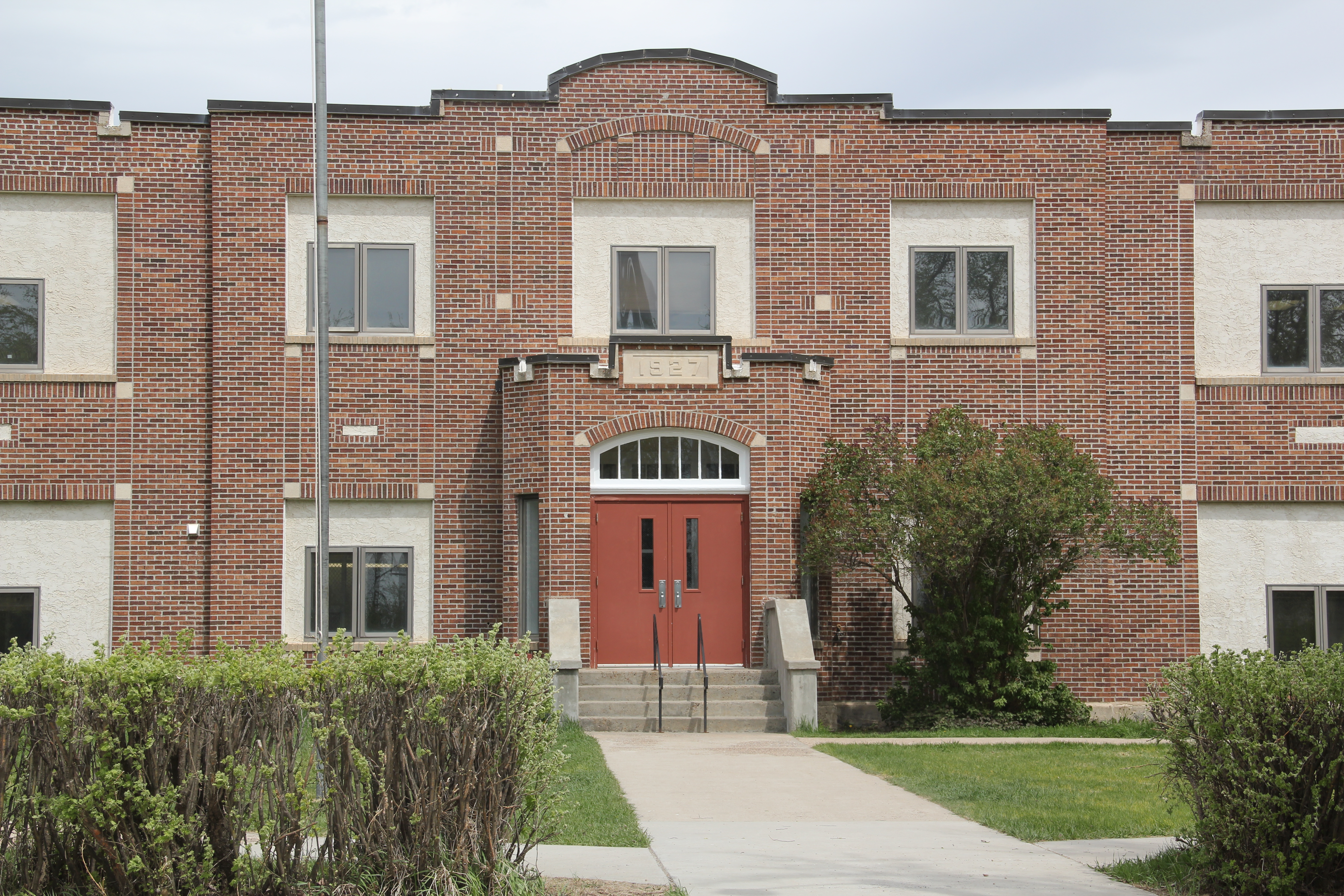
Its population loss is documented not only in the historic town cemetery but also in its abandoned buildings. Yet, compared to other towns, Opheim had more than a sense of life about it, it had a strong sense of place and self, starting with the 1927 school remained vibrant, with a recent addition in place.

Image

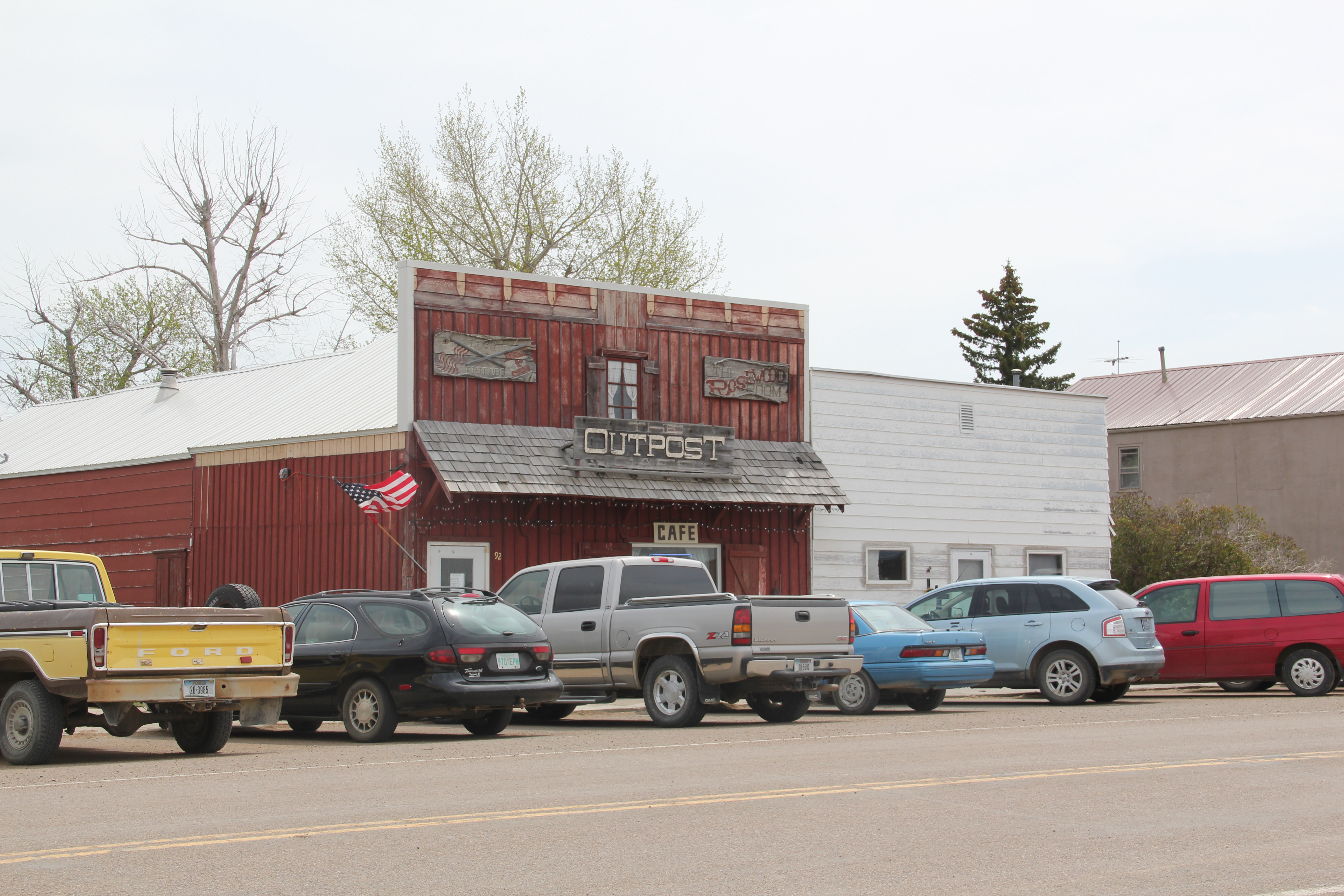
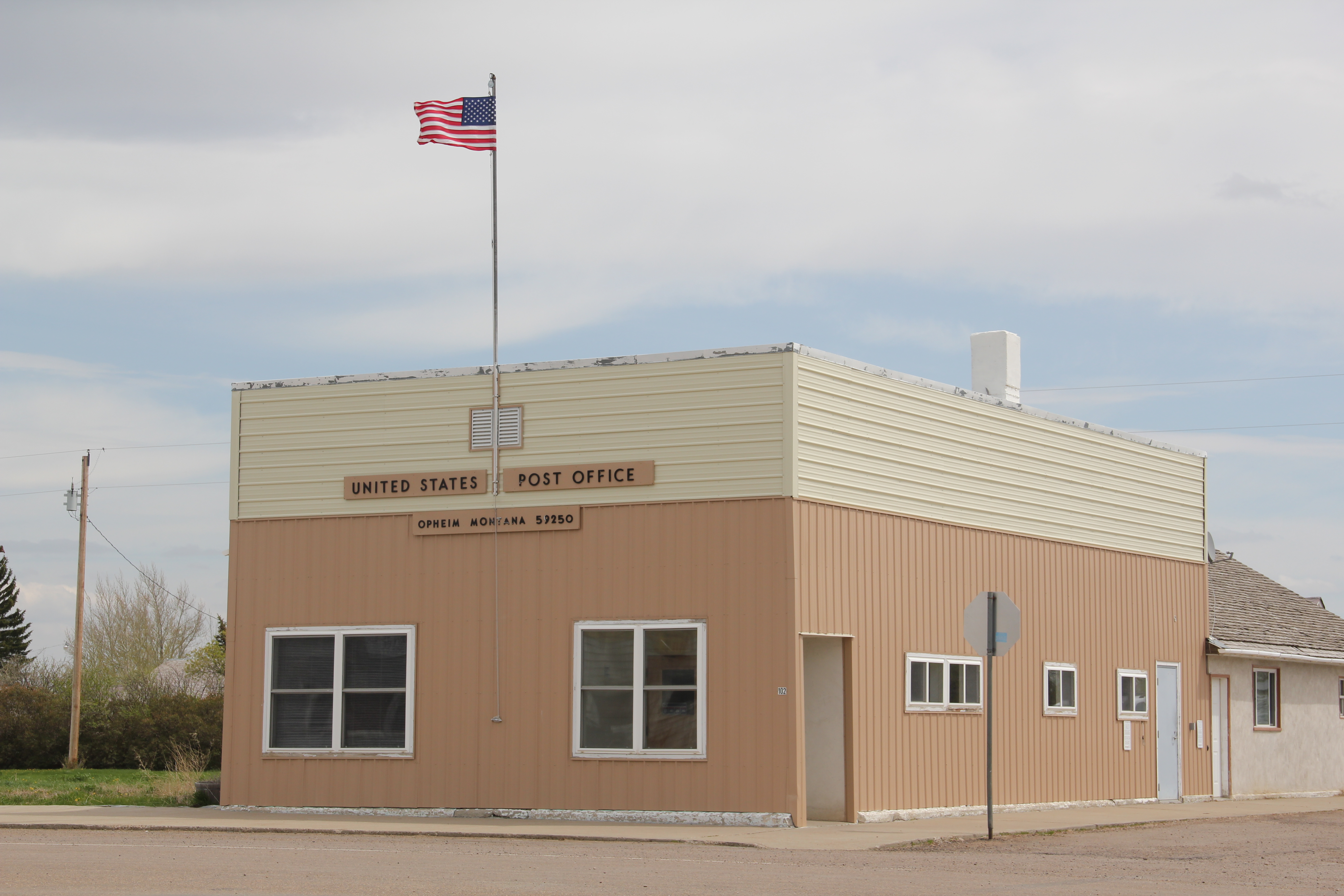
The Mint Bar and Outpost were still in service, and the flag flew proudly over the town, and post office.

Image  Image

Most importantly, well at least after the school, is Granrud’s Lefse, once a family business that was fairly new in 1984 but that is now a regional institution for its traditional Norwegian lefse–a rolled potato snack that is fairly tremendous, and can be ordered online.

Image Opheim in 2013 is what it was, for so many years now: an outpost of America’s agricultural economy. Ignored and usually forgotten by most–true enough. But to those I have met there over 30 years, it is a place that helps to center life and community in the far northern reaches of Montana. And don’t forget the lefse.

Image

Milk River Project Towns: Dodson, Vandalia, and Tampico Jo

Image

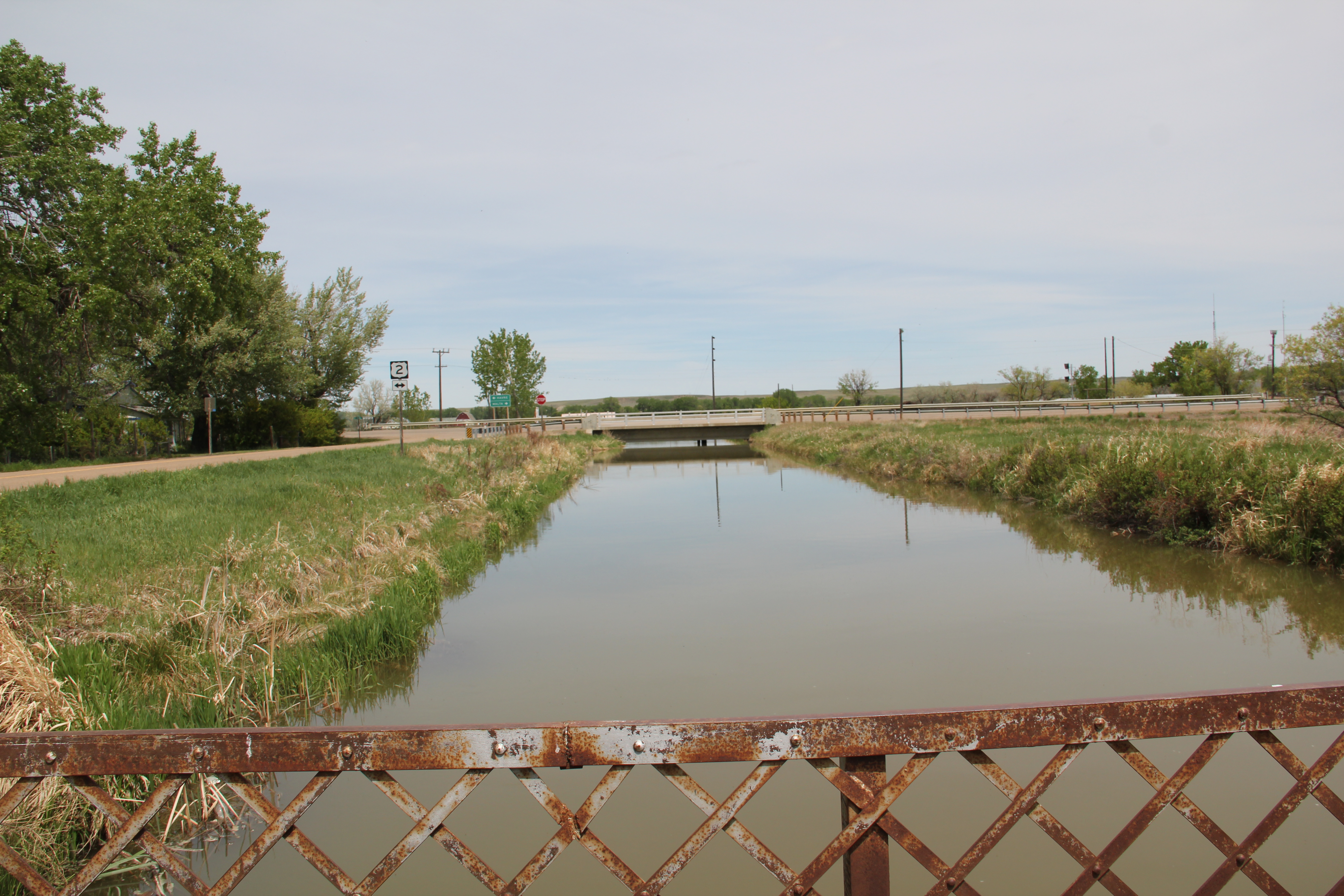
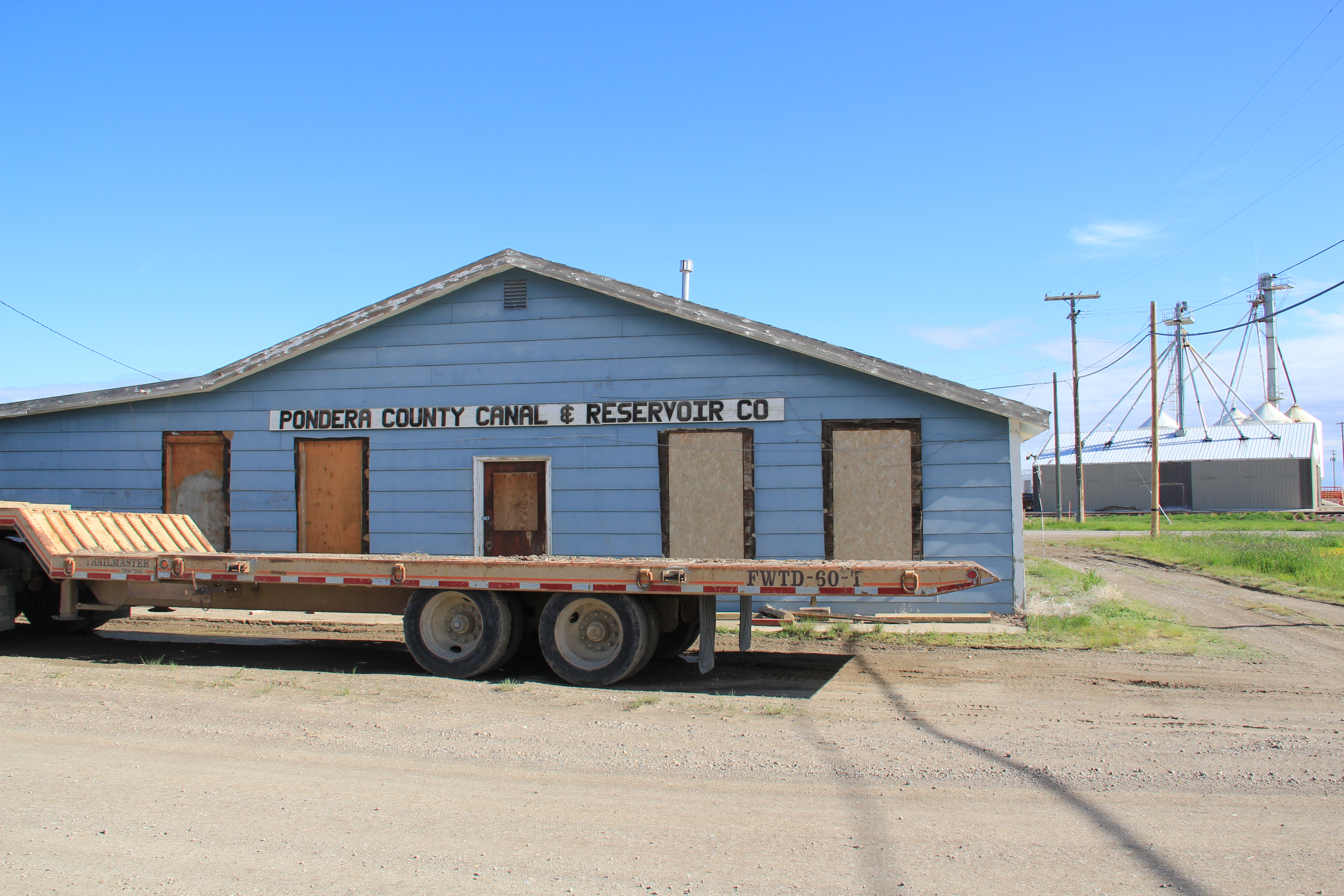
The U.S. Bureau of Reclamation’s Milk River Project is one of its largest and most significant in Montana; it was one of the agency’s first five projects carried out under the Newlands Reclamation Act of 1902. I have already briefly mentioned the project in regards to Fresno Dam outside of Havre. Now let’s consider the project and its impact on three much smaller villages: Dodson in Phillips County and Vandalia and Tampico in Valley County. All three were once major stops along U.S. 2, but a later re-routing of the highway bypassed Tampico and Vandalia, and not much is left decades later but the canals and ditches of this massive irrigation system.

Image 

Original U.S. 2 route between Vandalia and Tampico (to right is Great Northern roadbed)

The Bureau launched the Milk River Project in the first decade of the 20th century but due to disputes over who controlled the water (the Winters case) along with international negotiations with Canada since the Milk River basin passes through both nations, serious construction did not begin until the century’s second decade. The project area encompassed 120,000 acres, with 219 miles of canals, and hundreds more of secondary laterals and ditches. The water begins at Lake Shelburne at Glacier National Park, flows through the St. Mary Canal to the Milk River where then water is stored at Fresno Reservoir outside of Havre and then at the Nelson Reservoir between Malta and Saco.

Image

Dodson developed as a major base for the Bureau. Nearby here was a major diversion dam, and bureau officials established a regional headquarters at Dodson in the 1910s.

Image

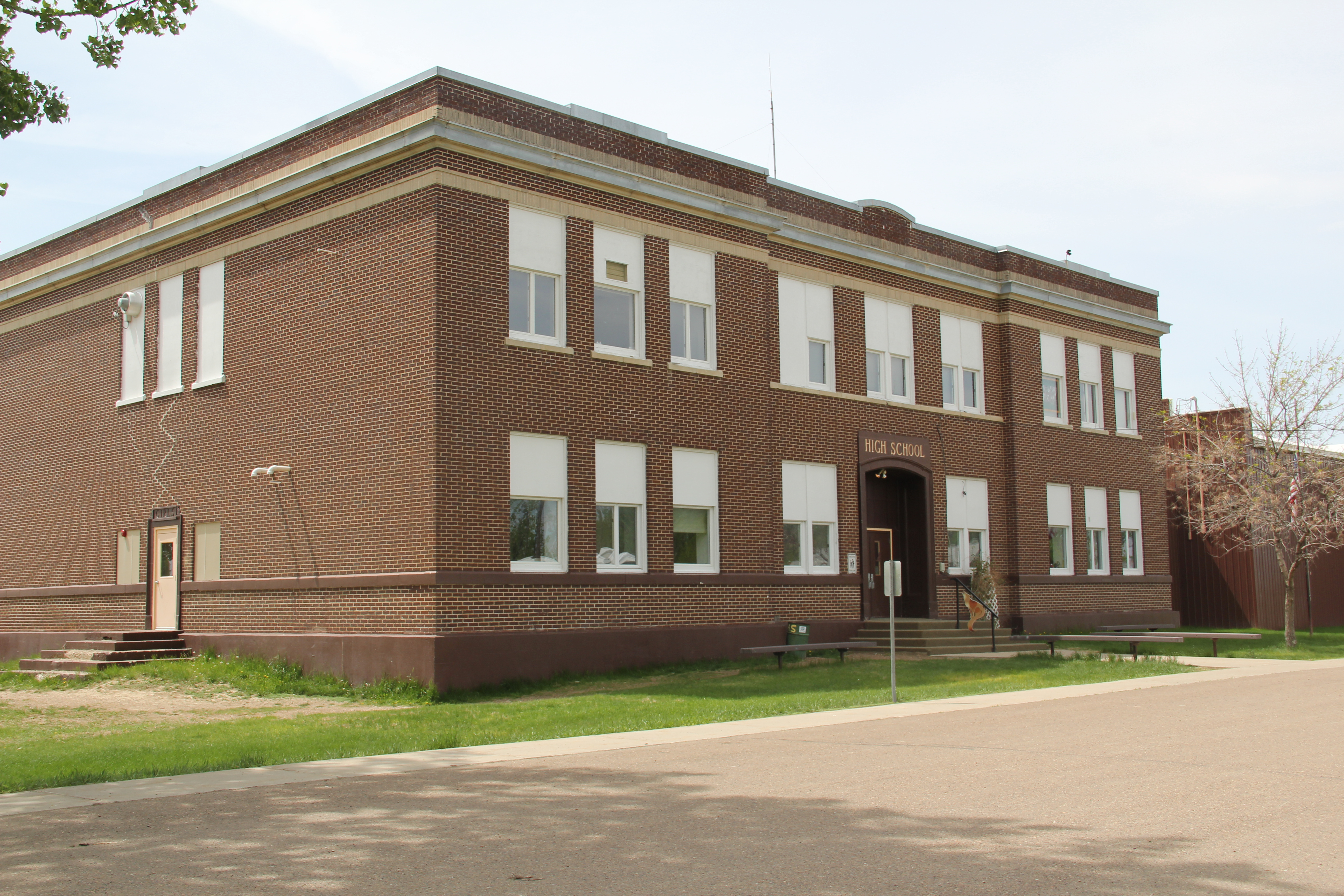
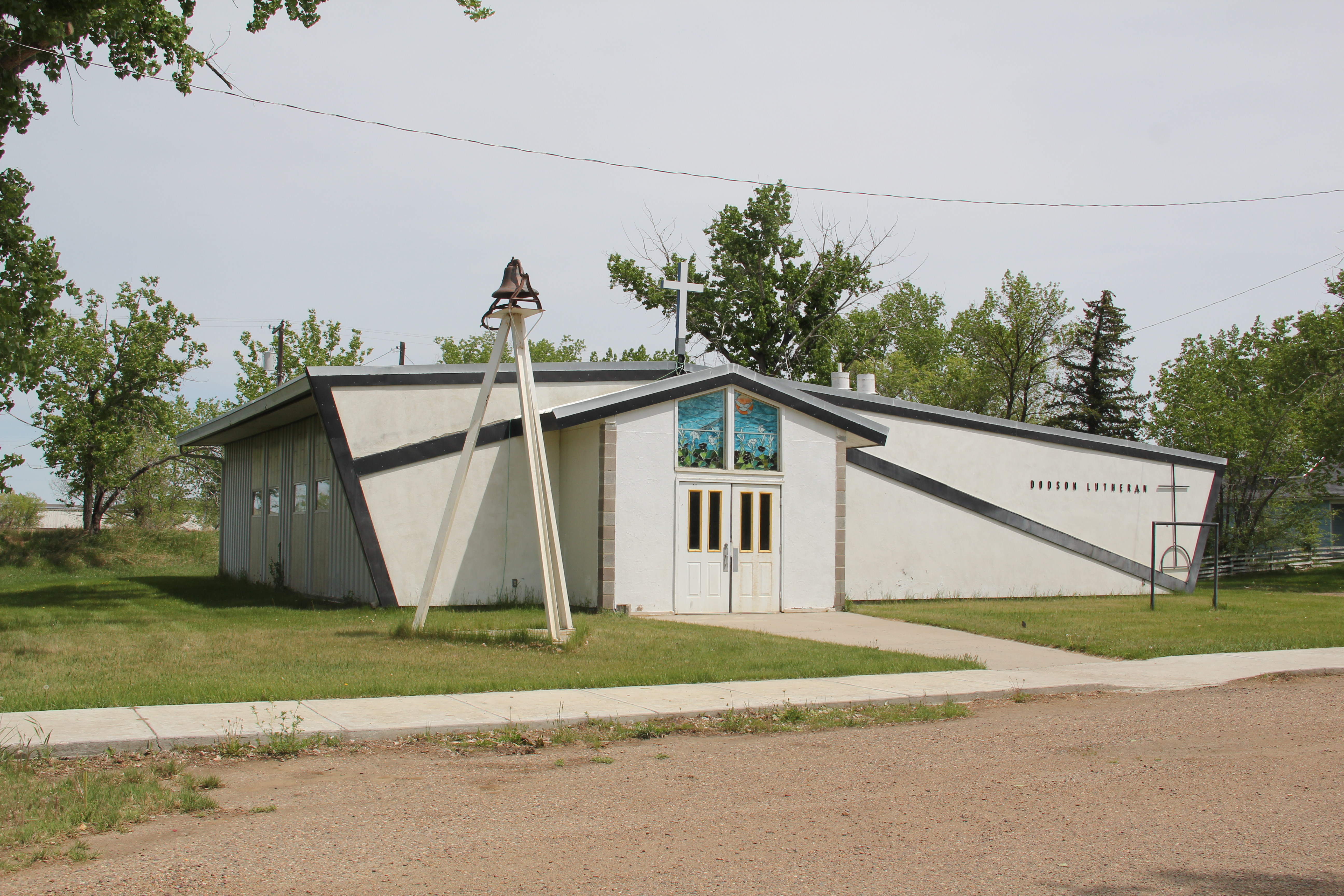
This impact of the federal agency is still reflected in the impressive two-story brick high school, the magnificent Phillips County Fairgrounds (discussed earlier in this blog), and the fact that such a small town has impressed contemporary styled churches from the 1950s. I was very impressed with the quality of the town’s built environment, considering its size, when I visited here in 1984.

Image Image


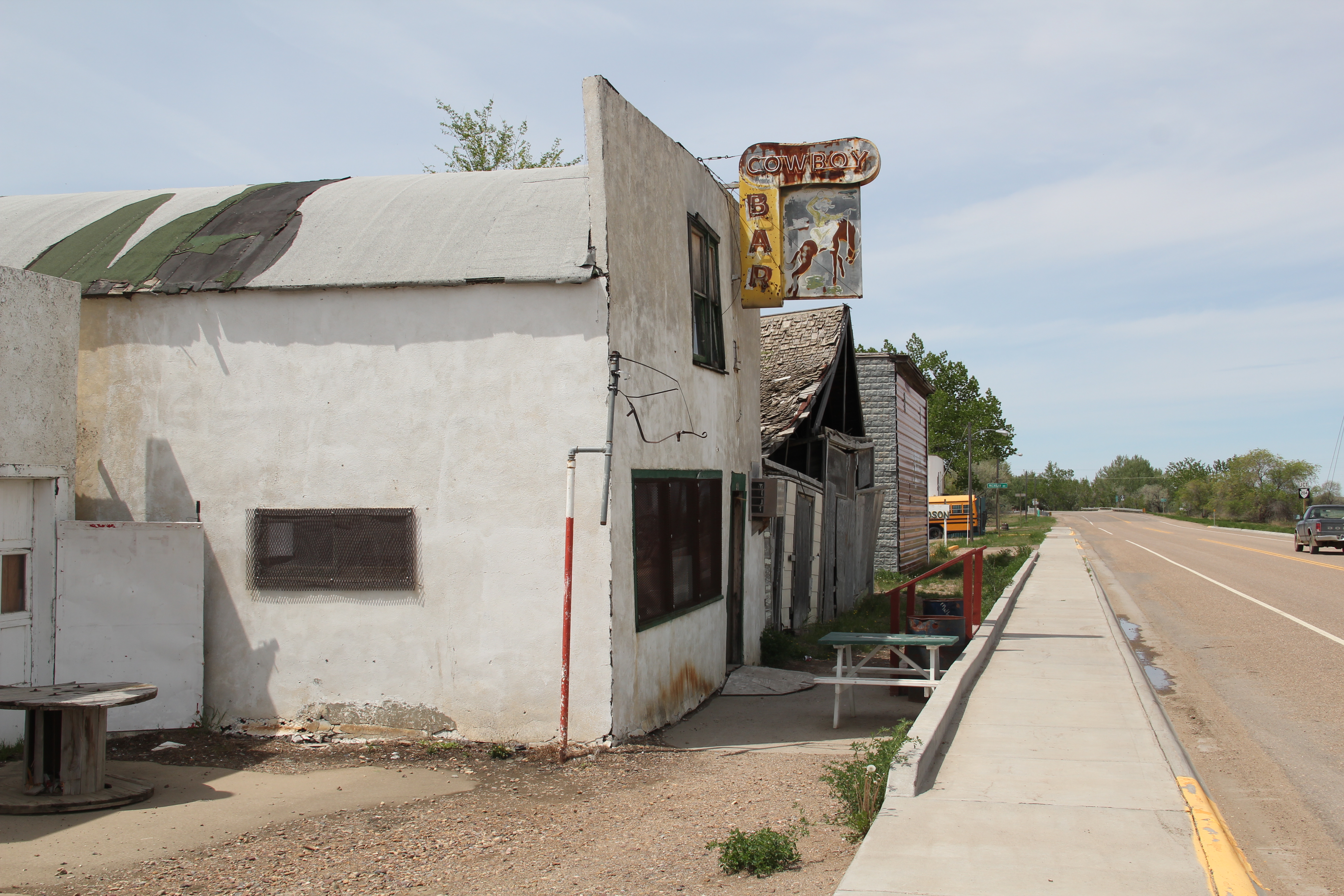
But in the mid-1990s the Bureau left Dodson for a more centralized regional office in Billings, hundreds of miles to the south. Dobson’s emptiness was shocking in 2013–even the iconic (and once very good) Cowboy Bar had shuttered its doors.

Image  Image

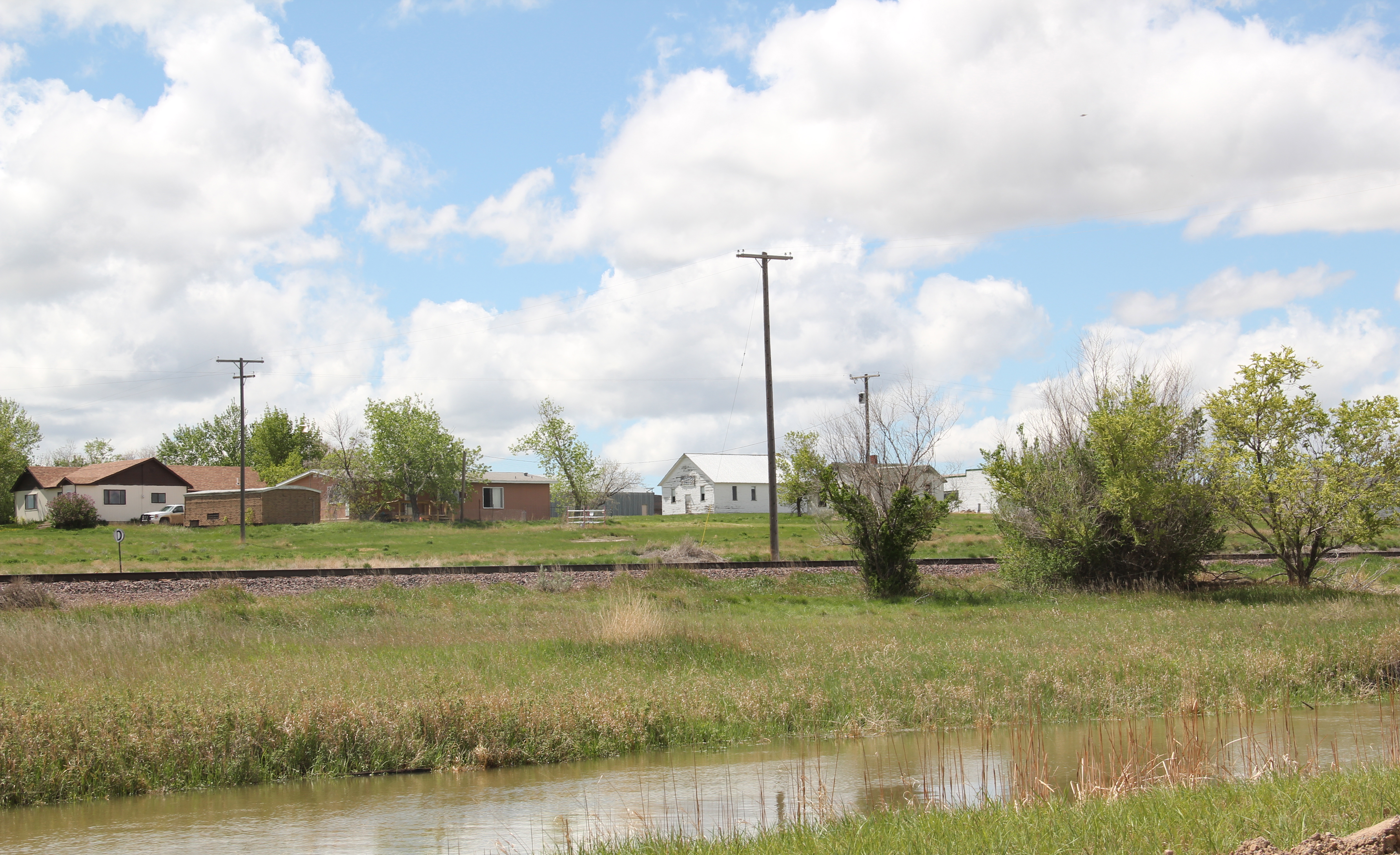
Dodson now is entering the same fate suffered by its neighbors to the east, Vandalia and Tampico. Although trains still rumble by on the former Great Northern route, these two towns lost their highway connection when U.S. was re-routed to the north. Ever since they are slowly ebbing away. Vandalia was another location of a Bureau diversion dam on the river along with a historic steel bridge from 1911. The dam remains but the bridge is gone.

Image Image

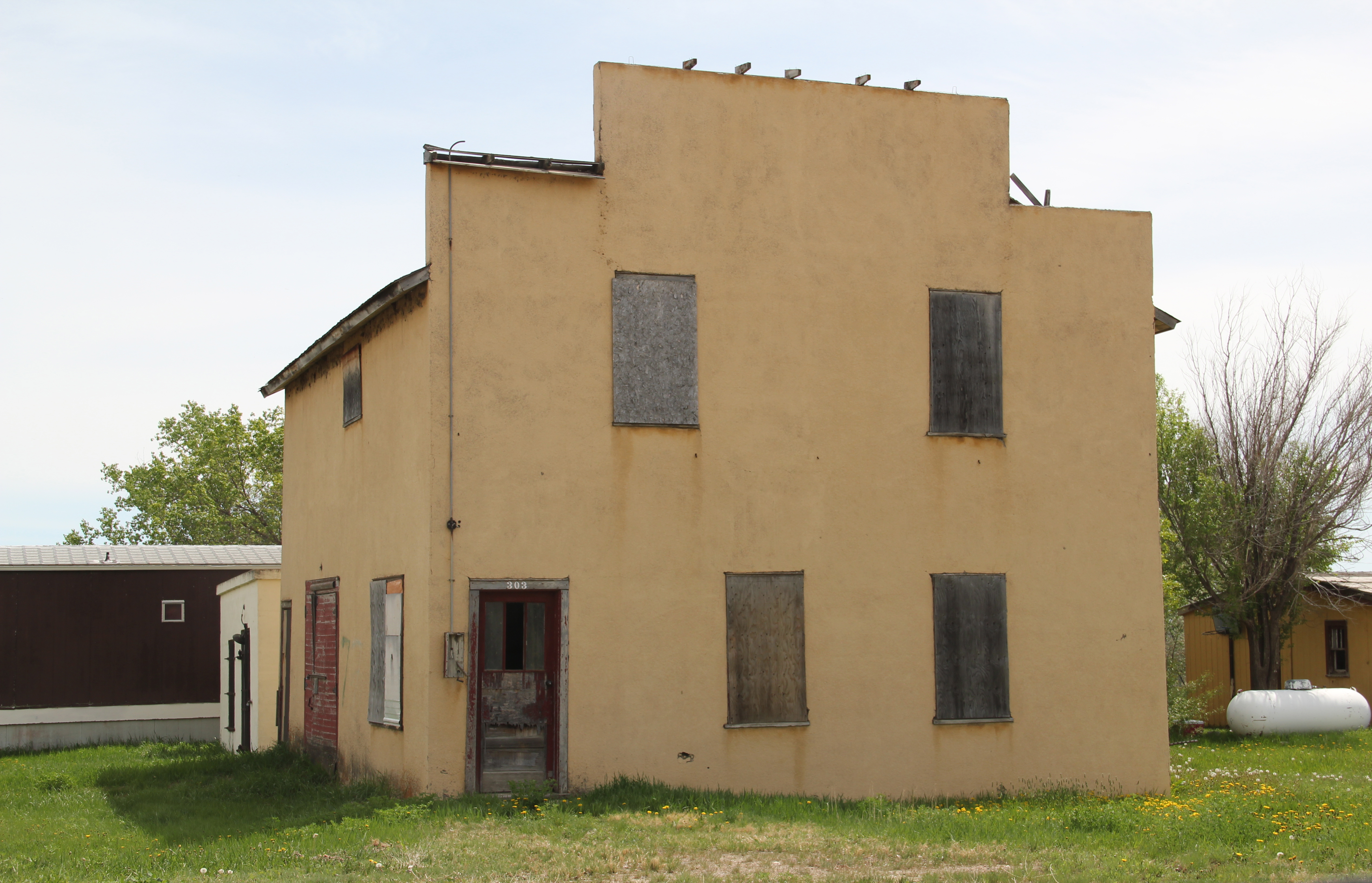
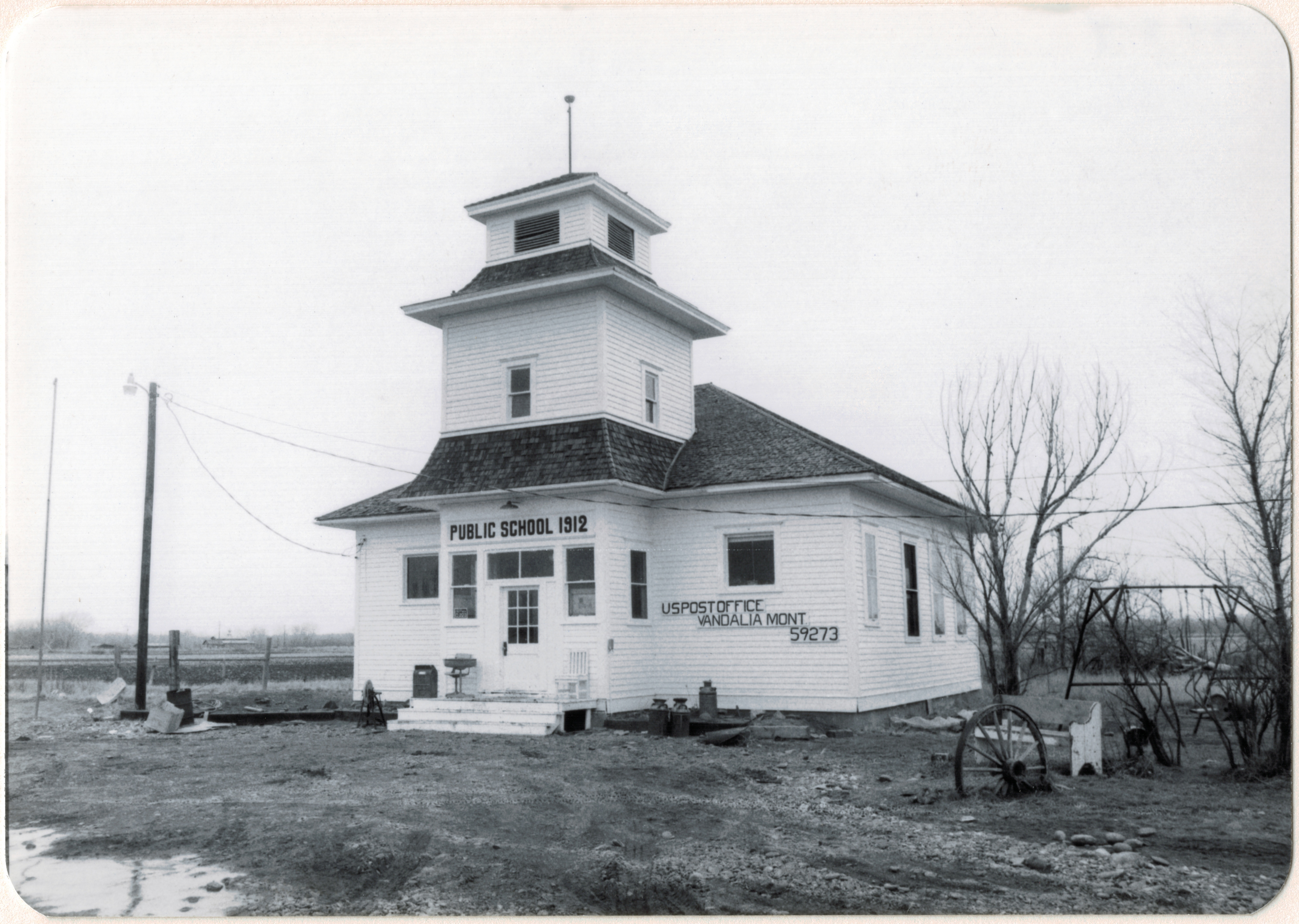
In 1984 I loved the historic Vandalia school (1912) and had a good conversation with folks there–the school was closed but now it was a post office and still very much a community center, competing with the bar next door. Now both businesses are closed.

Image Image

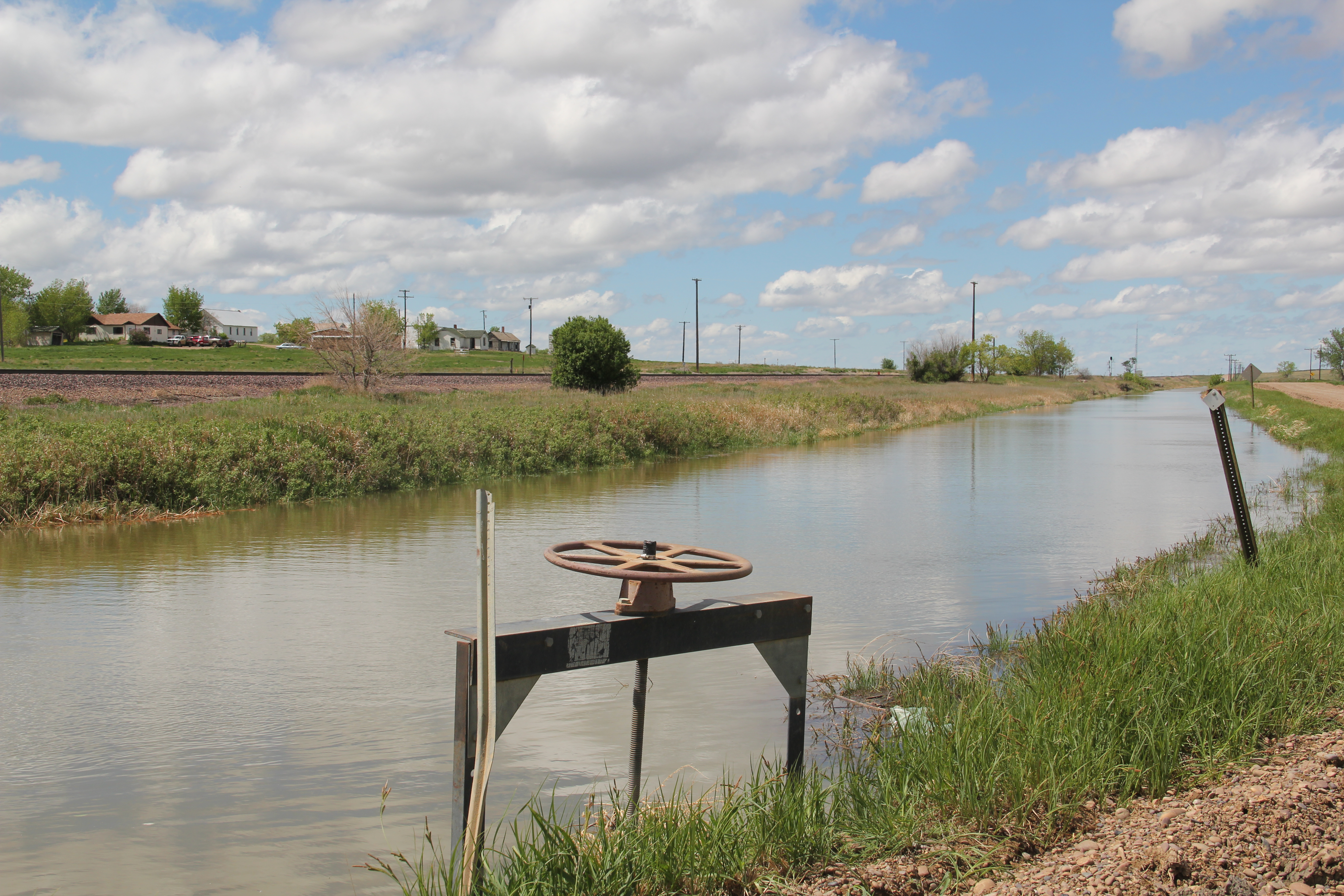
Tampico lays just south of both a major canal and the railroad tracks. A scattering of buildings marks its existence.

Image

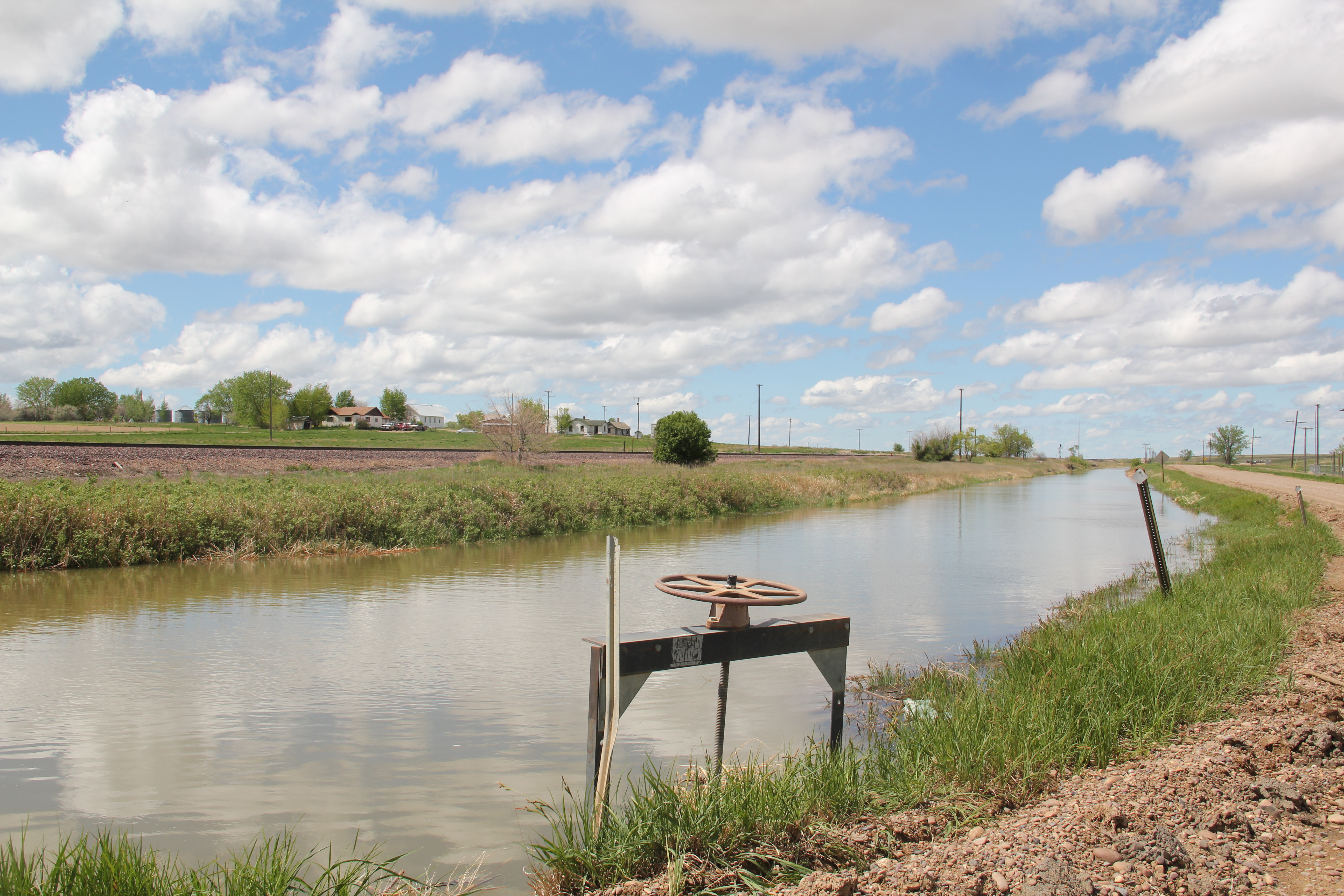
The water still flows through the Milk River project but the towns it once nurtured are becoming fainter with each passing year. But it is not without promise:  later we will visit the Nelson Reservoir and what is happening at Sleeping Buffalo Hot Springs.  Next is Malta, the seat of Phillips County.

Backdrops to Montana History: The Irrigation Ditch

Coming to Montana in 1981 from the wet, humid South, I thought little of irrigation as a moving force in history.  To my mind, irrigation was about sprinklers keeping suburban lawns nice and green in the summer.  I cared little for that, and thought no more about it.

Image


Milk River system, Tampico, Valley County

Realizing that irrigation had shaped the history of the United States was another of those primary contributions living and working in Montana brought to my understanding of history.  In the 1984-85 historic preservation survey of the state, I noted a few key systems and thought about their significance.  But in the time since, I came to understand irrigation as one of the key components of an engineered landscape, that literally reshaped the state and made towns, cities, and ranches possible in the early 20th century.
Image


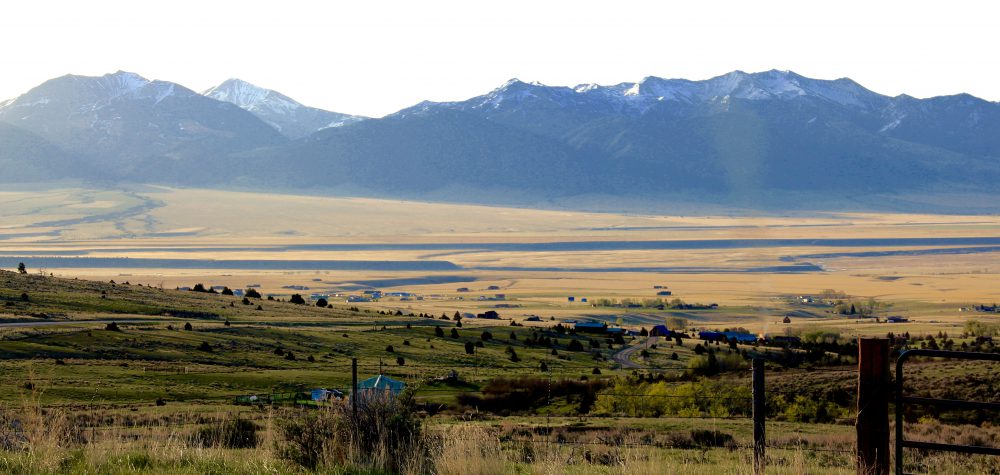
Big Hole Valley

Early Montana settlers, especially the pioneering irrigator I.D. O’Donnell of Billings,  understood by the turn of the century that there would never be enough water to make Montana an agricultural paradise.  Men could not conquer nature–but they could build a machine that could harness it, even replace it.

Image


This irrigation effort in Valier took advantage of the 1894 Carey Act.

So with the financial assistance of the federal government, first with the Carey Act of 1894 and then the vastly more important Newlands Reclamation Act of 1902, the transformation of Montana through irrigation took place in the first third of the 20th century. 

Image


The U.S. Reclamation Service Office at Ballatine, Yellowstone County.  Championed by I.D. O’Donnell, the Huntley project was the second USRS project in the nation.
The engineered landscape represented by irrigation is everywhere in Montana.  I will pick up this theme in later postings but end today with another image that evokes the impact, even beauty, of the man-made streams that crisscross the state.

Image


Madison County, along Montana Highway 249