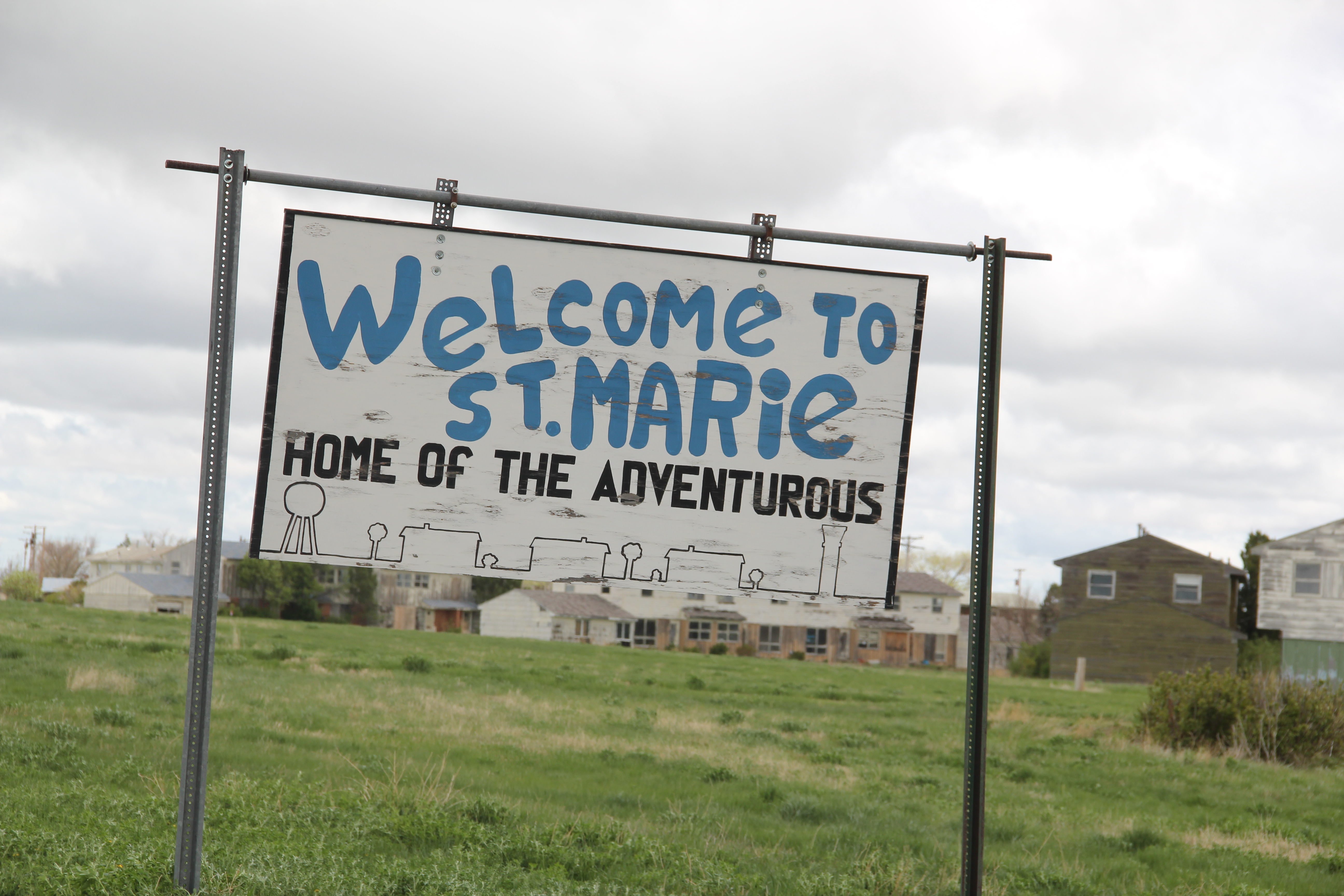
St Marie: Cold War Ghost Town

My first visit to what became known as St Marie came in 1984 when local Glasgow residents associated with the Valley county museum took me to the closed Glasgow Air Force Base, about 15 miles north of town. From the late 1950s to the 1970s, the base was an important cog in the Cold War military capabilities of the United States when huge B-52 bombers ruled the sky. Then suddenly it was not so important and the Air Force left.
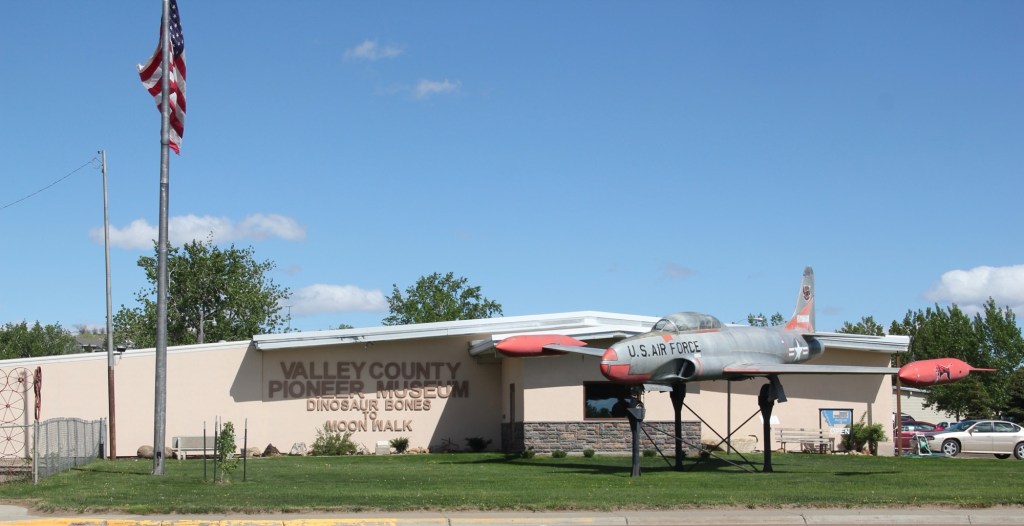
Valley County Museum, Glasgow

The locals in 1984 spoke of grand plans, of how the Air Force was in the process of selling the base, building by building. That part was true. They gave me a booklet that explained the past purpose of each building and the value of each building at that time.
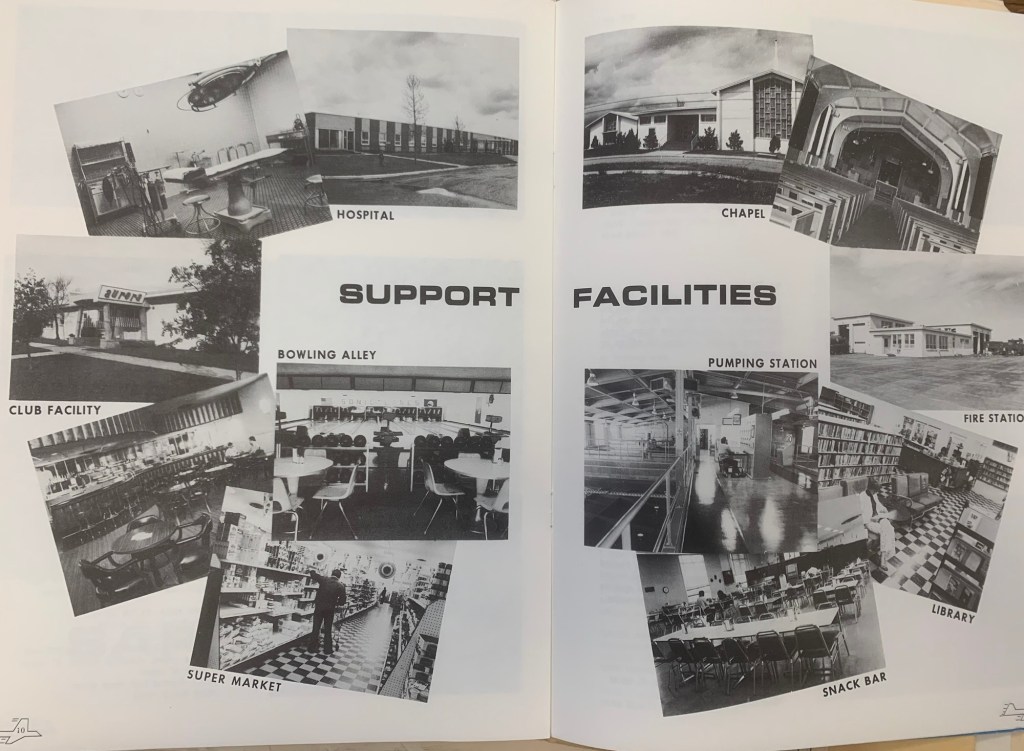
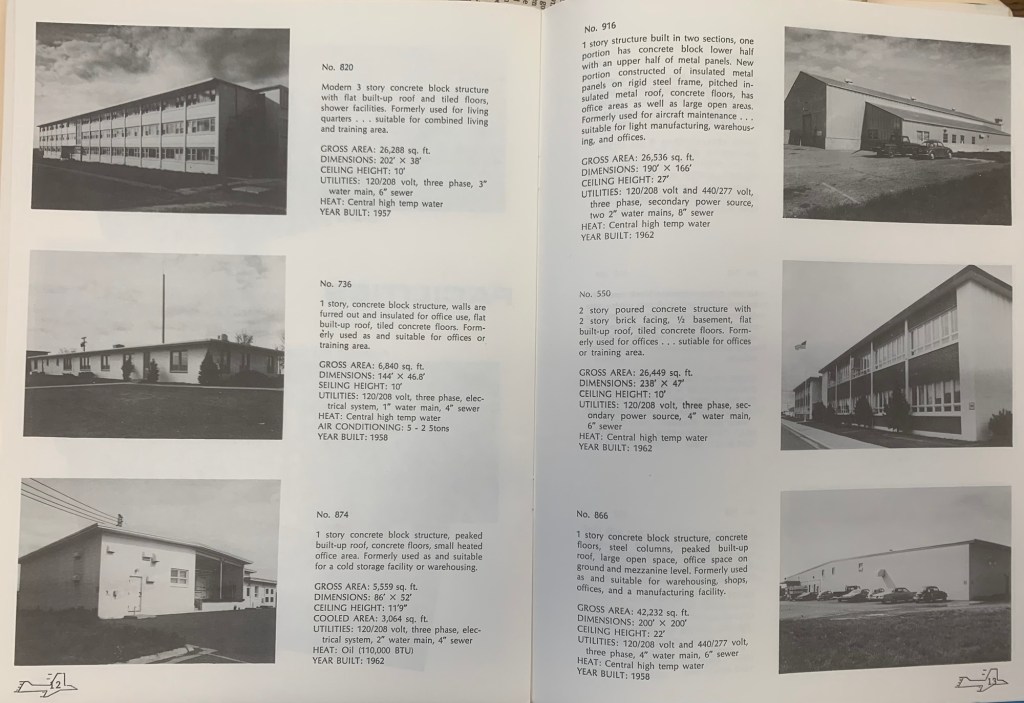
In 1984 it seemed unlikely to me that a new use could be found because the base was so big—its population was once 50% of the entire county—and it was so isolated. If the Air Force didn’t have a use for it, who would?
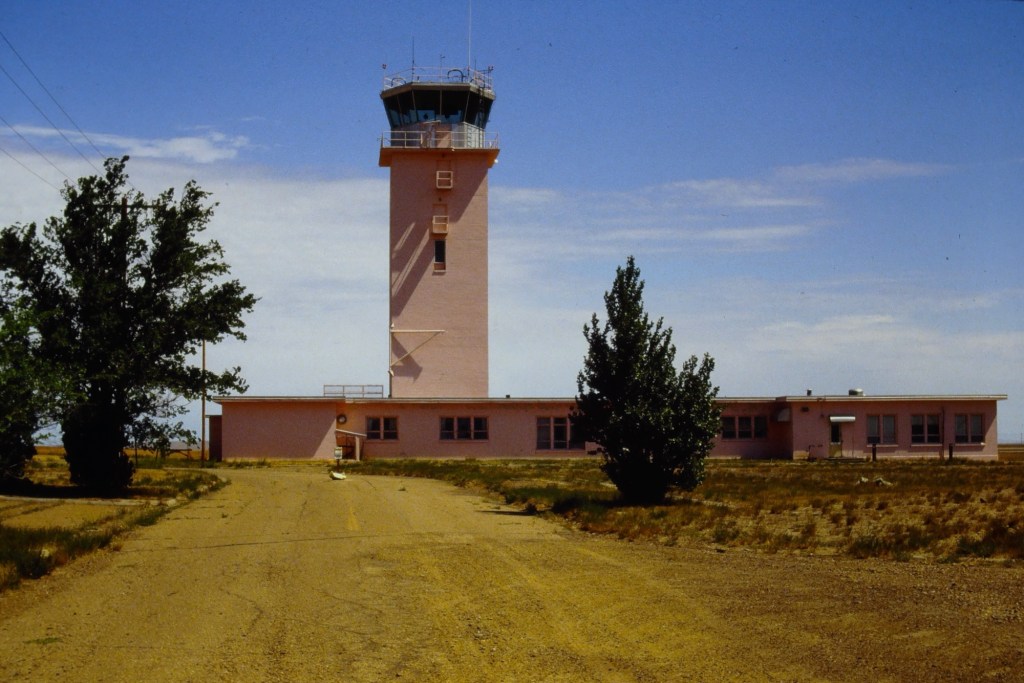
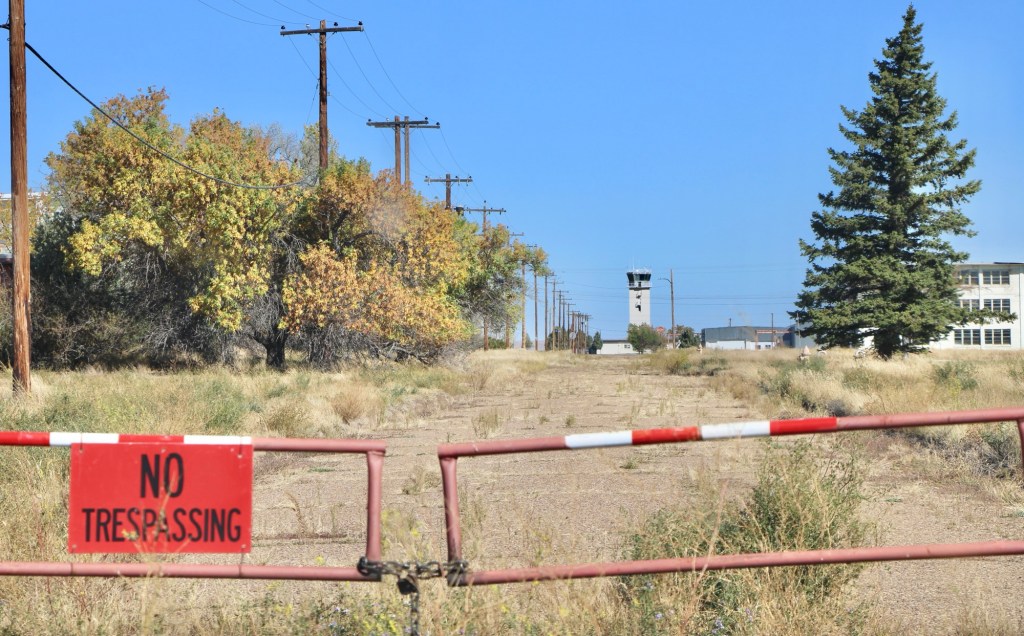
Control tower 1988

When I returned in 1988, the transformation of the base into civilian control was underway. Locals excitedly informed me of the new comprehensive plan to turn the base into a retirement community named St Marie, targeting veterans. The old support facilities would be humming once again and a golf course would be central to everything.
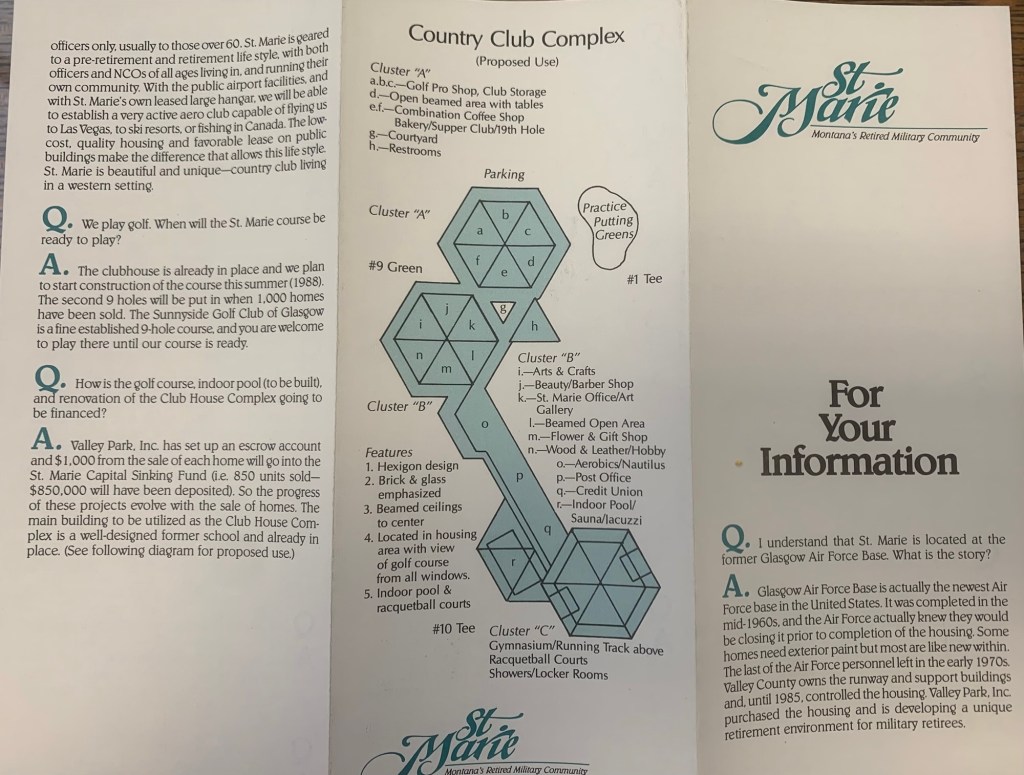
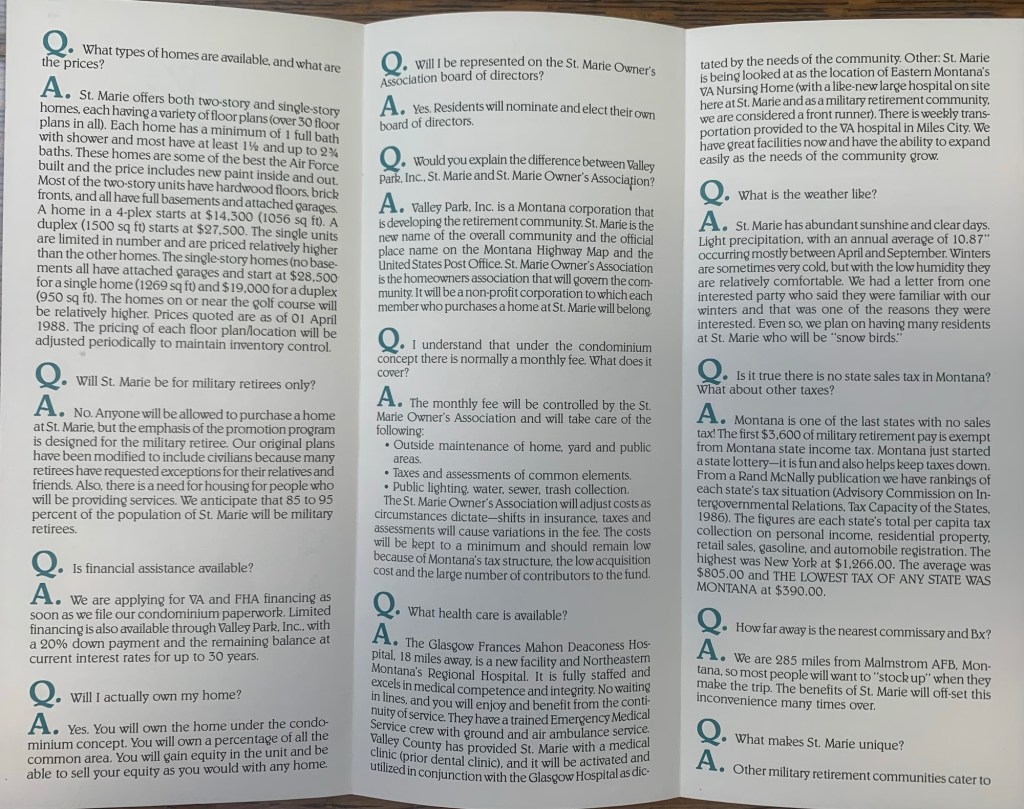
I was urged to invest now—get one of the officers homes, or half of a duplex for remarkably little—$27,500 for a 1,500 sq ft unit.
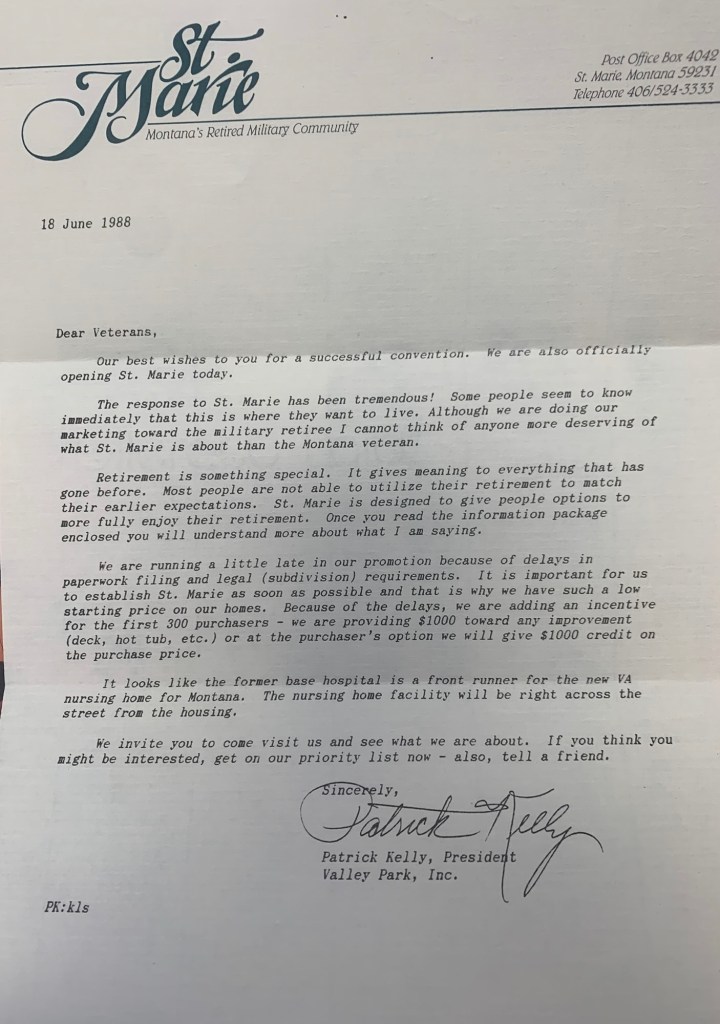
Obviously I passed on the opportunity, as did so many others who visited the community in the making over the next years. But enough said yes to give St Marie a fighting chance for a future. The promise didn’t last long, as several recent research articles detail. When I next visited Glasgow 25 years later in 2013, the folks at the museum didn’t urge me to buy—they told me to go and see what was left.
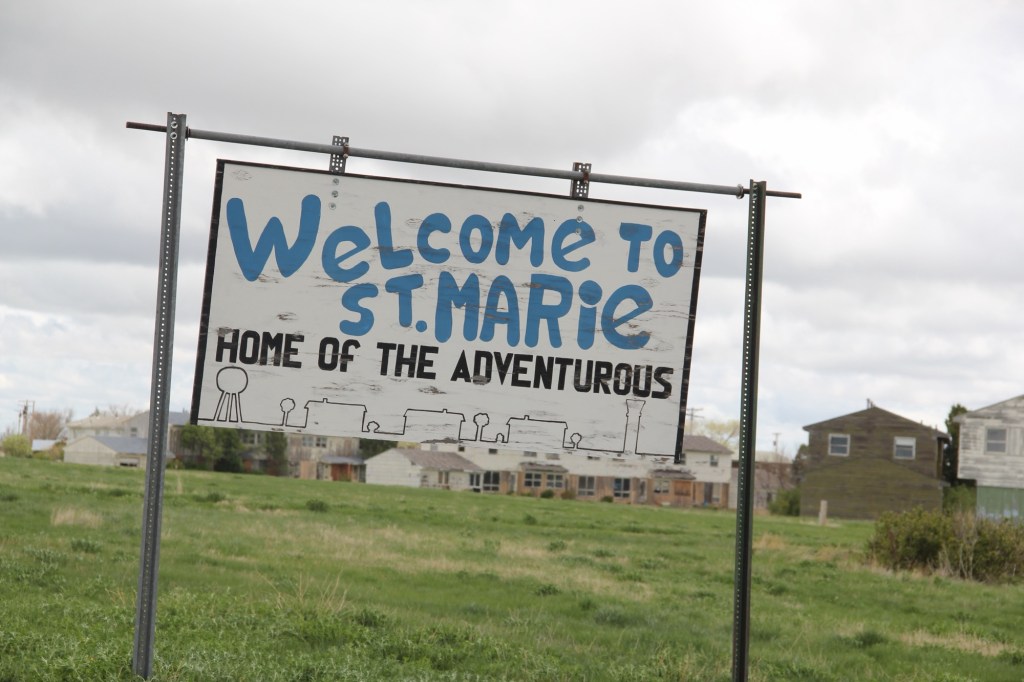
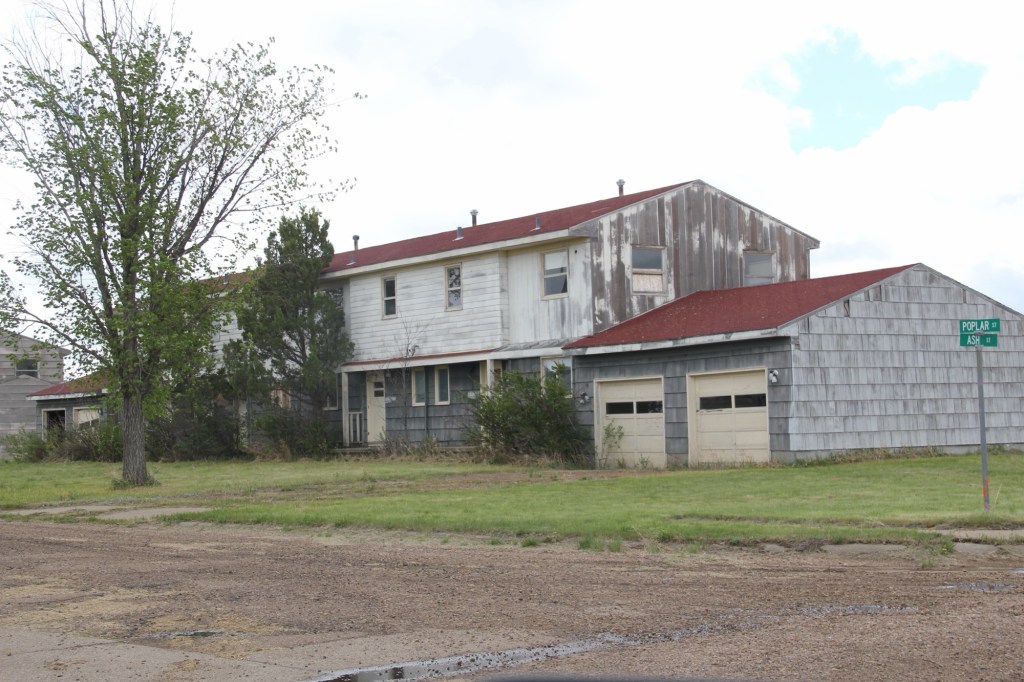
St Marie in 2013
2013
2013
2013
2013
2013

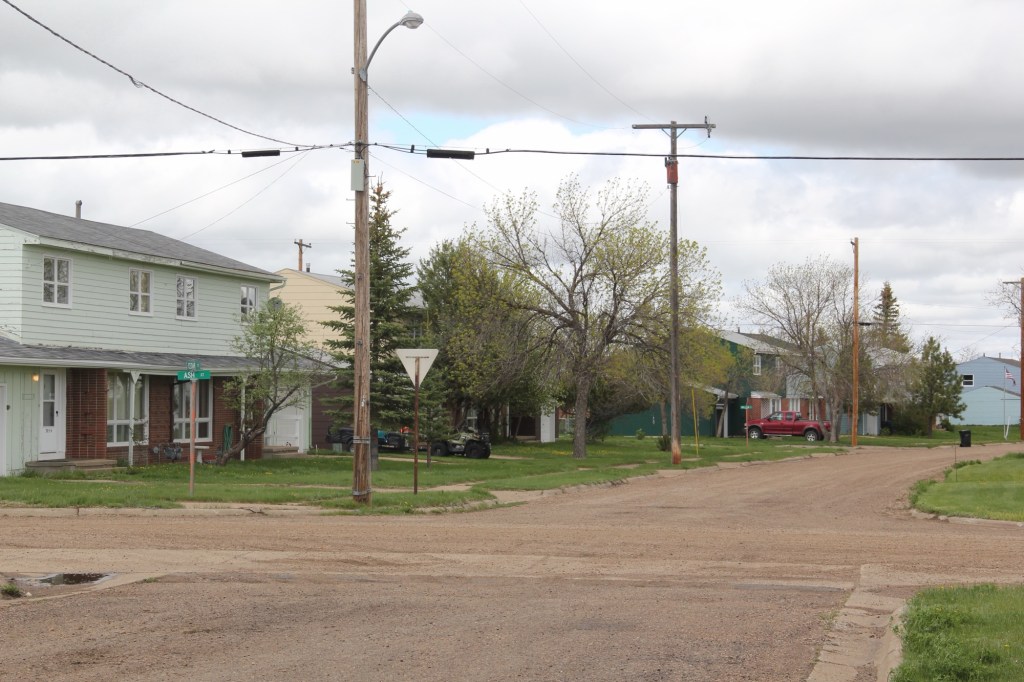
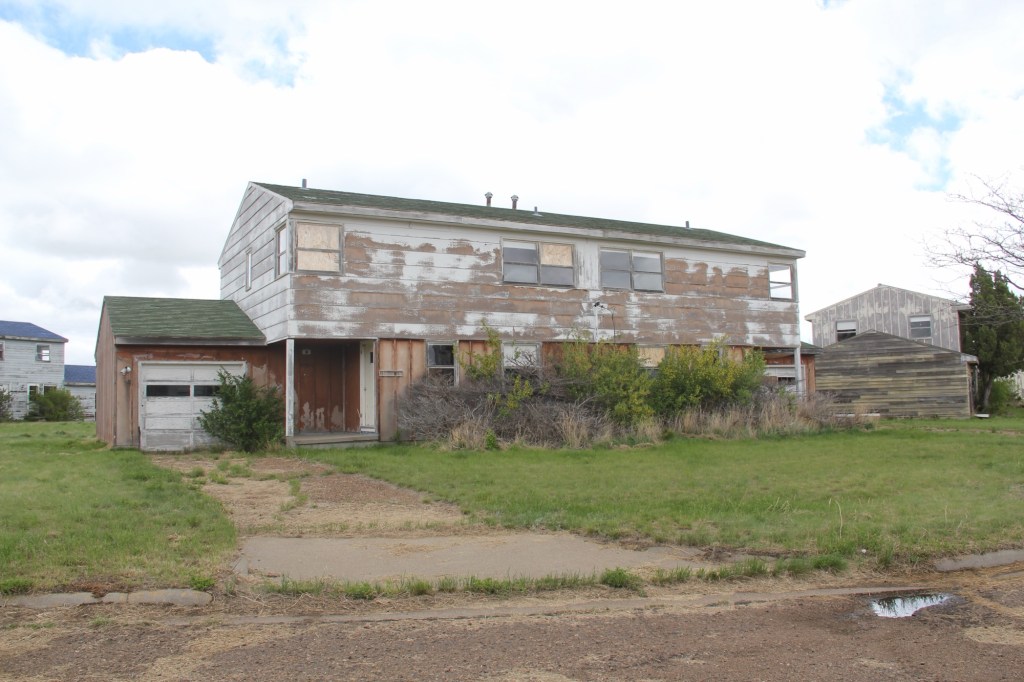
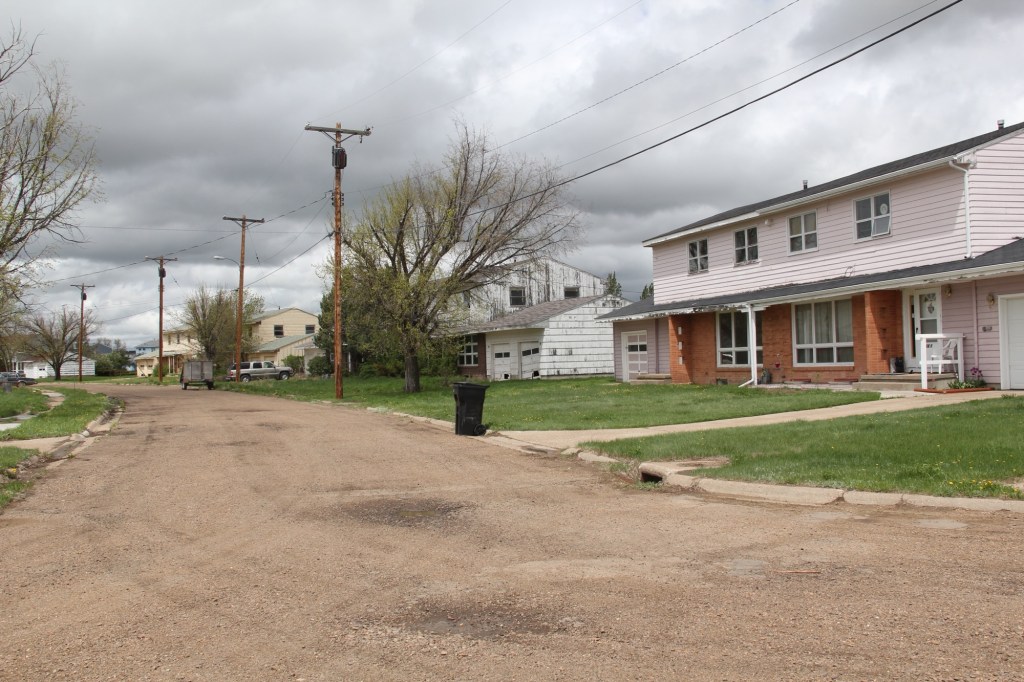
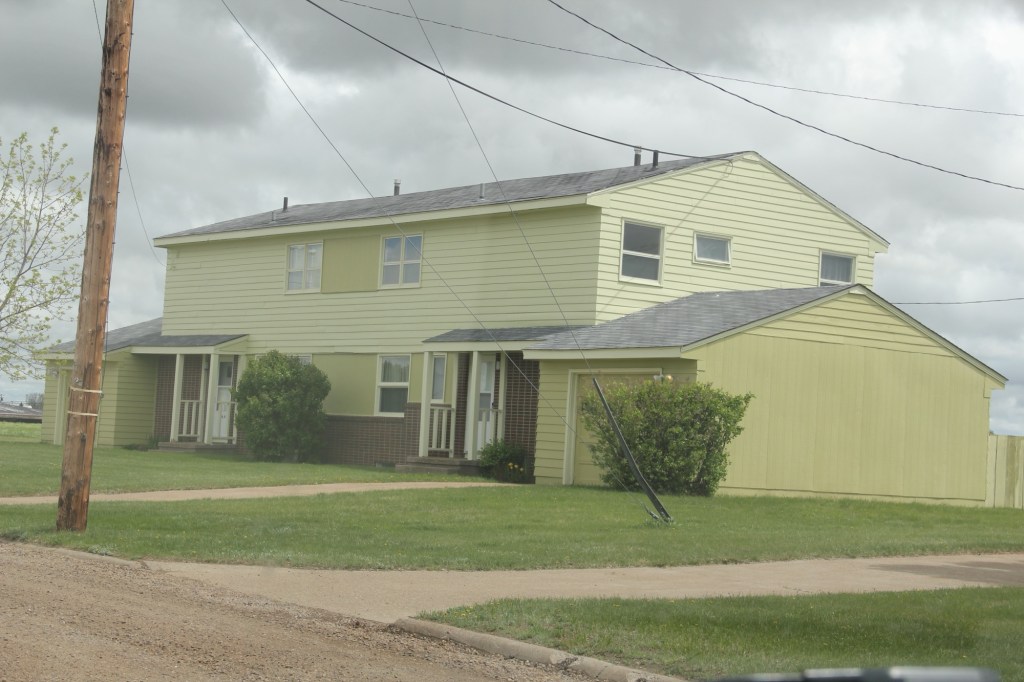
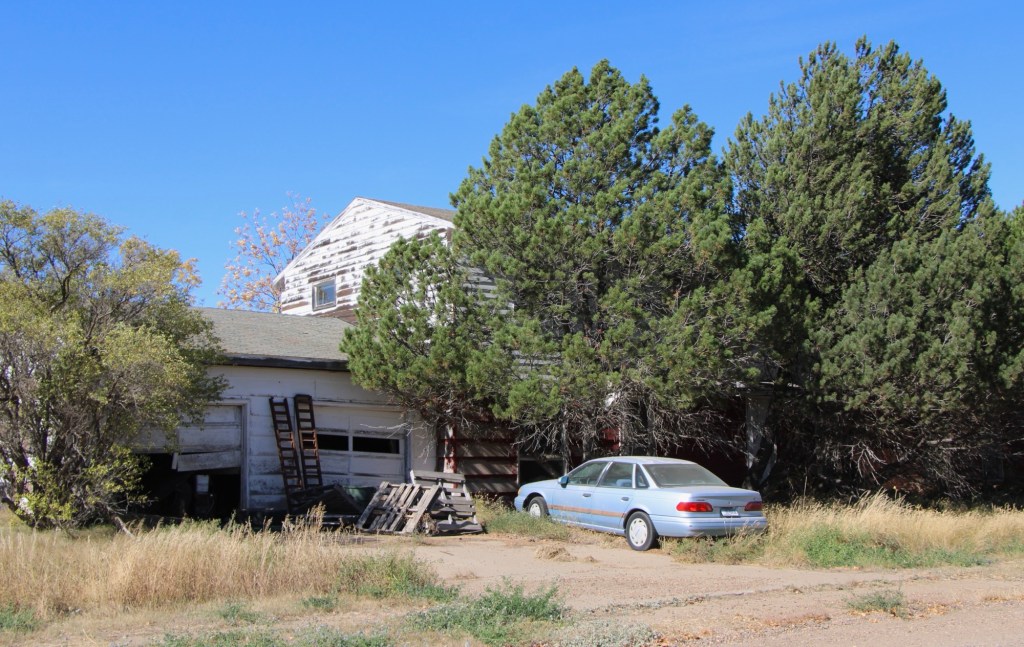
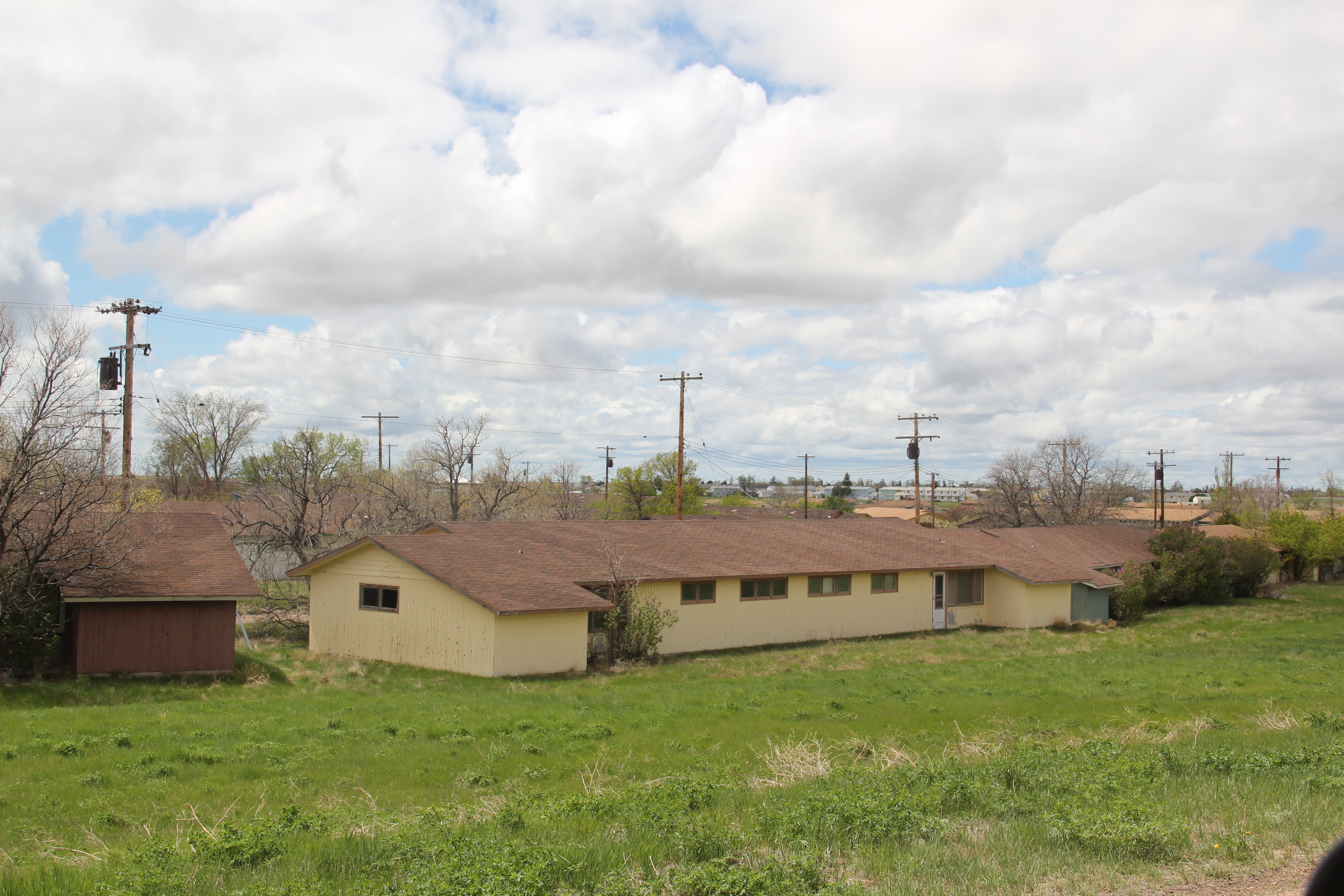
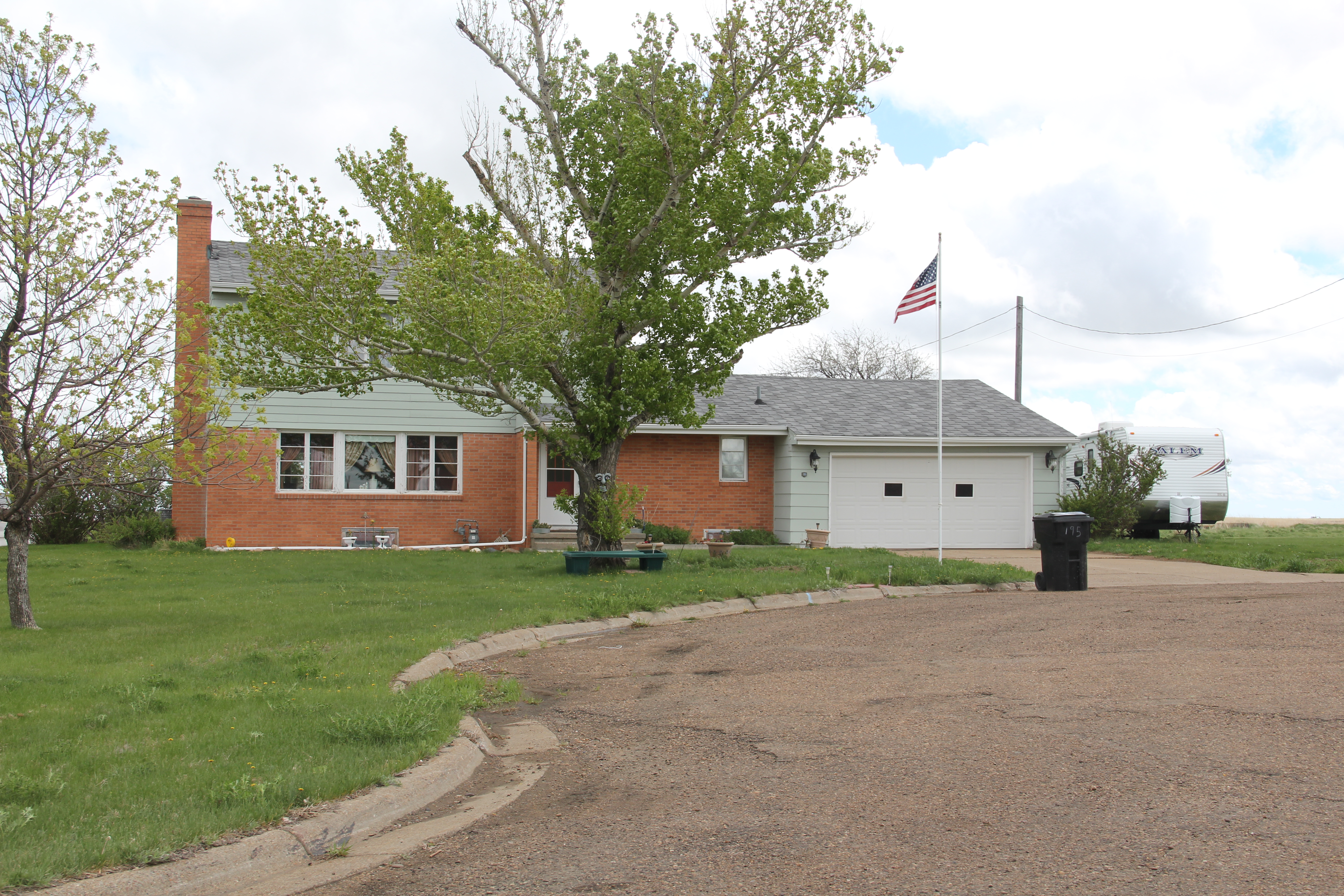
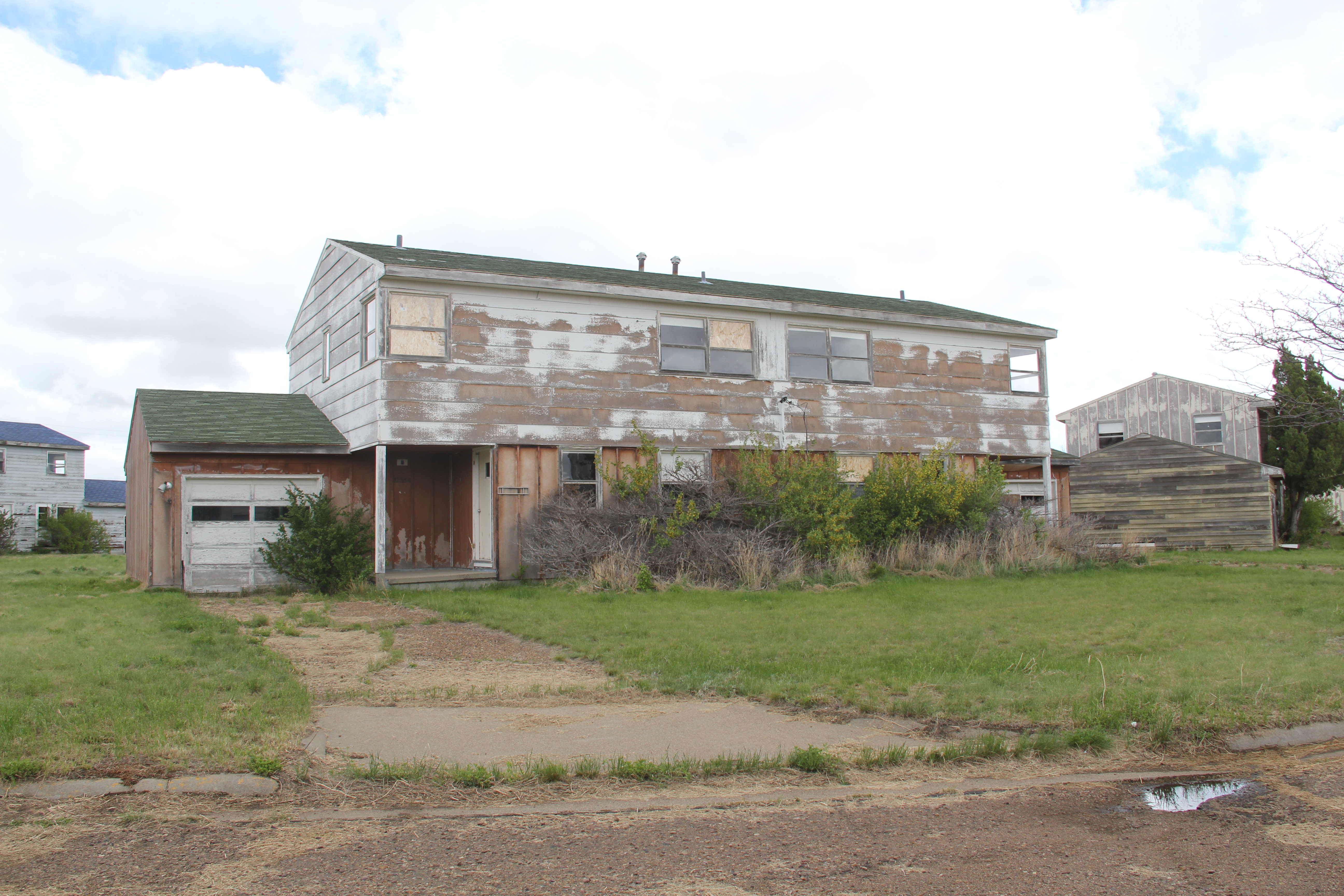
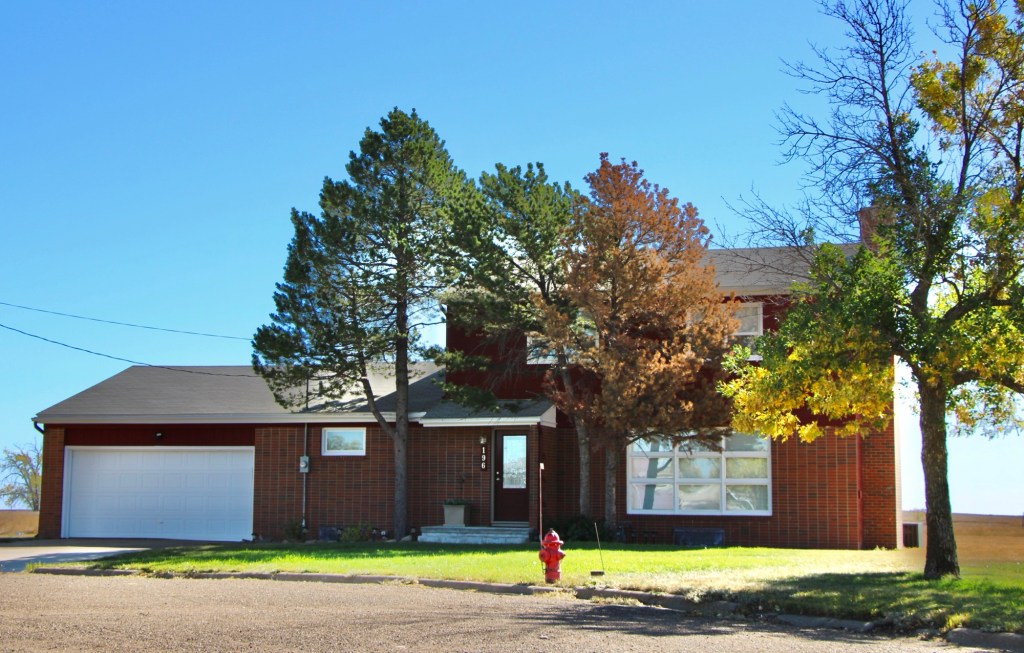
Rot, decay, mold were everywhere—but just like so many Montana ghost towns there remained a core group of residents who kept their homes well and expressed pride in what had been accomplished.
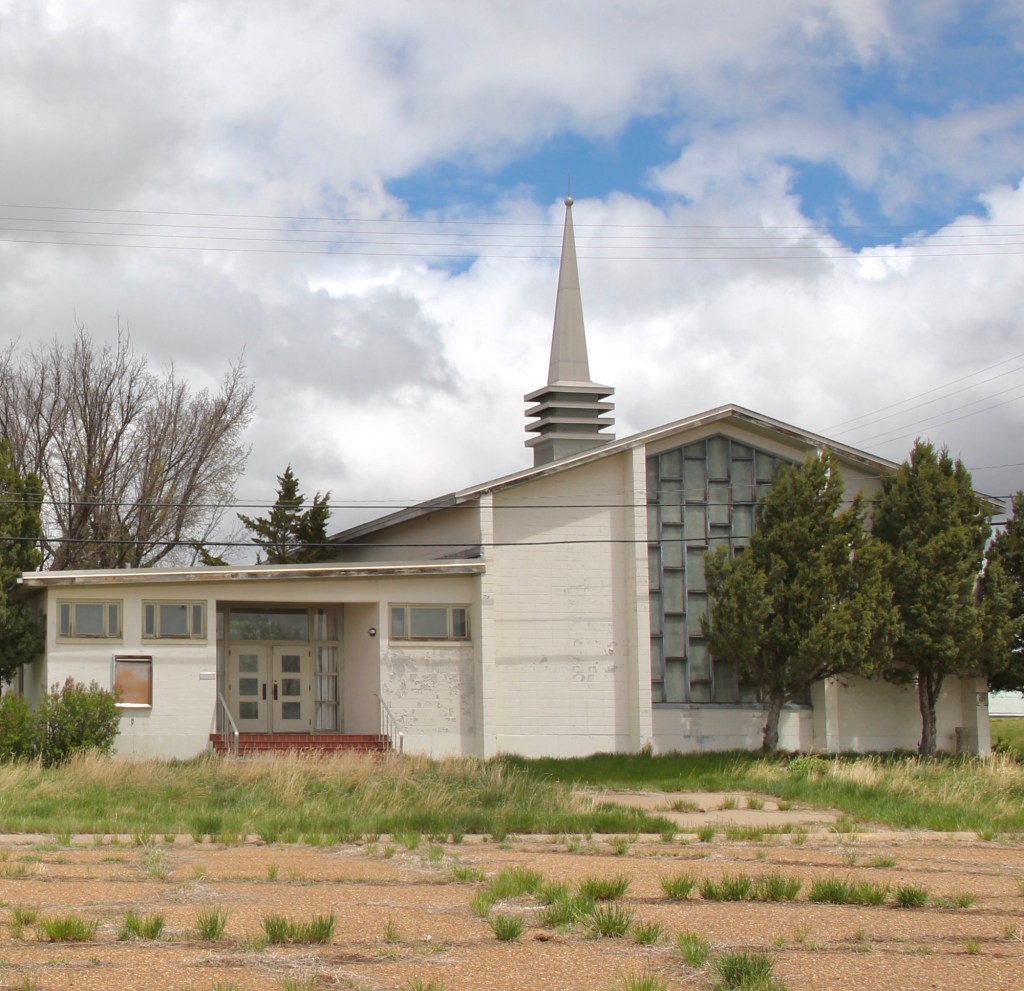
2013
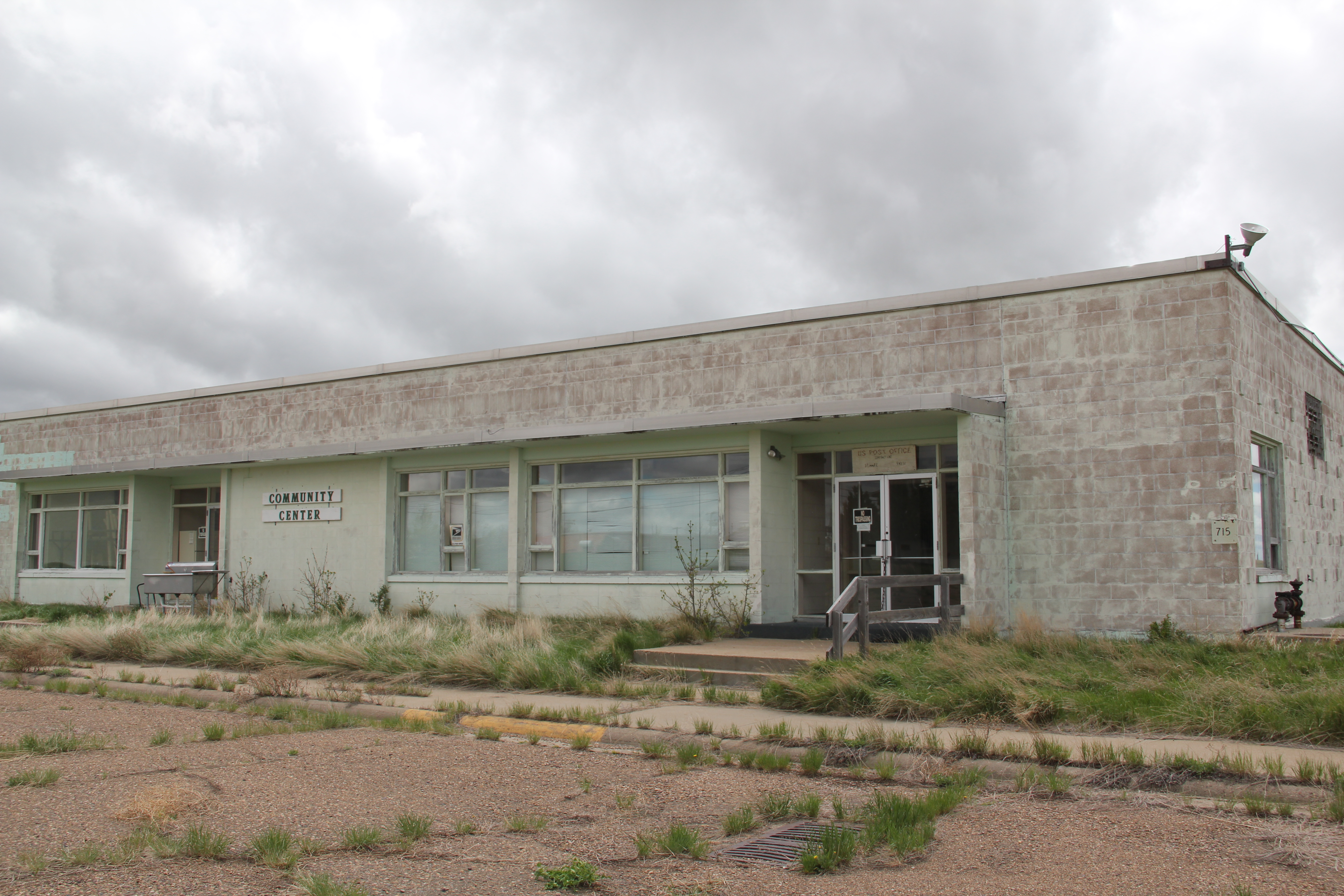
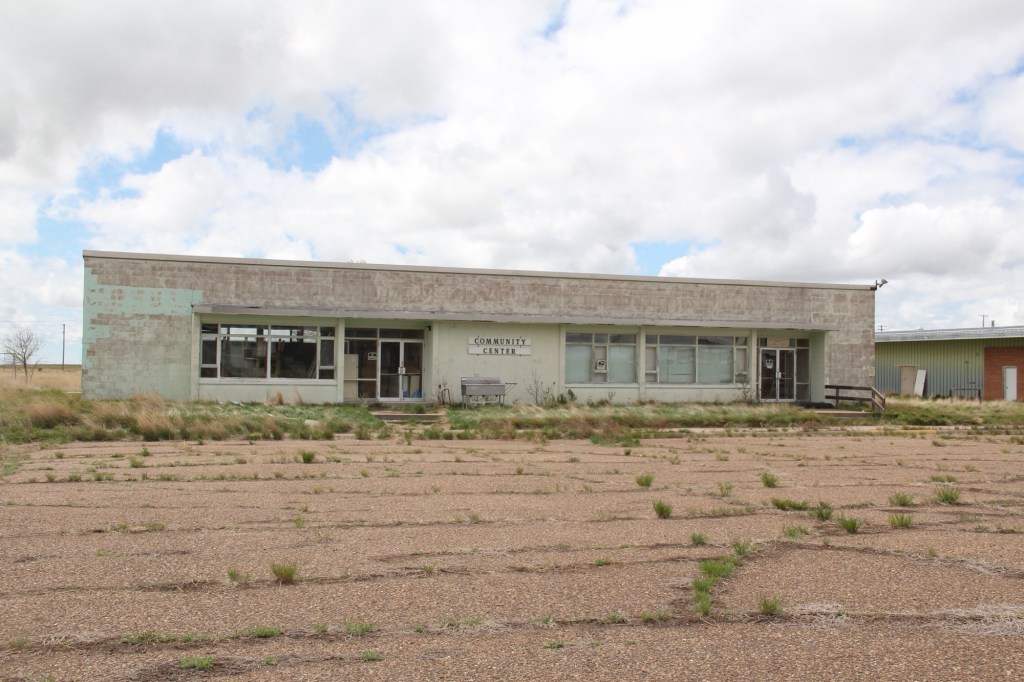
Community center 2013

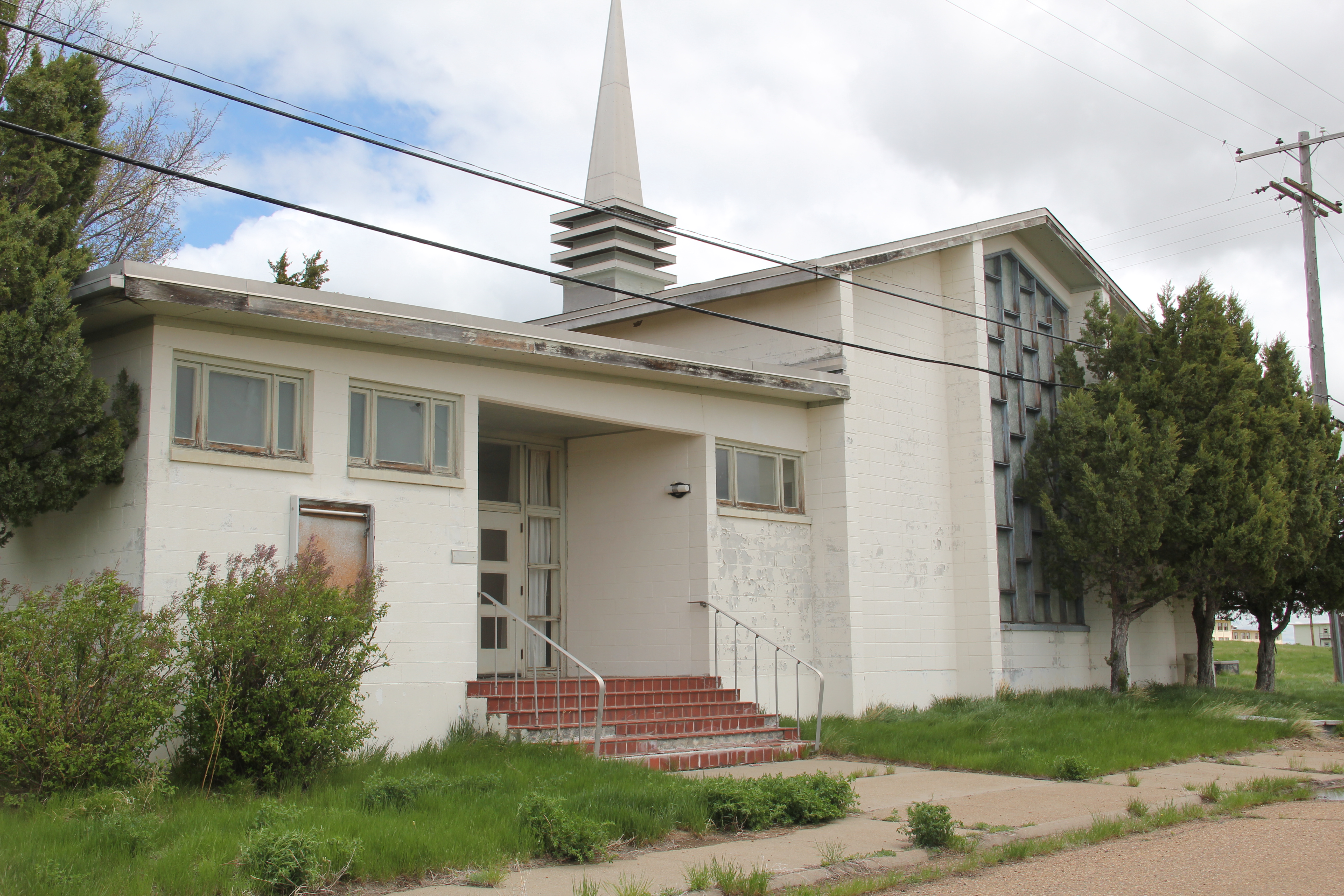
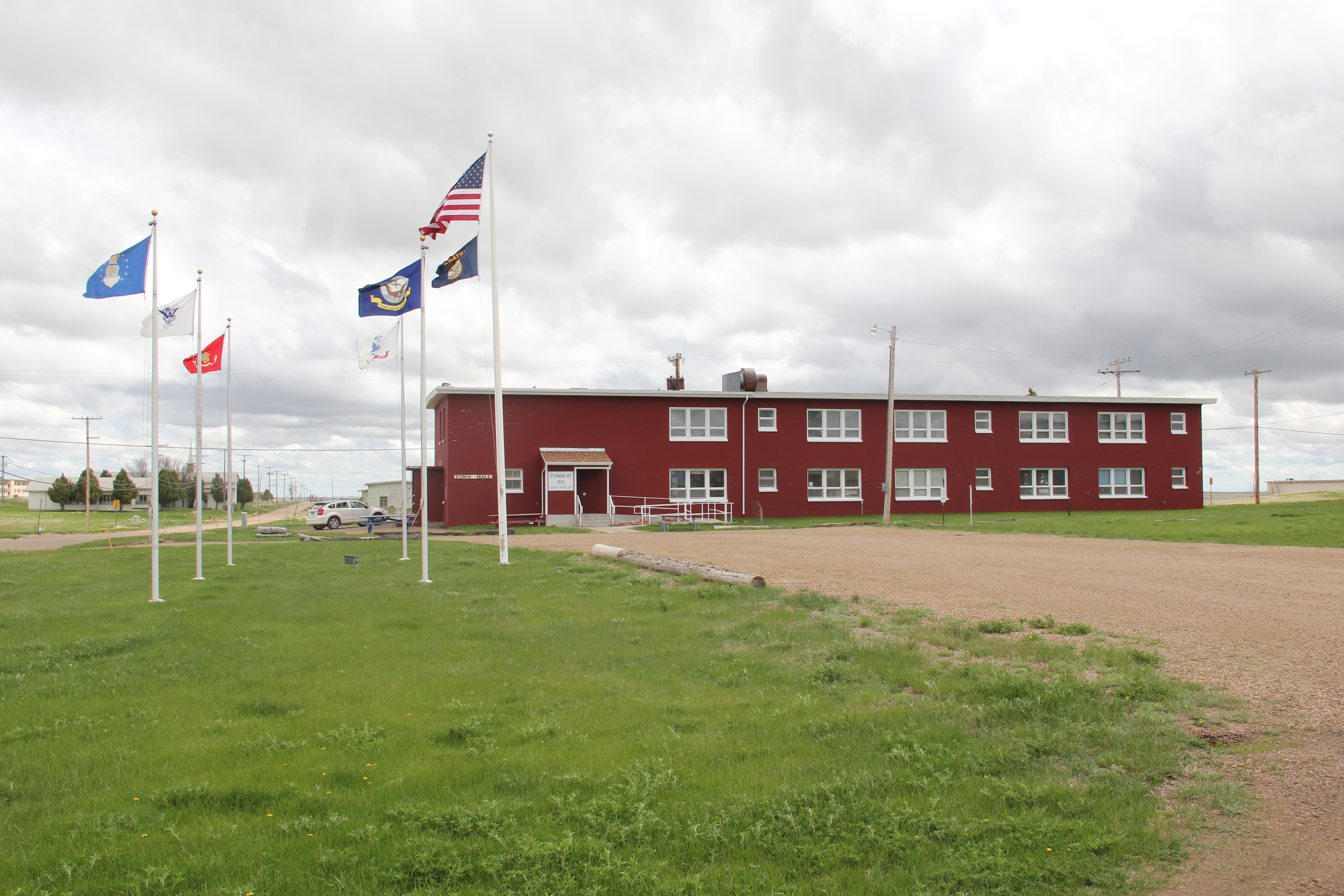
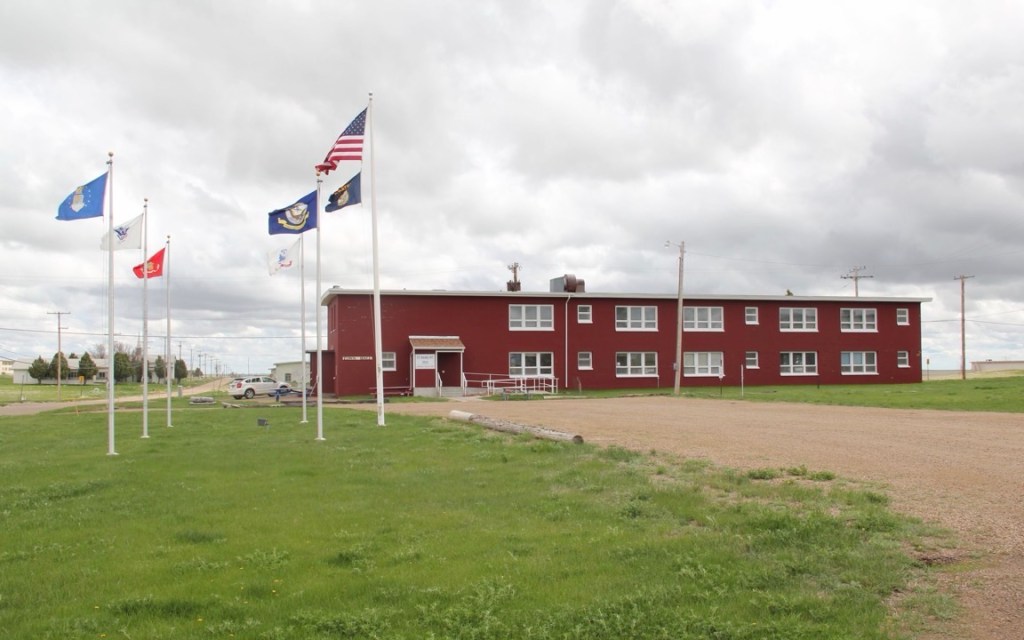
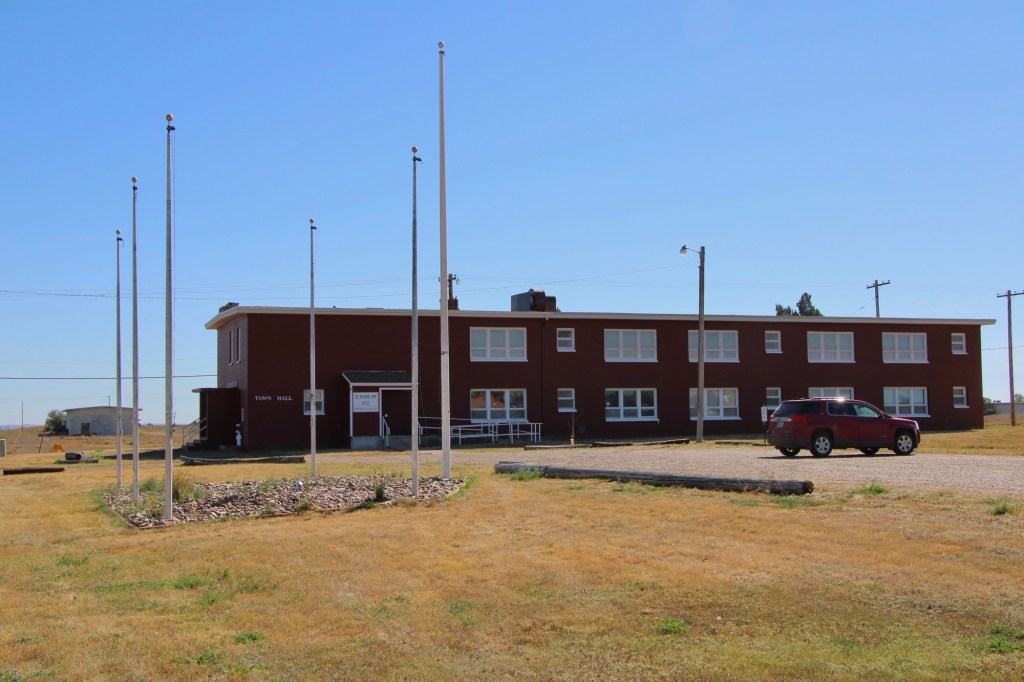
While key community buildings such as the chapel and post office/community center were closed, the flags were still flying proudly at the town hall. Officials spoke of a turnaround in the making.
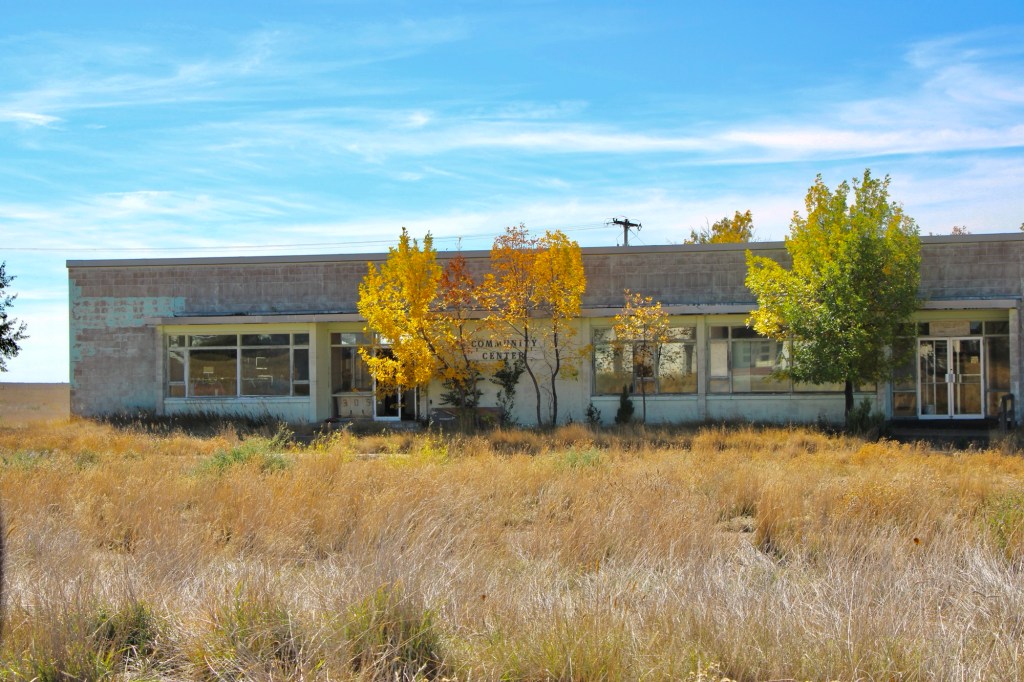
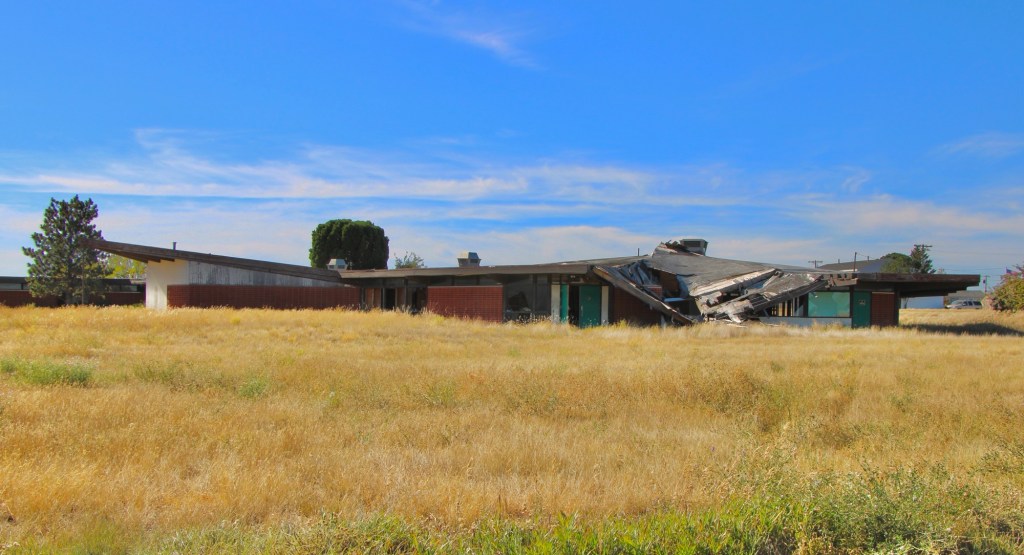
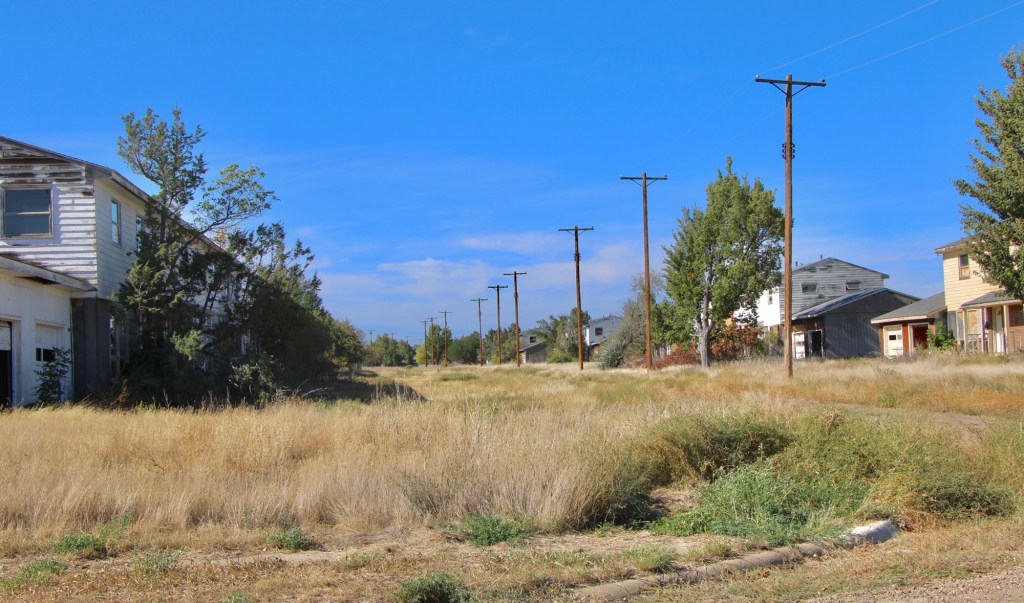
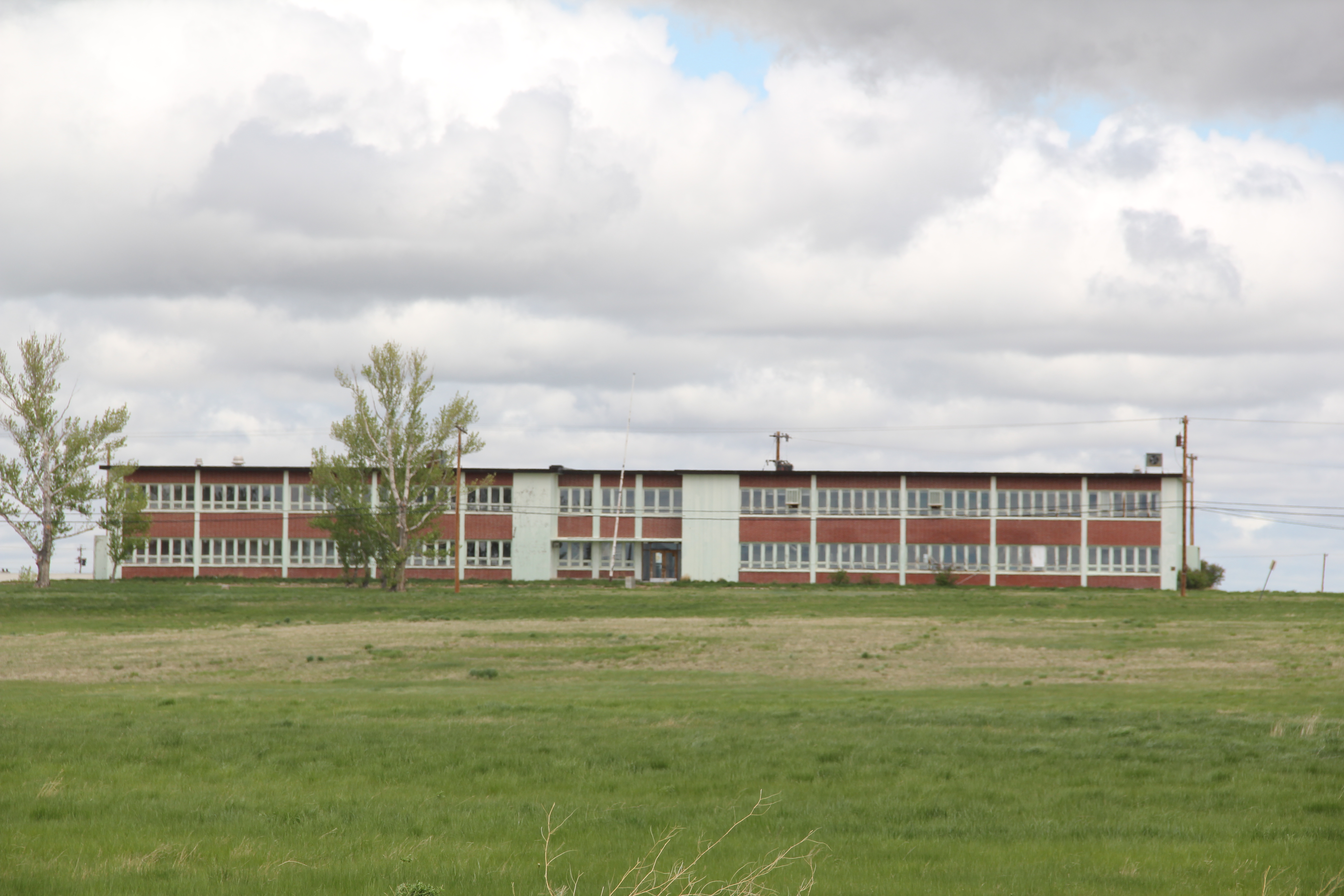
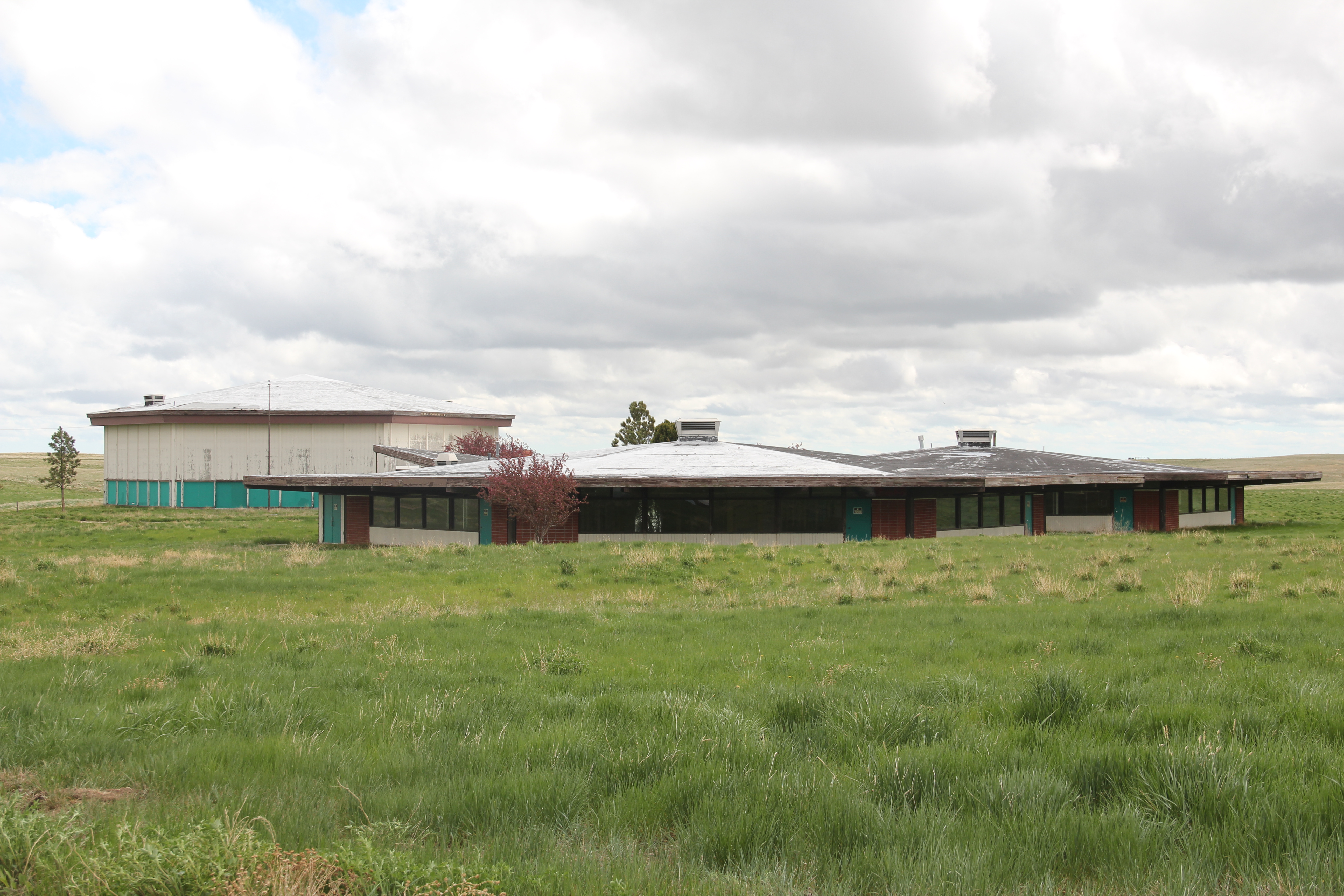
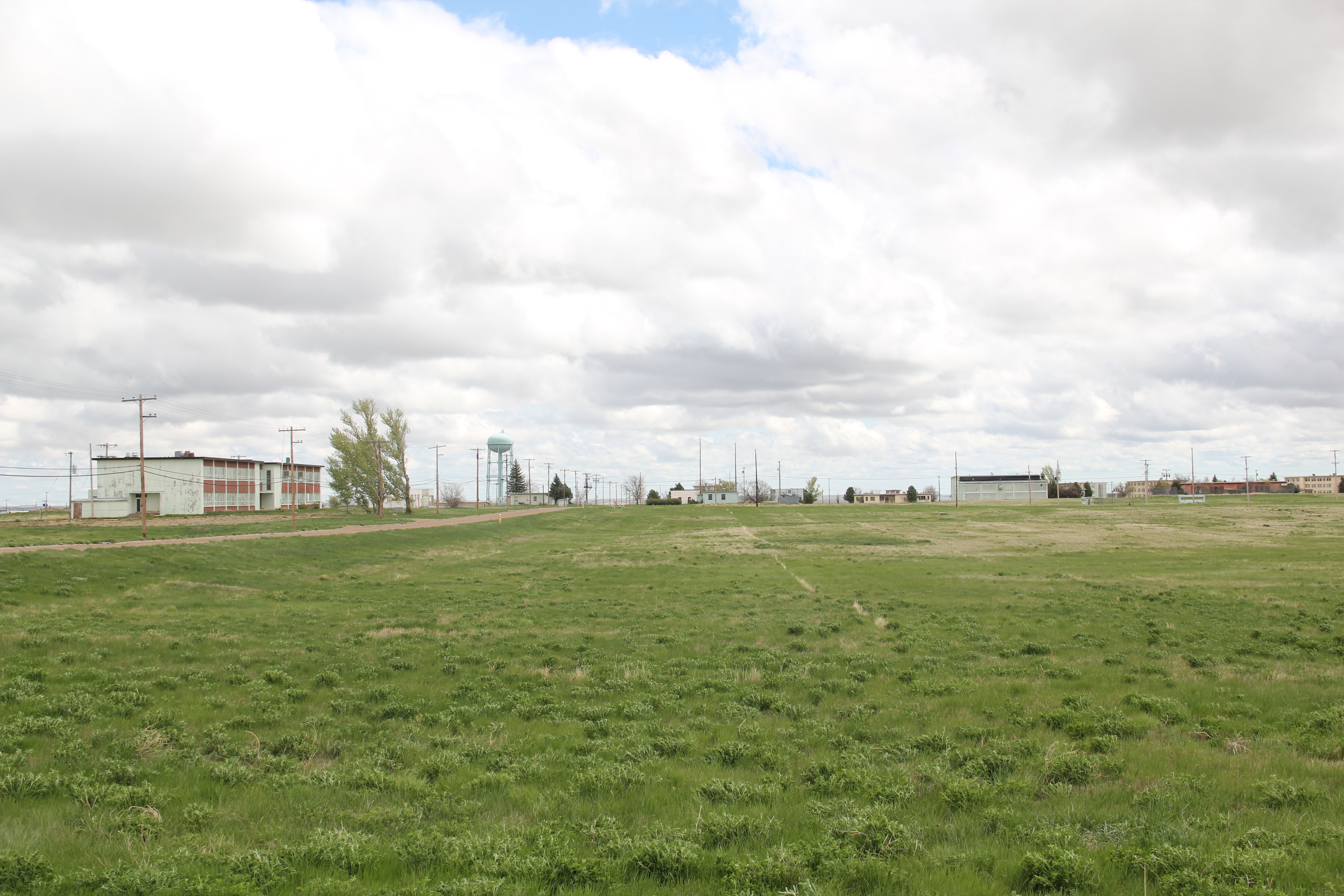
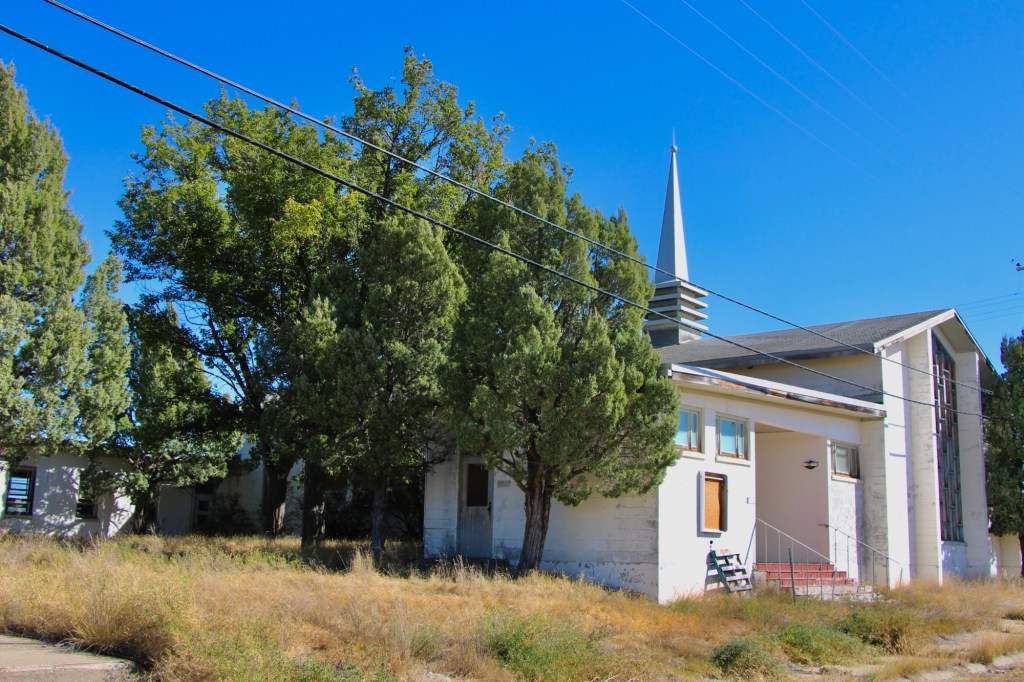
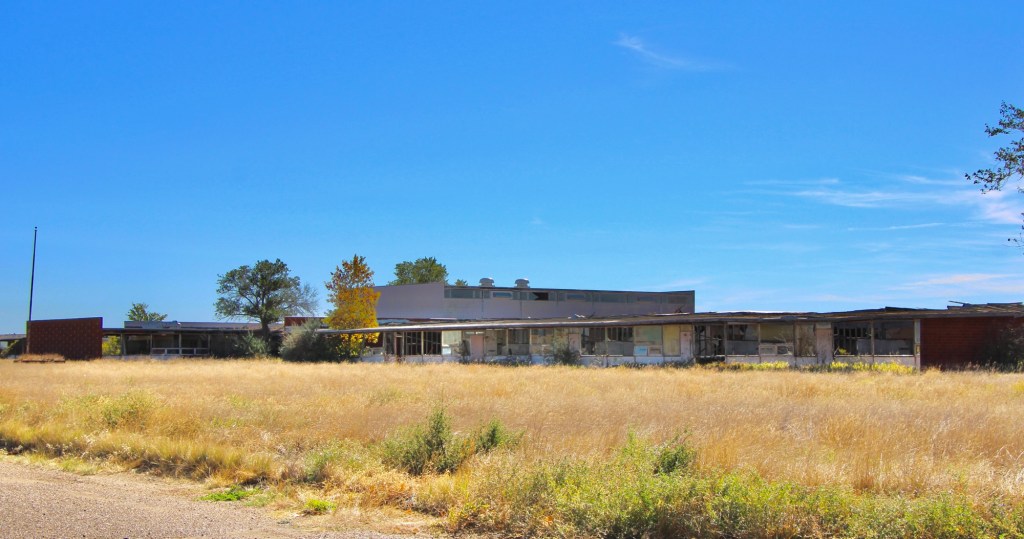
I returned in the fall of 2025–more than 40 years after my first visit—to find hopes mostly extinguished. The deterioration of the chapel, community center, and schools was shocking—little hope there.
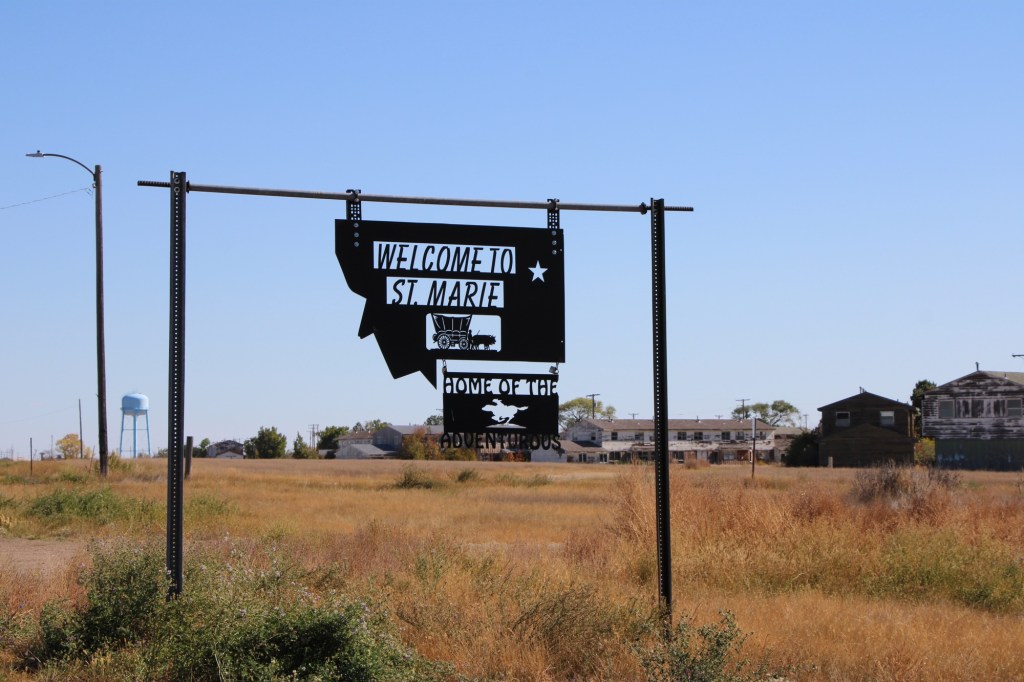
October 2025
October 2025
October 2025
October 2025

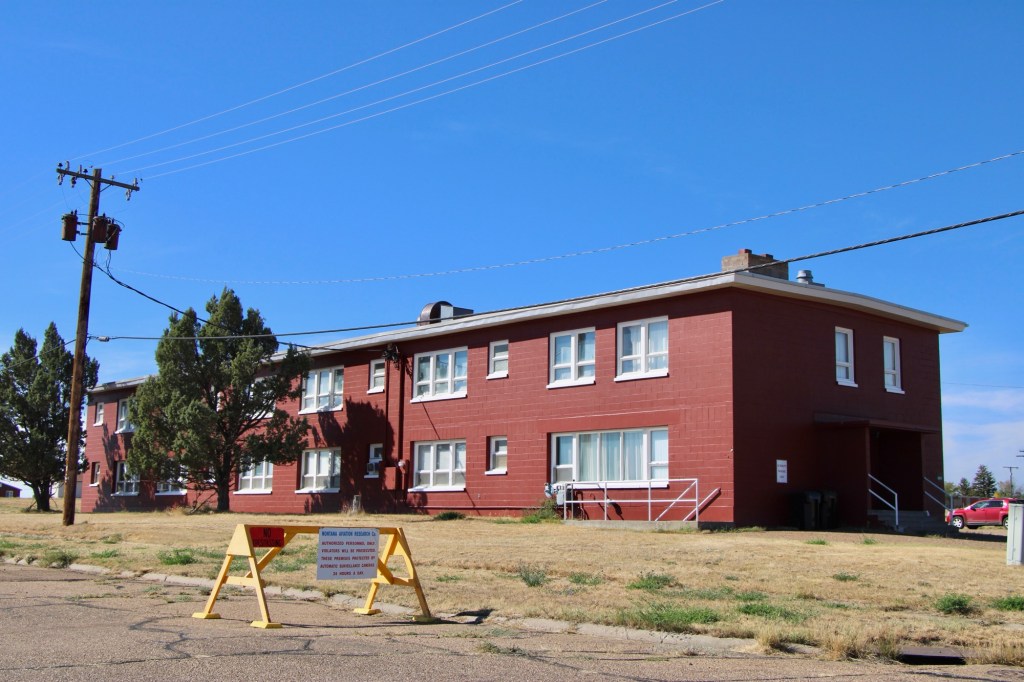
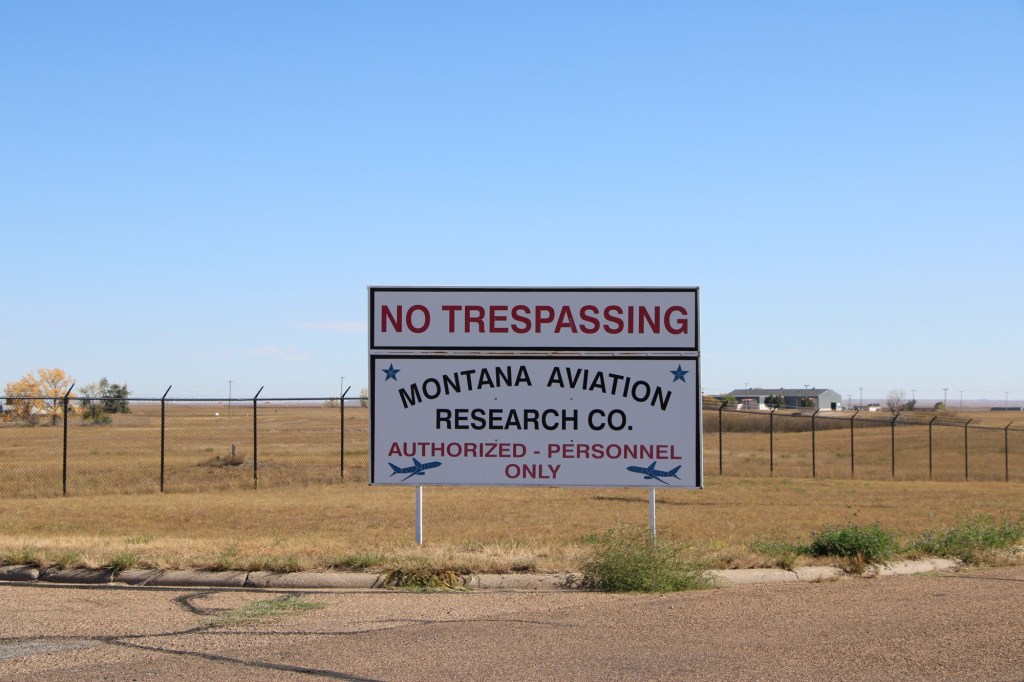
There were no flags flying at the town hall but everywhere it seemed there were new signs and barriers of the Montana Aviation Research Co. This private company was now using the runaways and had converted several buildings for employees’ use.
October 2025
October 2025
October 2025
October 2025

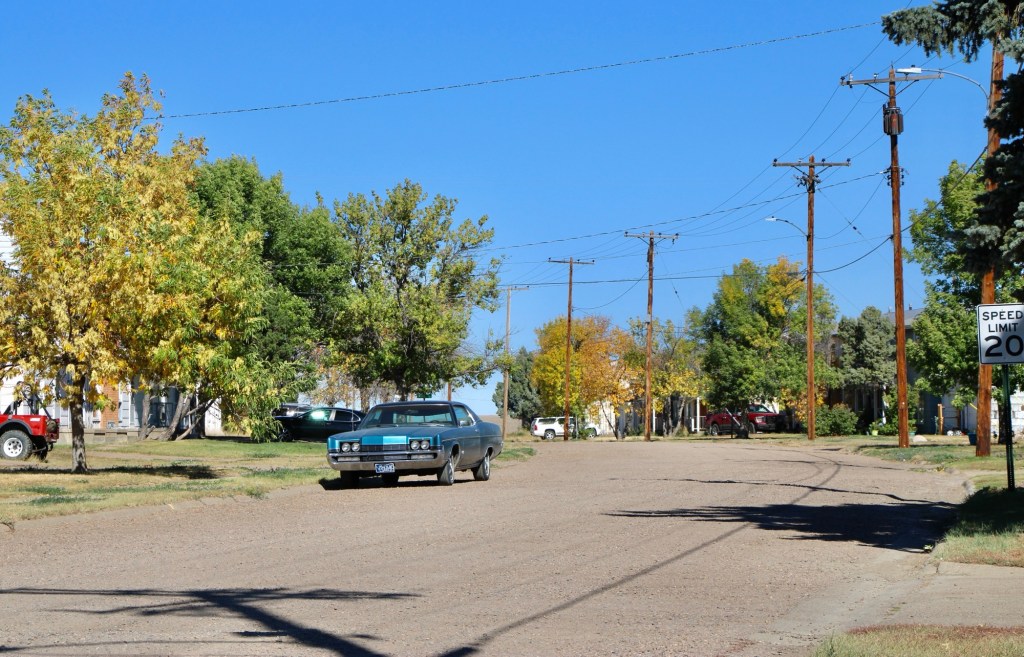
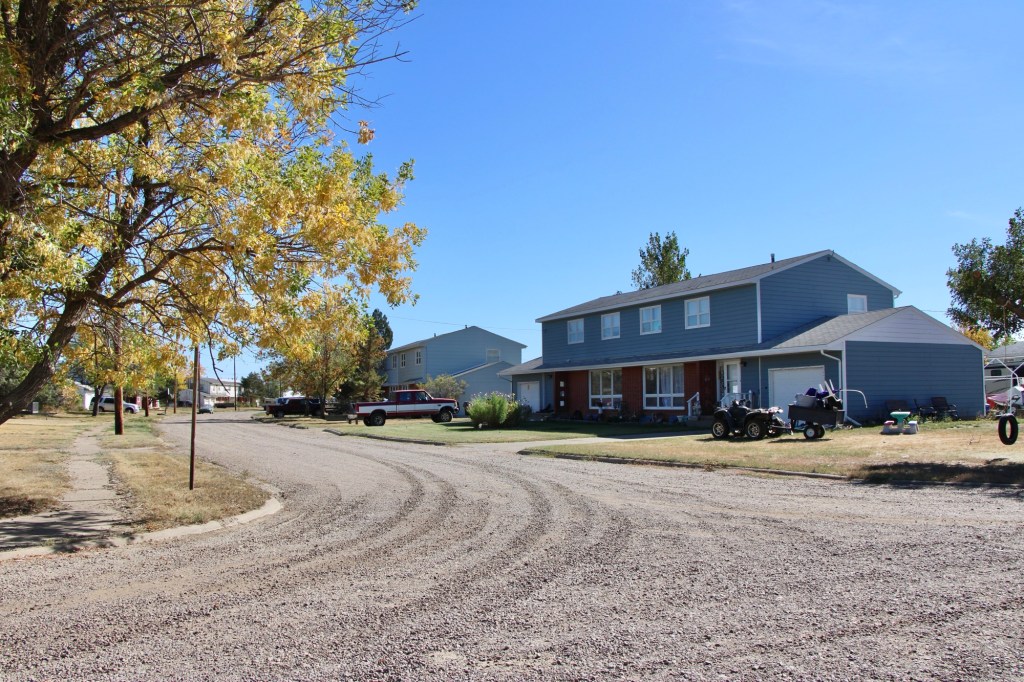
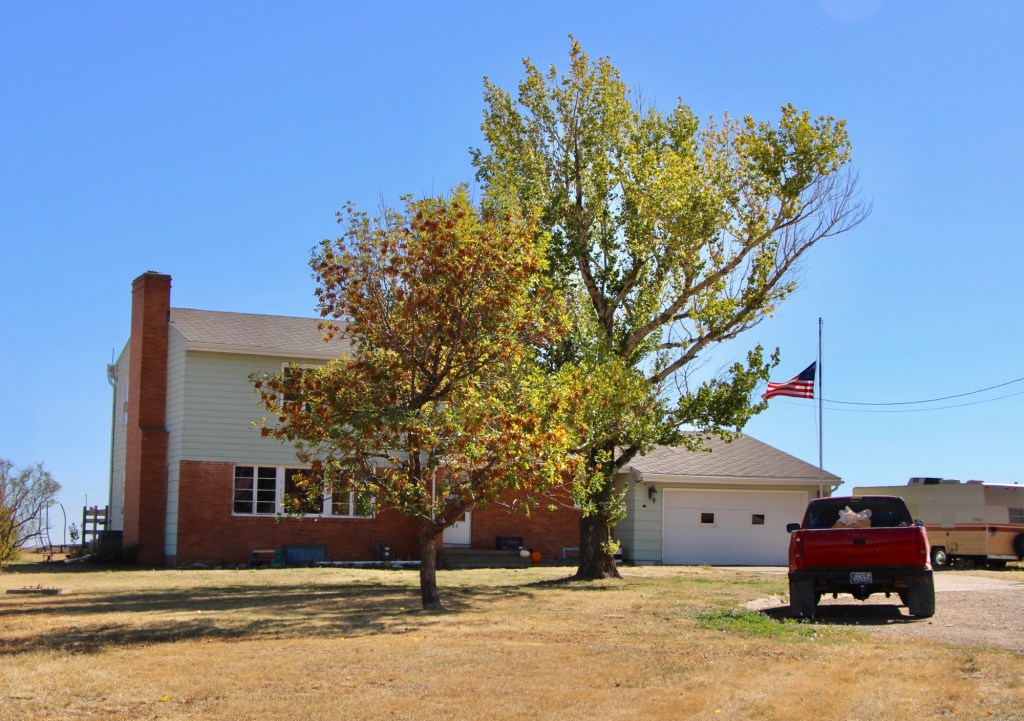
The population had cratered since 2013 but of those approximately 300 people who still called St Marie home, you have to admire their commitment to the place. Numerous homes were well maintained even with the signs of abandonment everywhere.
October 2025
October 2025
October 2025
October 2025
October 2025

What will be left when I next visit this modern-day ghost town of the northern plains?
Valley County’s St. Marie: The Federal Imprint, part 2

Image

A month ago, I explored the important of the U.S. Reclamation Service (now Bureau of Reclamation) on the middle of Valley County through its Milk River project, and paid particular attention to now largely forgotten towns such as Vandalia.  irrigation to make the arid prairie bloom was crucial to the county’s history.  But now let’s jump ahead and look at when the federal government literally just saw the county as a spot on a continental map–the perfect location high near the Canadian border to locate a major Air Force base.  

Image

The Glasgow Air Force Base, activated in 1957, was initially part of the Air Defense Command, a base for interceptors to stop any air attack from the Soviet Union.  By 1960 the base’s mission had expanded to the Strategic Air Command, and the runways lengthened to handle huge B-52 bombers and tankers (like those shown at the beginning of the iconic film Dr. Strangelove).  SAC abandoned the base in 1968–and although the military came back briefly in the mid-1970s and various private companies have tried to invigorate the base ever since, what the Cold War brought in the 1960s has largely turned into a Cold War ghost town.

Image

Local heritage leaders eagerly showed me what was then known as St. Marie’s Village, and spoke of it as a retirement location for the many airmen that had passed that way twenty years earlier.  Frankly, I wondered why they would come back–certainly the town then looked like a television set for Bewitched or countless other 1960s sitcoms.  

Image Image


Image Enlisted men barracks


Image Commanders quarters–single family homes

Rows of ranch-style houses, contemporary, modernist public buildings, modernist styled school buildings, curvilinear roads–it was a California suburb plopped down some 25 plus miles north of Glasgow.  

Image The Chapel

Image The school

Image Post Office & Community Center

The 1980 visions for St. Marie were never achieved–although just over 200 people in 2013 had bought into the idea and and restored to one degree or another the slowly disintegrating homes.  Most impressive to my mind was how respectfully they restored one of the buildings into City Hall–a statement of pride of what a few hundred people could achieve.

Image

And that is what I found a few ago–a huge place largely abandoned but still with life.  One in fact with some hope since there was new talk of a company buying the decayed place, rescuing homes, and turning it into the shelter for the oilfield workers of the Williston Basin, many miles to the east. Much had been lost in 30 years–how much more will survive the next 30 years?  Will the fate of St. Marie be, in general, the fate of Cold War installations across the West?

Image

Image