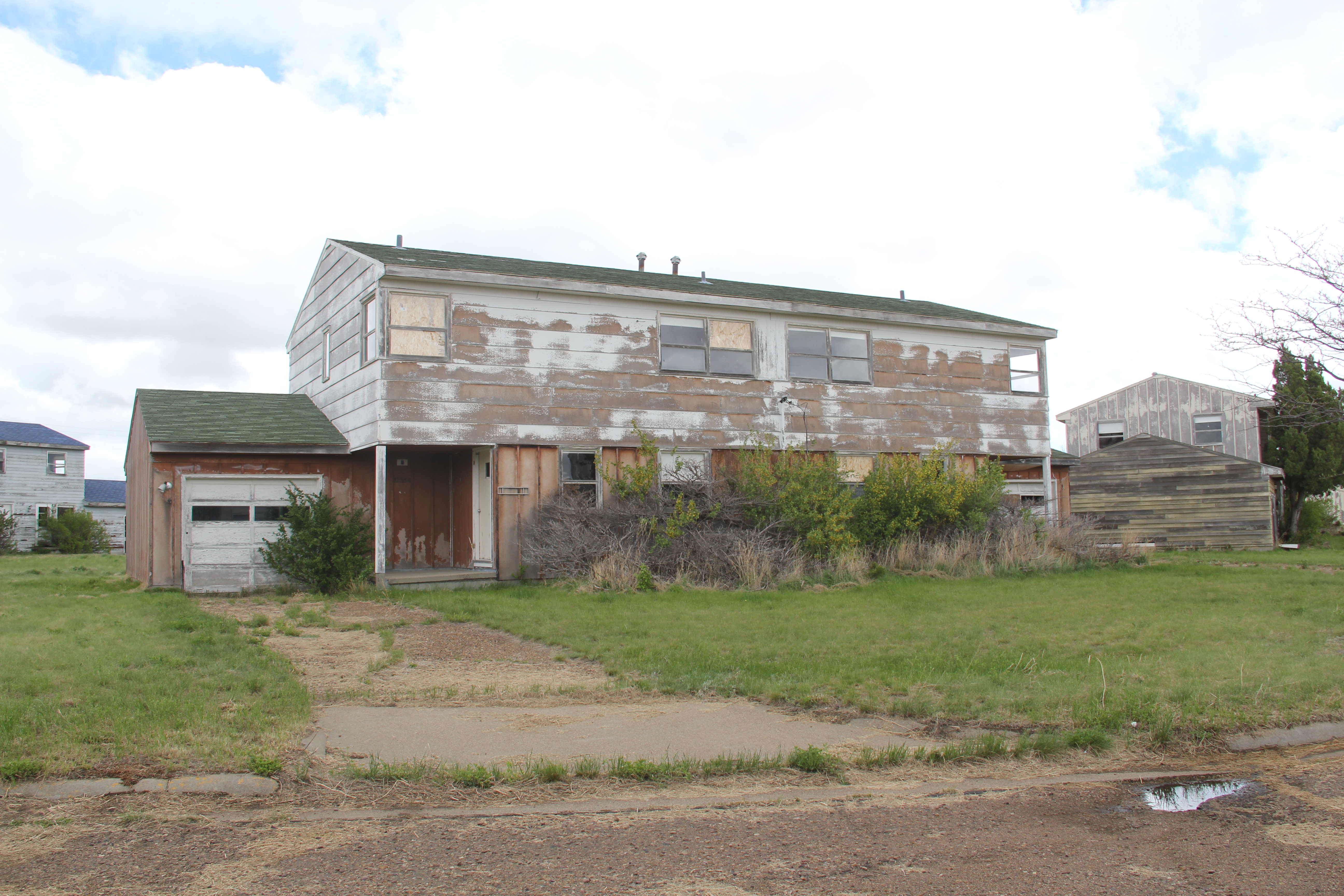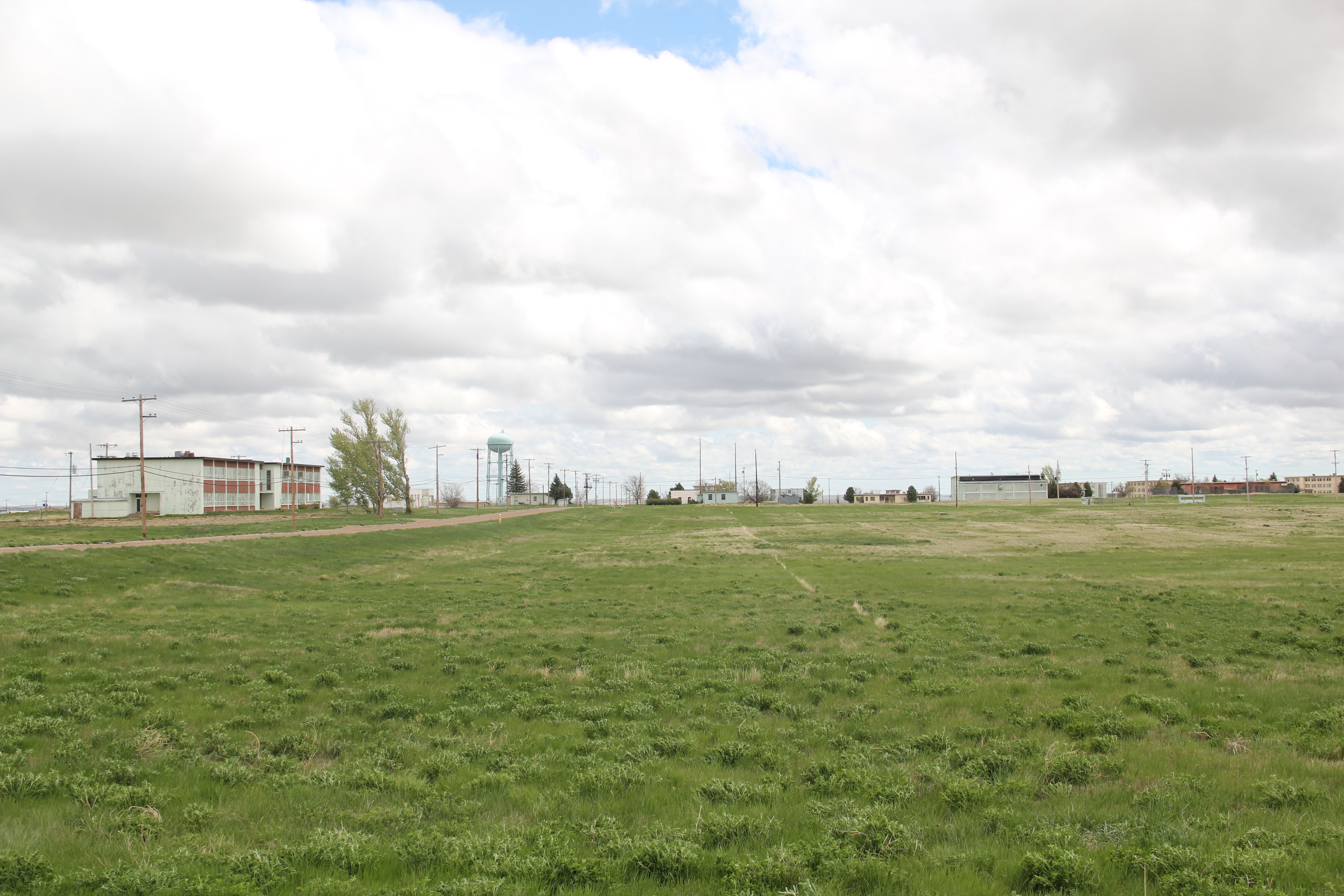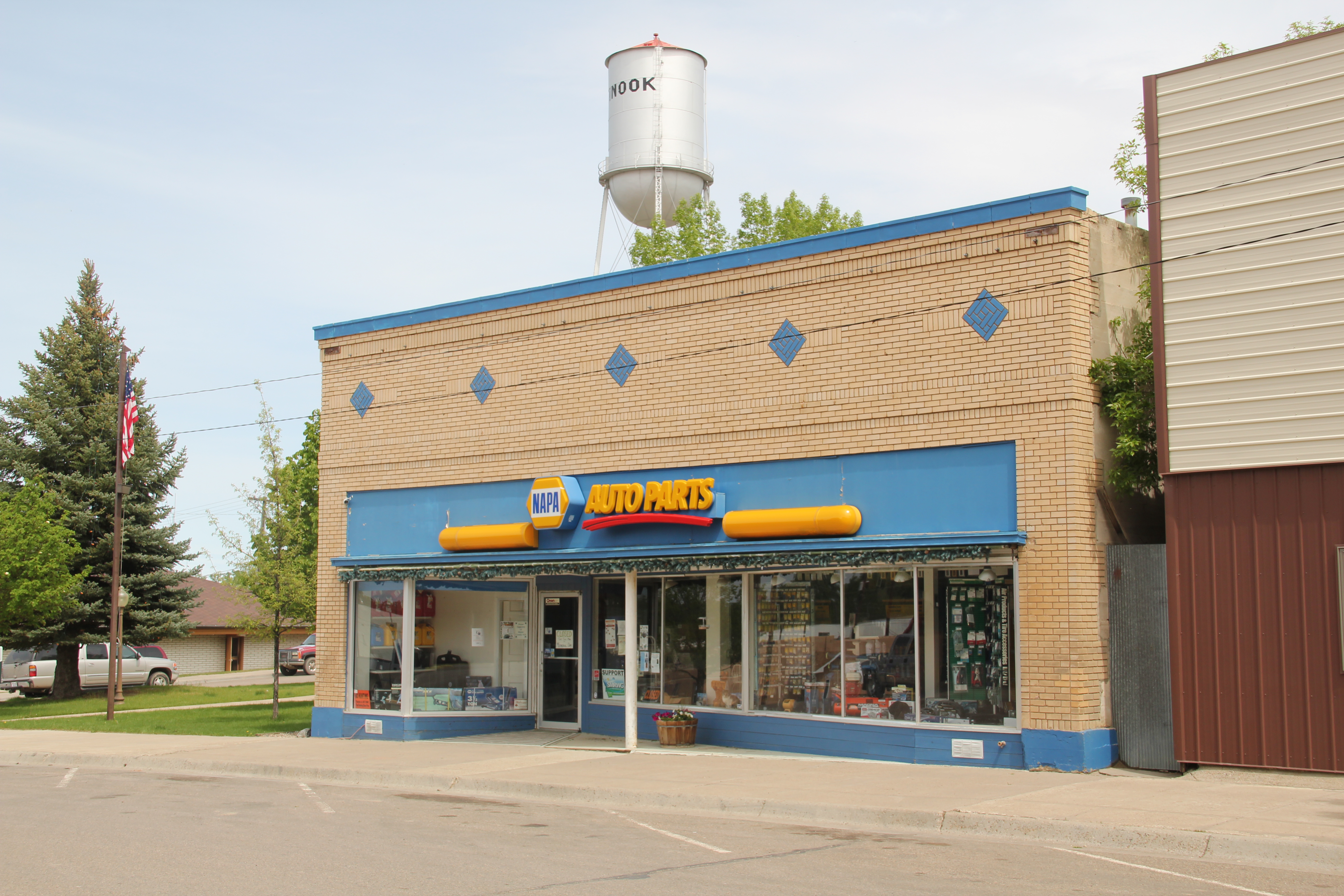
Glendive: the Yellowstone’s first railroad town

IMG_7244
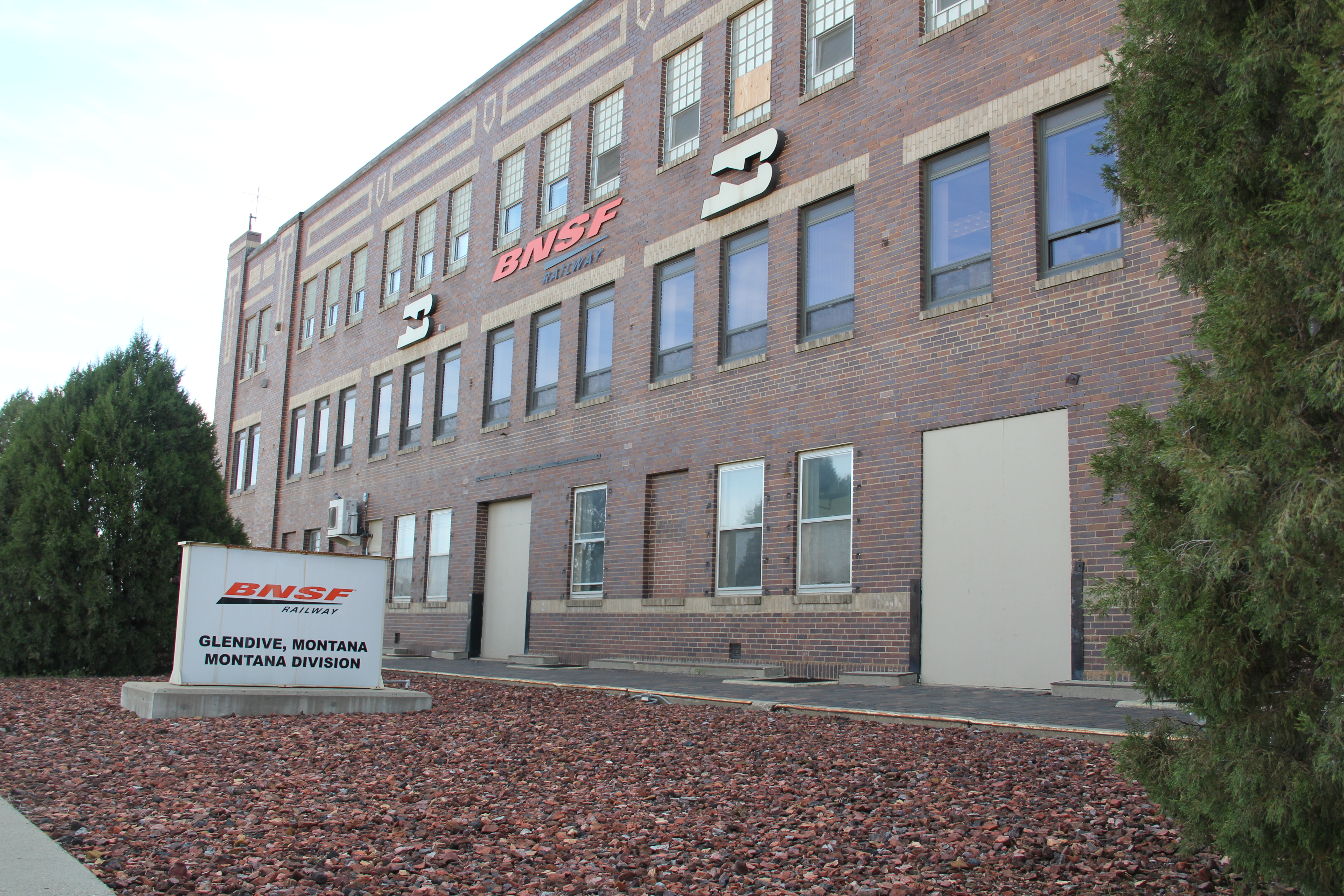
As the tracks of the Northern pacific Railroad pushed west in 1881, they encountered the Yellowstone River at a place that became Glendive, the Yellowstone Valley’s first railroad town. Here the company located a division point and built offices, roundhouses, and other support structures for the trains moving between the Great Lakes and the West Coast. In 1984 when I came to Glendive for the state historic preservation plan survey, it was not my first visit. A year earlier I had began to work with the Western Heritage Center in Billings as a historian for its first major exhibit on the Yellowstone and its history, an exhibit that eventually was titled “Yellowstone: River of Life.” Glendive as a railroad division point played a key role in that story, and when I first visited the town I enjoyed the fact that a late 19th century depot, standing just off the main line, now served as the local visitor center and Chamber of Commerce offices.
IMG_4084
At that time I saw little outside of the railroad’s imprint on the landscape. Glendive, like many initial Northern Pacific towns, had a “symmetrical plan.” The train tracks cut a path through the town, with a combination passenger station/company office commanding the corridor. On the opposite side of the tracks were housing for railroad workers and machine shops, roundhouses, elevators, etc. associated with the railroad.
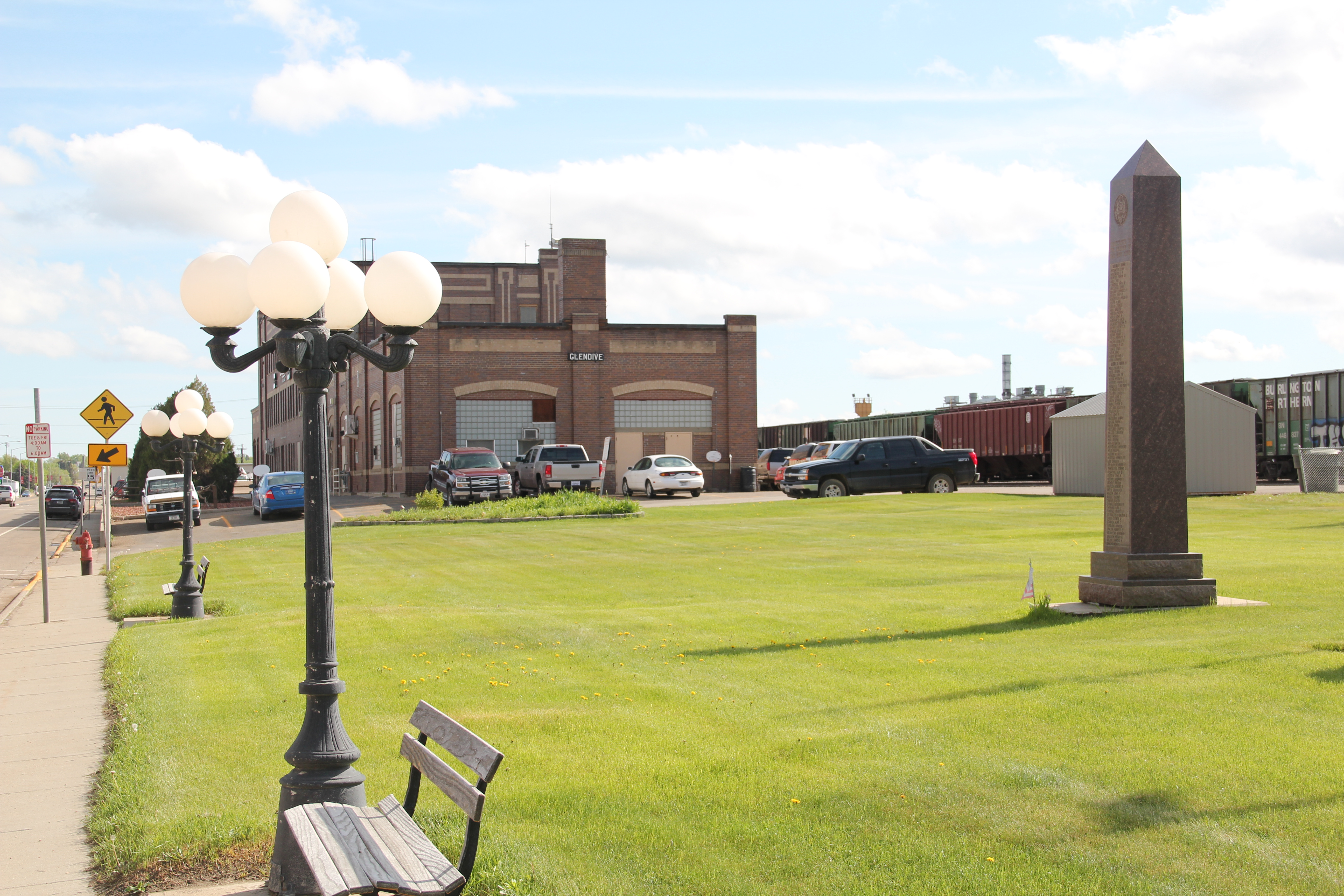
Northern Pacific corridor in Glendive

Northern Pacific corridor in Glendive


Facing the depot was the primary commercial street, Merrill Avenue, which later served as the town’s primary commercial artery for U.S. Highway 10 and is now designated as “Business I-94.” The many historic commercial buildings along Merrill Avenue facing the depot and railroad tracks captivated me–the dialogue between local entrepreneurs and the massive international capitalism represented by the Northern Pacific was plain to see.
Merrill Avenue Historic District, Glendive

Merrill Avenue Historic District, Glendive


Clearly this long-stretch of buildings recorded the town’s shifting economic fortunes from the 1880s to the depression era, and was worthy of designation in the National Register of Historic Places, work that has since taken place.
Closed for sometime now, the Lulhaven Bar is a classic example of Art Deco, with its black carrera glass and glass block entrance

Closed for sometime now, the Lulhaven Bar is a classic example of Art Deco, with its black carrera glass and glass block entrance


The Jordan Hotel combines both Art Deco elements and an overall International Style feel to reflect not only the depot across the street but to invite customers into its corner entrance

The Jordan Inn combines both Art Deco elements and an overall International Style feel to reflect not only the depot across the street but to invite customers into its corner entrance


The striking 1960s metal facade of the Rose Theater was layer over an earlier brick building

The striking 1960s metal facade of the Rose Theater was layer over an earlier brick building


IMG_7252
What particularly struck my eye was the different eras of prosperity represented by buildings such as those owned by Henry Dion, a leading early 20th century merchant. Dion built the 1905 brick building above during the boom brought out by the launching of the Lower Yellowstone Irrigation Project. Later, as the railroad expanded its presence with the new passenger station and the federal highway came down Merrill Avenue, an Art Deco layer appeared, making a old building suddenly trendy and “modern.”
In 1984, however, I did not much venture beyond the railroad corridor to understand how the shifts documented in those historic buildings also could be found across the town. Much like the residents I was captivated with the railroad’s imprint–as shown in this wonderful mural of local history, prepared by high school students, and installed in the lobby of the modernist Dawson County Courthouse in 1982.
IMG_4233
IMG_4232
I spoke with the community at the courtroom around the corner one March night in 1984 and we all agreed on what was important. But later trips to Glendive, and the town’s push into historic preservation, quickly convinced me that there was more to tell.

Sidney, Montana, and the Lower Yellowstone Irrigation Project

The initial success of the Lower Yellowstone Irrigation project, along with the homesteading boom of the early 1910s, led to the creation of Richland County in 1914. The new county, so named for the promise of the U.S. Reclamation Service project and the booster rhetoric of the era, used the existing town of Sidney as the county seat.

Northern Pacific Railway corridor at Sidney, MT

Northern Pacific Railway corridor at Sidney, MT


Sidney was the largest town on the Northern Pacific’s spur that ran up the Lower Yellowstone Valley. The historic grain elevators along the tracks testify to generations of agricultural products shipped from the town, although today the incessant freight traffic serving the booming oil fields of the nearby Williston Basin overwhelm the earlier agricultural focus.
IMG_7354
But the oil boom has not overwhelmed the city’s traditional agriculture-based economy, yet. The reason why is the persistence of two institutions that both received an economic shot-in-the-arm in 2002. First was the former Holly Sugar refinery that came to Sidney in the mid-1920s. Sidney Sugars Inc. took over the plant in 2002 and sugar beets by the thousands of tons are still processed here. The second key institution that speaks to the primacy of agriculture in Richland County is the USDA’s Northern Plains Agricultural Research Laboratory, located just north of town. USDA established the center in the 1950s; the current complex dates to 2002, following a reorganization of its program two years earlier. One section of the unit stays focused on the center’s original program to support agriculture in the Lower Yellowstone project through research to enhance the productivity and profitability of dry land irrigated farming. The laboratory’s second focus studies how to better maintain weed and pest control through biological solutions rather than an over-reliance on chemicals.
IMG_7334
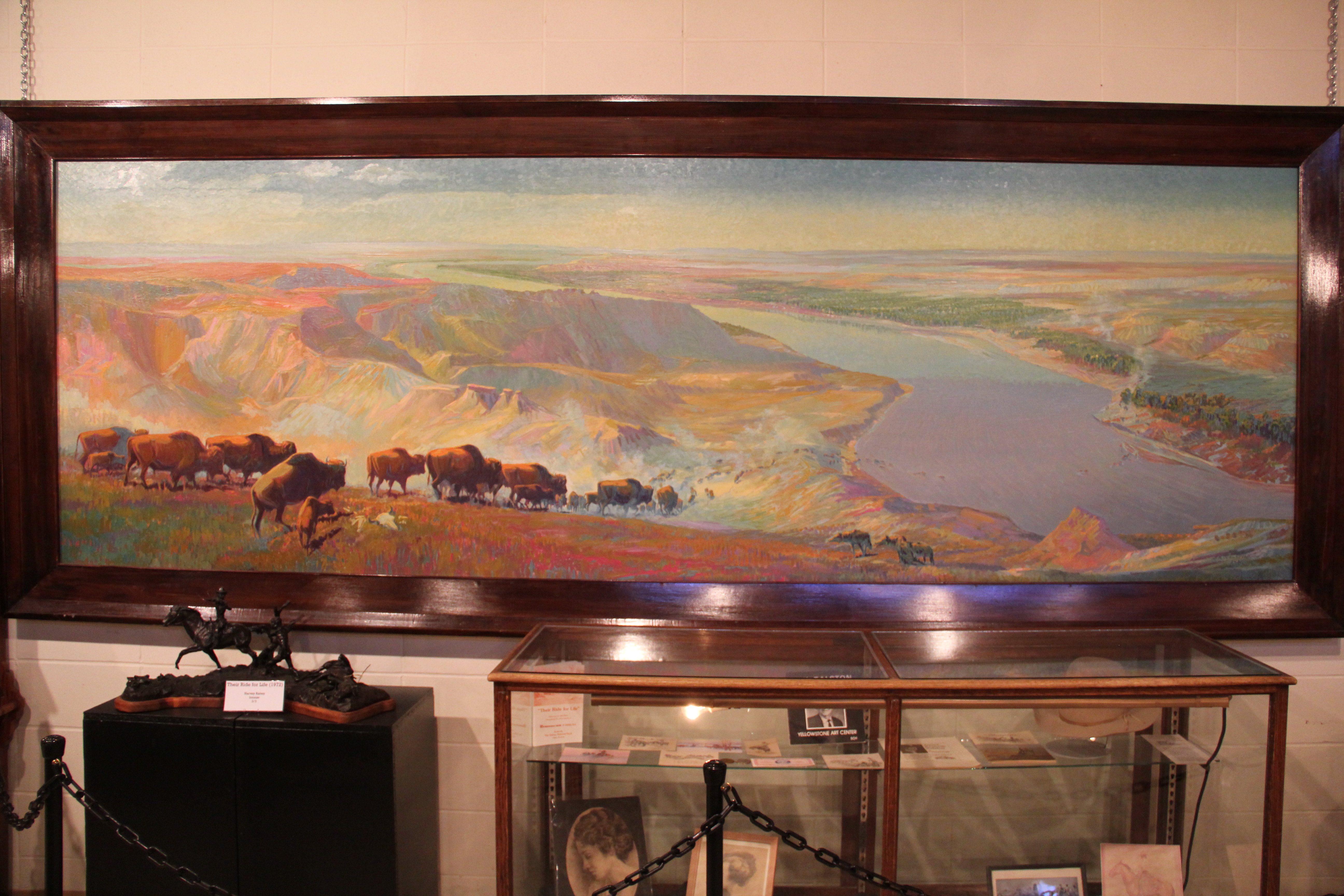
The Richland County Courthouse, which was undergoing a massive renovation when I visited a year ago, spoke to the hopes and dreams of Sidney in the early 20th century. This neoclassical monument stood above all buildings in the town–save for the grain elevators. Another important building was the post office, a New Deal era project of Colonial Revival design that featured one of the handful of Montana post office murals, a depiction of the Yellowstone River landscape before the railroads and irrigation project by J. K. Ralston. This building since 1984 had been converted into county offices.
IMG_7338
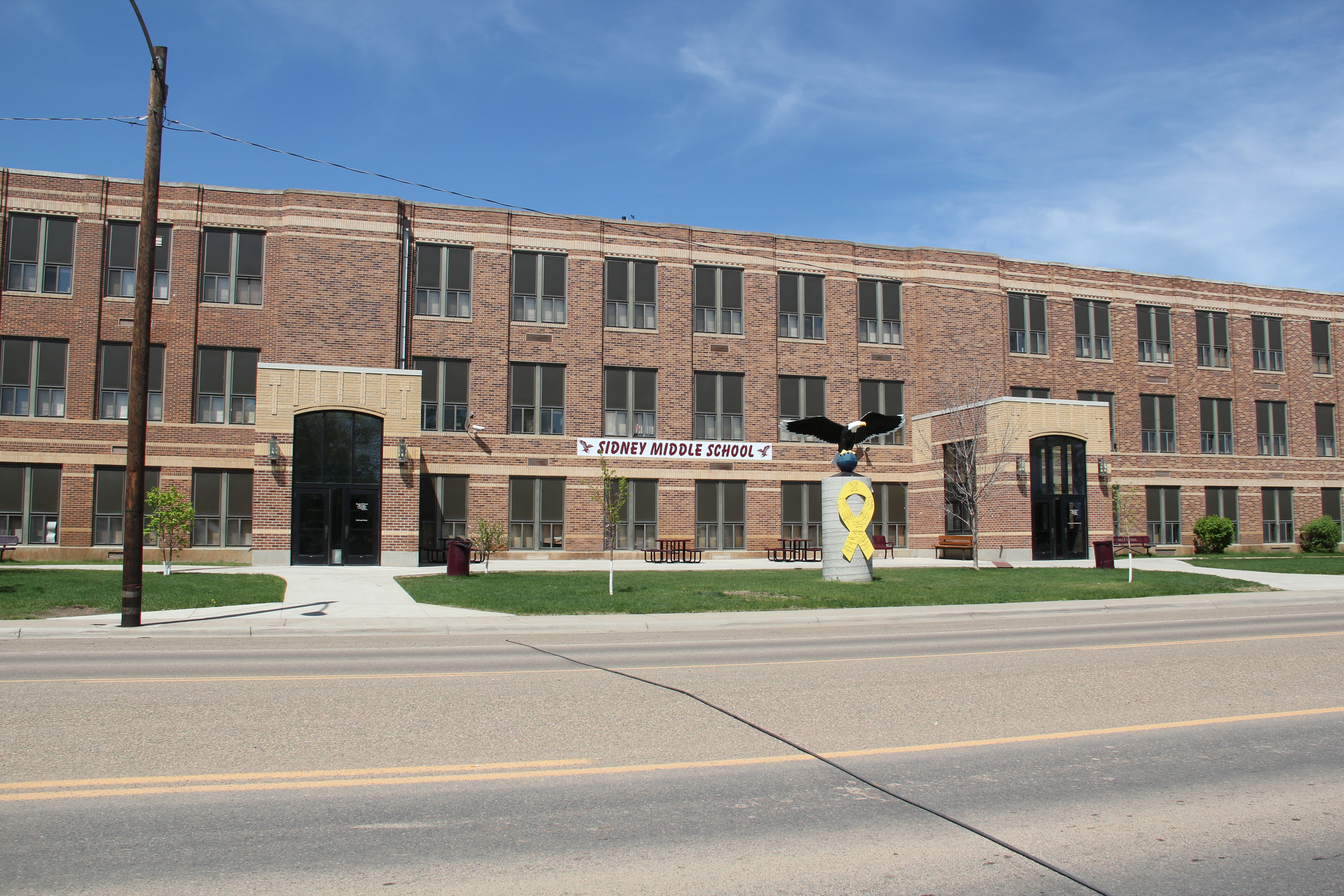
The 1930s also added two new buildings that have served the town’s youth ever since. Most prominent was the Sidney High School, now middle school, completed in the mid-1930s. A second was the log-construction Boy Scout Lodge, finished in 1932.
IMG_7331IMG_7346
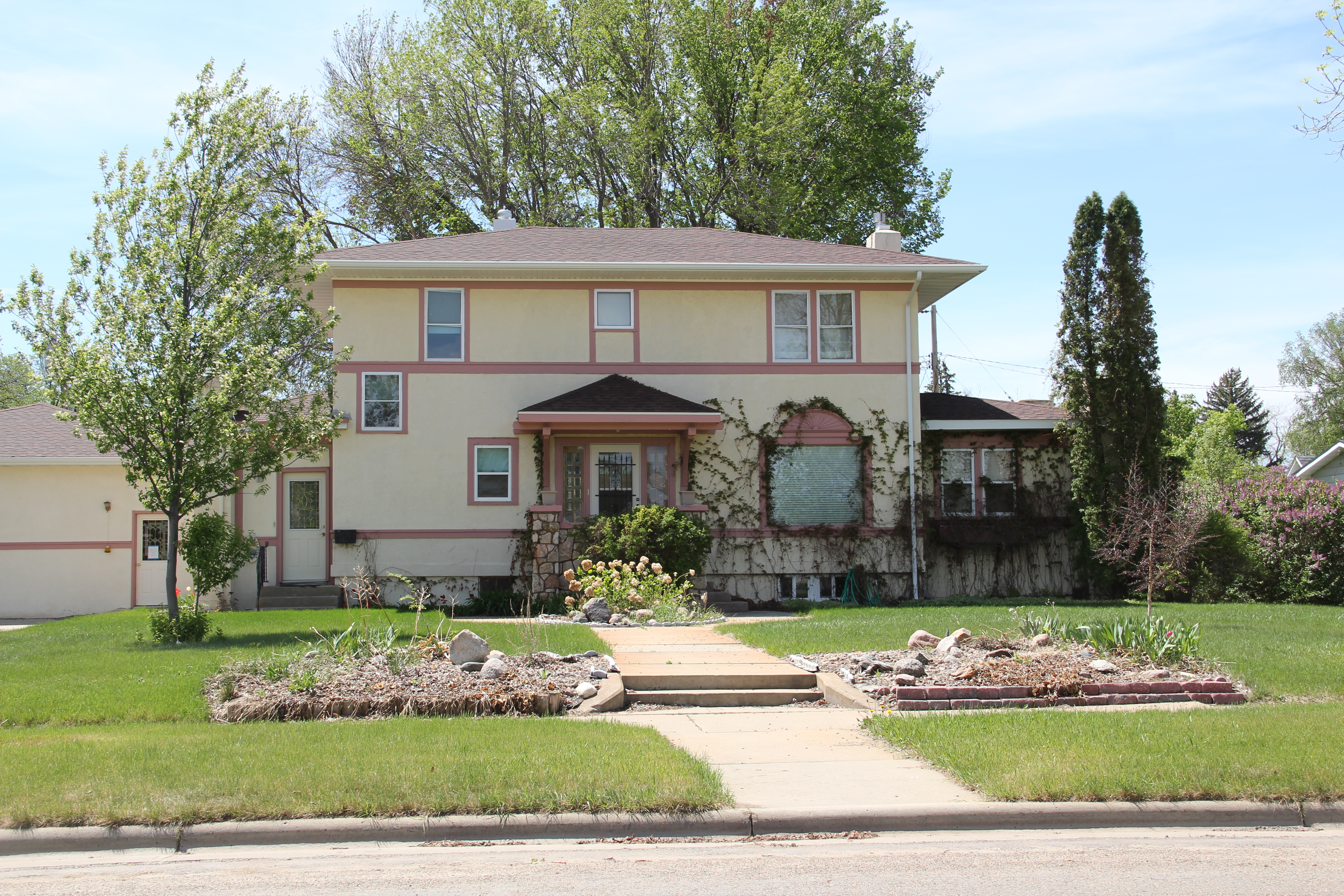
The town also retains several examples of 1920s domestic architecture, speaking to the impact of the sugar beet industry on its fortunes. Despite the on-going oil boom, these historic homes confer a bit of stability to a rapidly expanding area.
IMG_7344
IMG_7343
When I visited in 1984 the town proudly hosted a lecture about the state preservation plan at its brand new MonDak Heritage Center. The museum’s creators and leaders spoke with pride about how their history nor town would not disappear–the center was among the most impressive Eastern Montana history institutions of the time.
IMG_7353
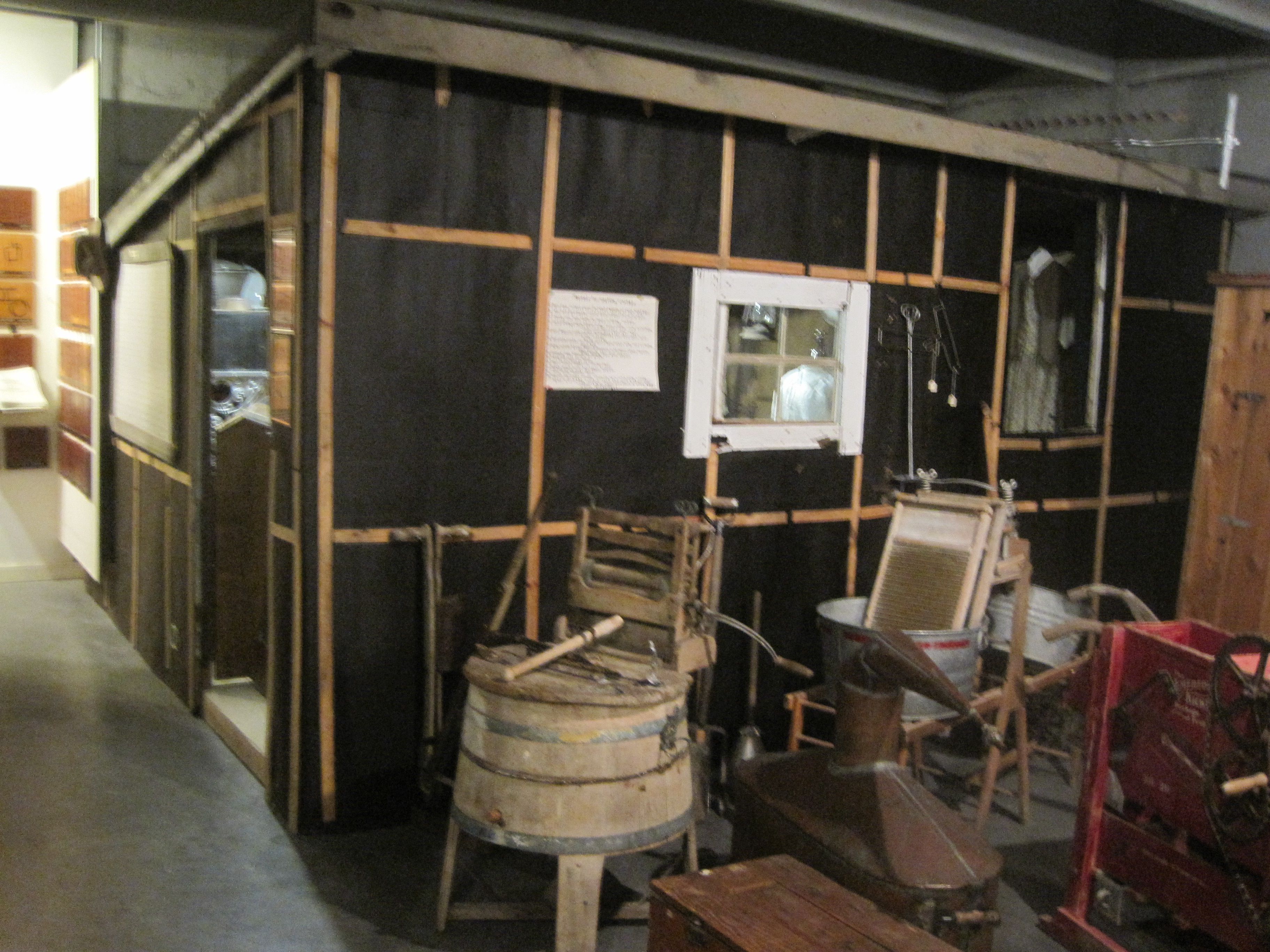
Little had changed over the past 30 years when I visited in 2013. The center had an over-flowing library and archives. Its art exhibits still celebrated J. K. Ralston. And its history exhibits still followed the model, set earlier by the Montana Historical Society in Helena in the 1970s, of a recreated frontier town, with period rooms, businesses, churches, and homesteading shacks.
IMG_7348
IMG_4241
IMG_4242
The MonDak Heritage Center was a comfortable step back into time–not only for the persistence of museum interpretation from 30 years ago but also from the realization that despite the rapid change all around them, some in Sidney still retained that earlier sense of self, of ranchers making do and building a community out of the demanding environment of the Lower Yellowstone.

Flaxville’s disappearing act

IMG_7593
A generation after its first settlement in 1913-1914, over 500 people lived in Flaxville, a Great Northern spur line town in Daniels County. When I visited in 1984, I found a declining railroad town, very common in the region, but I also liked how an old one-story brick bank still served the town’s 142 residents as a post office. Adaptive reuse at its best.
IMG_7595
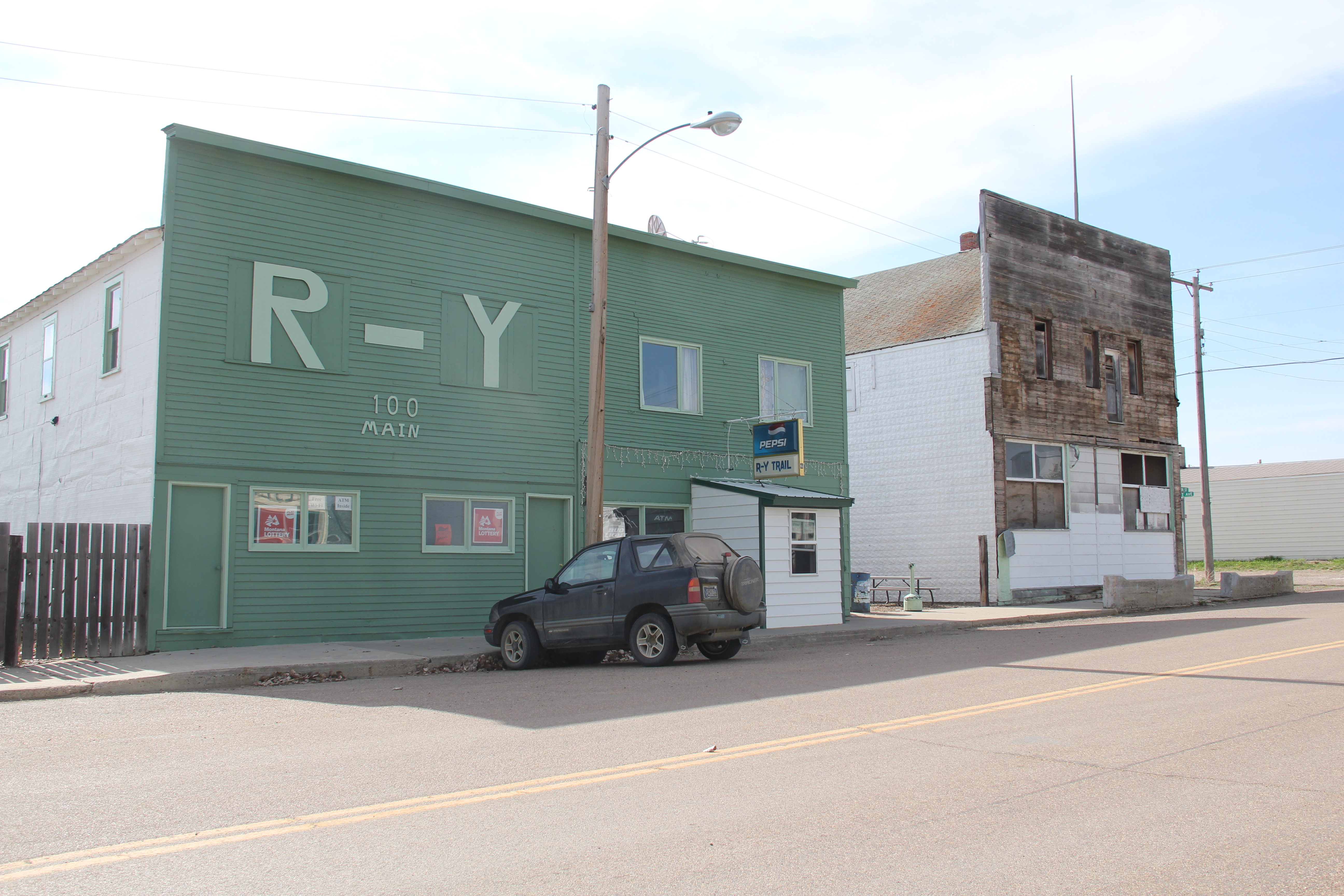
Almost 30 years later the post office remained but one-half of the residents had gone. The census taker in 2010 counted 71 people in Flaxville. Despite the disappearing numbers, Flaxville has many worthy landmarks beyond the historic bank. Let’s start with the R-Y Bar, one of the few reminders in all of Montana of a historic trail that once connected Regina, Saskatchewan, to Miles City, far to the south.
IMG_7600
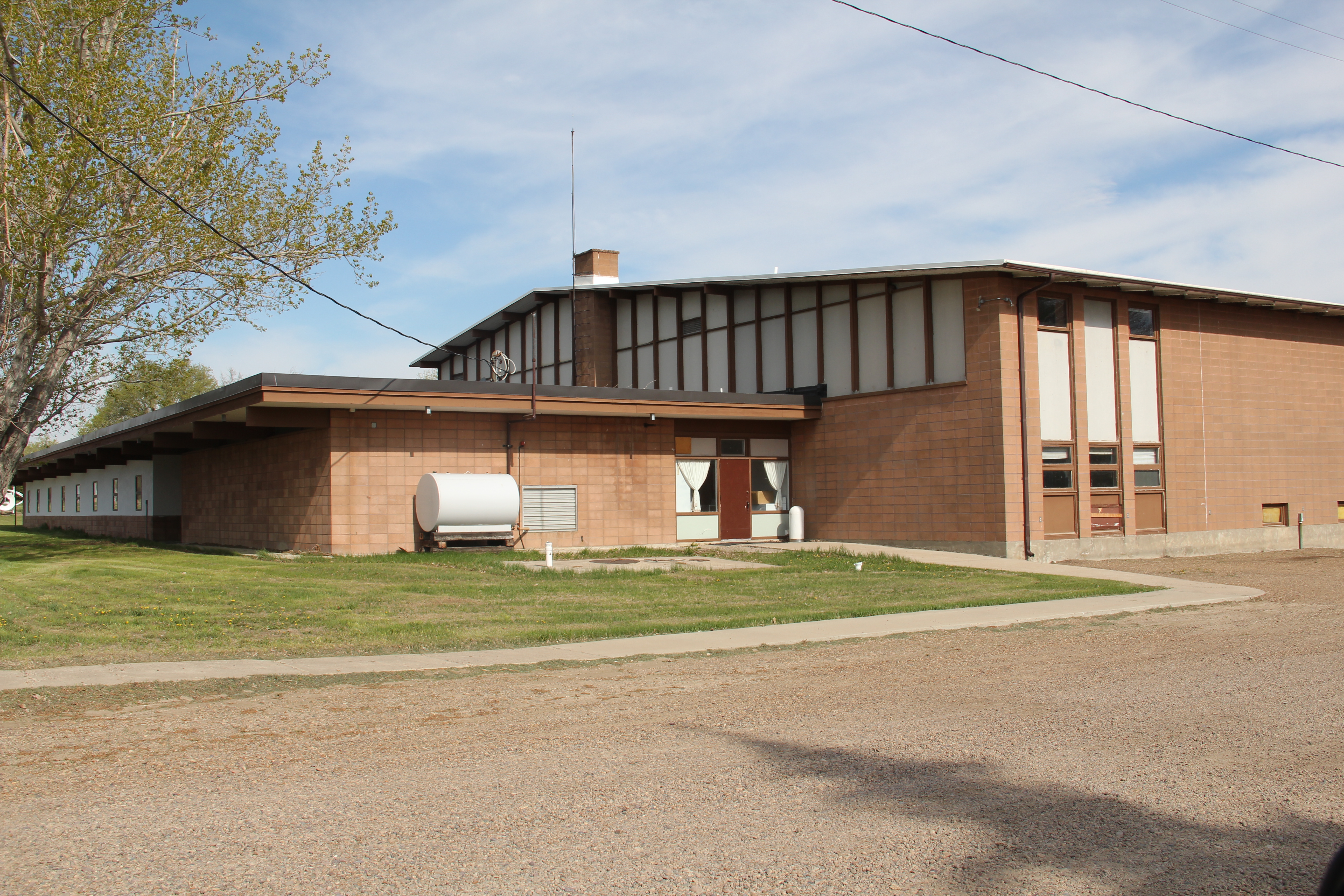
Then there is the Flaxville school, actually a marvel of contemporary design that you would never expect to find in such an out-of-the-way place. Once again we find Montana modernism is not just in the cities.
IMG_7604
IMG_7605
IMG_7602
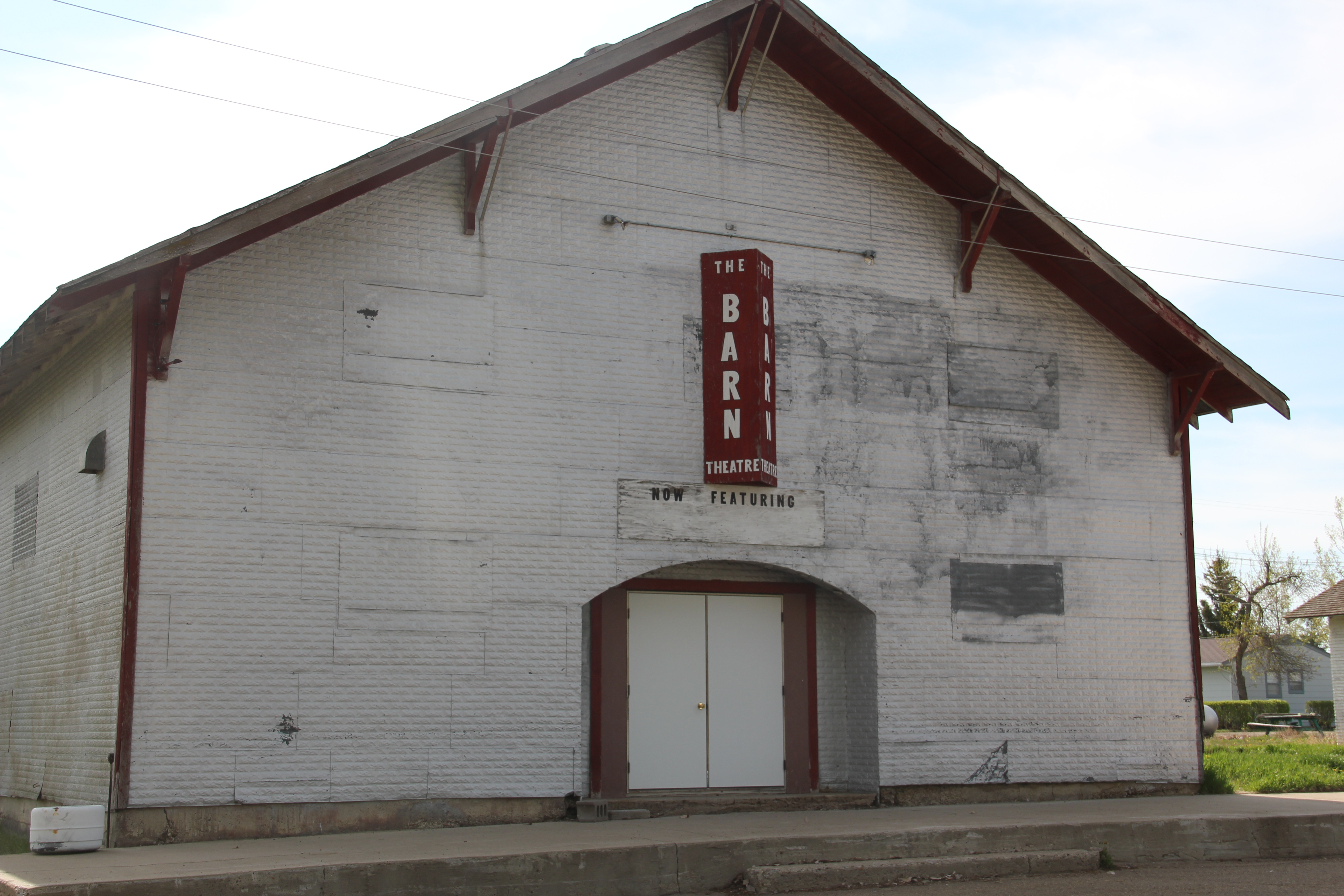
The Barn, once a movie theater now a community theater and center, is a true rarity–a vernacular design for a popular culture purpose that seems almost crazily out of place. Its size speaks to time when whole towns gathered in one place for the movies. Its empty marquee today records a much more unpleasant truth: the
IMG_7598
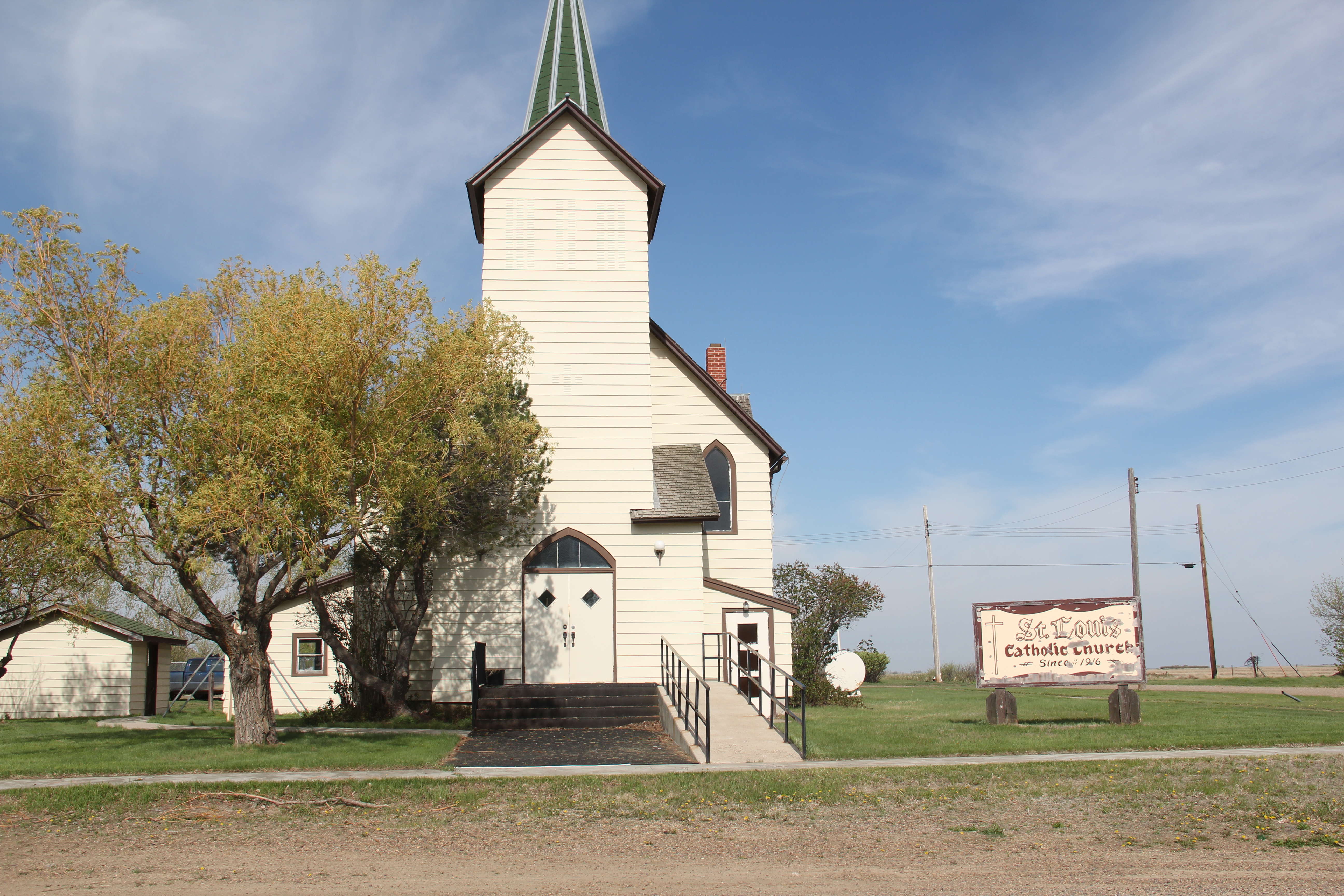
reality of what happens when everyone begins to leave: the lights do go out. Yet the remaining local Catholic and Lutheran churches also speak loudly, to the quiet determination of those who remain here in Daniels County.
IMG_7603
IMG_7601
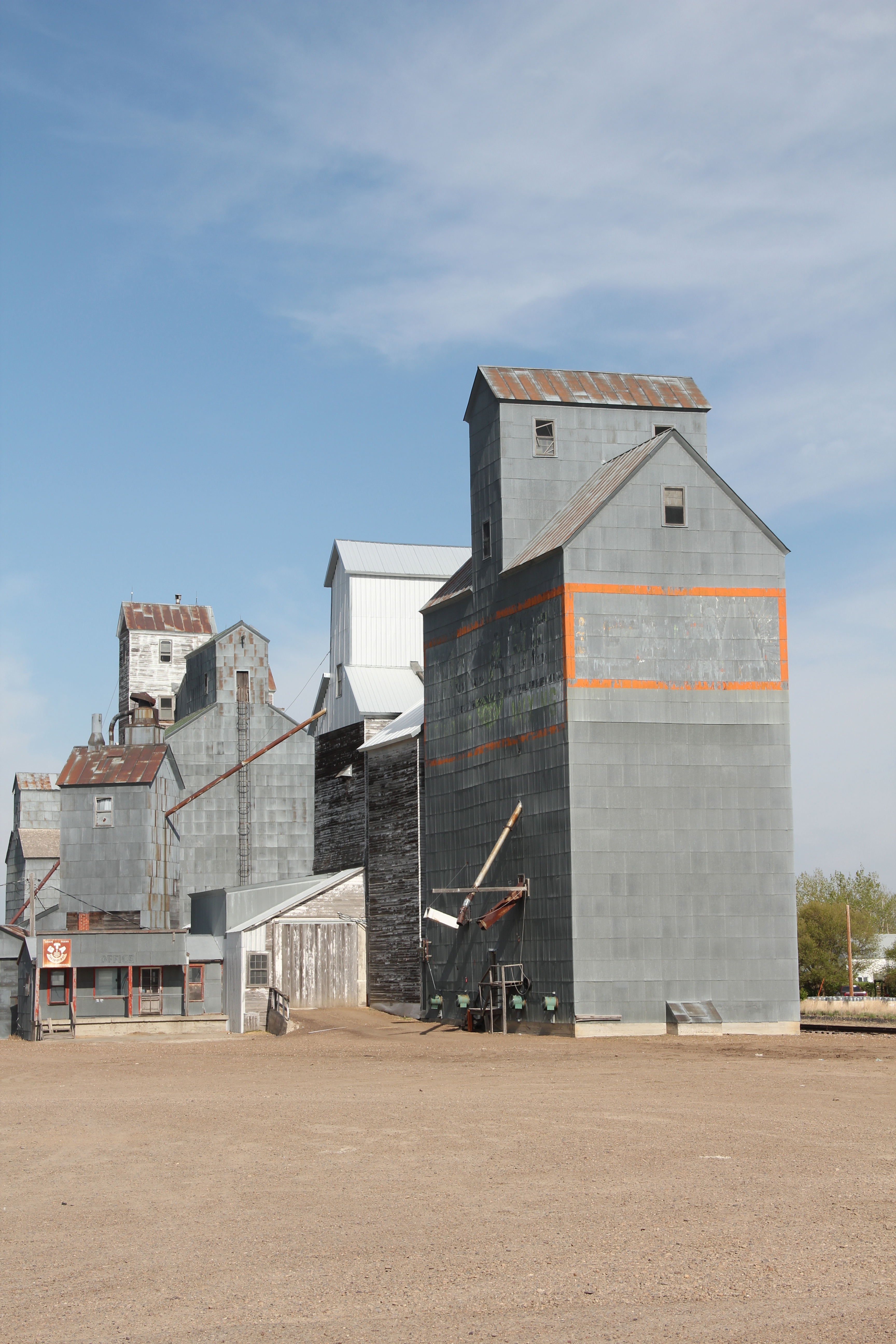
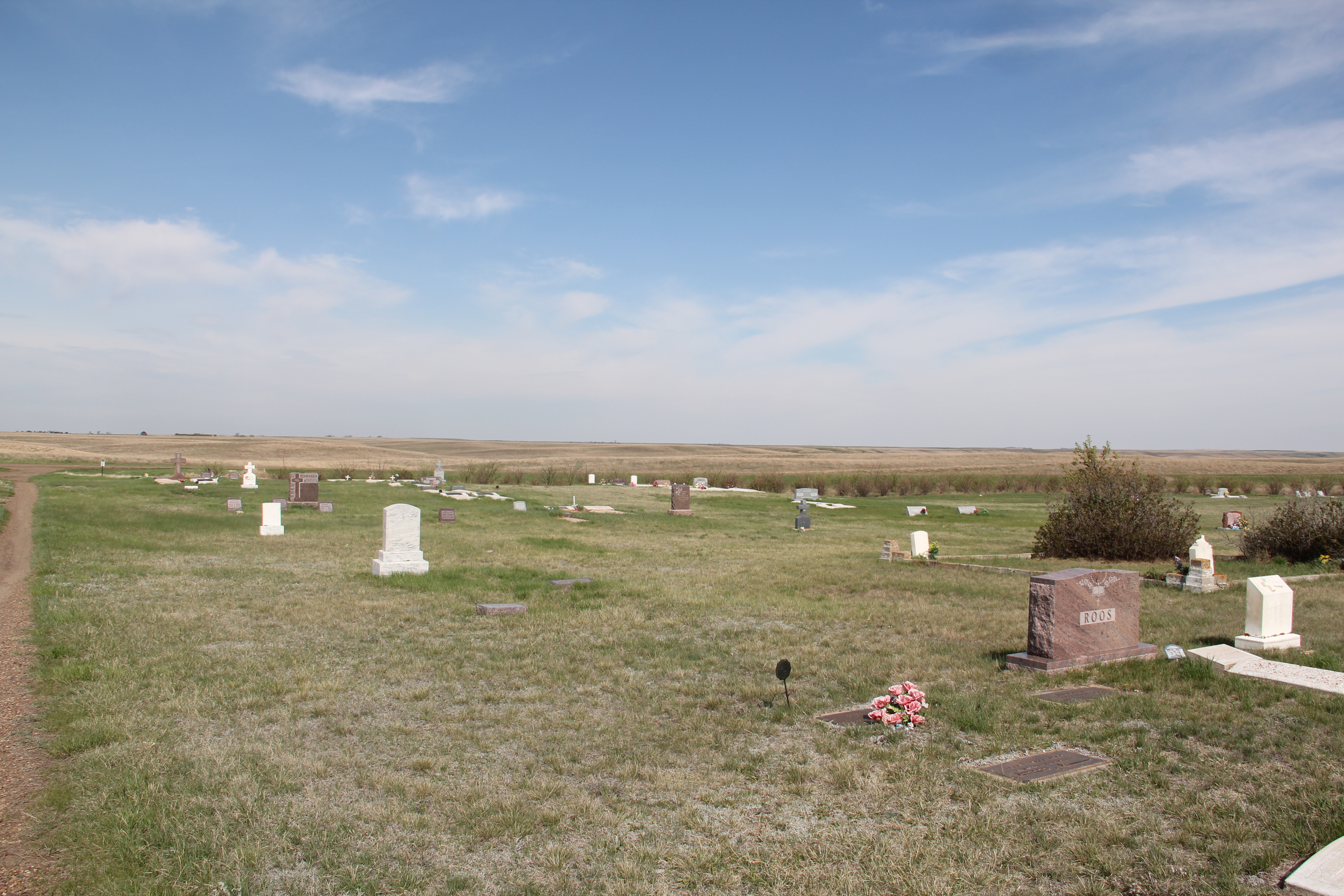
Naturally the grain elevators remain as sentinels overlooking Flaxville but few other commercial enterprises are open. The starkness of the town’s cemetery records both the past and future of this tiny place in Montana’s northern plains.
IMG_7592
IMG_7624

Glasgow on the Hi-Line

IMG_2790

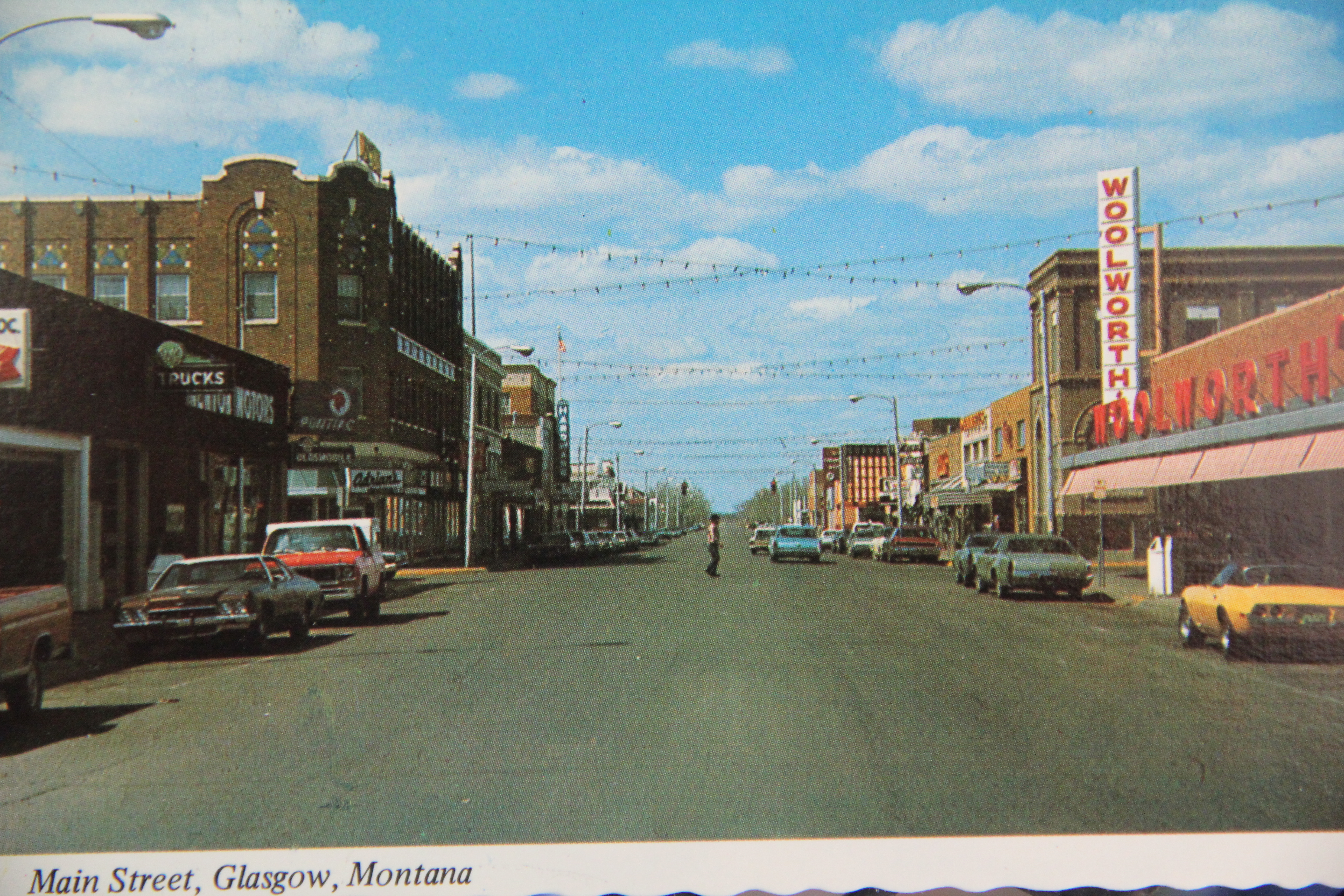
Glasgow, the seat of Valley County, has a rich small-town urban landscape, among the best along the Hi-Line of U.S. Highway 2.  Although businesses and population has struggled since I spent time there during my 1984 fieldwork (the population dropped from 4,455 in 1980 to 3,250 in 2010), the town retained an edge of vibrancy and vigor.

IMG_7984


Many of the patterns shaping life in the northern reaches in Montana are still on display within Glasgow, starting with the original impact of the Manitoba Road, then Great Northern Railway.  The combination passenger station continues to serve travelers, who if they wish to step off the train will find a classic strip of bars and cafes facing the depot.

IMG_7977


The railroad corridor has deeply imprinted the town, with giant elevators dominating the skyline while even the highway as it dips under the tracks by means of the New Deal-era underpass pays tribute to the true “right-of-way” through Glasgow.

IMG_7985  IMG_7983


So too has the federal government left a deep imprint on the town, from the irrigation projects of the U.S. Reclamation Service to the construction of Fort Peck Dam in the 1930s and then the Glasgow Air Force Base in the late 1950s and 1960s. The Glasgow Post Office and Federal Courthouse lies at the heart of downtown, reflecting in its blocky massiveness and Art Deco styling the federal presence.

IMG_7949

Just as important, the building tells the federal side of the local story through the New Deal mural, “Montana Progress,” by artist Forest Hill that adorns the lobby.  It is one of the state’s six extant New Deal post office murals. Here the coming era of progress–symbolized by railroads, irrigation (the sugar beet factory), Fort Peck Dam and electric power–supplants cowboys, Indians, and the rural landscape itself.

IMG_7945 IMG_7942


Another landmark featured in the mural is the Glasgow Civic Center, part of the larger effort to create community institutions in the face of the often overwhelming sense of change and despair during the Great Depression.  The Civic Center still serves as a town anchor, an important part of Glasgow’s public landscape.

IMG_7964

The federal imprint left a decided modernist turn to the townscape, although preservation efforts in the last generation have kept earlier classical or revival-inspired buildings part of the town, such as the Goodkind Block, the First National Bank, and especially the Rundle Building, which may be the town’s most distinctive architectural statement from its initial settlement and development era.

IMG_7982


IMG_7980

IMG_7952

The highway corridor shows the modernism of the 1950s most graphically through restaurants, bank buildings, and signs designed to grab the attention of all those who entered.

IMG_7888 IMG_7956


IMG_7988


Glasgow’s built environment tells the story of how federal programs, from irrigation to New Deal to the Cold War, could leave marks still apparent in the 21st century.


Fort Peck’s Transformation of Valley County, part 2

IMG_8015


For many visitors to Fort Peck, the grand, mammoth concrete spillway (which is actually in McCone County) is the takeaway lesson of this nationally significant New Deal project.  Photos in Life magazine made this place famous, and its modernist design was lauded not only in the United States but overseas as well.  When he visited the construction site in 1934 President Franklin D. Roosevelt insisted:  “people talk about the Fort Peck Dam as the fulfillment of a dream.  It is only a small percentage of the whole dream covering all of the important watersheds of the Nation.”
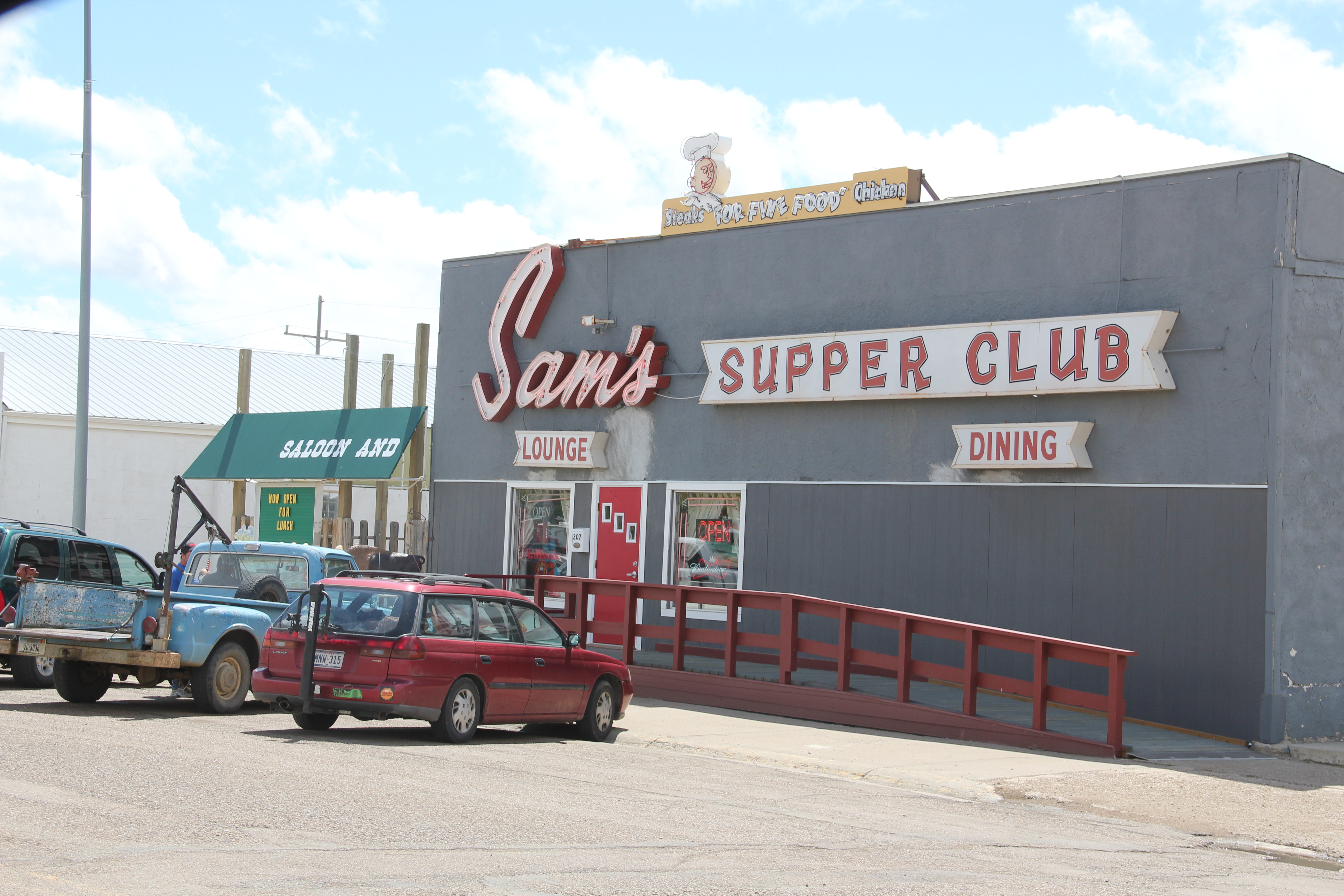
IMG_8109  IMG_8069


Fort Peck Village, constructed for officials of the project, visitors, and workmen, is on a wholly different scale.  One and two-story buildings, a general Arts and Crafts aesthetic with Colonial Revival buildings thrown in for good measure, curvilinear streets, open public spaces:  an attempt in general to establish a 1930s suburb feeling among the key administration buildings of the project.

IMG_8099  IMG_8094


IMG_8097

Historian Fred Quivik has written insightfully about the townsite, its development, and the changes it has experienced since, especially the expansion of the 1950s and the addition ranch-style houses and a contemporary-design school.

IMG_8106  IMG_8105


Fort Peck Village provided respite and recreation for administrators and workers.  The village’s most impressive legacy–and one of the most important buildings of New Deal Montana, is the Fort Peck Theatre.

IMG_8089


Nothing in Montana matches its Arts and Crafts-infused Swiss Chalet styling.  Details abound on both the exterior as well as the interior.

IMG_8078


IMG_8087


In 1984 I marveled at the building.  My colleagues at the Montana SHPO, especially Lon Johnson, had prepared me for it by sharing images and stories.  But nothing quite matches being in the space, as then experiencing a stage show as I did in 2013.

IMG_8111

The theatre, the town, and the colossi of the dam, reservoir, spillway, and powerhouses create a landscape like none other in the northern plains and one of the nation’s most powerful statements of the New Deal landscape.

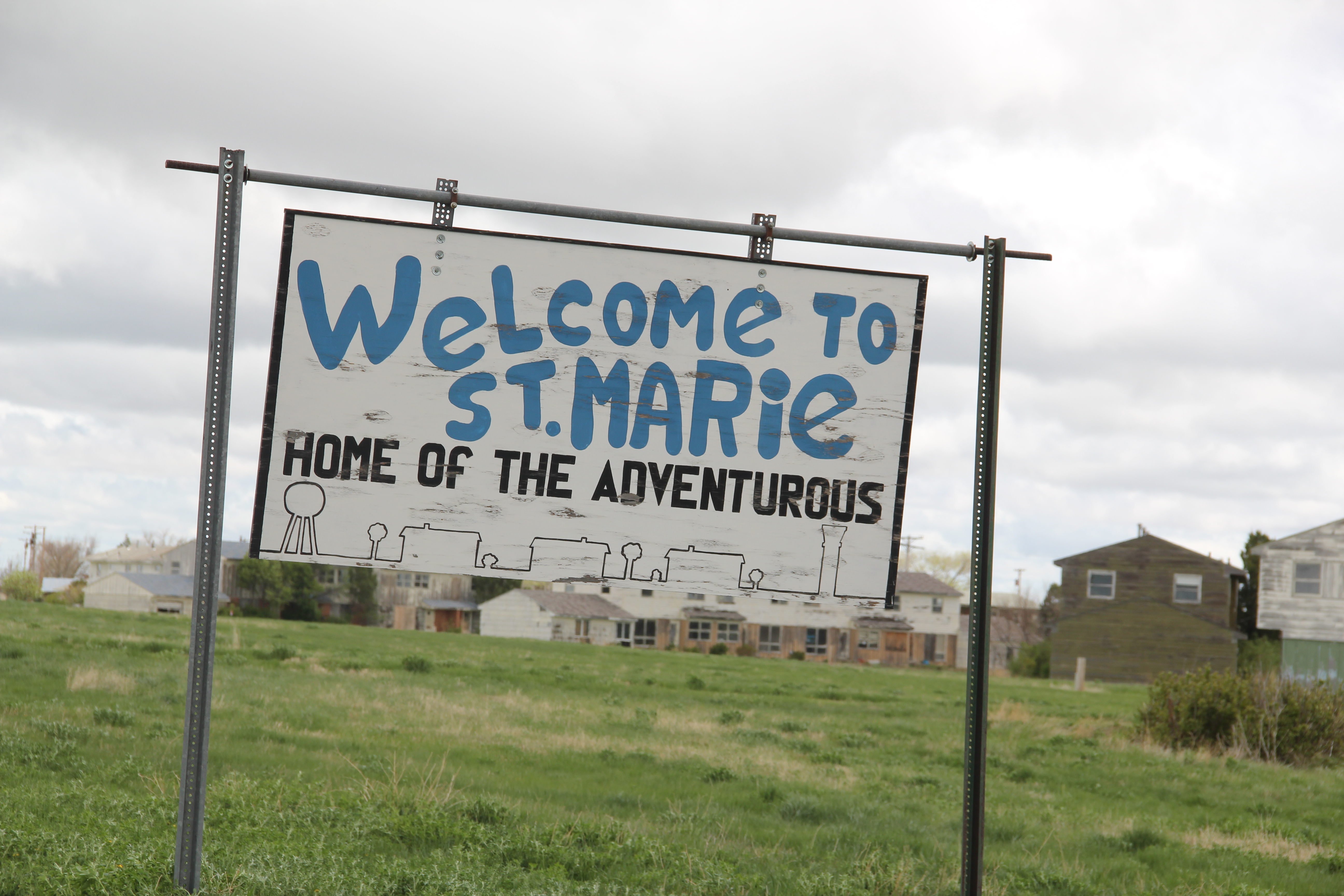
Valley County’s St. Marie: The Federal Imprint, part 2

Image

A month ago, I explored the important of the U.S. Reclamation Service (now Bureau of Reclamation) on the middle of Valley County through its Milk River project, and paid particular attention to now largely forgotten towns such as Vandalia.  irrigation to make the arid prairie bloom was crucial to the county’s history.  But now let’s jump ahead and look at when the federal government literally just saw the county as a spot on a continental map–the perfect location high near the Canadian border to locate a major Air Force base.  

Image

The Glasgow Air Force Base, activated in 1957, was initially part of the Air Defense Command, a base for interceptors to stop any air attack from the Soviet Union.  By 1960 the base’s mission had expanded to the Strategic Air Command, and the runways lengthened to handle huge B-52 bombers and tankers (like those shown at the beginning of the iconic film Dr. Strangelove).  SAC abandoned the base in 1968–and although the military came back briefly in the mid-1970s and various private companies have tried to invigorate the base ever since, what the Cold War brought in the 1960s has largely turned into a Cold War ghost town.

Image

Local heritage leaders eagerly showed me what was then known as St. Marie’s Village, and spoke of it as a retirement location for the many airmen that had passed that way twenty years earlier.  Frankly, I wondered why they would come back–certainly the town then looked like a television set for Bewitched or countless other 1960s sitcoms.  

Image Image


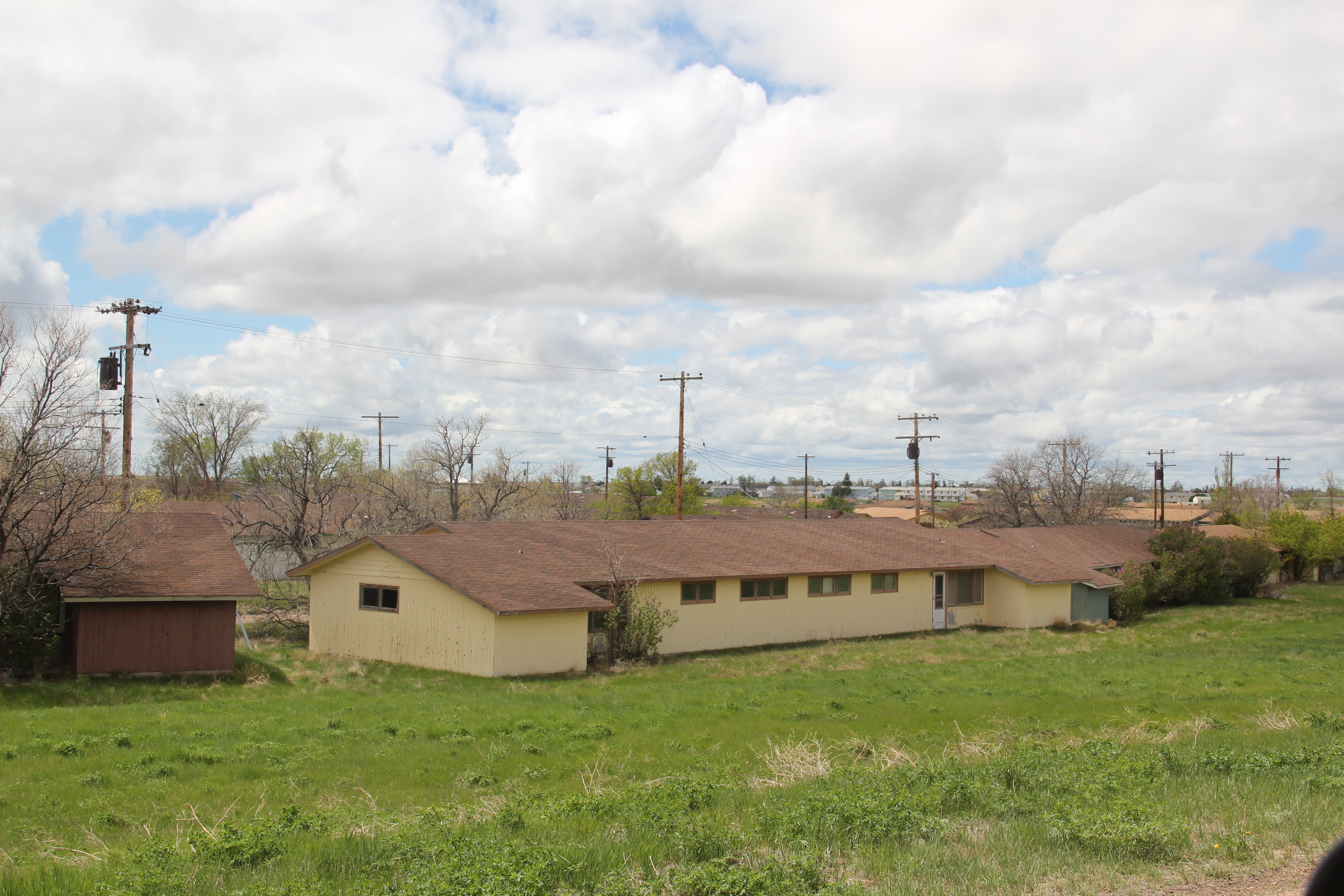
Image Enlisted men barracks


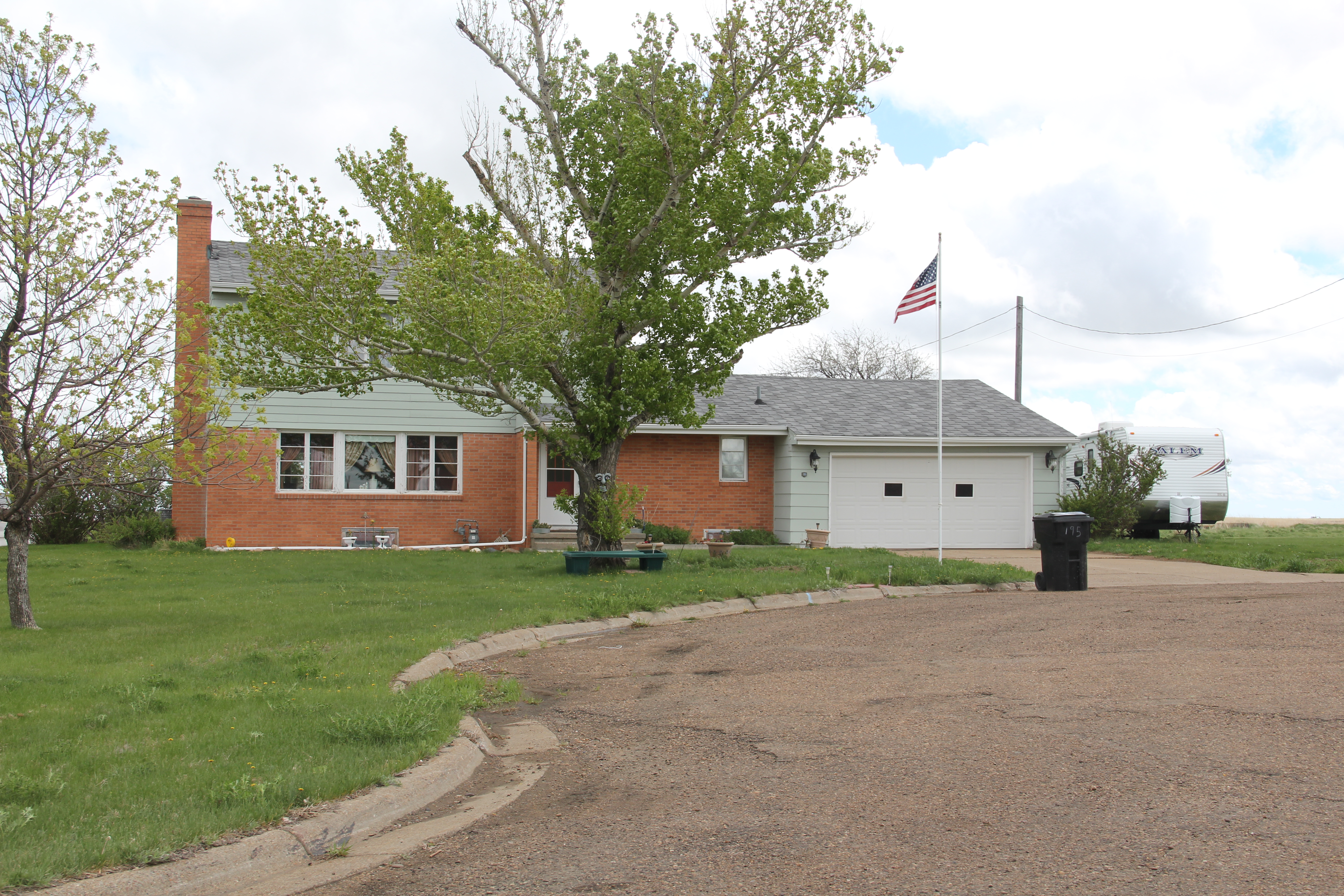
Image Commanders quarters–single family homes

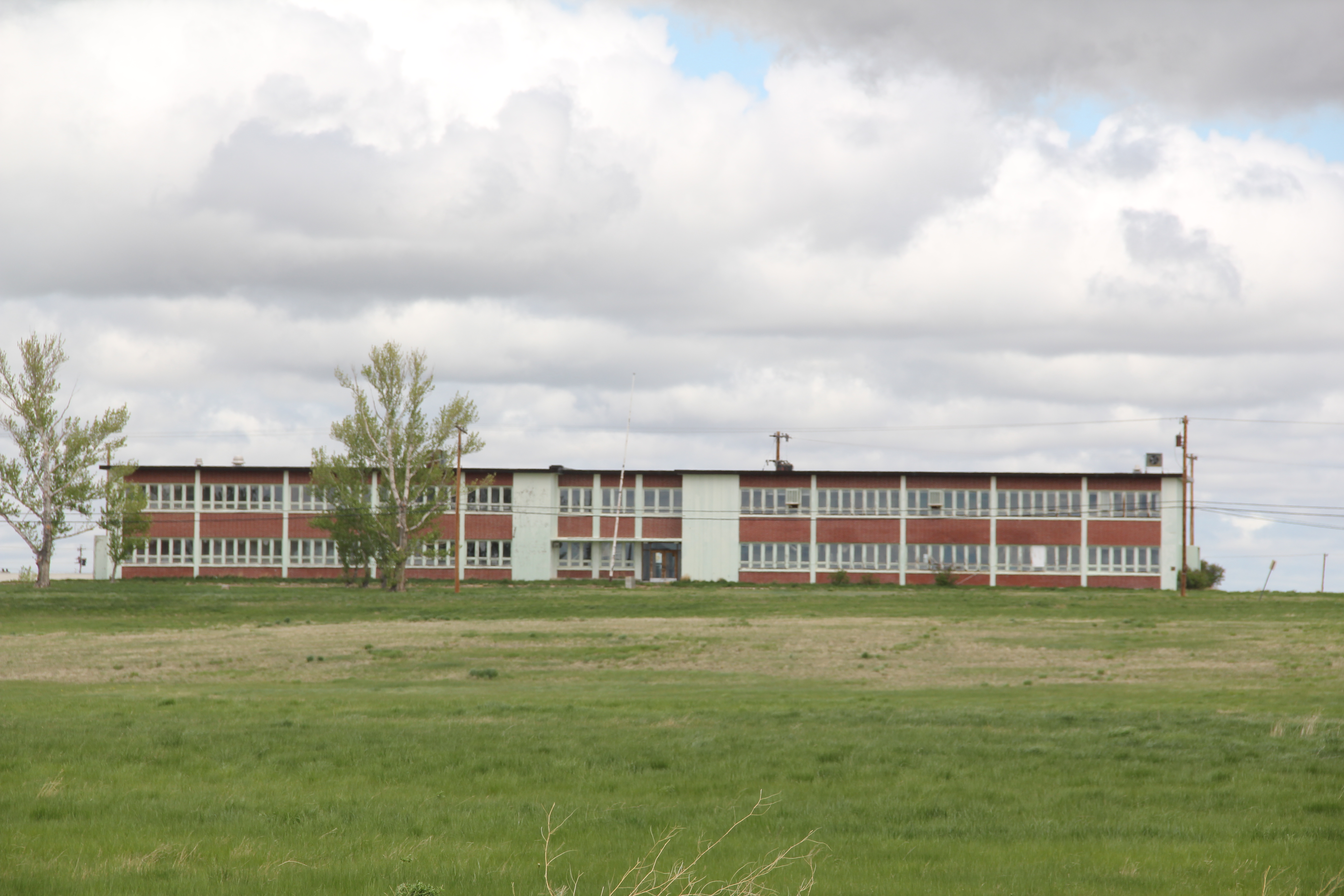
Rows of ranch-style houses, contemporary, modernist public buildings, modernist styled school buildings, curvilinear roads–it was a California suburb plopped down some 25 plus miles north of Glasgow.  

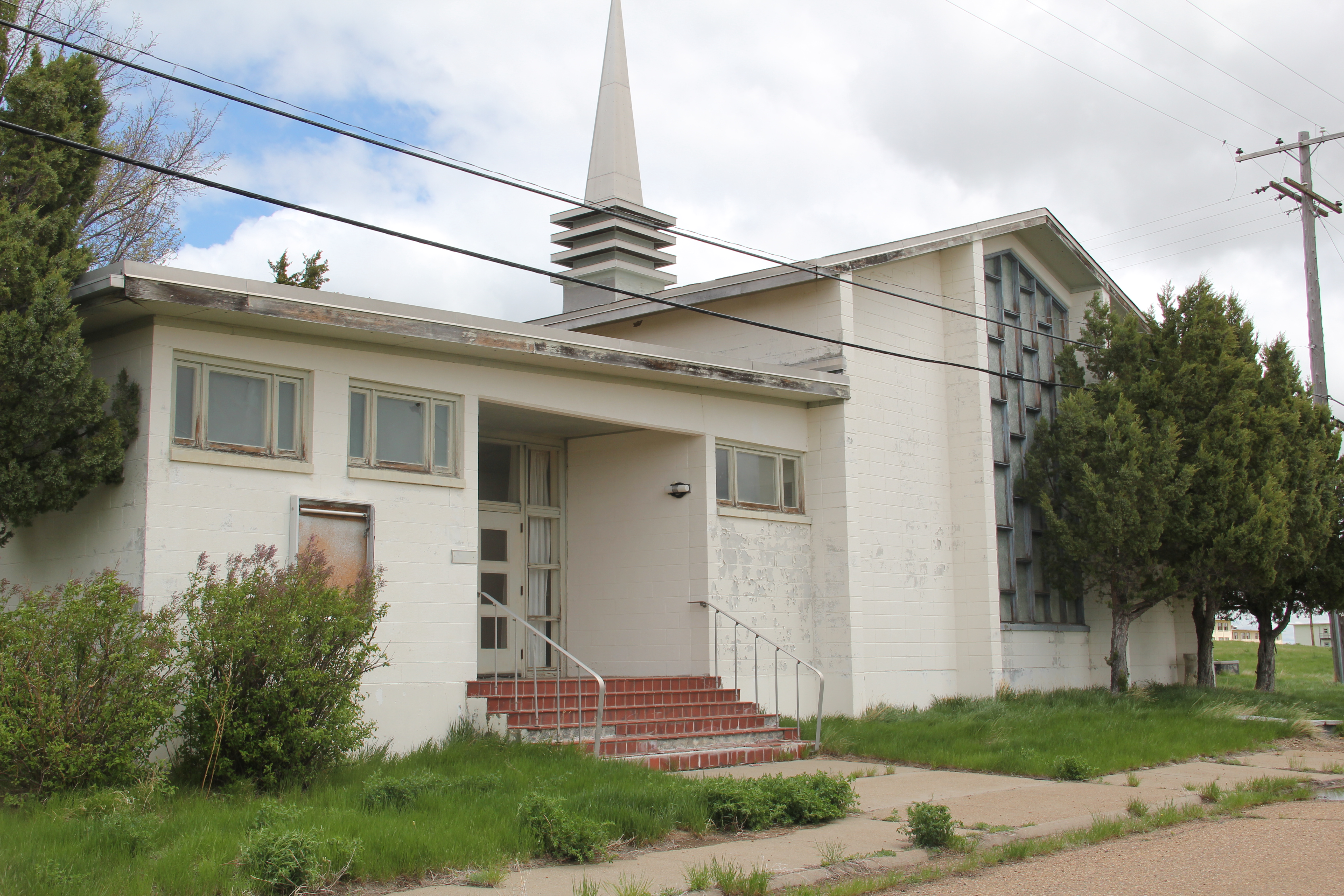
Image The Chapel

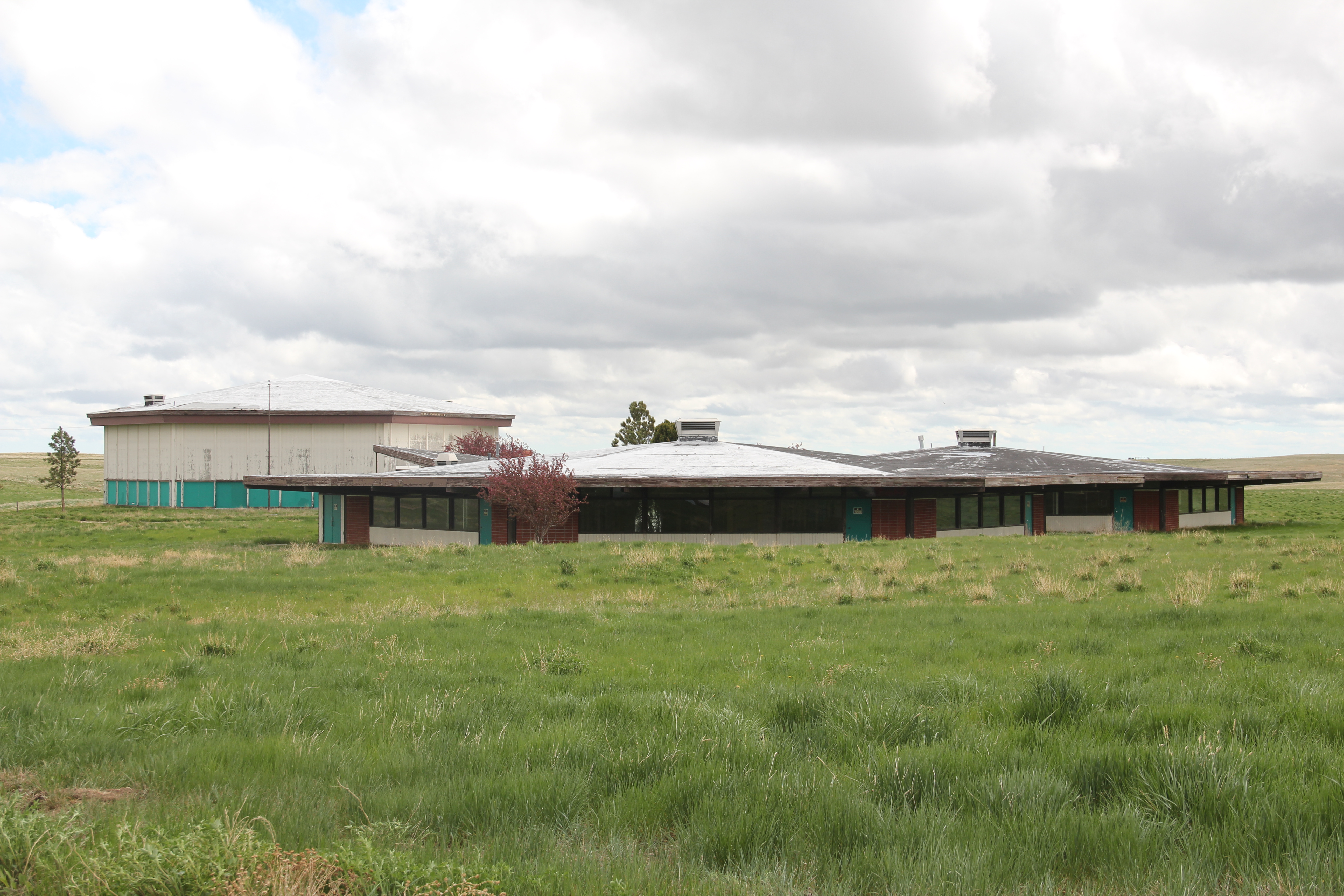
Image The school

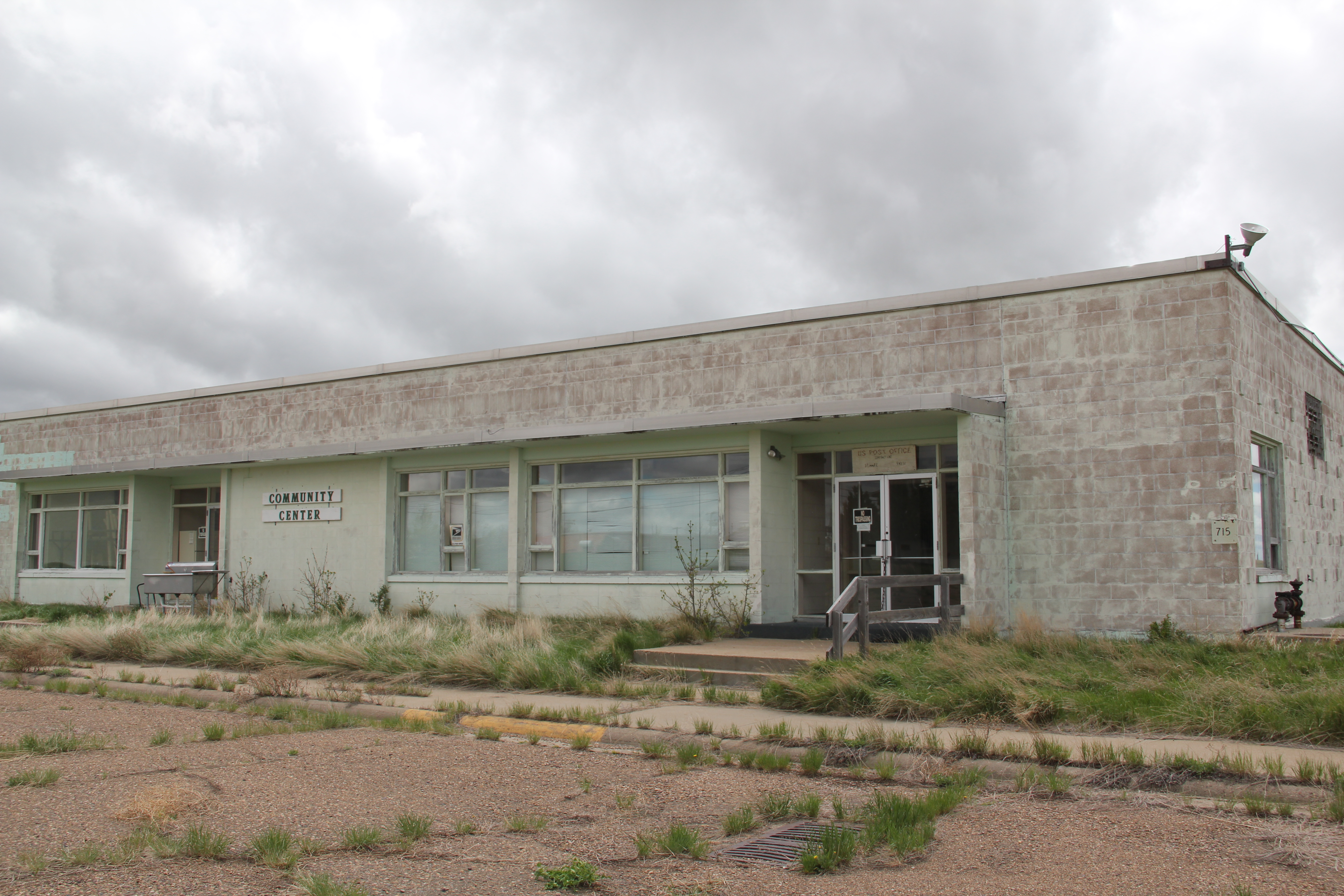
Image Post Office & Community Center

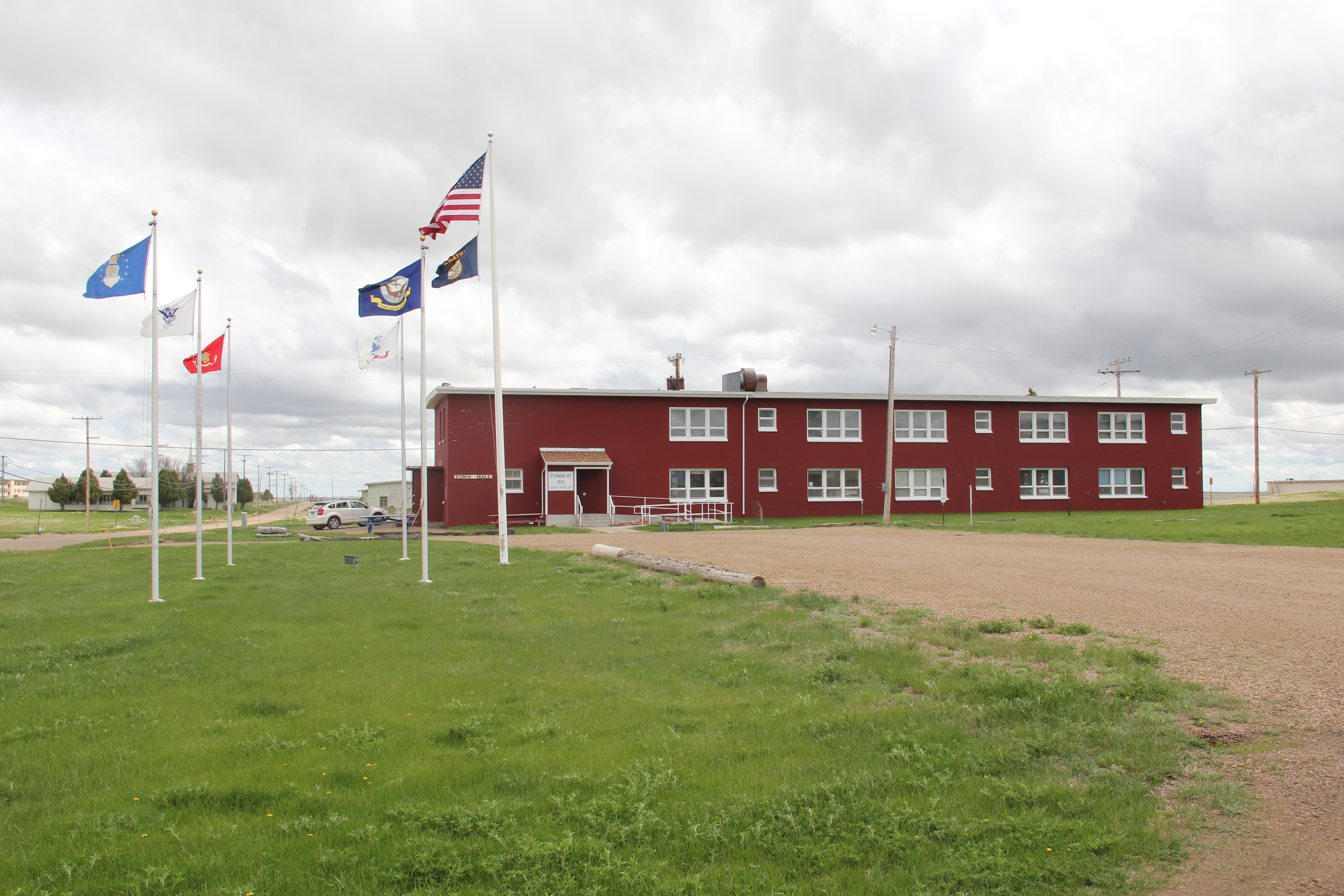
The 1980 visions for St. Marie were never achieved–although just over 200 people in 2013 had bought into the idea and and restored to one degree or another the slowly disintegrating homes.  Most impressive to my mind was how respectfully they restored one of the buildings into City Hall–a statement of pride of what a few hundred people could achieve.

Image

And that is what I found a few ago–a huge place largely abandoned but still with life.  One in fact with some hope since there was new talk of a company buying the decayed place, rescuing homes, and turning it into the shelter for the oilfield workers of the Williston Basin, many miles to the east. Much had been lost in 30 years–how much more will survive the next 30 years?  Will the fate of St. Marie be, in general, the fate of Cold War installations across the West?

Image

Image

Chinook and the Sugar Refinery

The last post ended with a rather pastoral image of the Utah-Idaho sugar refinery in Chinook with promises to add a few comments on how the town changed after the refinery.  Let’s begin with a dose of reality–the image of a stack looming over the prairie is compelling but misleading.  The WPA Guide to Montana tells us that the factory began in 1925, was the state’s fourth largest by the late 1930s, and that the “shacks” of Mexican and Filipino workers crowded around the factory.  Other sources record how at this same time

Image

other communities down river complained of the foul discharge of the company directly into the Milk River.  The lesson here:  later day architectural photos can sometimes obscure rather reflect historical reality.

Within Chinook, there are many reminders of the prosperity brought by beet farming and the refinery.  The town has an interesting array of 1920s and 1930s domestic architecture, from the revival craze to the modernism of the International style.

Image


Image


Business owners also took the new styles of the Jazz Age–like Art Deco–and added facades that gave a new look to their stores.

Image


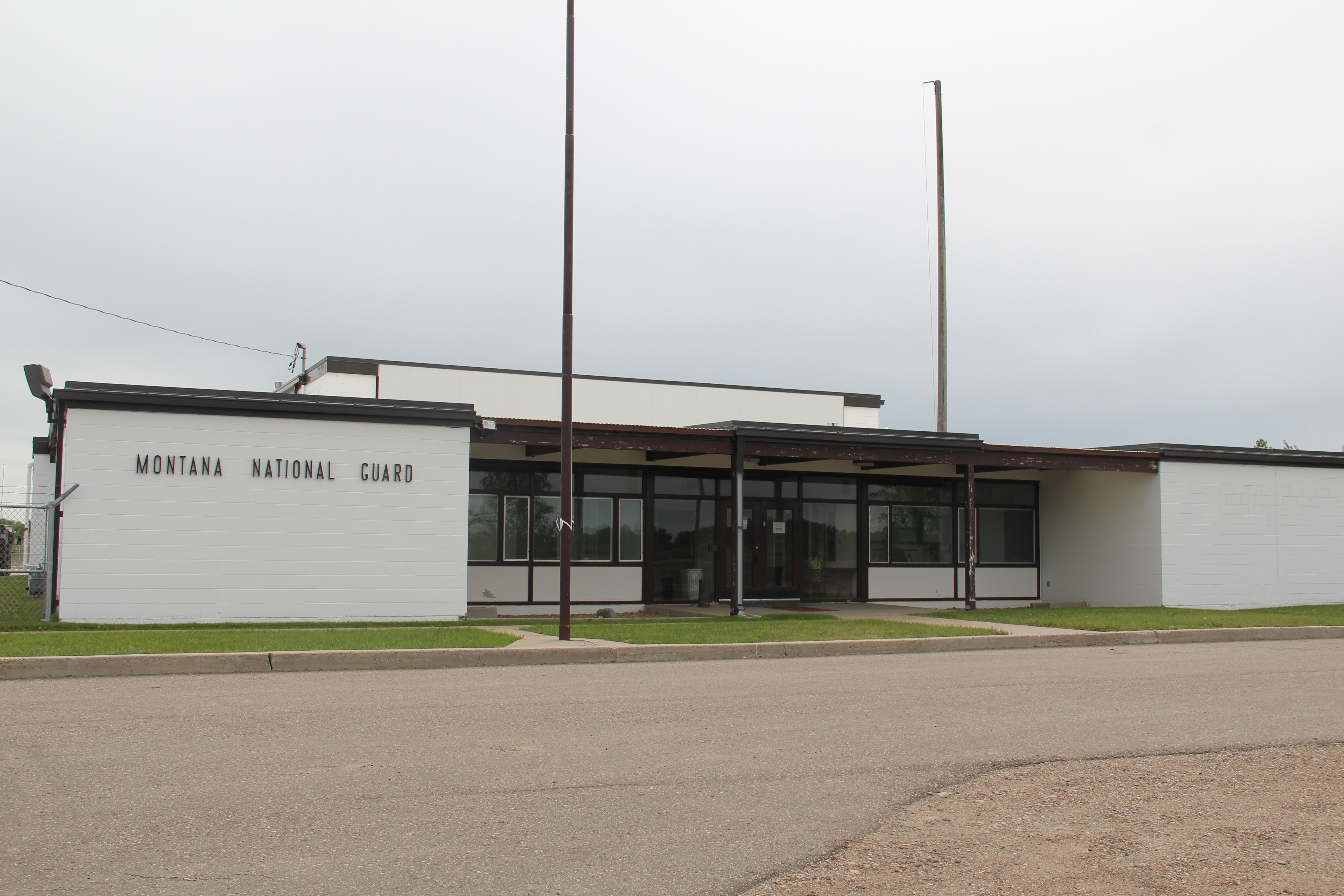
After the impact of New Deal modern design in the new Chinook High School in the 1930s, Chinook embraced post-World War II modernism, such as the expansion of the high school in the 1950s, a dazzling International style National Guard facility out near the Image 

Image

sugar refinery, and a new International Harvester dealership, part of the architectural legacy of industrial designer Raymond Loewy.

Image

The sugar refinery brought a new era to Blaine County and it gave Chinook a two-sided look:  one, a railroad town along U.S. 2, and two, a modern plains town that emerged agriculture and industry in the mid-20th century.

Great Northern Towns in west Hill County, Montana

In my 1984 fieldwork, Havre was a base for quite a bit of travel along the Hi-Line.  One of the most compelling landscapes, and among my favorites for the state, were the little towns, regularly spaced about every eight miles, west of Havre.

Image

At the time, my understanding of this landscape was heavily influenced by recent works by the American Studies scholar John Stilgoe (Metropolitan Corridor: Railroads and the American Scene) and the historical geographer John Hudson (a series of articles that culminated in the book Plains Country Towns.) Stilgoe reminded me that railroads in the late 19th century not only defined towns and urban design but impacted American culture in how small, tiny spaces became part of urban, metropolitan life through the steel tracks.  Hudson explain why towns existed every six to seven miles or so throughout the plains (these were often single track lines so trains needed places to pull over for passing, and places where water and fuel could be acquired as necessary).  Hudson explained differences between railroad division points, where shops and offices would be located, and “country towns,” where typically a combination depot carried out all of the railroad’s corporate functions.

Image

This arrangement of space, and the ennobling of railroad culture in larger towns, was exactly what I saw in Havre and Hill County.  Ever since 1984, this has been among my favorite places in Montana.  In a posting last year I discussed the “disappearing depots” along the Hi-Line, focusing on west Hill County.  I want to revisit those same places today, with a deeper view on what was there in 1984 and what you find today.

Image

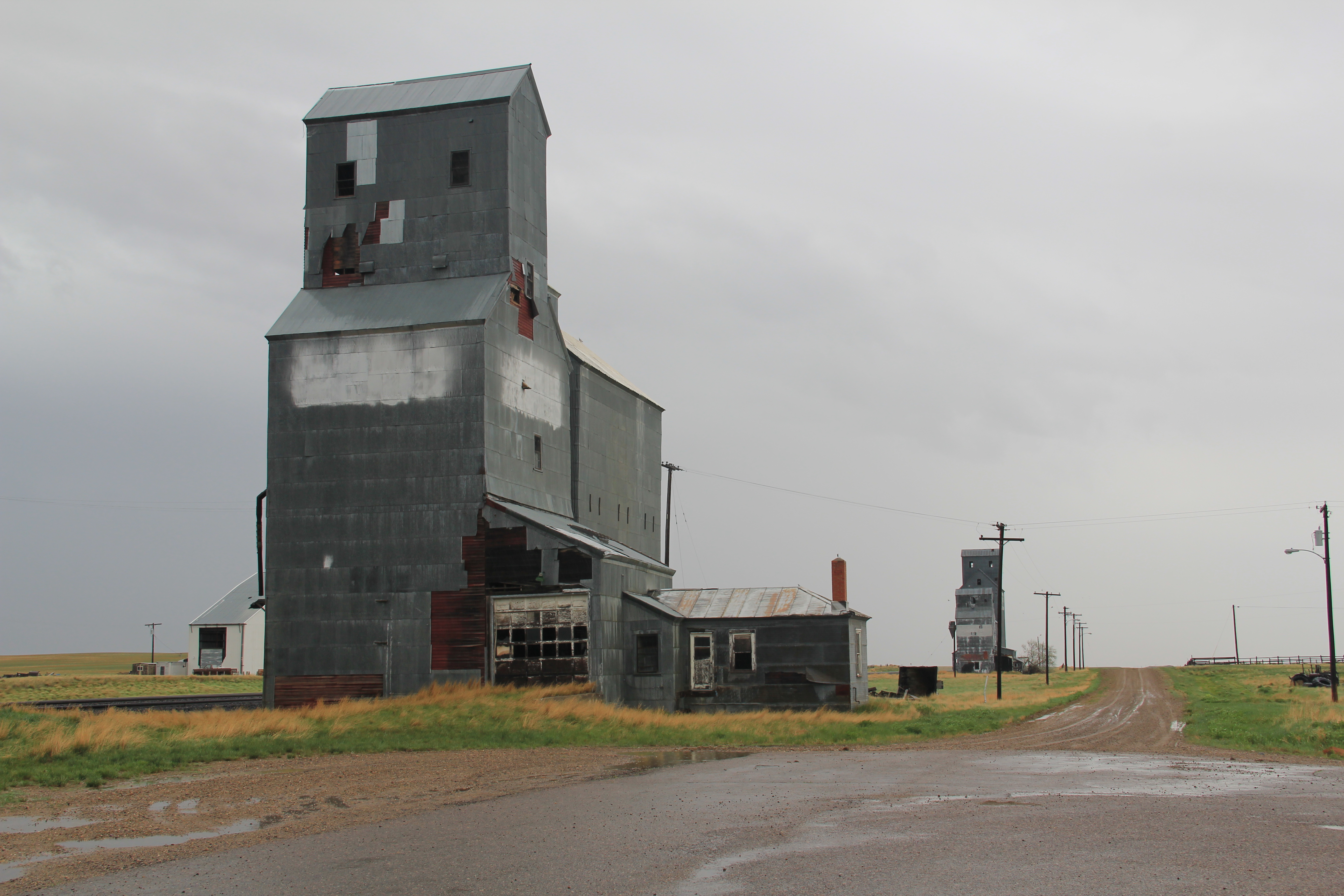
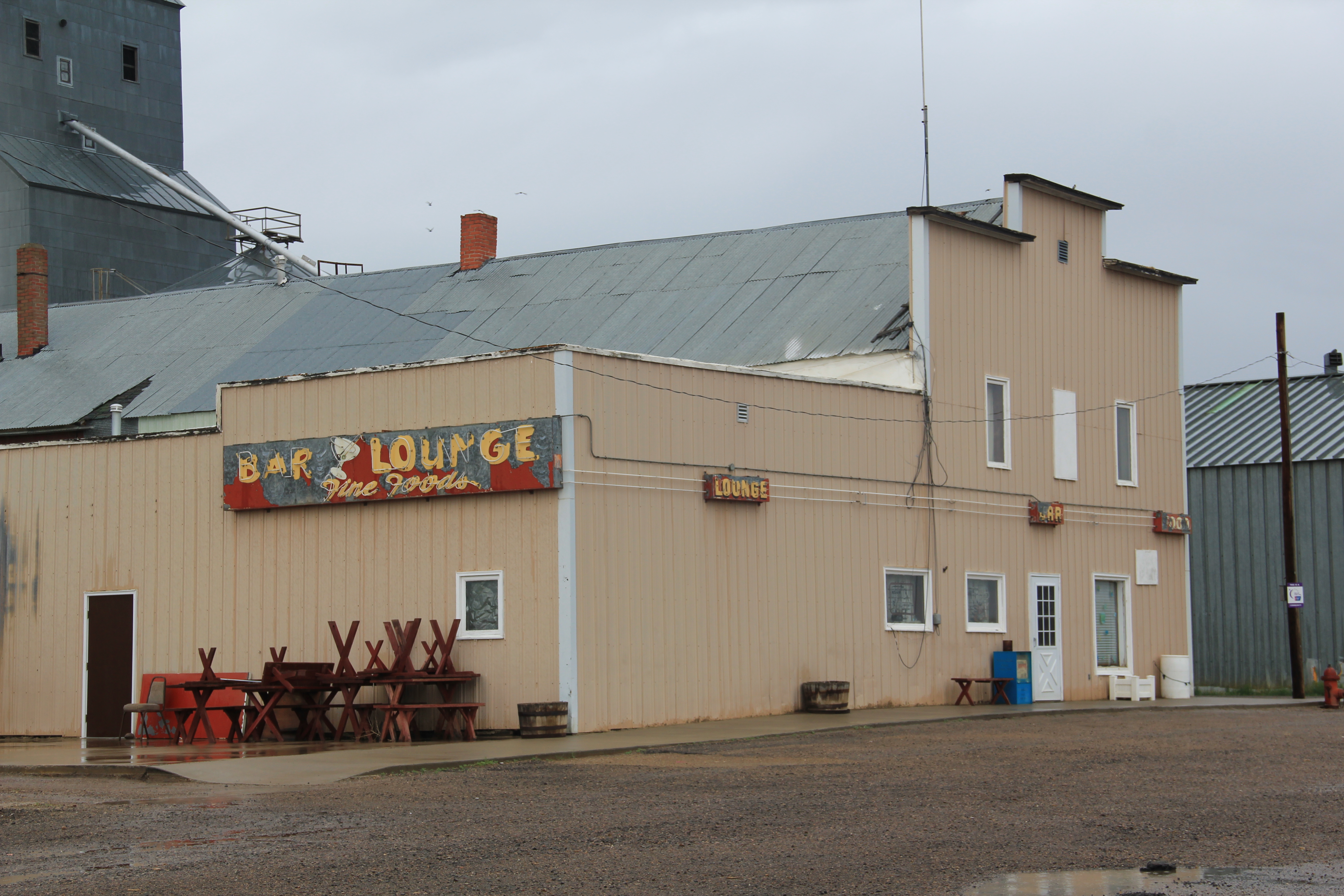
Inverness, established c. 1909, was the first place I stopped but spent little time there because already in 1984 its Great Northern depot was gone.  But in 2013, I was looking for beyond the Stilgoe-Hudson way of understanding plains country towns.  Inverness in 2010 had 55 residents, but still held several early settlement landmarks, such as its early 20th century elevators along the railroad, a National Register-quality c. 1920 store/gas station, and two large two-story frame blocks–the historic Inverness Hotel (most recently Inverness Supper Club) dates to the second decade of the 20th century.

ImageImage

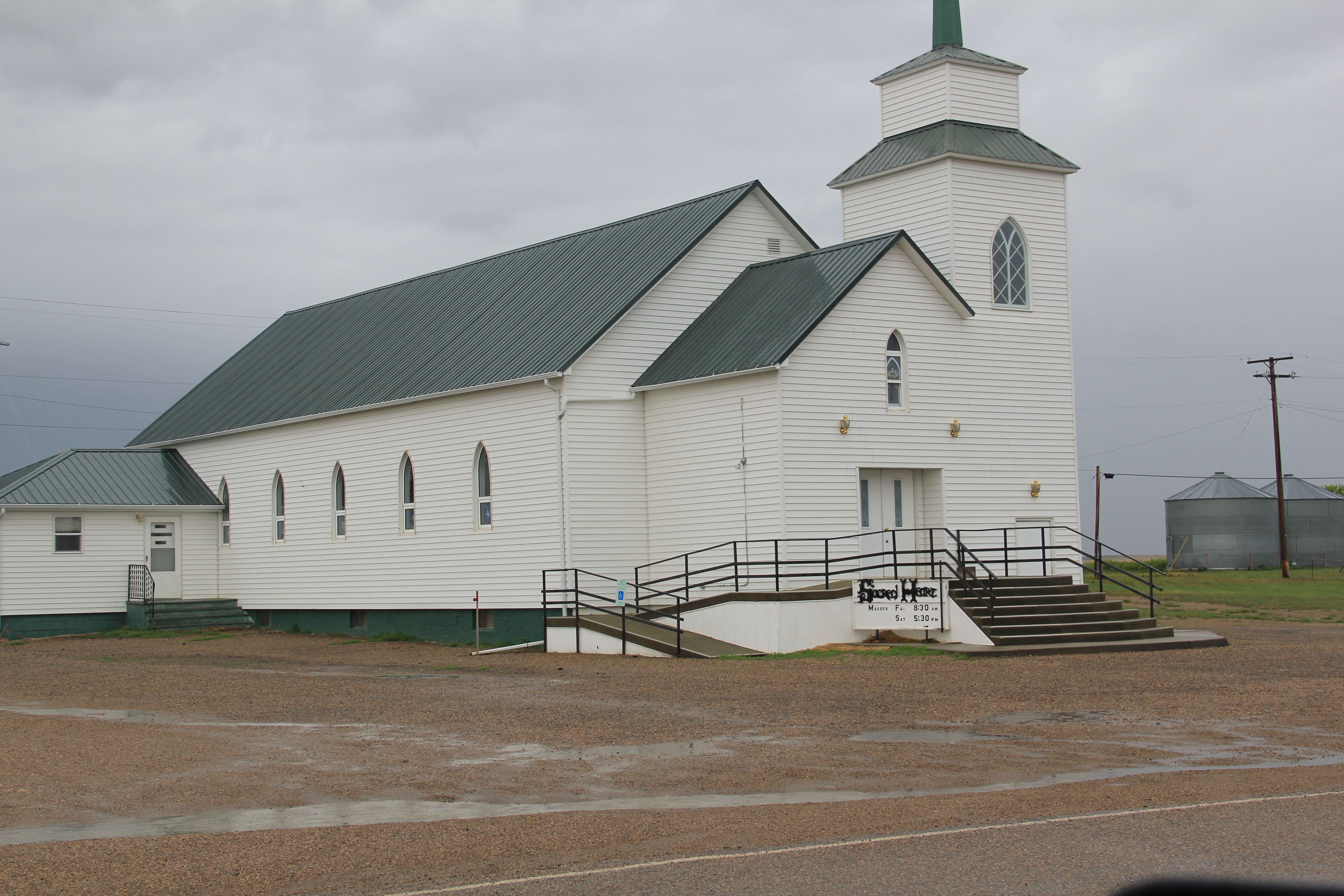
The Sacred Heart Catholic Church dates to the town’s beginnings, but a brick school from 1931 with 1952 additions closed in the early 21st century.

Image

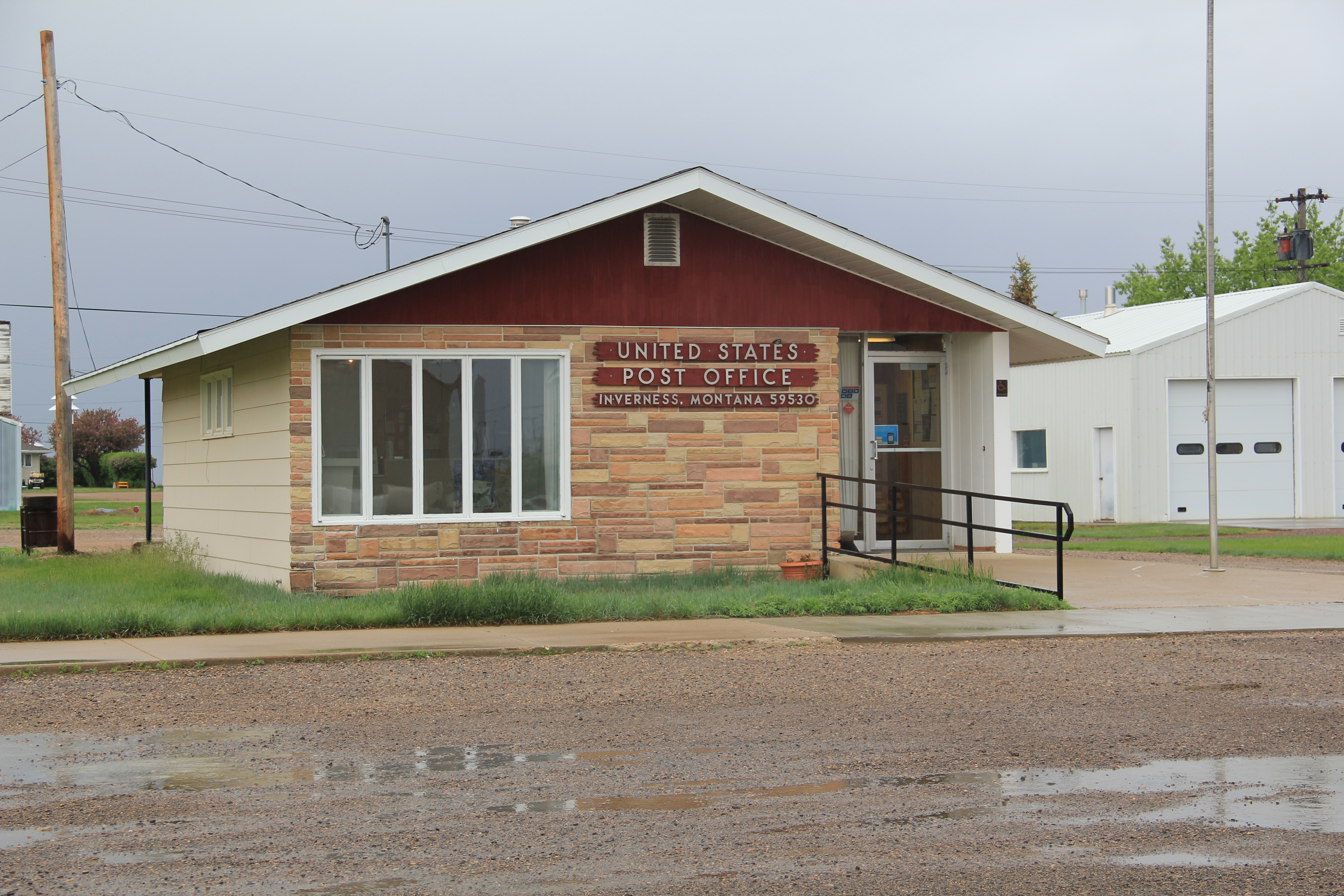
Inverness’s c. 1960 post office is a great example of stone-faced standardized design that the postal service used in small towns across the nation in that decade. It was one of the offices threatened with closure in 2011.

Image

Rudyard, established 1909, was the largest of the west Hill County towns, about 500 people in 1980 but now with only 258 residents according to the 2010 census.  Its prominence in the second half of the 20th century is reflected in two buildings:  the tall concrete grain elevators along the railroad and the contemporary-styled Wells Fargo bank building on the prominent town corner facing the tracks and Reed Street.

Image Image

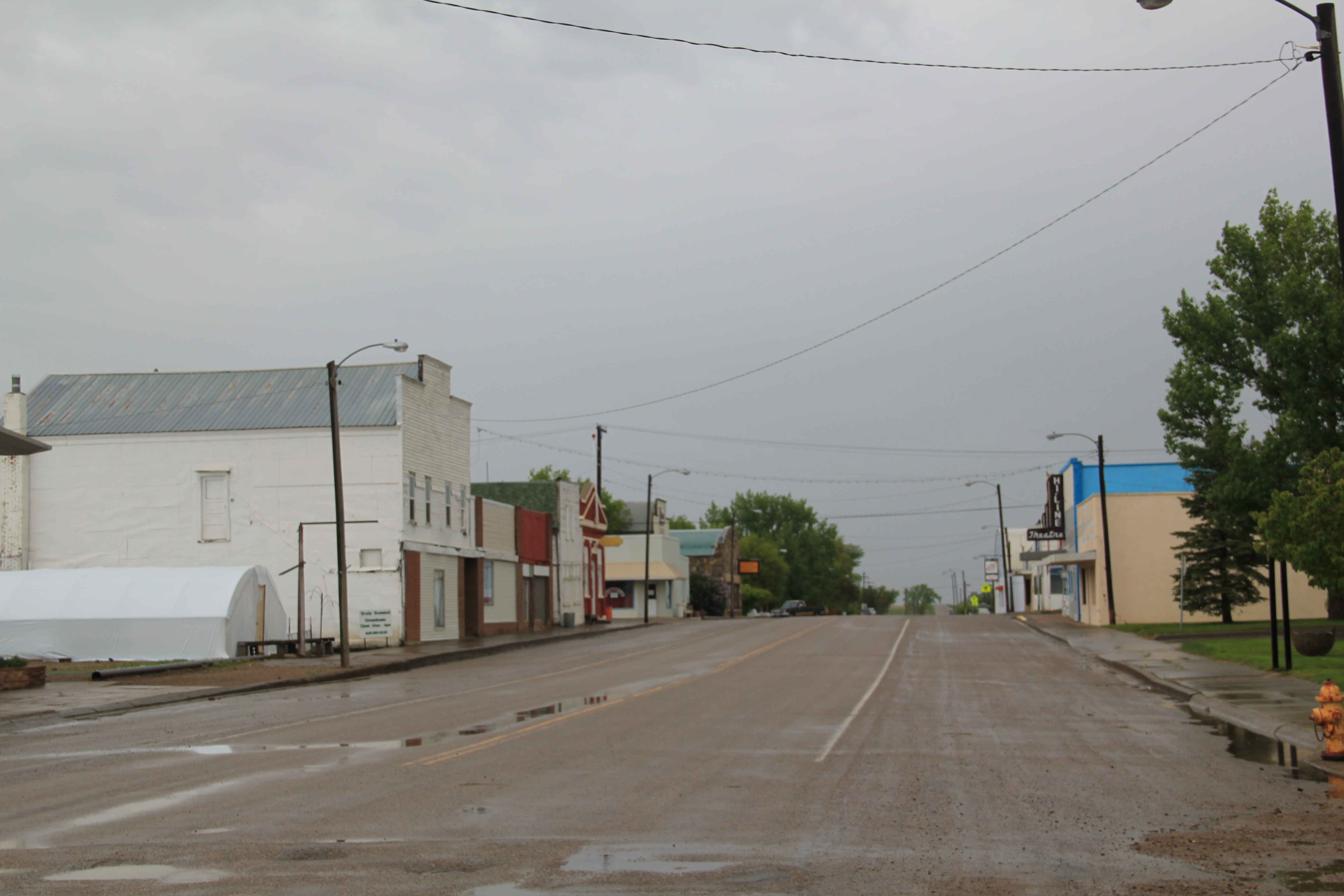
Thirty years ago, as the construction of a modern bank building attests, several stores and the Hi-Line Theater were hubs of activity; today most businesses are closed.

ImageImage

Image

Museums now abound–with the moved depot forming a small building zoo while an early 20th century stone building has become an auto museum.

Image

Image

Rudyard also has one of the highway’s most famous town signs–boasting of a population now greatly diminished but the old sorehead remains–at the Sorehead Cafe in the heart of the four block long commercial district.

Image

Image

One hundred years ago, Hingham (1910) seemed to be the town that would make it. From the railroad corridor several blocks of commercial businesses were filled in the next decade.

Image

There was a town square featuring a city park in the midst of it all.

Image

Here the town’s Commercial Club hosted the Hi-Line Fair, which “presented farmers and ranchers with an opportunity to exhibit their grain and livestock and to exchange ideas with people from other points along the Hi-Line.”

Image

While the buildings, outside of the brick neo-classical brick bank (1913-14), were frame, town boosters were confident these were only the initial businesses. But the second decade of the 20th century proved to be the town’s high point, and frame buildings still define local businesses.

Image

In 1930 they defined the town with a large, handsome two-story brick school at its south end (near U.S. 2, a recognition of the highway’s importance in getting students to and from Hingham).

Image

The Our Lady of Ransom Catholic Church is a modernist landmark, and one of the most architecturally important buildings of the Hi-Line, part of the Great Falls diocese effort to improve and modernize its churches in the mid-20th century.  A much earlier frame Methodist Church remains, and has most recently served as a community chapel.

Image Image

The boosters of Gildford also had high hopes in 1910 and the homesteading boom brought a full fledged town into existence by 1915-16.

Image

Image

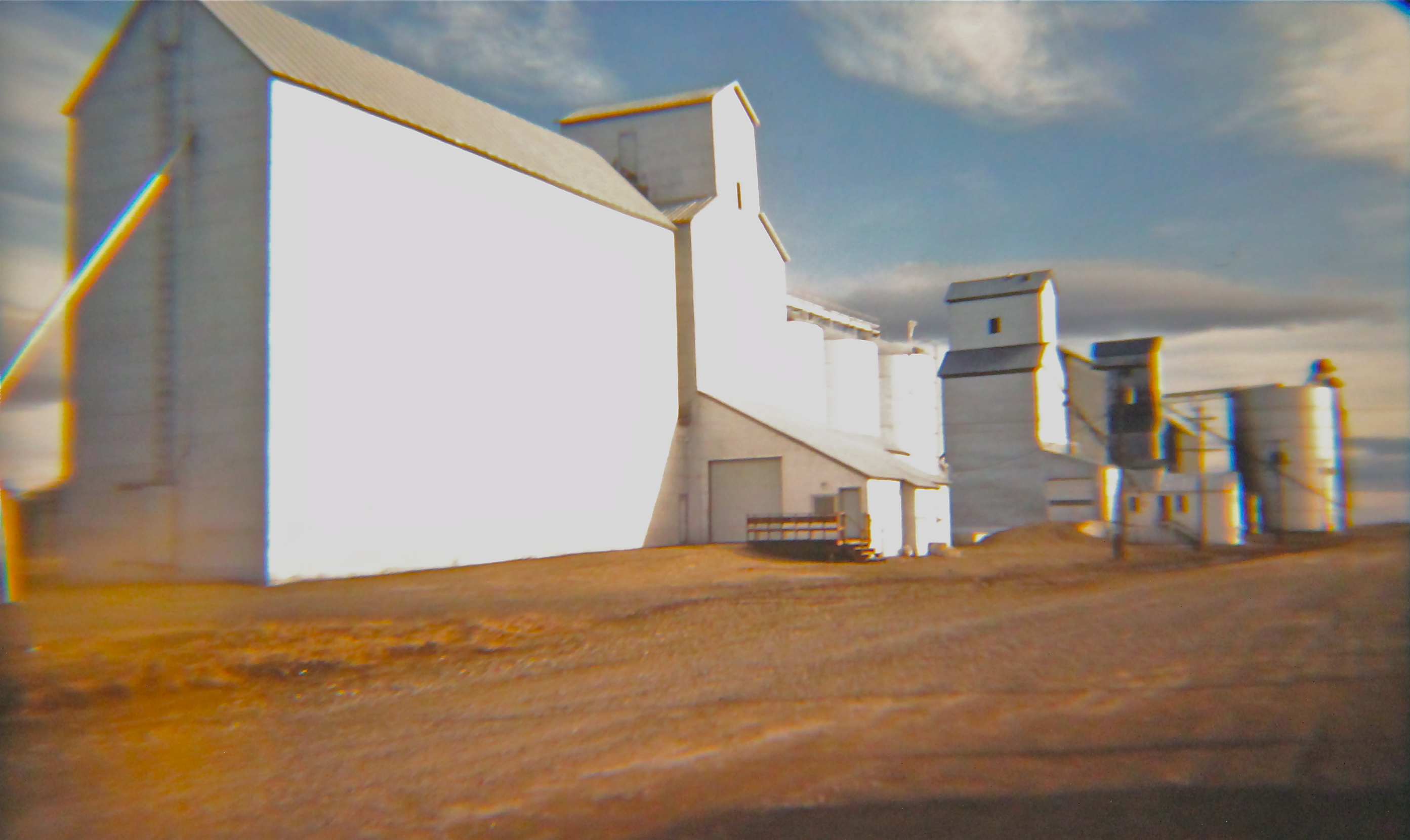
Image Elevators in 1985

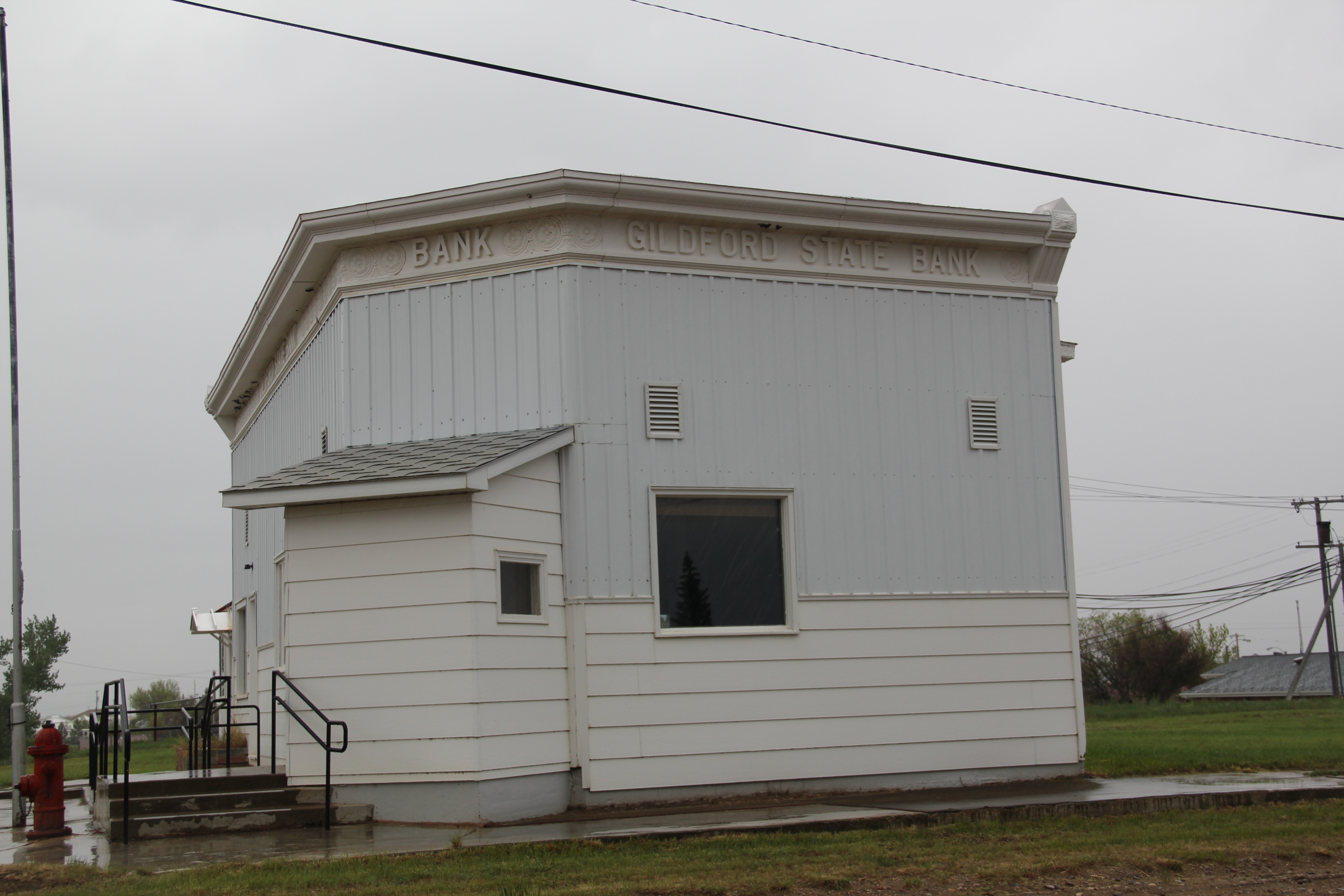
The boom decade is marked by the extant Gildford State Bank (1914), which also served as the town’s post office when I first visited in 1984.  The town also had an early industry, the Mundy Flour Mill.

ImageImage

Kremlin acknowledges its distinct name with its highway town sign.

Image

Settlement began in 1909, with a plat from land agent K.C. Farley, focused on the Great Northern section house, later replaced by a standardized depot, all of which is gone from the railroad corridor today.

Image

IMG_8903

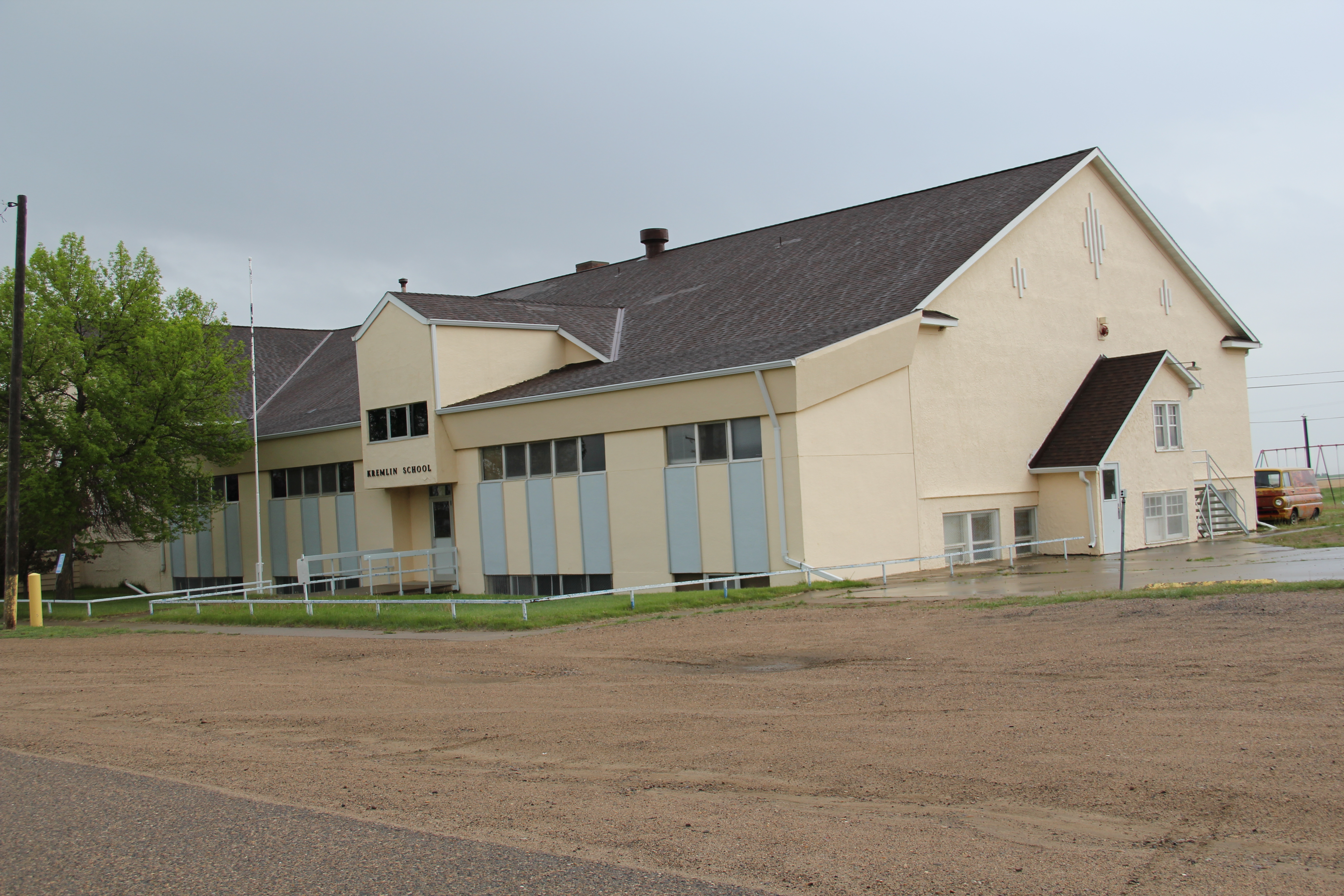
The WPA built a new high school in 1938, which remains a central landmark for the community, a symbol of the future, and a good way to end this posting.

IMG_8913 IMG_8912

Modernism in a Montana Ghost Town: St. Timothy’s at Southern Cross

Southern Cross is a Montana ghost town located in the mountains overlooking Georgetown Lake.  Established c. 1880 and active until World War II, the town retains several historic structures, from a historic boarding house to individual residences to ramshackle mining buildings.

Image


Image


Image


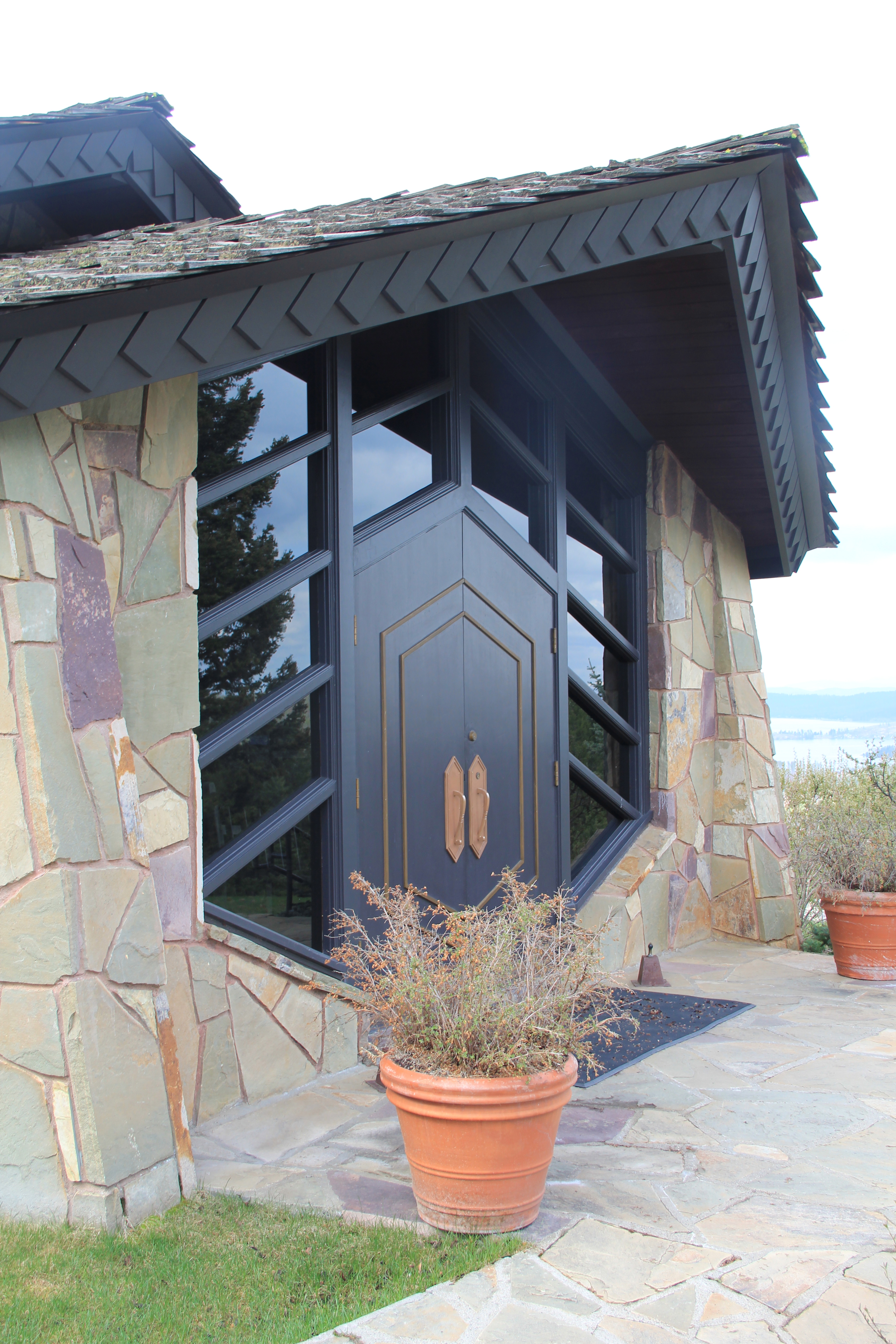
But there is also one of the most interesting examples of Montana 1960s modernism on the edge of the town:  St. Timothy Memorial Chapel.  This contemporary styled mix of native stone, timber, and geometric angles dates to 1965. It was built as a community church, in memory of Timothy Dillon Bowman by his parents John W. and Crete Dillon Bowman.
Image


Timothy Bowman had died in 1956, and his parents picked out a beautiful view of Georgetown Lake for the chapel site.

Image


The building has changed very little since its construction almost 50 years ago and the county has few churches, really buildings of any sort, that compare with its modern Rustic styling.

Image


Image


Image