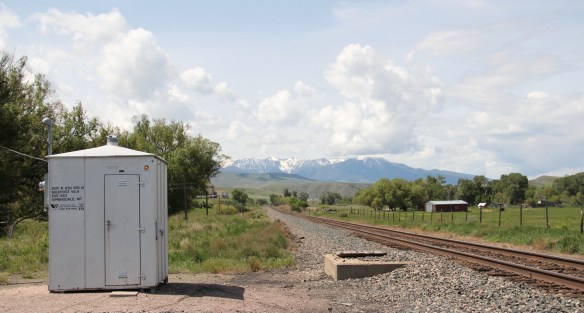
In my work on the state historic preservation plan in 1983-1994, I was excited about the new insight I could bring to the state’s landscape–the impact of the transcontinental railroads and the transportation and settlement corridors that they established in the late 19th and early 20th century. Railroads were of course not a new theme then–books abounded on the railroad barons and the romance of the rails. But as a built environment–that was new, reflecting current scholarship from John Hudson, John Stilgoe, and Roger Grant. So whenever I hit a major railroad division point–like Livingston–I only saw the rails and what happened around them.
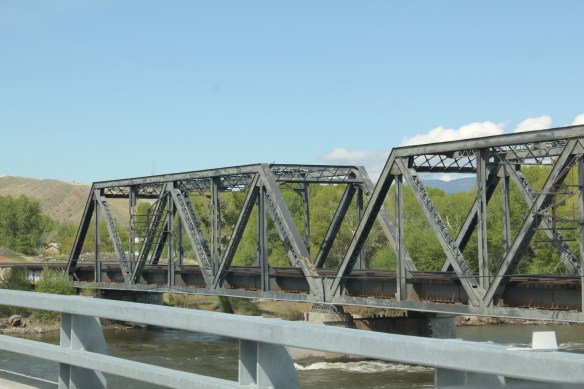
That was certainly easy enough to do coming into Livingston from the west on old U.S. 10. The railroad tracks were directly to the north, as well older elements of the town’s roadside architecture, like the exquisite Art Deco-styled radio station, KPRK, now closed for broadcasting (the station’s signal comes from Bozeman) but listed in the National Register. William Fox, a Missoula architect, designed this jewel in 1946.
 Continuing west you soon encounter post-World War II service stations and motels, some updated, some much like they were, on the outskirts of town and then, boom, you are in the heart of Livingston, facing the commanding presence of the Northern Pacific depot complex with warehouses–some now converted to new uses–coming first and then
 massive passenger station itself. Opened in 1902, the passenger station was an architectural marvel for the new state, designed by Reed and Stem, who would continue on to great fame as the architects of Grand Central Station in New York City. The station, interestingly, is not Classical Revival in style–certainly the choice of most architects for their grand gateways along the nation’s rail line–but a more restrained interpretation of Renaissance Revival style, completed in red brick.
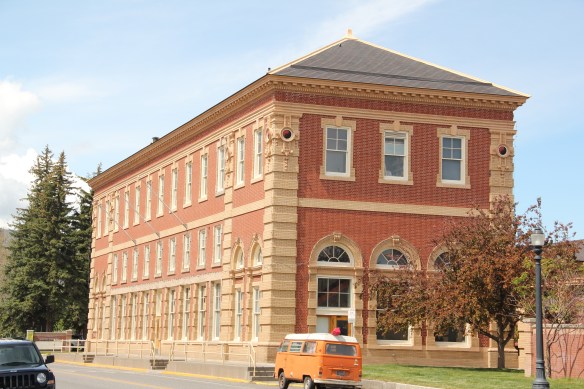 The building is not particularly inviting for locals coming from the business district to the depot–that was not its primary audience. Rather the grand entrance is track side, where passengers headed to Yellowstone National Park could depart for food, fun, frivolity, whatever they needed before the journey into the wildness of Yellowstone.

 Travelers were welcome to use the grand covered walkways to enter the depot proper, or to take a side visit to the railroad’s cafe, Martin’s as I
 knew it back in the day, a place that rarely slept and always had good pie. The cafe changed its orientation from the railroad to the road as automobile travelers on U.S. 10 began to dominate the tourist market. Now it has been restored as a local brew pub.
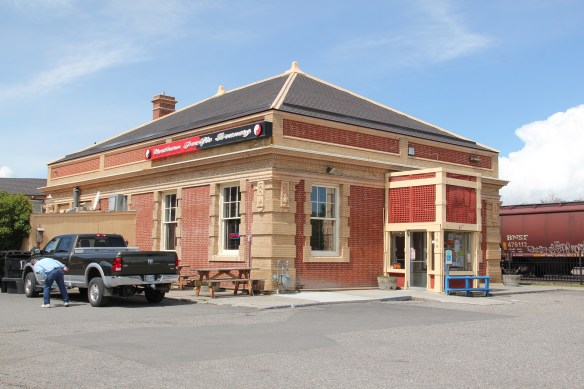
The interior of the passenger station once held large public spaces for travelers and then more intimate spaces themed to either men or women.
Upstairs were spaces for offices, company lodging, and other company business. The station was the railroad’s urban outpost was what was then still the Montana frontier–its statement of taste and sophistication still reverberates today even as the depot no longer serves passengers (except for occasion excursion trains Amtrak doesn’t run here anymore) and serves as a railroad and Park County museum.

Thirty years ago, the overwhelming imprint of the Northern Pacific on the surrounding built environment was all I could see. At one corner was one of the first local historic preservation projects, an adaptive reuse effort to create the Livingston Bar and Grille (once popular with the valley’s Hollywood crowd).
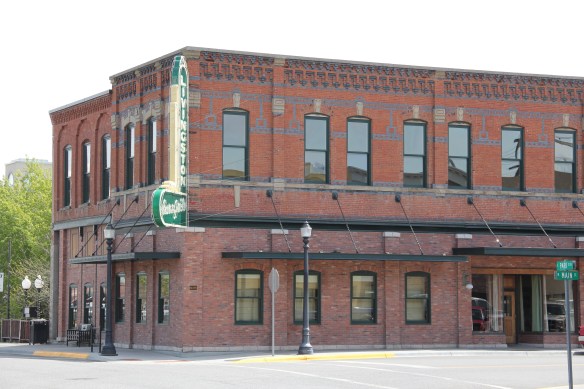 Directly facing the center of the passenger station was the mammoth Murray Hotel–a flea bag operation in the 1980s but now recently restored as a hipster place to be, especially its signature bar.
My throwback place back in the 1980s, however, was Gil’s. It was next to the Murray and the place to get the cheesy souvenirs you equate with western travel in the second half of the 20th century.
 Imagine my pleasant surprise last year when I found that Gil’s still existed but now had been converted into a decidedly up-scale establishment, far removed from the 1980s.
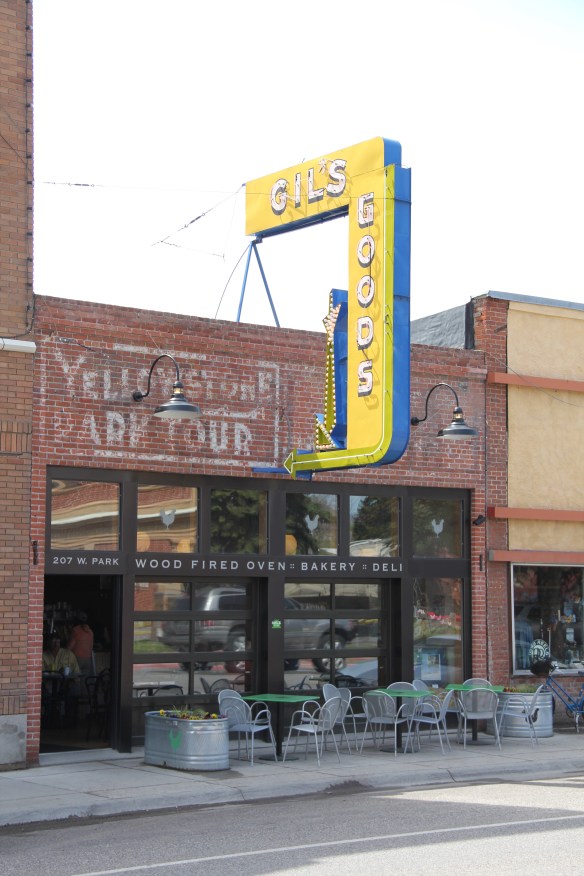 I don’t know if I have encountered a more fundamentally changed place–cheap trinkets gone, let the wood-fired pizzas come on.
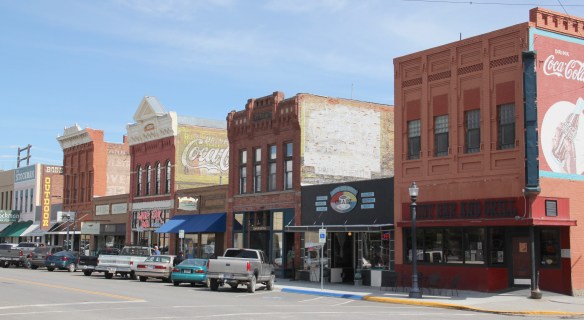 I was not so blinded in 1984 by the concept of the “metropolitan corridor” that I ignored the distinctive Victorian storefronts of Livingston–how could I since they all, in a way, fed into the tracks. But when I got to the end of that distinctive business district and watched the town, in my
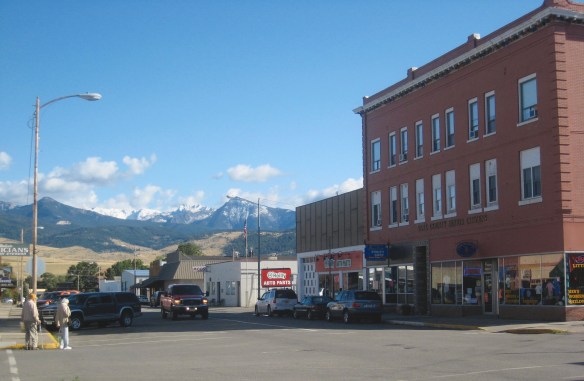 mind, fade into the Rockies, I had captured the obvious but had missed the bigger picture–that’s the next story.

















 Montana's Historic Landscapes