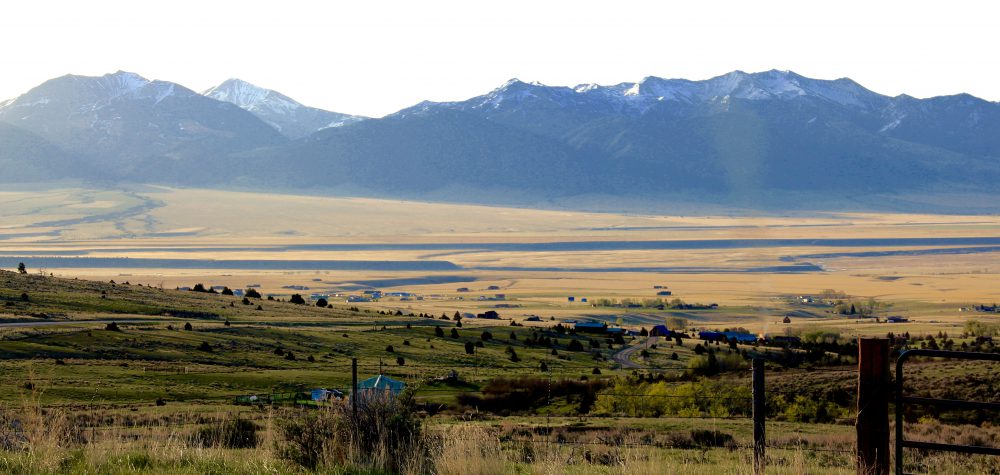
I had not been in Augusta since 2016–two years before the foods of June 2018 rattled this northern Lewis and Clark County town.
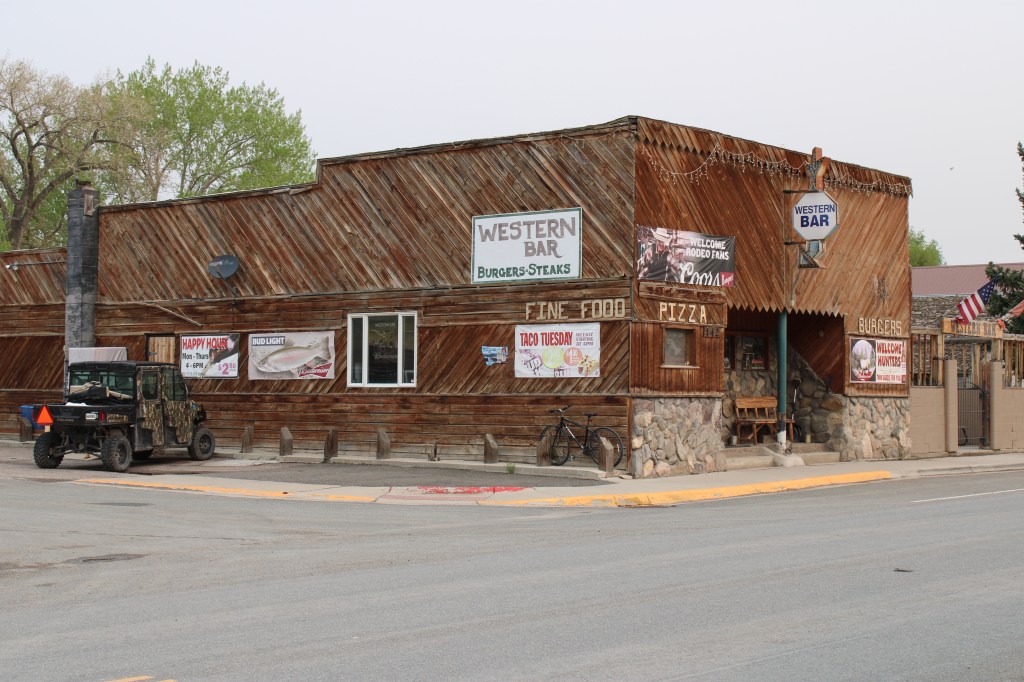
Old haunts like the Western Bar and the Lazy B Cafe were still operating, looking good.

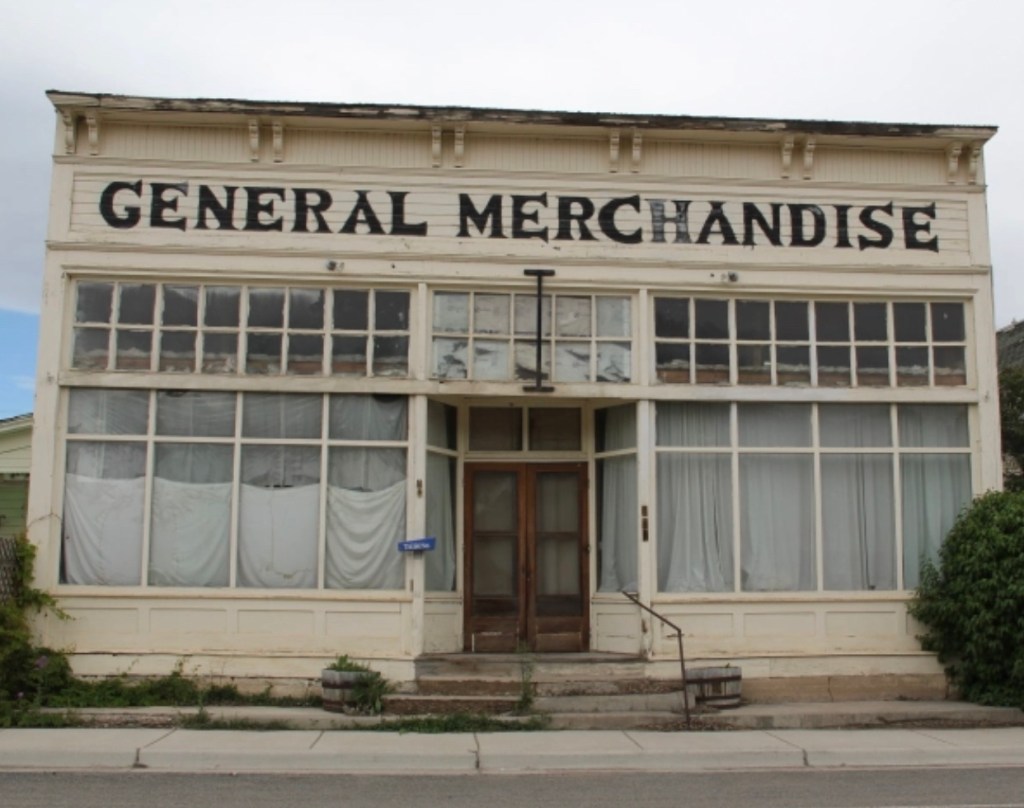
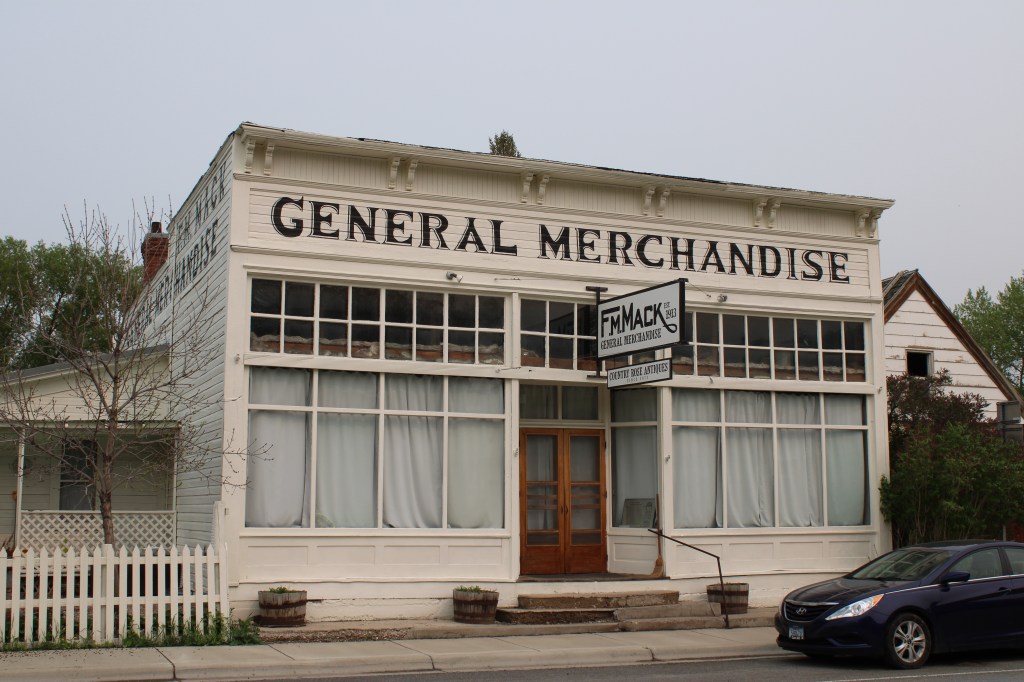
Recent historic preservation efforts had given a new life and a restored appearance to such as National Register-listed landmarks as the Mack general store and Quinn’s garage.


The Augusta Branch, first established almost 50 years ago, of the Lewis and Clark County Library also had recent renovations and a new ramp. A great place for more information about this very historic rural Montana town.

And I still love the historic school, both the classical building from the first decades of the 20th century and the more modern styled building from the mid-20th century.

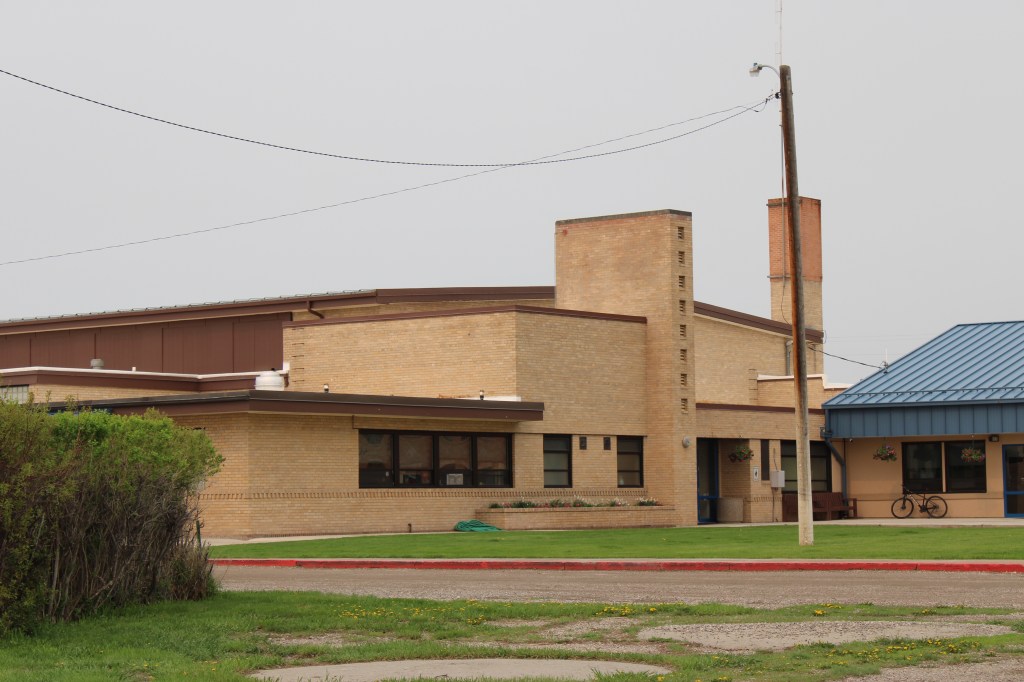
Augusta is a place, as I discussed in this blog in 2016, that is long in history and short in pretense. You need more evidence—just trim around from the school and consider its neighbor, a Masonic Lodge with a concrete block facade fitting a Quonset hut-like structure behind. What a great place.

 My friends in the environs of Helena have been surprised that after 300 something posts I had yet to say anything about Augusta, a crossroads town in northern Lewis and Clark County along U.S. Highway 287, during my revisit of the 1984-1985 state historic preservation plan. They knew that I loved the open range drive to Augusta, whether approaching from U.S. 287 or U.S. Highway 89.
 Then, the various businesses and bars along Main Street represented not just a favorite place in rural Lewis and Clark County, but also document a classic western town with great roadside architecture such as the Wagon Wheel Motel.


 Augusta began as a crossroads town for neighboring ranches; the later extension of a railroad spur to nearby Gilman spurred competition between the two towns. But Augusta
  won that battle–today not much outside of the Montana Highway Historical marker, a steel bridge, and a disappearing railroad corridor remains of Gilman.

 But I like the football field almost as much as the historic school–could a more neighborhood setting even be imagined?
 Then there are historic commercial buildings from the early 20th century–several with National Register qualities, especially the F. M. Mack General Merchandise store–a frame building with paired bracketed cornice.


 Over 300 people call Augusta home today, a slight increase since my work 30 years ago. The community not only has kept the historic buildings noted above, residents also have opened the Augusta Area Museum–heritage is clearly part of the town’s future.
 Montana's Historic Landscapes