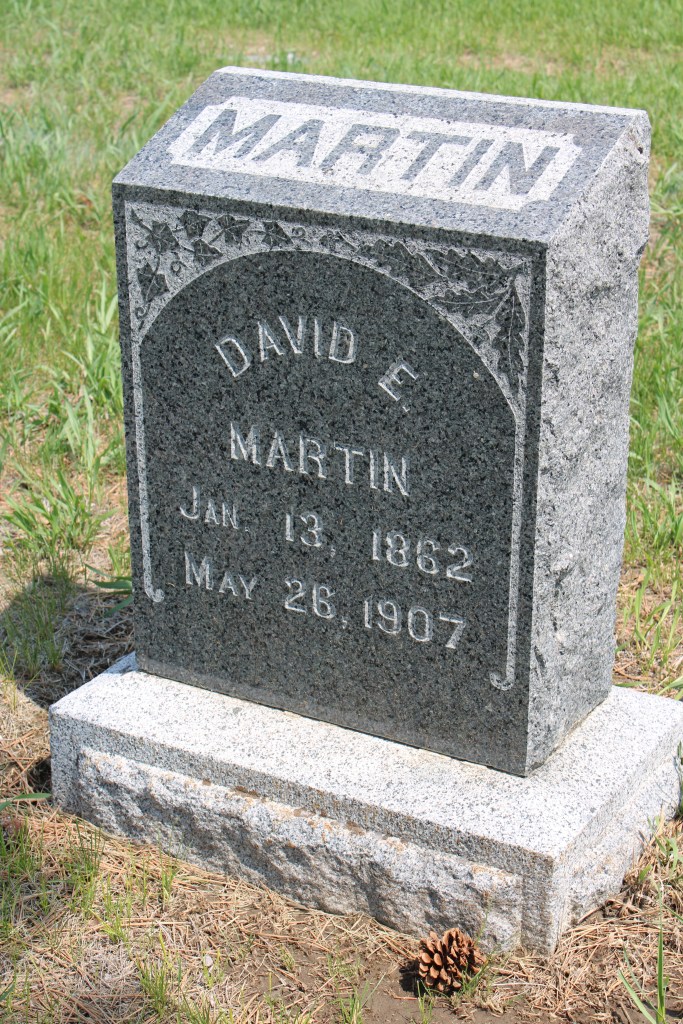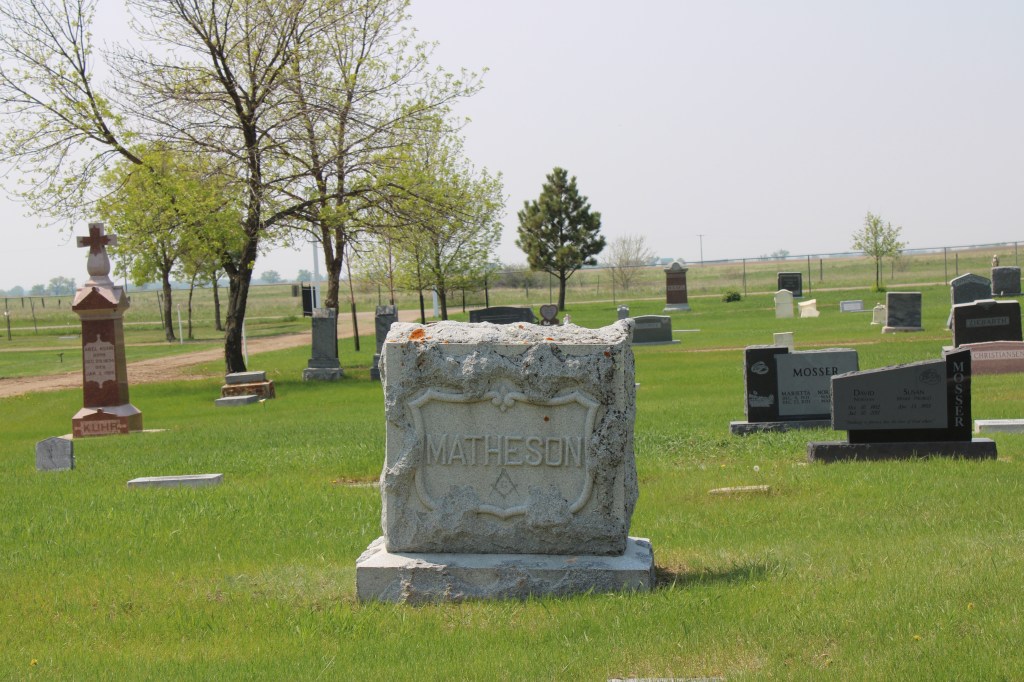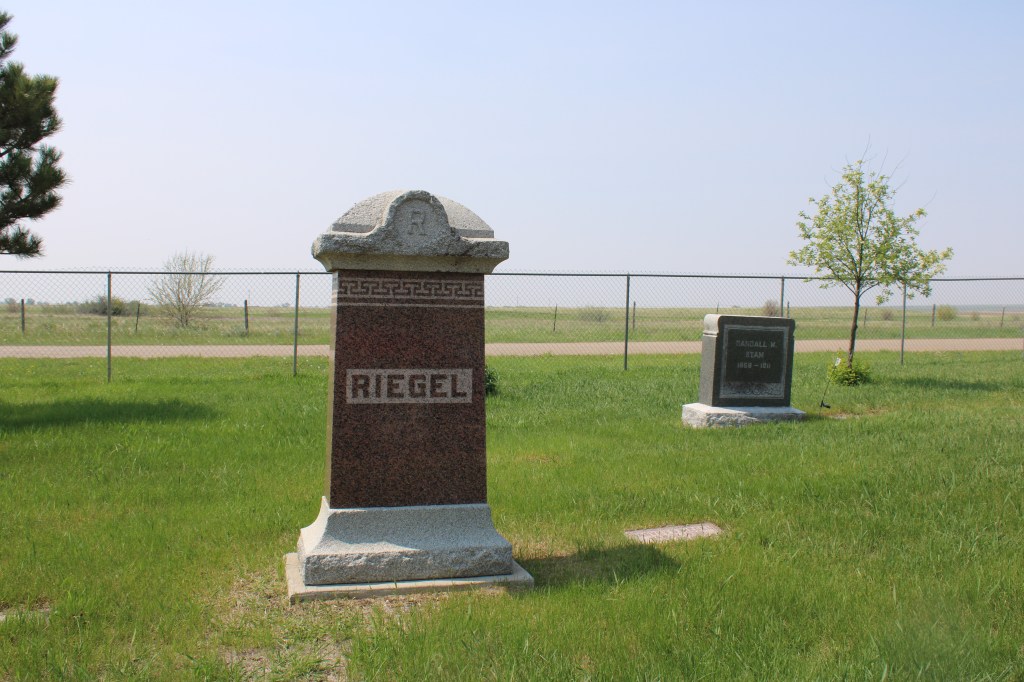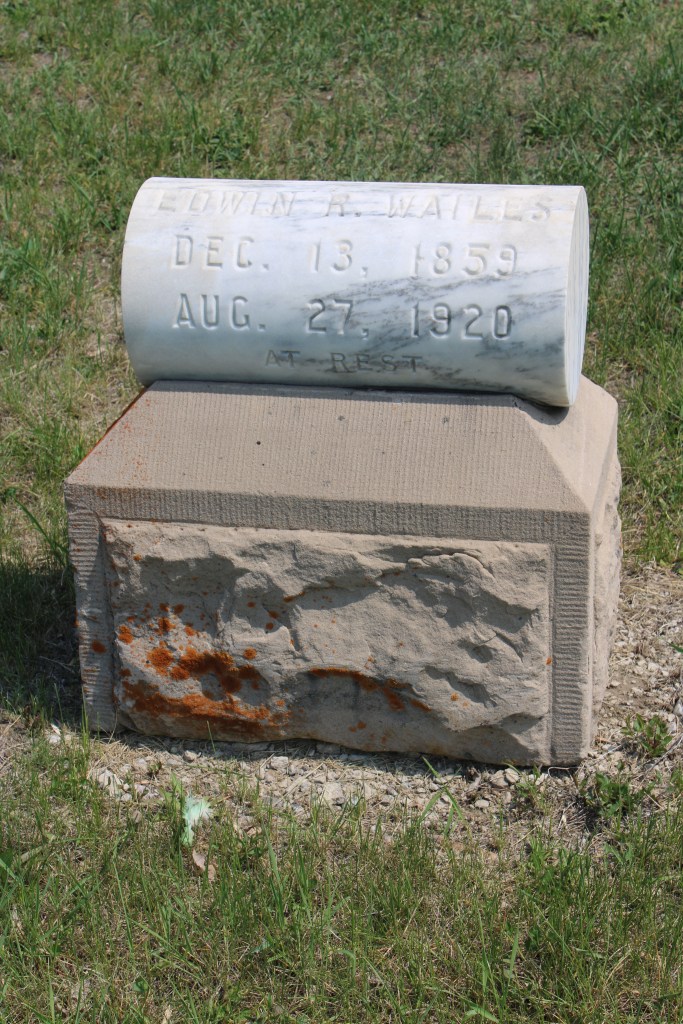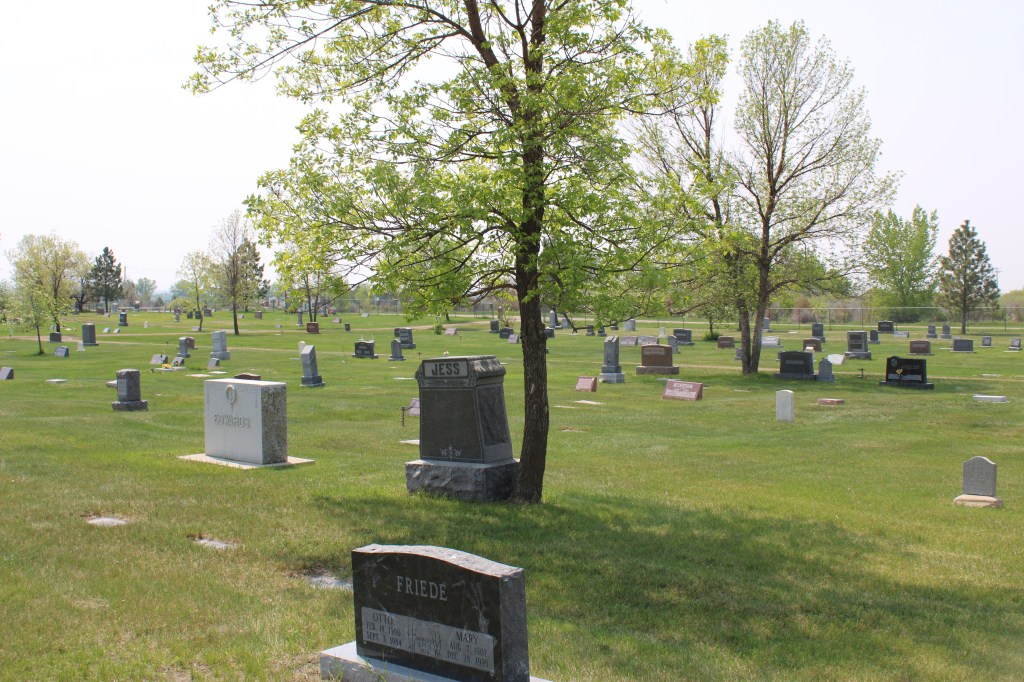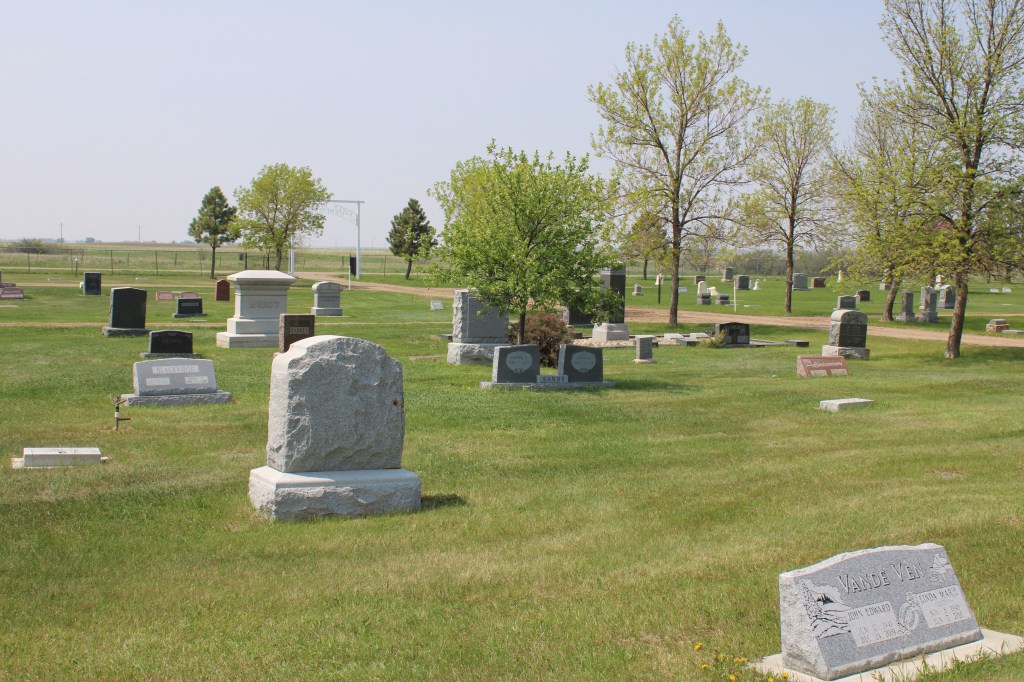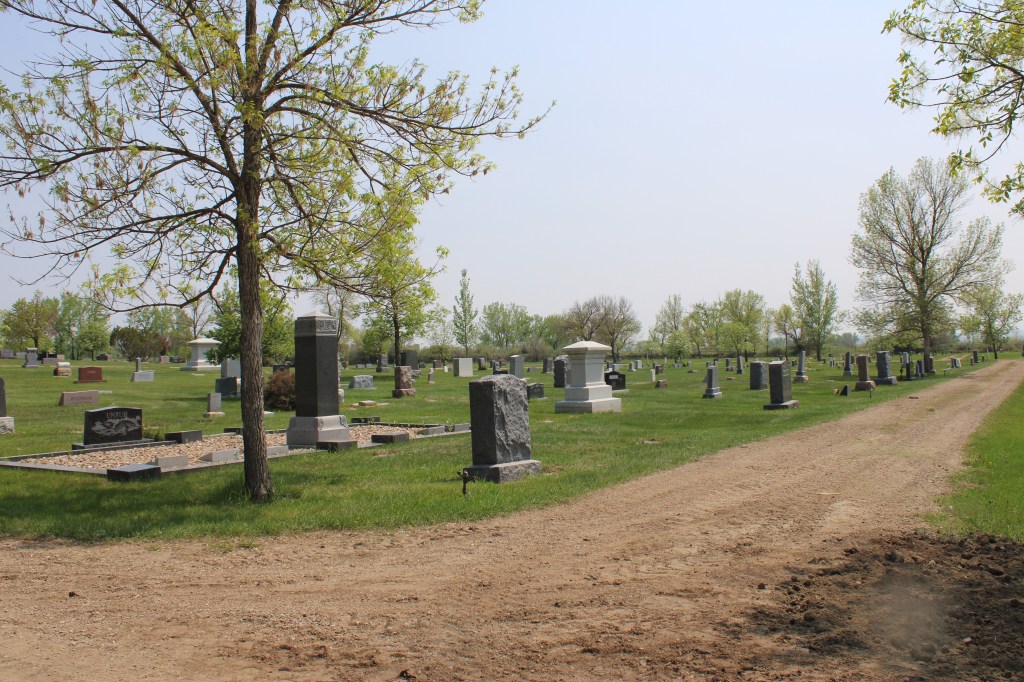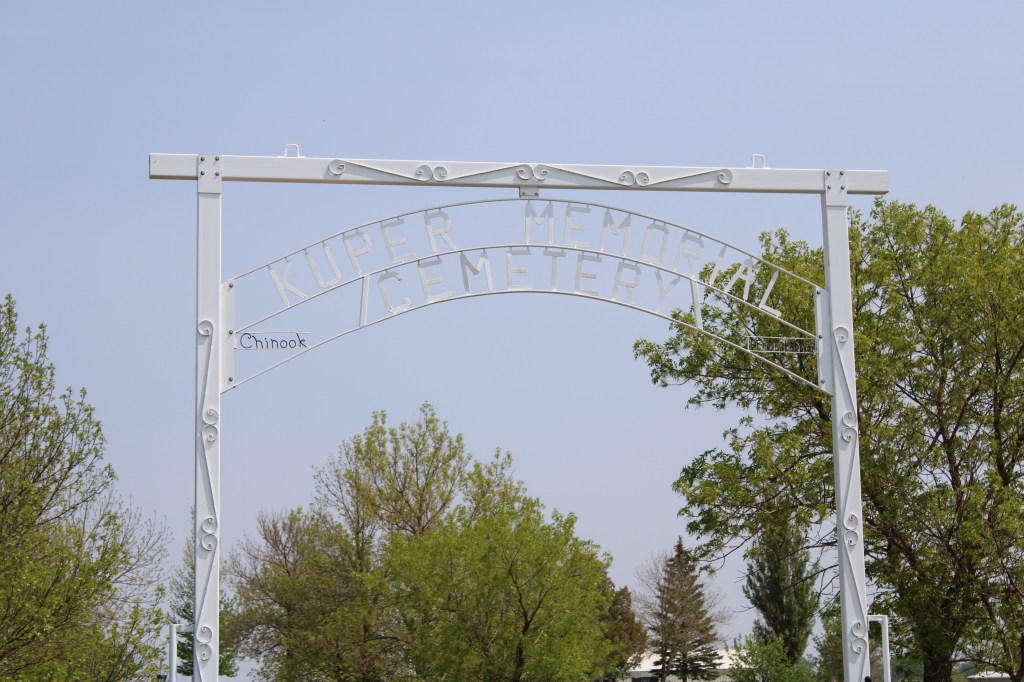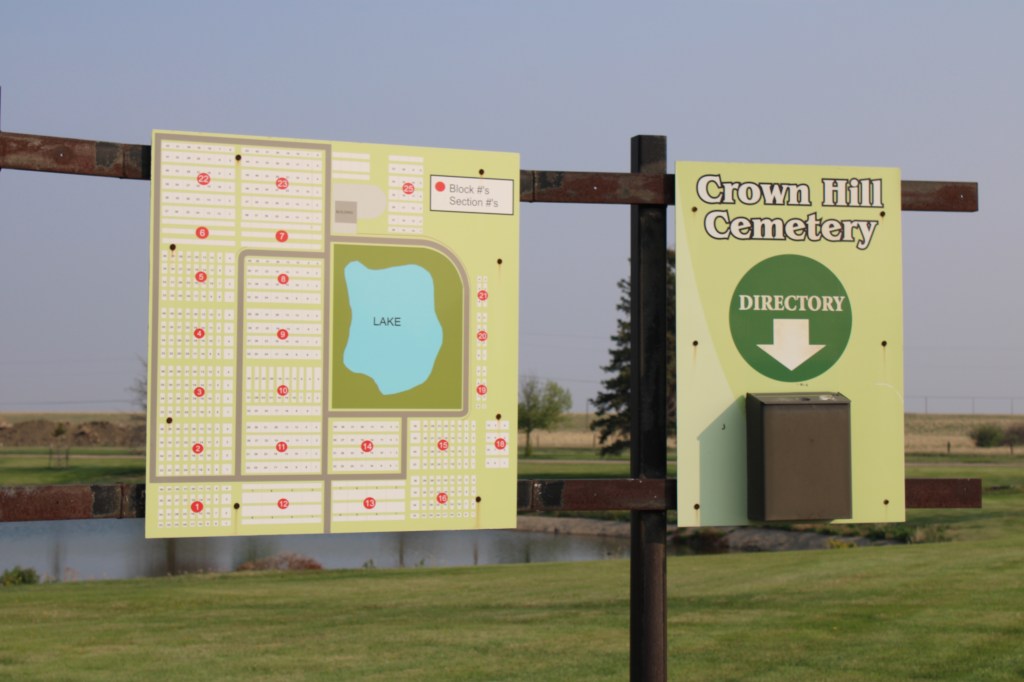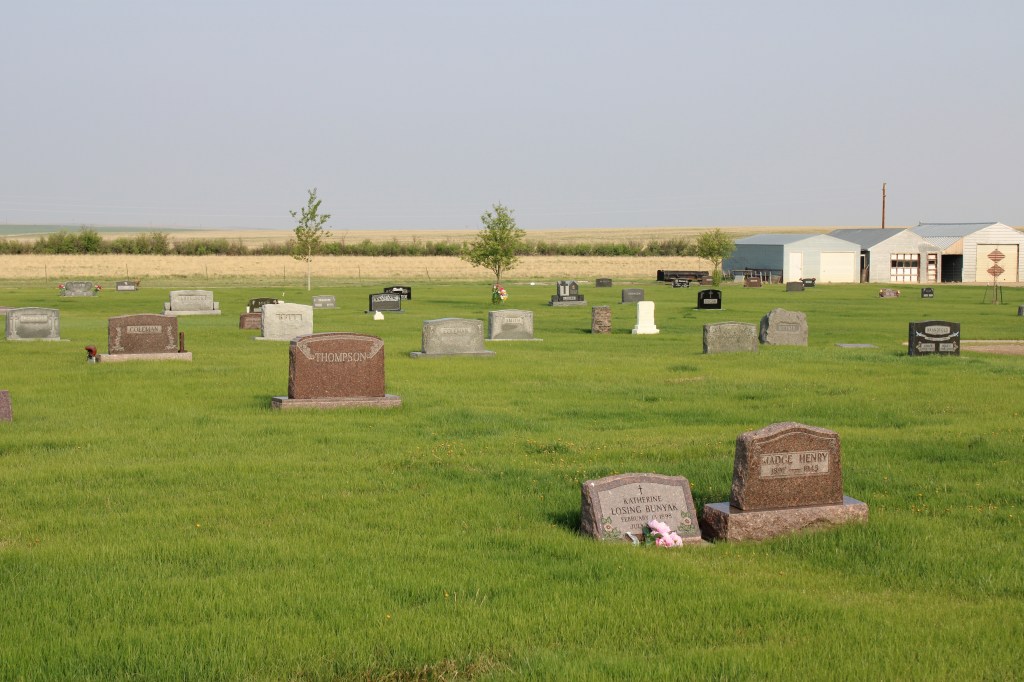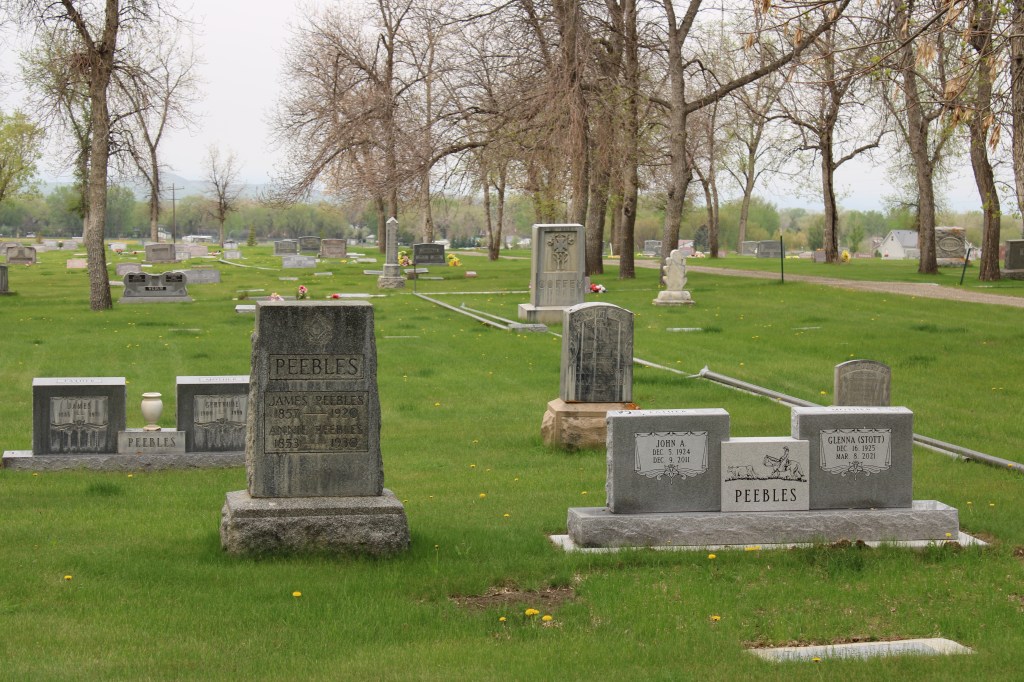
Crown Hill Cemetery in Cut Bank

Standard histories tell you that Cut Bank, the seat of Glacier County, dates to 1891. But significant numbers of permanent settlers did not arrive until the first years of the 20th century, following a major investment by the Great Northern Railroad to build a huge steel bridge and railroad offices, shops, and a roundhouse. The Fort Benton River Press on February 12, 1901, reported that “Cut Bank is rapidly assuming a metropolitan appearance.”

The initial railroad boom soon slowed until the homesteader movement brought new growth. In 1911 town officials agreed to discuss the creation of a permanent town cemetery with state officials. Between 1911 and 1914 citizens formed the Crown Hill Cemetery Association and the first documented burials in the local newspaper took place in 1914.

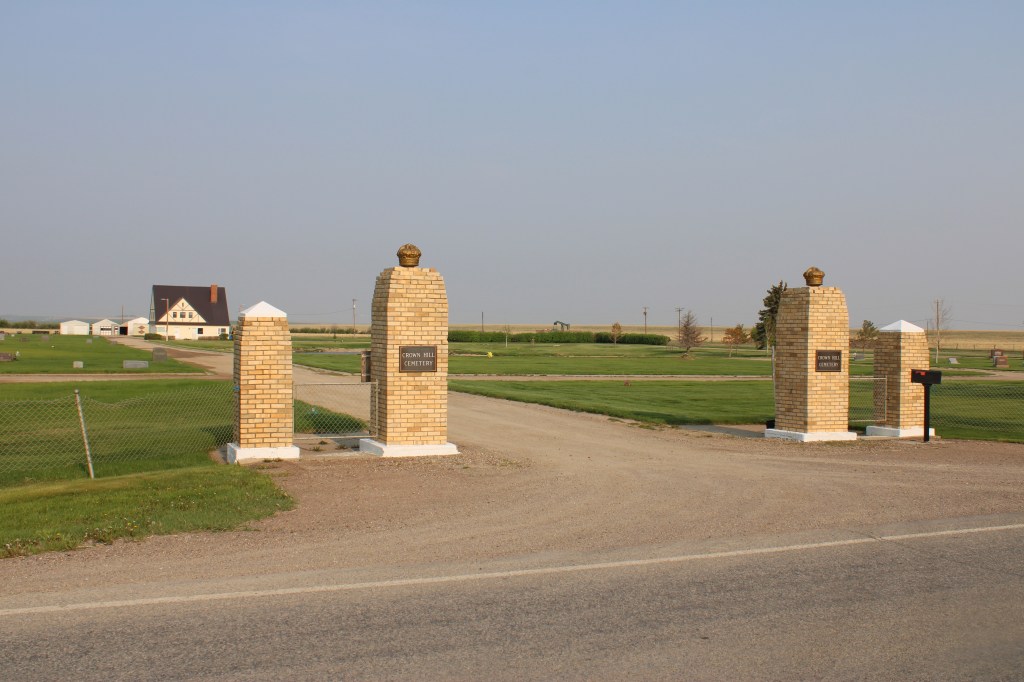
Entrance to Crown Hill Cemetery

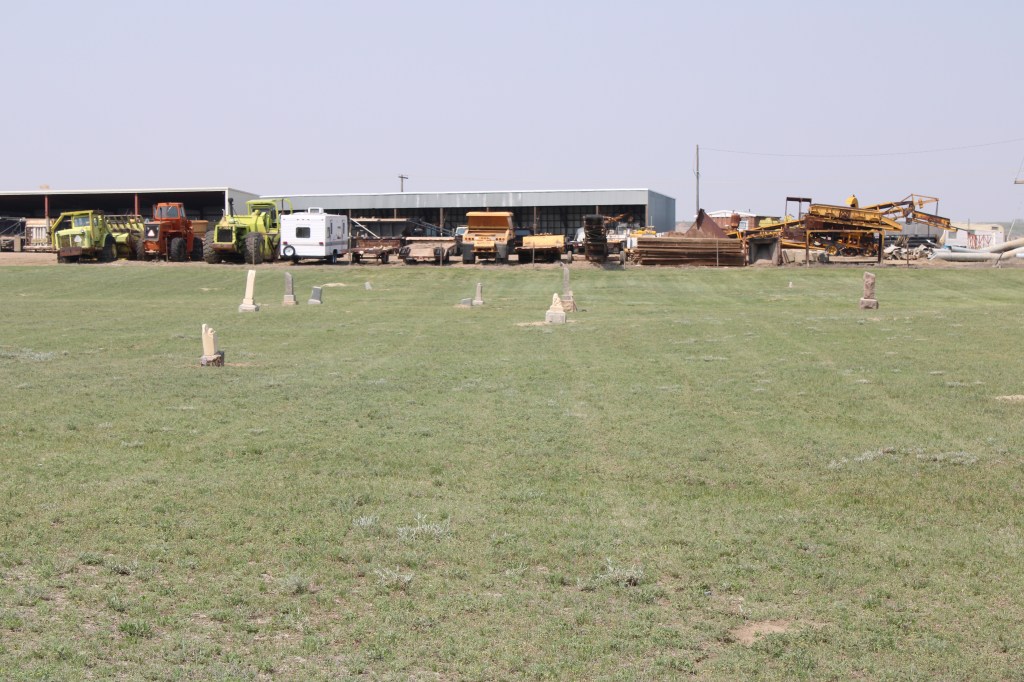
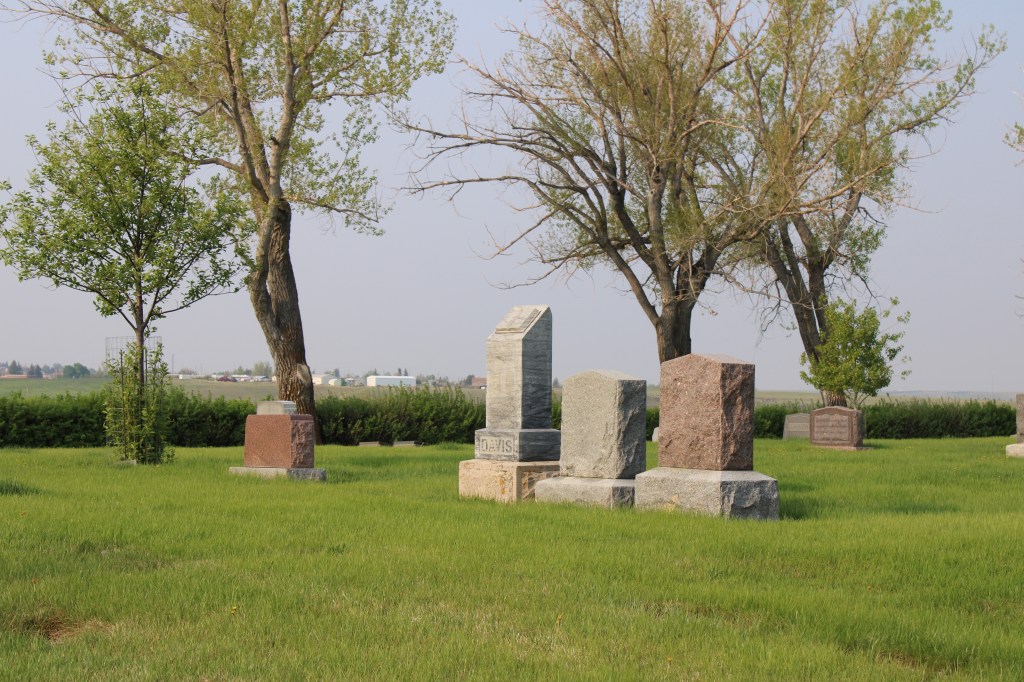
Located north of town the cemetery is on a slight rise and has an impressive view of Cut Bank to the South. A small lake is the focus of the cemetery plan.

See the grain elevators to the south.

Otherwise the cemetery contains long rows in a rectangular manner and there are few huge grave markers, instead many dignified and subtly designed markers cover the grounds.

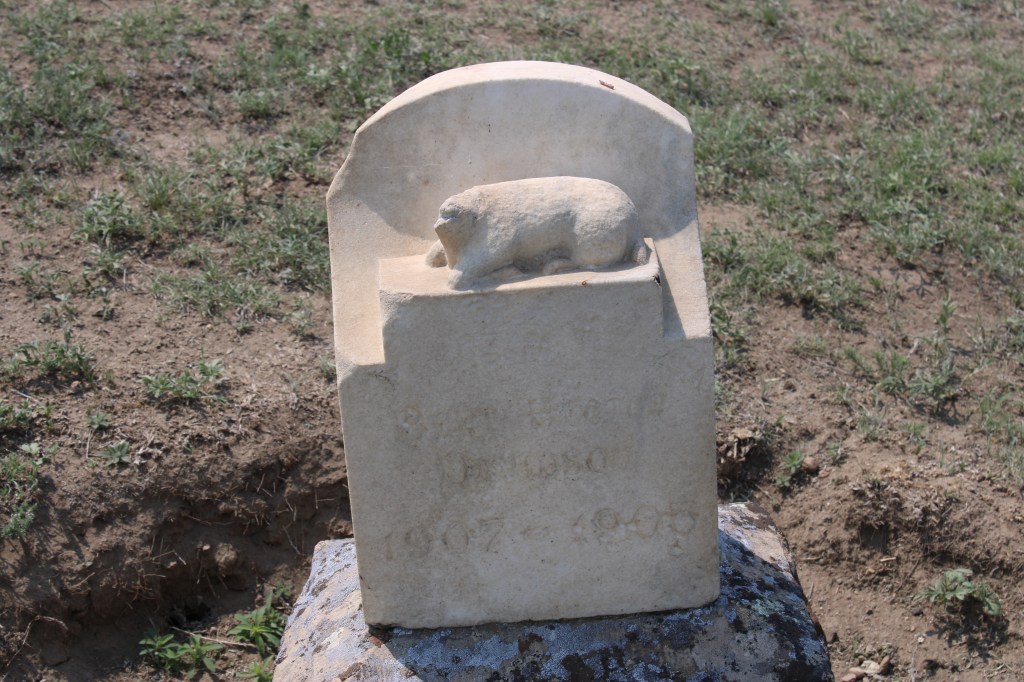
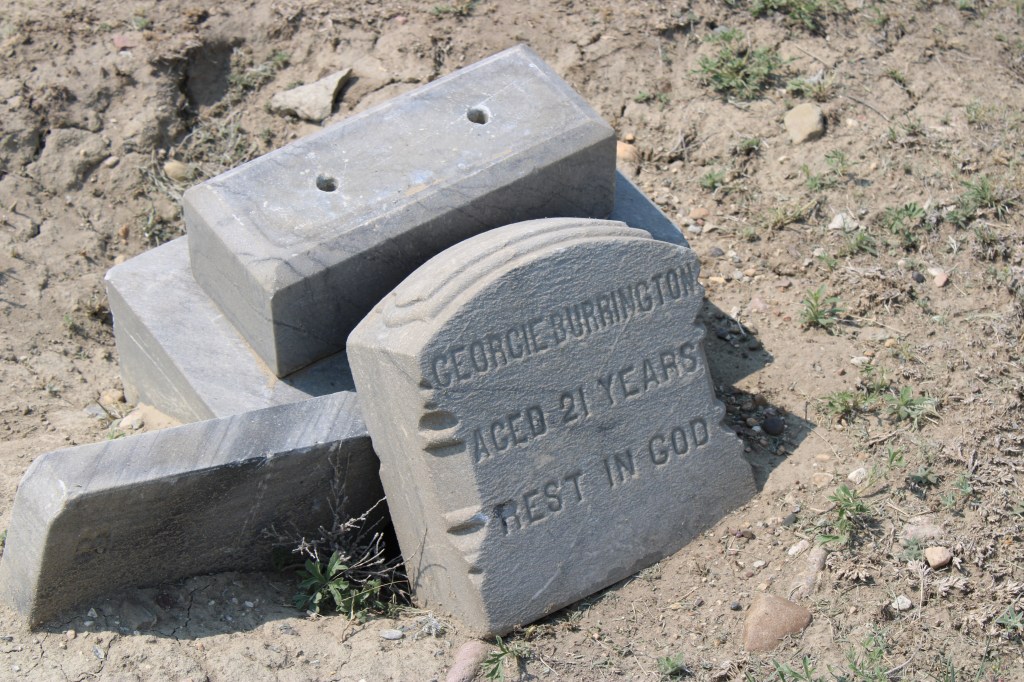
There are several interesting markers and many note a fraternal lodge association.

The Thomas marker is one of the oldest.
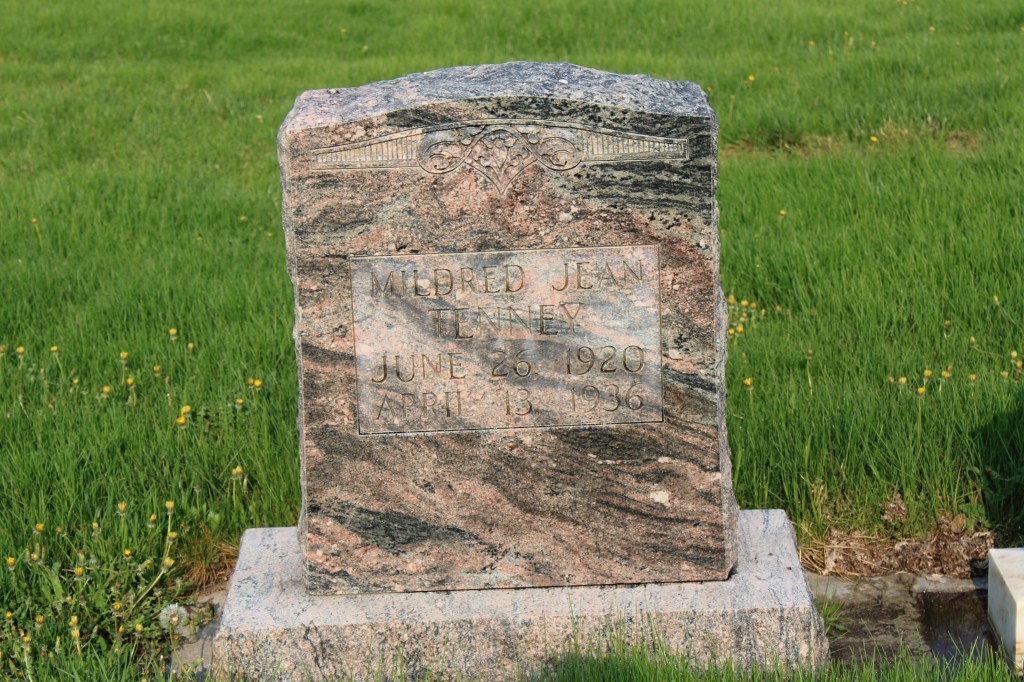
1936 marker with Art Deco styling

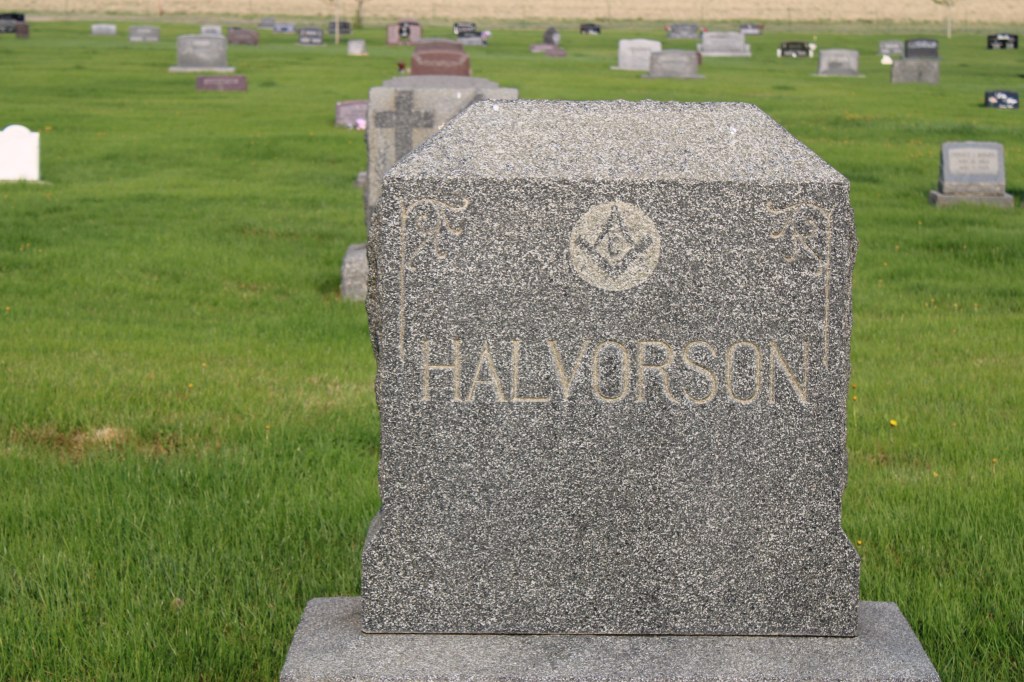
The Halvorson marker dates to be death of Mrs. Harry Halvorson who died in 1924. At that time her funeral was the largest ever held in Cut Bank. The Midland Empire of April 22, 1924 reported that 650 attended the funeral and that 77 cars went from the town Masonic Hall to the cemetery. A member of the Rebekah lodges in both Cut Bank and Shelby, Halvorson’s funeral attracted other lodge members from Shelby, Conrad, Valier and Browning. Her husband was the senior member of the Halvorson mercantile company, which started in 1901.

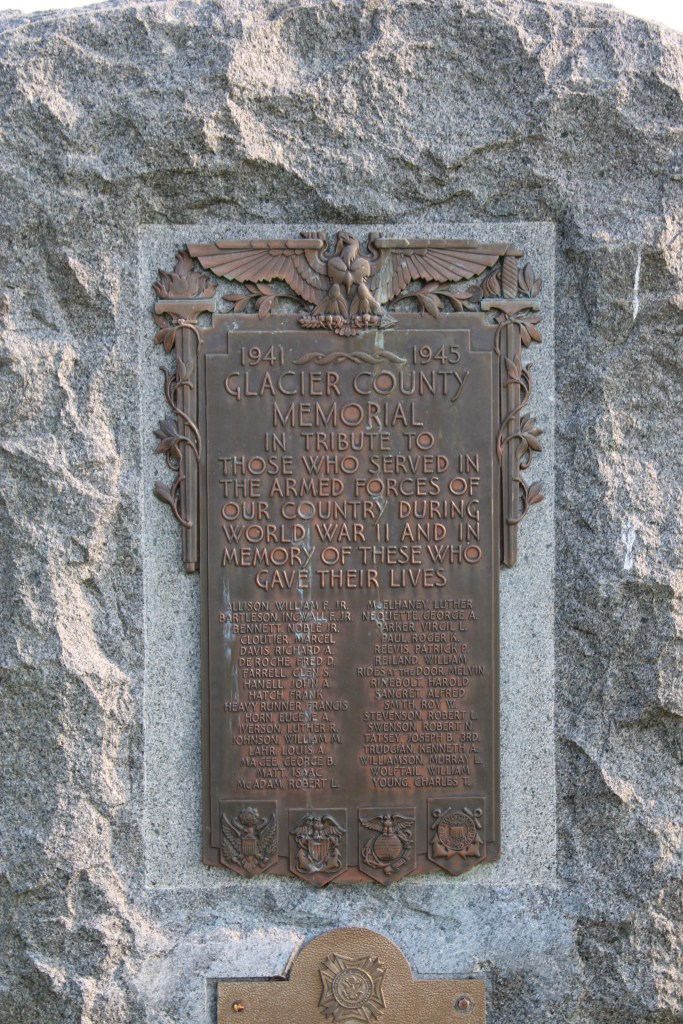
Another important marker is the veterans memorial from World War II. Cut Bank played a significant role as a satellite air field for the Great Falls Army Air Base. In 1942-43 pilots trained here in flying the B-17 Flying Fortresses. In 1948 the army conveyed the base to the town for civilian use.

Perhaps an unattended consequence of the military air base is that winter temperatures at Cut Bank was regularly available to national media, which played up the mage of Cut Bank as the coldest place in the lower 48 states. Cut Bank embraced the image, as this bit of roadside sculpture below attests. It stands at the eastern entrance into town on US Highway 2.

Crown Hill Cemetery is one of the oldest properties in Cut Bank open to the public. The cemetery is well maintained, well manicured and a testament to the respect and dignity local residents give to their past.

Zurich Park: New Deal Landmark in Blaine County

Zurich Park, 2023

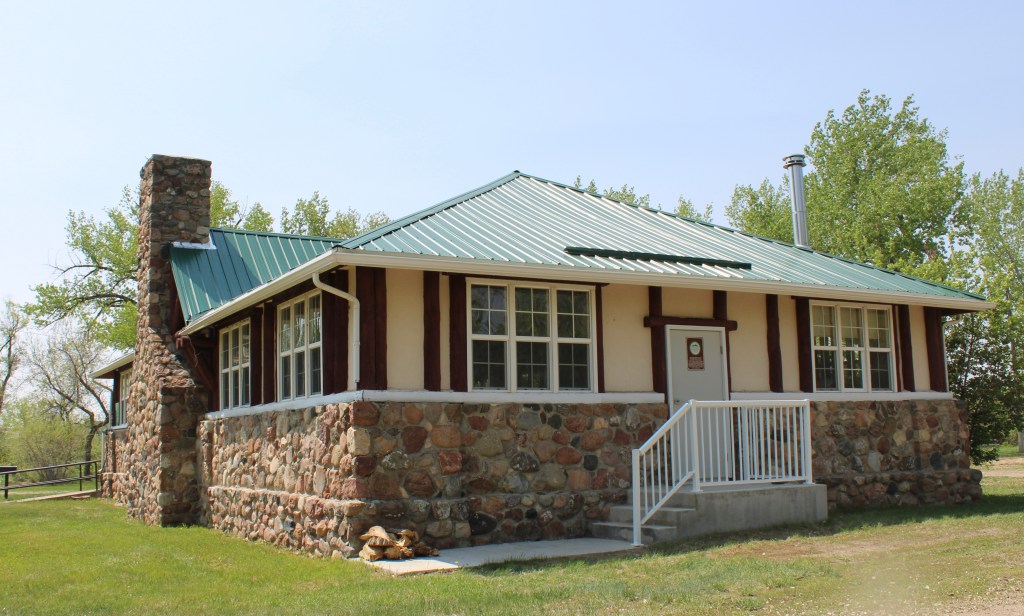
North of the railroad town of Zurich along US Highway 2 in Blaine County is Zurich Park, a New Deal era landmark from 1936-1937.

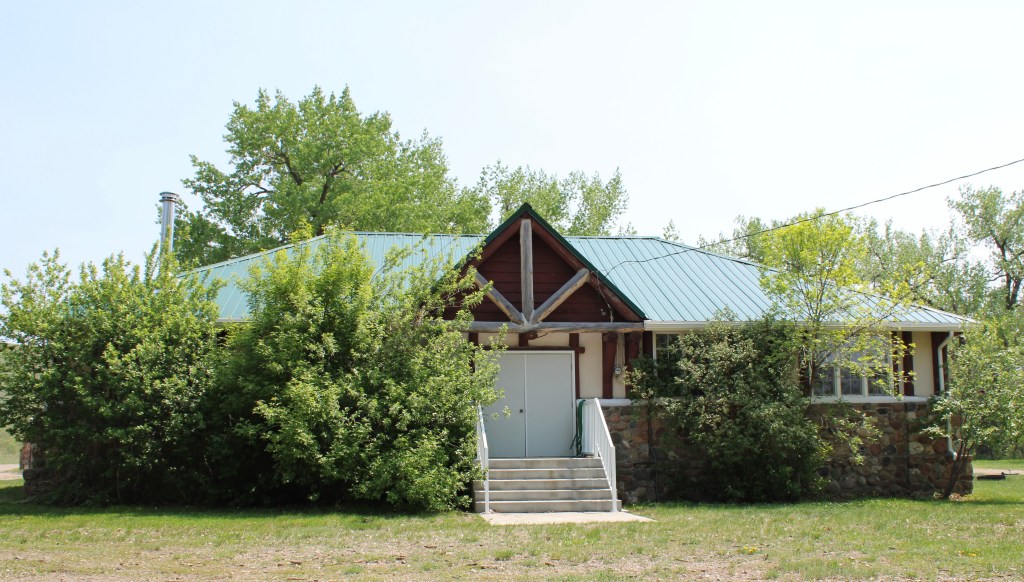
Originally called the Zurich Recreation Park, it developed as one three recreation areas in the planned South Wagner Resettlement Project. And the park in turn centered on the Community hall built at the park’s entrance.

The Chinook Opinion on July 16, 1936 reported the initial plans for the park. The facility was centered on 30 Mile Creek, not far from the river and you crossed one of the canals of the Milk River Project as you approached the park from Zurich.

Milk River Project

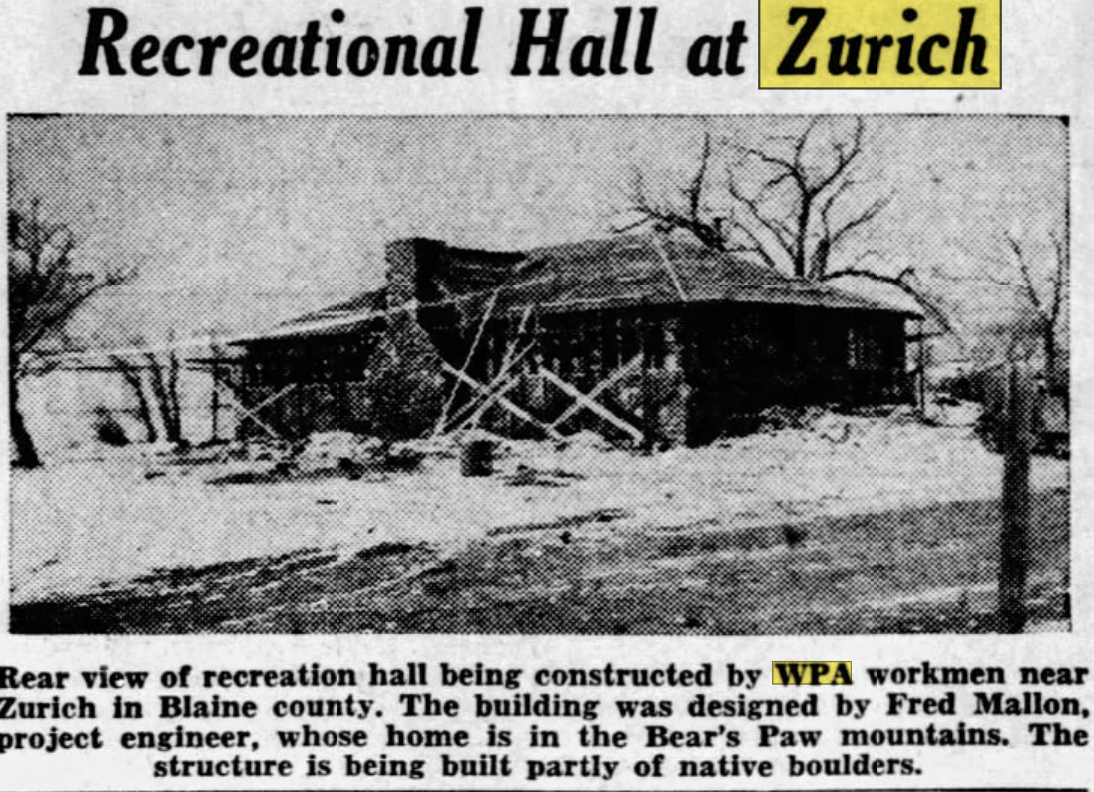
The community hall was 30 by 60 feet. 25 men, supervised by Floyd White of the county, constructed the building and other park features. The newspaper reported that the community hall “will be of native stone, logs and rough timber in rustic effect, plans having been drawn by Fred Mallon, project engineer” for the Resettlement Administration. The newspaper added that “This type of building will have the advantage of being more permanent, more attractive and will provide more labor and cost less for materials.”

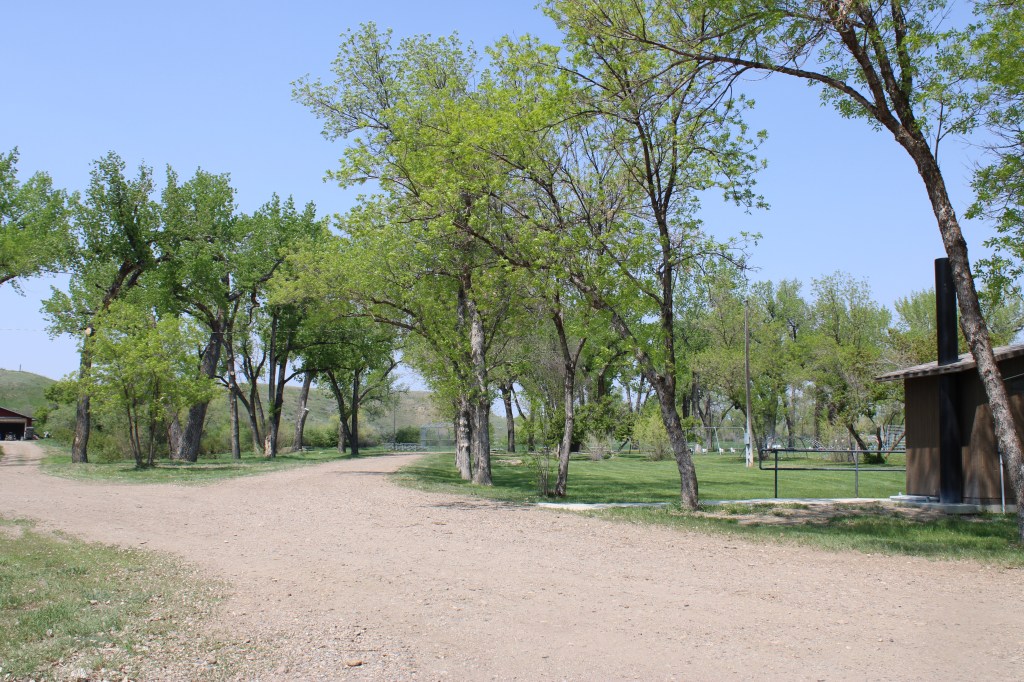
The park initially included a swimming area, picnic facilities and playgrounds.

In the winter of 1937 the Great Falls Tribune published a photograph of the almost completed community hall, with snow piled about the building. By the time summer rolled around the park was ready for use.

It served not just Zurich but hosted groups from Chinook and Harlem for decades. It quickly became a recreation and community center for all sorts of activities and meetings. The newspaper ad below was in the Harlem News of October 27, 1939.

For instance, regular district meetings of the Soil Conservation Service, the Beet Growers Association, 4-H clubs and home demonstration clubs met at the community hall. In 1939 the city of Chinook, who appreciated that local children had refrained from heavy use of fireworks, hosted a party at the park and bussed some 200 kids from Chinook for the afternoon event with hot dogs and ice cream. Even 40 years later the community hall was constantly in use by all sorts of groups.

In 1966 Chinook Lions club members gave the park and hall a facelift, installing five new picnic tables. The Harlem club joined in the effort and added six new picnic tables. Both groups made improvements to the playgrounds. The Chinook Opinion of June 9, 1966 reported: “These tables were built by the Chinook and Harlem high school shop department[s]. It is understood that a new resurfacing of the highway to the park [today’s Park Road] will be done this summer, and the park will be put in first class shape.” Zurich Park remains well maintained today as these images prove. Rural life and community events have changed in the 21st century but Zurich Park remains as an important legacy of the Great Depression decade.

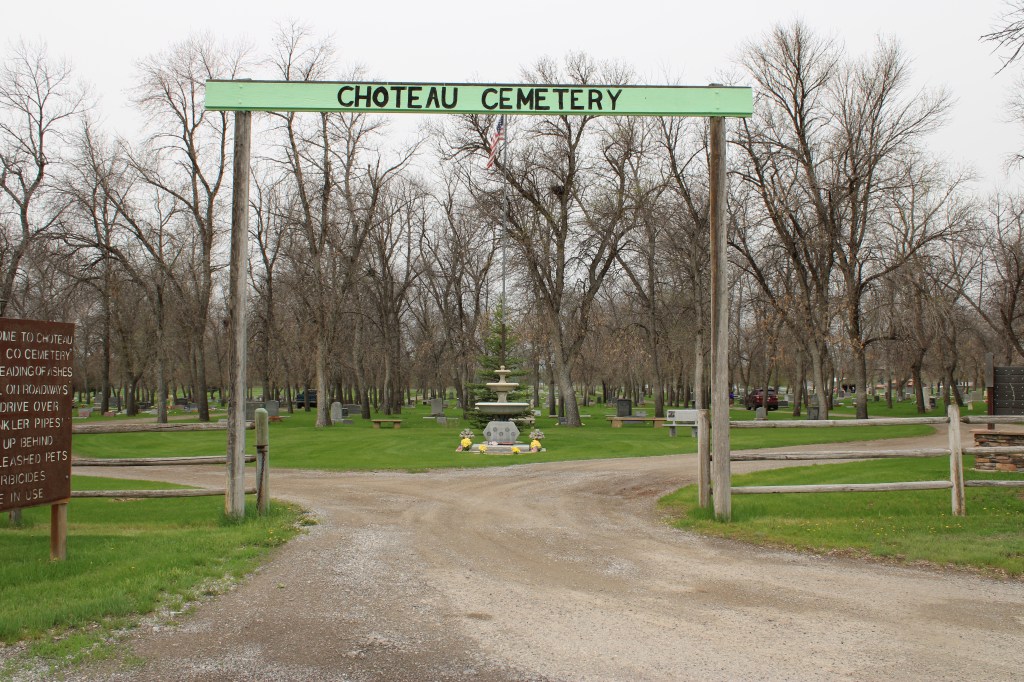
Choteau Cemetery, Teton County

Choteau Cemetery is one of the oldest public spaces in Teton County as it dates to the platting of the town itself in 1883.

The beautiful, well manicured grounds of today did not always exist. For the first four decades the county “kept” the cemetery but merely as a burial ground for residents and the poor (the county bought 10 plots for indigent burials in 1895).

In 1927, during a decade of beautification efforts happening in towns, schools, and ranches across the country, city officials decided to introduce a levy to pay for the irrigation of the cemetery and the planting of a beautiful grove of trees to further dignify this community place.

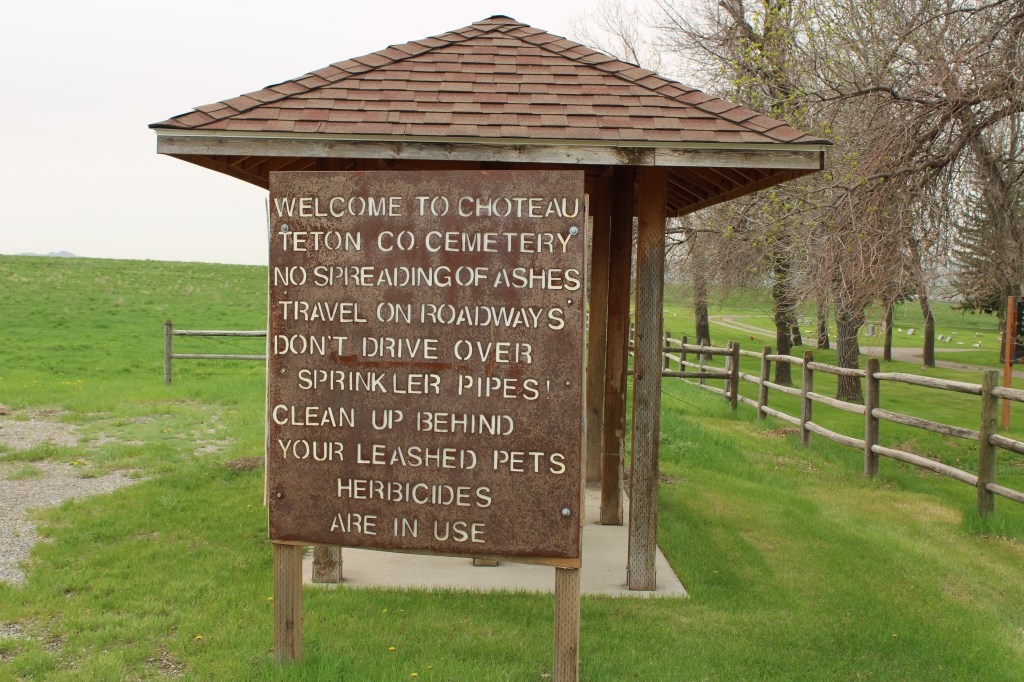
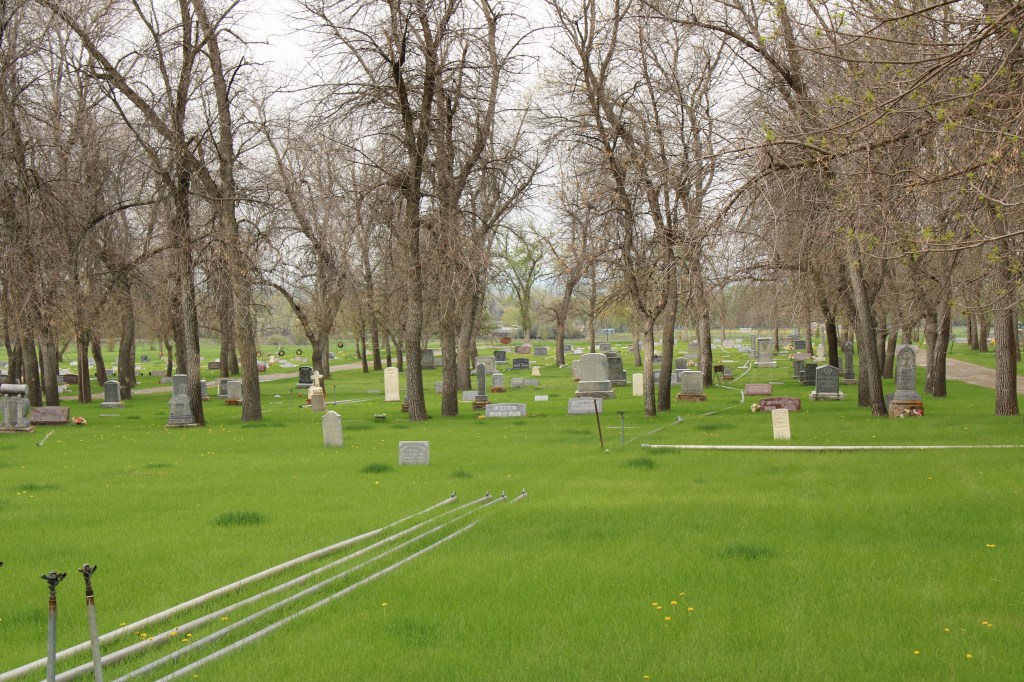
A sign reminds everyone not to drive over the pipes, which can be clearly seen throughout the cemetery (see below).

In 1928 the city purchased lawn seed and acquired the first set of saplings to plant. Thoughtfully maintained ever since, even when with some controversy cemetery leaders removed 70 diseased trees in 2015, the Choteau Cemetery is an impressive sight, and worth a thorough investigation as it approaches its 100th year as an irrigated public property.

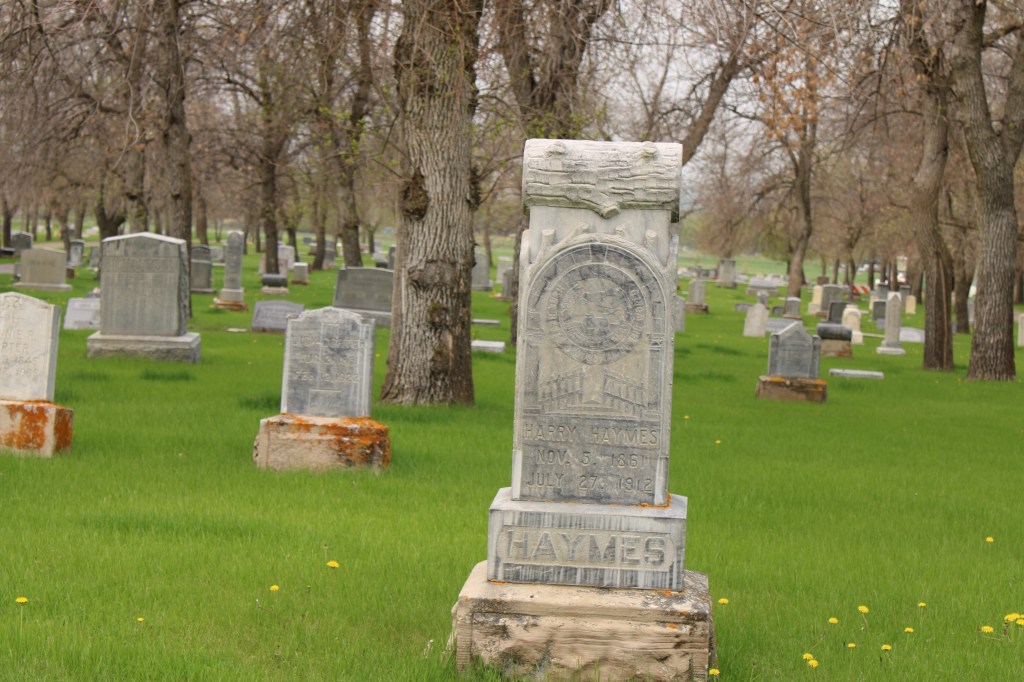
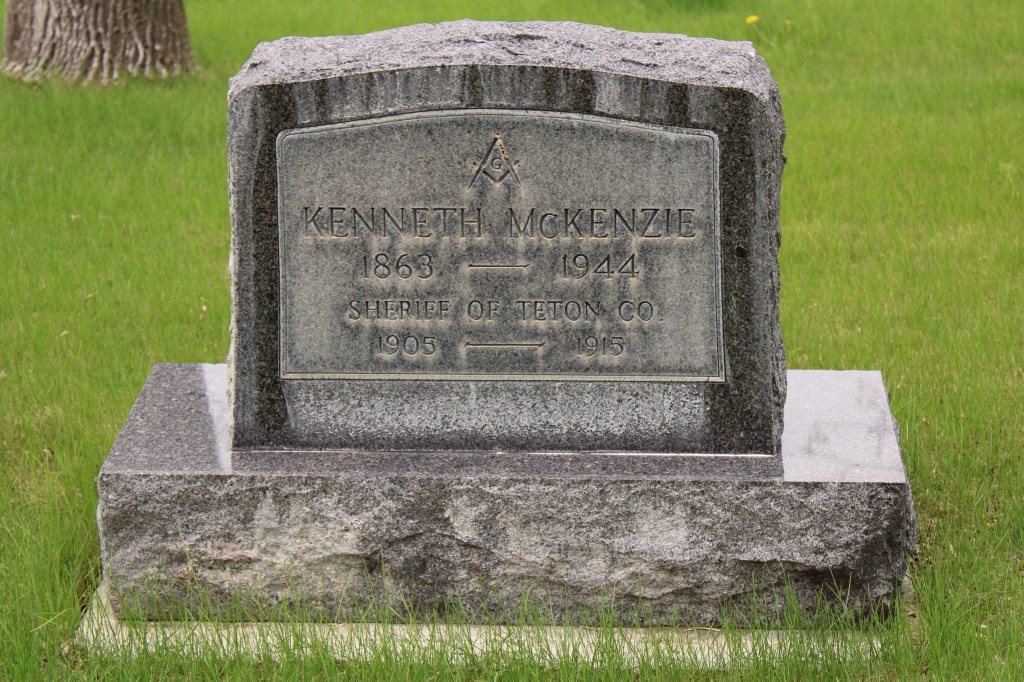
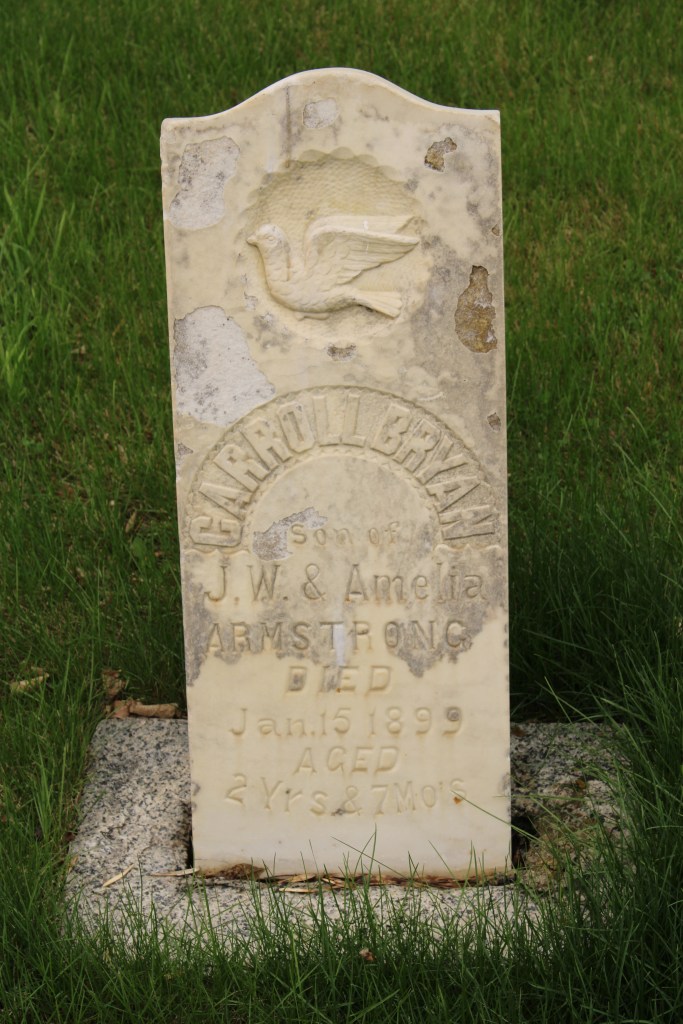
There is a range of fraternal markers from the early 20th century.

Woodmen of the World marker for Harry Haynes
Women of Woodcraft marker for Amelia Armstrong
Masonic marker for former sheriff Kenneth McKenzie

There are delicately carved stones in Victorian themes reflective of the Civil War era.

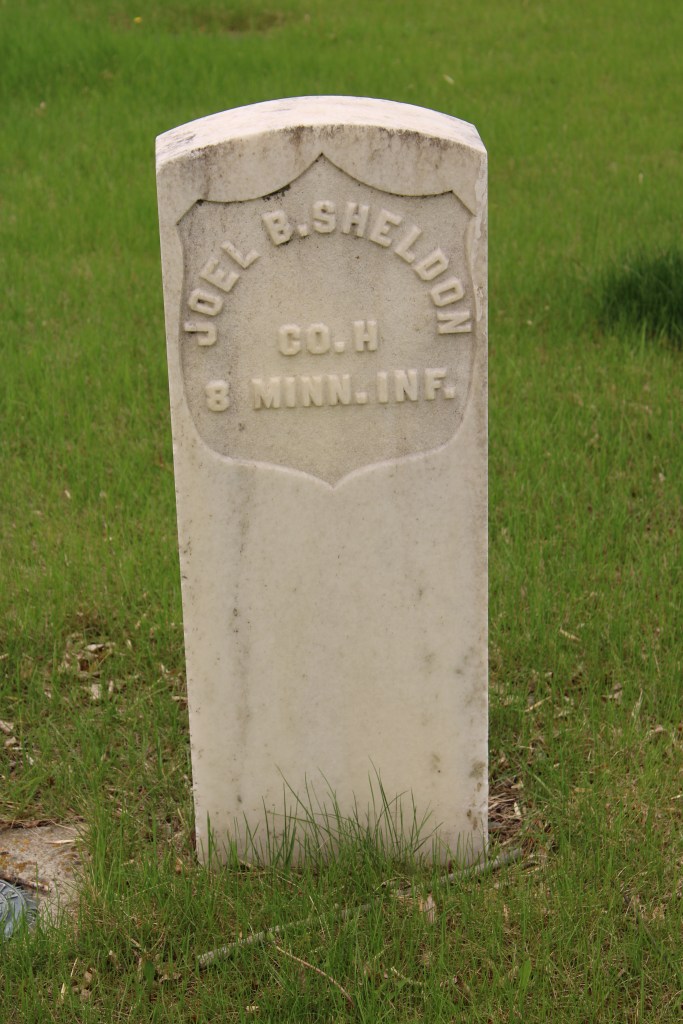
And as you expect there are veterans of the US Army from the Civil War and all subsequent wars buried here.

Then there are those markers that hint at a bigger story and you miss you knew more, such as this blending of the pillow and heart motifs for Mary McDonough and erected by Minnie Reese.

The cemetery is large but not overwhelming. Its straight forward linear design and rectangular shape are common. But the evident care and commitment of today’s residents to the past is commendable and worthy of note.

A new visit to Augusta

I had not been in Augusta since 2016–two years before the foods of June 2018 rattled this northern Lewis and Clark County town.

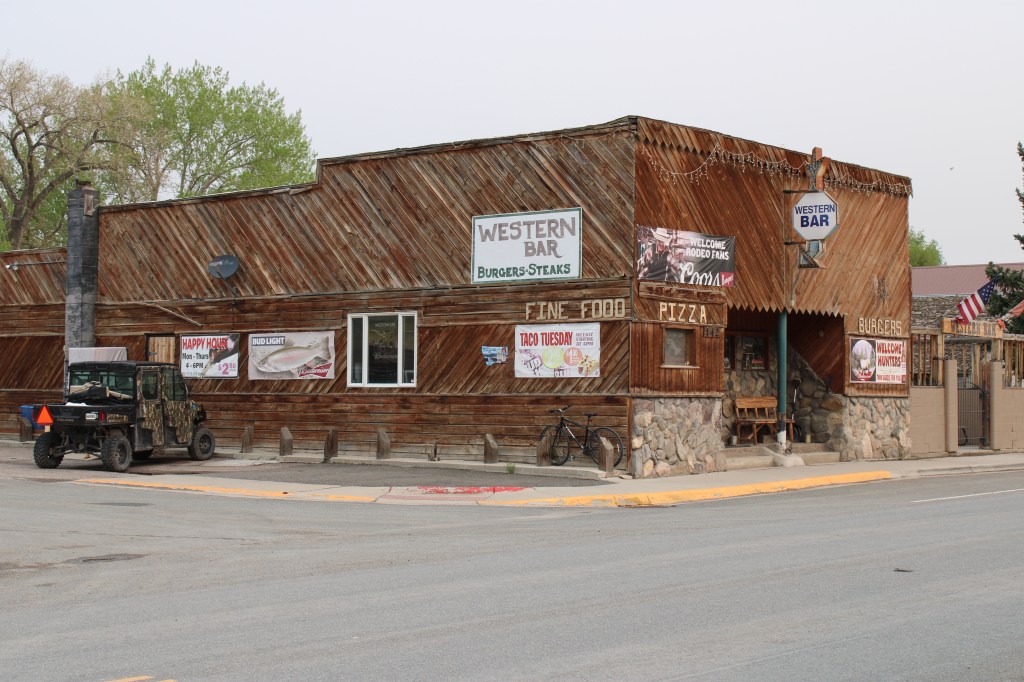
Old haunts like the Western Bar and the Lazy B Cafe were still operating, looking good.

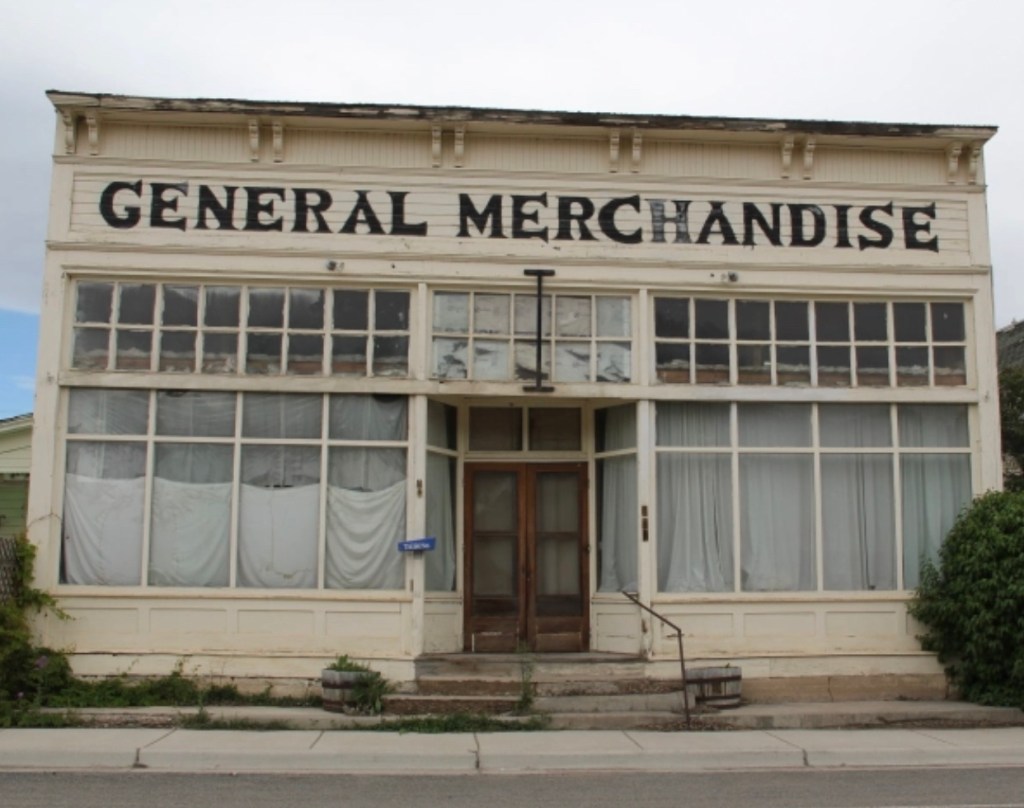
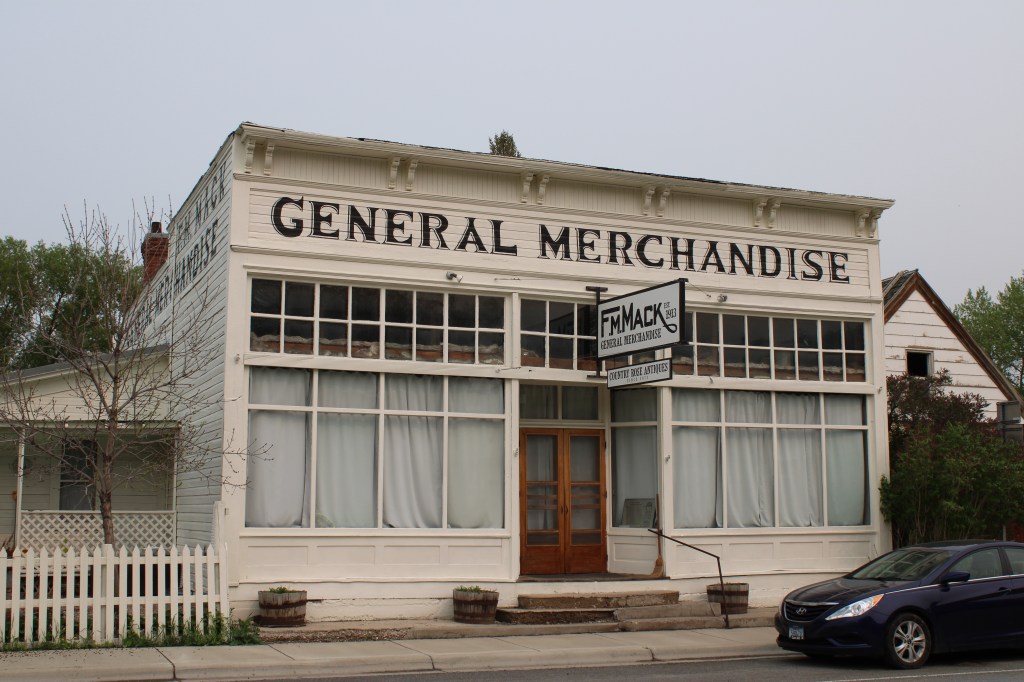
Recent historic preservation efforts had given a new life and a restored appearance to such as National Register-listed landmarks as the Mack general store and Quinn’s garage.

Mack’s general store, 2016
Mack general store, 2023
Quinn’s Garage, closed in 2016
Quinn’s Garage, 2023. Now listed in the National Register, the garage is restored and open for commercial use.

The Augusta Branch, first established almost 50 years ago, of the Lewis and Clark County Library also had recent renovations and a new ramp. A great place for more information about this very historic rural Montana town.

And I still love the historic school, both the classical building from the first decades of the 20th century and the more modern styled building from the mid-20th century.

Augusta is a place, as I discussed in this blog in 2016, that is long in history and short in pretense. You need more evidence—just trim around from the school and consider its neighbor, a Masonic Lodge with a concrete block facade fitting a Quonset hut-like structure behind. What a great place.

Kenilworth Hall in Choteau County

Kenilworth Hall 1984

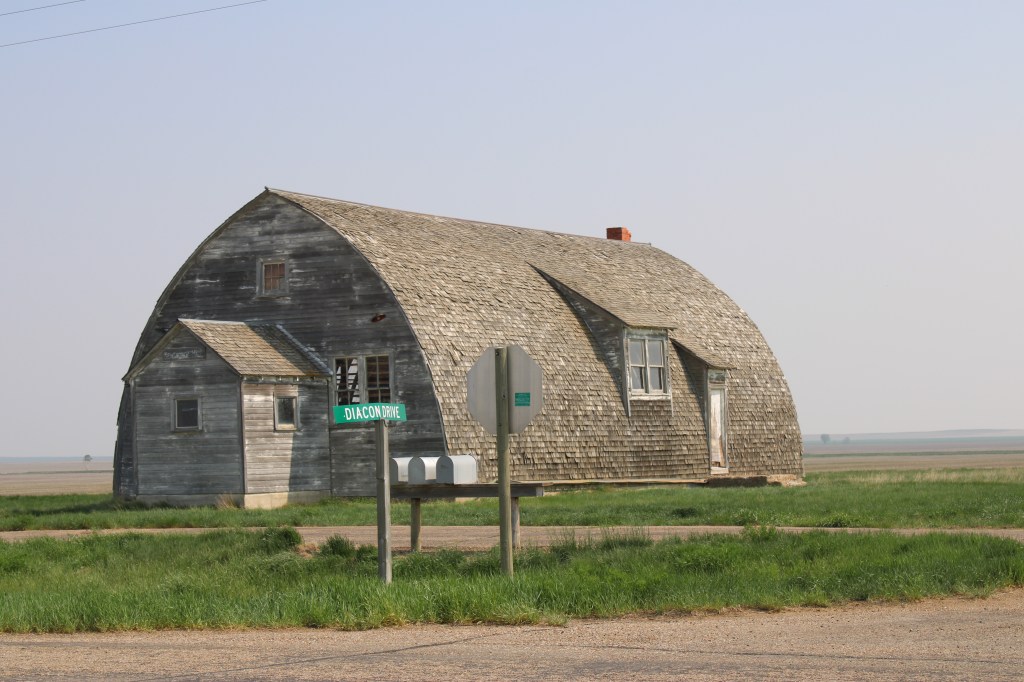
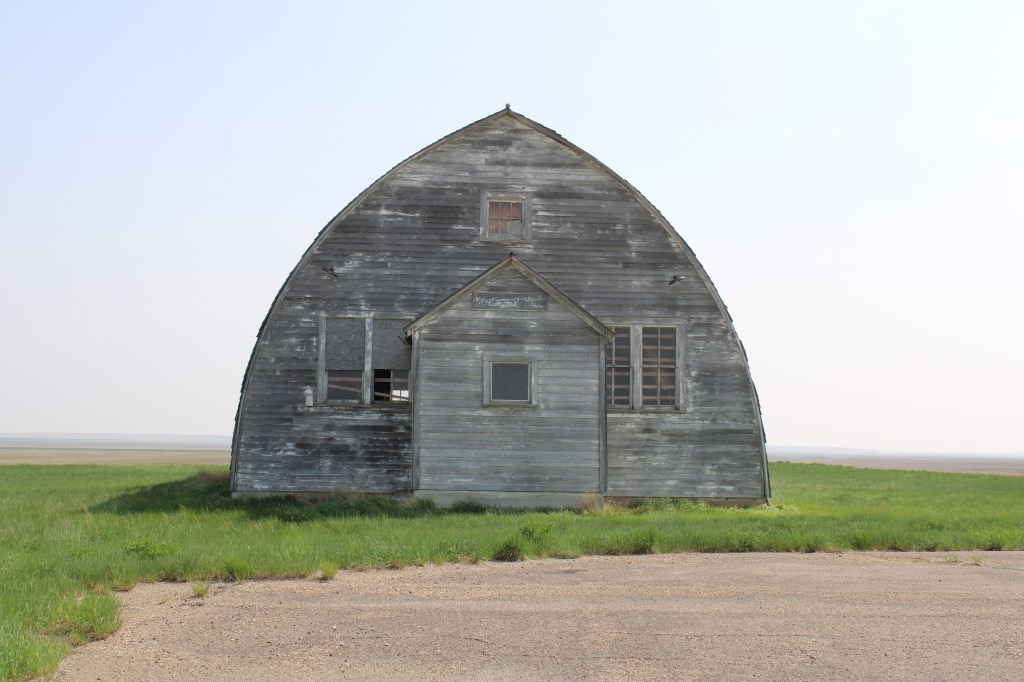
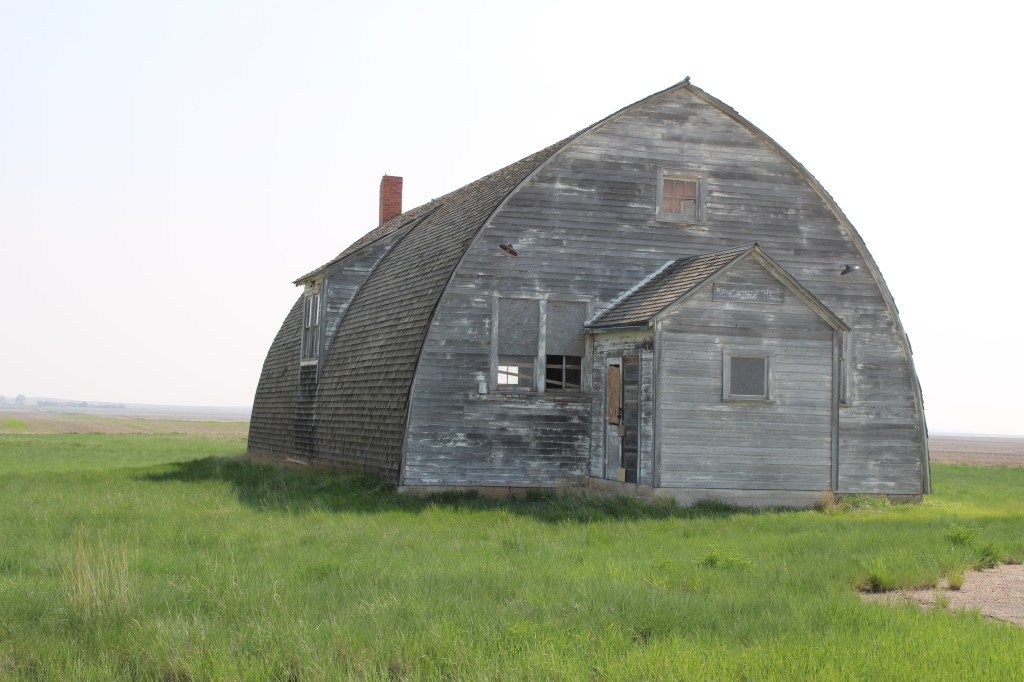
I first visited Kenilworth Hall, on Montana 432 west of Big Sandy, early in my 1984 fieldwork for the Montana state historic preservation plan. At the time I really hadn’t seen enough, or heard enough, to understand the overwhelming significance of these rural places. What caught my eye was the building itself—like the top half of a barn plopped down at an empty crossroads in the middle of nowhere. Its very presence told me it had to be important.

And as I held public meetings and stopped in at local museums that winter into the spring, I learned that community halls were very important gathering places for ranch families. At Kenilworth, there were parties for all the seasons. Various clubs met regularly. It was a social and educational hub.

So last month I purposely took the drive to see if Kenilworth Hall was still there. I half expected it would be gone. But it was there, barely as the images below attest.

The hall needs some TLC, and a paint job. And it should be recognized as an important place. I hope it has a second wind—or third and forth, and remains a west Chouteau County landmark for decades to come.

Bowman’s Corner: Disappearing Rural Crossroads Stores

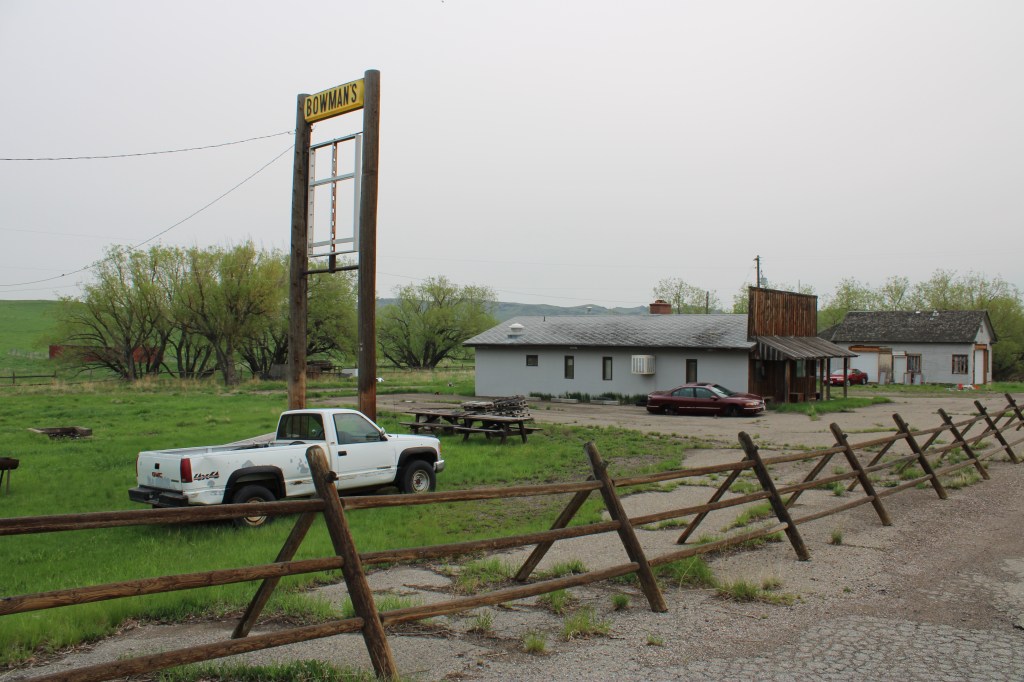
Forty years ago you expected to find crossroads places—typically a bar/cafe, often with a store and gas pumps—whenever you passed through major highway junctions. At the intersection of Montana Highway 200, which is still a major east-west route, and US Highway 287 stood Bowman’s Corner in northern Lewis and Clark County.

Bowman’s Corner 2023
Cafe, bar and store

Today the place is there—the building remains while the sign has almost all blown away. Old cars are parked around. A fence tells you not to enter.

Old corral site

Particularly sad to see is where the rodeo corral once stood. I can recall taking a break once and watching some guys practice roping.
Here was a laid back roadside oasis. Not totally gone in 2023–but you wonder if Bowman’s Crossroads is not another crossroads place to be forgotten as the 21st century moves onward.

Dumas Hotel and Blue Range Brothel, an 2023 update from Butte

Five years ago I presented a rather long visual exploration of the Dumas Hotel brothel in Butte. It was open to the public then. New owners acquired the building and the place in the exterior is looking better. We still await future plans for the building.

Dumas Hotel May 2023.

The same cannot be said for the historic Blue Range cribs across the street. That building has been demolished, making the preservation of the Dumas Hotel even more important.

Former site of the Blue Range.

Baxendale School restoration

Preserve Montana is leading a community effort in Lewis and Clark Counto to preserve the historic Baxendale School.

Located adjacent to the historic campus of the Archie Bray Foundation and just down the road from Ft William Henry Harrison, the school with the neat Victorian entrance will become a preservation resource center where residents can have hands-on experiences in historic restoration.

Terrible News: the Burning of the Graves Hotel: a Harlowton landmark

Heard this afternoon that the Graves Hotel, a National Register landmark in Harlowton , has been lost to fire.

The Graves hotel in 2021
Site of Graves Hotel, May 2023
Graves Hotel, Harlowton, MT, 1984

One of my favorite places and the last place I stayed in Montana in 1985 before moving to Tennessee

Graves Hotel in 2014

One of the best railroad hotels in Montana from the days of the Milwaukee Railroad c. 1908.

Graves Hotel 1987
Graves Hotel 1985
Graves hotel 1985

Deer Lodge’s Hillcrest Cemetery

Hillcrest Cemetery, established in 1883, is not only one of Deer Lodge’s oldest community institutions, it is also one of its most compelling and beautiful nestled as it is west of the town within the Deer Lodge Valley. Burials here date to at least 1872 (the earliest legible death date I found on a marker). The general layout of the cemetery comes from a map provided by the City of Deer Lodge on its website.

The diversity of its grave markers adds to the beauty and rich stories found at Hillcrest. The classical mausoleum for the John Morony family commands the northern end of the cemetery, with its low square posts linked by chain defining a spot that is within the cemetery but also outside of it. John Morony was a Montana native who gained great wealth as the managing director of the Amalgamated Copper Company in addition to several banks from Great Falls to Anaconda, Missoula, and Dillon and as a major investor with the Montana Power Company.

Classical styled cemetery “furniture” within the chain fence of the Marony mausoluem
The Marony mausoleum facing north, May 2023

South of the Marony mausoleum is most of the cemetery’s burials, with the well maintained grounds marked by large trees, various ornamental plantings and drives that crisscross the cemetery allowing you easy access to its different sections.

The ethnic diversity of those buried here is striking, reminding us that Deer Lodge was more than the location of the state prison (a very important fact) but also a place that the railroads shaped, with the Utah Northern, then the Northern Pacific, and finally the Milwaukee Road laying tracks through the valley. The latter had the most impact as the Milwaukee made Deer Lodge a division point with roundhouses and other buildings, which stood in the 1980s but are now largely gone.

There are many markers of artistic value, from formal, carved stones rich in symbolism and architectural detail to those of a more vernacular design origins, which can even be difficult to translate today.

The Kimmerly Family Plot grave marker with carved doves.
A Victorian fence and gate sets aside the graves of Jesse Clark (d. 1878) and a baby (d. 1874), children of copper magnate W. A. Clark and his wife Katherine L. Clark
A rare concrete block grave marker.

Hillcrest Cemetery also has grave markers that reflect patterns found in other Montana community cemeteries in those that mark fraternal lodge memberships and service in the U.S. armed forces.

Exceptional Woodmen of the World marker for Carl O. Stav (c. 1901).
The Grand Army of the Republic erected this marker to commemorate U.S. army veterans from the Civil War who are buried in this section of the cemetery. There are many other veterans from the armed forces buried at Hillcrest.

The cemetery also has early pioneers buried here, including Conrad Kohrs, whose historic ranch, the Grant-Kohrs Ranch, is a National Historic Site, administered by the National Park Service not far from the cemetery.

The grave markers above are just a few of the many at Hillcrest Cemetery worthy of acknowledgement and fuller study. This historic place is one of the most interesting community cemeteries I have encountered in Montana.

Horace and Elizabeth Countryman were influential pioneers in eastern and western Montana. Note the Masonic association at the top of Horace’s stone.

At the East rear of the cemetery is one of the oldest sections, reserved for inmates who died at the Montana territorial and then state prison. Separate from the the other sections, the prison cemetery is a somber experience.

Prison cemetery